
A Touch of Luxury: Marble Tables for Your Living Room
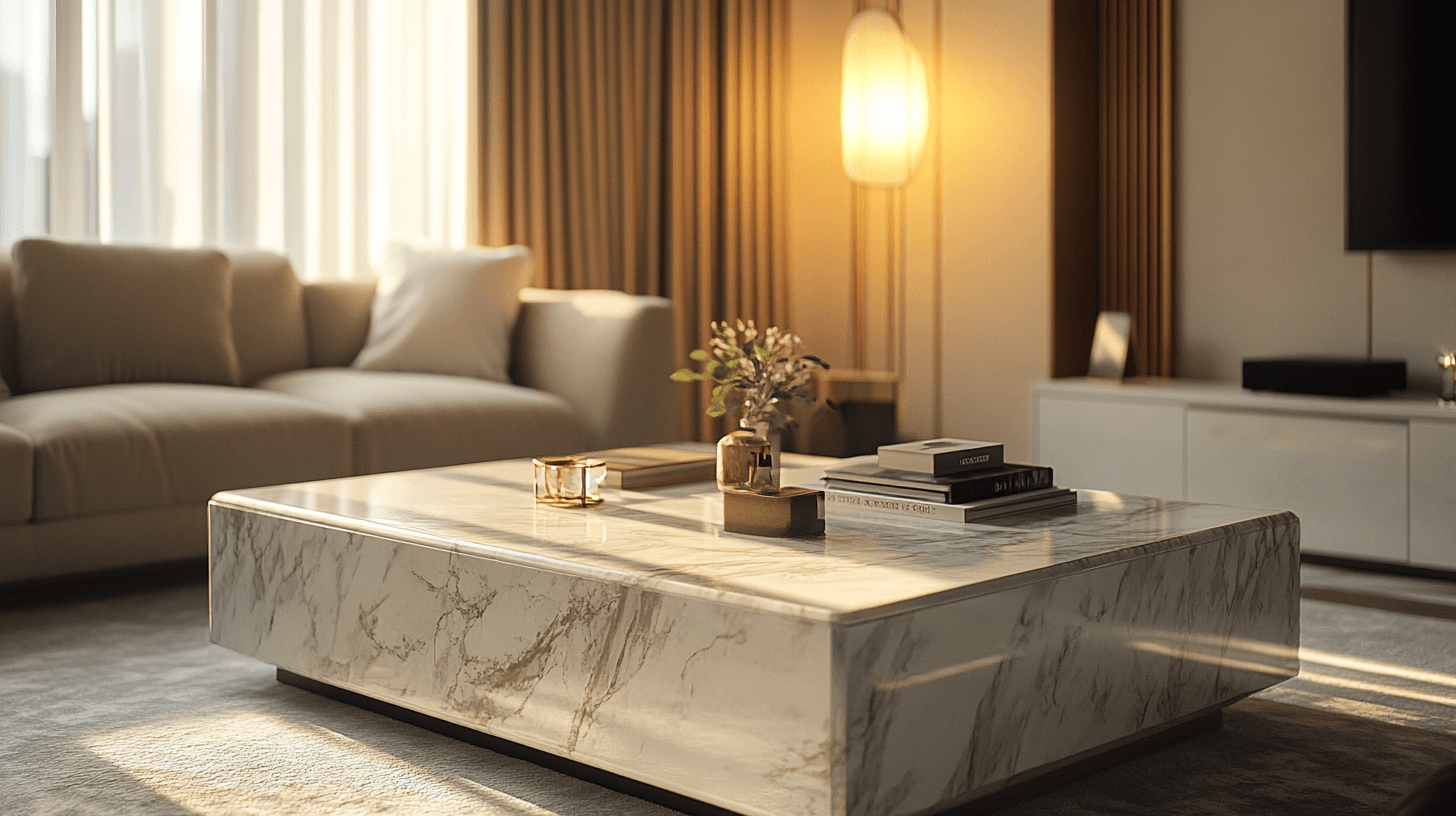
Marble tables are a symbol of elegance and luxury. They add a special touch to any living room and are real eye-catchers. But marble tables are not only beautiful to look at, they are also extremely functional and versatile. In this article, you'll learn everything you need to know about marble tables, from the different styles and designs to care tips and advice on how to integrate them into your home. Get inspired and discover how a marble table can add a touch of luxury to your living room.
Elegant marble tables for a stylish ambiance


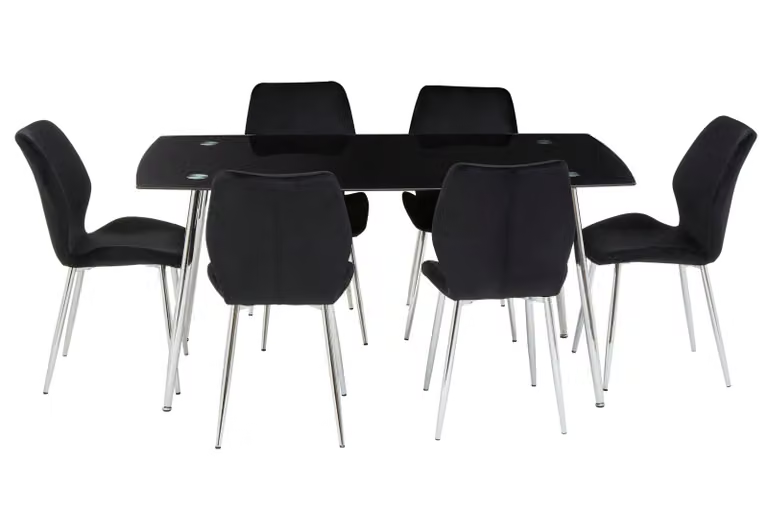
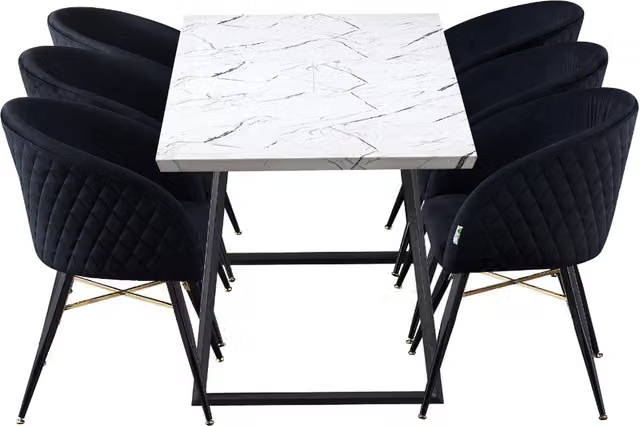
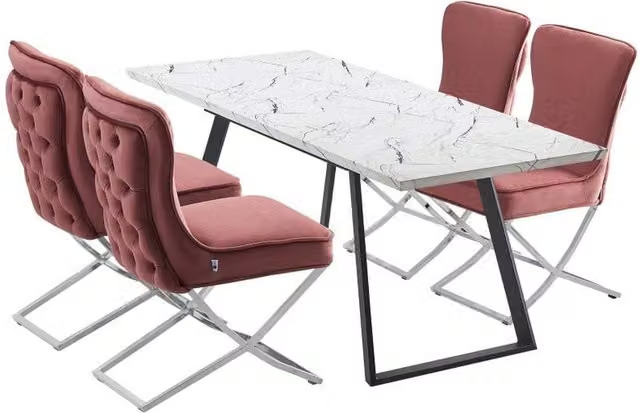
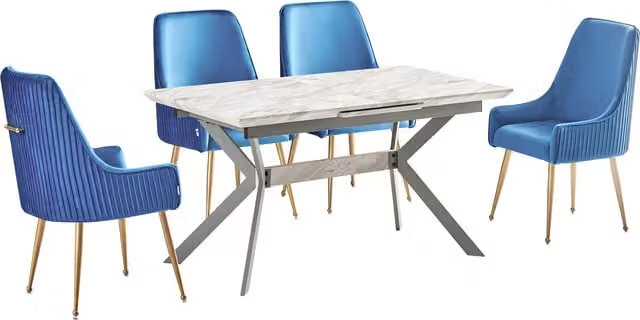
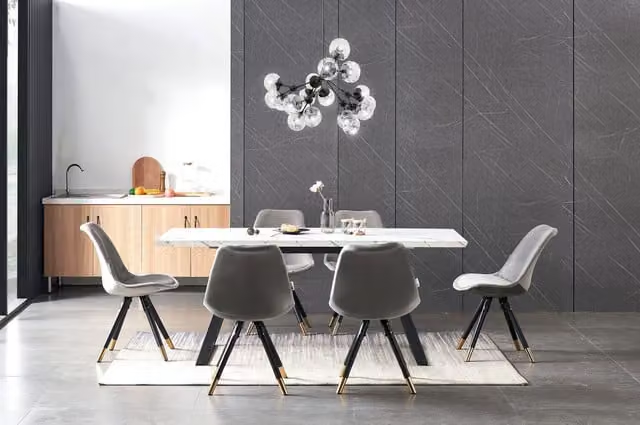
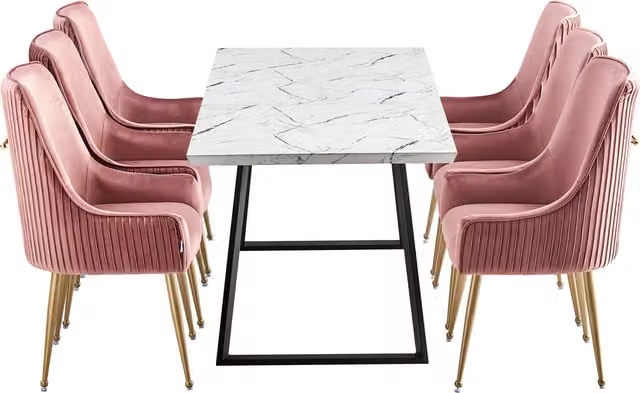
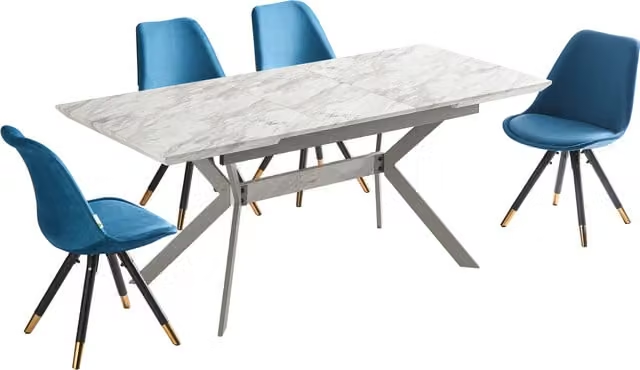
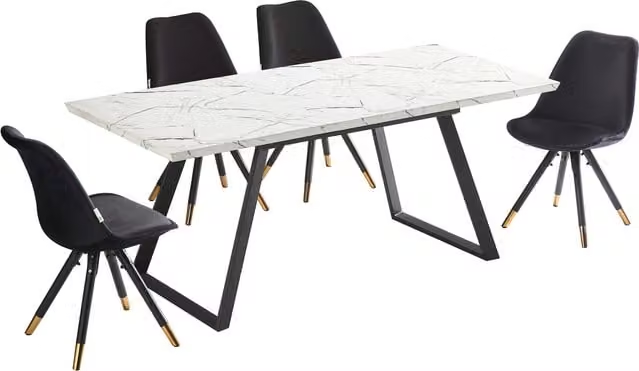
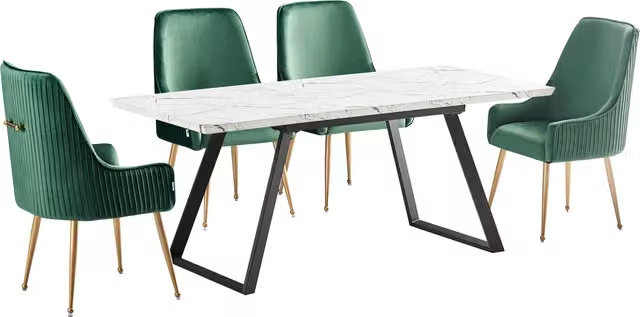
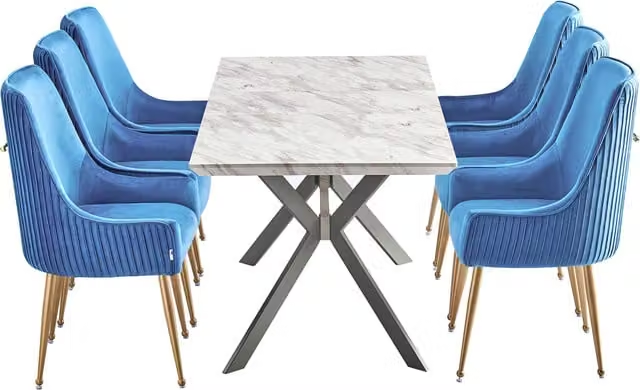
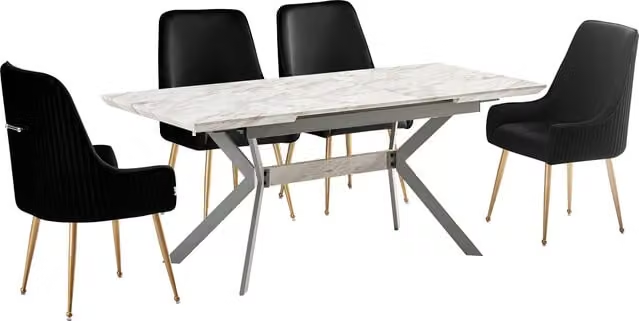
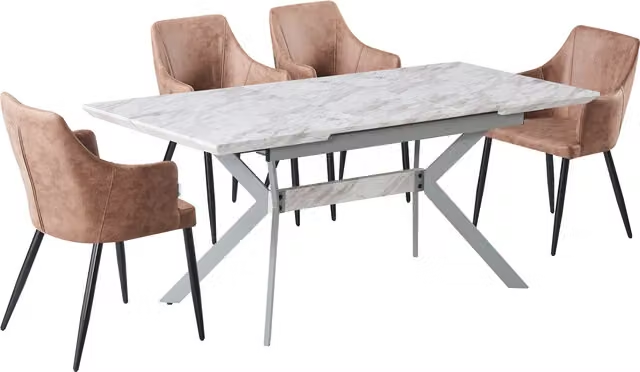
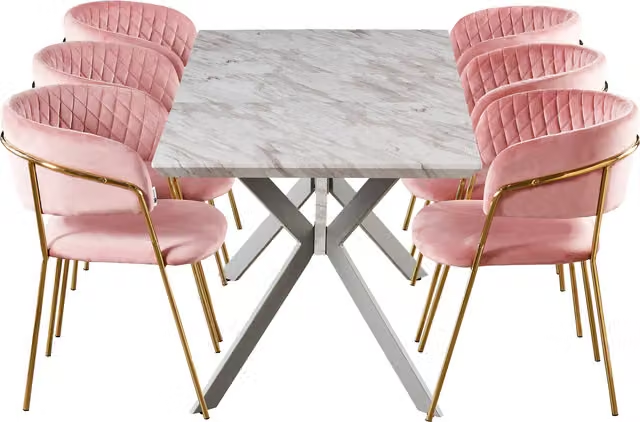
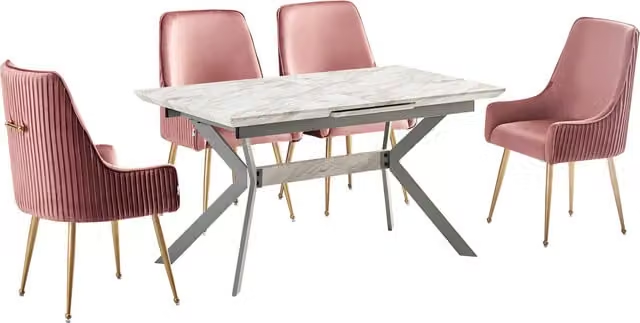
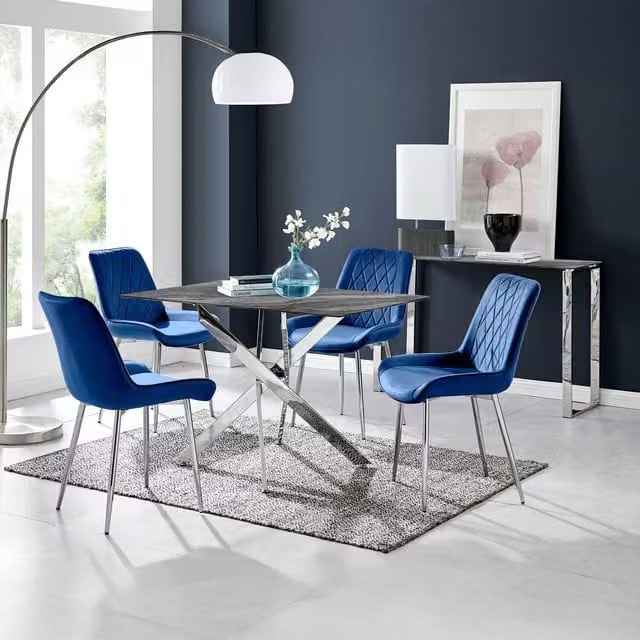
Different styles and designs of marble tables
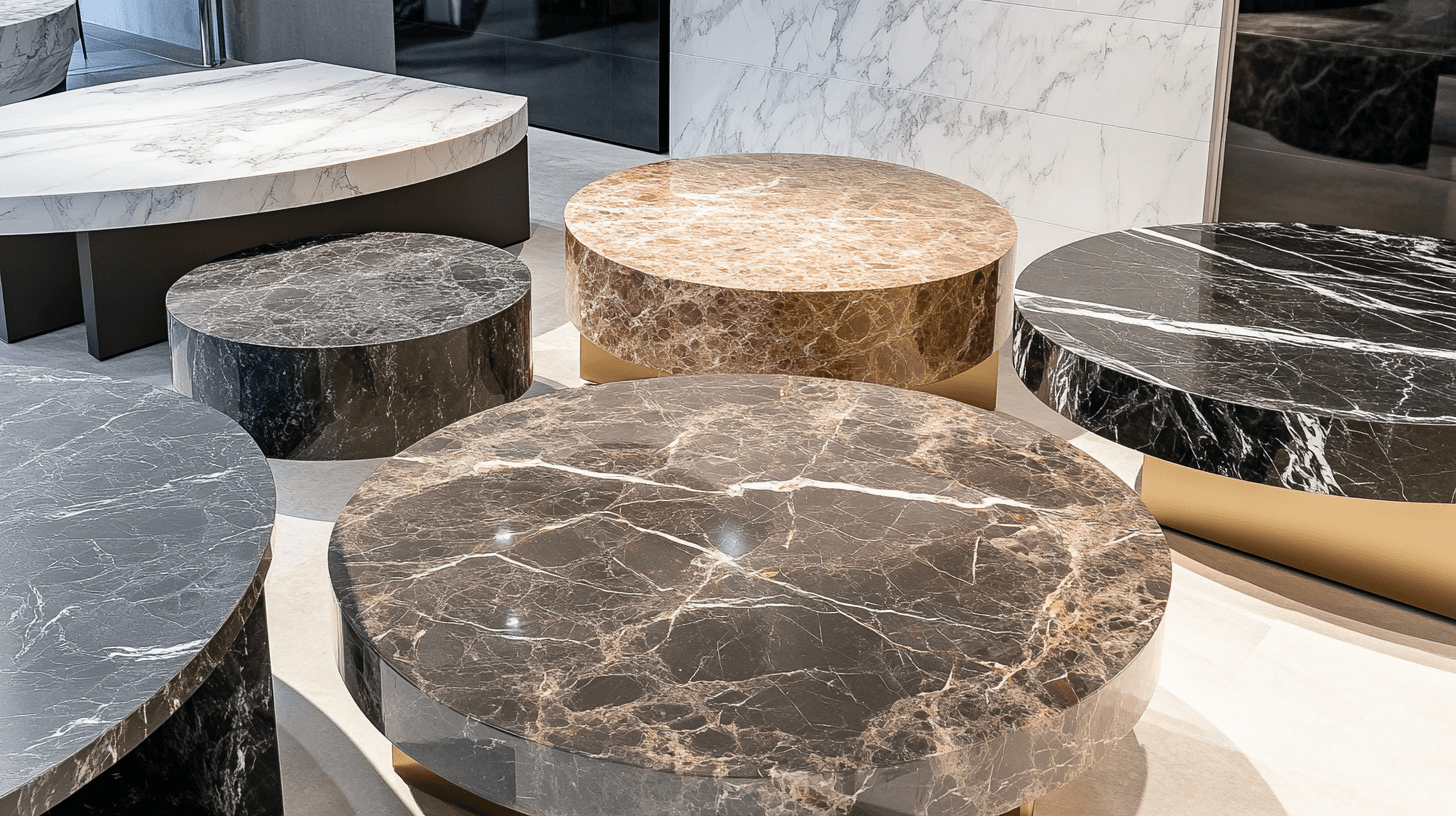
Marble tables come in a variety of styles and designs that can perfectly integrate into any living room. From classic, round coffee tables to modern, rectangular dining tables – the selection is almost limitless. A popular style is the minimalist marble table, which impresses with its simple elegance. These tables often have a smooth, polished surface and clear lines that particularly stand out in modern and Scandinavian interior styles.
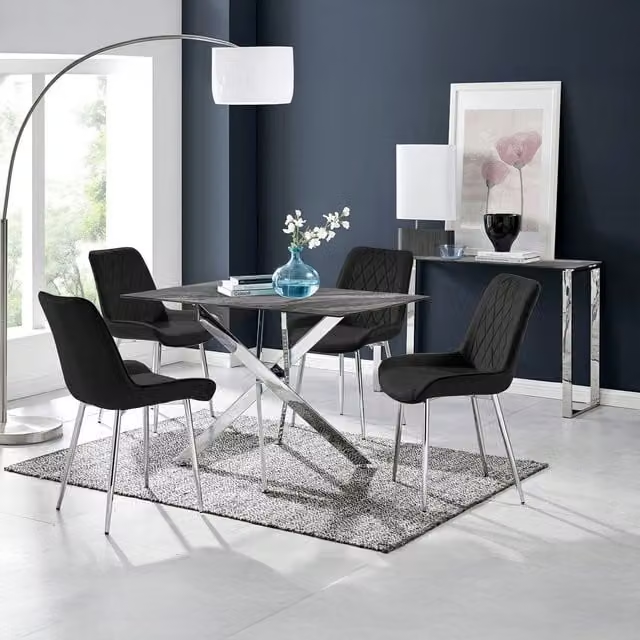
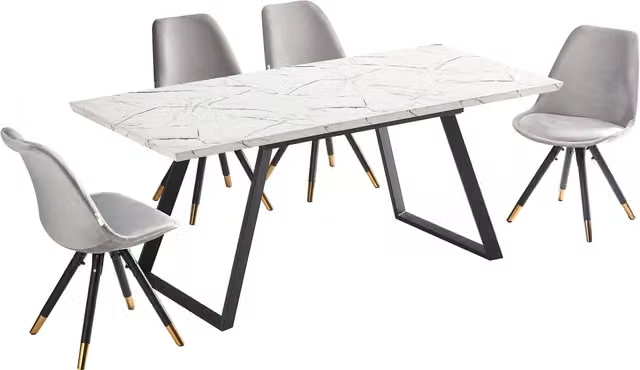
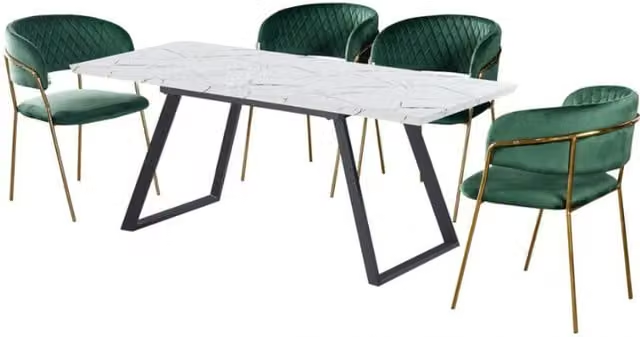
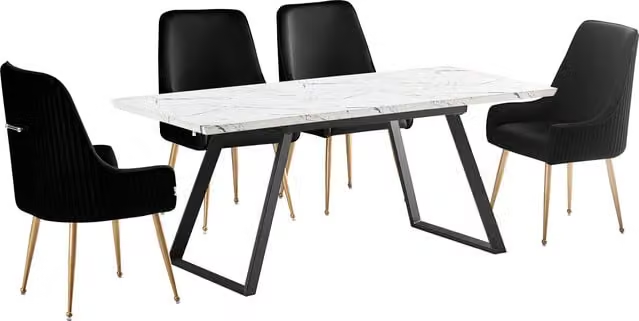
Another trend is marble tables with metal frames. This combination of cool marble and warm metal creates an interesting contrast and gives the room an industrial touch. Frames made of brass or black steel are particularly popular, giving the table a modern yet timeless look.
For those who prefer something more extravagant, there are marble tables with elaborate decorations or in unusual shapes. These tables are often true works of art and draw all eyes to them. They are excellent as a statement piece in an otherwise simply furnished room.
The color palette of marble tables is also diverse. In addition to the classic white marble with gray veins, there are also variants in black, green, or even pink. These colors can be used specifically to set accents or to harmoniously blend into the existing color scheme of the room.
Another aspect to consider when choosing a marble table is the size. A large marble dining table can form an impressive centerpiece in a spacious dining room, while a smaller marble side table adds a touch of luxury to a cozy living room. It is important that the table is chosen proportionally to the room and the existing furniture to create a harmonious overall picture.
Care and Cleaning of Marble Tables
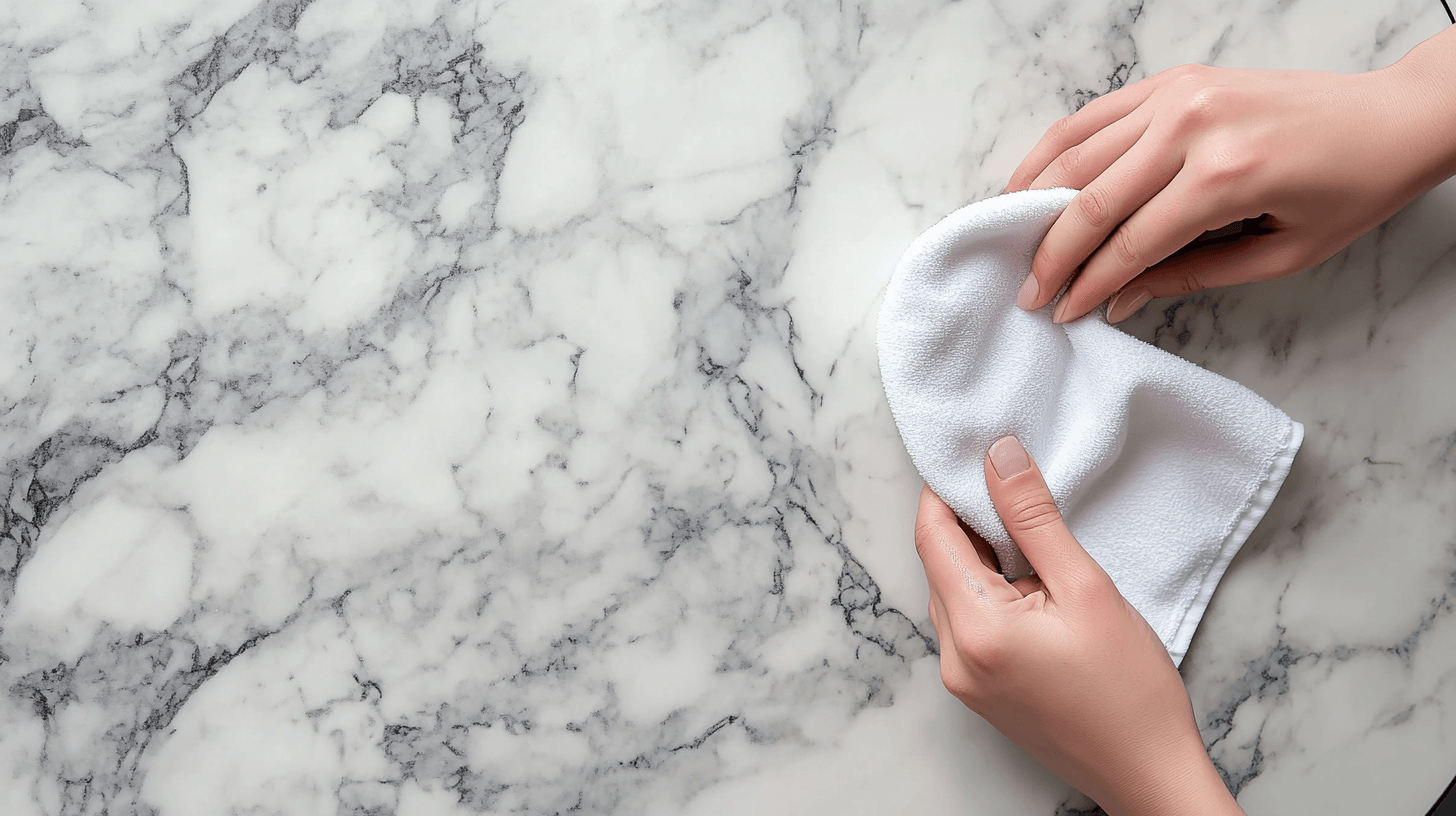
Marble is a natural stone known for its beauty and durability. However, it requires some care to maintain its elegance over the years. Proper cleaning and maintenance of a marble table are crucial to avoid stains and scratches and to keep the surface in pristine condition.
First of all, it's important to remove spills immediately. Marble is porous and can quickly absorb liquids, leading to stains. Use a soft, damp cloth to wipe up spills right away. Avoid harsh cleaning agents, as they can damage the surface. Instead, you should use special marble cleaners that are gentle on the surface.
To avoid scratches, it's advisable to use coasters and felt pads. These protect the surface from scratches caused by glasses, vases, or other objects. Also, avoid moving heavy objects to prevent scratches.
Regular sealing of the marble can also help protect the surface. The sealant forms a protective layer that prevents the penetration of liquids and the formation of stains. Depending on the use and wear of the table, the sealant should be renewed every six to twelve months.
In addition to cleaning and maintenance, the location of the marble table is also important. Direct sunlight can bleach the marble and should therefore be avoided. A spot in the shade or in a room with indirect light is ideal to preserve the color and structure of the marble.
With the right care and attention, a marble table can maintain its beauty for many years and add a touch of luxury to your living room.
Integrate marble tables stylishly into your living room
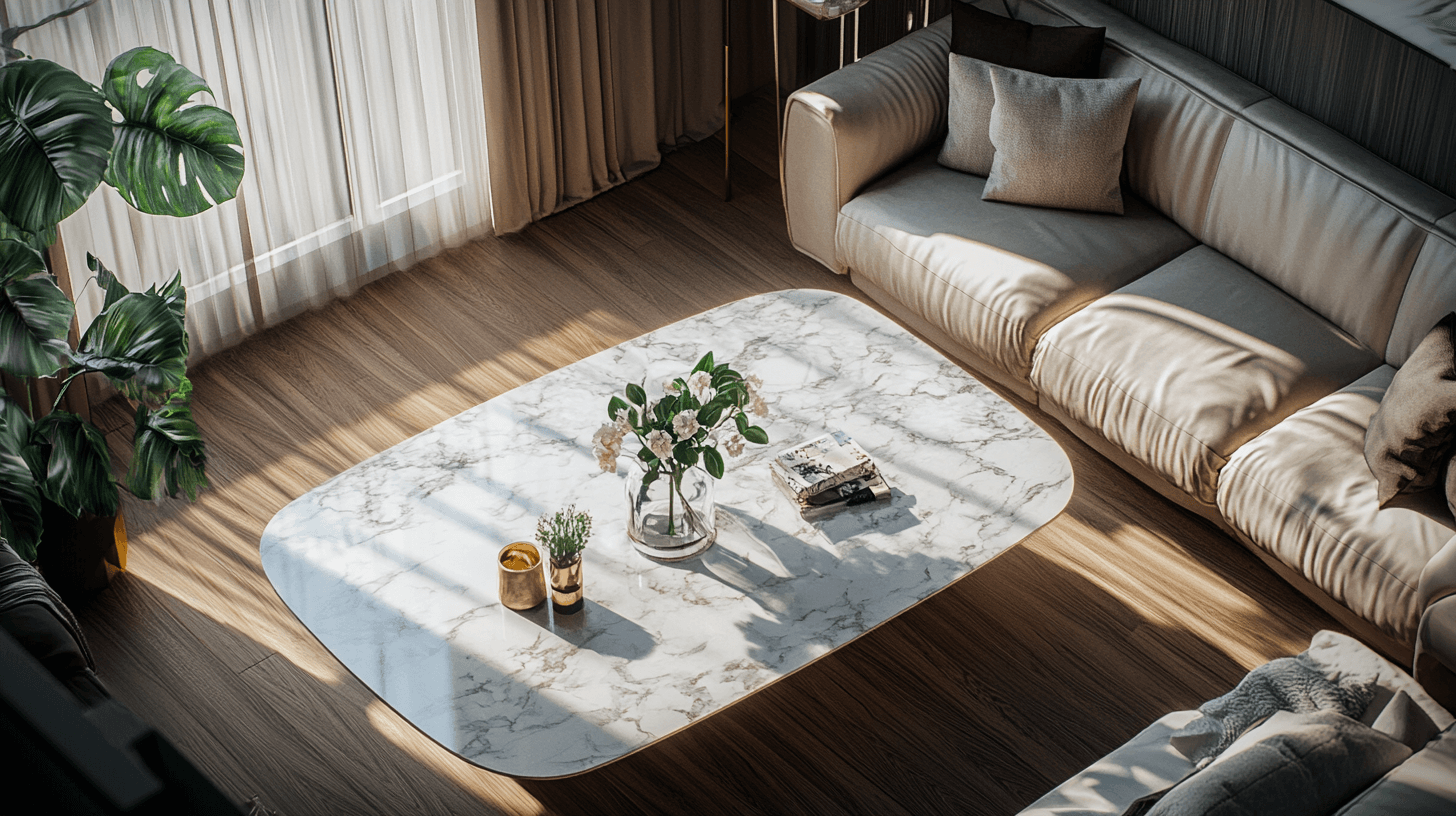
A marble table can be the centerpiece of your living room and enhance the space. But how do you stylishly integrate it into your existing interior? Here are some tips to help you showcase your marble table to its best advantage.
First of all, it's important to find the right place for your marble table. Consider what function the table should serve. Should it be a coffee table, a side table, or perhaps even a dining table? Depending on its function, the table should be placed in a central location in the room where it stands out and is easily accessible.
Combining it with other materials can also have a significant impact on the effect of the marble table. Marble harmonizes particularly well with wood, metal, and glass. For example, a marble table with a wooden frame can create a warm and inviting atmosphere, while a table with a metal frame gives a modern and elegant look.
The color scheme of the room also plays a role. A white marble table can stand out particularly well in a room with light colors and pastel tones, while a black marble table makes an elegant statement in a room with bold colors and dark tones.
Decoration is another important aspect to stylishly showcase your marble table. Choose accessories that highlight the elegance of the marble, such as metal candle holders, glass vases, or books with beautiful covers. Make sure the decoration doesn't look too cluttered so that the table remains the focal point.
Another tip is to consider the marble table as part of an overall concept. Think about how it fits into the overall picture of the room and which other pieces of furniture and decorative elements match it. A harmonious interplay of colors, materials, and shapes can help the marble table be perfectly integrated into your living room and give the space a touch of luxury.
Frequently Asked Questions About Marble Tables
Caring for a marble table requires special attention to preserve its beauty and longevity. First, it's important to remove spills immediately, as marble is porous and can quickly absorb liquids, leading to stains. Use a soft, damp cloth to wipe up spills right away, and avoid harsh cleaning agents that could damage the surface. Instead, you should use special marble cleaners that are gentle on the surface.
To avoid scratches, it's advisable to use coasters and felt pads. These protect the surface from scratches caused by glasses, vases, or other objects. Also, avoid moving heavy objects to prevent scratches. Regular sealing of the marble can also help protect the surface. The sealant forms a protective layer that prevents the penetration of liquids and the formation of stains. Depending on the use and wear of the table, the sealing should be renewed every six to twelve months.
In addition to cleaning and care, the location of the marble table is also important. Direct sunlight can bleach the marble and should therefore be avoided. A spot in the shade or in a room with indirect light is ideal to maintain the color and structure of the marble. With the right care and attention, a marble table can retain its beauty for many years.
Marble tables come in a variety of styles and designs that can perfectly integrate into any living room. A popular style is the minimalist marble table, which impresses with its simple elegance. These tables often have a smooth, polished surface and clean lines that particularly stand out in modern and Scandinavian interior styles. Another trend is marble tables with metal frames. This combination of cool marble and warm metal creates an interesting contrast and gives the room an industrial touch. Particularly popular are frames made of brass or black steel, which give the table a modern yet timeless look.
For those who prefer something more extravagant, there are marble tables with elaborate decorations or in unusual shapes. These tables are often true works of art and draw all eyes to them. They are excellent as a statement piece in an otherwise simply furnished room. The color palette of marble tables is also diverse. In addition to the classic white marble with gray veins, there are also variants in black, green, or even pink. These colors can be used specifically to set accents or to harmoniously blend into the existing color concept of the room.
A marble table can be the centerpiece of your living room and enhance the space. To integrate it stylishly into your existing interior, it's important to find the right place for the table. Consider what function the table should serve. Should it be a coffee table, a side table, or perhaps even a dining table? Depending on its function, the table should be placed in a central location in the room where it stands out and is easily accessible.
The combination with other materials can also have a significant impact on the effect of the marble table. Marble harmonizes particularly well with wood, metal, and glass. For example, a marble table with a wooden frame can create a warm and inviting atmosphere, while a table with a metal frame gives a modern and elegant look. The color scheme of the room also plays a role. A white marble table can stand out particularly well in a room with light colors and pastel tones, while a black marble table makes an elegant statement in a room with bold colors and dark tones.
Decoration is another important aspect to stylishly showcase your marble table. Choose accessories that highlight the elegance of the marble, such as metal candle holders, glass vases, or books with beautiful covers. Make sure the decoration doesn't look too cluttered so that the table remains the focal point.
Marble tables are available in a variety of colors that can be harmoniously integrated into different interior styles. The classic white marble with gray veins is probably the most well-known variant and gives any room a timeless elegance. This color goes particularly well with light and minimalist interior styles, but can also serve as an elegant accent in contrasting environments.
In addition to the classic white, there are also marble tables in black, which offer a modern and luxurious look. Black marble can create a dramatic contrast when combined with light furniture and accessories, adding a touch of sophistication to the room. Green marble tables are also an interesting option, bringing freshness and naturalness to the space. This color harmonizes particularly well with wooden furniture and plants.
For those who like something a bit more unusual, there are also marble tables in pink or other pastel shades. These colors can be used specifically to set accents or to blend harmoniously into the existing color scheme of the room. Ultimately, the choice of color depends on your personal taste and the desired style of the room.
Marble tables require a certain level of care to maintain their beauty and longevity, but they are not overly demanding if you follow some basic rules. Since marble is a porous material, it can quickly absorb liquids, leading to stains. Therefore, it's important to clean up spills immediately and regularly clean the surface. Use a soft, damp cloth and special marble cleaners to gently clean the surface, and avoid harsh cleaning agents that could damage the marble.
To prevent scratches, it's advisable to use coasters and felt pads. These protect the surface from scratches caused by glasses, vases, or other objects. Also, avoid moving heavy objects to prevent scratches. Regularly sealing the marble can also help protect the surface. The sealant forms a protective layer that prevents the penetration of liquids and the formation of stains. Depending on the use and wear of the table, the sealant should be renewed every six to twelve months.
With these simple care measures, a marble table can maintain its beauty for many years and add a touch of luxury to your living room.
Choosing the right size for a marble table depends on several factors, including the available space in the room, the function of the table, and the existing furniture. First, you should measure the room where the table is to be placed to ensure it fits well and leaves enough room for movement. A table that is too large can make the room feel overcrowded, while a table that is too small may not achieve the desired effect.
Consider what function the table is supposed to serve. Should it be a coffee table, a side table, or perhaps even a dining table? A large marble dining table can form an impressive centerpiece in a spacious dining room, while a smaller marble side table can add a touch of luxury to a cozy living room. It is important that the table is chosen in proportion to the room and the existing furniture to create a harmonious overall picture.
The shape of the table also plays a role in size selection. Round tables are well-suited for smaller spaces as they take up less room and create a cozy atmosphere. Rectangular or square tables offer more space and are well-suited for larger rooms or as dining tables. Ultimately, the choice of the right size depends on your personal taste and the specific requirements of your living space.
Yes, you can seal a marble table yourself to protect the surface and ensure the table's longevity. The sealant forms a protective layer that prevents liquids from penetrating and stains from forming. Before you begin sealing, make sure the table's surface is clean and dry. Use a soft, damp cloth to thoroughly clean the table and let it dry completely.
Choose an appropriate sealant specifically designed for marble. These products are available in hardware stores or specialty shops. Apply the sealant evenly to the table's surface using a soft cloth or sponge. Make sure to distribute the product evenly and don't miss any spots. Allow the sealant to set and dry according to the manufacturer's instructions.
After drying, you can polish the surface with a soft cloth to achieve a nice shine. The sealant should be renewed every six to twelve months, depending on the table's use and wear, to ensure optimal protection. With proper care and regular sealing, a marble table can maintain its beauty for many years.
Marble tables can be excellently combined with various materials to create a harmonious and stylish overall look. A particularly popular material that goes well with marble is wood. The combination of cool marble and warm wood creates an inviting and cozy atmosphere. A marble table with a wooden frame can, for example, stand out particularly well in a Scandinavian or rustic interior style.
Metal is another material that pairs well with marble. A marble table with a metal frame, whether made of brass, stainless steel, or black steel, gives the room a modern and elegant touch. This combination is particularly suitable for industrial or minimalist interior styles.
Glass is also a good complement to marble. A marble table with a glass top or glass accents can give the room a light and airy atmosphere. This combination is well-suited for modern and contemporary interior styles.
In addition to these materials, textiles such as rugs or cushions can also help integrate the marble table into the overall look of the room. Choose textiles in colors and patterns that highlight the elegance of the marble and harmoniously round off the room. Ultimately, the choice of materials depends on your personal taste and the desired style of the room.
More Products In This Theme
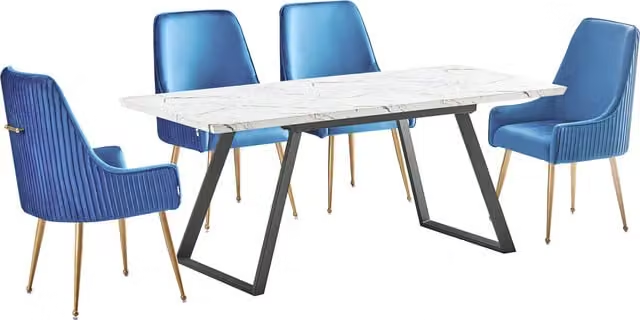
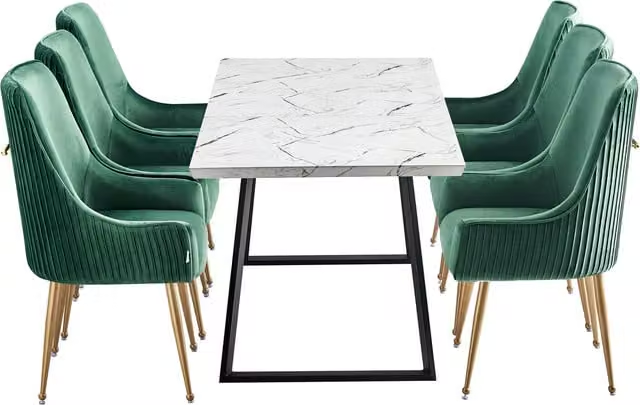

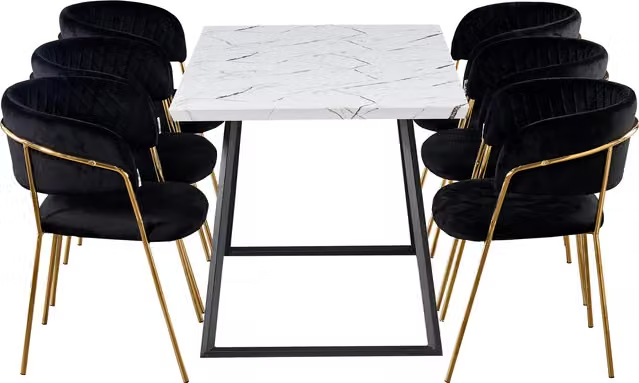
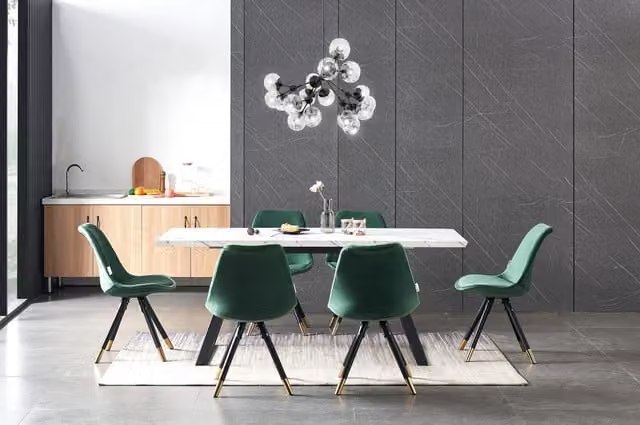
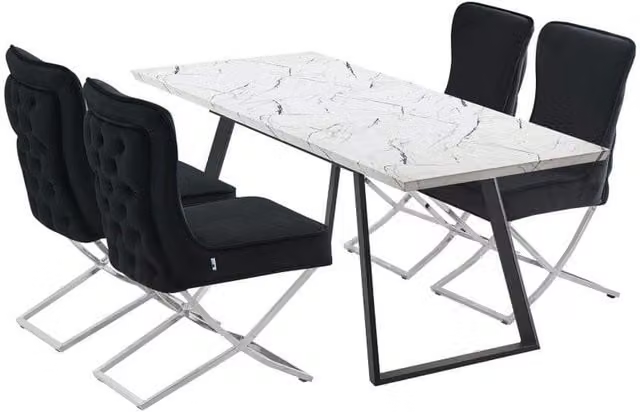
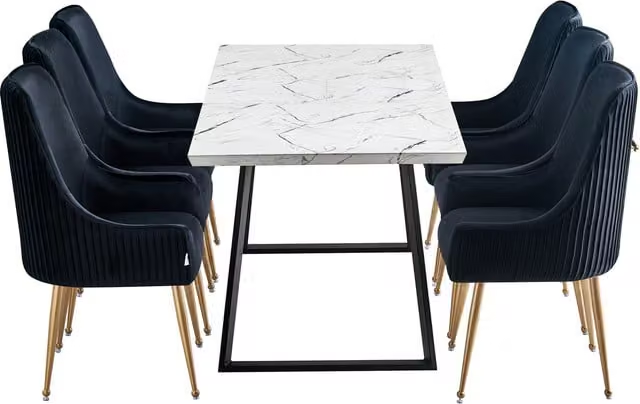
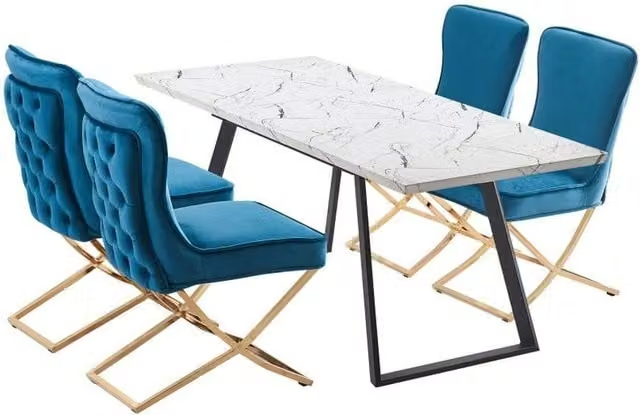
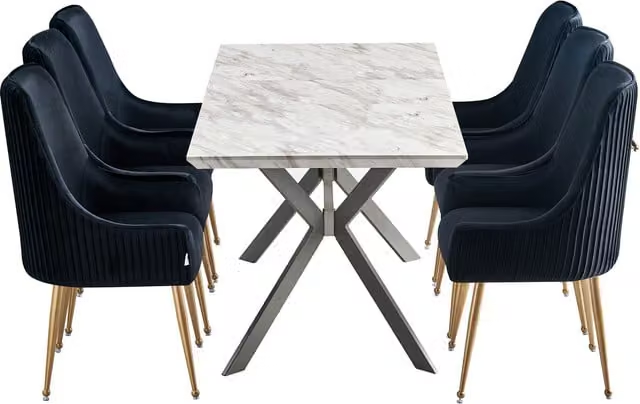
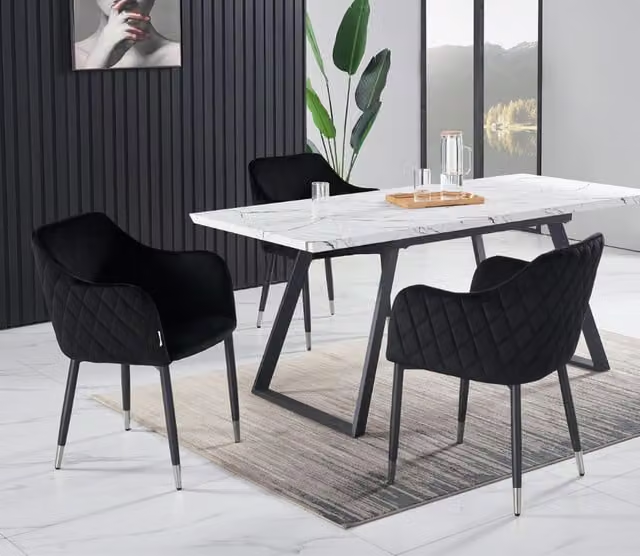

Pieces you simply can’t do without at home




by Julie Hinrichs
Julie is the creative force behind the content on living24.uk and its magazine. Since 2022 she has enriched the team with her extensive knowledge and her passion for interiors and home living. With an eye for detail and a feel for trends, she makes sure every article offers stylish inspiration and practical tips for readers.
Her expertise spans many areas of the home, from harmonious colour schemes to functional furnishing solutions. DIY projects are especially close to her heart; she loves sharing them with readers and discusses them with her co-author Thessa. Julie is convinced that every room deserves a personal touch, and her creative guides make it easy to bring your own interior dreams to life.
In her spare time she enjoys hula hooping, which gives her creative energy an extra dose of momentum. That passion for movement and rhythm is reflected in her work too, where she constantly brings in new and original ideas. Julie knows how to weave her many interests into her work, creating varied and engaging content that readers love.
Transparency notice: Julie writes her articles with a lot of love and a little help from AI.