
Garden Idyll: Garden Sofas for Cozy Hours
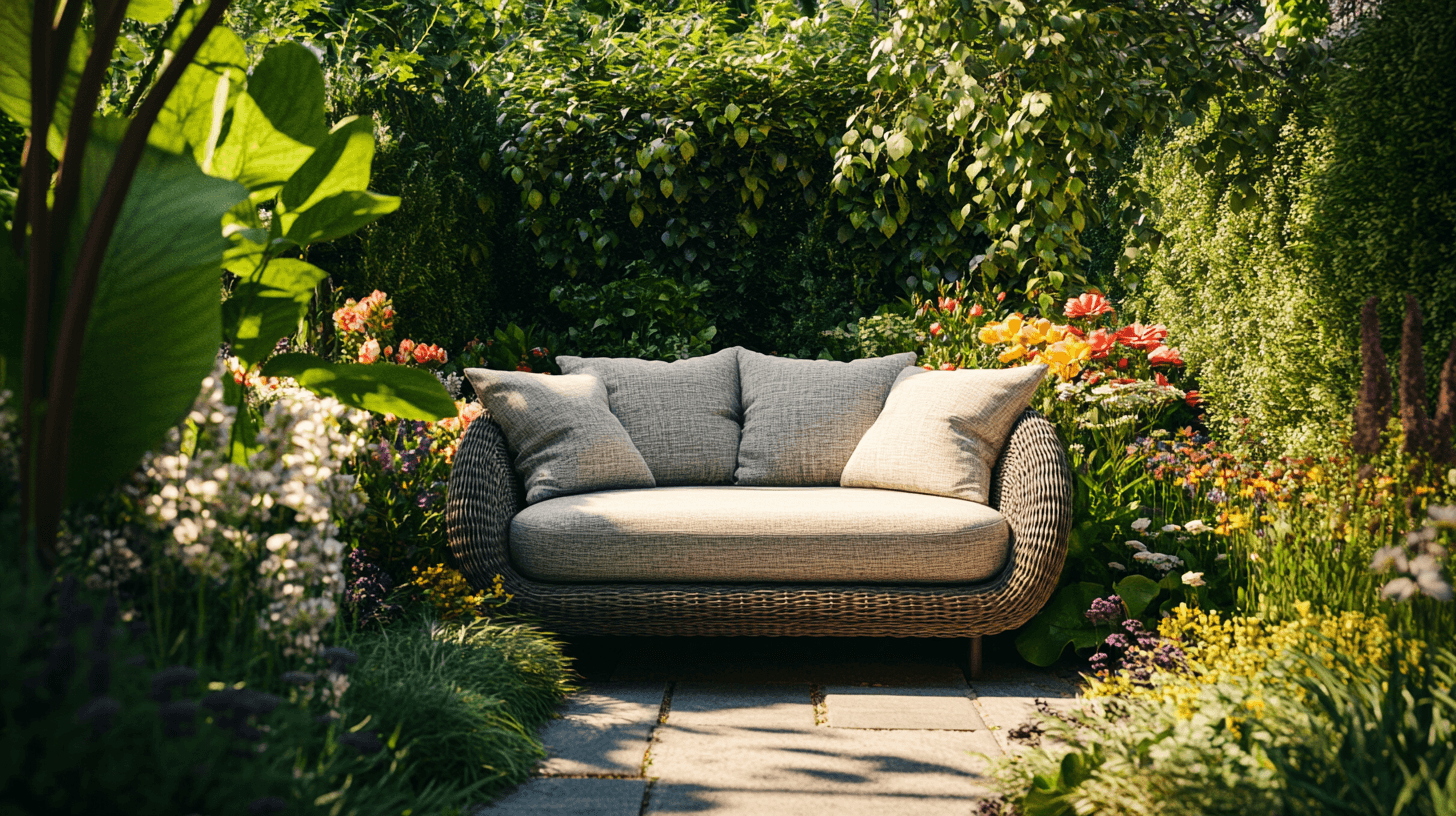
A garden is more than just a piece of land – it is a retreat, a place to relax and enjoy. A central element that contributes to creating a cozy atmosphere is the garden sofa. It not only provides seating but also a place where you can fully enjoy nature. In this article, you will learn all about the different types of garden sofas, how to choose the right model for your garden, and what care tips you should follow to enjoy your piece of furniture for a long time.
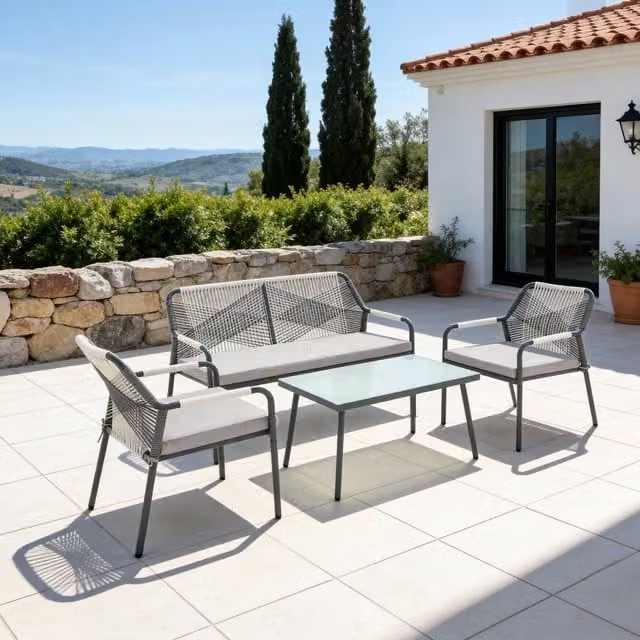
Comfortable garden sofas for your terrace
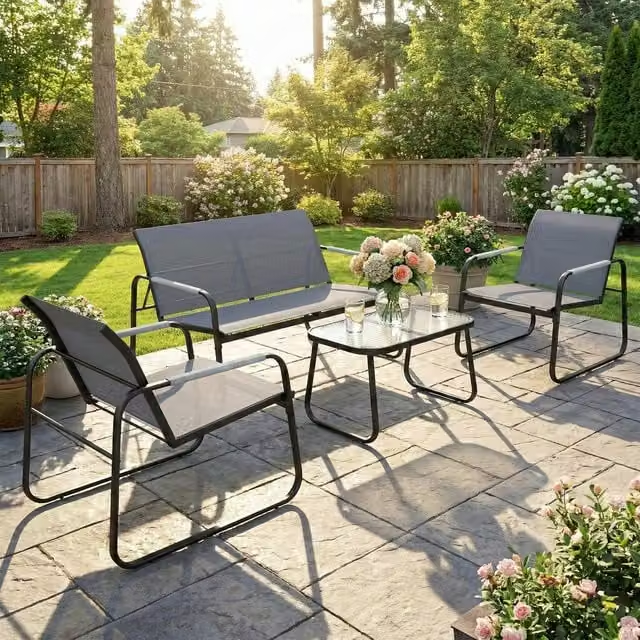
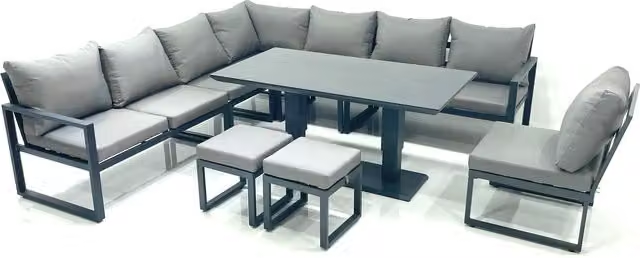
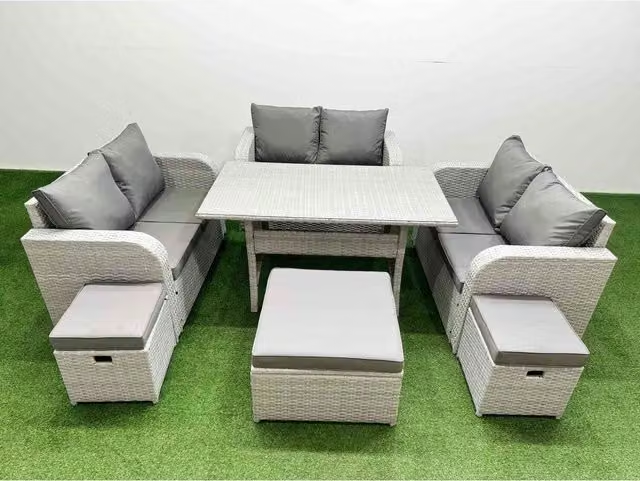
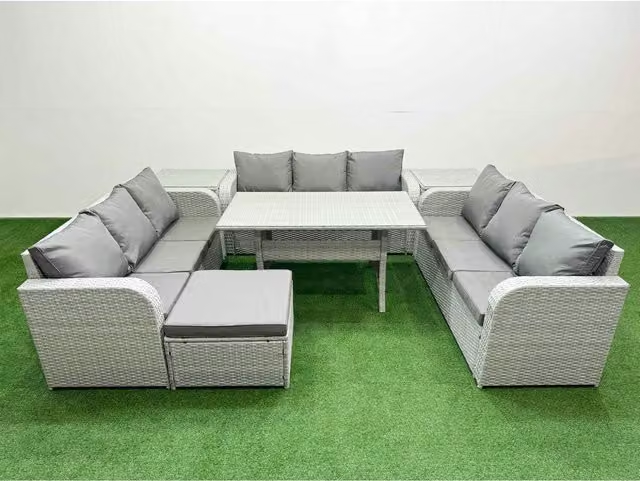
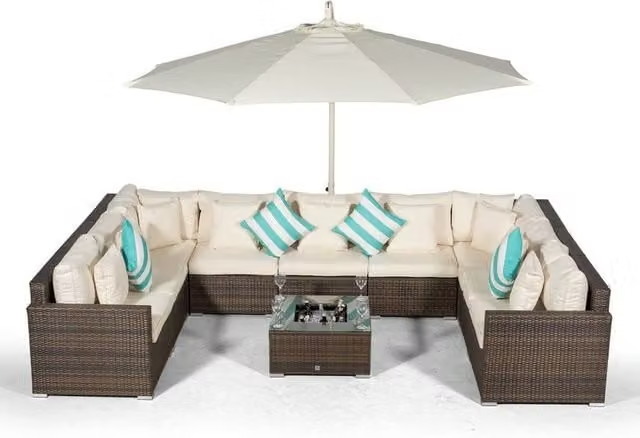
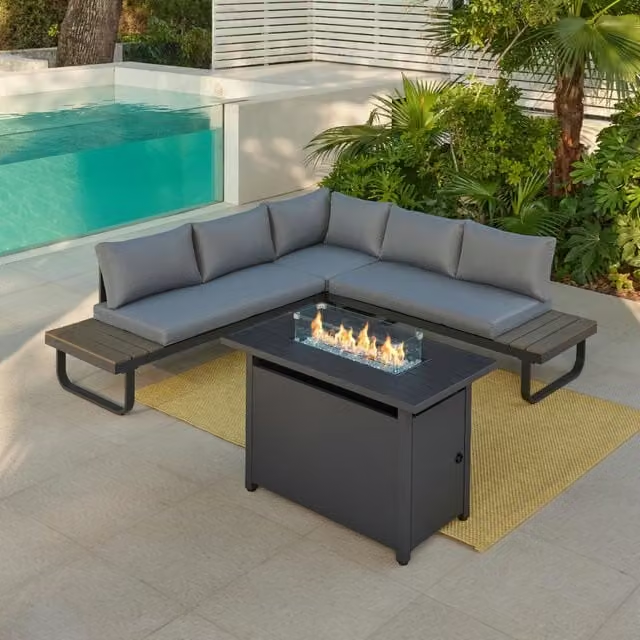
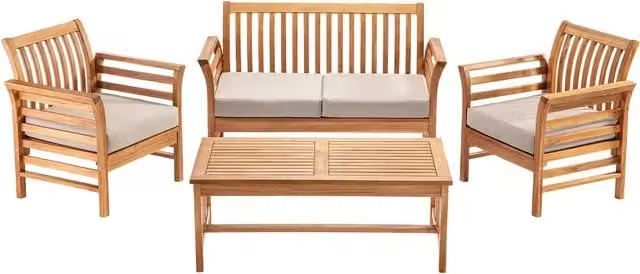
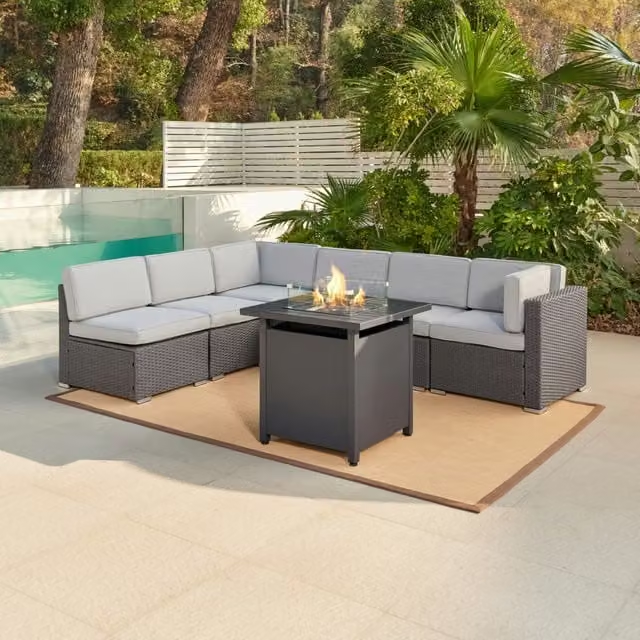
Different Types of Garden Sofas
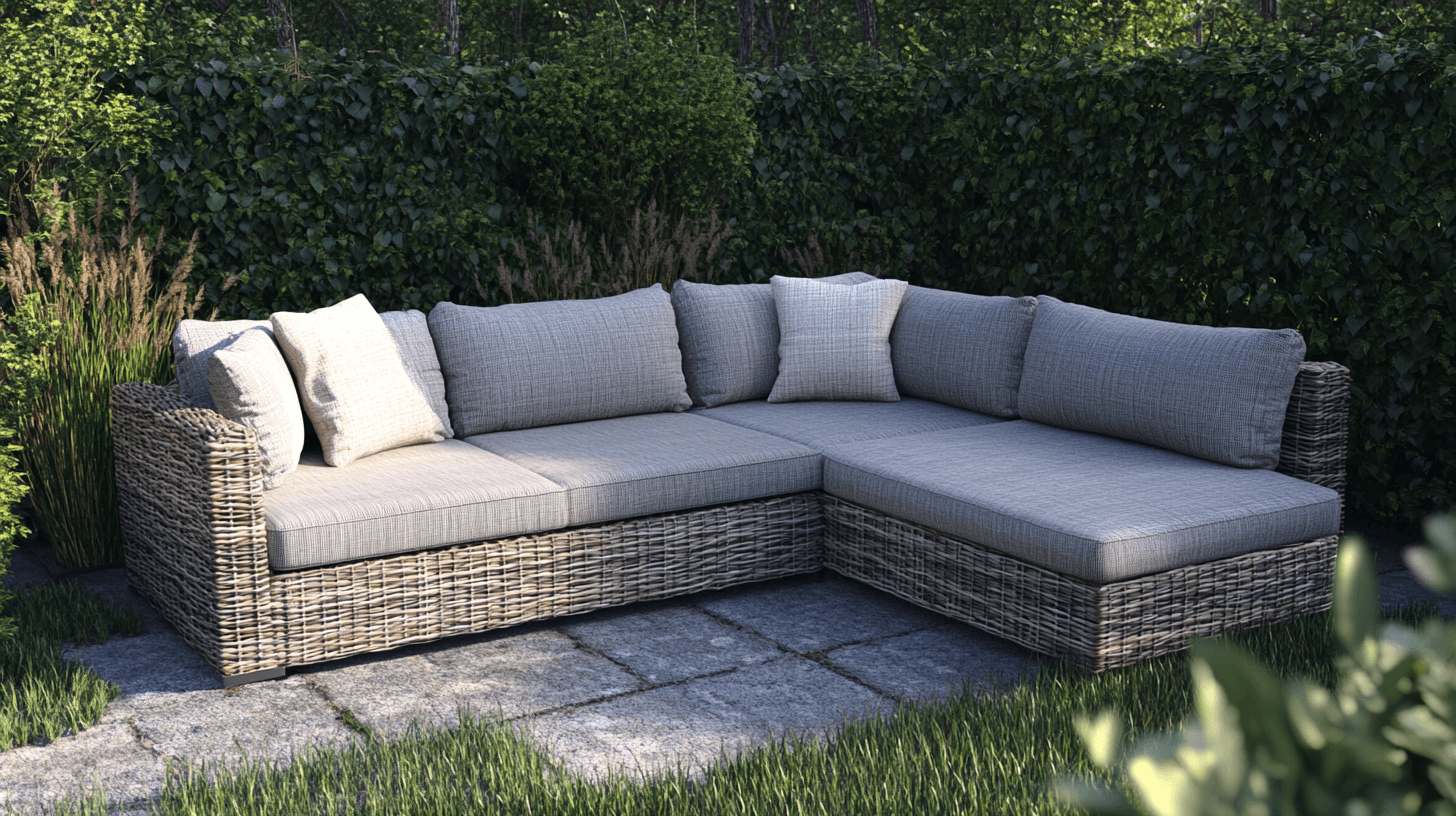
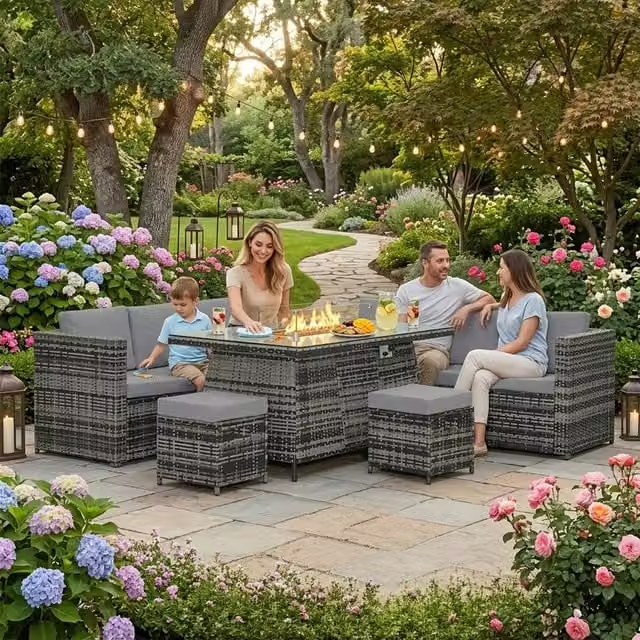
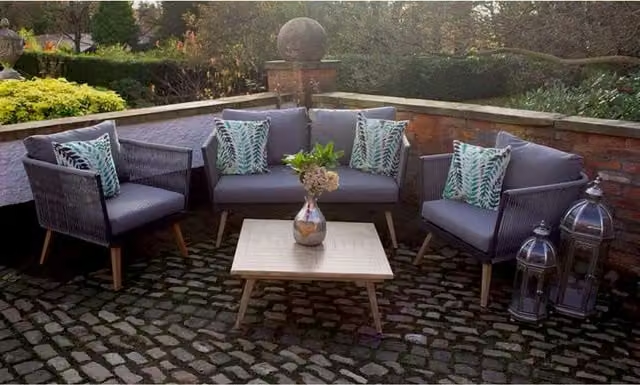
Garden sofas come in a variety of styles and materials that perfectly adapt to the individual needs and style of your garden. A popular type is the classic rattan sofa, which stands out for its natural look and weather resistance. Rattan furniture is lightweight yet sturdy, making it ideal for outdoor use. They are available in various colors, from natural browns to modern grays, and thus fit into any garden style.
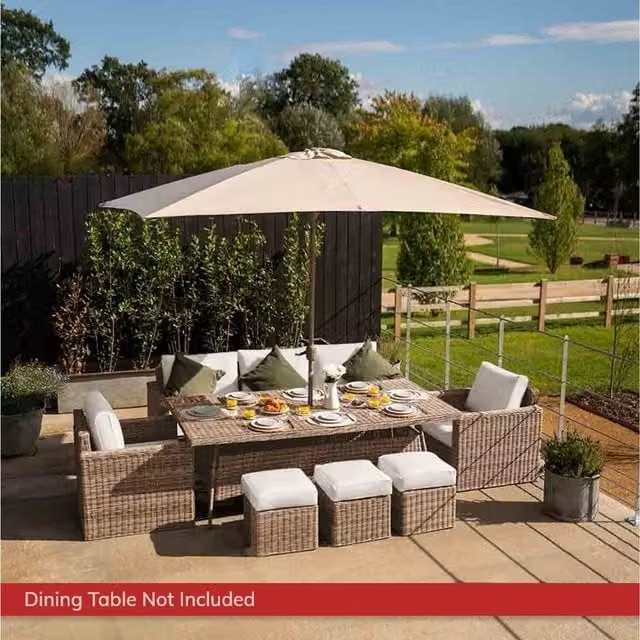
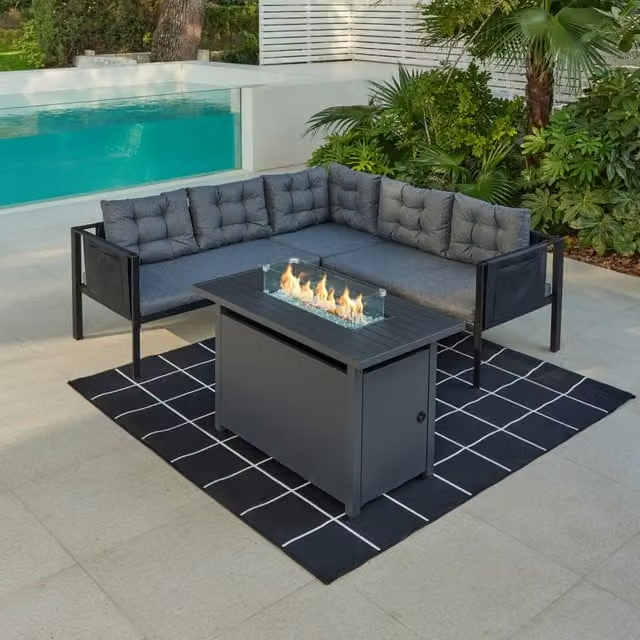
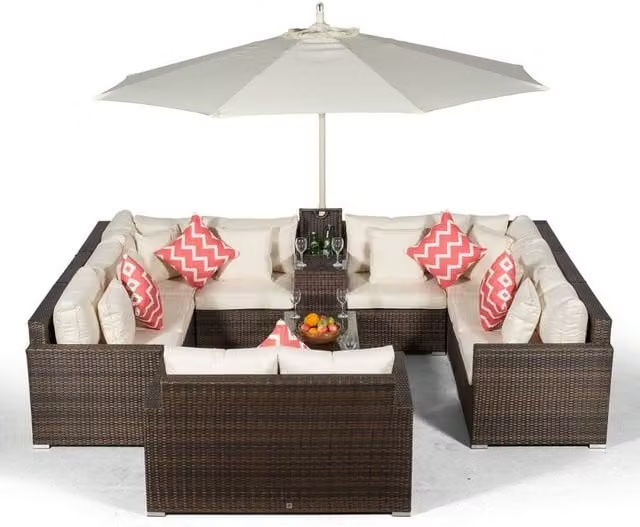
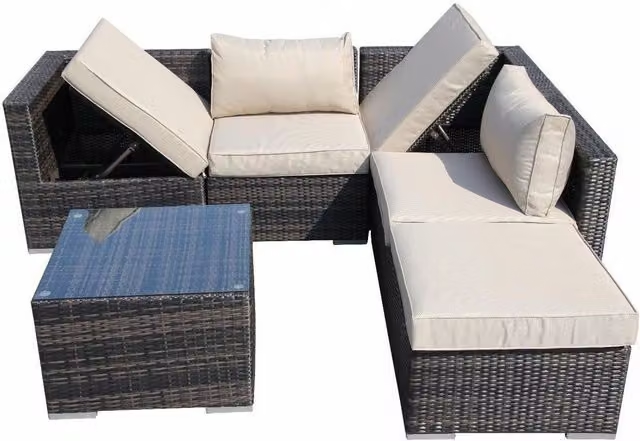
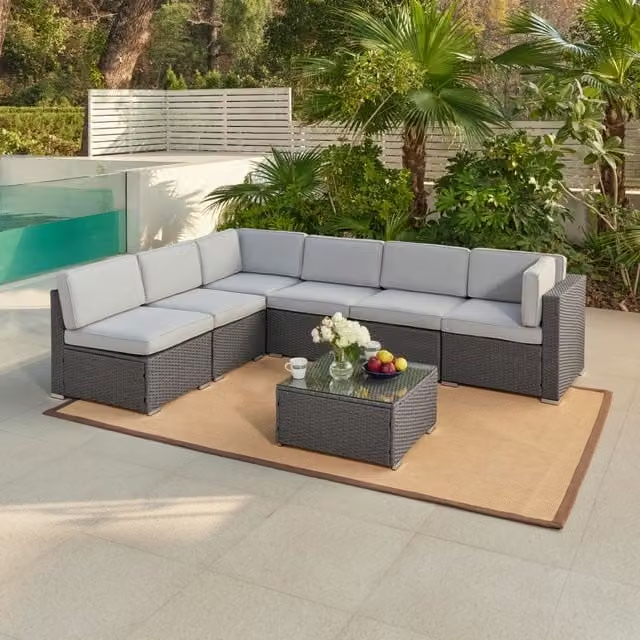
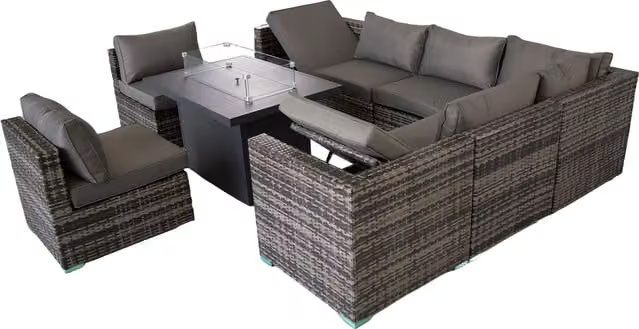
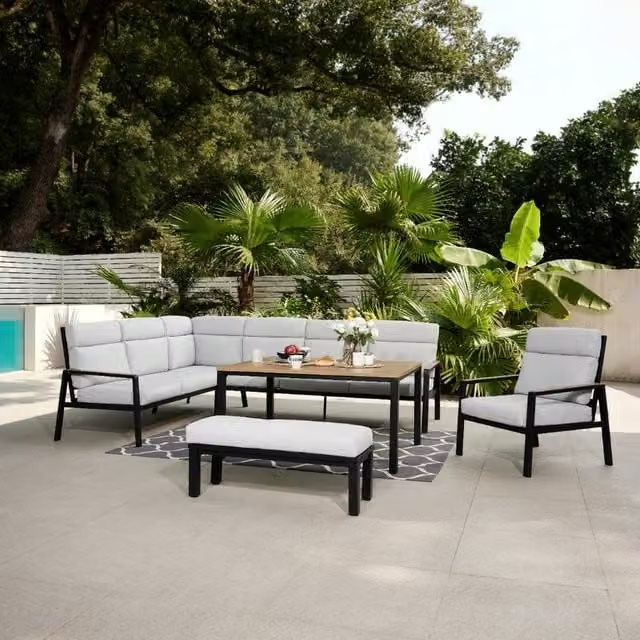
Another trend is modular sofas, which can be flexibly adapted. These consist of several elements that can be rearranged as needed. This allows you to customize your sofa and expand or reduce it as needed. This flexibility makes modular sofas particularly attractive for people who like to redecorate or use their garden for different occasions.
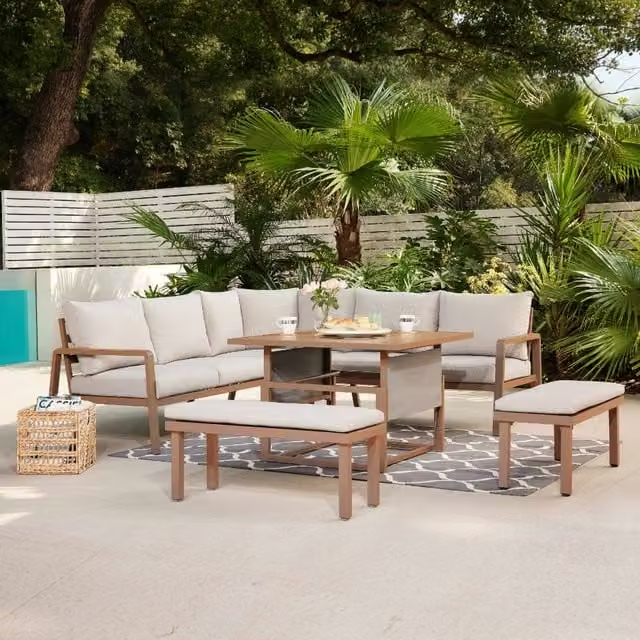
Wooden sofas are another option that impress with their natural appeal. They blend harmoniously into the garden landscape and are available in various types of wood such as teak, eucalyptus, or acacia. However, wooden sofas require regular maintenance to preserve their beauty. An annual treatment with wood oil can help protect the material from weather influences.
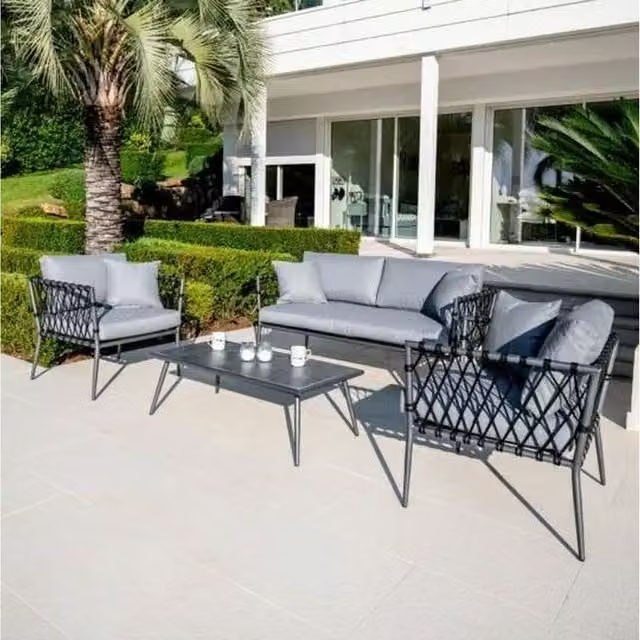
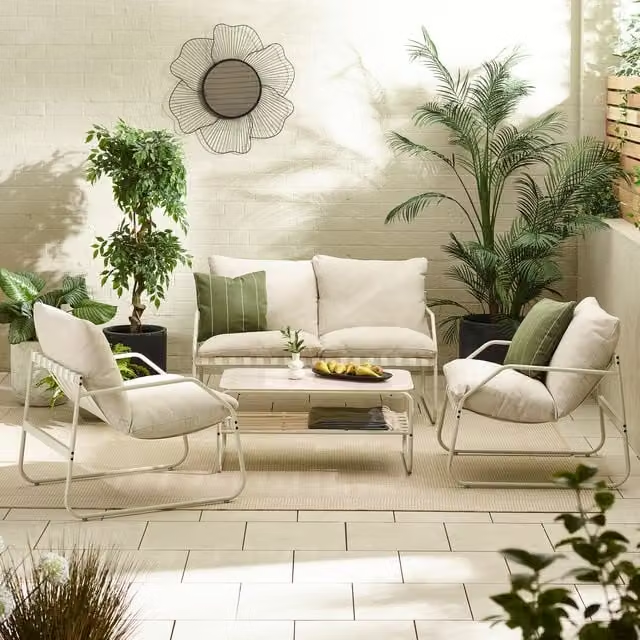
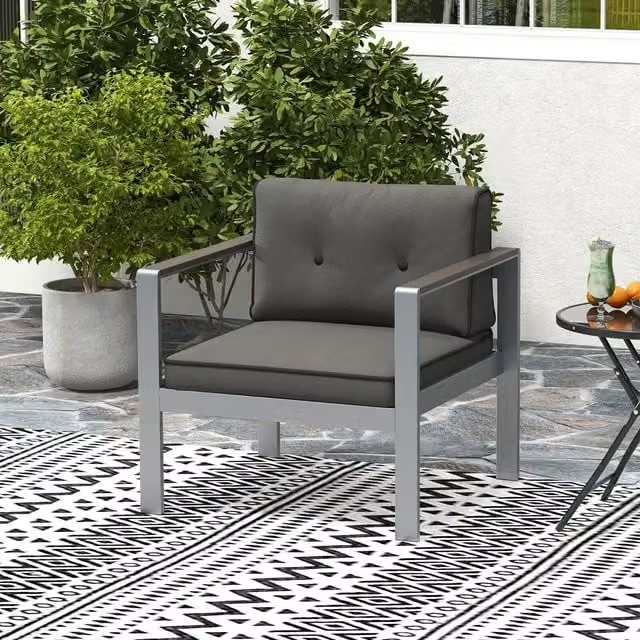
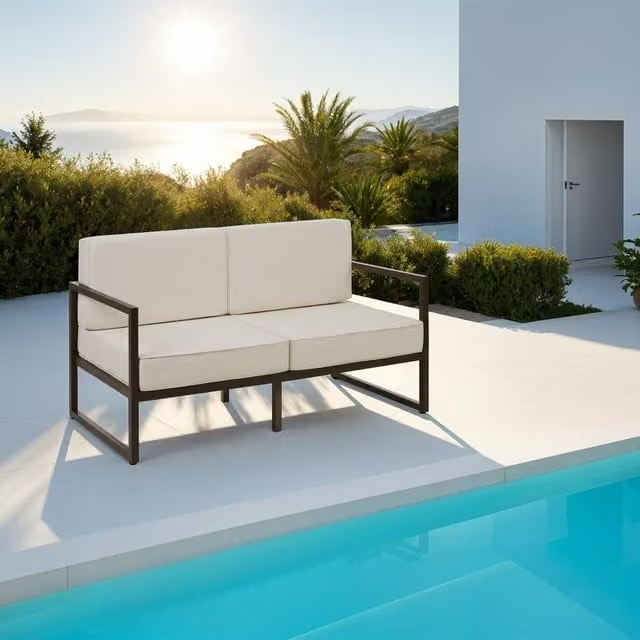
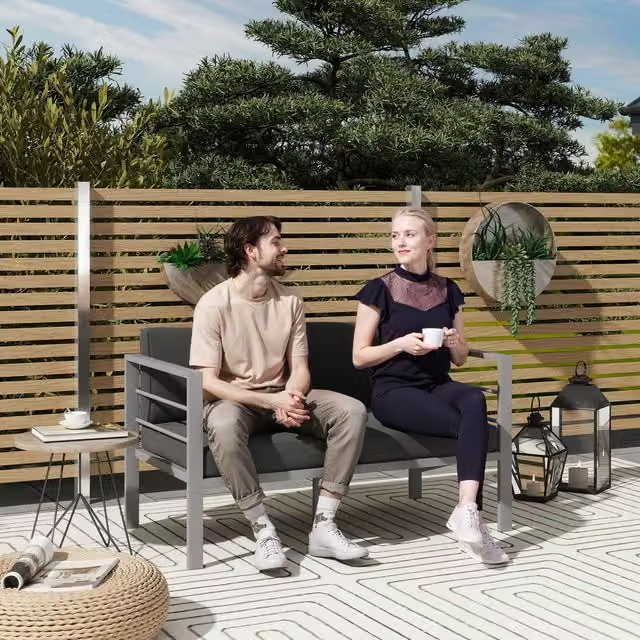
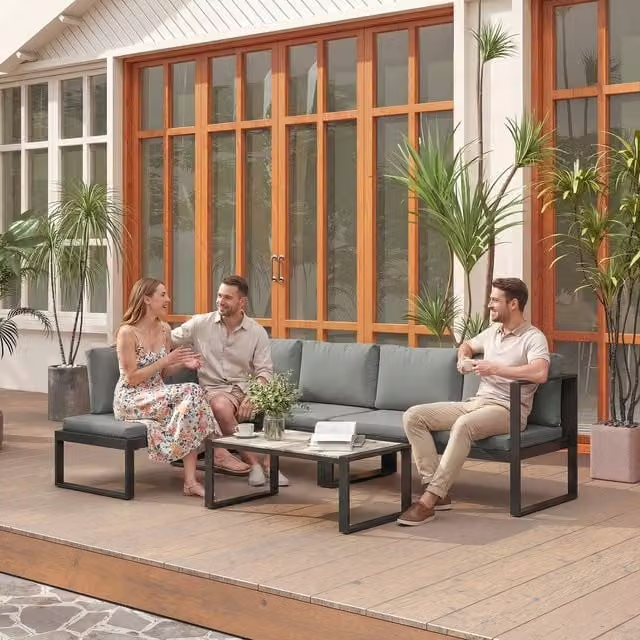
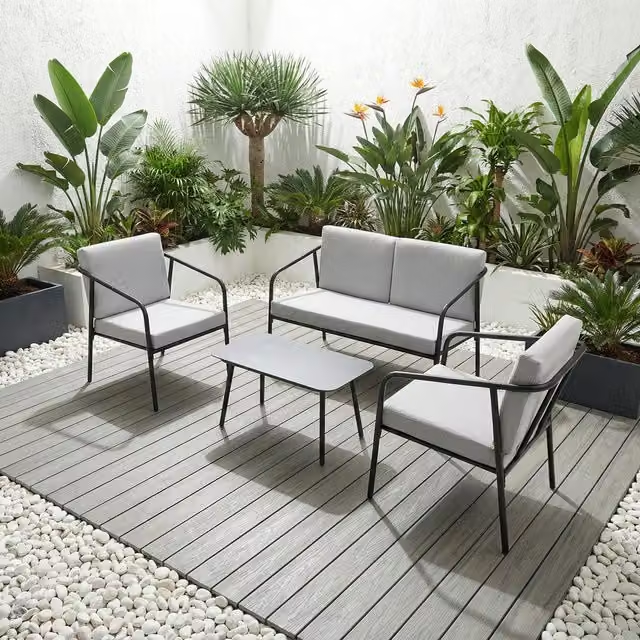
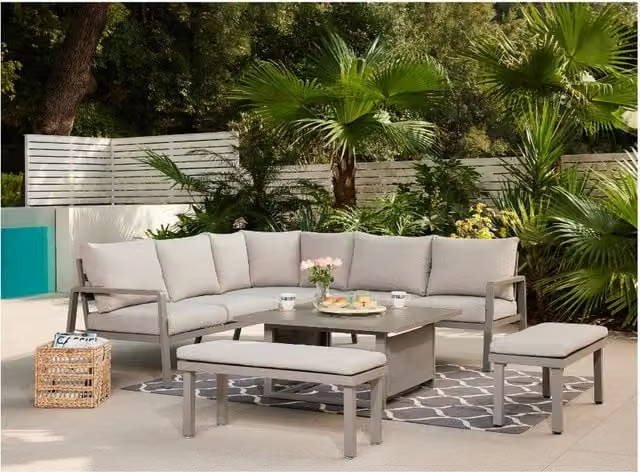
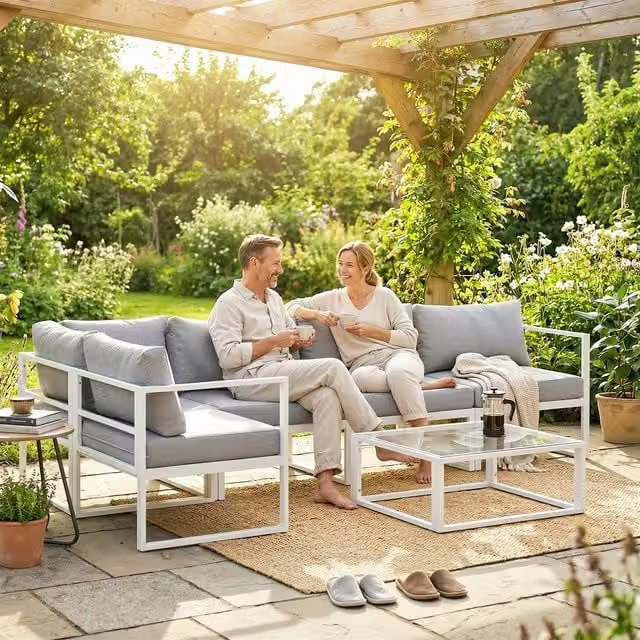
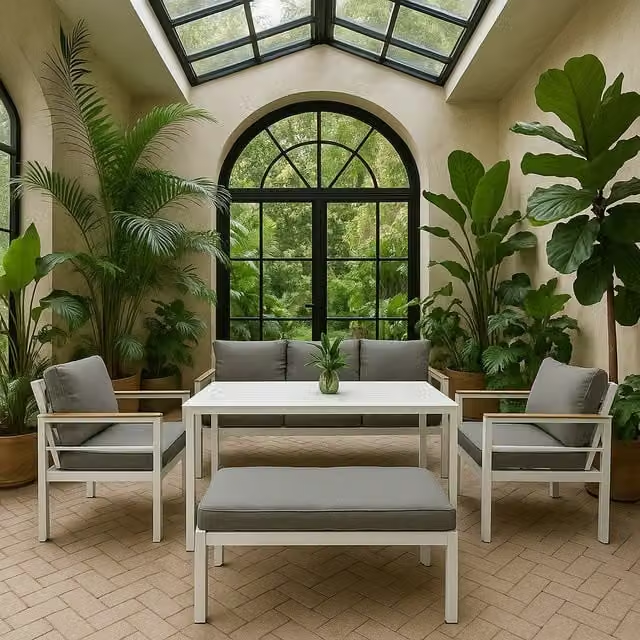
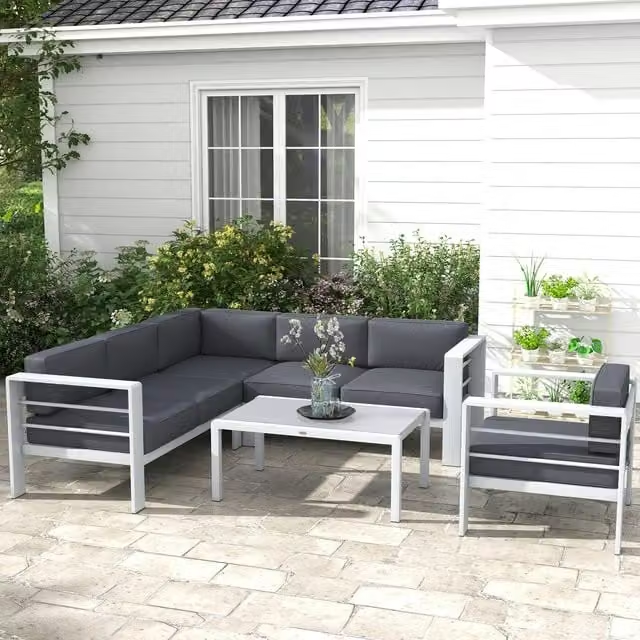
Metal sofas, especially those made of aluminum or stainless steel, are also a popular choice. They are extremely durable and easy to maintain. Thanks to their modern look, they fit well into contemporary gardens. Metal sofas are often equipped with weatherproof cushions that provide additional comfort.
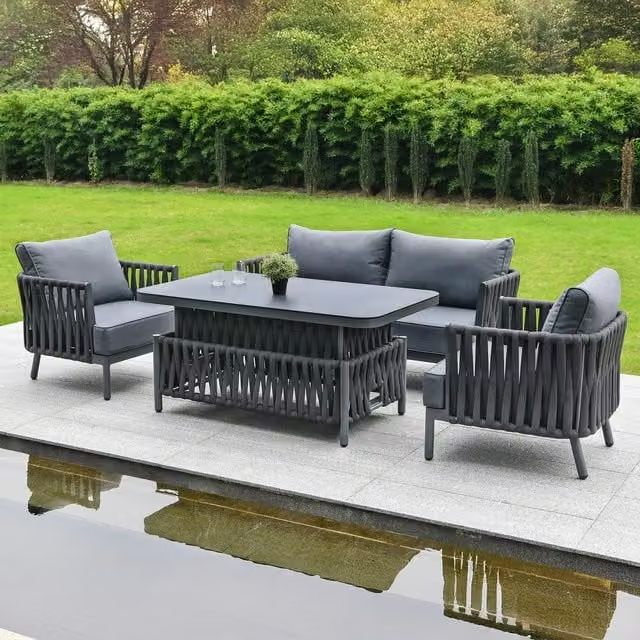
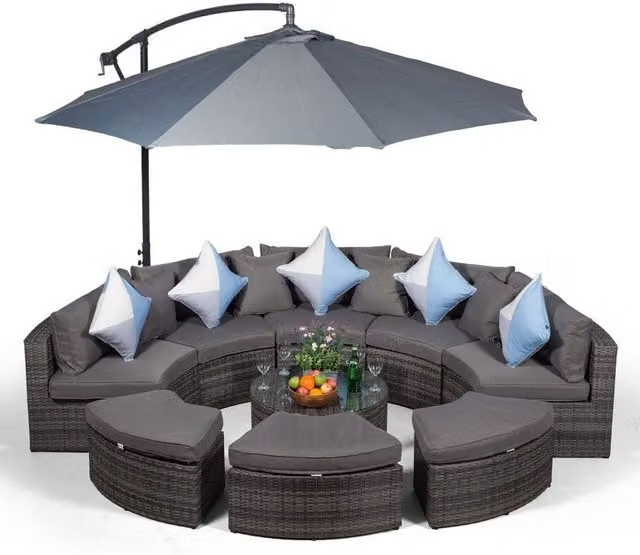
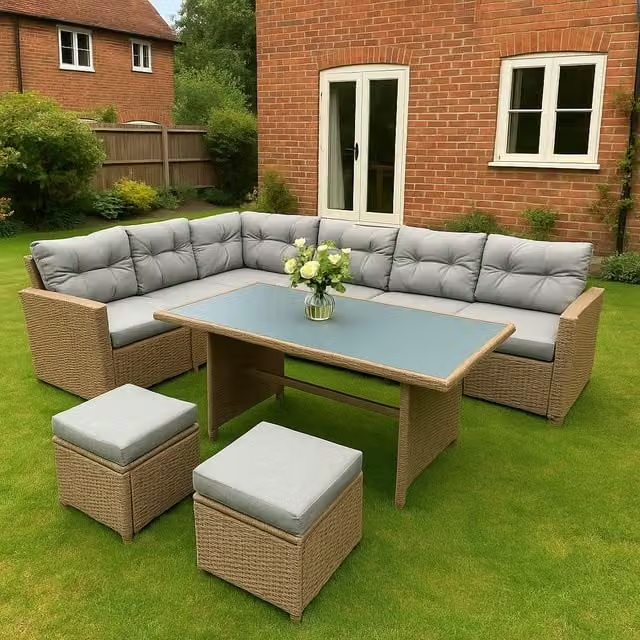
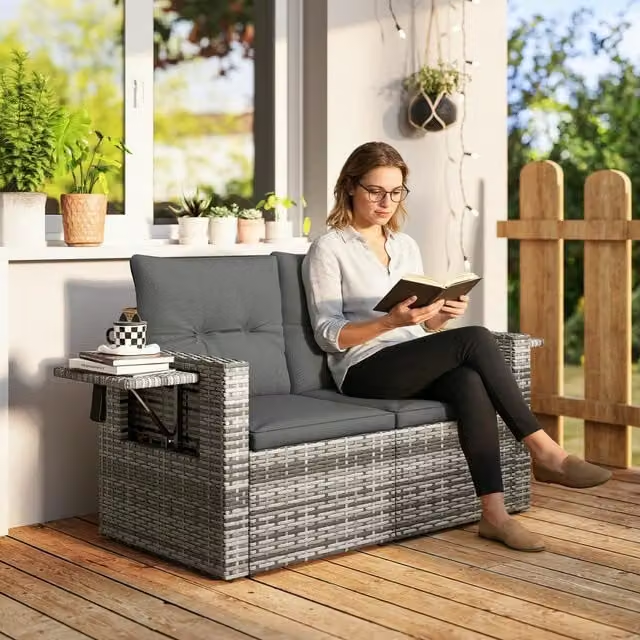
Finally, there are the polyrattan sofas, which are a synthetic alternative to natural rattan. They are particularly easy to care for and resistant to UV rays and moisture. Polyrattan sofas are available in many designs and colors and offer a modern, stylish addition to any garden.
When choosing a garden sofa, you should not only consider the material but also the size and comfort. Think about how many people should regularly have a seat and whether the sofa should also be used as a lounging area. Also, pay attention to the quality of the cushions, as they significantly contribute to seating comfort.
Tips for Choosing the Perfect Garden Sofa
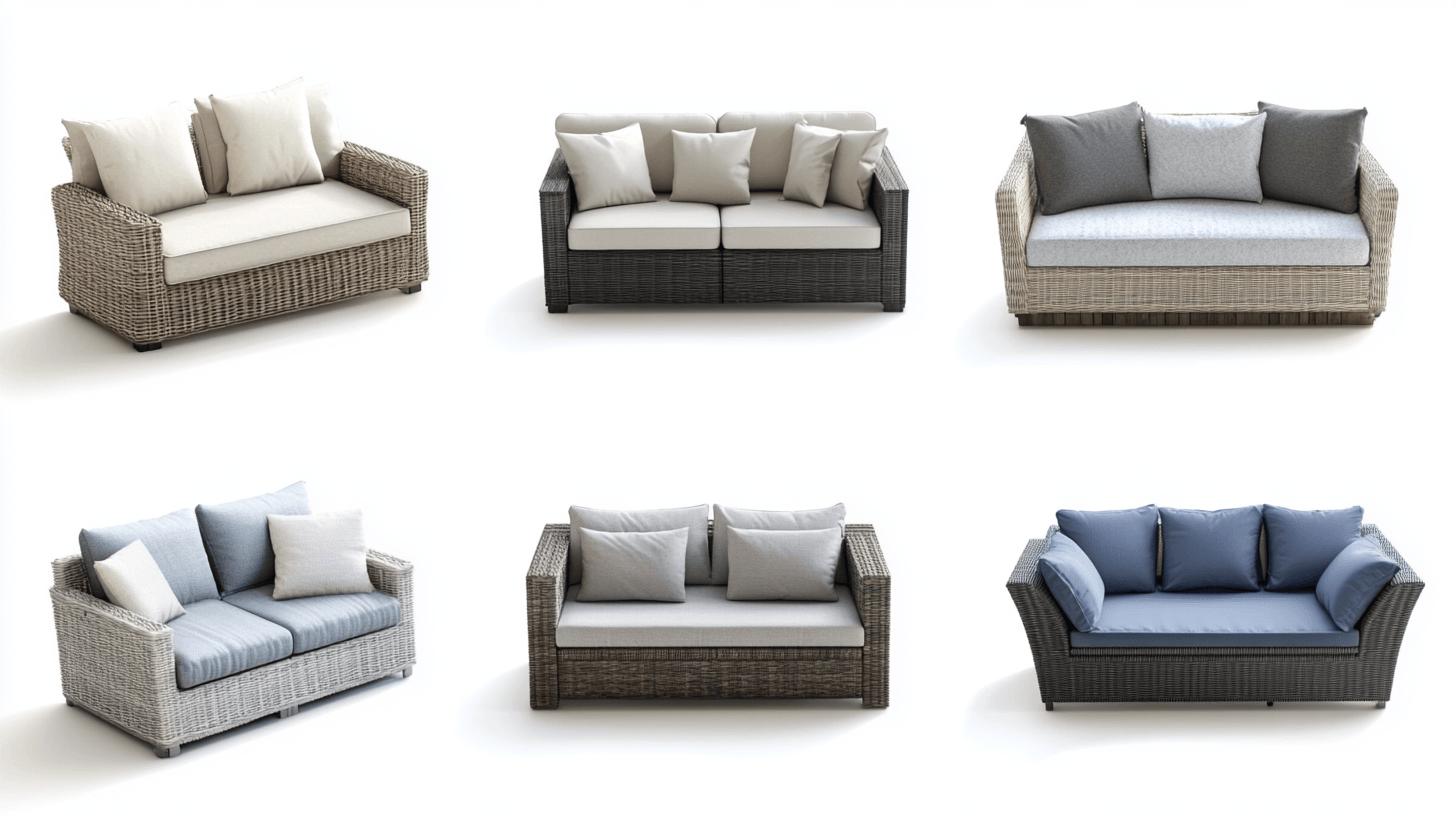
Choosing the perfect garden sofa can be a challenge, as there are many factors to consider. First, you should carefully measure the available space in your garden or on your terrace. A sofa that is too large can make the area feel overcrowded, while a sofa that is too small may not provide the desired comfort. Also, plan enough space for side tables or other garden furniture you might want to add.
Another important aspect is the style of your garden. Your garden sofa should blend harmoniously into the overall picture. If you have a modern garden with clean lines and minimalist elements, a metal or polyrattan sofa might be the right choice. For a more rustic or natural garden style, wood or rattan sofas are more suitable.
Comfort should also not be overlooked when making your selection. If possible, try out the sofa before buying to ensure it is comfortable. Pay attention to the quality of the cushions and pillows, as these significantly contribute to seating comfort. Removable and washable covers are a plus, as they make cleaning easier.
Weather resistance is another crucial factor. Since the sofa will be outdoors, it should be made of materials that withstand weather conditions. Polyrattan, aluminum, and stainless steel are particularly resistant to moisture and UV rays. Wooden sofas require regular maintenance to protect the material.
Functionality also plays a role. Consider whether you prefer a fixed sofa or a modular system that can be flexibly adjusted. A modular sofa offers the advantage of being rearranged or expanded as needed.
Finally, you should also keep an eye on the budget. Garden sofas come in various price ranges, and it is important to find a model that meets your requirements without breaking the budget. Compare different offers and look for special promotions or discounts to achieve the best value for money.
Care and Maintenance of Garden Sofas
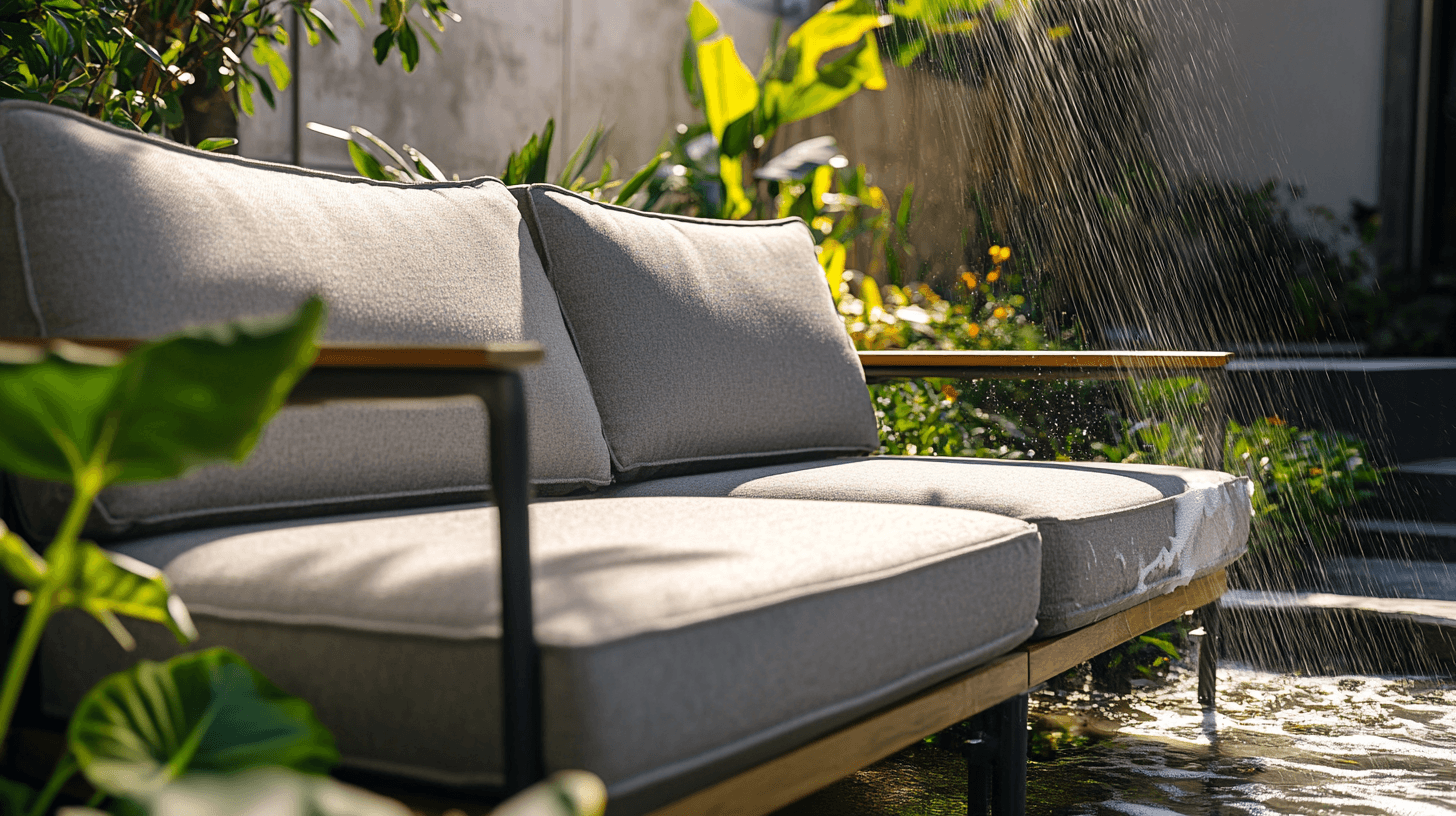
To ensure your garden sofa remains beautiful for a long time and provides you with many cozy hours outdoors, proper care is crucial. Depending on the material of the sofa, there are different care instructions you should follow.
Rattan sofas require regular cleaning to remove dirt and dust. Simply use a soft brush or a damp cloth. For stubborn stains, a mild soap solution can help. Make sure to let the sofa dry well after cleaning to prevent mold formation.
Wooden sofas require a bit more care to maintain their beauty. An annual treatment with wood oil protects the material from weather influences and preserves its natural color. If necessary, you can also sand and repaint the wood to refresh it. Make sure to cover the sofa during bad weather or store it in a sheltered area.
Metal sofas are generally easy to care for, as they do not rust and are weather-resistant. Regular cleaning with a damp cloth is usually sufficient. For aluminum sofas, you can also use a special care product to maintain the shine.
Polyrattan sofas are particularly easy to care for and durable. They can simply be wiped with a damp cloth. For heavier soiling, a mild soap solution helps. Make sure to regularly air the cushions and wash them if necessary to prevent mold formation.
Regardless of the material, it is advisable to cover the garden sofa with a protective cover when not in use. This protects it from rain, sun, and dirt and extends its lifespan. Ensure that the protective cover is breathable to avoid moisture accumulation.
In winter, you should store the sofa in a sheltered area if possible. Alternatively, you can cover it with a weatherproof cover. This way, it remains well protected even in the cold season and is ready for use in spring.
With the right care and maintenance, you can ensure that your garden sofa remains a cozy retreat in your garden for many years.
Frequently Asked Questions about Garden Sofas
For garden sofas, there is a variety of materials that are suitable depending on preferences and requirements. Rattan is a popular material because it offers a natural look and is weather-resistant. It is lightweight yet robust, making it ideal for outdoor use. Polyrattan is a synthetic alternative that is particularly easy to care for and resistant to UV rays and moisture. Wood, such as teak or eucalyptus, gives the garden a natural appearance but requires regular maintenance to preserve its beauty. Metal, especially aluminum or stainless steel, is extremely durable and easy to maintain, making it a good choice for modern gardens. Each material has its advantages and disadvantages, so it is important to consider the specific requirements of your garden and your personal preferences.
The maintenance of your garden sofa largely depends on the material. Rattan sofas should be regularly cleaned with a soft brush or a damp cloth to remove dirt and dust. For stubborn stains, a mild soap solution can help. Wooden sofas require annual treatment with wood oil to protect the material from weather conditions. If necessary, the wood can also be sanded and re-varnished. Metal sofas are easy to maintain and can simply be cleaned with a damp cloth. Polyrattan sofas are also easy to care for and can be wiped with a damp cloth. Regardless of the material, it is advisable to cover the sofa with a protective cover when not in use and to store it in a sheltered area during winter.
When choosing the right garden sofa, you should consider several factors. First, the available space is crucial. Measure the area where the sofa is to be placed to ensure it fits well and leaves enough room for other furniture or decorations. The style of your garden also plays a role. A modern sofa made of metal or polyrattan fits well in a contemporary garden, while a wooden or rattan sofa is better suited for a rustic or natural garden style. Comfort is another important aspect. If possible, try out the sofa to ensure it is comfortable. Pay attention to the quality of the cushions and pillows. Weather resistance and functionality are also crucial. Consider whether you prefer a fixed or modular sofa that can be flexibly adjusted. Finally, the sofa should also fit within your budget.
Modular garden sofas are an excellent choice for anyone who values flexibility and adaptability. These sofas consist of multiple elements that can be rearranged or expanded as needed. This means you can customize your sofa and adapt it to different occasions or space requirements. Modular sofas are particularly attractive to people who enjoy redecorating or using their garden for various events. They offer the possibility to change the seating arrangement to accommodate more guests or create a cozier atmosphere. Another advantage is that you can purchase additional modules if needed to expand the sofa. However, modular sofas are often more expensive than fixed models, and it's important to pay attention to the quality of the connections between the modules to ensure stability and durability.
To protect your garden sofa from the elements, it's important to take some precautions. One of the simplest ways is to use a protective cover that shields the sofa from rain, sun, and dirt. Make sure the cover is breathable to avoid moisture buildup that can lead to mold. For wooden sofas, regular treatment with wood oil is advisable to protect the material from moisture and UV rays. Metal sofas are generally weather-resistant but can be treated with a special care product from time to time to maintain their shine. In winter, if possible, store the sofa in a sheltered area or cover it with a weatherproof cover. This way, it remains well-protected during the cold season and is ready for use in spring.
Polyrattan sofas offer a range of advantages that make them a popular choice for outdoor spaces. One of the biggest benefits is their weather resistance. Polyrattan is a synthetic material that is particularly resistant to UV rays and moisture. This means it doesn't fade or get damaged by rain, making it ideal for outdoor use. Another advantage is the ease of maintenance. Polyrattan sofas can be easily wiped down with a damp cloth, and for heavier dirt, a mild soap solution helps. They are available in many designs and colors, making them a stylish addition to any garden. Additionally, they are often lighter than natural rattan furniture, which makes rearranging easier. Polyrattan sofas offer a modern, stylish look and are a durable investment for your garden.
Proper storage of your garden sofa in winter is crucial to protect it from harsh weather conditions and extend its lifespan. If possible, you should store the sofa in a sheltered area such as a garage, shed, or conservatory. This offers the best protection against moisture, frost, and snow. If you don't have indoor space available, you can cover the sofa with a weatherproof cover. Make sure the cover is breathable to avoid moisture buildup that can lead to mold. Ensure the sofa is completely dry before covering it to prevent moisture damage. For wooden sofas, it is advisable to treat them with wood oil before storage to provide additional protection for the material. With these measures, your garden sofa will remain well-protected during the cold season and be ready for use in the spring.
When it comes to garden sofas, there are some exciting trends that can transform the outdoor area into a stylish oasis of well-being. A major trend is the use of modular sofas, which offer flexibility and adaptability. These sofas consist of several elements that can be rearranged or expanded as needed, making them ideal for various occasions. Another trend is the integration of natural materials such as wood and rattan, which create a warm and inviting atmosphere. Sustainability also plays an important role, and many manufacturers are focusing on environmentally friendly materials and production methods. In terms of color, neutral tones like gray, beige, and white remain popular as they easily integrate into different garden styles. At the same time, there is a trend towards bold colors and patterns that set accents and make the outdoor area more vibrant. Finally, weather-resistant and easy-care materials like polyrattan and aluminum continue to be in demand, as they offer durability and easy maintenance.
More Products In This Theme
Pieces you simply can’t do without at home



by Julie Hinrichs
Julie is the creative force behind the content on living24.uk and its magazine. Since 2022 she has enriched the team with her extensive knowledge and her passion for interiors and home living. With an eye for detail and a feel for trends, she makes sure every article offers stylish inspiration and practical tips for readers.
Her expertise spans many areas of the home, from harmonious colour schemes to functional furnishing solutions. DIY projects are especially close to her heart; she loves sharing them with readers and discusses them with her co-author Thessa. Julie is convinced that every room deserves a personal touch, and her creative guides make it easy to bring your own interior dreams to life.
In her spare time she enjoys hula hooping, which gives her creative energy an extra dose of momentum. That passion for movement and rhythm is reflected in her work too, where she constantly brings in new and original ideas. Julie knows how to weave her many interests into her work, creating varied and engaging content that readers love.
Transparency notice: Julie writes her articles with a lot of love and a little help from AI.