




PVC & Linoleum: Stylish Solutions for Practical Living
When it comes to flooring that balances durability, affordability, and style, PVC and linoleum stand out as smart choices for modern living. Whether you're revamping your kitchen, upgrading a high-traffic hallway, or refreshing a home office, these resilient floor coverings offer a versatile foundation for your space.
Flexible Flooring for Every Room
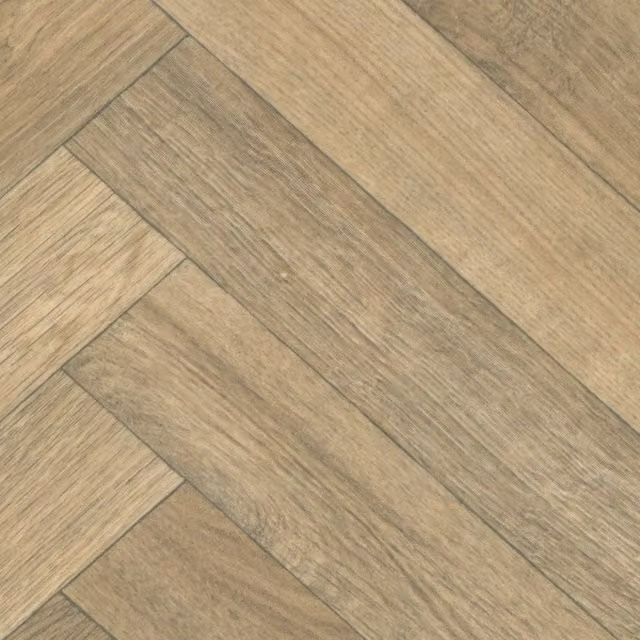
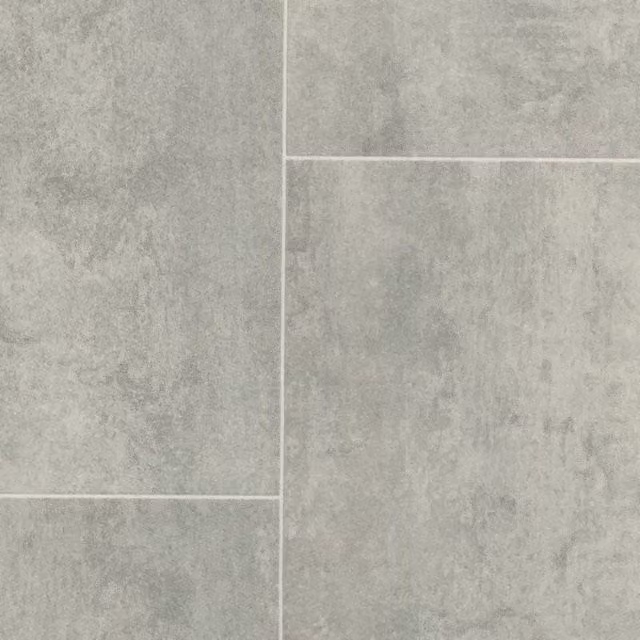
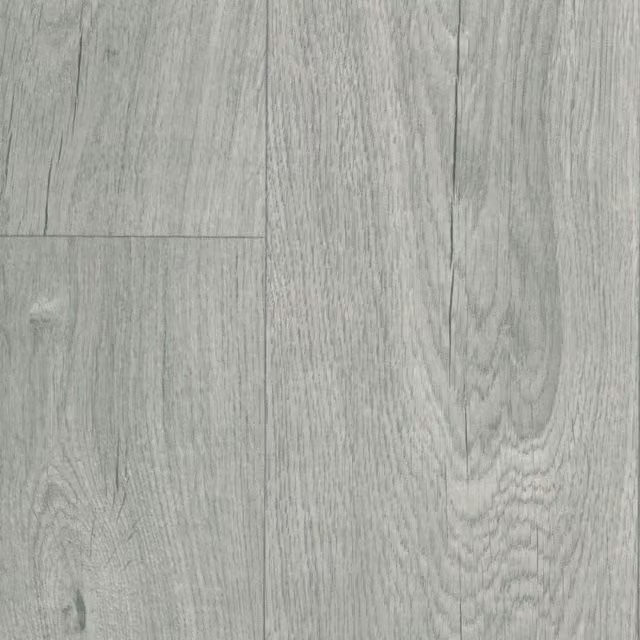
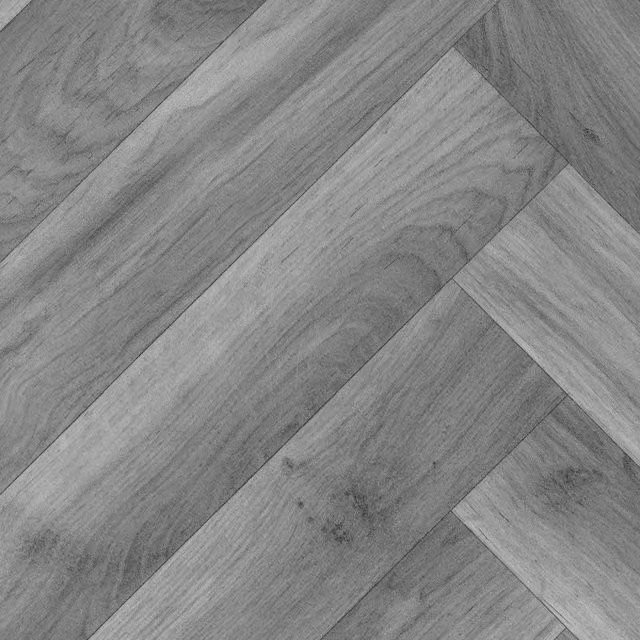
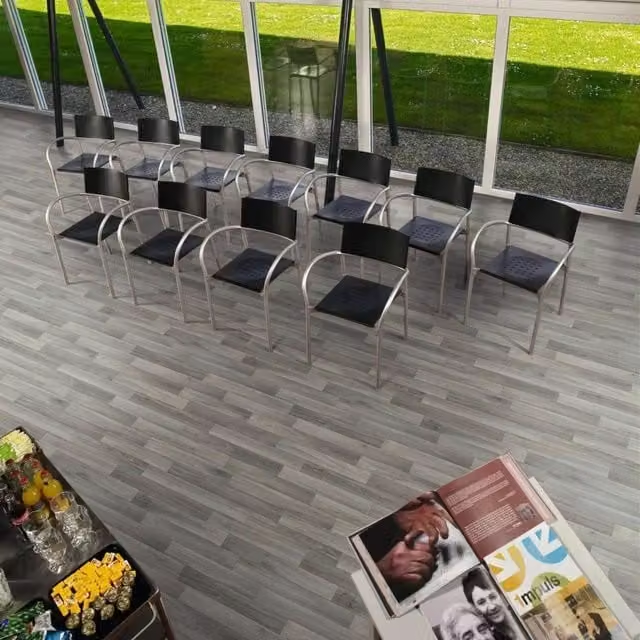
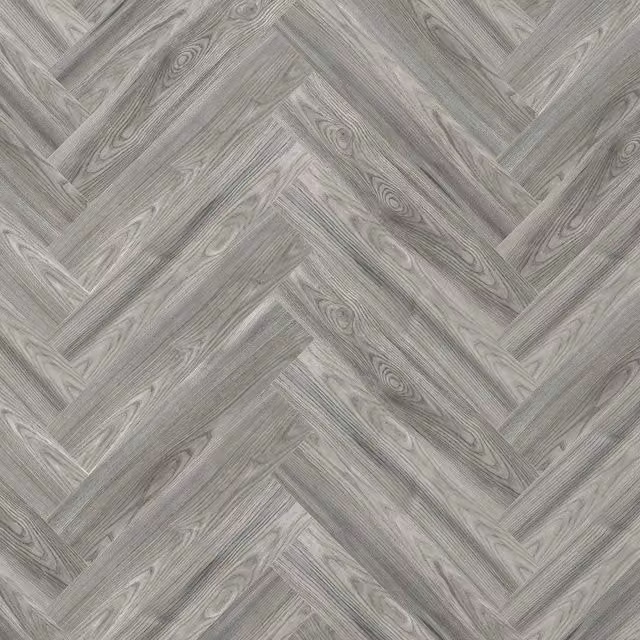
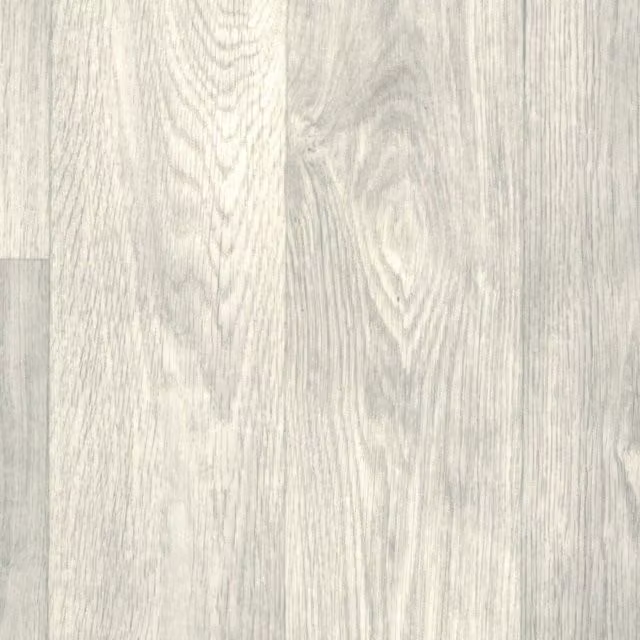
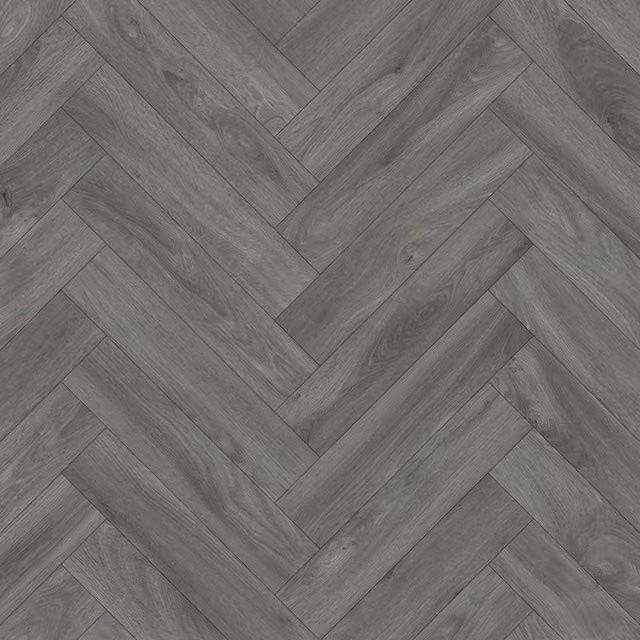
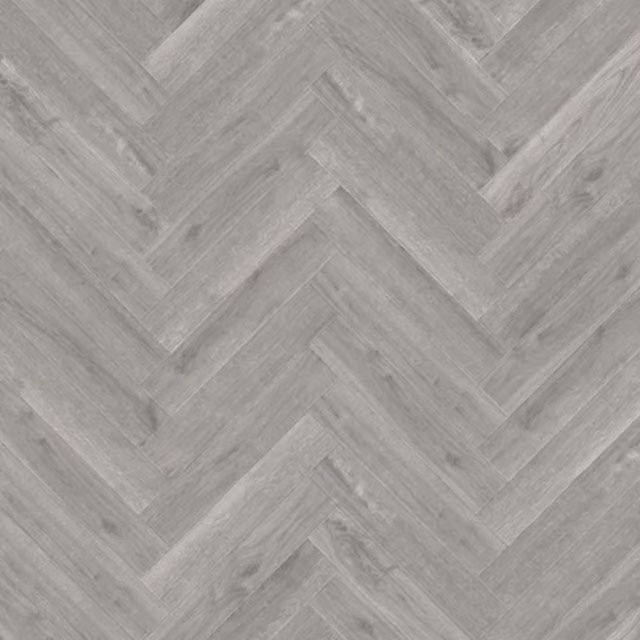
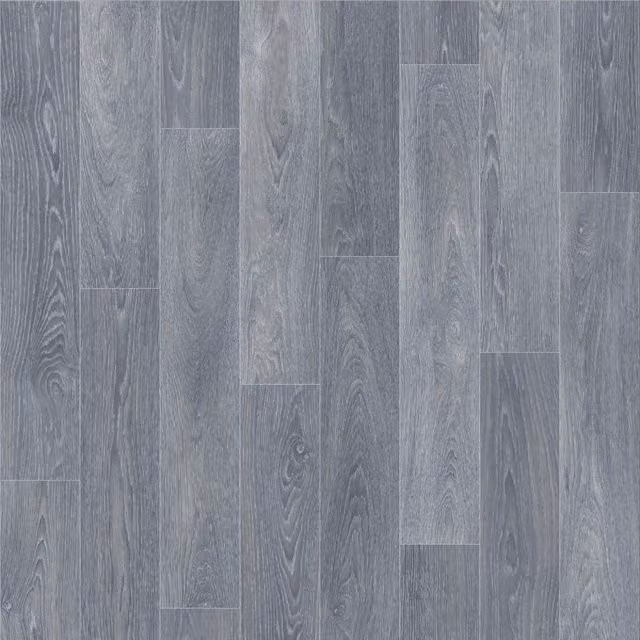
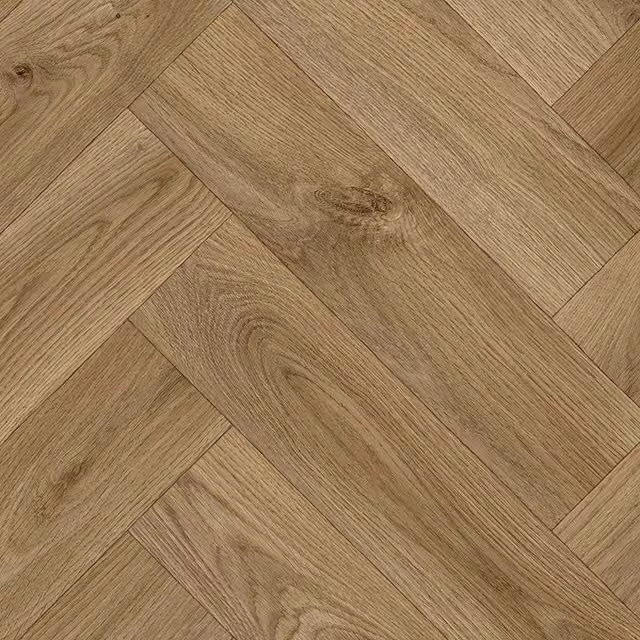
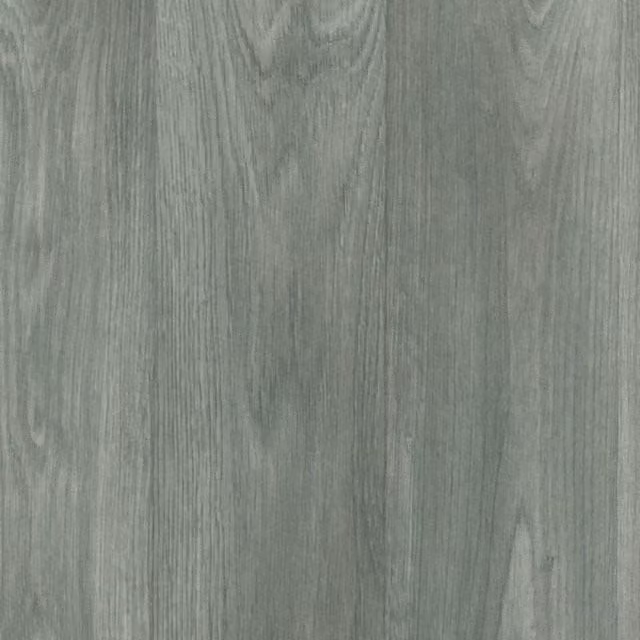
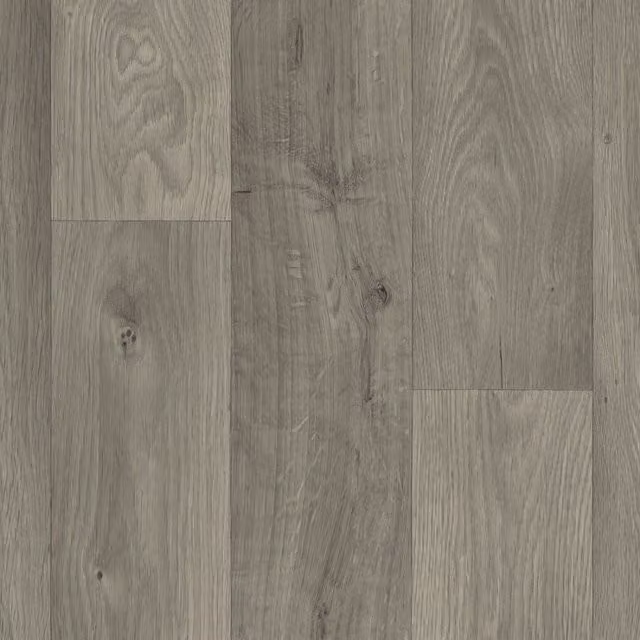
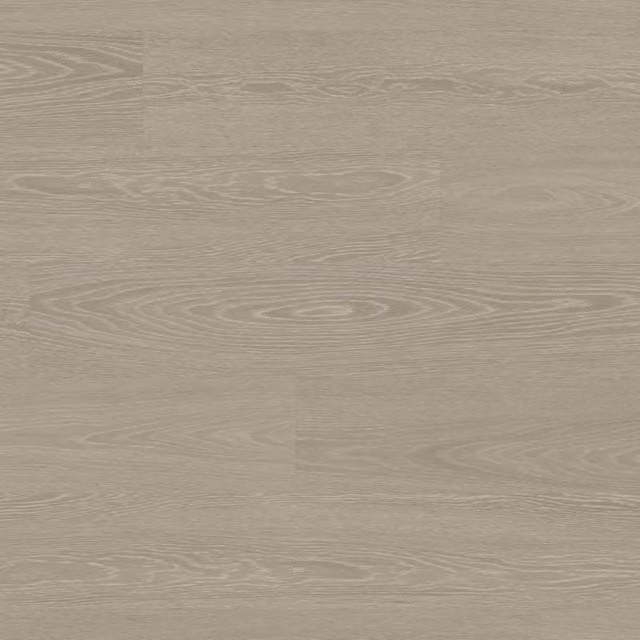
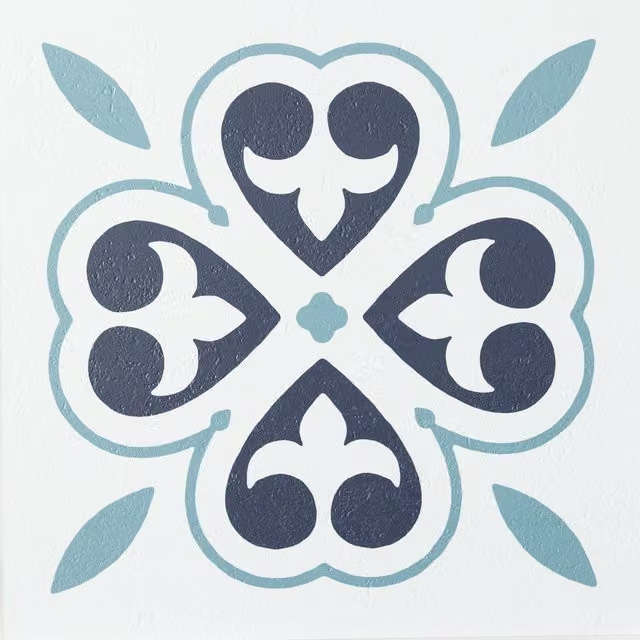
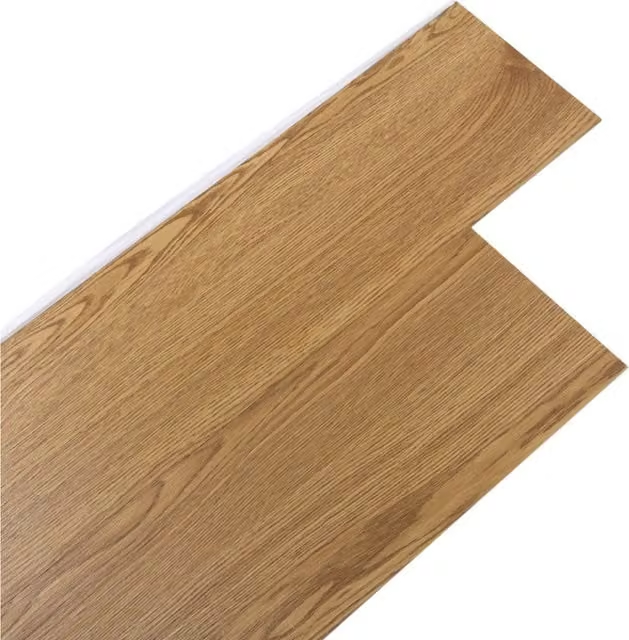
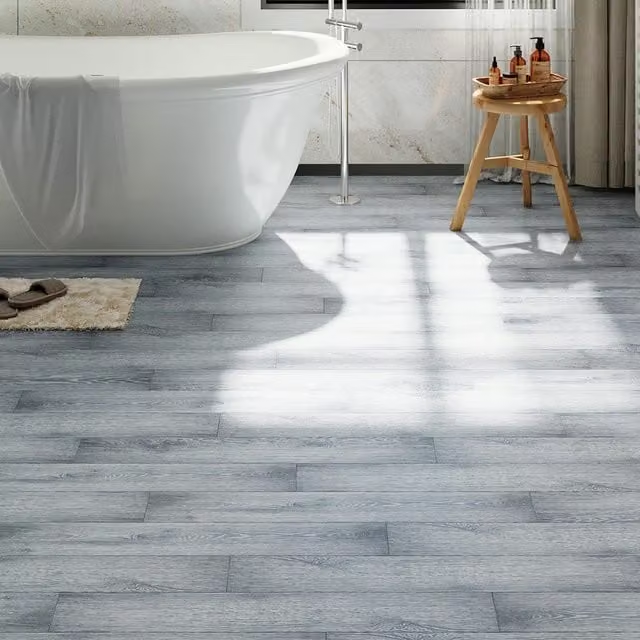
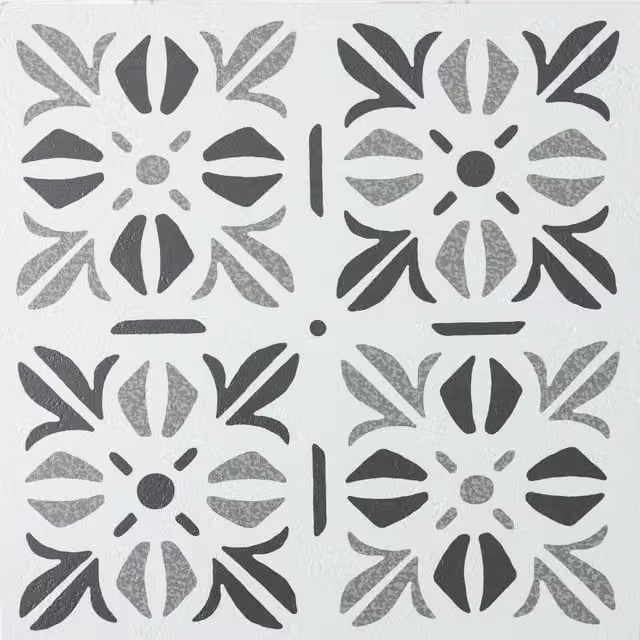
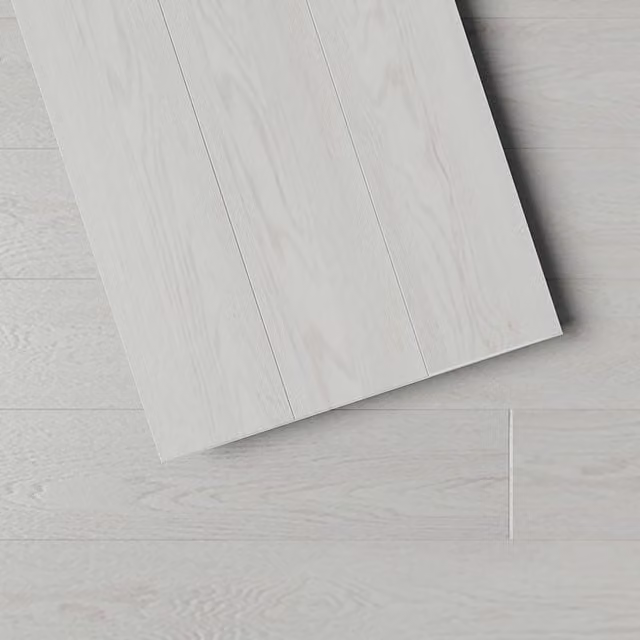
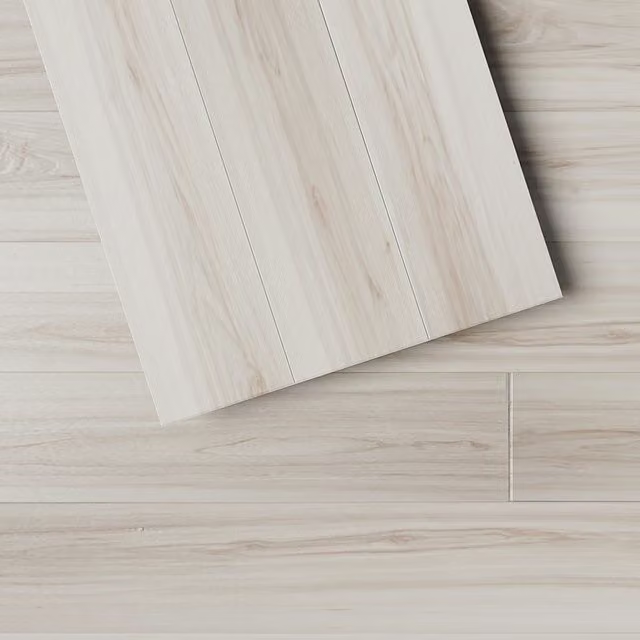
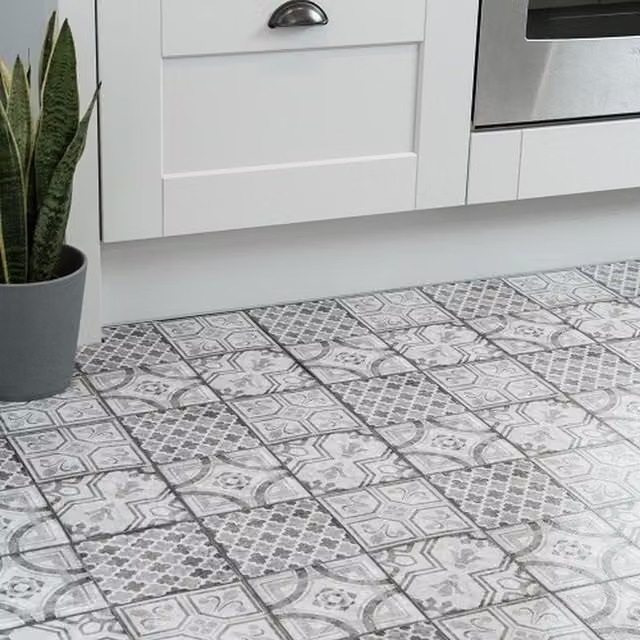
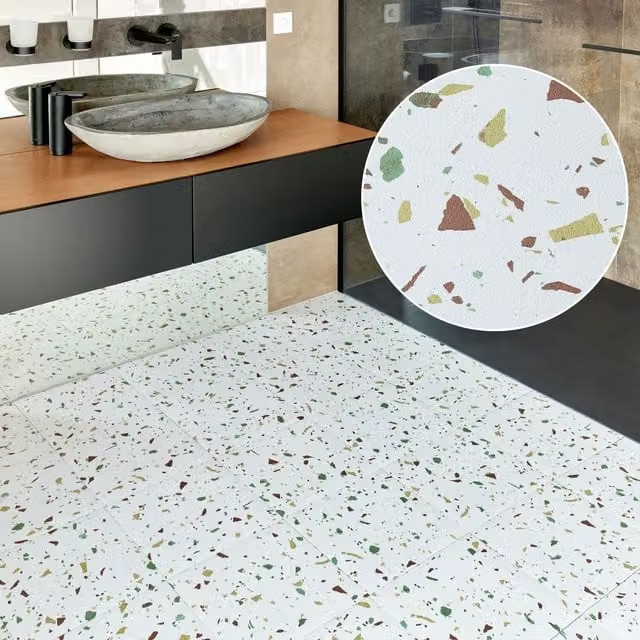
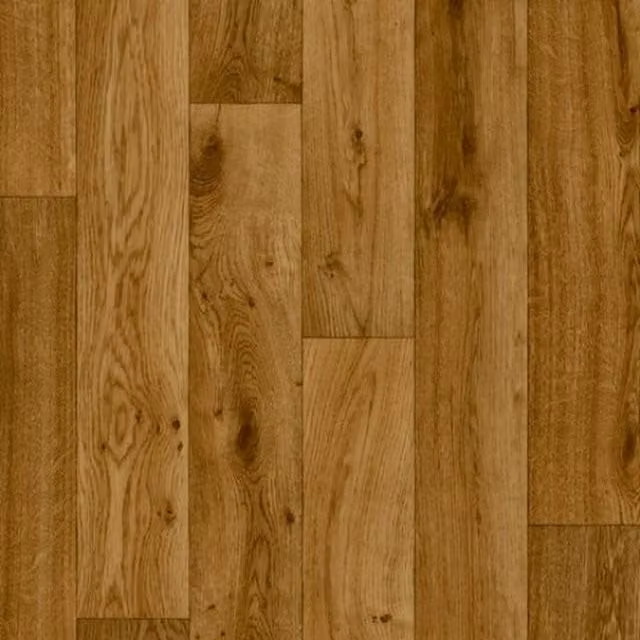
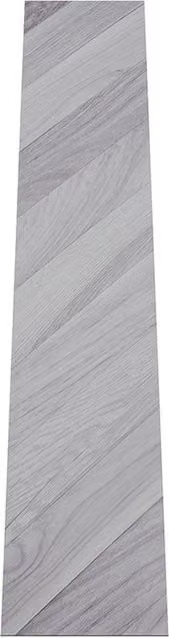
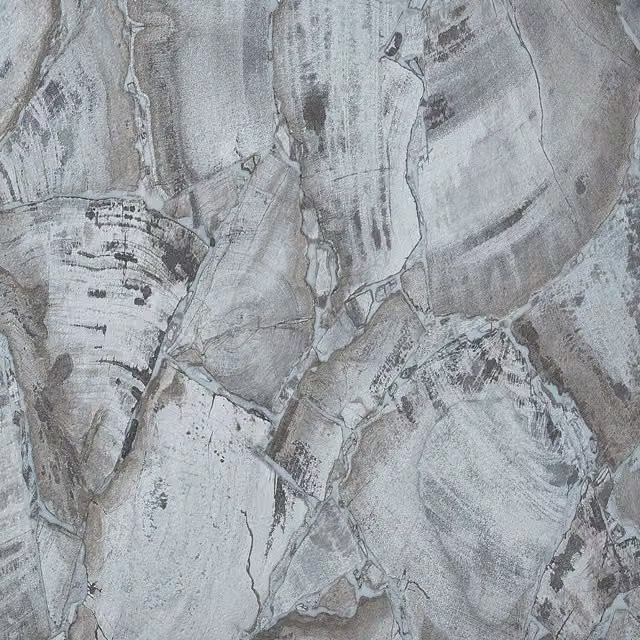
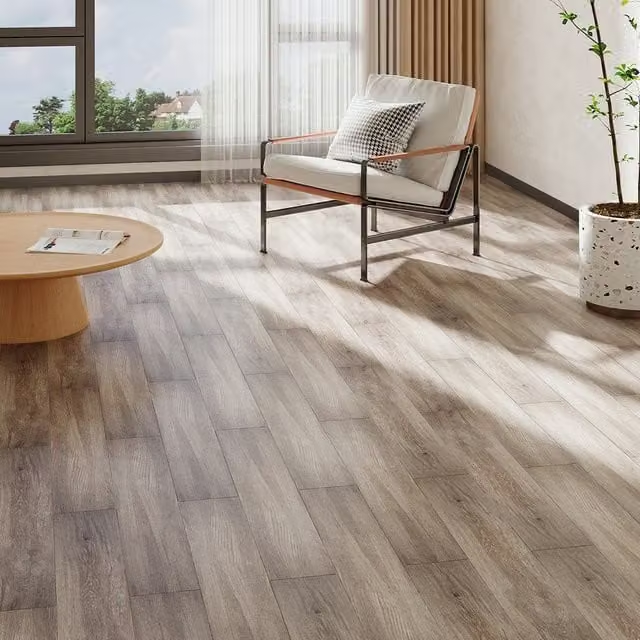
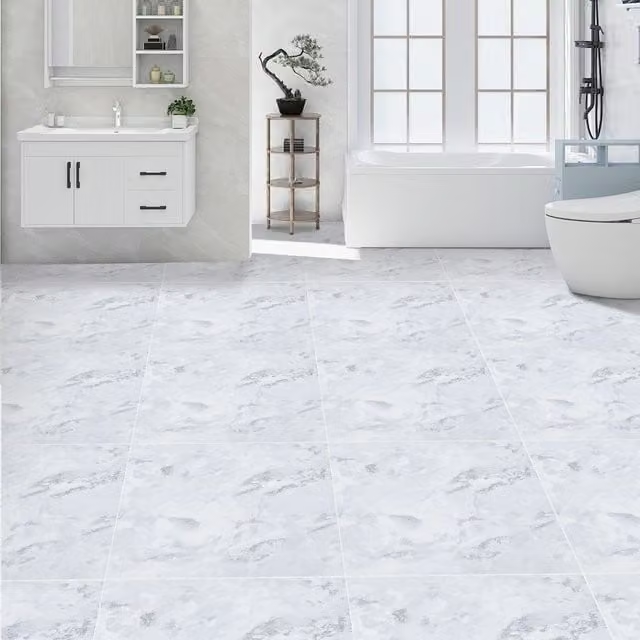
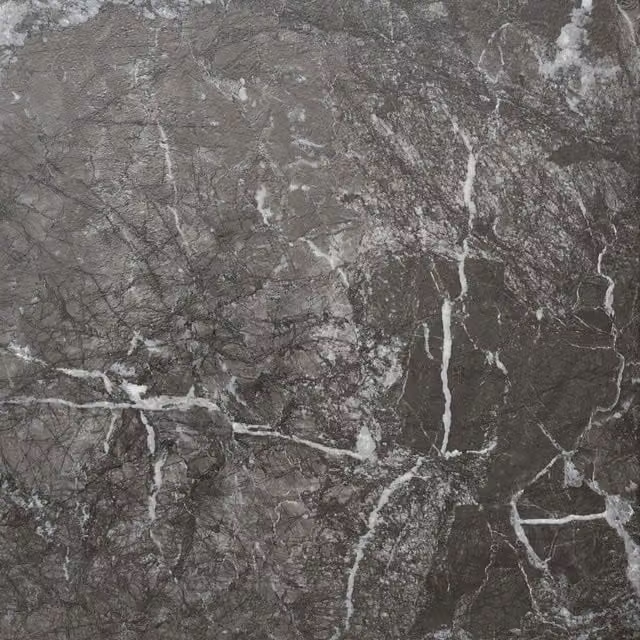
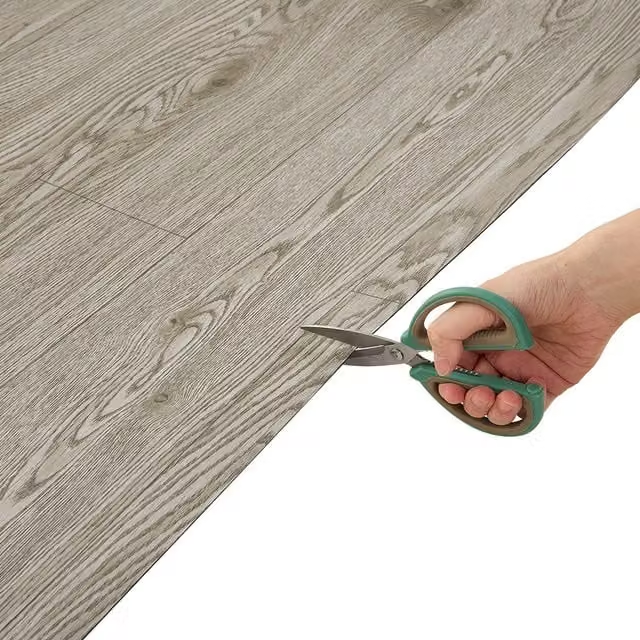
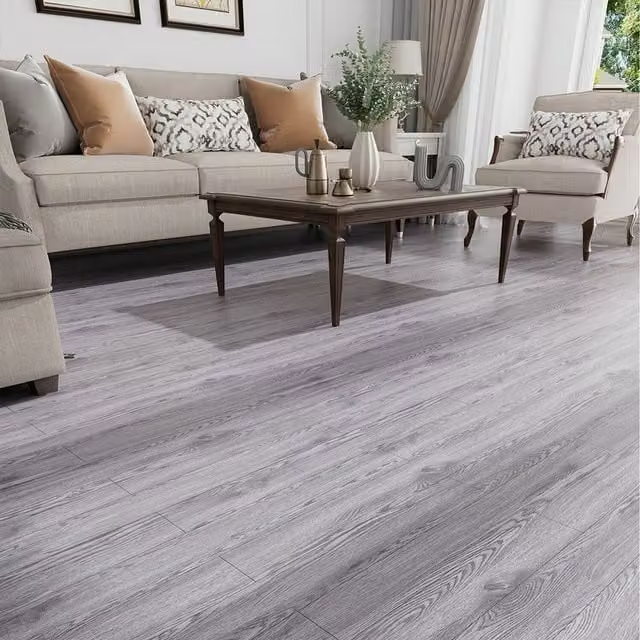
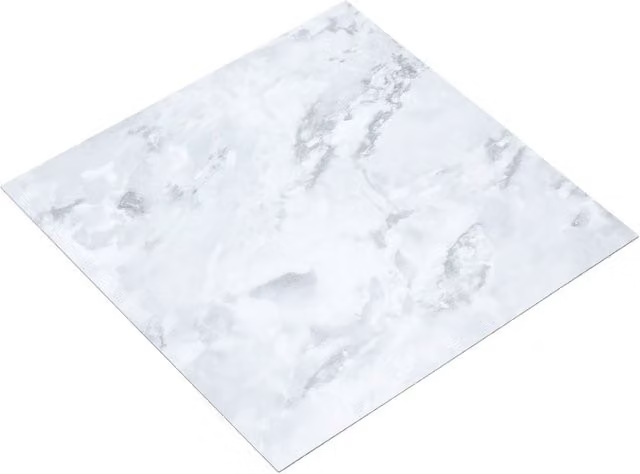
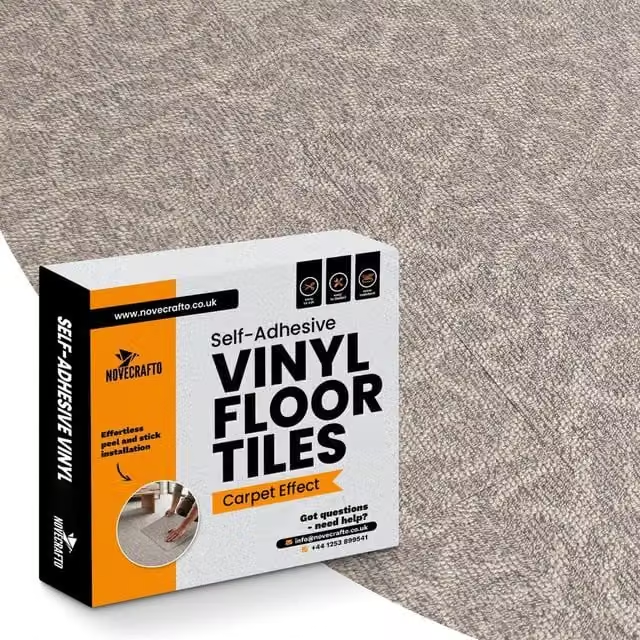
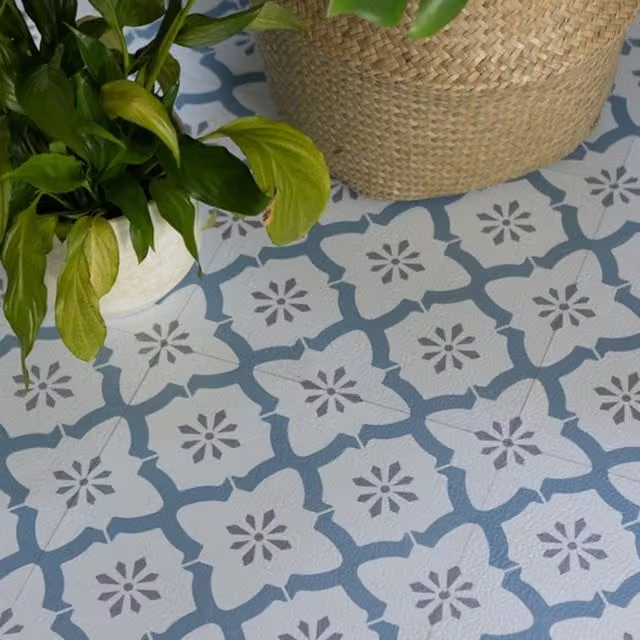
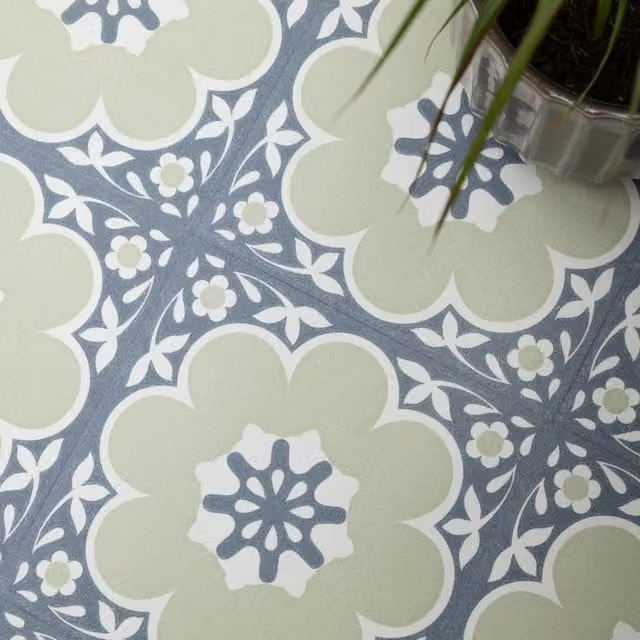
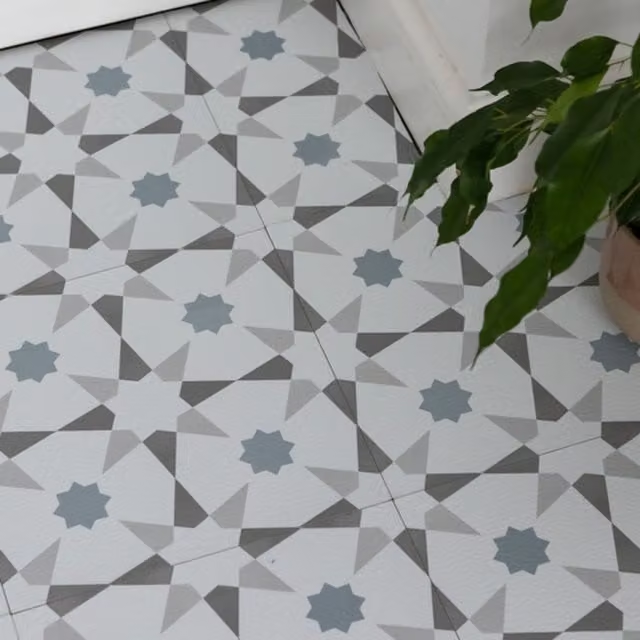
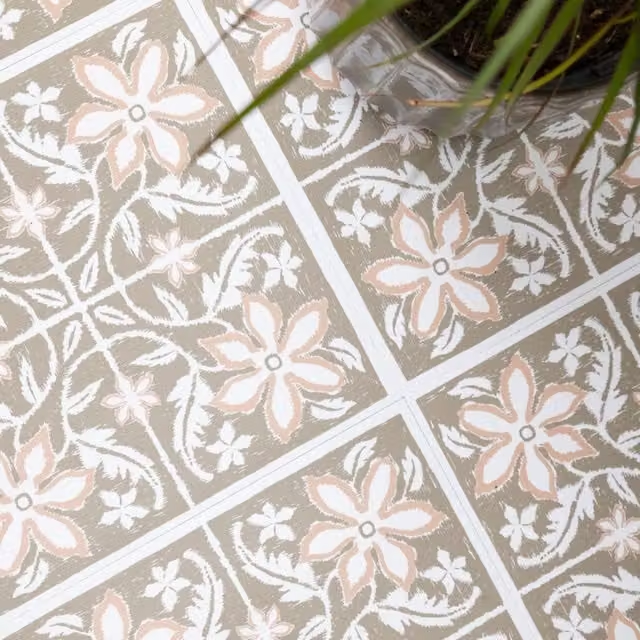
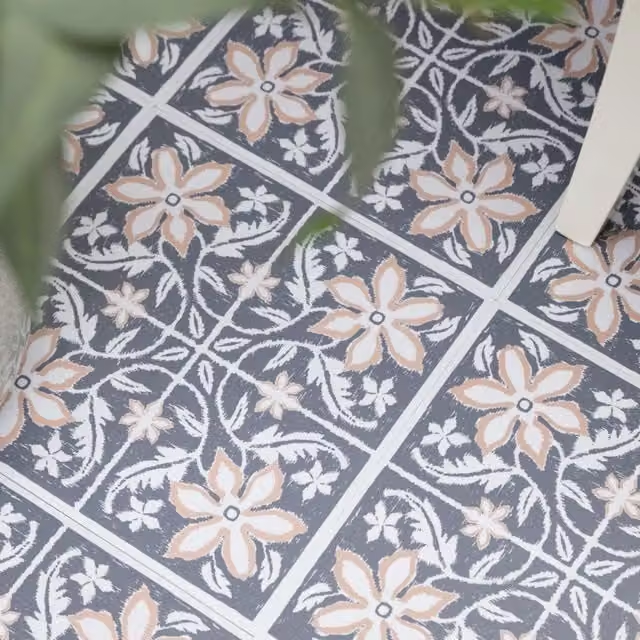
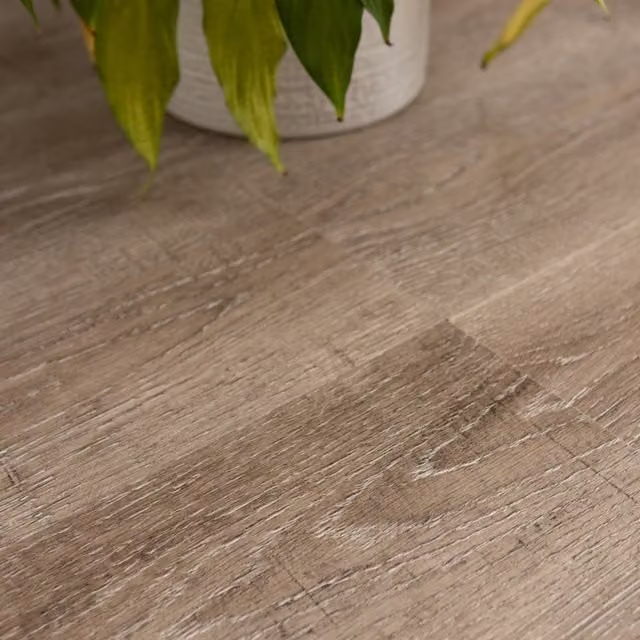
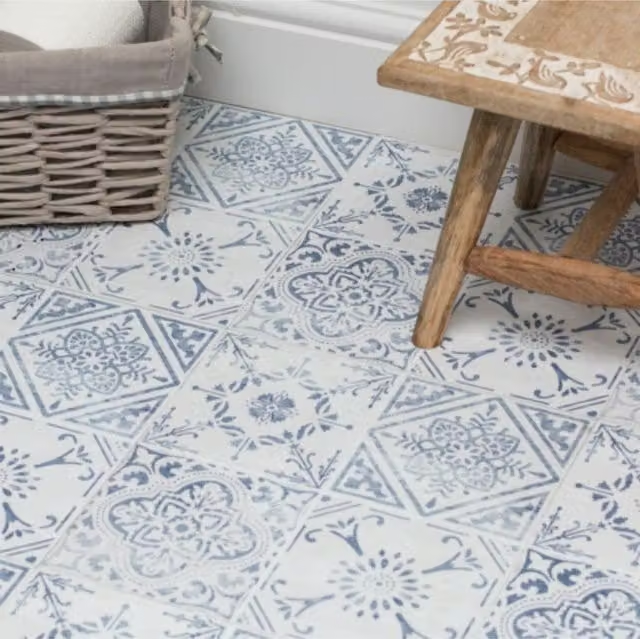
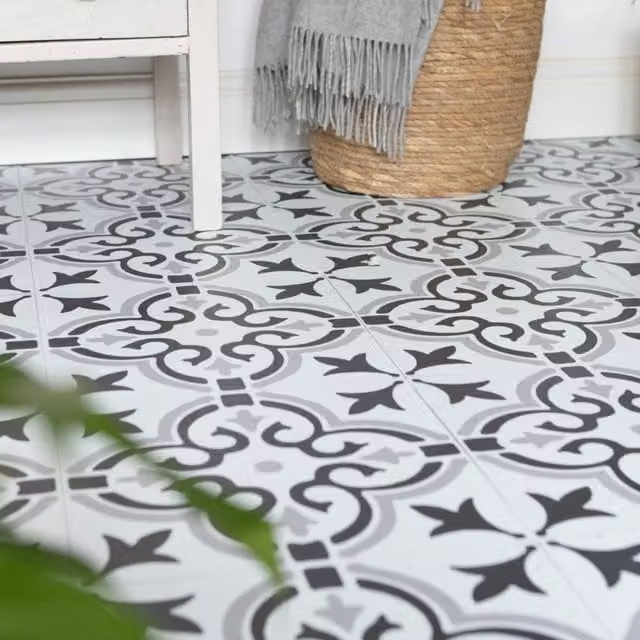
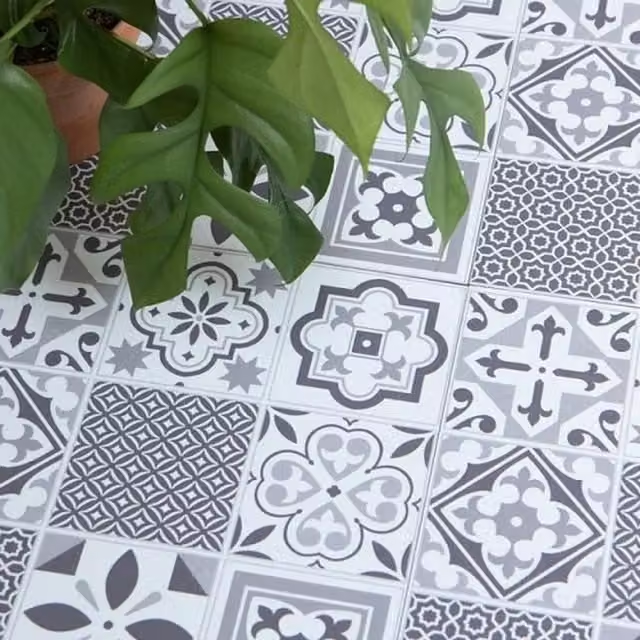
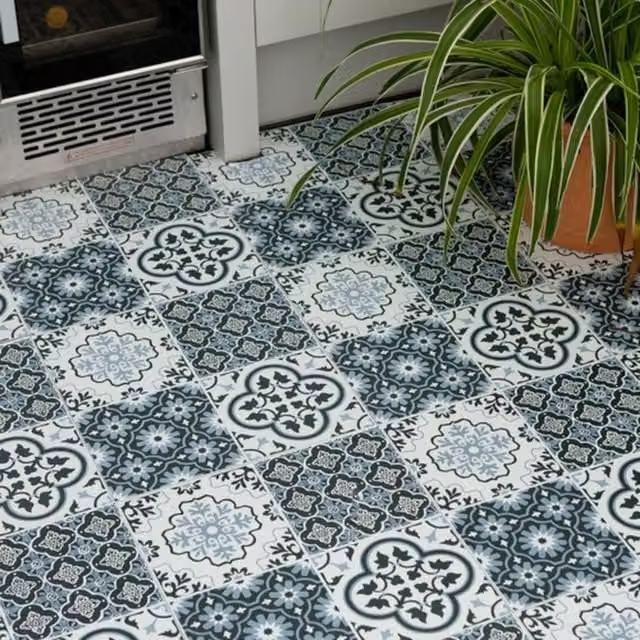
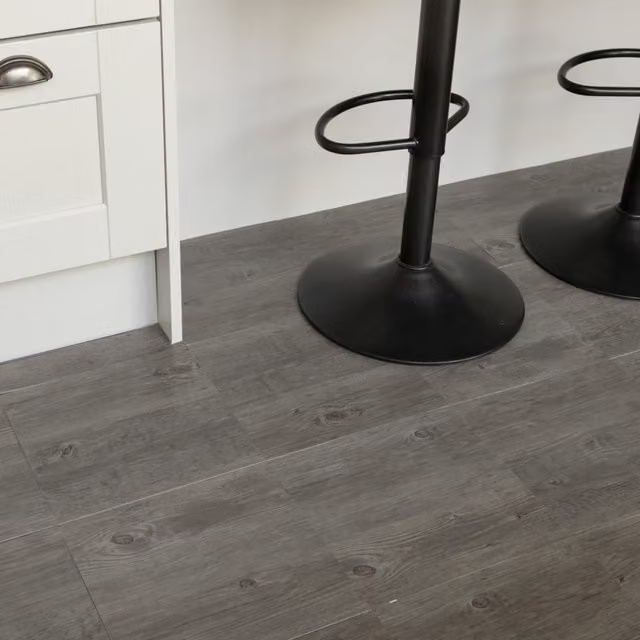
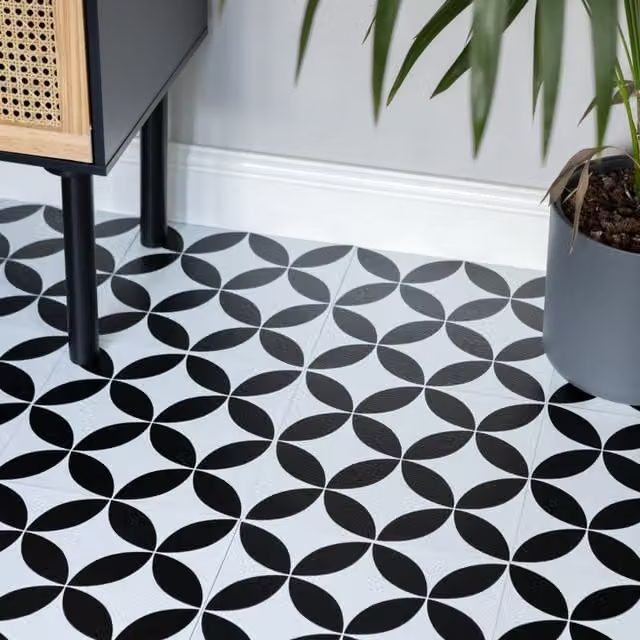
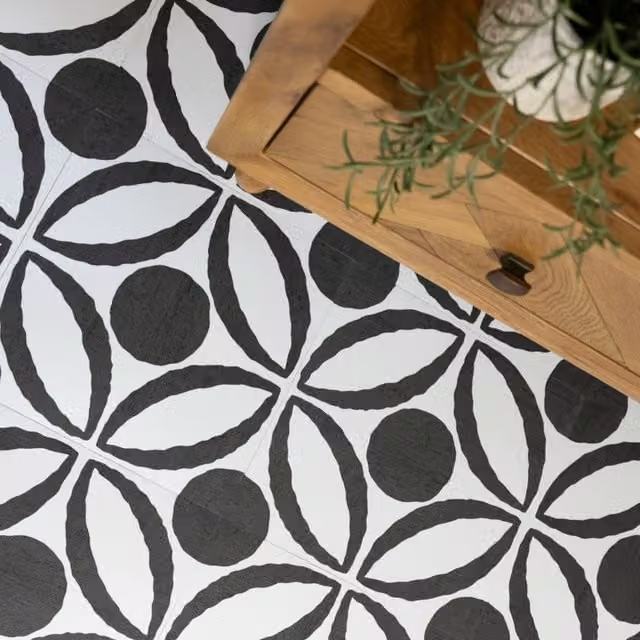
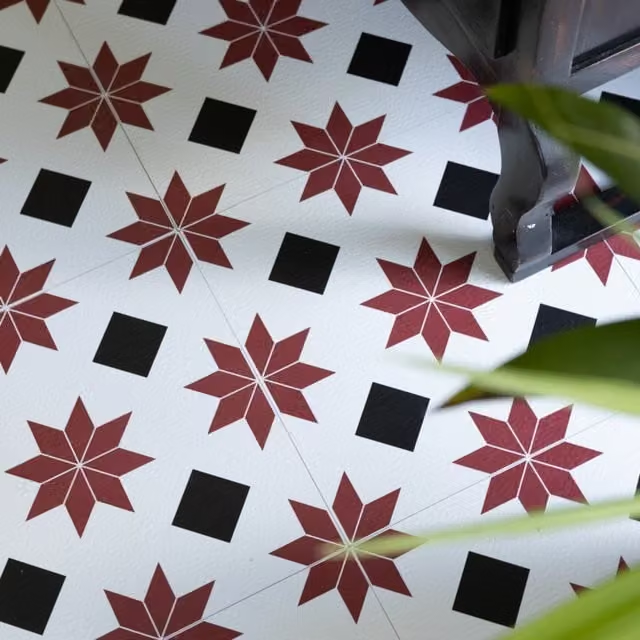
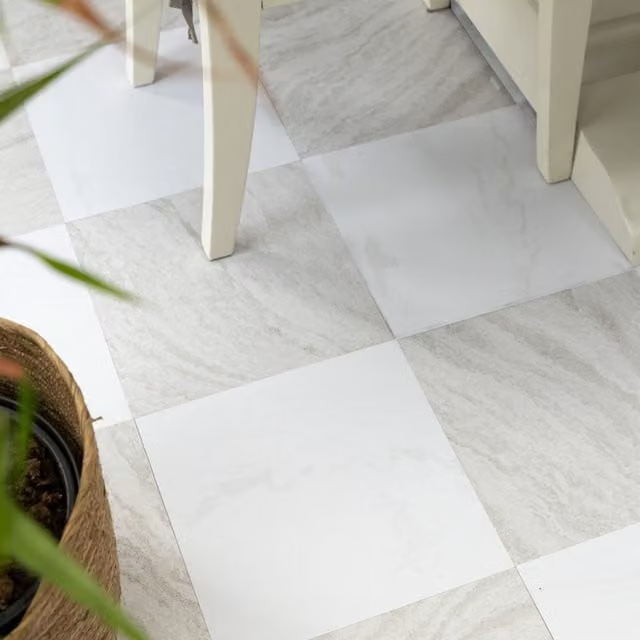
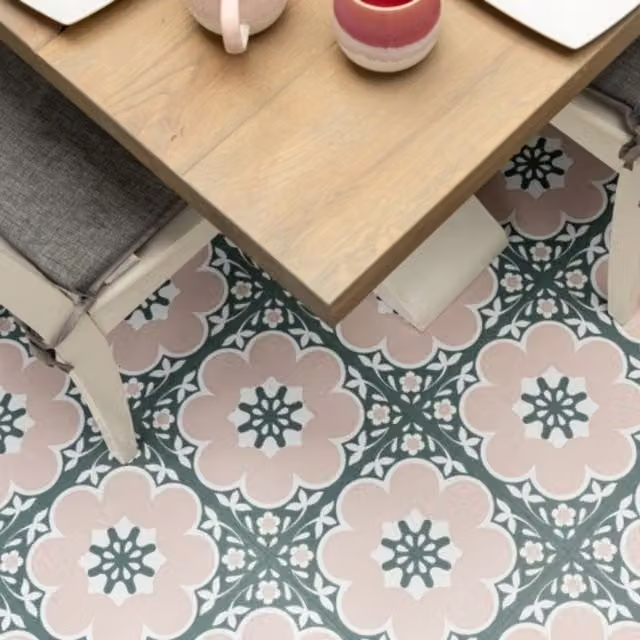
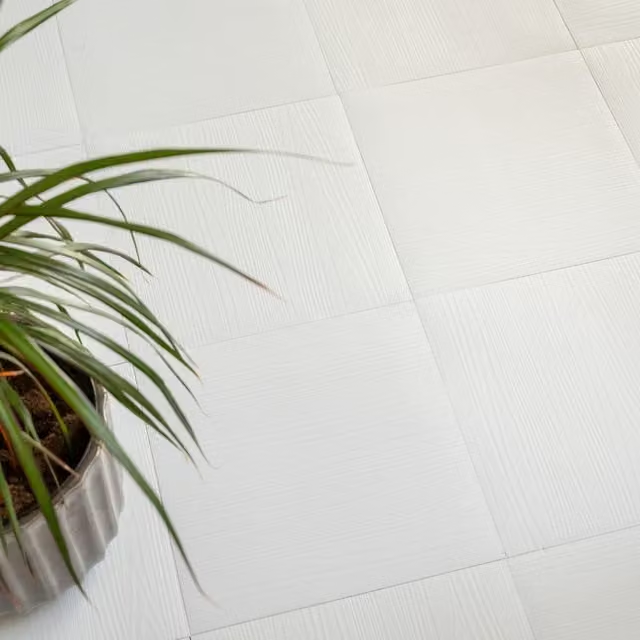
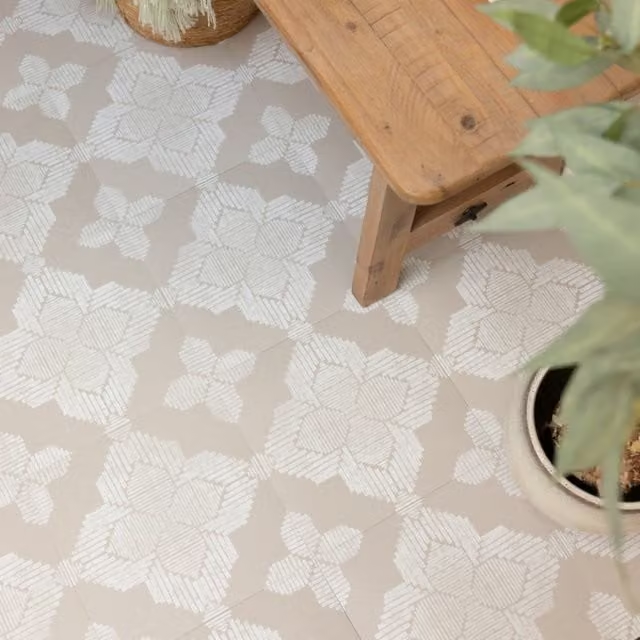
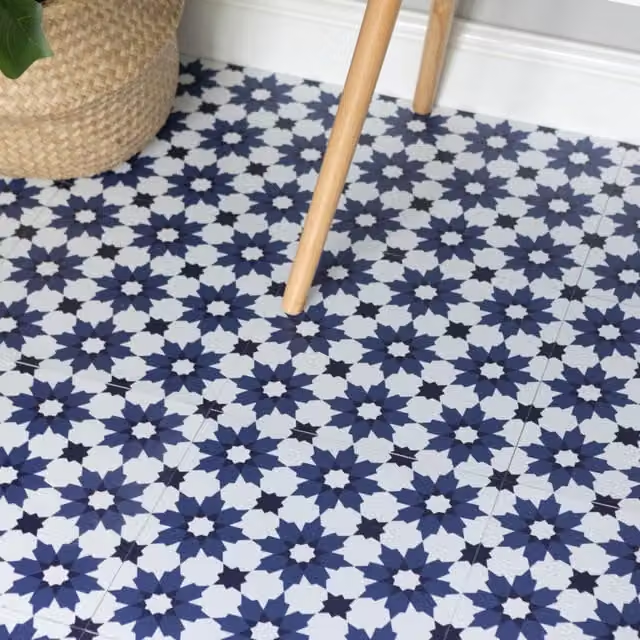
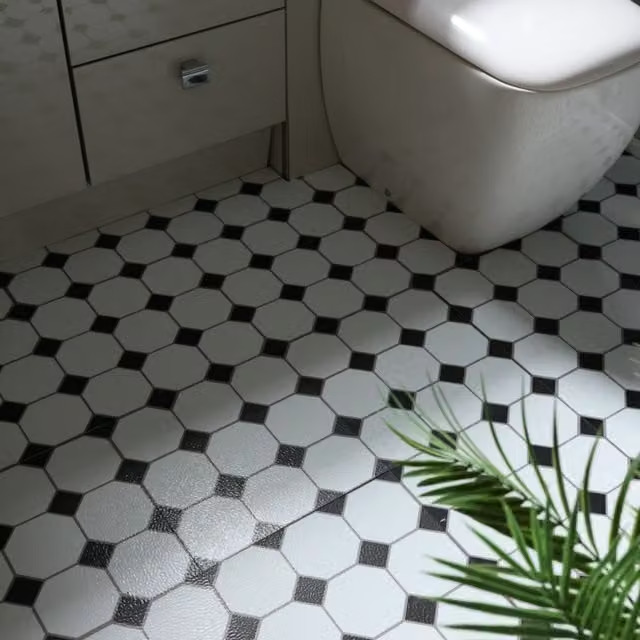
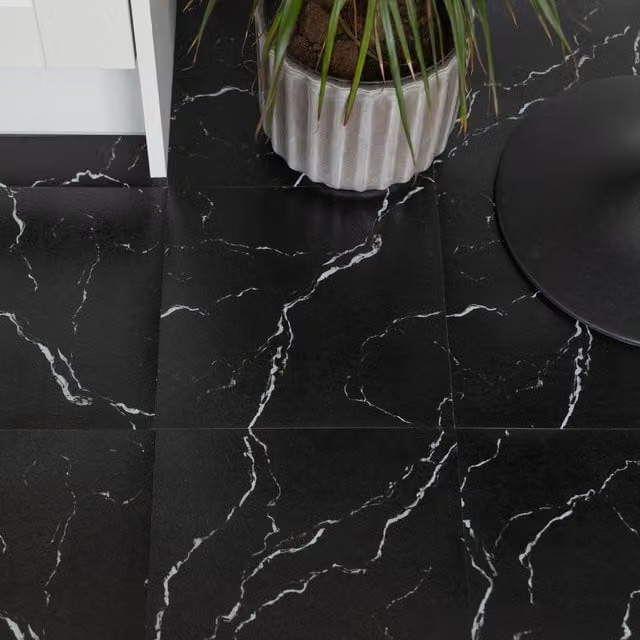
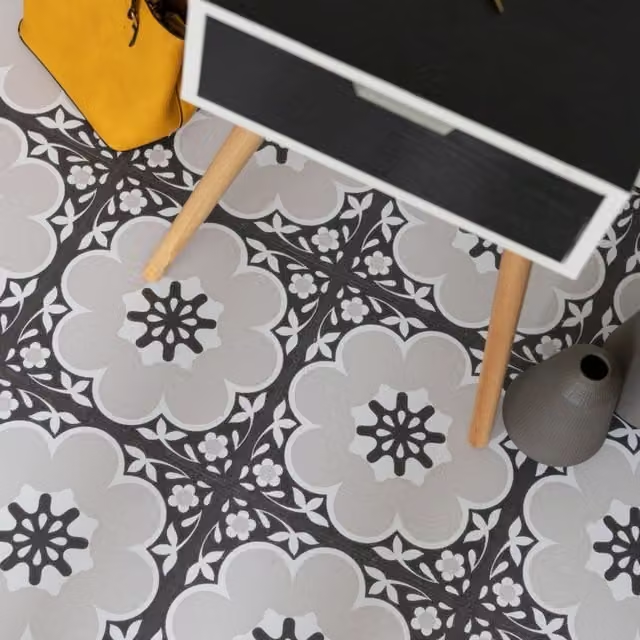
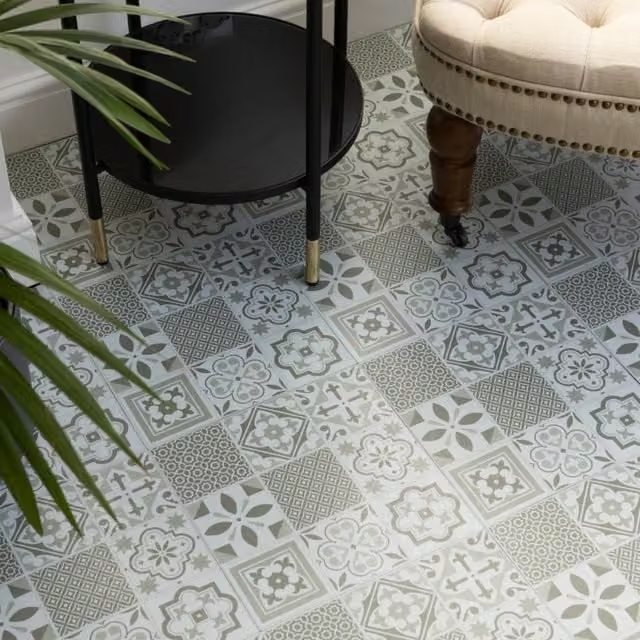
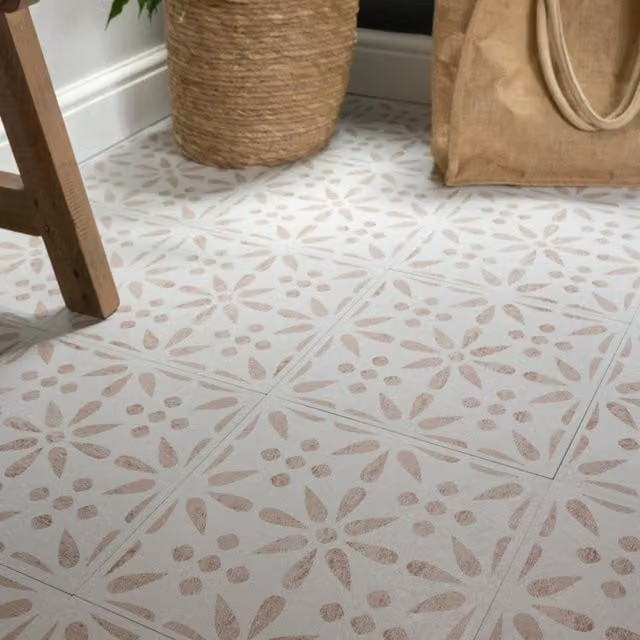
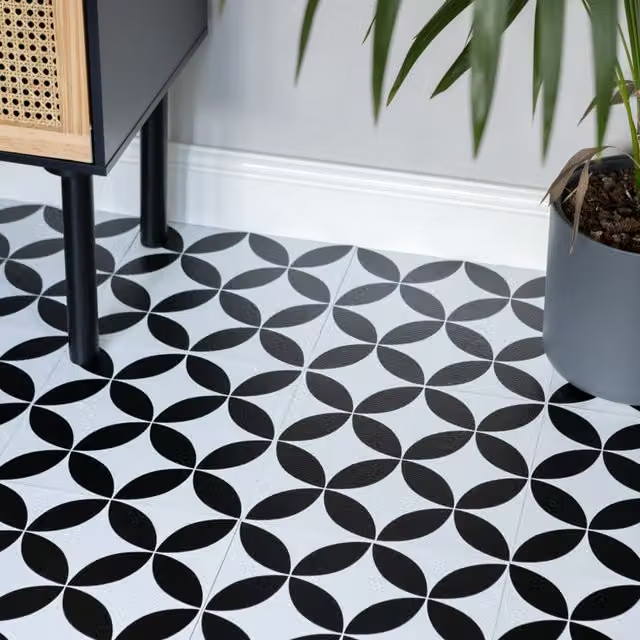
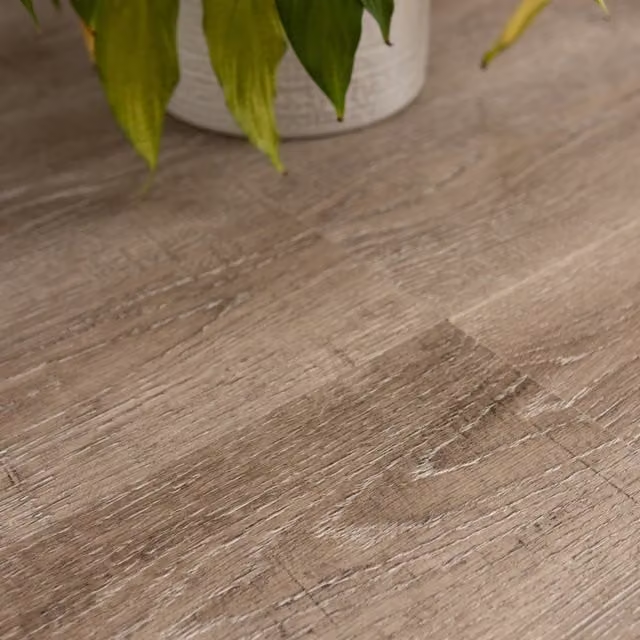
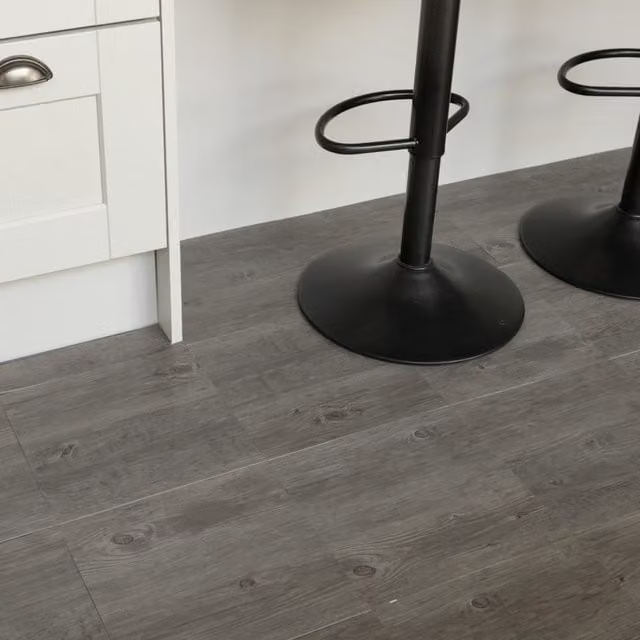
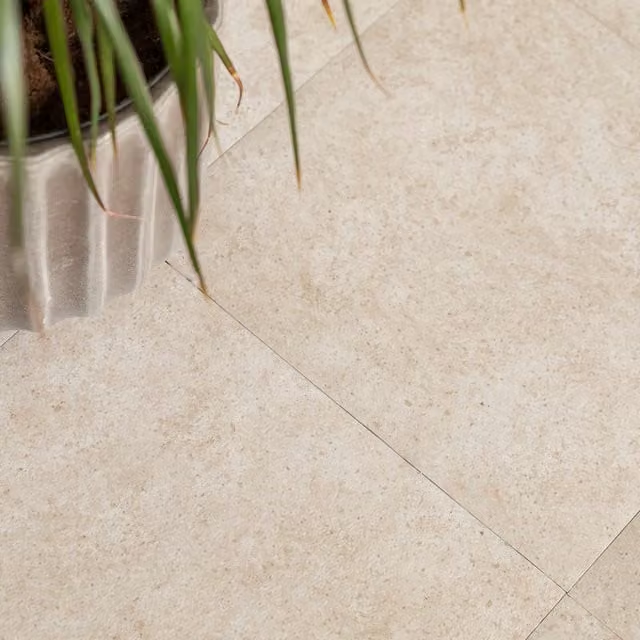
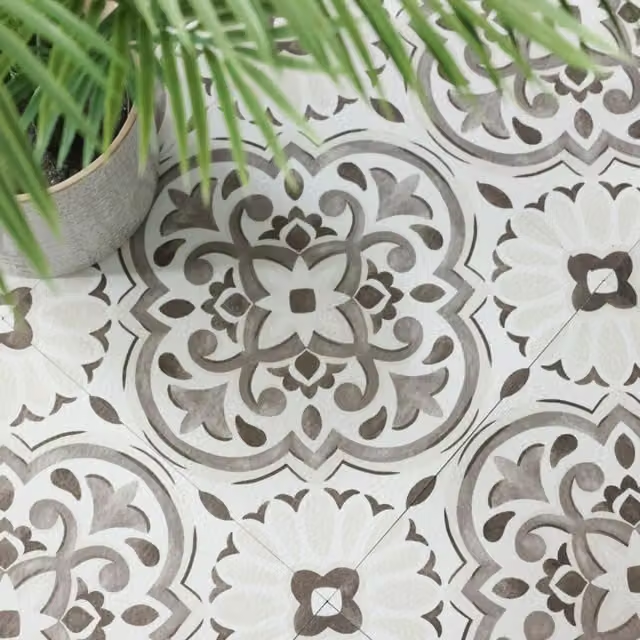
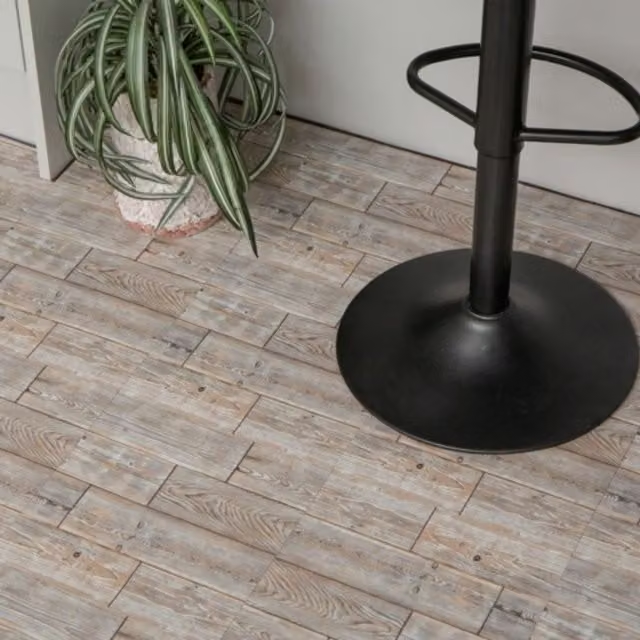
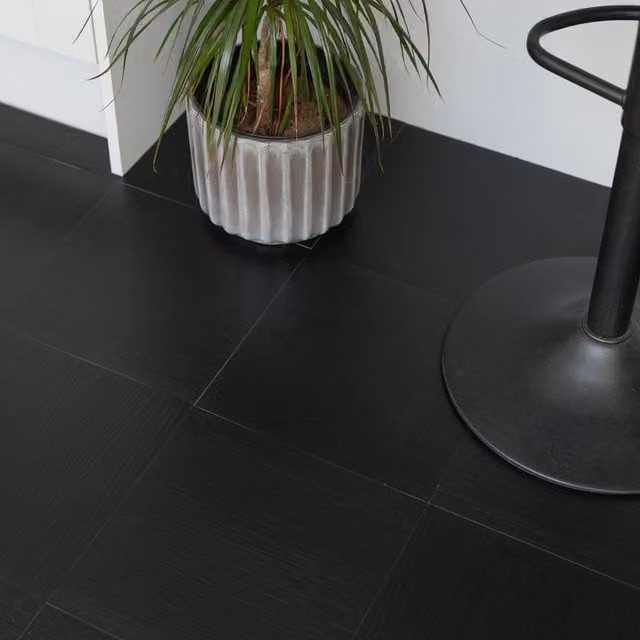
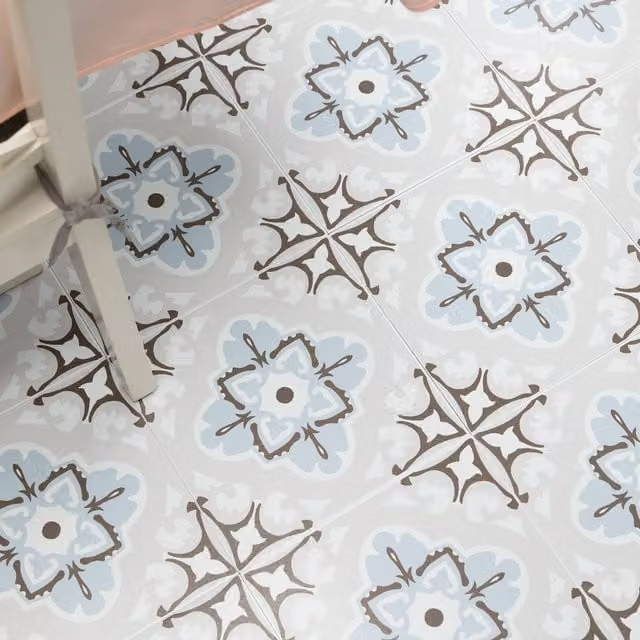
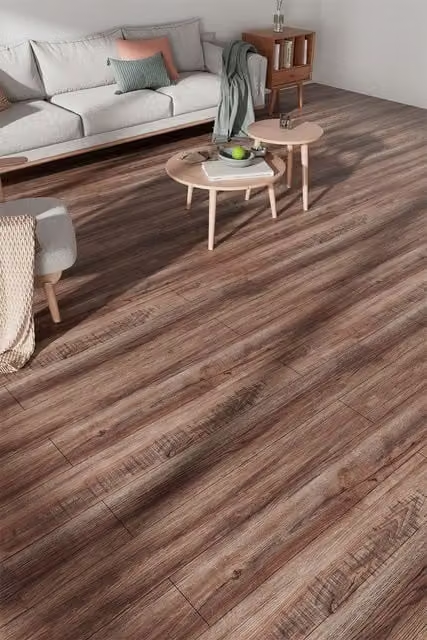
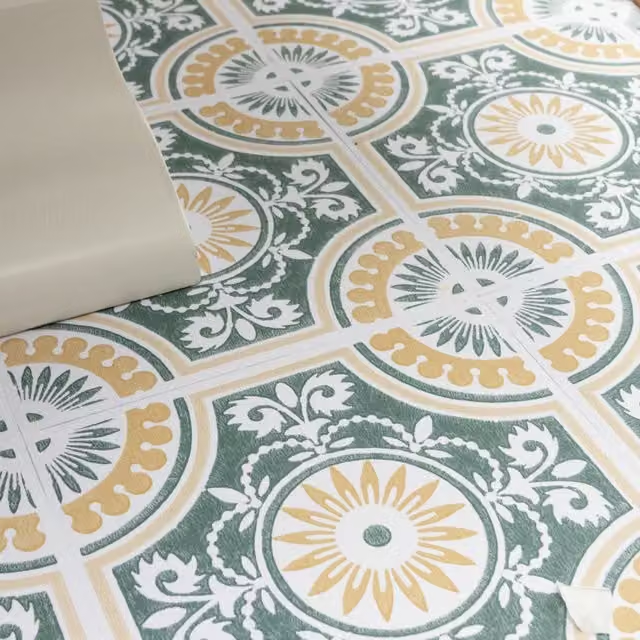
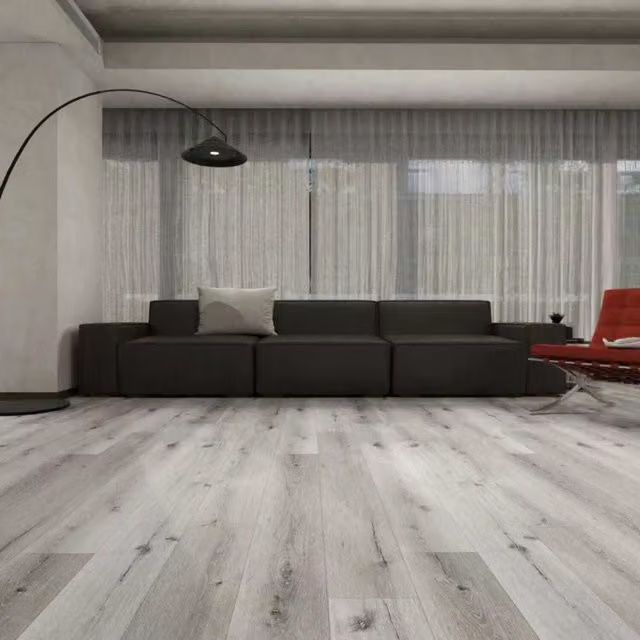
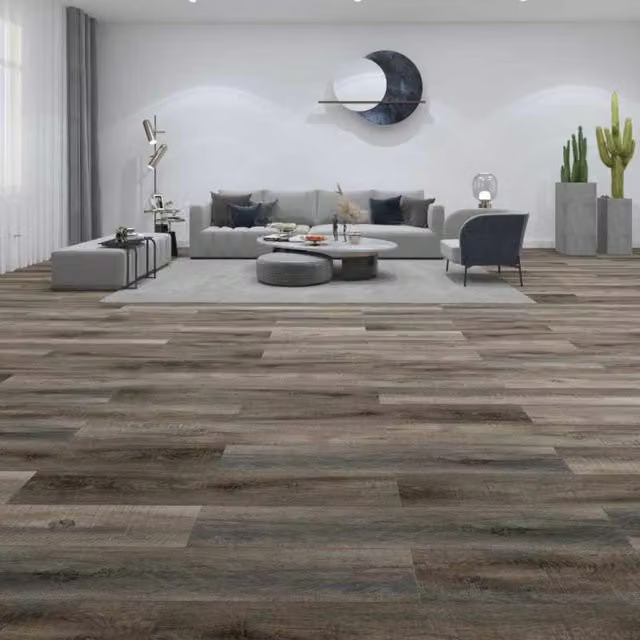
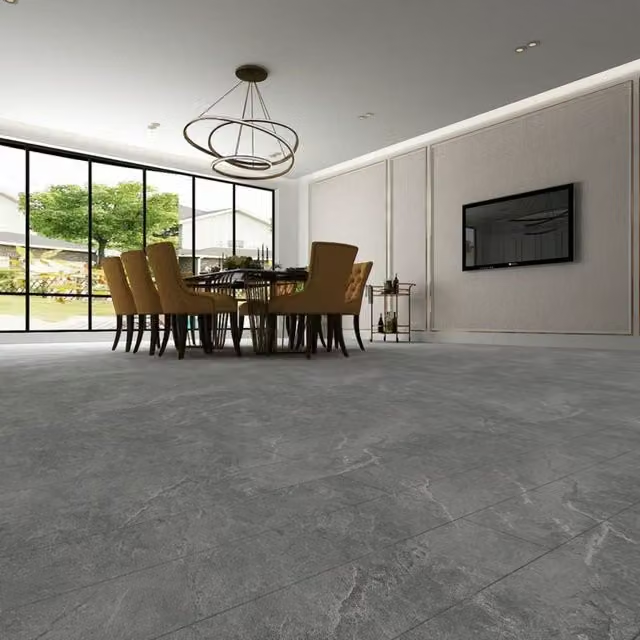
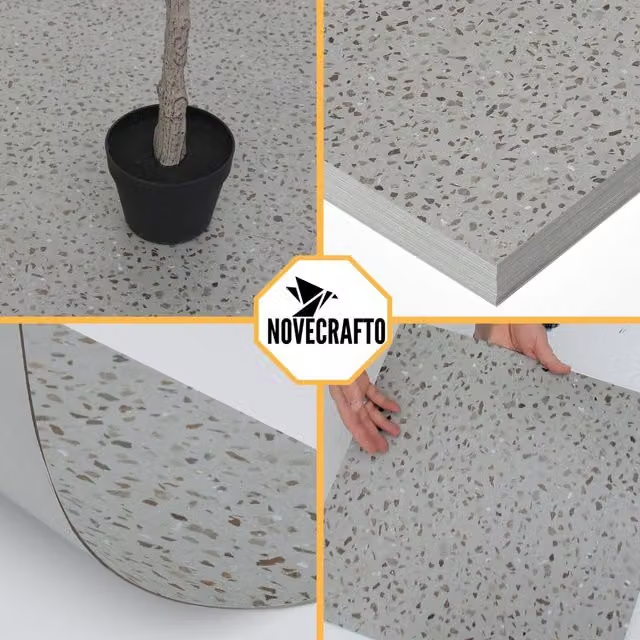
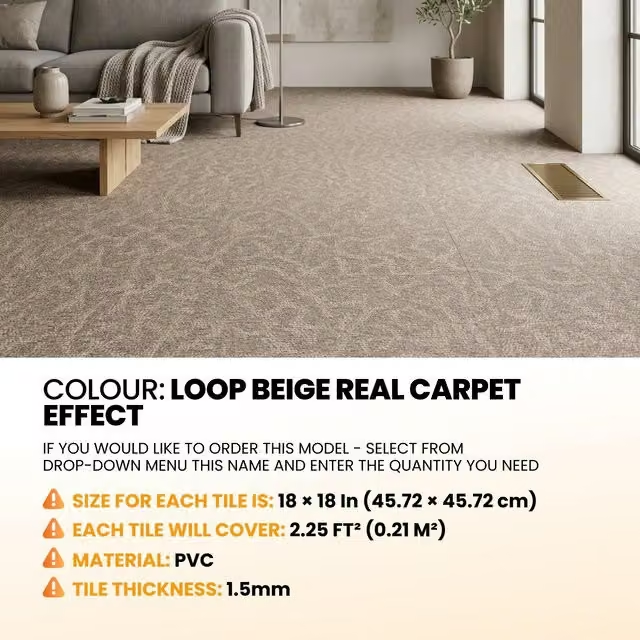
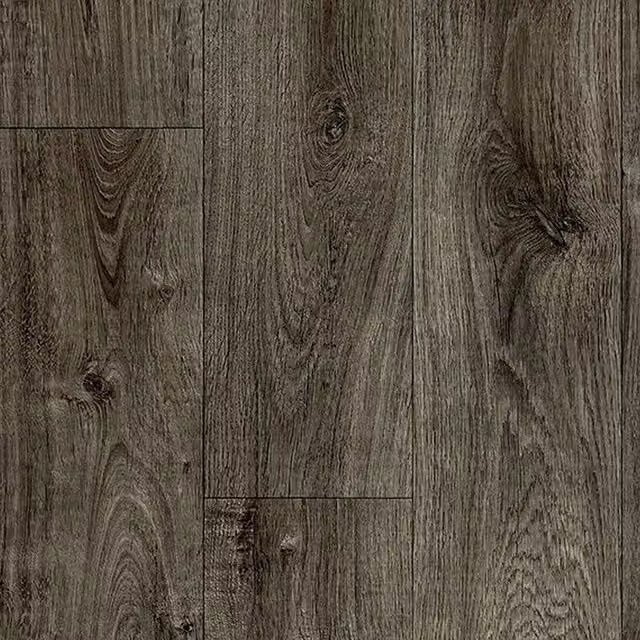
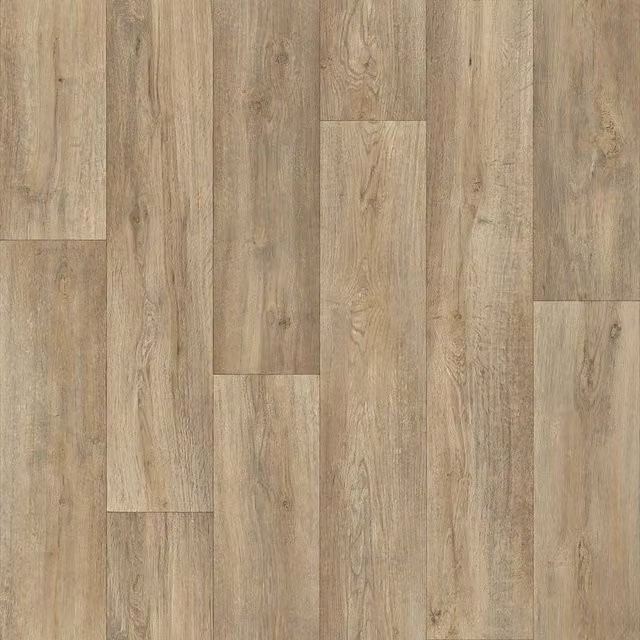
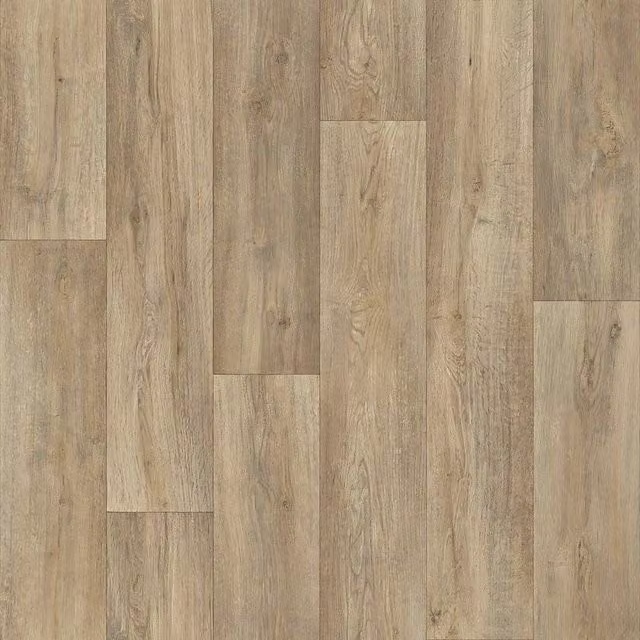
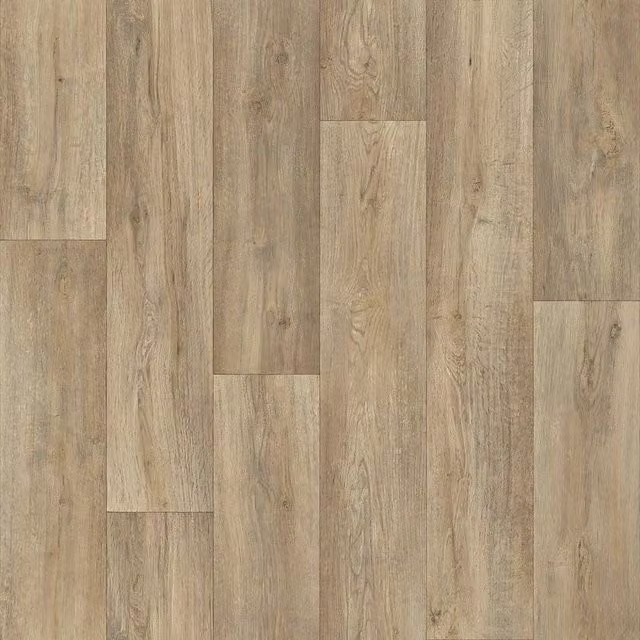
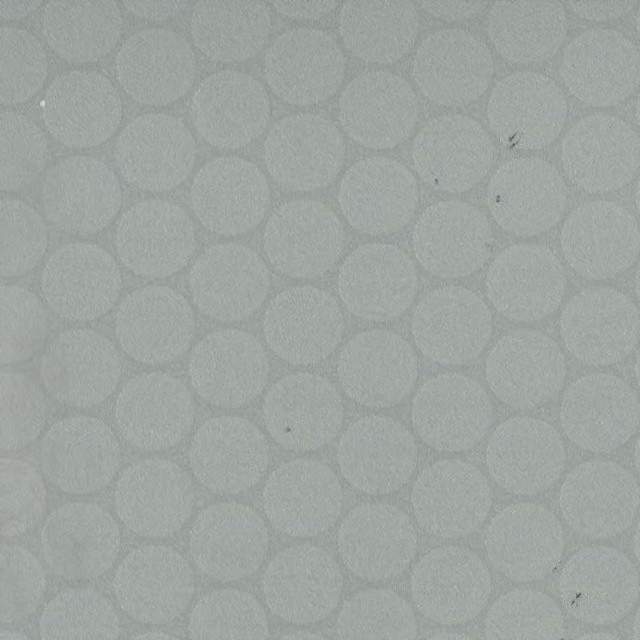
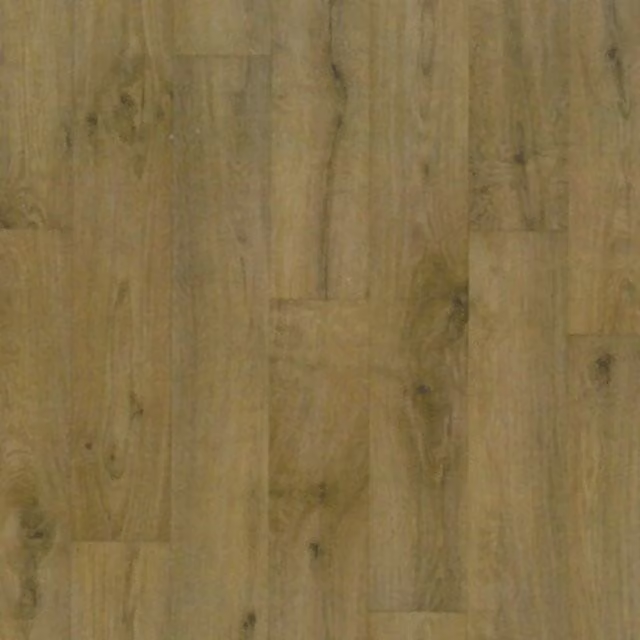
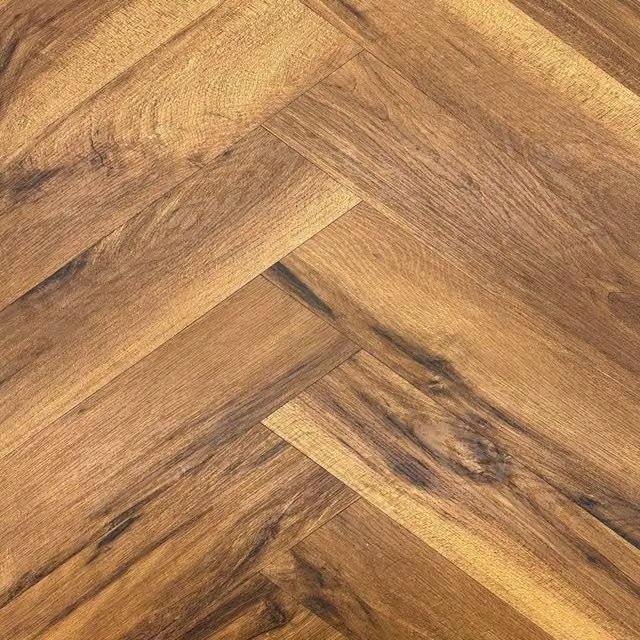
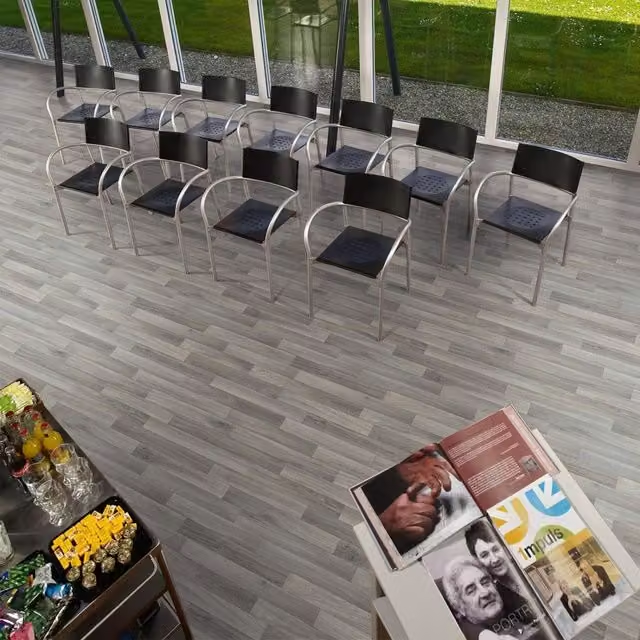
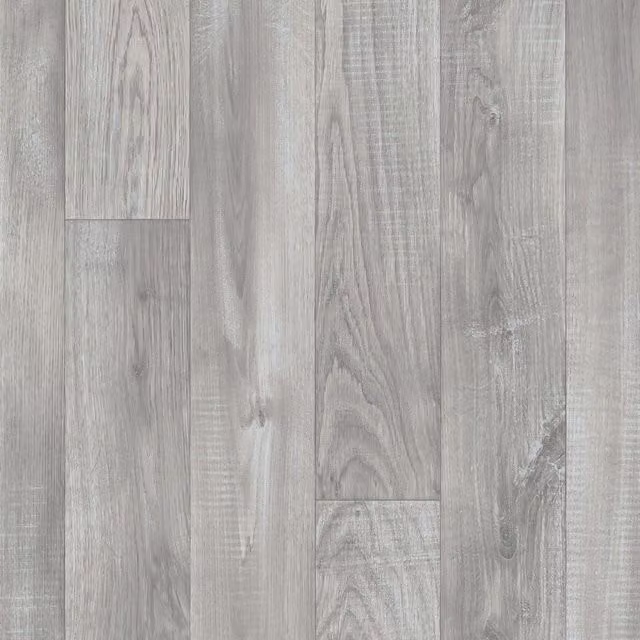
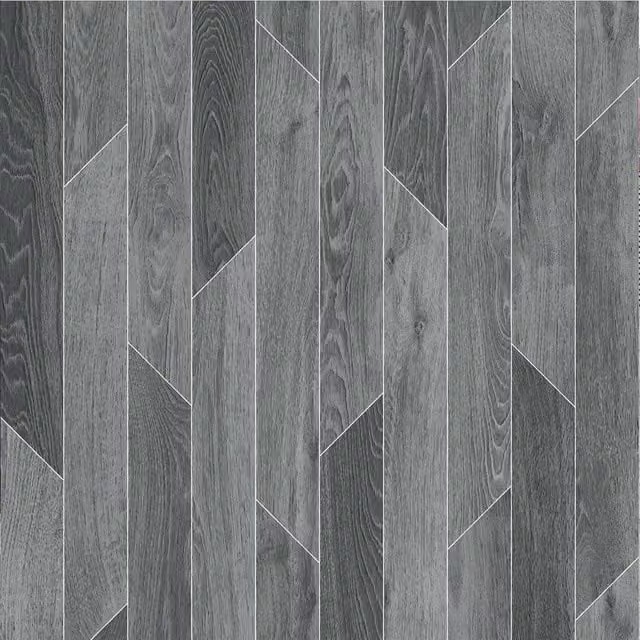
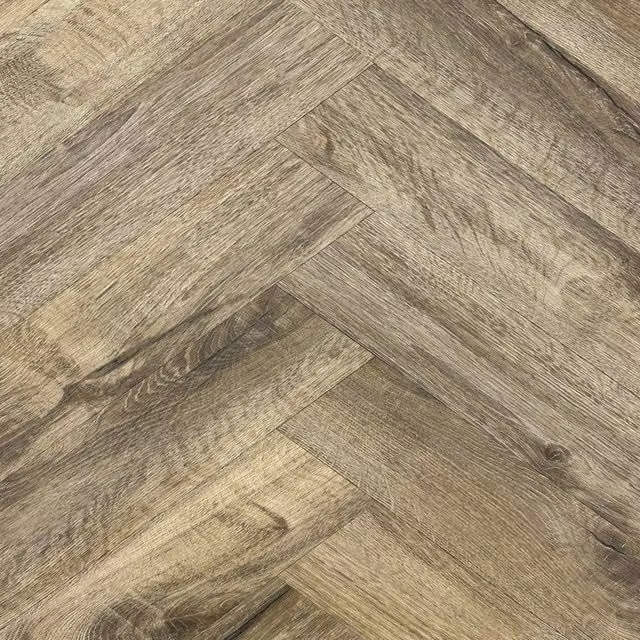
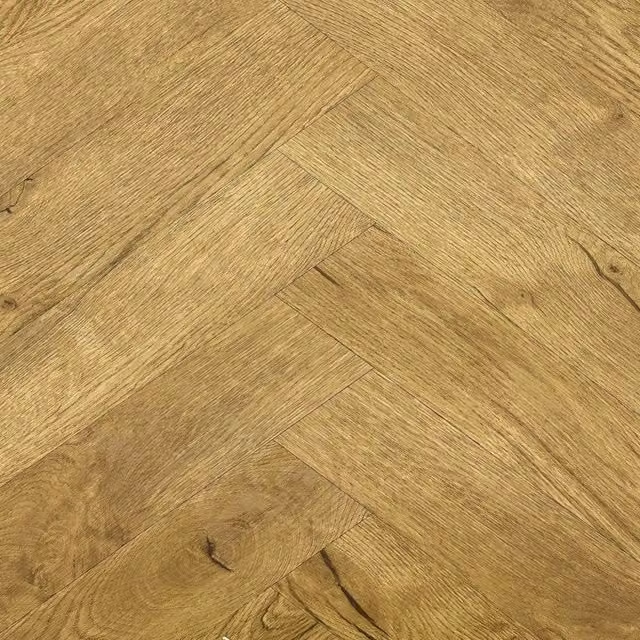
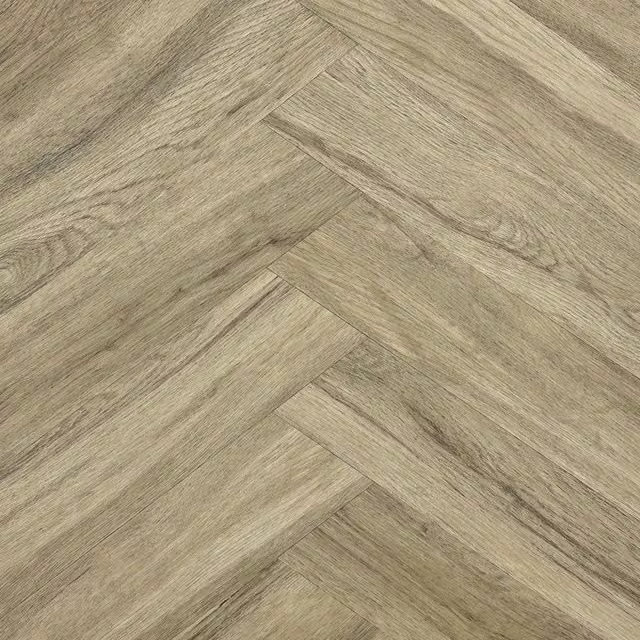
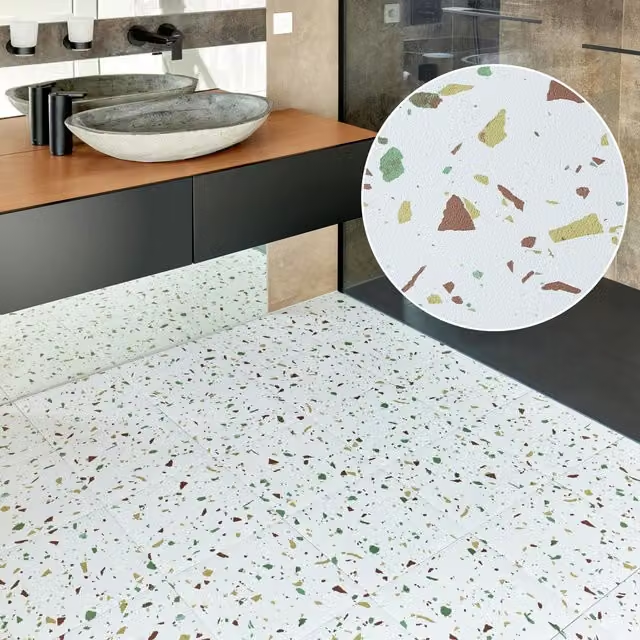
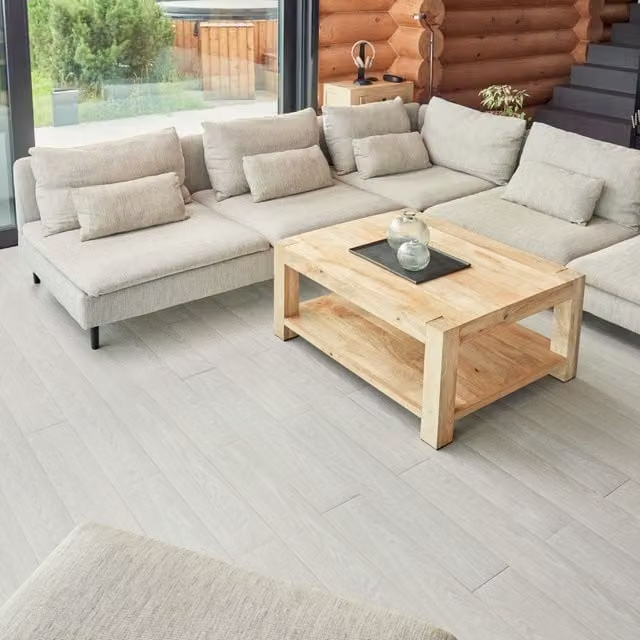
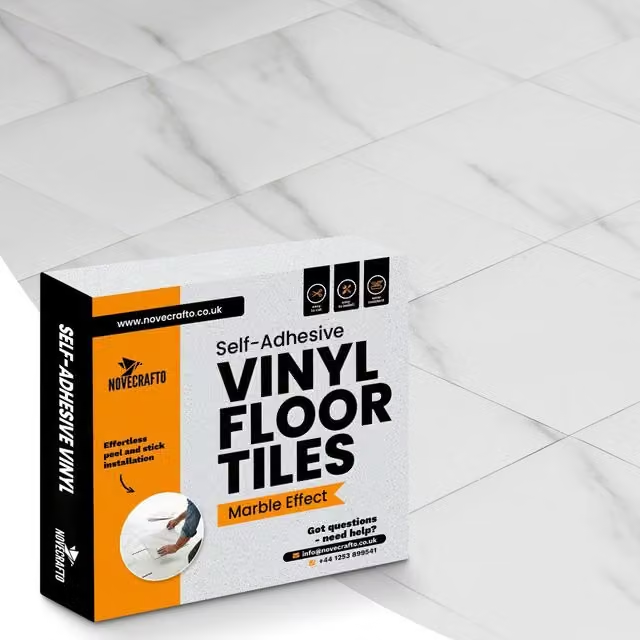
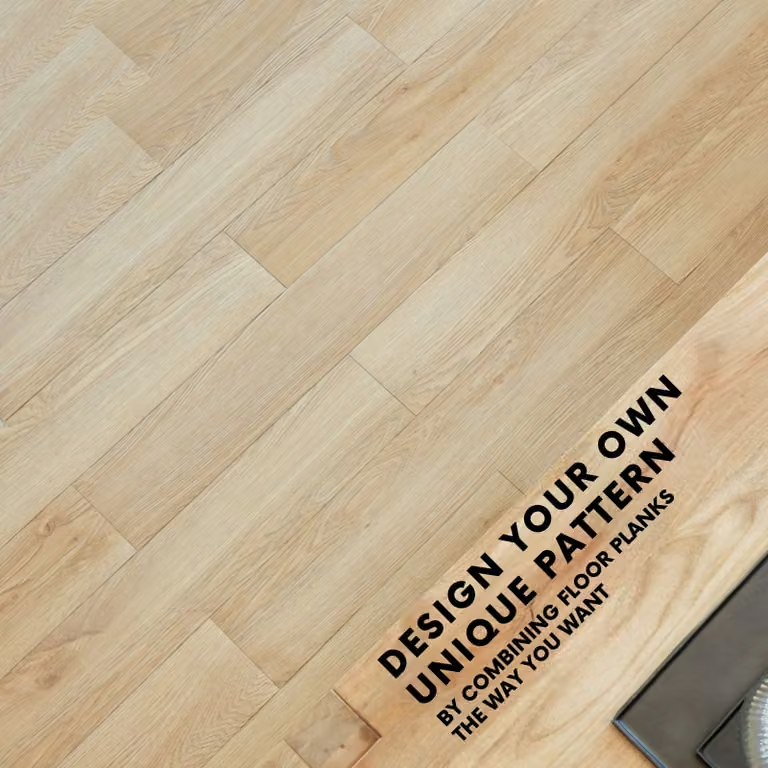
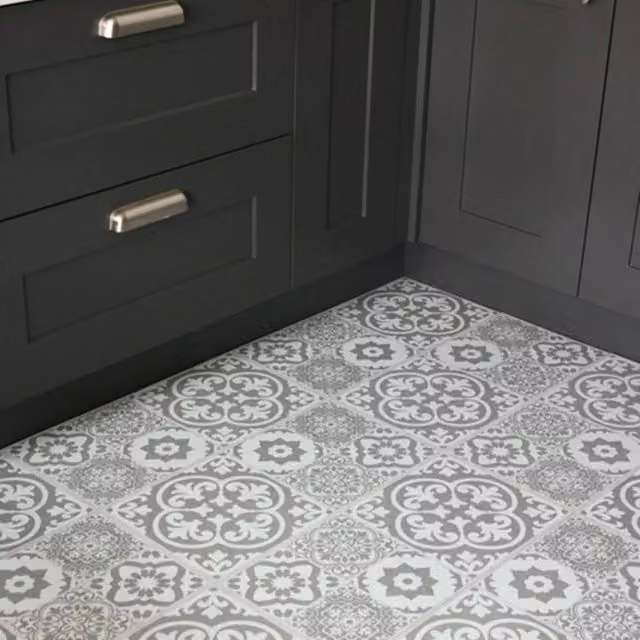
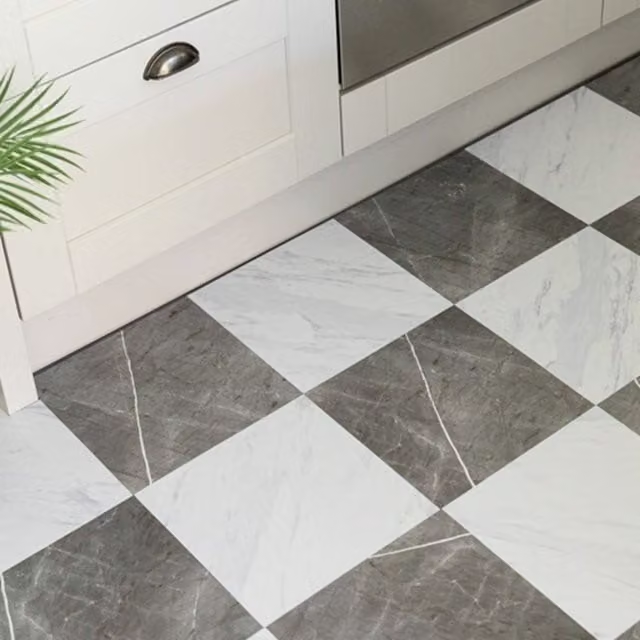
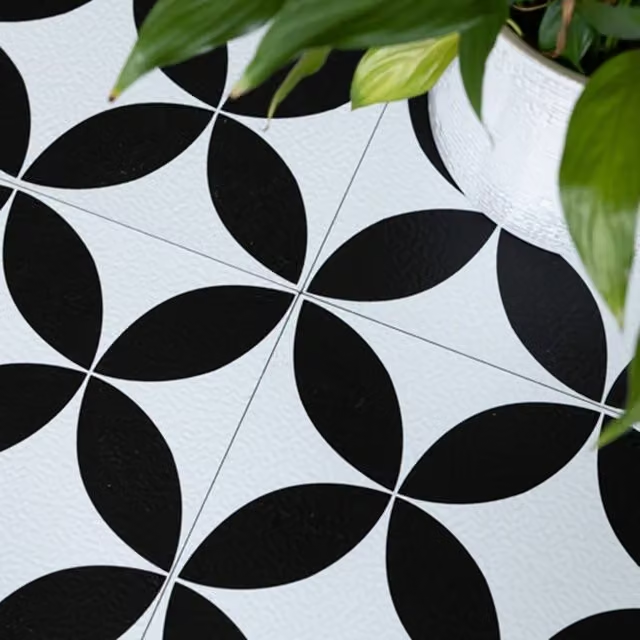
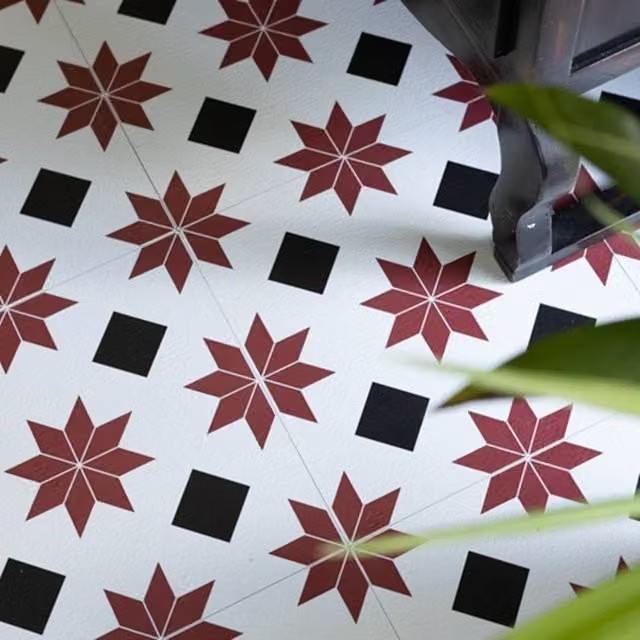
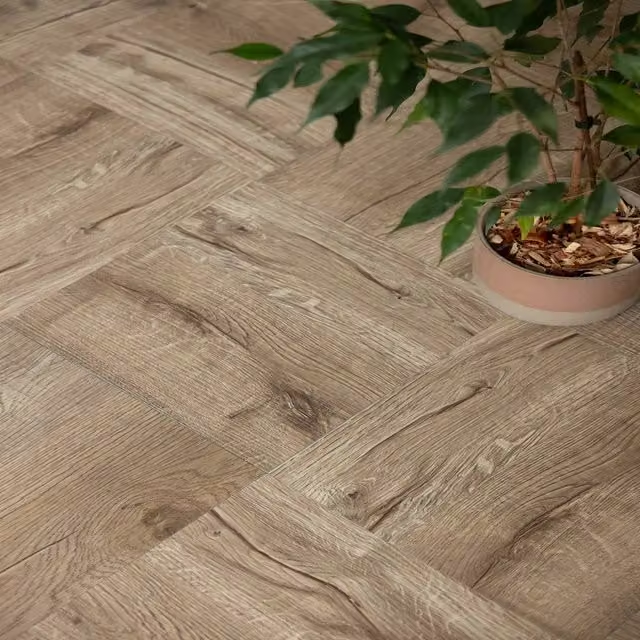
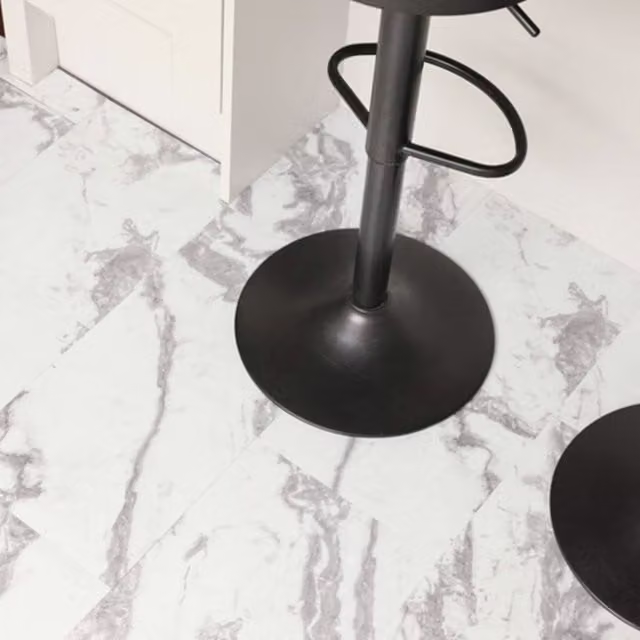
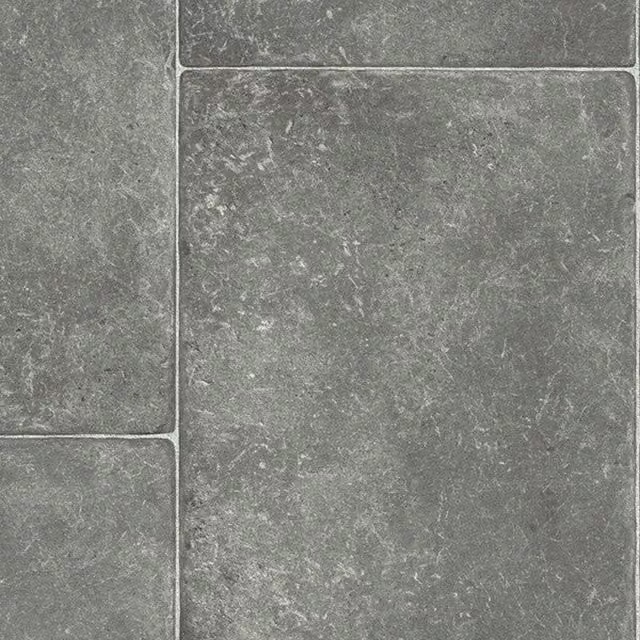
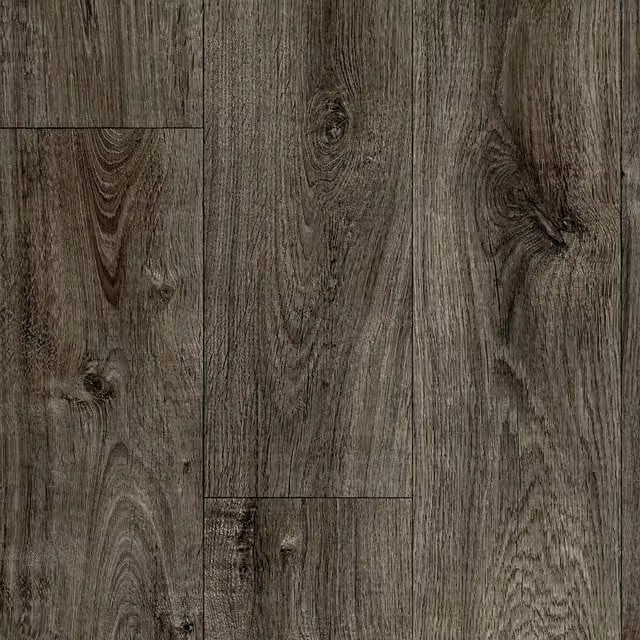
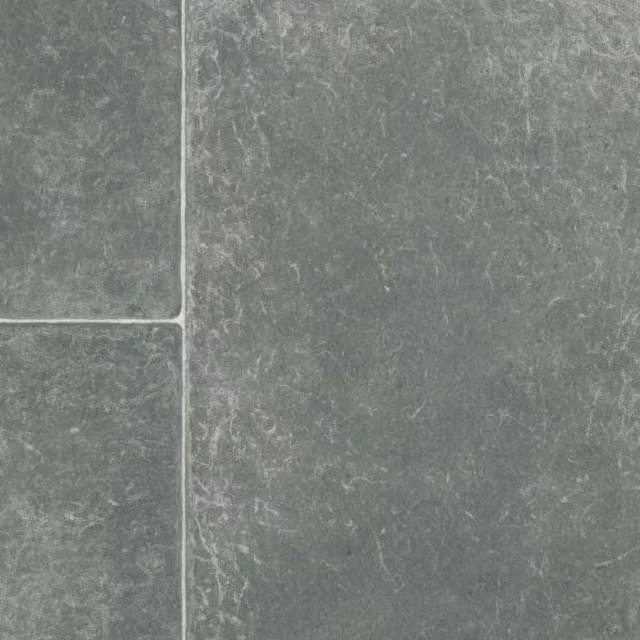
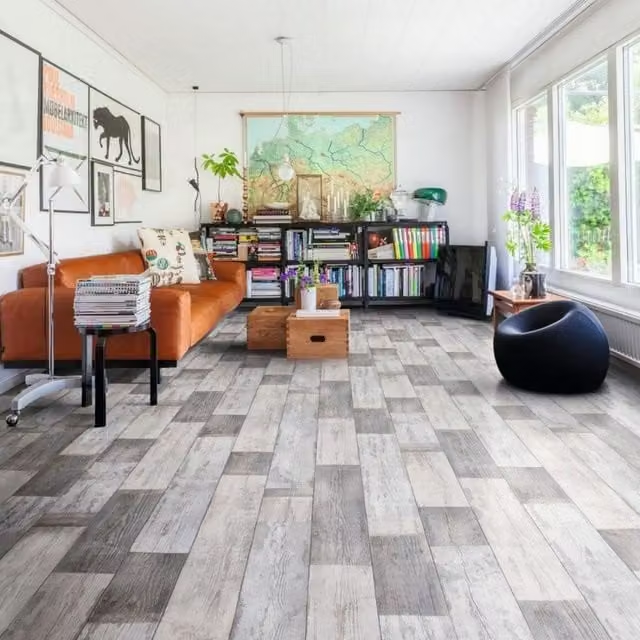
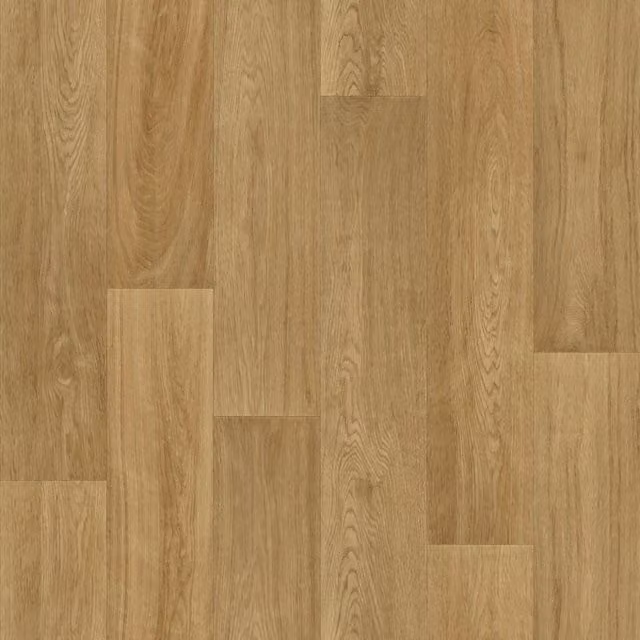
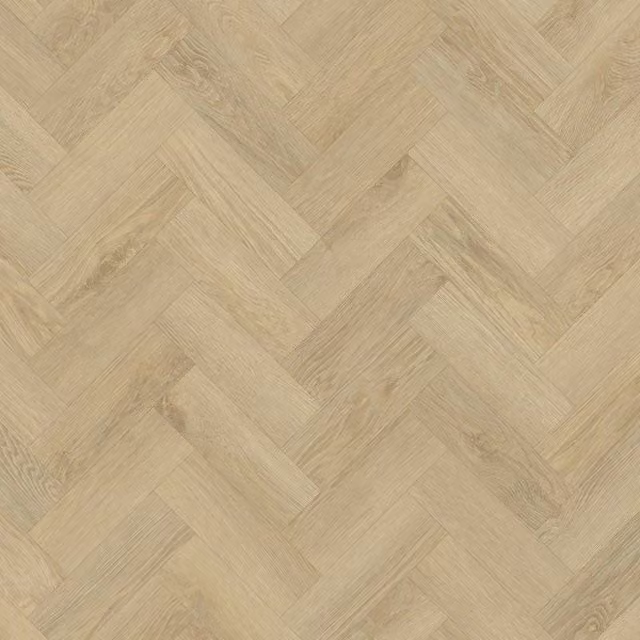
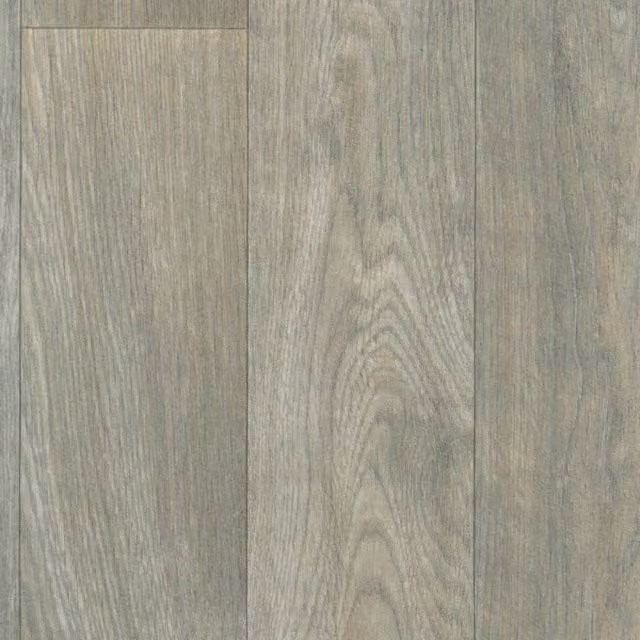
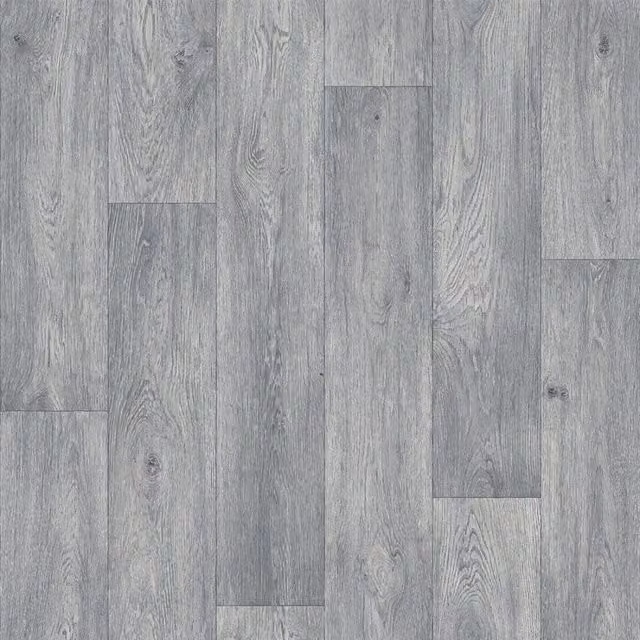
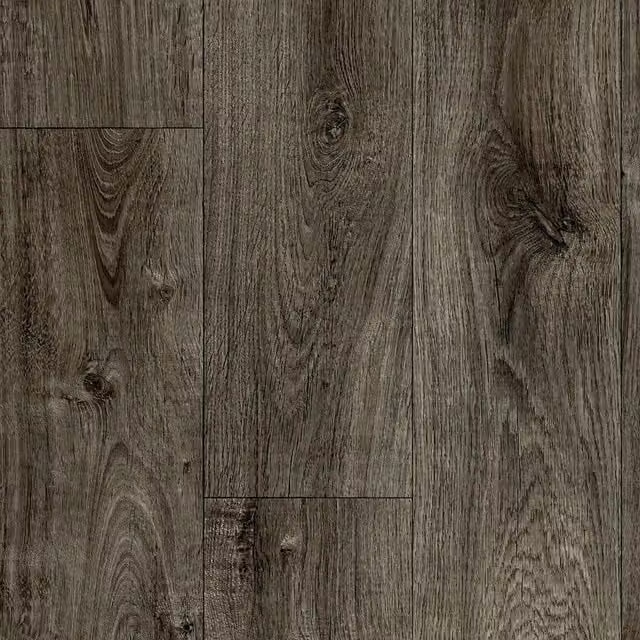
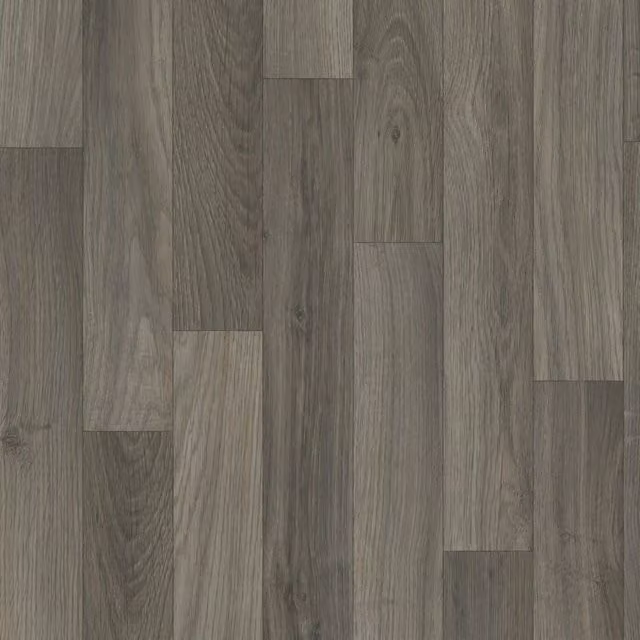
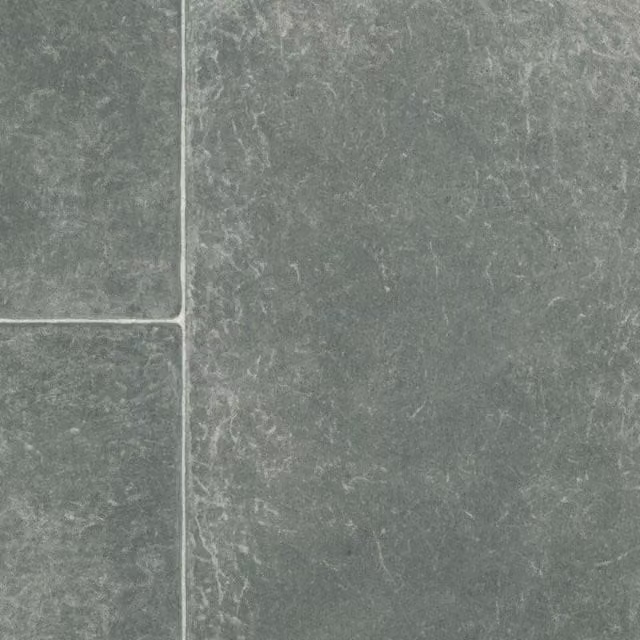
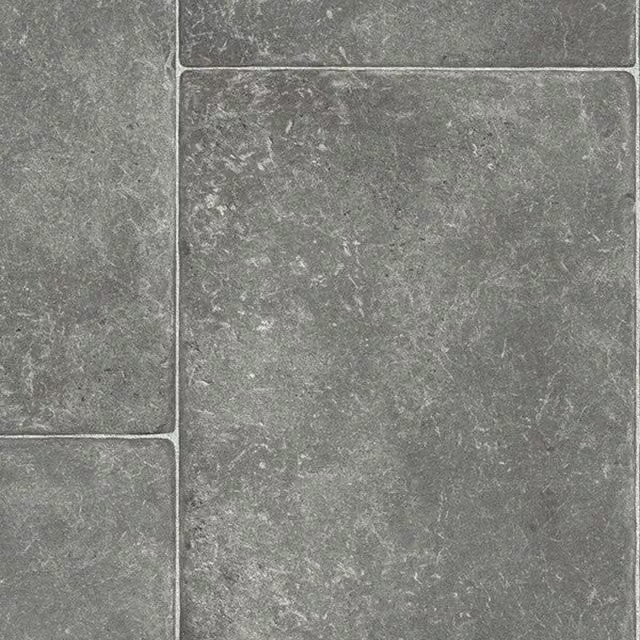
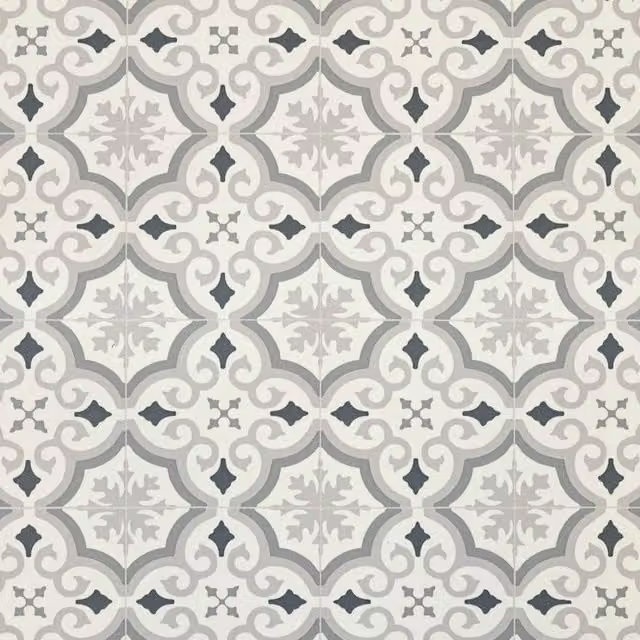
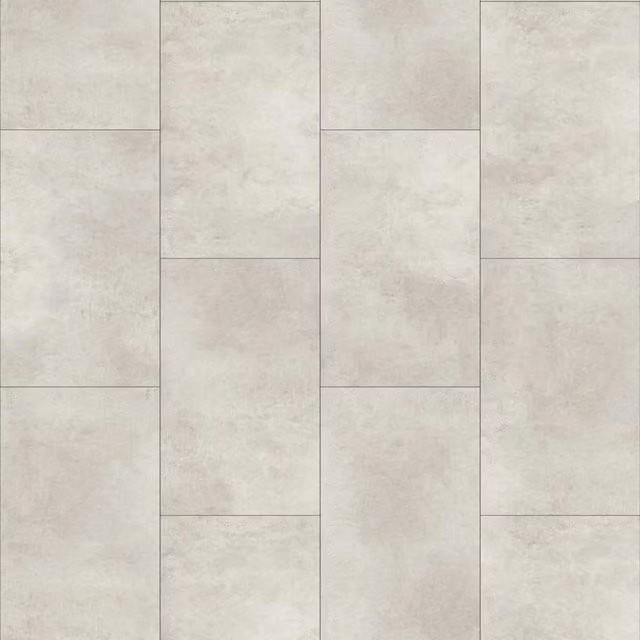
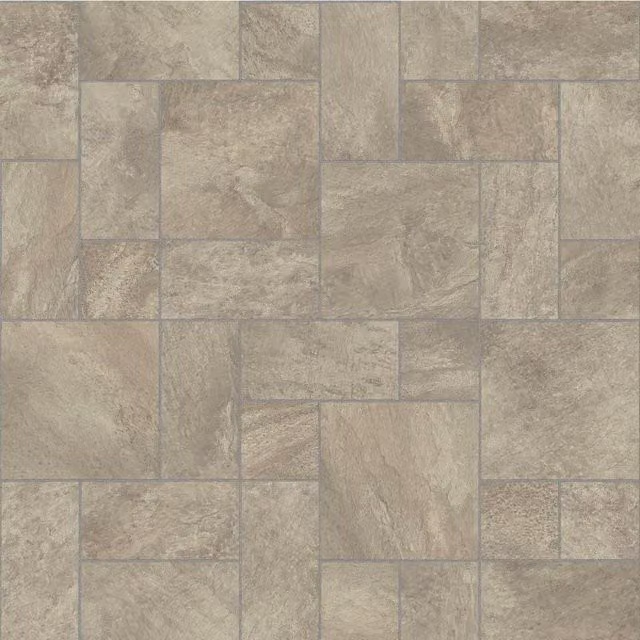
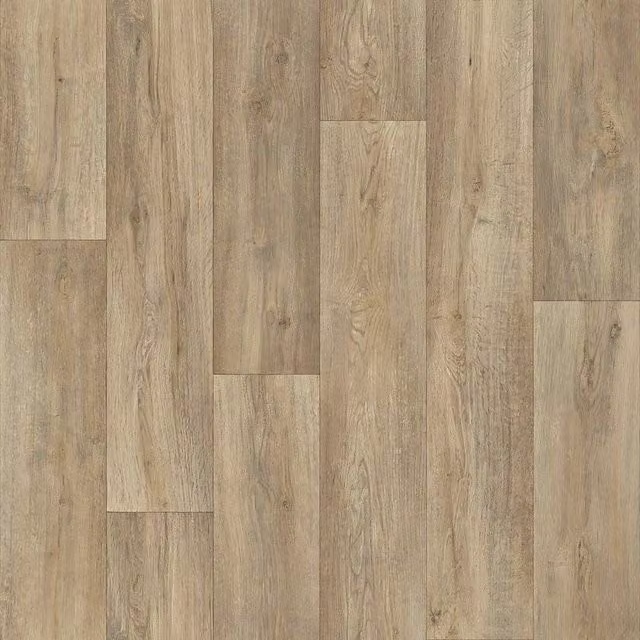
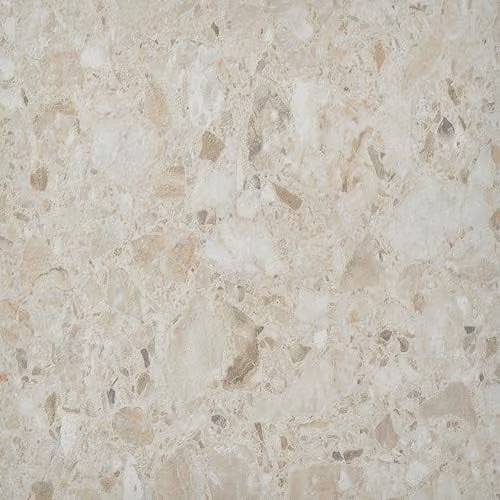
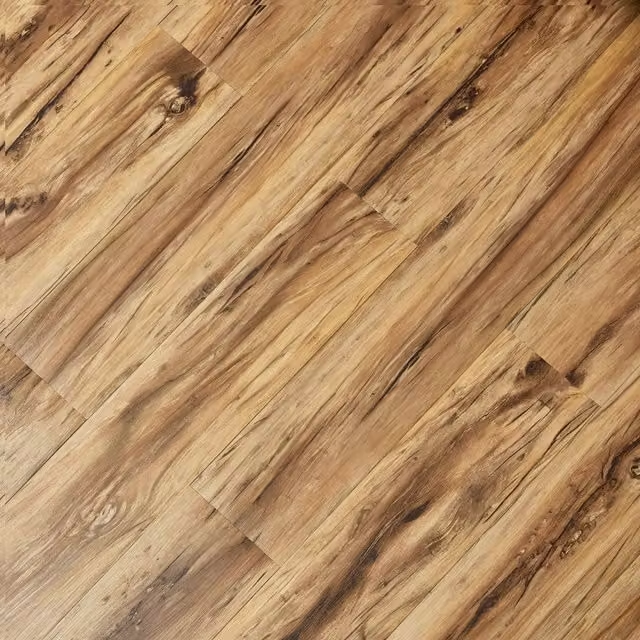
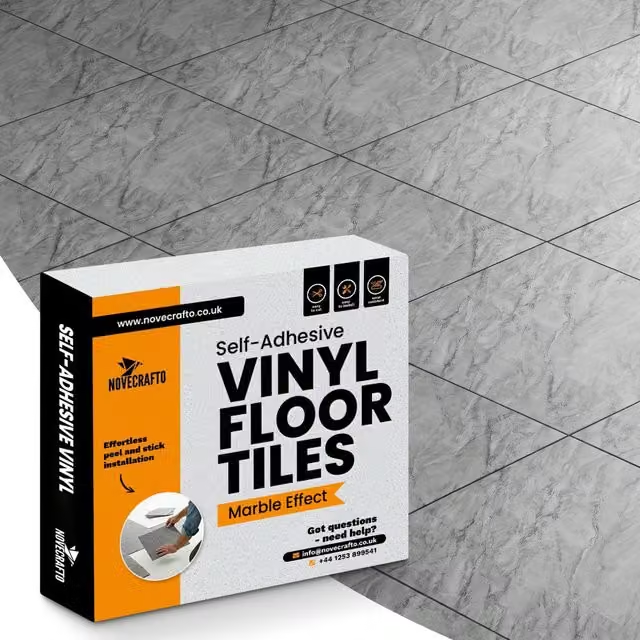
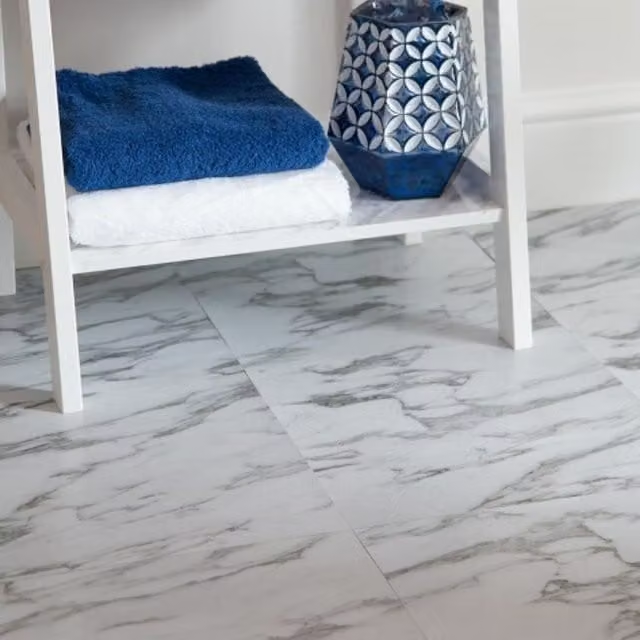
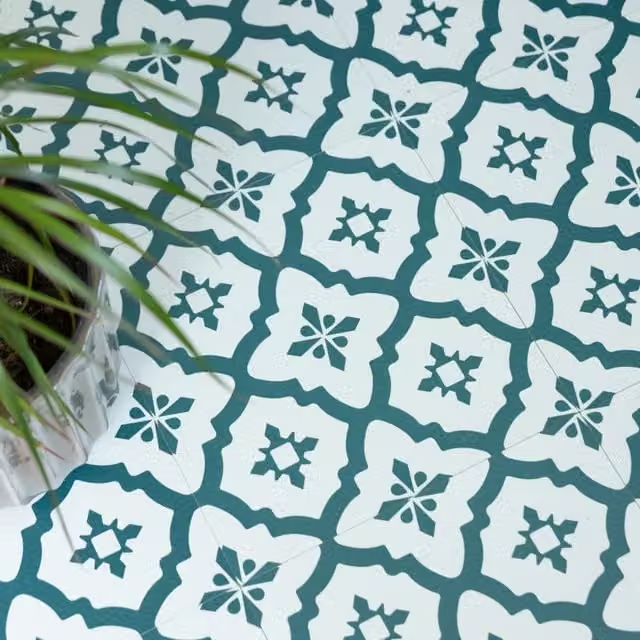
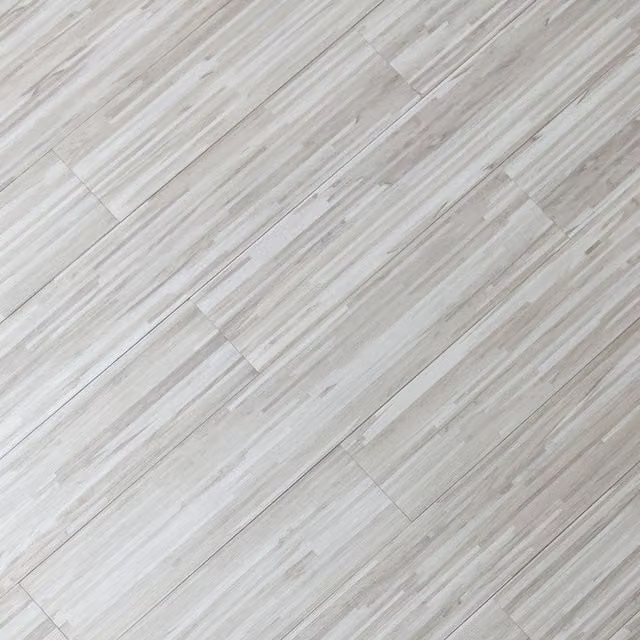
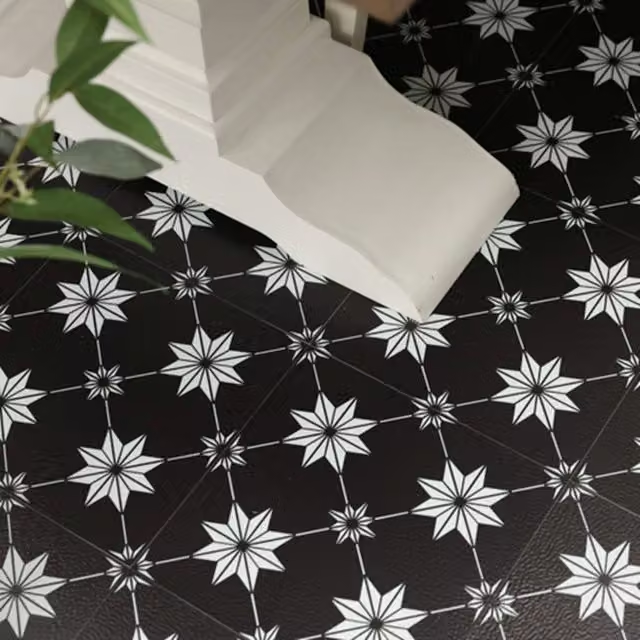
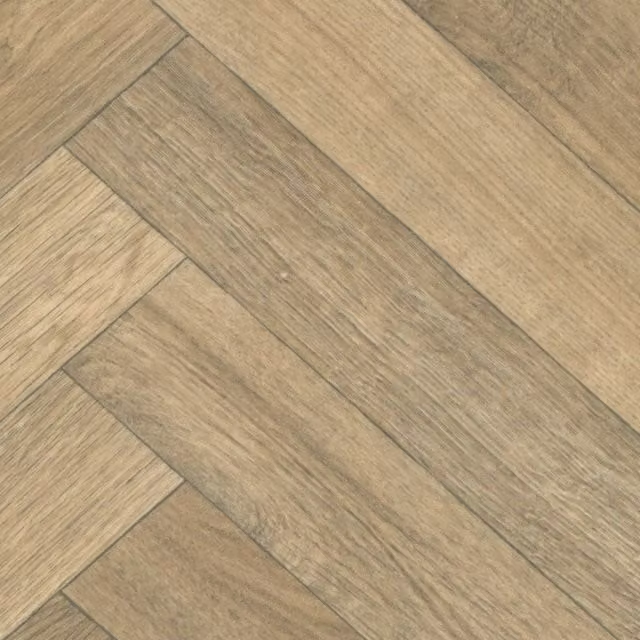
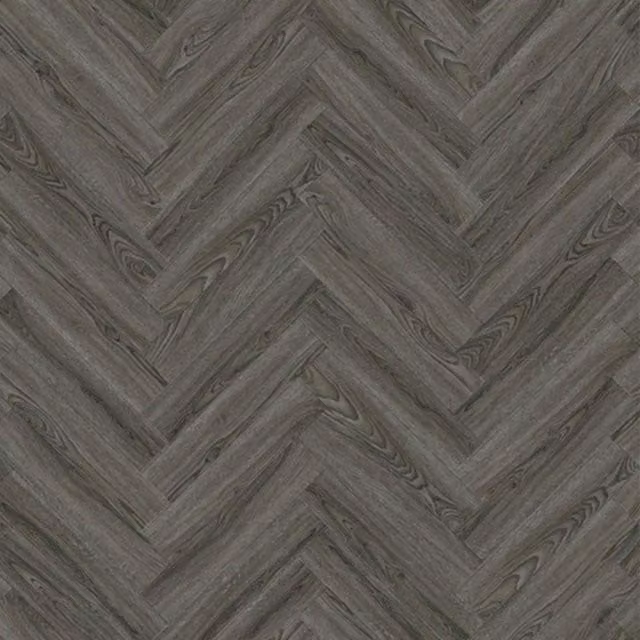
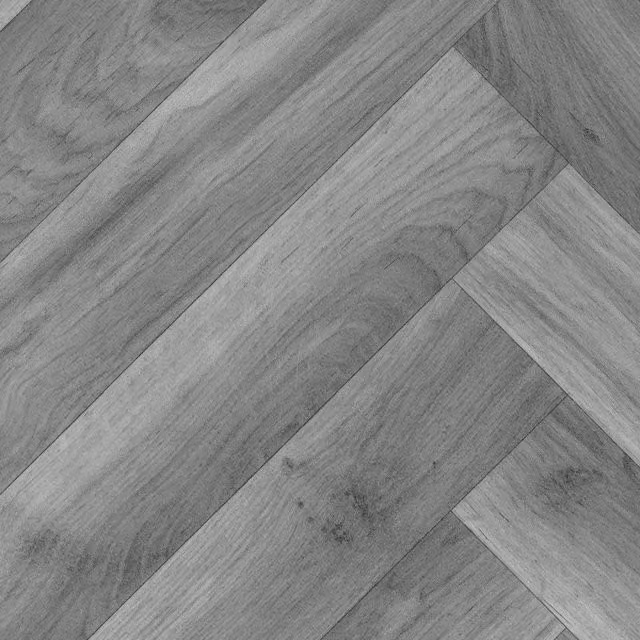
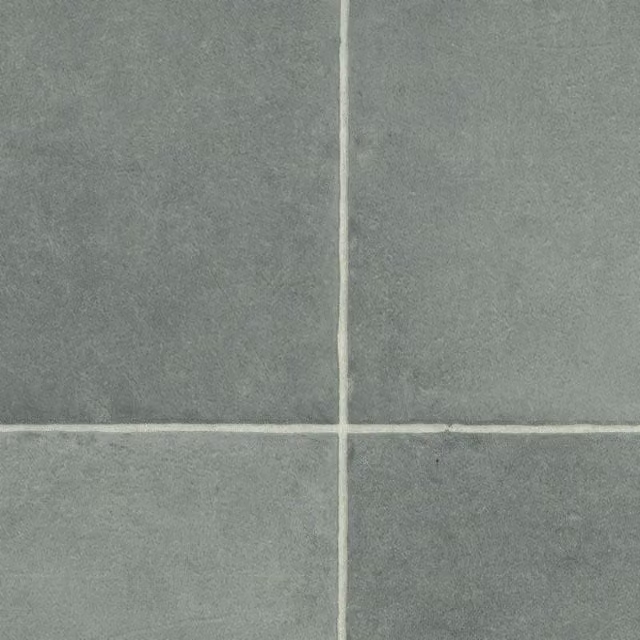
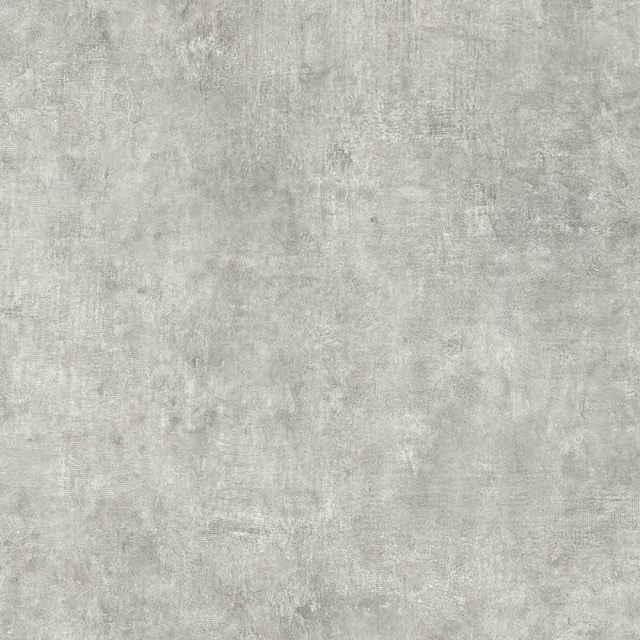
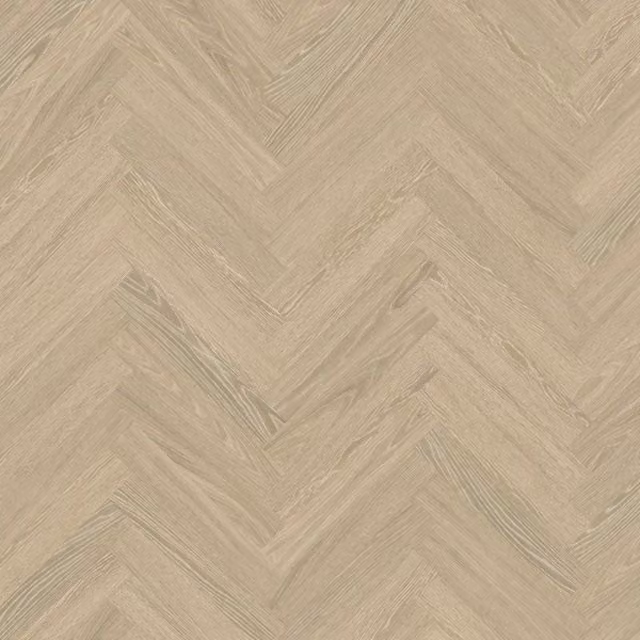
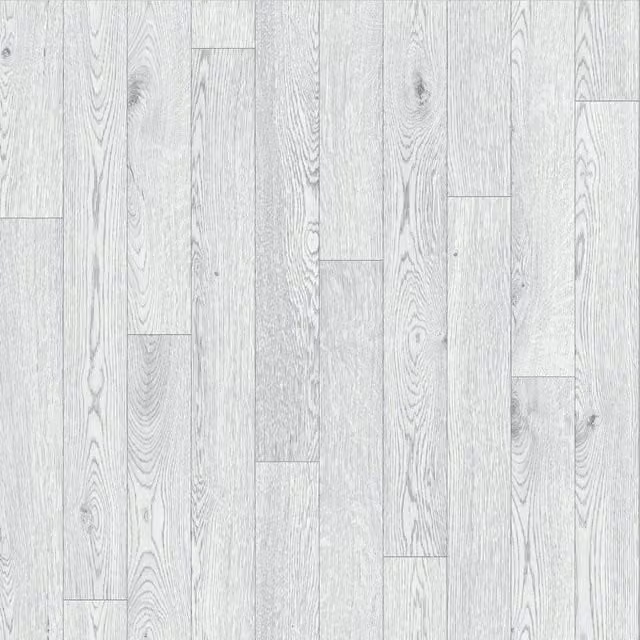
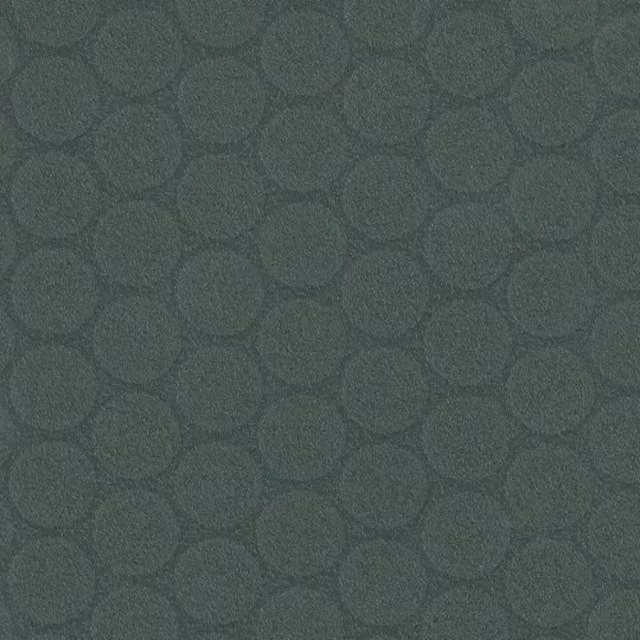
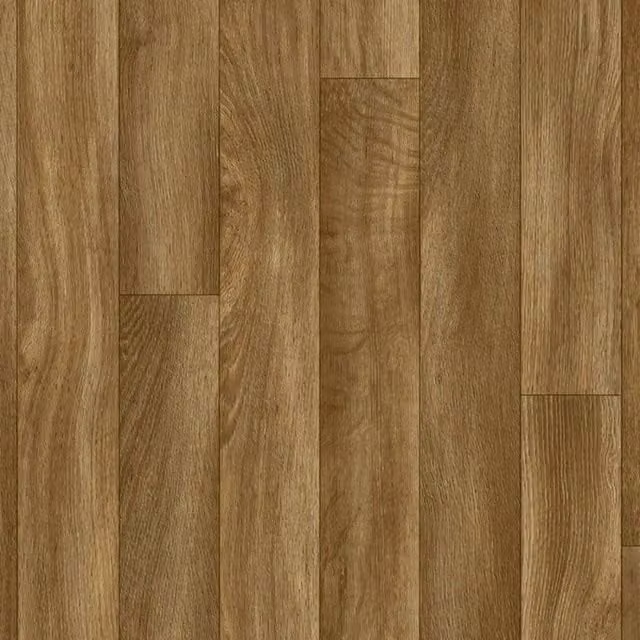
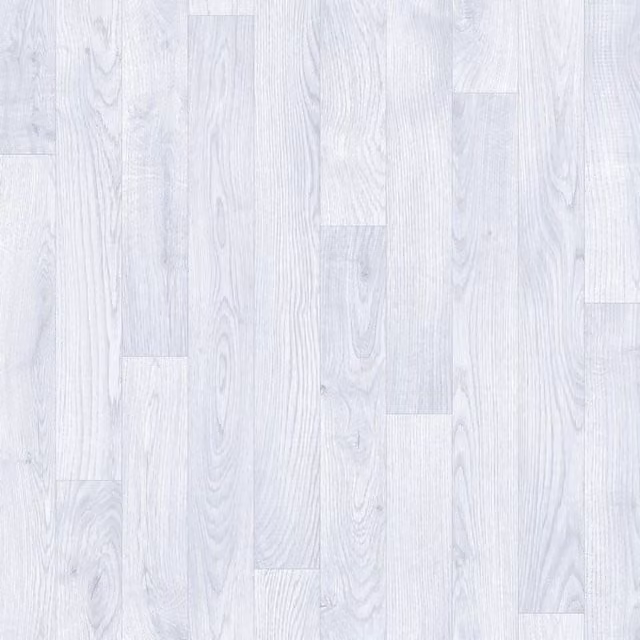
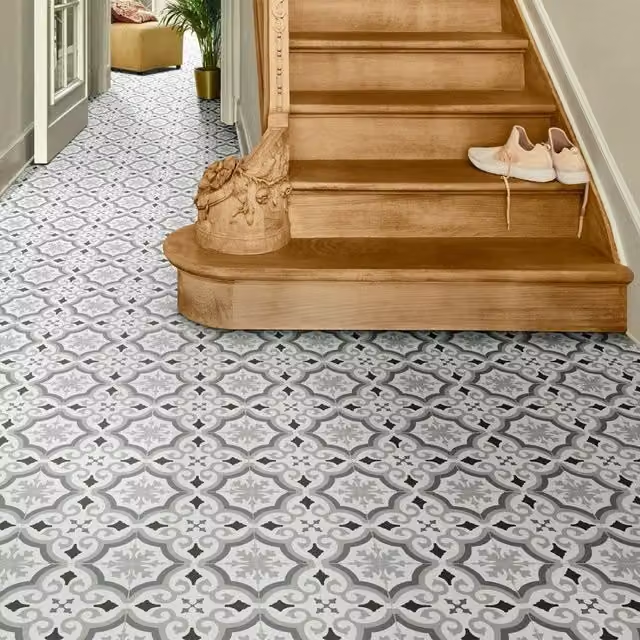
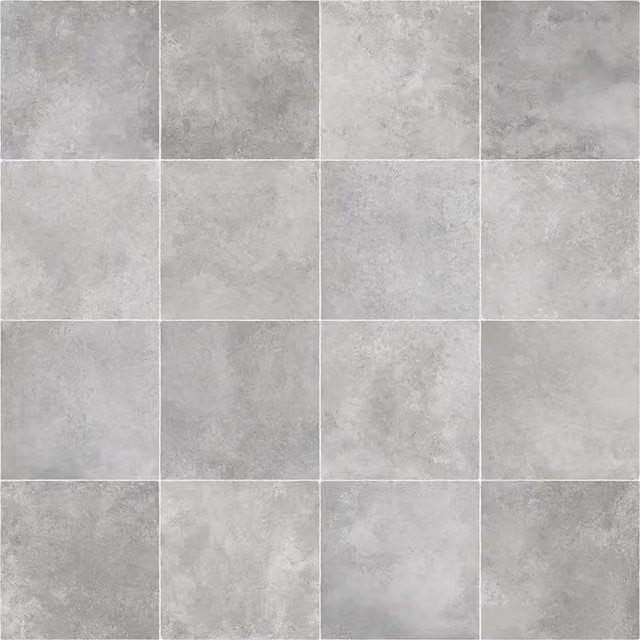
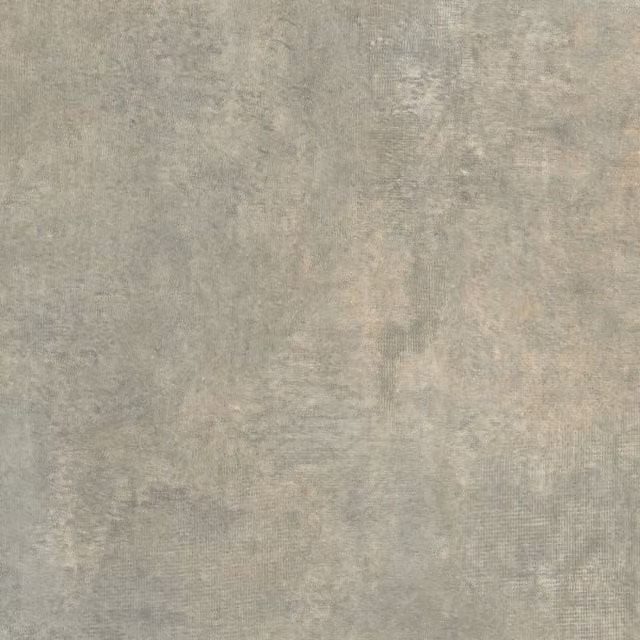
PVC and linoleum aren’t just about practicality—they also bring personality to your interior design. Available in an incredible range of colors, patterns, and textures, these materials serve both functional and aesthetic needs. From imitation wood and stone to sleek modern geometrics and soft neutrals, there's something to suit every taste and style.
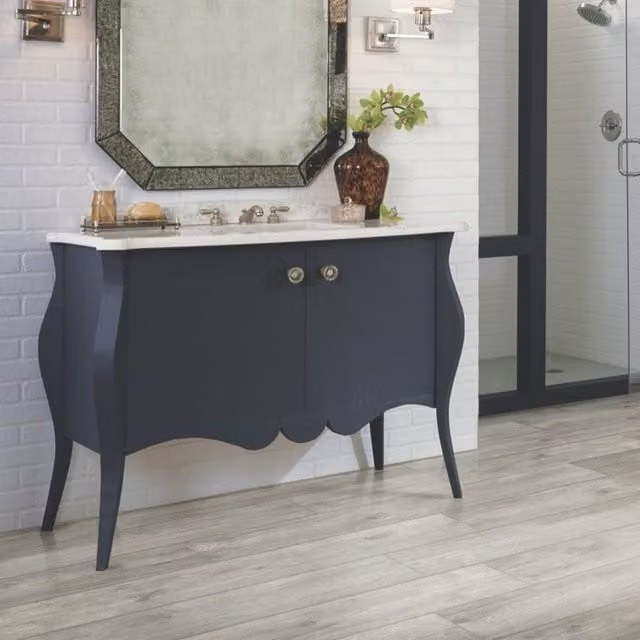
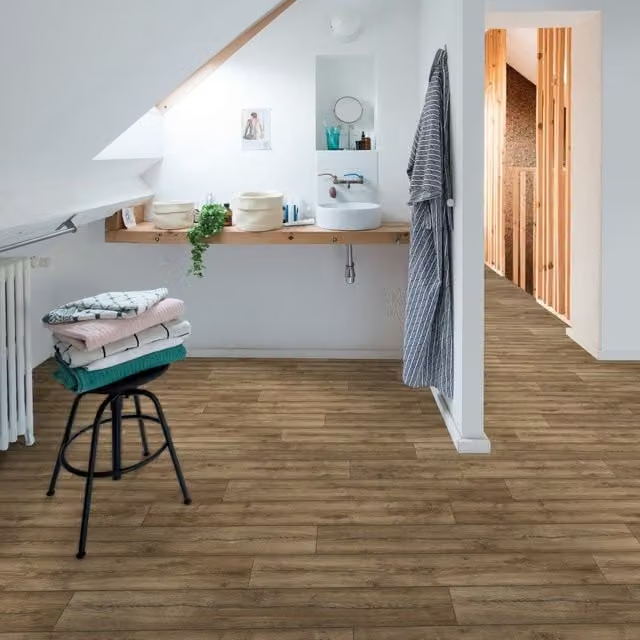
Linoleum, made from natural materials like linseed oil and cork dust, is a great eco-conscious choice that offers a smooth, warm underfoot feel. PVC, also known as vinyl flooring, is known for its water resistance, making it ideal for bathrooms, kitchens, and laundry rooms. Whether you're creating a cozy living room or a clean, contemporary workspace, these surfaces adapt beautifully to your design goals.
Material Matters: Durability Meets Design
One of the reasons PVC and linoleum are so popular is their lasting performance. Both materials are easy to maintain and highly resistant to daily wear and tear. PVC is especially good at withstanding moisture and stains, while linoleum impresses with its natural antibacterial properties.
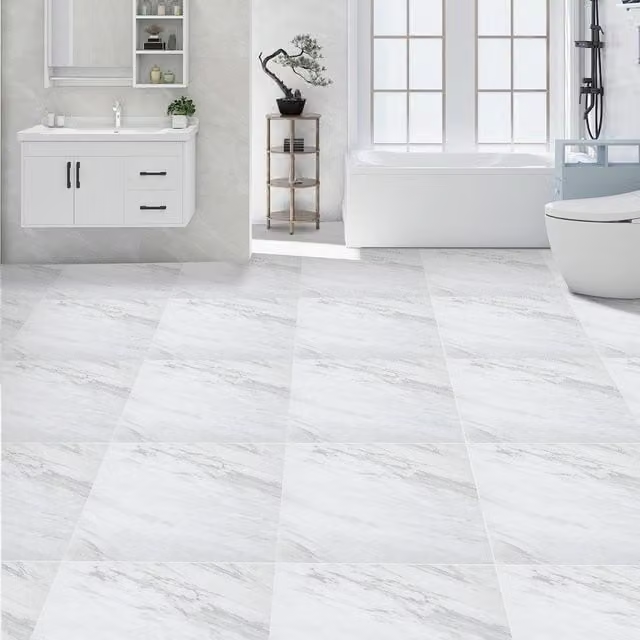
The variety of finishes available means you can achieve the look of high-end materials—like stone, ceramic tile, or hardwood—without the associated cost or upkeep. Many options also feature added cushioning or sound insulation, enhancing comfort and quiet in busy homes or workspaces.
Price Points and Influences
The cost of PVC and linoleum flooring can vary based on a few factors. Sheet versus tile formats, thickness, quality of the print layer, and brand reputation all play a role. Generally, PVC tends to be more budget-friendly, especially in sheet form, while higher-end linoleum options can command a slightly higher price due to their eco-friendly composition and longevity.
Investing in a quality product often means better resistance to scuffs, fading, and moisture, which makes it worthwhile in the long run—especially in areas that see a lot of foot traffic.
Find Your Perfect Fit
Whether you're looking for a simple, functional solution or aiming to make a bold design statement, PVC and linoleum flooring provides creative flexibility without compromising on performance. They're an excellent option for renters, homeowners, or business owners looking to enhance their space without a full renovation.
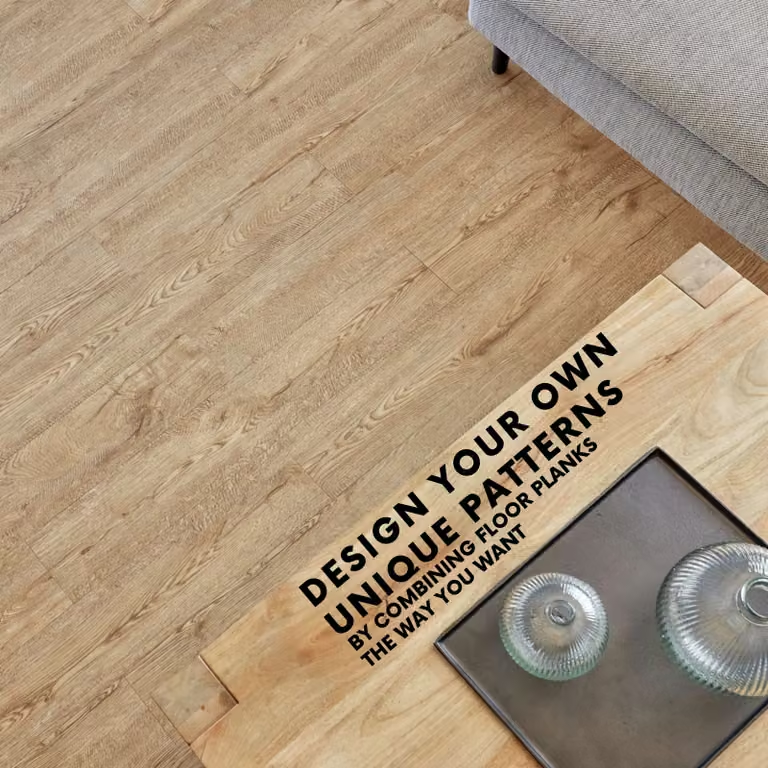
Take the first step toward transforming your floors—mix and match textures, explore the latest patterns, and discover options tailored to your needs and lifestyle. With so many choices available, it’s easy to find something that expresses your style while standing up to everyday life. Dive in and explore the possibilities!
PVC and linoleum flooring are incredibly adaptable due to their diverse range of finishes which mimic materials like stone, ceramic, and hardwood. PVC is particularly recommended for areas susceptible to moisture, such as bathrooms and kitchens, thanks to its water-resistant properties. Linoleum, offering warmth and a slightly cushioned feel underfoot, is ideal for living spaces and bedrooms where comfort is a priority. Their versatility ensures that whatever your room's requirements, these flooring options can meet them effectively.
Linoleum stands out as an eco-friendly option because it's made from natural, renewable materials like linseed oil, cork dust, and wood flour. This composition not only ensures a lower environmental impact during production but also contributes to its biodegradability at the end of its life cycle. Meanwhile, while PVC isn't naturally eco-friendly due to its plastic content, advancements in recycling processes and responsible manufacturing practices are improving its sustainability profile, making PVC a more viable green choice than in the past.
Investing in PVC and linoleum flooring can be cost-effective in the long-run for several reasons. Initially, both materials are generally less expensive than natural materials like stone or hardwood. They also require less maintenance and are less prone to damage, reducing long-term upkeep costs. Additionally, their durability and resistance to wear and tear mean they do not need to be replaced as frequently as some other flooring types, making them a smart financial decision for high-traffic areas.
To maximize the longevity of your PVC or linoleum flooring, regular maintenance is essential. Keeping the floor clean from dust and dirt through regular sweeping or vacuuming prevents scratches and surface wear. Immediate cleaning of spills helps avoid stains, especially on linoleum which can be slightly more susceptible to moisture than PVC. Periodically, a deeper clean with mild detergents or a recommended cleaning solution can refresh the floor's appearance and prevent material degradation. Avoid using harsh chemicals or abrasive tools that could damage the flooring surface.