Enjoy Everyday Comfort with Underfloor Heating
Imagine stepping out of bed on a chilly morning and being greeted by a floor that's warm to the touch. Underfloor heating is more than just a functional upgrade — it's a lifestyle enhancement that brings unmatched comfort, energy efficiency and modern luxury into your home. Whether you're designing a minimalist bathroom, a cozy living room, or a contemporary open-plan kitchen, underfloor heating offers a hidden yet powerful way to elevate your interior environment.
Types of Underfloor Heating Systems
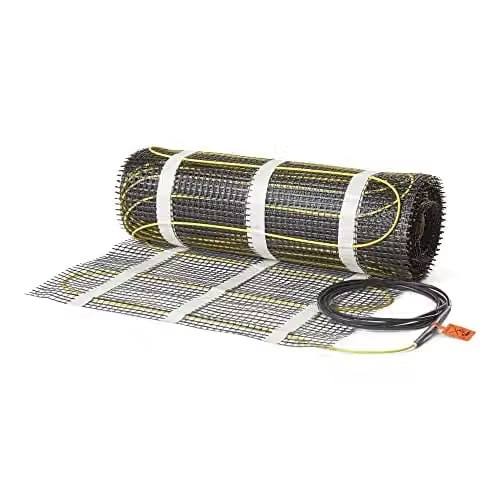
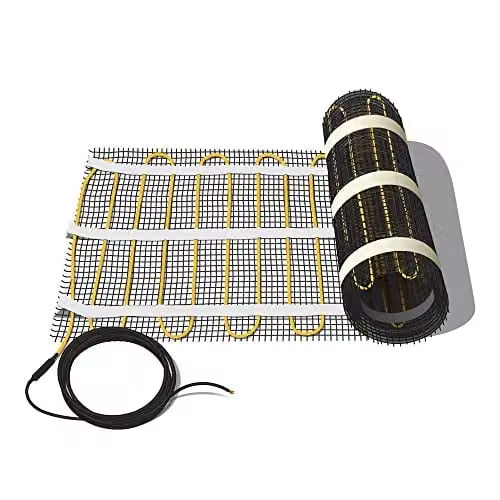
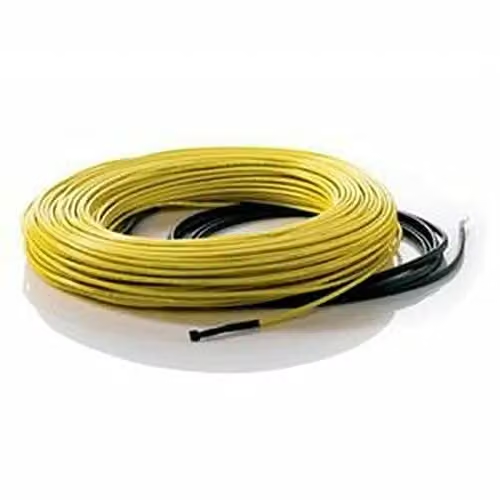
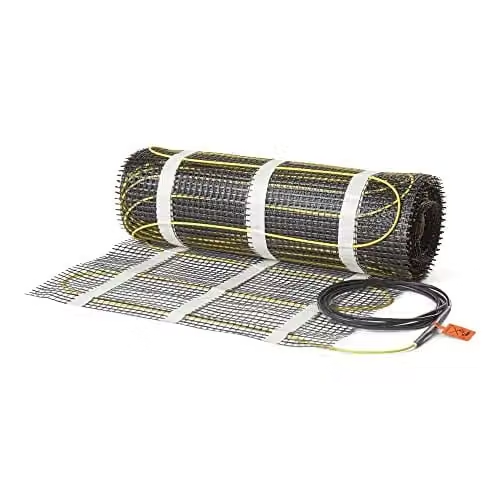
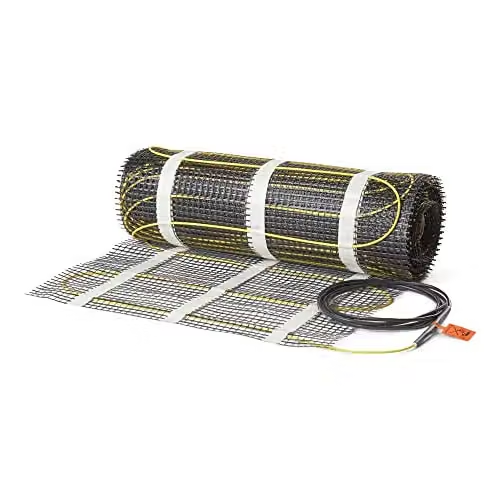
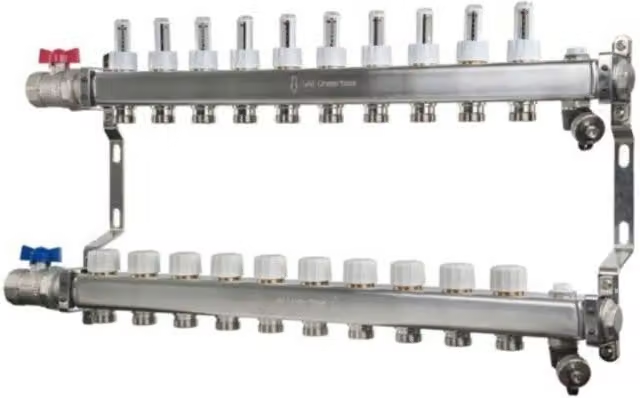
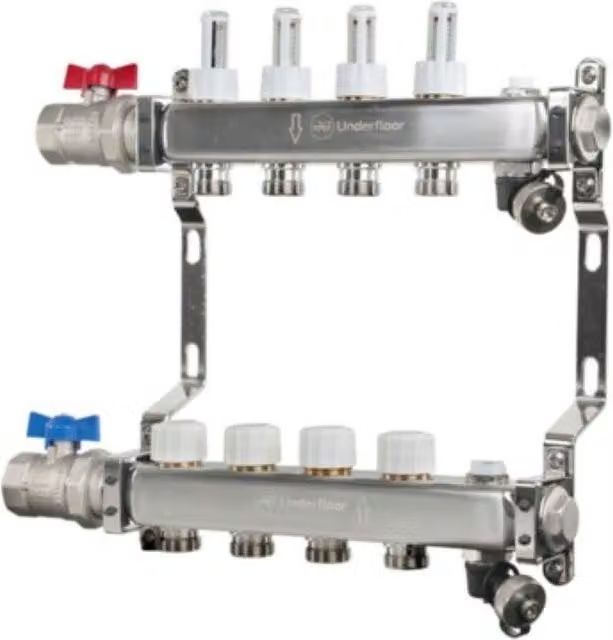
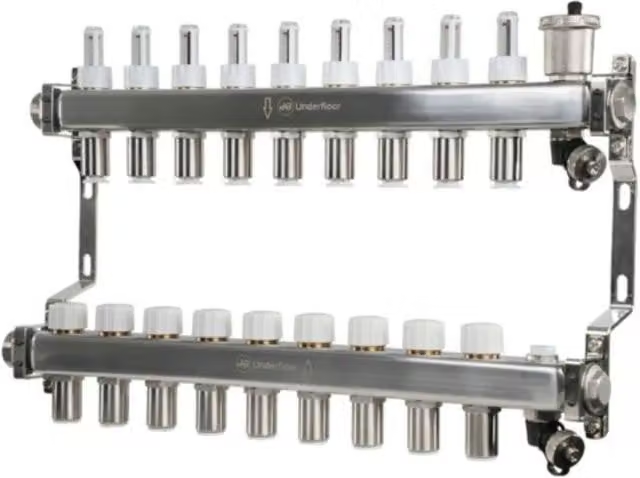
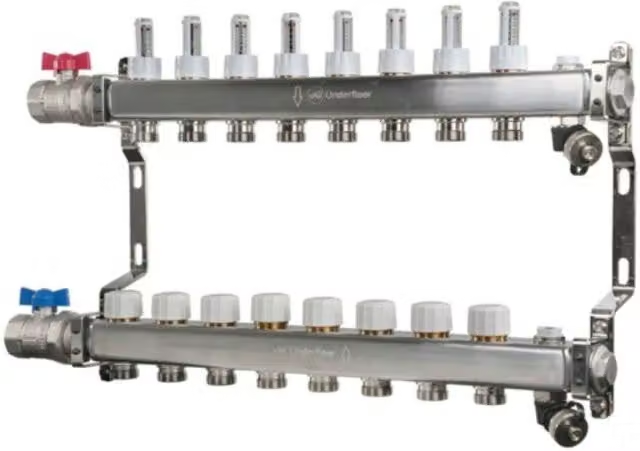
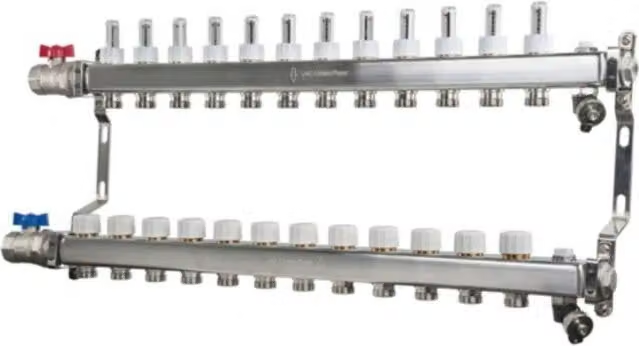
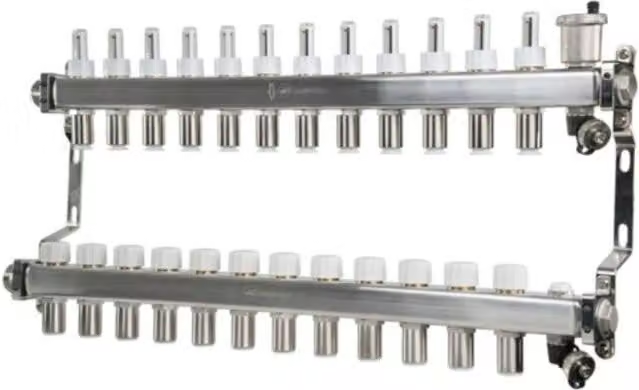
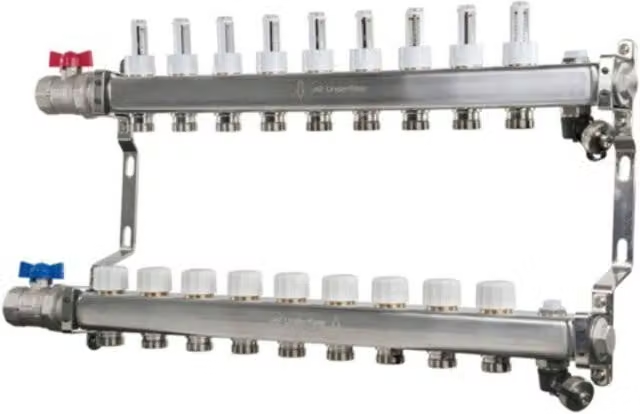
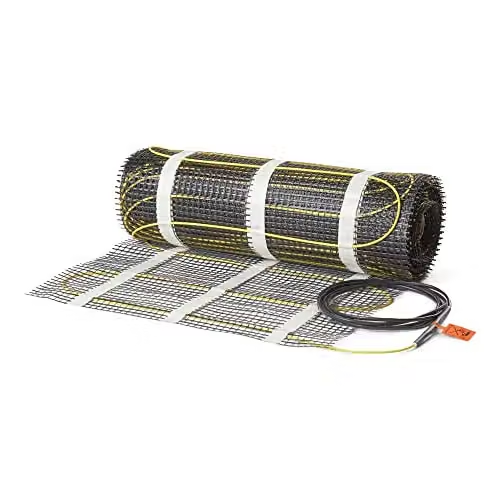
There are two main types of underfloor heating: electric and water-based (also known as hydronic). Electric systems use cables or heating mats that are easy to install, making them ideal for retrofitting in specific rooms like bathrooms or kitchens. Water-based systems circulate warm water through pipes under the floor. These are more suited for new builds or major renovations and can heat larger areas efficiently.
Both types work seamlessly beneath a variety of floor surfaces such as tile, laminate, engineered wood and even carpet, giving you complete design freedom without bulky radiators disrupting your space.
Functionality That Makes Everyday Living Better
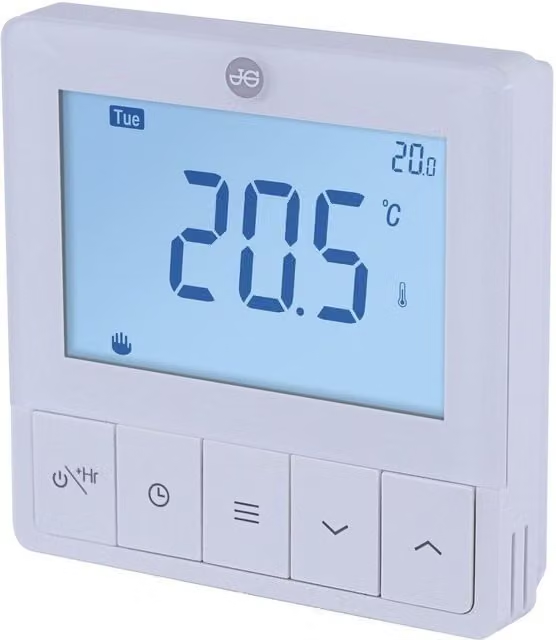
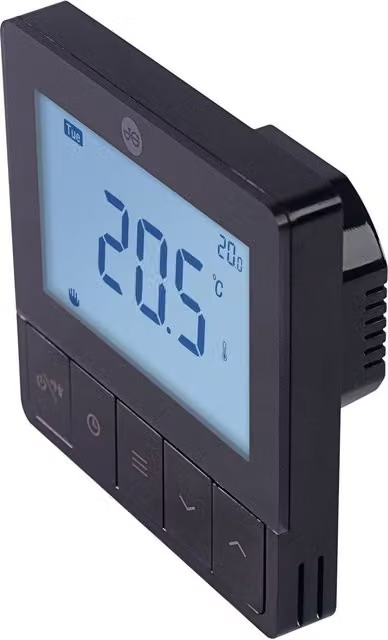
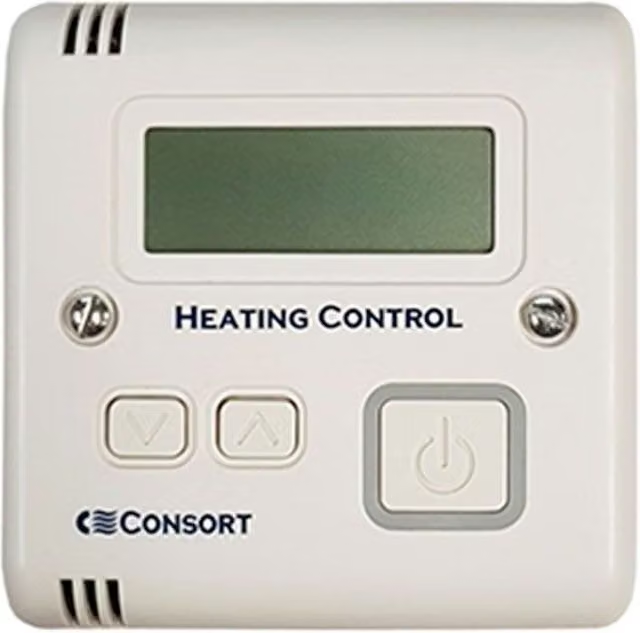
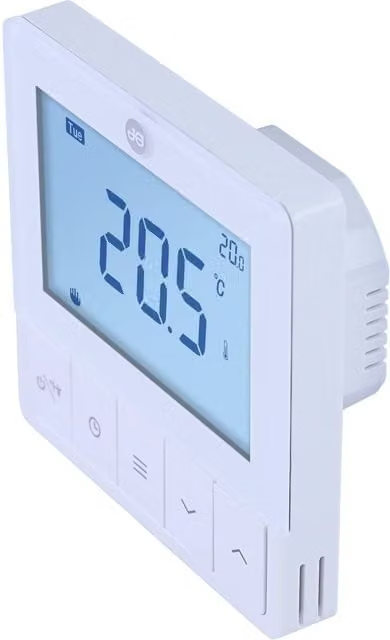
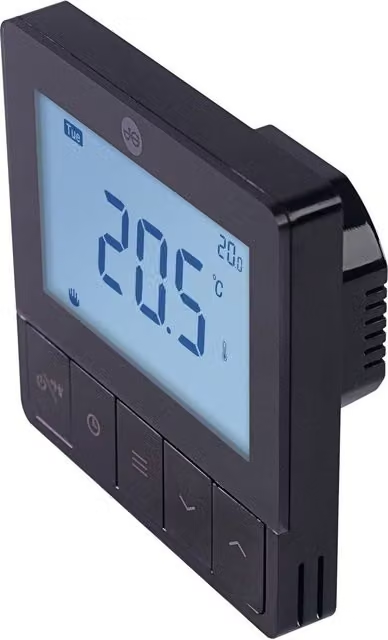
Underfloor heating provides consistent warmth from the ground up, eliminating cold spots and drafts. It's an excellent option for allergy sufferers since it reduces air circulation and limits dust movement compared to traditional radiators. With thermostatic controls and programmable settings, you can customize the temperature based on your daily routine, increasing energy efficiency while lowering your utility bills.
Materials Matter: What’s Under the Surface Counts
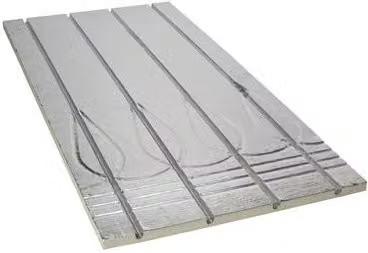
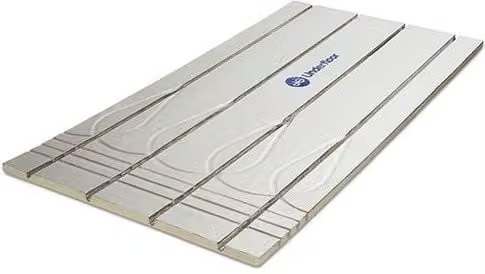
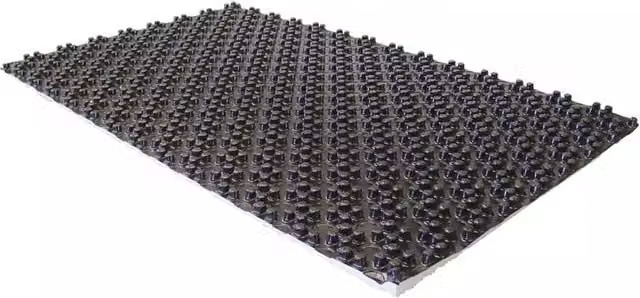
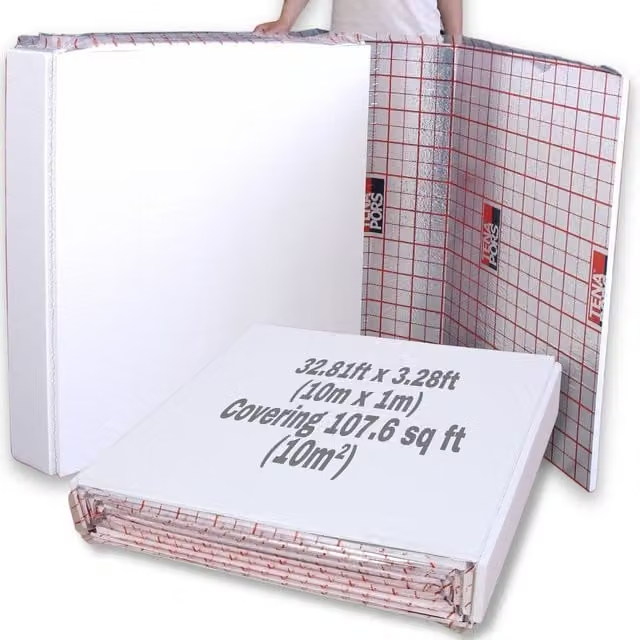
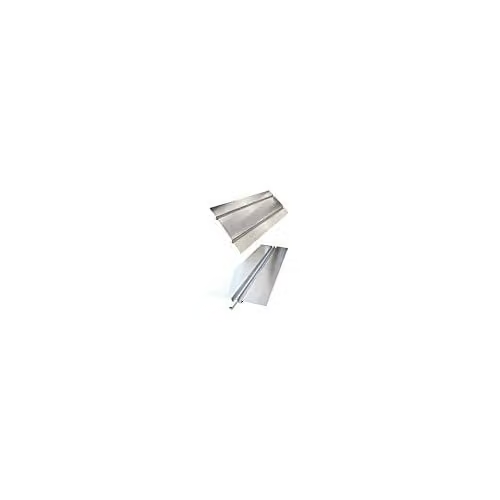
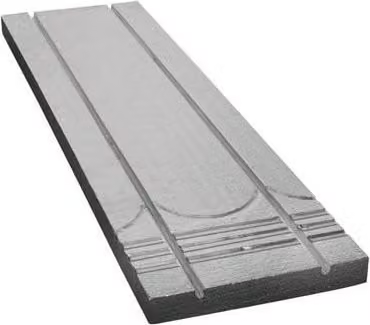
The materials used in your chosen system can affect performance, durability and cost. Electric heating systems often use mesh or foil mats with built-in heating elements, while water-based systems require durable pipes usually made from PEX or multilayer composite for long-term reliability. Heat-conductive materials like insulation boards and thermal mats are often recommended to maximize efficiency and prevent heat loss.
What Influences the Price?
Underfloor heating prices can vary widely depending on the size of the area, the type of system, installation complexity and the finish flooring above. Electric systems tend to be more budget-friendly upfront and simpler for quick renovations, while water-based systems offer lower running costs over time, especially in homes with a central heating boiler or heat pump. Premium models with smart thermostats and zoning features may come at a higher cost, but the added comfort and convenience make them worthwhile investments.
Warm Up to the Possibilities
Bringing underfloor heating into your space is about more than just warmth — it's about comfort that complements your style. Whether you're aiming for sleek Scandinavian minimalism, rustic farmhouse charm or high-tech sophistication, this invisible heating solution supports both function and design without compromise.
Start exploring your options now and turn those cold floors into welcoming, heated surfaces that make every room feel just right.
Electric underfloor heating systems are often favored for being quicker and easier to install, especially in retrofit projects like remodeling a bathroom or kitchen. These systems typically operate on cables or heating mats that lie directly beneath your flooring. They're great for quickly heating smaller, targeted areas without extensive structural modifications. On the other hand, water-based systems require more initial setup and are ideal for larger spaces or new constructions due to their efficiency in distributing heat over a wider area.
Underfloor heating can significantly enhance indoor air quality by reducing the amount of dust and allergens that circulate. Traditional heating systems, like radiators, often propel warm air through the room, stirring up dust and other particles in the process. But underfloor heating gently warms the space from the floor up, minimizing air circulation and keeping the dust levels low. This makes it particularly beneficial for allergy sufferers or anyone looking to maintain cleaner indoor air.
Underfloor heating is compatible with a diverse array of flooring types, enhancing its versatility. Tile and stone are ideal because they conduct and hold heat well, making them efficient for heat distribution. Laminates and engineered woods are also good choices as they can withstand the heat variations without warping. Carpets can be used, though it's important to choose ones with lower tog ratings to ensure adequate heat transfer. Choosing the right flooring will maximize the effectiveness and comfort of your underfloor heating system.
Yes, underfloor heating can be more energy-efficient than traditional heating systems, potentially reducing home heating costs. By providing even heat distribution across the floor, it eliminates the cold spots and drafts typical of conventional radiators. This ensures that no energy is wasted heating already warm areas or escaping unused. Plus, the integration of programmable thermostats allows for precise temperature control and scheduling, further enhancing energy savings by heating only when and where it's needed.