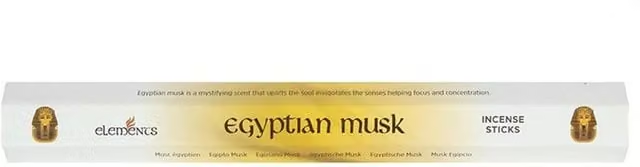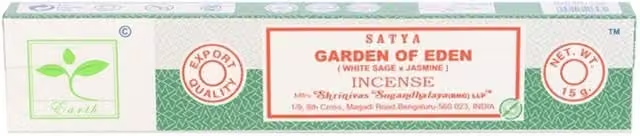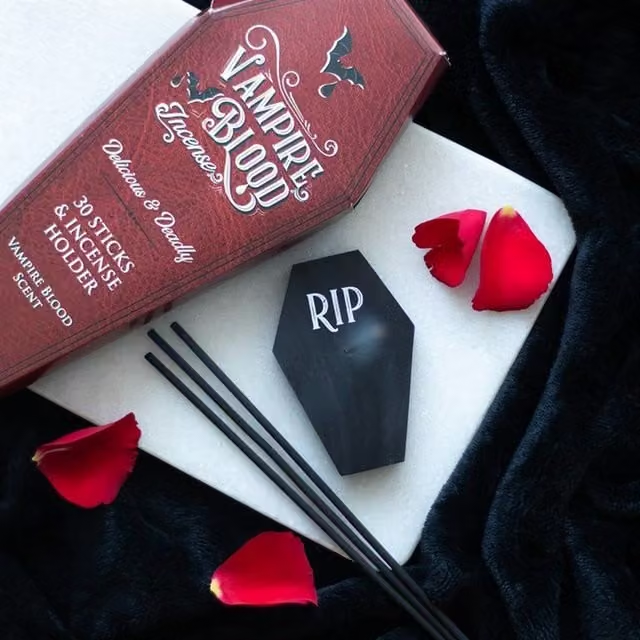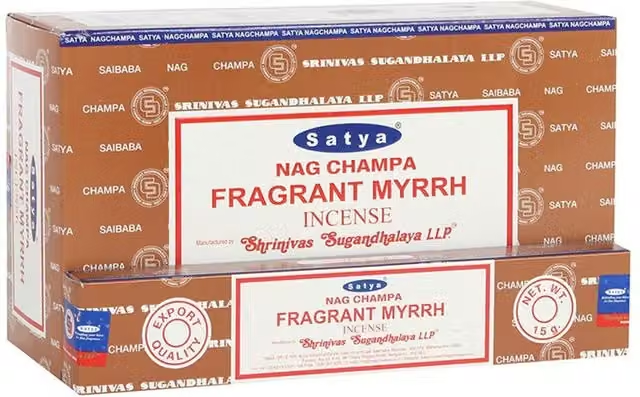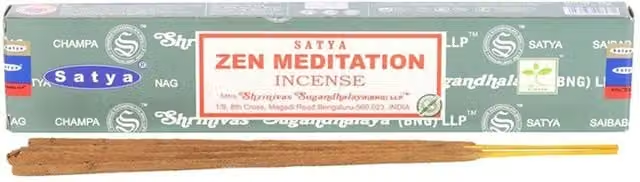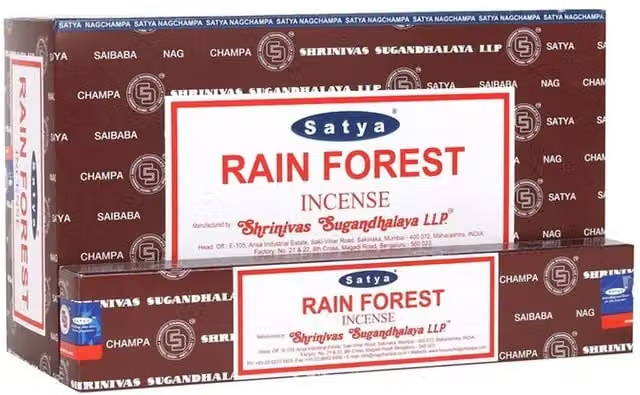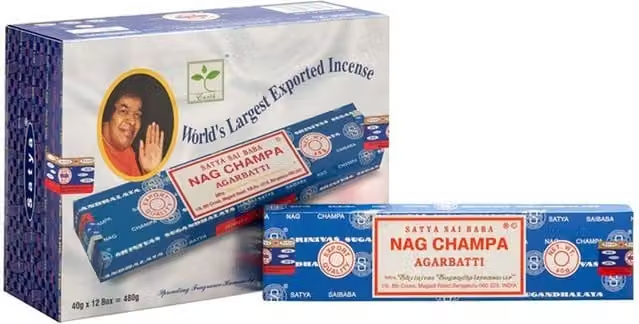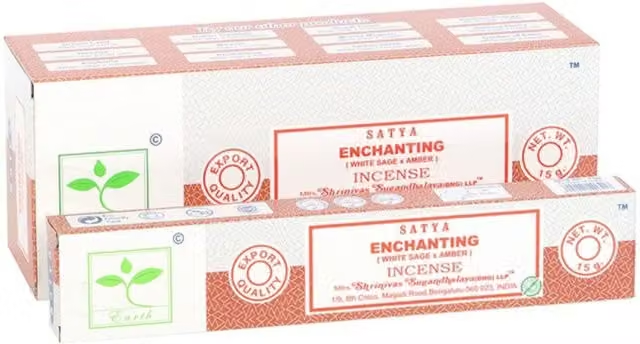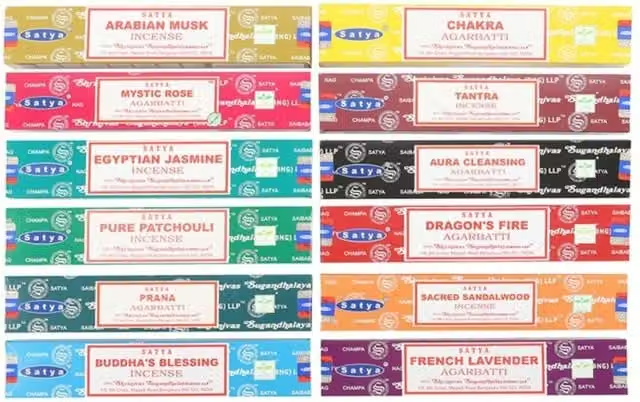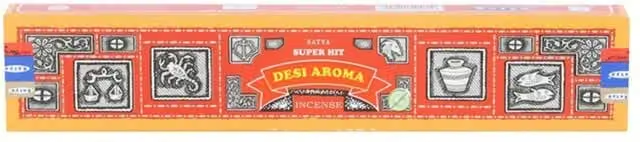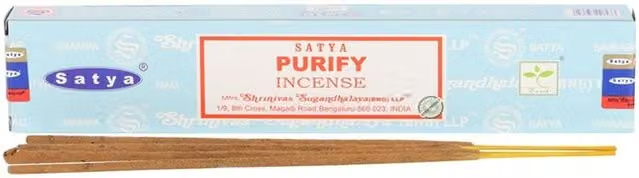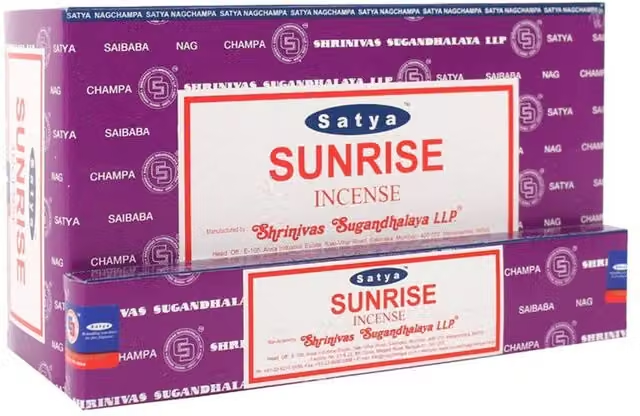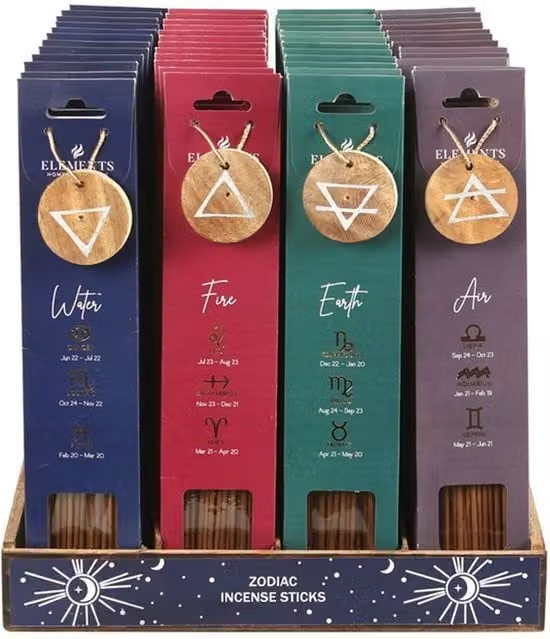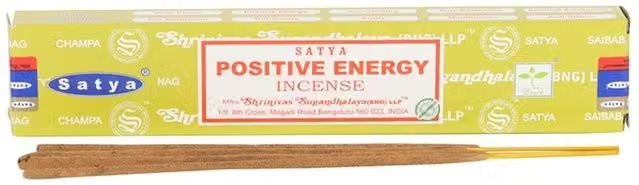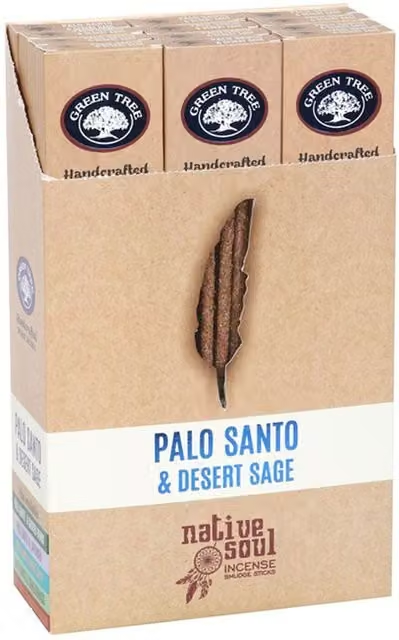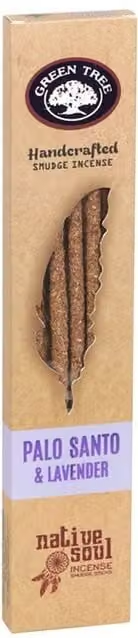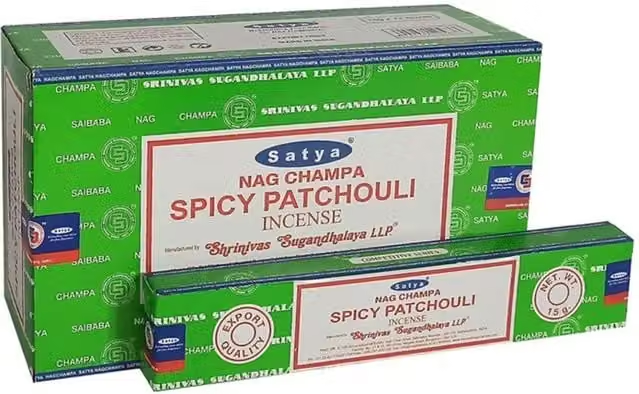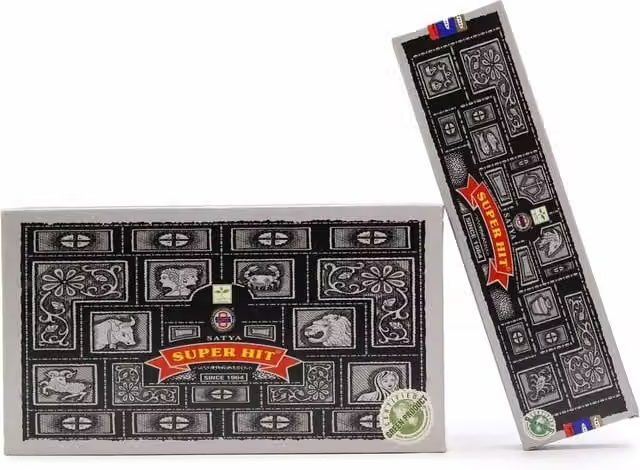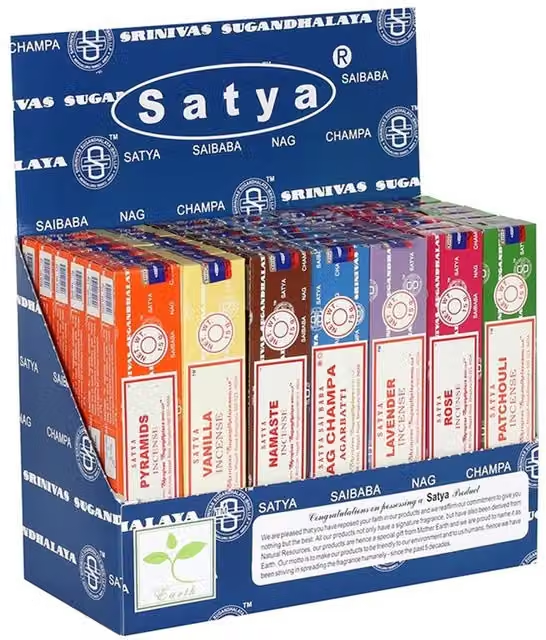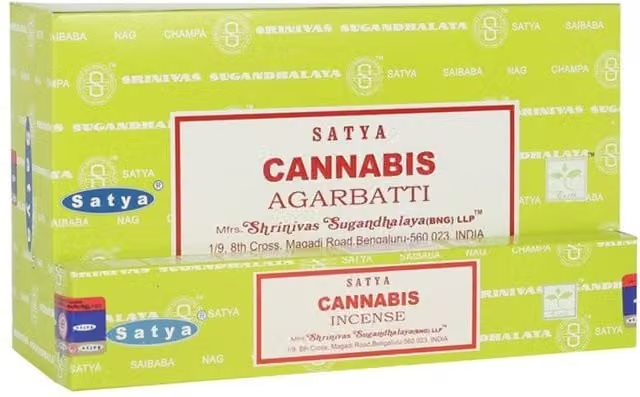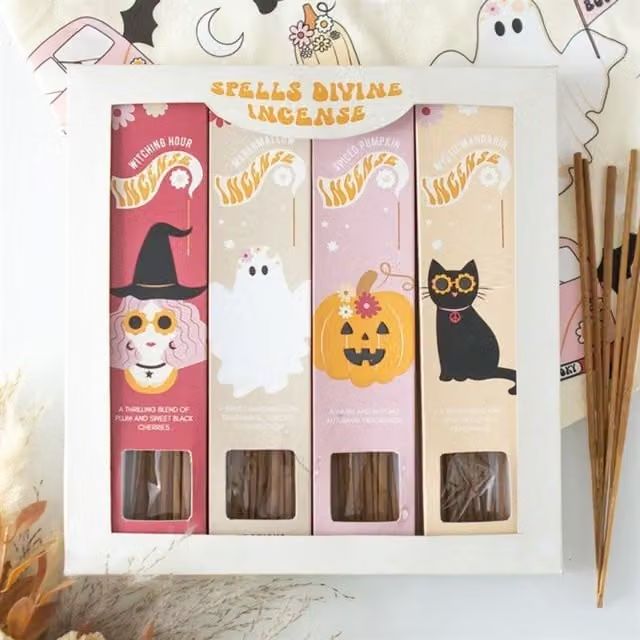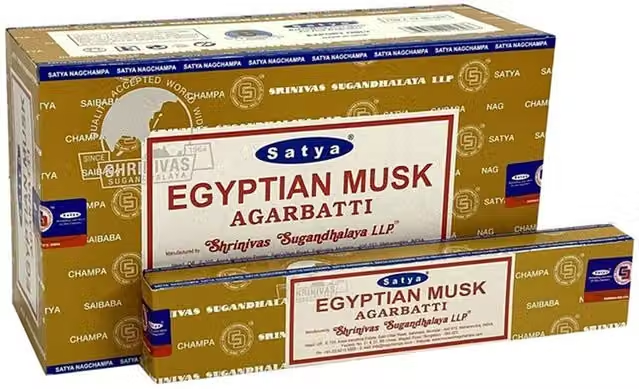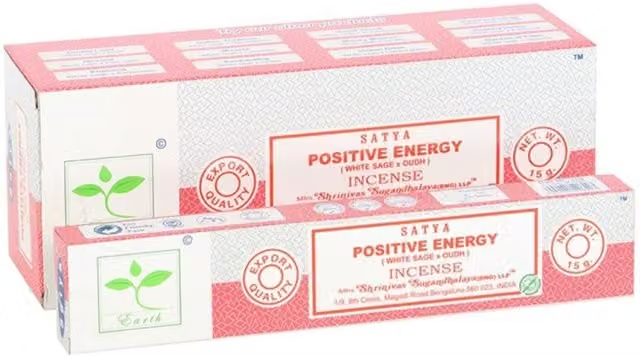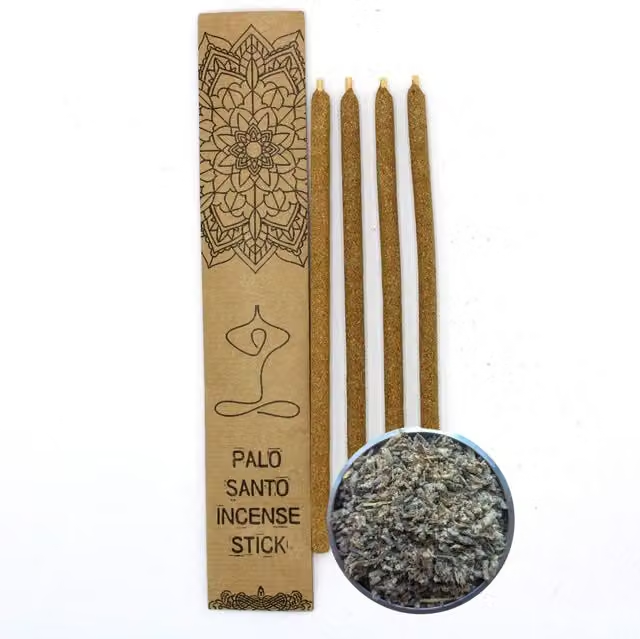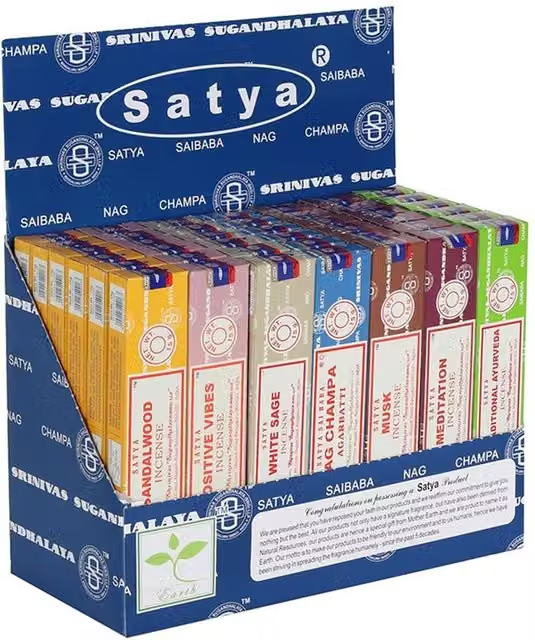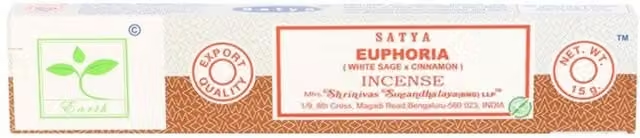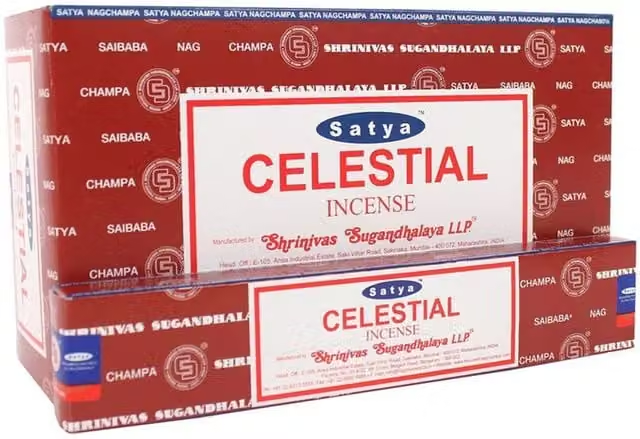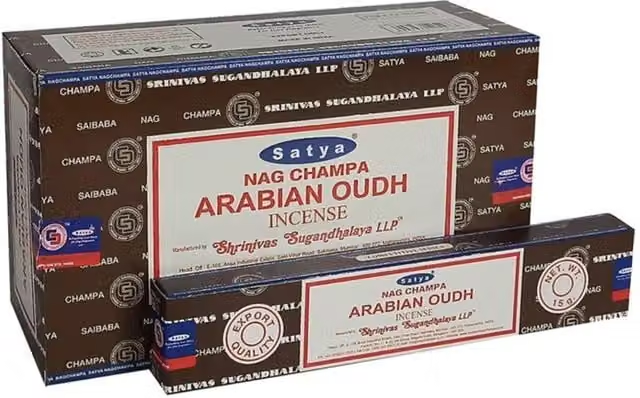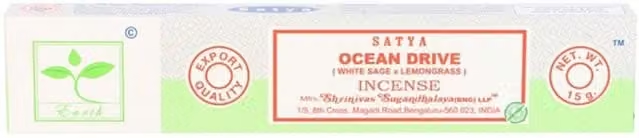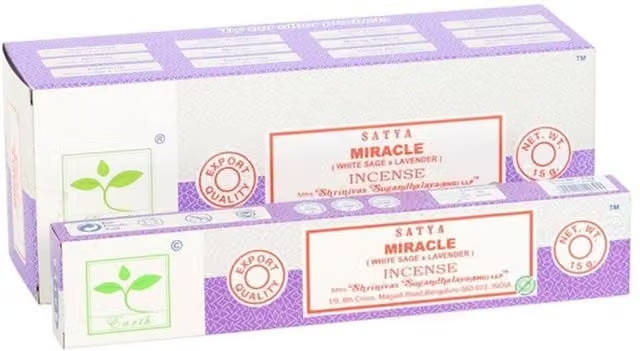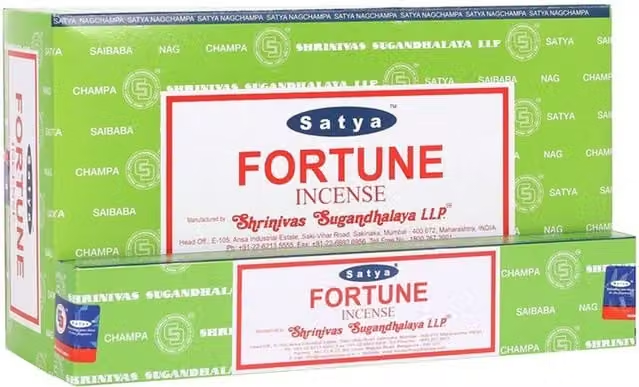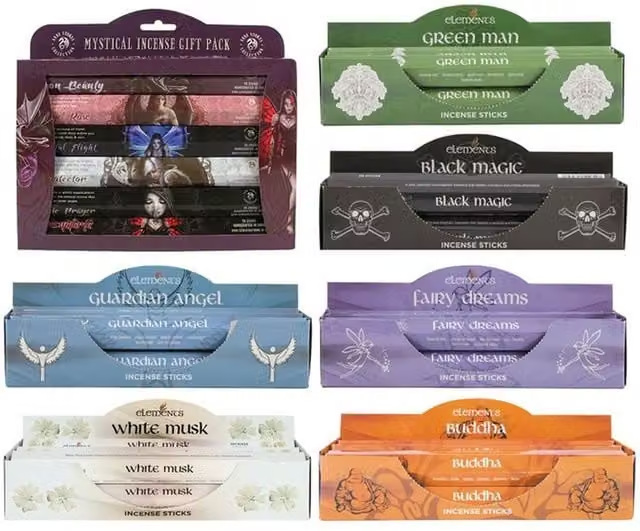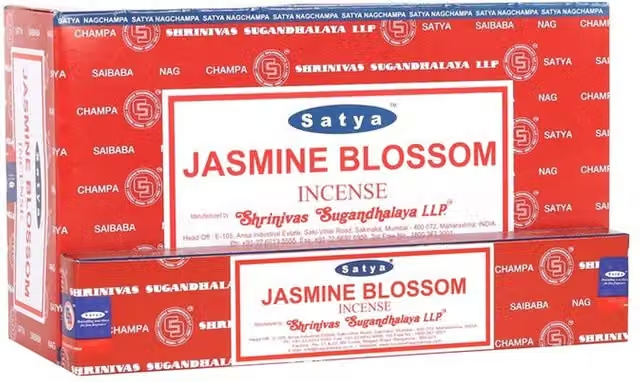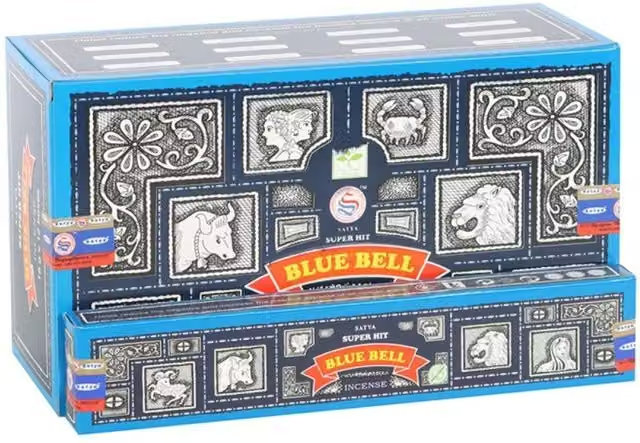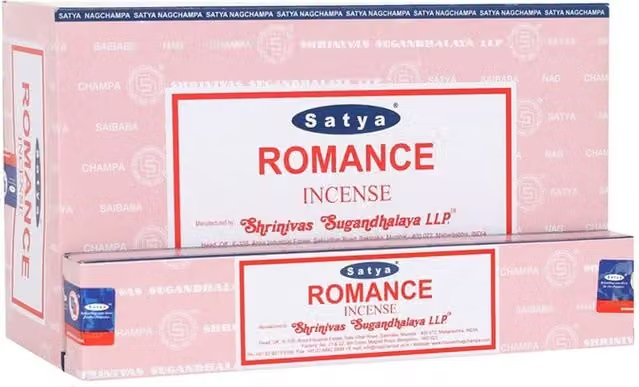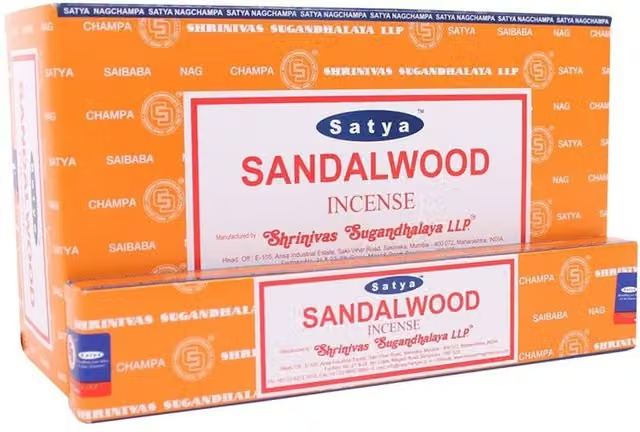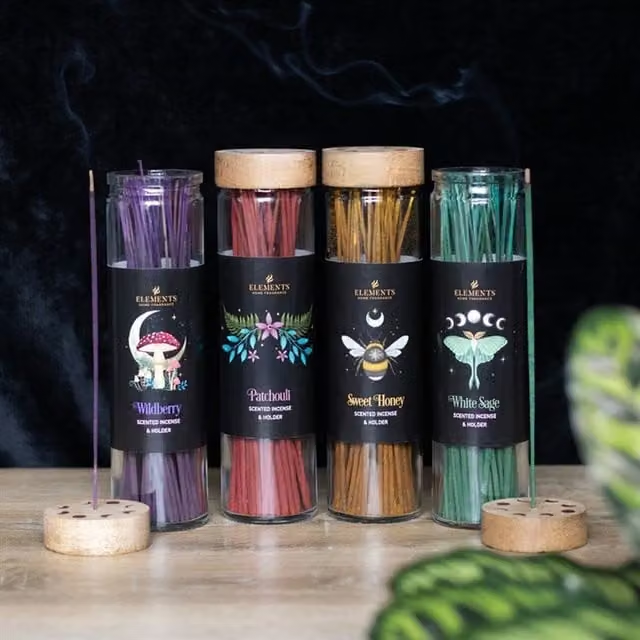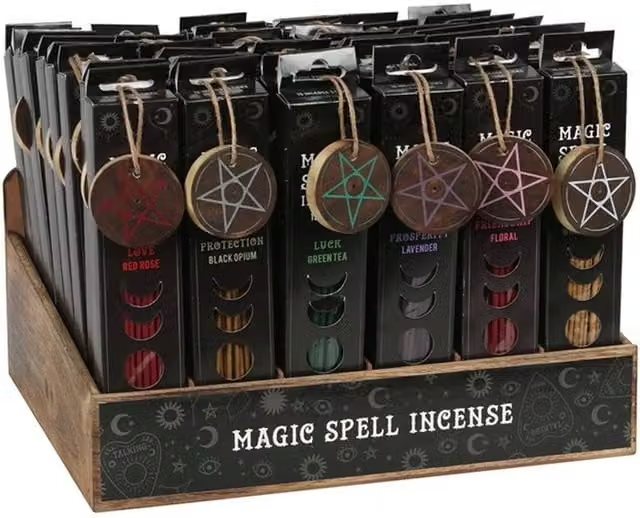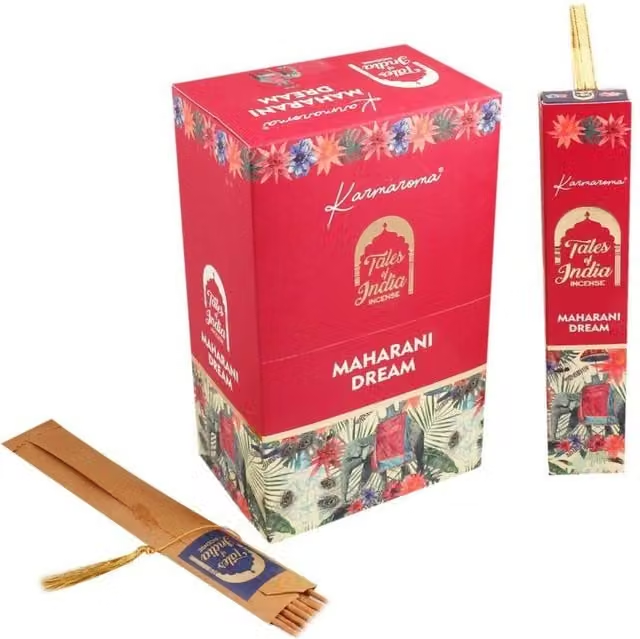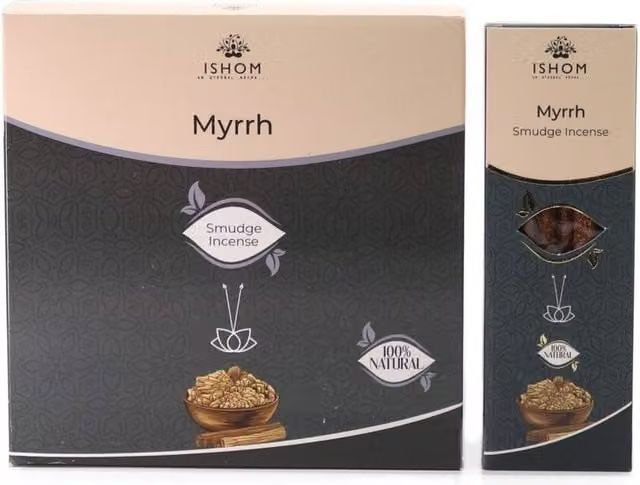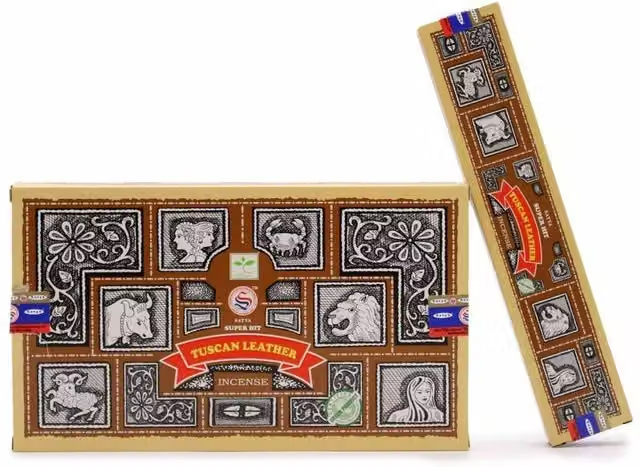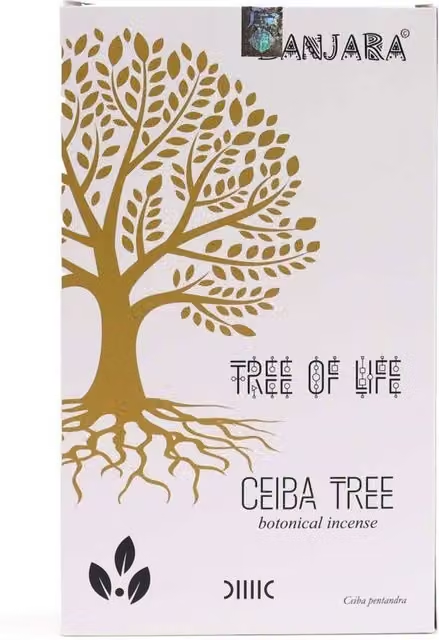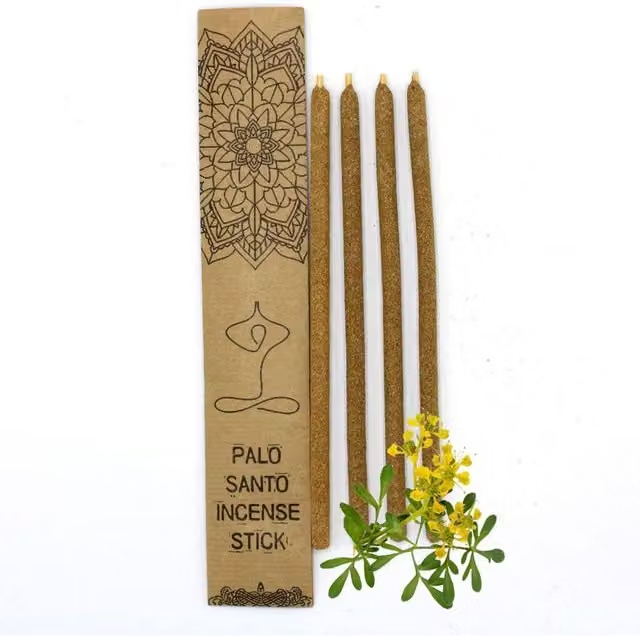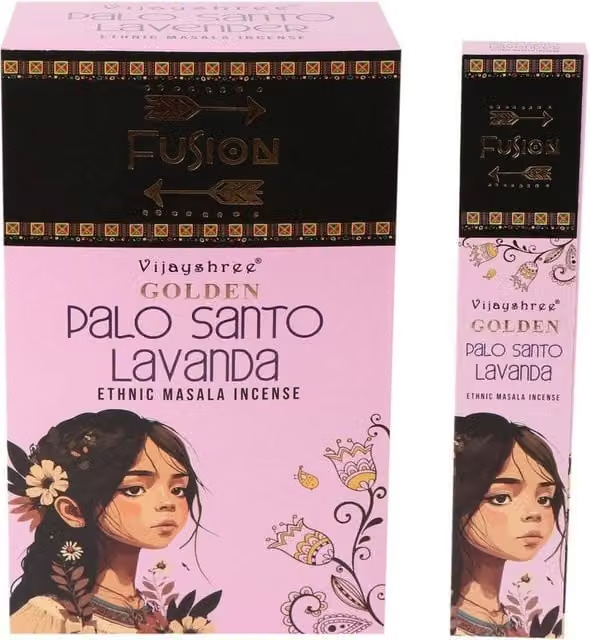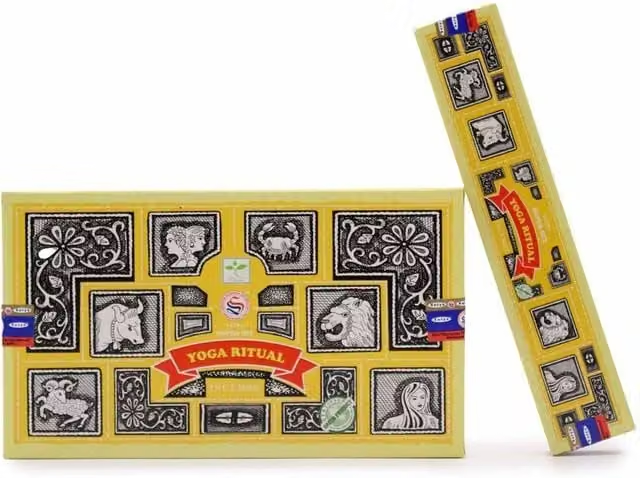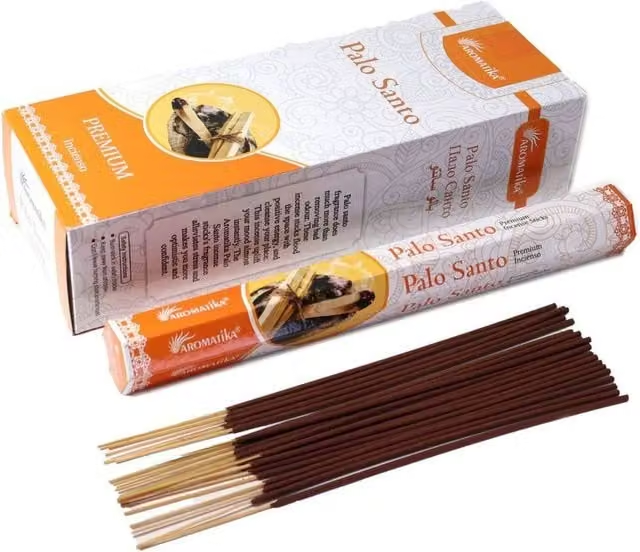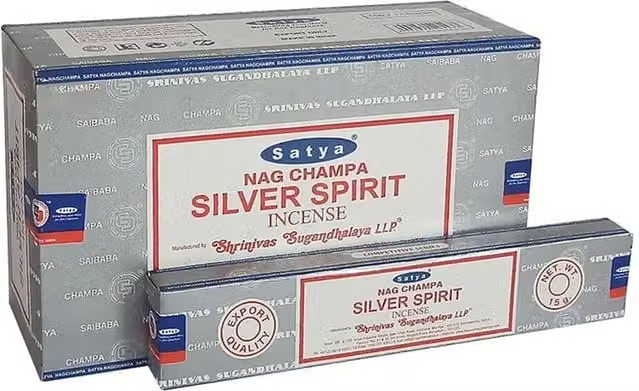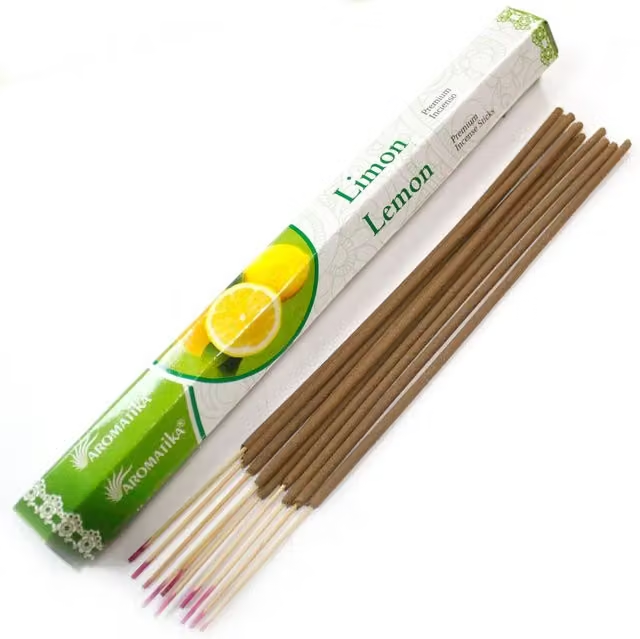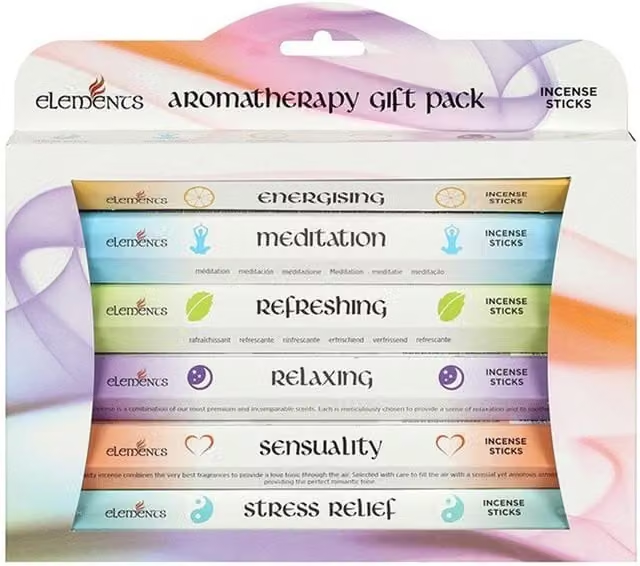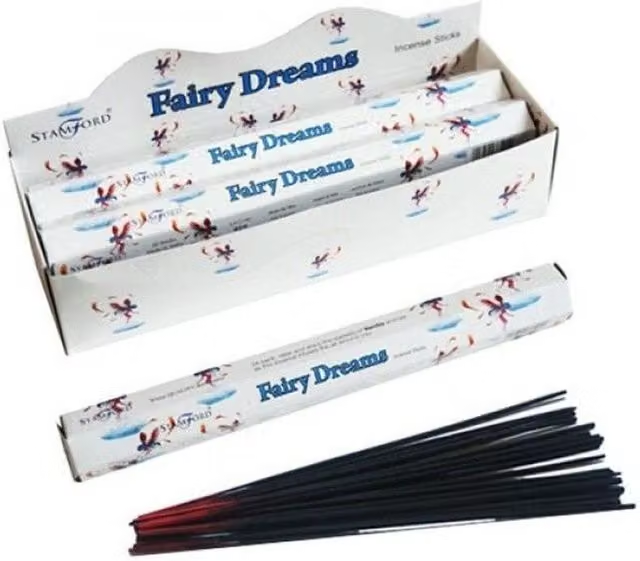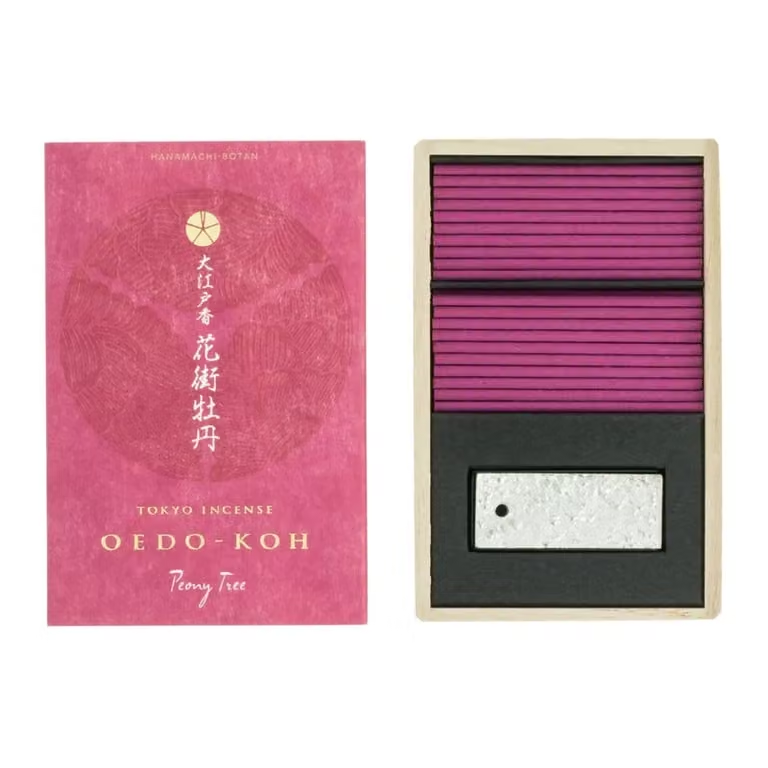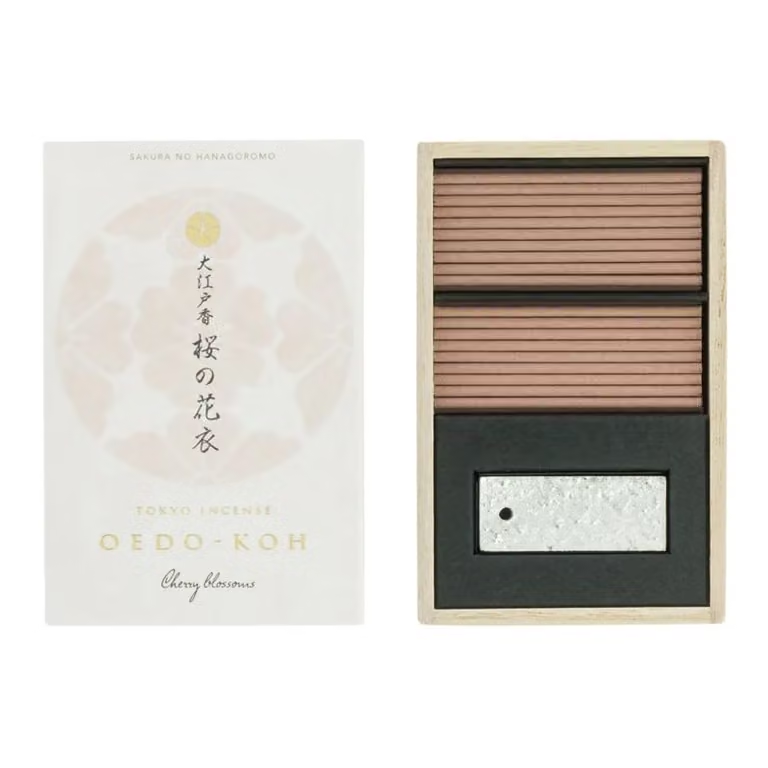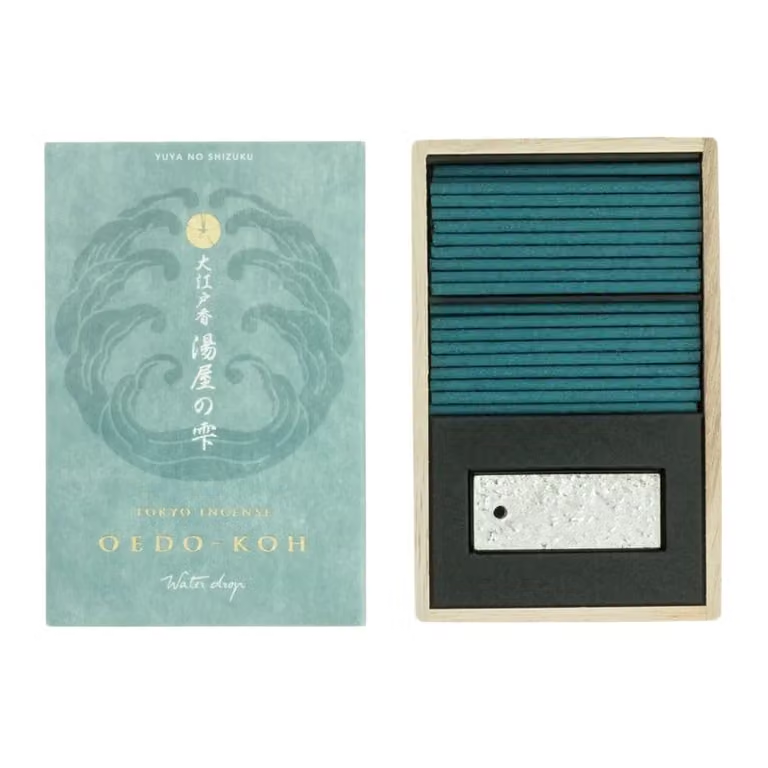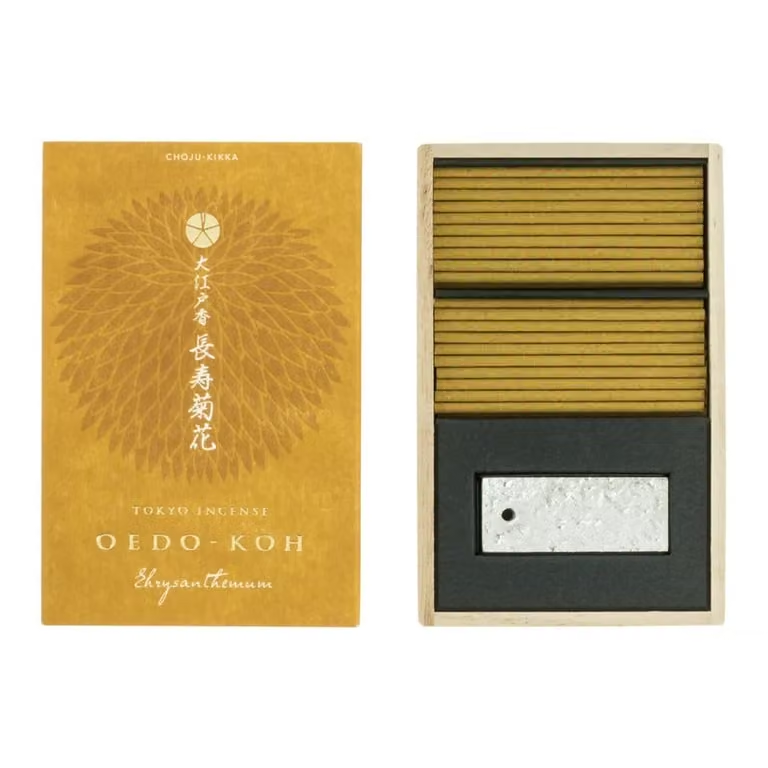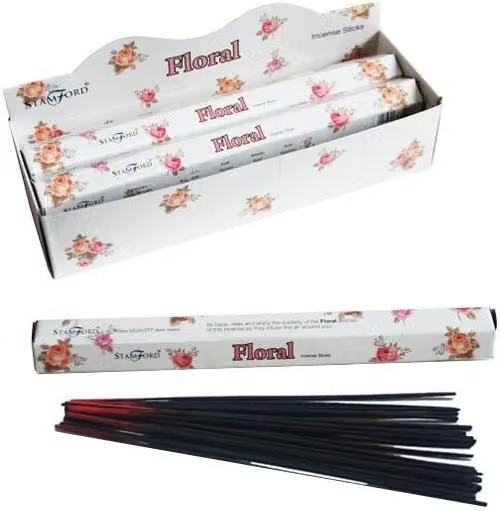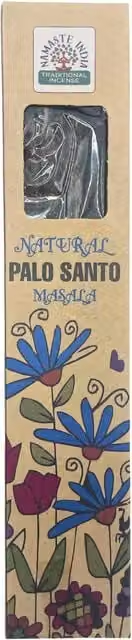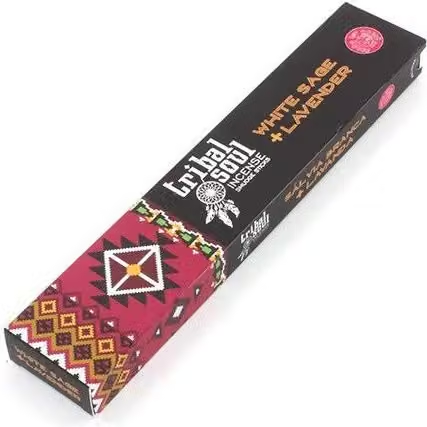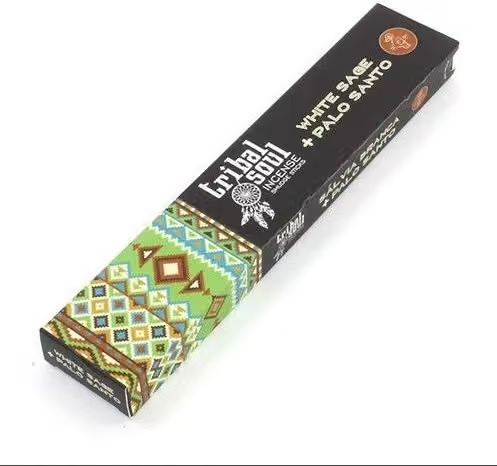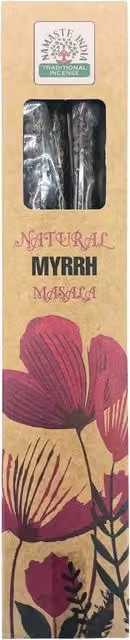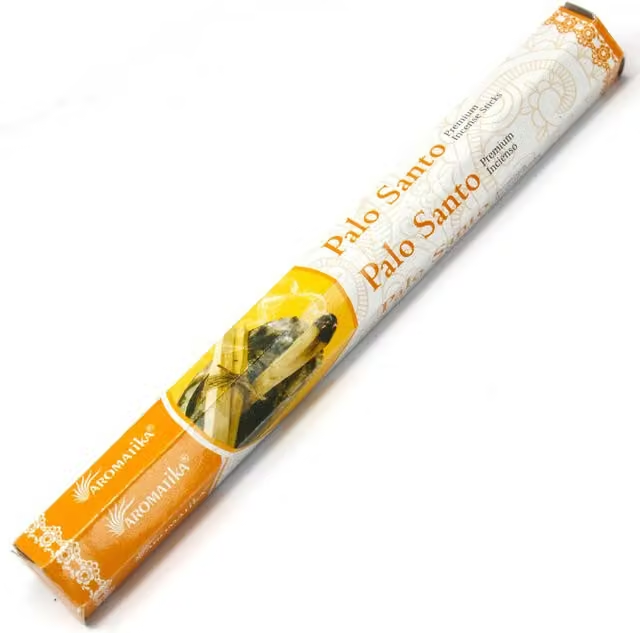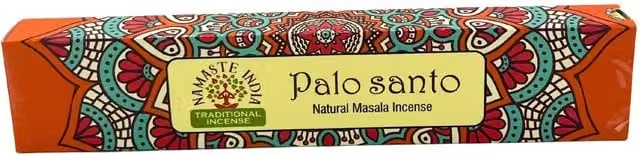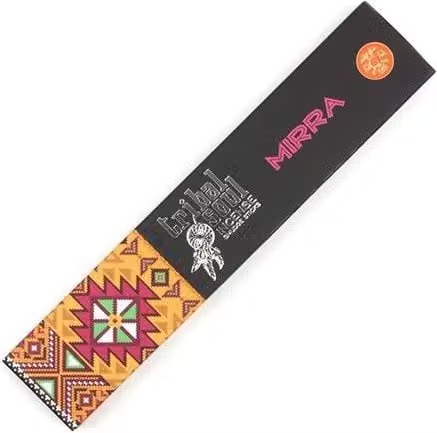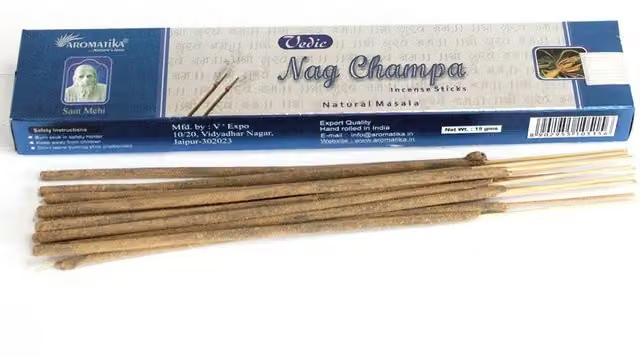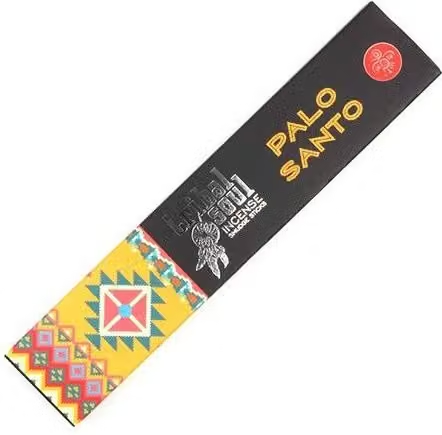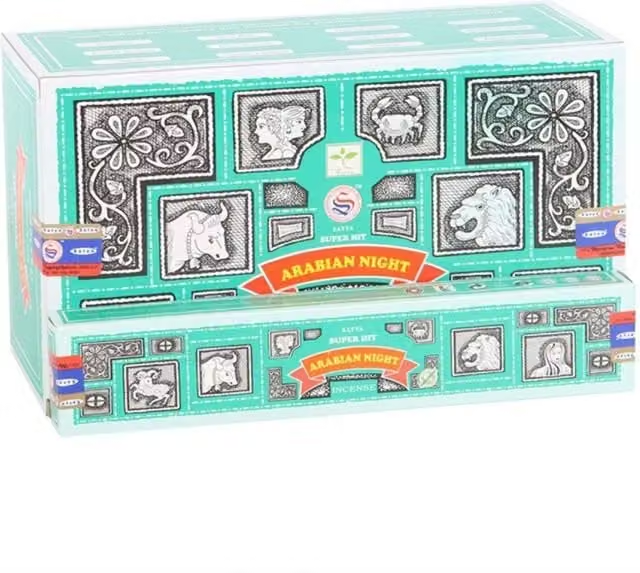
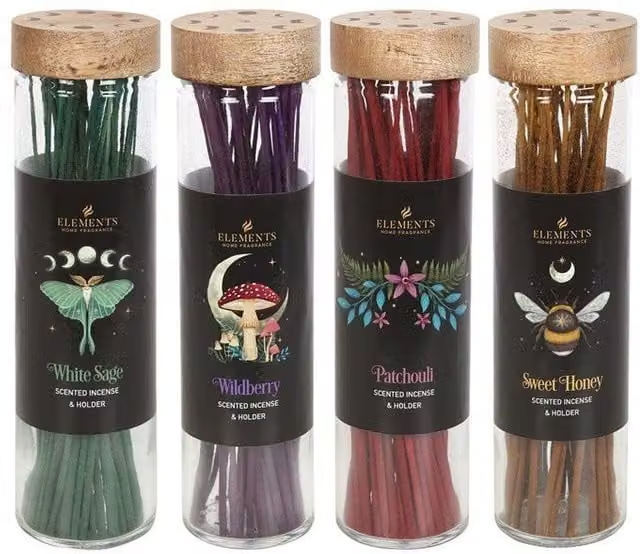
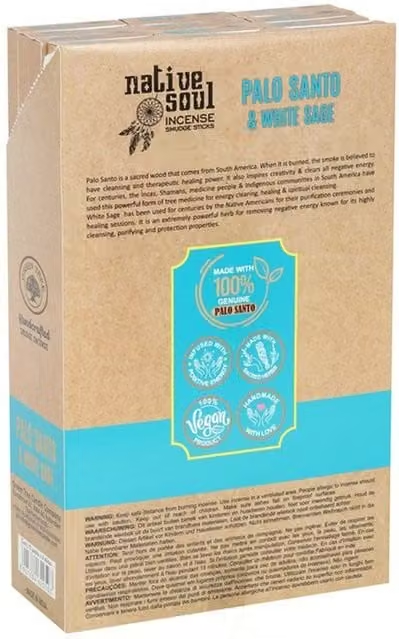

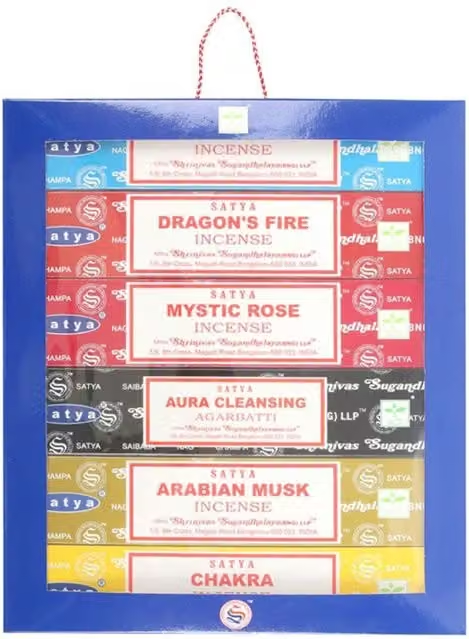
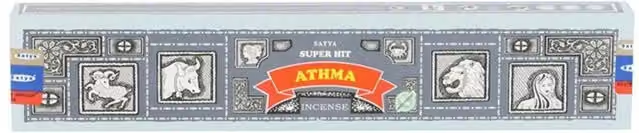
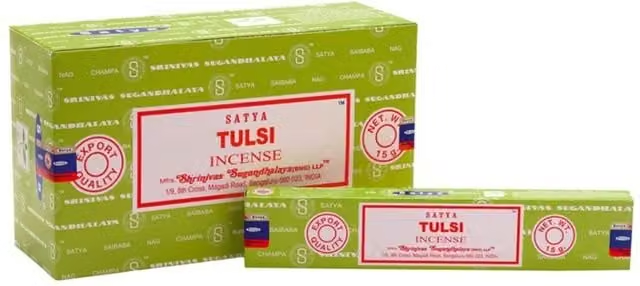
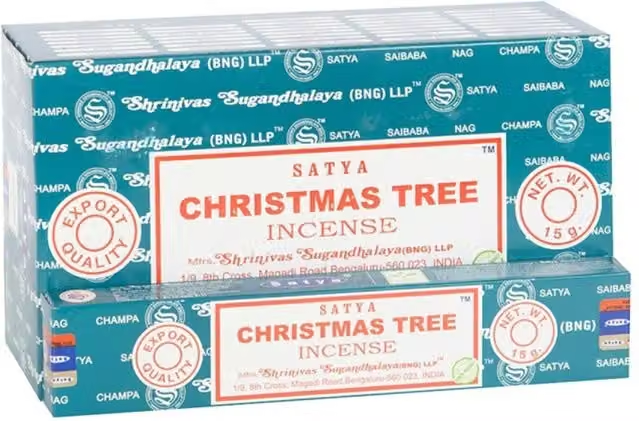
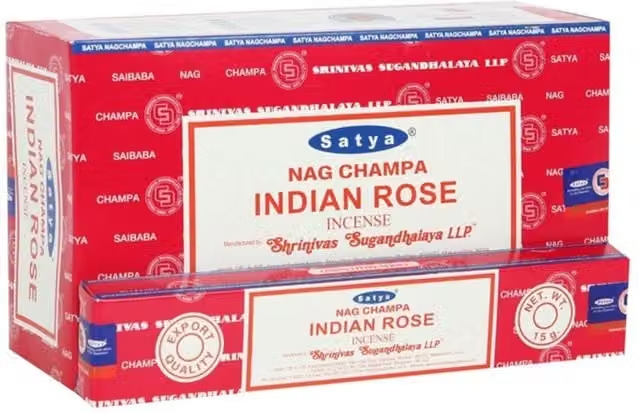
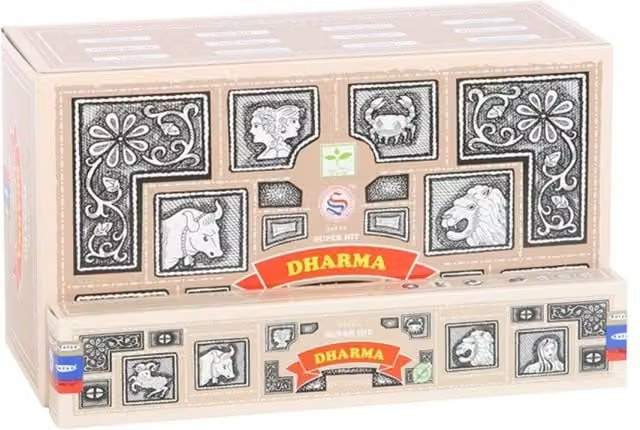
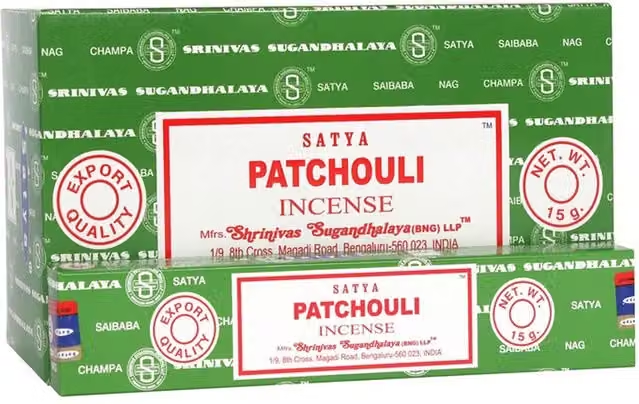
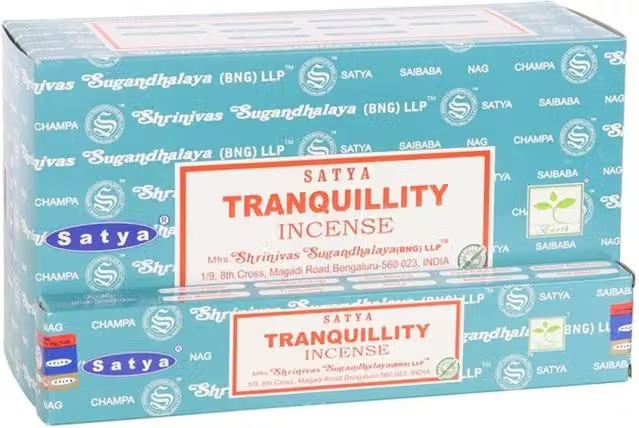
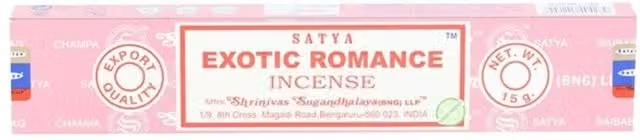
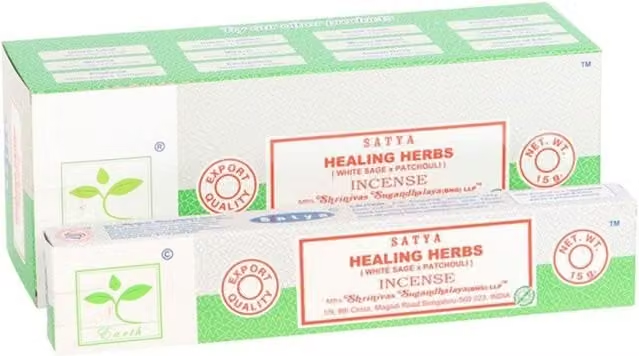
Burning incense is one of the oldest household traditions there is, practised across Asia, the Middle East and Europe for thousands of years, and it has survived because it works. A single stick fills a room with fragrance far more thoroughly than a candle of similar size, and the ritual of lighting it, watching the smoke and letting the scent build has a calming quality that a plug in diffuser simply cannot match.
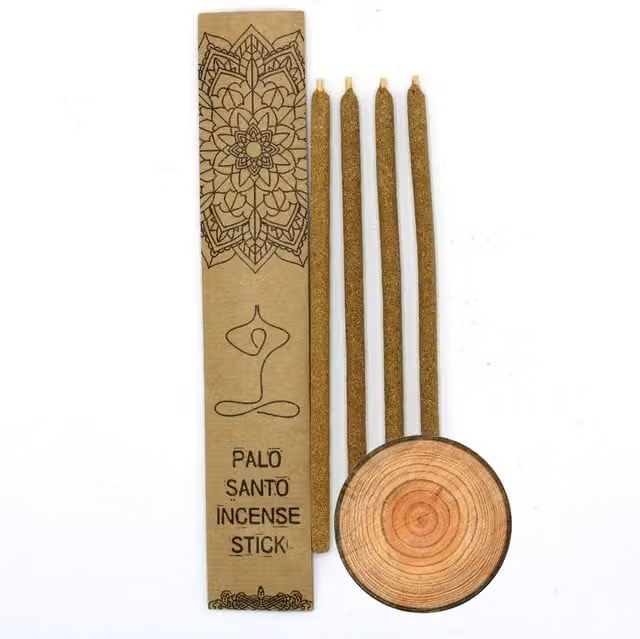
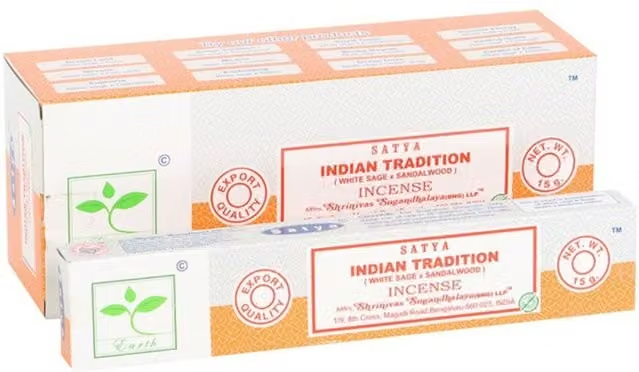
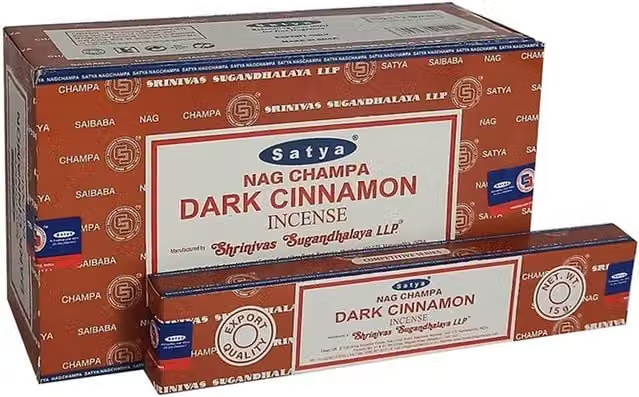
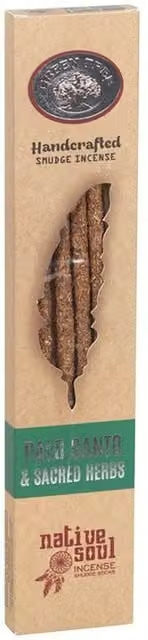
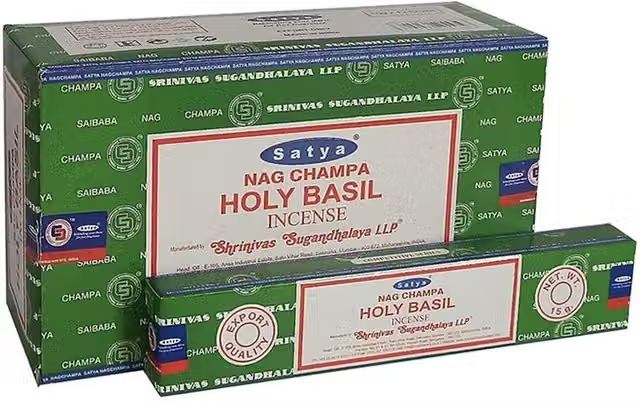
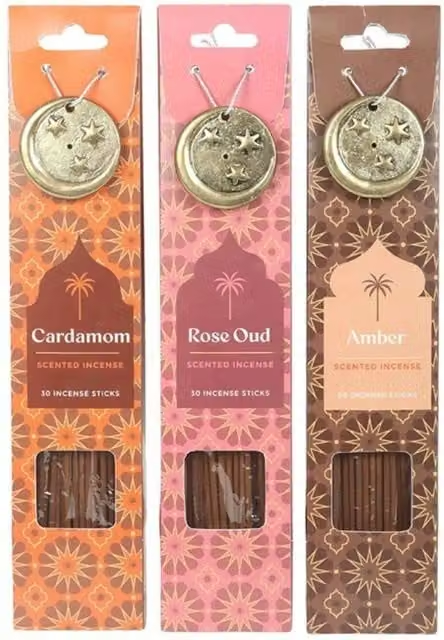
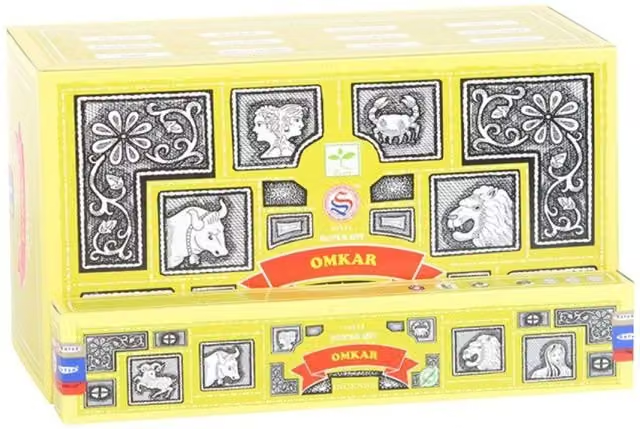
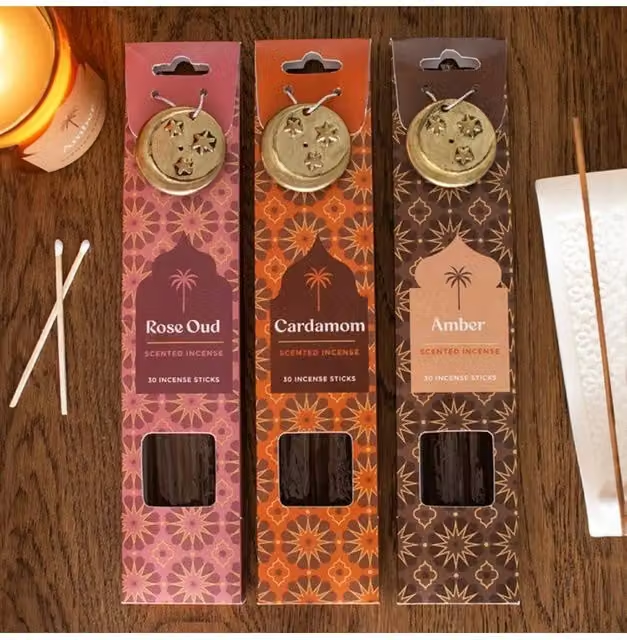
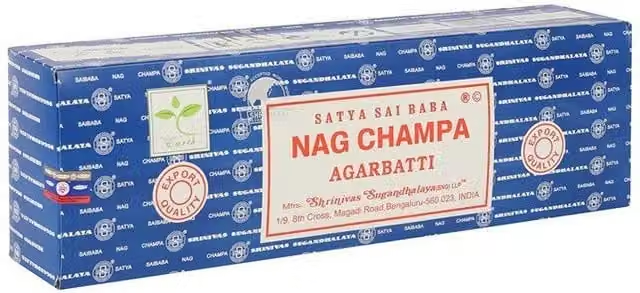
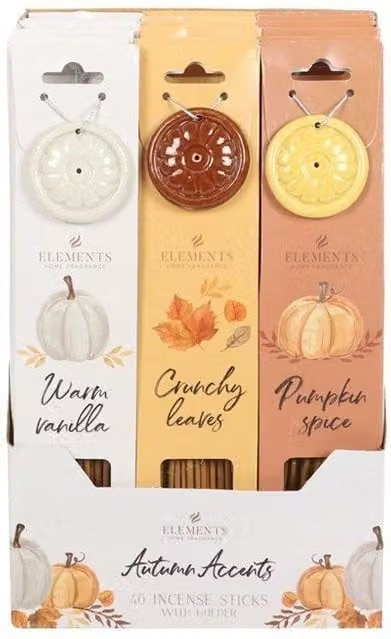
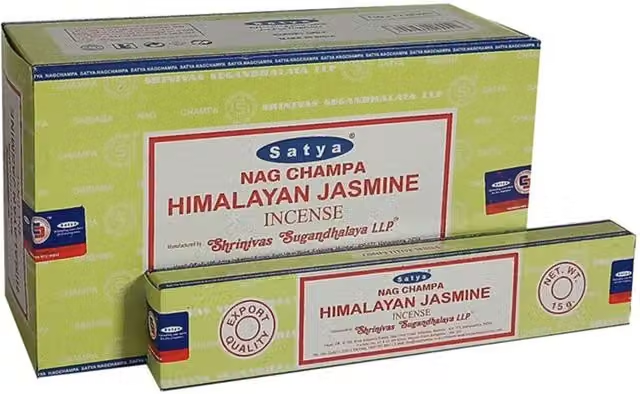
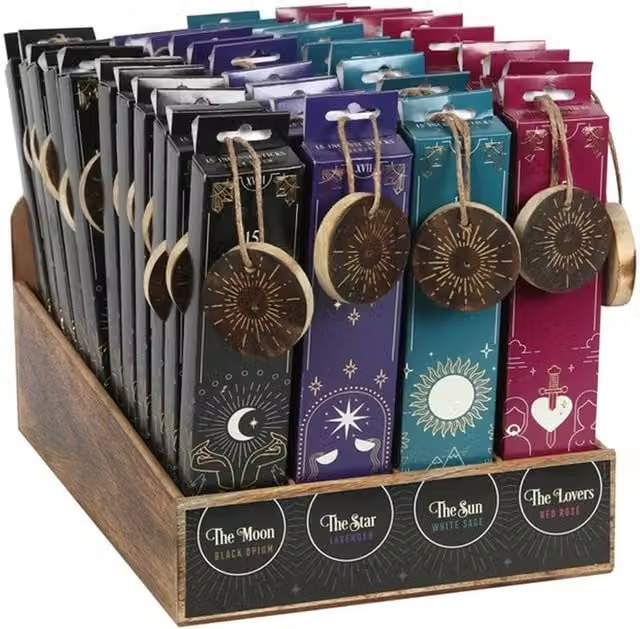
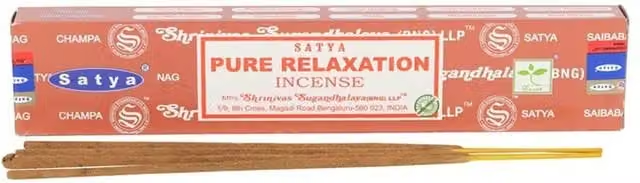
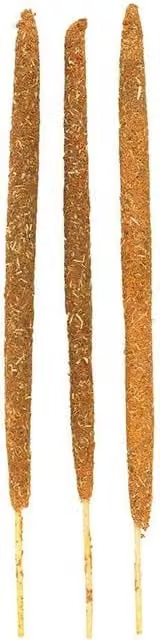
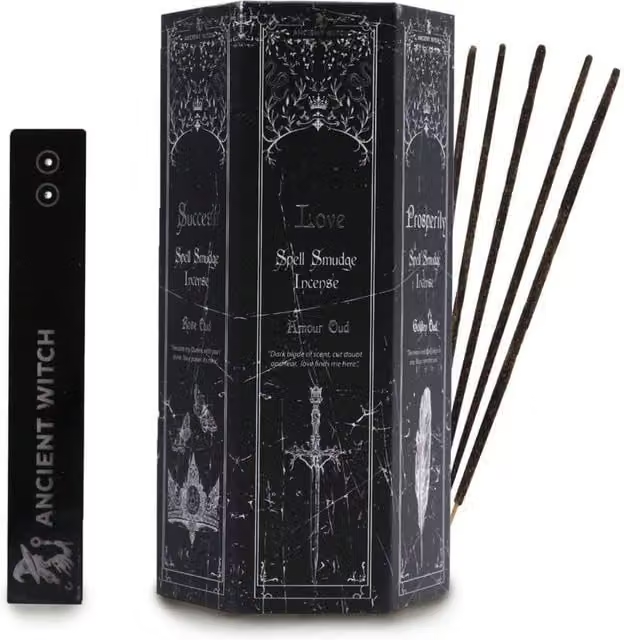
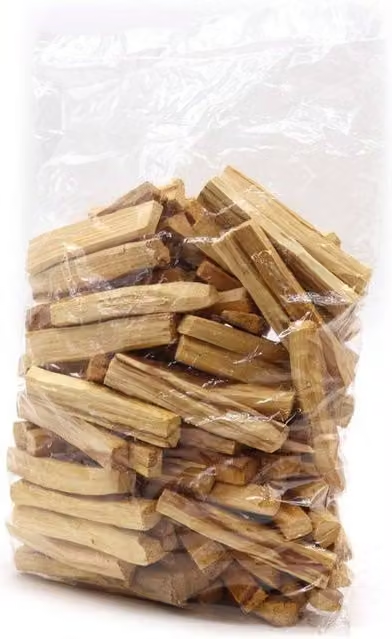
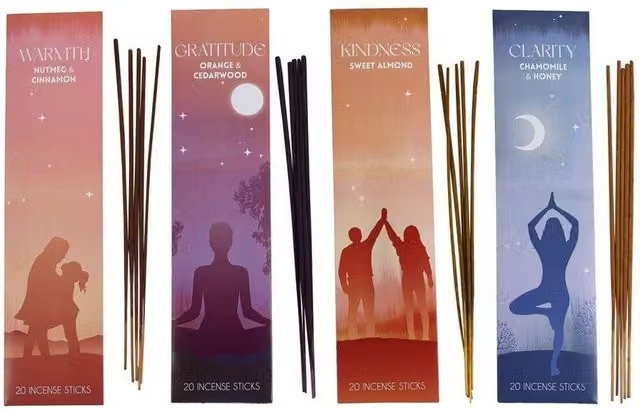
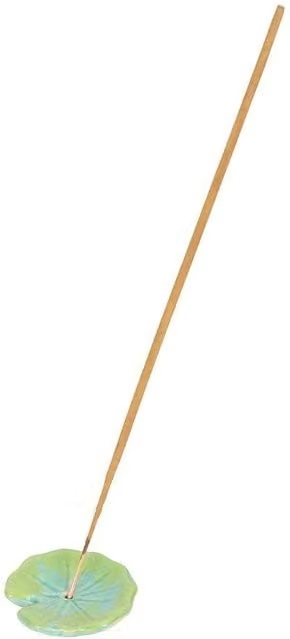
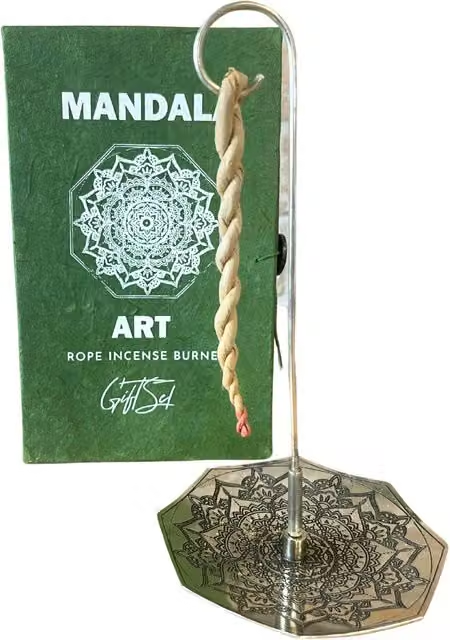
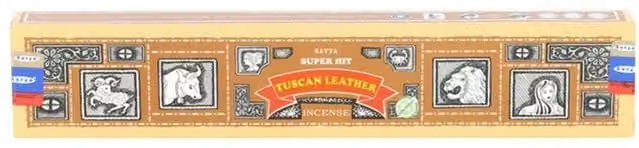
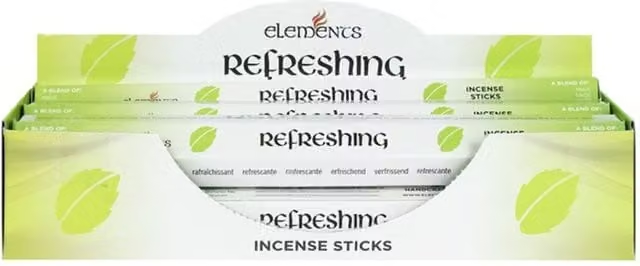
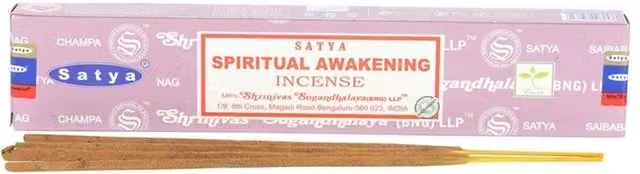
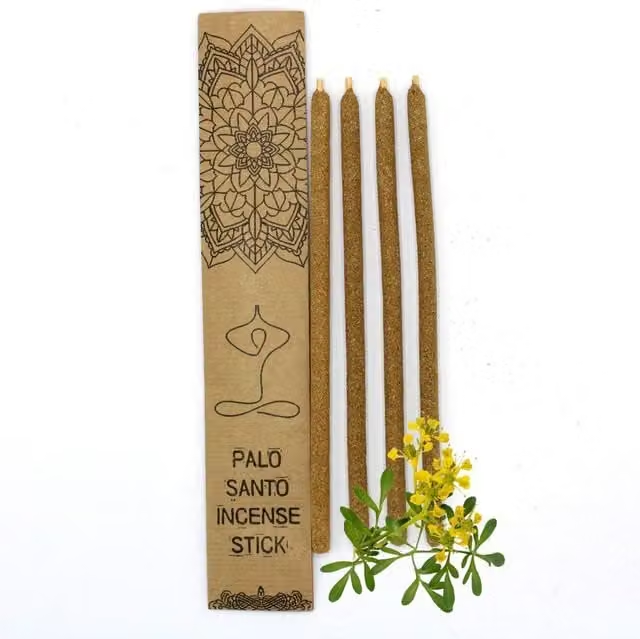
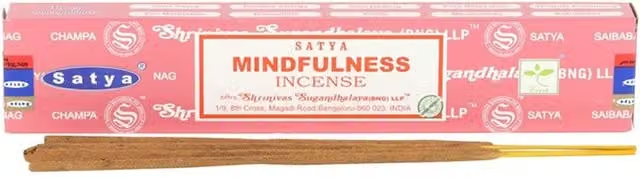
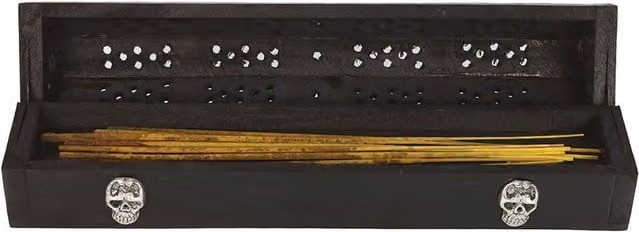
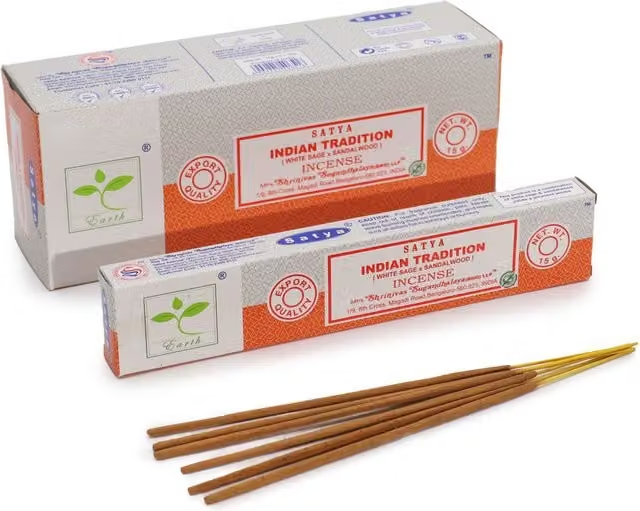
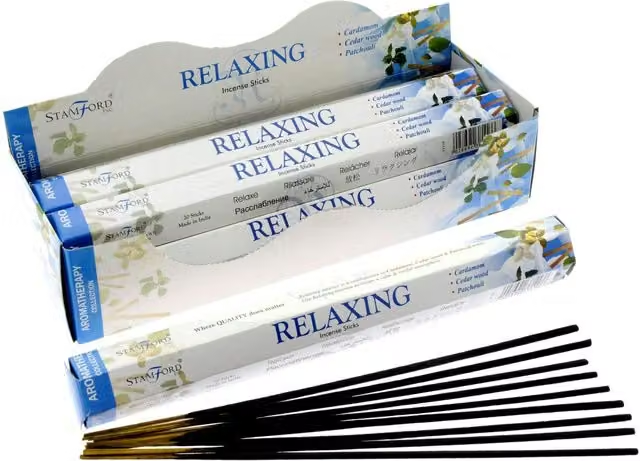
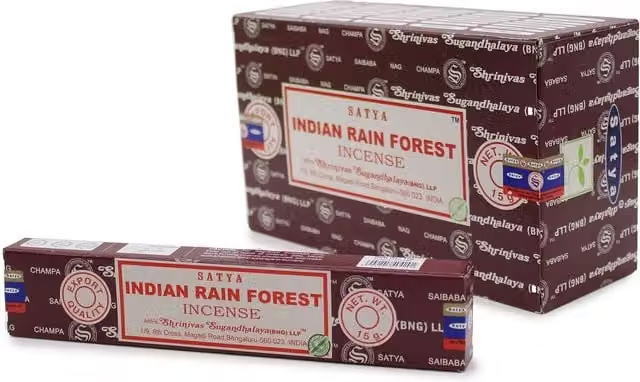
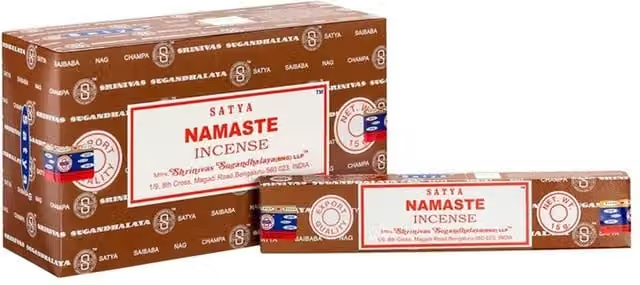
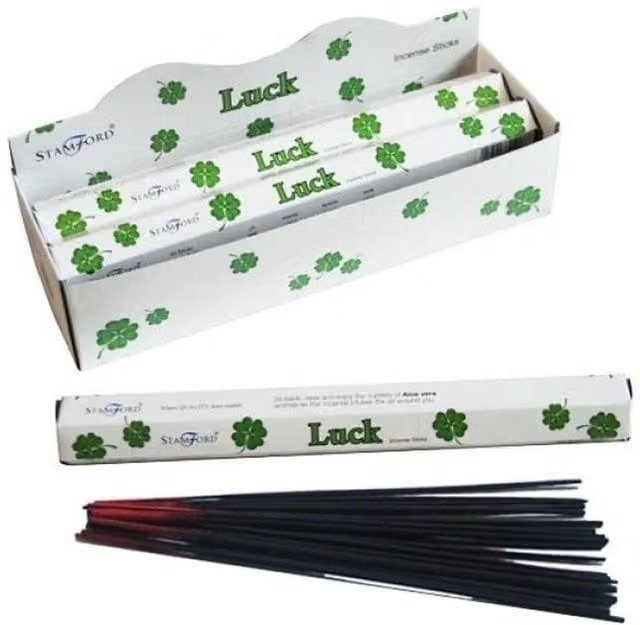
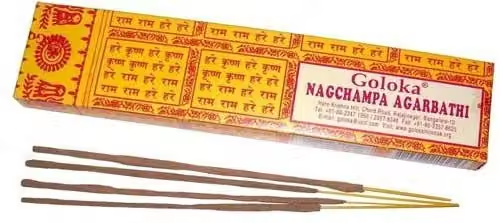
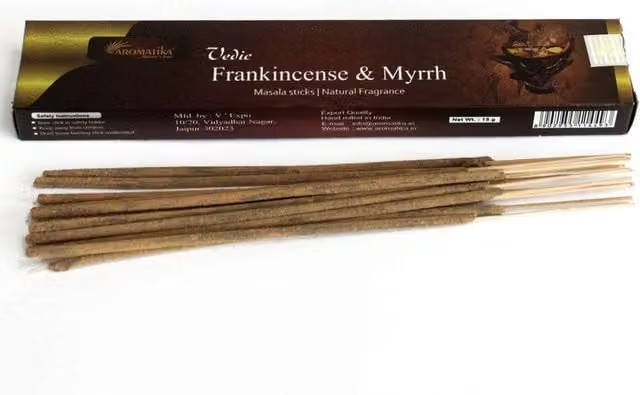
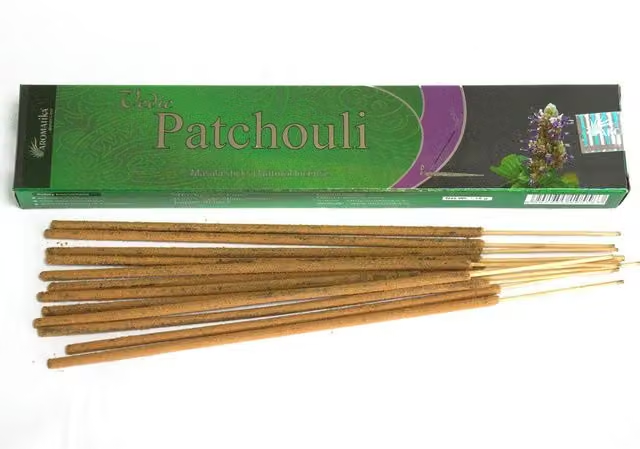
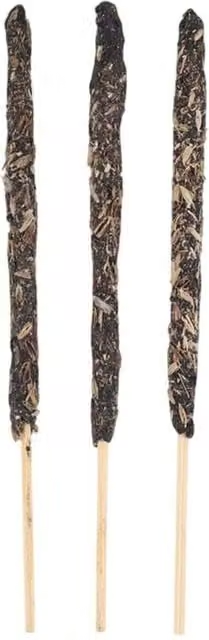
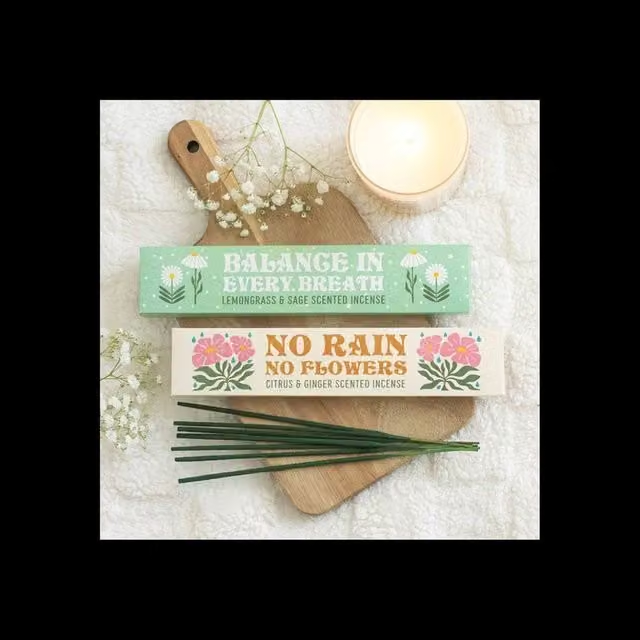
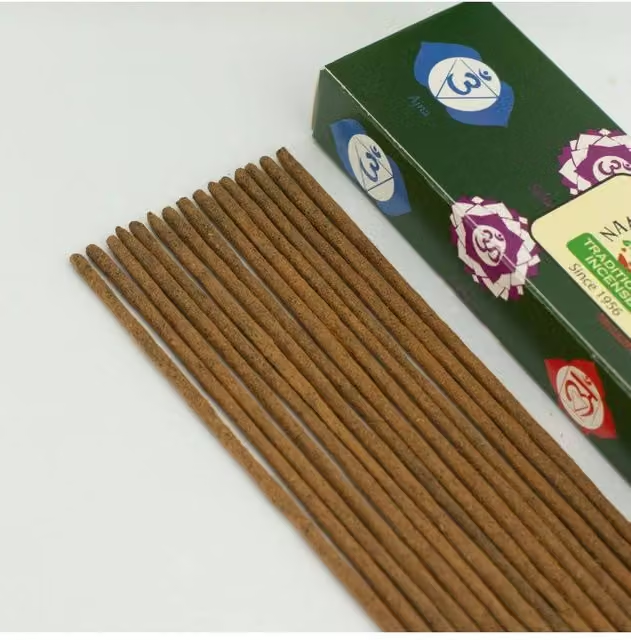
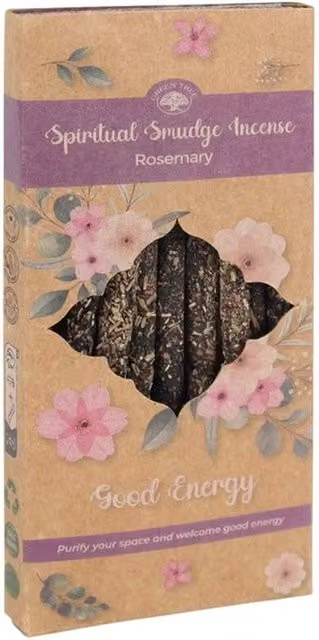
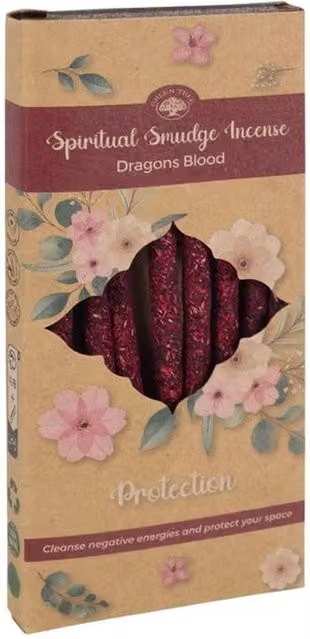
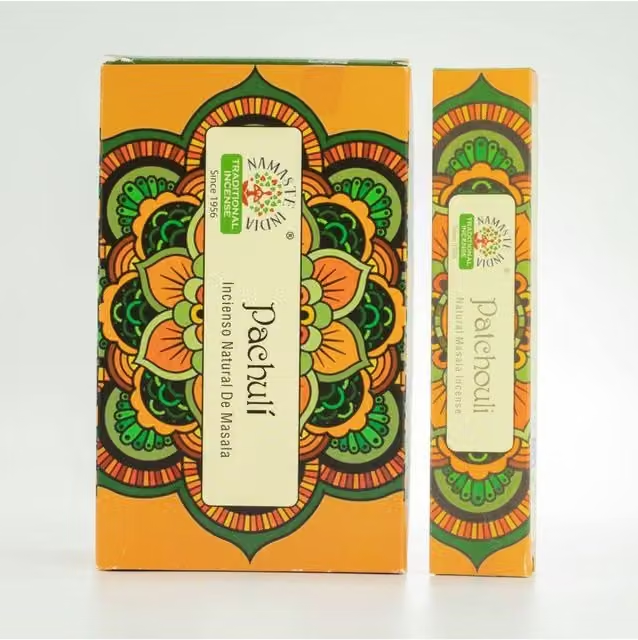
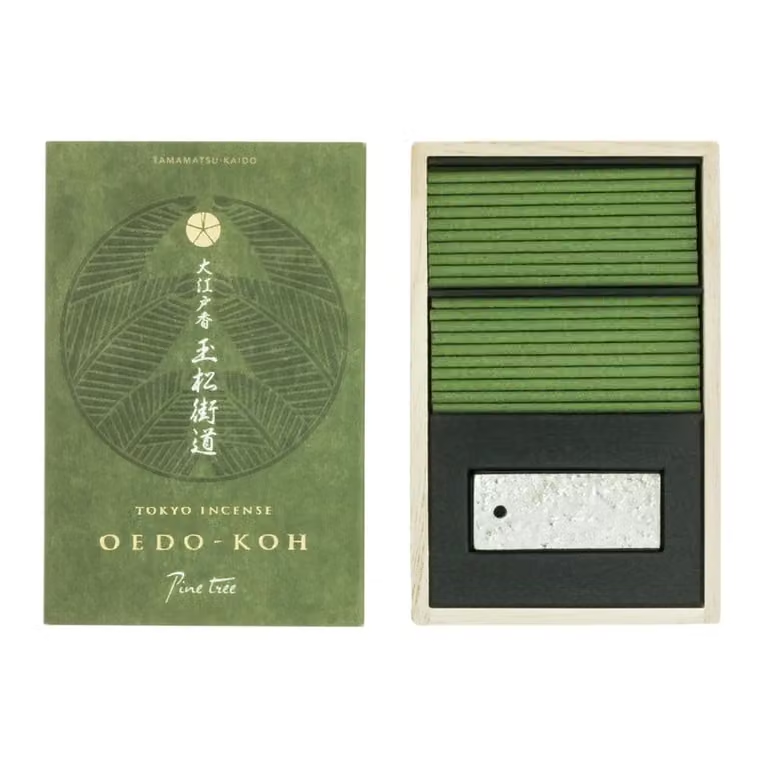
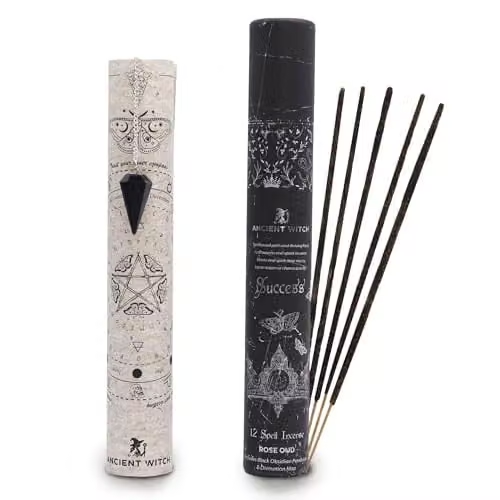
The variety reflects that long history. Indian masala incense binds natural resins, herbs and essential oils into a paste around a bamboo core, giving rich, complex fragrances such as nag champa, sandalwood and patchouli. Japanese incense is typically made without a bamboo core, producing a subtler, cleaner smoke and refined scents like aloeswood, hinoki and green tea. Tibetan incense uses medicinal herbs for earthy, grounding aromas. Beyond sticks you will find cones for a more concentrated burn, incense rope, backflow cones that produce a cascading smoke effect over a special holder, and resin and charcoal for traditional burning. Holders range from simple wooden ash catchers to ceramic bowls and decorative brass burners.
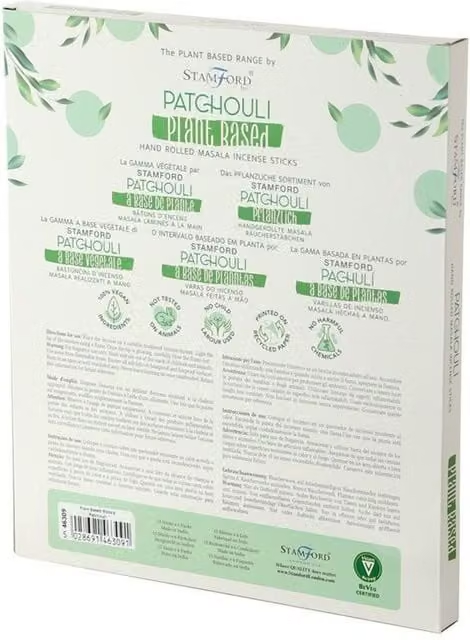
Quality varies more than the price difference suggests. Hand rolled incense using natural resins, woods and essential oils burns more cleanly and smells noticeably better than mass produced sticks dipped in synthetic fragrance oil. Look for stated natural ingredients and avoid anything with a harsh chemical edge when unlit. Burn time is usually between 20 and 60 minutes depending on stick length and thickness, and ventilation matters, so open a window slightly while burning.
Prices are low across the board. Bulk packs of standard sticks cost very little, quality masala and Japanese incense sits higher per stick, and premium aloeswood or hand rolled artisan varieties are the most expensive while still being an affordable pleasure.
Explore the fragrances, compare prices and bring a little calm ritual into your day.
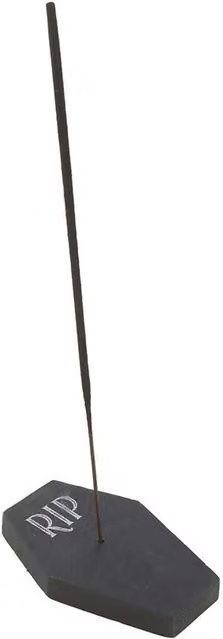
Always use a proper holder that catches the falling ash, and place it on a heat resistant surface well away from curtains, paper and anything else flammable. Never leave a burning stick unattended or leave one going overnight. Keep it out of reach of children and pets, and away from draughts that could blow ash onto a surface. Make sure the tip is fully extinguished afterwards, since a smouldering stick can reignite.
Hold a flame to the coated tip for around ten seconds until it catches and a small flame forms. Then gently blow or fan it out so a glowing ember remains and a thin ribbon of smoke rises steadily. If the ember goes out within a minute, the stick was probably not lit long enough, so simply relight it. Trying to burn incense with an open flame produces harsh smoke and burns through the stick far too quickly.
Any combustion produces particulates, so incense should be burned in a ventilated room rather than a sealed one. Opening a window slightly while it burns makes a considerable difference to how the air feels afterwards. People with asthma or respiratory sensitivity may find incense irritating and might prefer reed diffusers or essential oil burners instead. Natural, hand rolled incense generally produces less harsh smoke than cheap dipped sticks with synthetic fragrance.
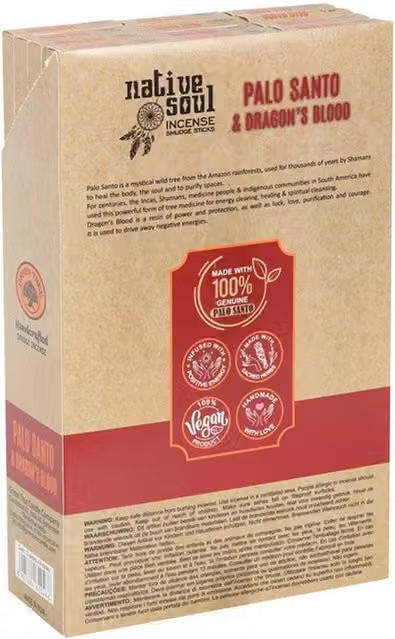
Keep sticks in an airtight container or a resealable bag somewhere cool and dark, since heat, light and air all cause the essential oils to evaporate. A tin or glass jar works better than the original open cardboard box for long term storage. Store different fragrances separately, because strong scents such as patchouli will transfer to milder ones over time. Stored well, good incense keeps its character for a year or more, though it is always at its best fresh.