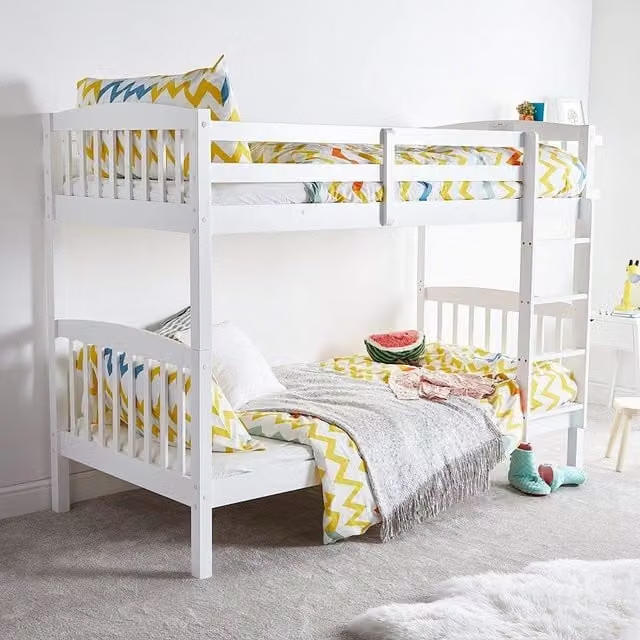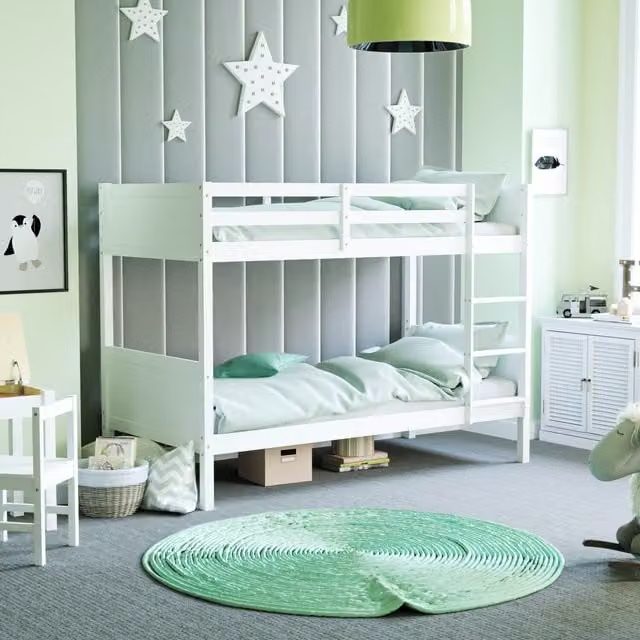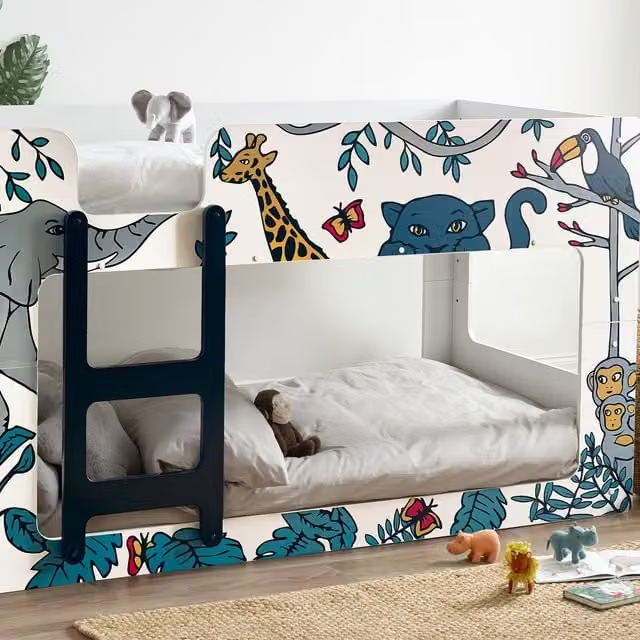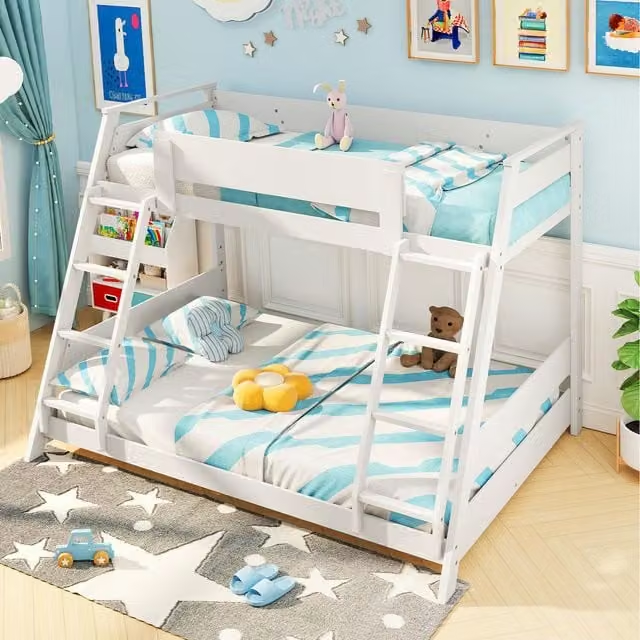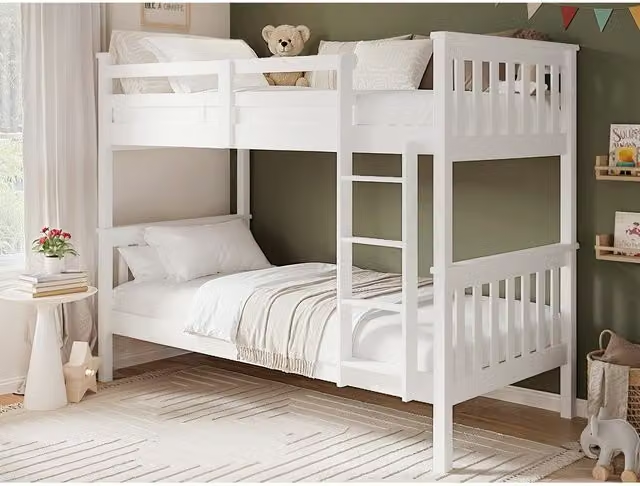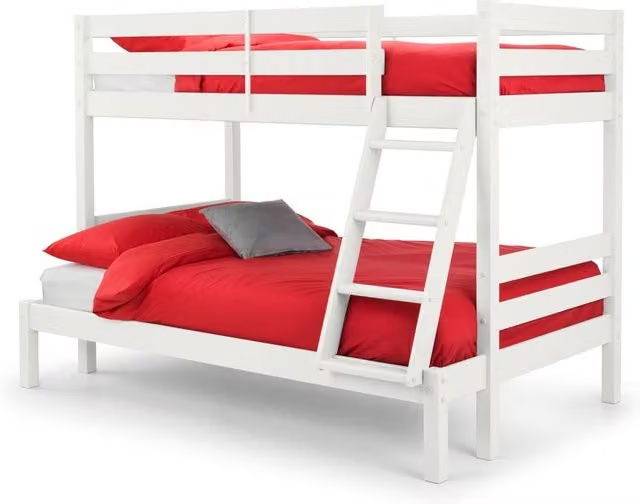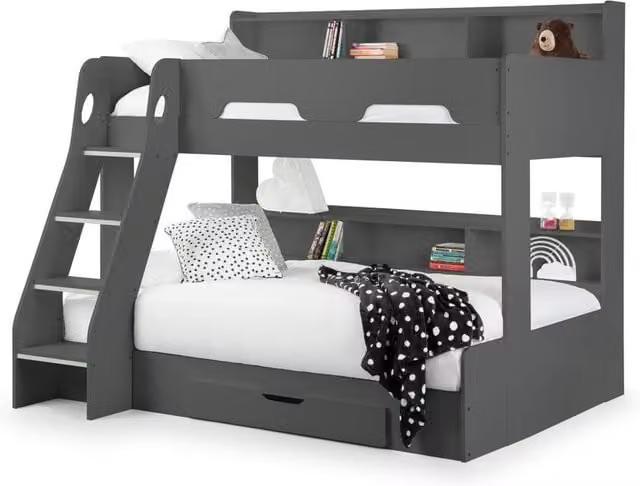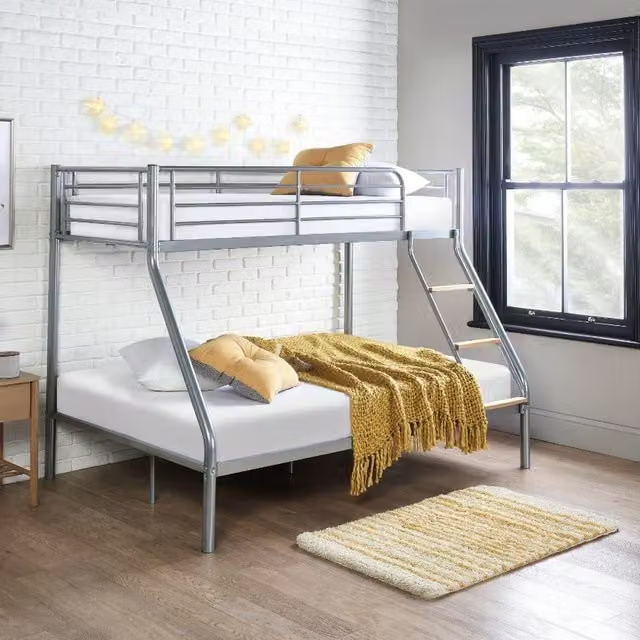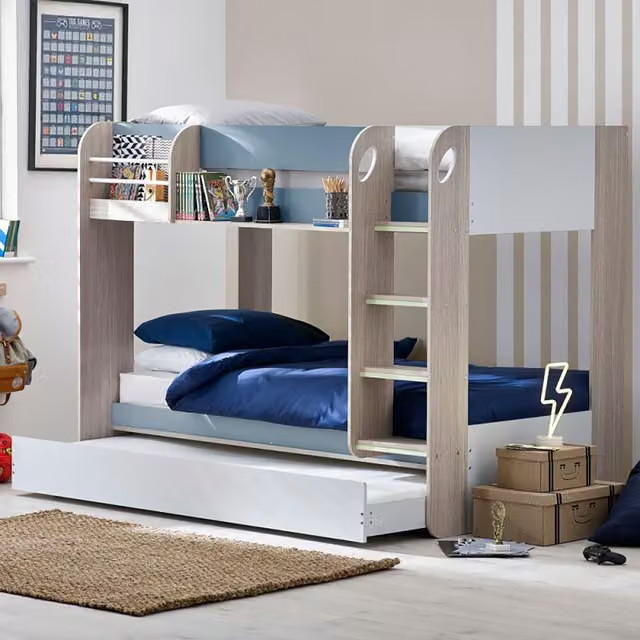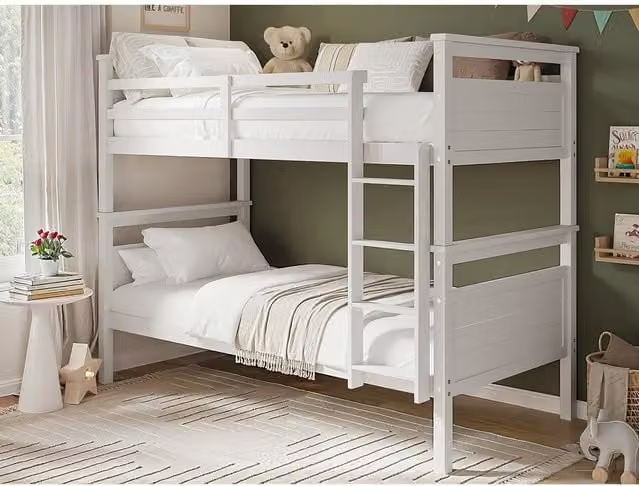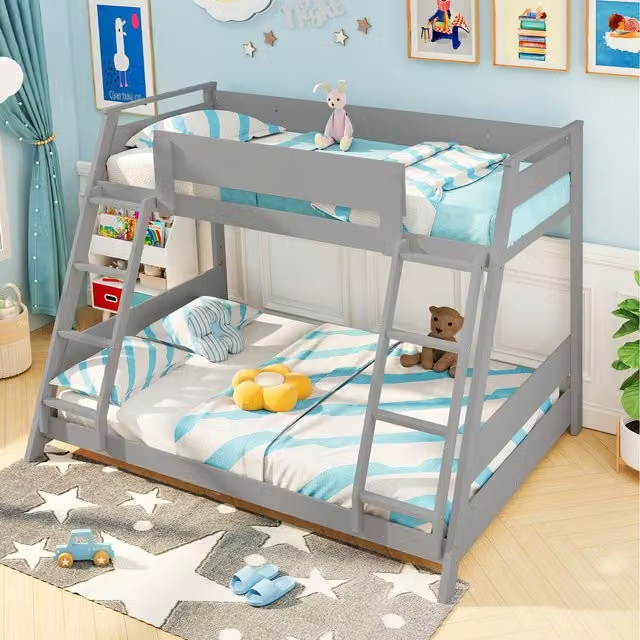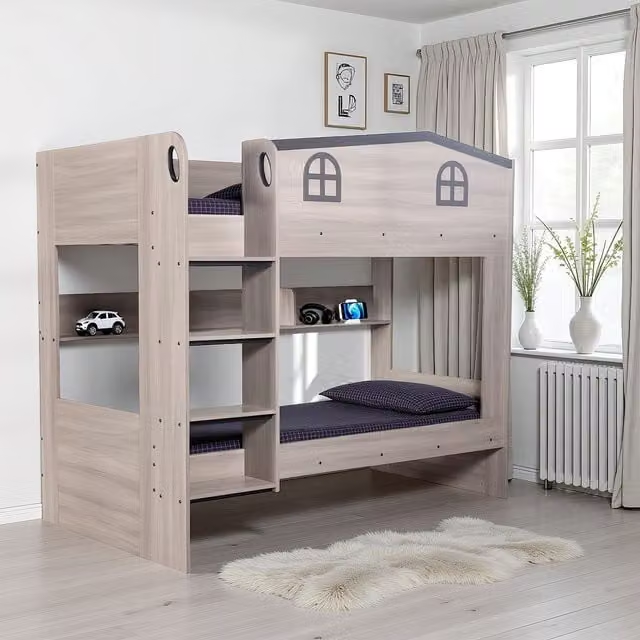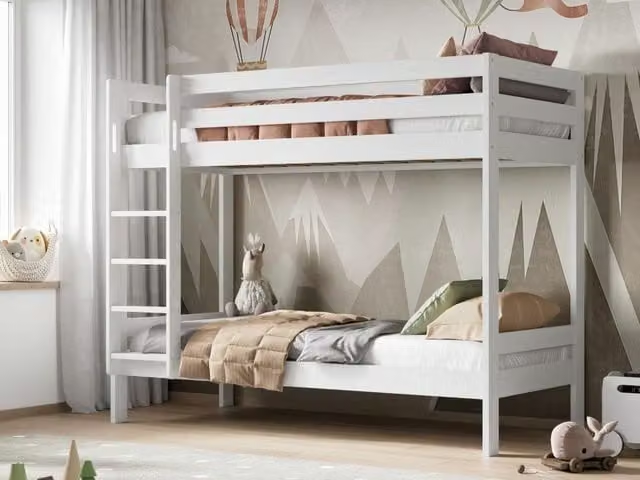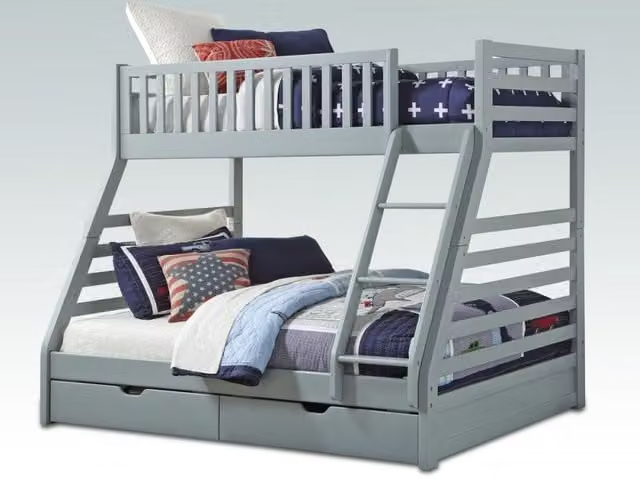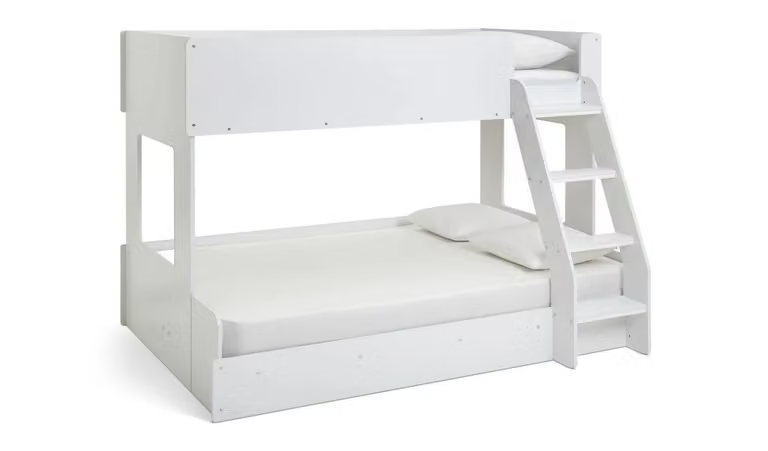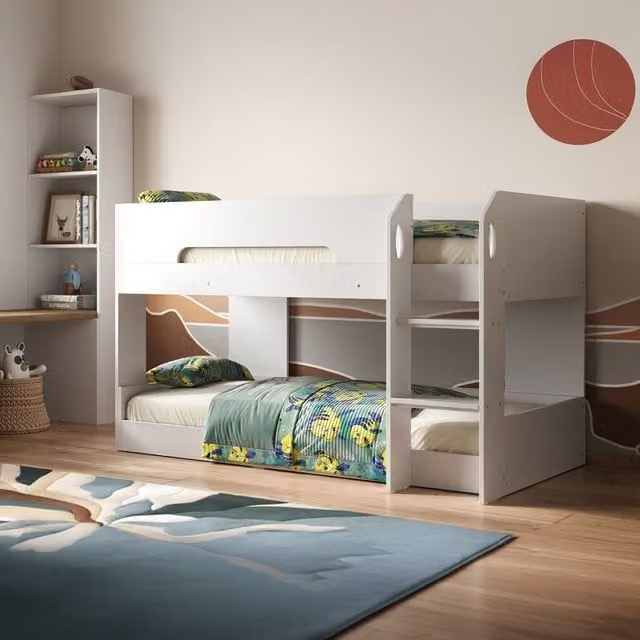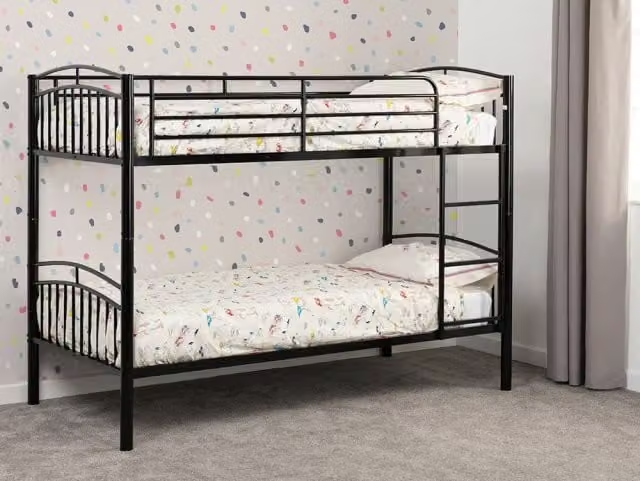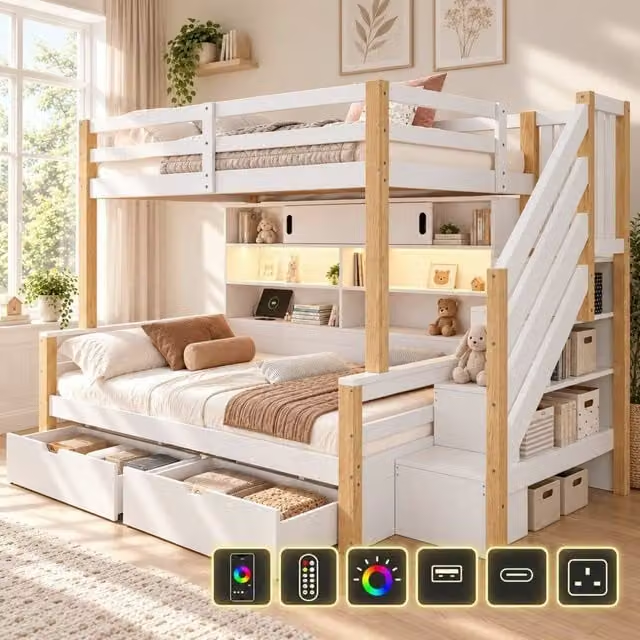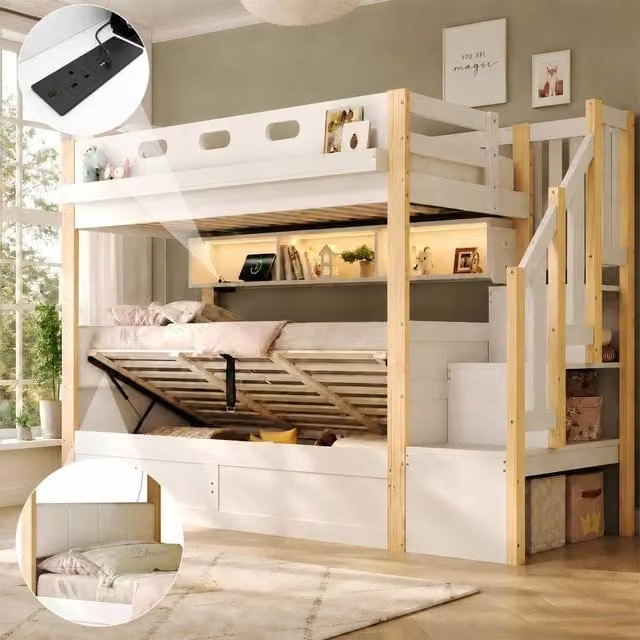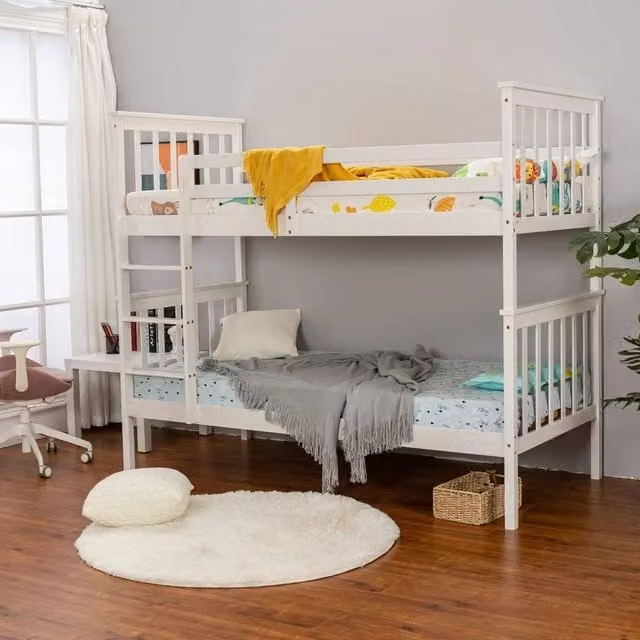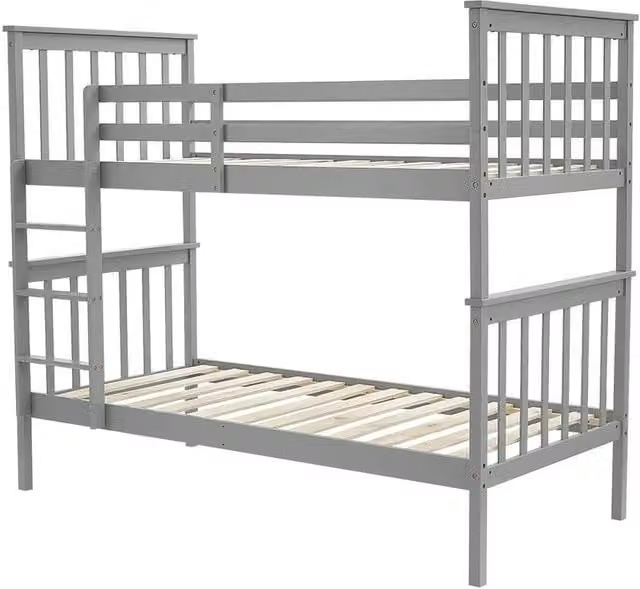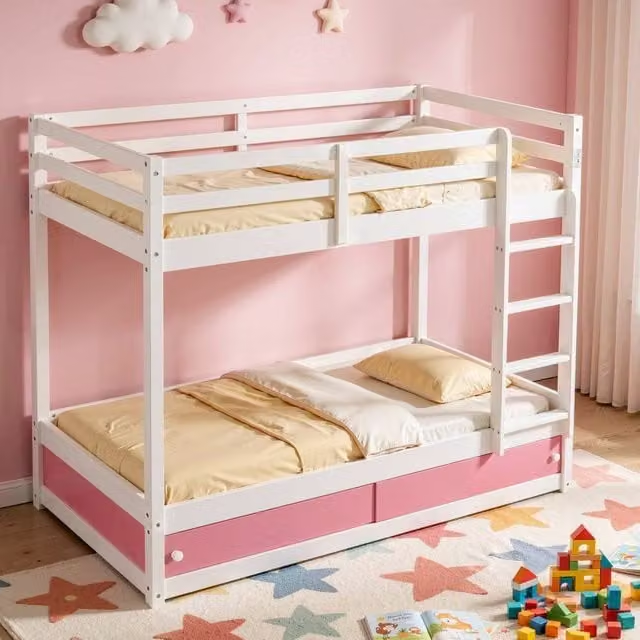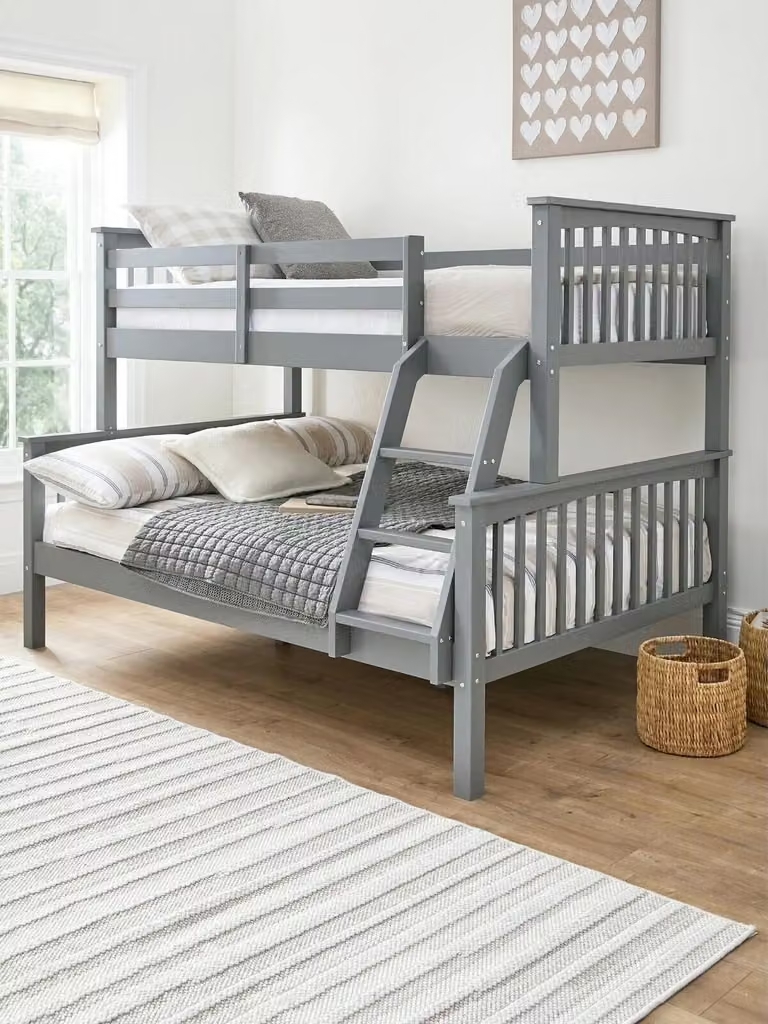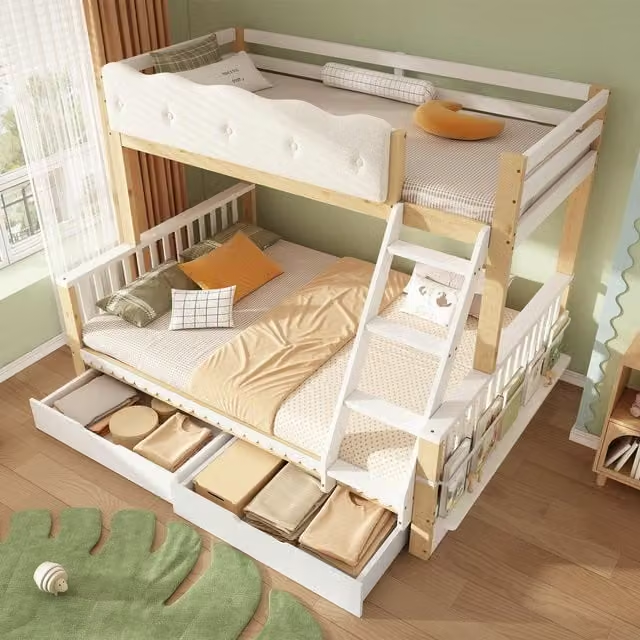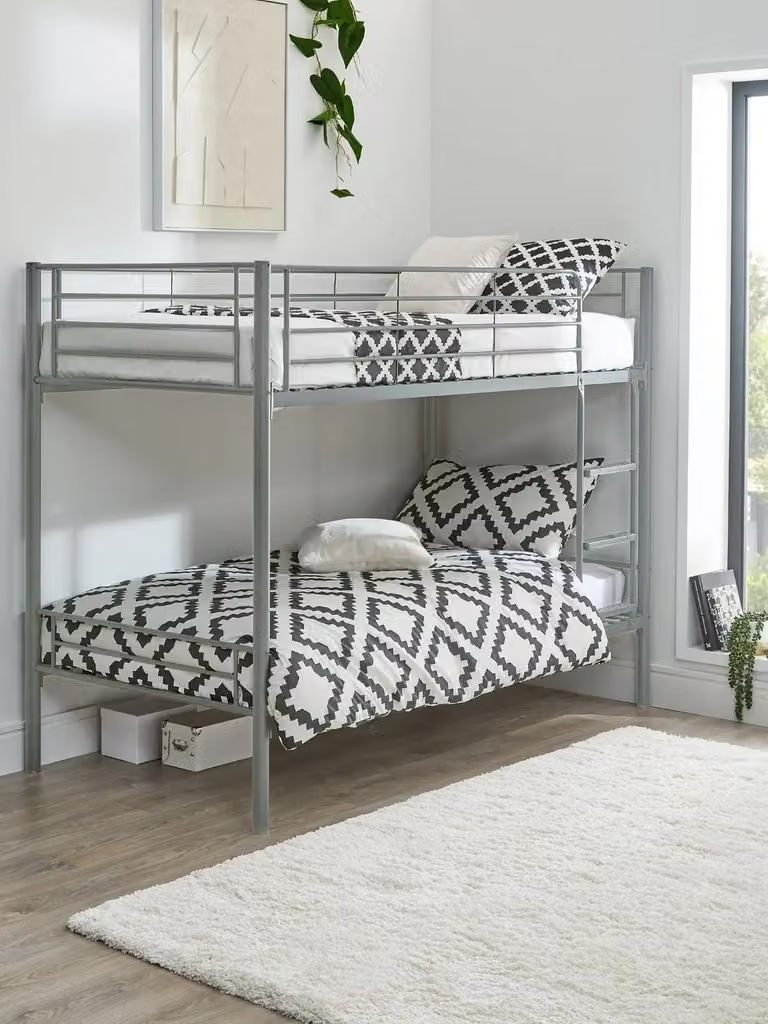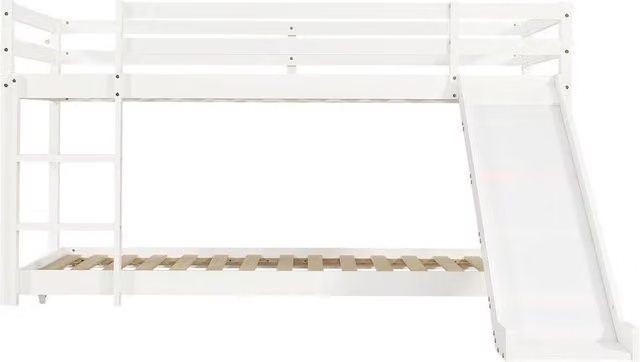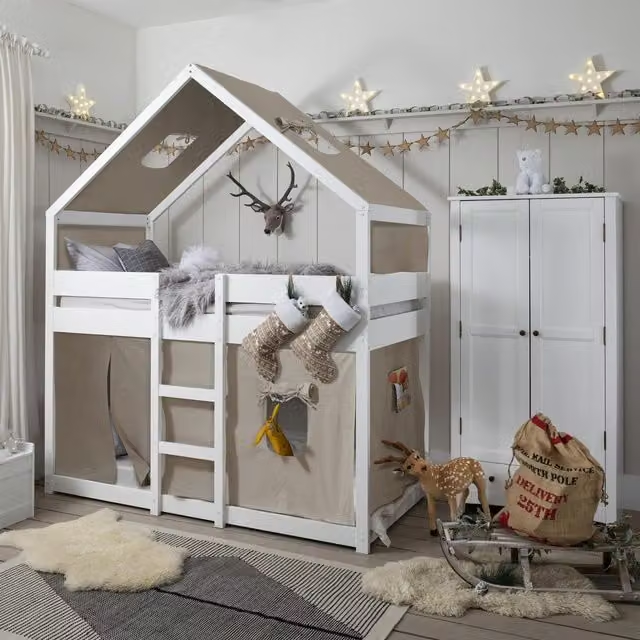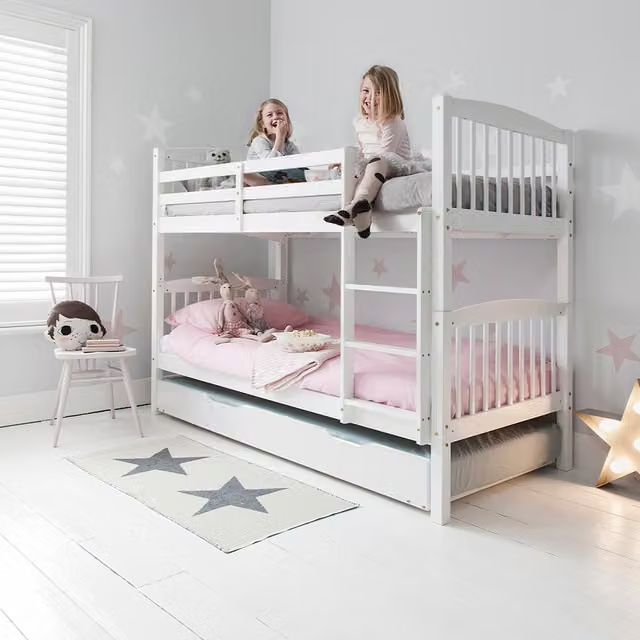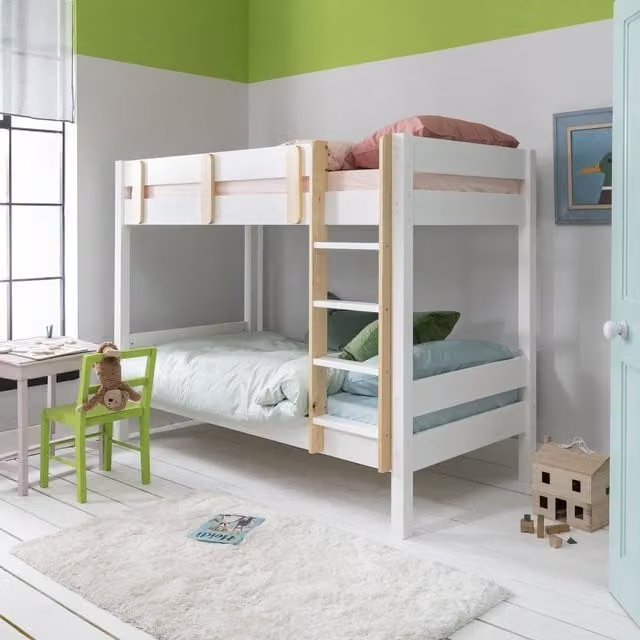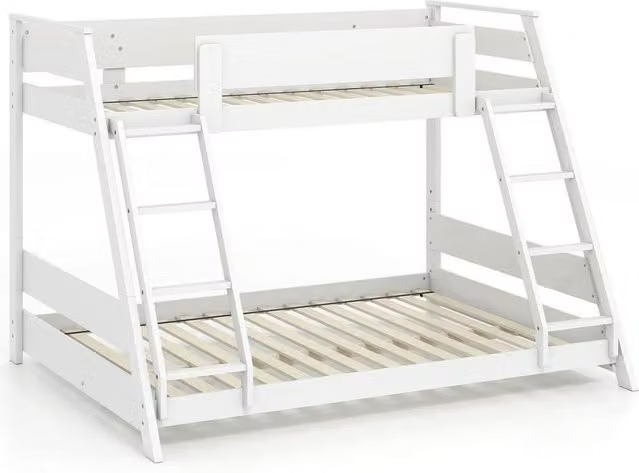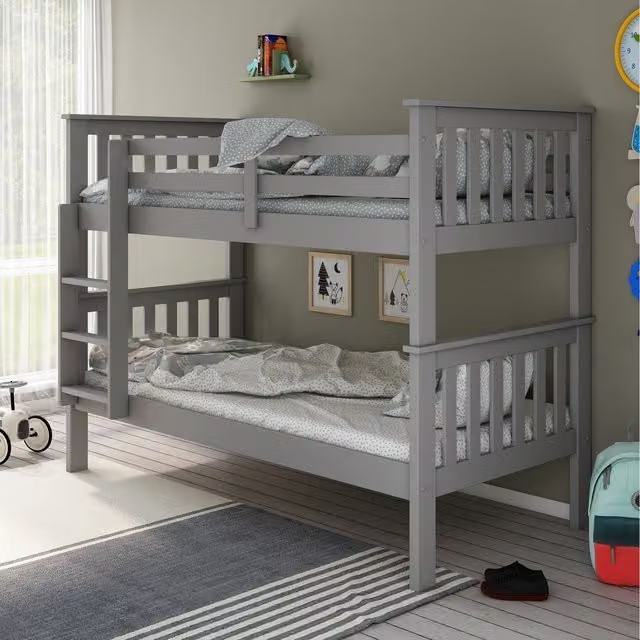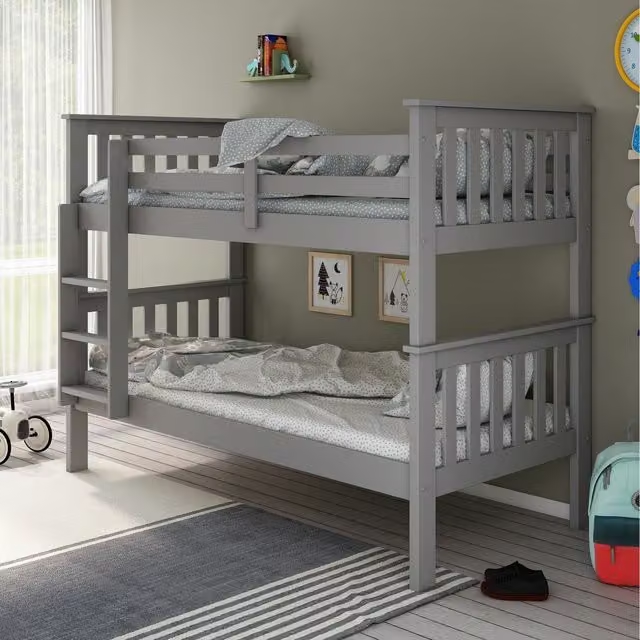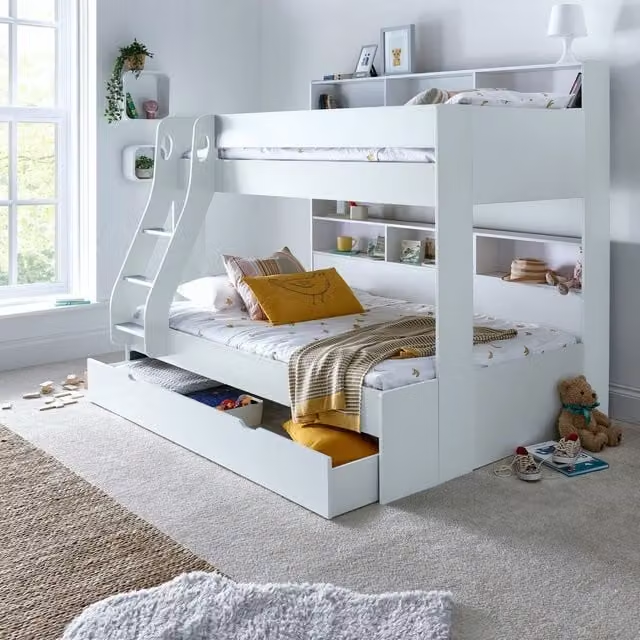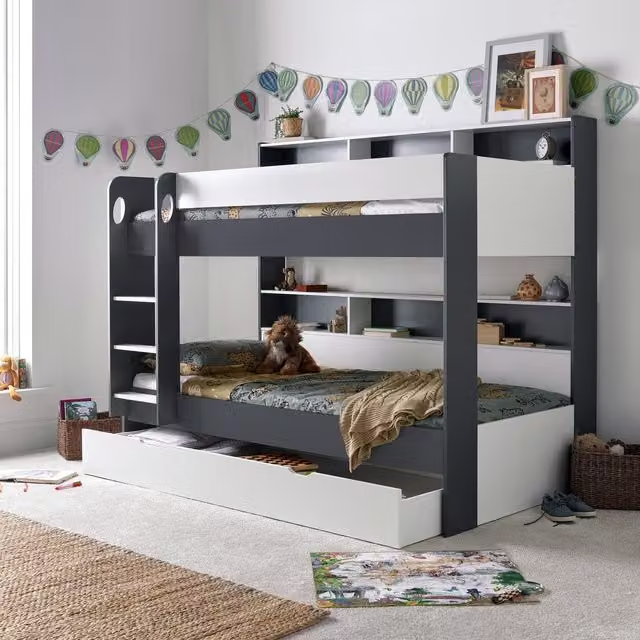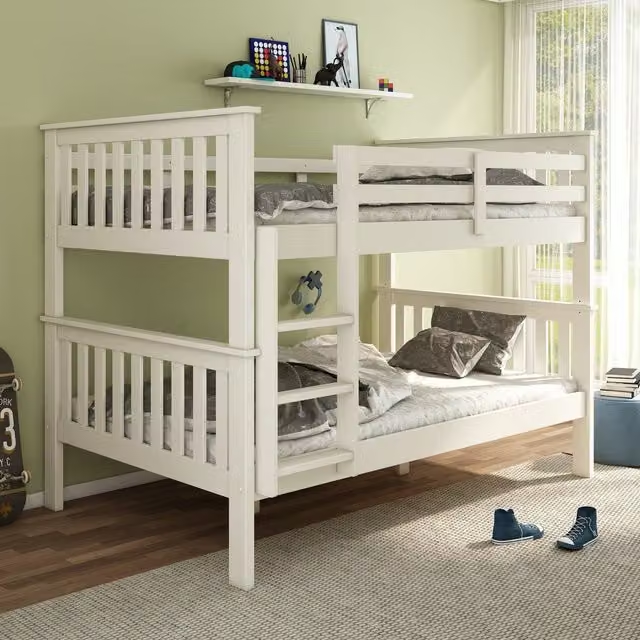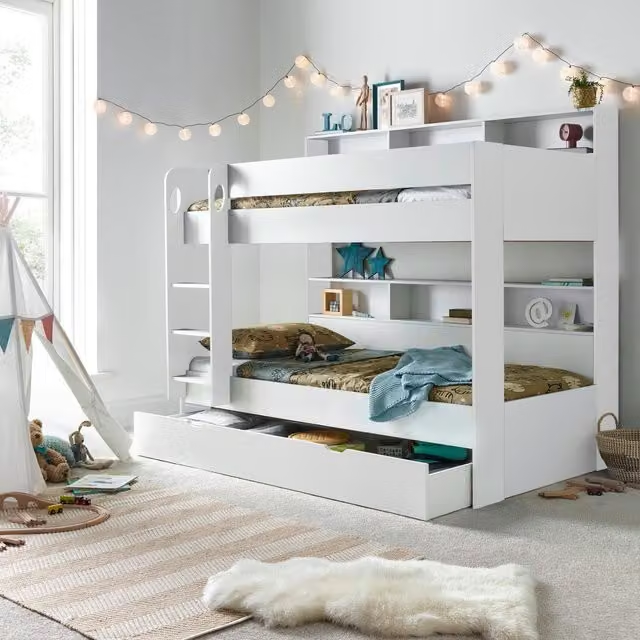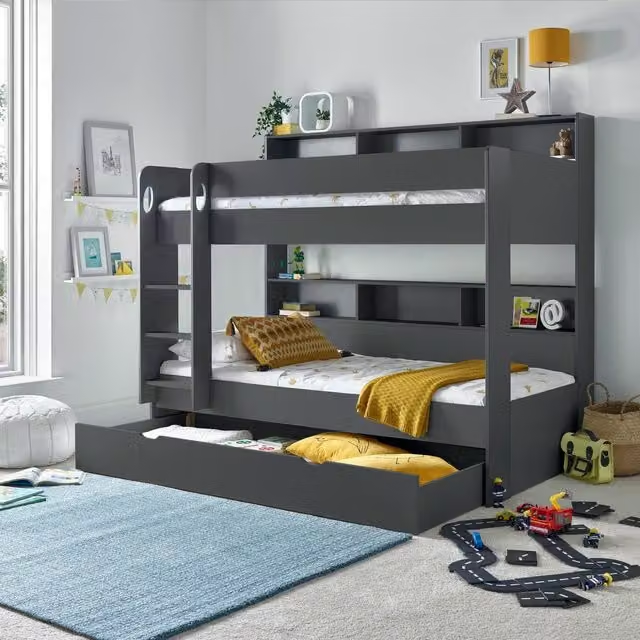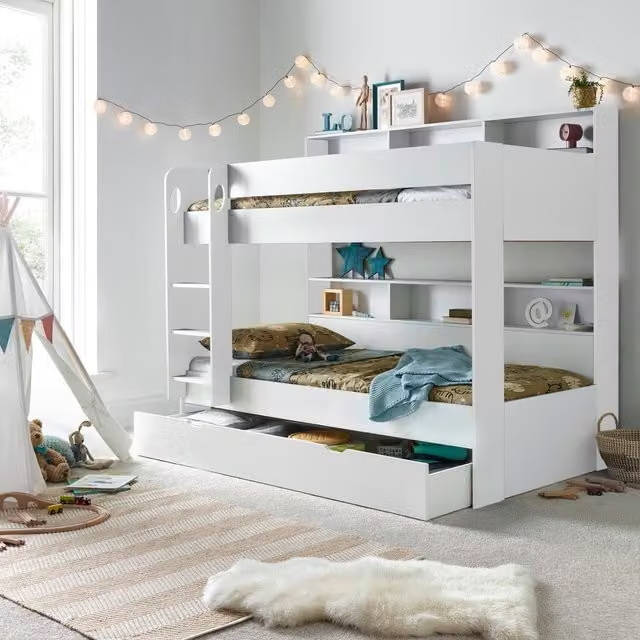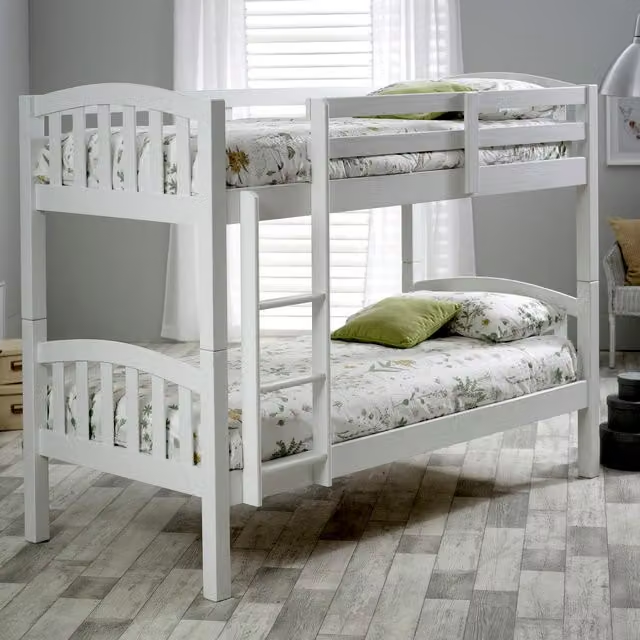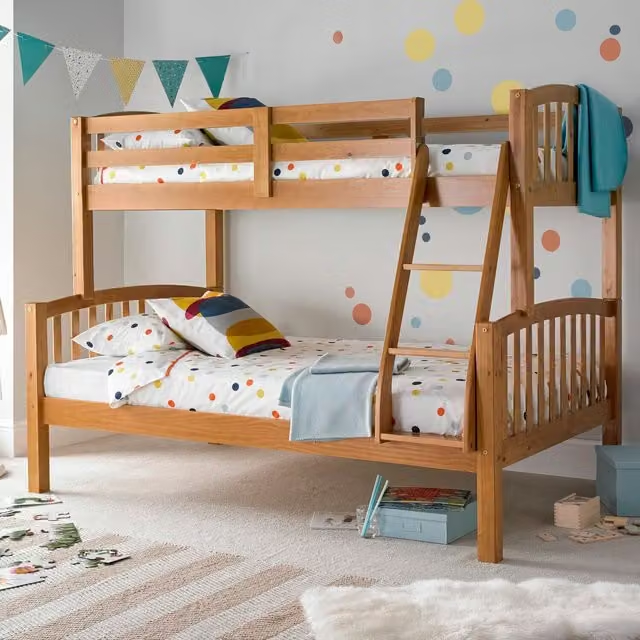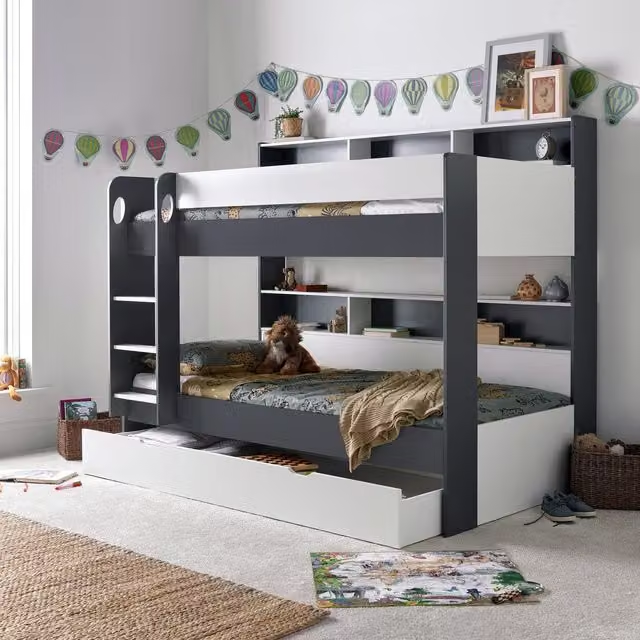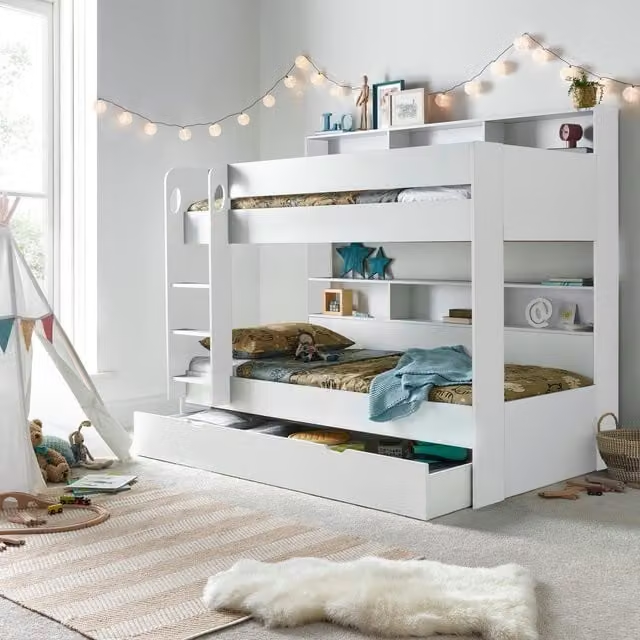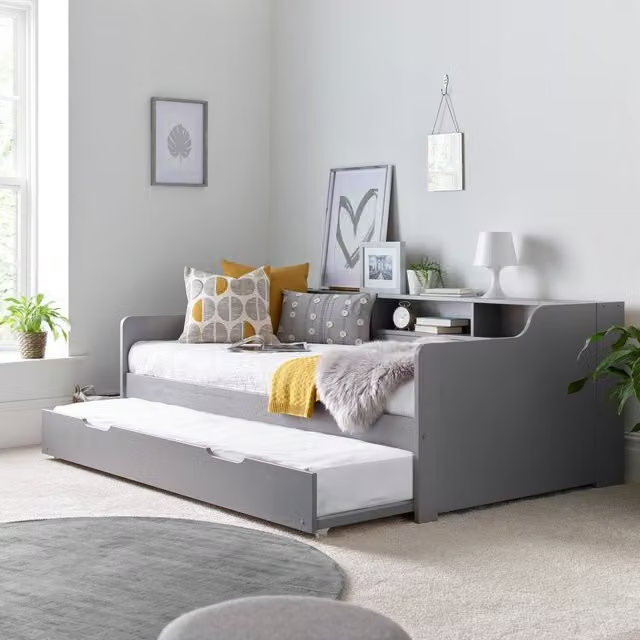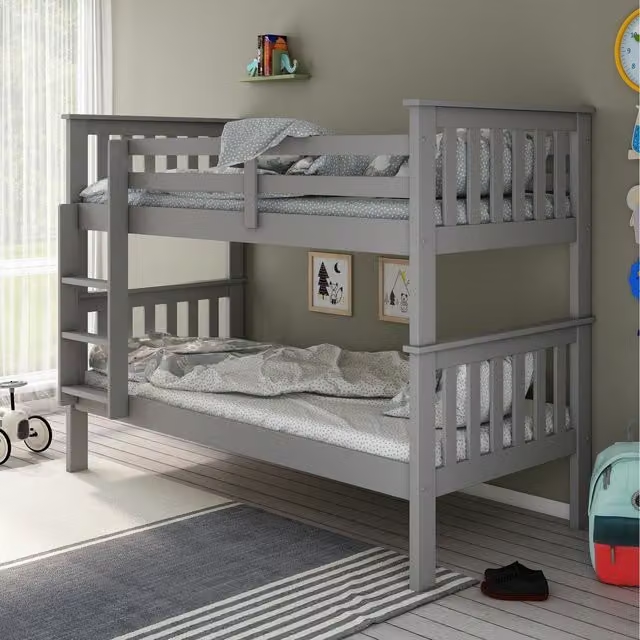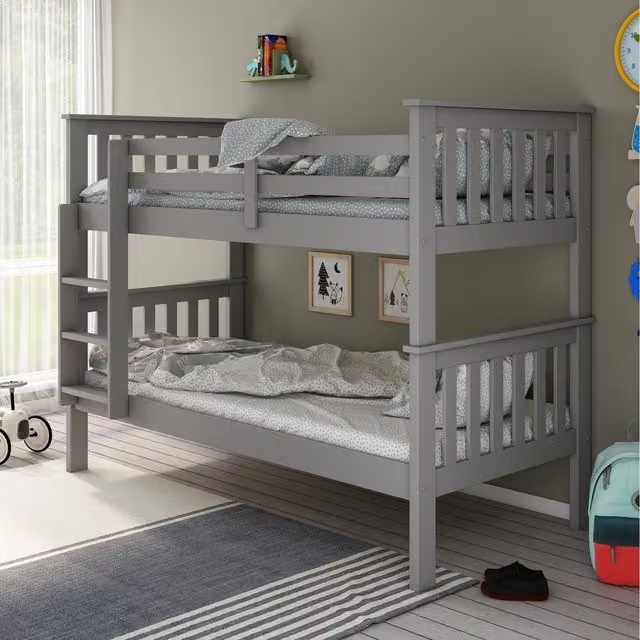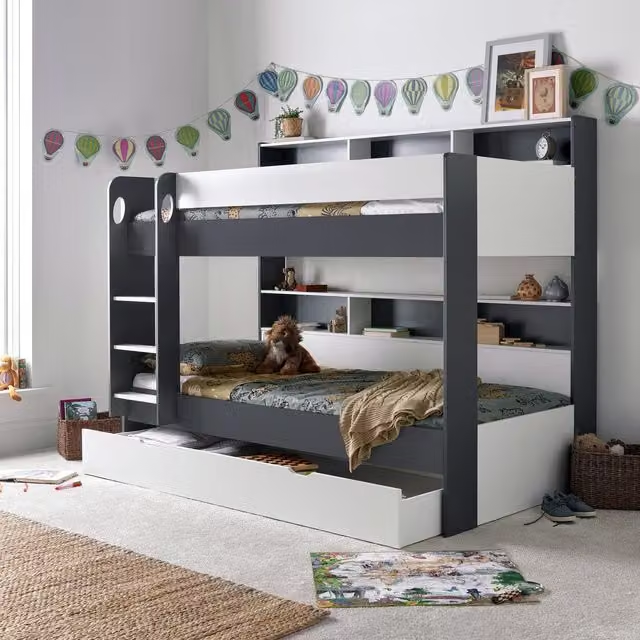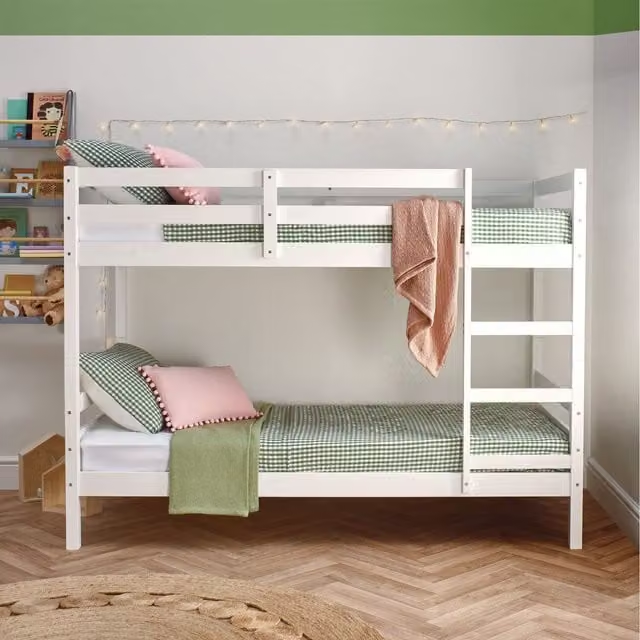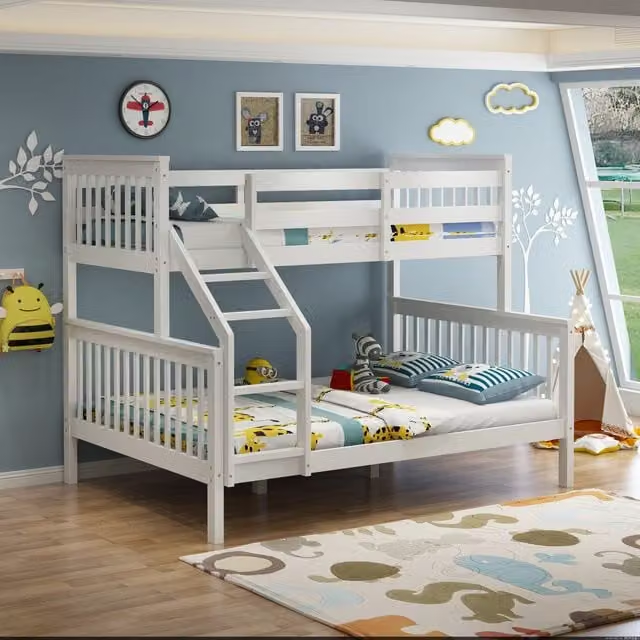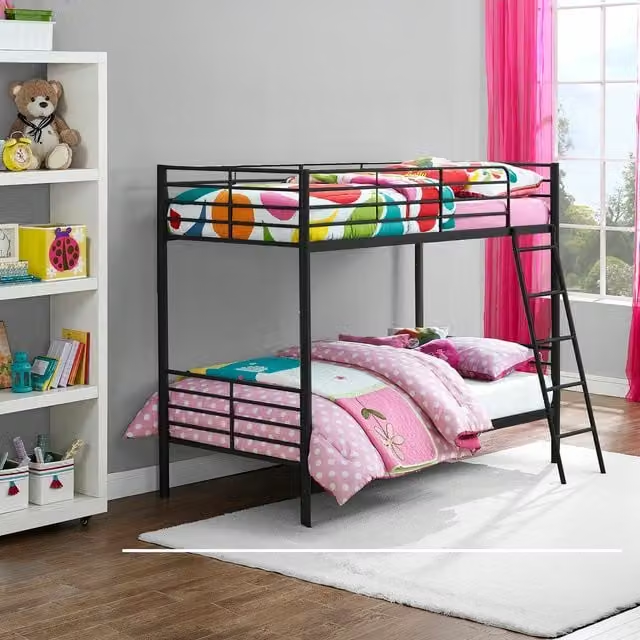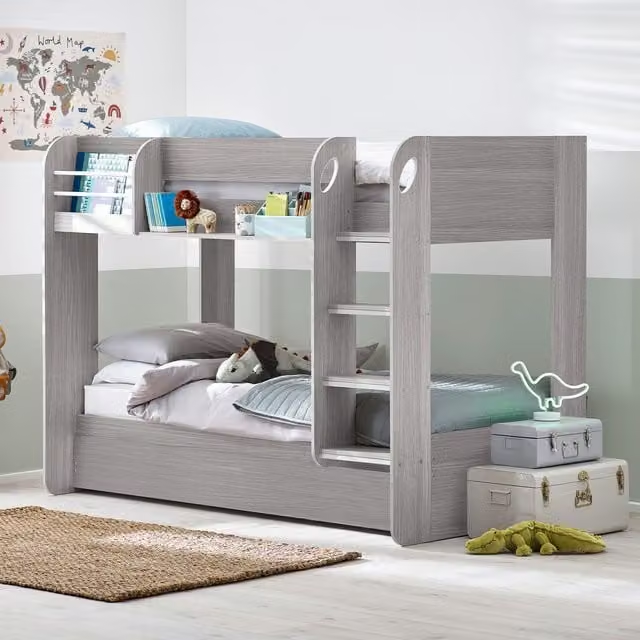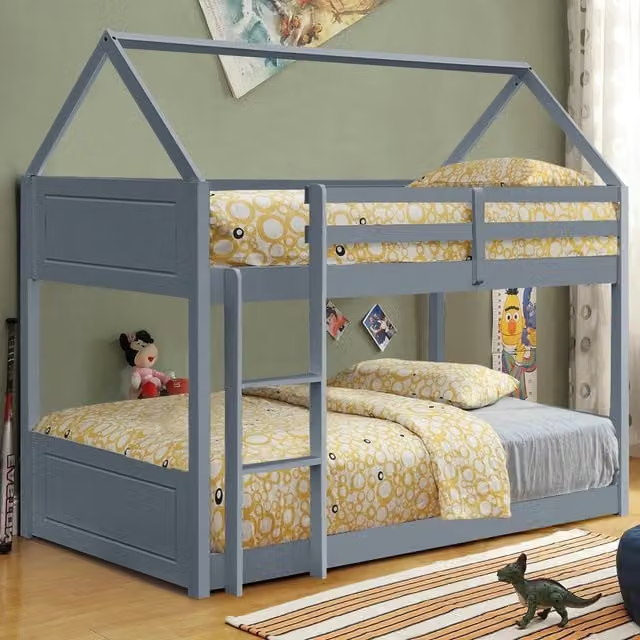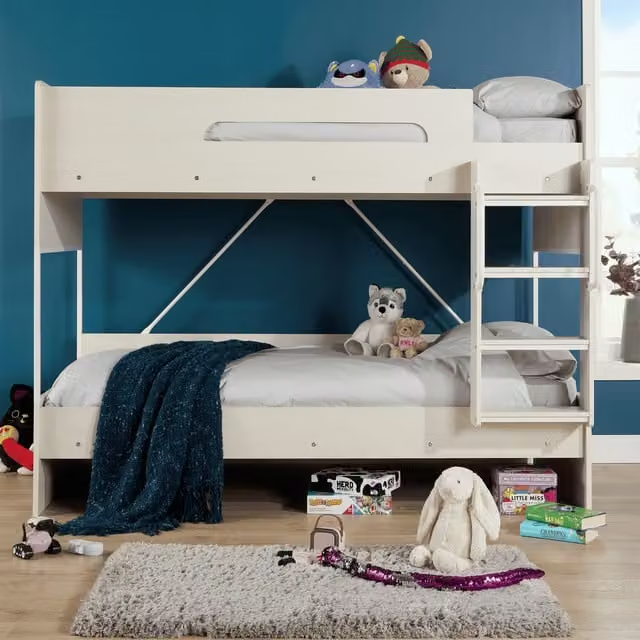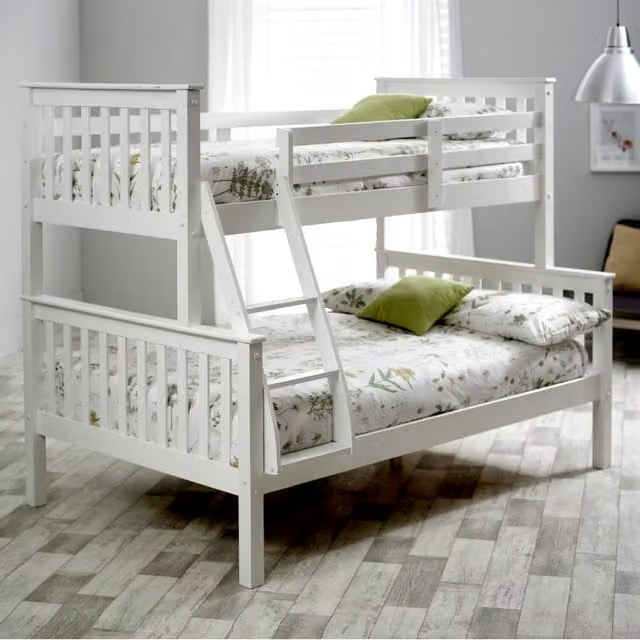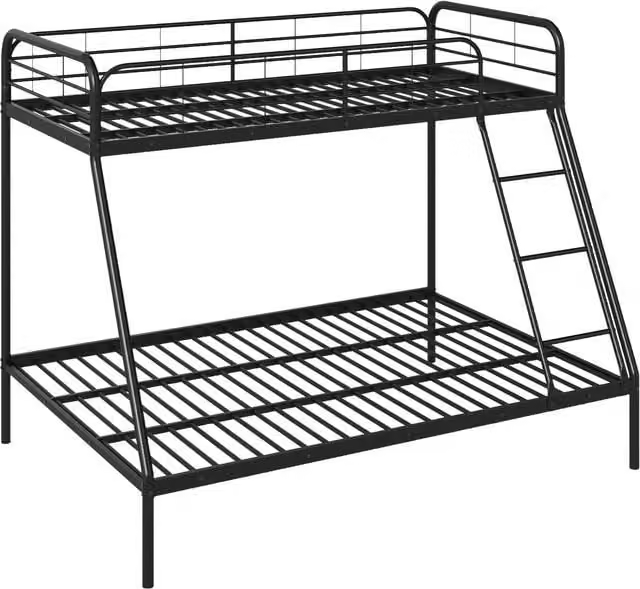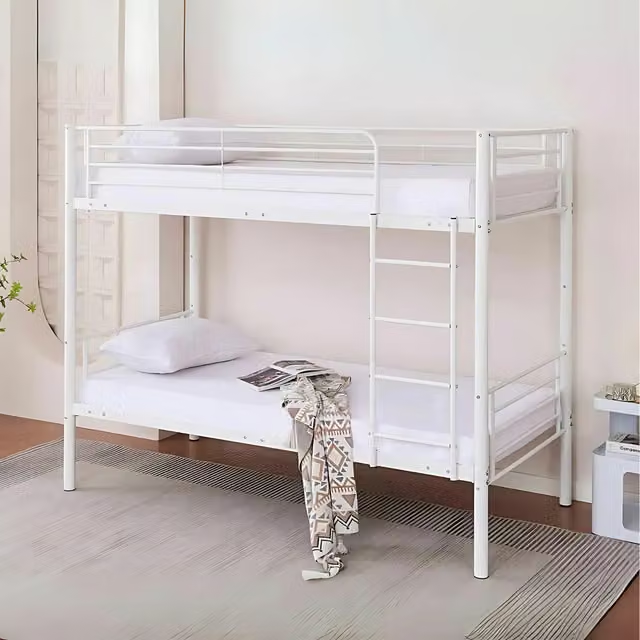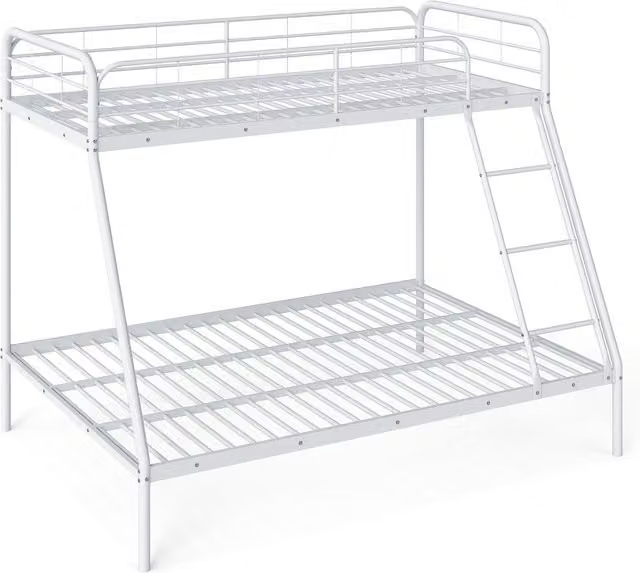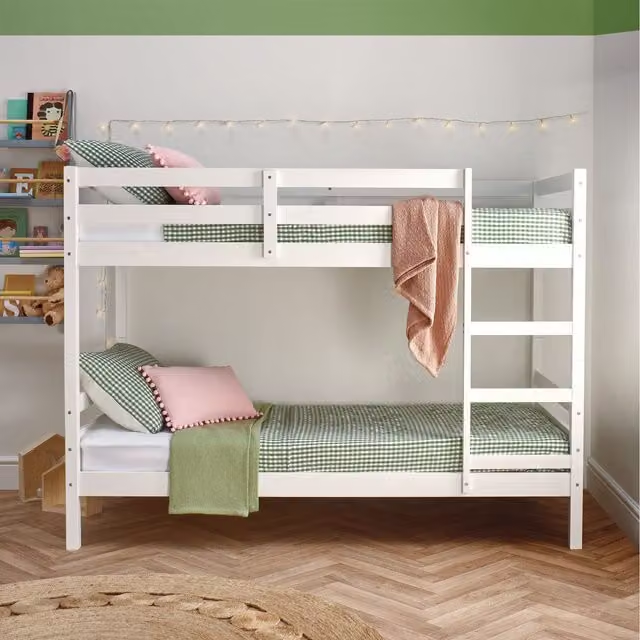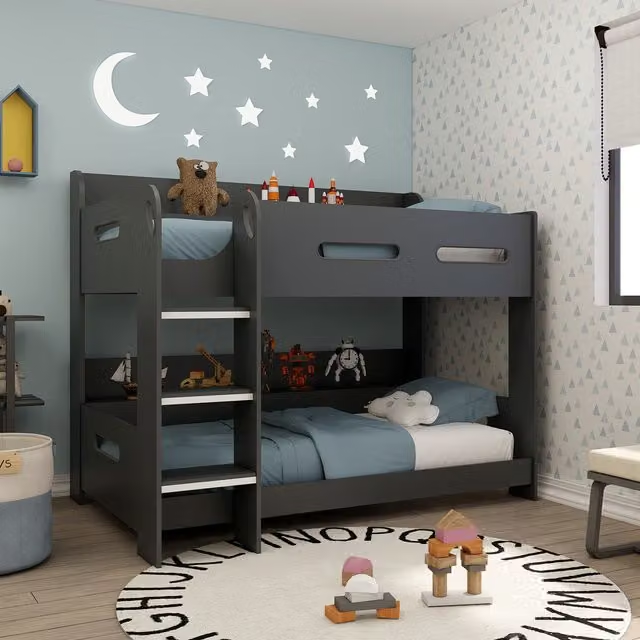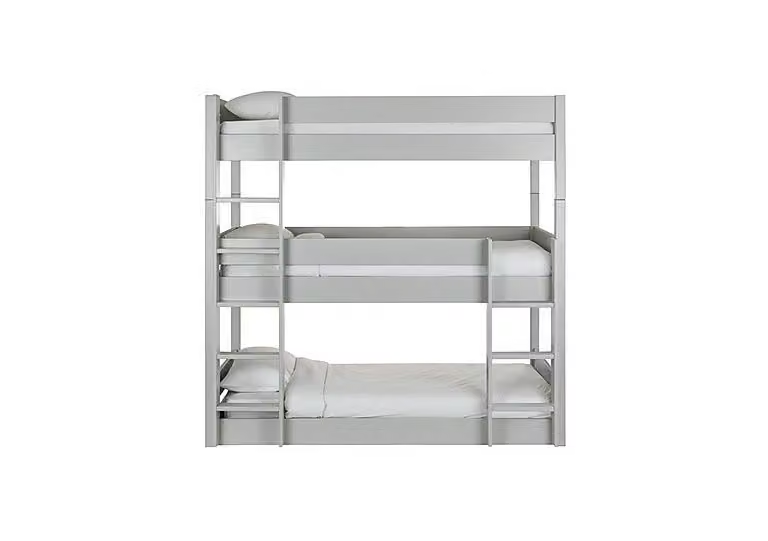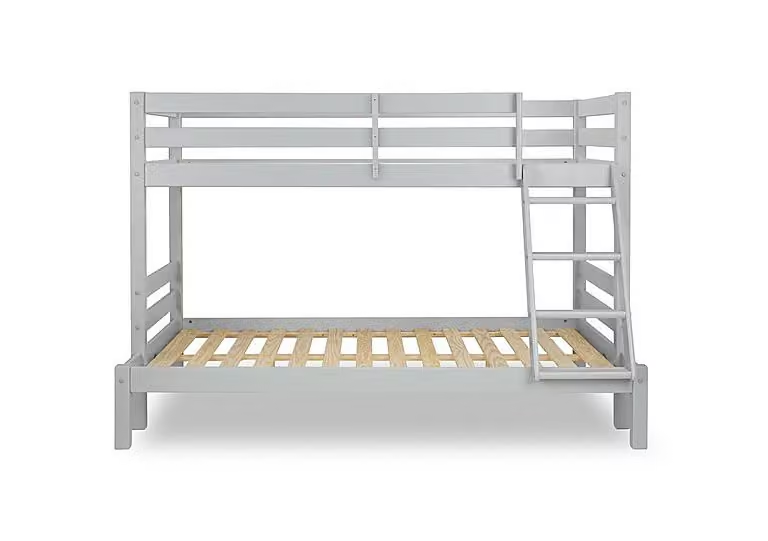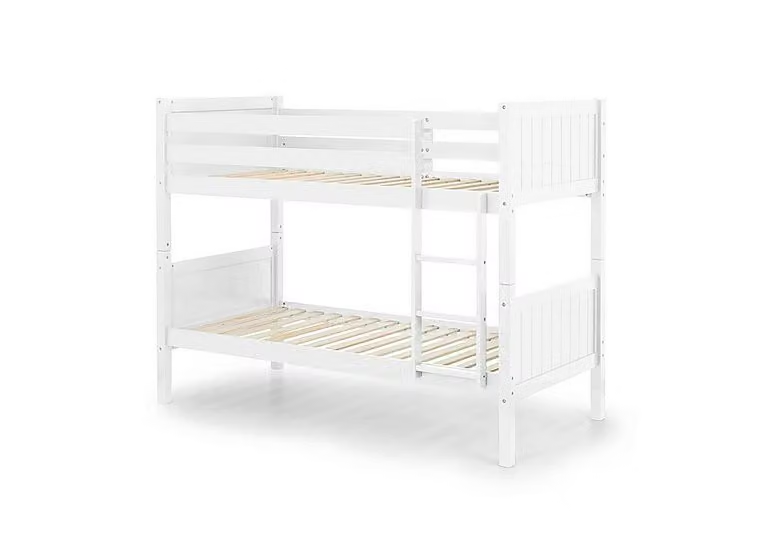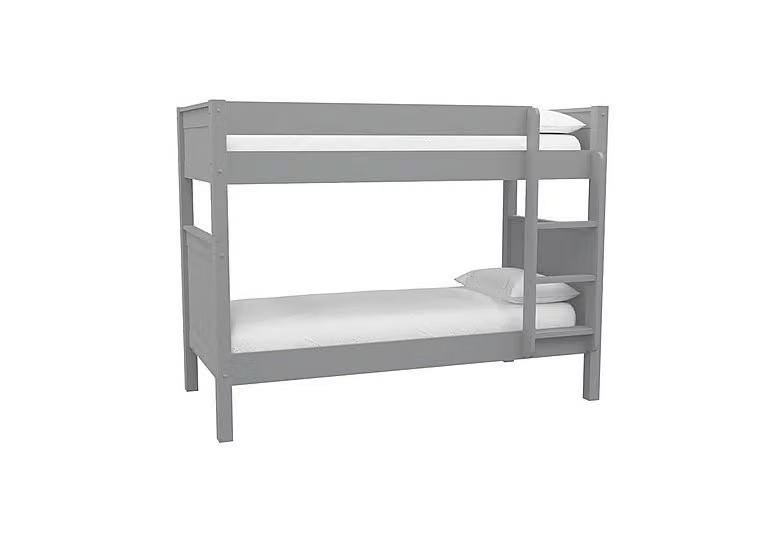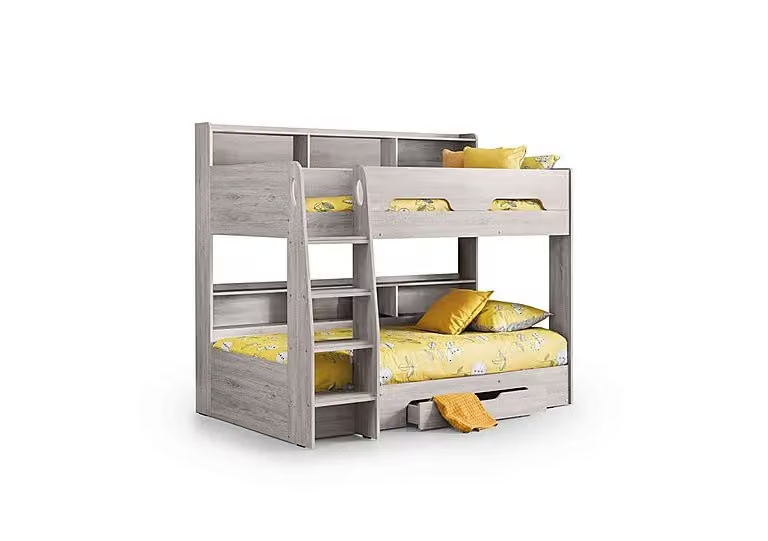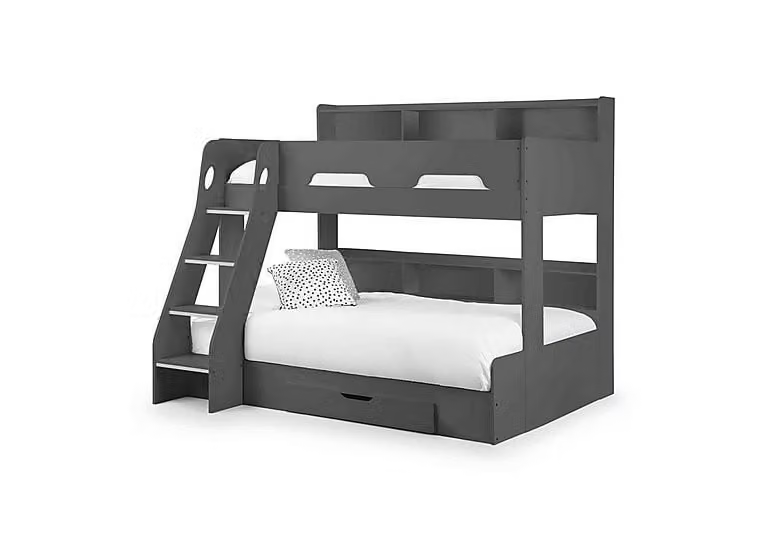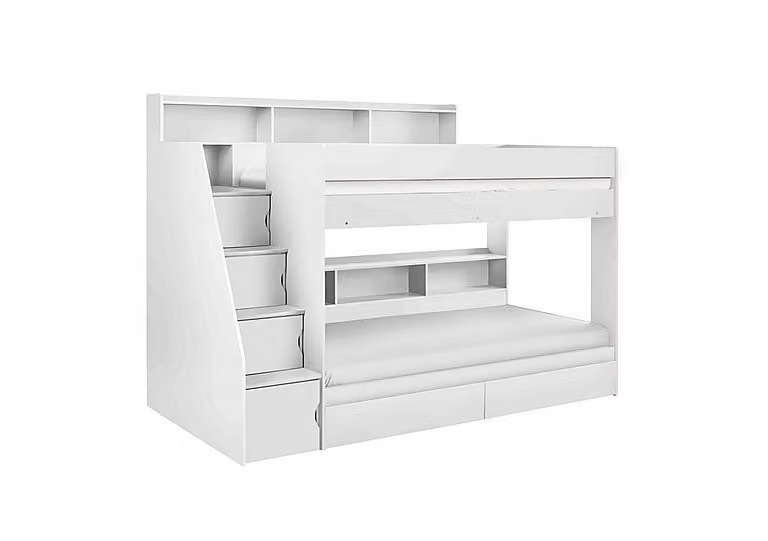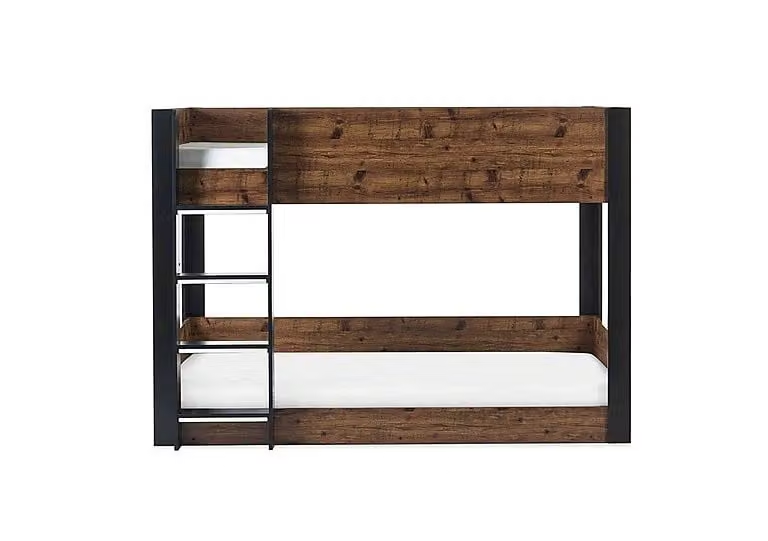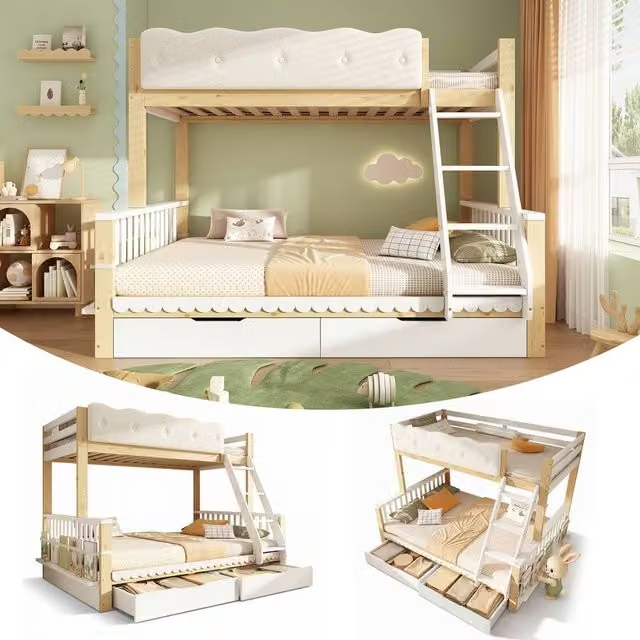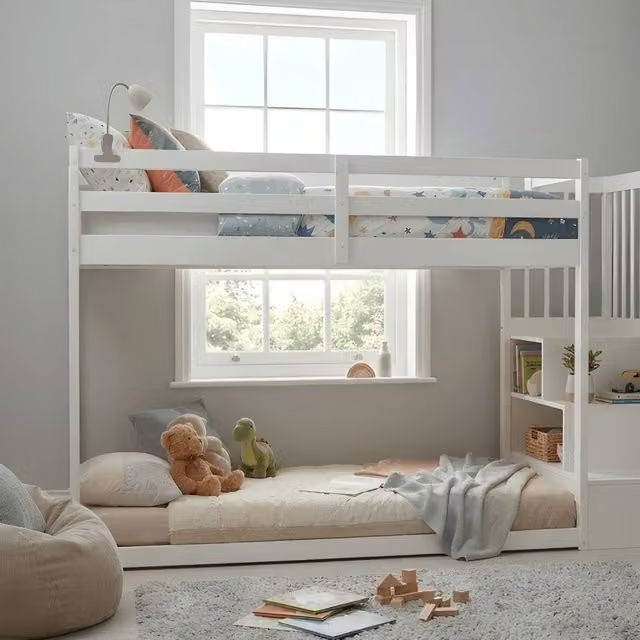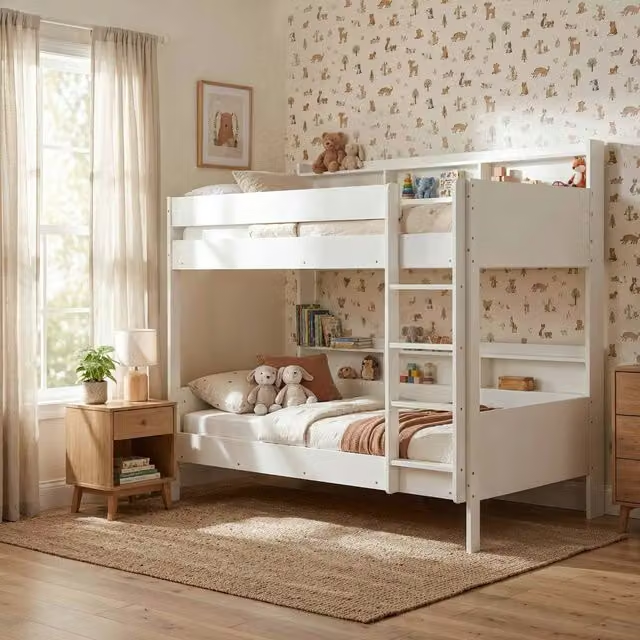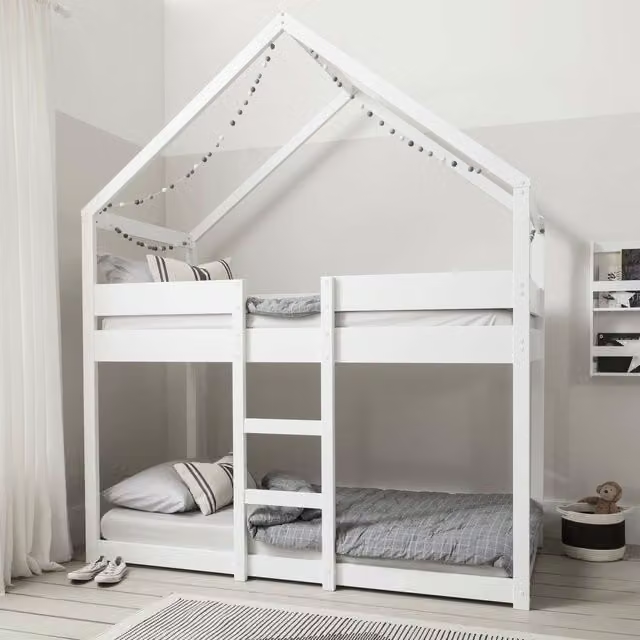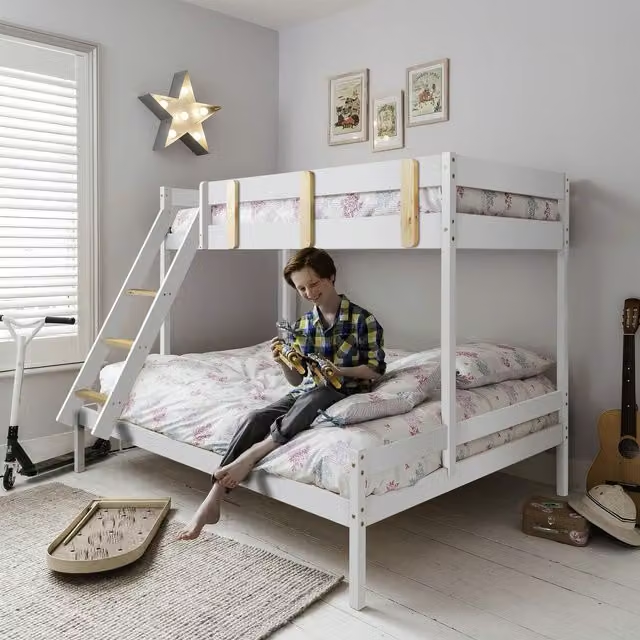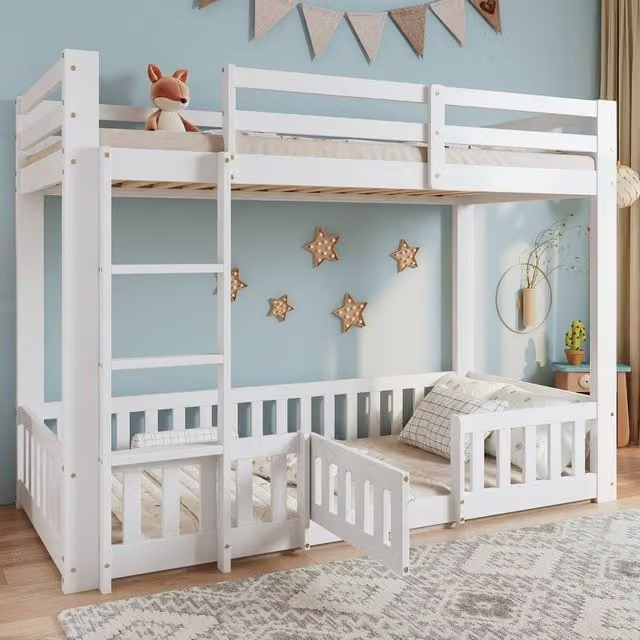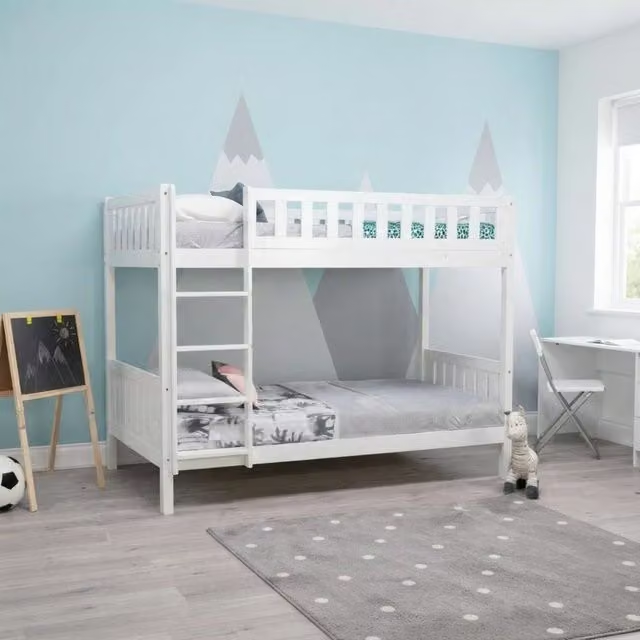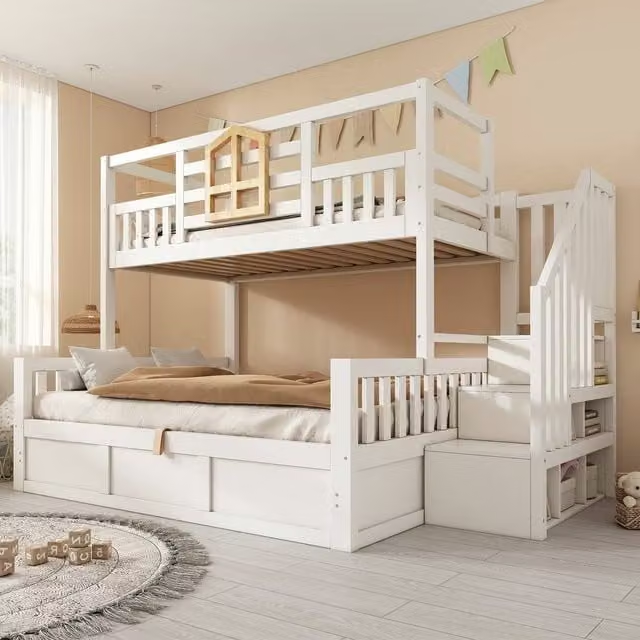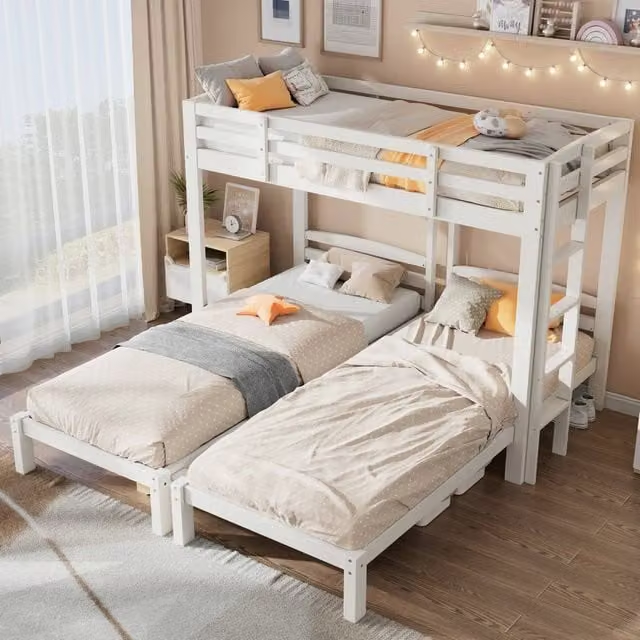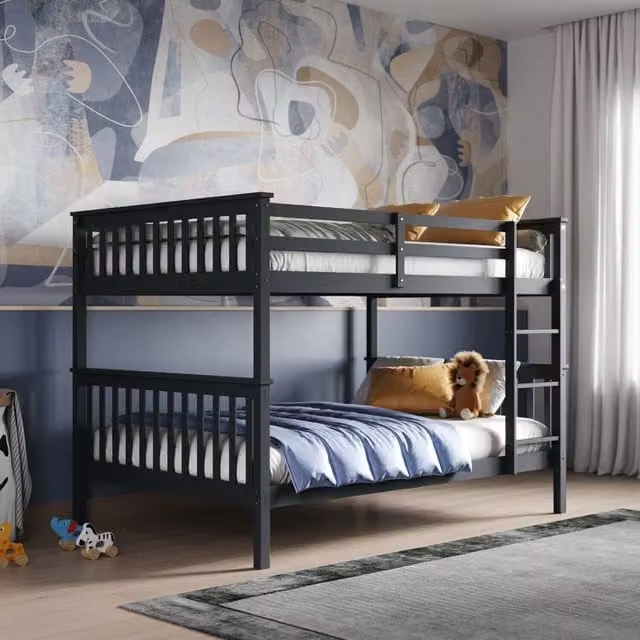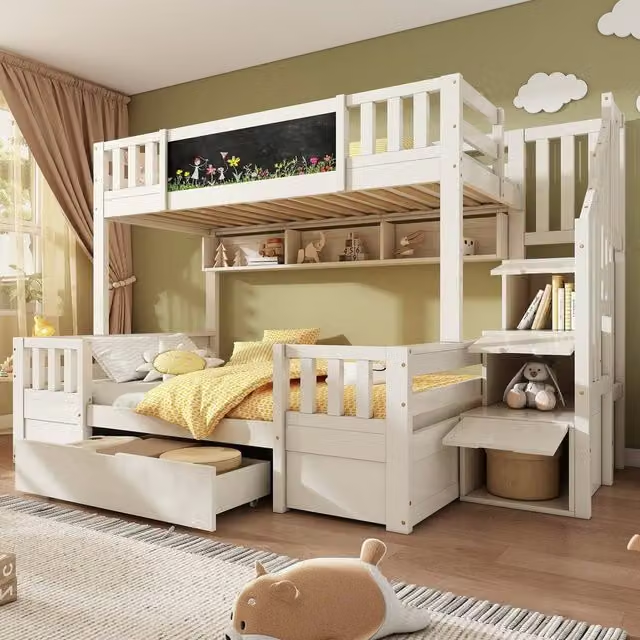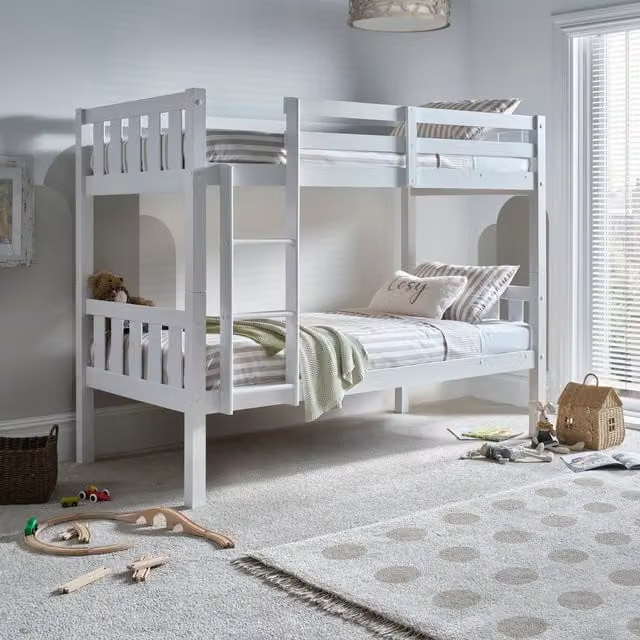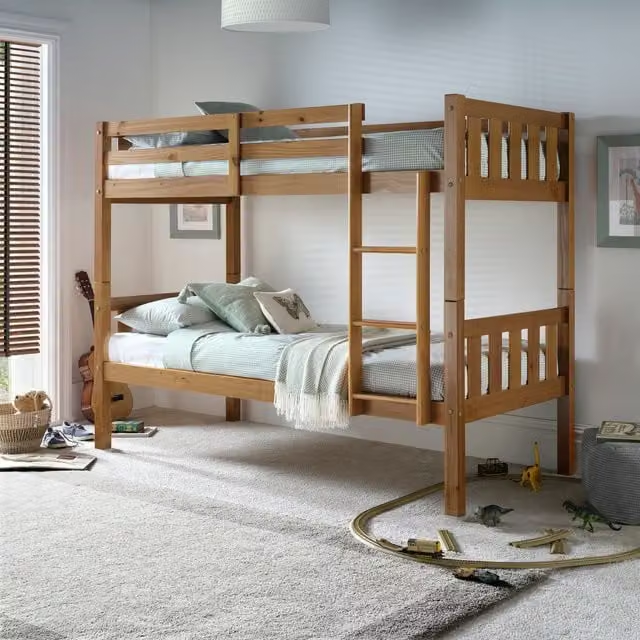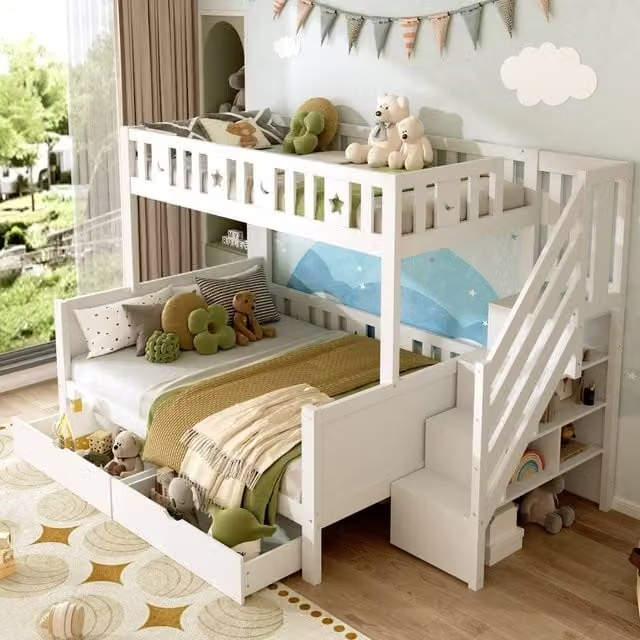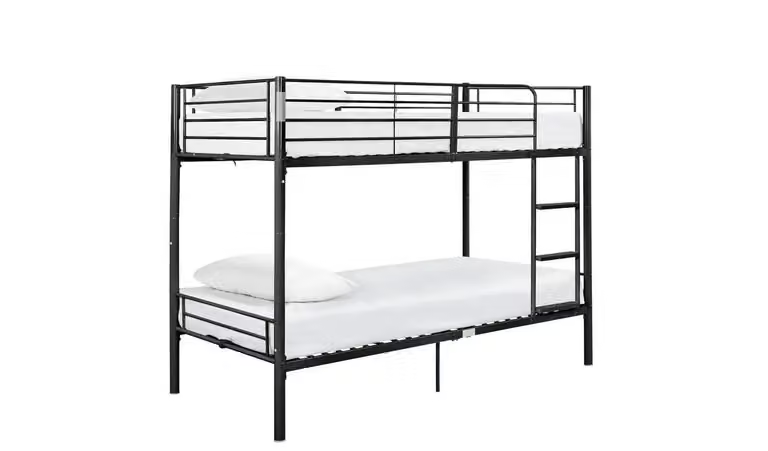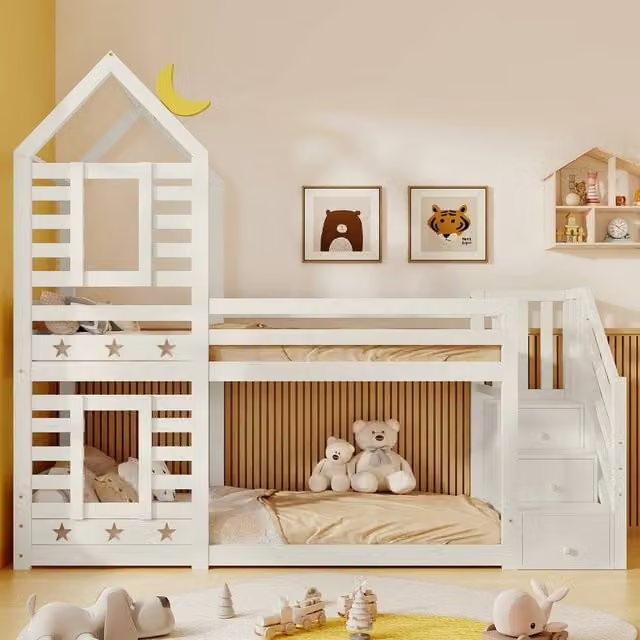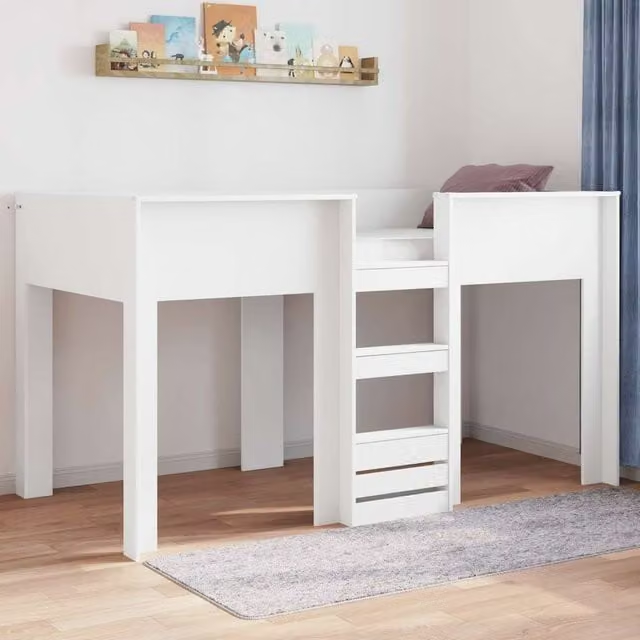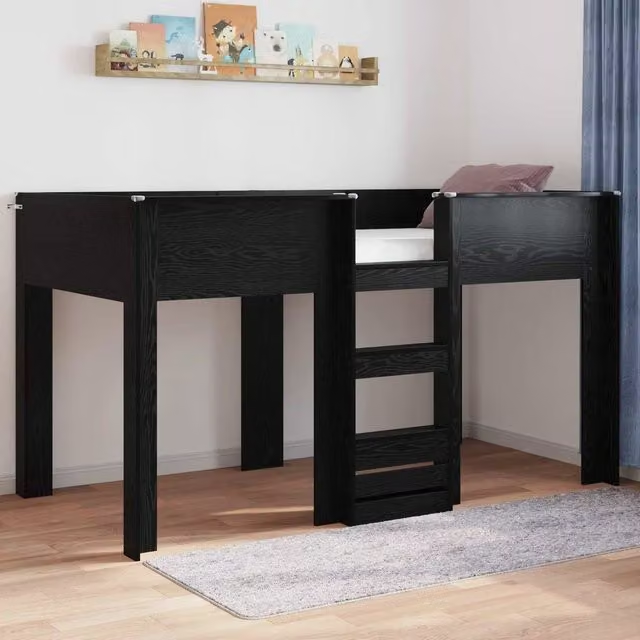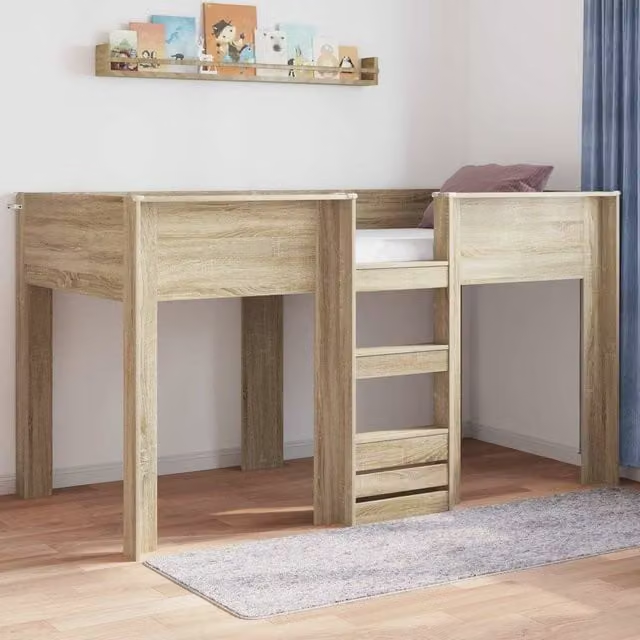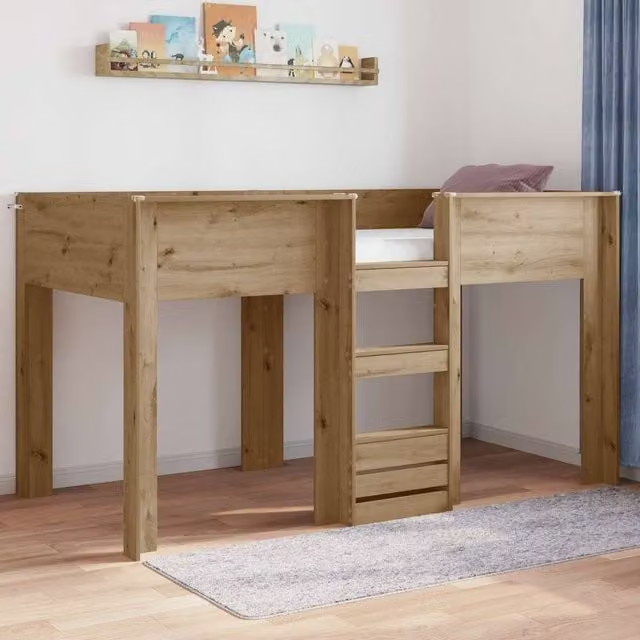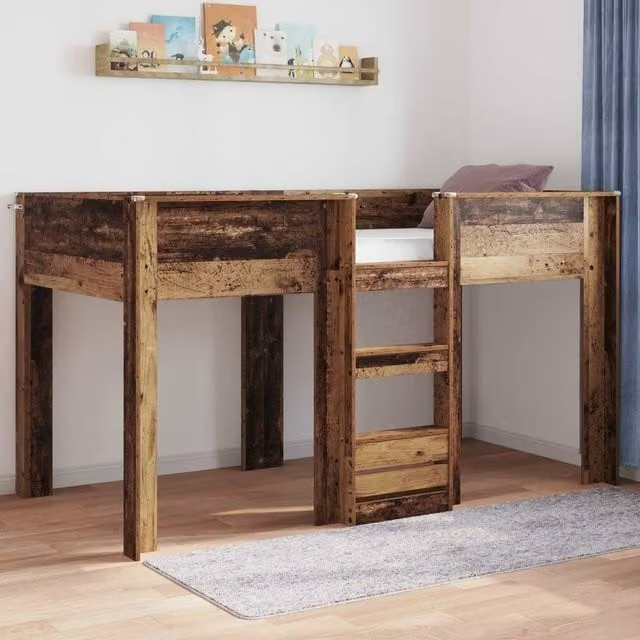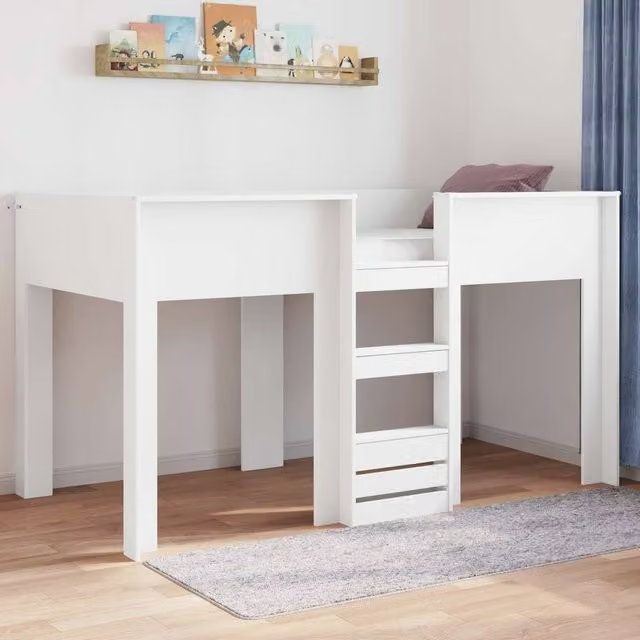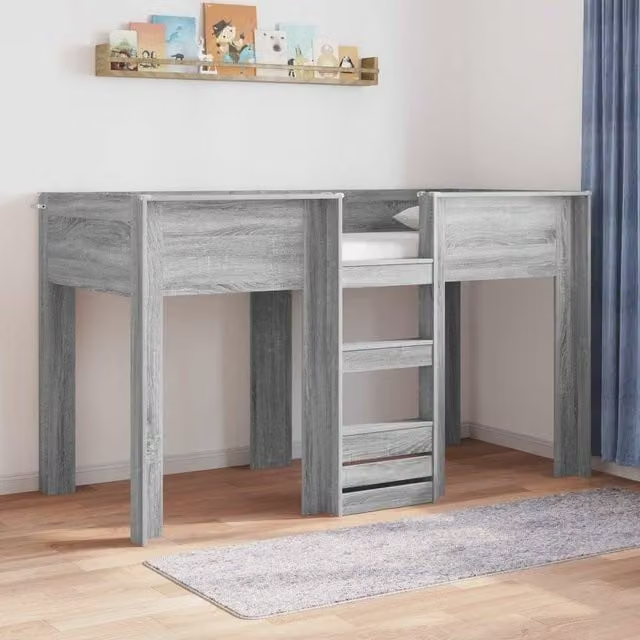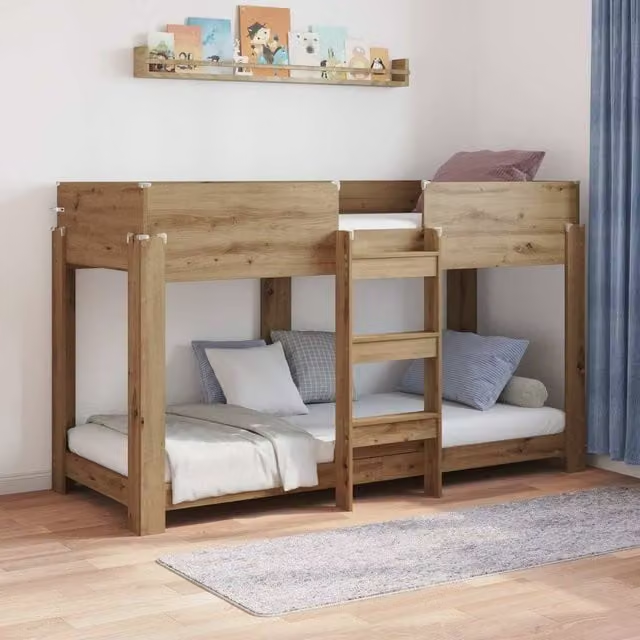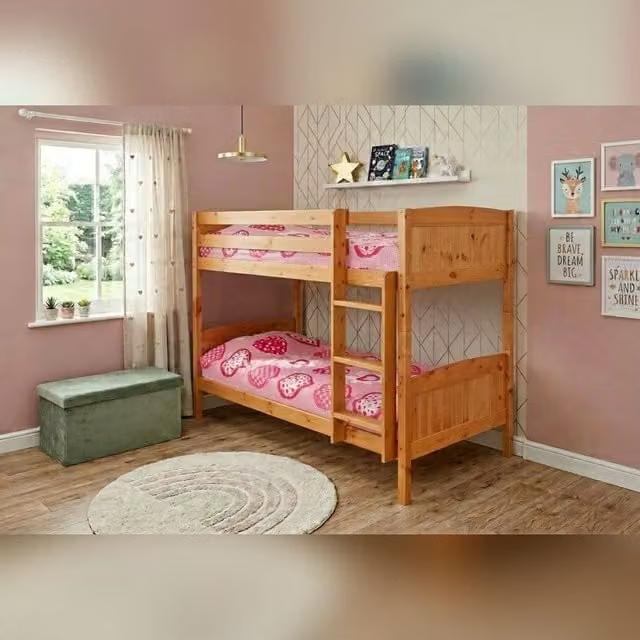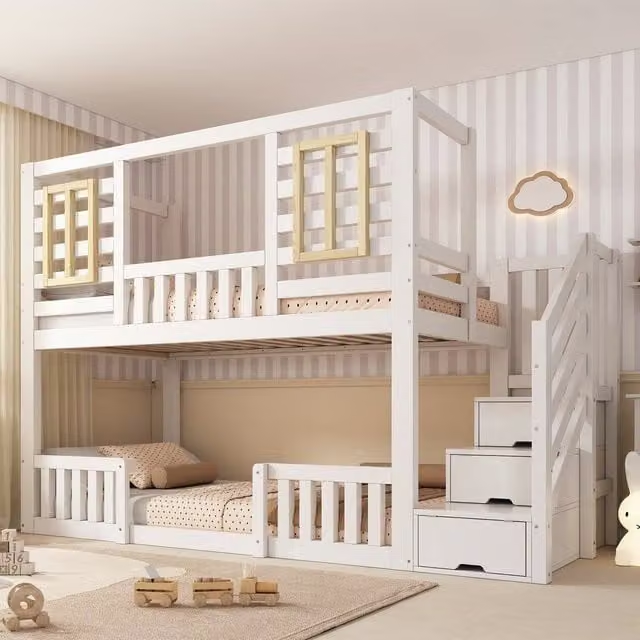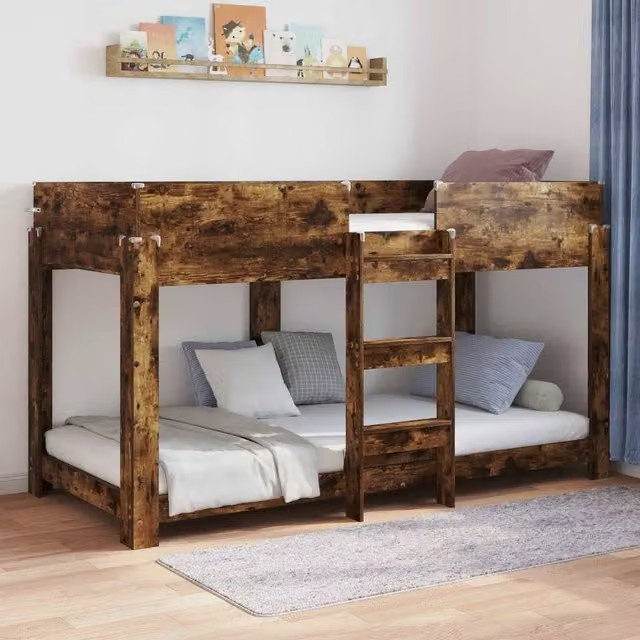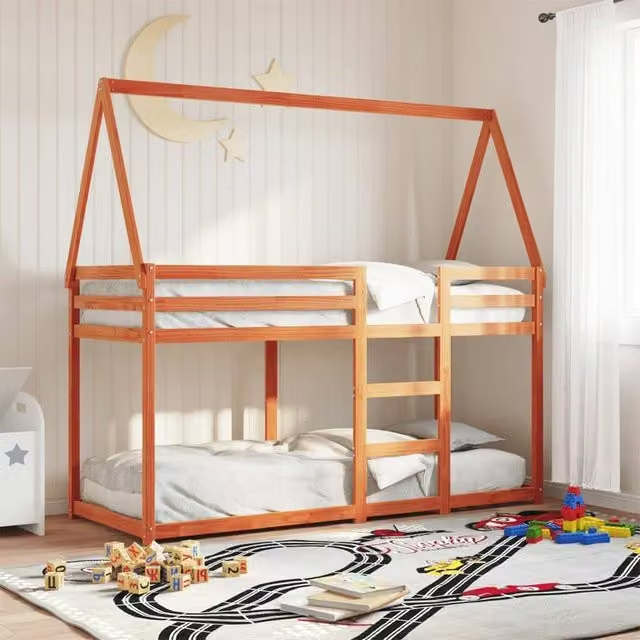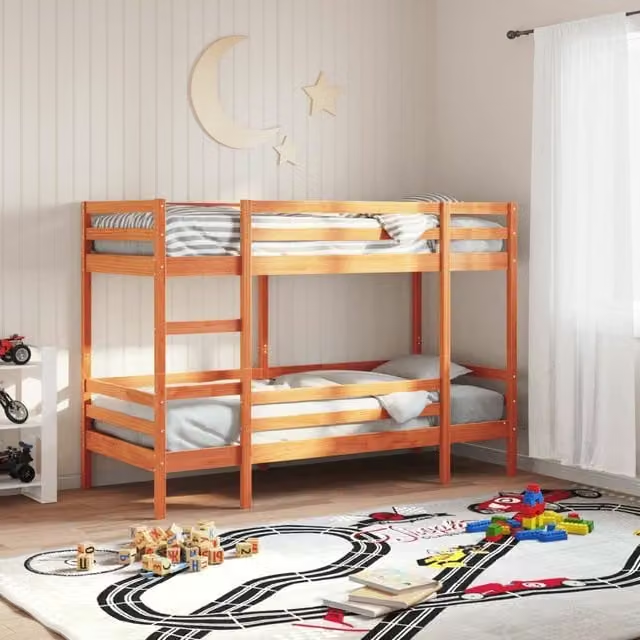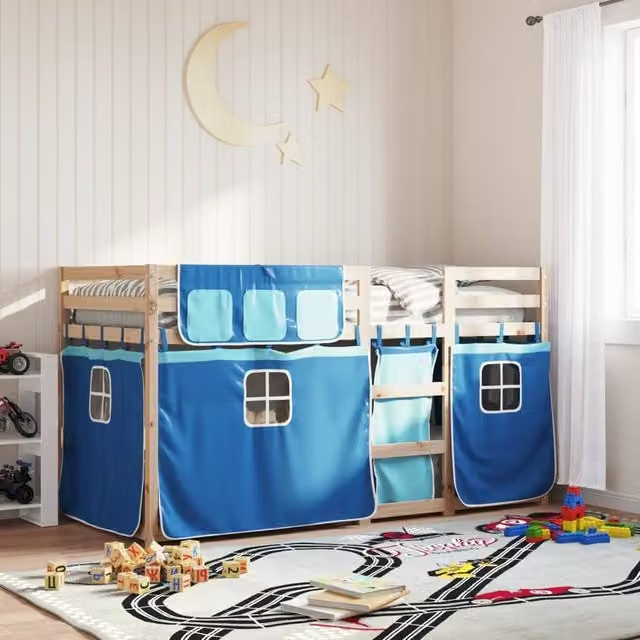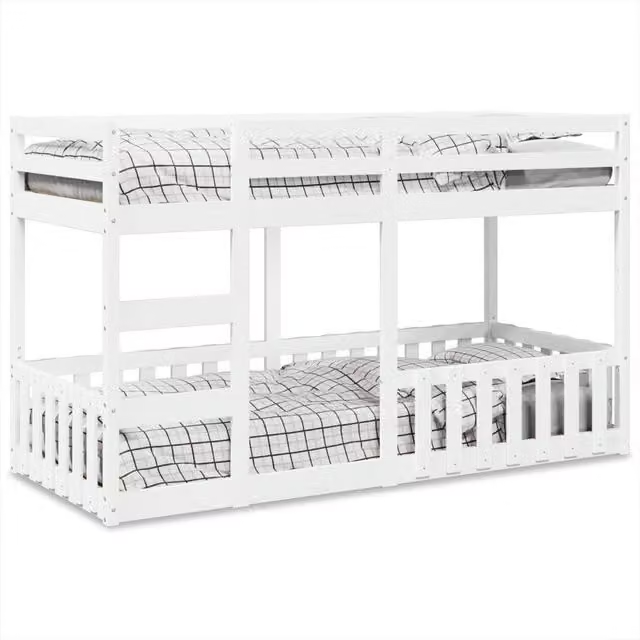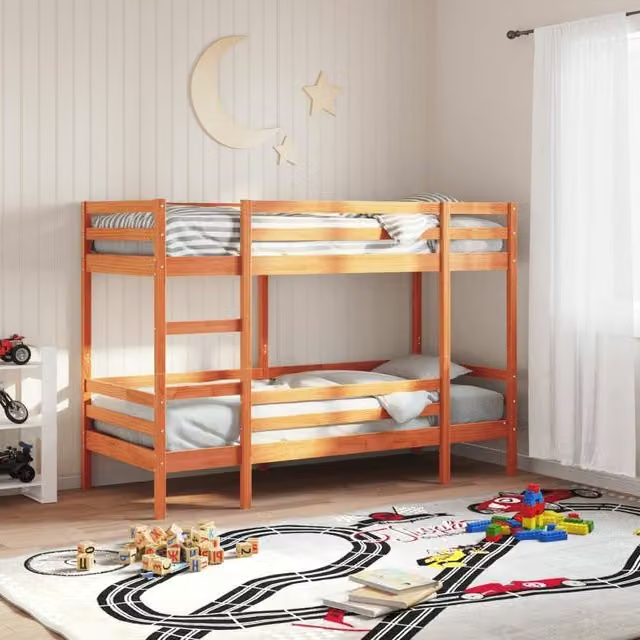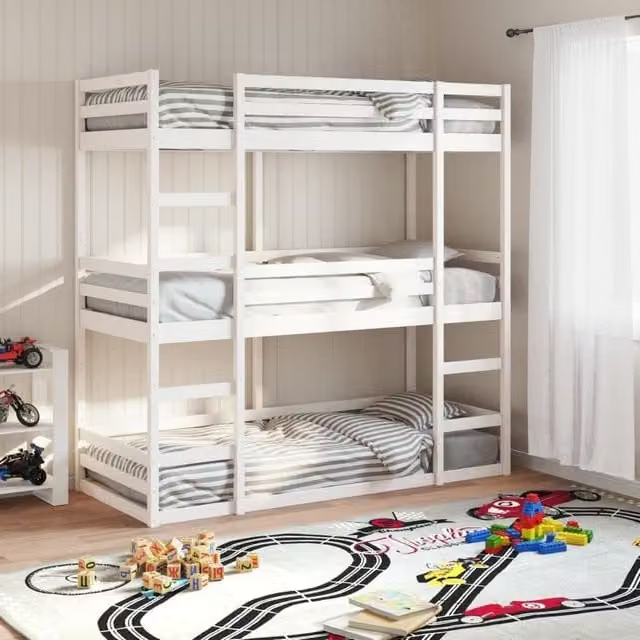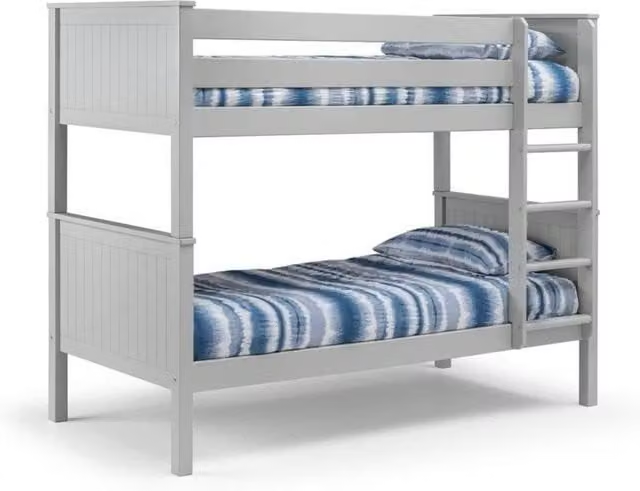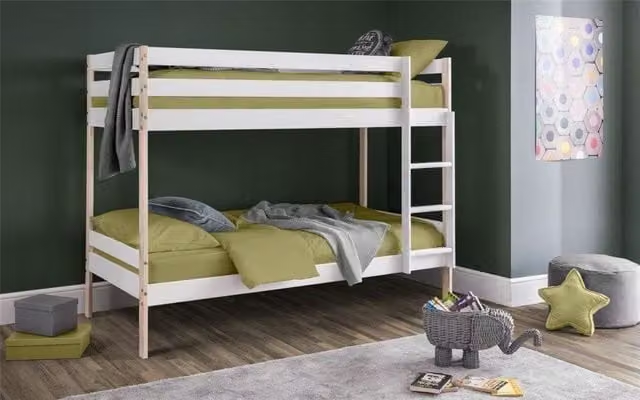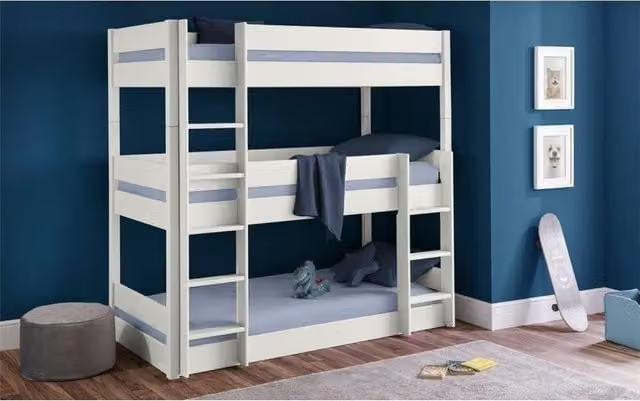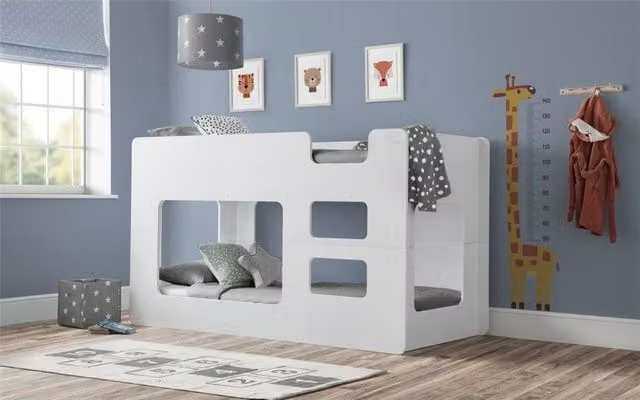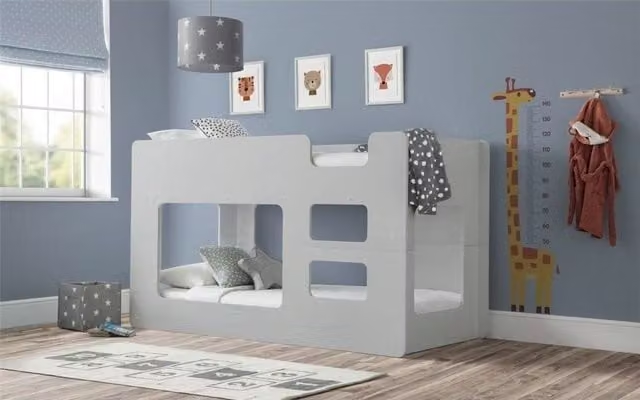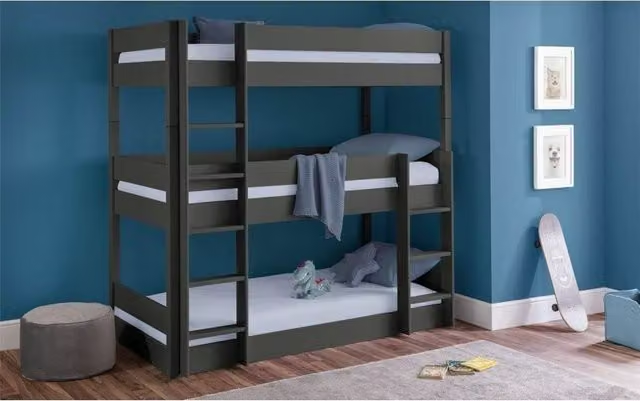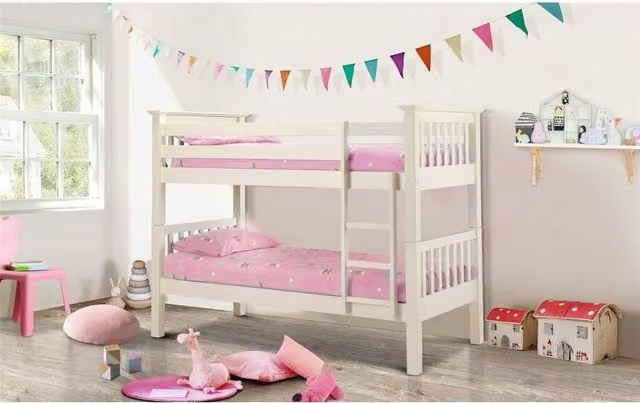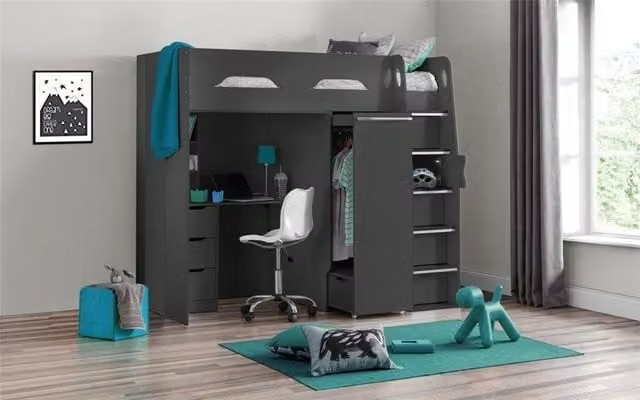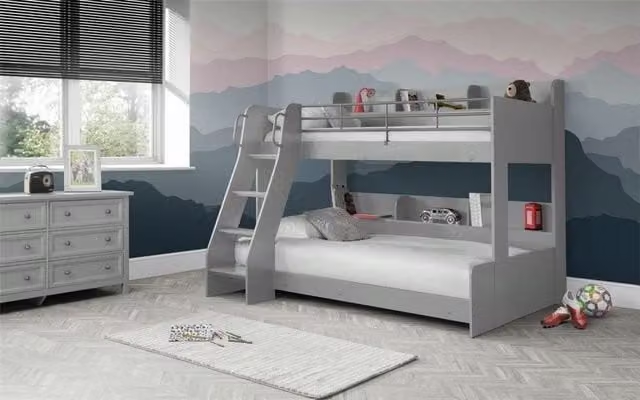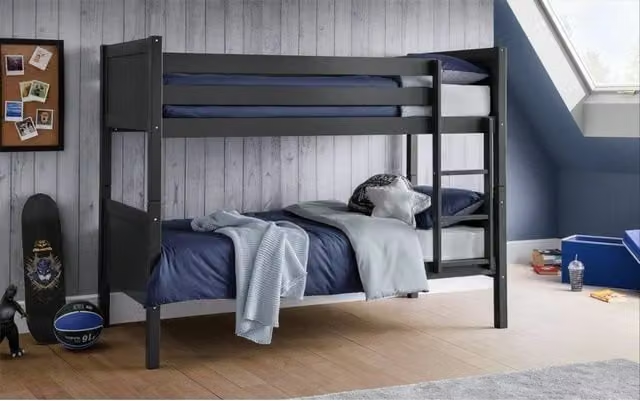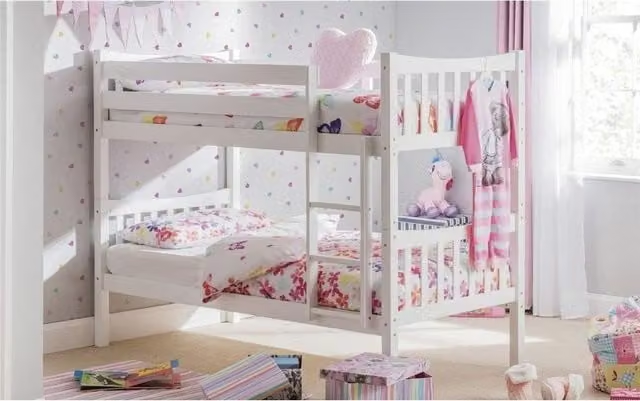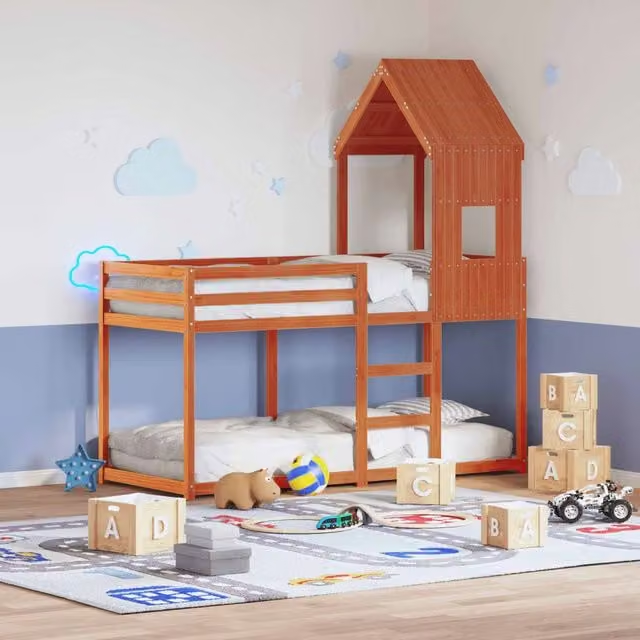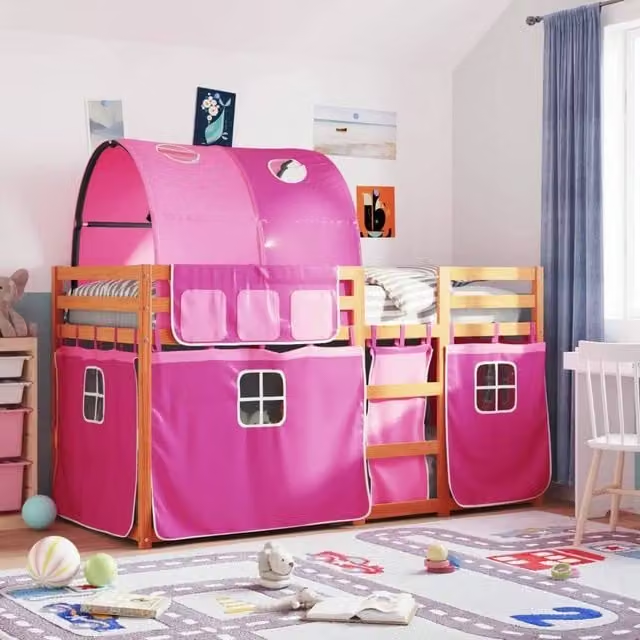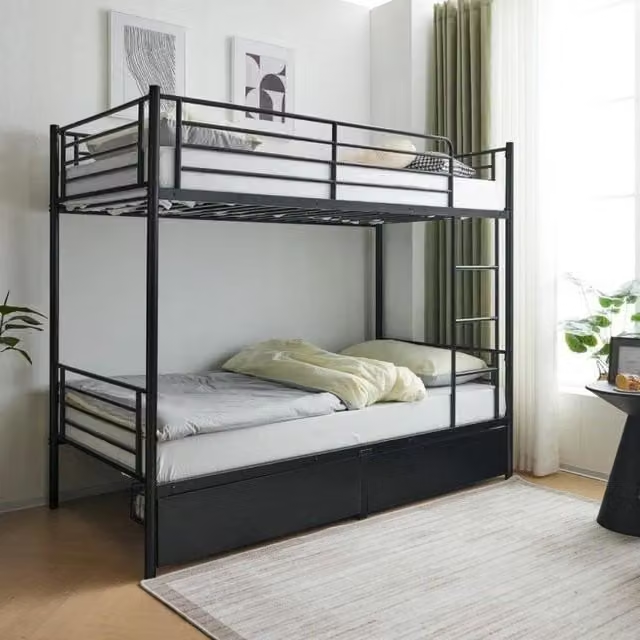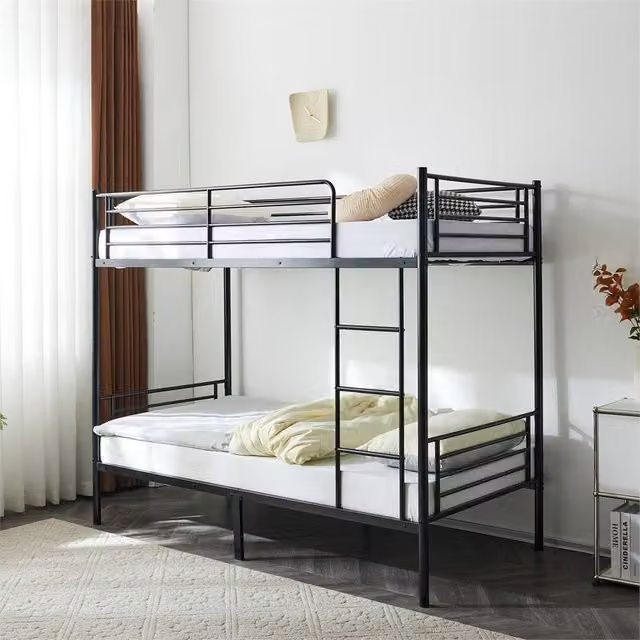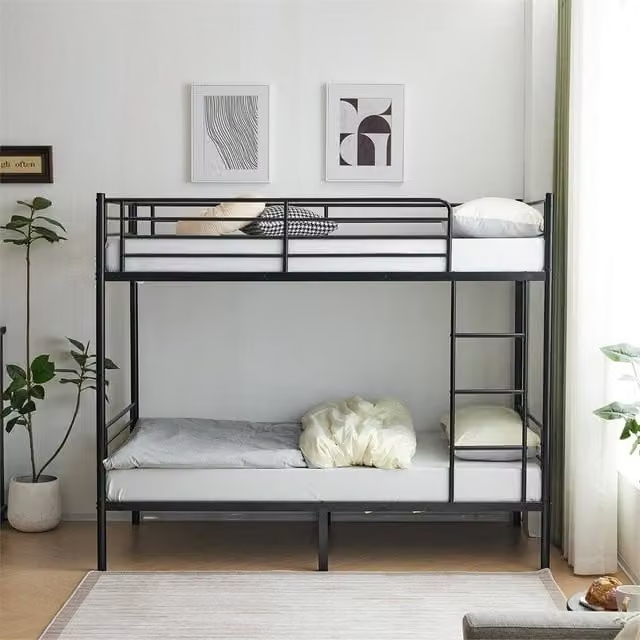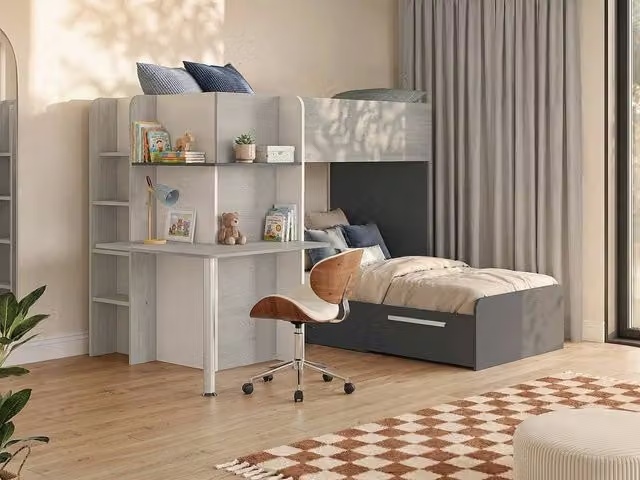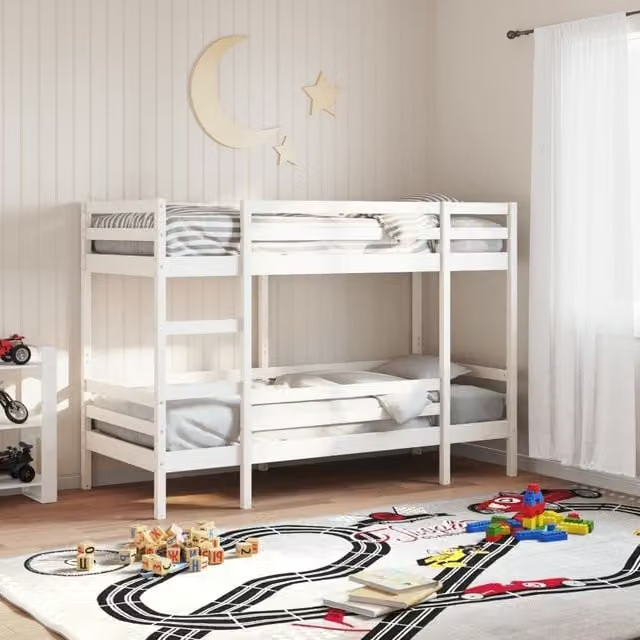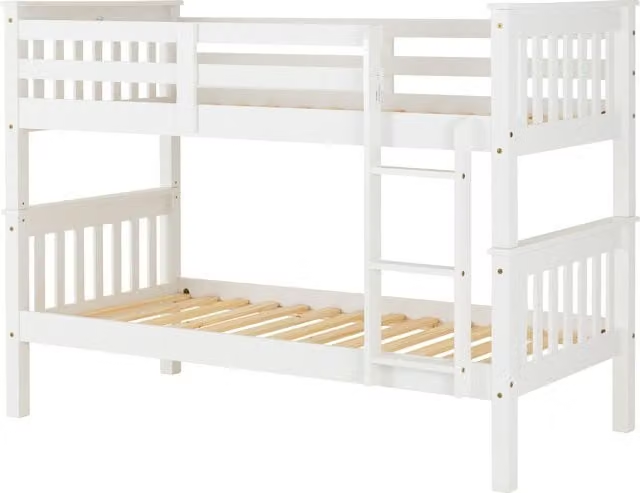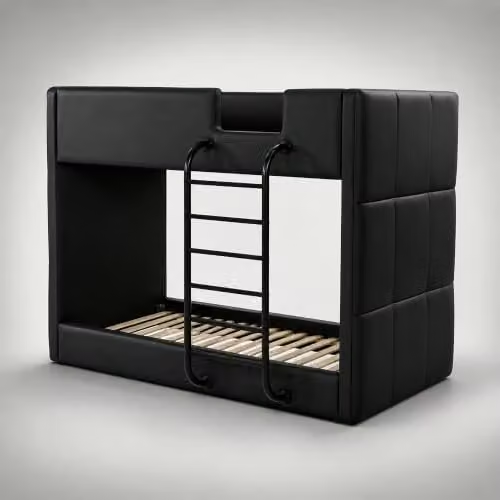
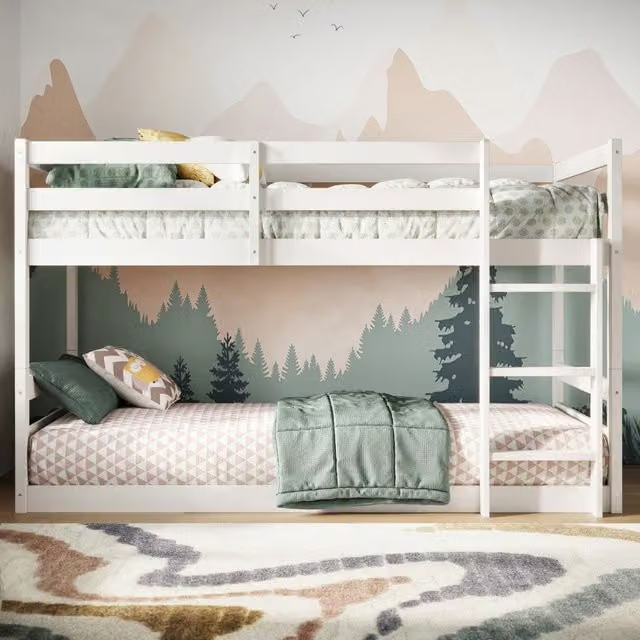
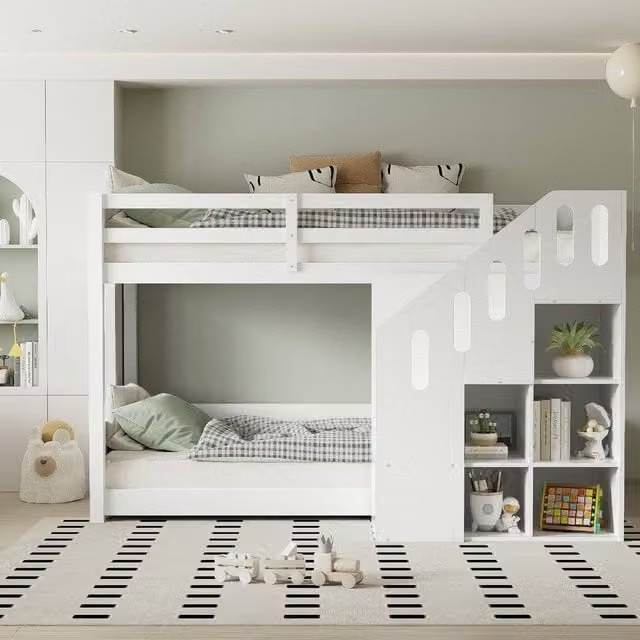
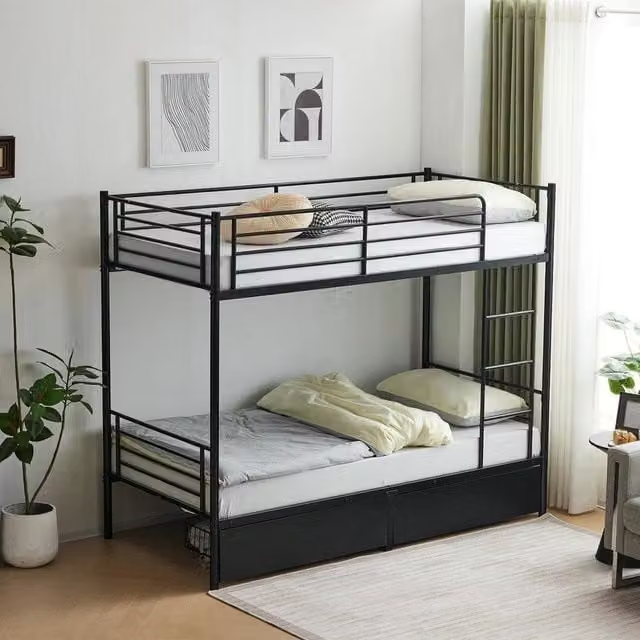
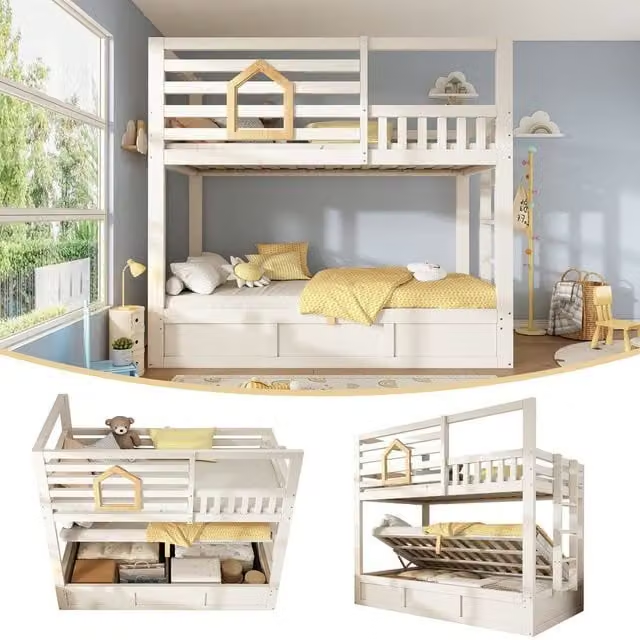
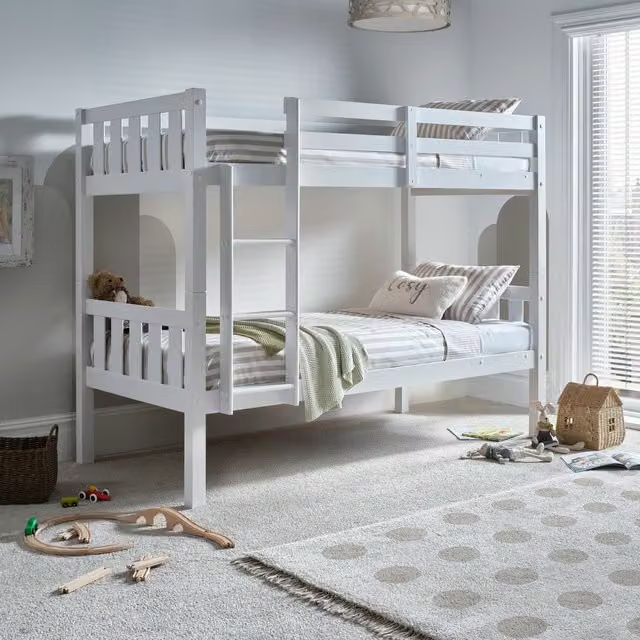
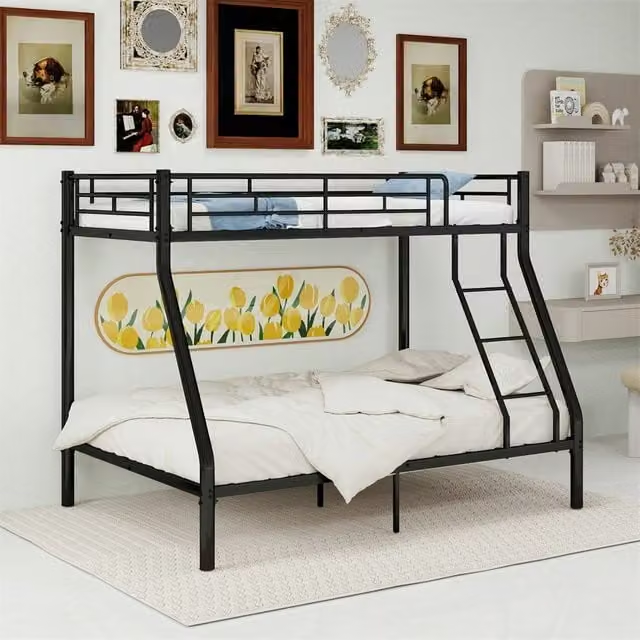
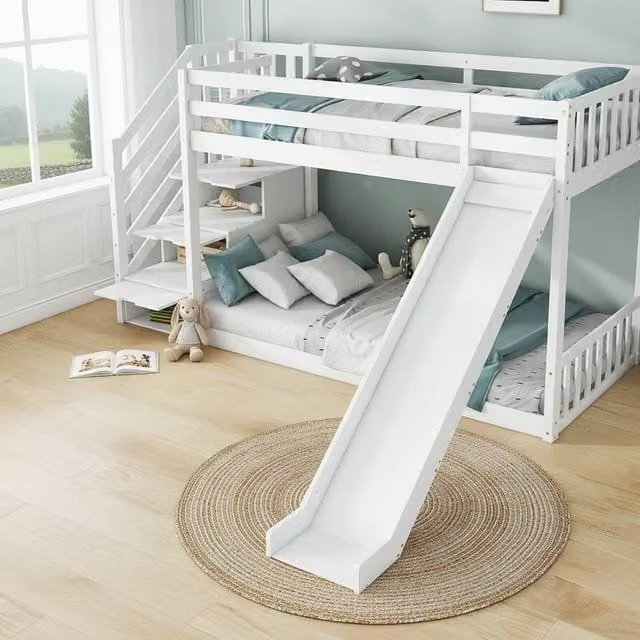
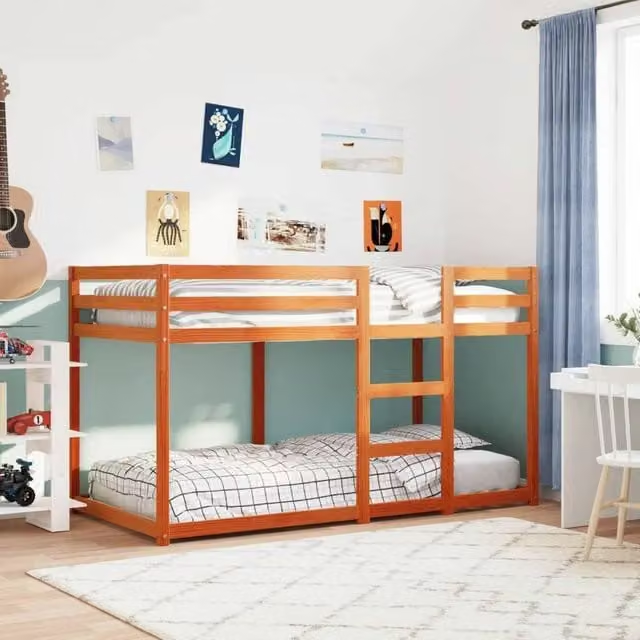
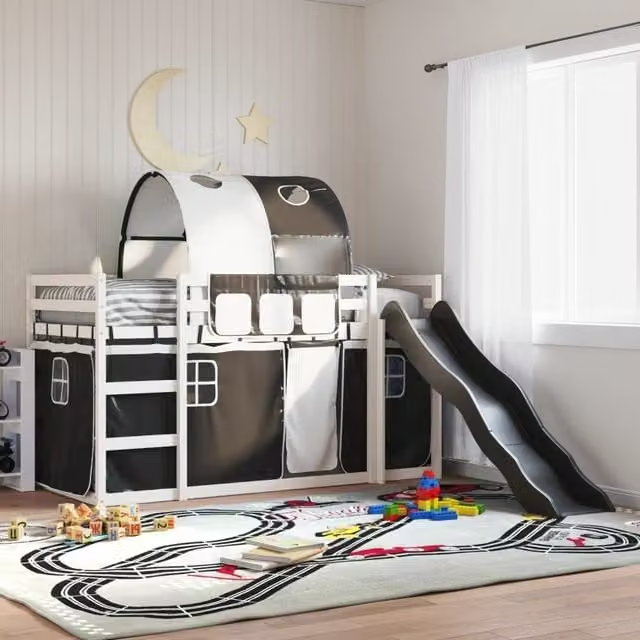
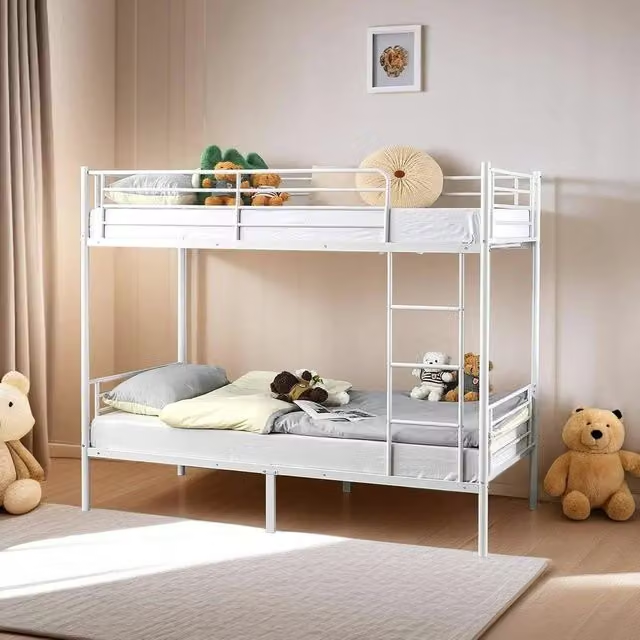
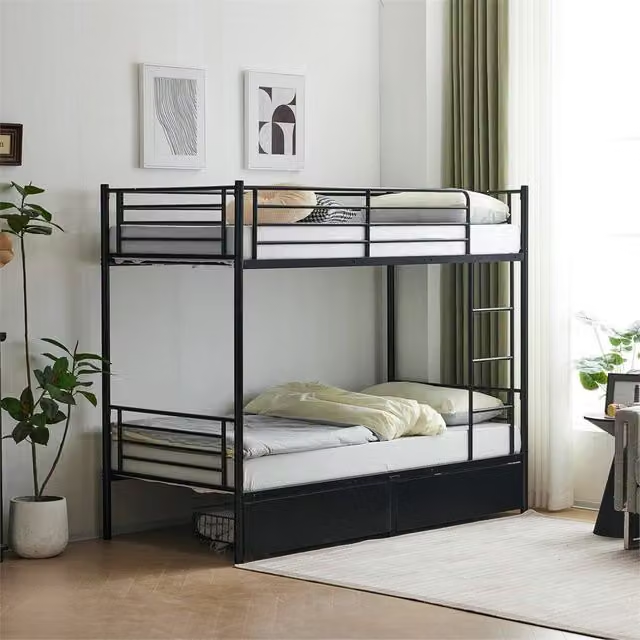
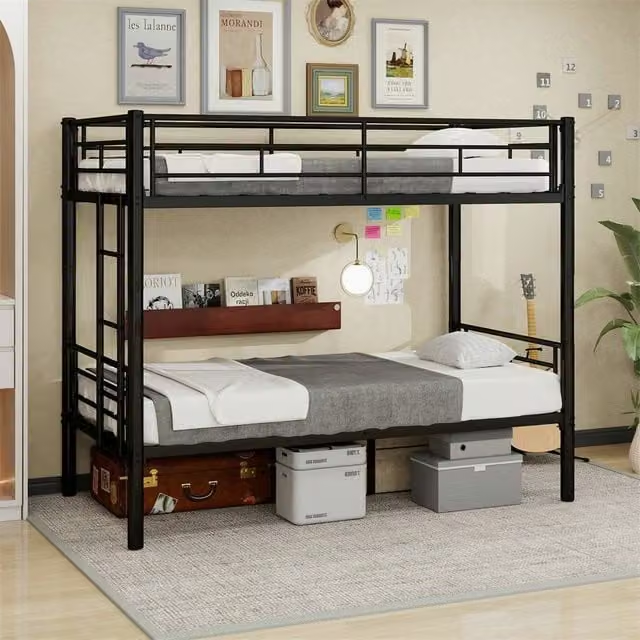
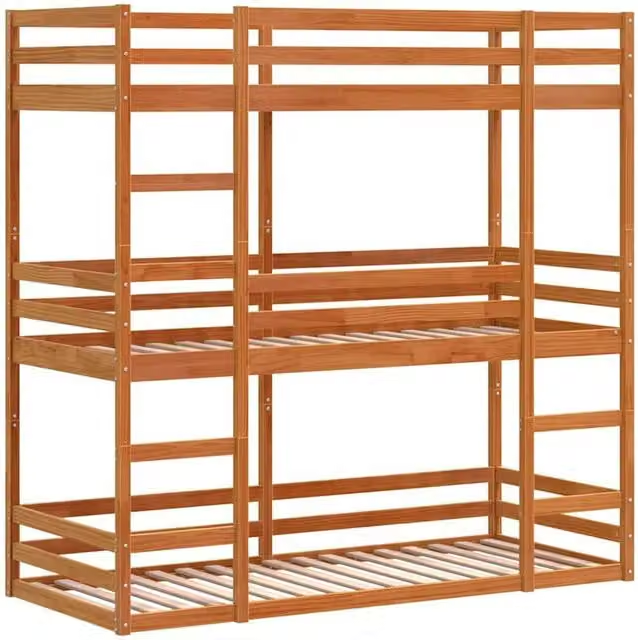
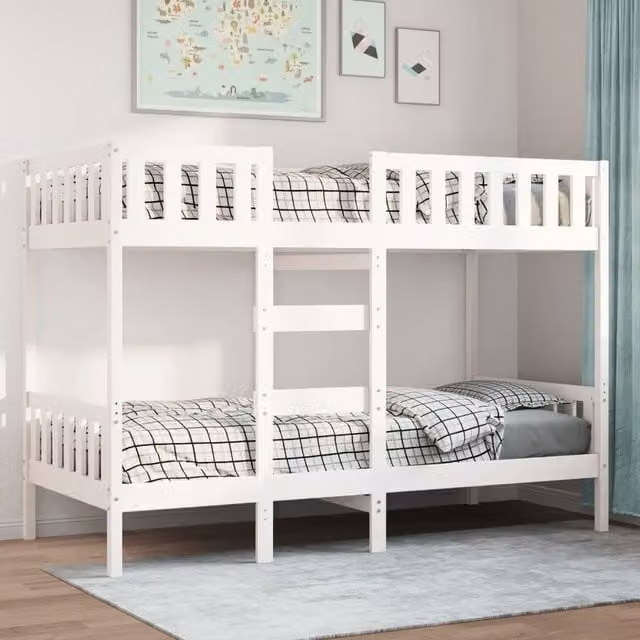
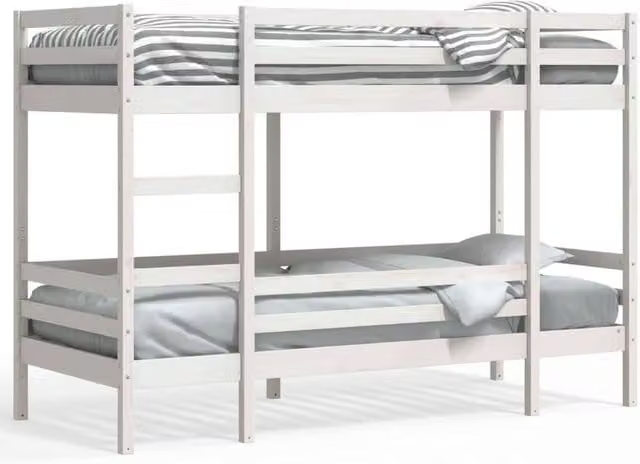
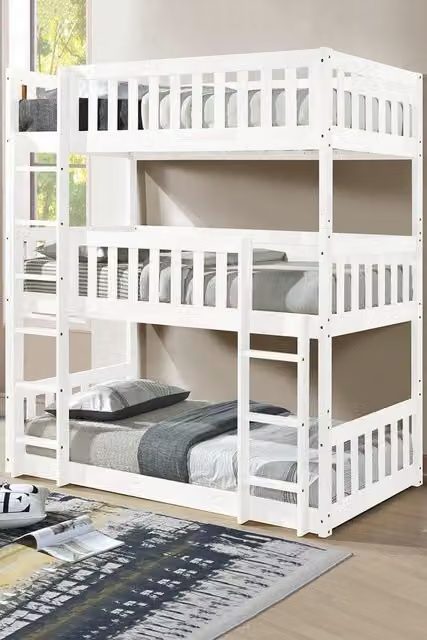
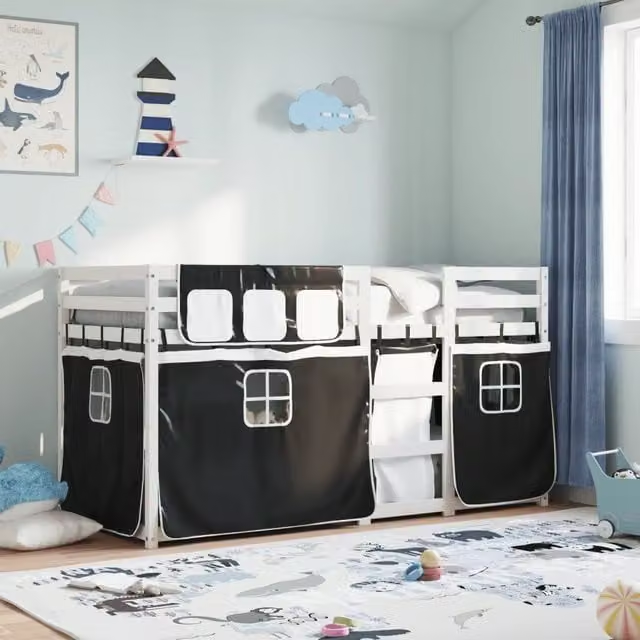
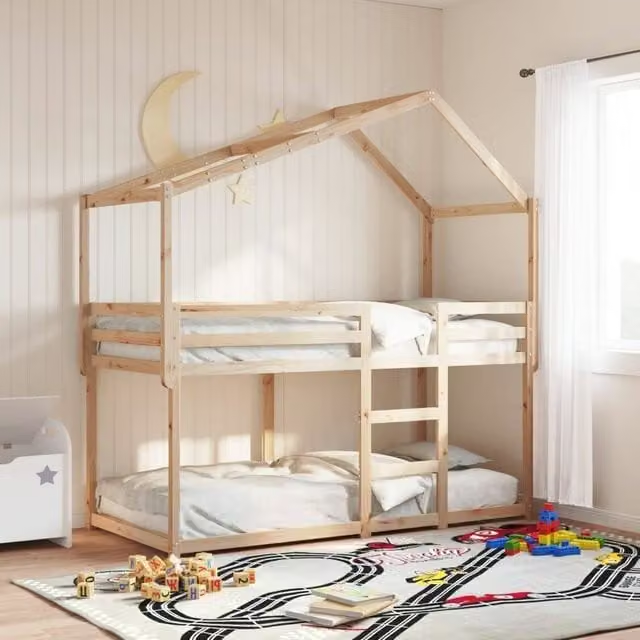
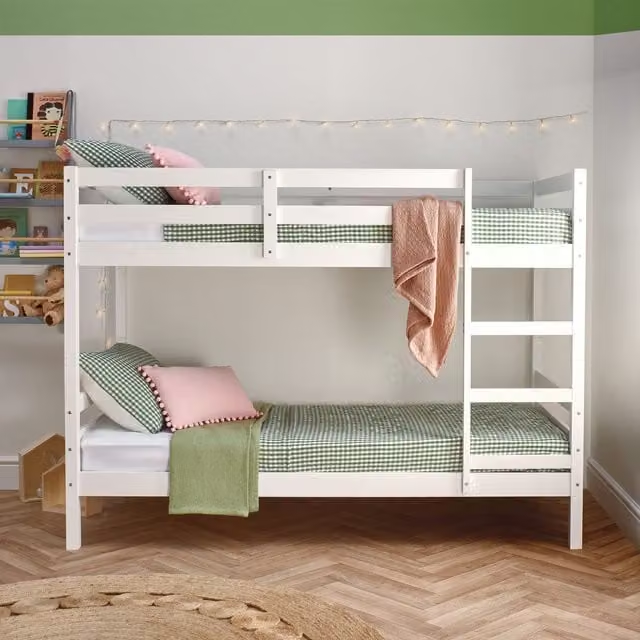
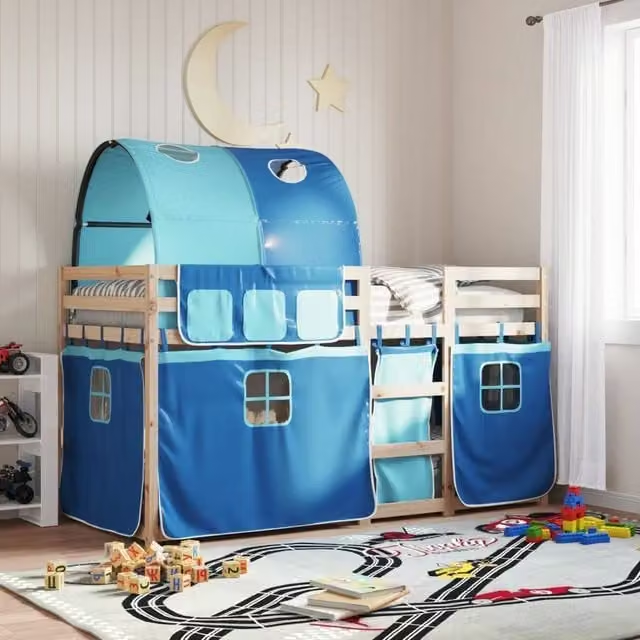
When two children share a room, or friends stay over more often than the guest room allows, a bunk bed does something no other piece of furniture can. It doubles your sleeping capacity while giving back the floor space that a second bed would have swallowed. That freed up space becomes a play corner, a desk area or simply room to breathe, which is why bunk beds remain a favourite in family homes, holiday lets and compact flats alike.
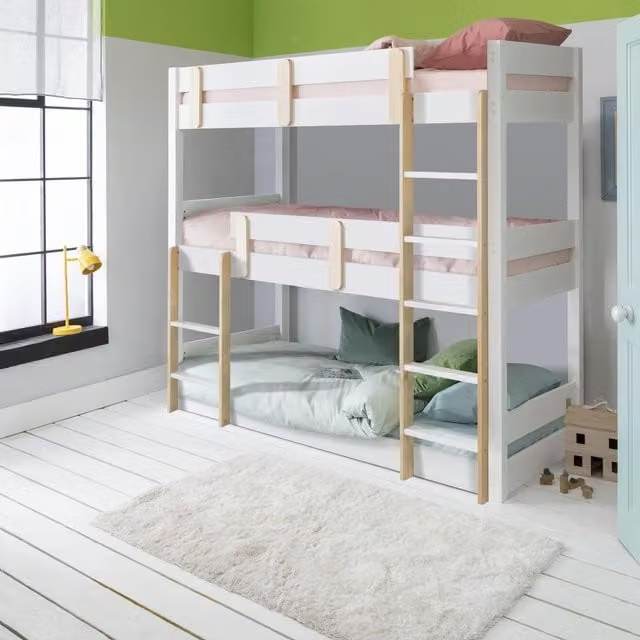
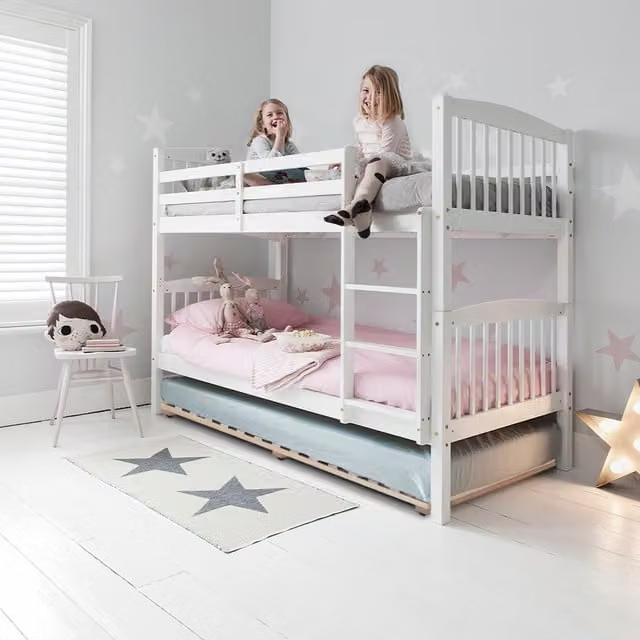
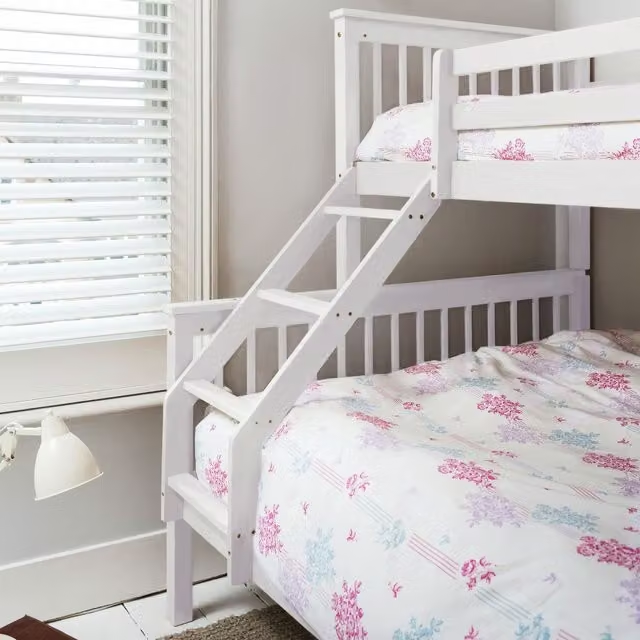
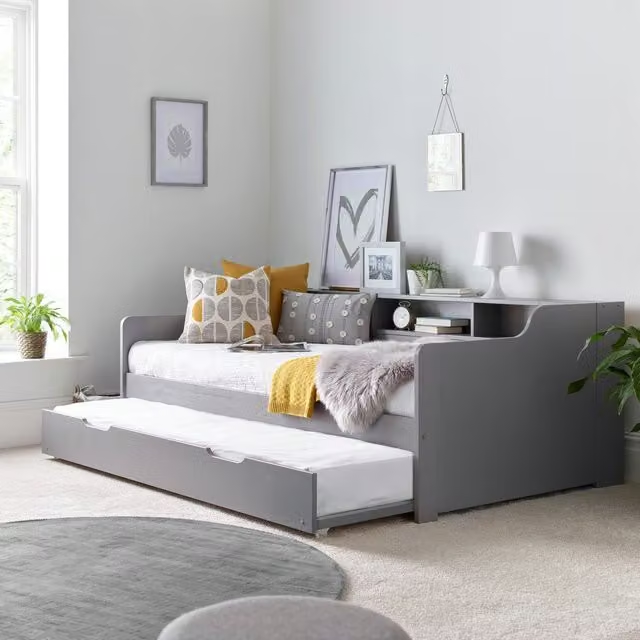
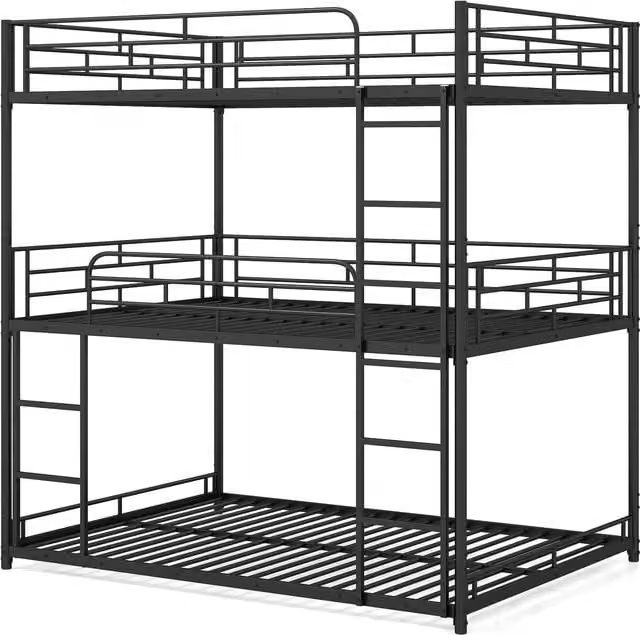
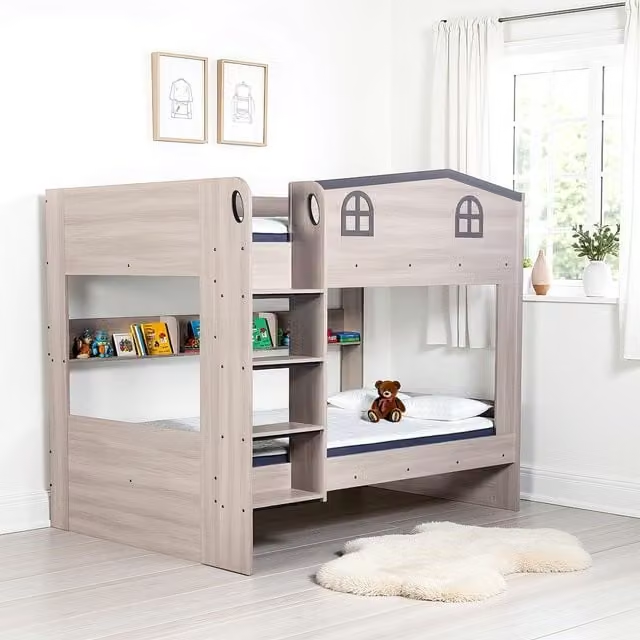
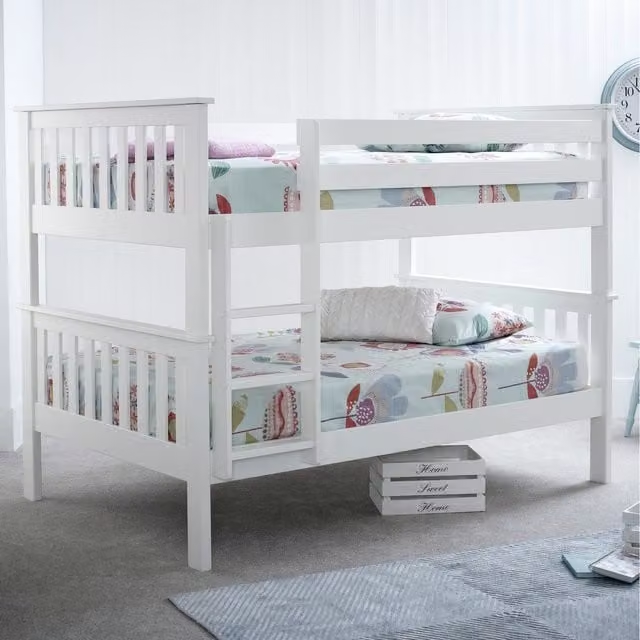
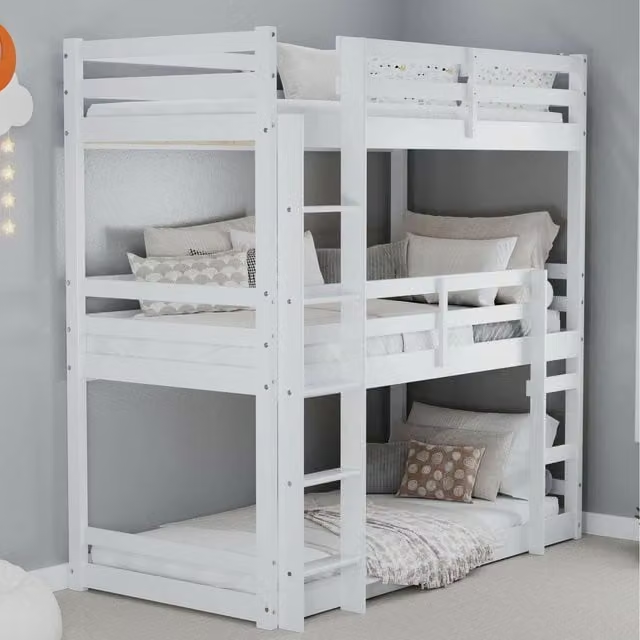
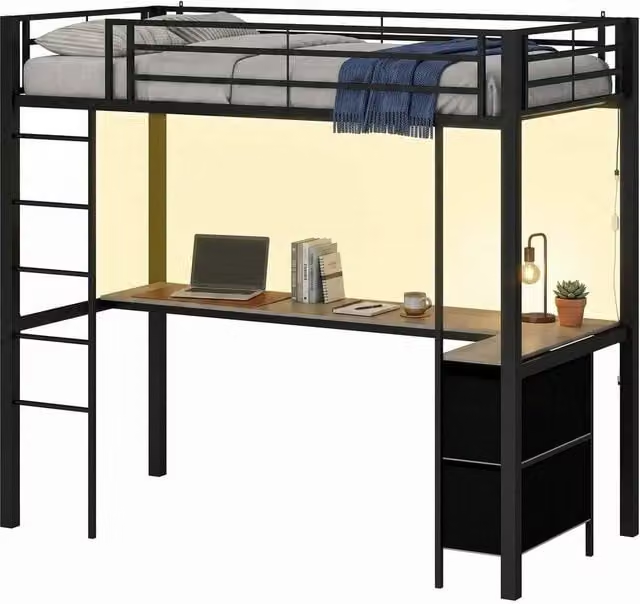
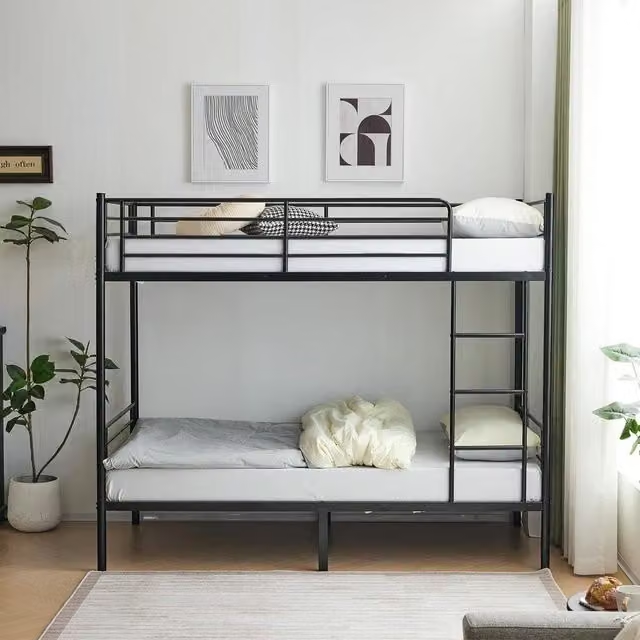
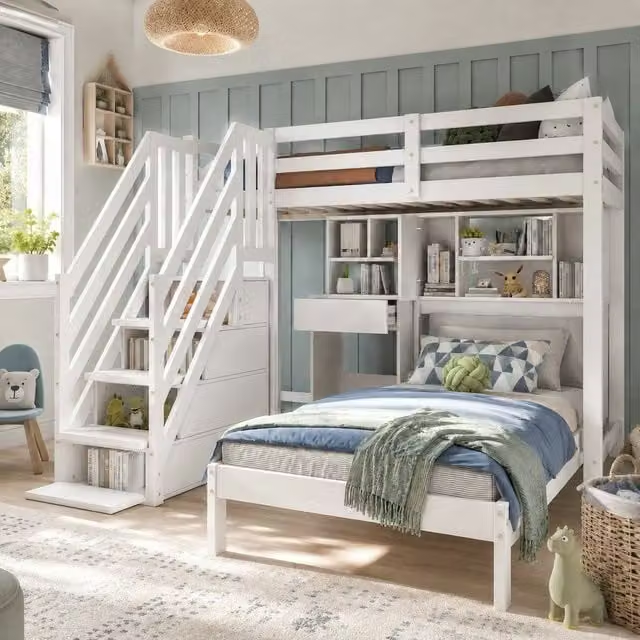
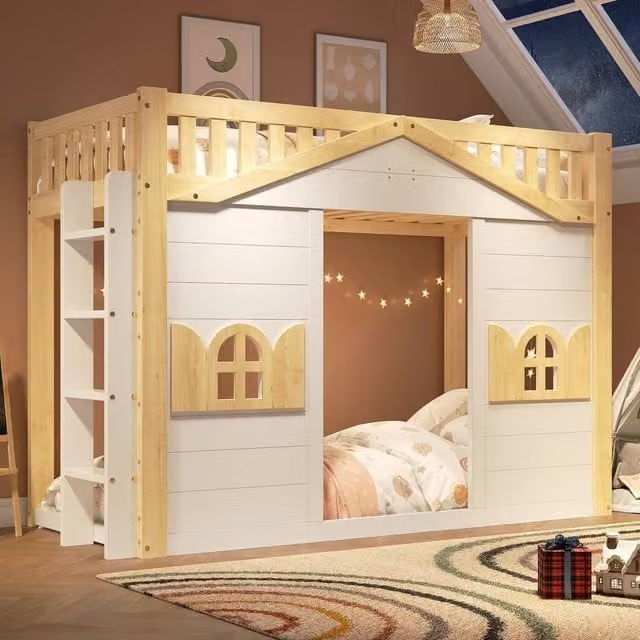
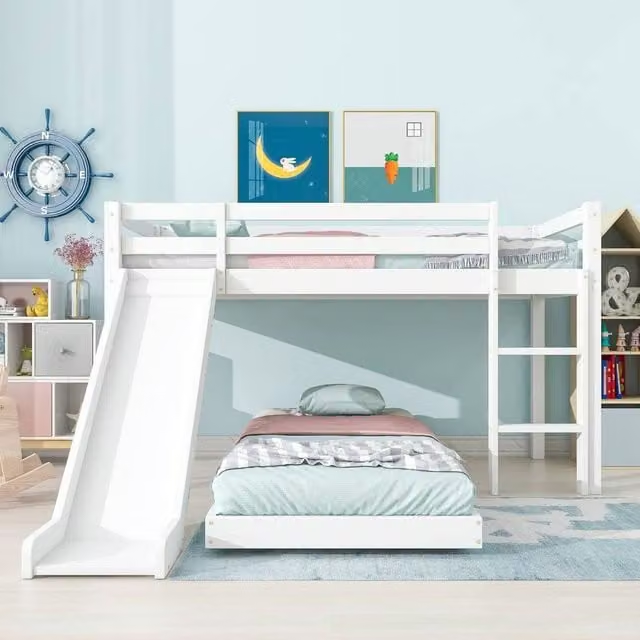
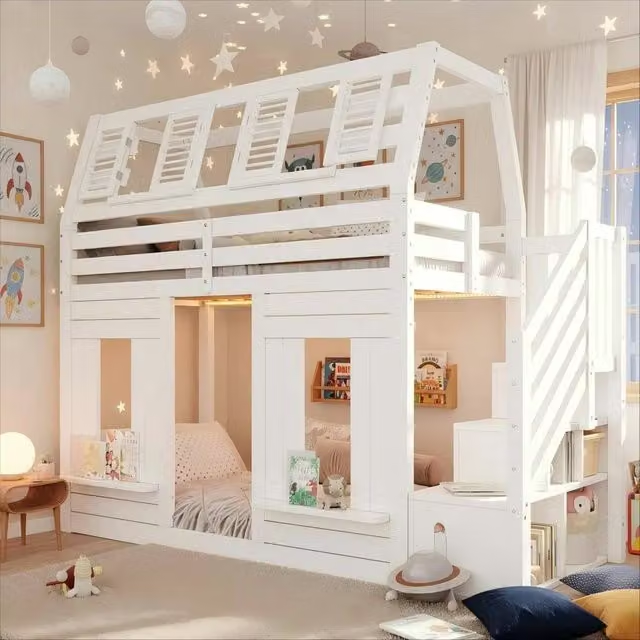
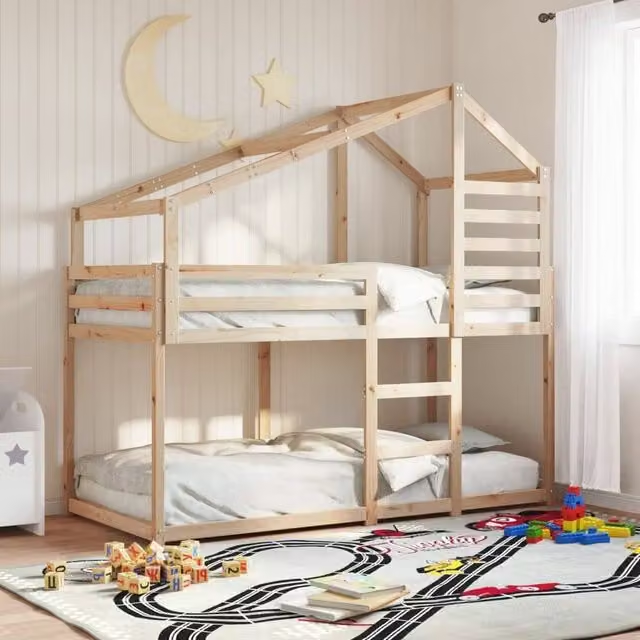
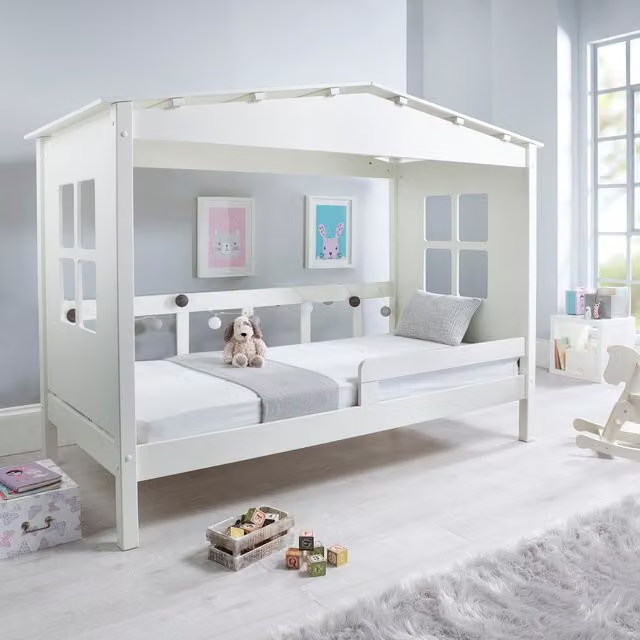
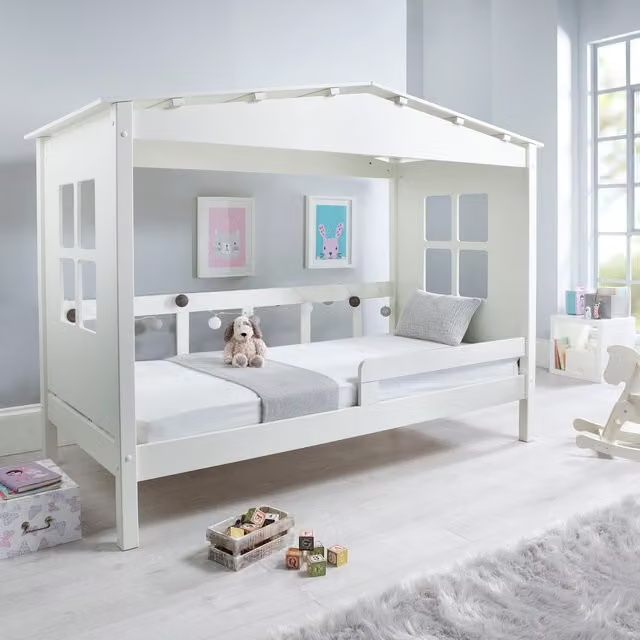
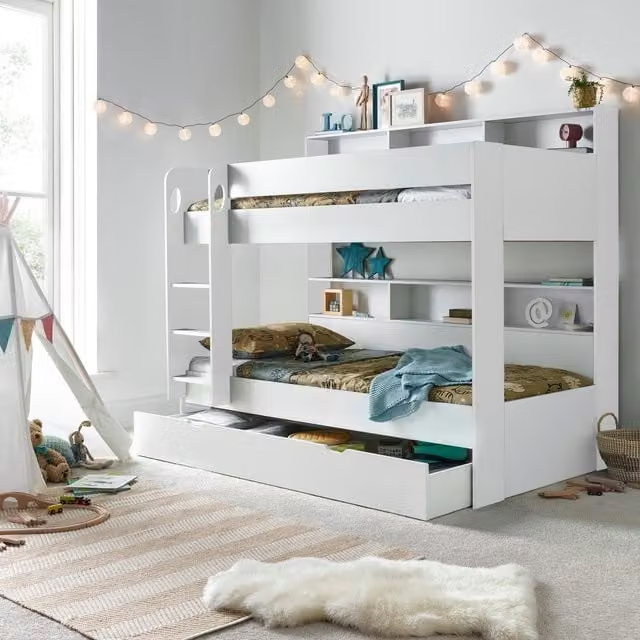
The range goes far beyond the classic stacked pair. Standard bunks put two identical mattresses one above the other, while L shaped models set the lower bed at a right angle and open up storage underneath. Triple bunks add a third berth for larger families, and high sleepers lift a single bed up to make room for a desk, wardrobe or sofa below. You will also find bunks with integrated drawers, trundle beds that roll out for an extra guest, and playful themed frames shaped like houses or castles that turn bedtime into something children look forward to.
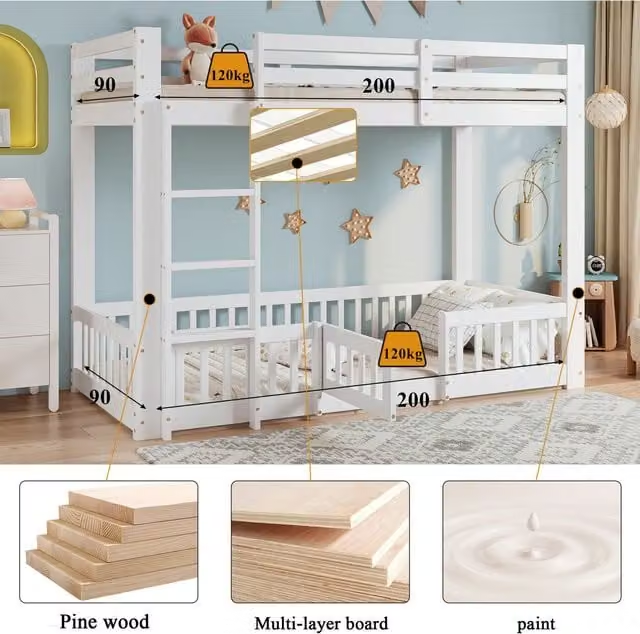
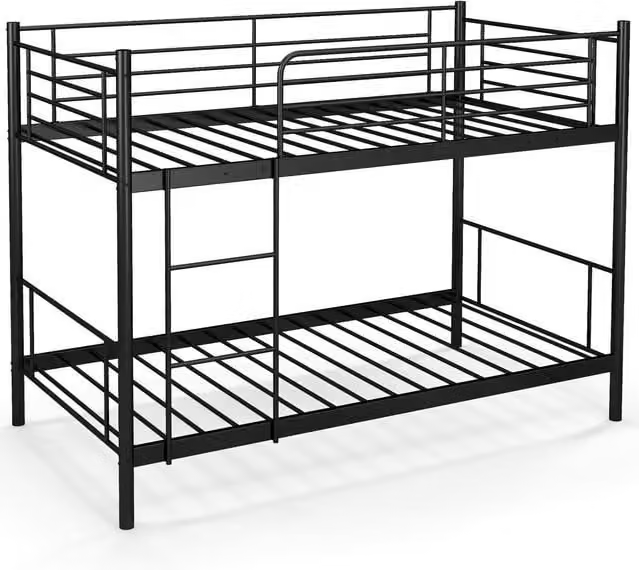
Material choice affects both feel and longevity. Solid pine and beech frames are warm, robust and easy to repair, and they take paint well if you fancy a change later. Metal frames in steel are slimmer, lighter and often more affordable, and they suit modern or industrial schemes. MDF and engineered wood sit in between, offering a smooth painted finish at a friendly price. Whatever you choose, check that the upper guard rails sit at least 16 cm above the mattress surface and that the ladder feels solid underfoot.
Price depends on the frame material, the number of berths and the extras. A simple metal bunk is very budget friendly, while solid hardwood frames, built in storage, staircases instead of ladders and convertible designs that split into two separate beds cost considerably more.
Take a look through the options, compare prices and find a bunk that fits the room and grows with your family.
Safety guidance in the UK and across Europe recommends that the top bunk is only used by children aged six and over. Younger children have less spatial awareness when half asleep and are more likely to misjudge the ladder or the edge. Below that age, the bottom bunk is the sensible choice, and many families simply swap the children over as the younger one grows. Always check the manufacturer's own age rating too, since it can vary by model.
Keep the top mattress thin enough that at least 16 cm of guard rail still sits above it once it is in place. In practice that usually means a mattress no deeper than 15 to 16 cm, and many bunk frames state a maximum on the label. A thick pocket sprung mattress may feel luxurious, but it raises the sleeping surface and cancels out the protection the rail is there to provide. The bottom bunk has no such restriction, so you can be more generous there.
Aim for at least 70 to 75 cm between the top mattress and the ceiling so an older child or adult can sit up comfortably. Watch out for sloping ceilings, light fittings and ceiling fans, which can quietly eat into that clearance. Measure from the floor to the ceiling before you buy and subtract the stated frame height plus the mattress depth. Low ceilings are the single most common reason a bunk has to go back.
Many are, but you need to check the stated weight limit for each berth rather than assume. Adult rated bunks, often sold for hostels, holiday accommodation and student housing, typically support between 100 and 150 kg per level and use thicker posts and reinforced slats. Children's models frequently cap the top bunk at around 60 to 80 kg. If adults will use the bed regularly, a solid hardwood or heavy gauge steel frame is the safer investment.