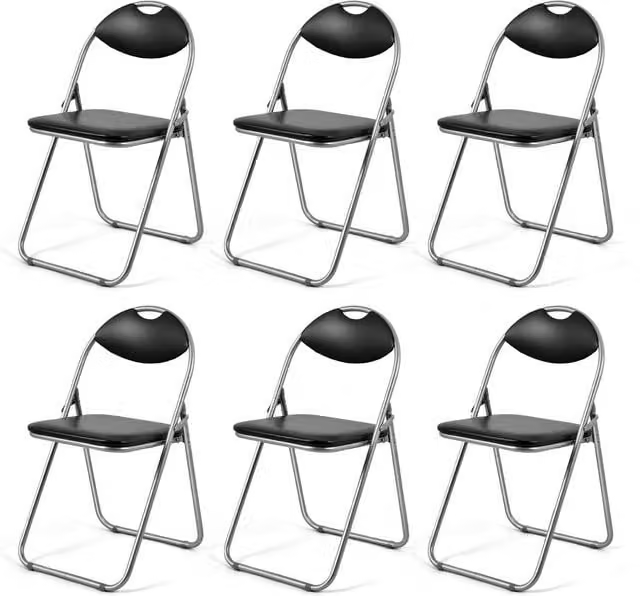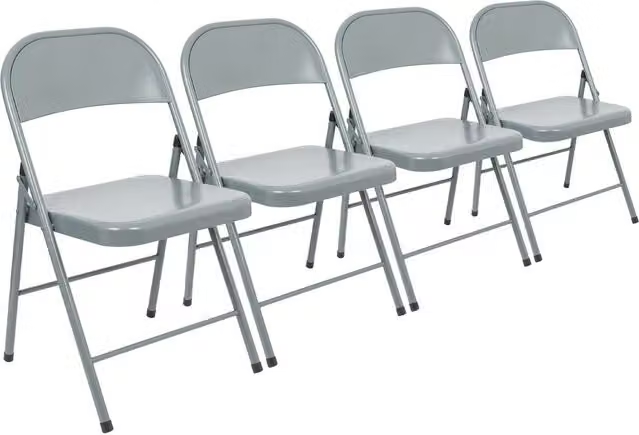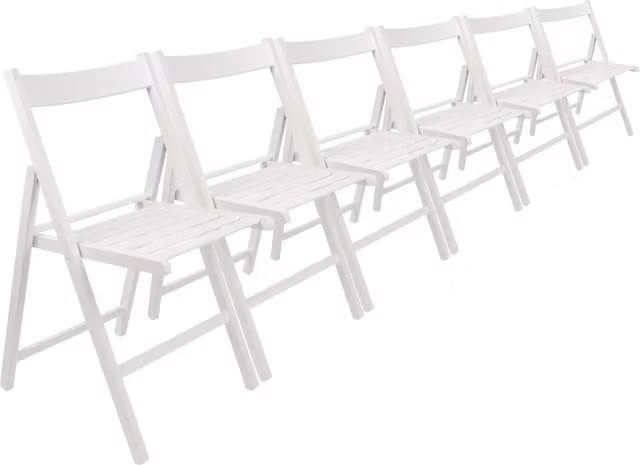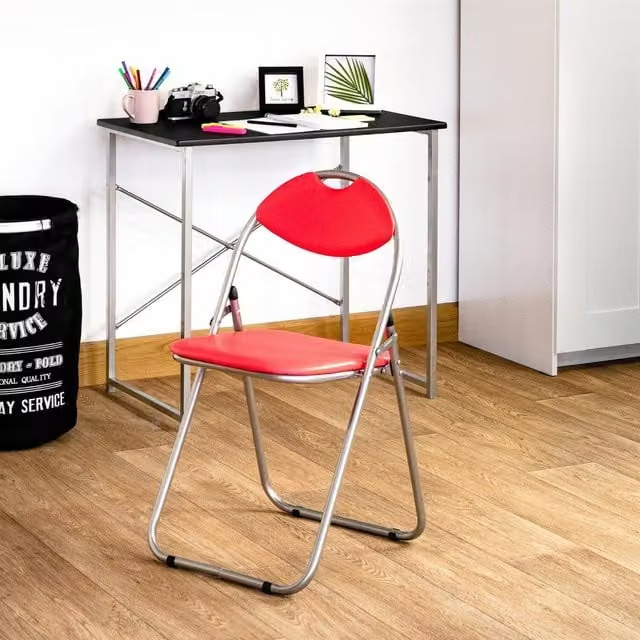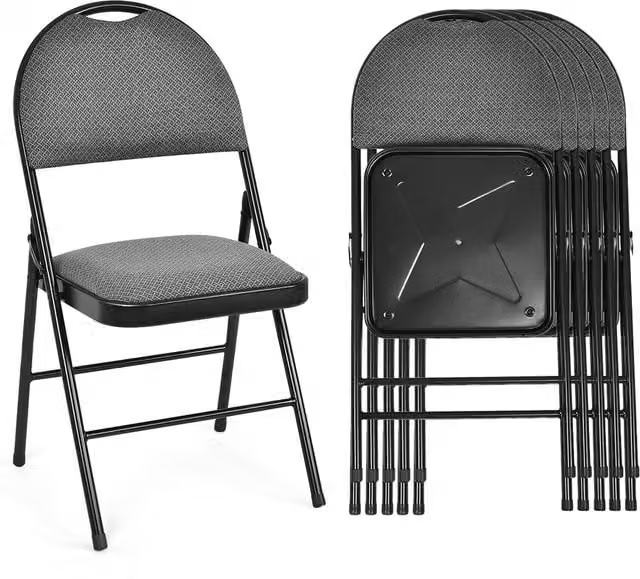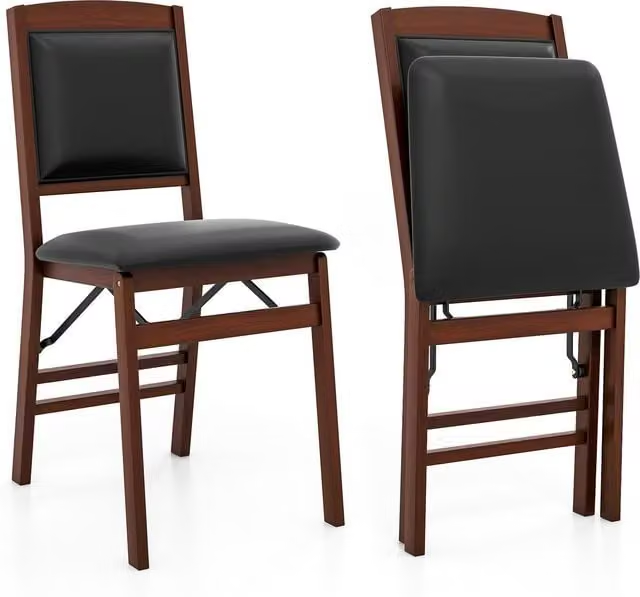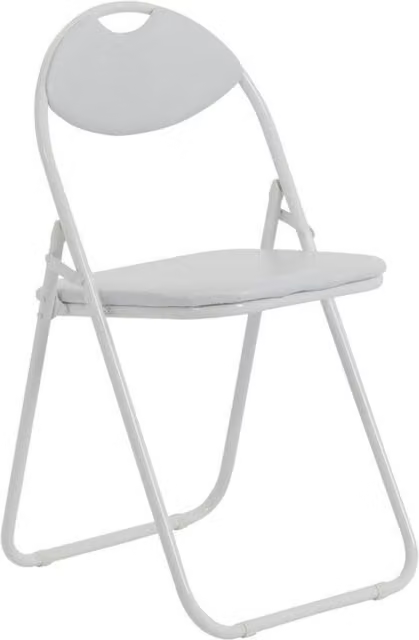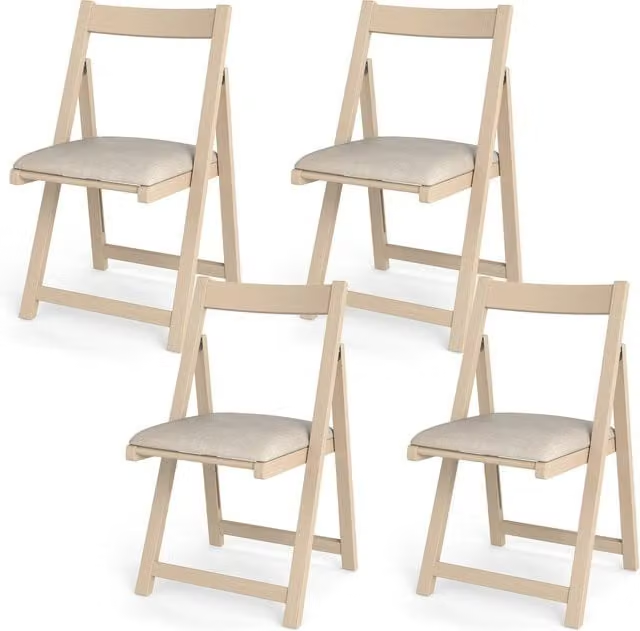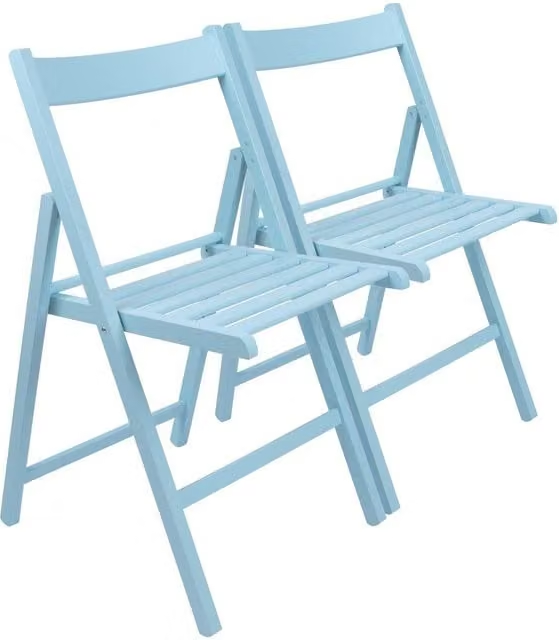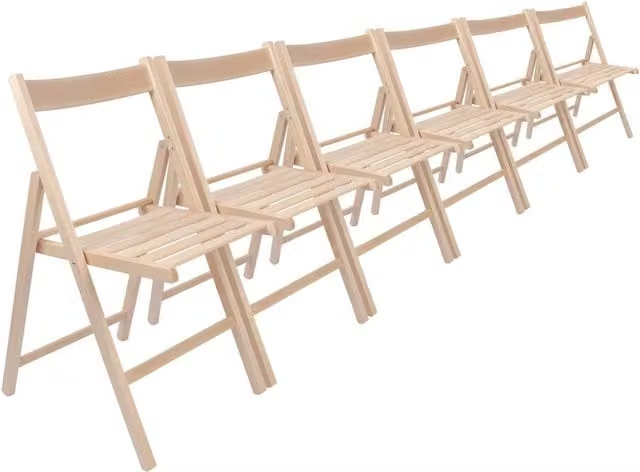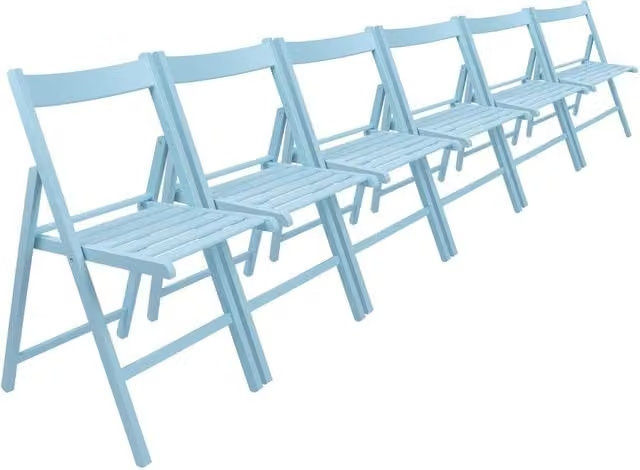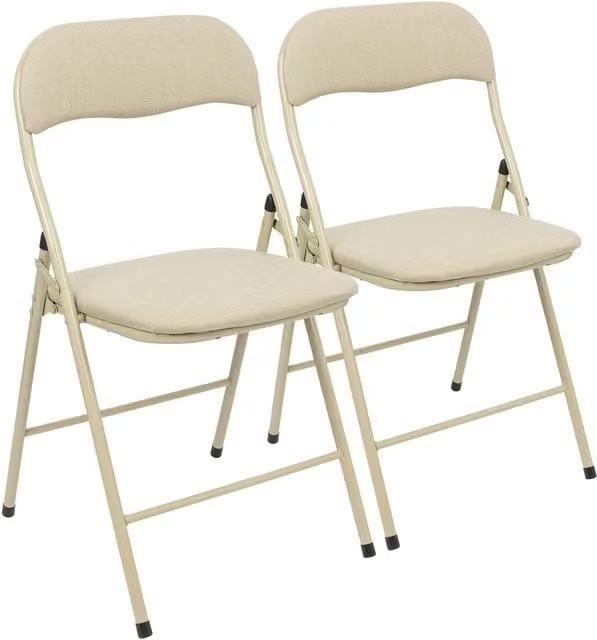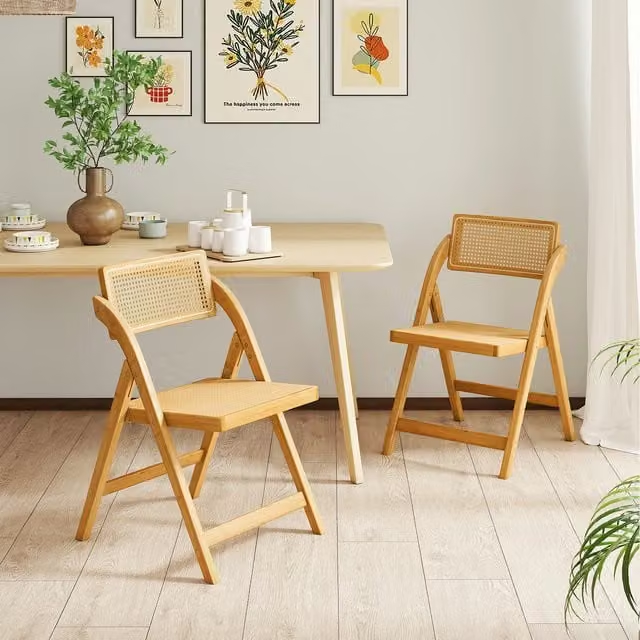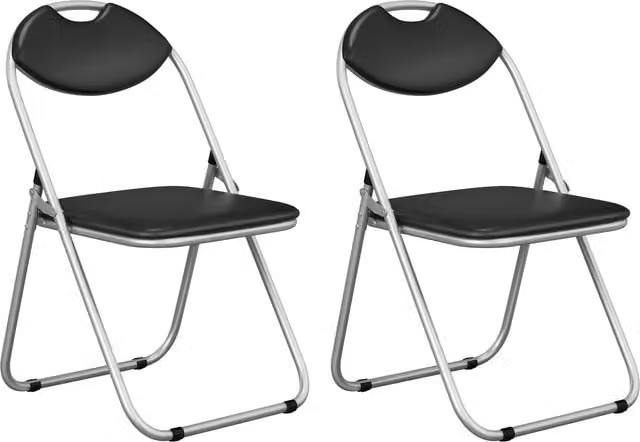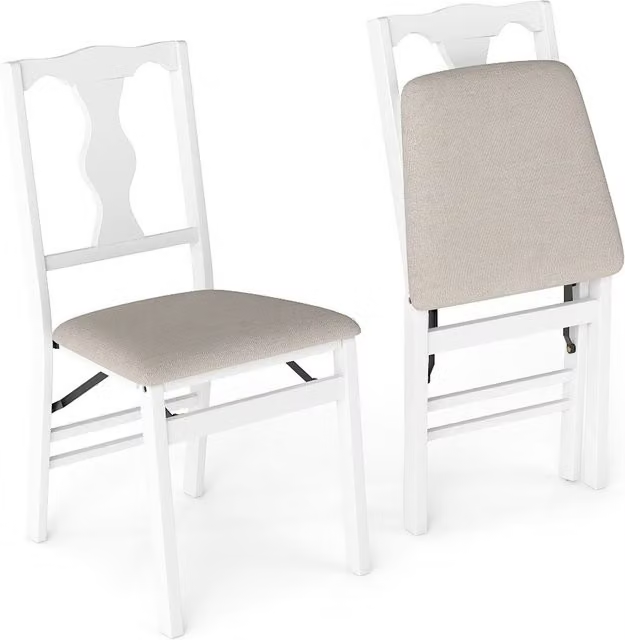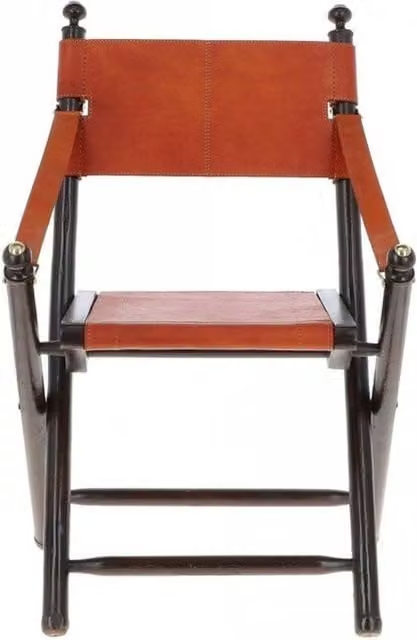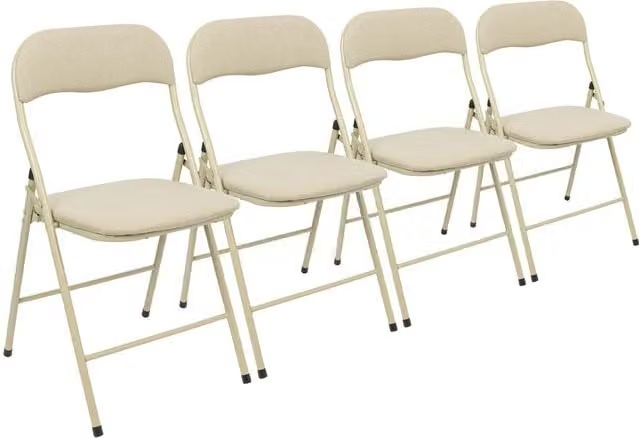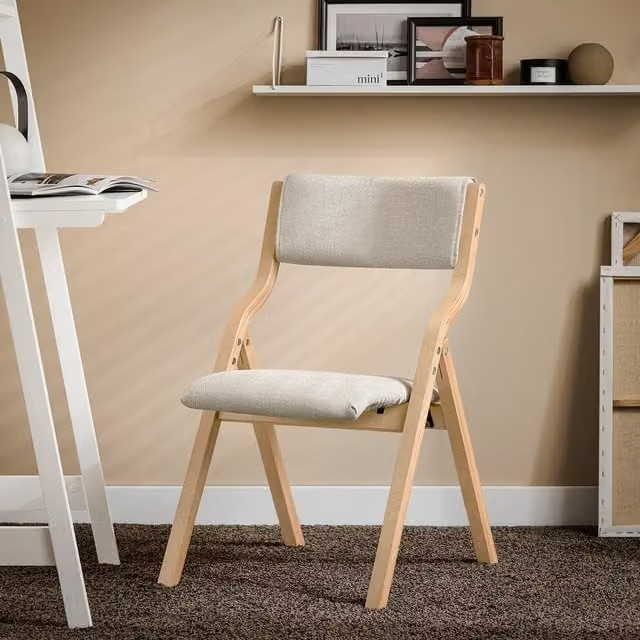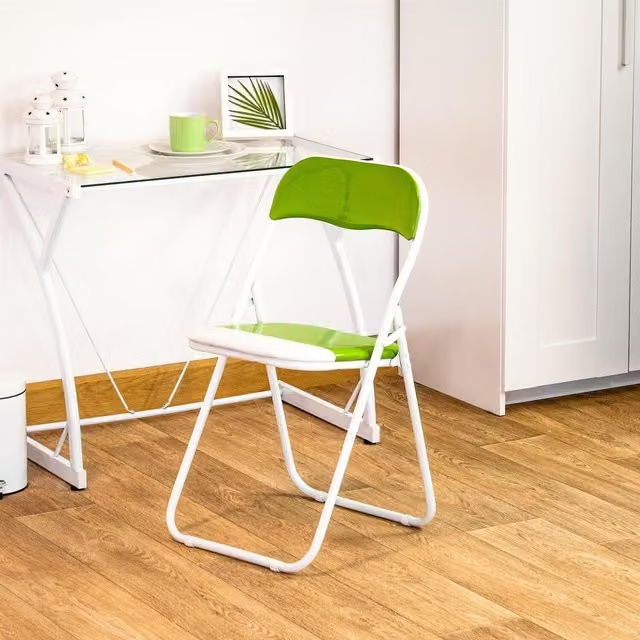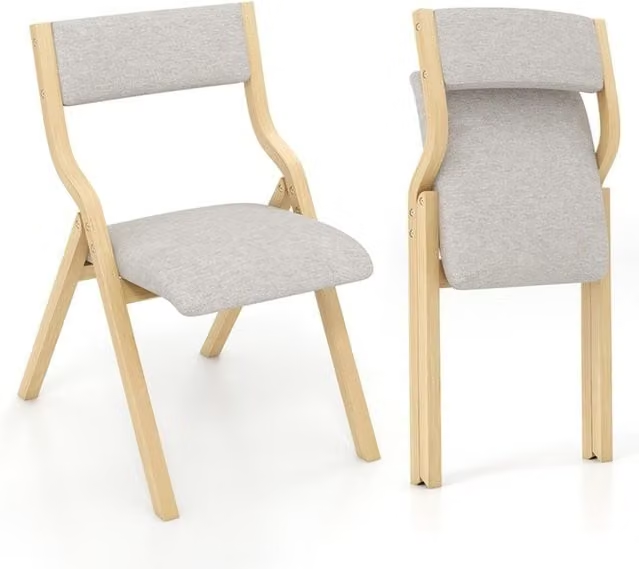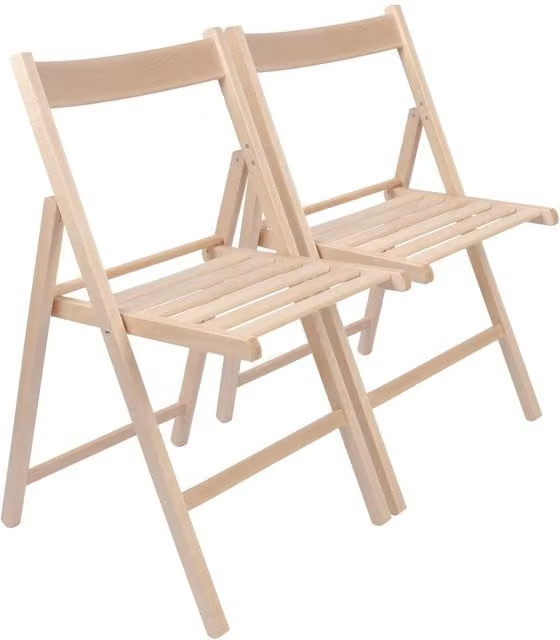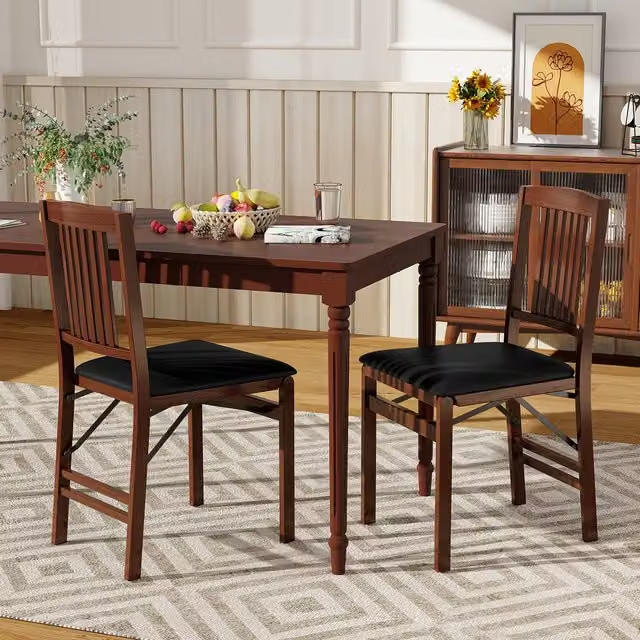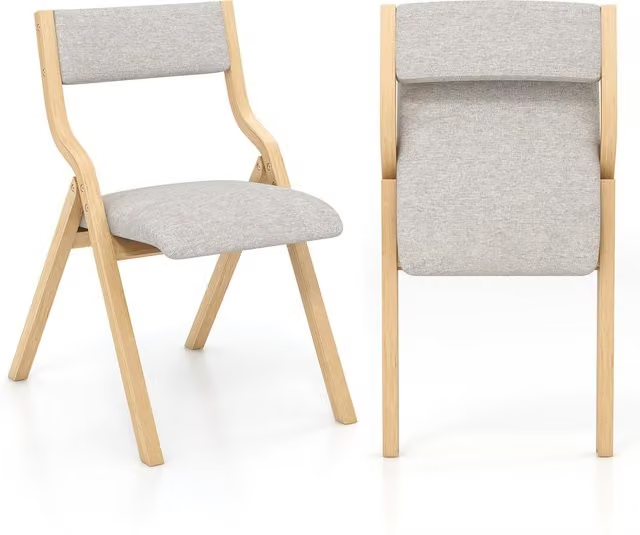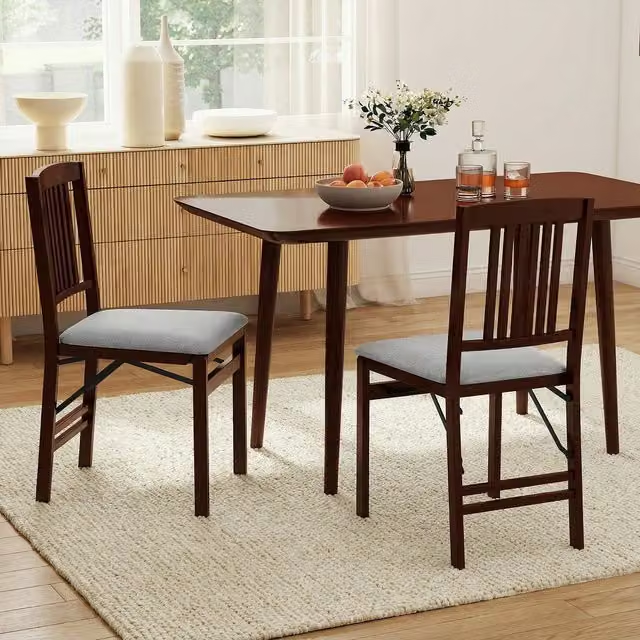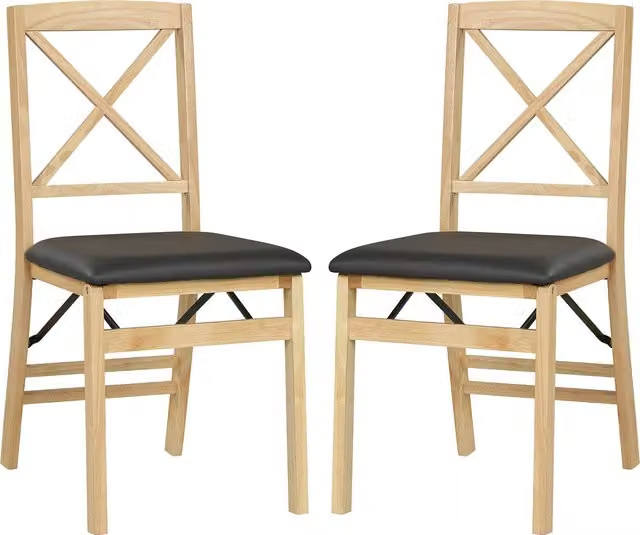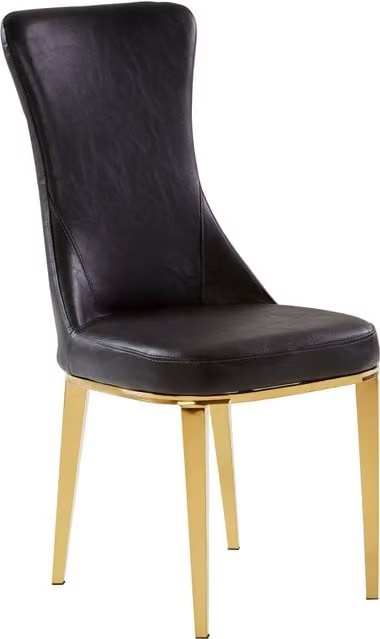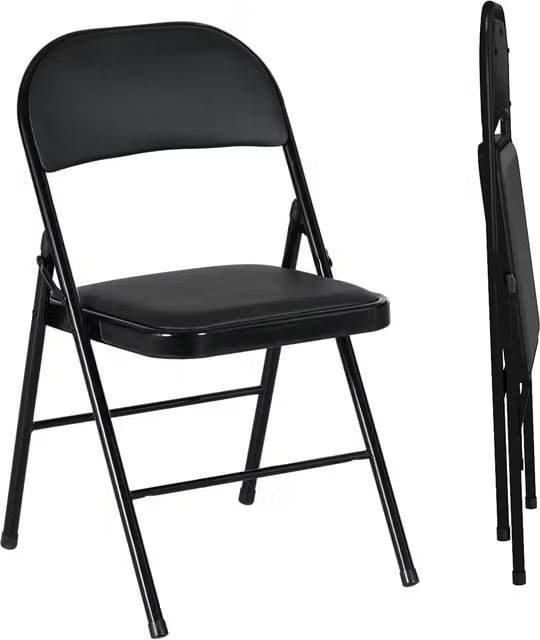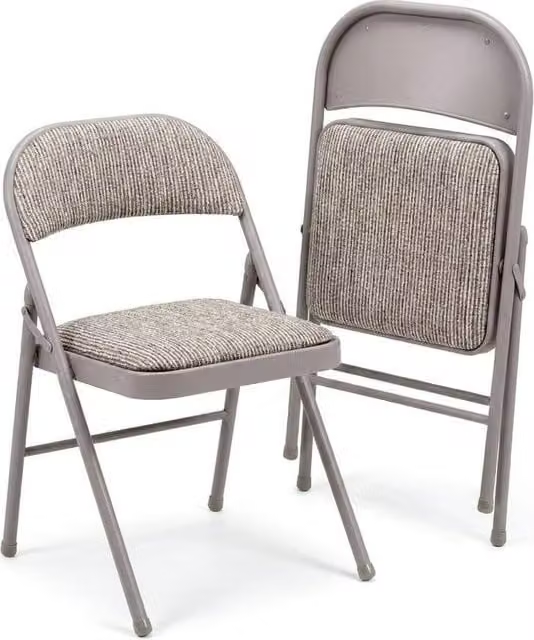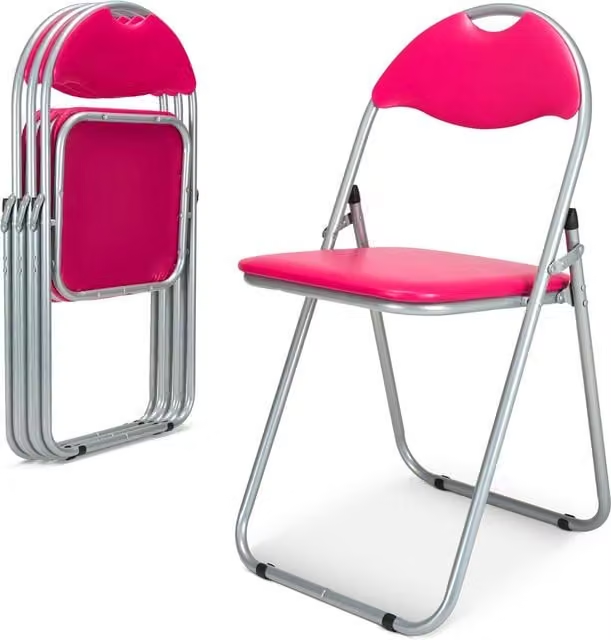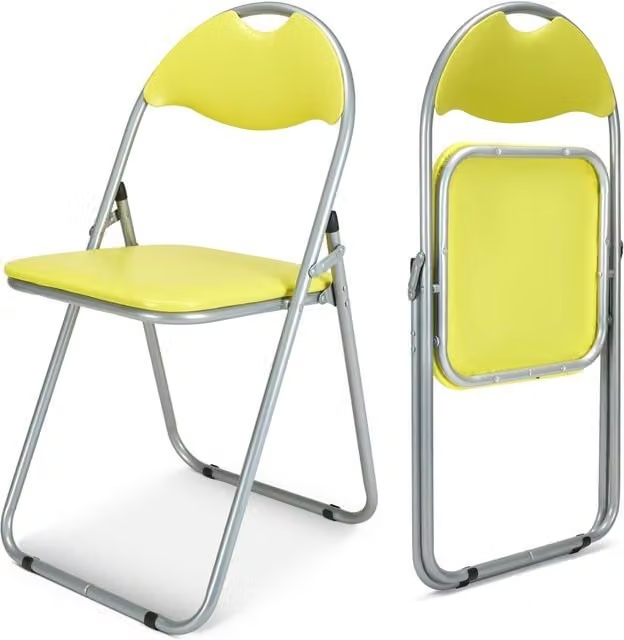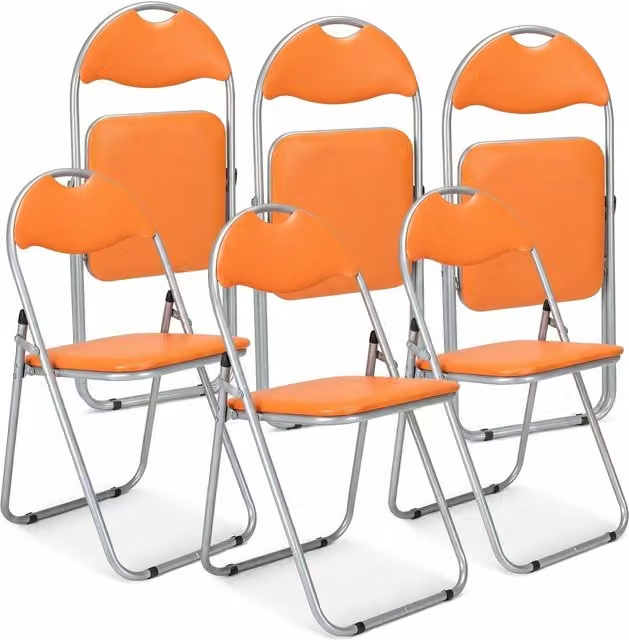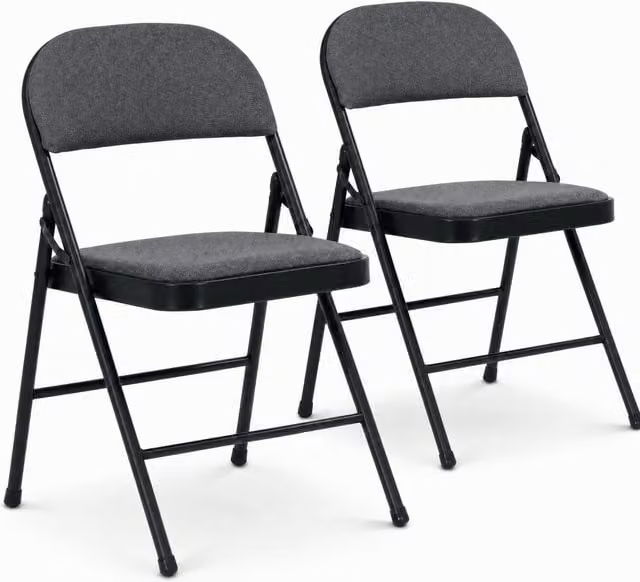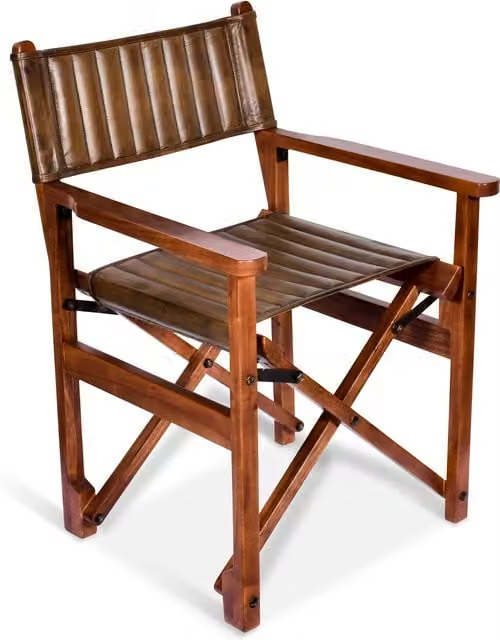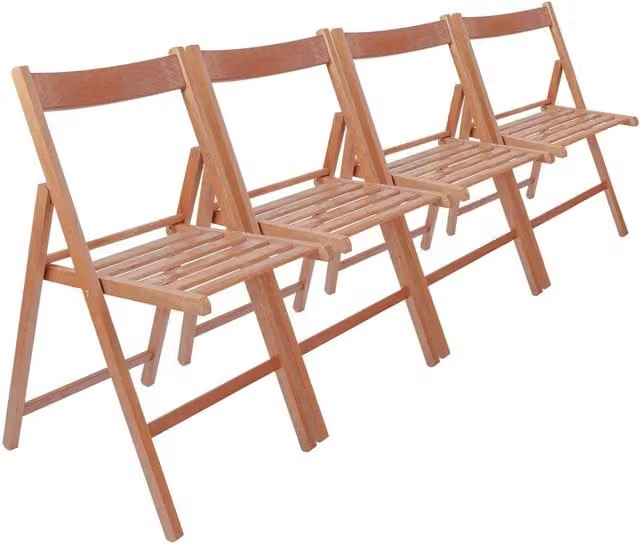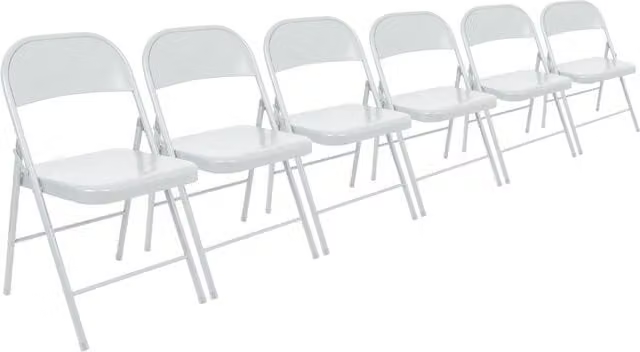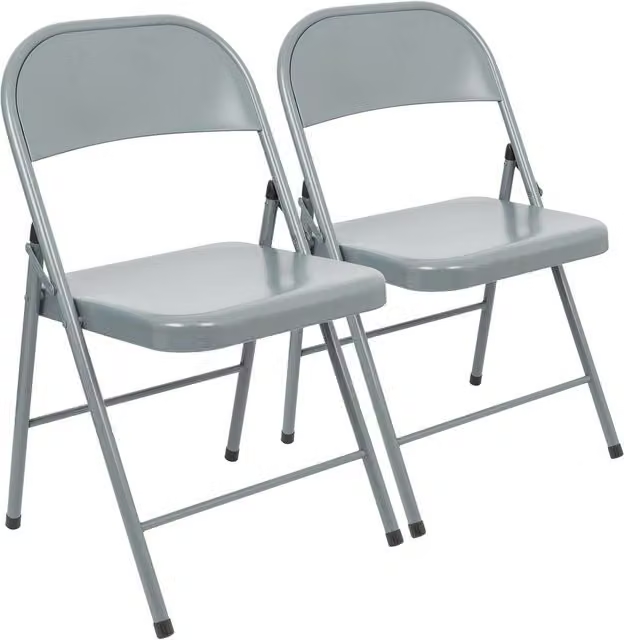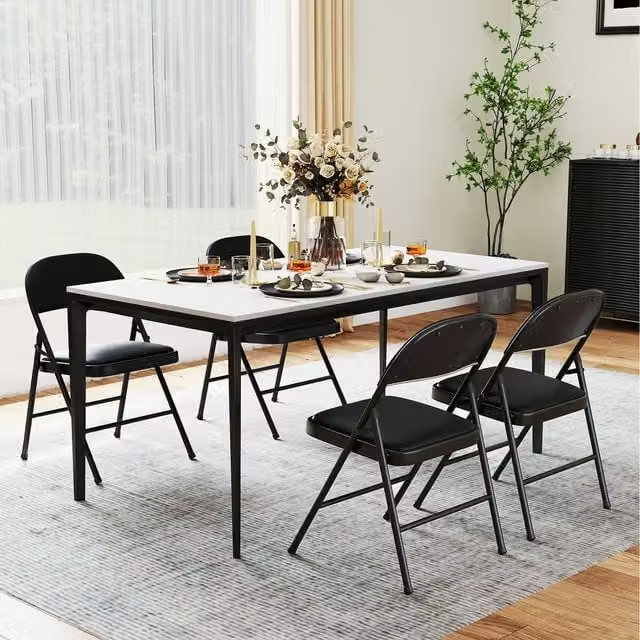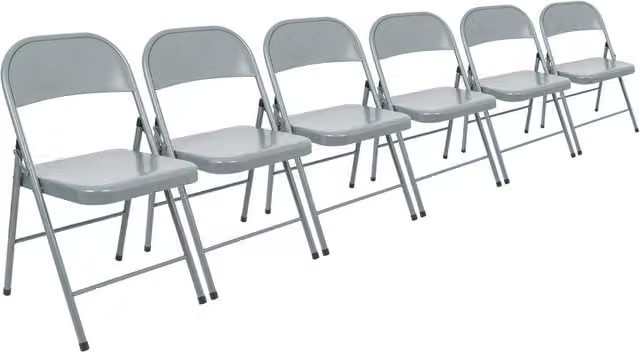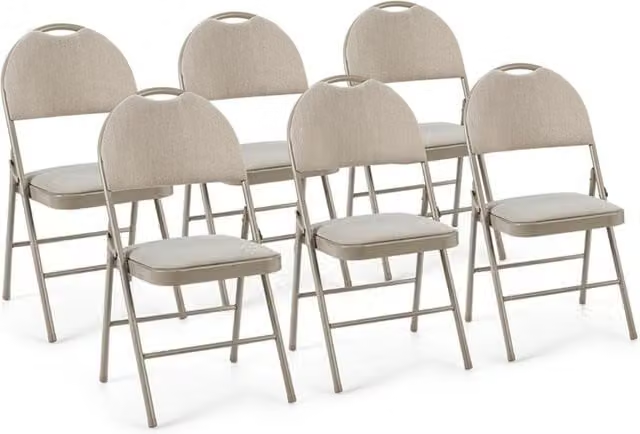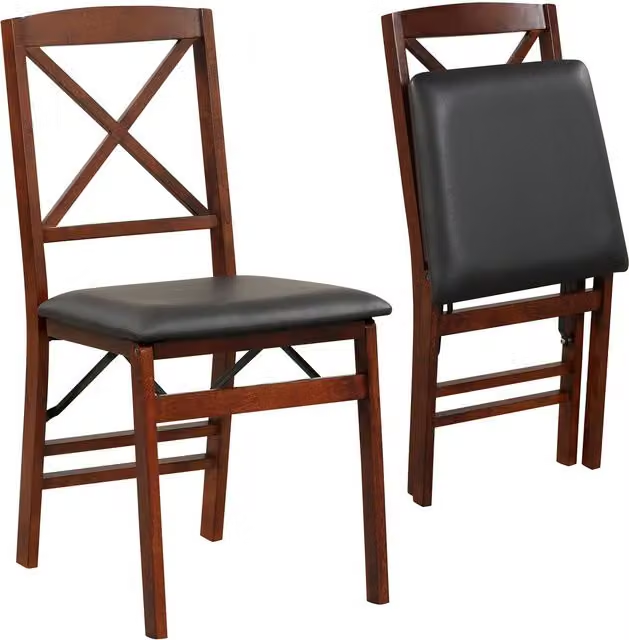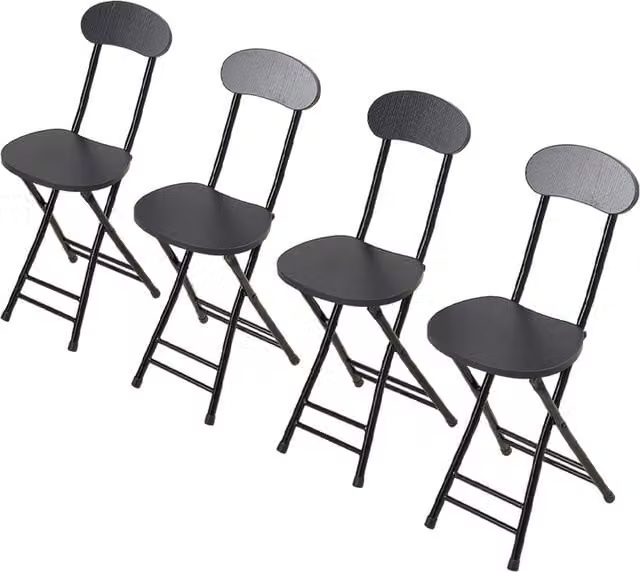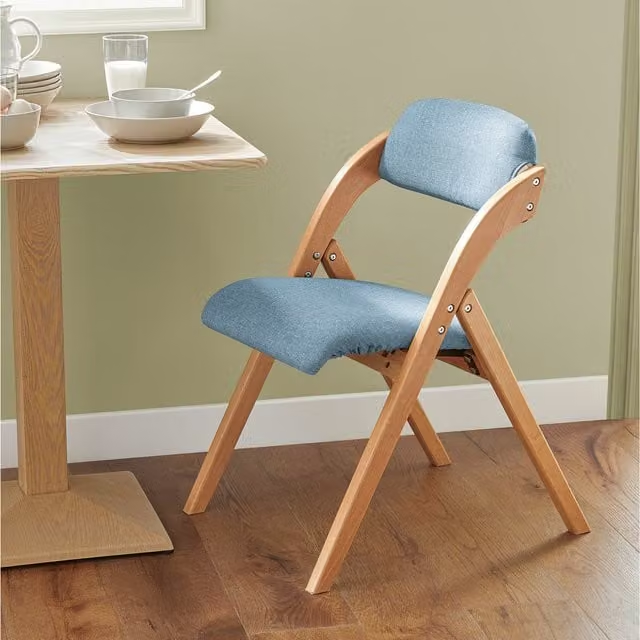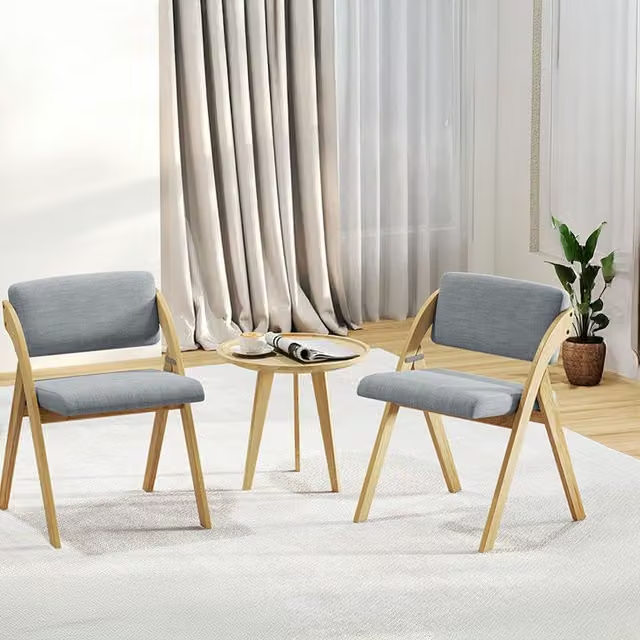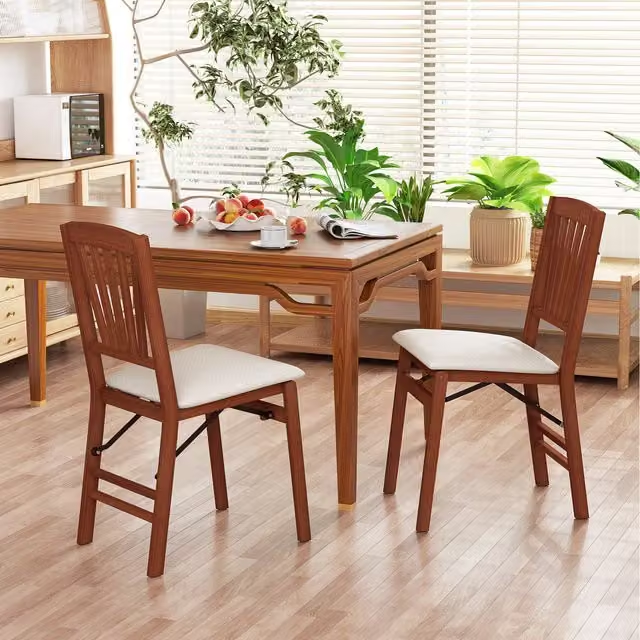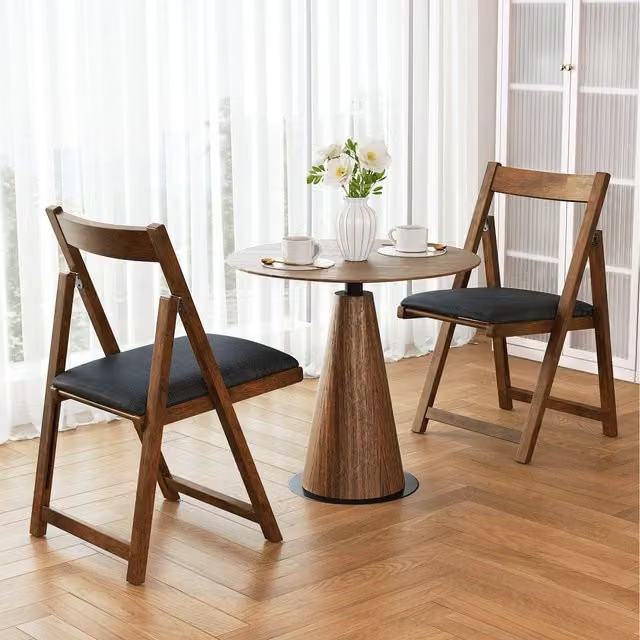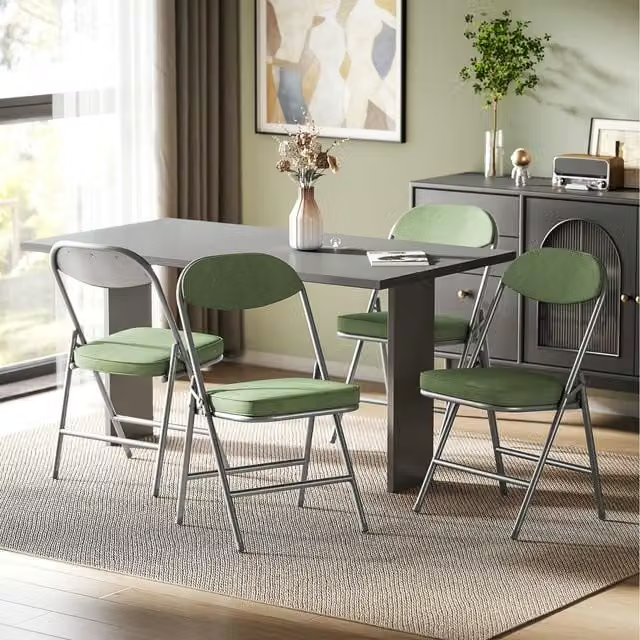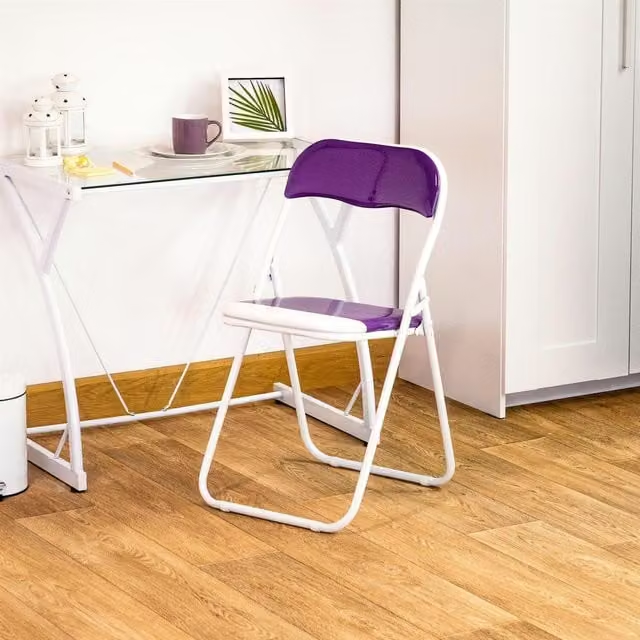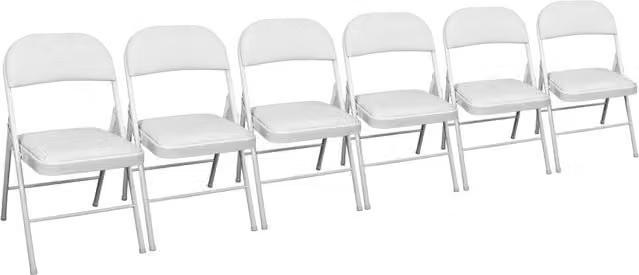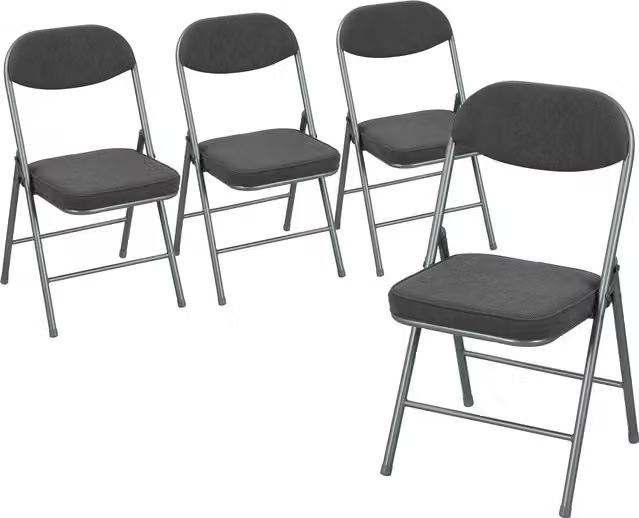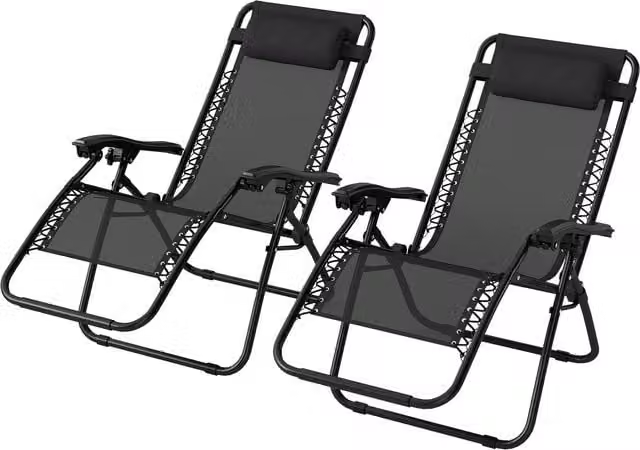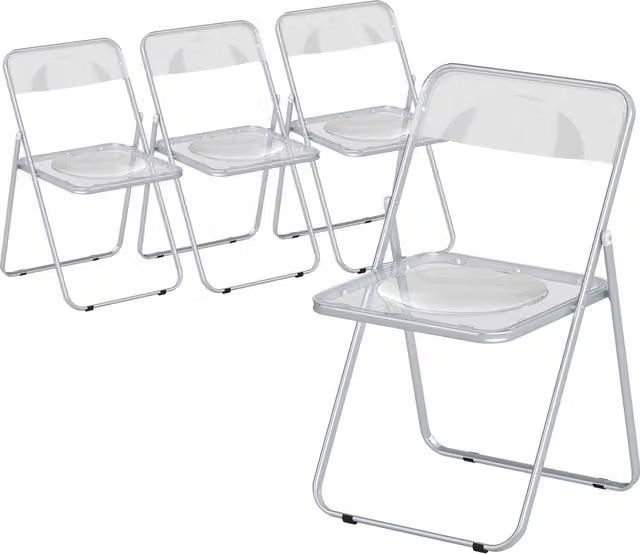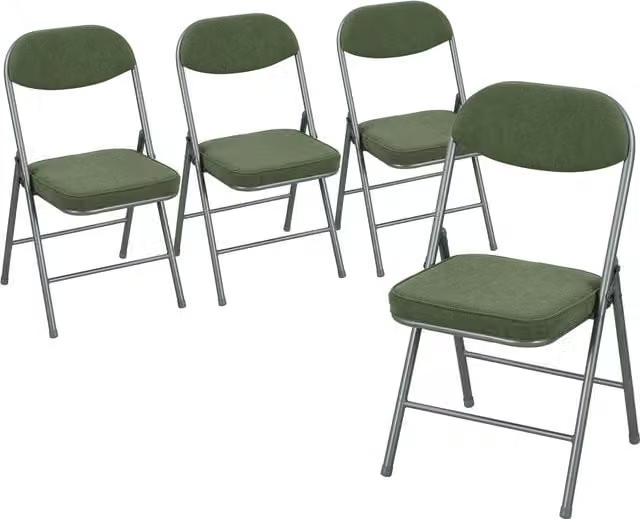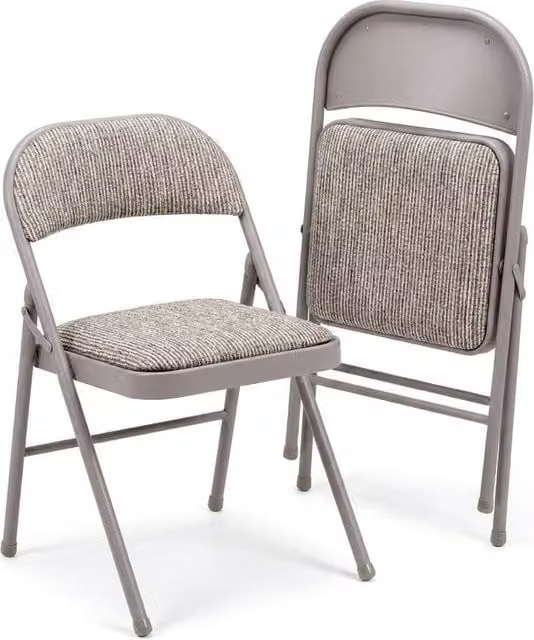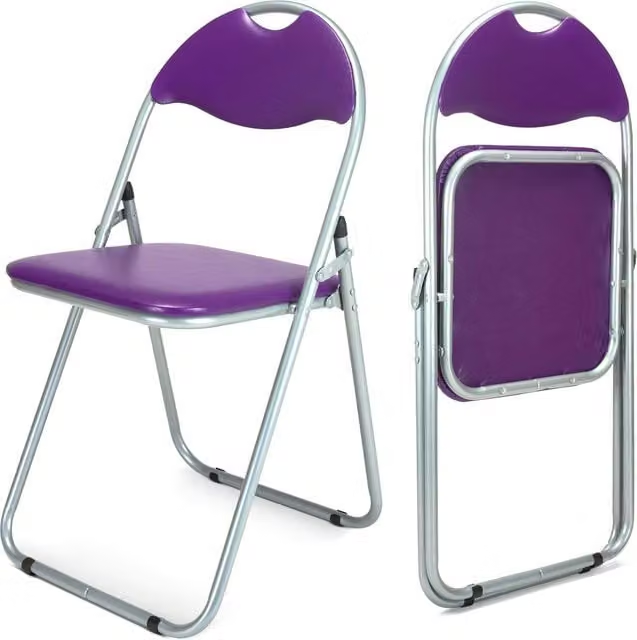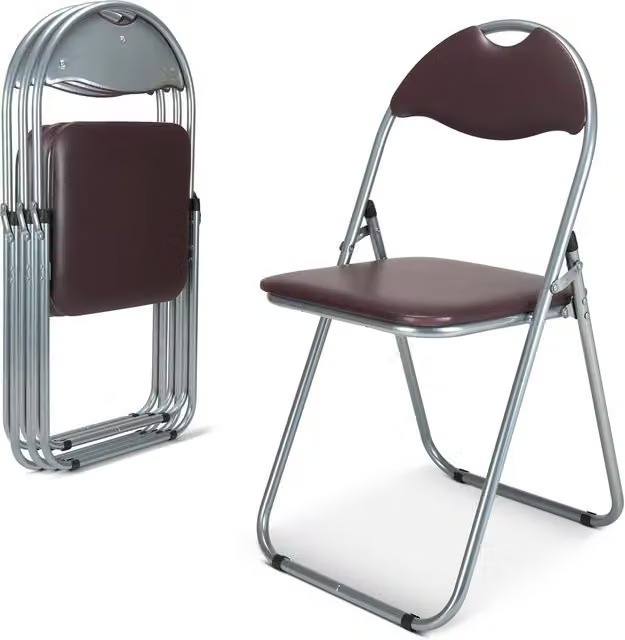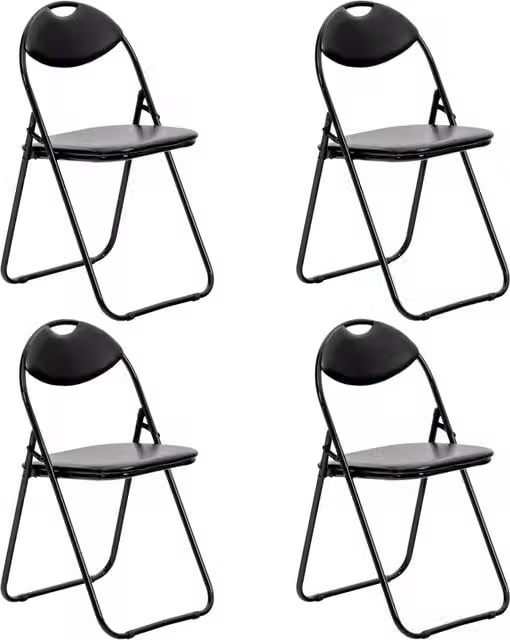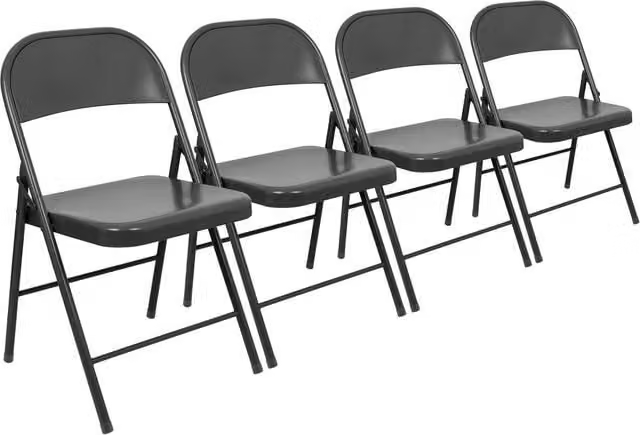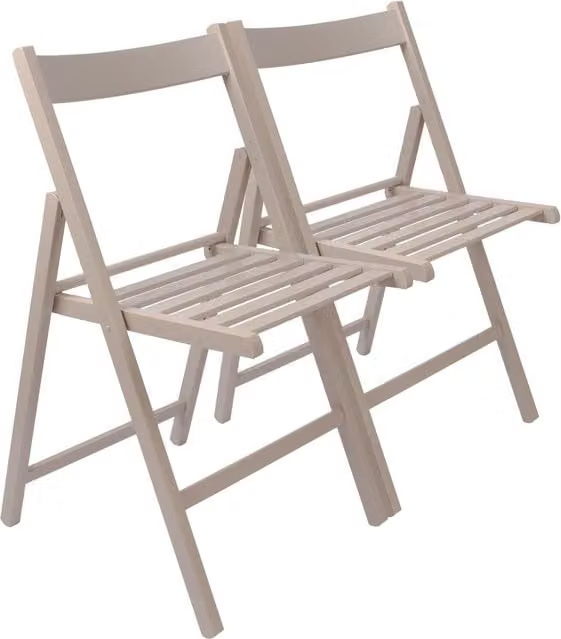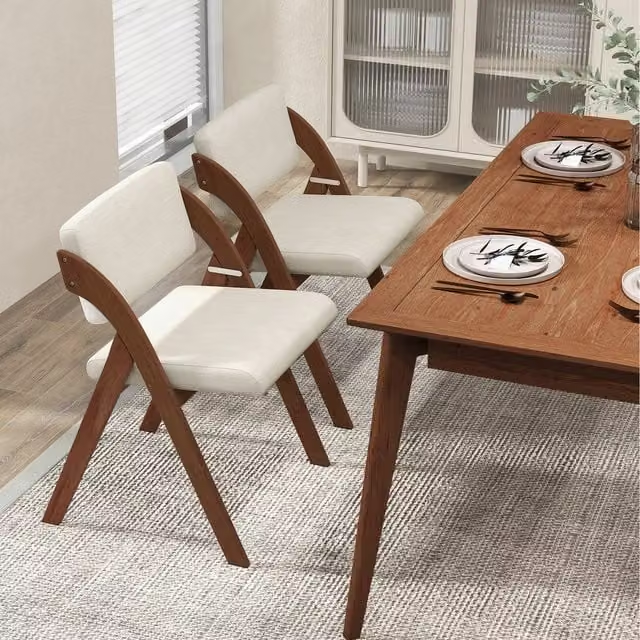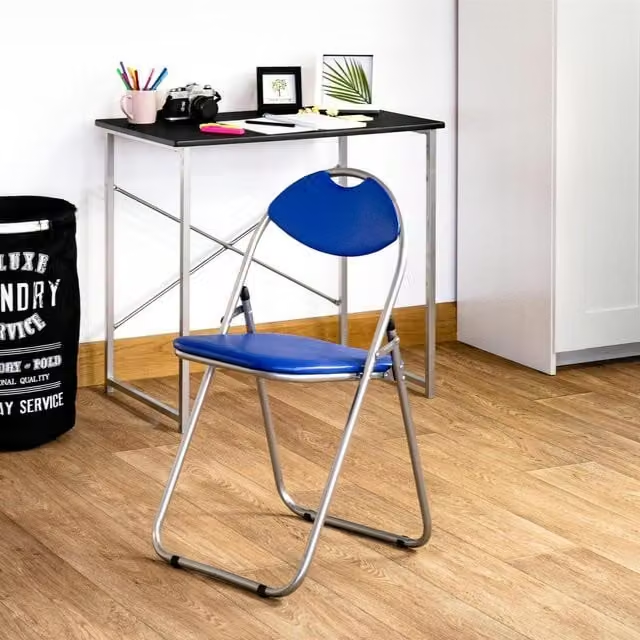
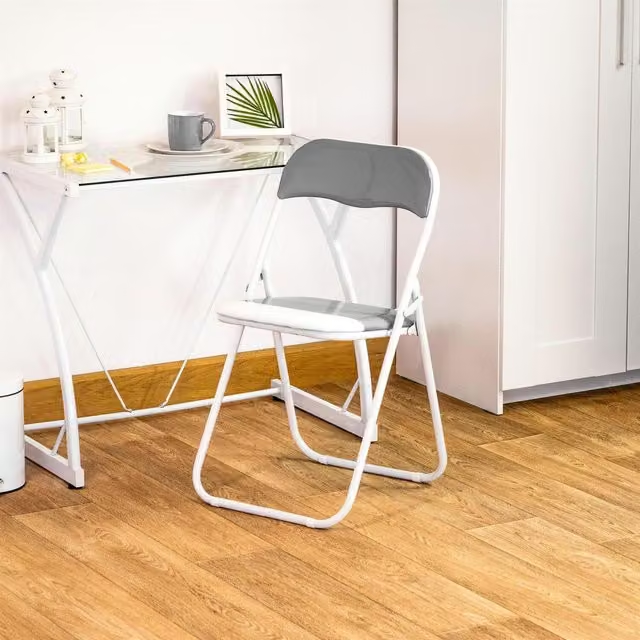
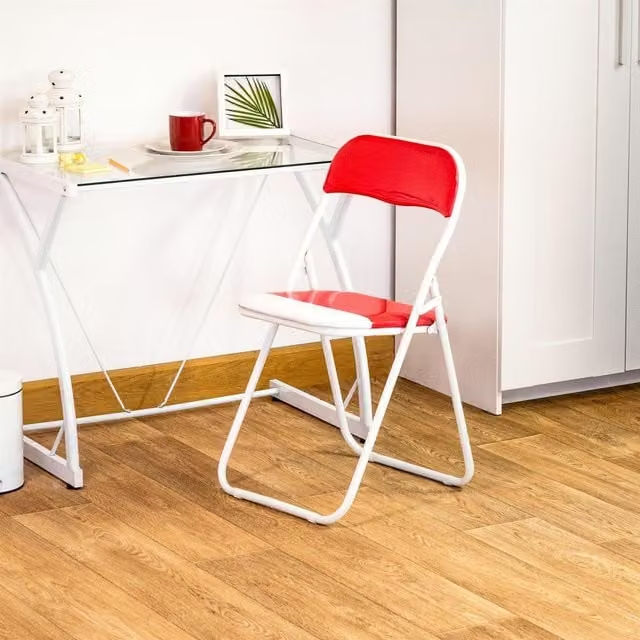
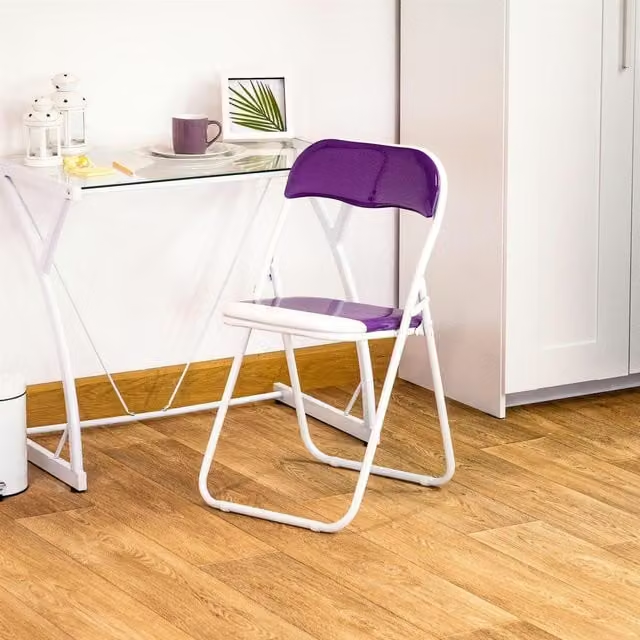
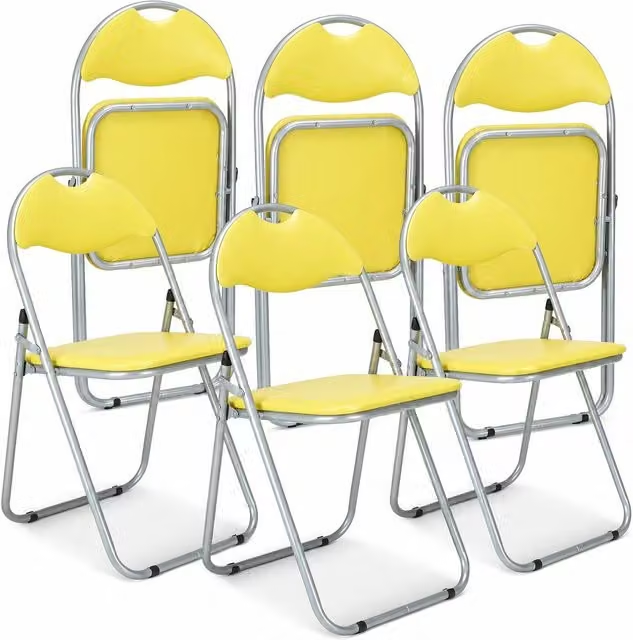
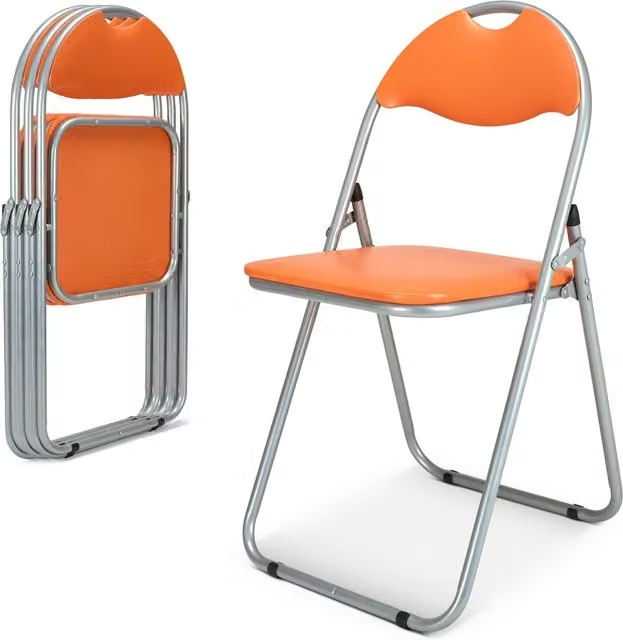
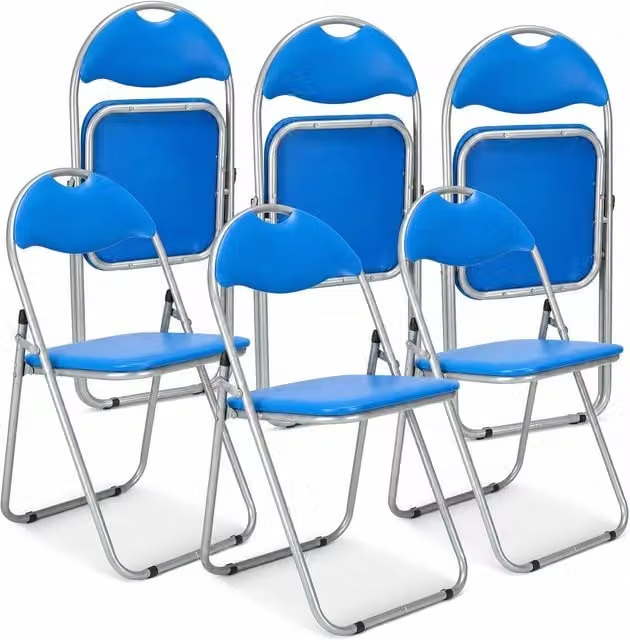
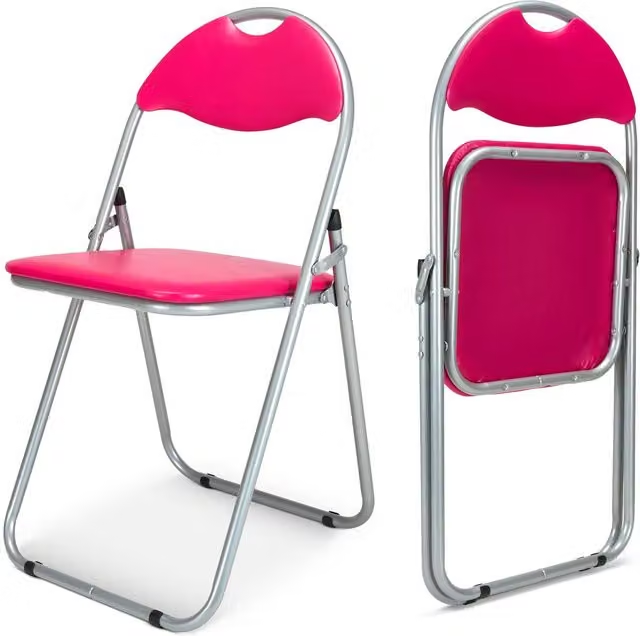
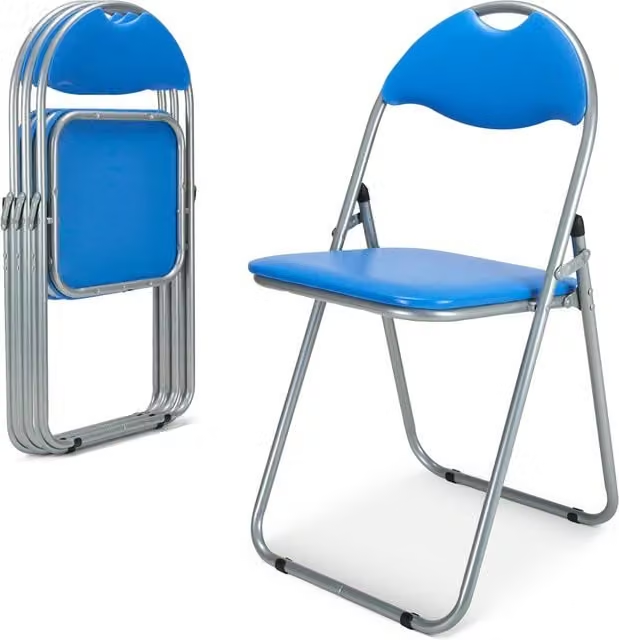
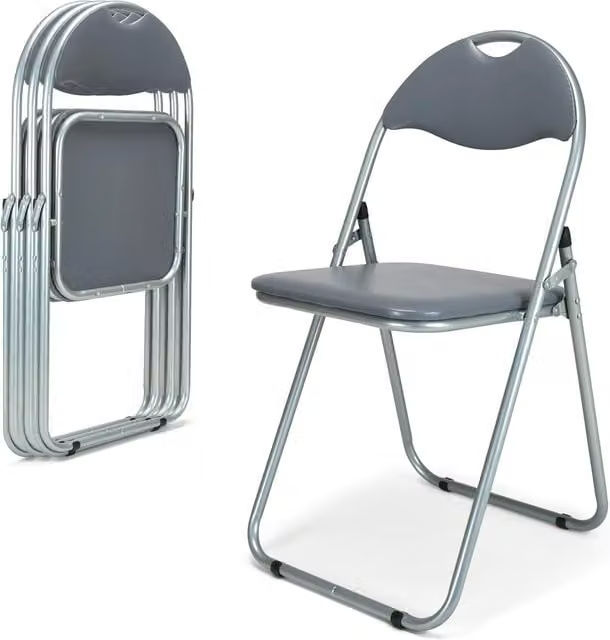
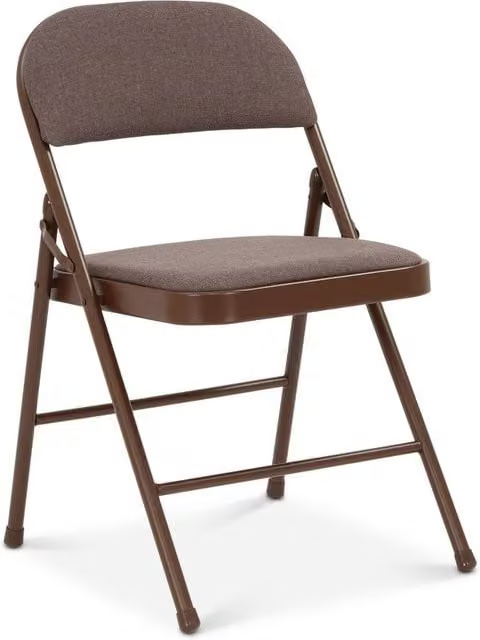
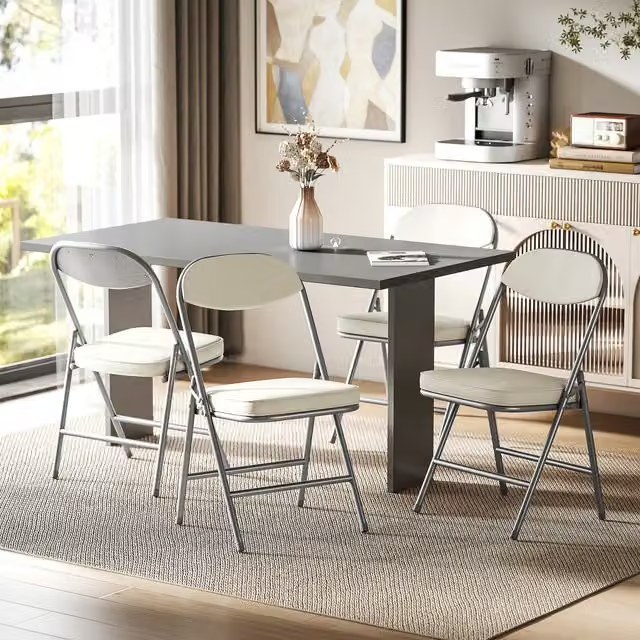
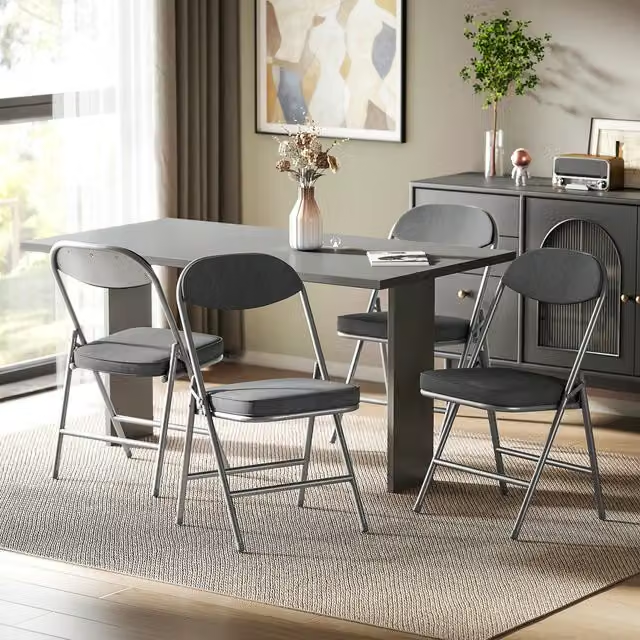
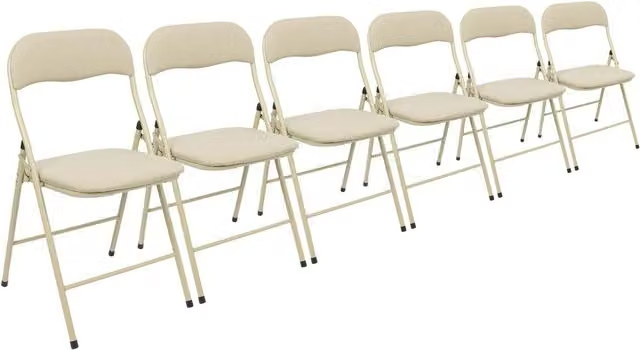
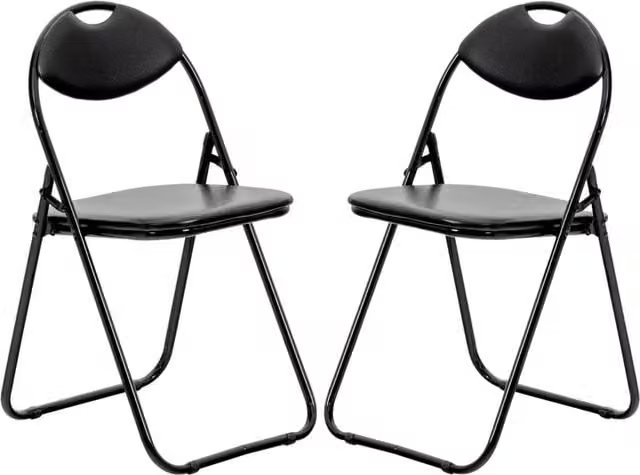
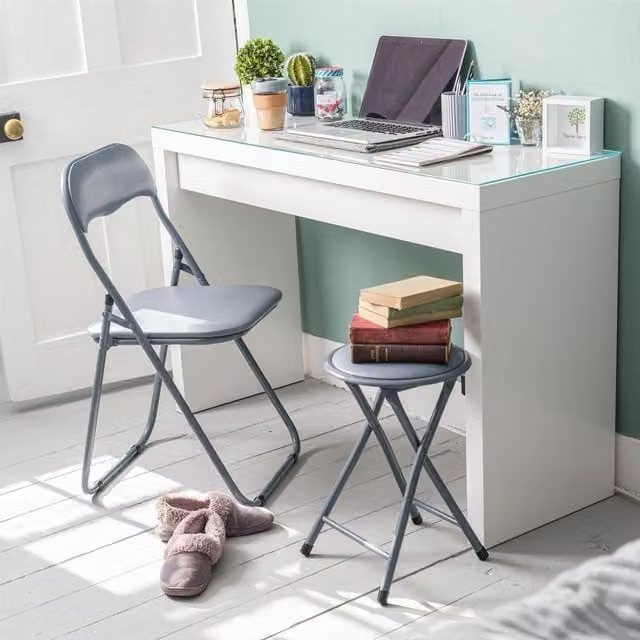
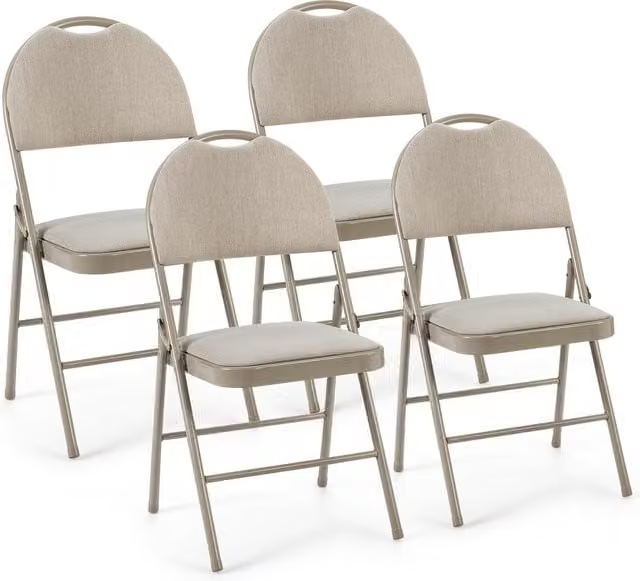
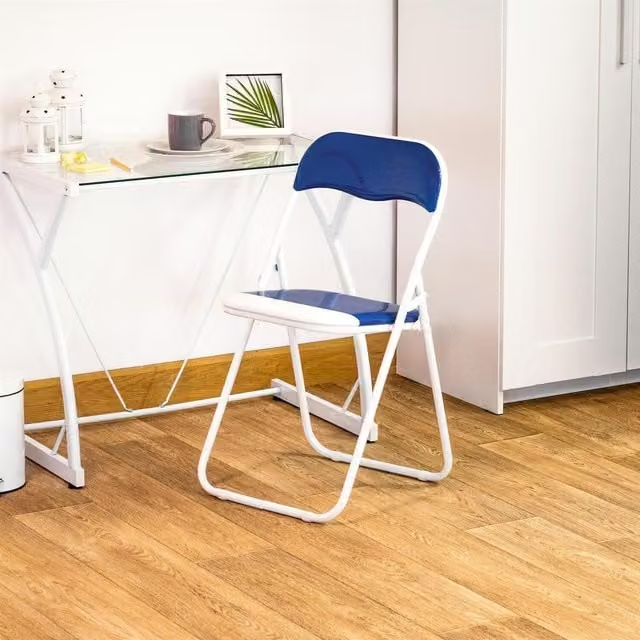
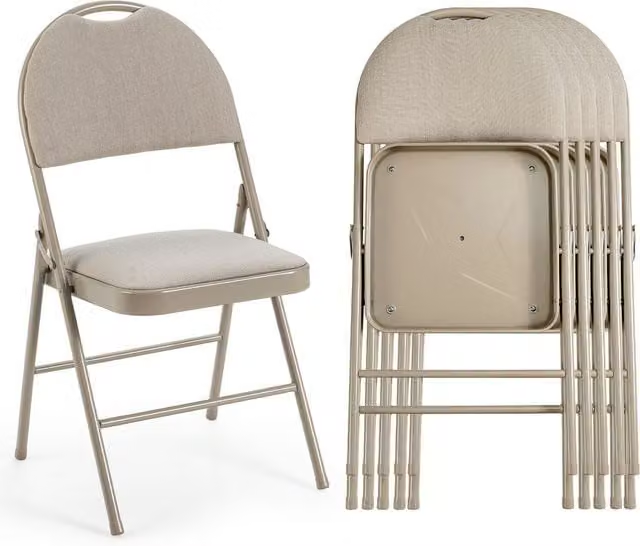
Every home eventually faces the same problem. You need seating for eight but you only have room for four, and nobody wants spare chairs cluttering the place for the other fifty weeks of the year. Folding chairs solve this elegantly. They appear when guests arrive, provide proper comfortable seating, and then fold flat into a cupboard, under a bed or behind a door until they are needed again.
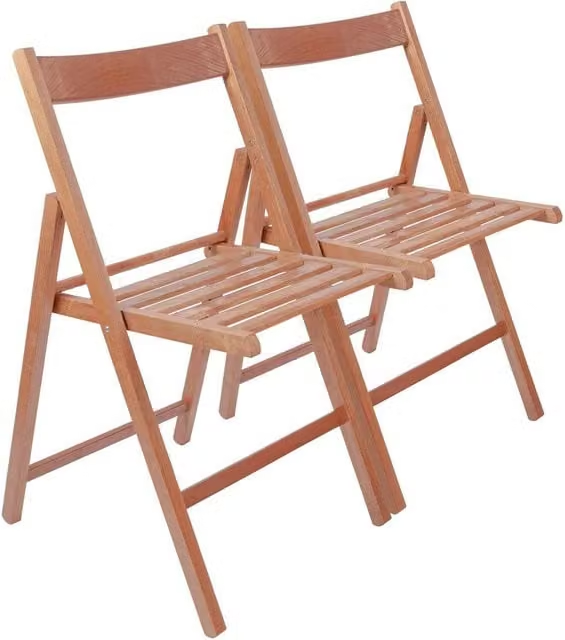
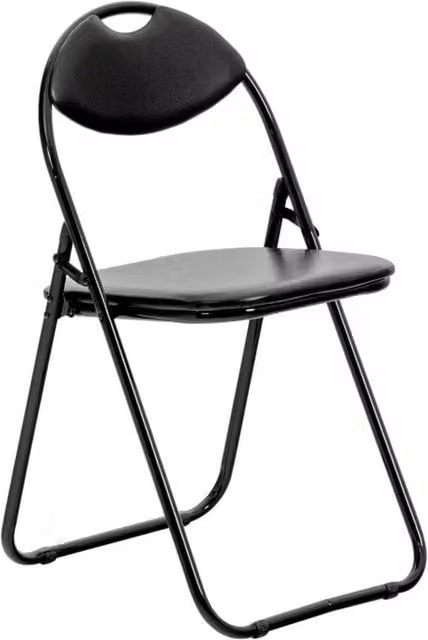
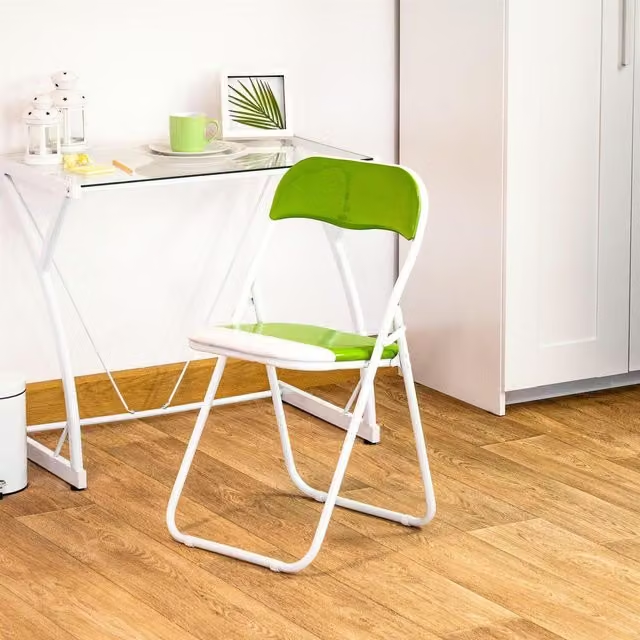
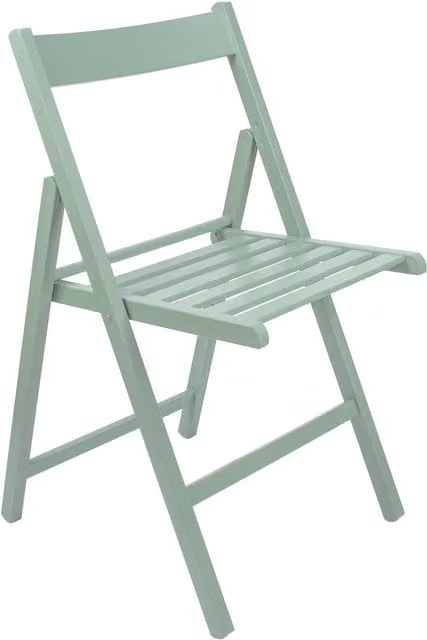
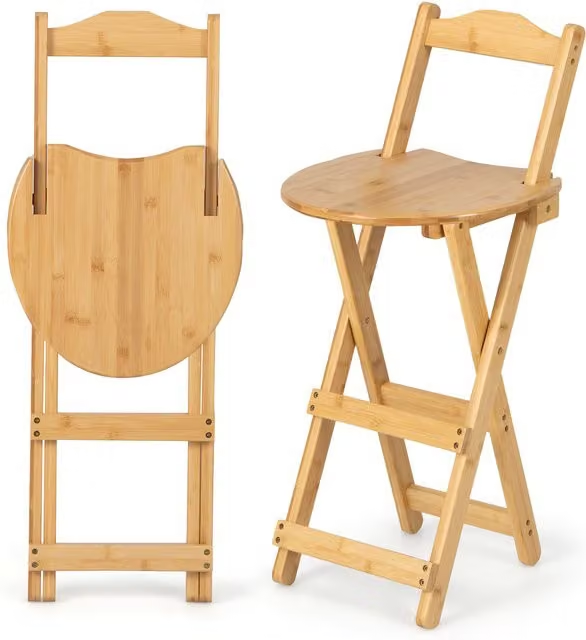
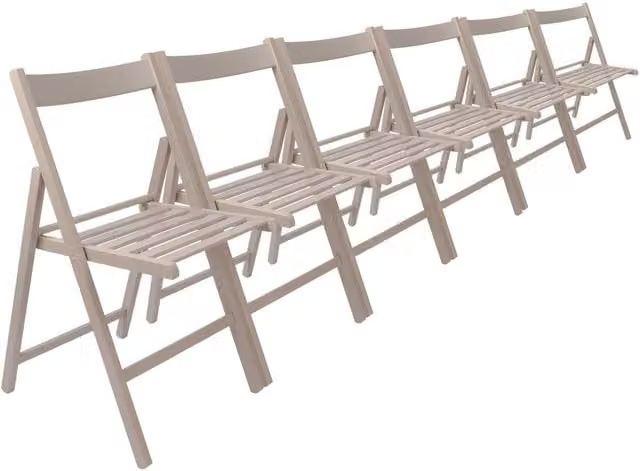
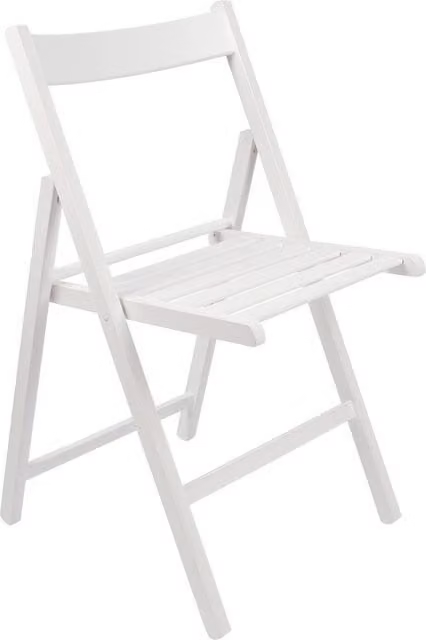
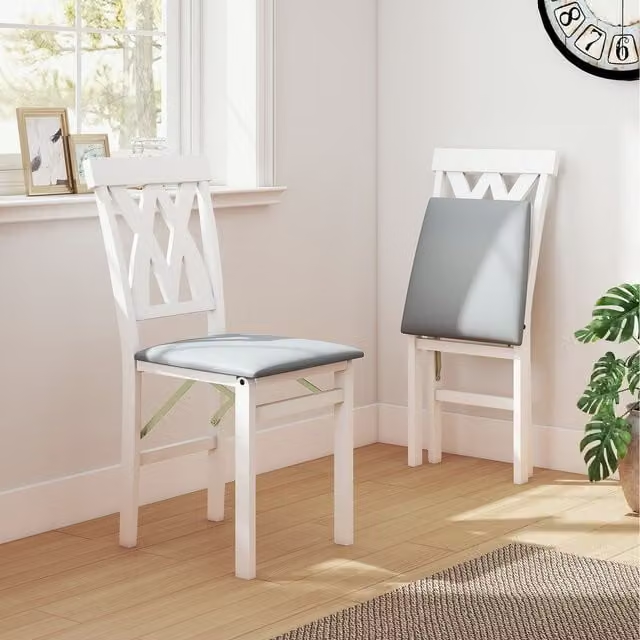
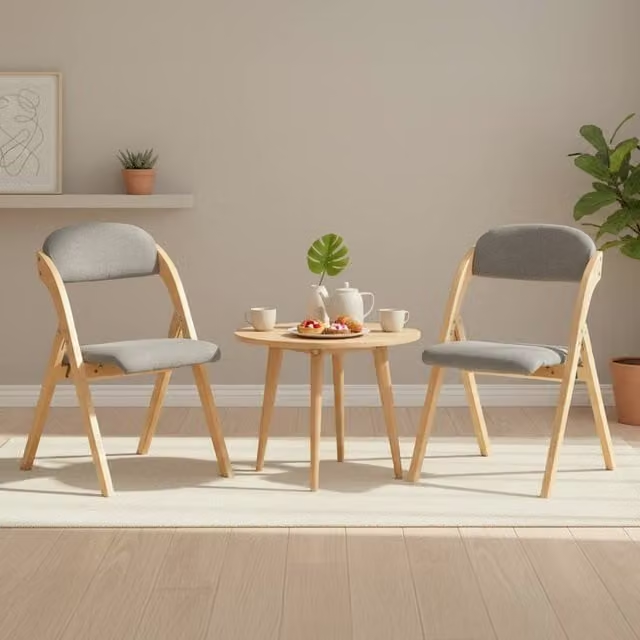
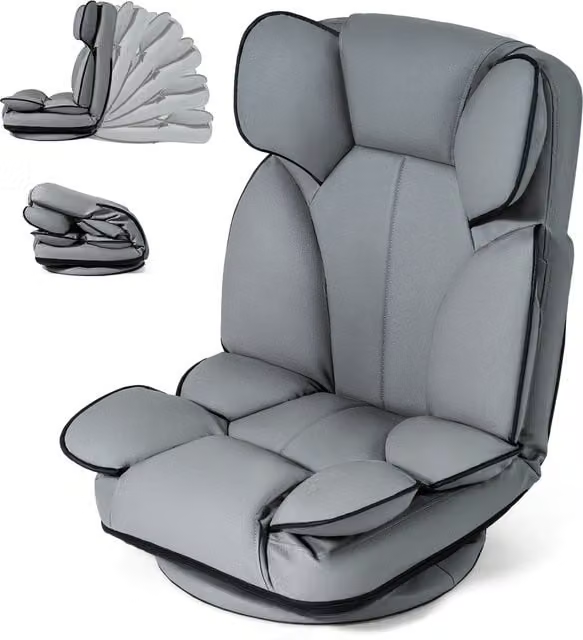
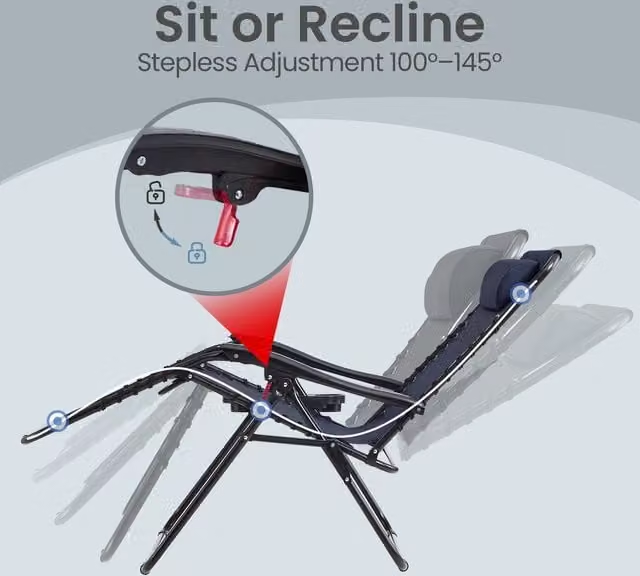
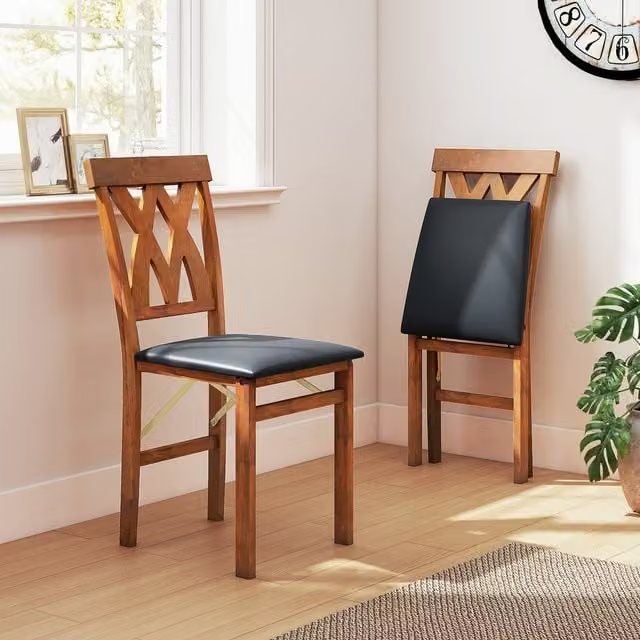
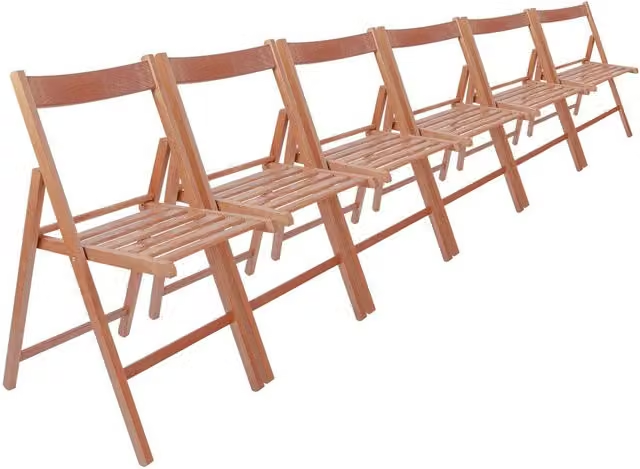
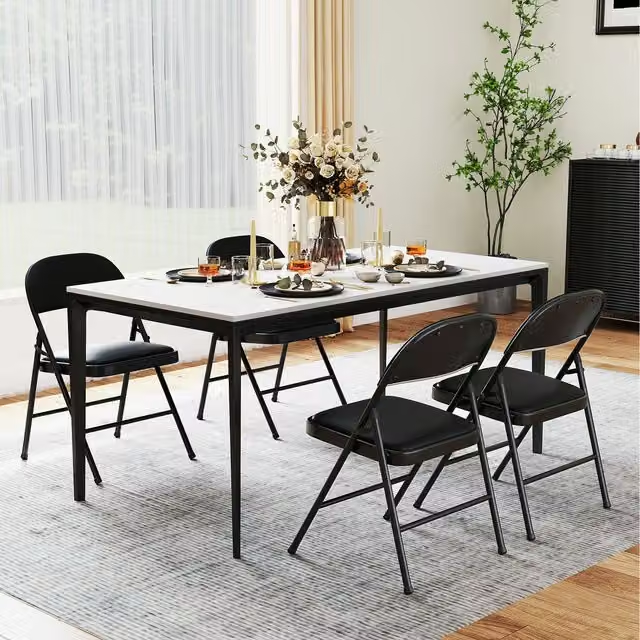
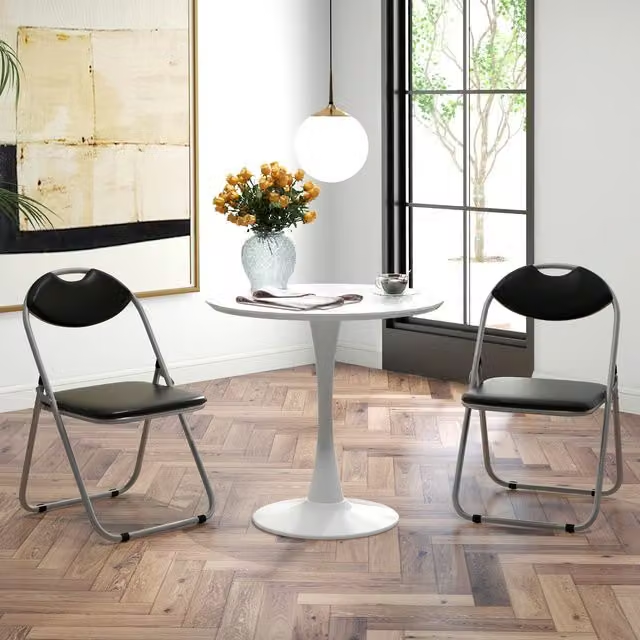
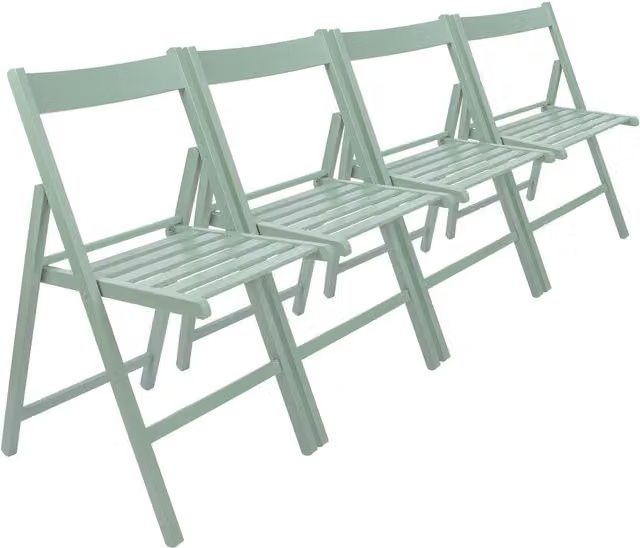
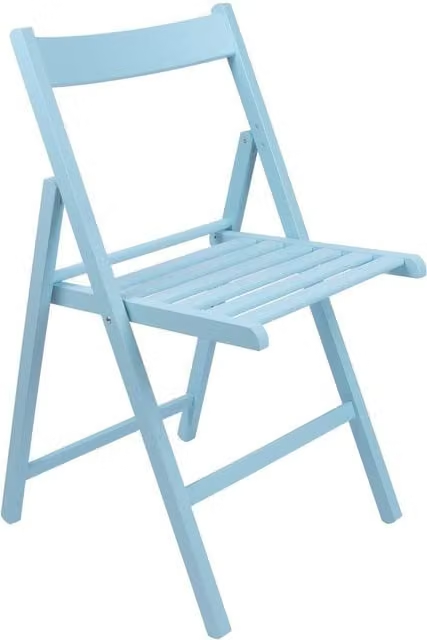
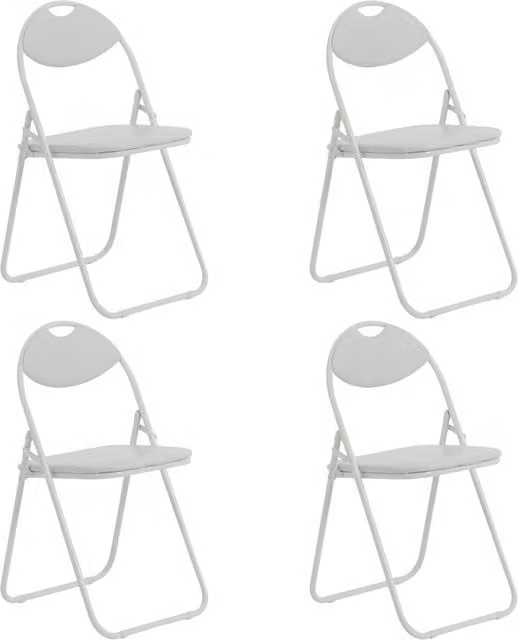
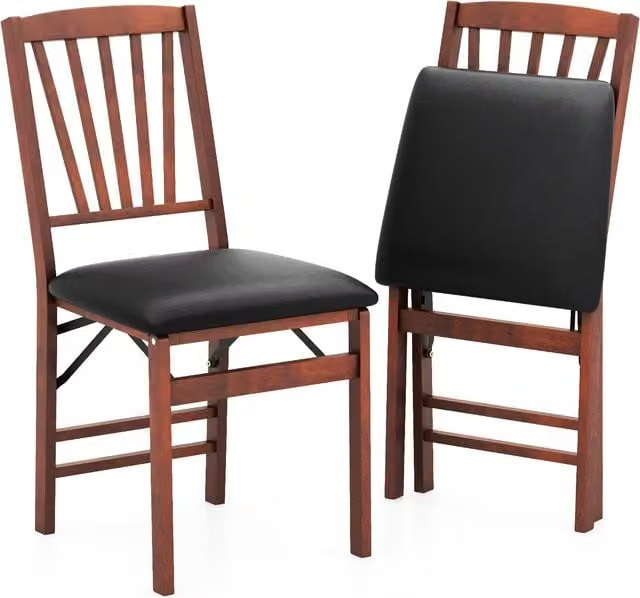
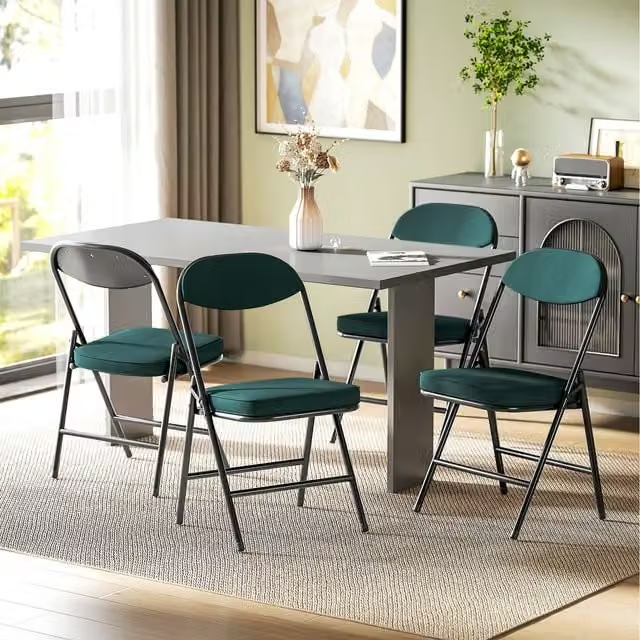
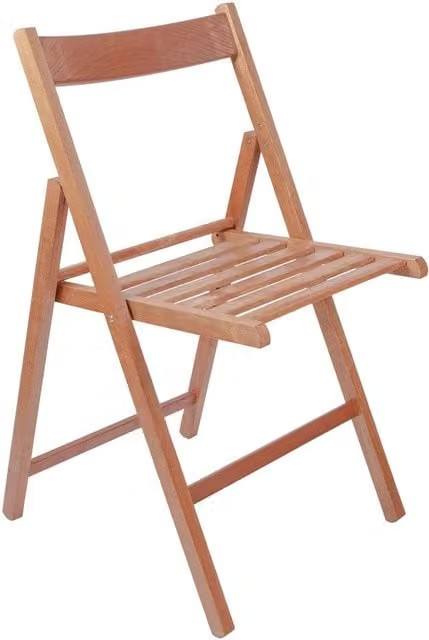
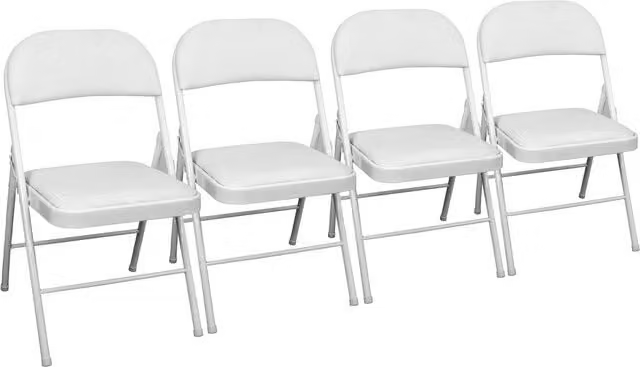
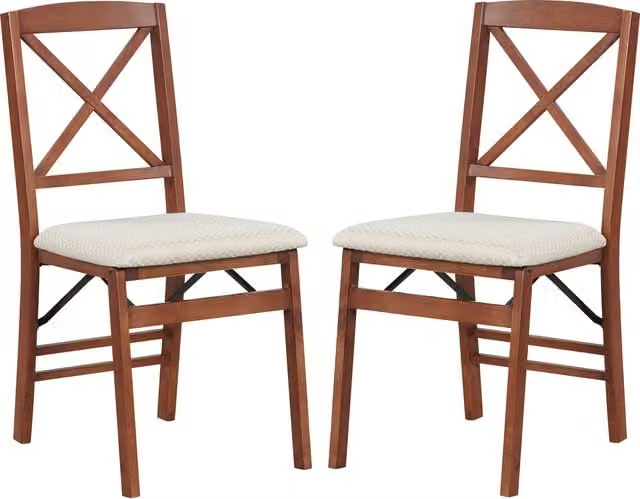
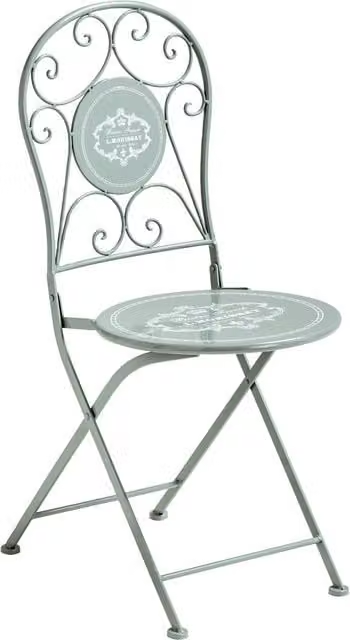
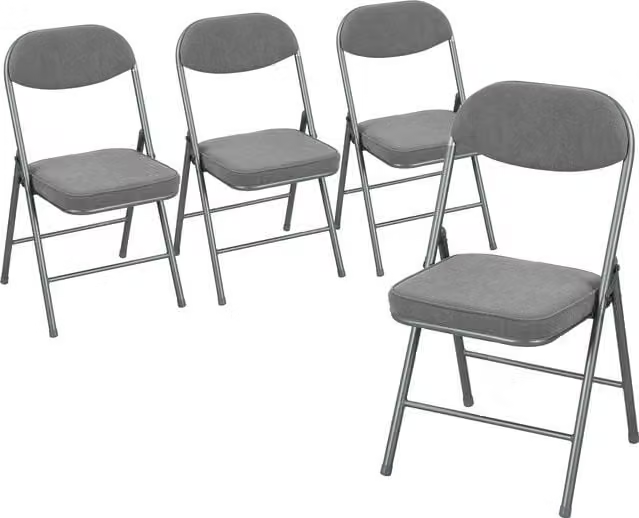
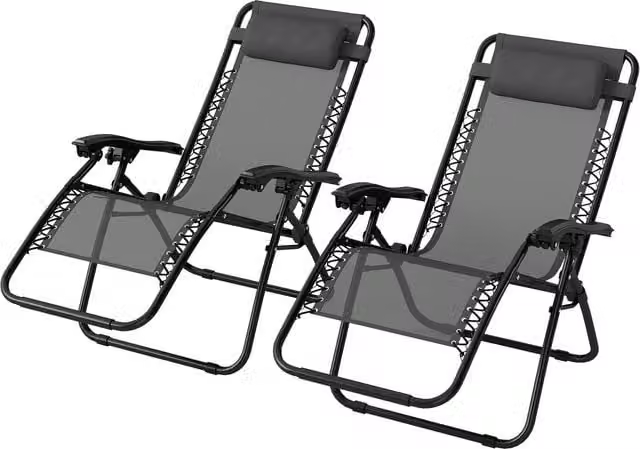
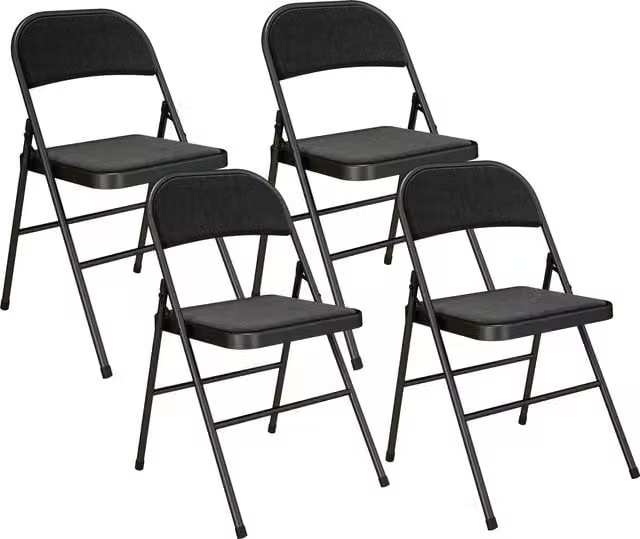
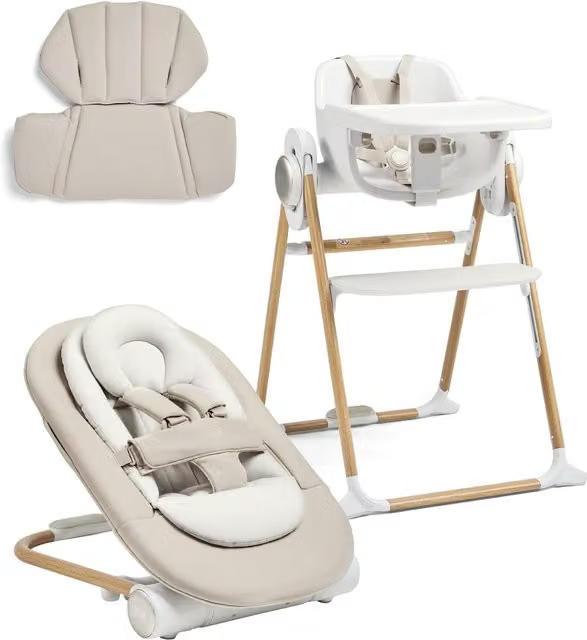
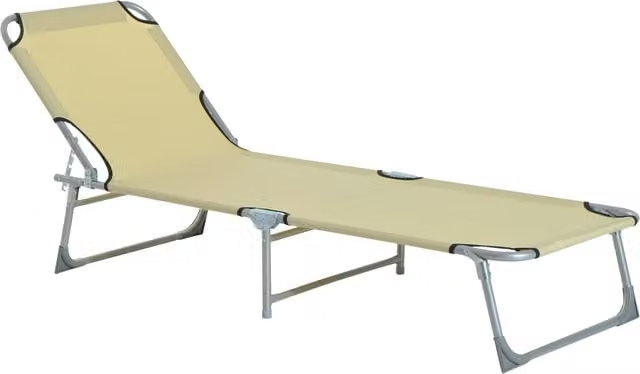
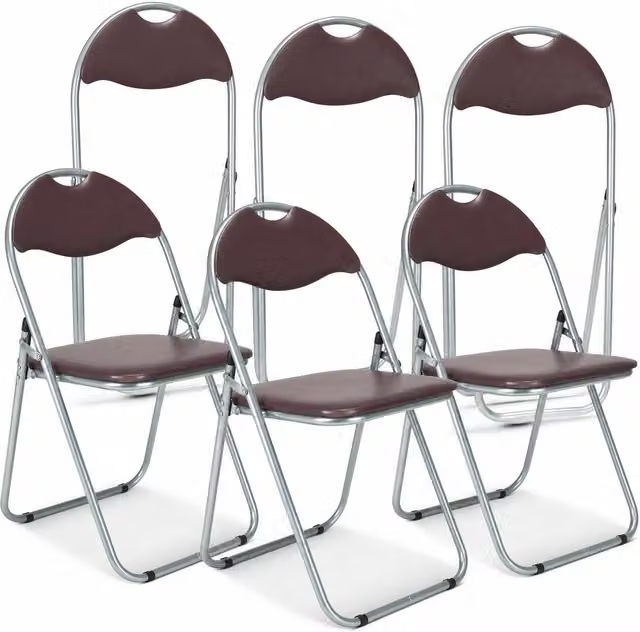
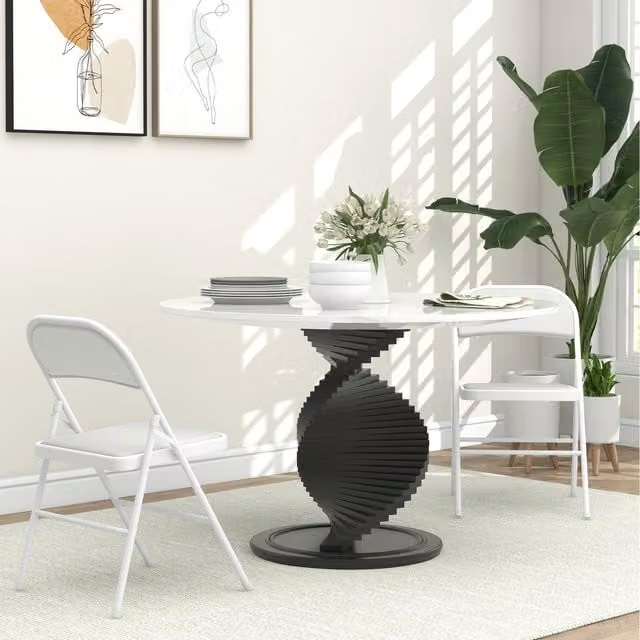
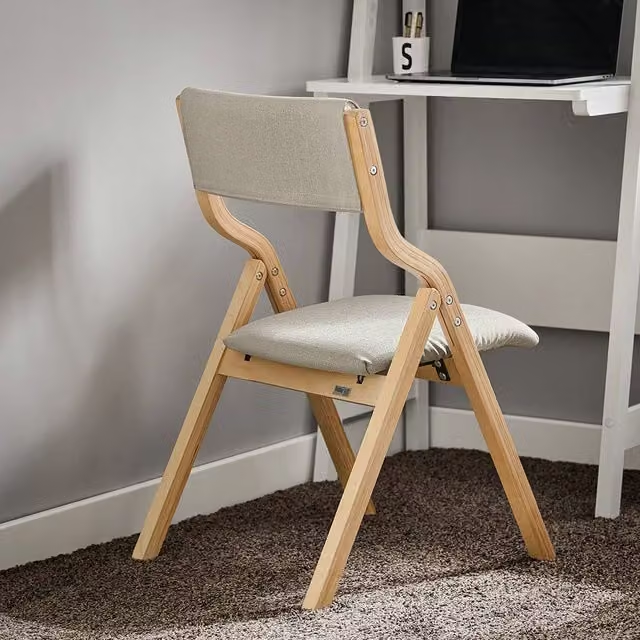
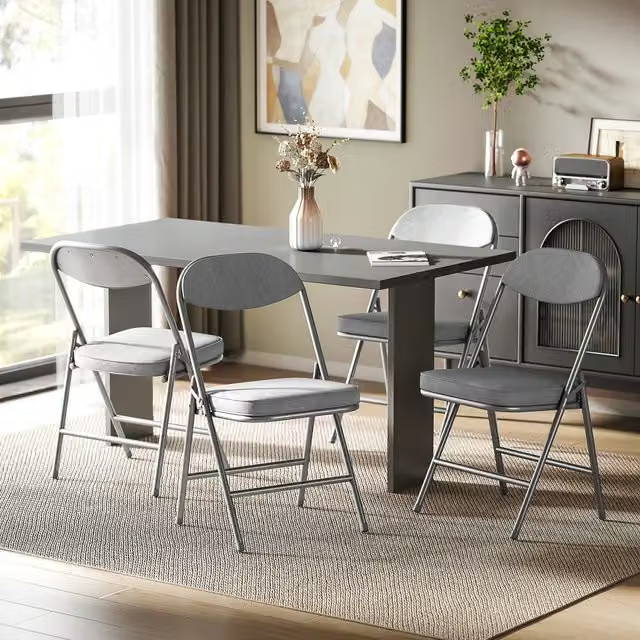
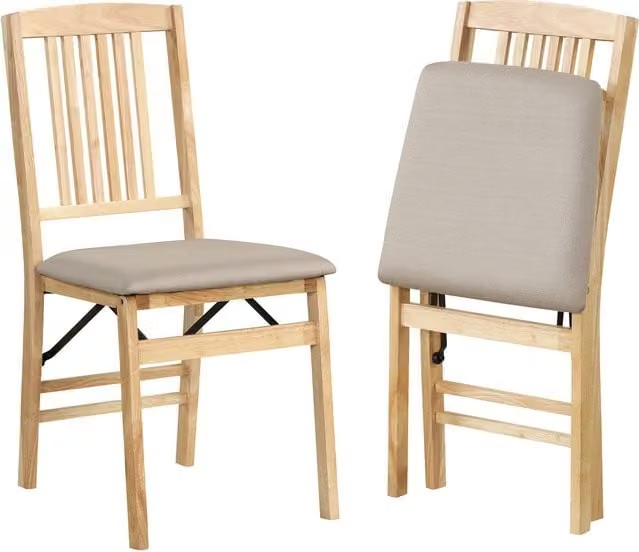
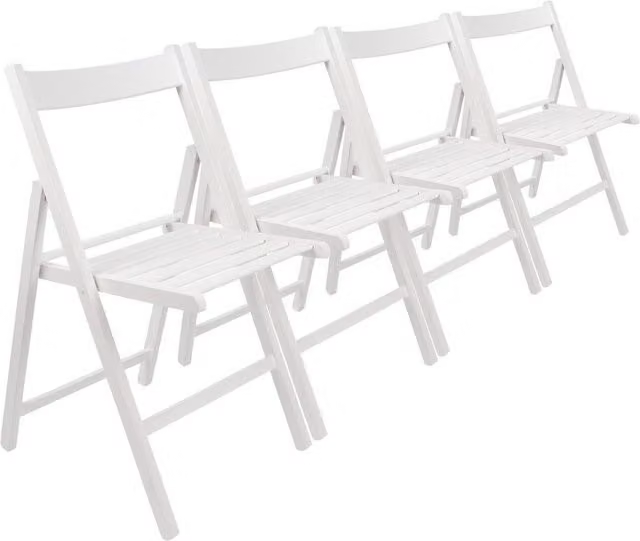
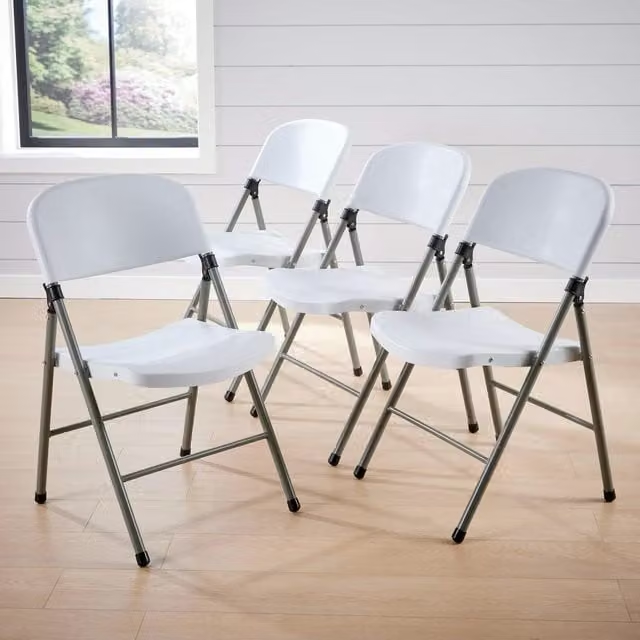
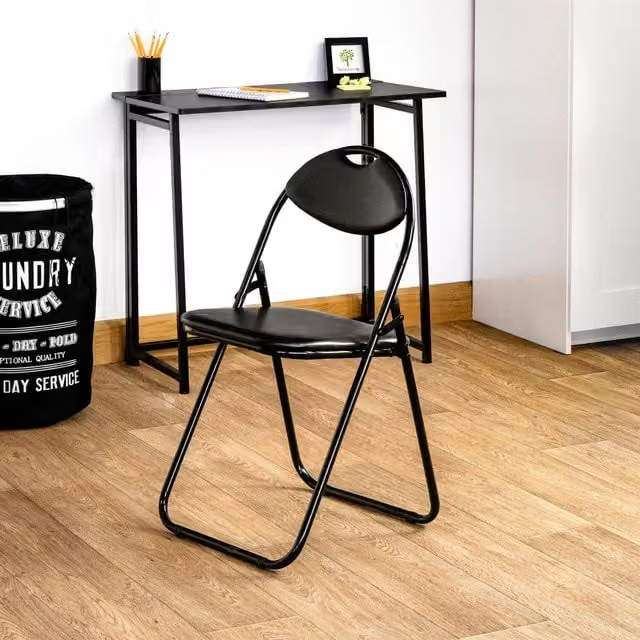
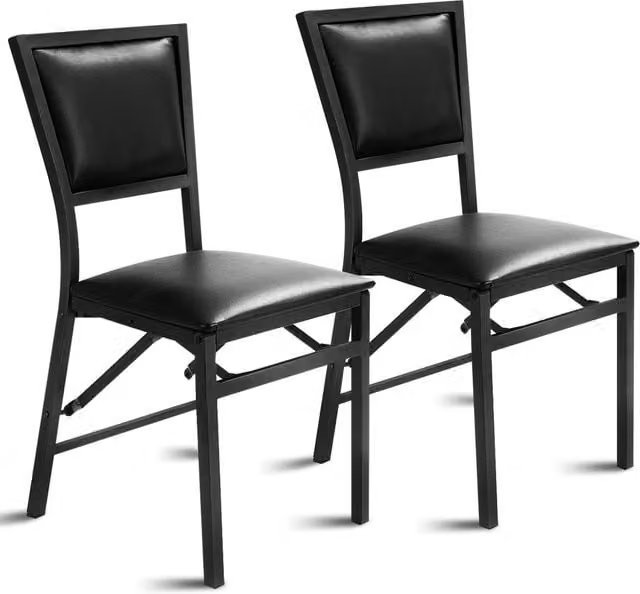
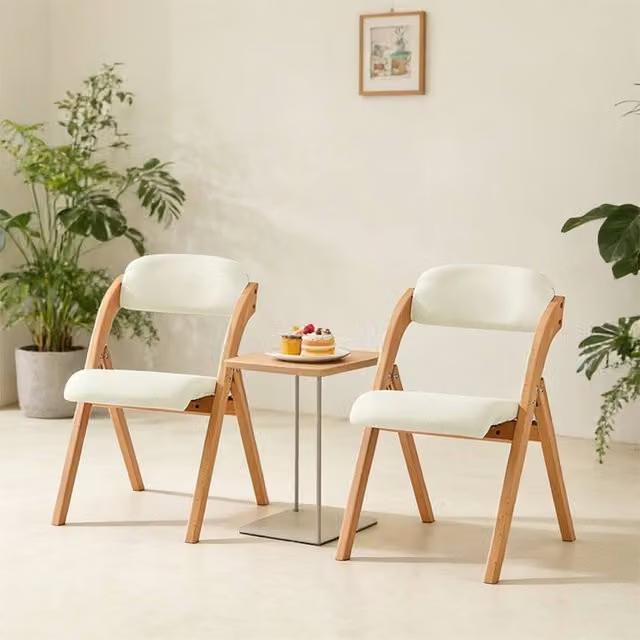
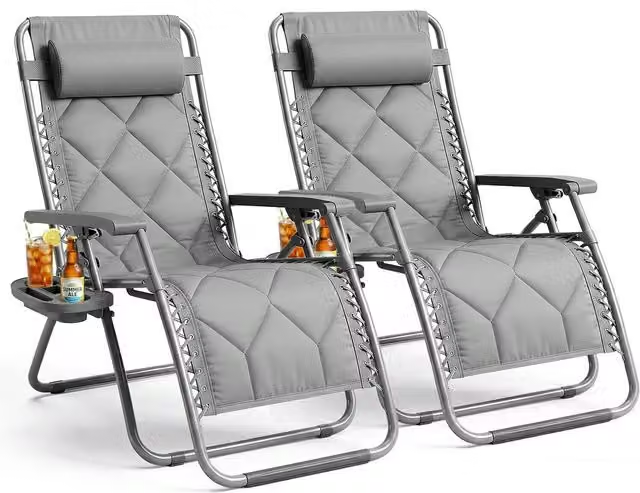
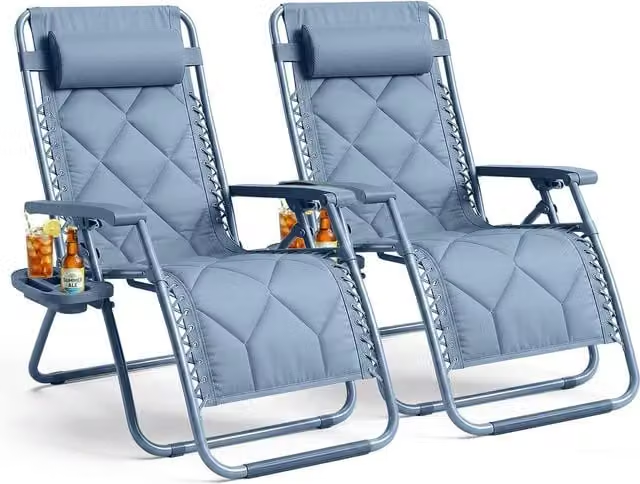
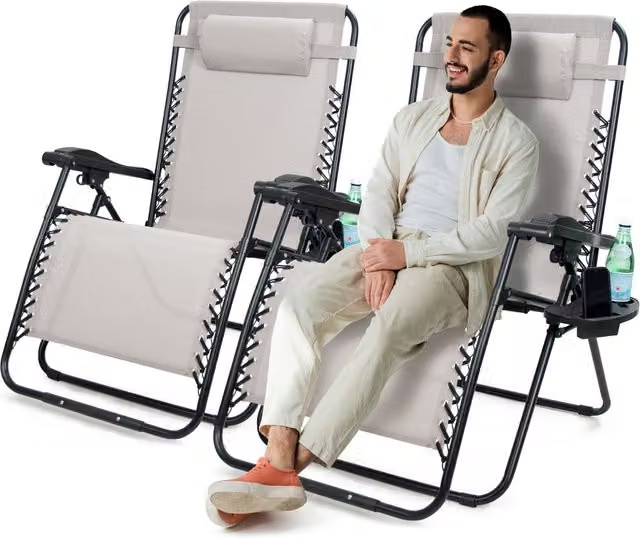
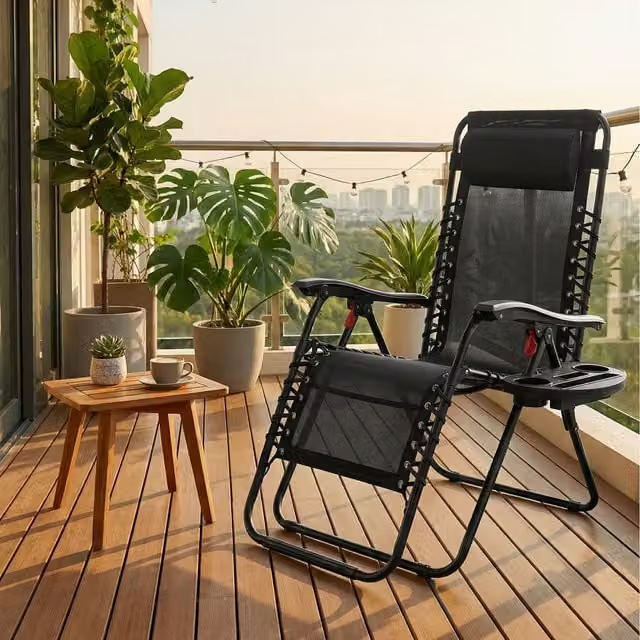
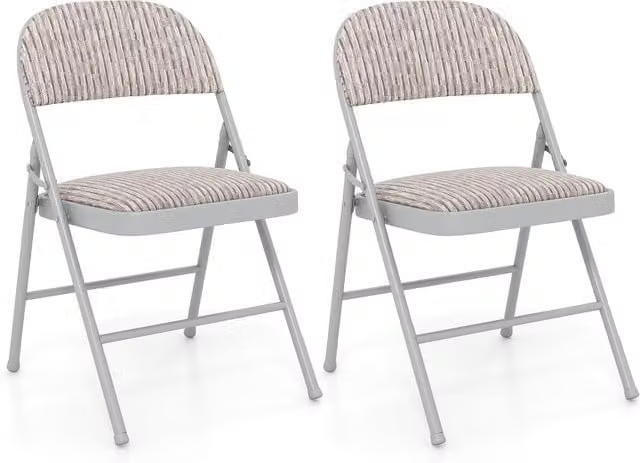
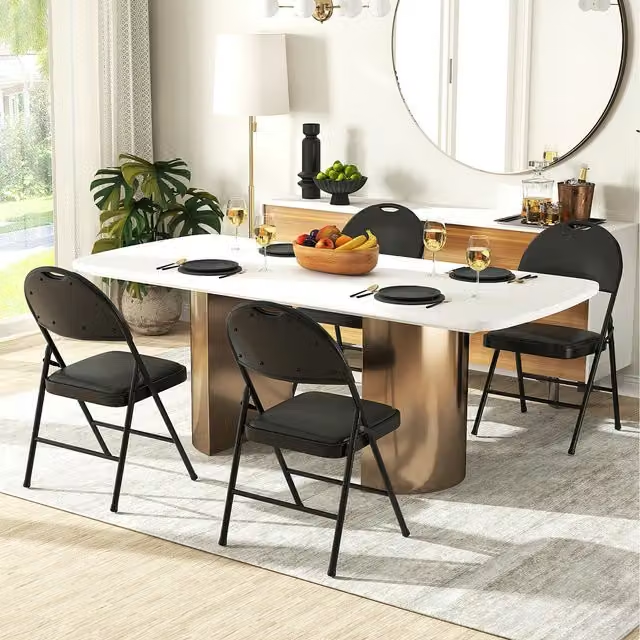
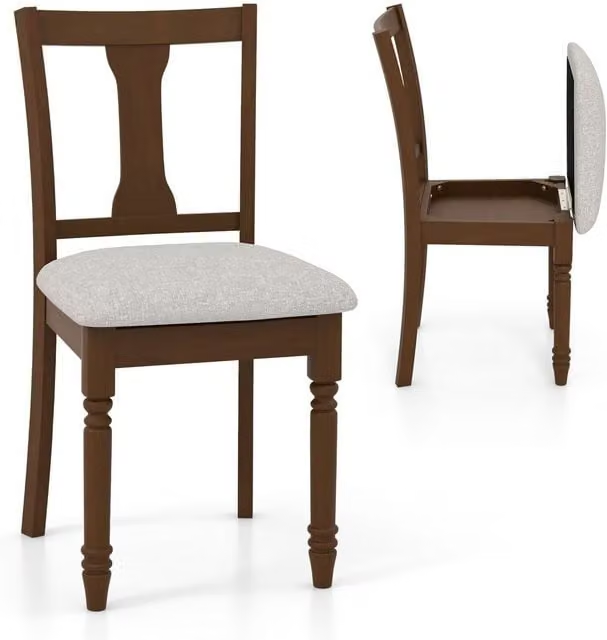
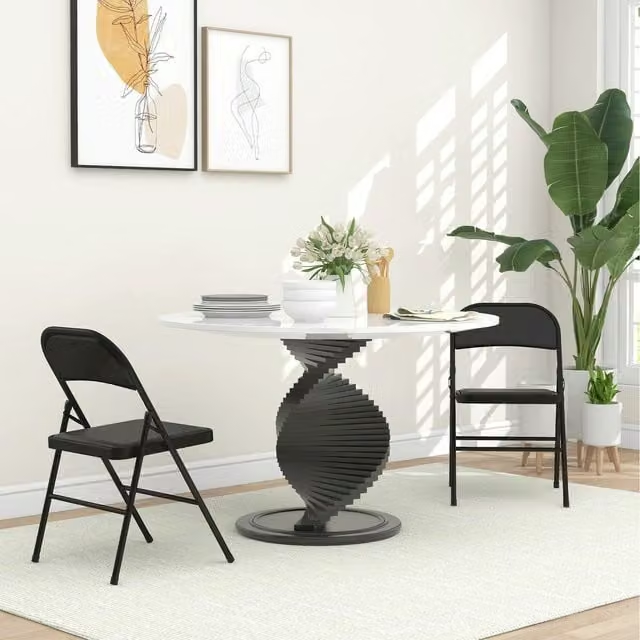
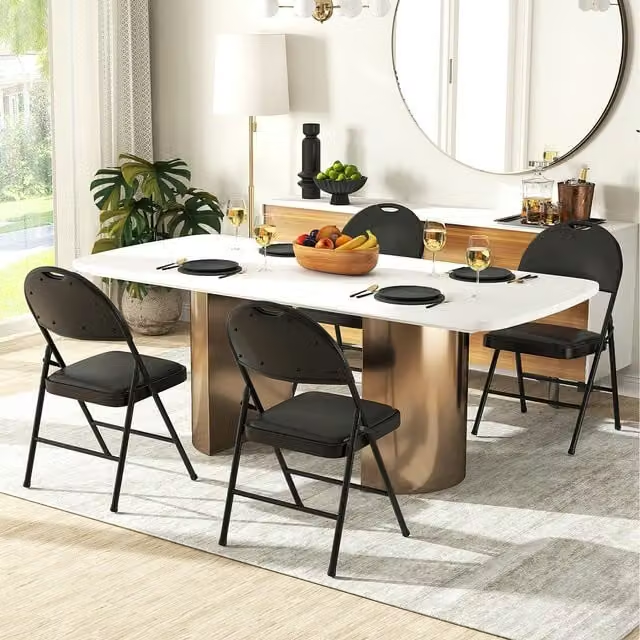
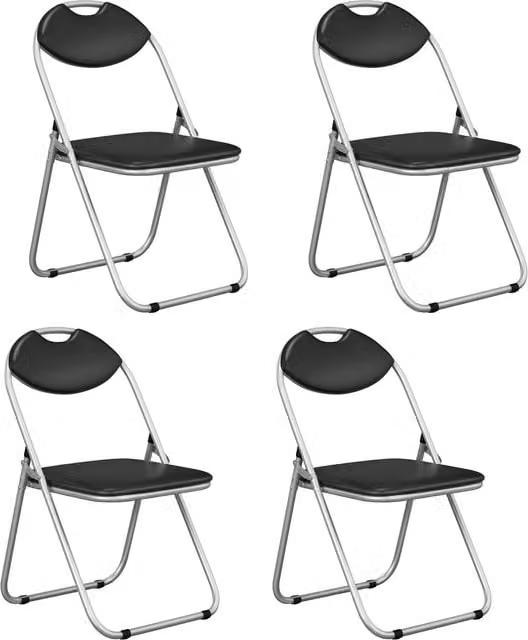
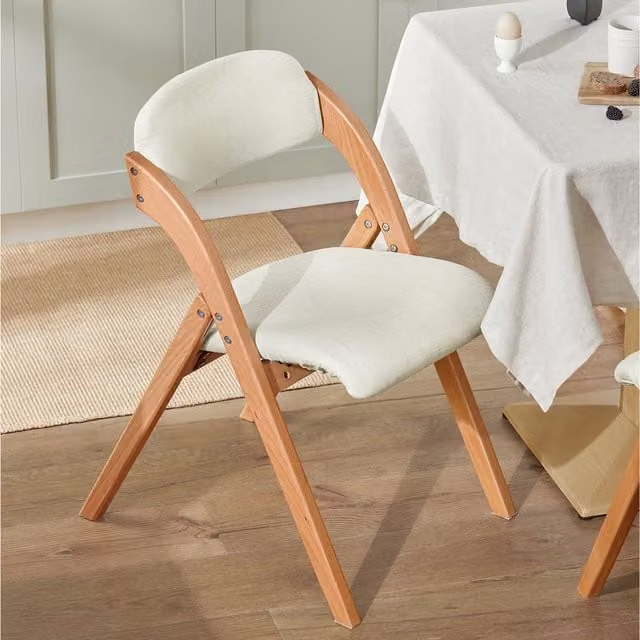
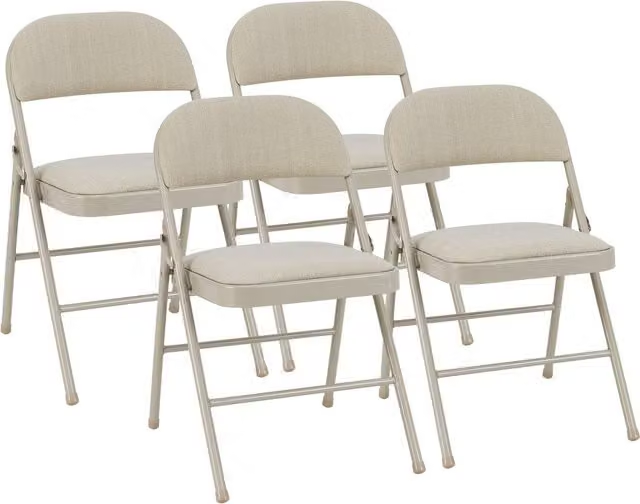
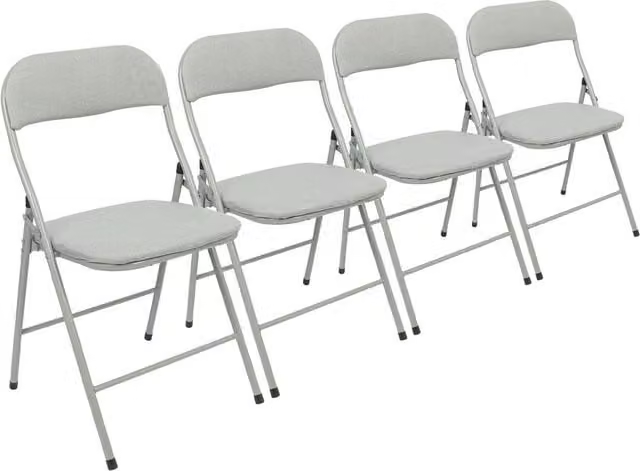
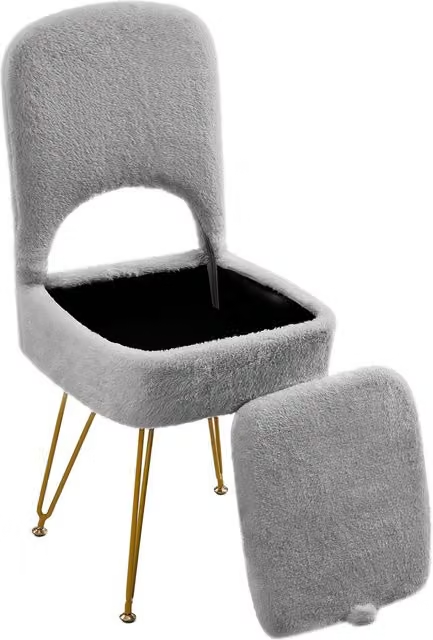
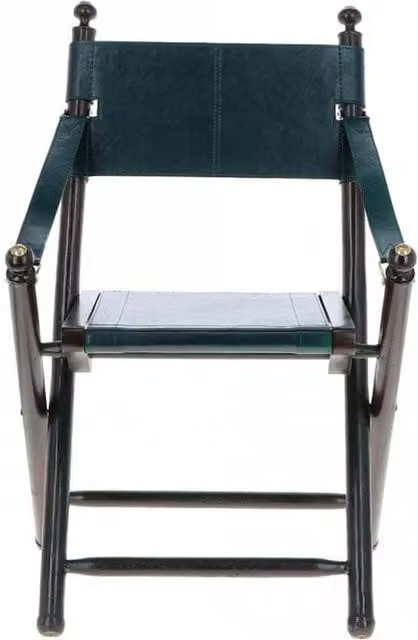
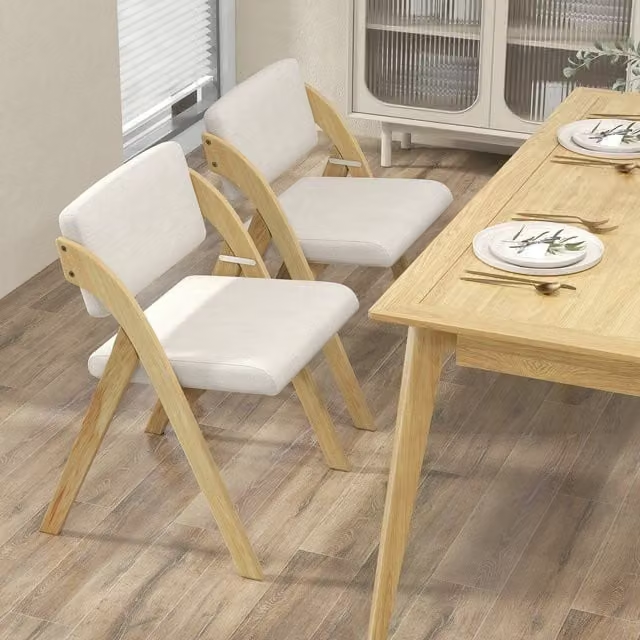
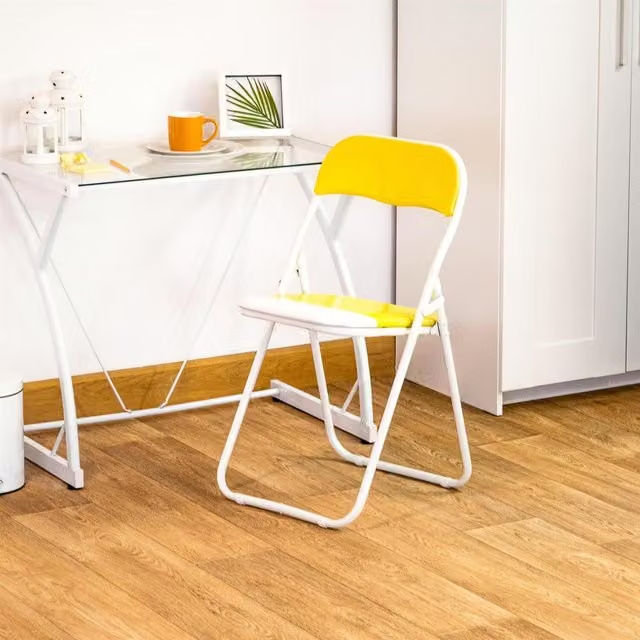
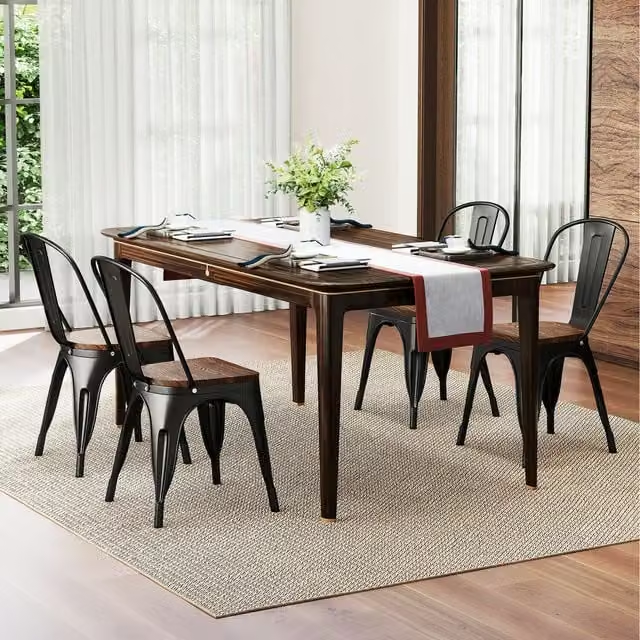
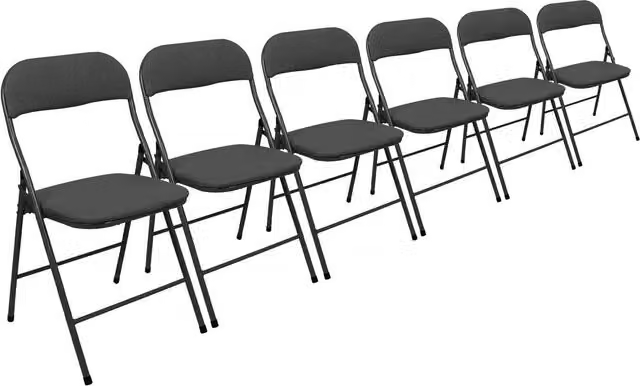
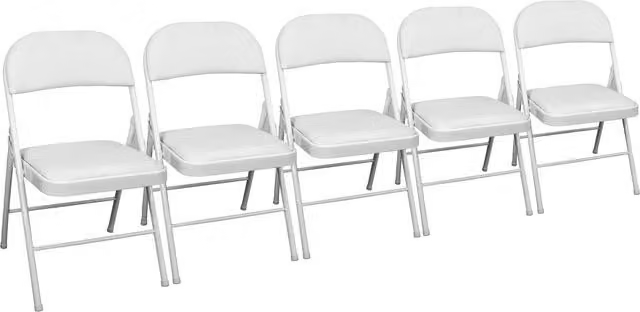
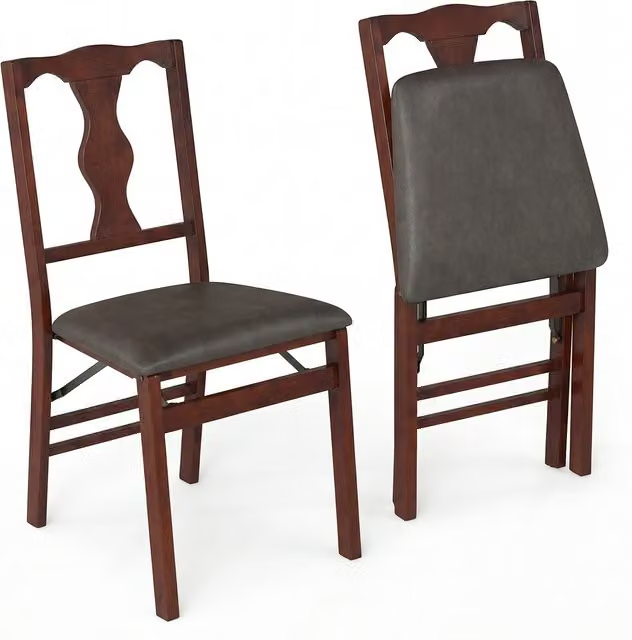
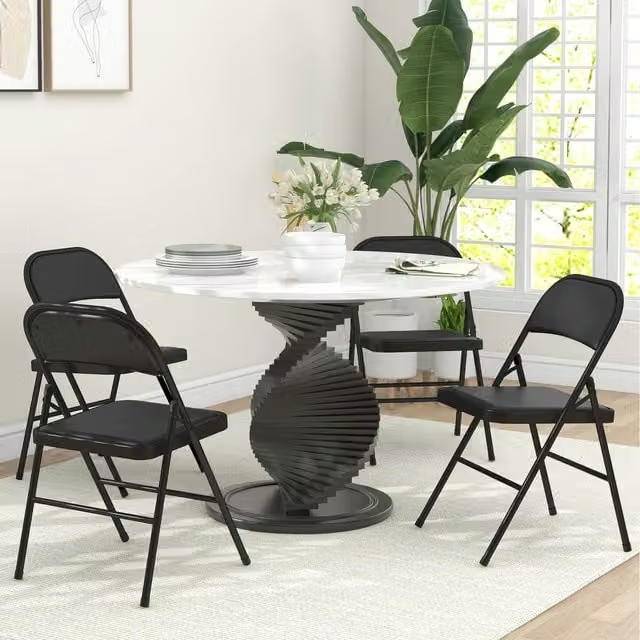
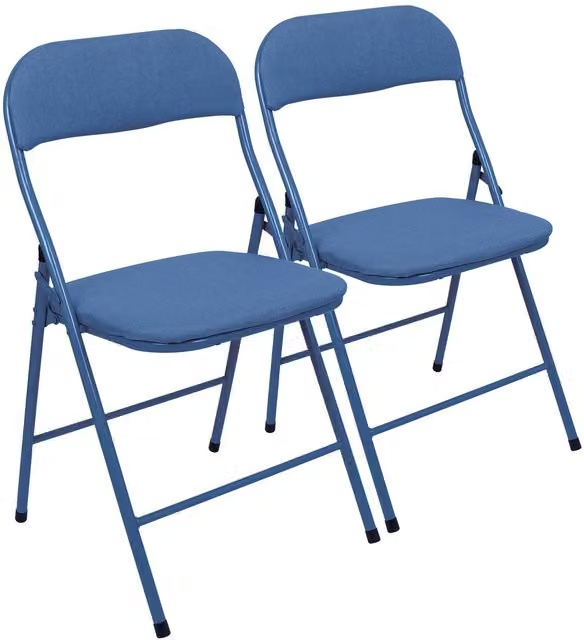
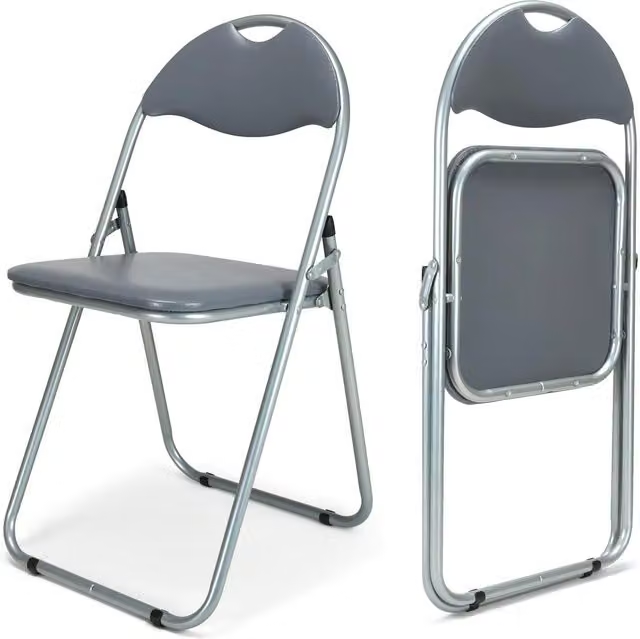
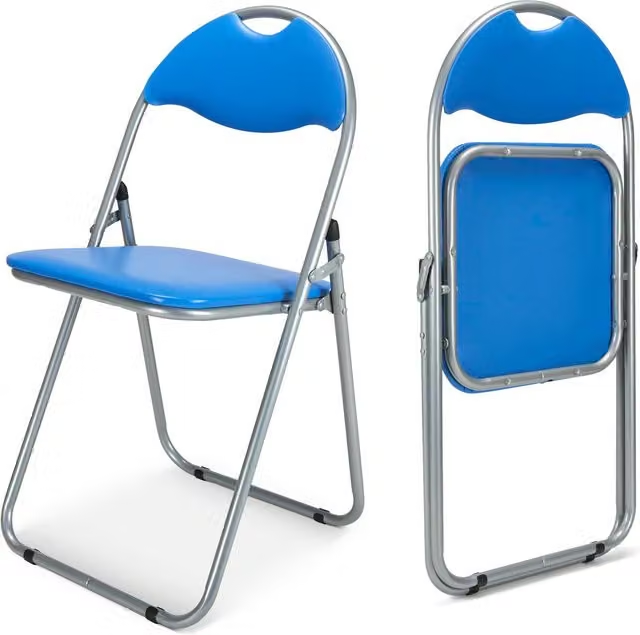
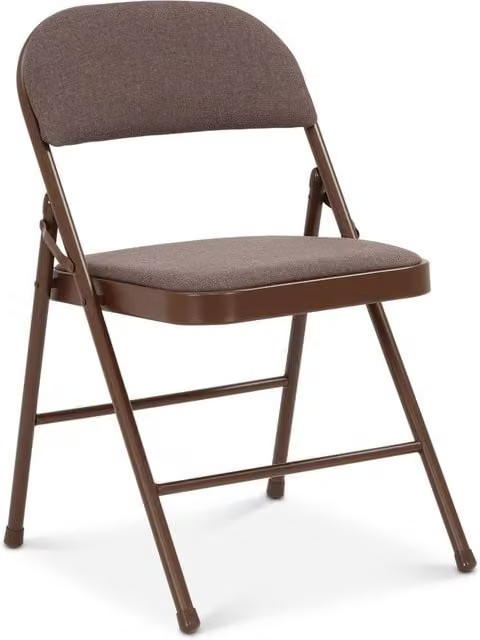
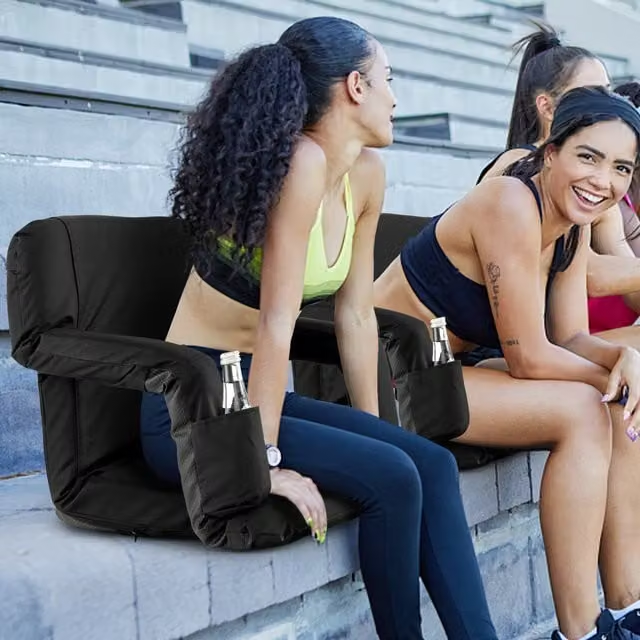
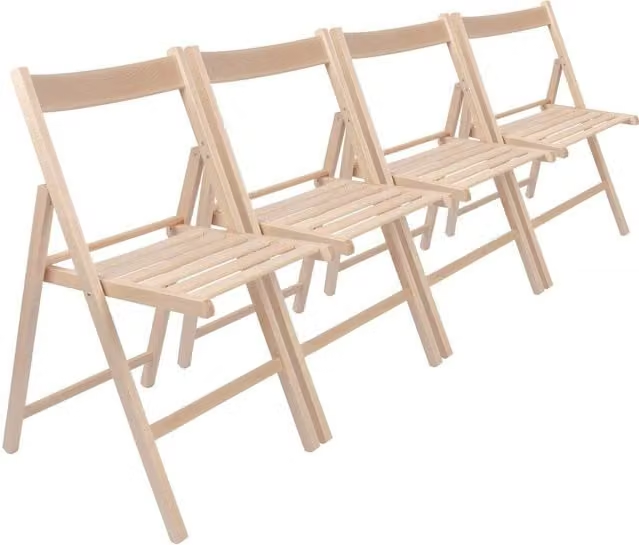
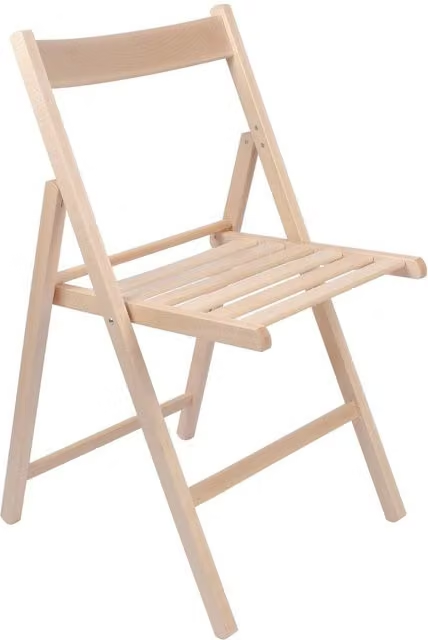
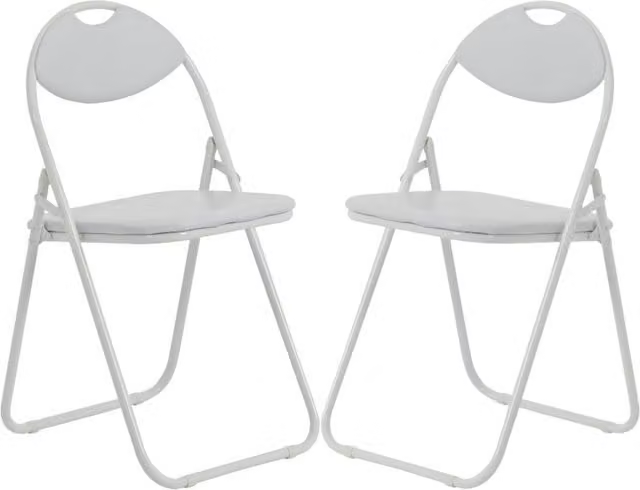
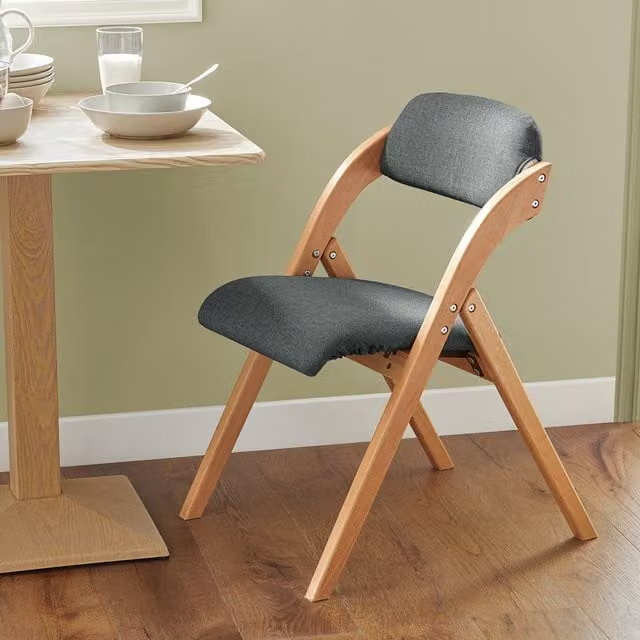
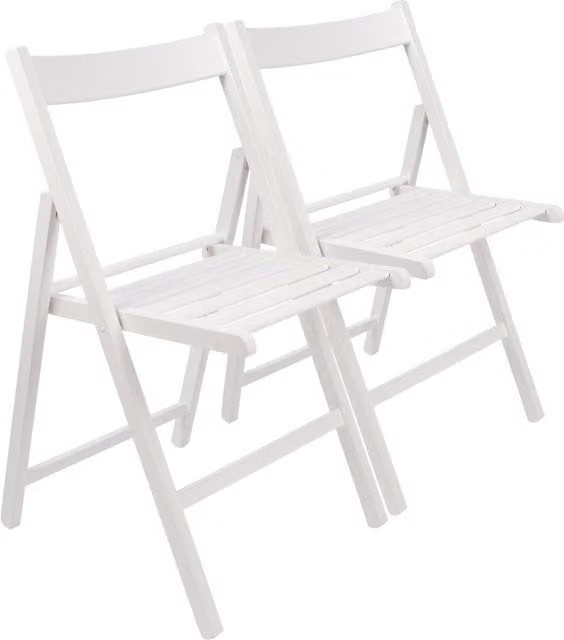
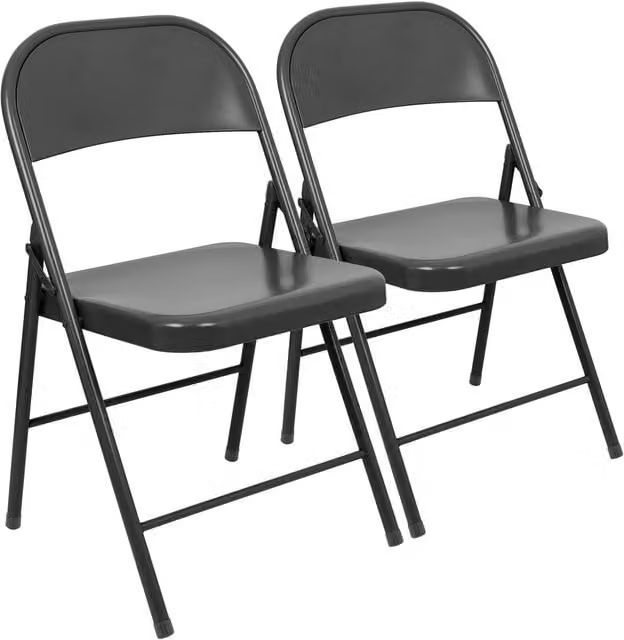
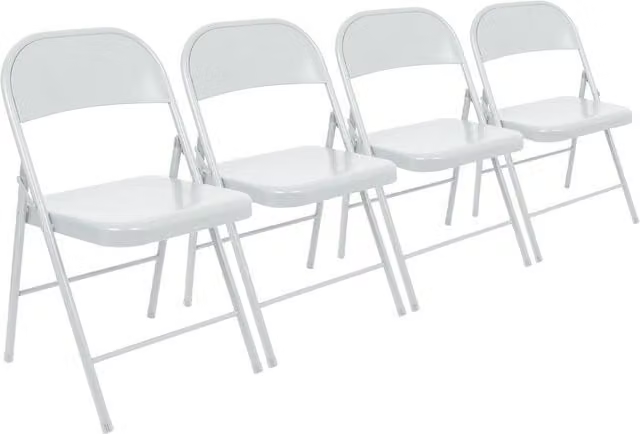
The variety on offer is genuinely surprising. Classic wooden folding chairs in beech or acacia suit dining rooms and gardens equally, while lightweight metal frames with padded seats are the workhorses of parties and events. Bistro style chairs bring a continental café feel to balconies and small patios, director's chairs offer a canvas seat with arms, and camping and festival models add cup holders, carry bags and reclining backs. You will also find folding stools for occasional use, upholstered versions that look at home around a dining table, and stackable folding designs for anyone who needs six or more at once.
Materials govern weight, weather resistance and comfort. Powder coated steel is strong and affordable but heavier to carry. Aluminium is significantly lighter and will not rust, which makes it ideal for outdoor use and for anyone who has to fetch chairs from the loft. Solid hardwoods such as acacia and teak weather beautifully outdoors and look smarter indoors, though they need occasional oiling. Textilene and polyester slings dry quickly after rain, while padded fabric and faux leather seats prioritise indoor comfort.
Prices vary widely. Basic metal or plastic folding chairs are inexpensive and sold in multipacks, mid range wooden and bistro styles cost more per chair, and premium teak or designer folding chairs sit at the top. Check the stated weight capacity, which typically ranges from around 100 to 150 kg.
Browse the selection, compare prices and get seating that works hard and then gets out of the way.
Some are and some really are not, so look at the specification rather than the price. A padded seat of at least four centimetres, a contoured or slightly reclined backrest and a seat depth around 40 cm make a huge difference over a two hour meal. Wooden bistro and dining style folding chairs generally outperform flat metal event chairs for comfort. If they will be used regularly rather than occasionally, it is worth spending a little more.
It is better not to, even with weather resistant materials. Steel frames rust where the powder coating chips, wooden chairs grey and can swell at the hinges, and constant damp eventually seizes the folding mechanism. Aluminium and teak cope best, but all folding chairs last considerably longer if they are stored under cover over winter. A quick wipe down and a dry storage spot in the shed adds years to their life.
A folded chair is typically between five and eight centimetres thick, so a stack of six takes up roughly 40 to 50 cm of depth. That fits comfortably behind a door, in the base of a wardrobe or on a garage wall using a simple bracket or hook system. Hanging them on hooks keeps the floor clear and stops the pile toppling over. Measure the folded dimensions in the product details before you commit, since bistro and director's chairs fold bulkier than flat event chairs.
Keep the pivot points clean and free of grit, which is the main cause of stiff or squeaking hinges. A light spray of silicone lubricant once or twice a year keeps metal joints moving without attracting dust the way oil based products do. On wooden chairs, check and gently tighten the bolts each season, since repeated folding works them loose over time. Never force a stiff mechanism, as bending the frame is much harder to undo than freeing a jammed hinge.