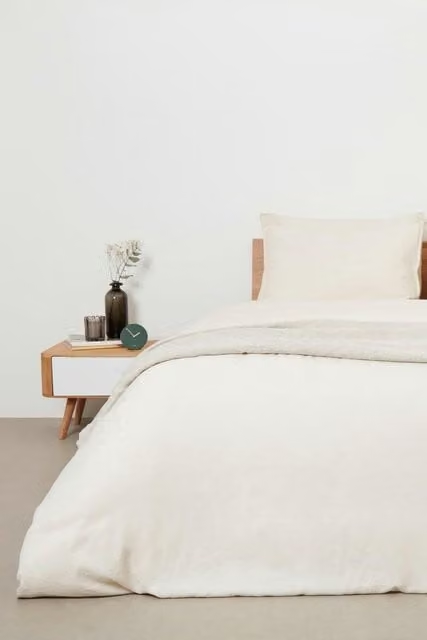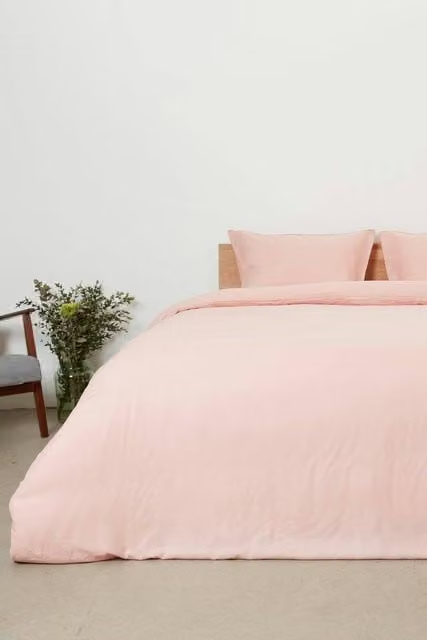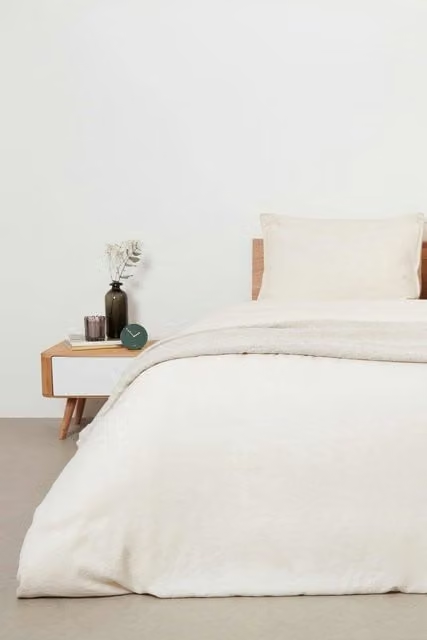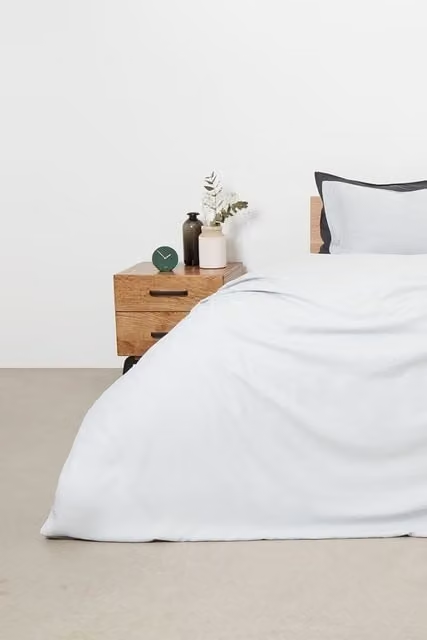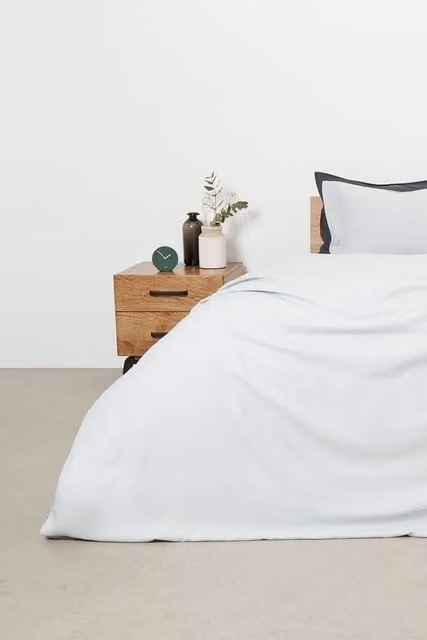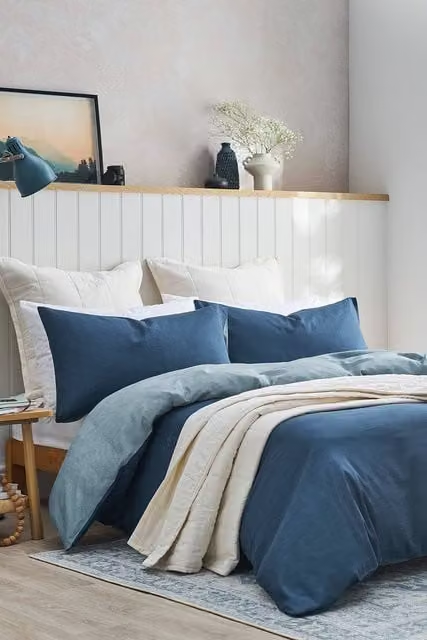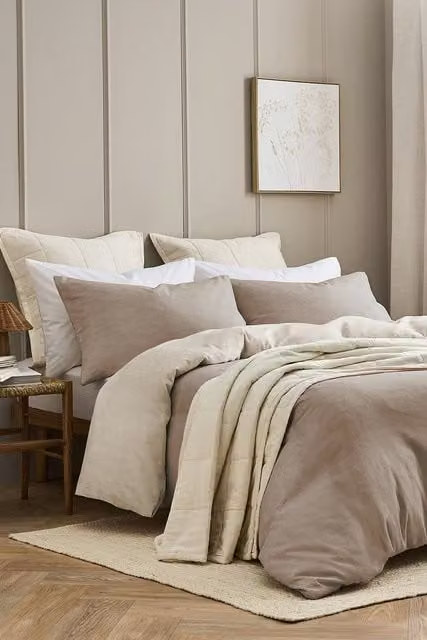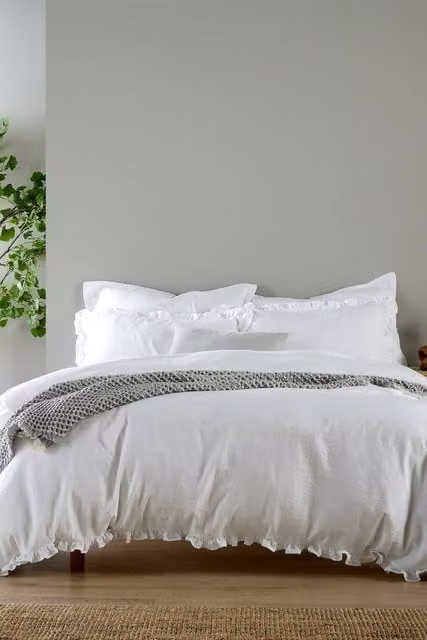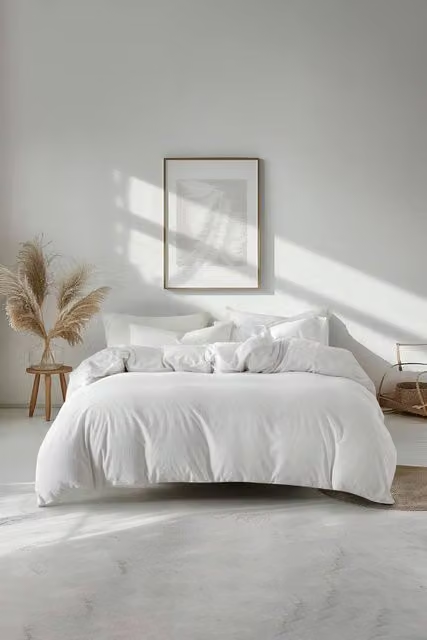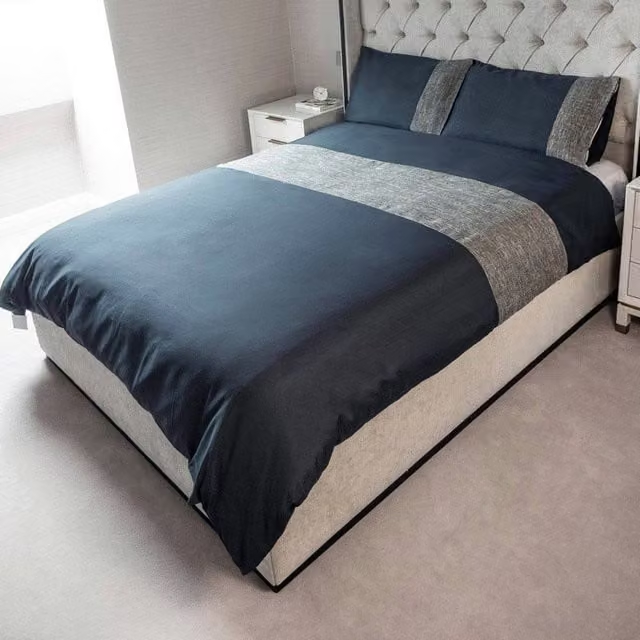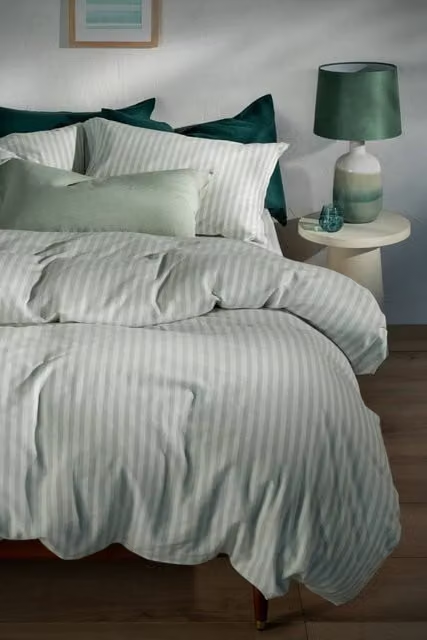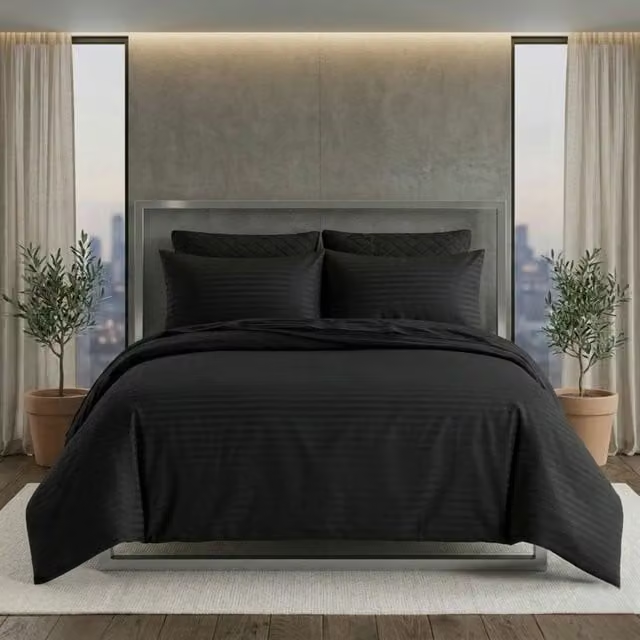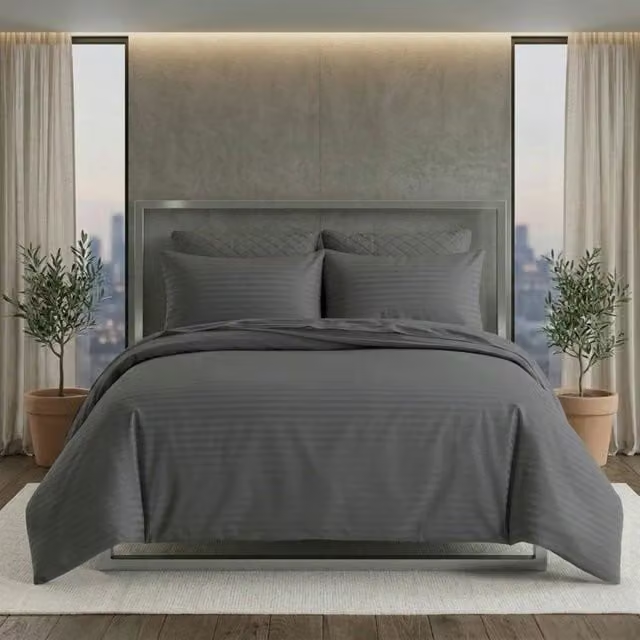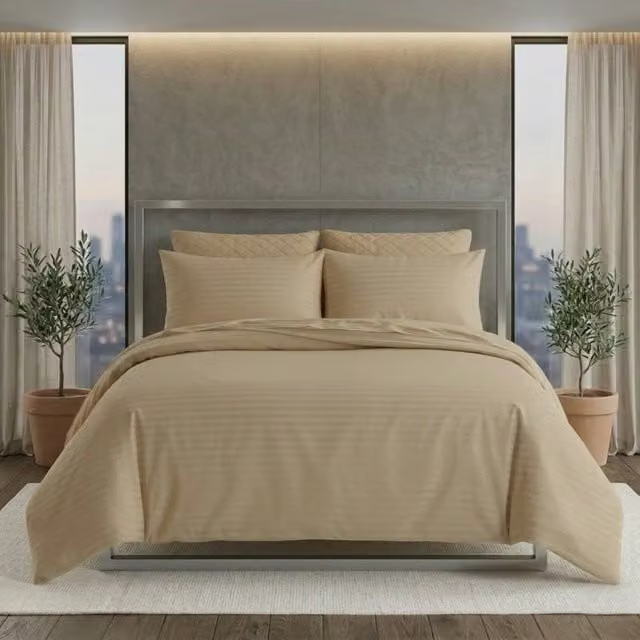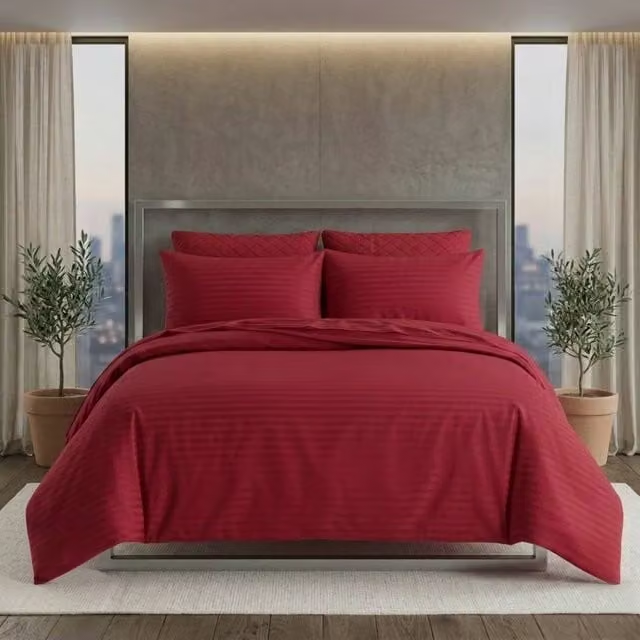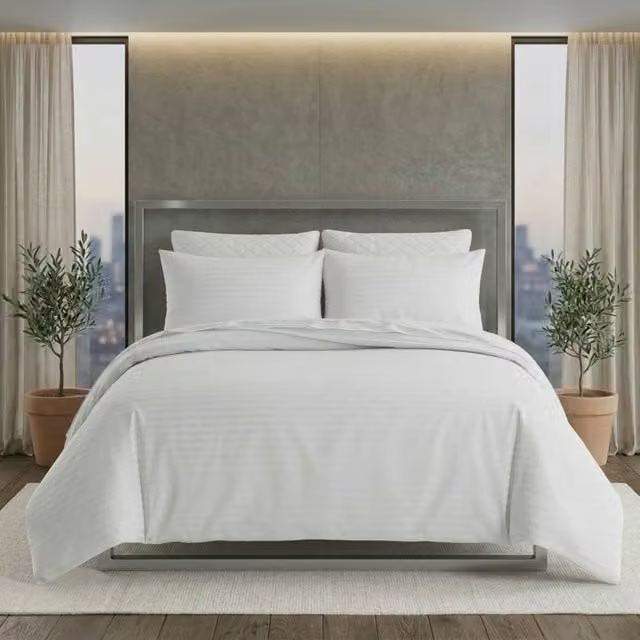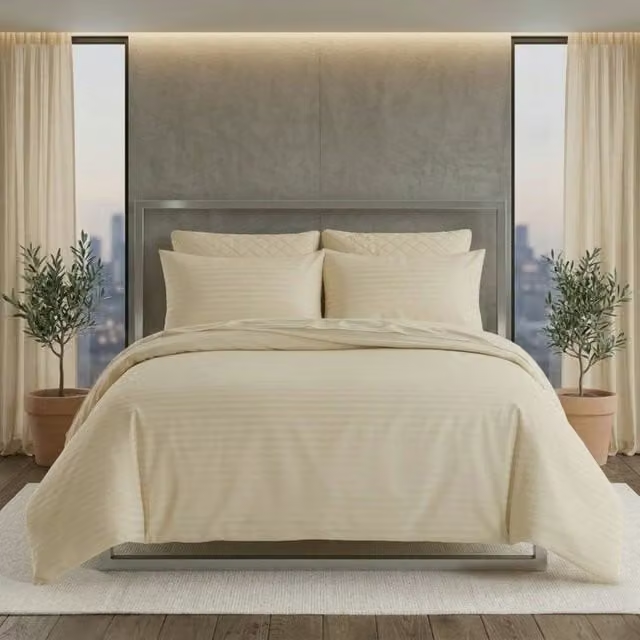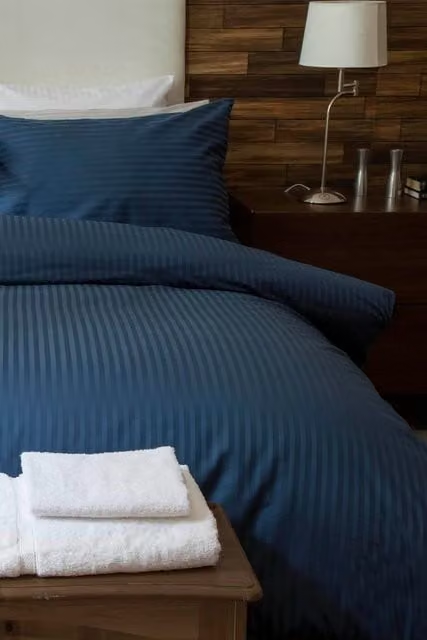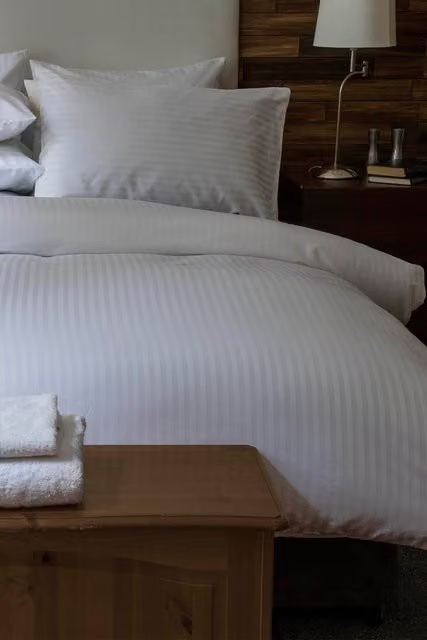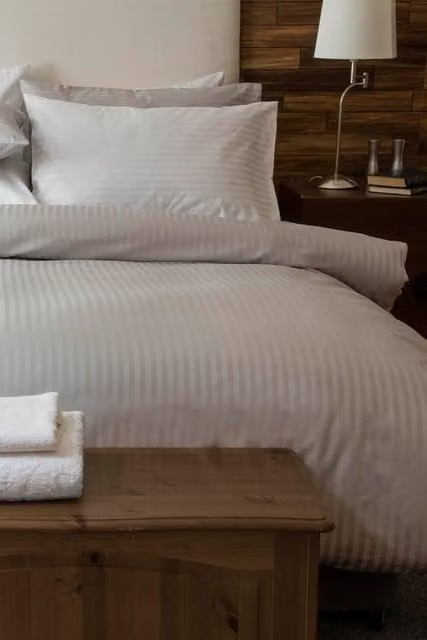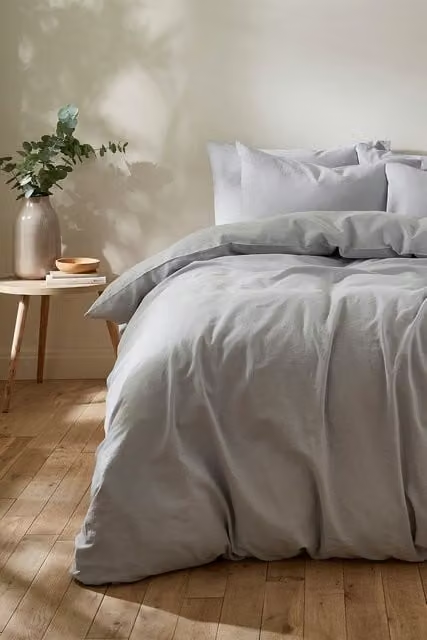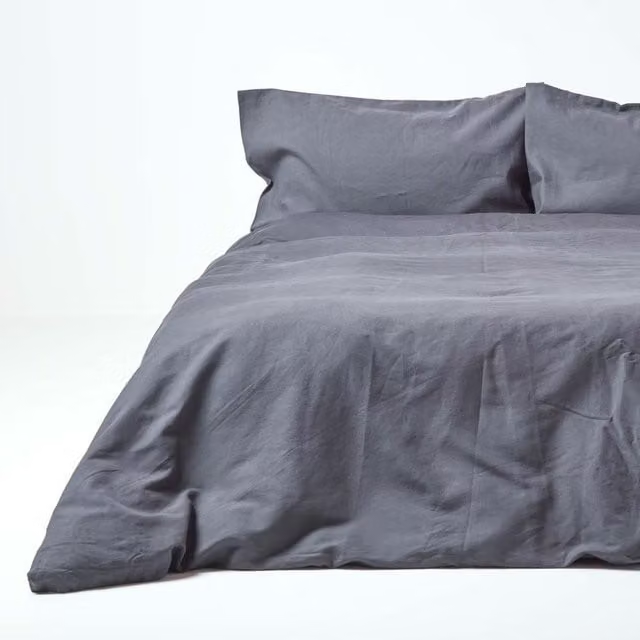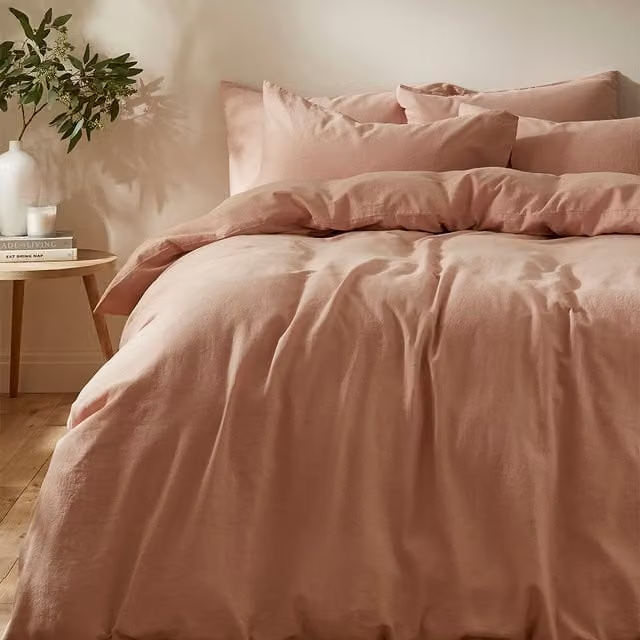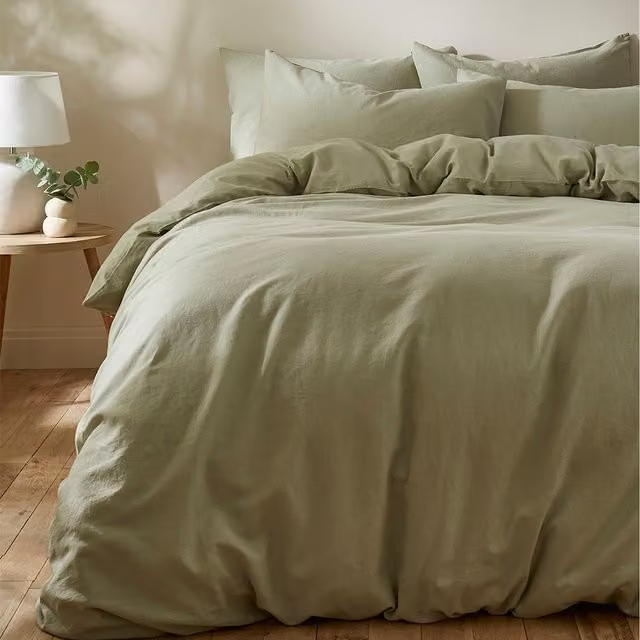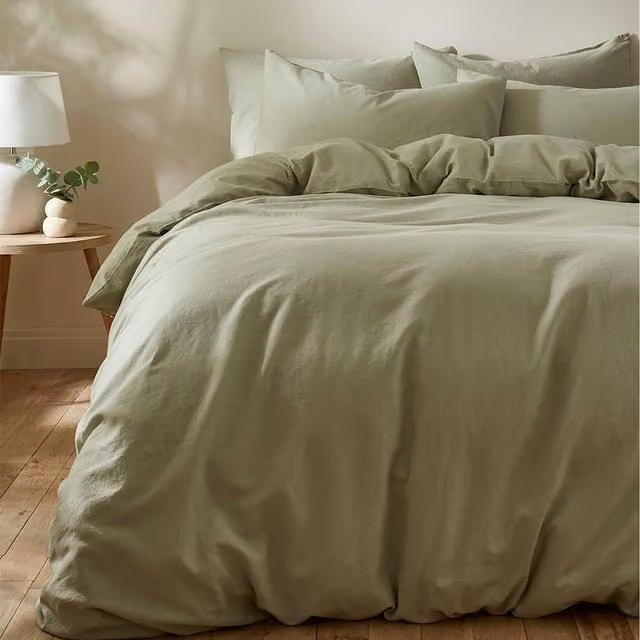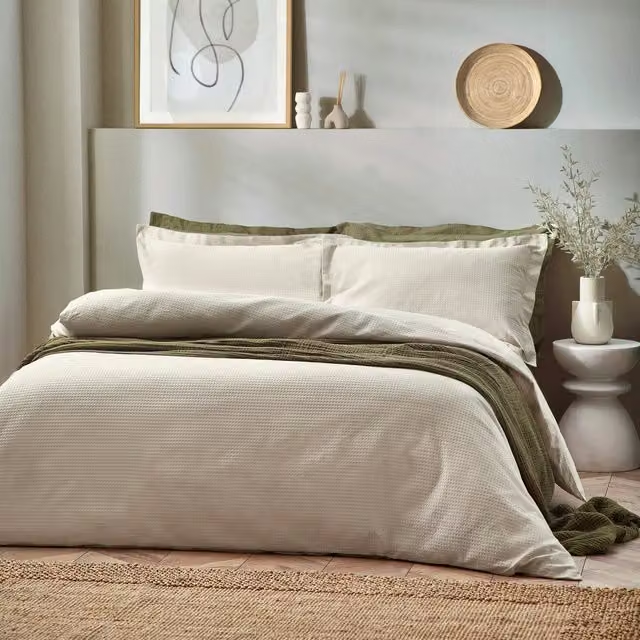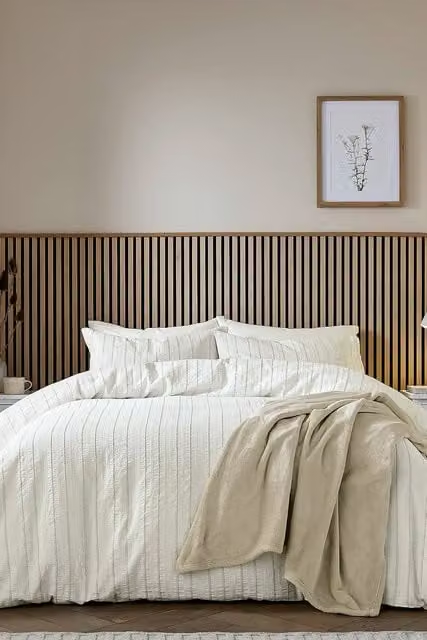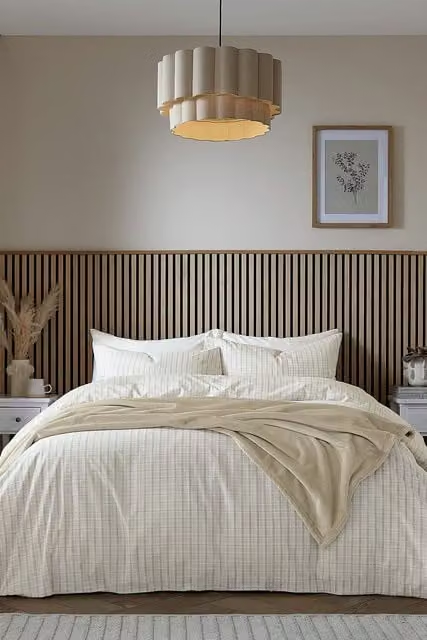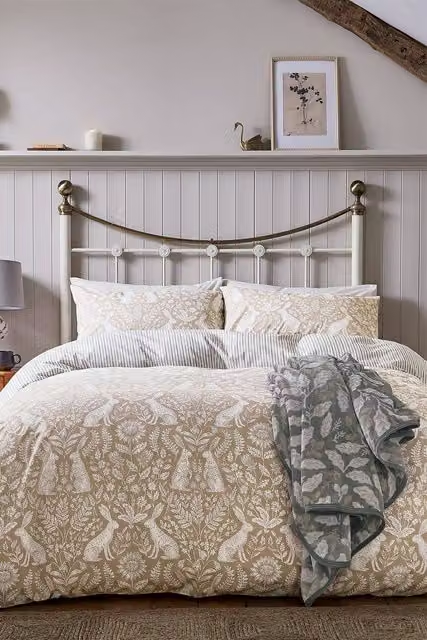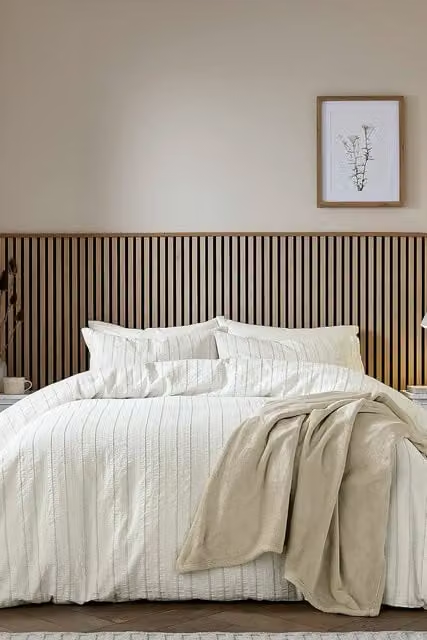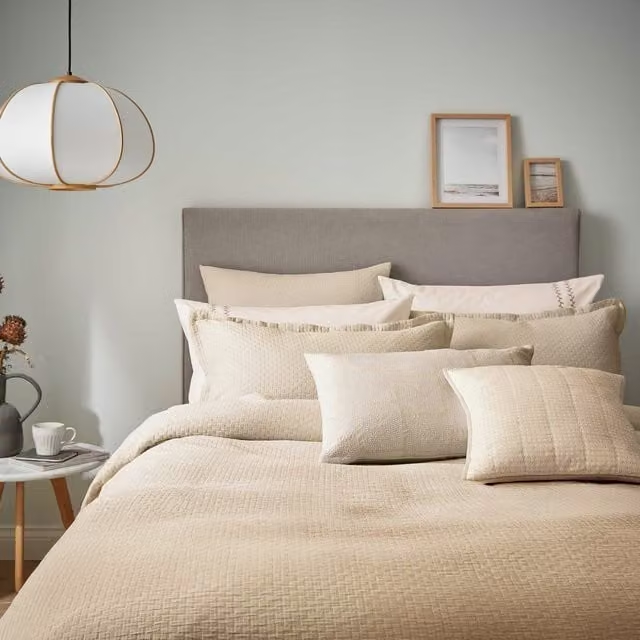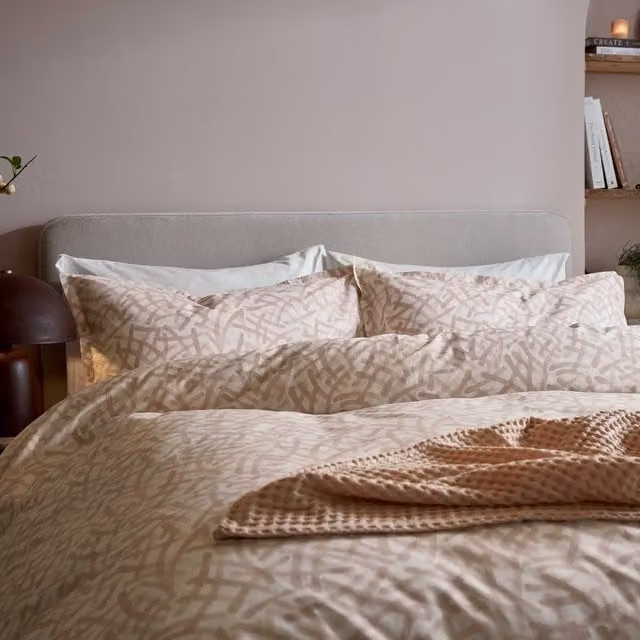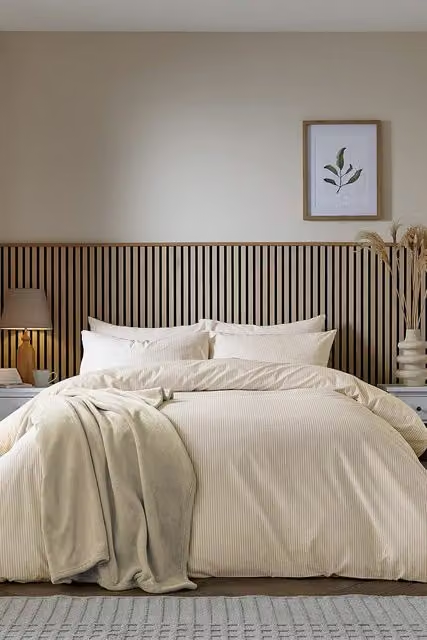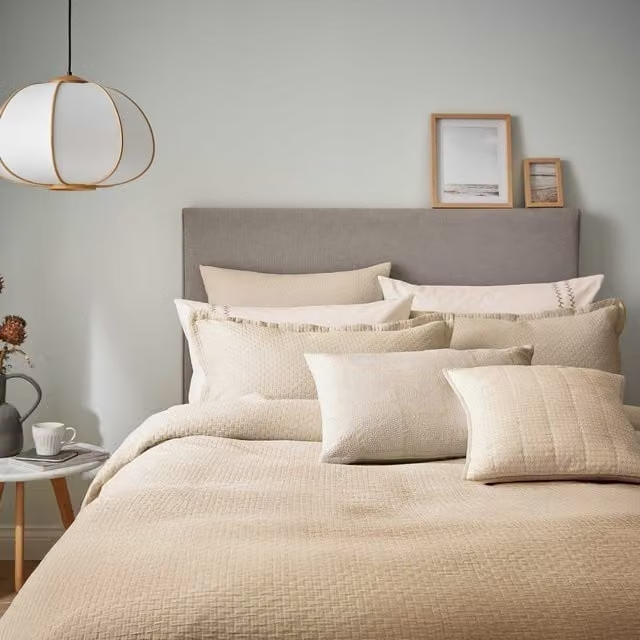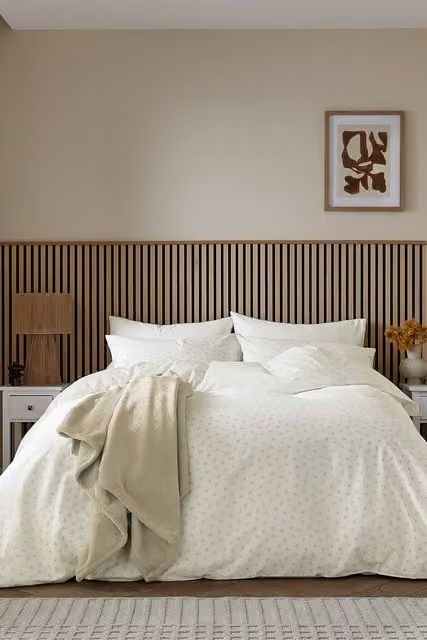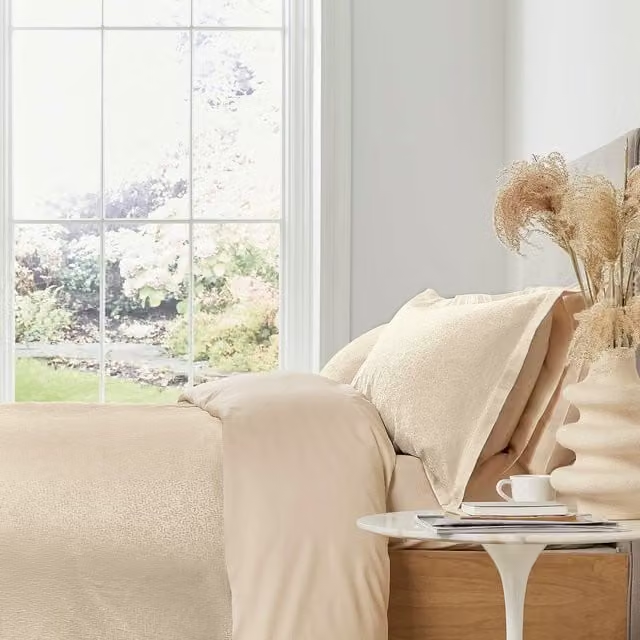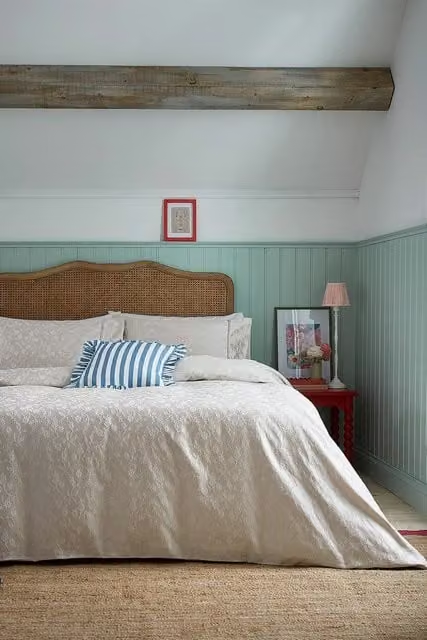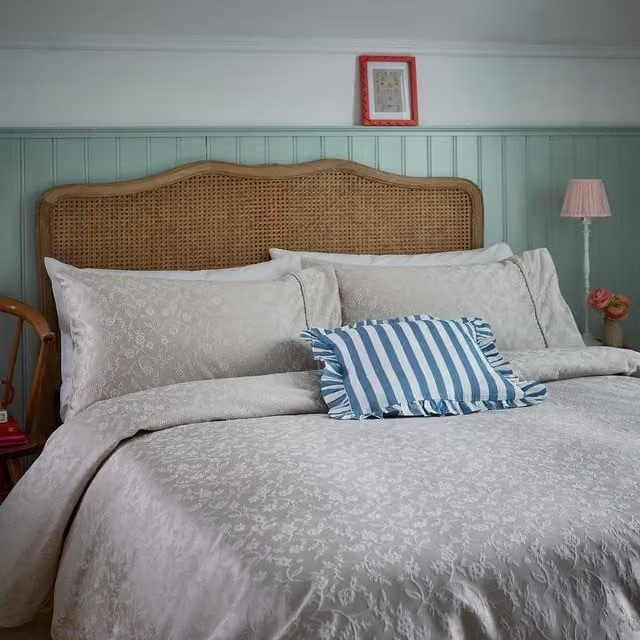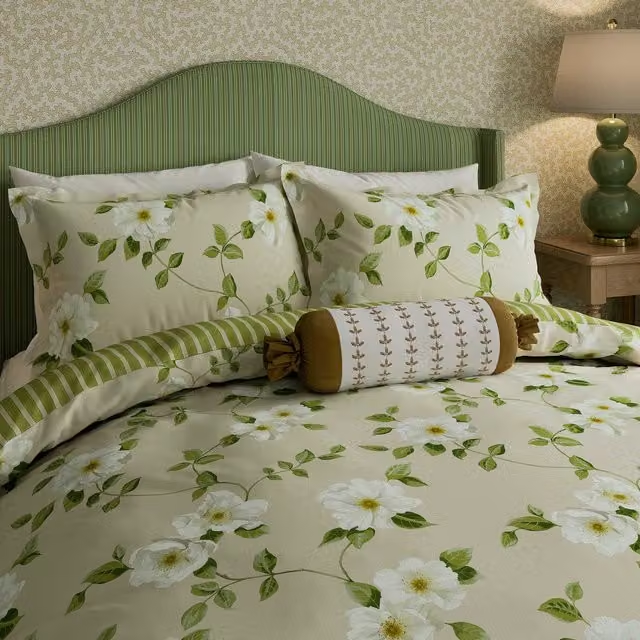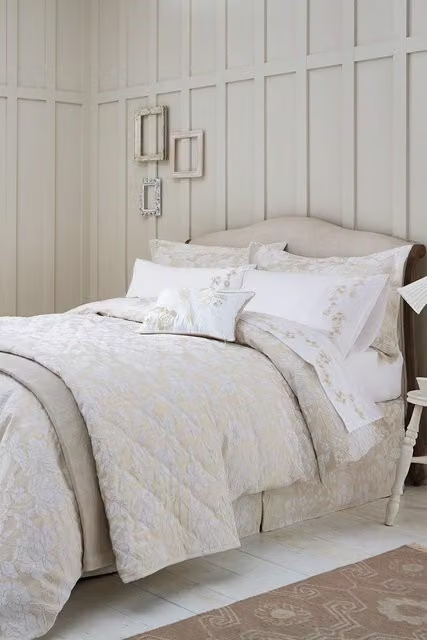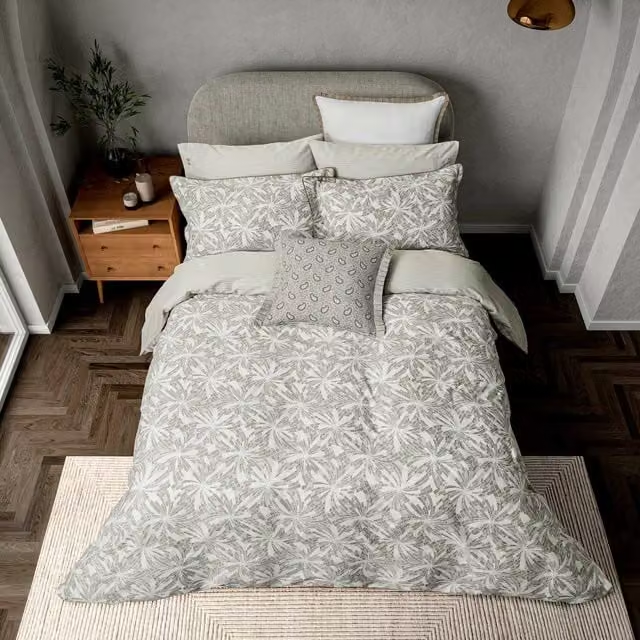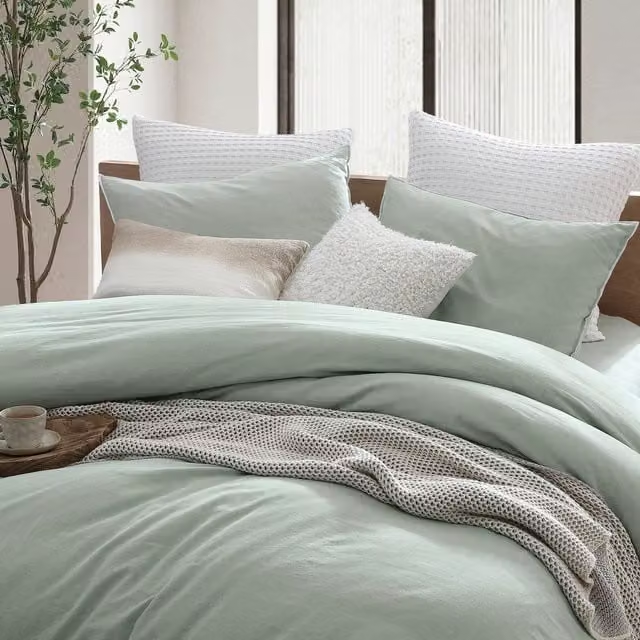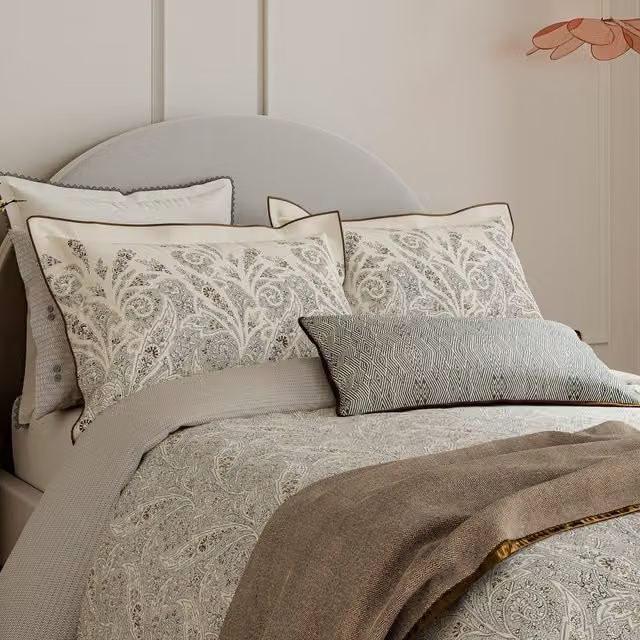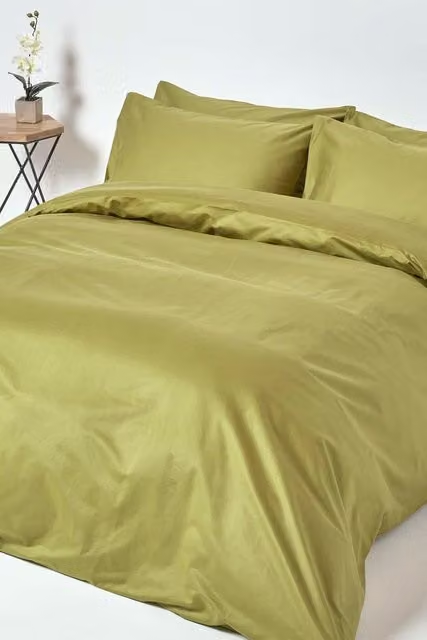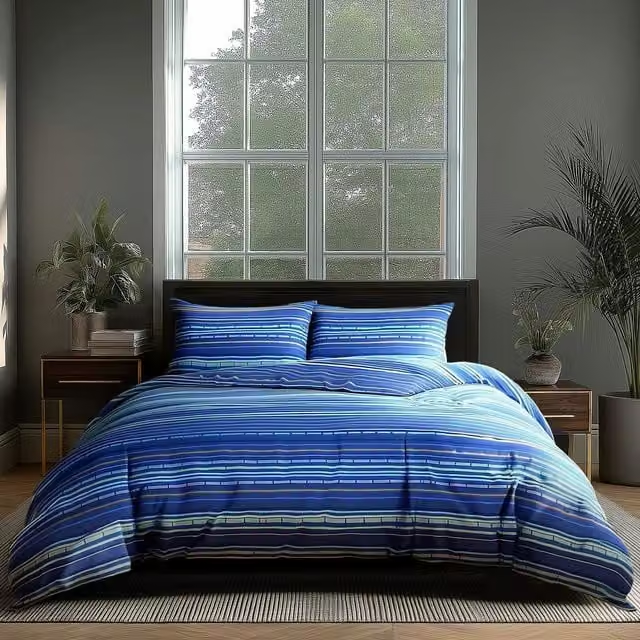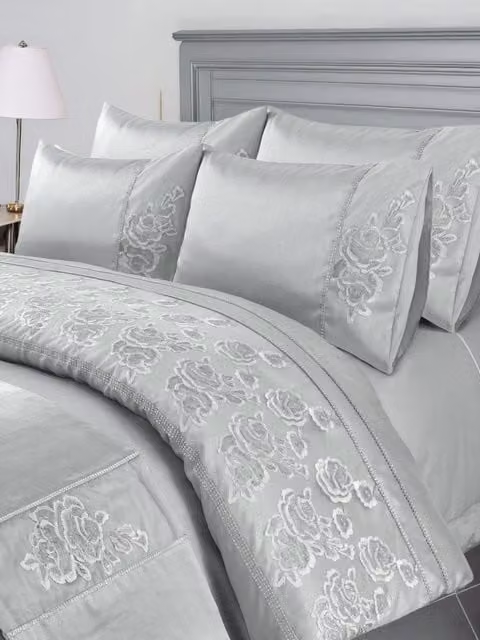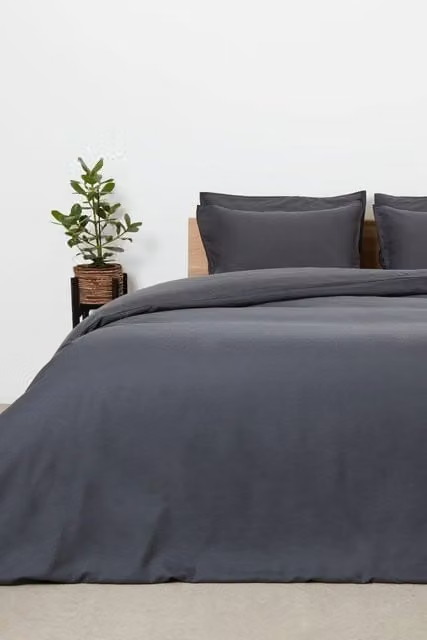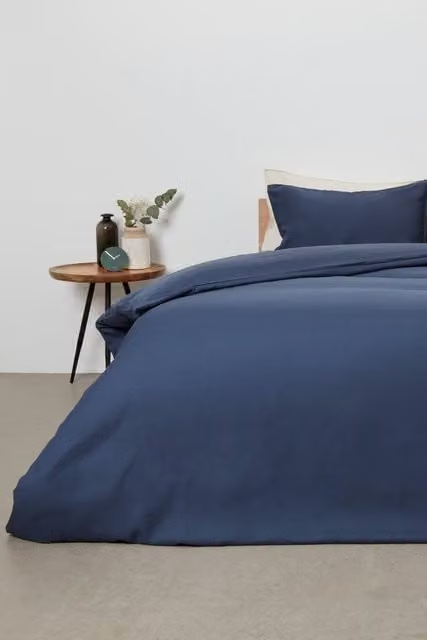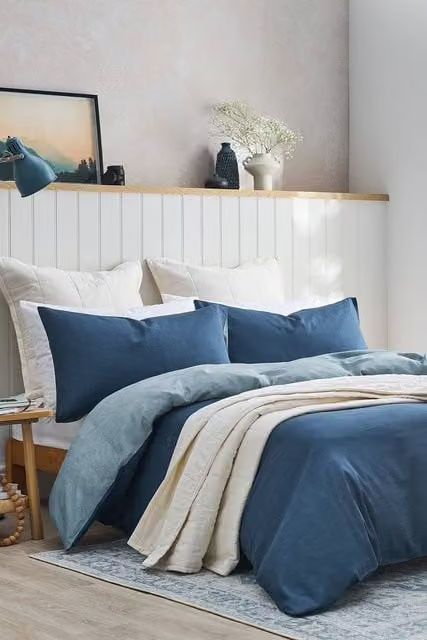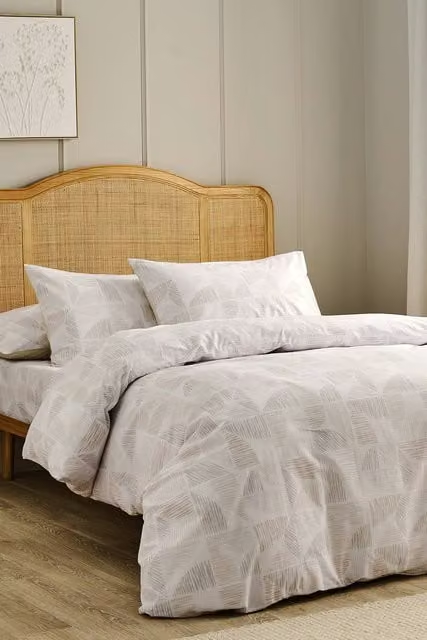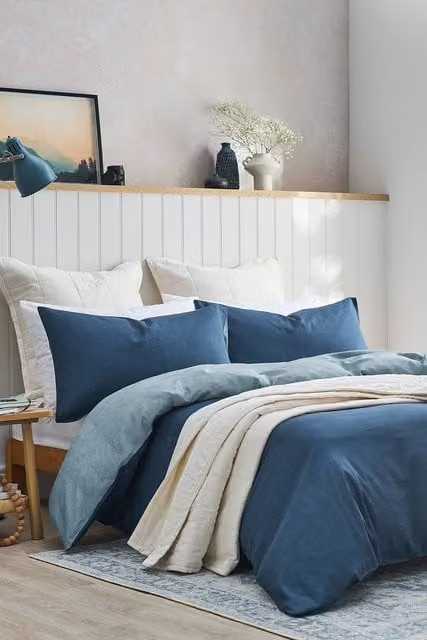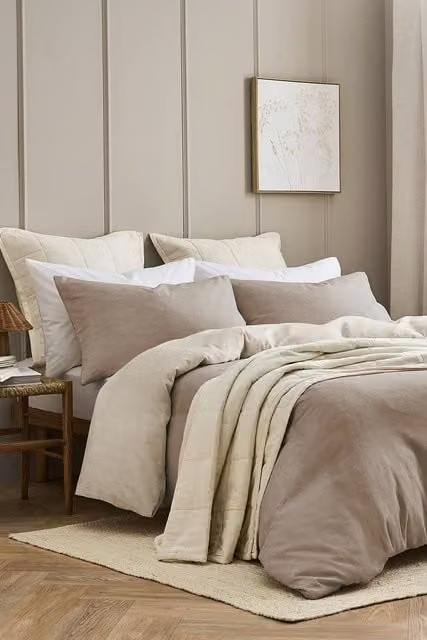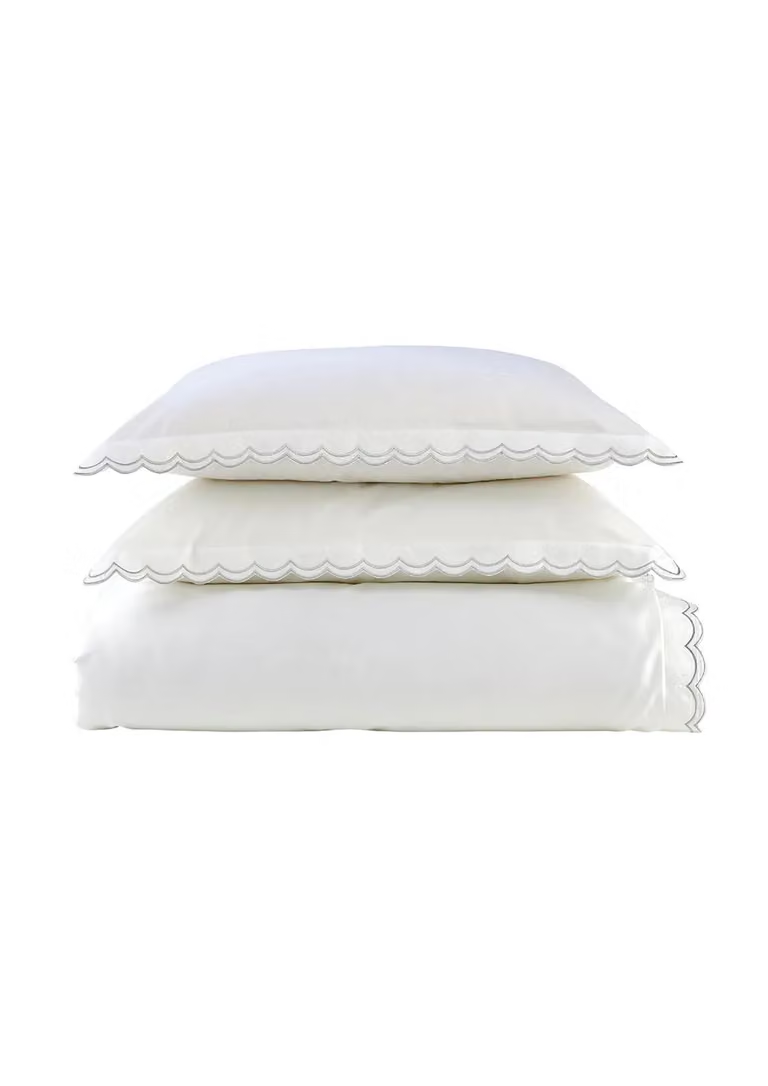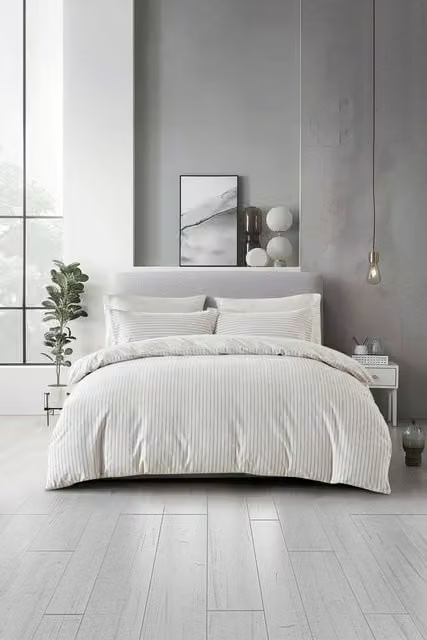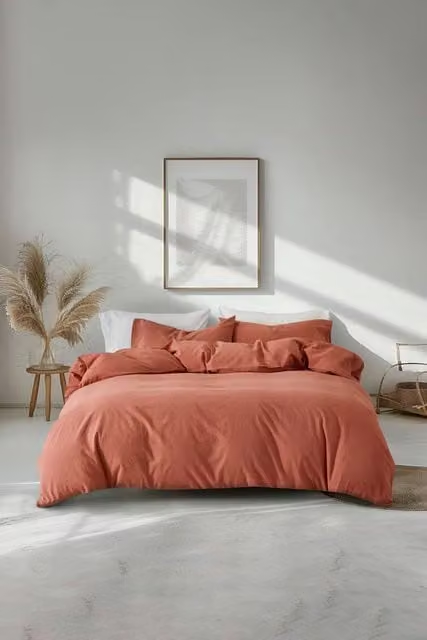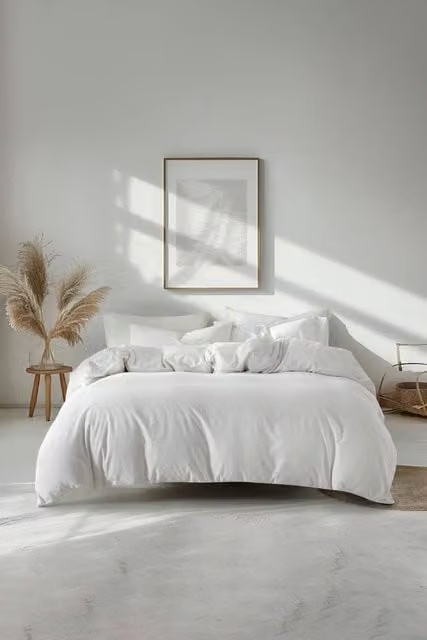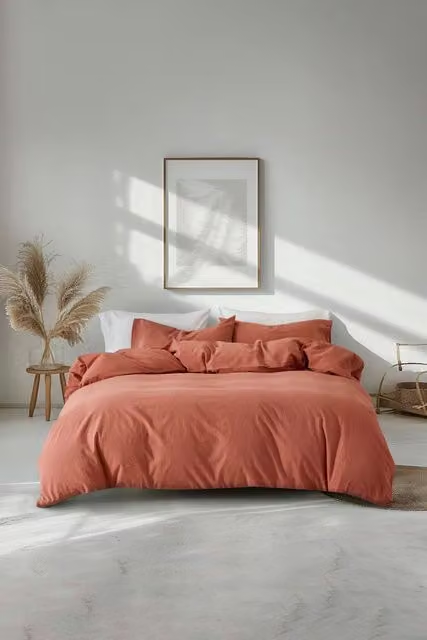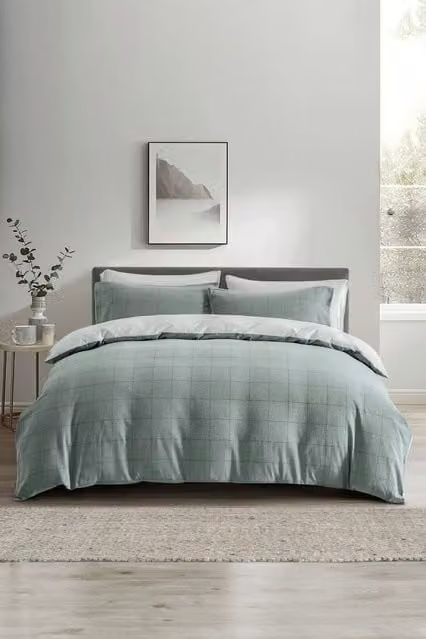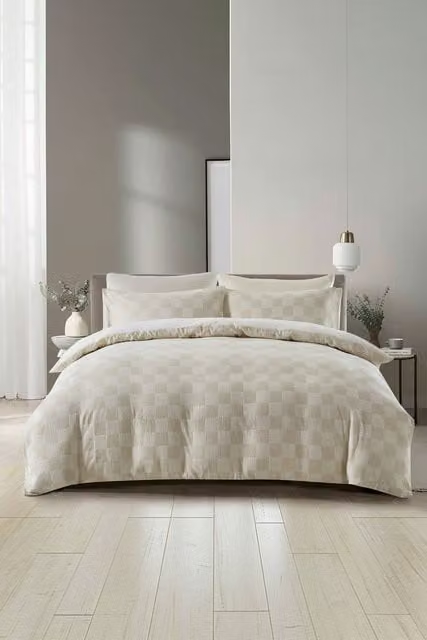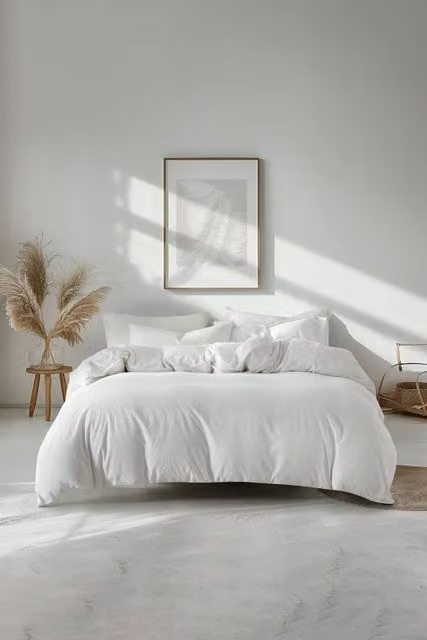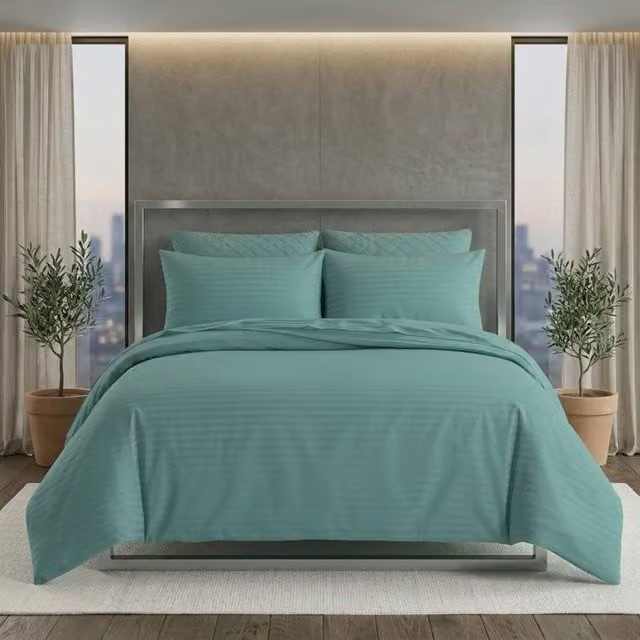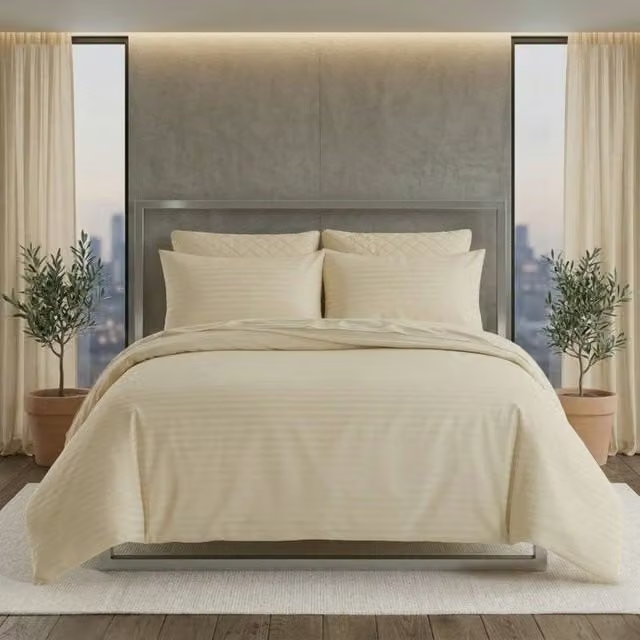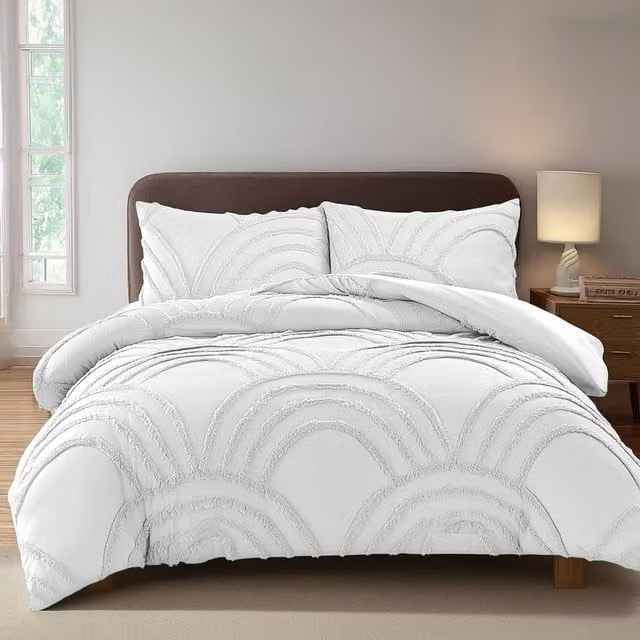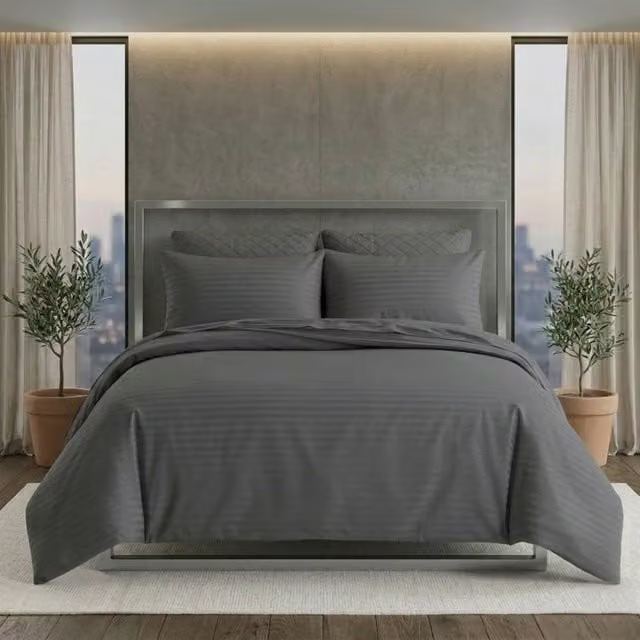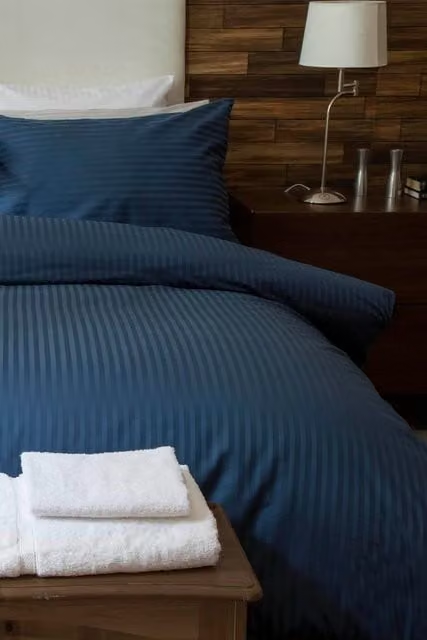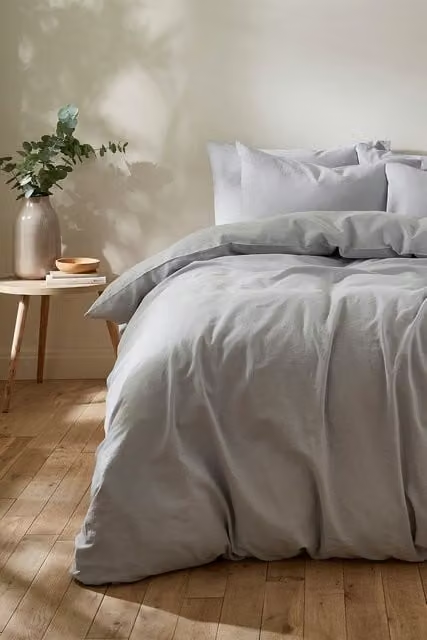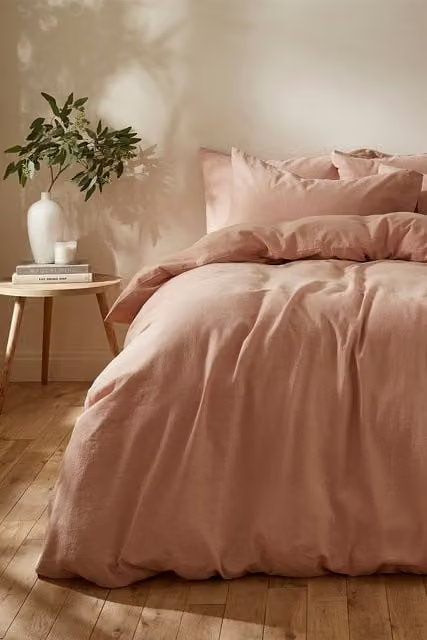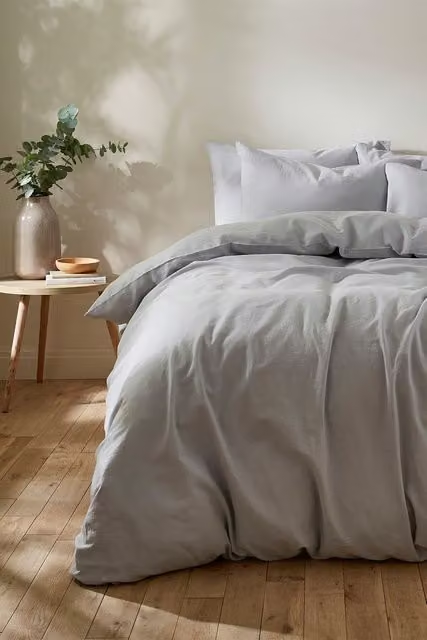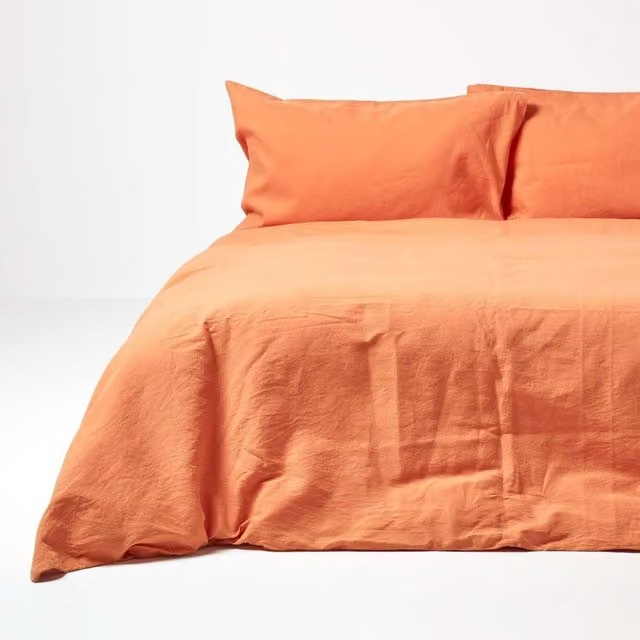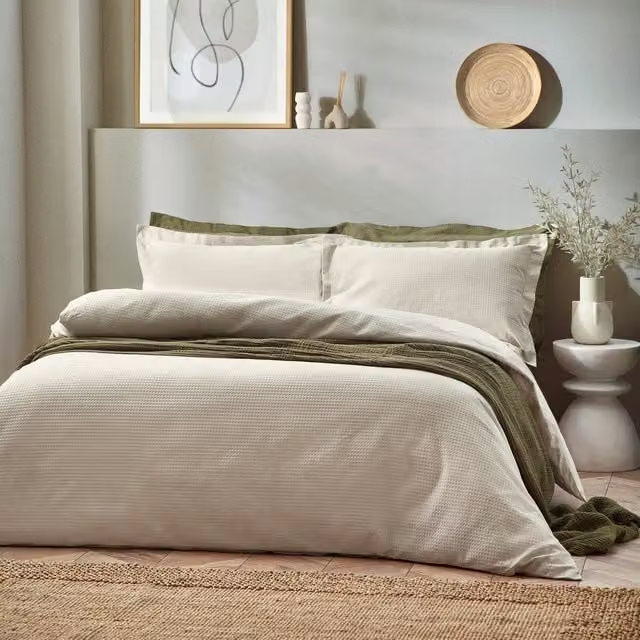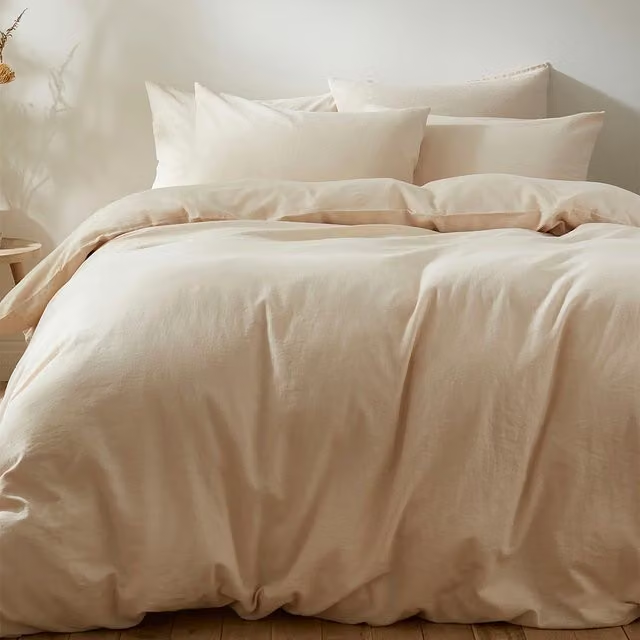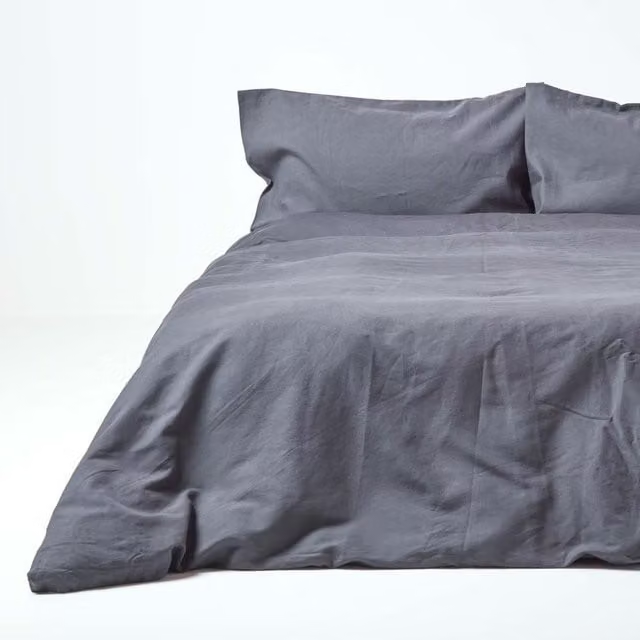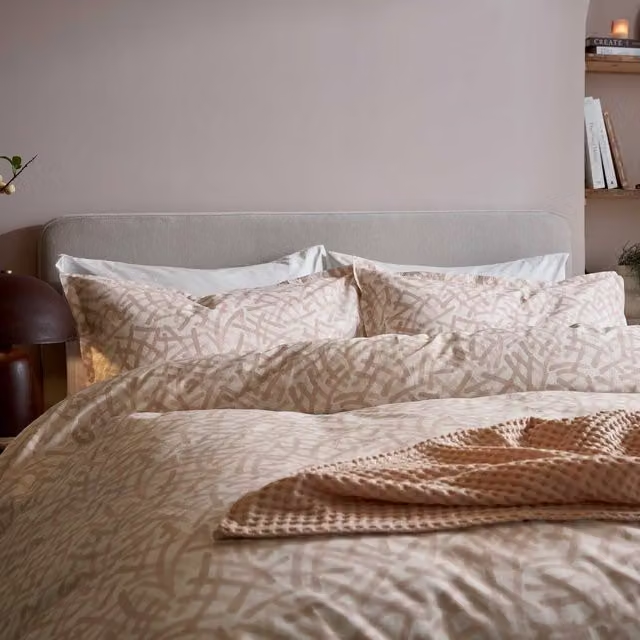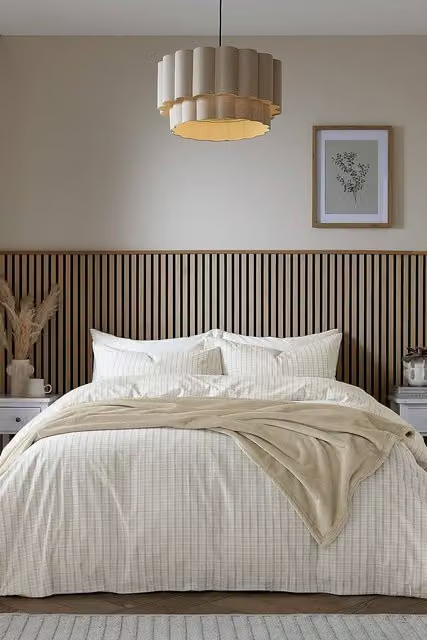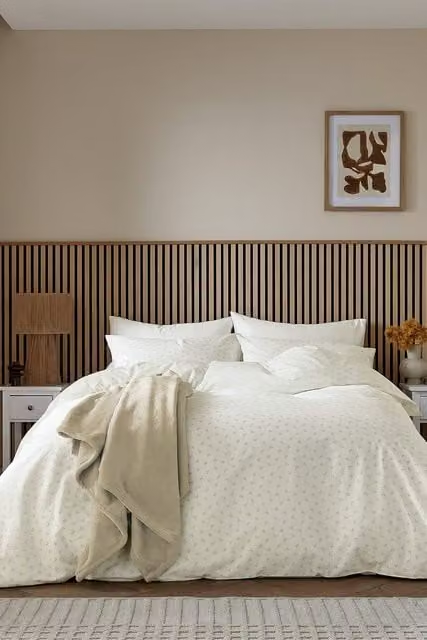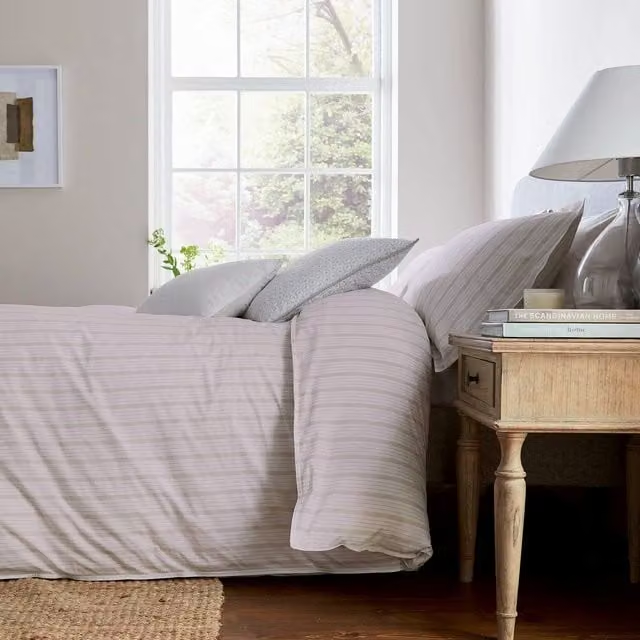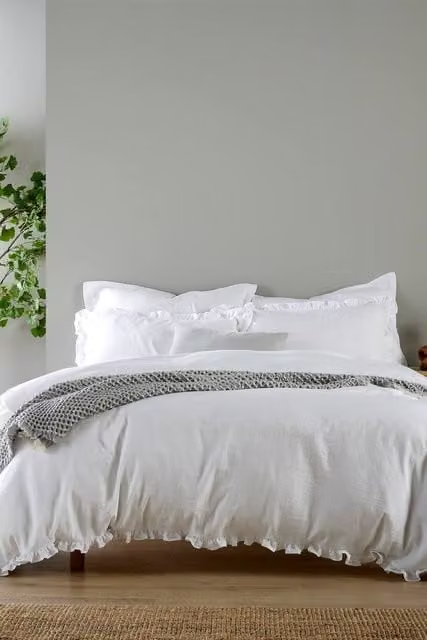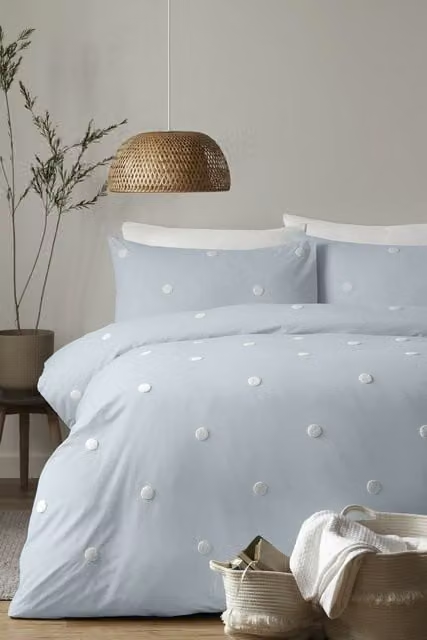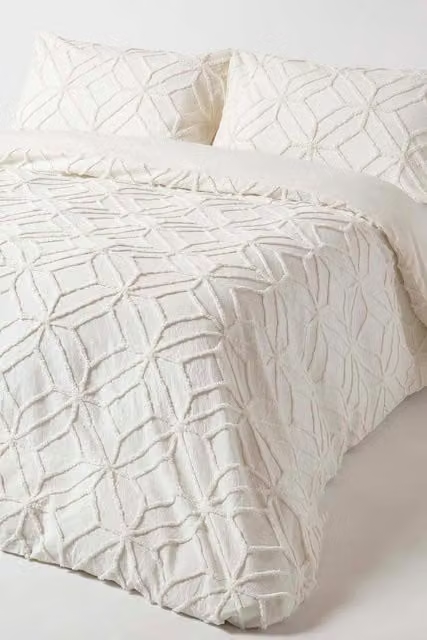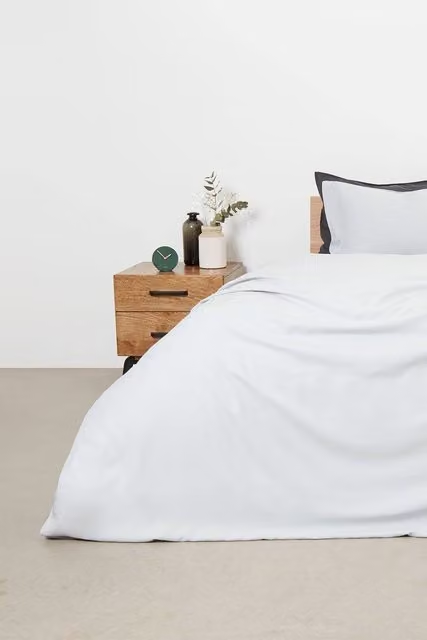
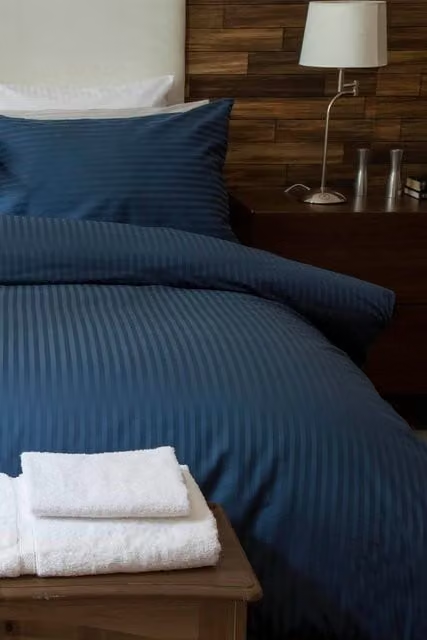
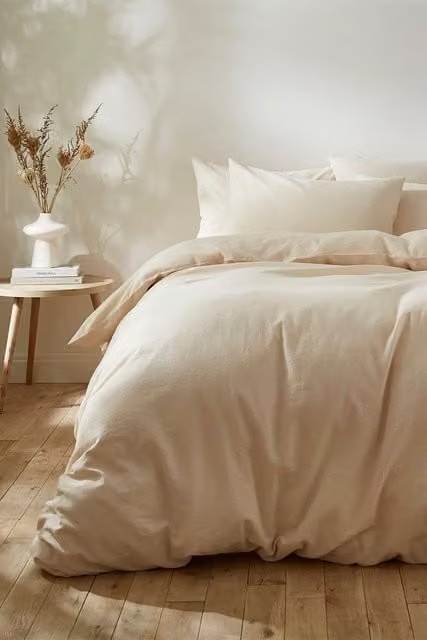
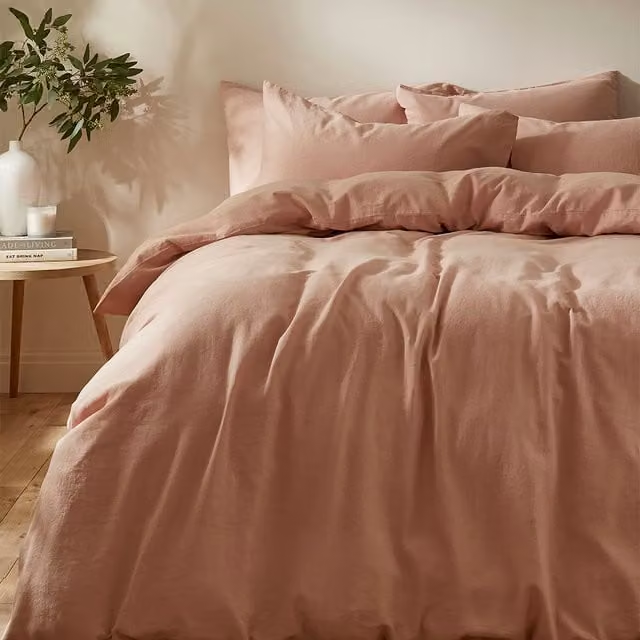
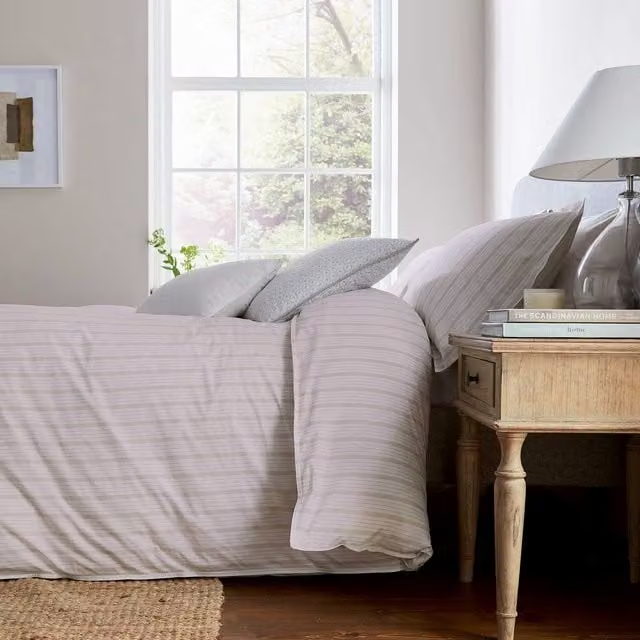
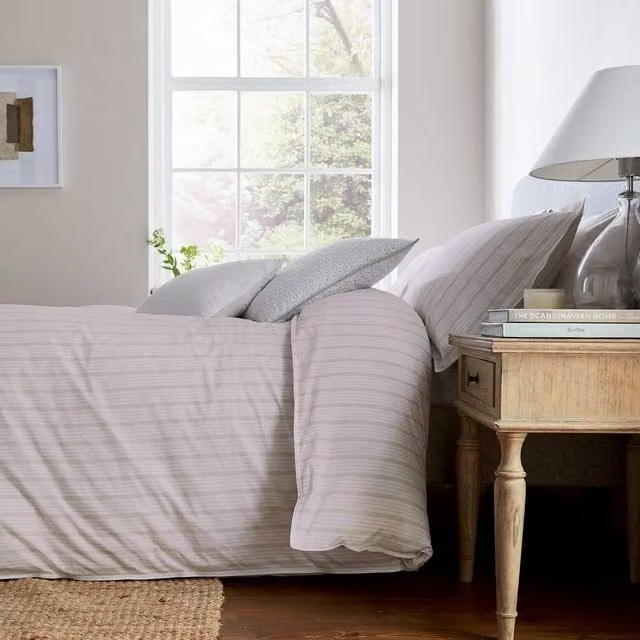
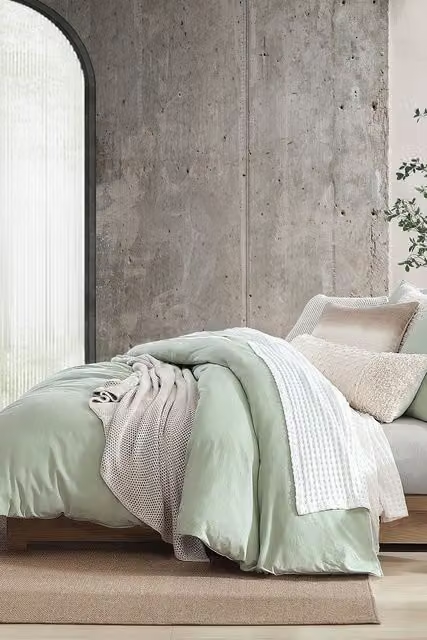
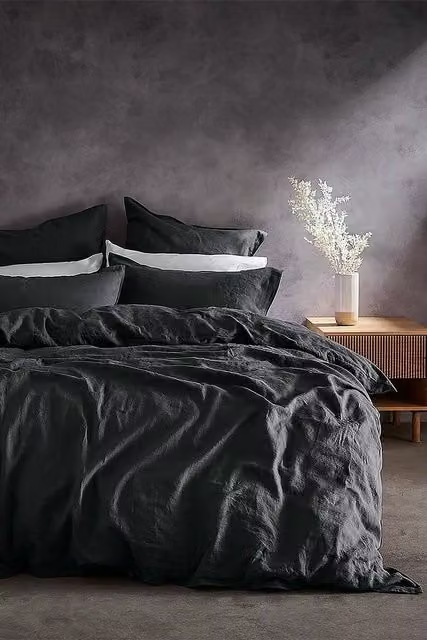
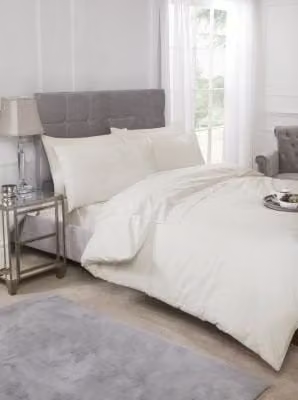
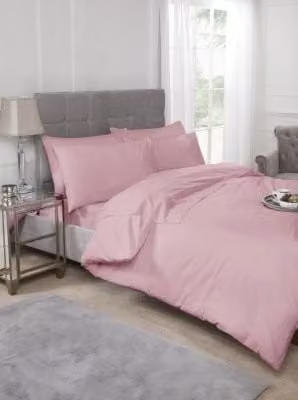
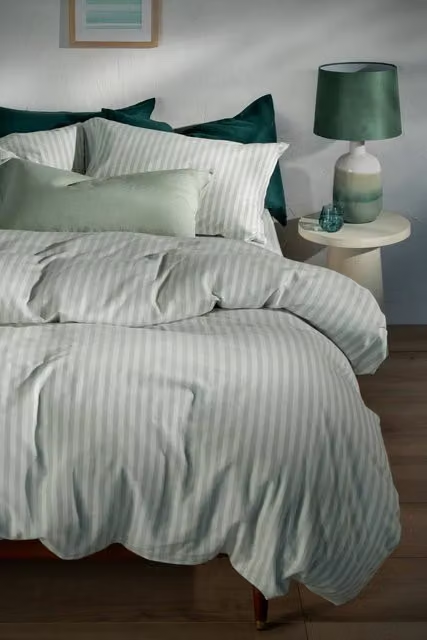
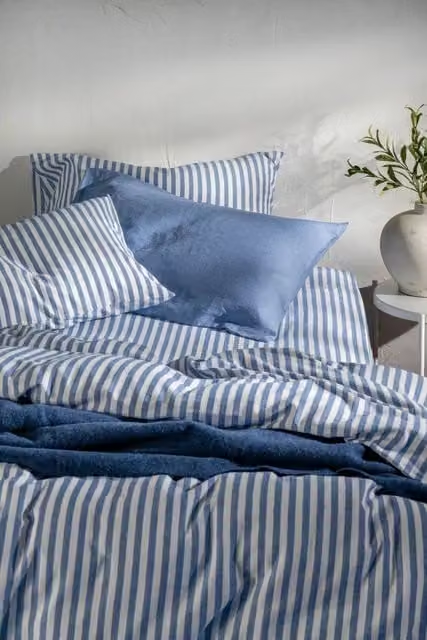
Most household textiles start at their best and decline from there. Linen does the opposite. Every wash softens the flax fibres a little more, so the set that felt slightly crisp on the first night becomes the one you reach for above all others three years later. That slow improvement, combined with a relaxed and lived in look, explains why linen bedding has moved from niche luxury to a genuine favourite in British bedrooms.
The practical case is just as compelling as the aesthetic one. Linen is highly breathable and moisture wicking, drawing warmth away in summer while trapping insulating air in winter, which makes it one of the few fabrics that genuinely works all year round. It is naturally hypoallergenic and resists dust mites, and the fibres are considerably stronger than cotton, so a good set can last a decade or more. You will find duvet covers, fitted and flat sheets, pillowcases and full bedding sets in stone washed finishes, garment dyed colours and classic white, along with softer blends that mix linen with cotton for a smoother handle at a lower price.
Quality shows in the flax itself. European grown flax, particularly from France, Belgium and the Netherlands, is regarded as the finest, and fabric weights between 150 and 200 GSM strike the best balance between substance and softness for bedding. Stone washing or enzyme washing at the factory softens the fabric before it reaches you, which is worth looking for if you want immediate comfort. OEKO-TEX certification confirms the fabric has been tested for harmful substances.
Price reflects fibre origin, weight and finish. Linen cotton blends are the affordable entry point, pure stone washed linen sits in the mid to upper range, and certified European flax in heavier weights commands the highest prices. Judged over ten years of use, the cost per night is modest.
Explore the range, compare prices and treat yourself to bedding that improves every time you wash it.
New linen has a distinctive texture, but rough is not the right word, and most sets sold today are stone washed to soften them before sale. The fibres relax noticeably over the first five to ten washes and keep softening for years afterwards. If you want maximum softness from night one, look for stone washed or enzyme washed labelling, or consider a linen cotton blend. Avoid fabric conditioner, which coats the fibres and actually slows the natural softening process.
Yes, and this thermoregulating quality is one of its main selling points. The hollow flax fibres wick moisture away from your skin and allow air to circulate, which prevents the clammy overheating you get with synthetics. In colder months, that same loose weave traps a layer of warm air close to the body. Pairing linen with a seasonally appropriate duvet tog gives you comfortable sleep across the whole year without swapping bedding.
Wash at 40 degrees on a normal cycle with a mild detergent, and give the load plenty of room in the drum so the fabric can move freely. Skip bleach and fabric conditioner, both of which damage or coat the flax fibres over time. Line drying is ideal, or tumble dry on low and remove while still slightly damp so the fabric relaxes rather than setting hard. Most people embrace the natural creases, but a light press on the reverse while damp will smooth them if you prefer.
Flax fibres are around thirty percent stronger than cotton, so a well made set used in rotation can comfortably last eight to twelve years. The key is rotation, because using two or three sets alternately gives the fibres time to recover between washes and dramatically extends their life. Watch for thinning in the middle of the flat sheet and around the pillowcase openings, which are the first places to wear. Even then, worn linen makes excellent tea towels and cleaning cloths.