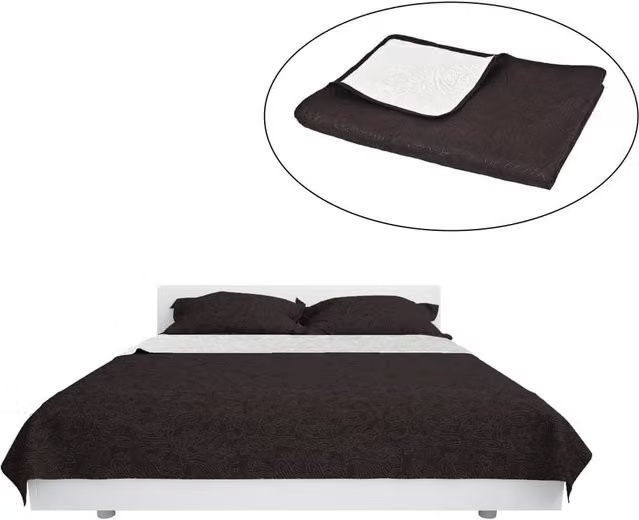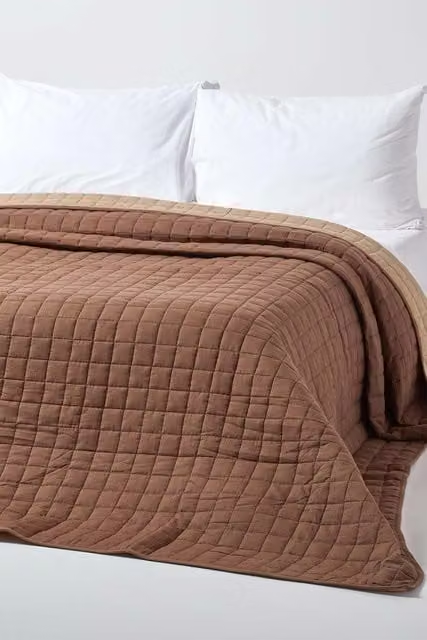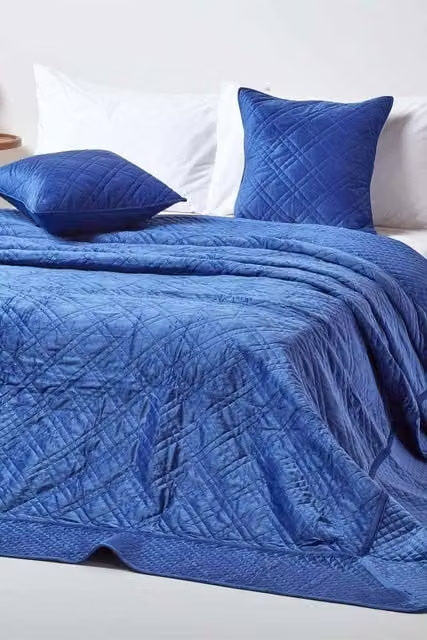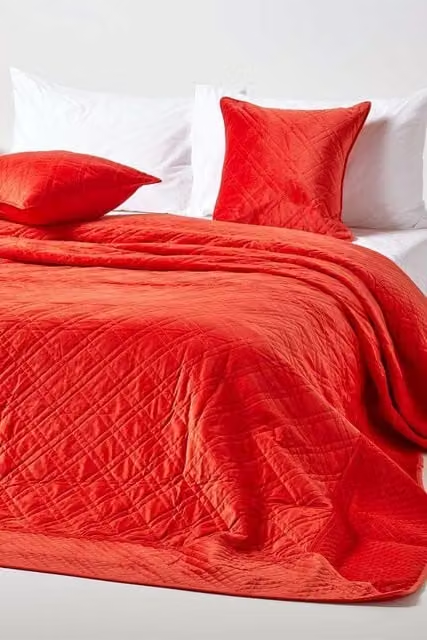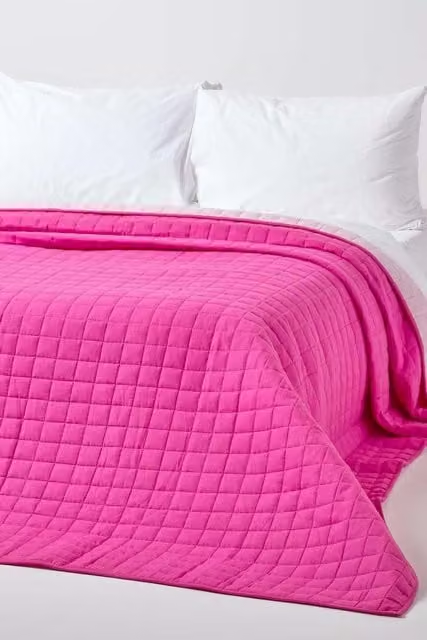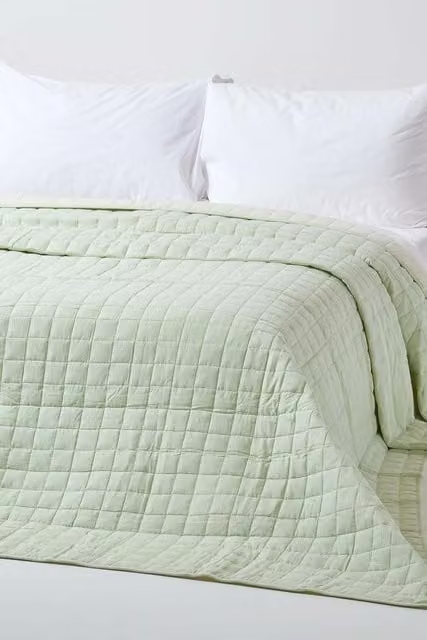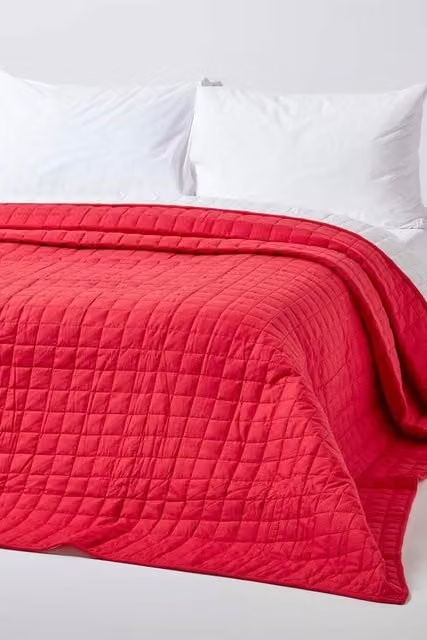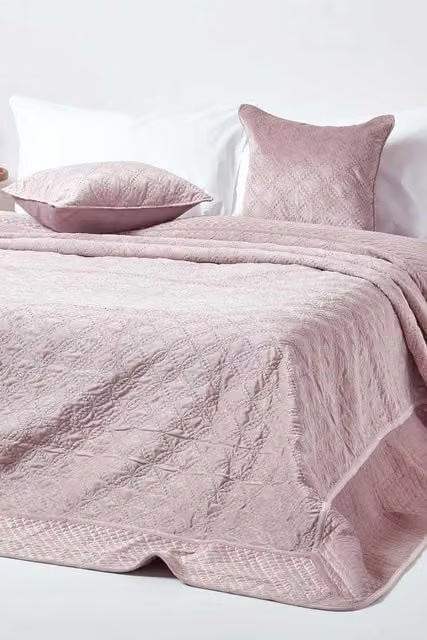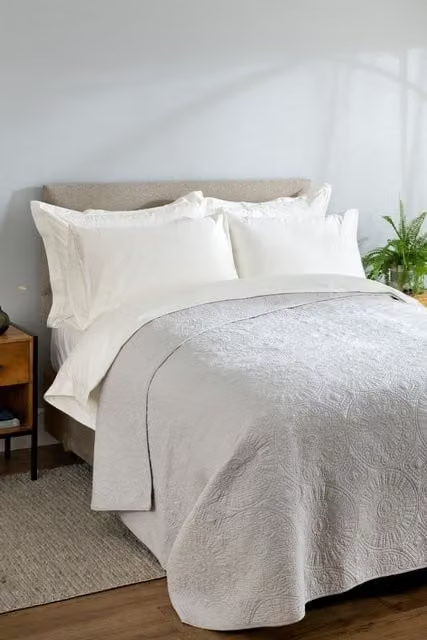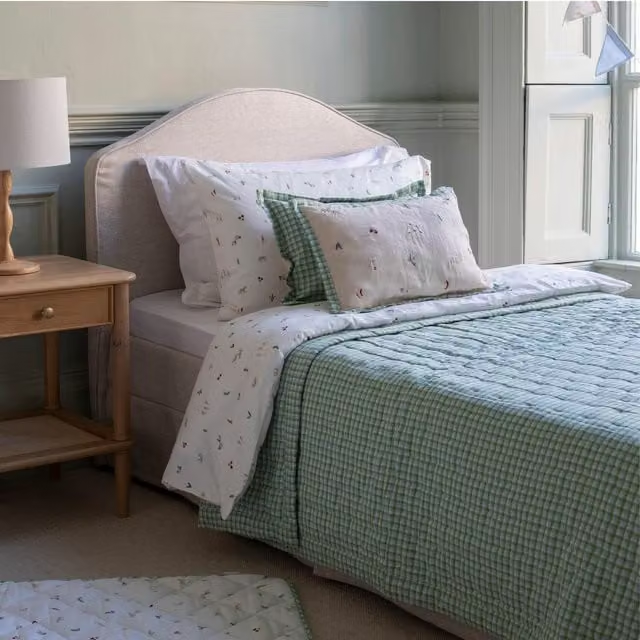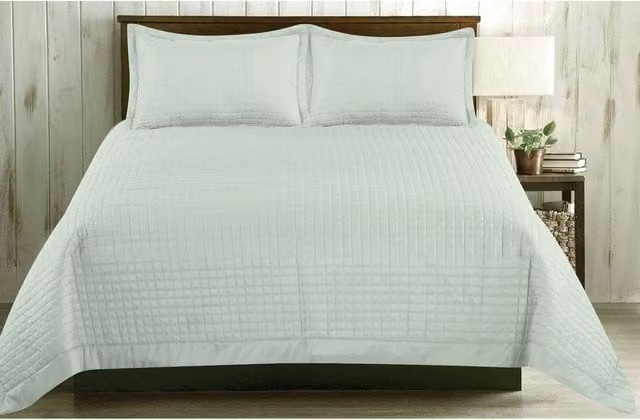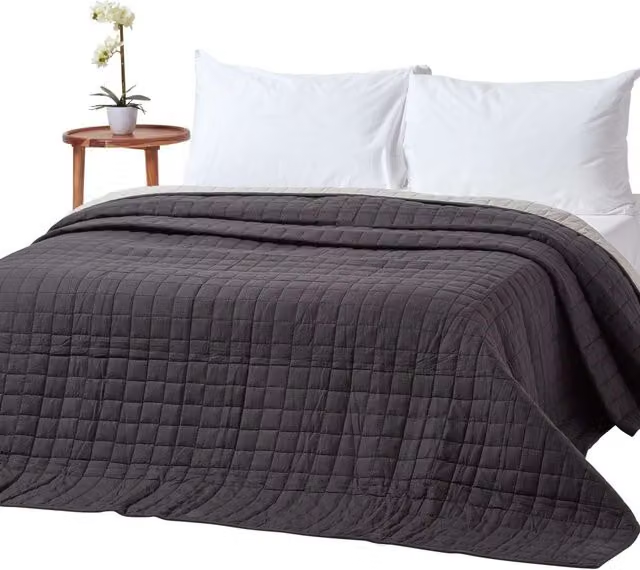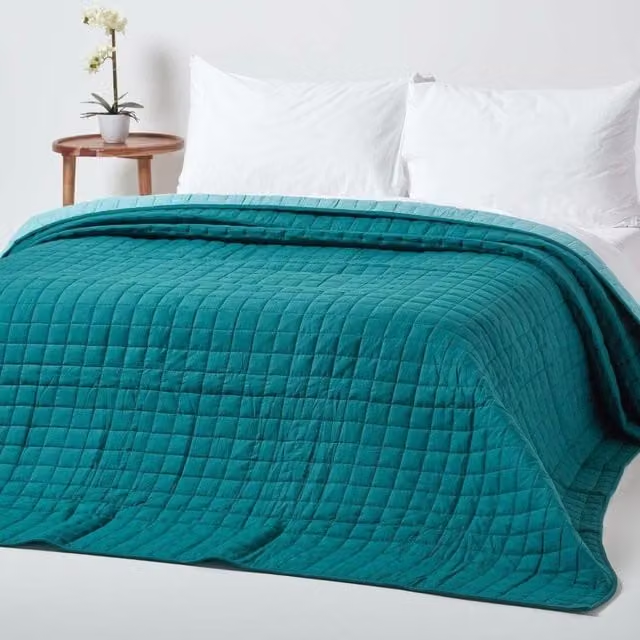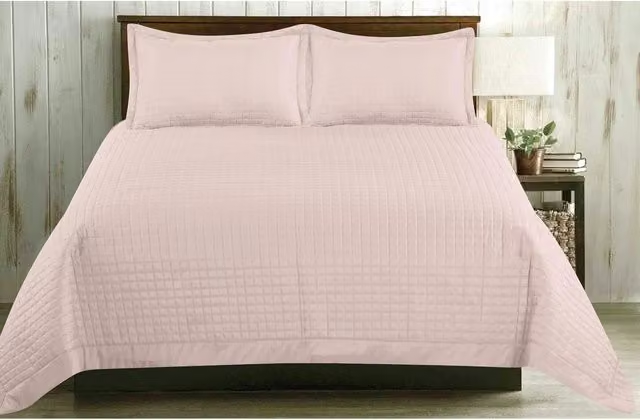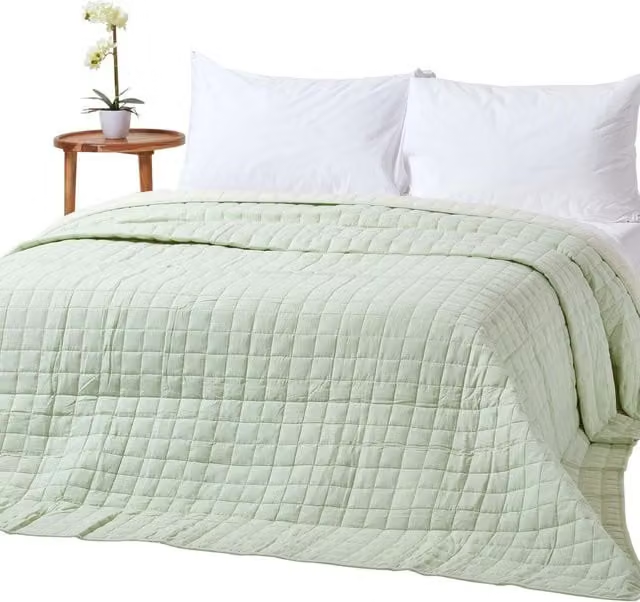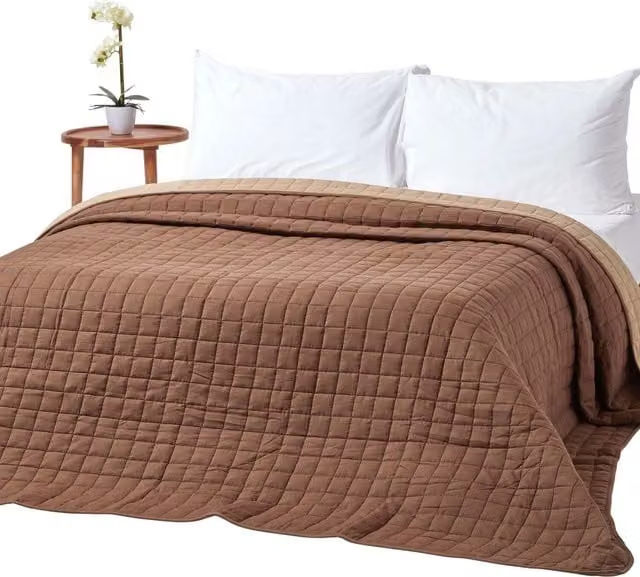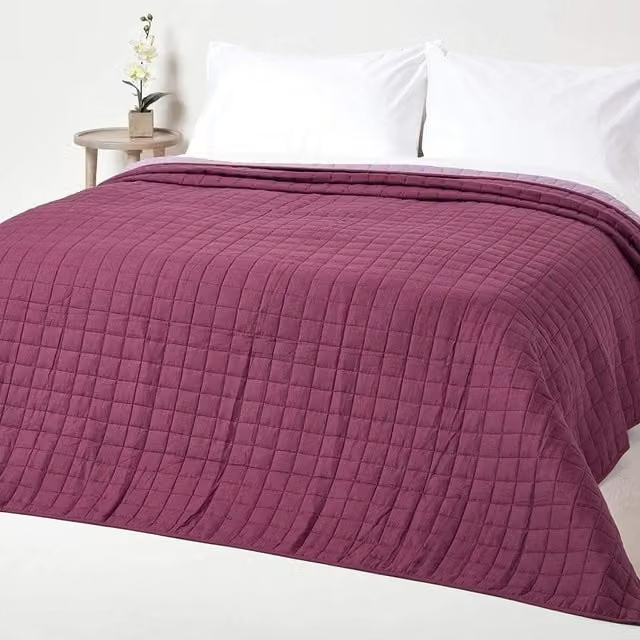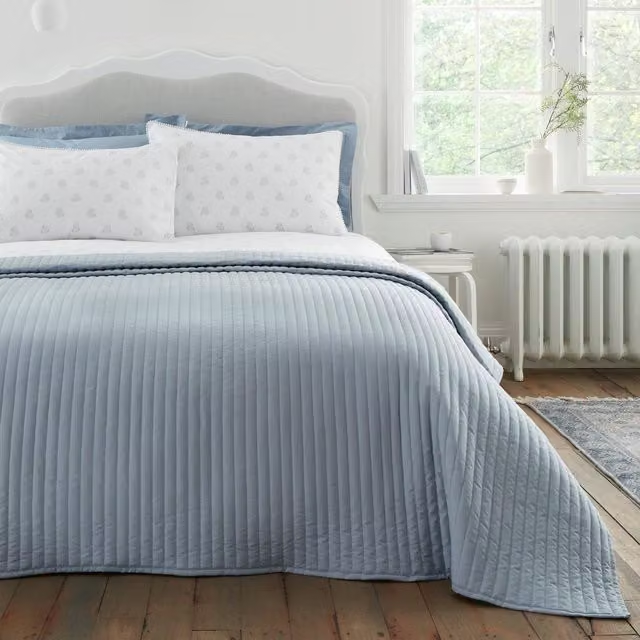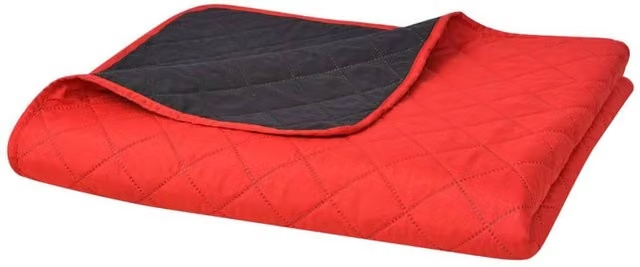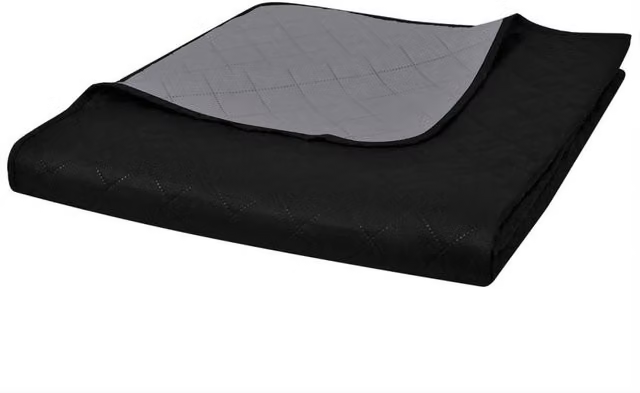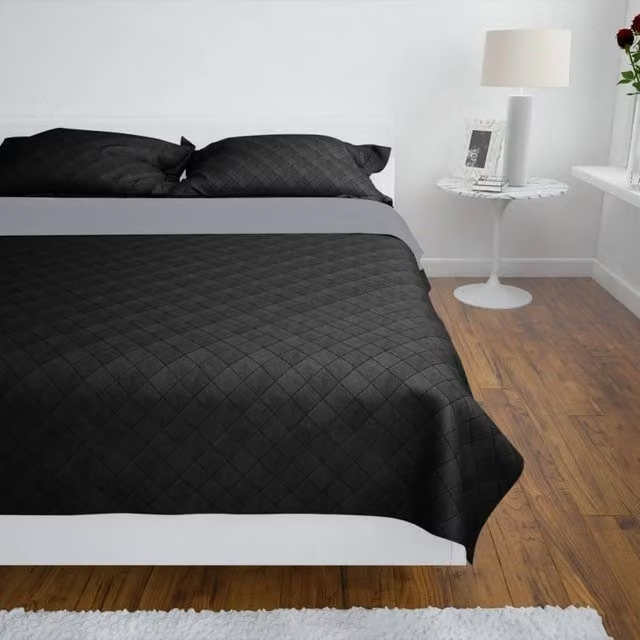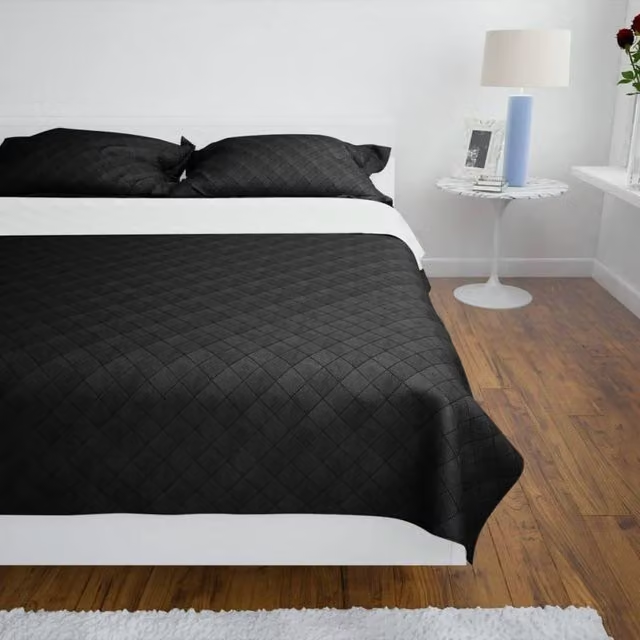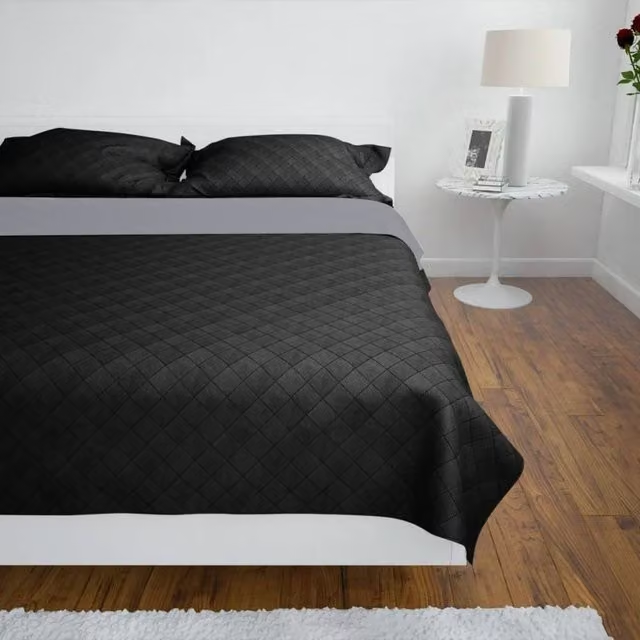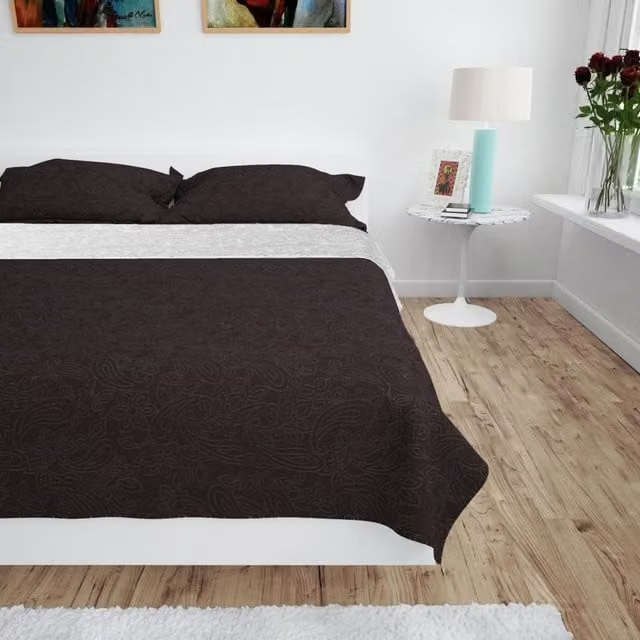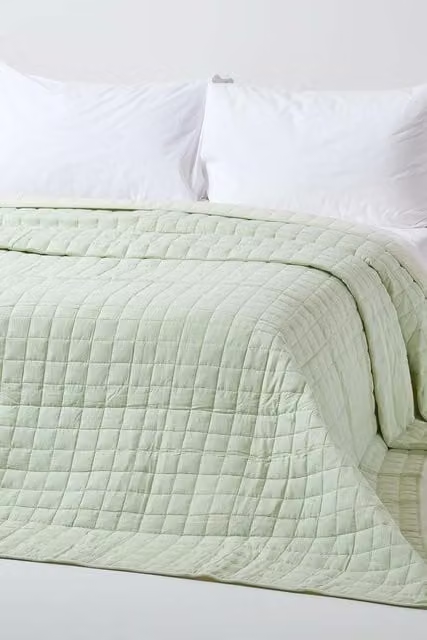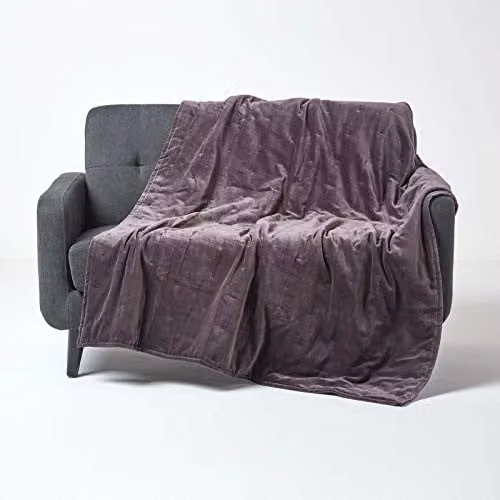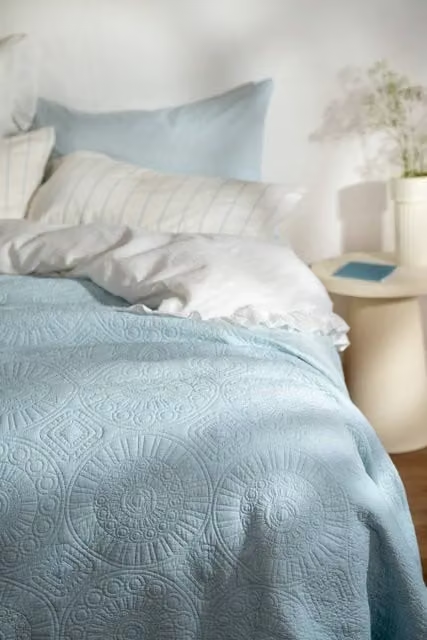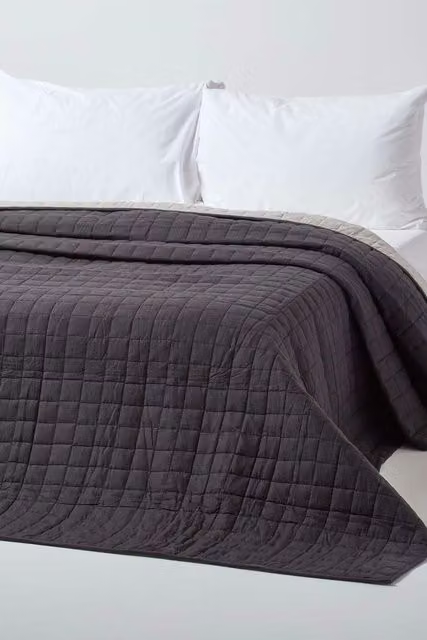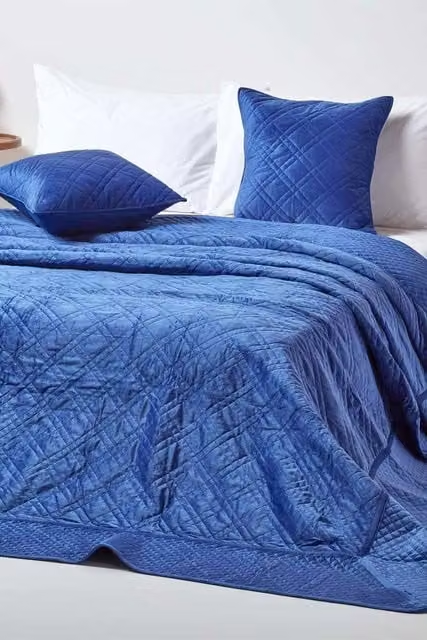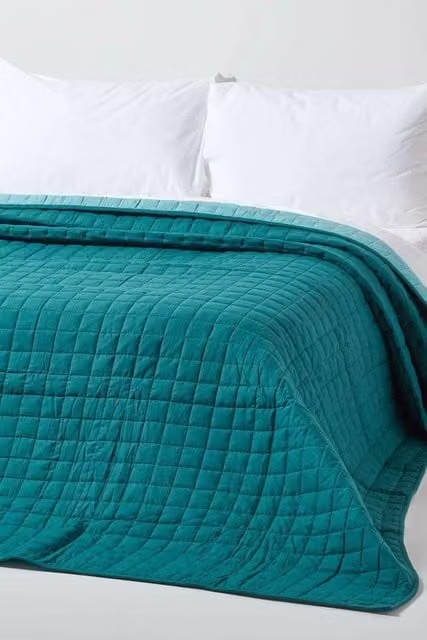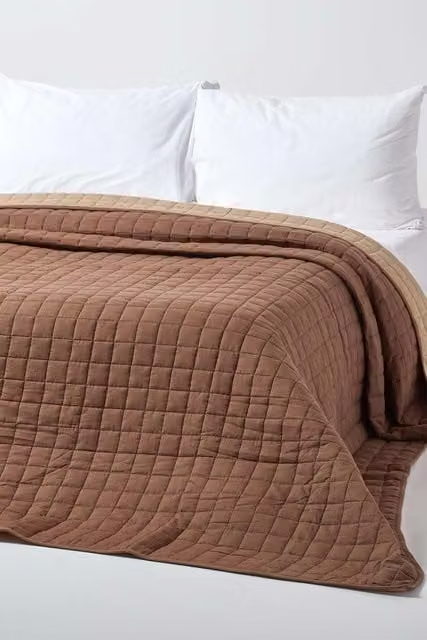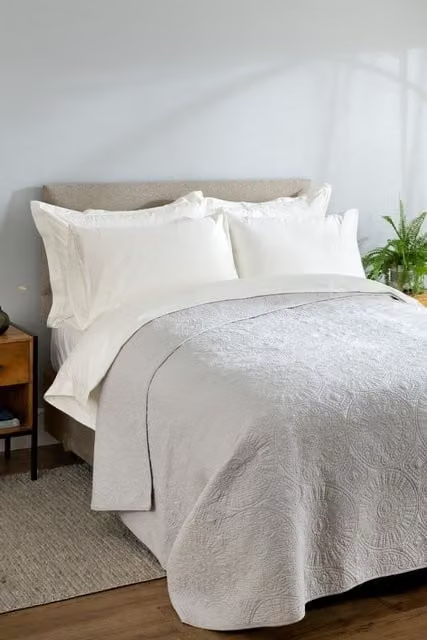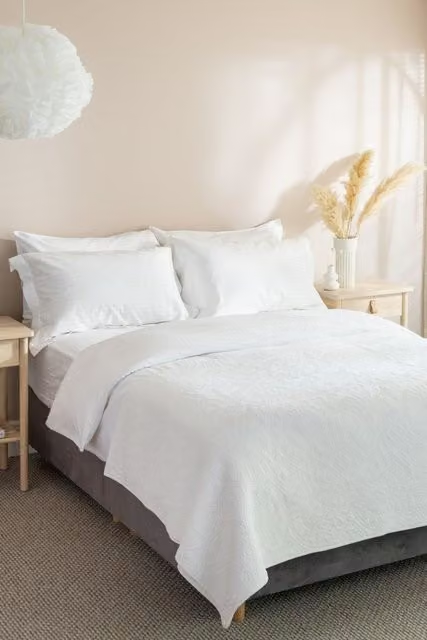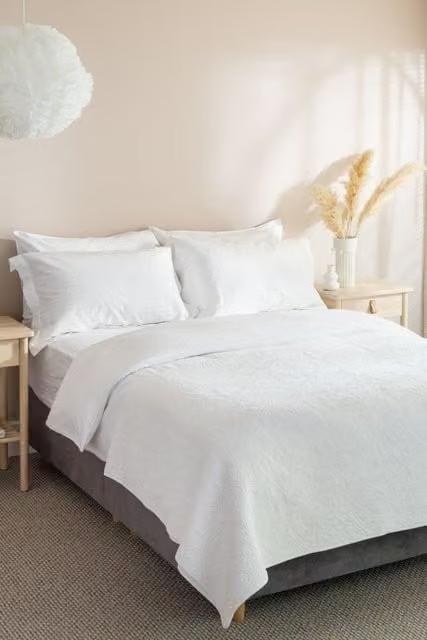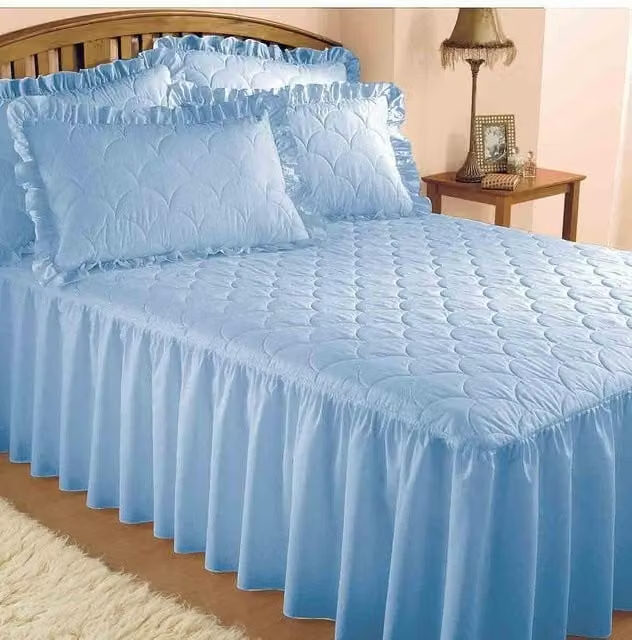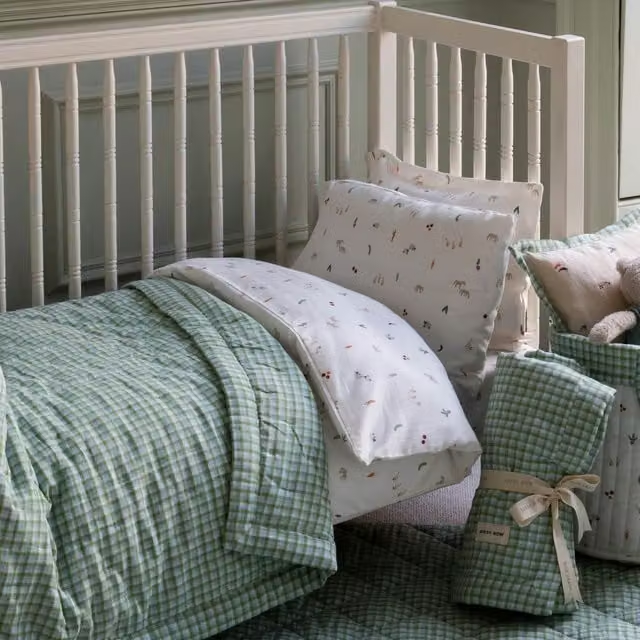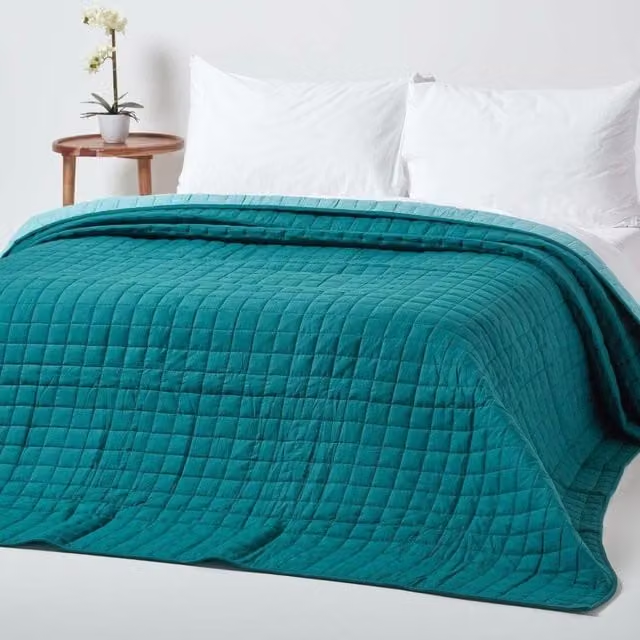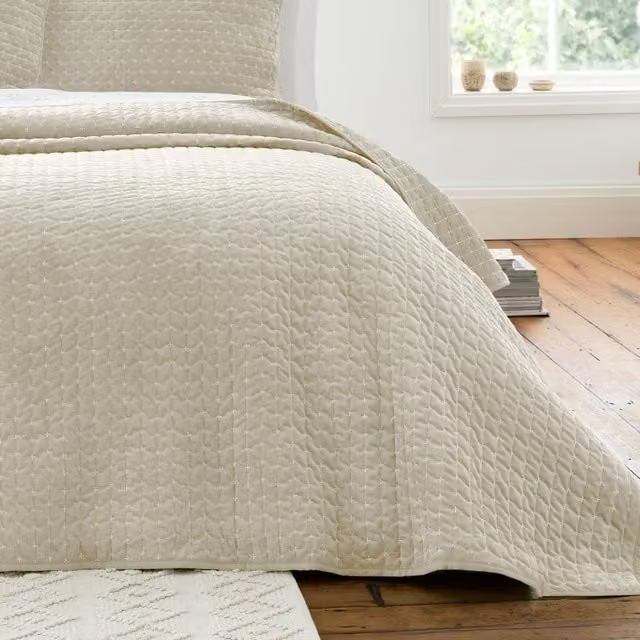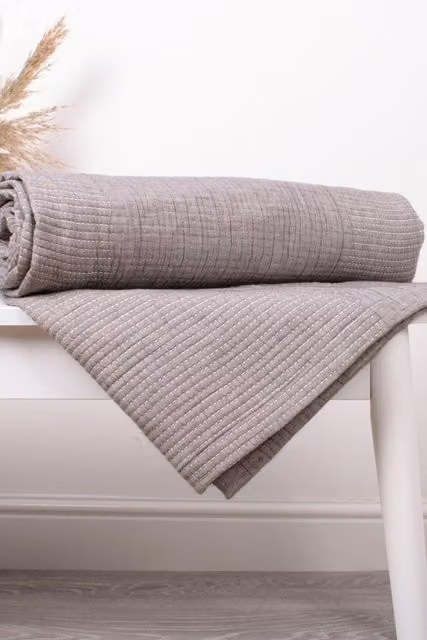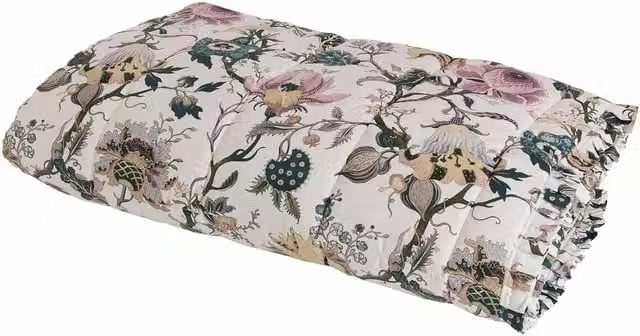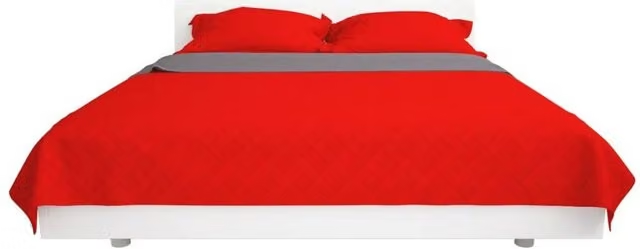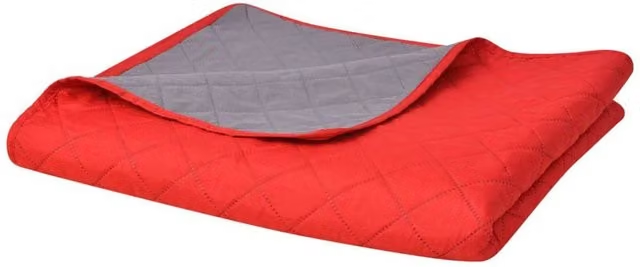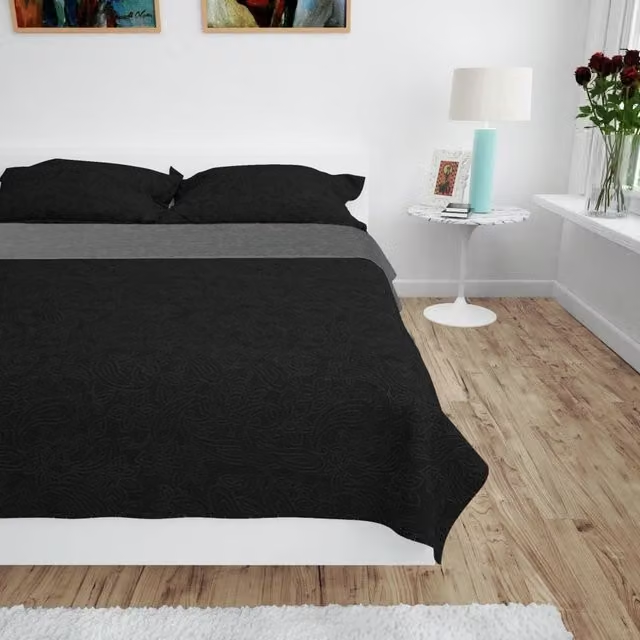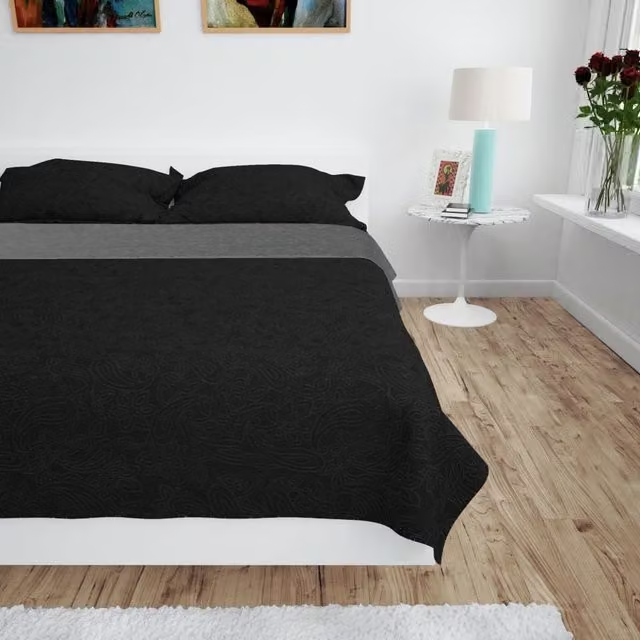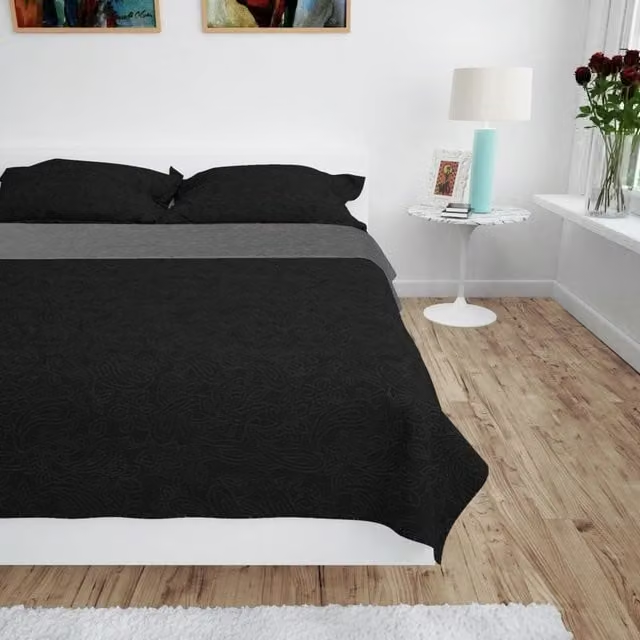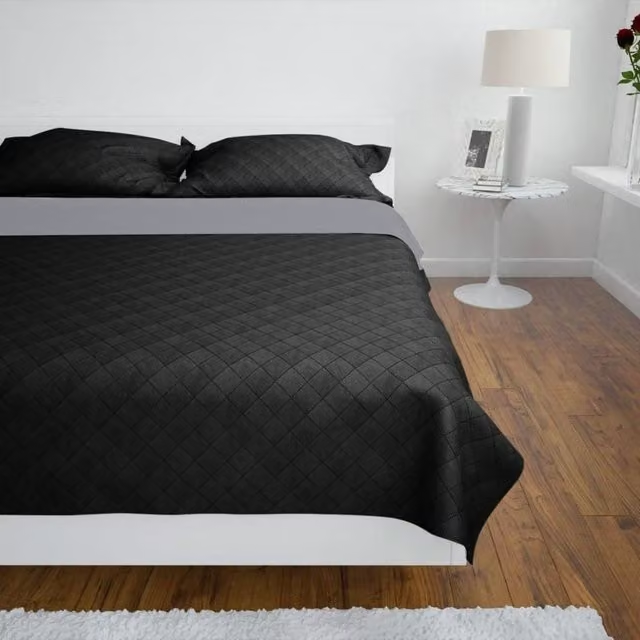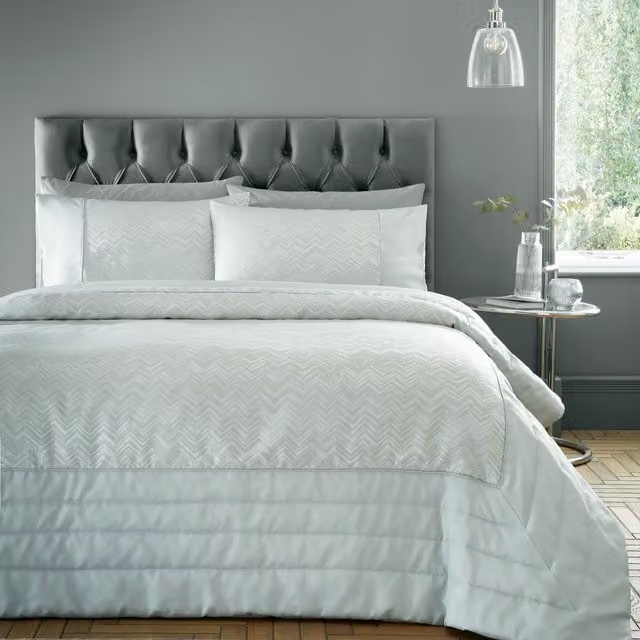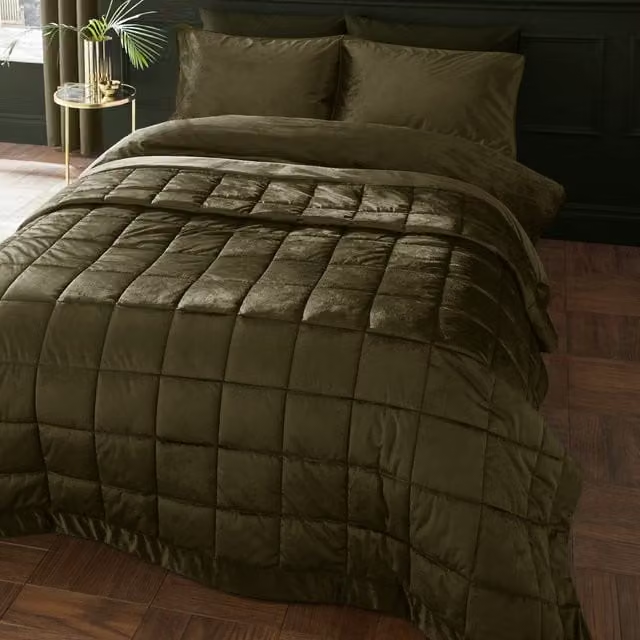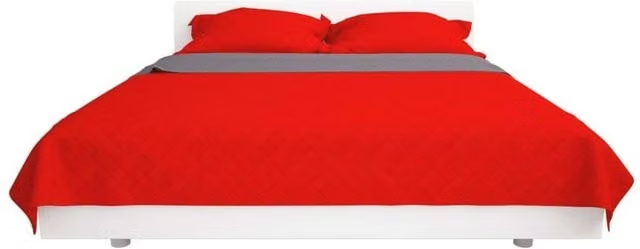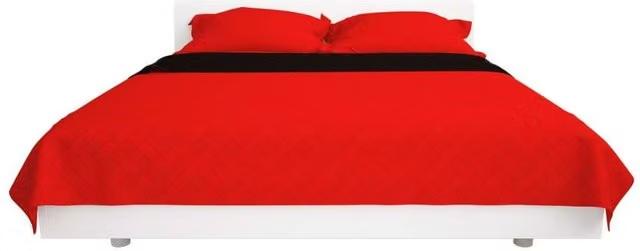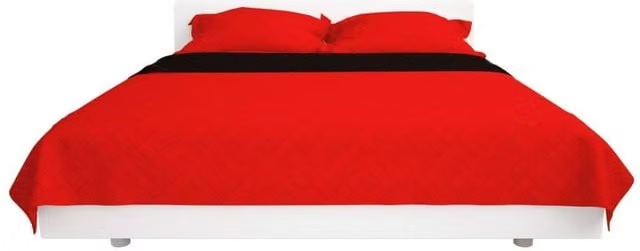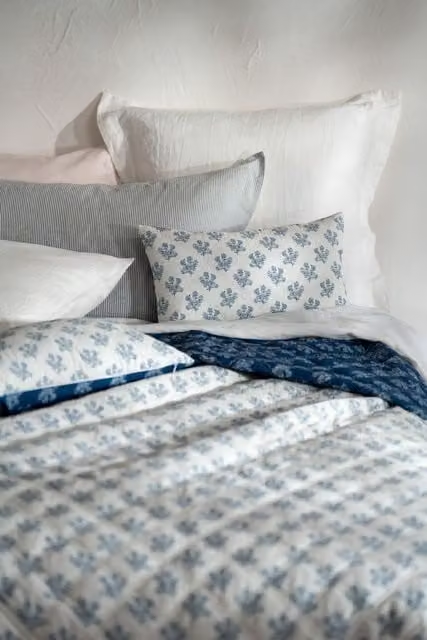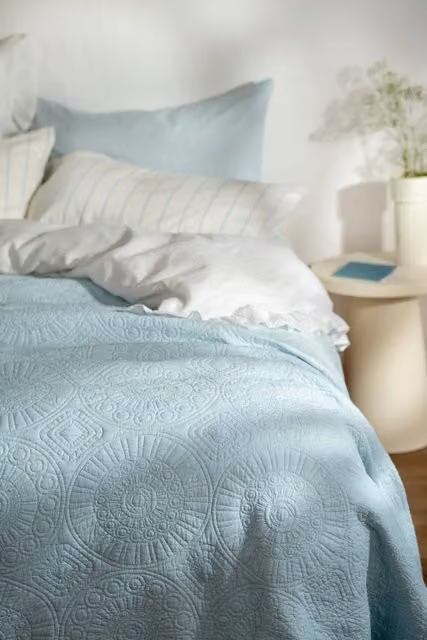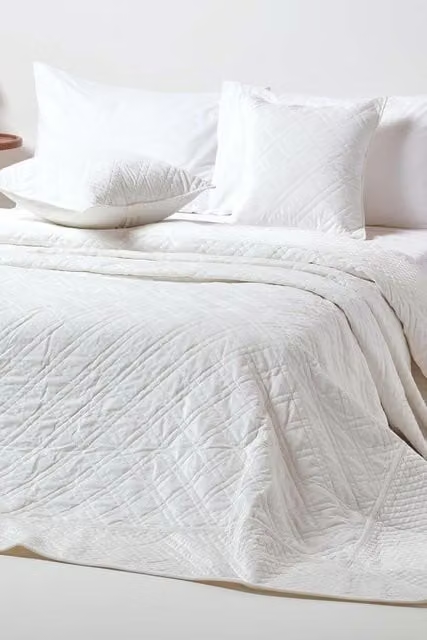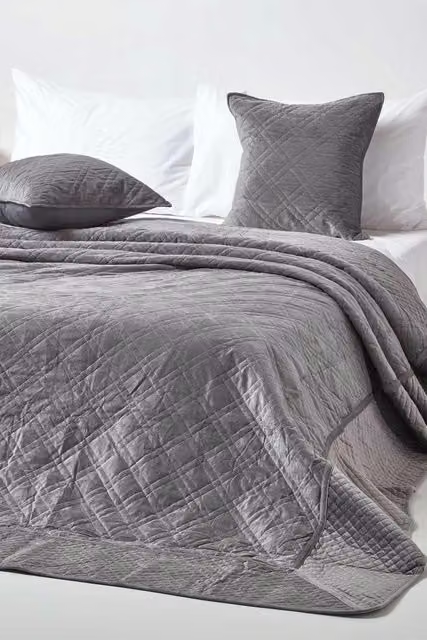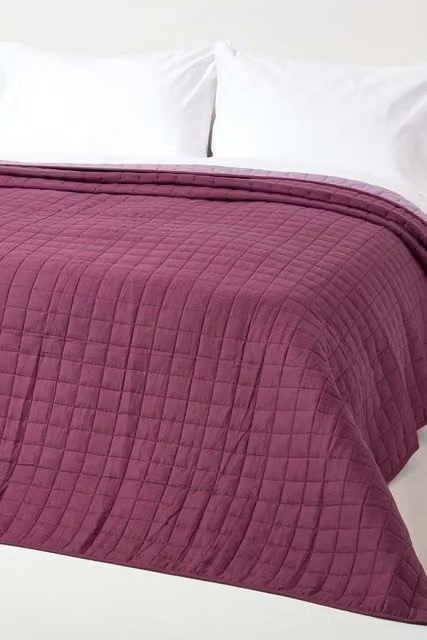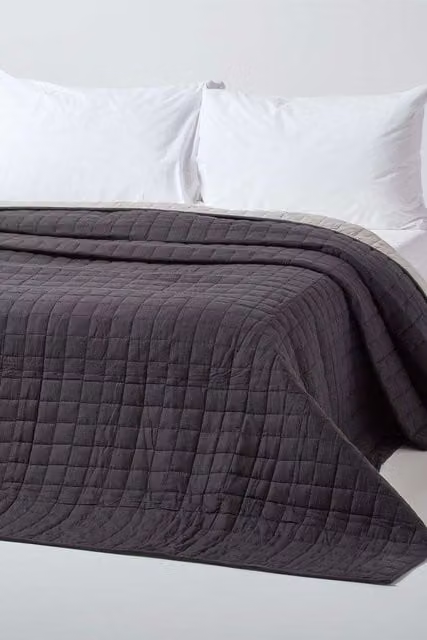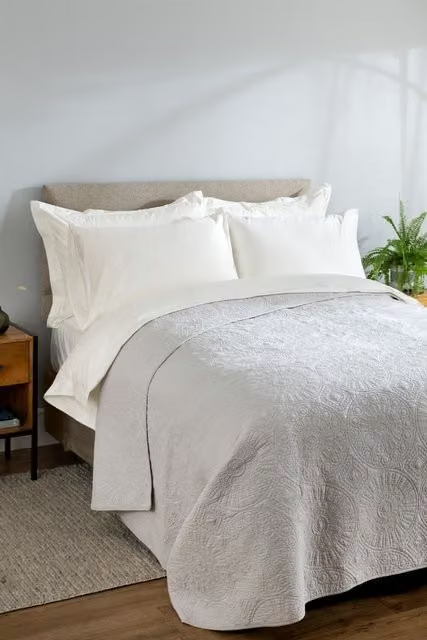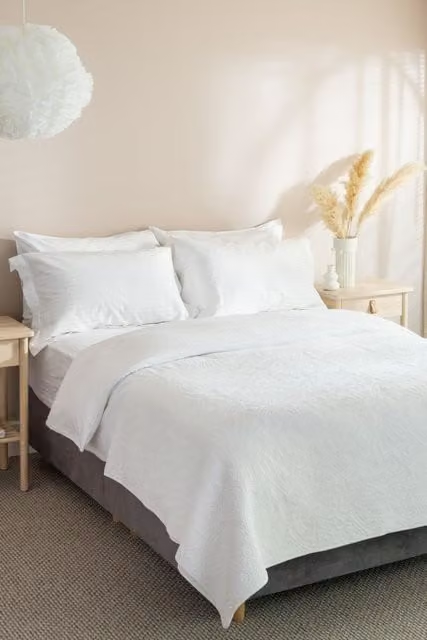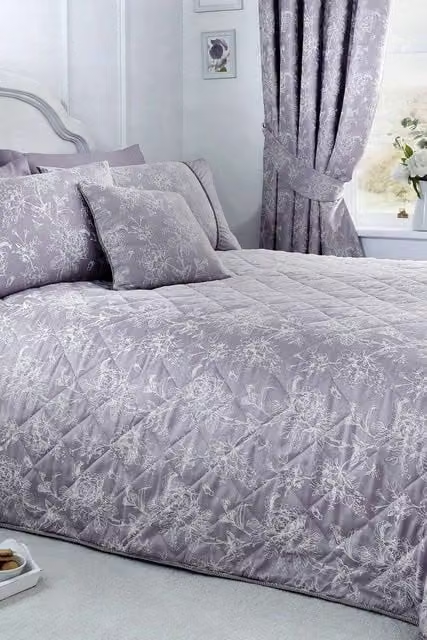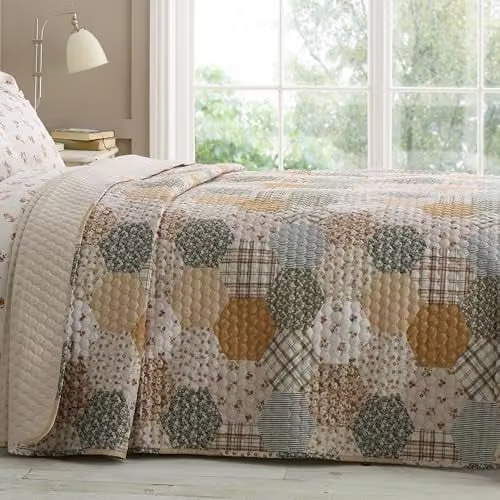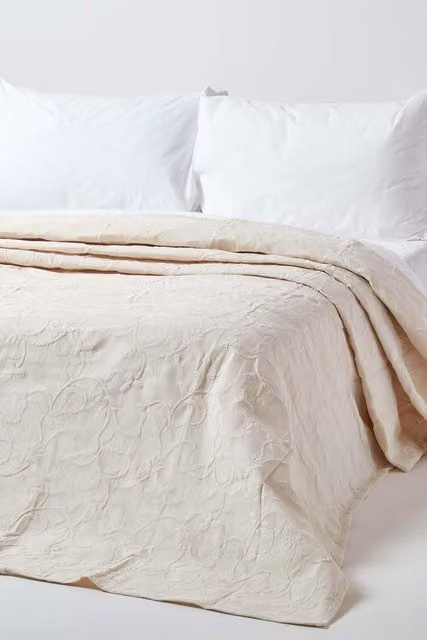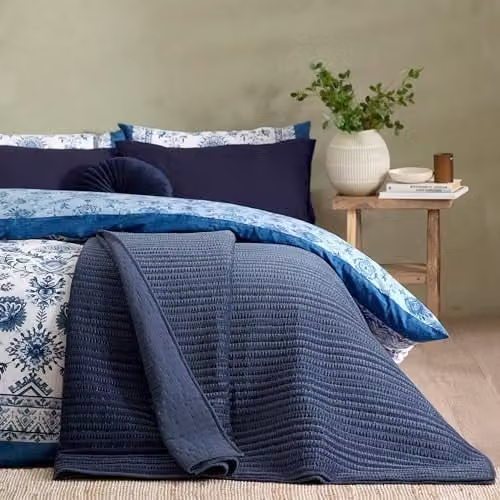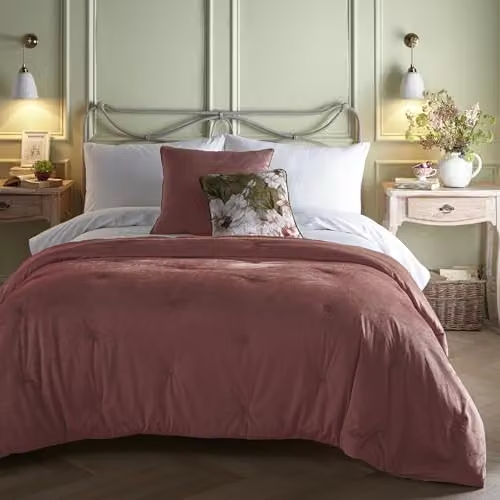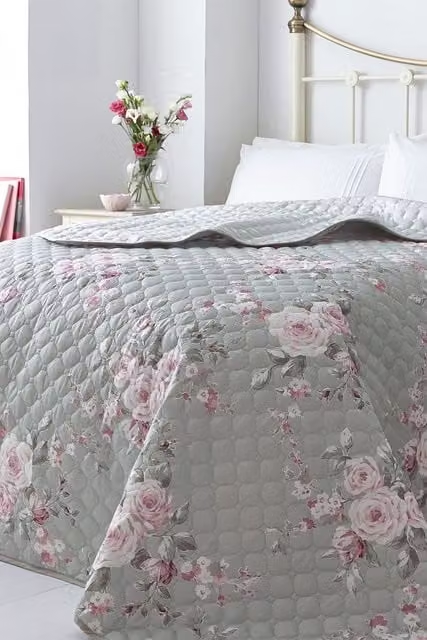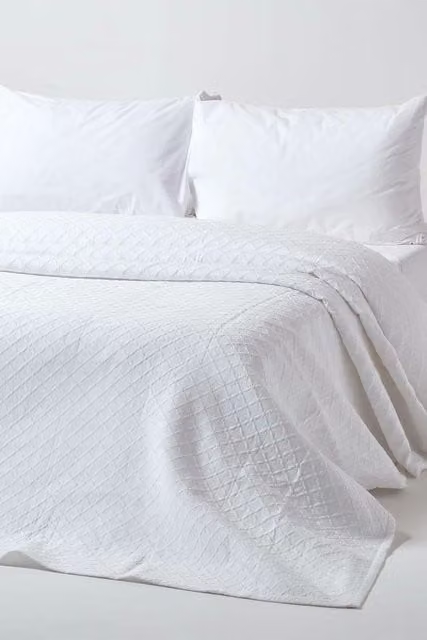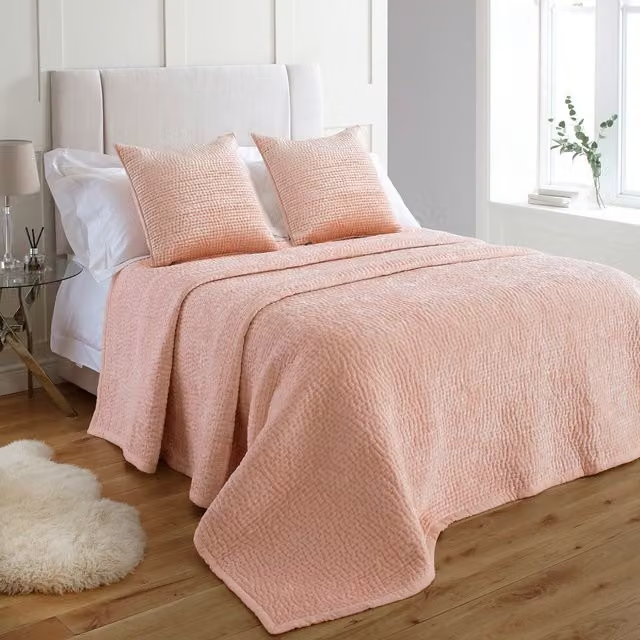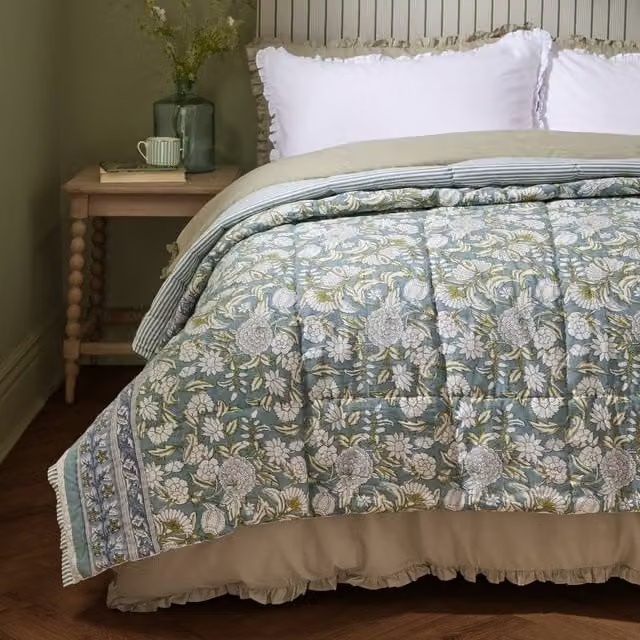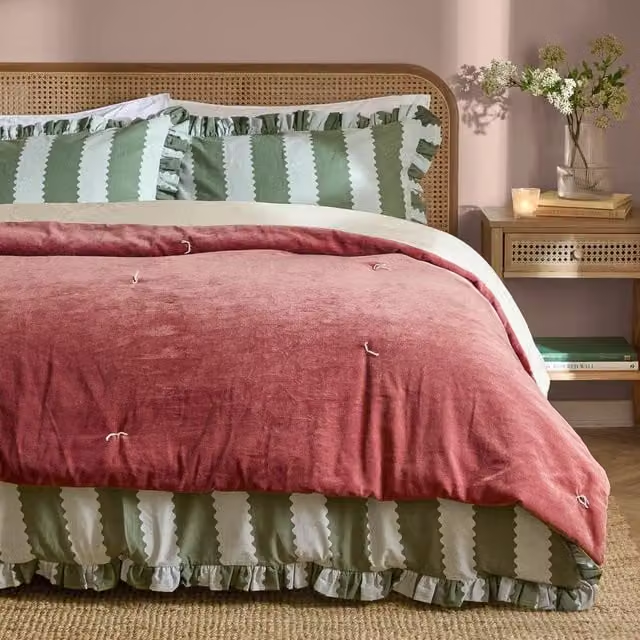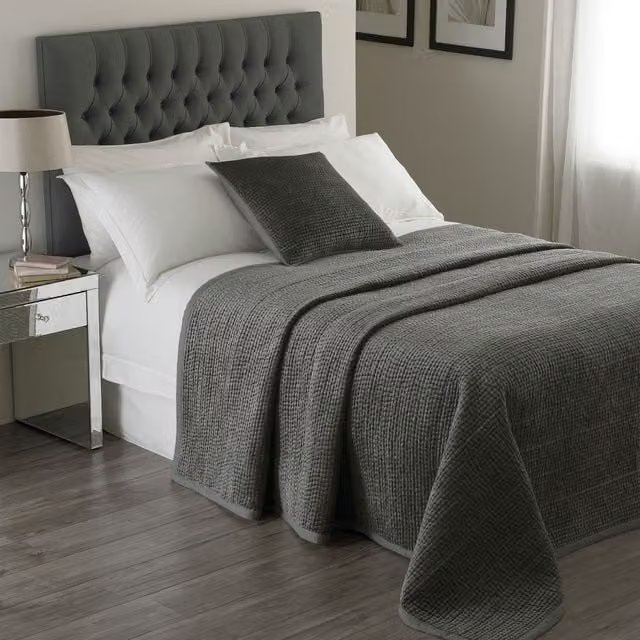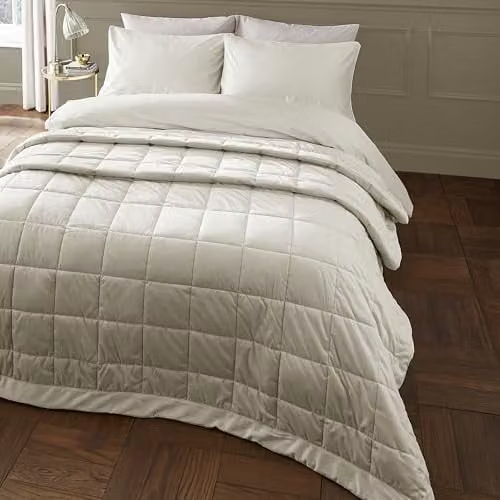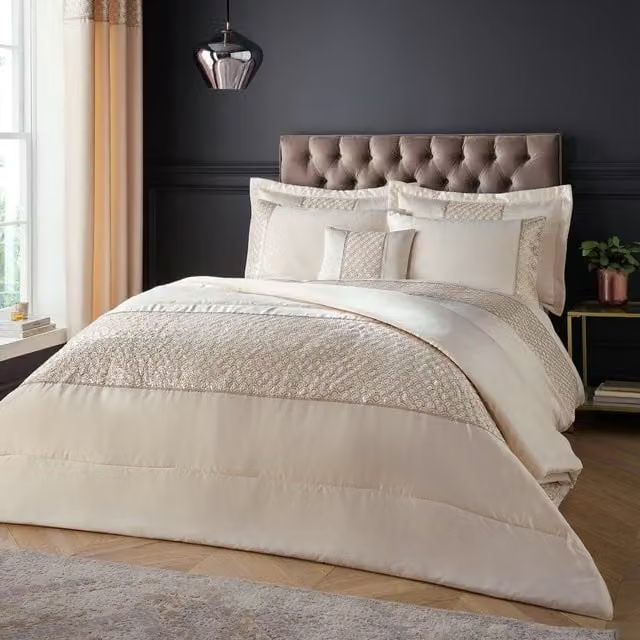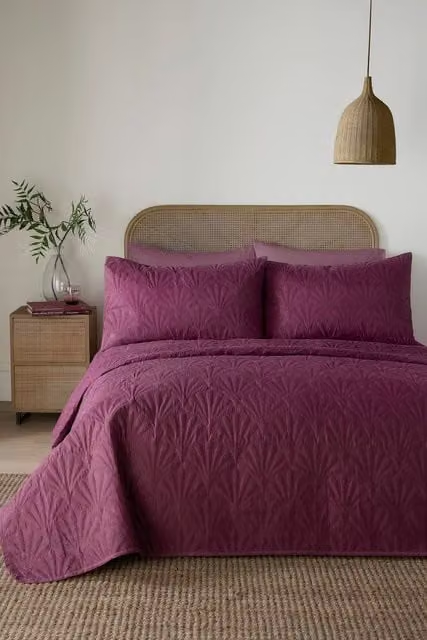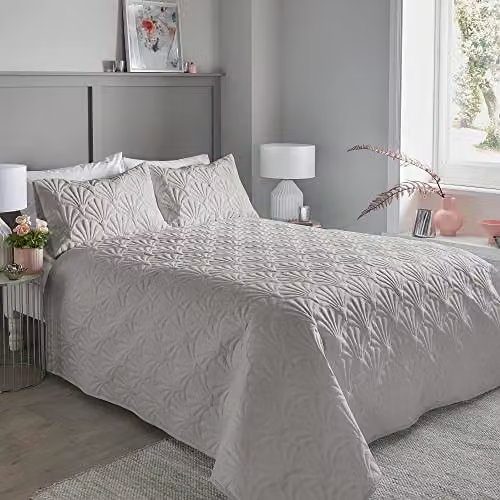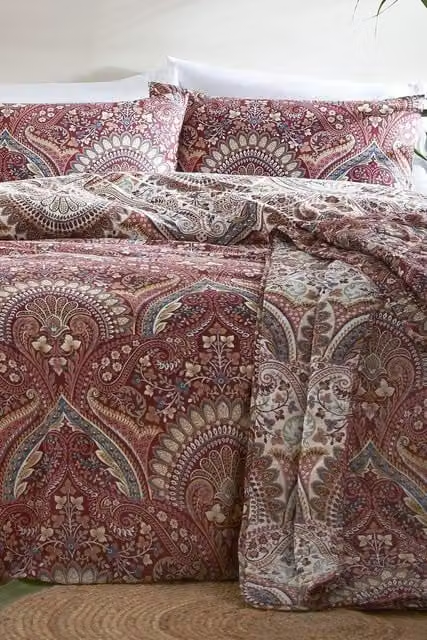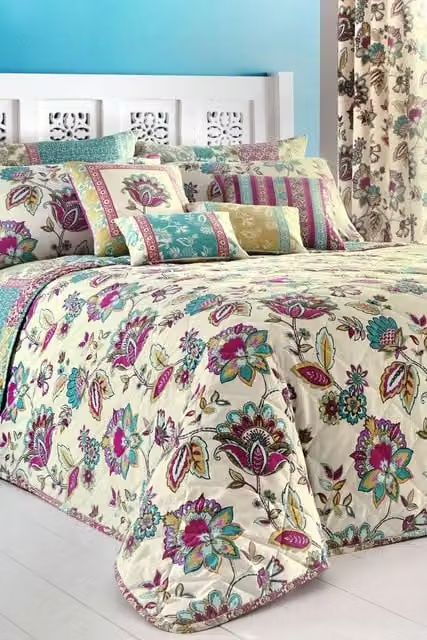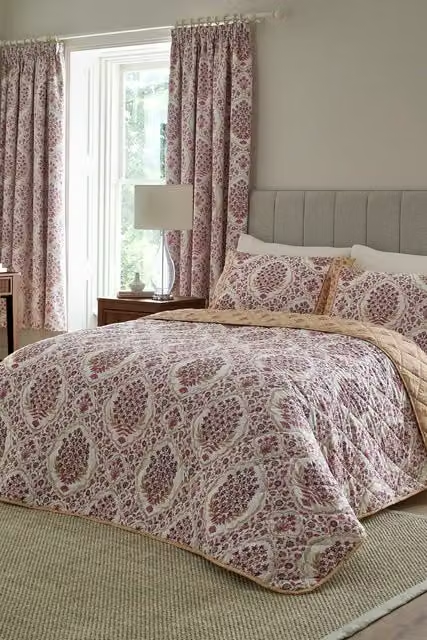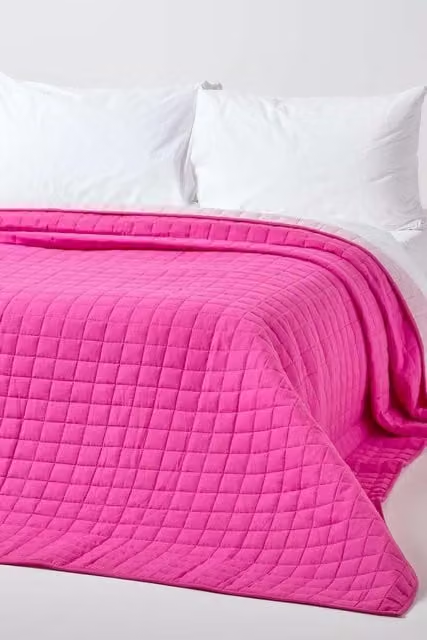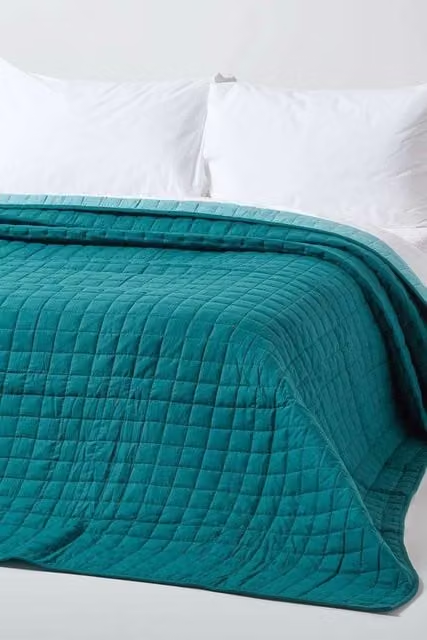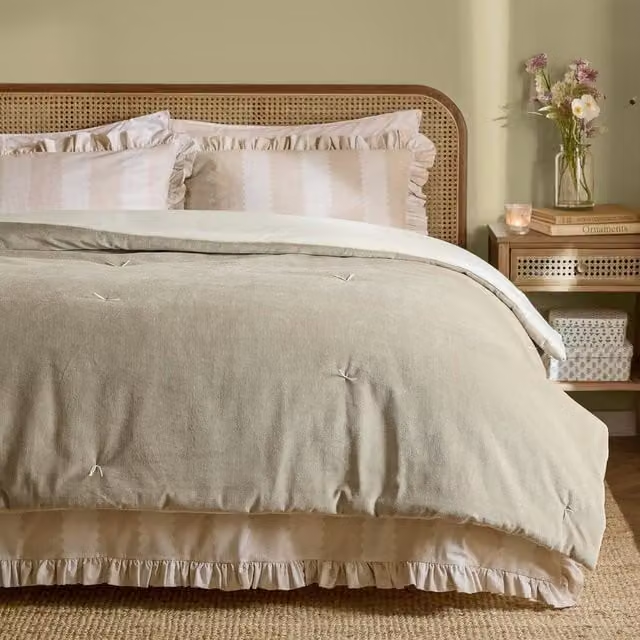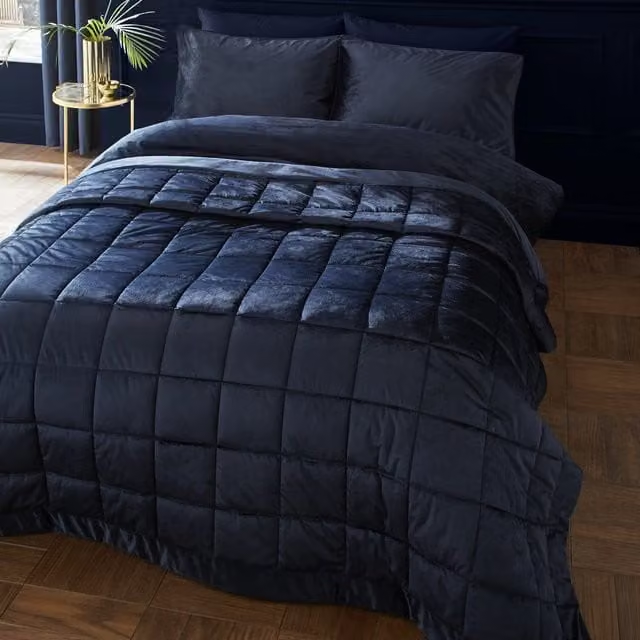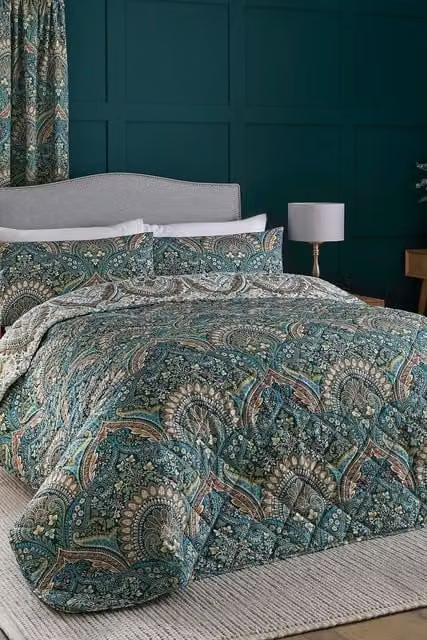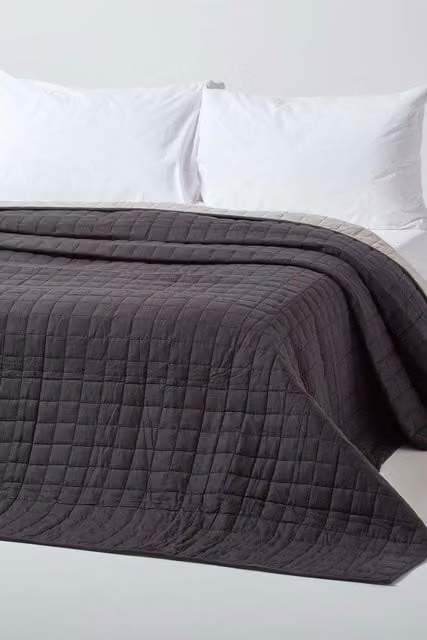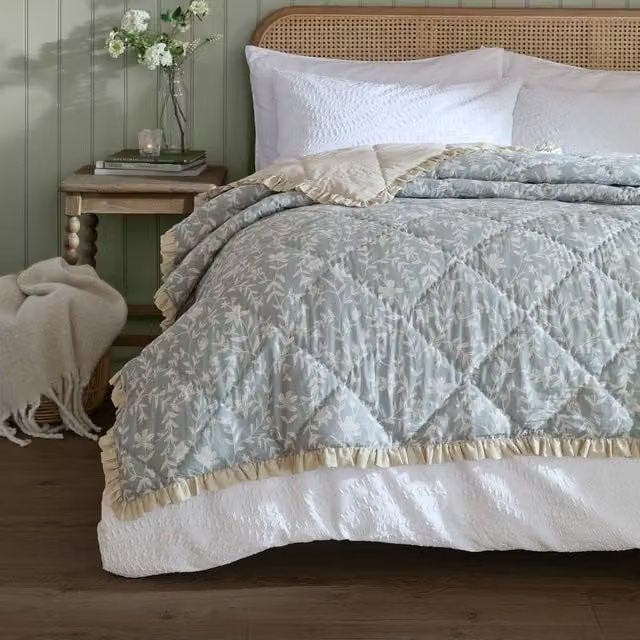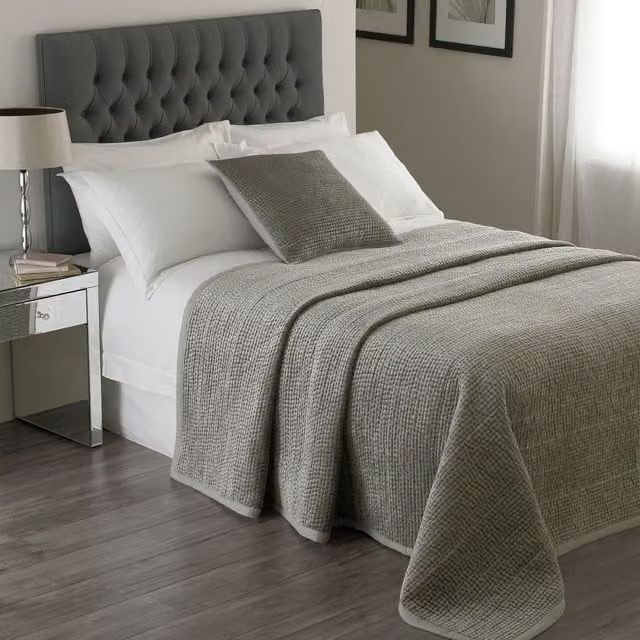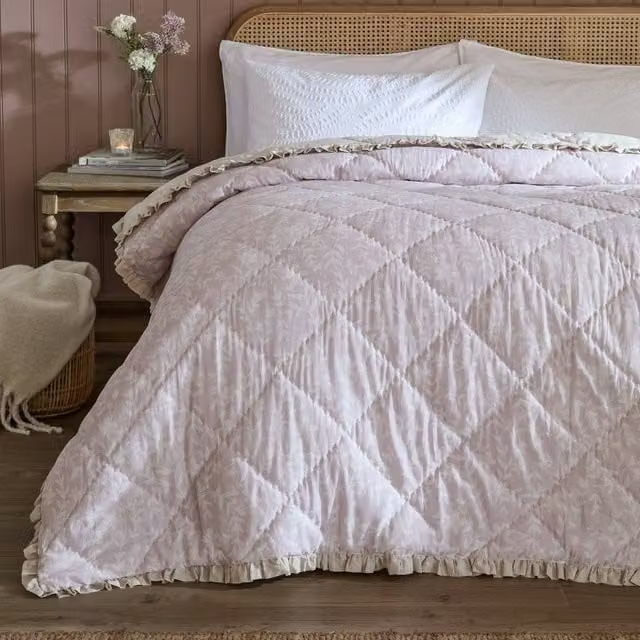
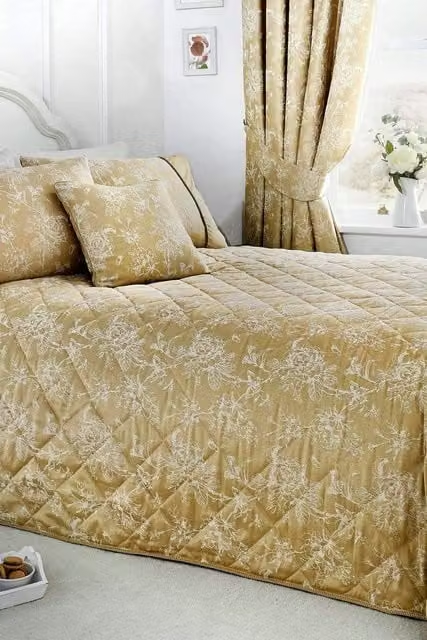

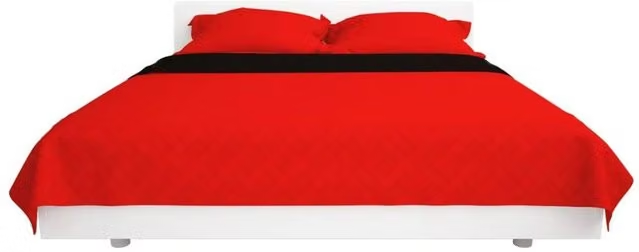
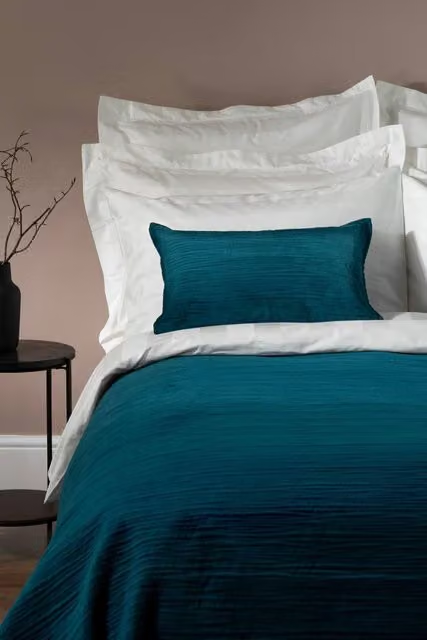
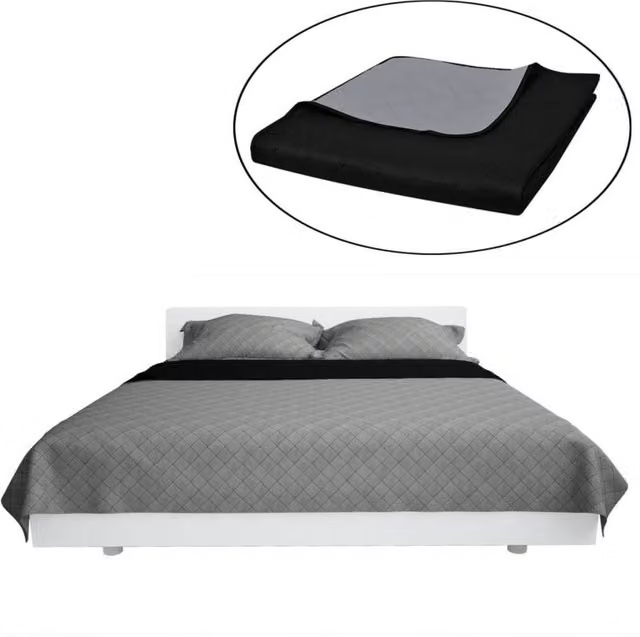
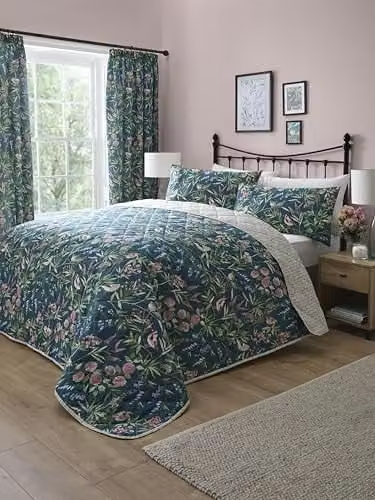
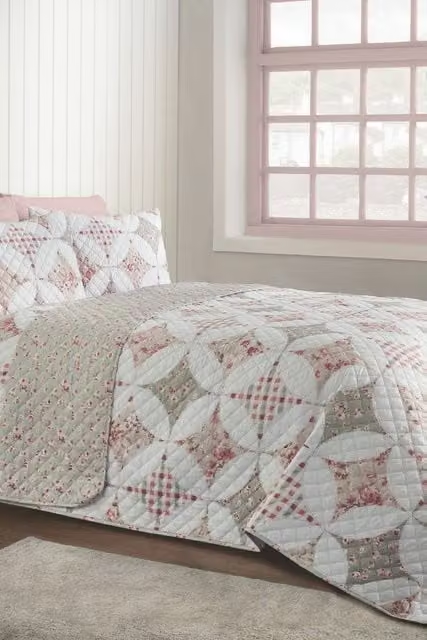
A duvet keeps you warm, but it rarely makes a bed look finished. A quilted bedspread does, adding texture, structure and a sense of care that transforms an unmade looking bed into the centrepiece of the room. It also does something practical, giving you an extra layer to pull up on a cold night or fold back on a mild one, which is more useful in the British climate than any single tog rating.
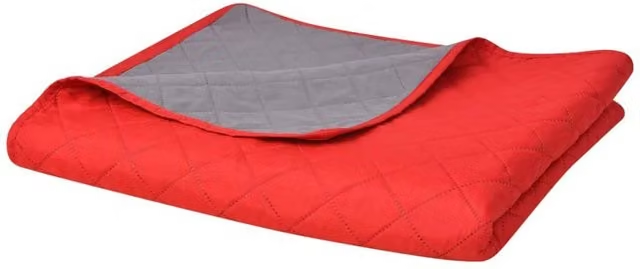
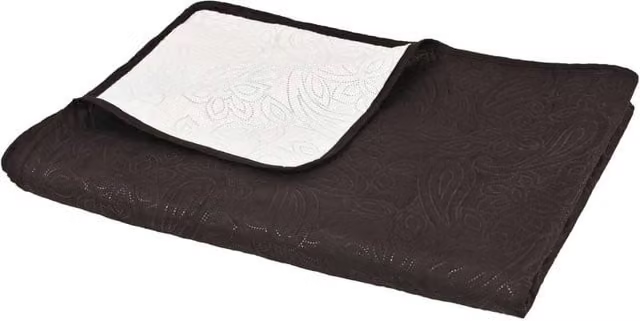
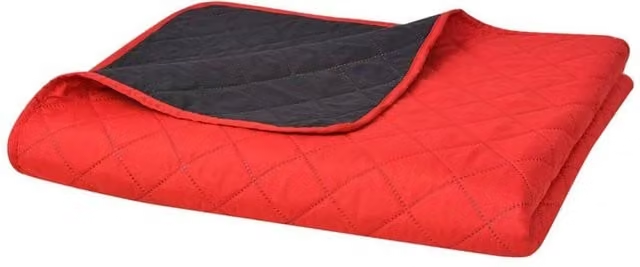
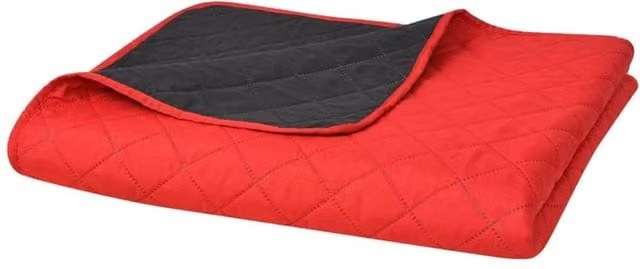
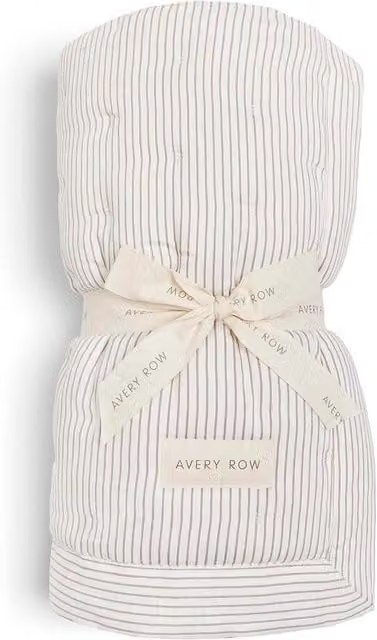
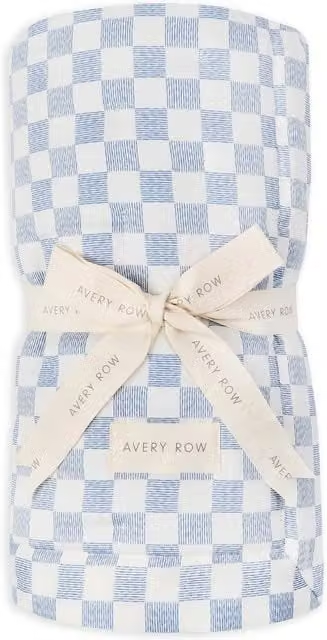
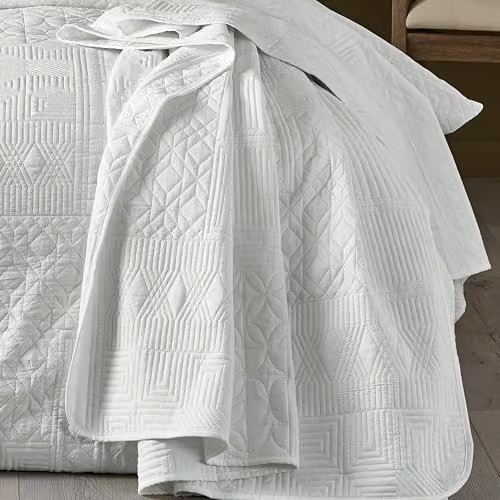
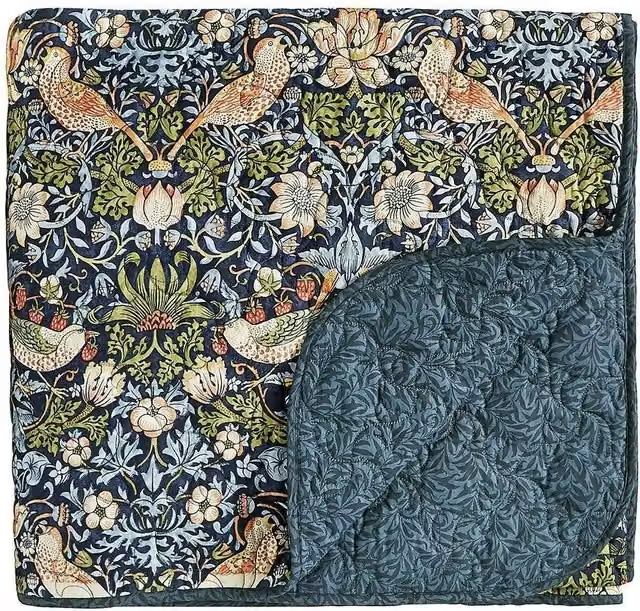
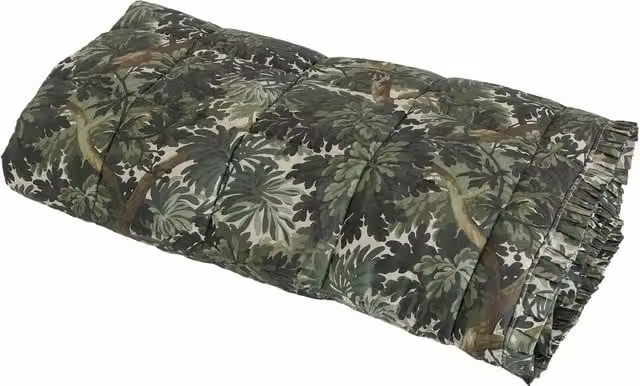
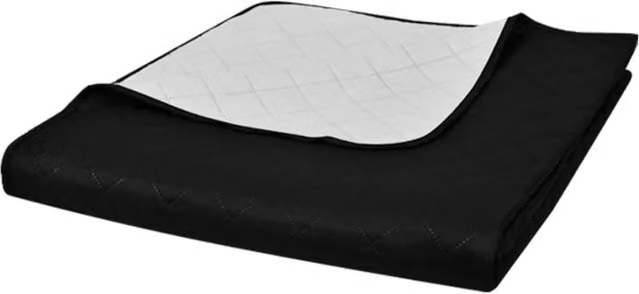
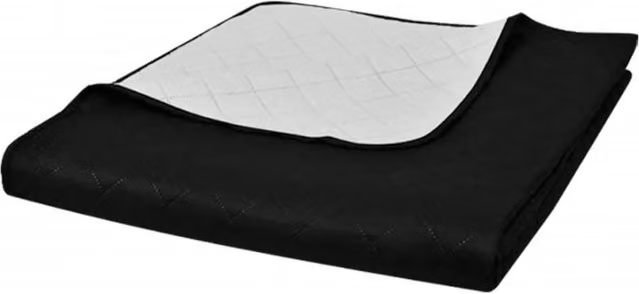
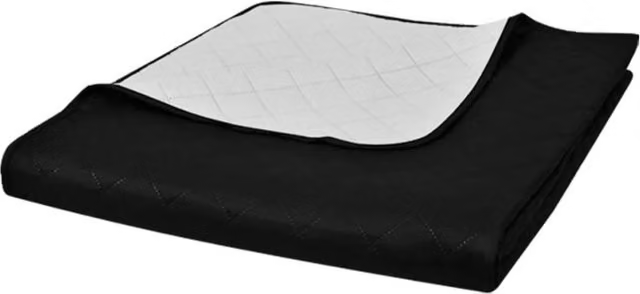
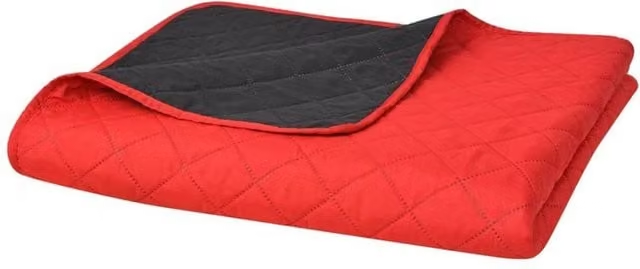
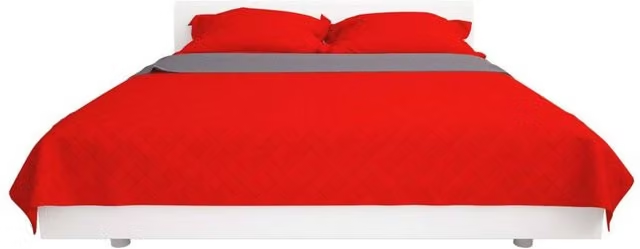
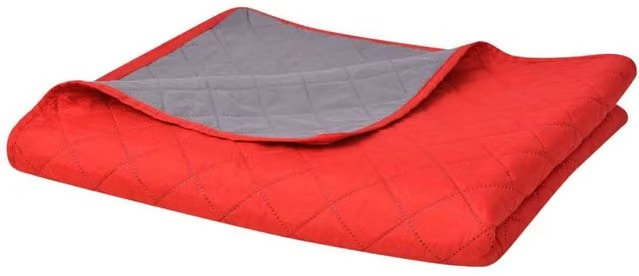
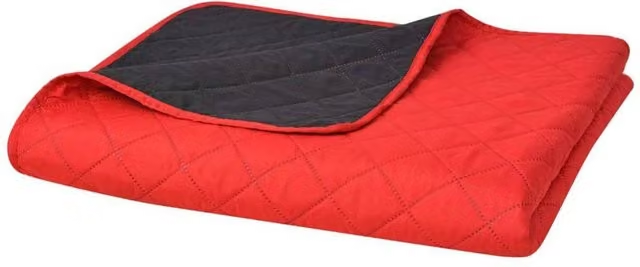
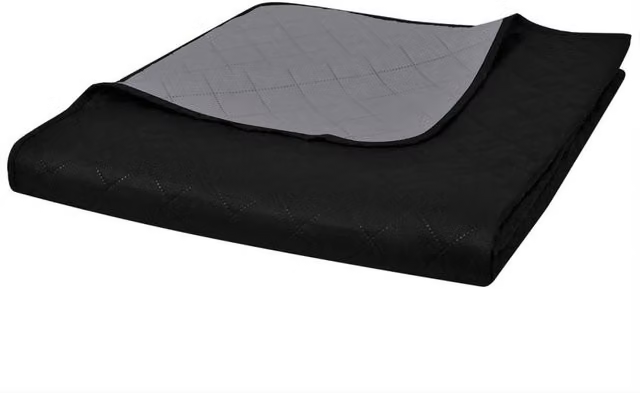
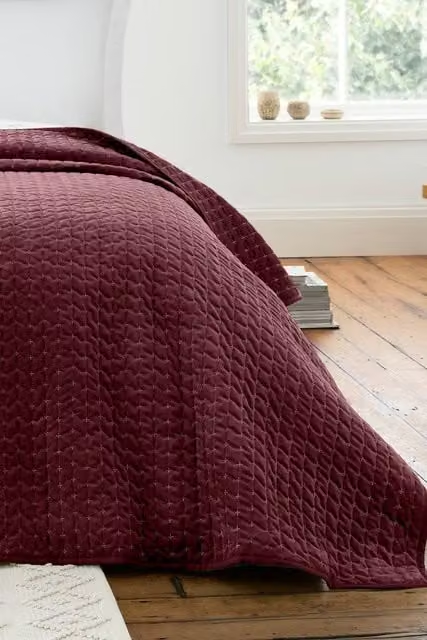
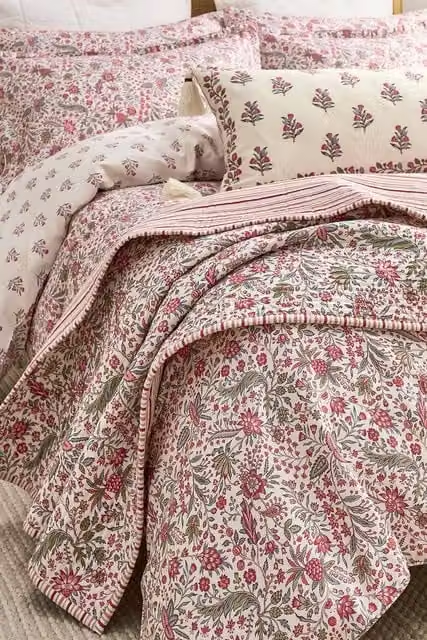
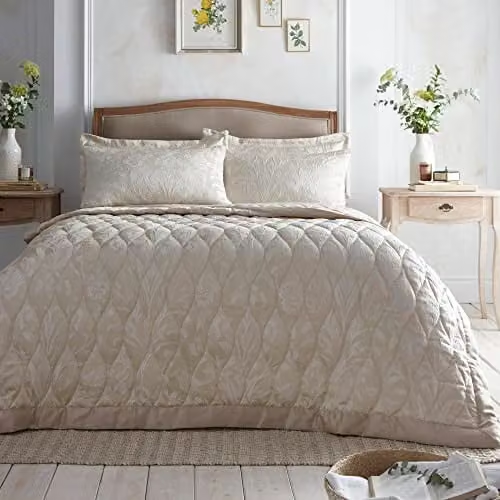
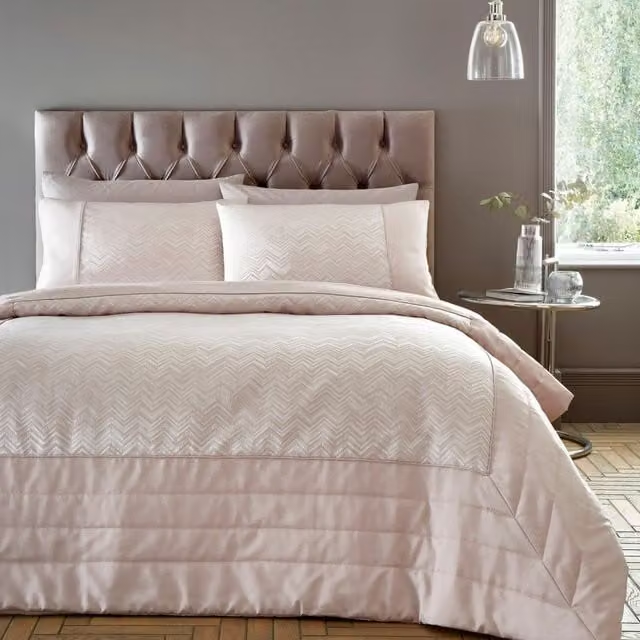
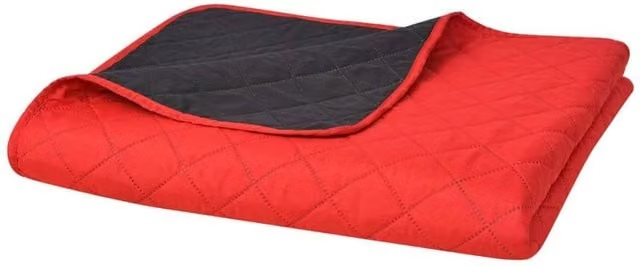
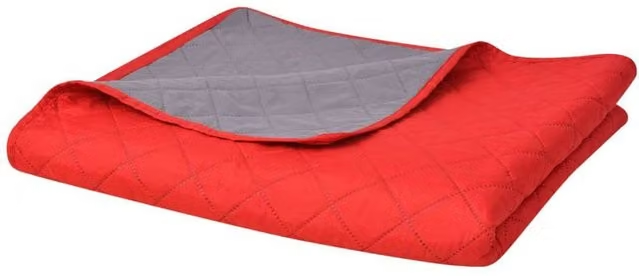
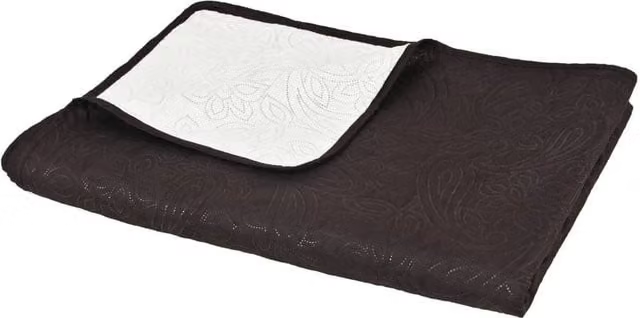
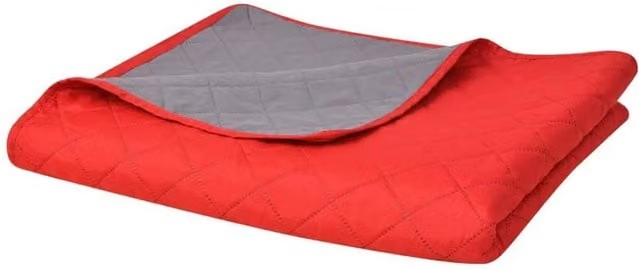
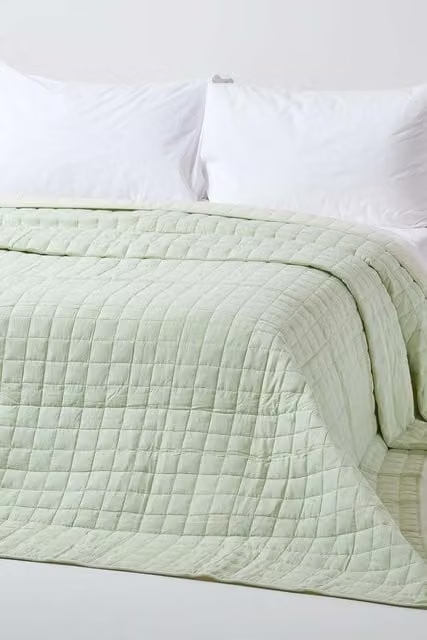
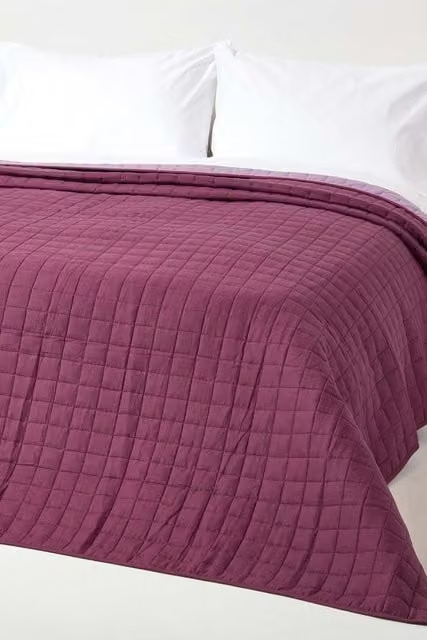
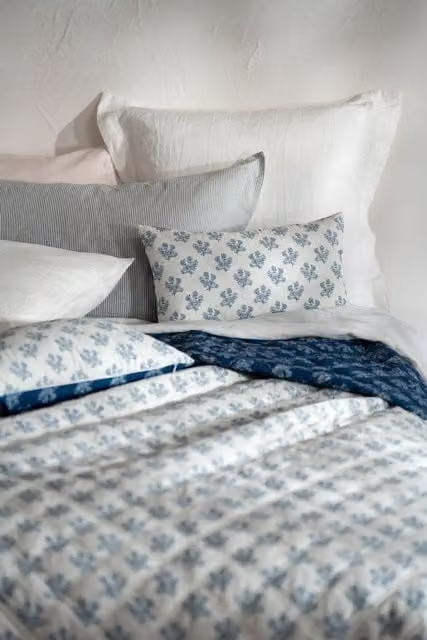
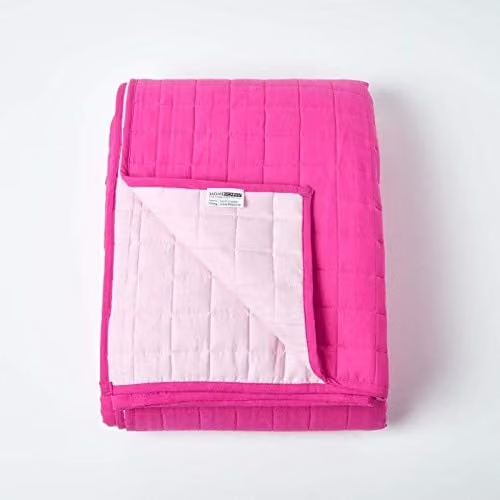
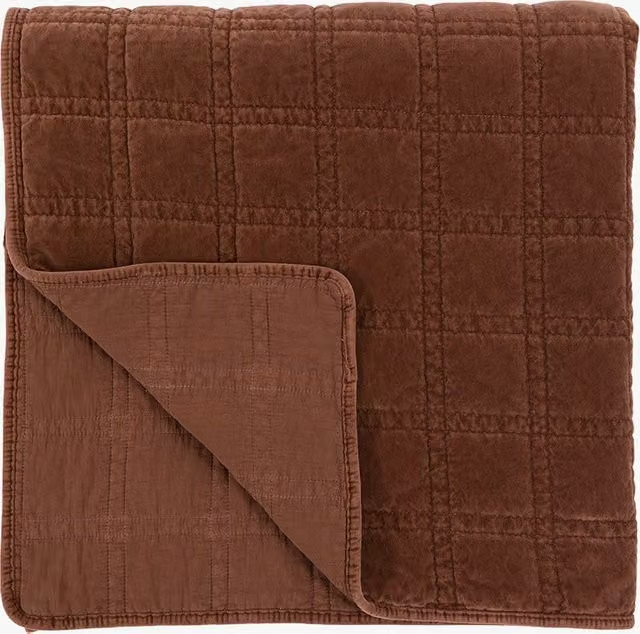
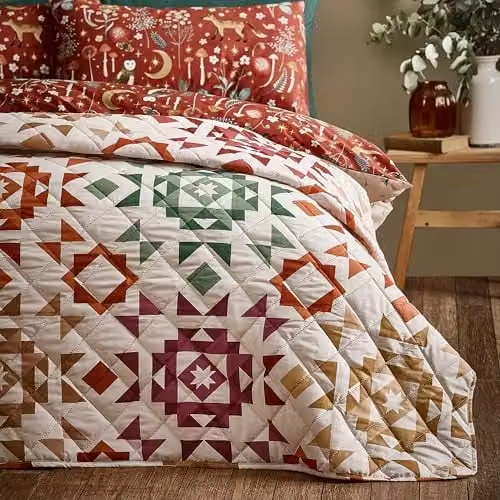
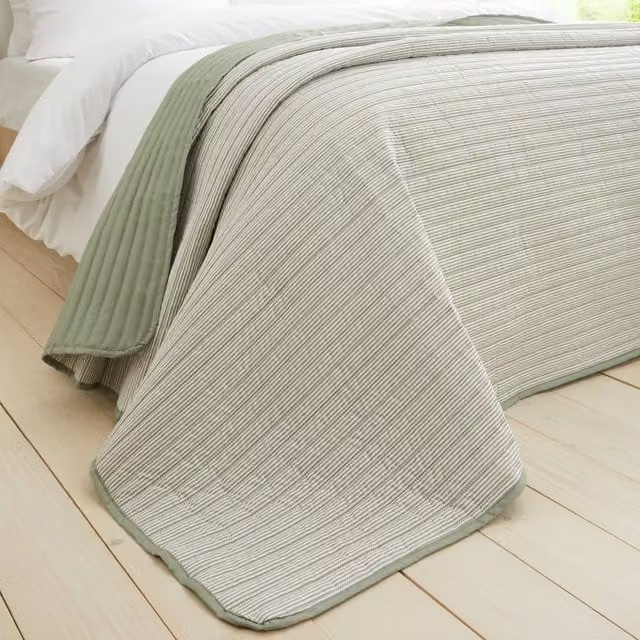
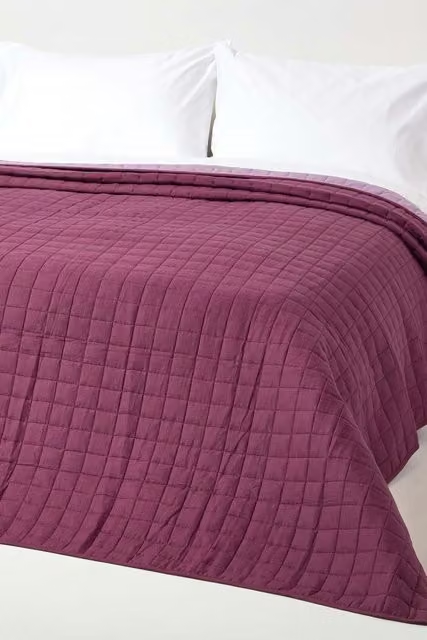
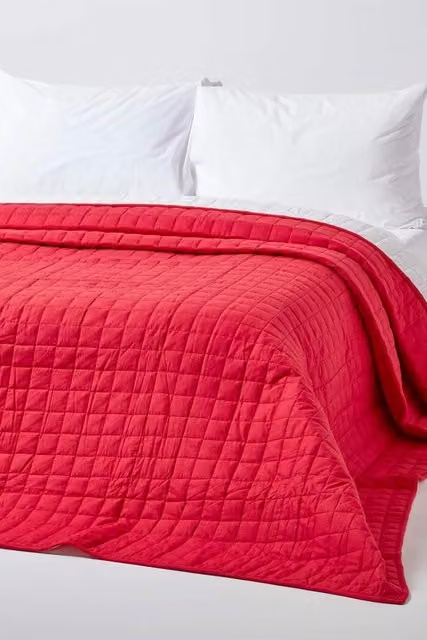
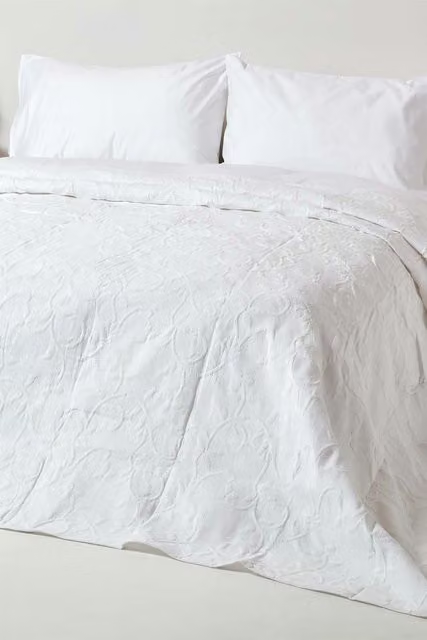
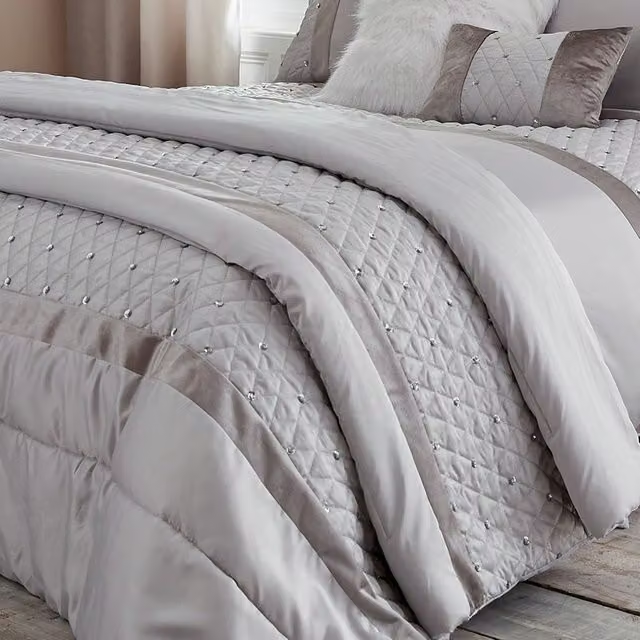
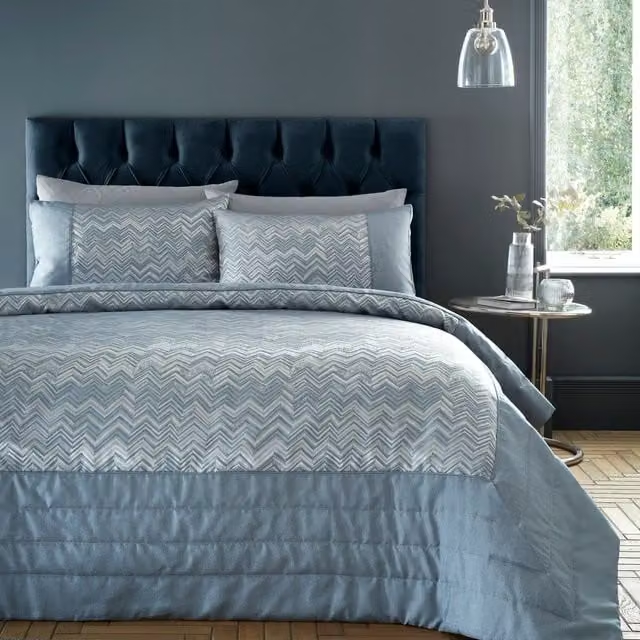
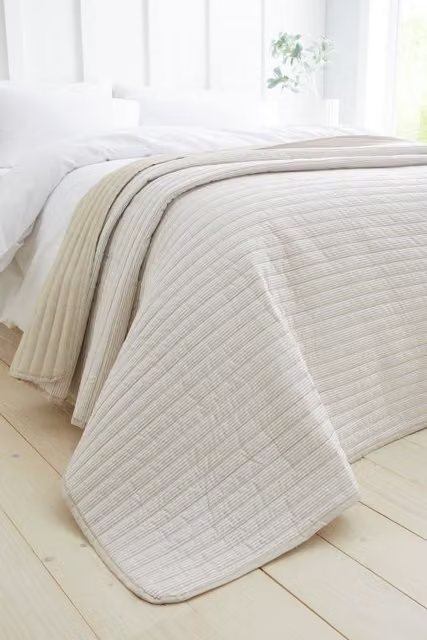
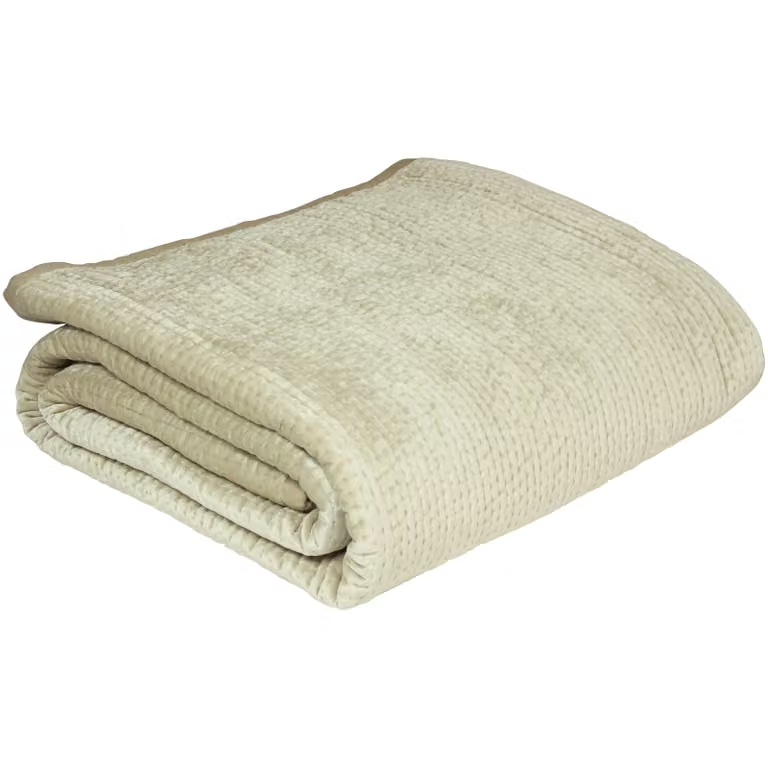
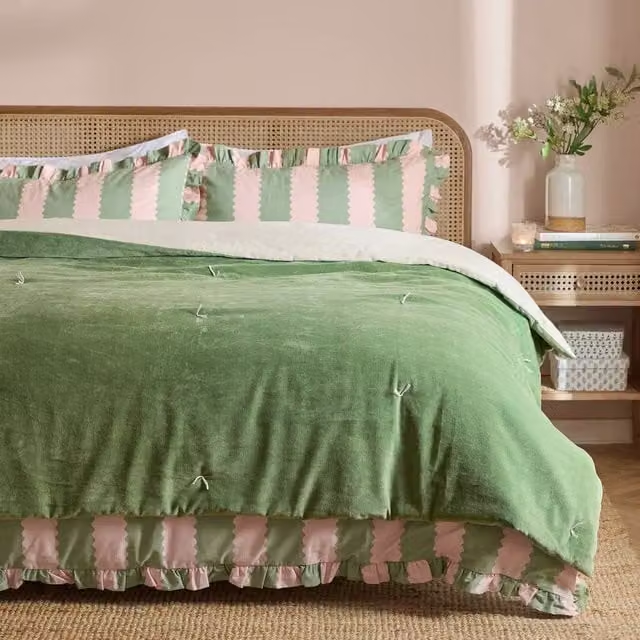
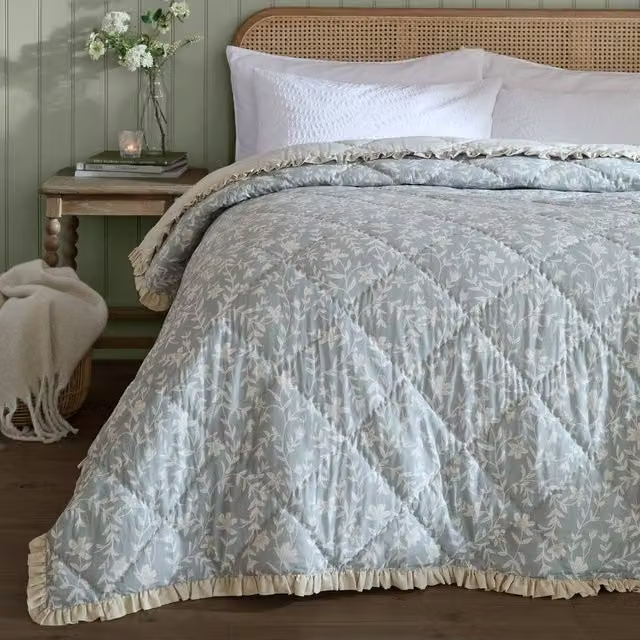
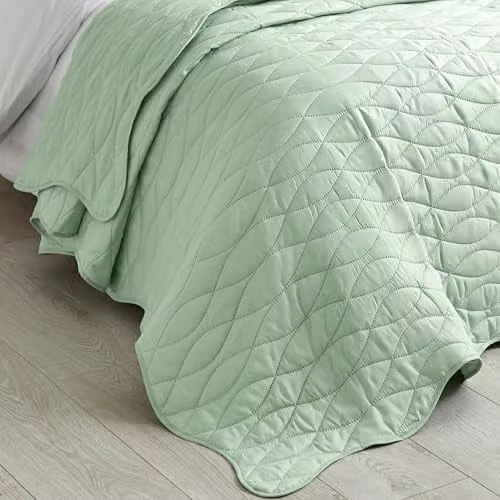
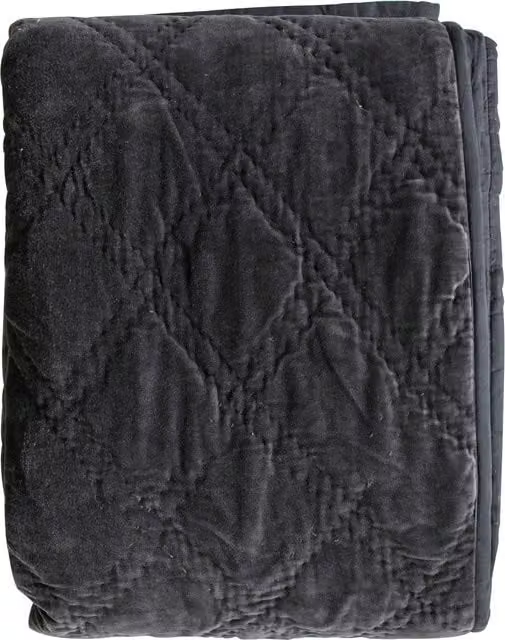
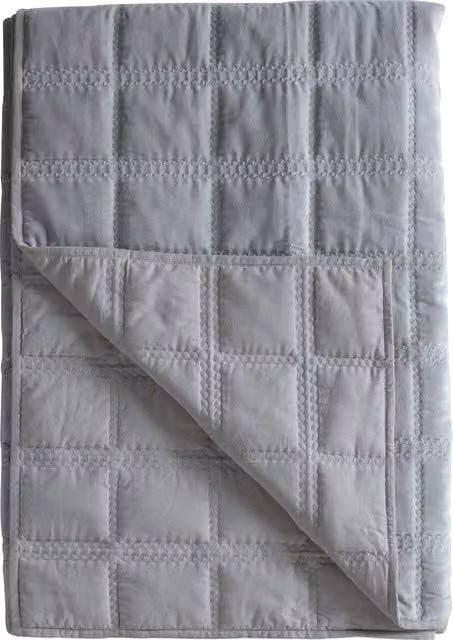
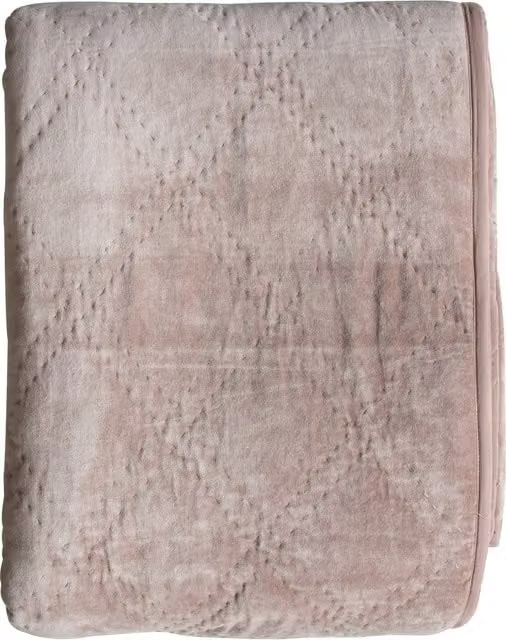
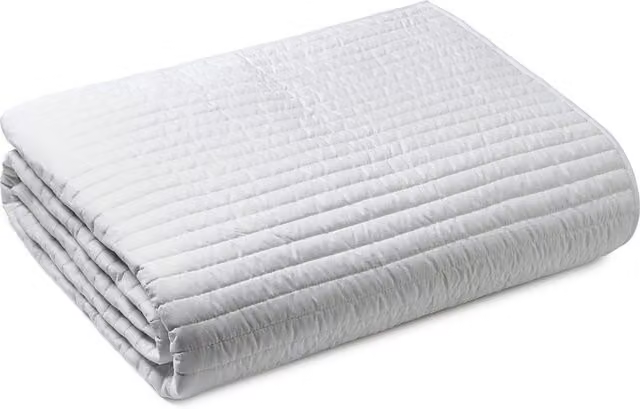
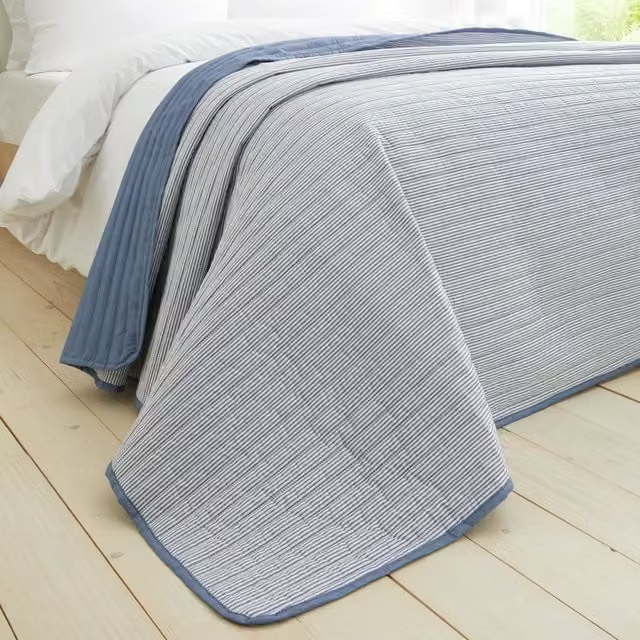
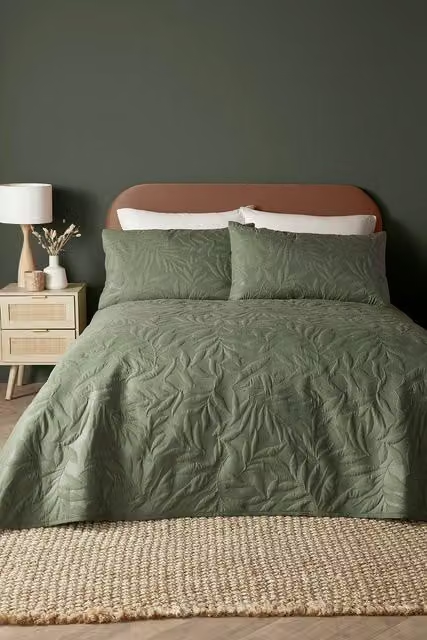
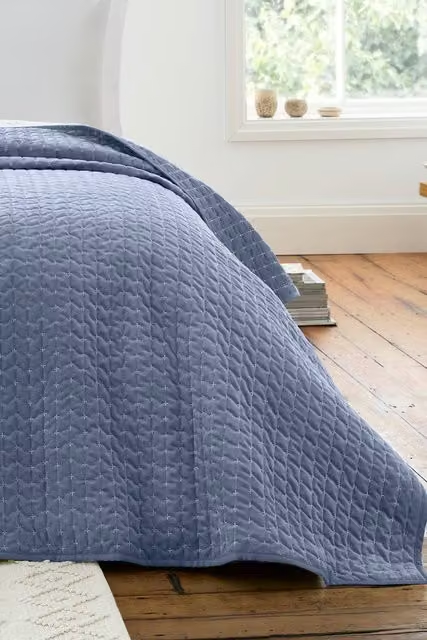
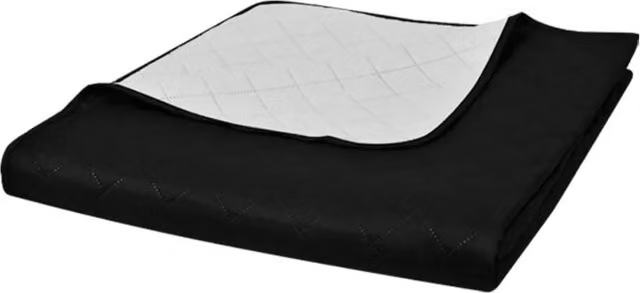
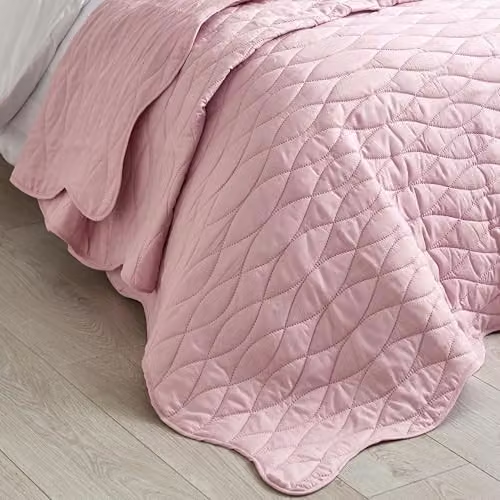
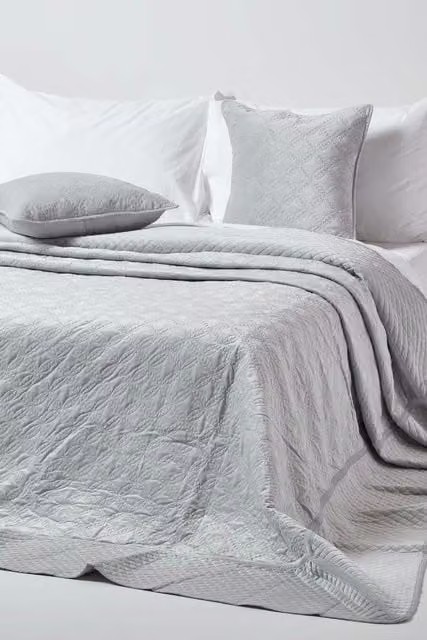
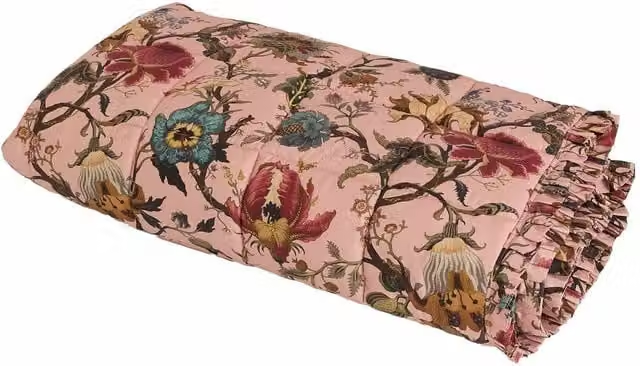
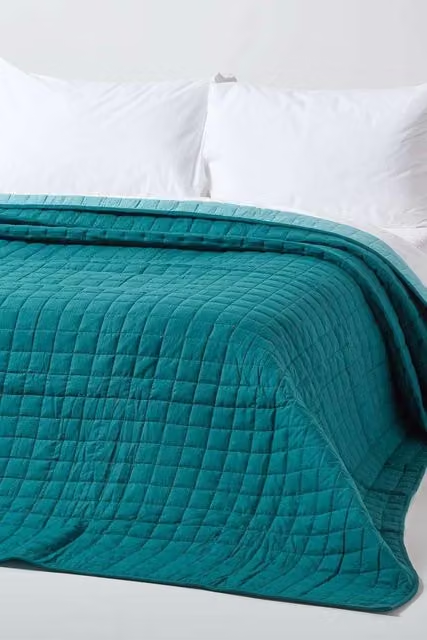
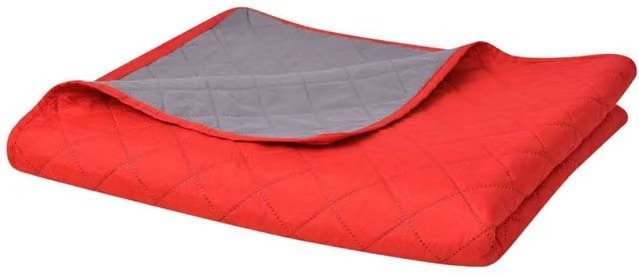
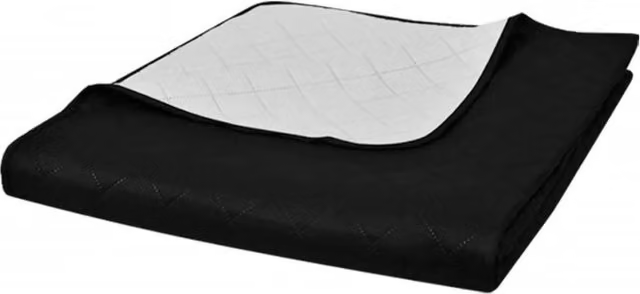
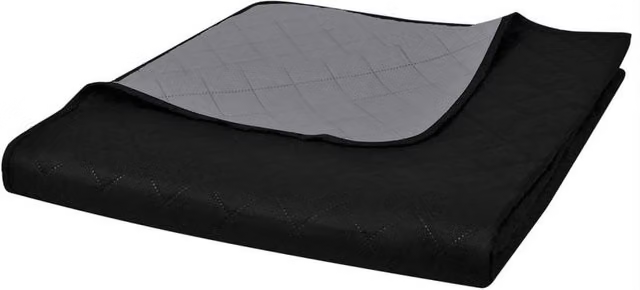
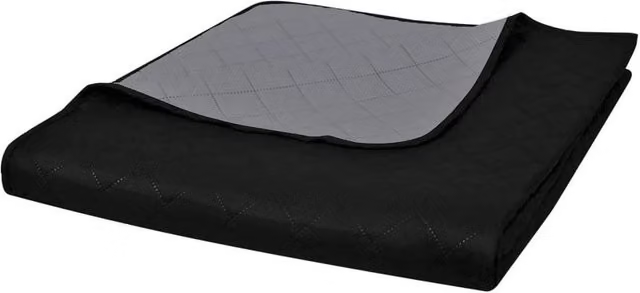
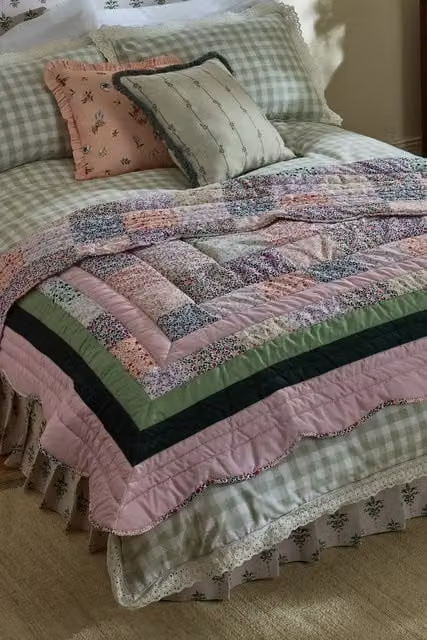
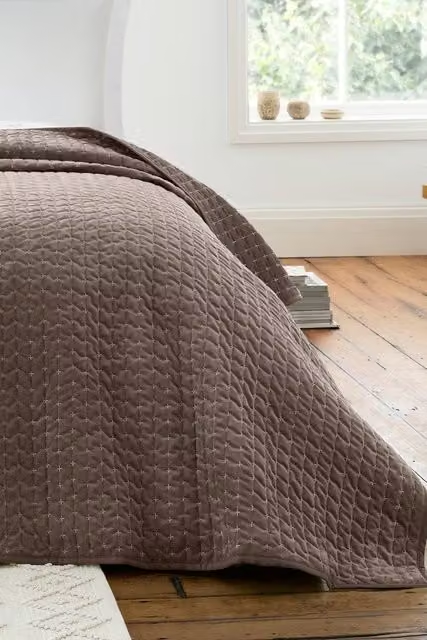
The variety is considerable. Traditional stitched quilts feature diamond, square or channel patterns that create gentle relief across the surface, while pinsonic bonded designs offer intricate patterning at a lower price. Velvet quilted bedspreads bring depth and a sense of luxury, cotton and cotton blends suit lighter, more casual schemes, and embroidered and appliquéd versions add real detail. Sizes typically run from single through to super king, and many designs come with matching pillow shams and cushion covers so you can build a coordinated look. Reversible bedspreads with a different colour or pattern on each side give you two looks from one purchase.
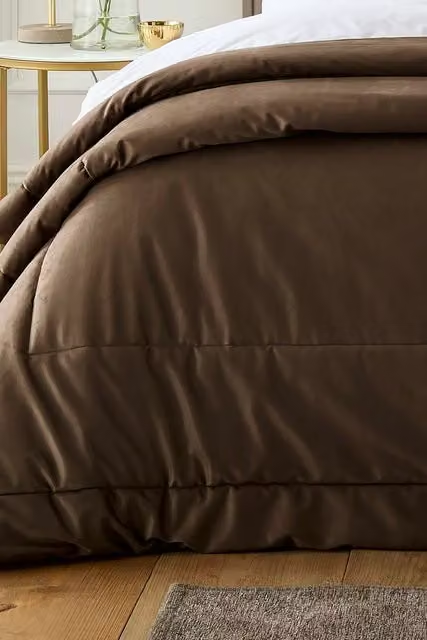
Fabric and filling determine how it feels and how you care for it. Cotton and cotton blends are breathable, washable and practical for everyday use. Polyester microfibre is lightweight, crease resistant and dries quickly. Velvet and faux silk look opulent but often need cooler washing or dry cleaning. The filling is usually a polyester wadding, and higher fill weights give a plumper, more substantial feel while lighter ones drape more closely over the bed. Look at the finished dimensions rather than just the size name, since a bedspread needs enough overhang to reach down the sides properly.
Prices vary with fabric, size and construction. Microfibre bedspreads are very affordable, cotton and mid weight quilted designs sit in the middle, and velvet or hand quilted pieces in larger sizes cost the most.
Browse the designs, compare prices and give your bed the layer that pulls it all together.
A bedspread is the largest of the three and is designed to cover the mattress and hang down the sides, often reaching close to the floor. A quilt is a padded layer that generally sits on top of the bed with modest overhang and is used for warmth as much as decoration. A coverlet is the lightest and smallest, typically covering just the top of the bed and often used folded across the foot. In everyday UK usage the terms blur, so check the actual dimensions rather than relying on the name.
Buy for the drop you want rather than simply matching the bed name, since deep mattresses and divan bases change the maths considerably. Measure from the top of the mattress down to where you want the fabric to end, then add twice that figure to your mattress width. A standard double at 135 cm with a 40 cm drop each side needs a bedspread around 215 cm wide. Many people size up one bed size to get a more generous overhang.
Cotton and microfibre versions usually can, but the bulk is the real issue since a king size bedspread often exceeds the capacity of a domestic machine. Check the weight against your drum capacity, and use a launderette machine for larger sizes rather than cramming it in at home. Wash on a cool gentle cycle and tumble dry on low with a couple of dryer balls to redistribute the filling. Velvet and faux silk versions frequently specify dry cleaning only.
In summer many people do, using a quilted bedspread with a sheet as a lighter alternative to a duvet that feels too warm. Most bedspreads offer roughly the equivalent of a 3 to 4.5 tog duvet, so they work well in warmer months or in a well heated bedroom. In winter they are better used as an additional layer over a duvet, where they add both warmth and weight. Layering this way gives you far more flexibility across the year than a single duvet can.