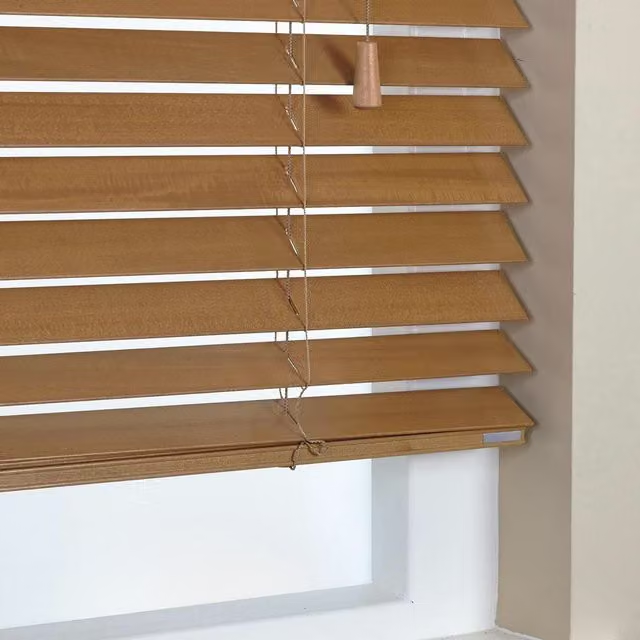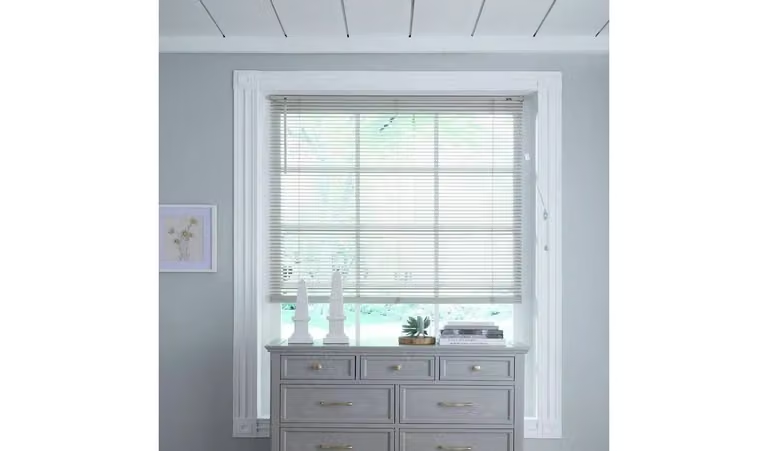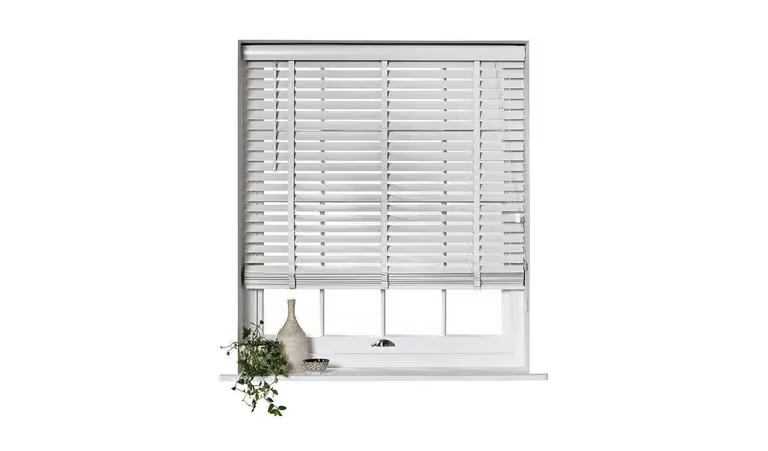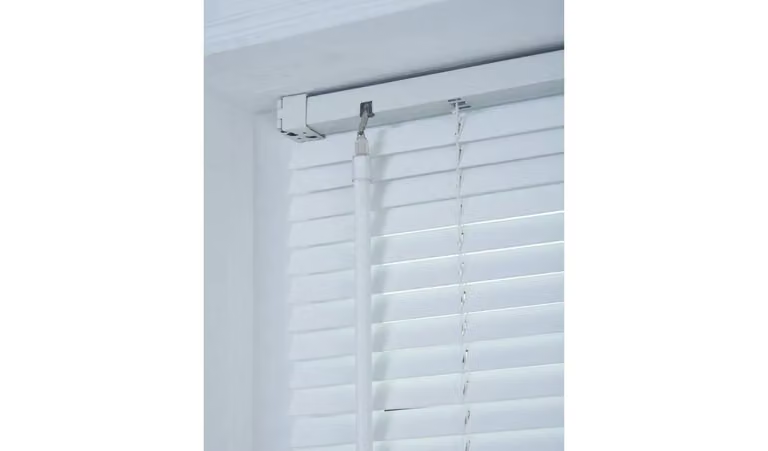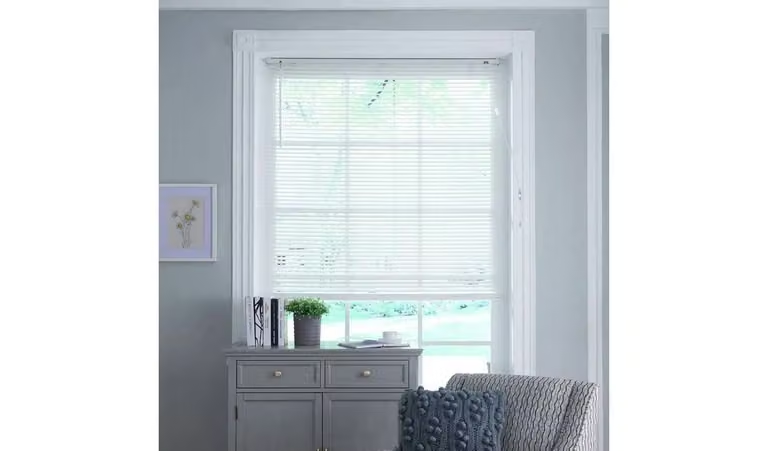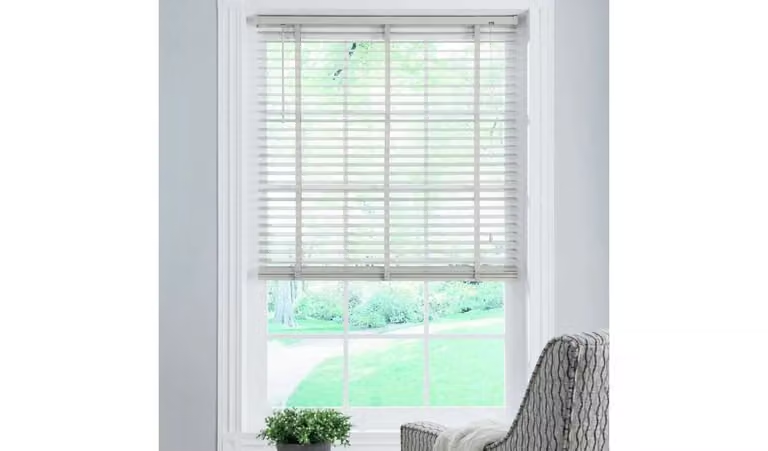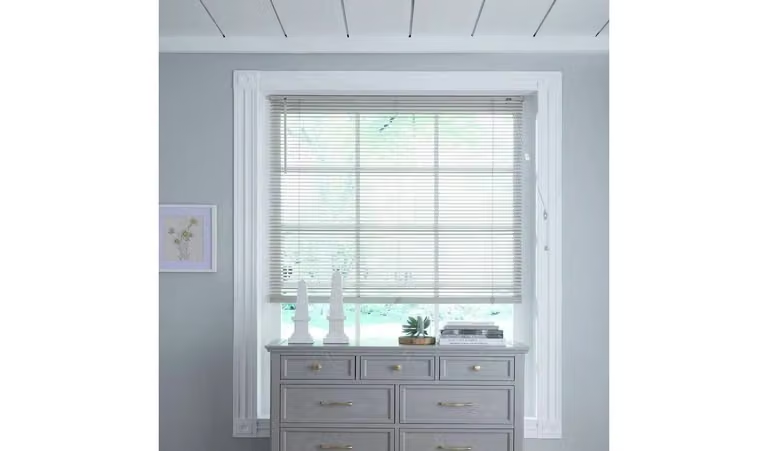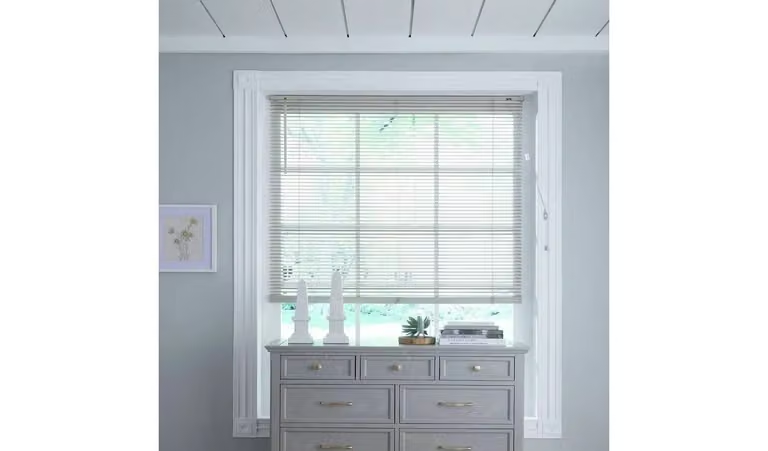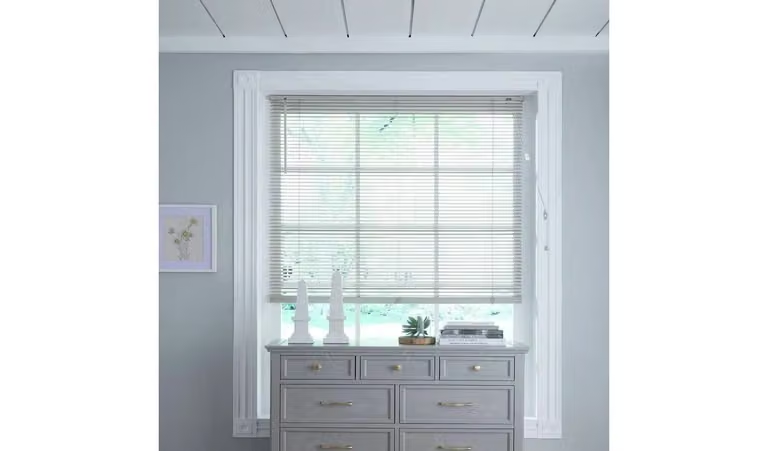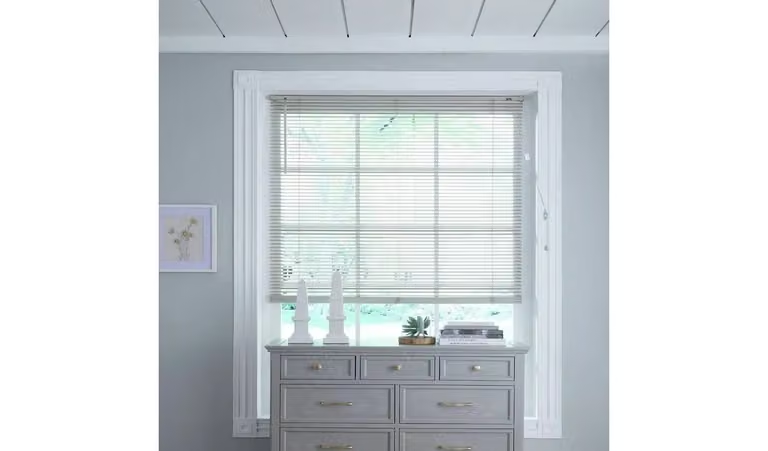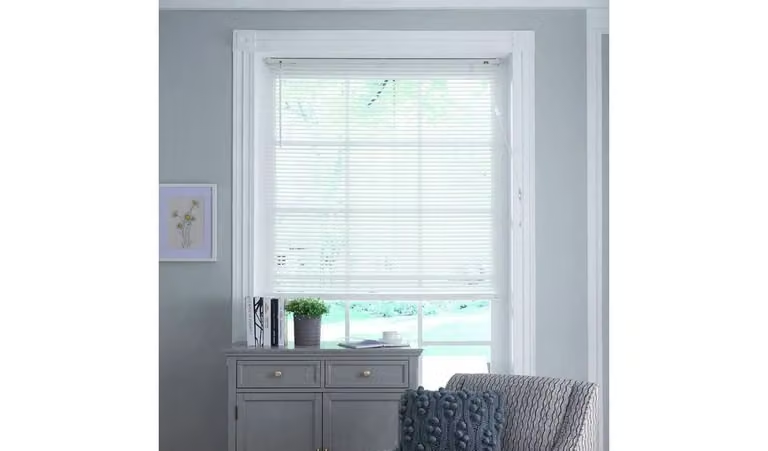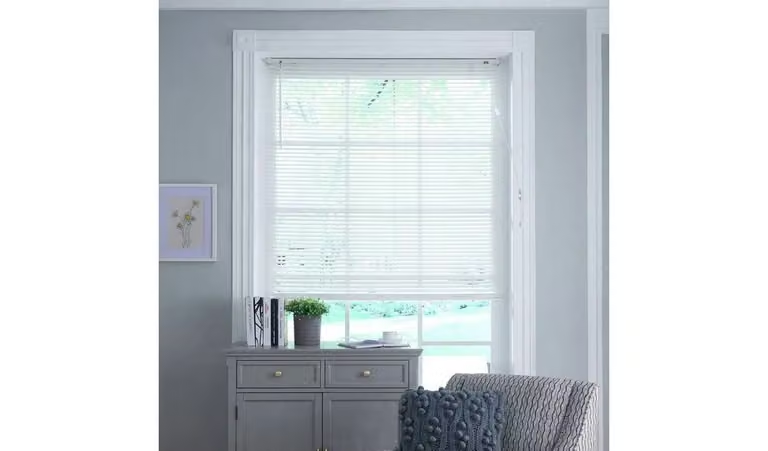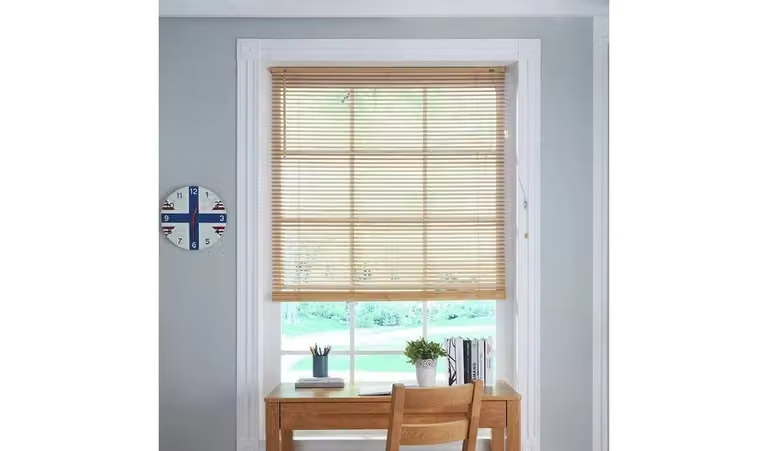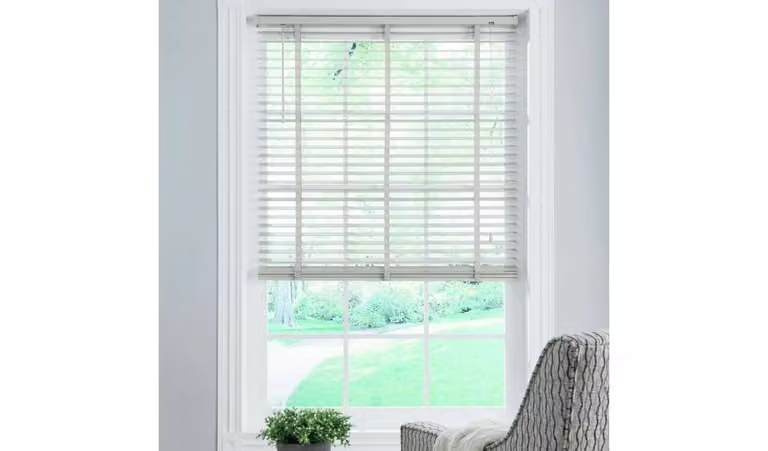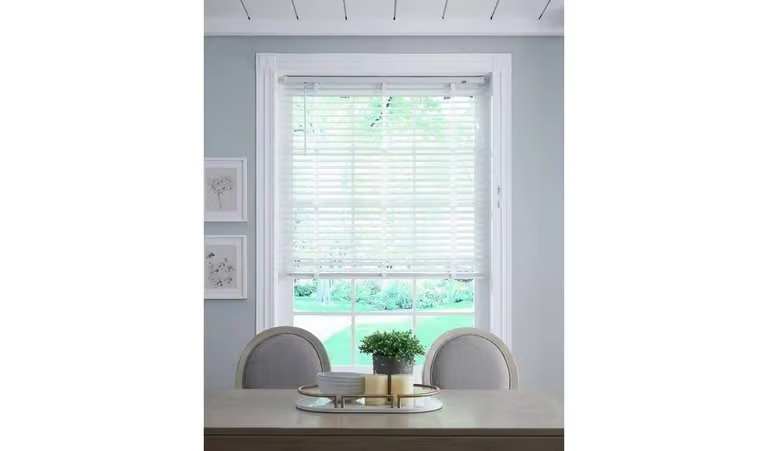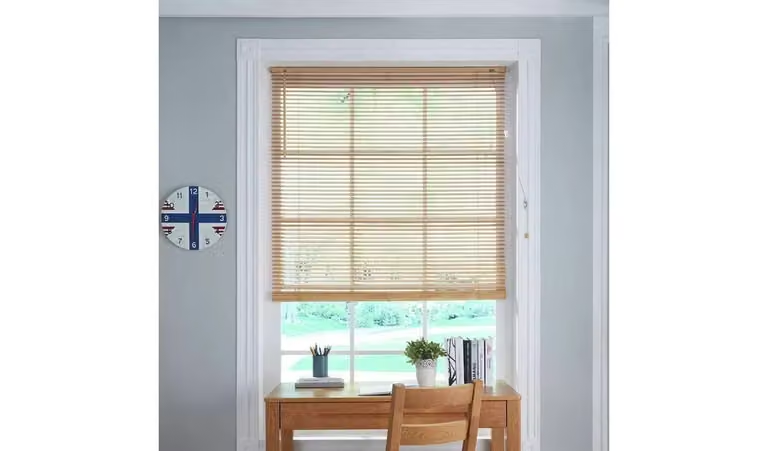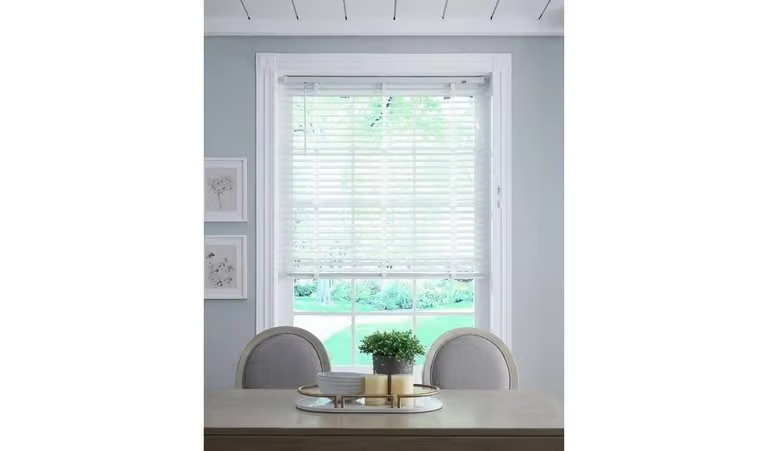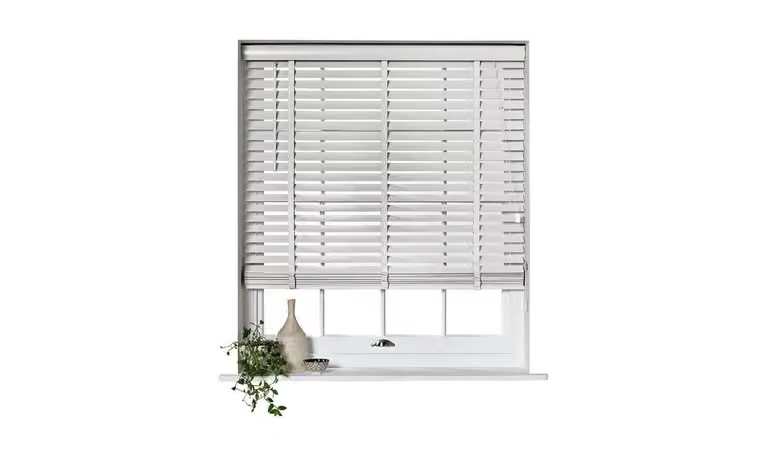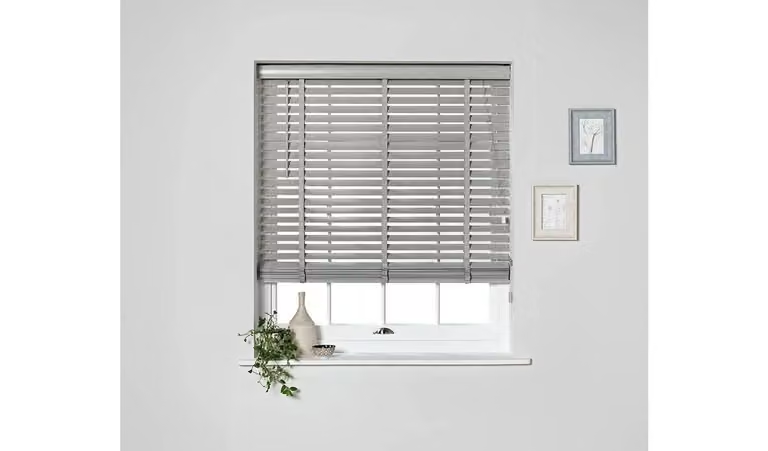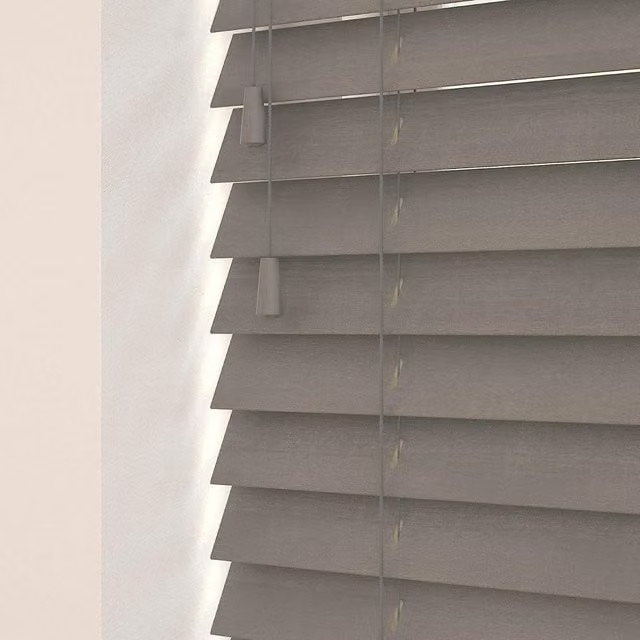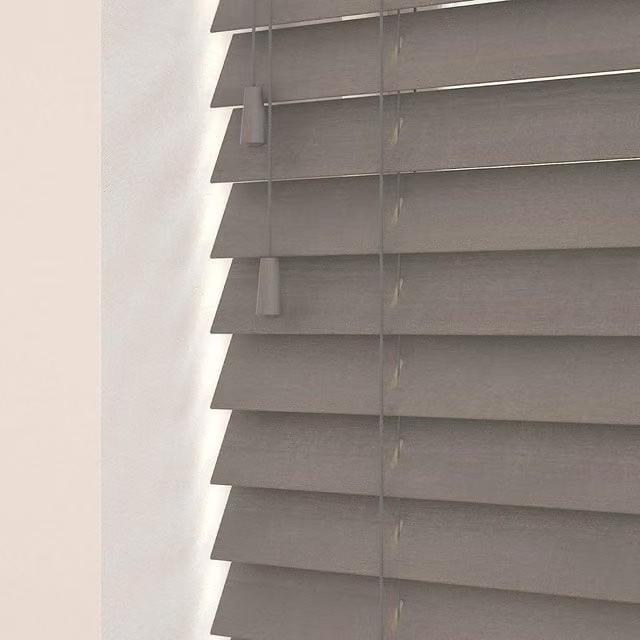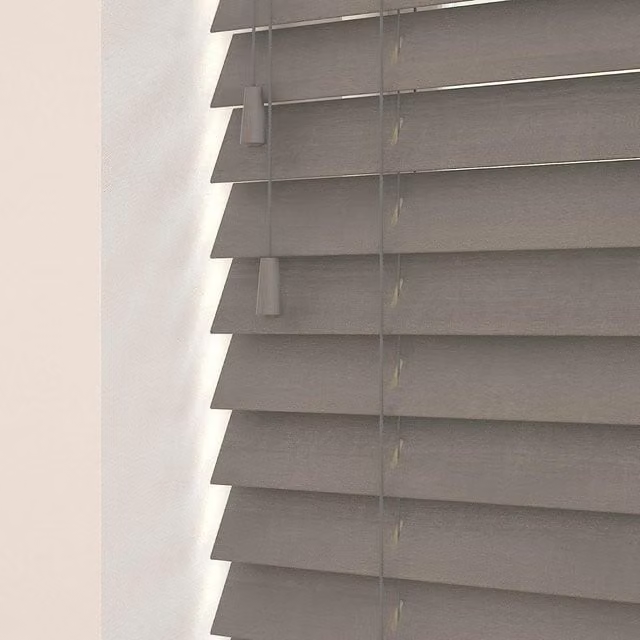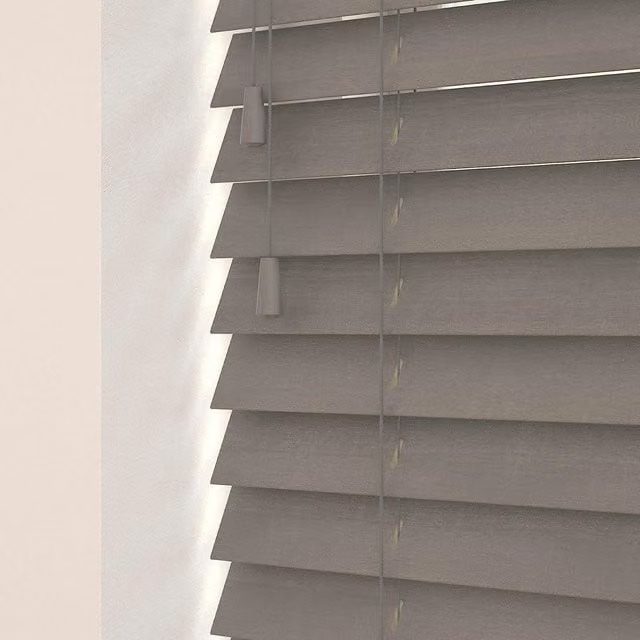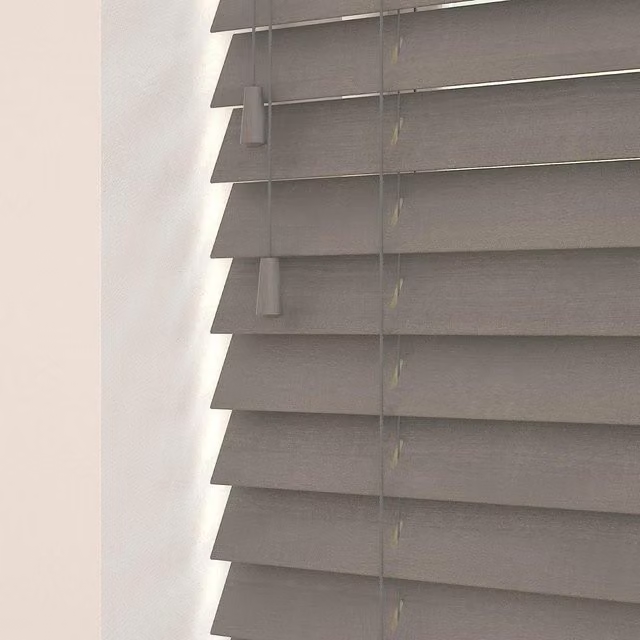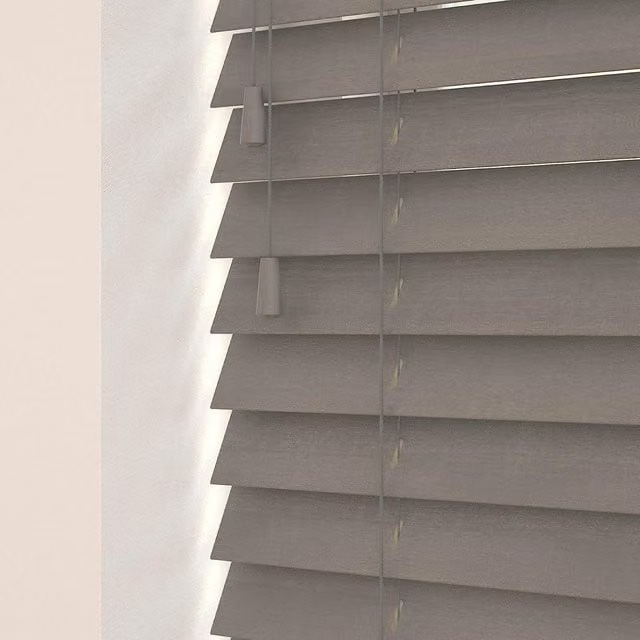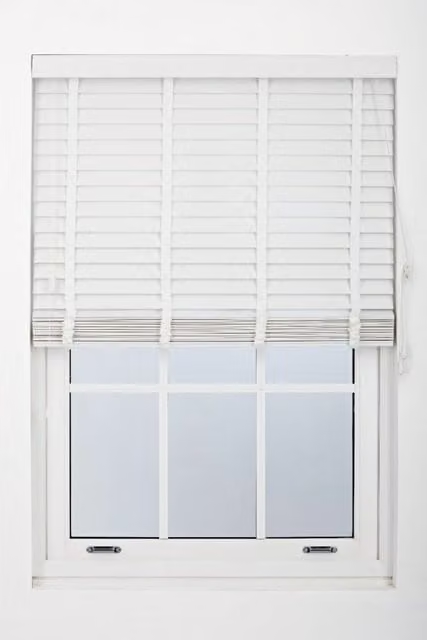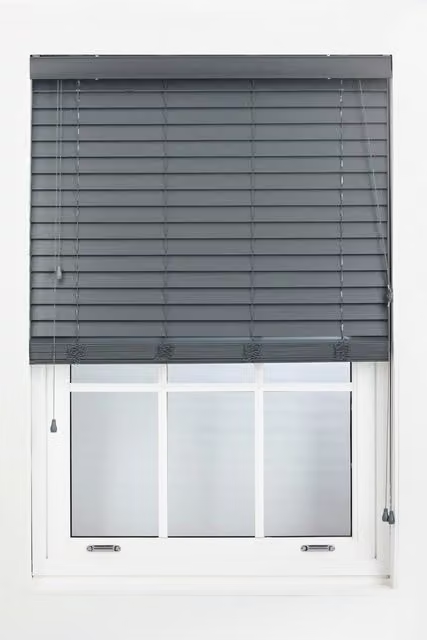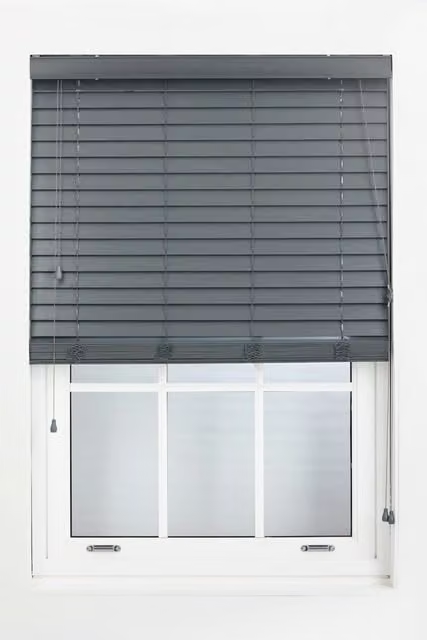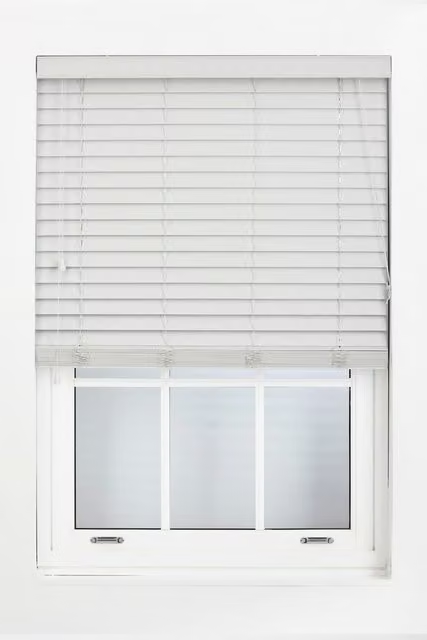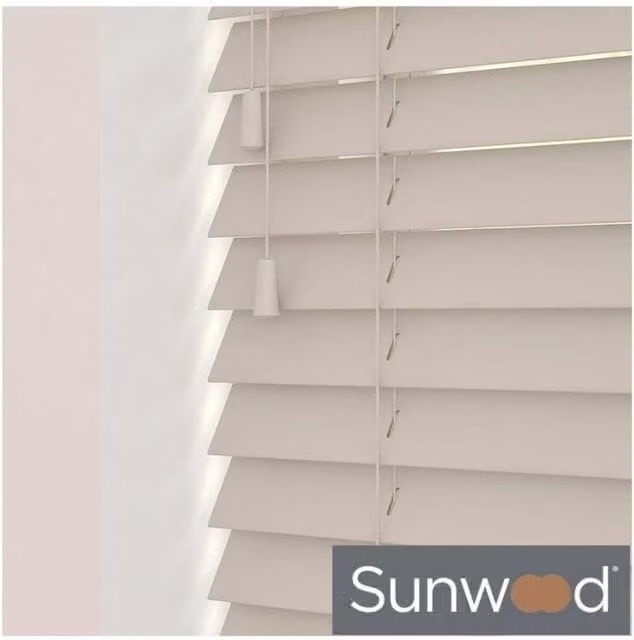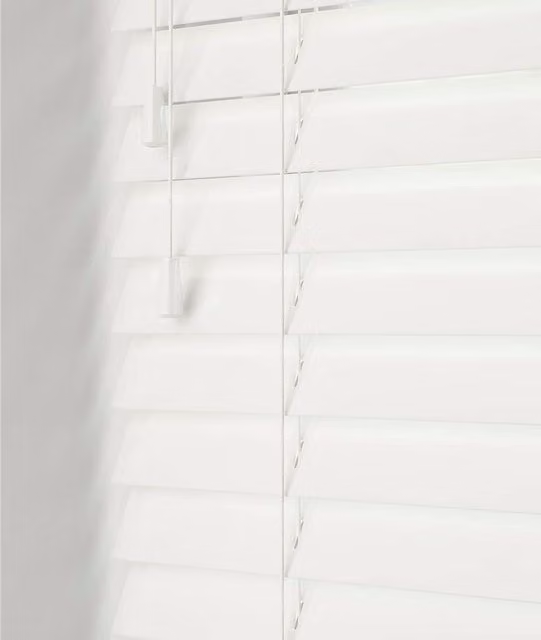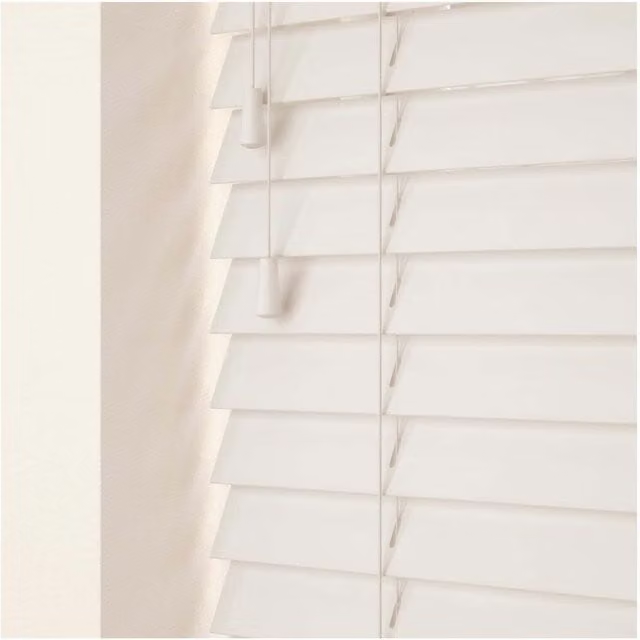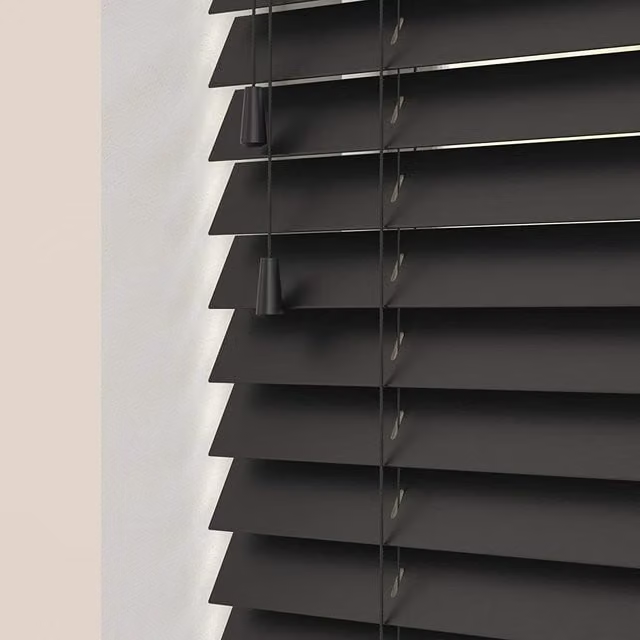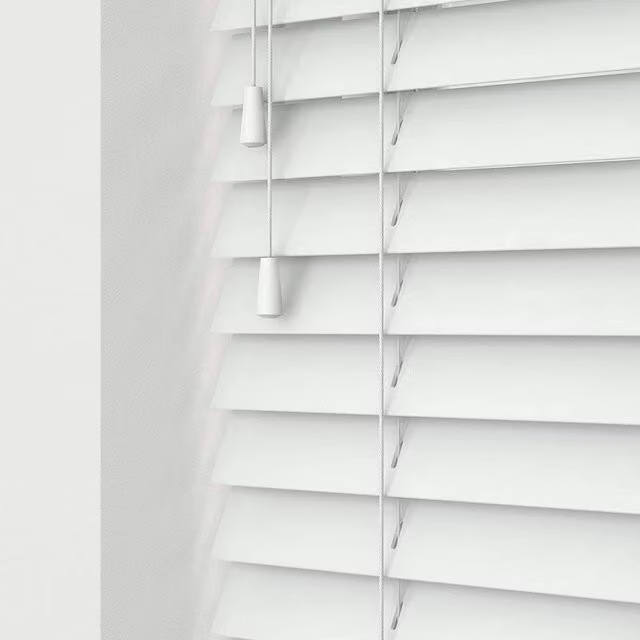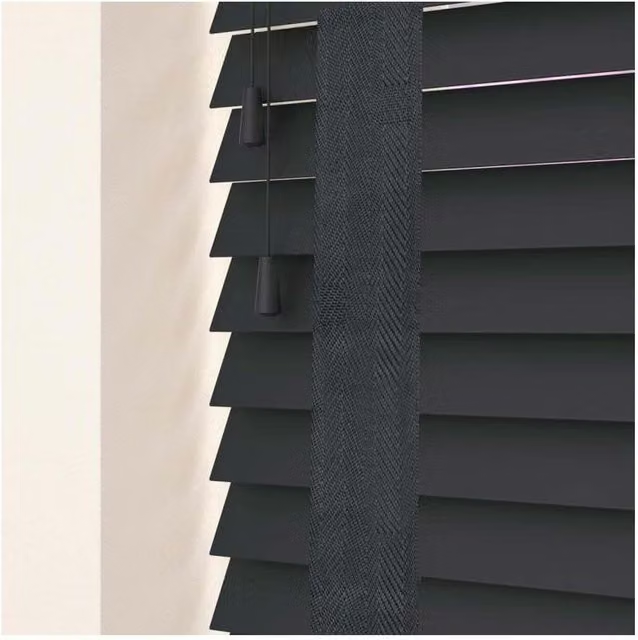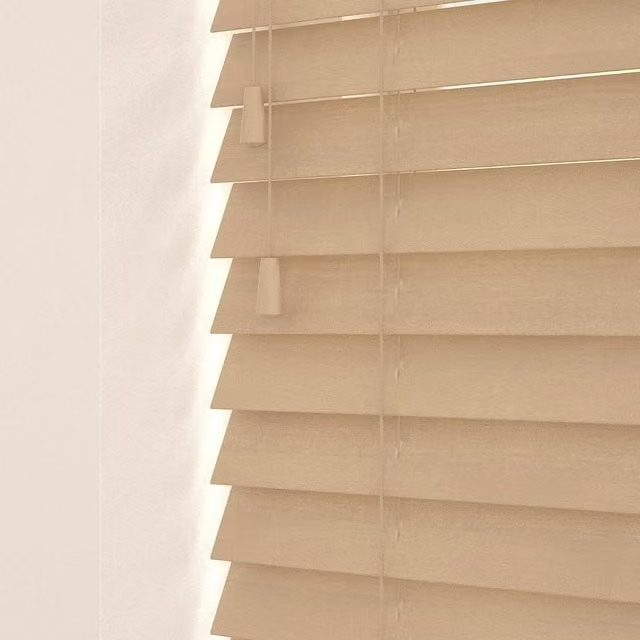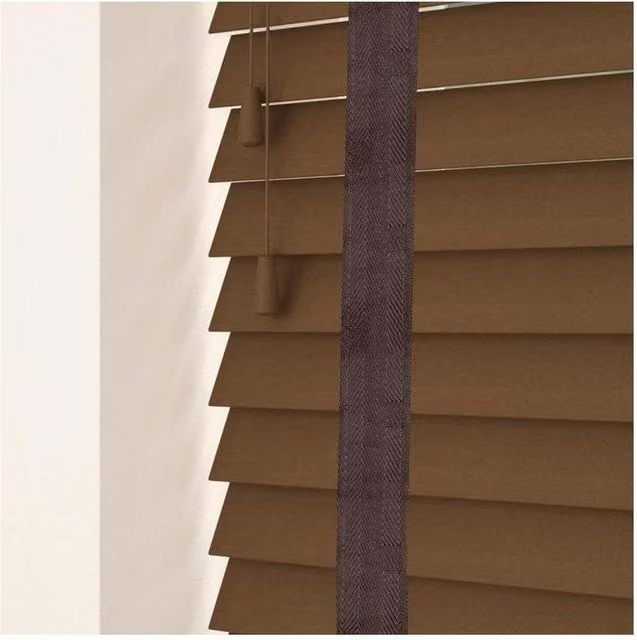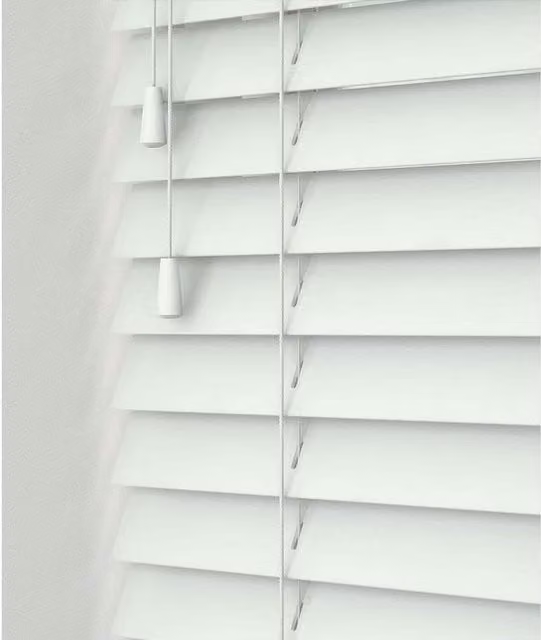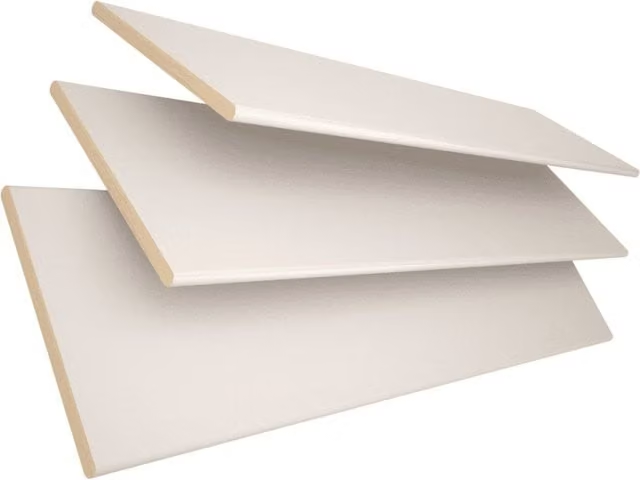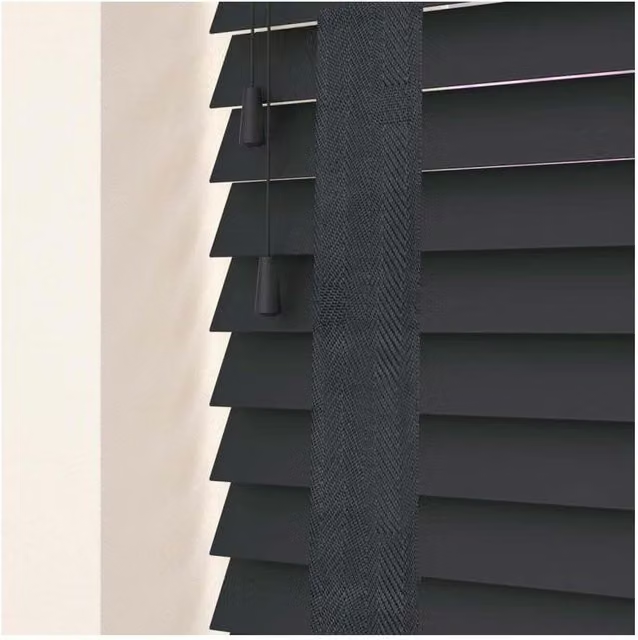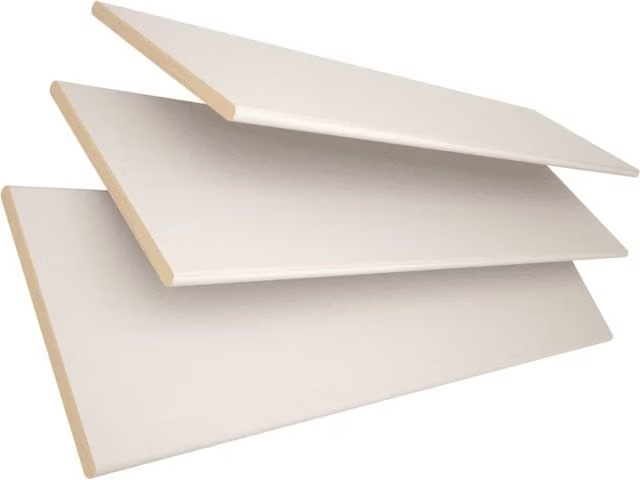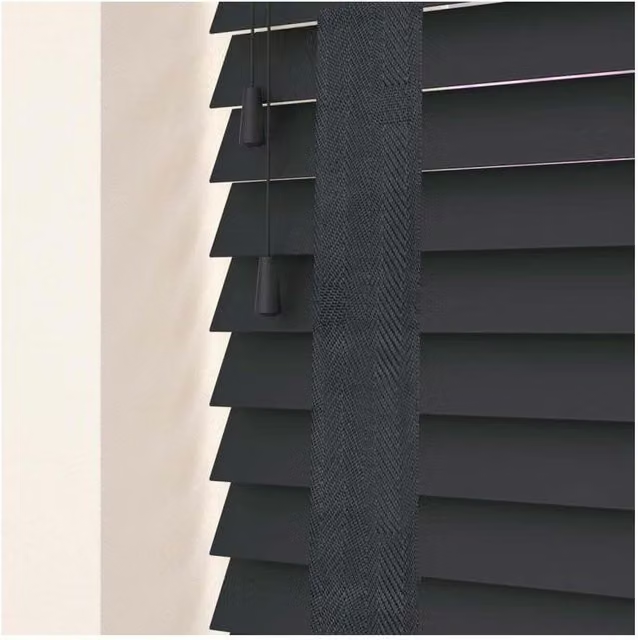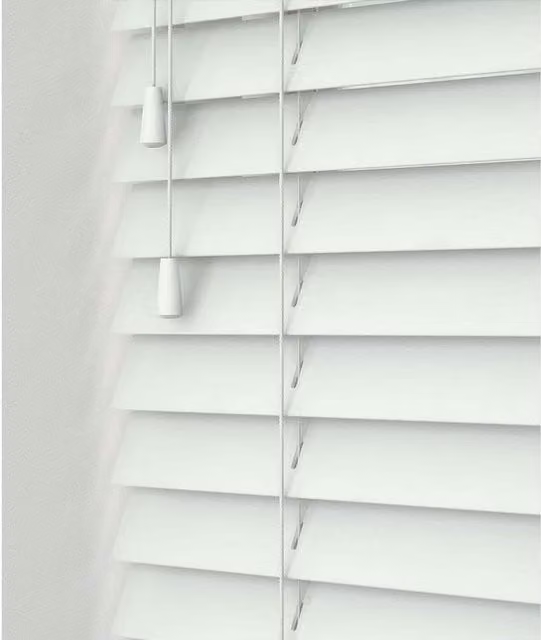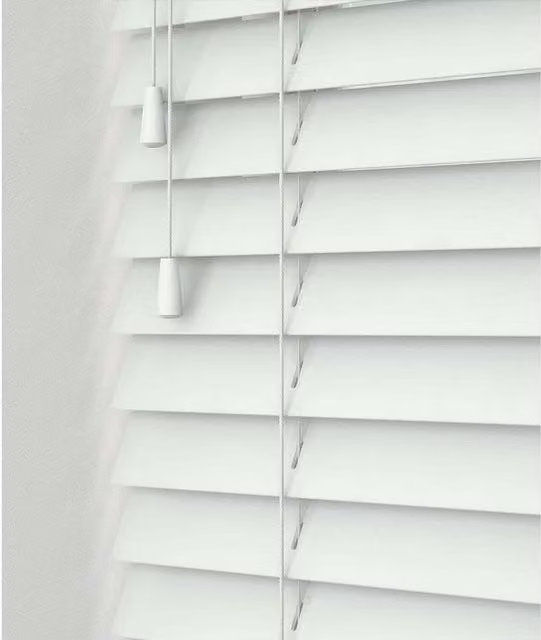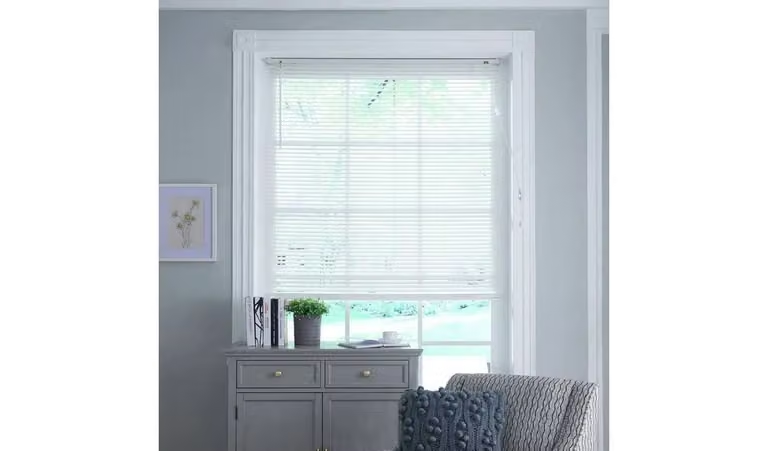
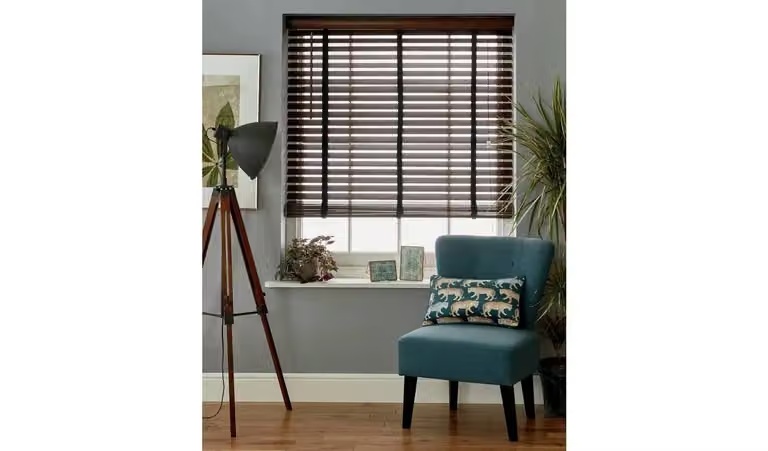
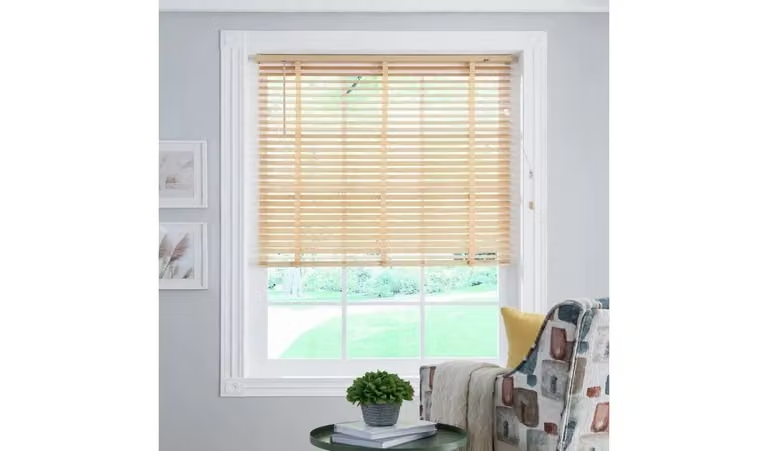
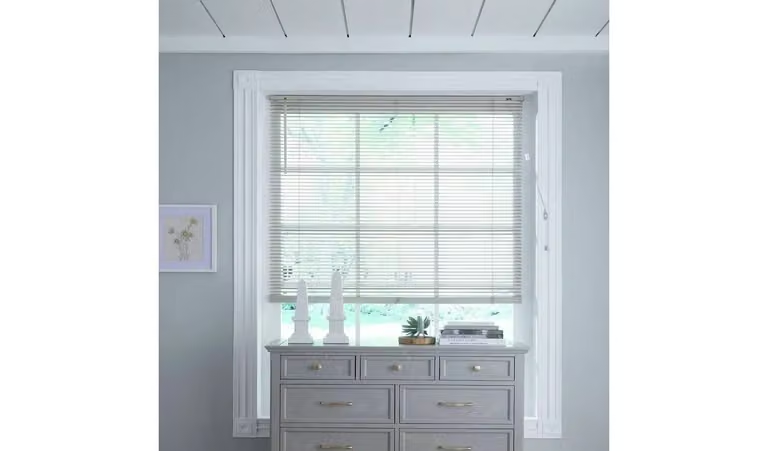
Wooden Venetian blinds solve a problem that curtains never quite manage. They give you precise control over light and privacy at the same time, so you can tilt the slats to keep the room bright while blocking the view in from the street, then close them completely when the evening comes. Add the natural warmth of real timber and you have a window treatment that looks smart in a period home and equally at ease in a contemporary one.
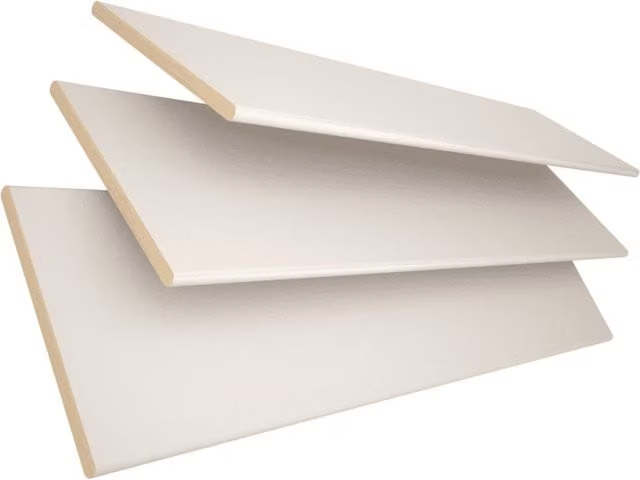
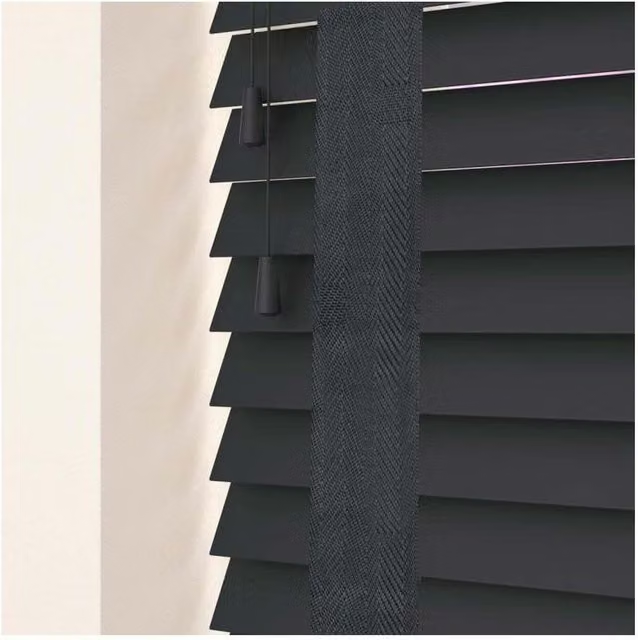
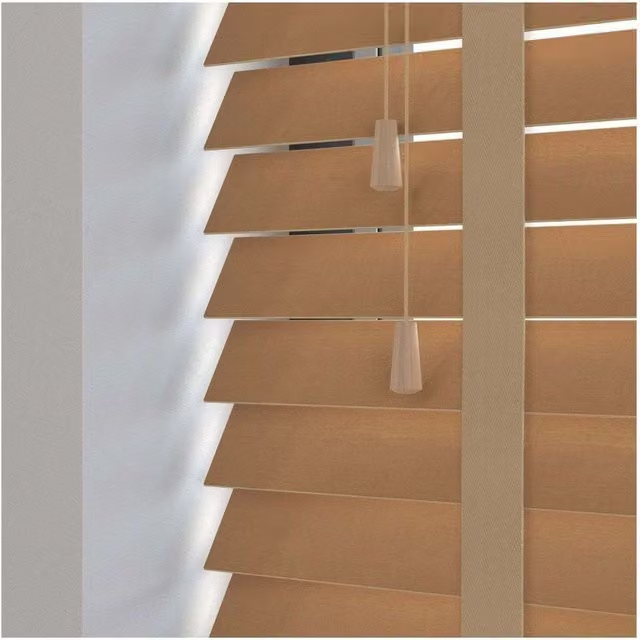
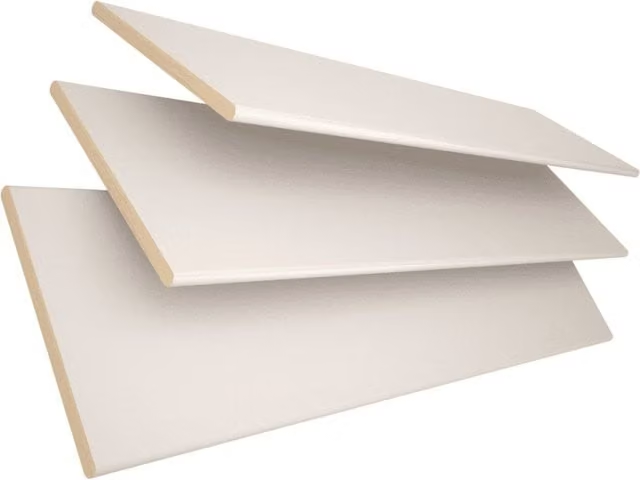
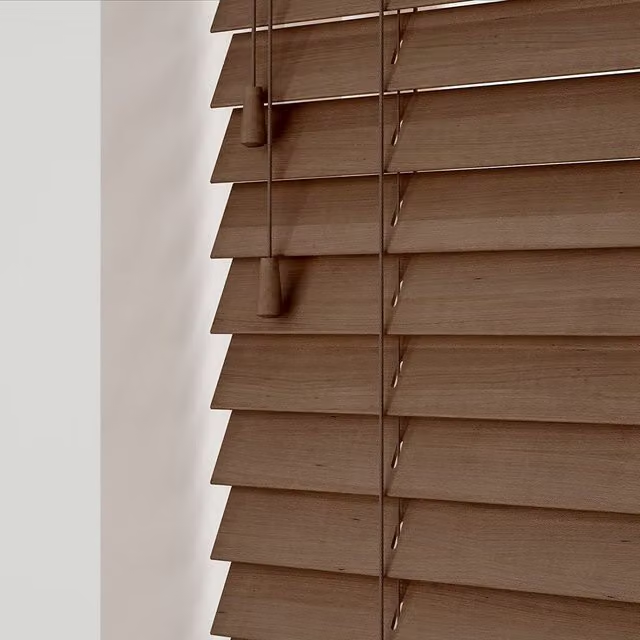
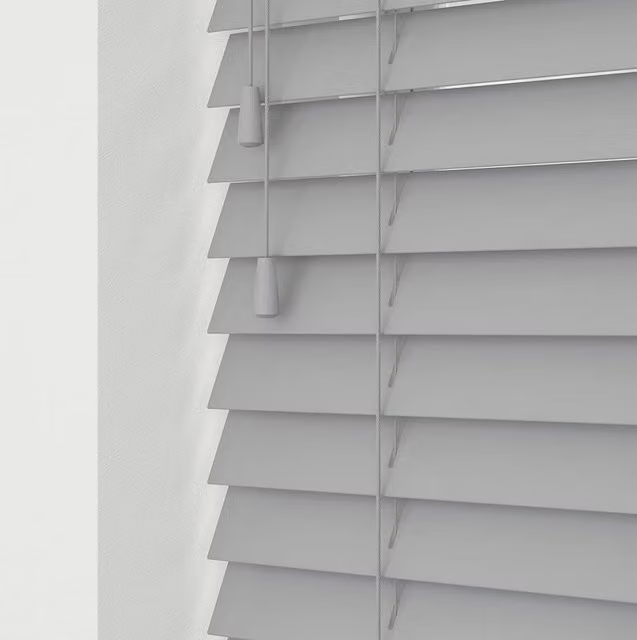
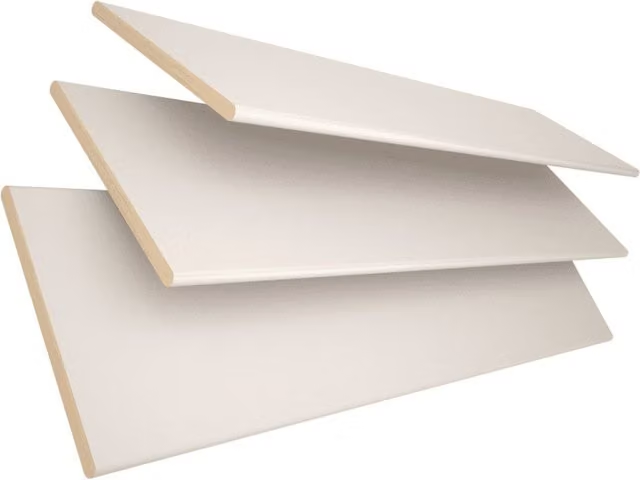
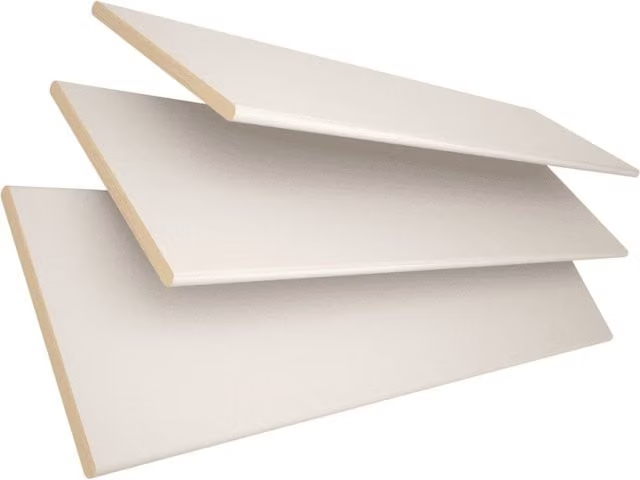
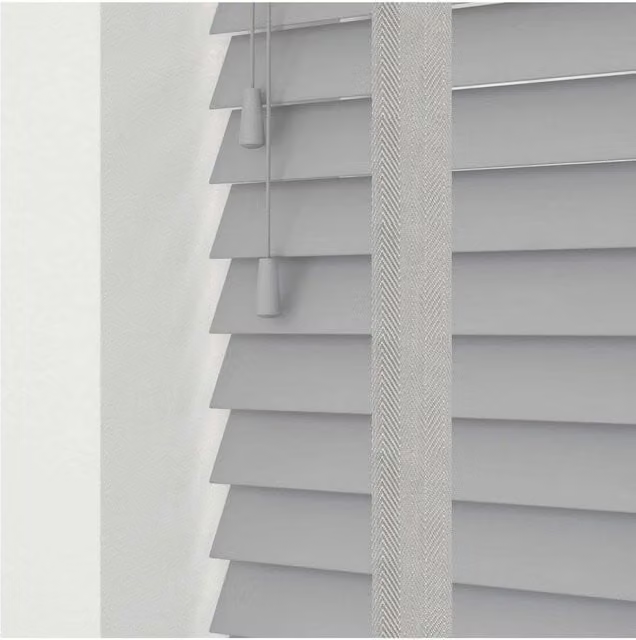
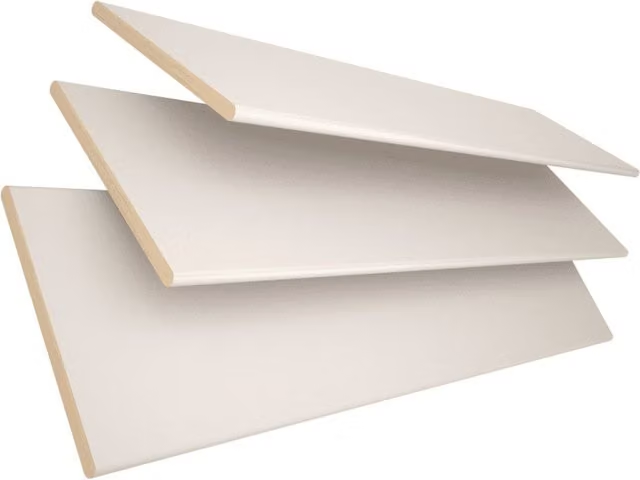
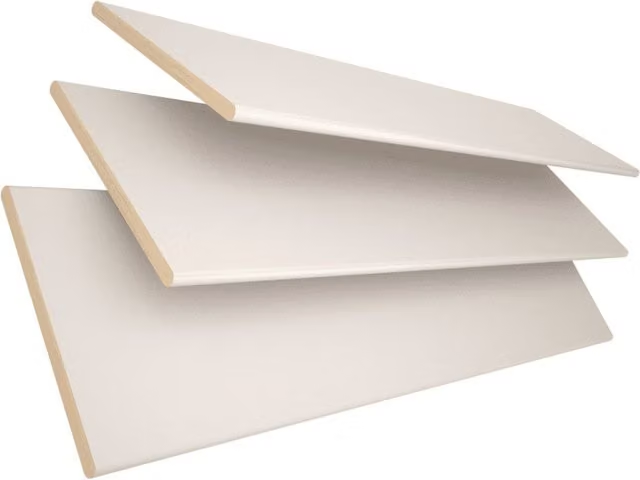
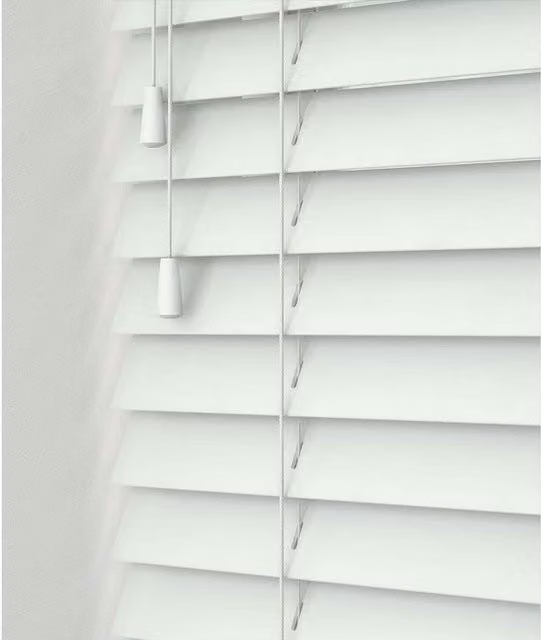
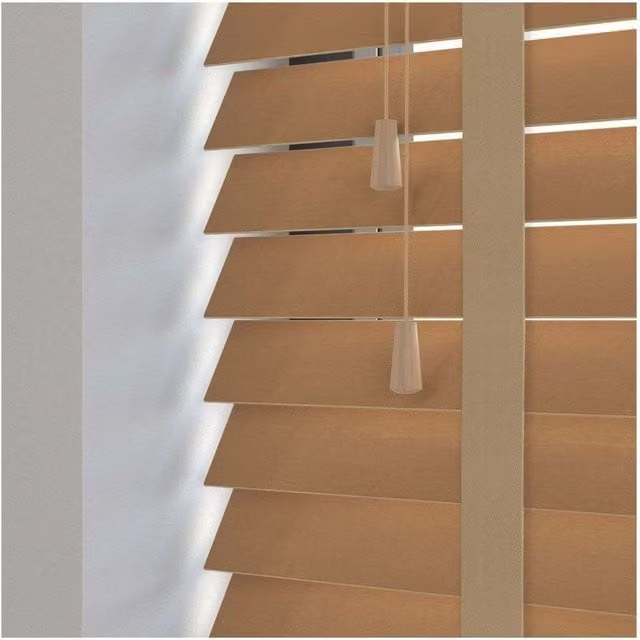
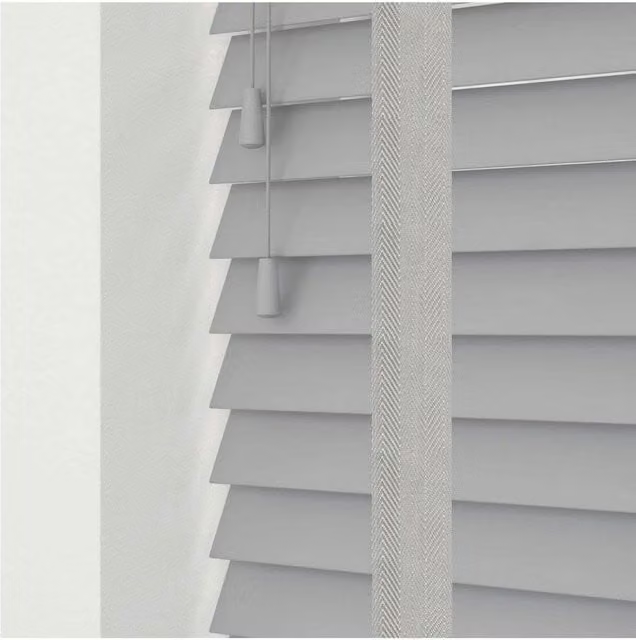
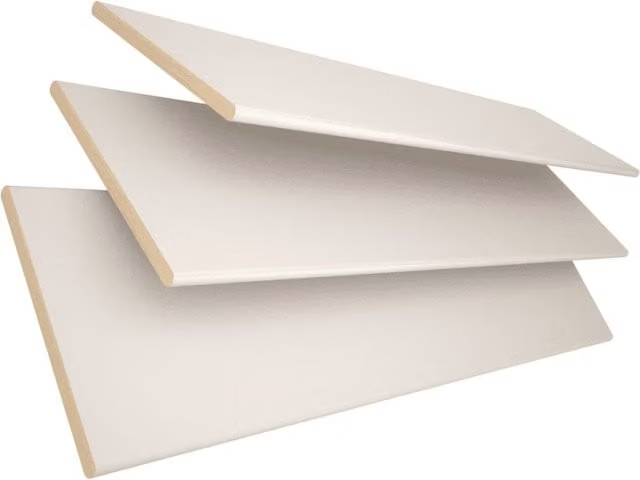
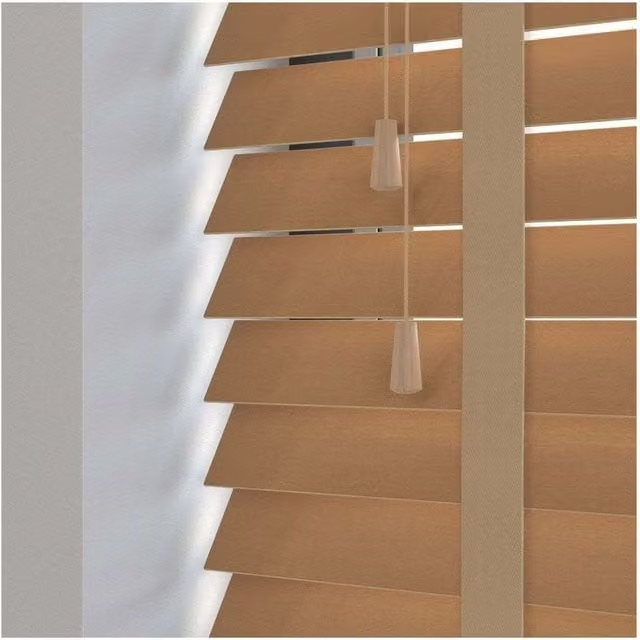
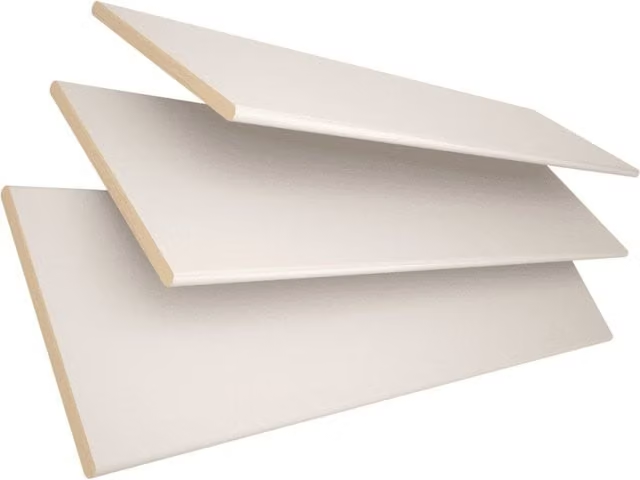
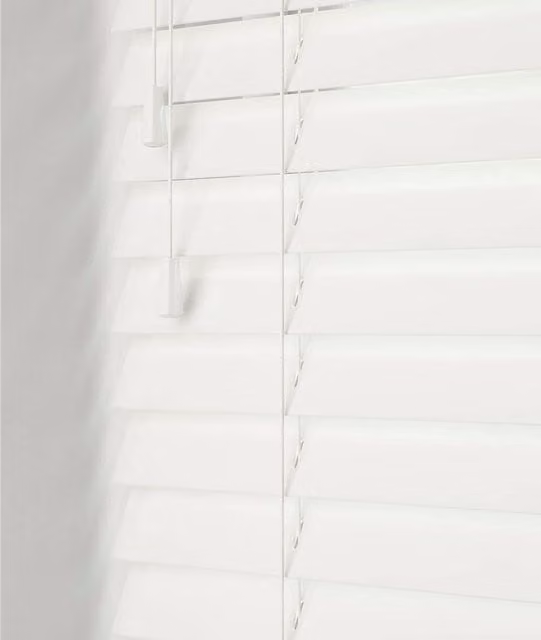
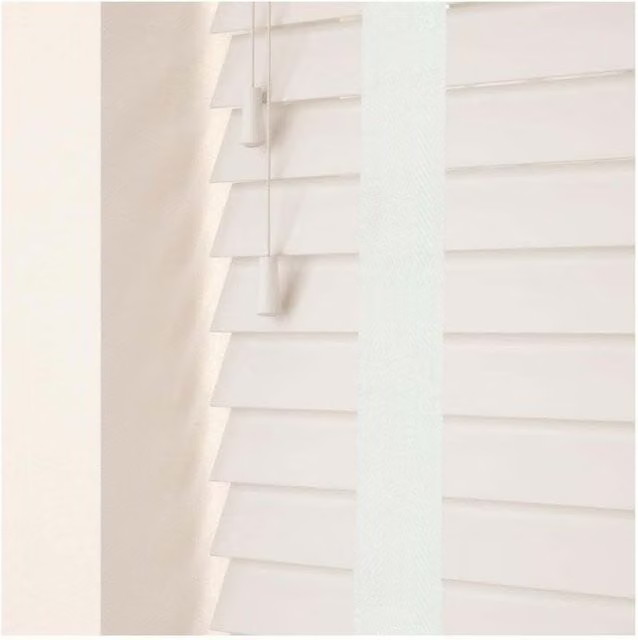
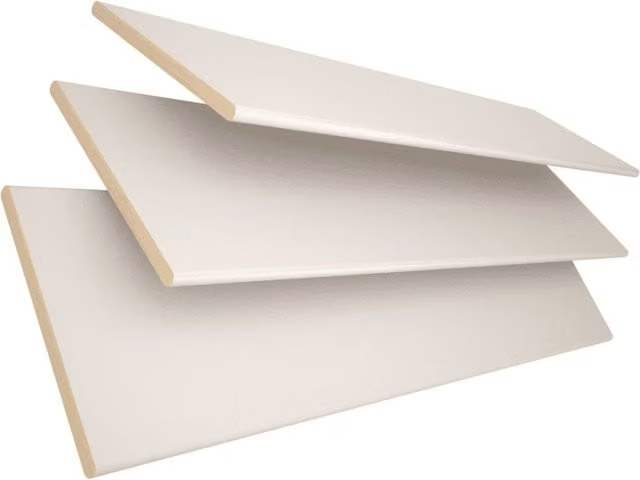
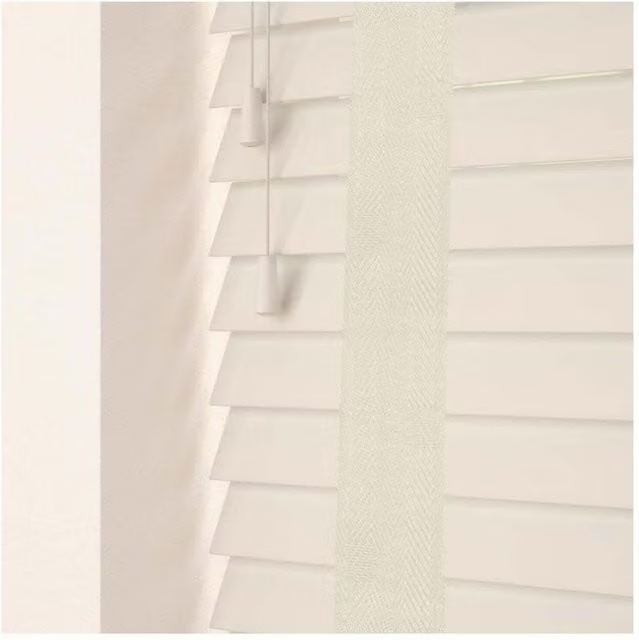
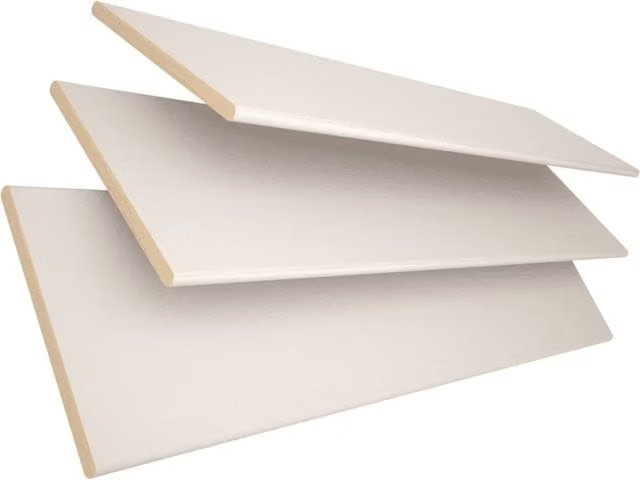
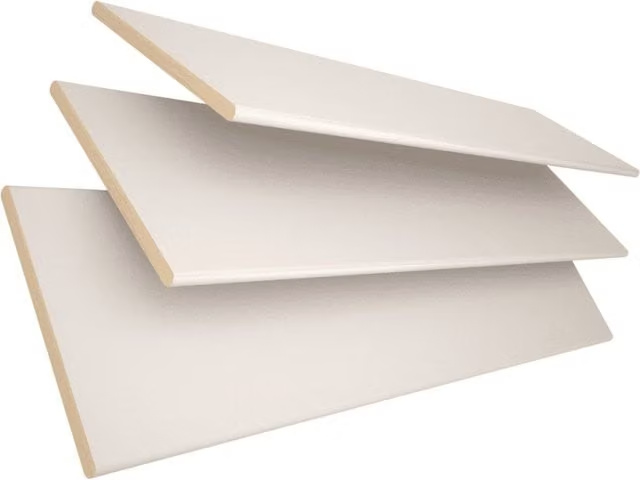
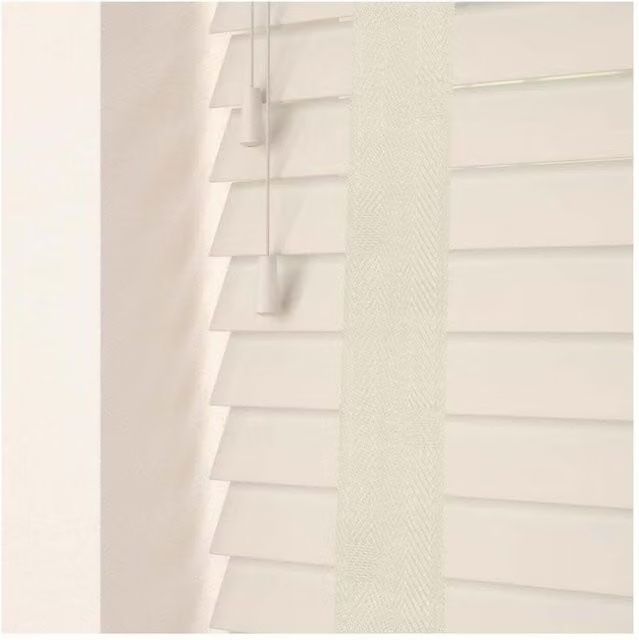
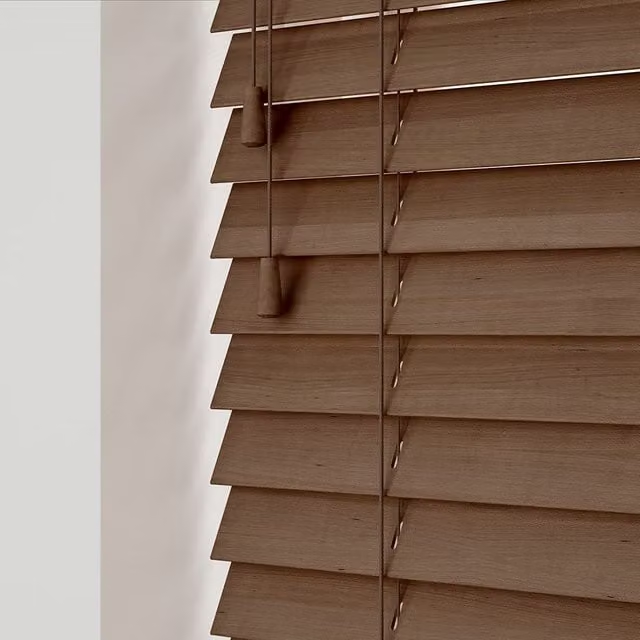
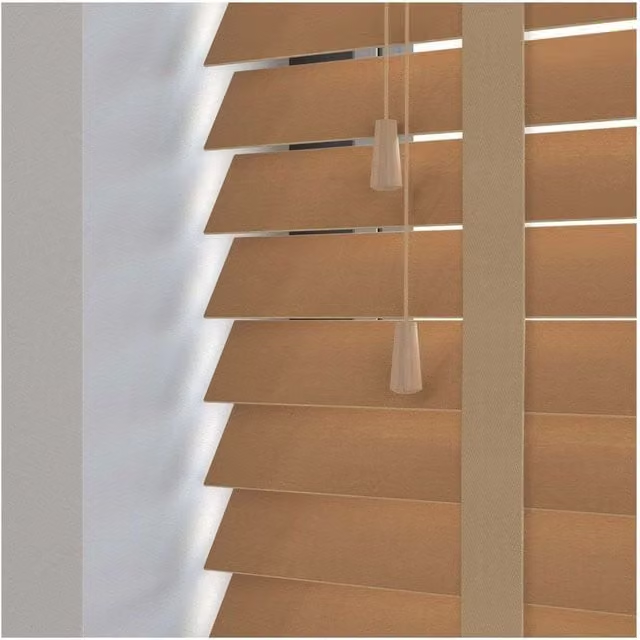
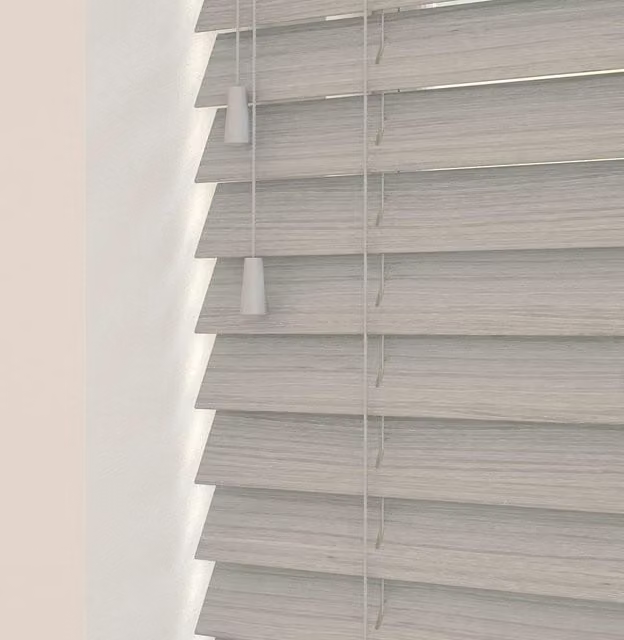
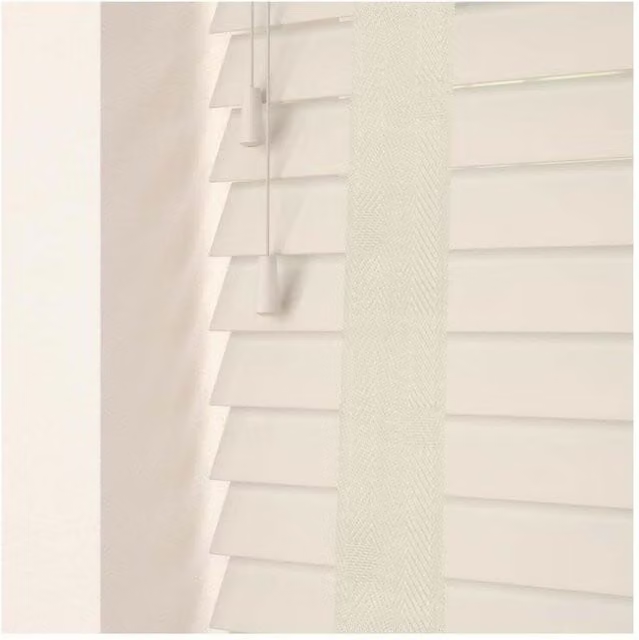
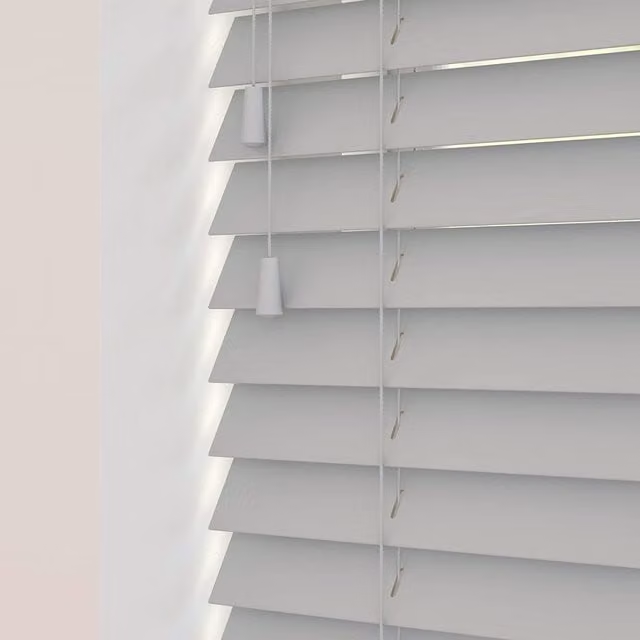
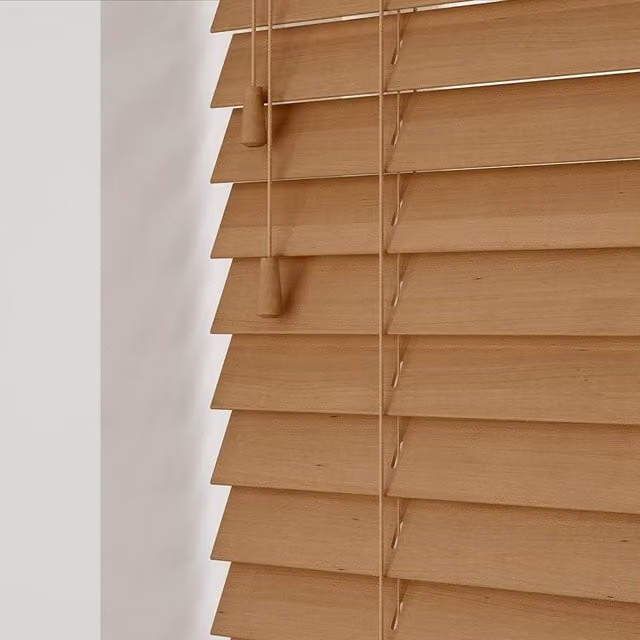
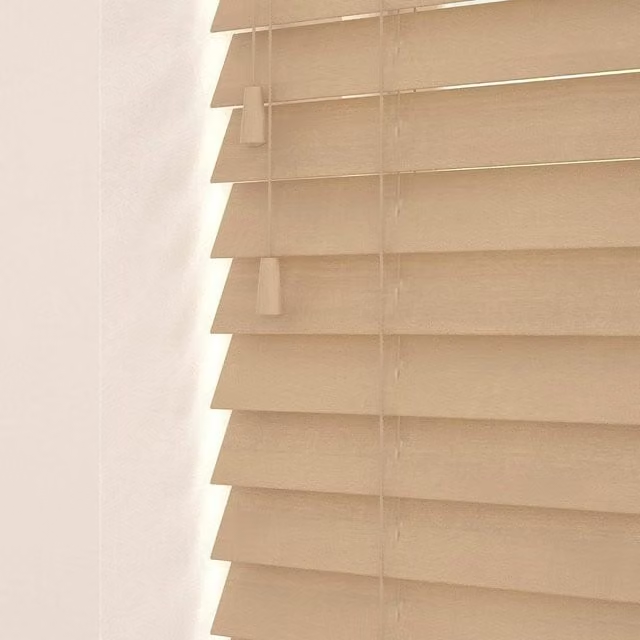
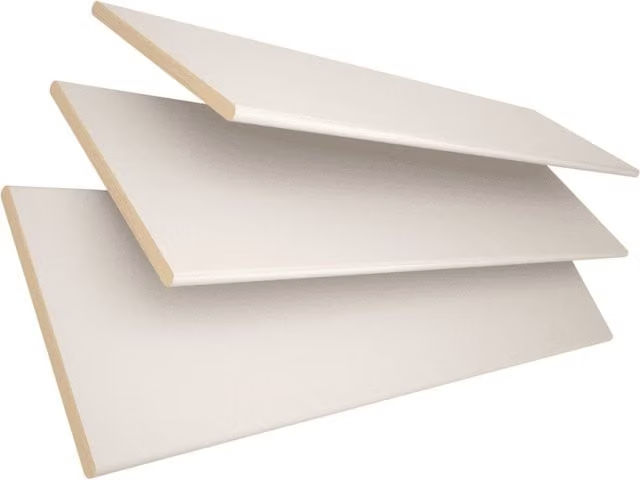
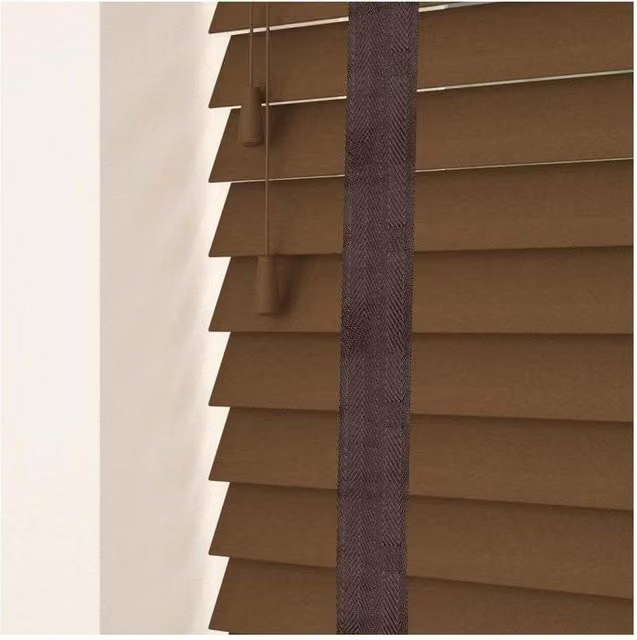
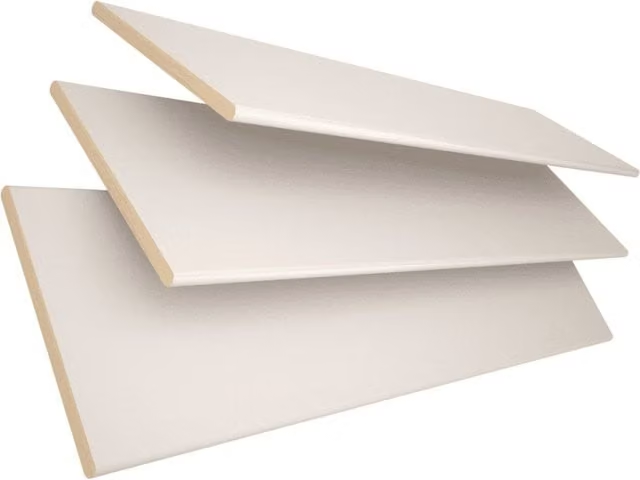
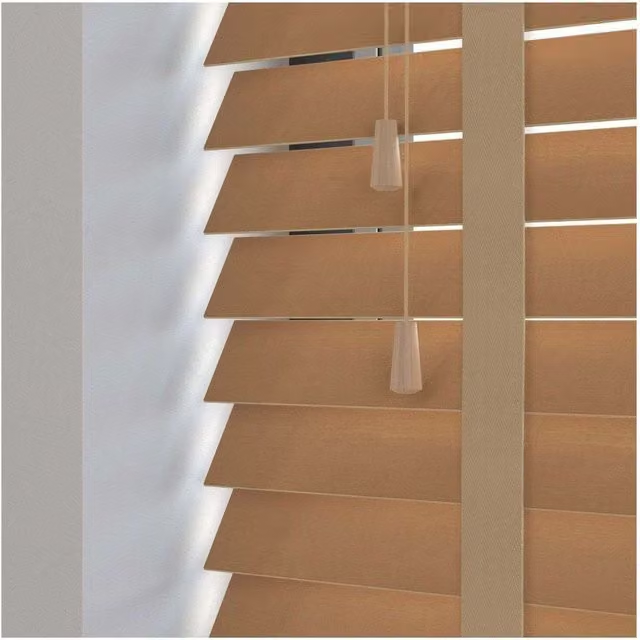
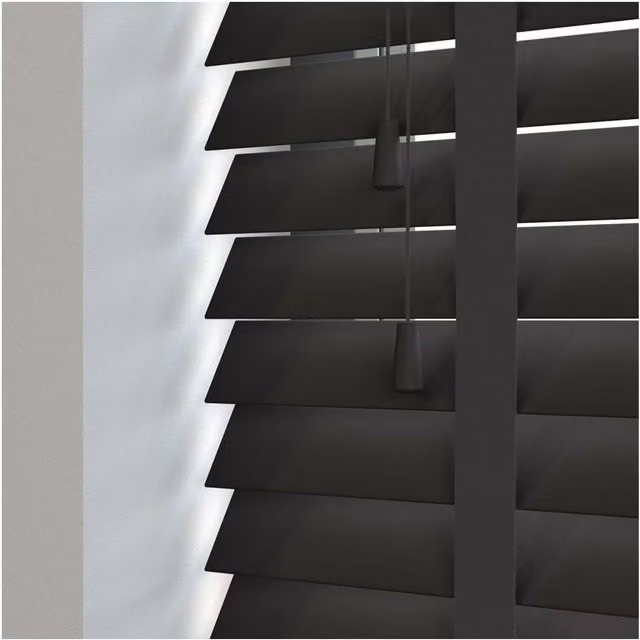
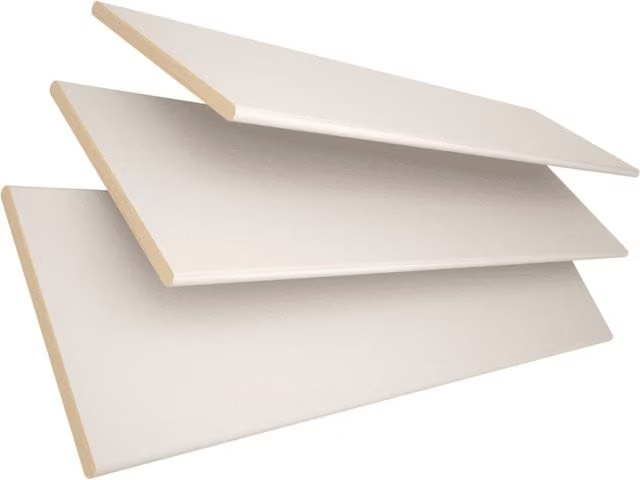
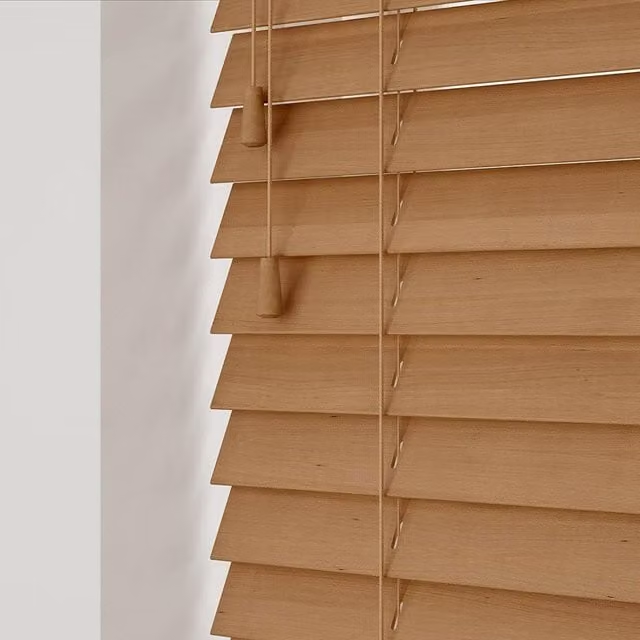
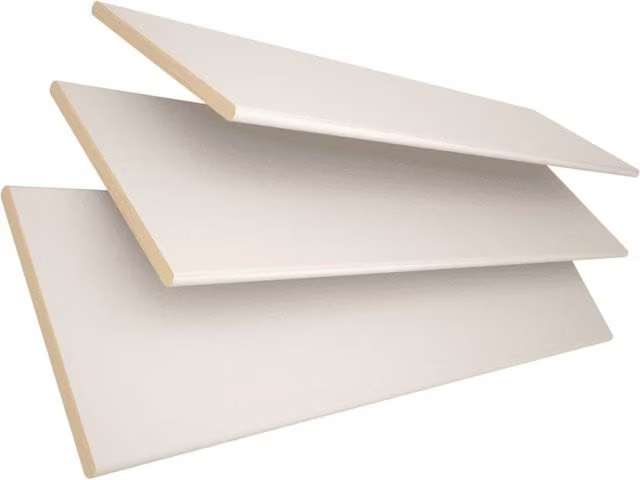
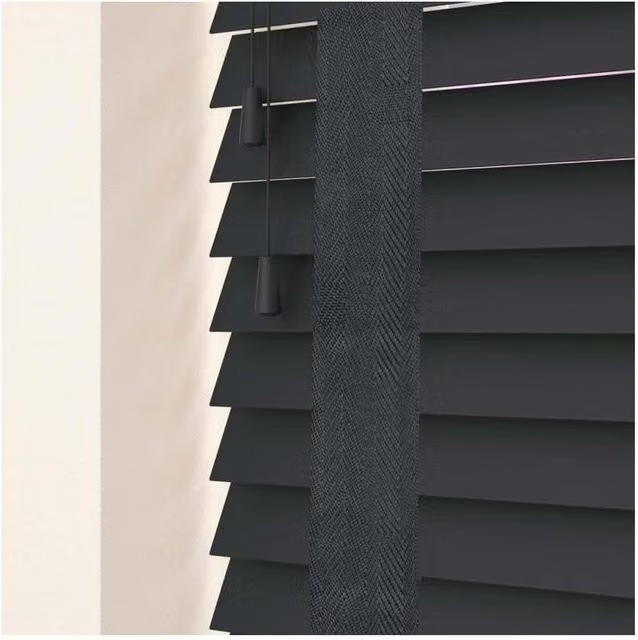
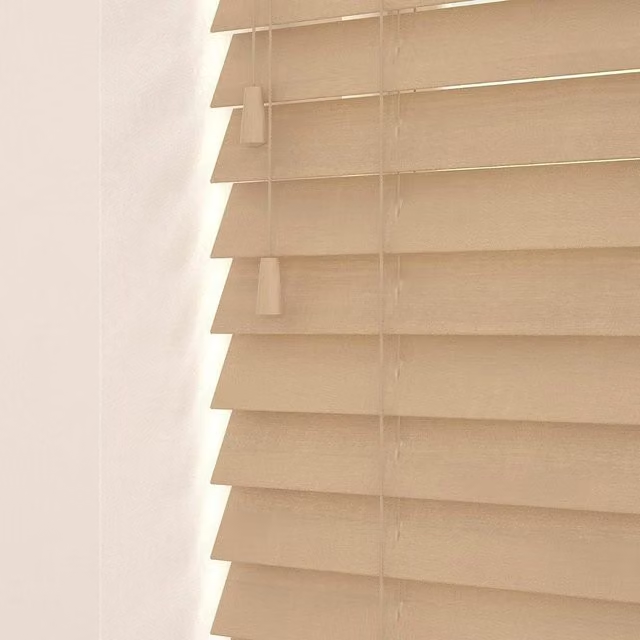
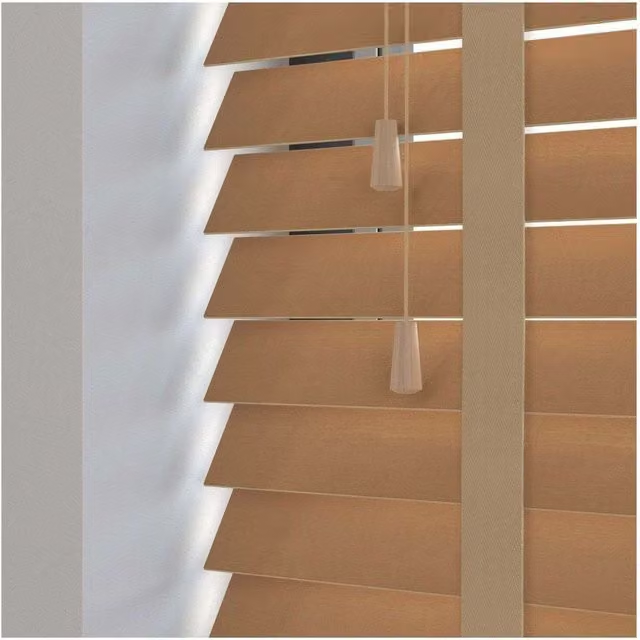
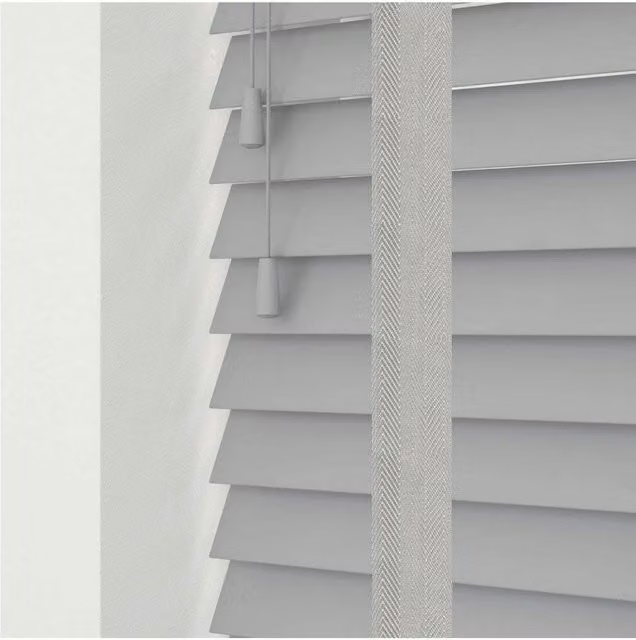
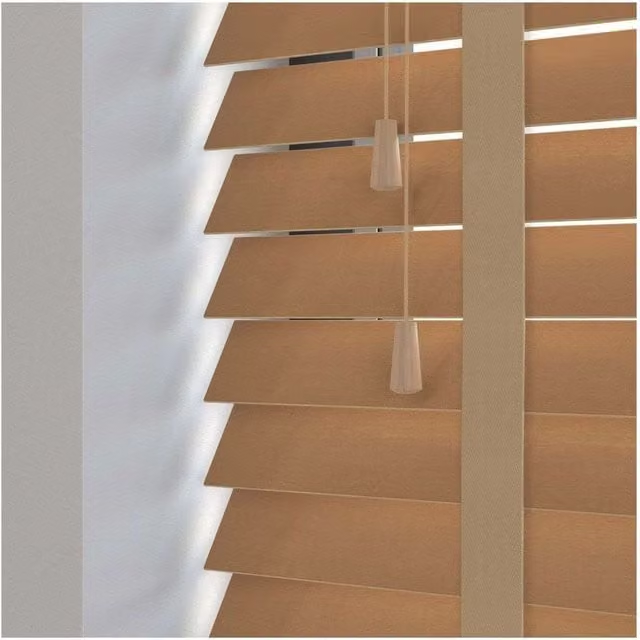
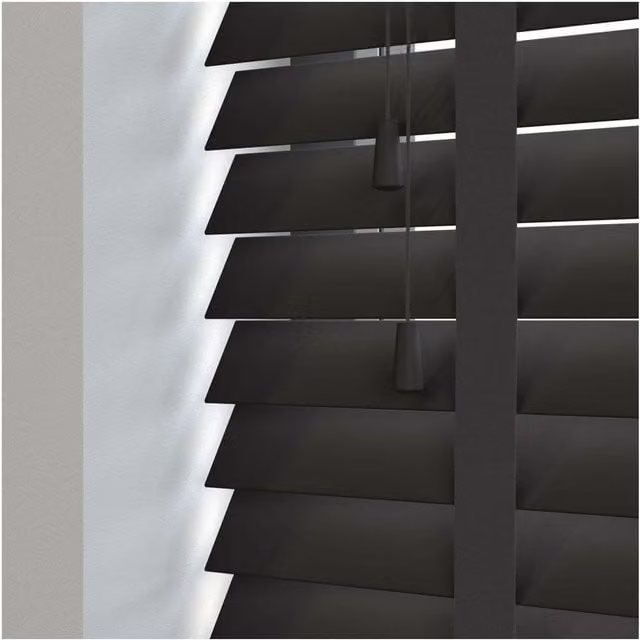
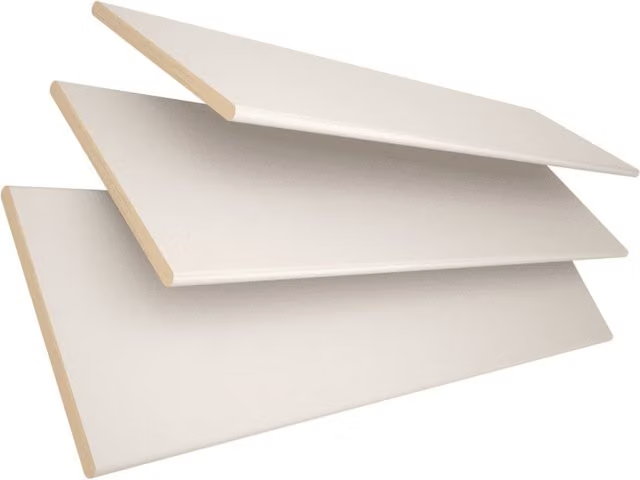
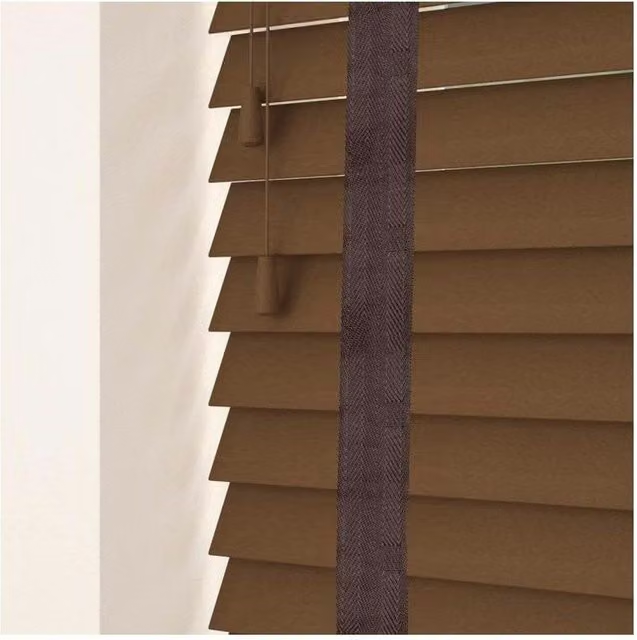
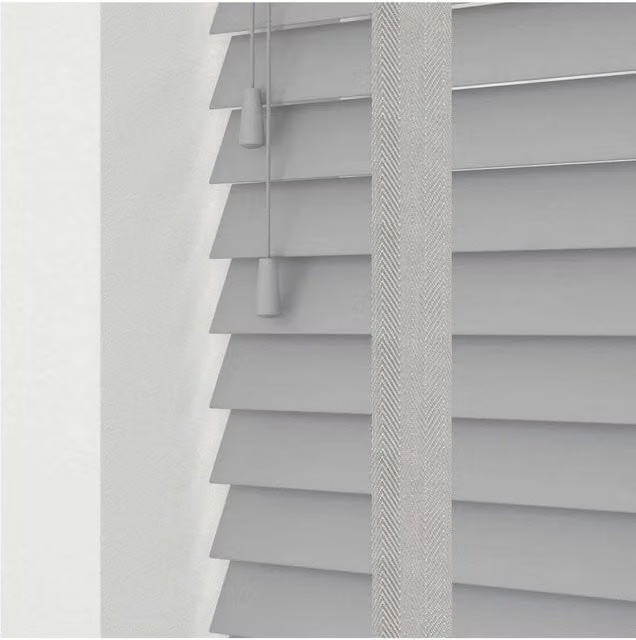
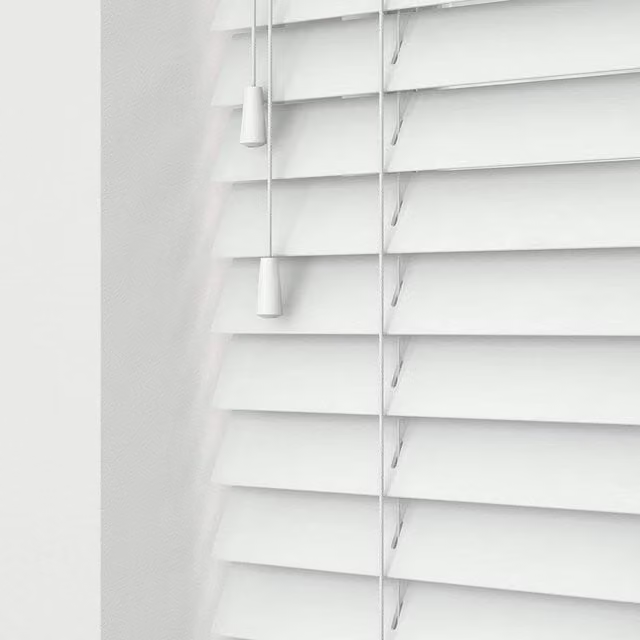
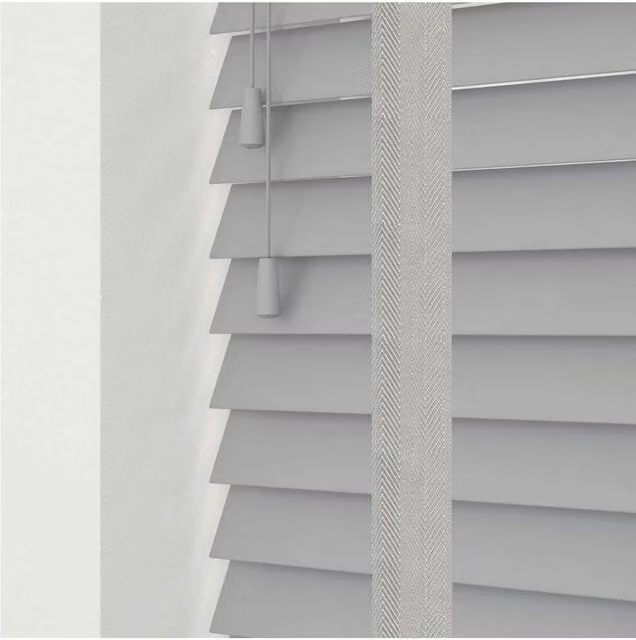
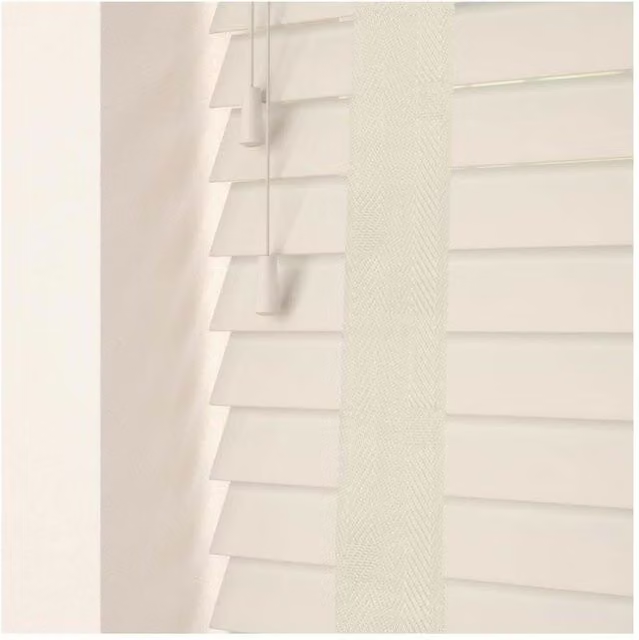
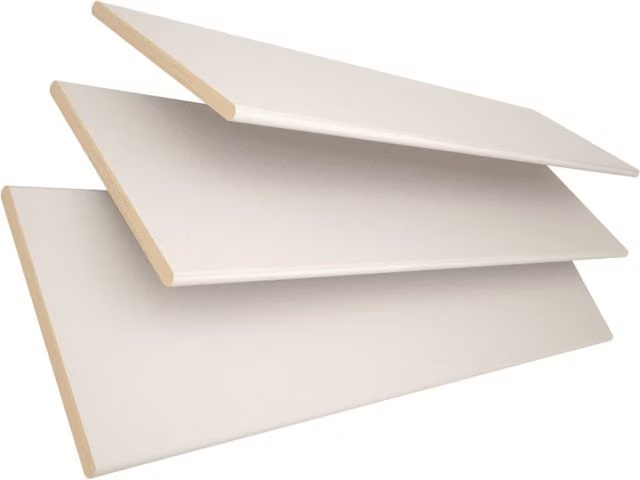
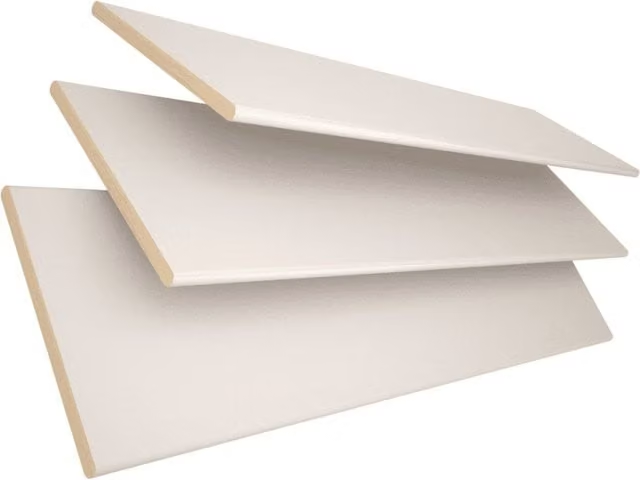
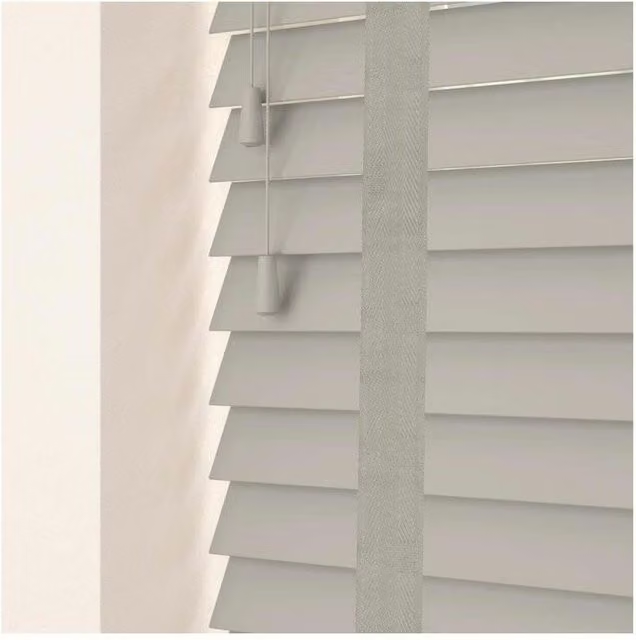
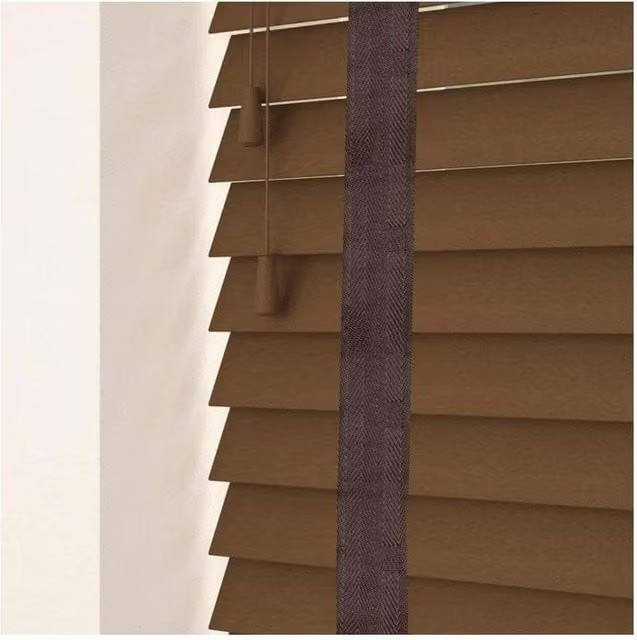
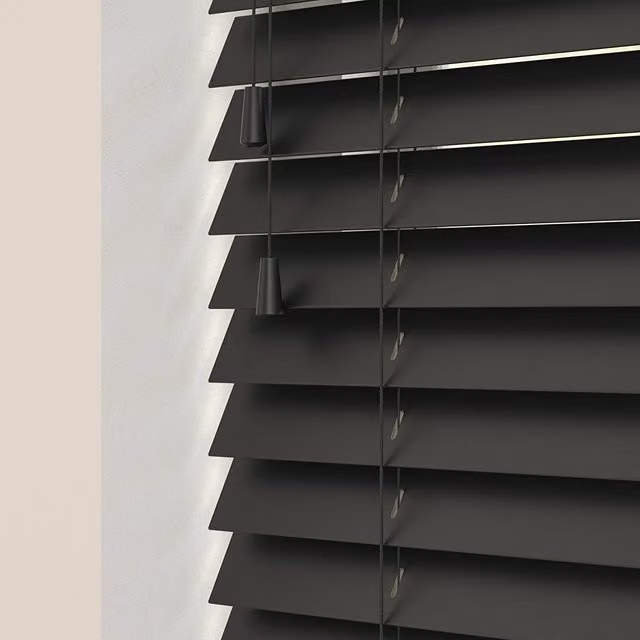
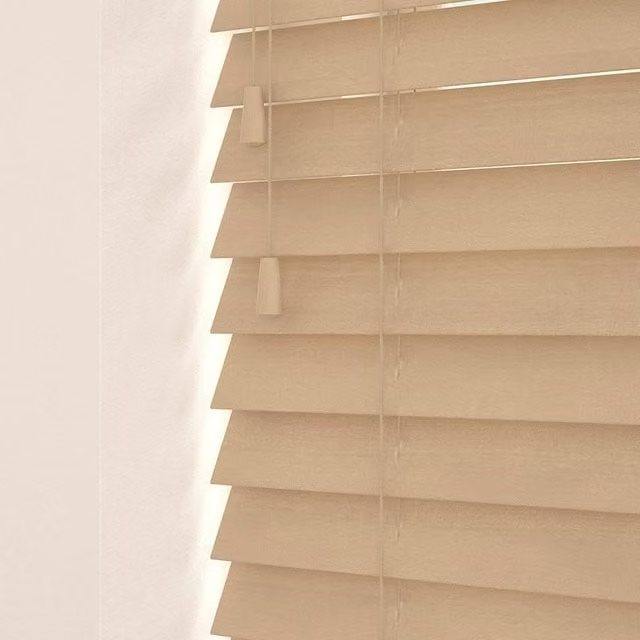
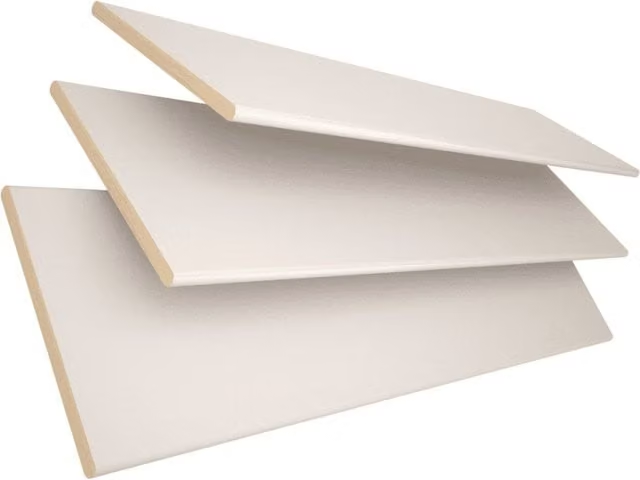
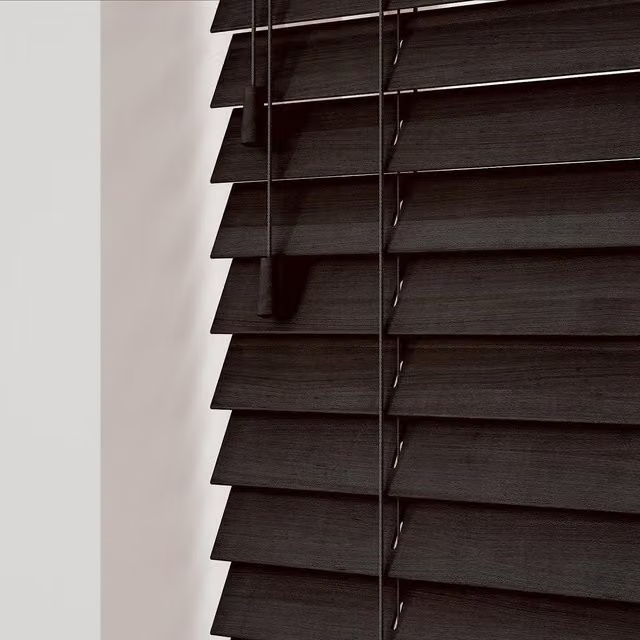
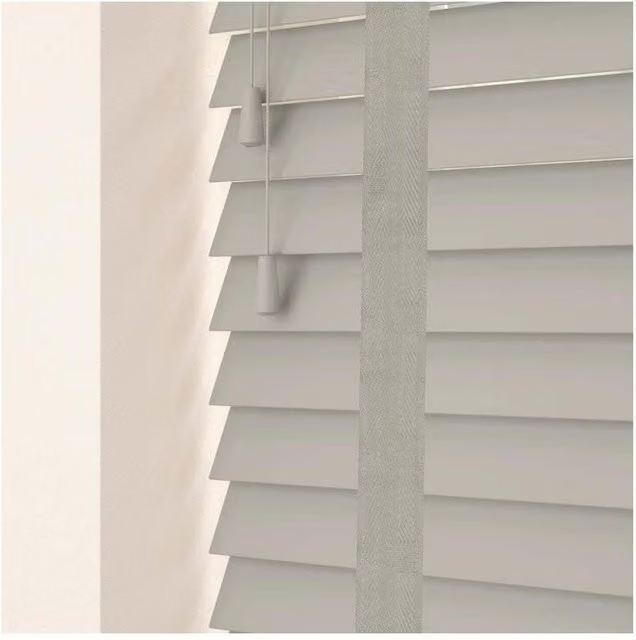
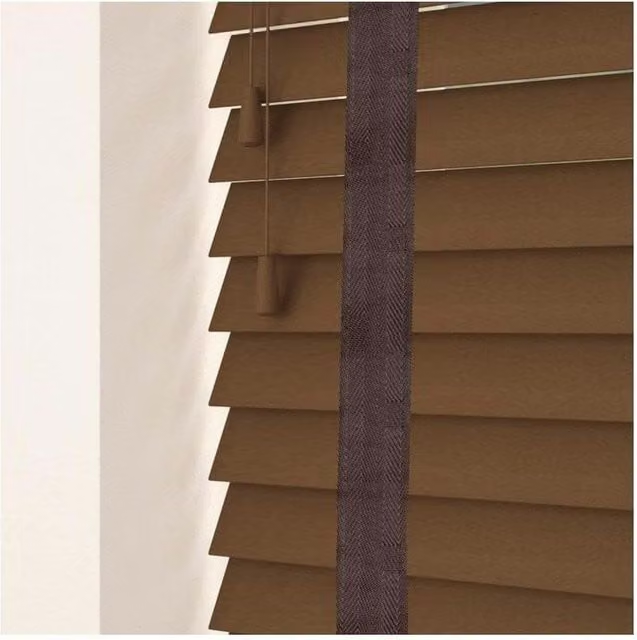
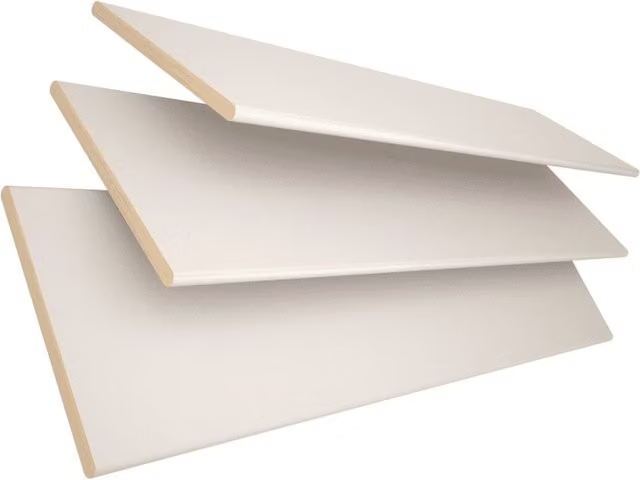
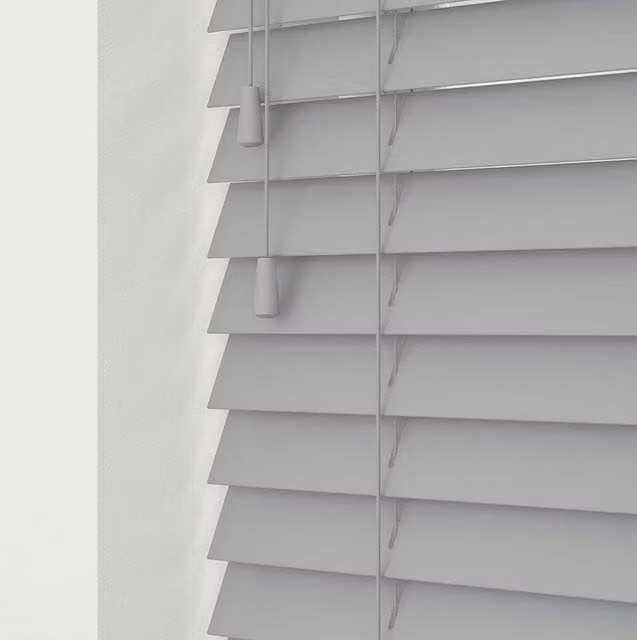
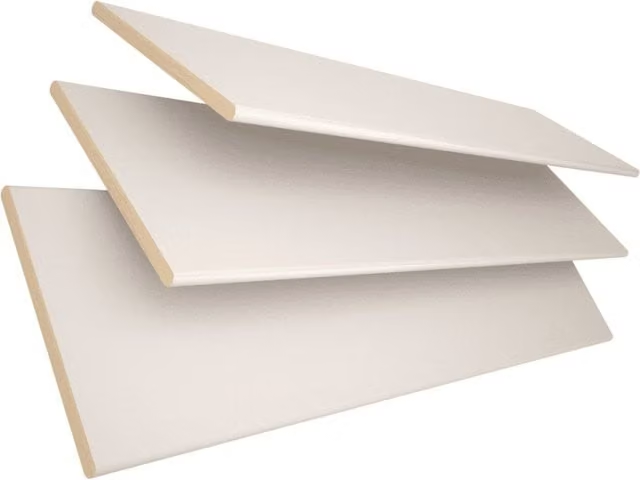
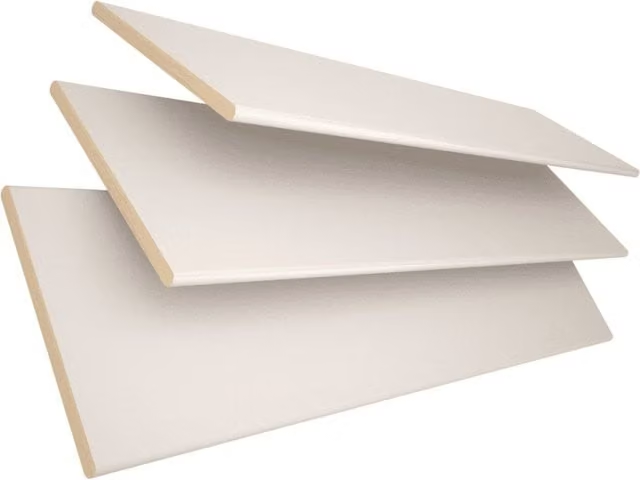
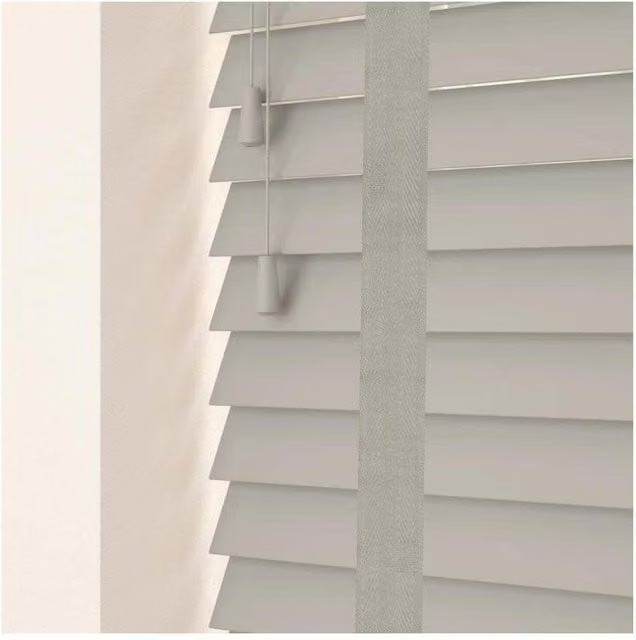
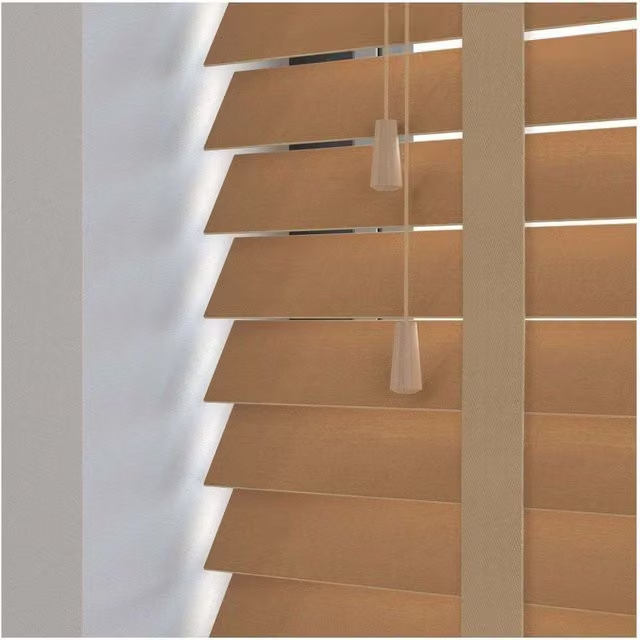
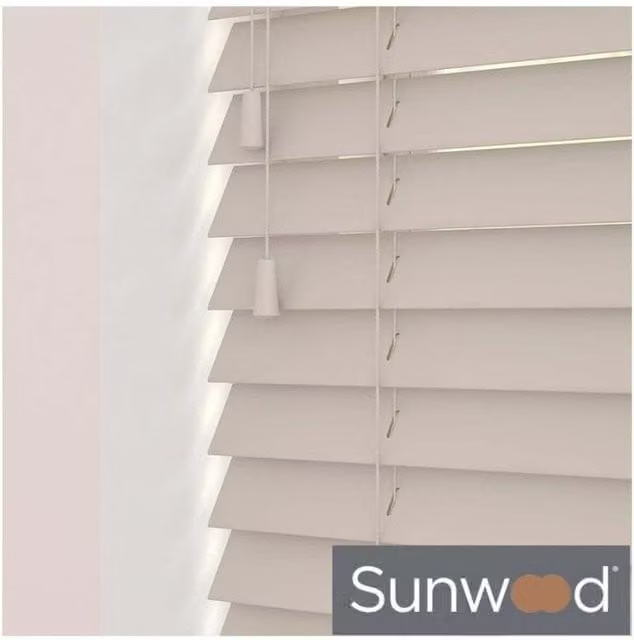
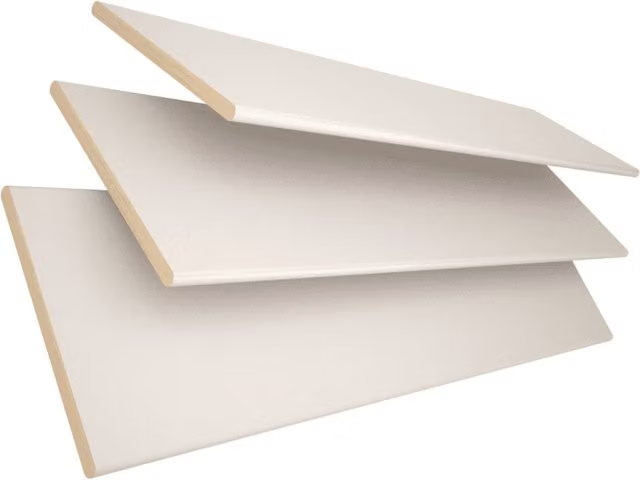
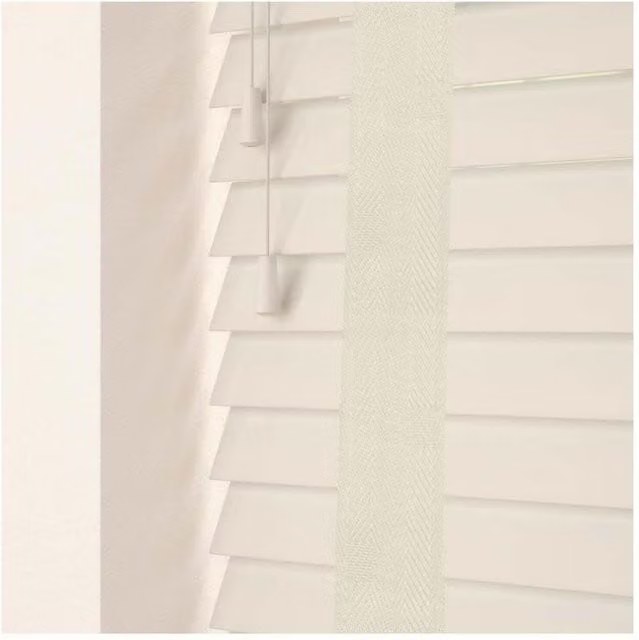
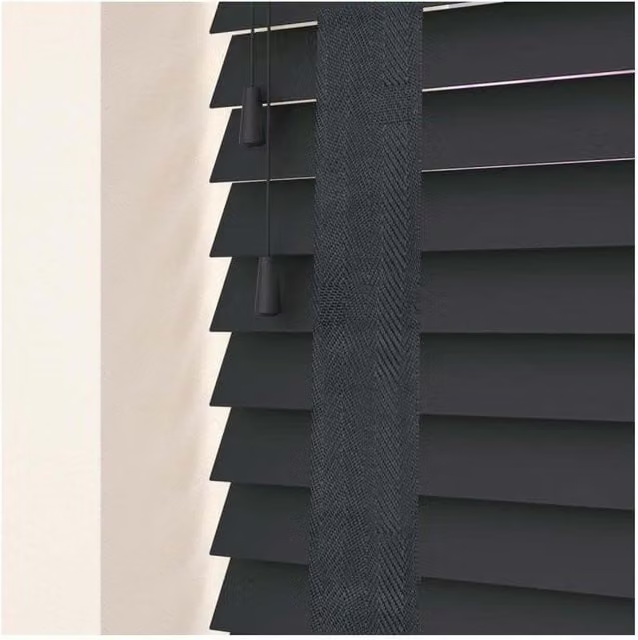
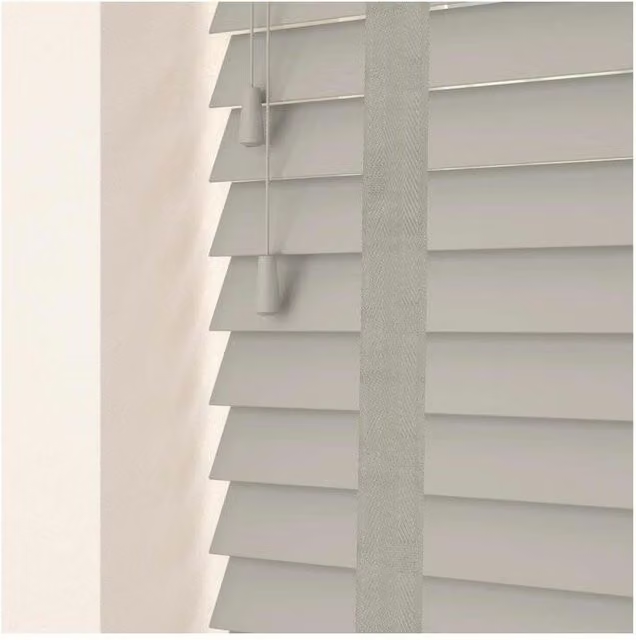
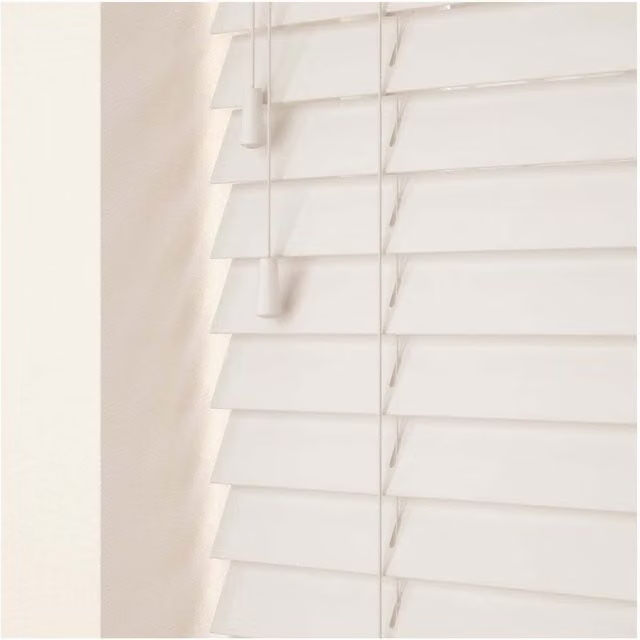
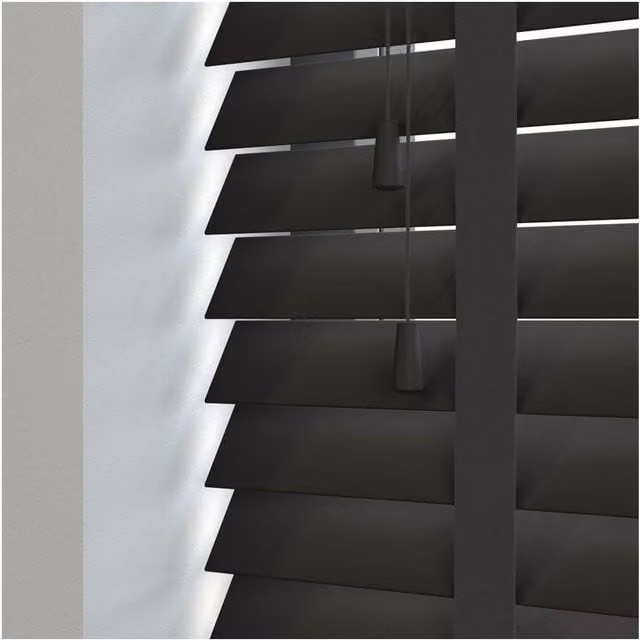
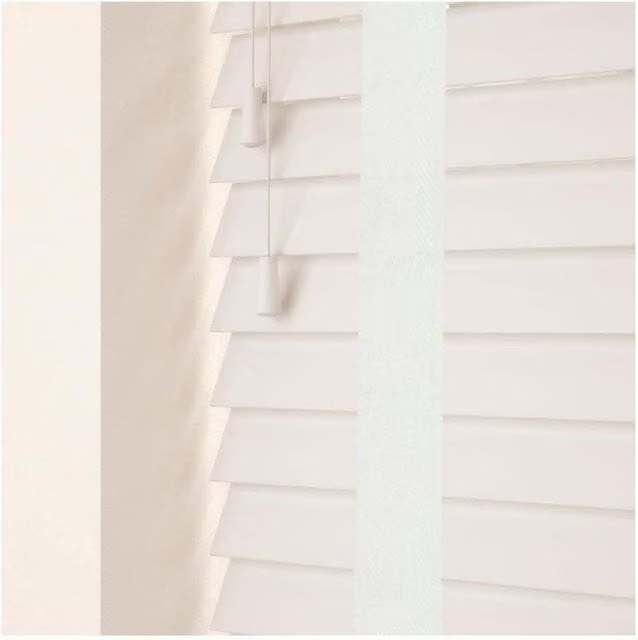
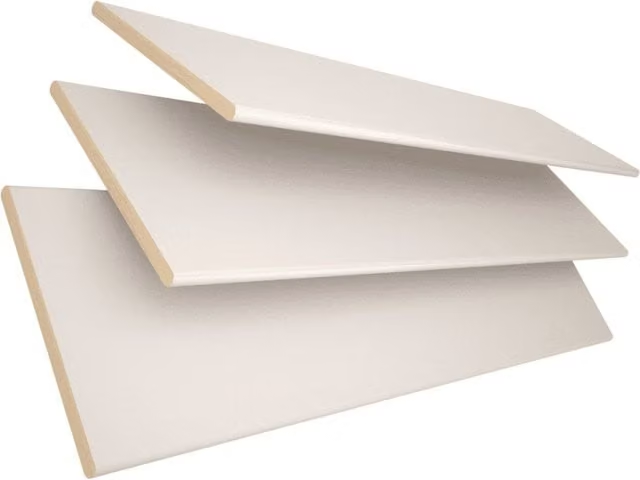
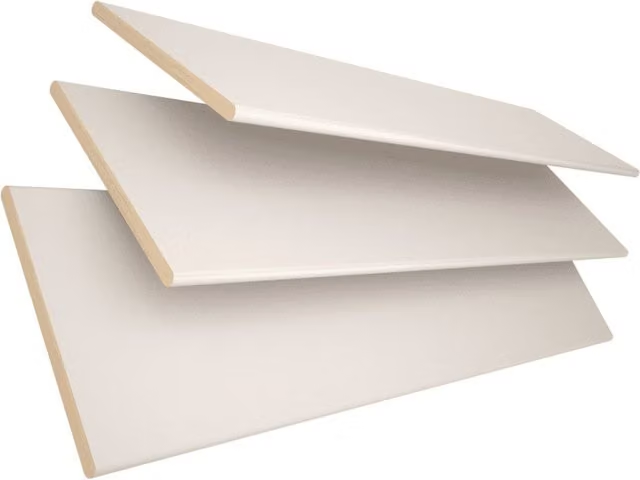
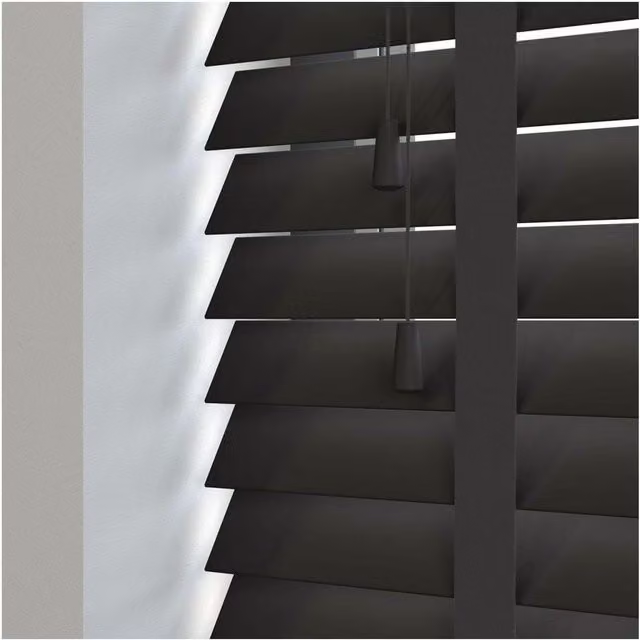
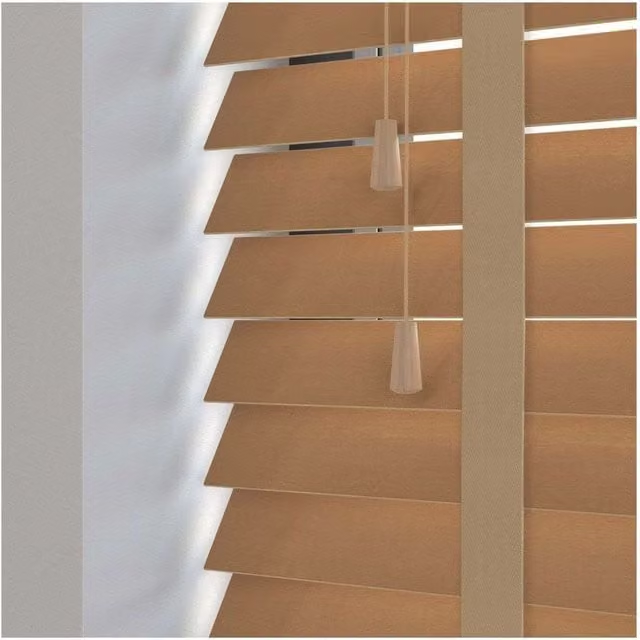
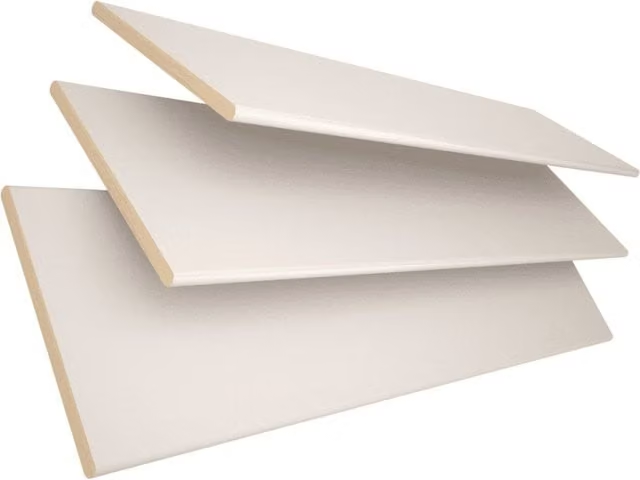
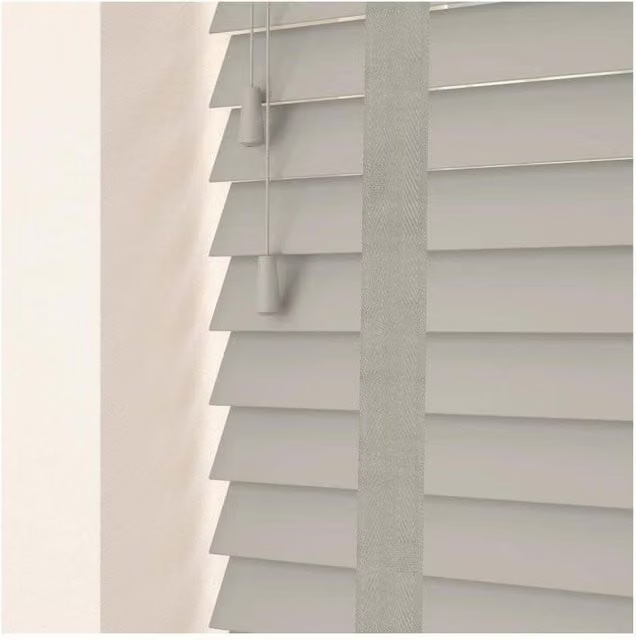
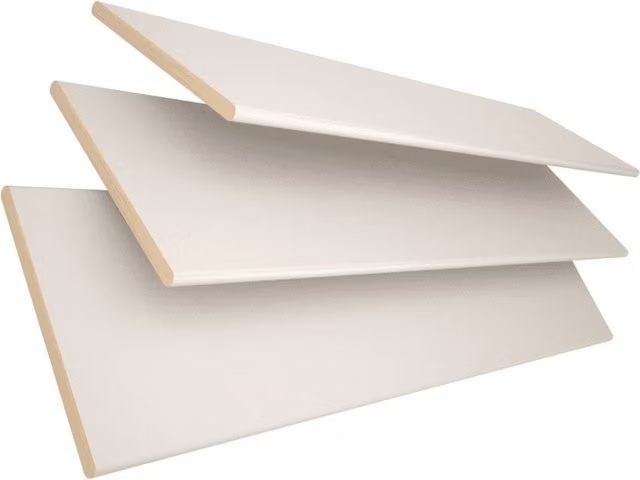
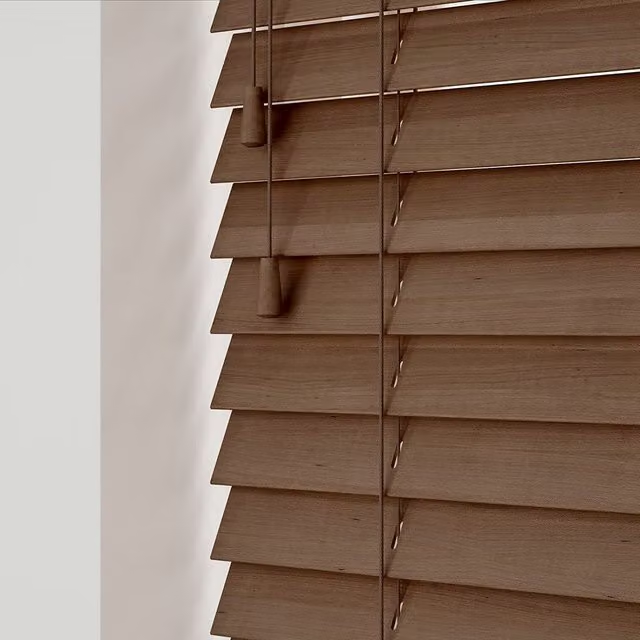
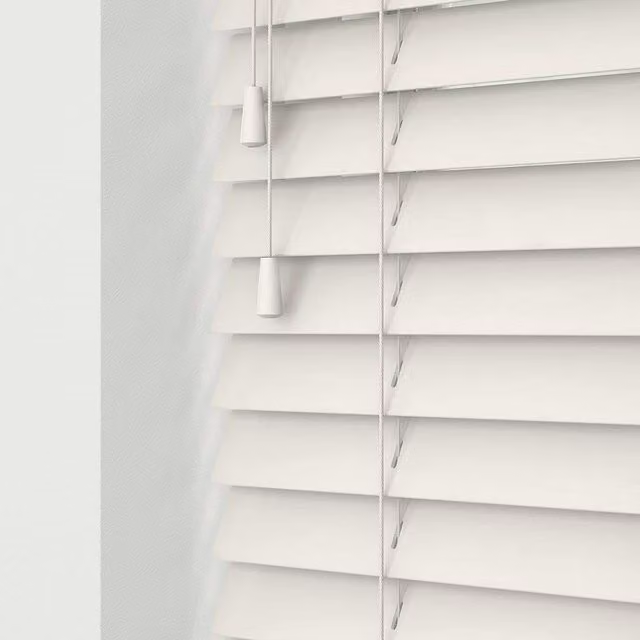
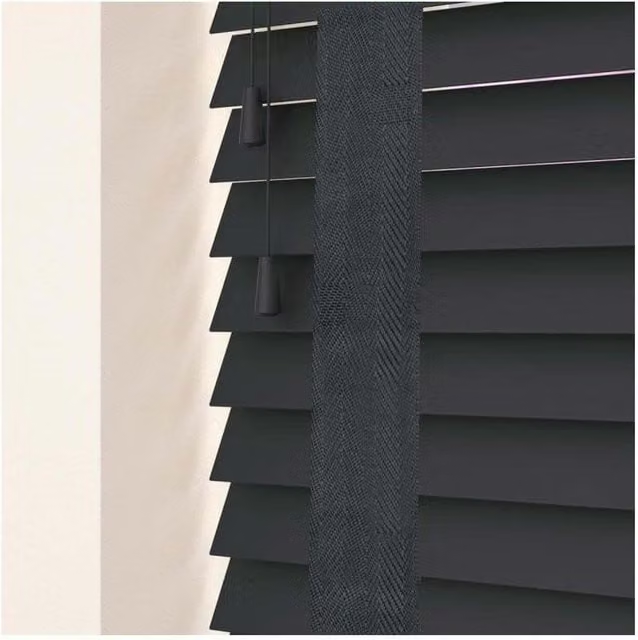
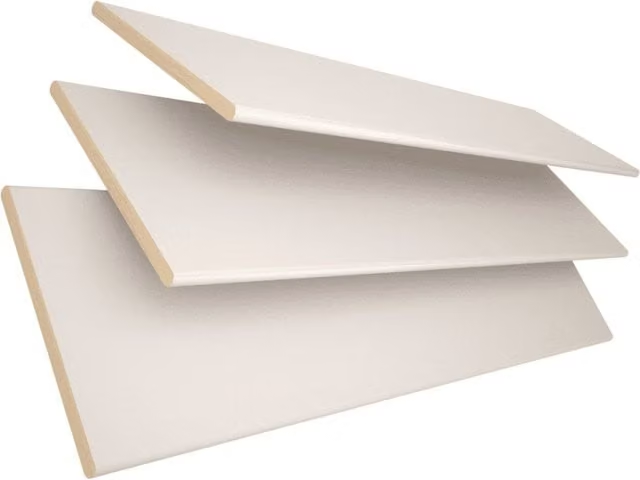
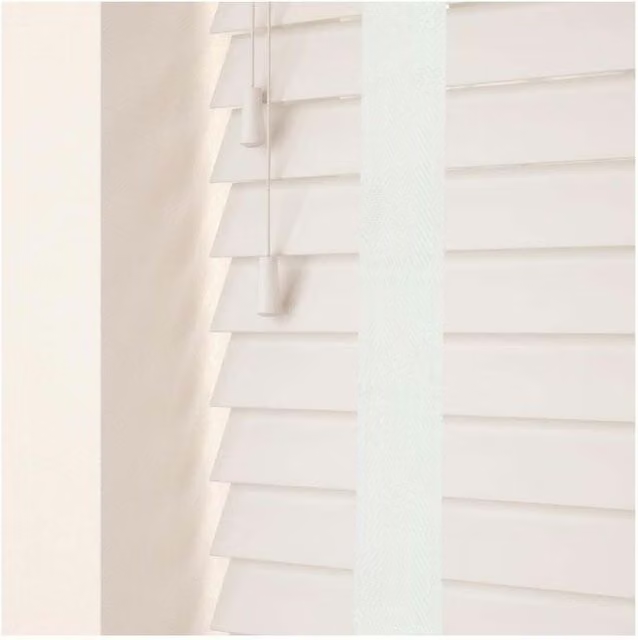
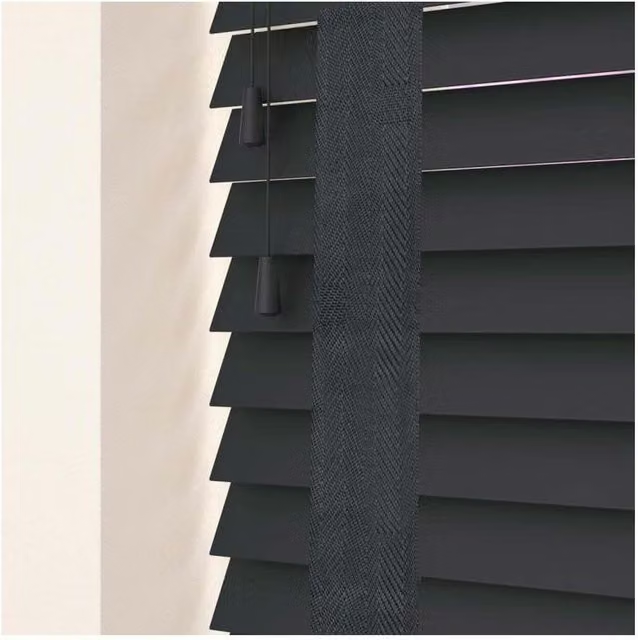
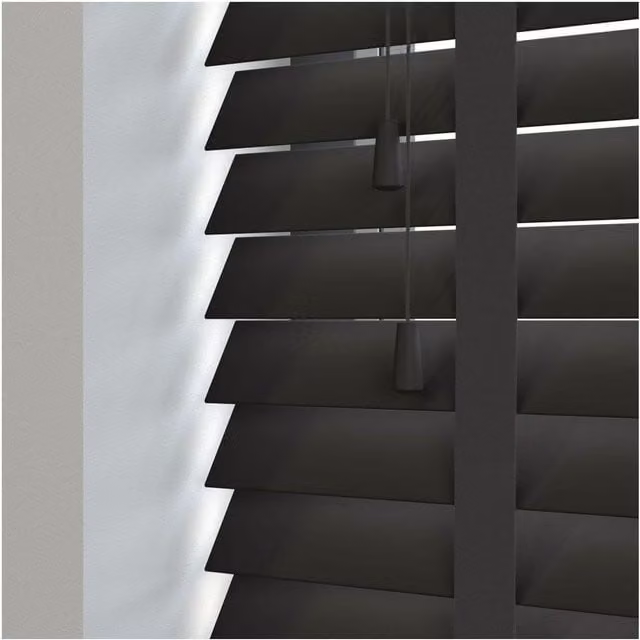
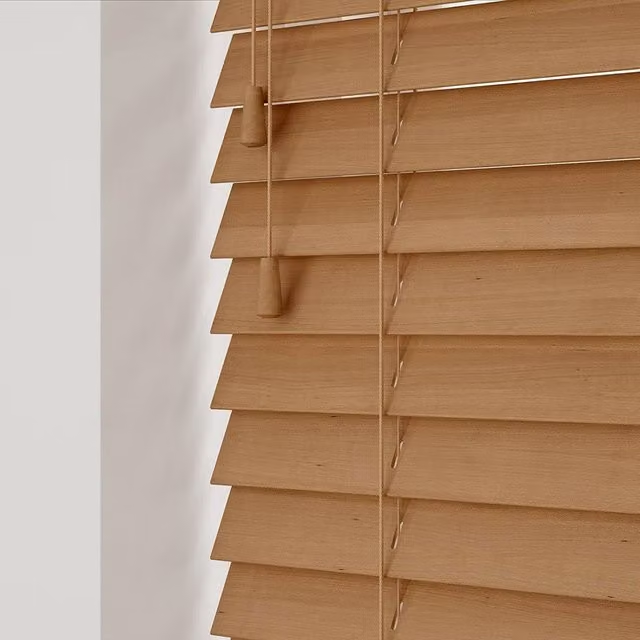
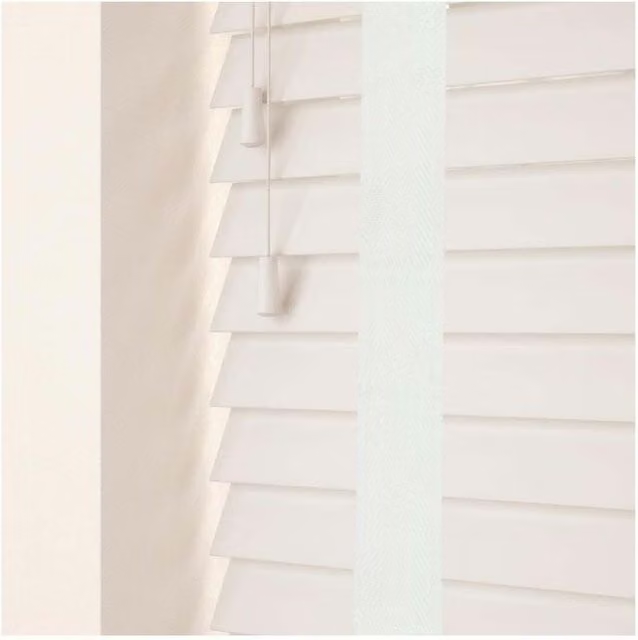
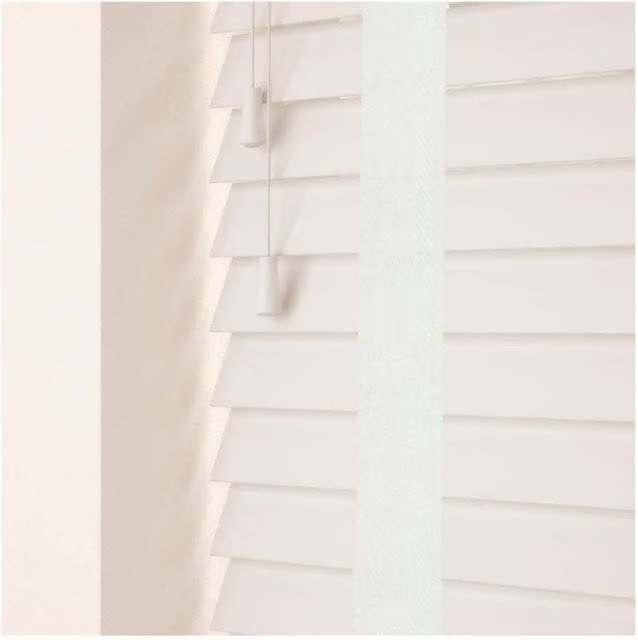
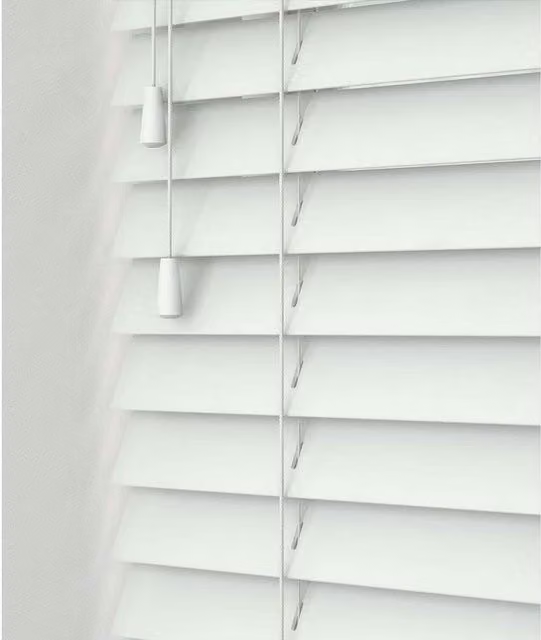
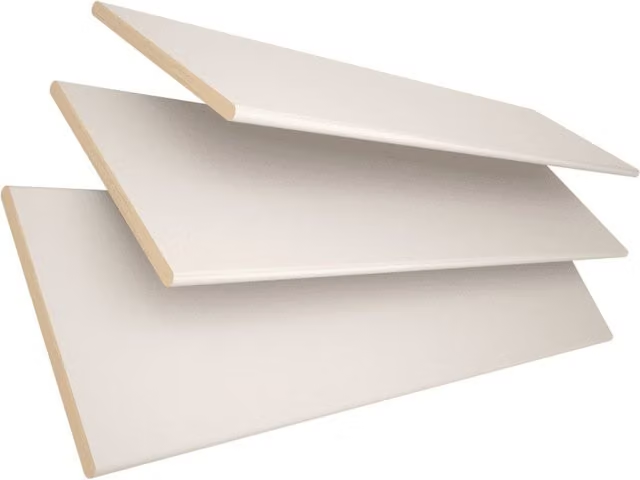
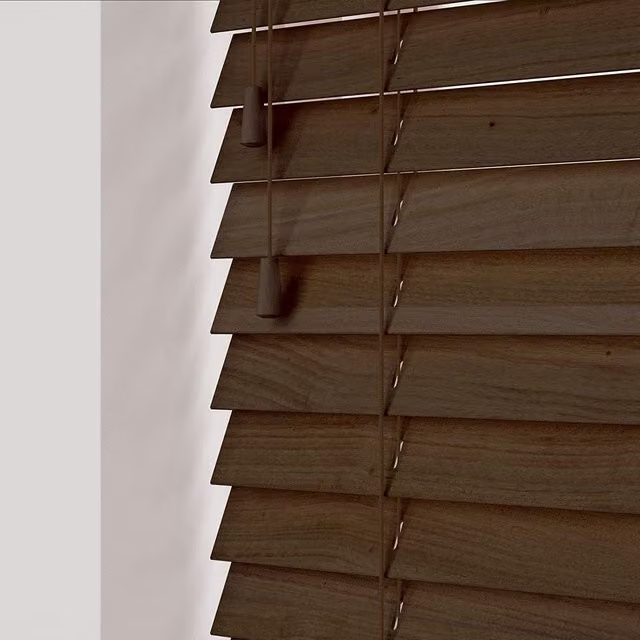
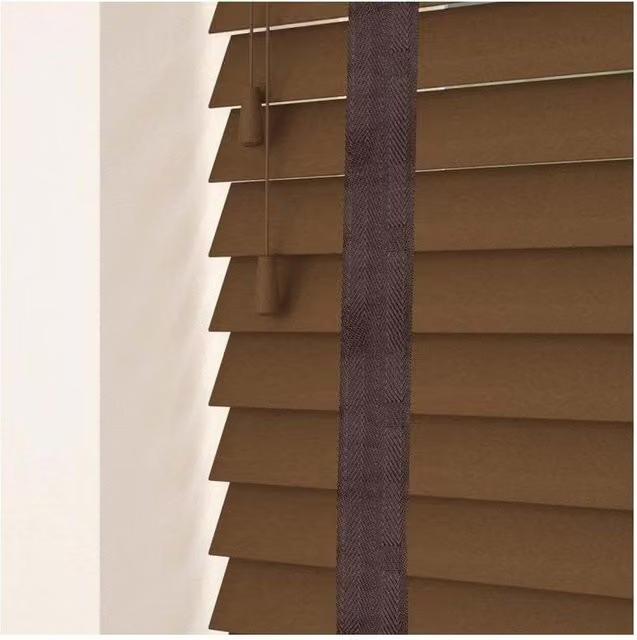
The choice comes down to slat width, finish and mechanism. Slats of 25 mm suit smaller windows and give a fine, neat appearance, 35 mm is the versatile middle ground, and 50 mm slats create a bolder look with a wider view when open and fewer lines across large windows. Finishes range from pale limed oak and natural basswood through mid walnut and teak to deep espresso and painted white or grey. Decorative cloth tapes covering the ladder cords add a traditional touch and a chance to introduce colour. You will find corded, wand tilt, cordless and motorised versions, and made to measure options for bay windows, doors and awkward shapes.
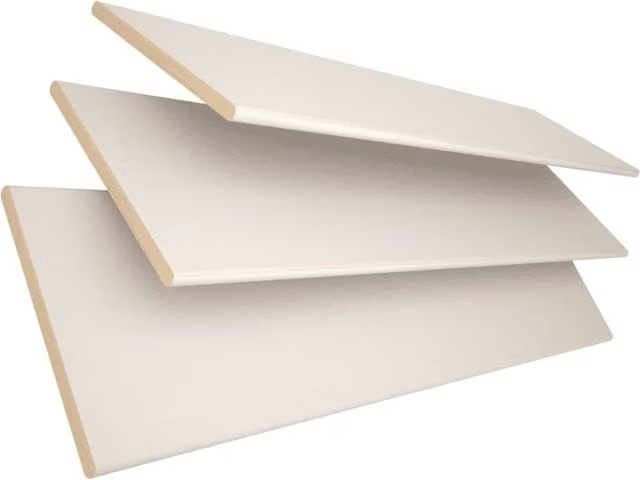
Timber choice matters. Basswood is the industry standard because it is light, stable and resists warping, which keeps slats straight over the years. Cedar and bamboo bring their own grain character and sustainability credentials. For bathrooms, kitchens and conservatories, faux wood in PVC or composite looks convincingly similar and copes with humidity that would eventually warp real timber. Look for child safe cord systems, which are a legal requirement on new blinds in the UK.
Price depends on size, slat width, timber and whether the blind is ready made or made to measure. Standard sized ready made blinds in basswood are the affordable route, while made to measure hardwood blinds with cloth tapes or motorisation sit at the premium end.
Explore the finishes, compare prices and bring some natural warmth to your windows.
Match the slat to the window scale. Use 25 mm slats for small windows, narrow recesses and anywhere you want a fine, discreet look, and 50 mm for large windows and patio doors where wide slats give a cleaner, less busy appearance and a better view when open. The 35 mm width is the safe all rounder that suits most standard UK windows. Bear in mind that wider slats stack into a deeper bundle at the top, which eats into the glass area when fully raised.
Real timber and sustained humidity are not good companions, and over time steam causes slats to warp, swell and discolour. A well ventilated kitchen away from the hob and sink is usually fine, but a bathroom with a shower is asking for trouble. Faux wood blinds in PVC or composite are the sensible answer, as they look extremely similar, wipe clean easily and are completely unaffected by moisture. They are also generally cheaper, which softens the compromise.
Close the slats and dust them with a microfibre cloth or a soft brush attachment on the vacuum, working from top to bottom, then reverse the tilt and repeat on the other side. Avoid water and household sprays, since moisture penetrates the finish and raises the grain over time. For marks, use a barely damp cloth and dry immediately afterwards. A specialist wood cleaner or a little furniture polish applied sparingly once or twice a year keeps the finish looking fresh.
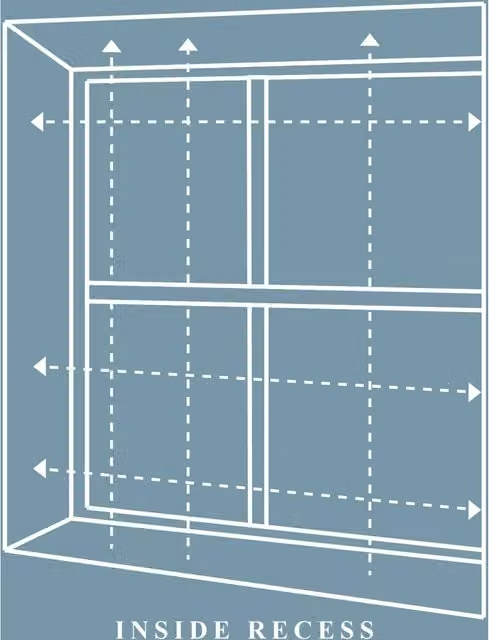
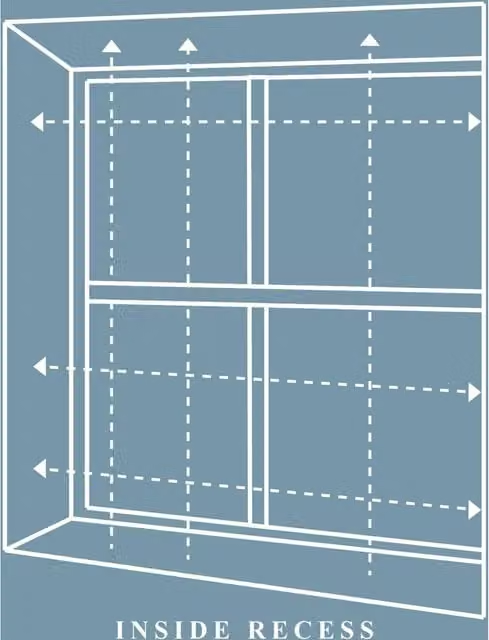
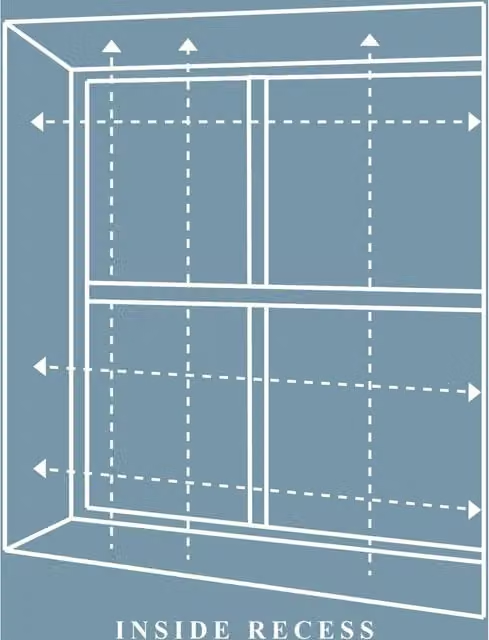
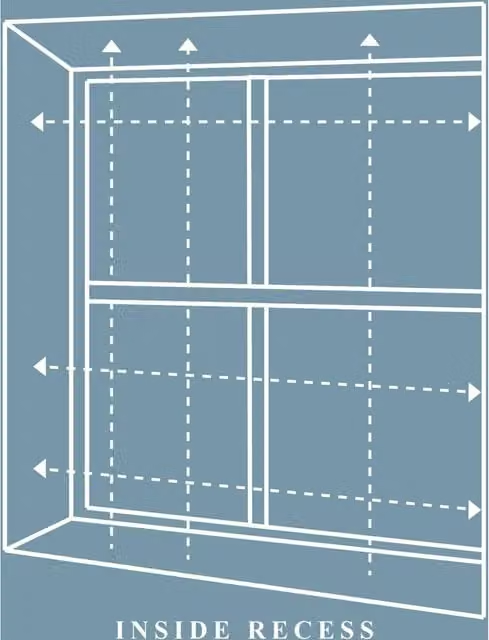
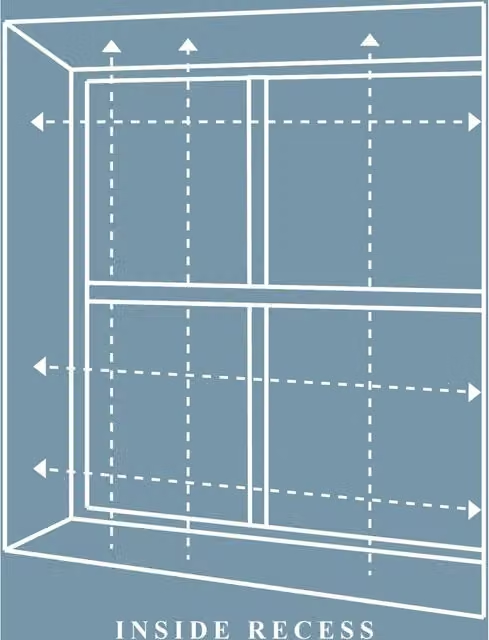
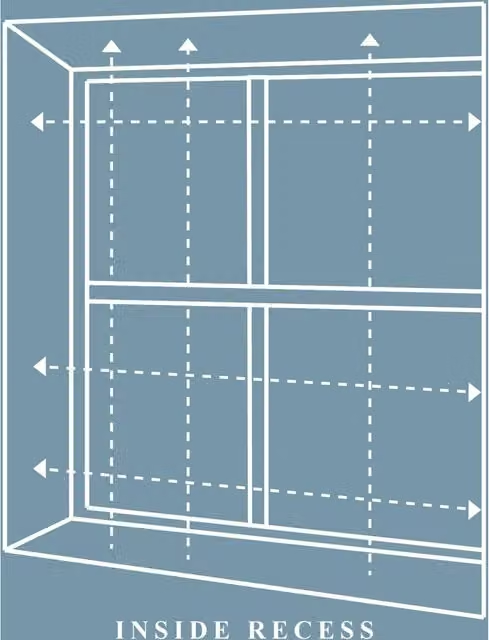
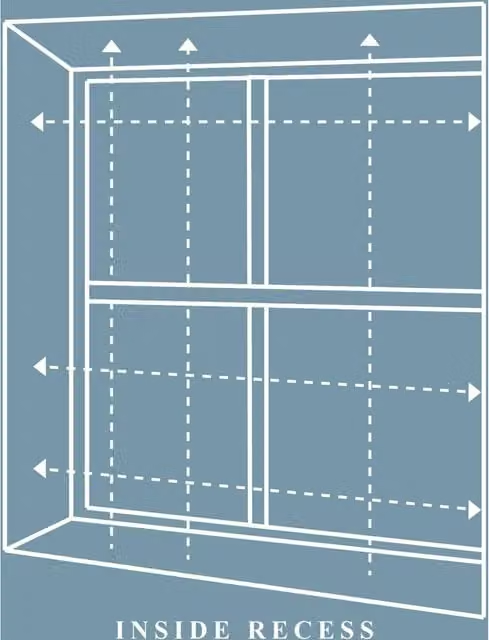
Inside the recess gives a neat, built in look and leaves the sill free for plants and ornaments, but it needs a minimum recess depth of around 5 to 7 cm depending on the headrail. Outside the recess suits shallow windows, hides an uneven or unattractive frame and blocks more light around the edges, which helps in bedrooms. Measure the depth carefully before deciding, and for a recess fit measure the width in three places since older openings are rarely perfectly square.