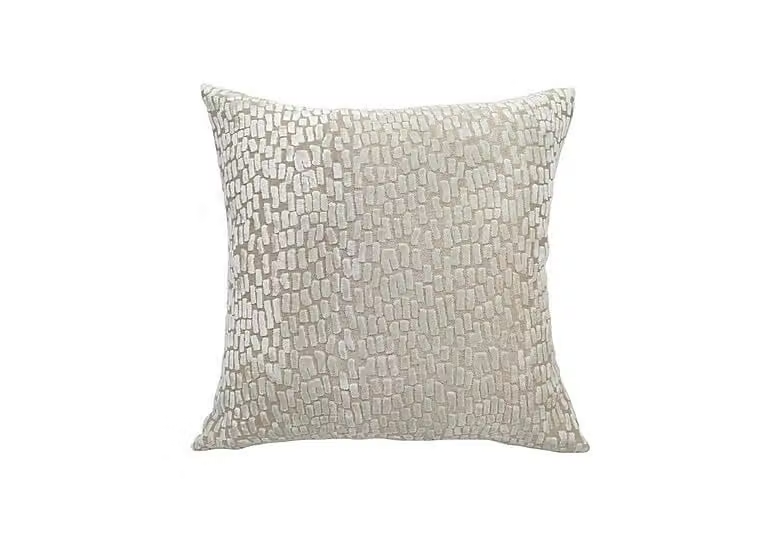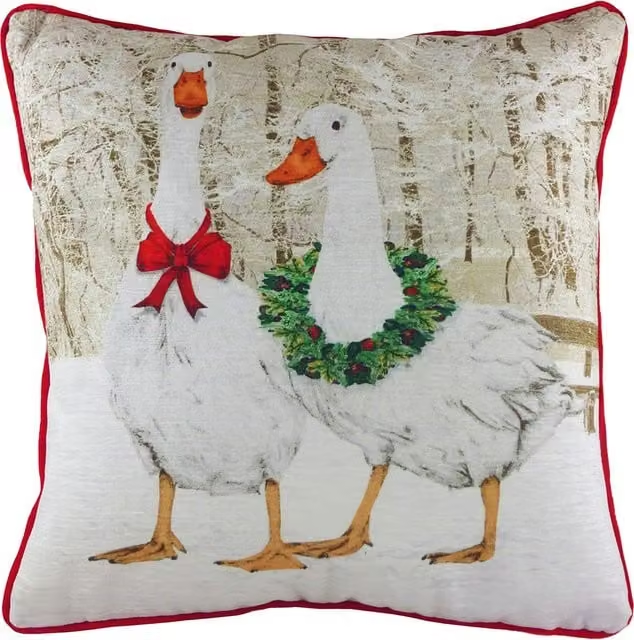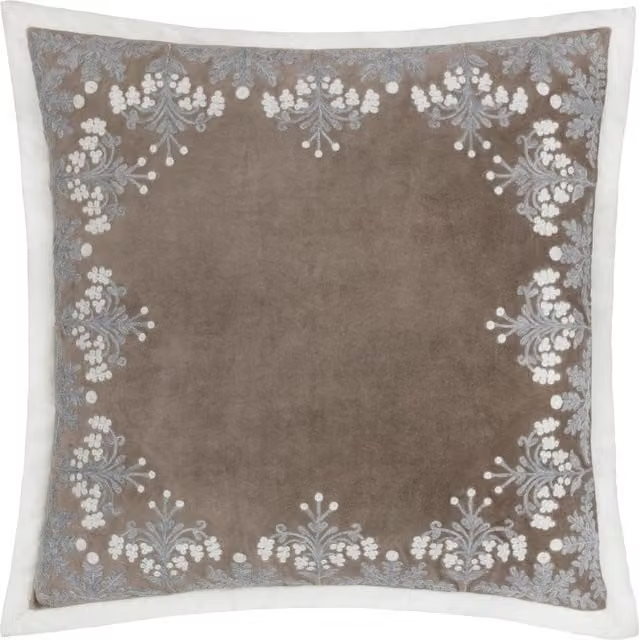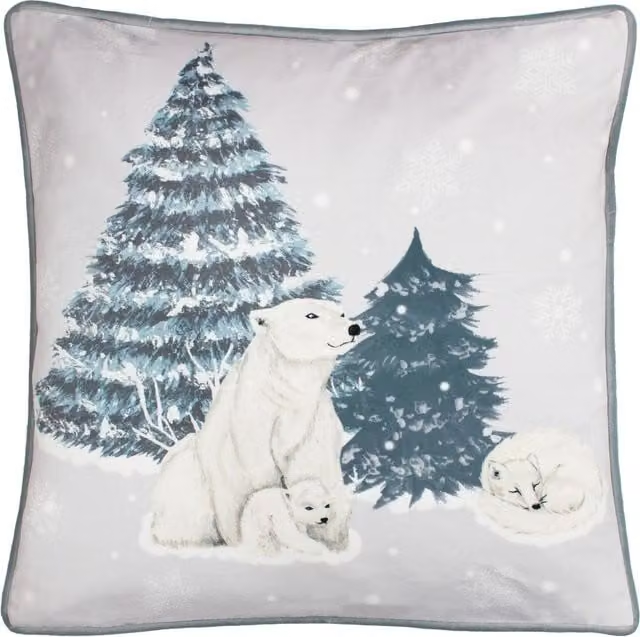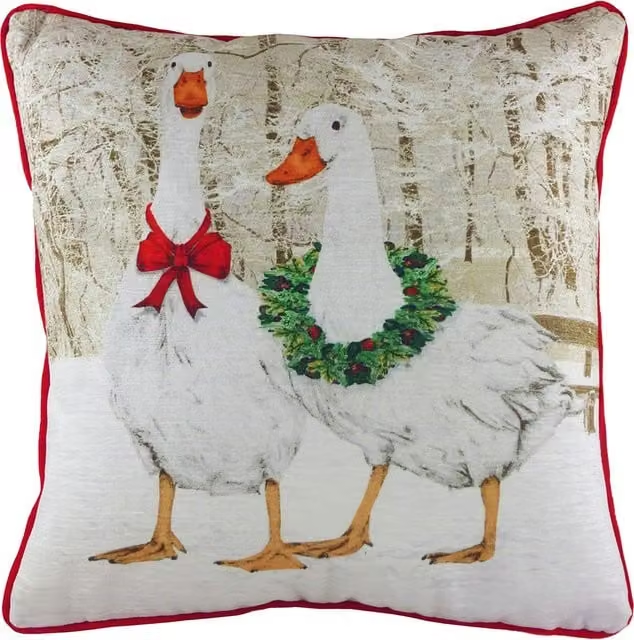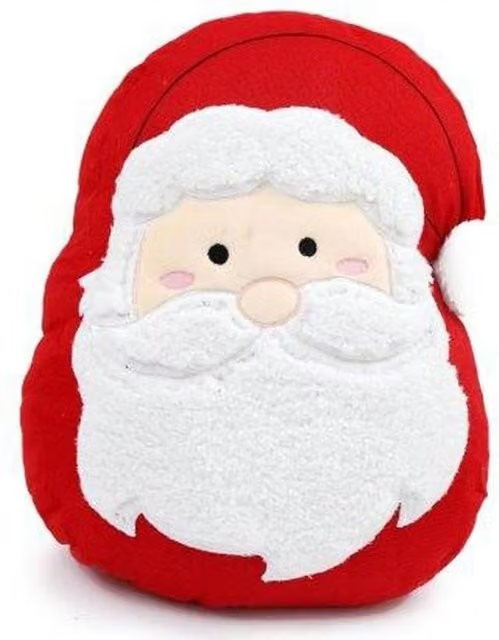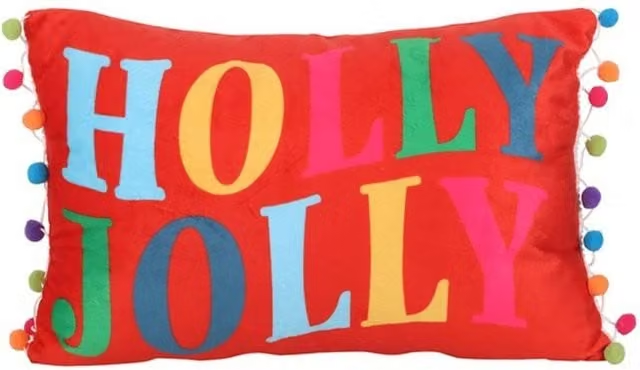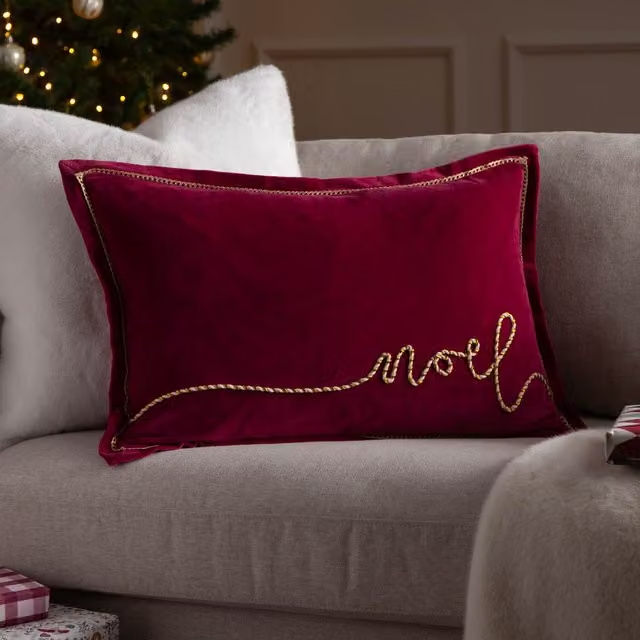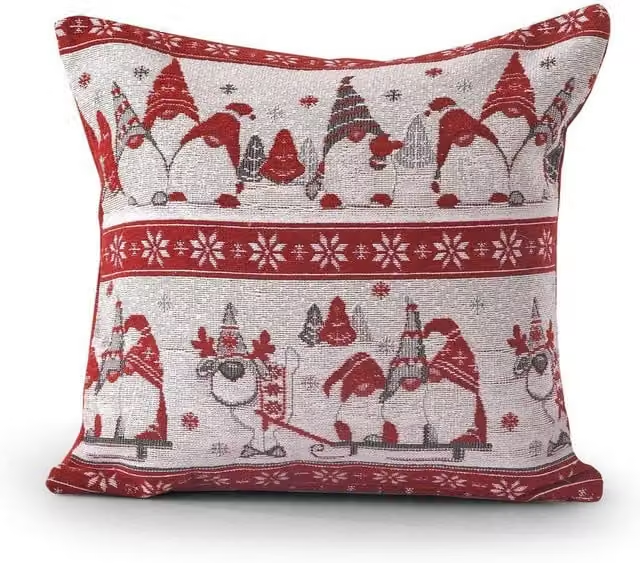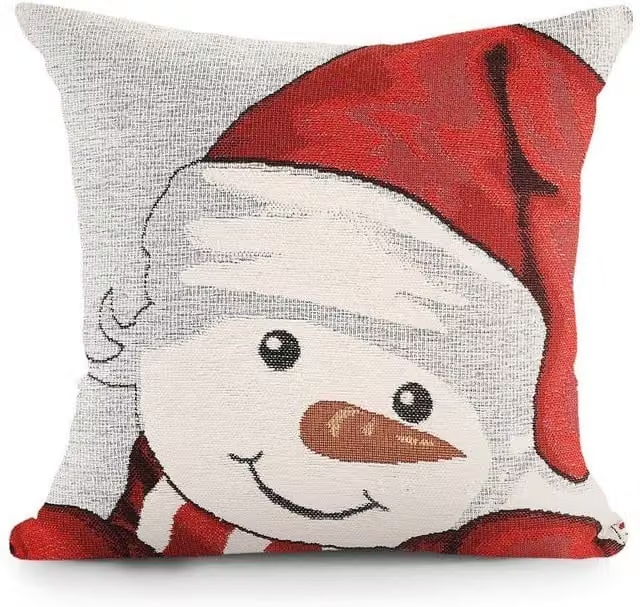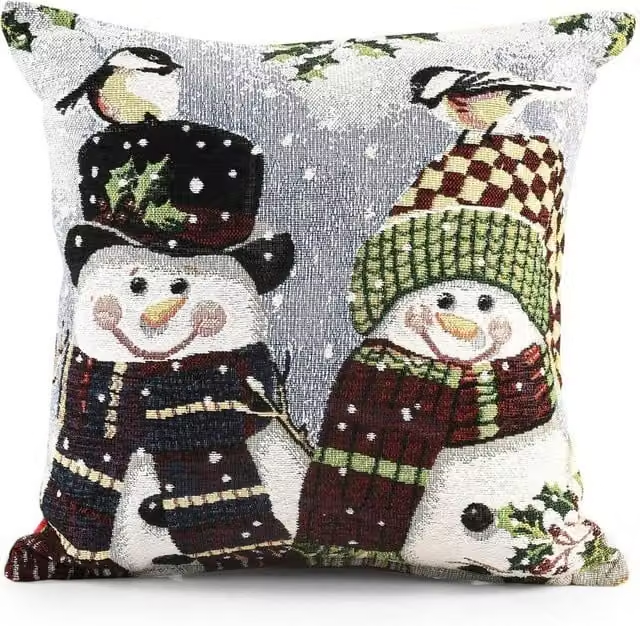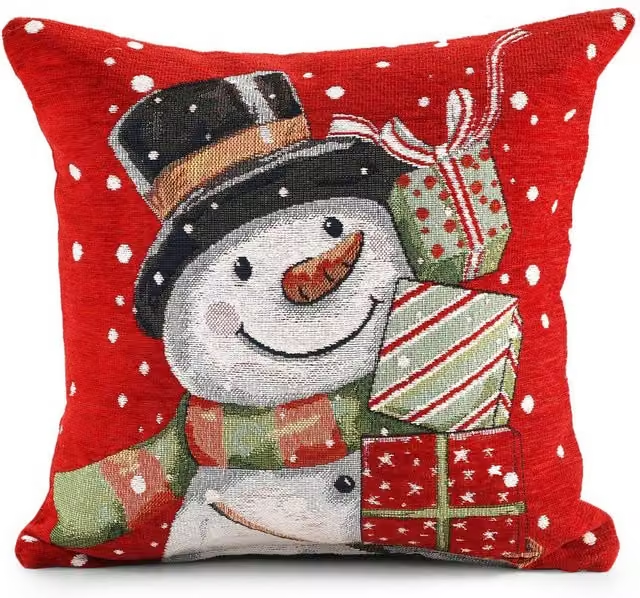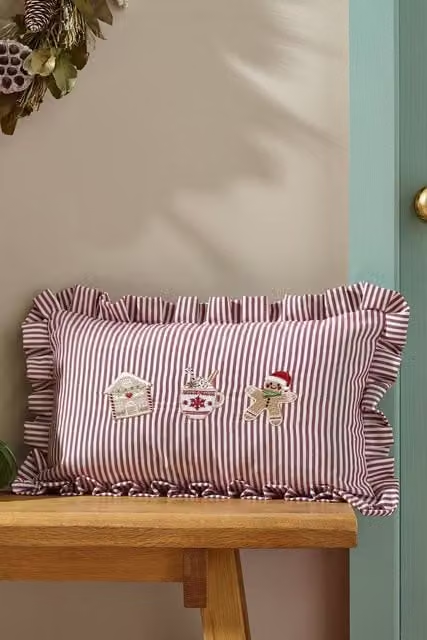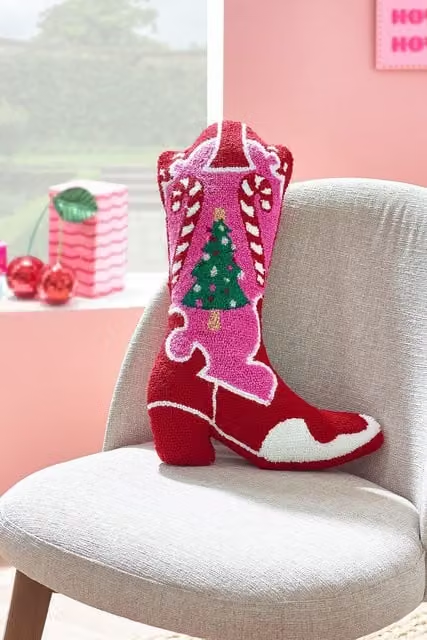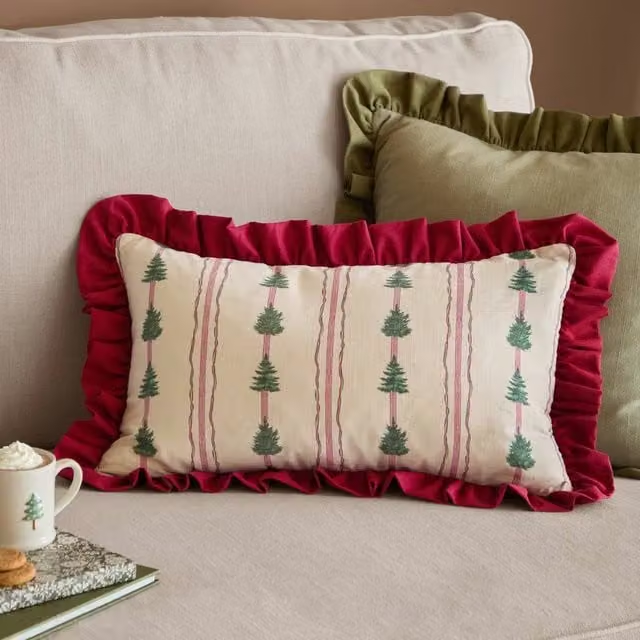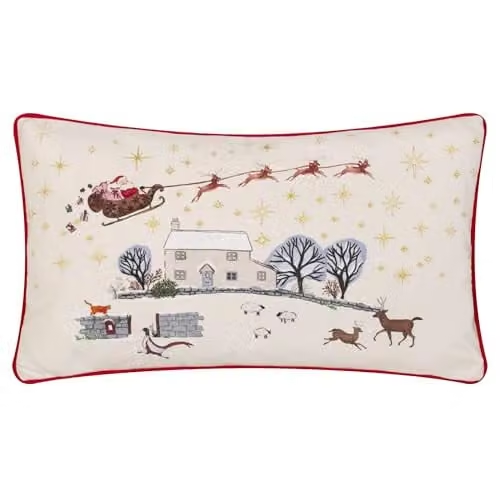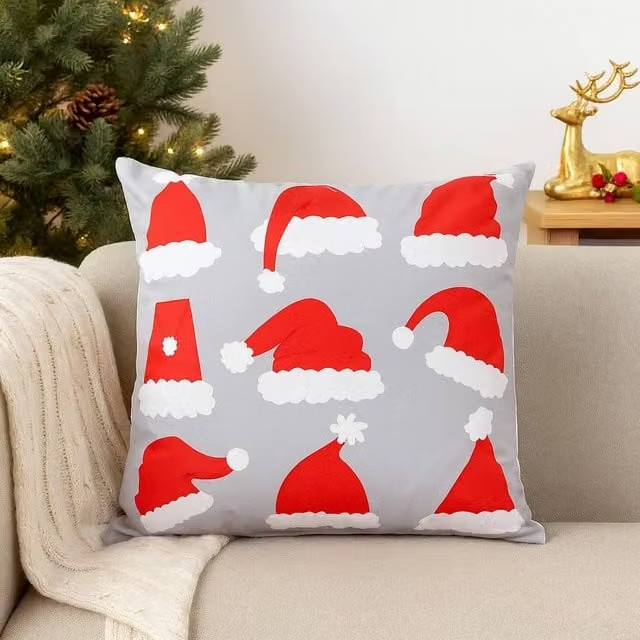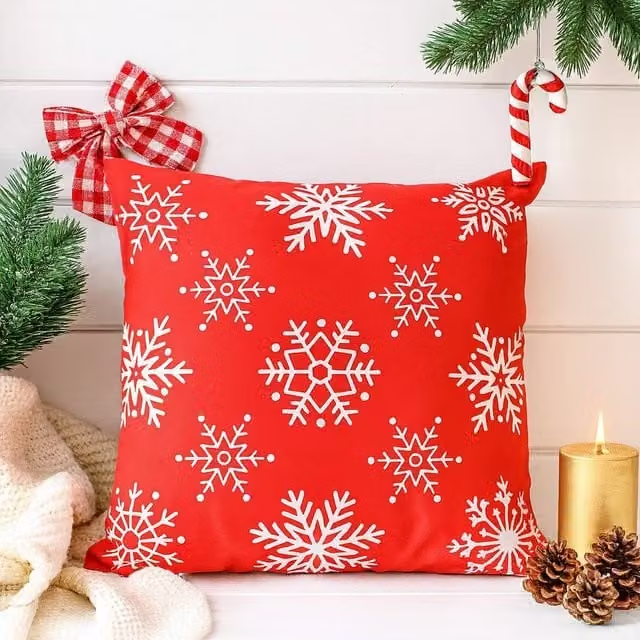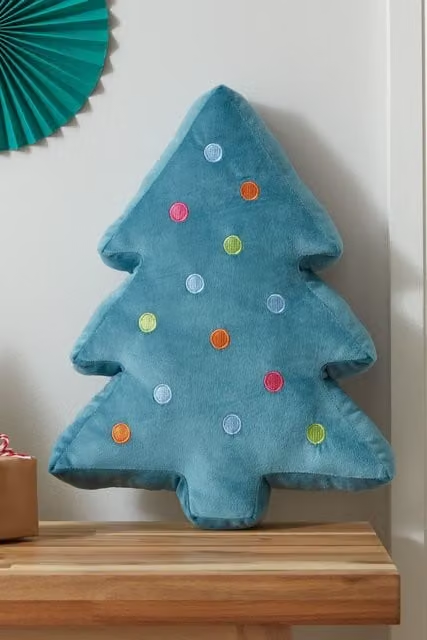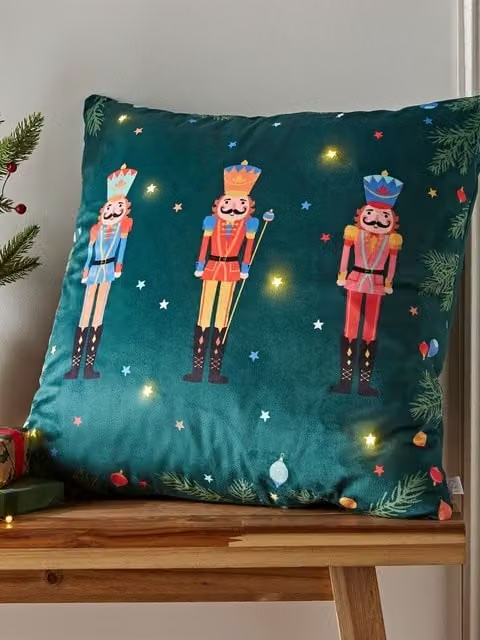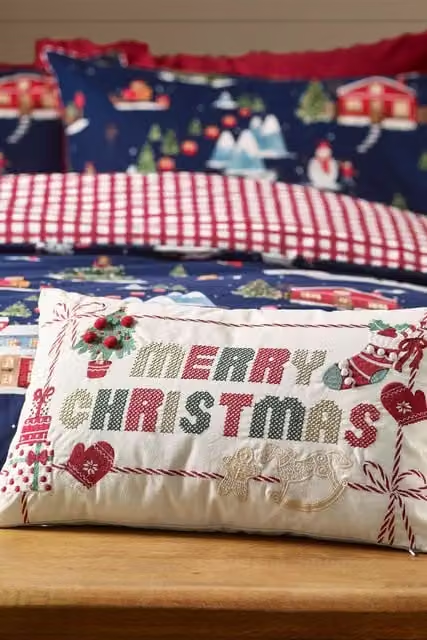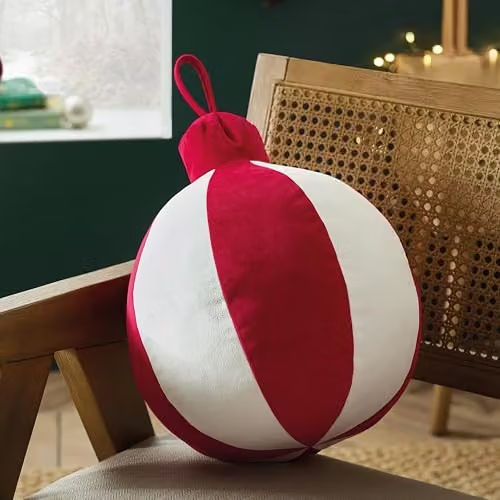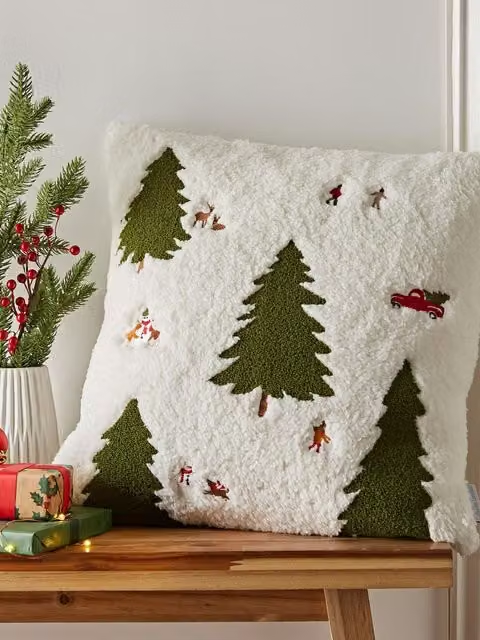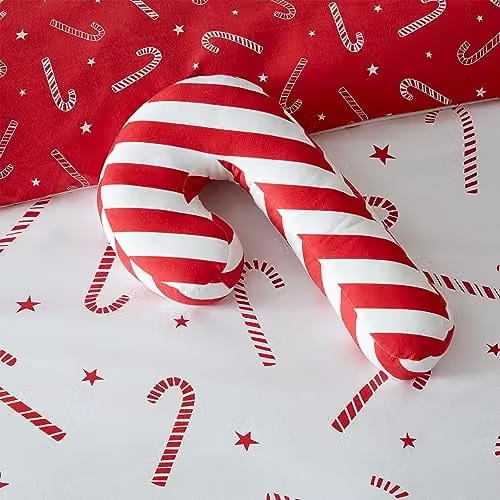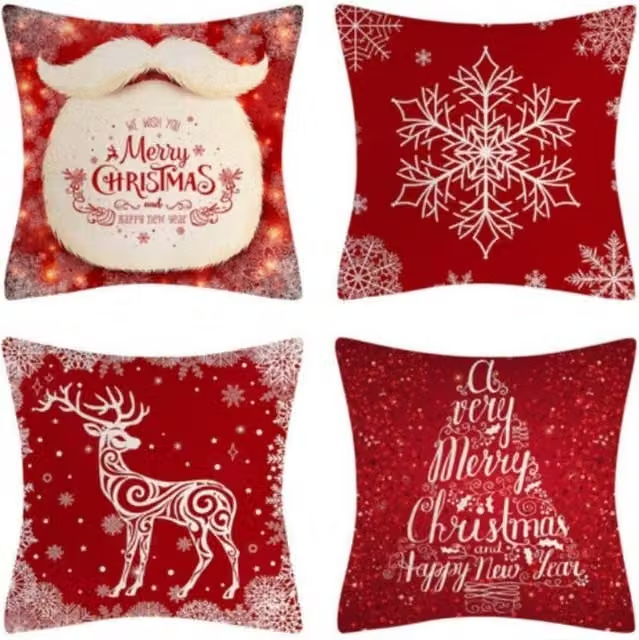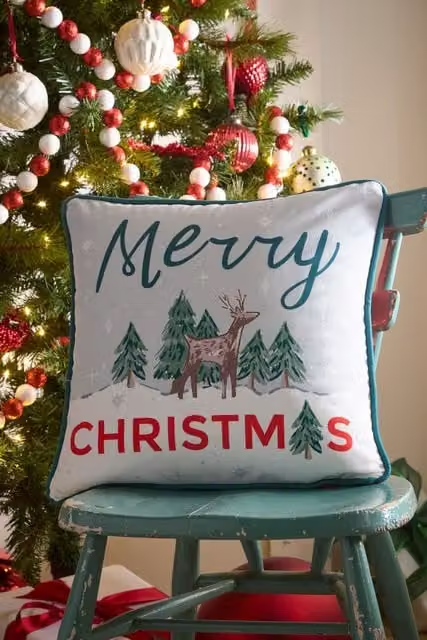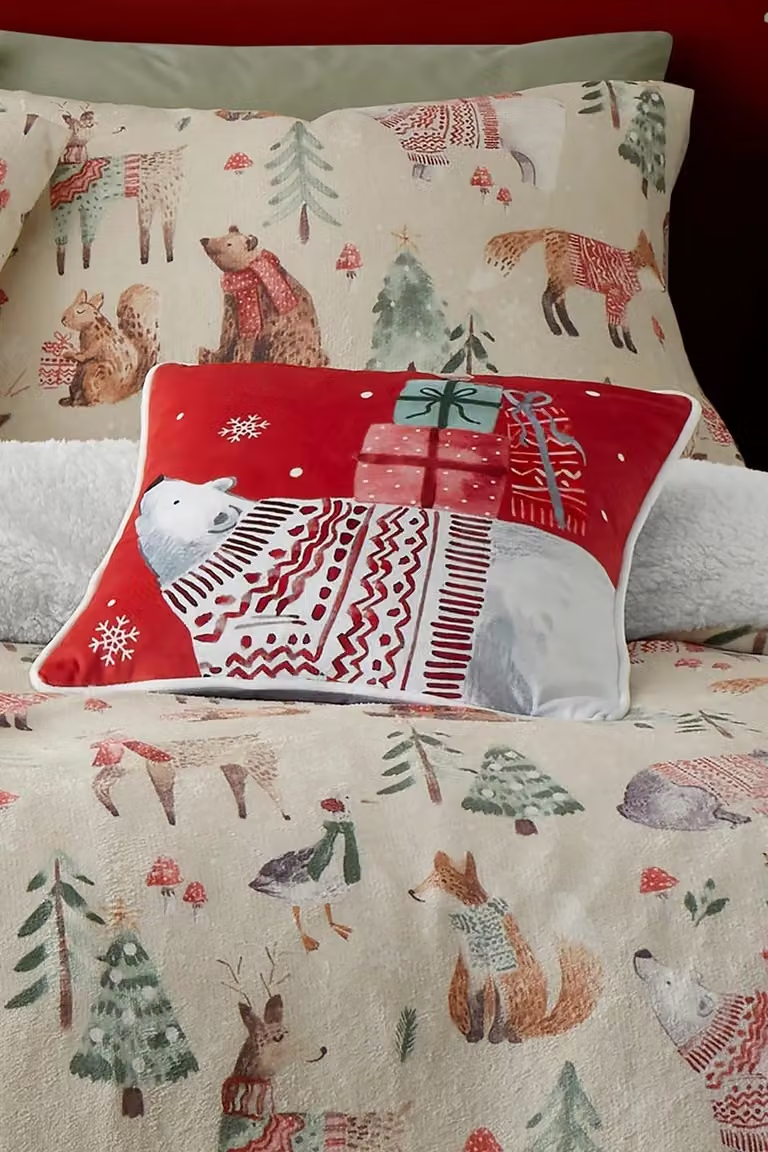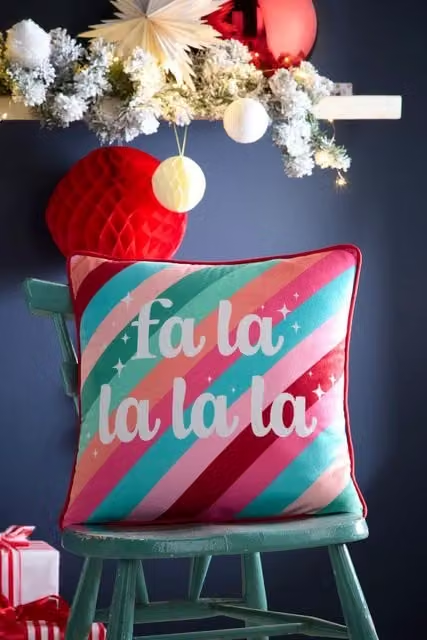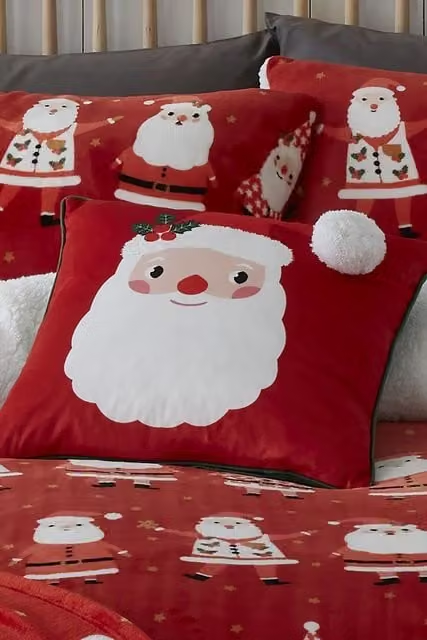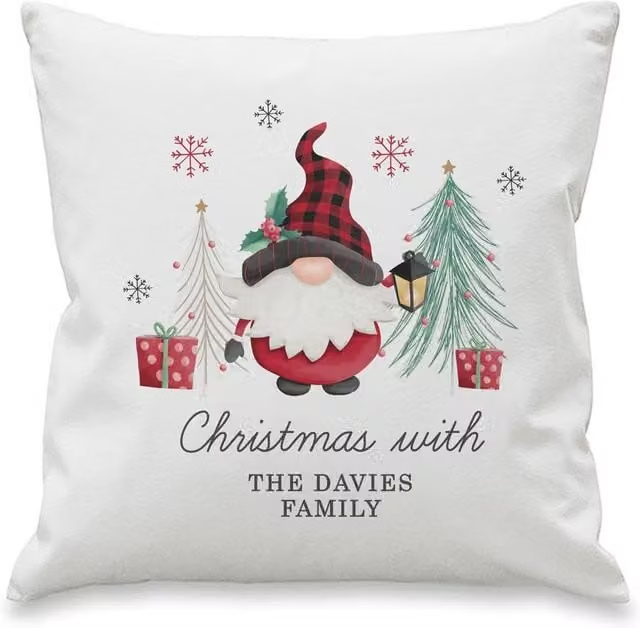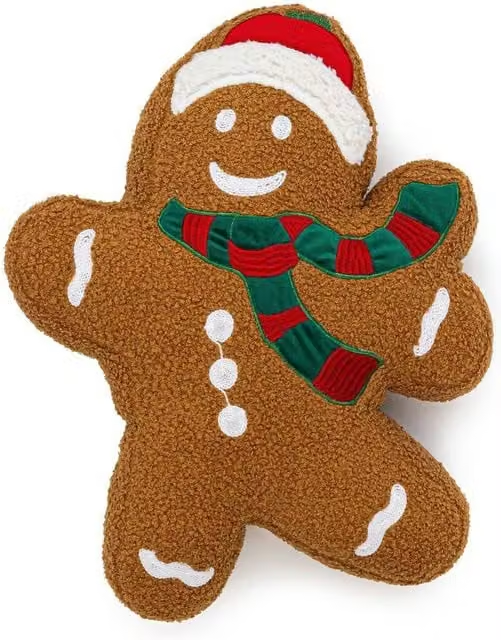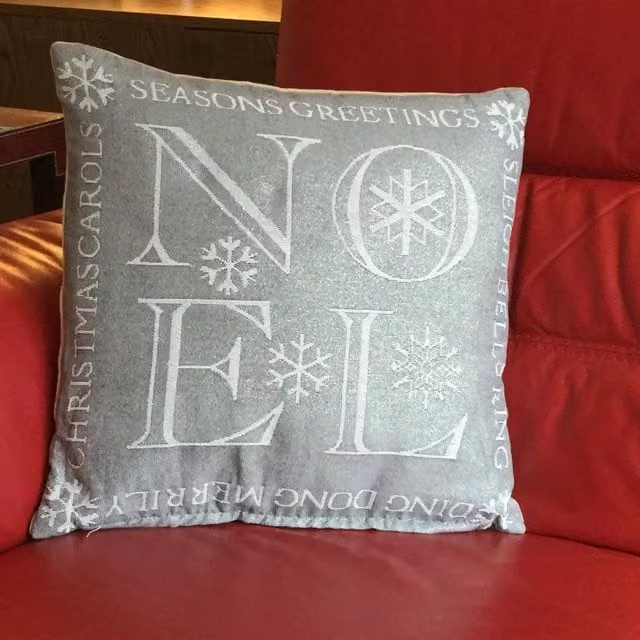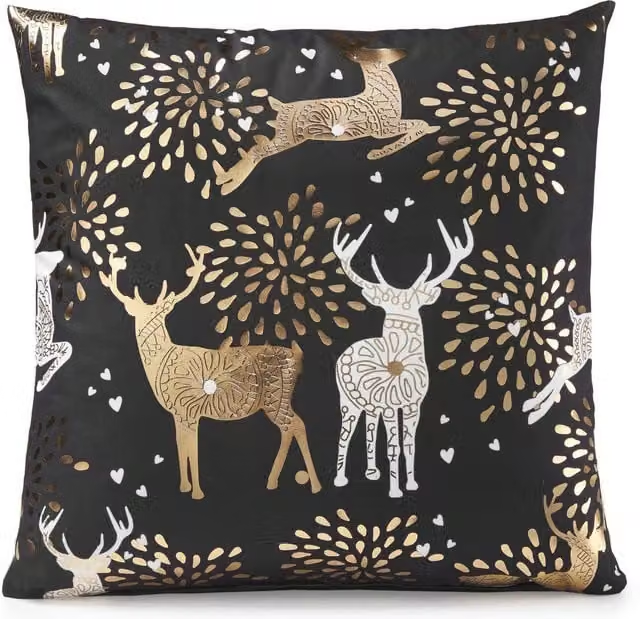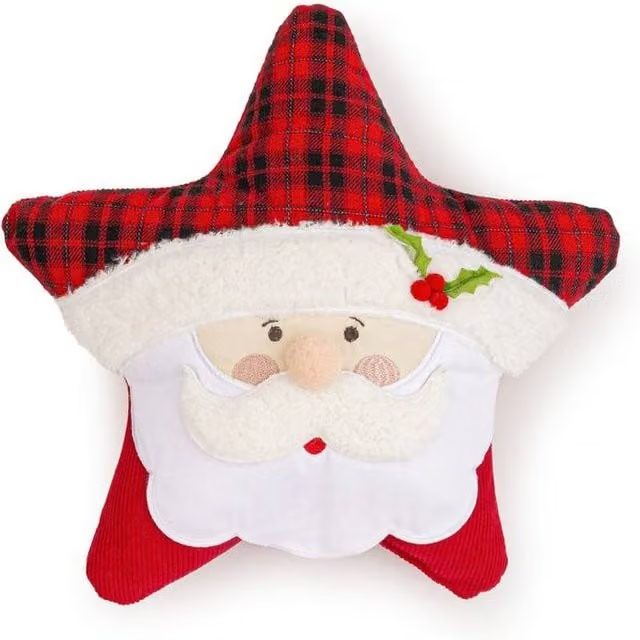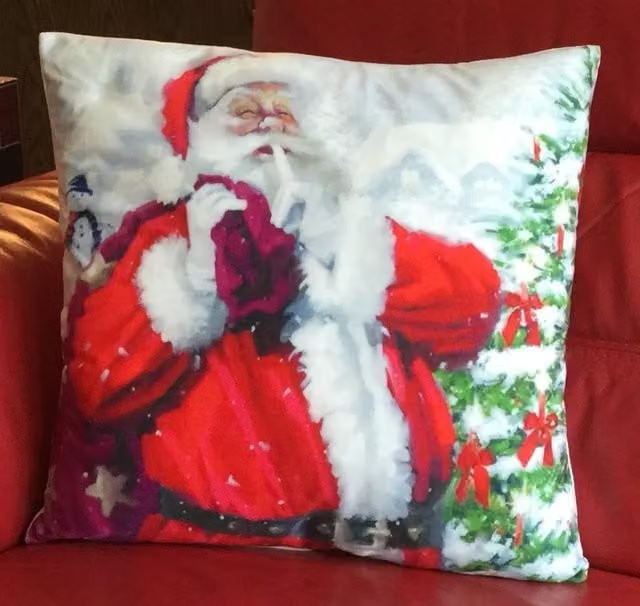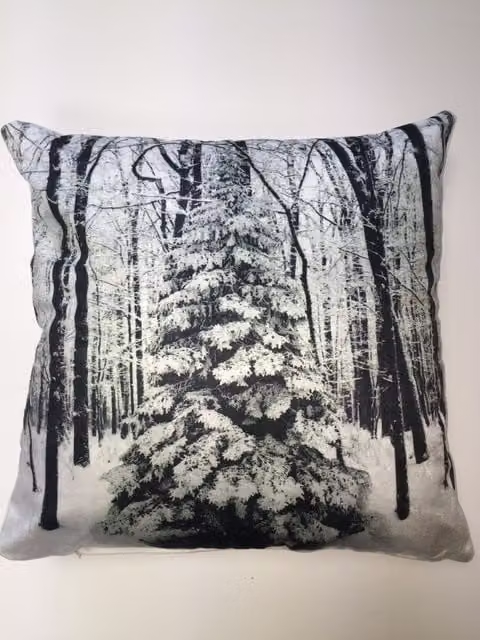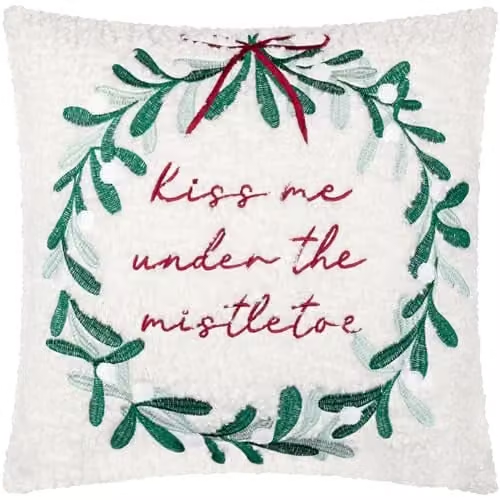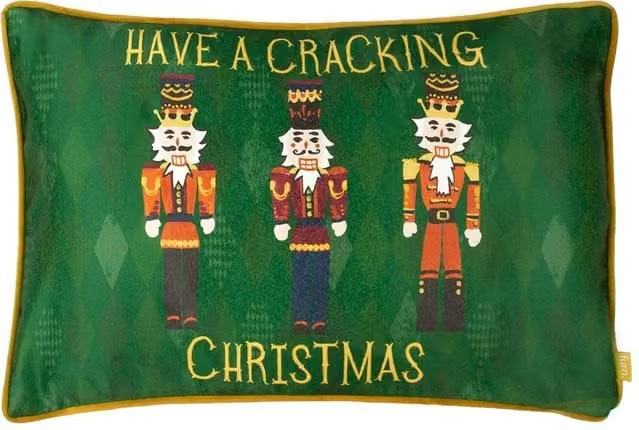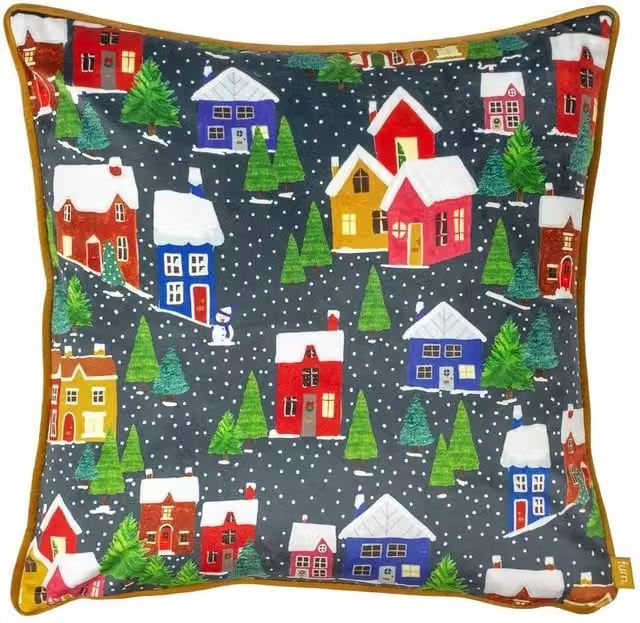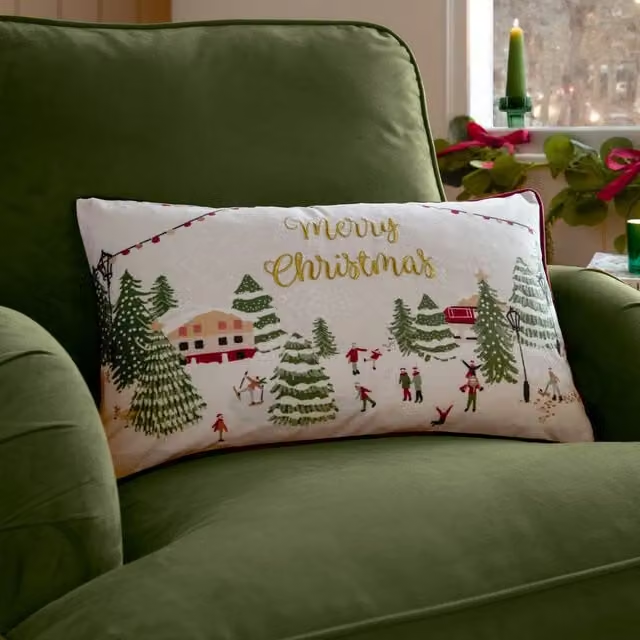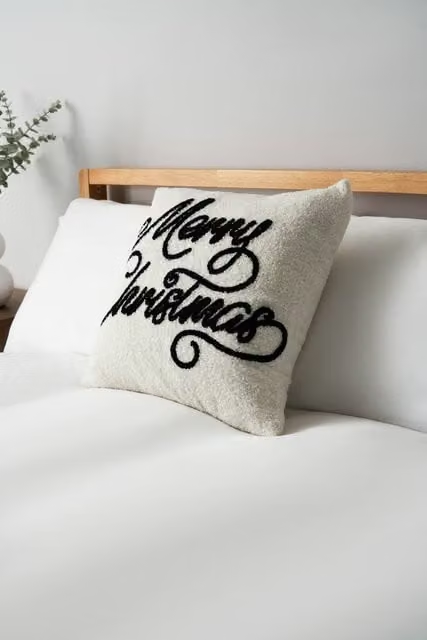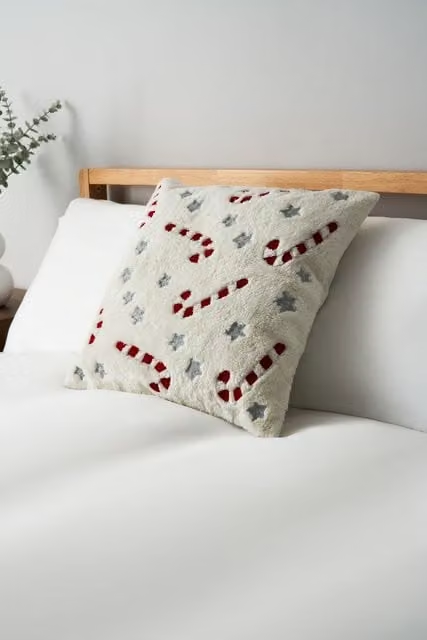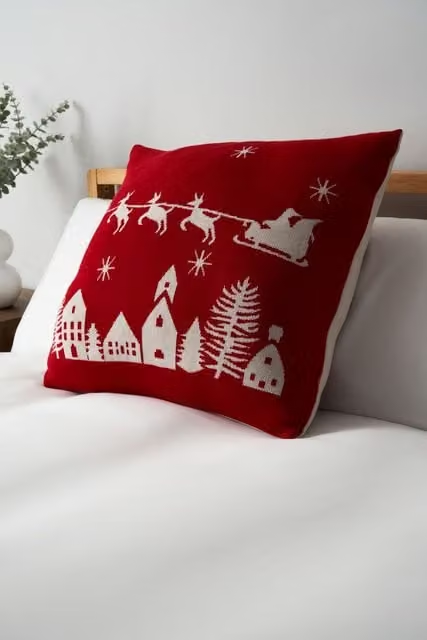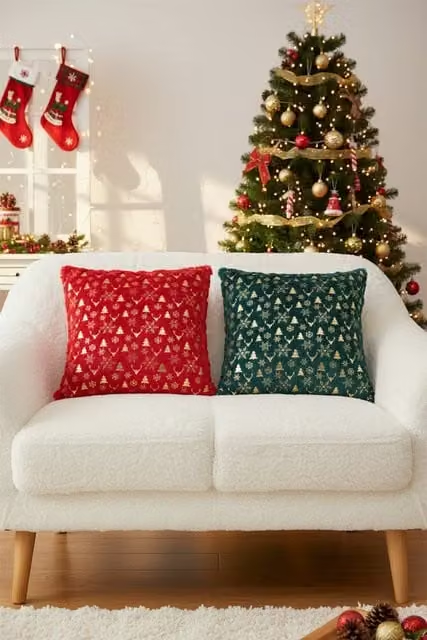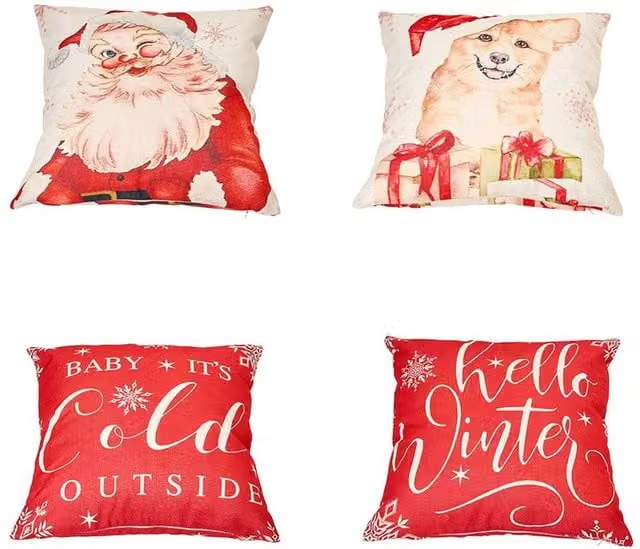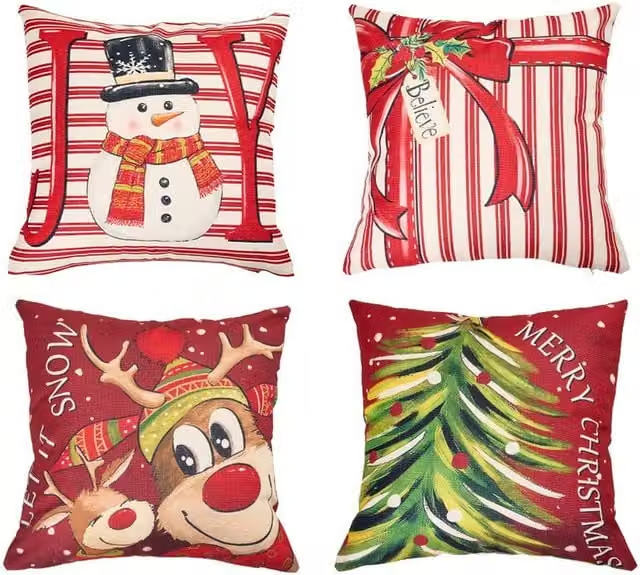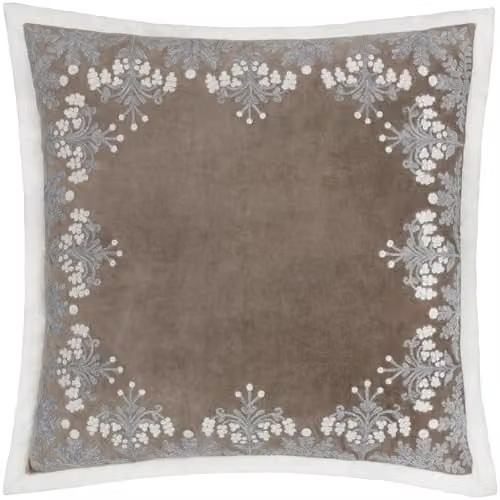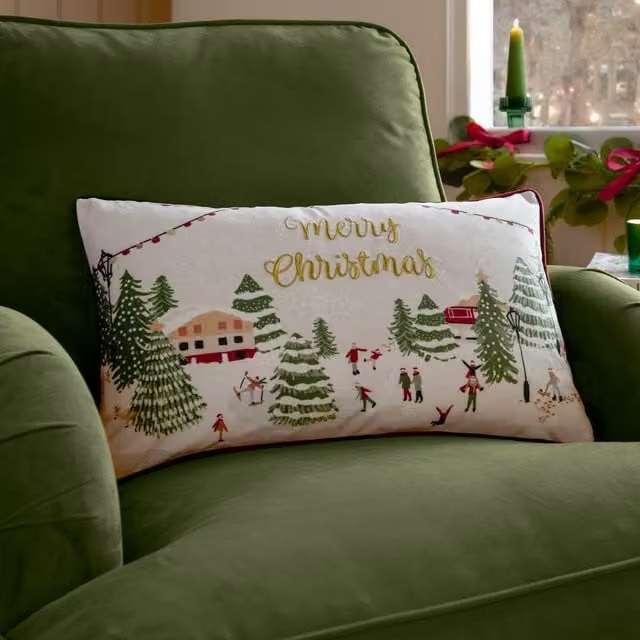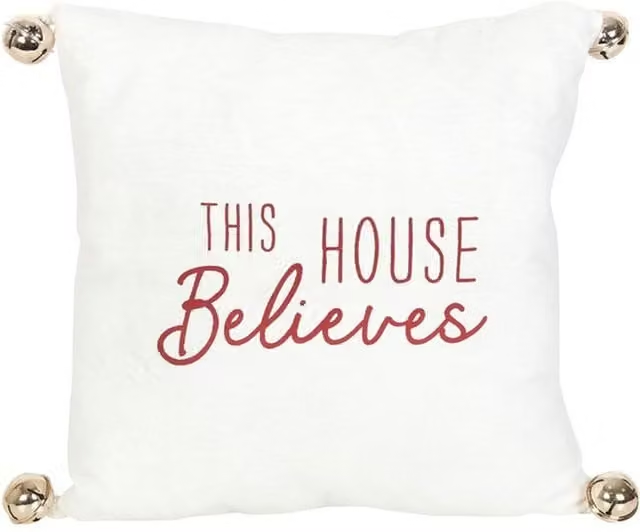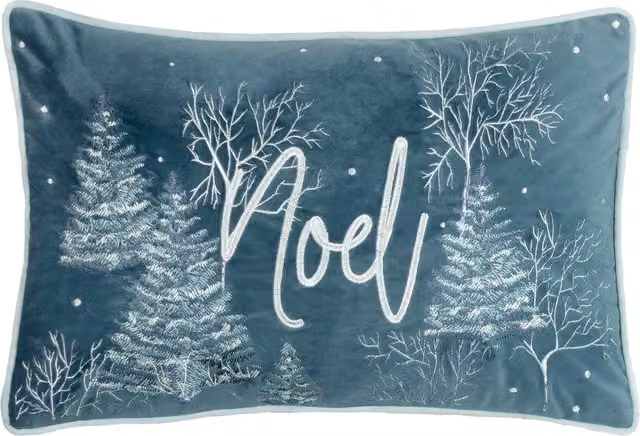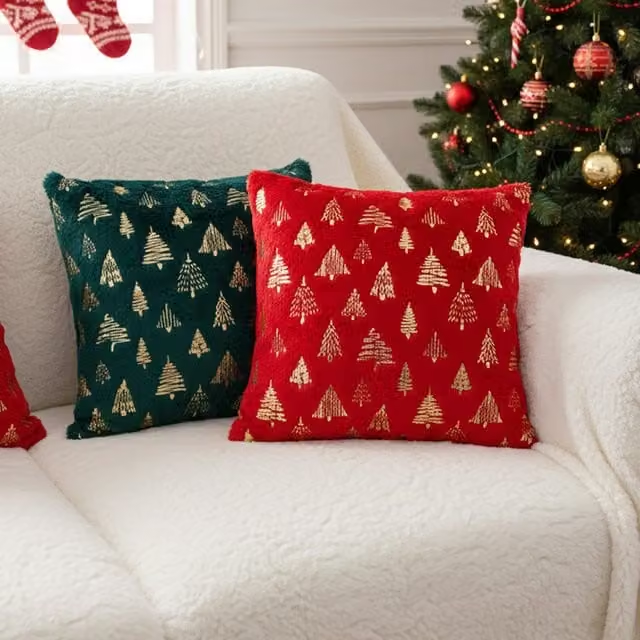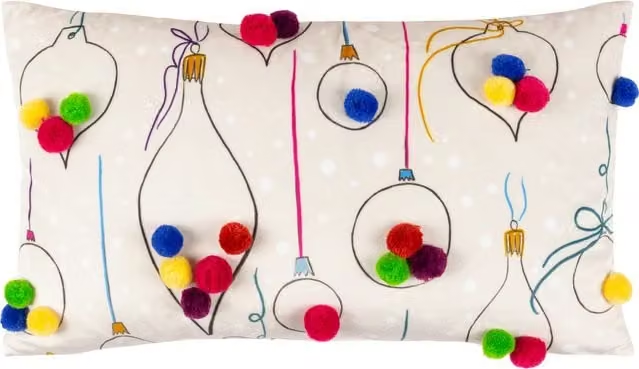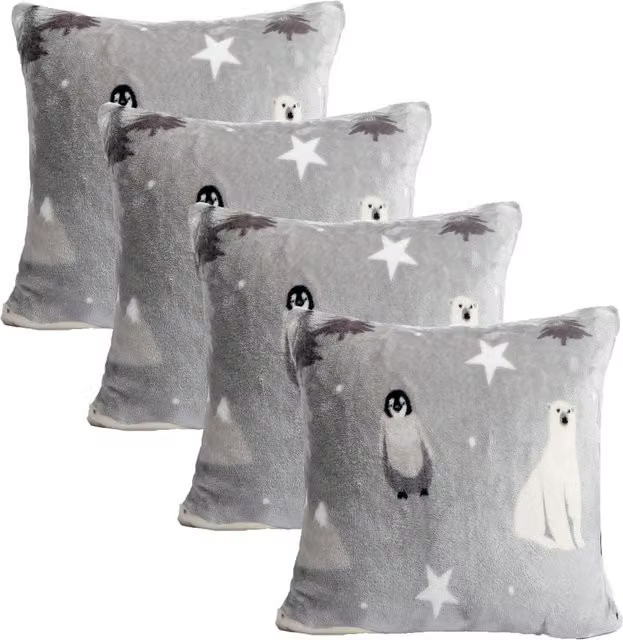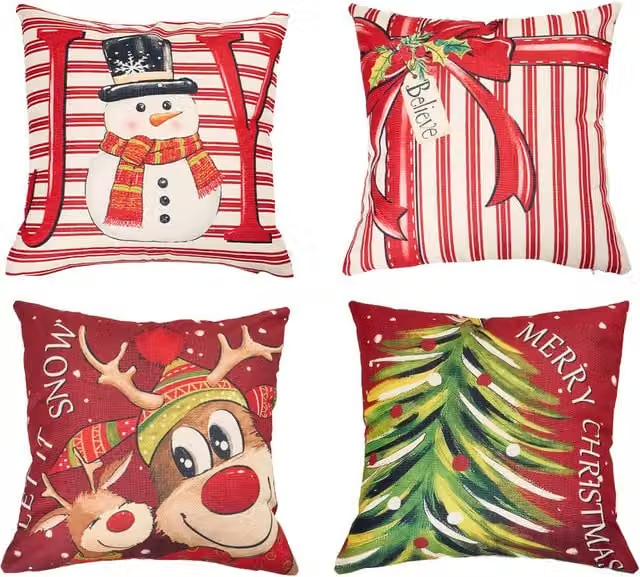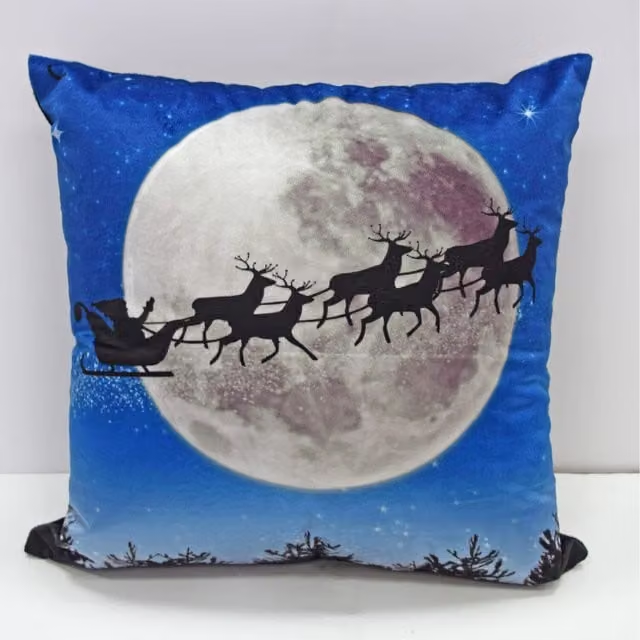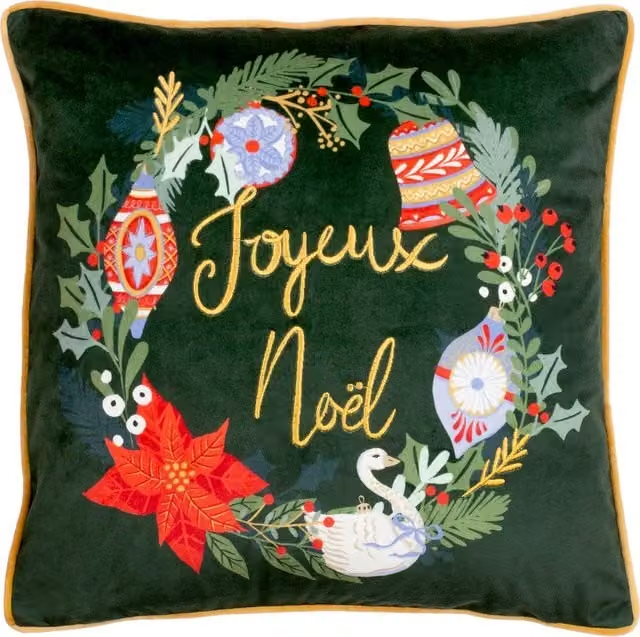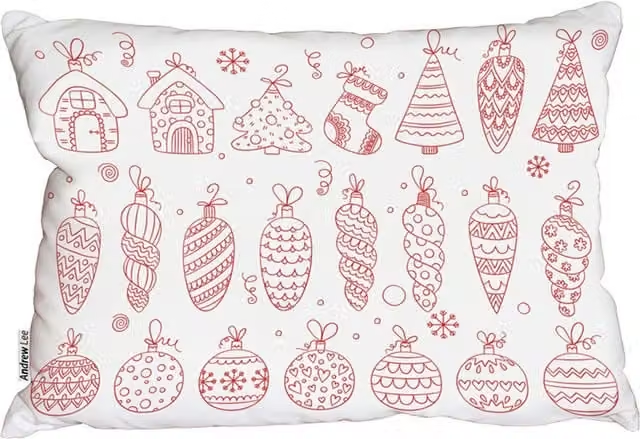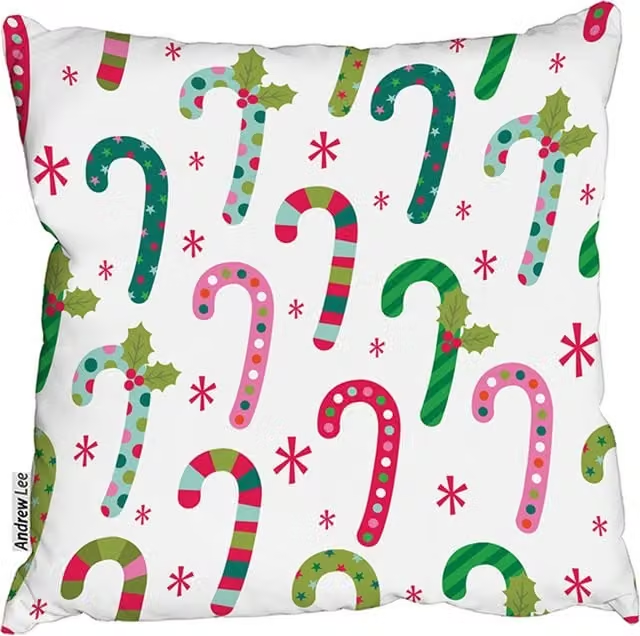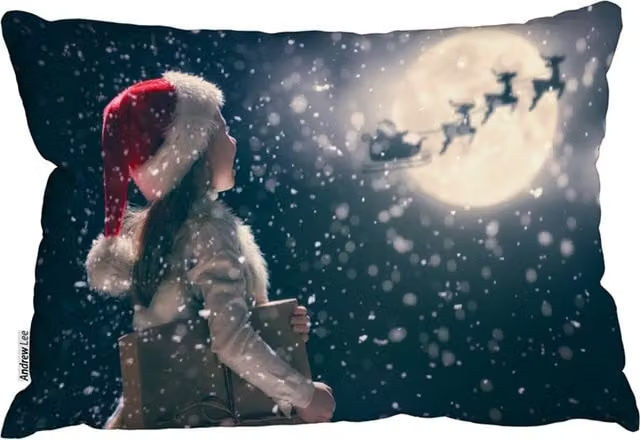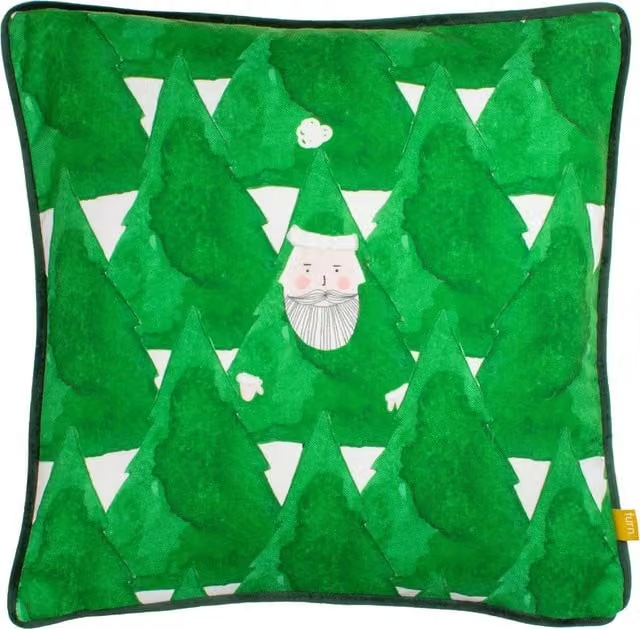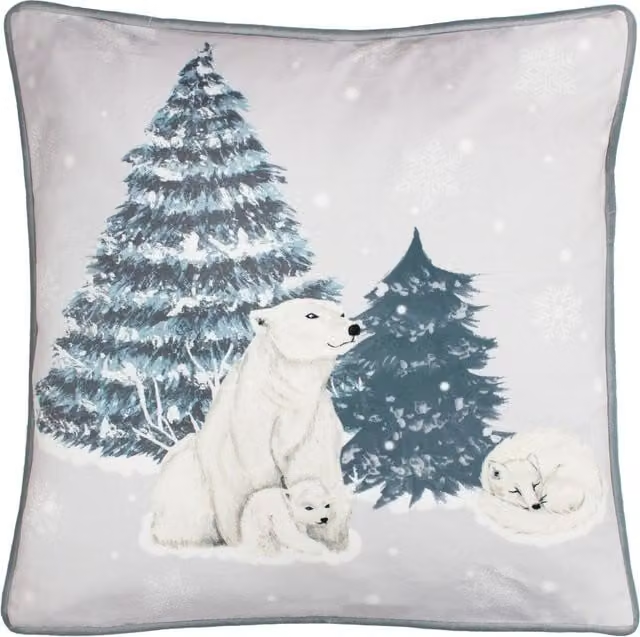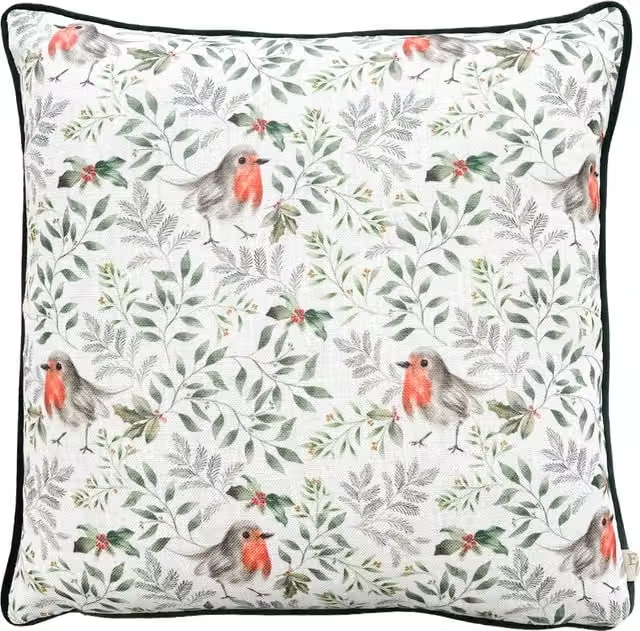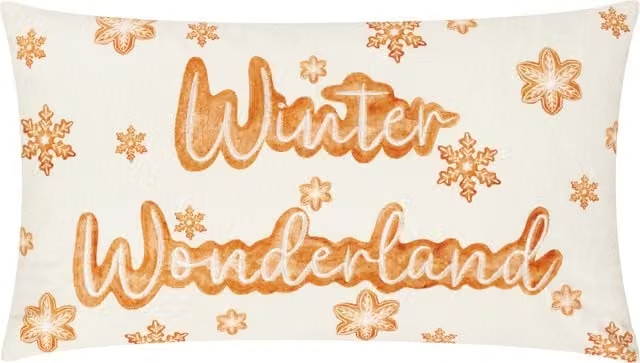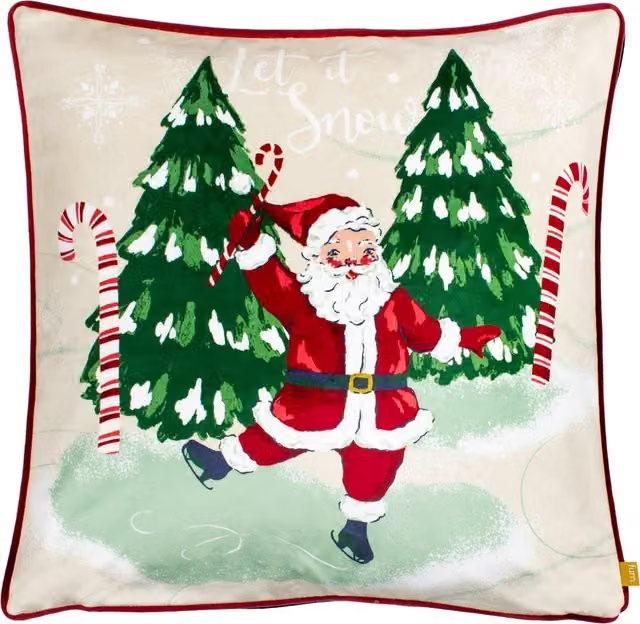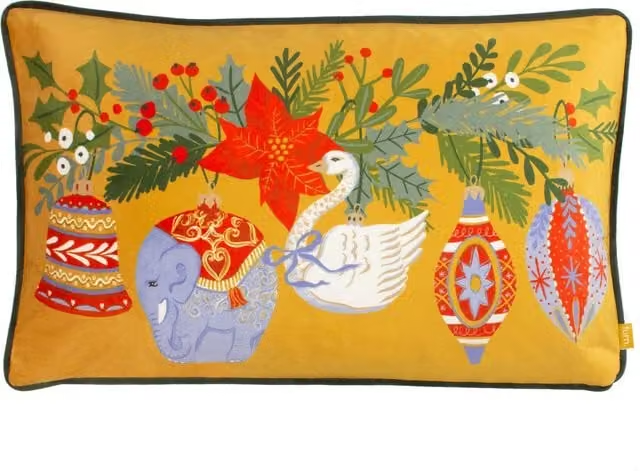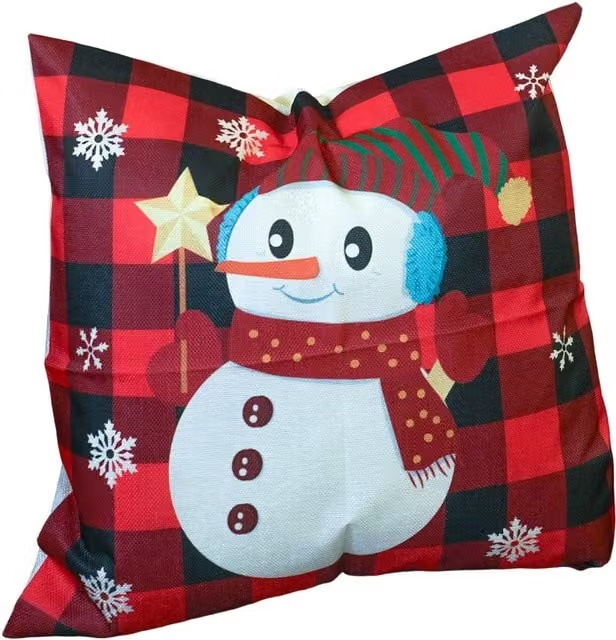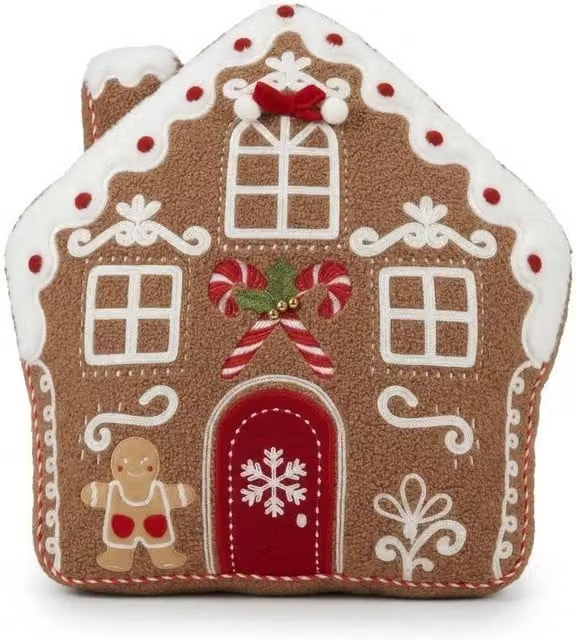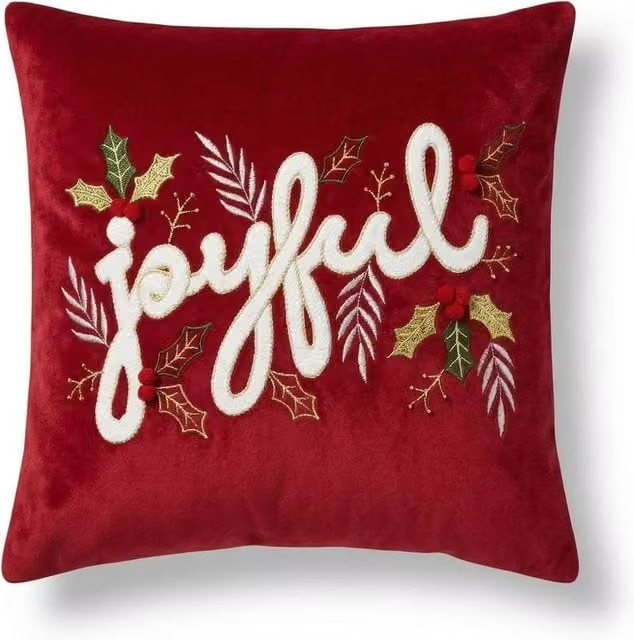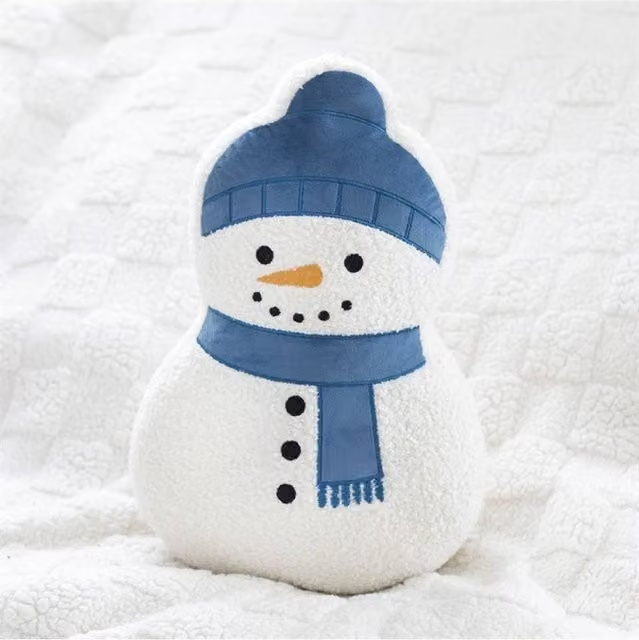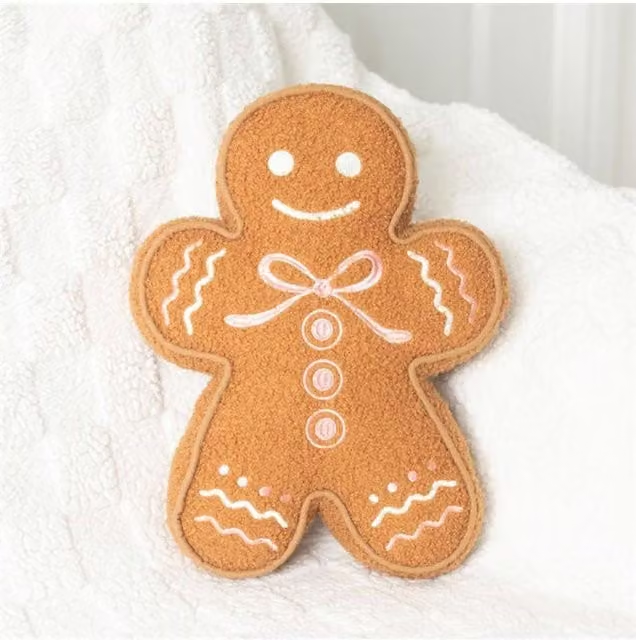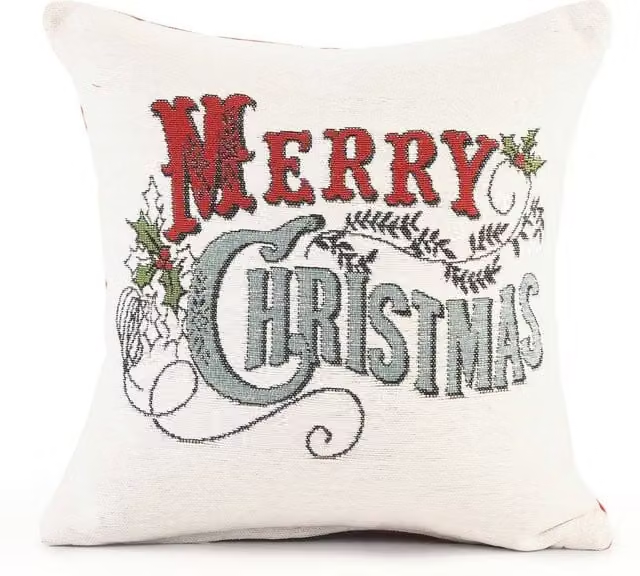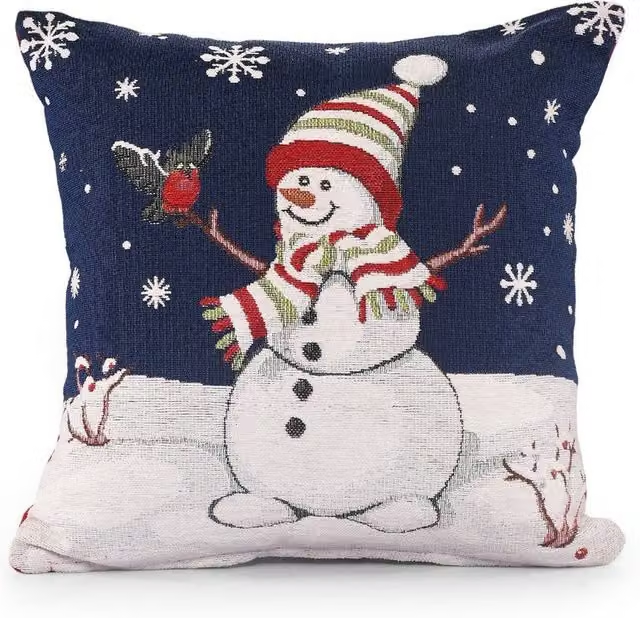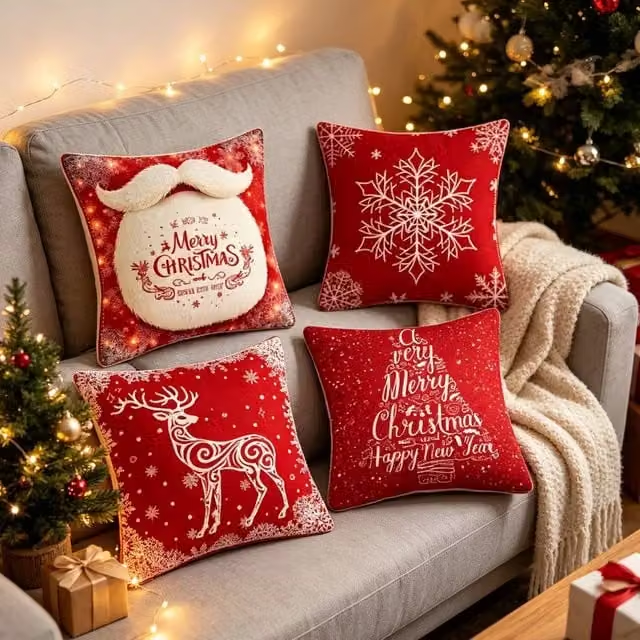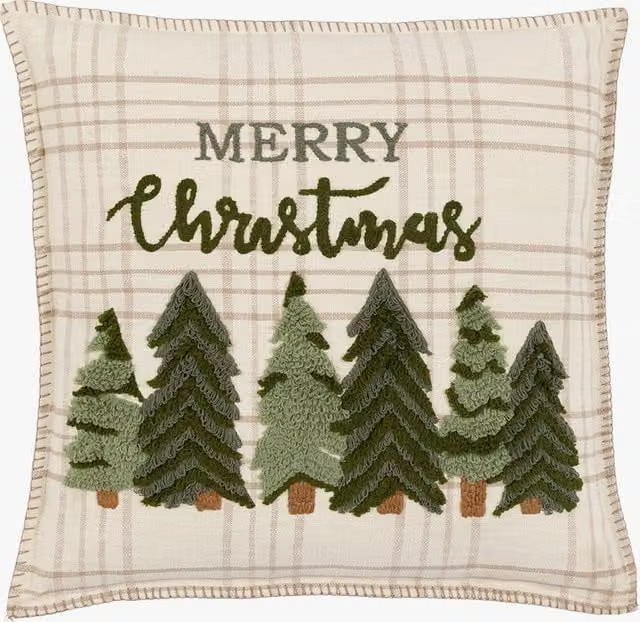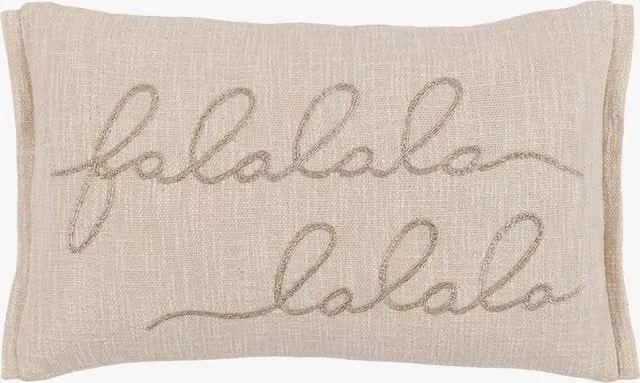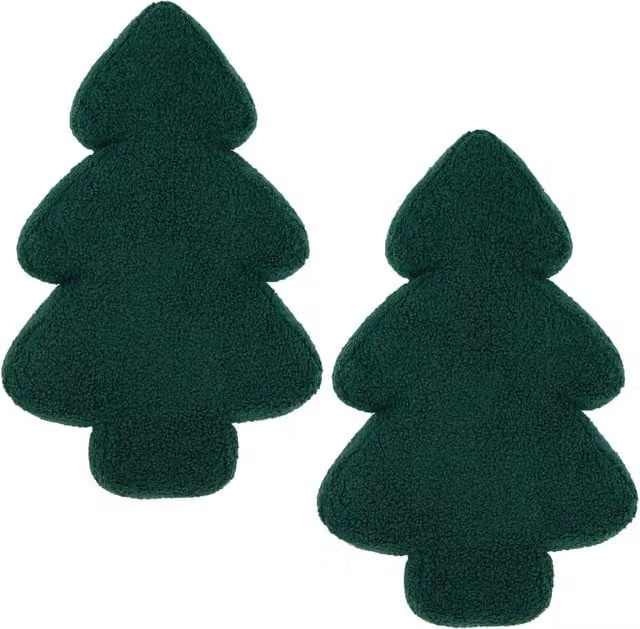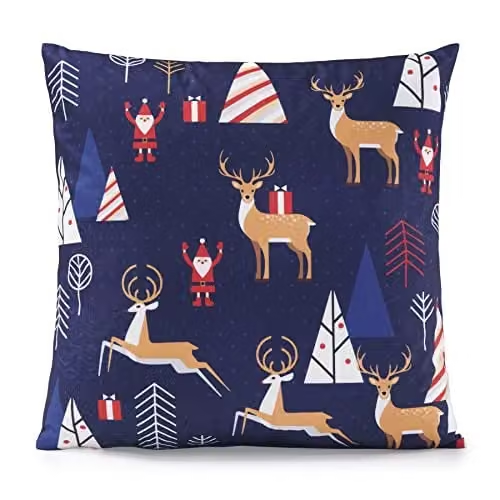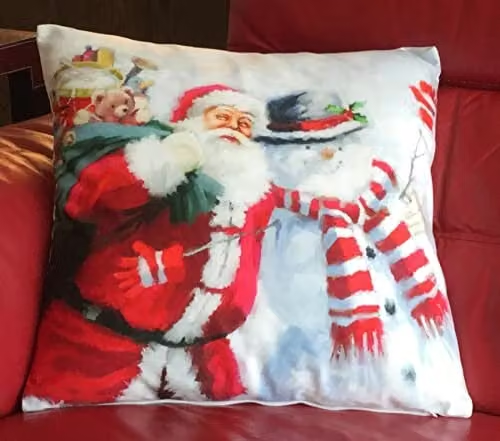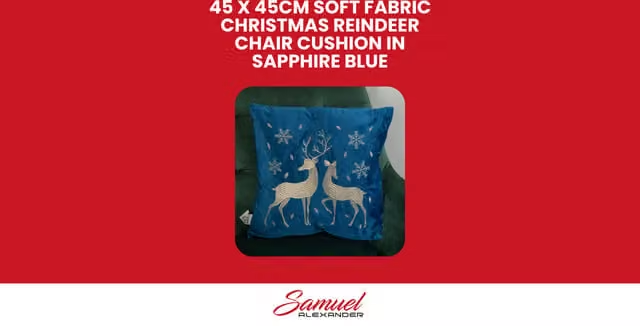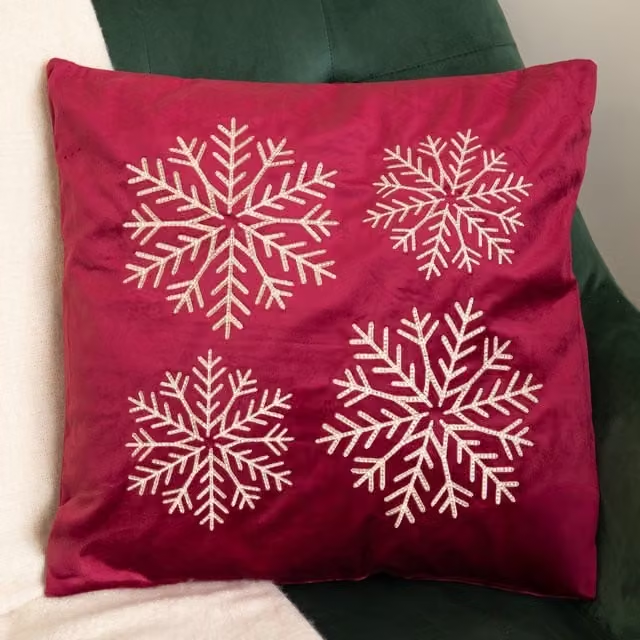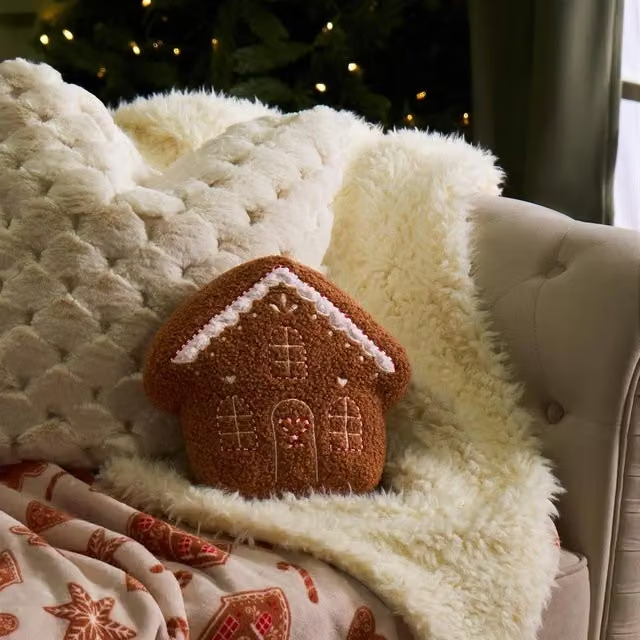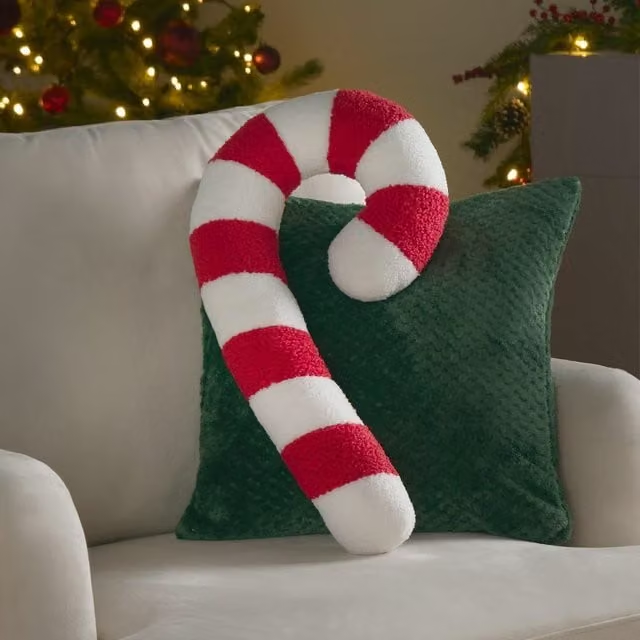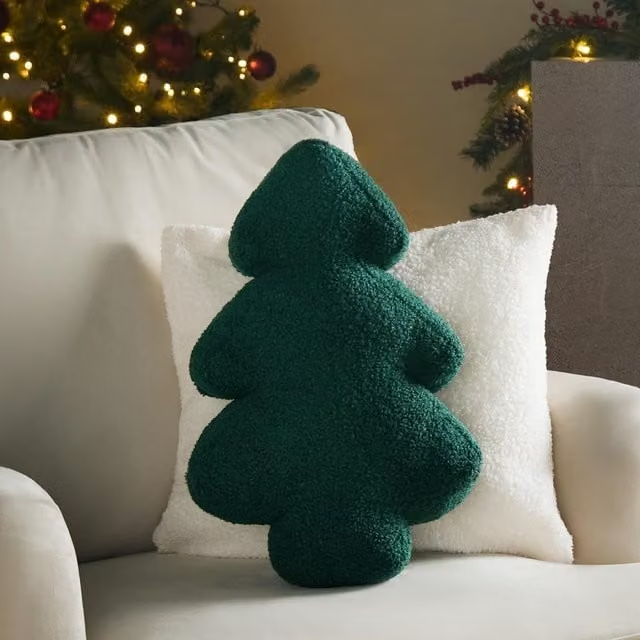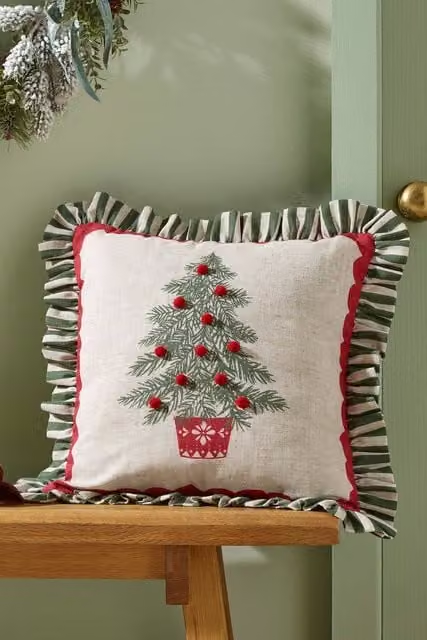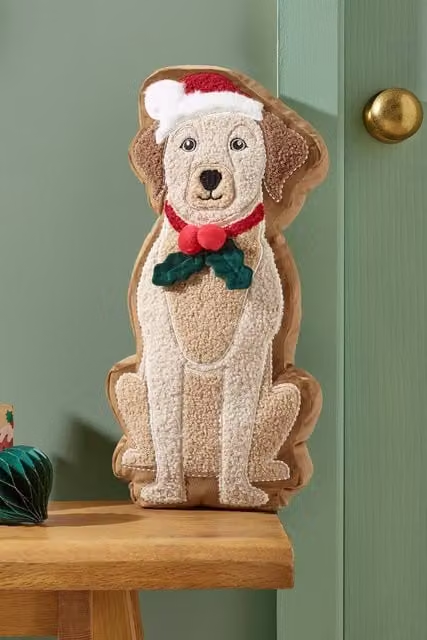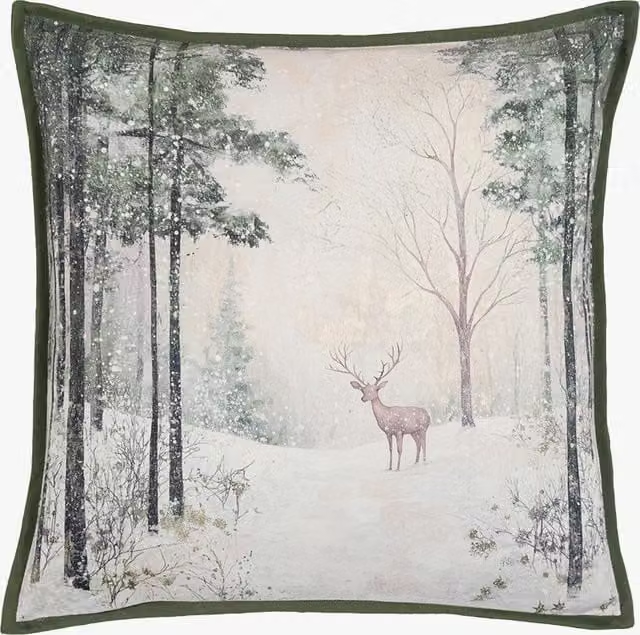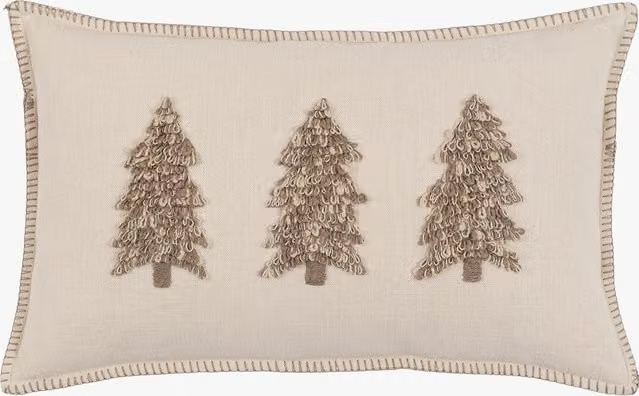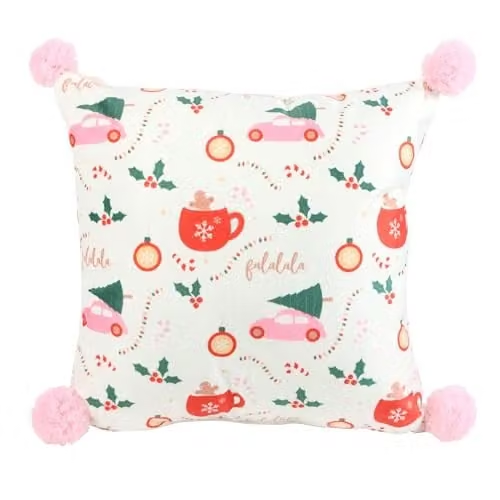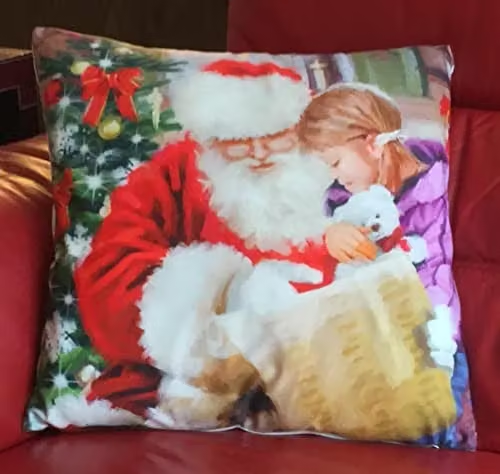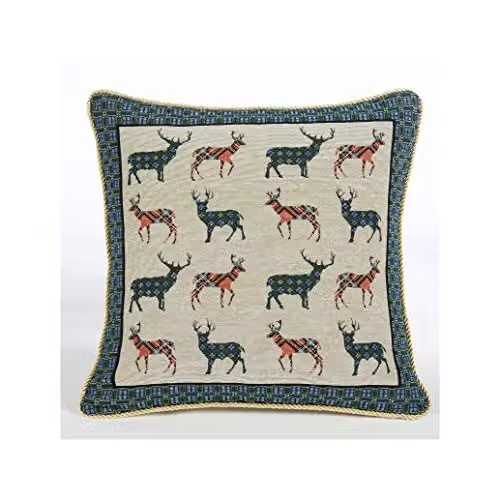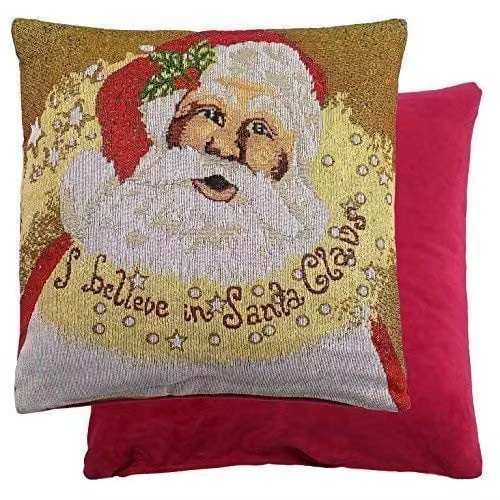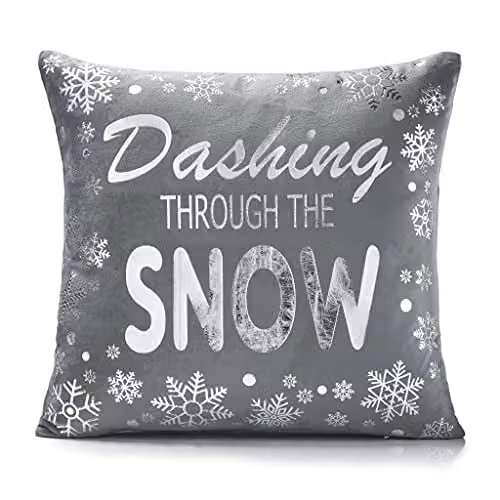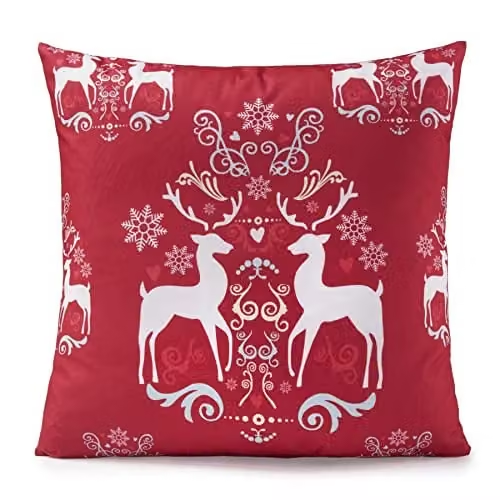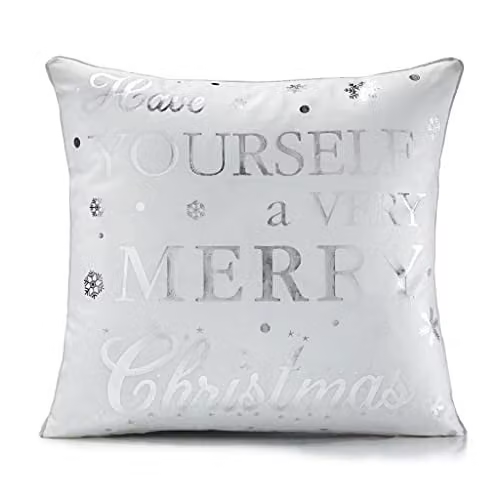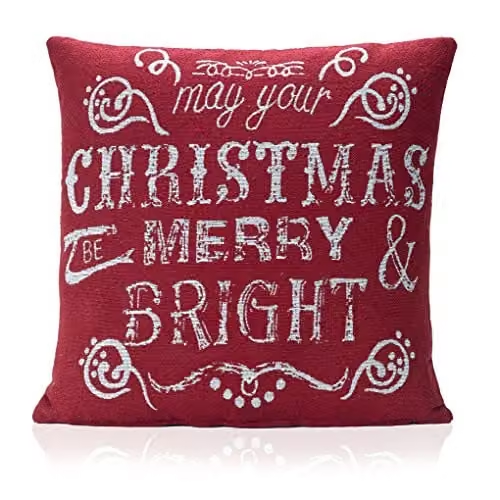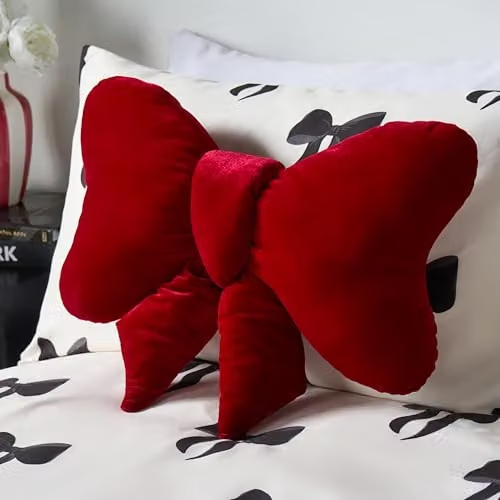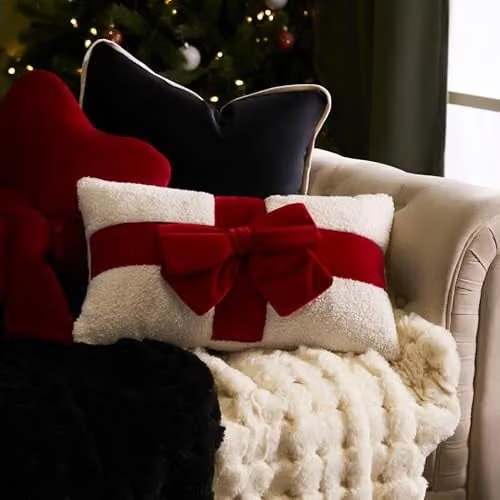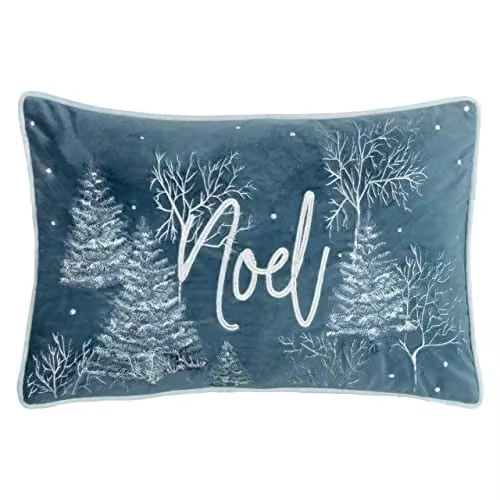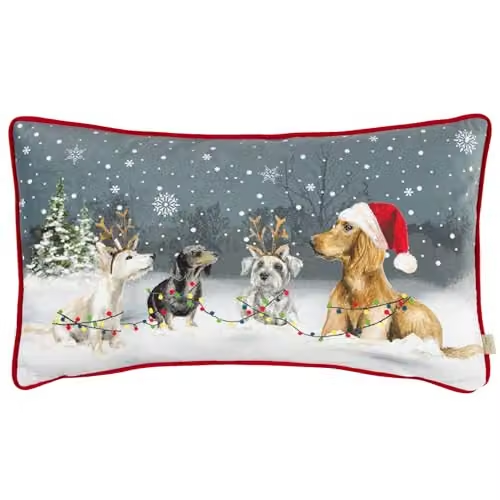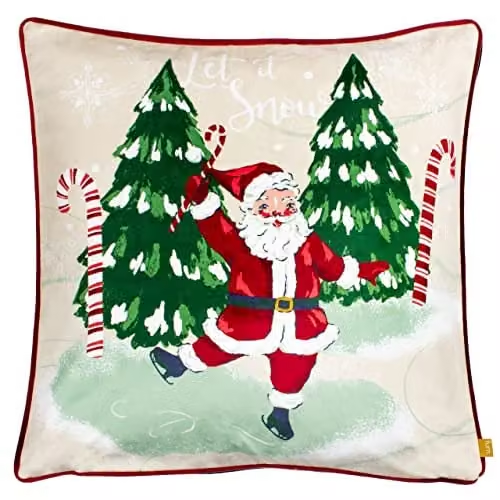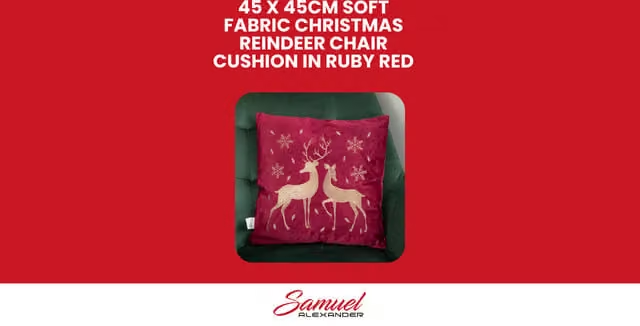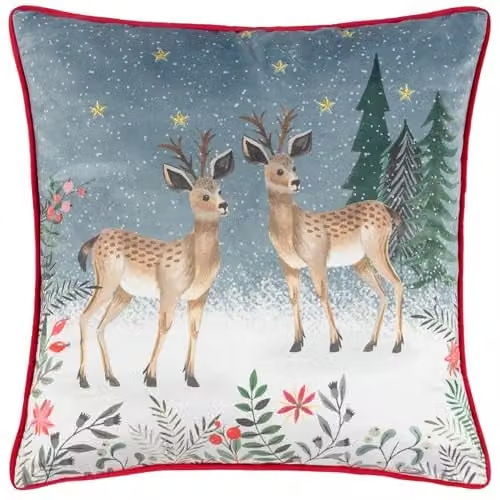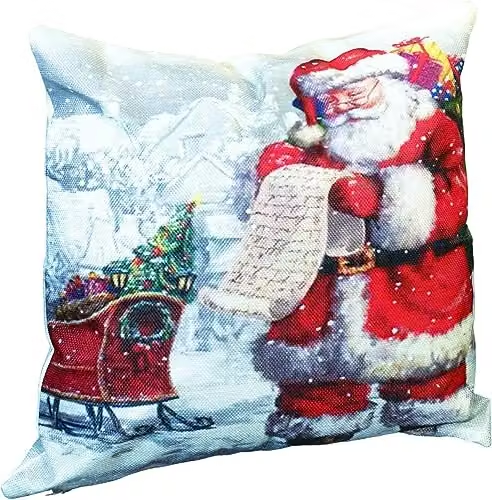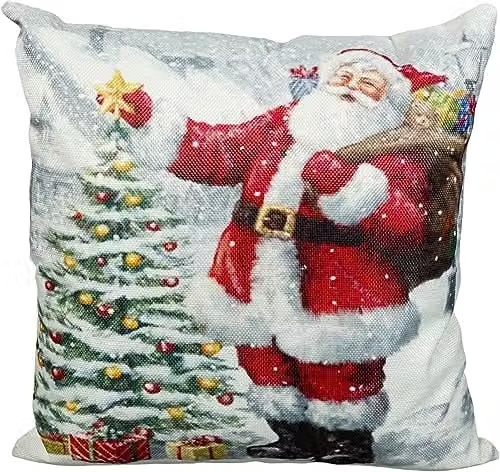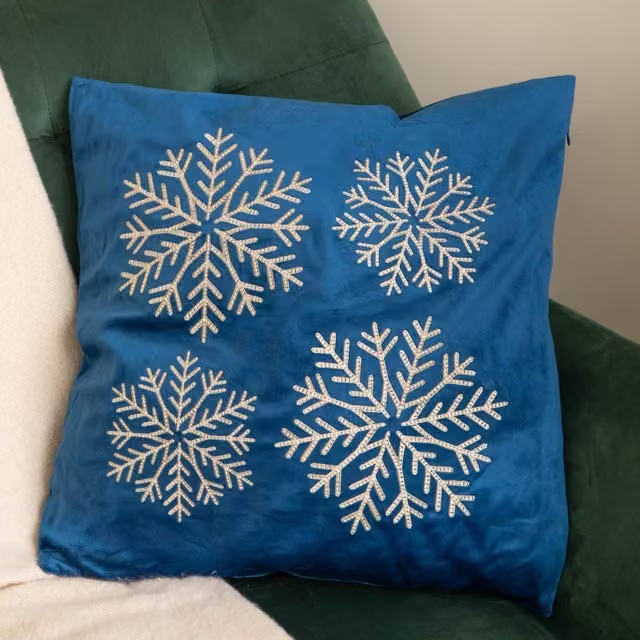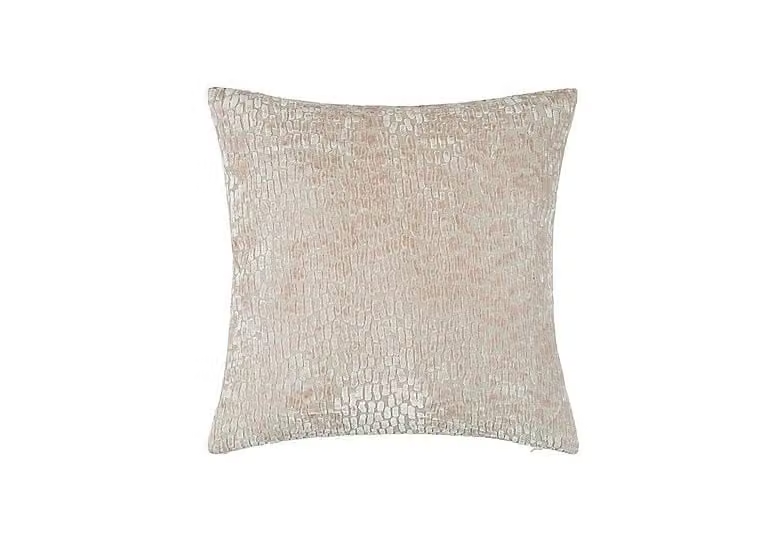

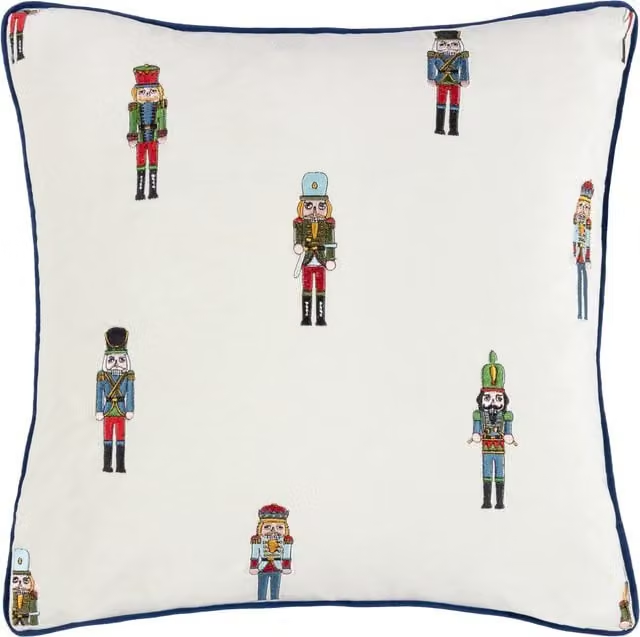
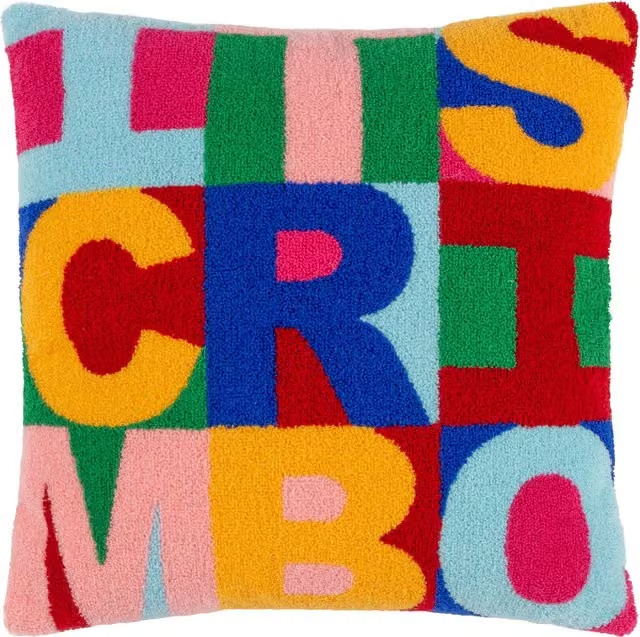
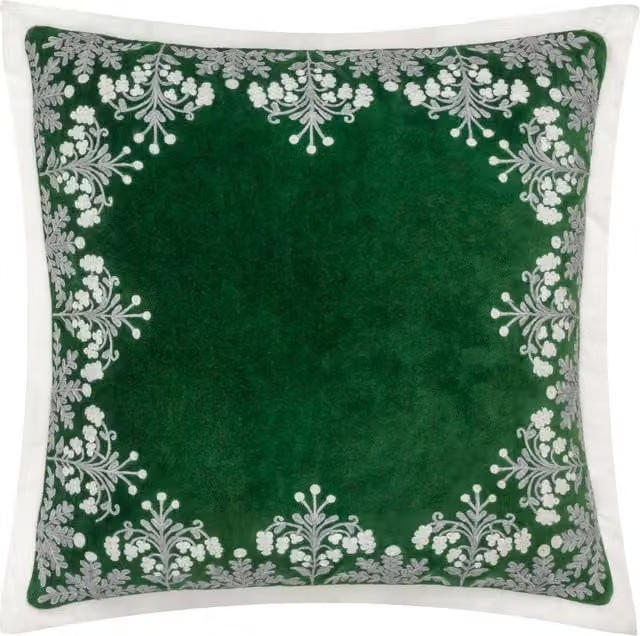
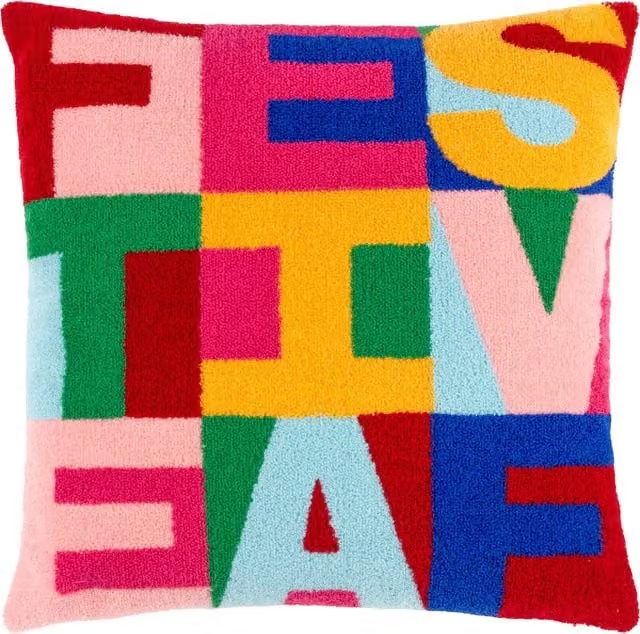
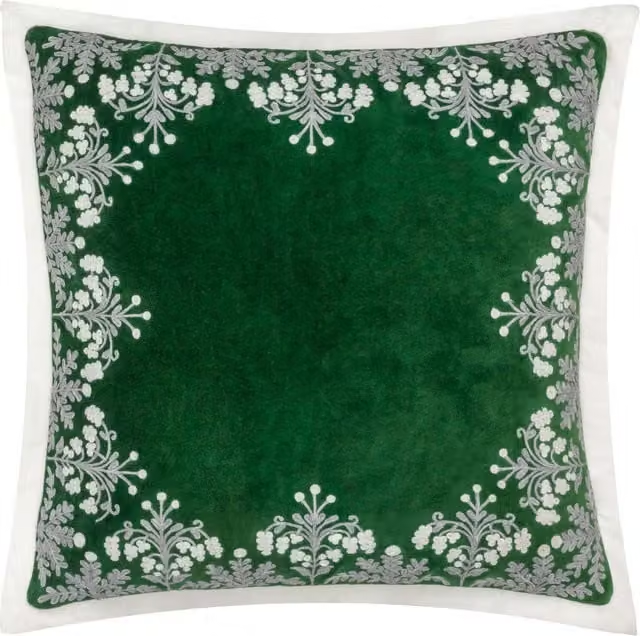
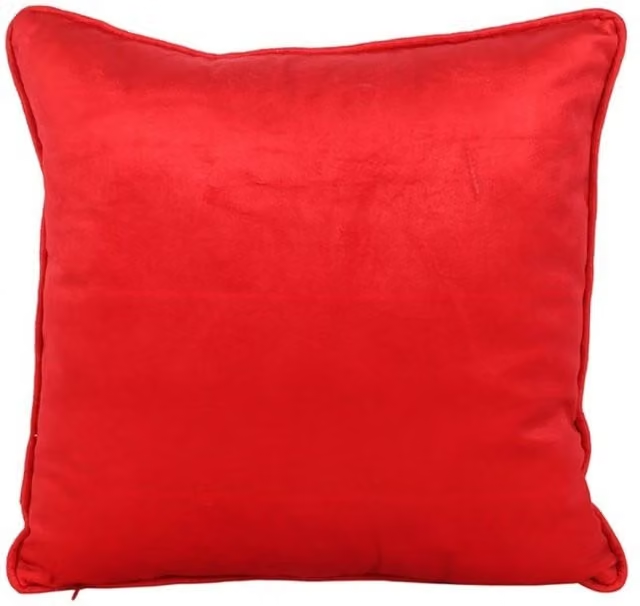
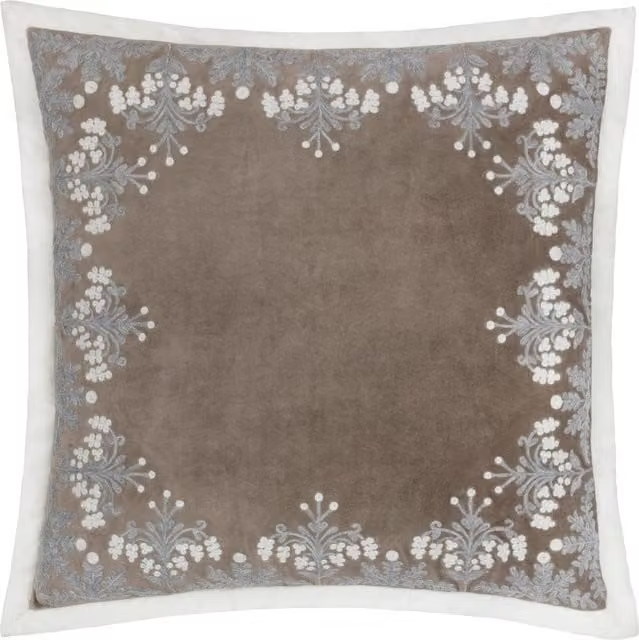
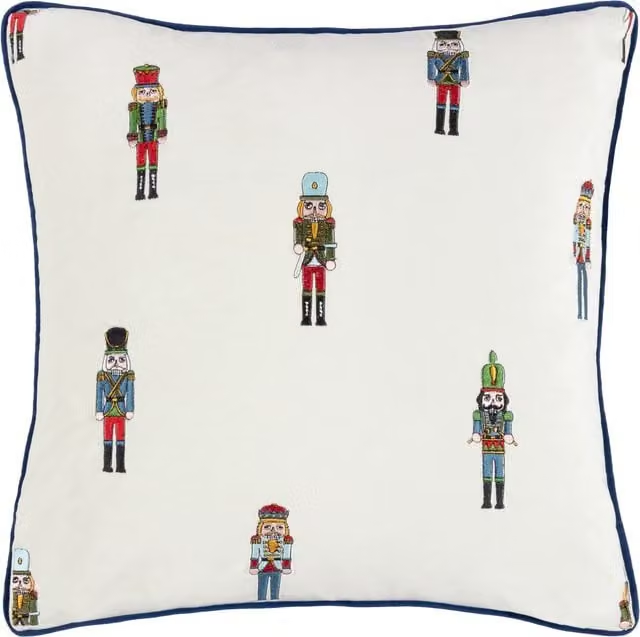
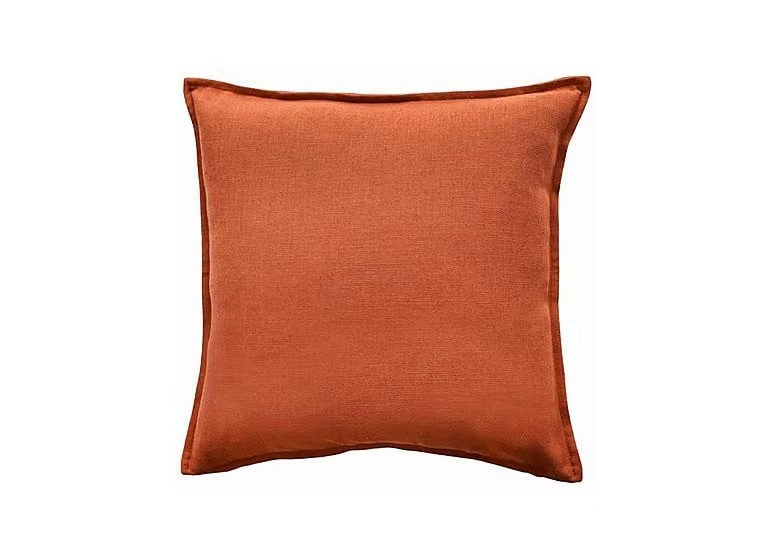
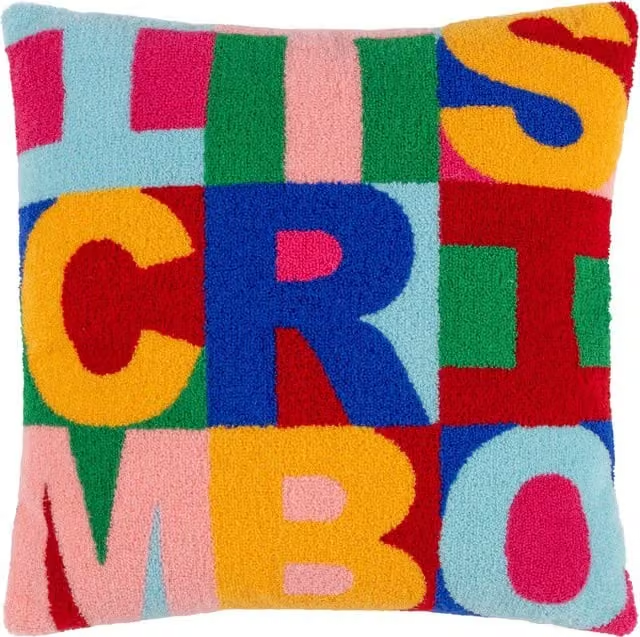
If you want the biggest seasonal transformation for the smallest effort and outlay, cushions are the answer. Swapping four or five covers on a sofa takes about two minutes and completely resets the mood of a room, without you having to store an extra piece of furniture for eleven months of the year. That is the quiet genius of Christmas cushions, and why they have become the go to for anyone who loves the season but lives in a normal sized house.
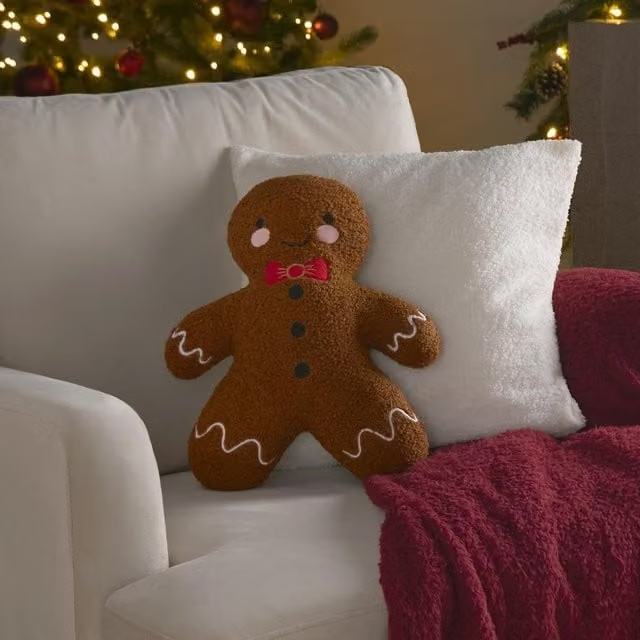
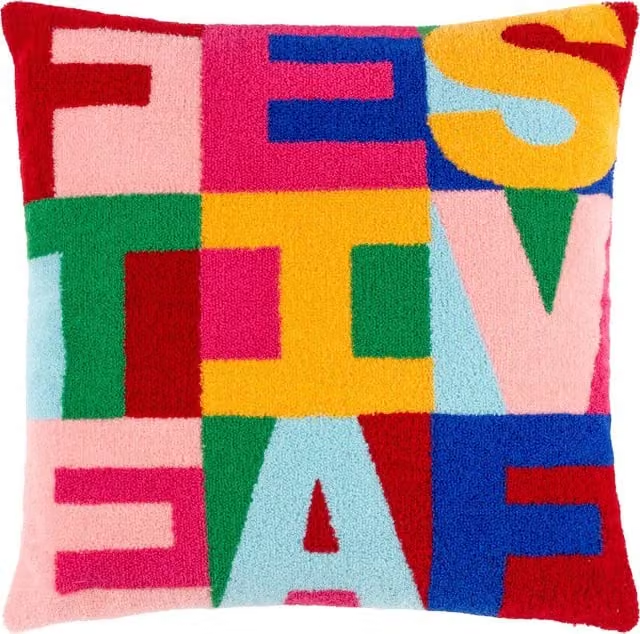
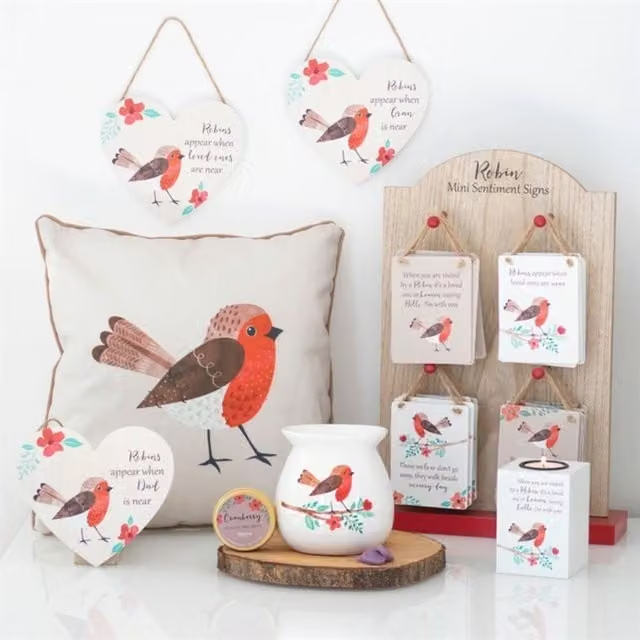
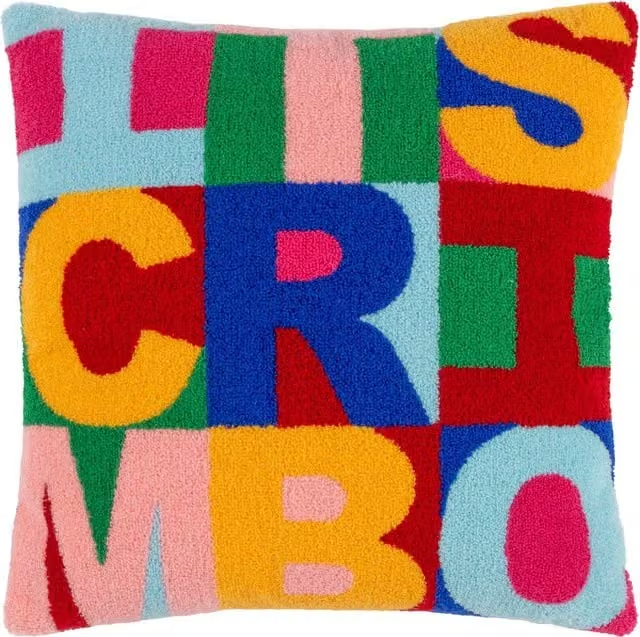
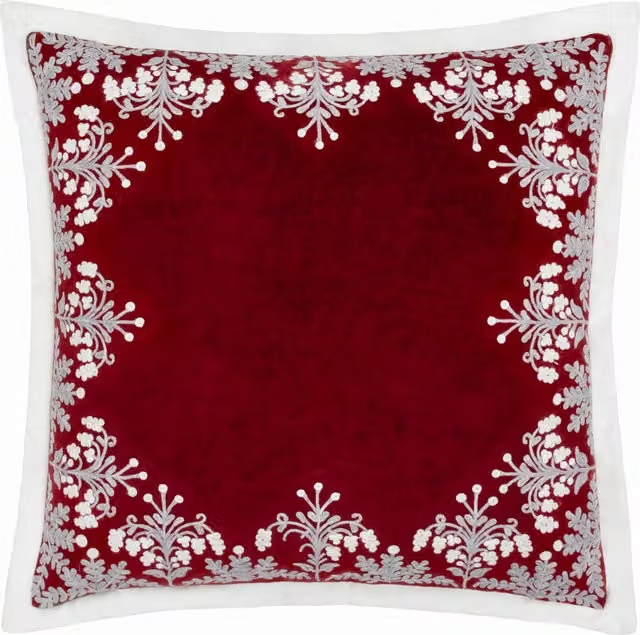
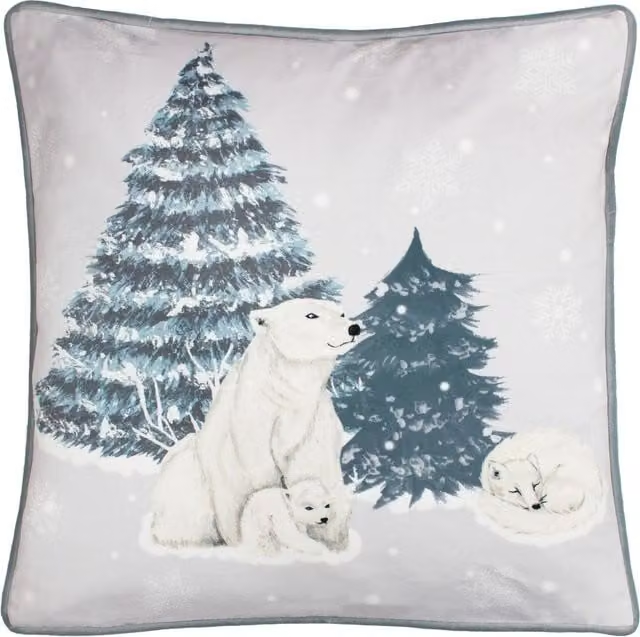
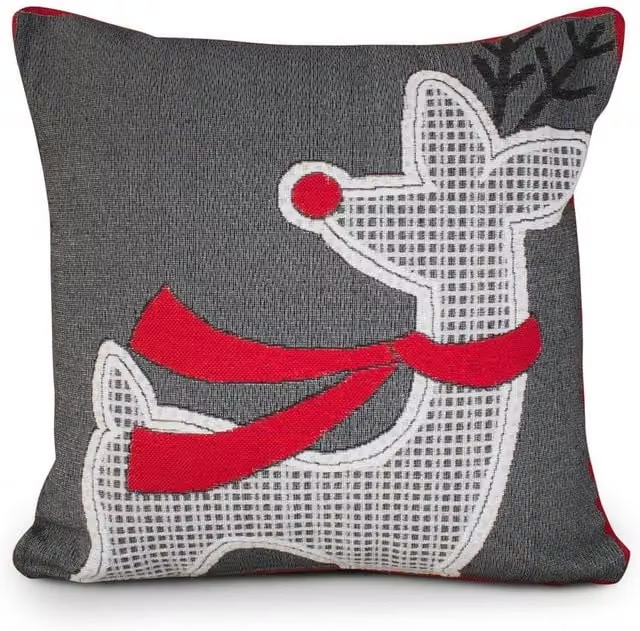
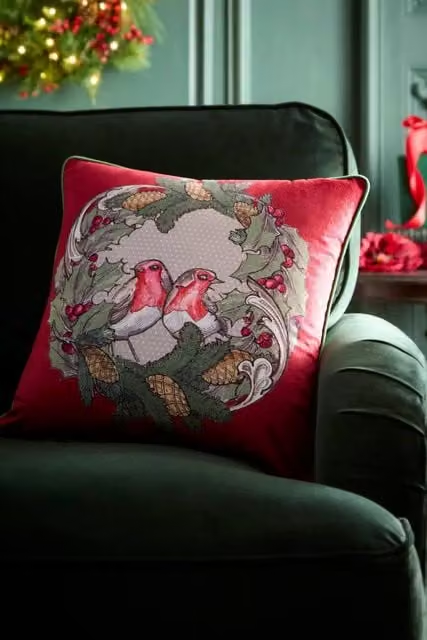
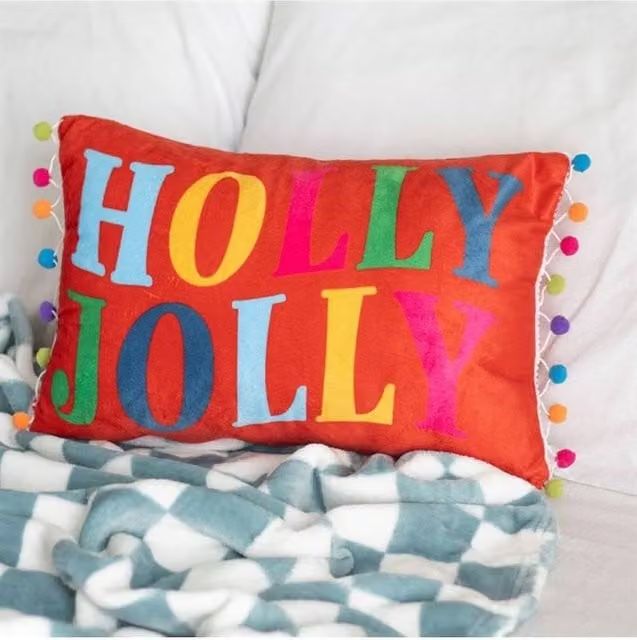
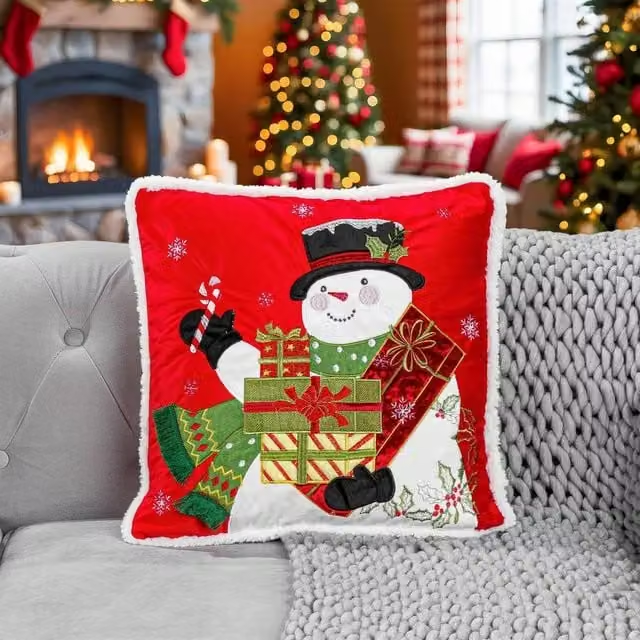
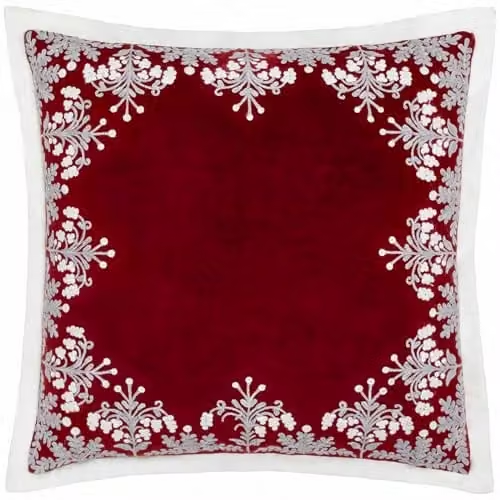
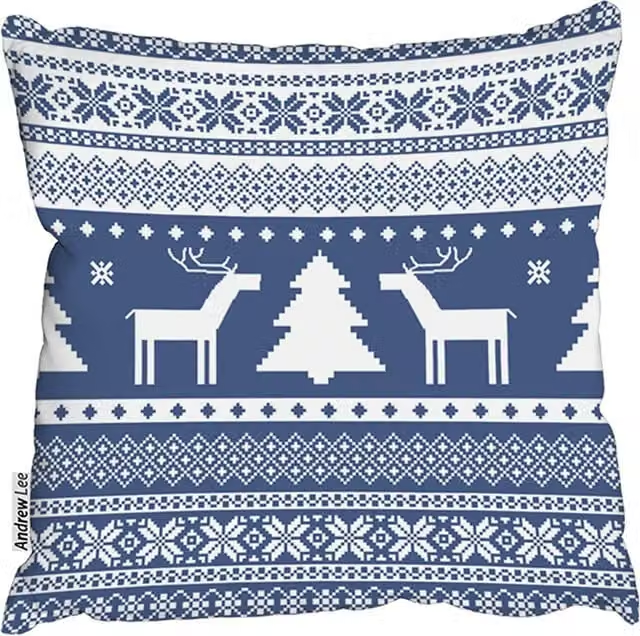
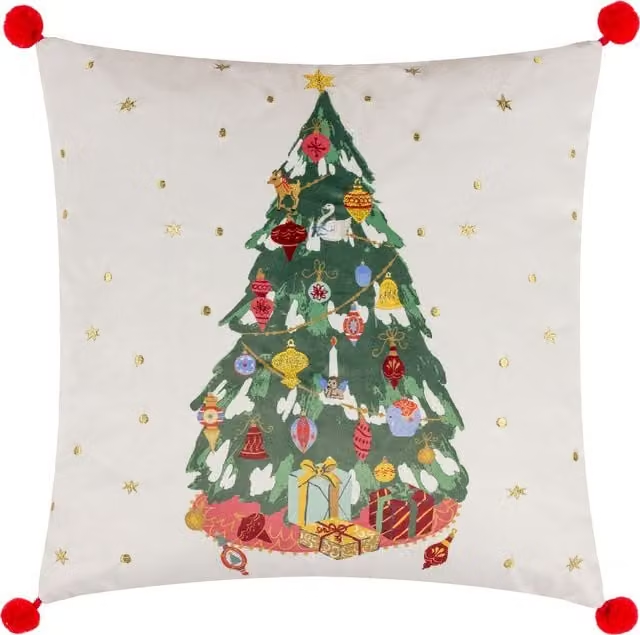
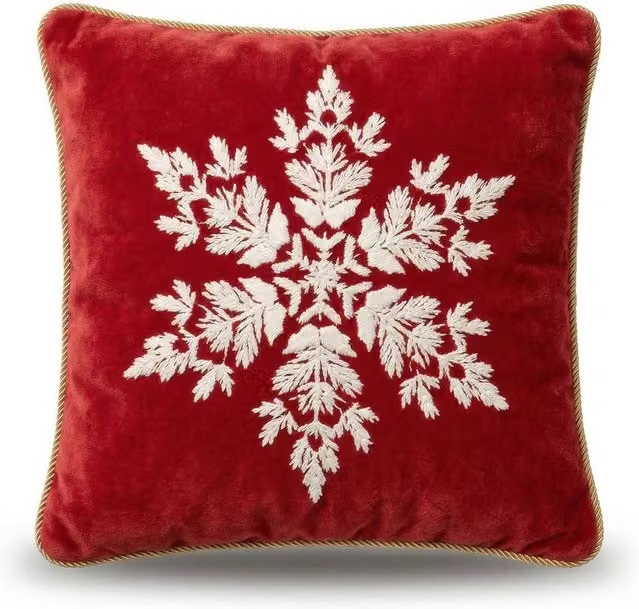
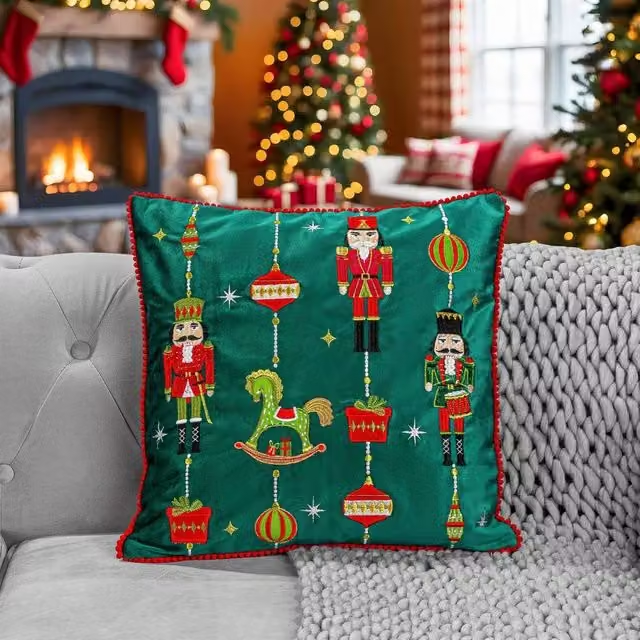
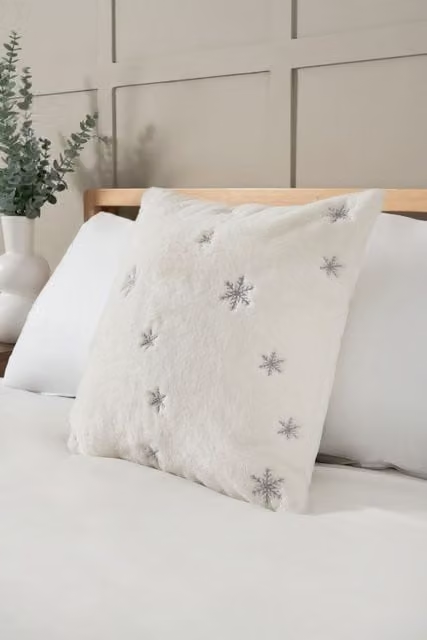
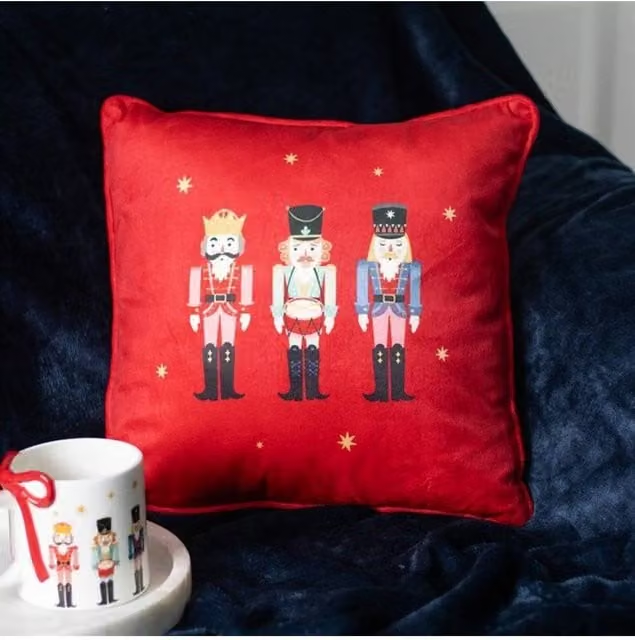
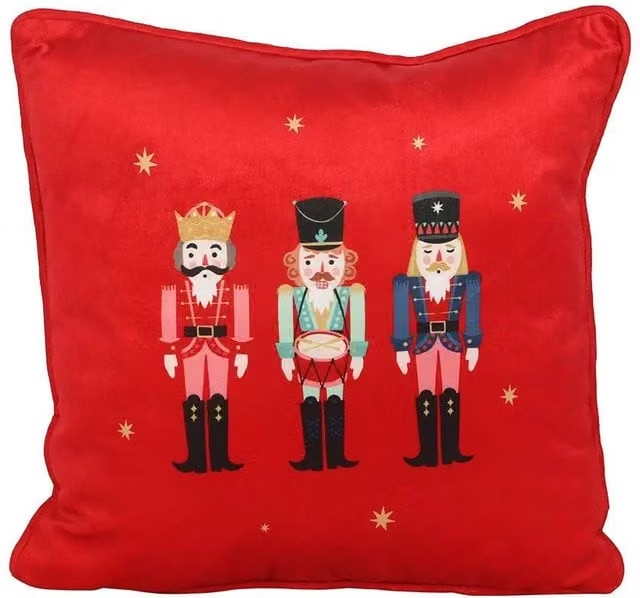
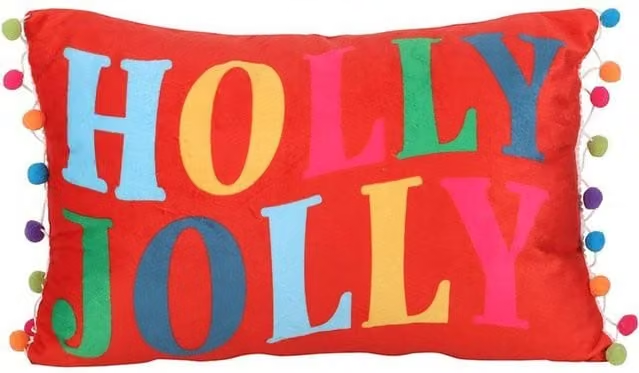
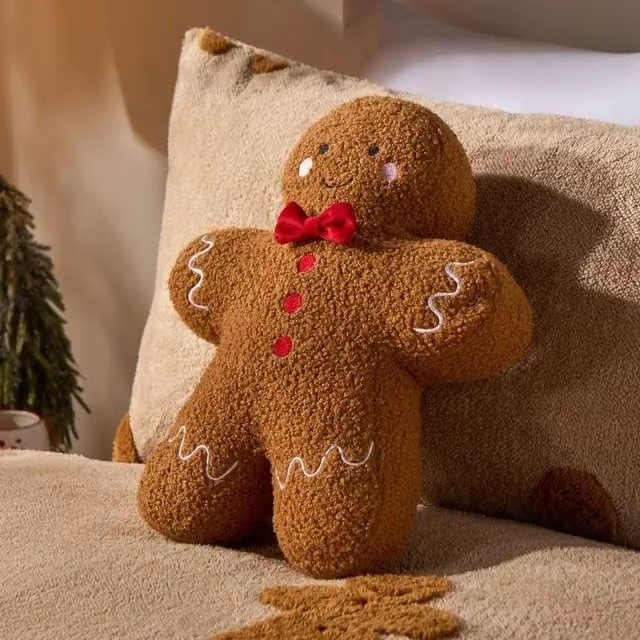
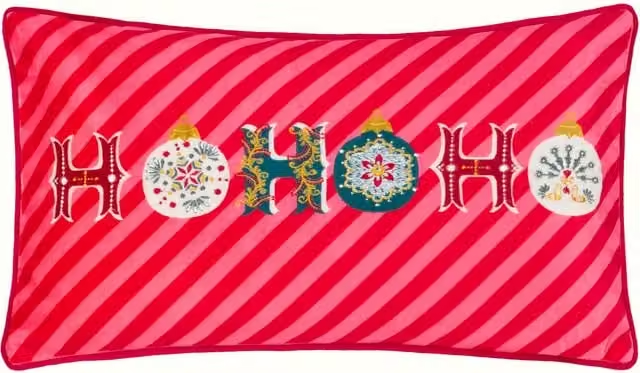
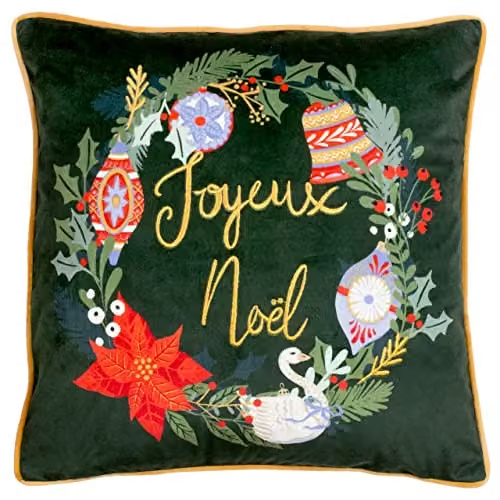
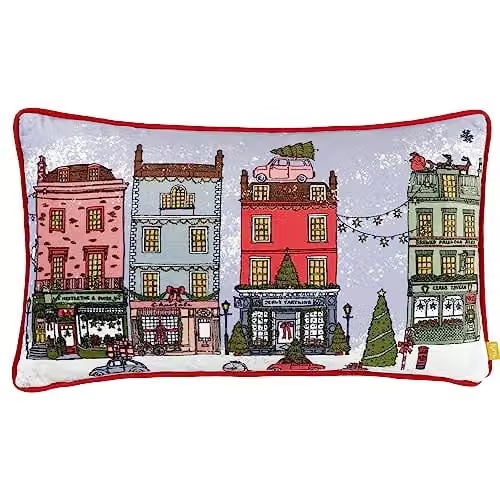
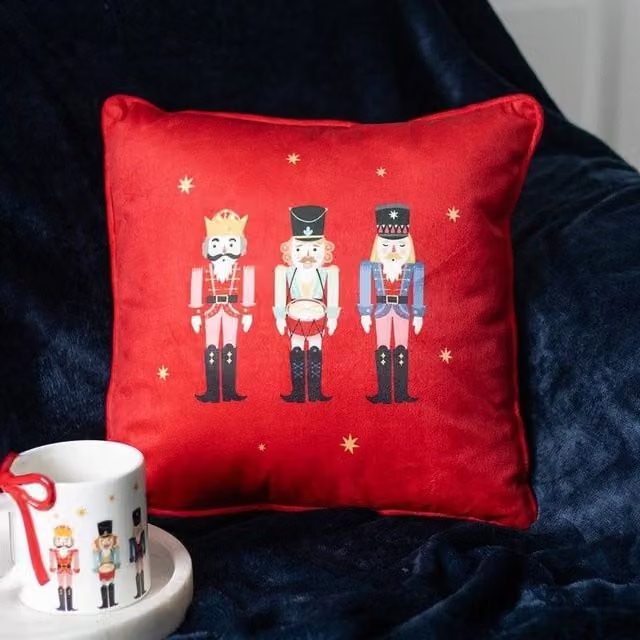
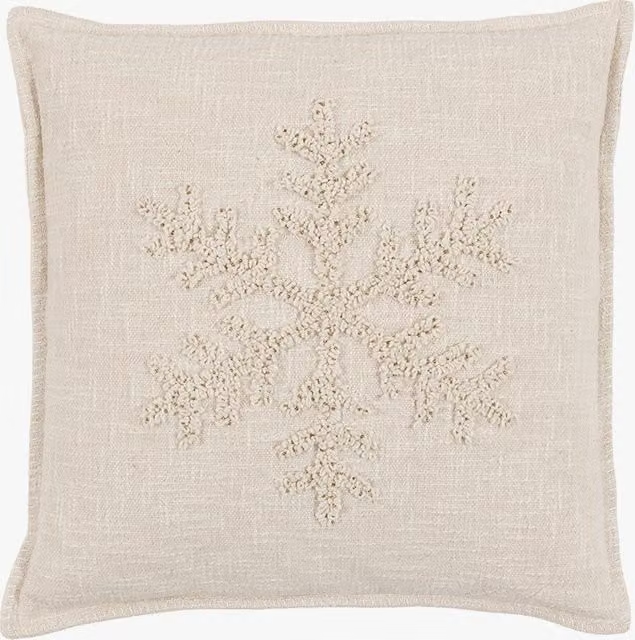
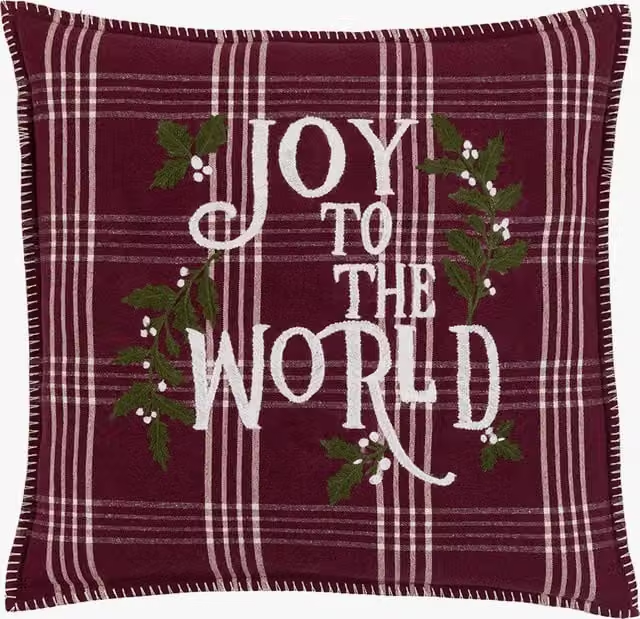
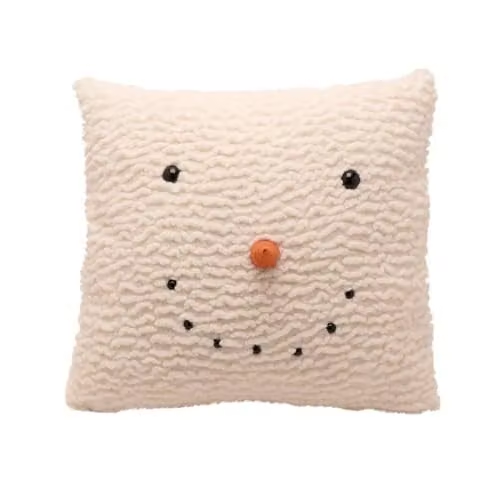
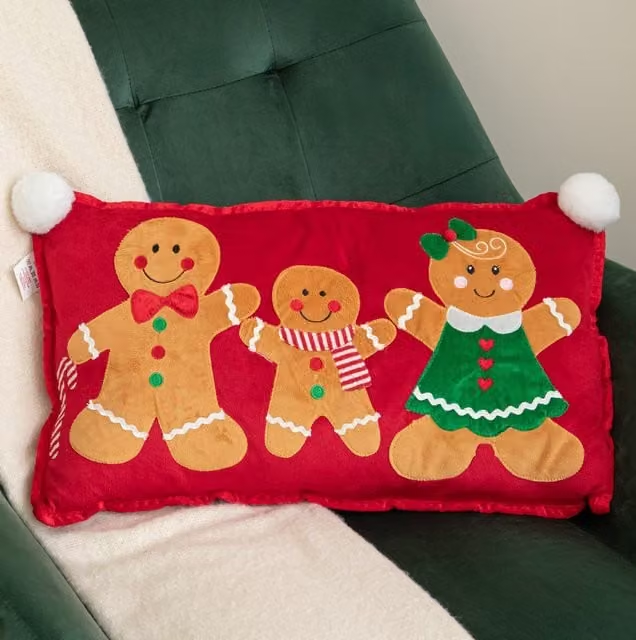
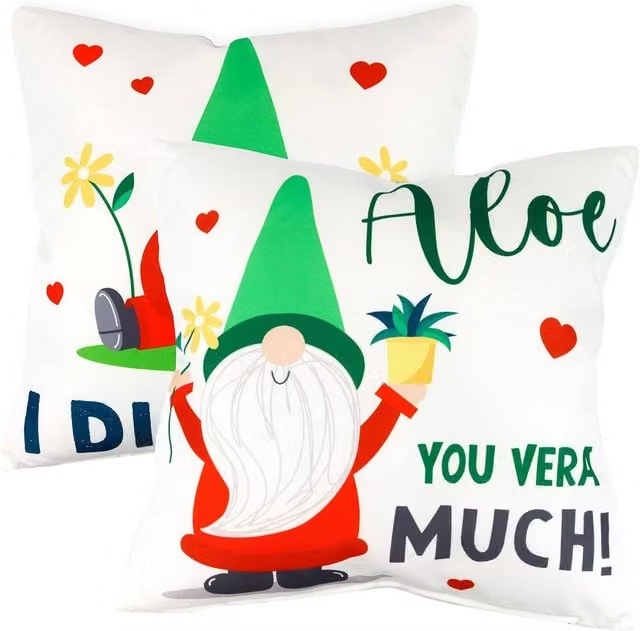
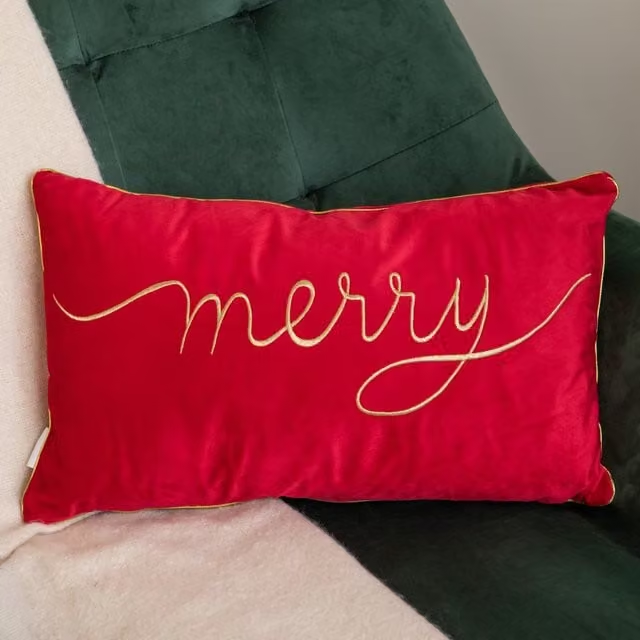
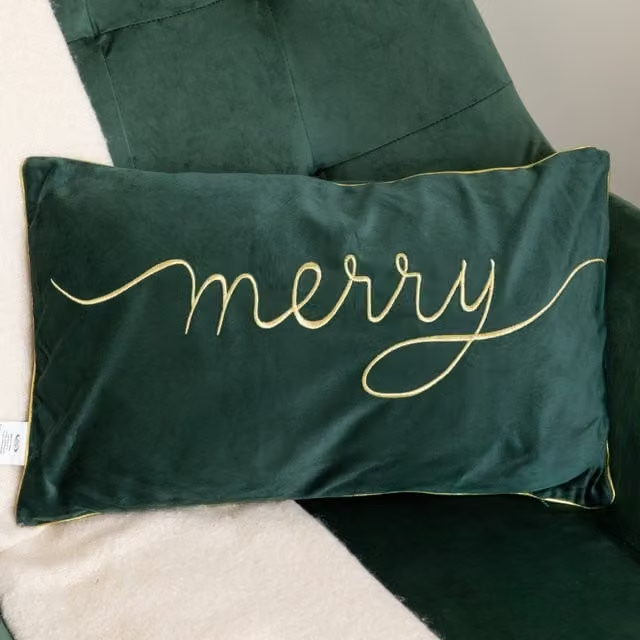
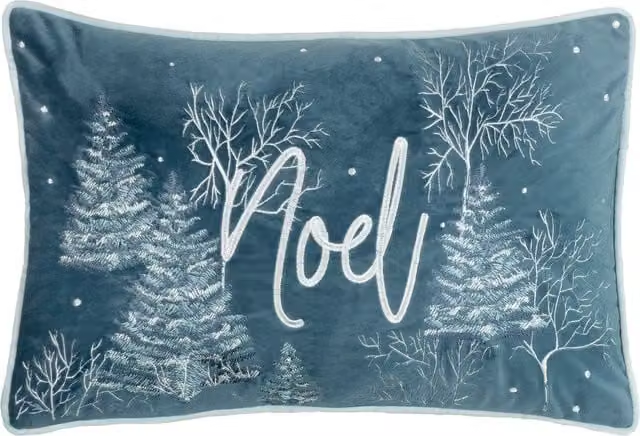
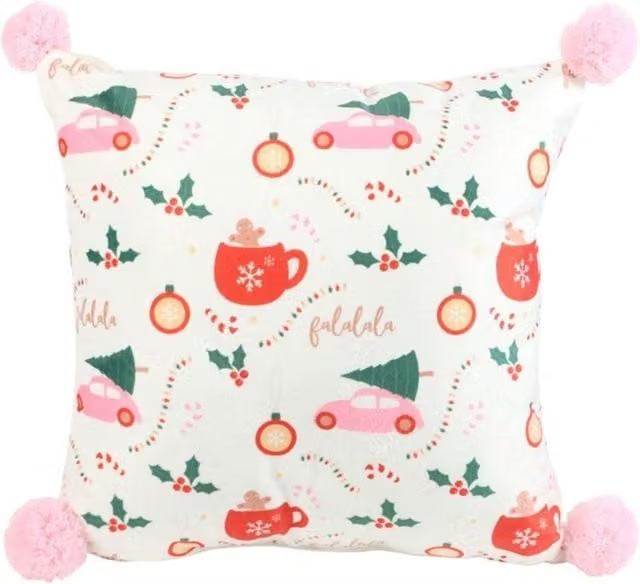
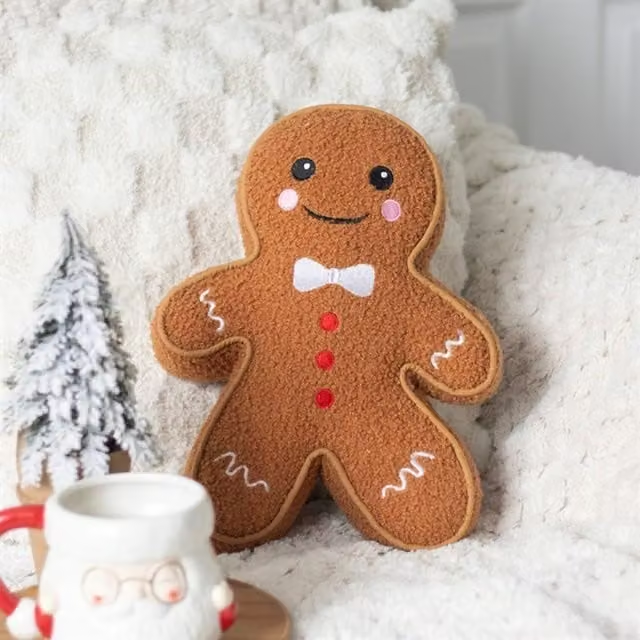
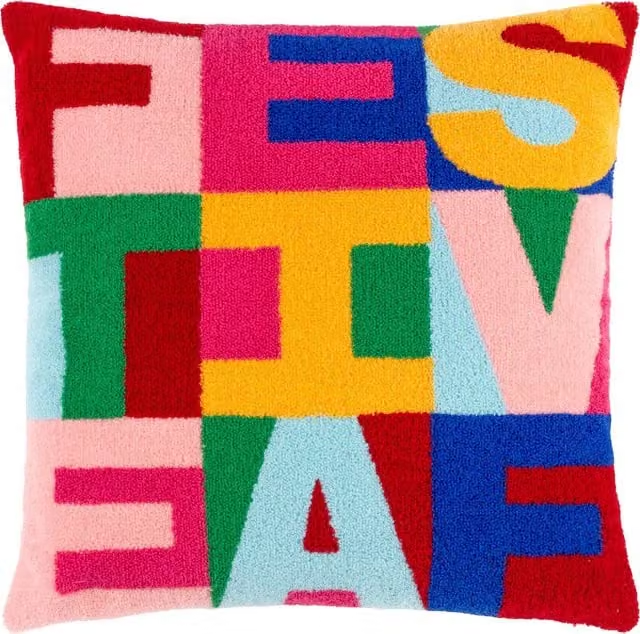
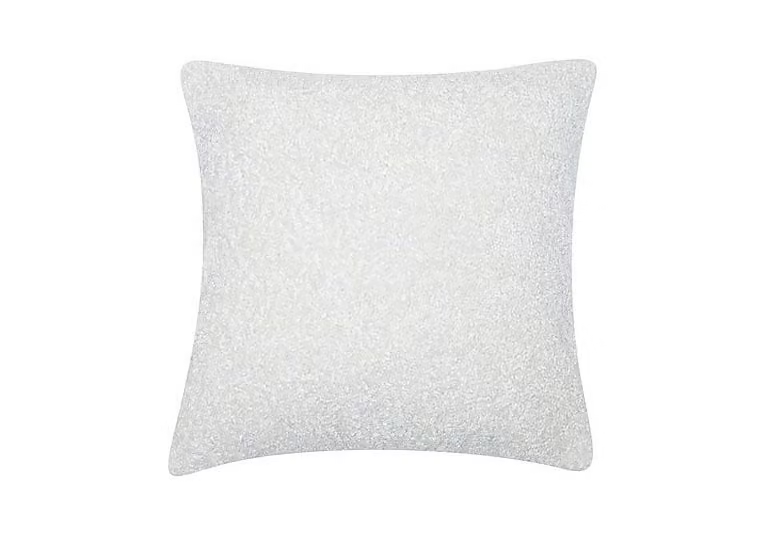
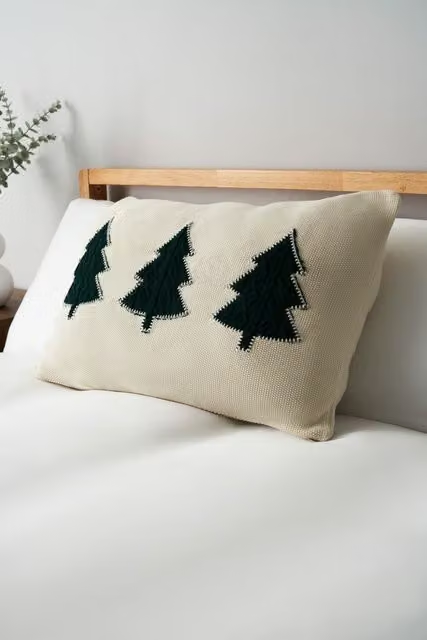
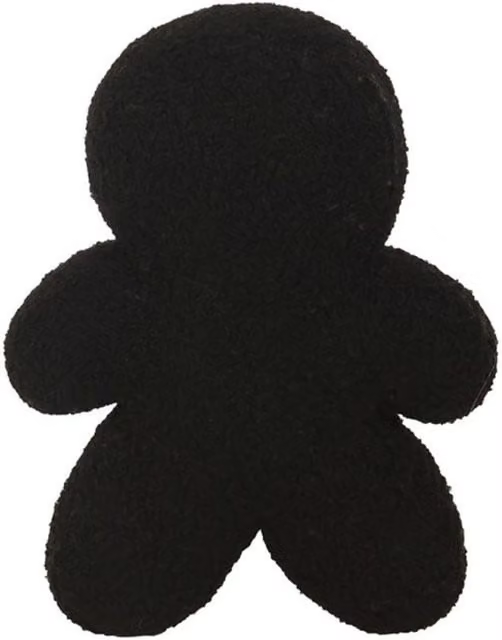
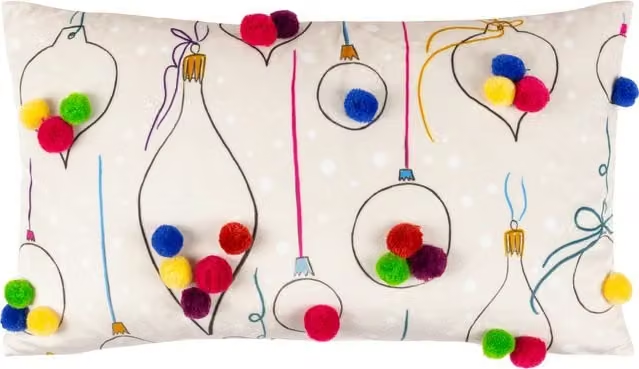
The designs run from restrained to joyfully over the top. Traditional options feature red and green tartan, holly, robins, embroidered snowflakes and vintage script slogans, while Scandinavian influenced ranges keep to white, grey and natural linen with simple star and fir tree motifs. There are luxurious velvet covers in deep forest green and burgundy, faux fur and shearling styles that add real winter texture, knitted cable covers that echo a favourite jumper, and sequinned or metallic pieces for a bit of party sparkle. Children's designs with snowmen, elves and gingerbread characters are perennially popular, and many ranges coordinate with matching throws and table linen.
Fabric determines how the cushion feels and how well it survives. Cotton and linen covers are breathable and machine washable, making them the practical choice for family rooms. Velvet and faux fur look and feel wonderful but often need cooler washes and gentler handling. Knitted and chunky woven covers add texture but can snag, so keep them away from pets with claws. A hidden zip and a cover slightly smaller than the pad give the plump, tailored look you see in photographs.
Prices are refreshingly accessible. Simple printed cotton covers cost very little, velvet and embroidered designs sit in the middle, and premium faux fur or hand embellished pieces are the priciest, though still an affordable indulgence.
Have a browse, compare prices and let a handful of cushions do the festive heavy lifting.
Covers are almost always the smarter buy for seasonal decorating. They cost less, they take up a fraction of the storage space, and they slip over the pads you already own so you are not accumulating a mountain of filling. Complete cushions only really make sense if you need extra seating comfort or if the shape is unusual, such as a bolster or a novelty character design. Just check your existing pad sizes before ordering, since 45 by 45 cm is standard but 50 by 50 cm is common too.
Odd numbers tend to look more natural than even ones, so three on a two seater and five on a three seater is a reliable formula. Mixing sizes adds depth, for example two large 50 cm squares at the outer edges with a smaller rectangular cushion in front. Keep to two or three coordinating patterns at most so the arrangement reads as deliberate rather than chaotic. Leave enough clear seat space that people can actually sit down, which sounds obvious but is easily forgotten in December.
Buy a pad that is four to five centimetres larger than the cover, so a 50 cm pad in a 45 cm cover. This slight overstuffing fills the corners and prevents the sad, half empty look you get when the sizes match exactly. Feather and down filled pads plump up better than polyester and can be karate chopped into shape, though hollowfibre is the hypoallergenic alternative. Give them a good shake and a squeeze every few days to redistribute the filling.
Many can, but always check the label first because finishes vary a great deal between ranges. Where washing is allowed, use a cold gentle cycle inside out and skip the spin at high speed, which crushes the pile permanently. Never tumble dry faux fur, as the heat melts and mats the fibres, and instead air dry flat then brush gently with a soft pet brush to restore the loft. Dry clean only labels on velvet are usually there for good reason.