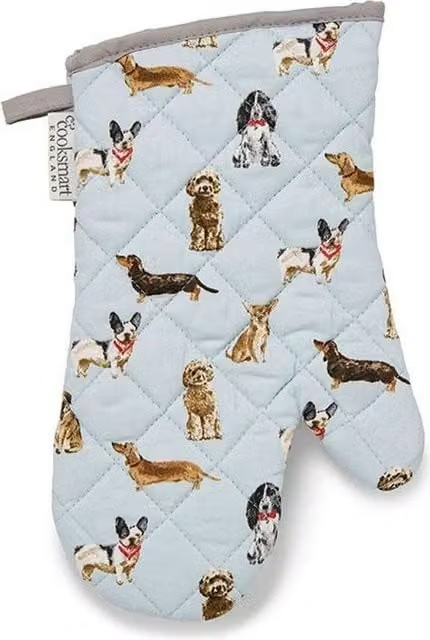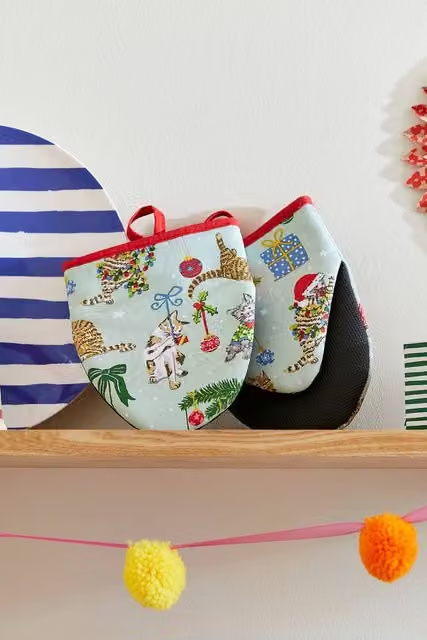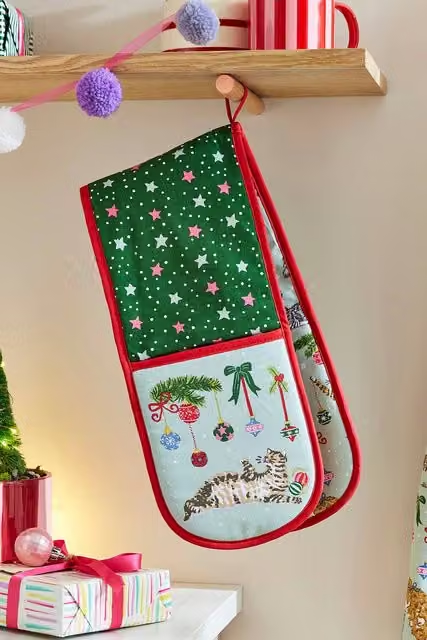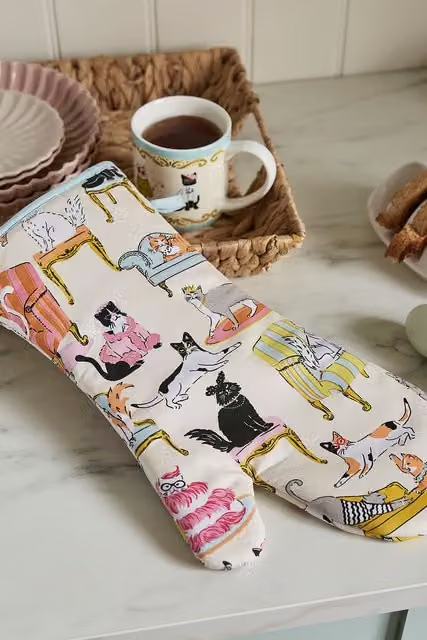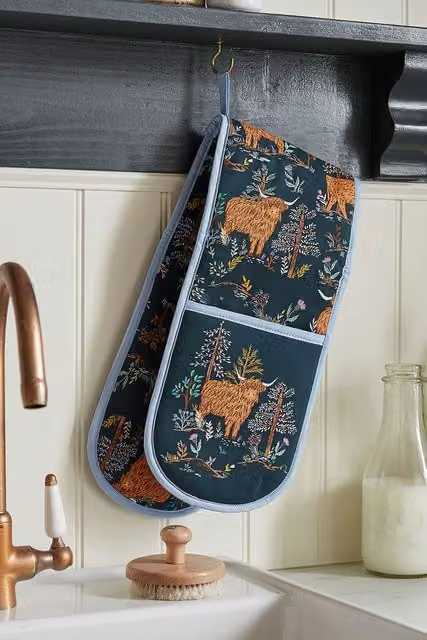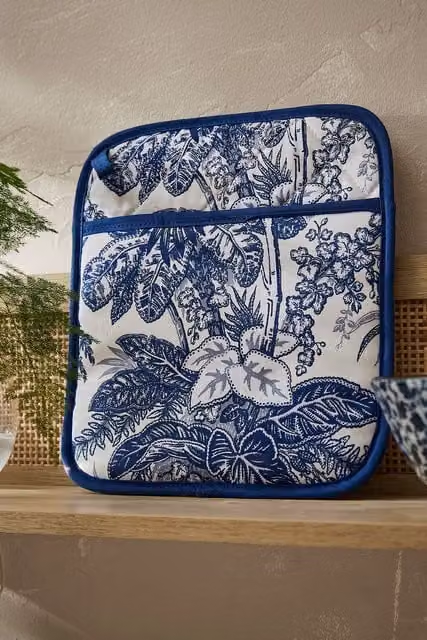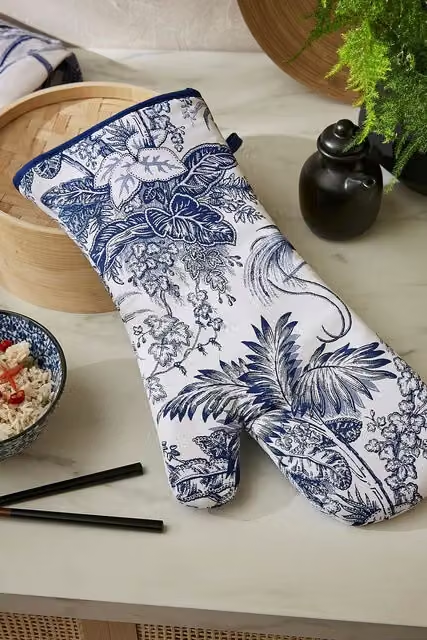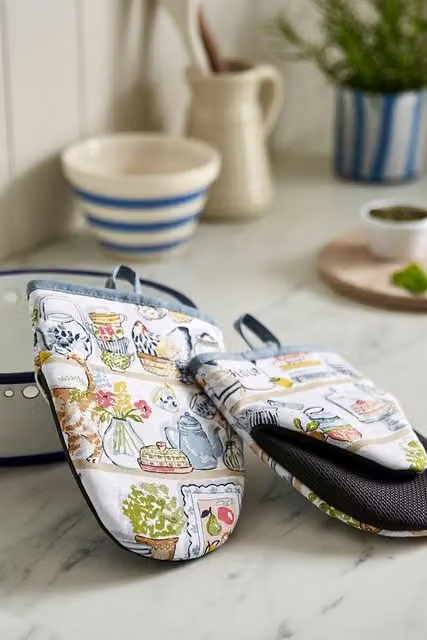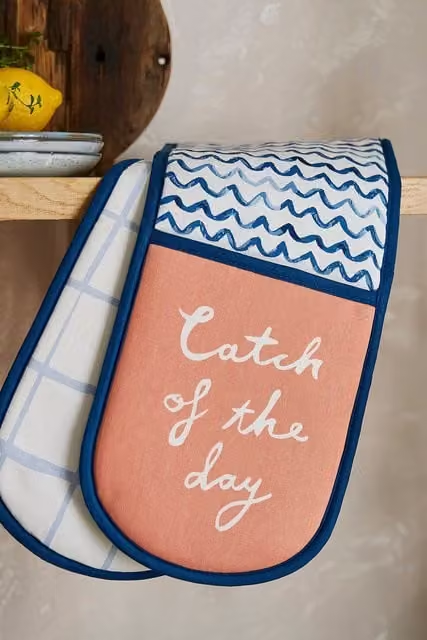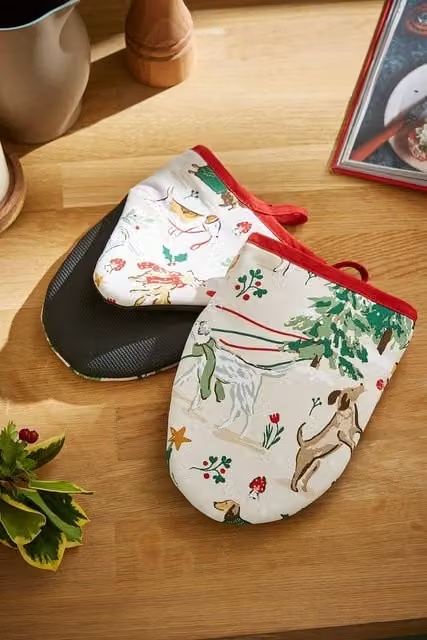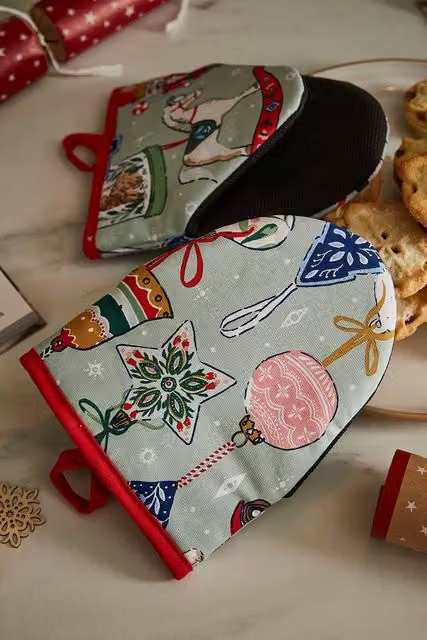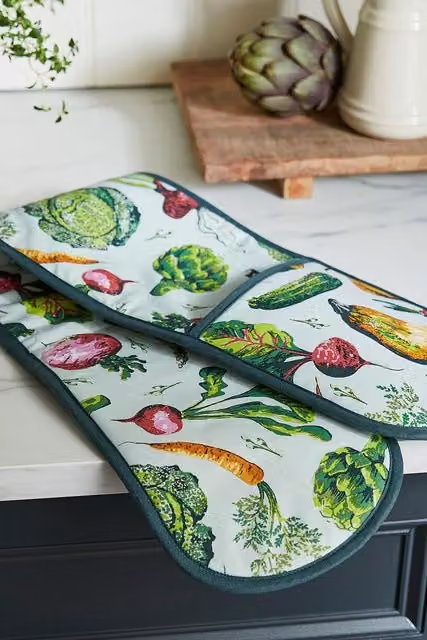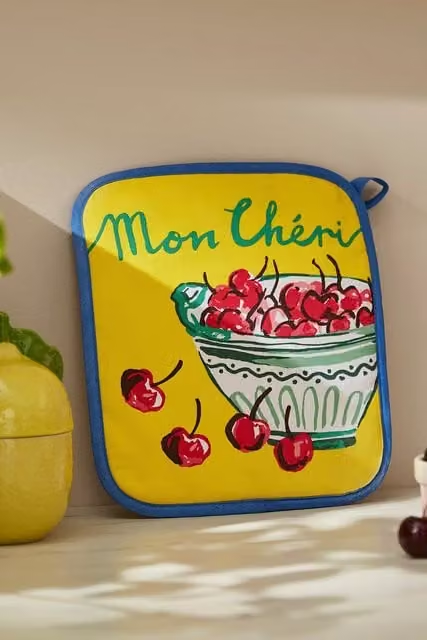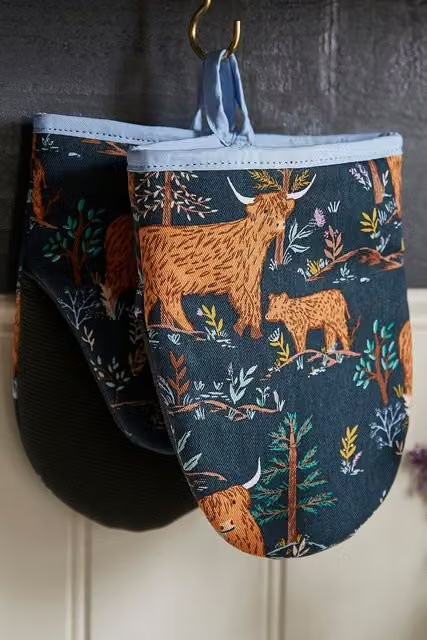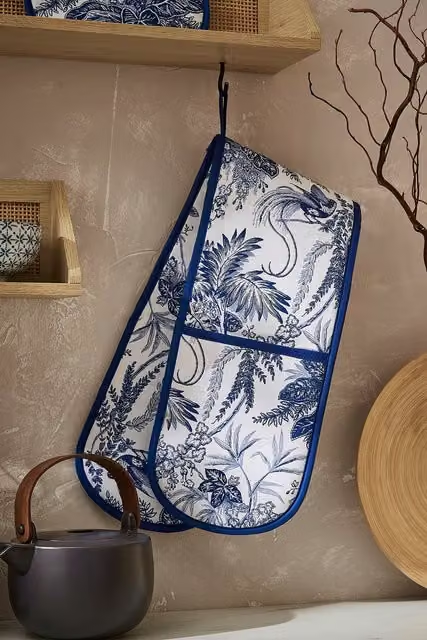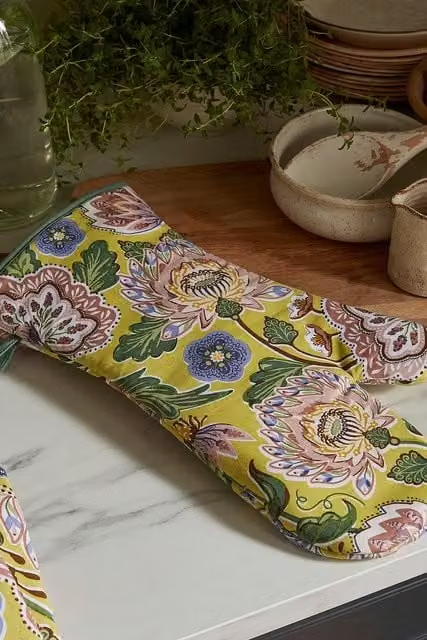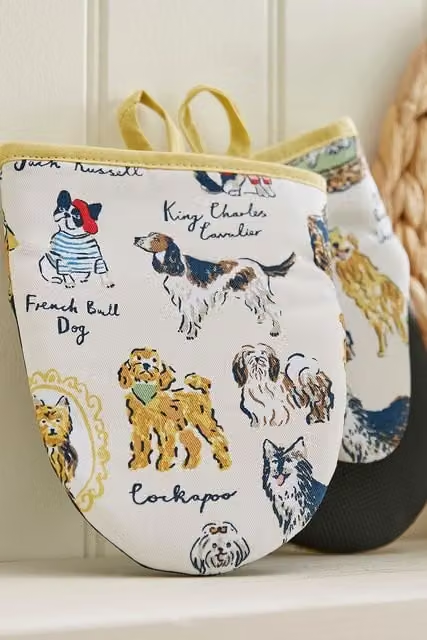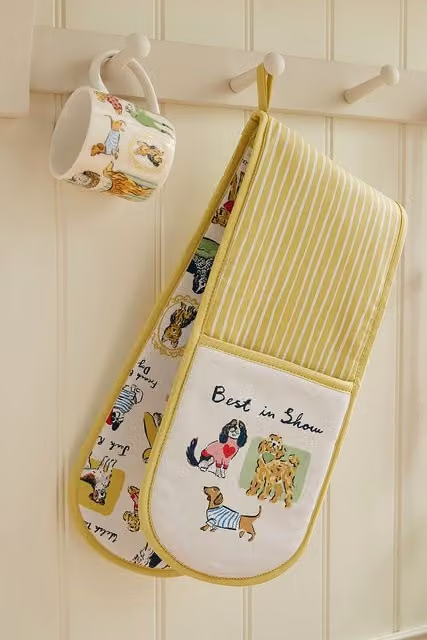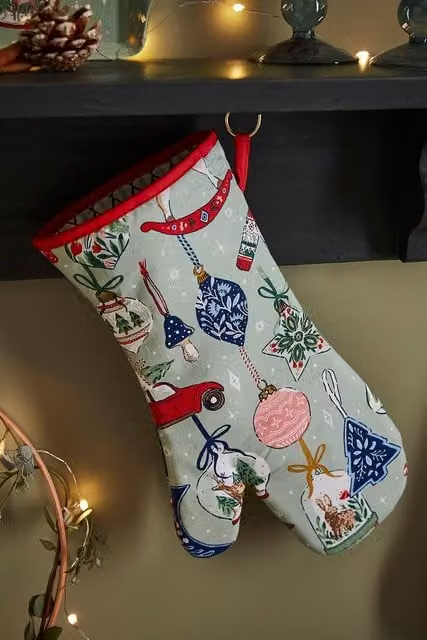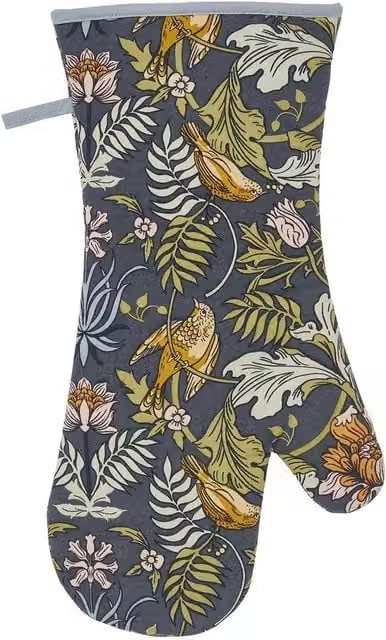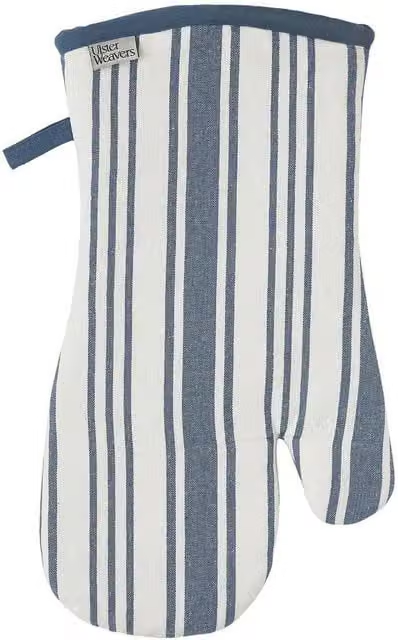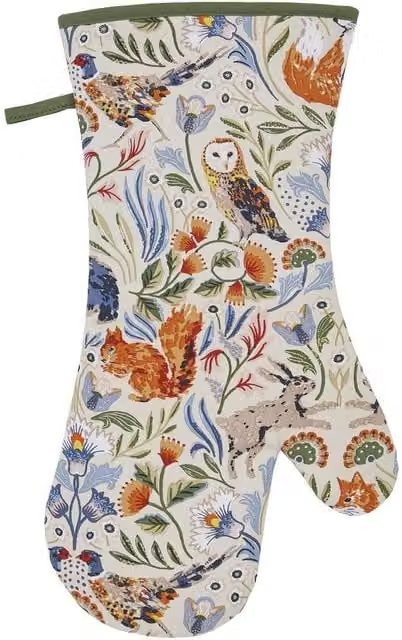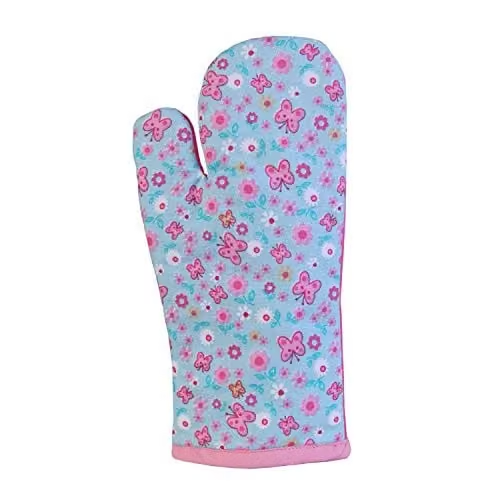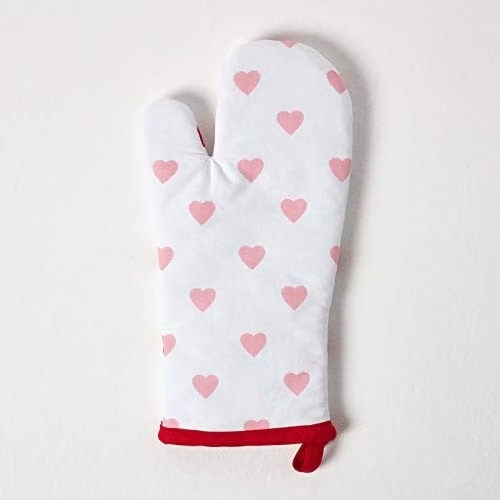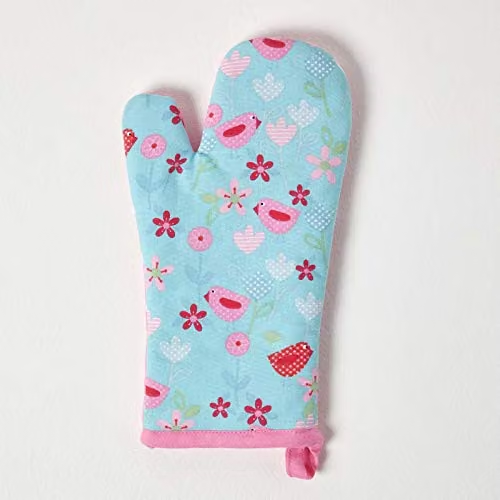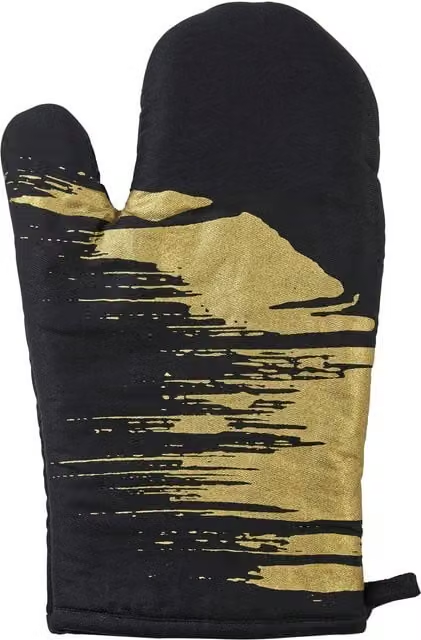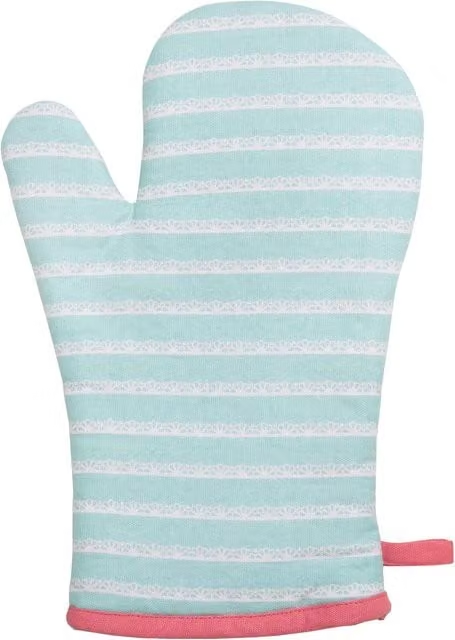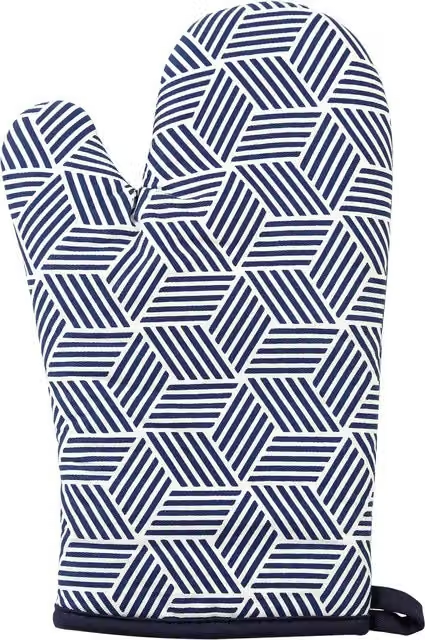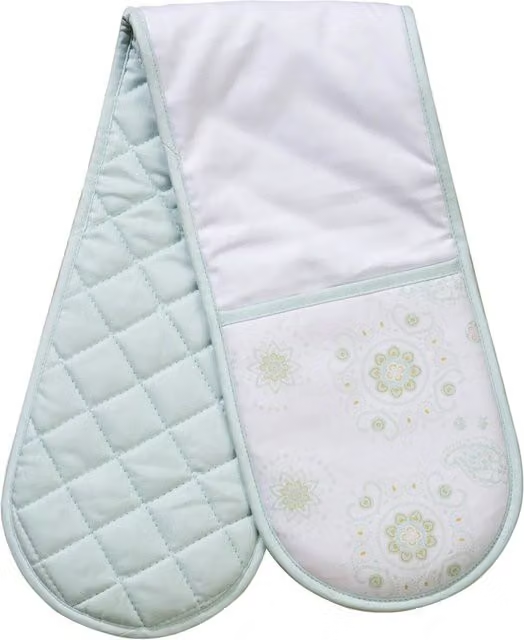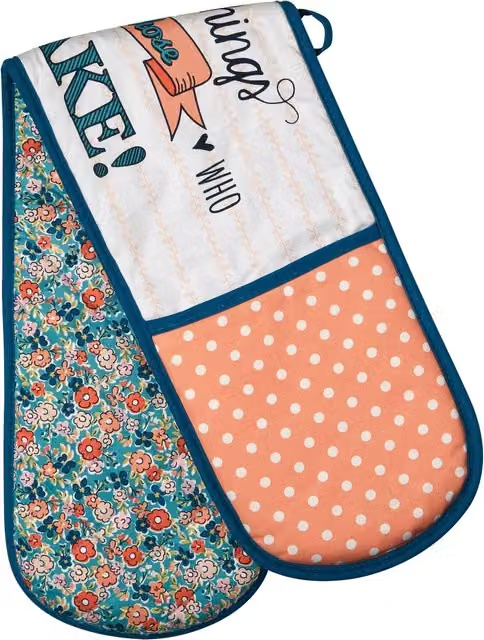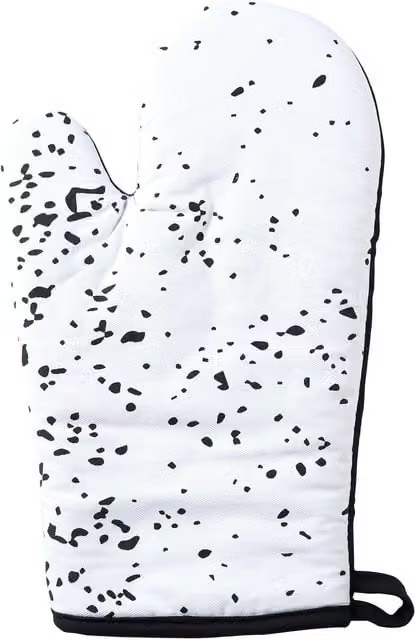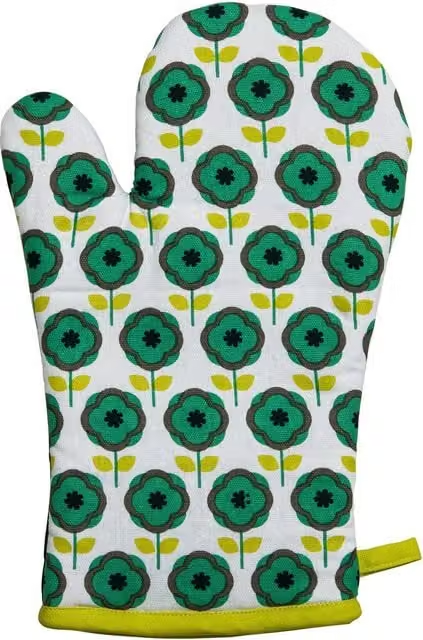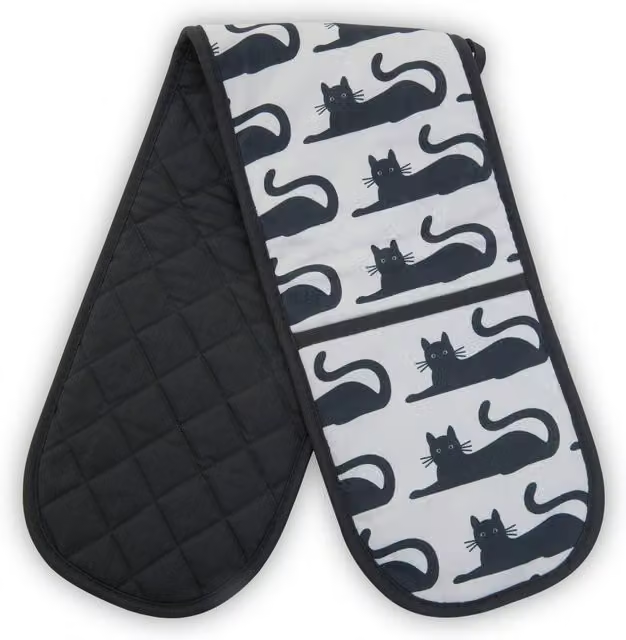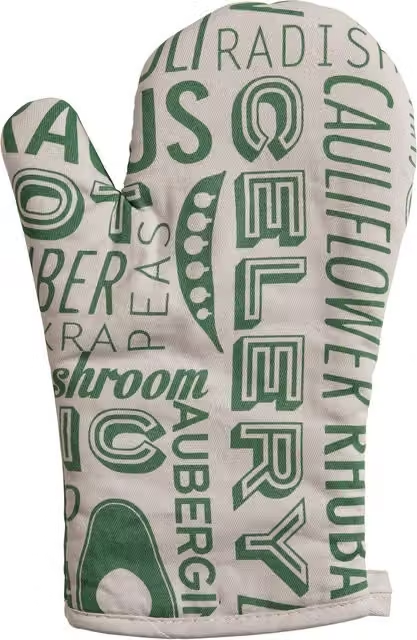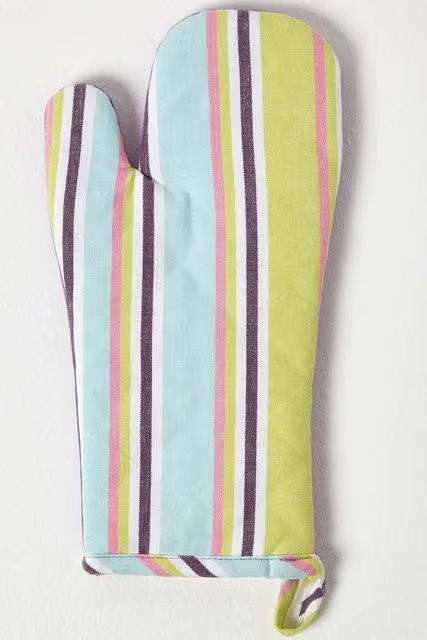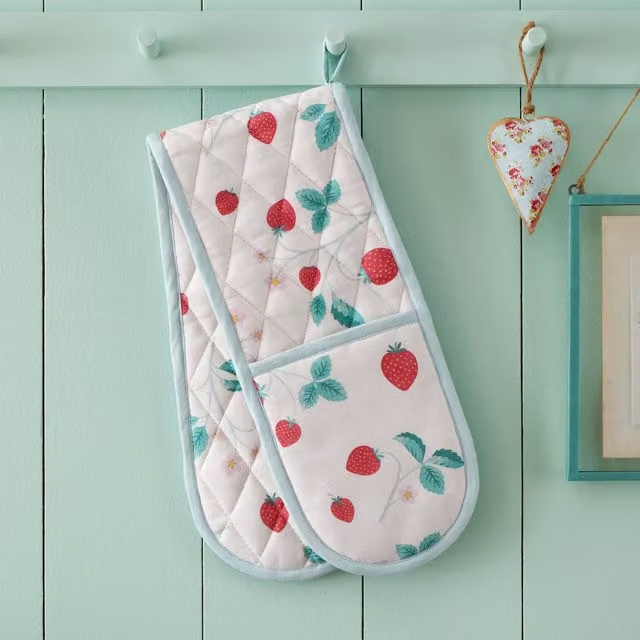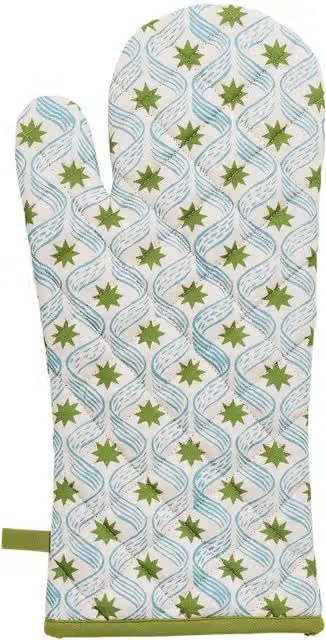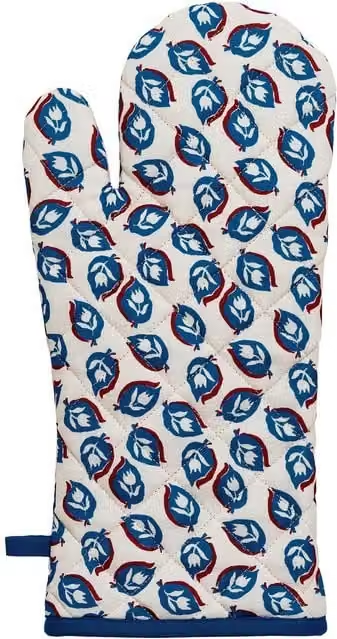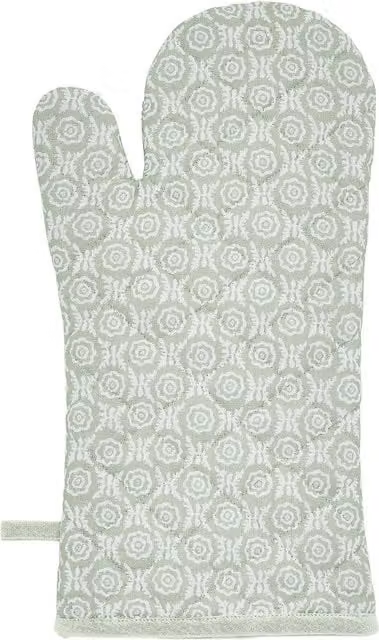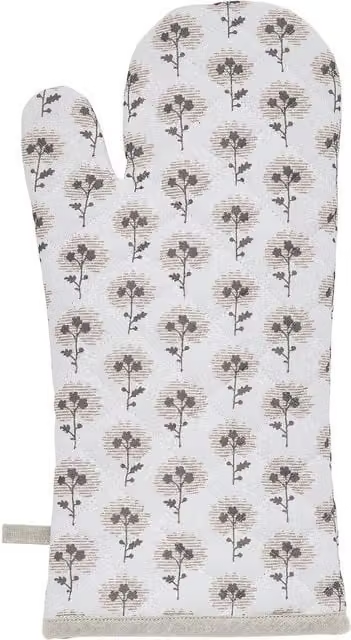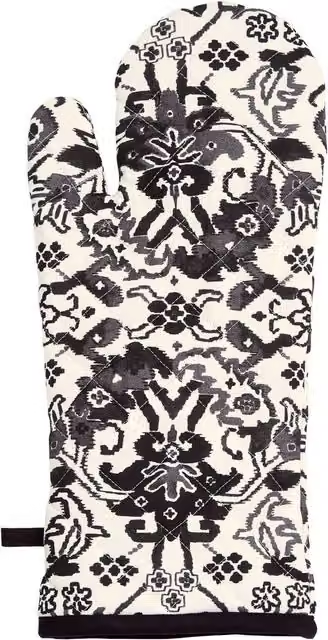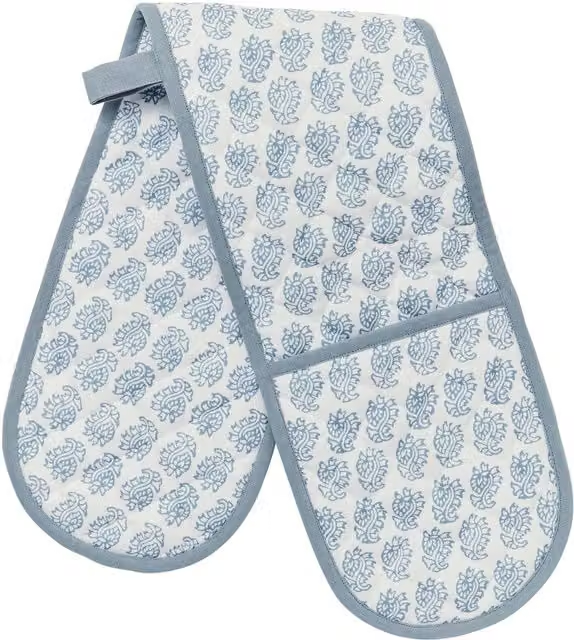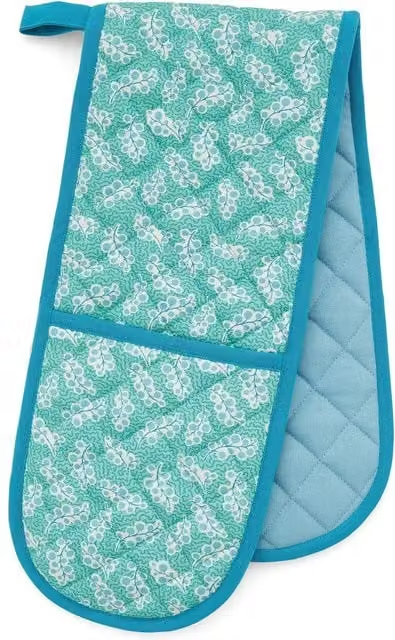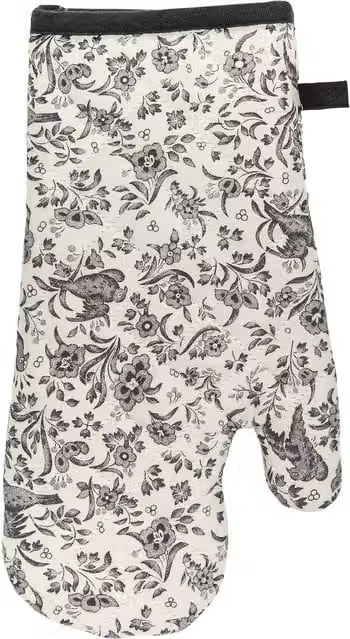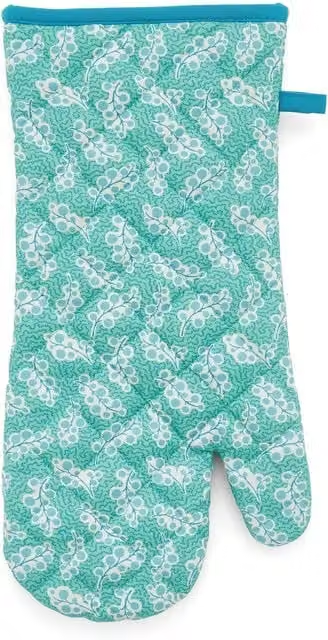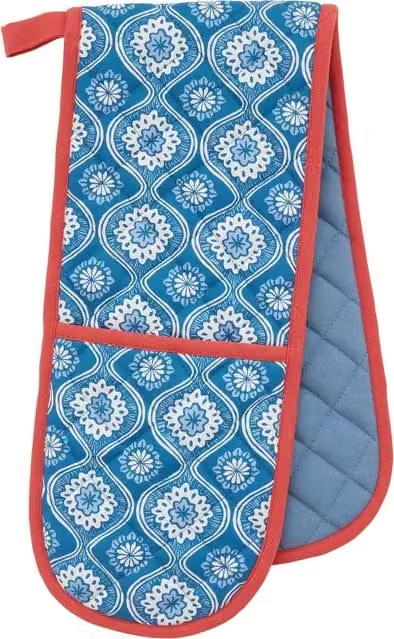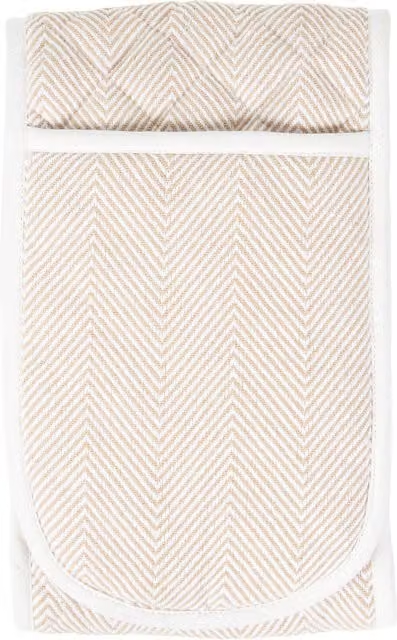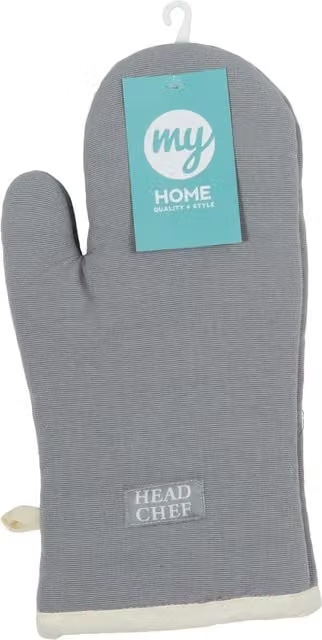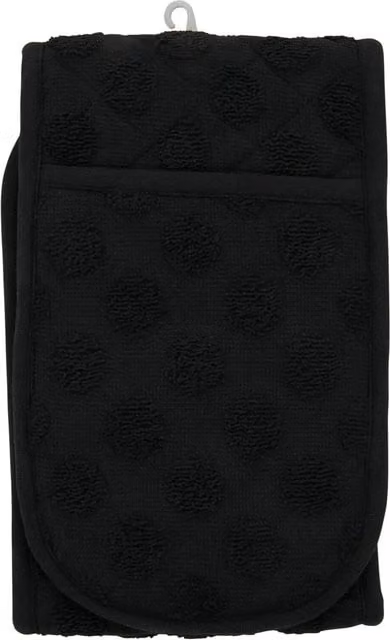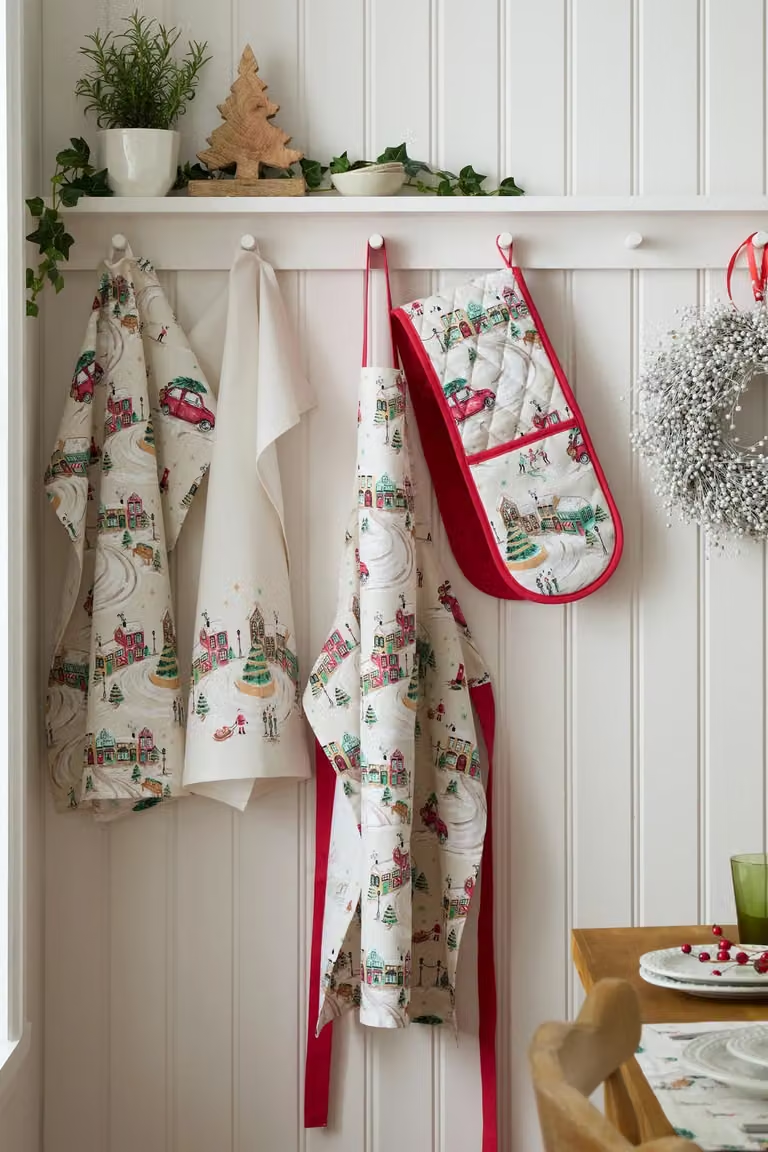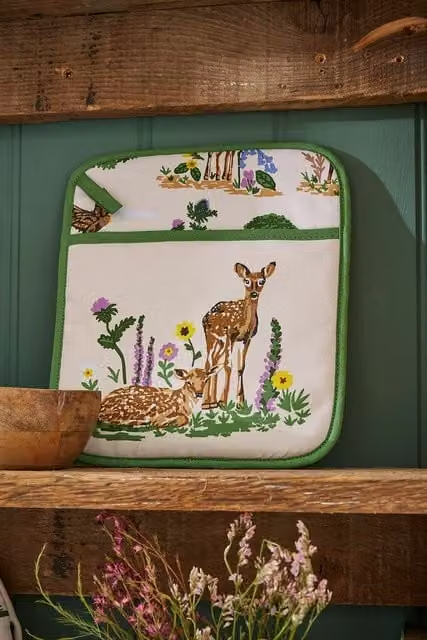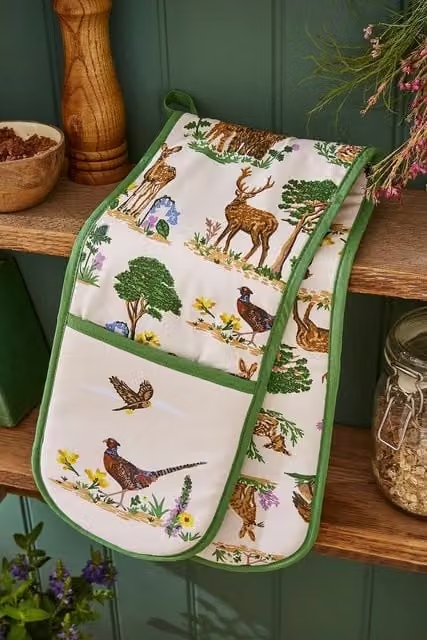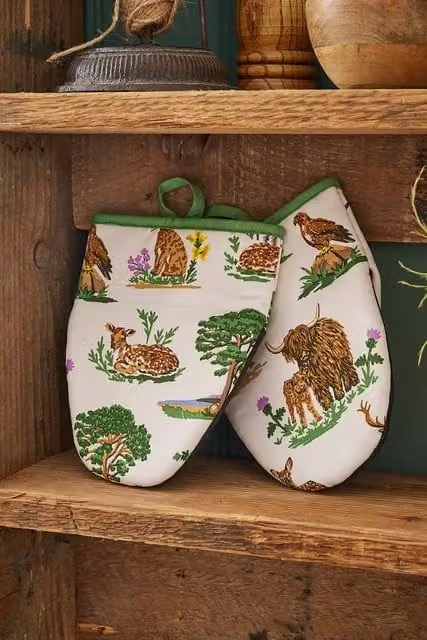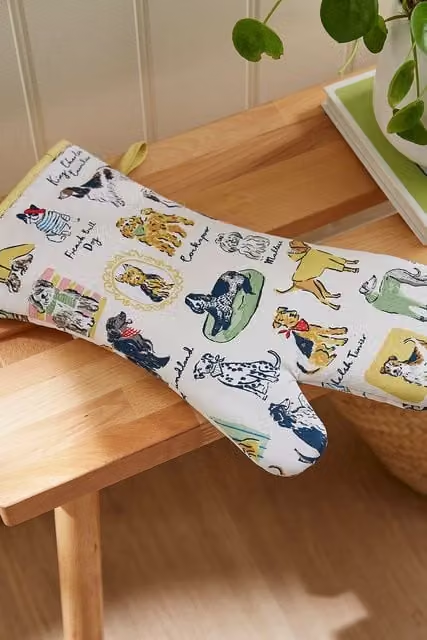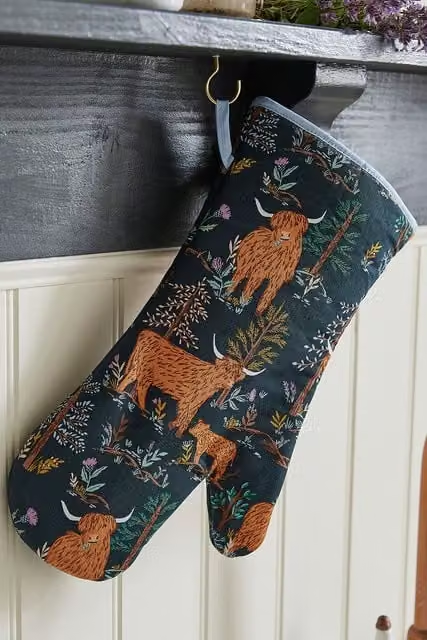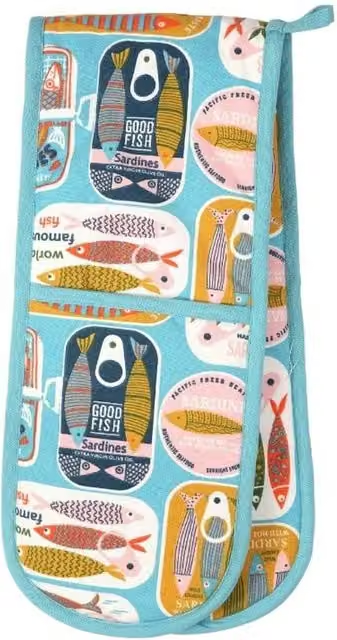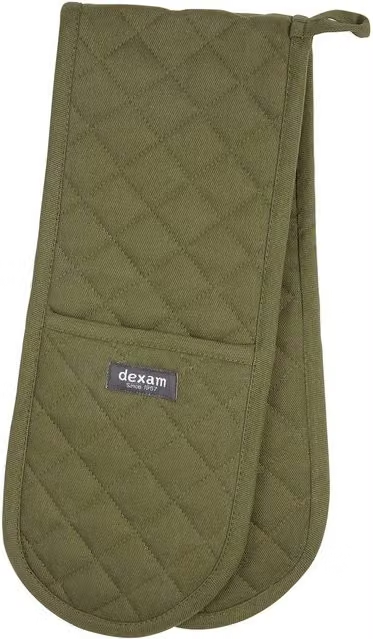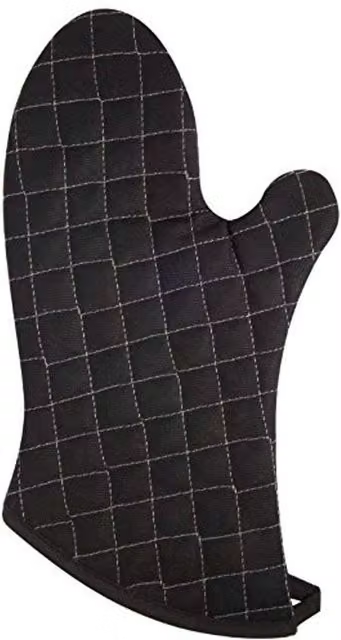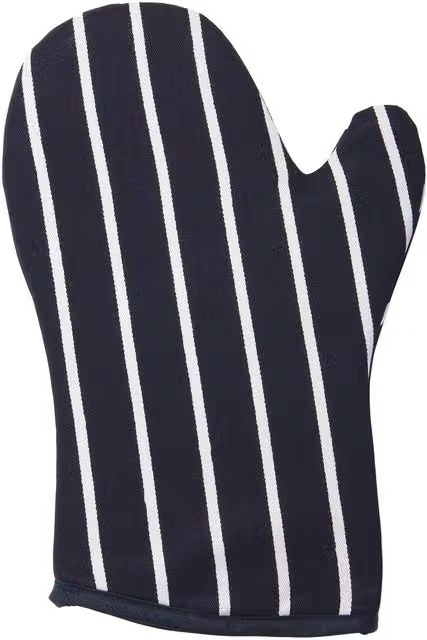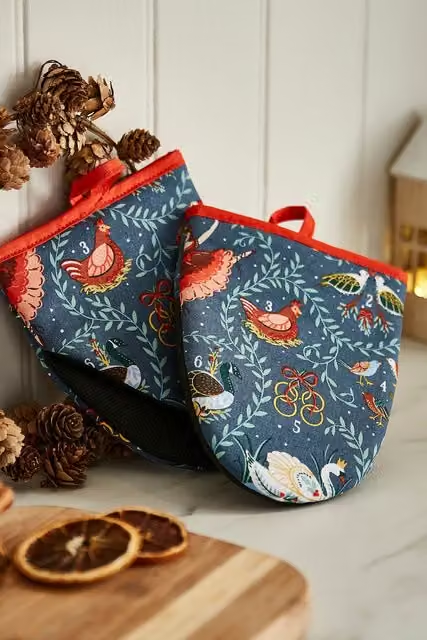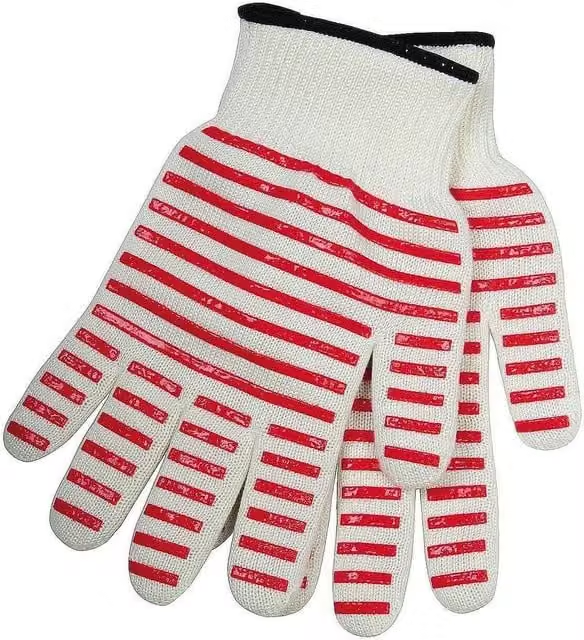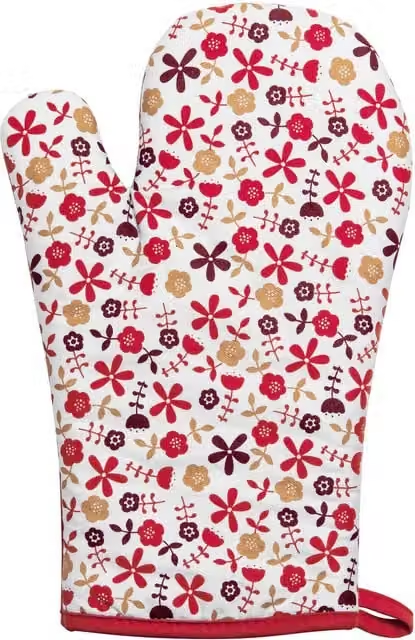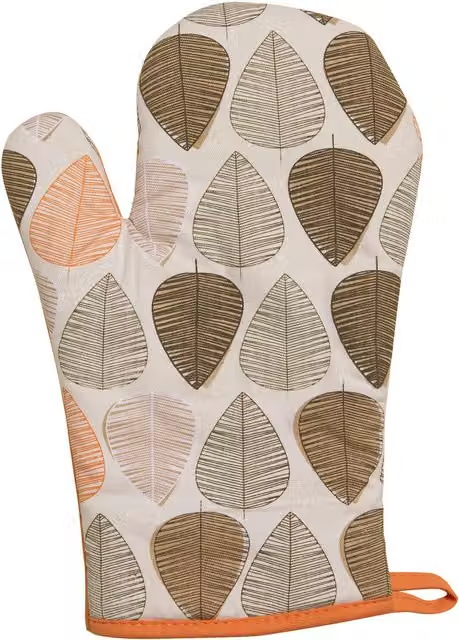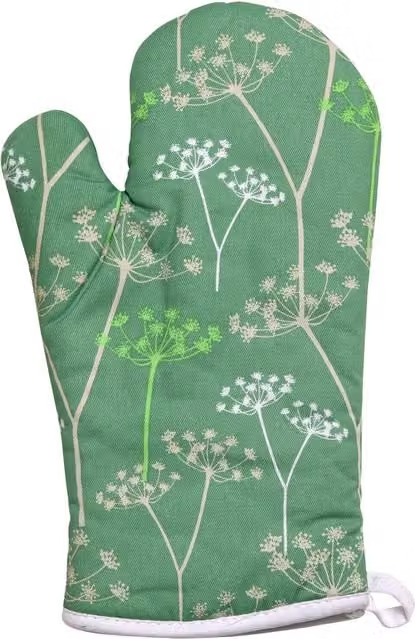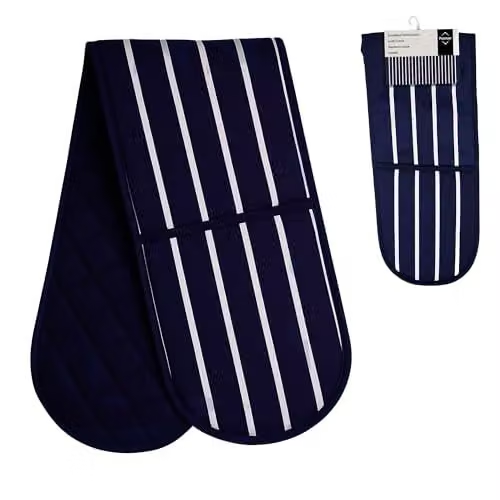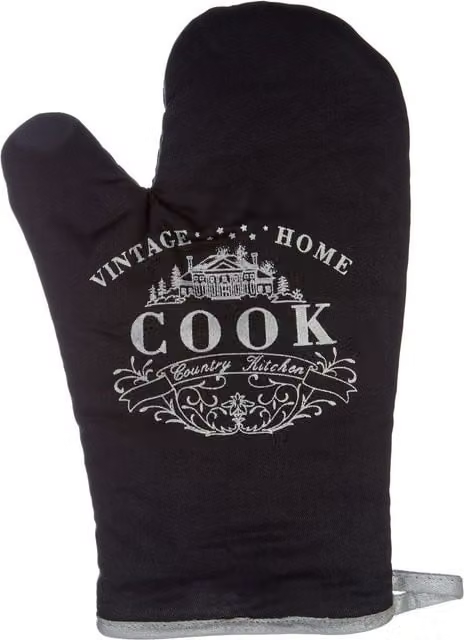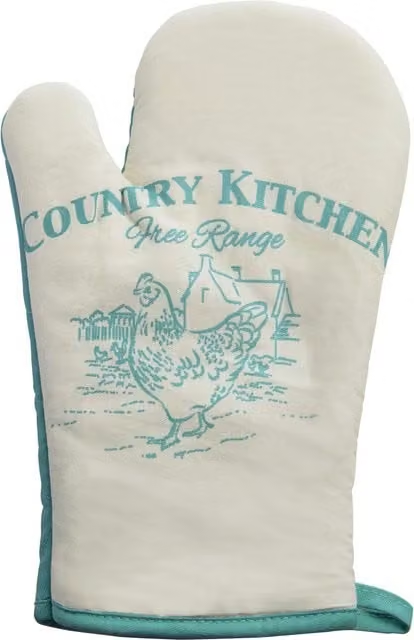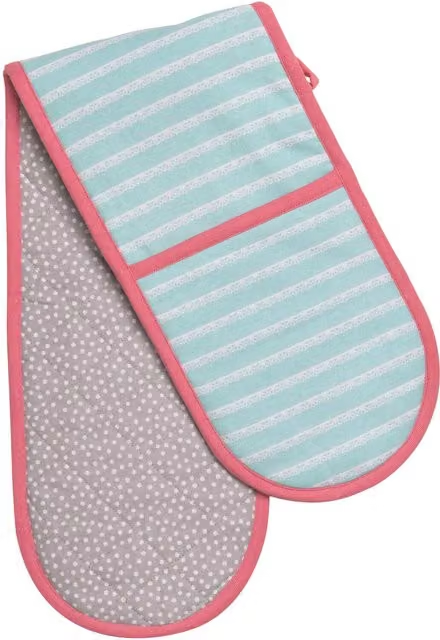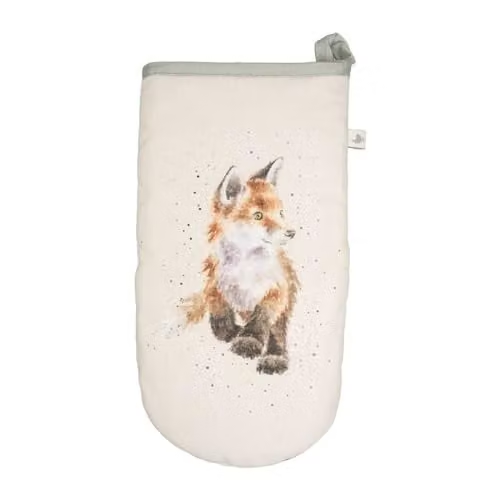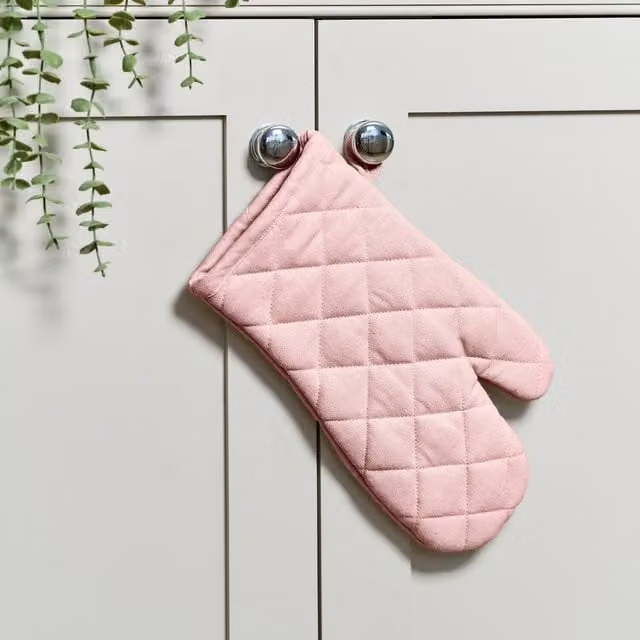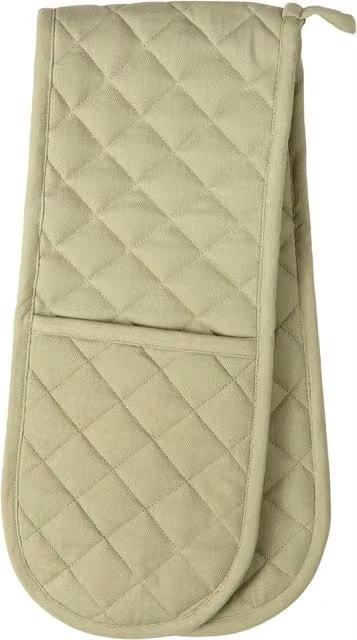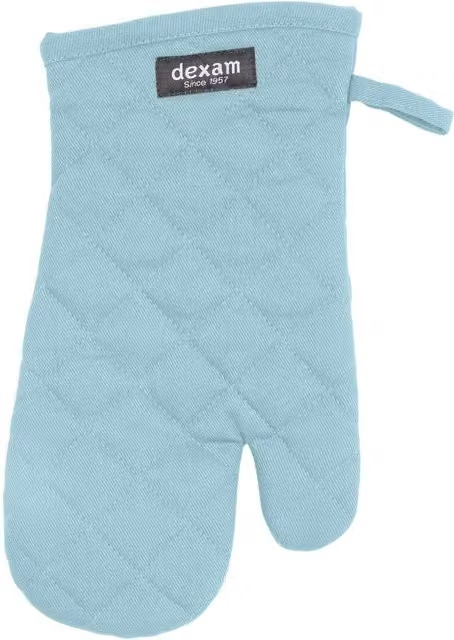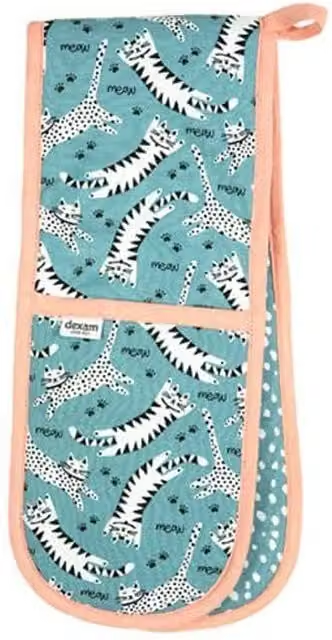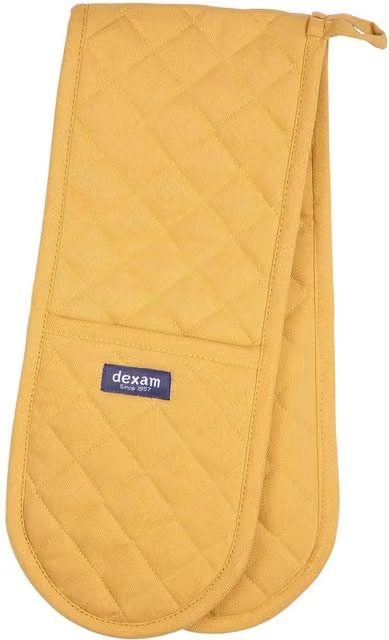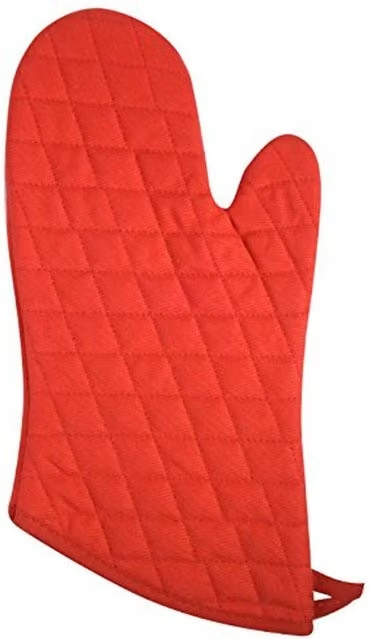

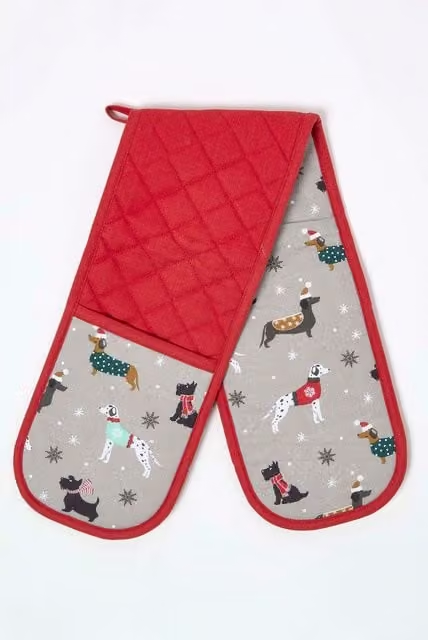
Nobody thinks much about oven gloves until the moment a heavy roasting tin comes out of a hot oven and the pair you own turn out to be too thin, too short or too slippery. A good set is one of those small purchases that quietly improves cooking, protecting your hands properly and letting you handle hot cookware with confidence rather than a wince.
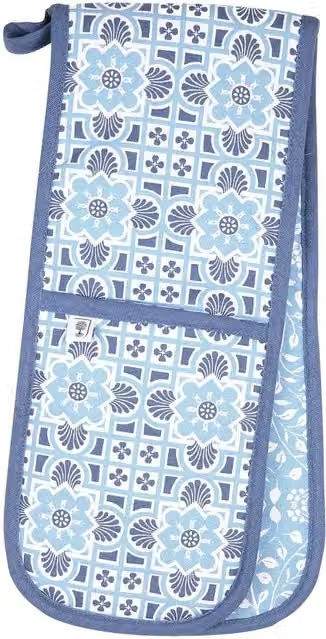
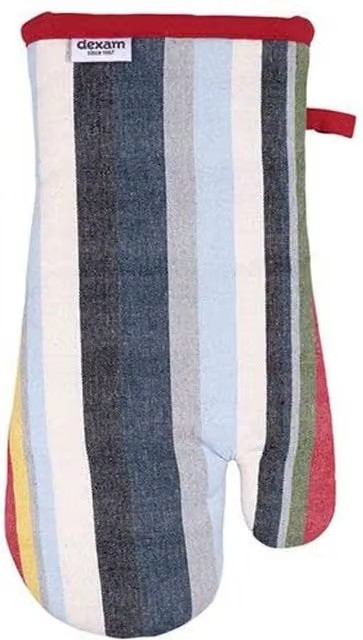
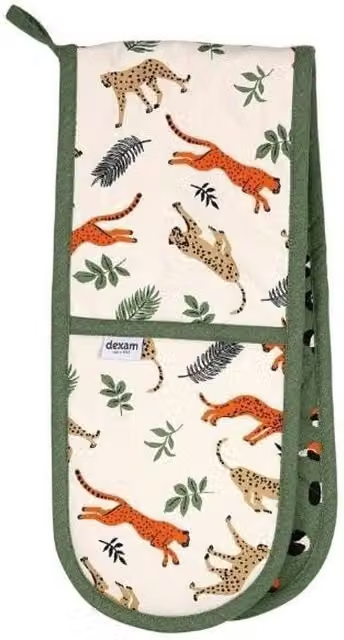
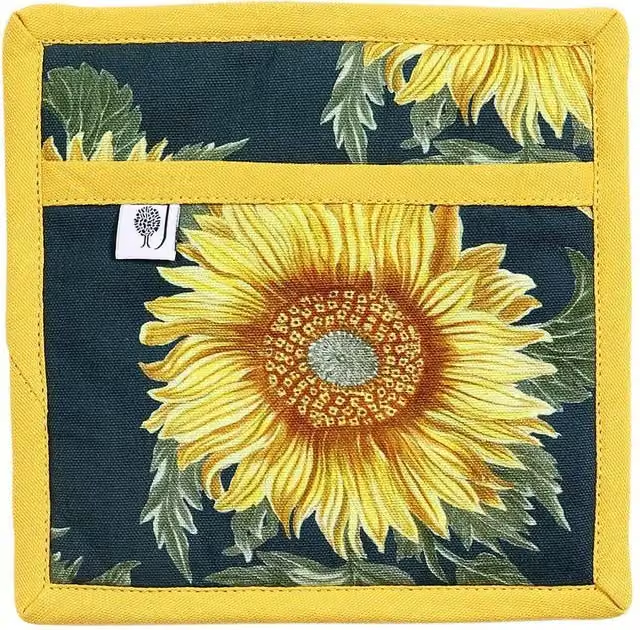
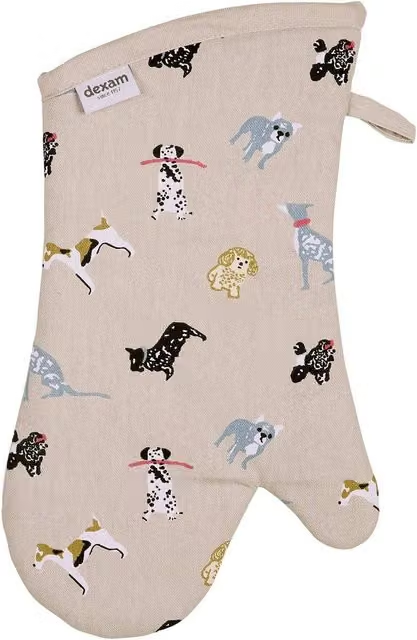
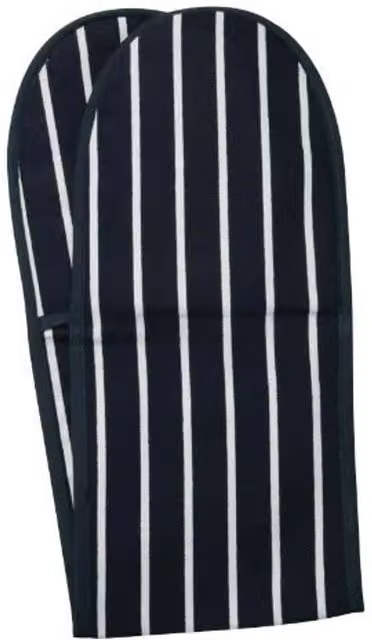
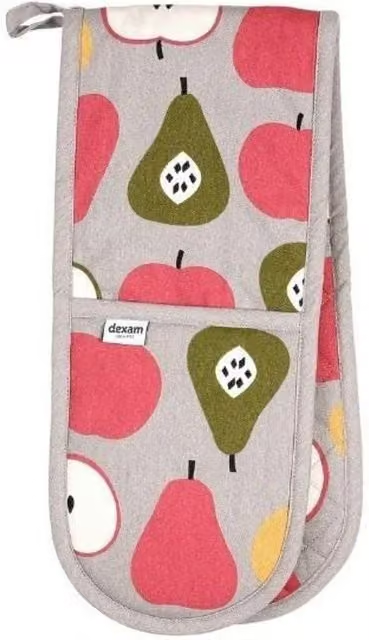
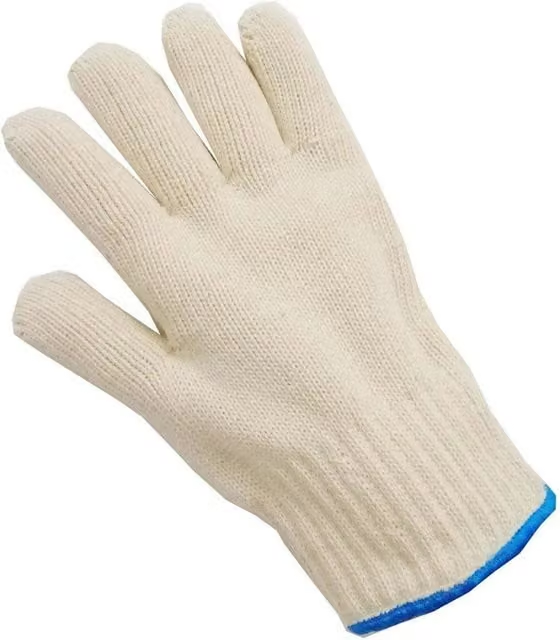
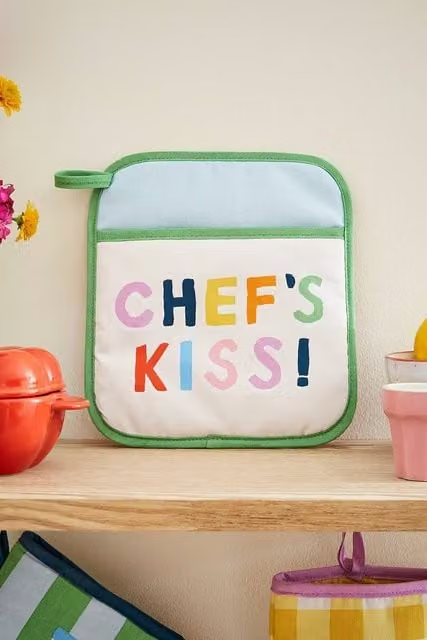
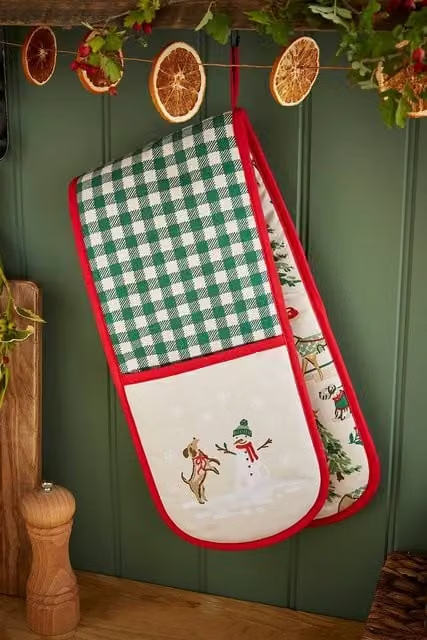
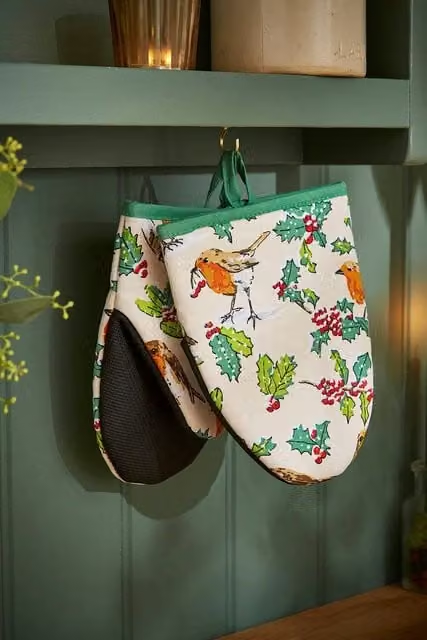
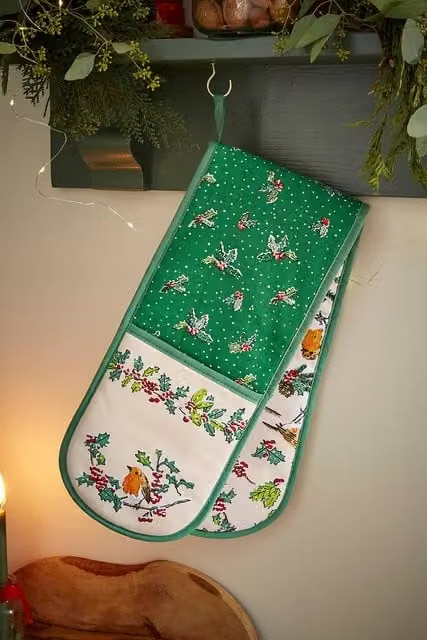
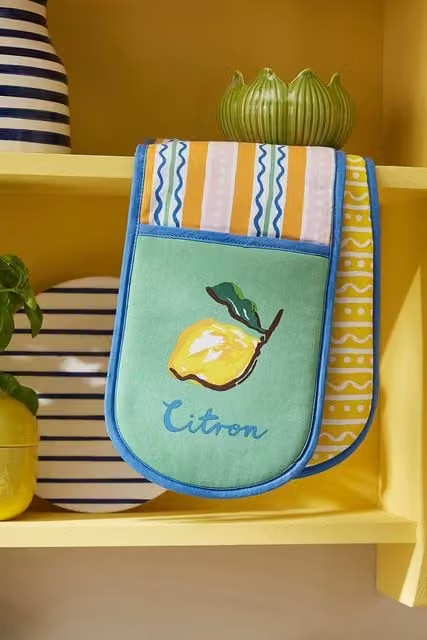
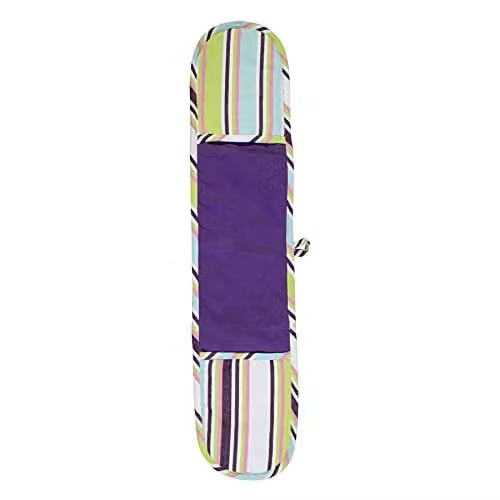
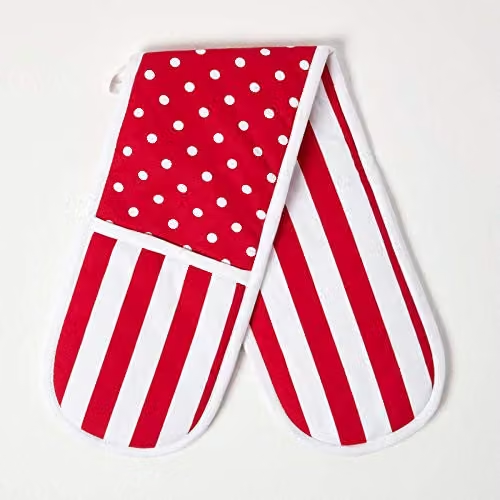
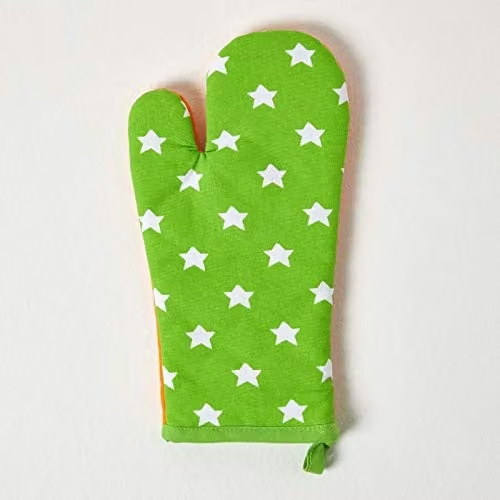
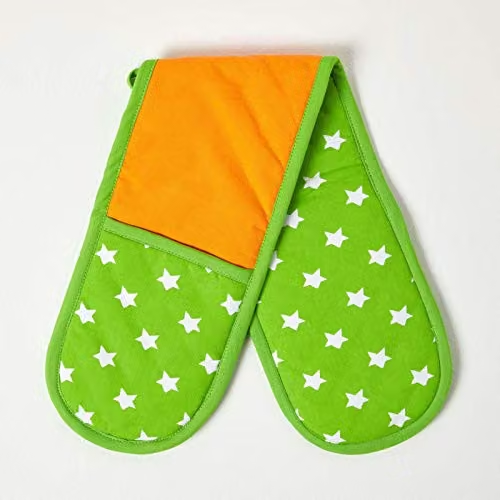
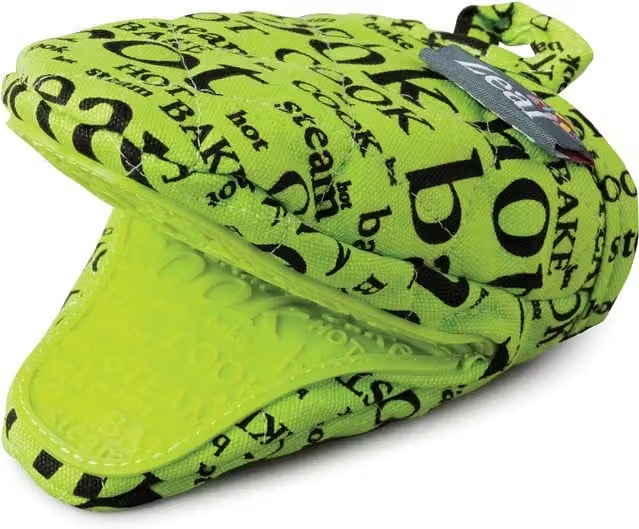
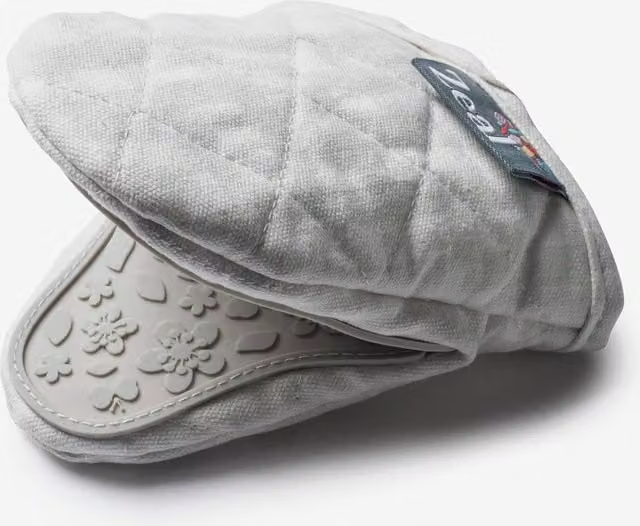
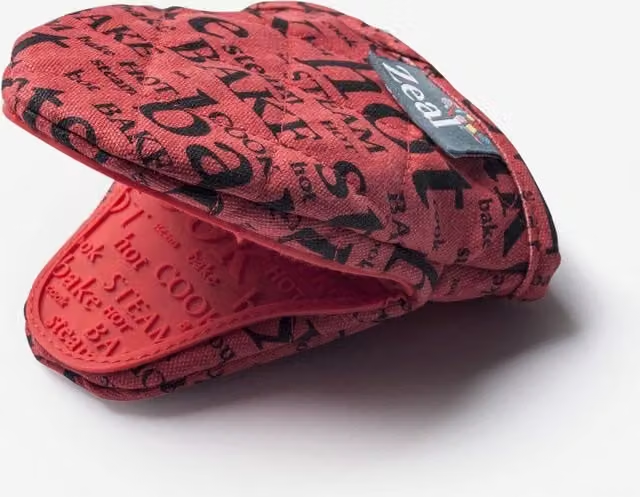
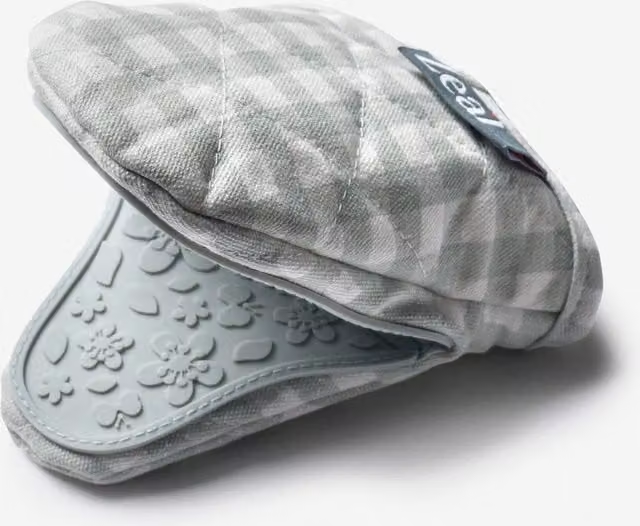
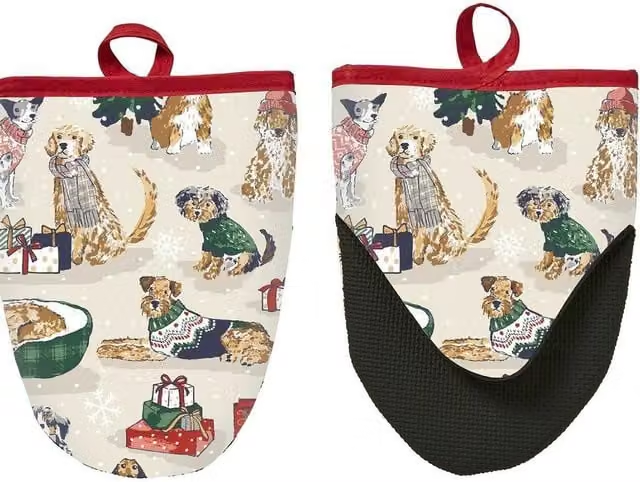
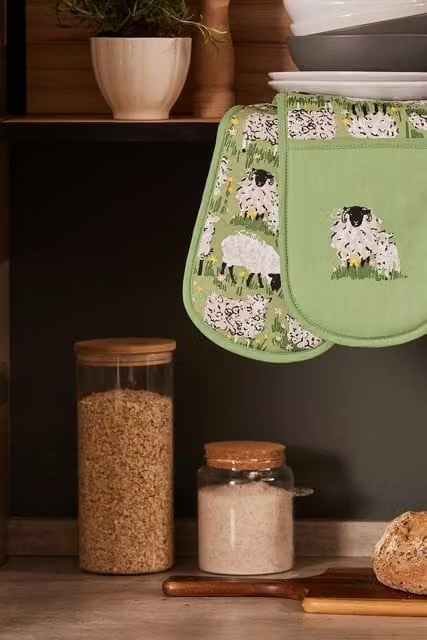
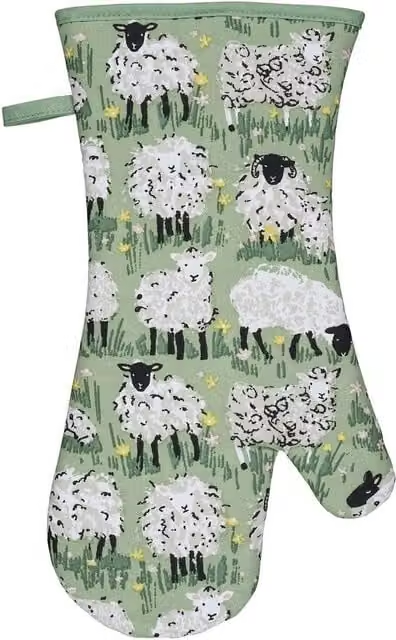
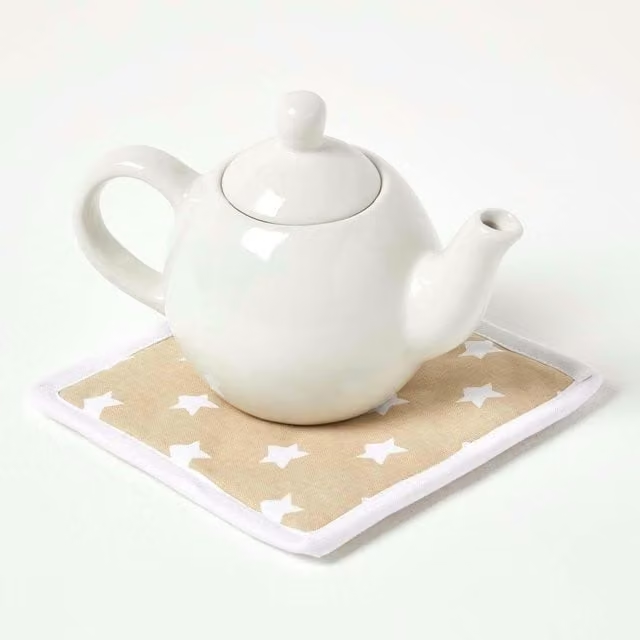
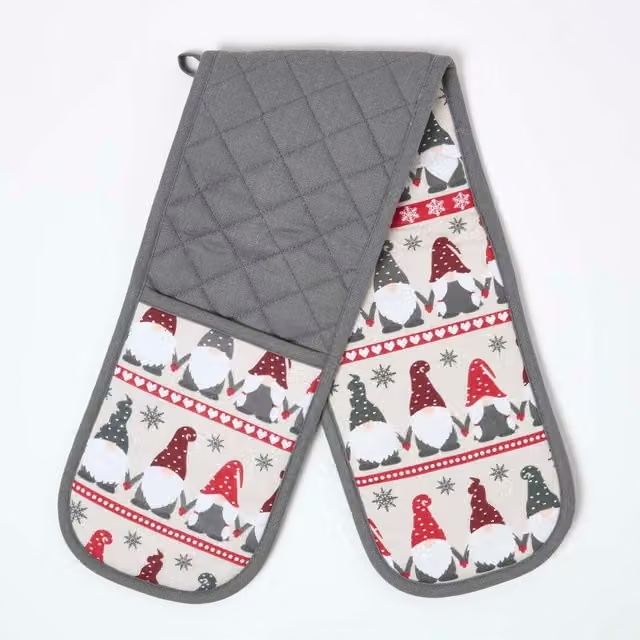
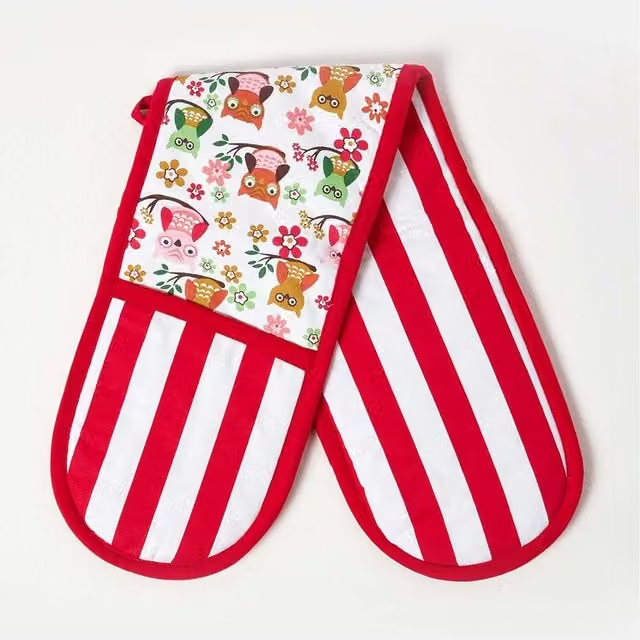
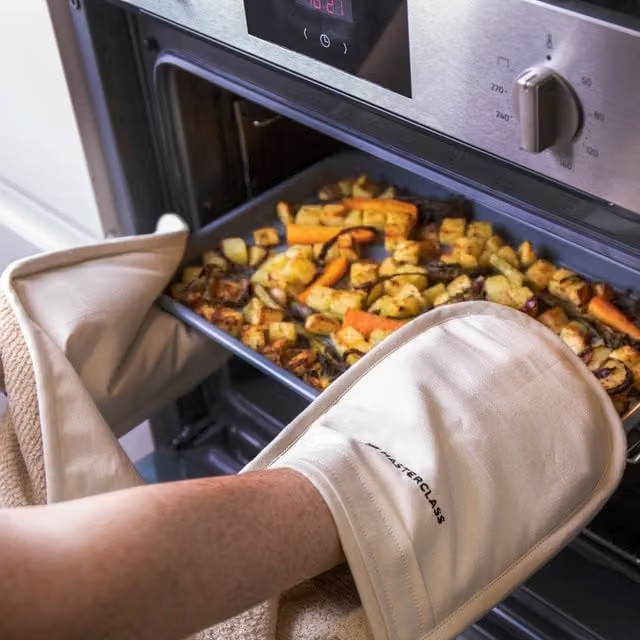
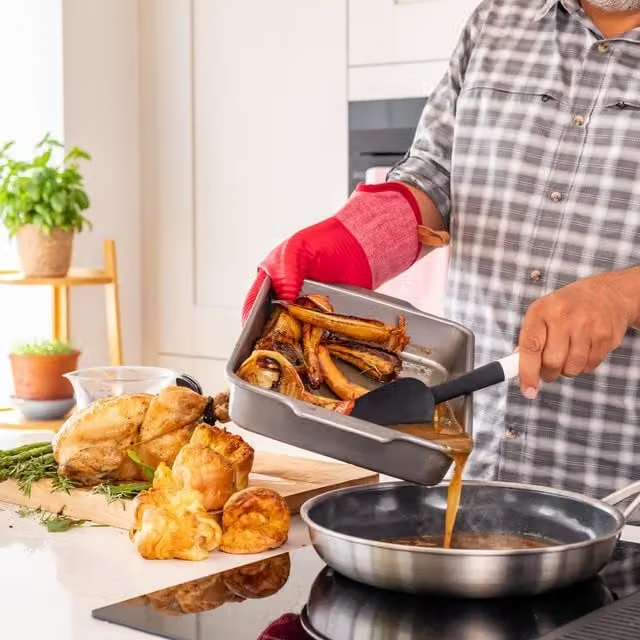
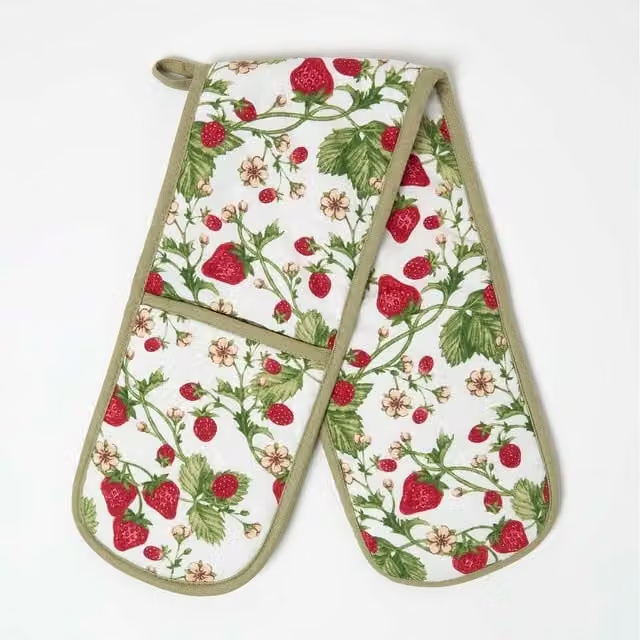
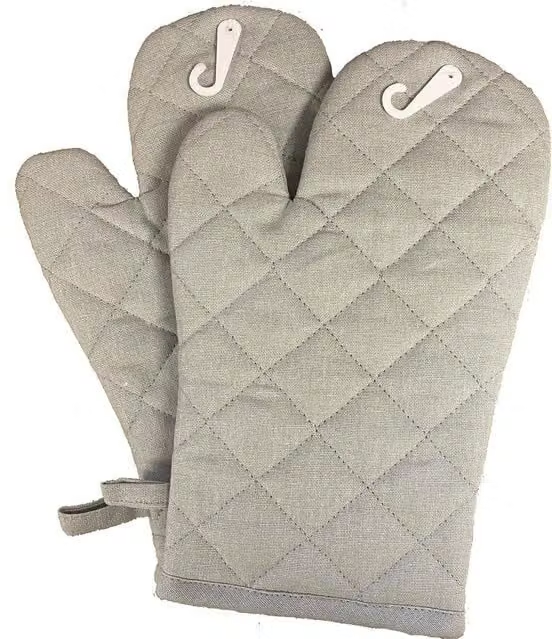
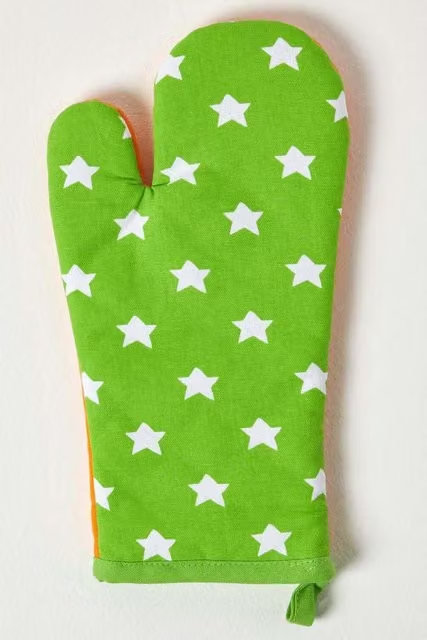
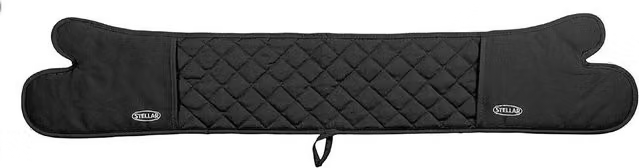
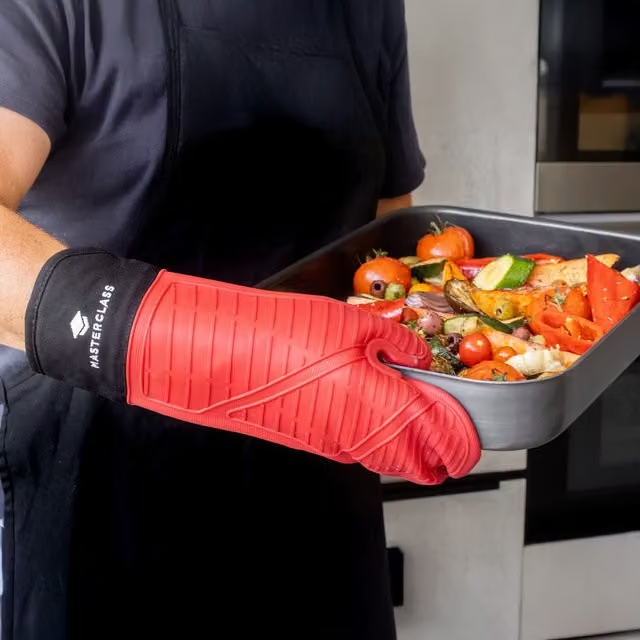
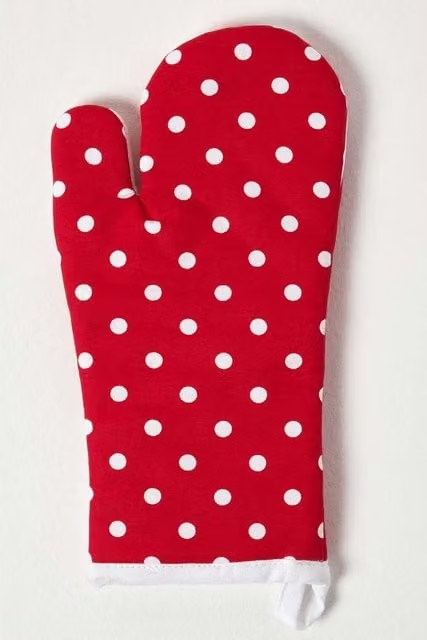
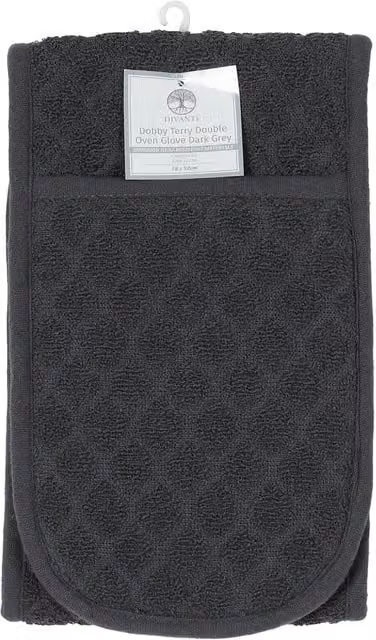
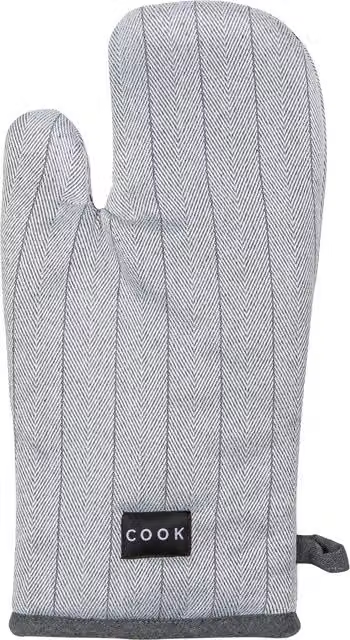
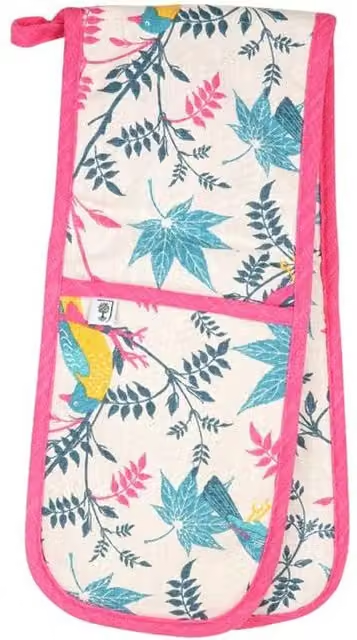
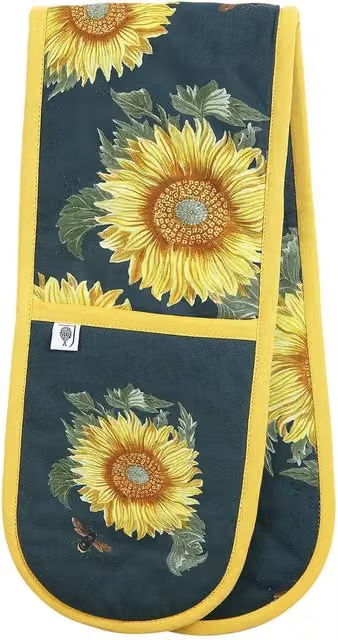
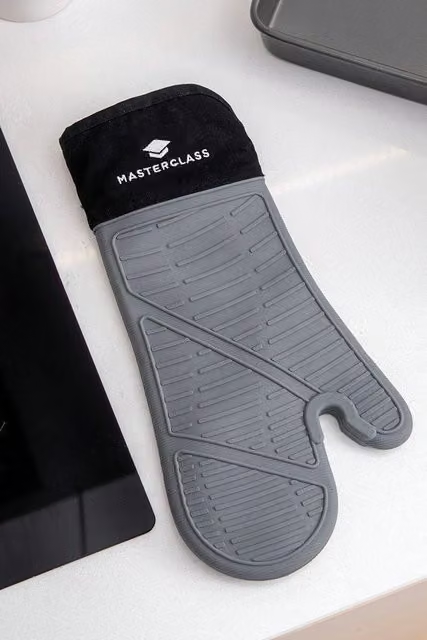
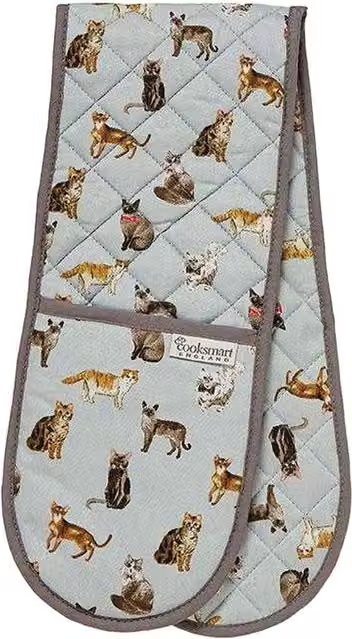
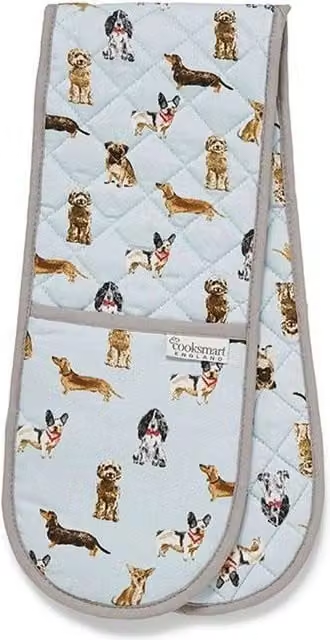
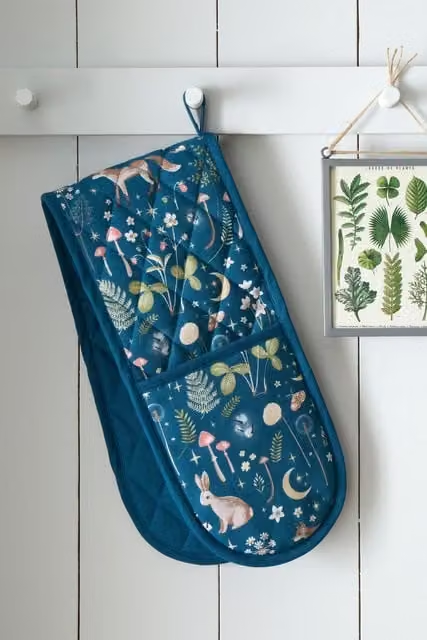
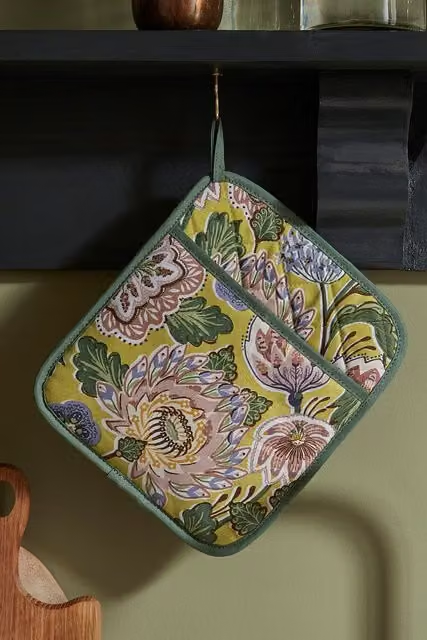
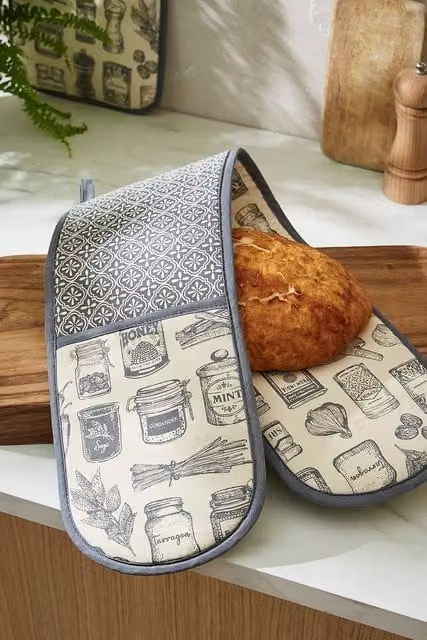
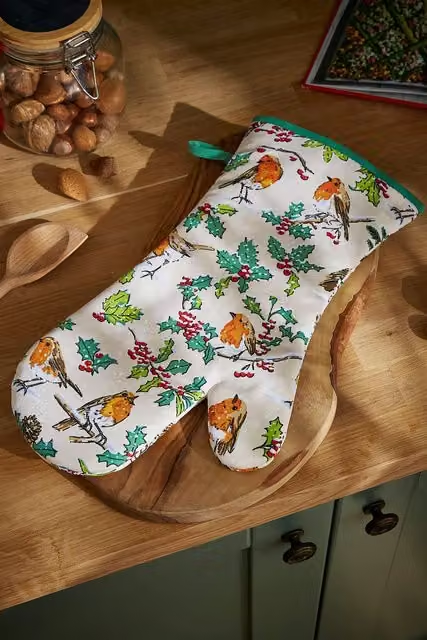
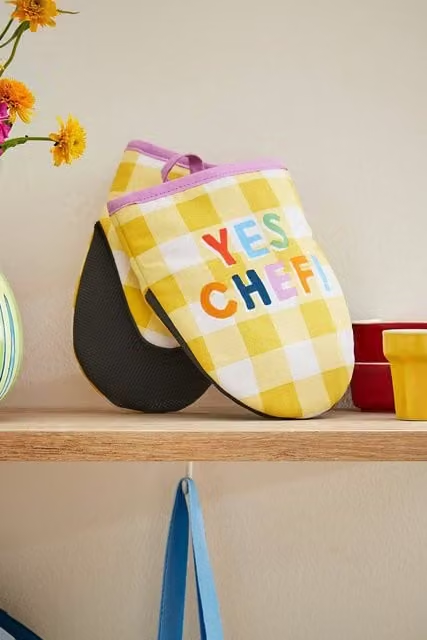
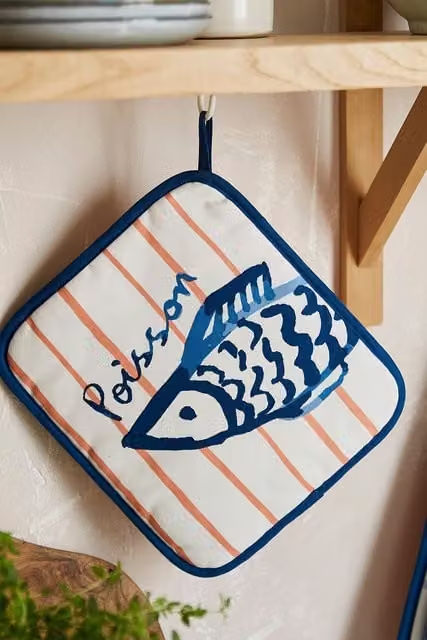
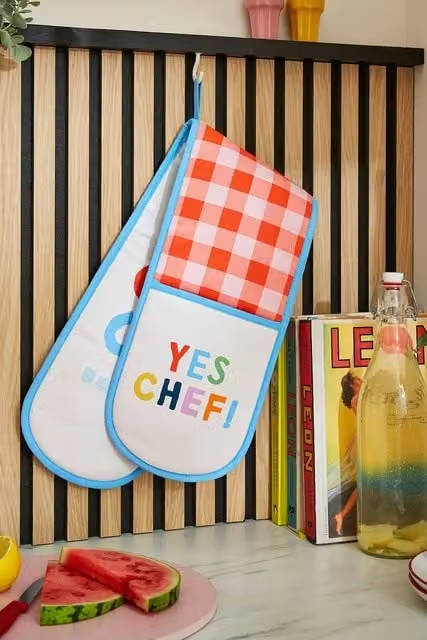
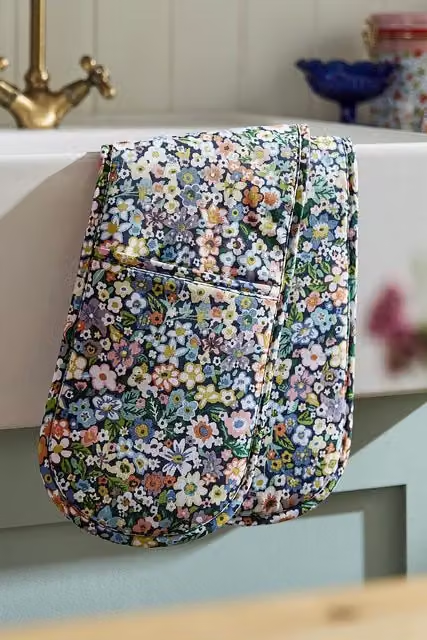
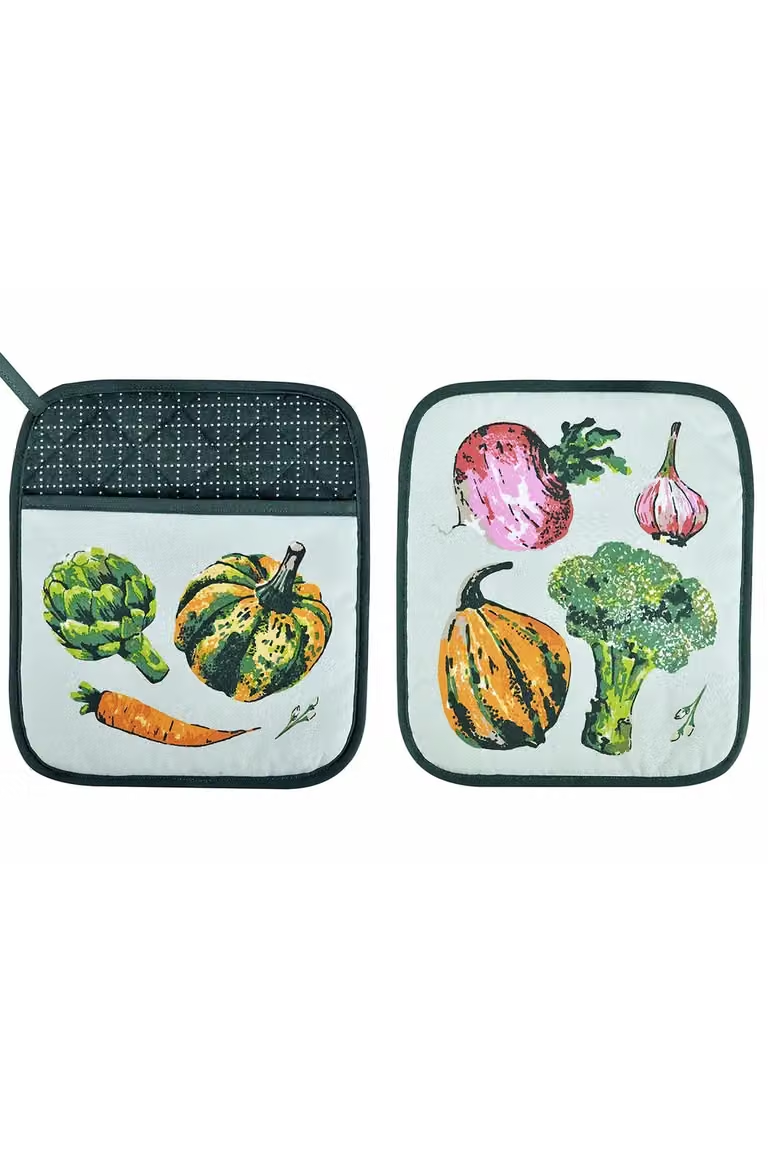
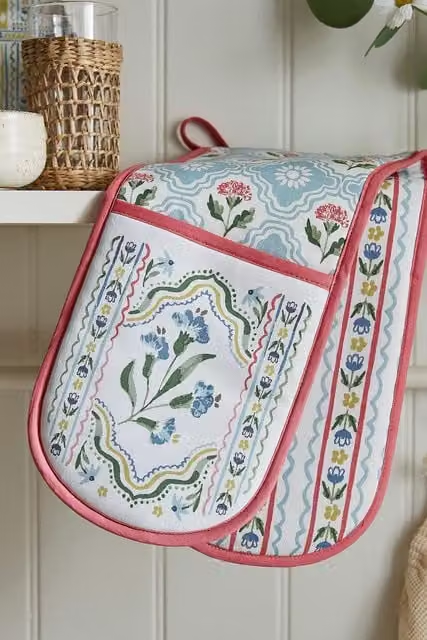
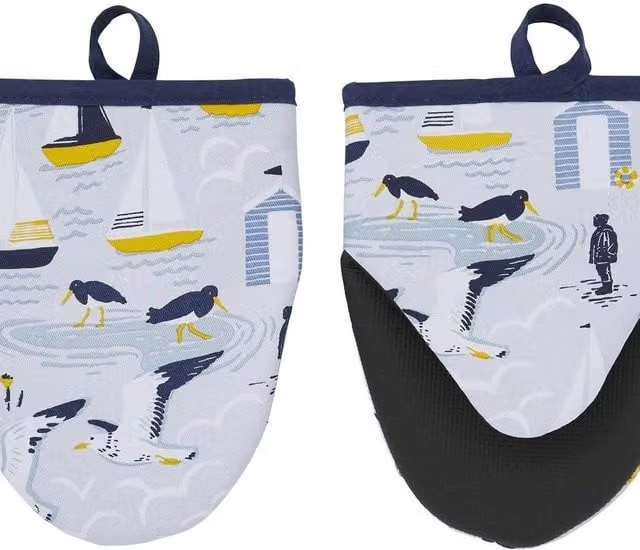
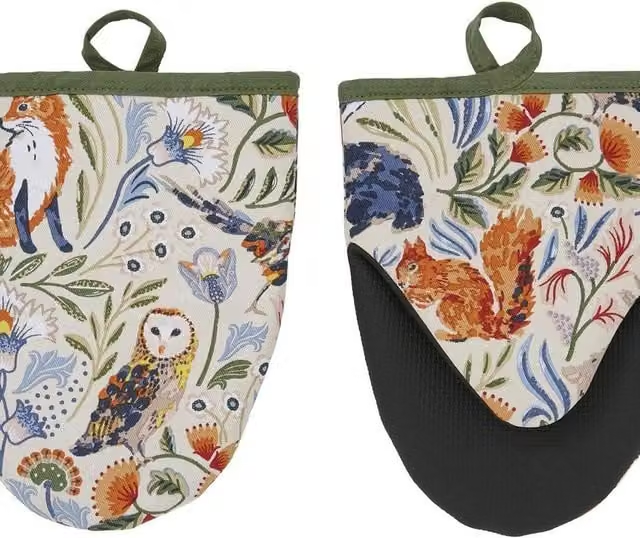
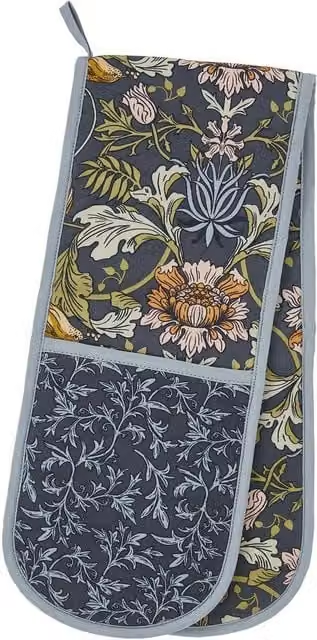
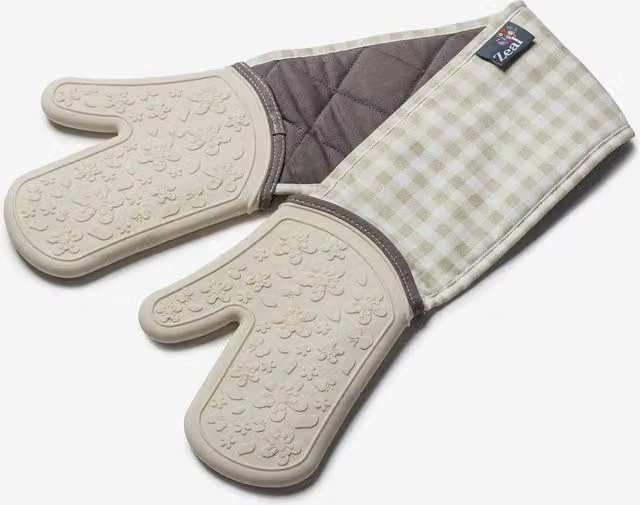
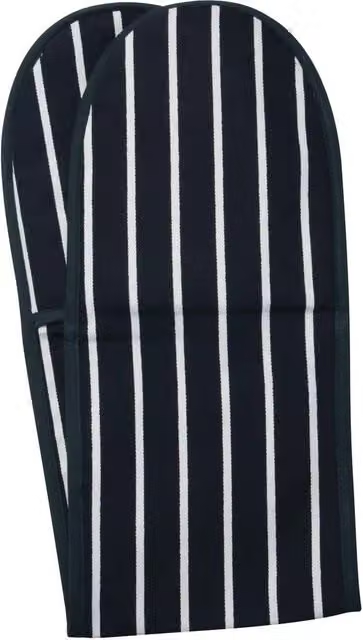
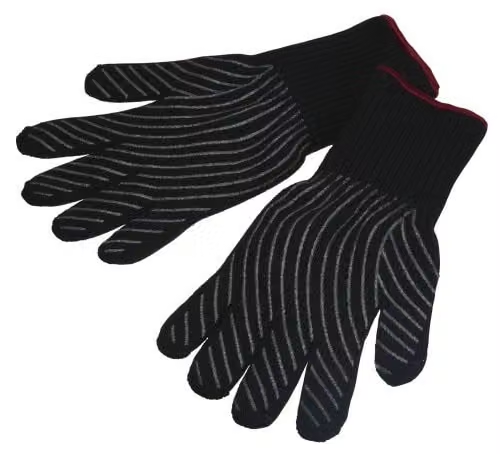
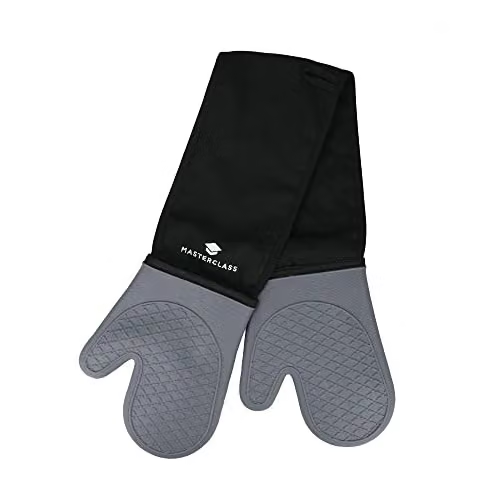
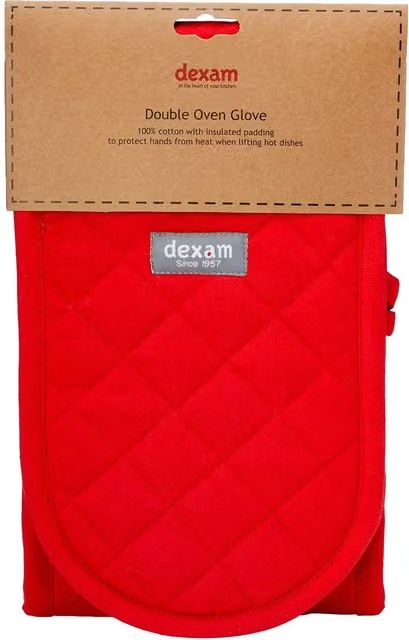
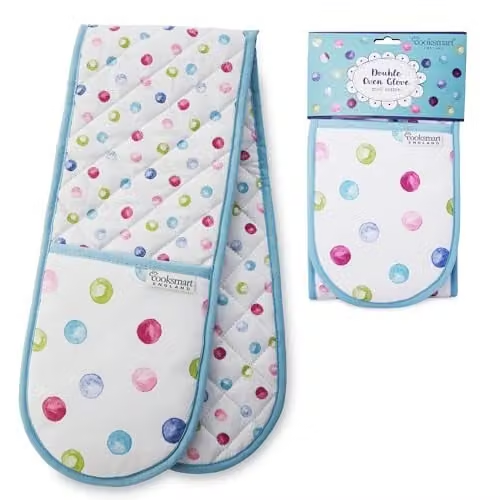
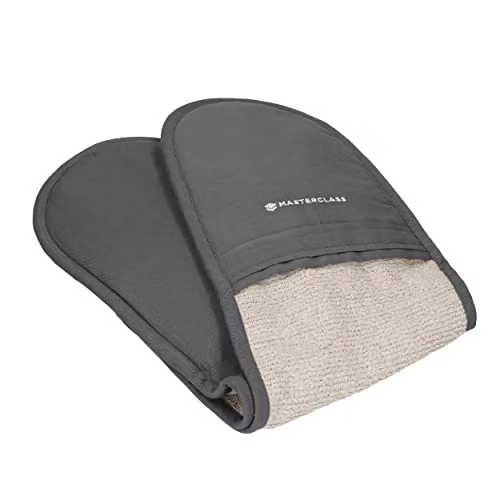
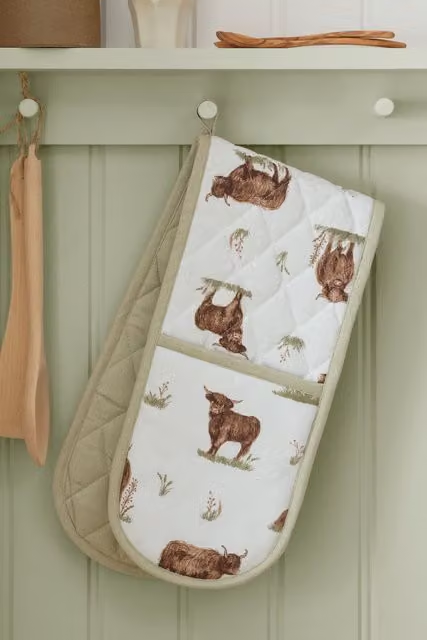
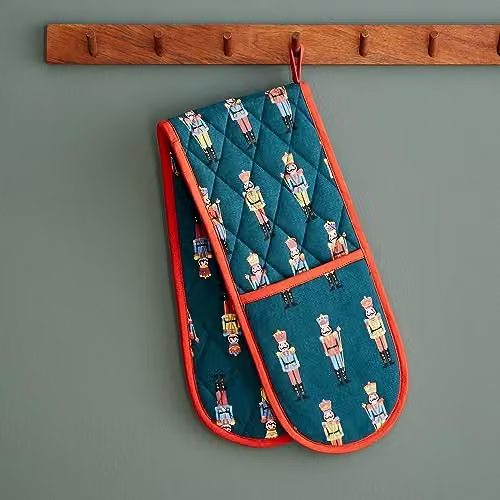
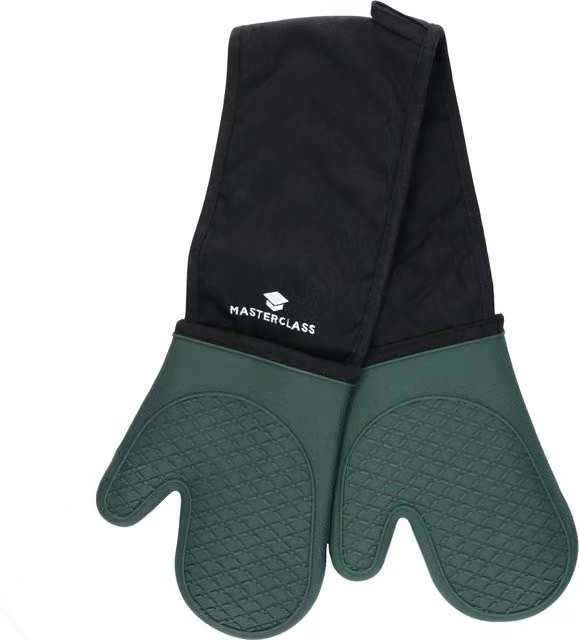
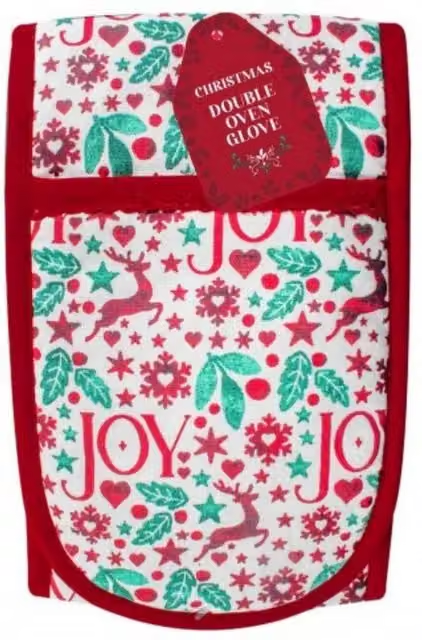
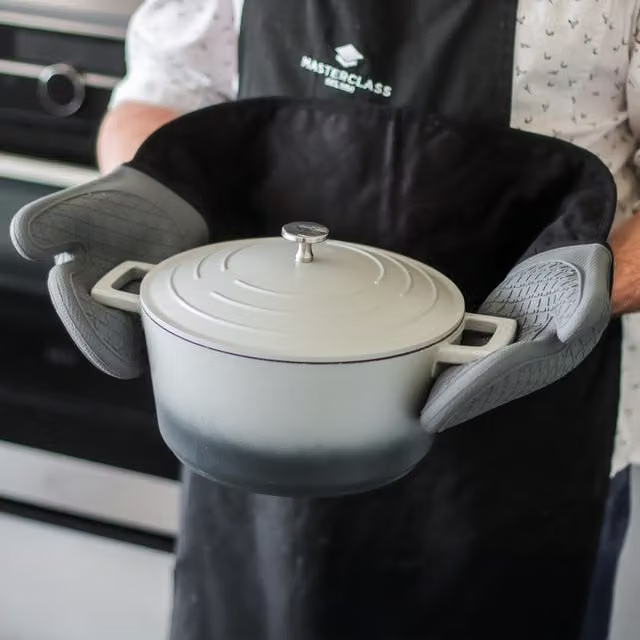
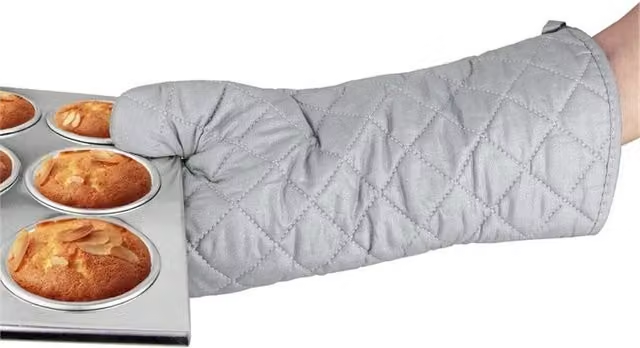
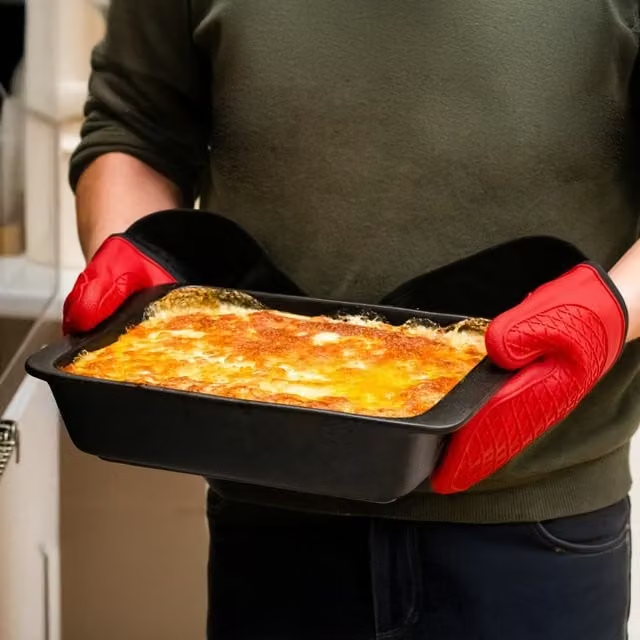
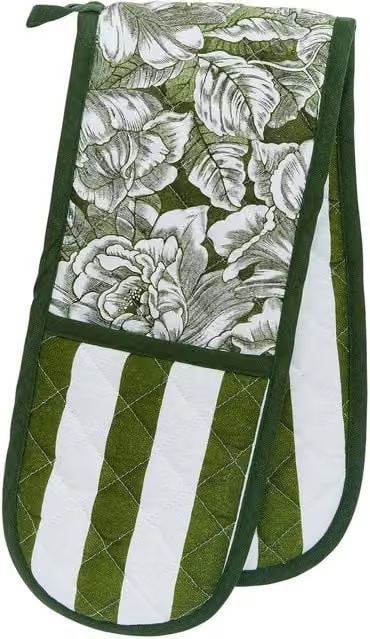
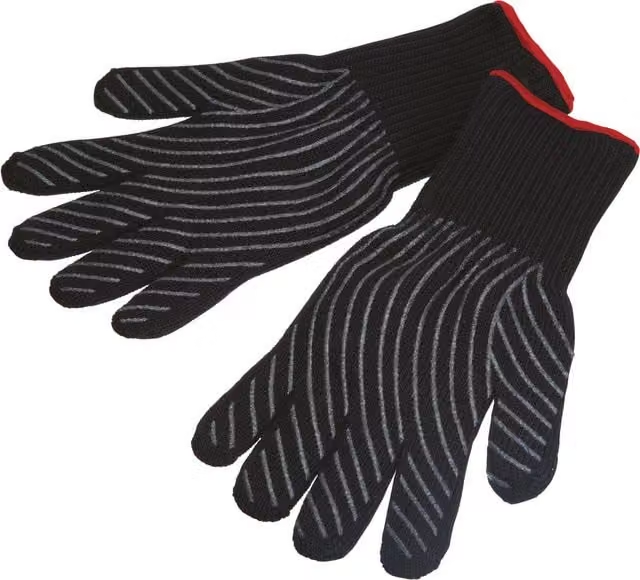
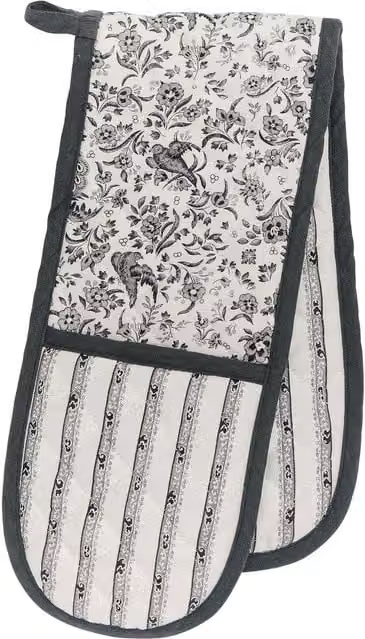
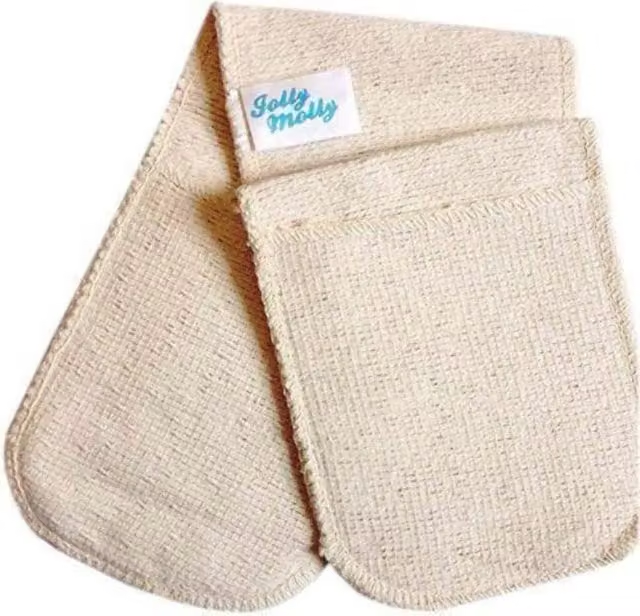
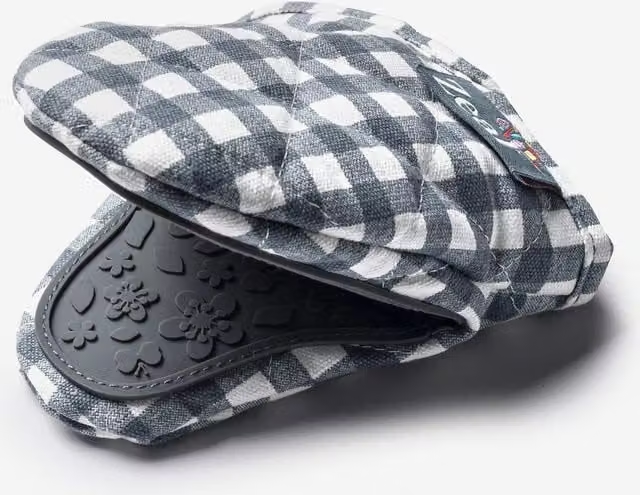
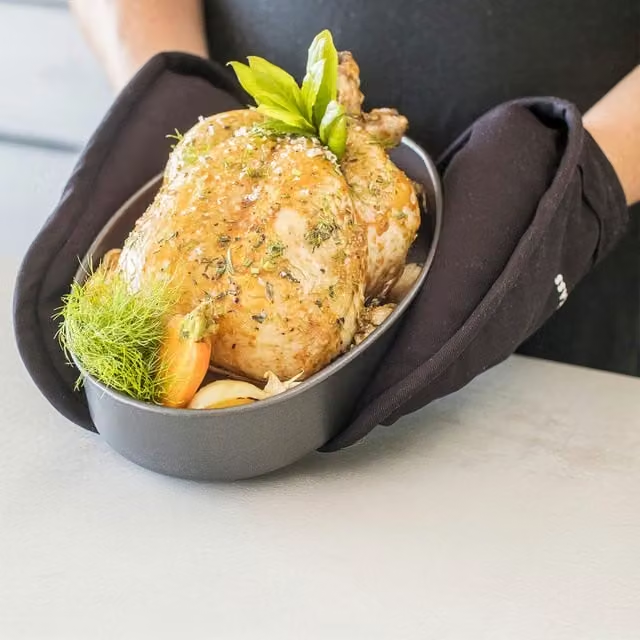
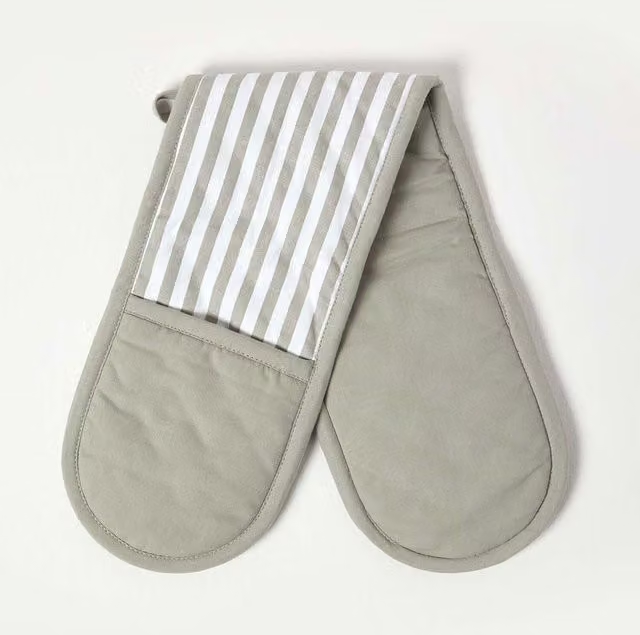
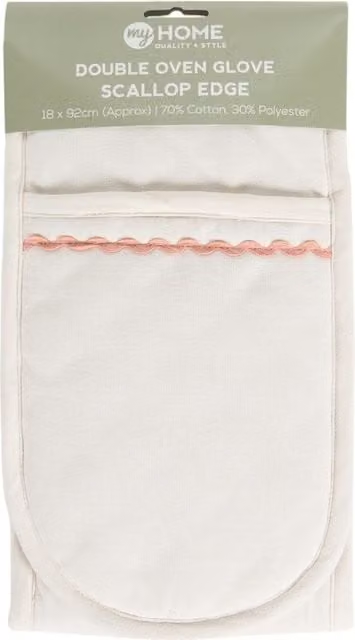
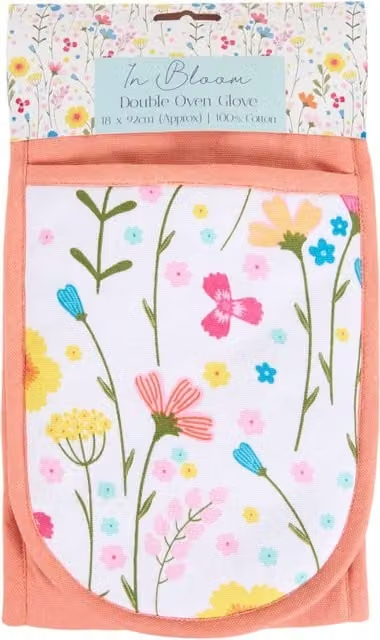
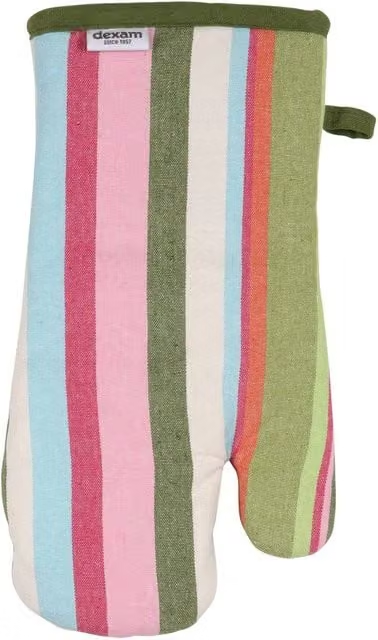
There are more options than the classic double mitt suggests. Traditional double oven gloves drape over the shoulder and cover both hands with a connecting strip, which is handy for lifting a tray in one movement. Single mitts give more dexterity and are easier to store, while gauntlet styles extend well up the forearm to protect against oven shelf burns, the injury most home cooks actually get. Silicone gloves and grips offer excellent heat resistance and a non slip surface, and five finger silicone or aramid gloves let you grip individual items and even handle barbecue food directly. Pot holders and trivet squares complete the picture for shorter tasks.
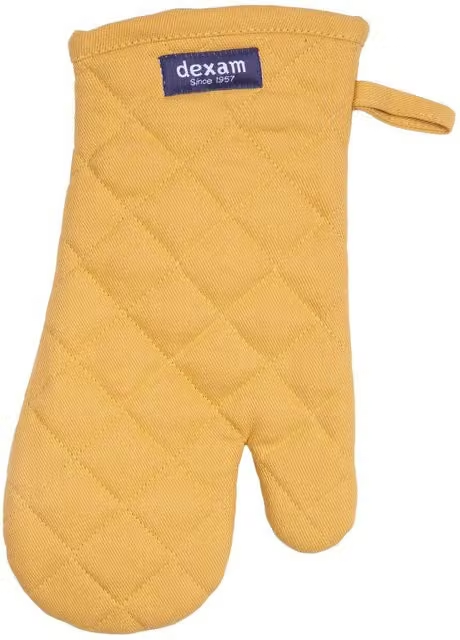
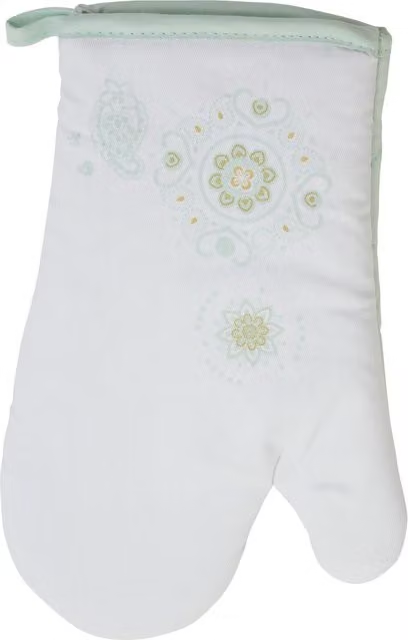
Materials determine how much heat protection you actually get. Quilted cotton with a thick wadding interlining is the traditional choice and remains comfortable and washable, though it loses effectiveness if it gets damp. Silicone withstands very high temperatures and wipes clean, which suits messy roasting and barbecue work, but it can feel bulky. Aramid and Kevlar blends offer professional grade heat resistance in a slimmer glove. Look for a stated temperature rating, ideally 200 degrees or more, and check that the lining is thick enough that you cannot feel the heat within a few seconds.
Prices are refreshingly low across the board. Basic cotton mitts cost very little, quality quilted and silicone lined pairs sit slightly higher, and professional aramid gloves are the most expensive while still being an affordable upgrade.
Have a look through the options, compare prices and give your hands the protection they deserve.
Each has its strengths, which is why many cooks own both. Silicone handles very high temperatures, grips wet or greasy dishes securely and wipes clean after a messy roast, making it ideal for barbecues and anything that spits. Quilted cotton is more comfortable, more flexible for delicate work and feels less clumsy when handling smaller items. Fabric gloves also breathe, so your hands stay more comfortable during long cooking sessions.
Damp is almost always the culprit. Water conducts heat far faster than air, so a slightly wet glove transfers heat to your skin within seconds and can cause a steam burn. This happens easily if you have wiped a surface or handled a wet dish first. Always use completely dry gloves, keep a second pair in rotation, and let them dry fully after washing before they go back in the drawer.
Most cotton and quilted gloves go in the machine at 40 degrees, though check the label since some heat resistant linings specify a cooler wash. Avoid fabric conditioner, which can reduce the loft of the wadding and therefore the insulation. Silicone gloves simply need washing up liquid and warm water, or a top rack dishwasher cycle if the manufacturer allows it. Never tumble dry on high heat, as this can damage synthetic linings and shrink the outer fabric.
Replace them as soon as the padding feels thin, the fabric has scorch marks or you can feel heat coming through within a couple of seconds. Compressed and flattened wadding no longer insulates properly even if the glove looks intact from the outside. Any tear, hole or worn patch in the palm is an immediate retirement notice. Given how inexpensive they are compared with a burn, most kitchens should replace them every couple of years.