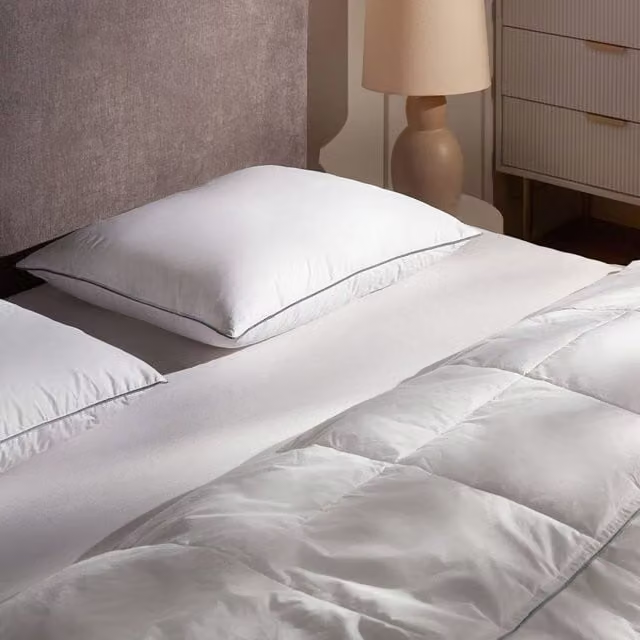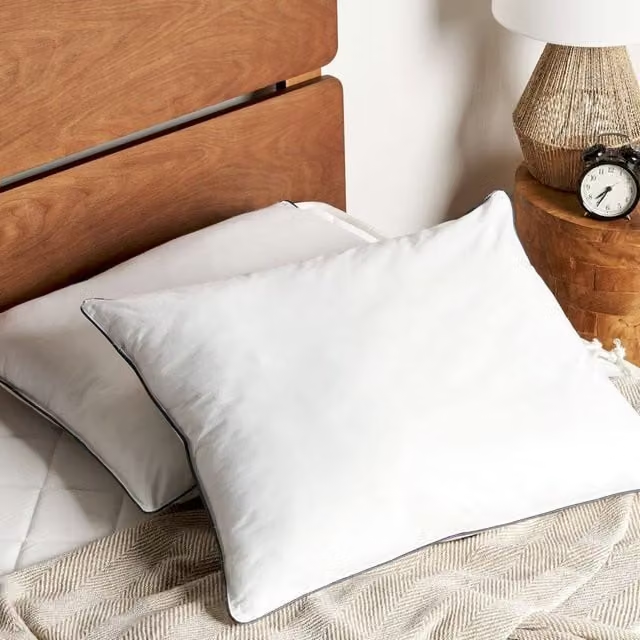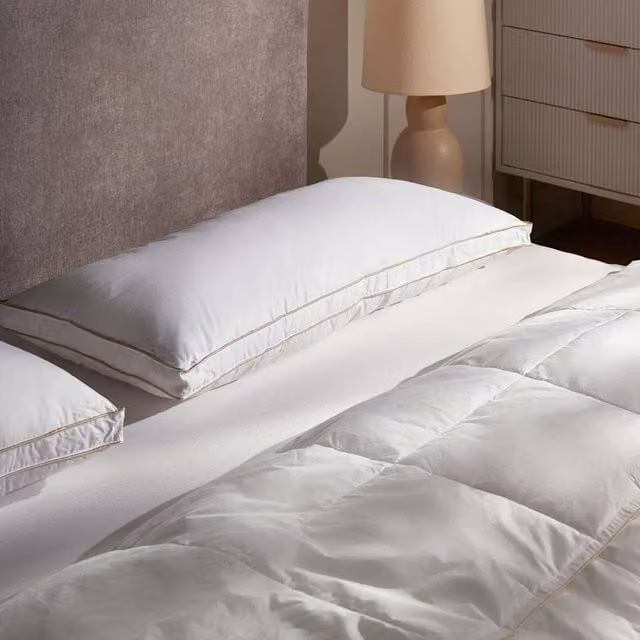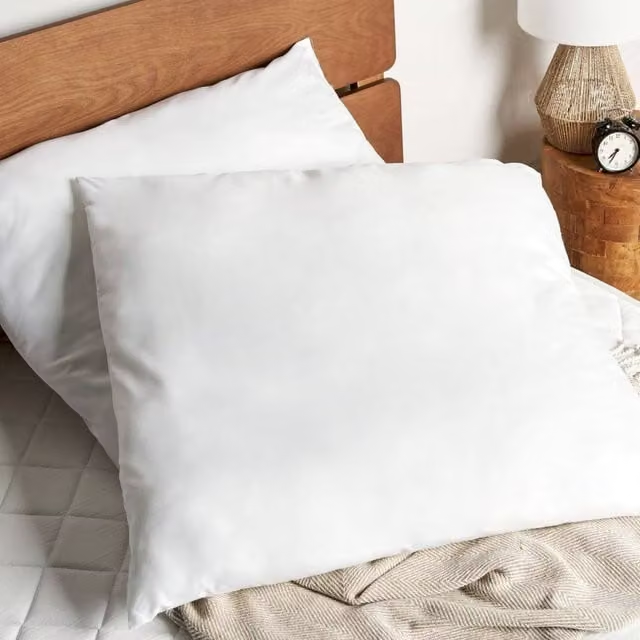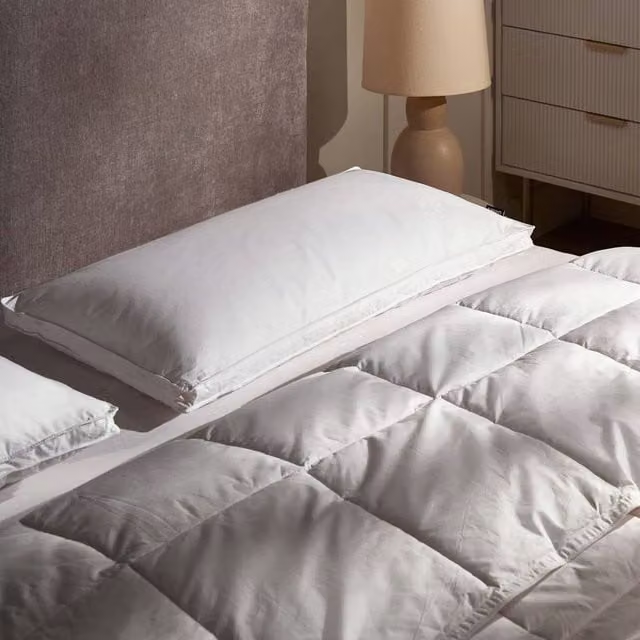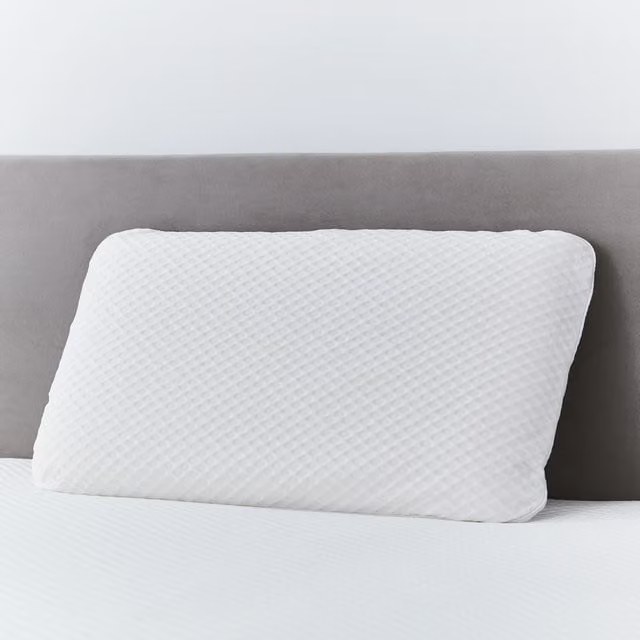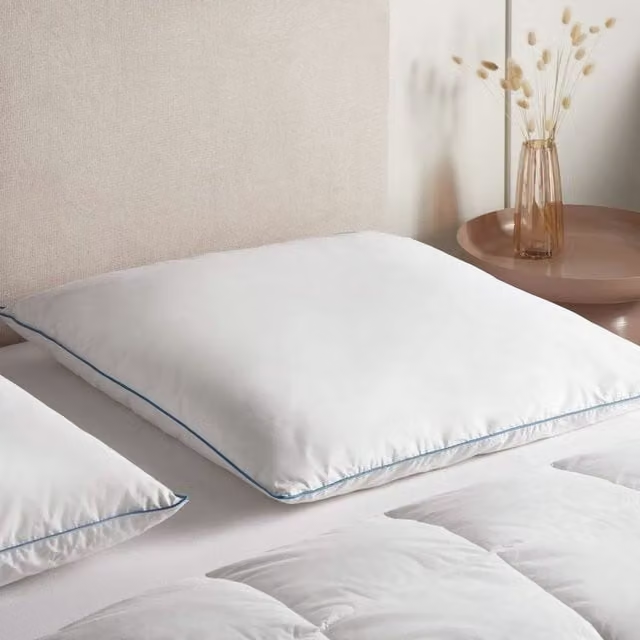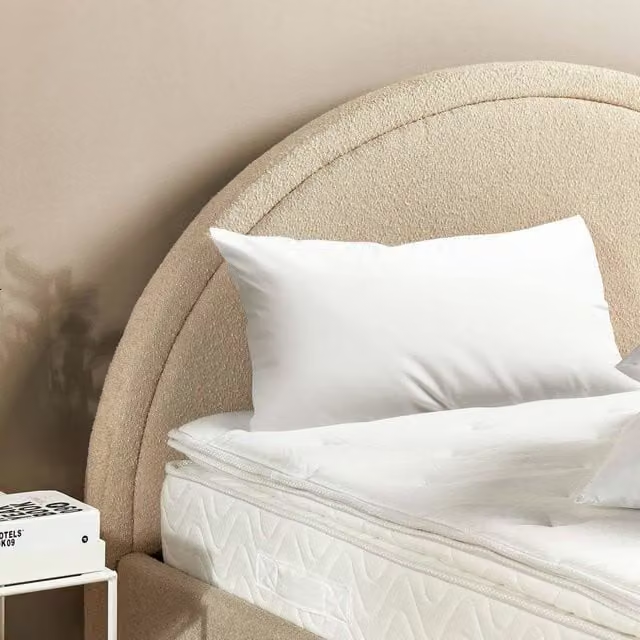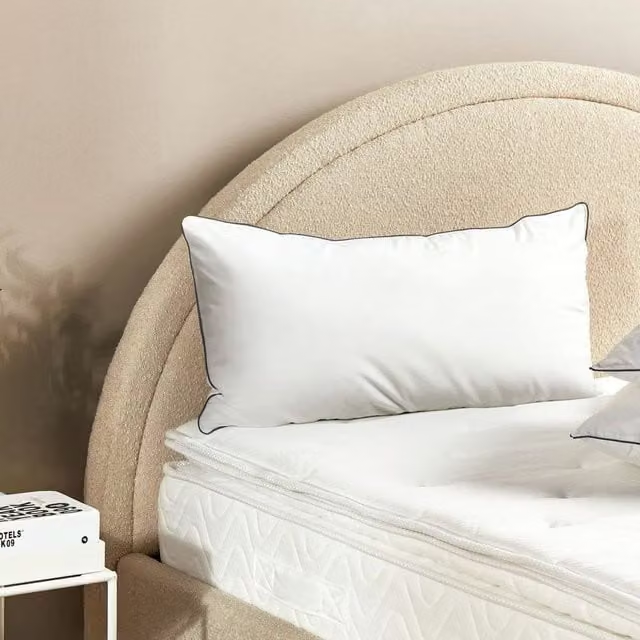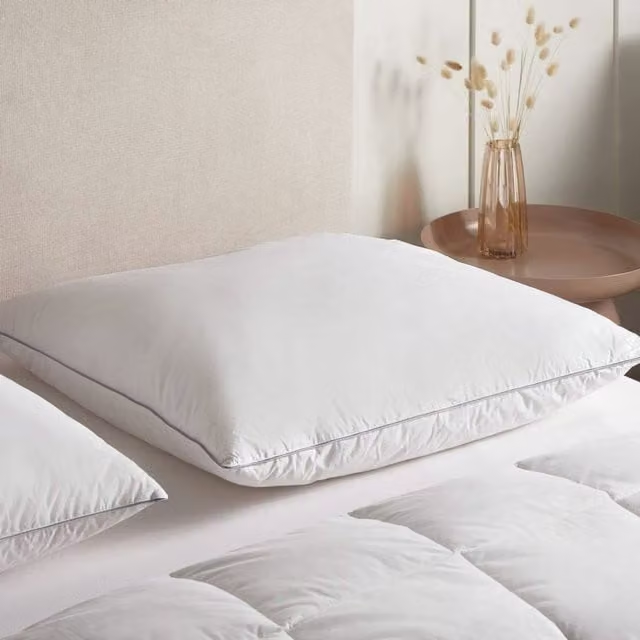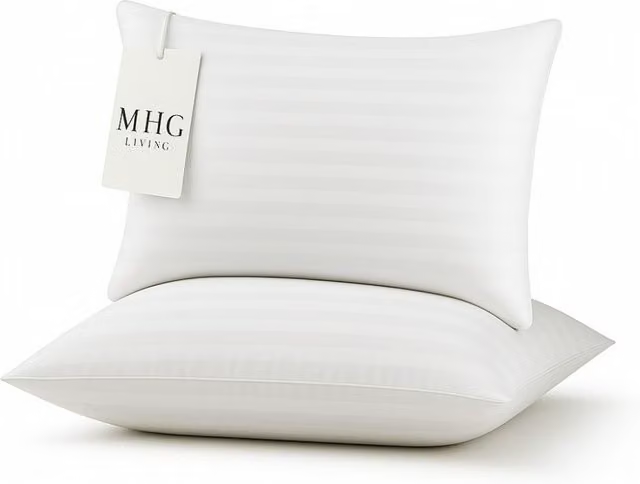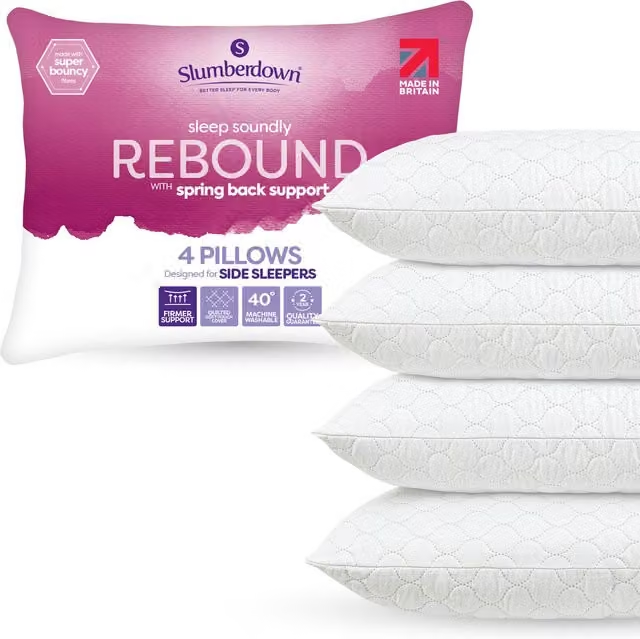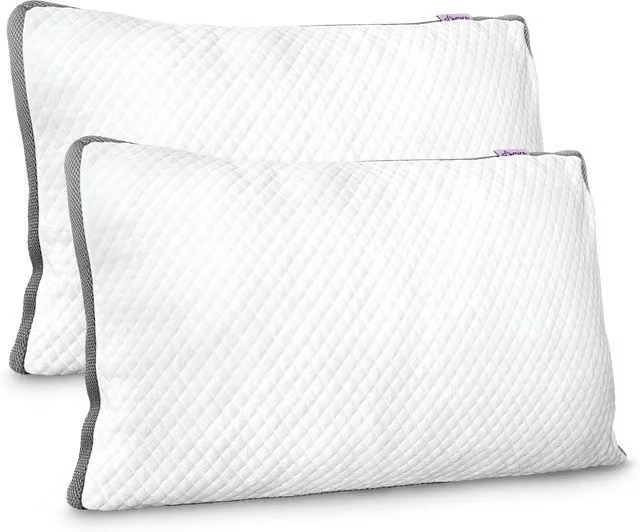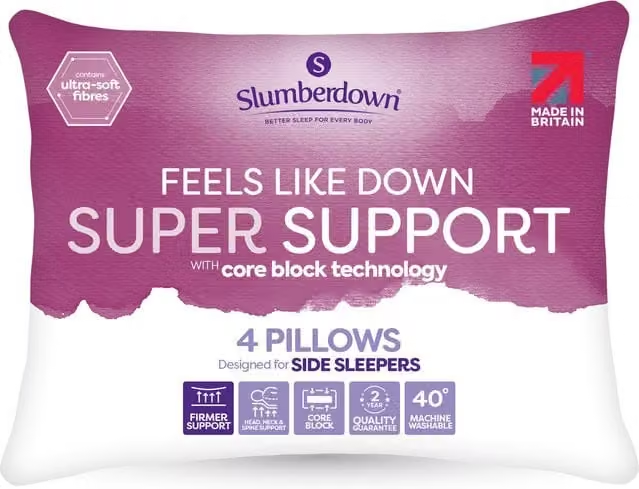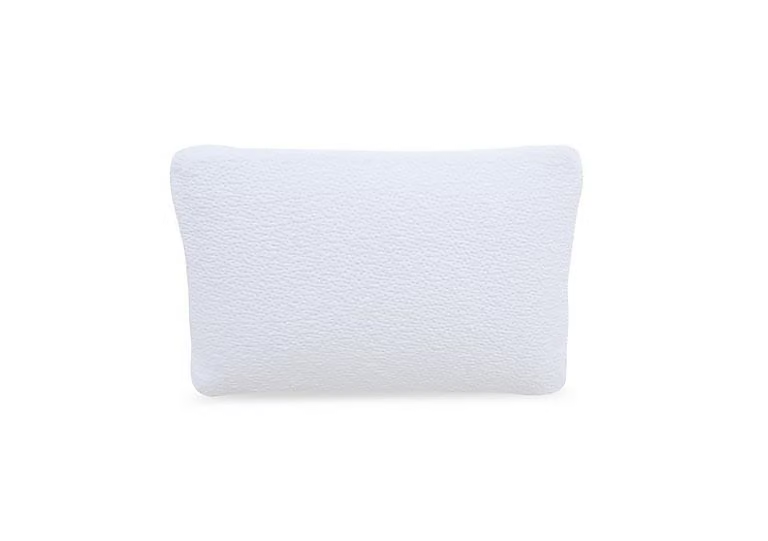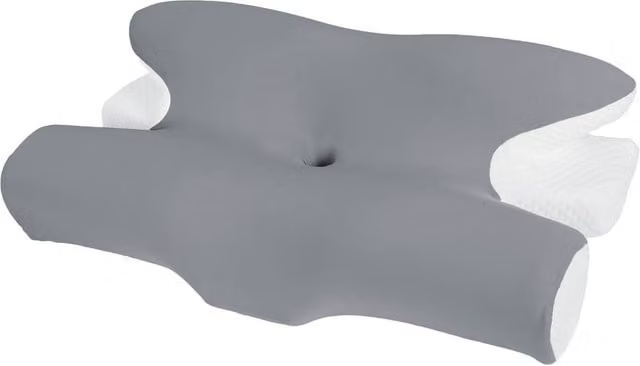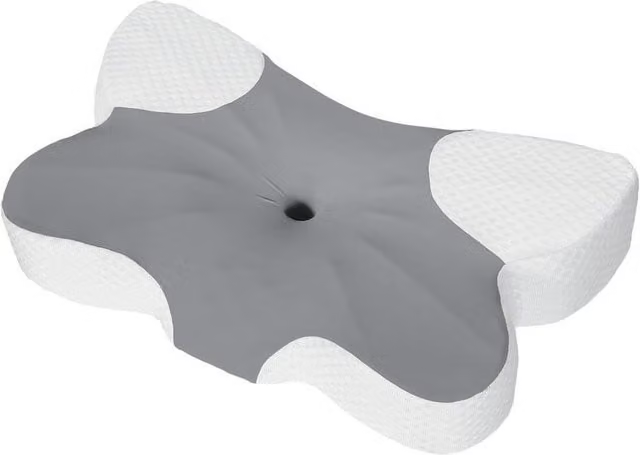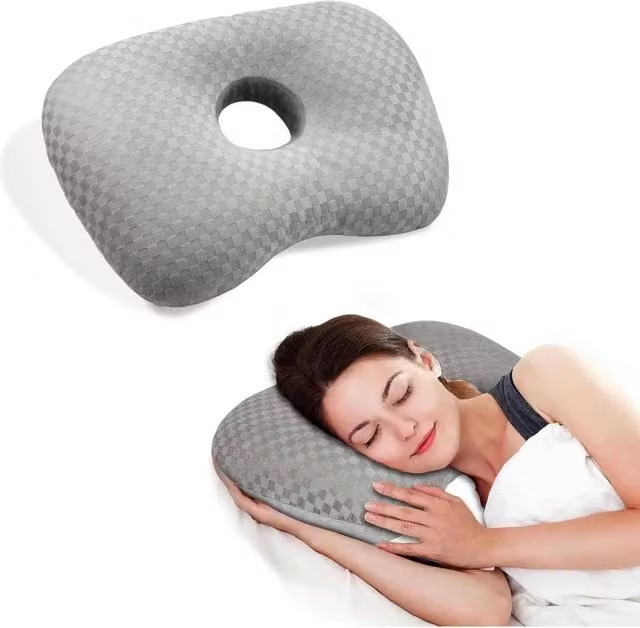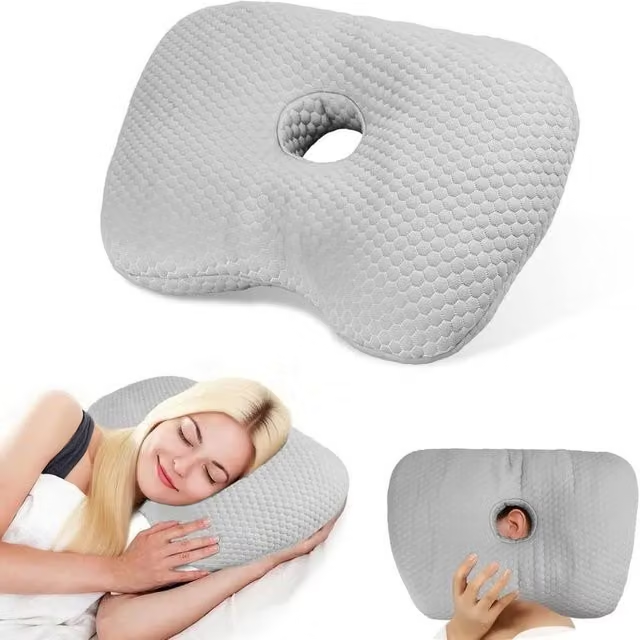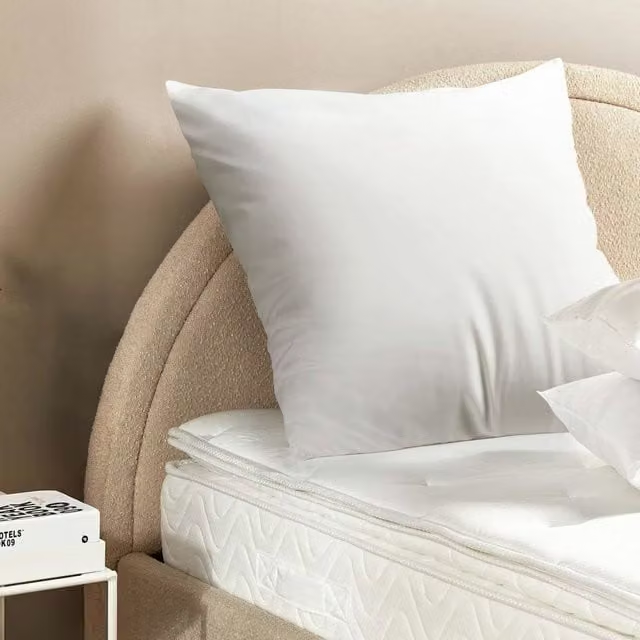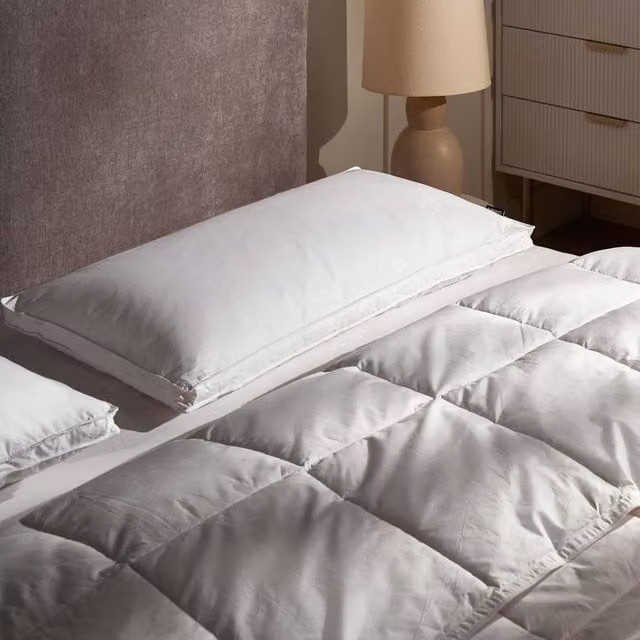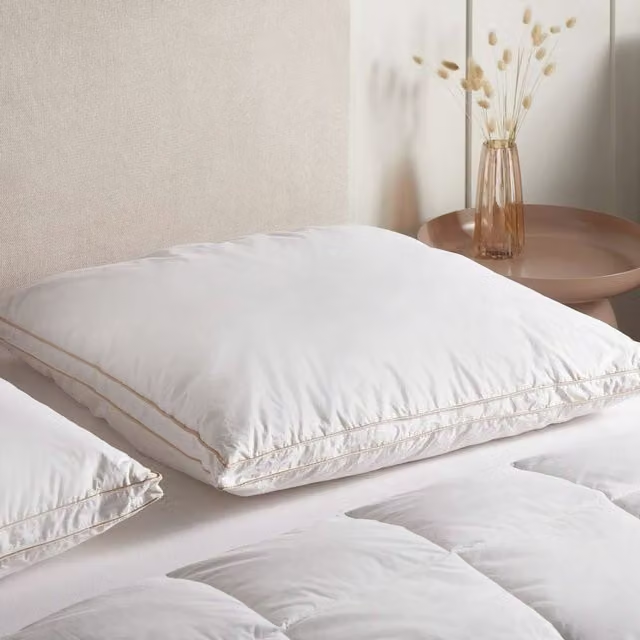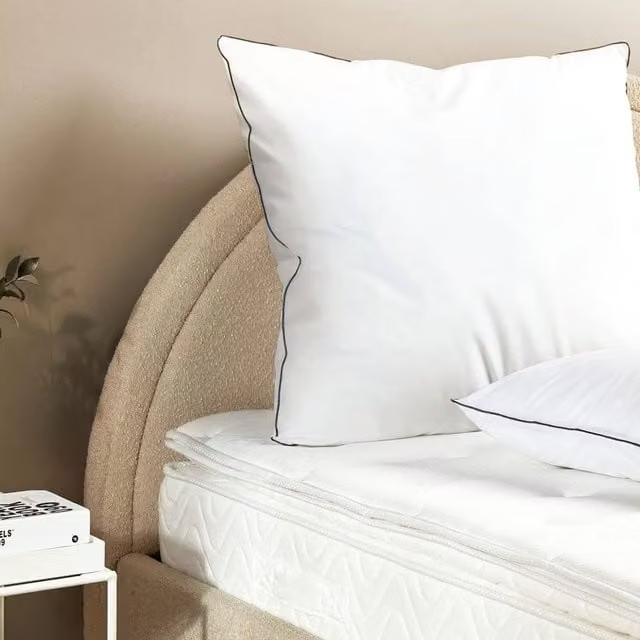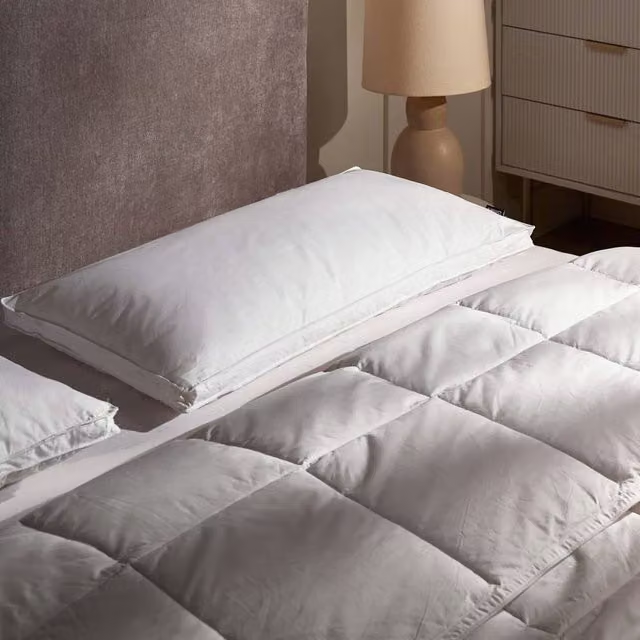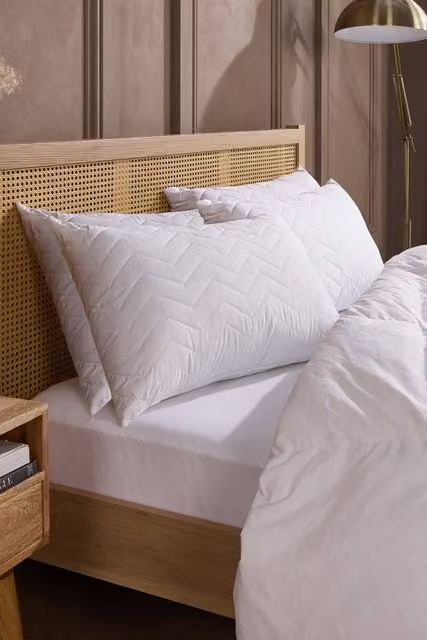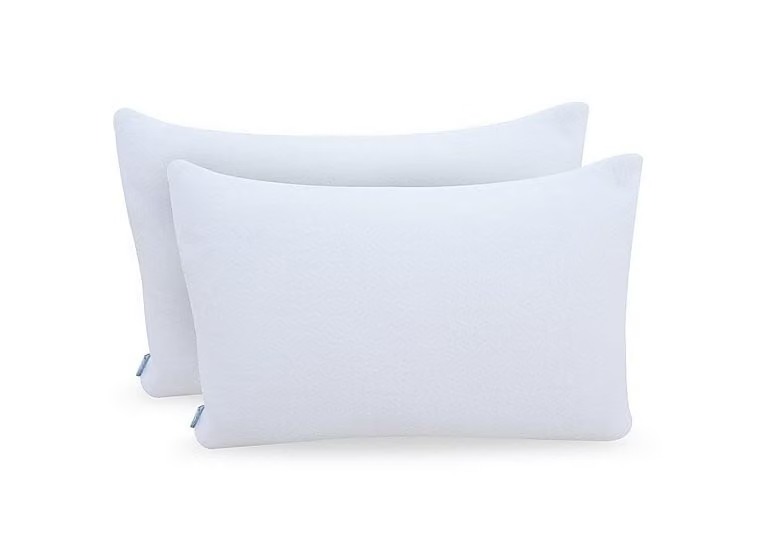

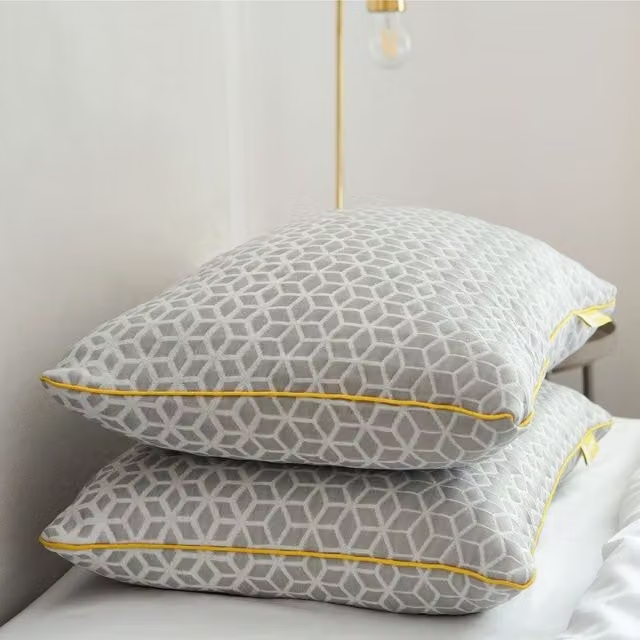
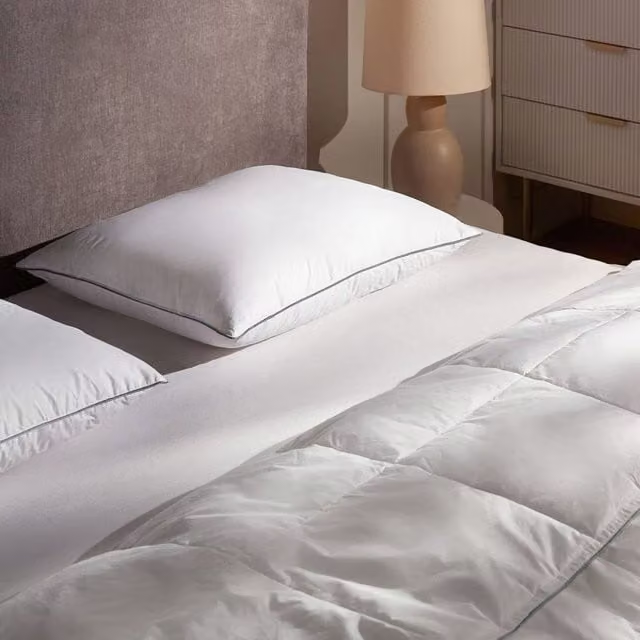
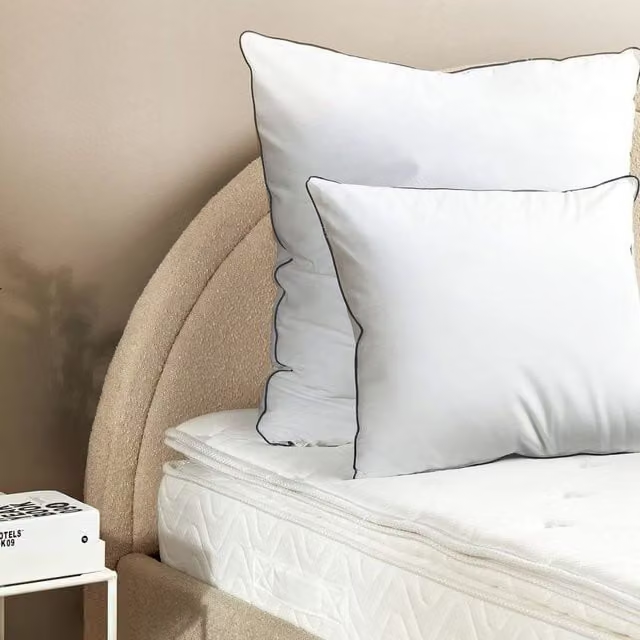

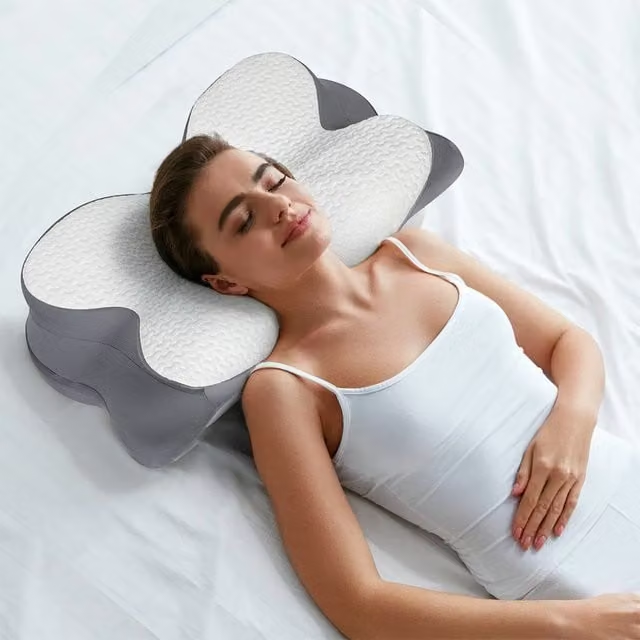
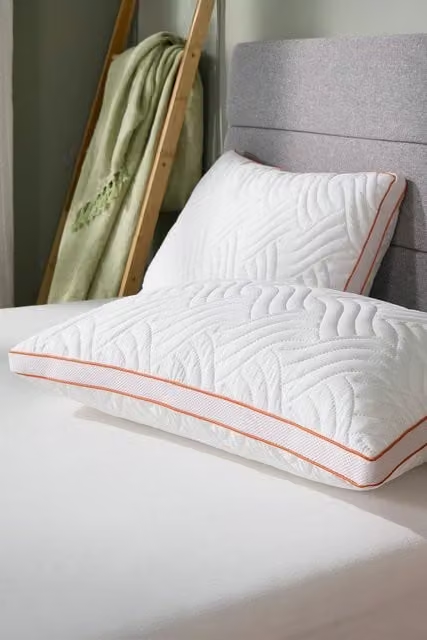

If you sleep on your side, you have a bigger gap to fill than anyone else. The distance between your shoulder and your ear is considerable, and a pillow that fails to fill it leaves your head tilting downwards all night, pulling on the neck muscles and often producing that dull morning ache you cannot quite explain. The right pillow closes that gap and keeps your spine in a straight line from head to hips, which is the single most useful thing you can do for side sleeping comfort.
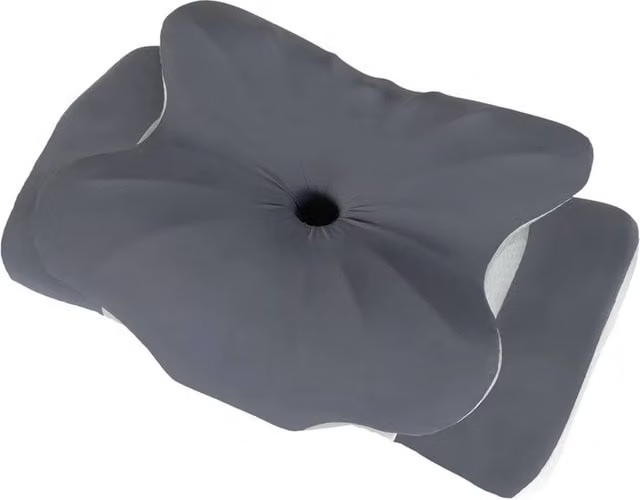
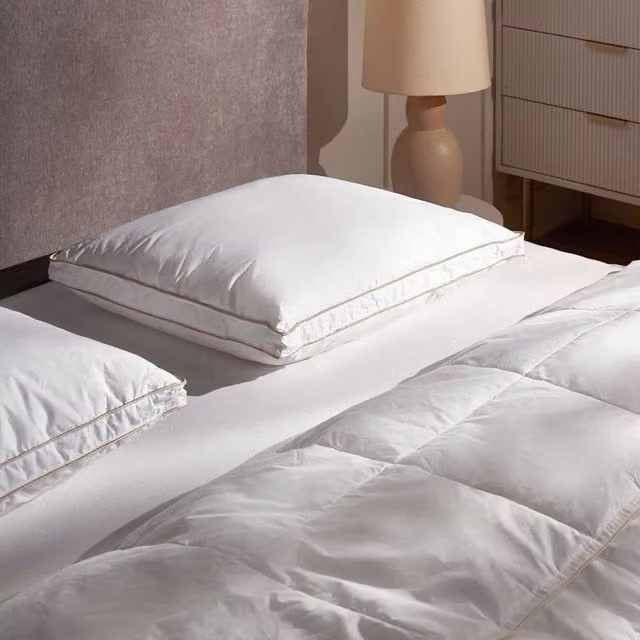
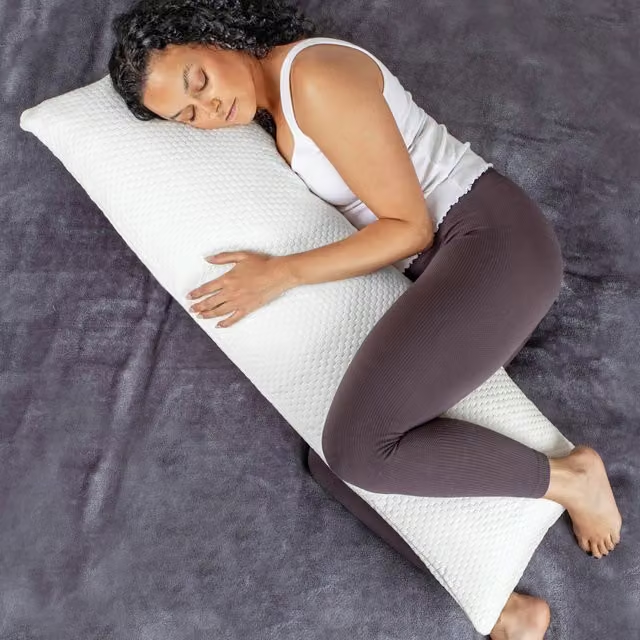
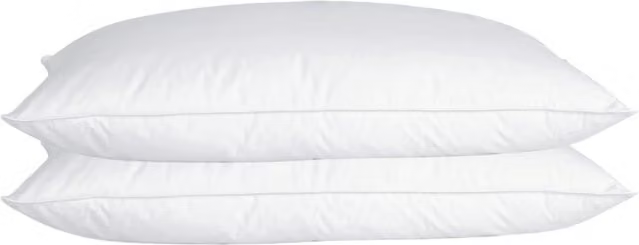
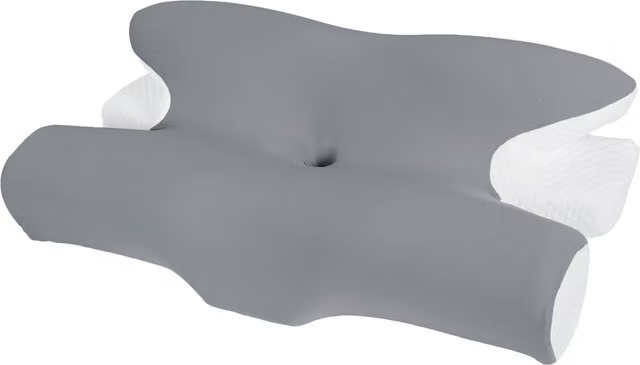
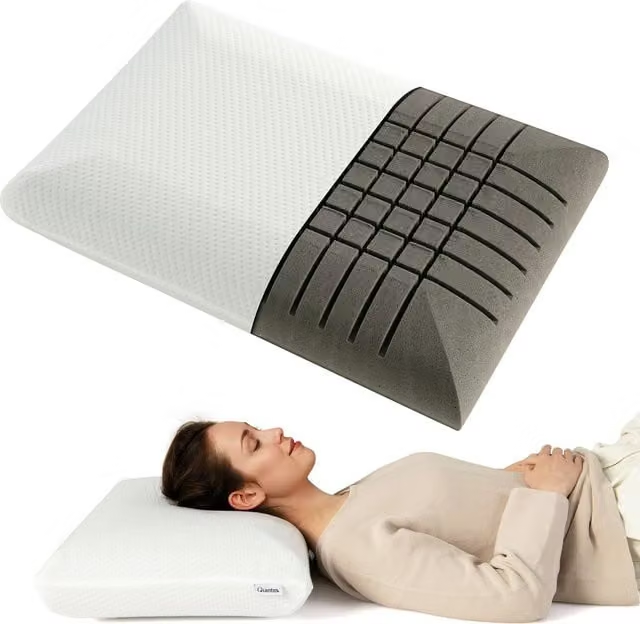
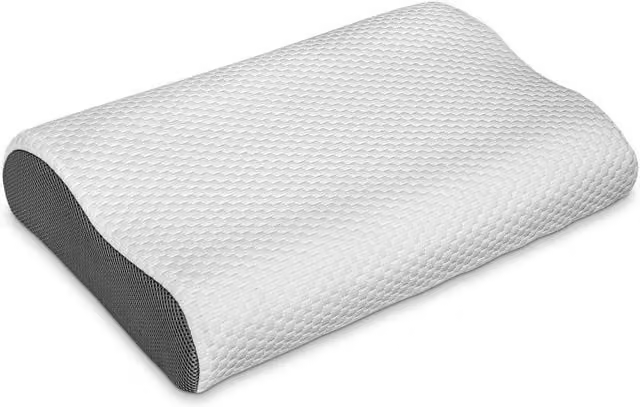
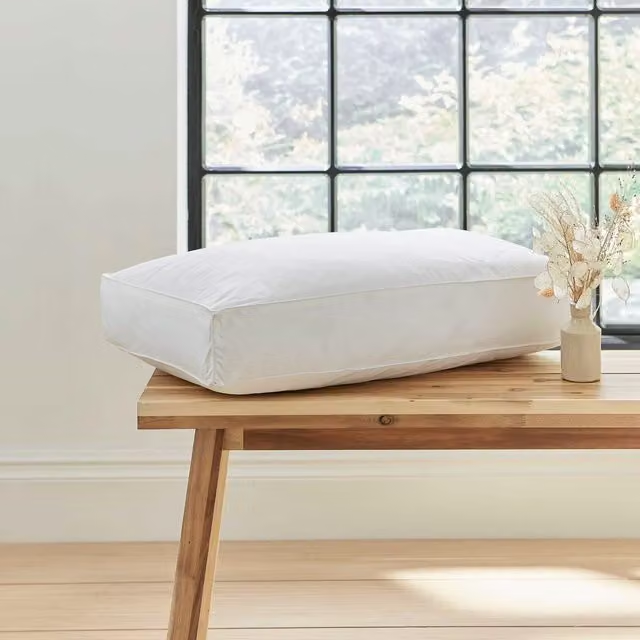
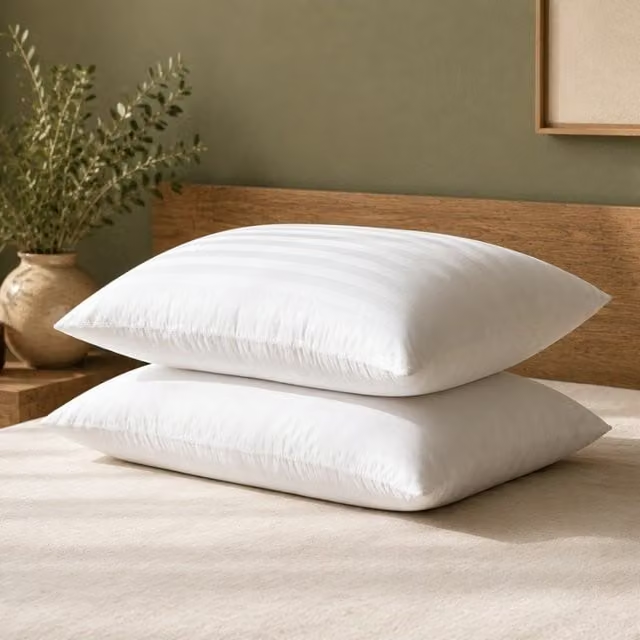
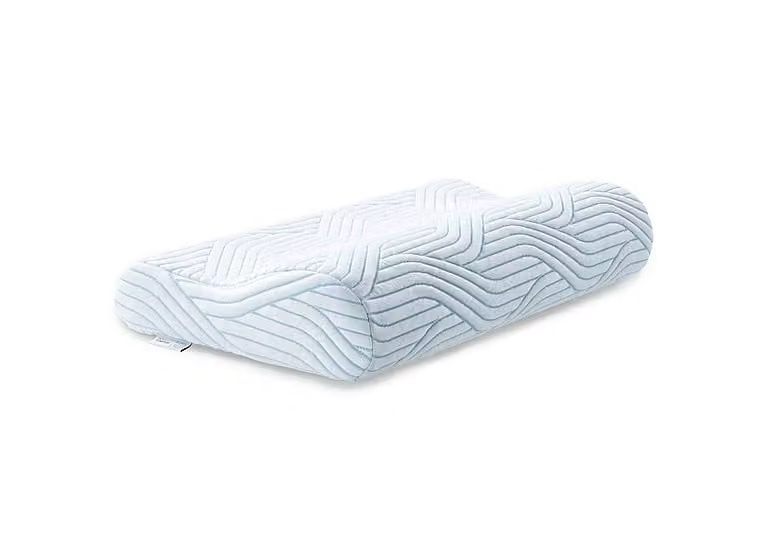
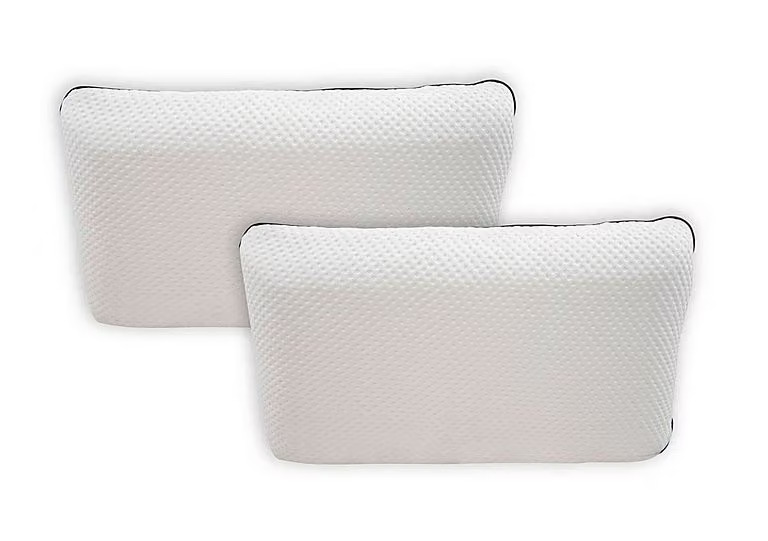
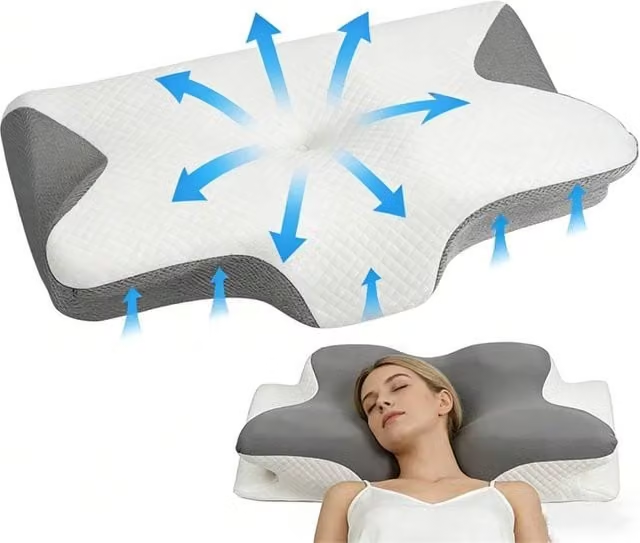
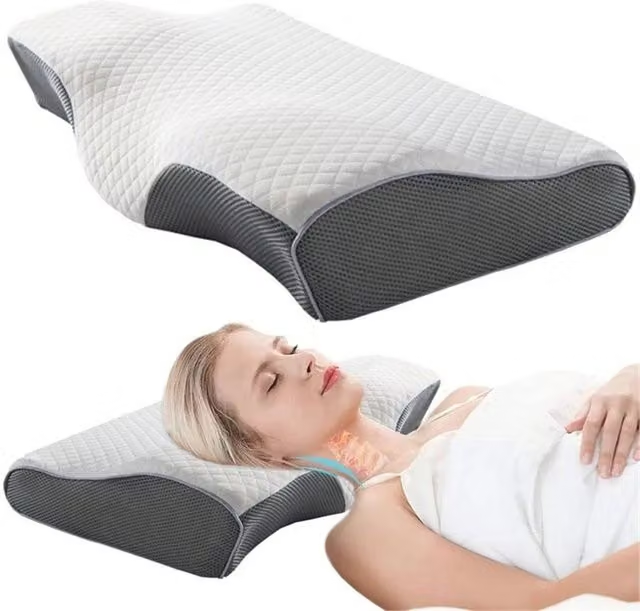
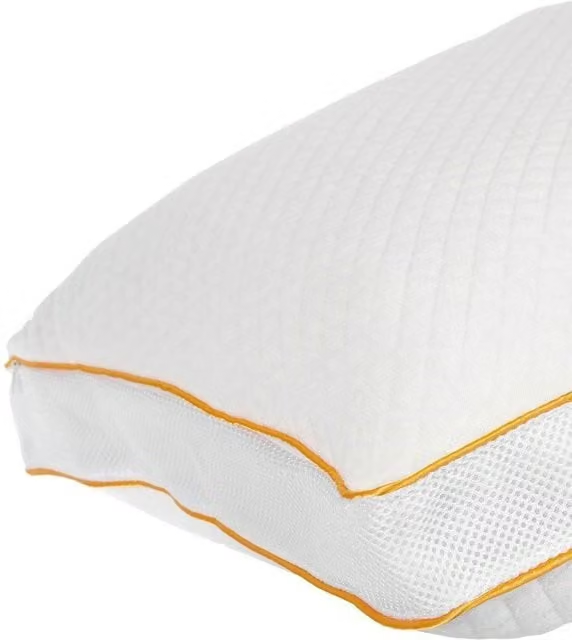
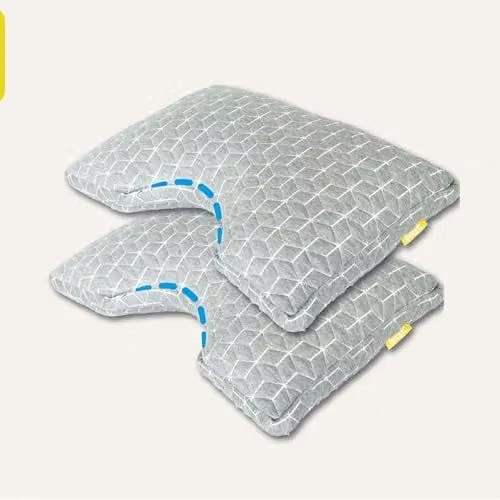
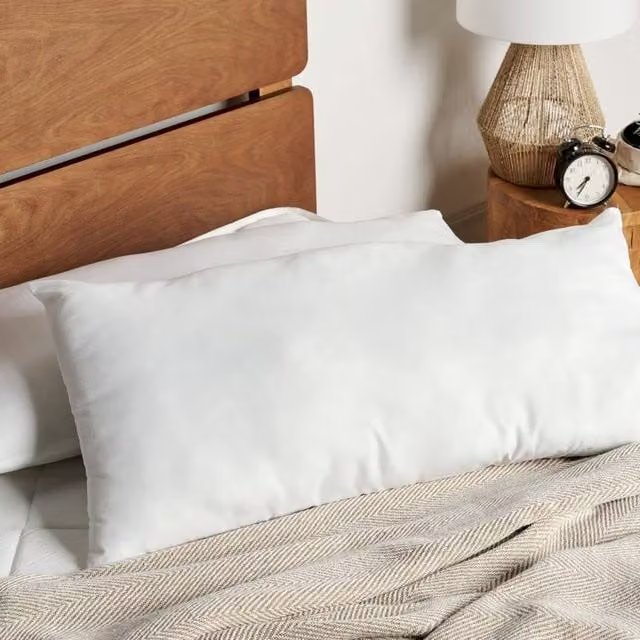
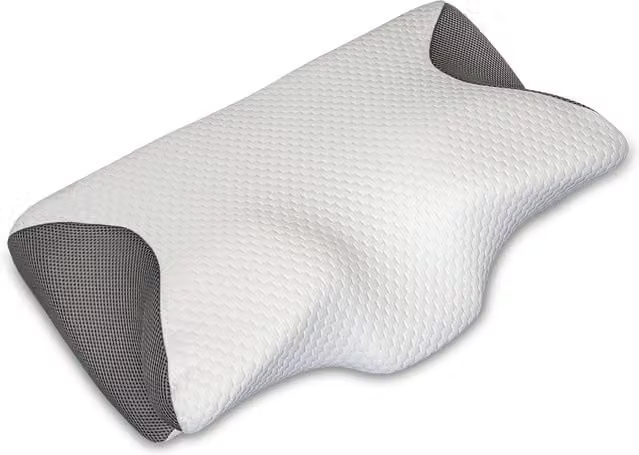
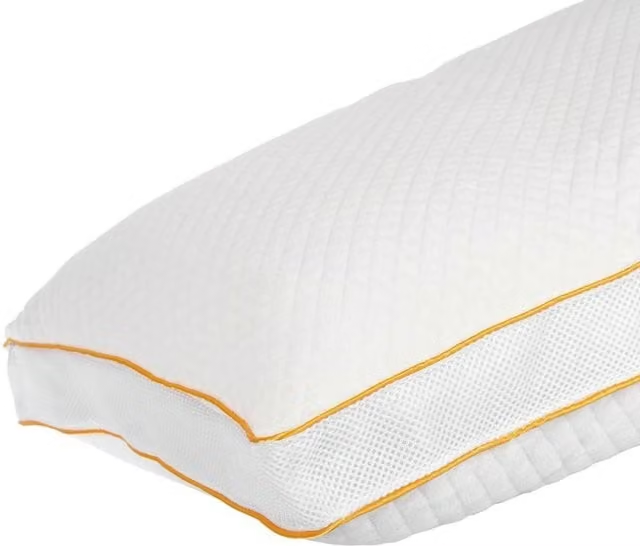
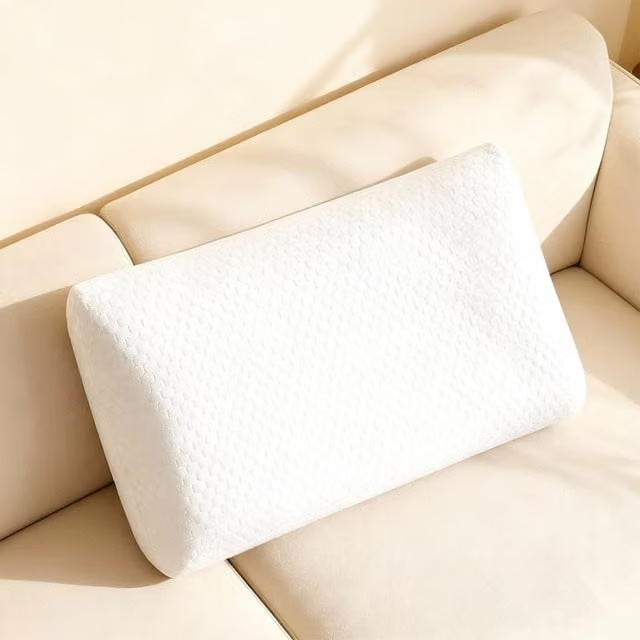
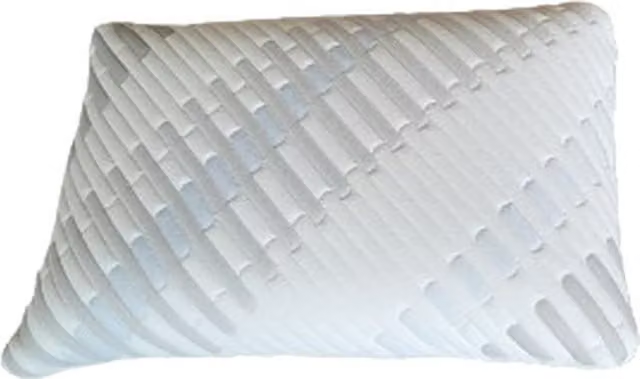
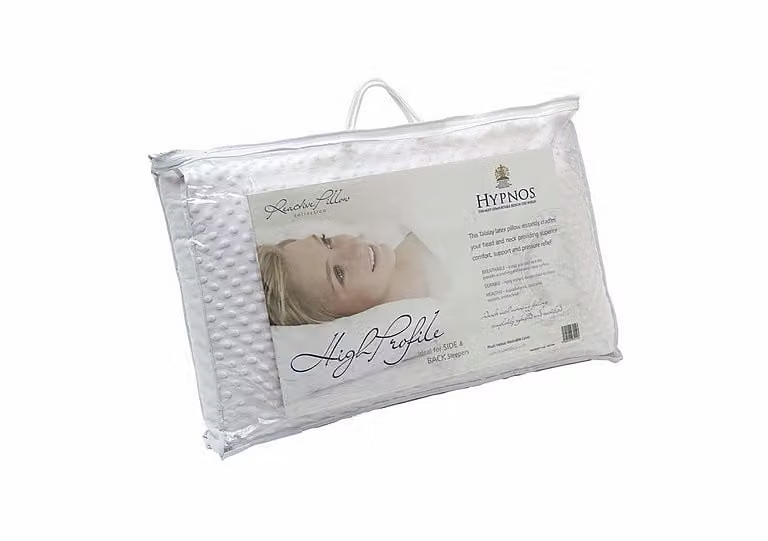
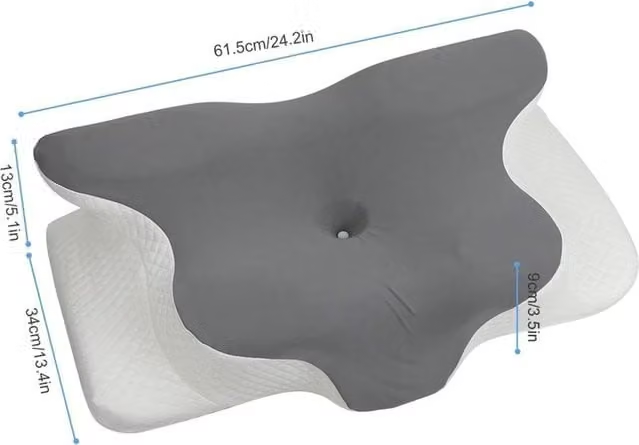
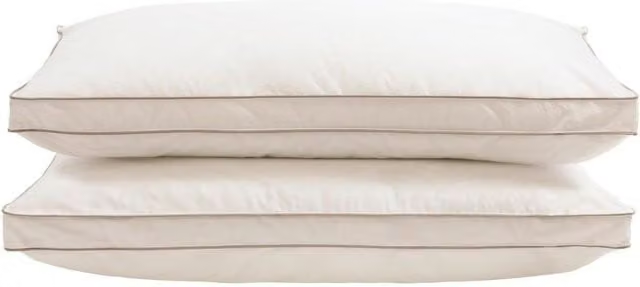
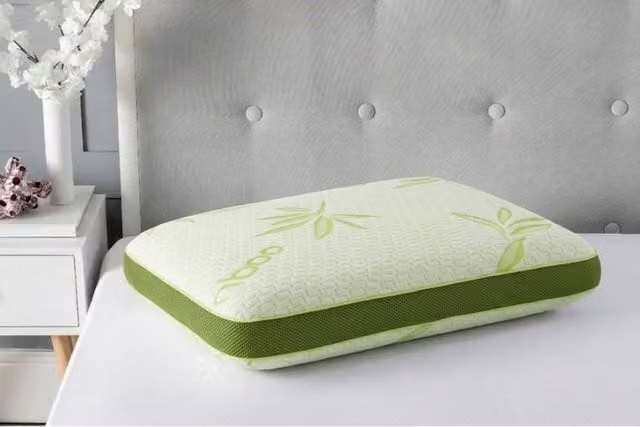
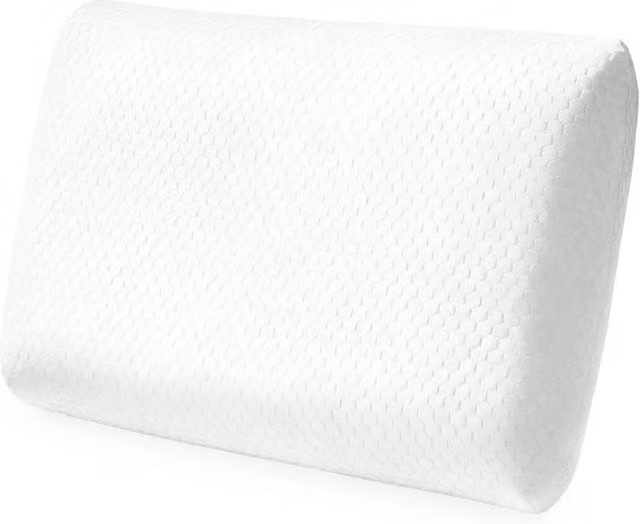
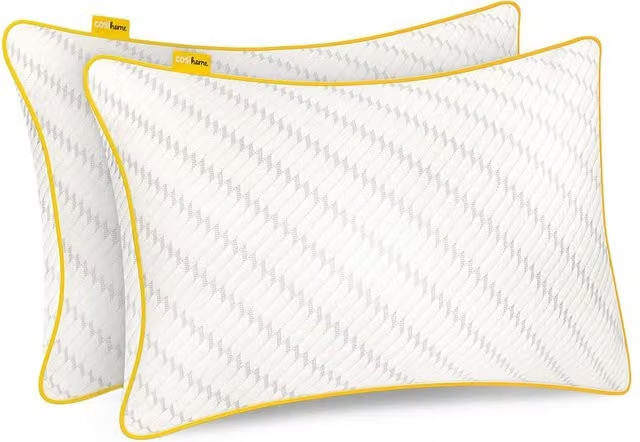
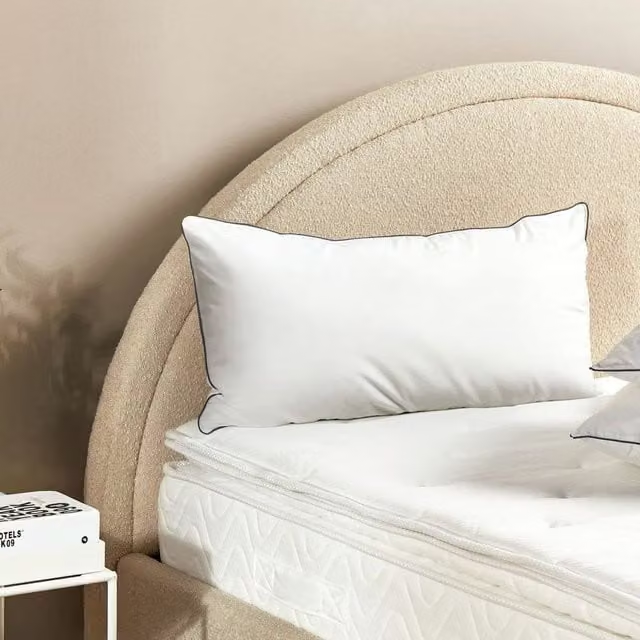
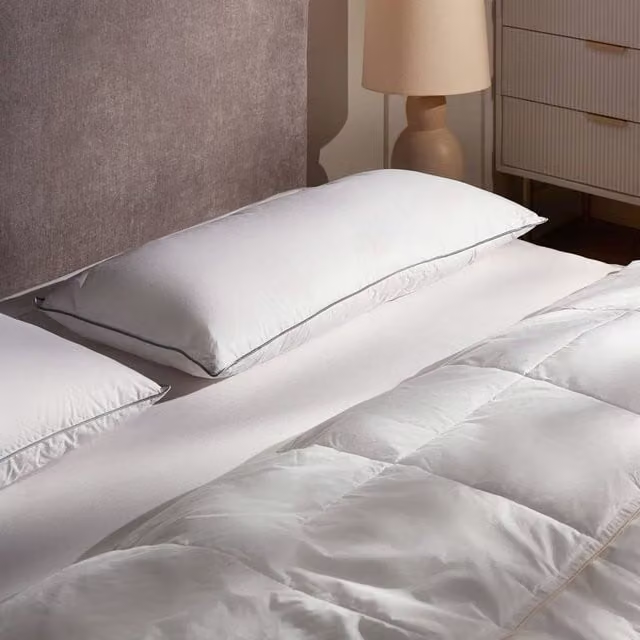
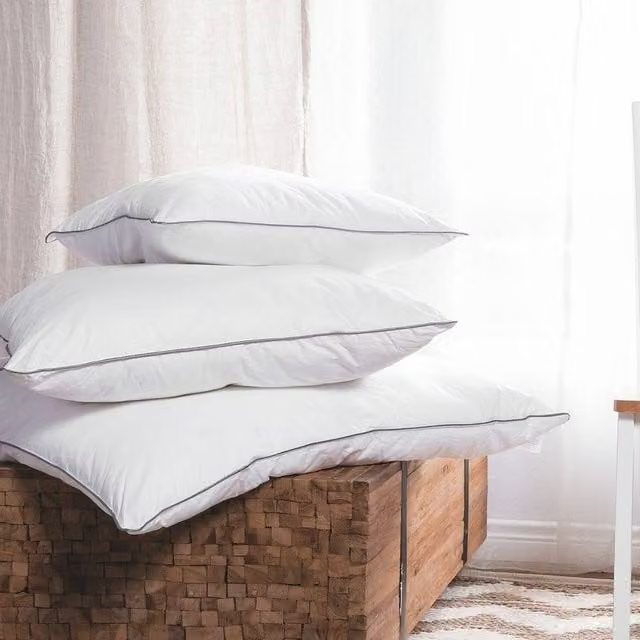
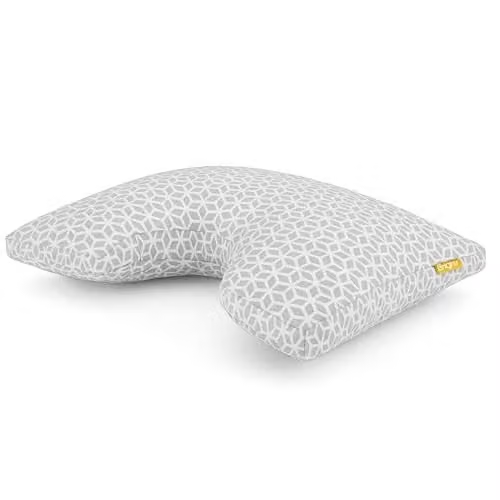
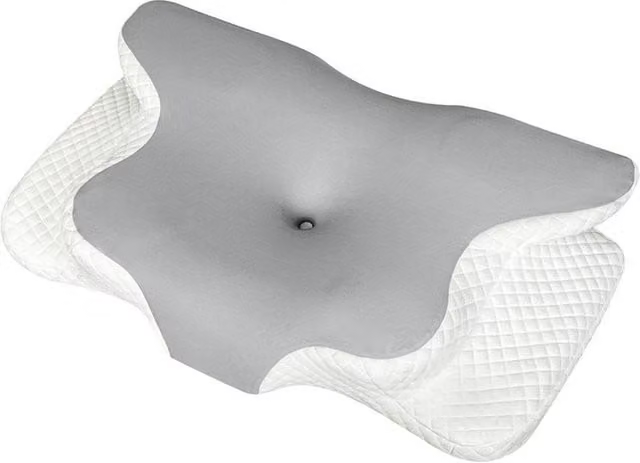
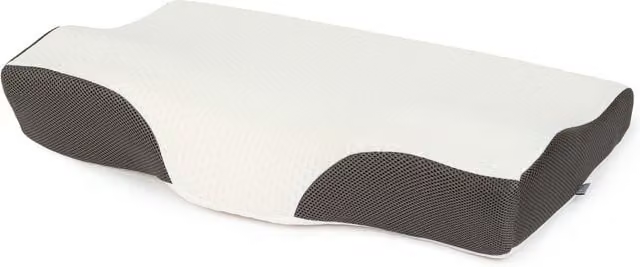
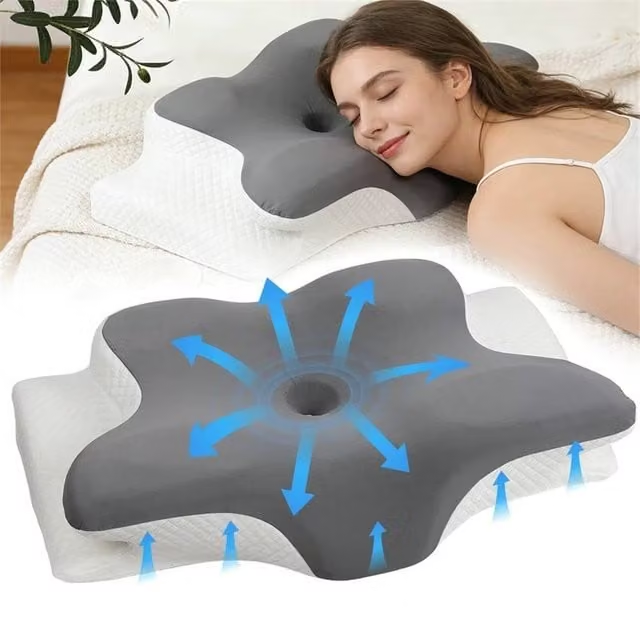
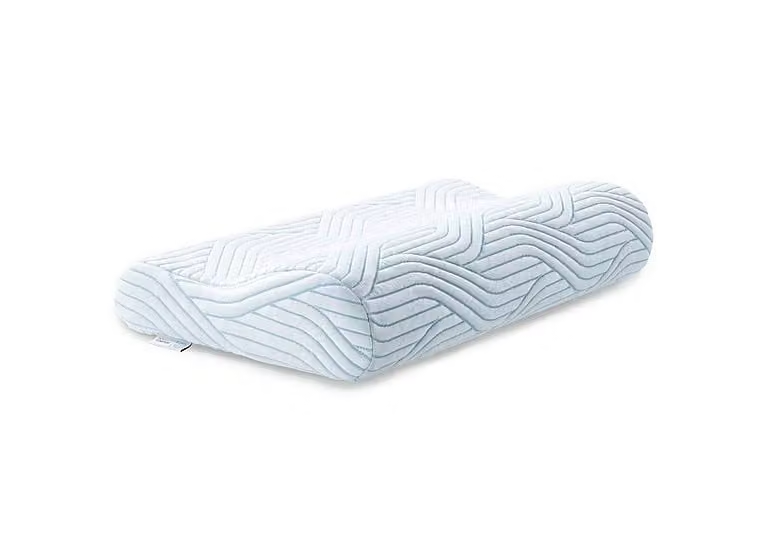
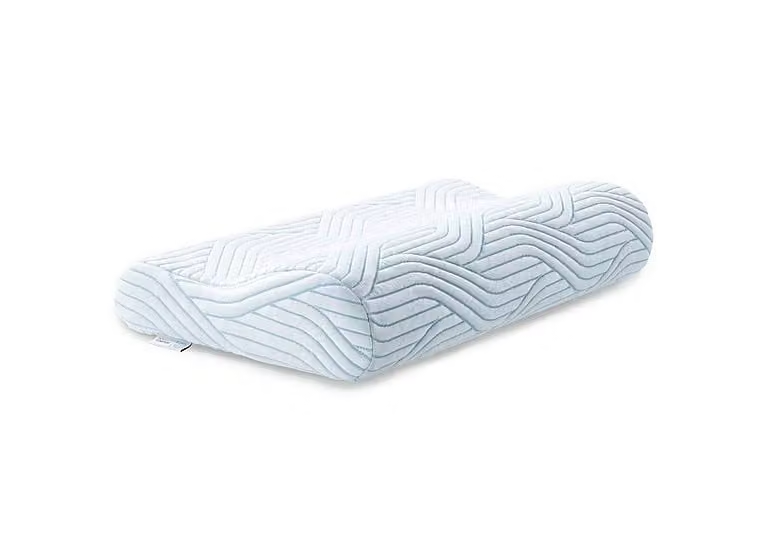
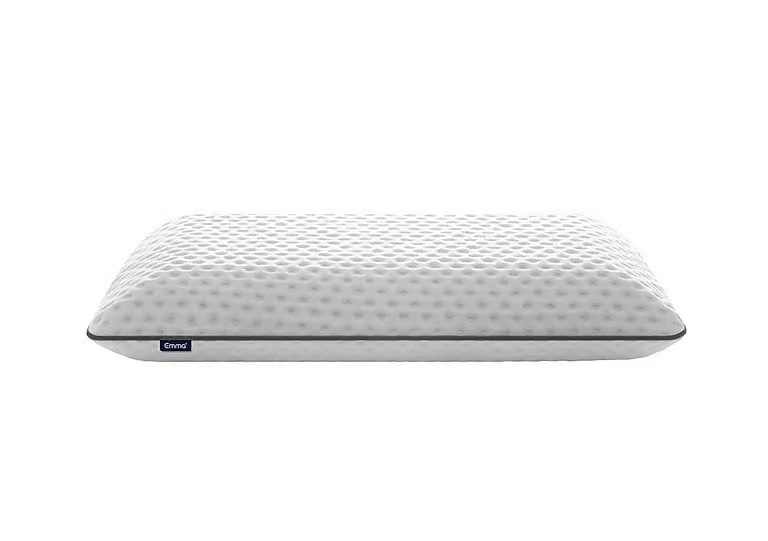
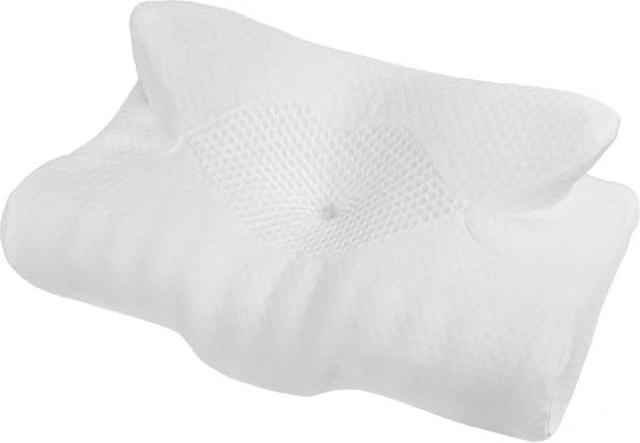
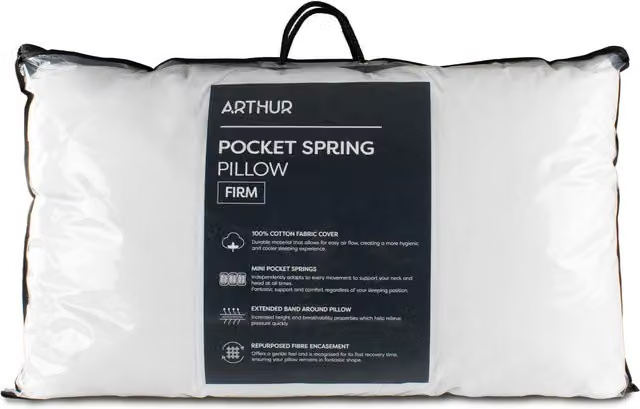
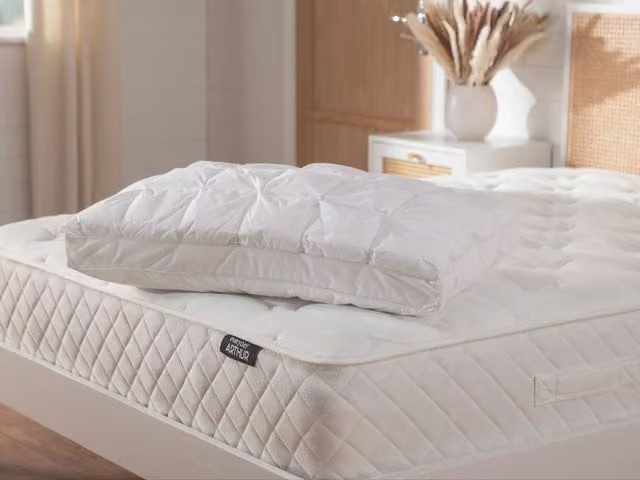
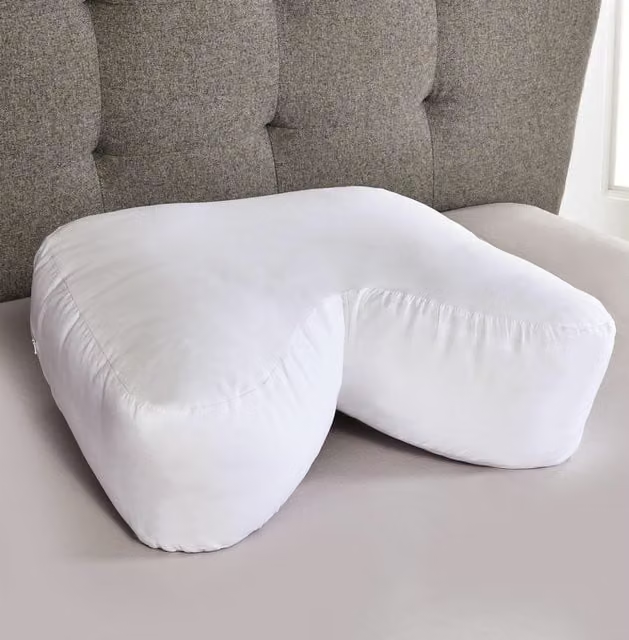
The category has developed accordingly. Firm, high loft pillows with a depth of around 12 to 15 cm are the baseline, since they hold their height under the weight of your head. Contour and cervical pillows use a shaped profile with a raised edge that supports the neck while cradling the head. Gusseted pillows use a side panel to maintain a consistent depth rather than collapsing at the edges. Memory foam moulds to your shape, latex offers a springier resilience, and adjustable pillows let you add or remove filling until the height is exactly right. Body pillows and knee pillows complete the picture by supporting the top leg and stopping the hips rotating.
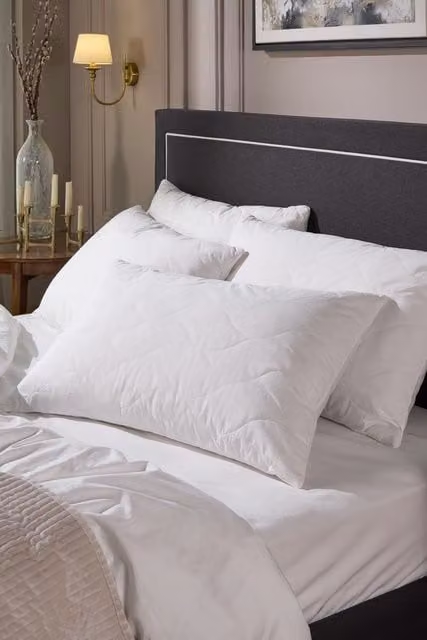
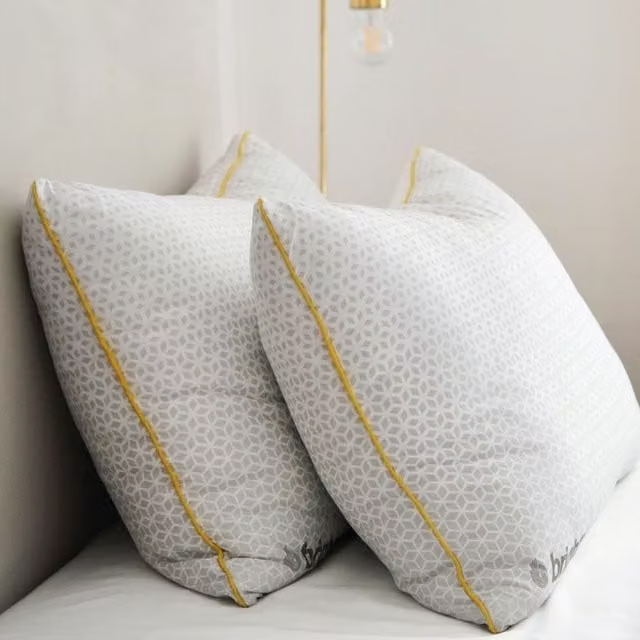
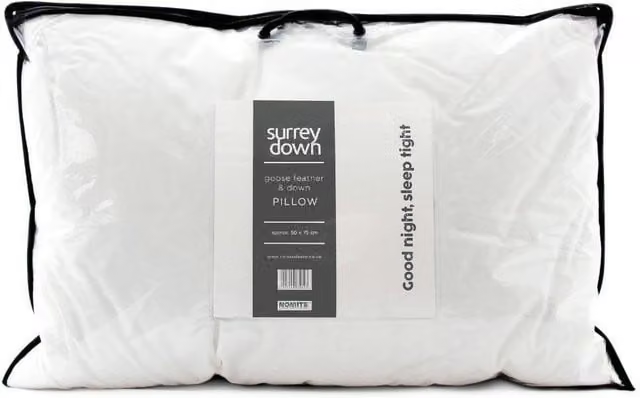
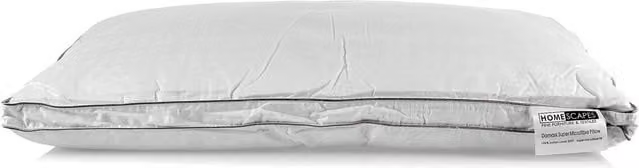
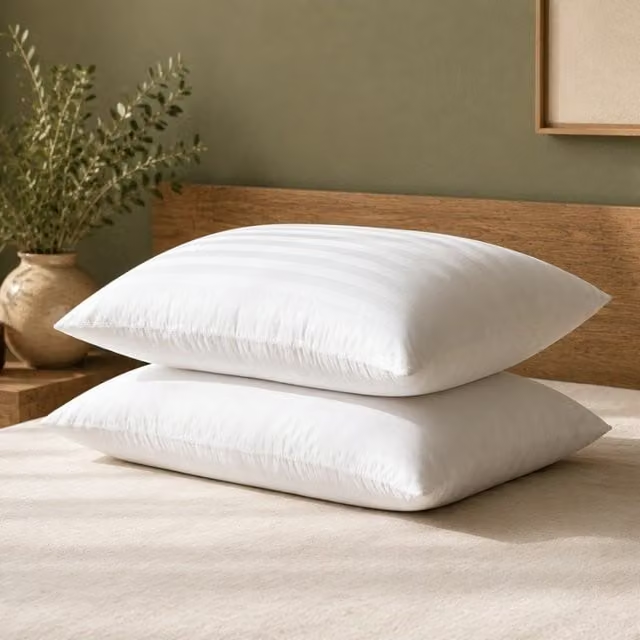
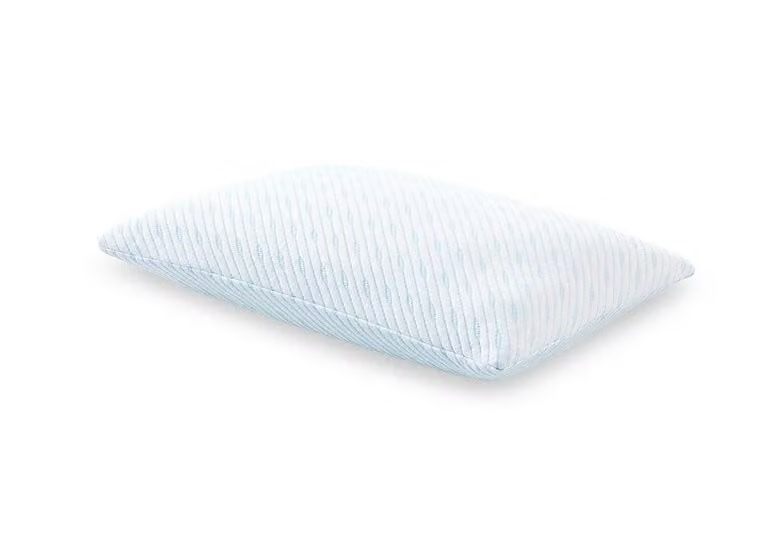
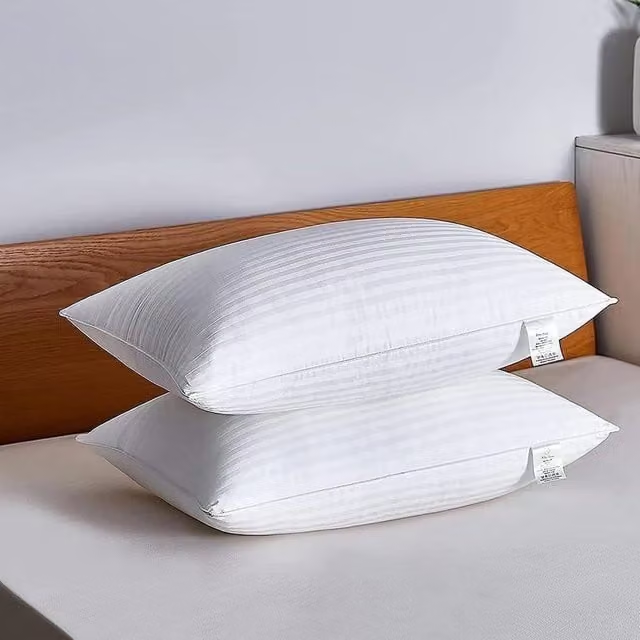
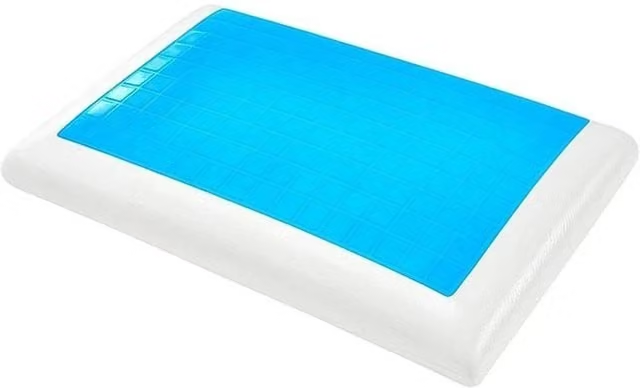
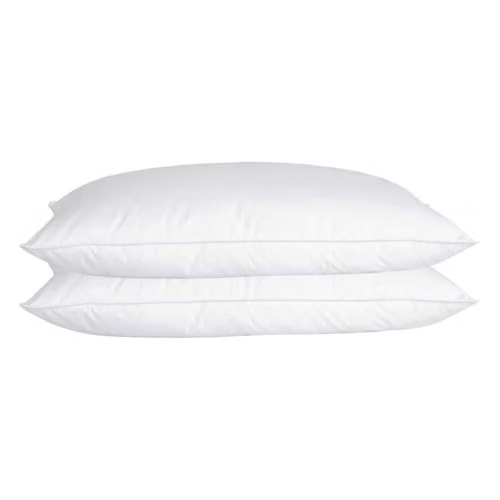
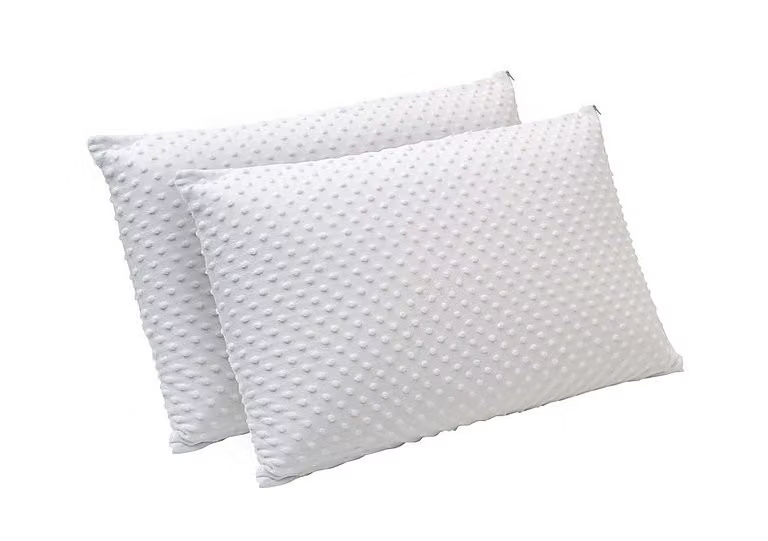
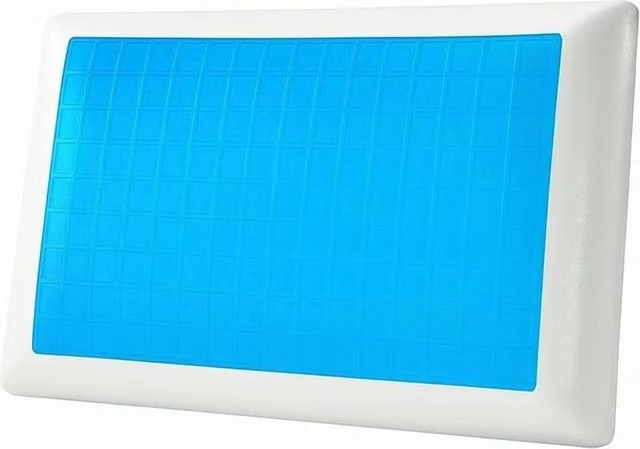
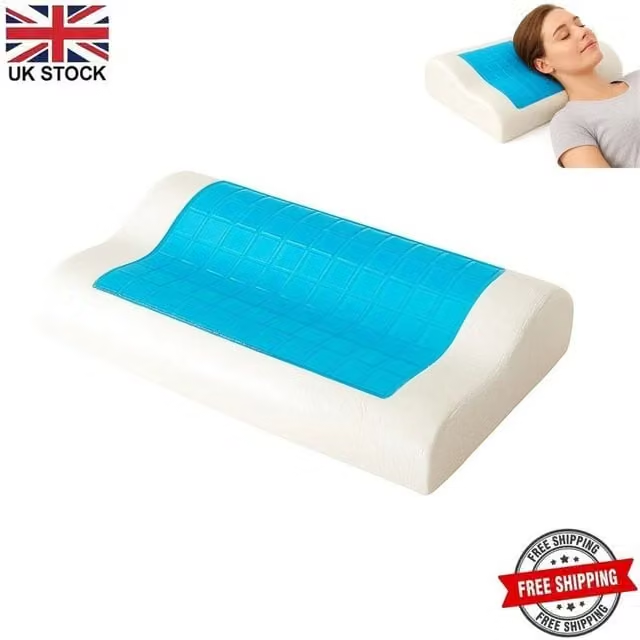
Filling drives both feel and durability. Memory foam contours closely and relieves pressure but retains heat, so look for gel infused or ventilated versions if you sleep warm. Natural latex is cooler, resilient and naturally antimicrobial with an excellent lifespan. Down and feather feels luxurious but compresses too easily for most side sleepers unless it is a dense, high fill power option. Microfibre and hollowfibre are affordable and washable, though they flatten faster.
Prices reflect the fill. Hollowfibre pillows are inexpensive, memory foam and gusseted designs sit in the middle, and natural latex, high fill power down and adjustable orthopaedic pillows are the priciest.
Compare the options and prices, and give your neck the support it has been asking for.
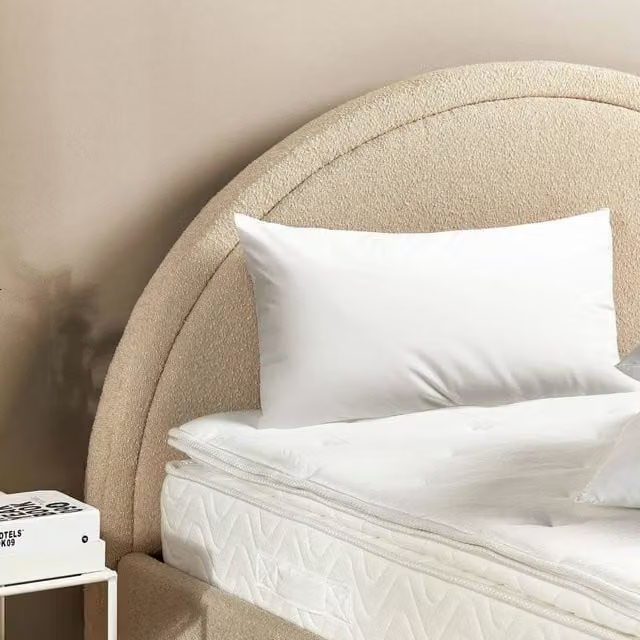
Aim for a loft of roughly 12 to 15 cm, though the right figure depends on your shoulder width and mattress firmness. Broader shoulders need more height, and a soft mattress that lets your shoulder sink reduces the height you need. The test is simple, so lie on your side and ask someone to check whether your nose lines up with the centre of your chest and your neck stays level. If your head tips down towards the mattress, the pillow is too low.
Medium firm to firm is generally right, because a soft pillow compresses under the weight of your head and loses the height you need before you have even fallen asleep. Firmness and loft work together, so a firm pillow that is too thin is no better than a soft one. Memory foam and latex hold their shape well through the night, while soft down needs constant replumping. If you shift between side and back during the night, an adjustable pillow is a good compromise.
The most common cause is a mismatch between pillow height and shoulder width, so the pillow may simply be too low or too high rather than poor quality. Sleeping with an arm tucked under the pillow also raises your head and twists the neck. Give a new pillow one to two weeks, since your body needs time to adjust to correct alignment and may feel odd at first. If pain persists beyond that, or you have numbness or tingling, it is worth speaking to a GP or physiotherapist.
For many side sleepers it makes a surprising amount of difference. Without support, the upper leg falls forward and rotates the pelvis, which twists the lower spine for hours at a time and often shows up as lower back or hip discomfort. A firm pillow between the knees keeps the hips stacked and the spine neutral. It is particularly helpful during pregnancy and for anyone with sciatica or hip pain, and a folded ordinary pillow is a cheap way to test whether it suits you.