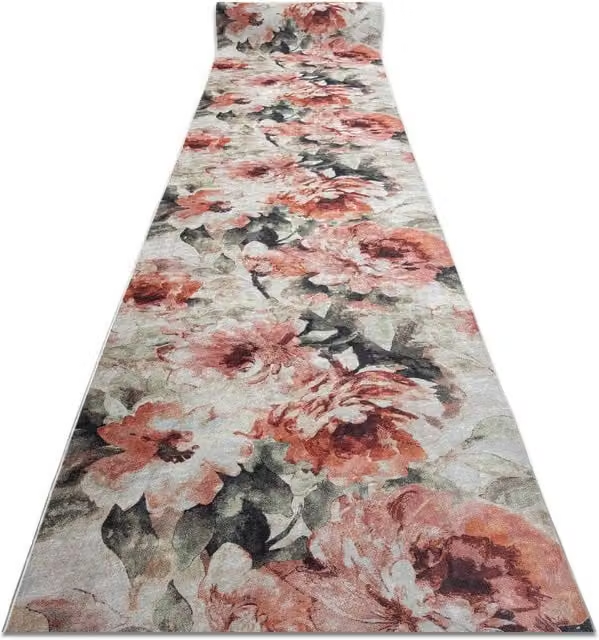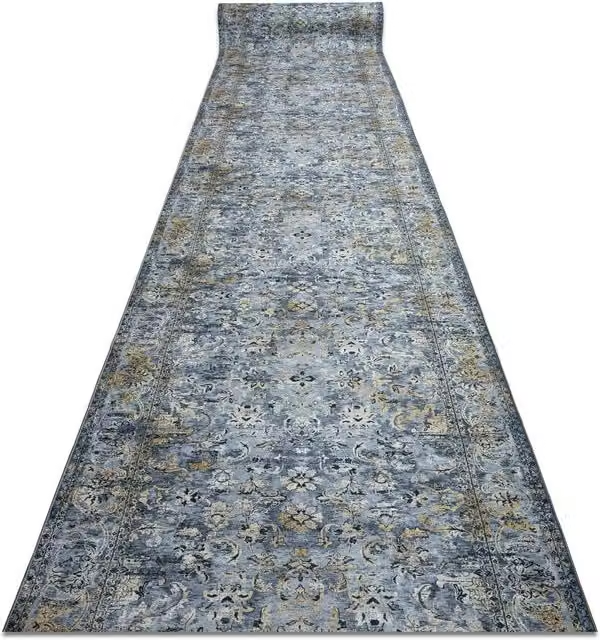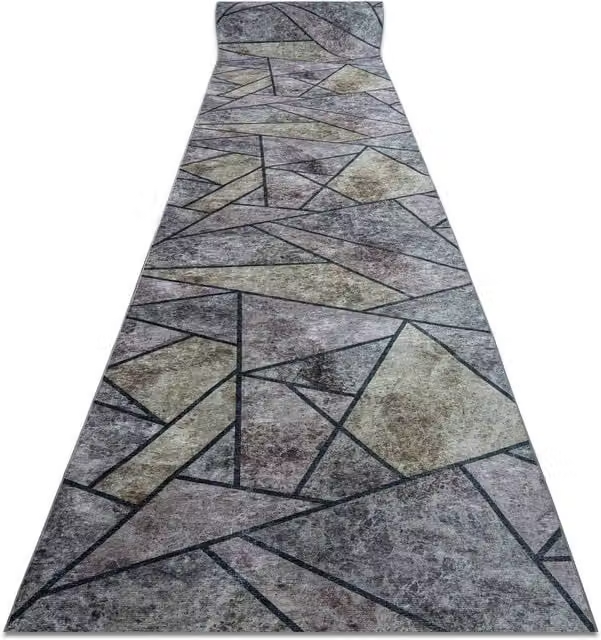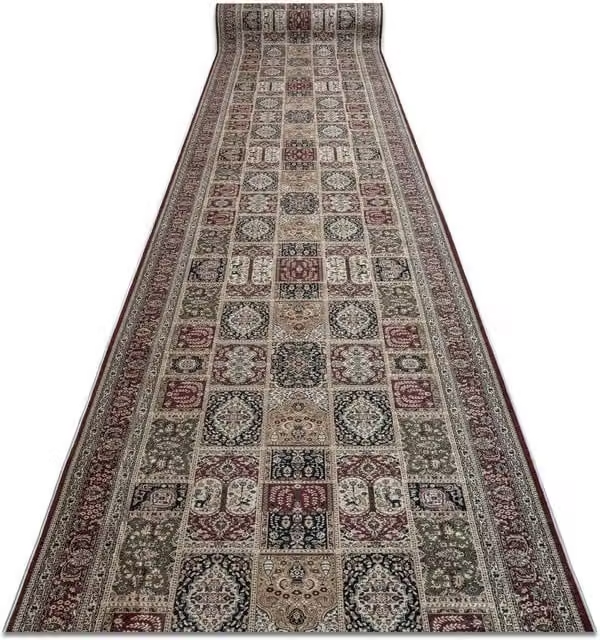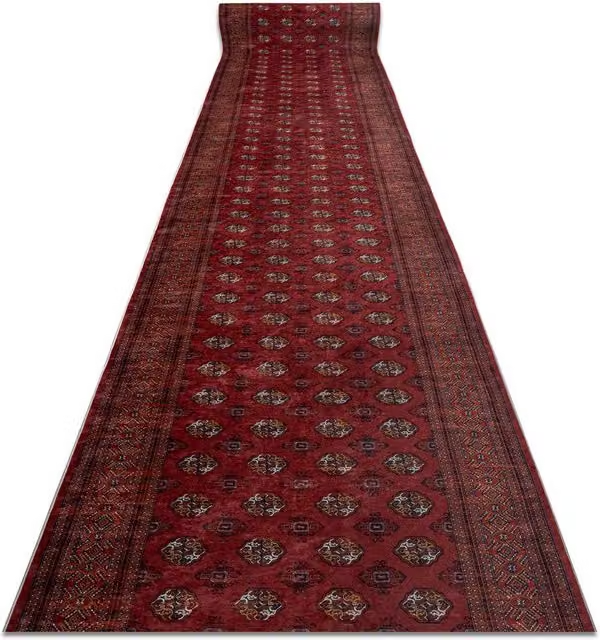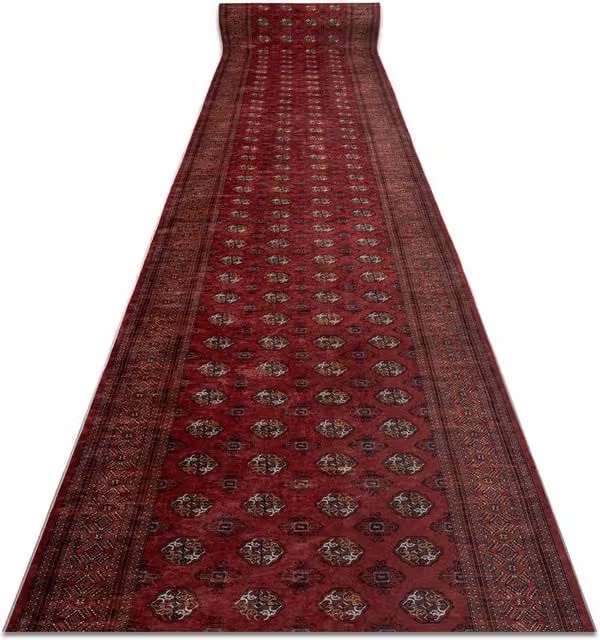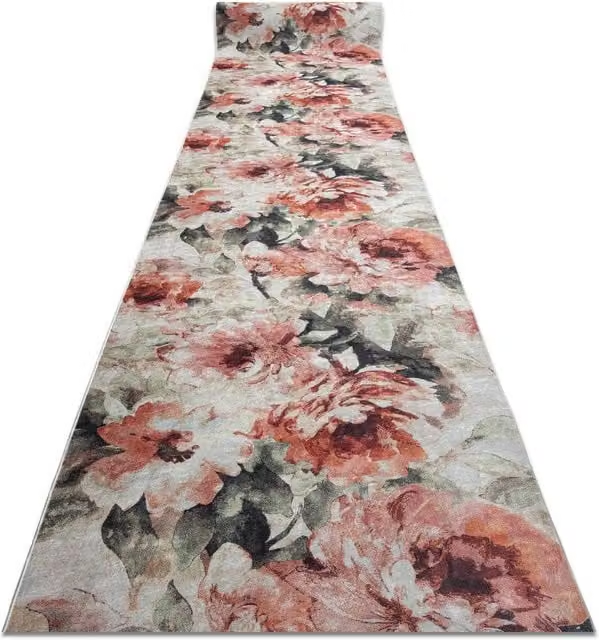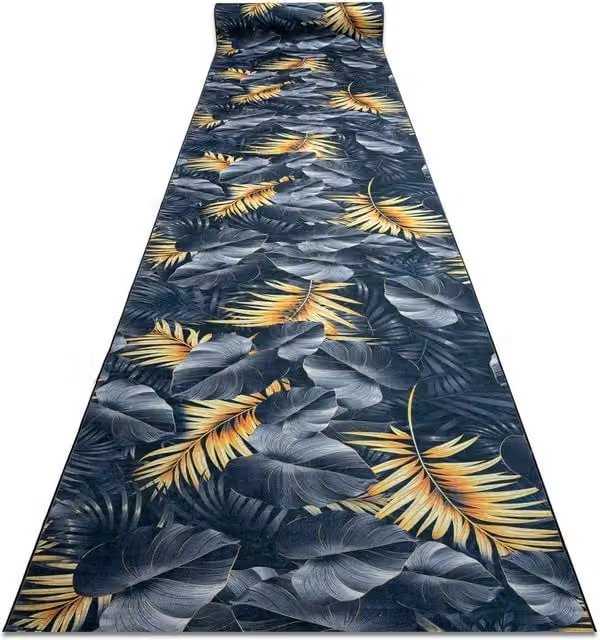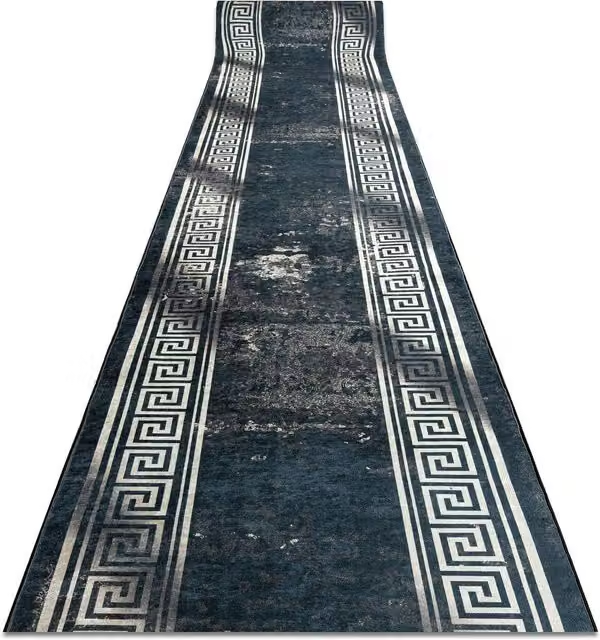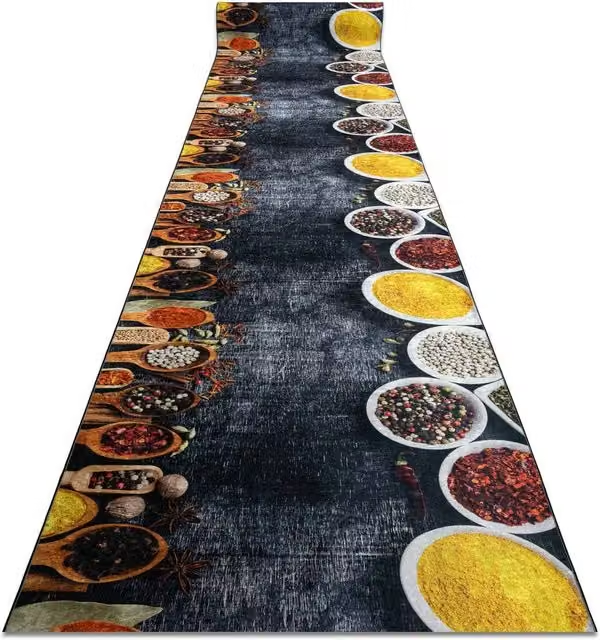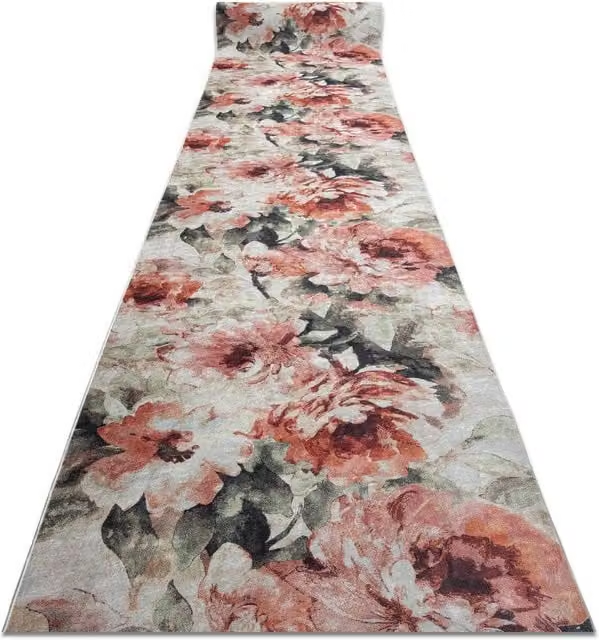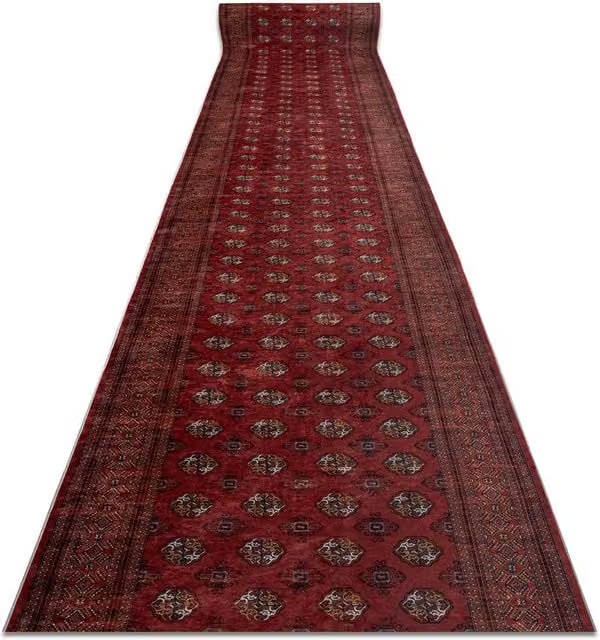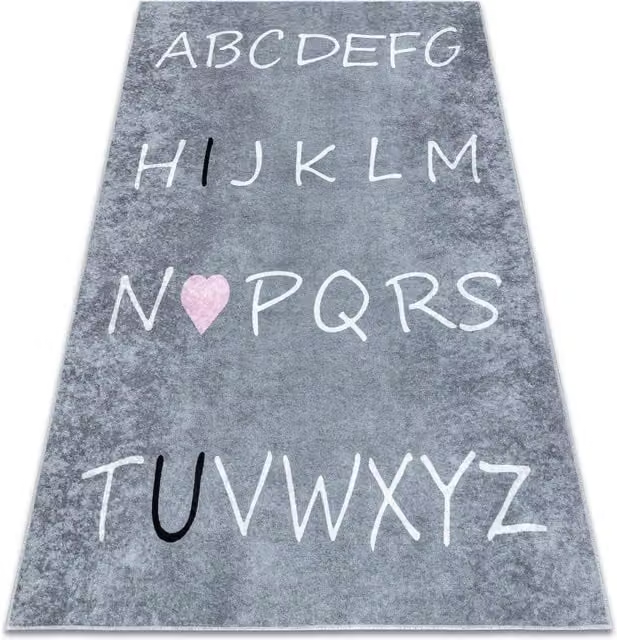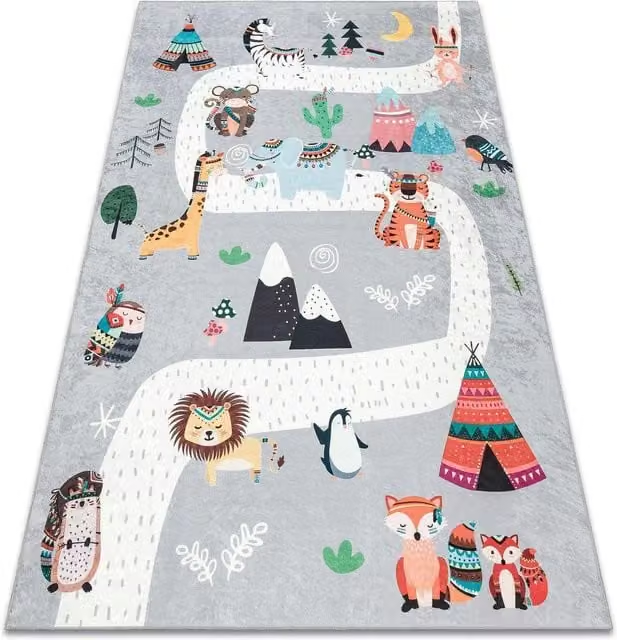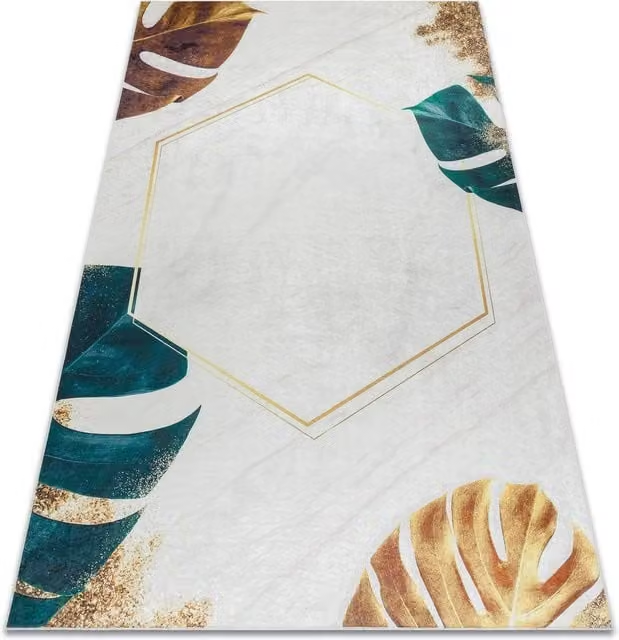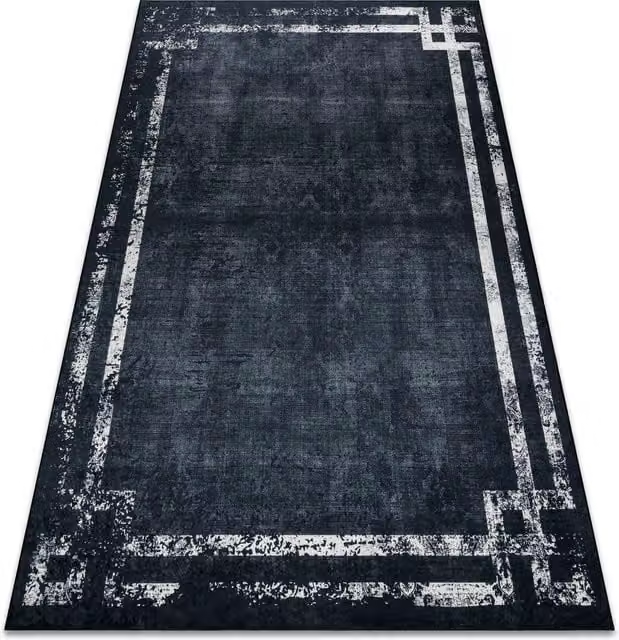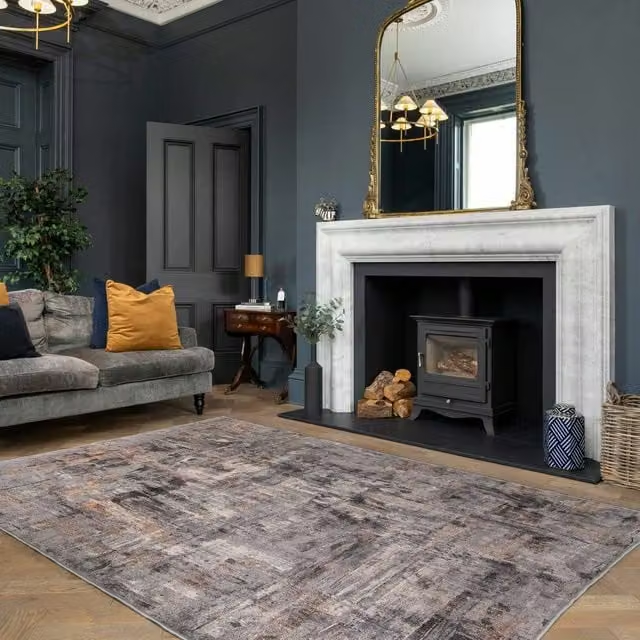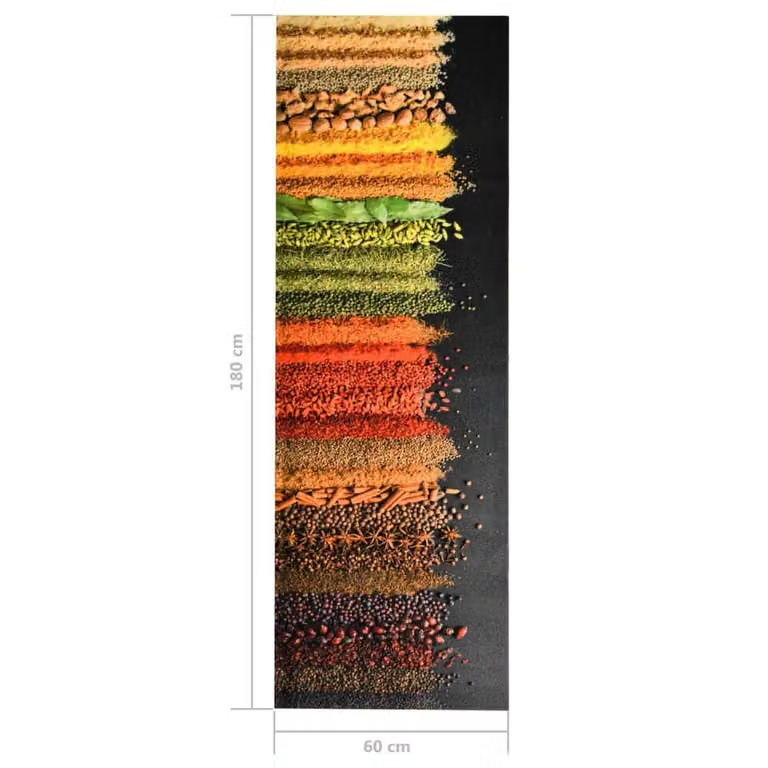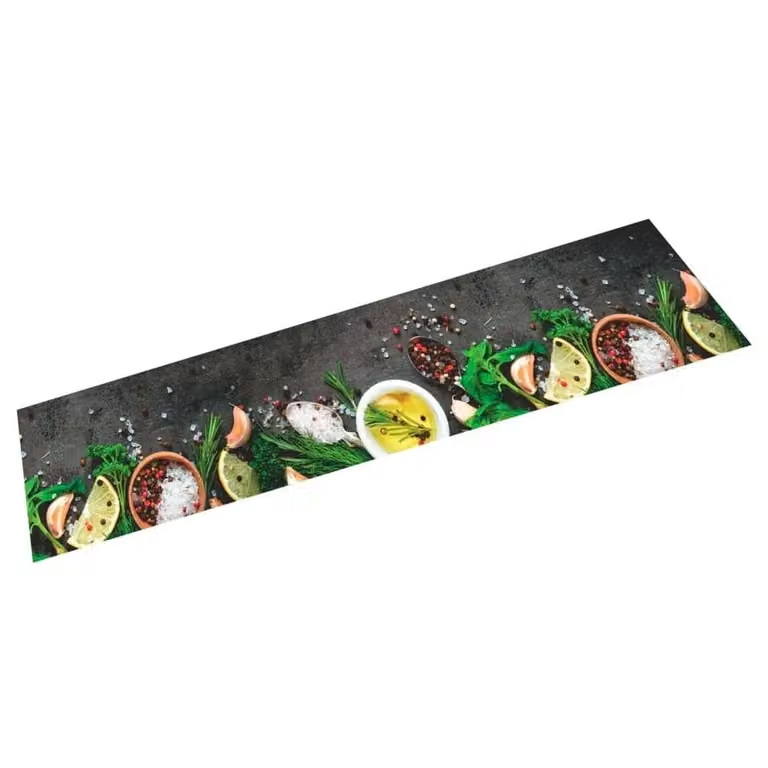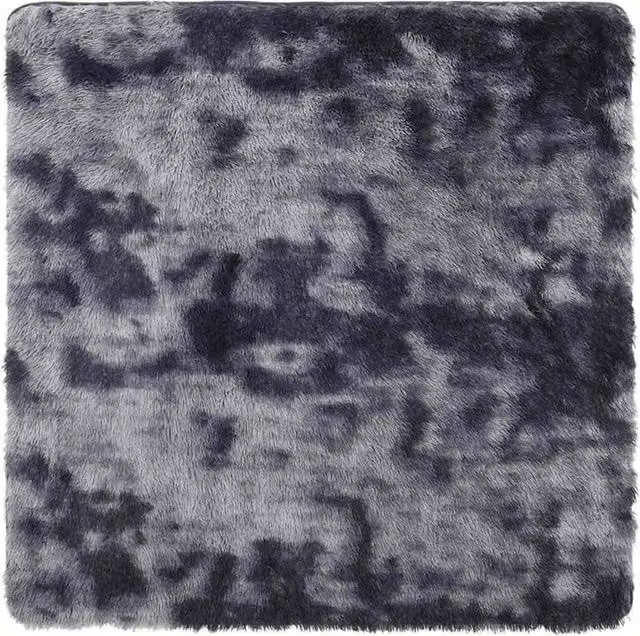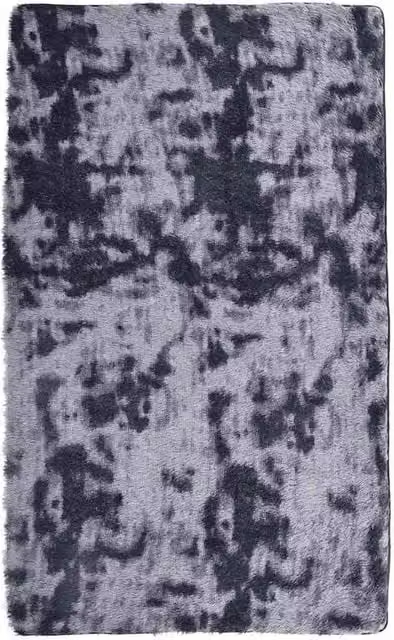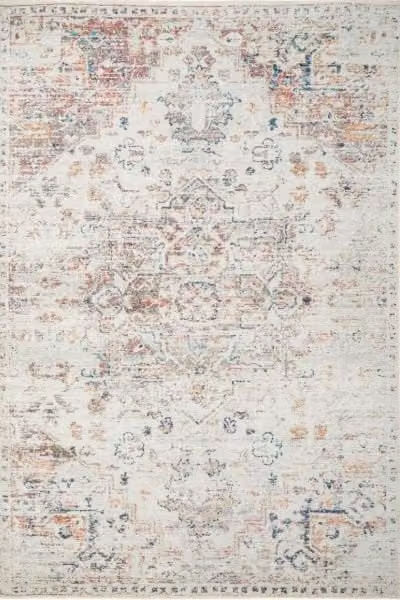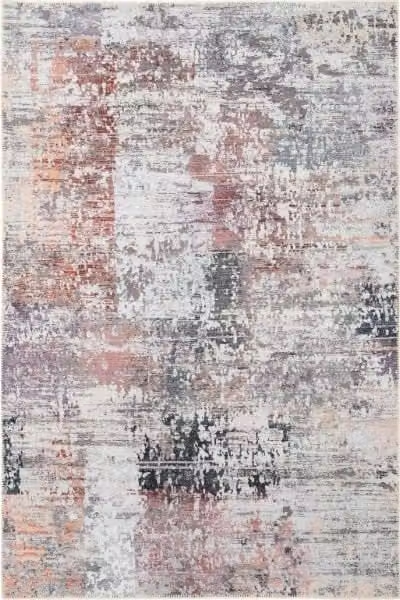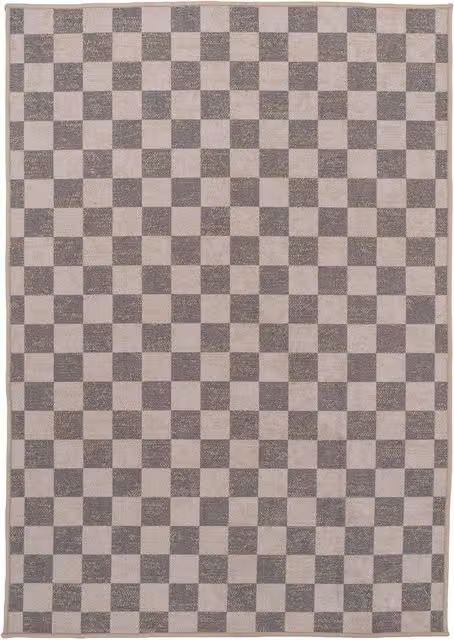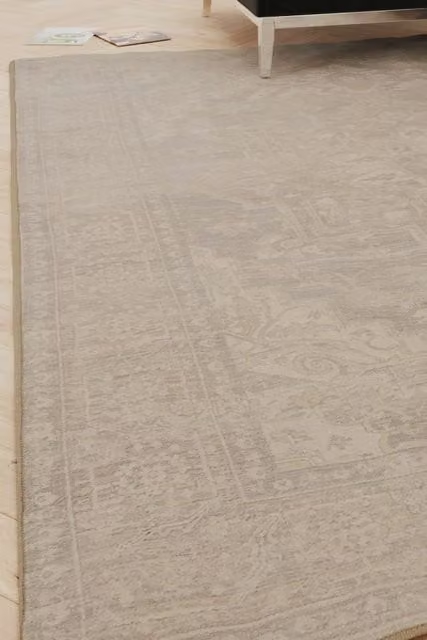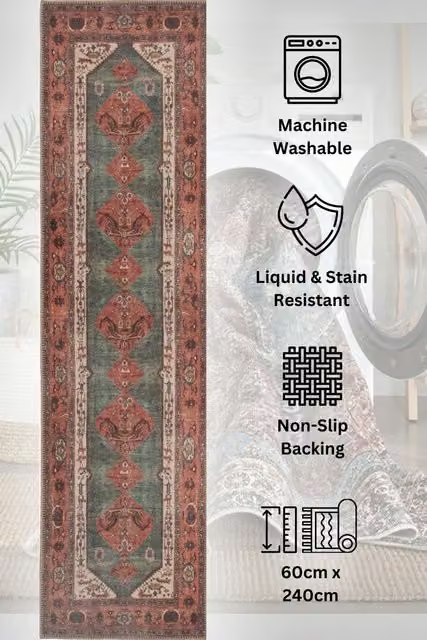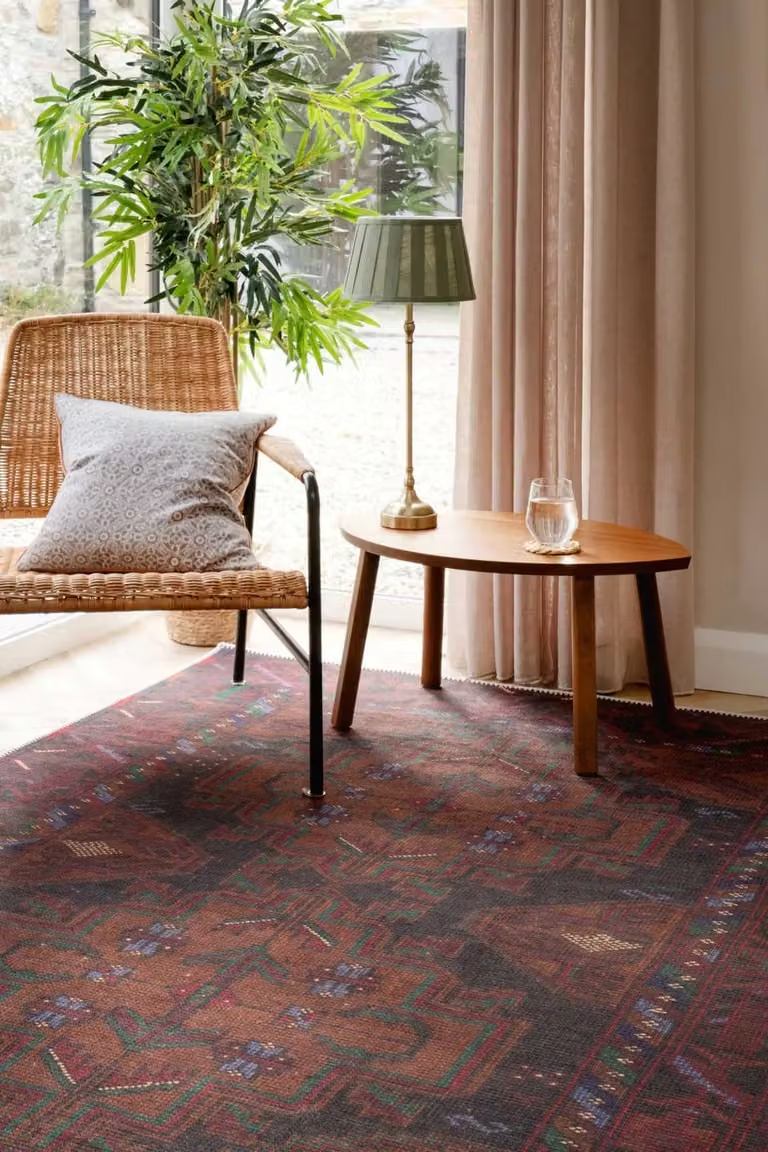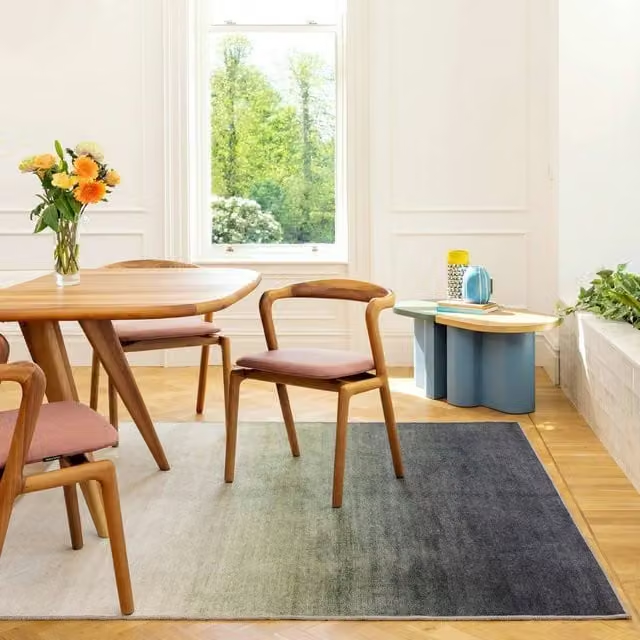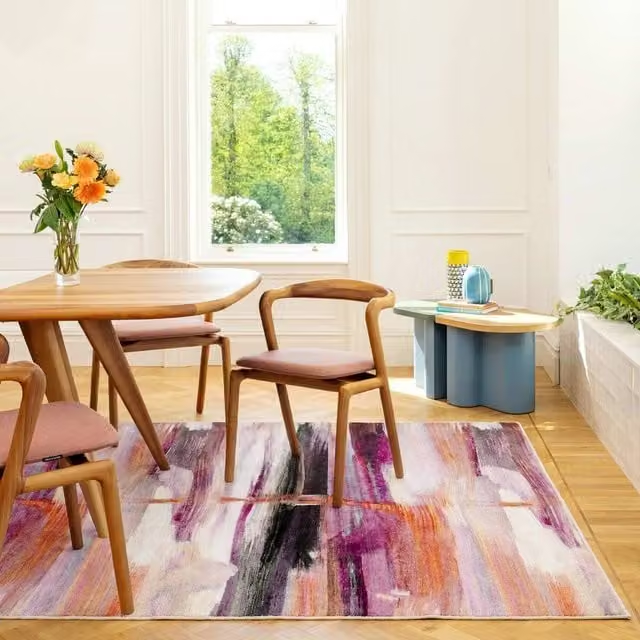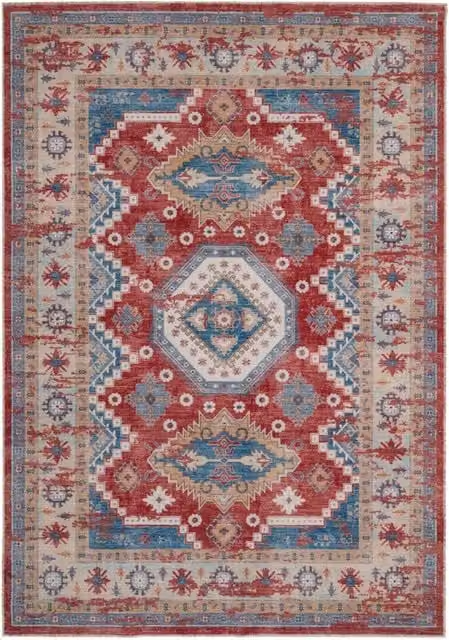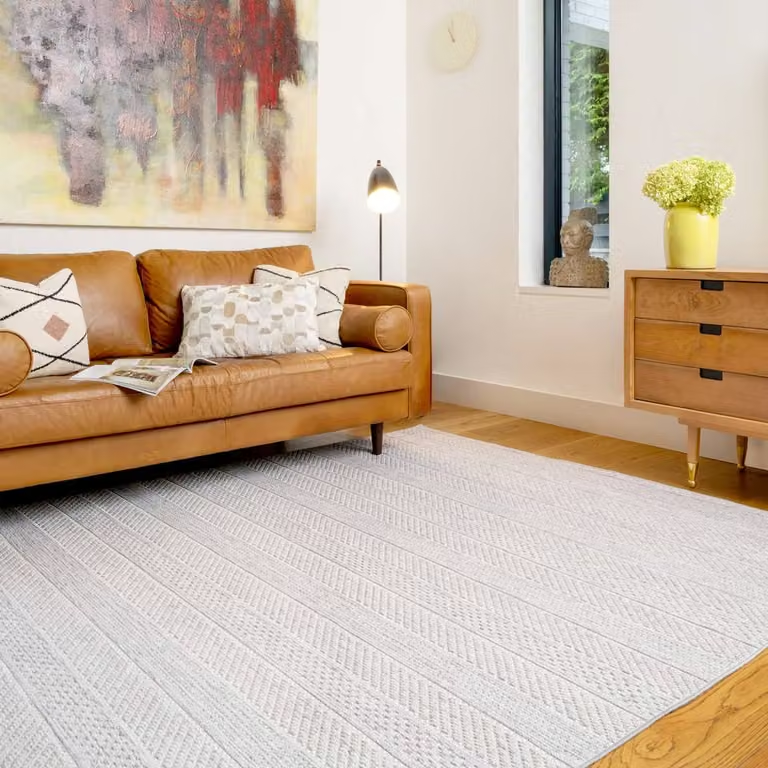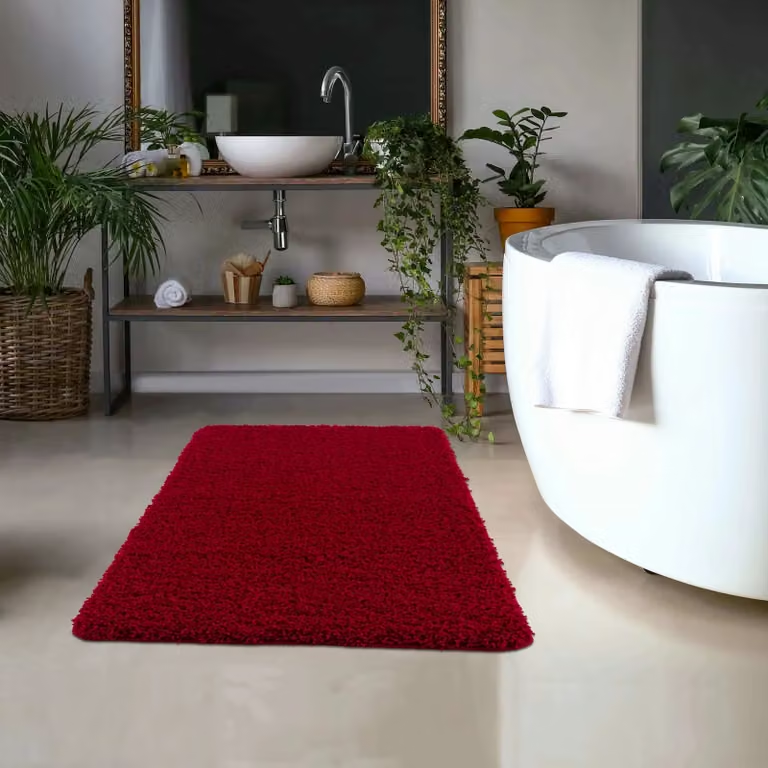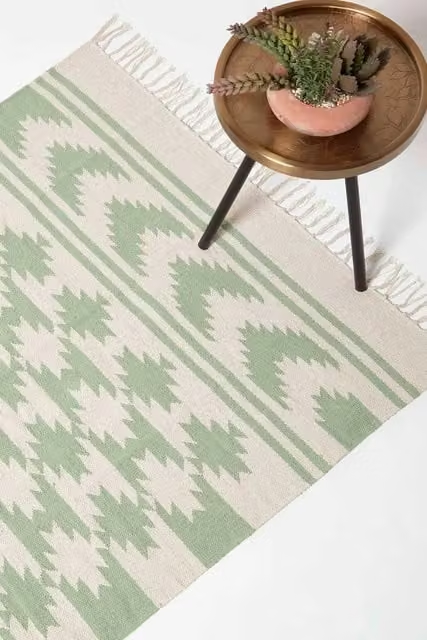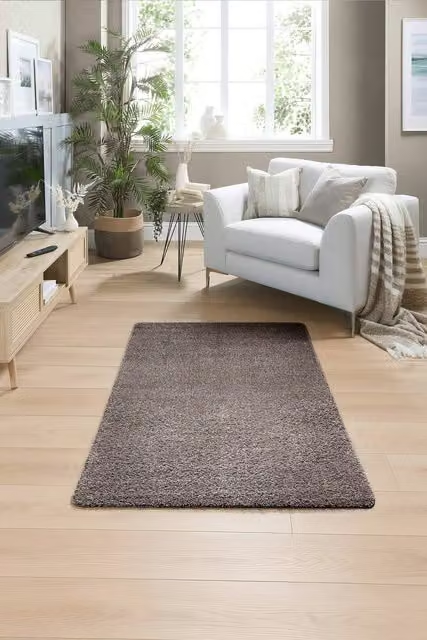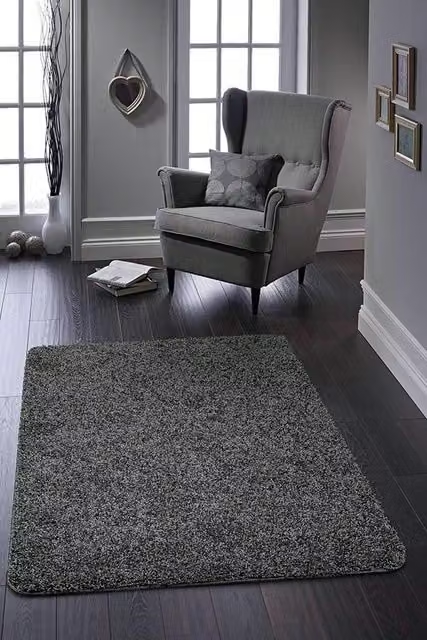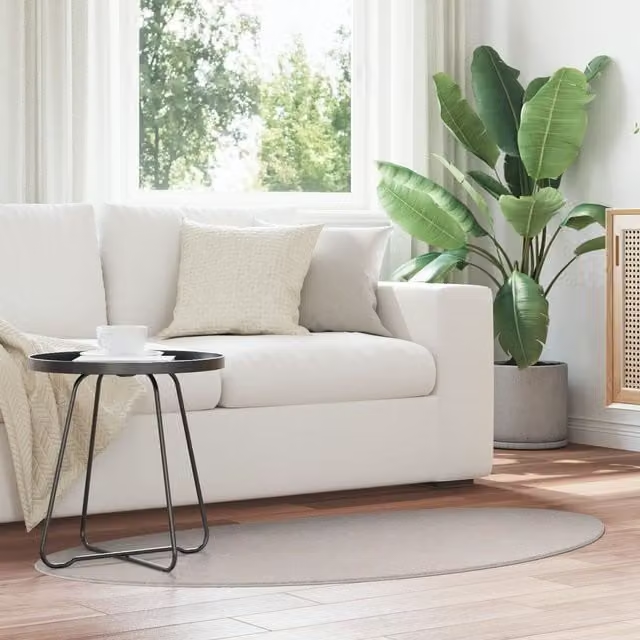
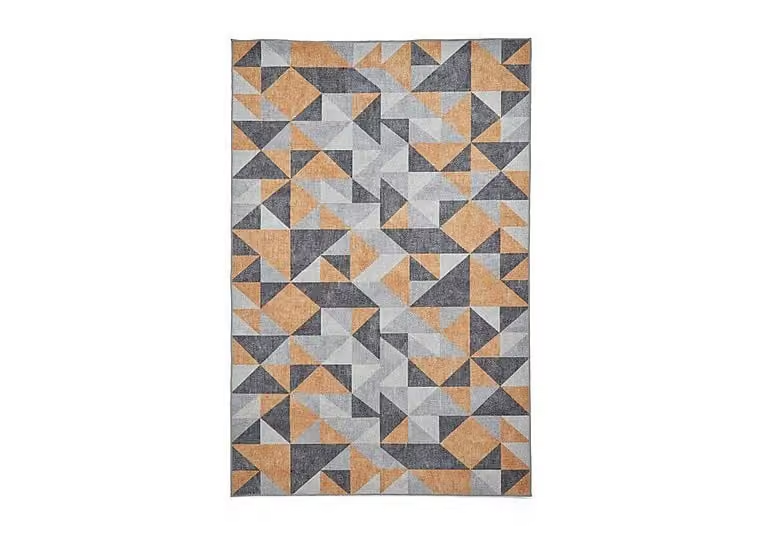
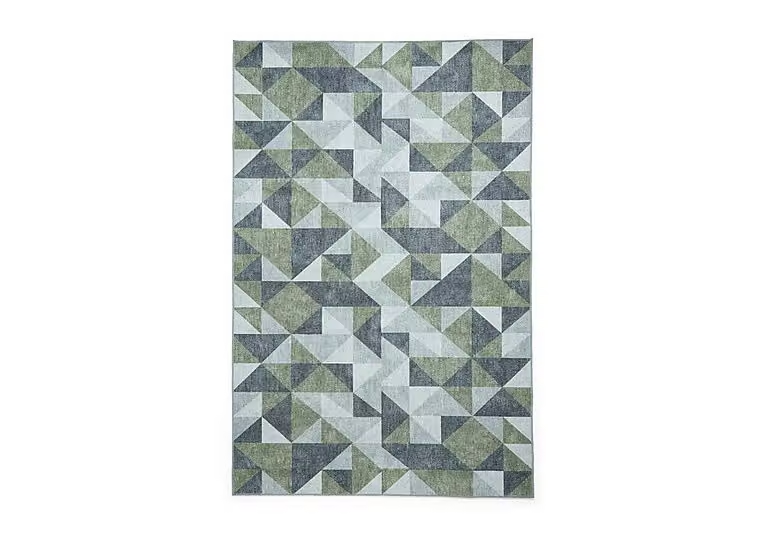
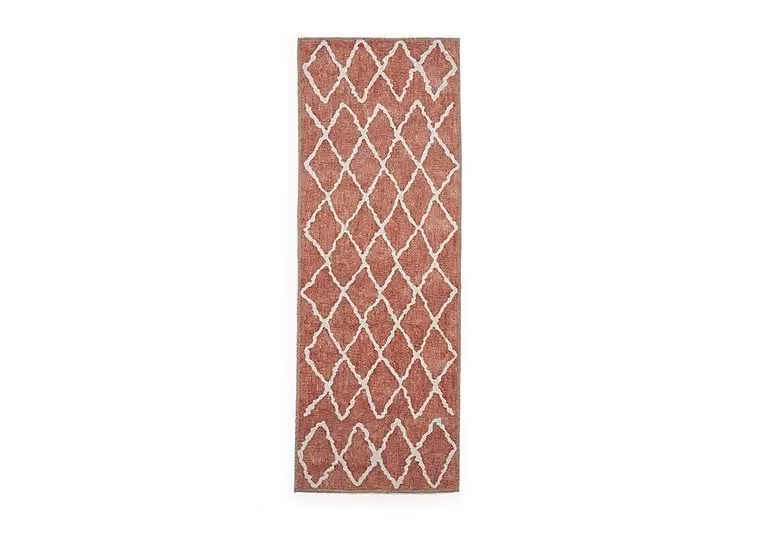







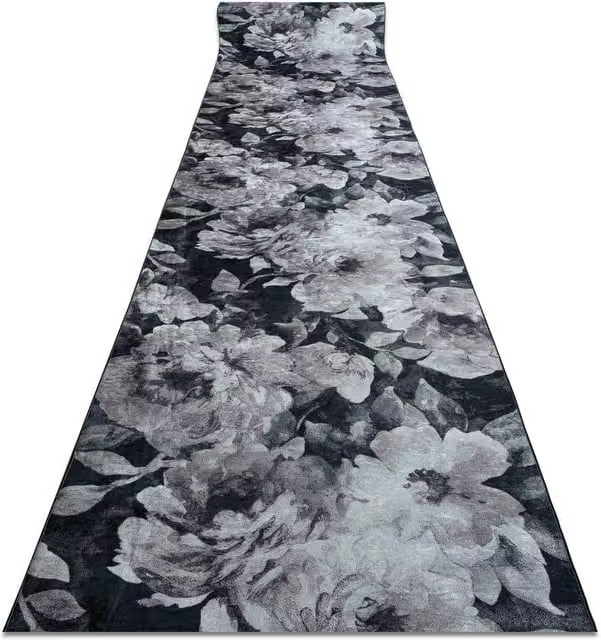
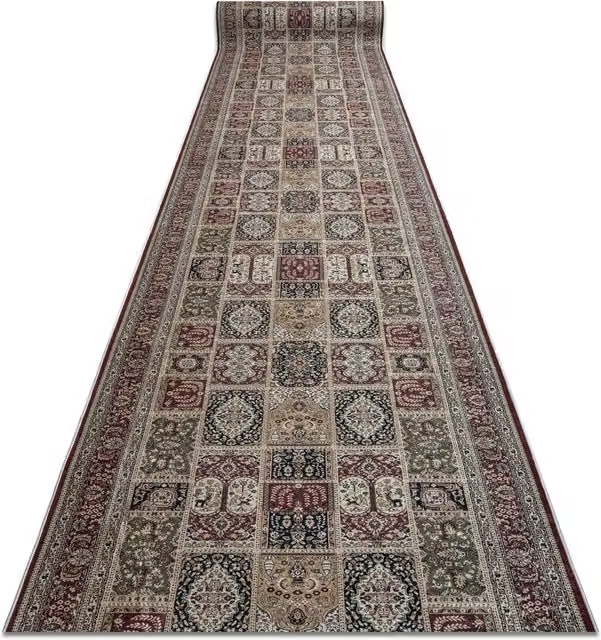
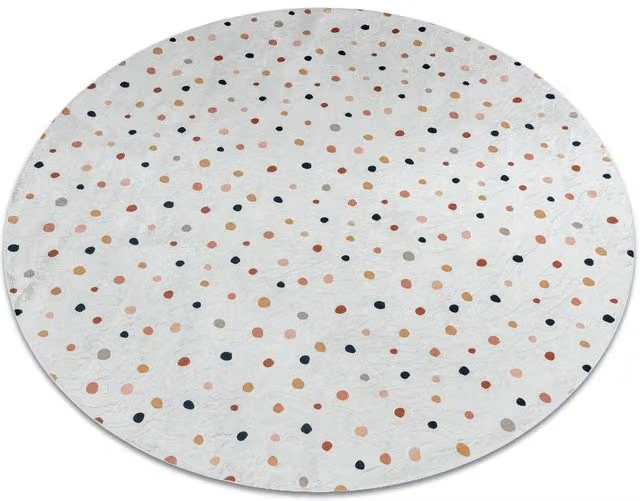

Anyone with children, dogs or a fondness for red wine knows the quiet anxiety of owning a nice rug. Washable rugs remove it entirely. Designed to go straight into a domestic washing machine, they let you have warmth, colour and comfort underfoot in exactly the rooms where traditional rugs feel like a risk, which is why they have become one of the fastest growing categories in home textiles.
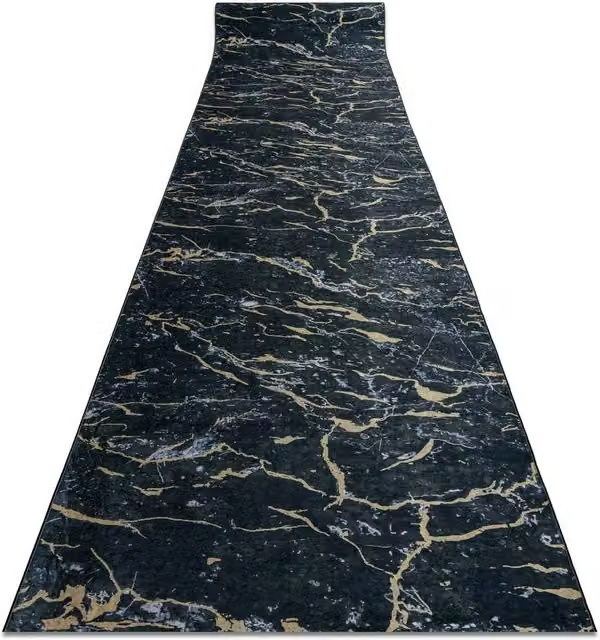
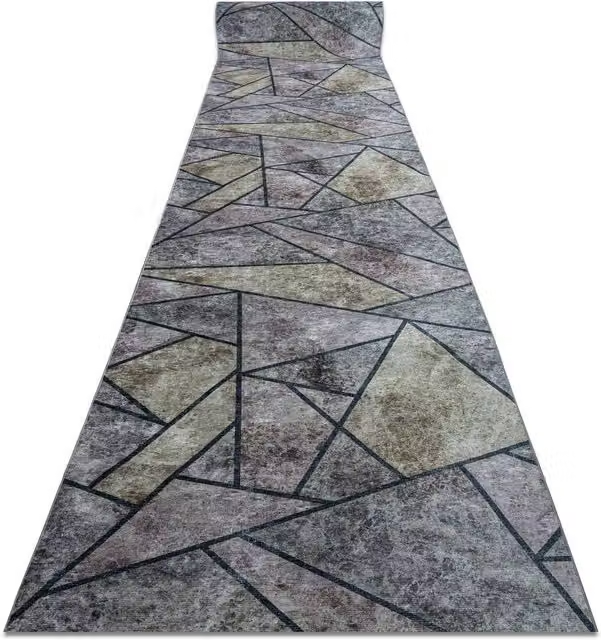
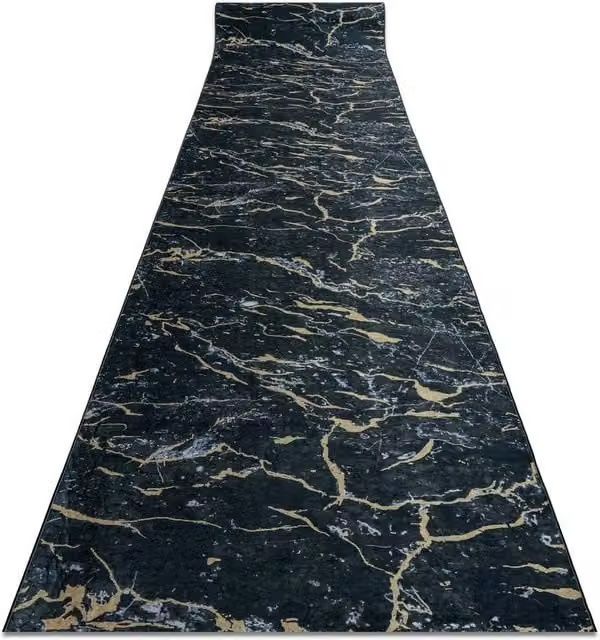
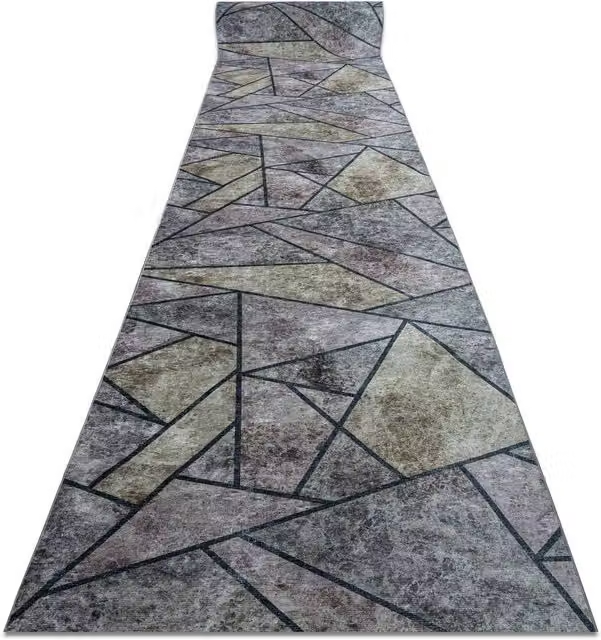
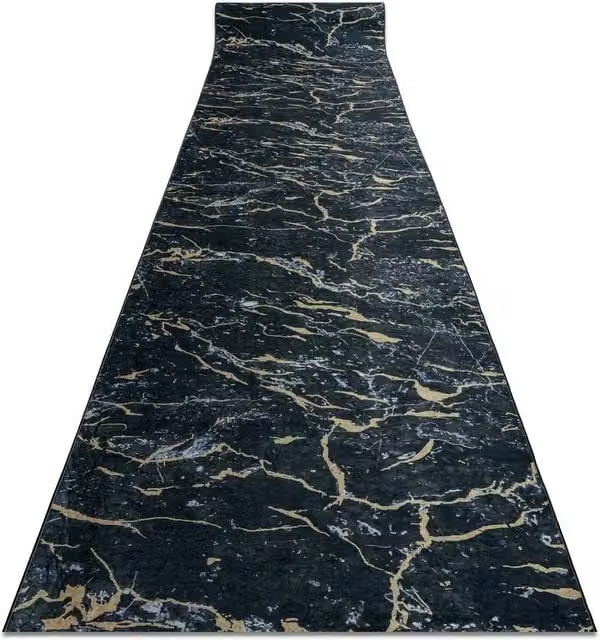
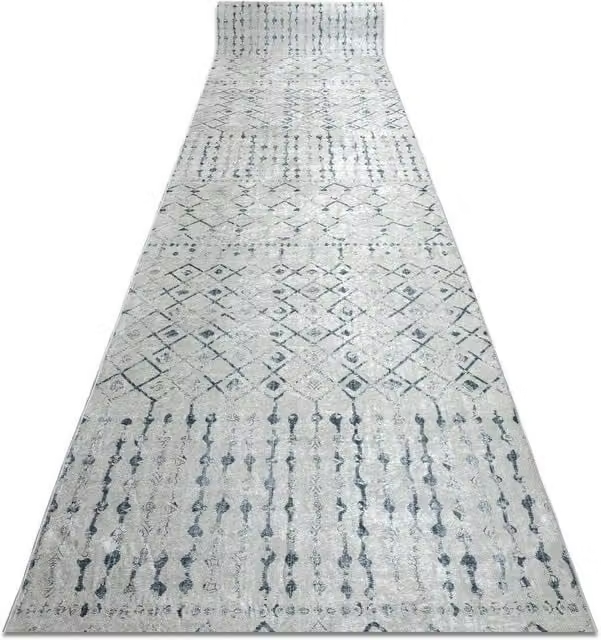
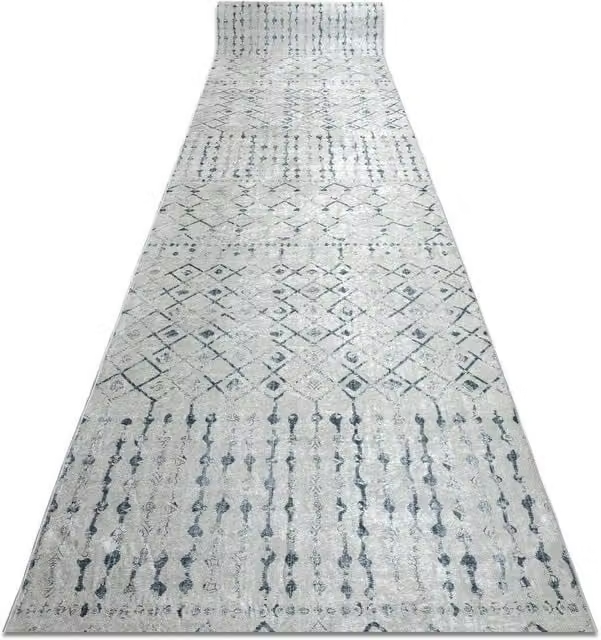
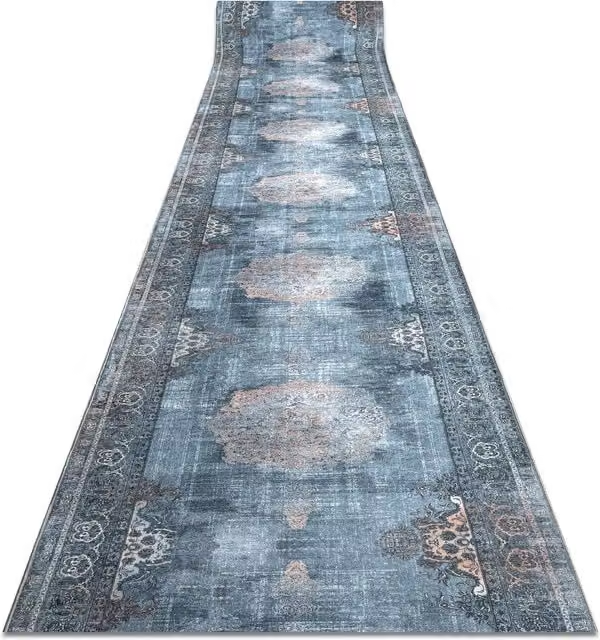
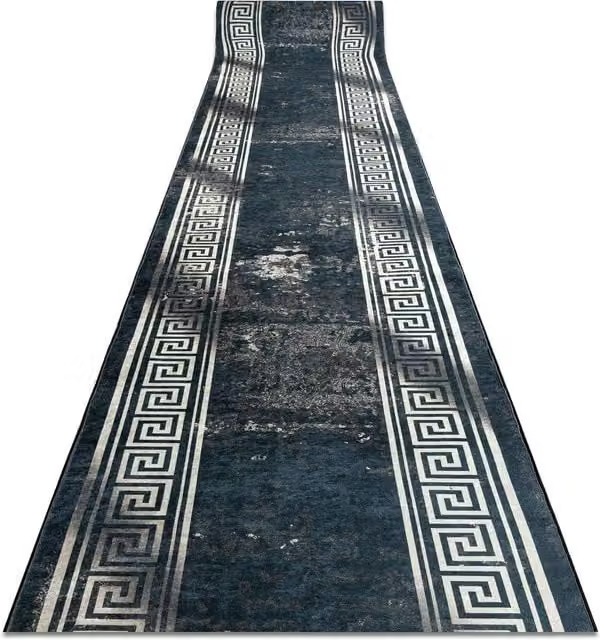
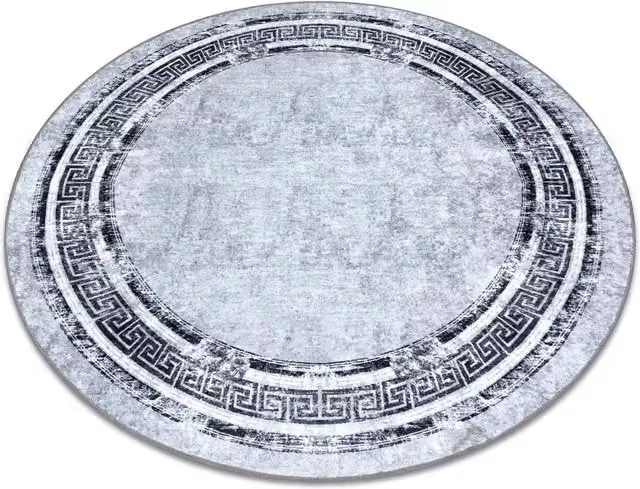
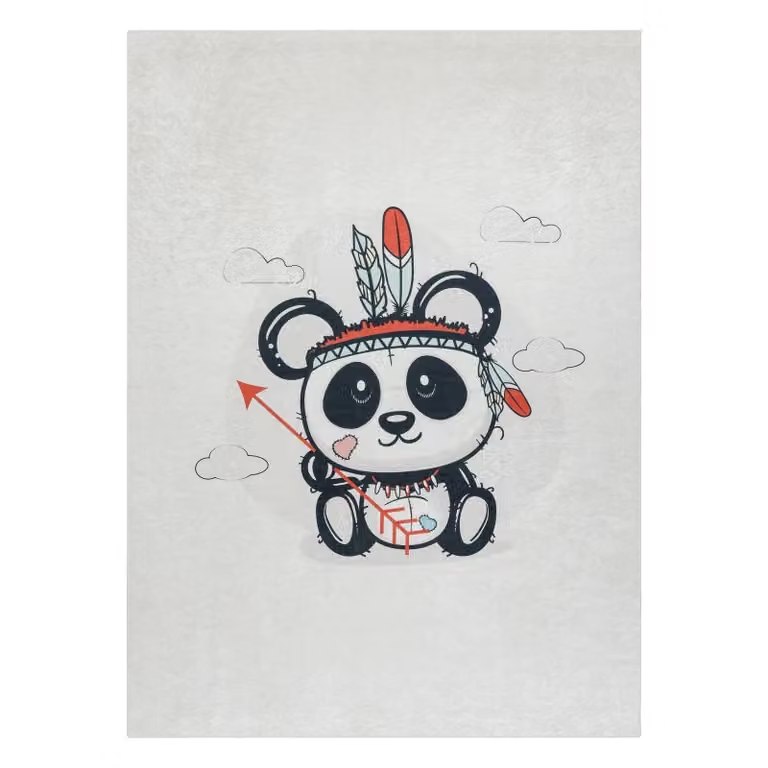
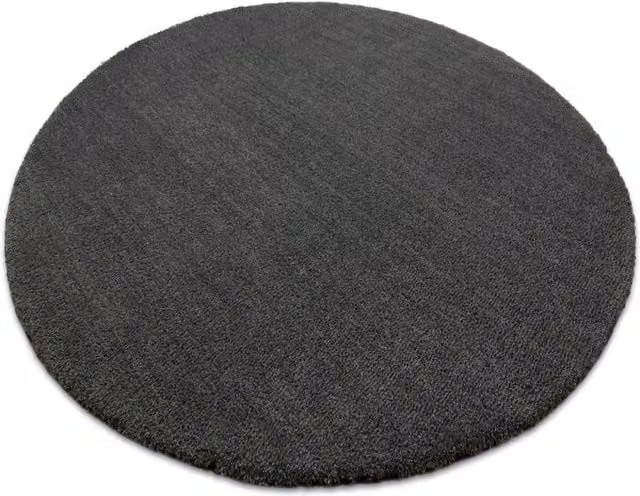
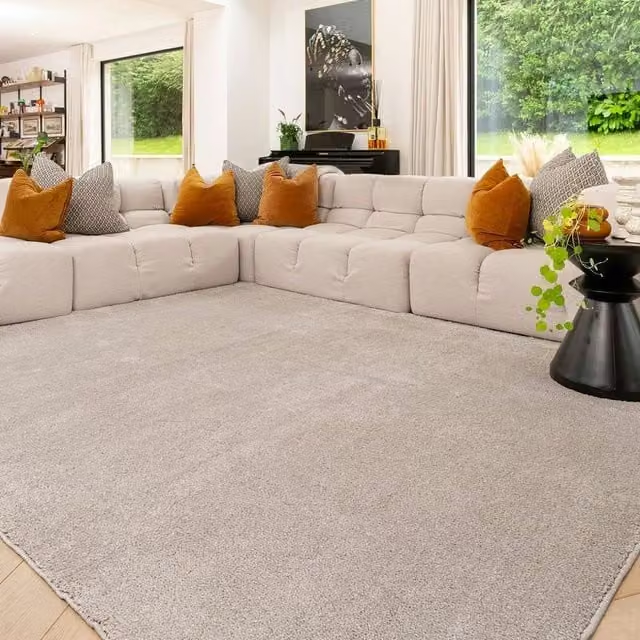
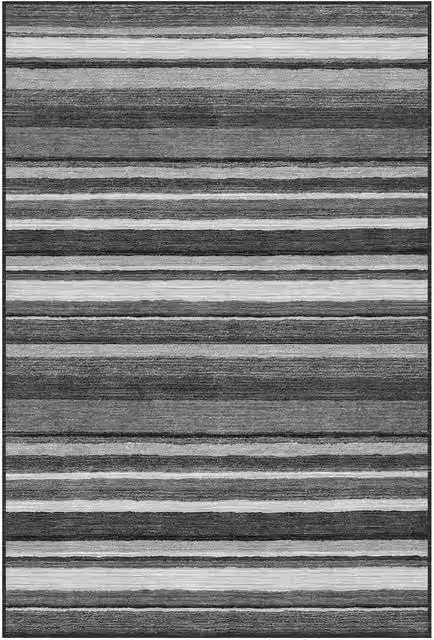
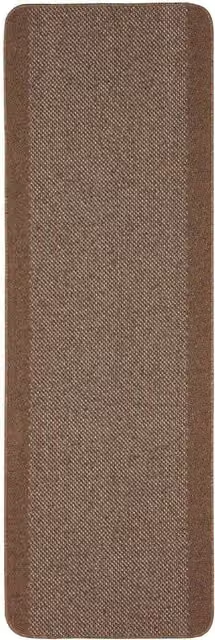
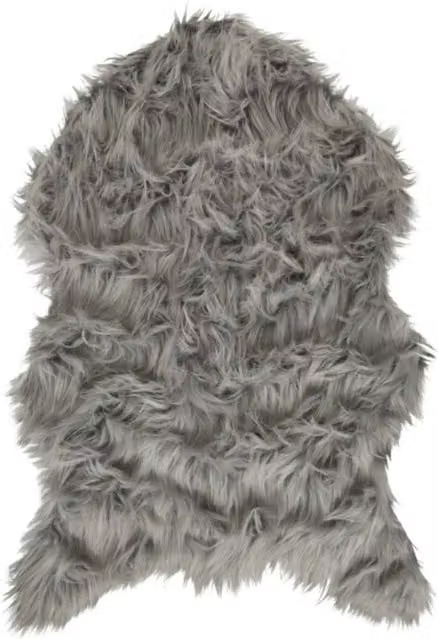
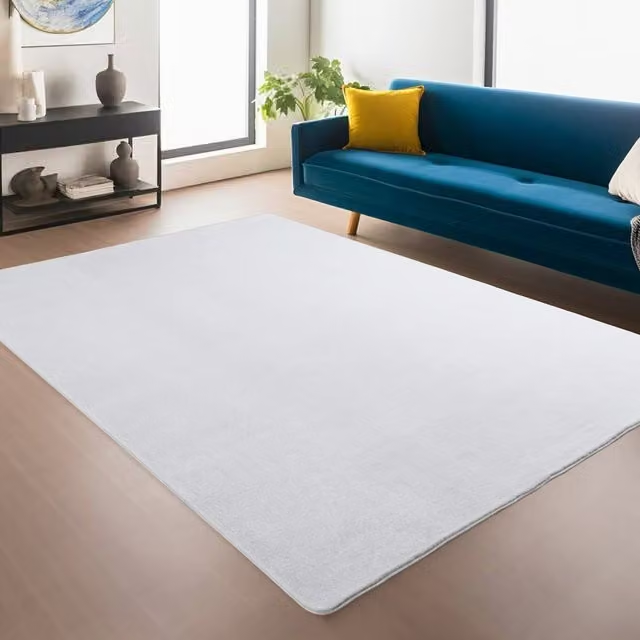
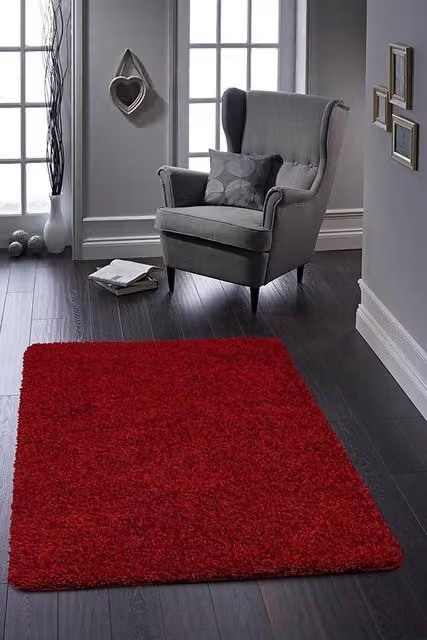
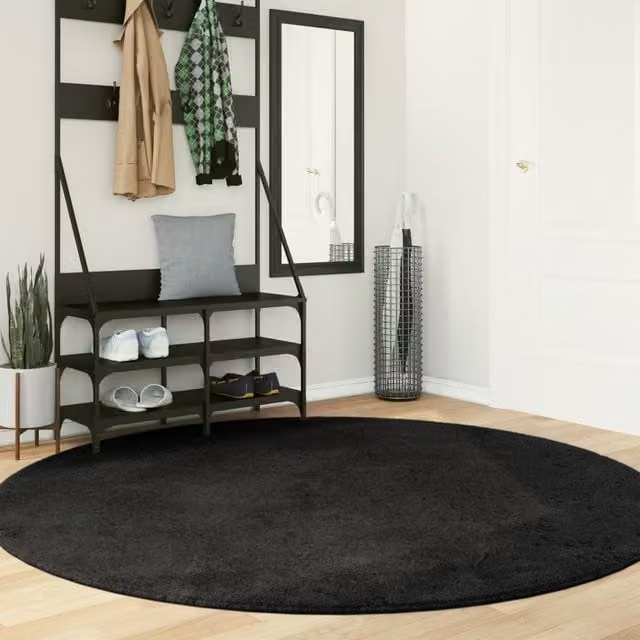
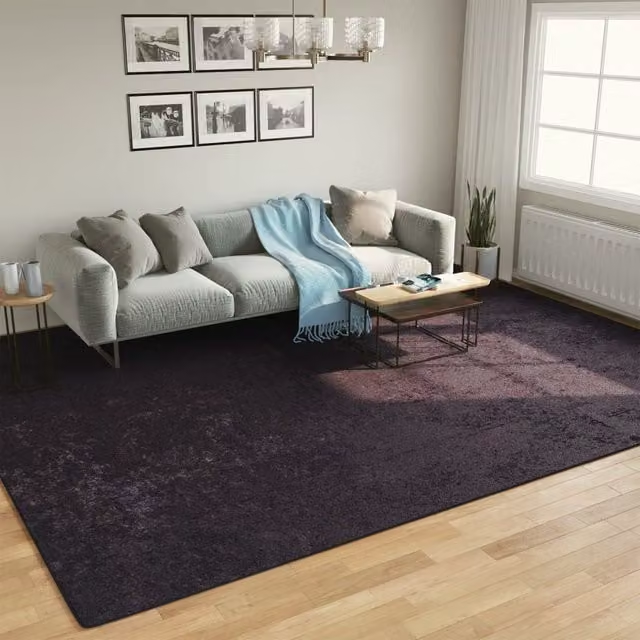
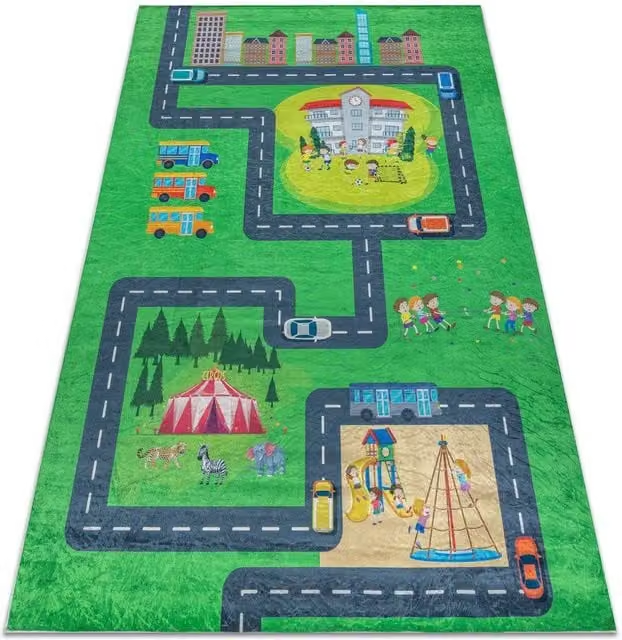
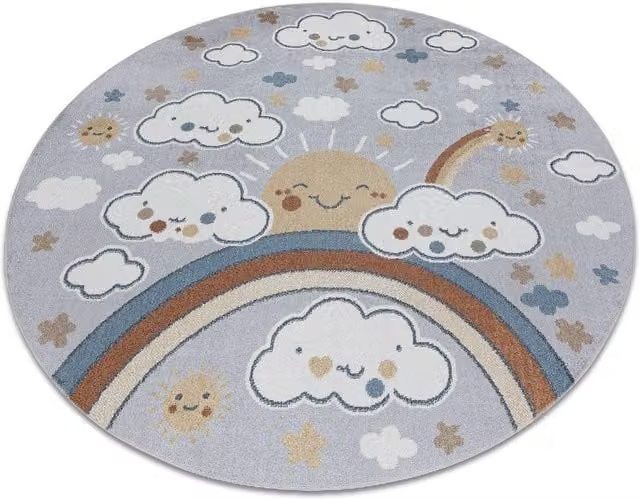
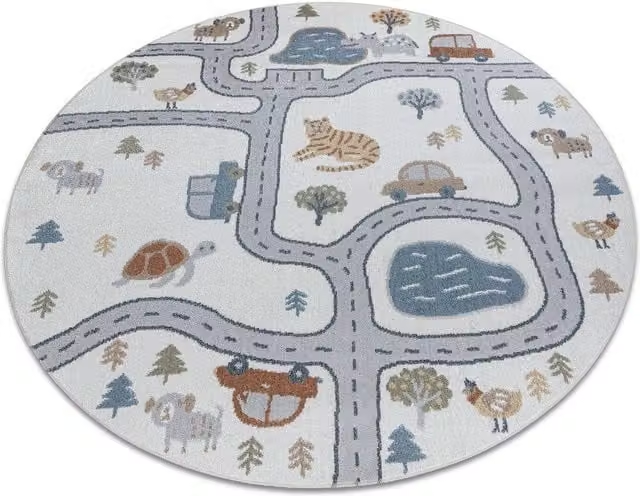
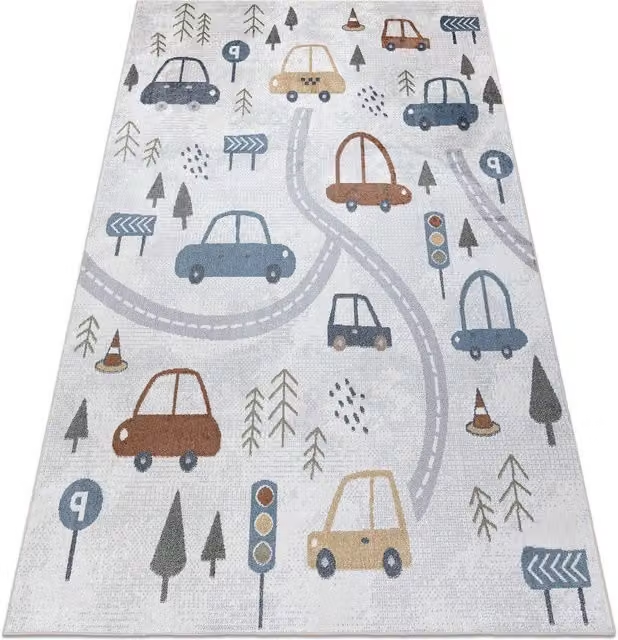
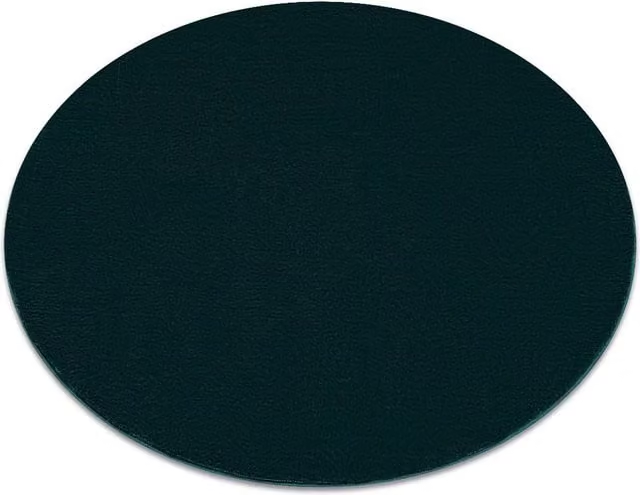
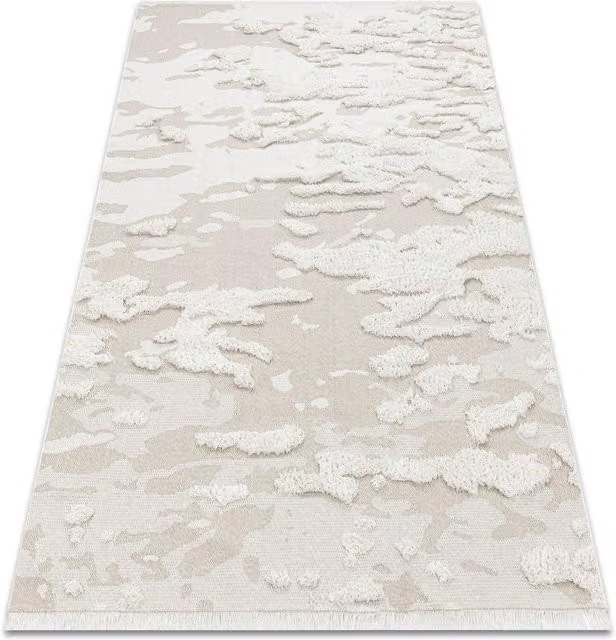
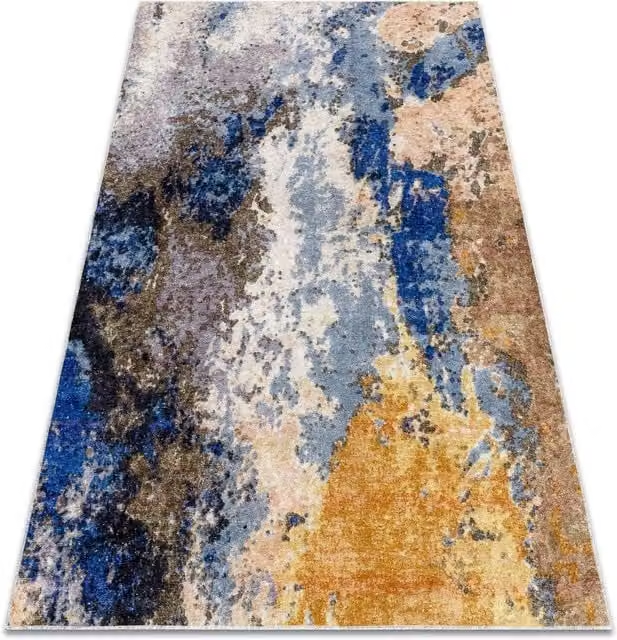
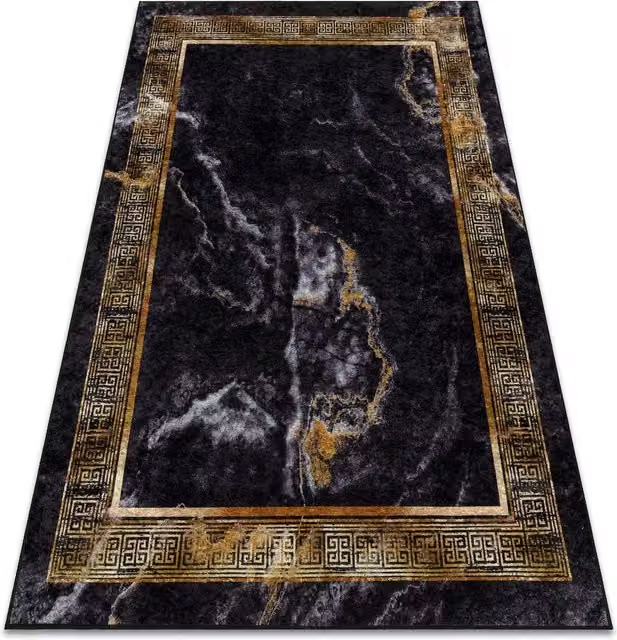
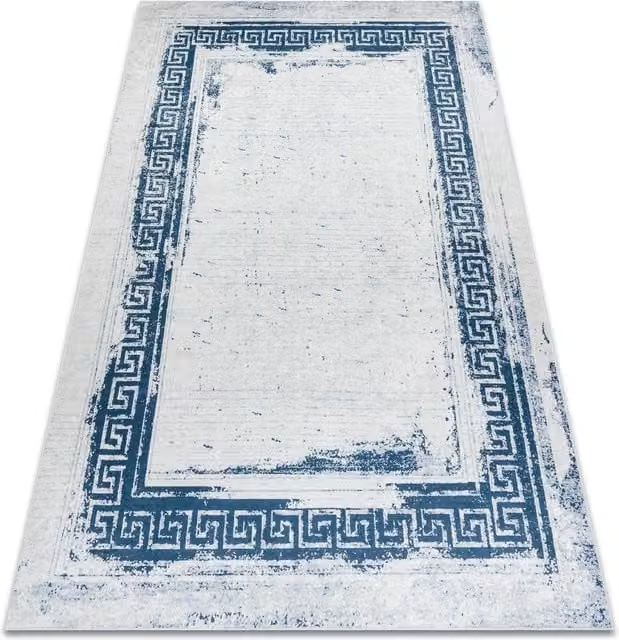
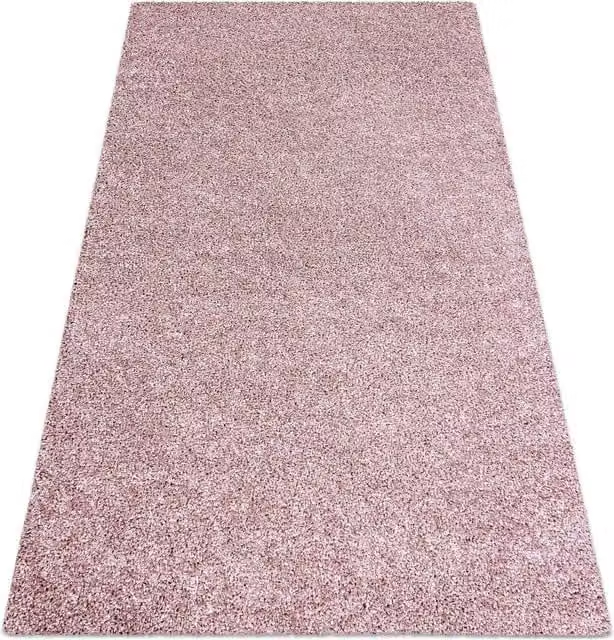
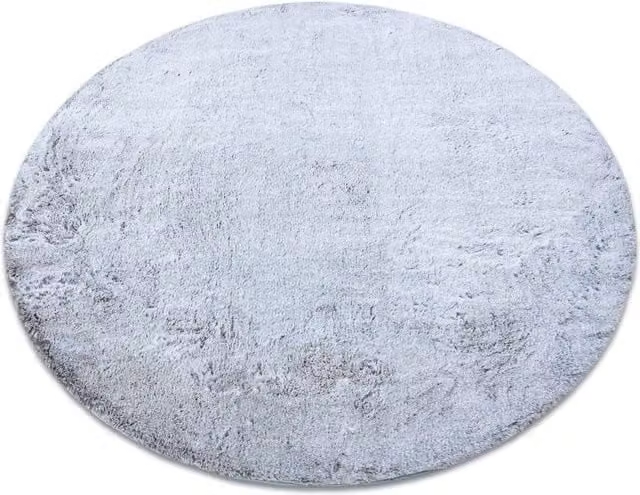
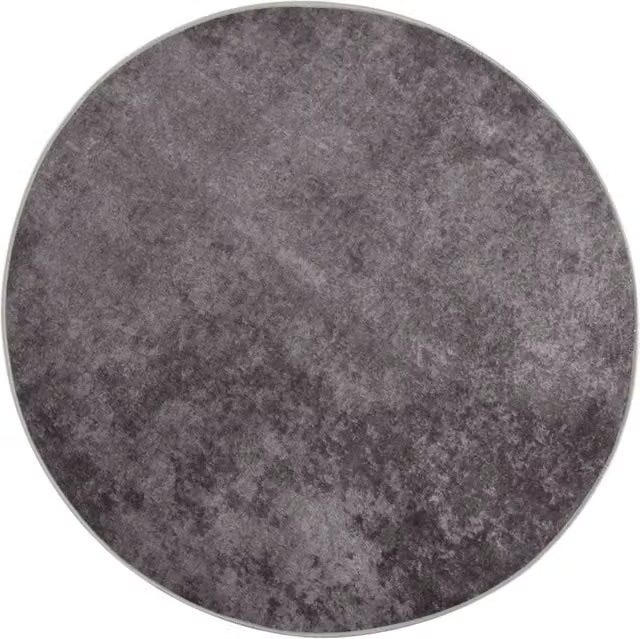
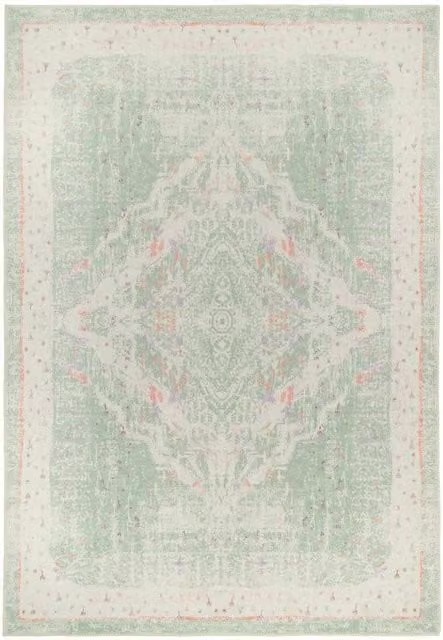
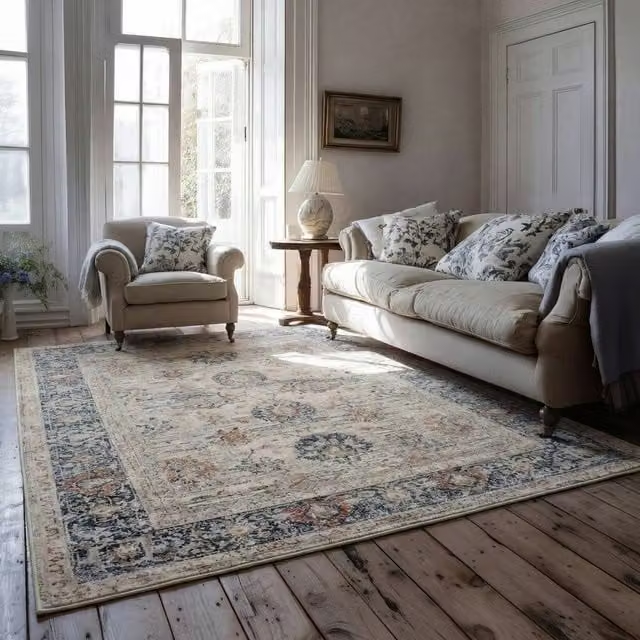
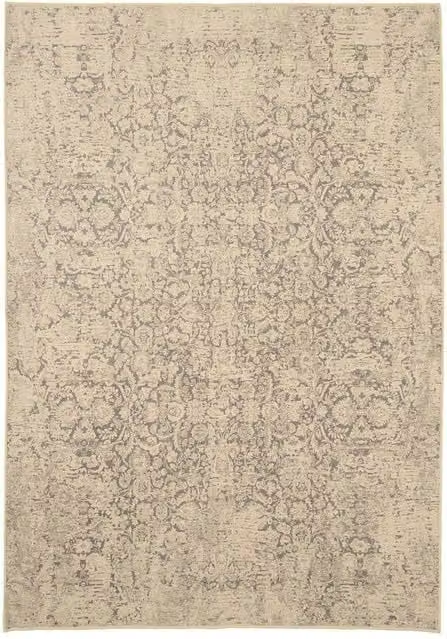
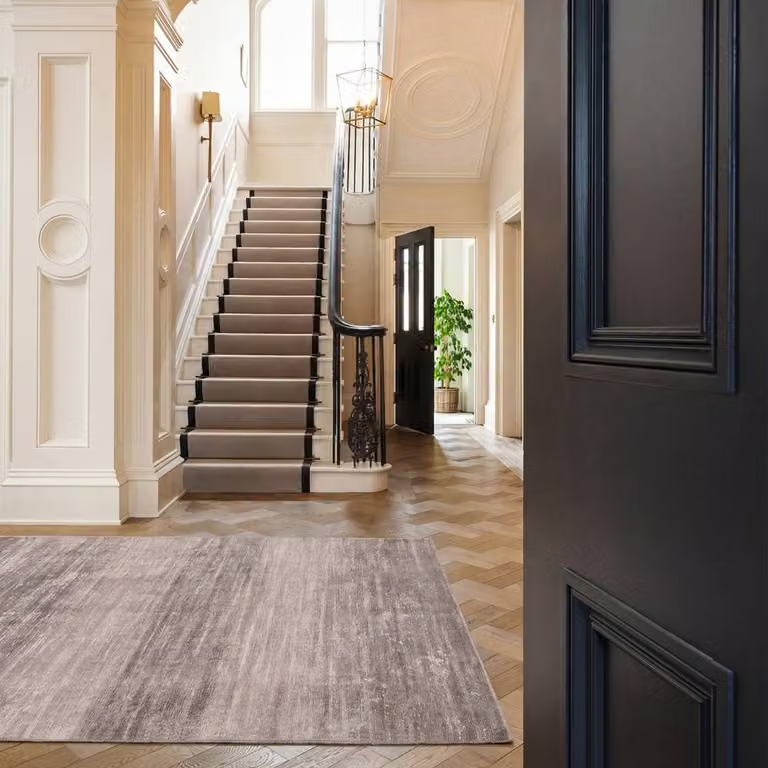
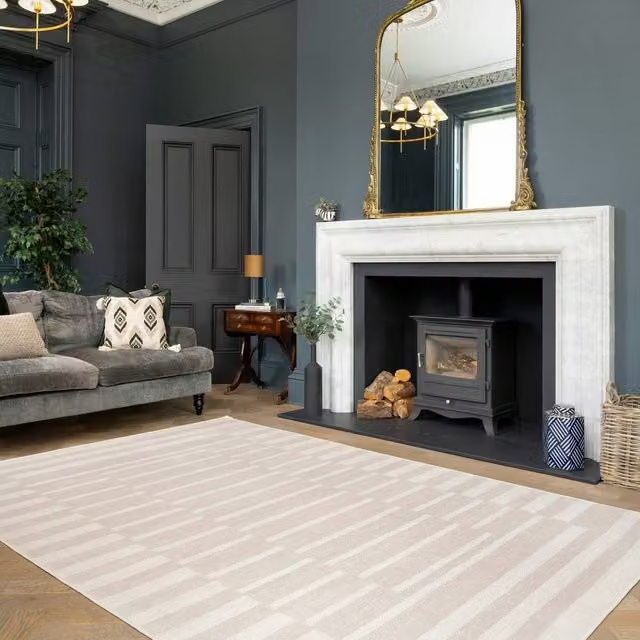
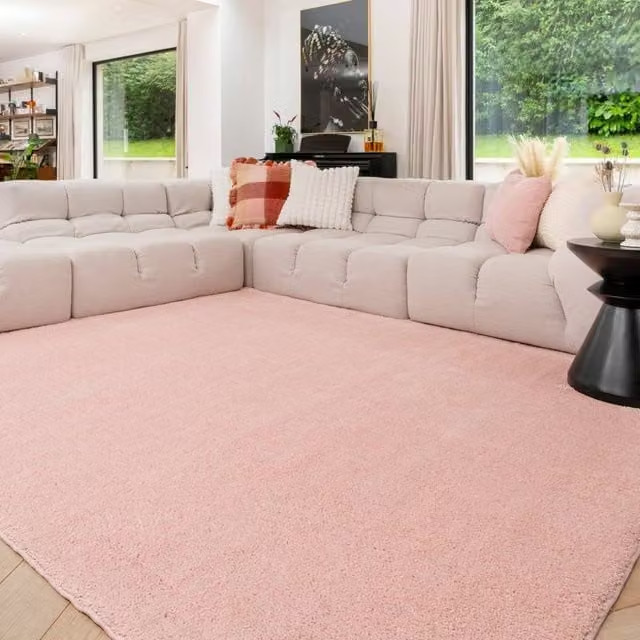
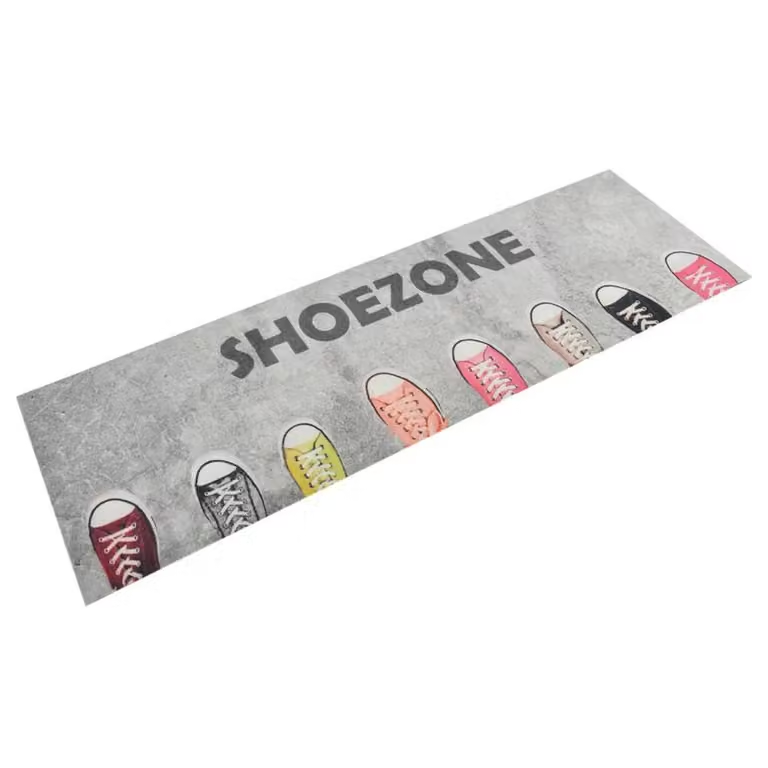
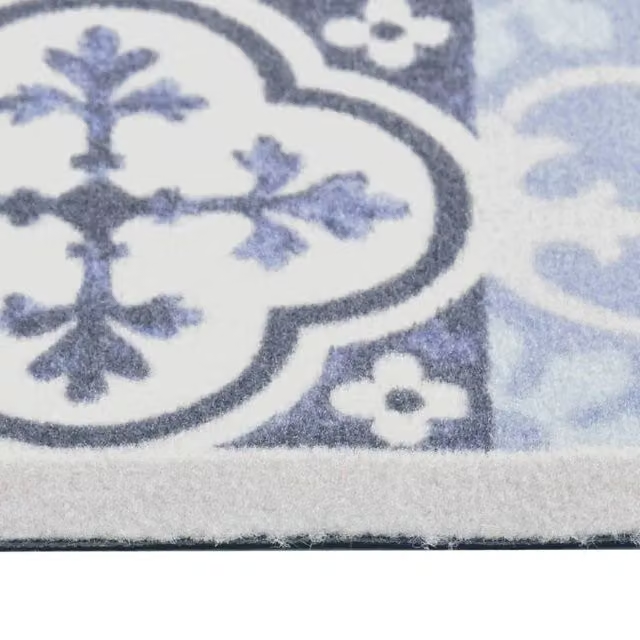
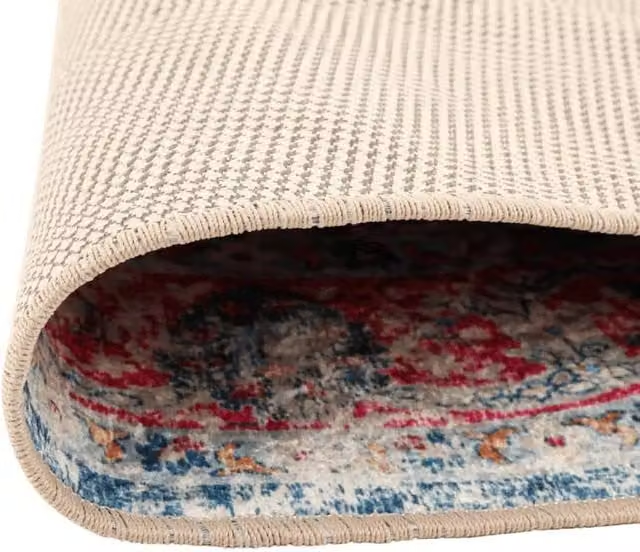
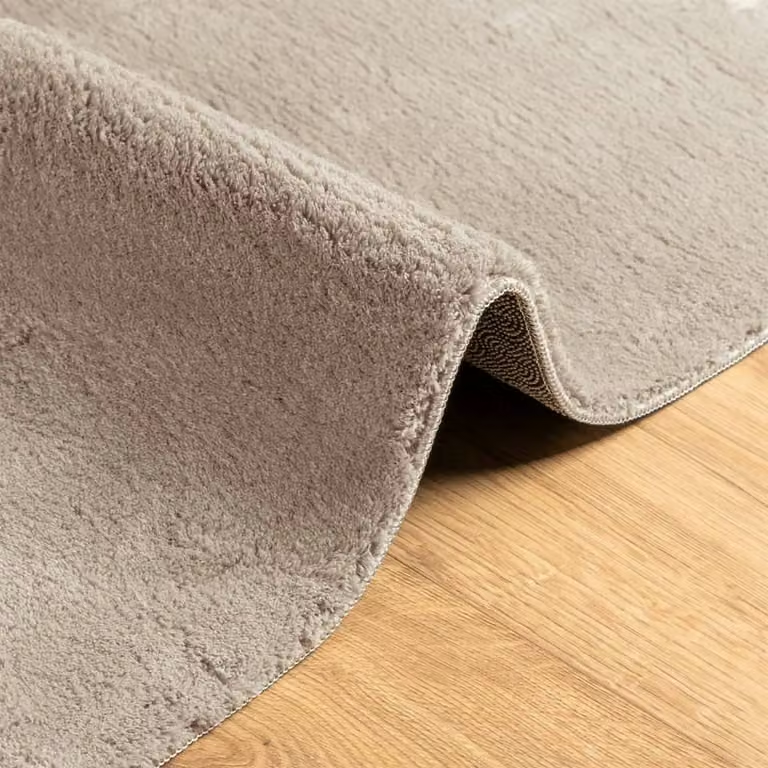
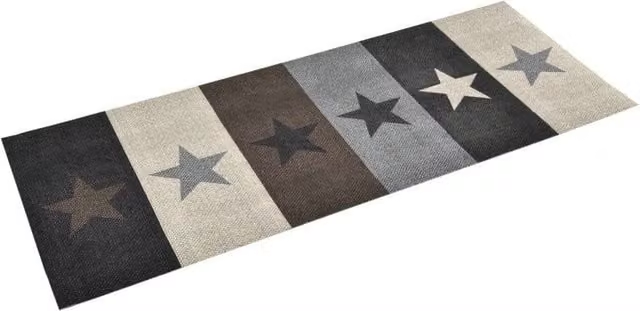
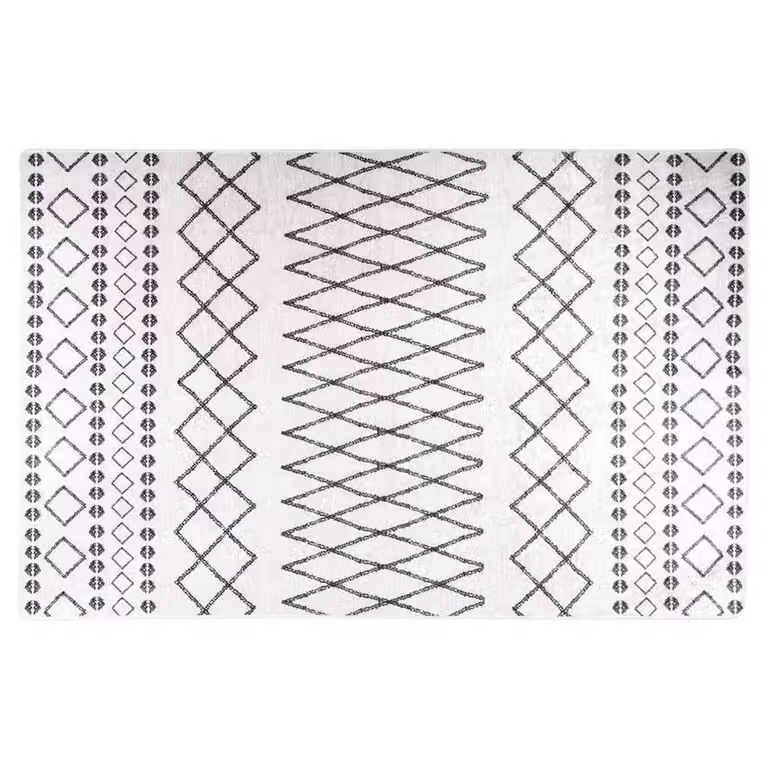
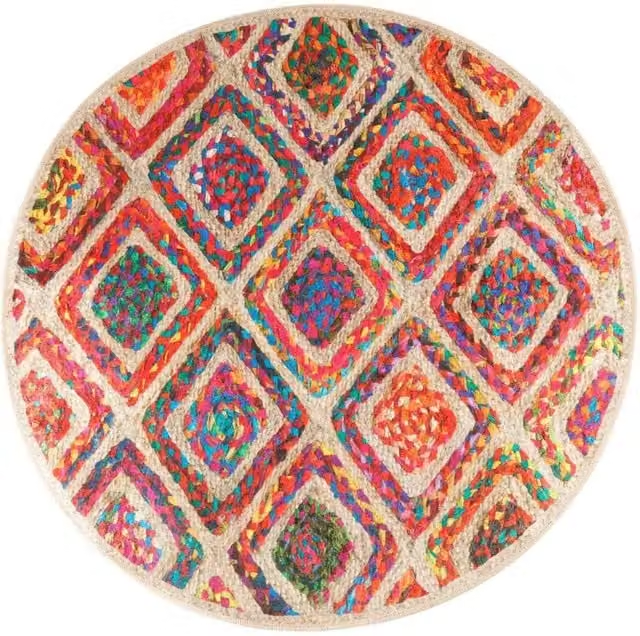
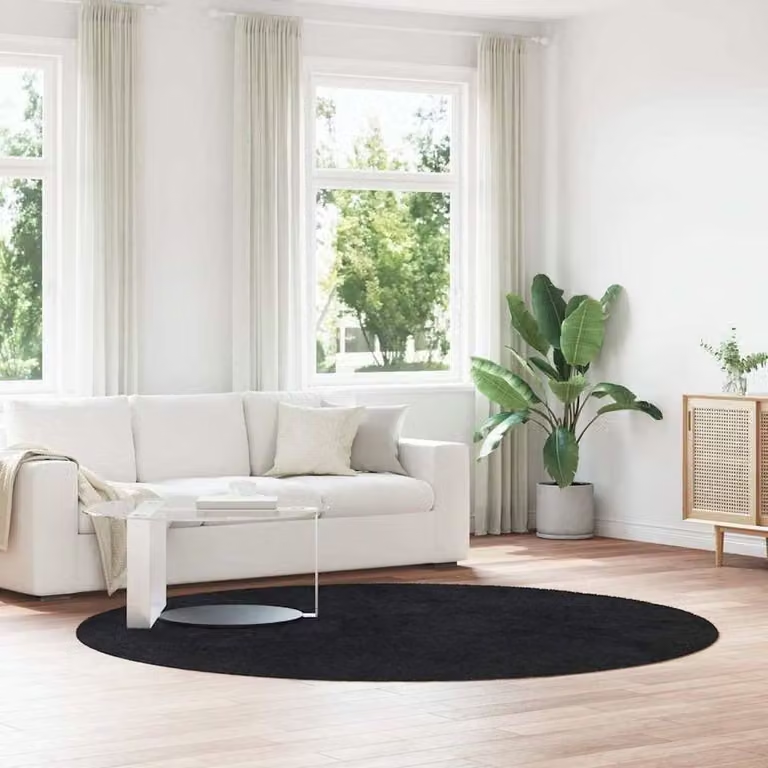
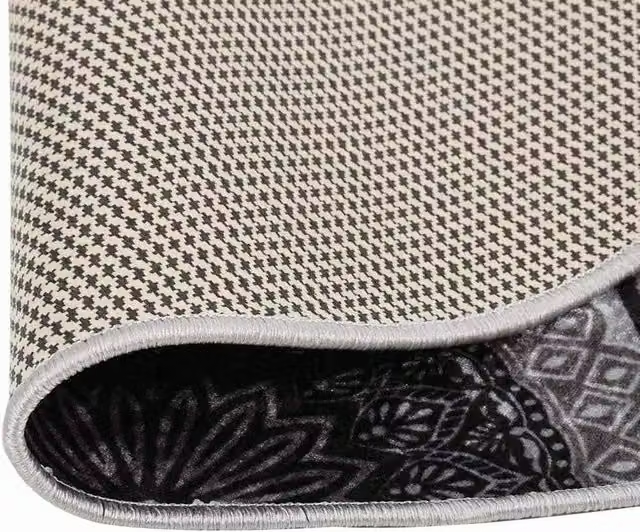
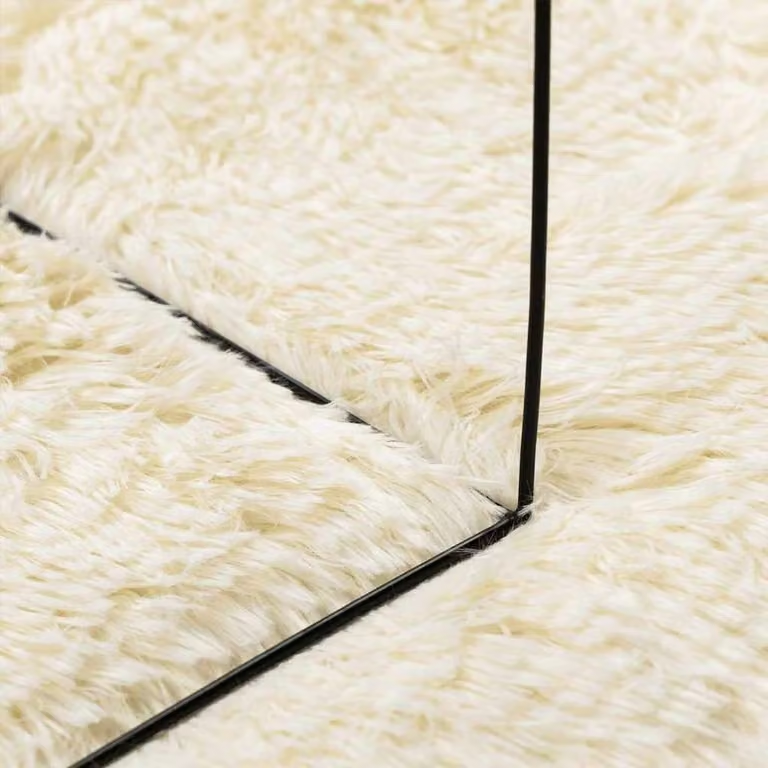
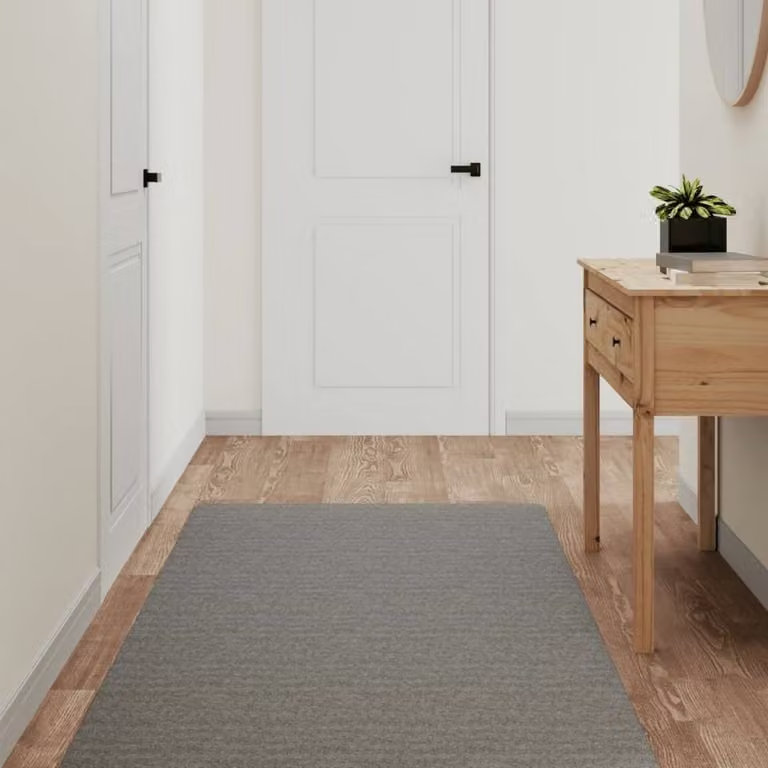
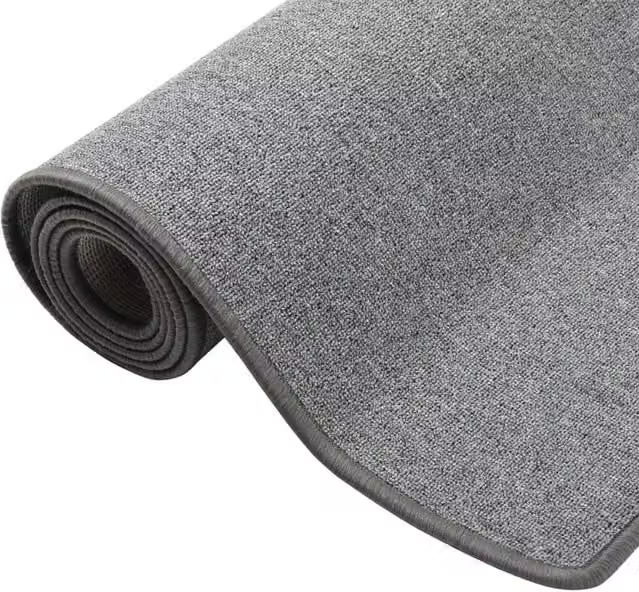
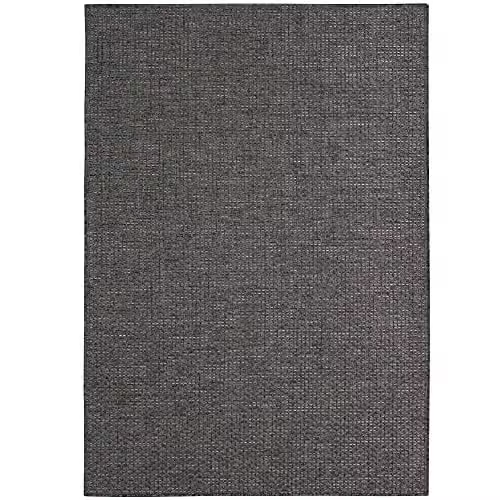
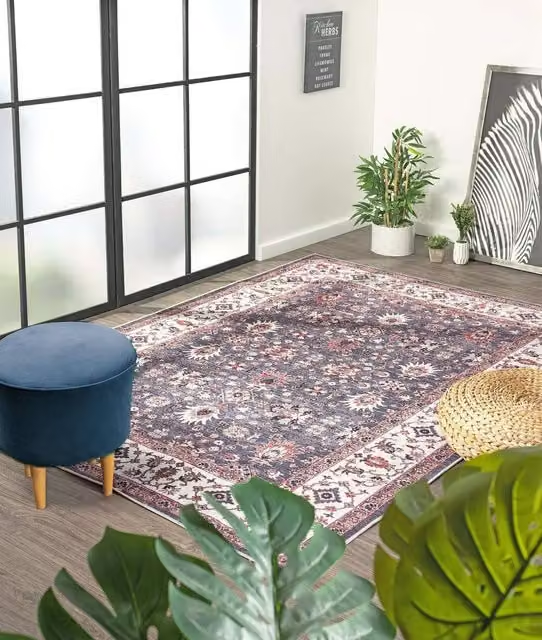
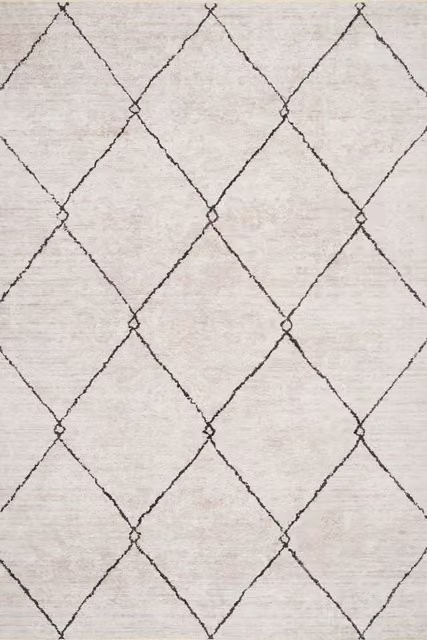
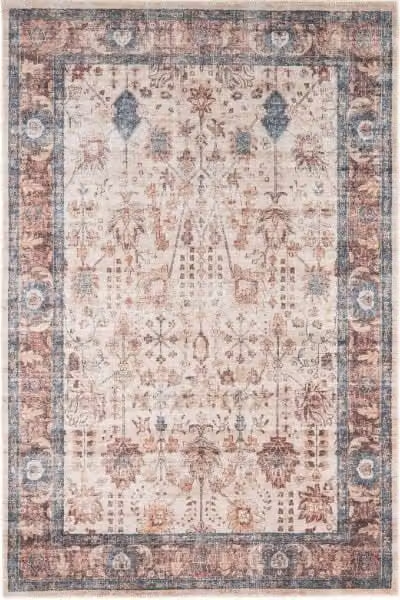
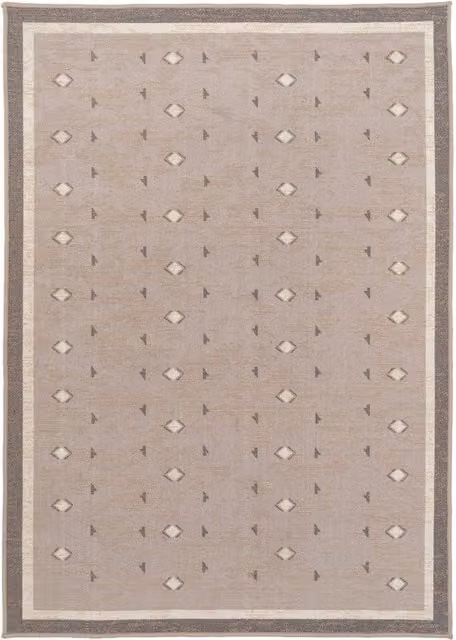
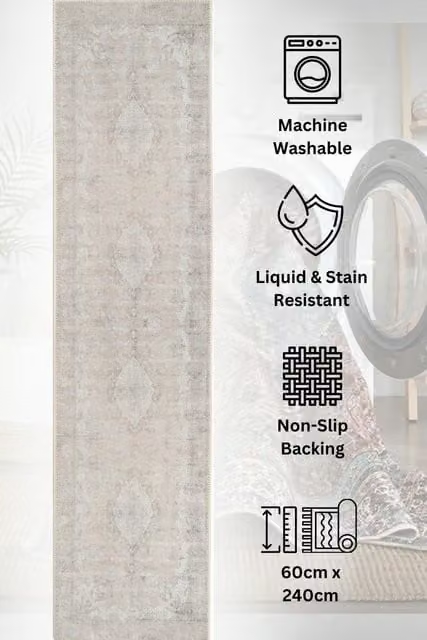
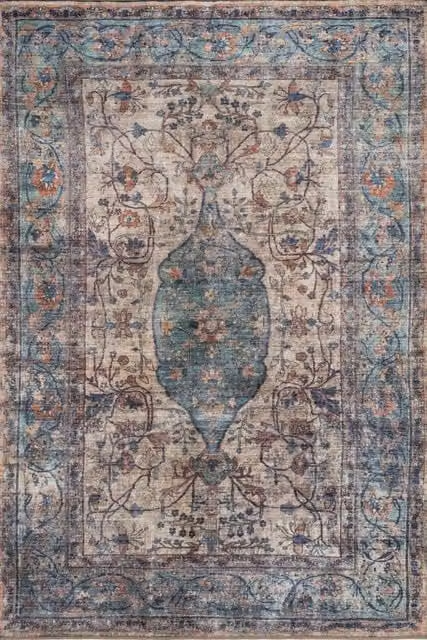
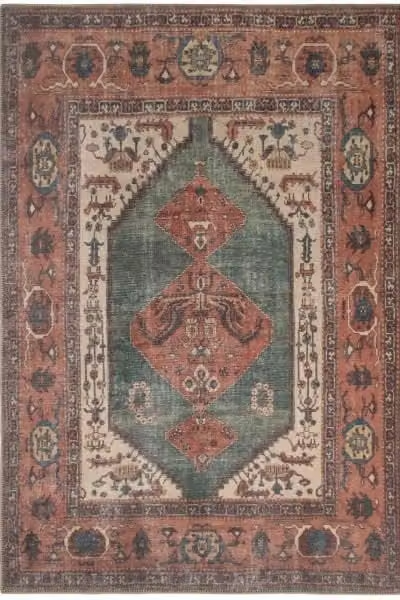
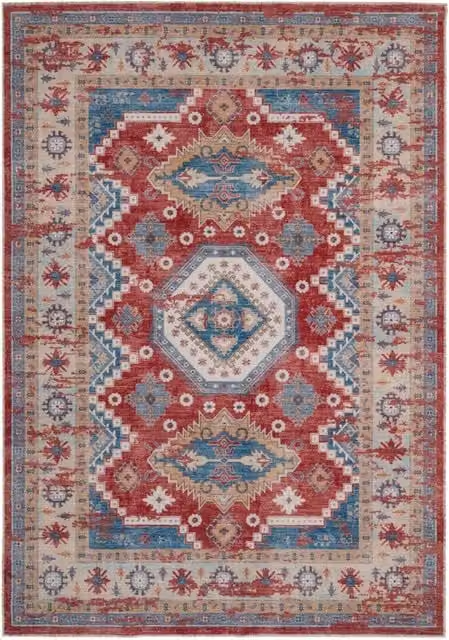
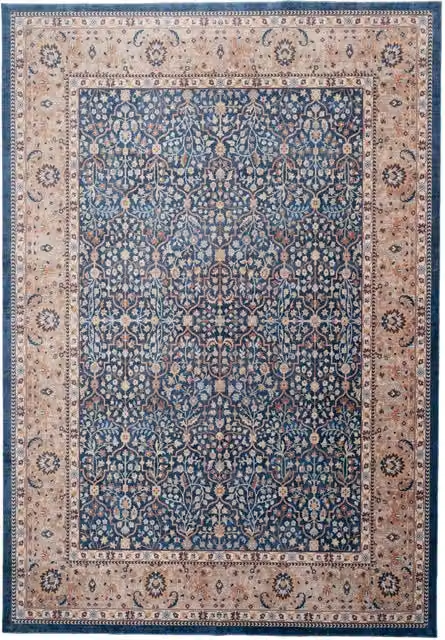
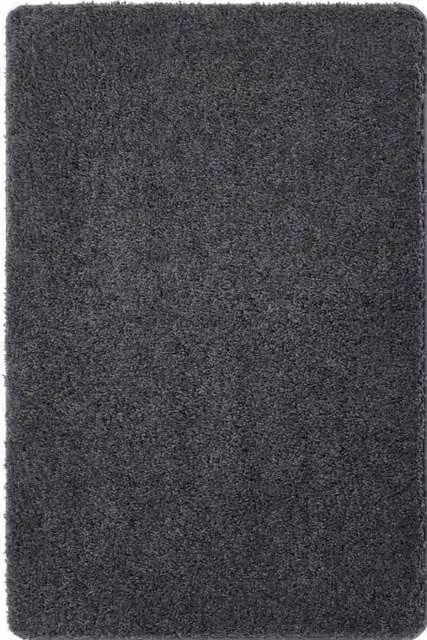
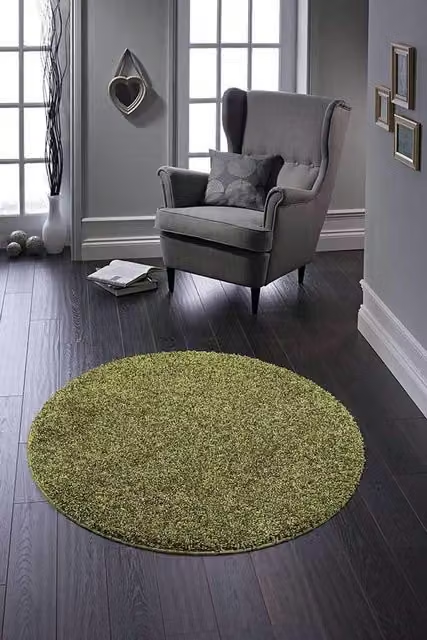
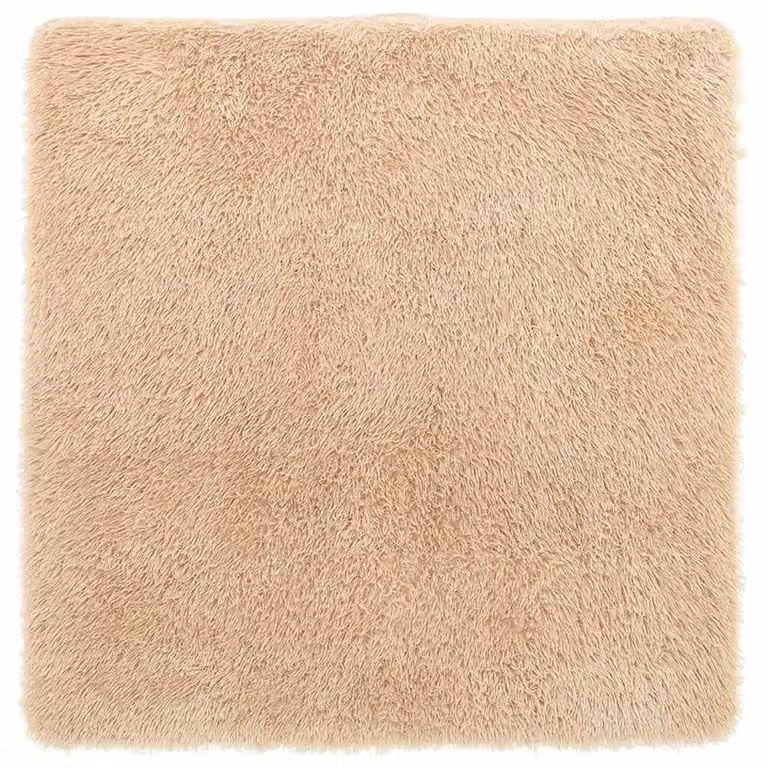
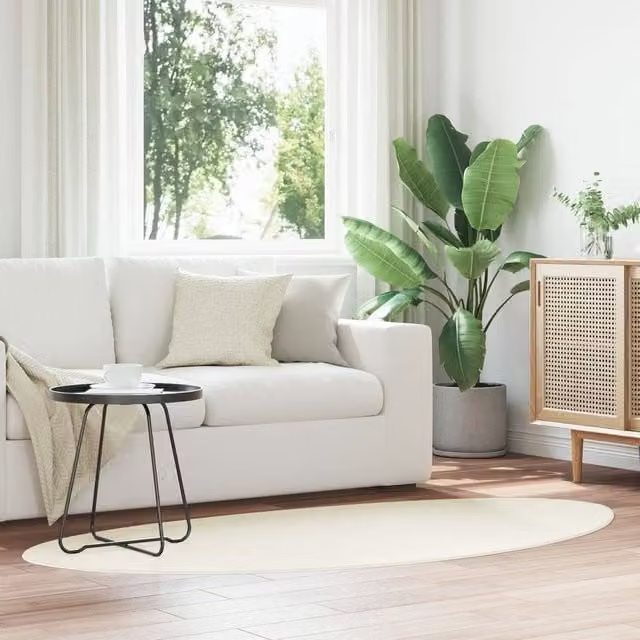
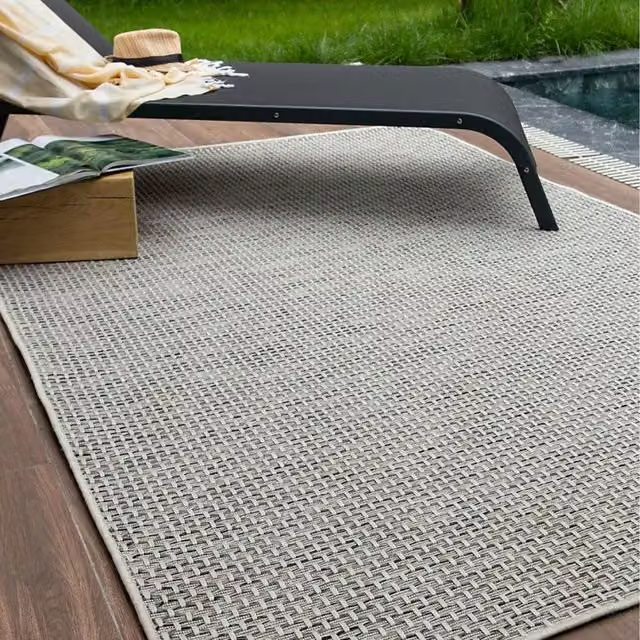
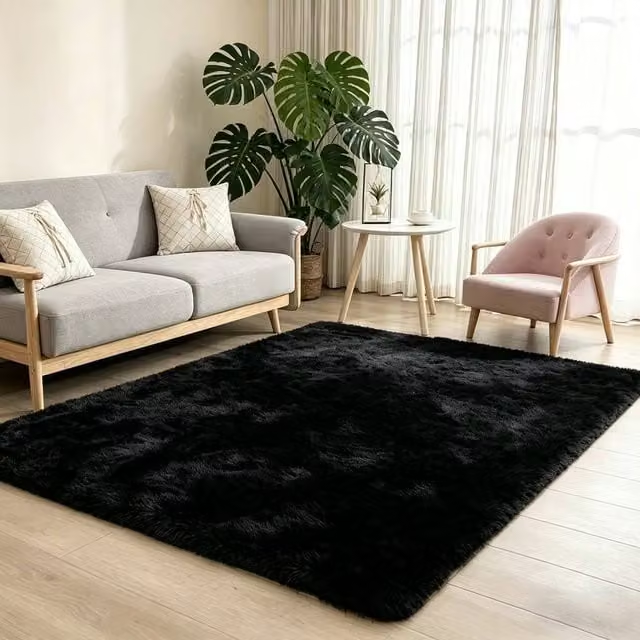
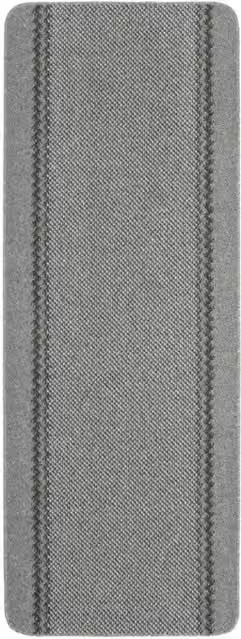
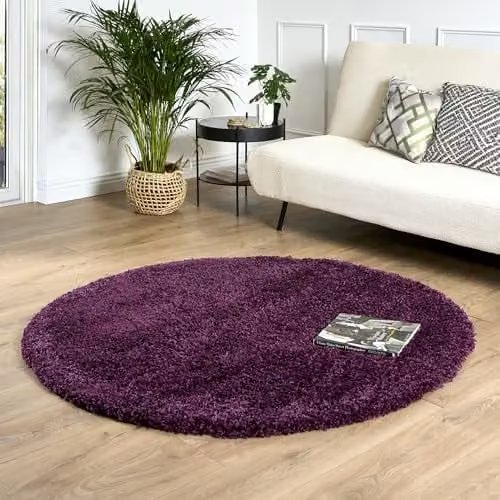
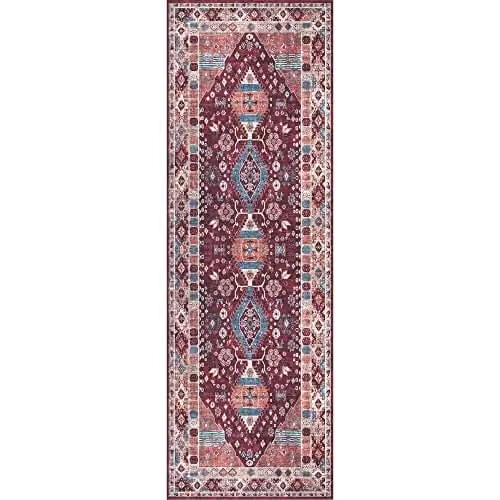
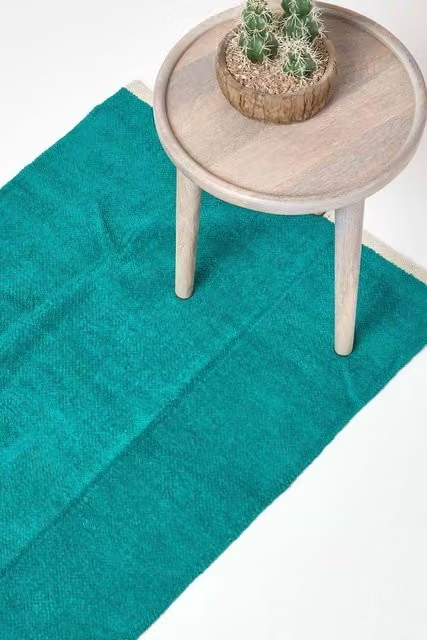
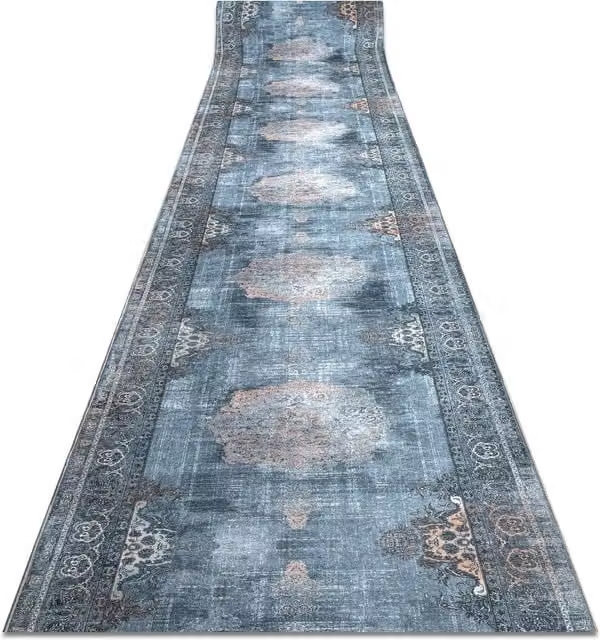
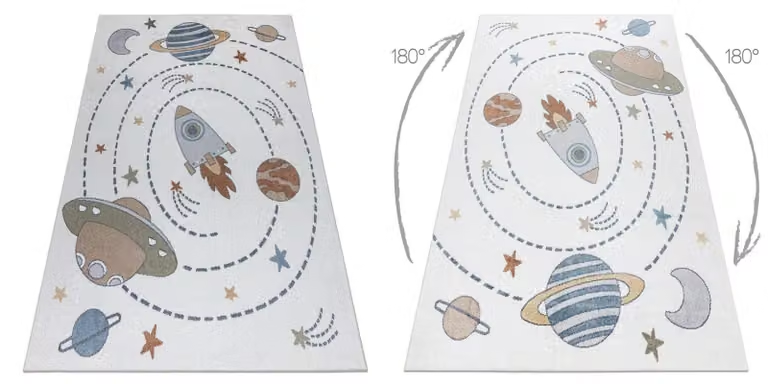
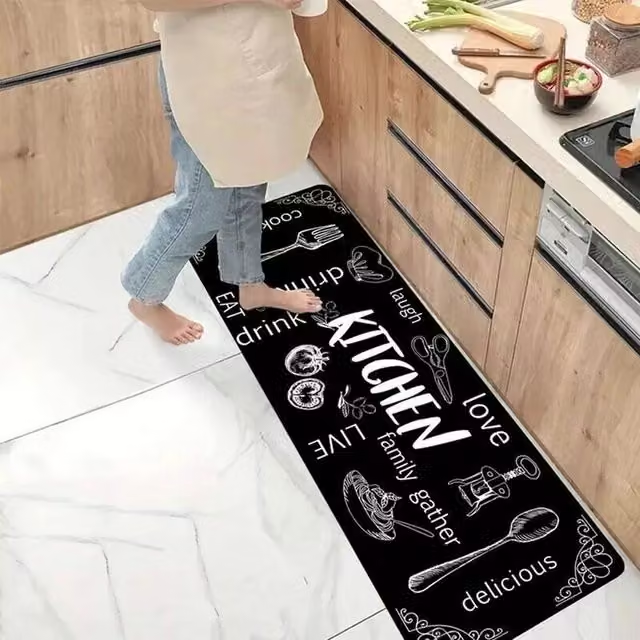
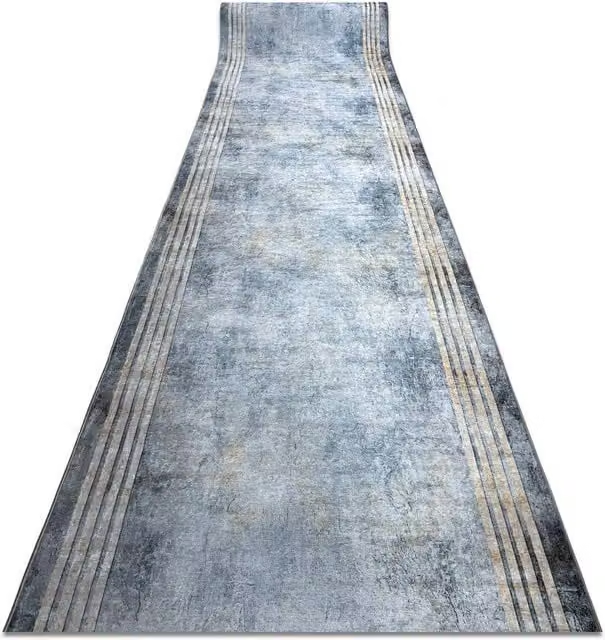
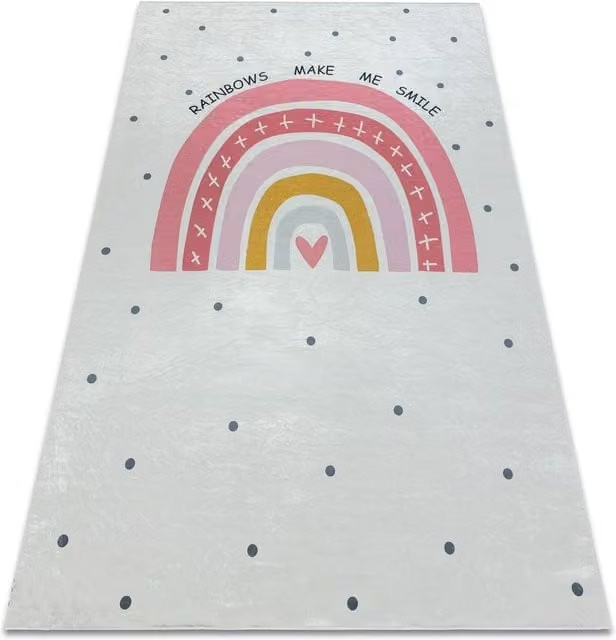
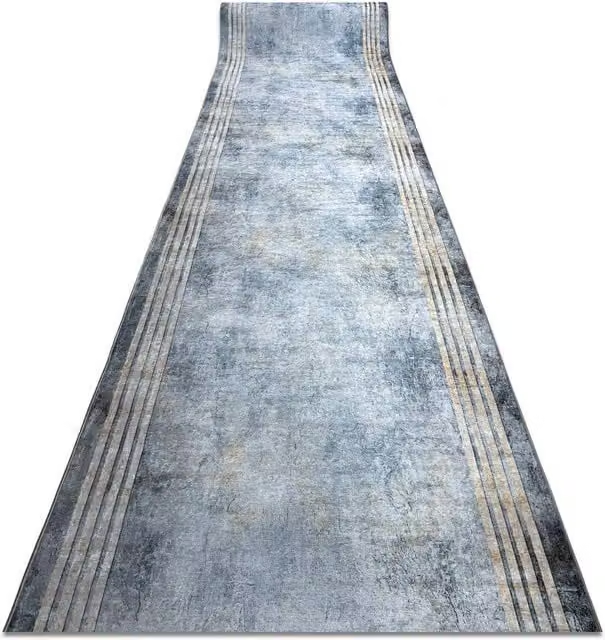
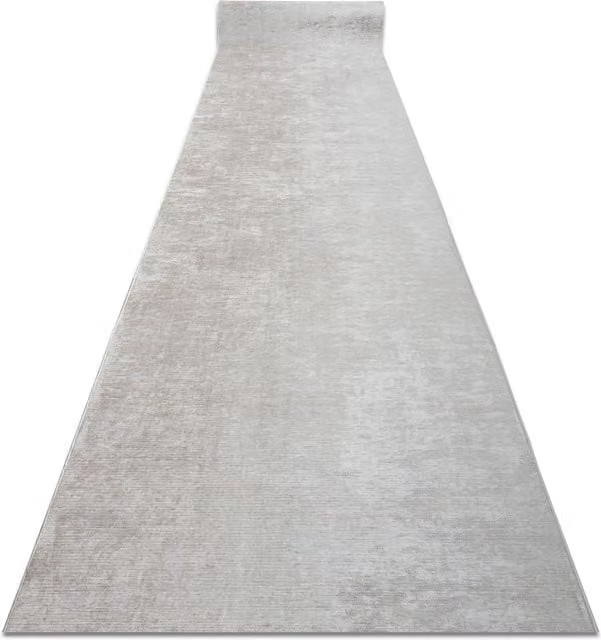
The choice is much wider than it was a few years ago. You will find flatwoven cotton rugs in stripes and geometrics, printed designs that imitate the faded elegance of Persian and vintage patterns, shaggy and tufted styles for bedrooms, and low pile options that sit neatly under doors and dining chairs. Runners suit hallways and kitchens, round rugs soften nurseries and reading corners, and large rectangular sizes anchor living rooms. Many ranges use a two part system with a washable top layer and a separate non slip underlay, so only the light part goes in the drum.
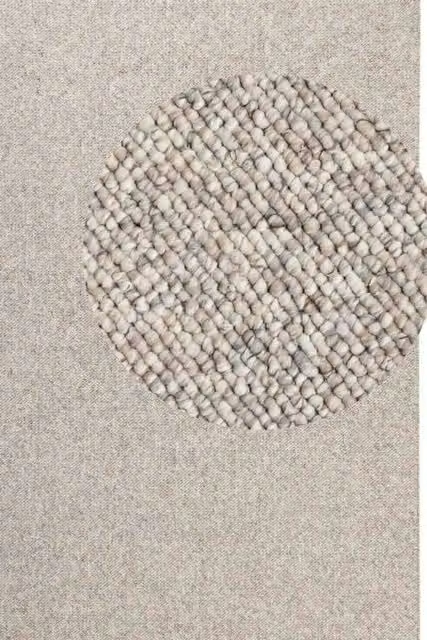
Materials are what make the difference. Cotton is the classic washable fibre, soft and breathable, though it can shrink slightly on a first hot wash. Recycled polyester and polypropylene dry faster, resist fading in sunlight and cope well with heavy traffic. Chenille blends feel plush and luxurious for the price. Look for a stated maximum machine capacity, usually around 6 to 9 kg, and check whether the rug is tumble dryer safe before you buy.
Price depends on size, fibre and construction. Small cotton mats are very affordable, mid sized printed rugs sit in a comfortable middle bracket, and large machine washable rugs with dense pile or a separate underlay system cost more. Bear in mind that the money saved on professional cleaning adds up quickly.
Have a look through the range, compare prices and choose a rug you can actually relax on.
It depends on both the rug size and your machine capacity, so check the manufacturer's stated drum requirement before buying. As a rough guide, a 7 kg machine handles rugs up to about 120 by 170 cm, while anything larger usually needs a 9 kg drum or a trip to a launderette. Overloading is counterproductive because the rug cannot move freely and simply does not get clean. Two part rugs with a separate underlay are the practical solution for large rooms.
For a busy hallway or a kitchen, every four to eight weeks keeps things fresh, while a bedroom rug may only need washing two or three times a year. Vacuuming regularly between washes does most of the work and extends the life of the fibres considerably. Spot clean spills immediately with cold water rather than waiting for wash day, since dried stains are far harder to shift. Frequent gentle washes are kinder to the rug than occasional aggressive ones.
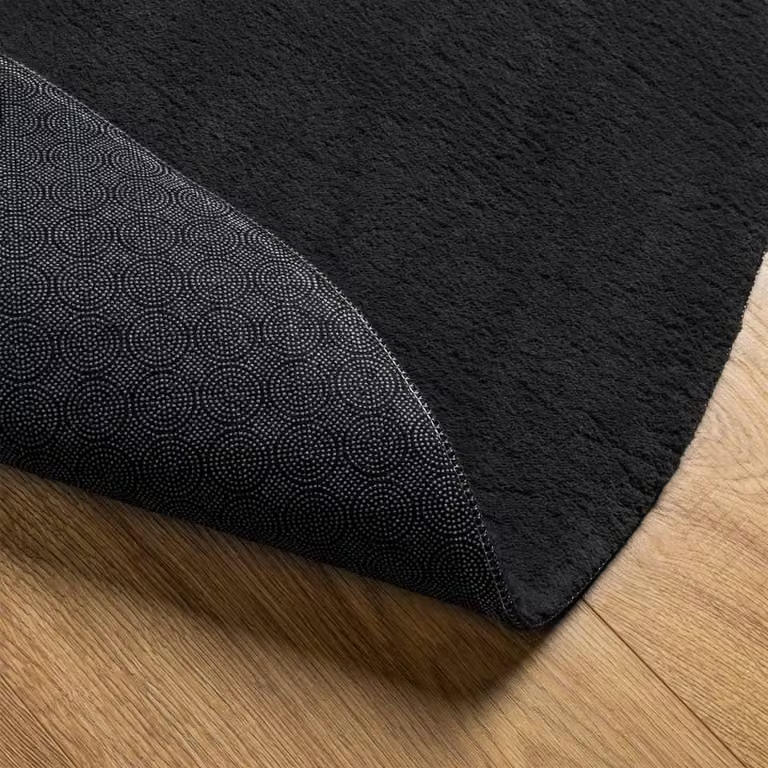
Most lightweight washable rugs do move on laminate, tile and polished wood, because the very thinness that makes them machine friendly also means they lack weight. A separate anti slip underlay solves this completely and adds a bit of cushioning at the same time. Some ranges include a gripper backing already, though be aware that rubberised backings can degrade in a hot wash. Check the care label for the recommended temperature if the rug has any coating on the reverse.
Air drying flat or over a clothes airer is the safest method and helps the rug keep its shape. Hanging a heavy wet rug over a single line can stretch it out of true, so spread the weight across two lines or a rack if you can. If the label allows tumble drying, use a low heat setting only, because high temperatures shrink cotton and can damage any latex backing. Make sure it is completely dry before it goes back down, since trapped damp leads to mildew and marks on the floor beneath.