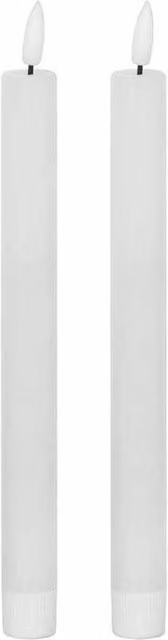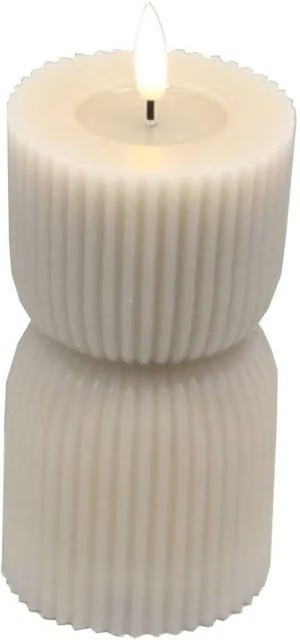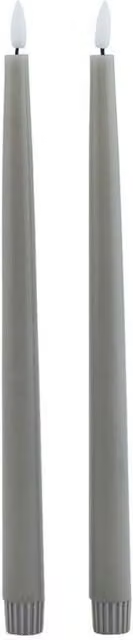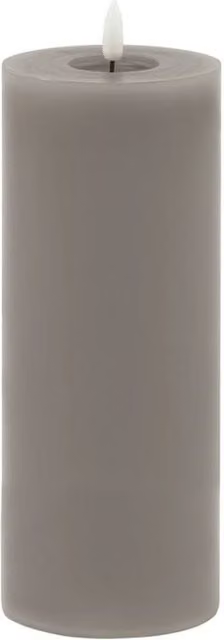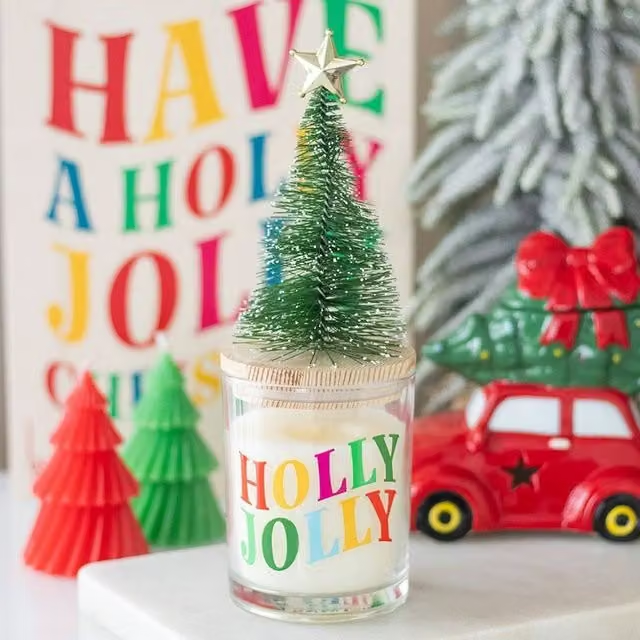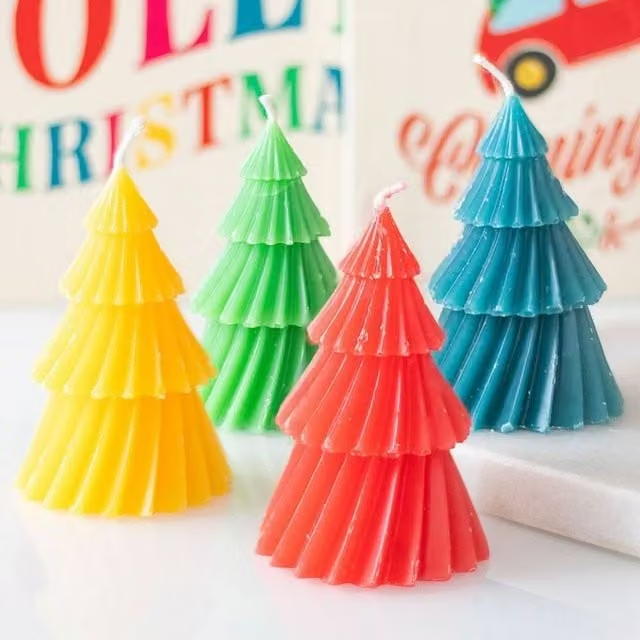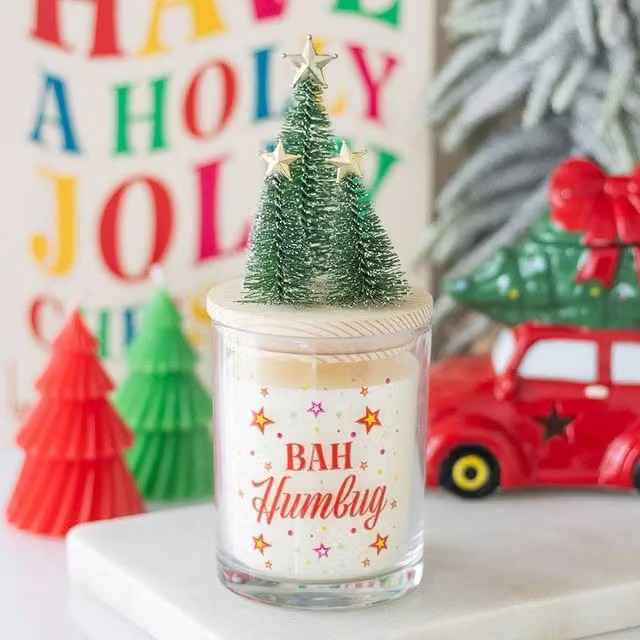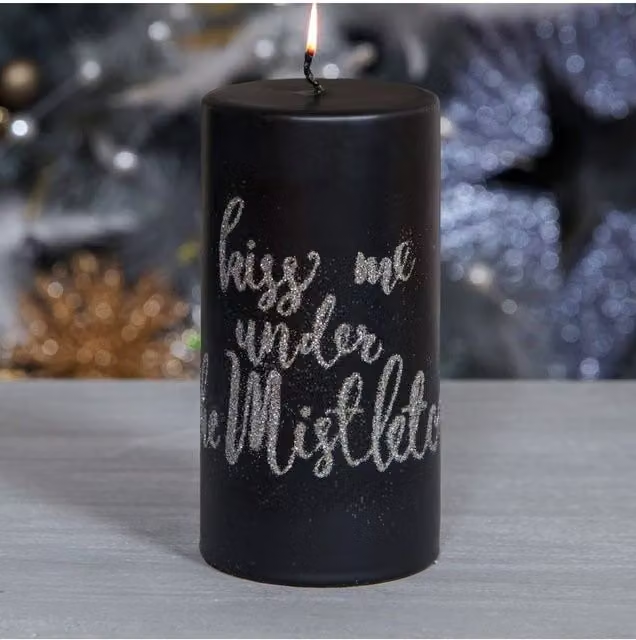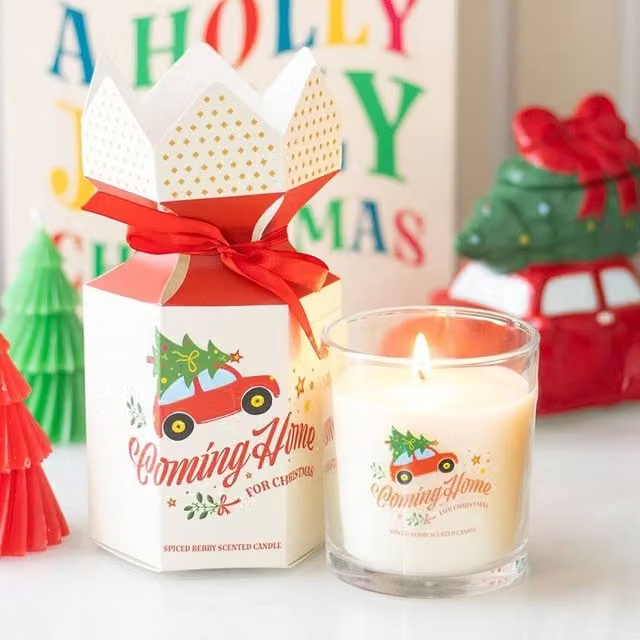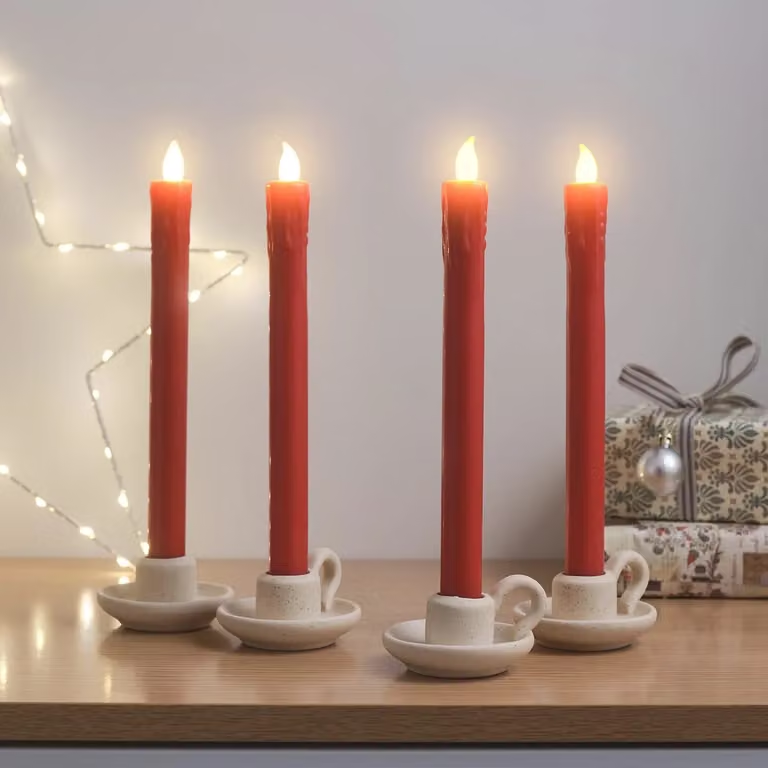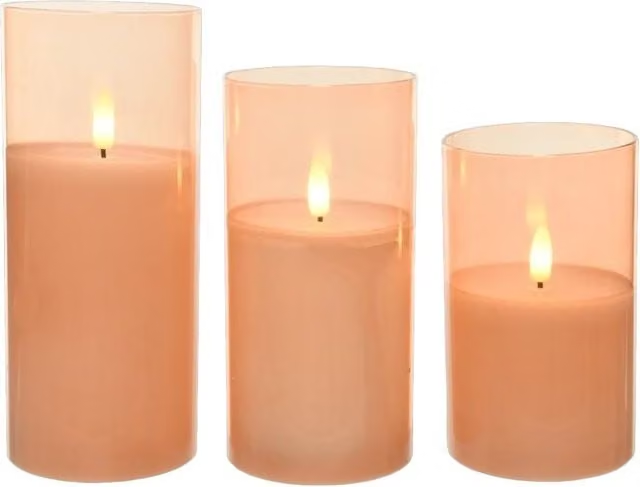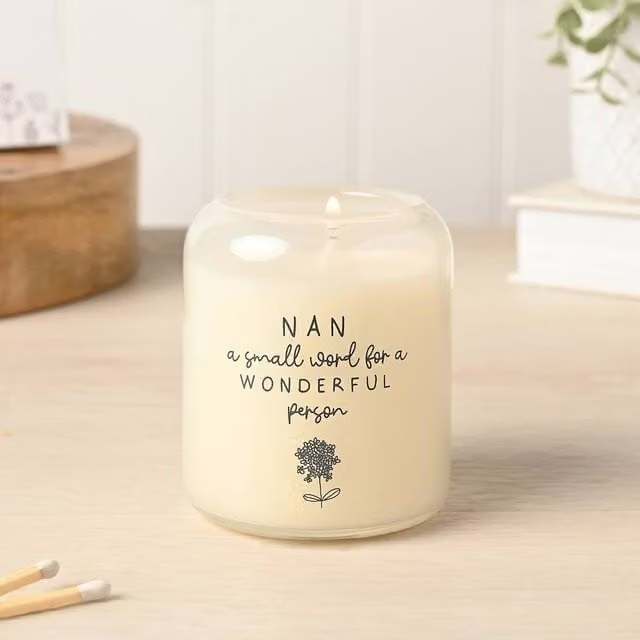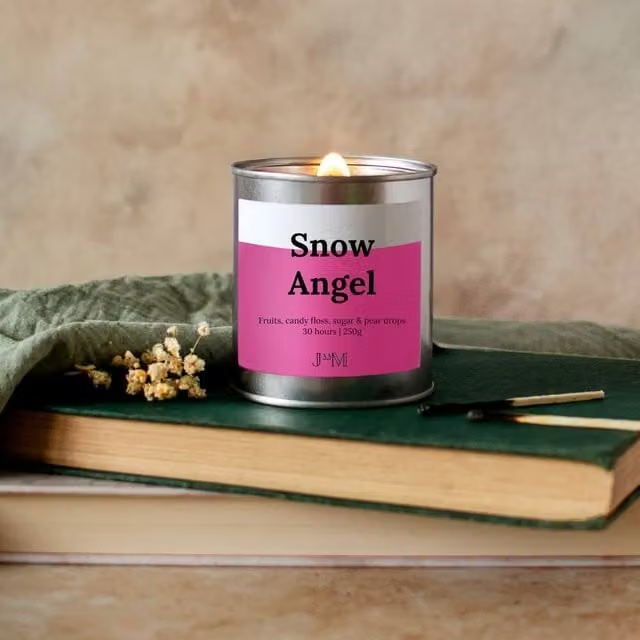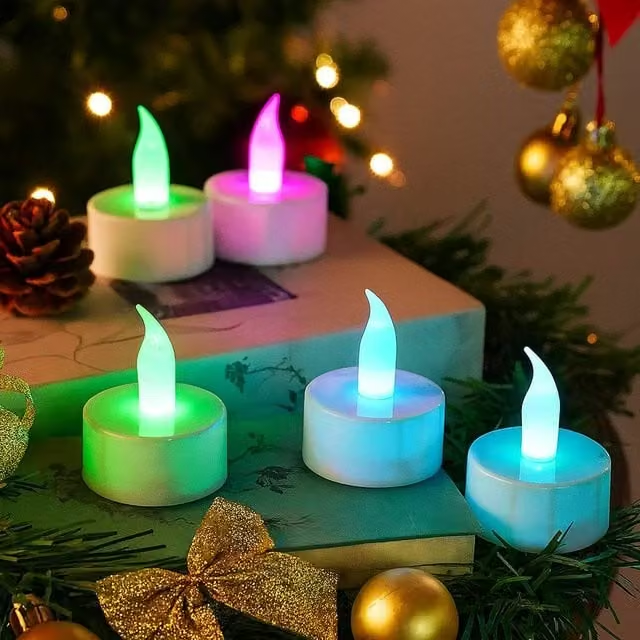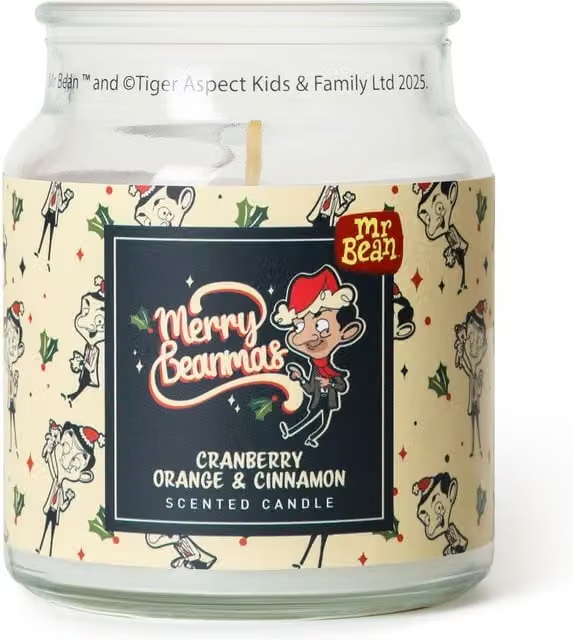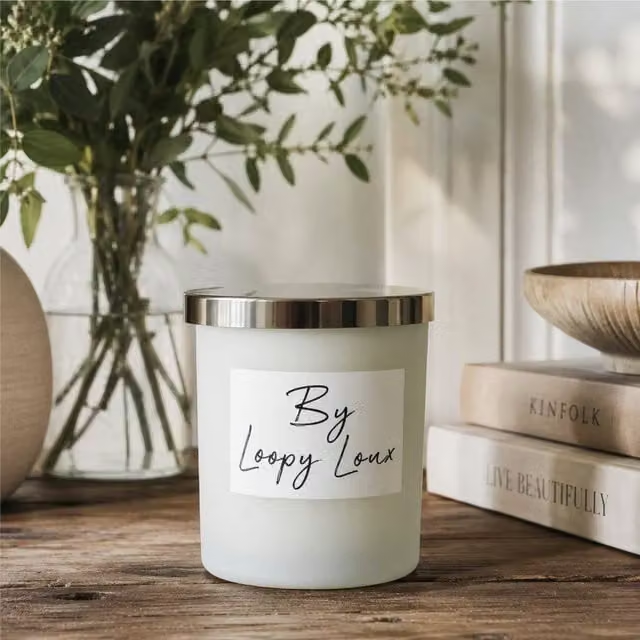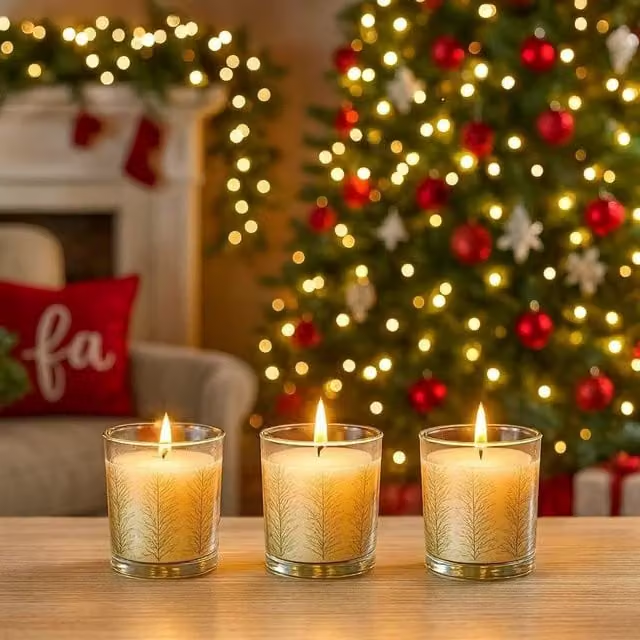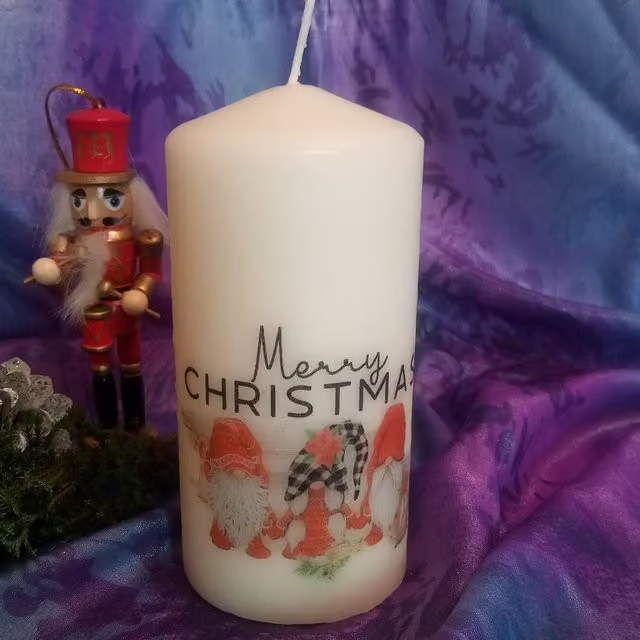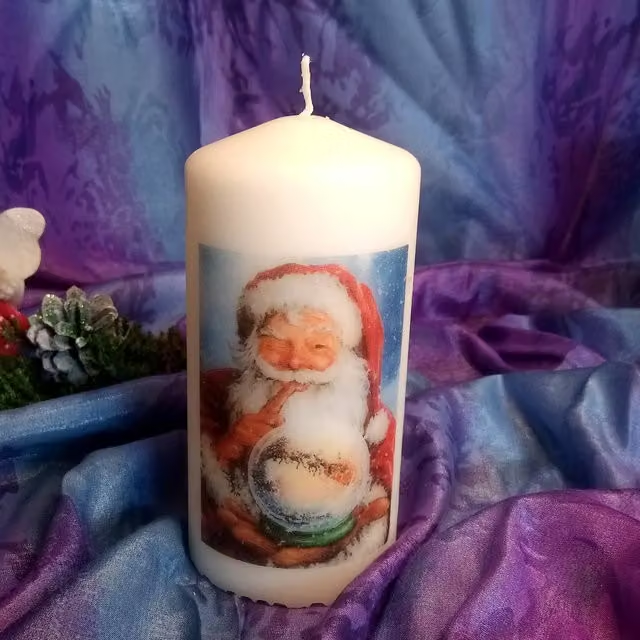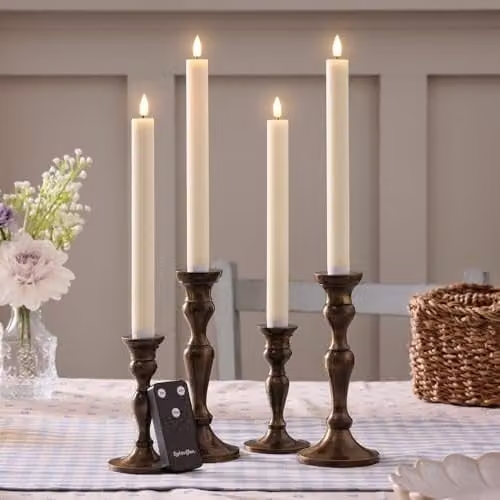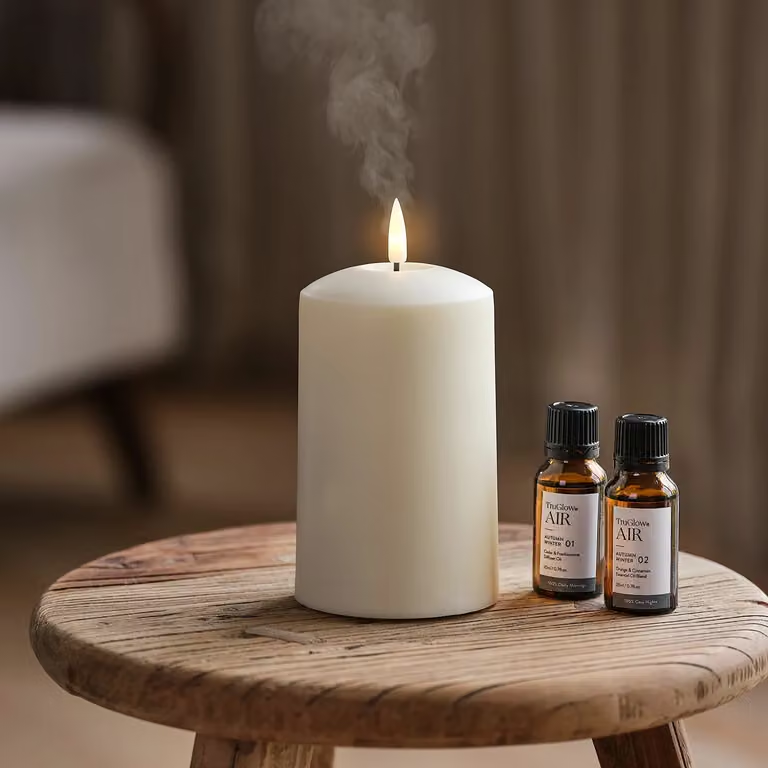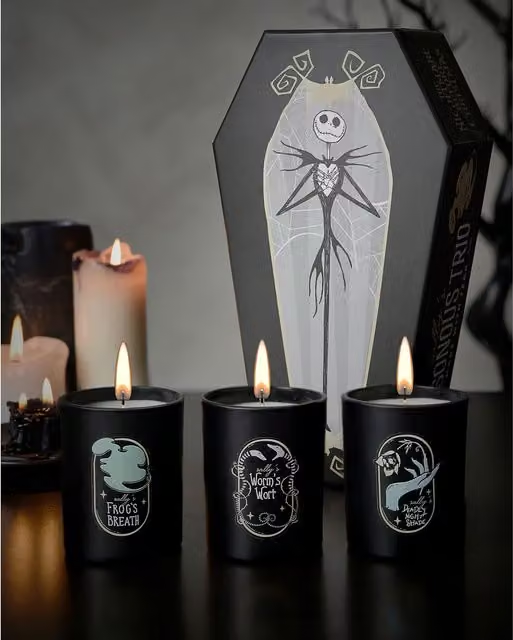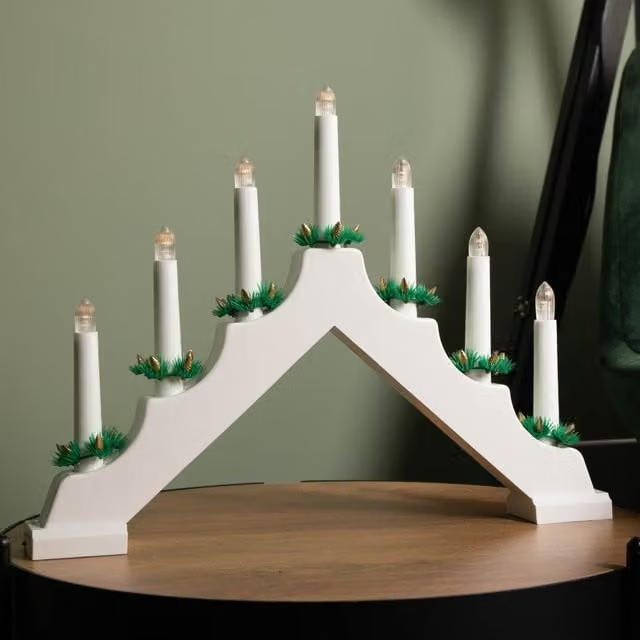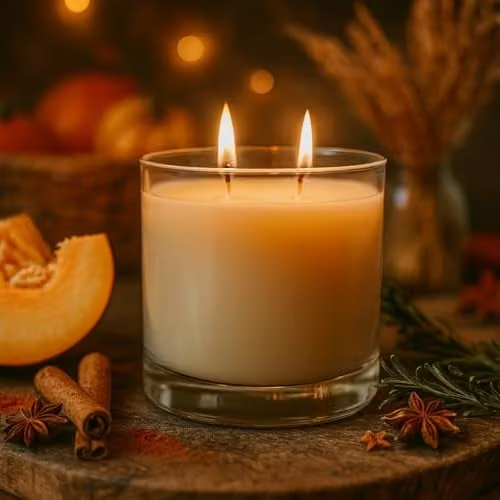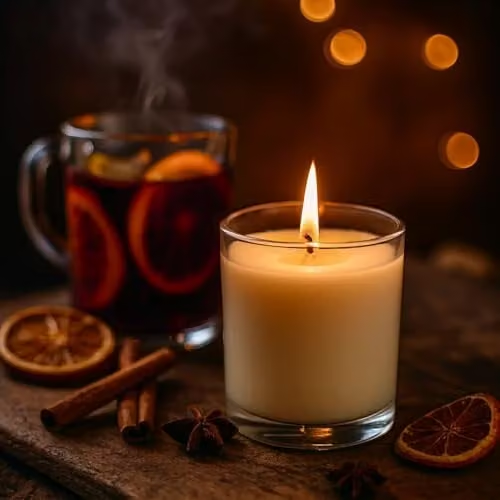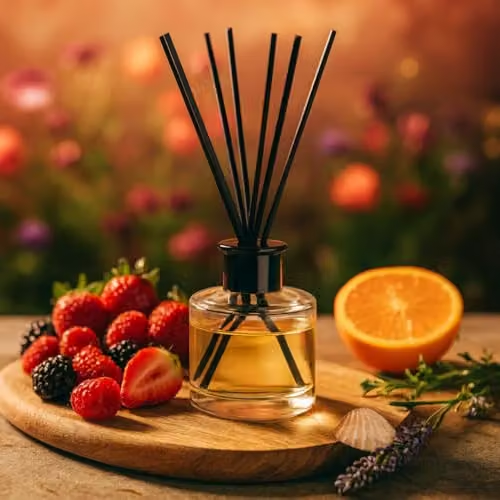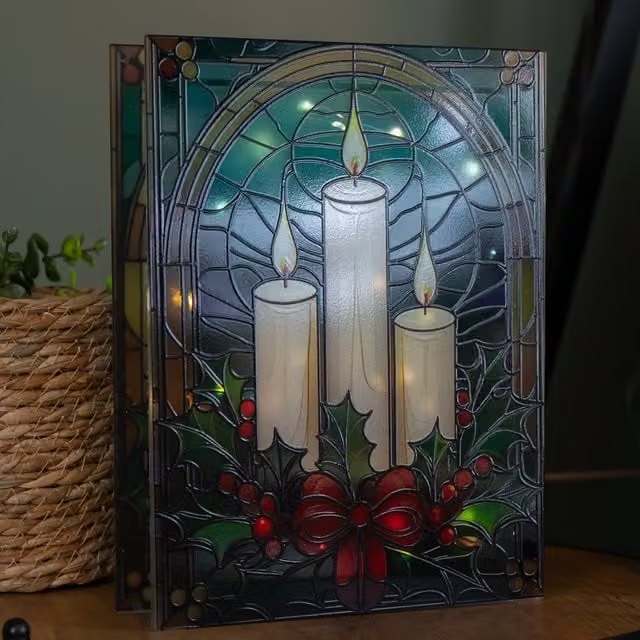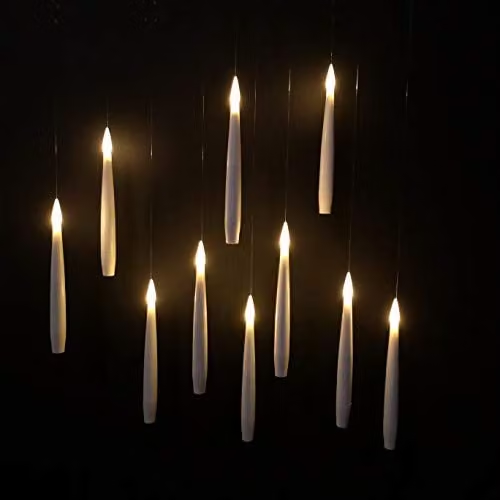
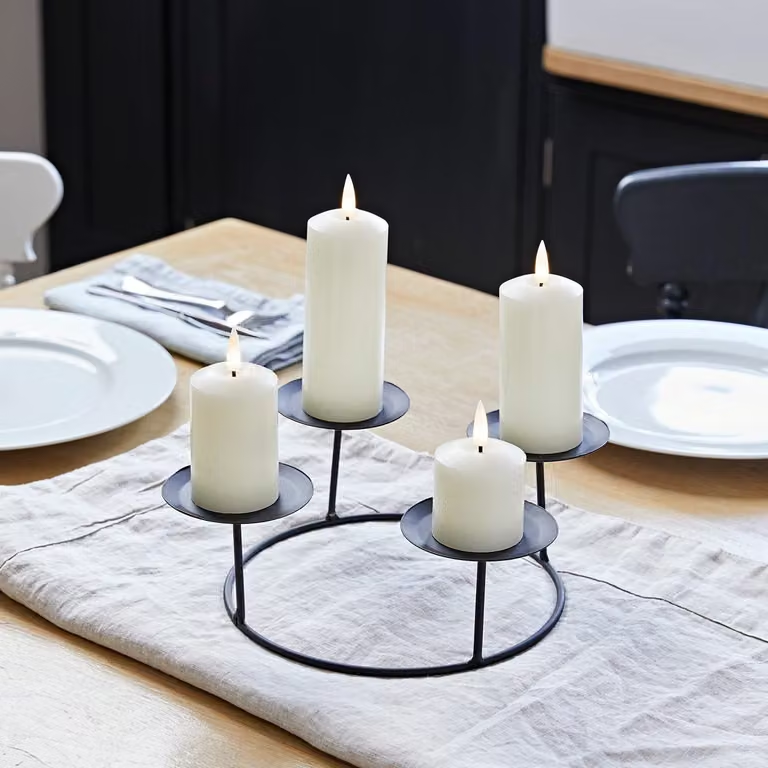
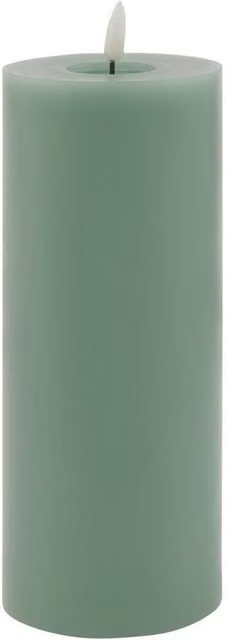
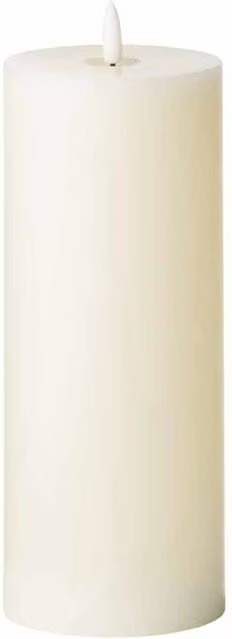
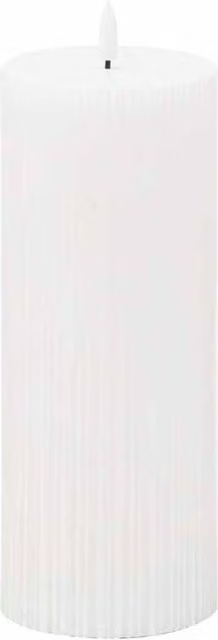
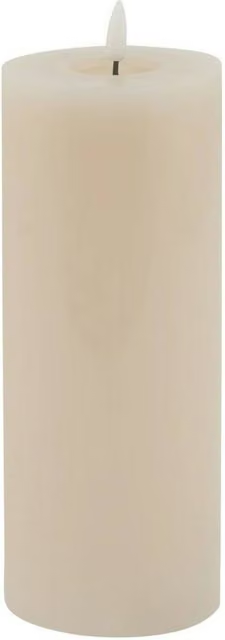
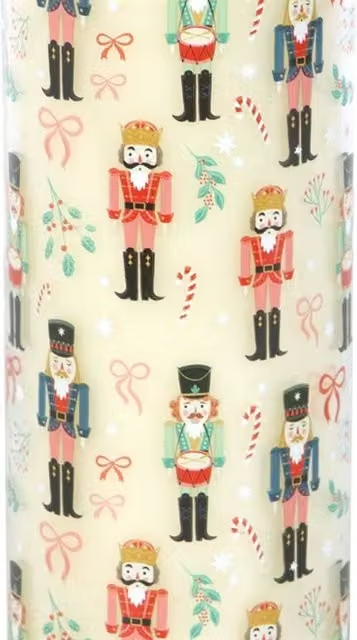
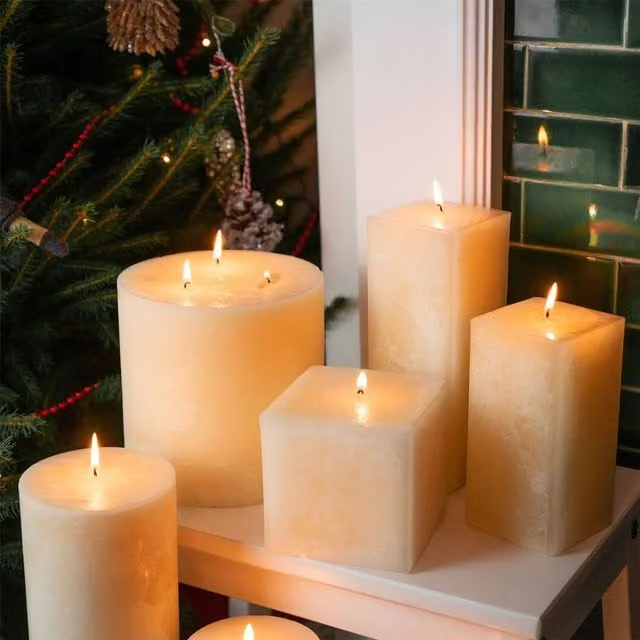

Christmas arrives through the senses long before the day itself. A particular scent of cinnamon and orange, the flicker of a flame against a dark afternoon, and suddenly it feels like the season regardless of what the calendar says. Christmas candles do that work more efficiently than almost any other decoration, filling a room with warmth and fragrance for the price of a couple of coffees.
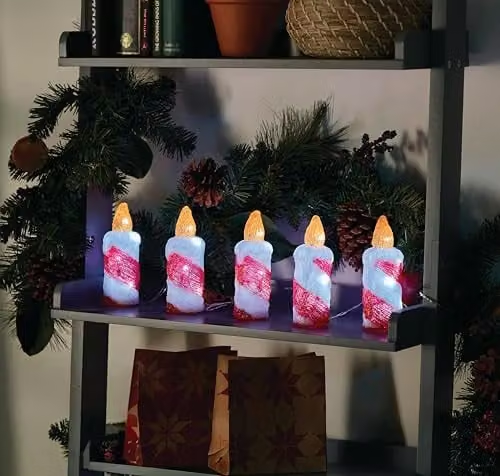
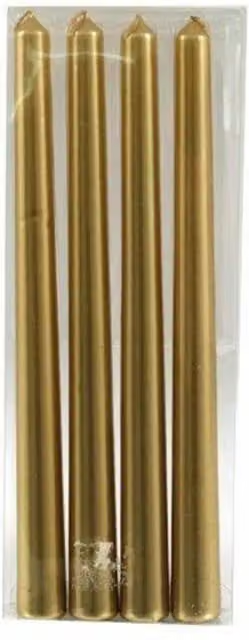
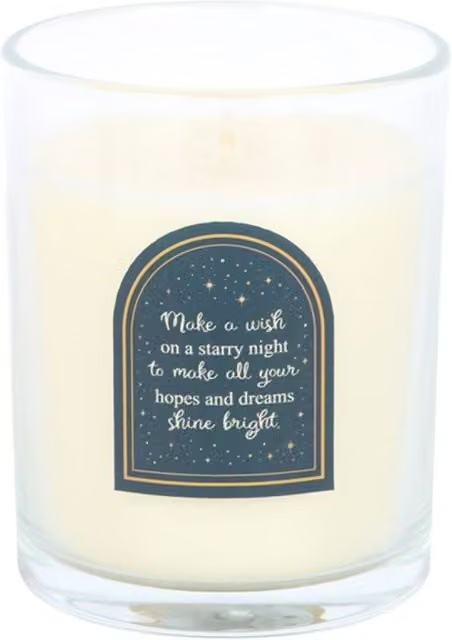
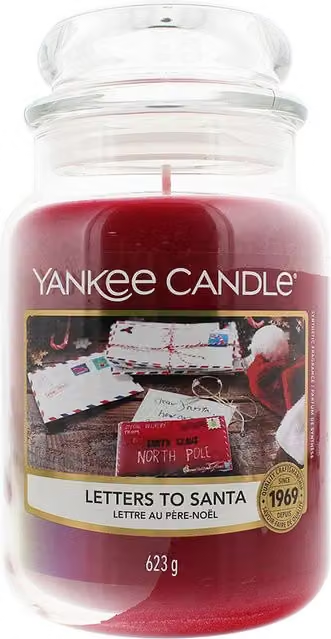
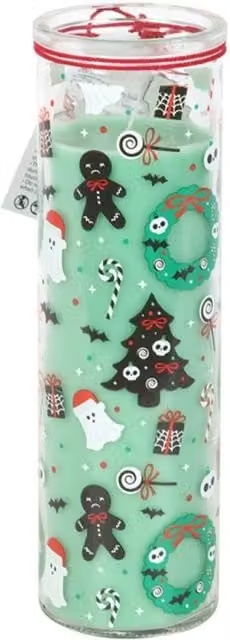
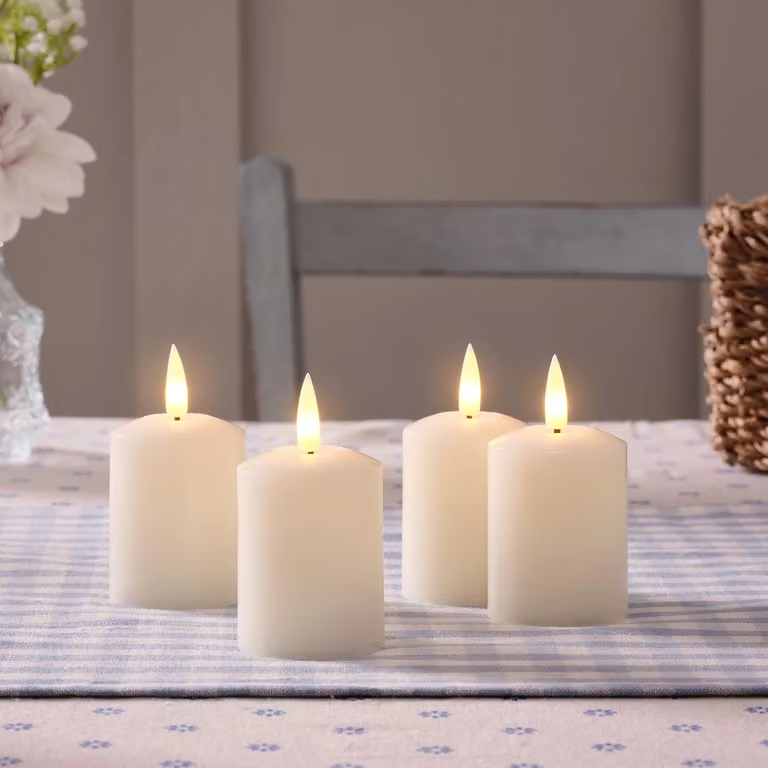
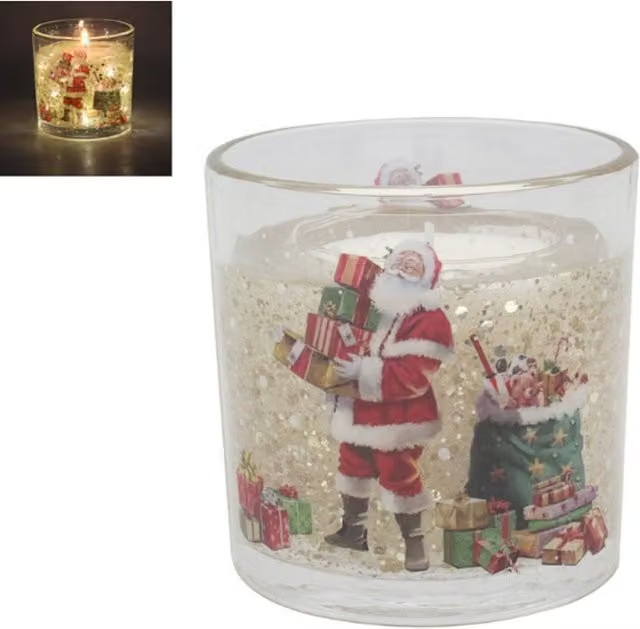
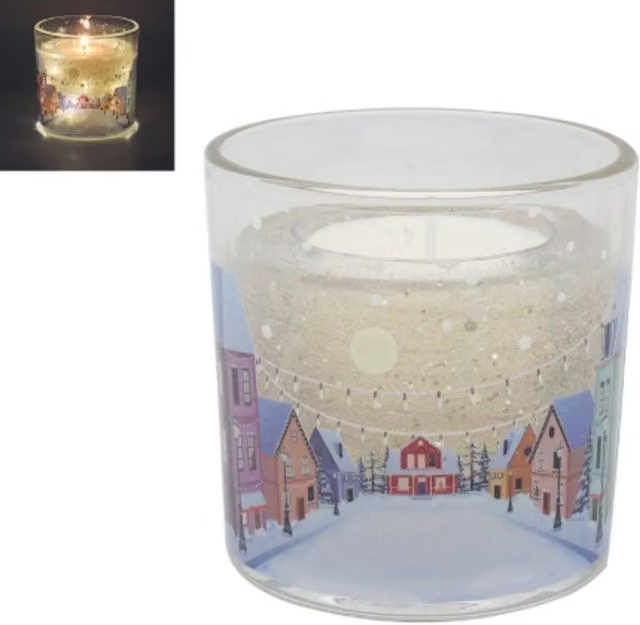
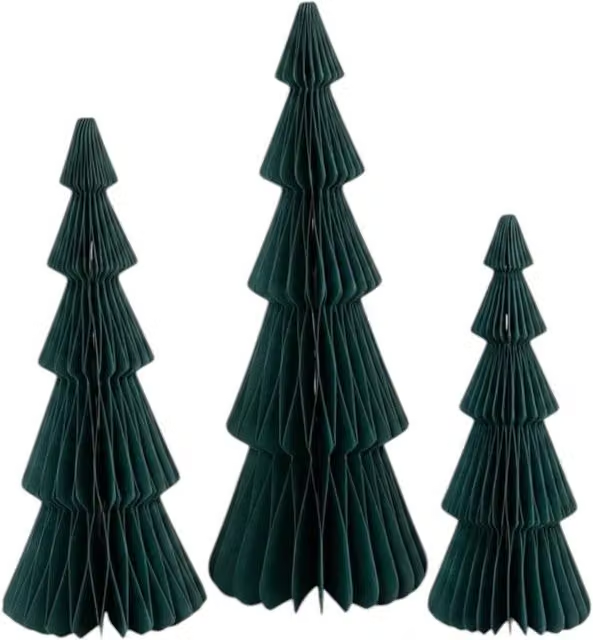
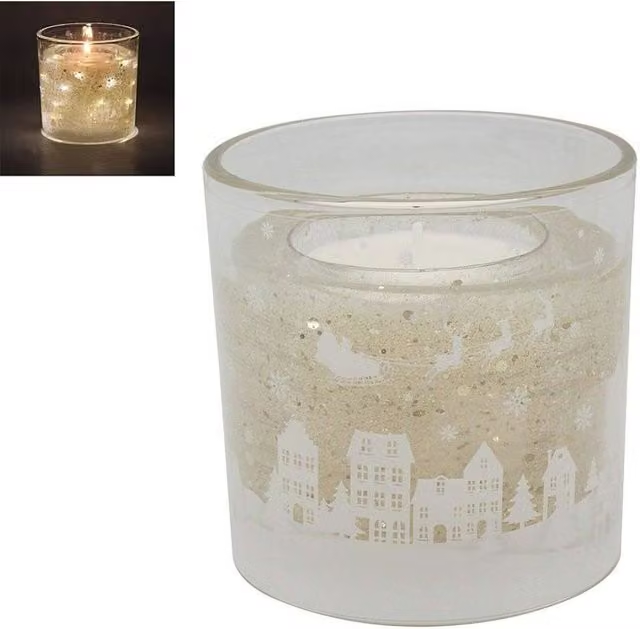
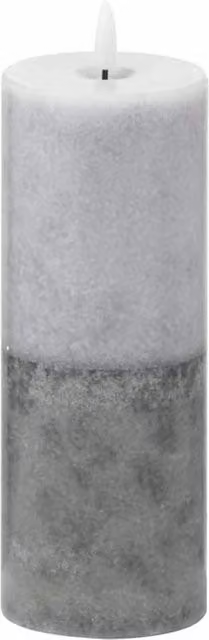
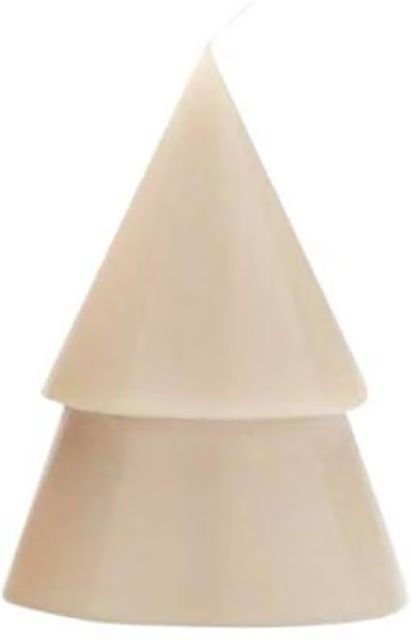
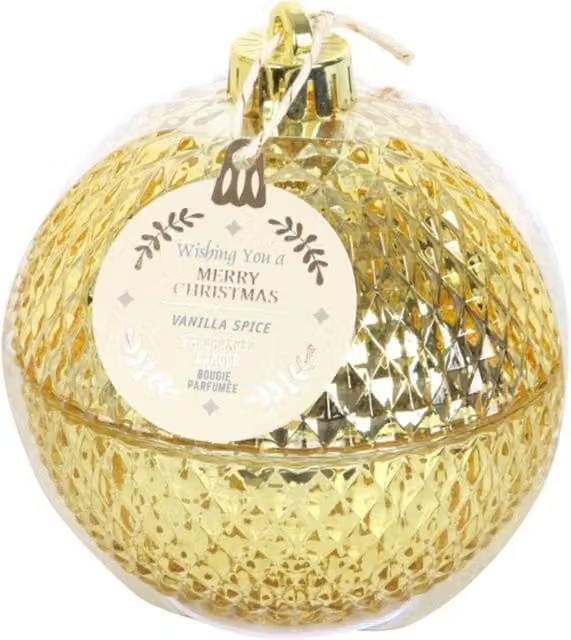
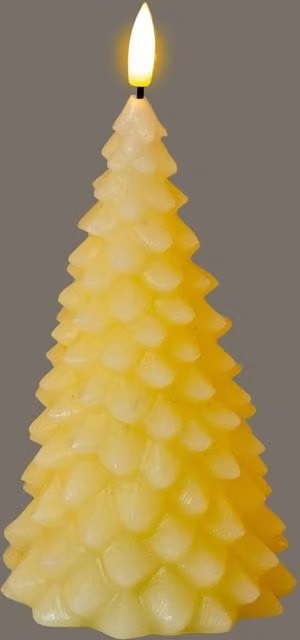
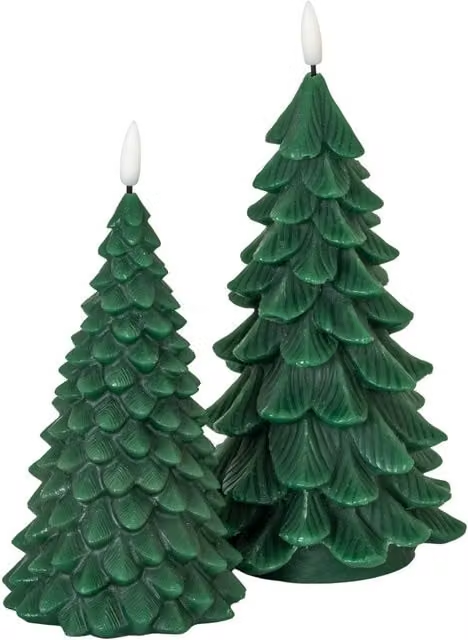
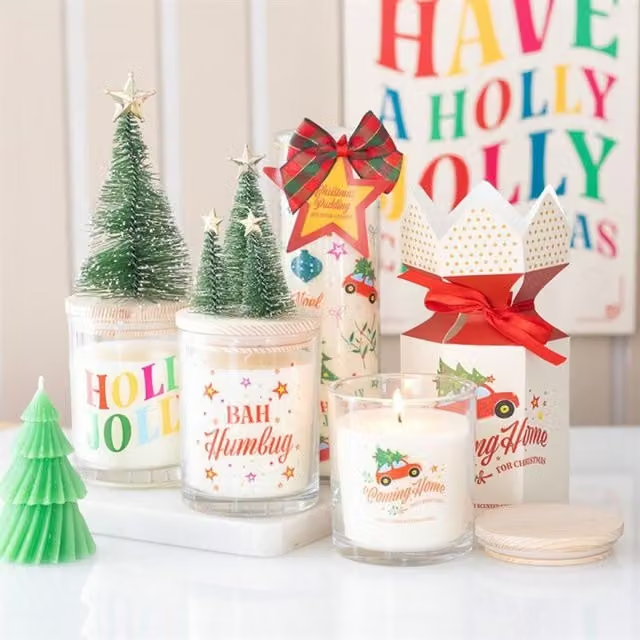
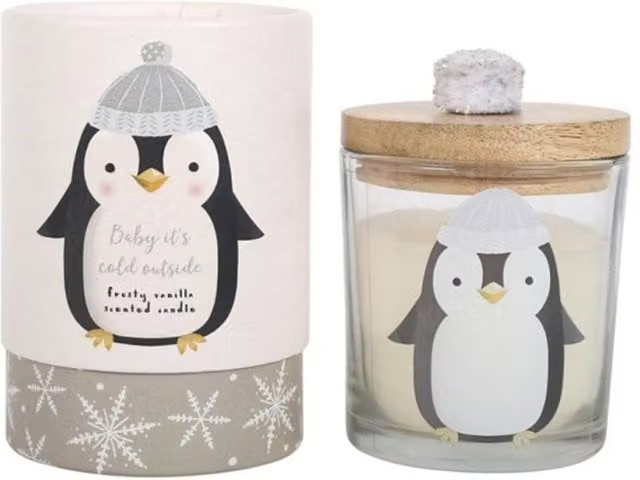
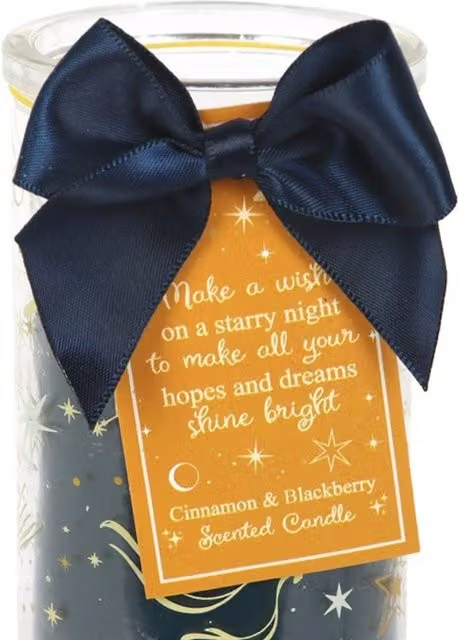
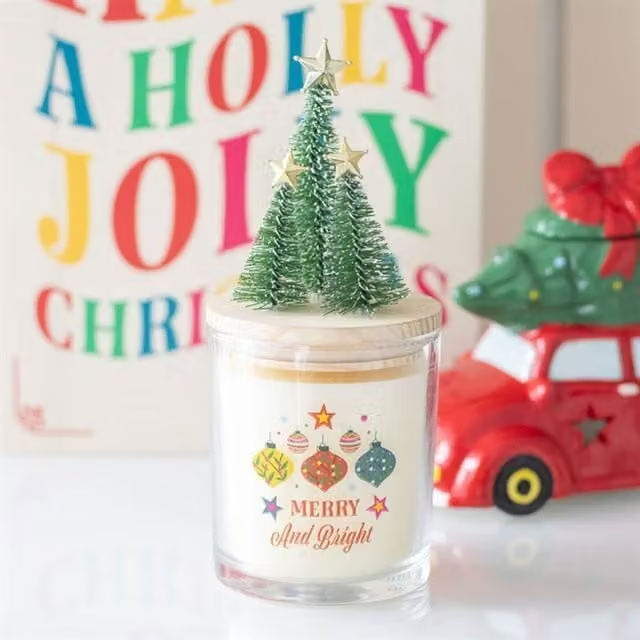
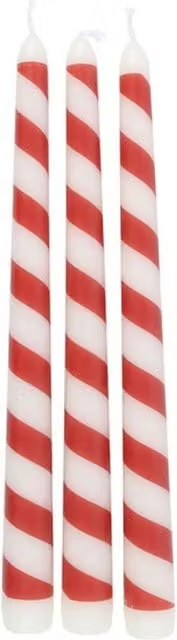
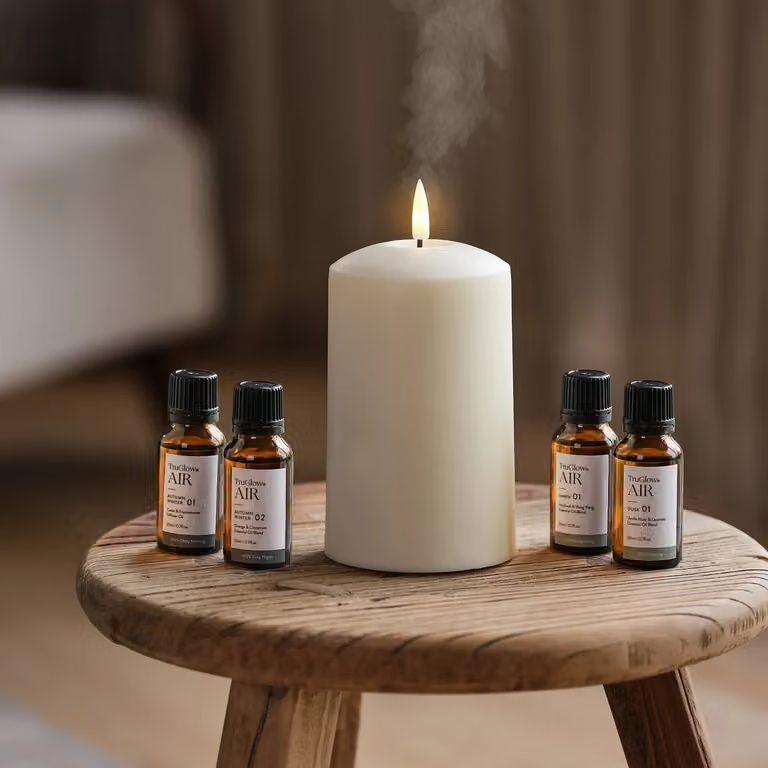
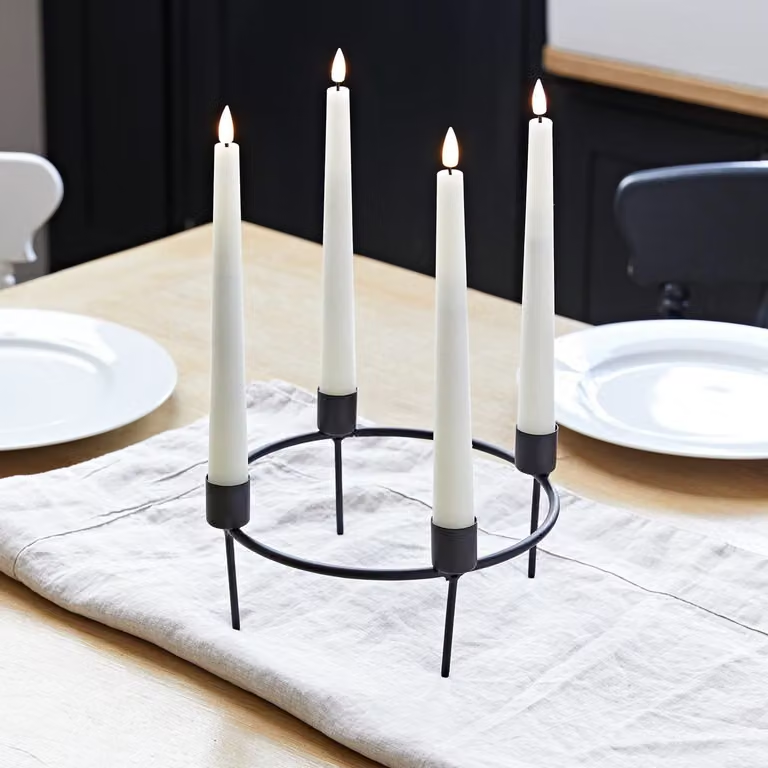
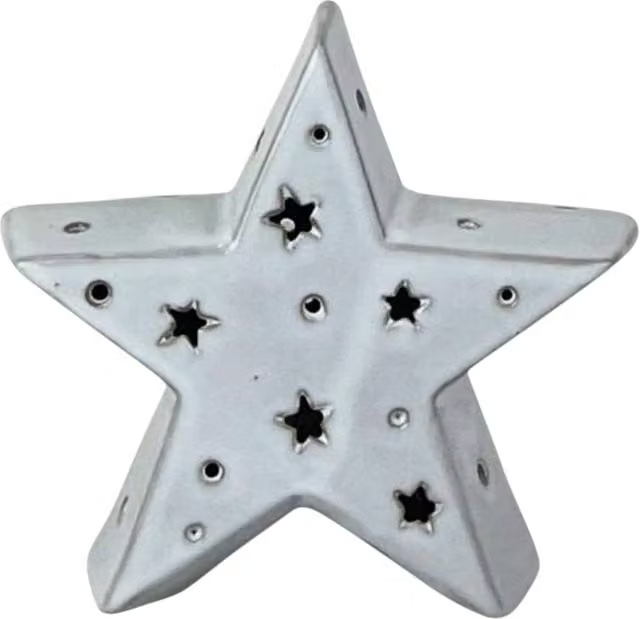
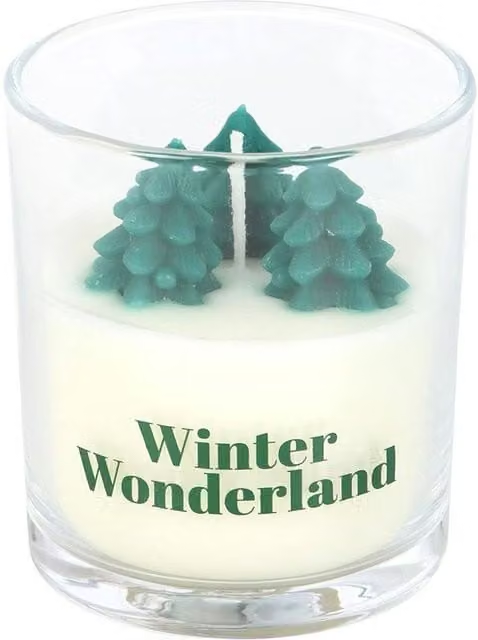
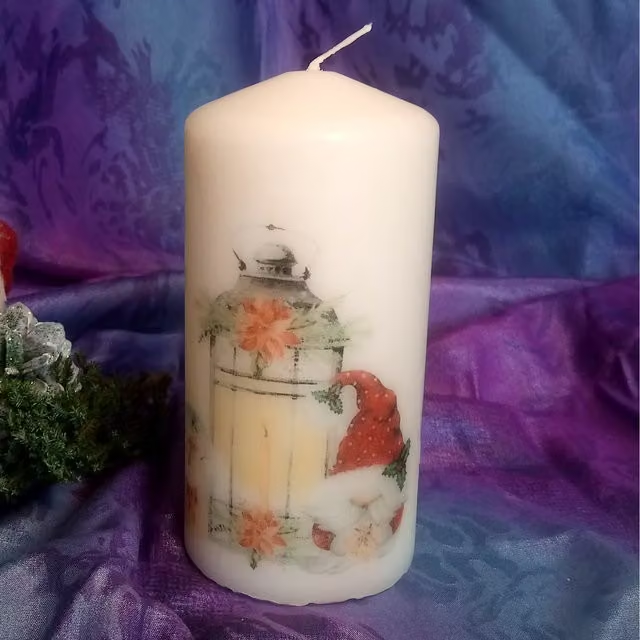
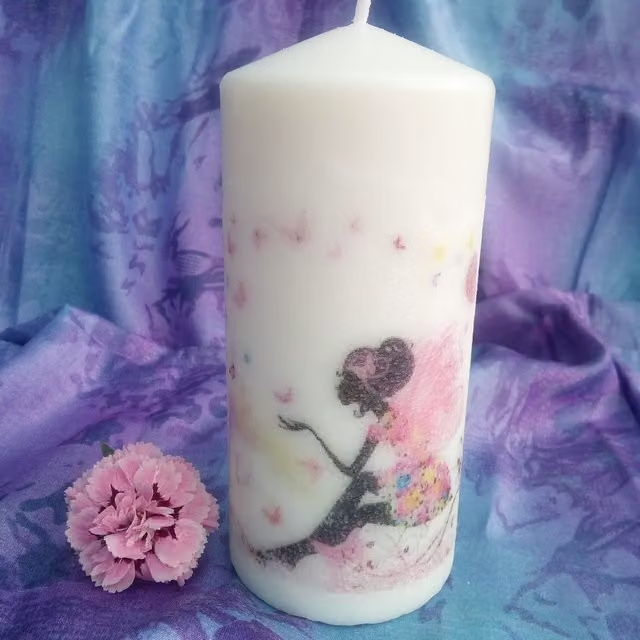
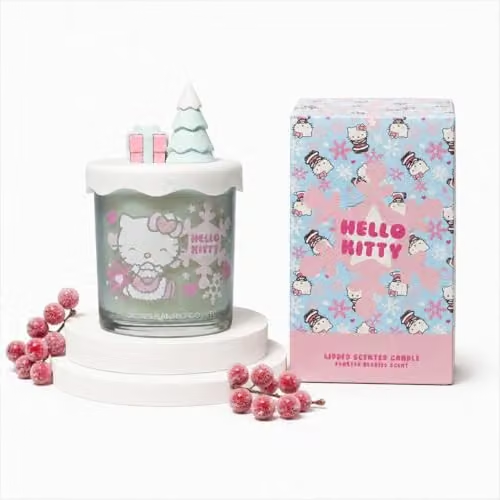
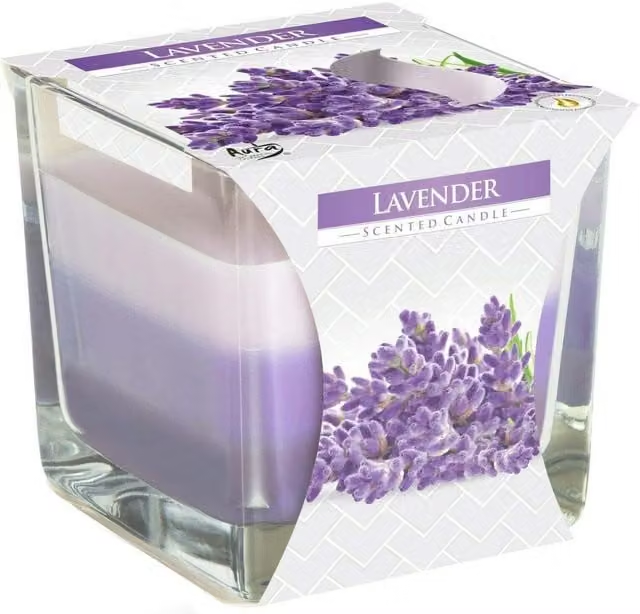
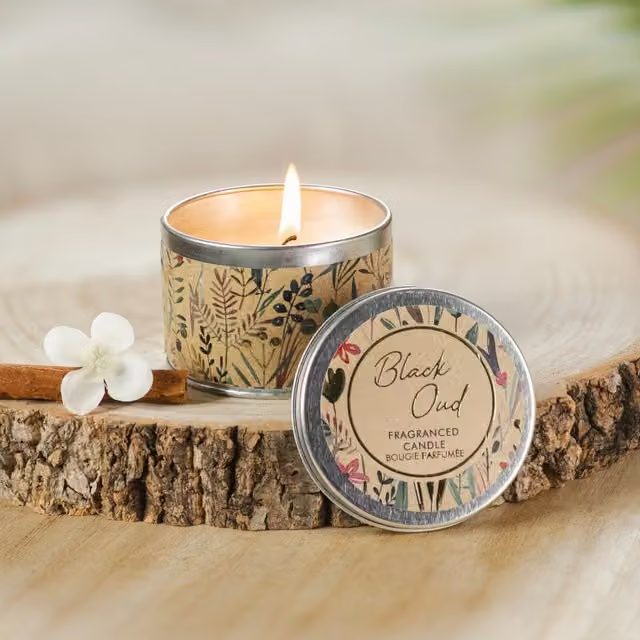
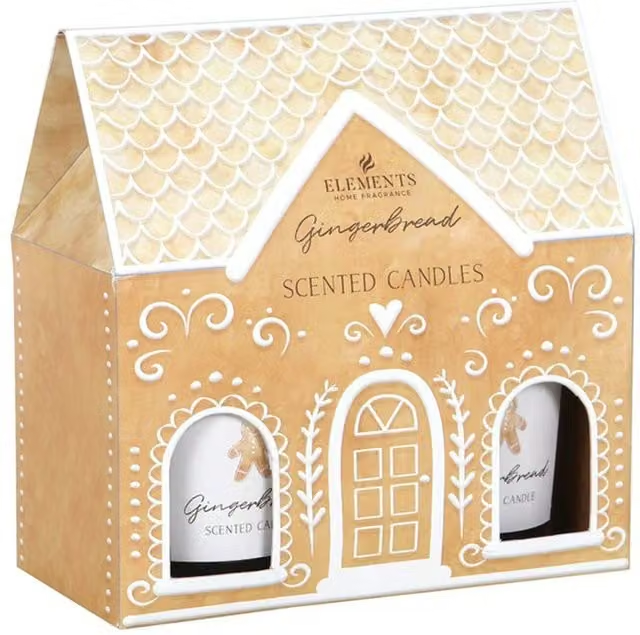
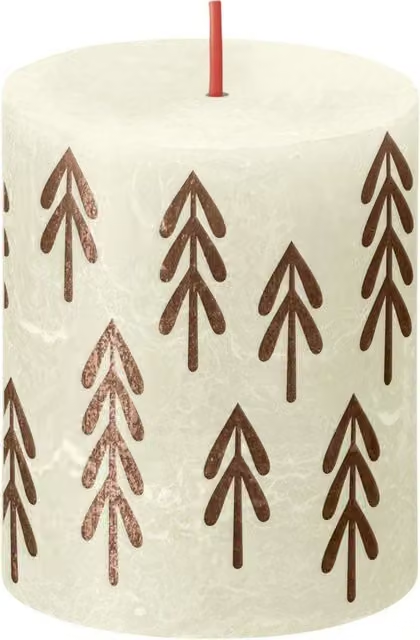
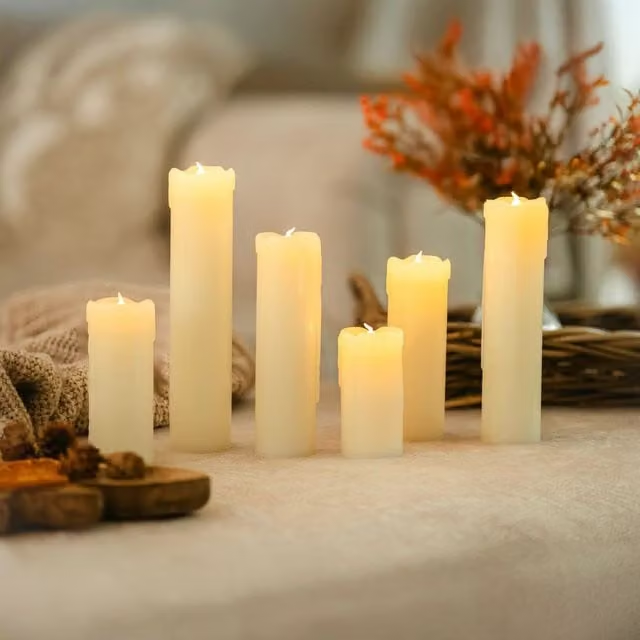
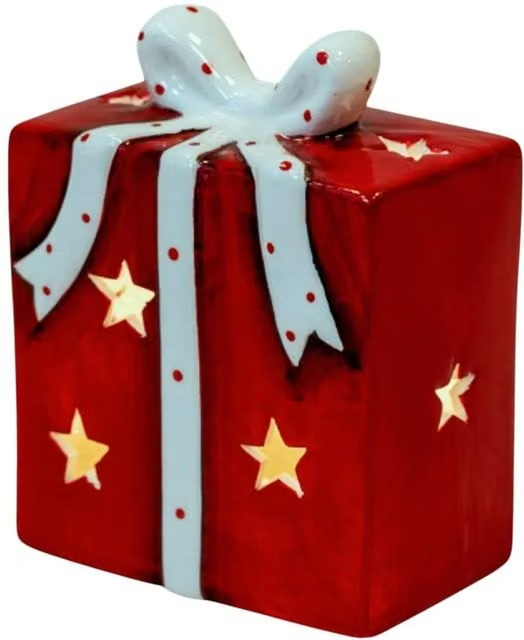
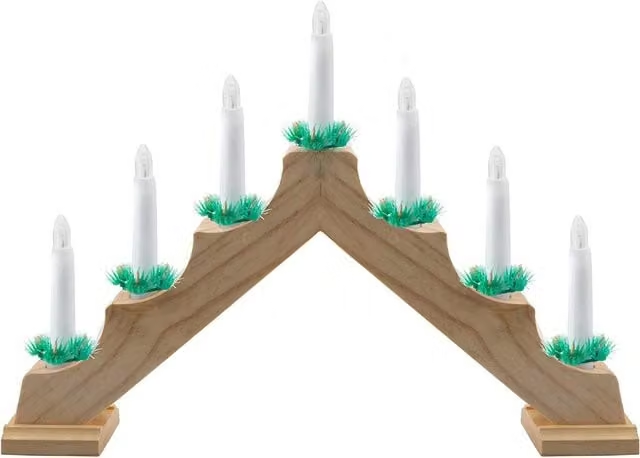
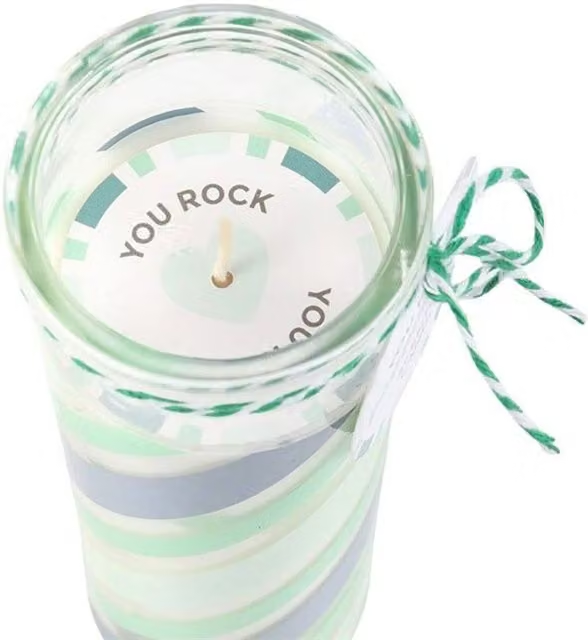
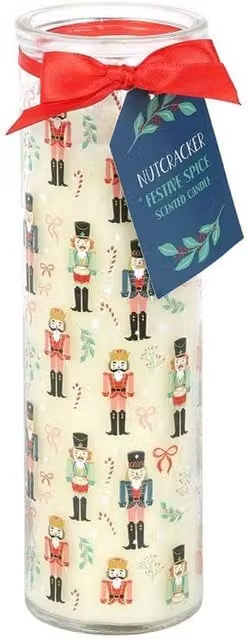
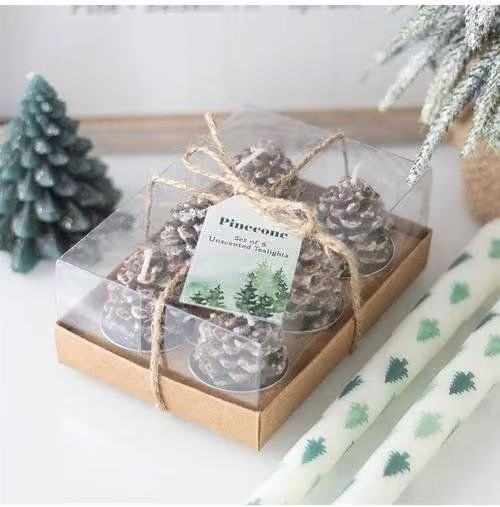
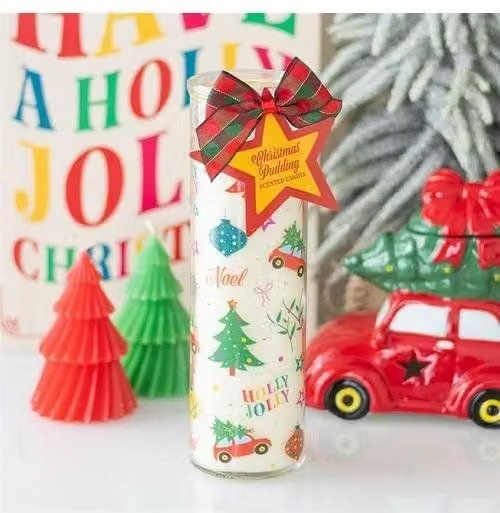
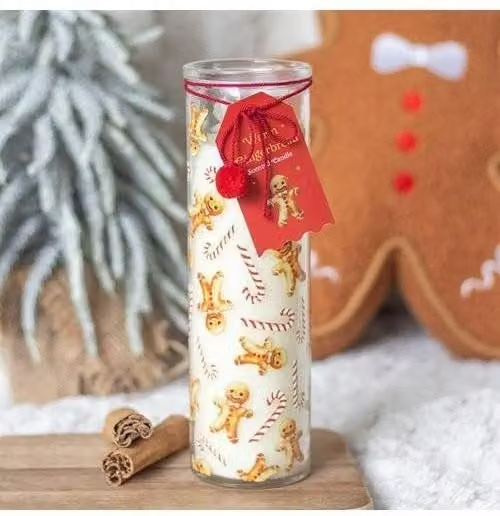
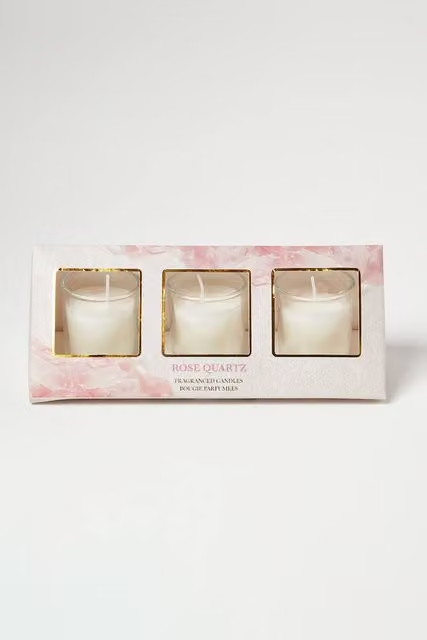
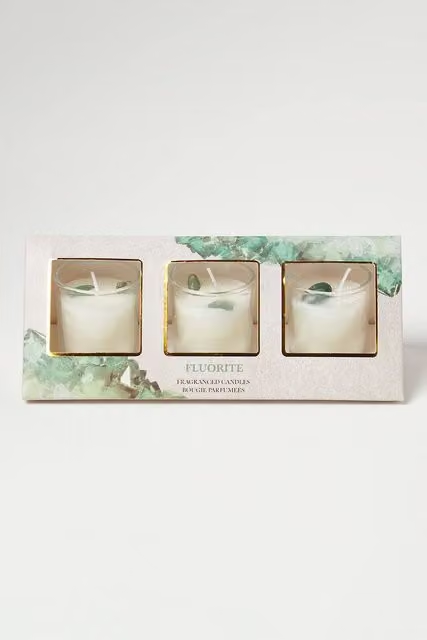
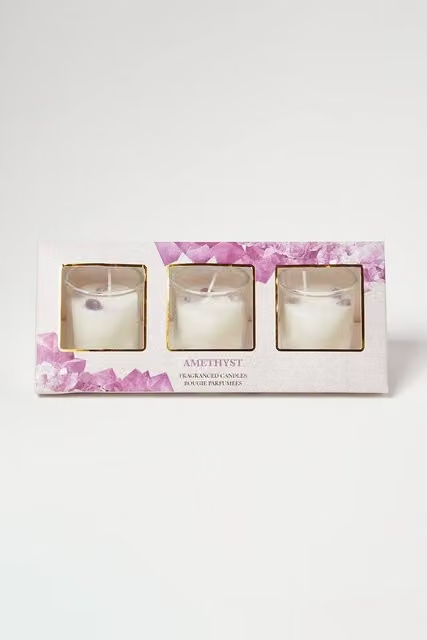
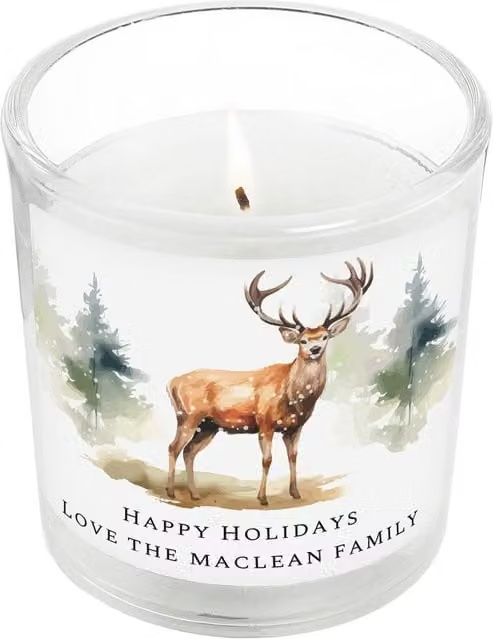
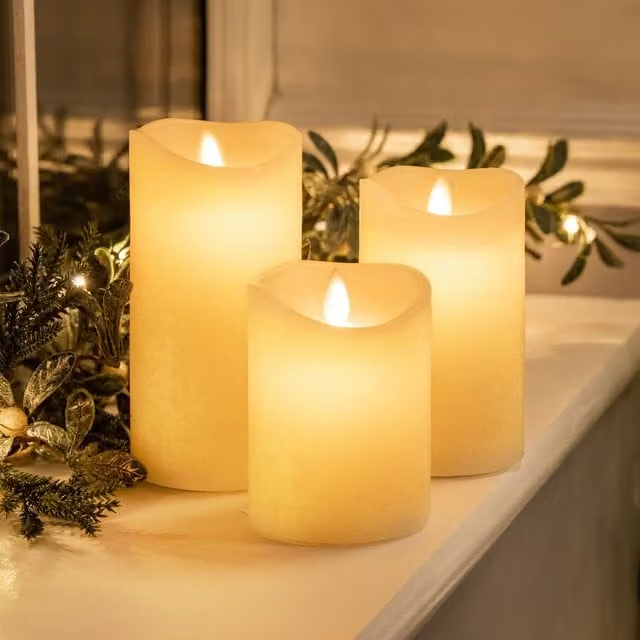
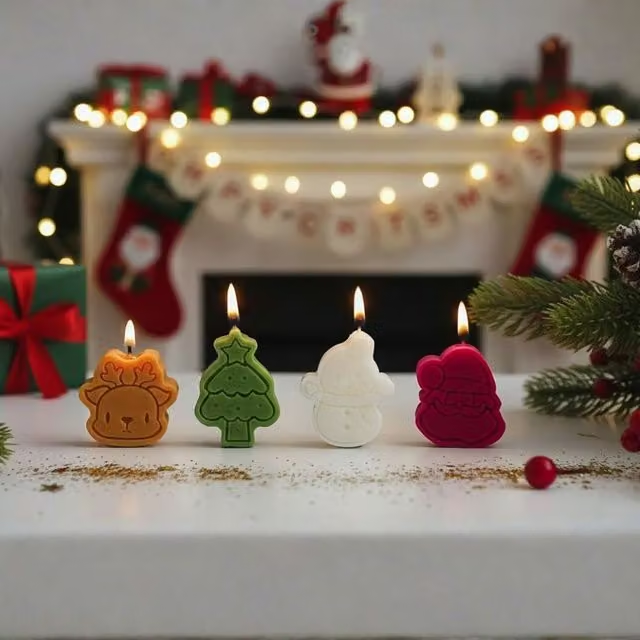
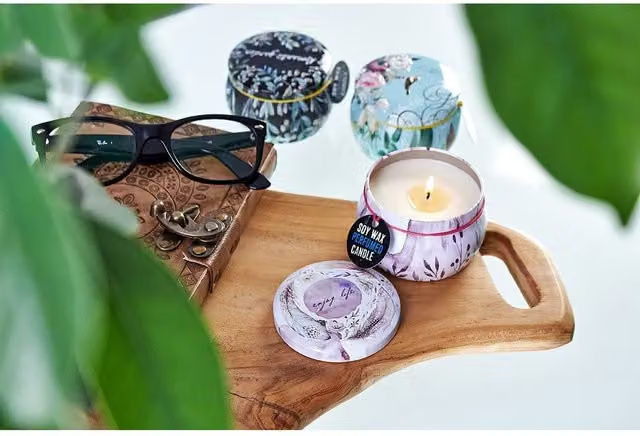
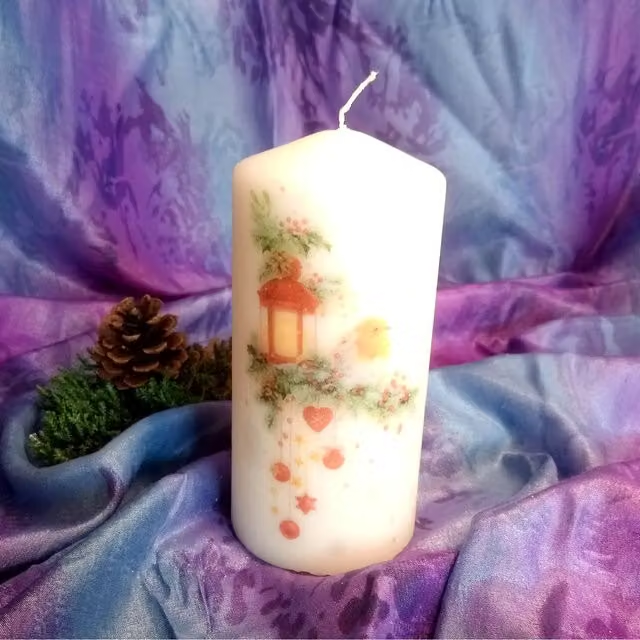
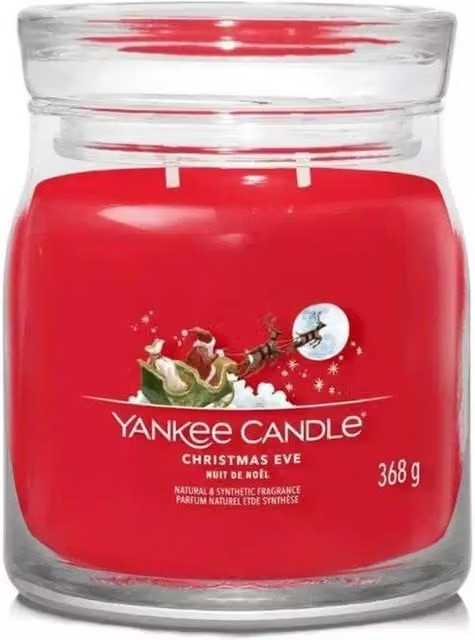
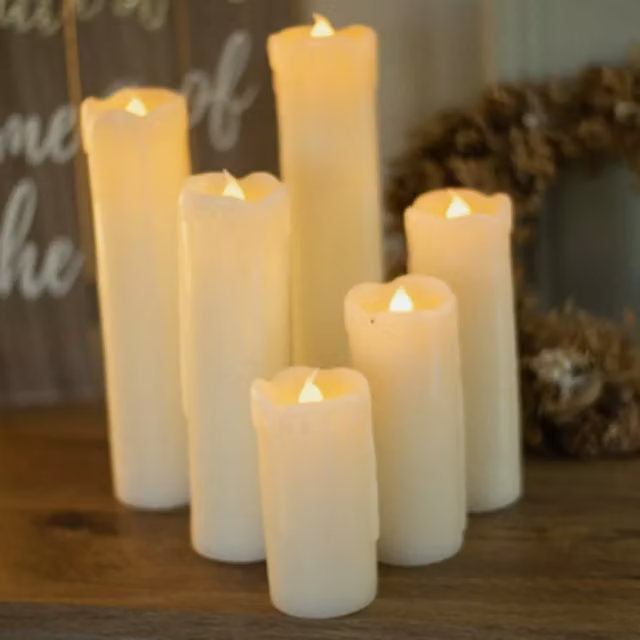
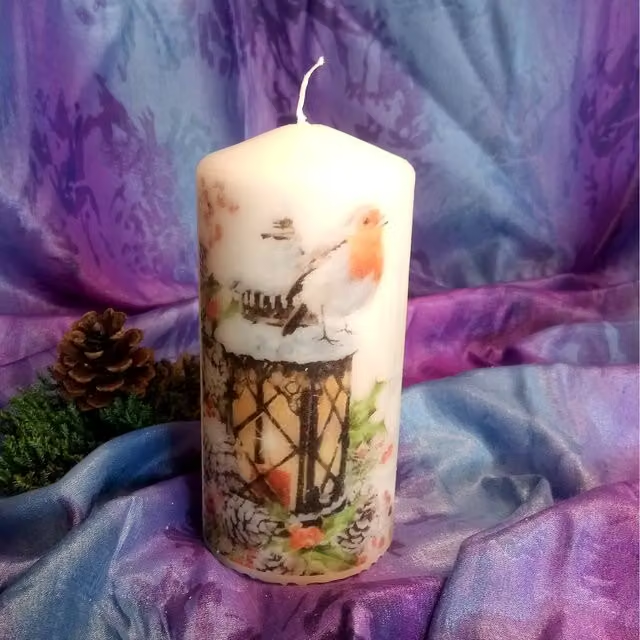
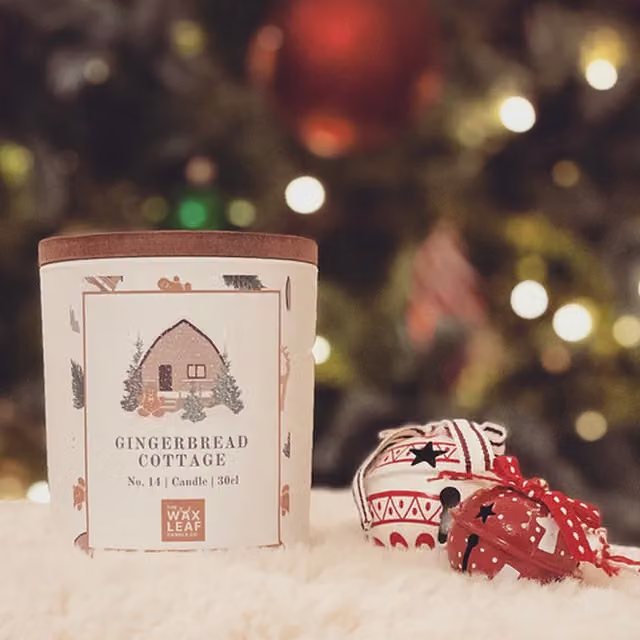
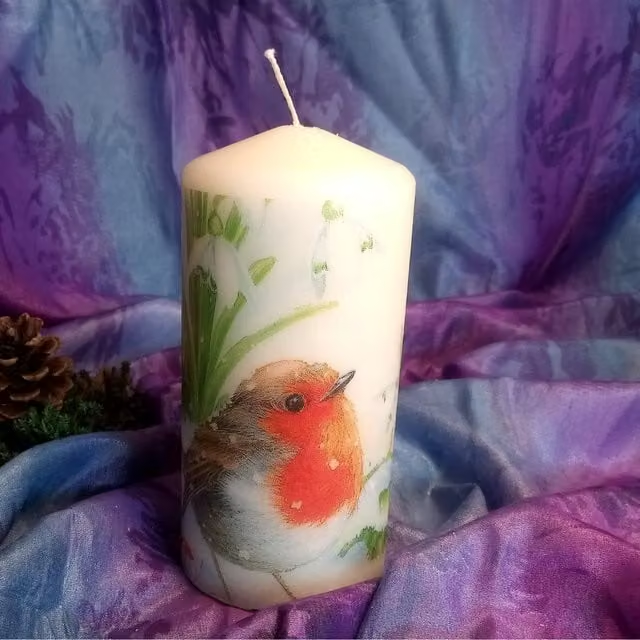
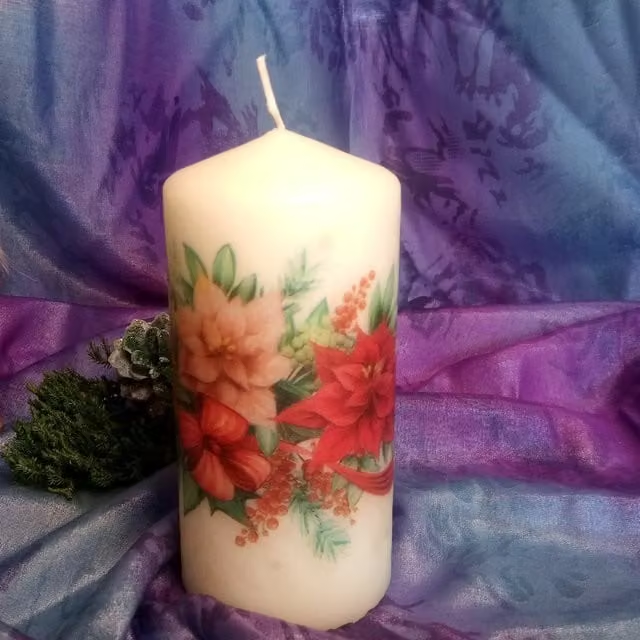
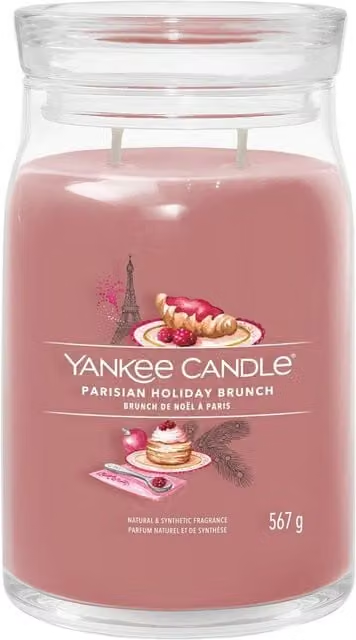
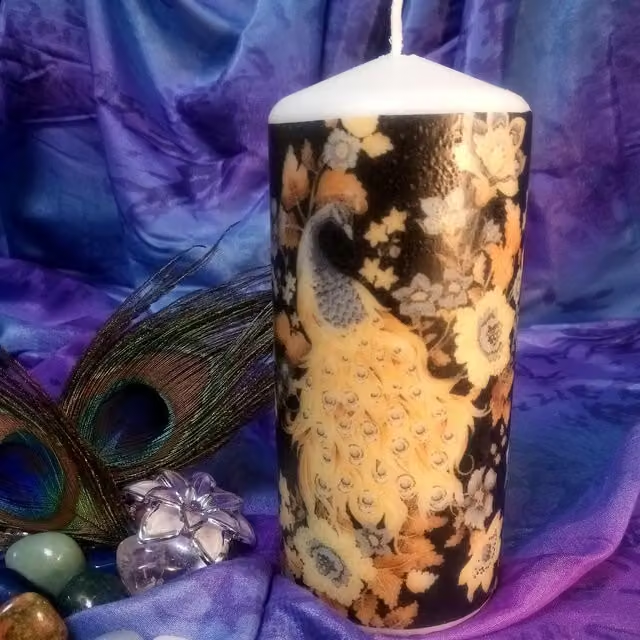
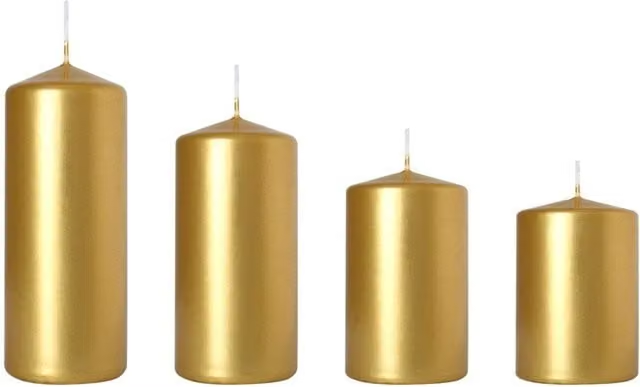
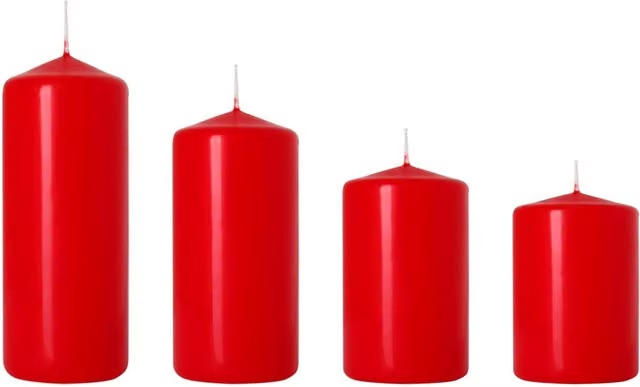
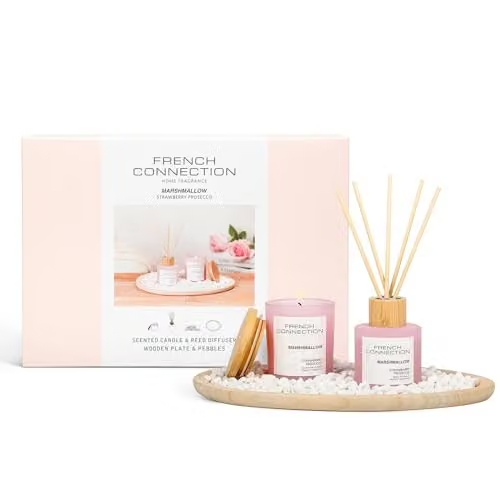
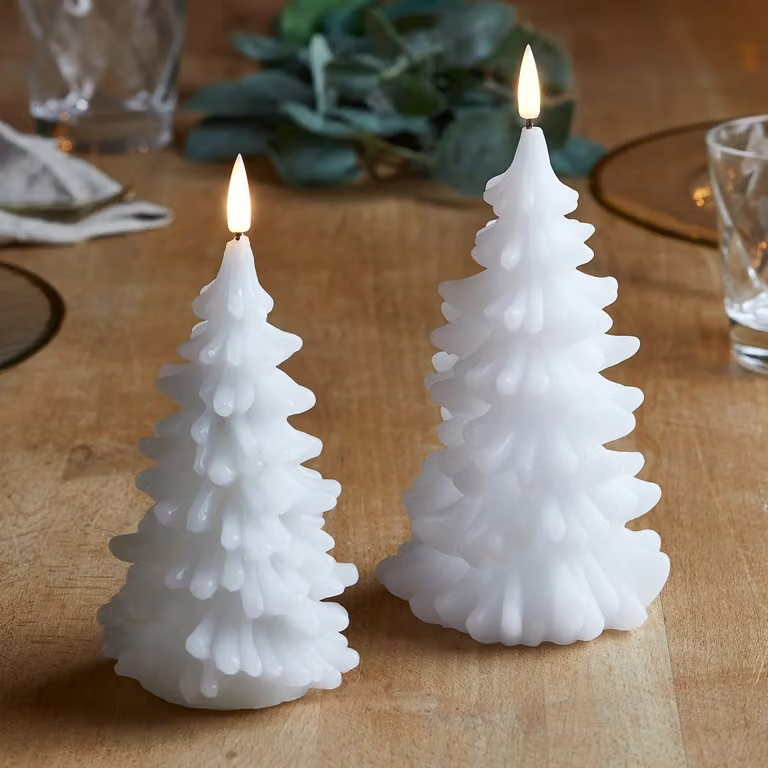
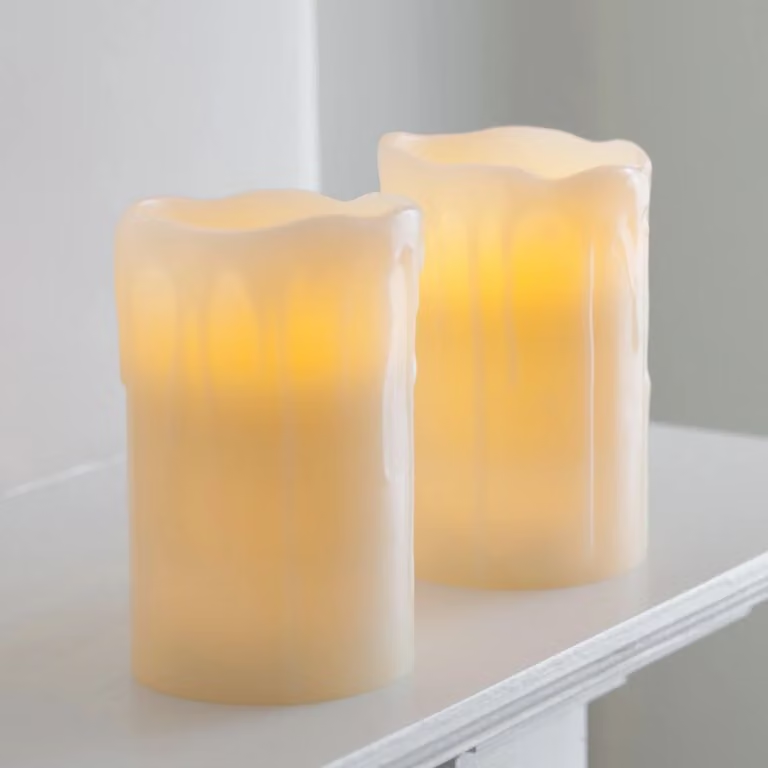
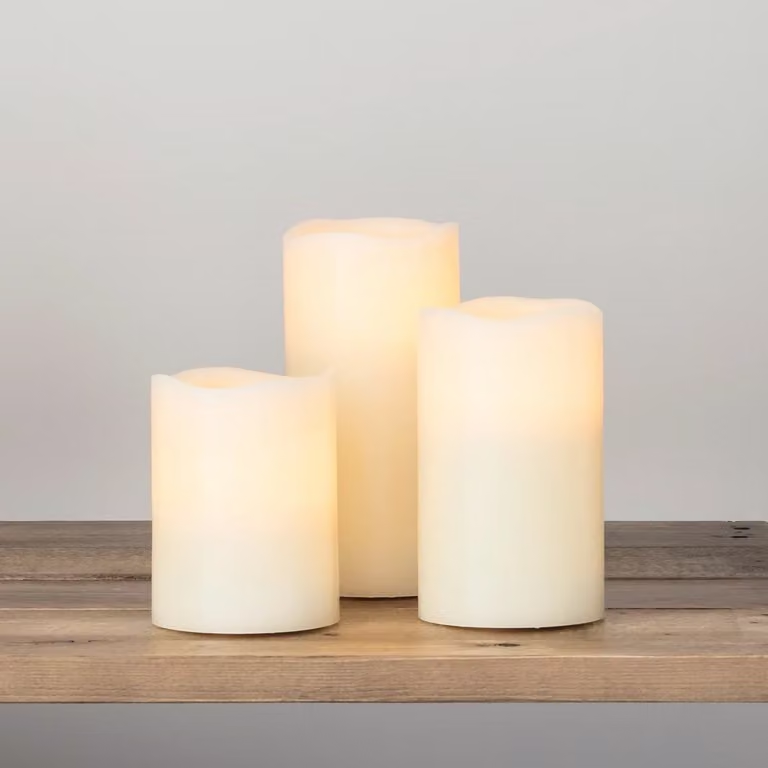
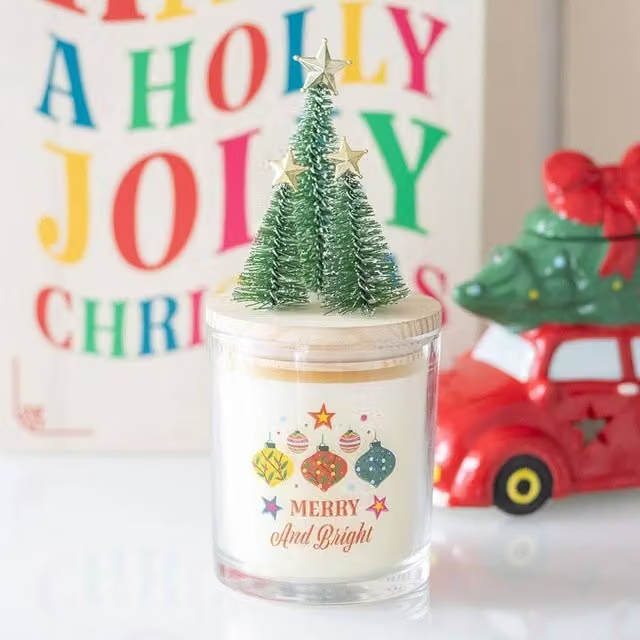
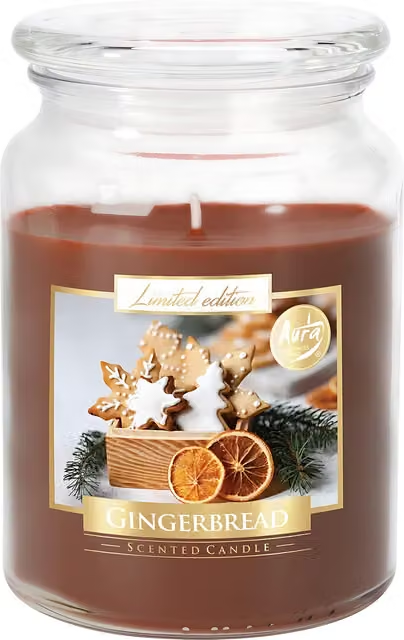
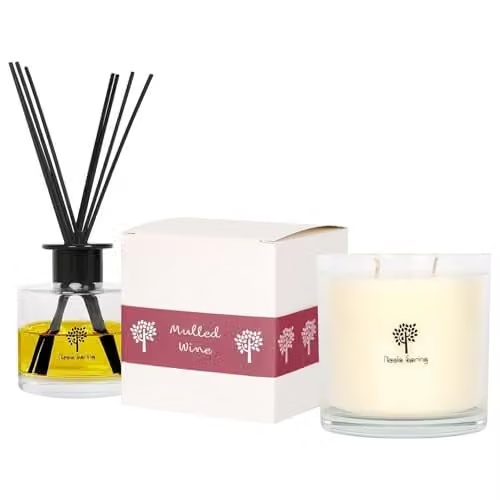
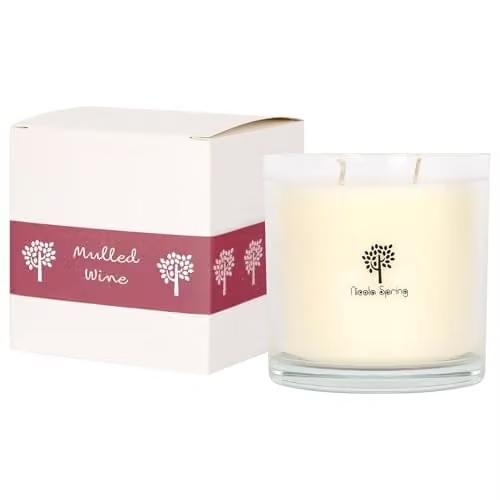
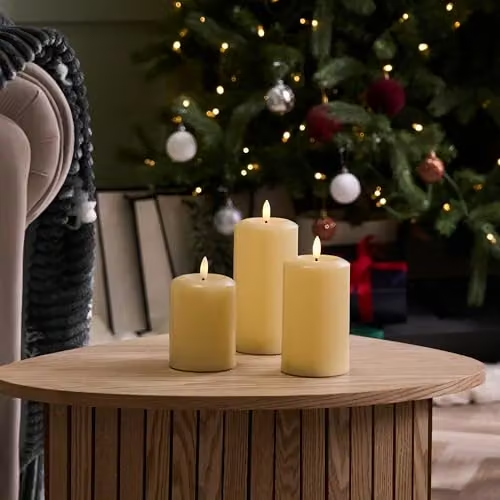
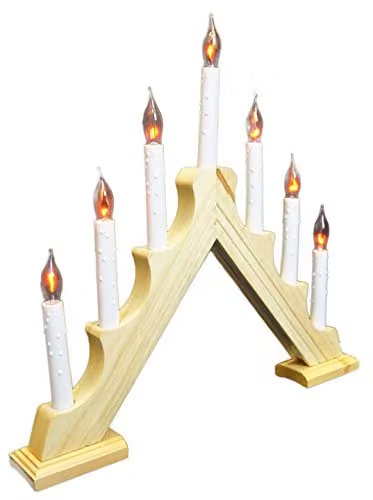
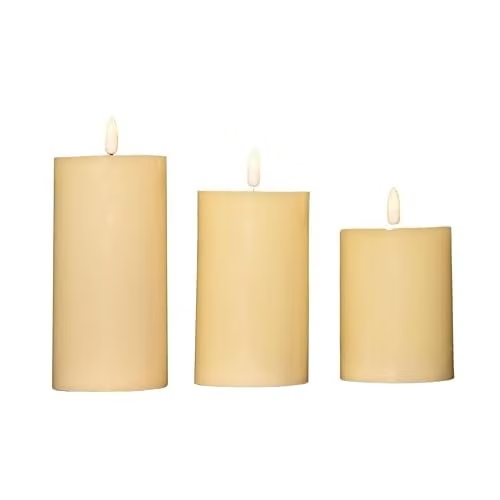
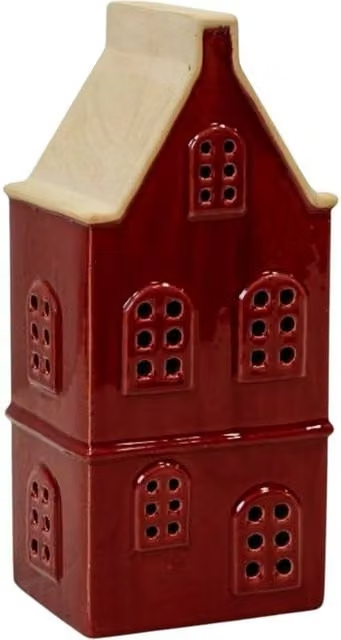
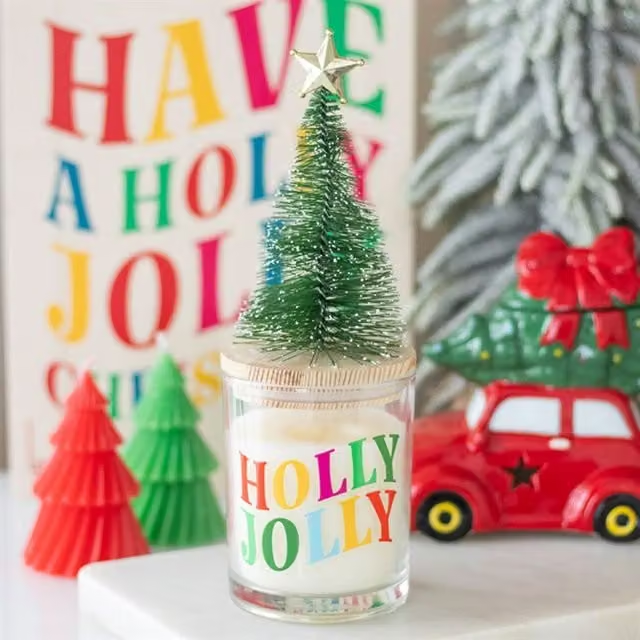
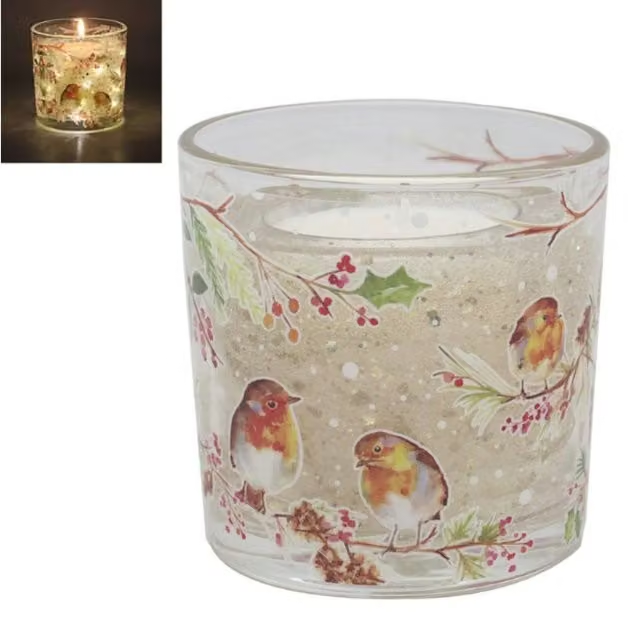
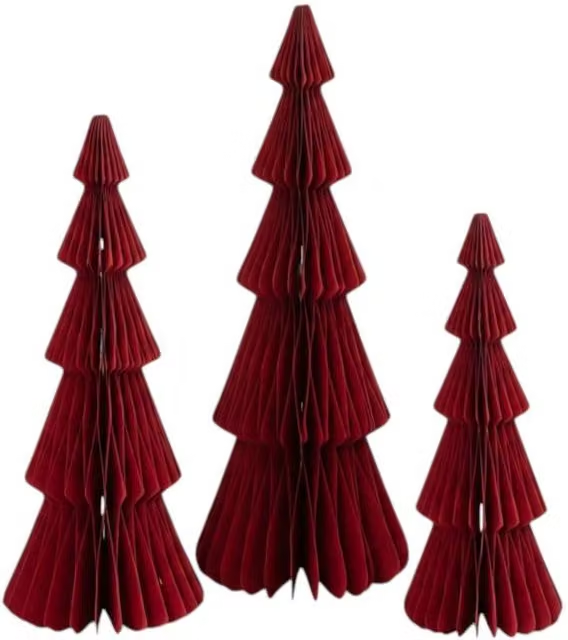
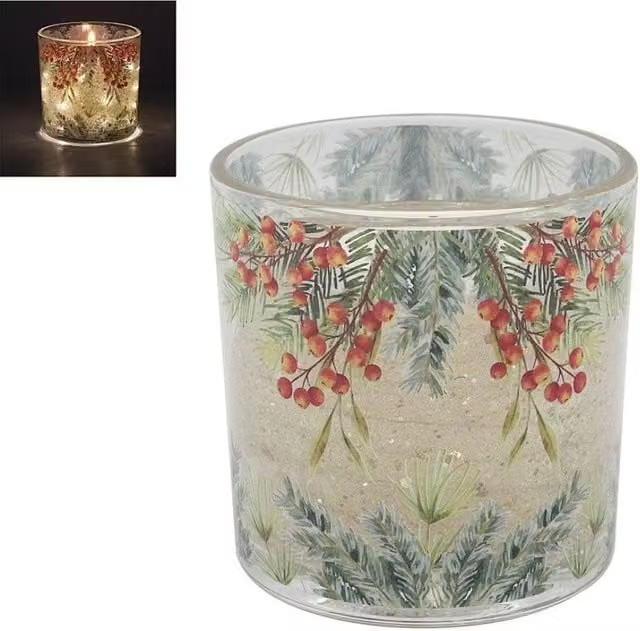
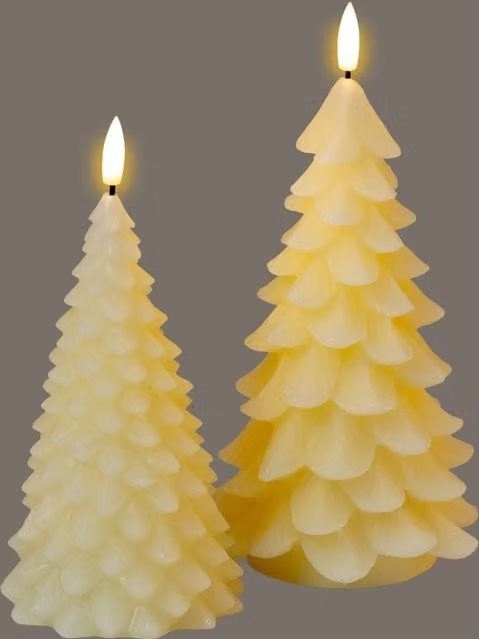
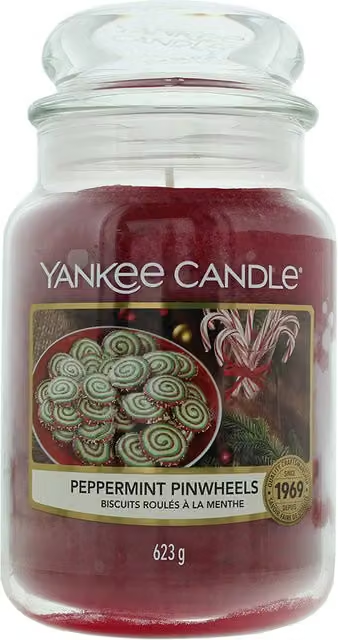
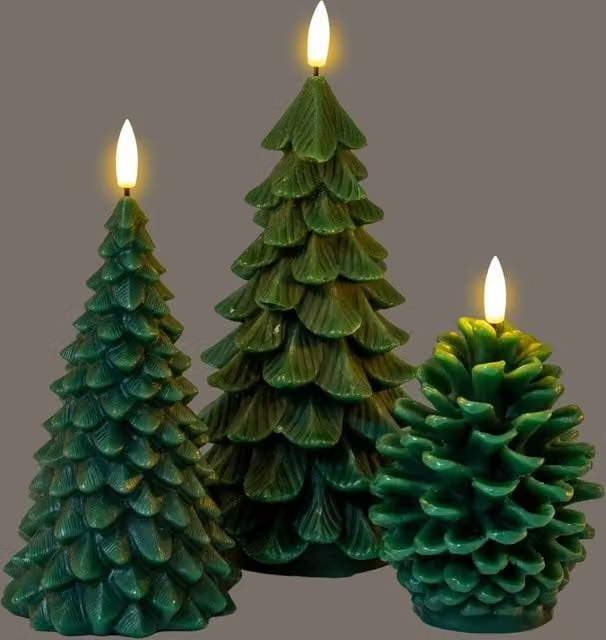
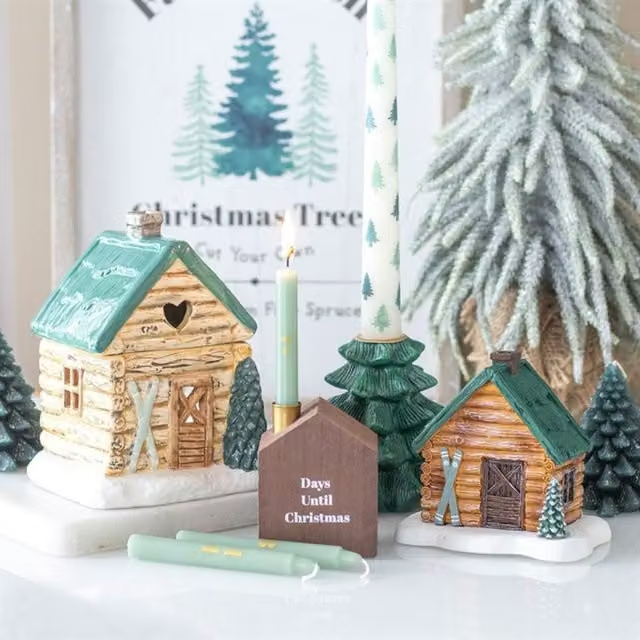
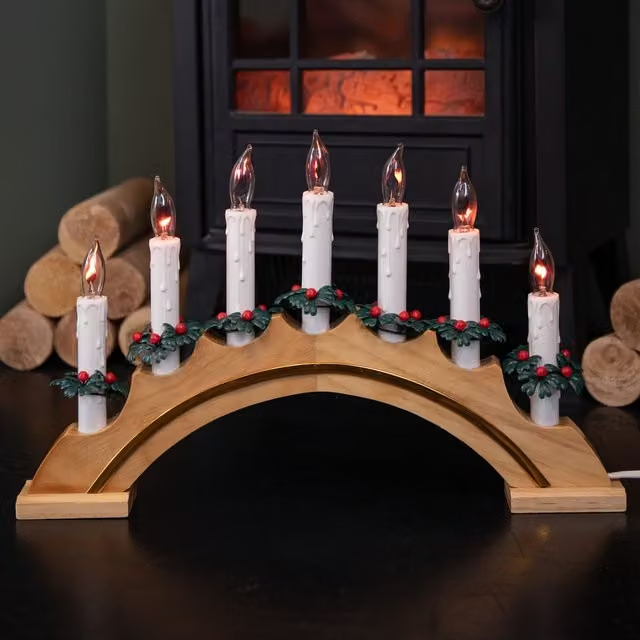
The choice runs from the traditional to the theatrical. Scented jars and tins carry the classic festive fragrances of cinnamon, clove, orange, pine, frankincense, gingerbread and mulled wine, while unscented pillar and taper candles suit dining tables where you do not want fragrance competing with food. Advent candles marked with the days of December give children something to look forward to, and advent wreaths with four candles keep an older tradition alive. Decorative candles shaped as trees, stars and snowmen work as ornaments in their own right, and metallic, glitter and frosted glass vessels add sparkle to a mantelpiece. Gift sets pairing candles with holders are among the most reliable presents you can give.
Wax type shapes the experience. Soy wax burns cooler and longer with a clean melt and holds festive fragrance oils well. Coconut and coconut soy blends have an excellent scent throw for filling larger rooms. Beeswax adds a natural honeyed warmth and burns very cleanly, though it takes added fragrance less readily. Paraffin remains the cheapest with a strong throw but produces more soot. Check the stated burn time, since this is the fairest way to compare value between candles that look similar.
Prices cover a wide span. Basic tealights and small scented tins are inexpensive, mid range soy candles sit comfortably in the middle, and multi wick luxury candles, hand poured artisan pieces and gift sets in decorative vessels command the highest prices.
Browse the range, compare prices and let a flame do the festive work.
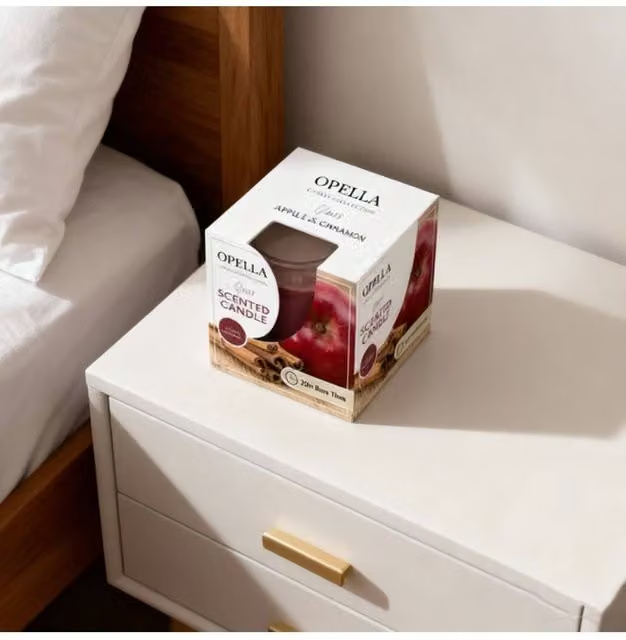
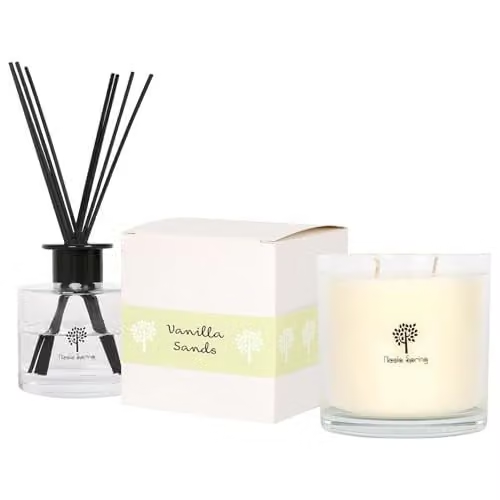
Spiced and gourmand scents such as cinnamon, gingerbread and mulled wine feel wonderful in kitchens and living rooms where they complement cooking and gathering. Fresh pine, fir and eucalyptus work well in hallways and entrances, giving that first impression of a real tree. Keep heavier fragrances out of the dining room during a meal, since strong scent competes with food and can be overwhelming at the table. Bedrooms suit lighter, warmer notes such as vanilla and amber.
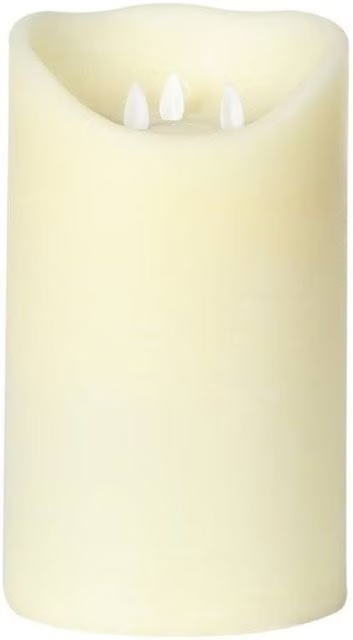
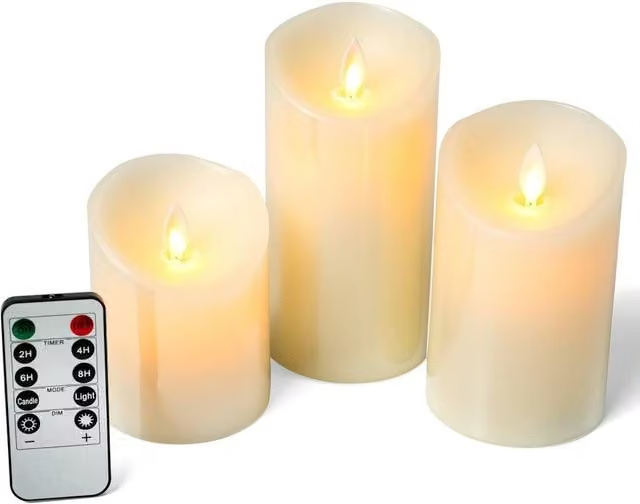
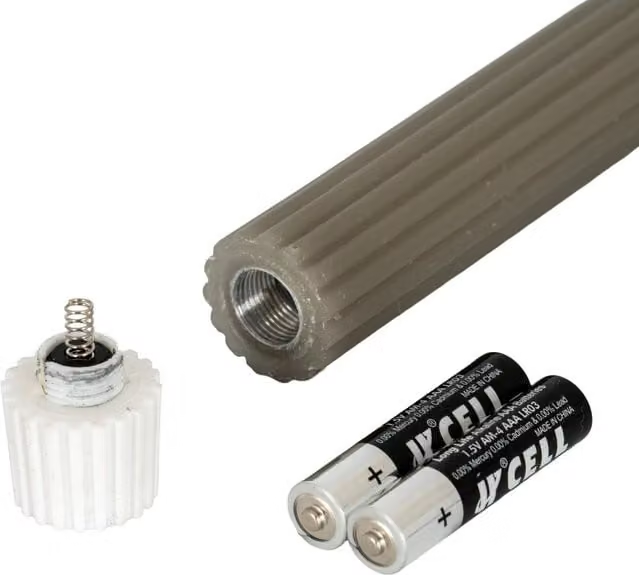
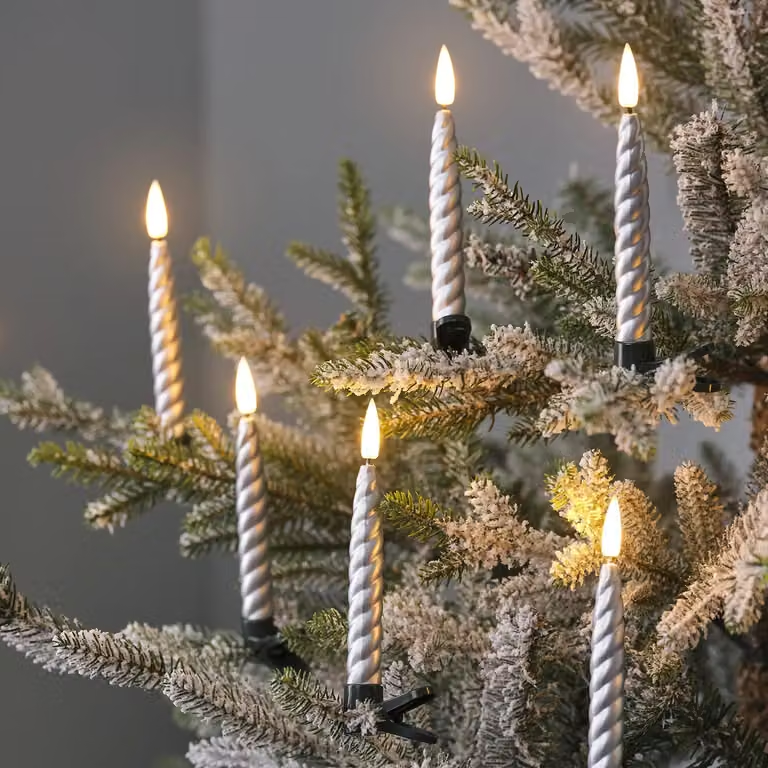
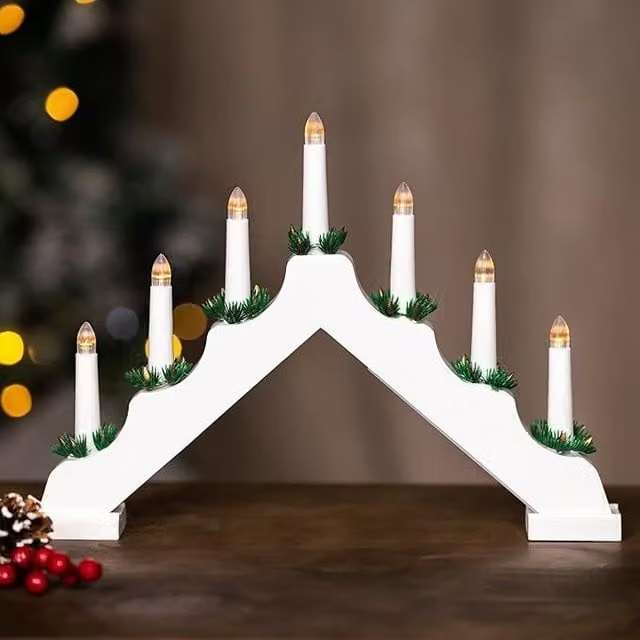
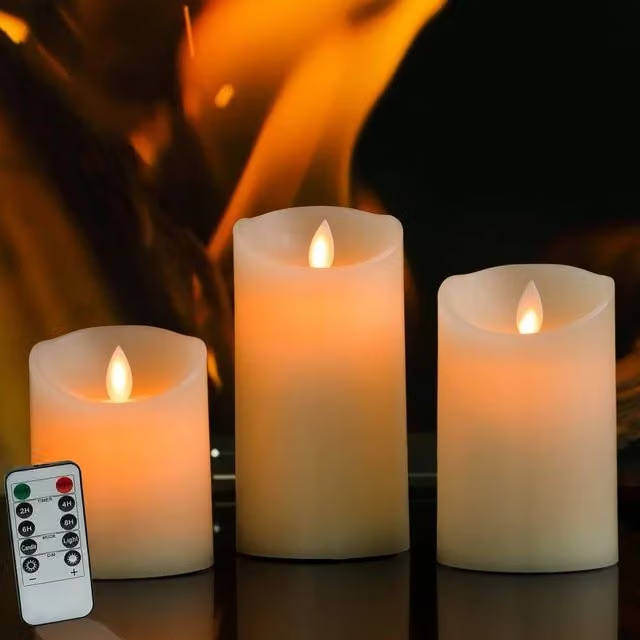
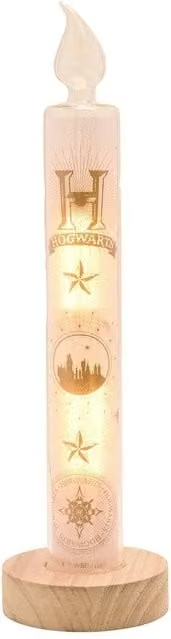
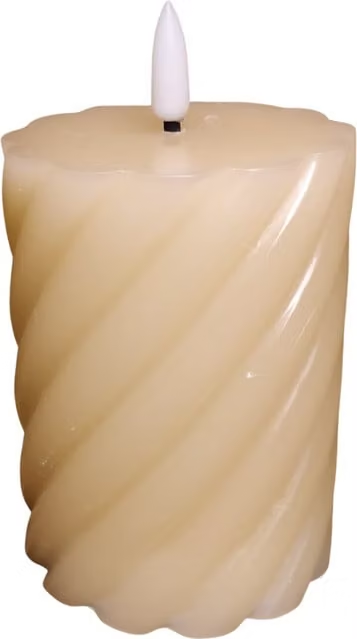
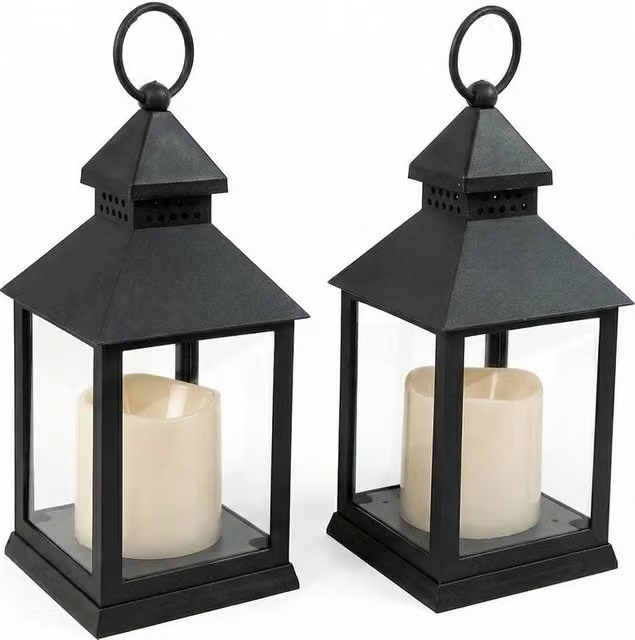
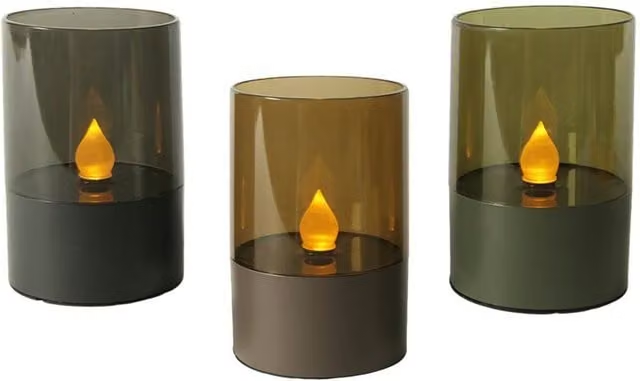
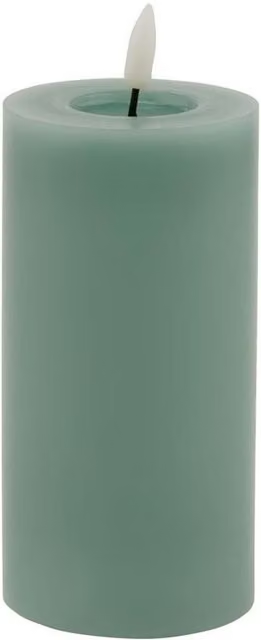
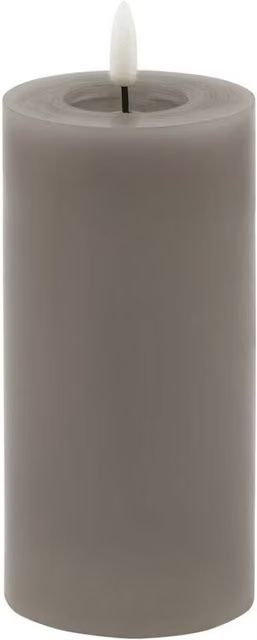
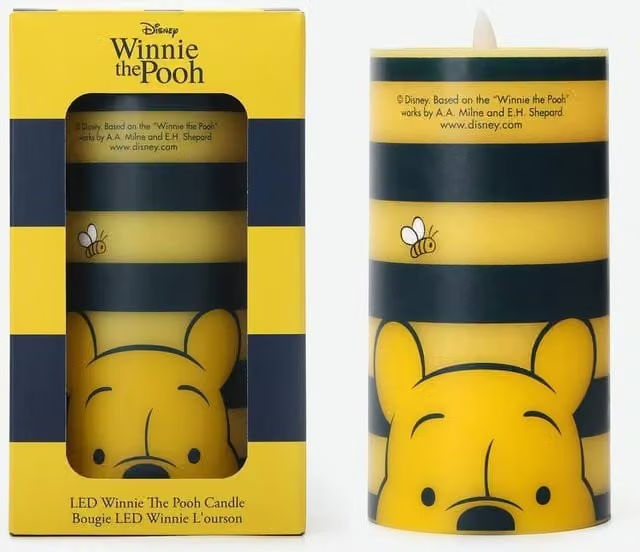
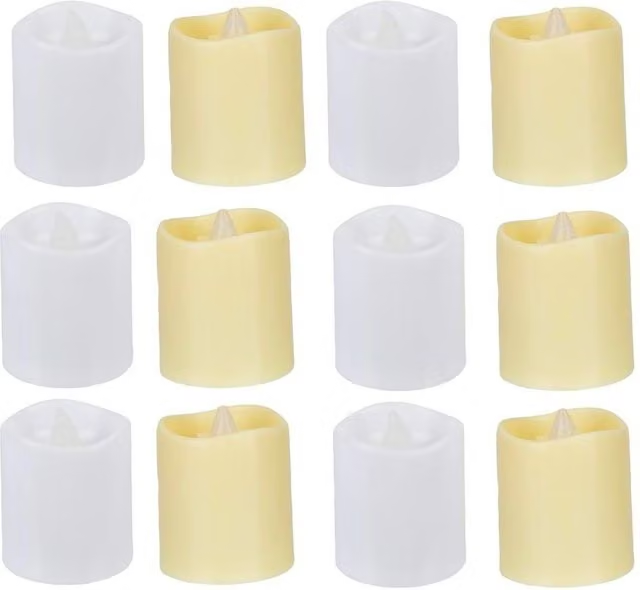
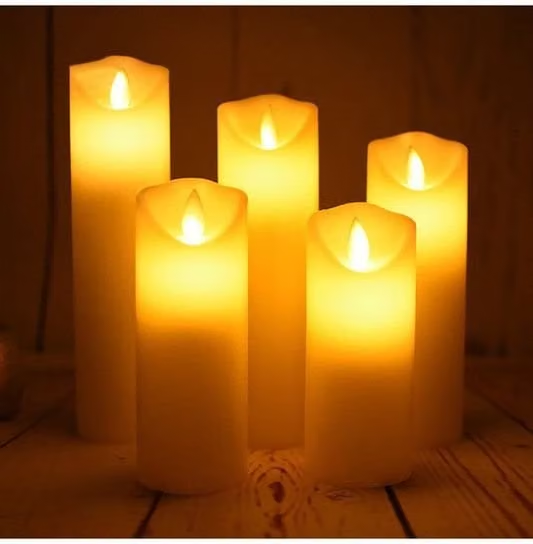
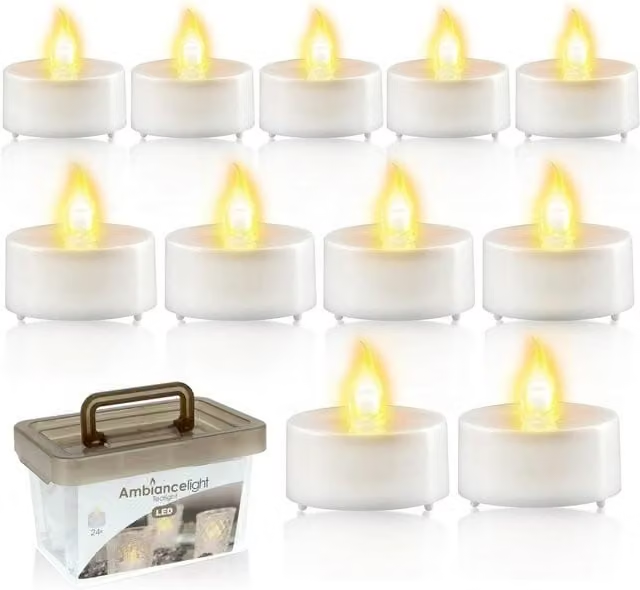
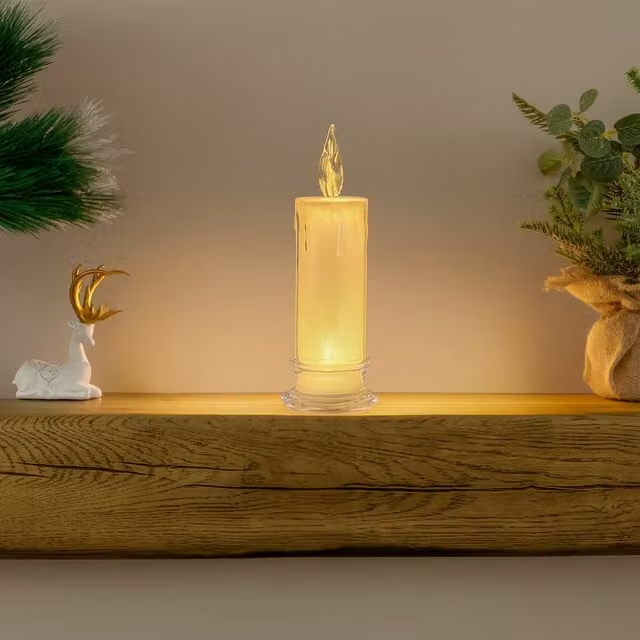
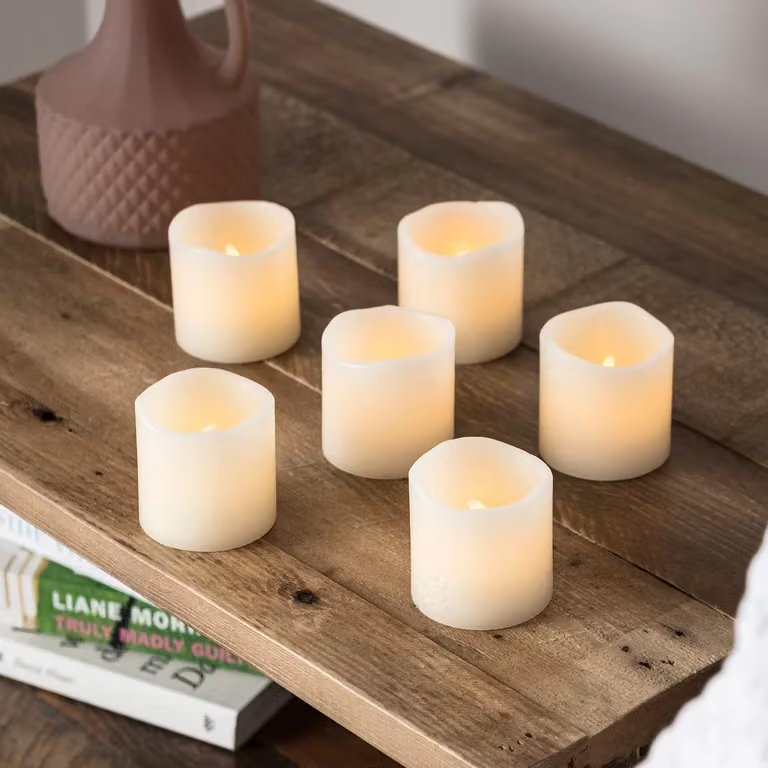
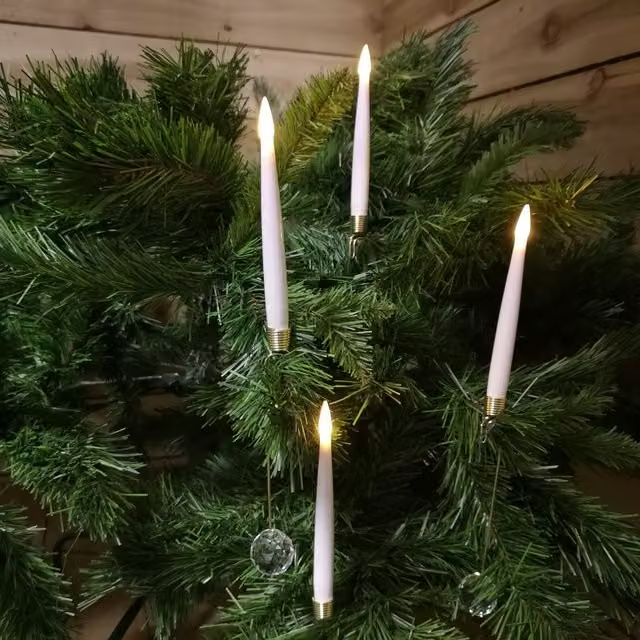
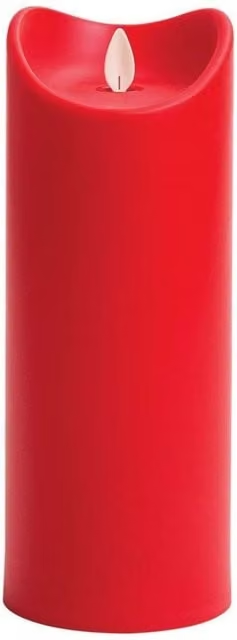
Keep at least 30 cm between any flame and greenery, tinsel, wrapping paper, cards and artificial garlands, all of which catch light far more readily than people assume. Never place candles on or near a tree, and treat dried out real foliage as genuinely flammable by late December. Use stable, heat resistant holders on a level surface where they cannot be knocked. Always extinguish before leaving a room or going to bed, and consider battery LED candles anywhere children or pets roam.
Burn time depends mainly on wax volume and wick count, so check the stated hours rather than judging by size. As a rough guide, a 200 g single wick soy candle gives roughly 35 to 45 hours, while a large three wick candle may offer 60 to 75 hours despite burning faster per hour. Burning in sessions of two to four hours and trimming the wick each time gets you closer to the stated figure. Tunnelling is the main cause of a candle underdelivering.
Yes, and the decorative festive vessels are often worth keeping. To clean out the last of the wax, place the jar in the freezer for a few hours until the wax contracts and pops out with gentle pressure from a blunt knife. Alternatively pour in hot water so the remaining wax floats to the top and sets, then lift it off and wash the jar with washing up liquid. The metal wick base usually prises off with pliers, leaving a tidy container for pens, tealights or small plants.