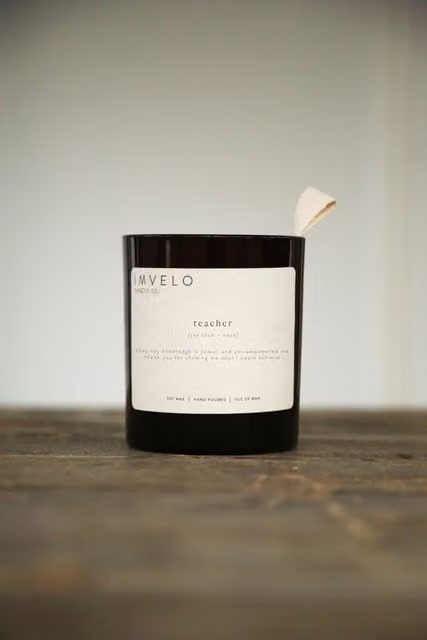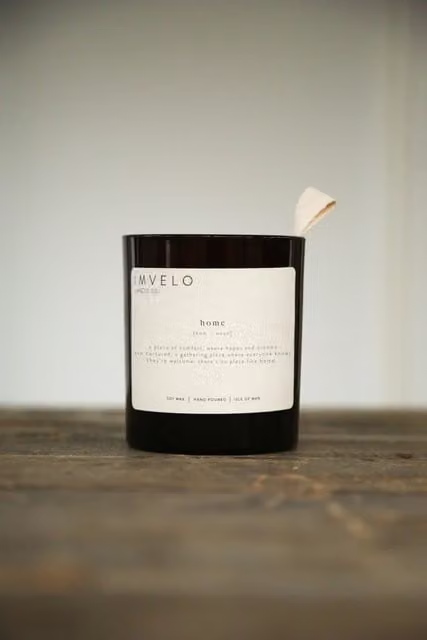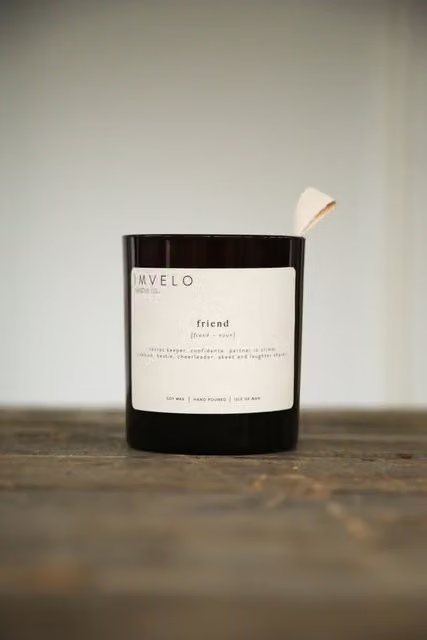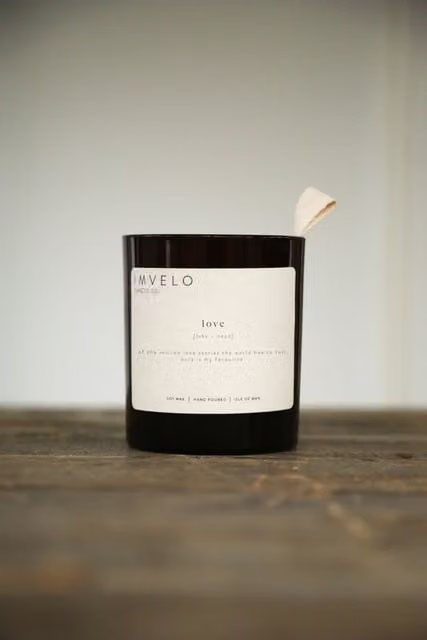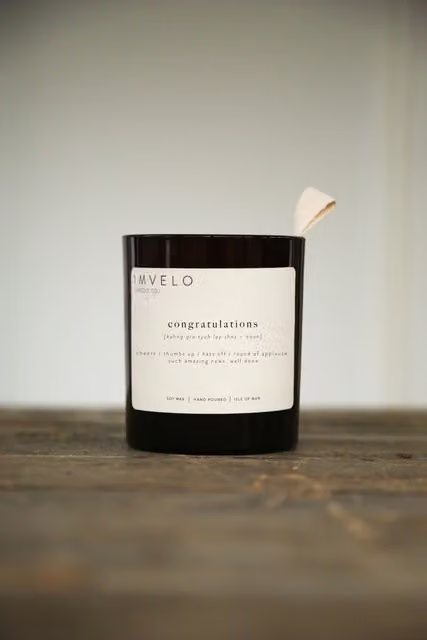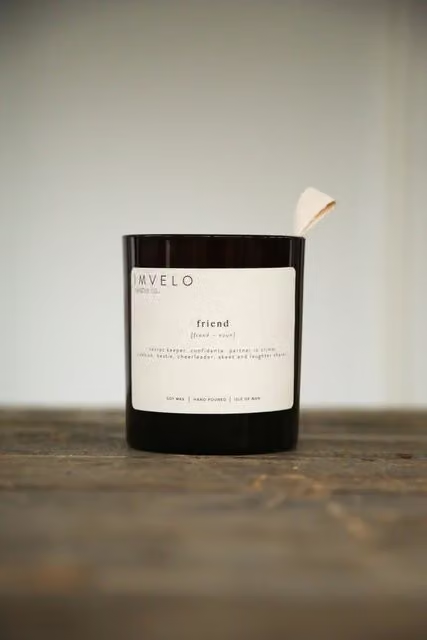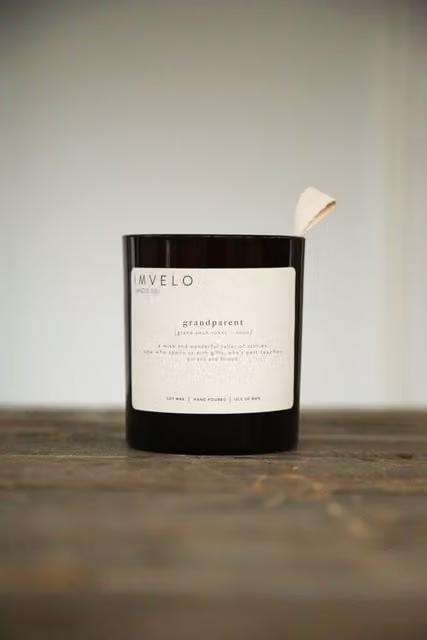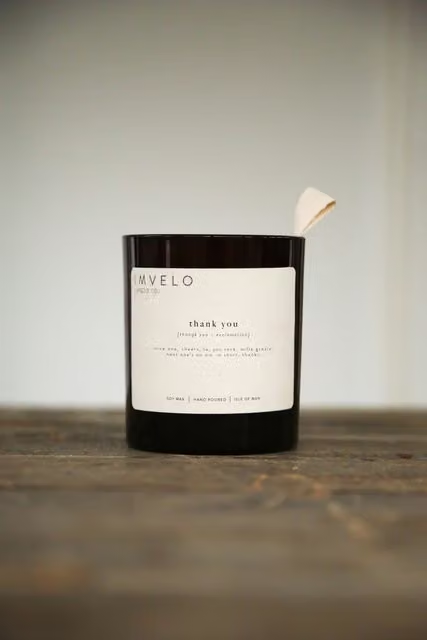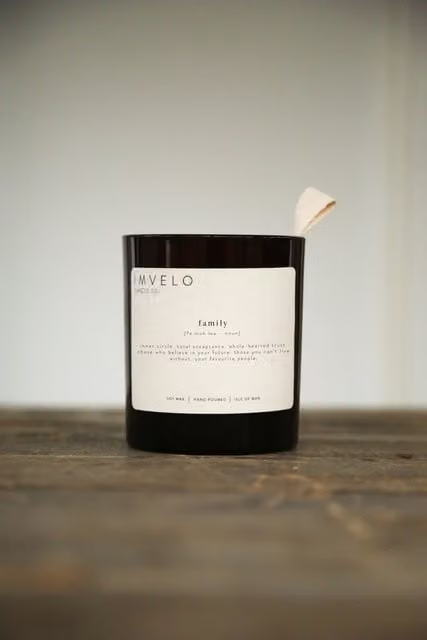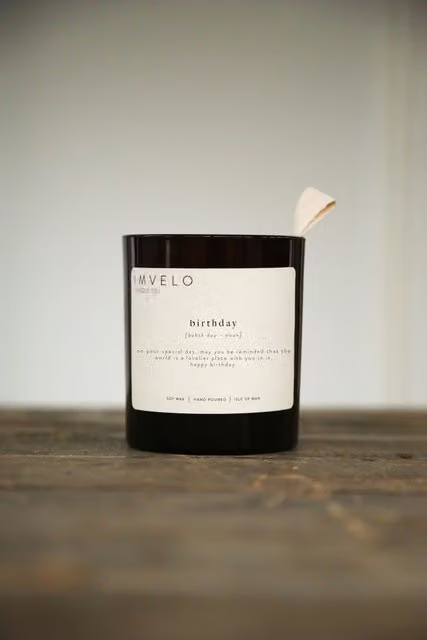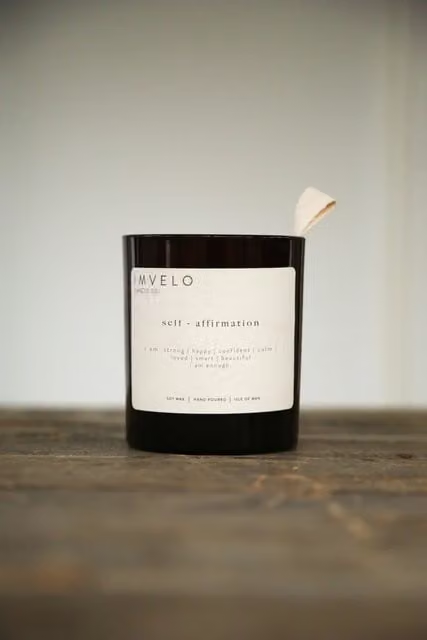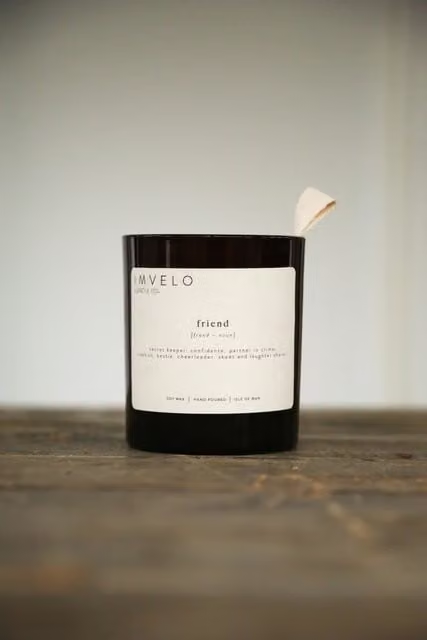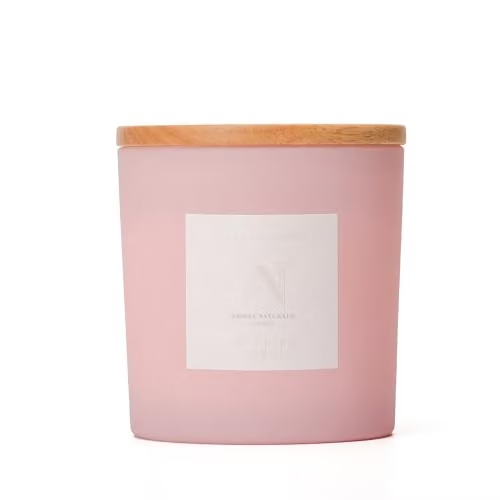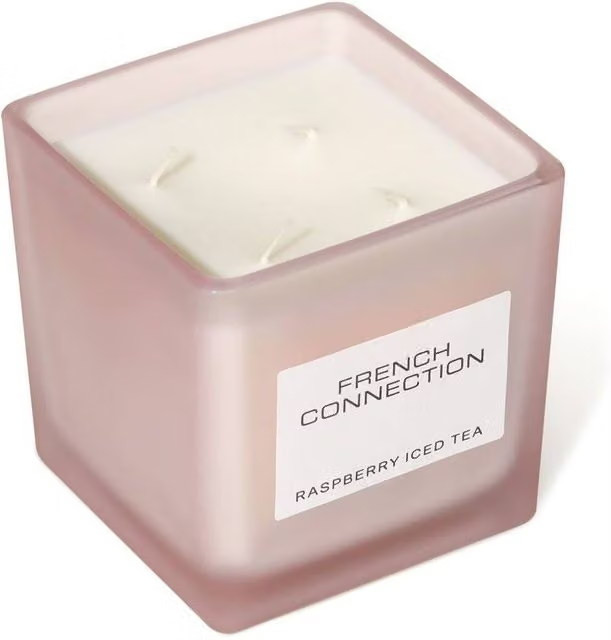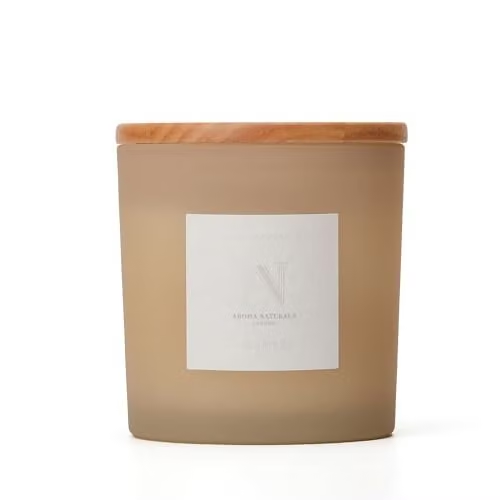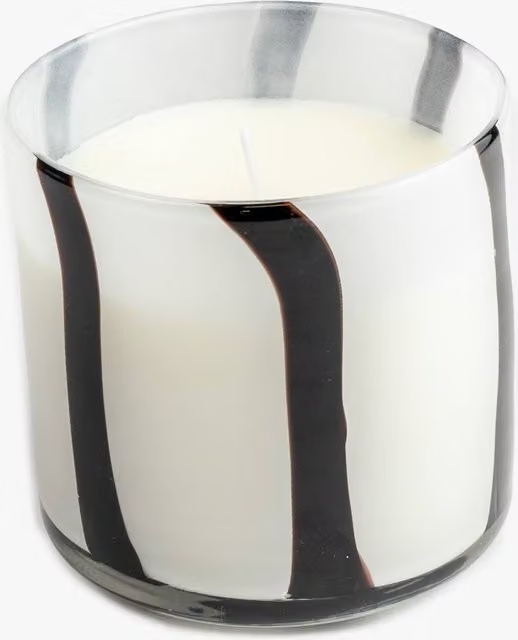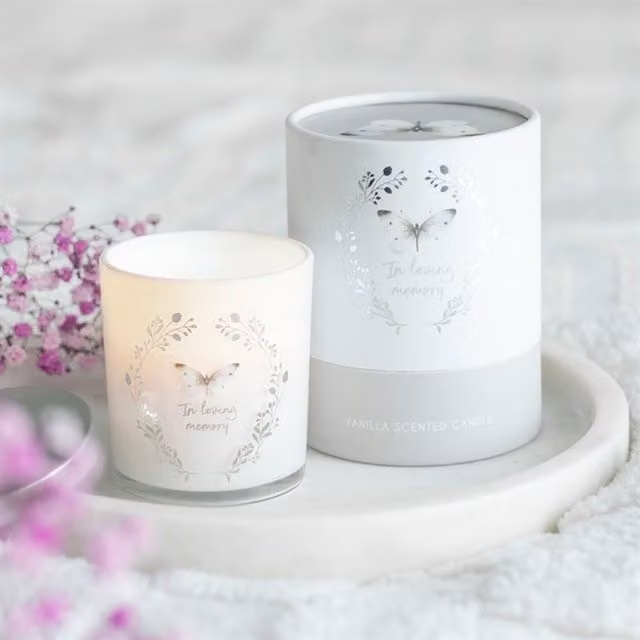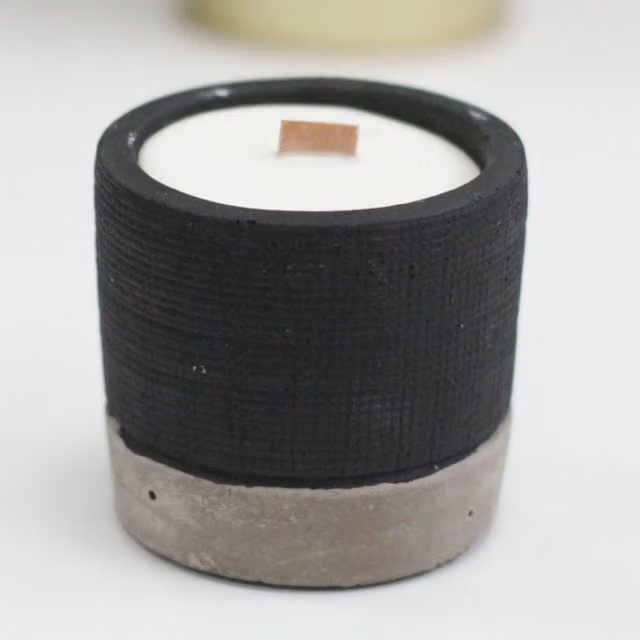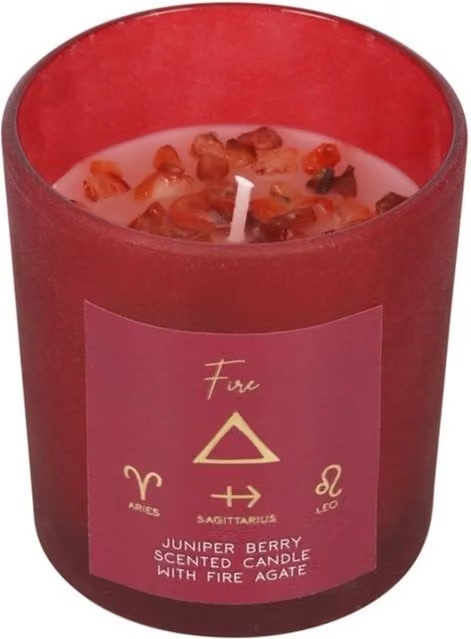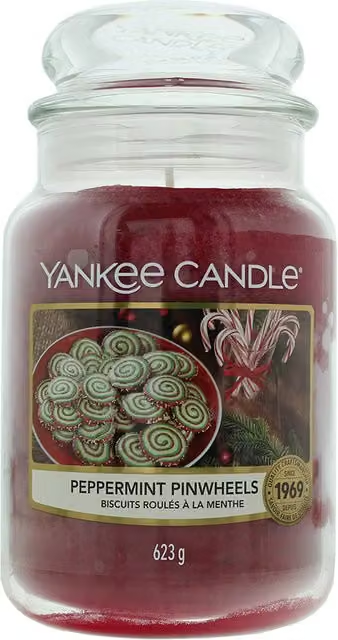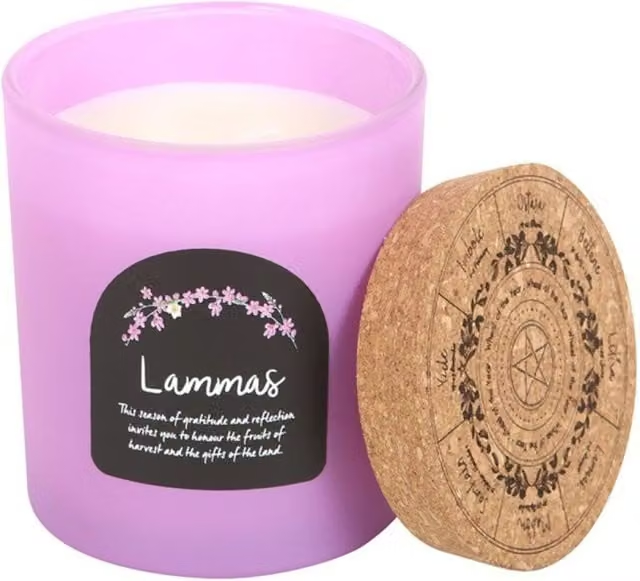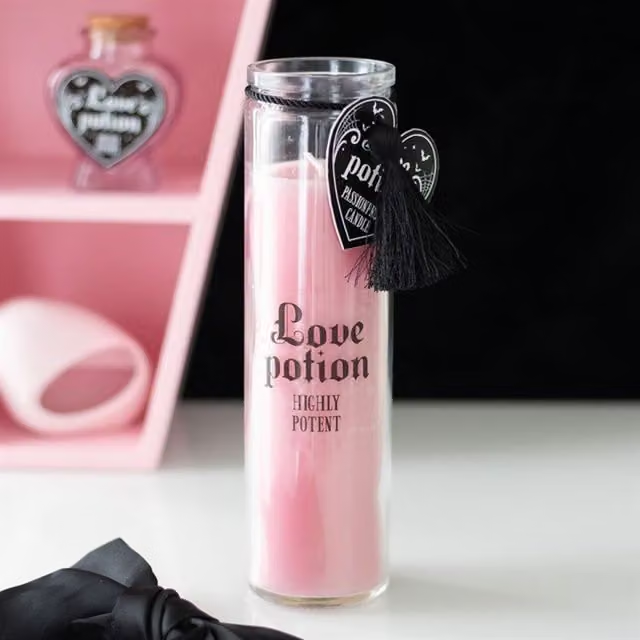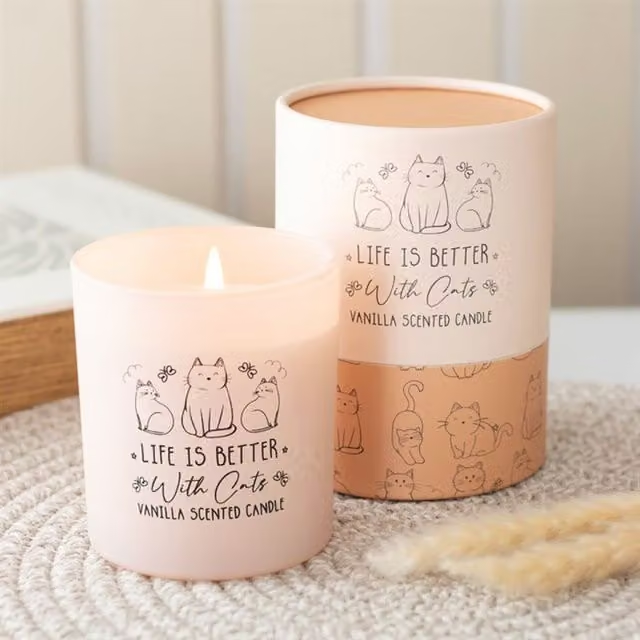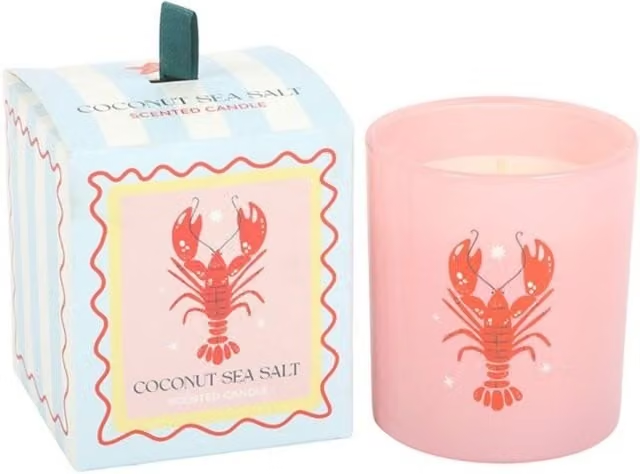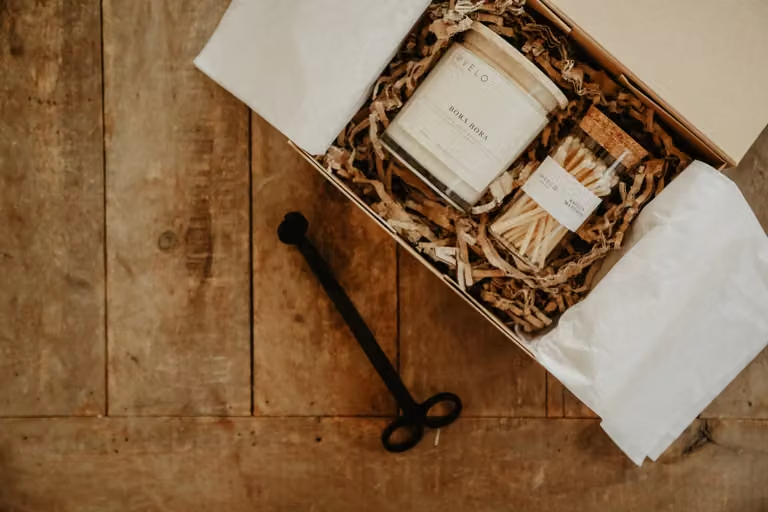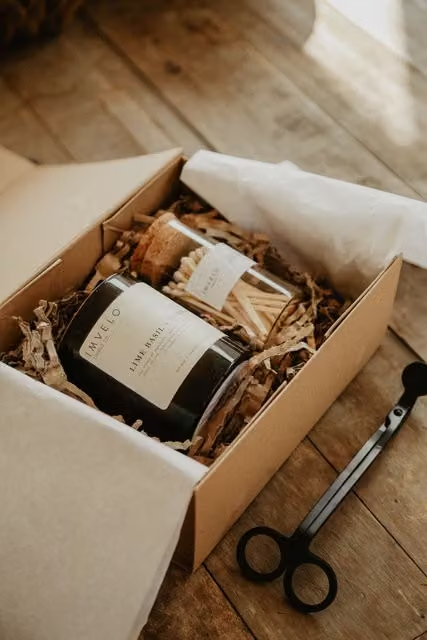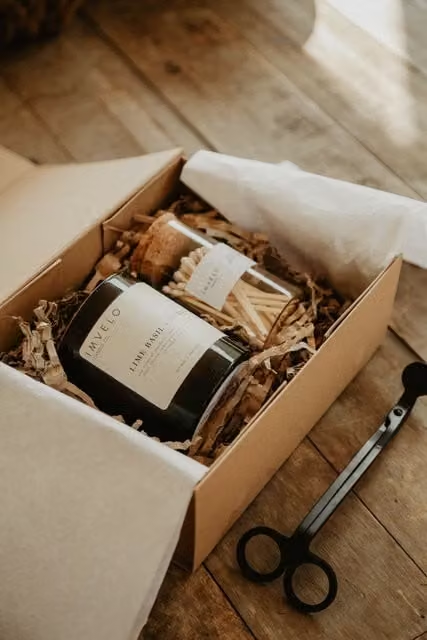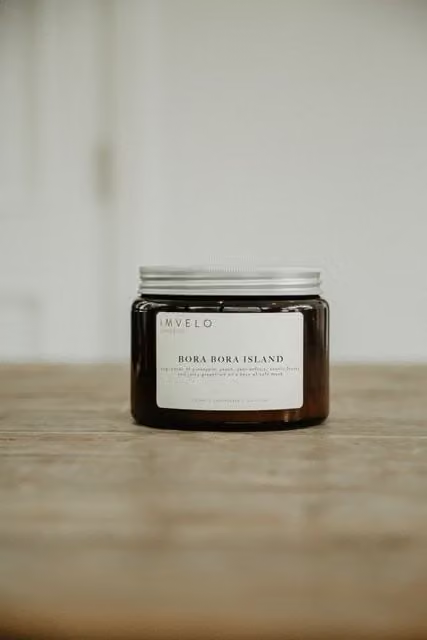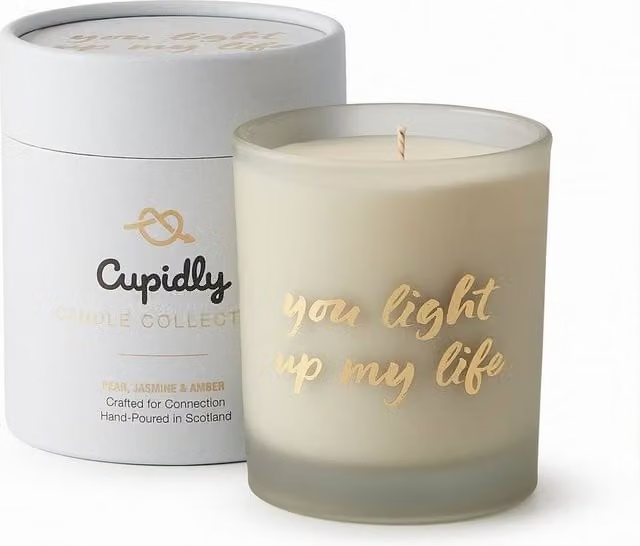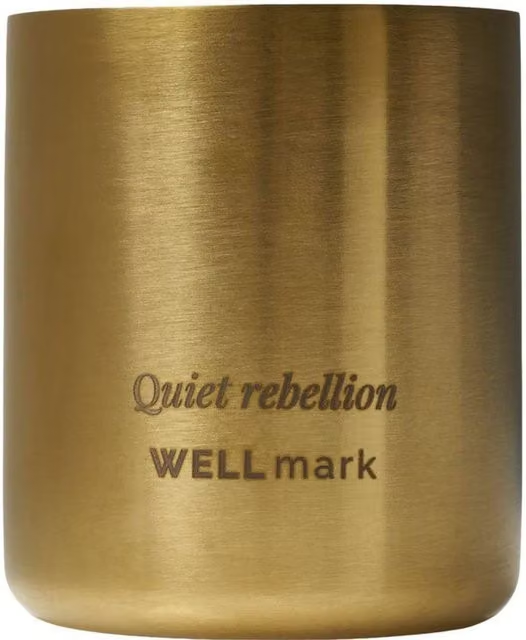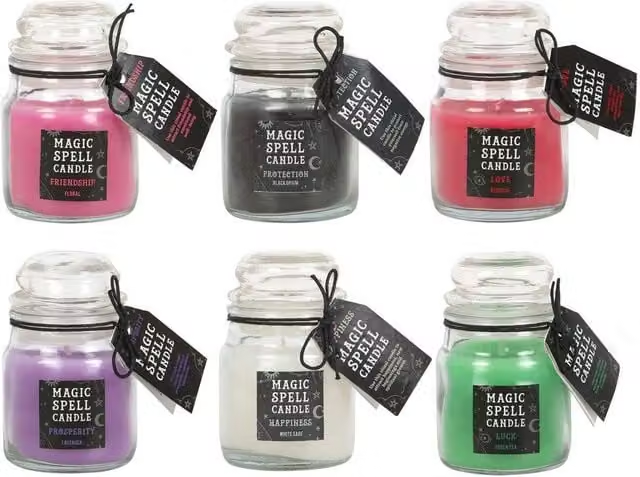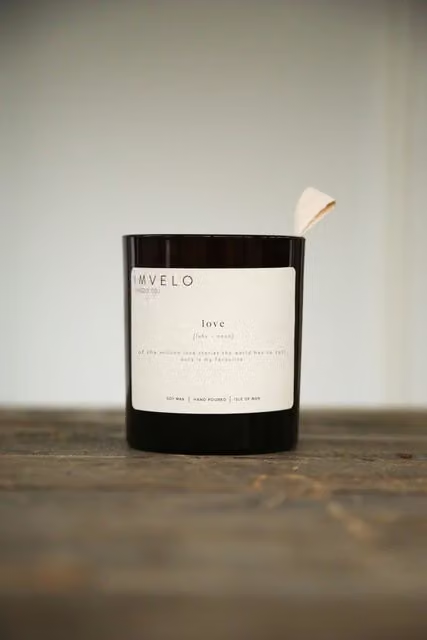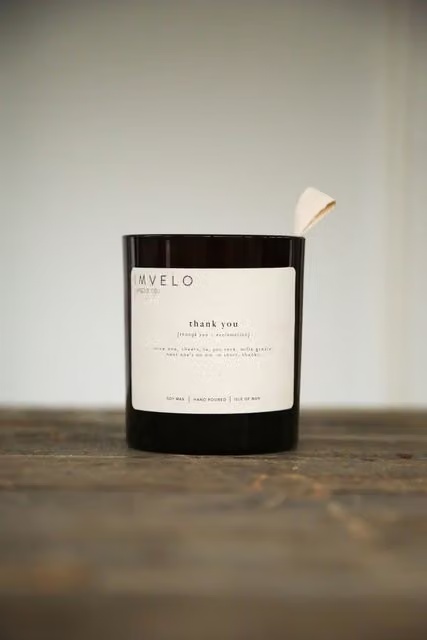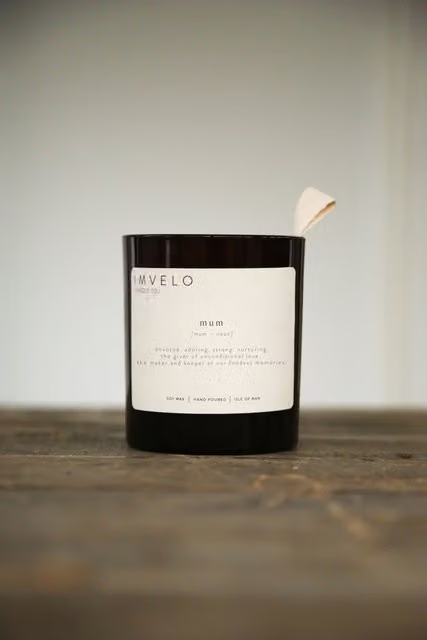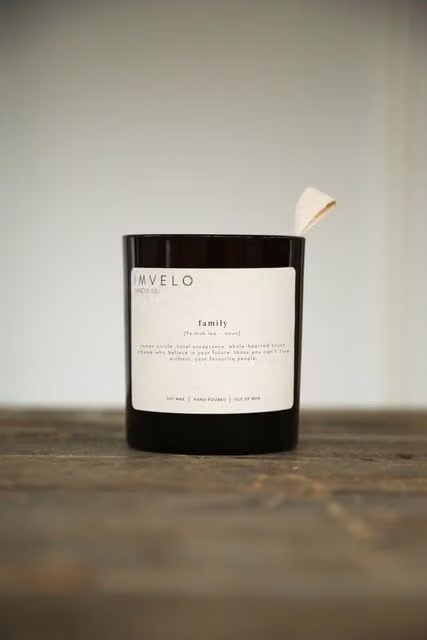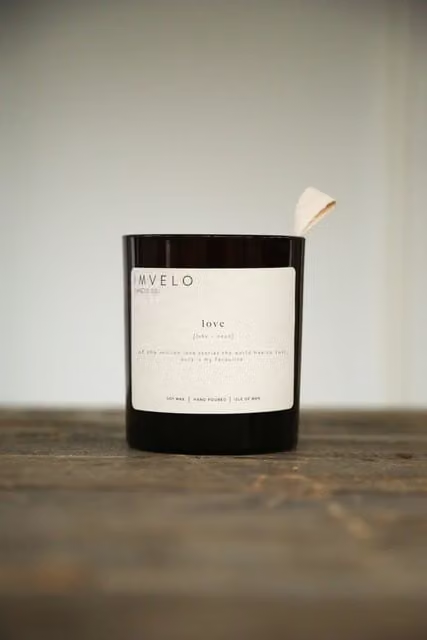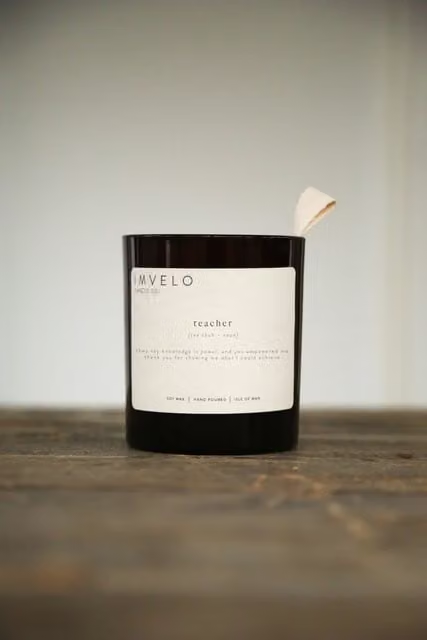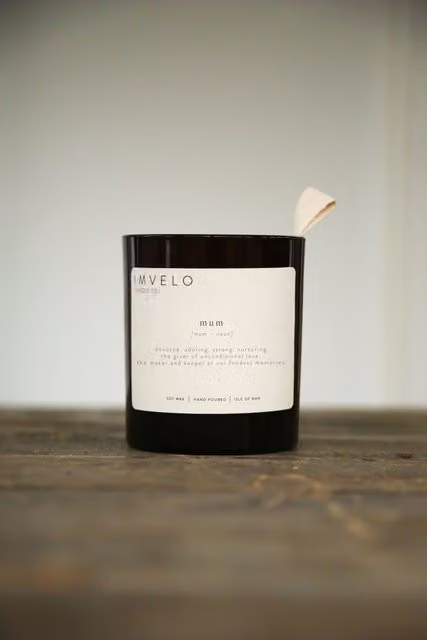
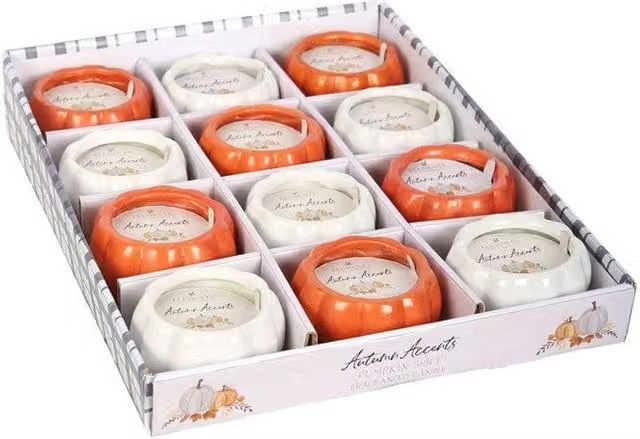

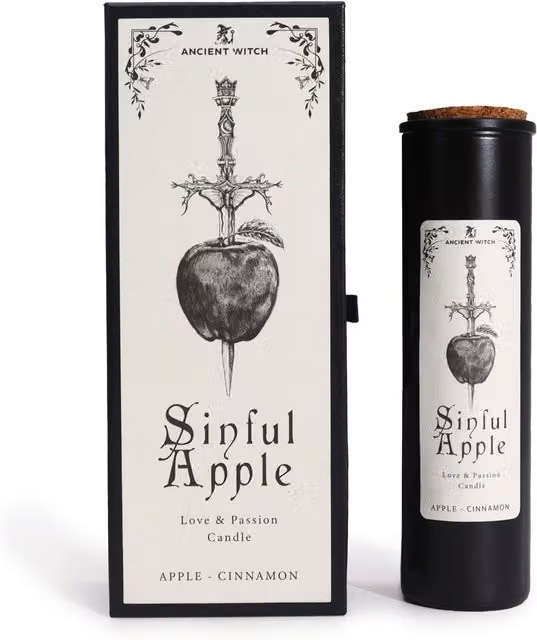
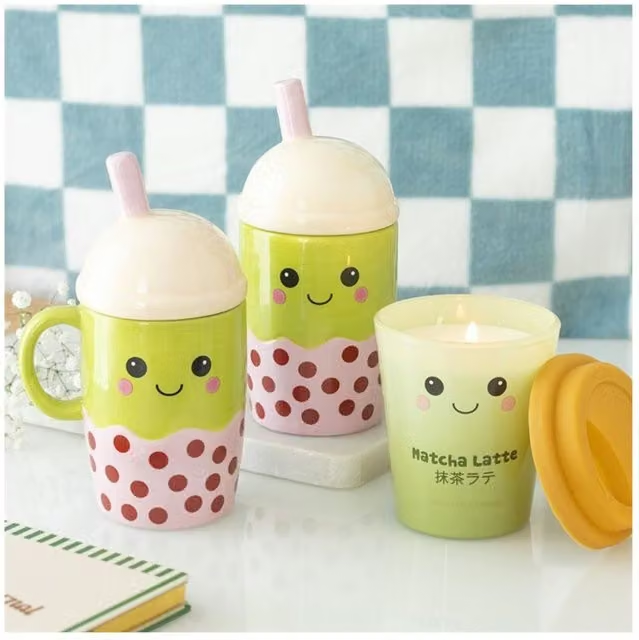
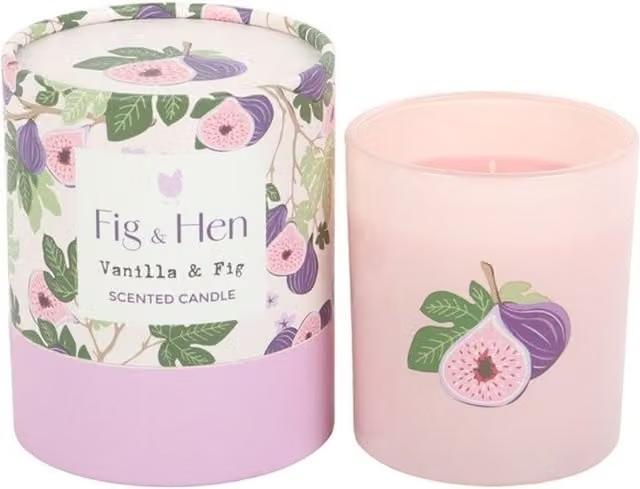





Scent reaches you before anything else does. Walk into a room where a good candle has been burning and you register the atmosphere before you have taken in the furniture, the light or the colour on the walls. That immediacy is what makes scented candles such a powerful and inexpensive tool, capable of turning an ordinary evening into something that feels deliberate and restful.
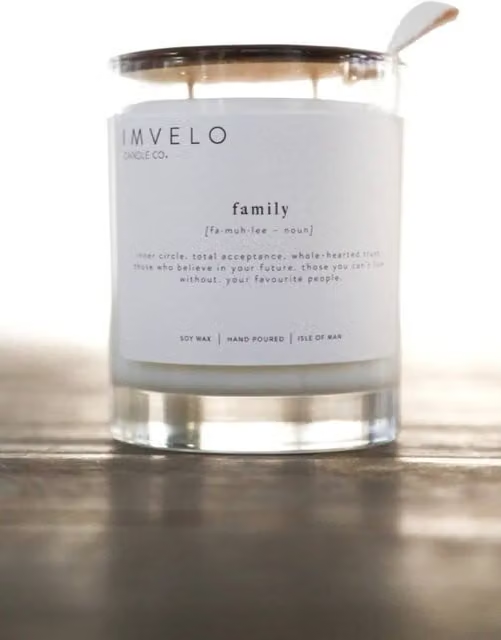
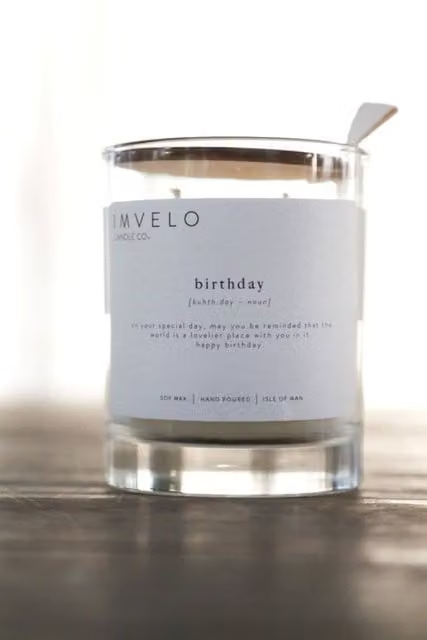
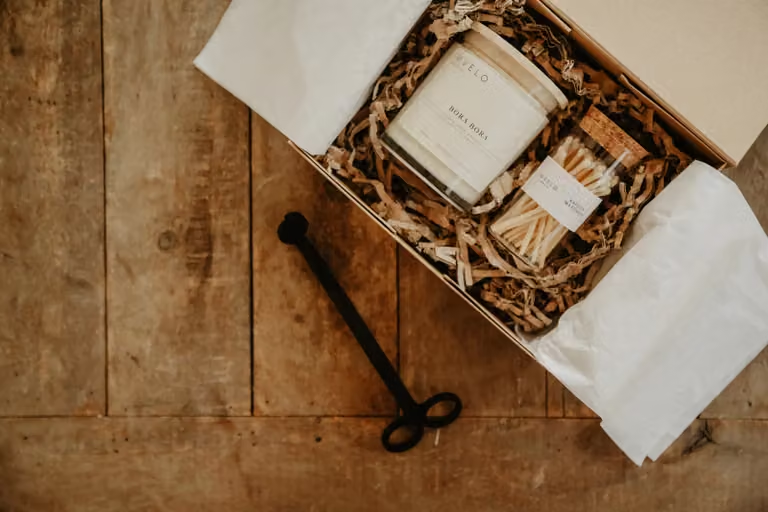
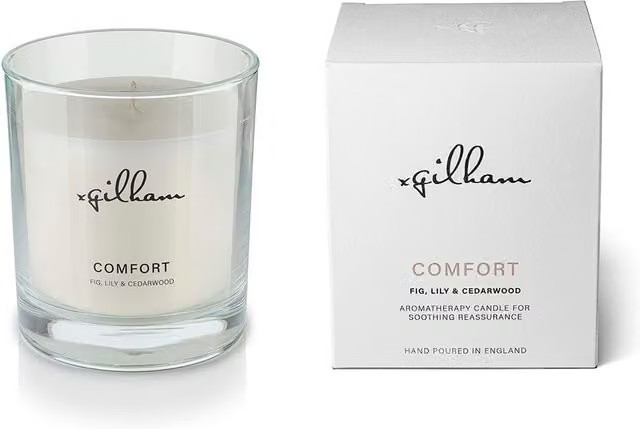
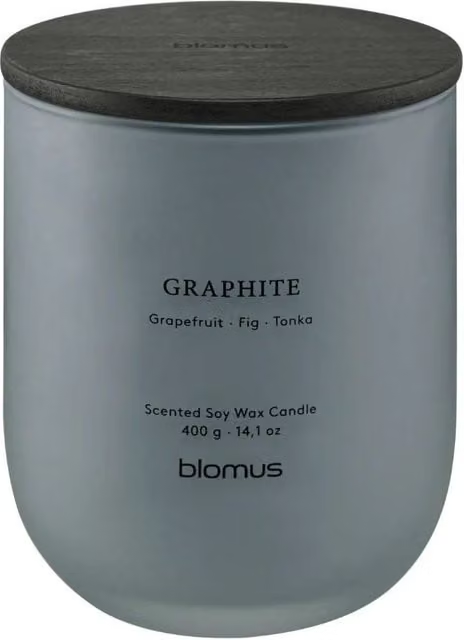
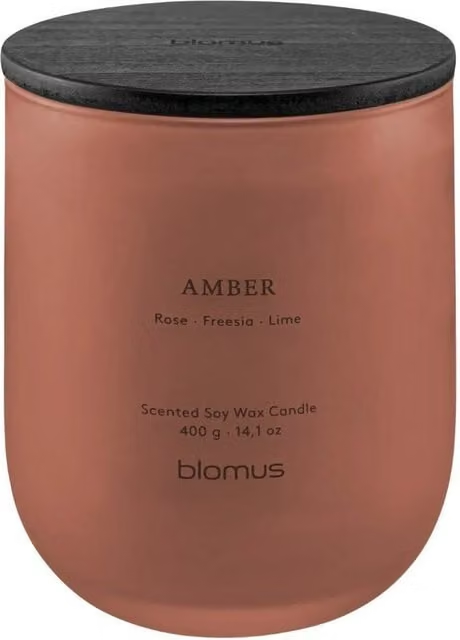
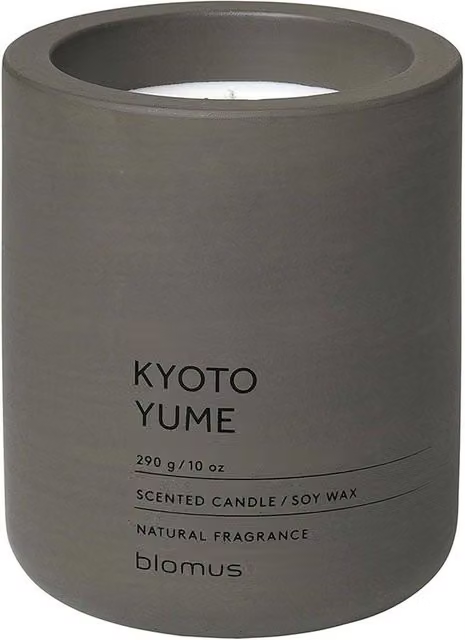
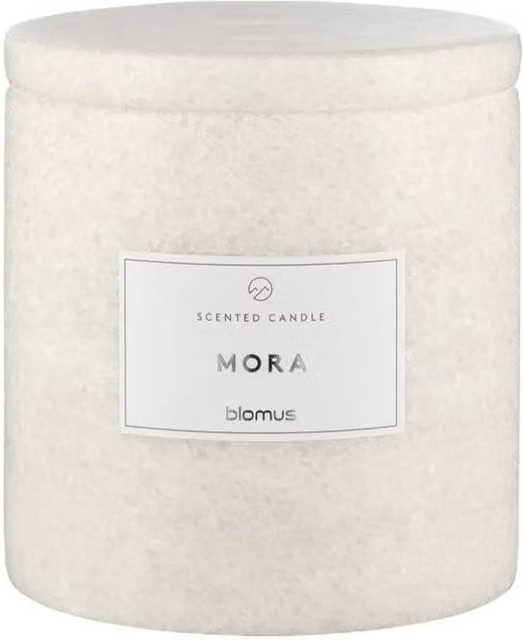
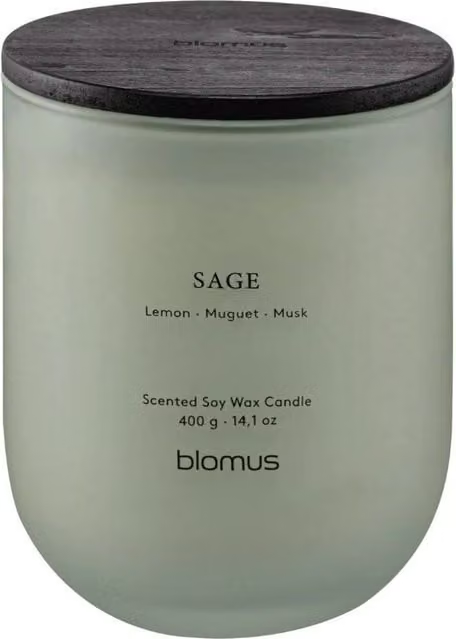
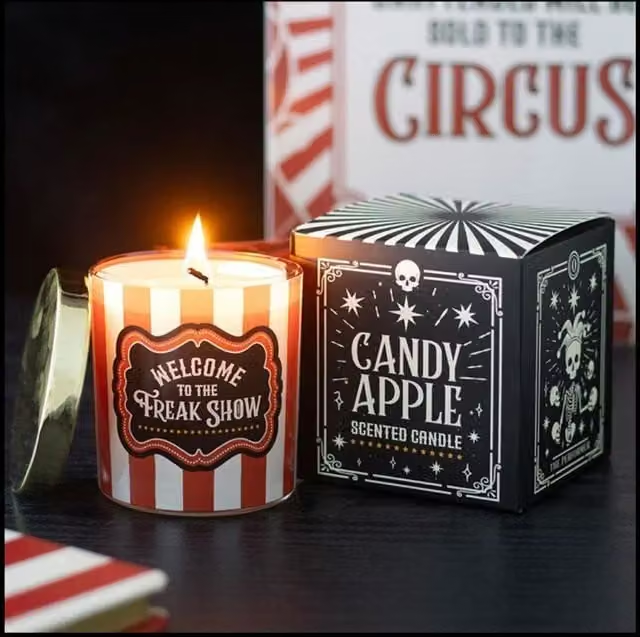
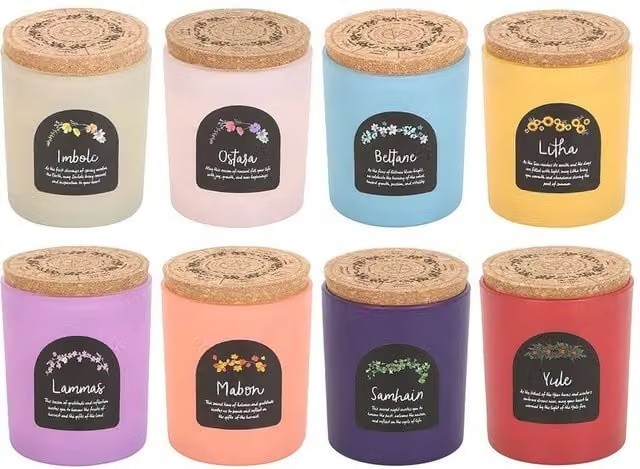
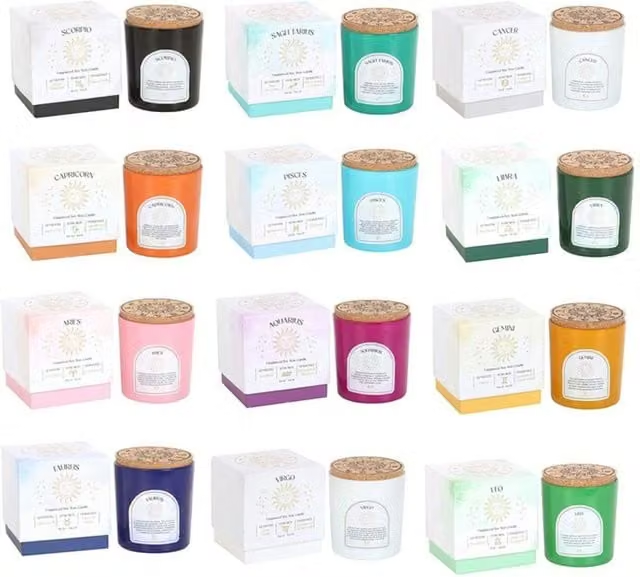
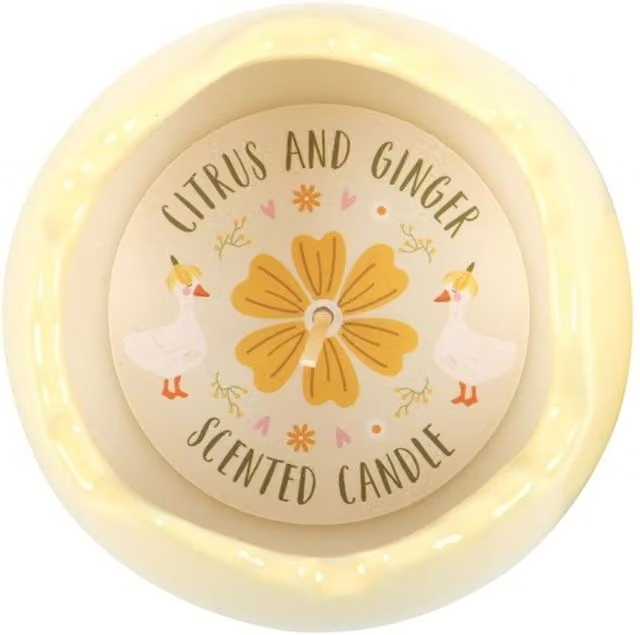
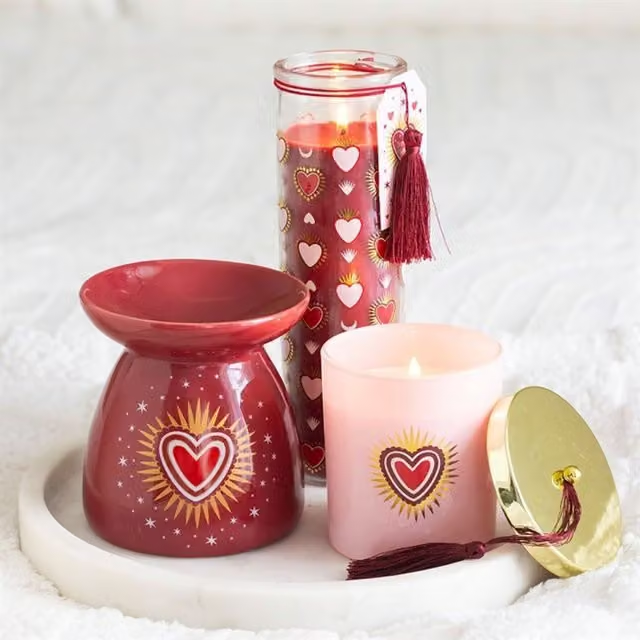
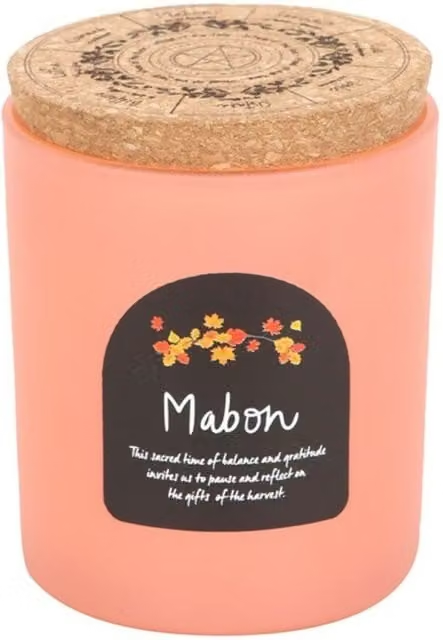
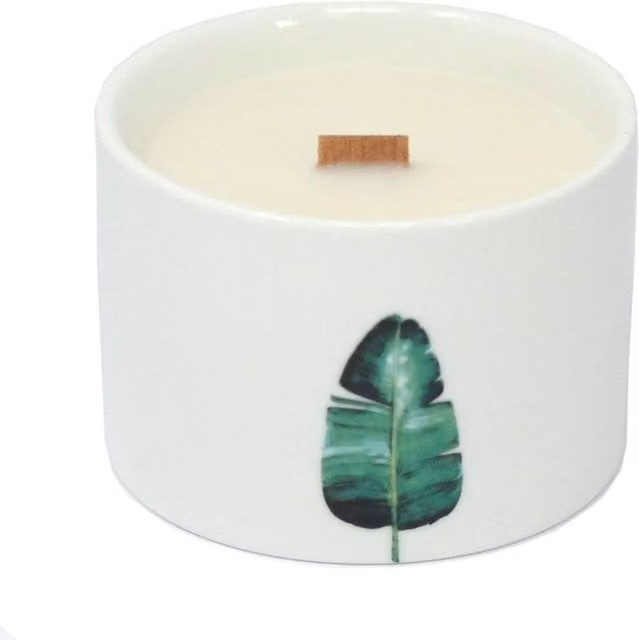
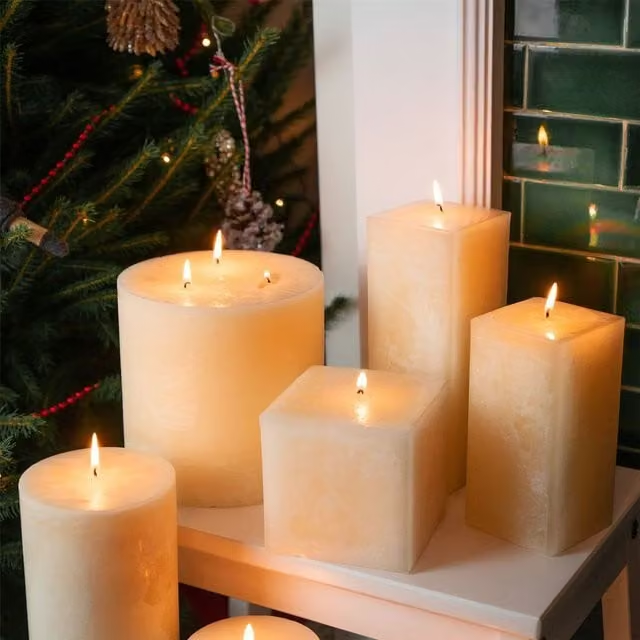
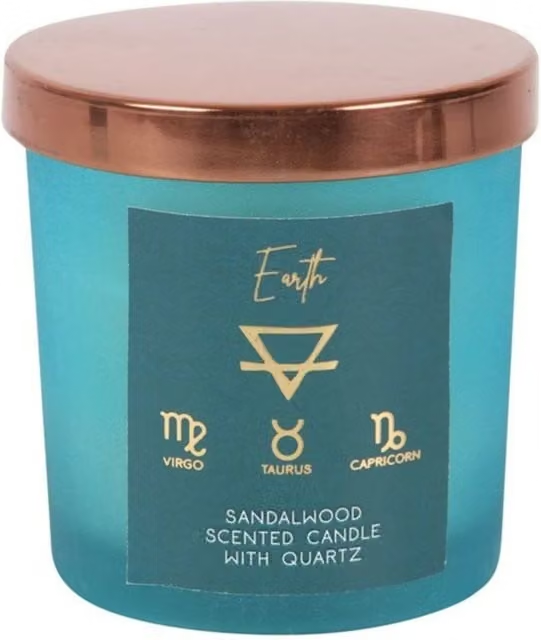
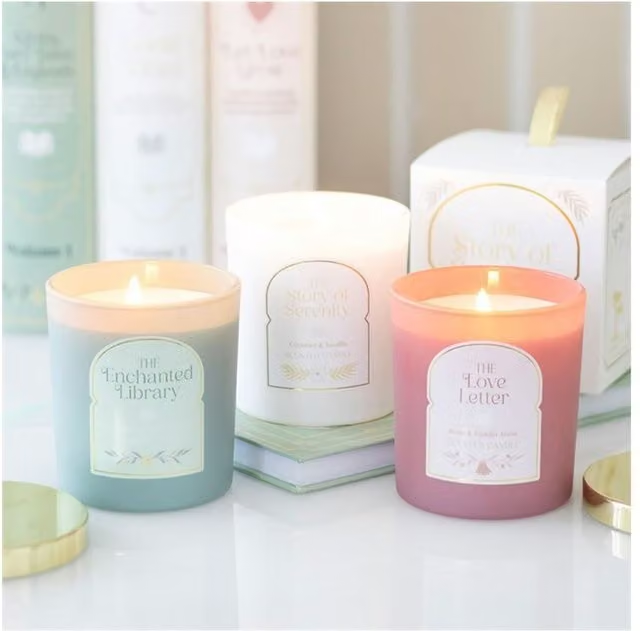
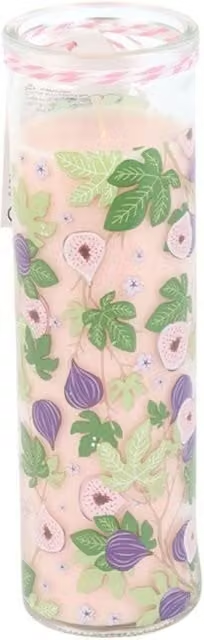
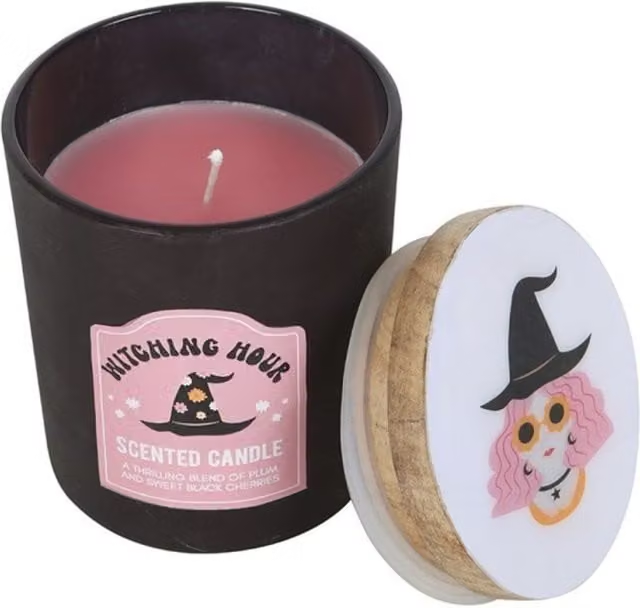
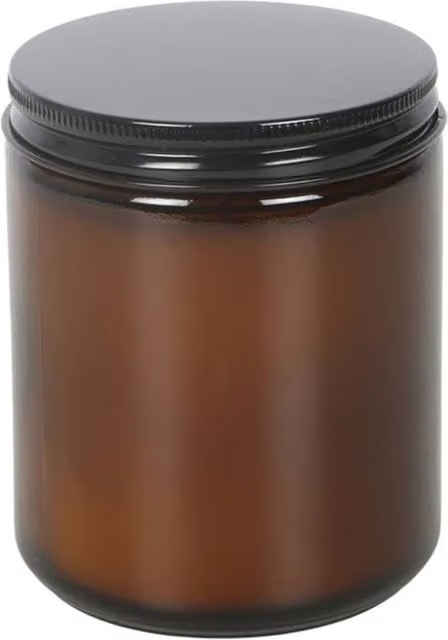
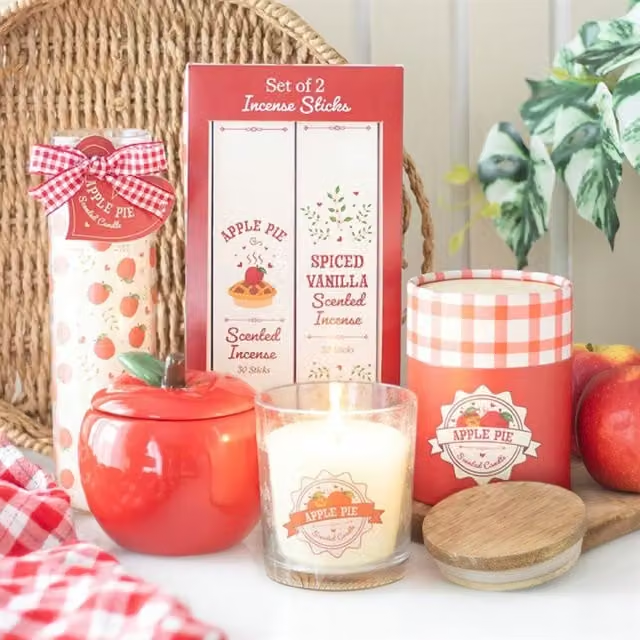
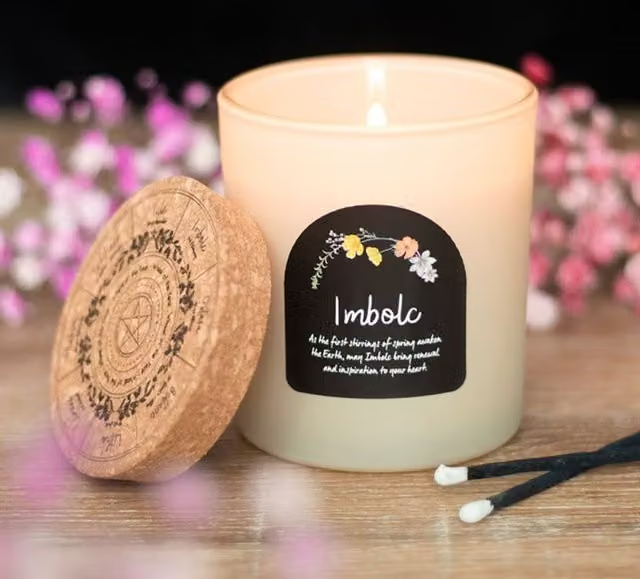
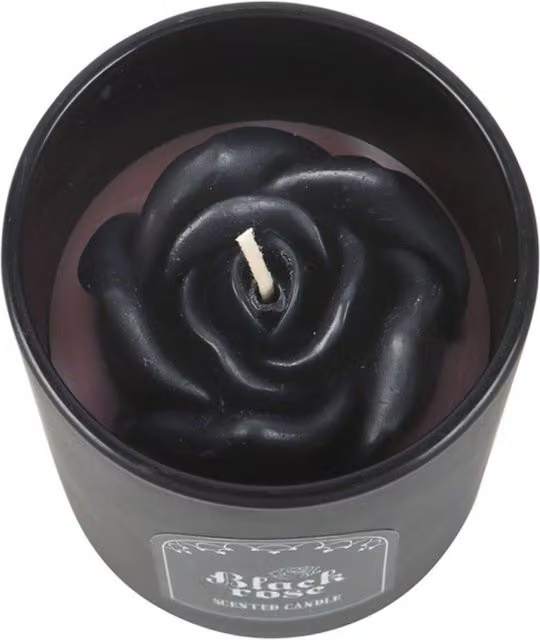
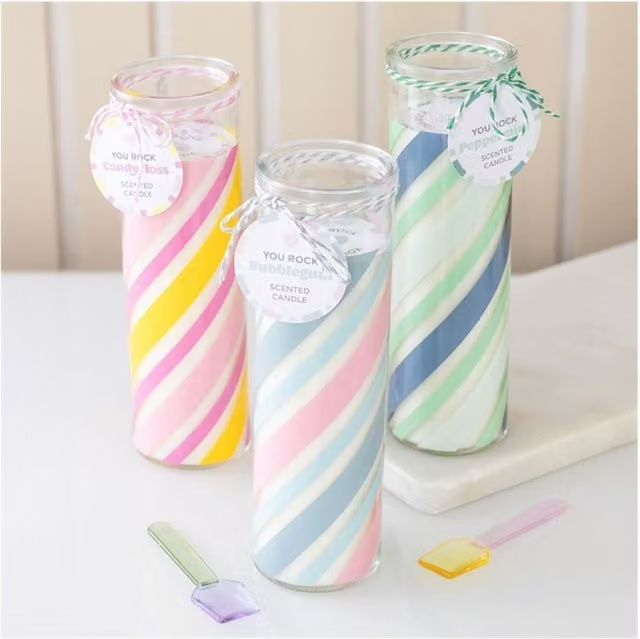
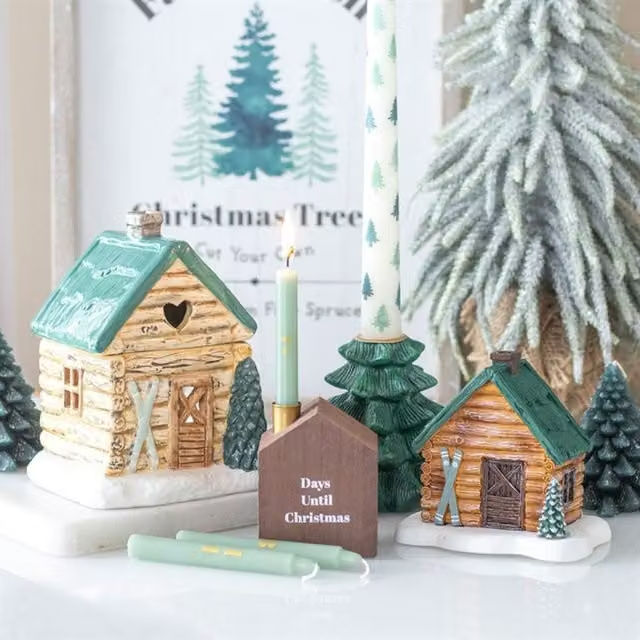
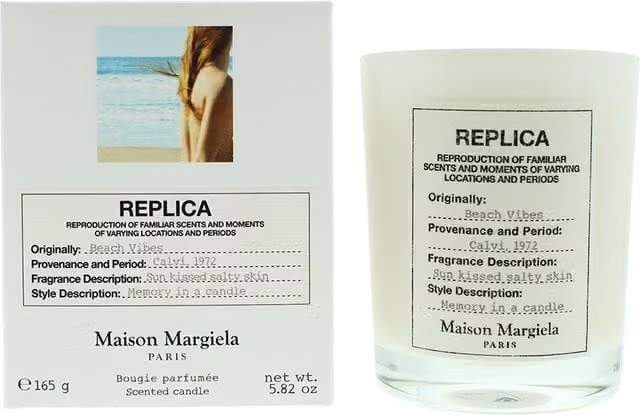
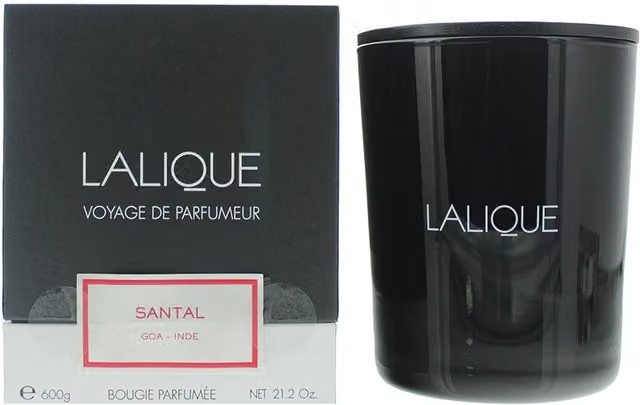
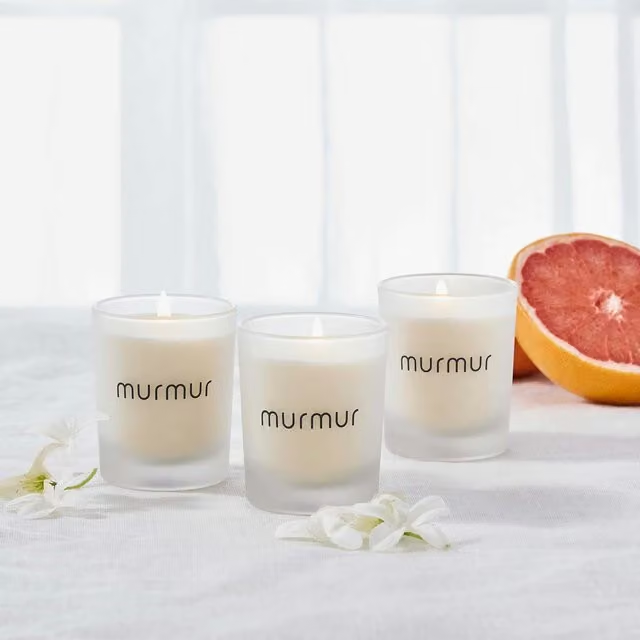
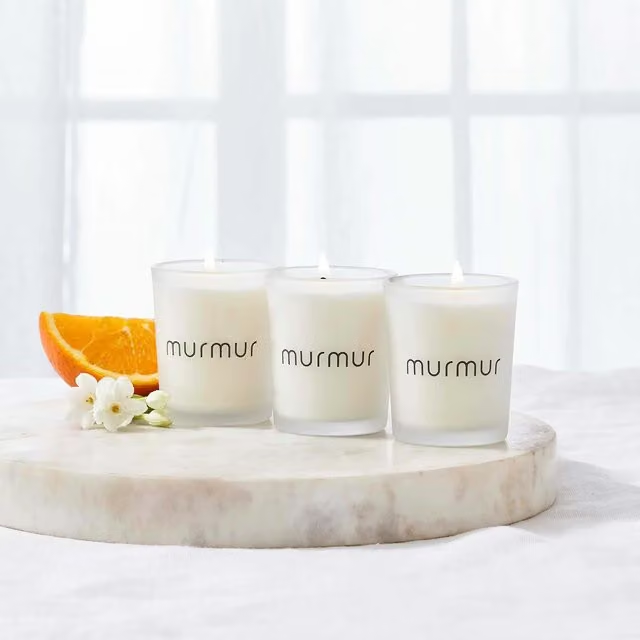
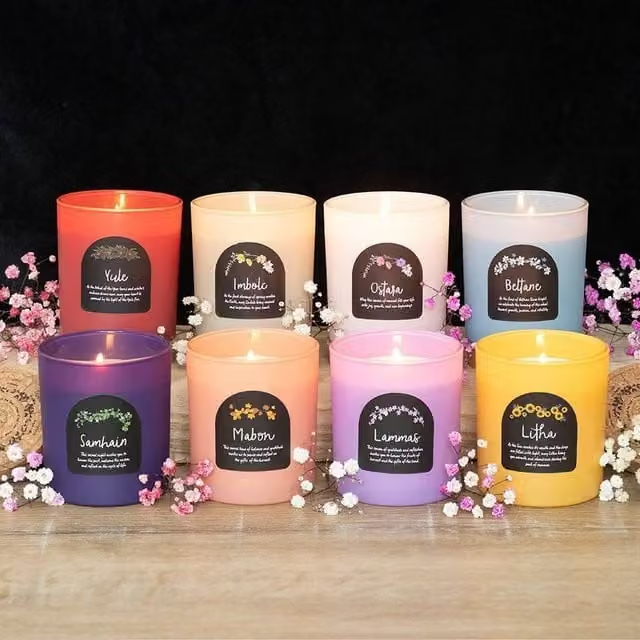
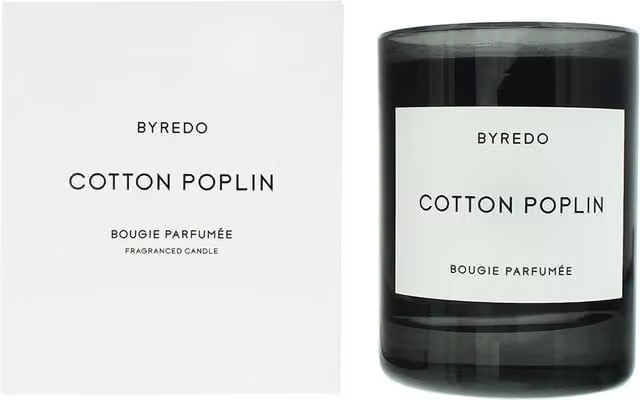
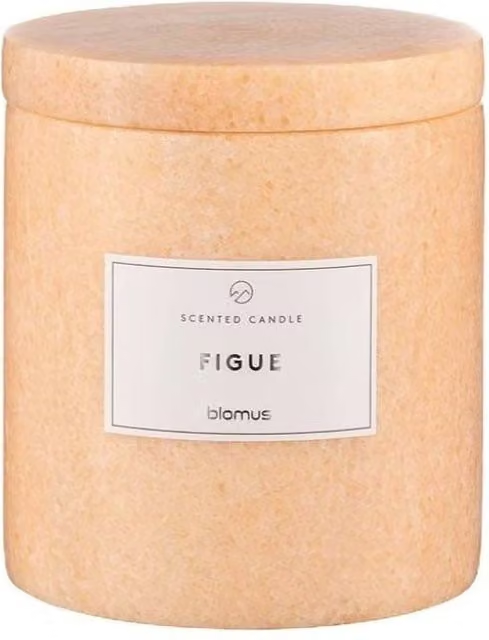
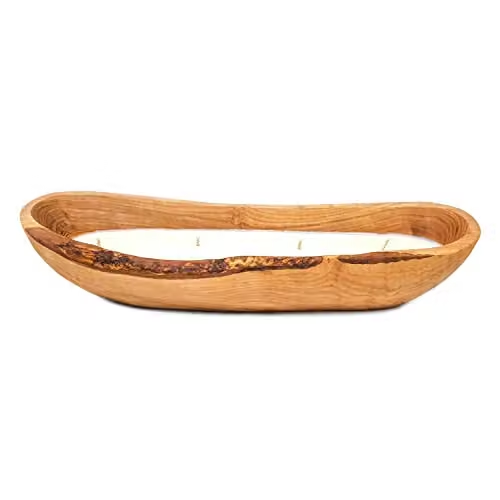
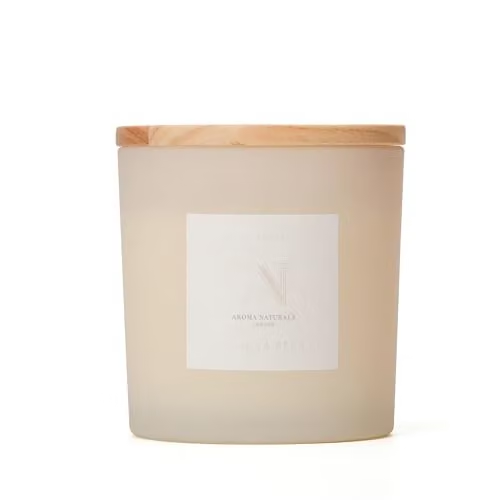
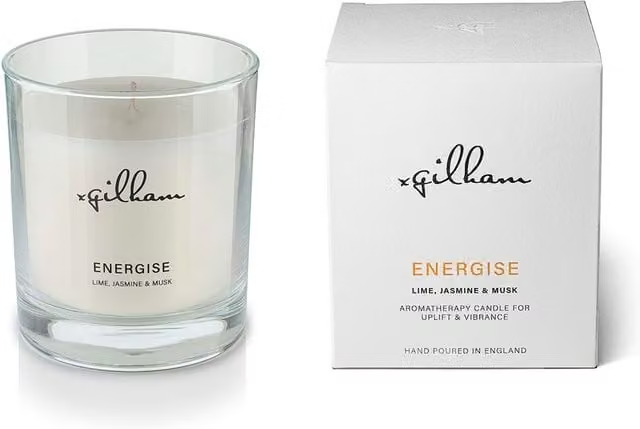
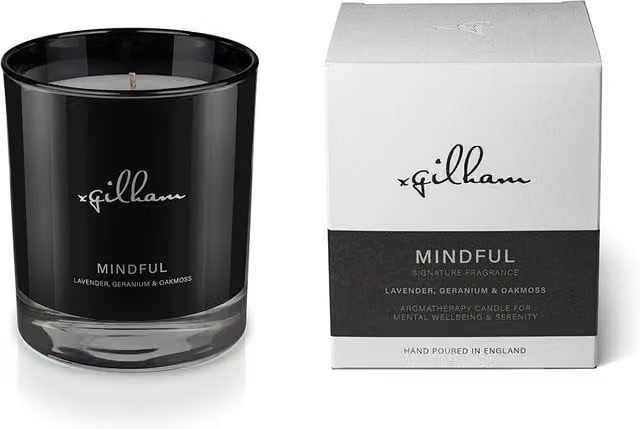
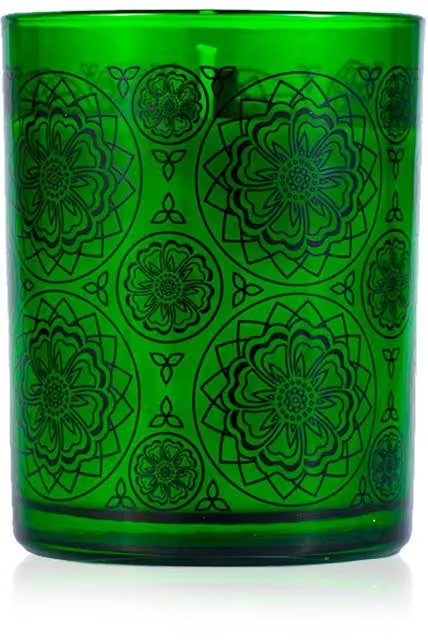
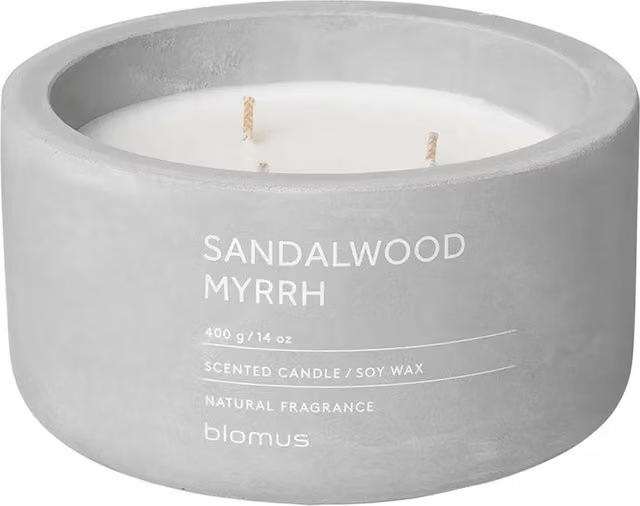
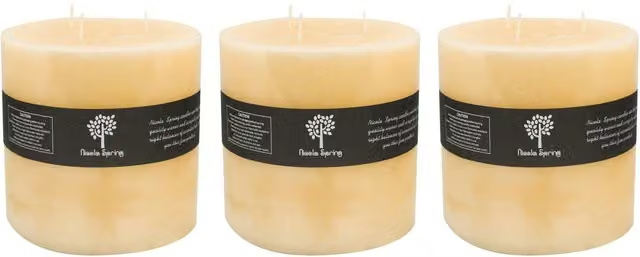
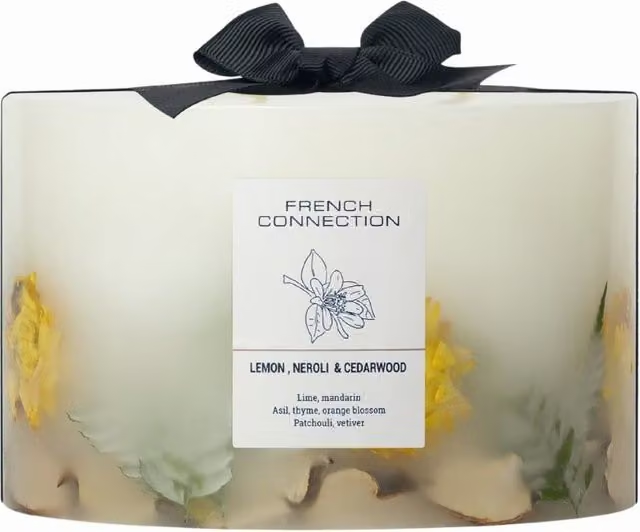
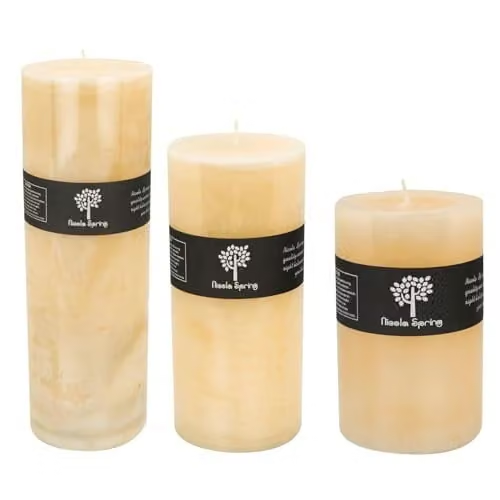
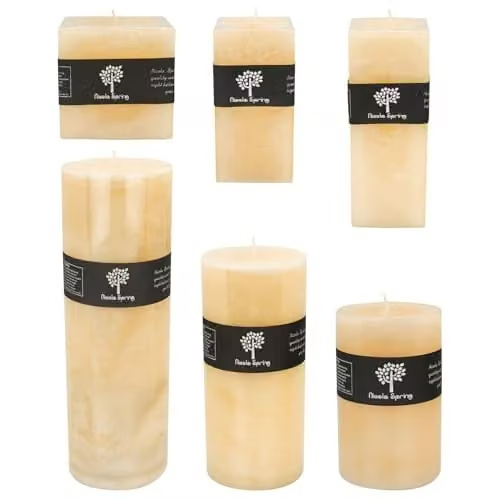
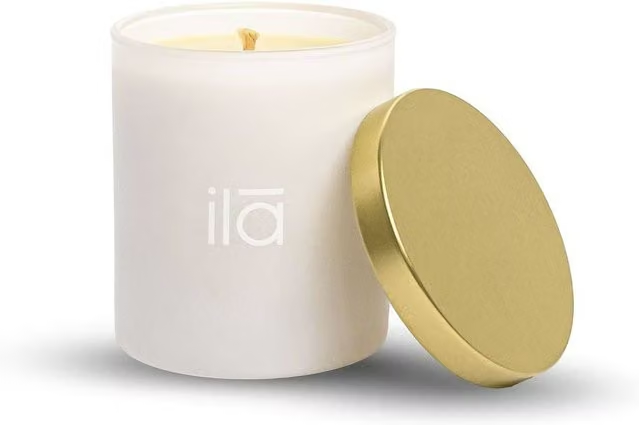
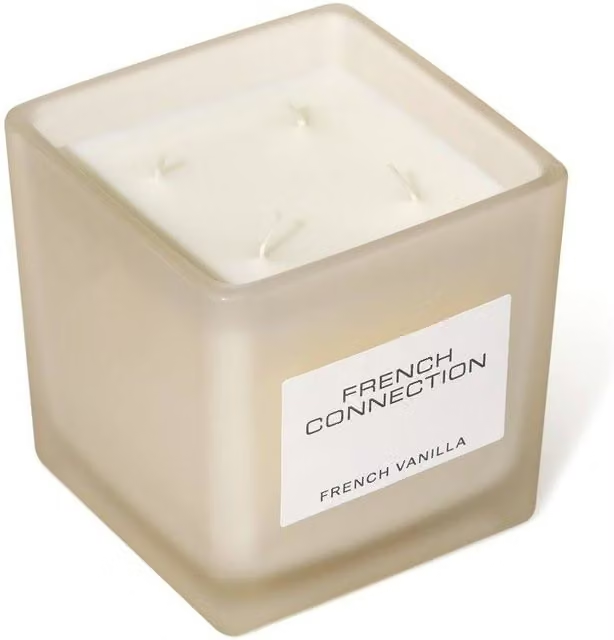
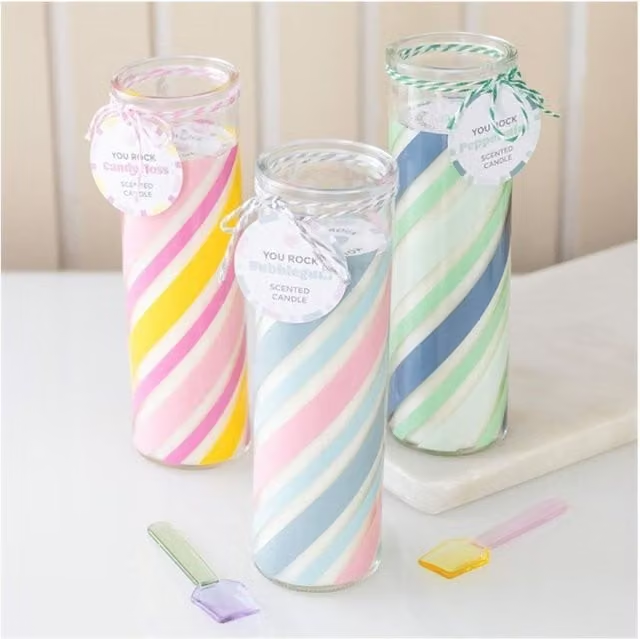
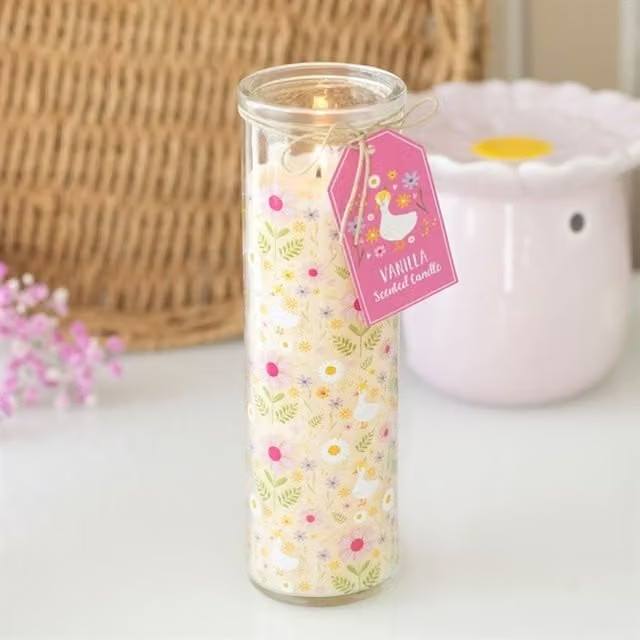
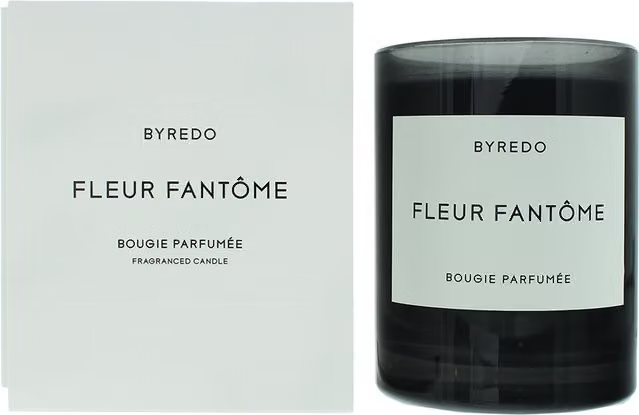
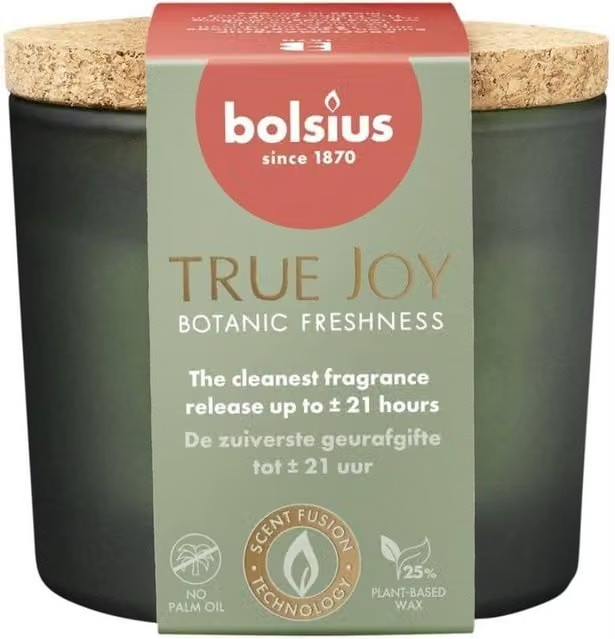
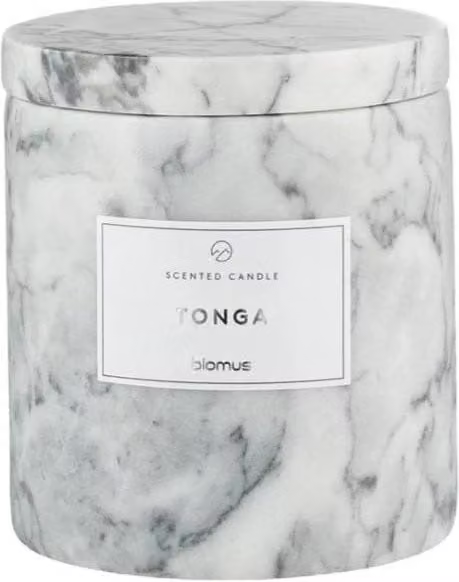
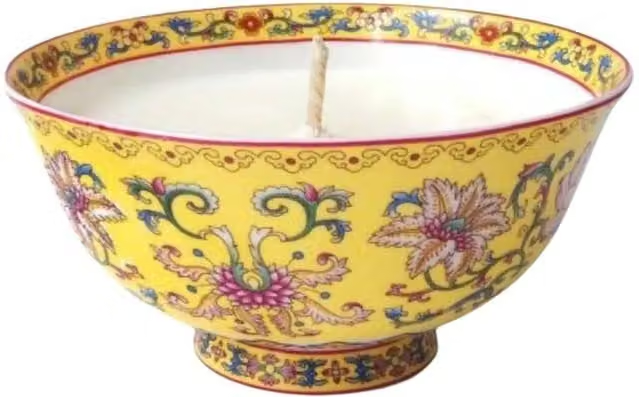
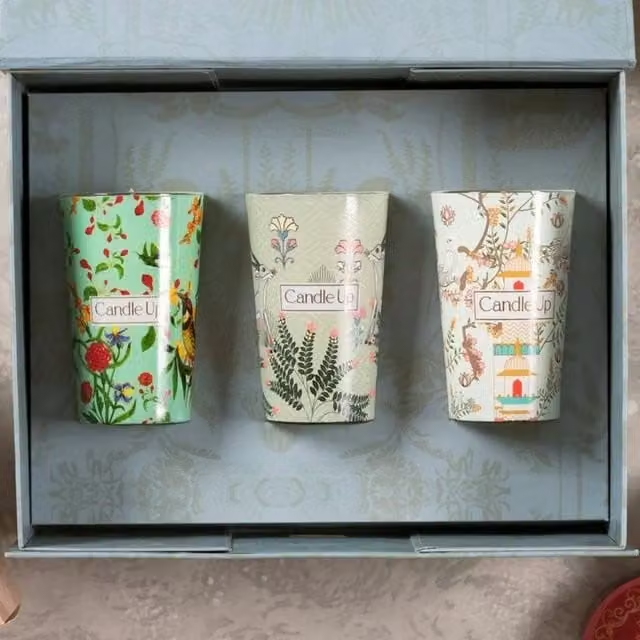
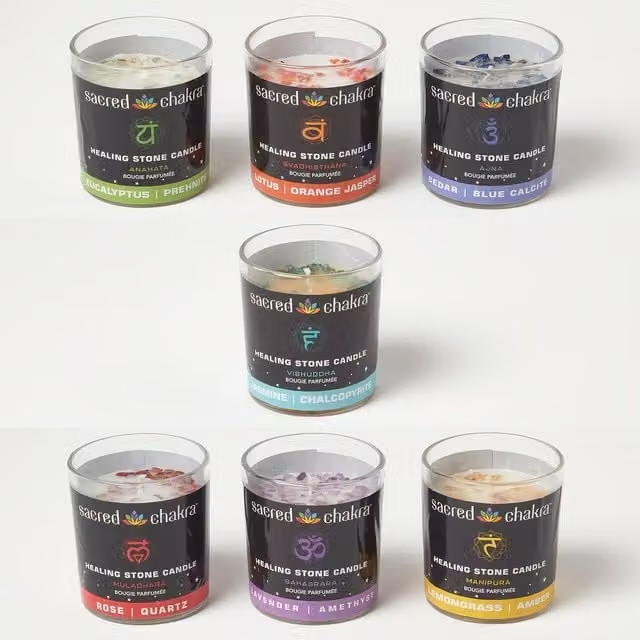
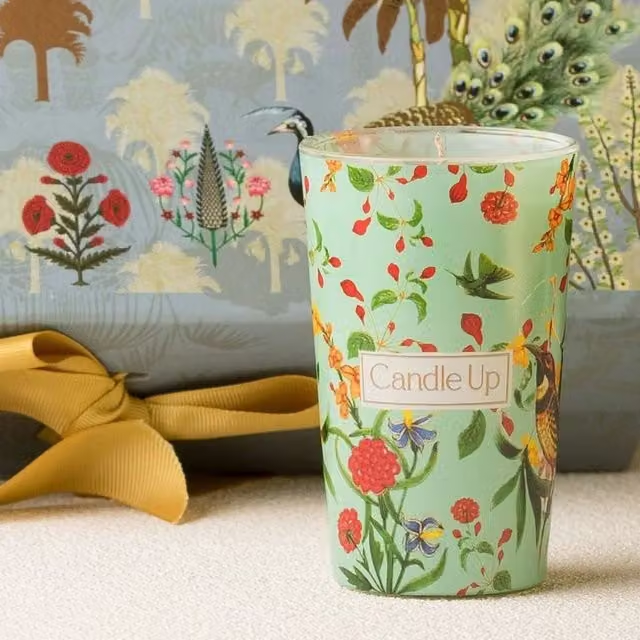
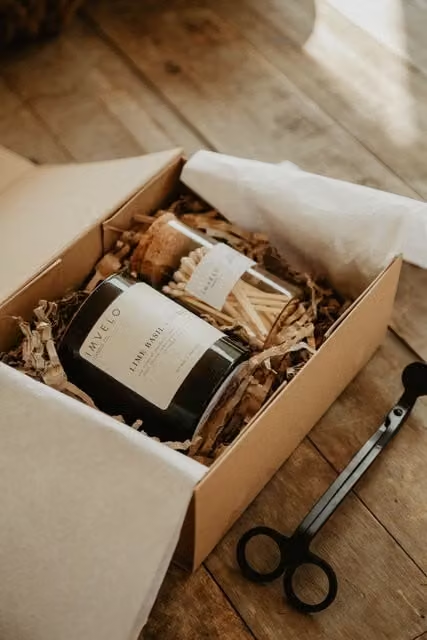
The variety on offer is genuinely vast. Fragrance families give you a useful map, from fresh citrus and green notes that lift a kitchen, through florals such as rose, jasmine and peony, to woody scents like cedar, sandalwood and vetiver that suit living rooms and studies. Gourmand candles built on vanilla, caramel and coffee feel indulgent, while fresh linen and clean cotton scents work beautifully in bedrooms and bathrooms. Formats range from classic glass jars and tins to tealights, pillar candles, multi wick vessels for larger rooms, and refillable ceramic containers that reduce waste. Gift sets and seasonal collections make the category a reliable present.
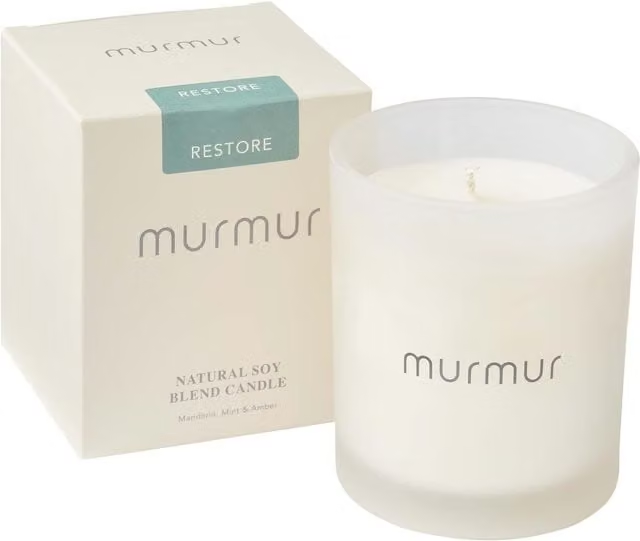
Wax type affects both scent throw and burn quality. Soy wax burns cooler and longer with a clean, even melt and is the most common natural option. Coconut and coconut soy blends carry fragrance particularly well. Beeswax burns very cleanly with a subtle natural honey note, though it takes added fragrance less readily. Paraffin has a strong scent throw and is inexpensive, but it produces more soot. Wick material matters too, with cotton wicks giving a steady flame and wooden wicks adding a gentle crackle.
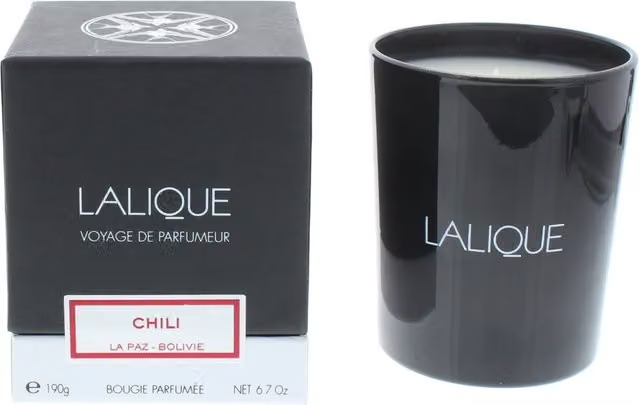
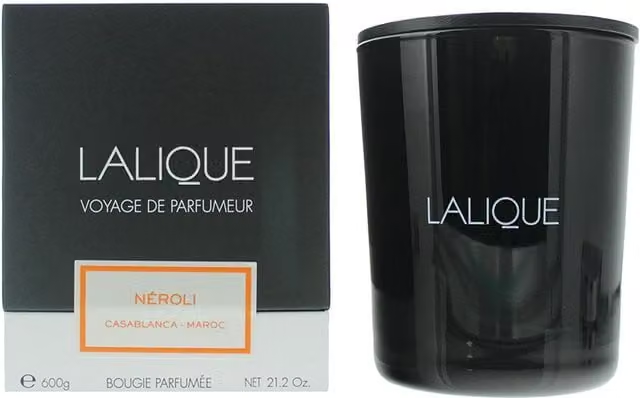
Prices vary widely. Basic paraffin jars are very affordable, mid range soy candles with quality fragrance oils sit comfortably in the middle, and luxury candles using natural essential oils, multiple wicks and hand poured production command premium prices. Burn time, usually stated in hours, is the fairest way to compare value.
Browse the fragrances, compare prices and find the scent that makes home feel like home.
This is called tunnelling, and it usually starts with the very first burn. Wax has a memory, so if the initial burn does not melt the surface all the way to the edges, the candle will keep following that smaller circle every time afterwards. Let the first burn run for two to four hours, or until the melt pool reaches the edge of the container. Once tunnelling has set in you can sometimes rescue it by wrapping foil around the top to reflect heat inwards.
Between two and four hours is the sweet spot for most container candles. Less than that risks tunnelling, while burning much longer causes the wick to mushroom, the flame to grow and the container to overheat. Always extinguish before the wax level drops below about one centimetre from the base, since the glass can crack once there is nothing left to absorb the heat. Give the candle time to cool and reset before relighting.
Trim the wick to about five millimetres before every single burn, as a long wick is the main cause of a tall, smoky flame and black marks on the glass. Keep the candle away from draughts, open windows and air vents, which make the flame flicker and burn unevenly. Remove any debris or trimmed wick from the wax surface before lighting. Using a snuffer or the lid to extinguish rather than blowing also cuts down the smoke considerably.
A single wick candle of around 200 g comfortably scents a small bedroom, bathroom or home office of up to about 15 square metres. Open plan kitchens and large living rooms need either a three wick candle or two or three smaller candles placed apart, since one small candle simply cannot fill the volume. Ceiling height matters too, so tall Victorian rooms need more than the floor area alone suggests. Placing candles at different heights helps the fragrance circulate.