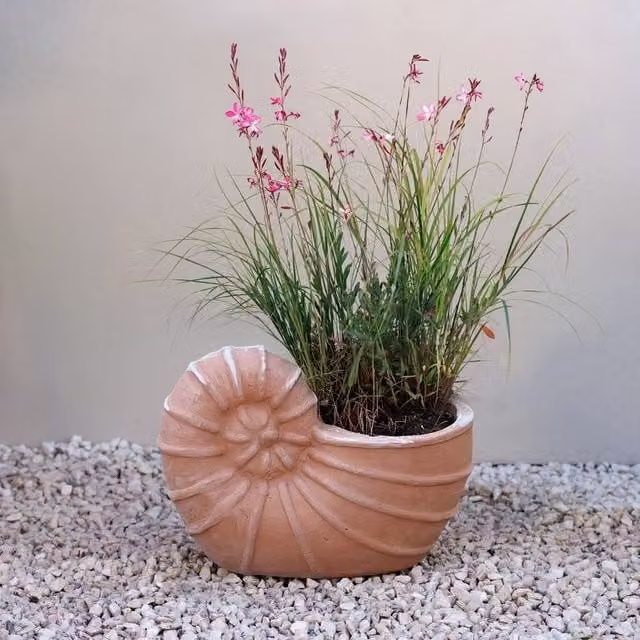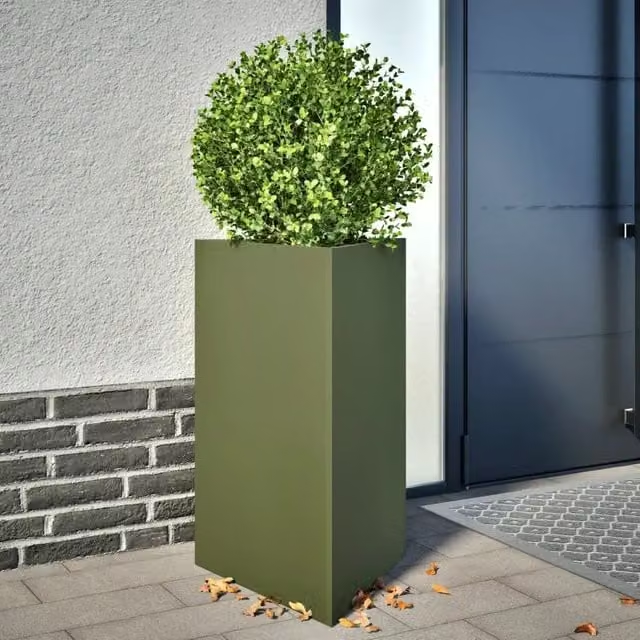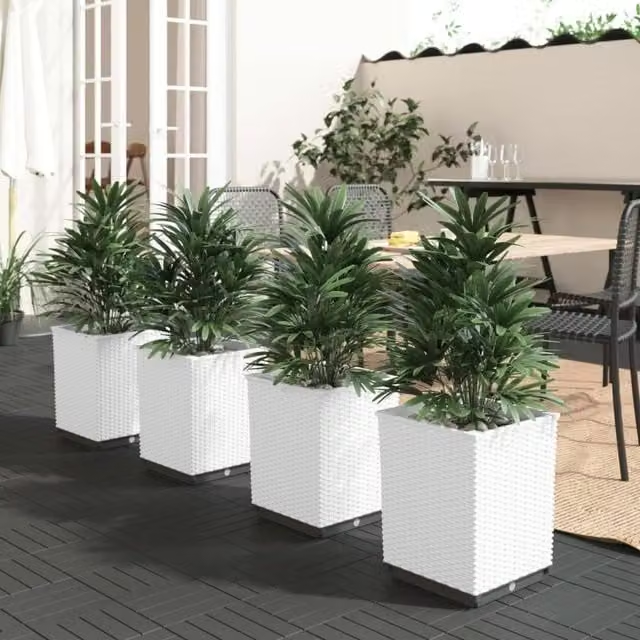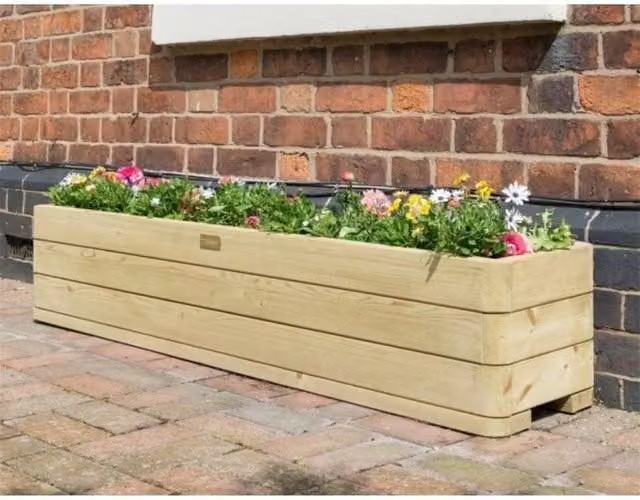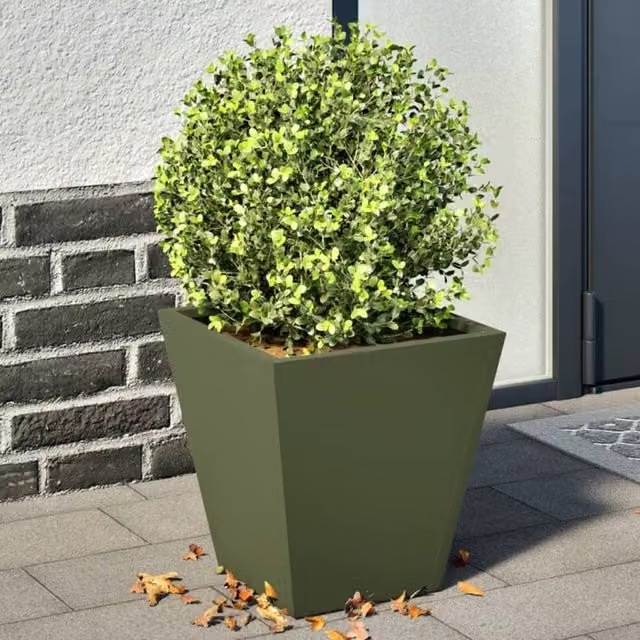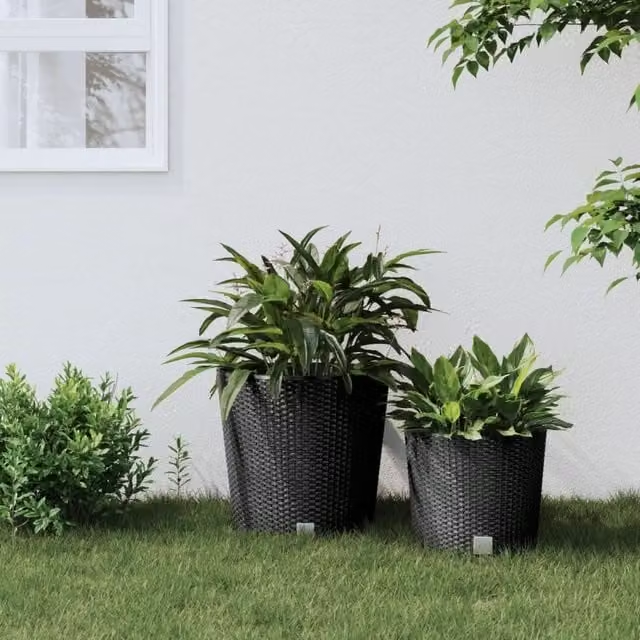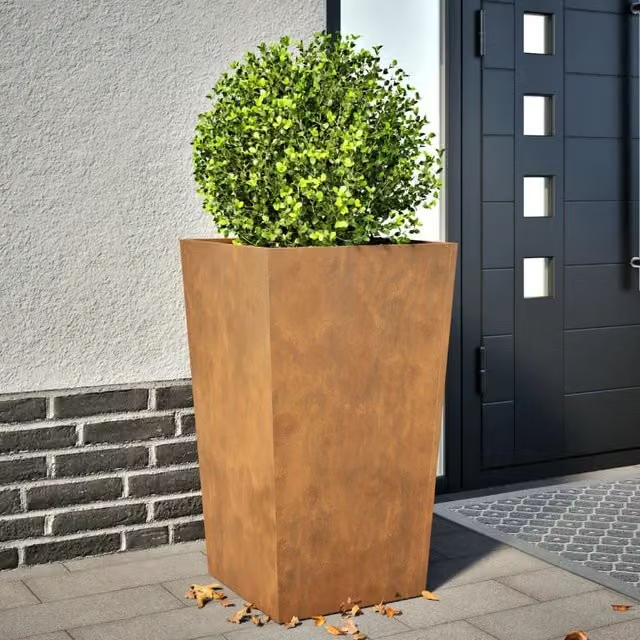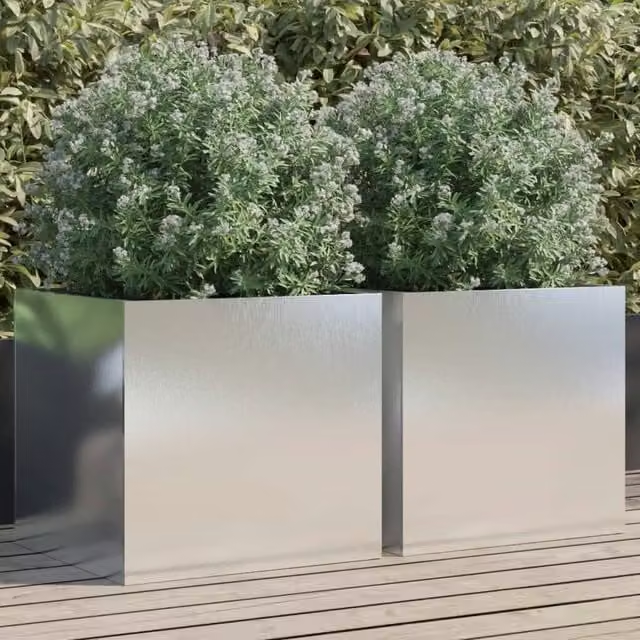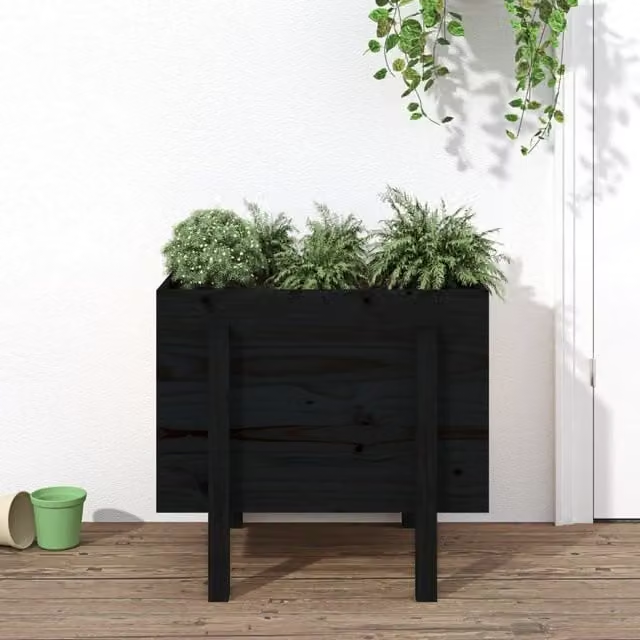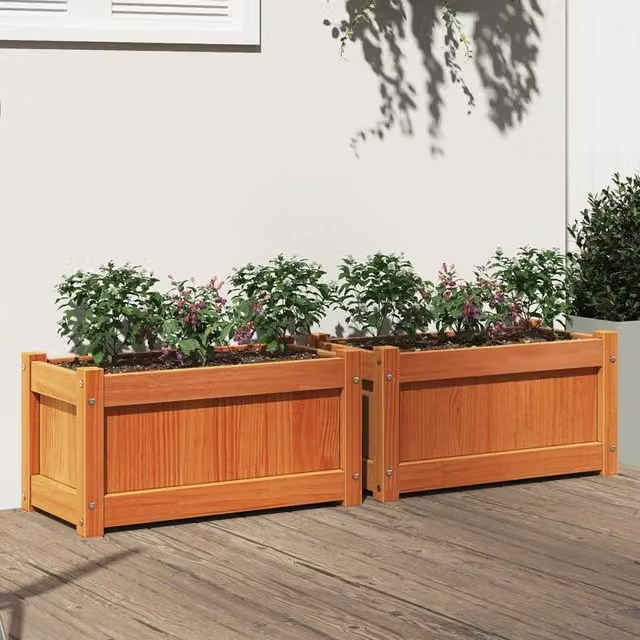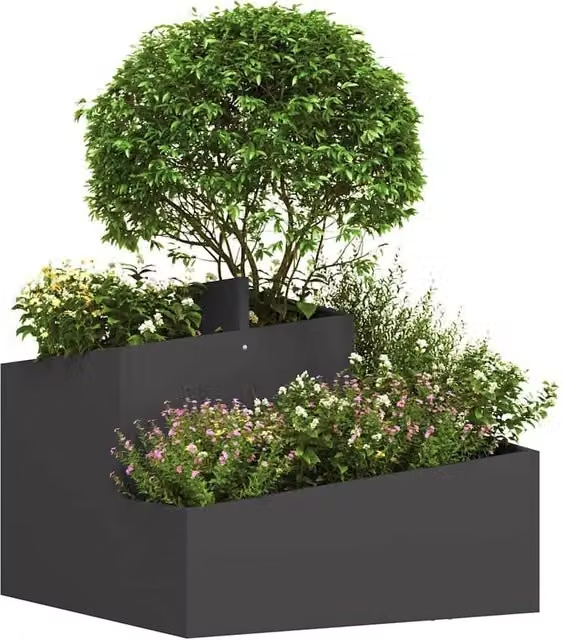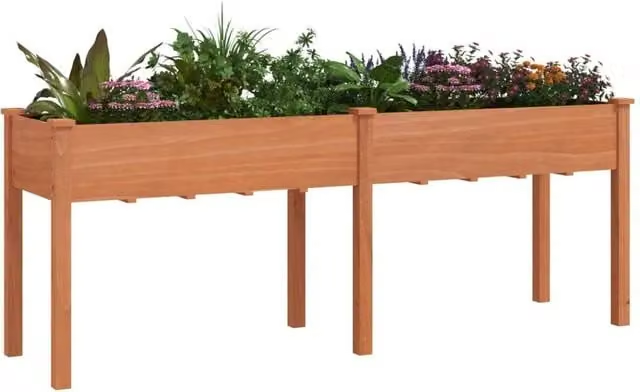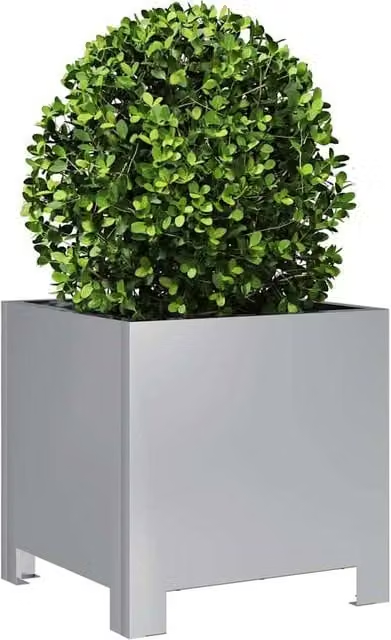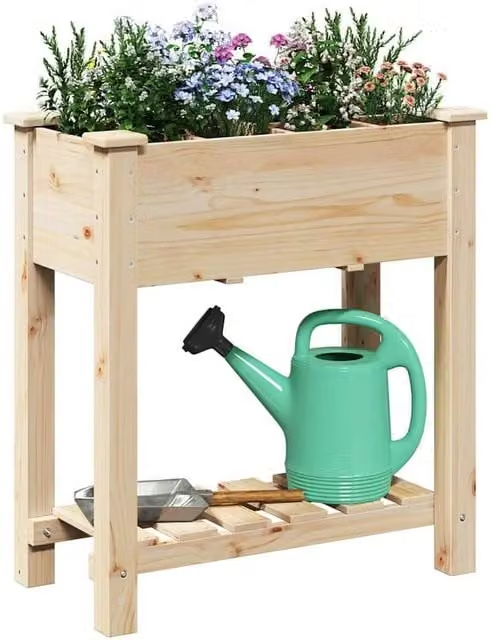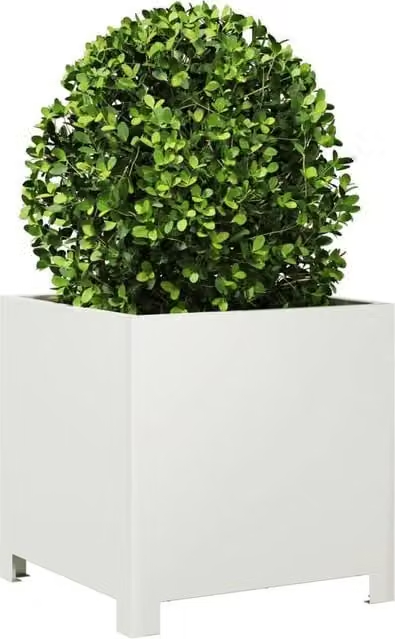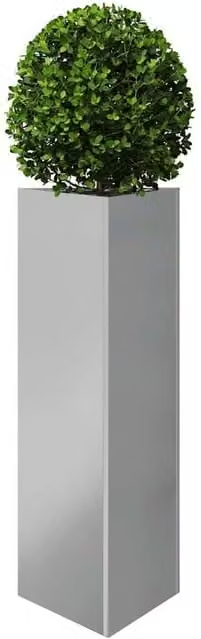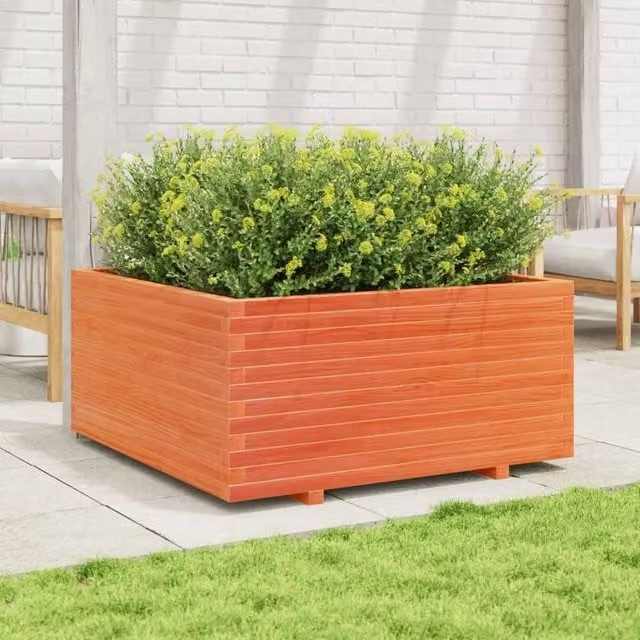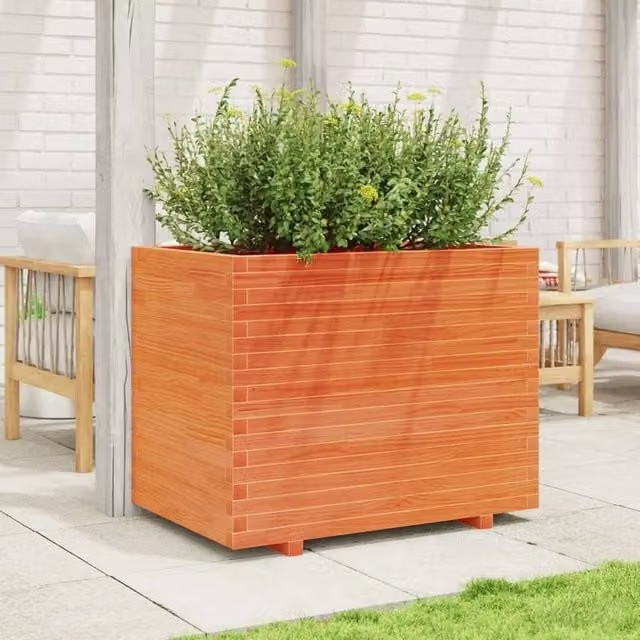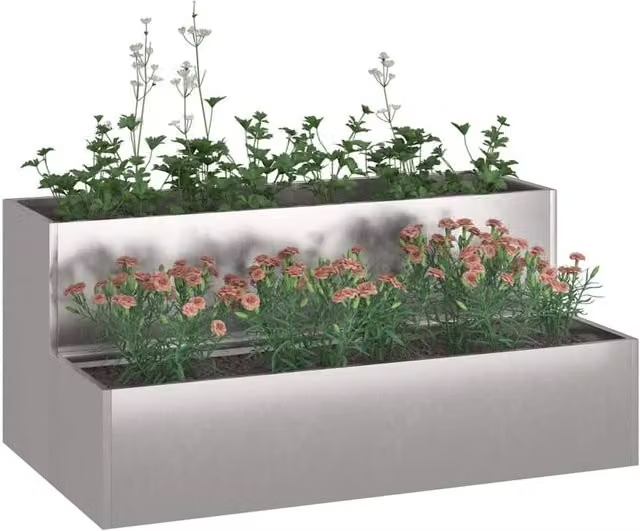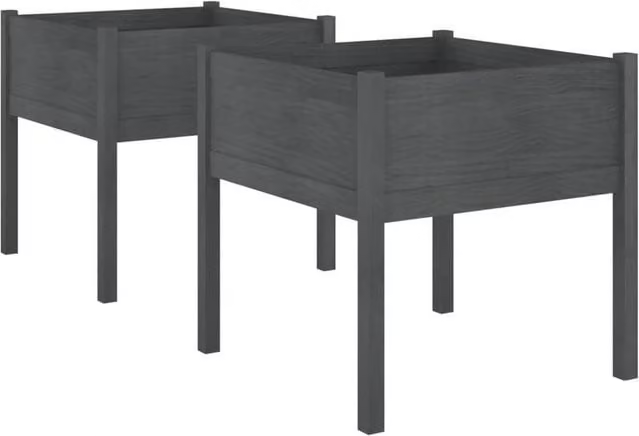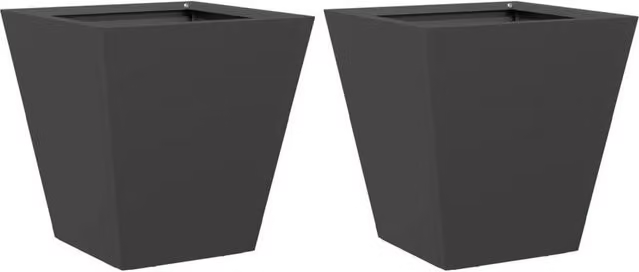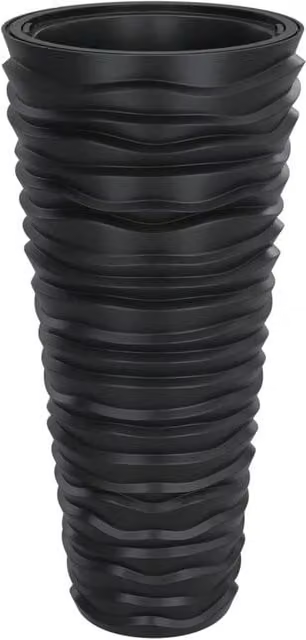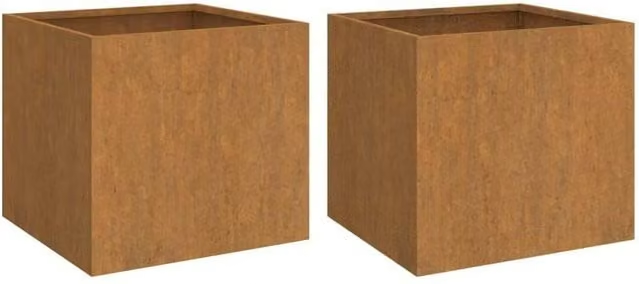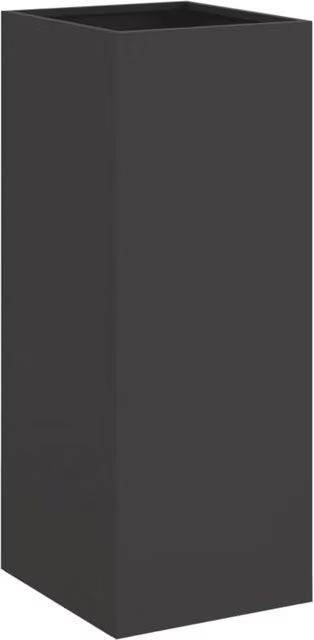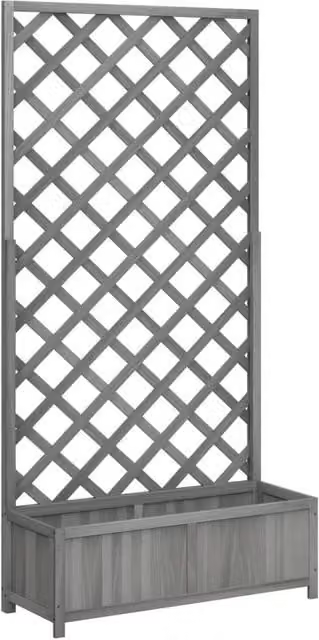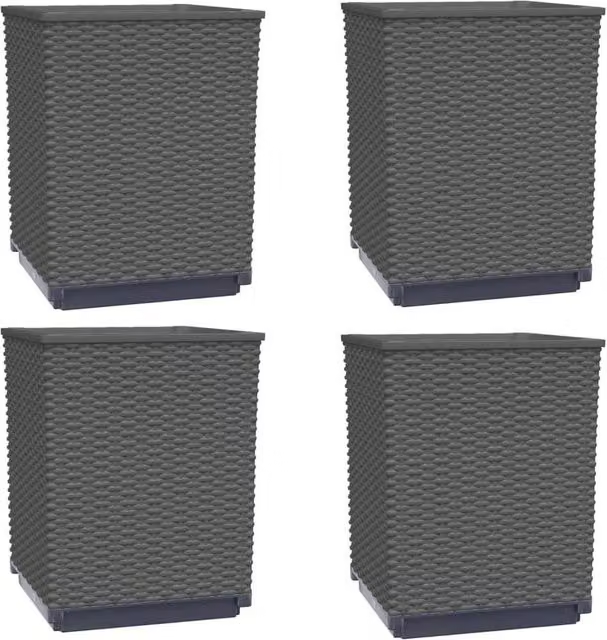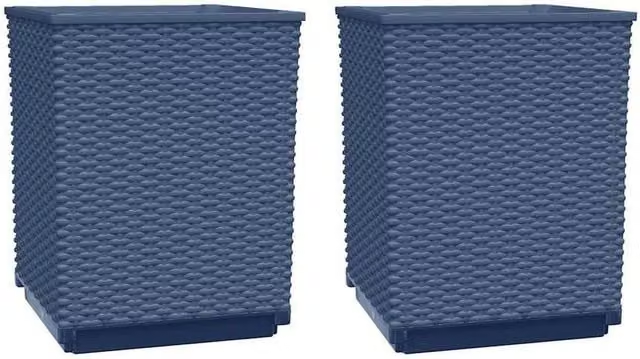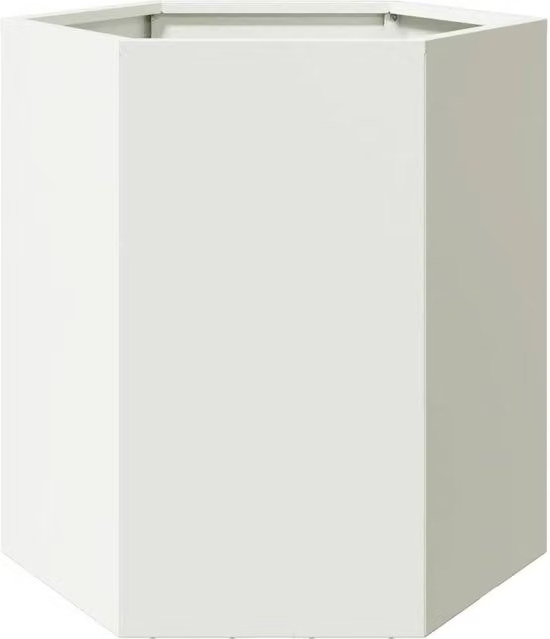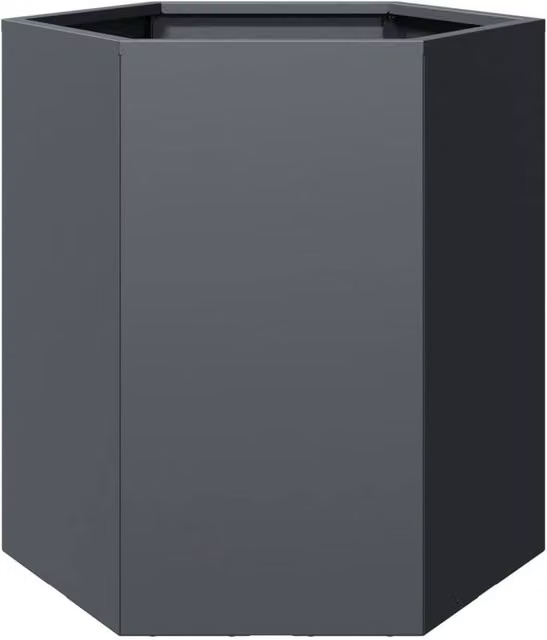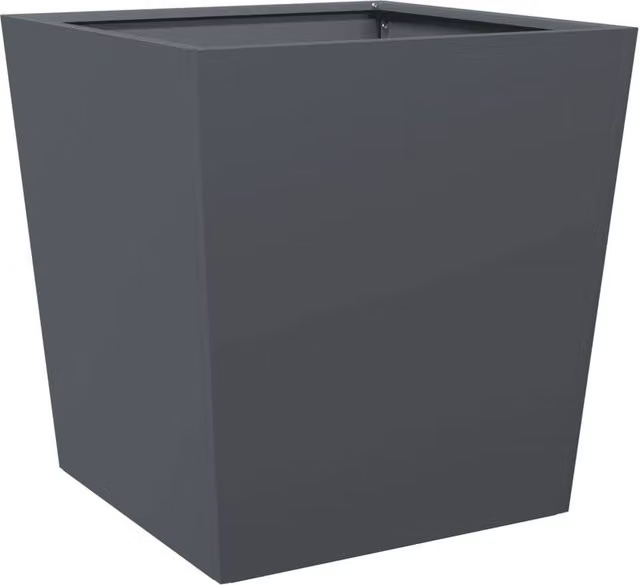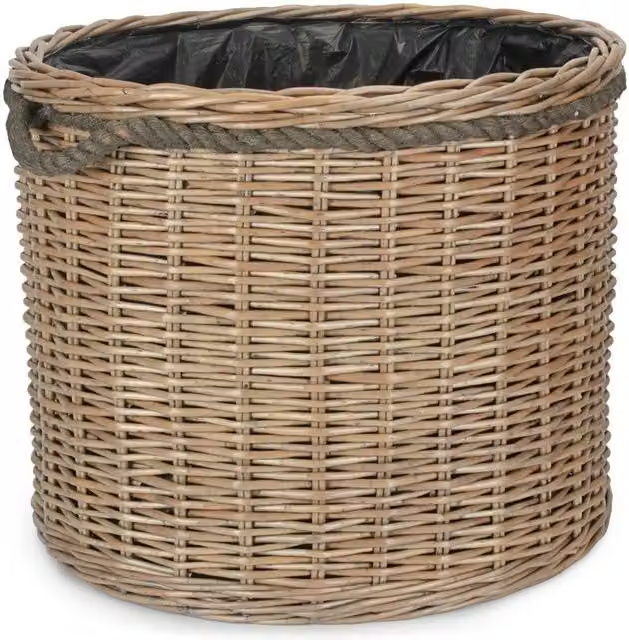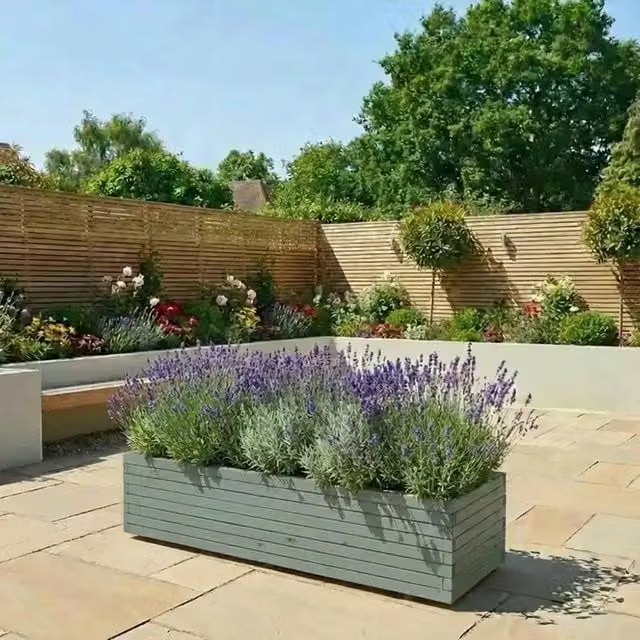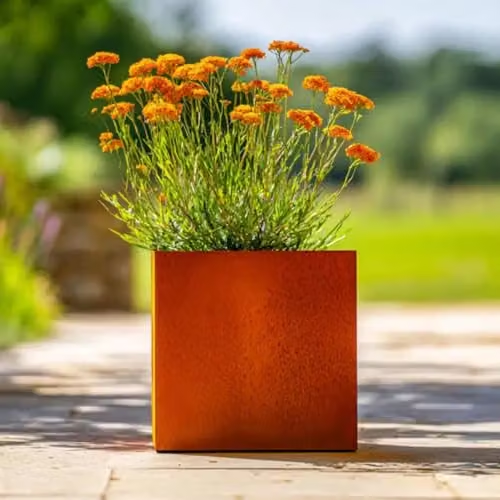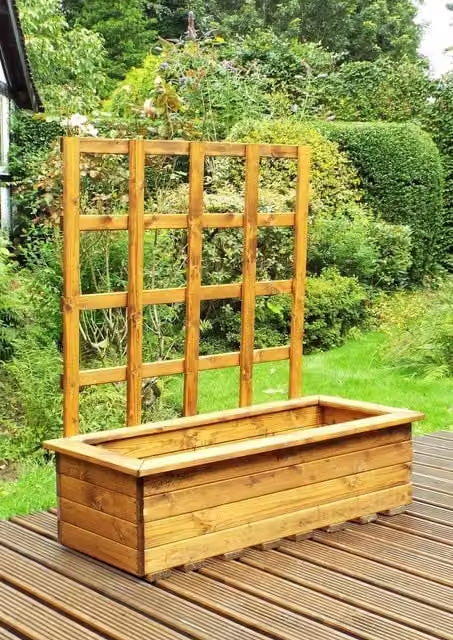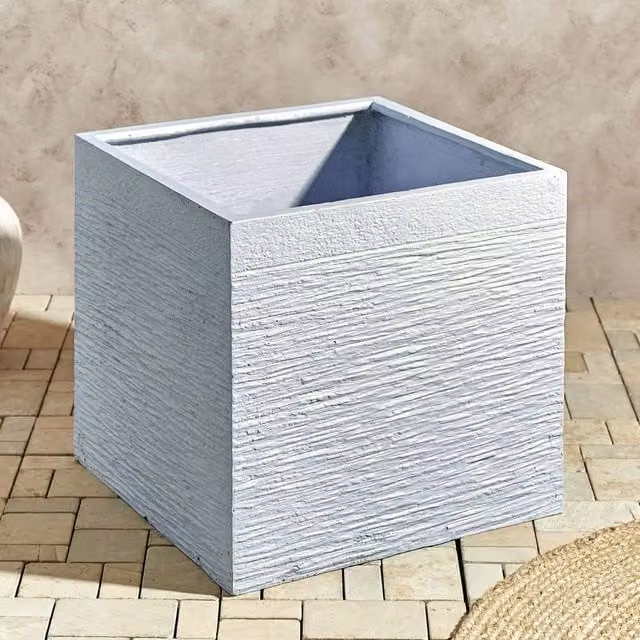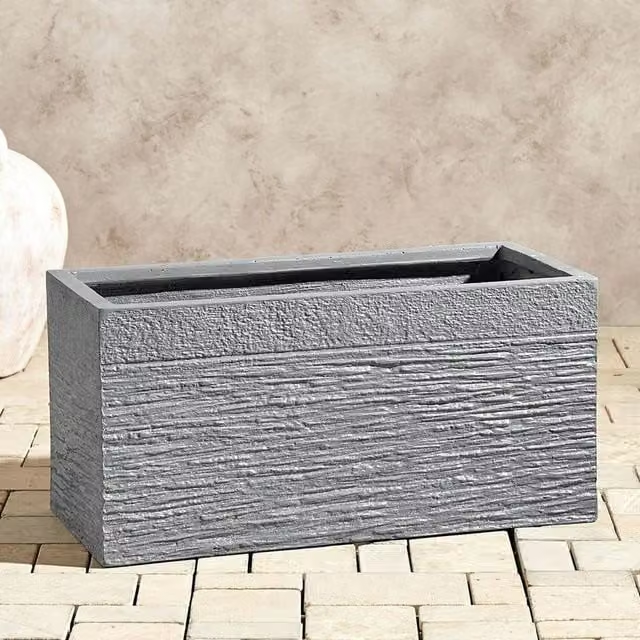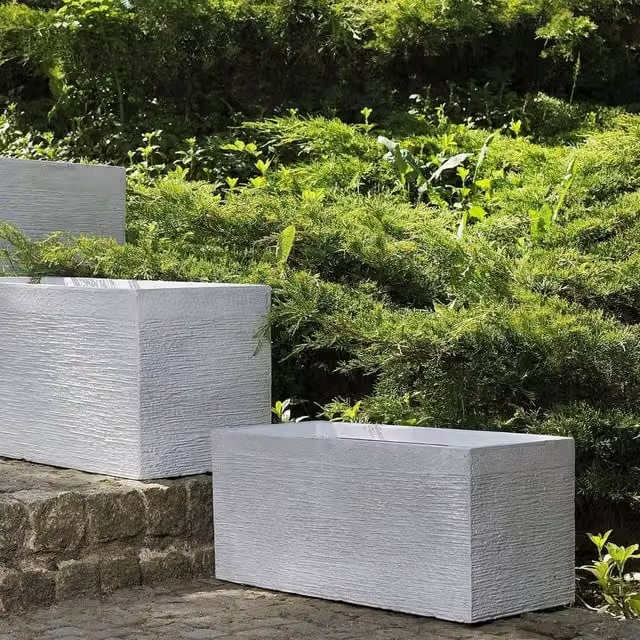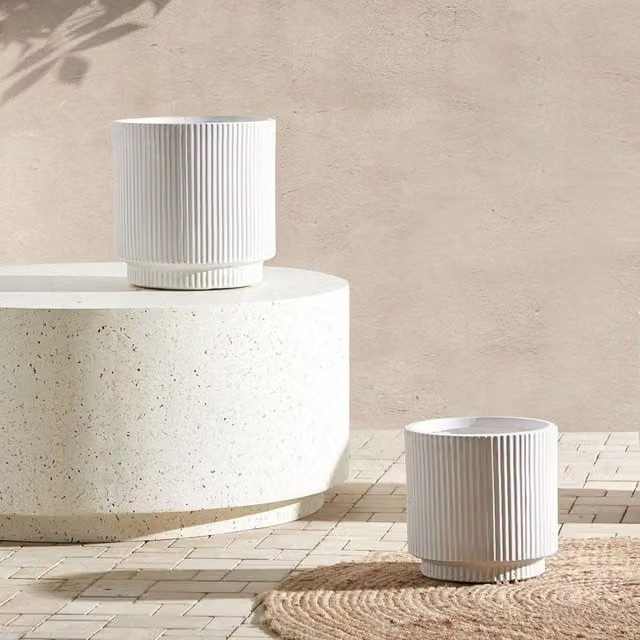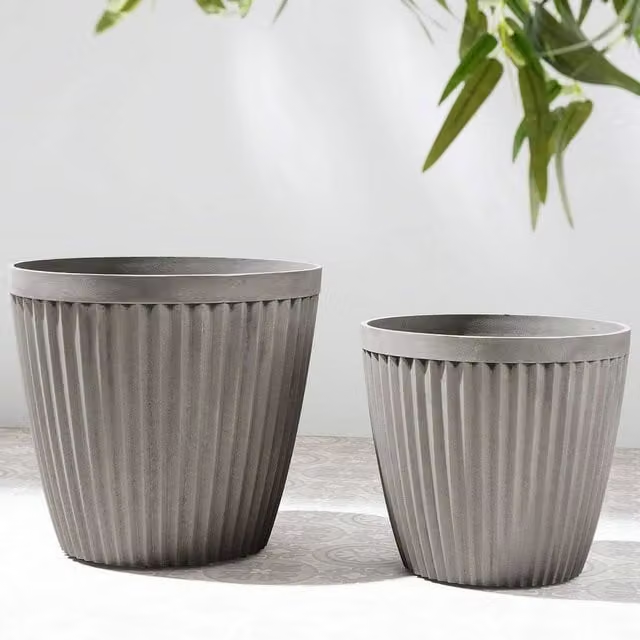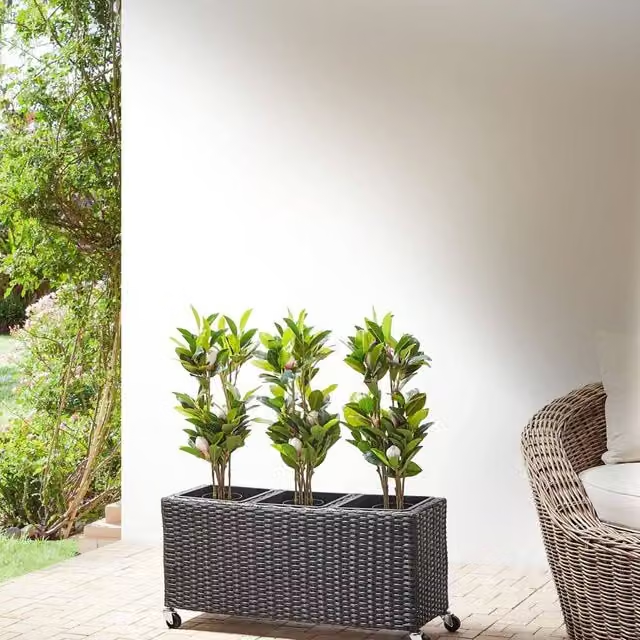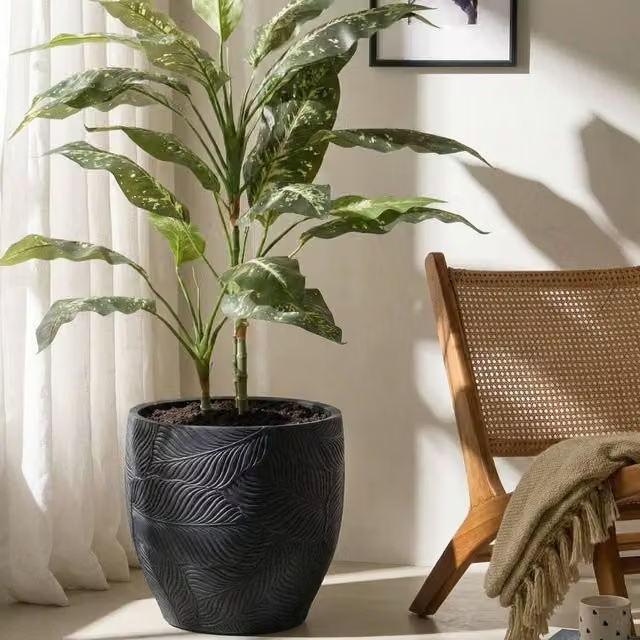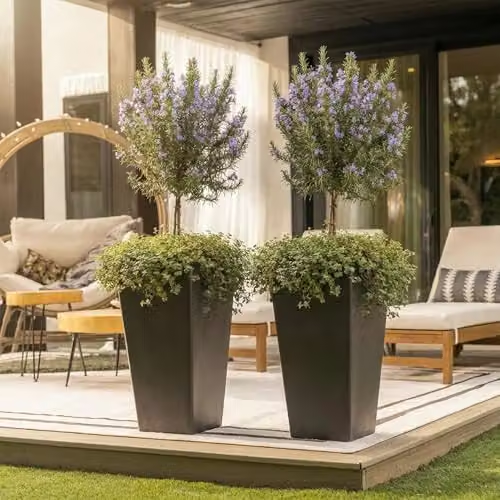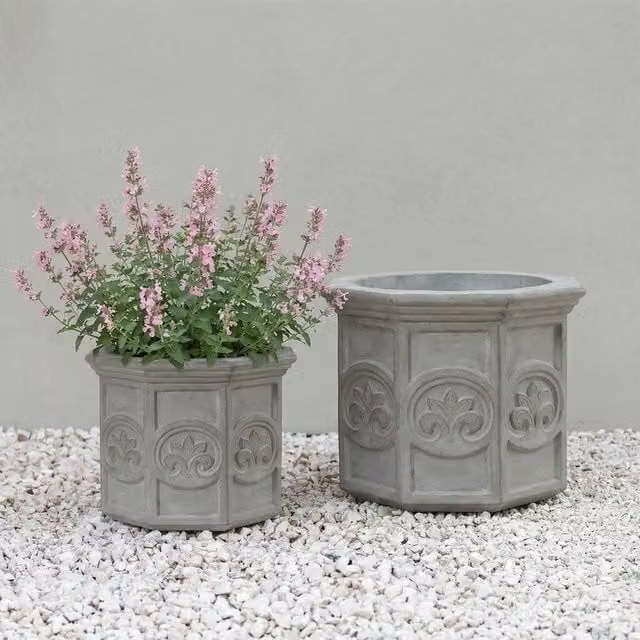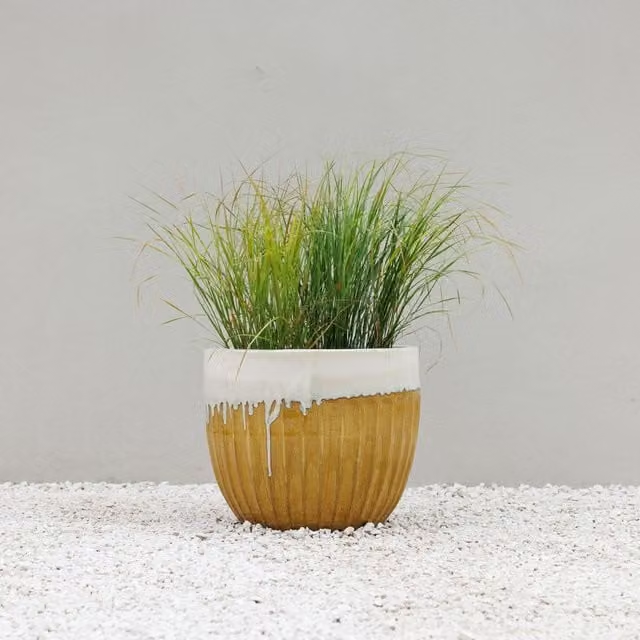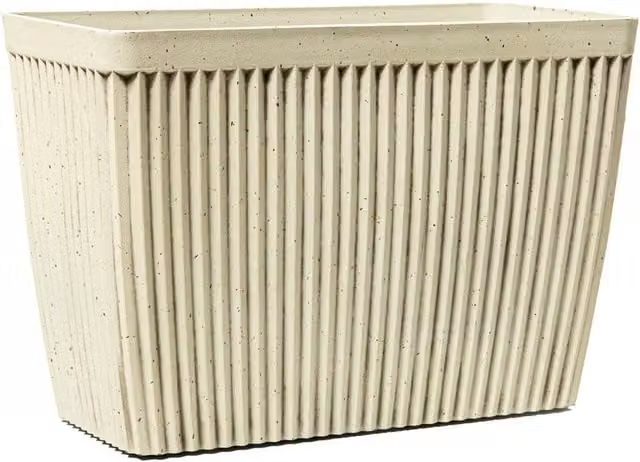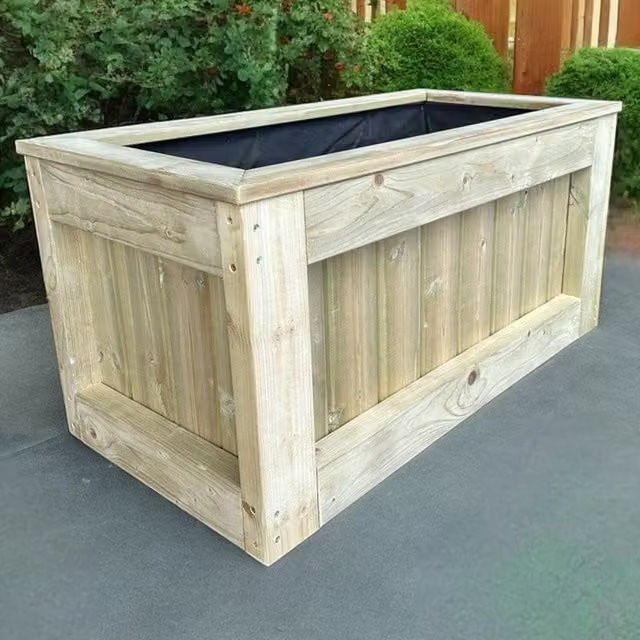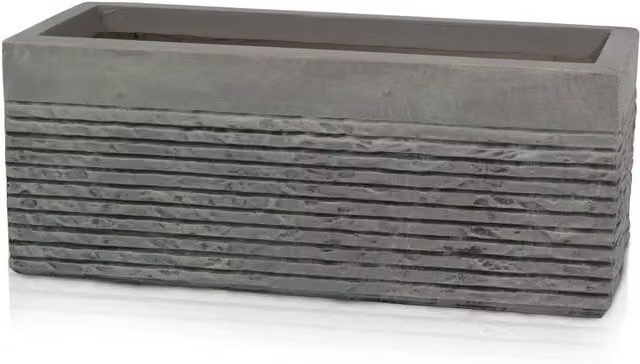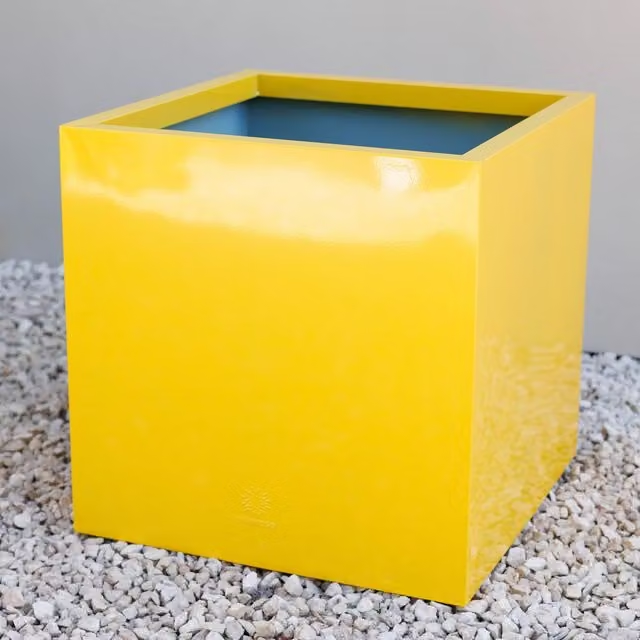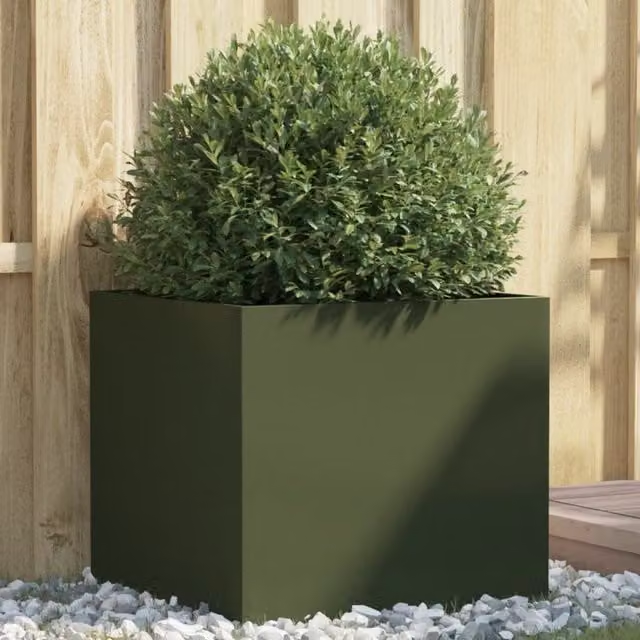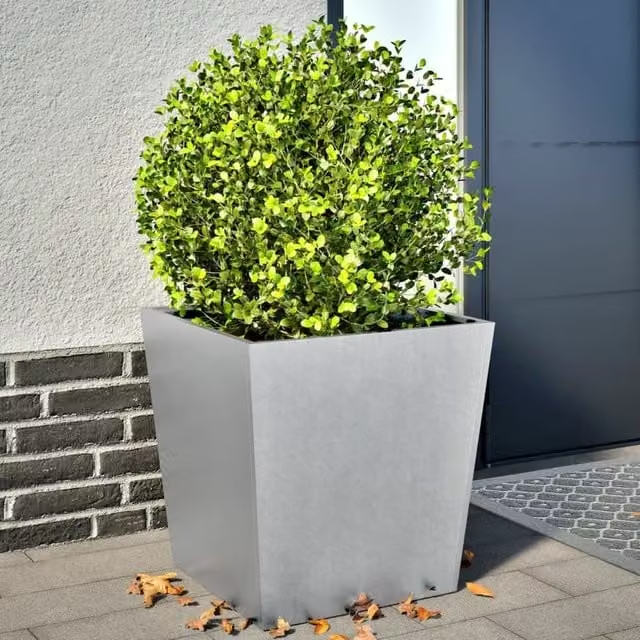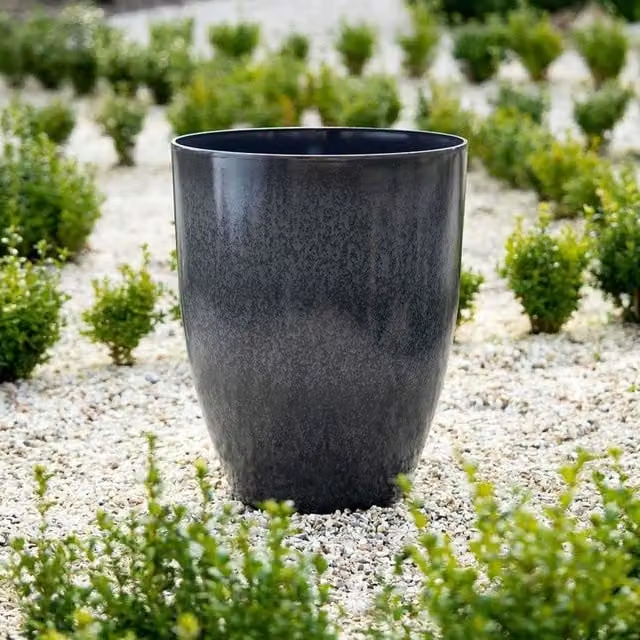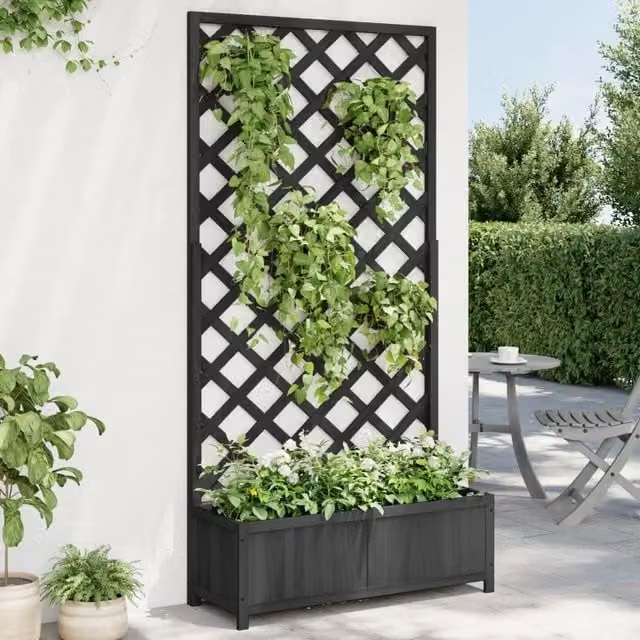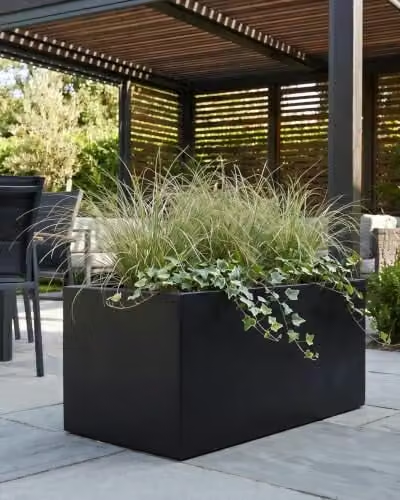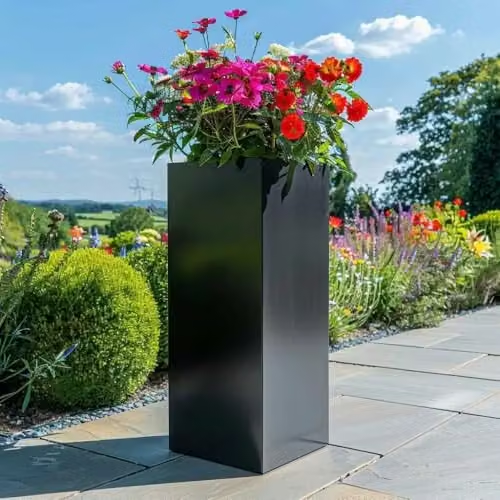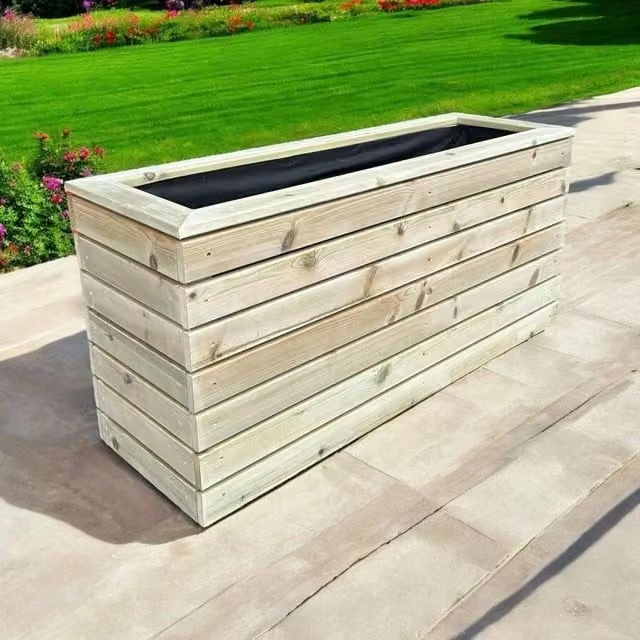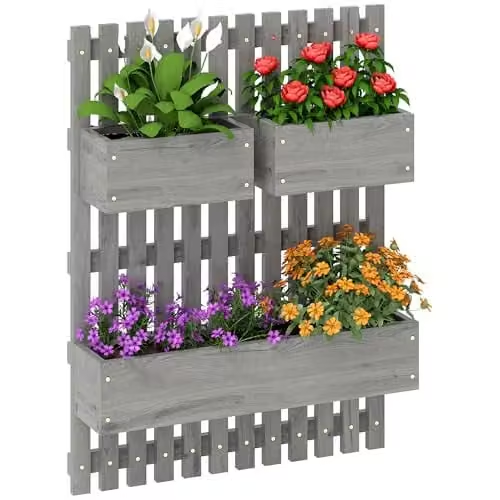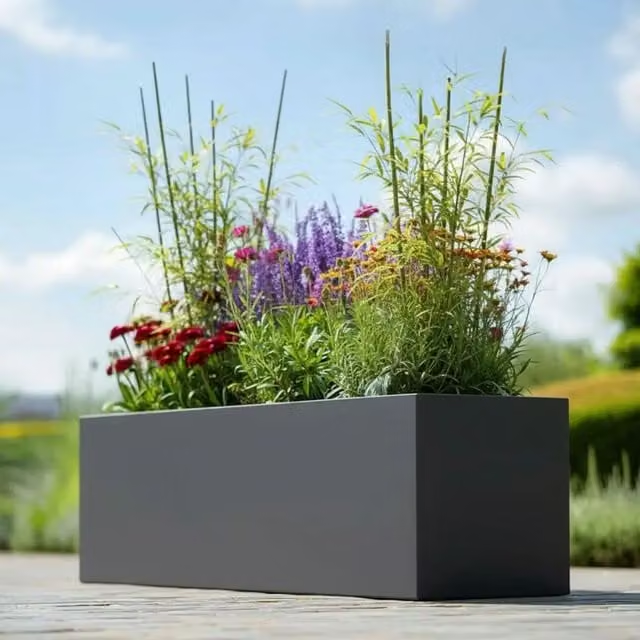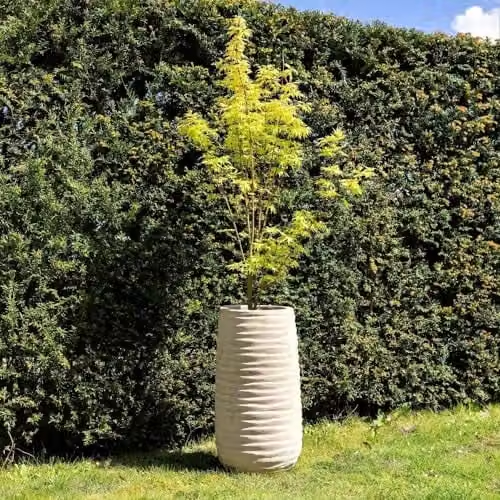
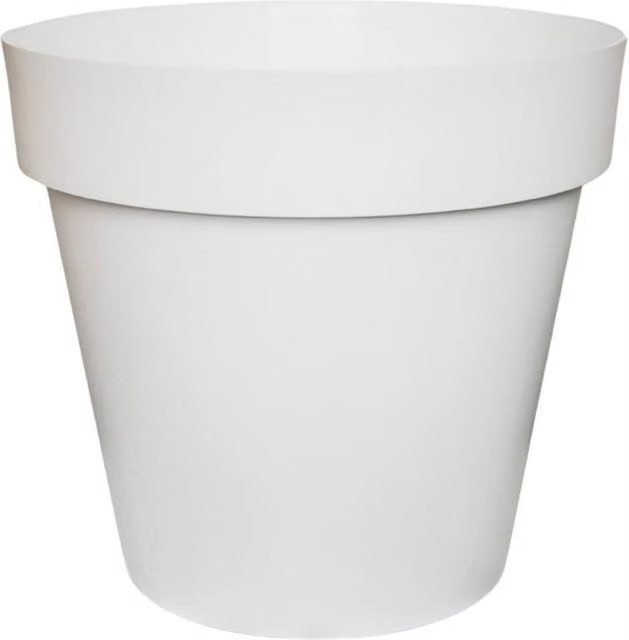
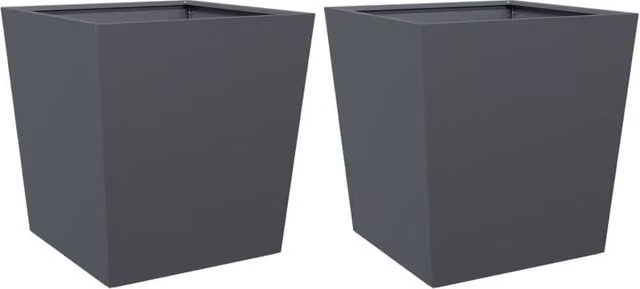
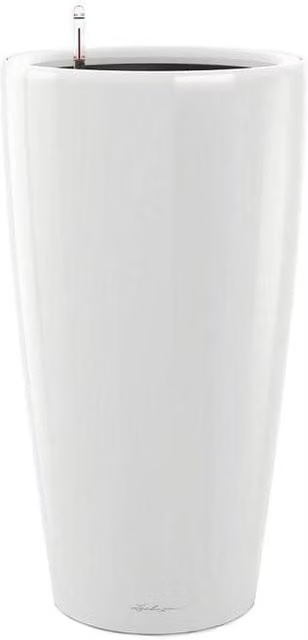
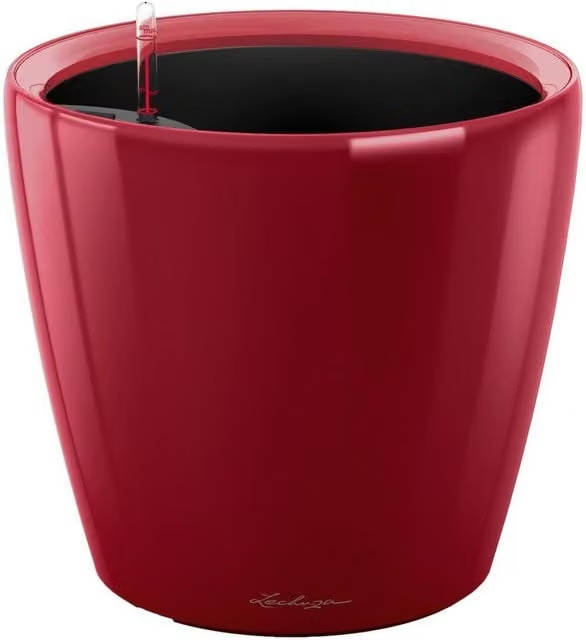
A planter is never just a container. It sets the tone for everything growing inside it, frames a doorway, defines a seating area and often does more for the look of a garden or balcony than the plants themselves. Get the planters right and even a modest collection of greenery starts to look considered and generous, which is why they are the first thing experienced gardeners buy and the thing beginners most often underestimate.
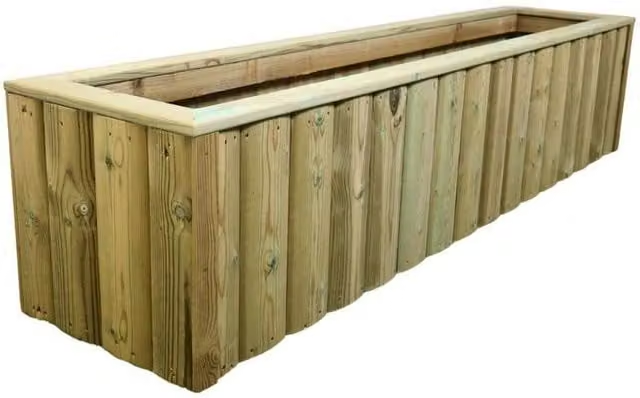
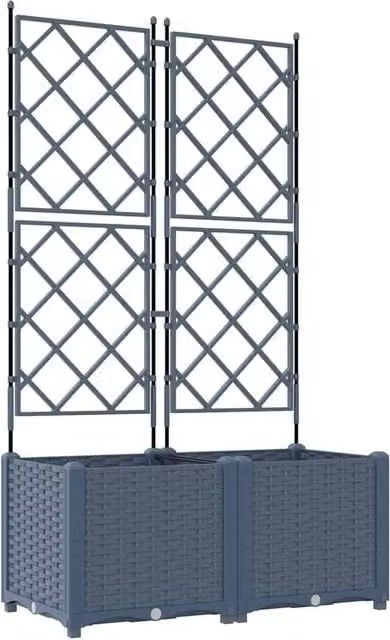
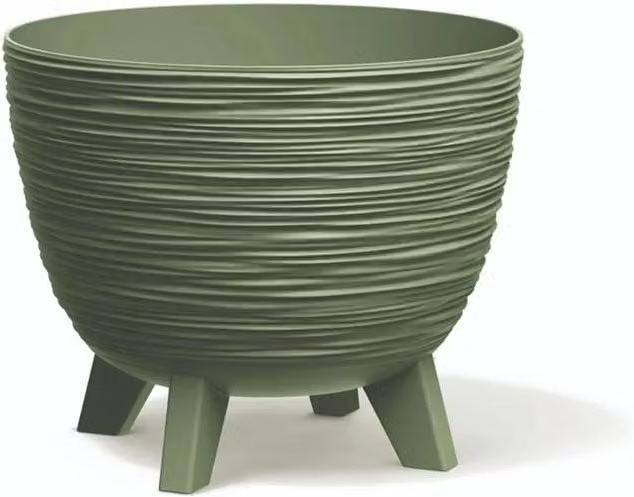
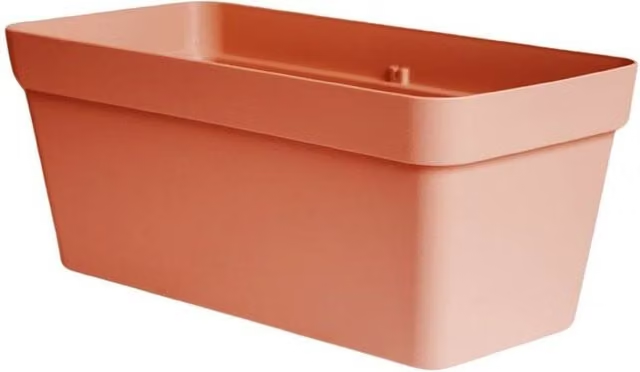
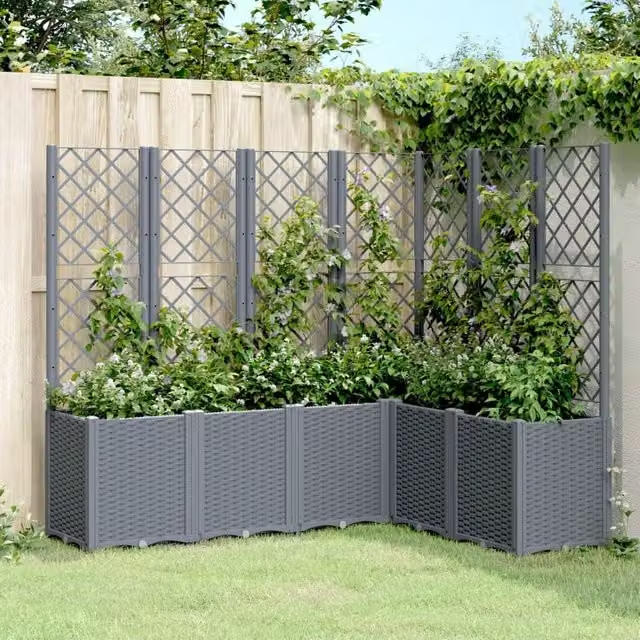
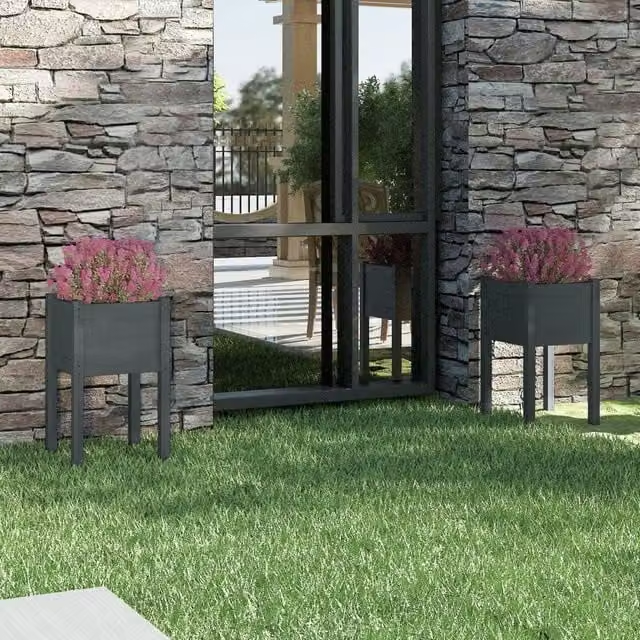
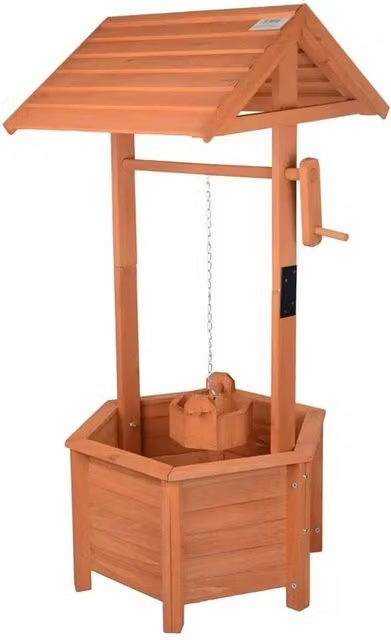
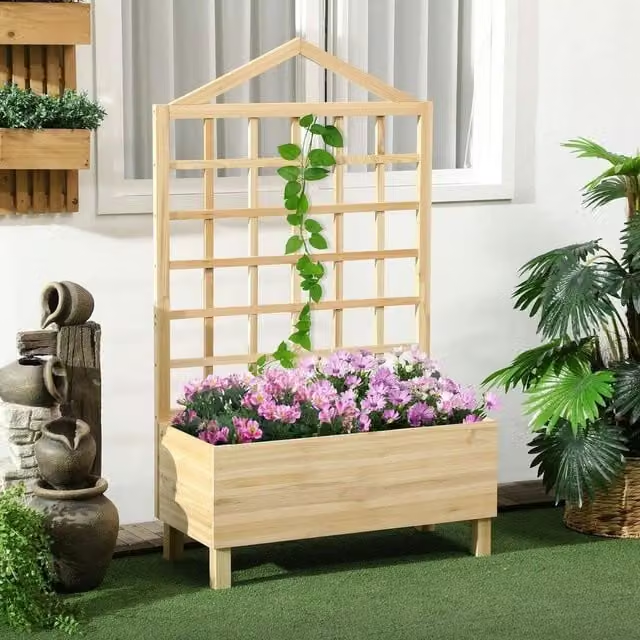
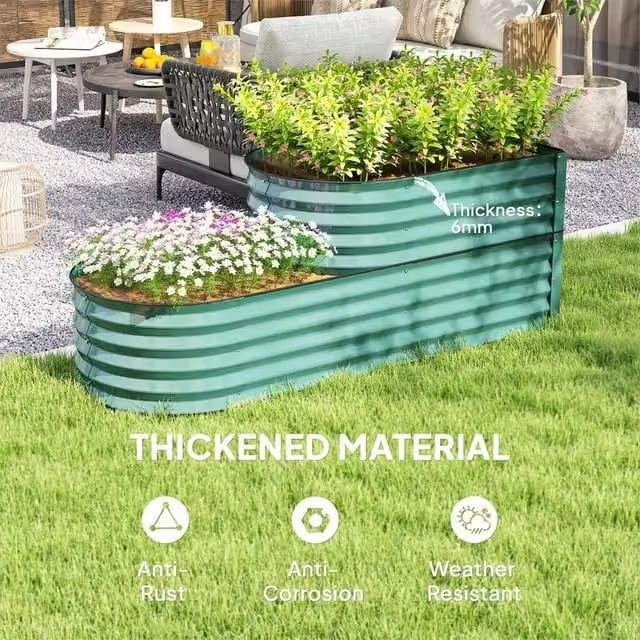
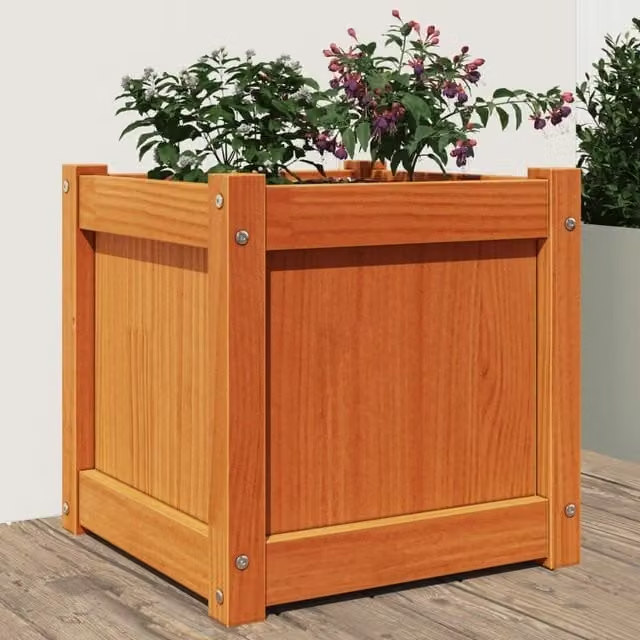
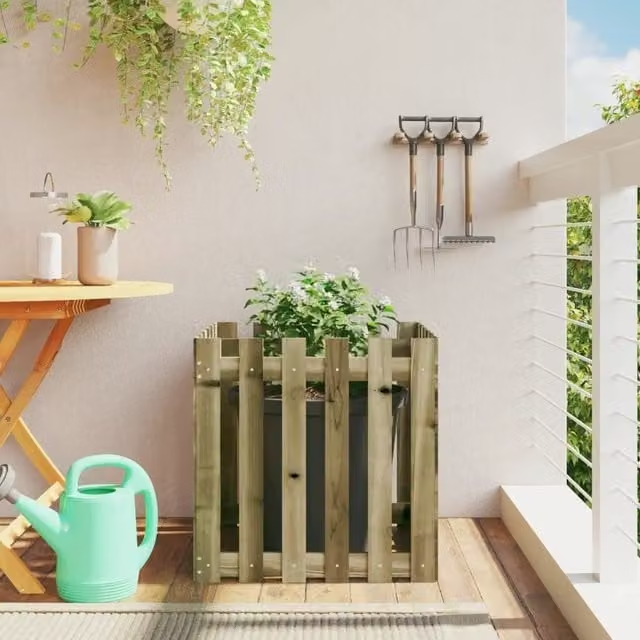
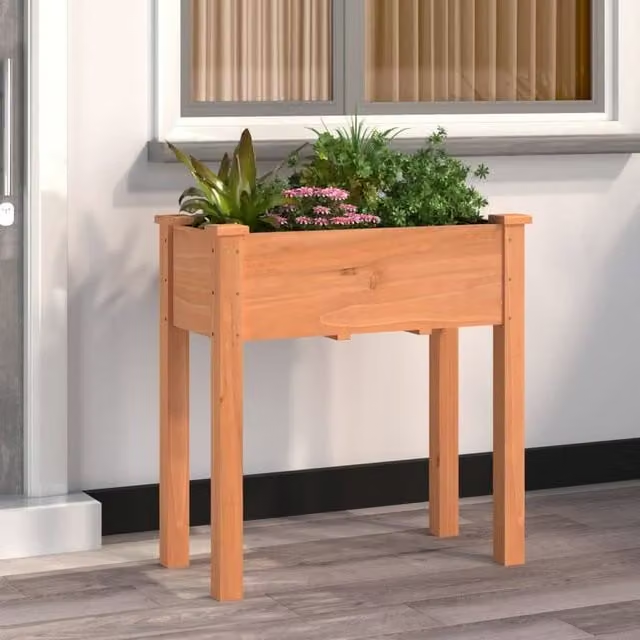
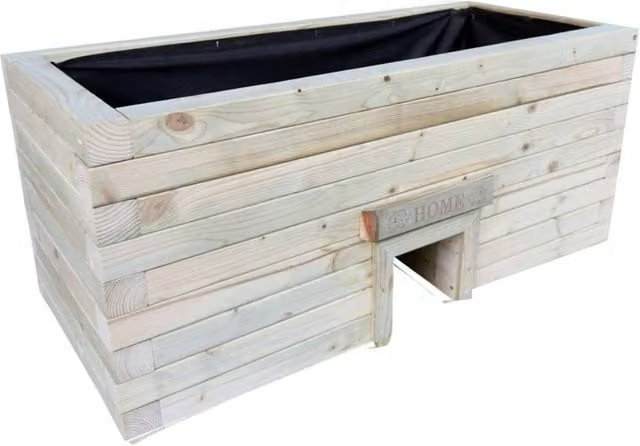
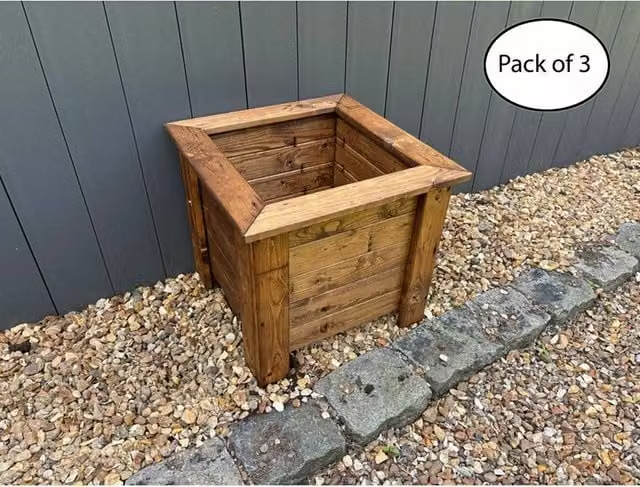
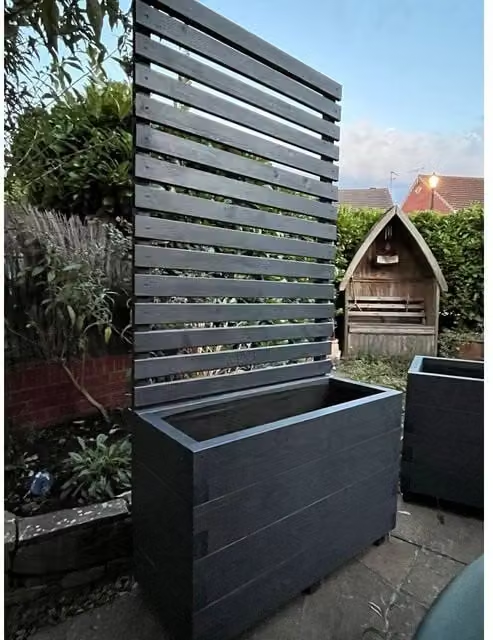
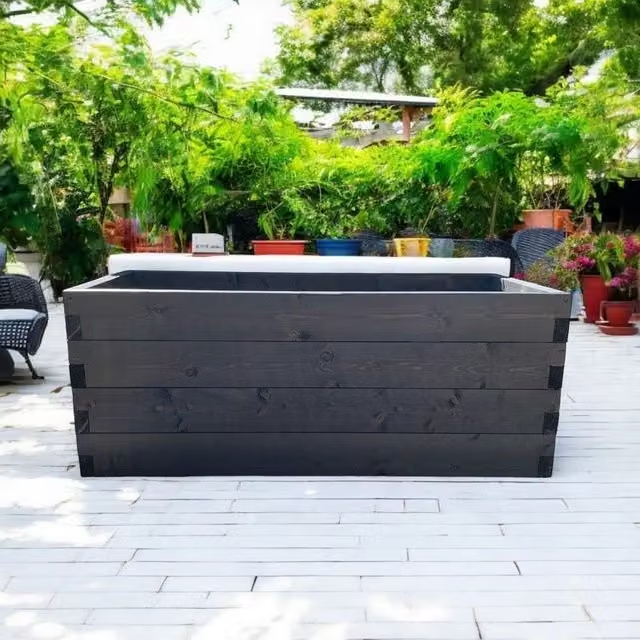
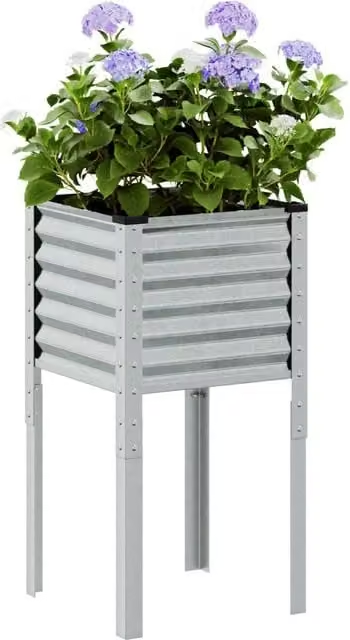
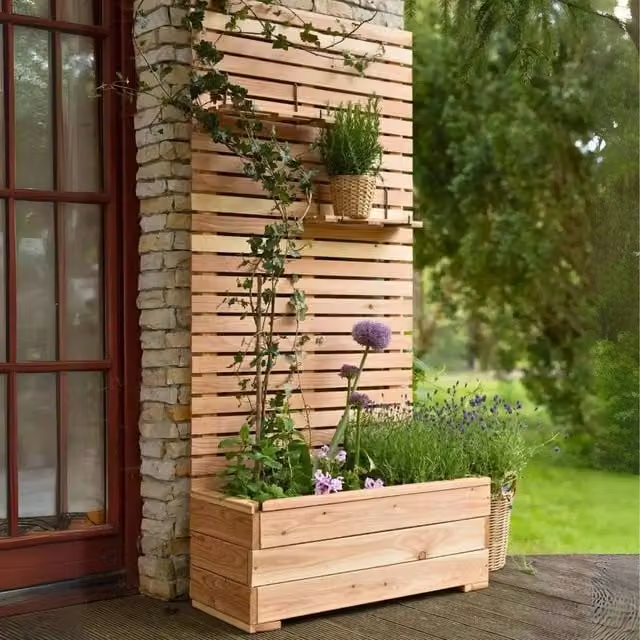
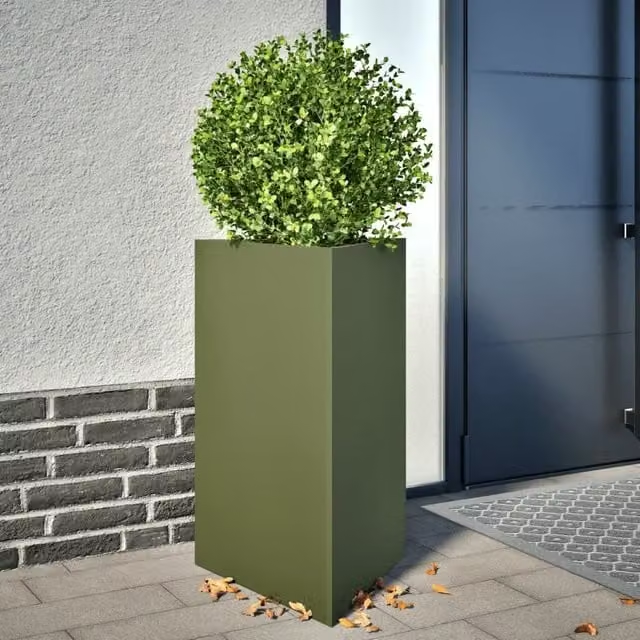
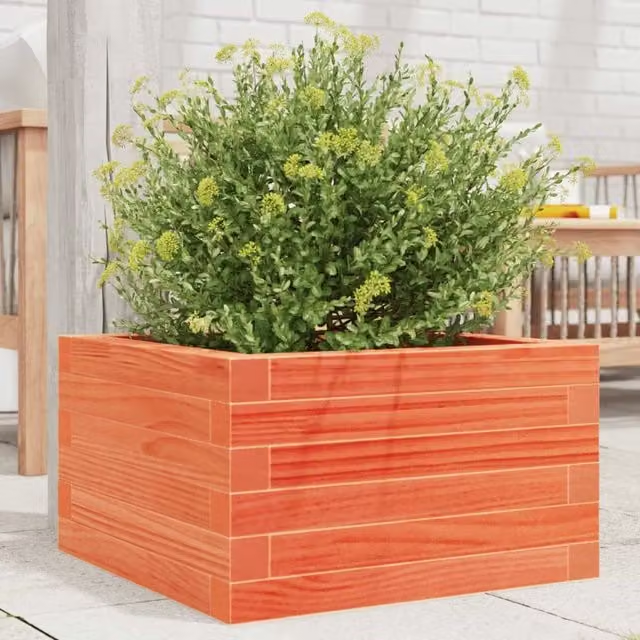
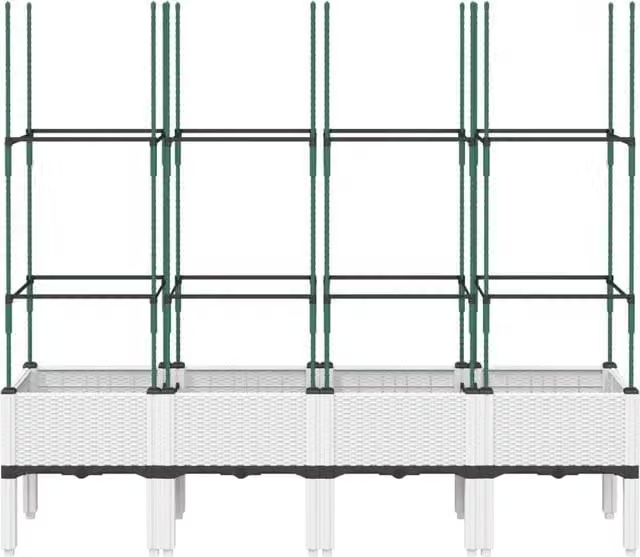
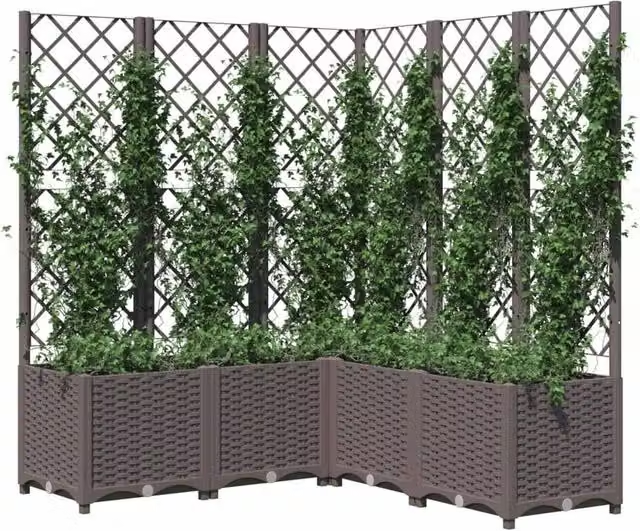
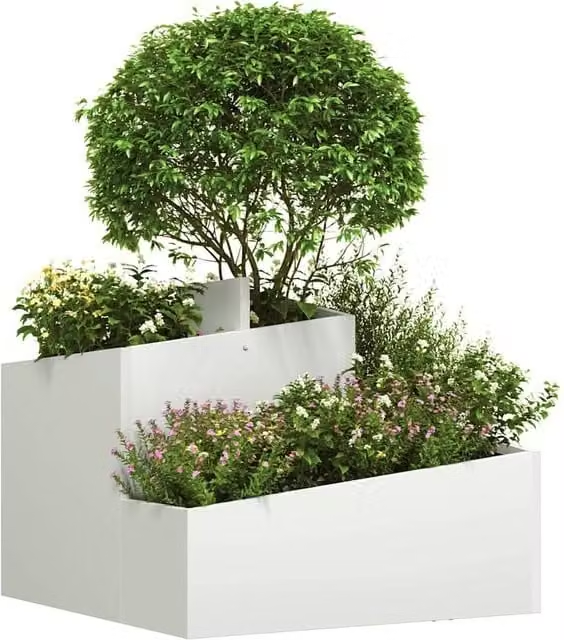
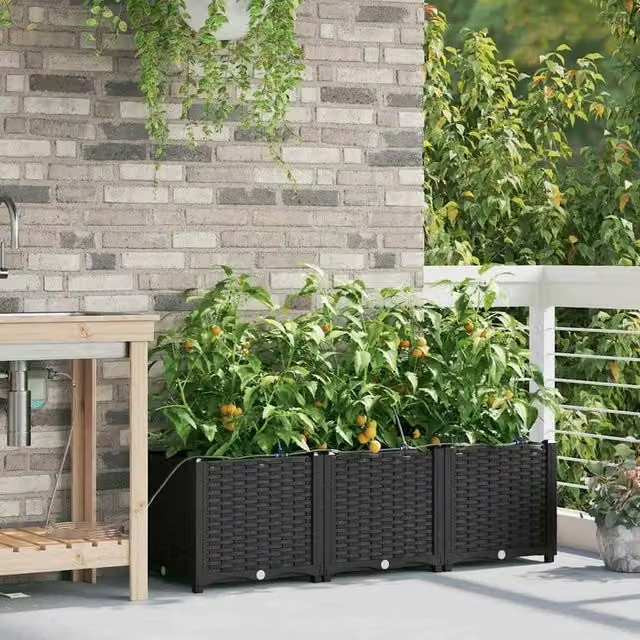
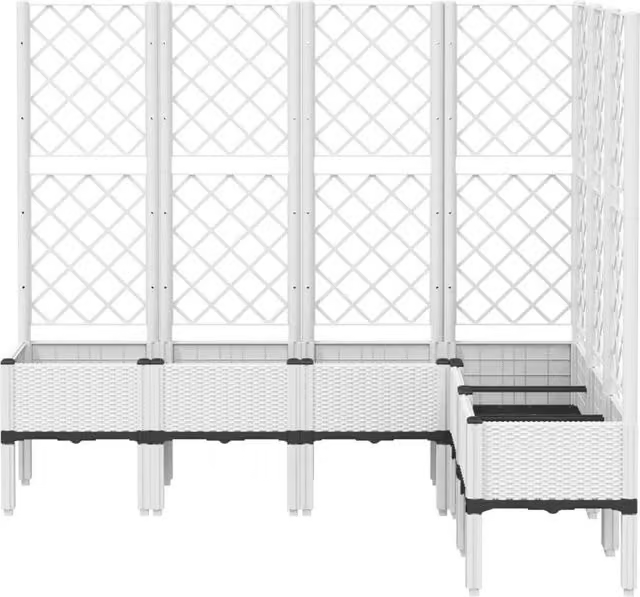
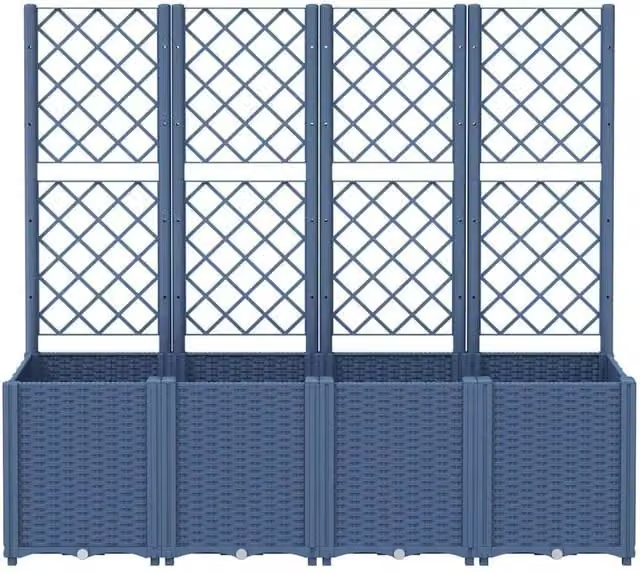
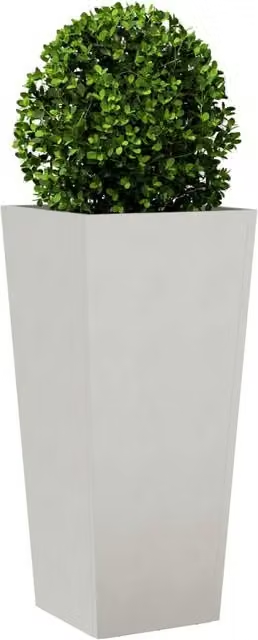
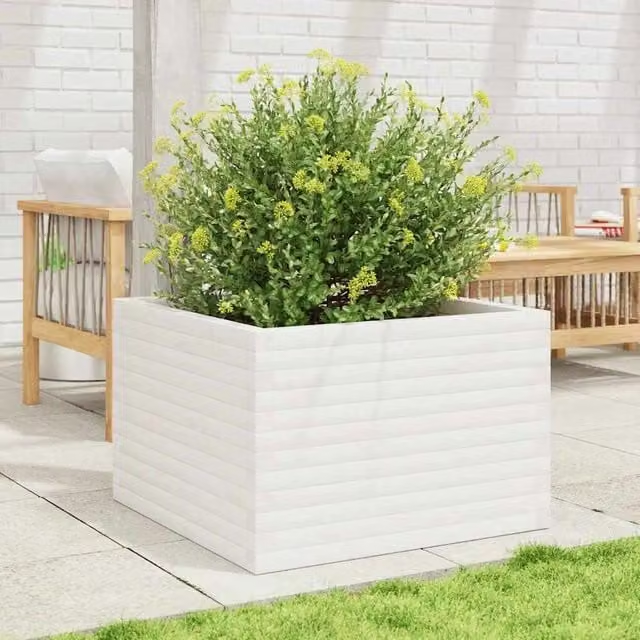
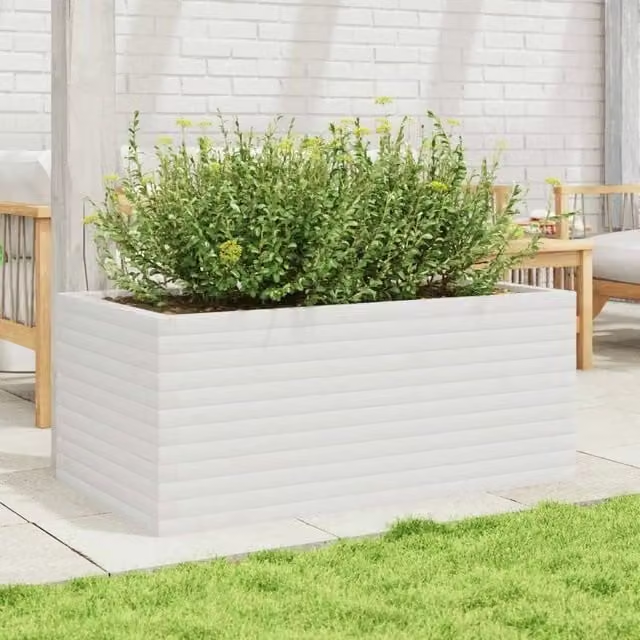
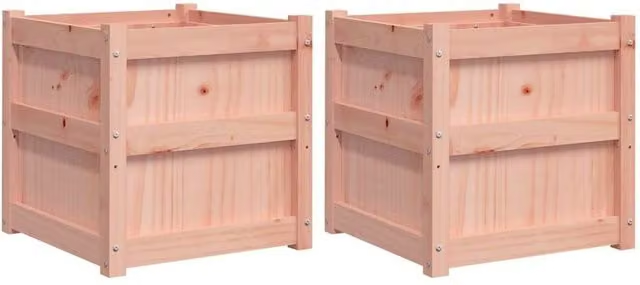
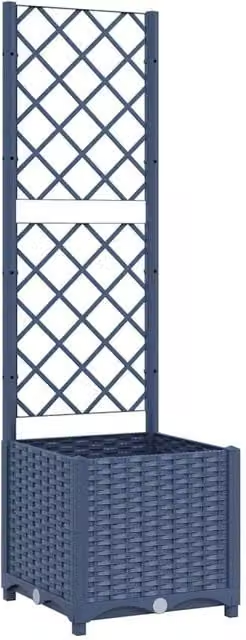
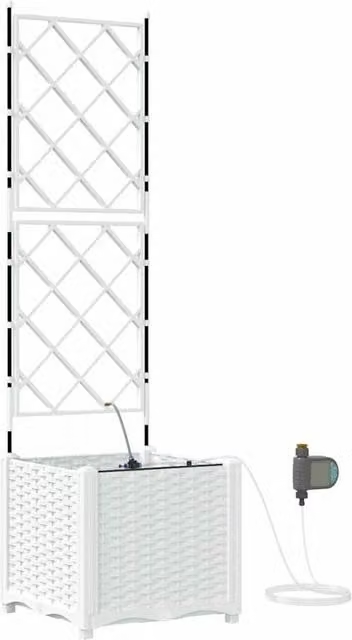
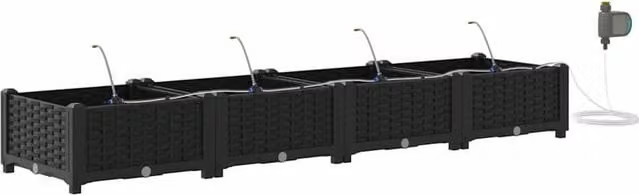
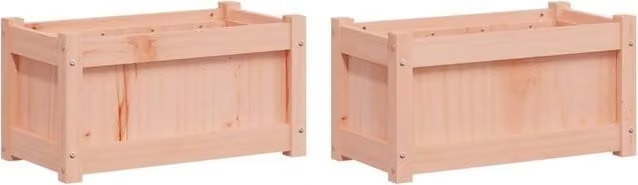
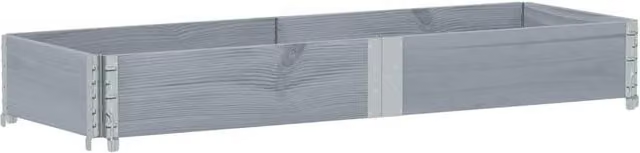
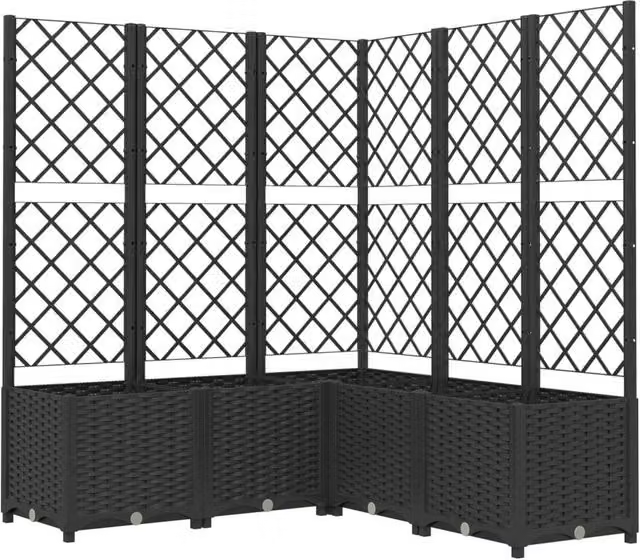
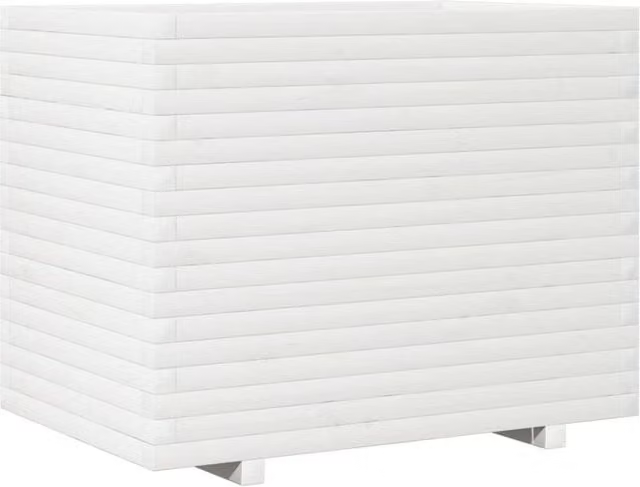
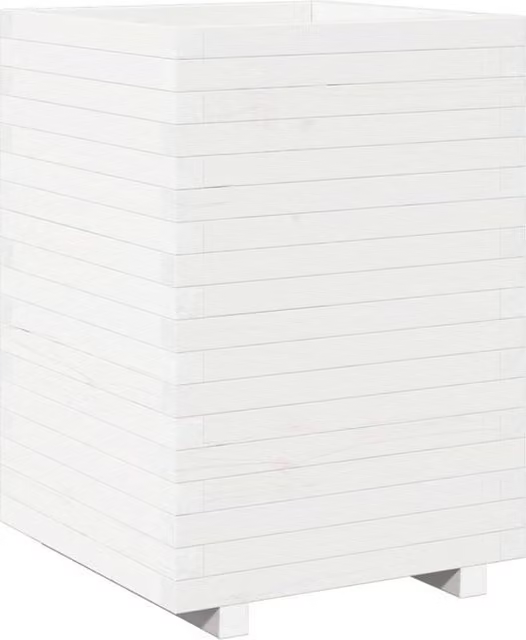
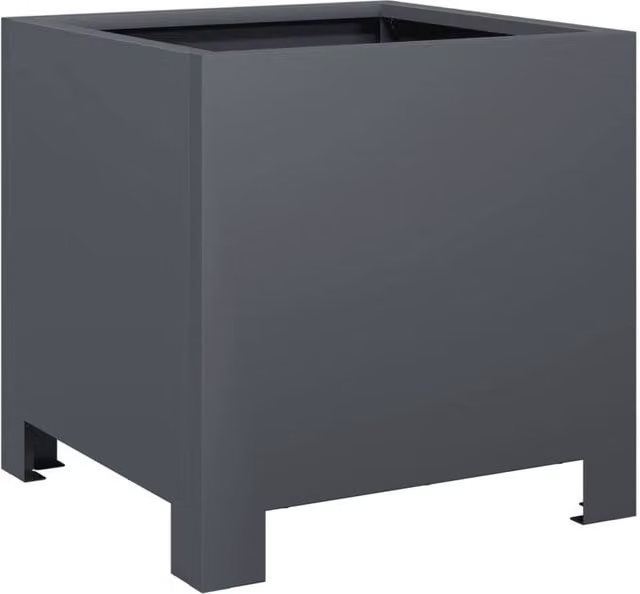
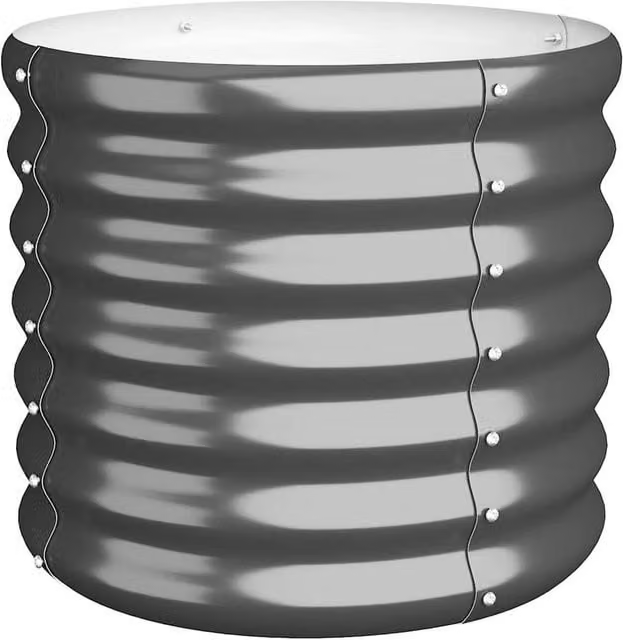
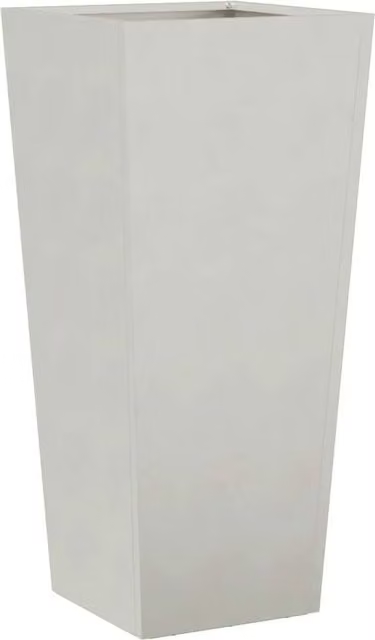
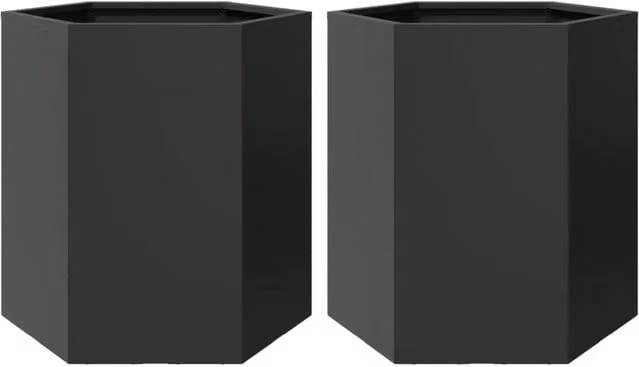
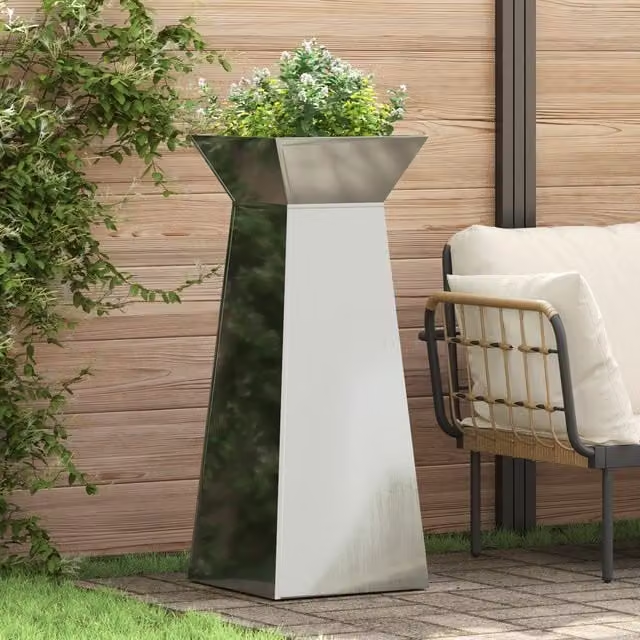
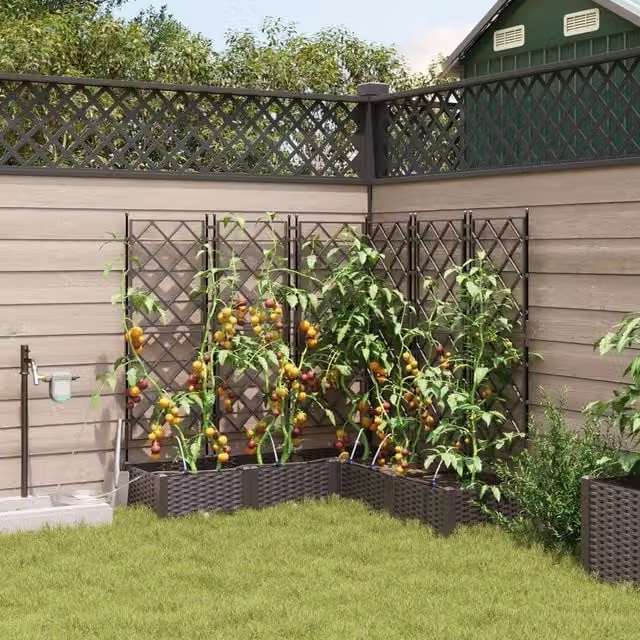
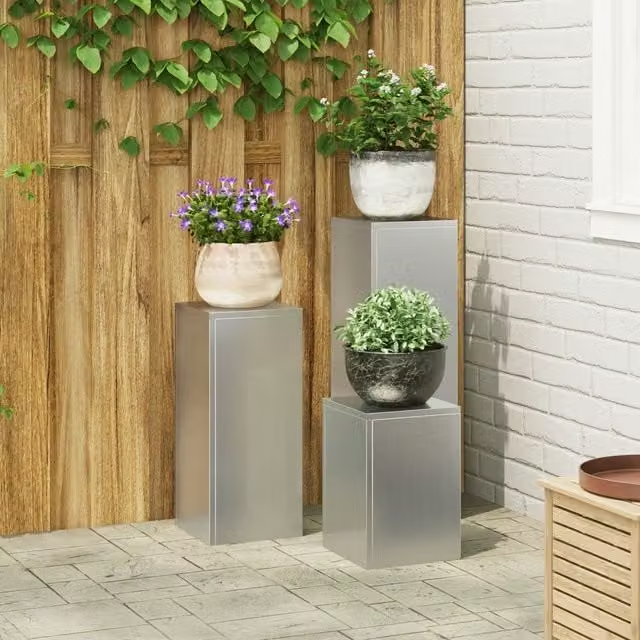
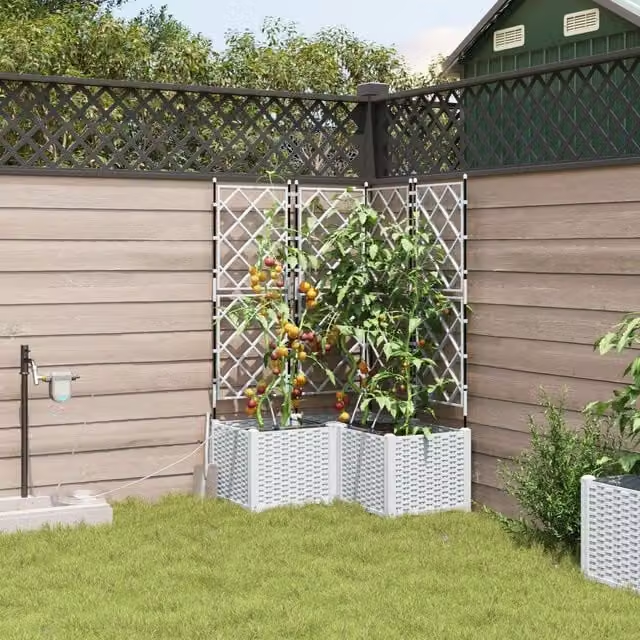
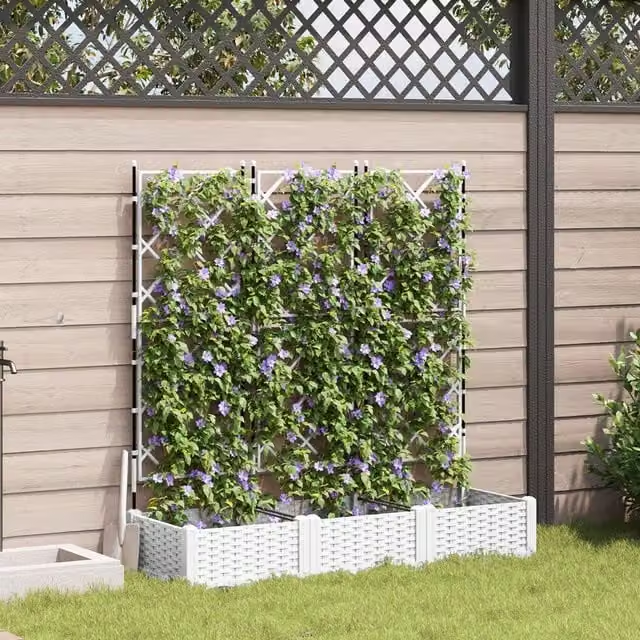
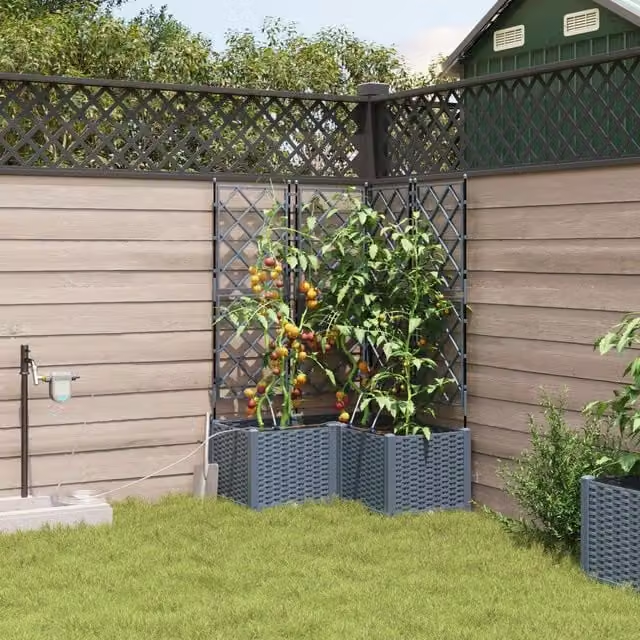
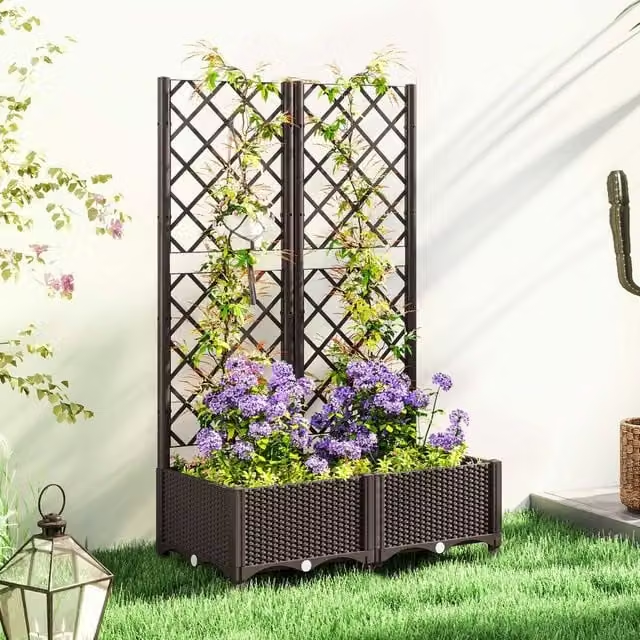
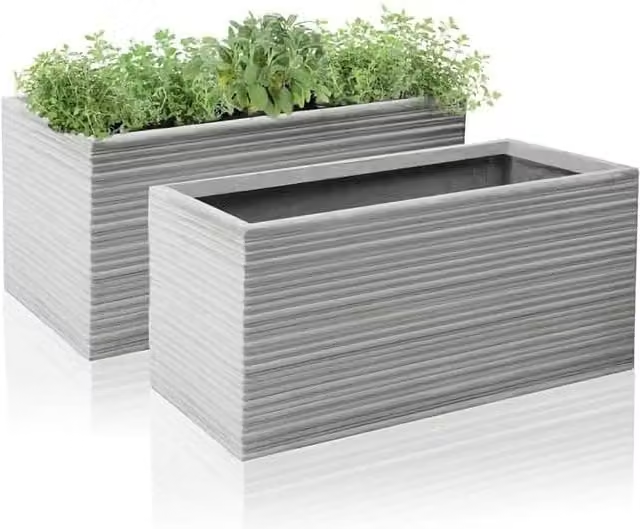
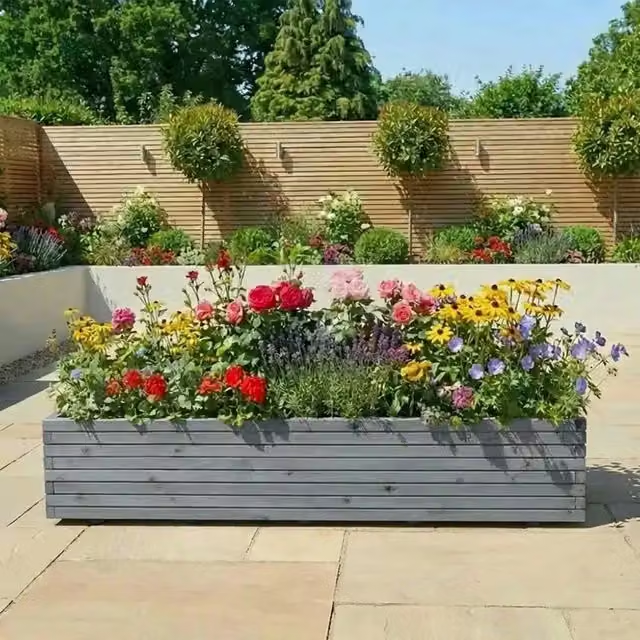
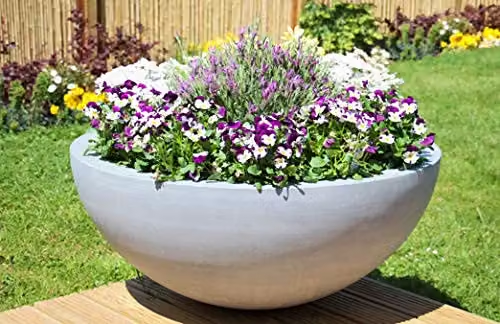
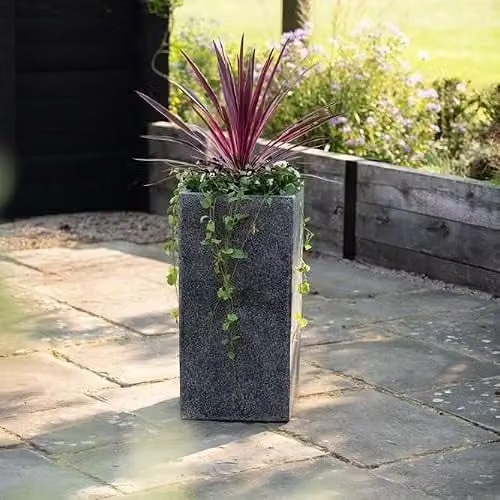
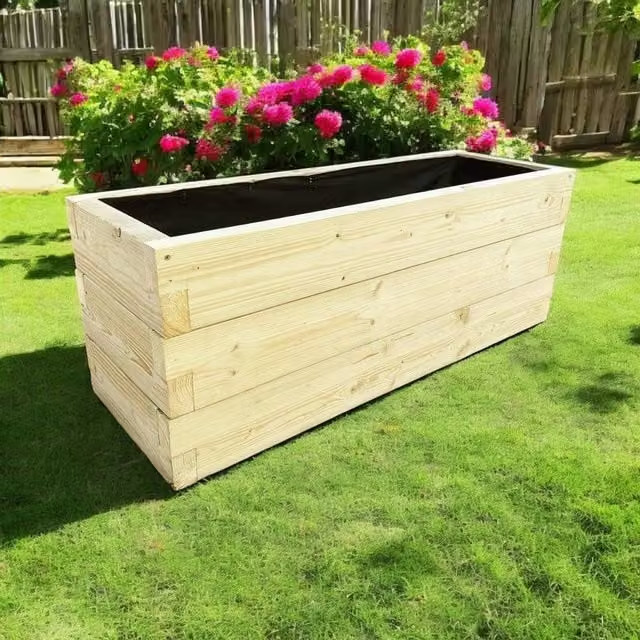
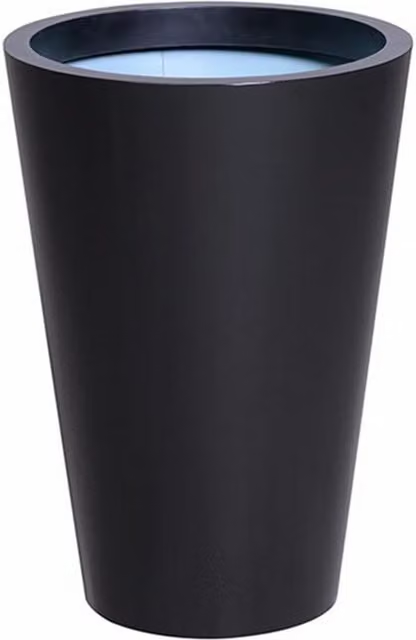
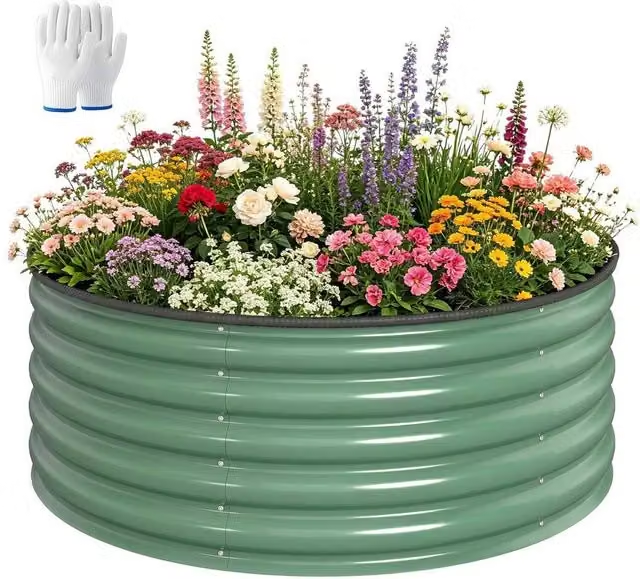
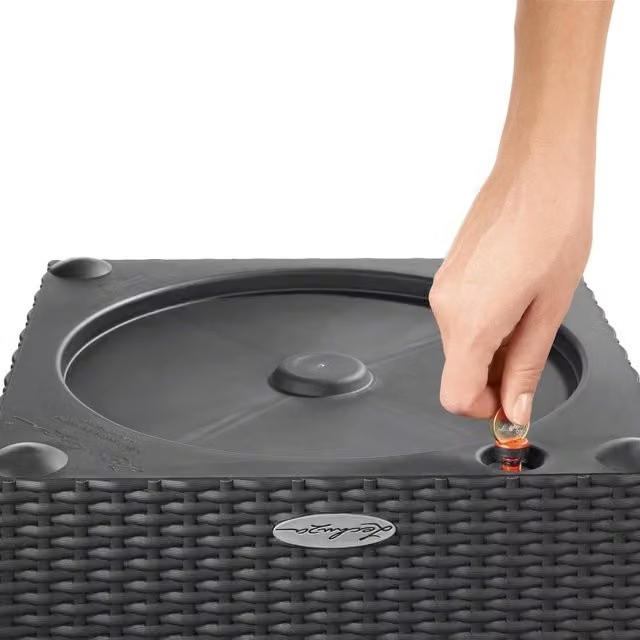
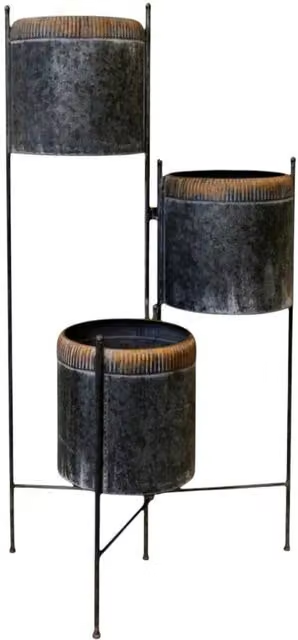
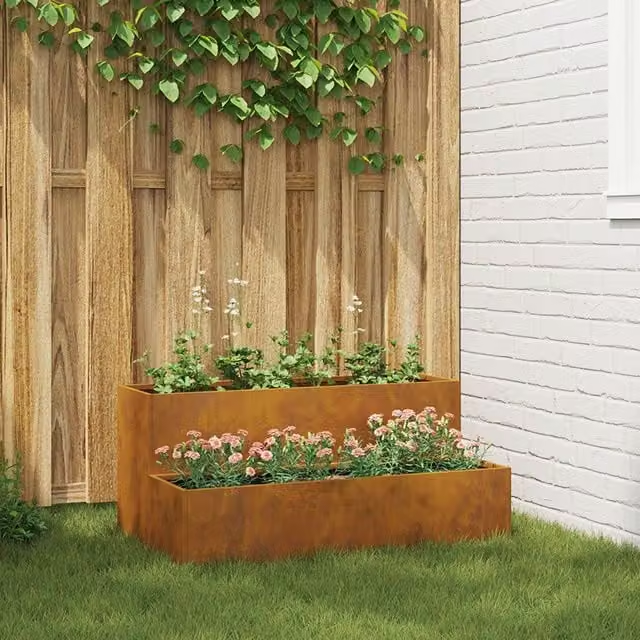
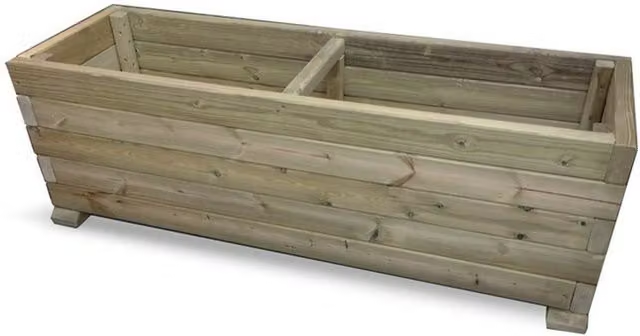
The range covers every situation. Freestanding pots and tubs suit patios and doorsteps, while troughs and window boxes work along railings, walls and sills where floor space is tight. Raised beds and large planters bring vegetable growing to spaces with no soil at all, and they save your back into the bargain. Hanging baskets and wall mounted pockets take planting upwards, tall column planters flank entrances beautifully, and self watering designs with a built in reservoir are a lifesaver if you travel or simply forget. Plant stands and pot trolleys round things off by lifting containers off cold ground and making heavy ones easier to move.
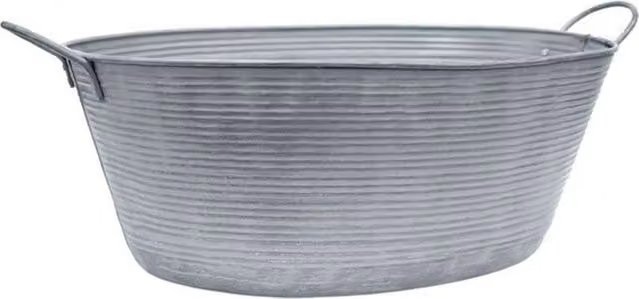
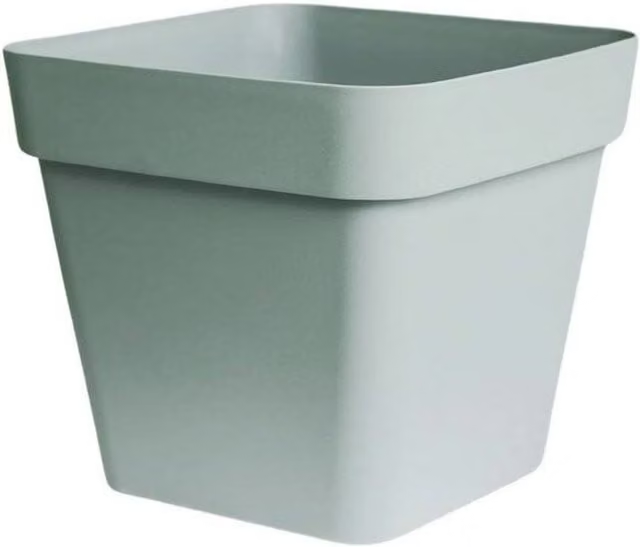
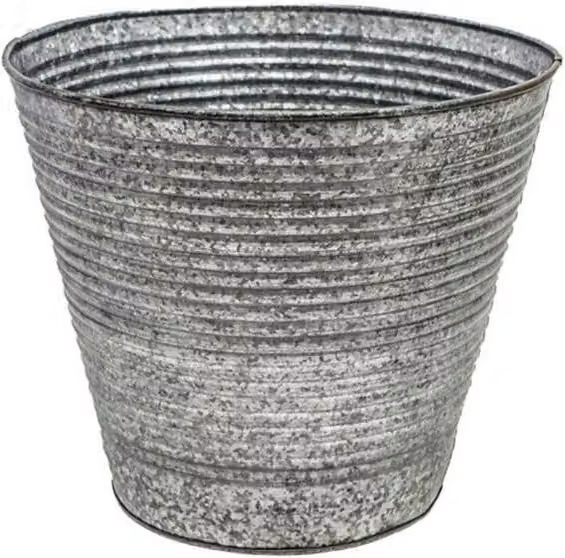
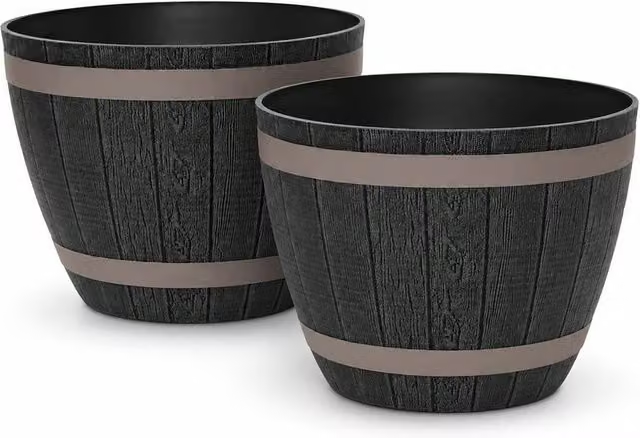
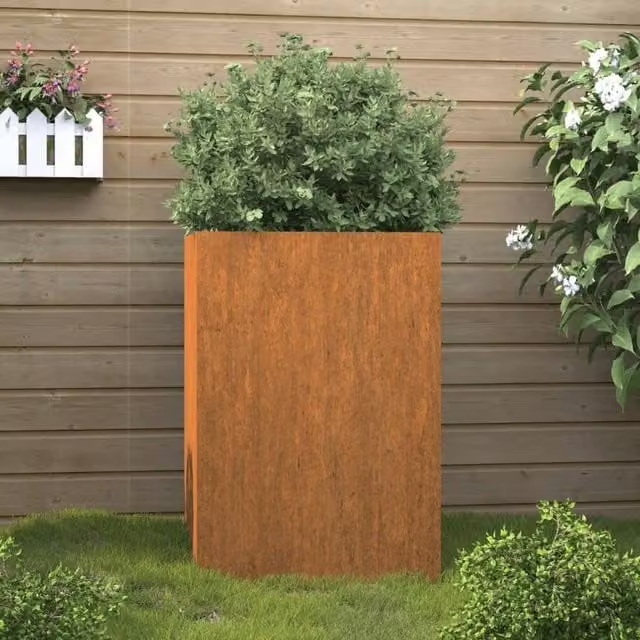
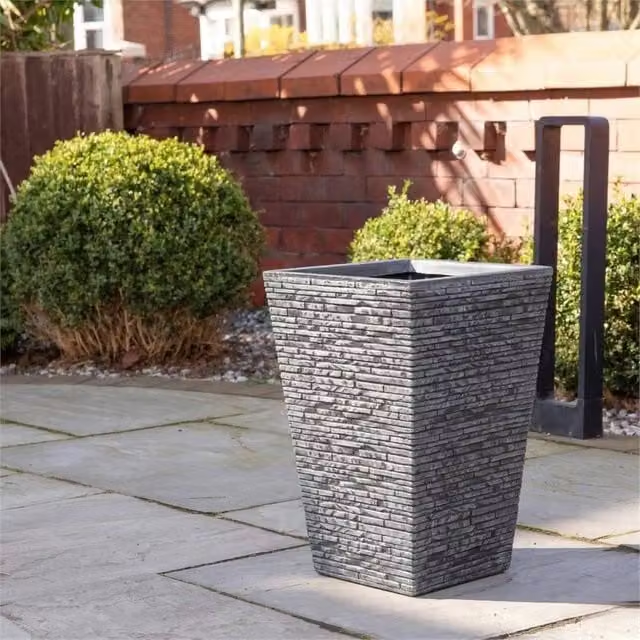
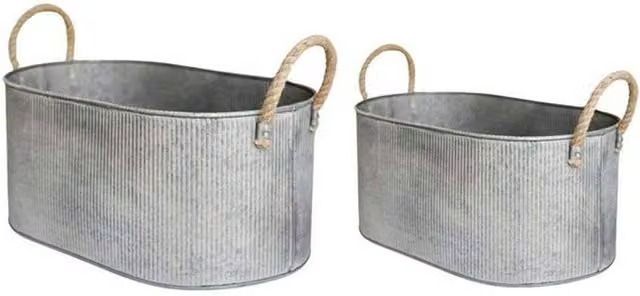
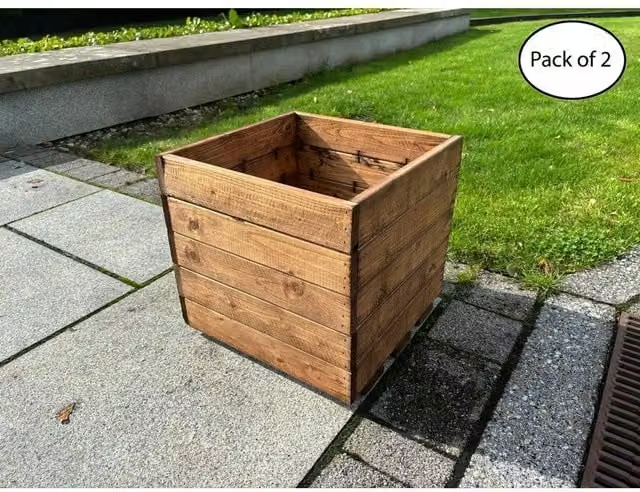
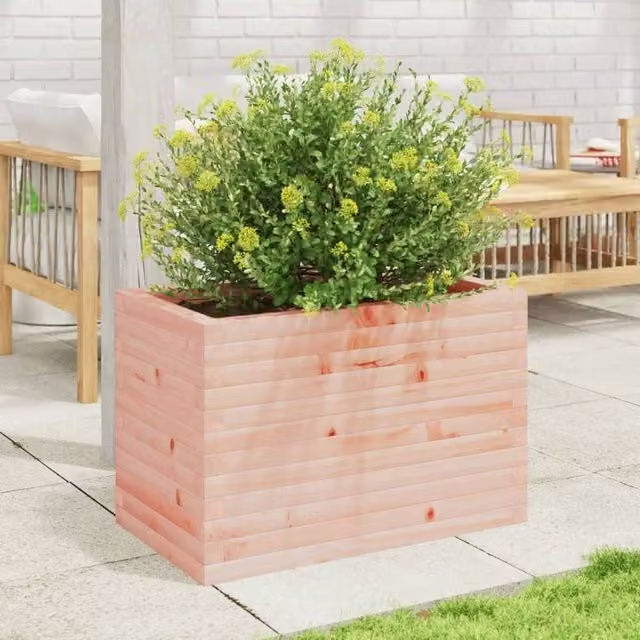
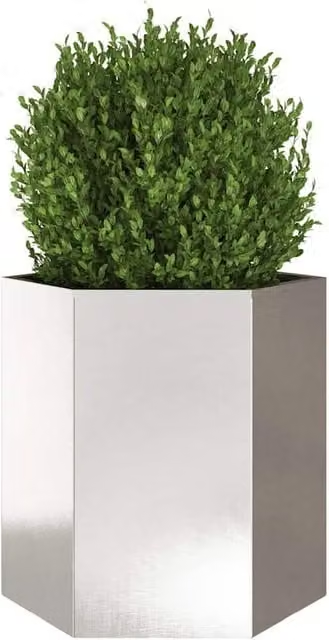
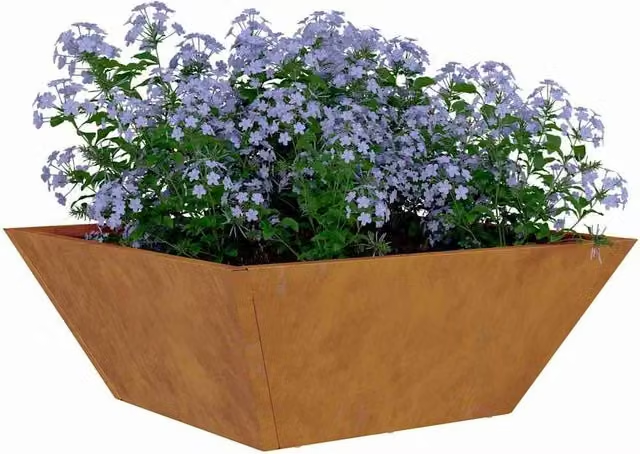
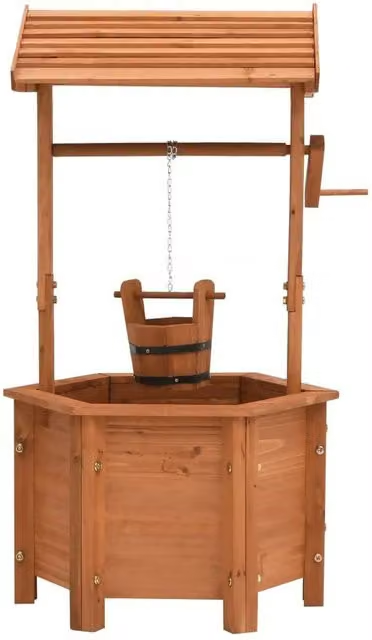
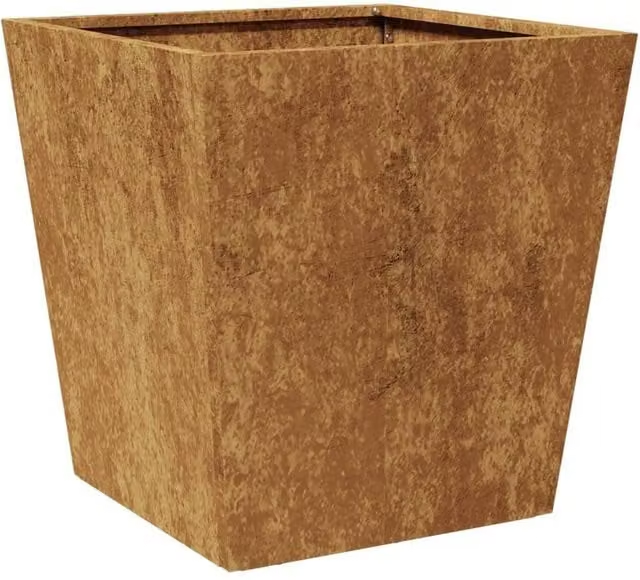
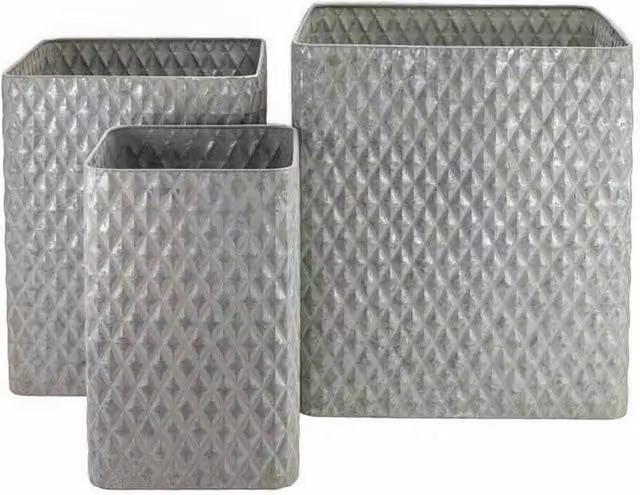
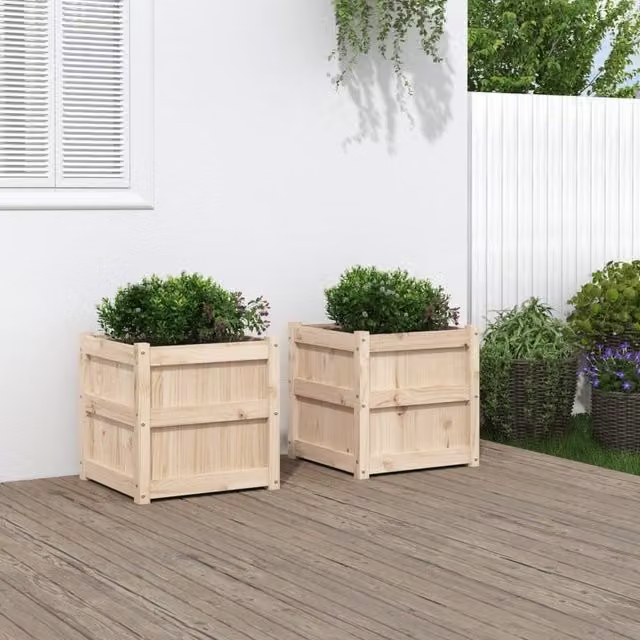
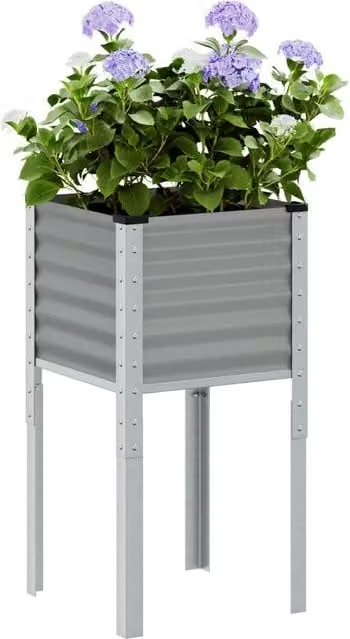
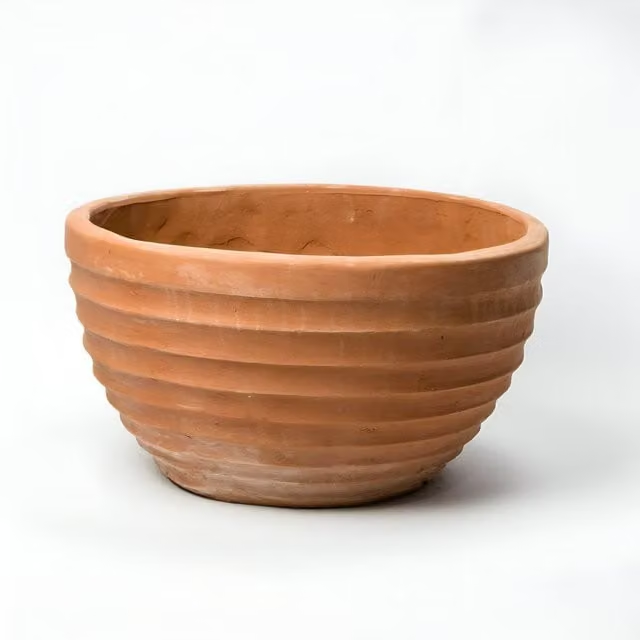
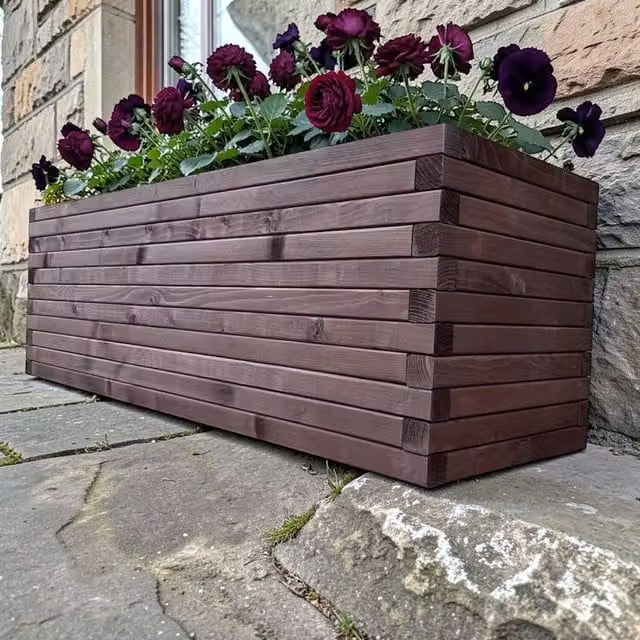
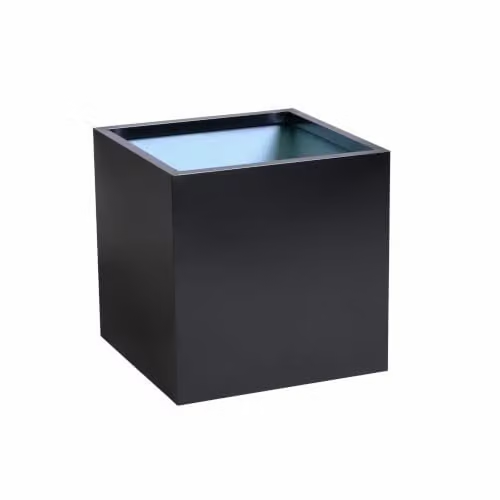
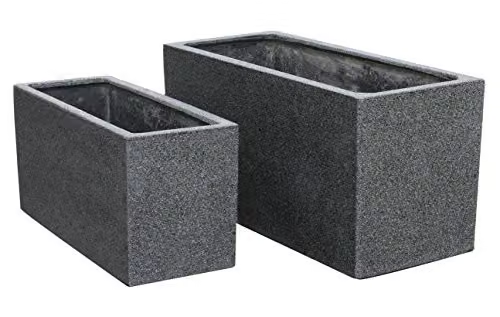
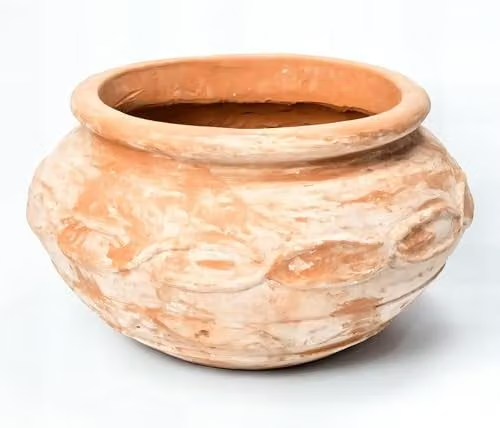
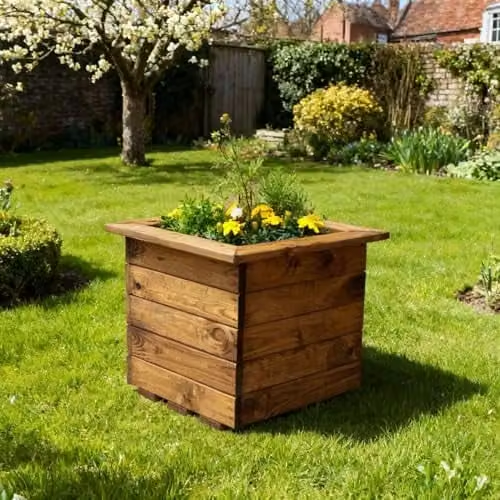
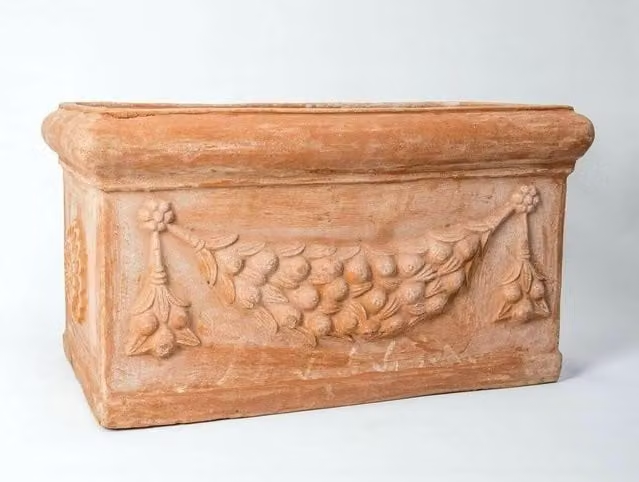
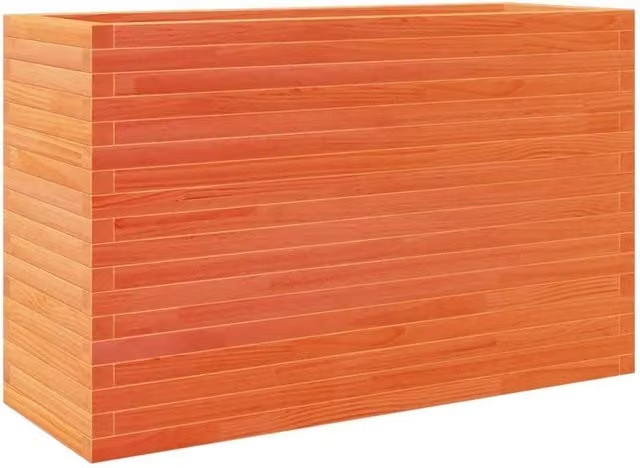
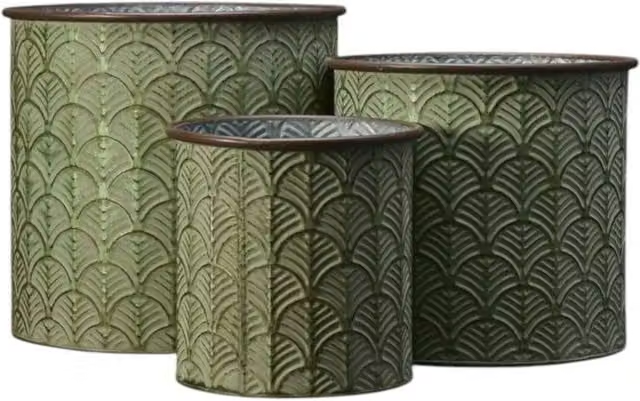
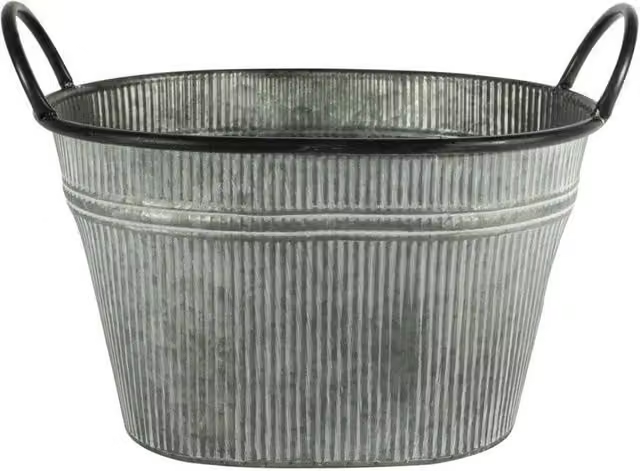
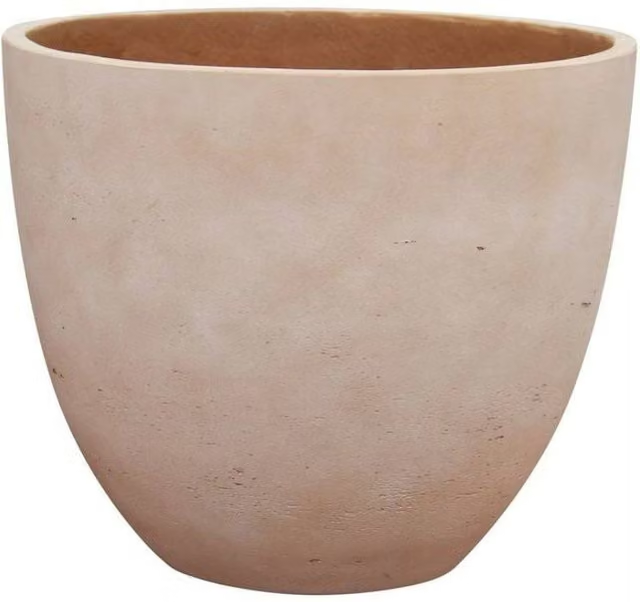
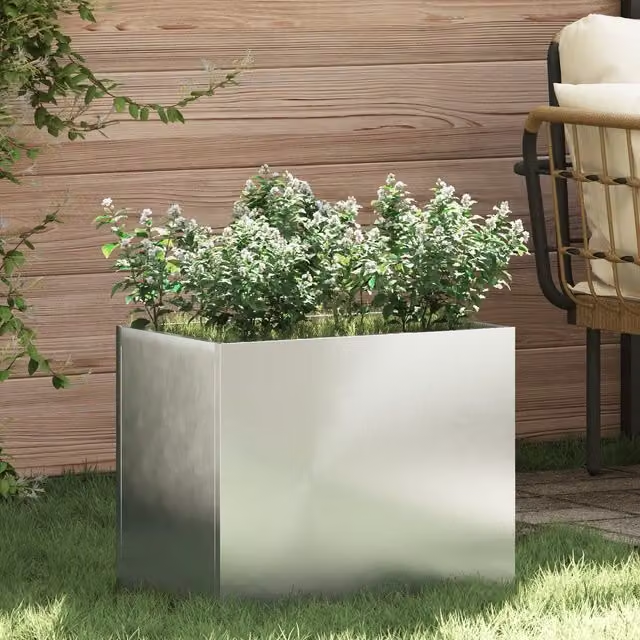
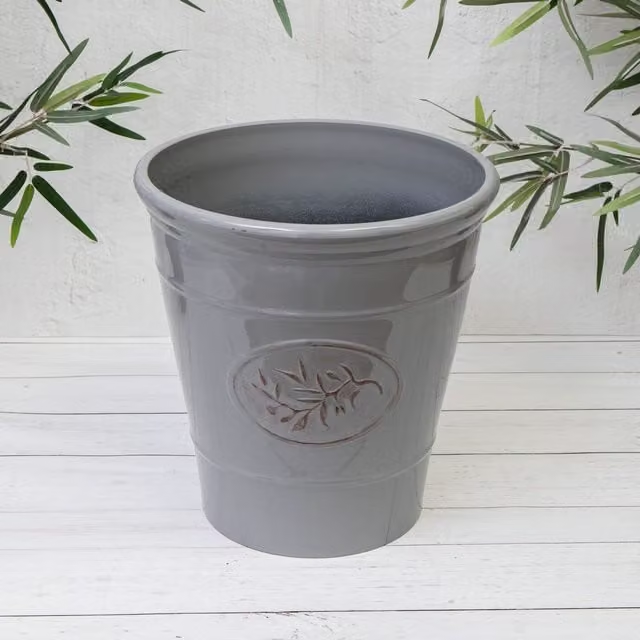
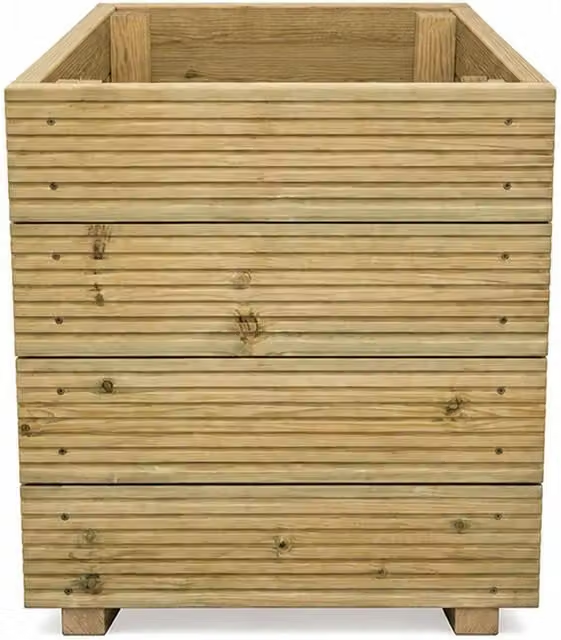
Material shapes both looks and practicality. Terracotta is breathable and classic but porous and prone to frost damage. Glazed ceramic holds moisture better and adds colour. Fibreclay and polyresin mimic stone and concrete at a fraction of the weight, which matters enormously on a balcony. Galvanised metal and corten steel bring an industrial edge, timber suits cottage and kitchen gardens, and quality plastic is light, frostproof and far better looking than it used to be. Whatever you pick, drainage holes are non negotiable for outdoor use.
Prices reflect size, material and weight. Small plastic pots cost very little, mid range fibreclay and glazed ceramic sit comfortably in the middle, and large corten steel, natural stone or handmade terracotta pieces are a genuine investment.
Browse the full selection, compare prices and give your plants a home worth showing off.
As a general guide, choose a pot that is two to four centimetres wider in diameter than the current root ball for small plants, and around five to ten centimetres wider for larger specimens. Going dramatically bigger is a common mistake, because the excess wet compost around the roots stays soggy and encourages rot. Shrubs and small trees do better with a gradual step up every couple of years. Depth matters as much as width for anything with a taproot, such as carrots or young trees.
Outdoors, yes, without exception. British rainfall alone will waterlog a sealed container and drown the roots within a season. If you have fallen for a decorative pot with no holes, use it as a cachepot and slip a plain plastic nursery pot inside, lifting it out to drain after heavy rain. Indoors you have more flexibility, but a layer of gravel is not a substitute for drainage and simply raises the waterlogged zone.
Terracotta absorbs water, and when that water freezes it expands and splits the clay from the inside. Look for pots specifically labelled frostproof, which are fired at higher temperatures and are far more resilient. Raise pots onto feet so they are not sitting in a puddle, and move smaller ones under cover or against a house wall over winter. Wrapping larger pots in hessian or bubble wrap protects both the pot and the roots inside.
Use a dedicated container or multipurpose compost rather than soil dug from the garden, which compacts badly and brings weeds and pests with it. For permanent plantings such as shrubs and small trees, a loam based John Innes No. 3 holds nutrients and moisture far better over several years. Mixing in some perlite or grit improves drainage for Mediterranean plants and succulents. Refresh the top few centimetres each spring and feed regularly, since container compost runs out of nutrients within about six weeks.