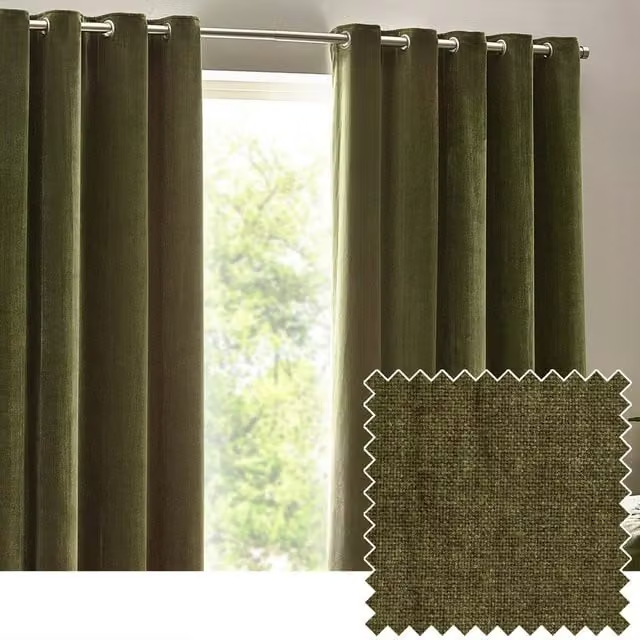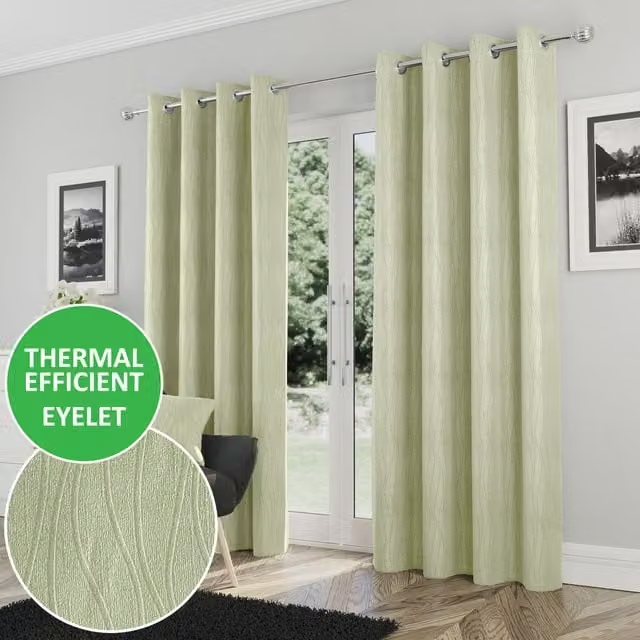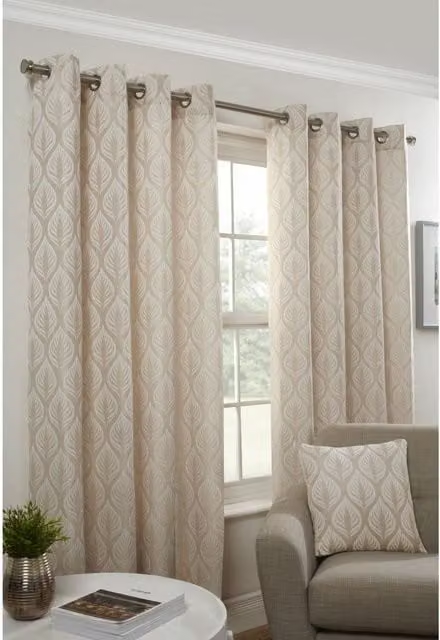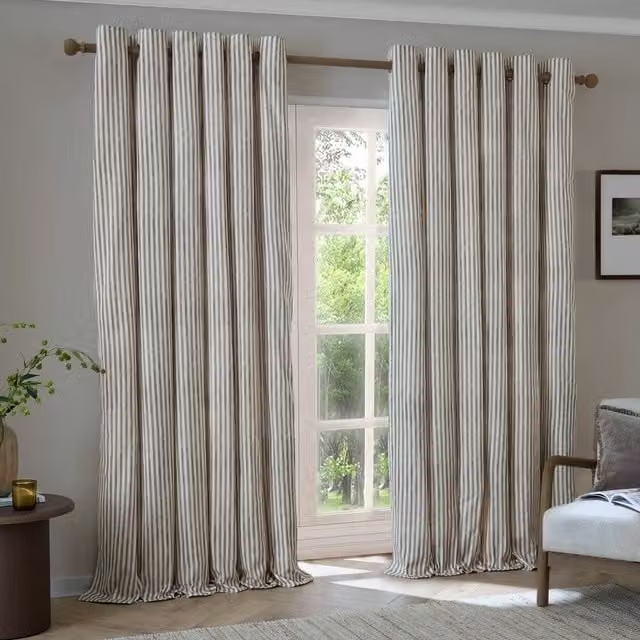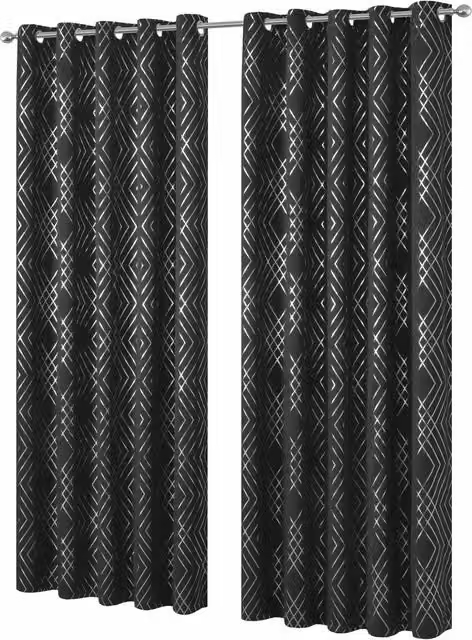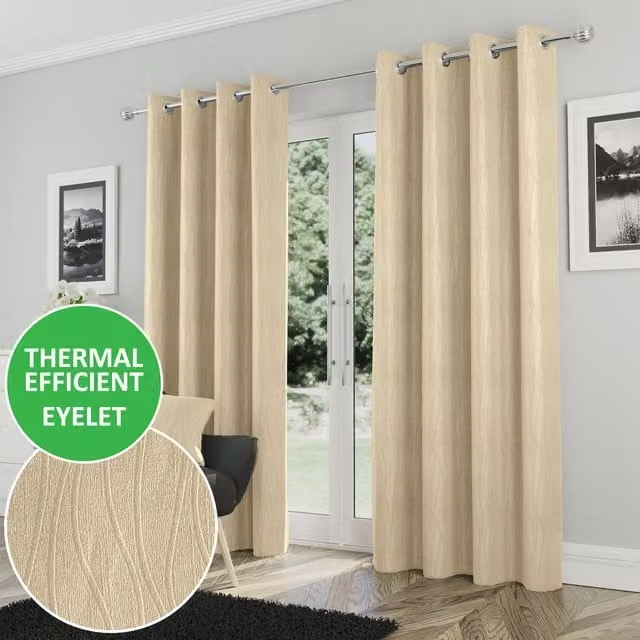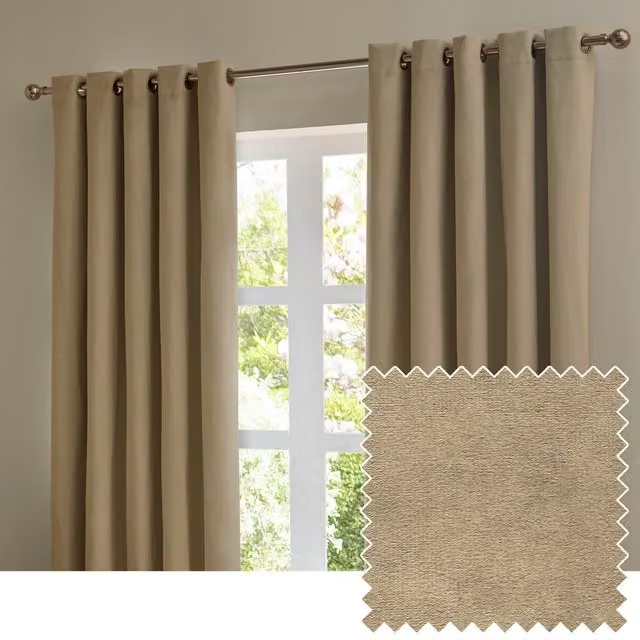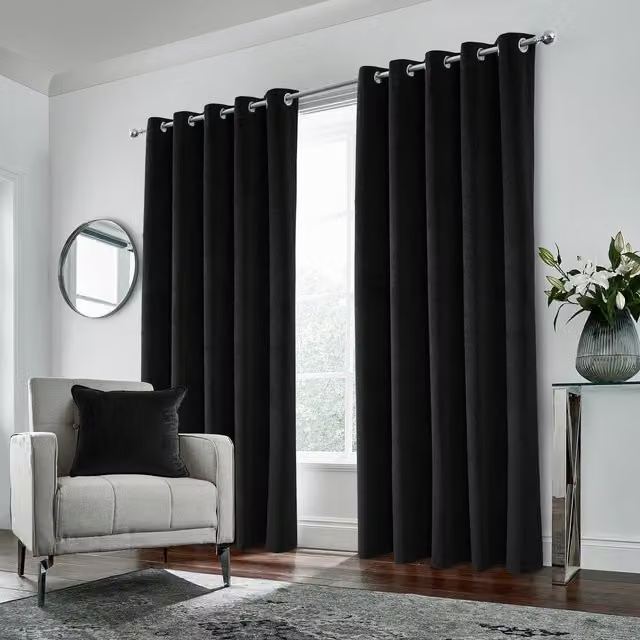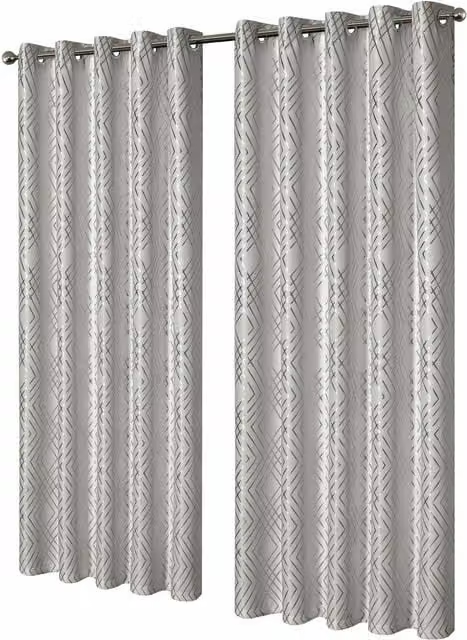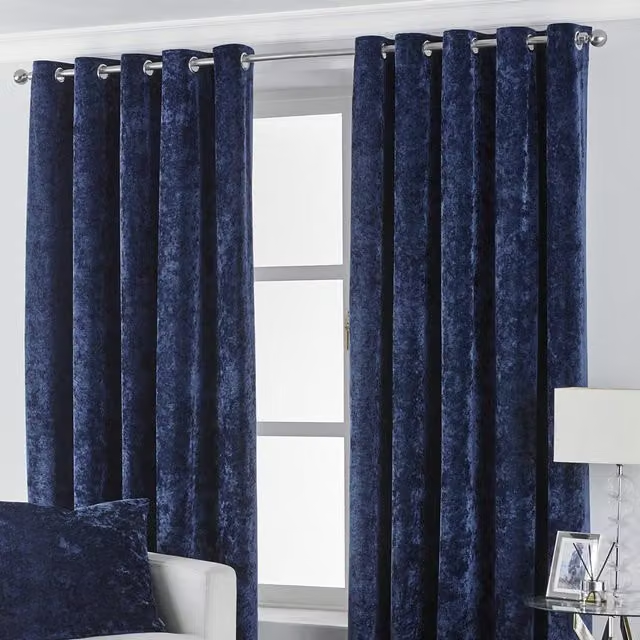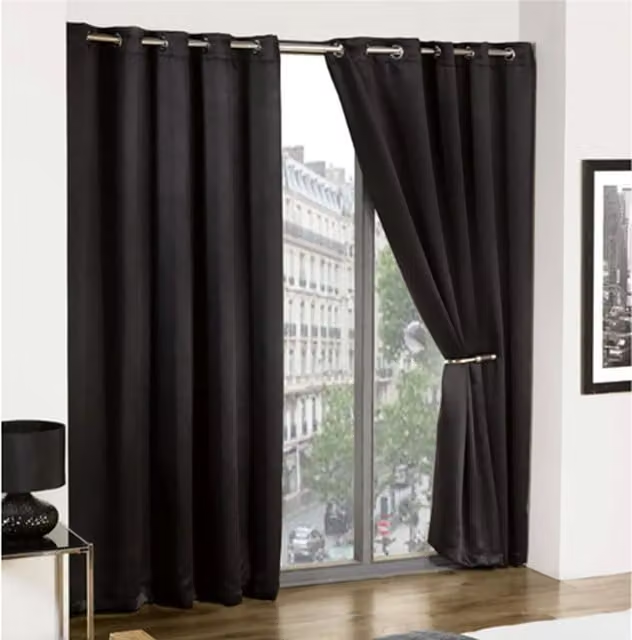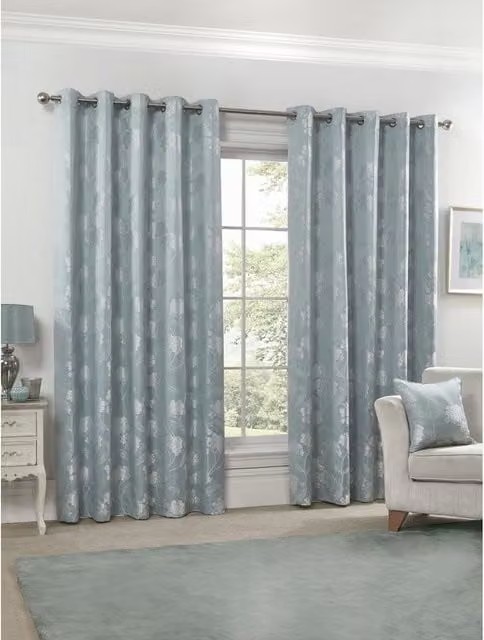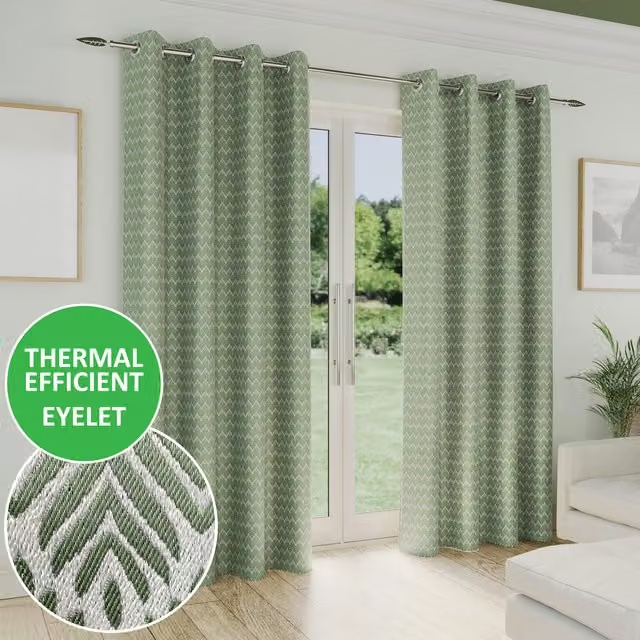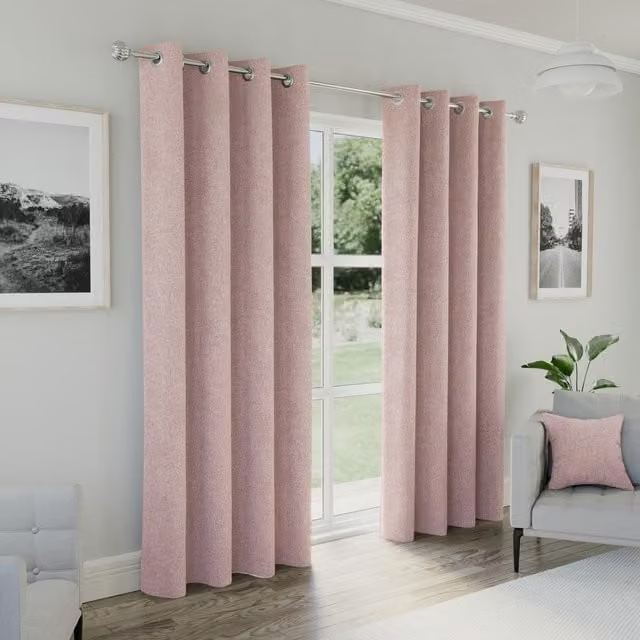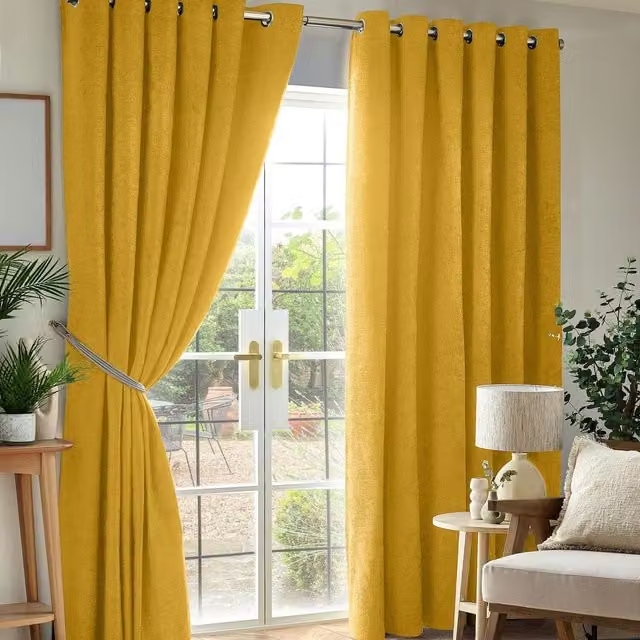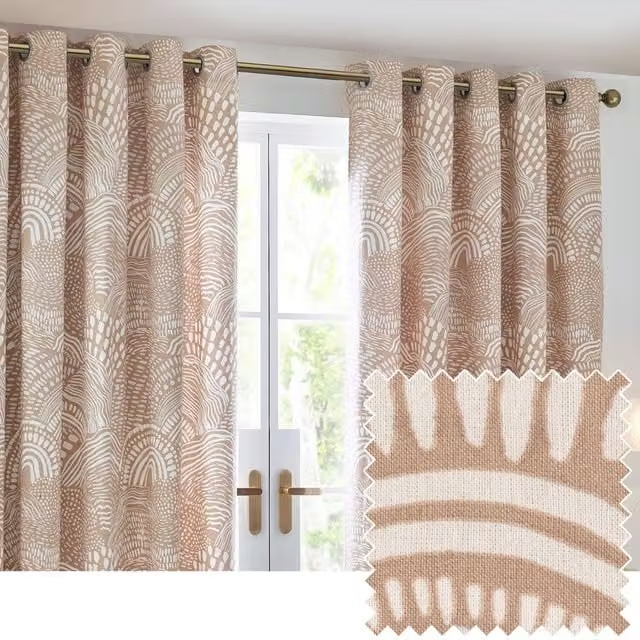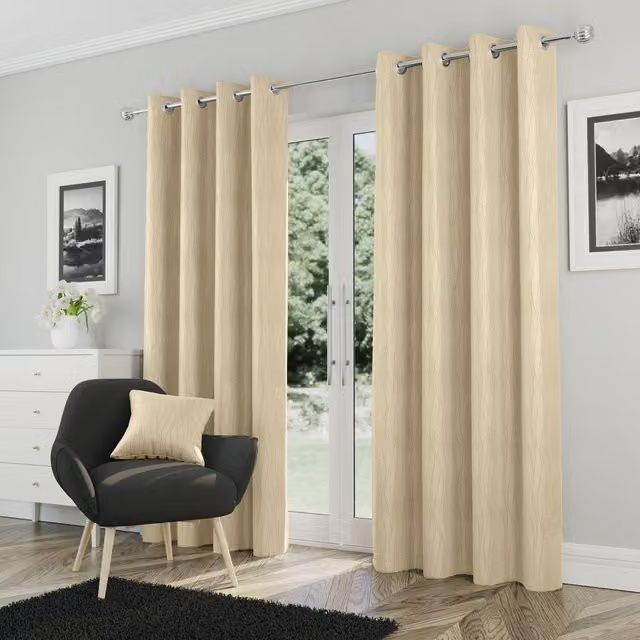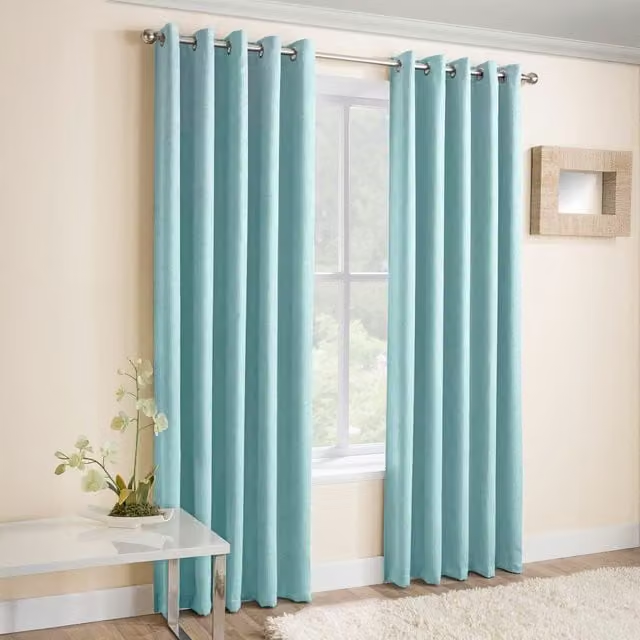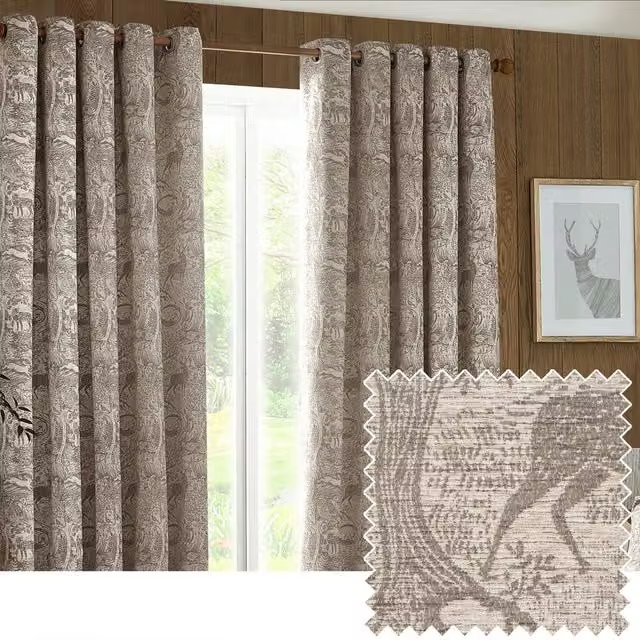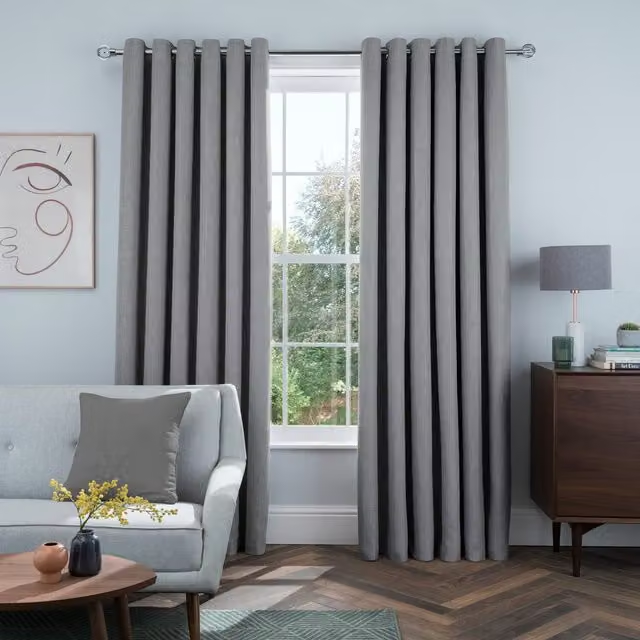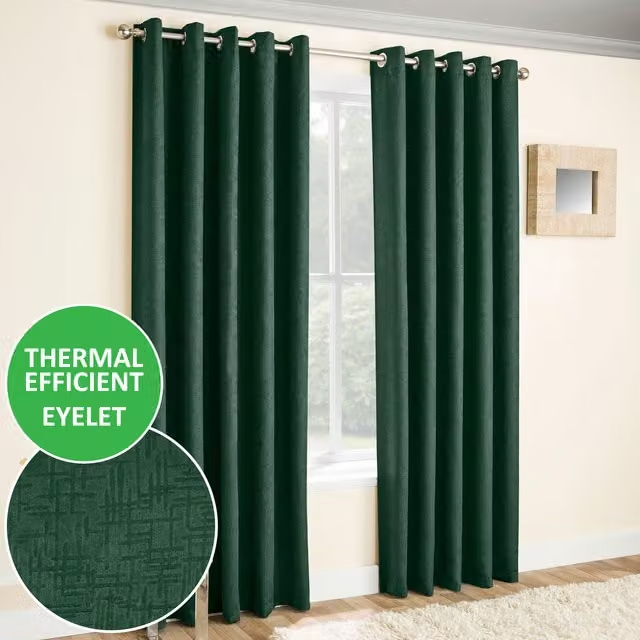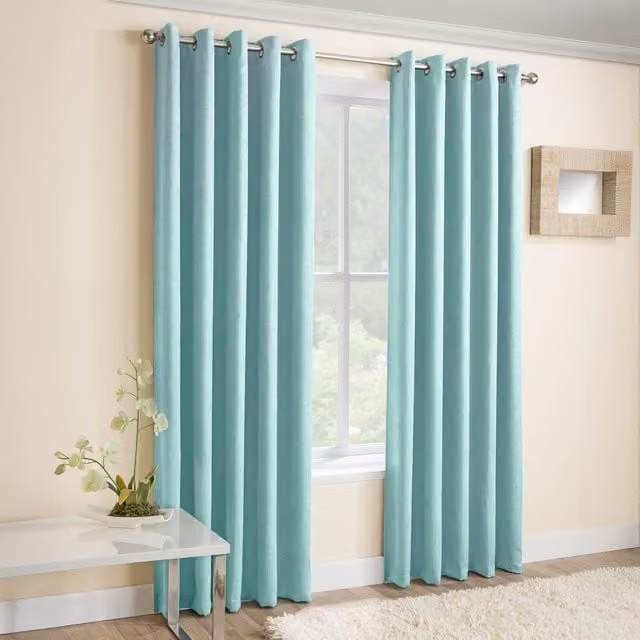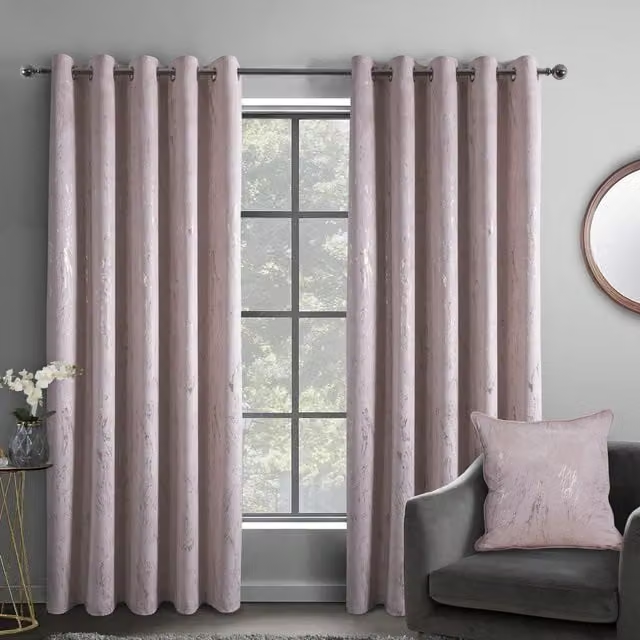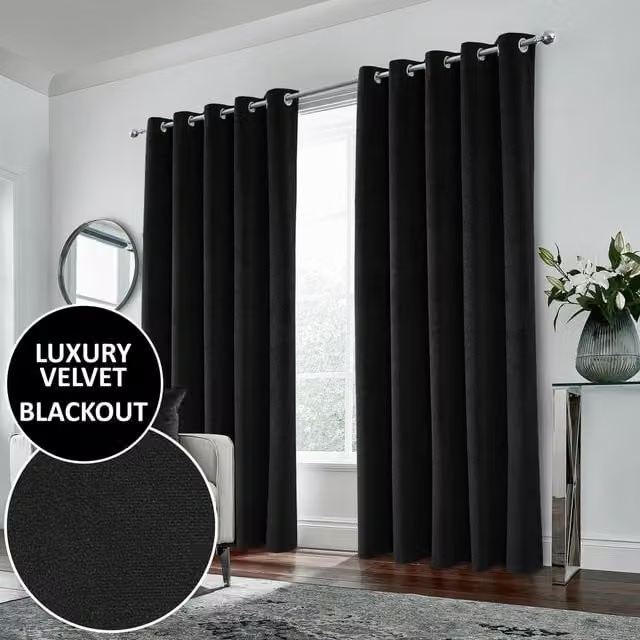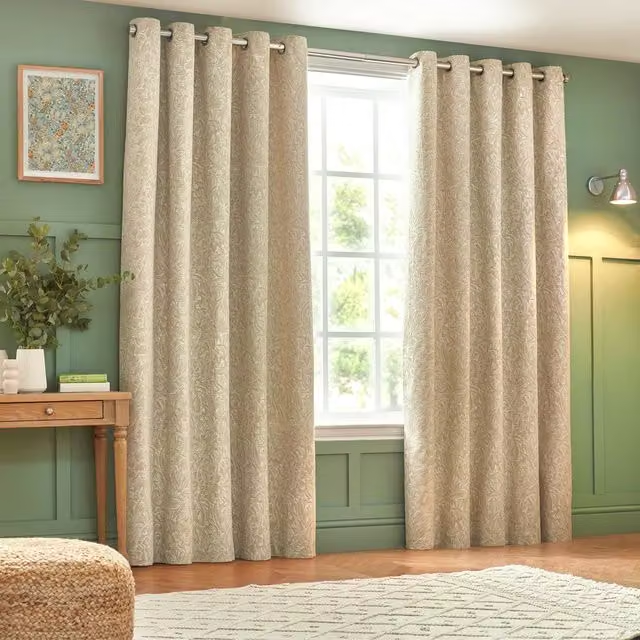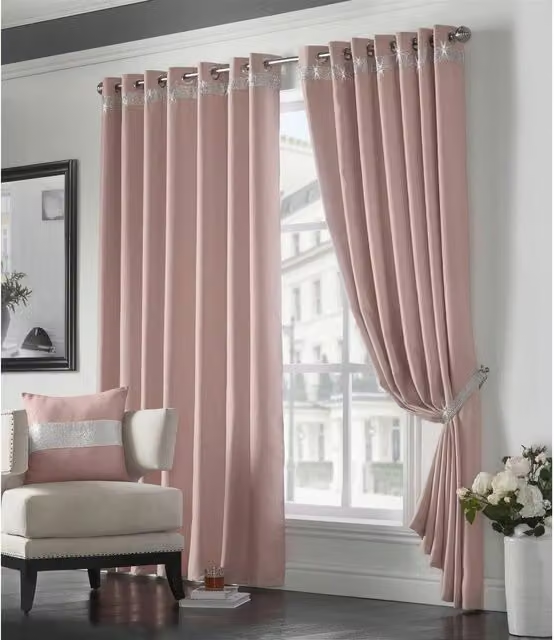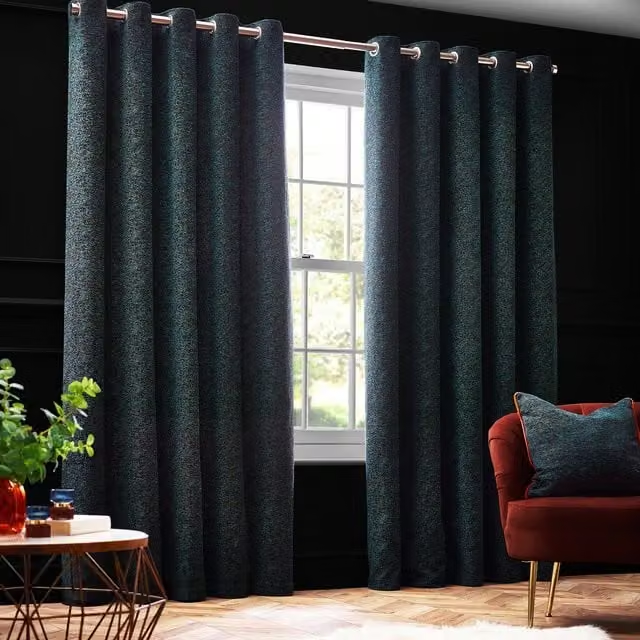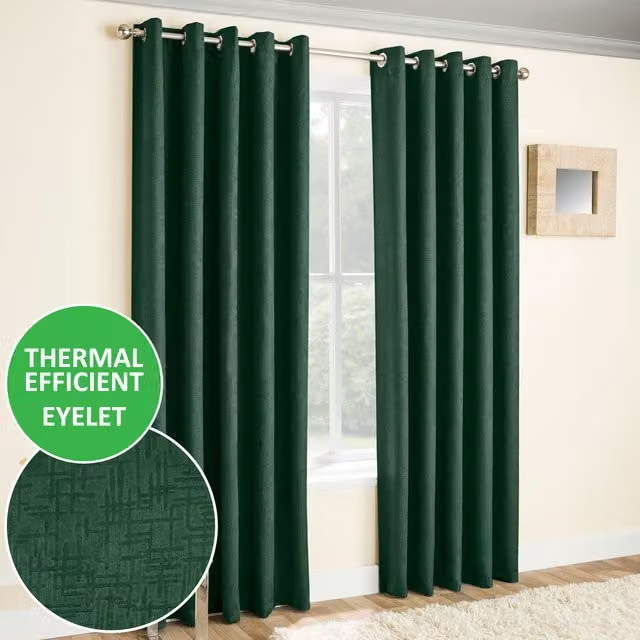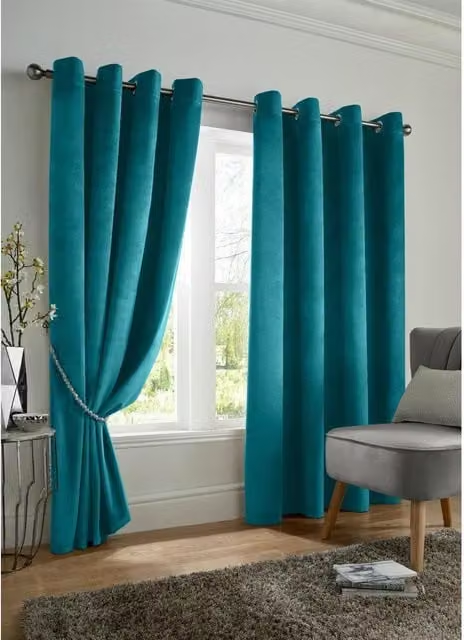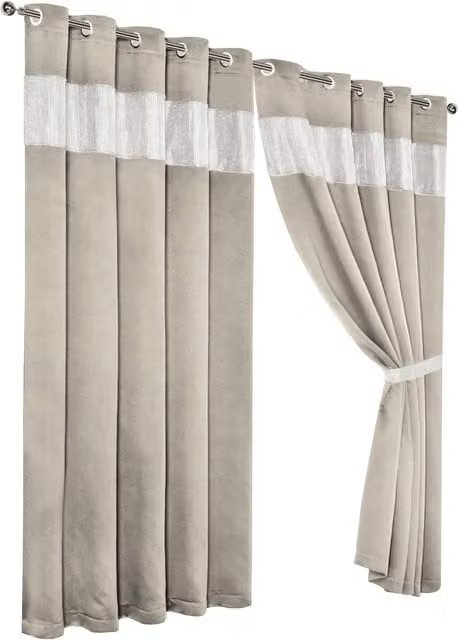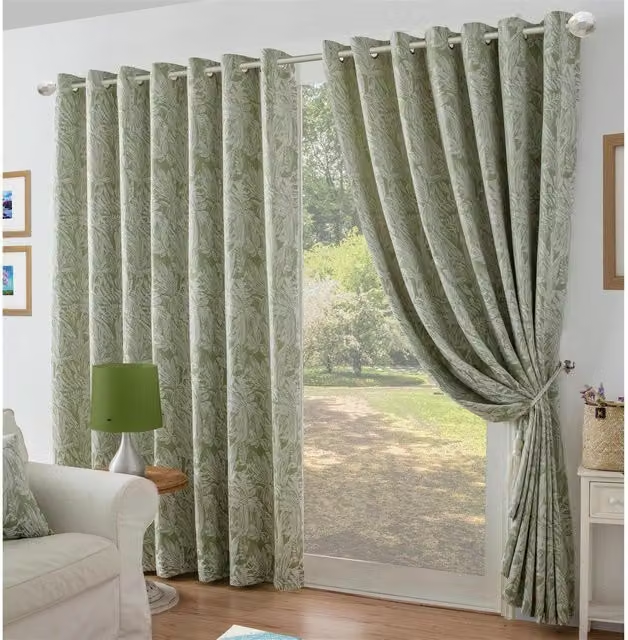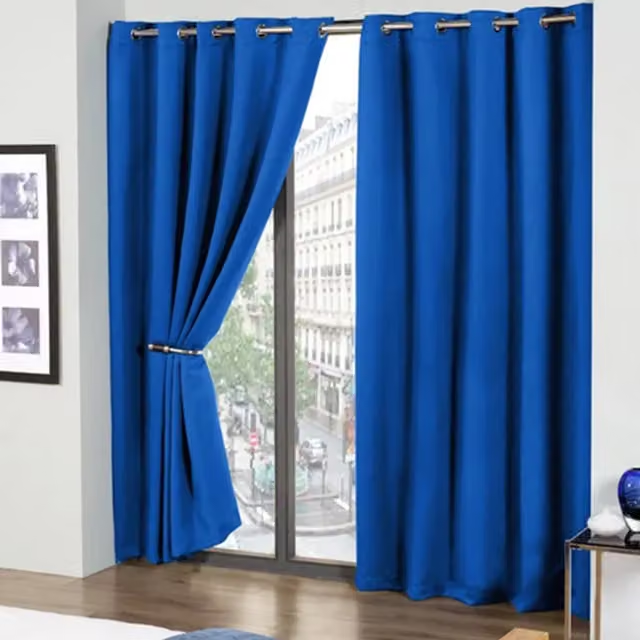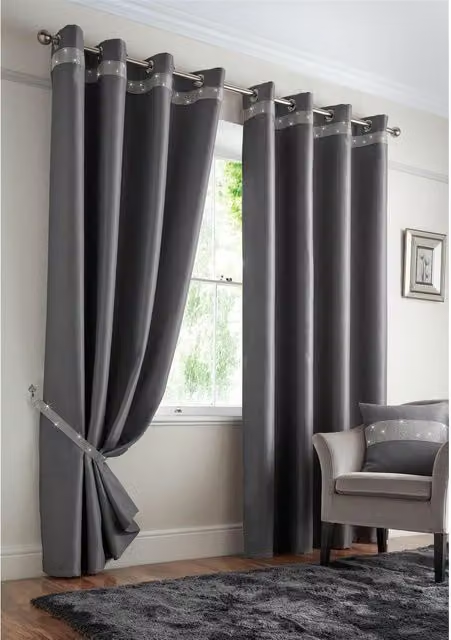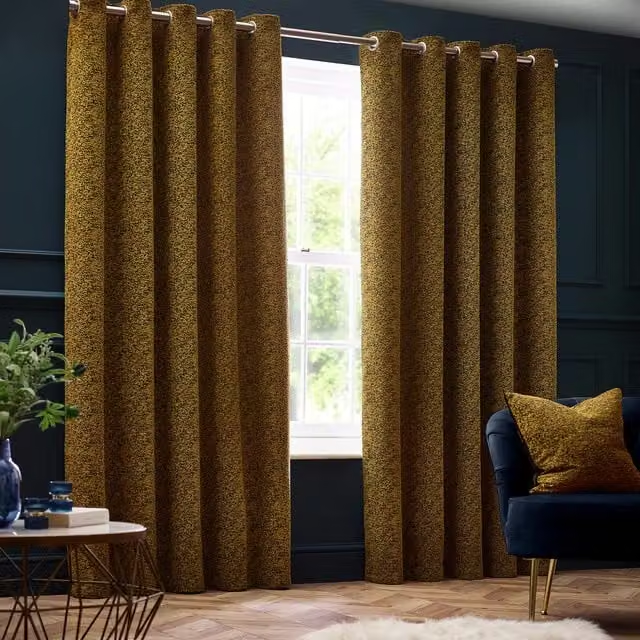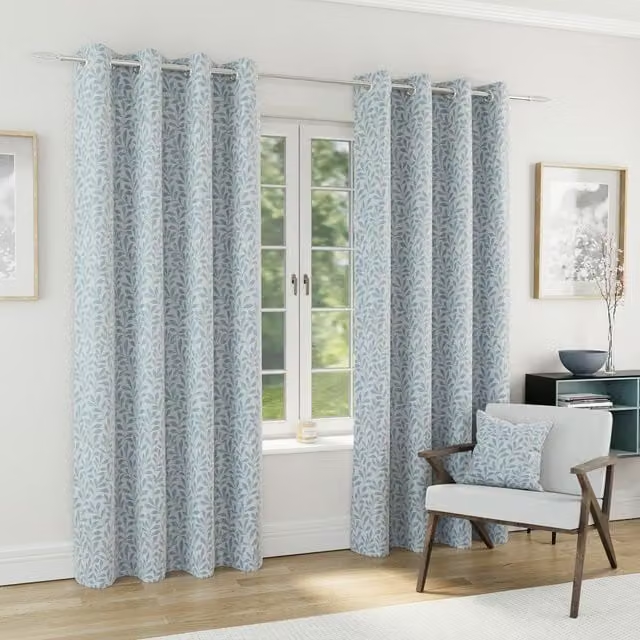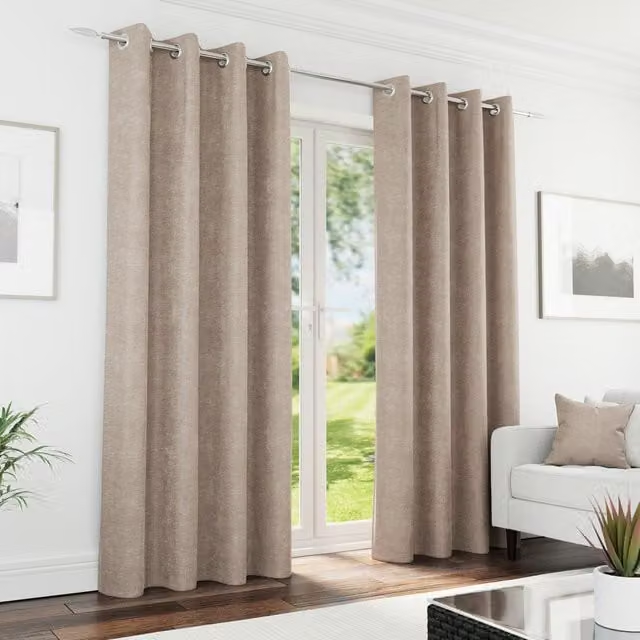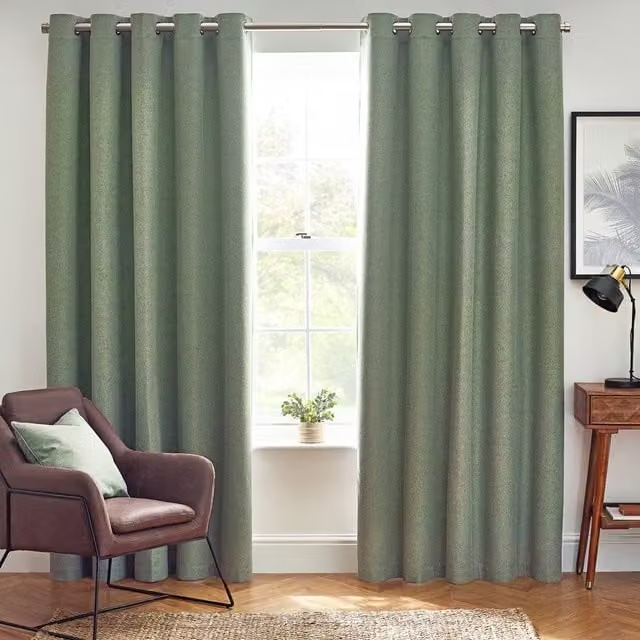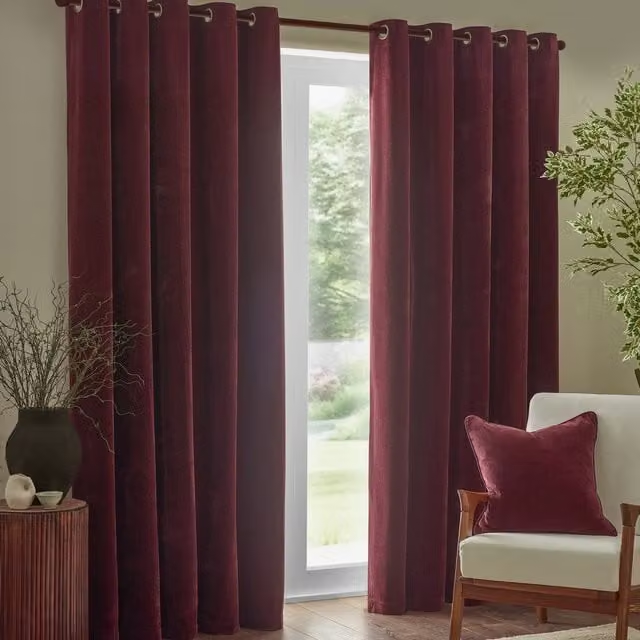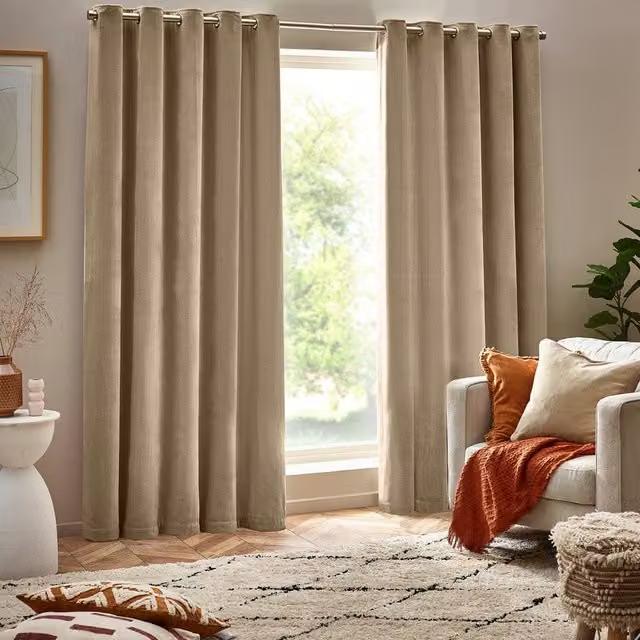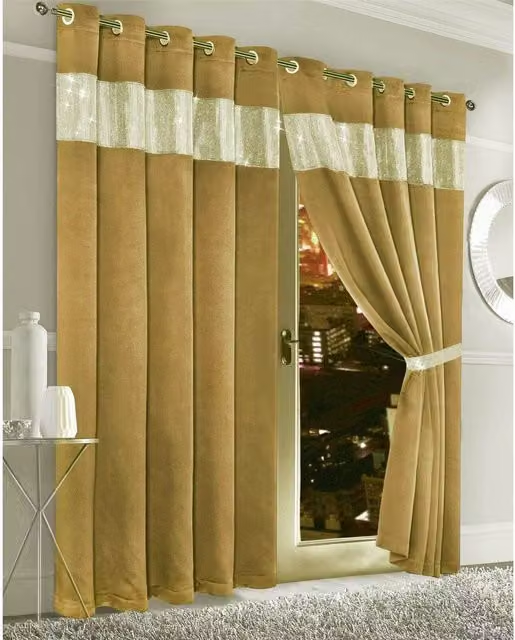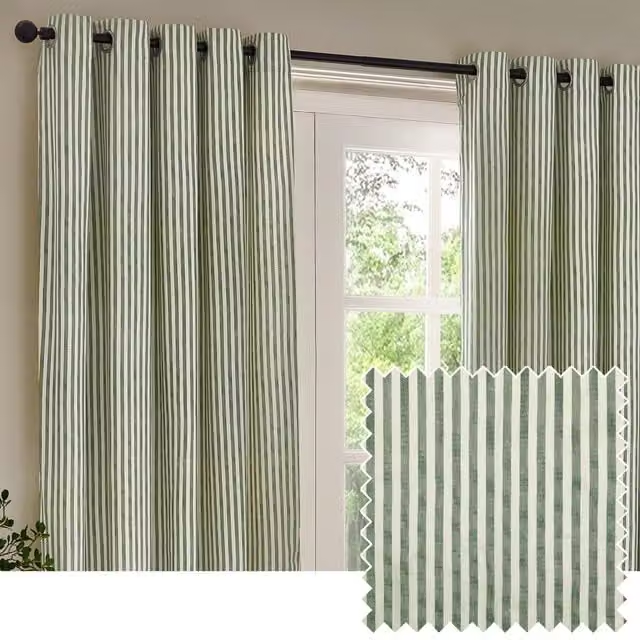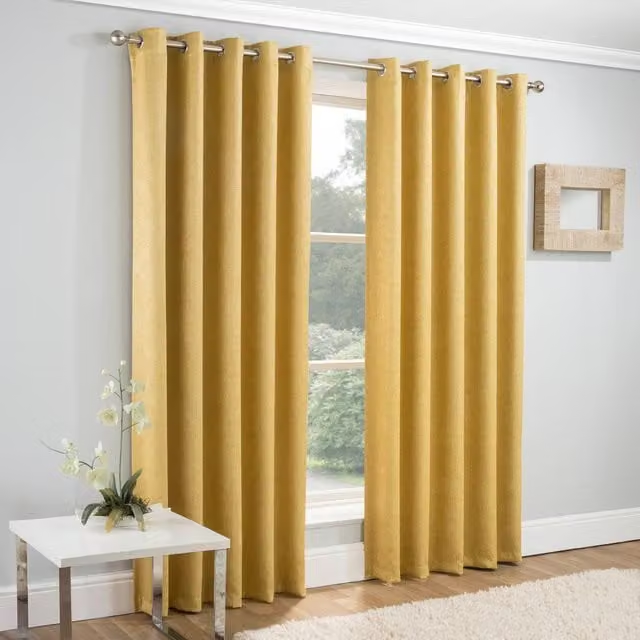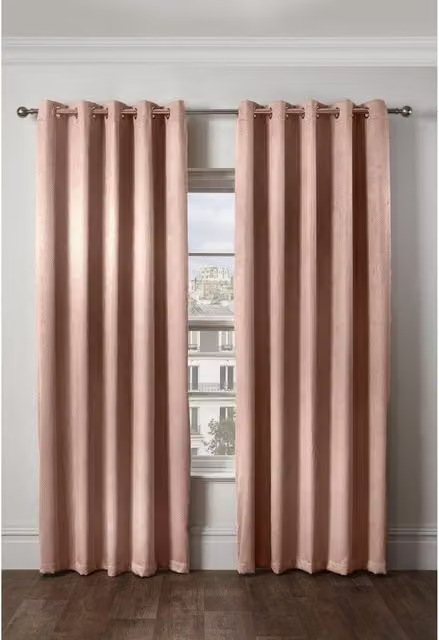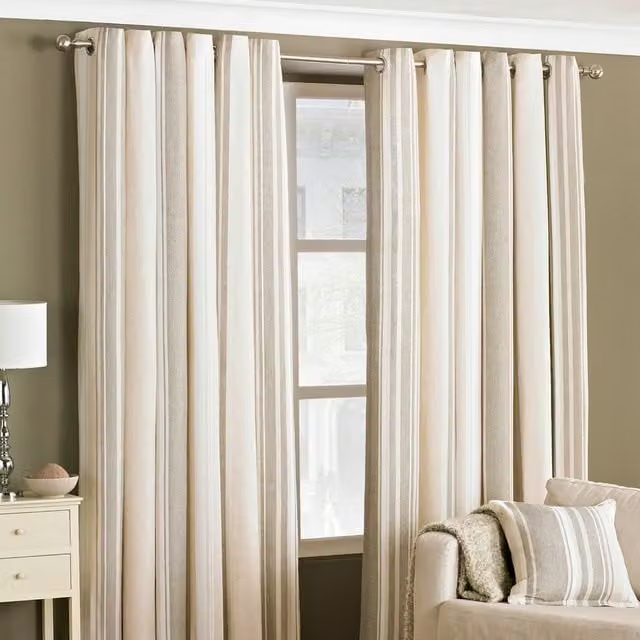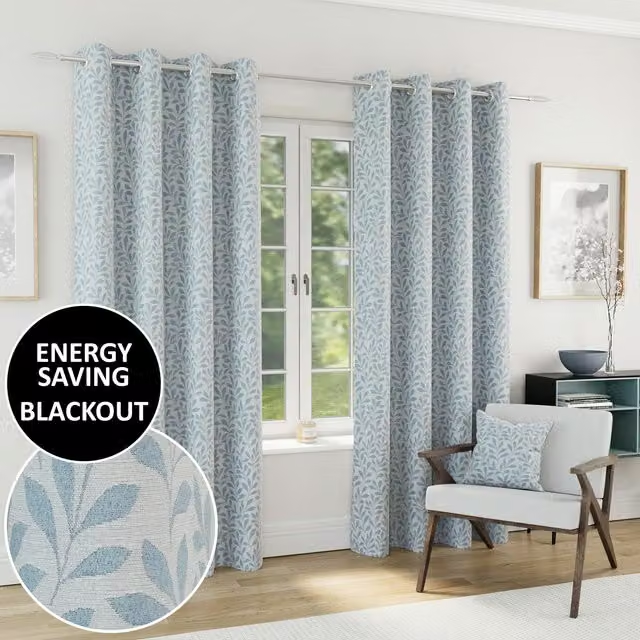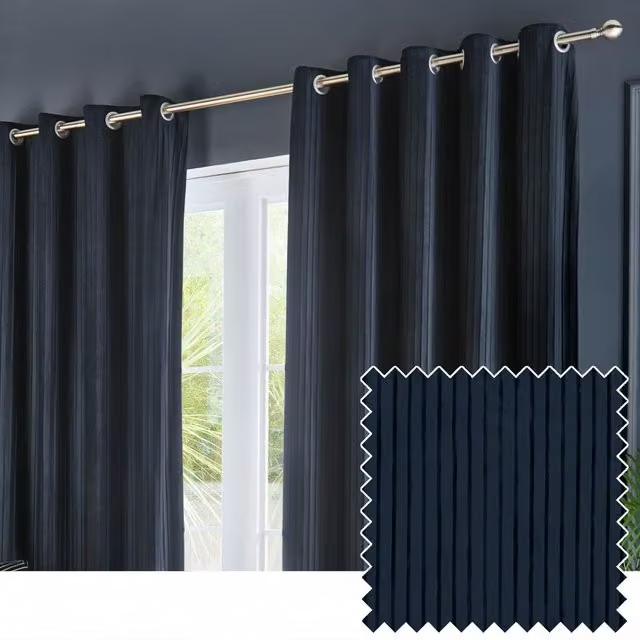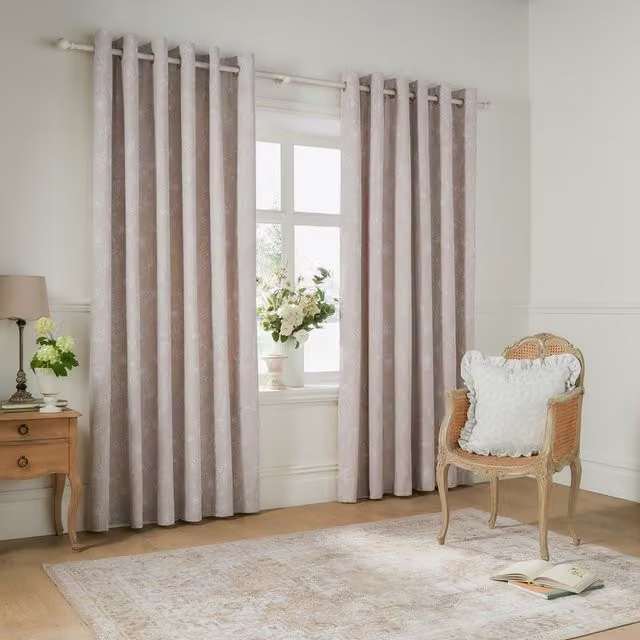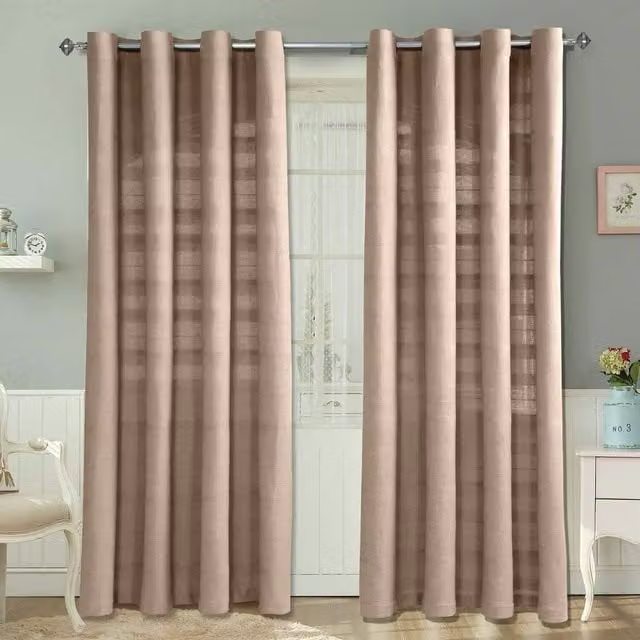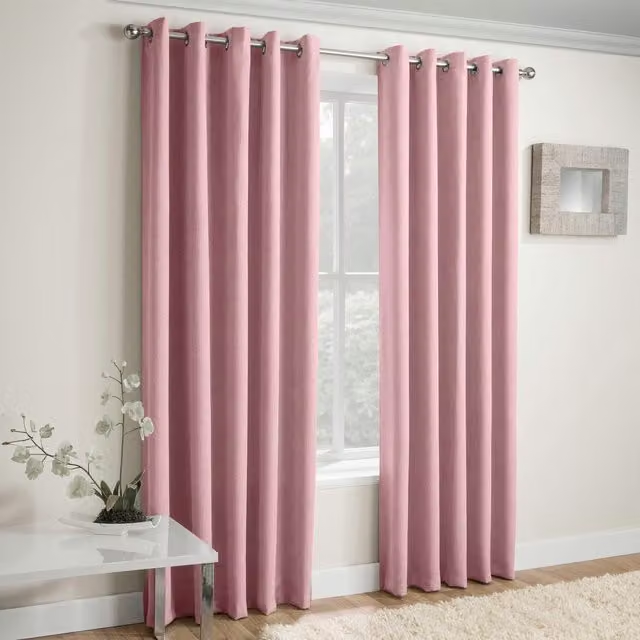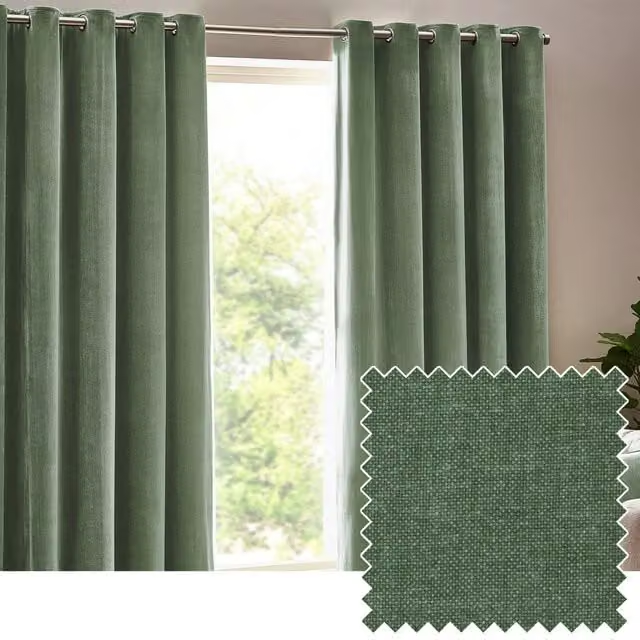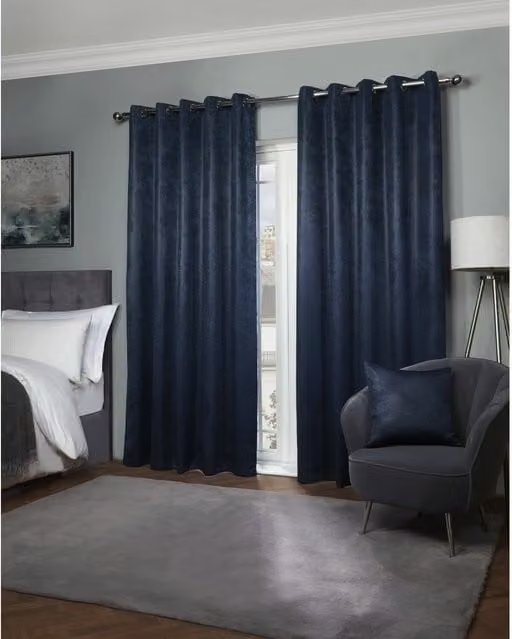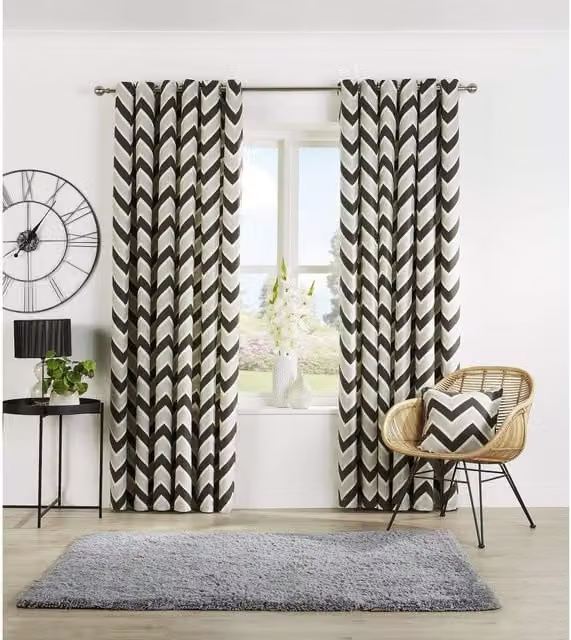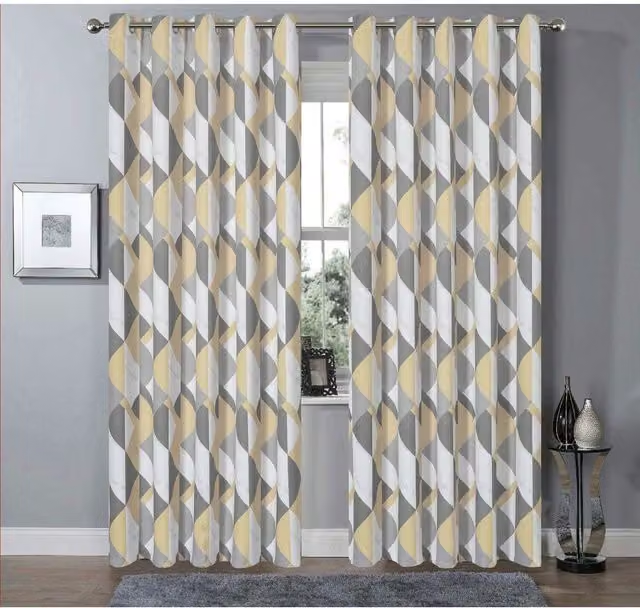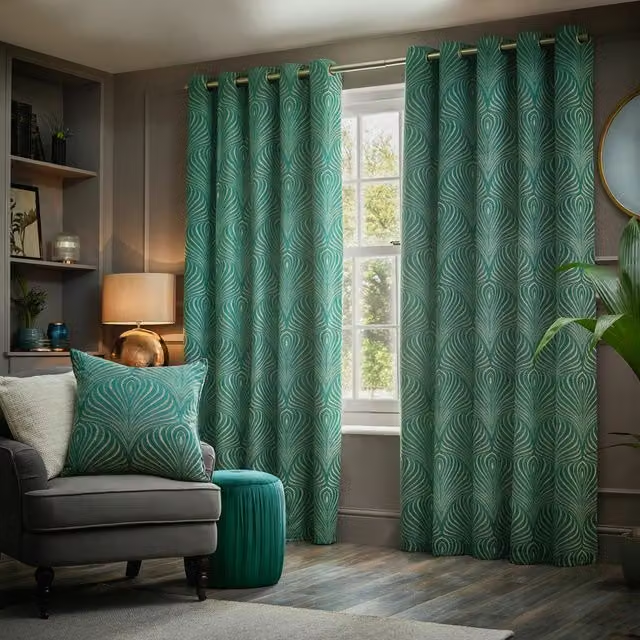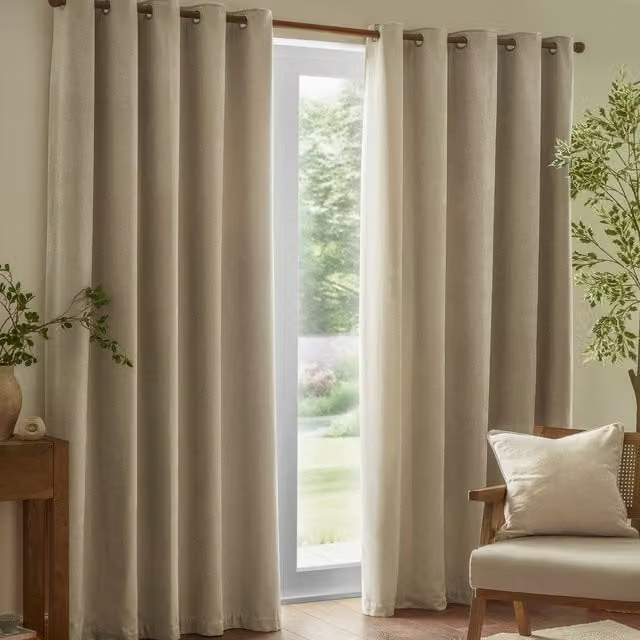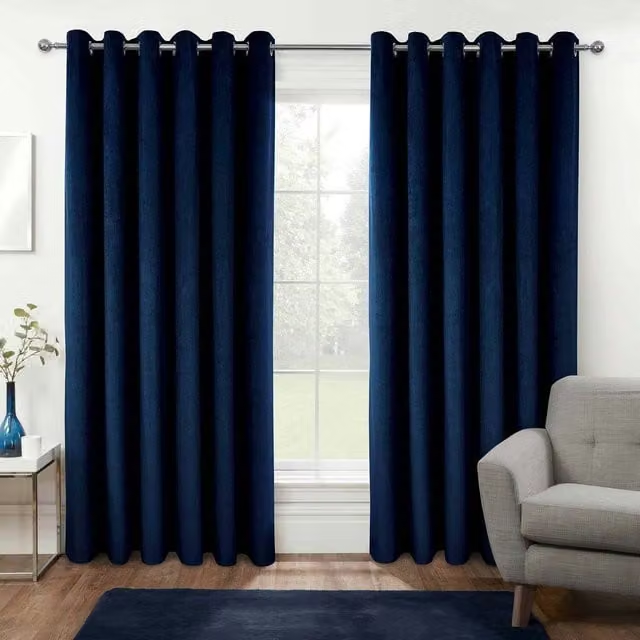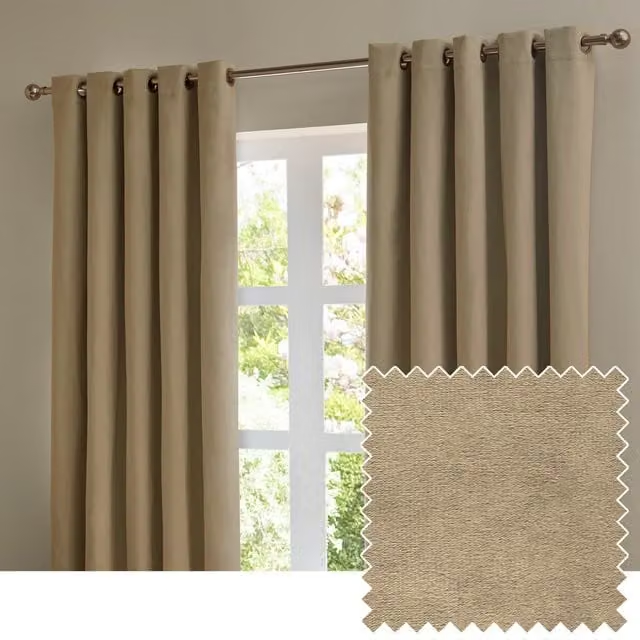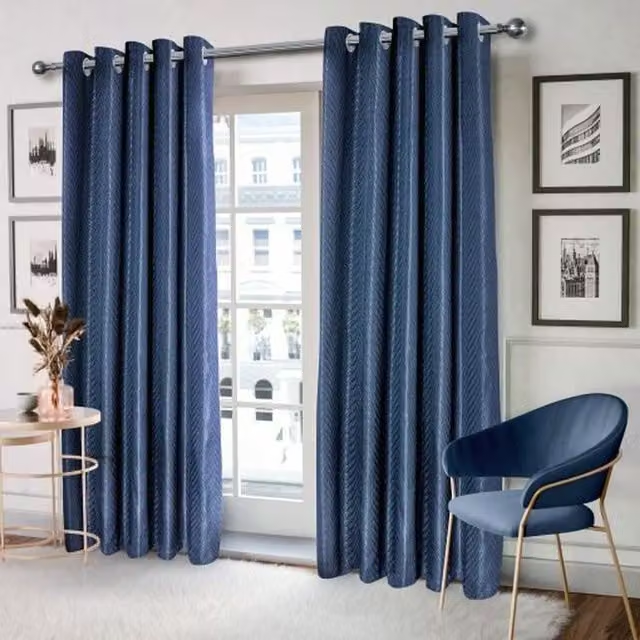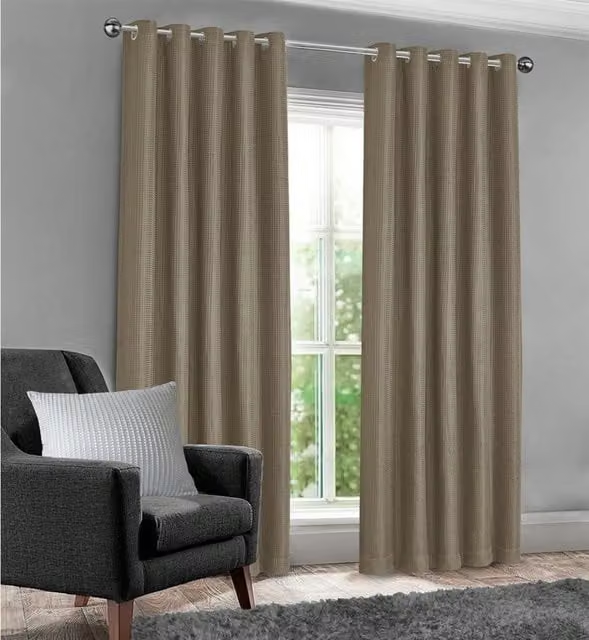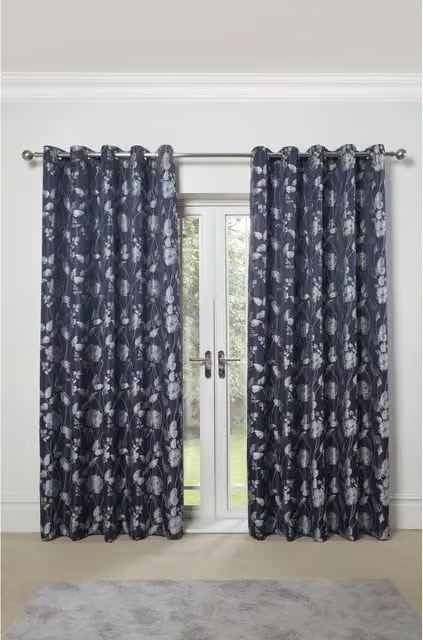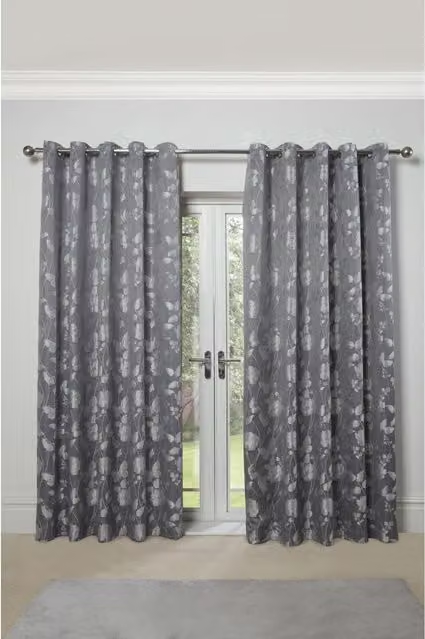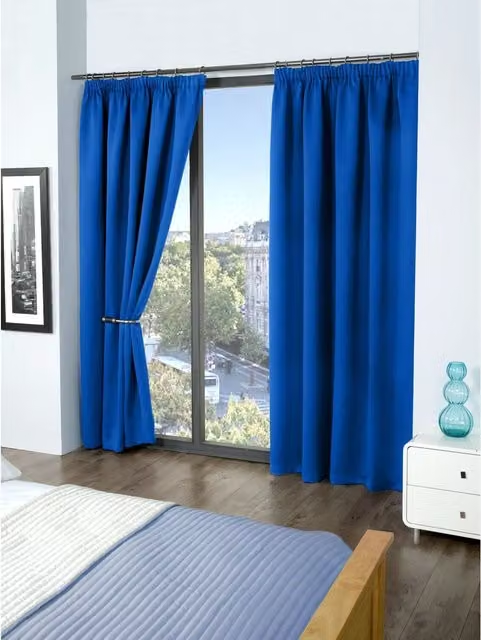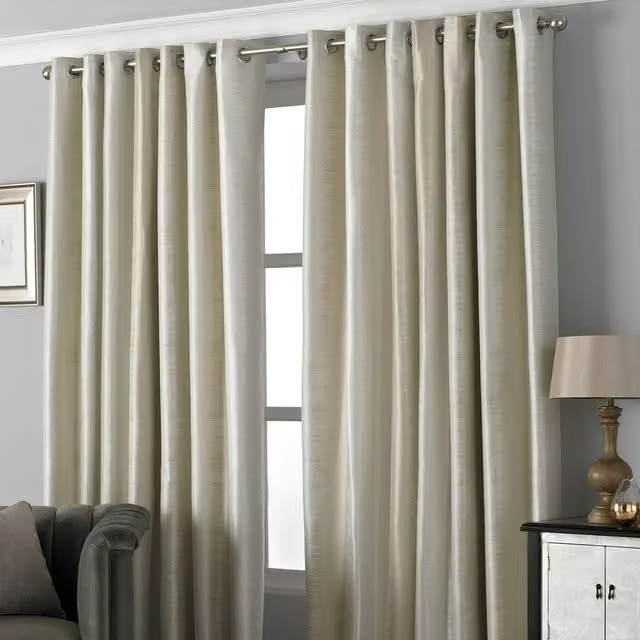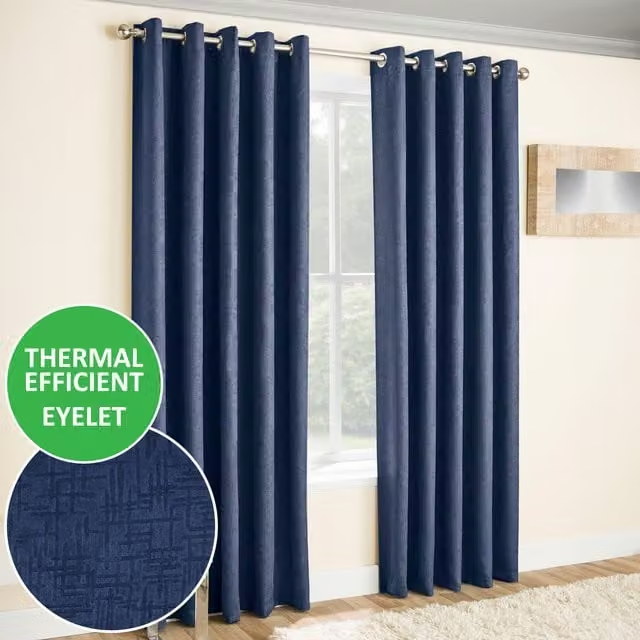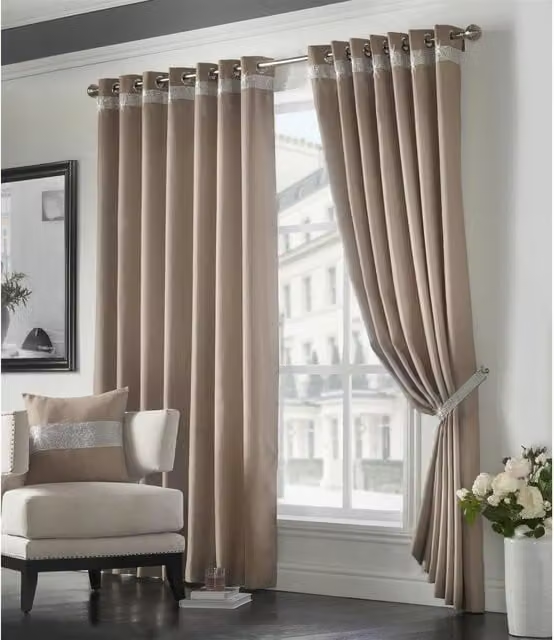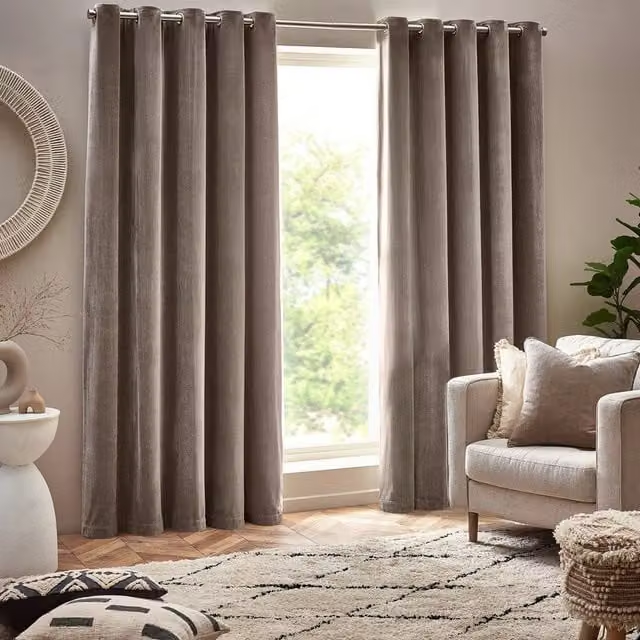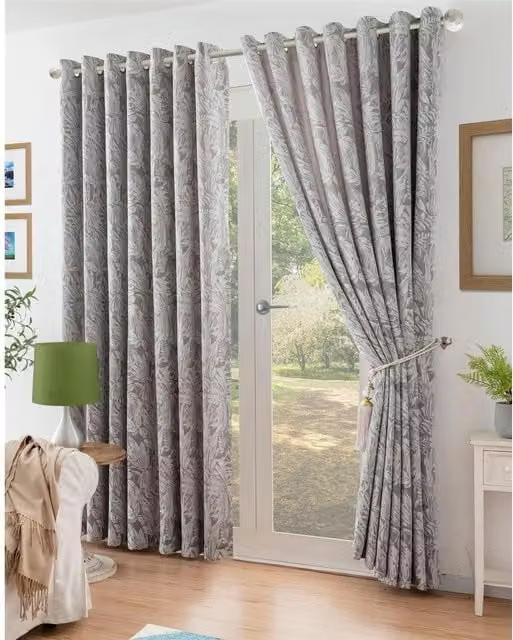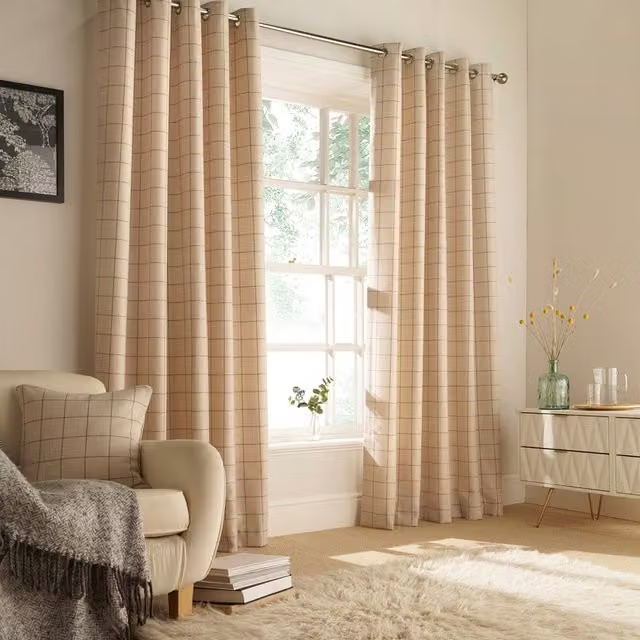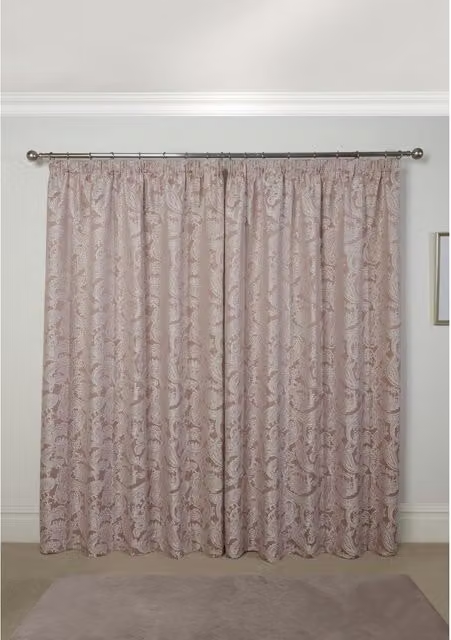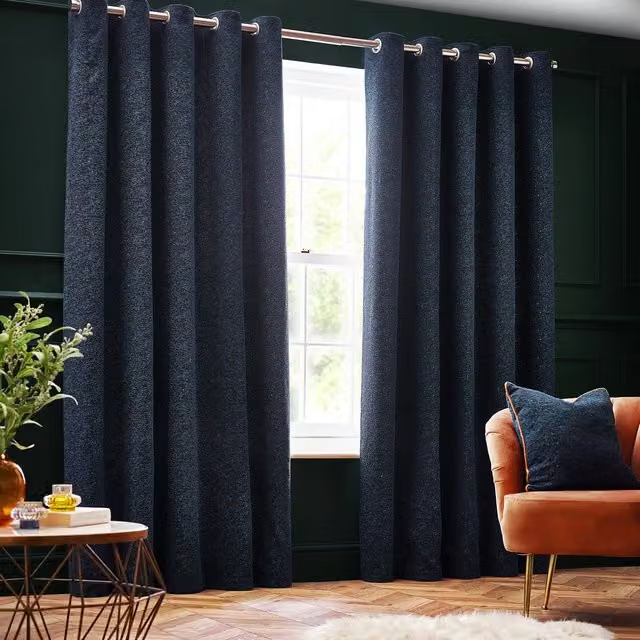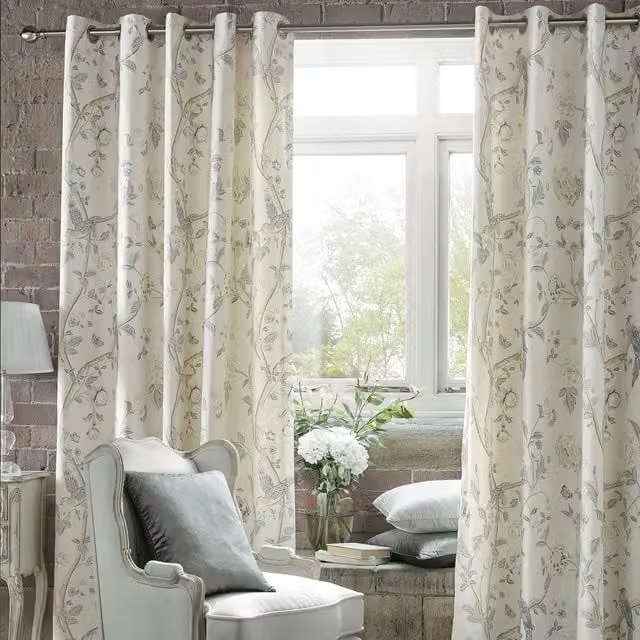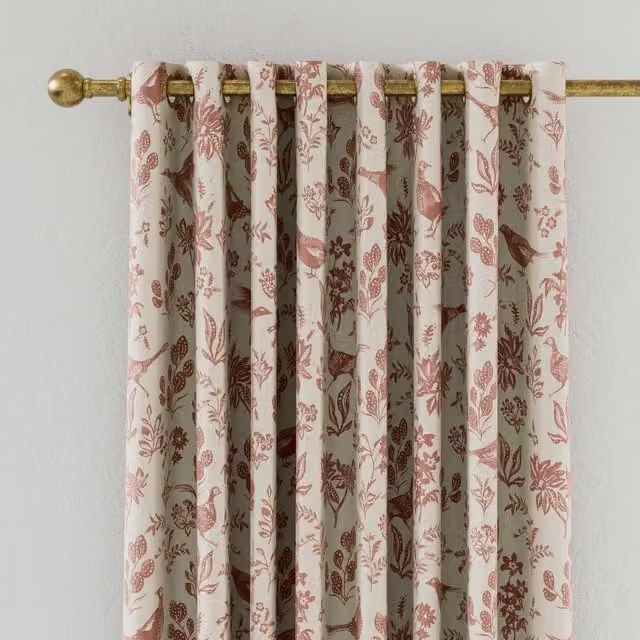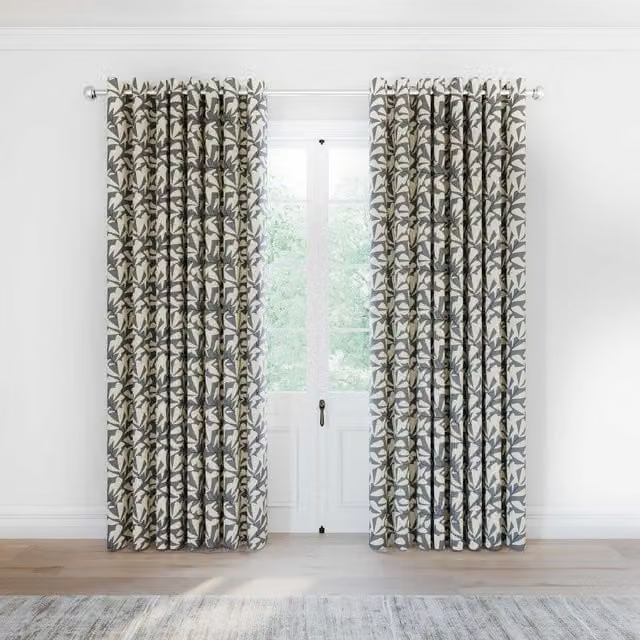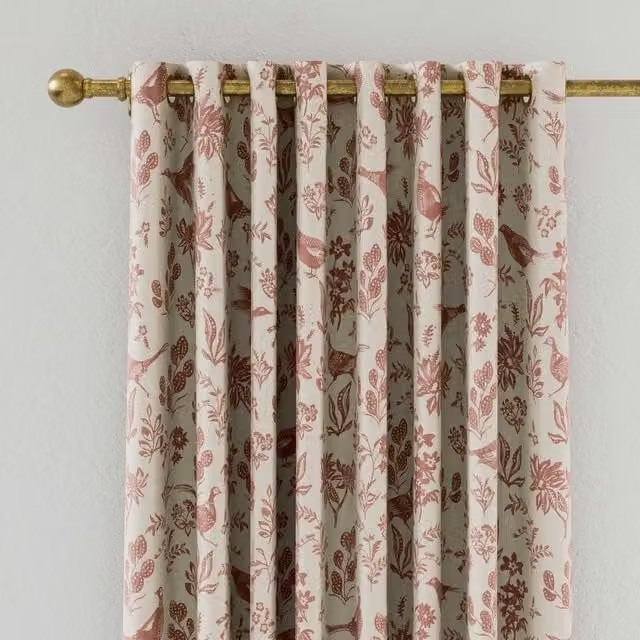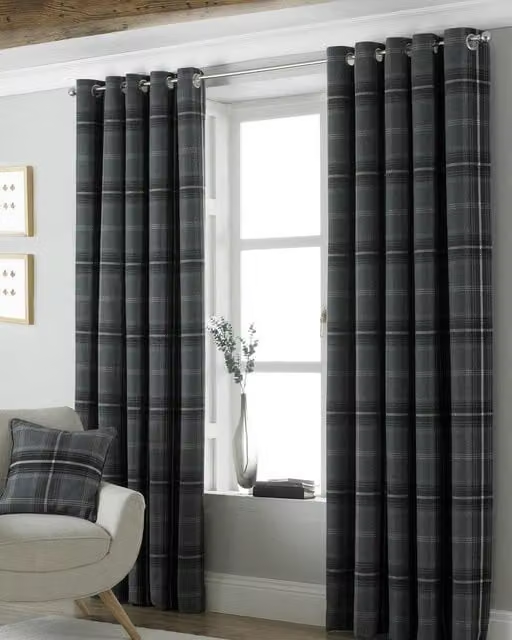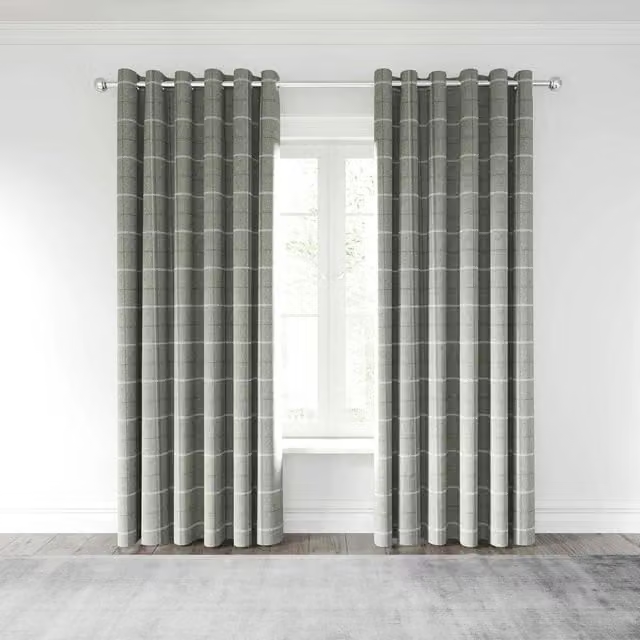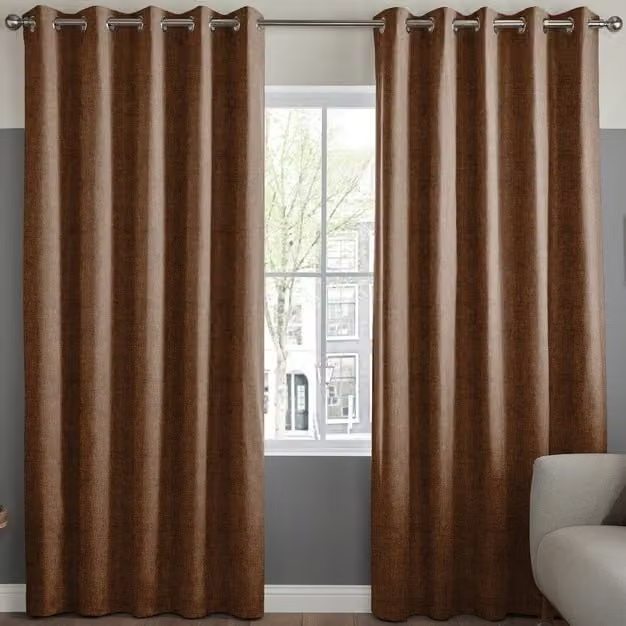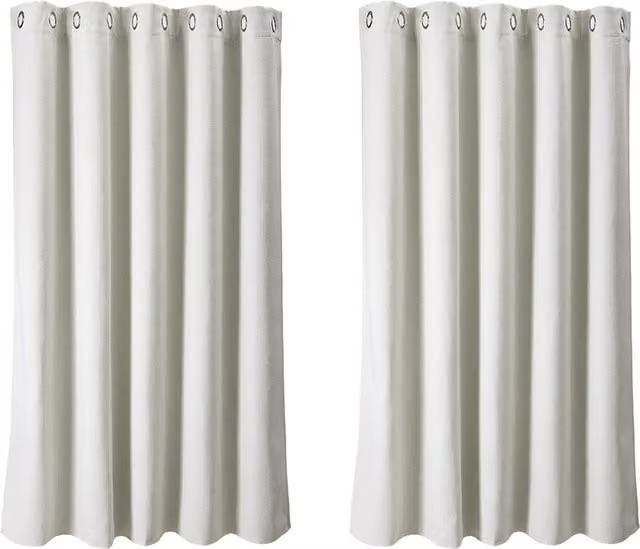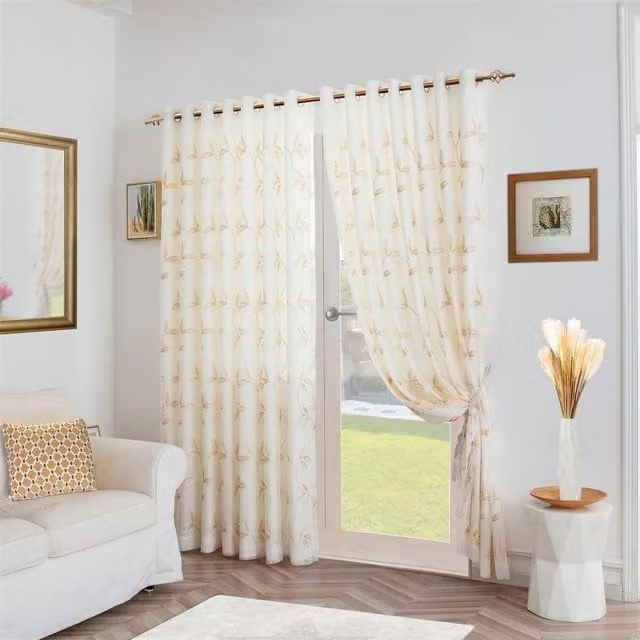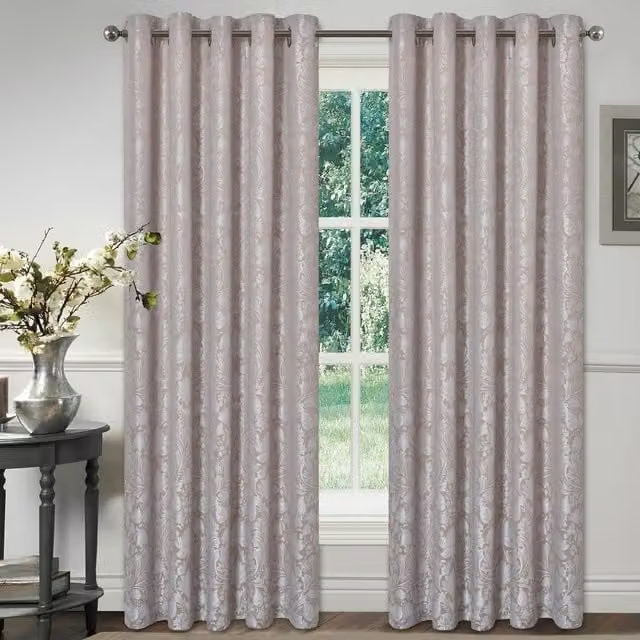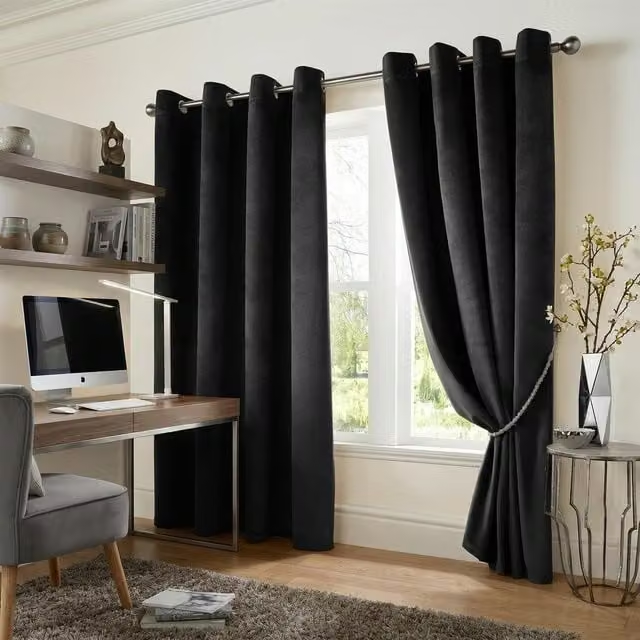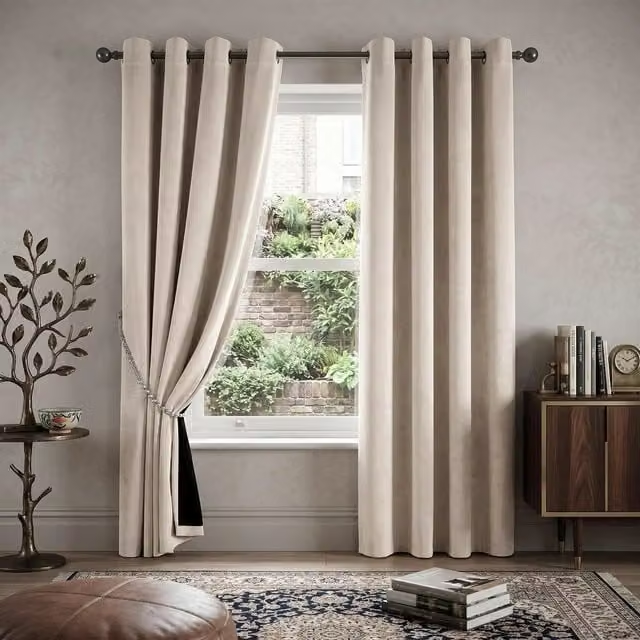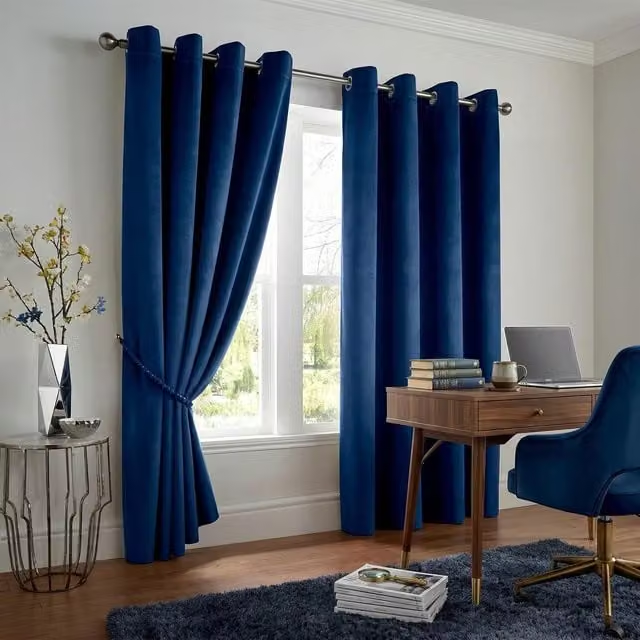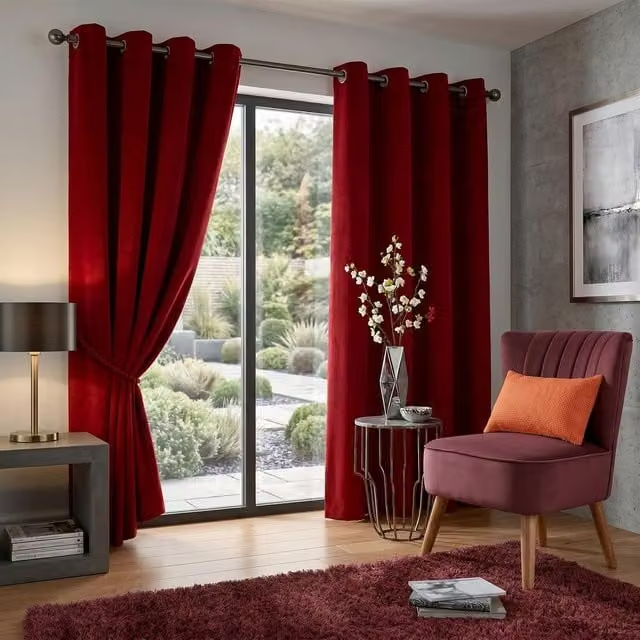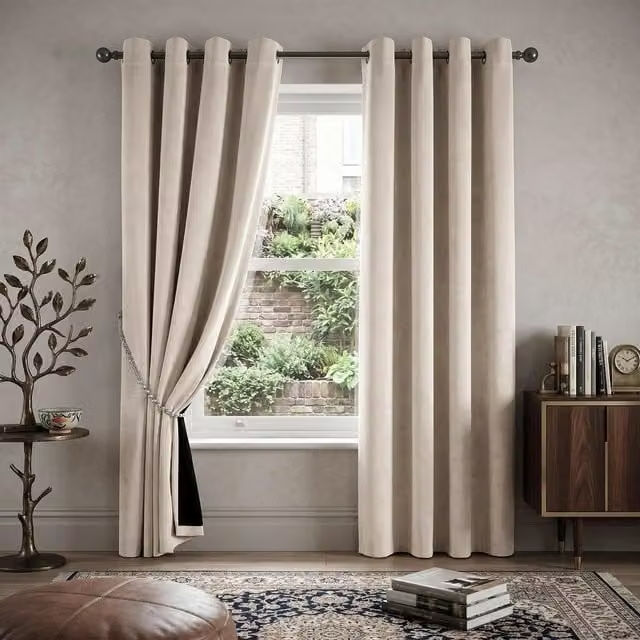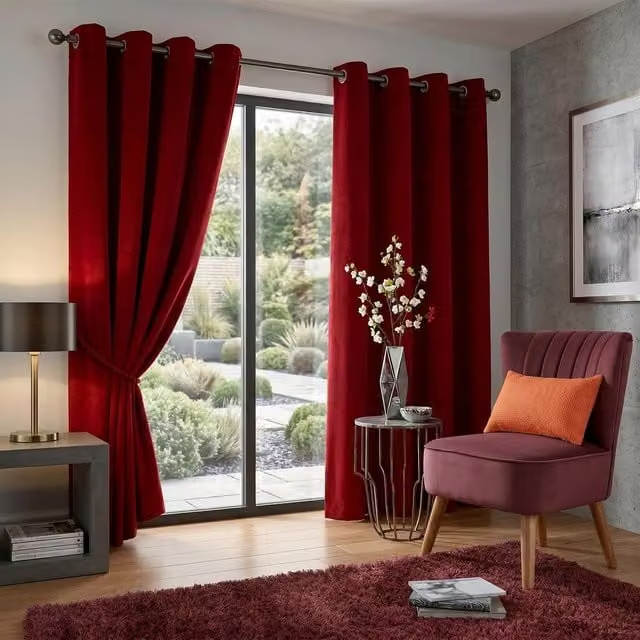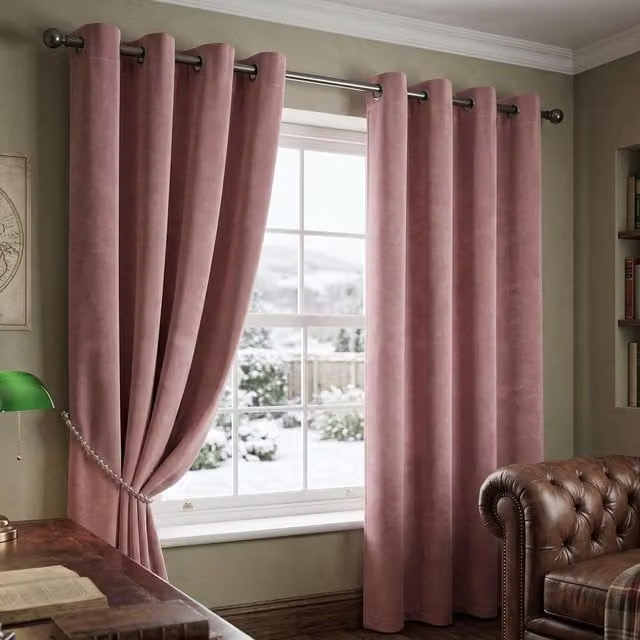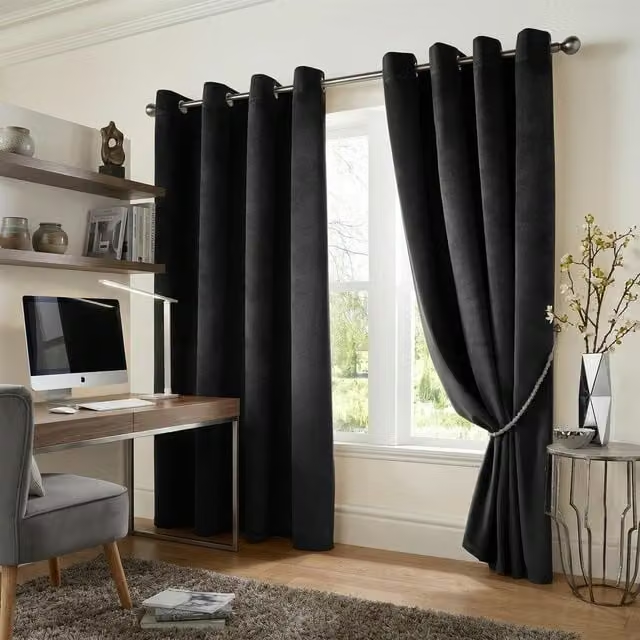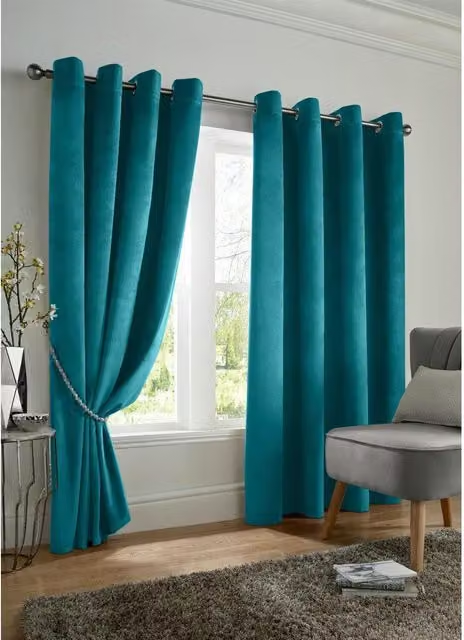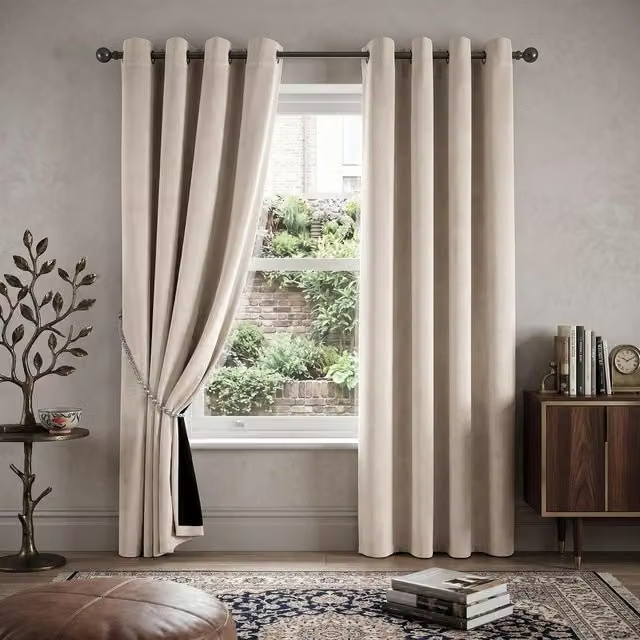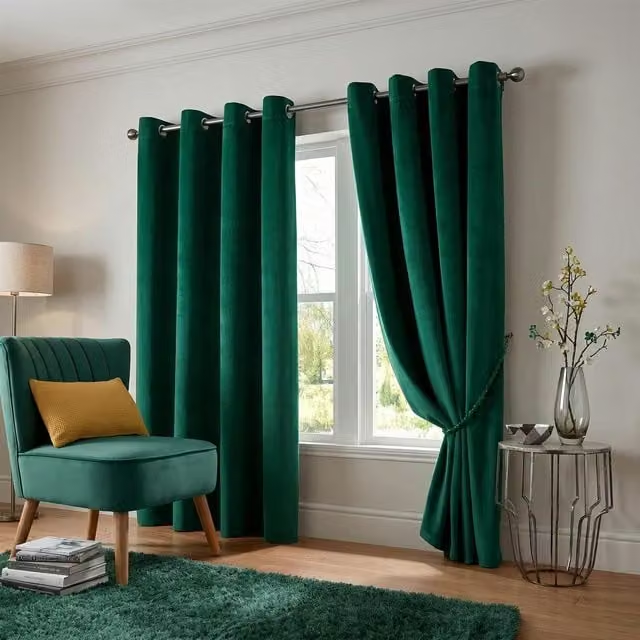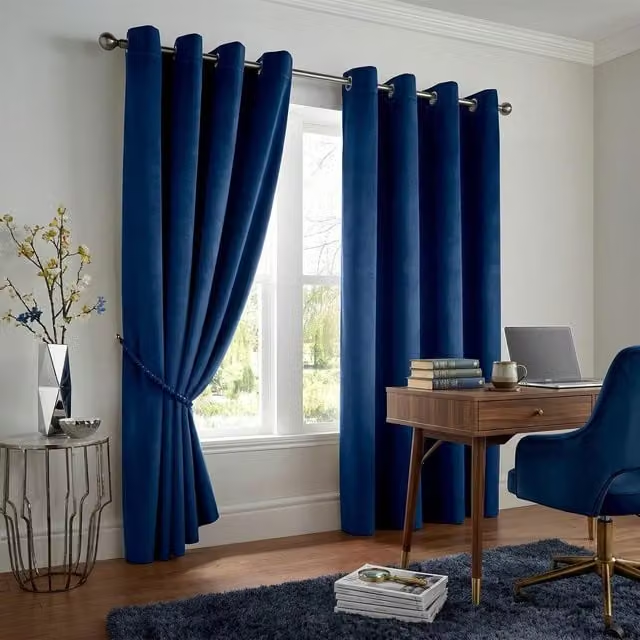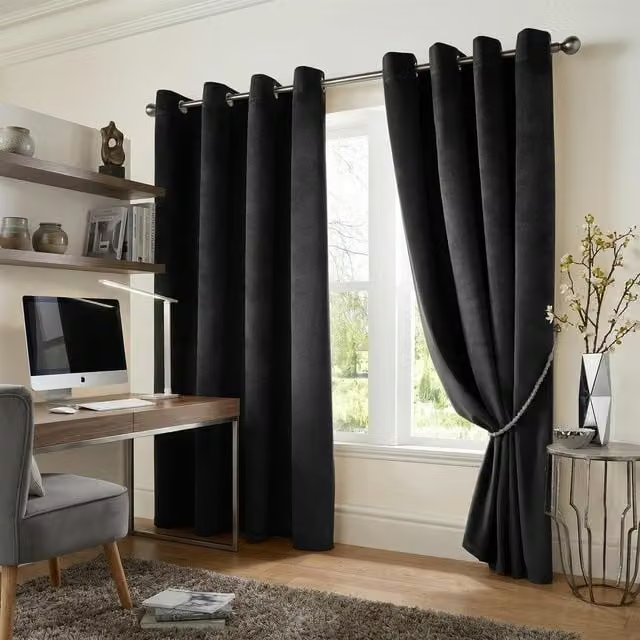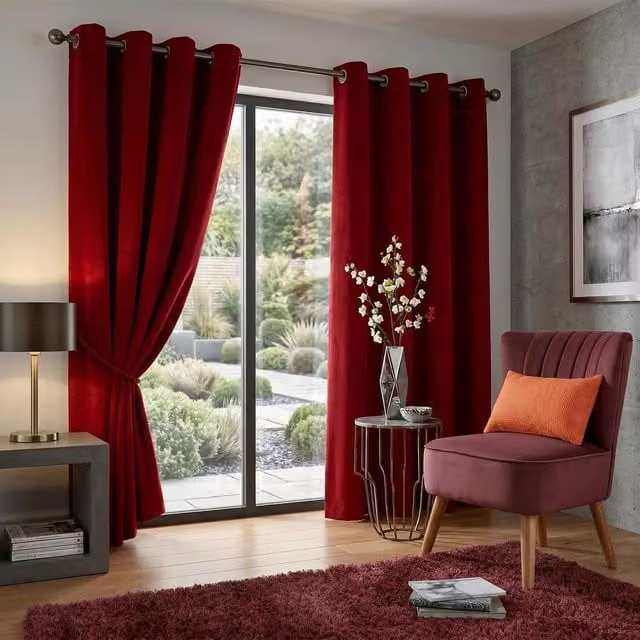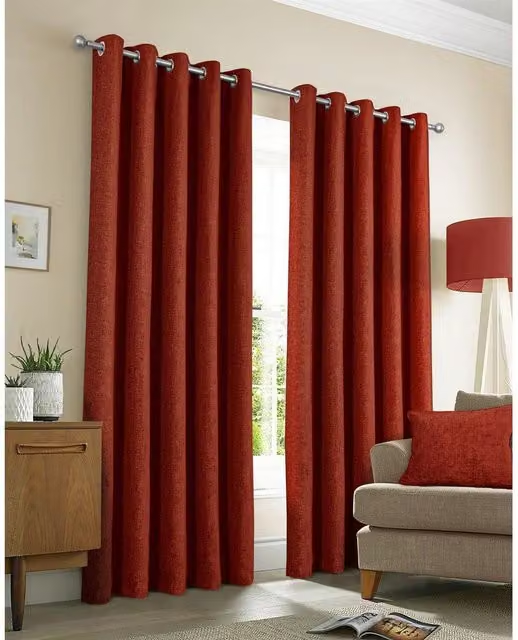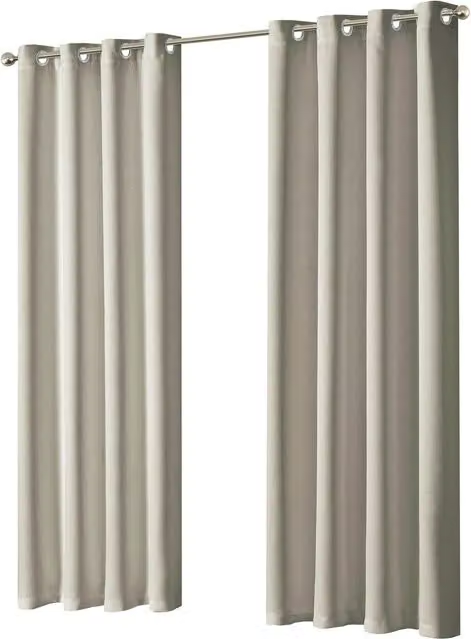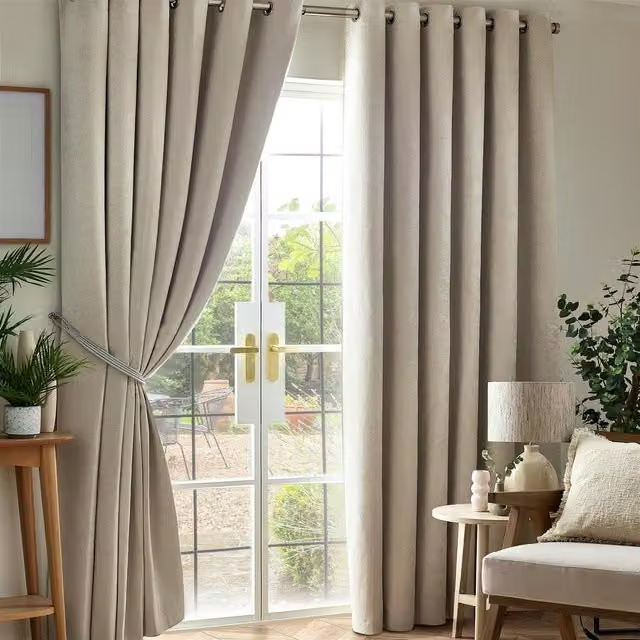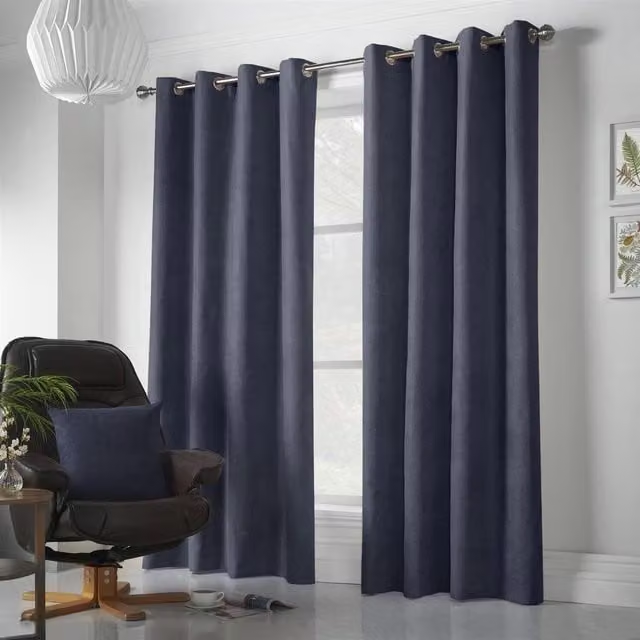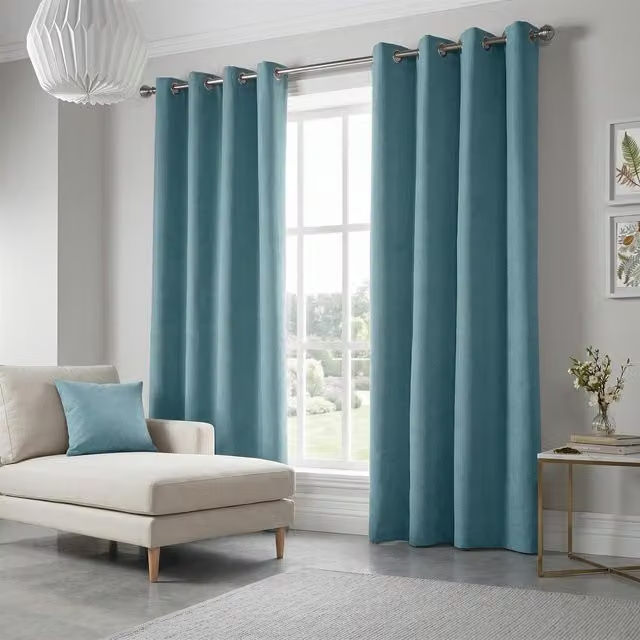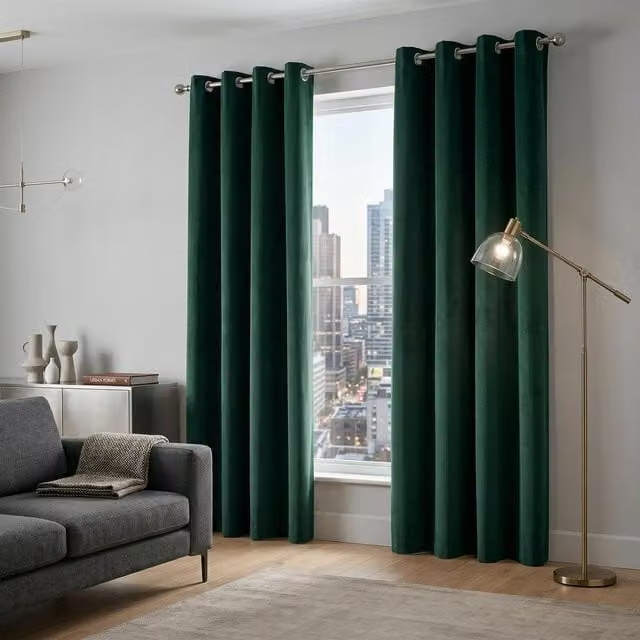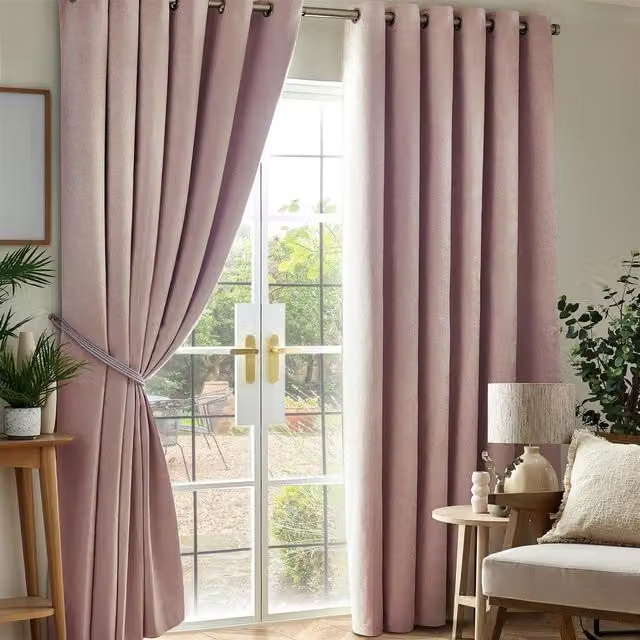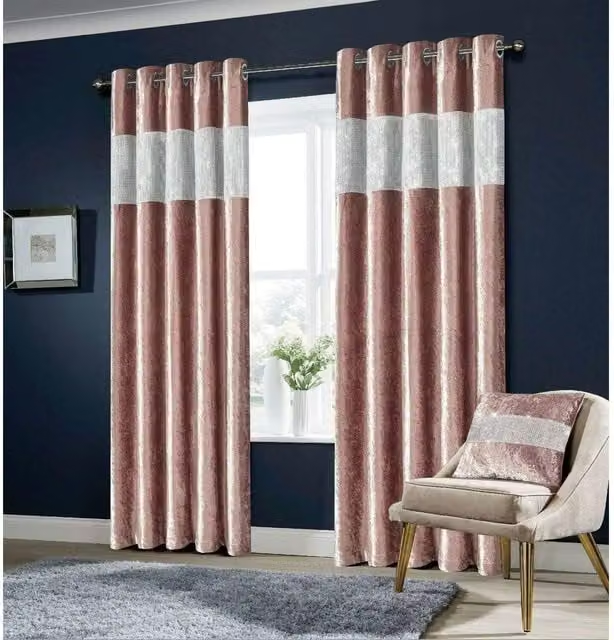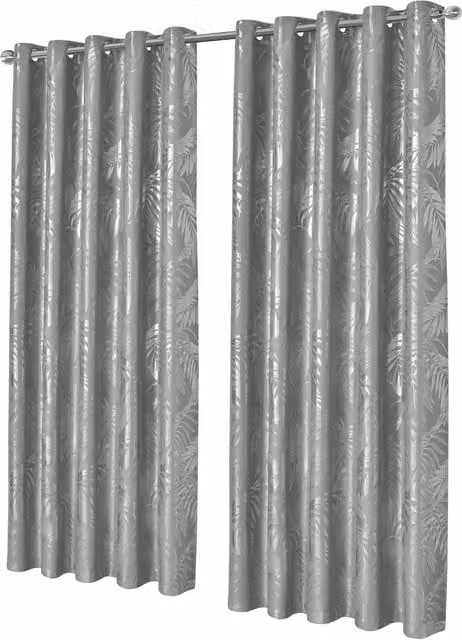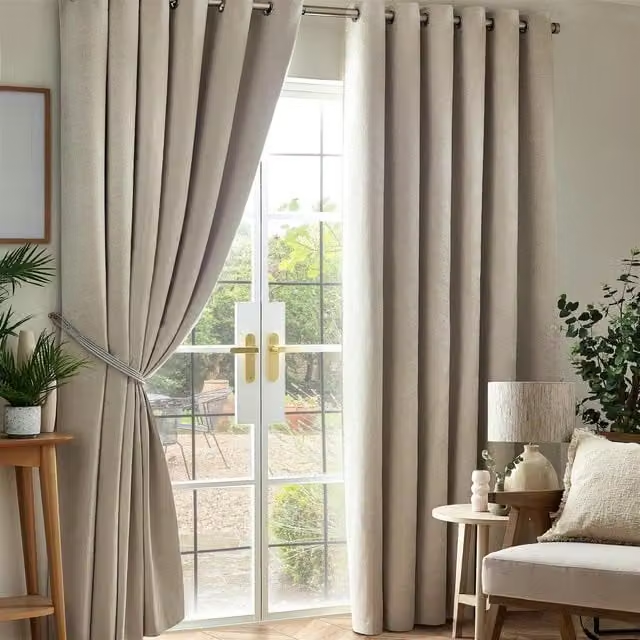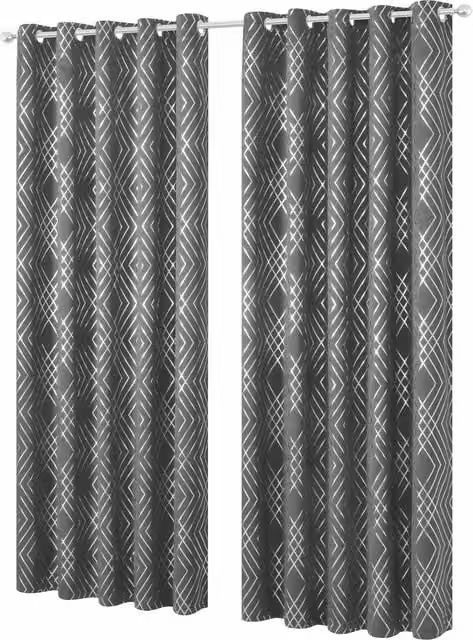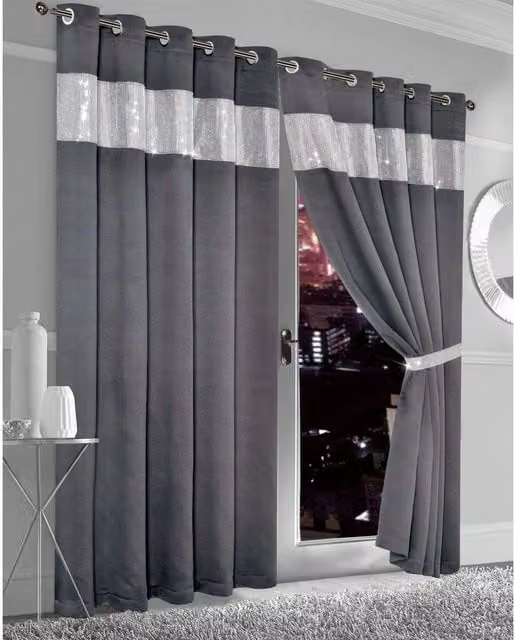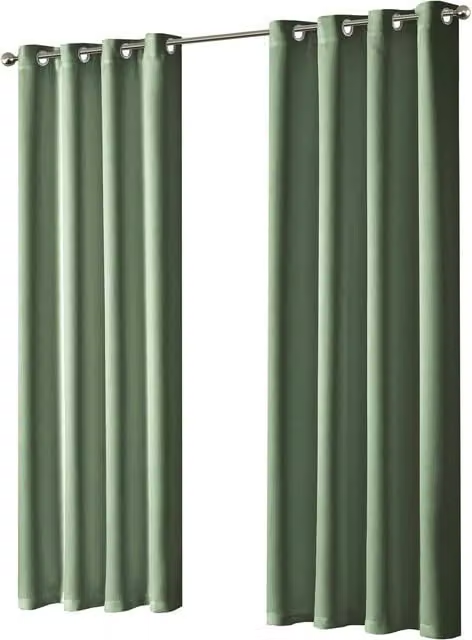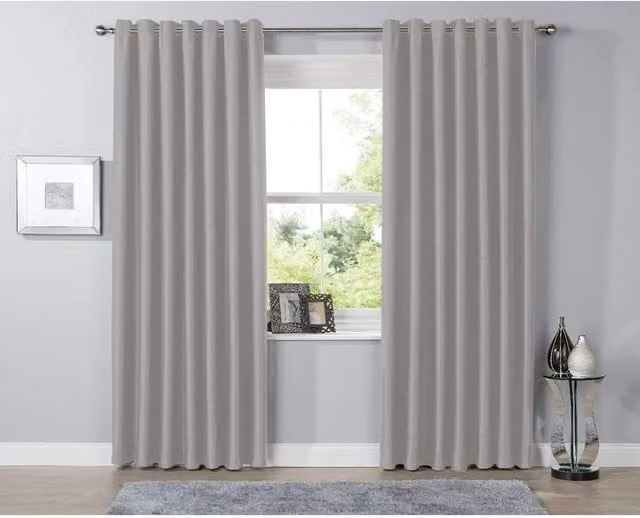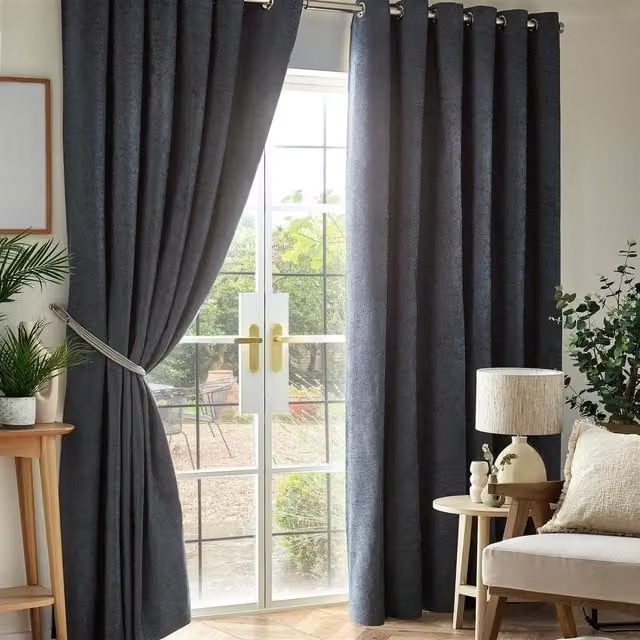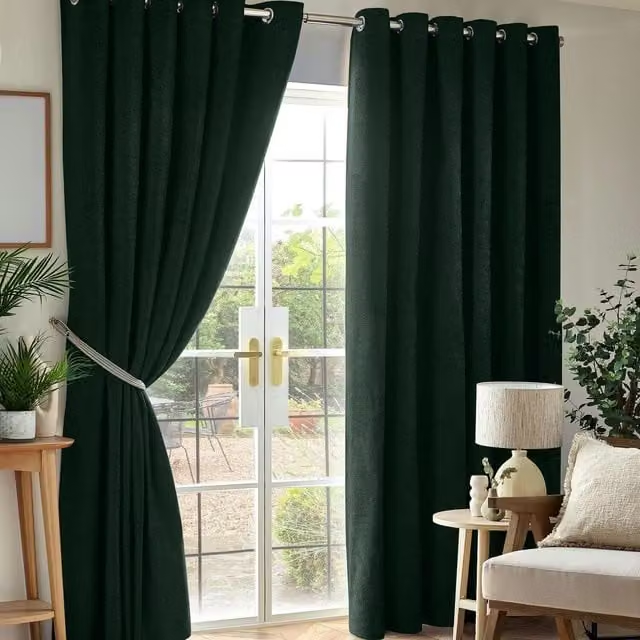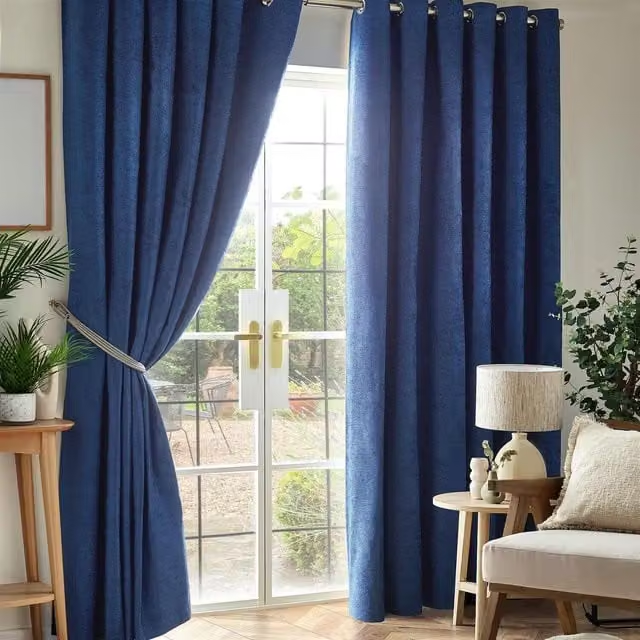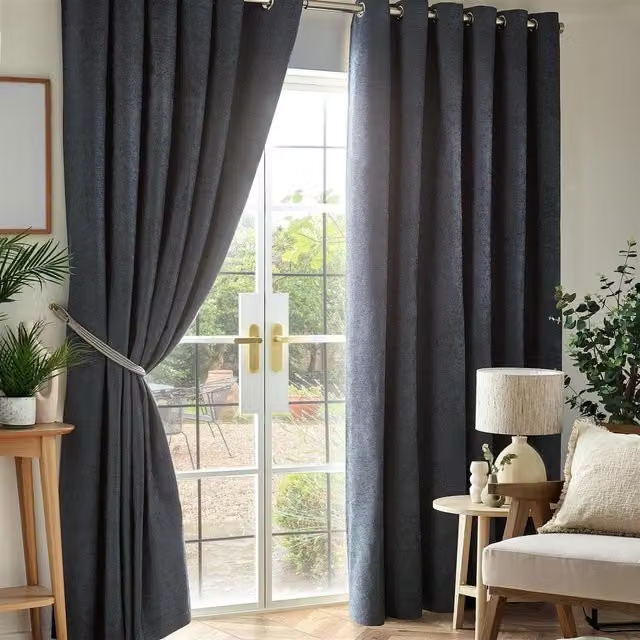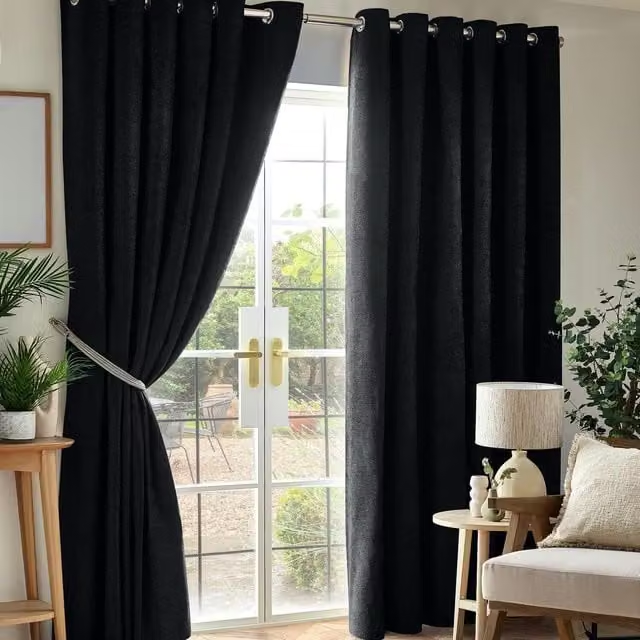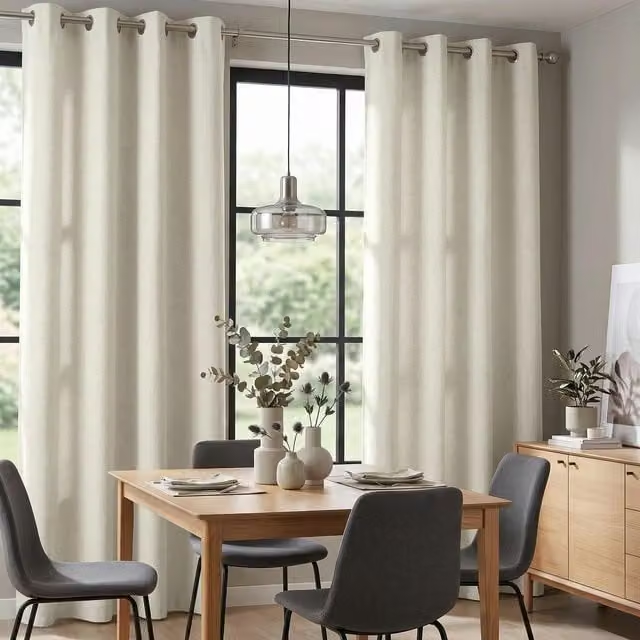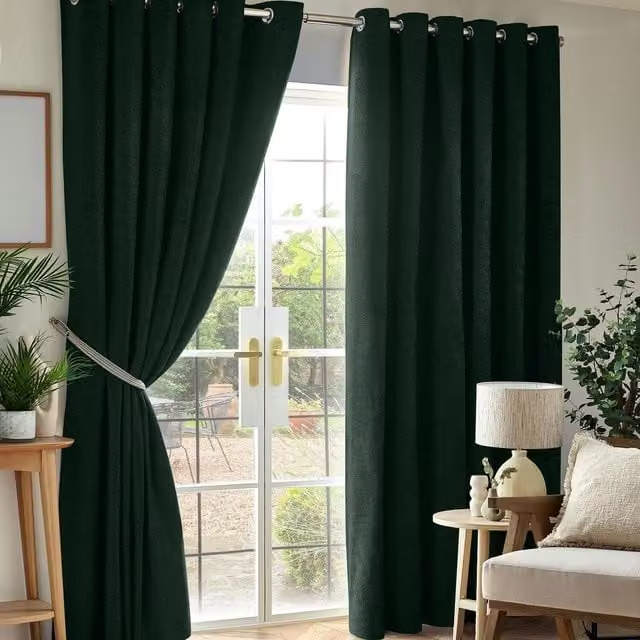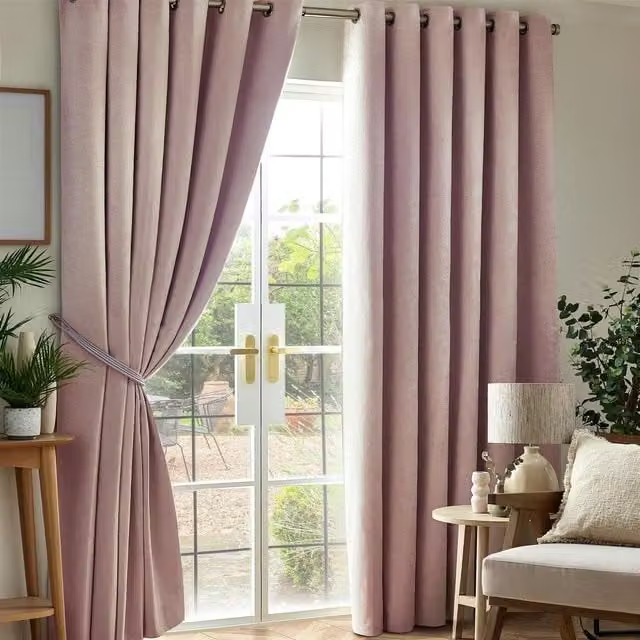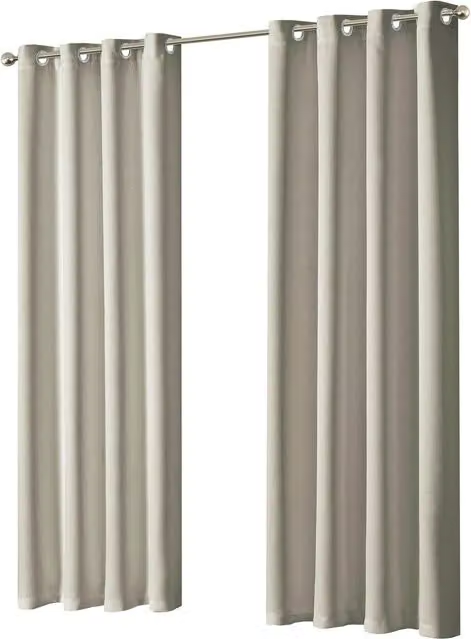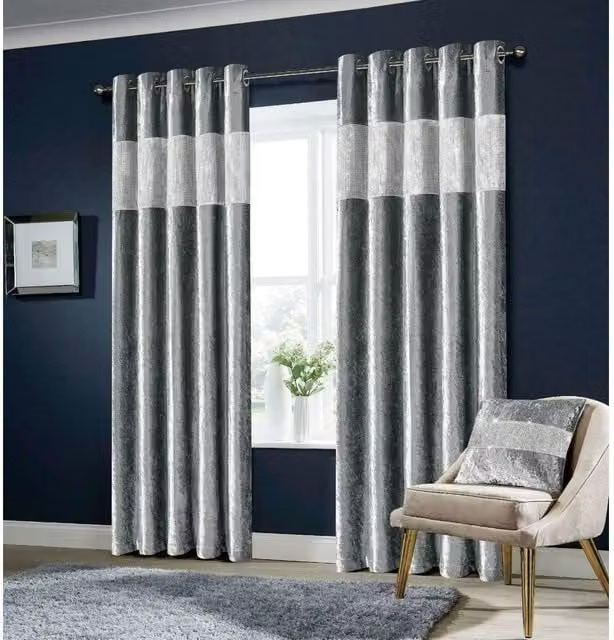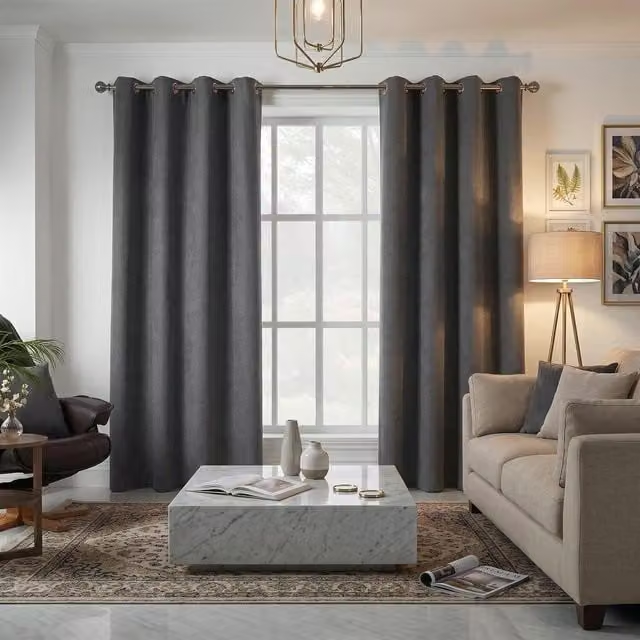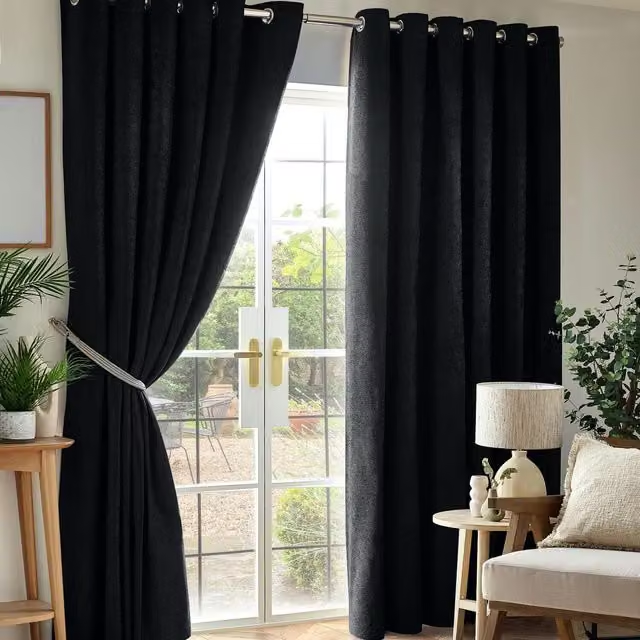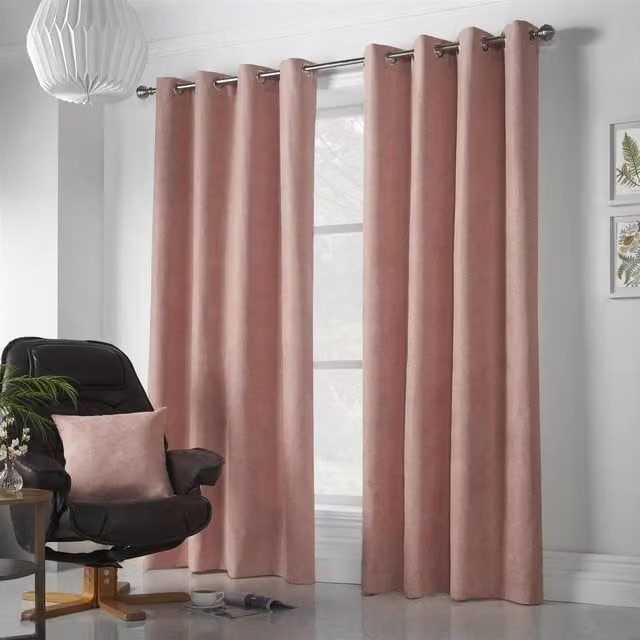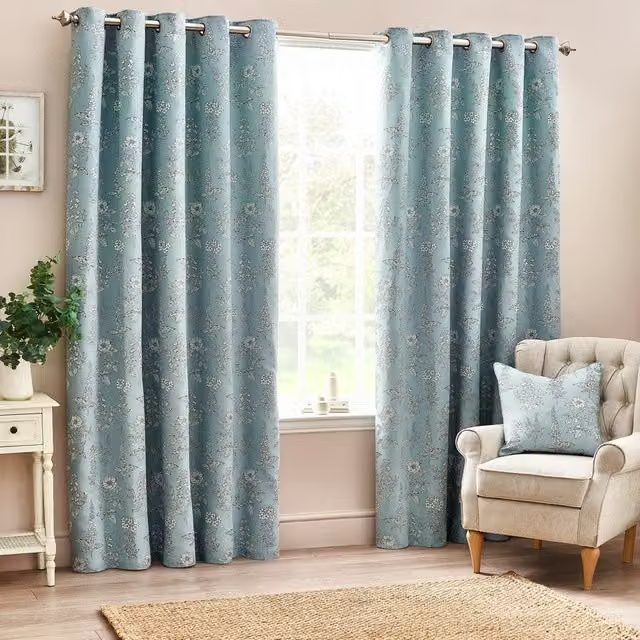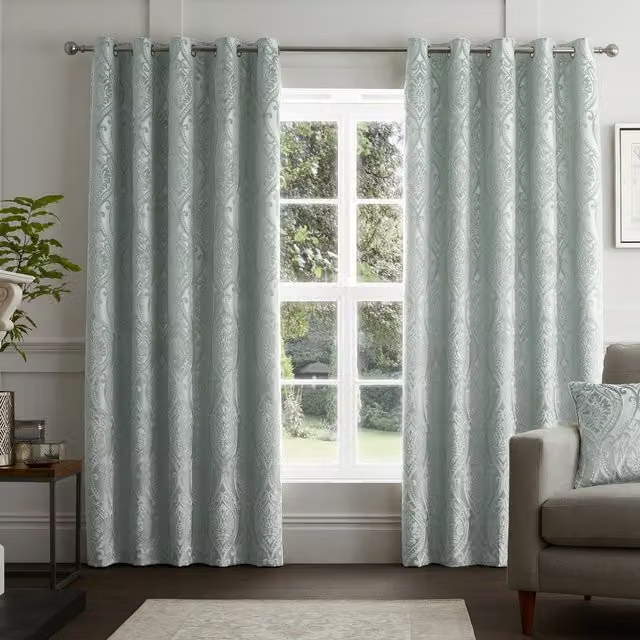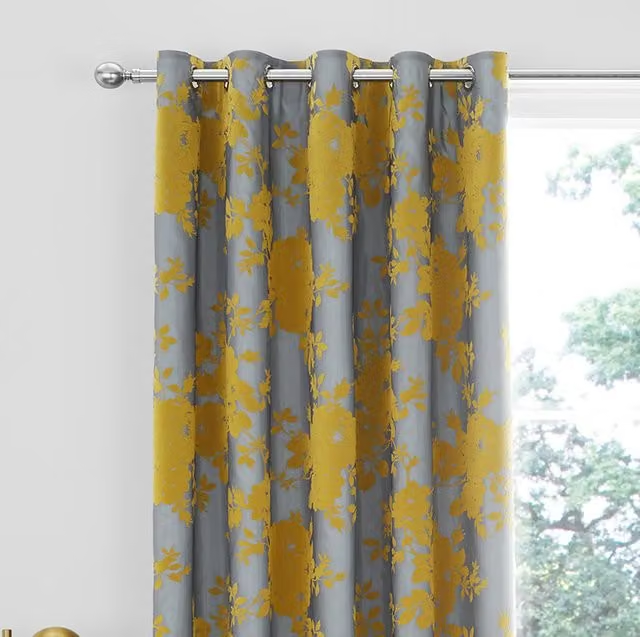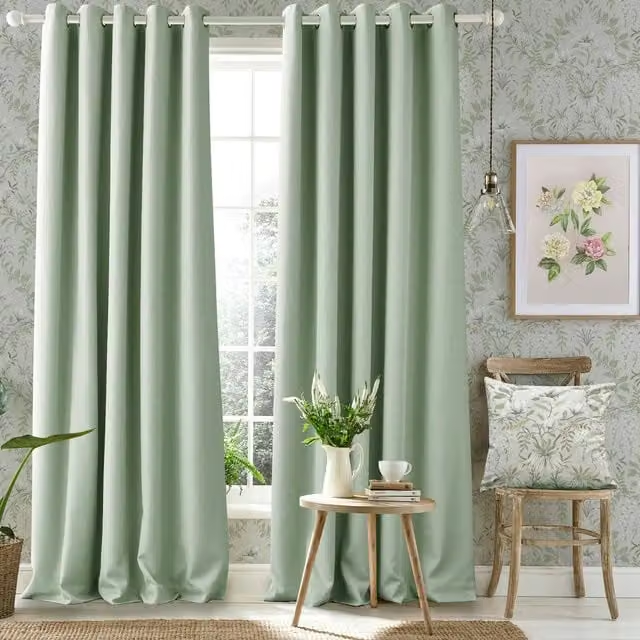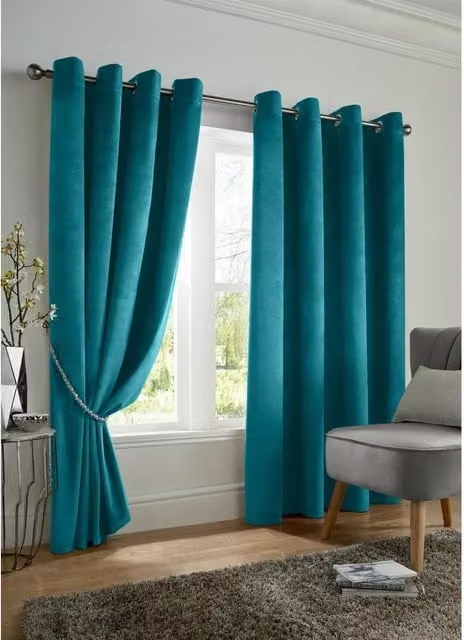
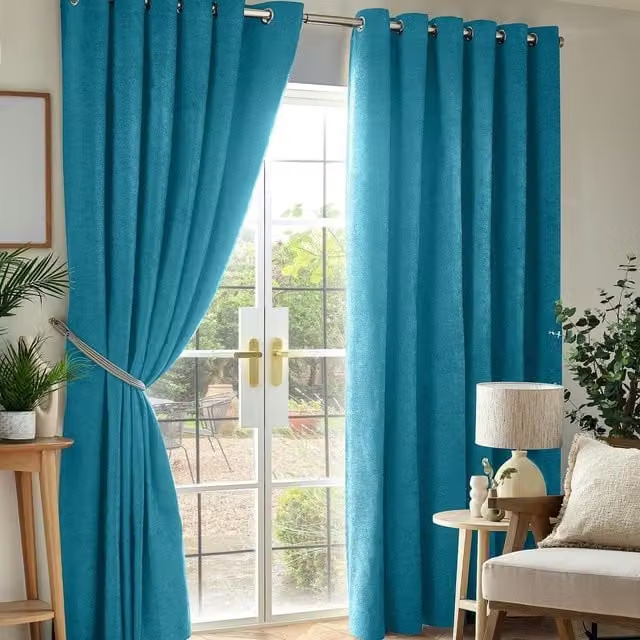
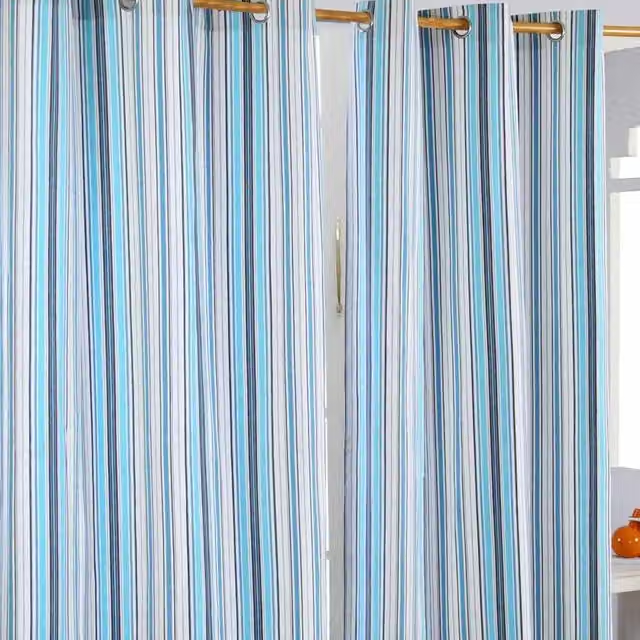
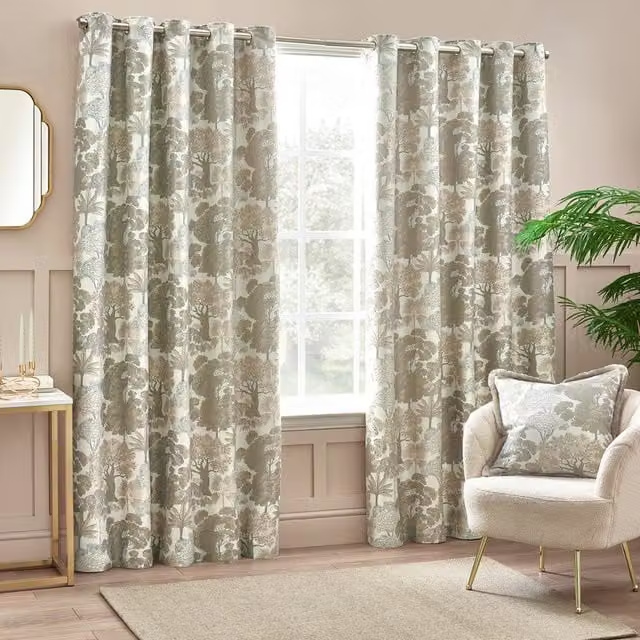
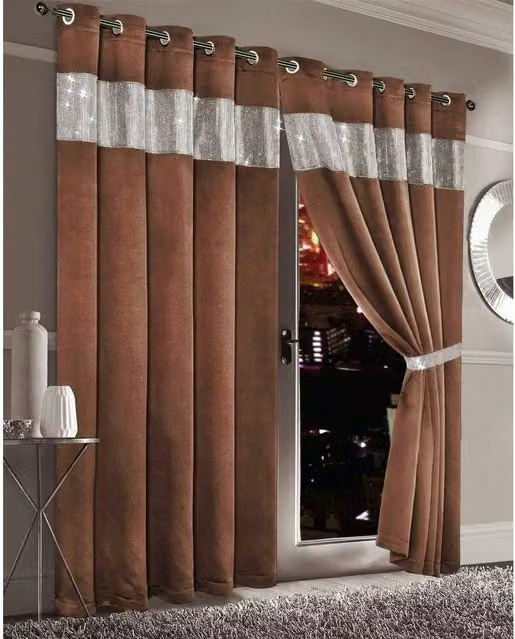
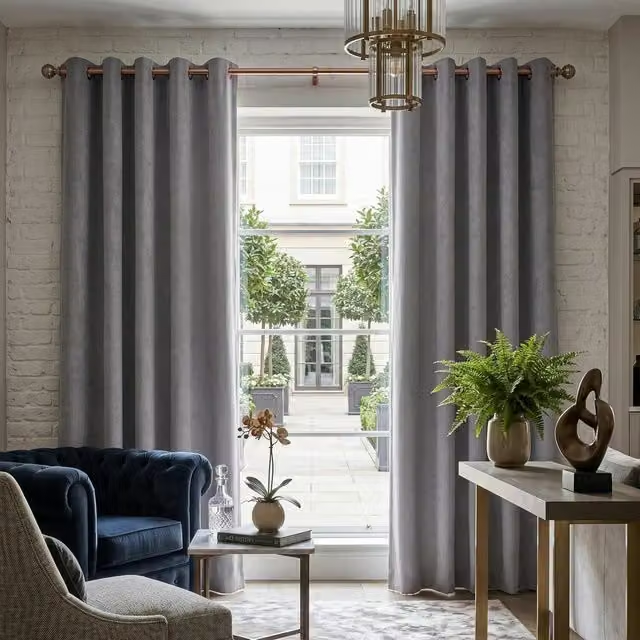
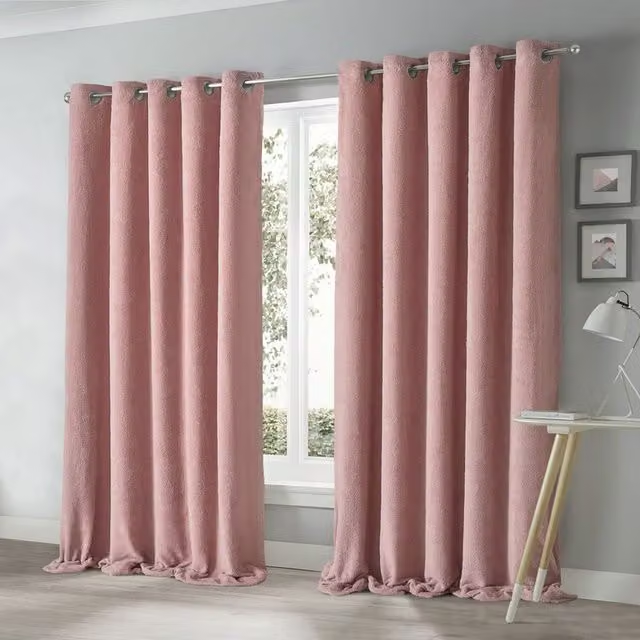
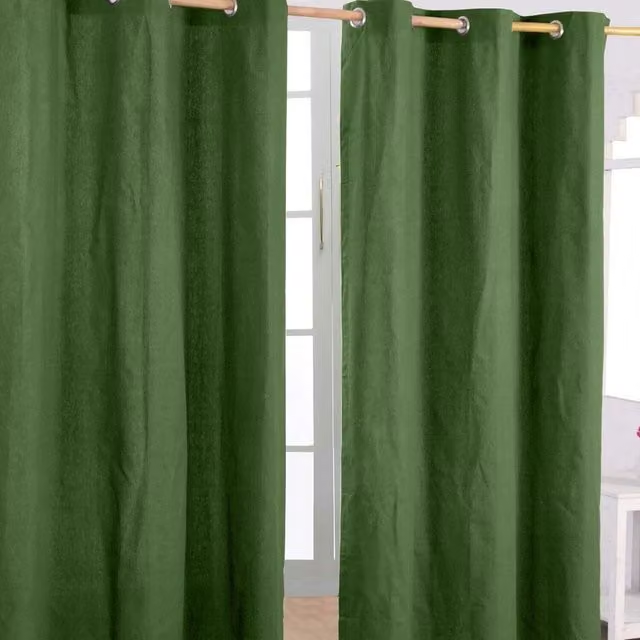
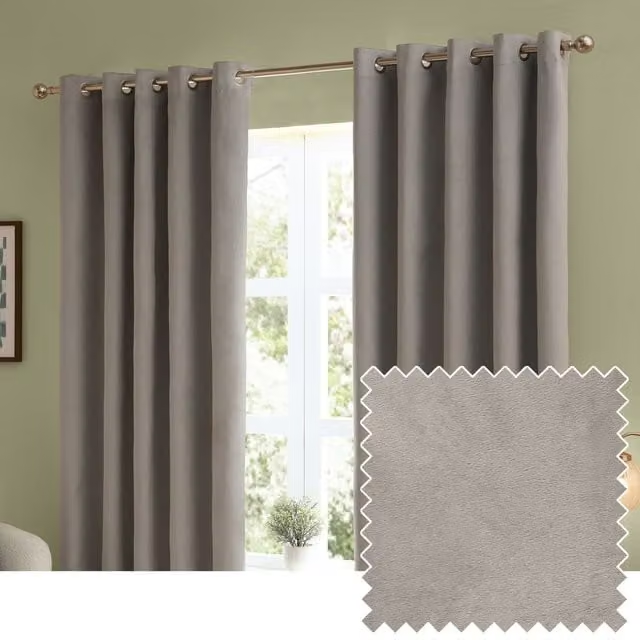
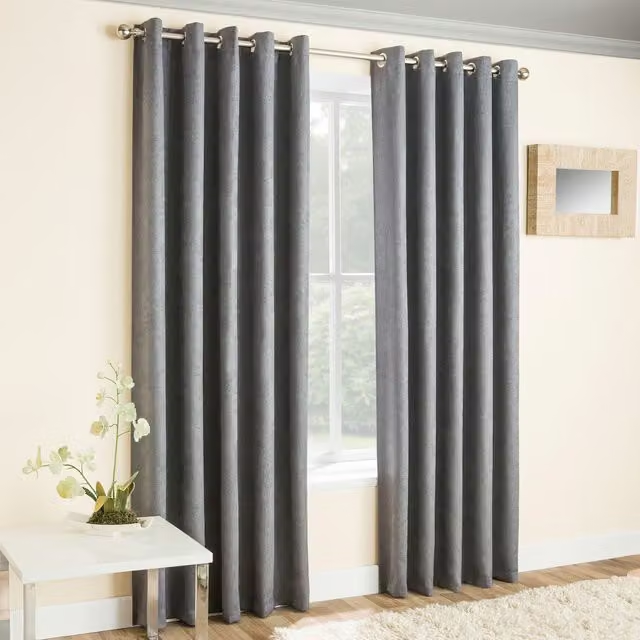
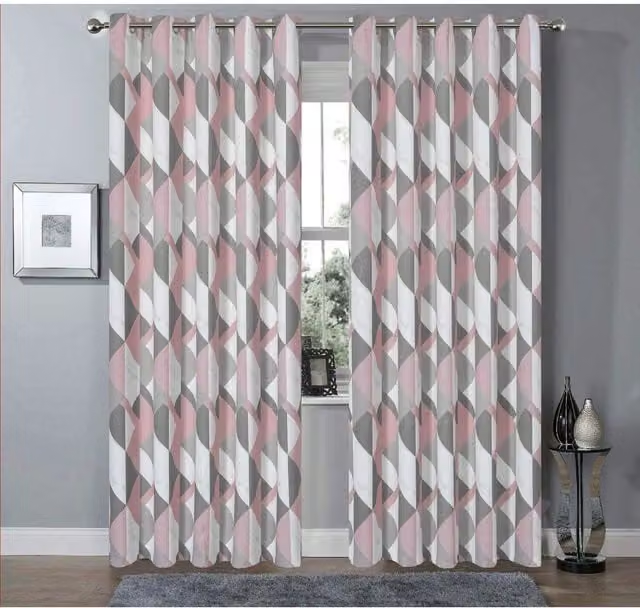
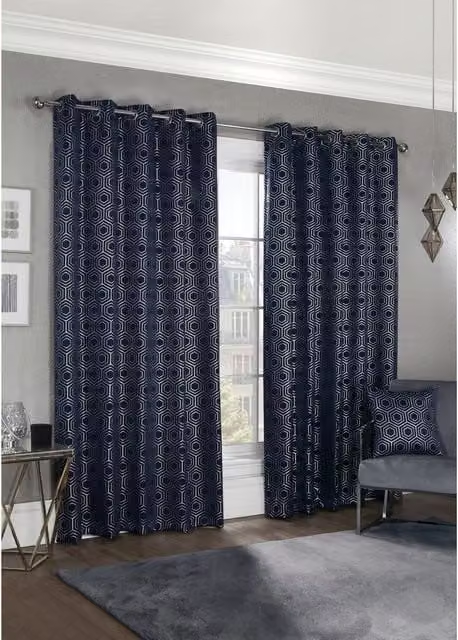
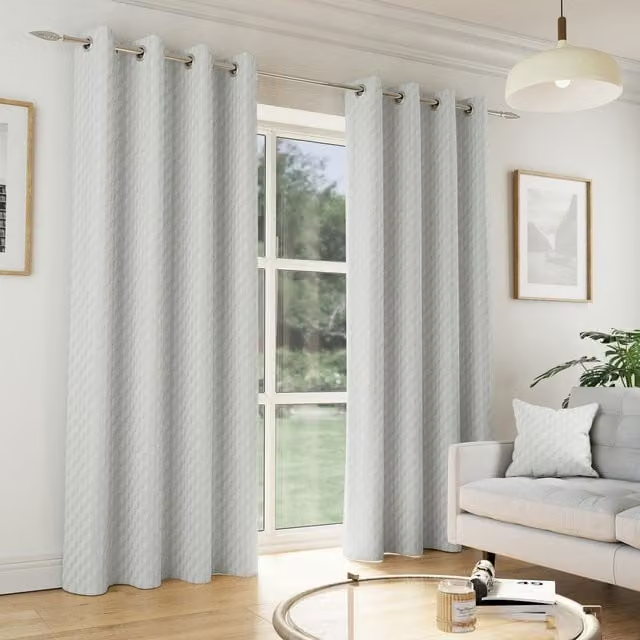
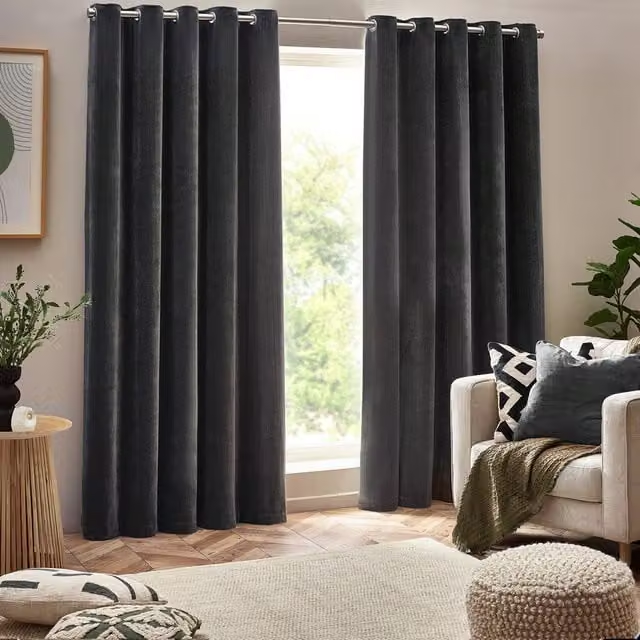
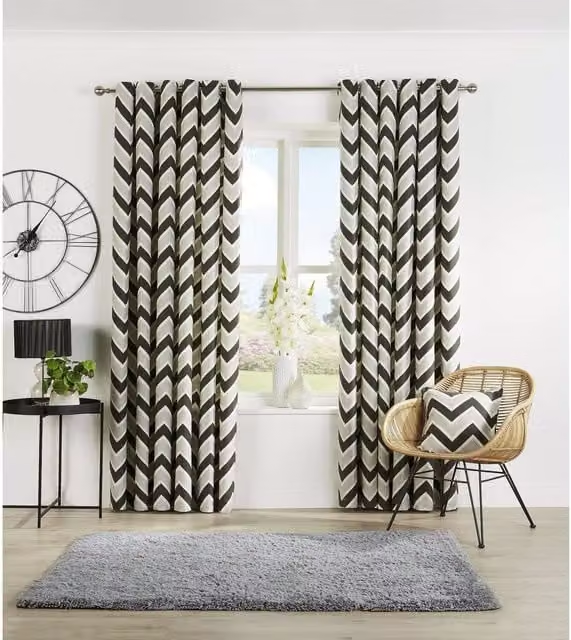
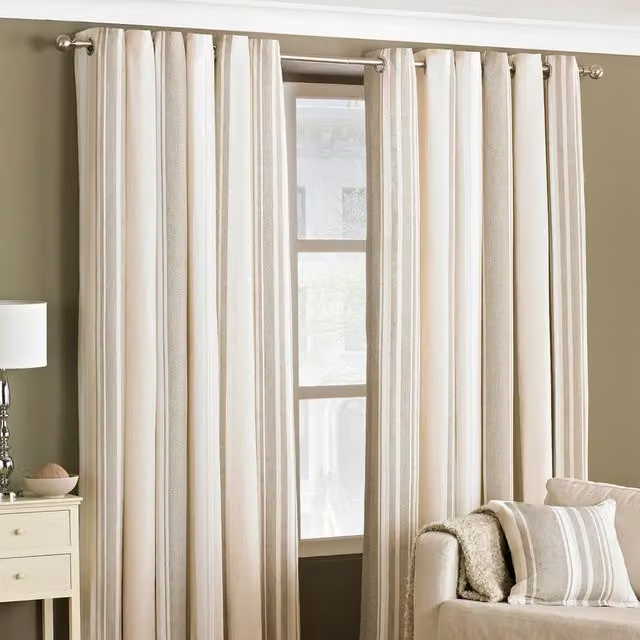
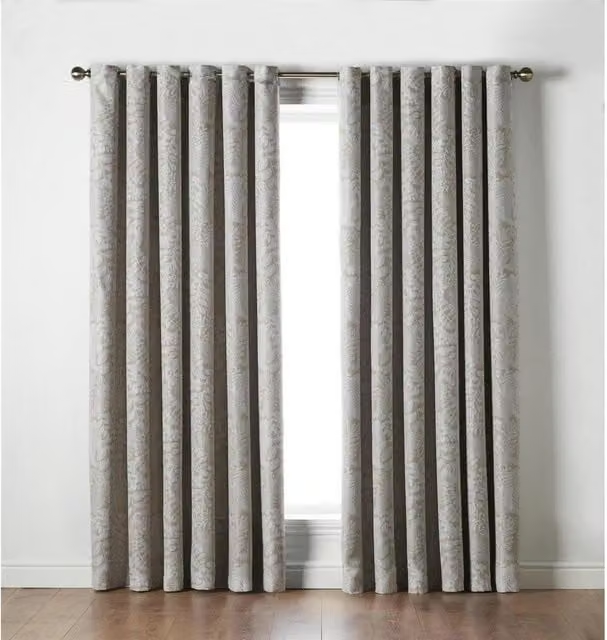
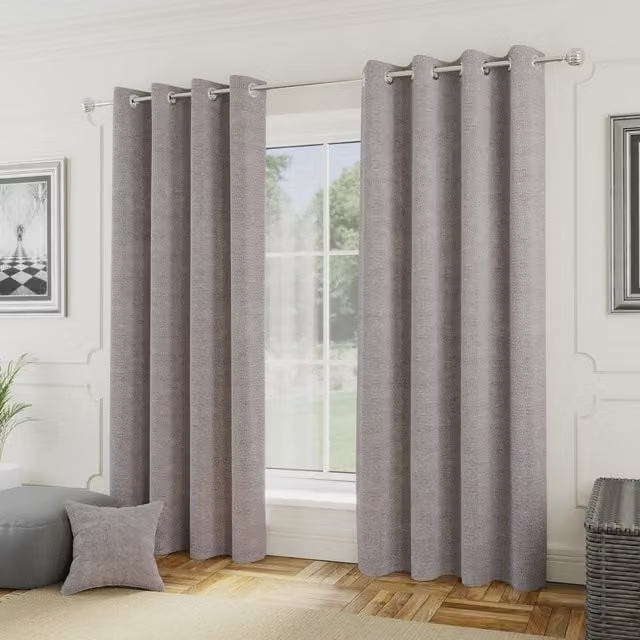
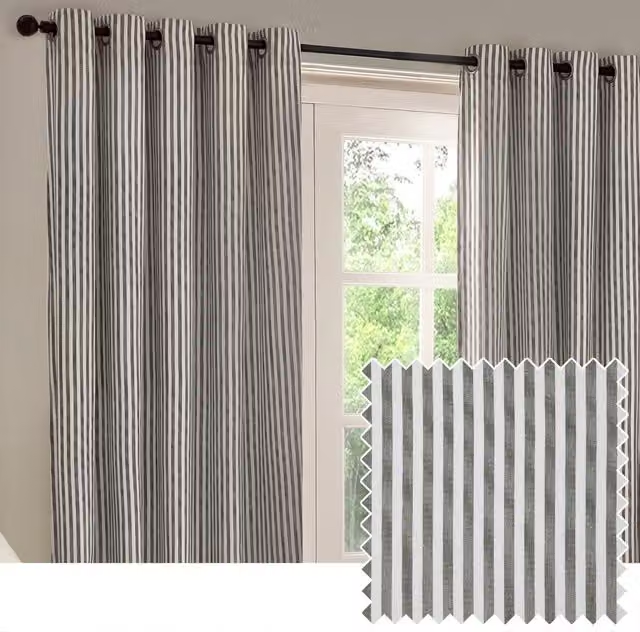
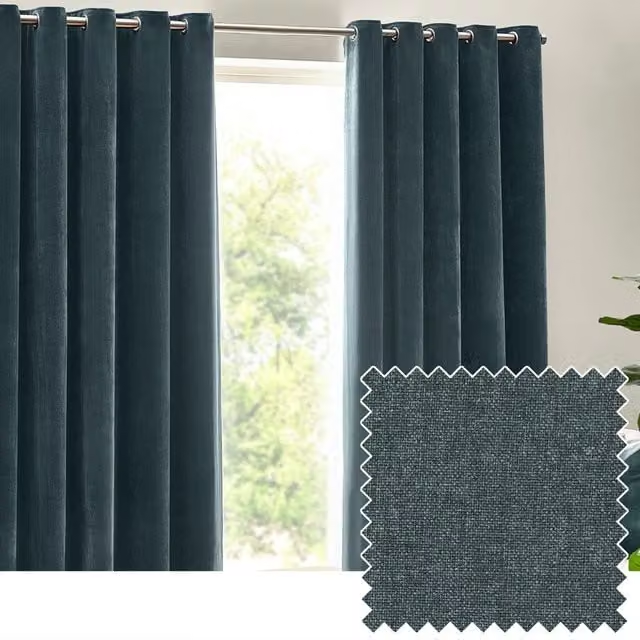
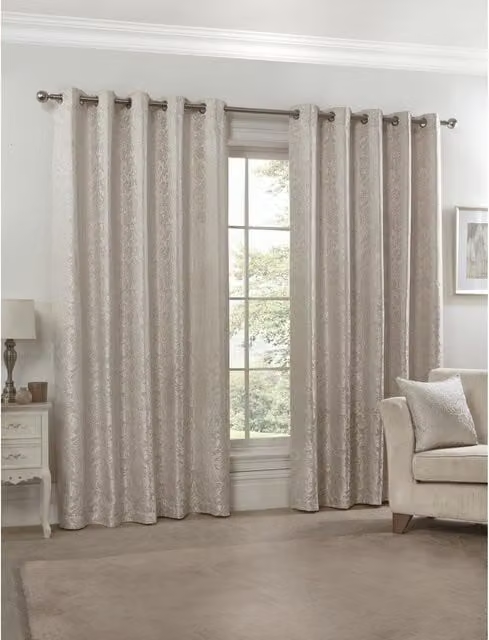
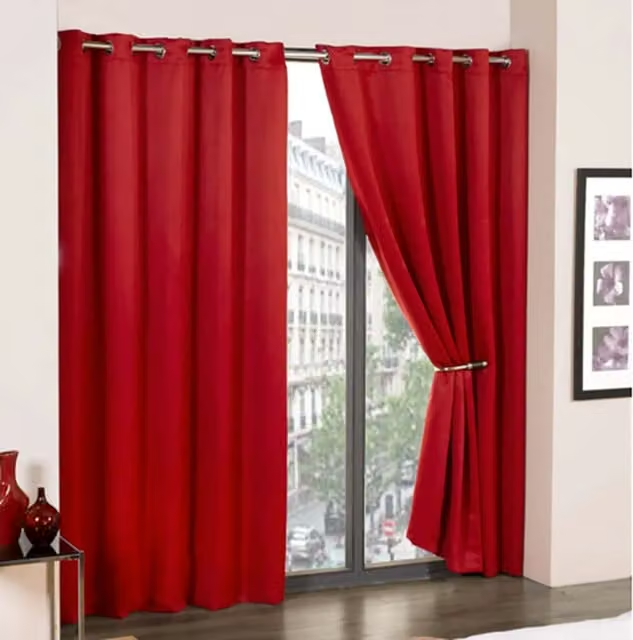
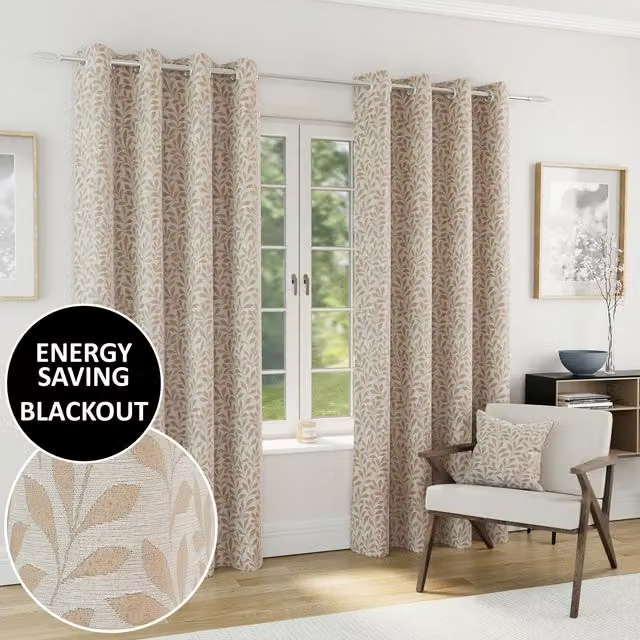
There is a reason eyelet curtains have become the default choice in so many modern homes. The metal rings set directly into the fabric slide straight onto a pole, so there are no hooks, no tape to gather and no fiddly rings to thread. Hanging a pair takes minutes, and the result is a set of deep, evenly spaced vertical folds that look tailored whether the curtains are open or closed.
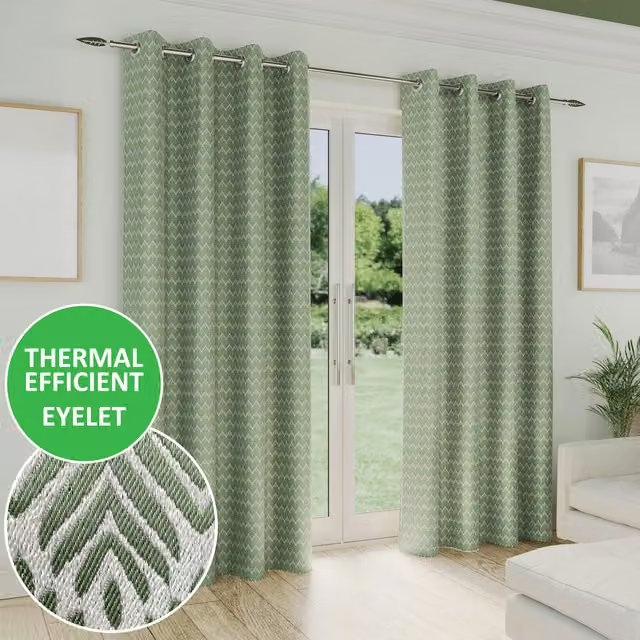
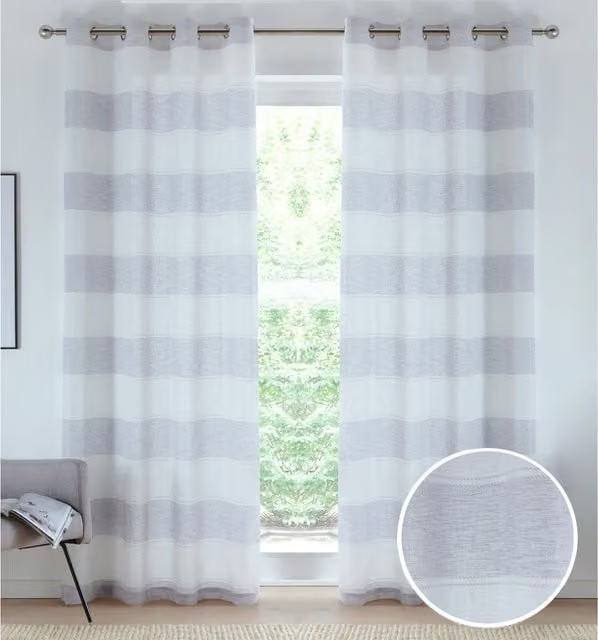
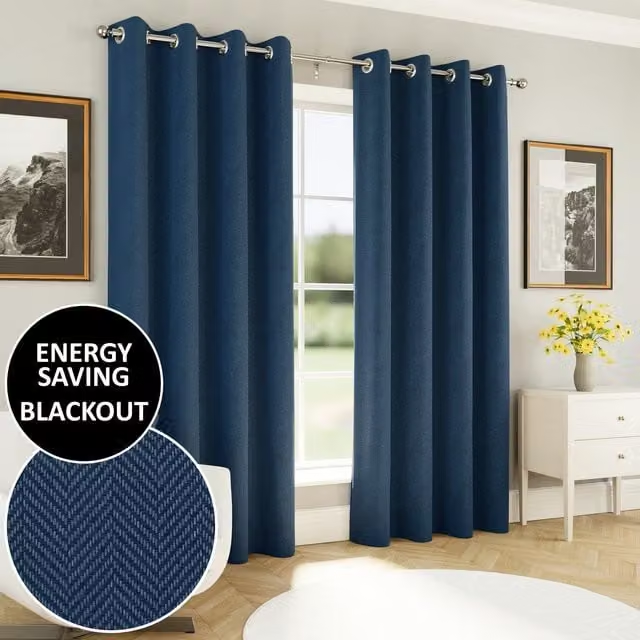
That clean, contemporary drape is the real appeal. Because the fabric hangs from fixed points, the waves stay uniform along the whole width, which suits minimalist and Scandinavian schemes particularly well. Practically, they glide open and closed with very little effort, making them a sensible choice for patio doors, bay windows and anywhere used many times a day. The range includes blackout curtains for bedrooms and nurseries, thermal lined versions that help with draughts and energy bills, sheer voiles for daytime privacy, and unlined designs in cotton, linen look and printed fabrics. Ring finishes come in chrome, brushed silver, antique brass, matt black and white, so you can match or deliberately contrast with your pole.
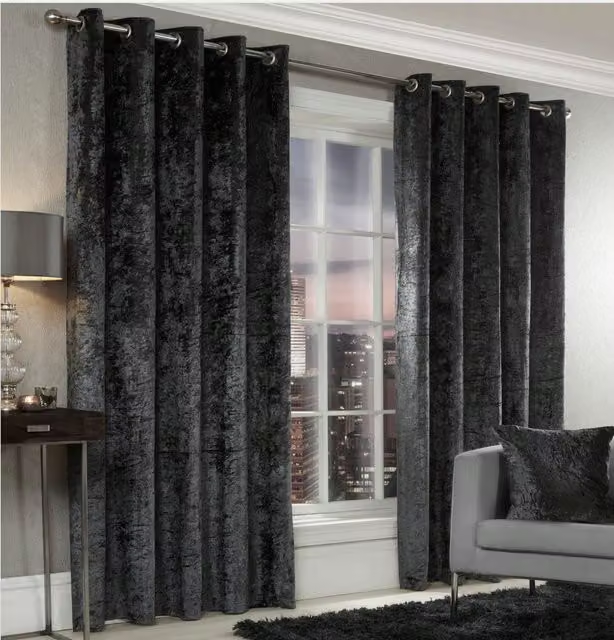
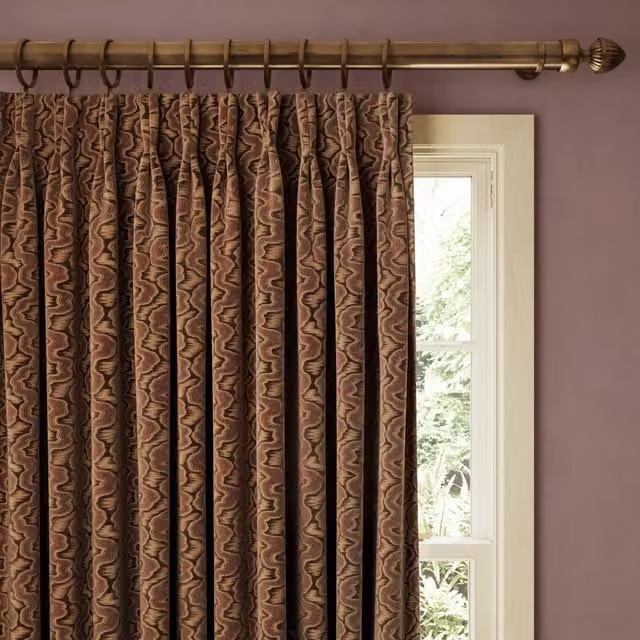
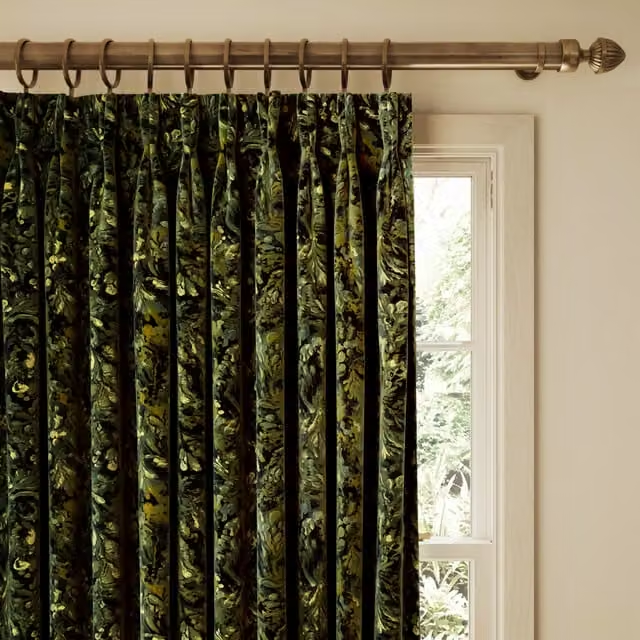
Fabric weight makes a bigger difference here than with other headings. Heavier fabrics such as velvet, chenille and lined jacquard form deeper, more sculptural waves, while lightweight polyester and voile produce a softer, more casual fall. Look at the number of eyelets, as an even number is essential for the leading edges to face the room correctly. Check the internal ring diameter too, since it must be comfortably larger than your pole.
Prices span a wide range. Unlined polyester pairs are inexpensive, thermal and blackout versions sit in the middle, and wide, full length curtains in velvet or natural fibres with quality metal eyelets cost the most.
Browse the collection, compare prices and give your windows a crisp, modern finish.
Check the internal diameter of the eyelet rings, which is usually stated in the product details and most commonly around 4 cm. Your pole should be at least half a centimetre narrower than that so the curtains glide rather than catch, so a 4 cm eyelet suits a pole up to about 3.5 cm. Poles thicker than the ring simply will not fit, and a pole much too thin looks loose and lets the folds drift. Remember to allow for the finials, which have to be removable to slide the curtains on.
Aim for a combined flat width of about one and a half to two times your pole width, which is less than pencil pleat curtains require. The fixed eyelet spacing does much of the work in creating even folds, so excessive fullness can look bulky and stop the curtains stacking neatly at the sides. For a 180 cm pole, a pair with a total width of 270 to 360 cm works well. Heavier fabrics look best at the lower end of that range.
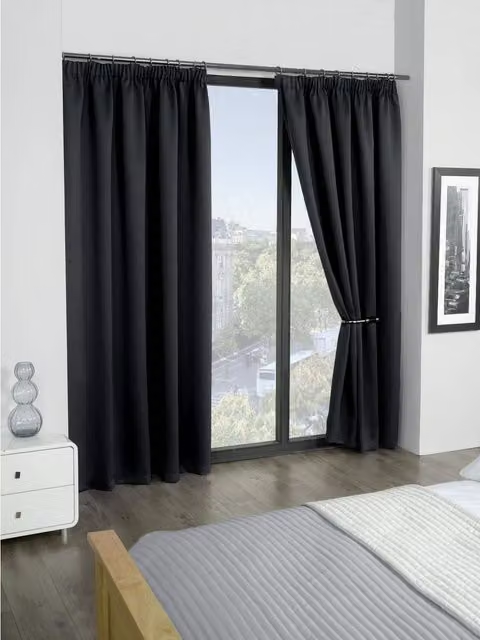
The fabric itself blocks light just as effectively, but the heading is the weak point. Because the curtain hangs below the pole rather than in front of it, a gap at the top lets light spill in, which matters most in bedrooms during summer mornings. A pelmet, a ceiling mounted pole fitted close to the wall or a blind behind the curtains all solve this. If total darkness is the priority, a track based heading or a separate blackout blind is the more reliable choice.
Usually yes, since modern eyelets are rustproof metal or plastic, but always check the care label first. Wash on a cool gentle cycle and place the curtains in a large mesh laundry bag or an old duvet cover to stop the rings knocking against the drum. Avoid high spin speeds, which can distort the fabric around the eyelets over time. Hang them back on the pole while slightly damp so the weight pulls the creases out naturally, and skip the ironing altogether.