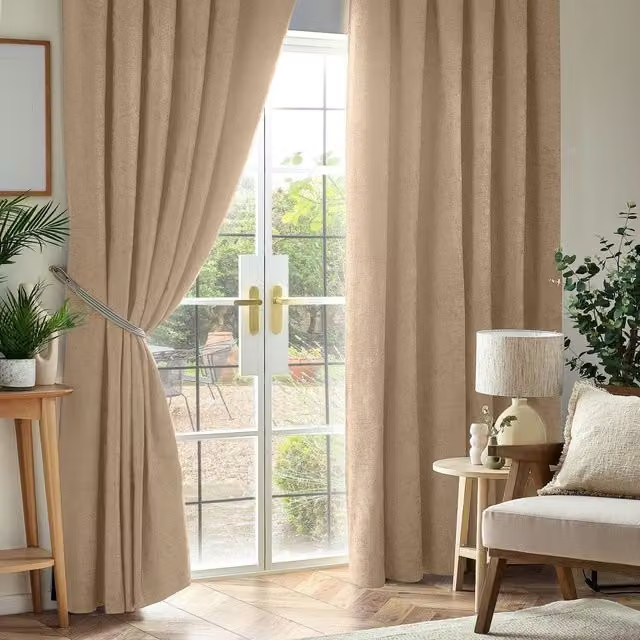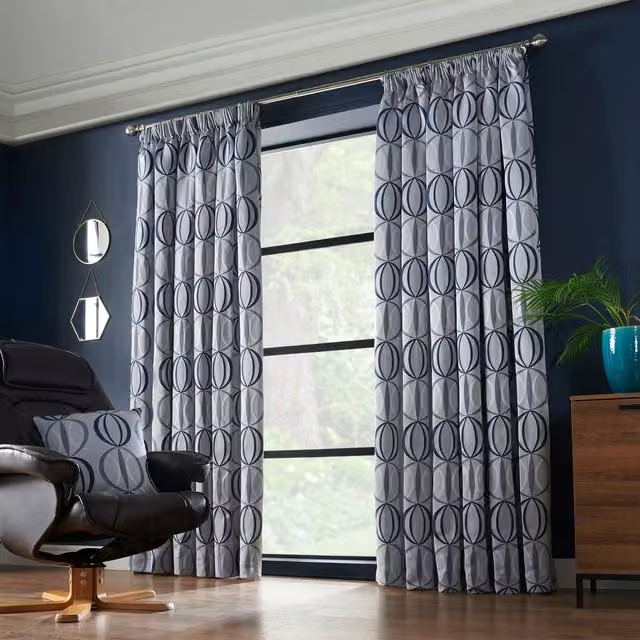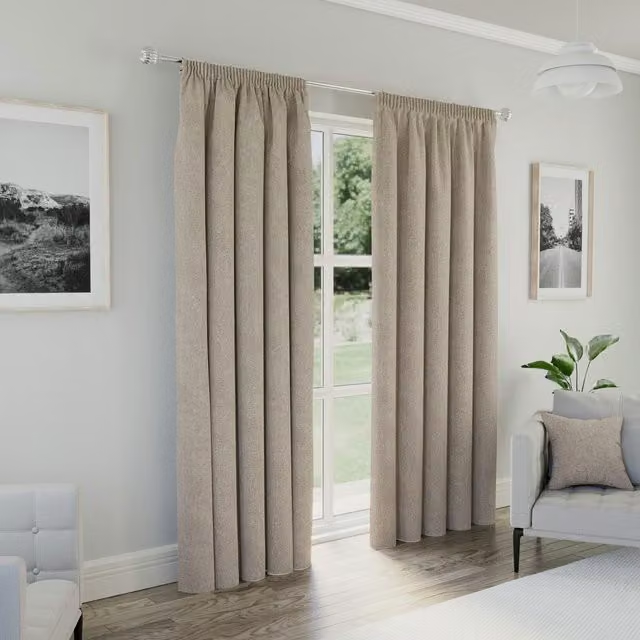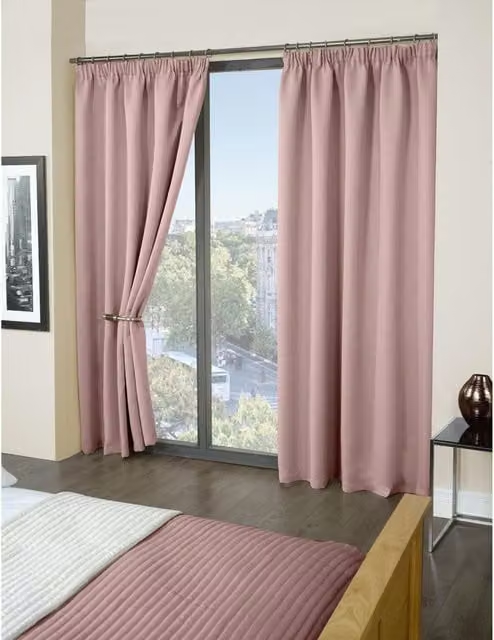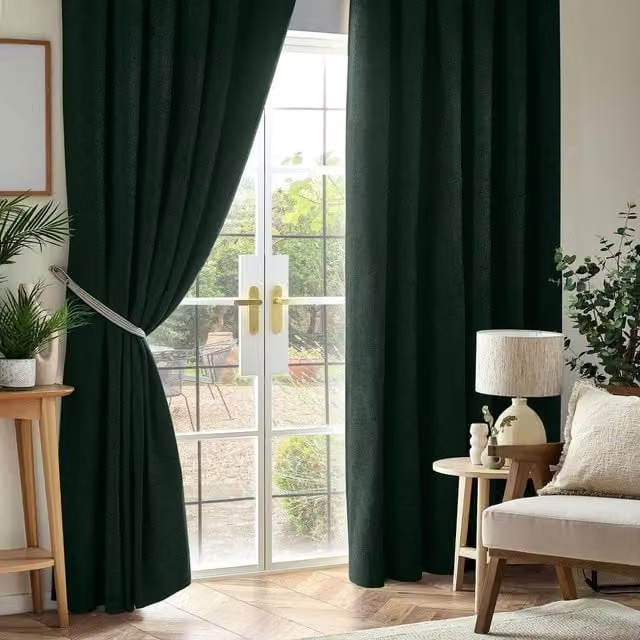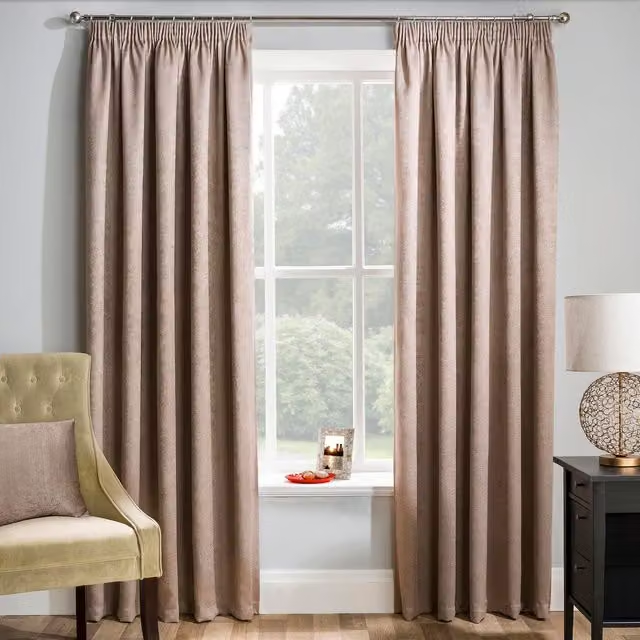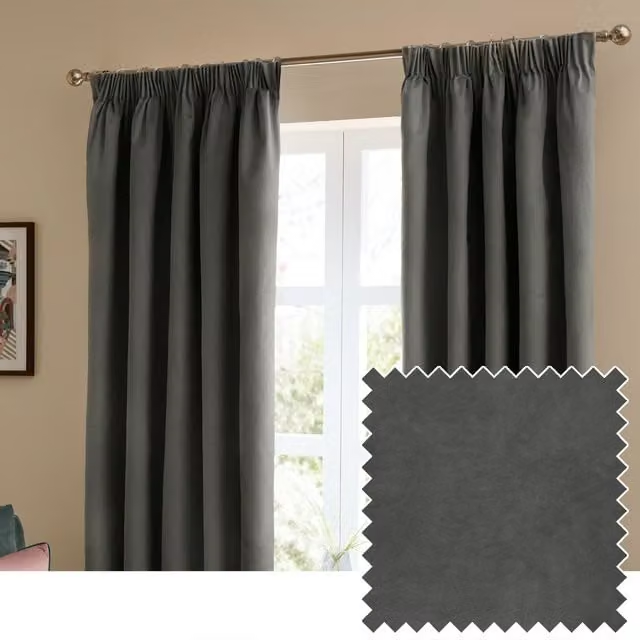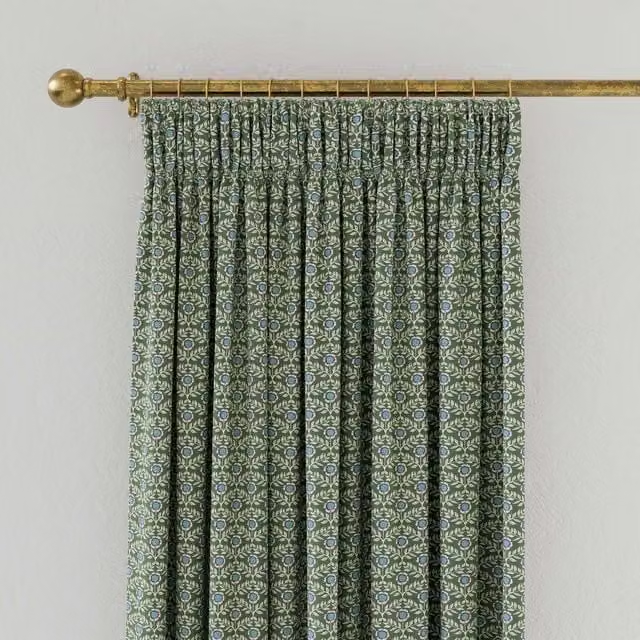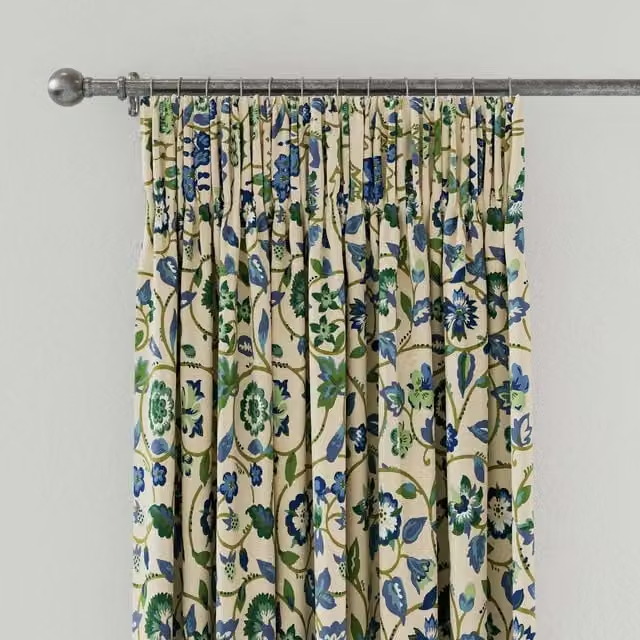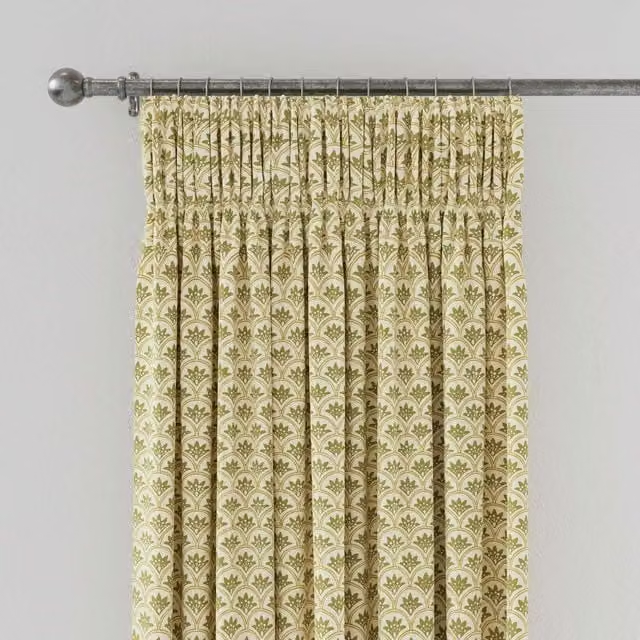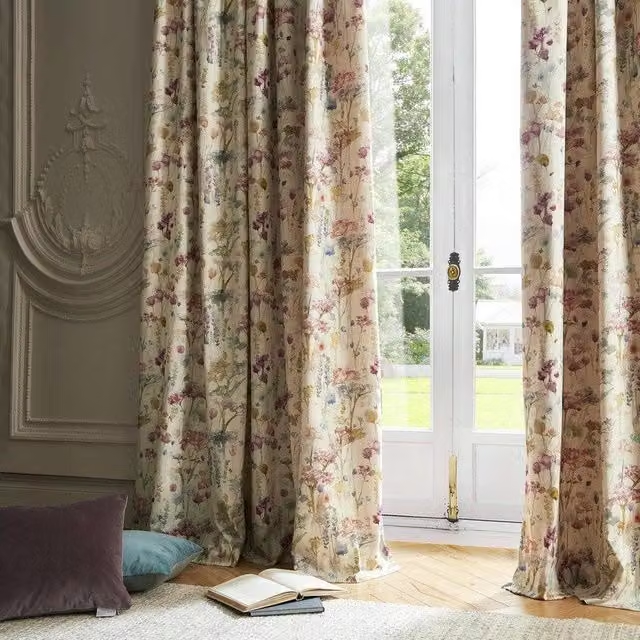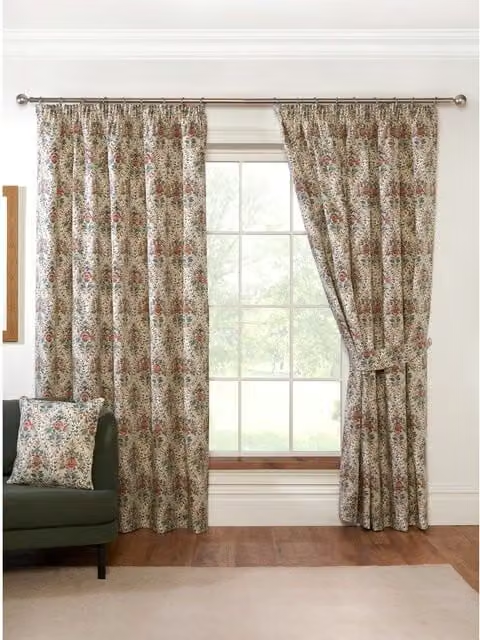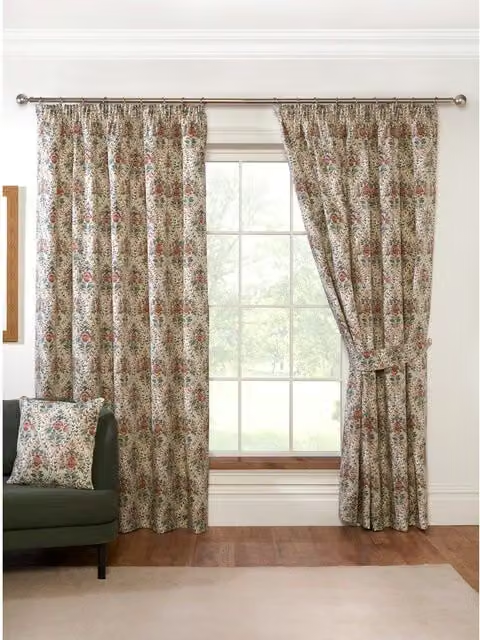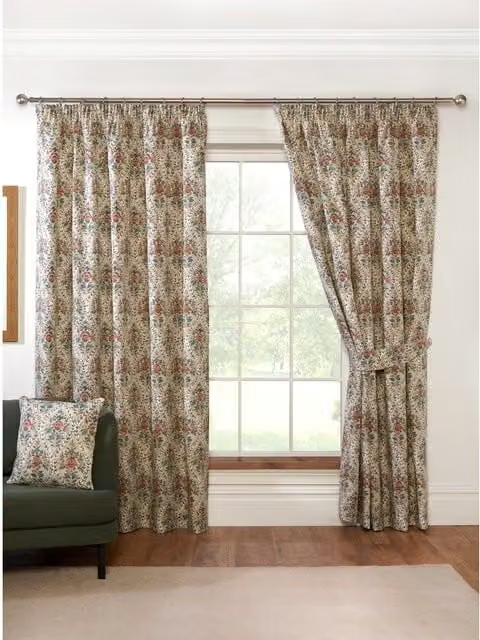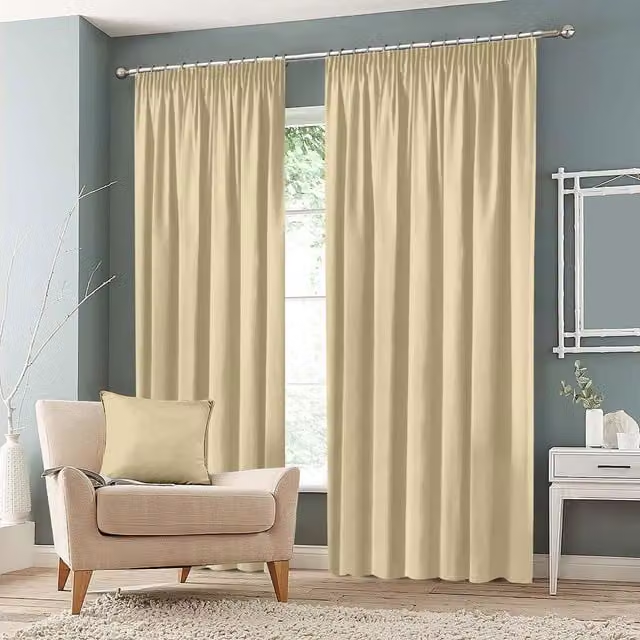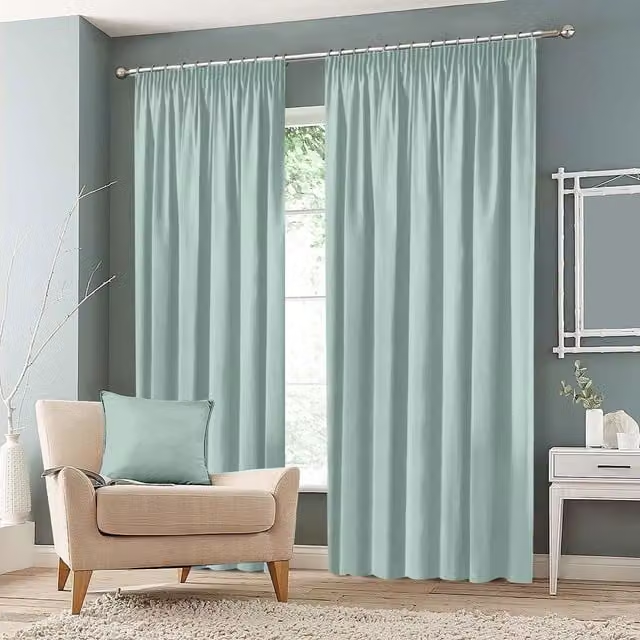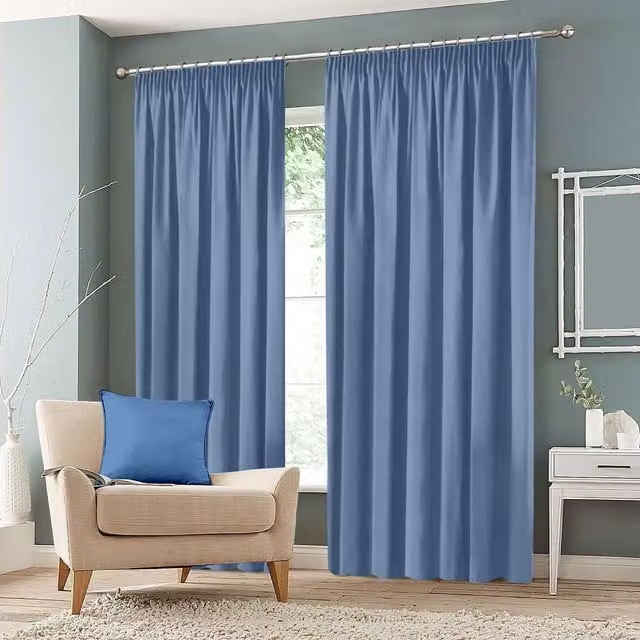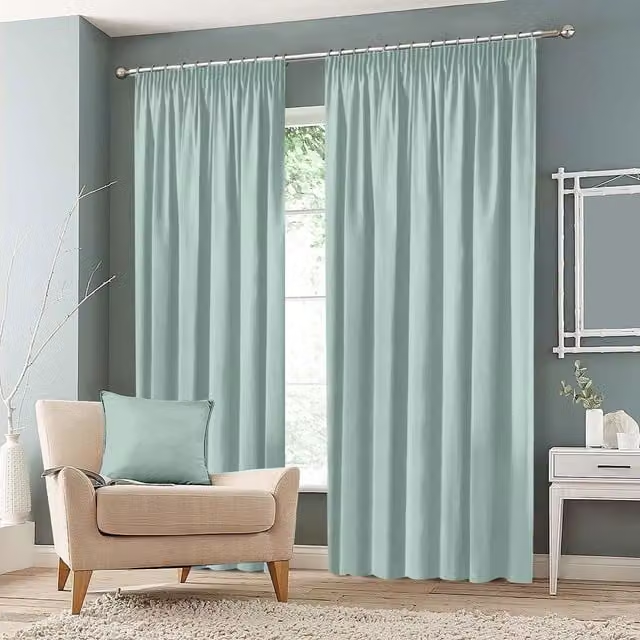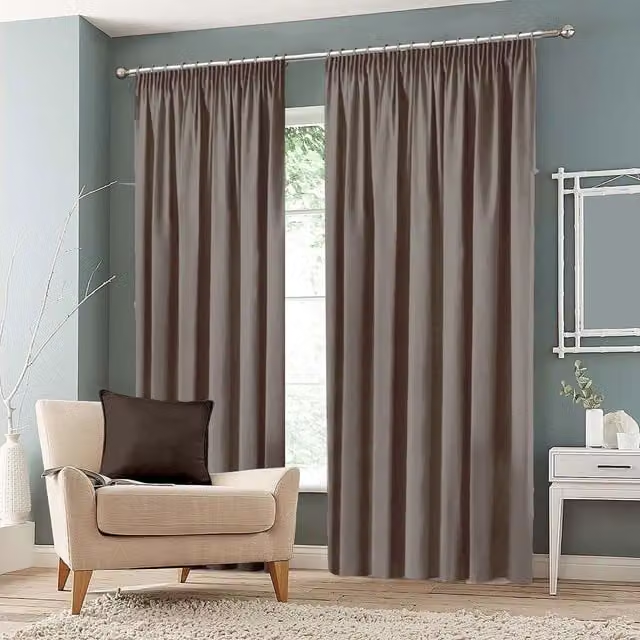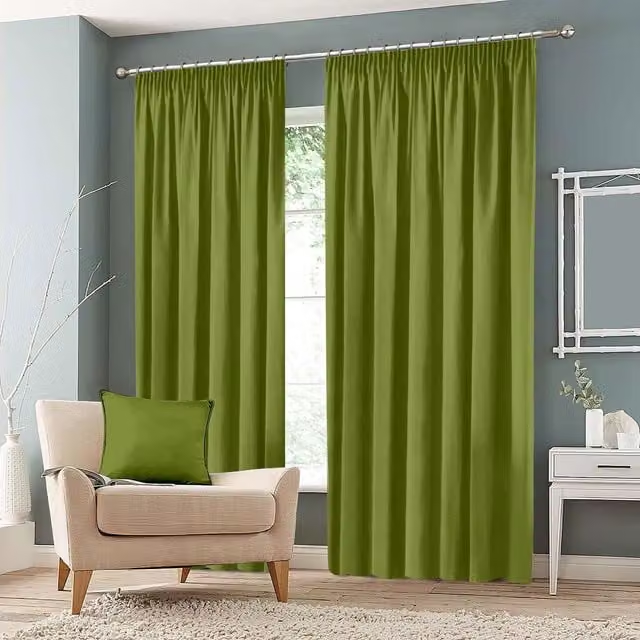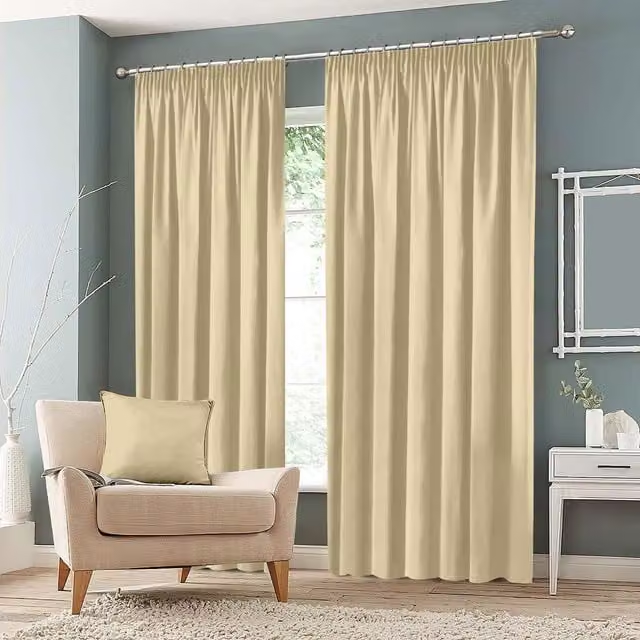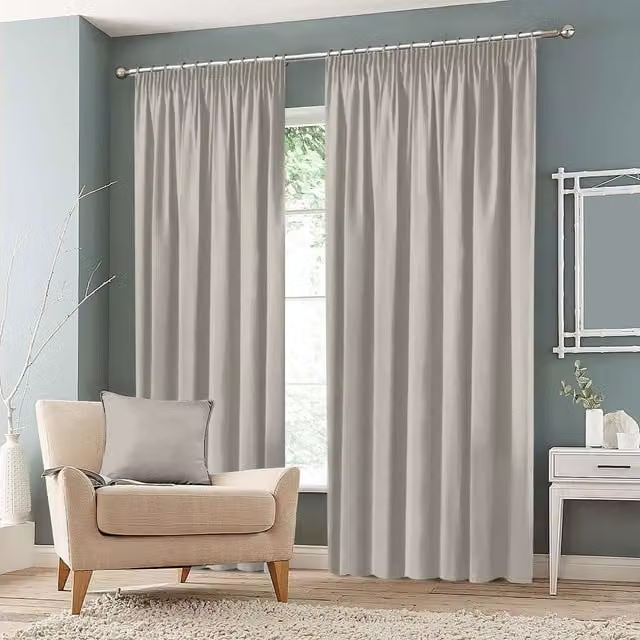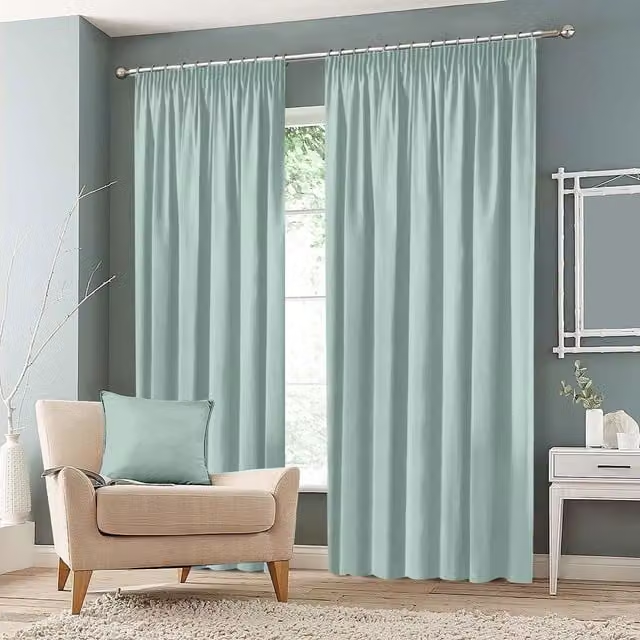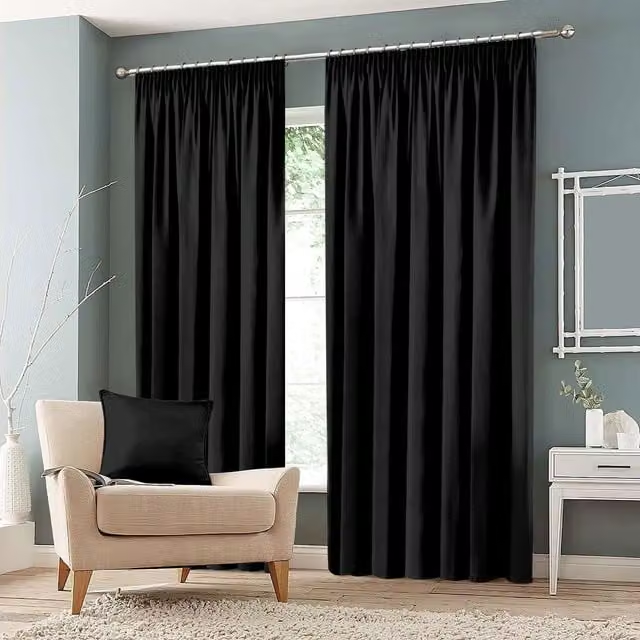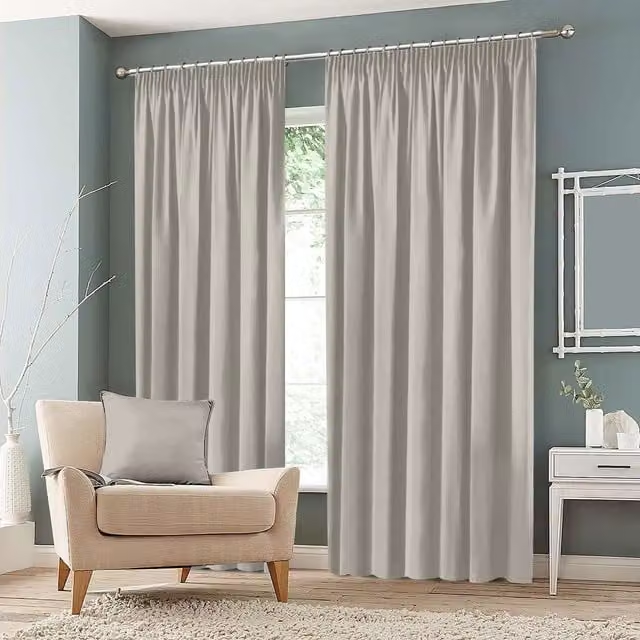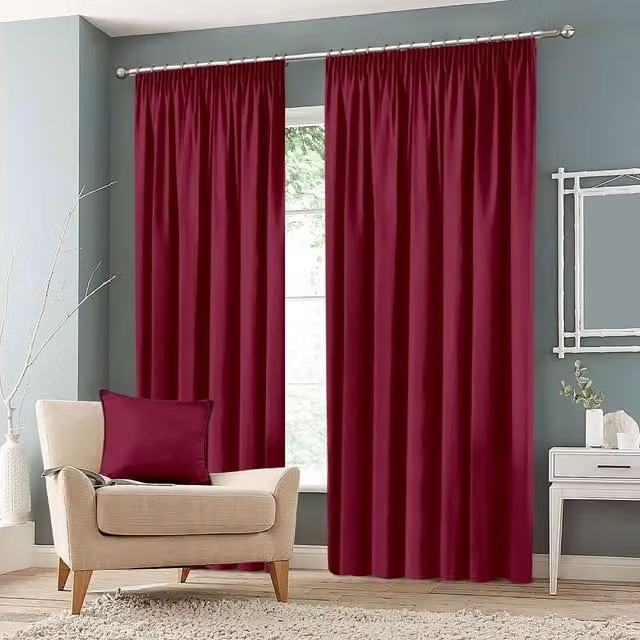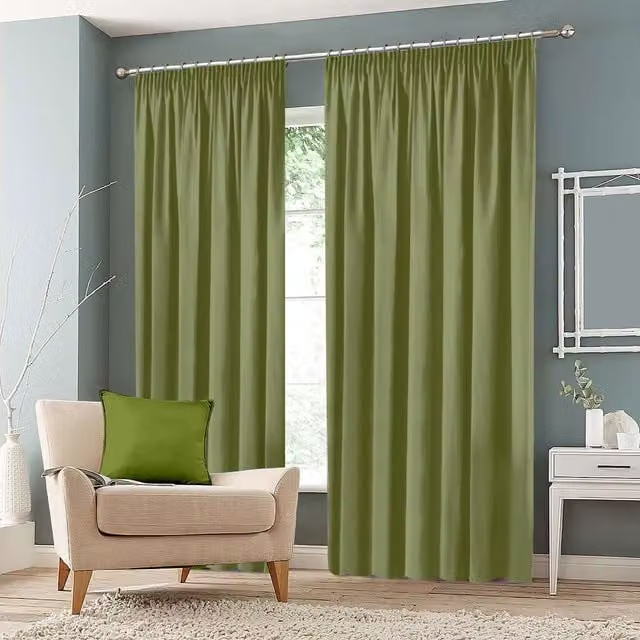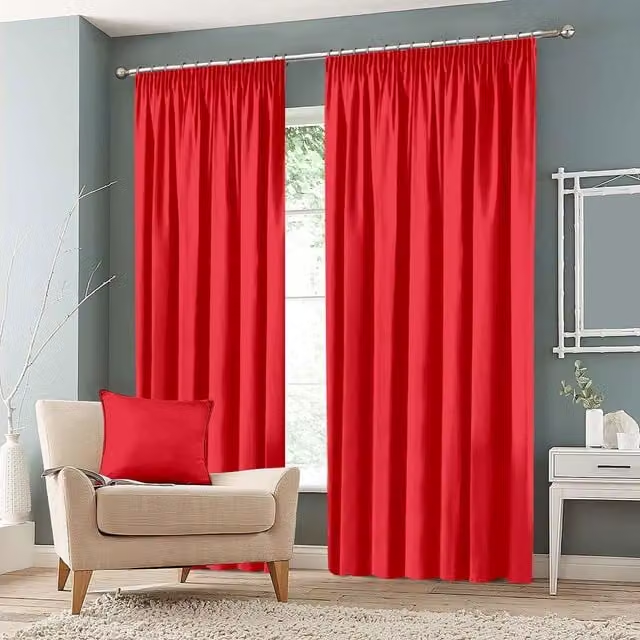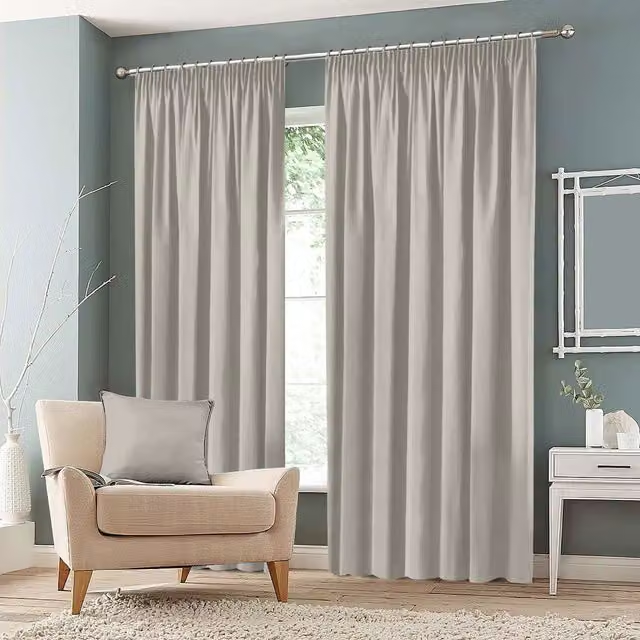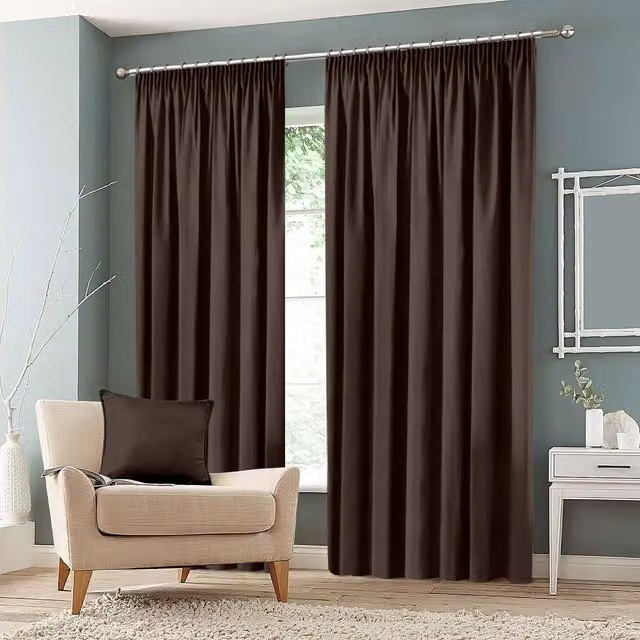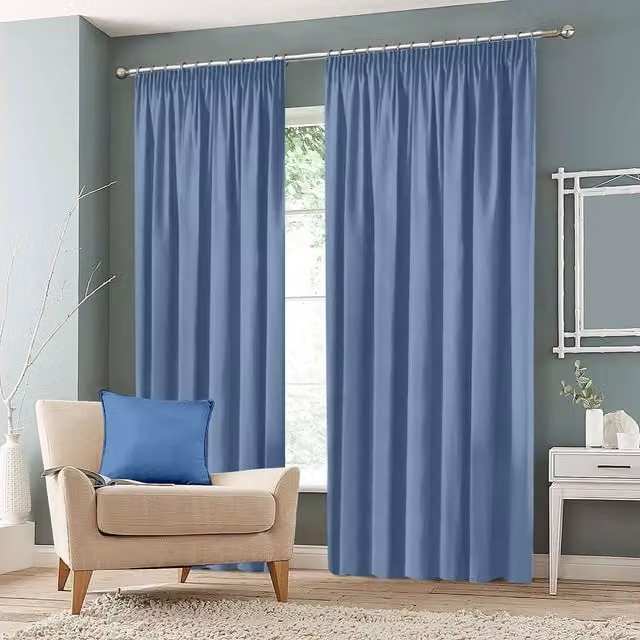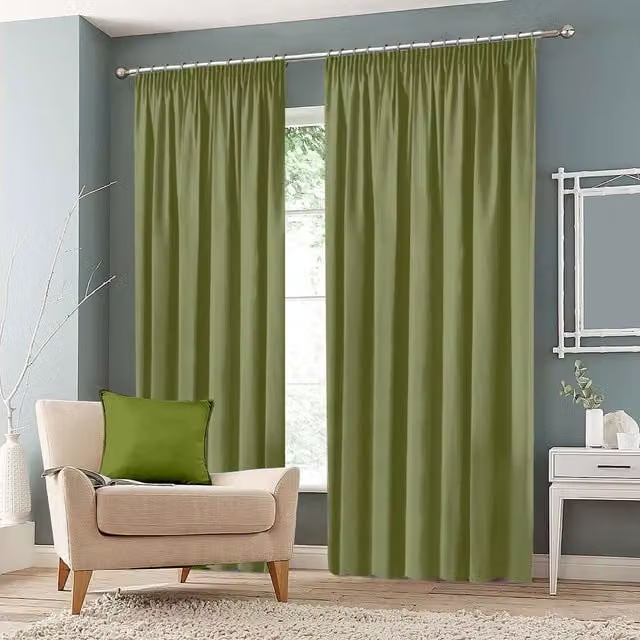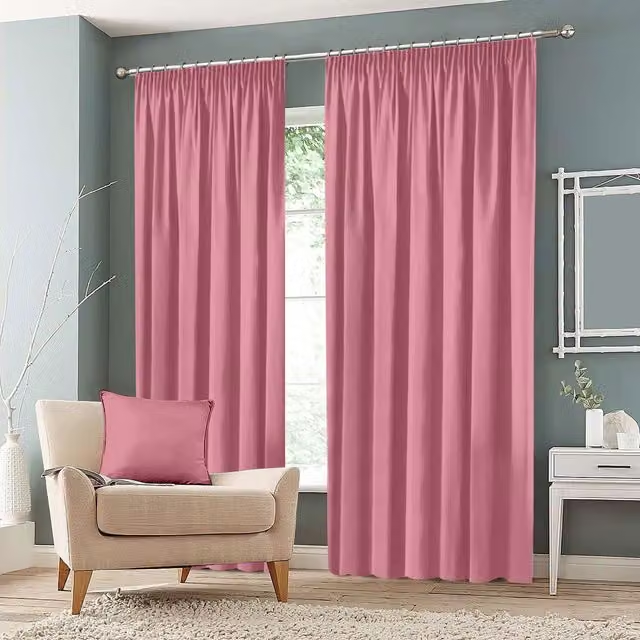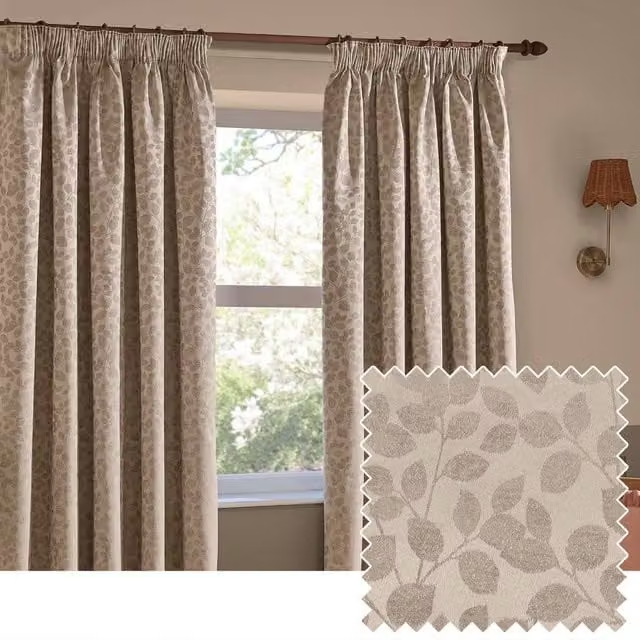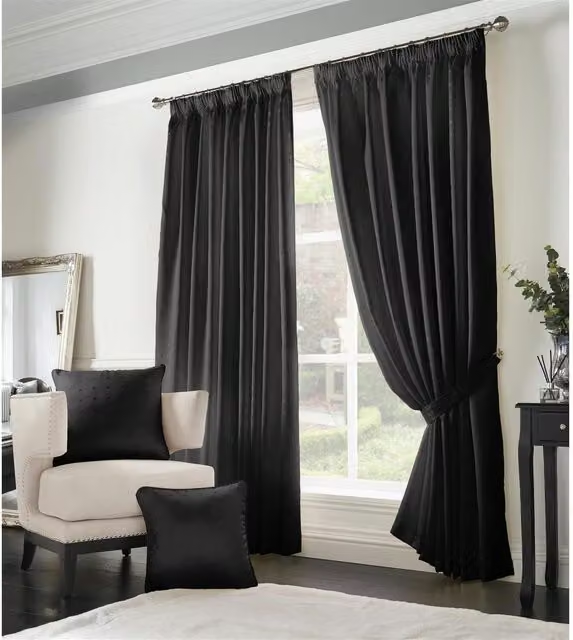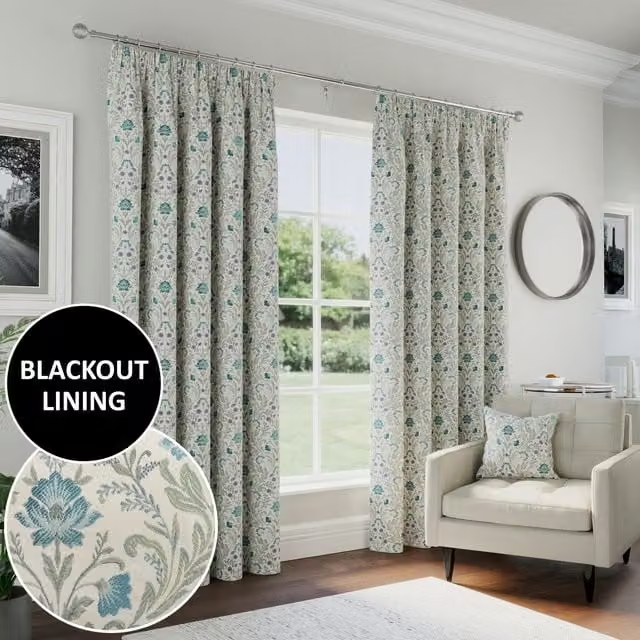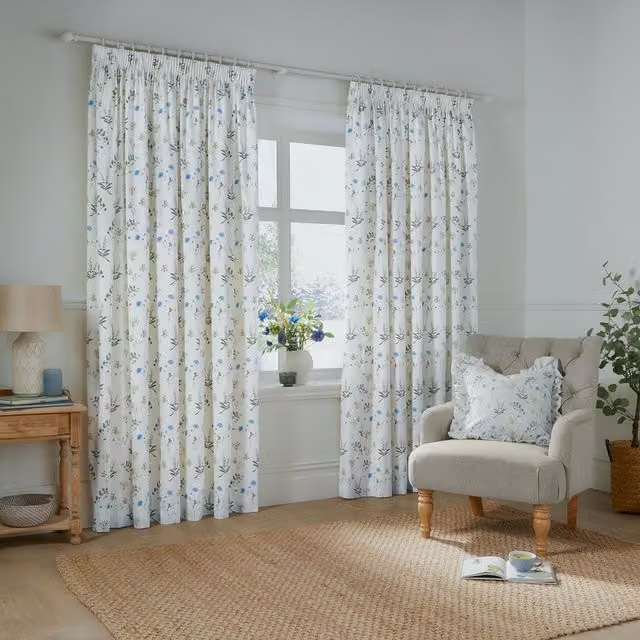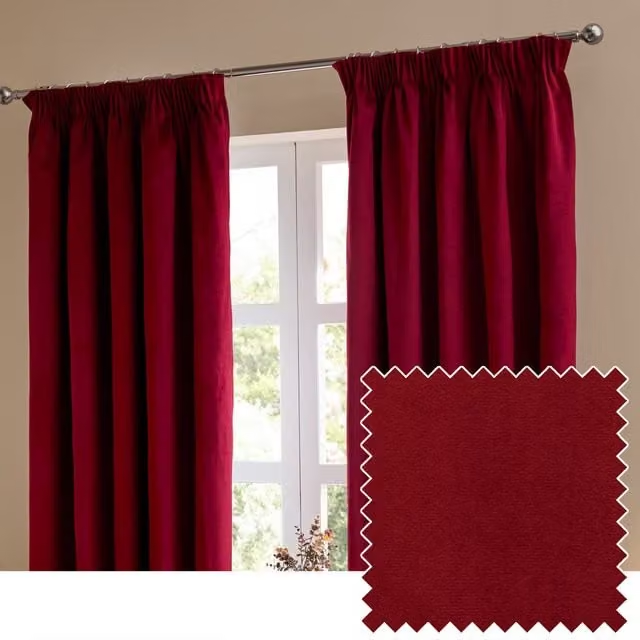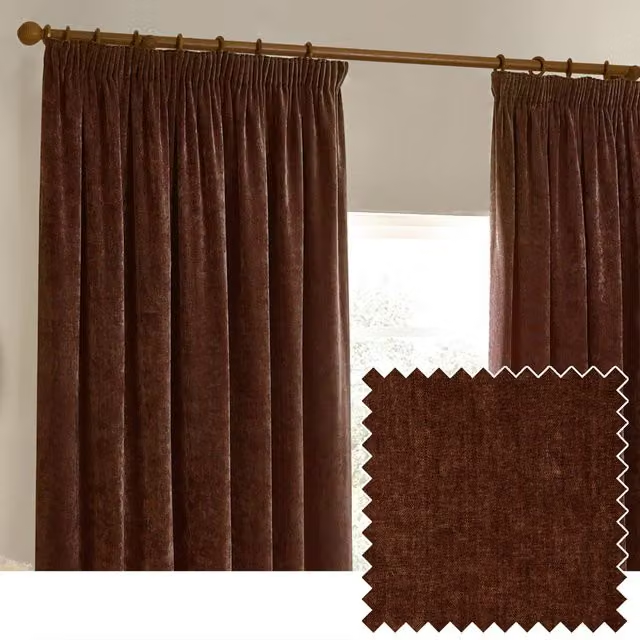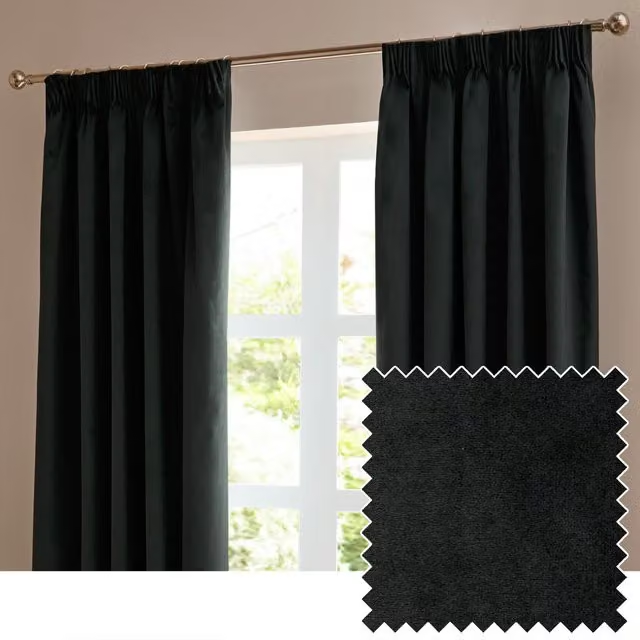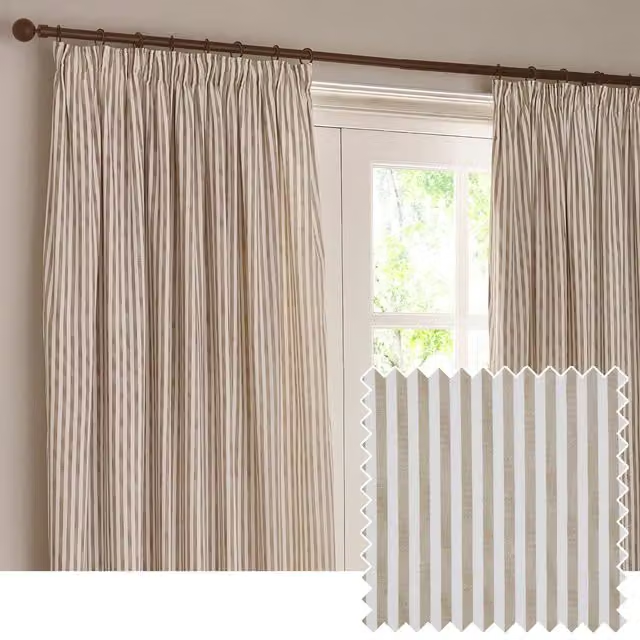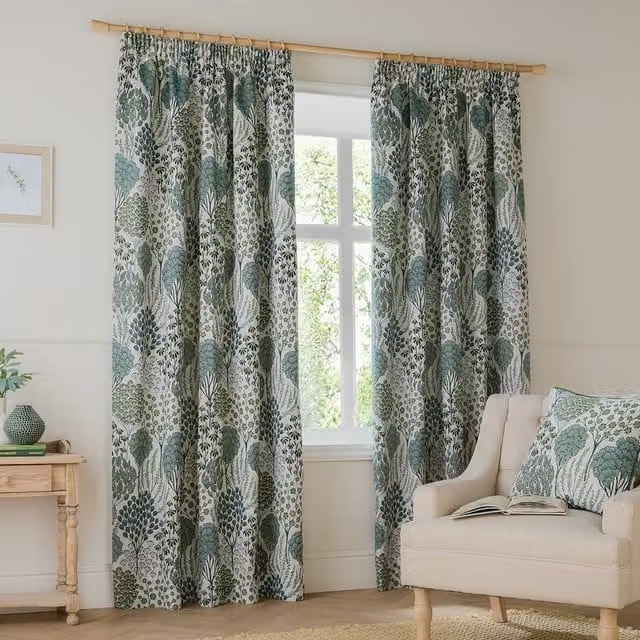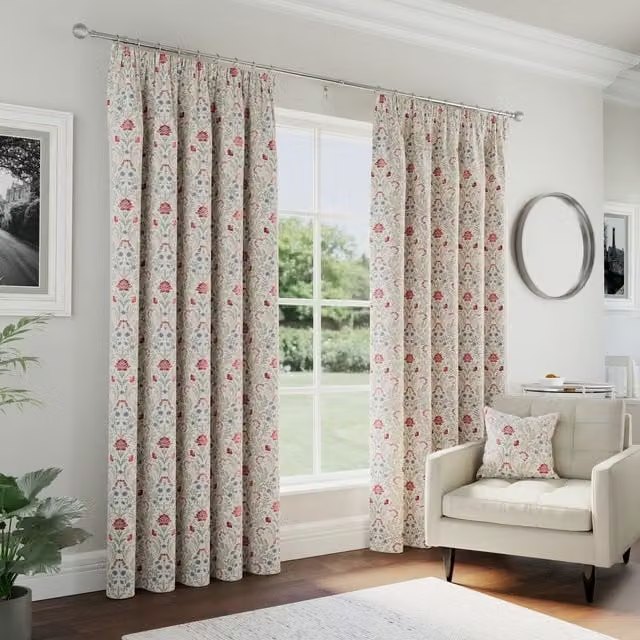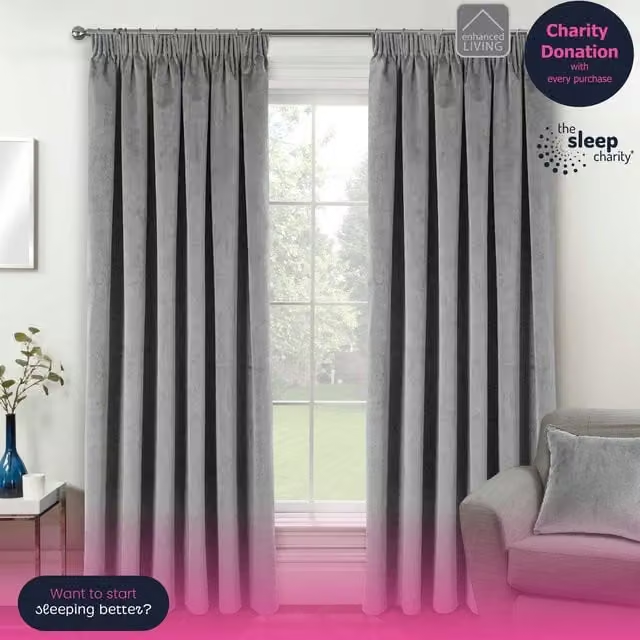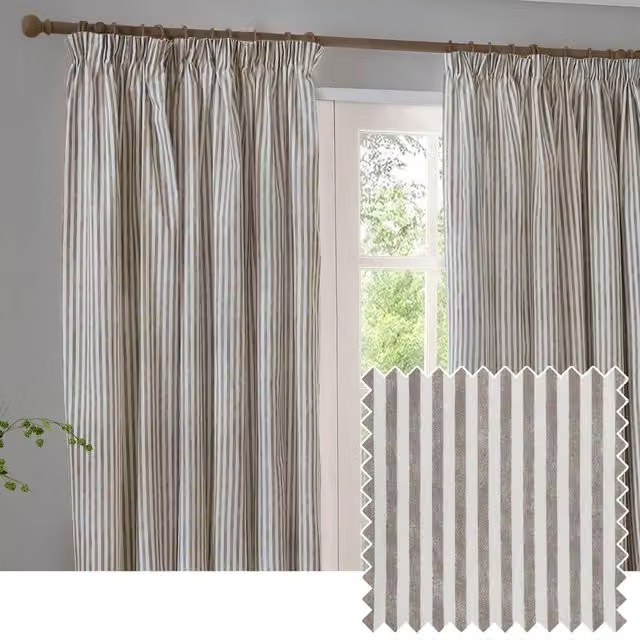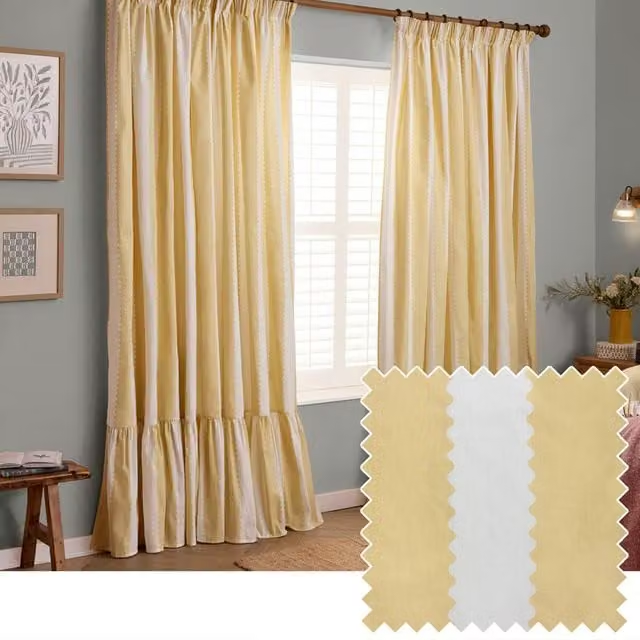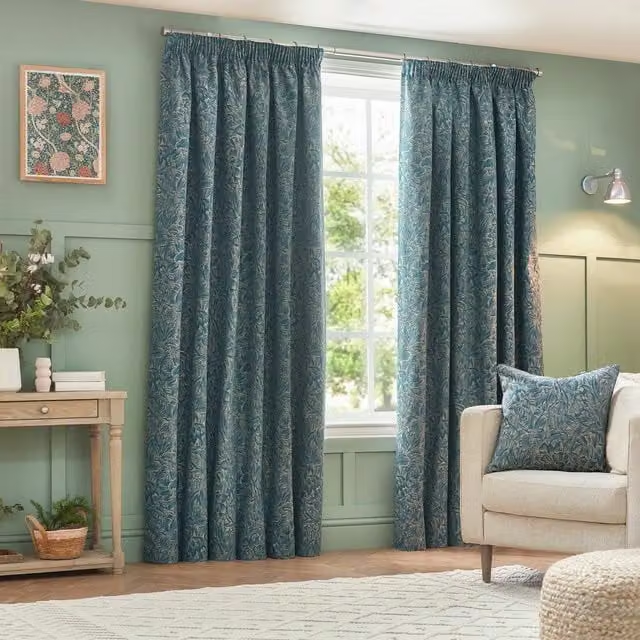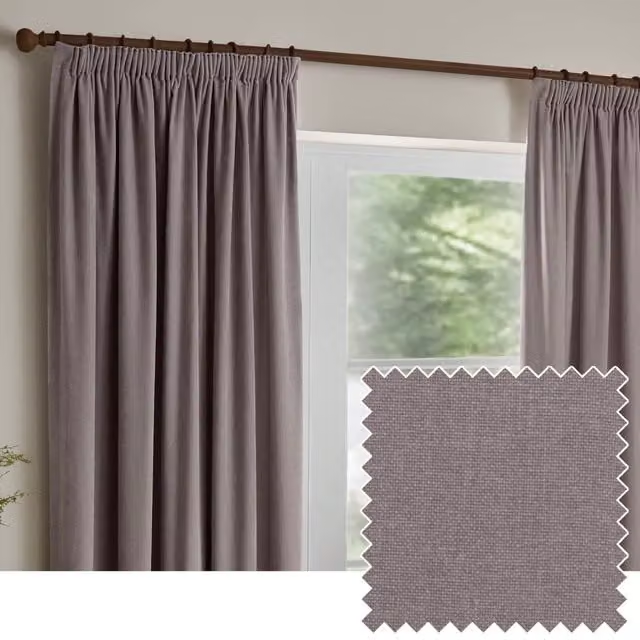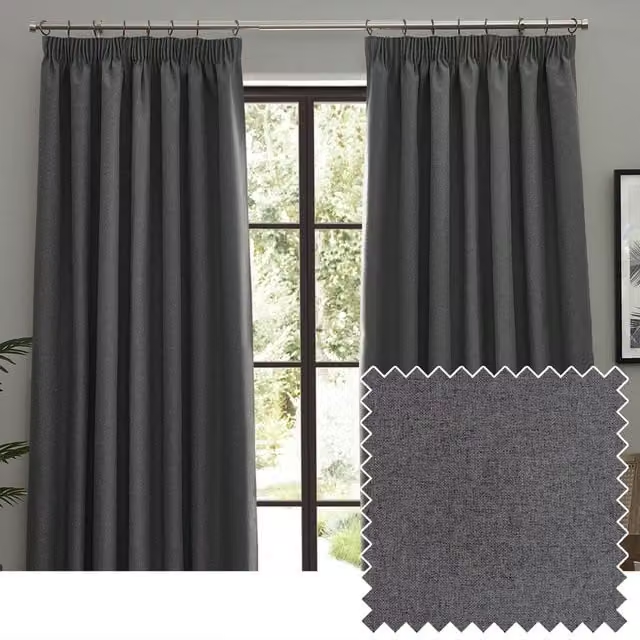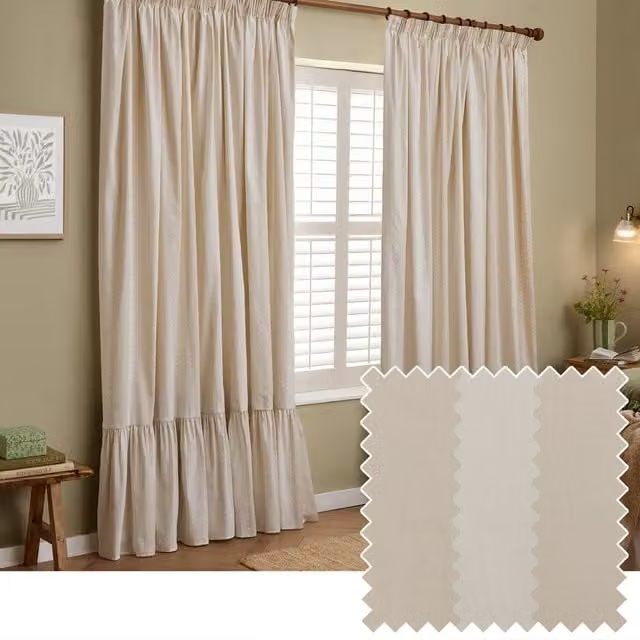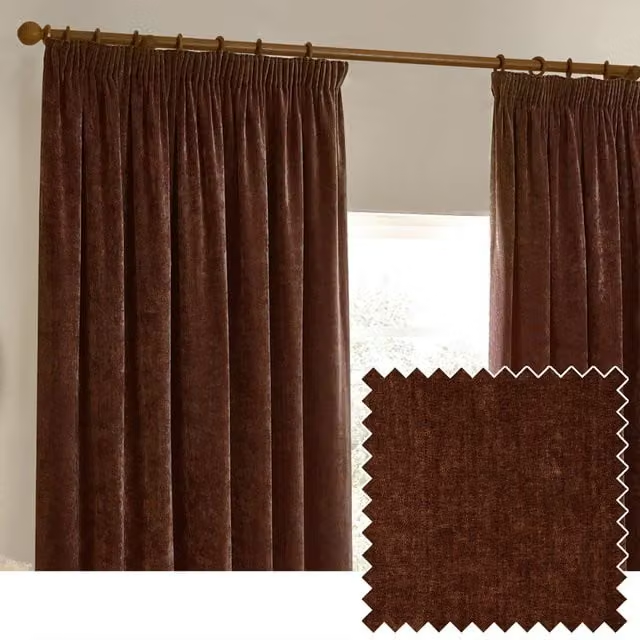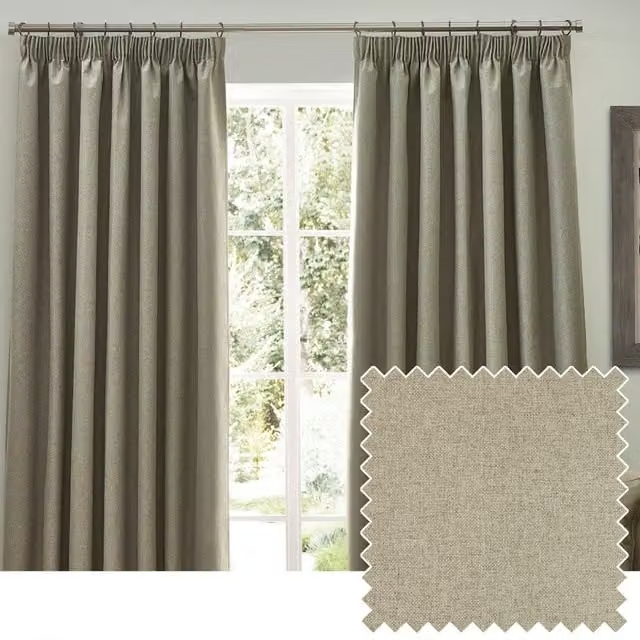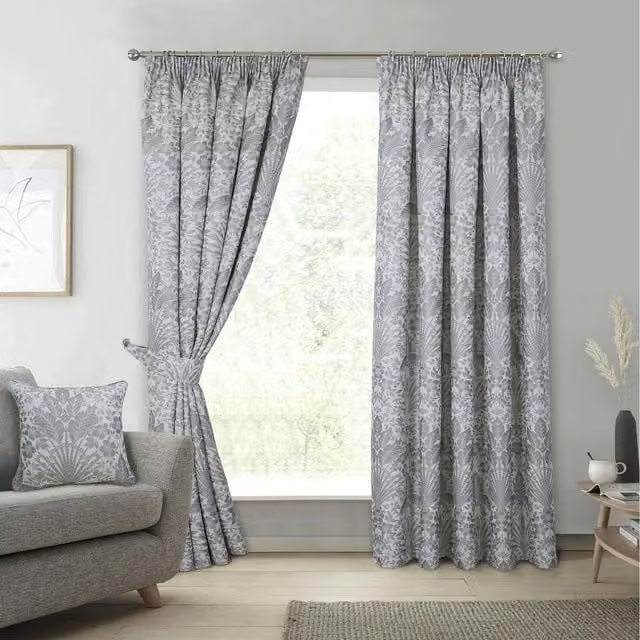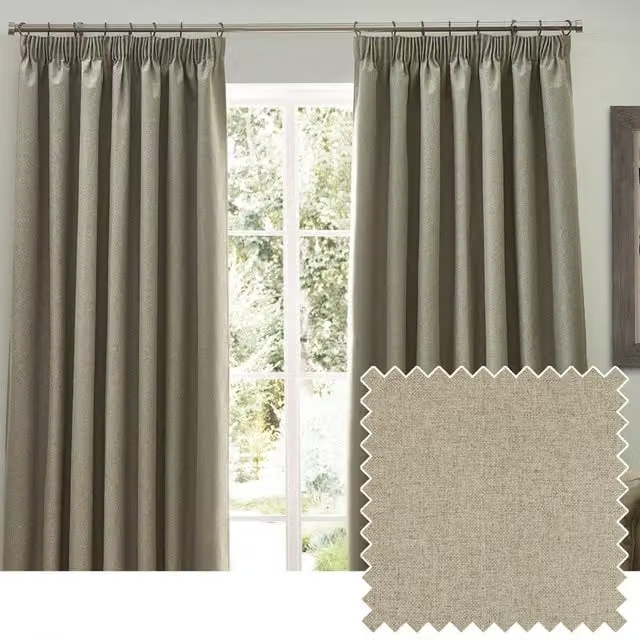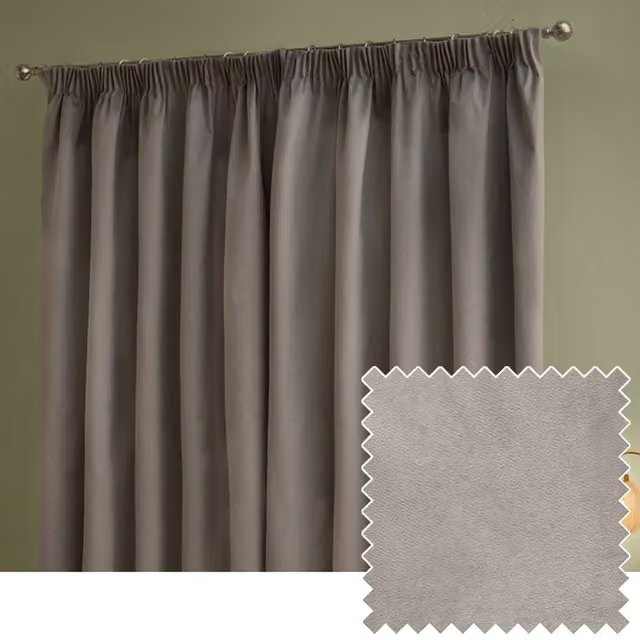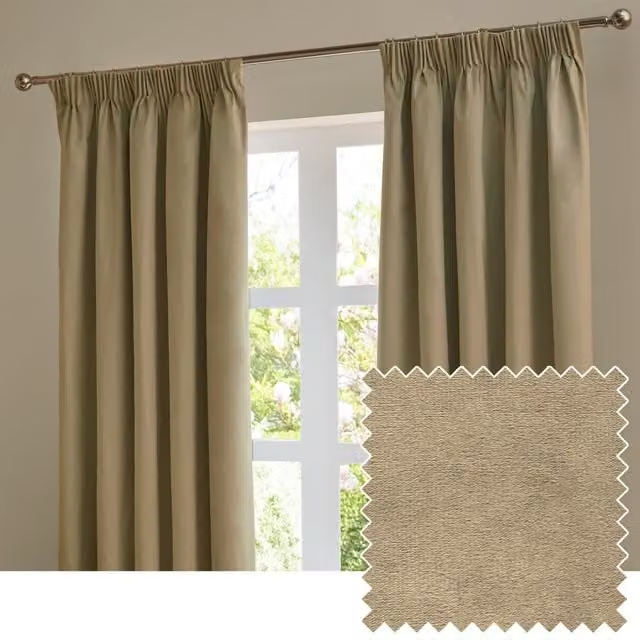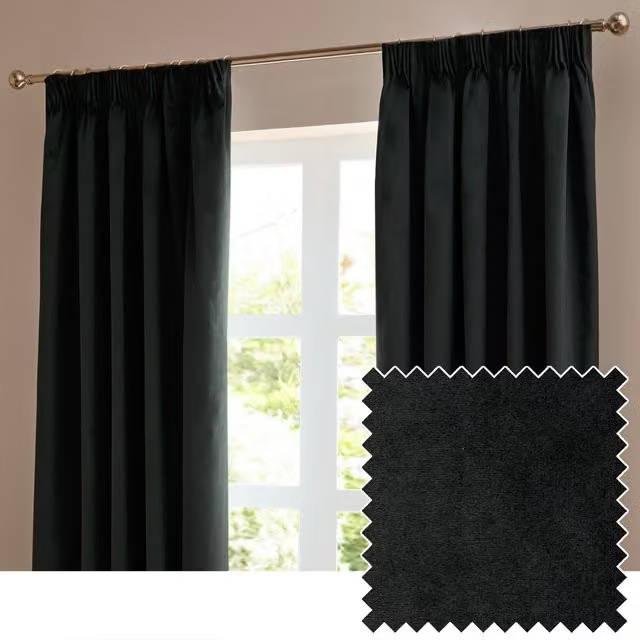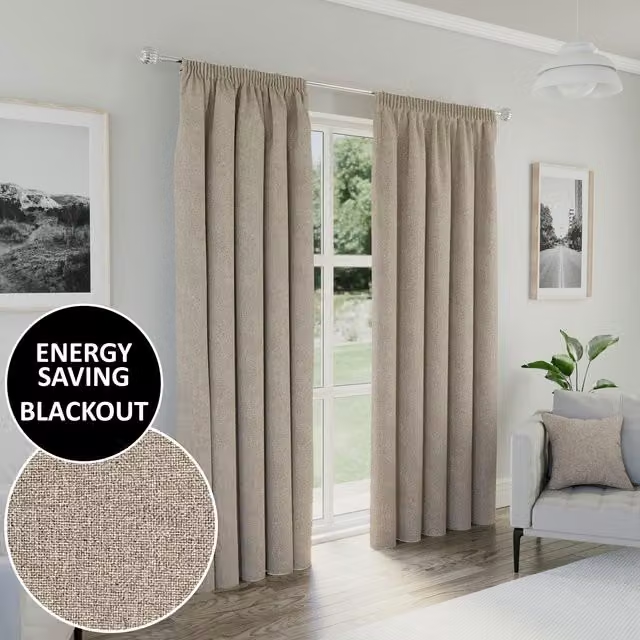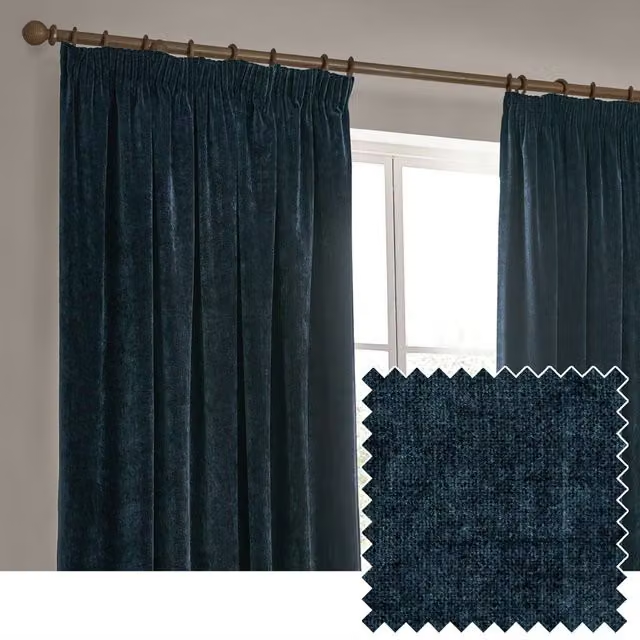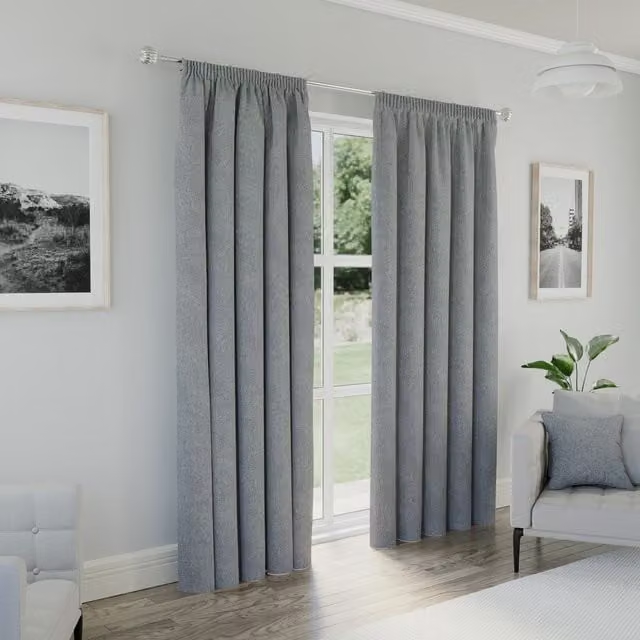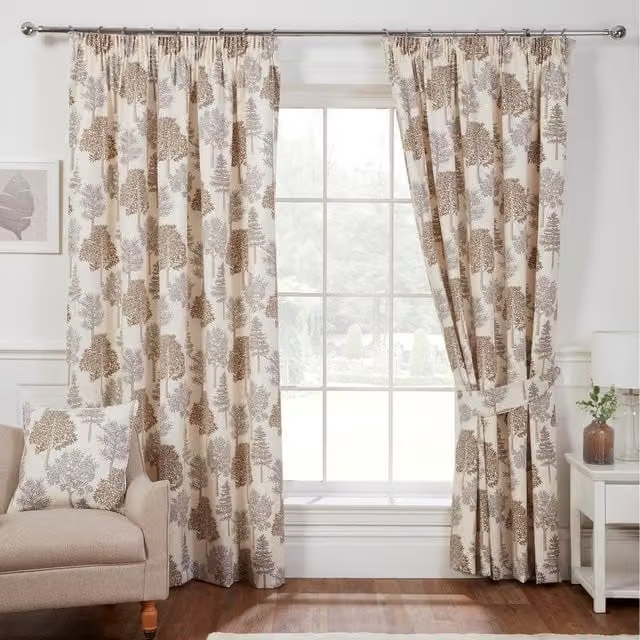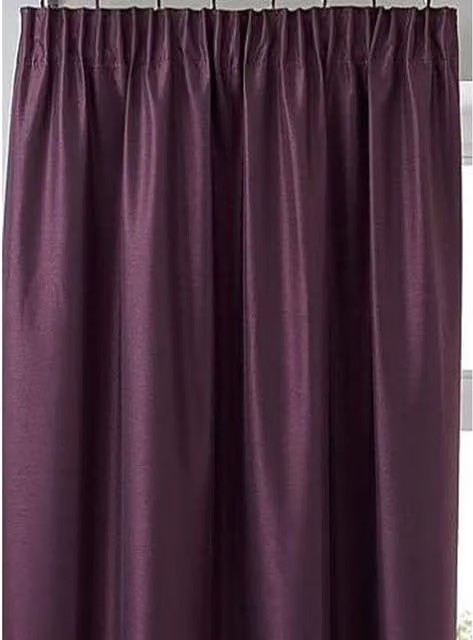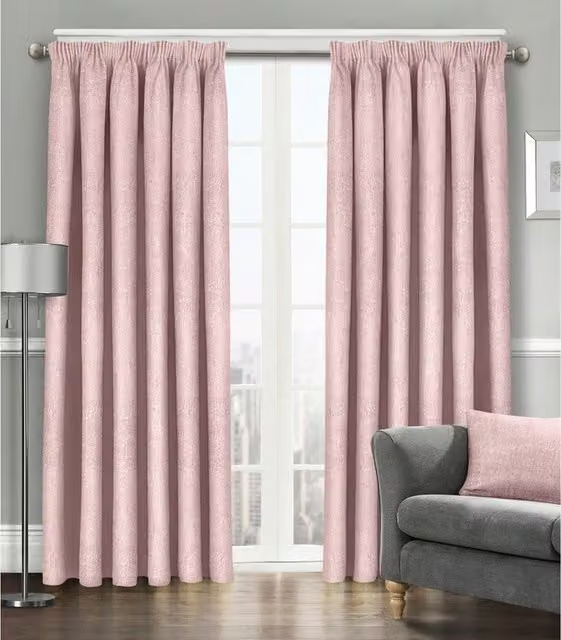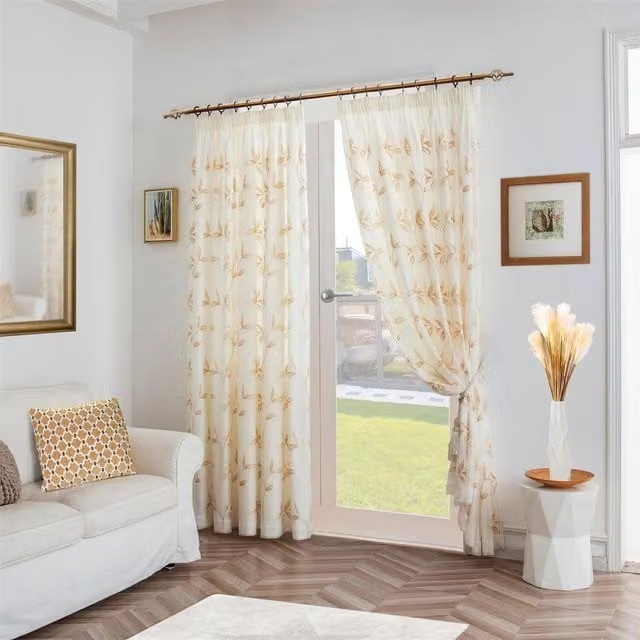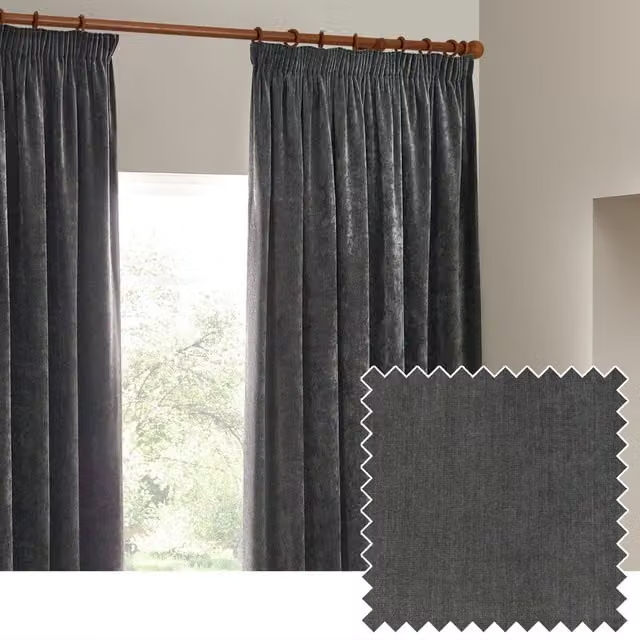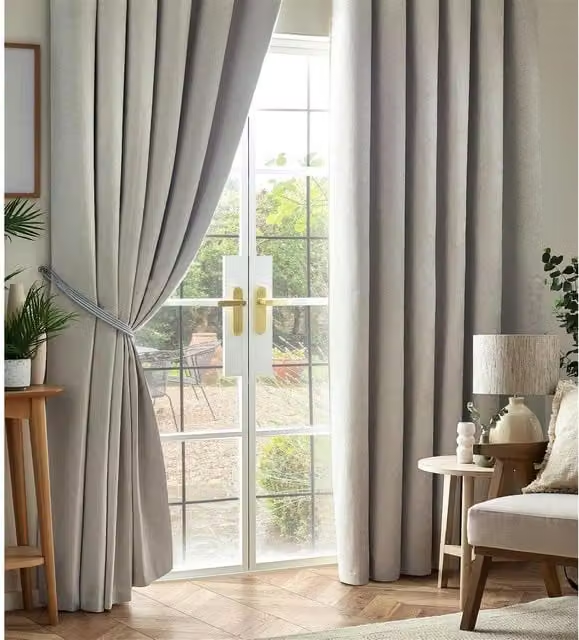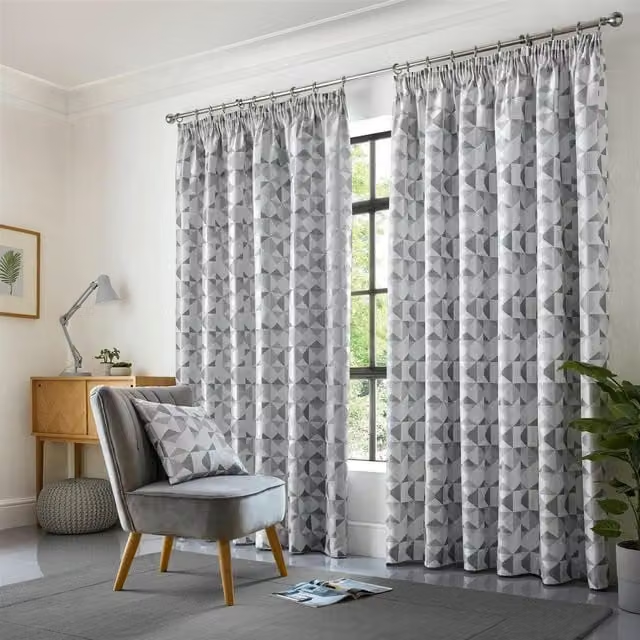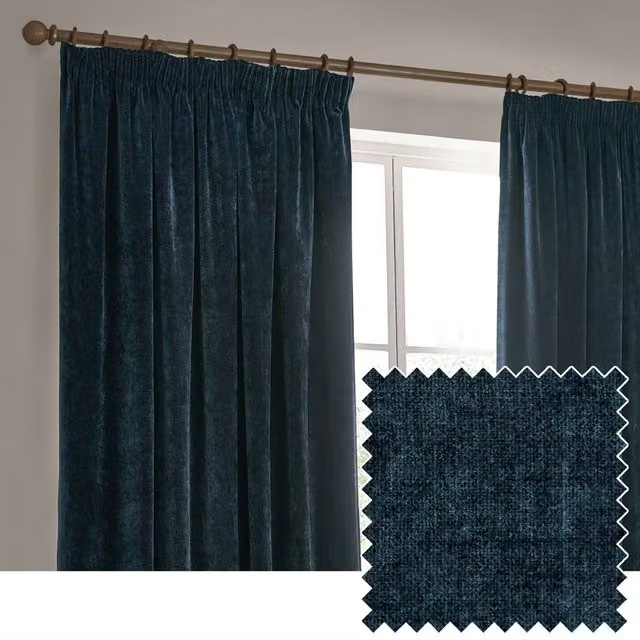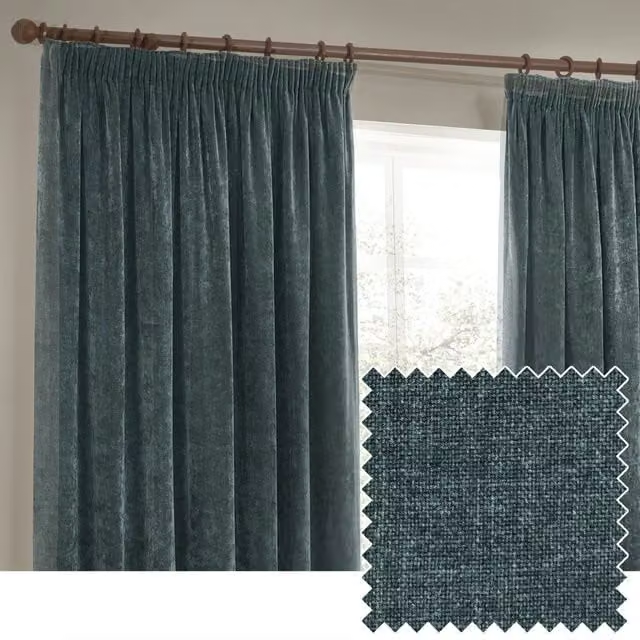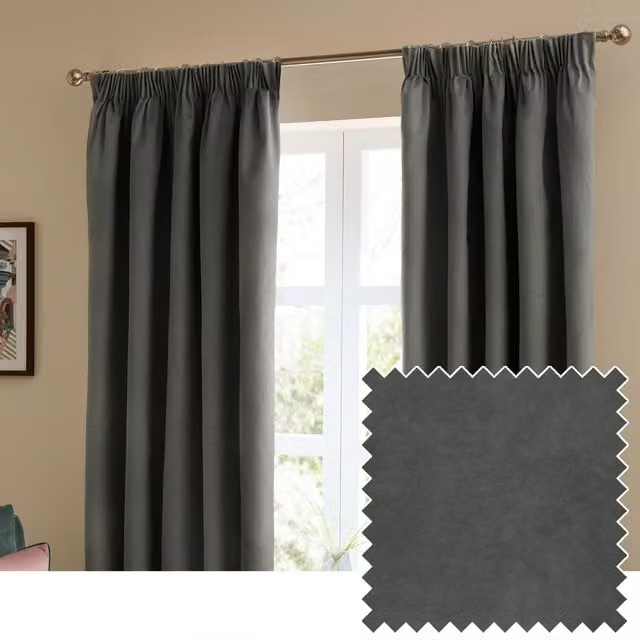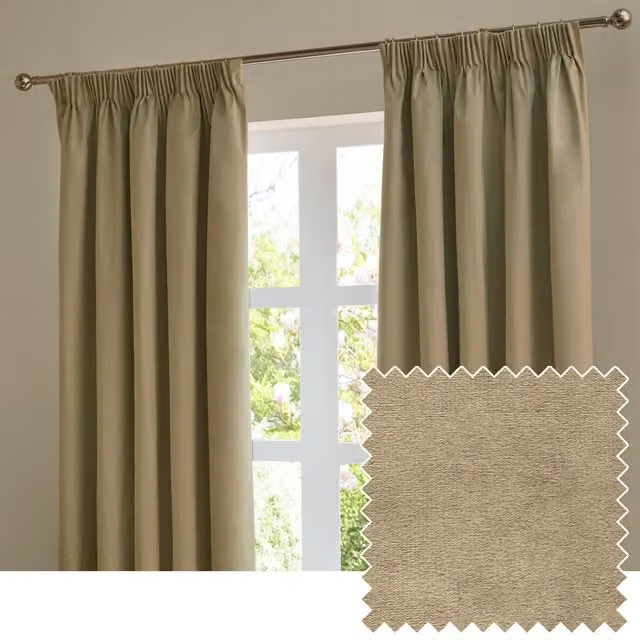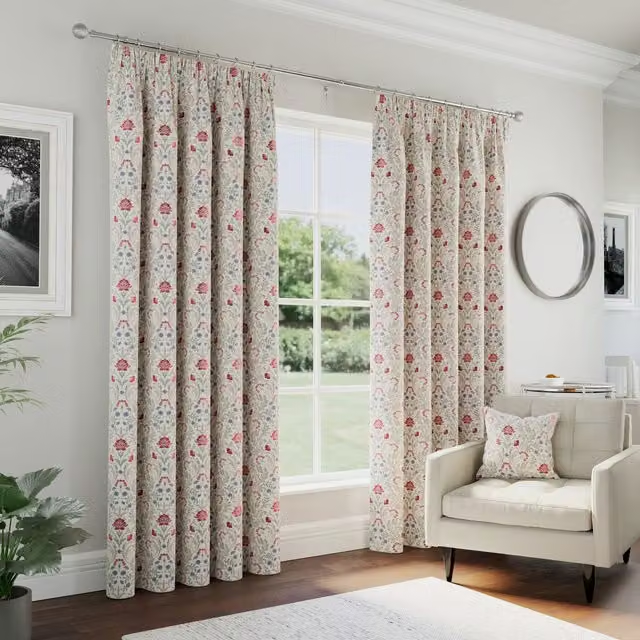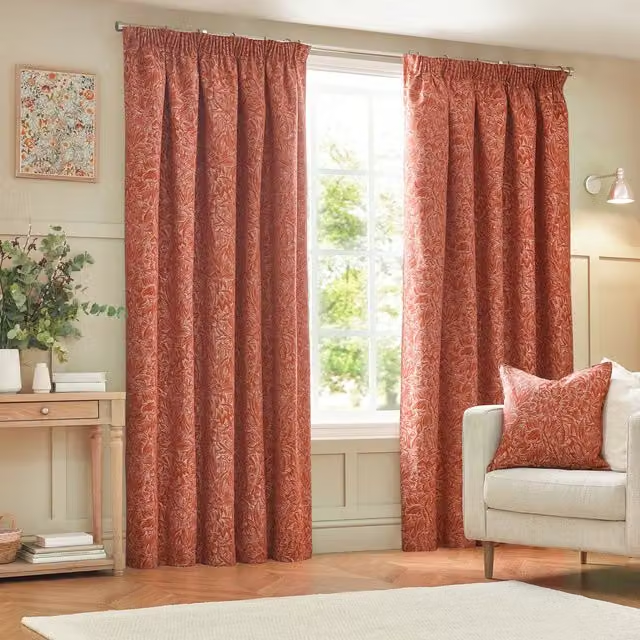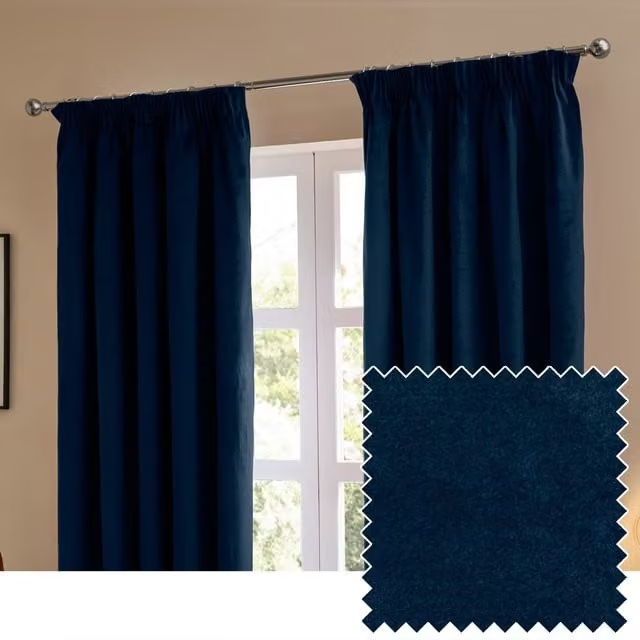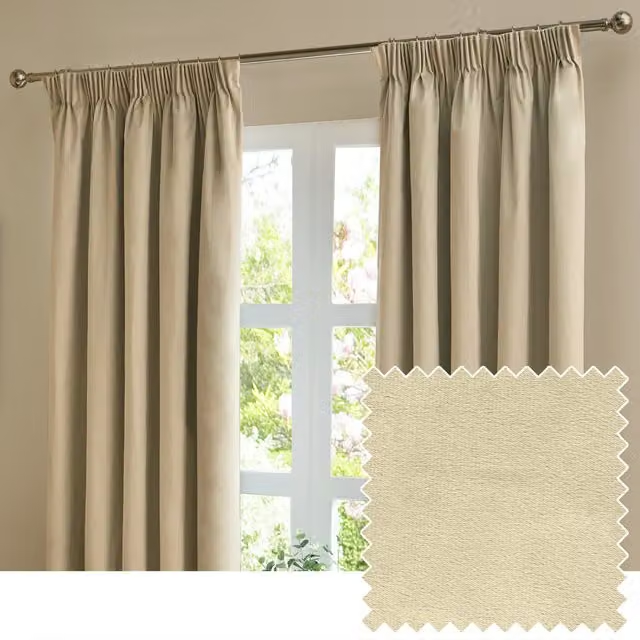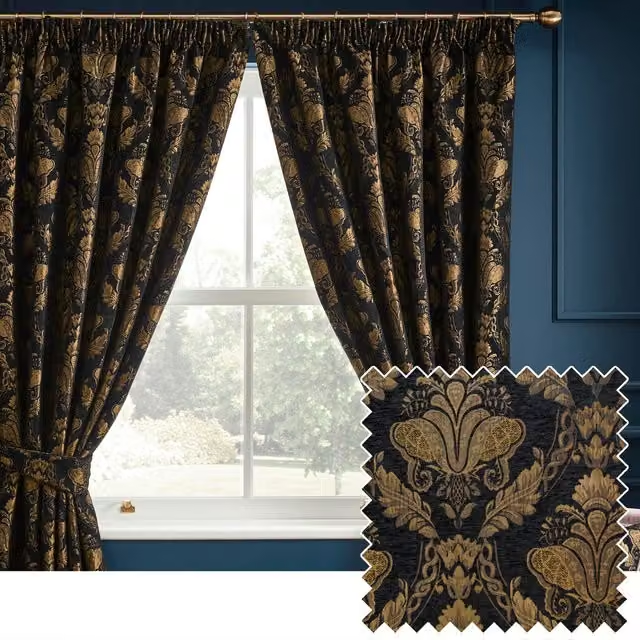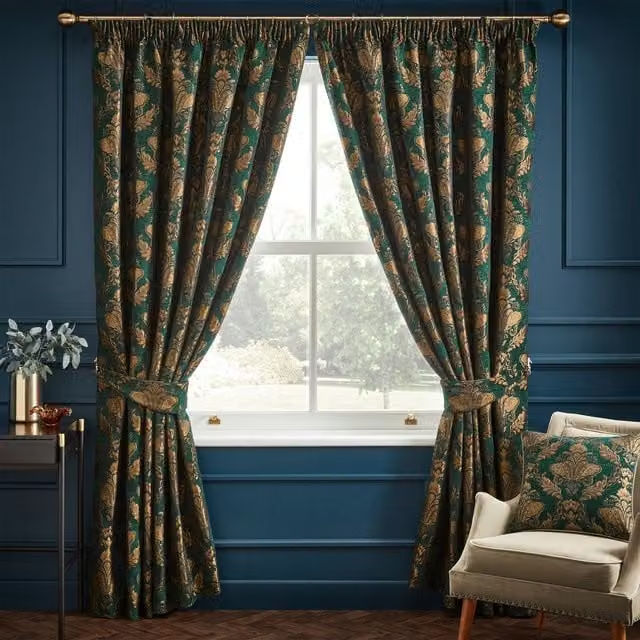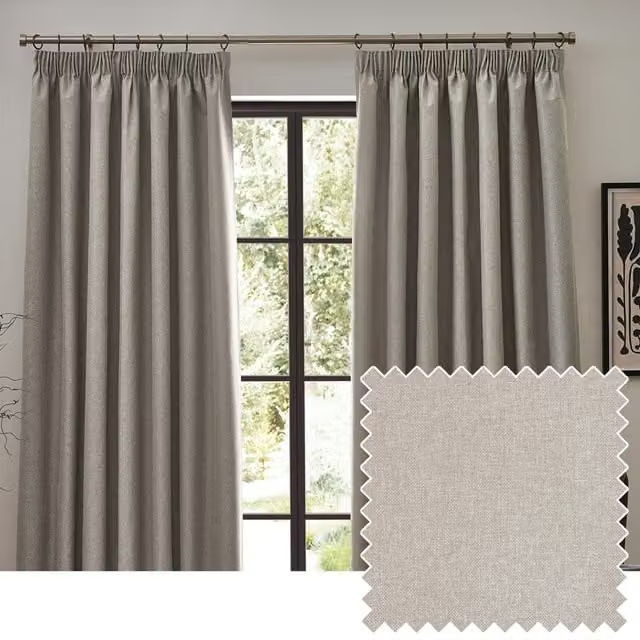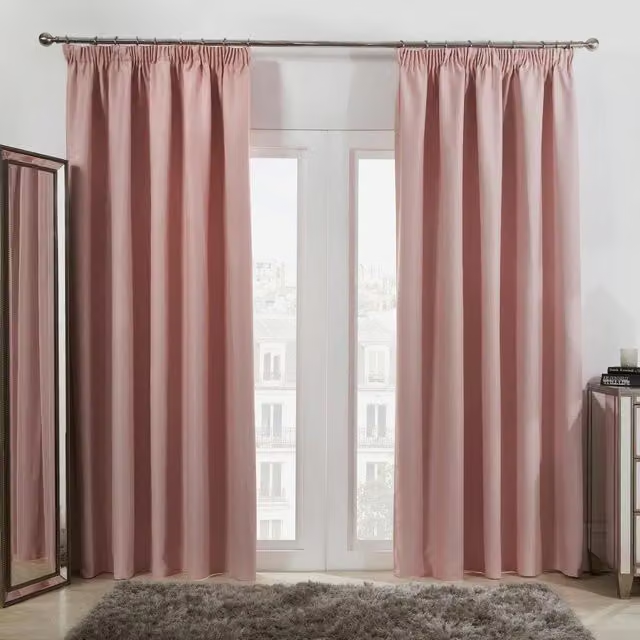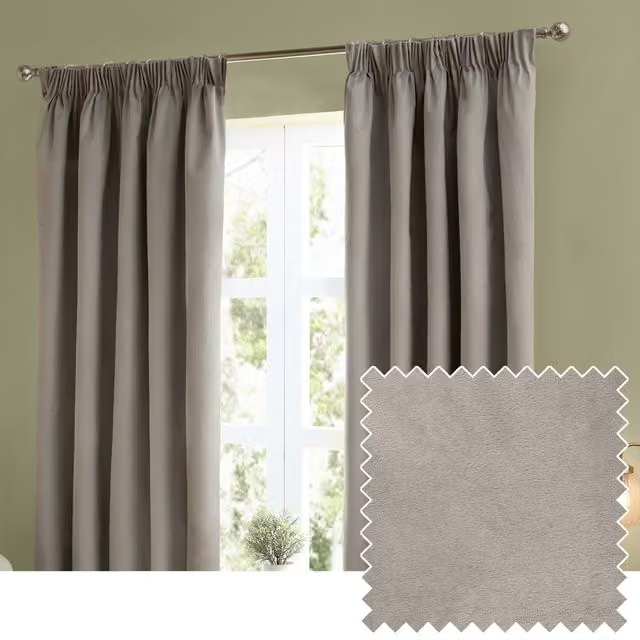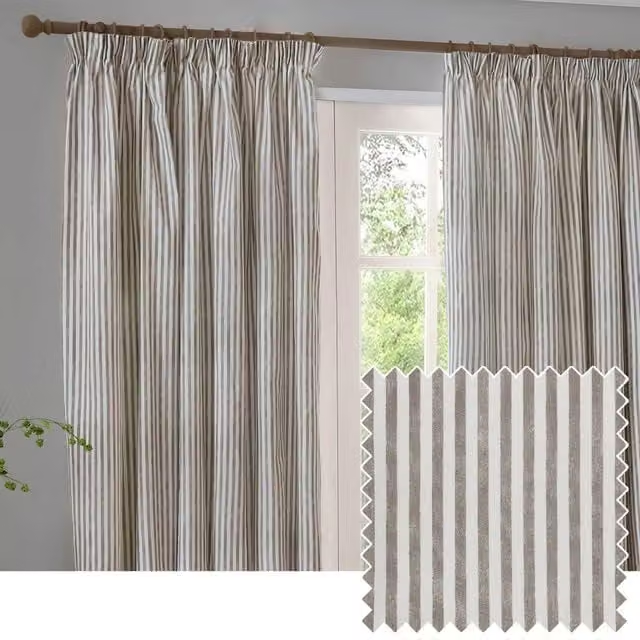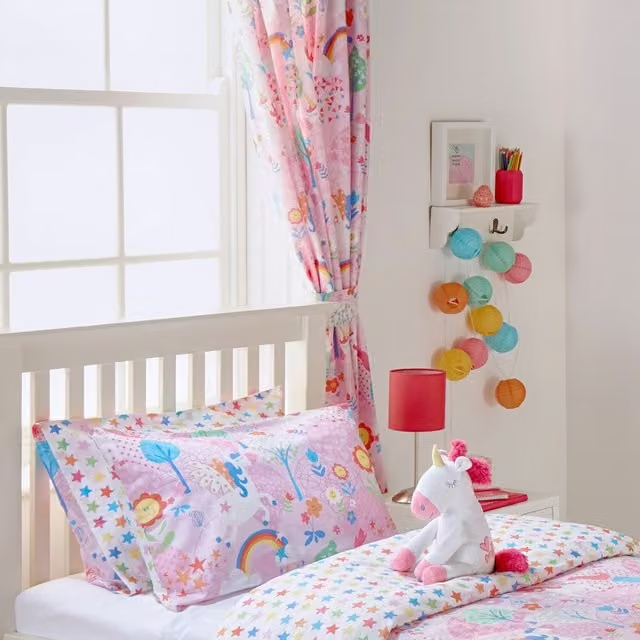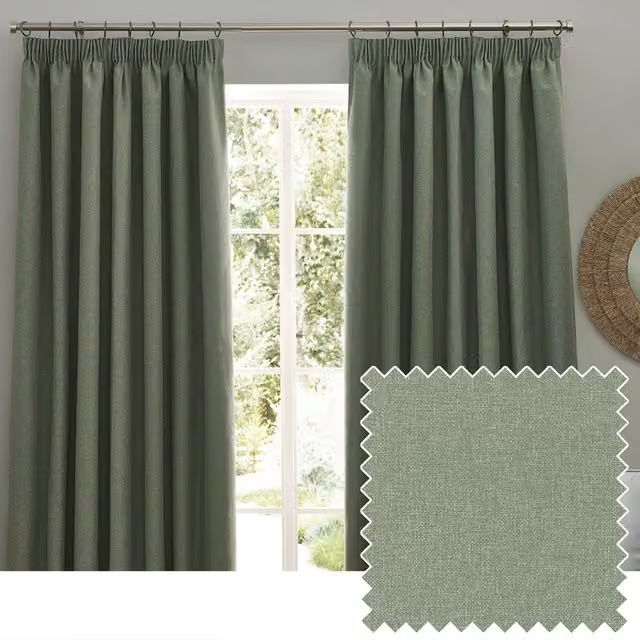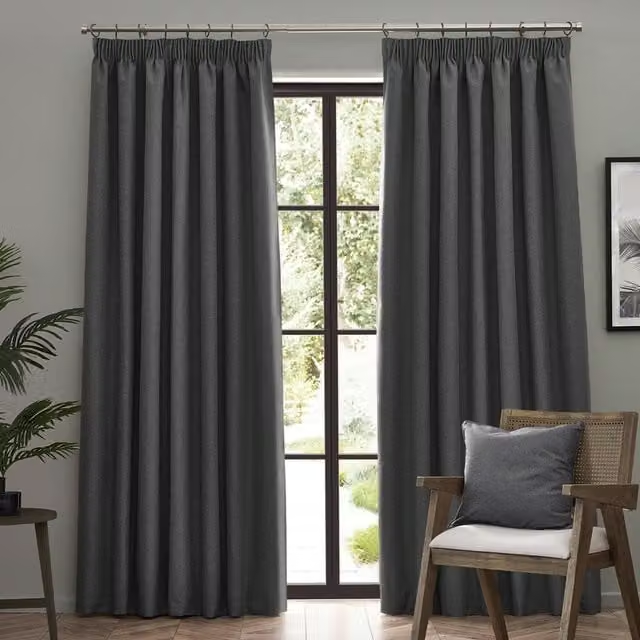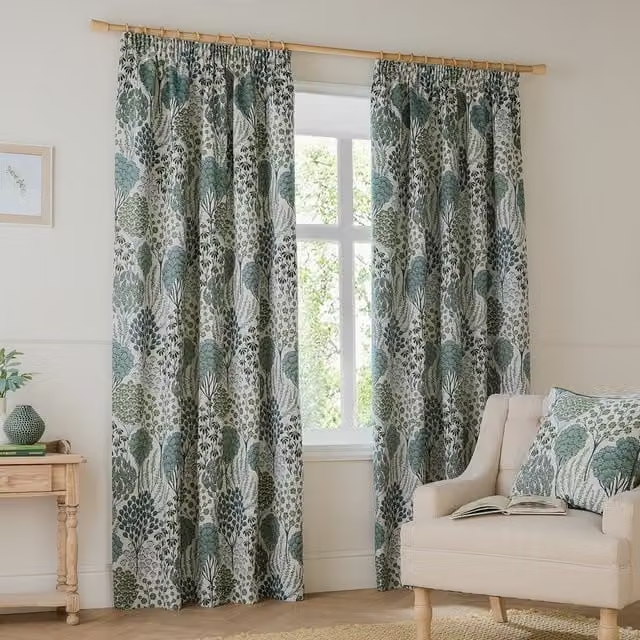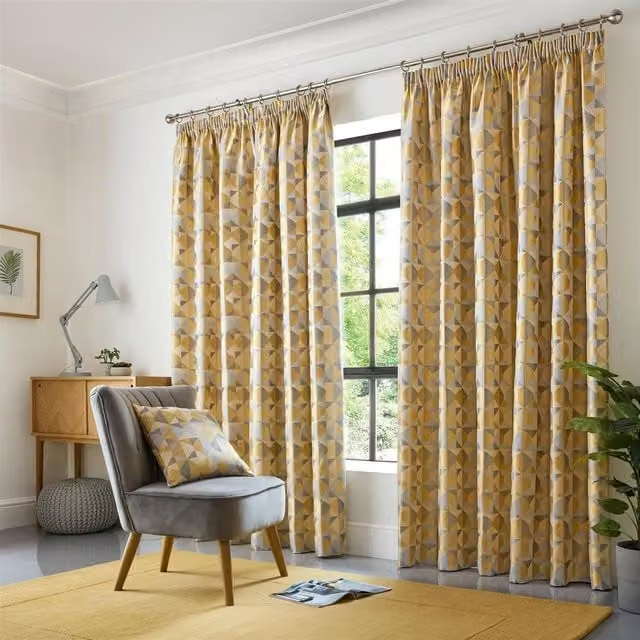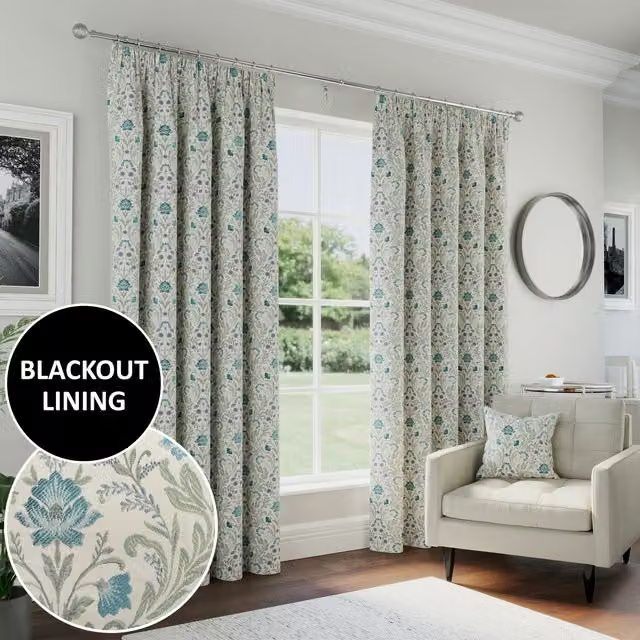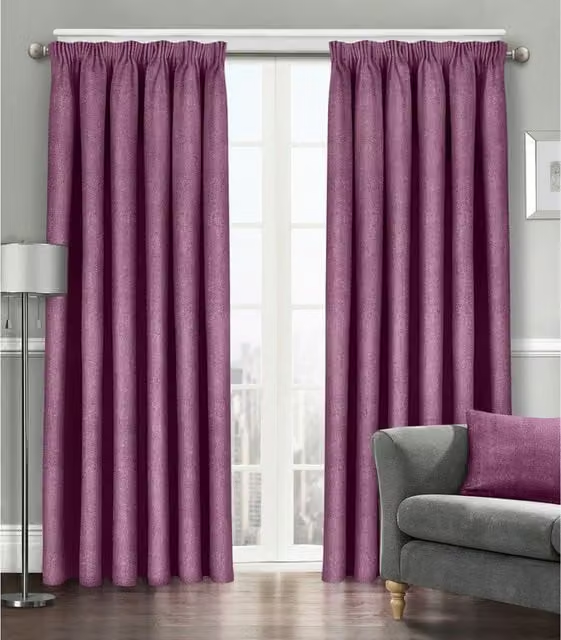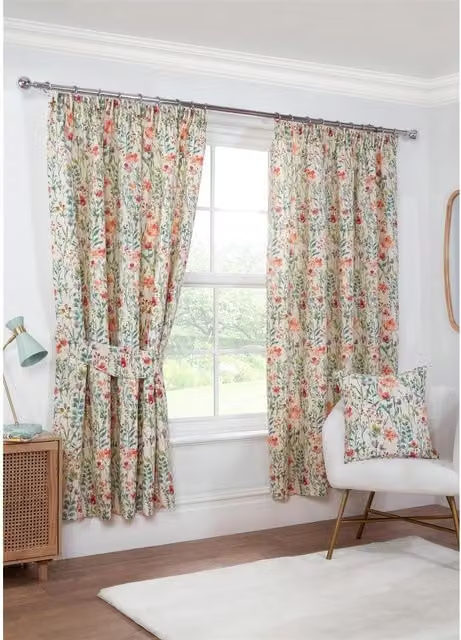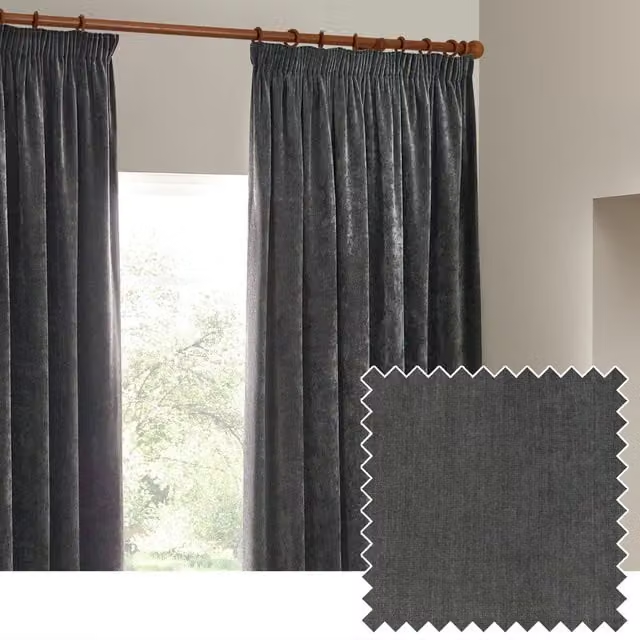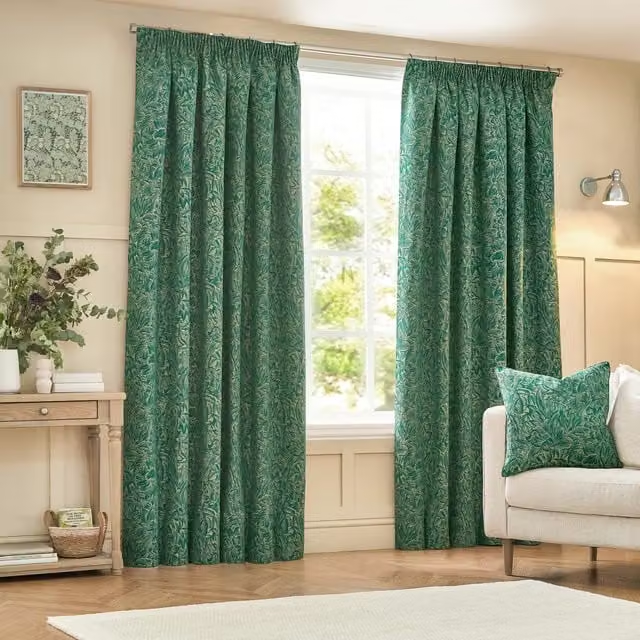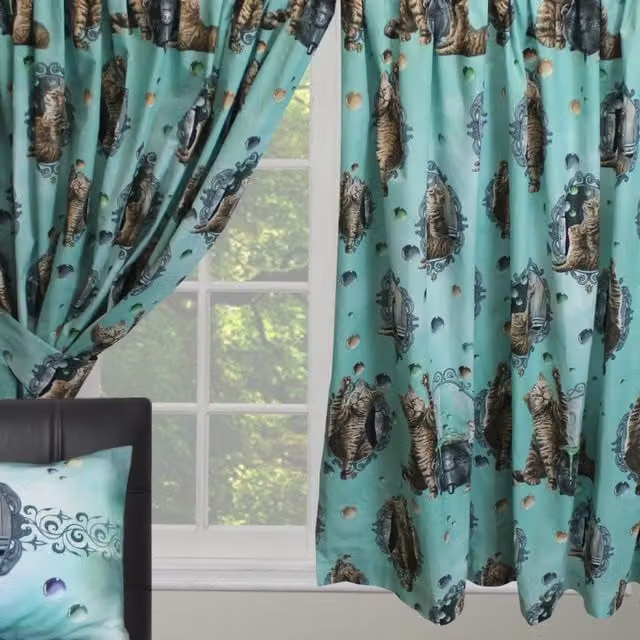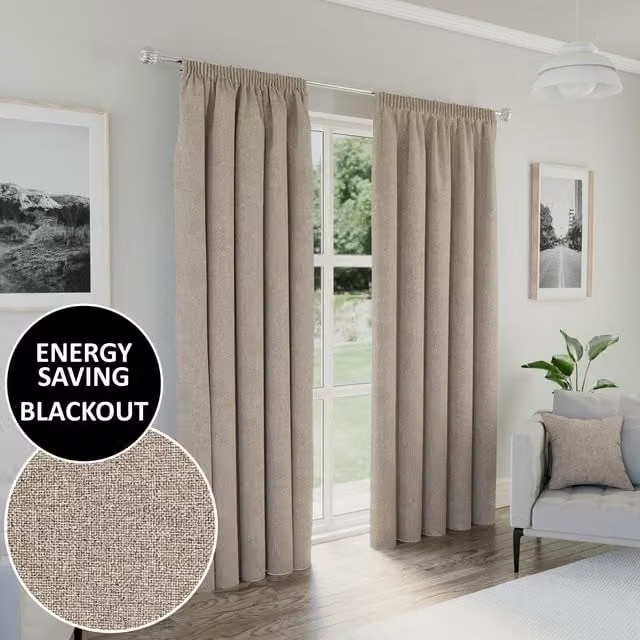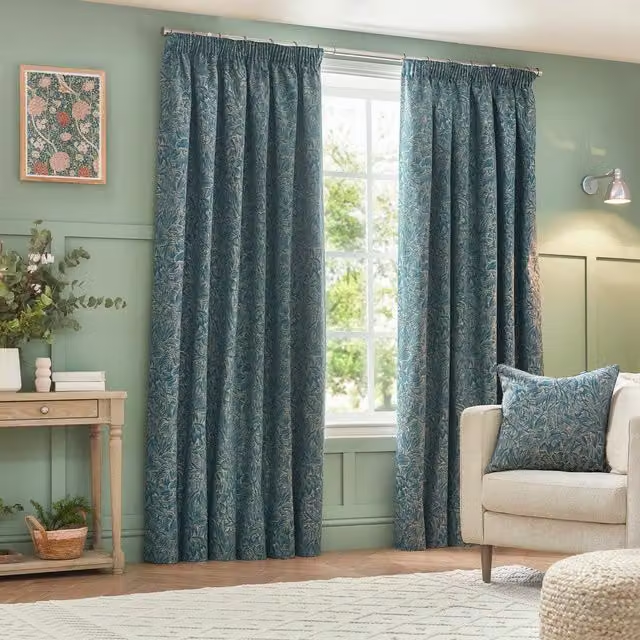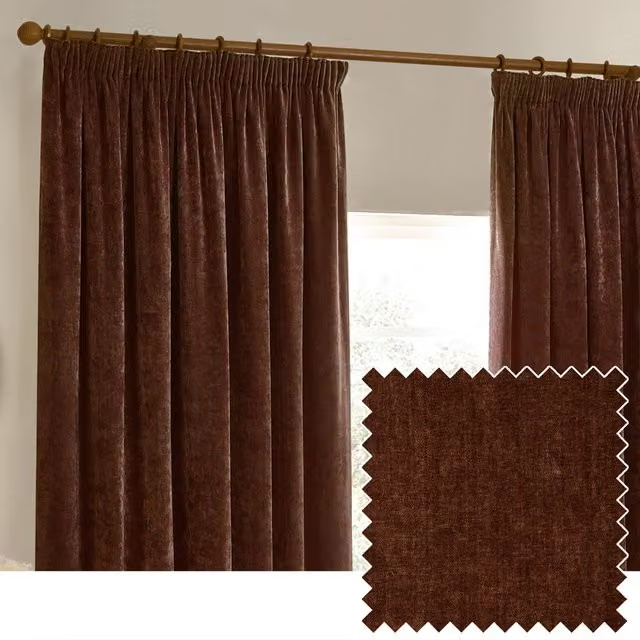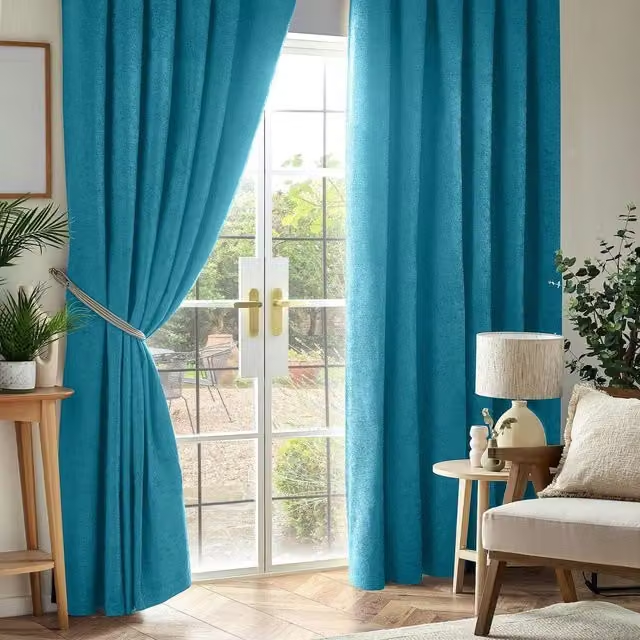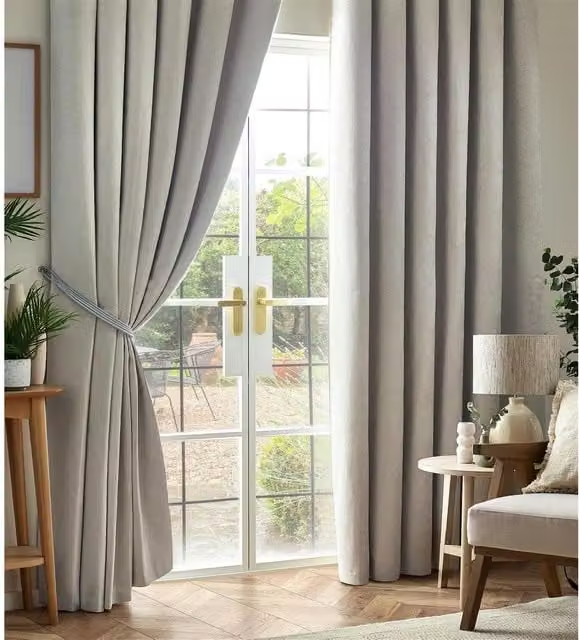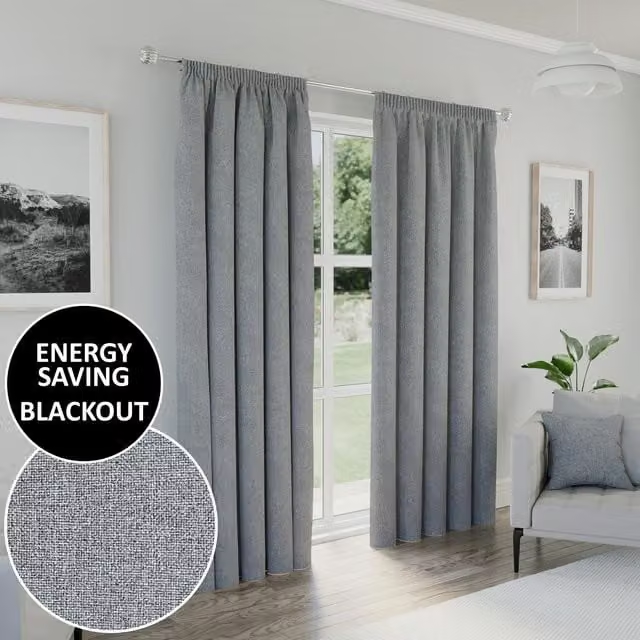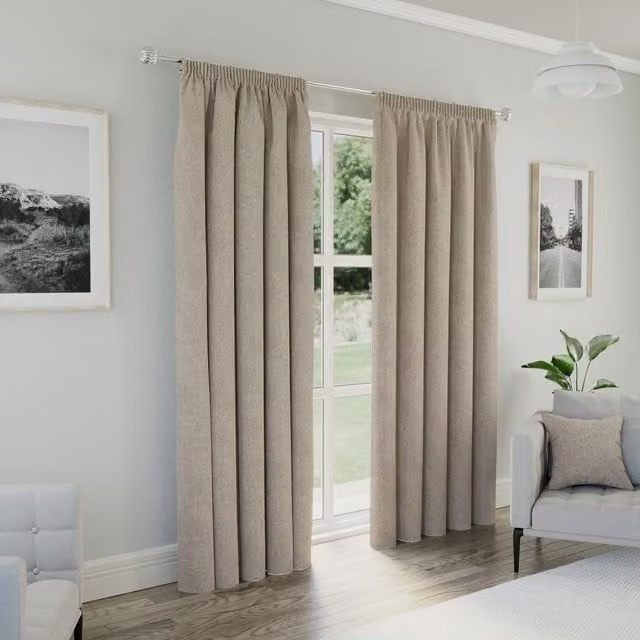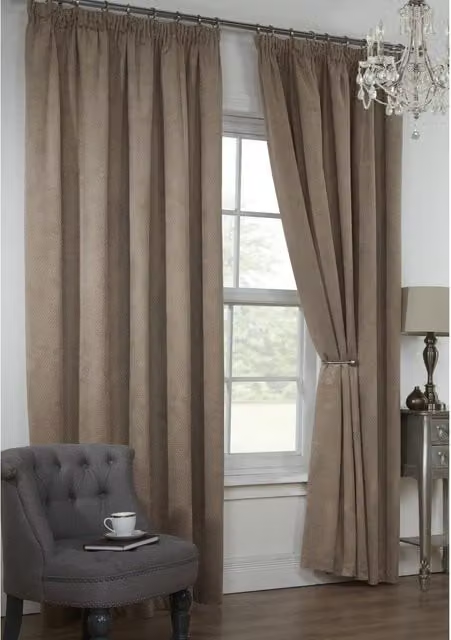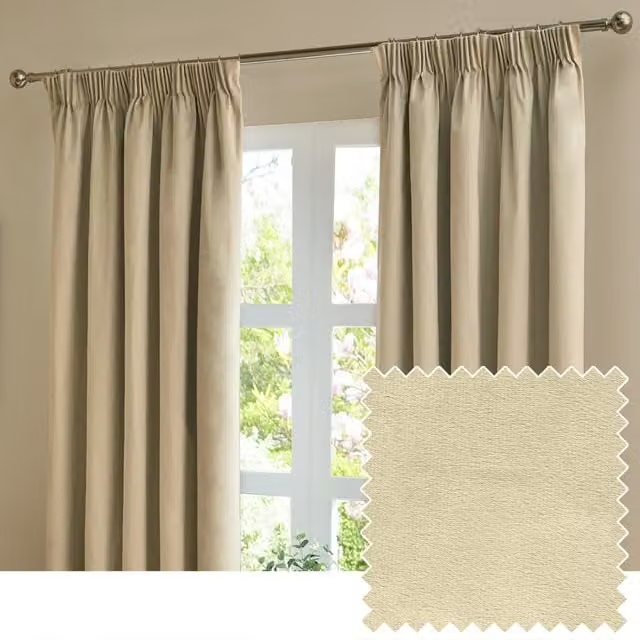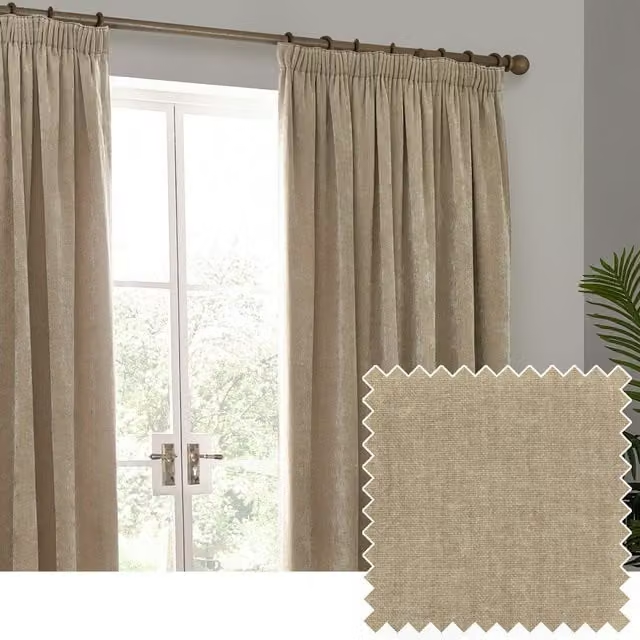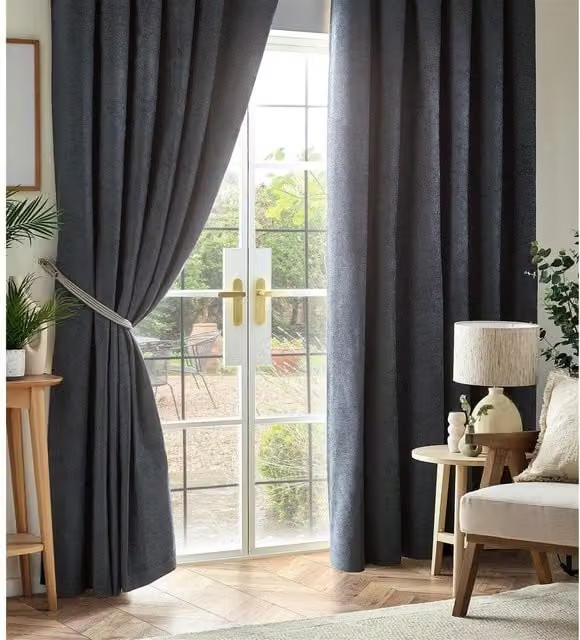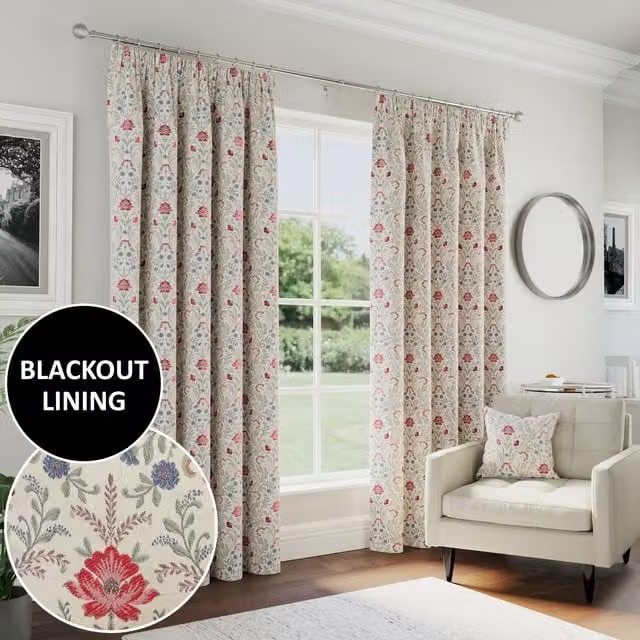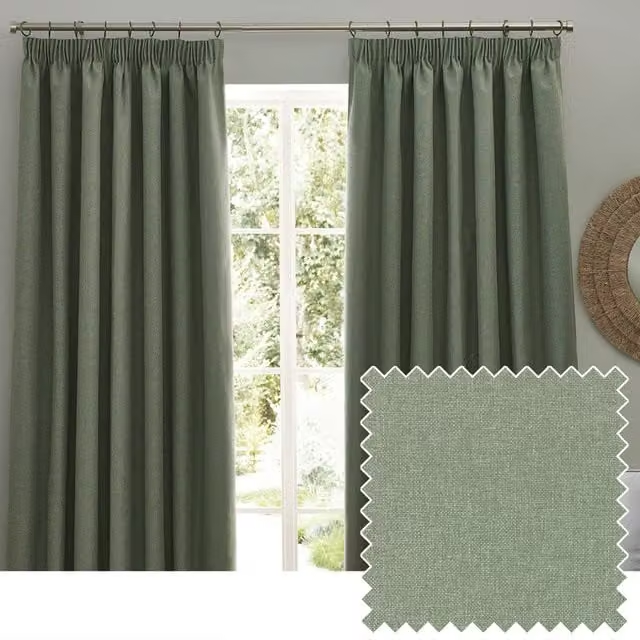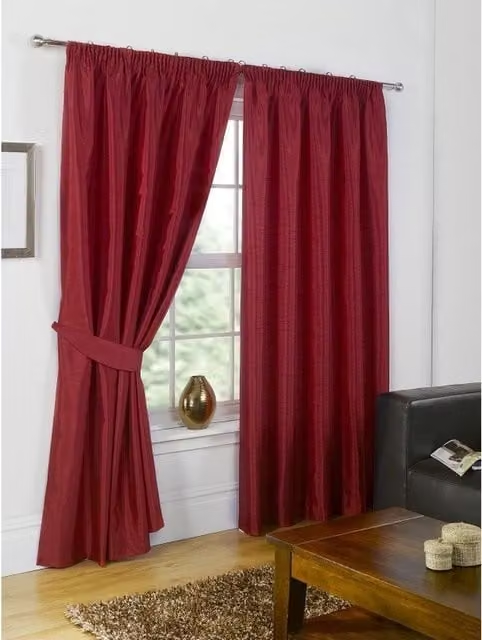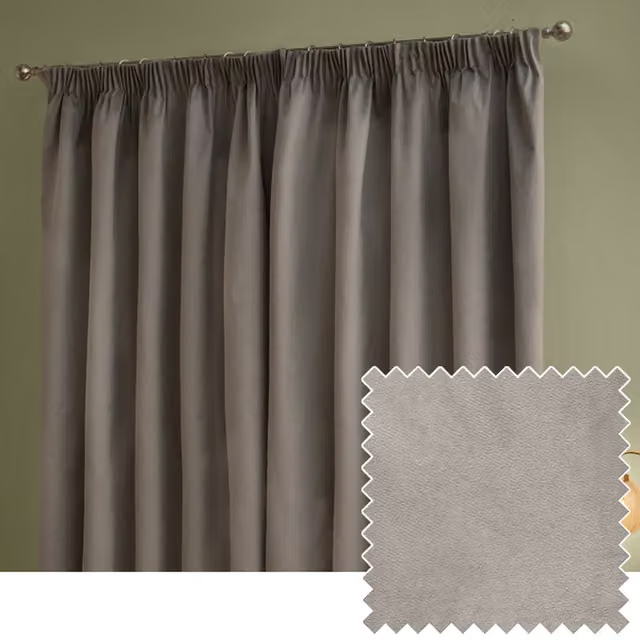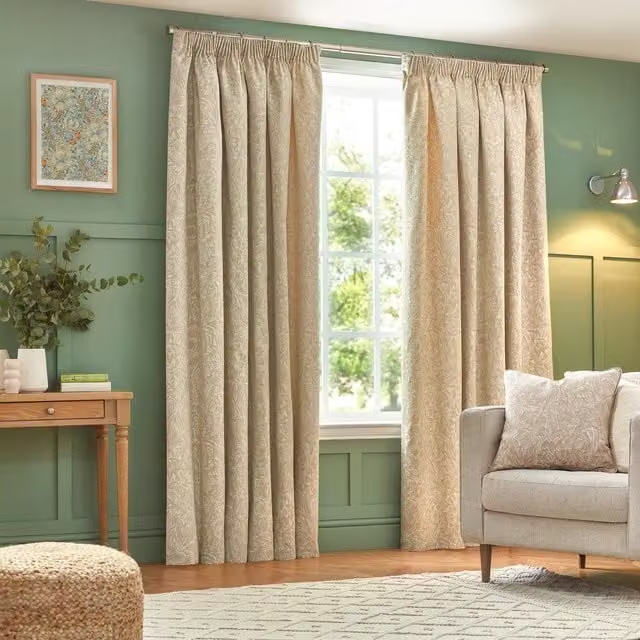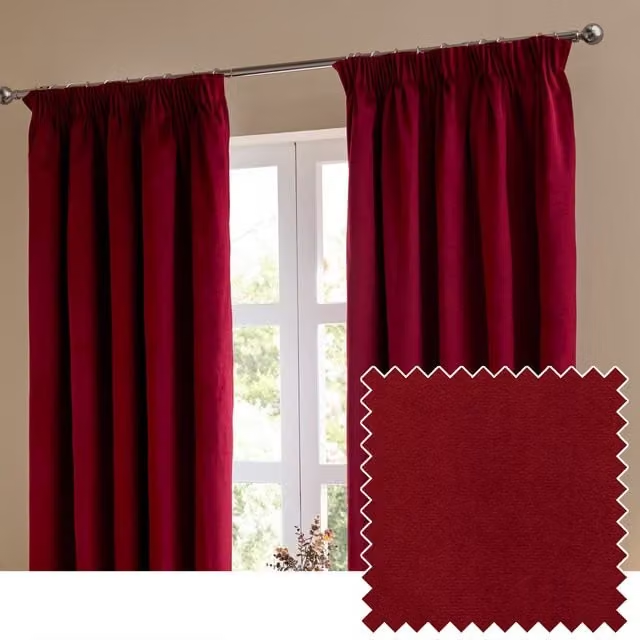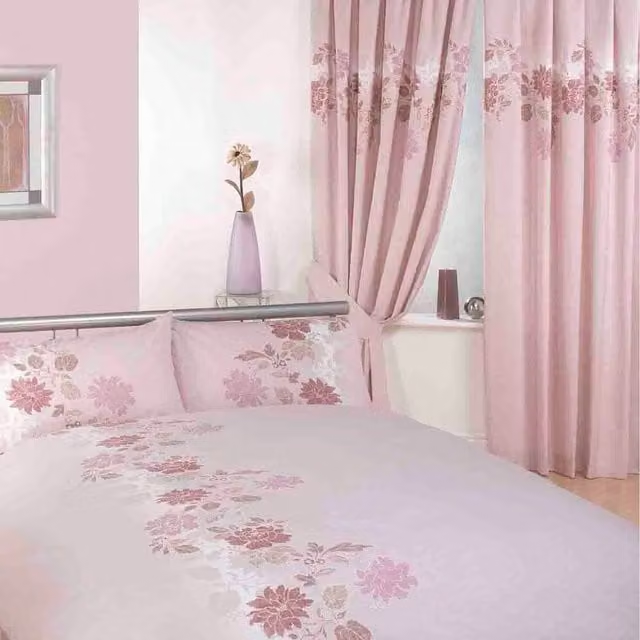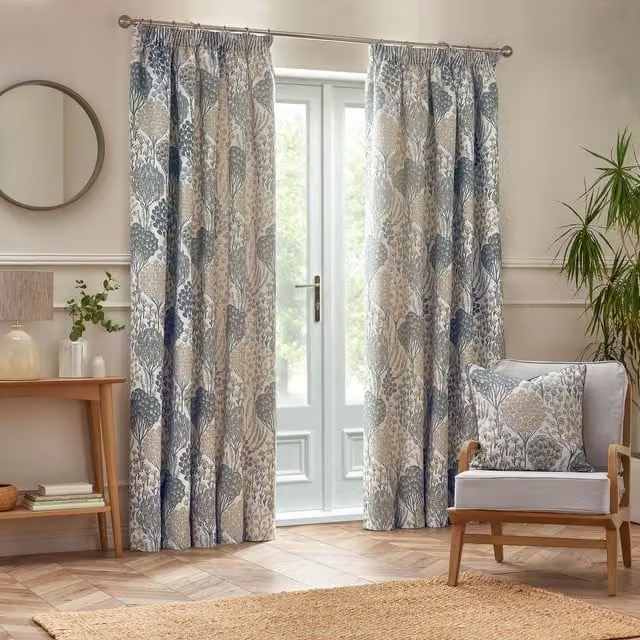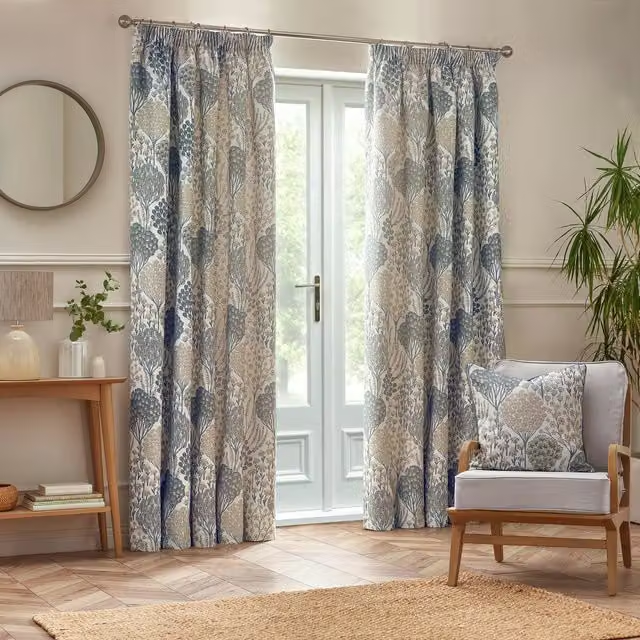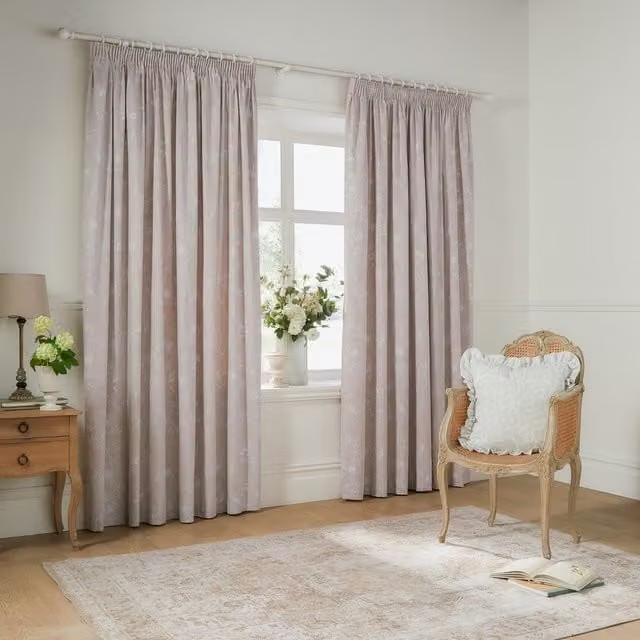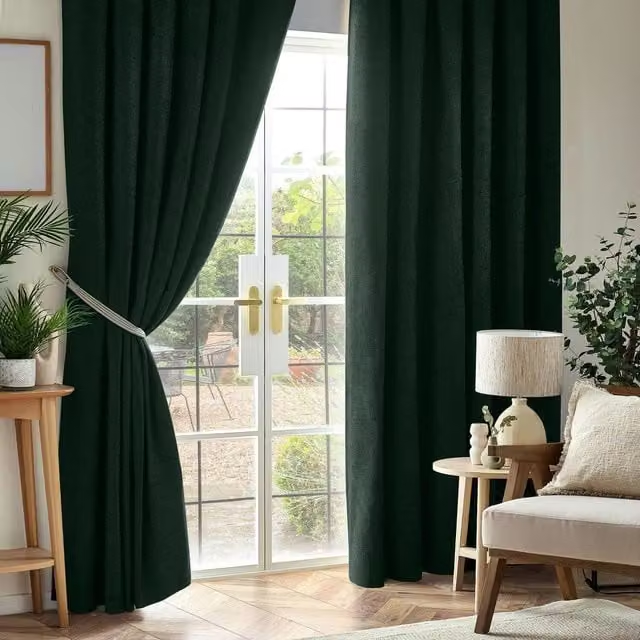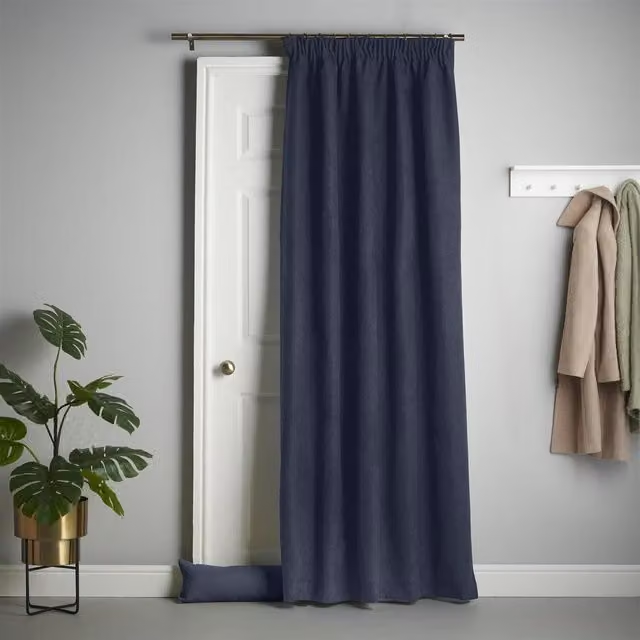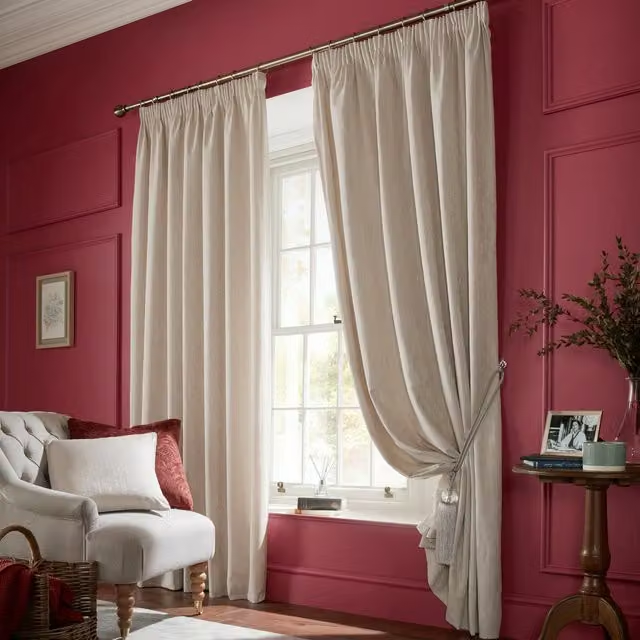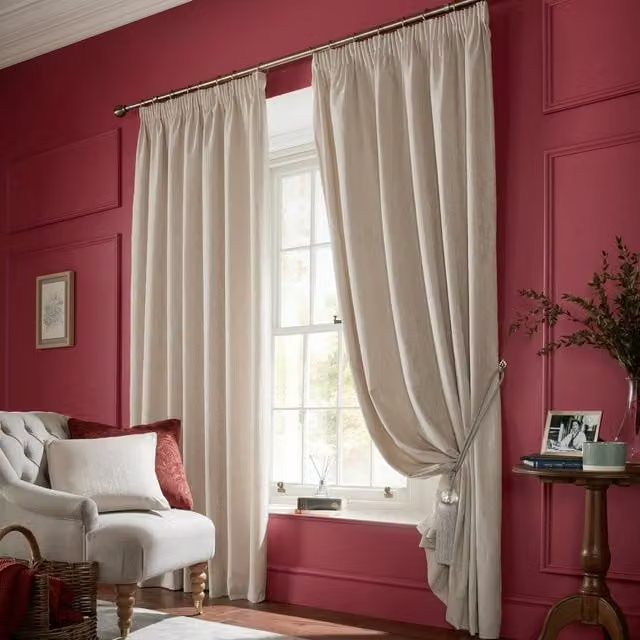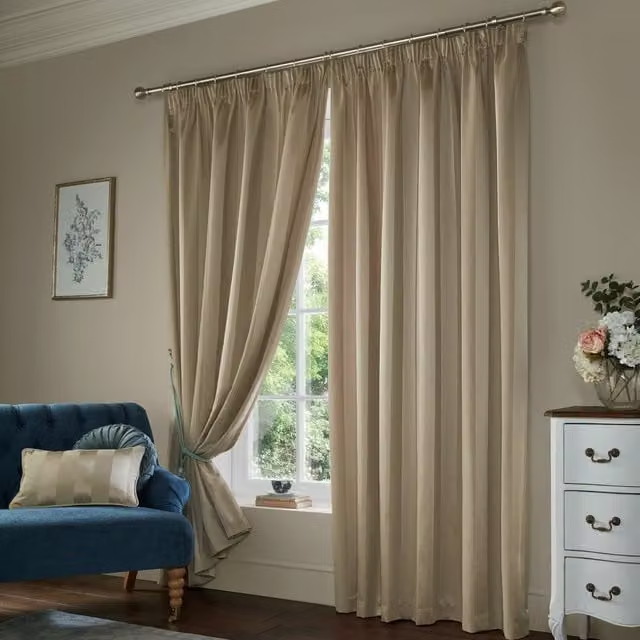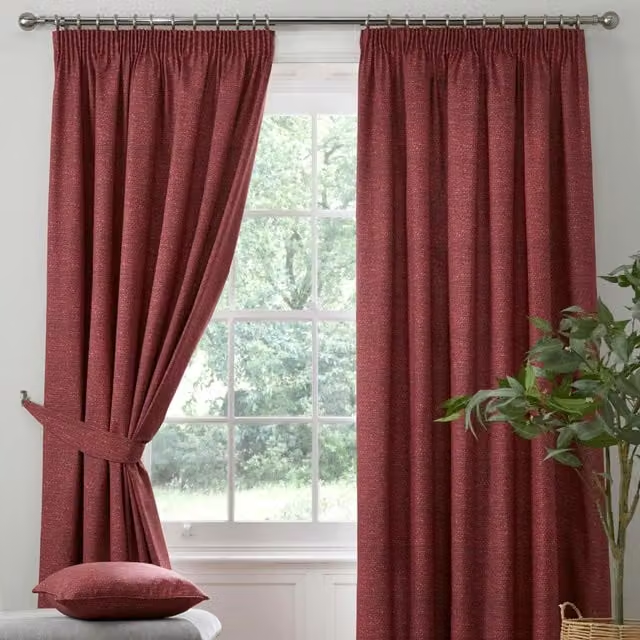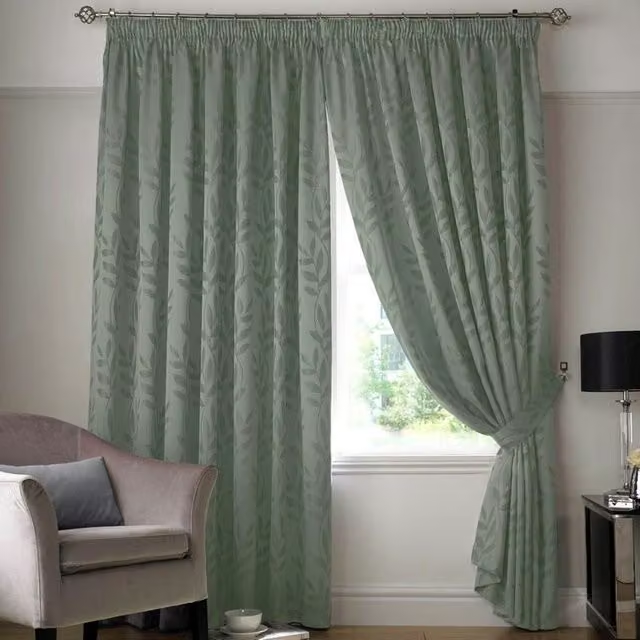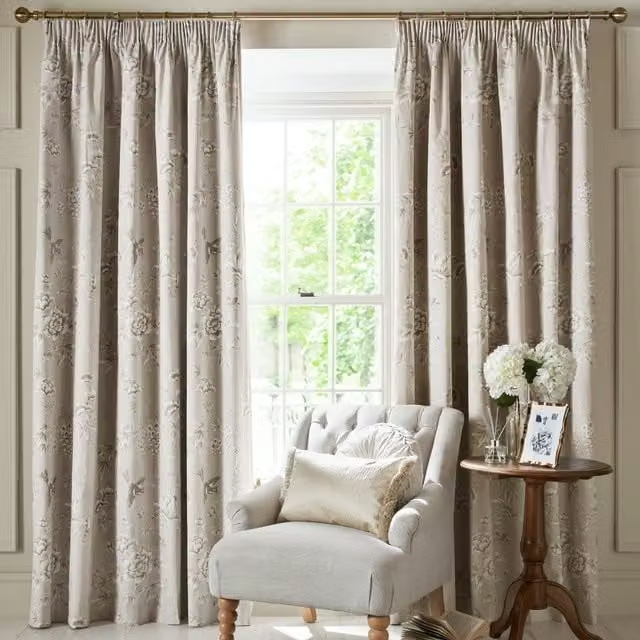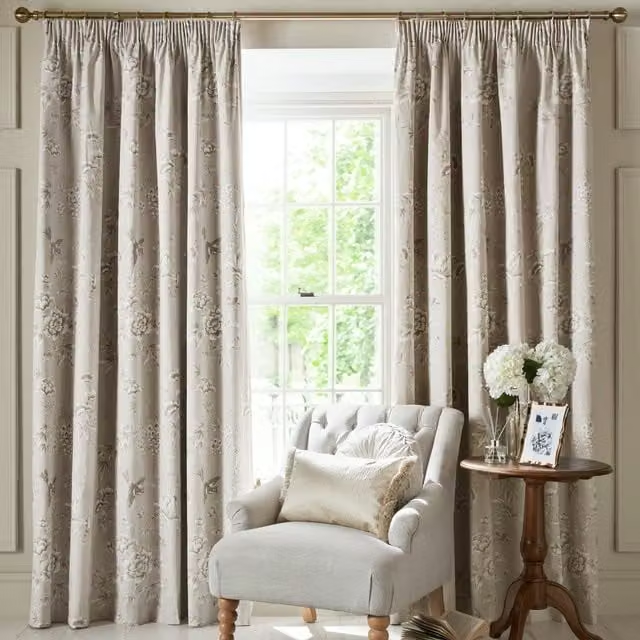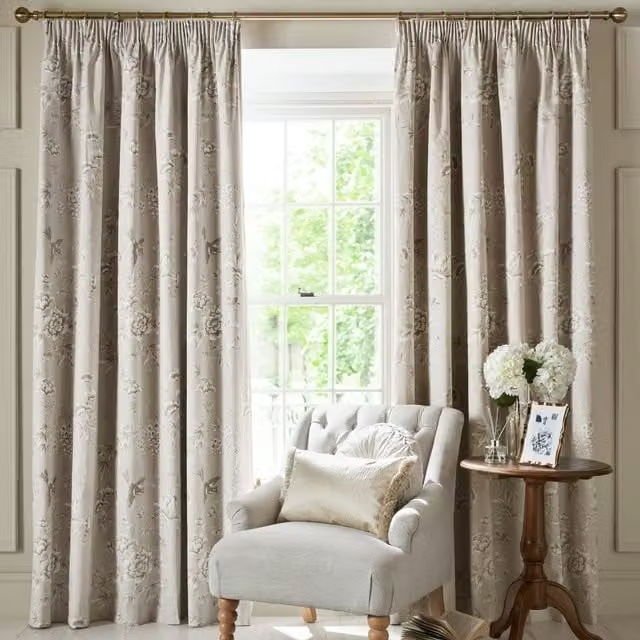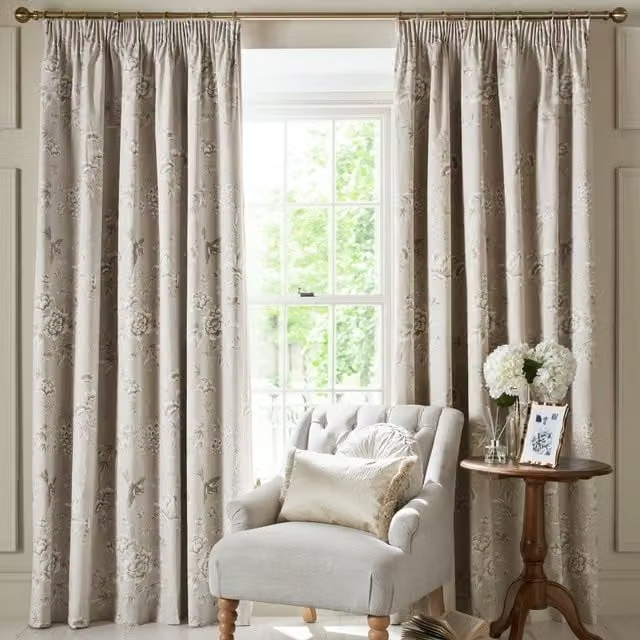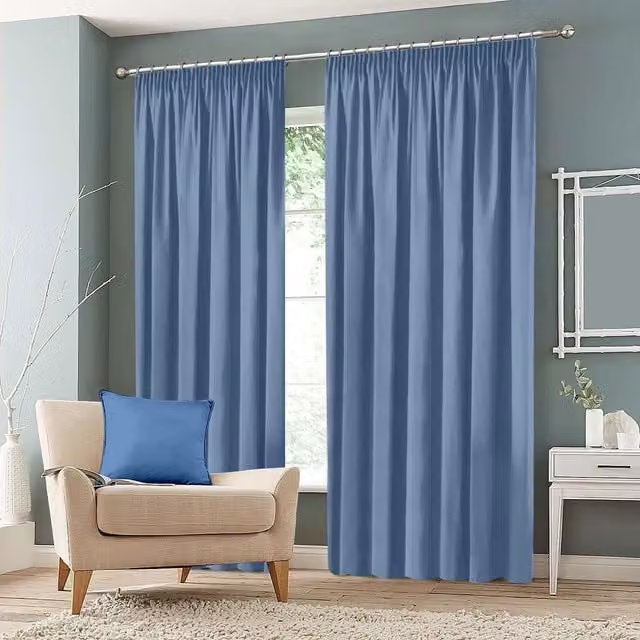
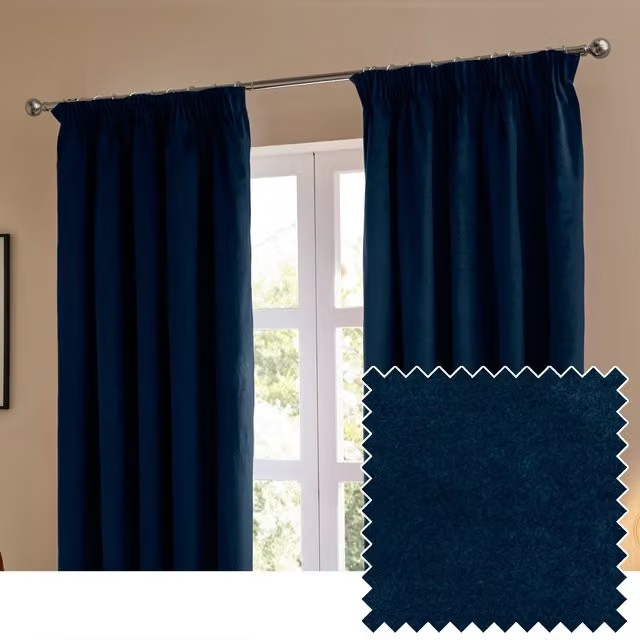
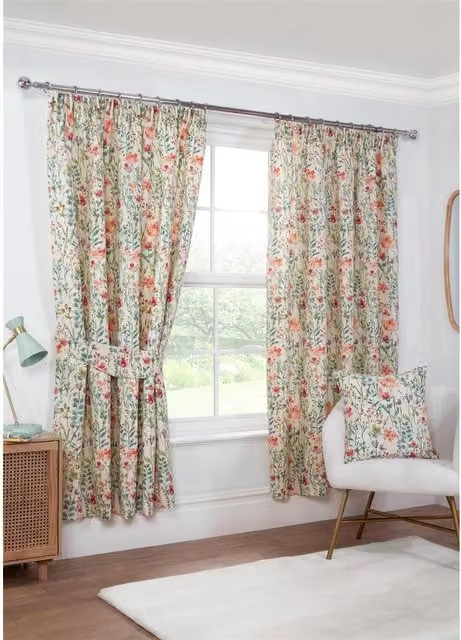
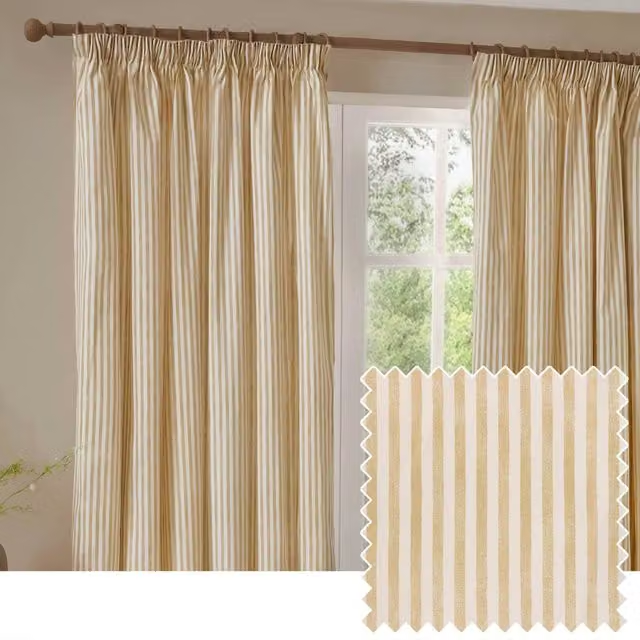
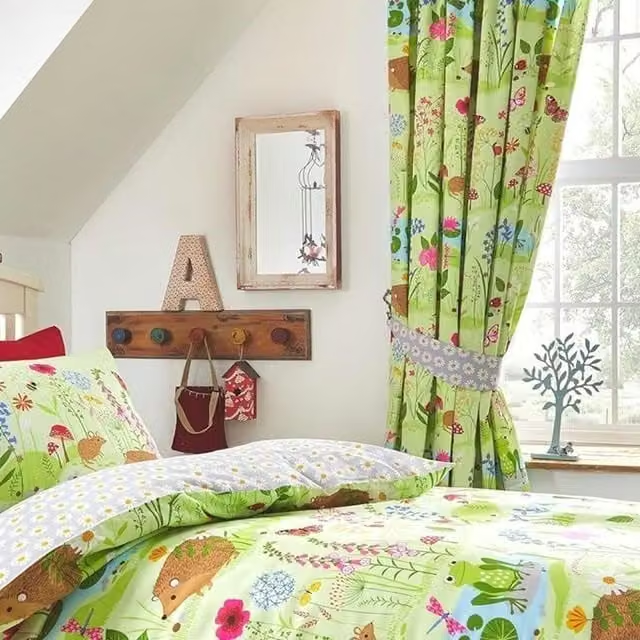
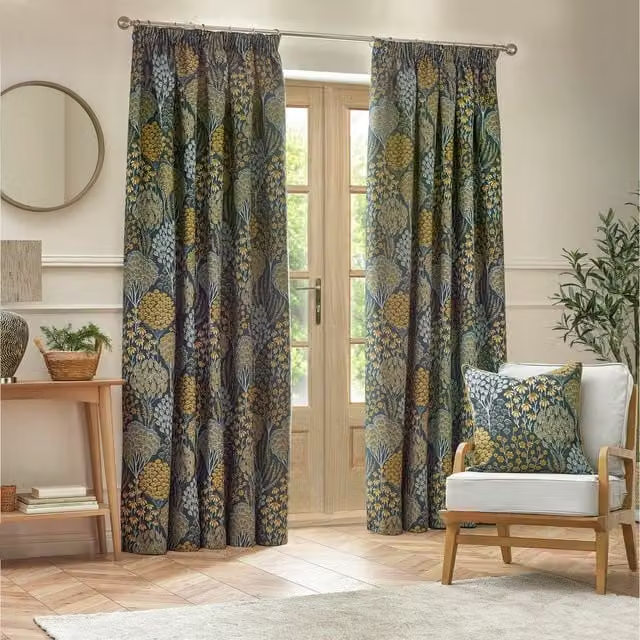
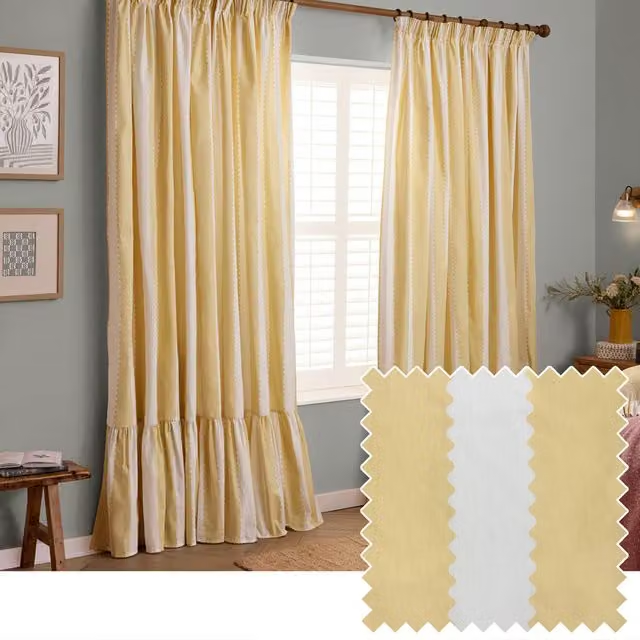
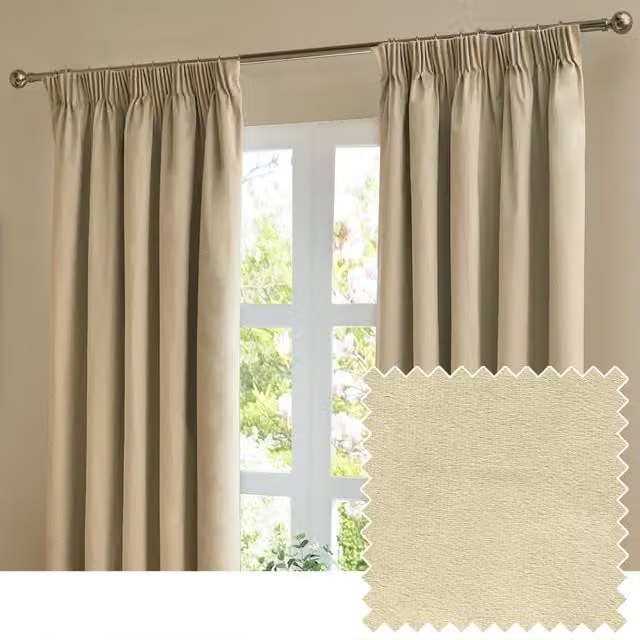
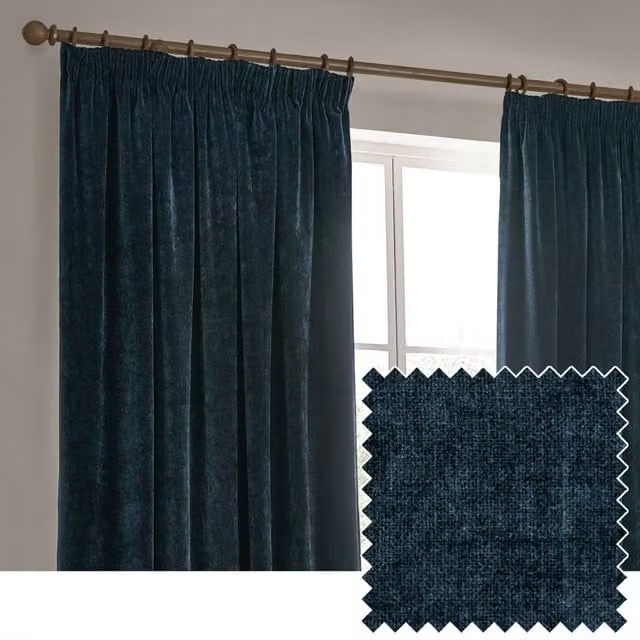
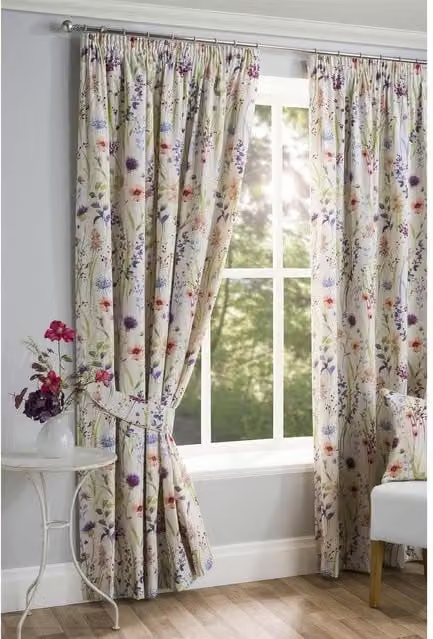
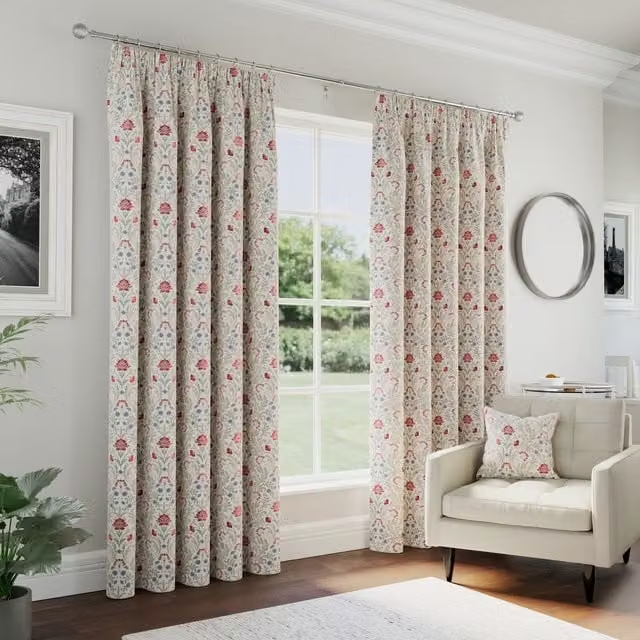
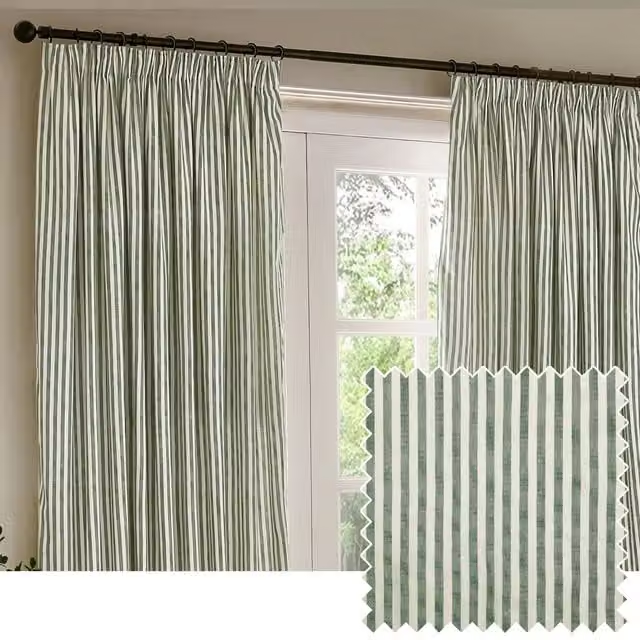
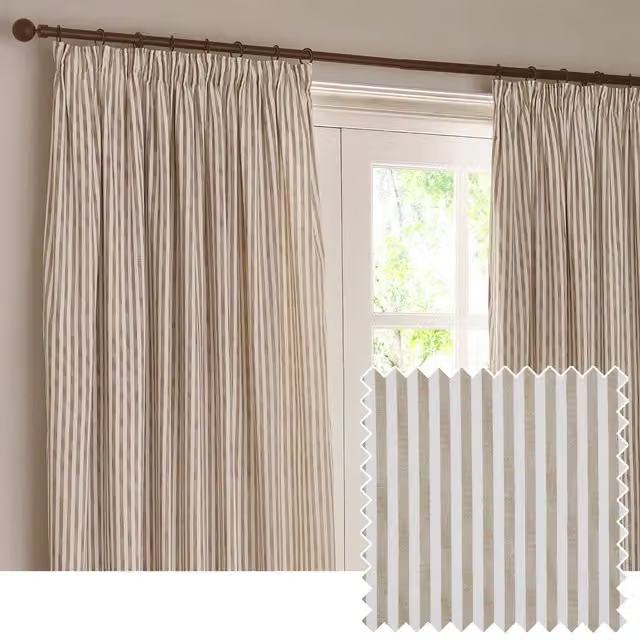
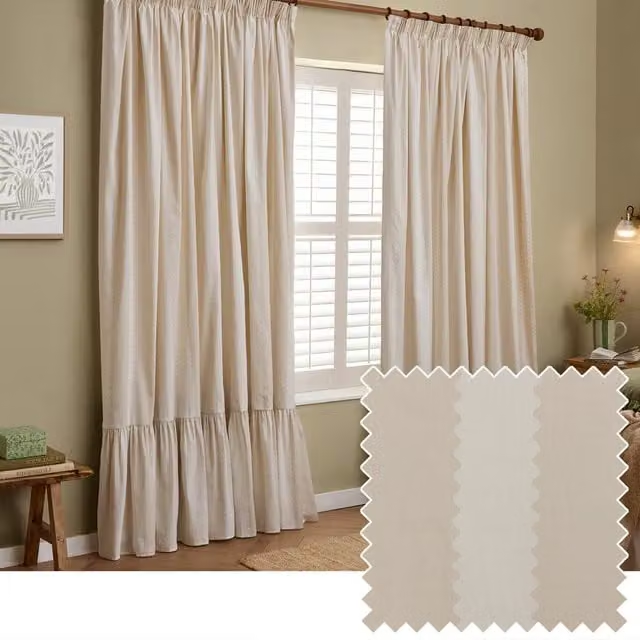
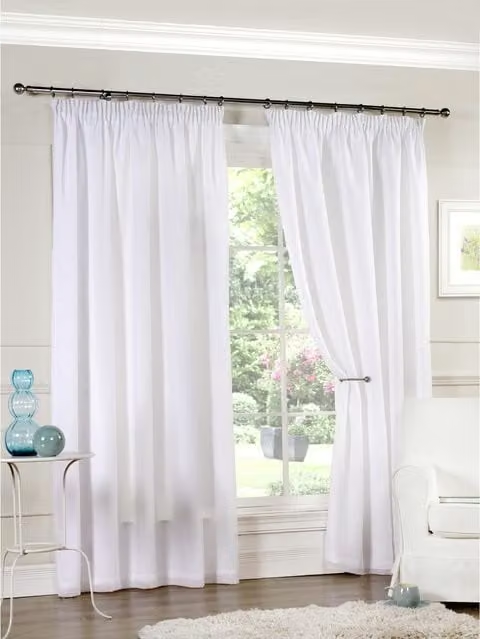
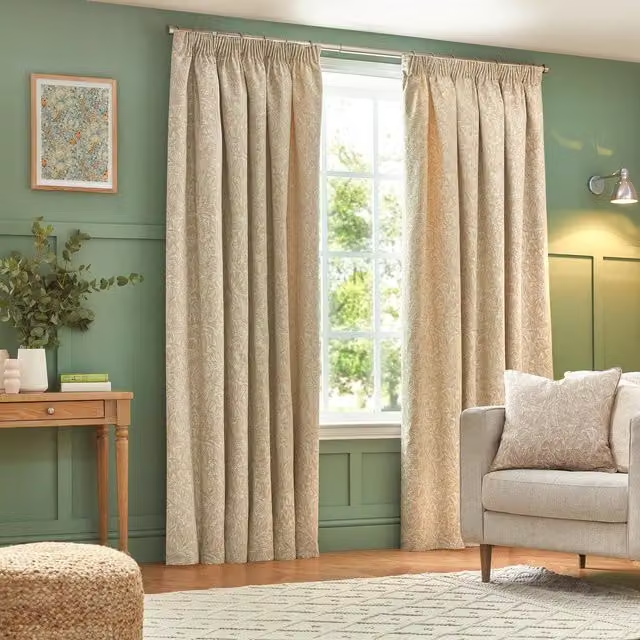
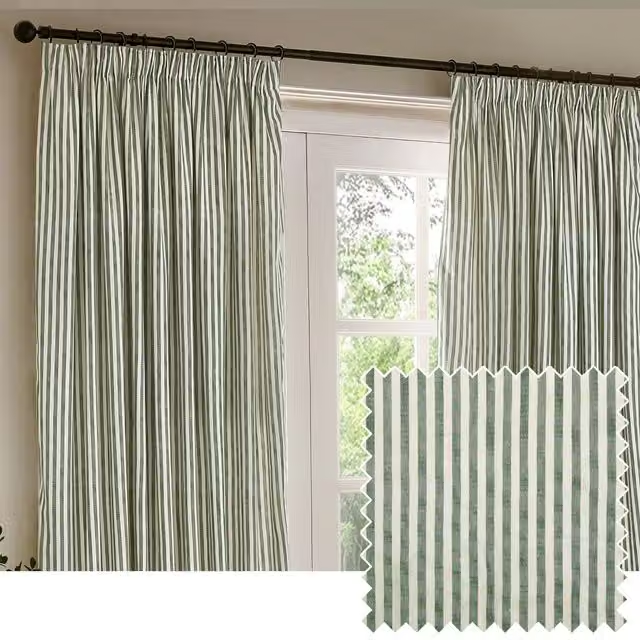
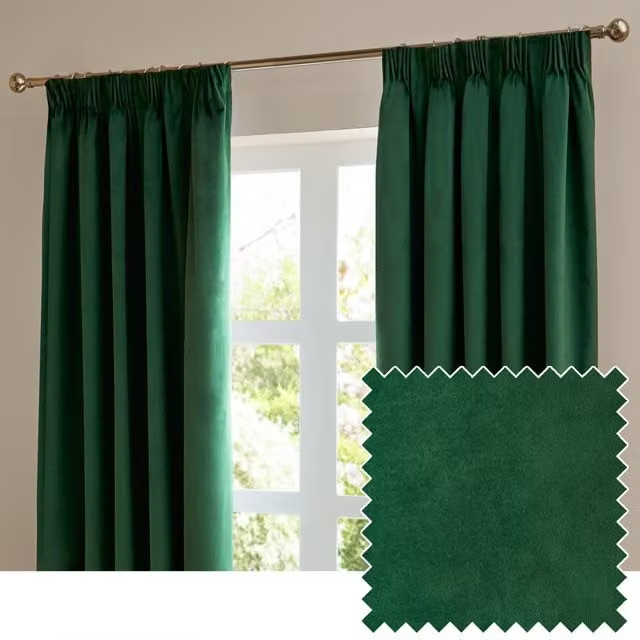
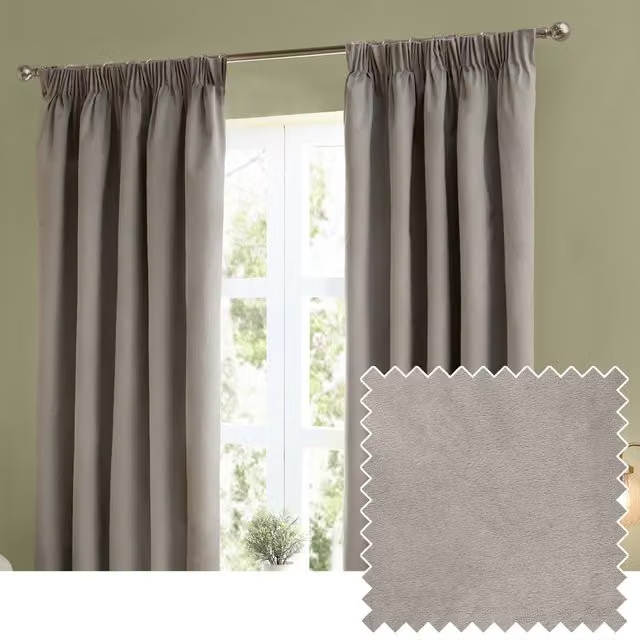
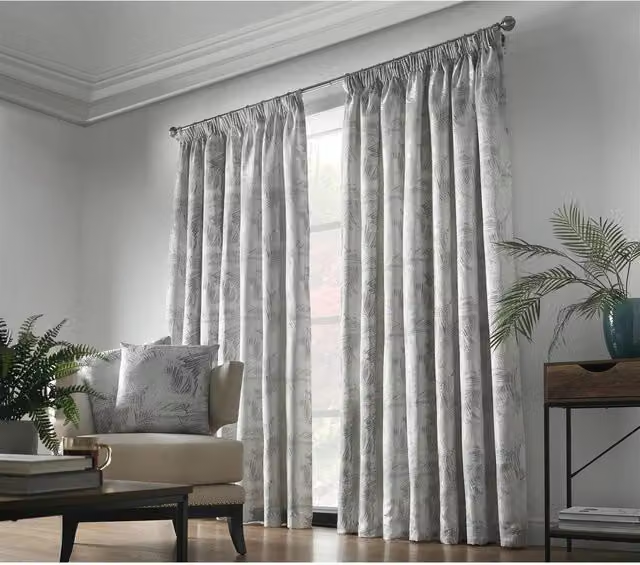
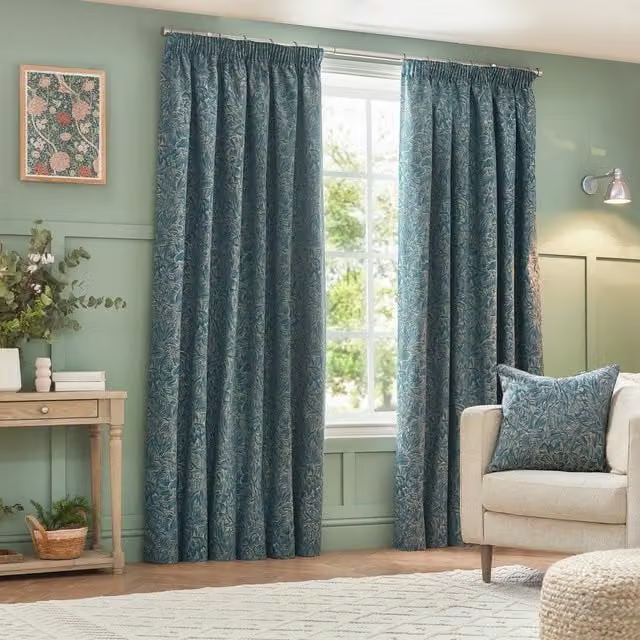
If one curtain heading has earned its place in British homes, it is the pencil pleat. The tightly gathered top creates a neat row of narrow folds, rather like a line of pencils standing side by side, and the effect is soft, traditional and remarkably adaptable. It works just as happily in a period sitting room with a decorative pole as in a modern bedroom with a discreet track, which is why it remains the most popular heading style you will find.
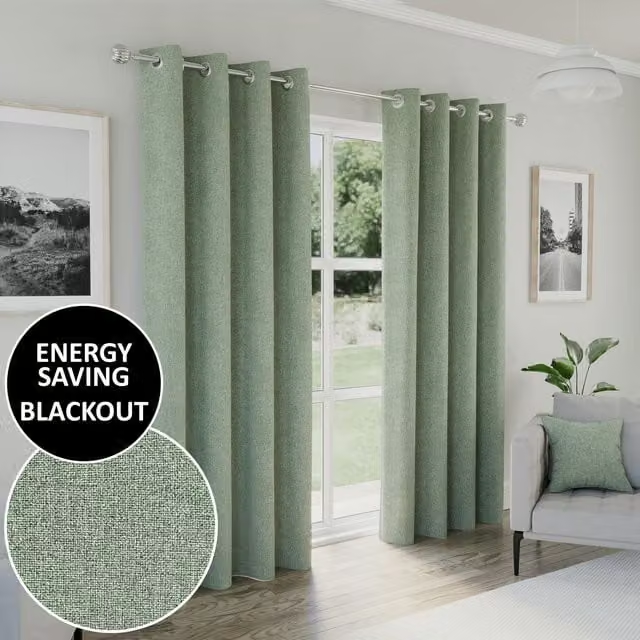
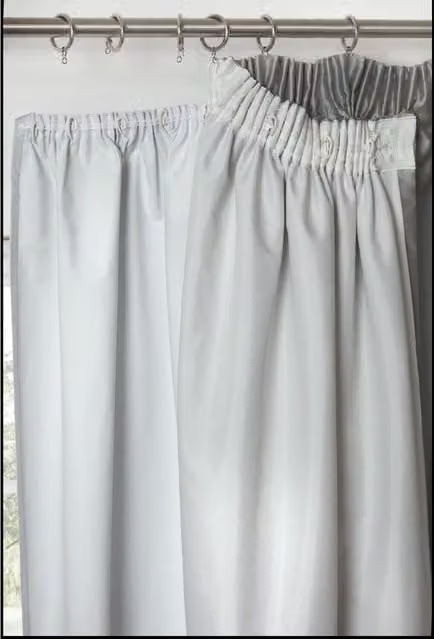
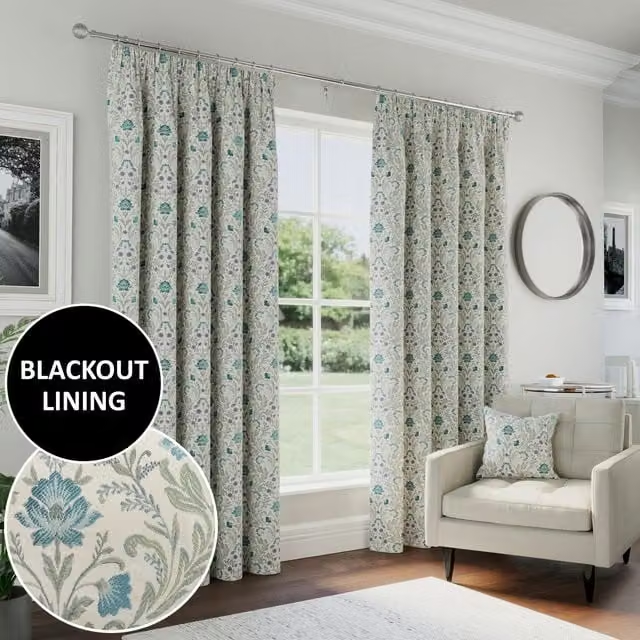
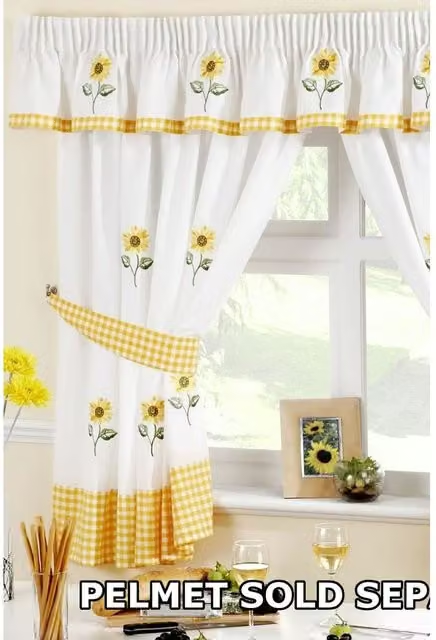
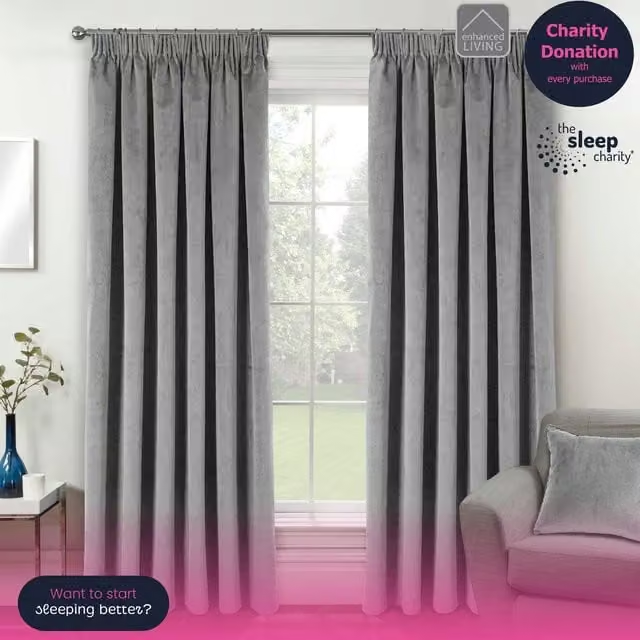
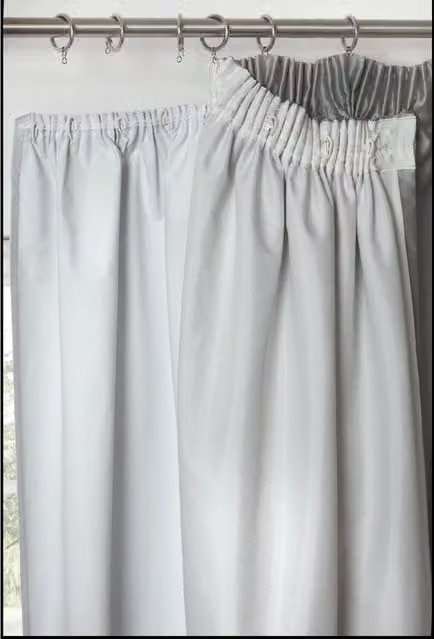
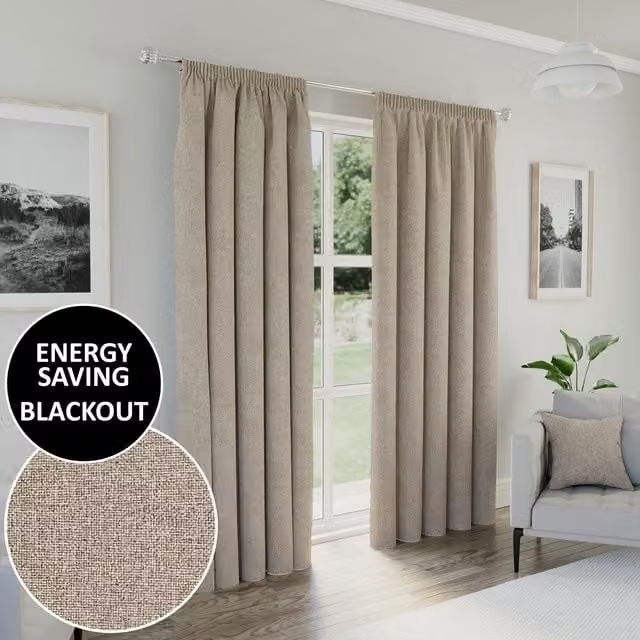
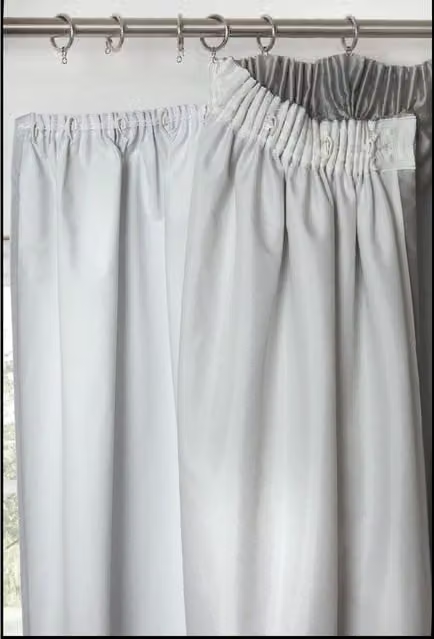
The practical appeal is just as strong as the aesthetic one. Pencil pleat curtains use a three inch heading tape with multiple pockets, so you choose how high the hooks sit and adjust the drop of the curtain to suit your fitting. The drawstrings let you gather the fabric to whatever width you need, which means the same pair can work on a wider or narrower window than you originally planned. You will find them as blackout curtains for bedrooms, thermal lined versions that cut draughts and heat loss, sheer voiles for privacy without darkness, and unlined options for a lighter, more casual look. Ready made sizes cover most standard windows, and matching tiebacks and pelmets are widely available.
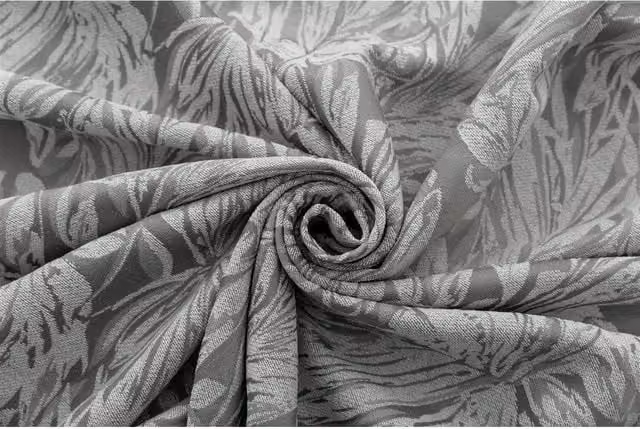
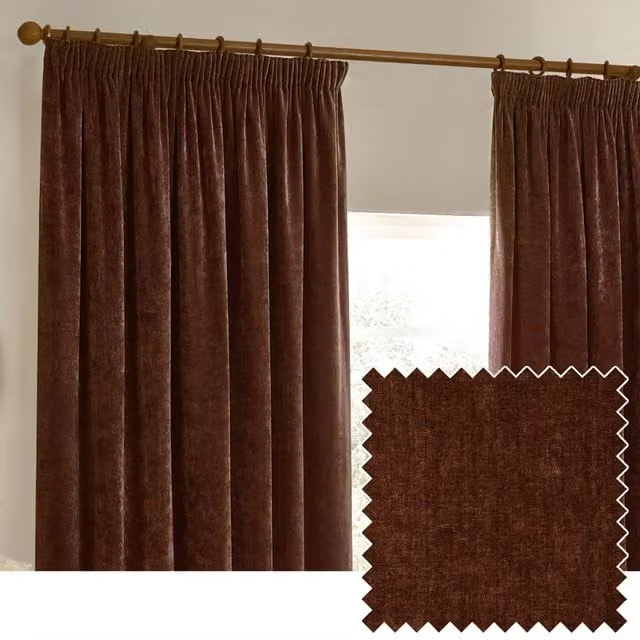
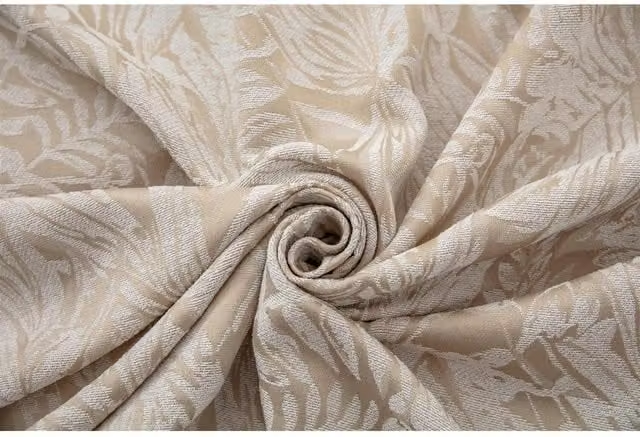
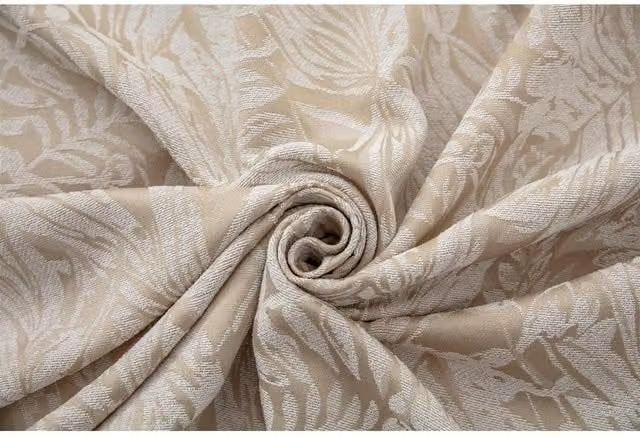
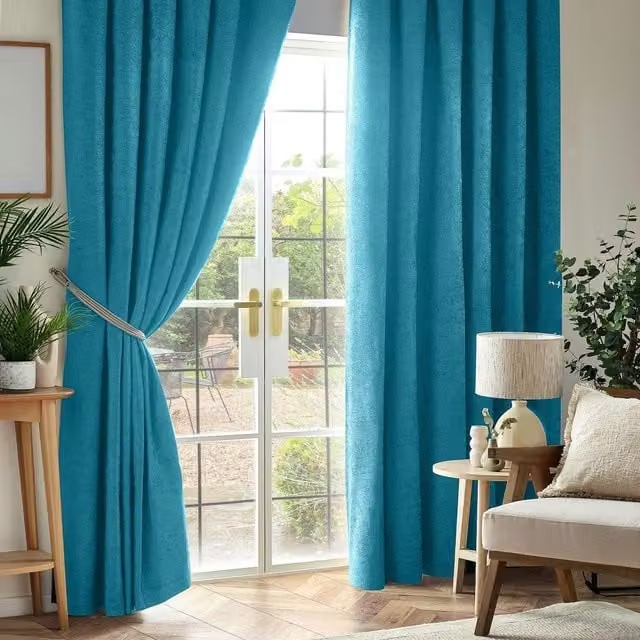
Fabrics range from crisp cotton and easy care polyester to heavier jacquards, chenille, faux silk, linen blends and velvet. Heavier weights hang with more authority and gather into deeper, more sculptural folds, while lighter fabrics suit smaller windows and rooms that need brightness. Thermal and blackout linings add real function, and a good lining also protects the face fabric from sun damage.
Price depends on fabric weight, lining and size. Unlined polyester pairs are very affordable, thermal and blackout versions cost more, and wide, full length curtains in natural fibres or velvet sit at the top of the range.
Take a look at the options, compare prices and dress your windows with a style that never dates.
For a proper gathered look, the total flat width of the pair should be between two and two and a half times the width of your track or pole. So a 150 cm pole needs curtains with a combined ungathered width of 300 to 375 cm. Anything less than double looks skimpy and the pleats never form properly. Heavier fabrics can sit closer to double, while lightweight voiles benefit from the fuller end of the range.
Yes, and that flexibility is one of the main reasons the style is so popular. The three pocket heading tape lets you position the hooks in the top, middle or lower row, which raises or lowers the curtain relative to the fitting. Use the top pocket with a track so the heading hides the mechanism, and the lower pockets with a pole so the rings and finials stay visible. It is worth deciding which you are using before measuring your drop.
Measure from the eye of the curtain ring or the top of the track down to where you want the curtain to end, not from the ceiling or the top of the window frame. Sill length curtains should finish about one to two centimetres above the sill so they hang freely. Floor length curtains usually stop around one centimetre above the carpet, unless you want a deliberately pooled look, which needs an extra 15 to 20 cm. Always measure both sides of the window, since older houses are rarely square.
Yes, and this step is often skipped with disappointing results. Remove all the hooks, release the gathering cords fully and let the heading lie flat before washing, otherwise the tape bunches, dries creased and can shrink unevenly. Wash on a cool gentle cycle and avoid tumble drying lined curtains, since the lining and face fabric often shrink at different rates. Rehang while slightly damp so the folds settle naturally under their own weight.