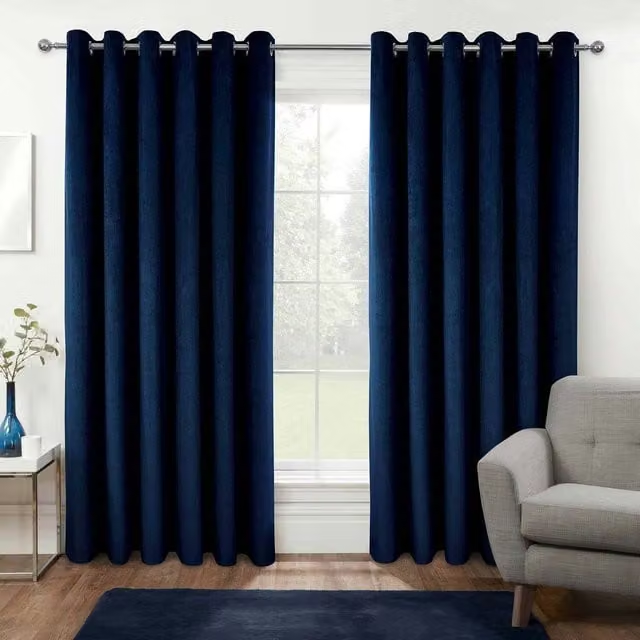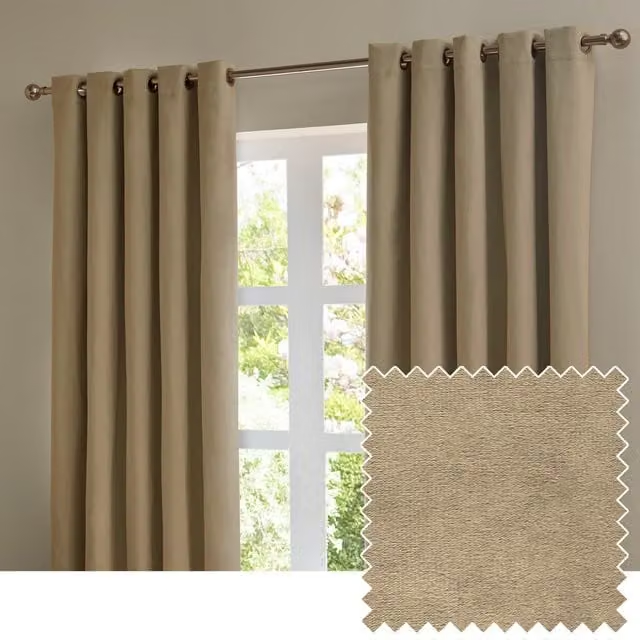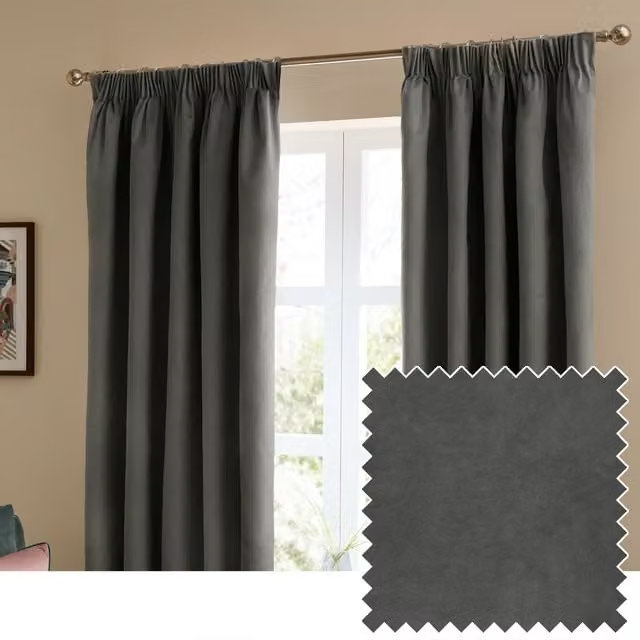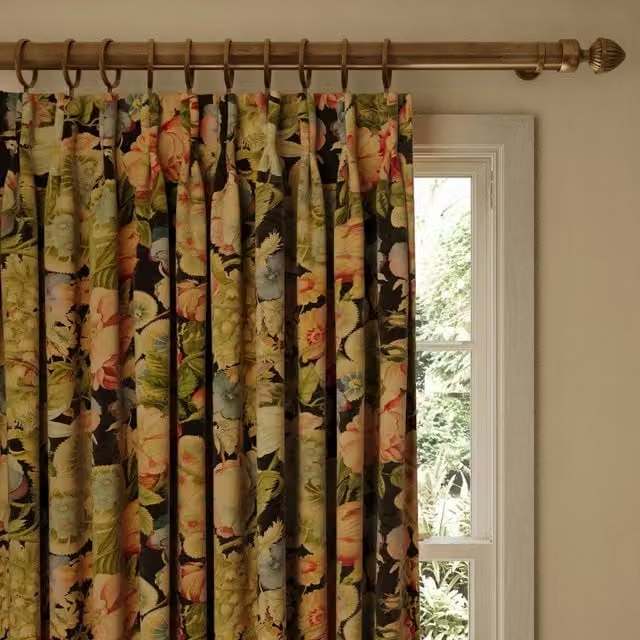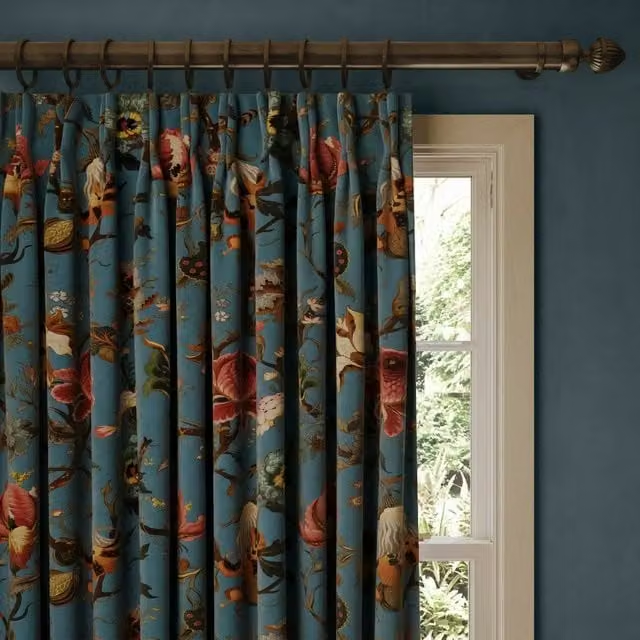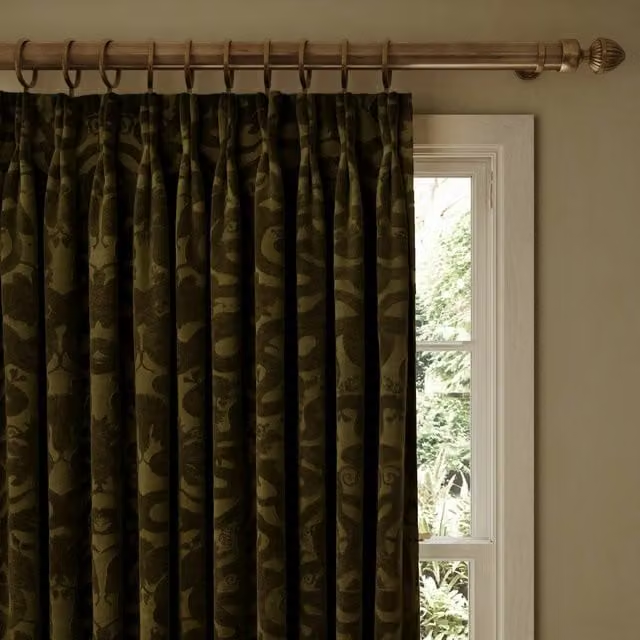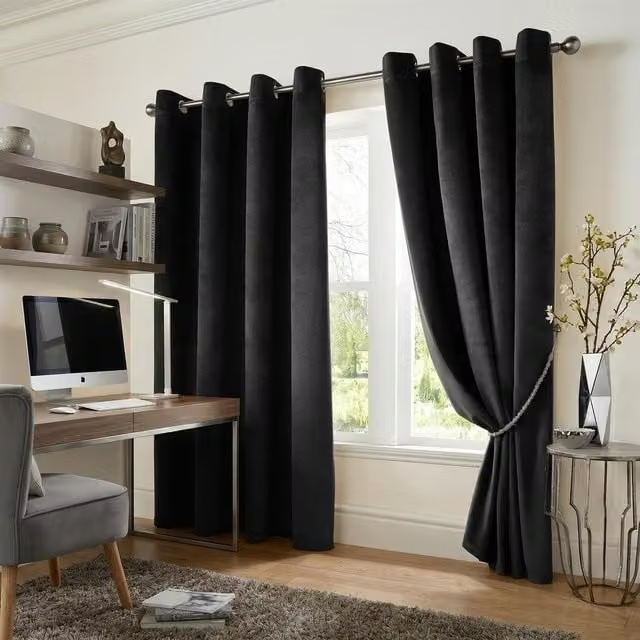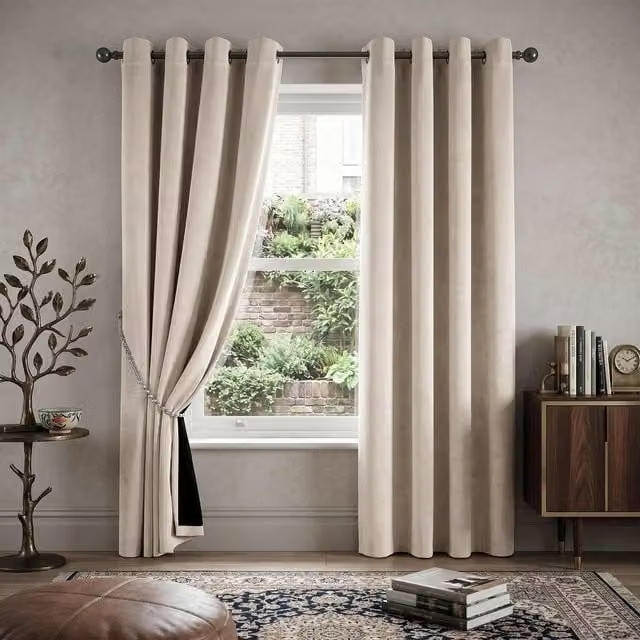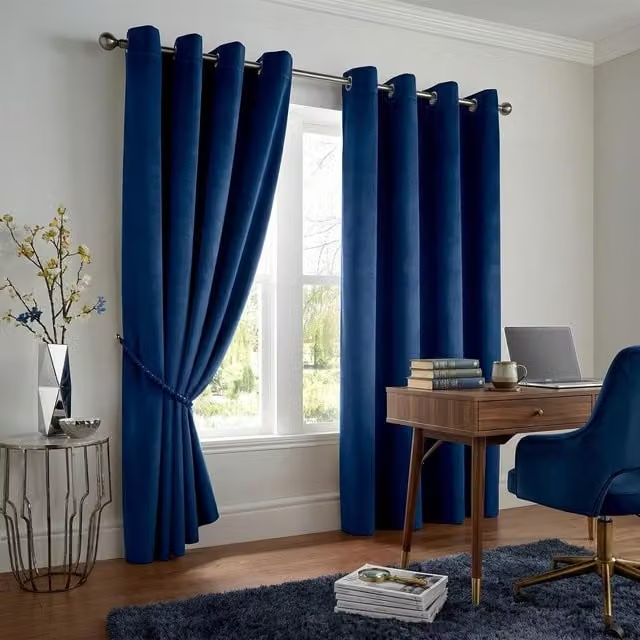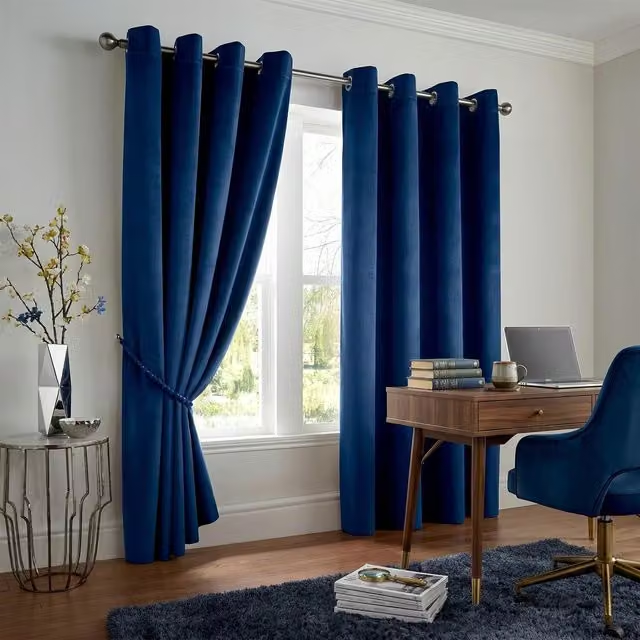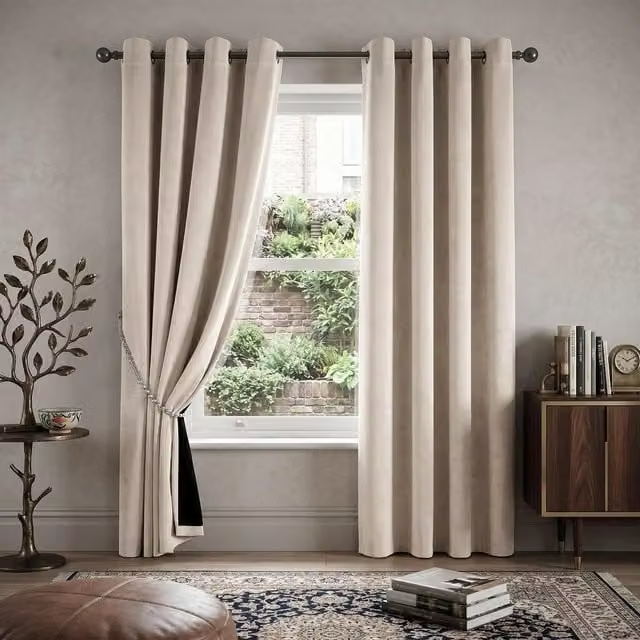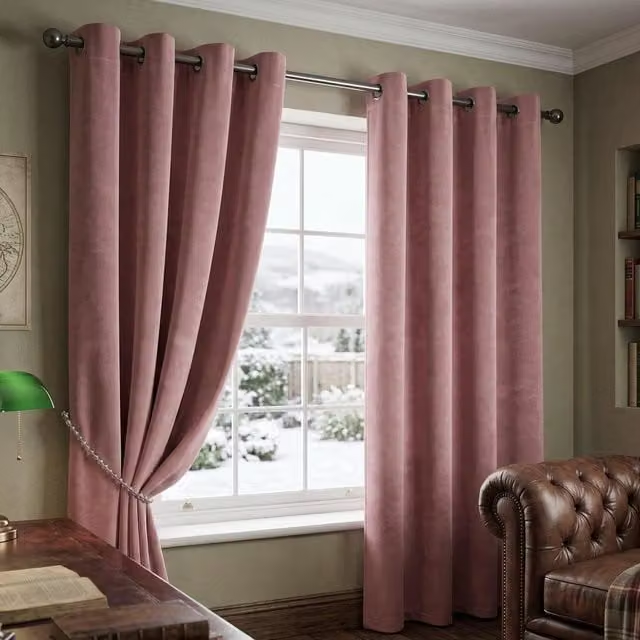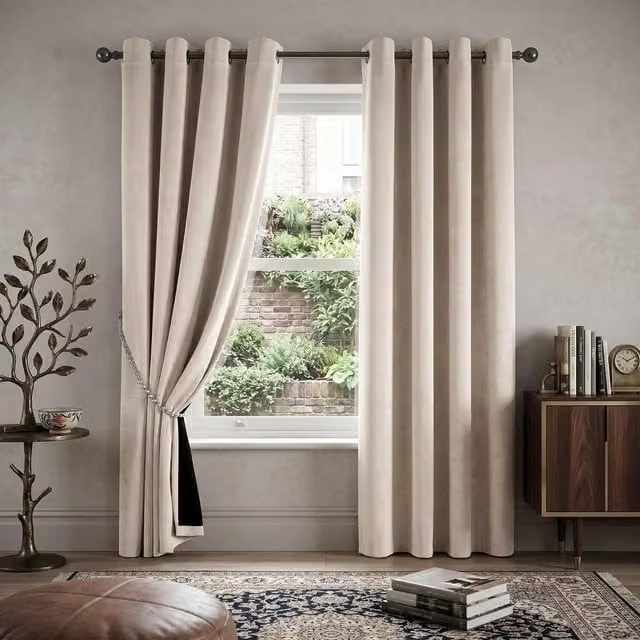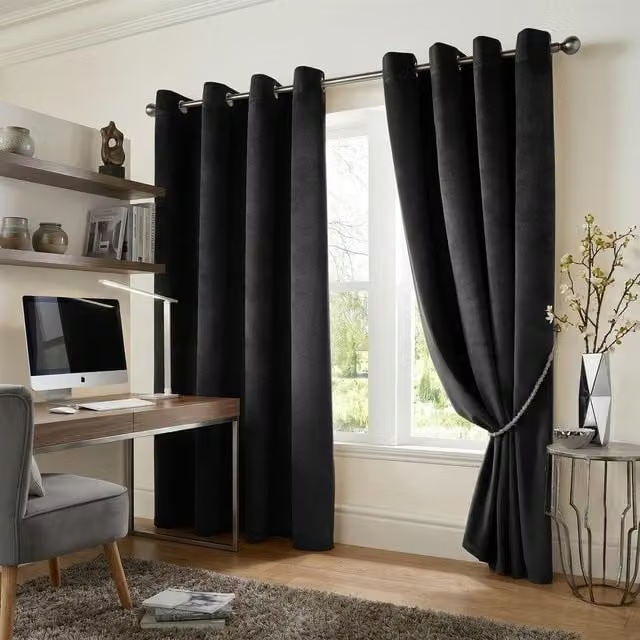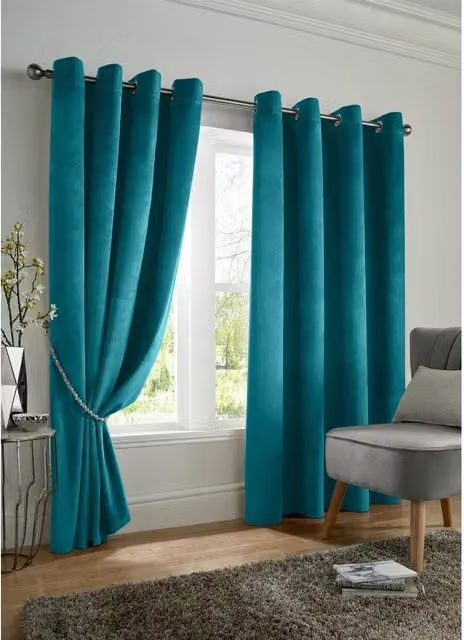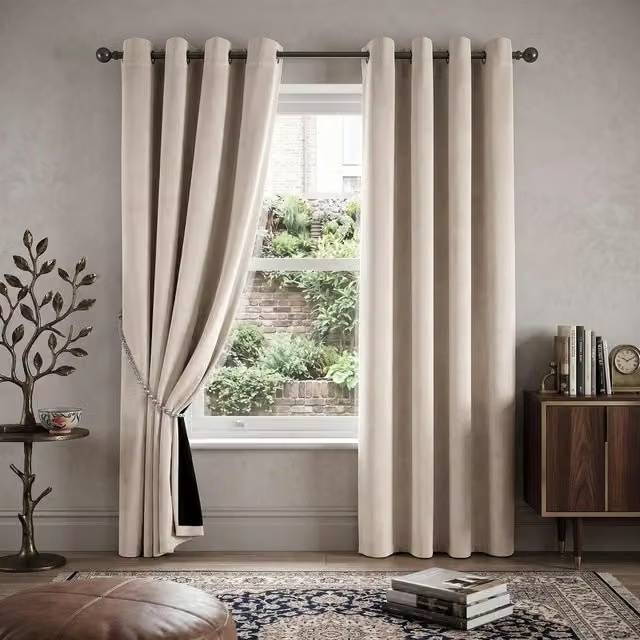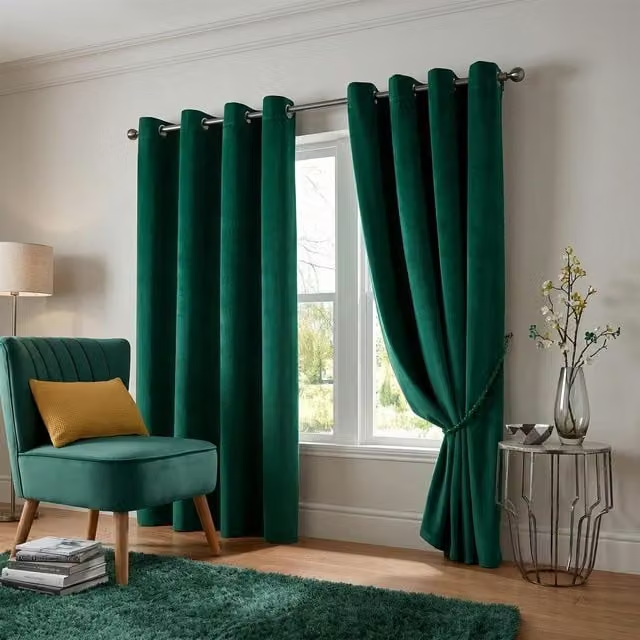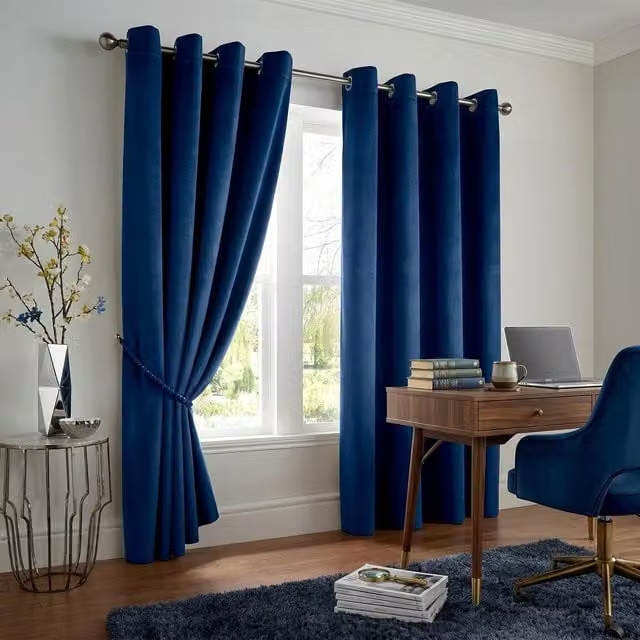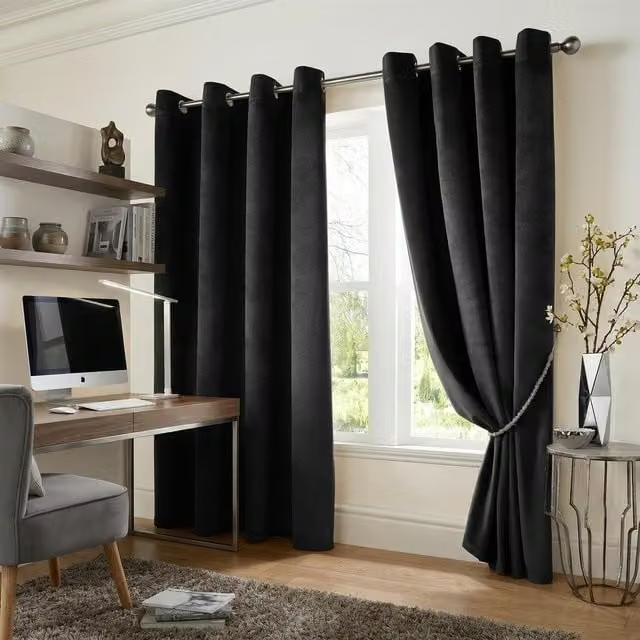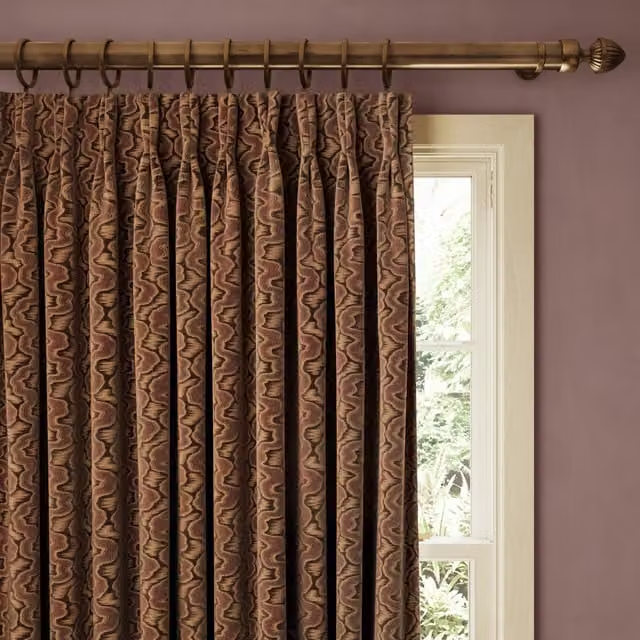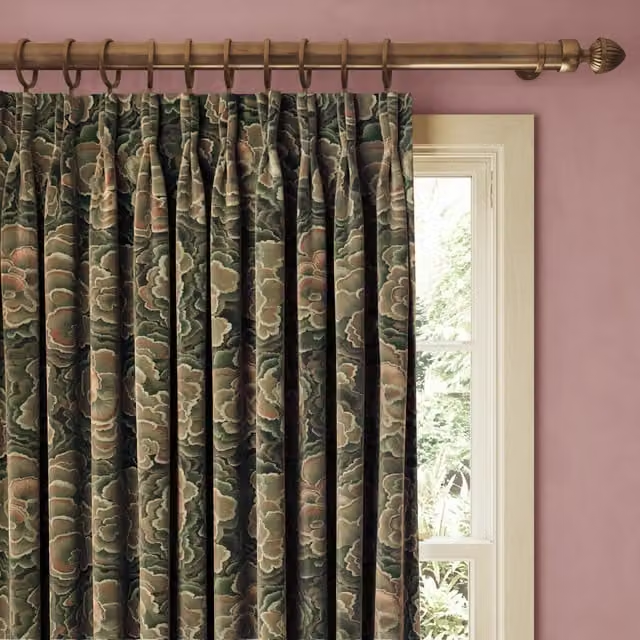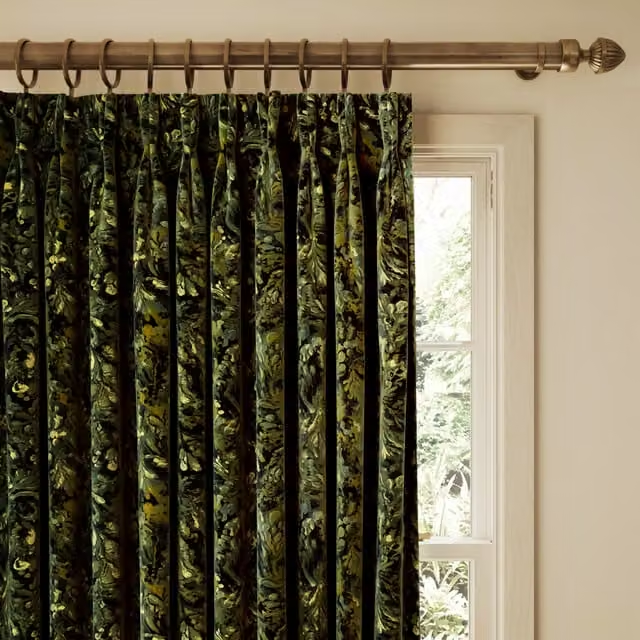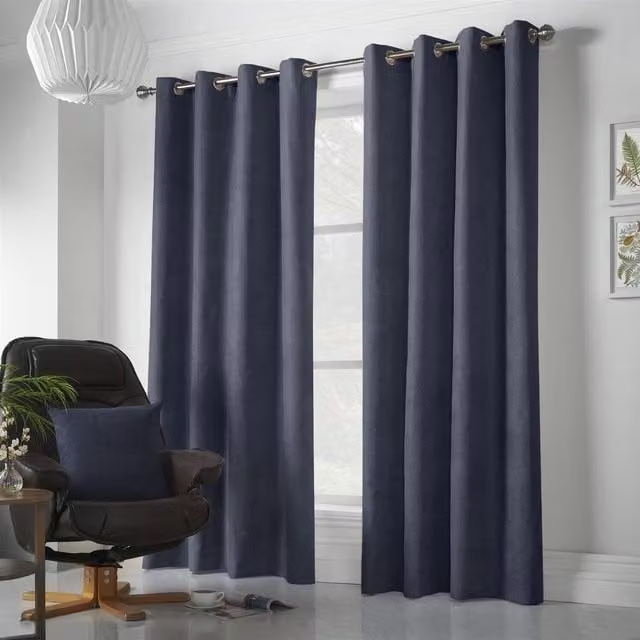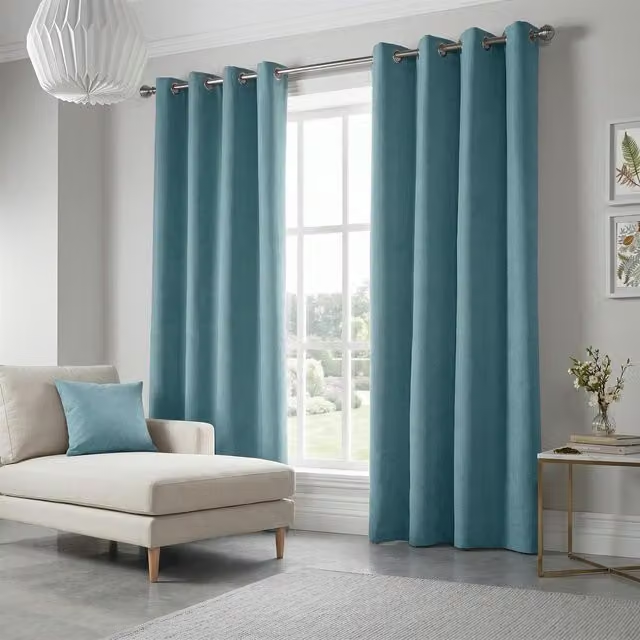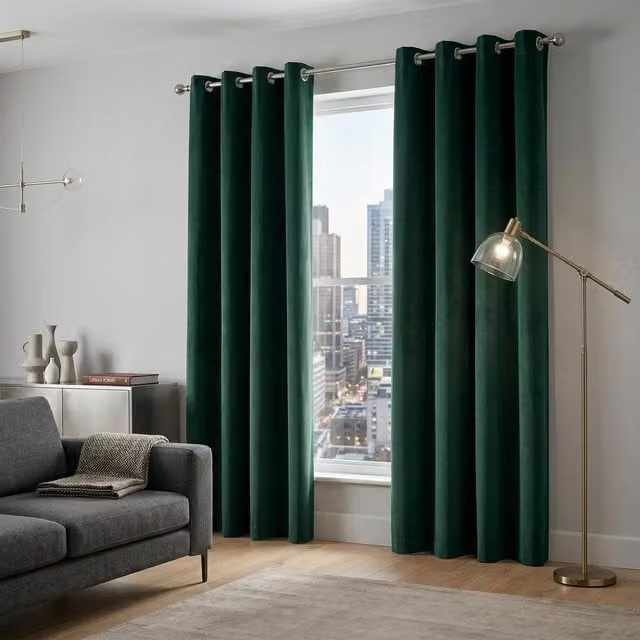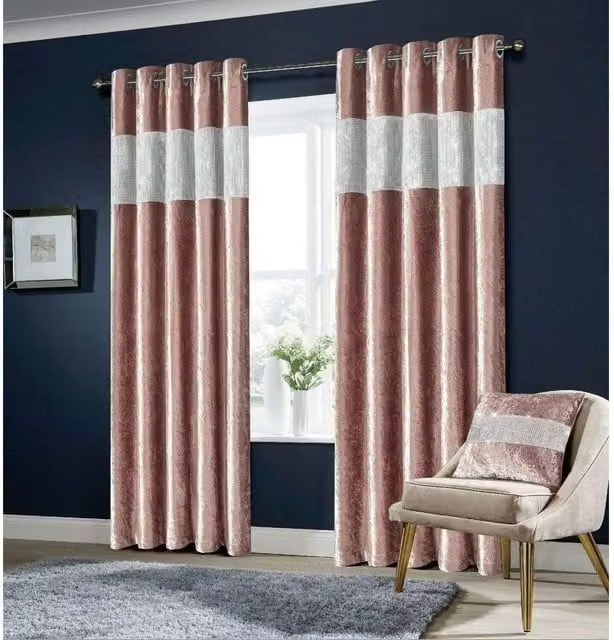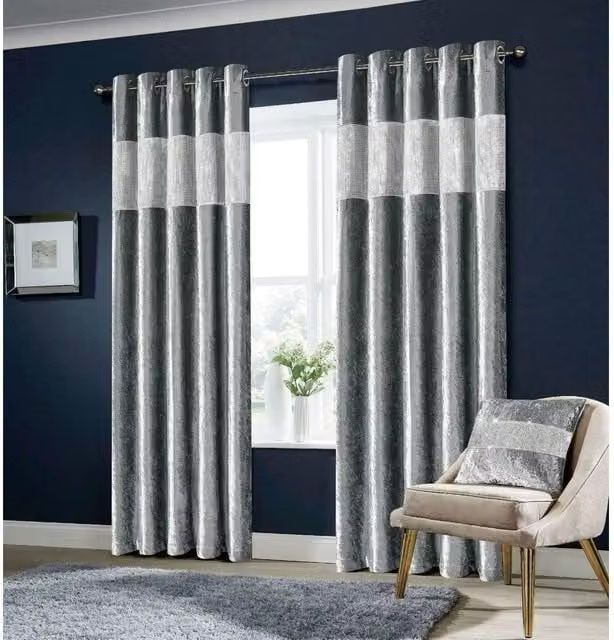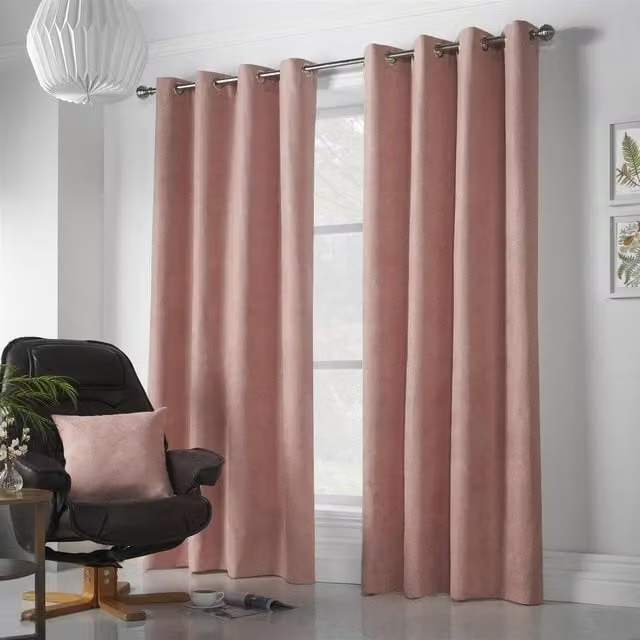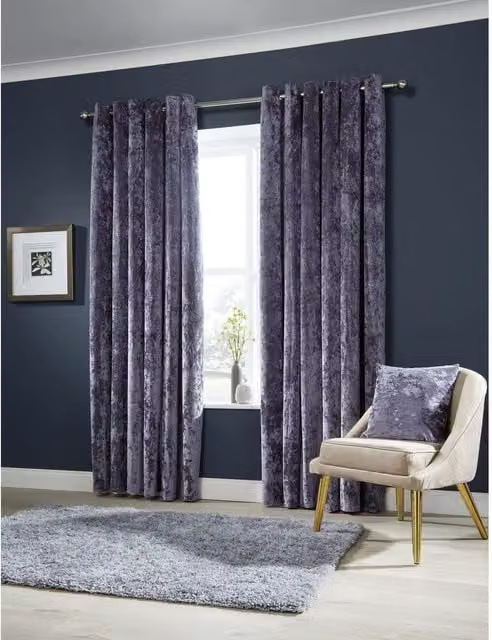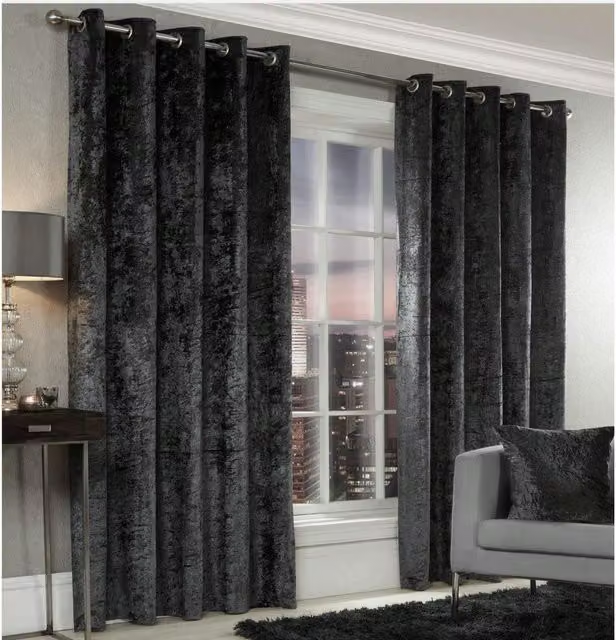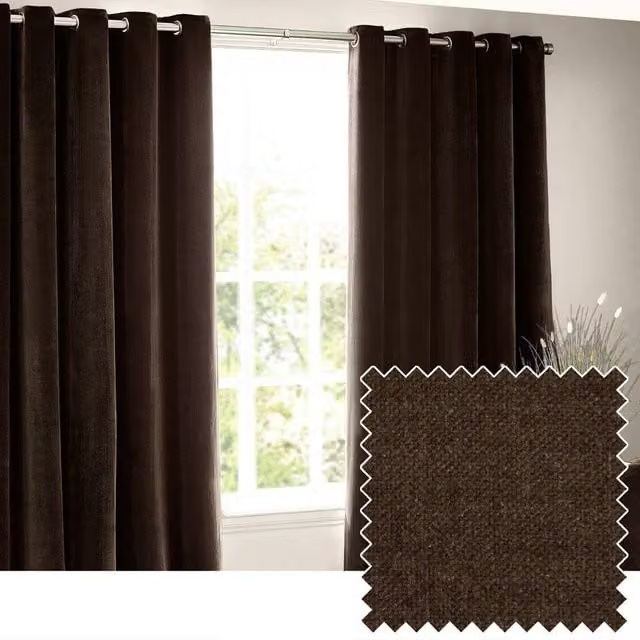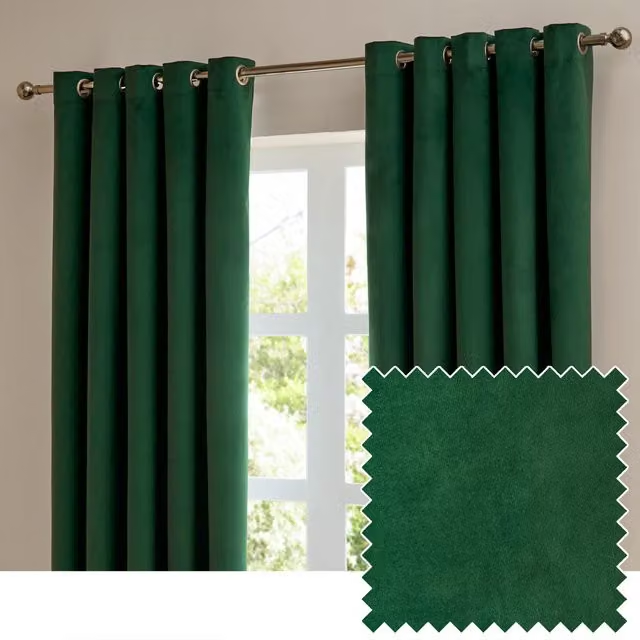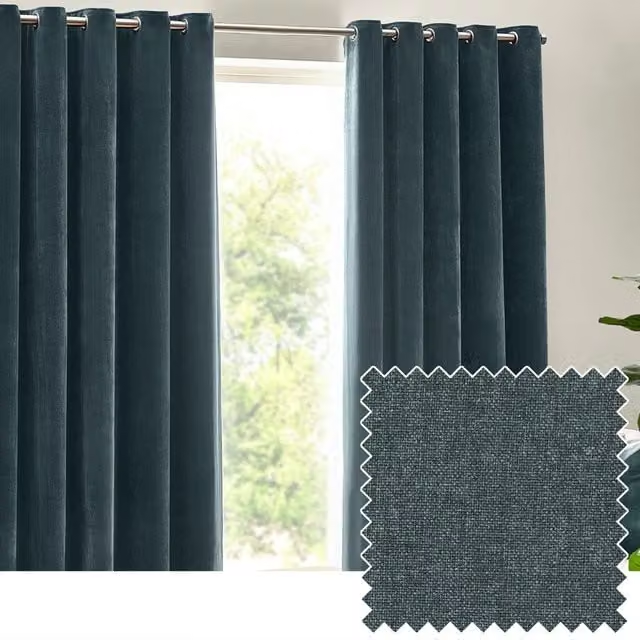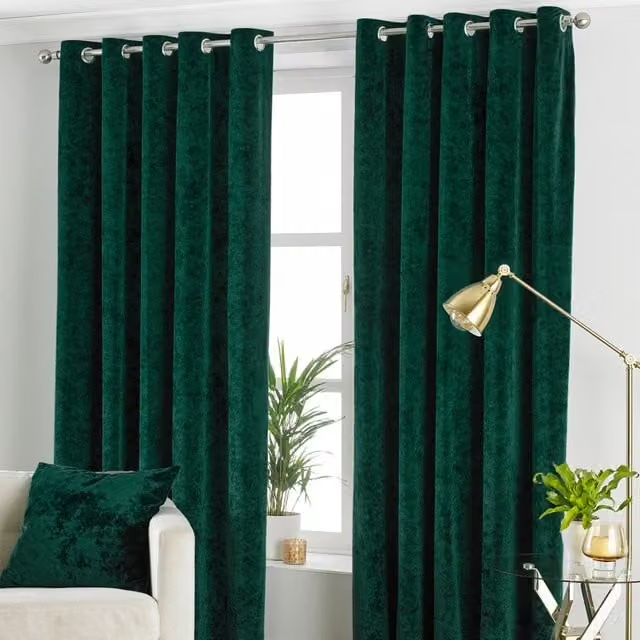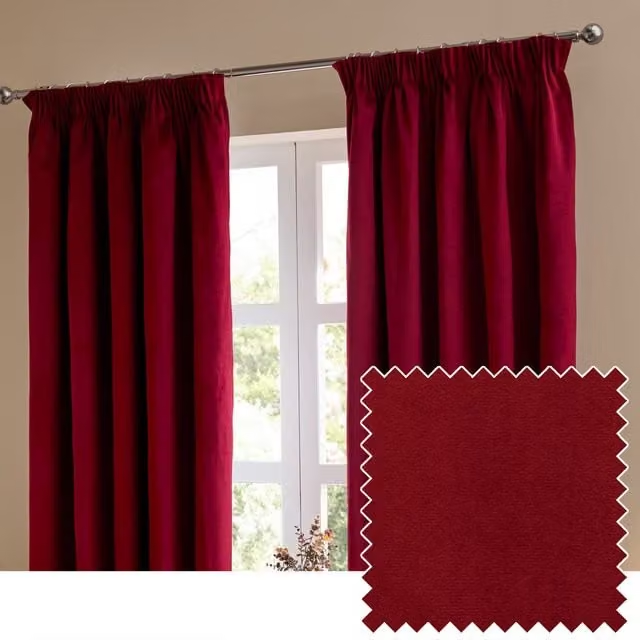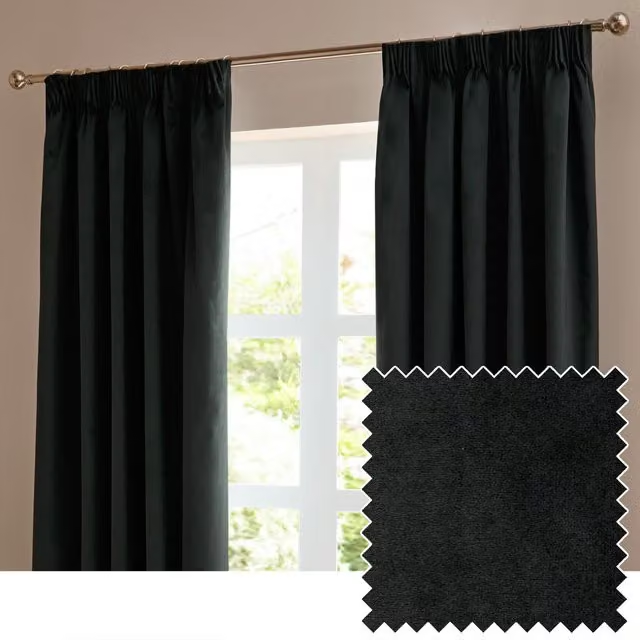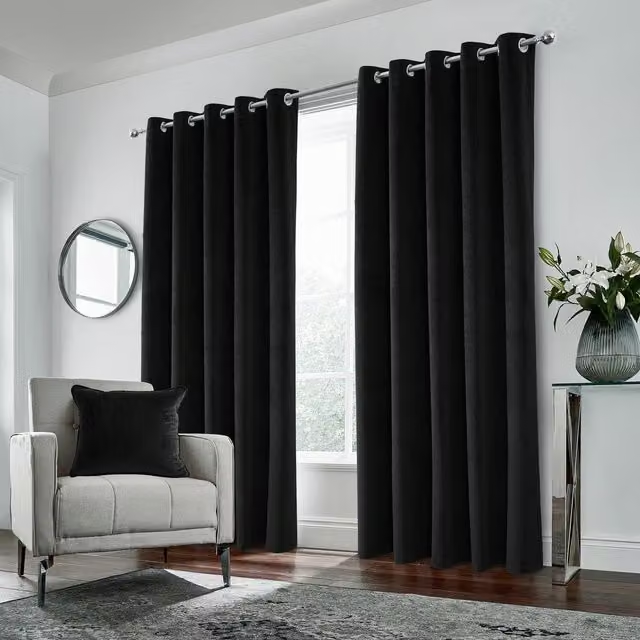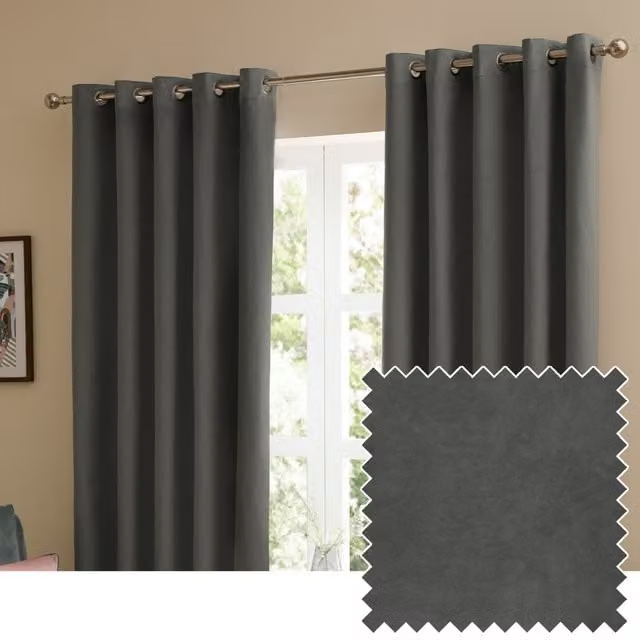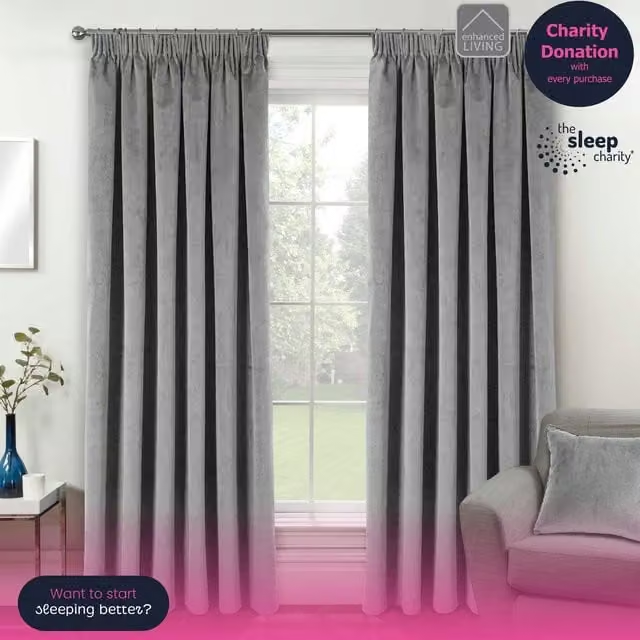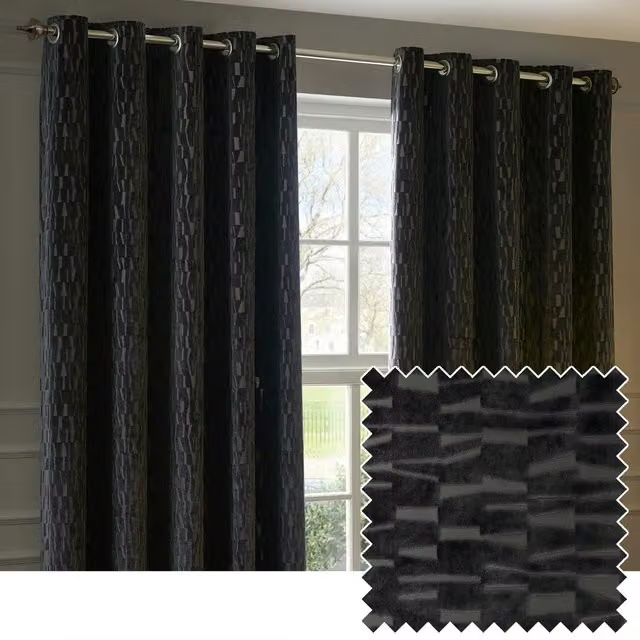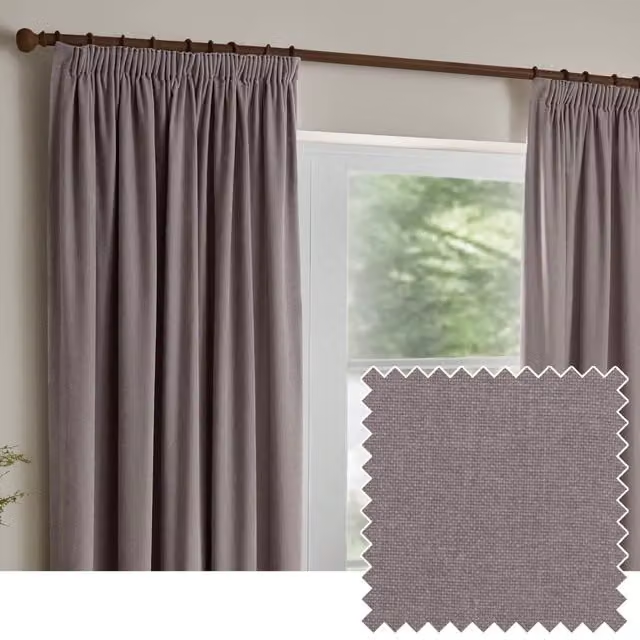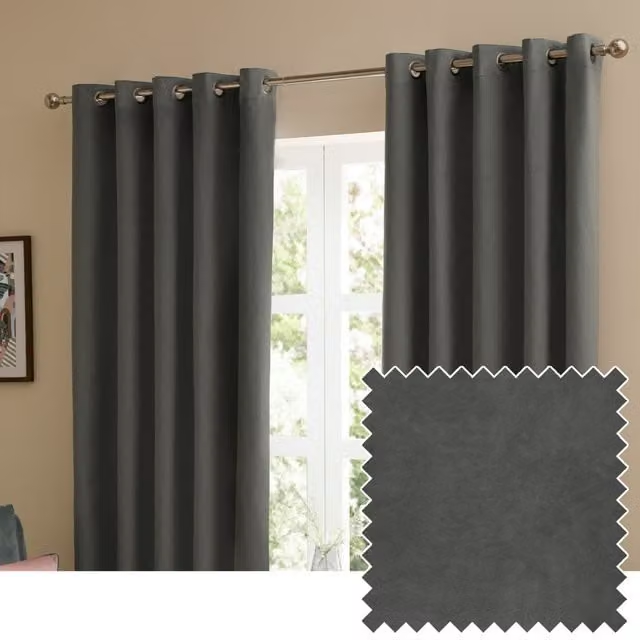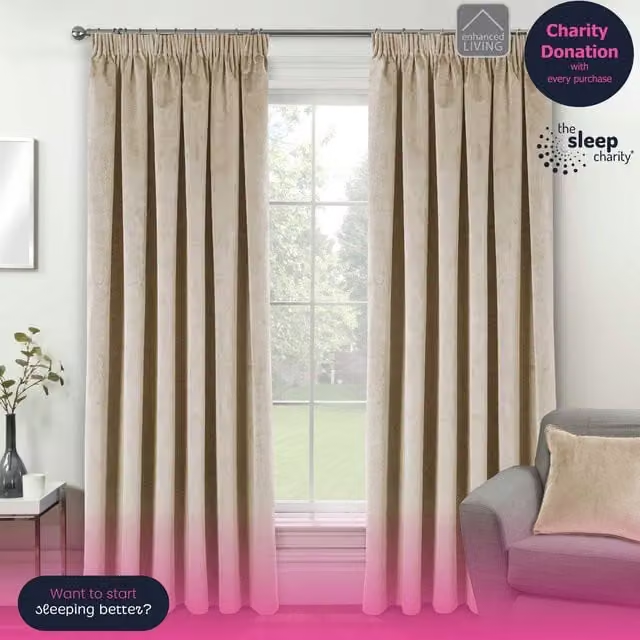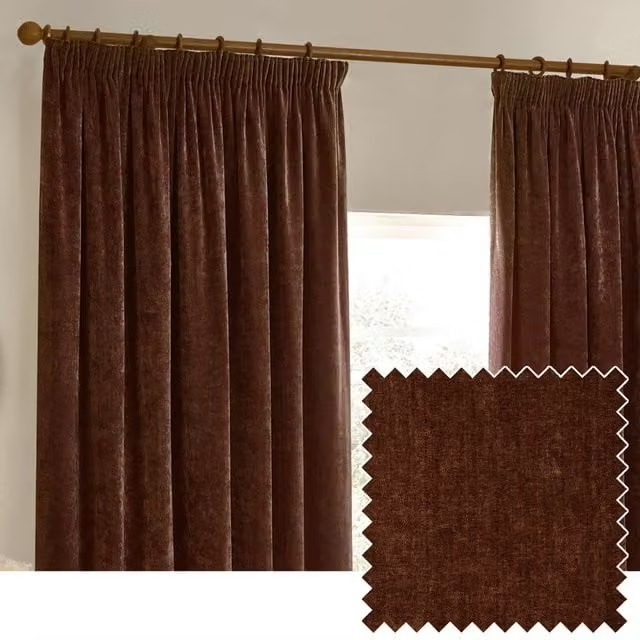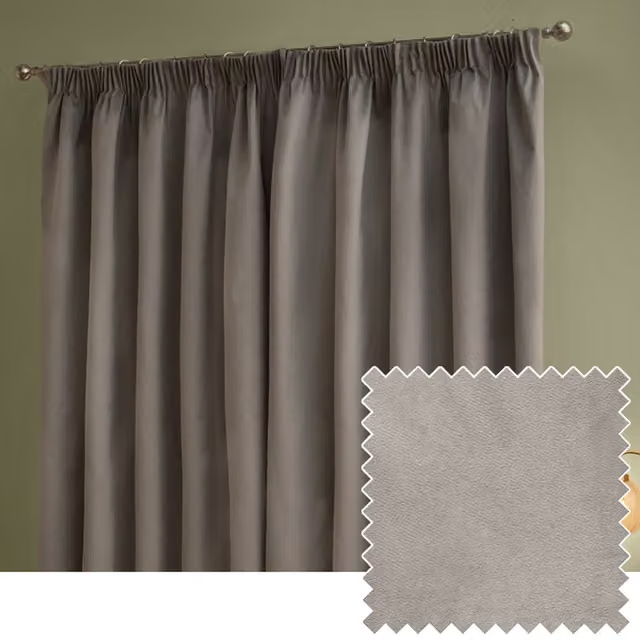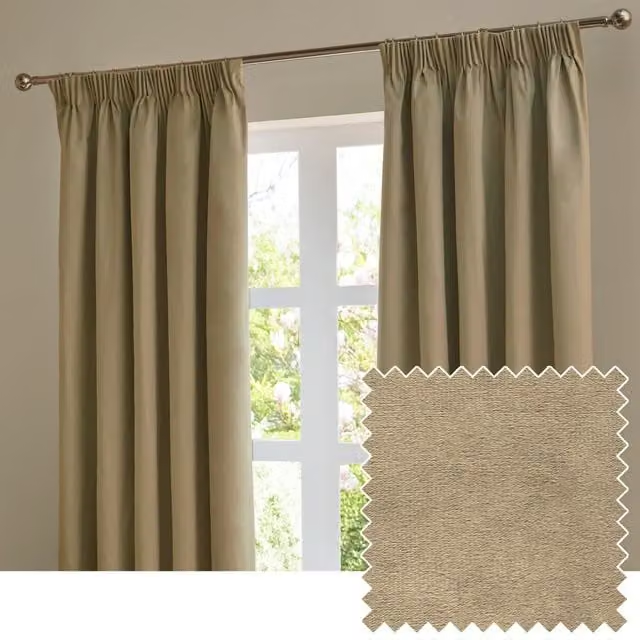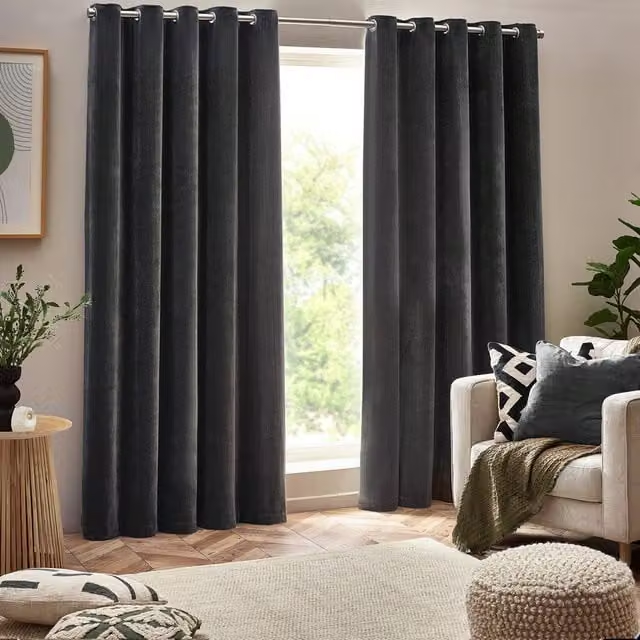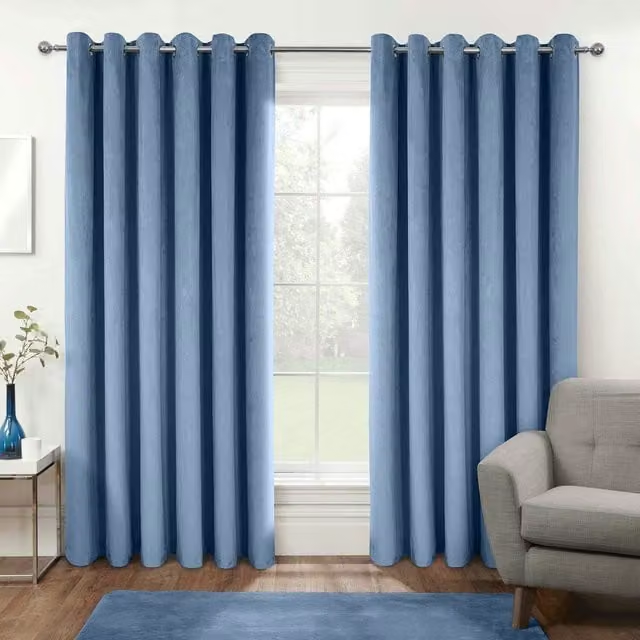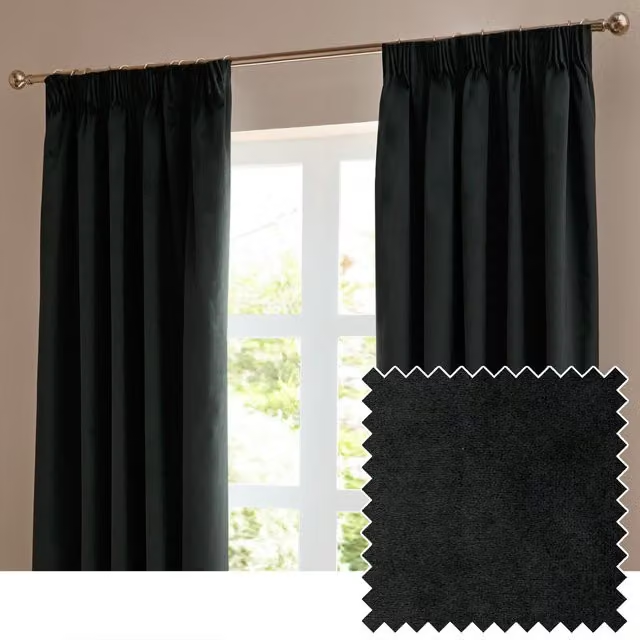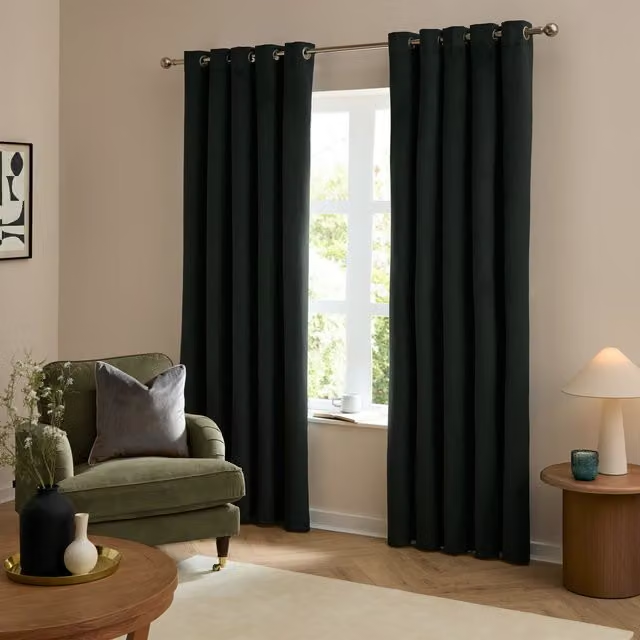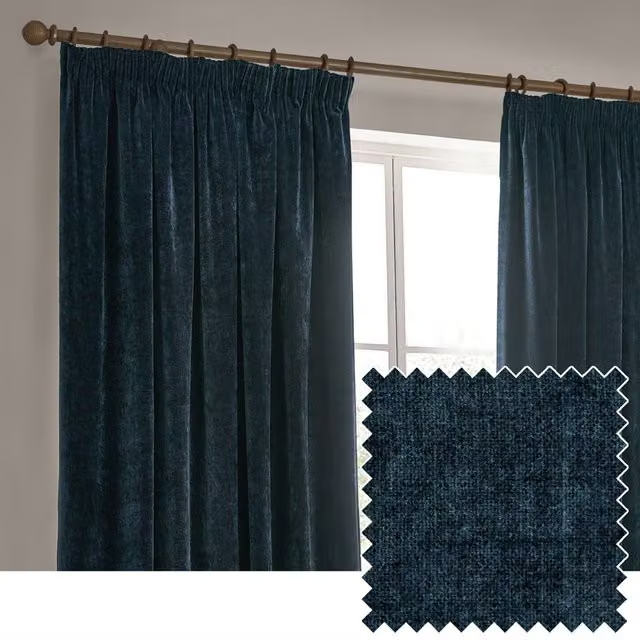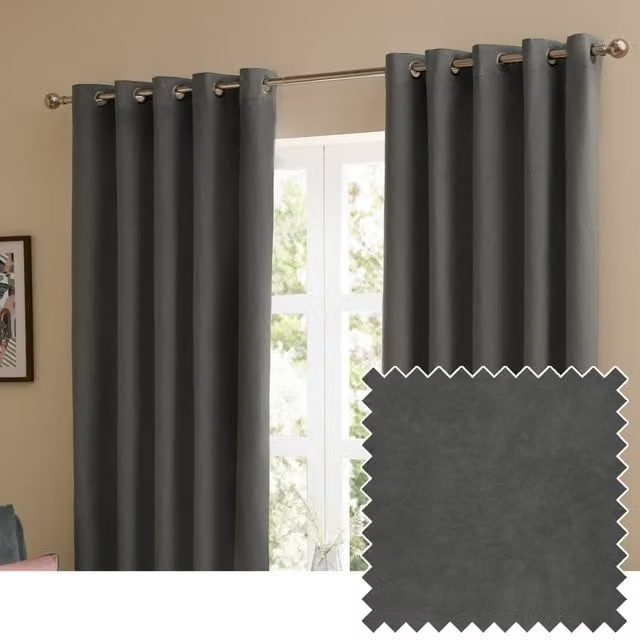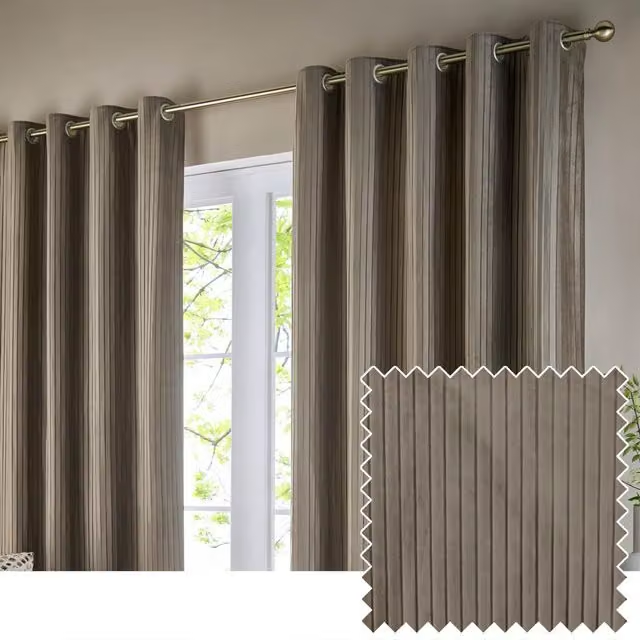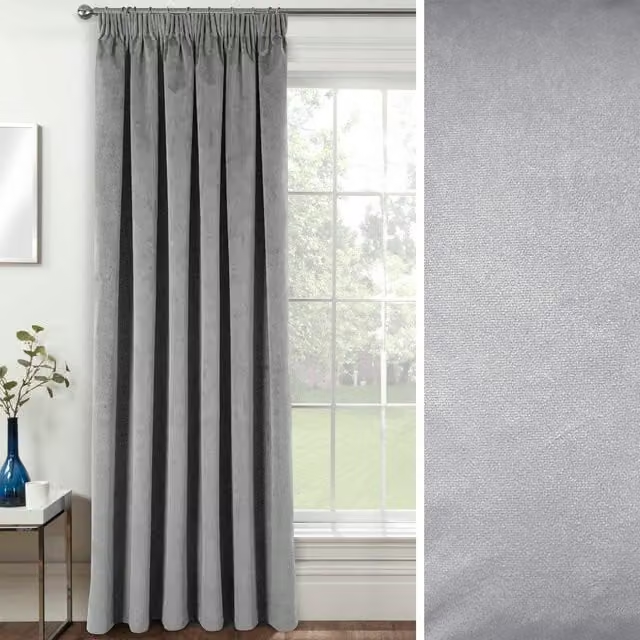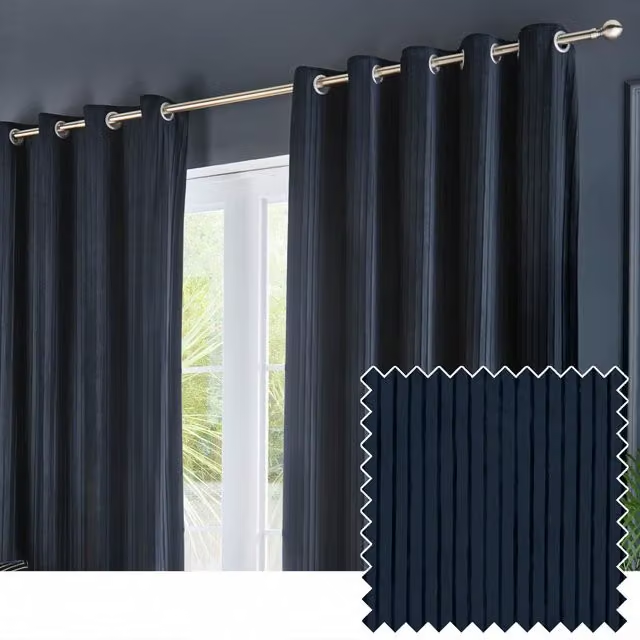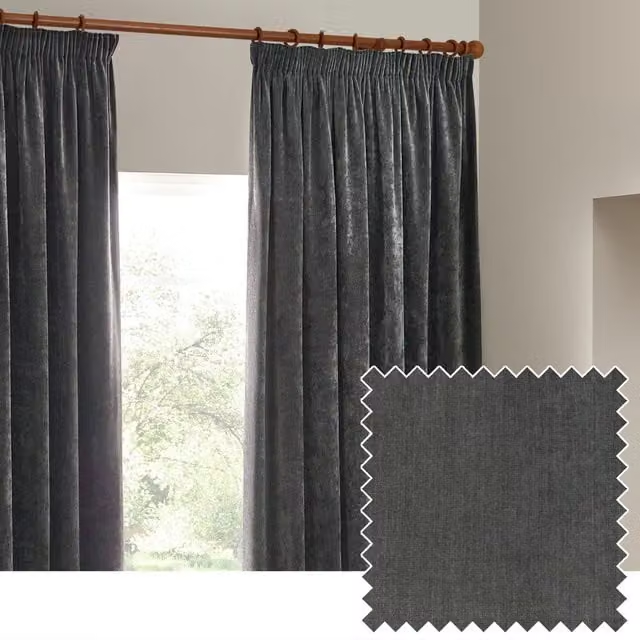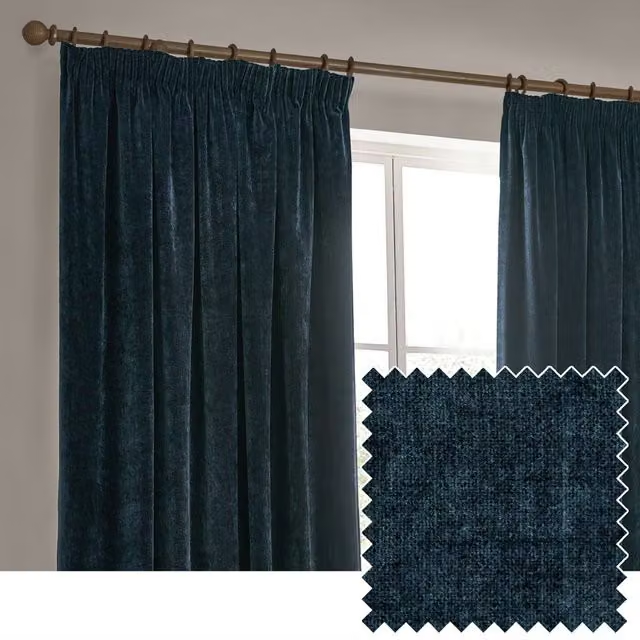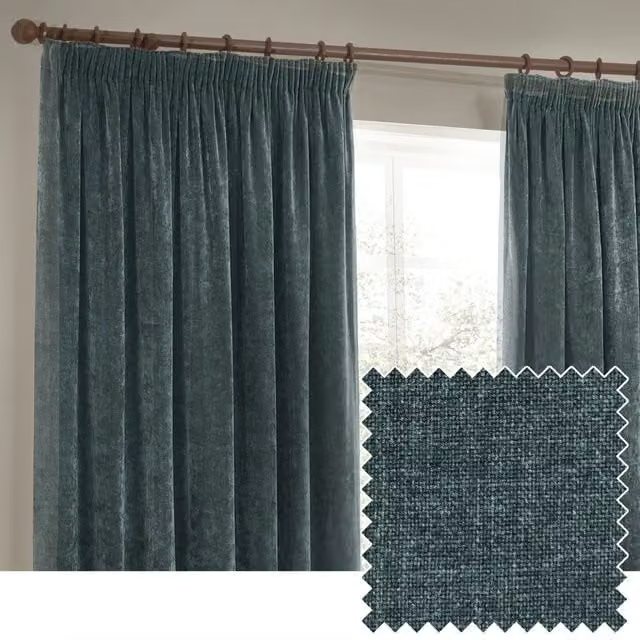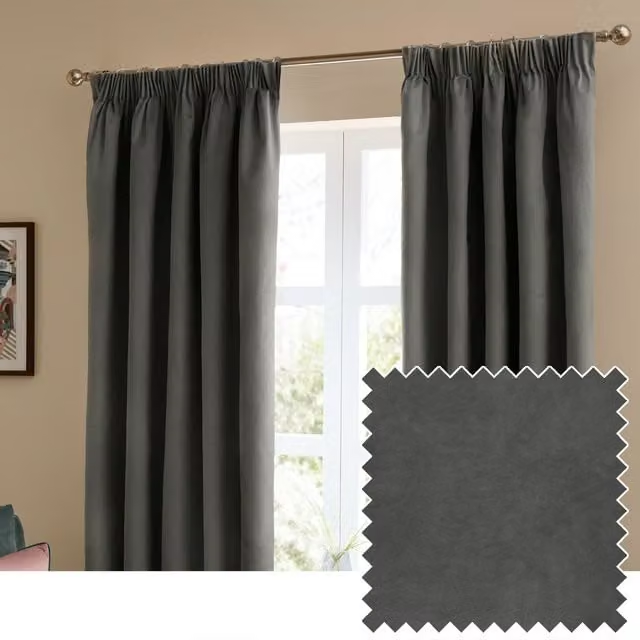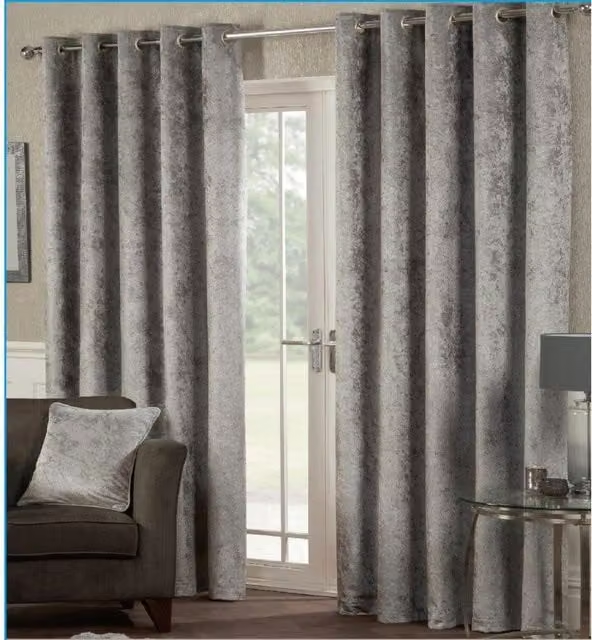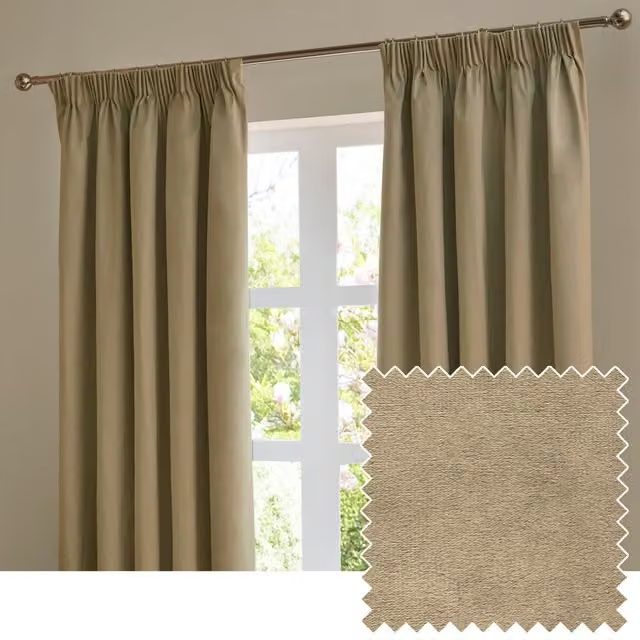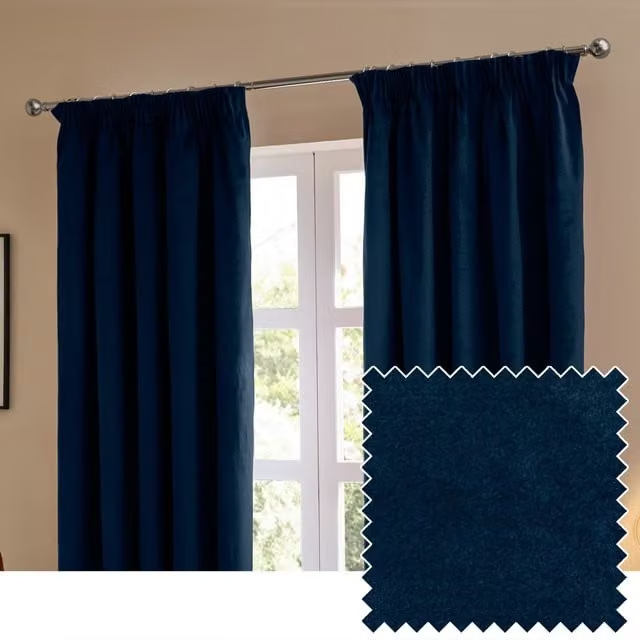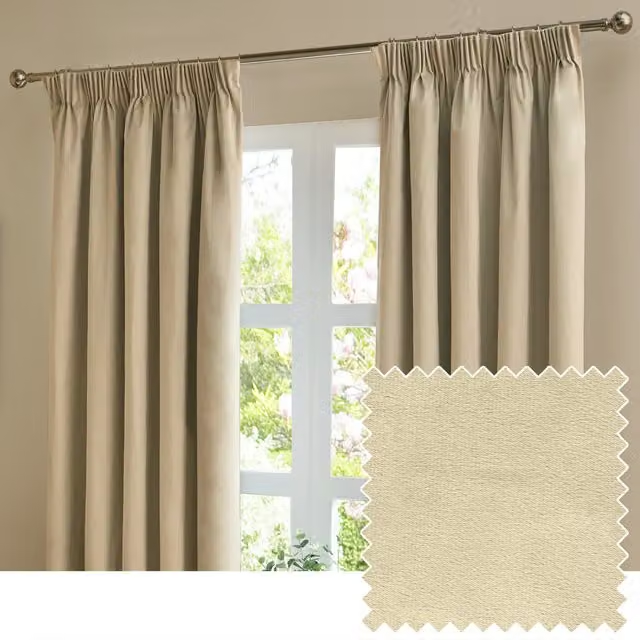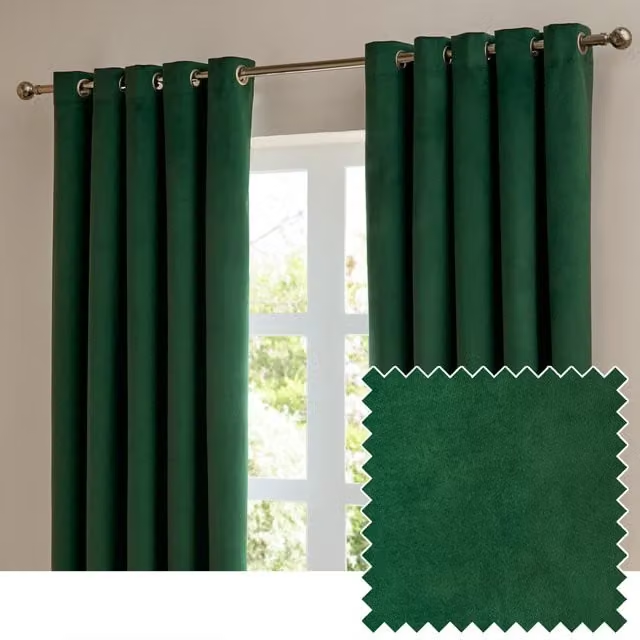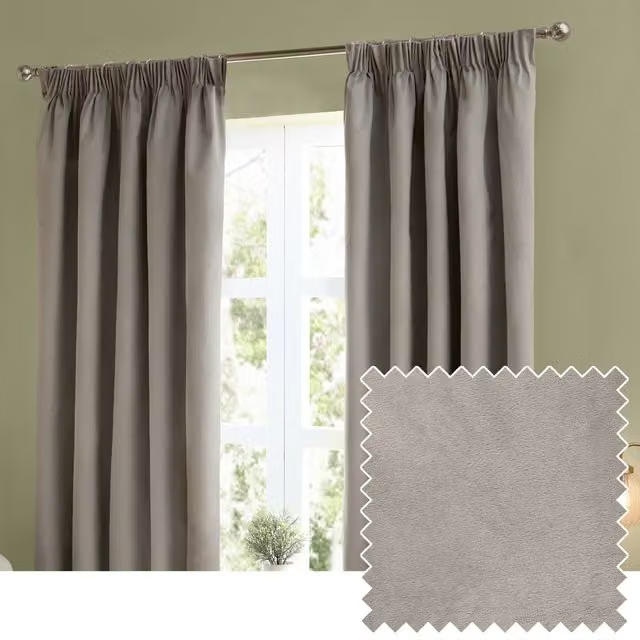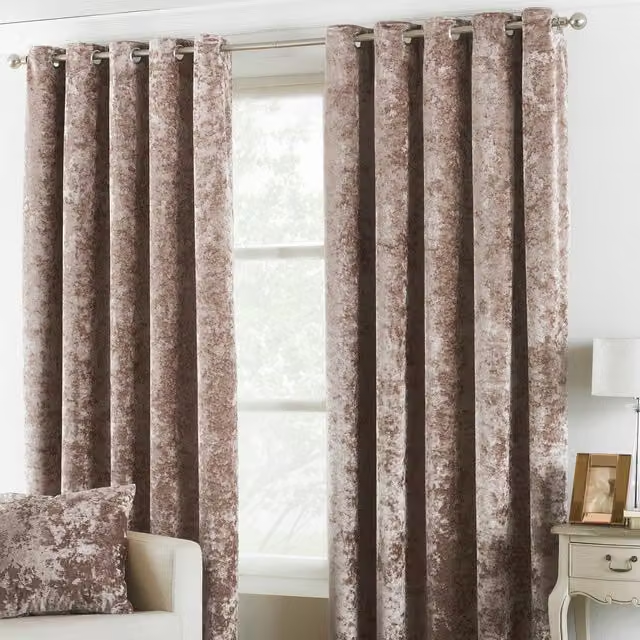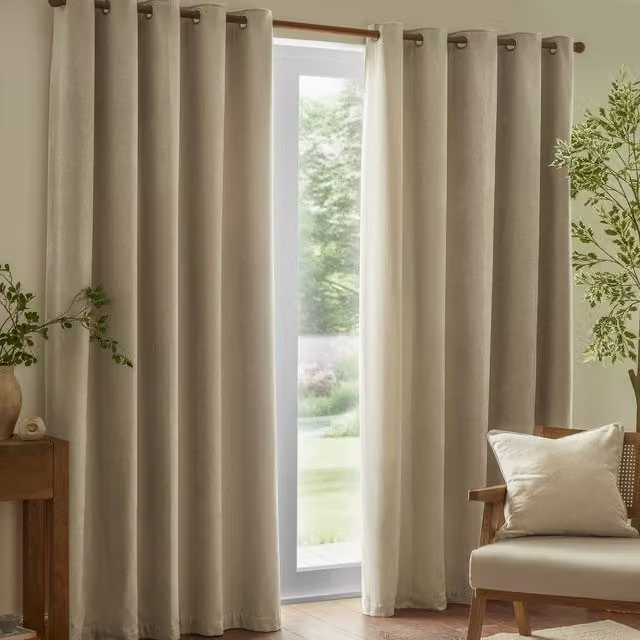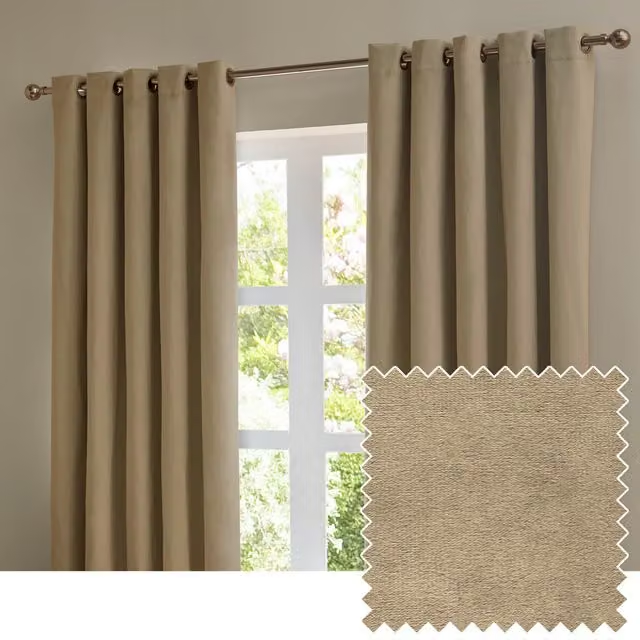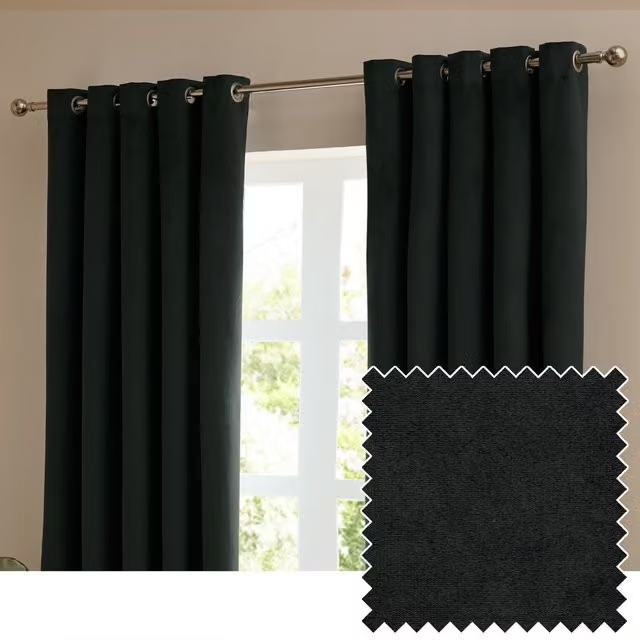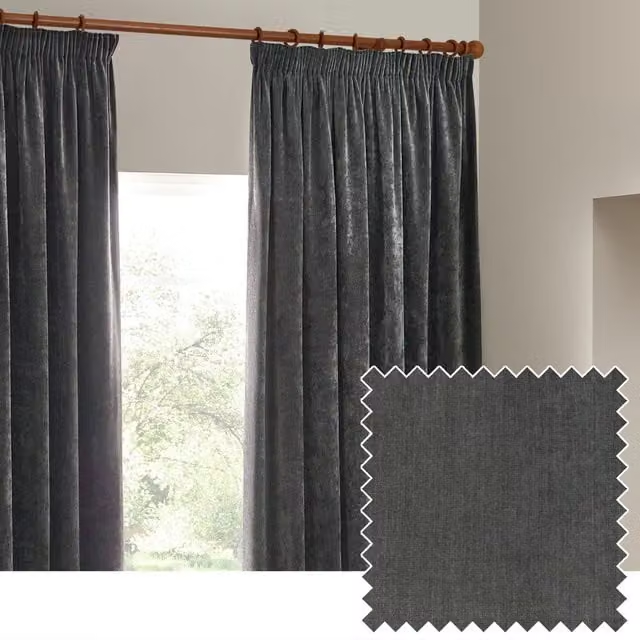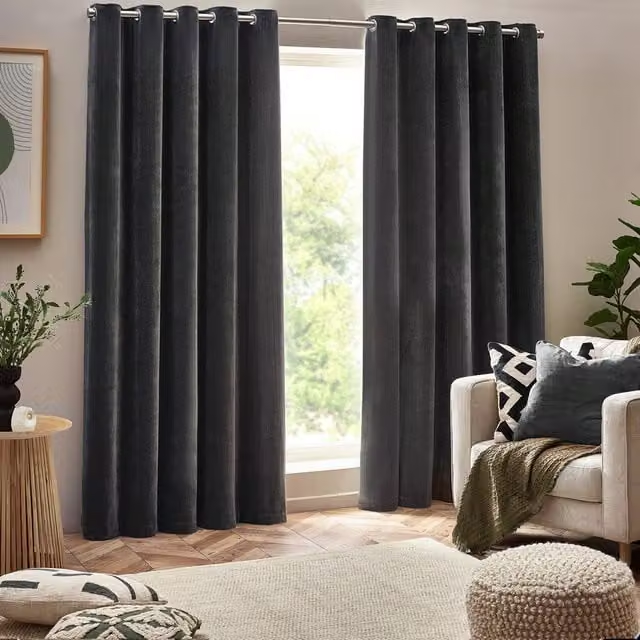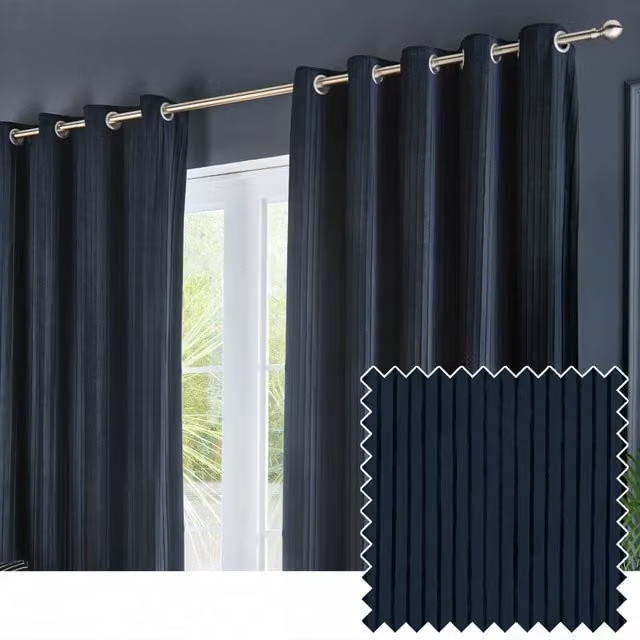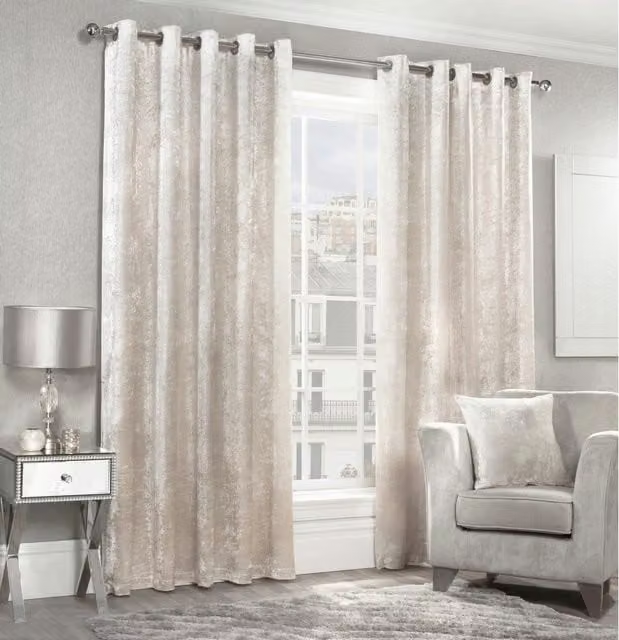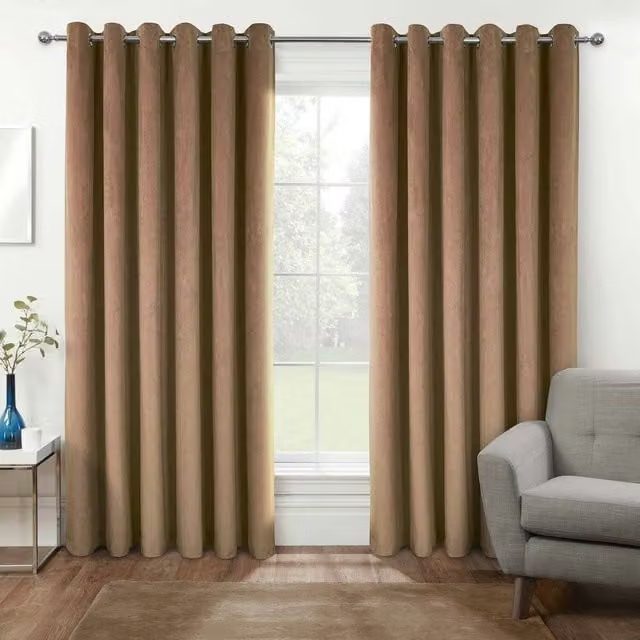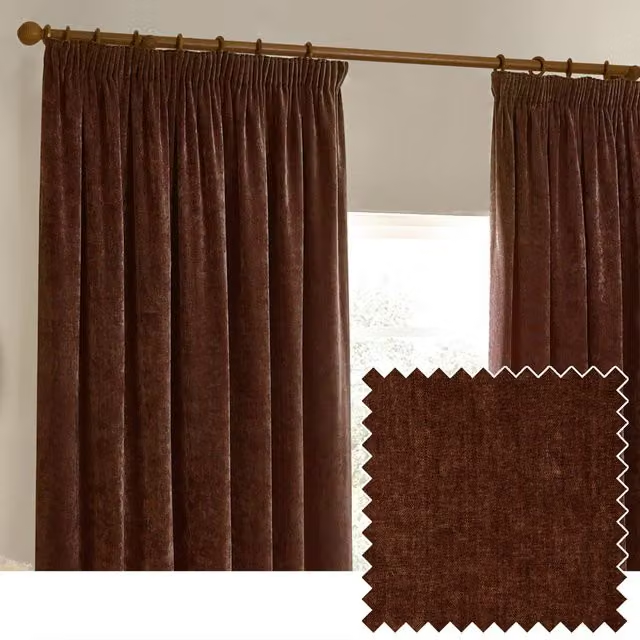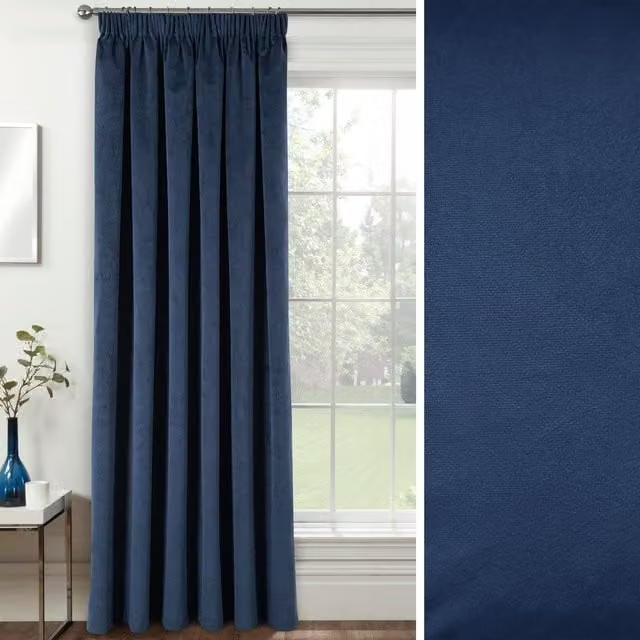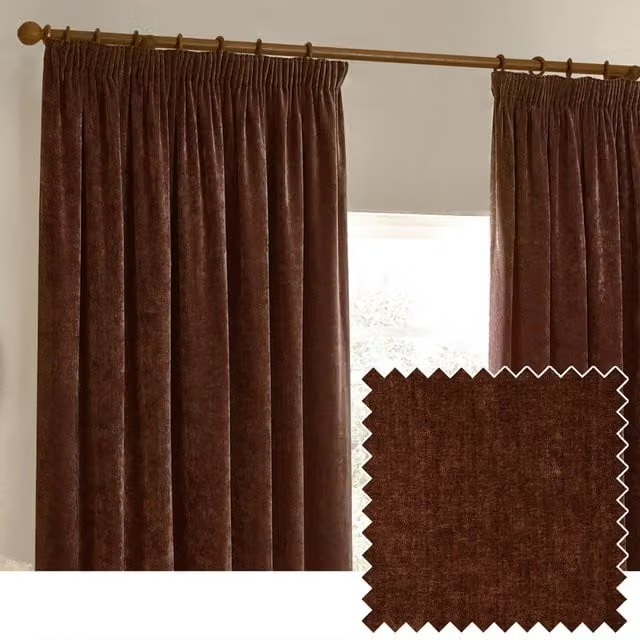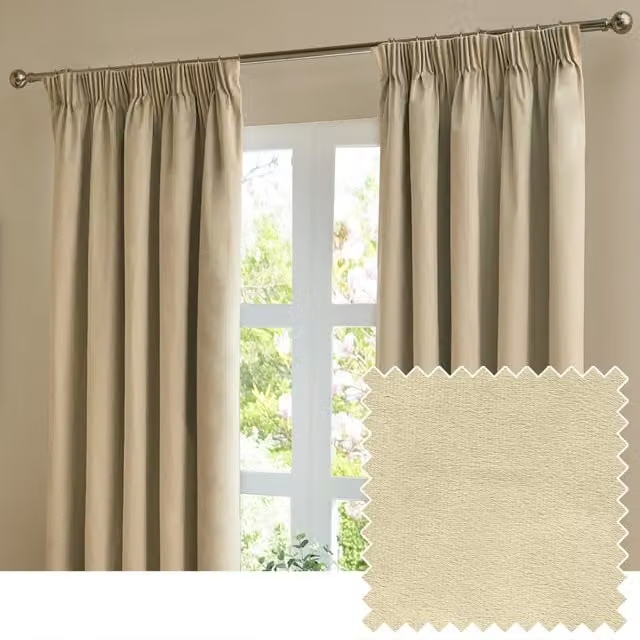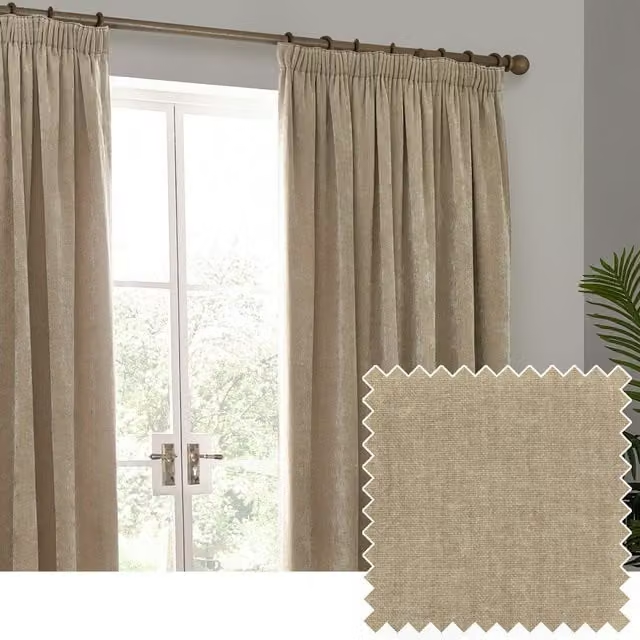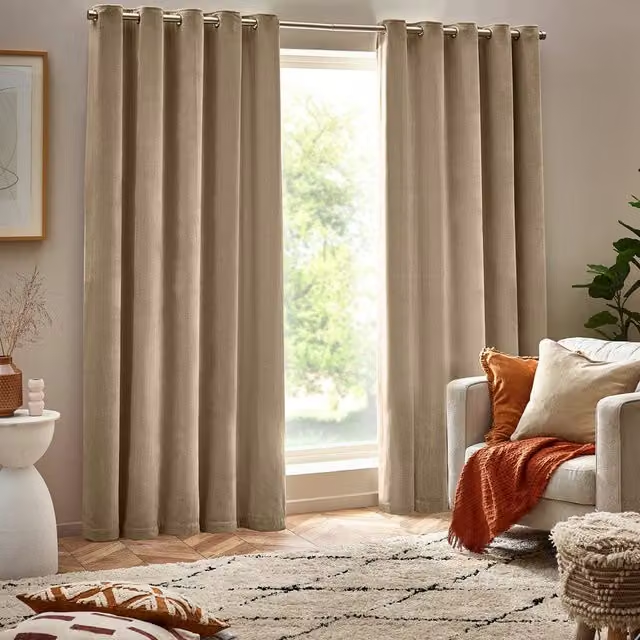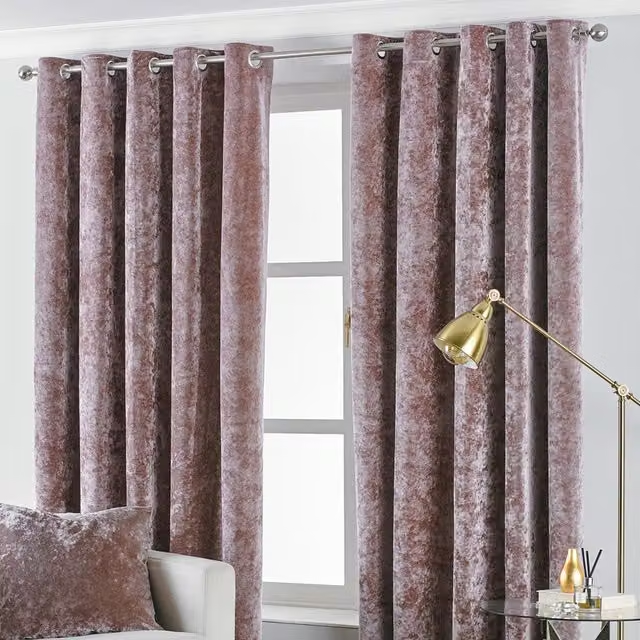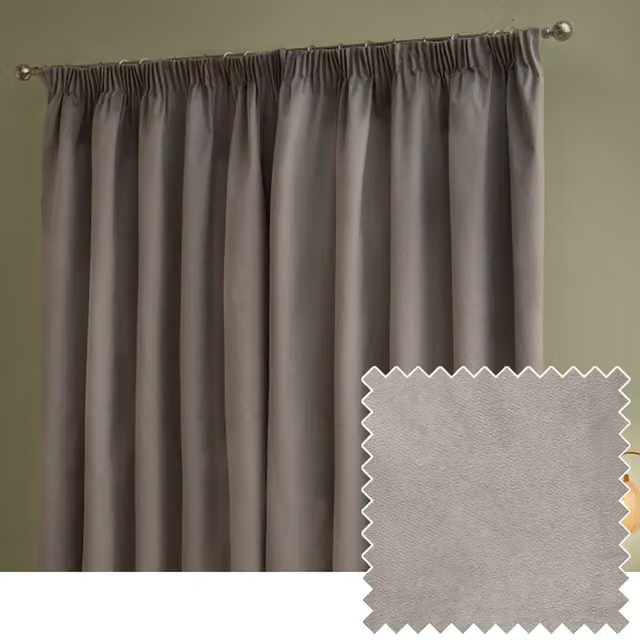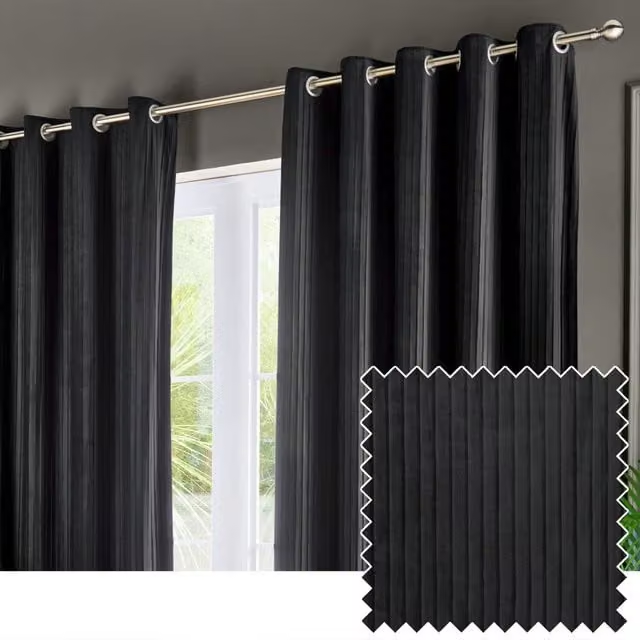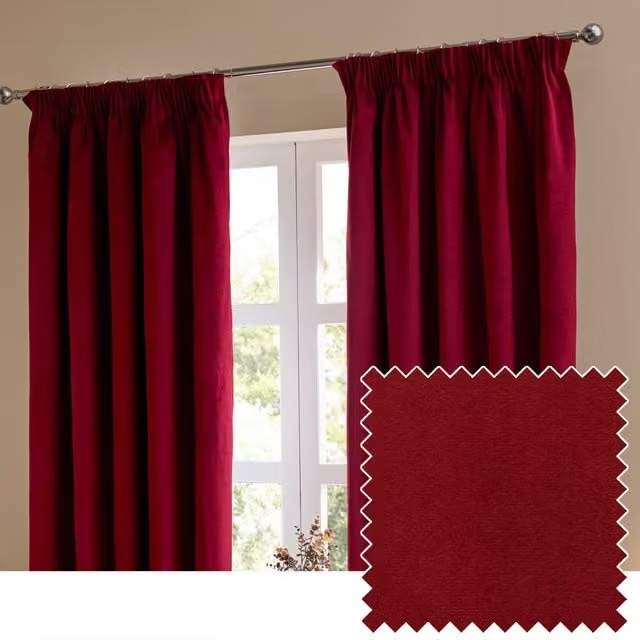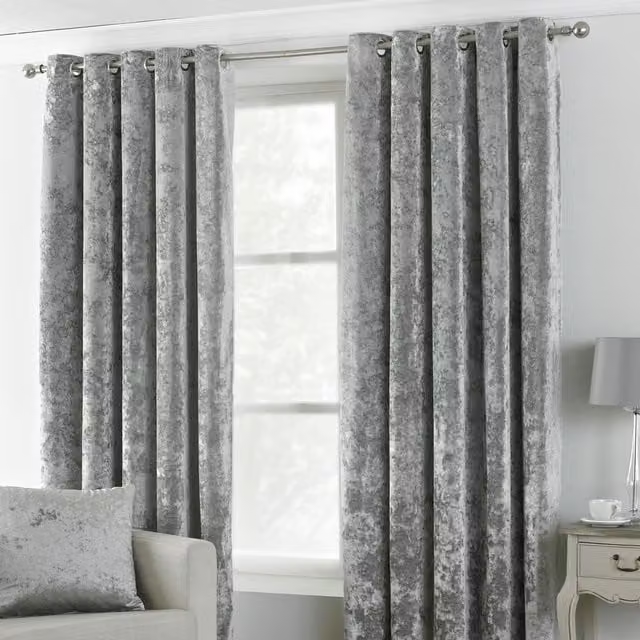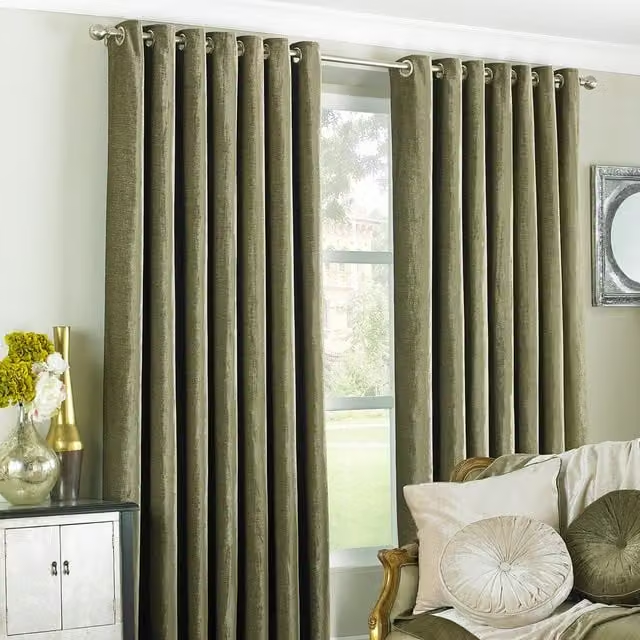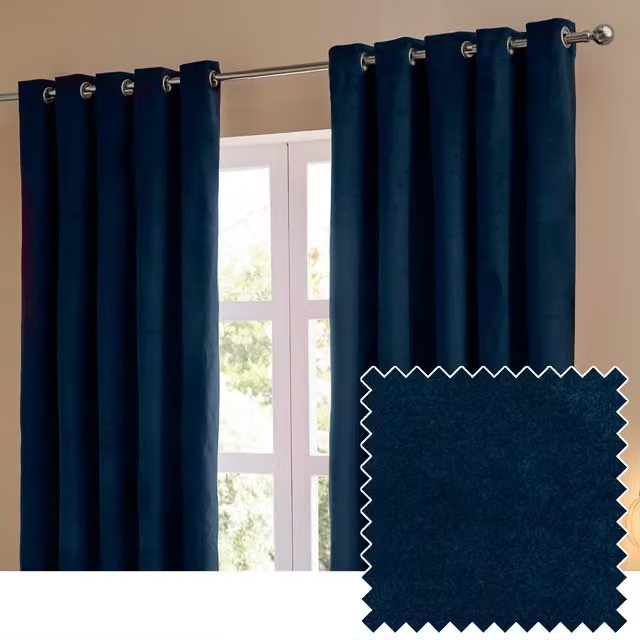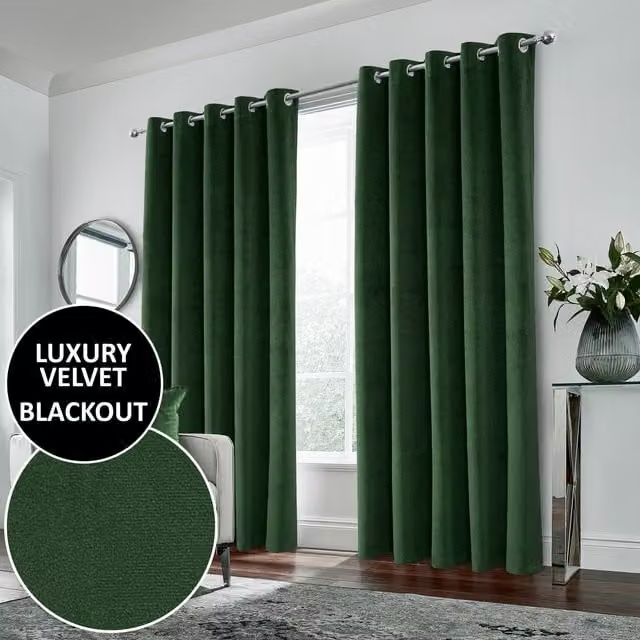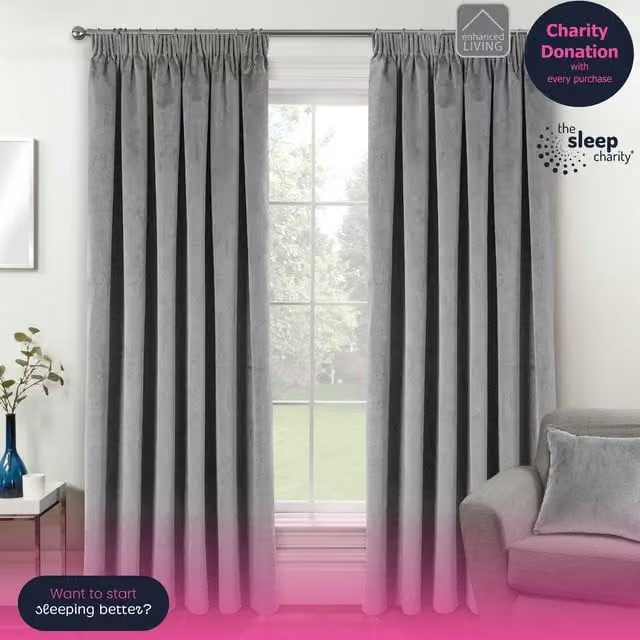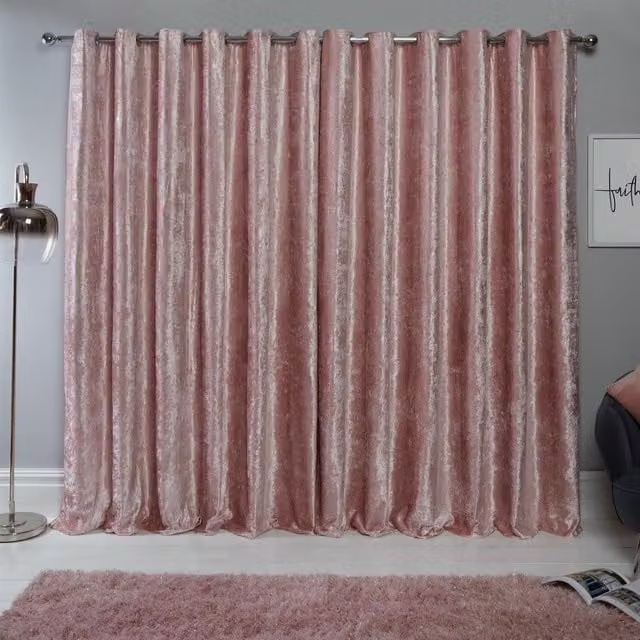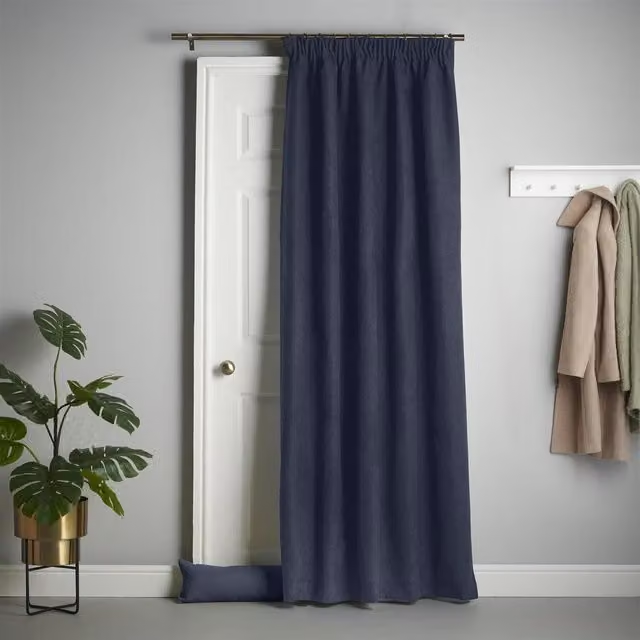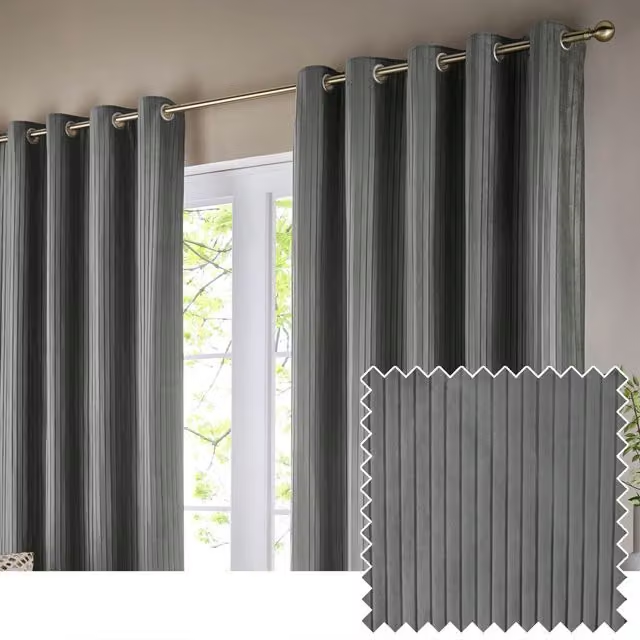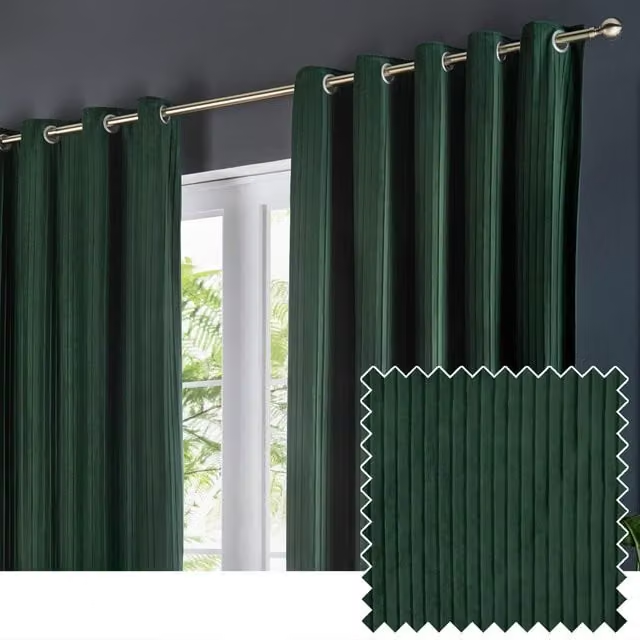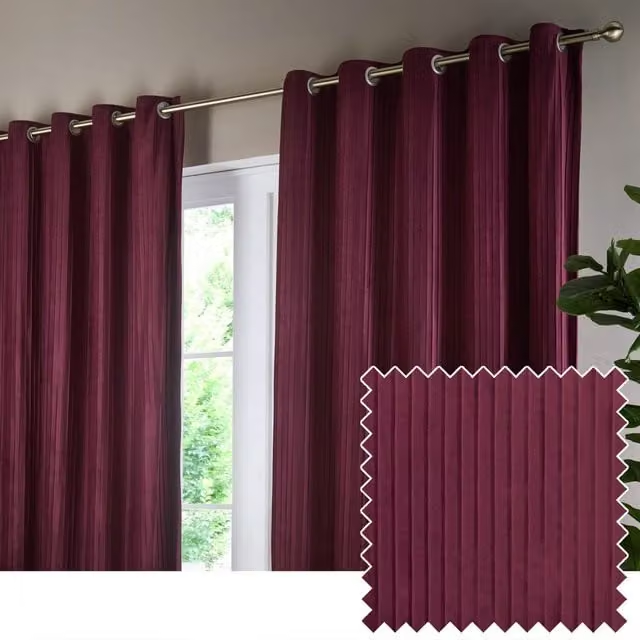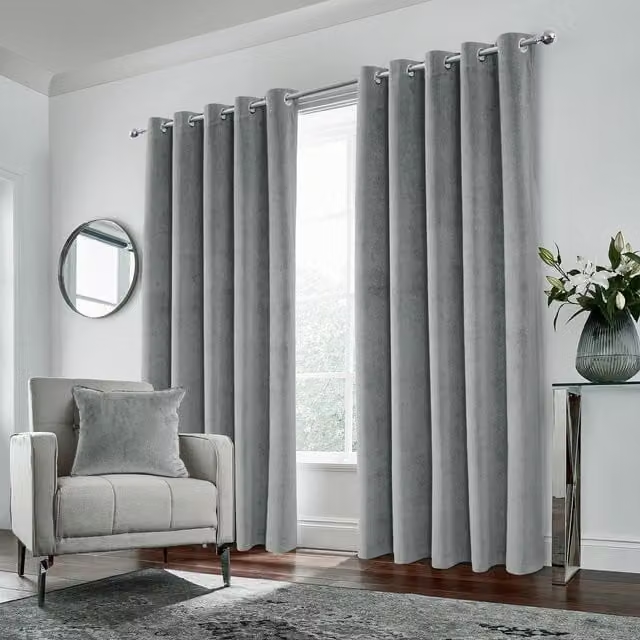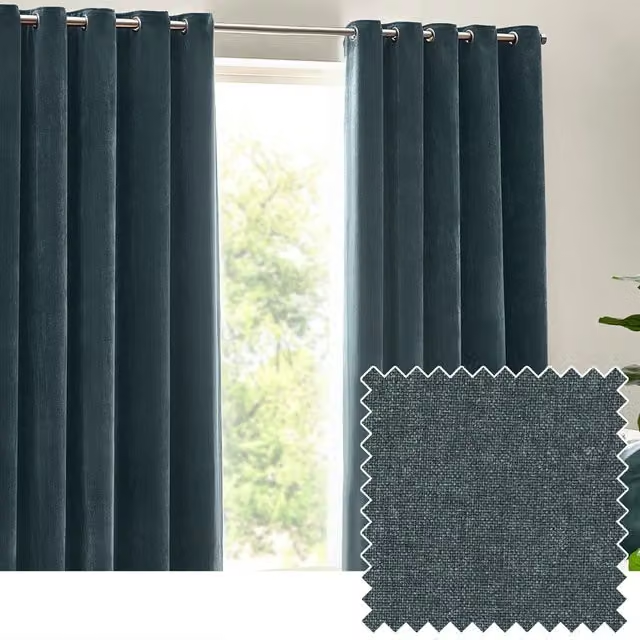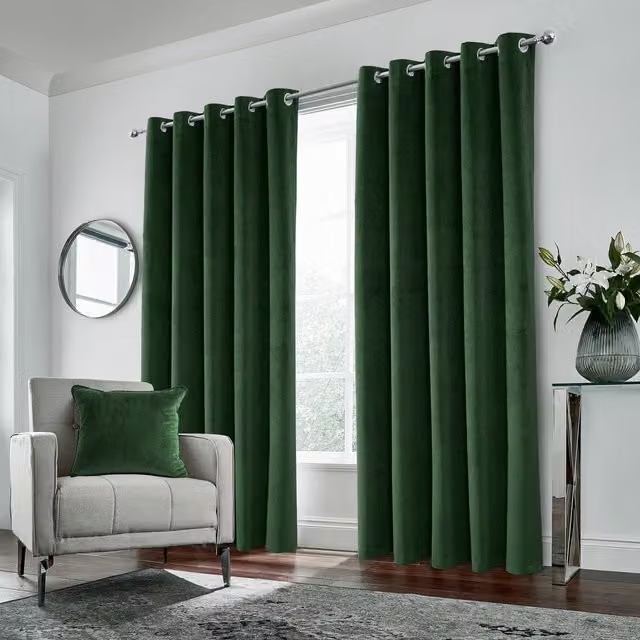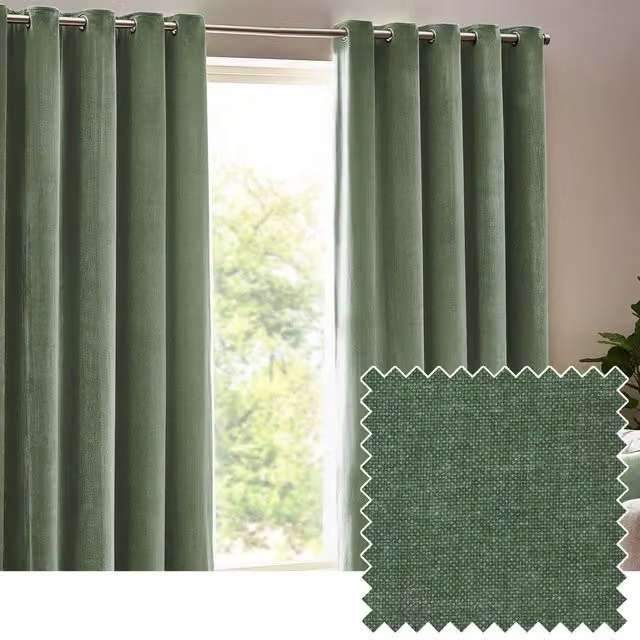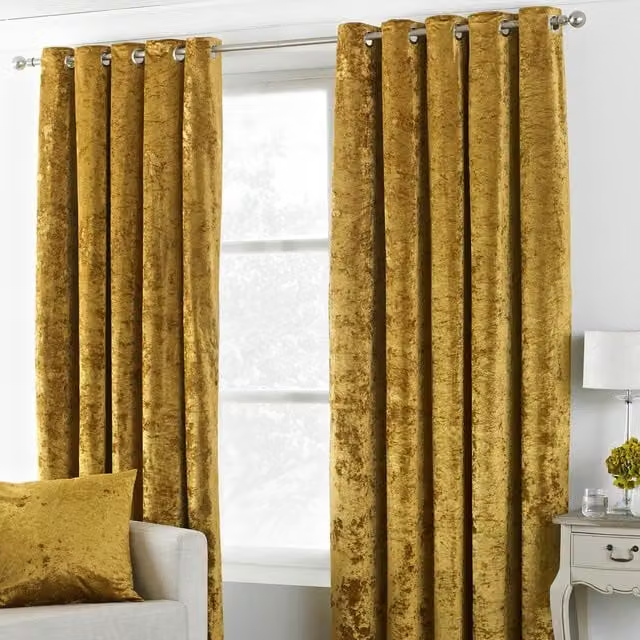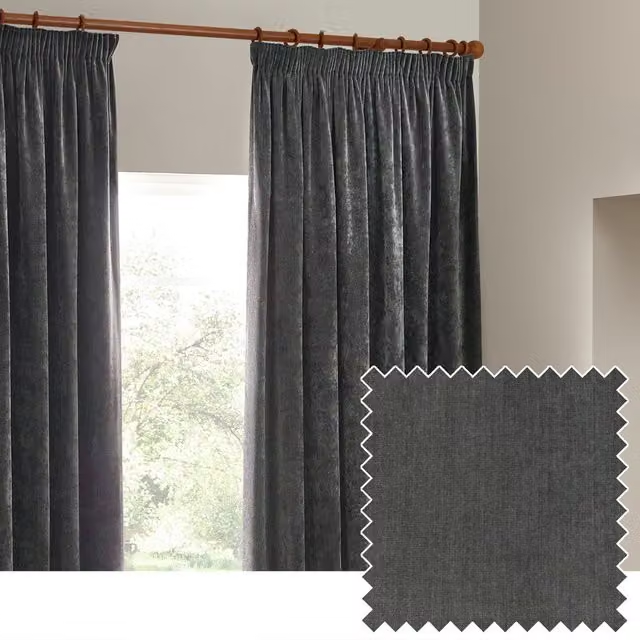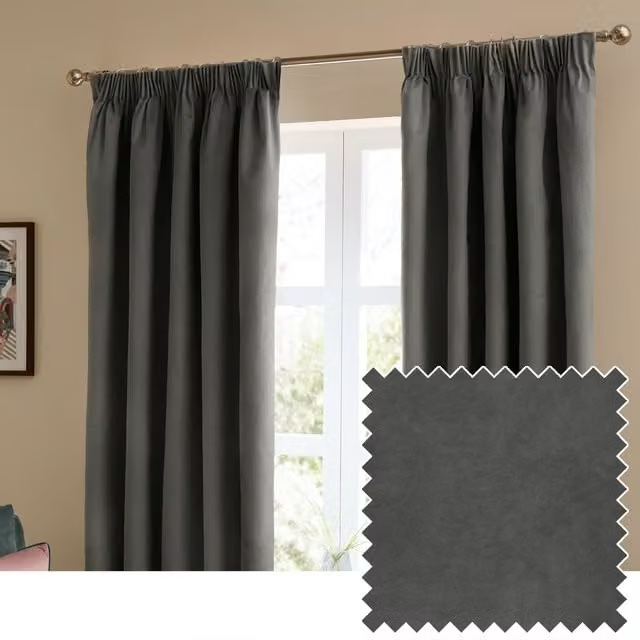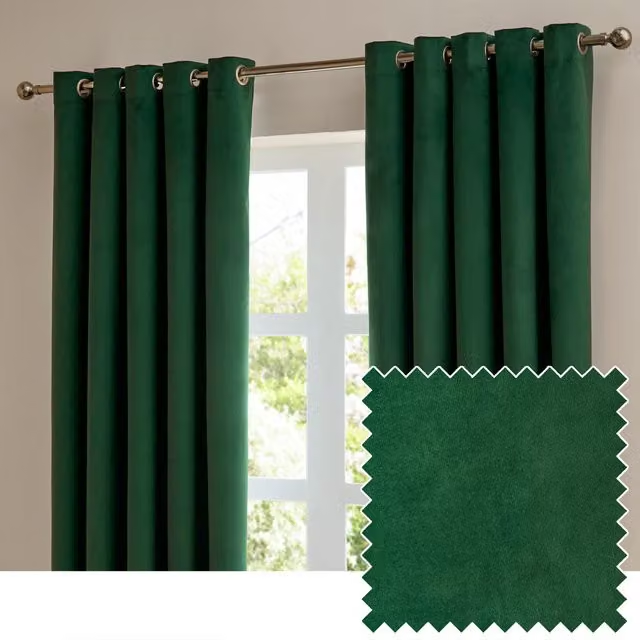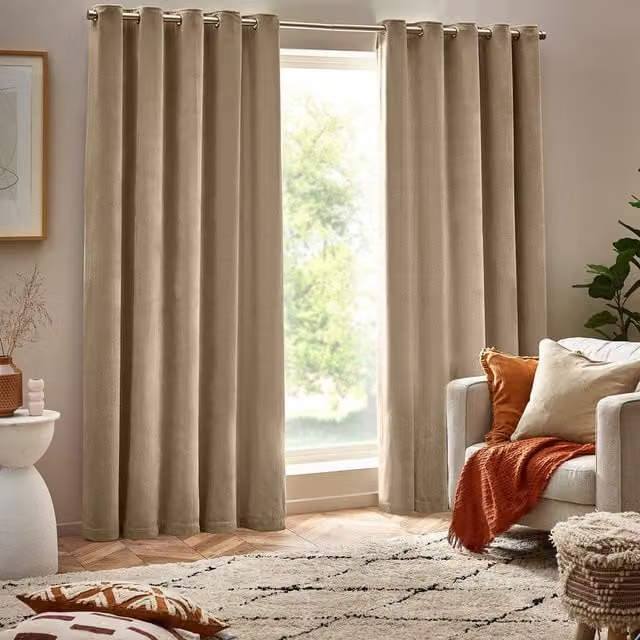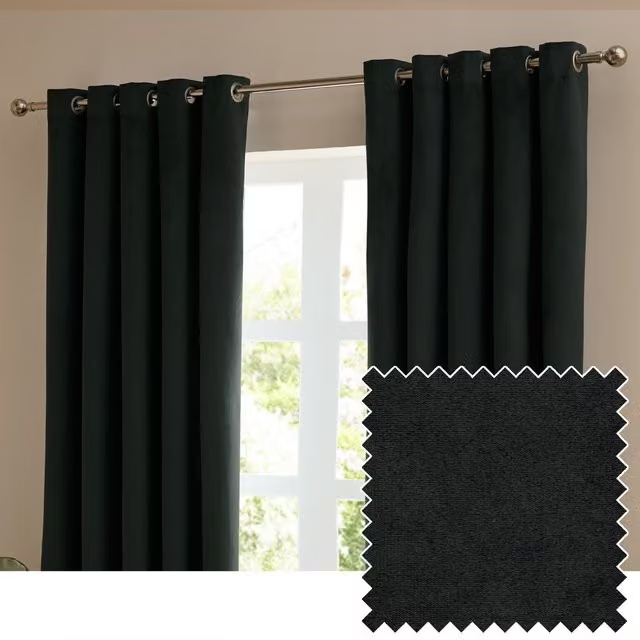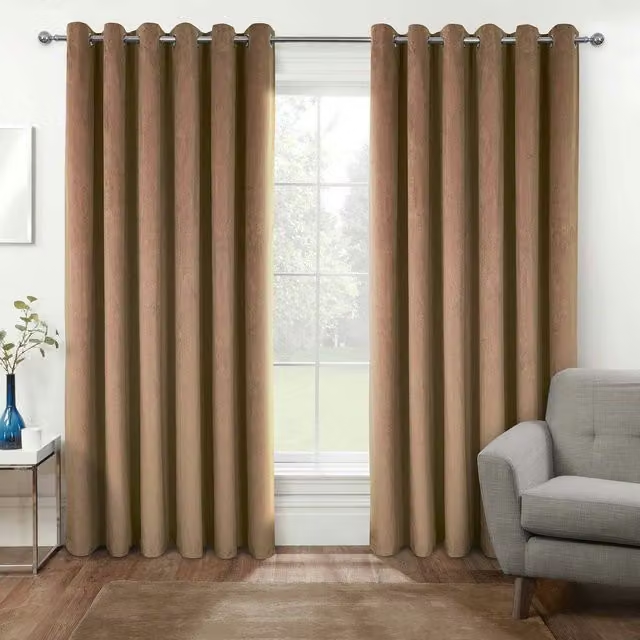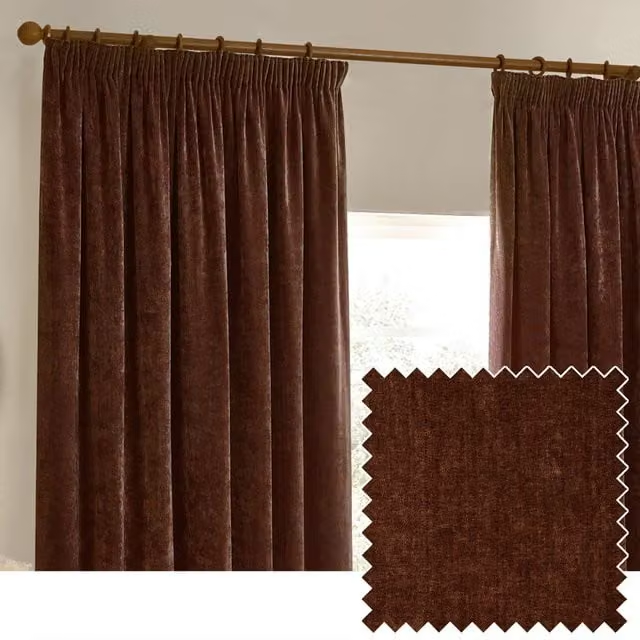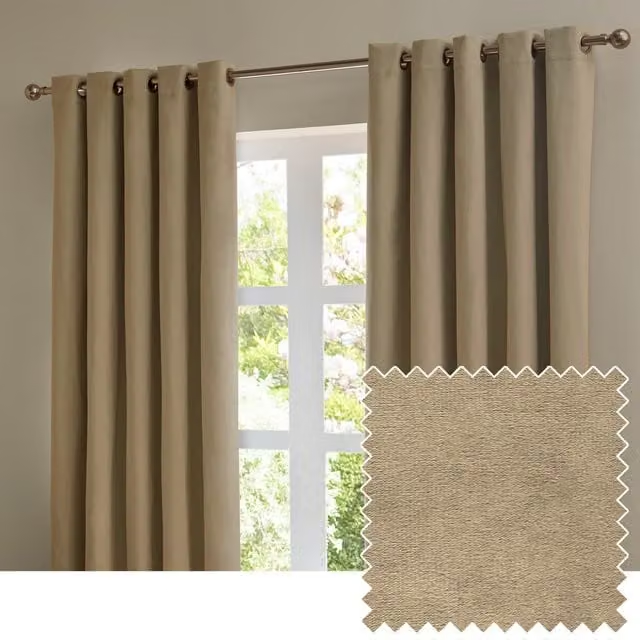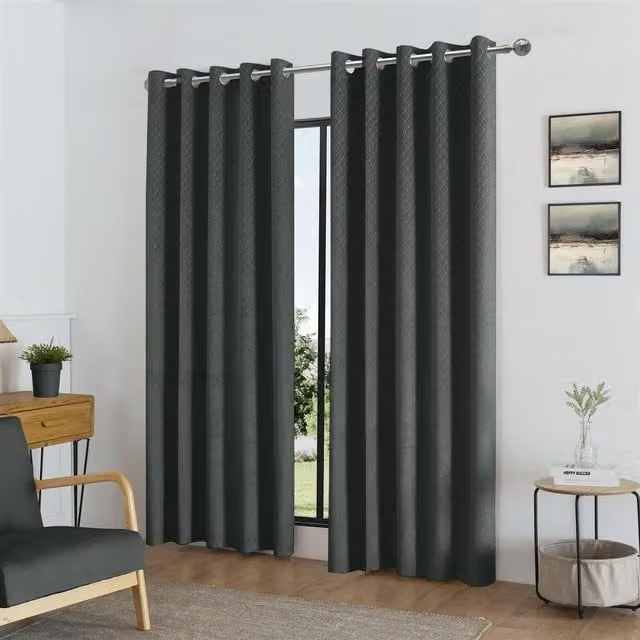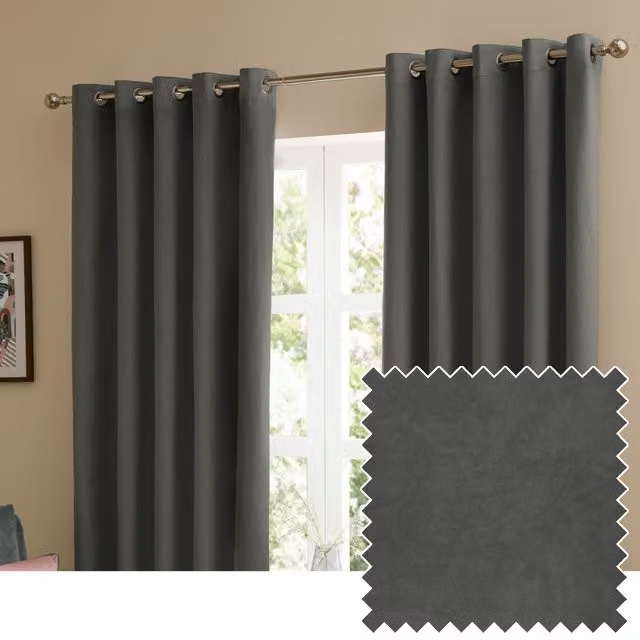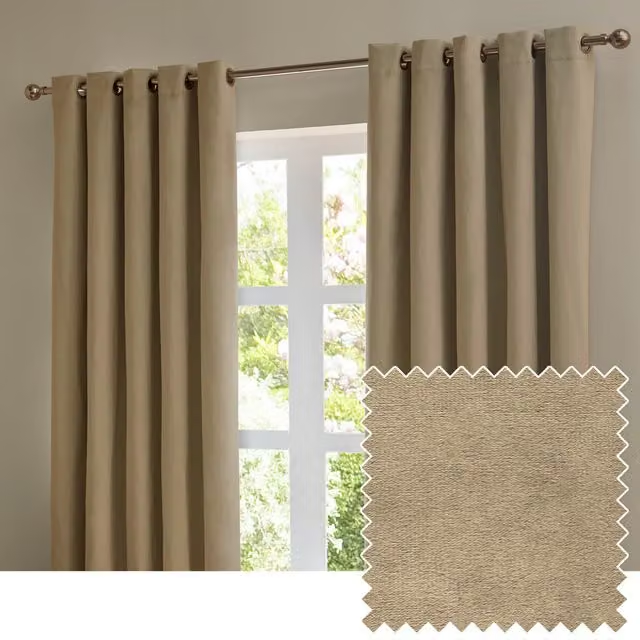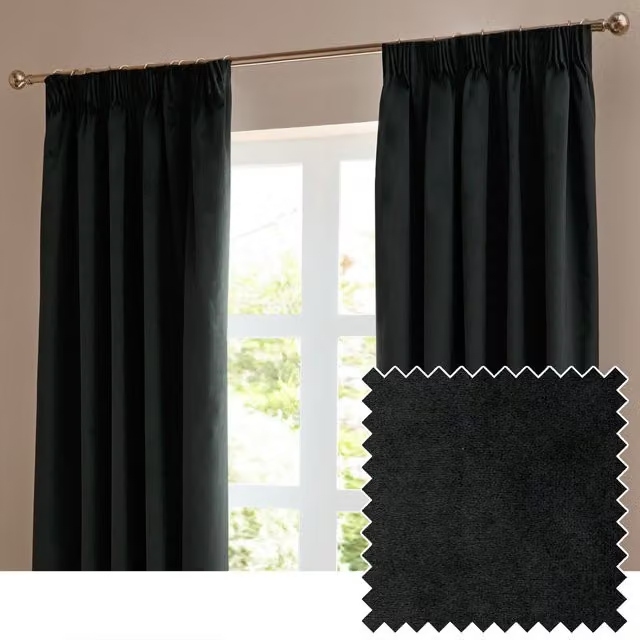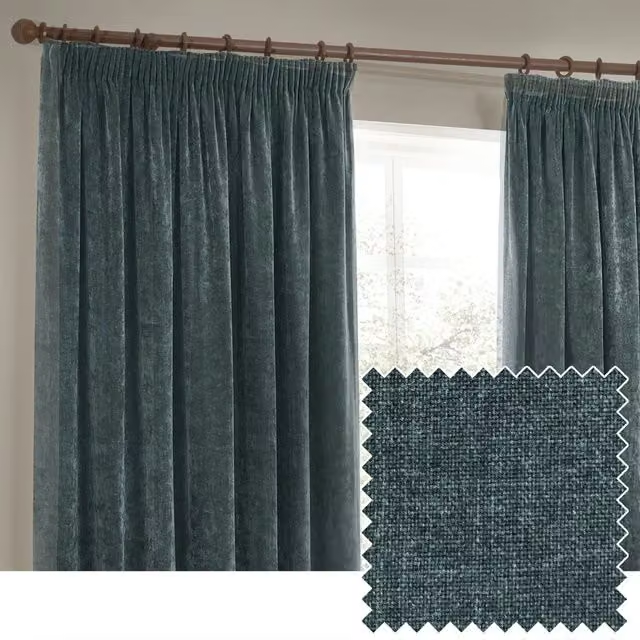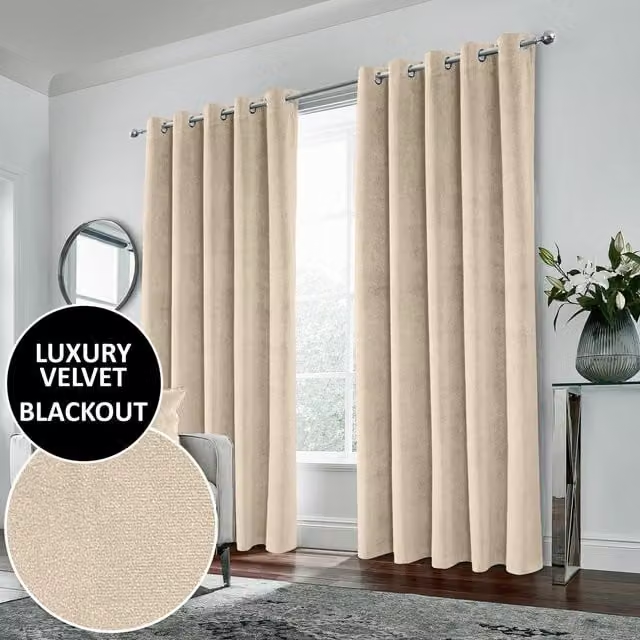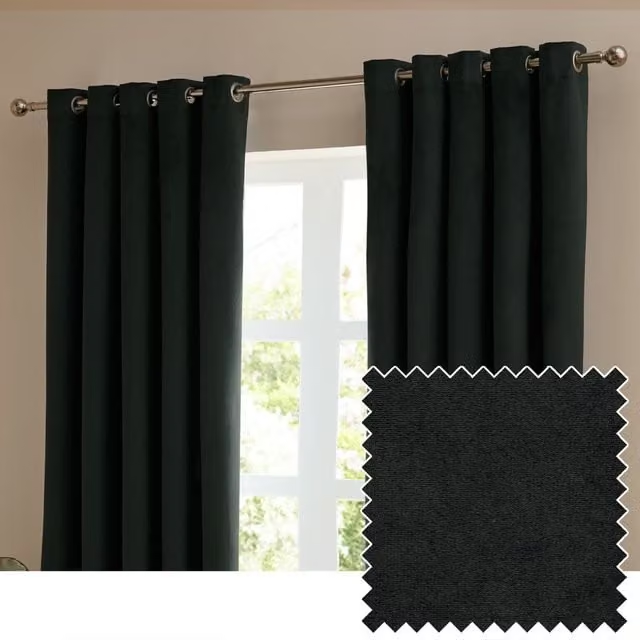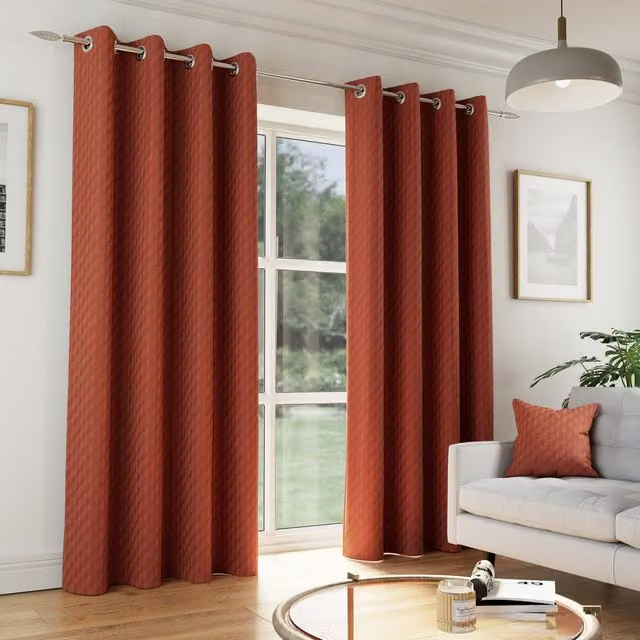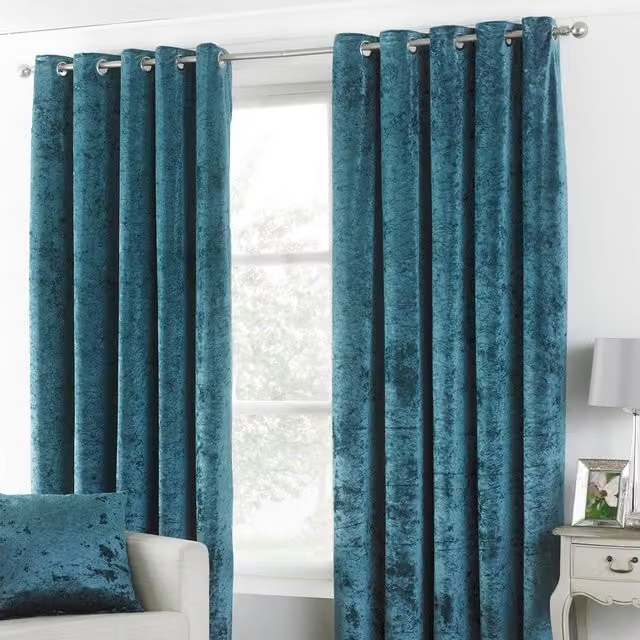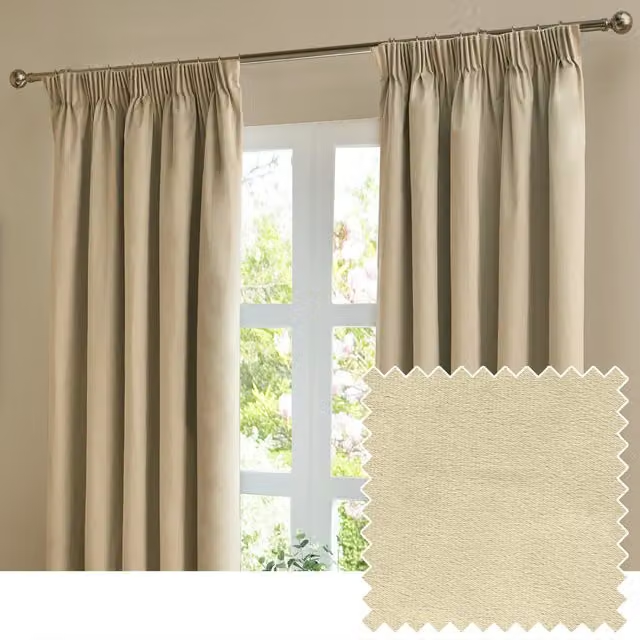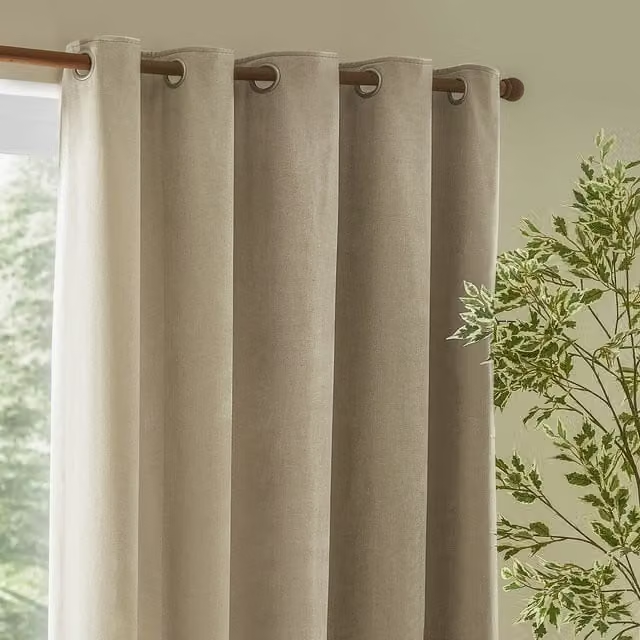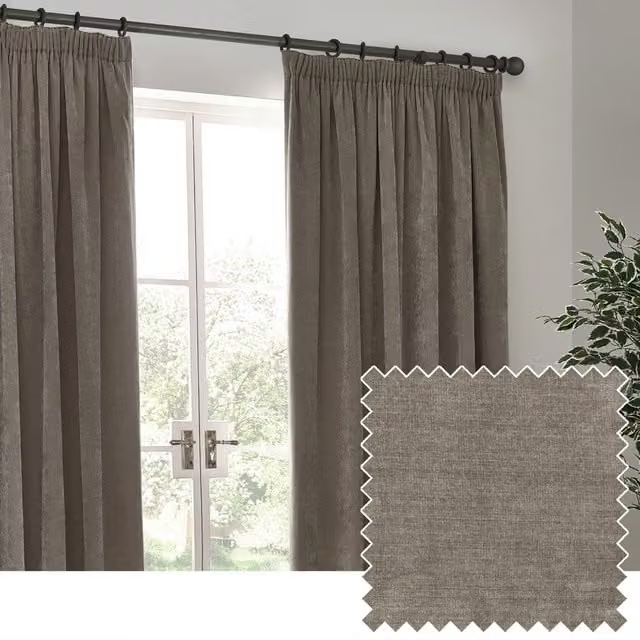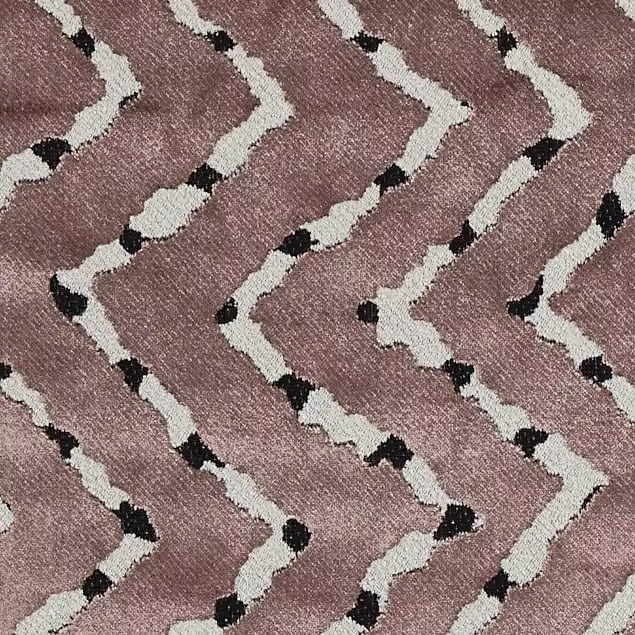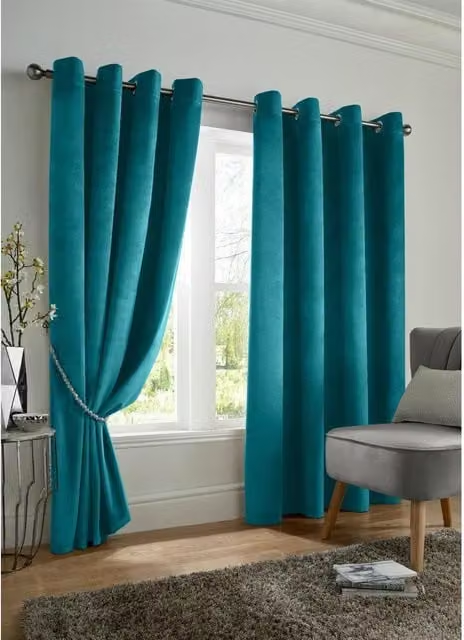
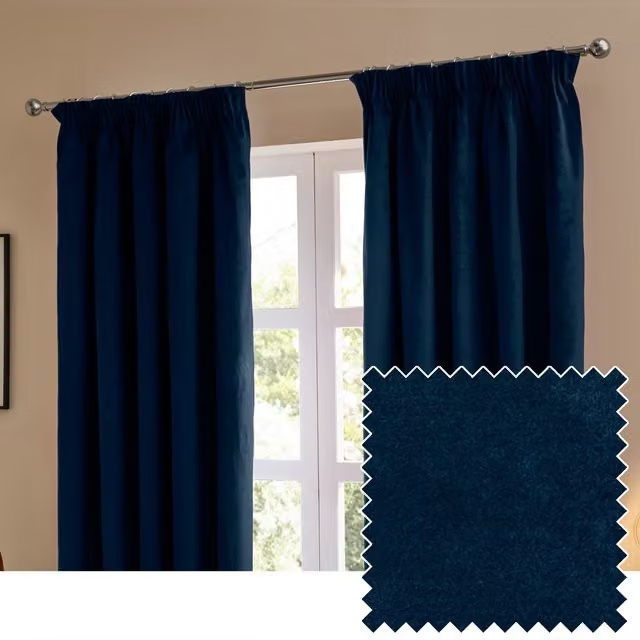

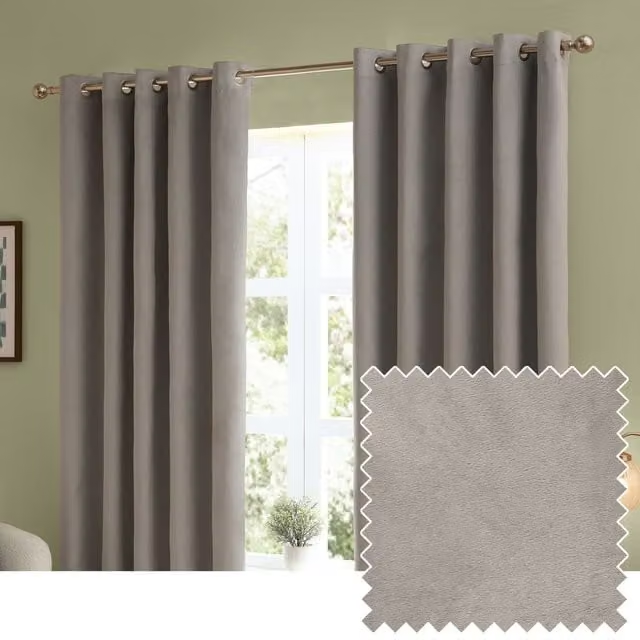
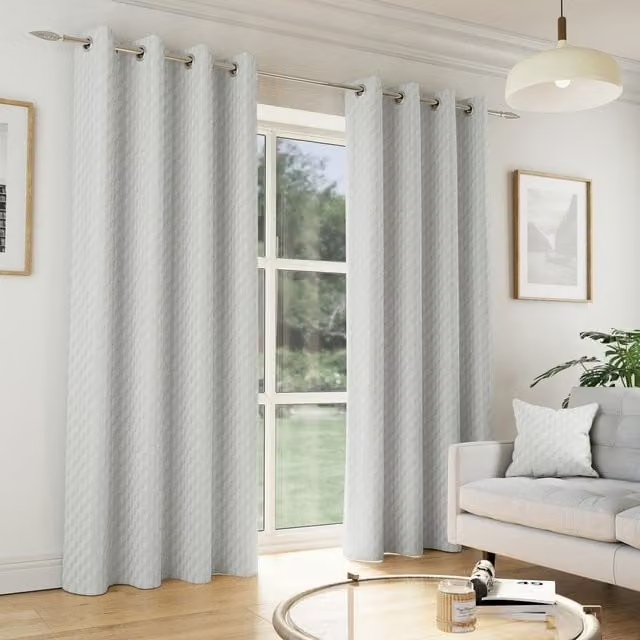
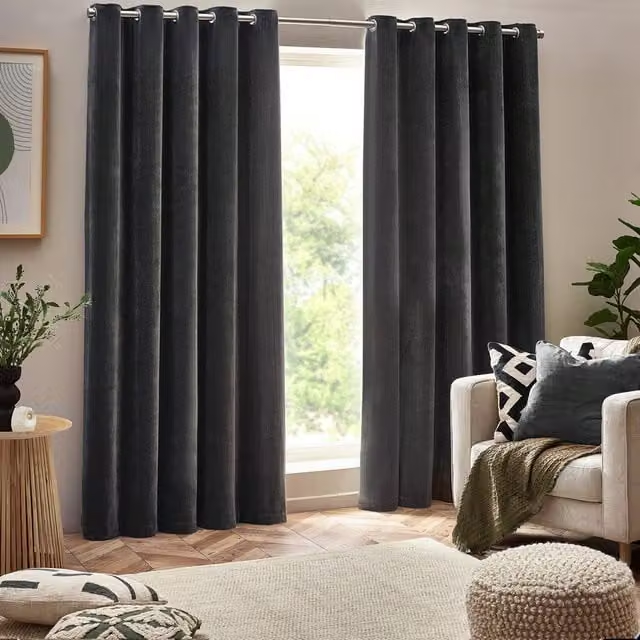
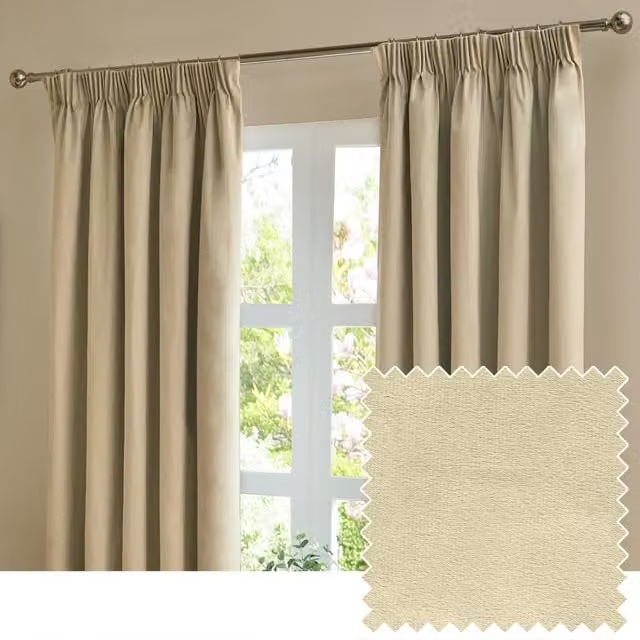
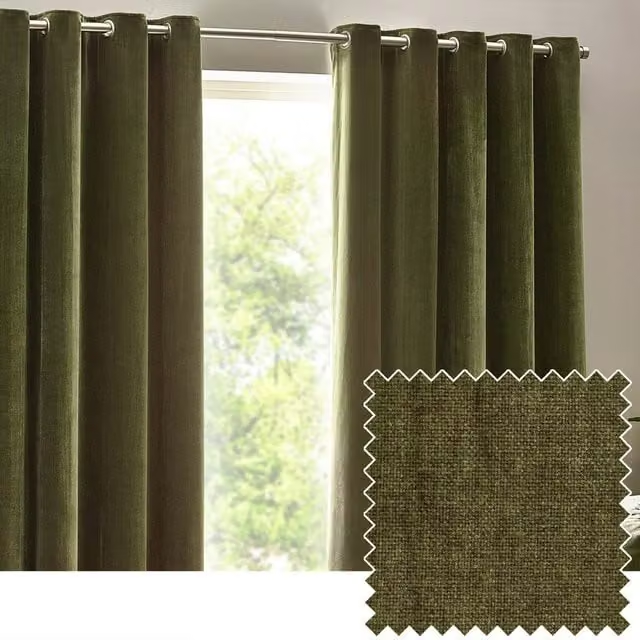
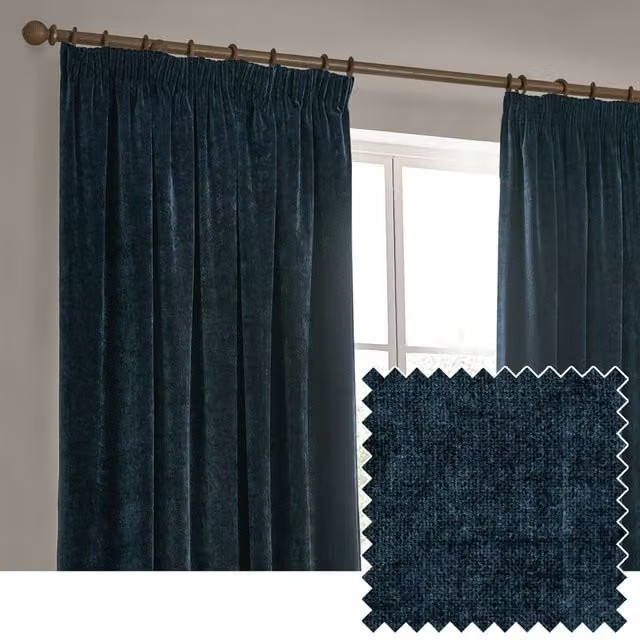
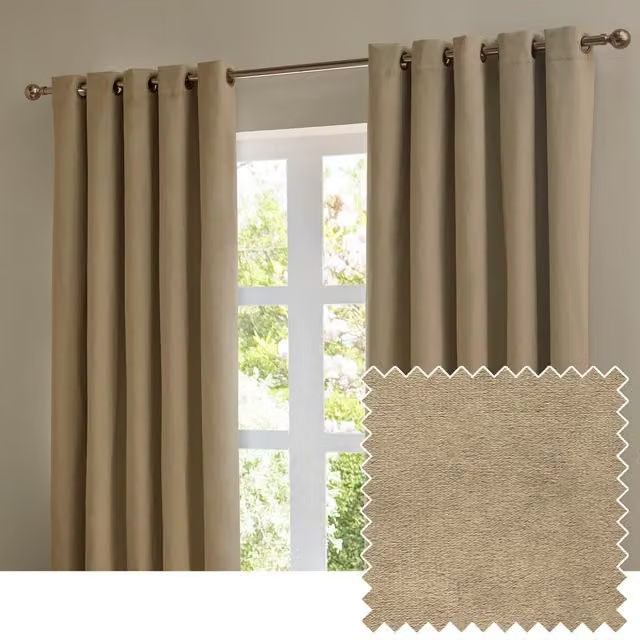
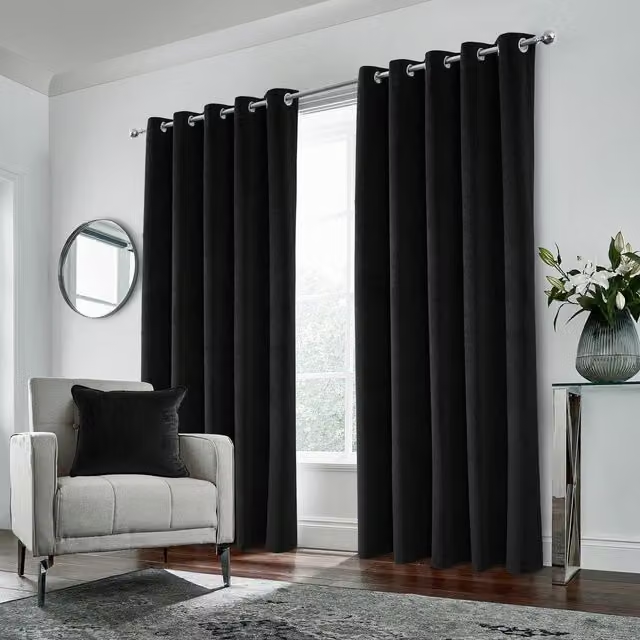
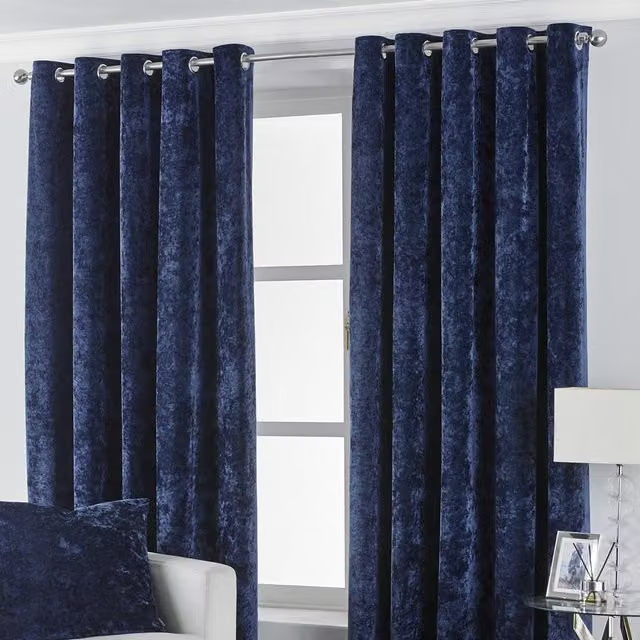
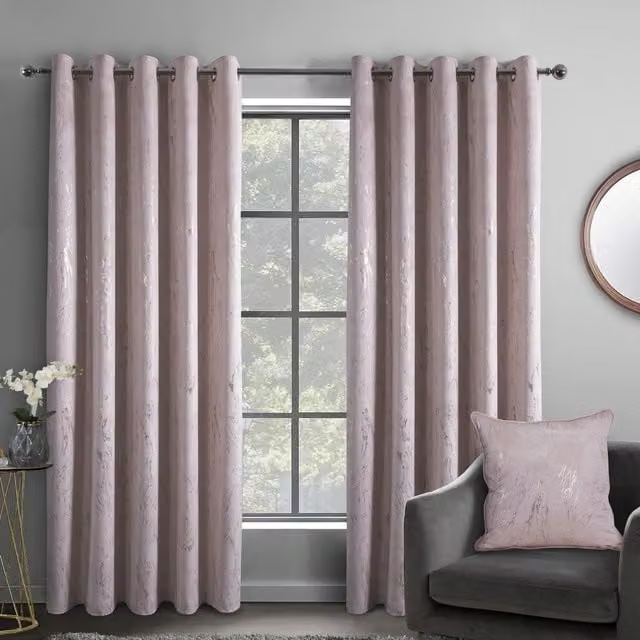
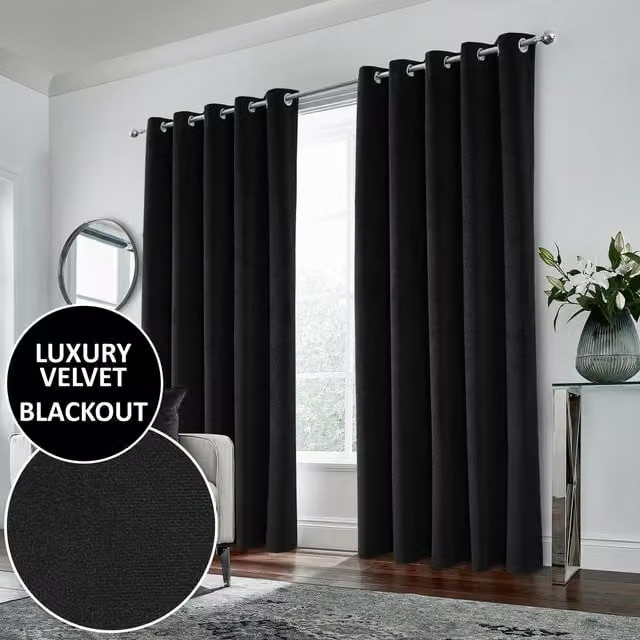
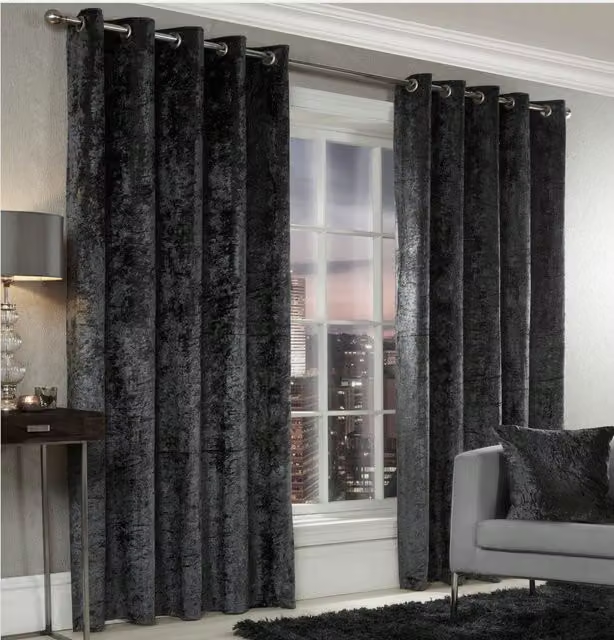
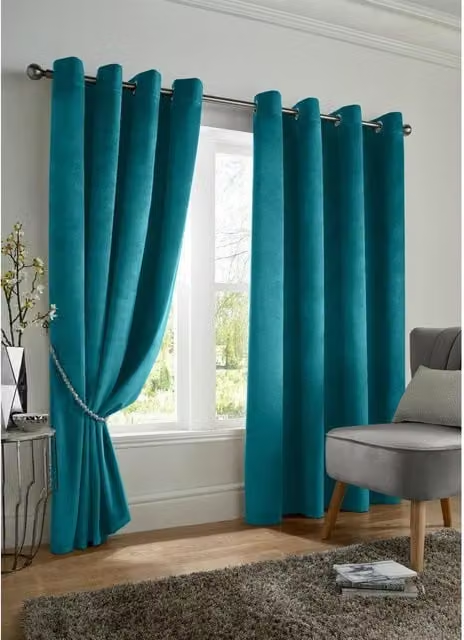
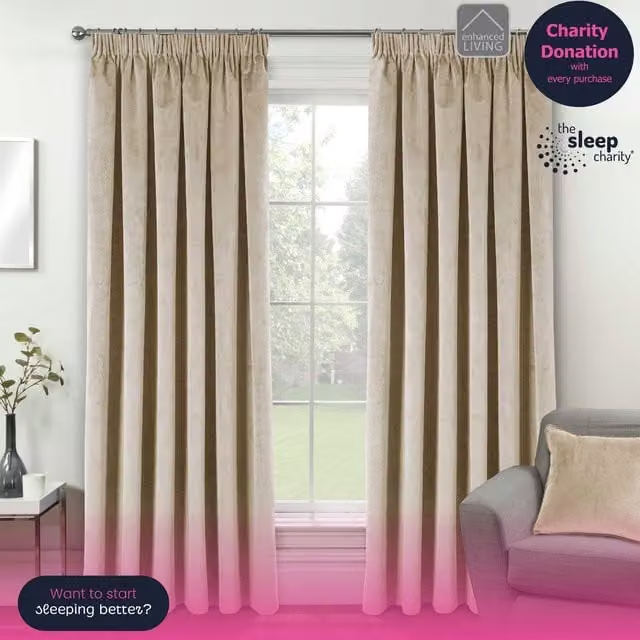
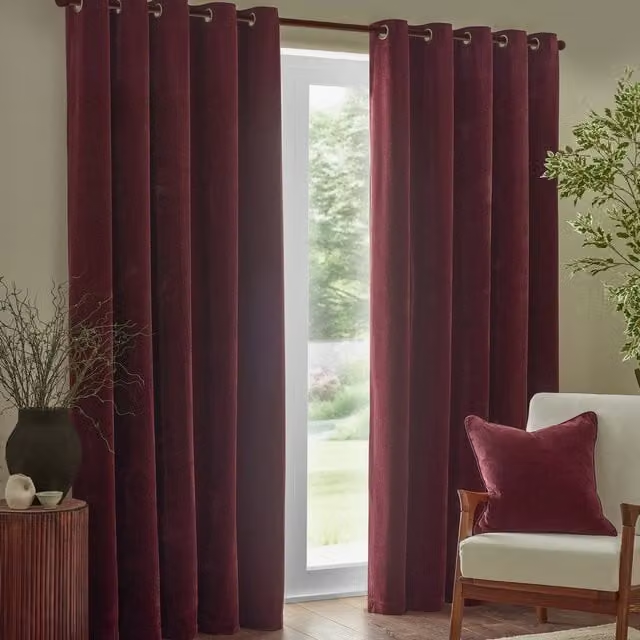
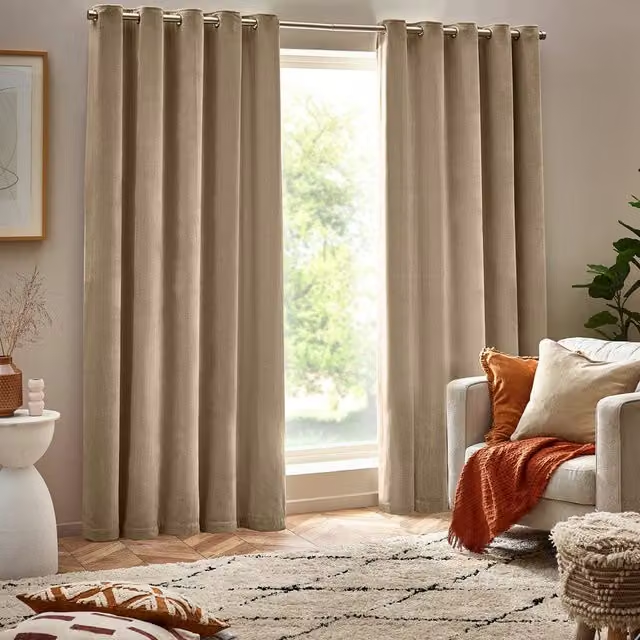
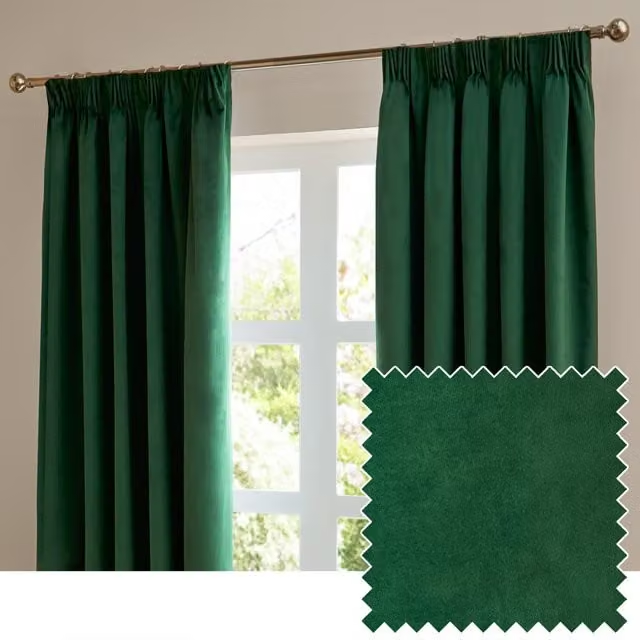
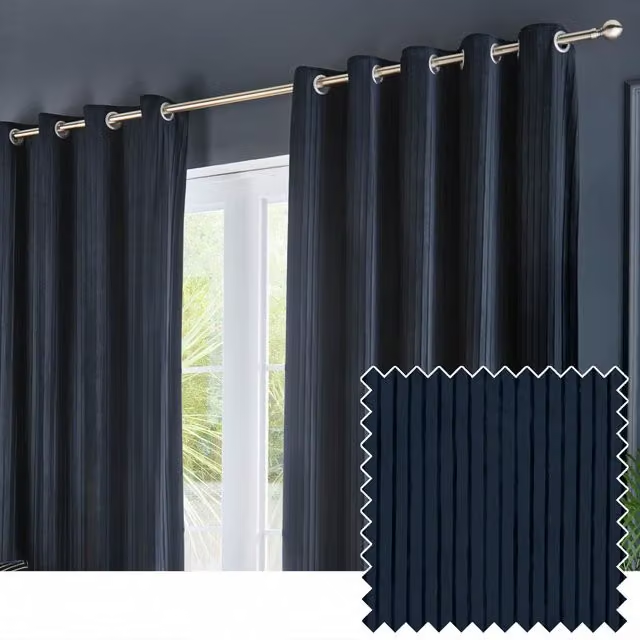
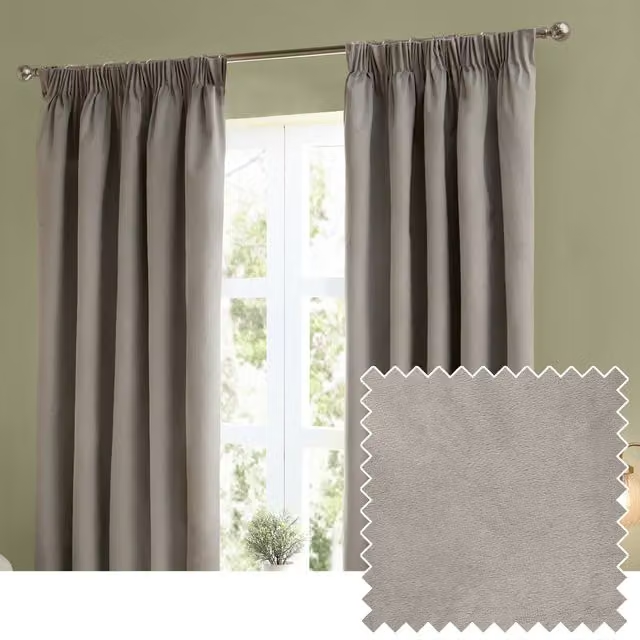
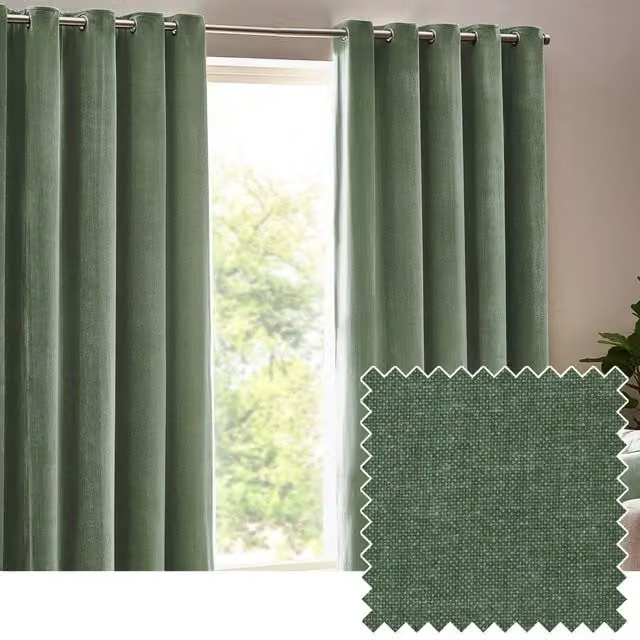
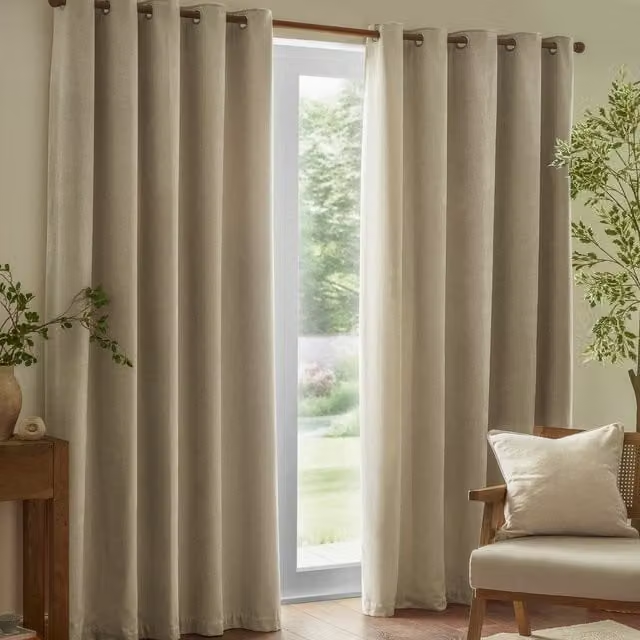
Nothing else quite does what velvet does at a window. The dense pile catches the light differently depending on how it falls, so a single colour shifts between rich and deep across the width of the fabric. Combine that with real weight, which makes the folds hang with authority instead of drifting, and you get curtains that make a room feel finished, enveloping and considerably more expensive than it is.
The appeal is practical as well as visual. Velvet is one of the best insulating curtain fabrics available, since the dense pile traps a layer of air that slows heat escaping through the glass in winter and keeps rooms cooler in summer. It also absorbs sound noticeably, which helps in rooms with hard floors, high ceilings or a busy road outside. You will find velvet curtains in blackout and thermal lined versions for bedrooms, unlined styles for a softer look, and every heading from eyelet and pencil pleat to tab top and made to measure wave. Colours run from classic bottle green, navy, burgundy and mustard to soft blush, dove grey and warm neutrals.
Fabric composition affects both look and upkeep. Polyester velvet is the most common and by far the most practical, being crease resistant, colourfast, affordable and usually machine washable. Cotton velvet has a softer matt finish and beautiful drape but creases more readily. Silk and viscose velvets have an extraordinary lustre and are the most luxurious, though they generally require dry cleaning. Check the fabric weight, since heavier velvets hang best and need a sturdy pole with adequate brackets.
Prices span a broad range. Ready made polyester velvet pairs are surprisingly affordable, thermal and blackout lined versions cost more, and full length made to measure curtains in cotton or silk velvet sit firmly at the premium end.
Browse the colours, compare prices and give your room the depth it has been missing.
They genuinely help, particularly in older houses with single glazing or draughty frames. The dense pile plus a thermal lining creates an insulating air pocket between the fabric and the glass, slowing the heat that escapes through the window. To get the benefit, the curtains need to be full length, wider than the window and ideally paired with a pelmet or fitted close to the wall so warm air cannot circulate behind them. Closing them at dusk rather than bedtime makes a bigger difference than most people expect.
Never iron directly onto the pile, as this crushes it permanently and leaves shiny patches that cannot be repaired. Hang the curtains and let gravity do most of the work, since the weight of the fabric pulls out fold marks within a few days. Steaming from the reverse side at a distance of a few centimetres speeds things up considerably. If you must press, use a needle board or place a thick towel pile side down and press very lightly on the backing.
Polyester velvet usually can, on a cool gentle cycle with a low spin, and it is worth washing one curtain at a time given the weight when wet. Cotton velvet often shrinks and is safer dry cleaned, while silk and viscose velvets should always go to a professional. Check the care label before buying if washability matters to you, particularly for a family room. Between cleans, a soft brush or the upholstery attachment on a vacuum removes dust and keeps the pile lifted.
Full length lined velvet curtains can weigh several kilos per panel, which is more than lightweight poles are designed for. Look for a pole of at least 28 mm diameter in metal or solid wood, and add a centre bracket for any span over about 150 cm to stop the pole bowing. Fixings matter just as much, so use appropriate wall plugs and screw into masonry or a timber stud rather than plasterboard alone. Sagging poles and pulled out fixings are the most common problem people report.