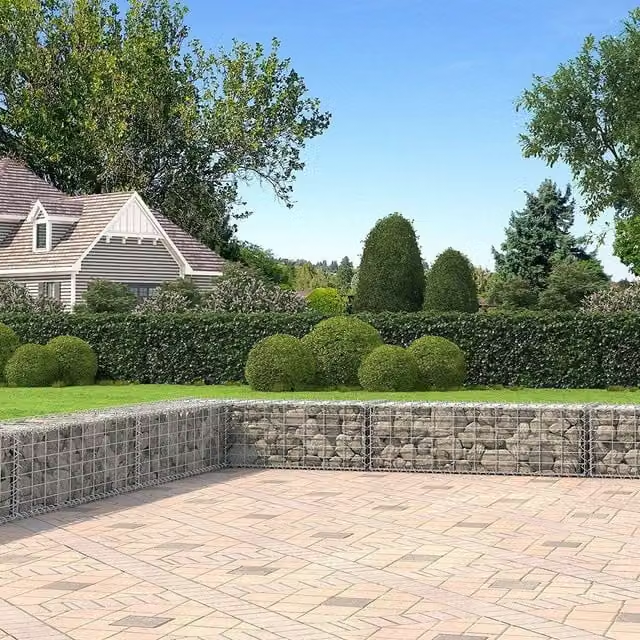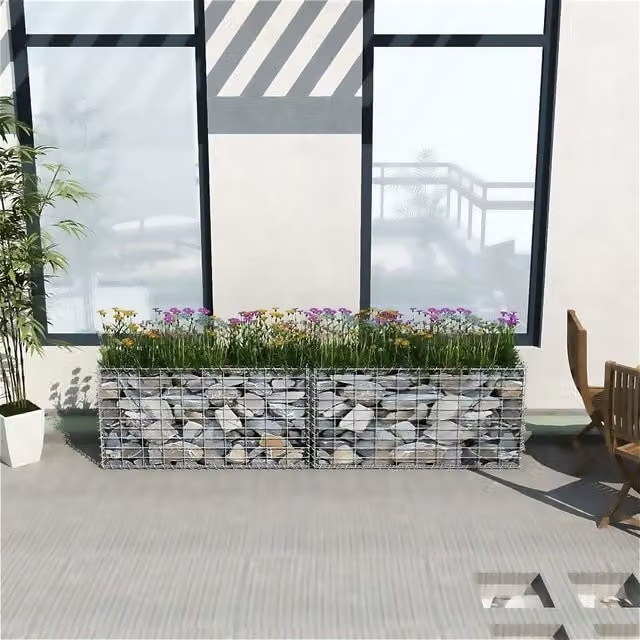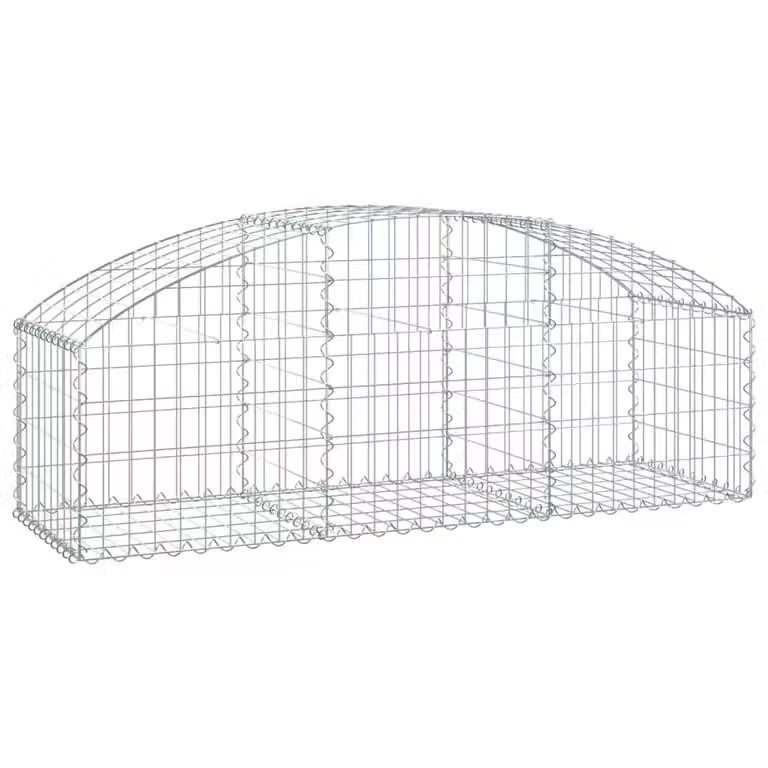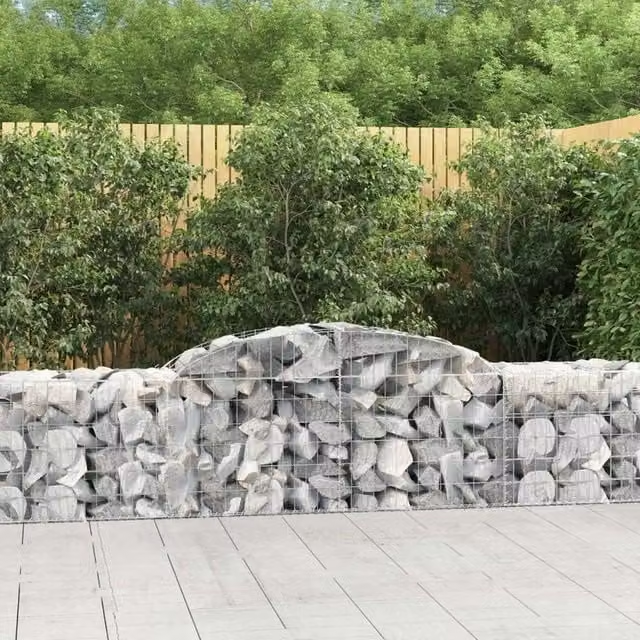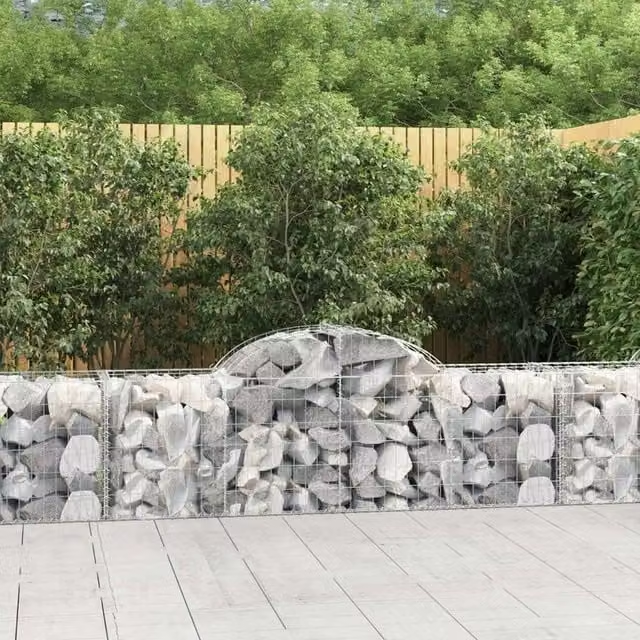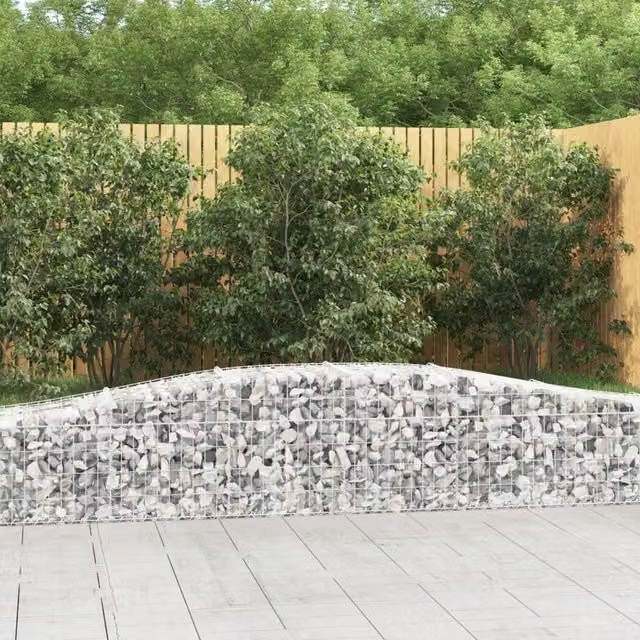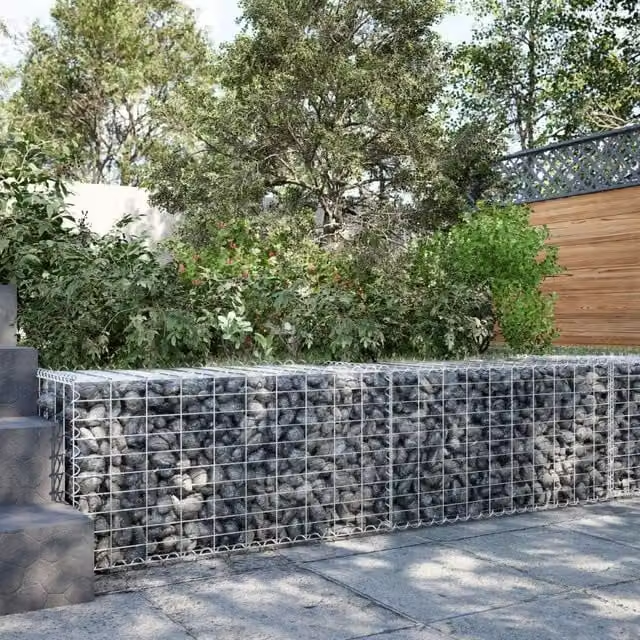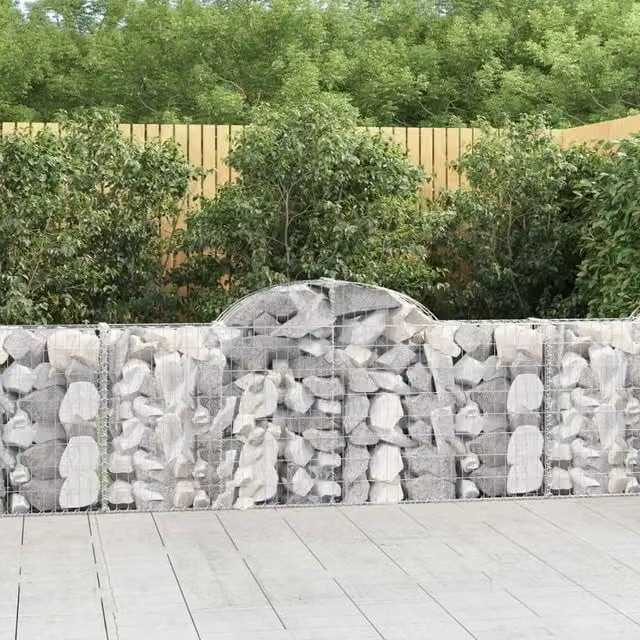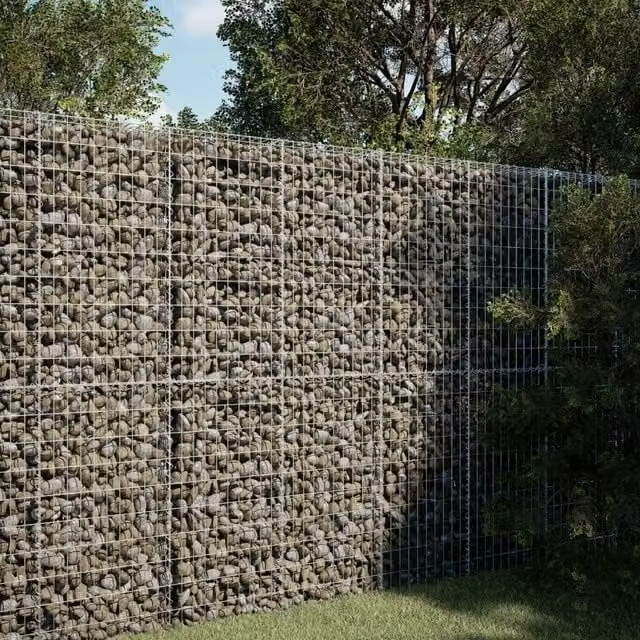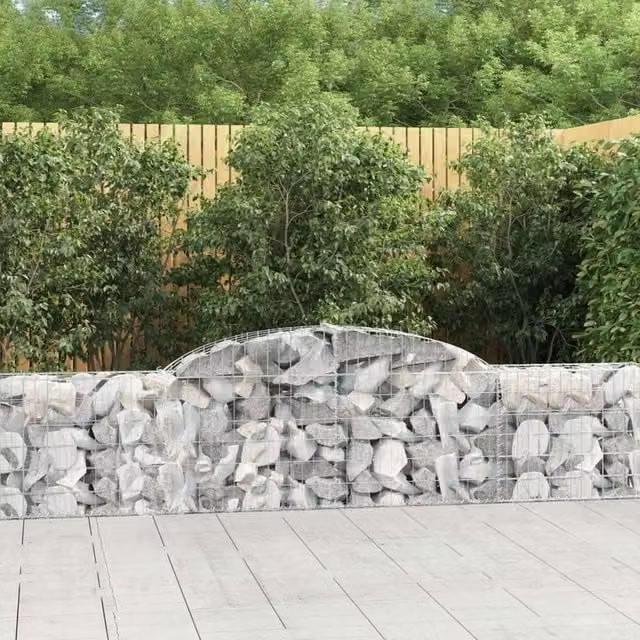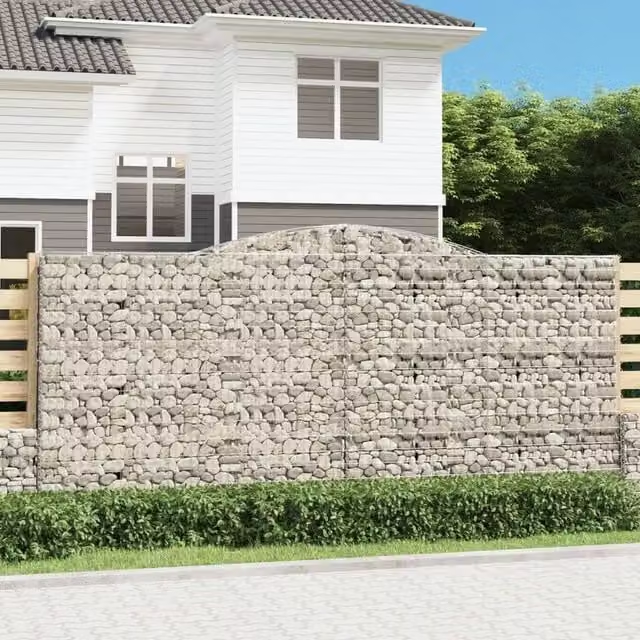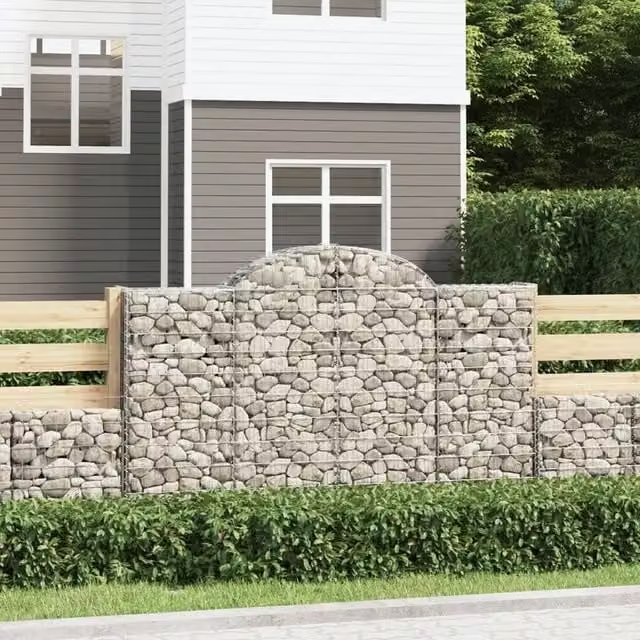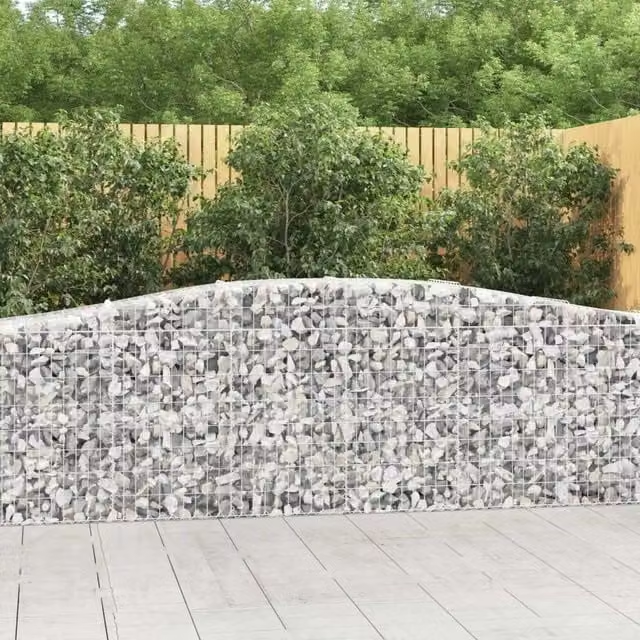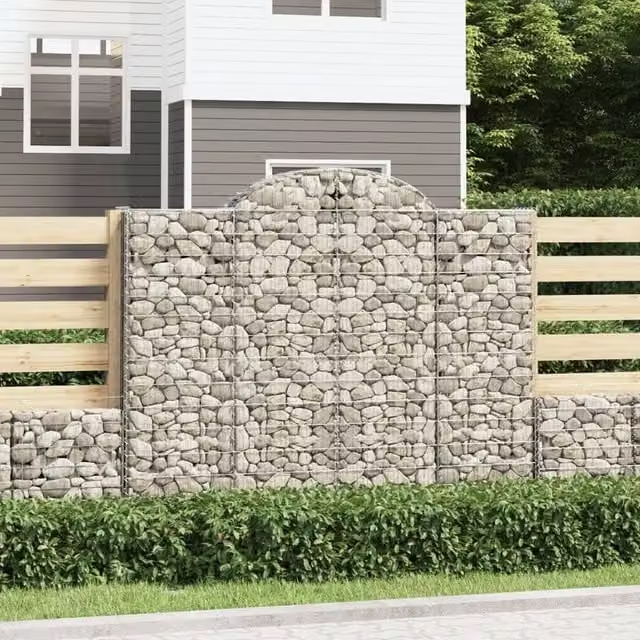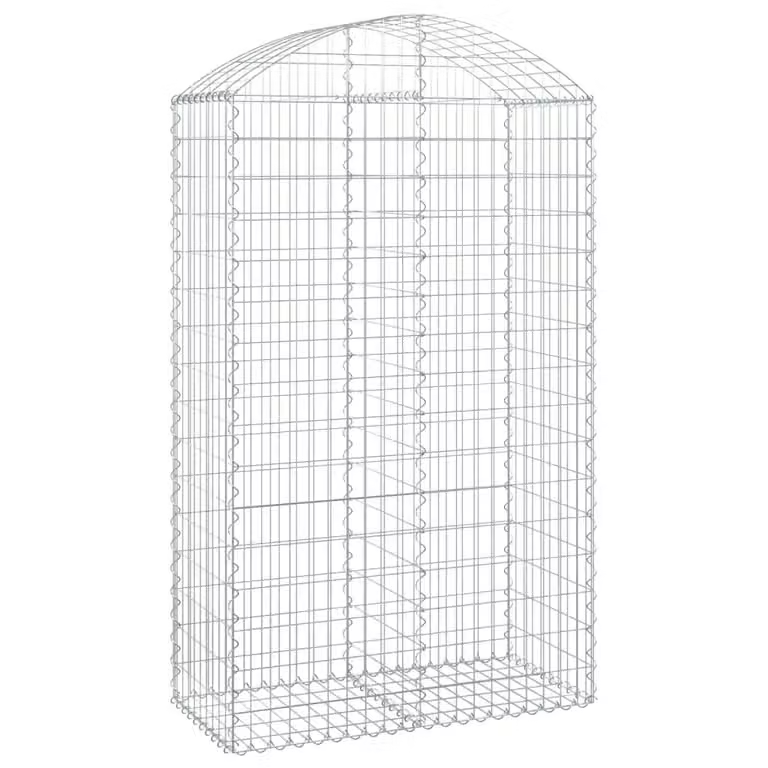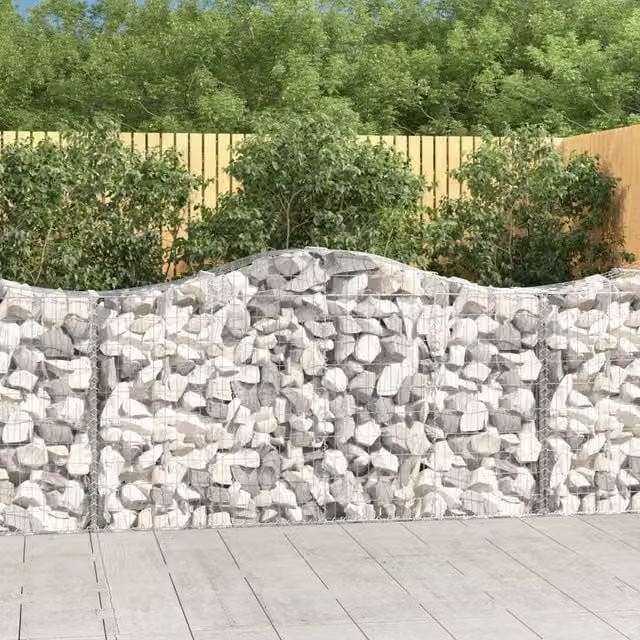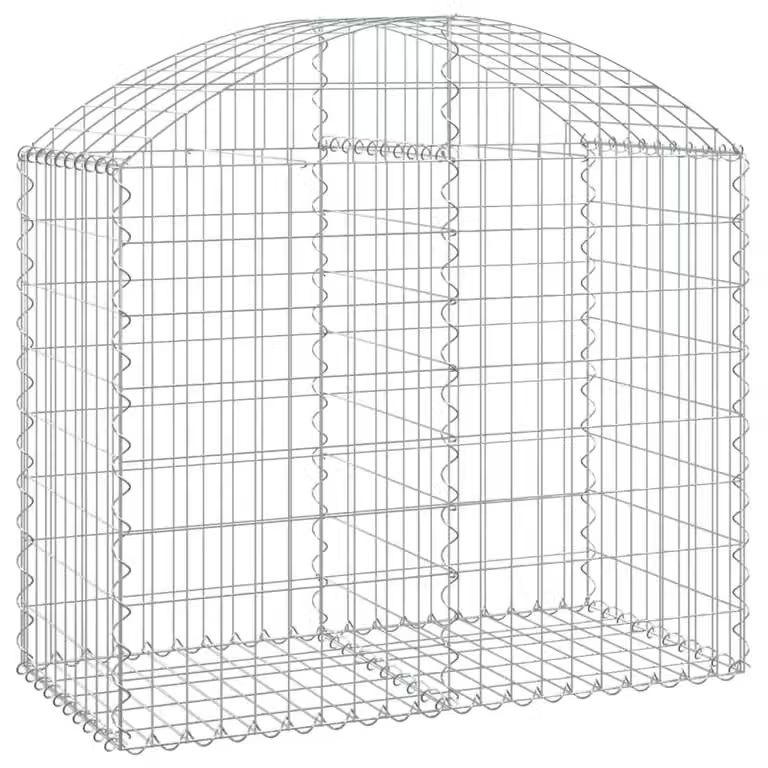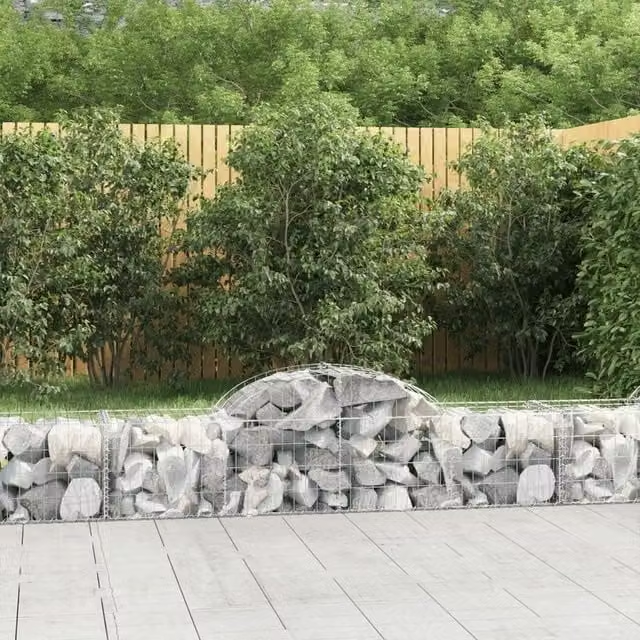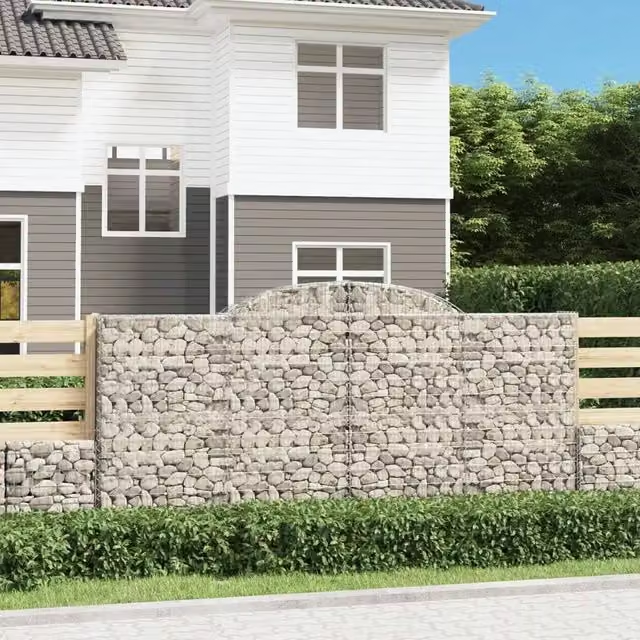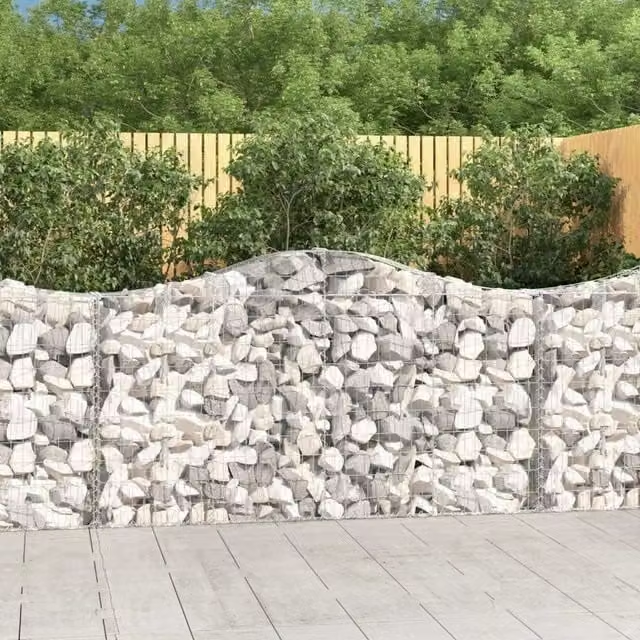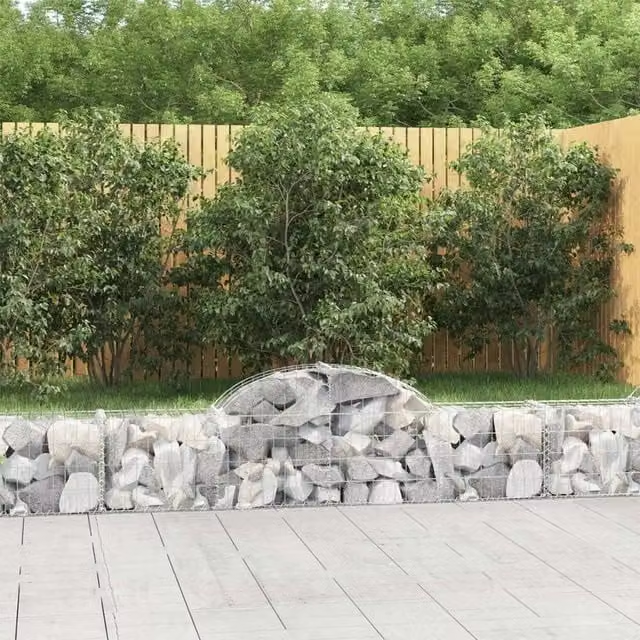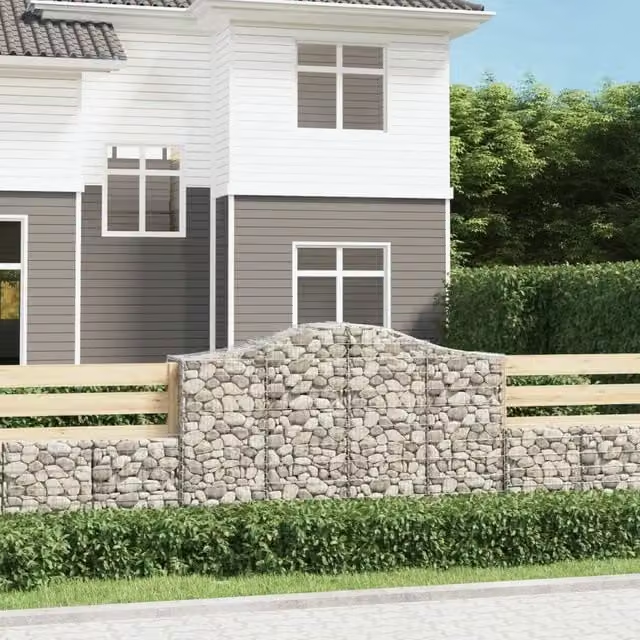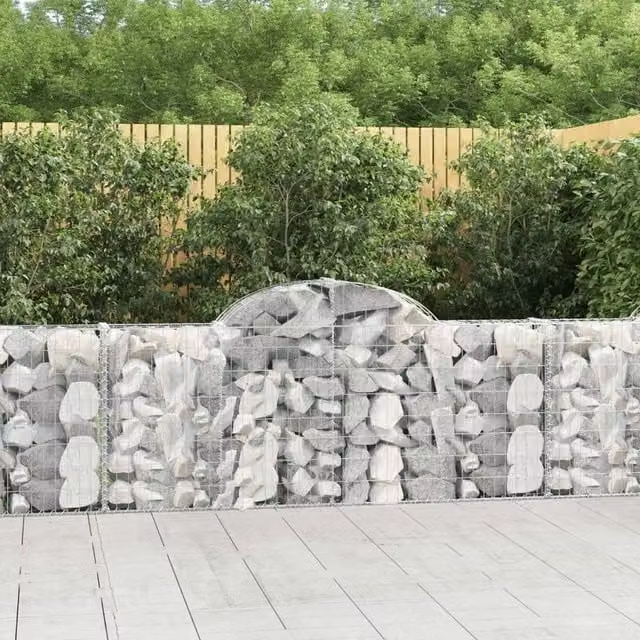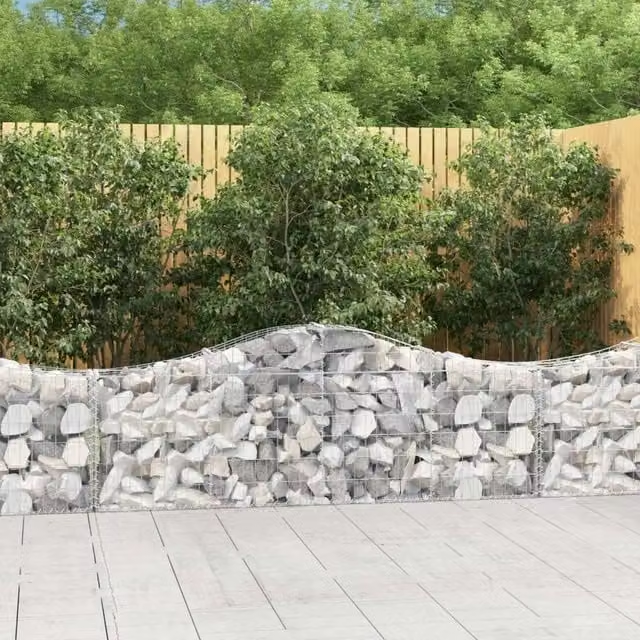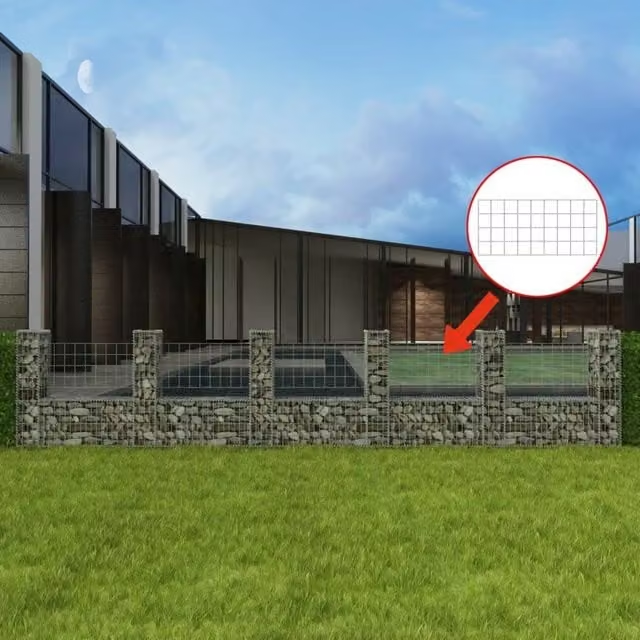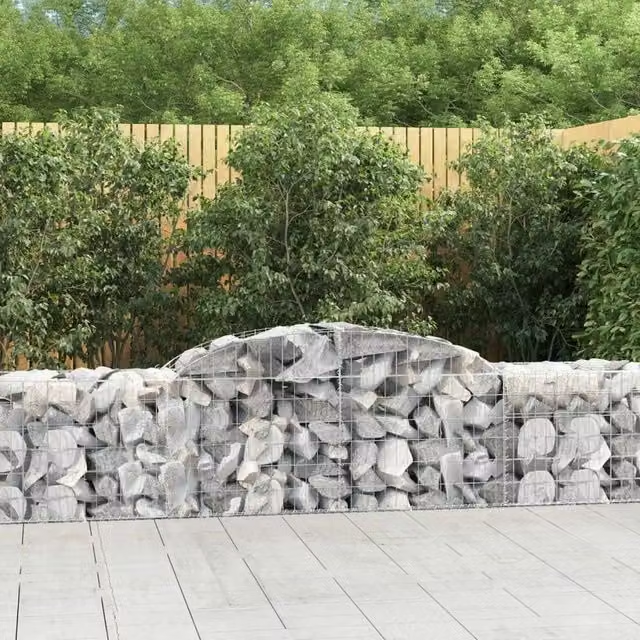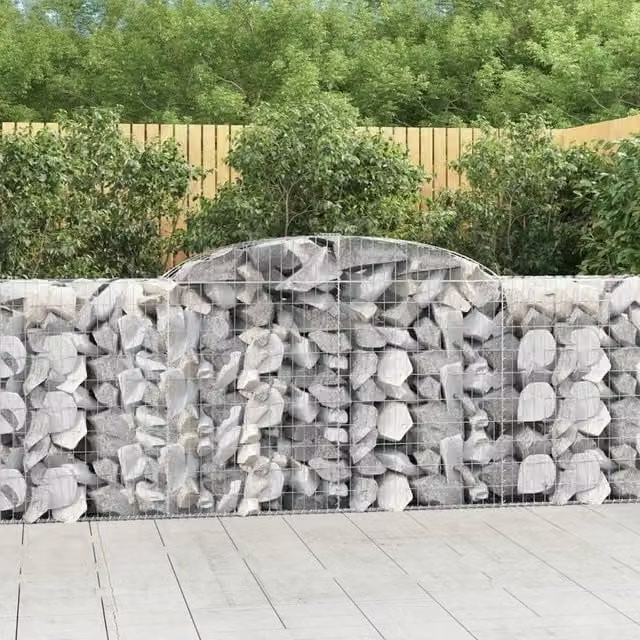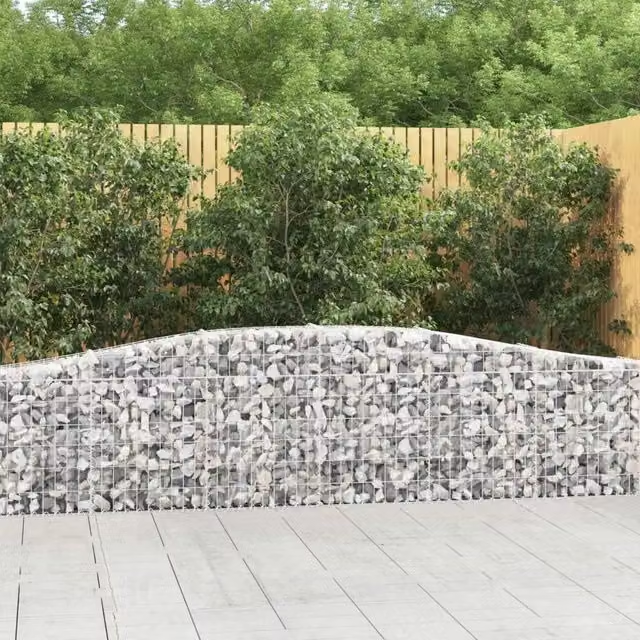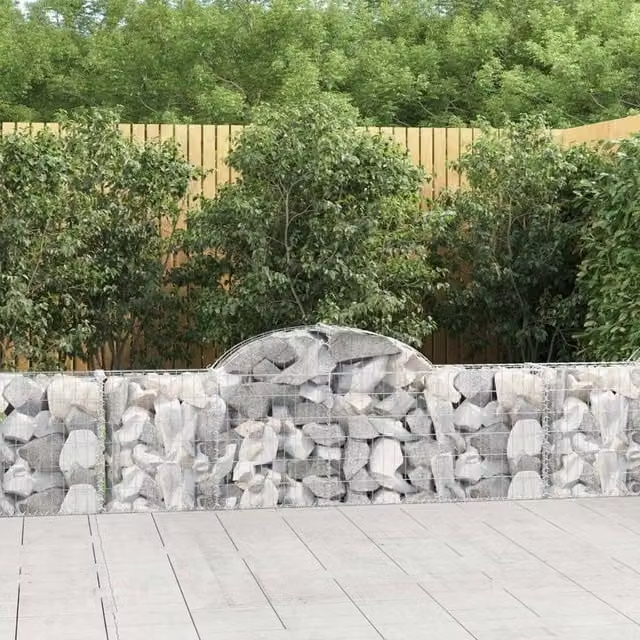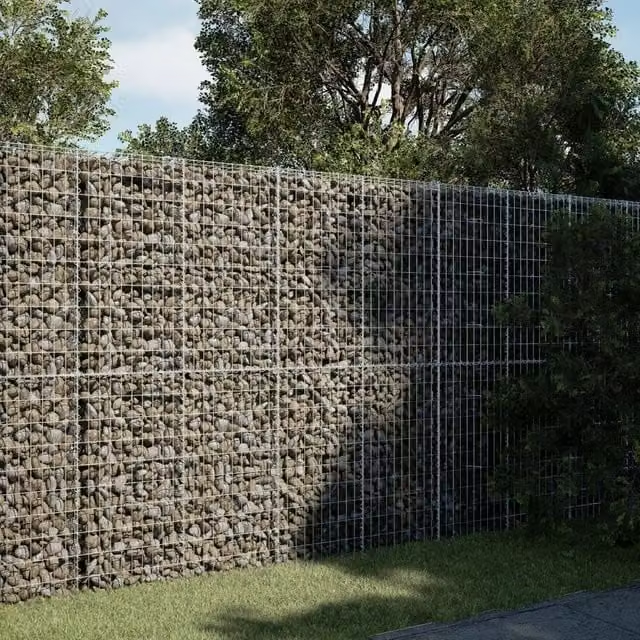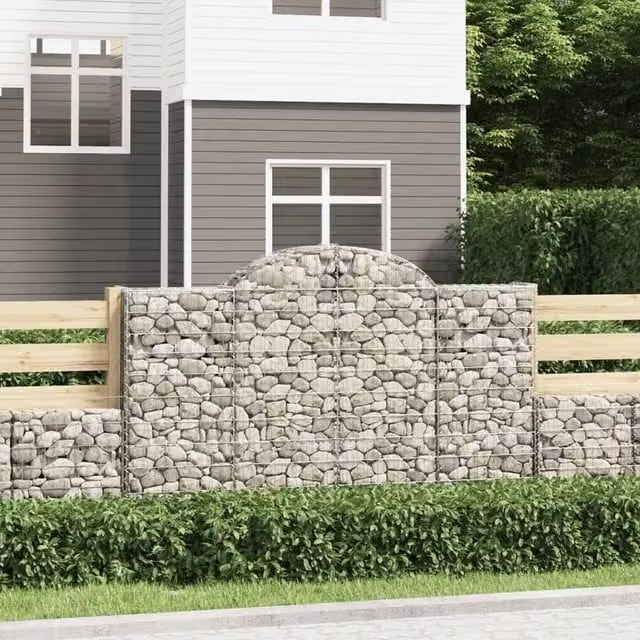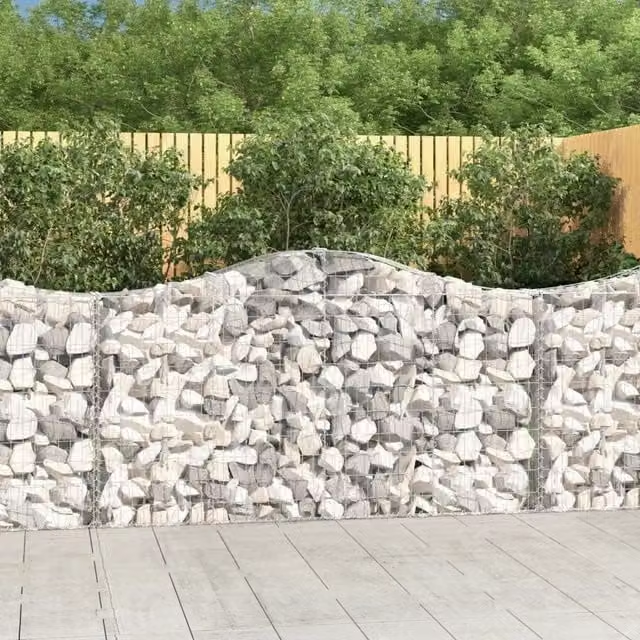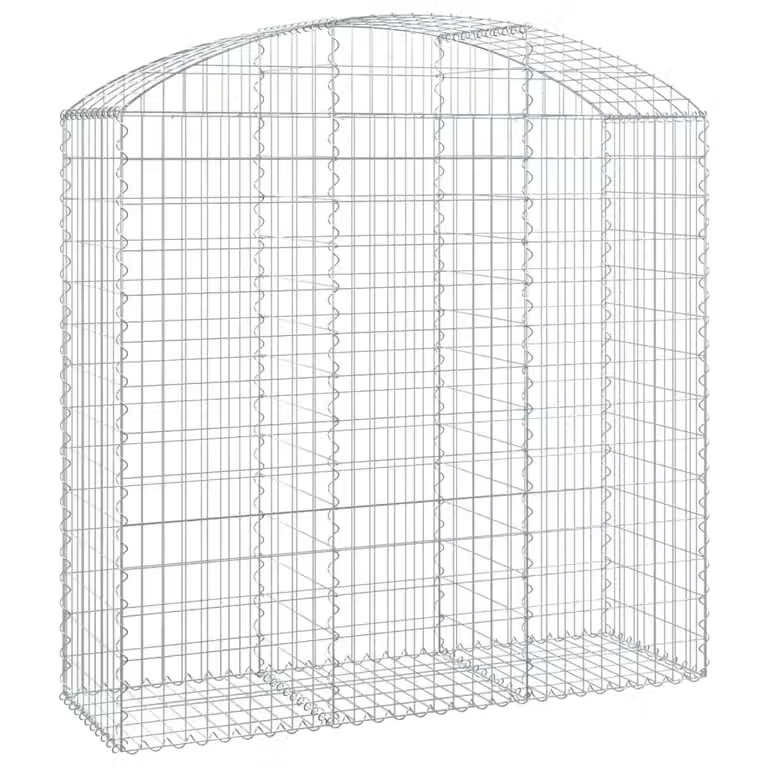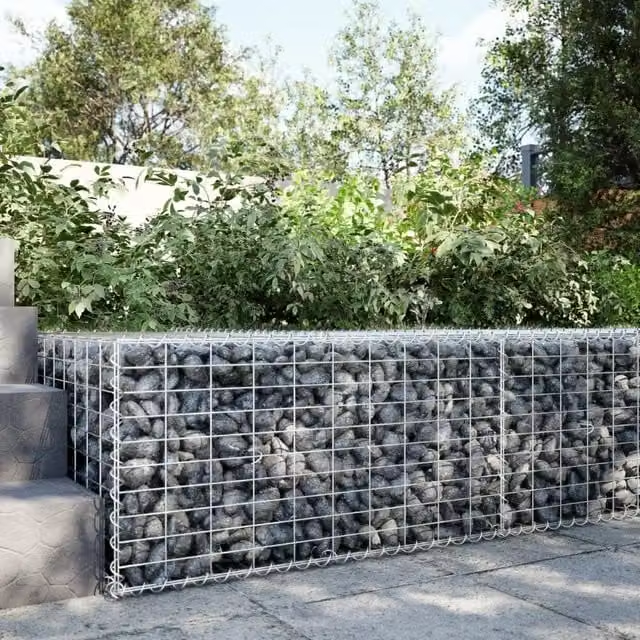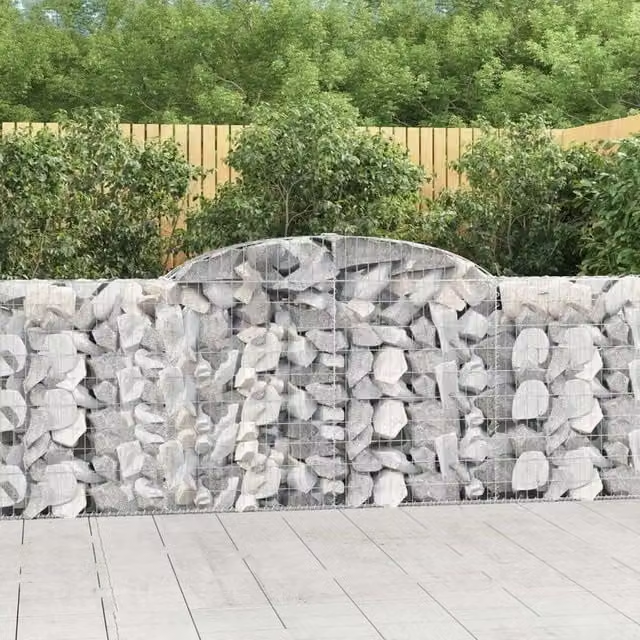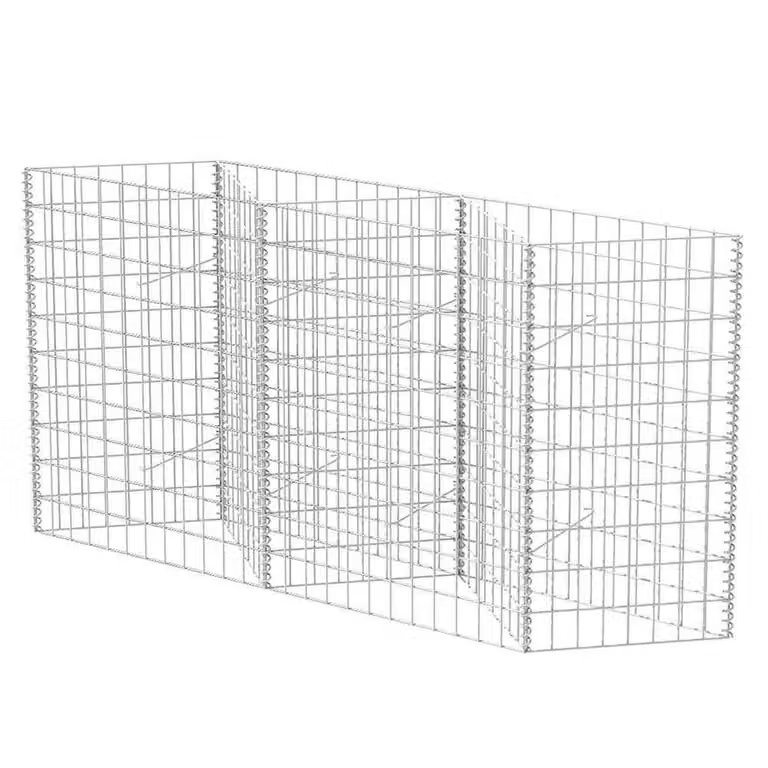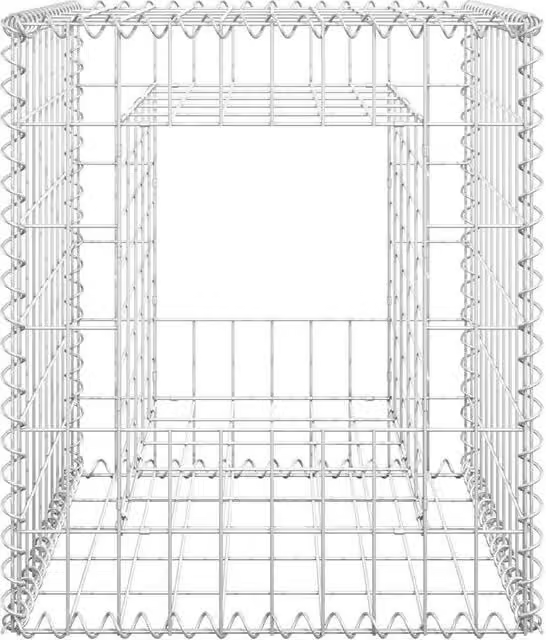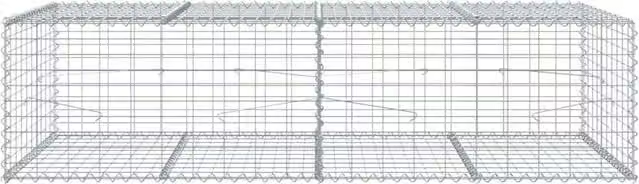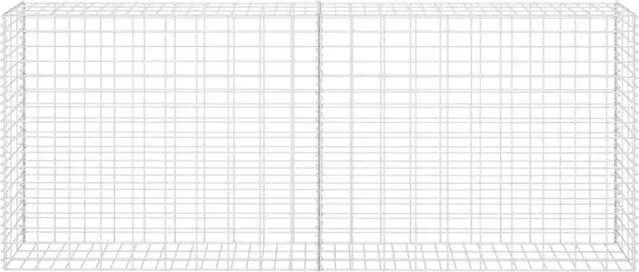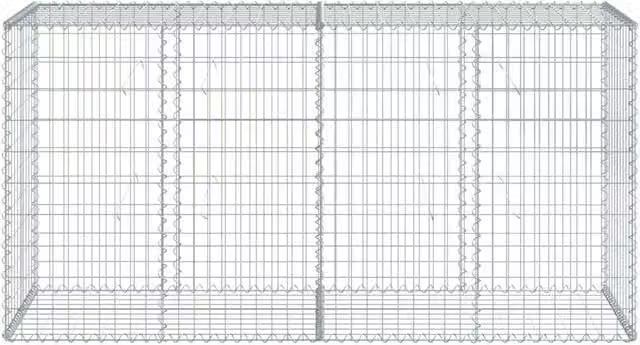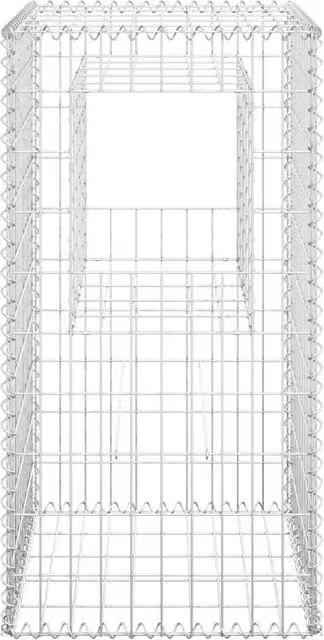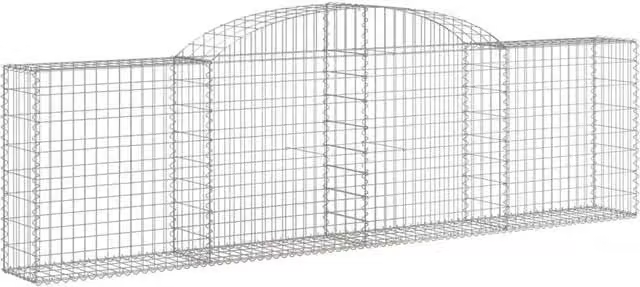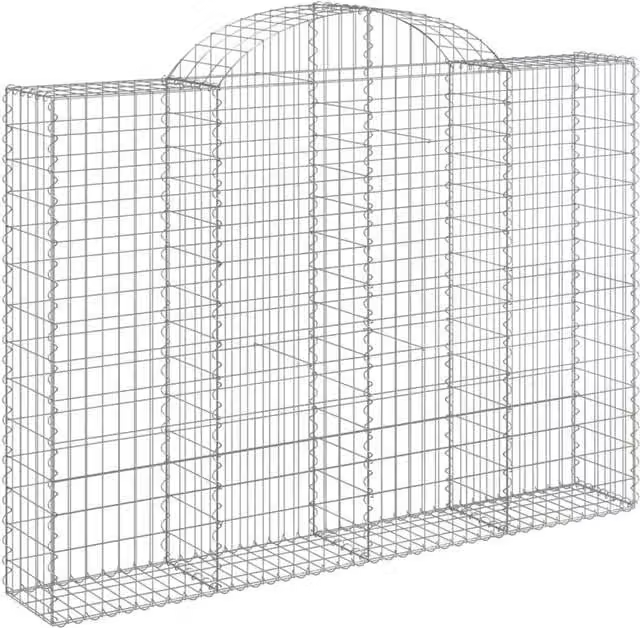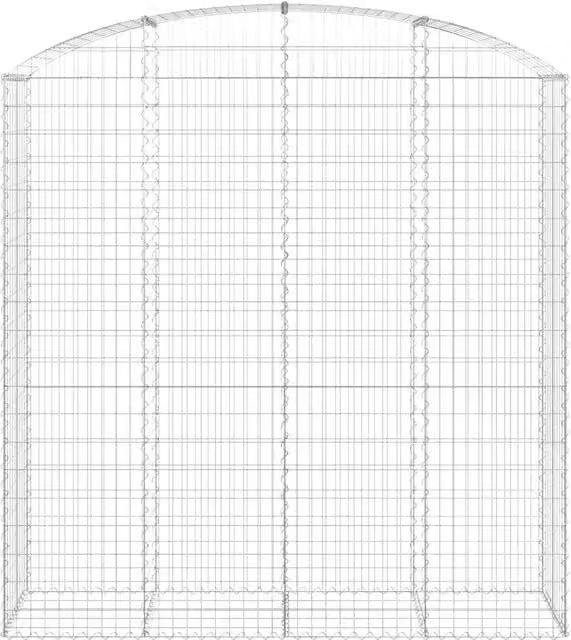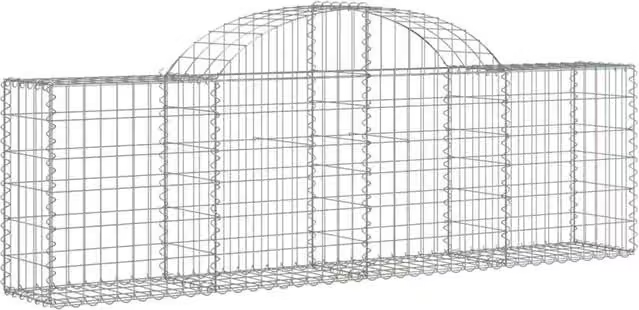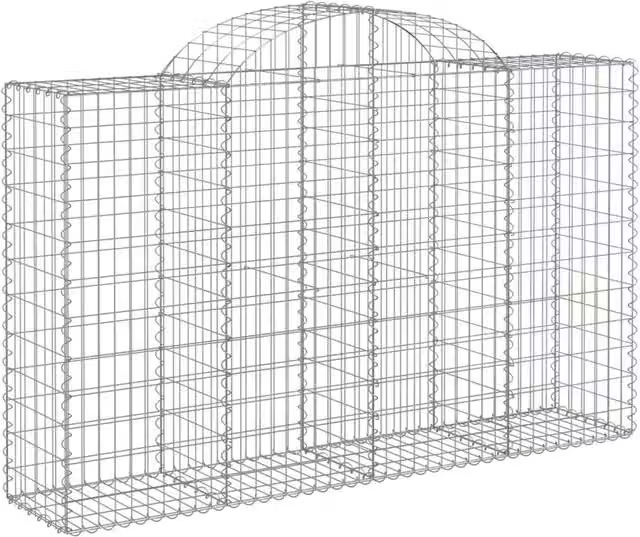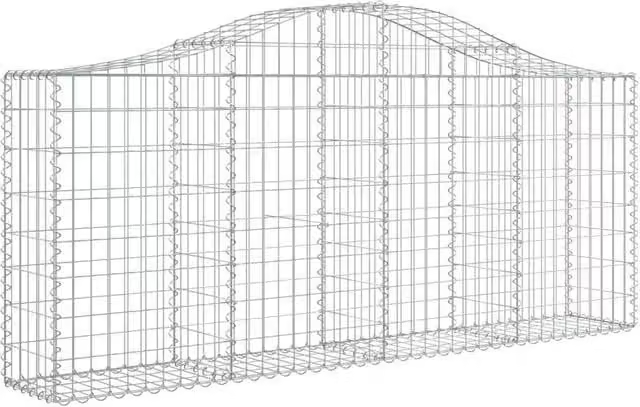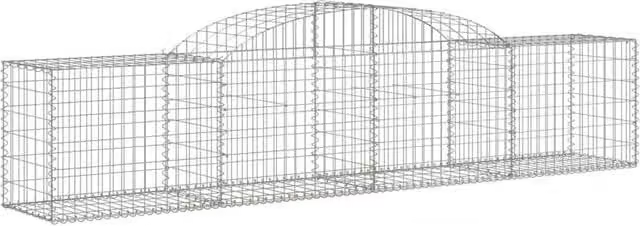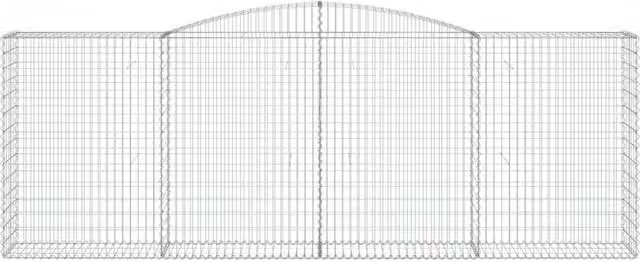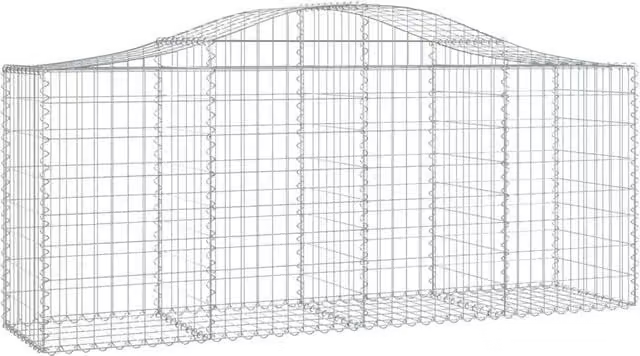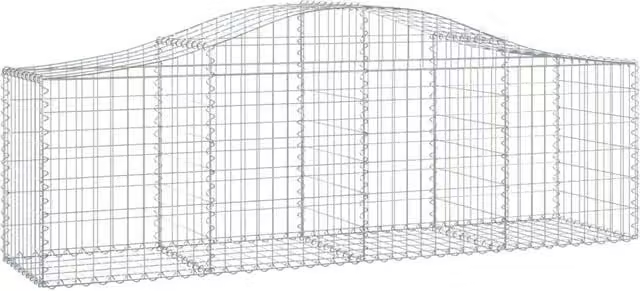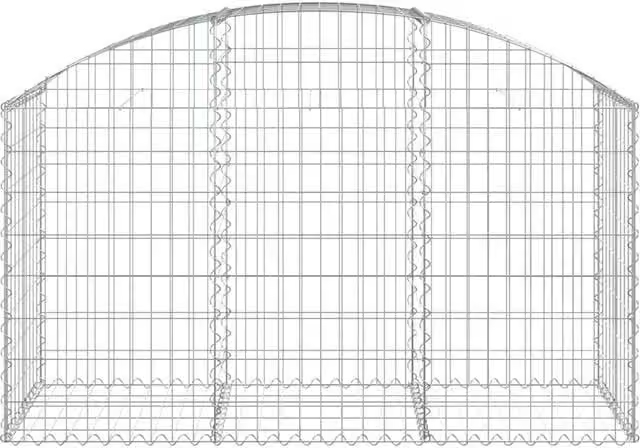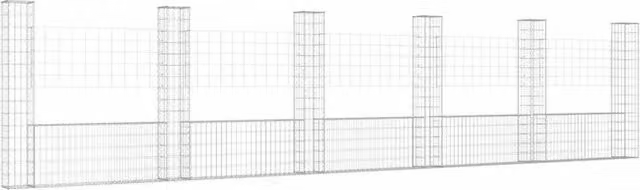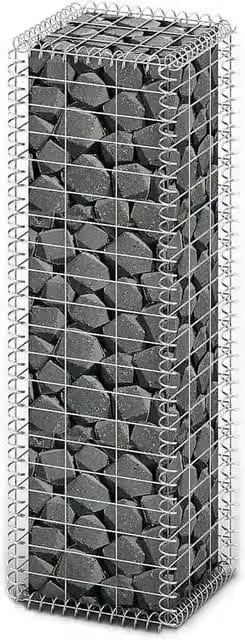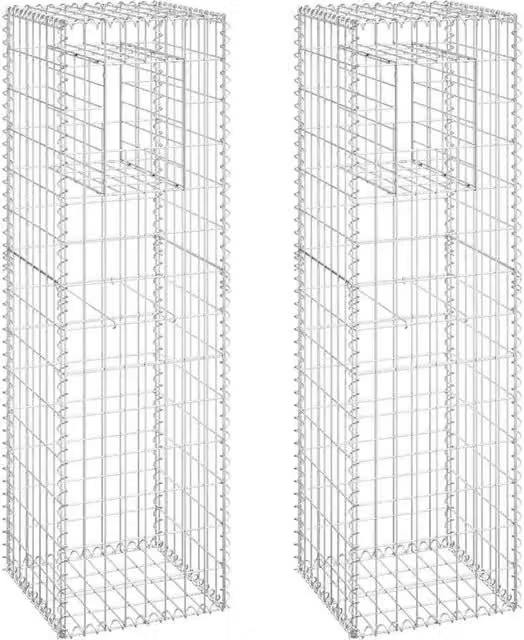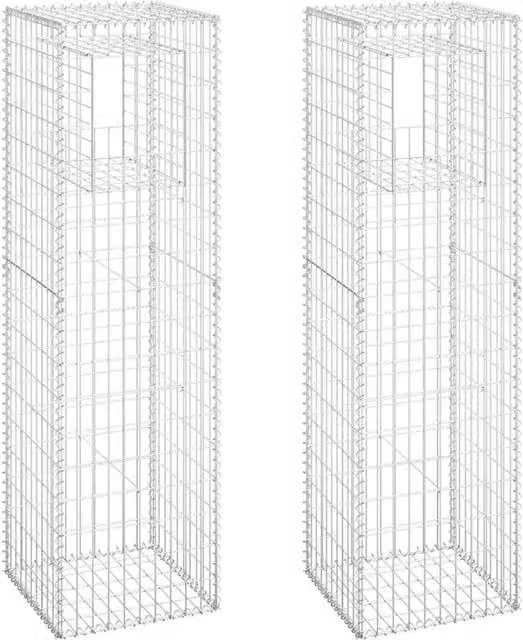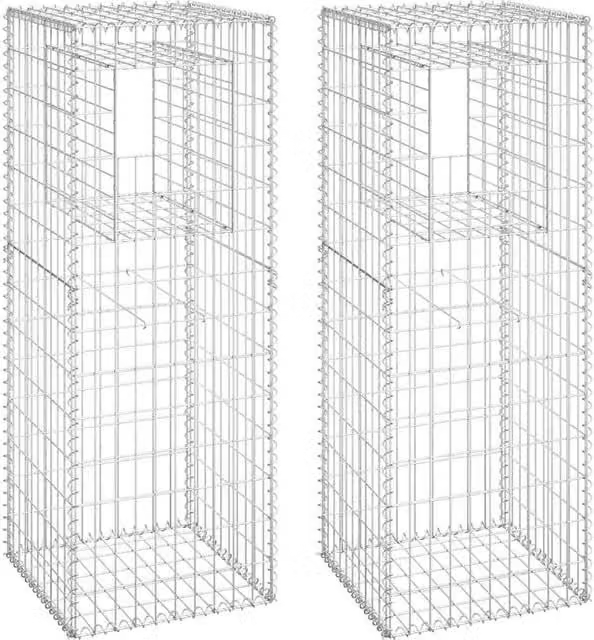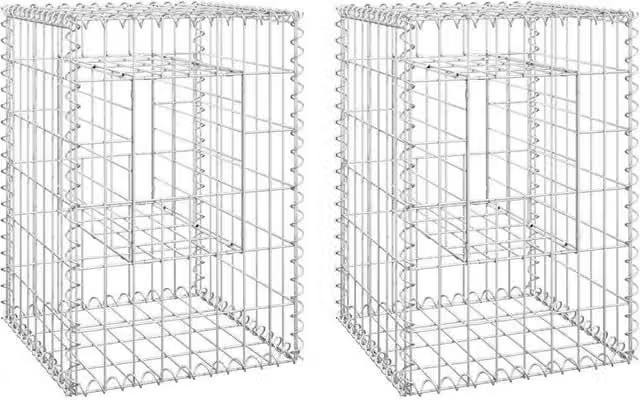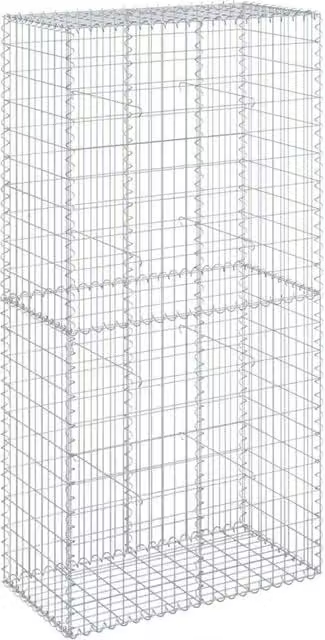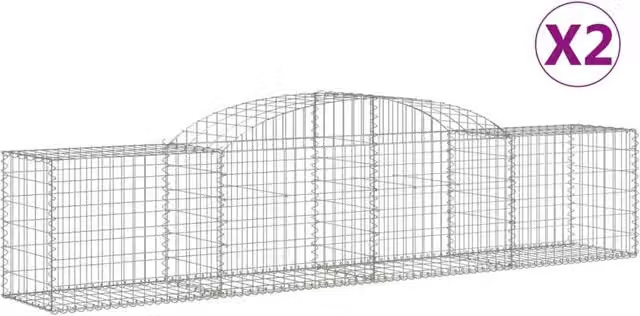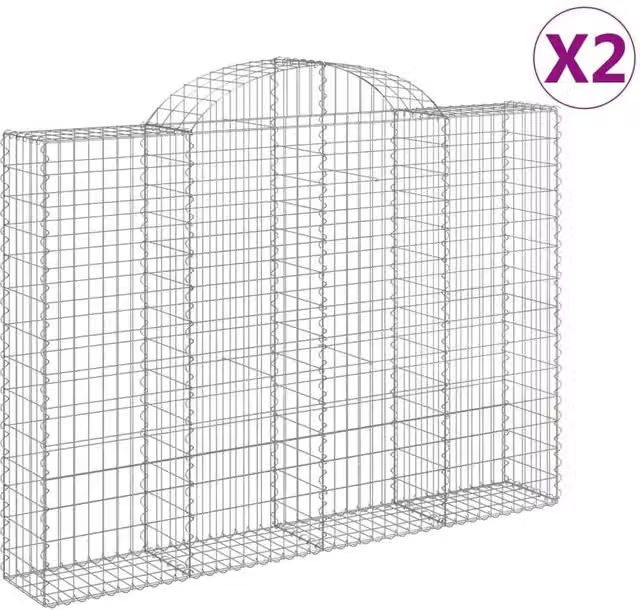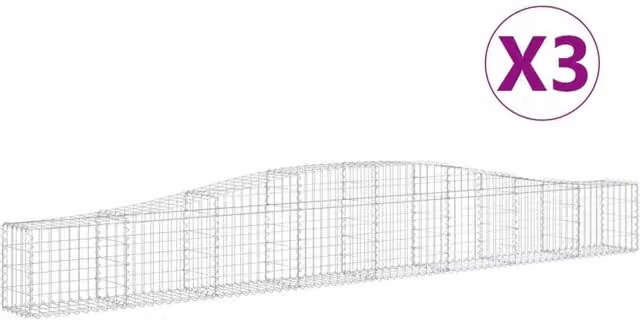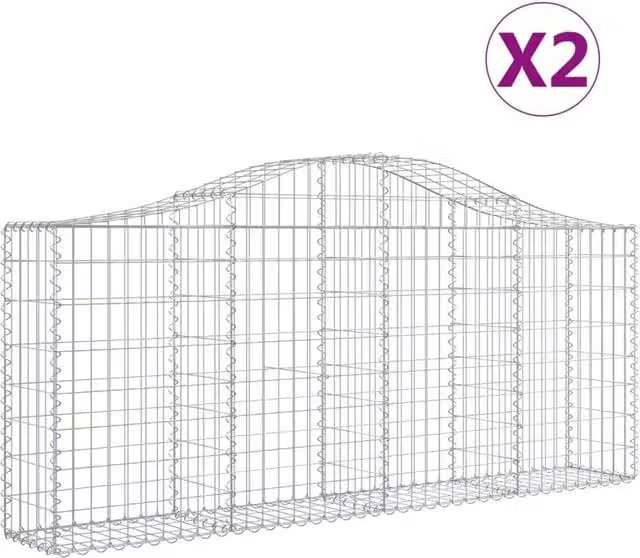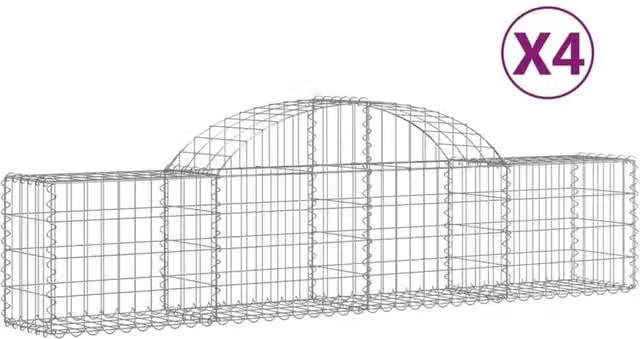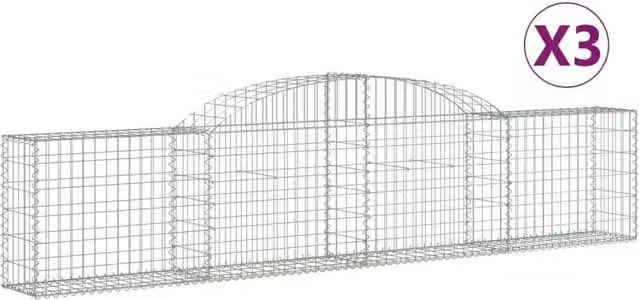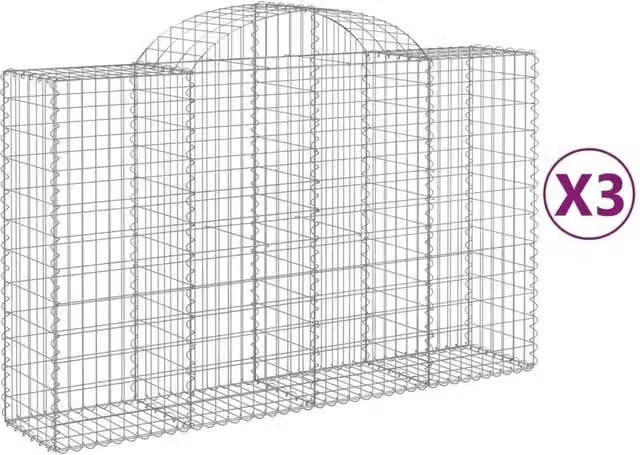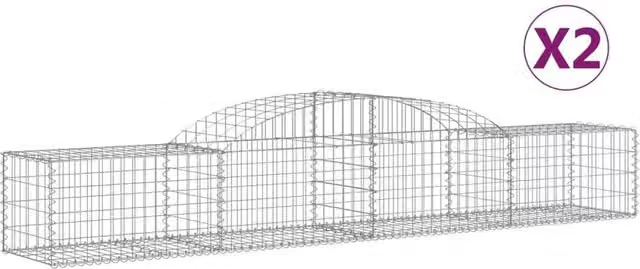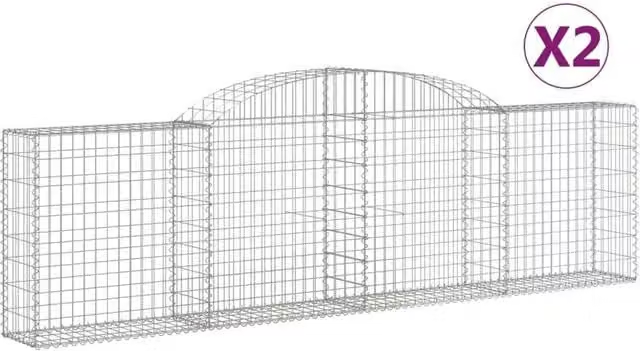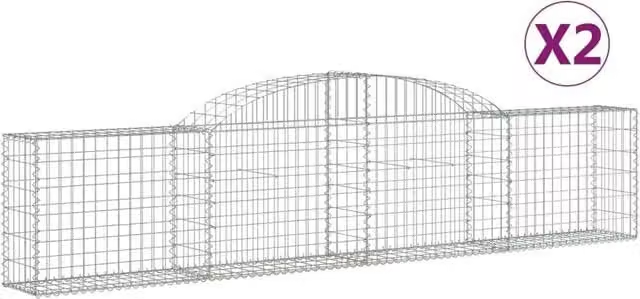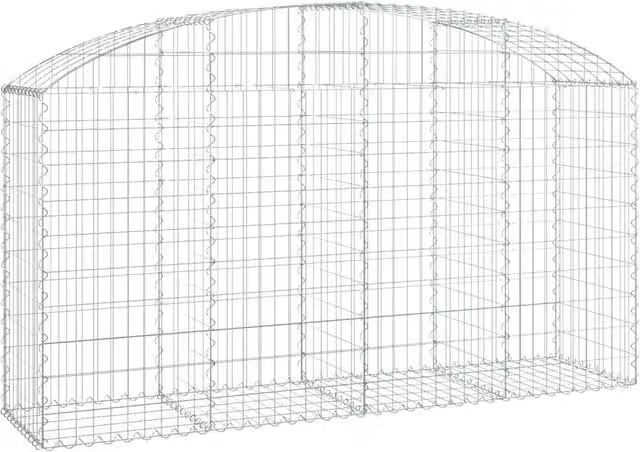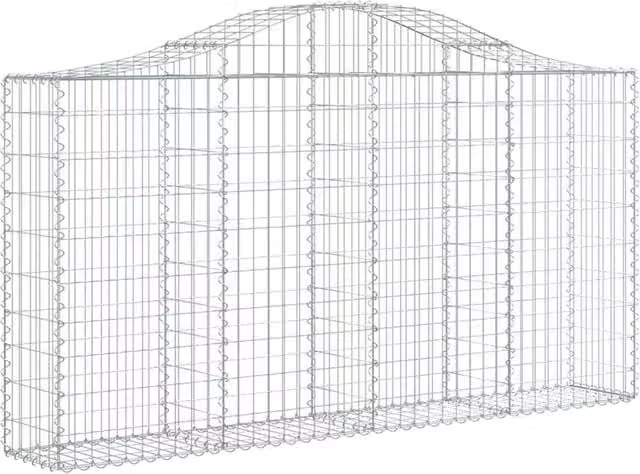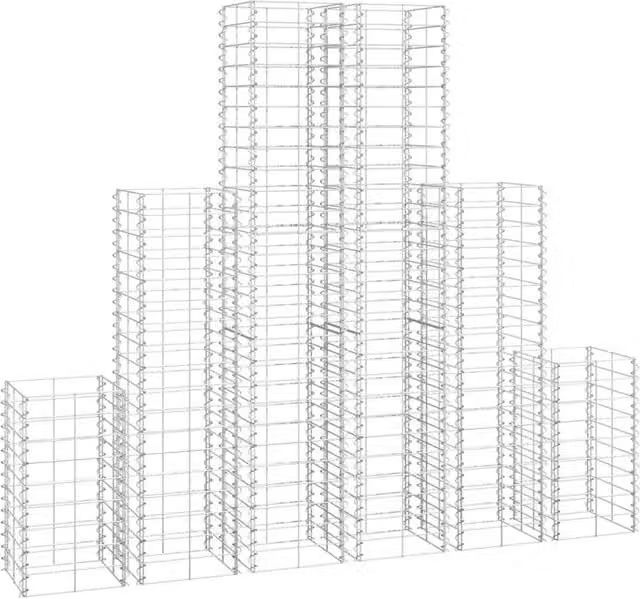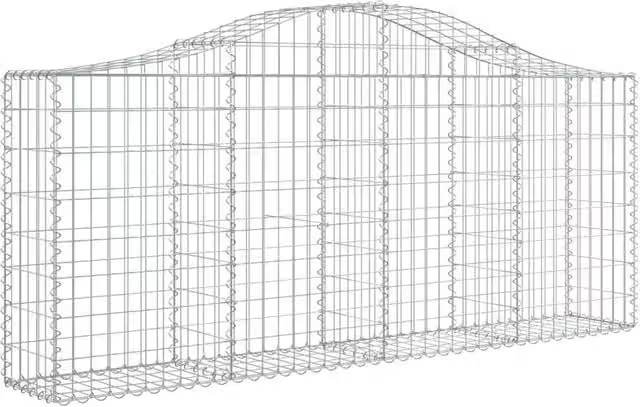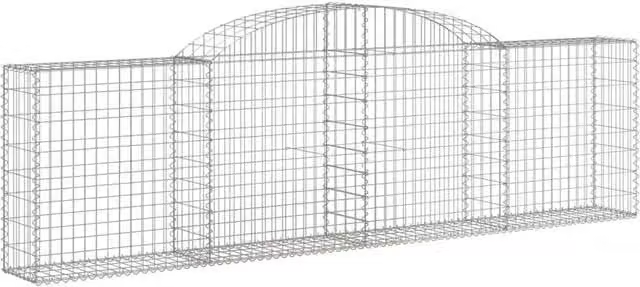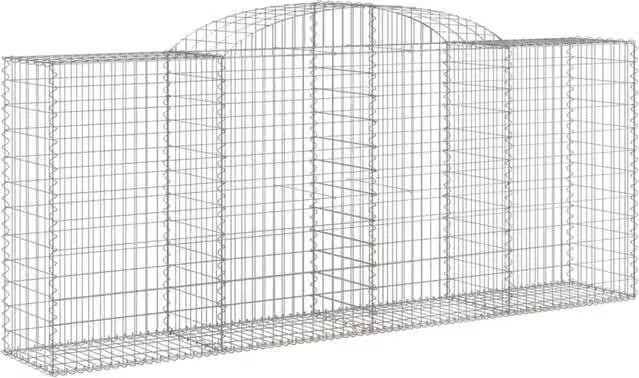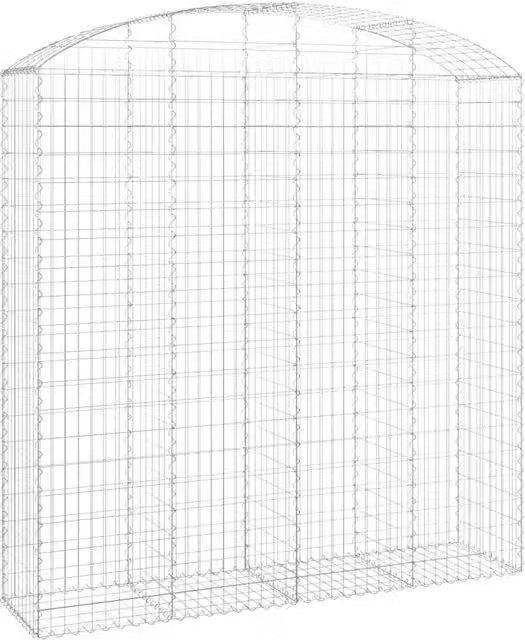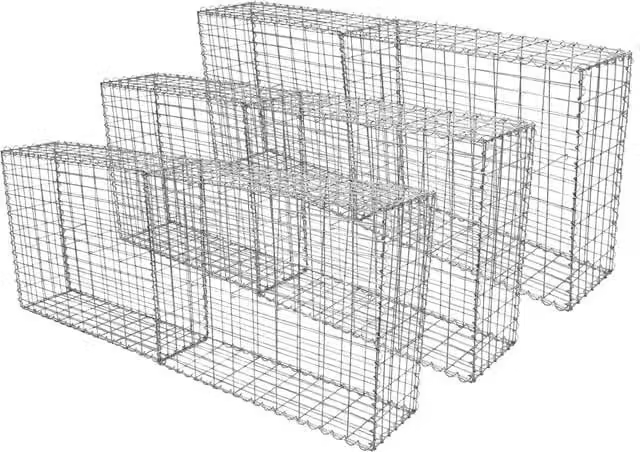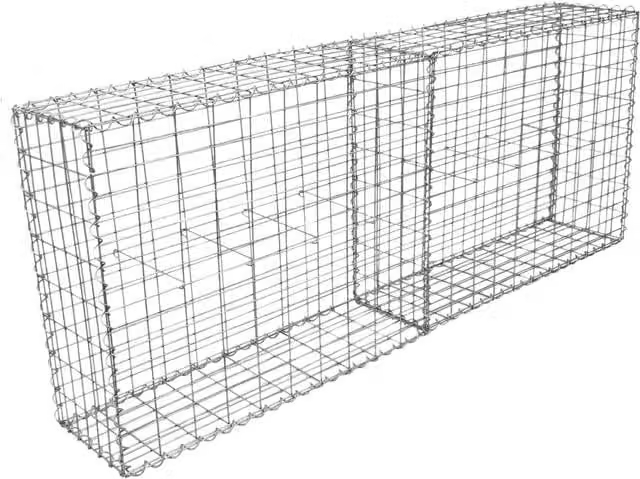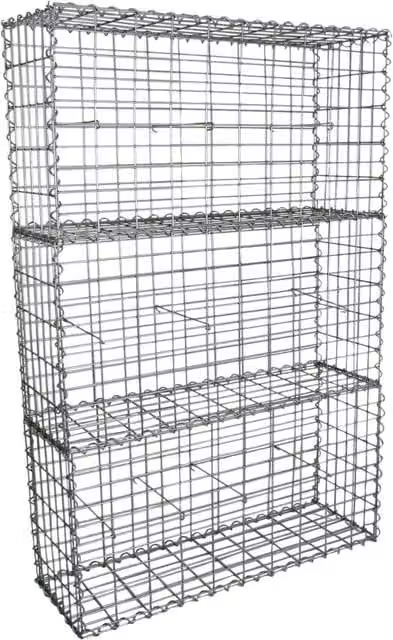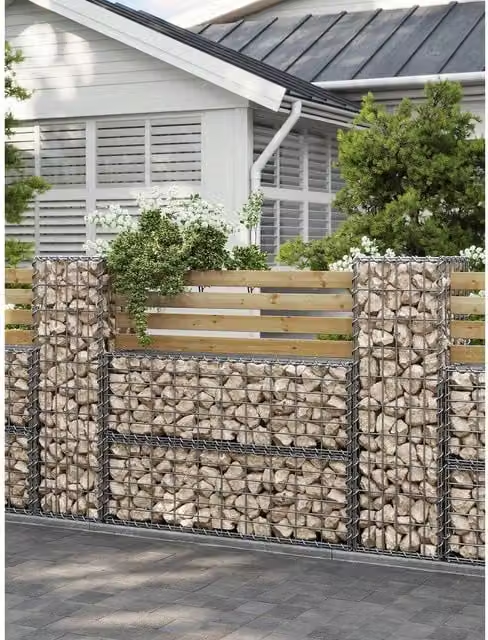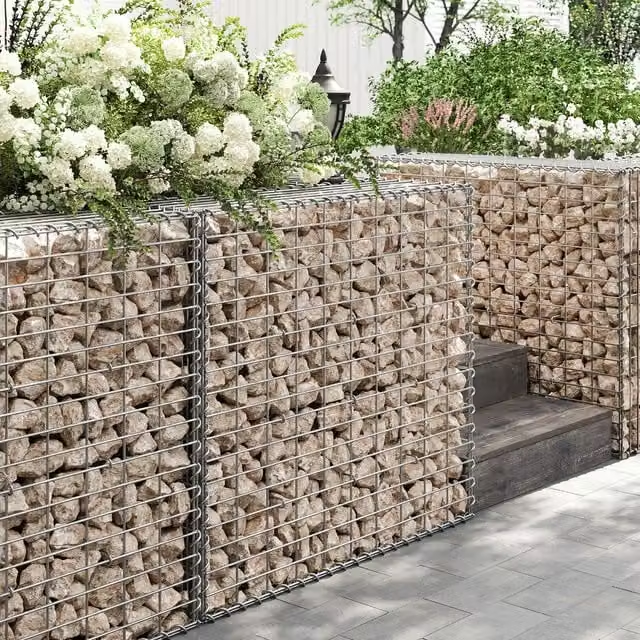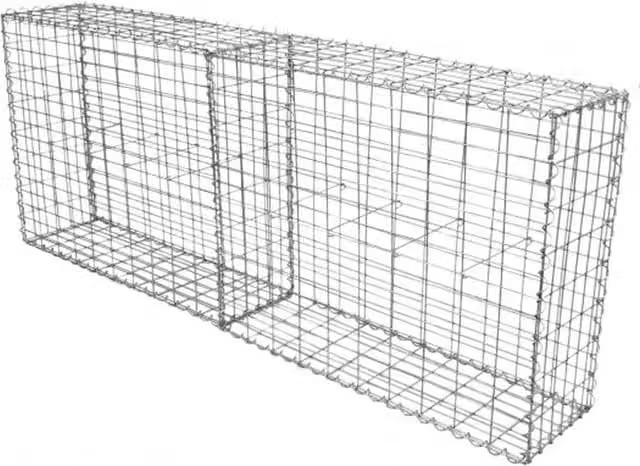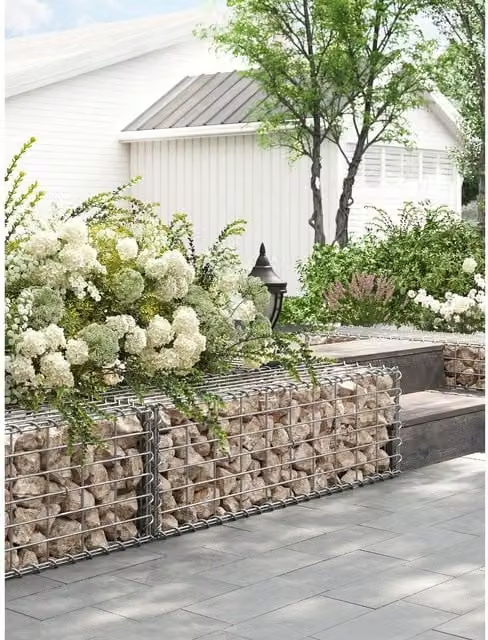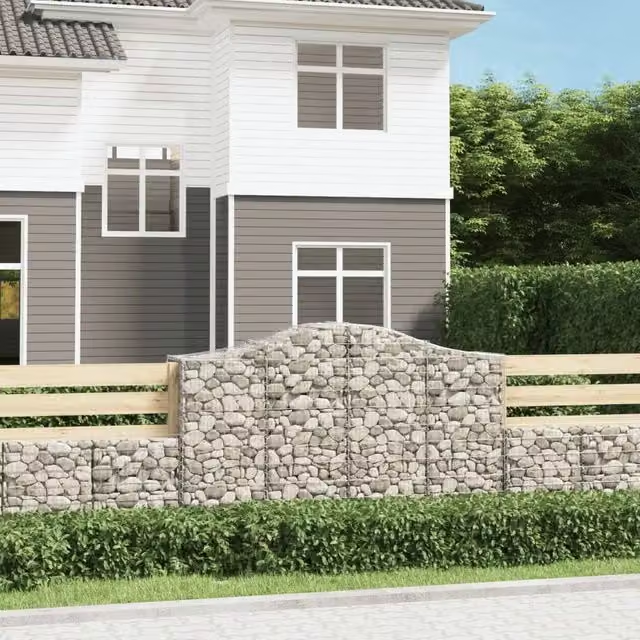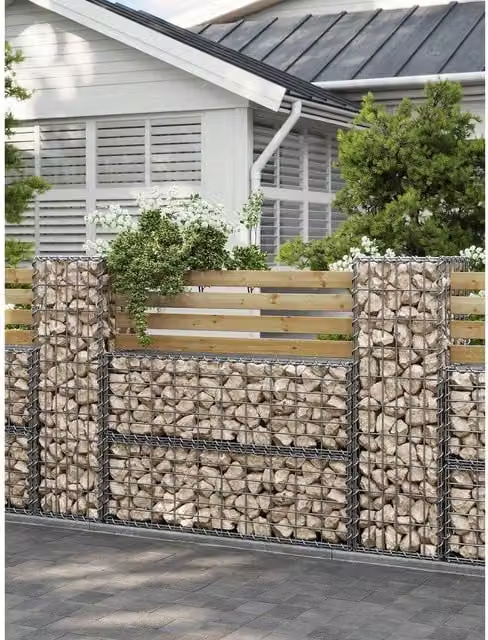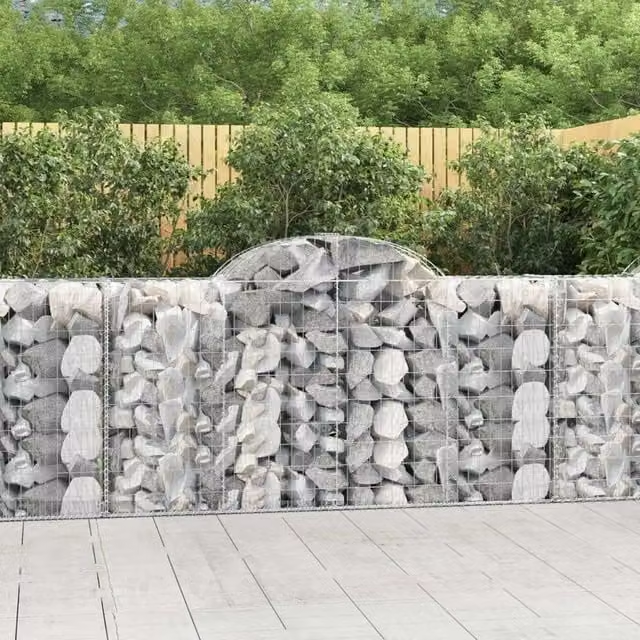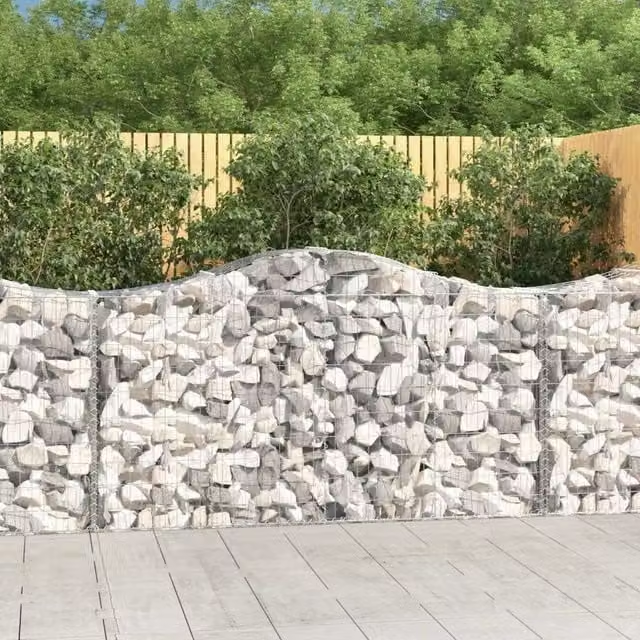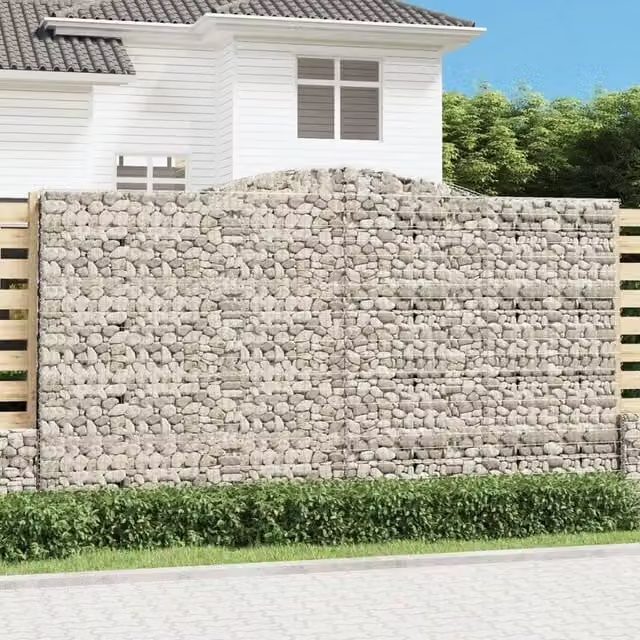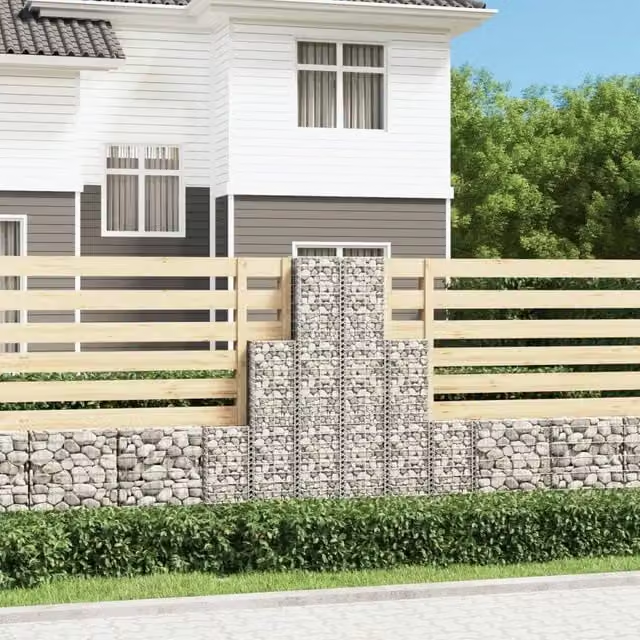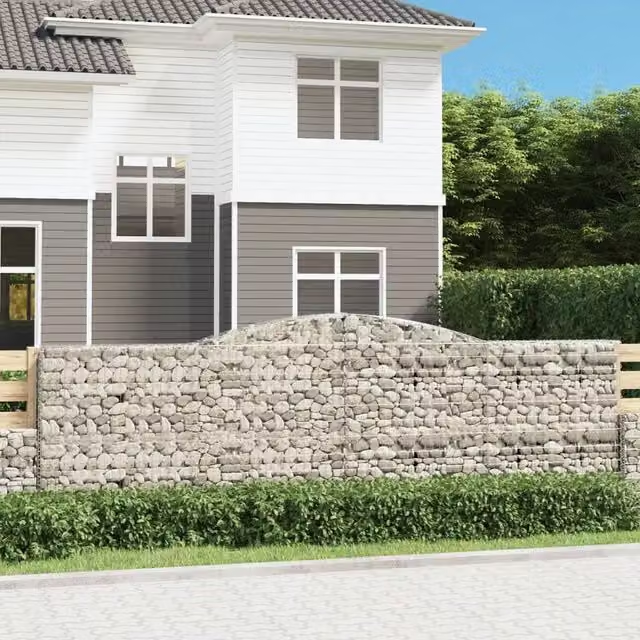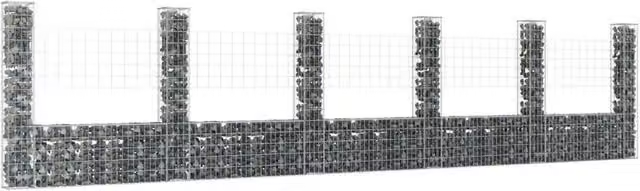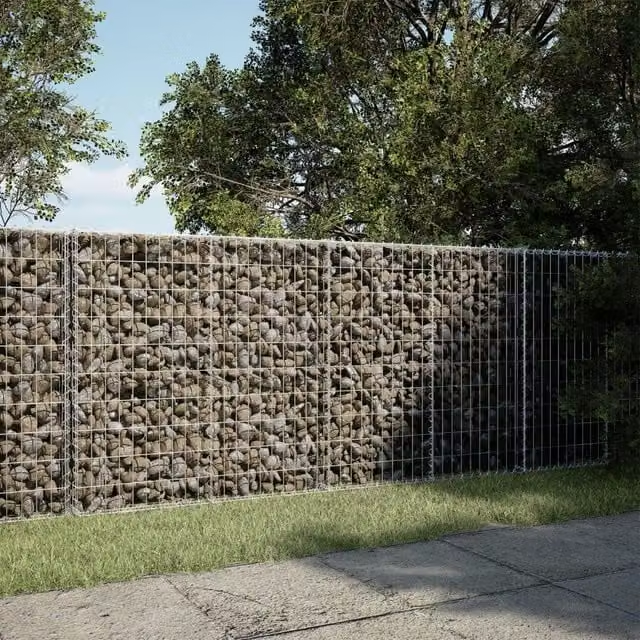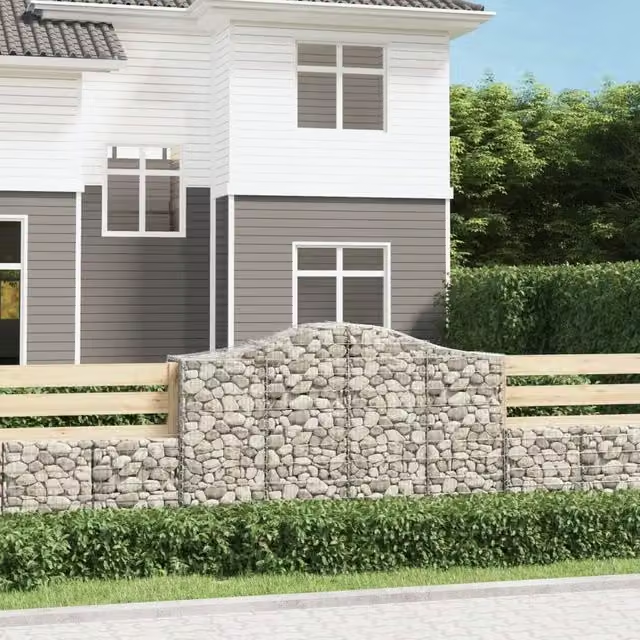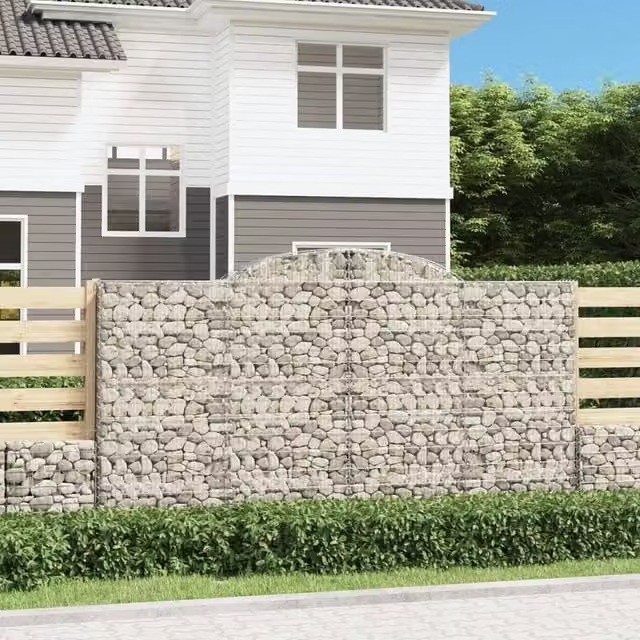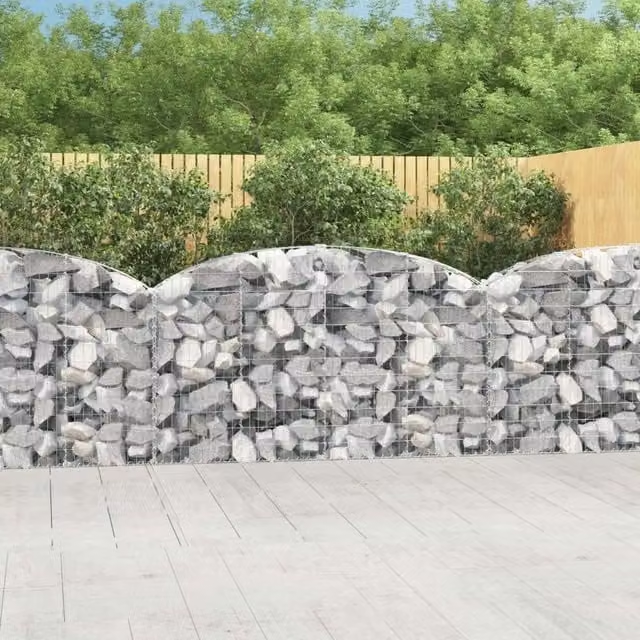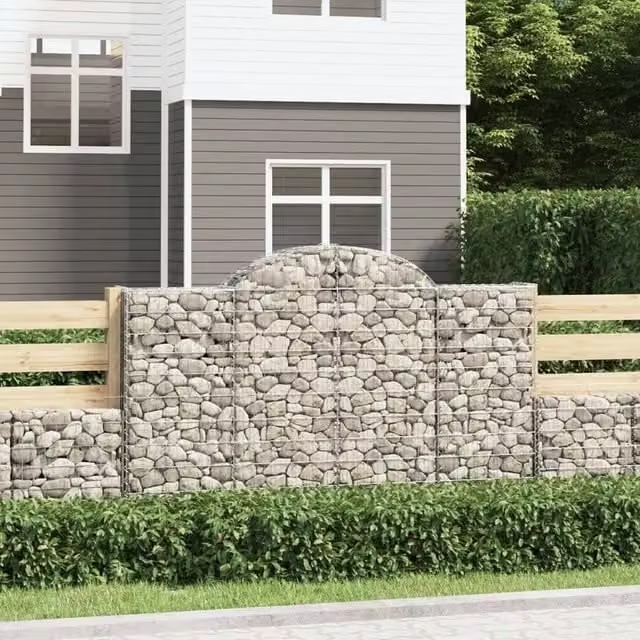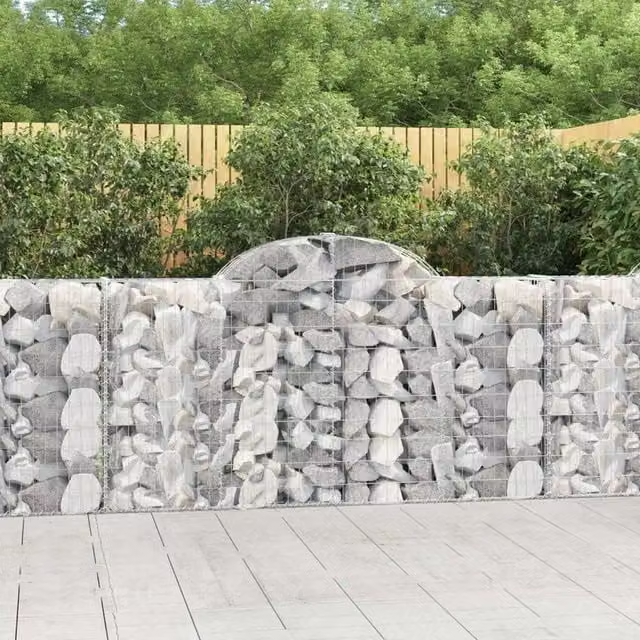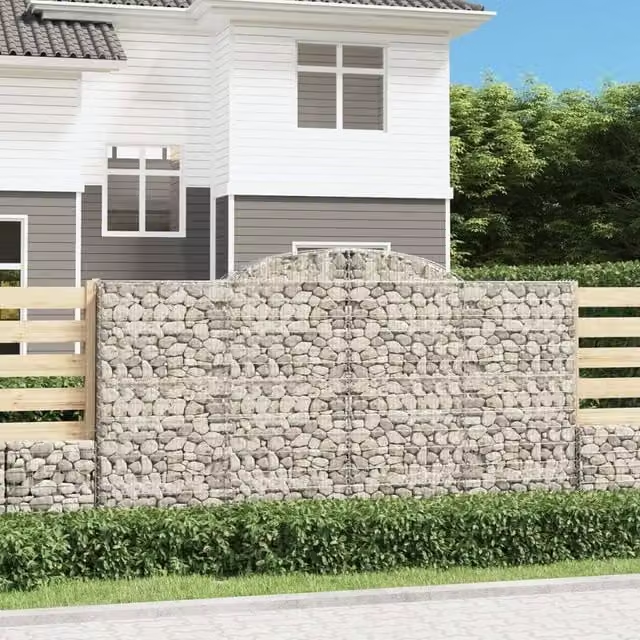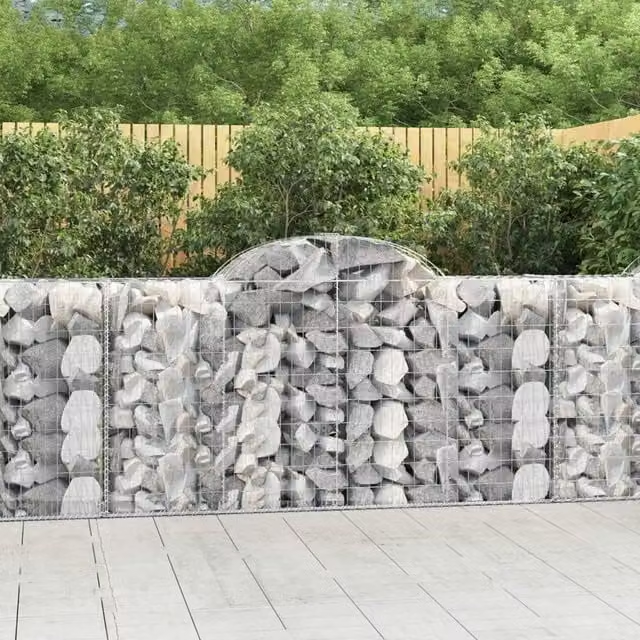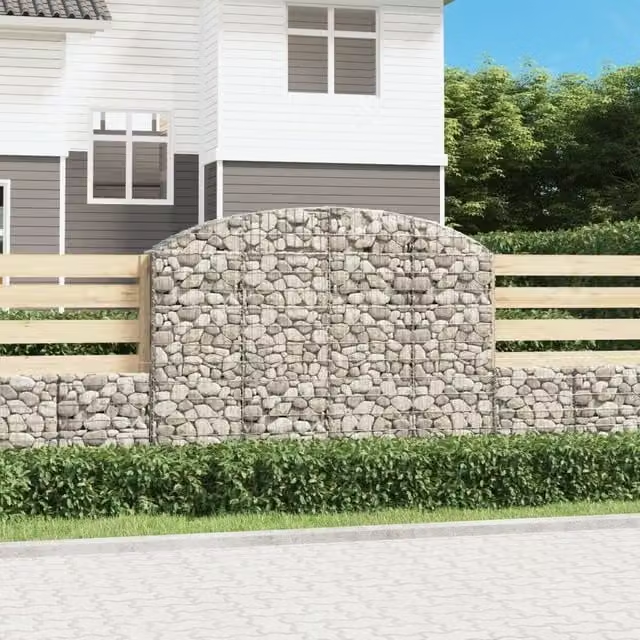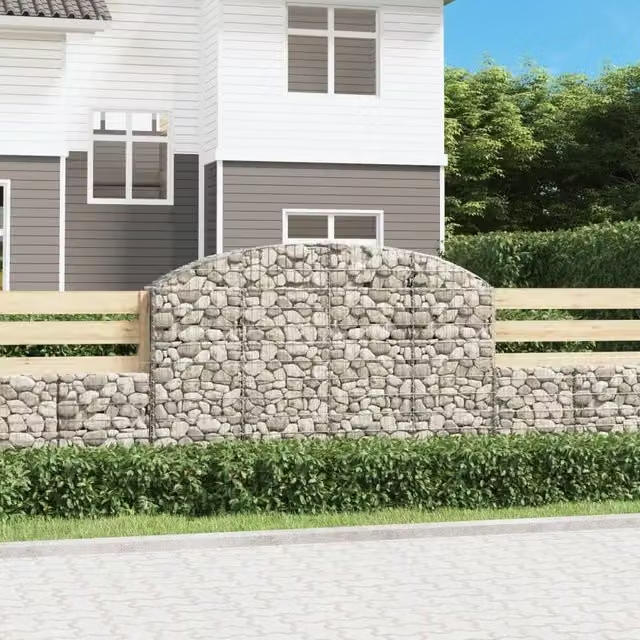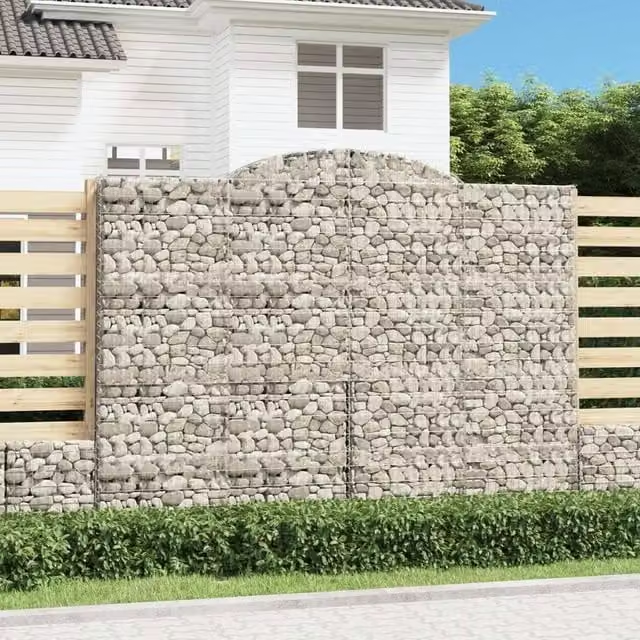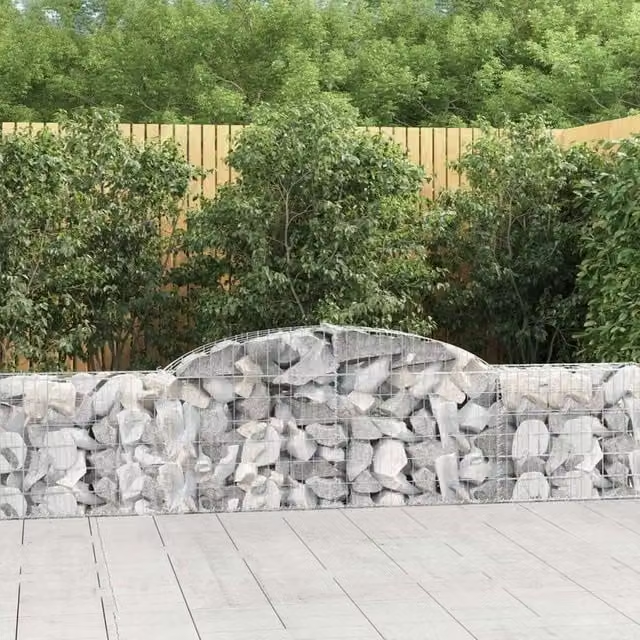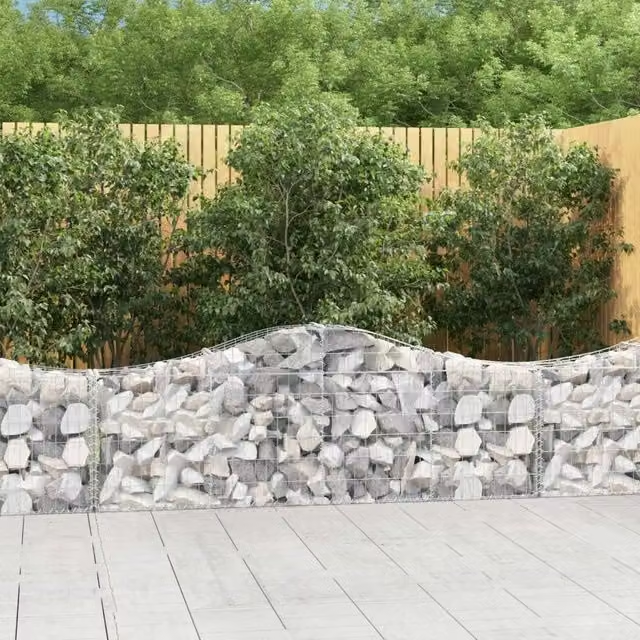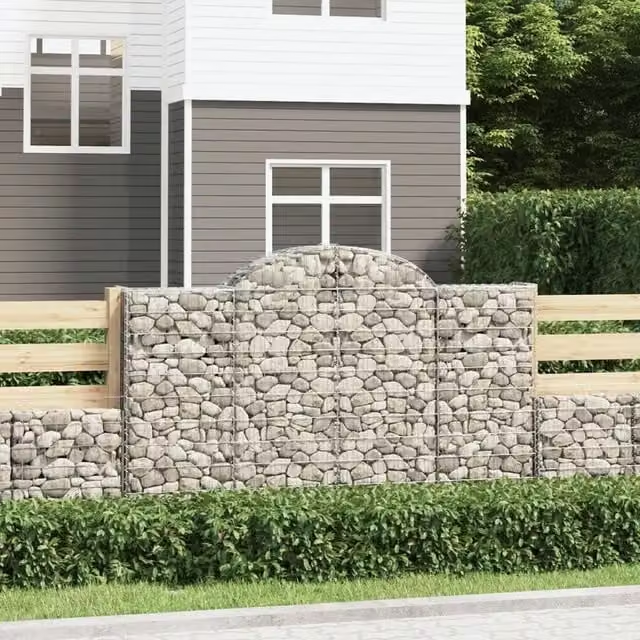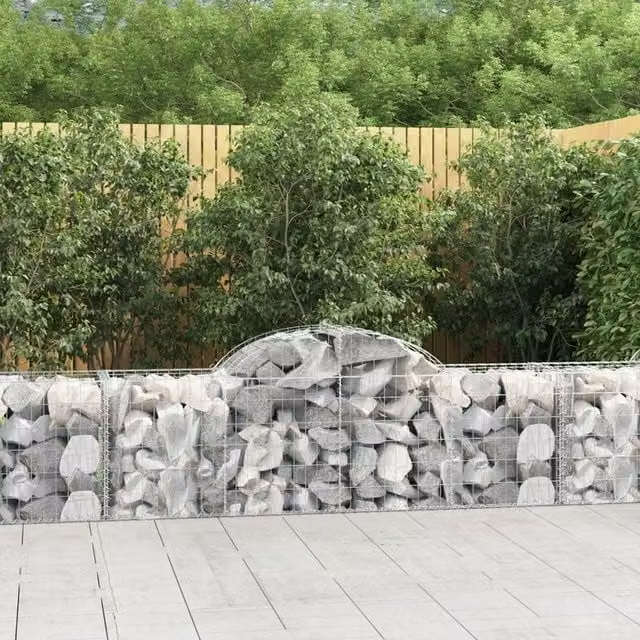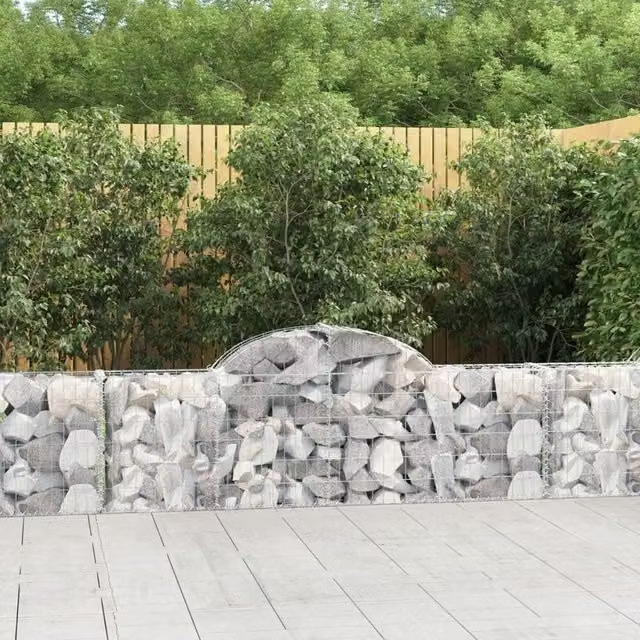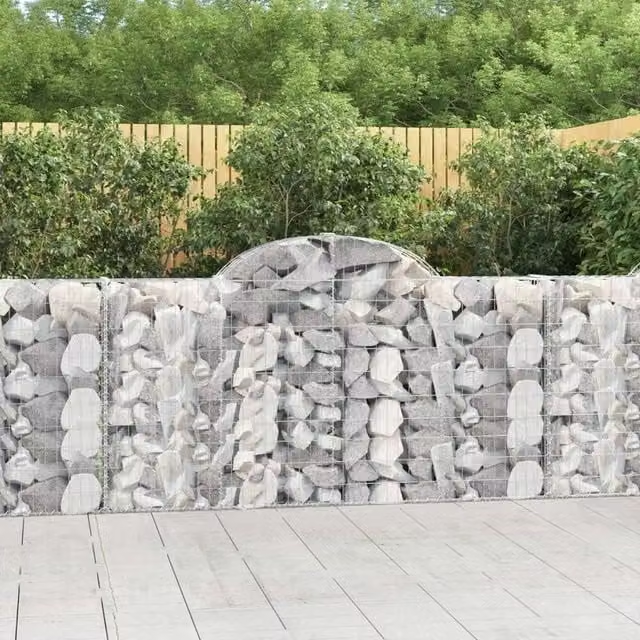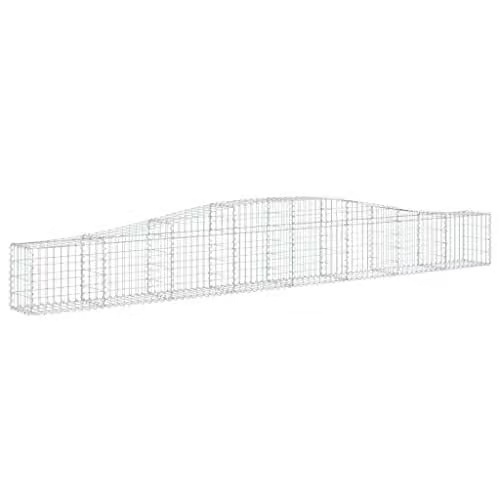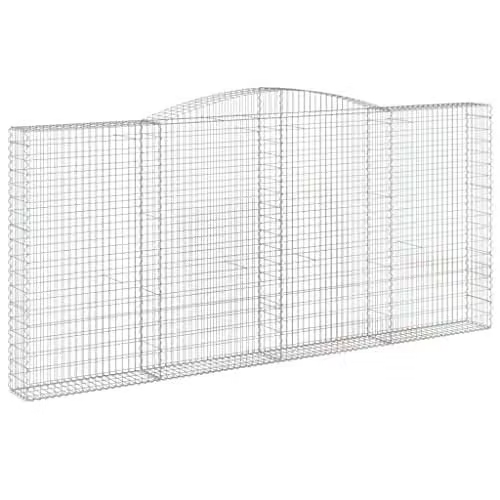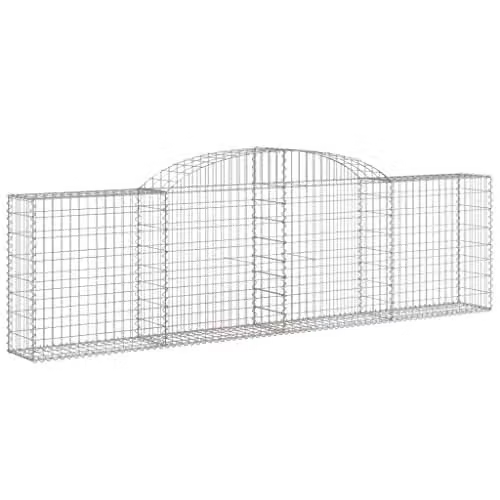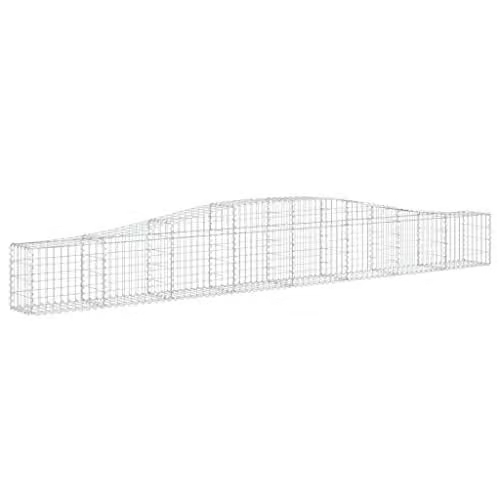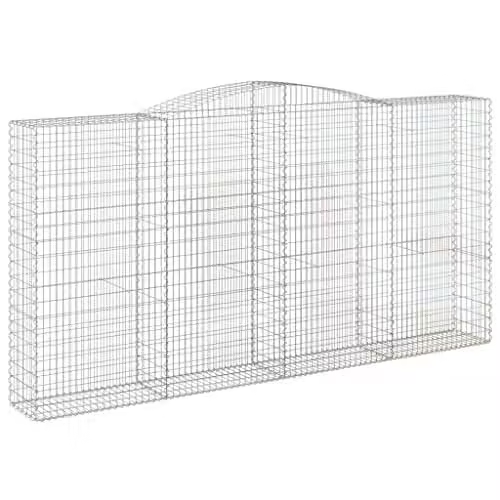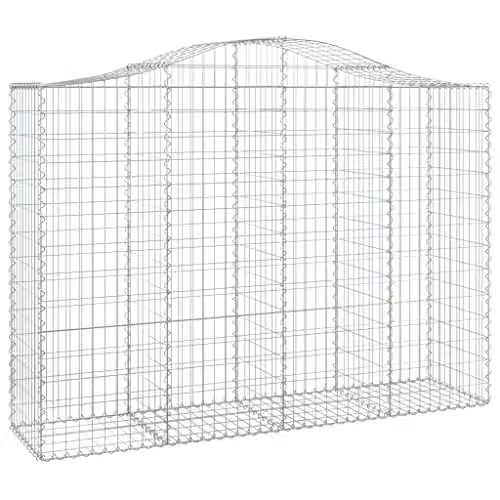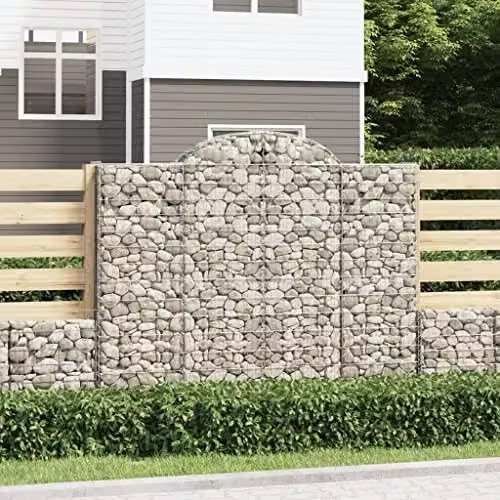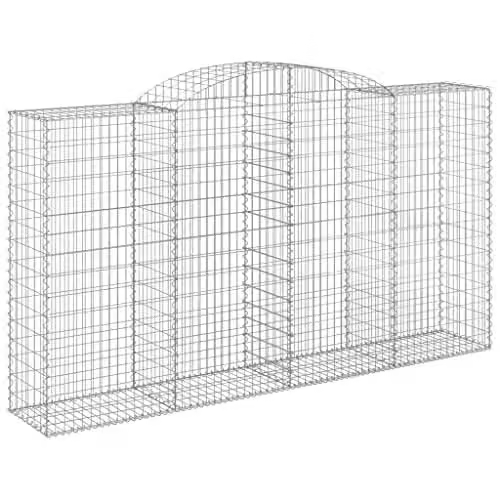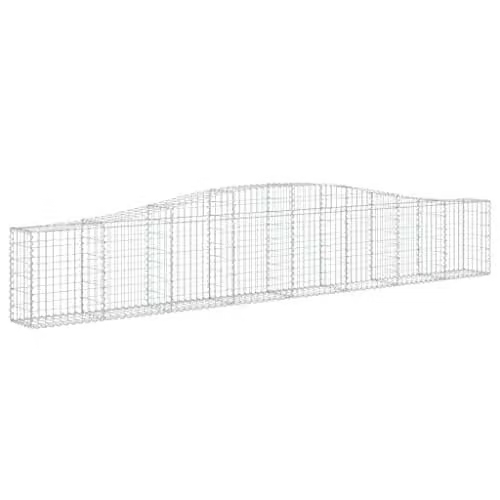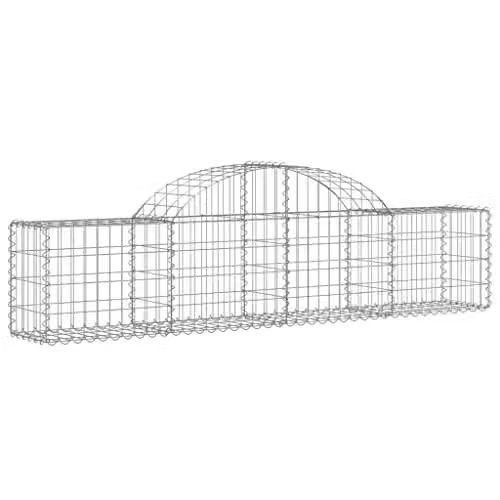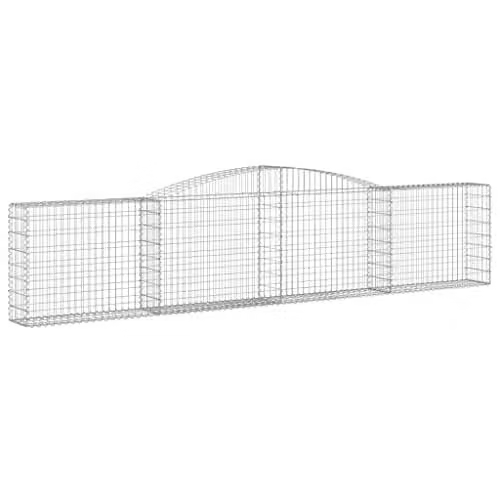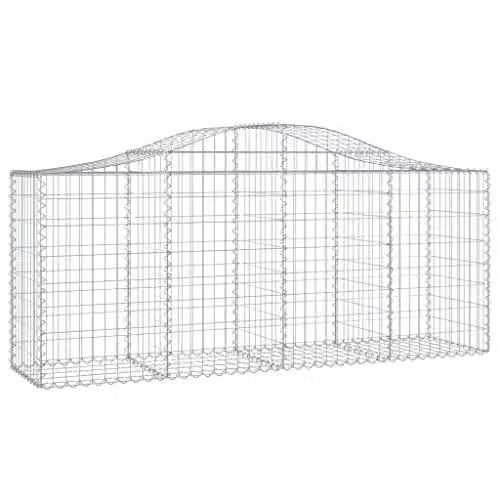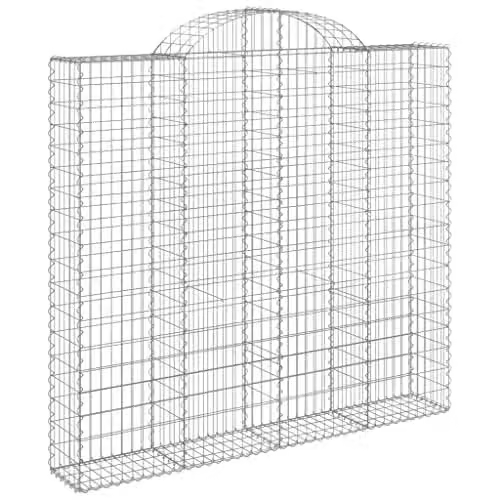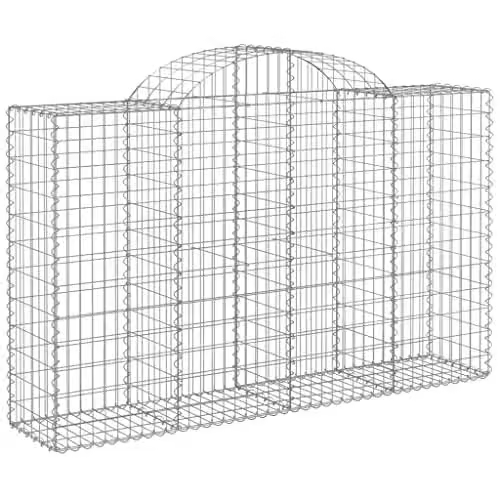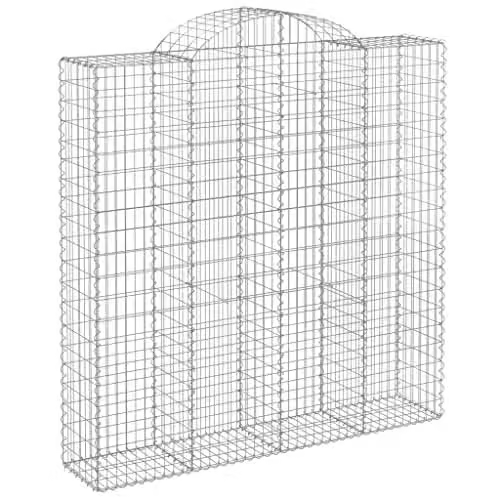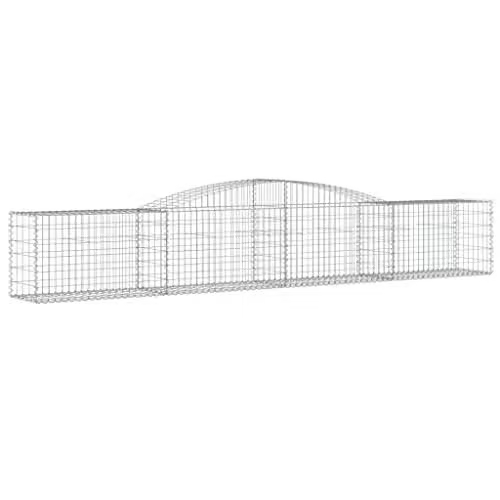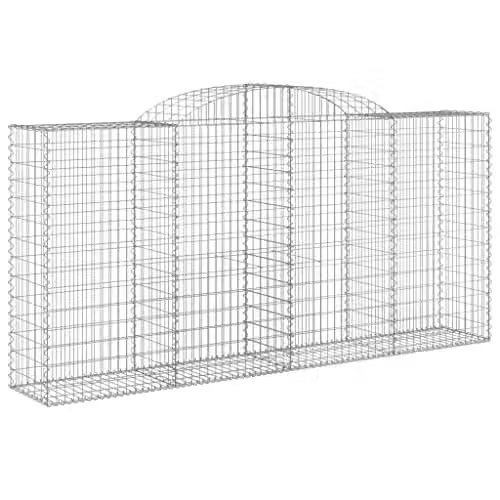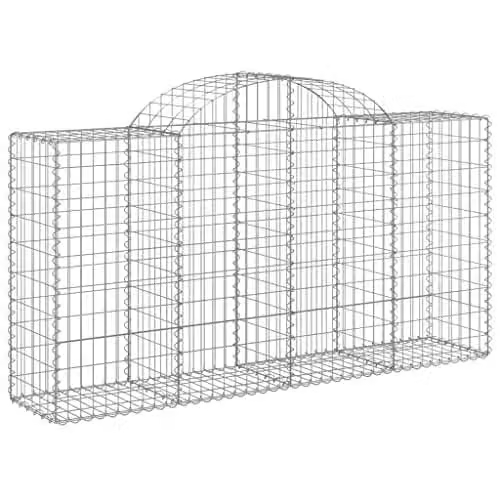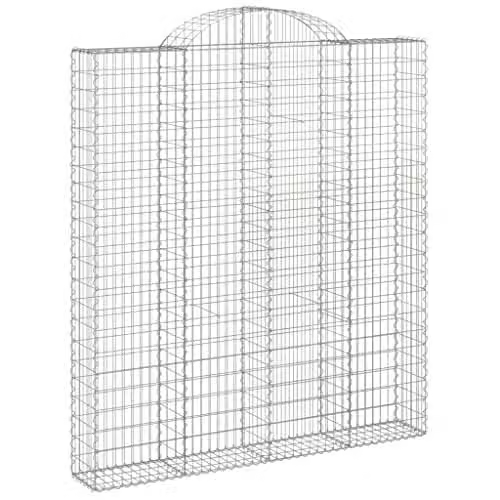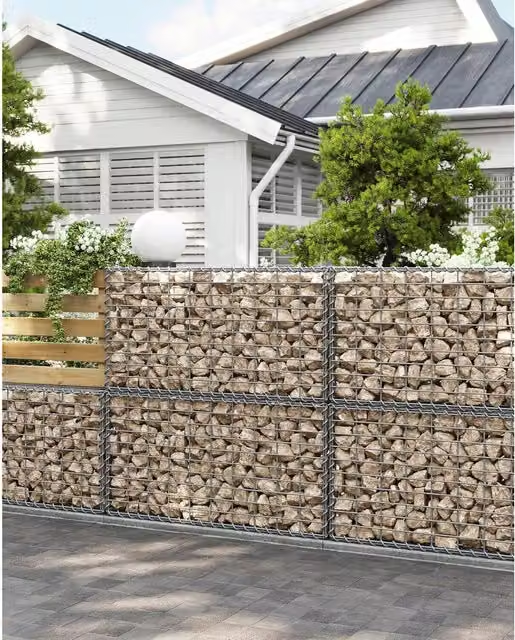
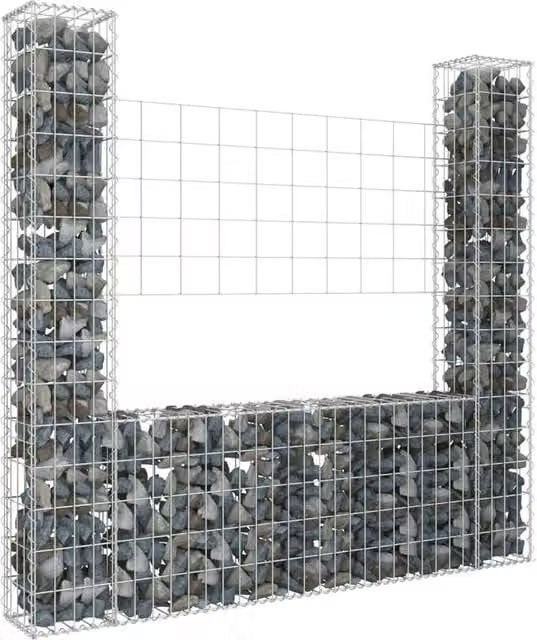
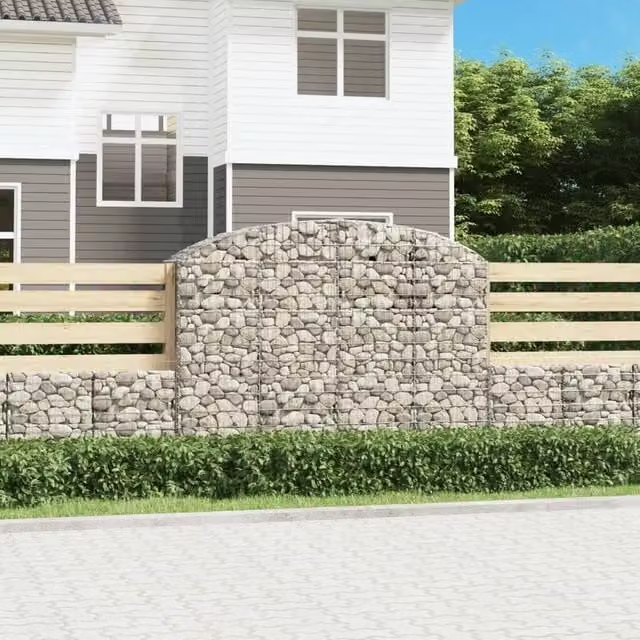
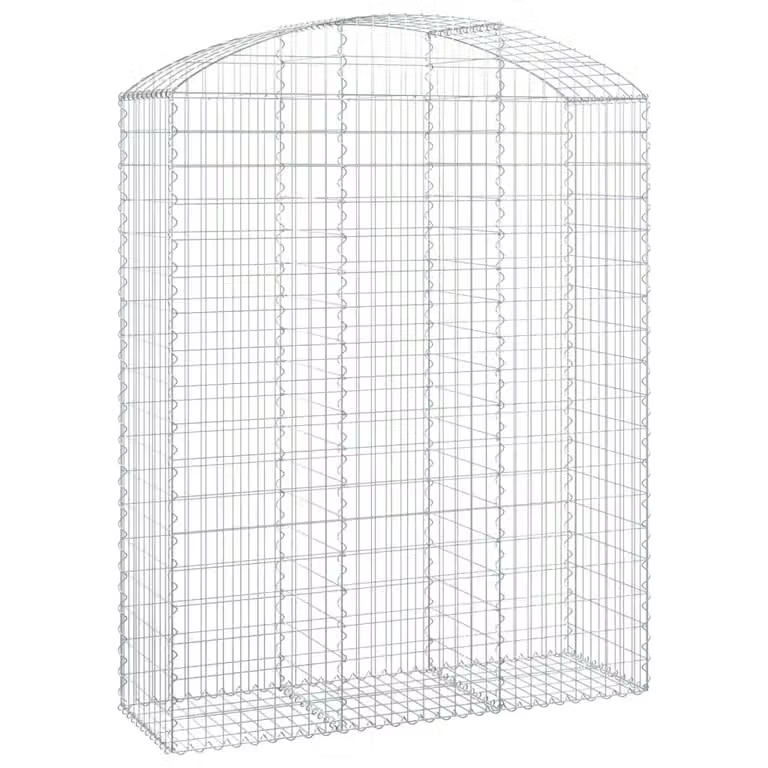
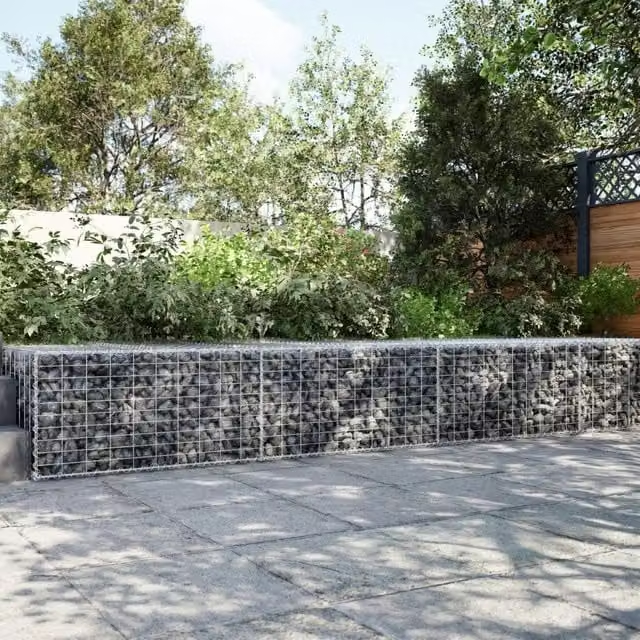
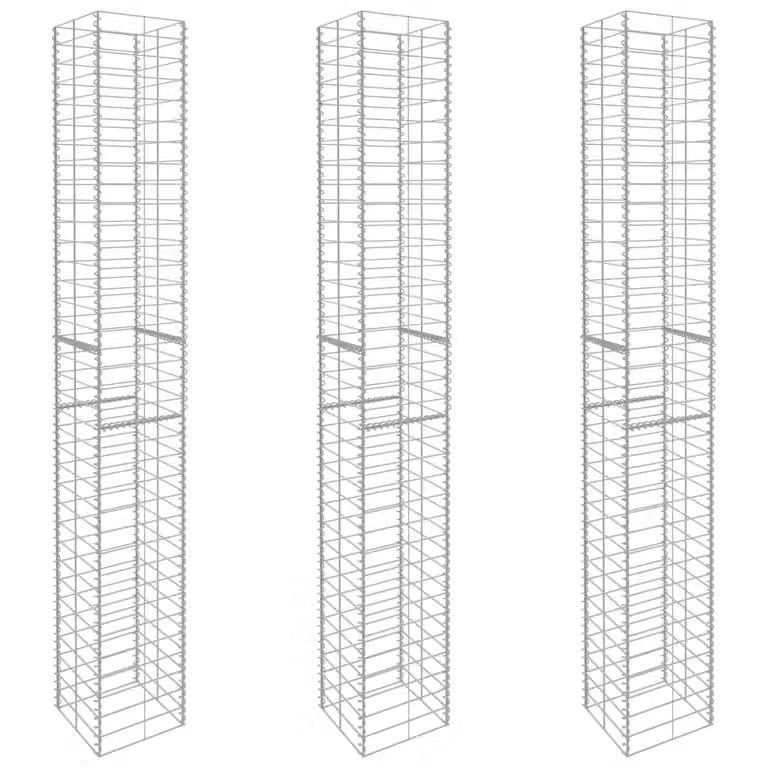

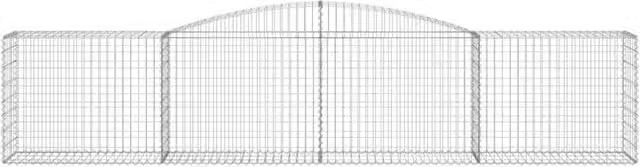
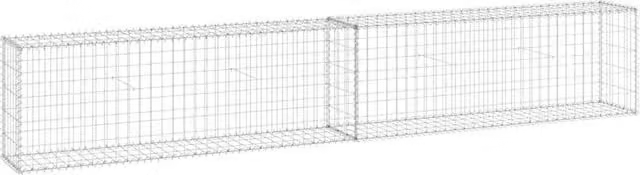
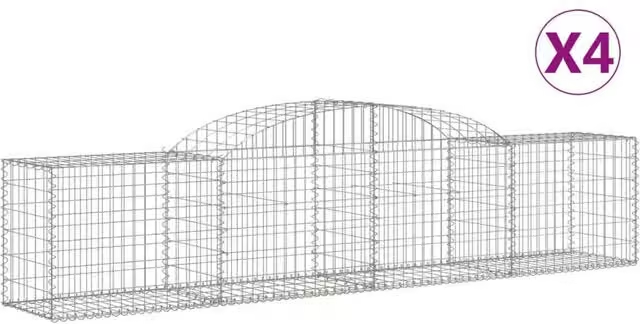
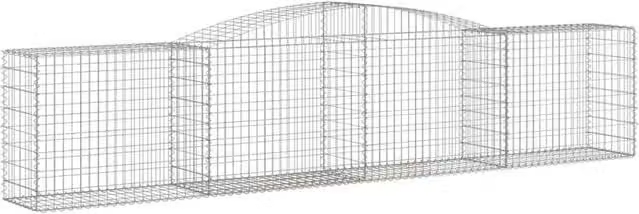
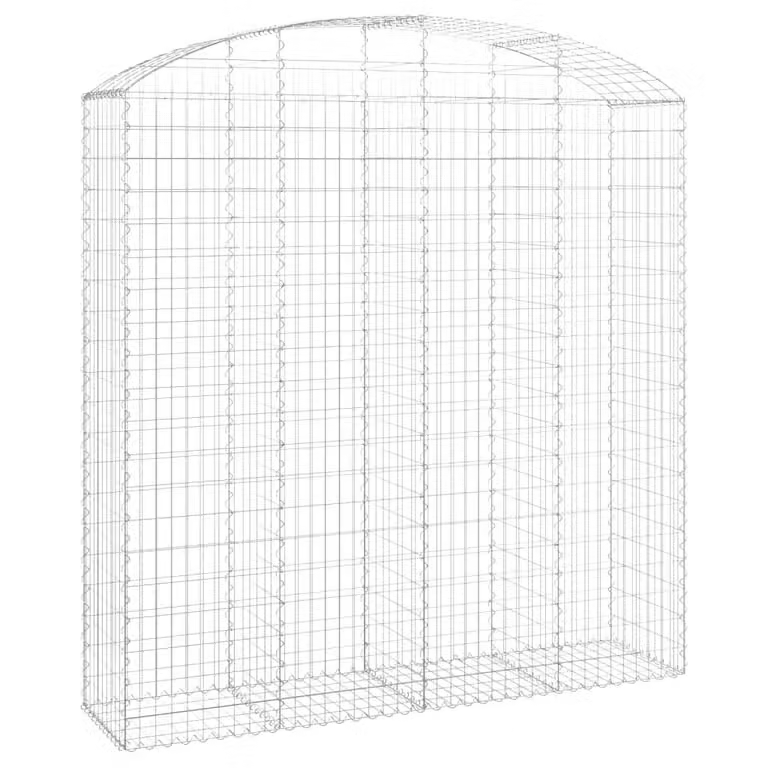
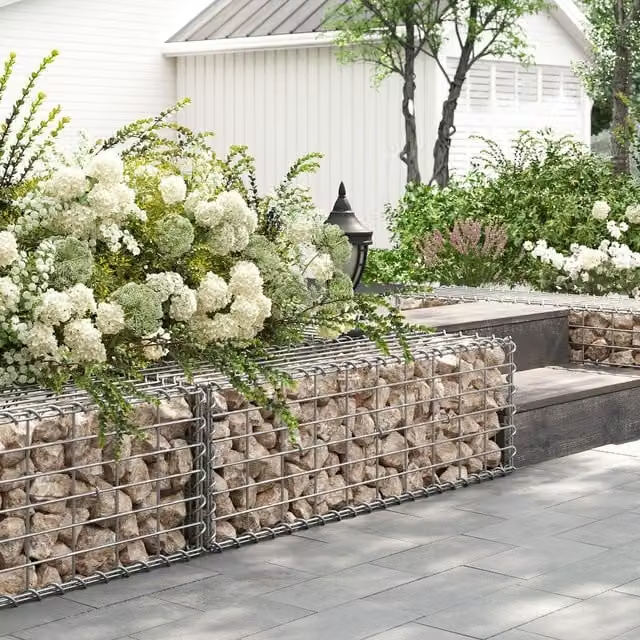
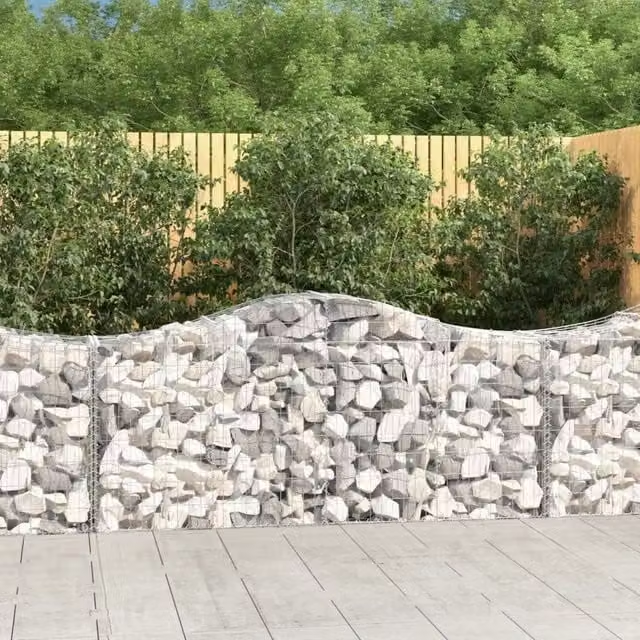
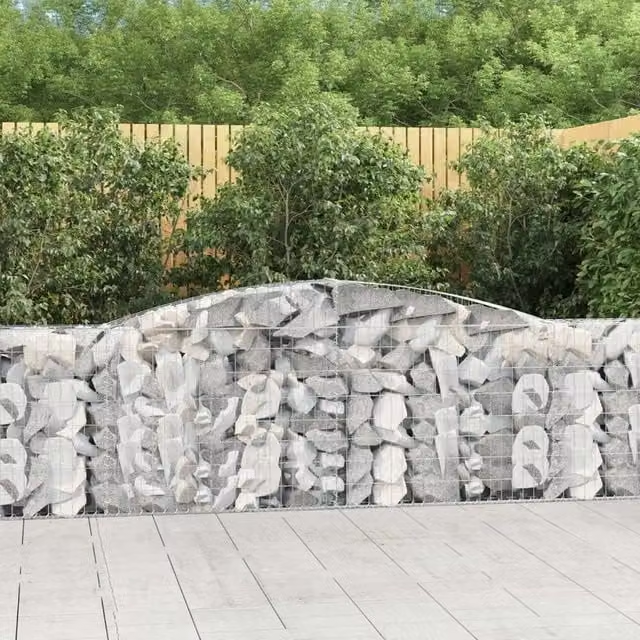
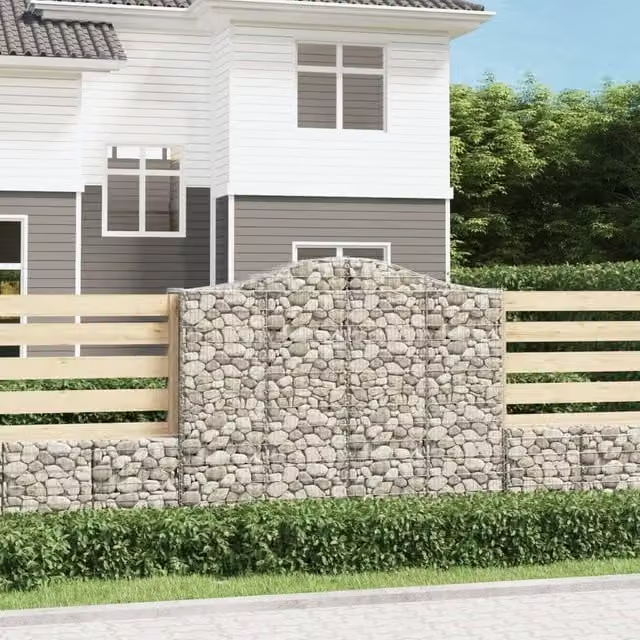
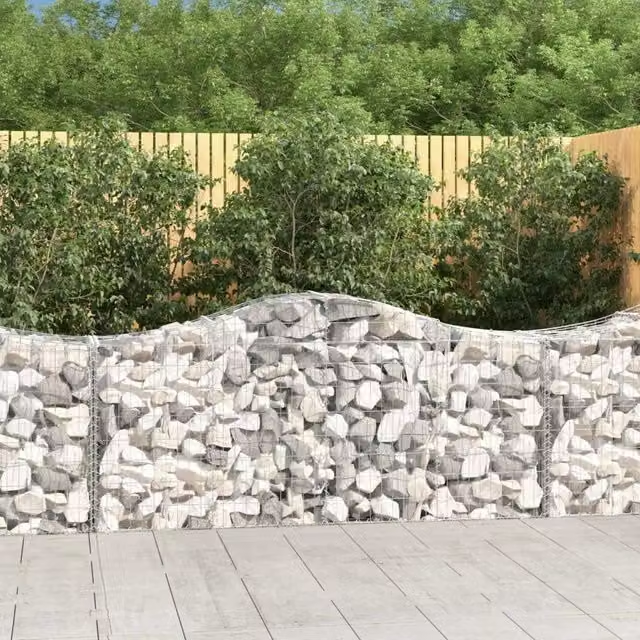
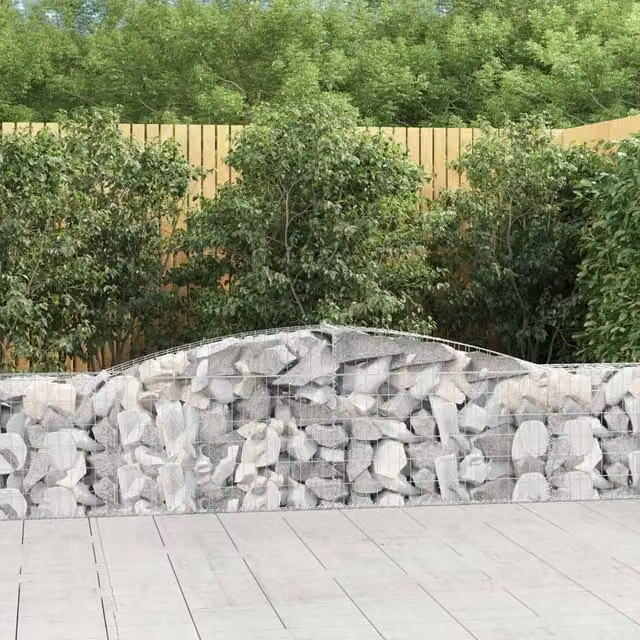
Gabions started life as engineering, holding back riverbanks and motorway embankments, and gardeners borrowed them because they solve real problems with a directness that is hard to argue with. A wire basket filled with stone will retain a slope, screen a boundary, build a raised bed or become a bench, and it does so without concrete, foundations or specialist skills. Better still, it looks more at home each year as moss and planting soften the edges.
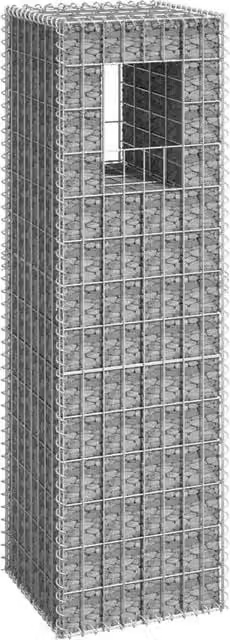
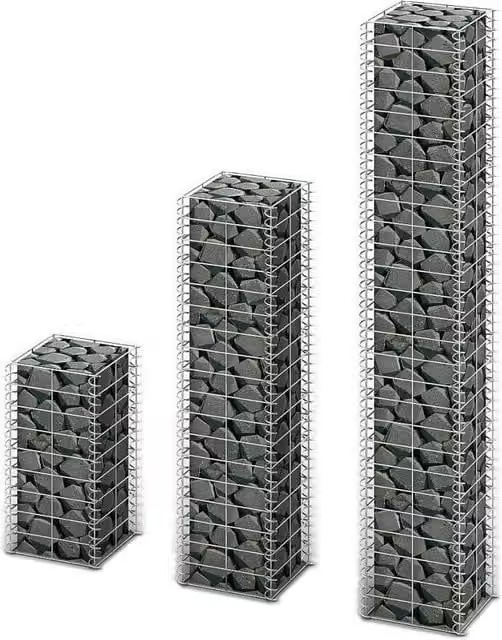
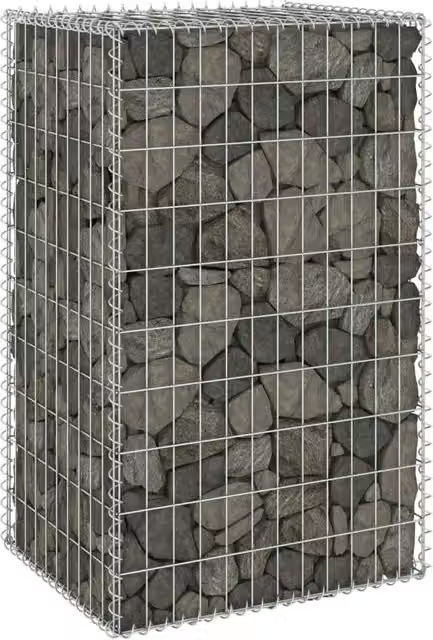
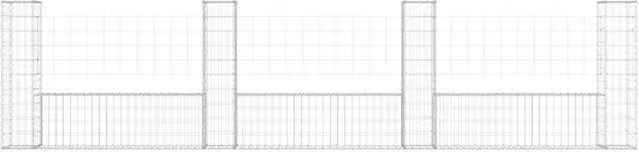
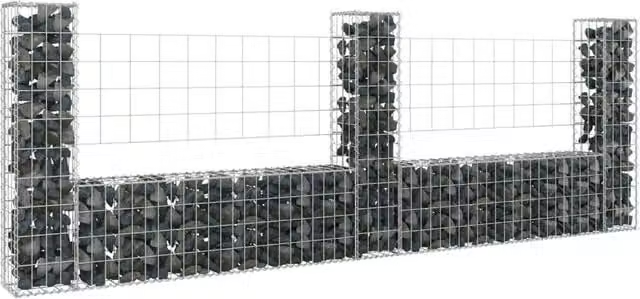
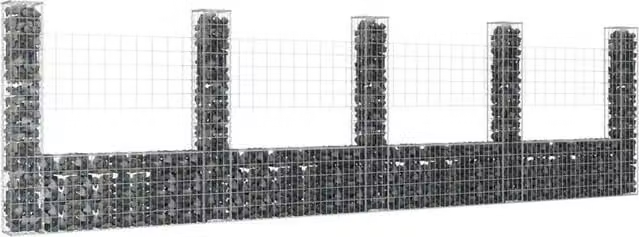
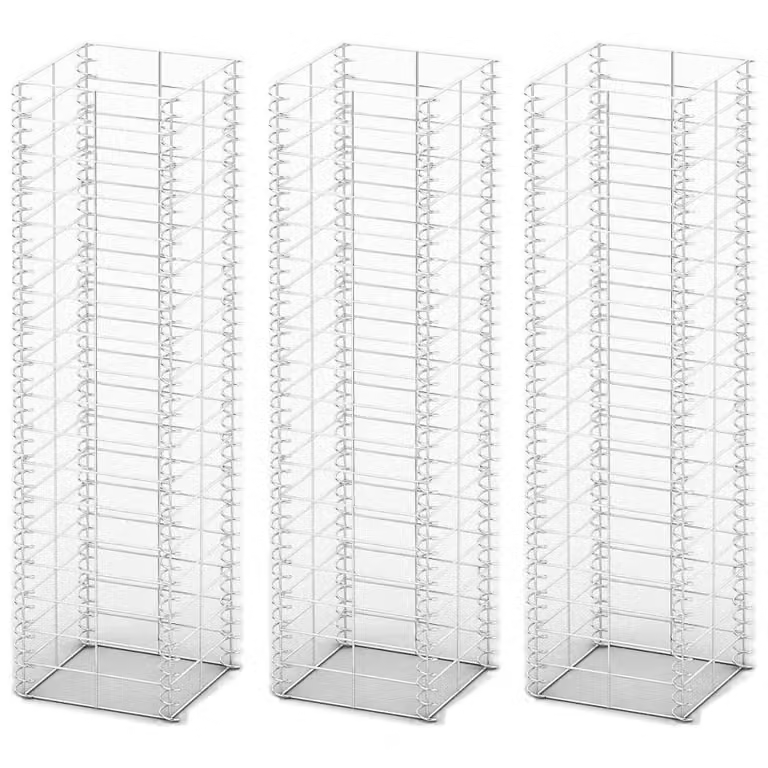
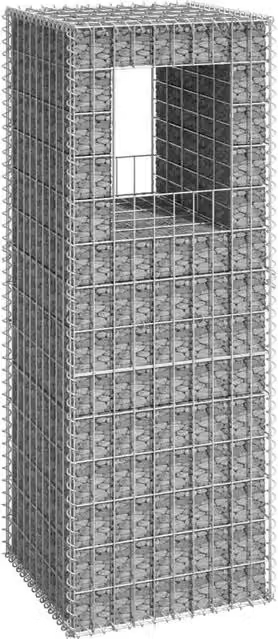
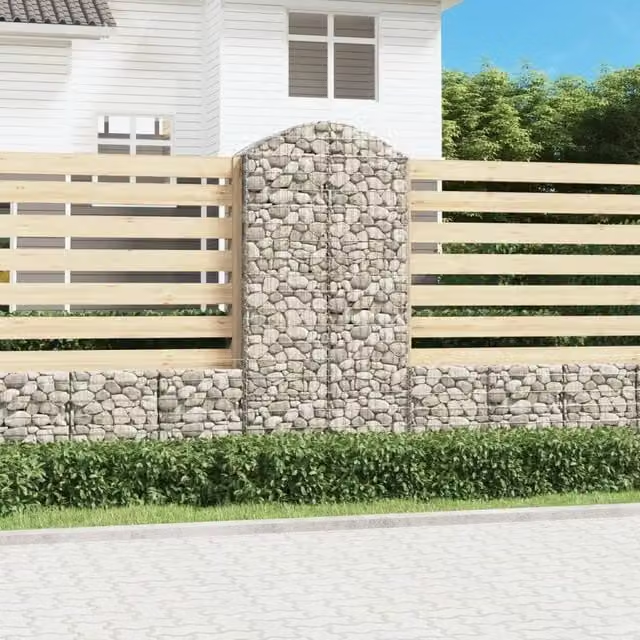
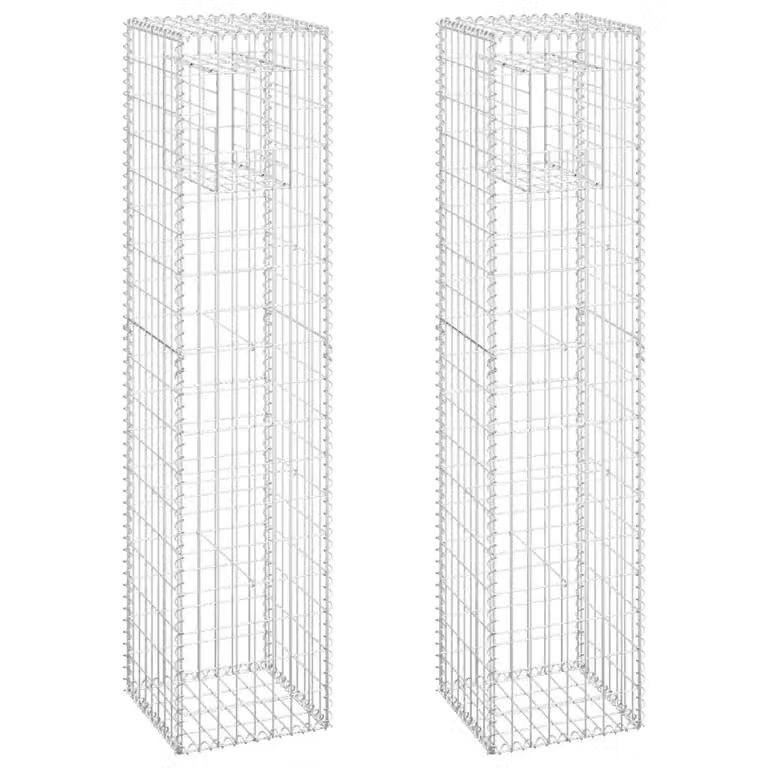
The applications are wider than people expect. Retaining walls are the classic use, holding back a sloping garden and creating usable level terraces. Boundary and screening walls give privacy with real substance and excellent sound absorption, which is why they work so well beside busy roads. Raised beds built from gabions look striking and retain warmth well. Gabion benches, tables and barbecue surrounds turn structure into furniture, while gabion pillars flank gates and driveways or support pergola posts. Slimline gabion fence posts and modular cage systems suit smaller gardens where a full wall would dominate.
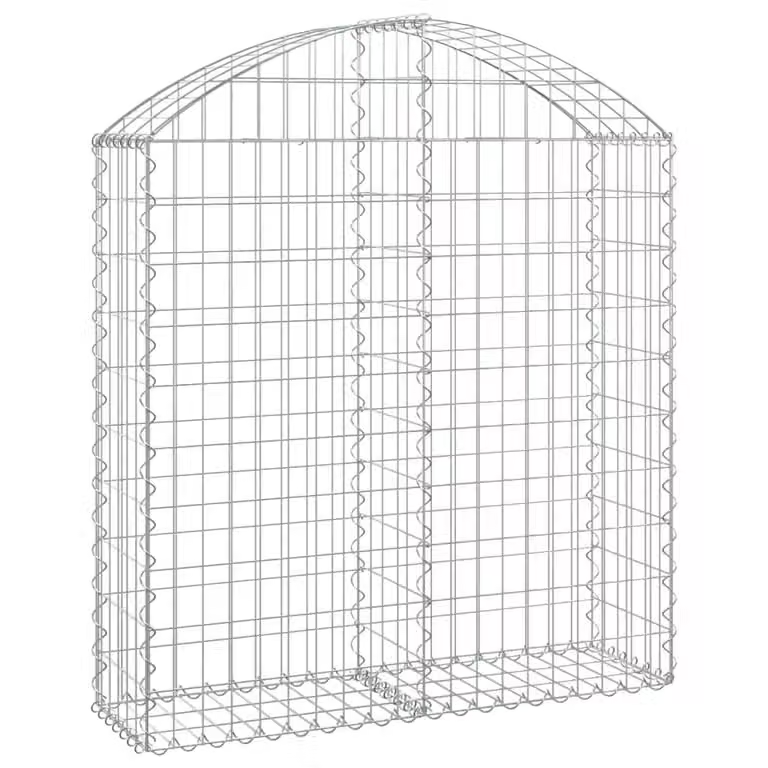
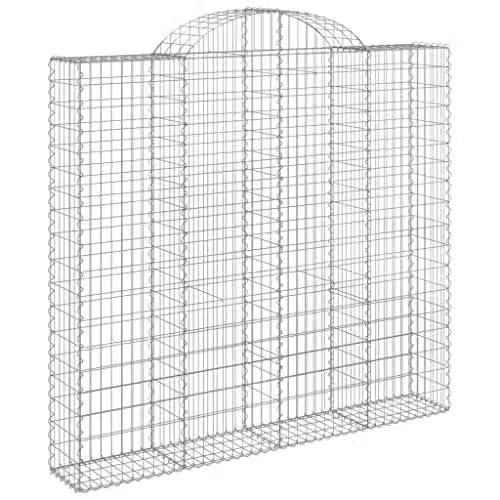
Specification matters for something that has to stand for decades. Galvanised steel mesh is the standard and is suitable for most garden uses, while galvanised plus PVC coating or stainless steel is better in coastal locations and anywhere salt is present. Wire thickness of 4 mm and above is appropriate for structural walls, and mesh apertures are commonly 50 by 50 mm or 75 by 75 mm. The fill stone must be larger than the mesh opening, typically 100 to 200 mm, and angular stone such as granite, limestone or slate locks together far better than rounded pebbles. Anything above about a metre in height needs proper drainage behind it and, ideally, professional advice.
Prices depend on size, wire gauge and coating. Small decorative cages are inexpensive, standard galvanised structural baskets sit in the middle, and stainless steel or heavy gauge systems cost the most. Remember to budget for the stone, which often exceeds the cost of the baskets.
Explore the options, compare prices and build something that lasts.
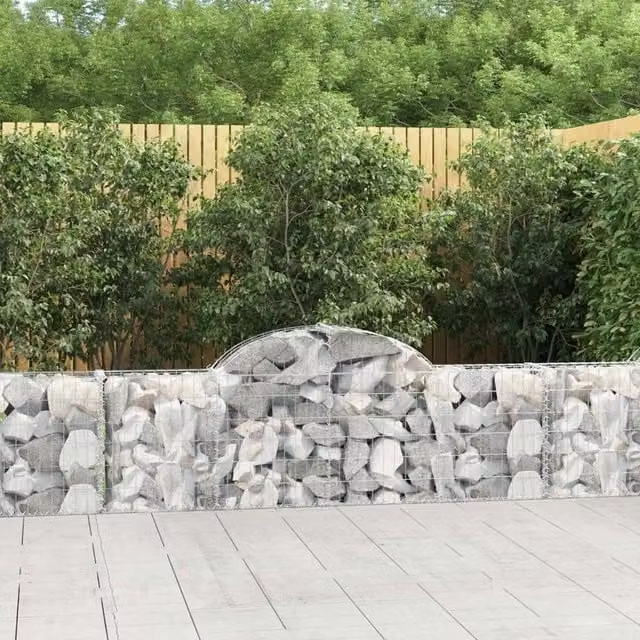
The stone must be larger than the mesh aperture, so for a standard 100 by 100 mm mesh you want stone between 100 and 200 mm, and for finer 50 by 50 mm mesh you can go a little smaller. Angular crushed rock such as granite, limestone or slate locks together and resists settling far better than rounded river pebbles, which shift and slump over time. Hand placing the outer face stones gives a much neater finish than simply tipping the lot in. Allow around 1.5 to 1.8 tonnes of stone per cubic metre of basket.
Low decorative gabions up to about half a metre generally sit on well compacted, level ground without formal foundations. Anything taller or retaining soil needs a compacted stone base at minimum, and structural retaining walls above around a metre should be designed with proper drainage and, in most cases, professional input. The base must be level, since a gabion built on uneven ground will lean as it settles. Free draining backfill behind a retaining gabion is essential to stop water pressure building up.
Heavily galvanised mesh typically lasts thirty to sixty years inland, while PVC coated or stainless steel versions perform better in coastal and salty environments where corrosion is accelerated. Wire gauge matters, so a 4 mm structural basket outlives a thin decorative one considerably. The stone fill itself is effectively permanent, so failure comes from the mesh rather than the contents. Avoid damaging the galvanised coating during installation, since scratches are where corrosion begins.
Yes, and planting is what turns a functional structure into a garden feature. Trailing plants such as aubrieta, thyme and sedum planted along the top will cascade over the face within a season or two. You can also incorporate pockets of soil within the basket during filling, though these dry out quickly and need drought tolerant species. Ferns and mosses often colonise the shaded north face on their own, which many people consider the best result of all.