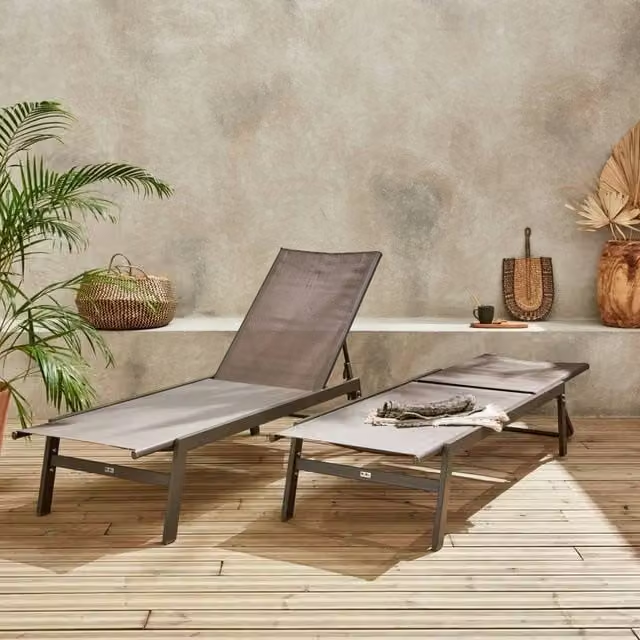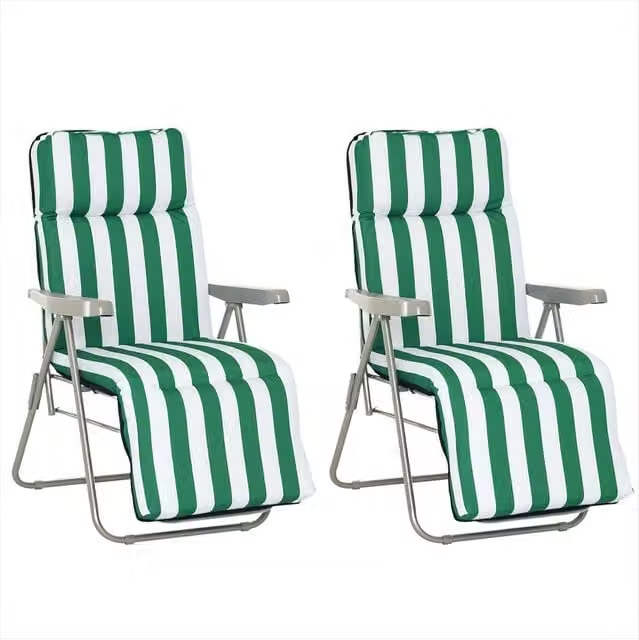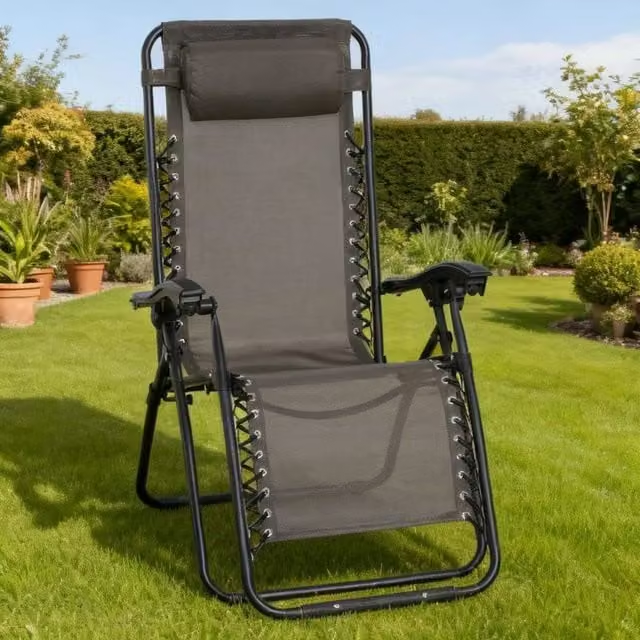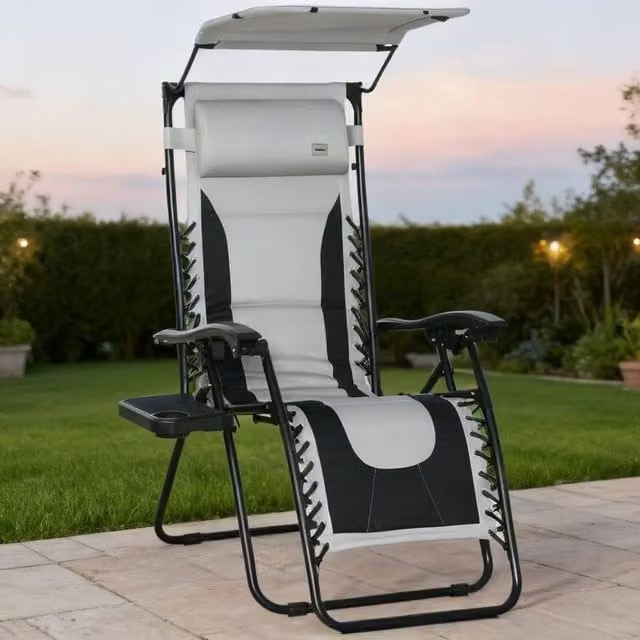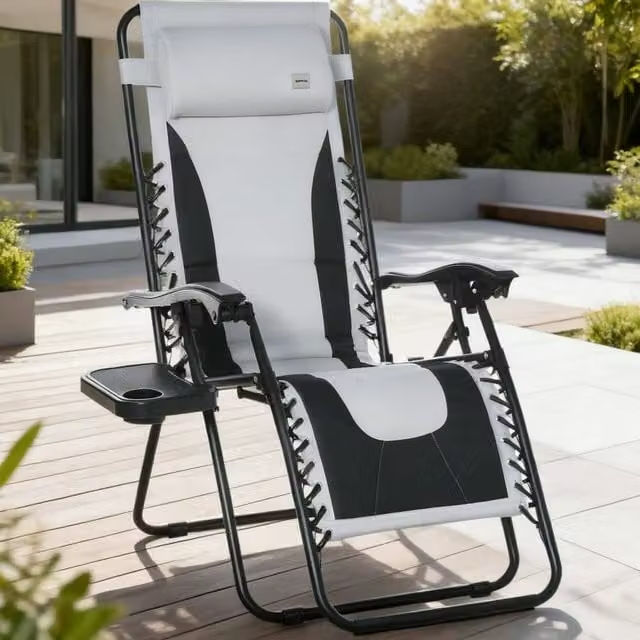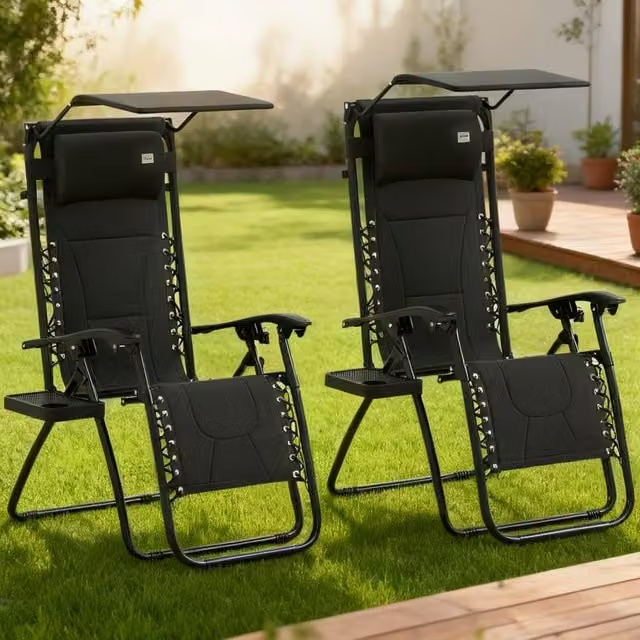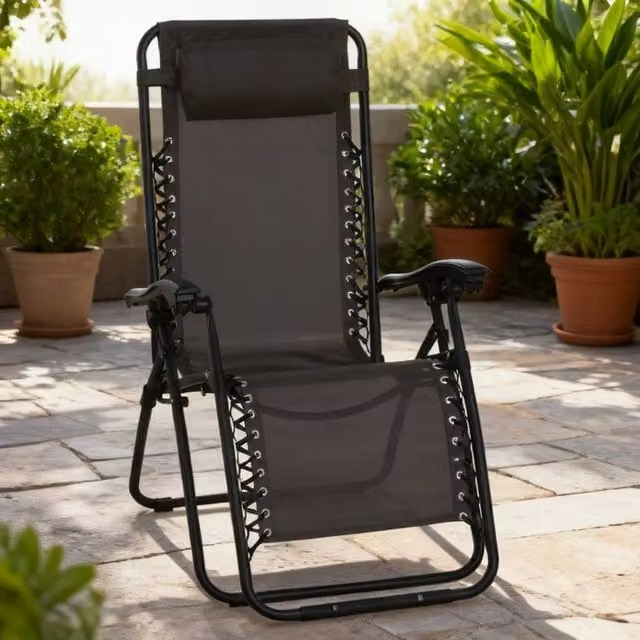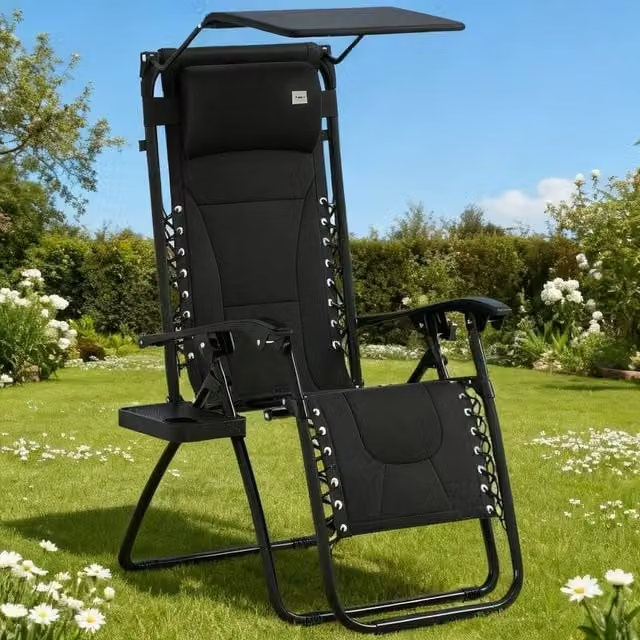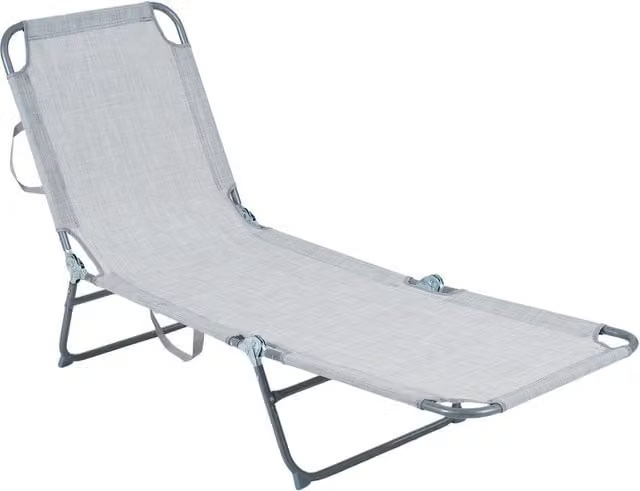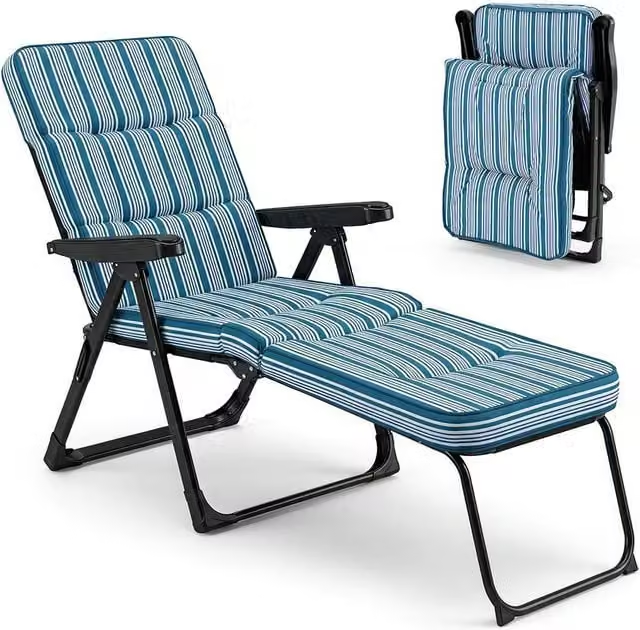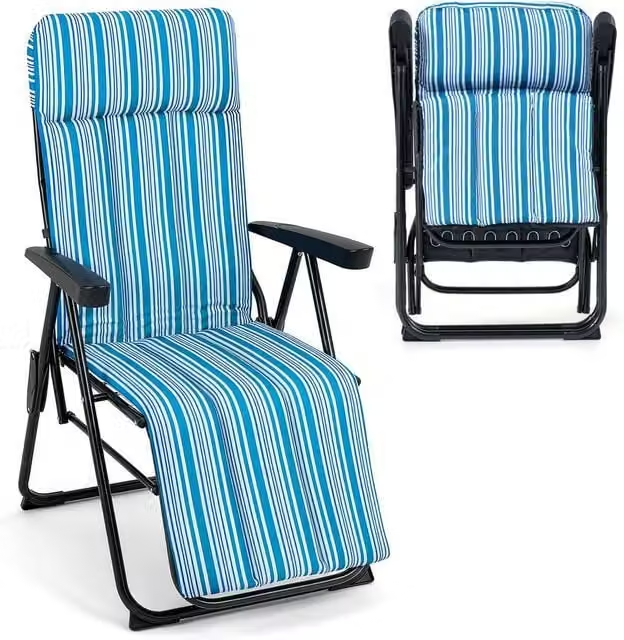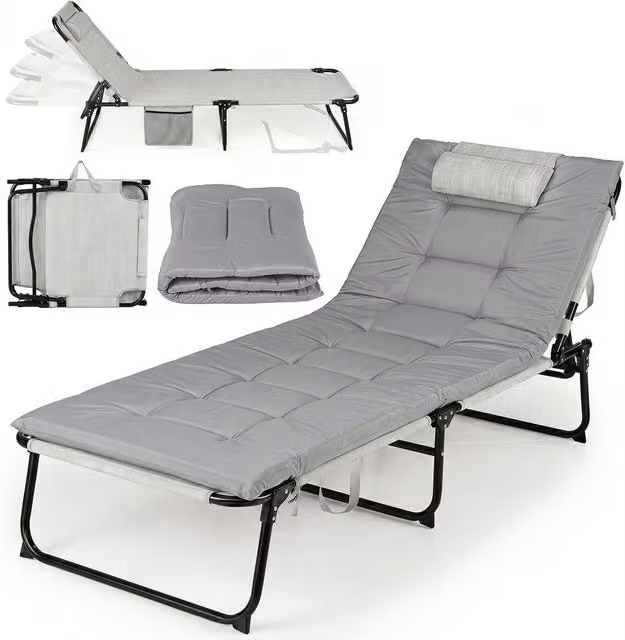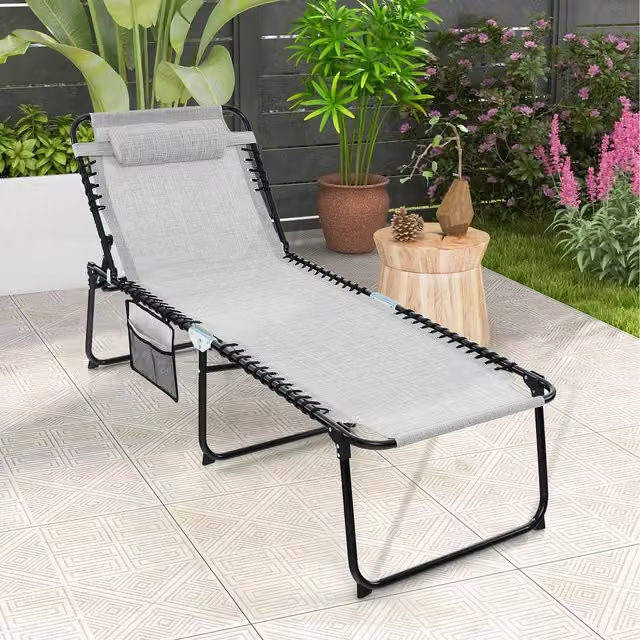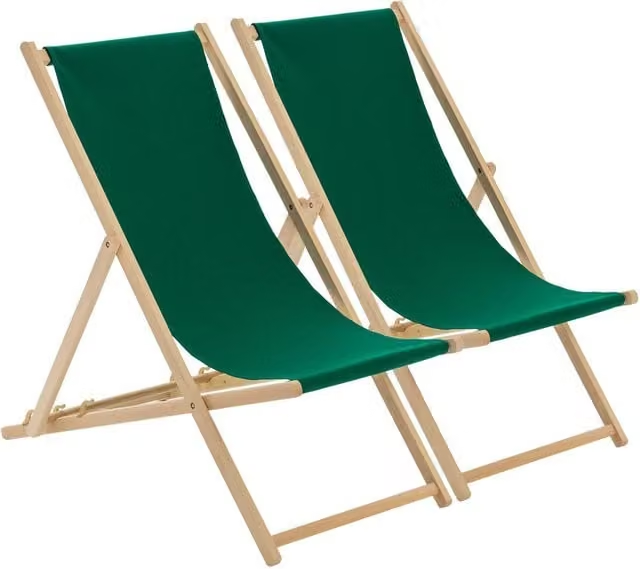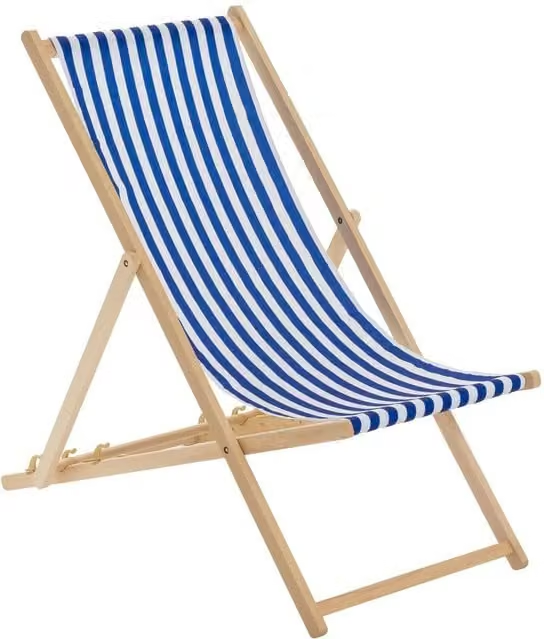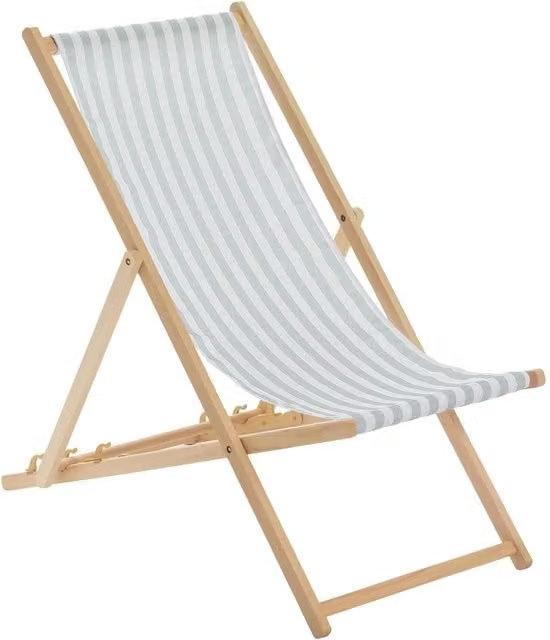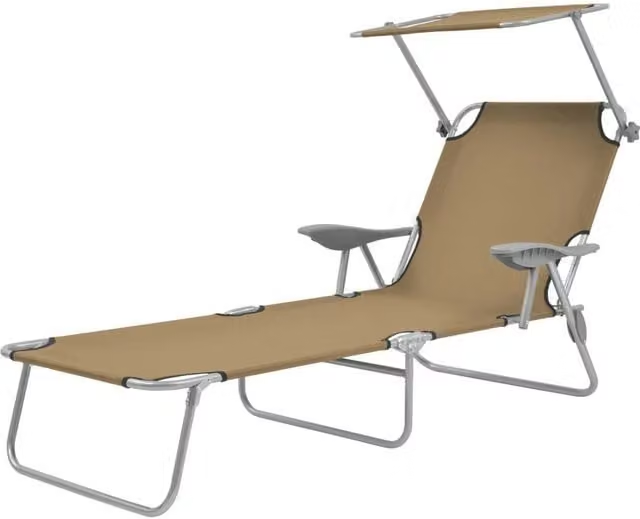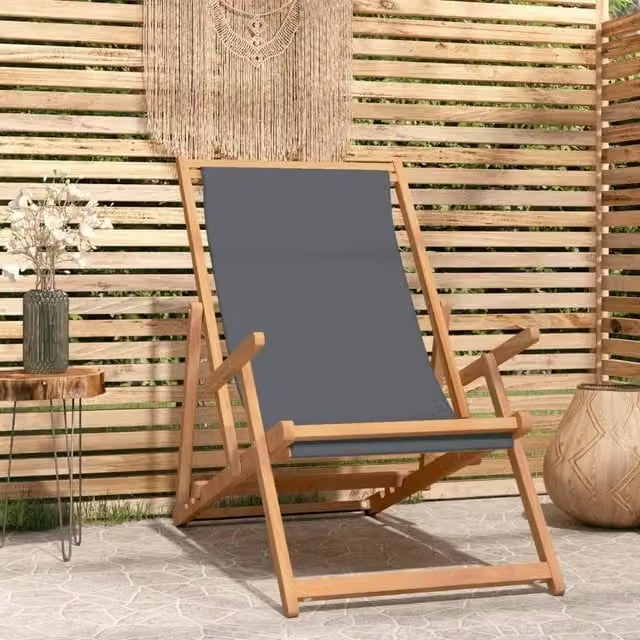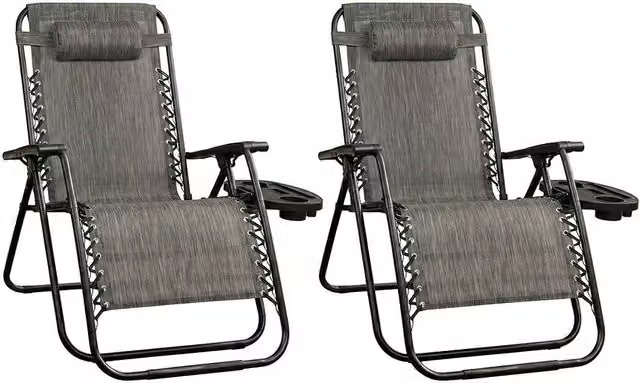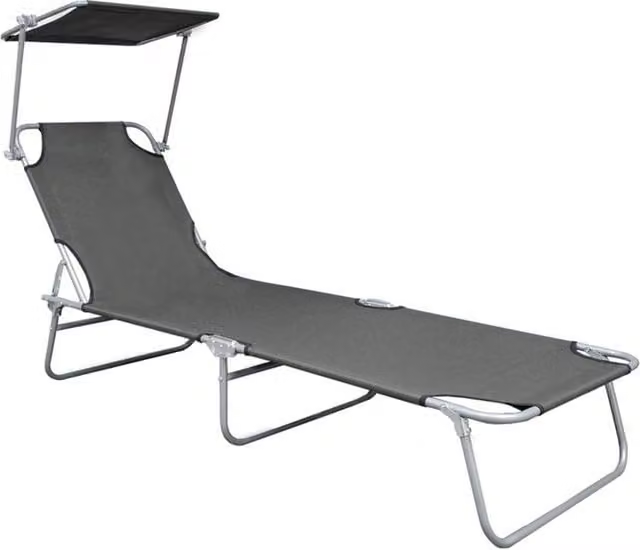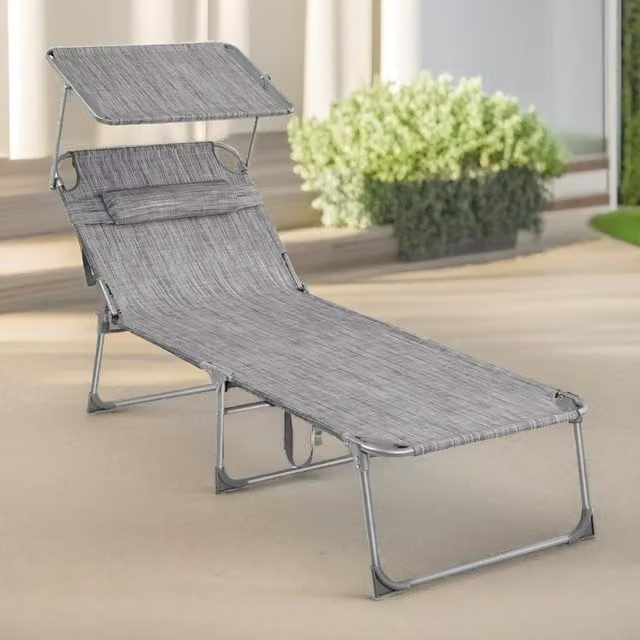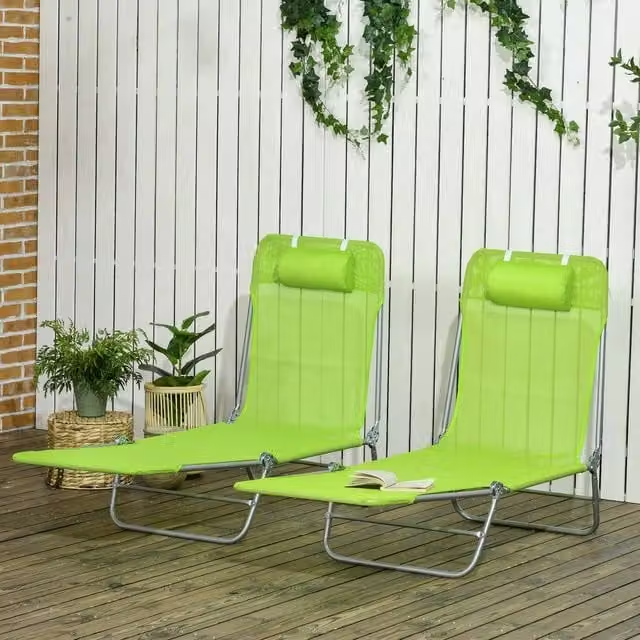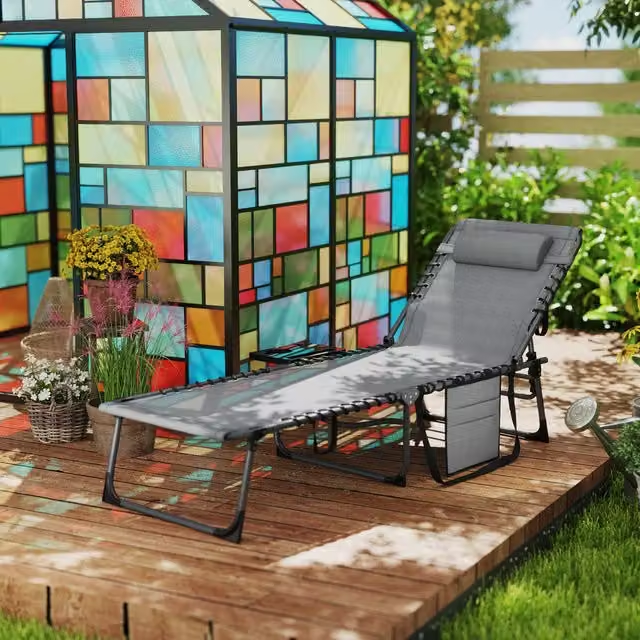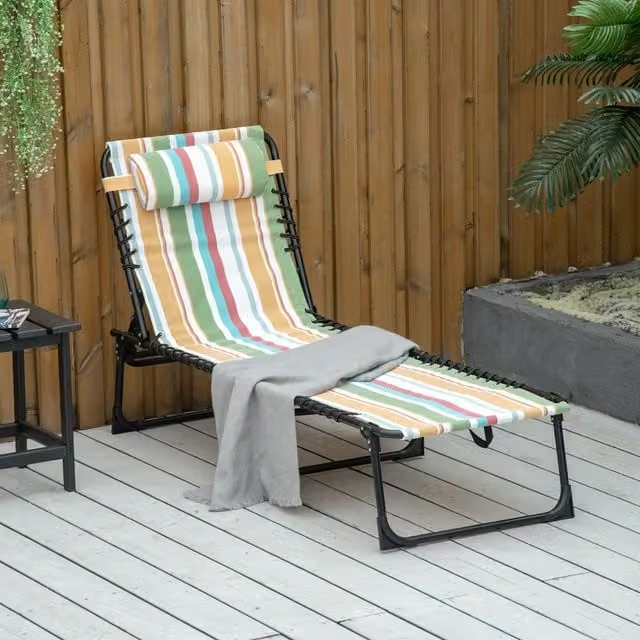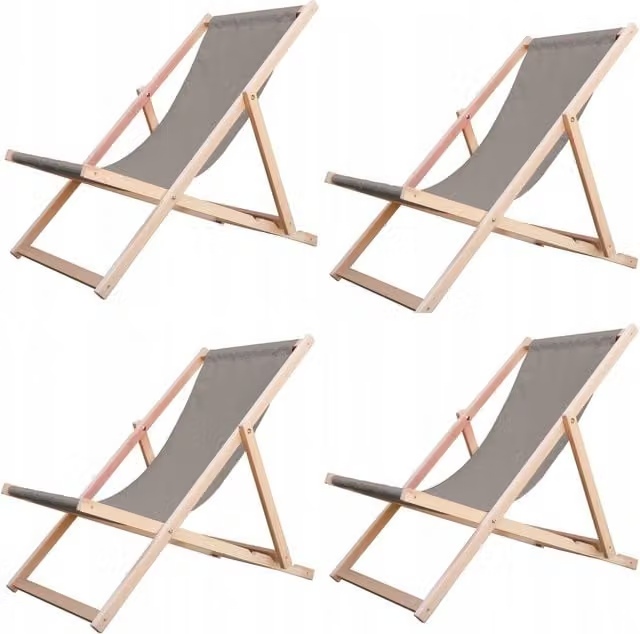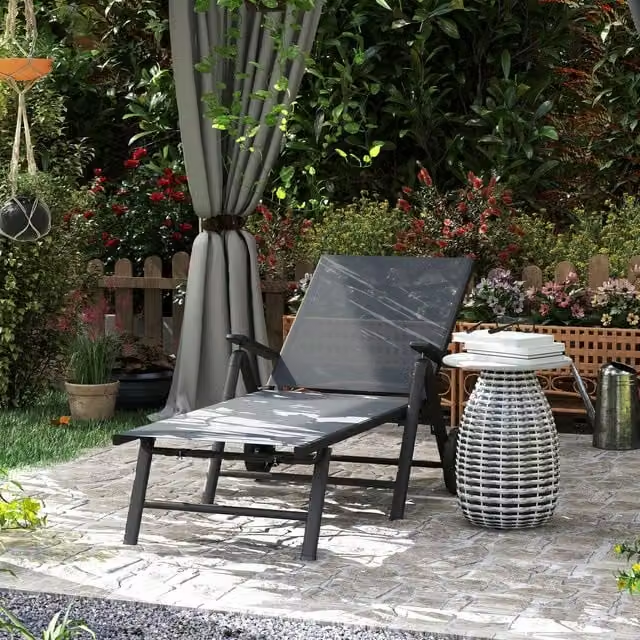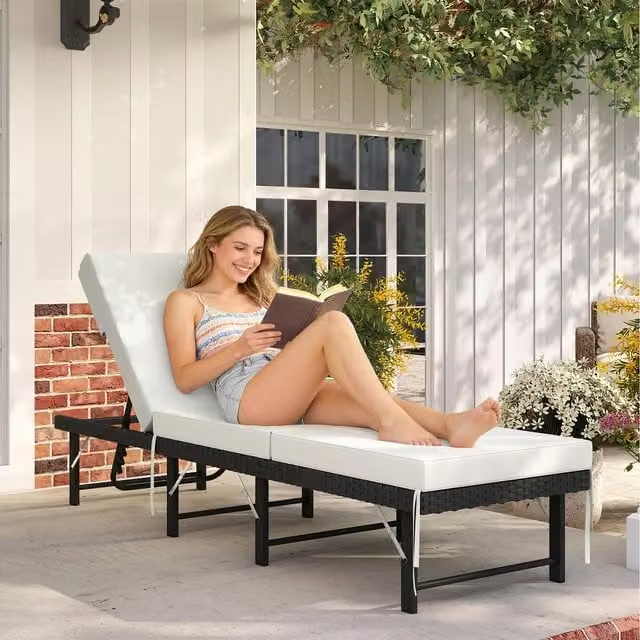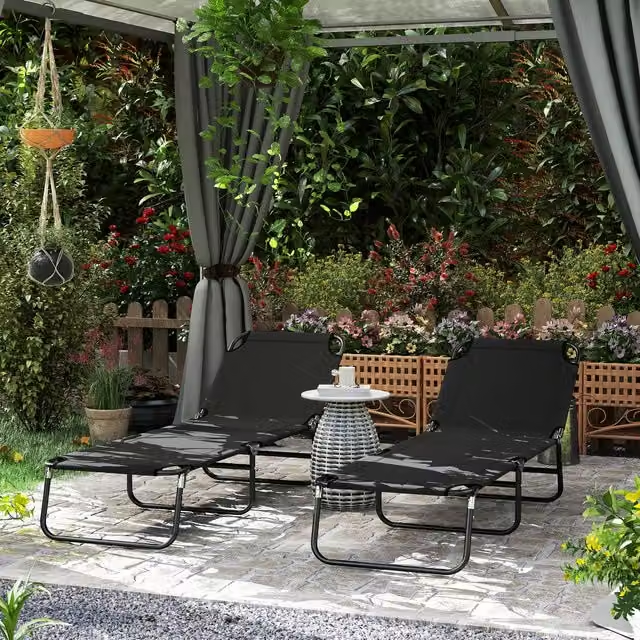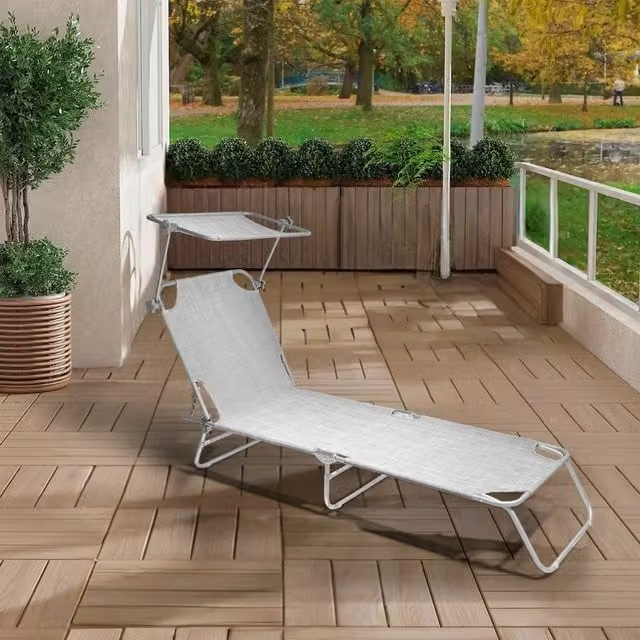
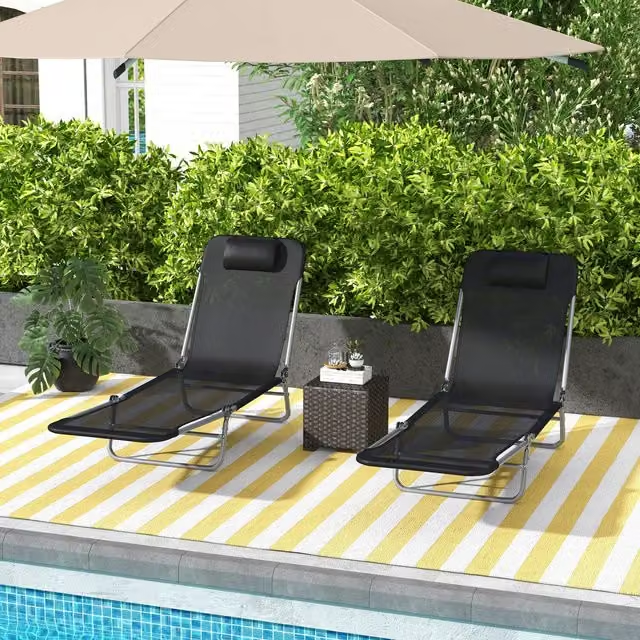
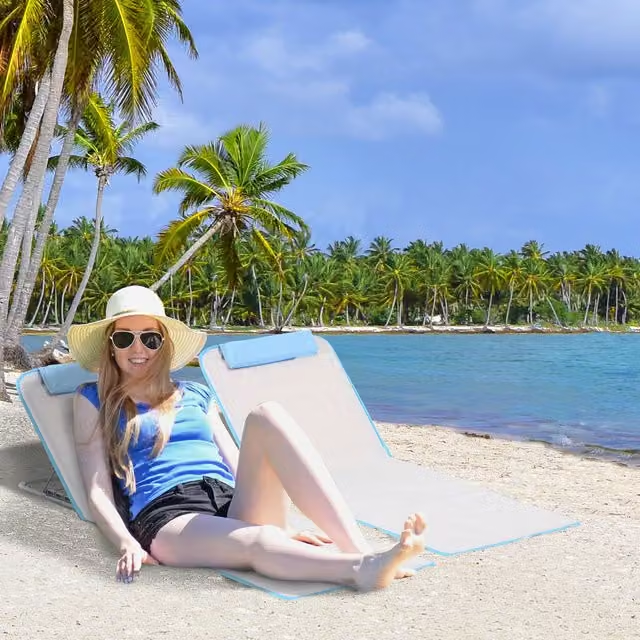
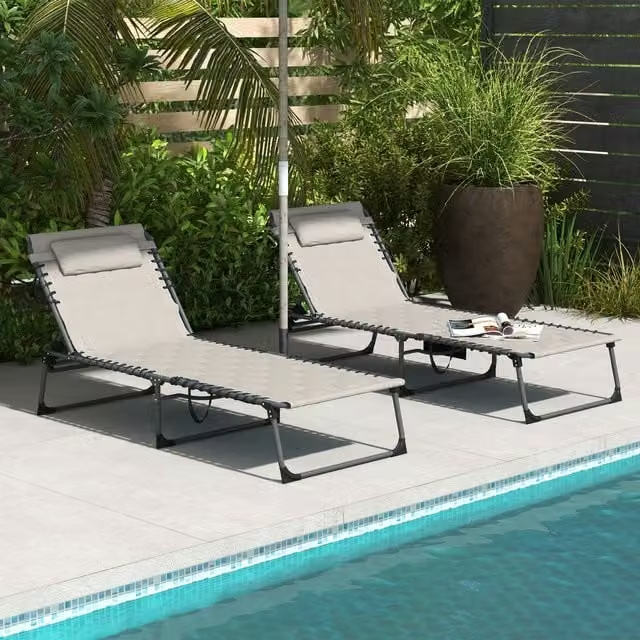
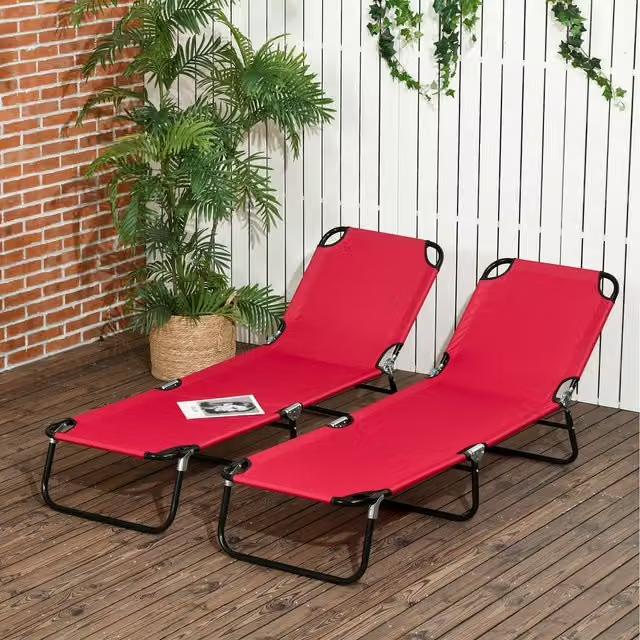
British weather rewards the prepared and punishes the committed. A permanent sun lounger spends most of the year getting rained on, while a foldable one appears the moment the sun does and disappears again when it goes. That flexibility is exactly why folding loungers have become the default choice for patios, balconies and gardens where space is genuinely limited.
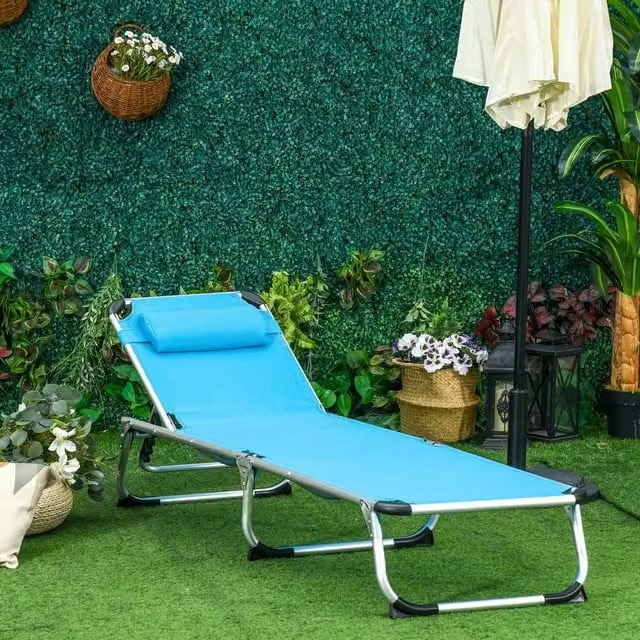
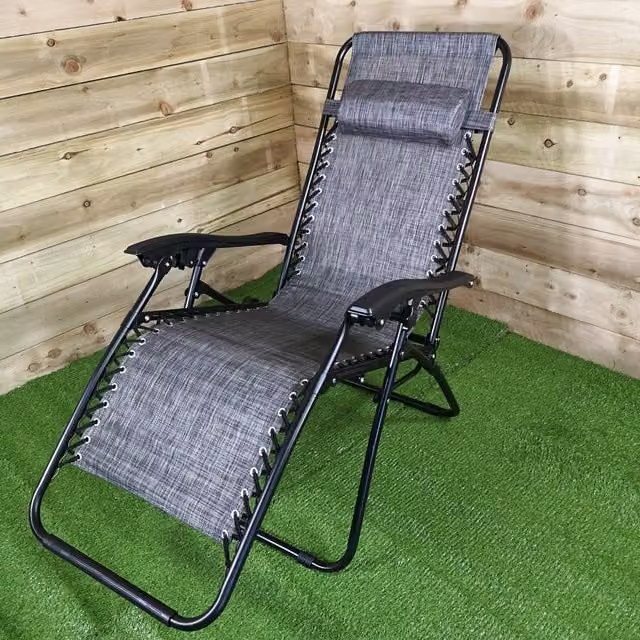
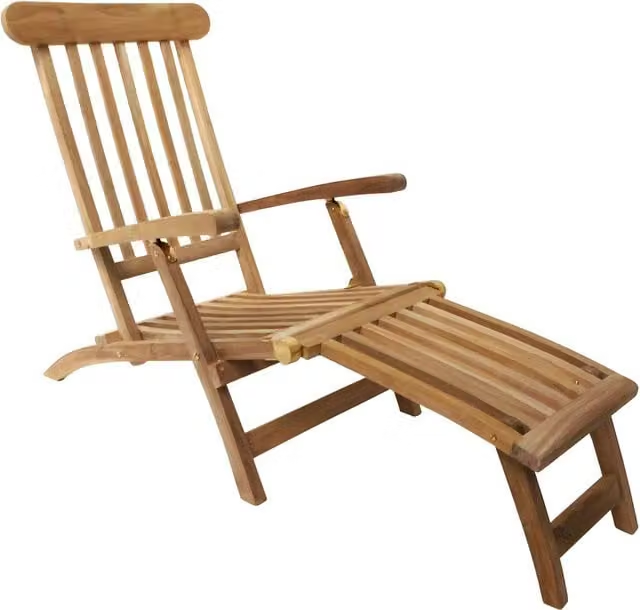
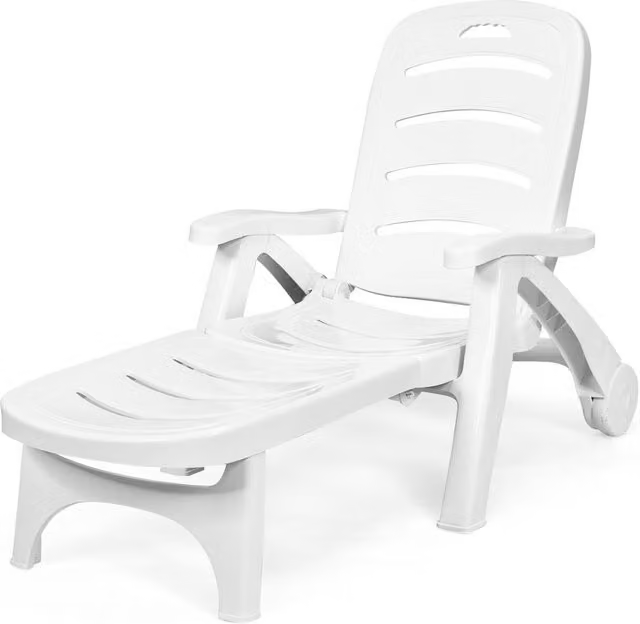
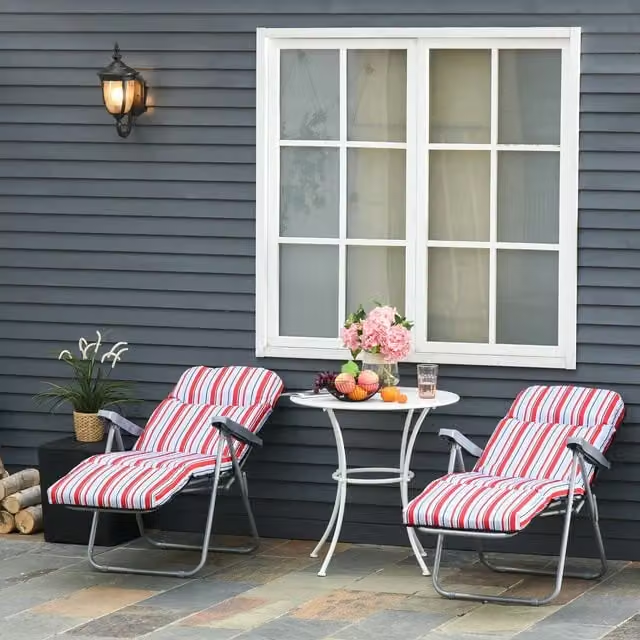
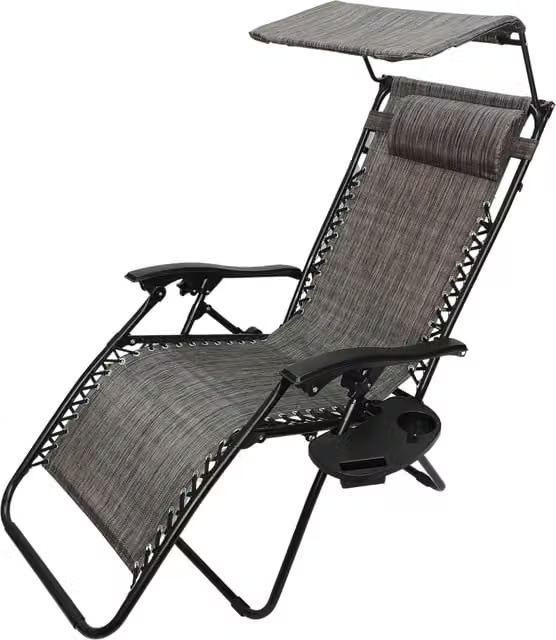
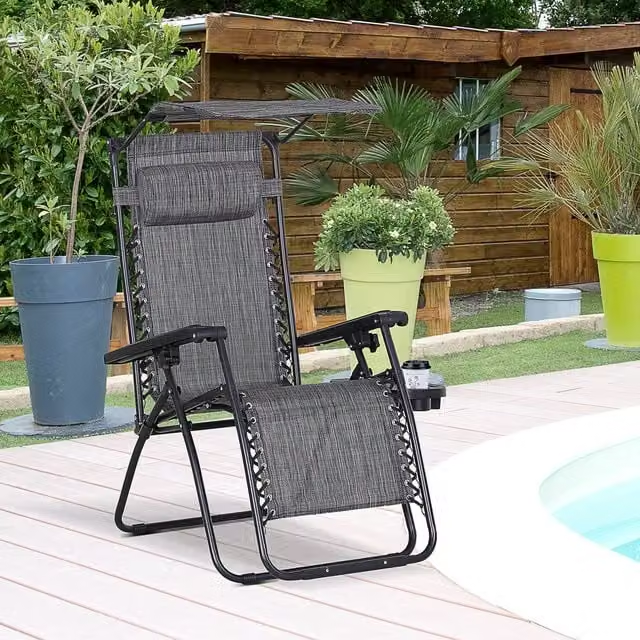
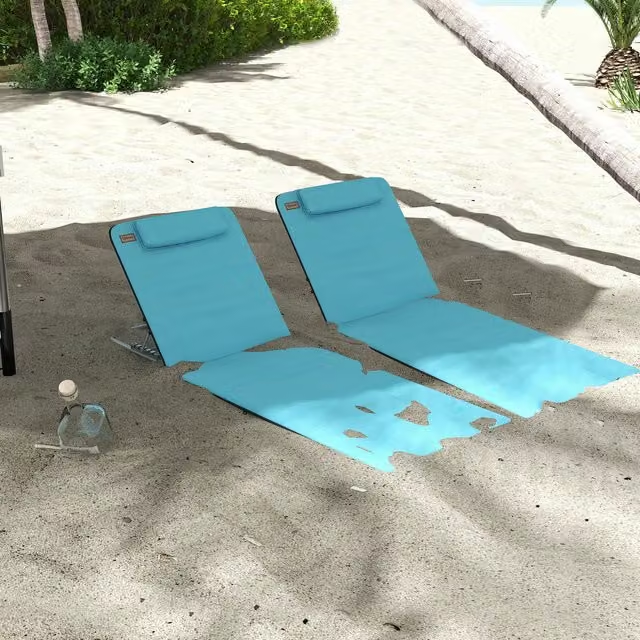
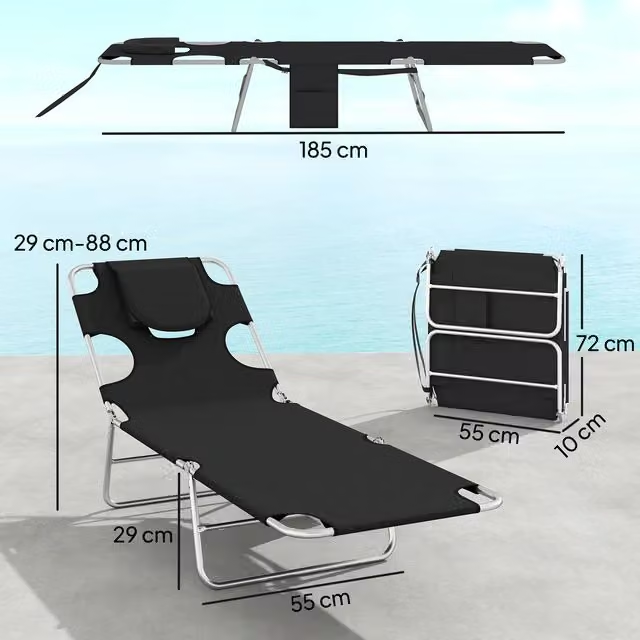
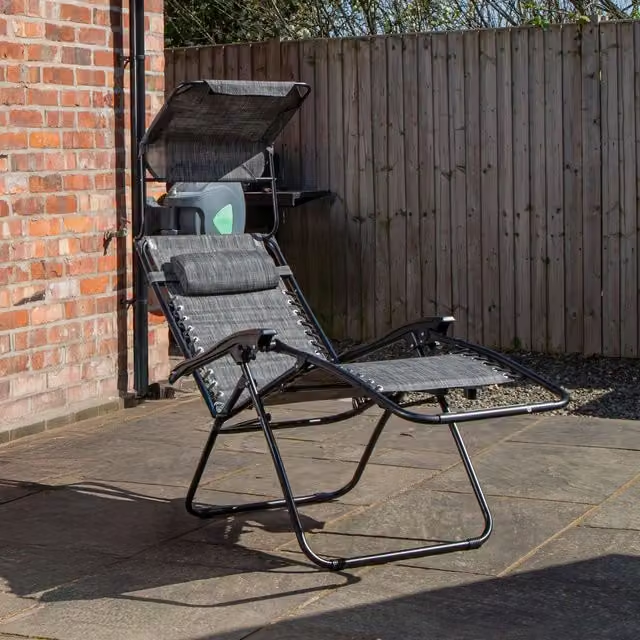
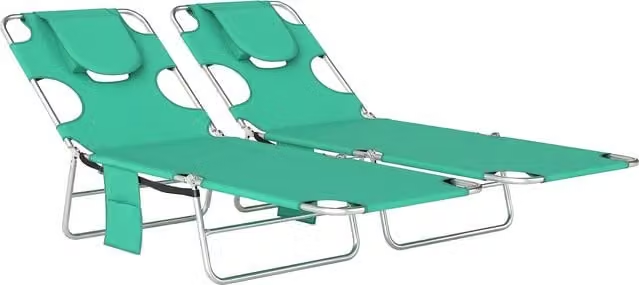
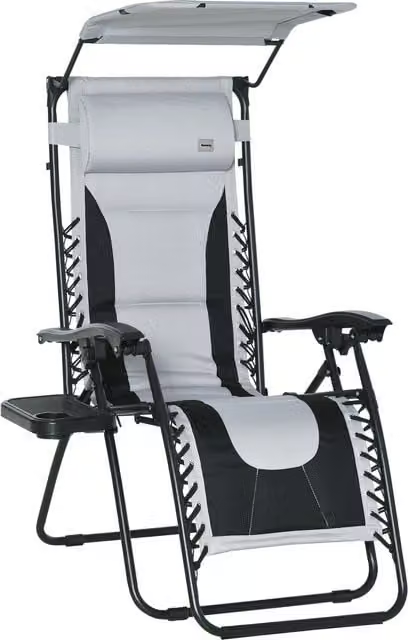
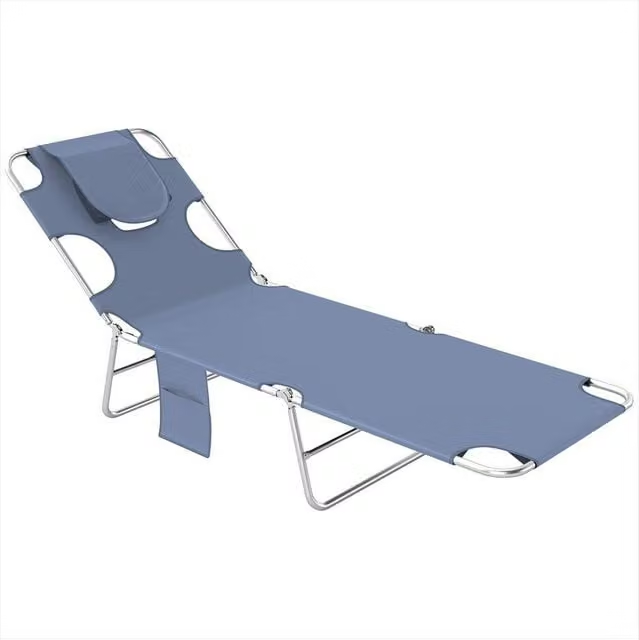
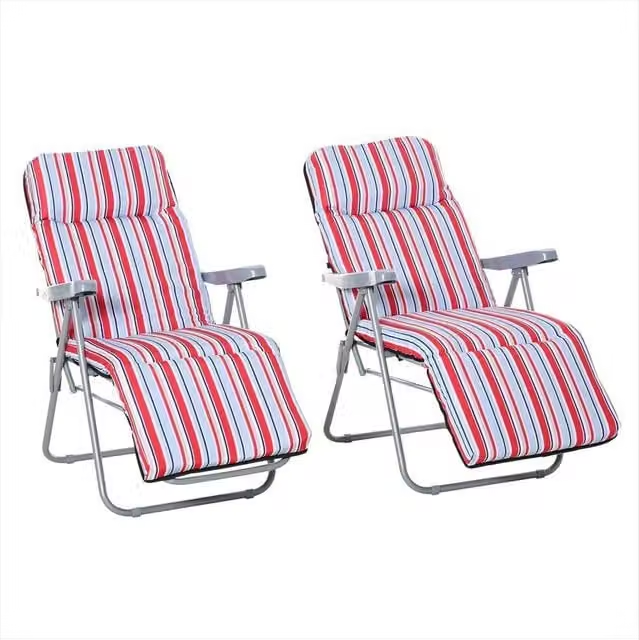
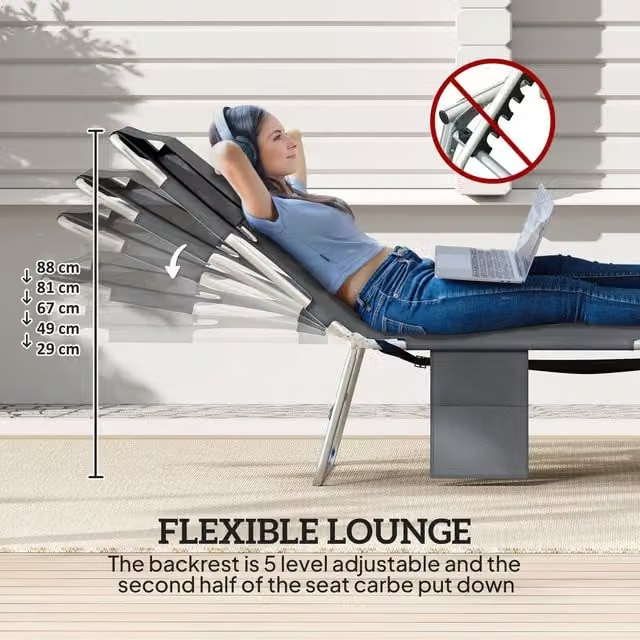
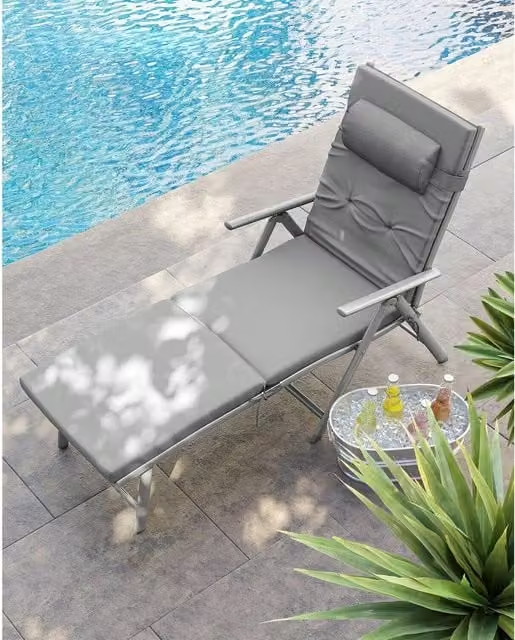
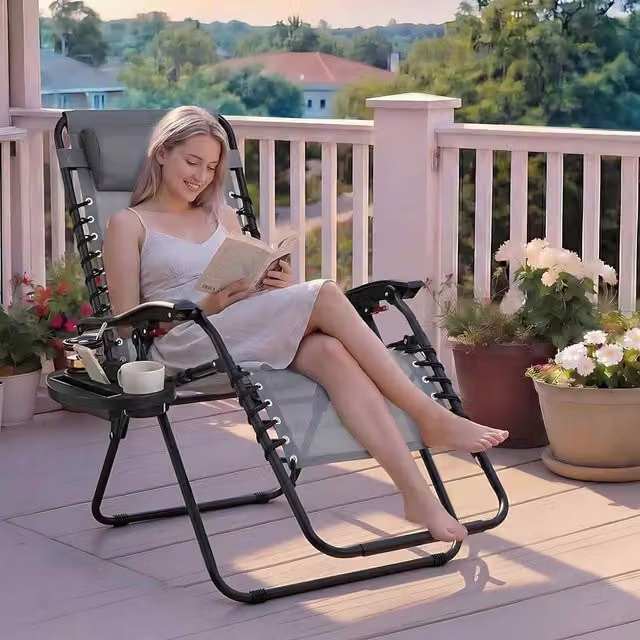
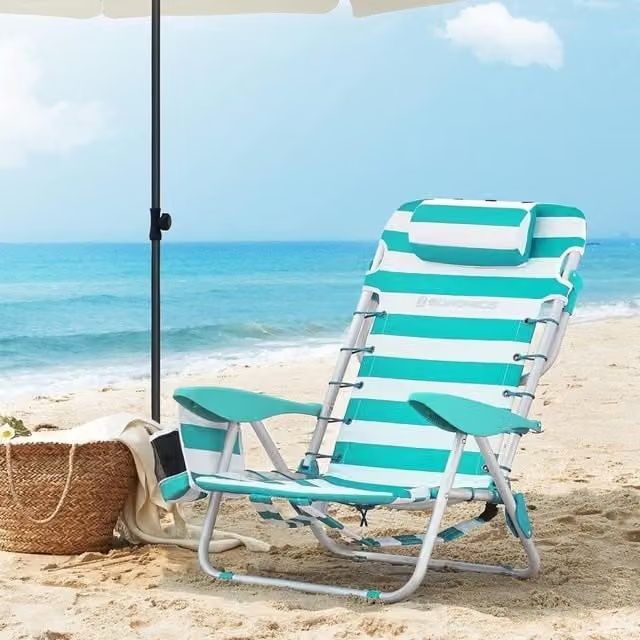
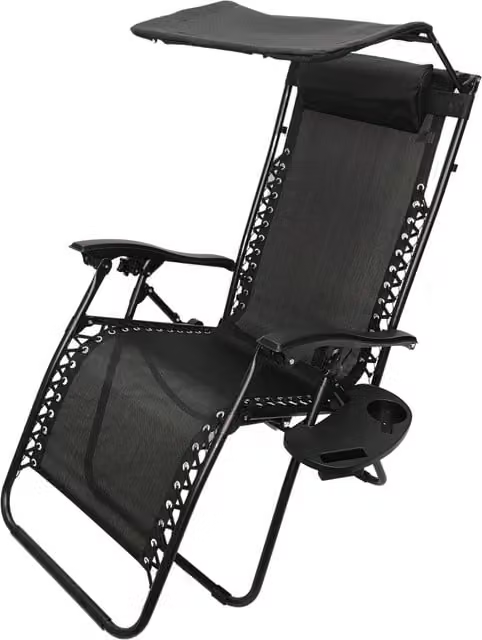
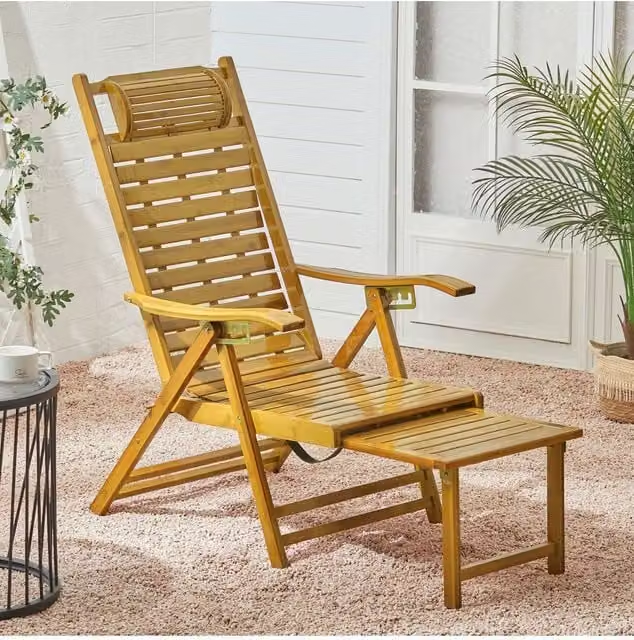
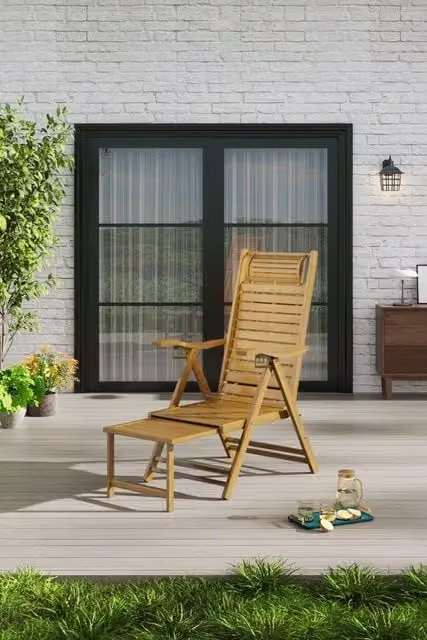
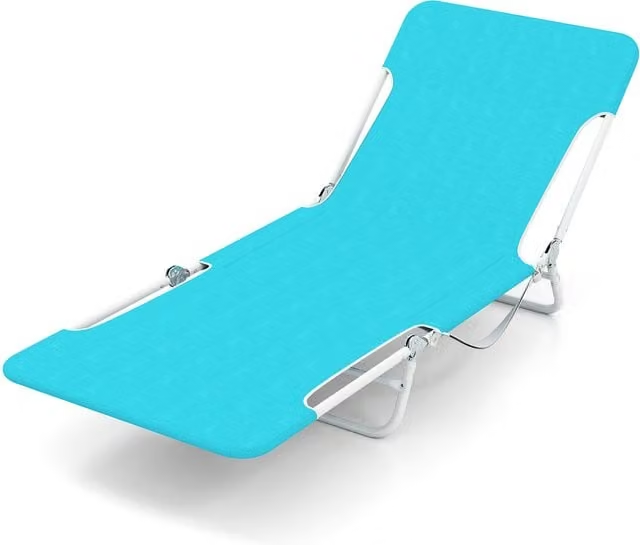
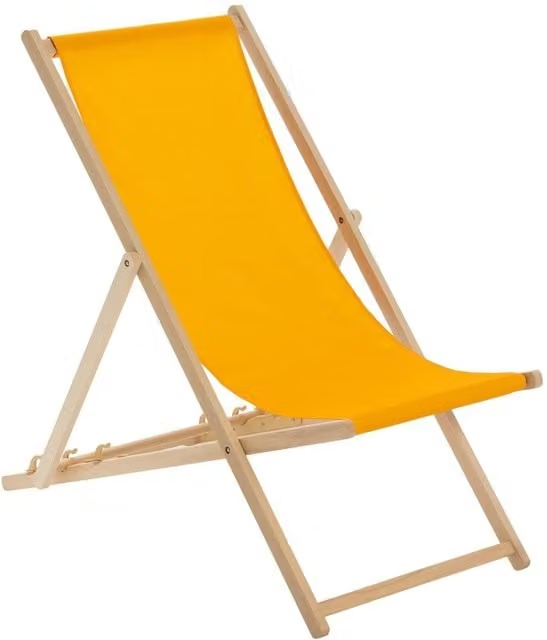
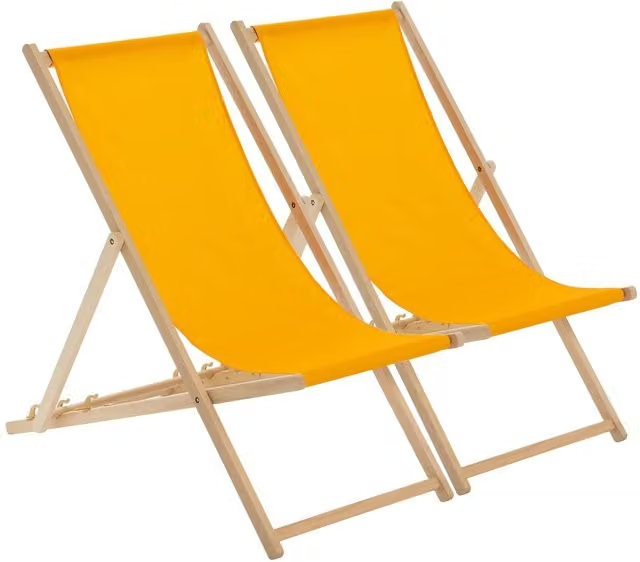
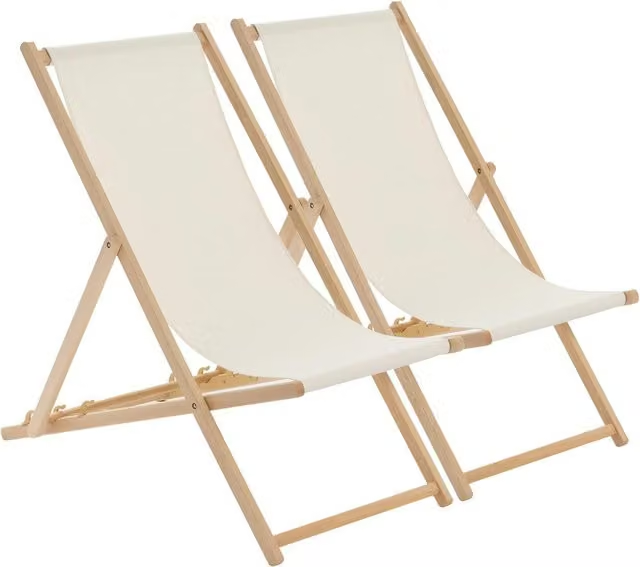
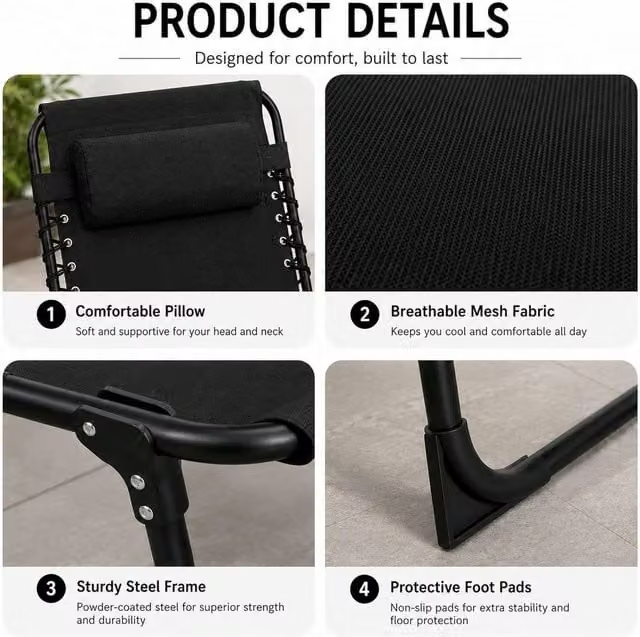
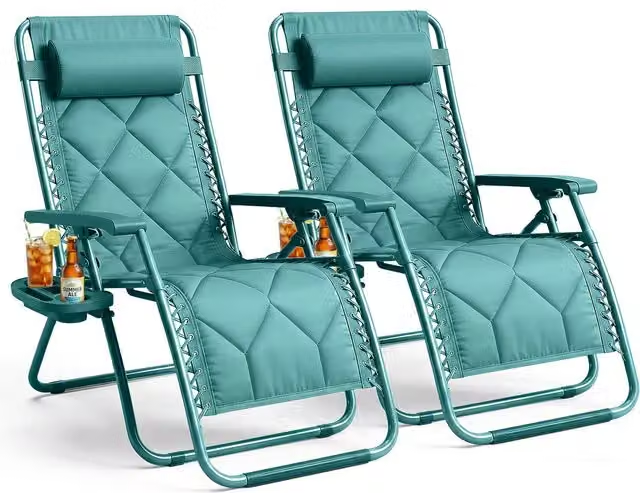
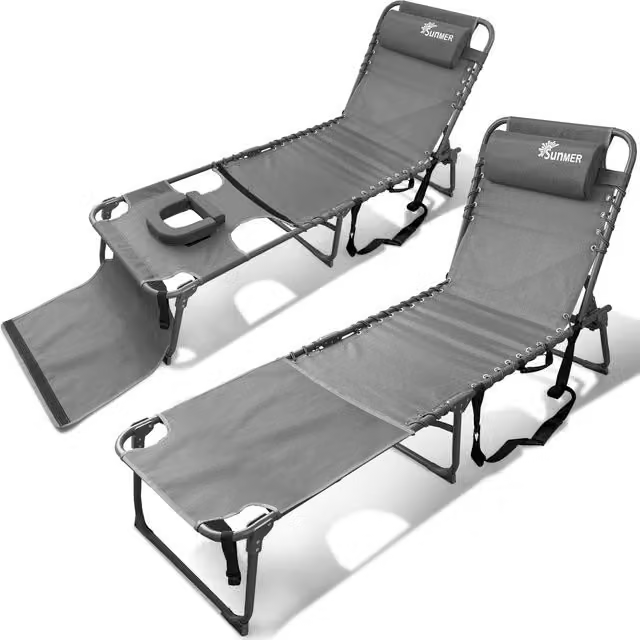
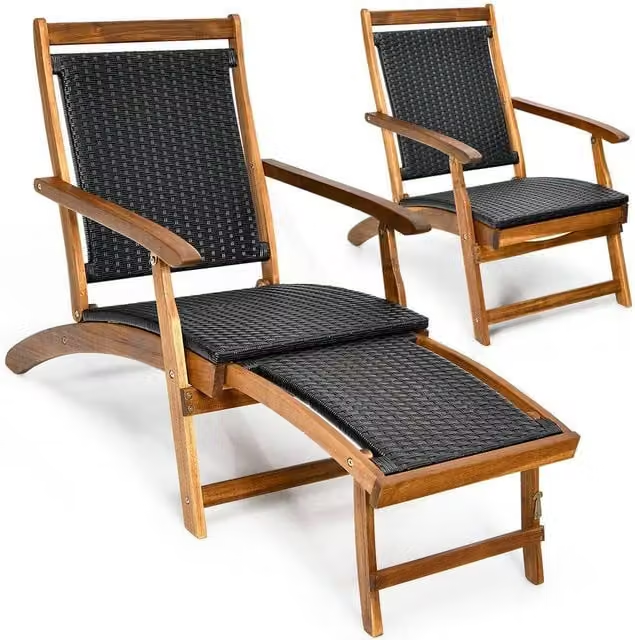
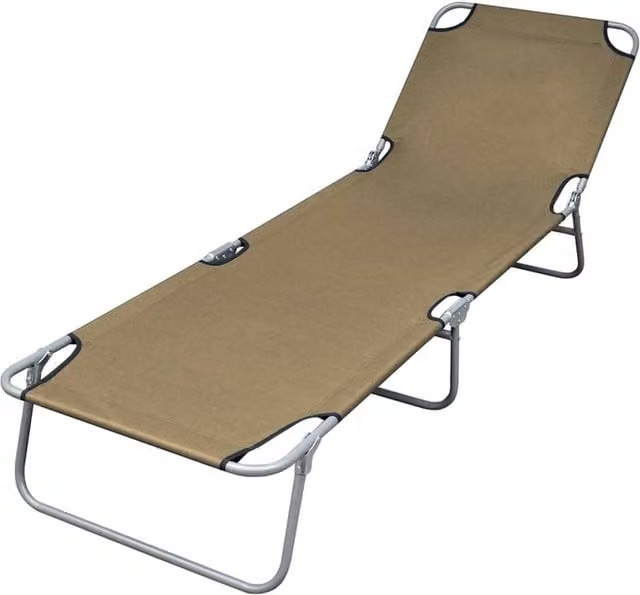
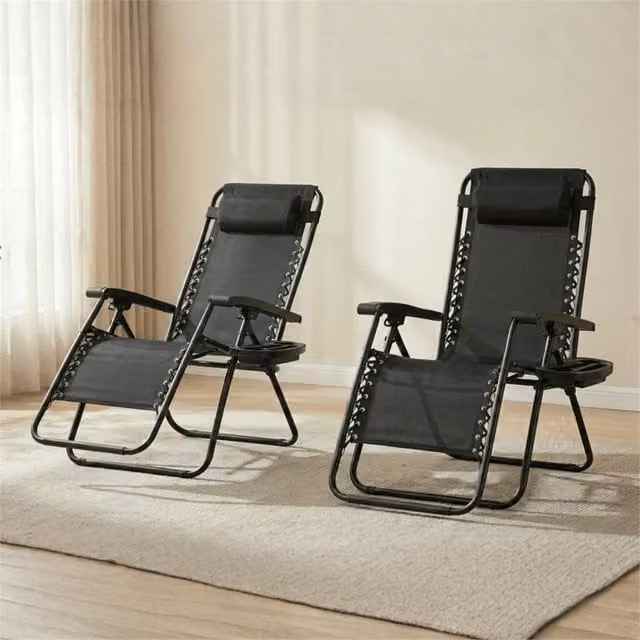
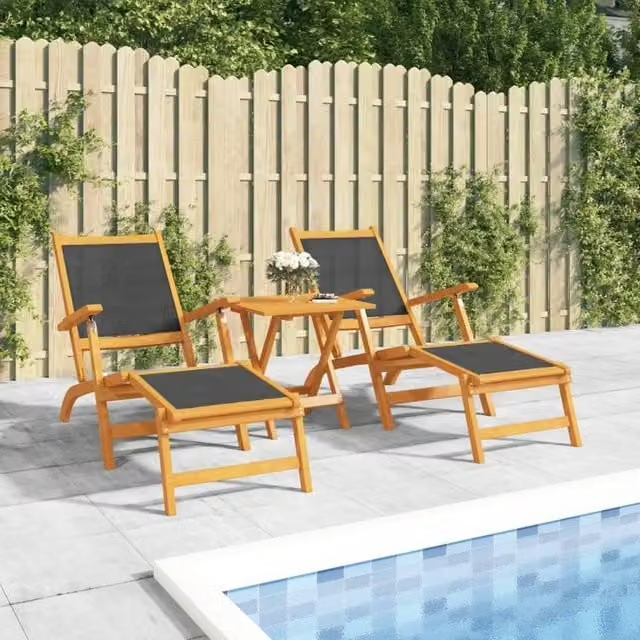
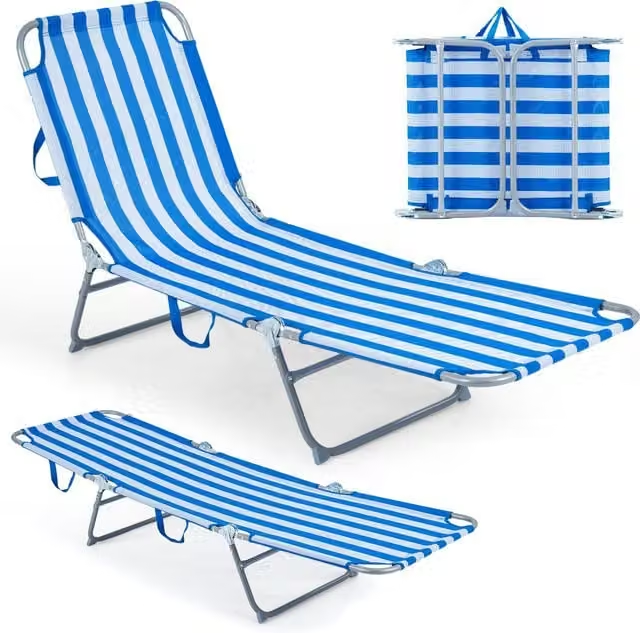
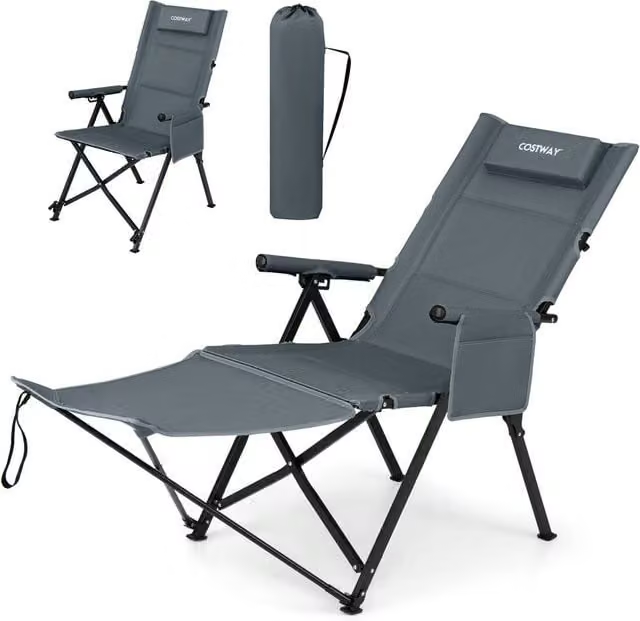
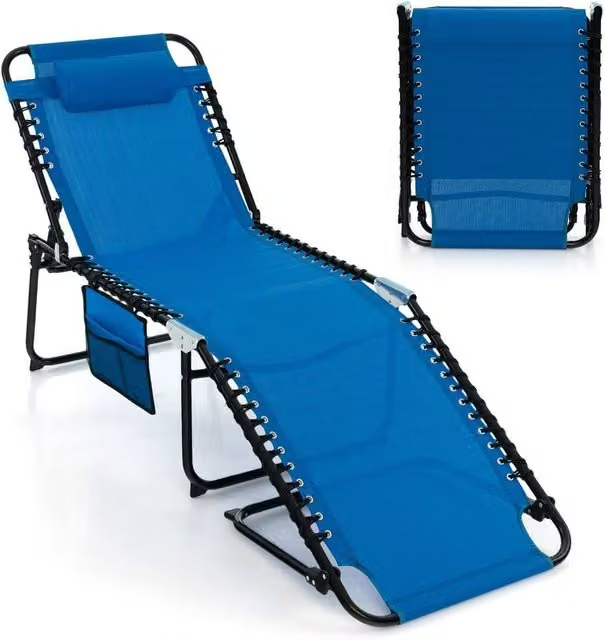
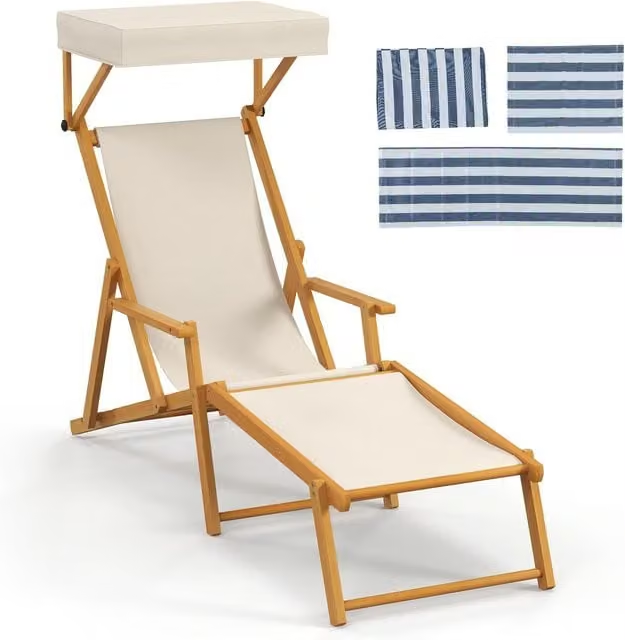
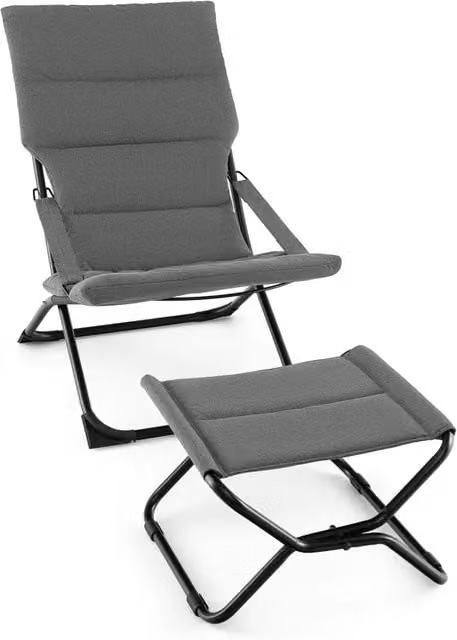
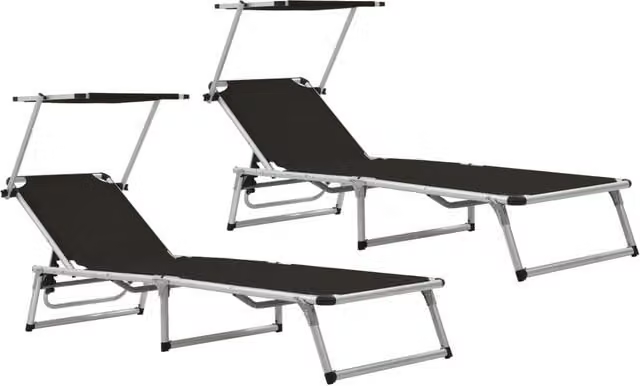
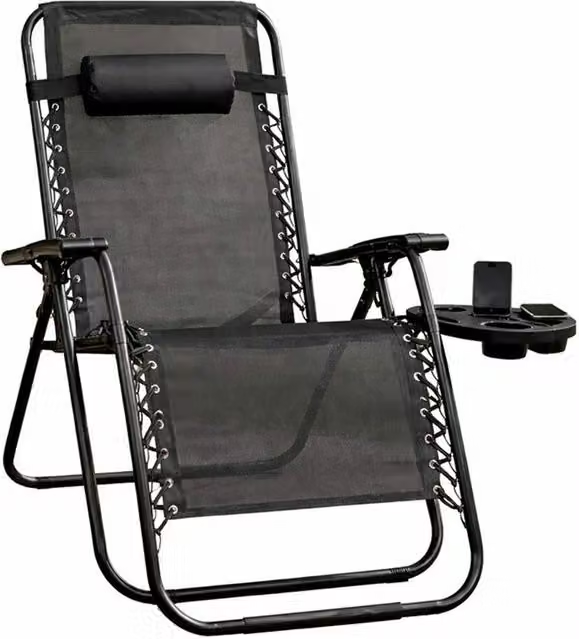
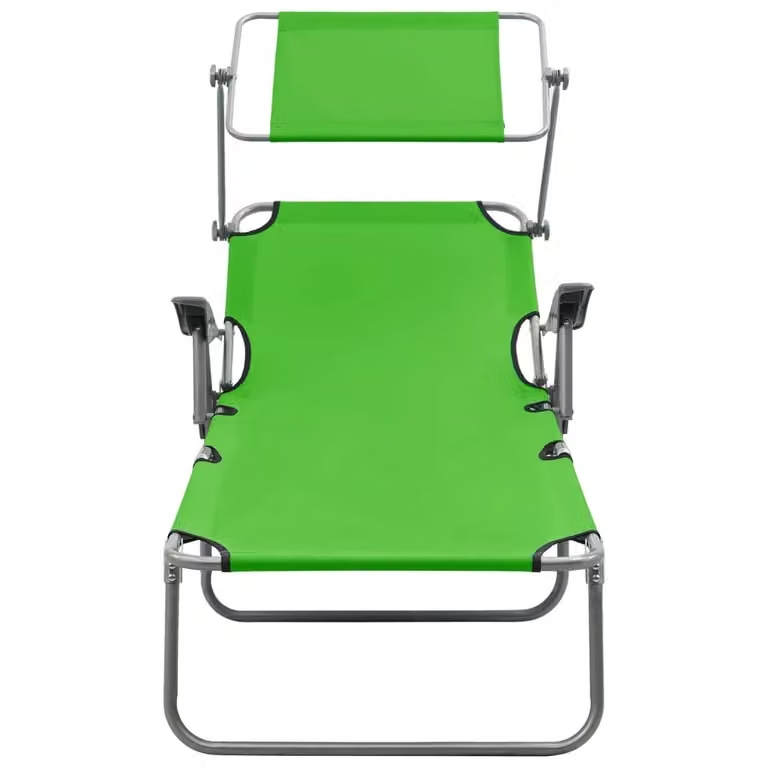
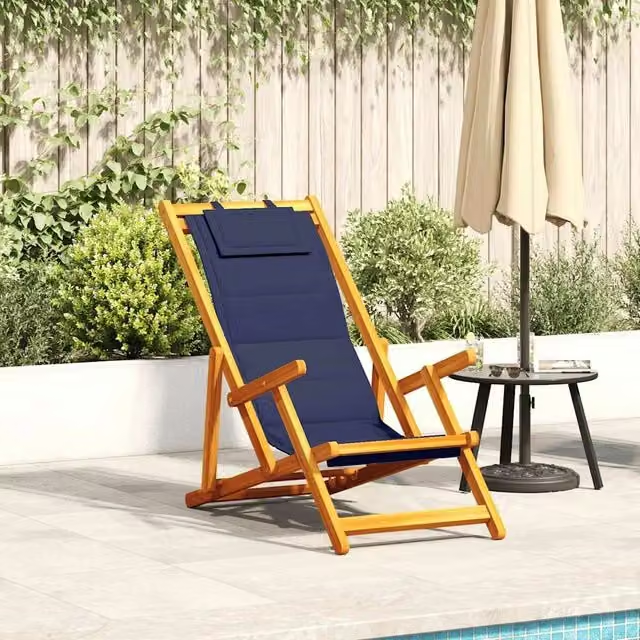
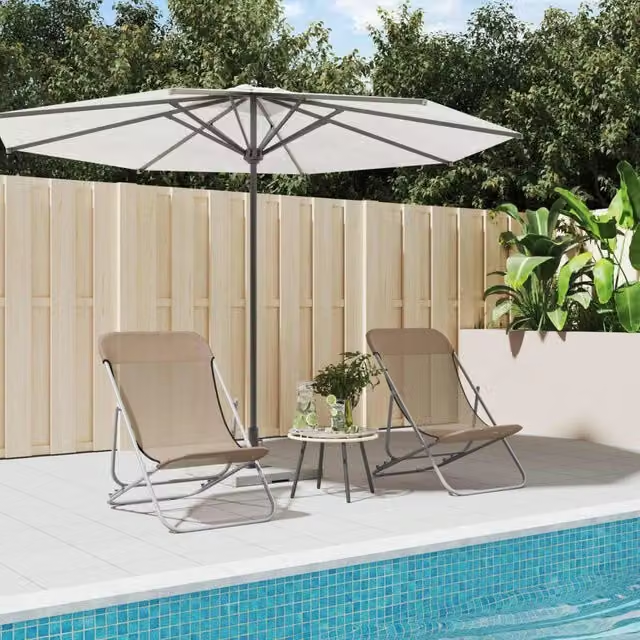
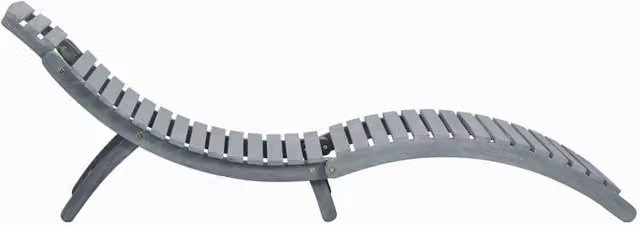
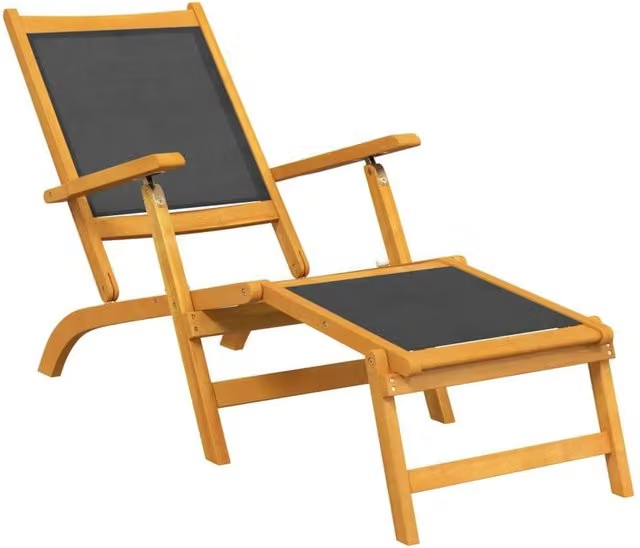
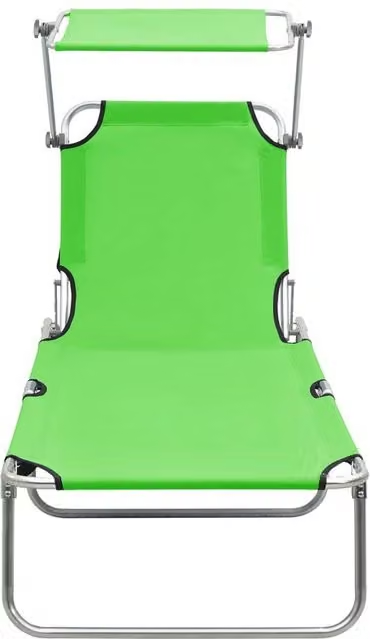
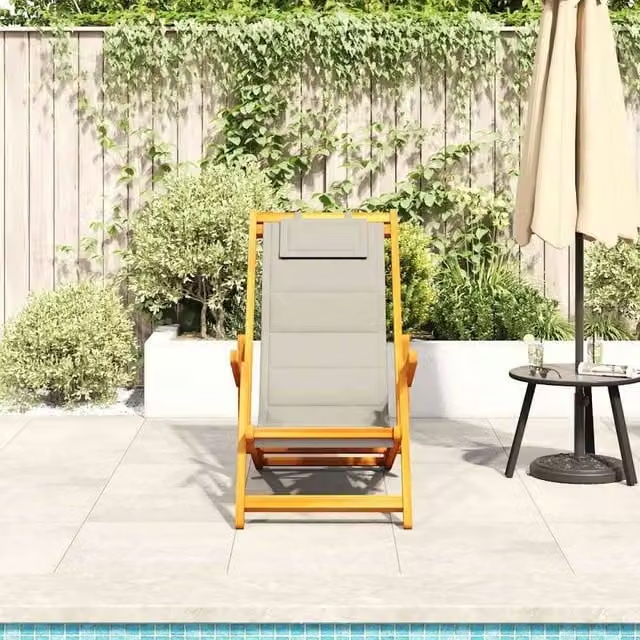
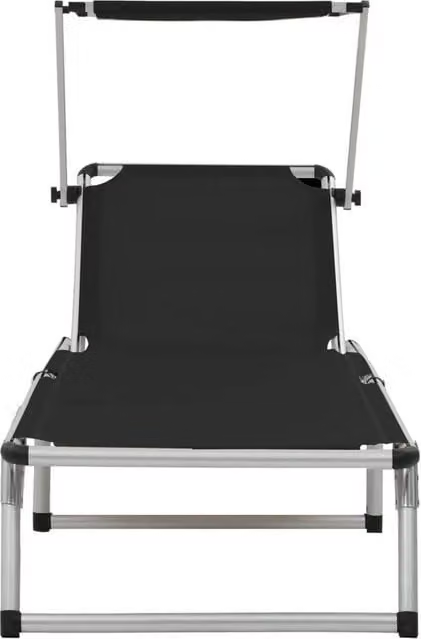
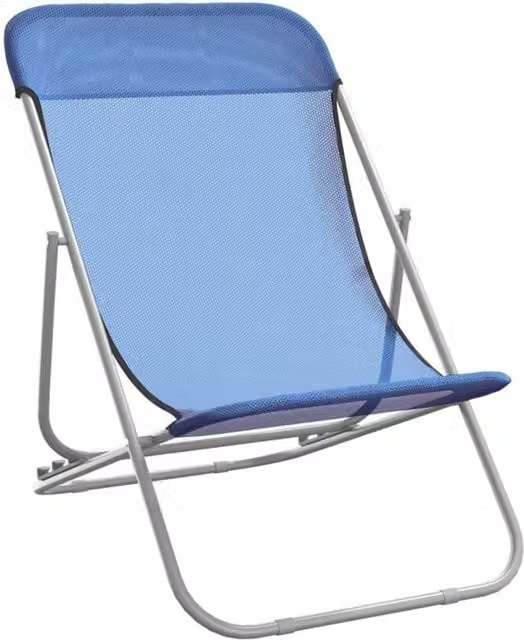
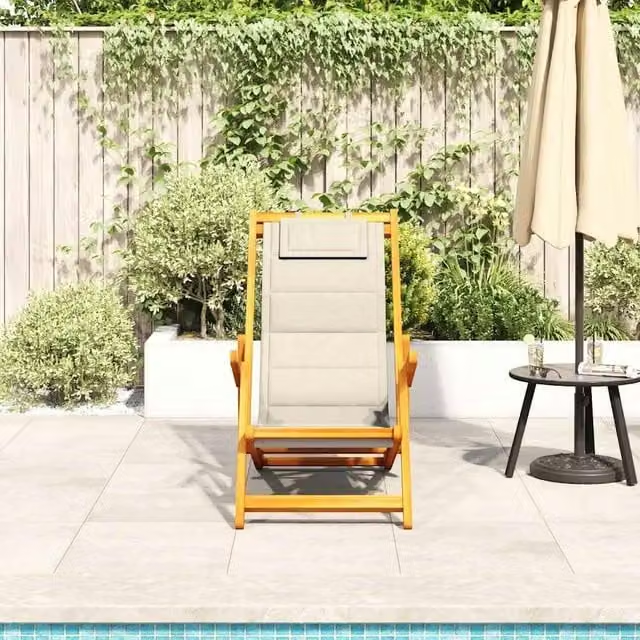
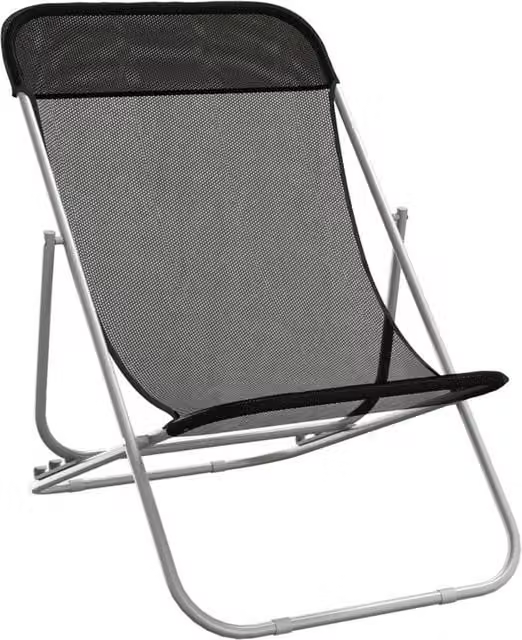
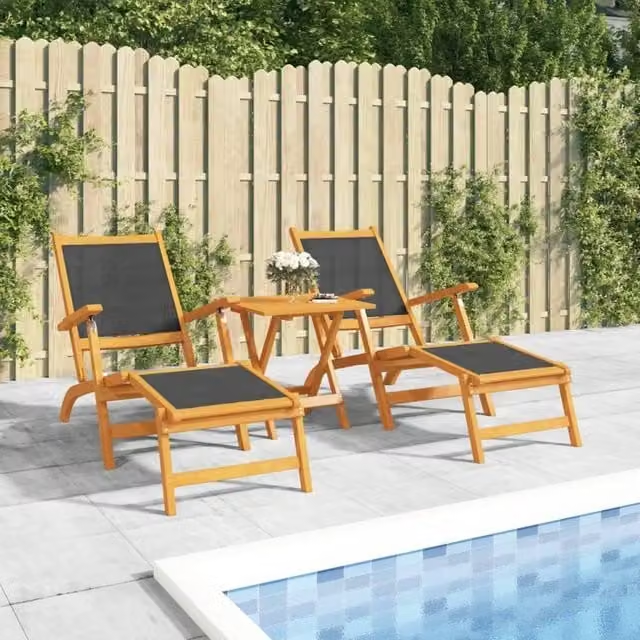
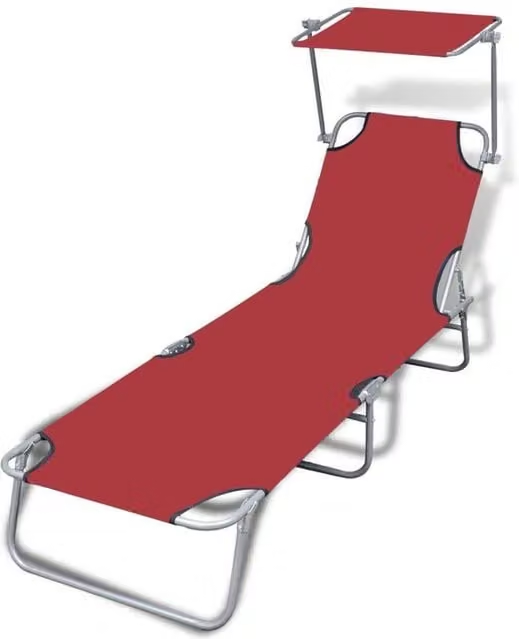
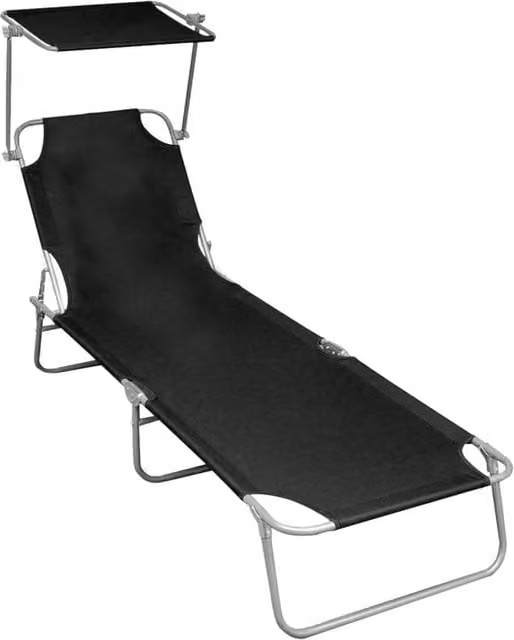
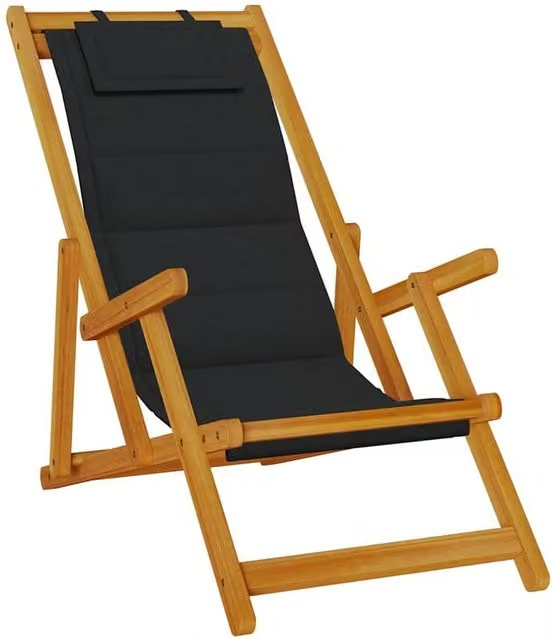
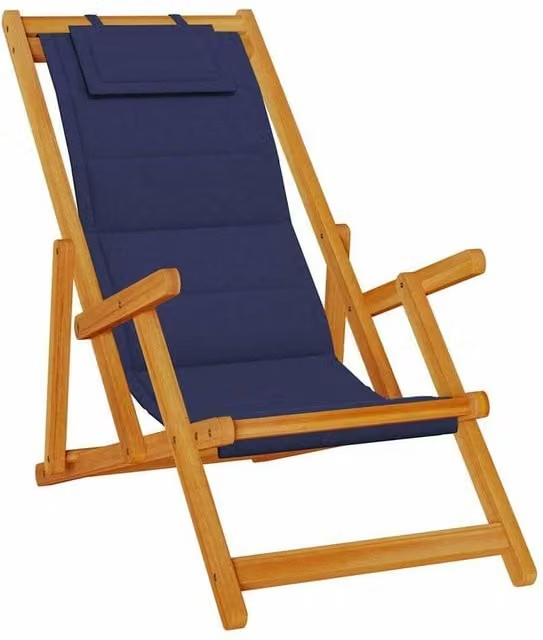
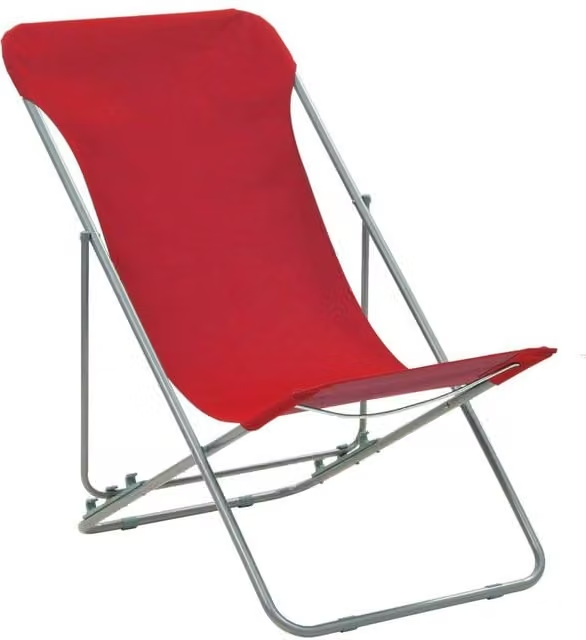
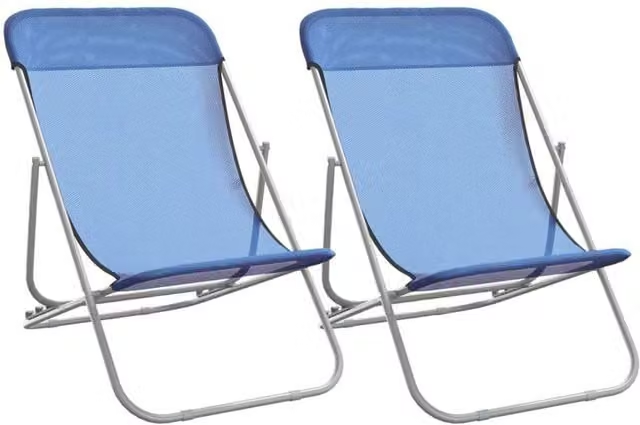
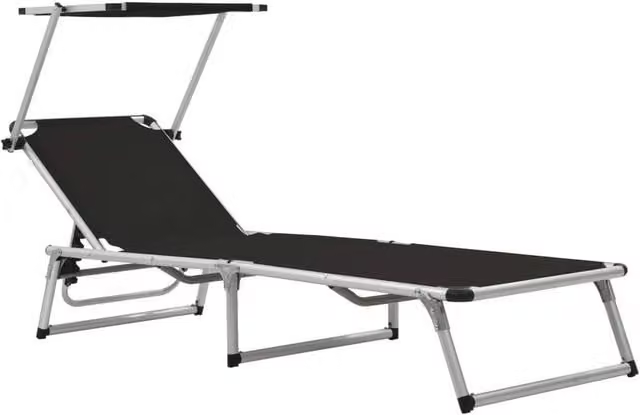
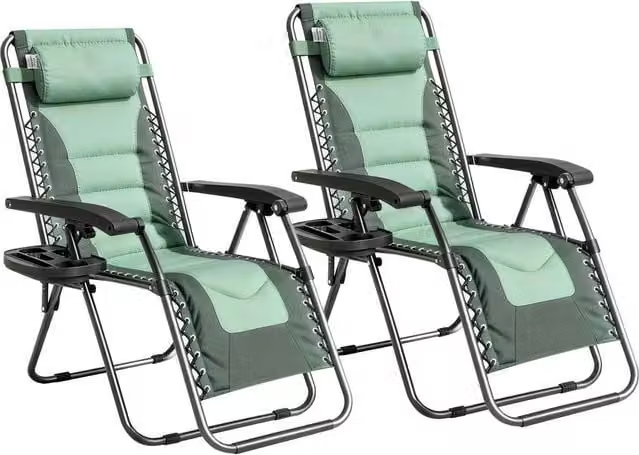
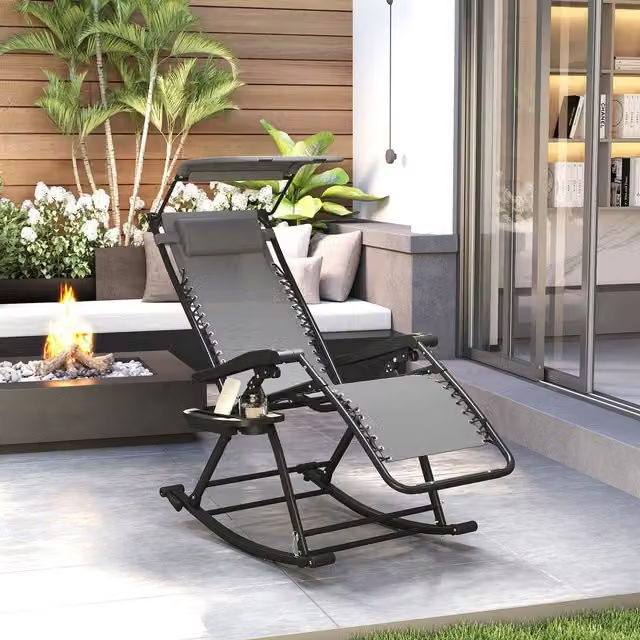
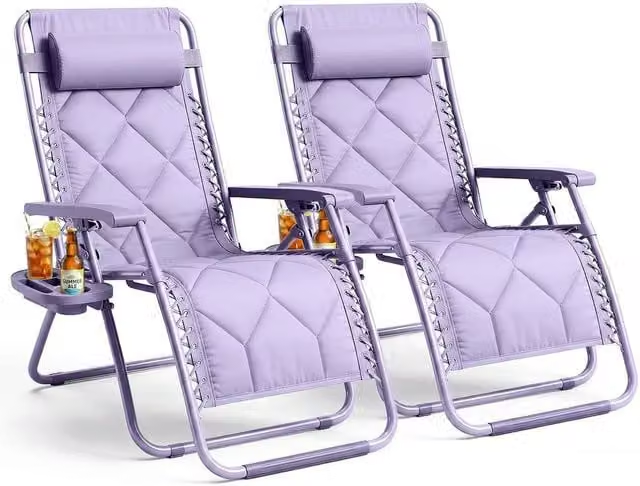
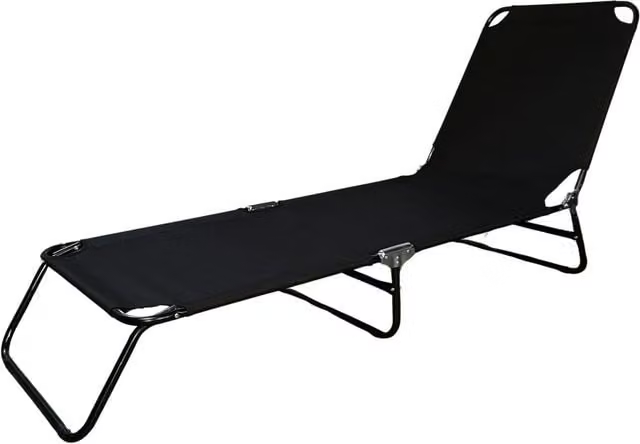
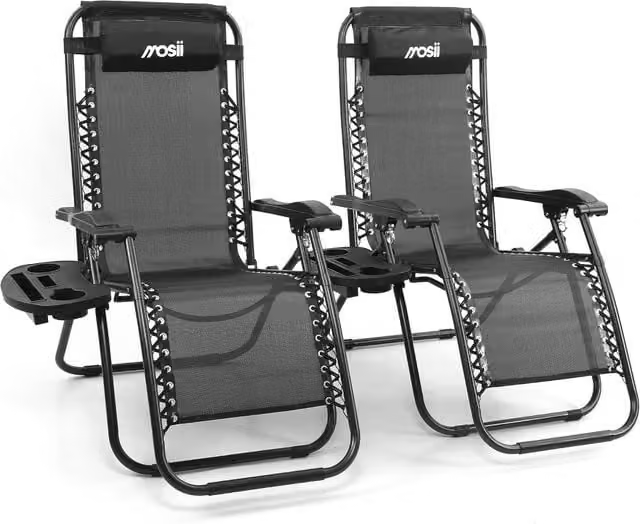
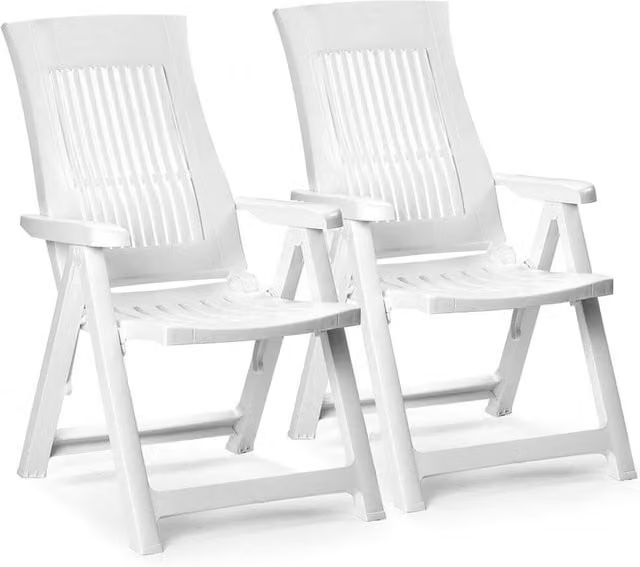
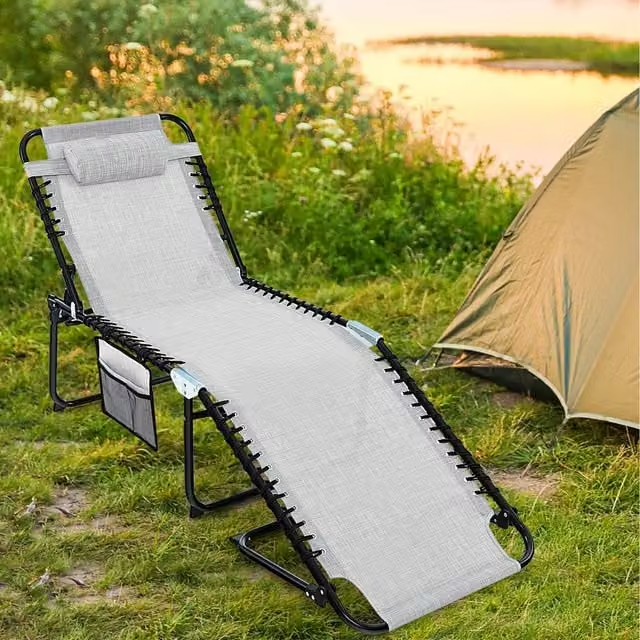
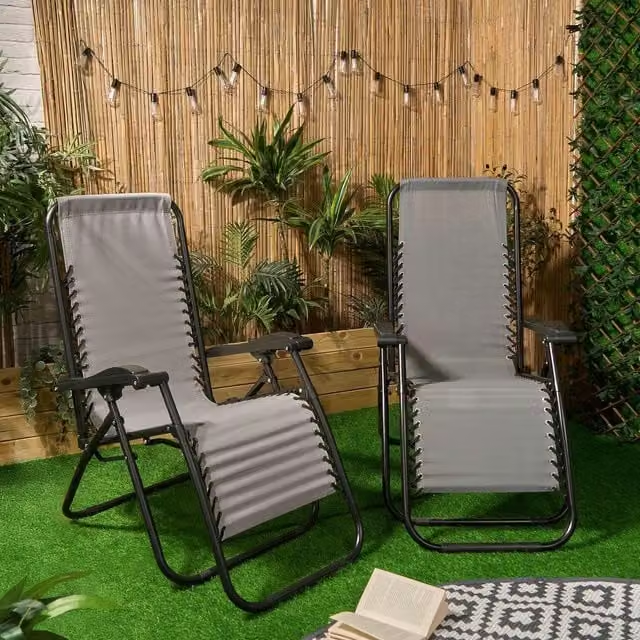
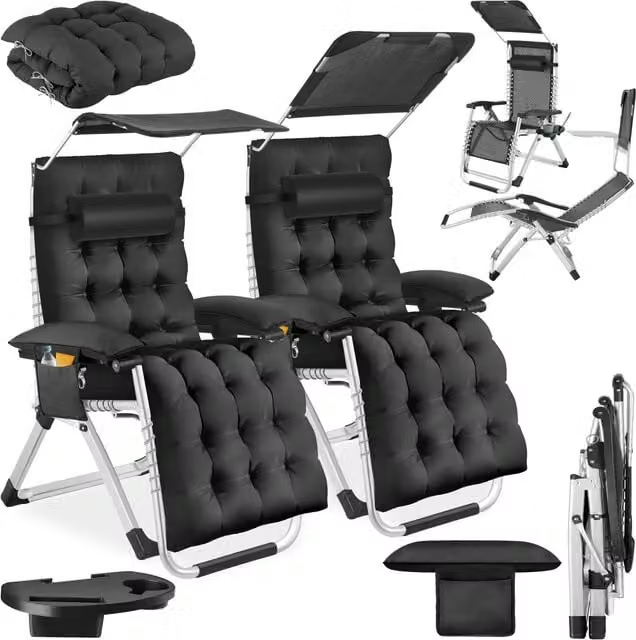
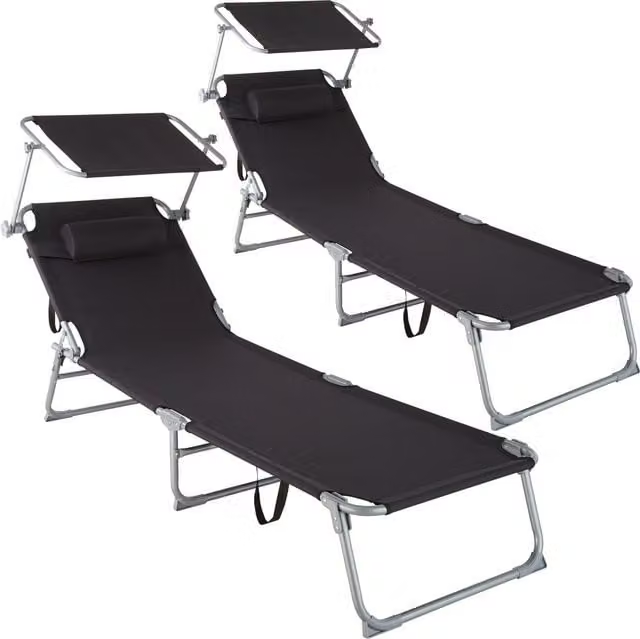
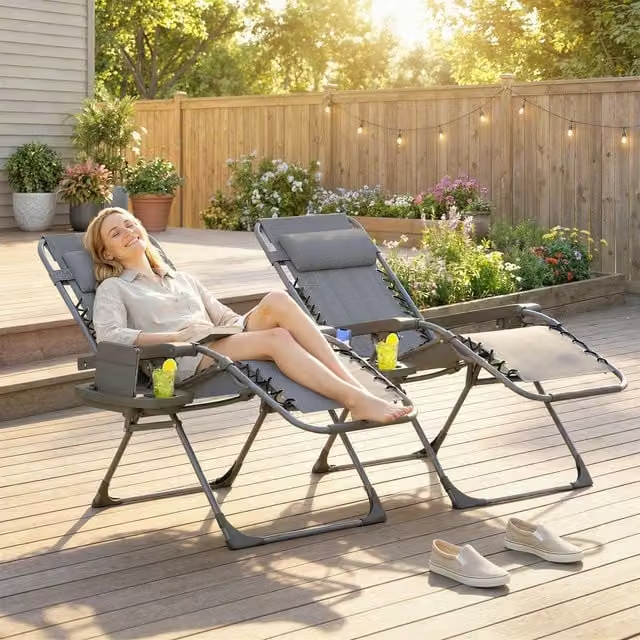
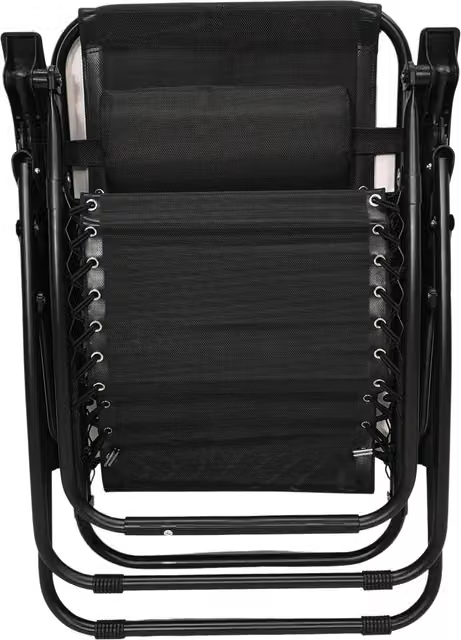
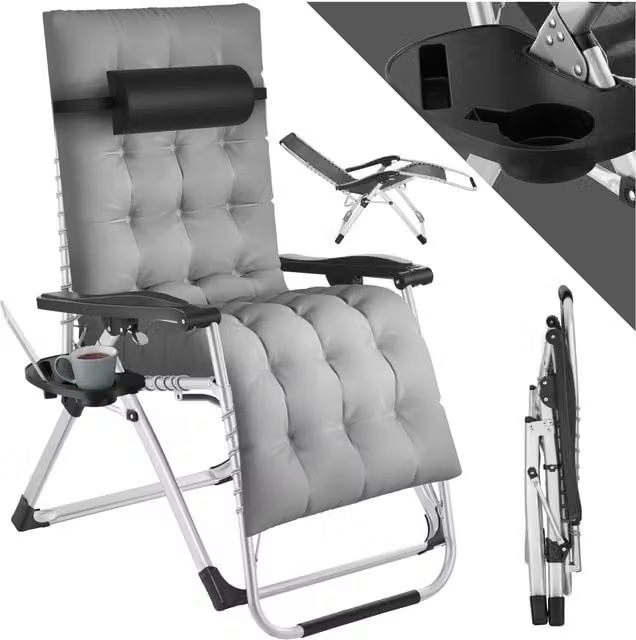
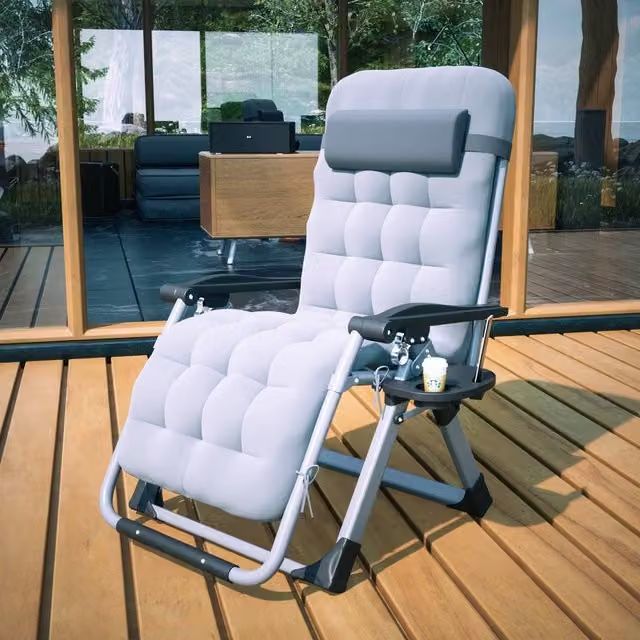
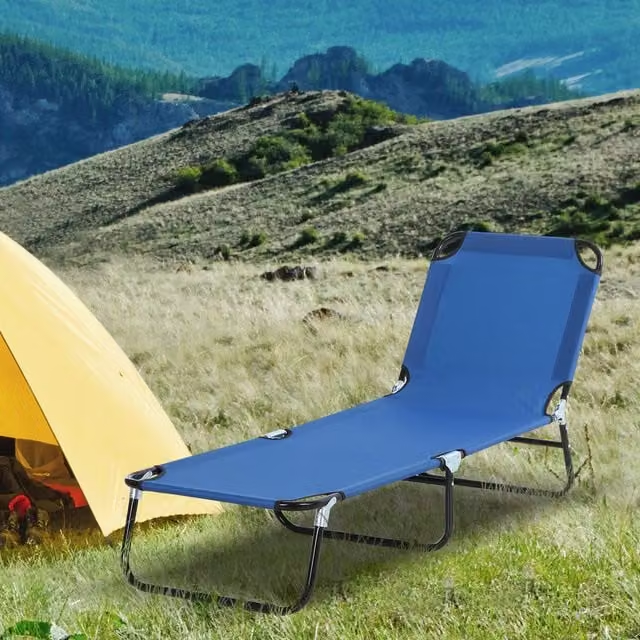
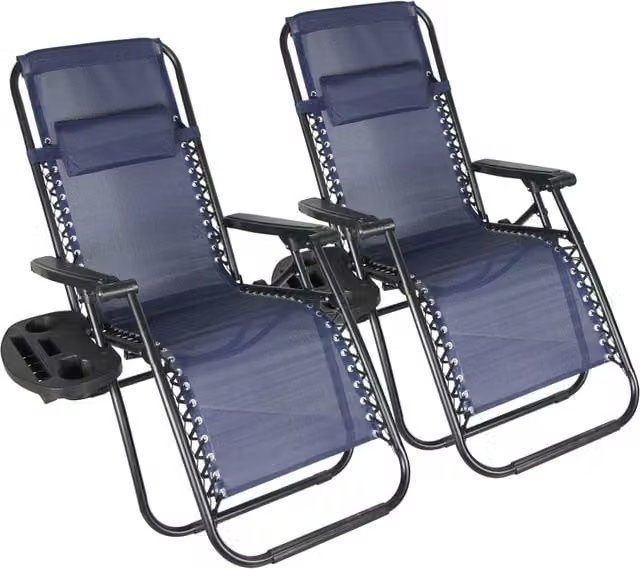
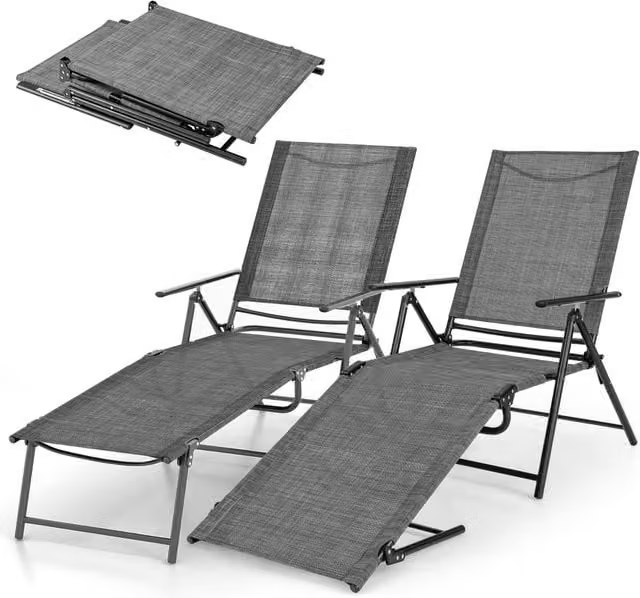
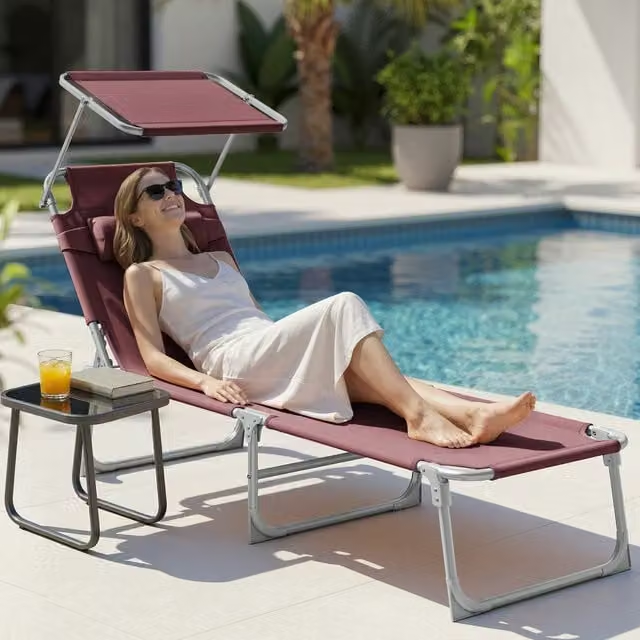
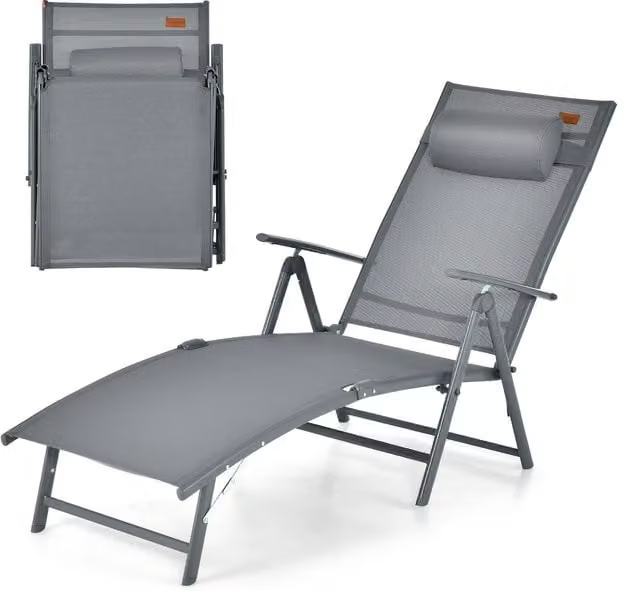
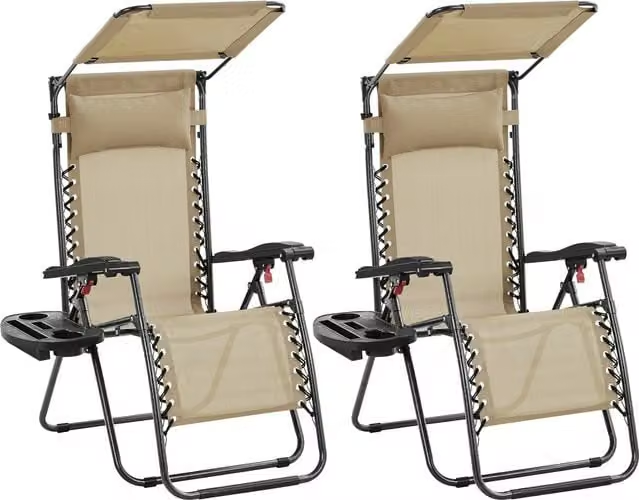
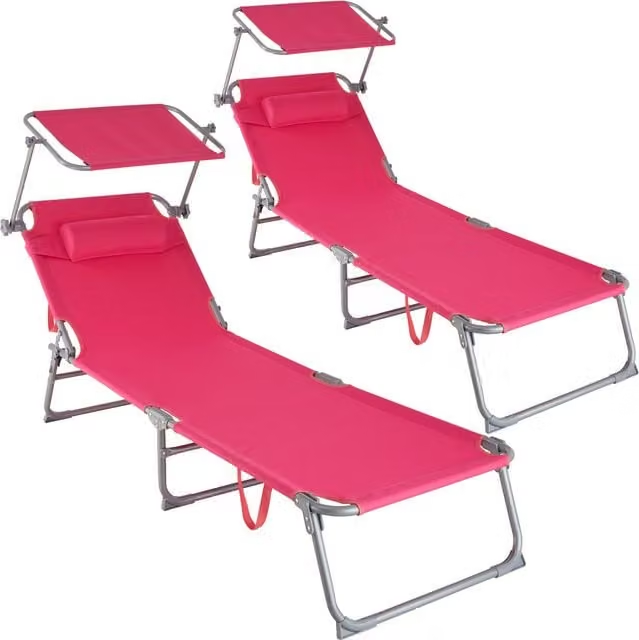
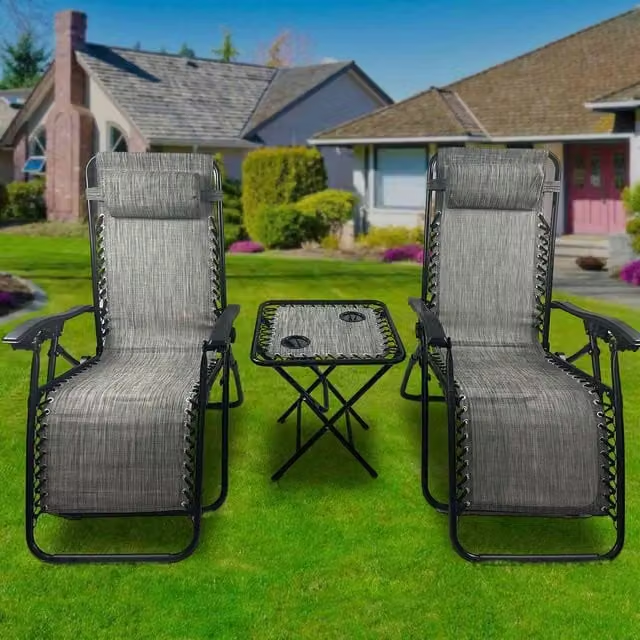
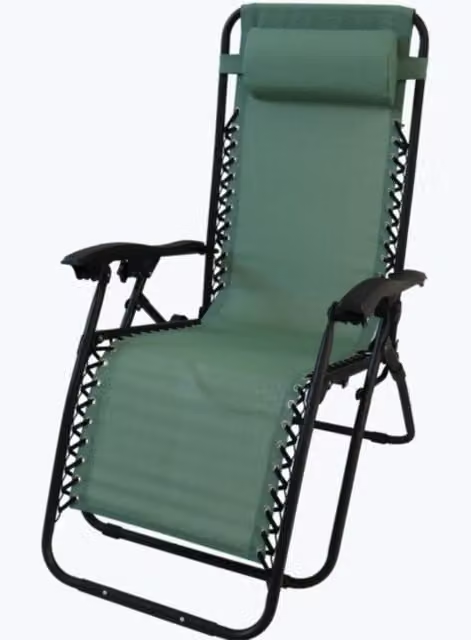
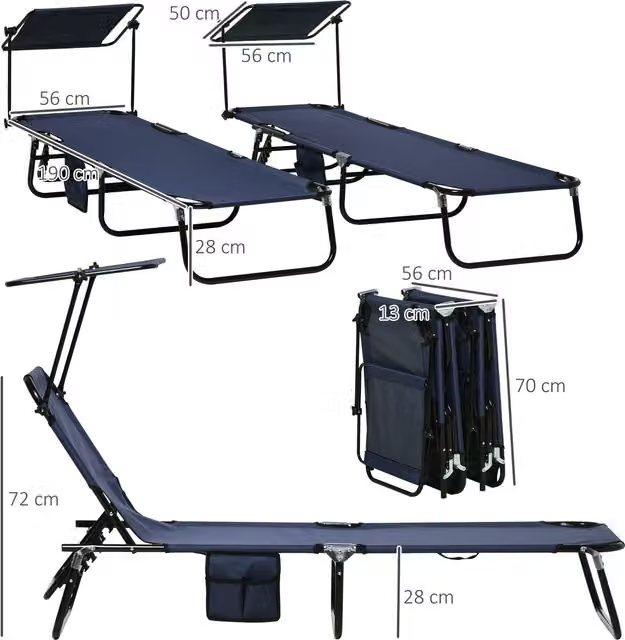
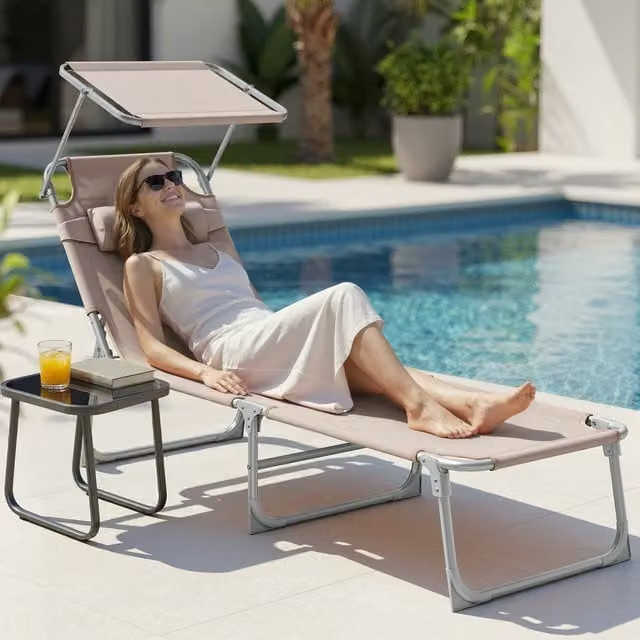
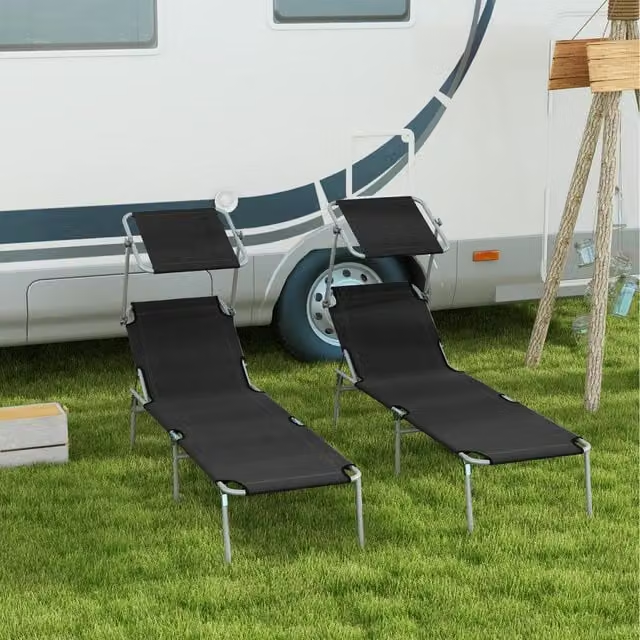
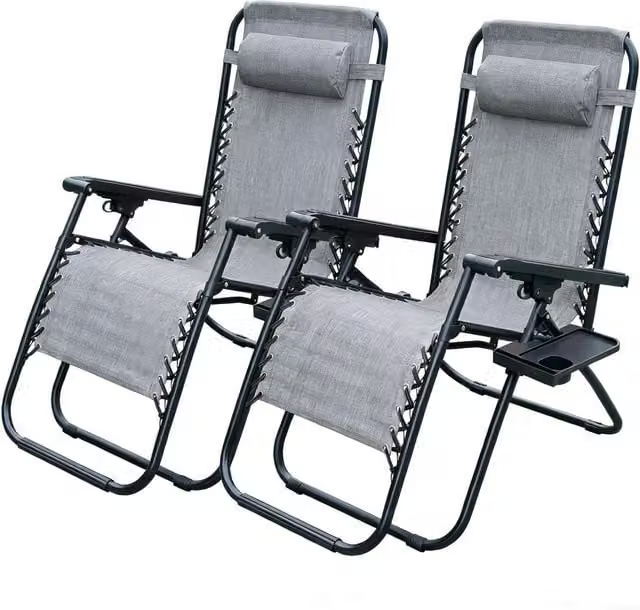
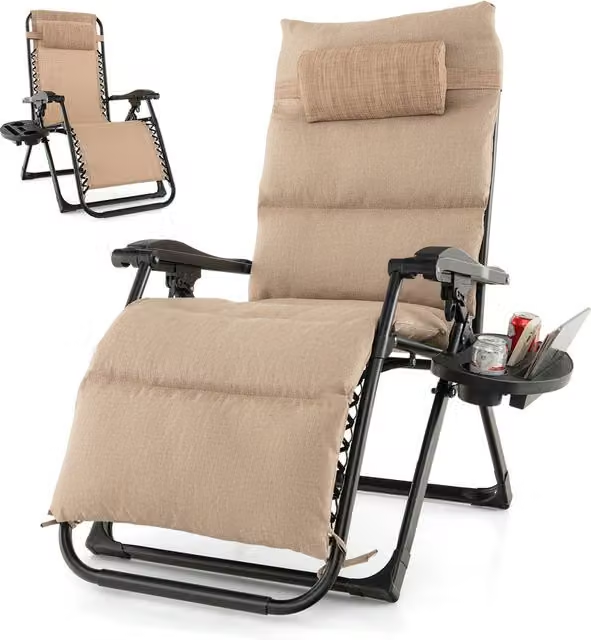
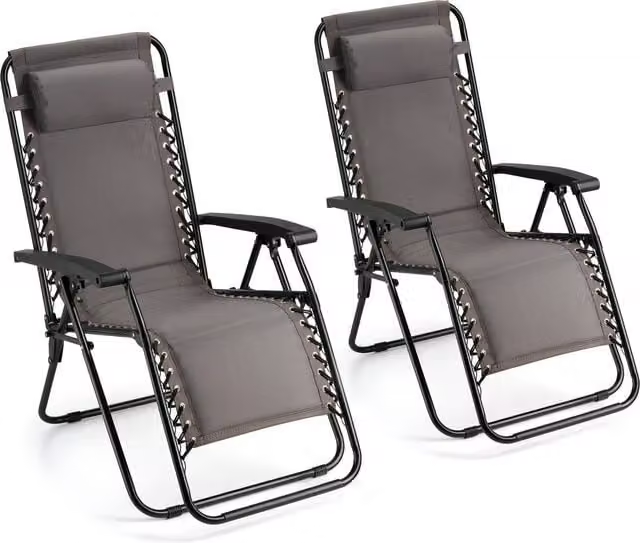
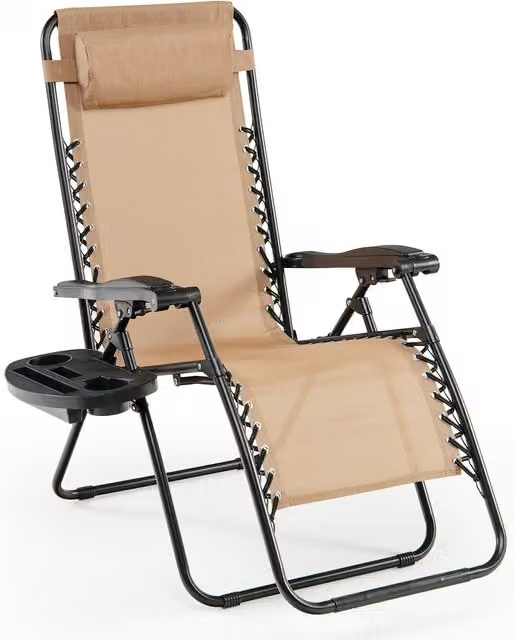
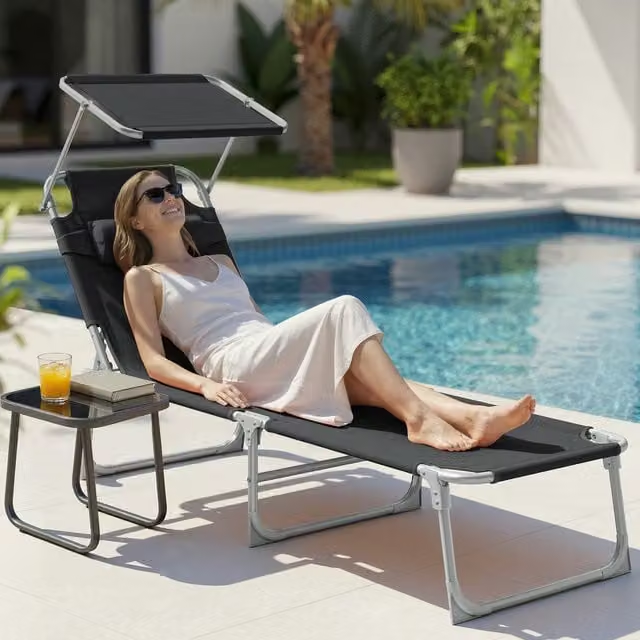
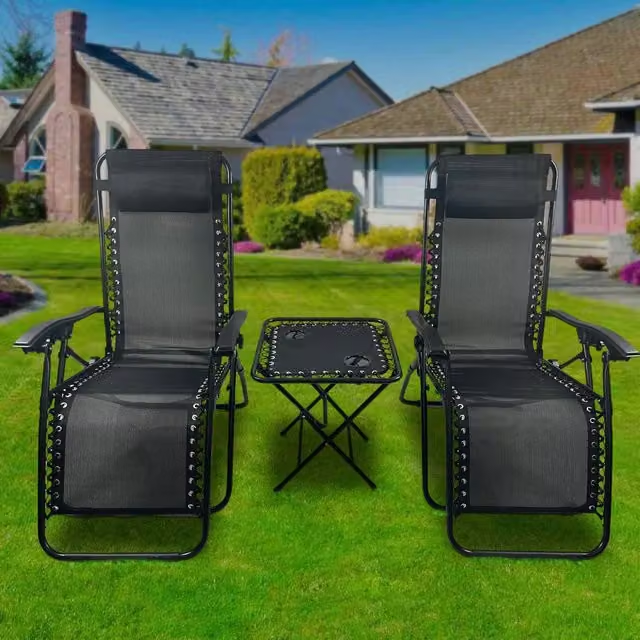
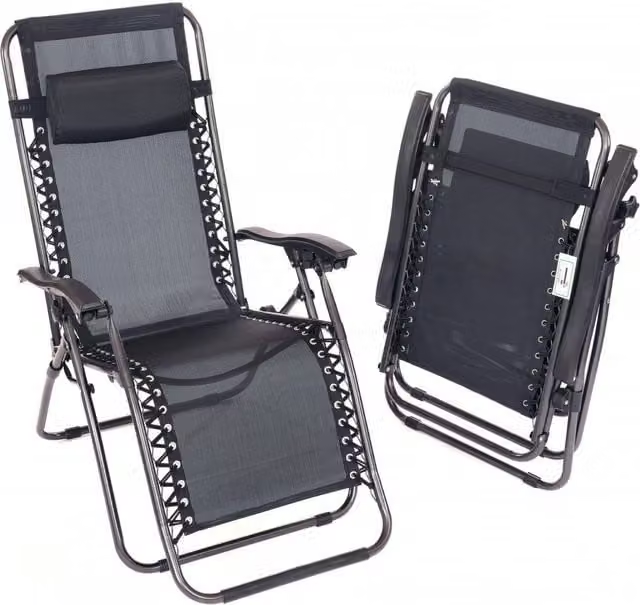
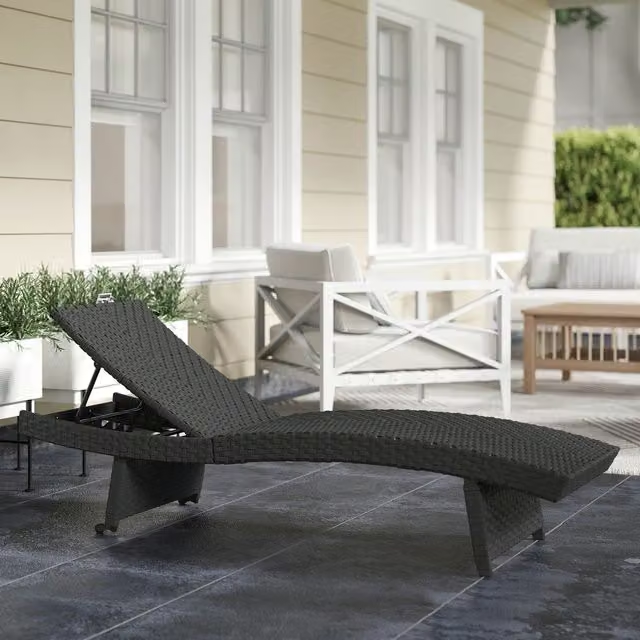
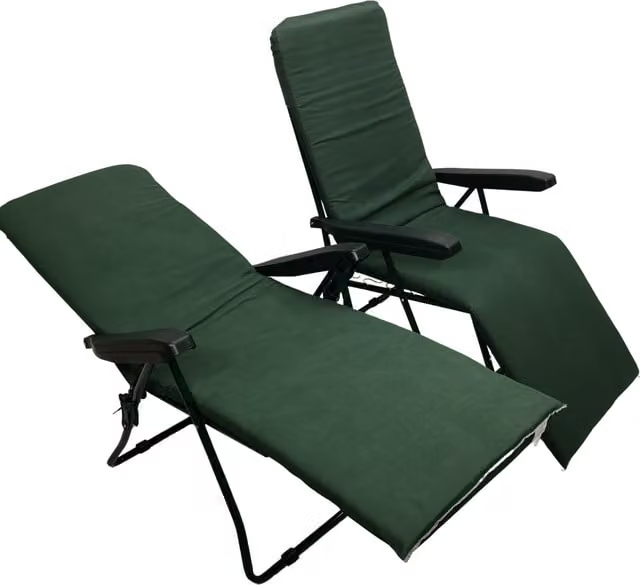
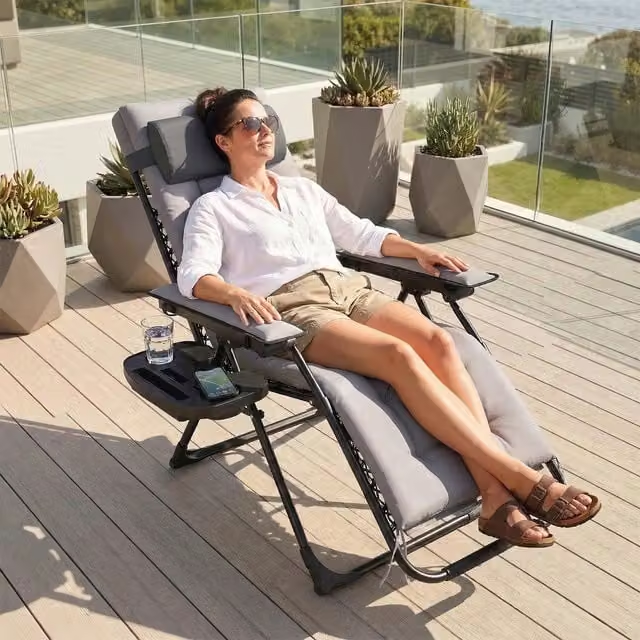
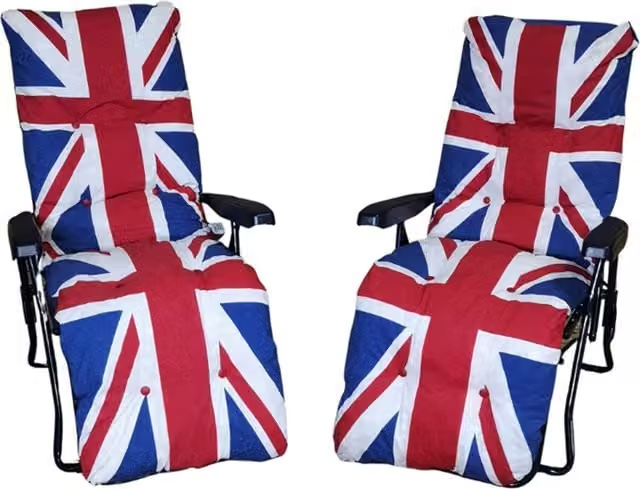
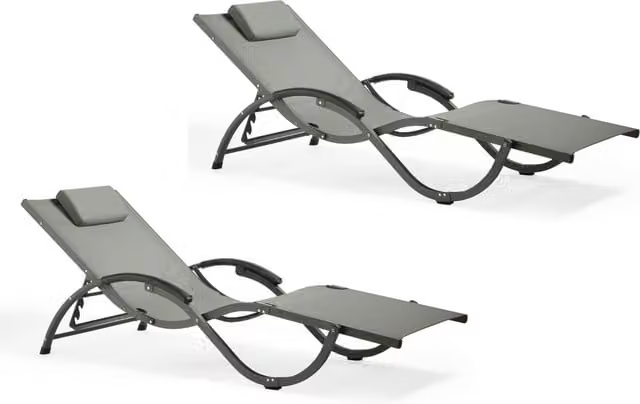
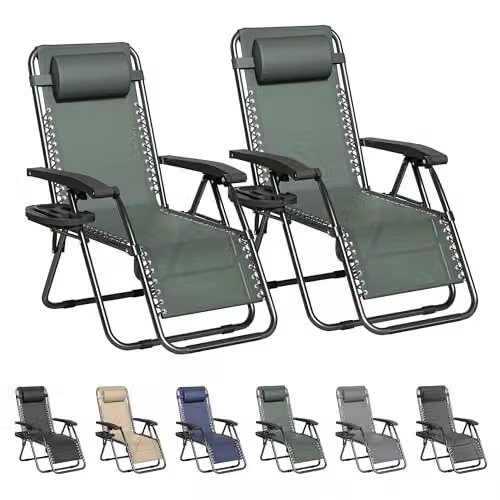
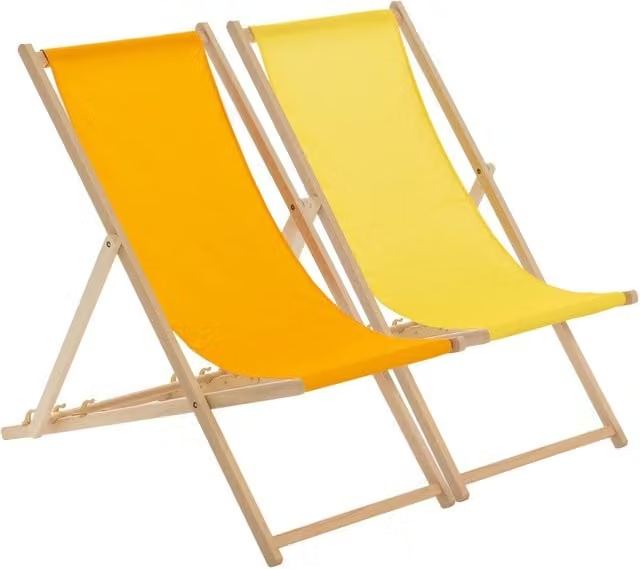
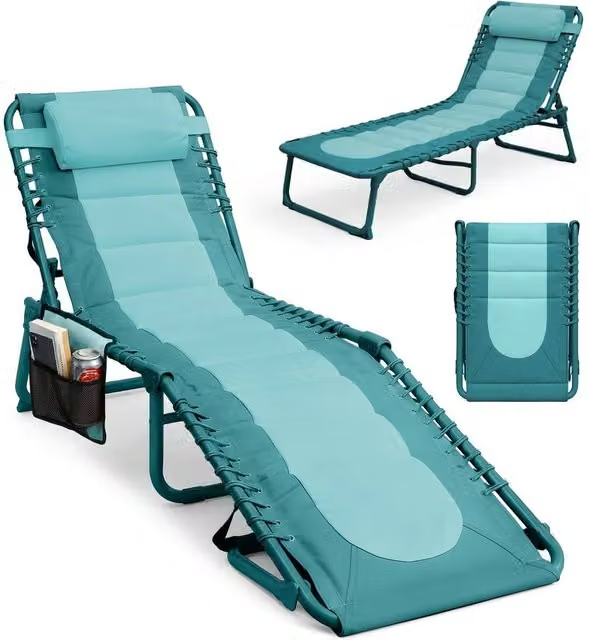
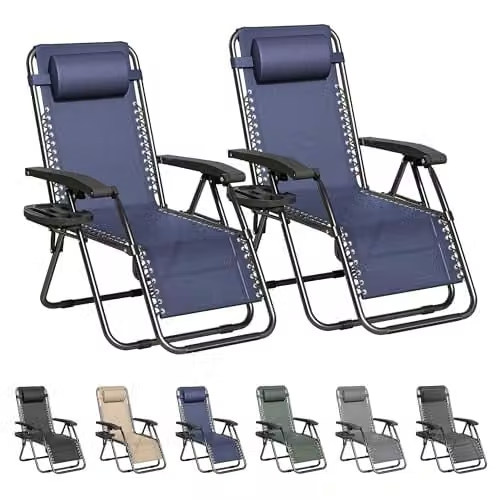
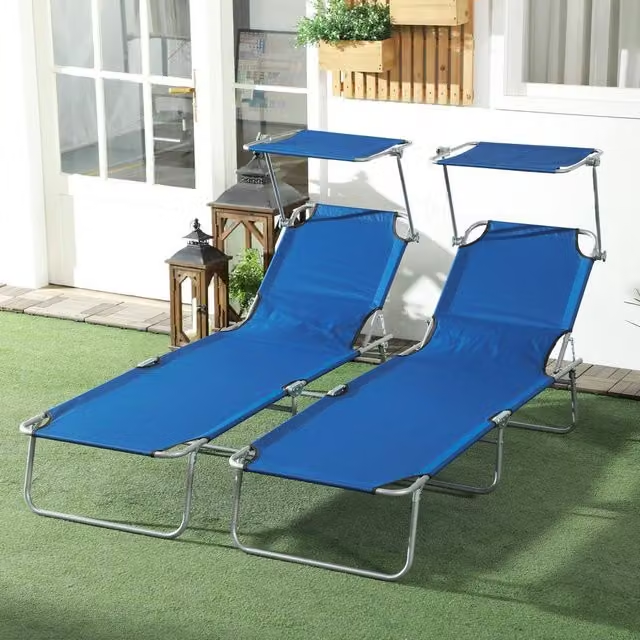
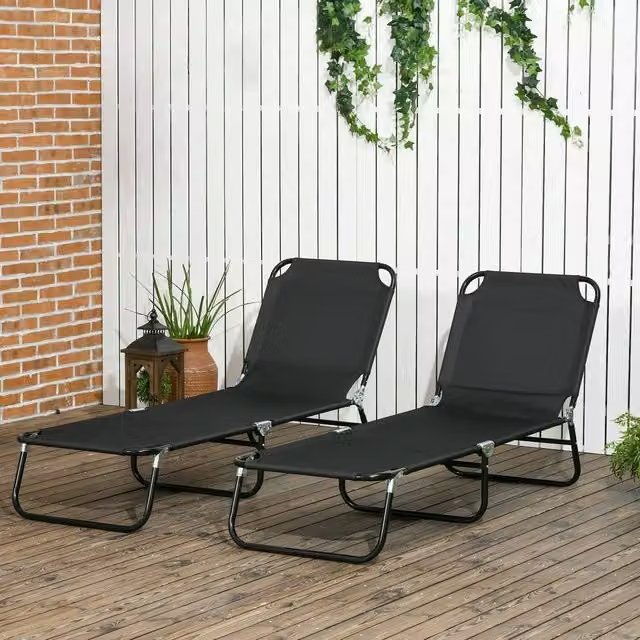
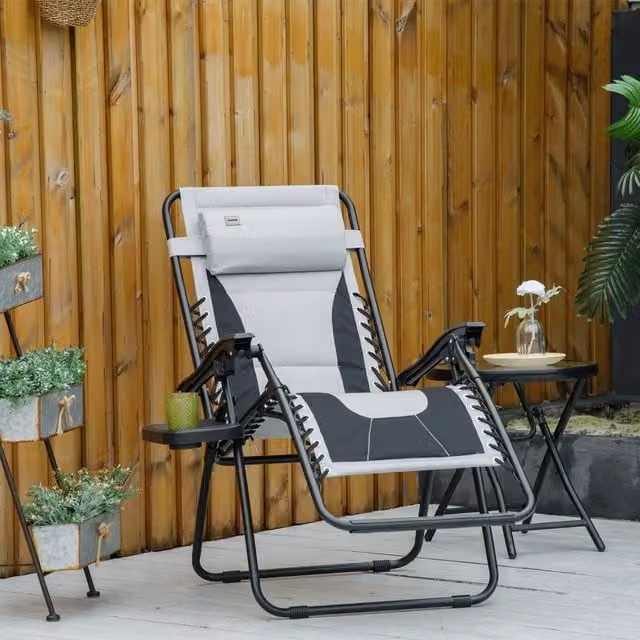
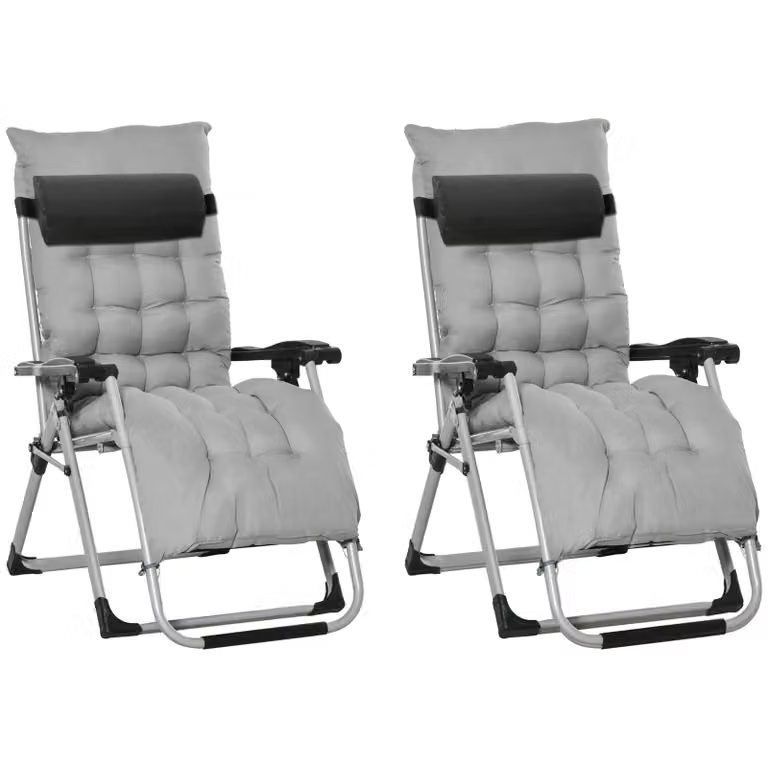
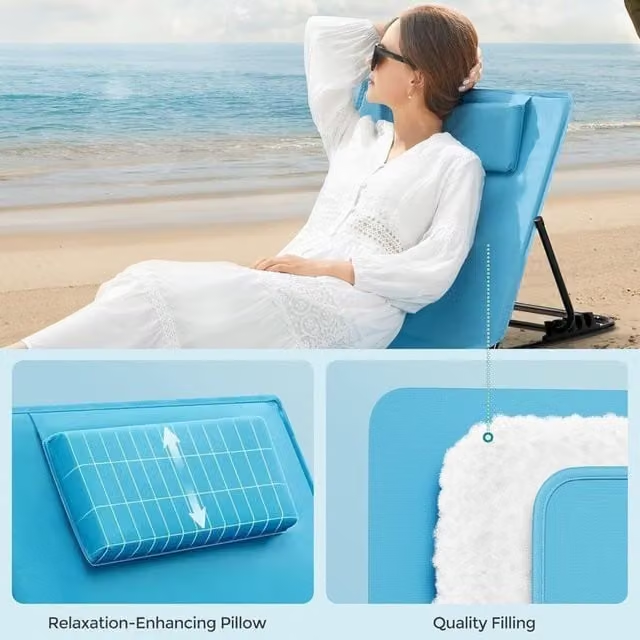
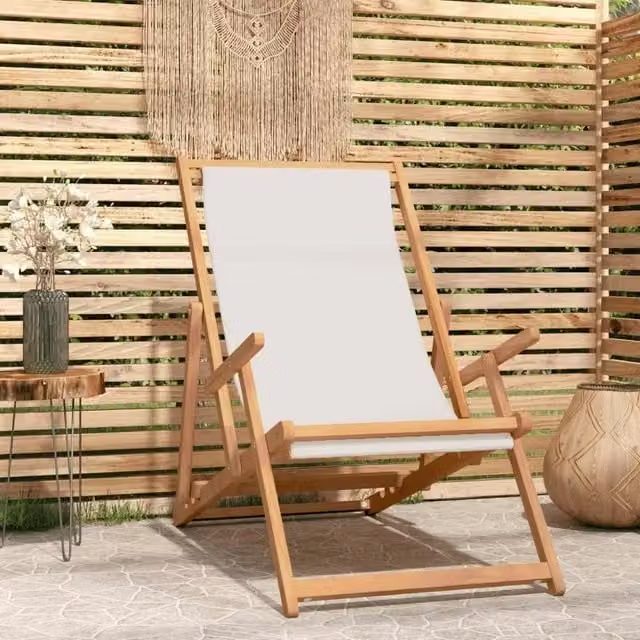
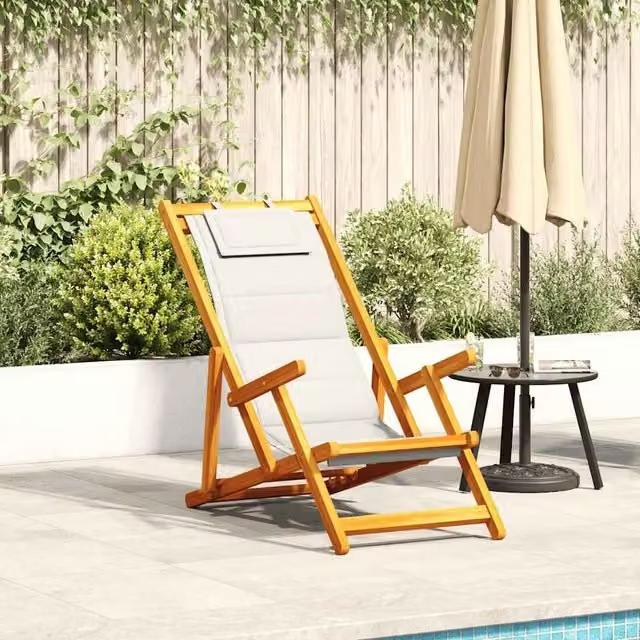
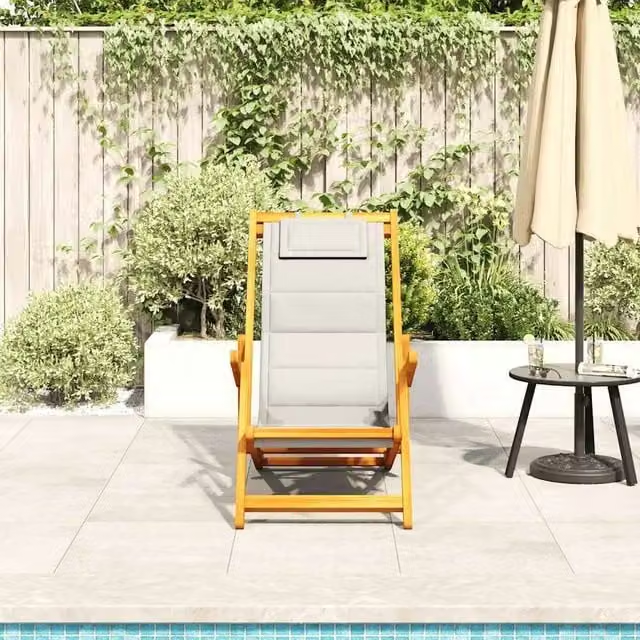
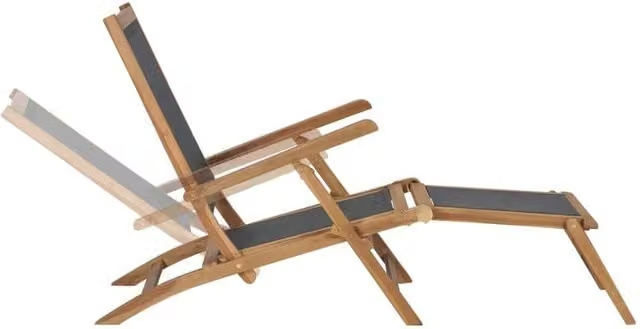
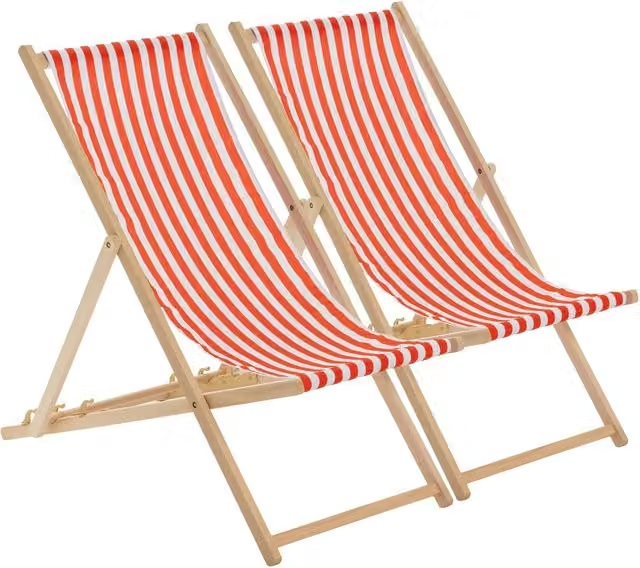
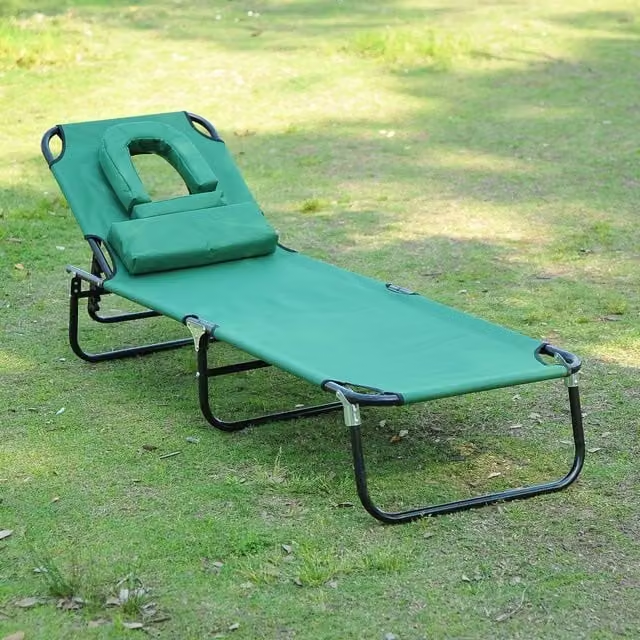
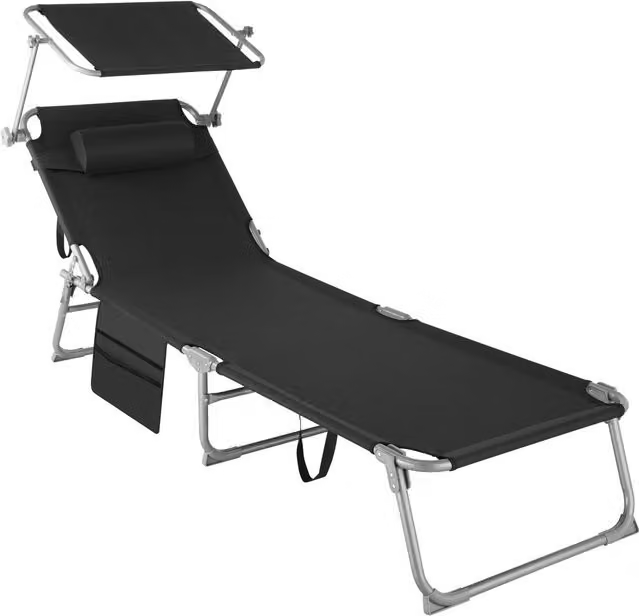
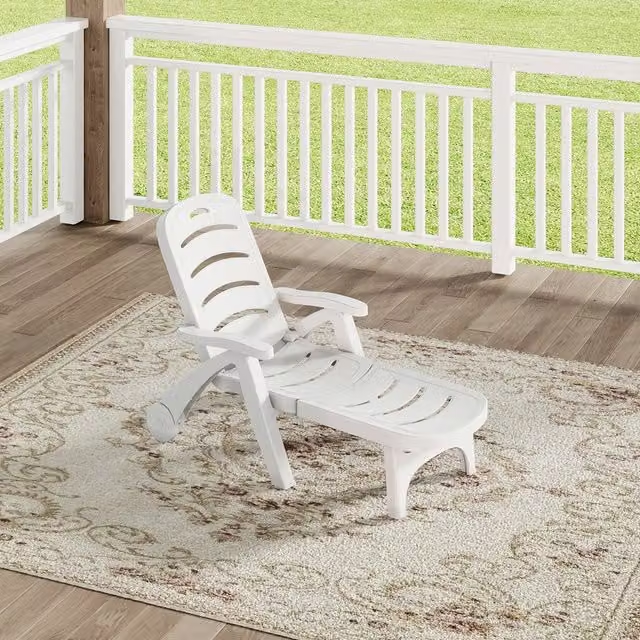
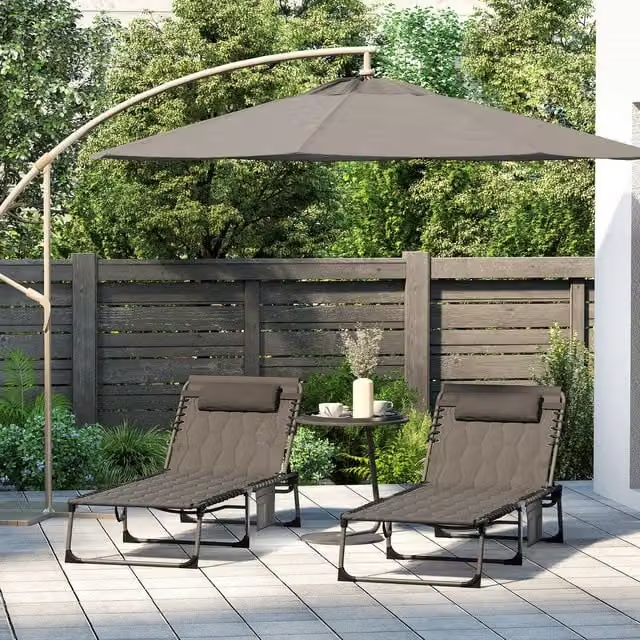
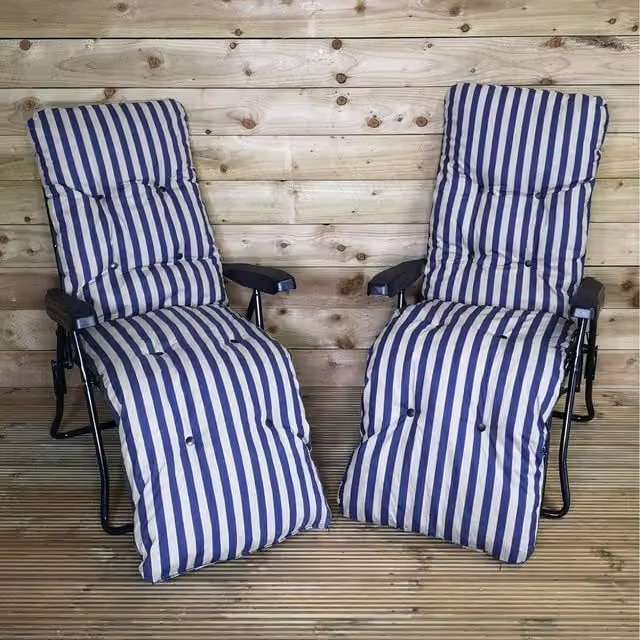
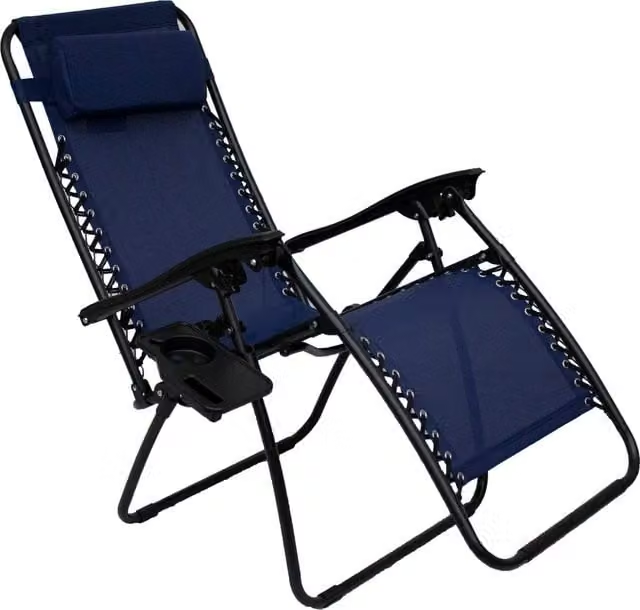
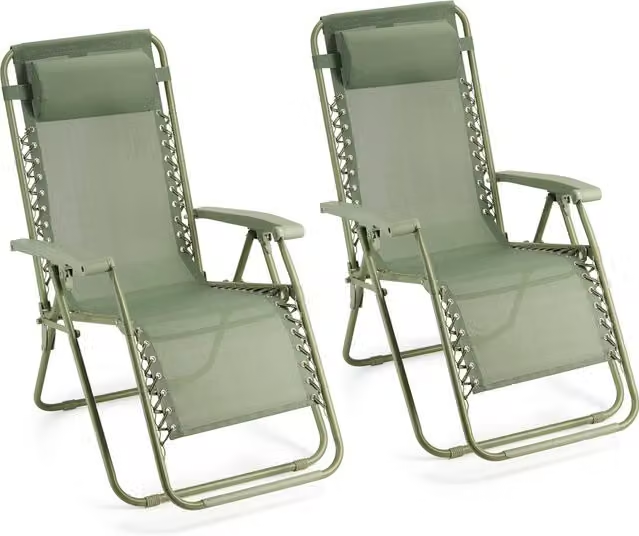
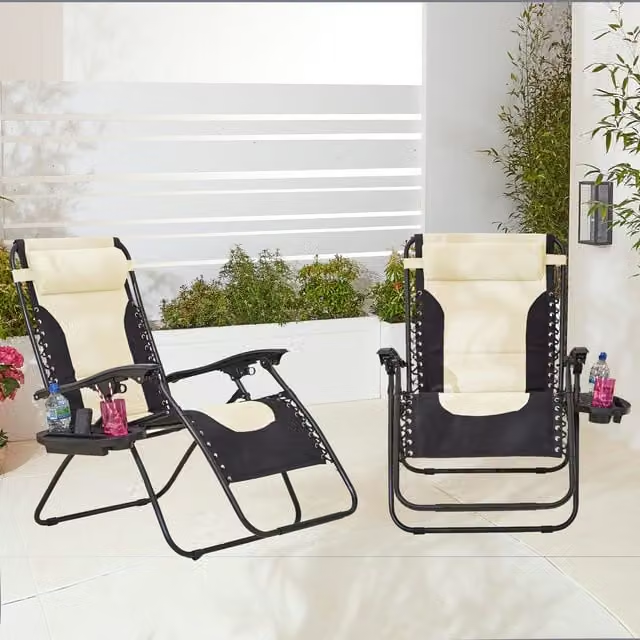
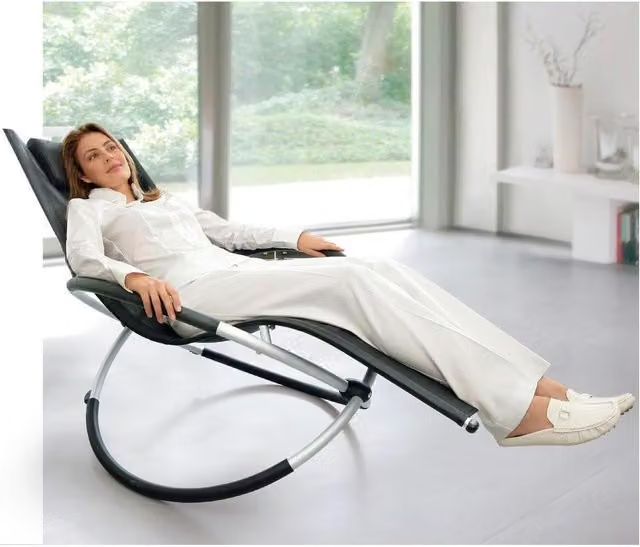
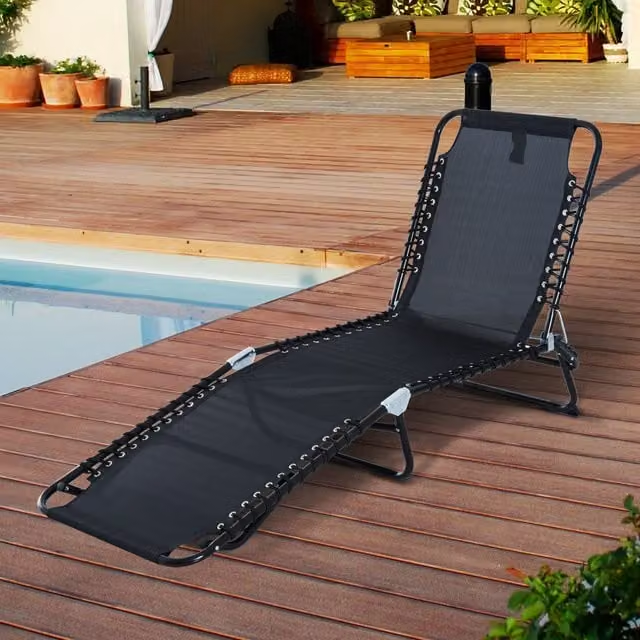
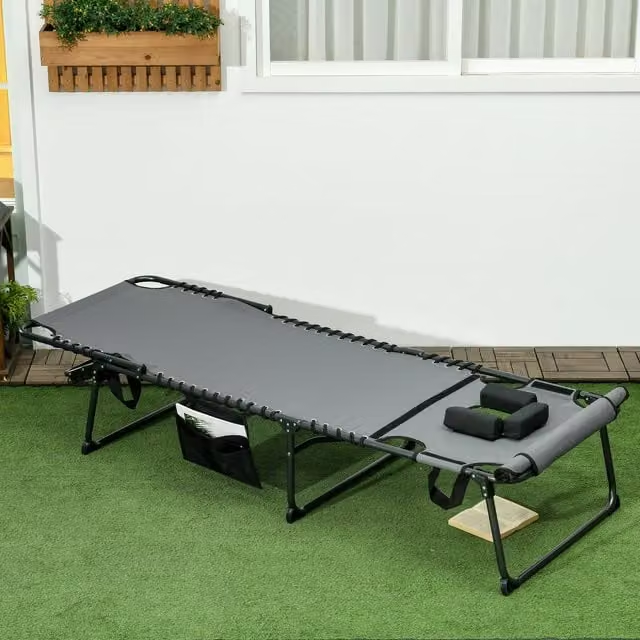
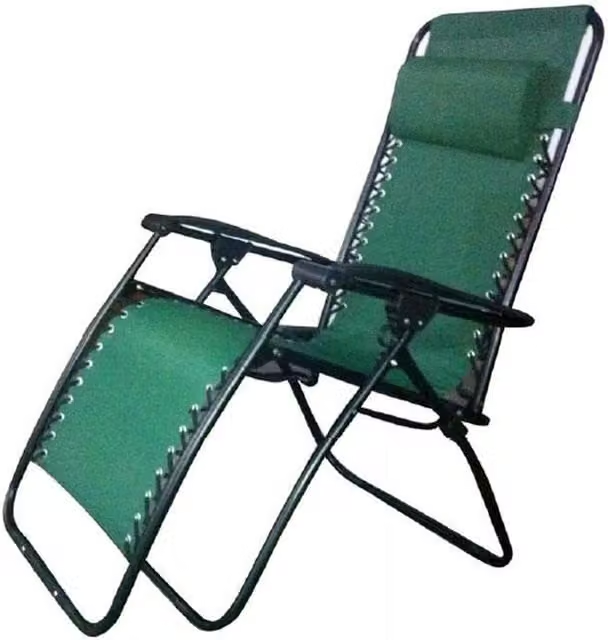
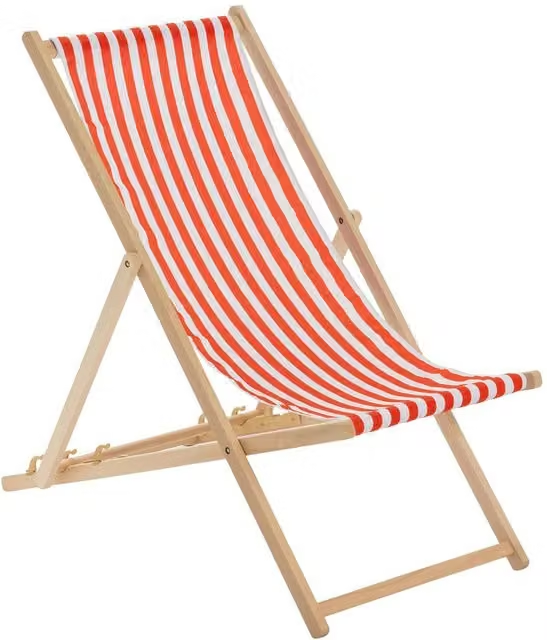
The designs are more varied than you might expect. Classic multi position loungers adjust through several reclining angles from upright sitting to fully flat, and fold in half for carrying. Sun beds on wheels tilt back for easy moving across a patio. Zero gravity chairs suspend you in a reclined position that takes pressure off the lower back and lock at any angle you choose. Textilene sling loungers dry within minutes of a shower, padded models add a quilted cushion for comfort, and wooden folding loungers in acacia or eucalyptus bring a more natural look. Extras worth having include an adjustable headrest, a canopy or sunshade, armrests and a side tray for a drink and a book.
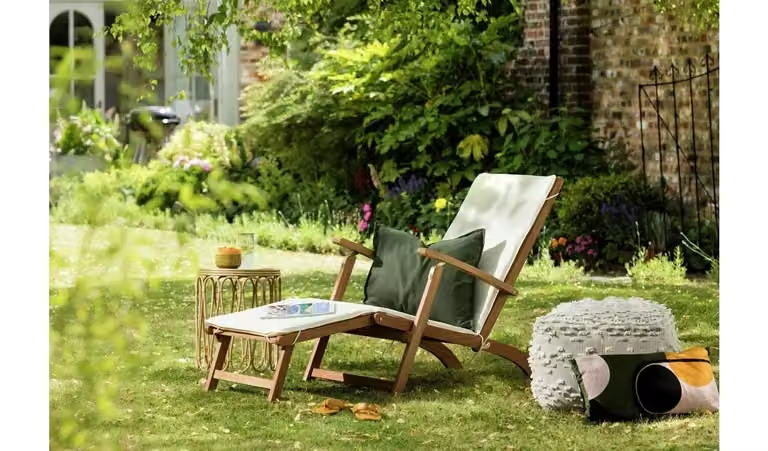
Materials determine both weight and lifespan. Powder coated steel frames are strong and affordable but heavier to move and vulnerable to rust once the coating chips. Aluminium is lighter, completely rustproof and ideal if the lounger goes in and out of a shed regularly. Hardwoods such as acacia and eucalyptus weather to an attractive silver grey and can be oiled back to their original colour. Textilene and PVC coated polyester slings resist UV and dry quickly, while padded cushions are more comfortable but need bringing in when it rains.
Prices reflect frame material and features. Basic steel and textilene loungers are very affordable, aluminium and zero gravity designs sit in the middle, and hardwood loungers with thick cushions and canopies are the most expensive. Check the stated weight capacity, typically between 100 and 150 kg.
Have a look at the range, compare prices and be ready the next time the sun makes an appearance.
Aluminium is the better choice for most people because it will not rust, weighs considerably less and is much easier to carry in and out of storage. Steel is stronger and usually cheaper, which makes it worth considering for a lounger that will live in one spot and support heavier weights. The catch with steel is that once the powder coating chips, rust starts from that point and spreads under the finish. If your lounger will spend time outdoors in damp weather, aluminium repays the extra cost.
You can, but it will not last as long. UV degrades sling fabric over a few seasons, rain finds its way into folding joints and frames, and cushions absorb moisture that leads to mildew. Storing the lounger folded in a shed or under a waterproof cover between uses easily doubles its life. At minimum, bring cushions indoors after each use and stand the lounger upright so water drains rather than pooling in the frame.
Warm water with a little washing up liquid and a soft brush removes most dirt from textilene slings, and the fabric dries within an hour in a breeze. For mould or mildew spots, a diluted solution of white vinegar or a specialist outdoor fabric cleaner works without bleaching the colour. Avoid pressure washers, which can force water into the frame and stretch the fabric where it is stitched. Removable cushion covers are often machine washable, though check the label first.
It is a design that reclines you into a position where your knees sit level with or slightly above your heart, which distributes body weight evenly and reduces pressure on the spine. Many people find it noticeably more comfortable than a flat lounger, particularly if they have lower back issues. The locking mechanism lets you fix any angle rather than choosing from fixed notches. They cost a little more than basic loungers but the comfort difference is real, so it is worth trying one before deciding.