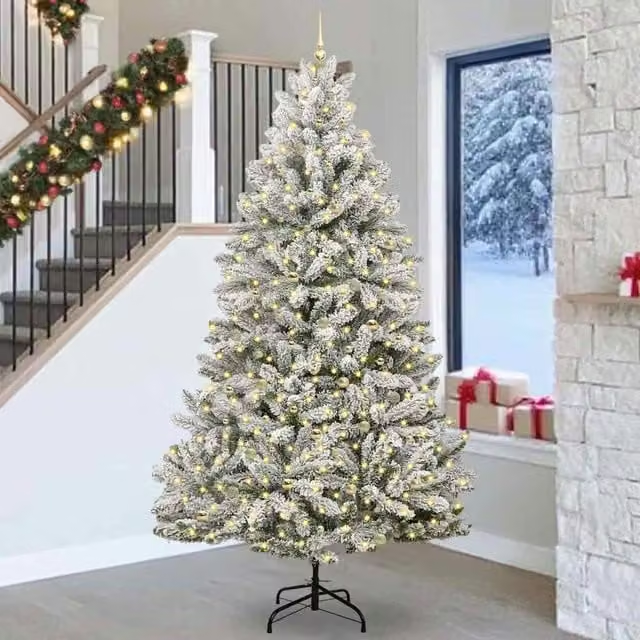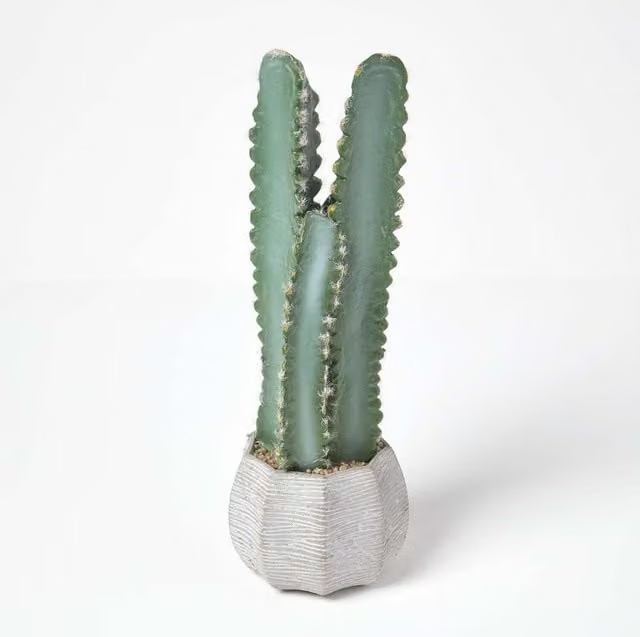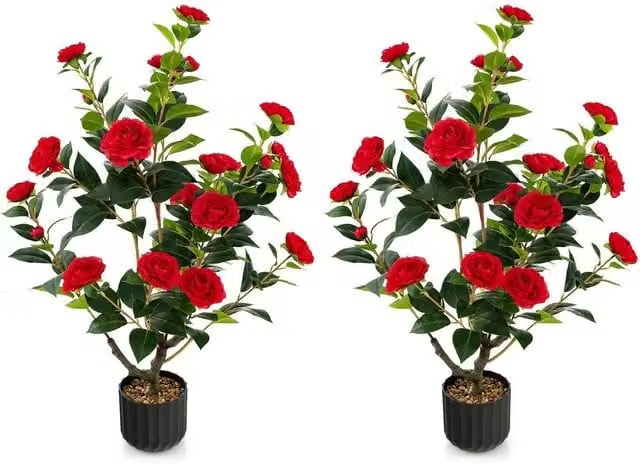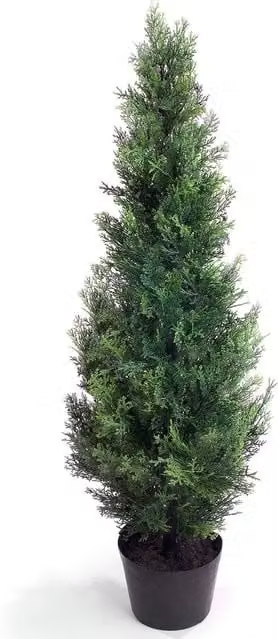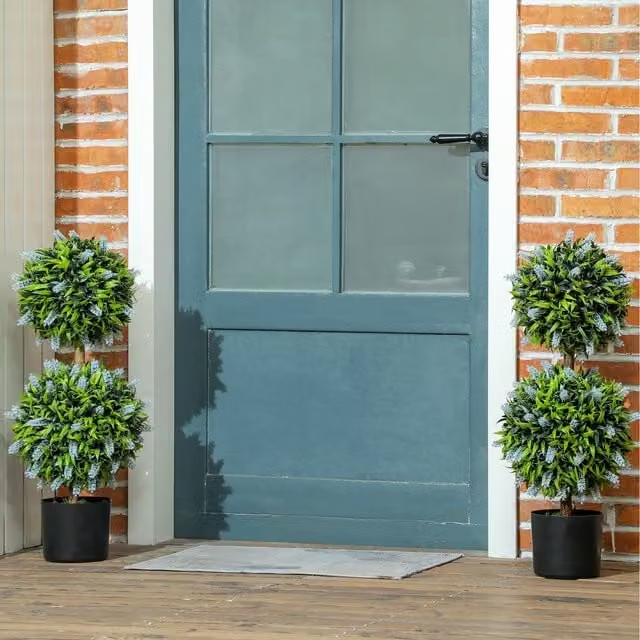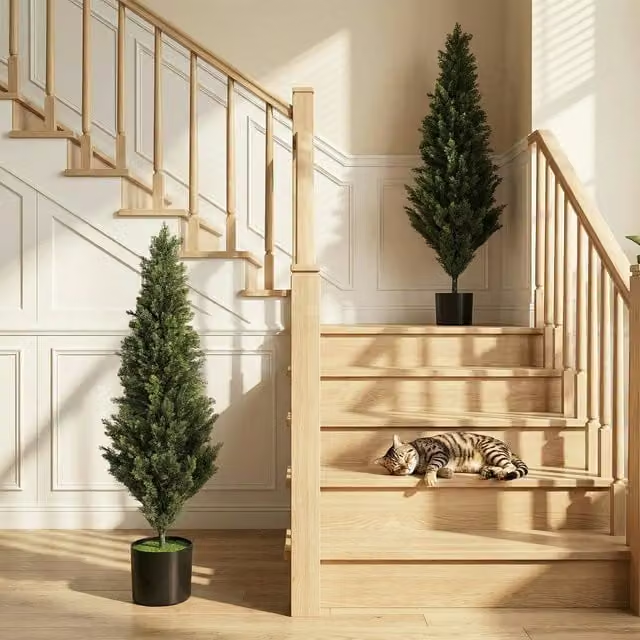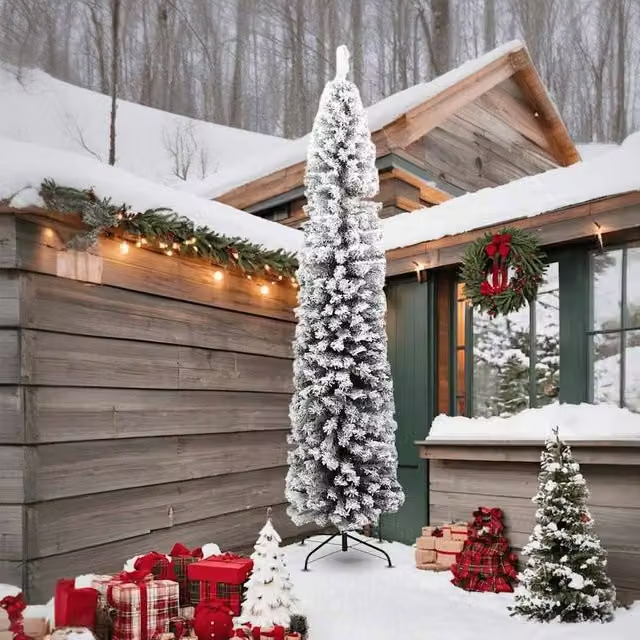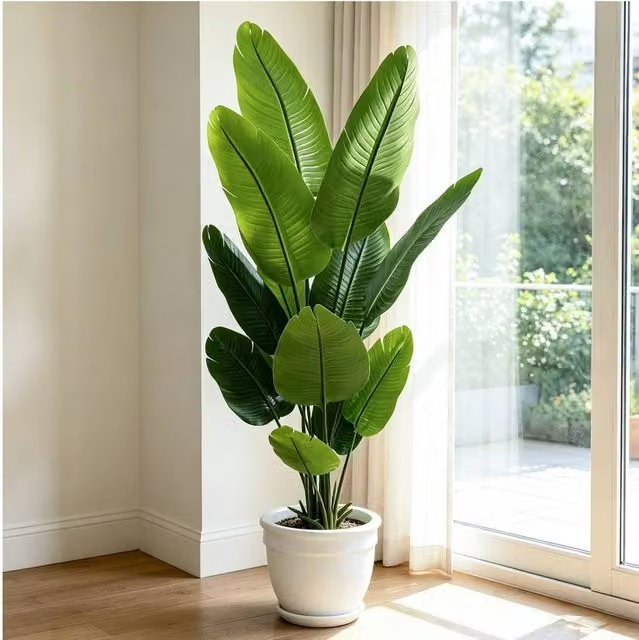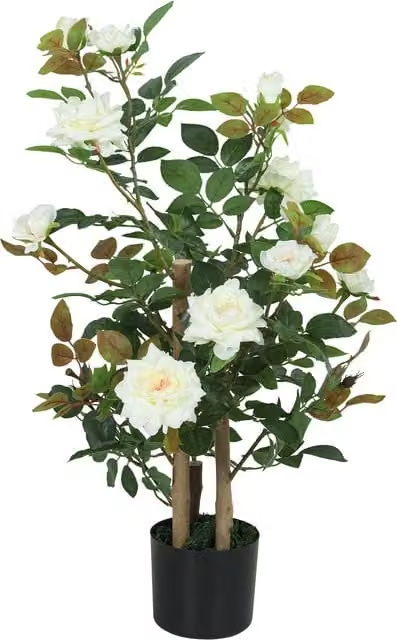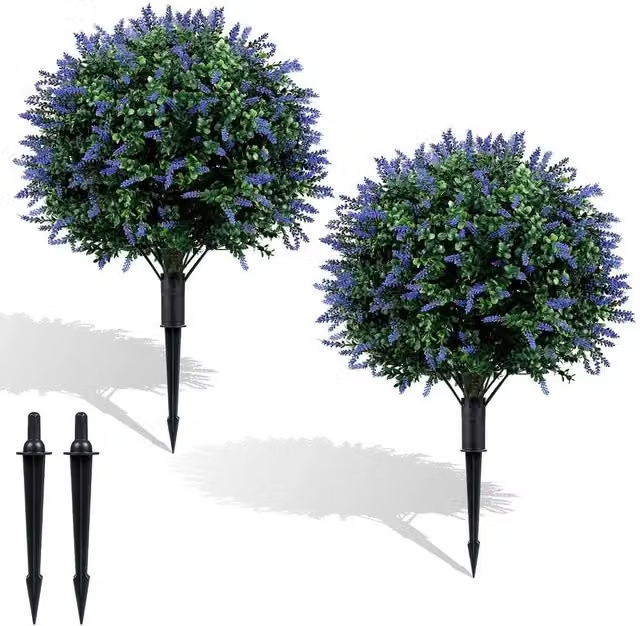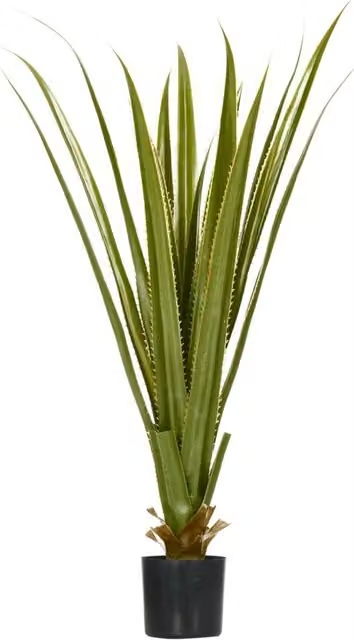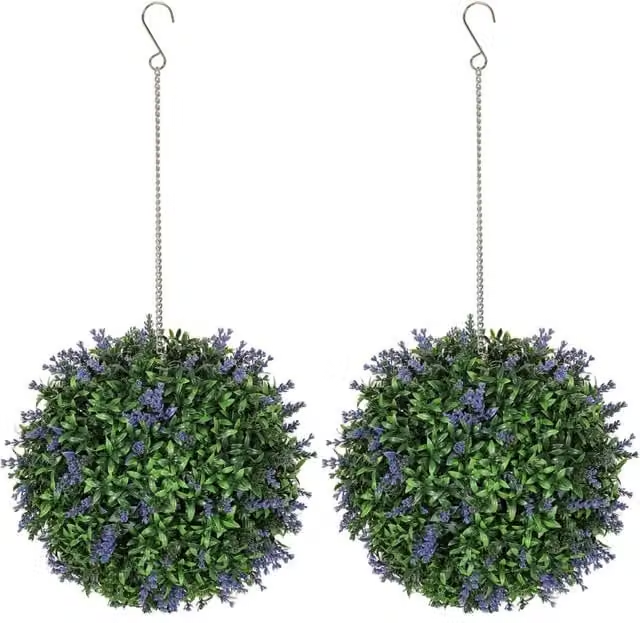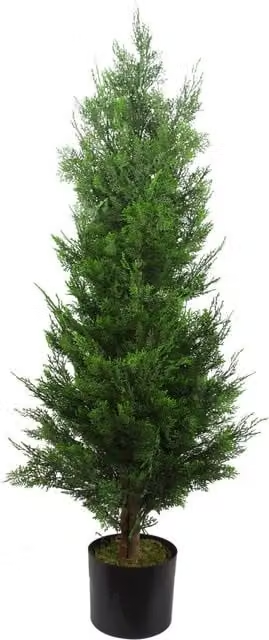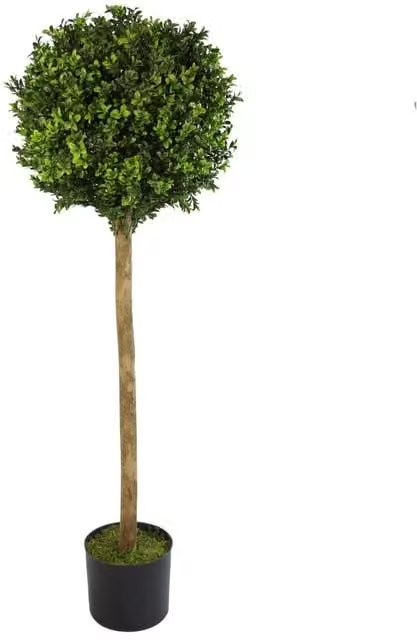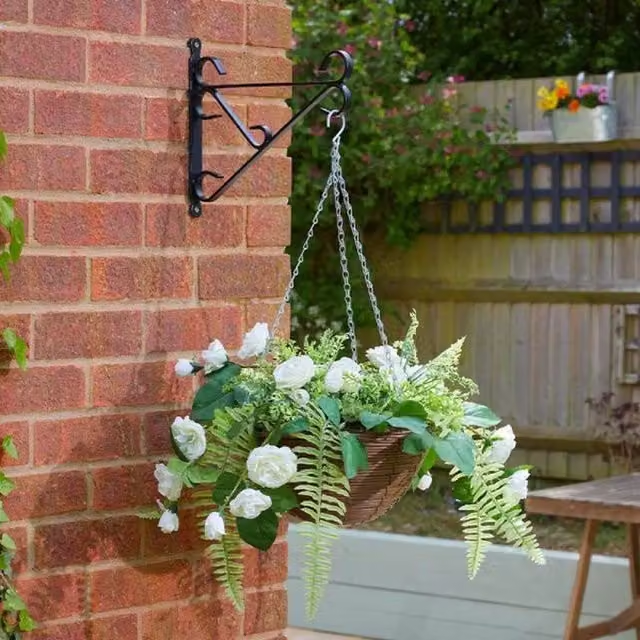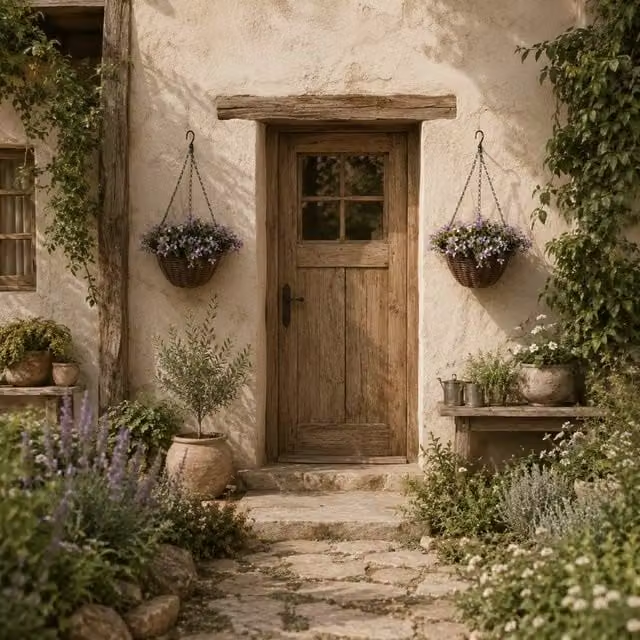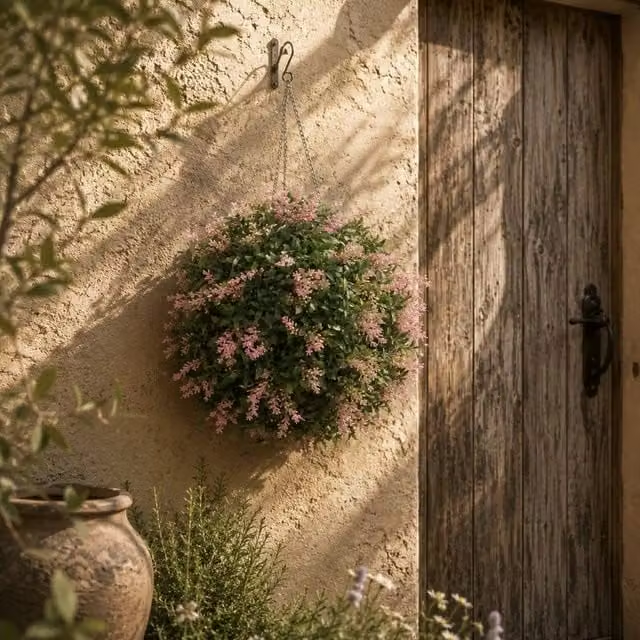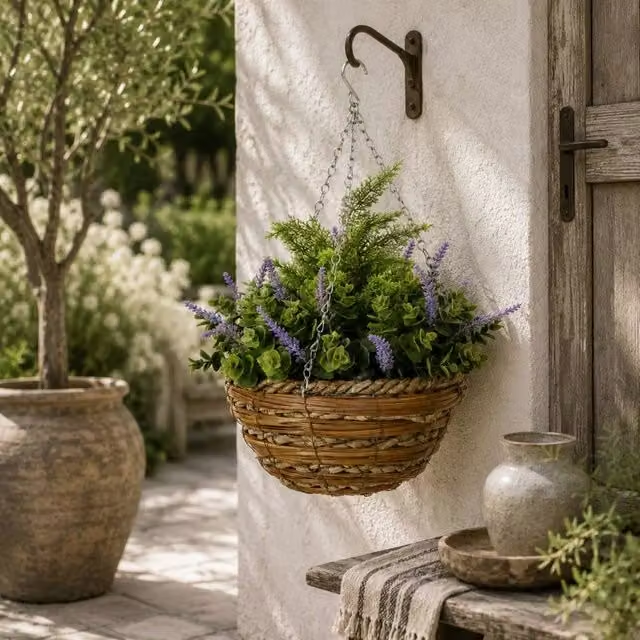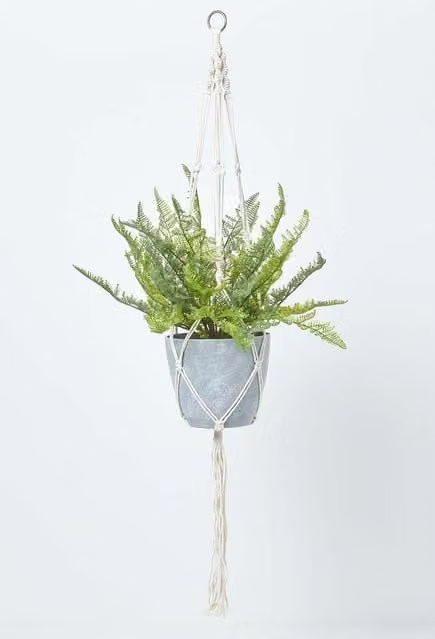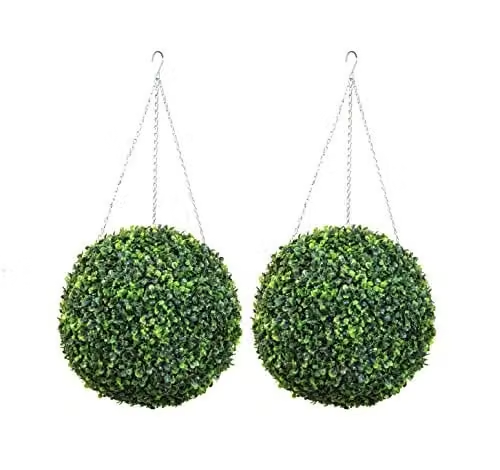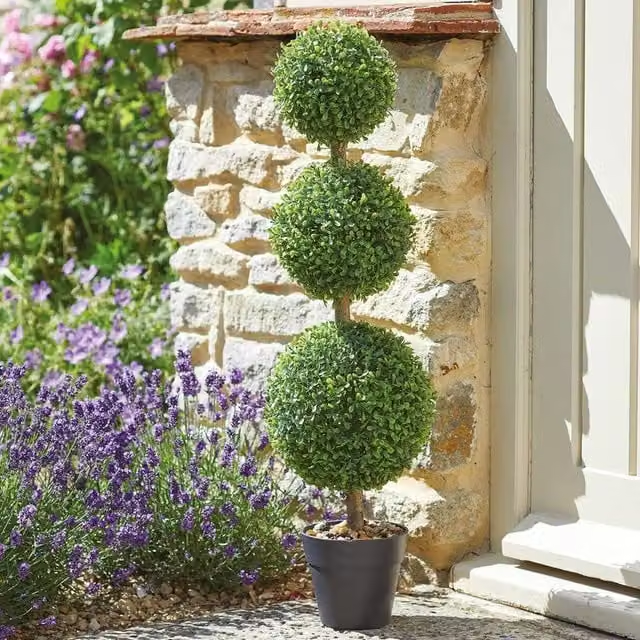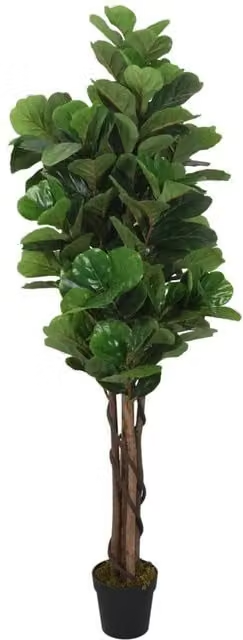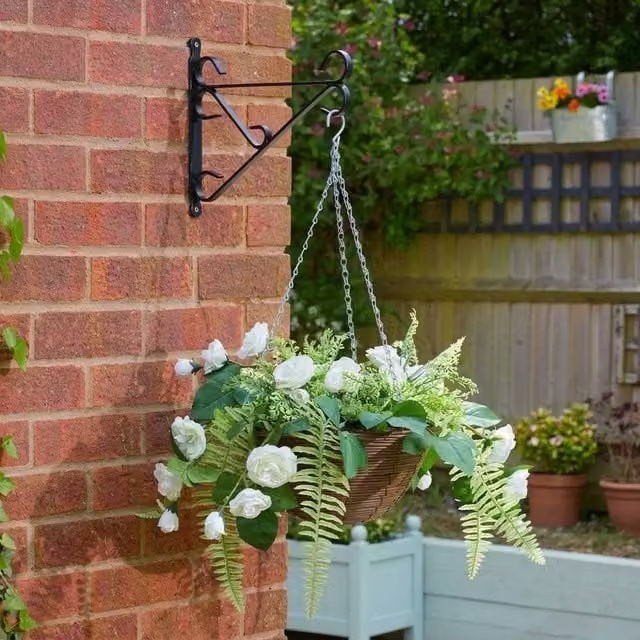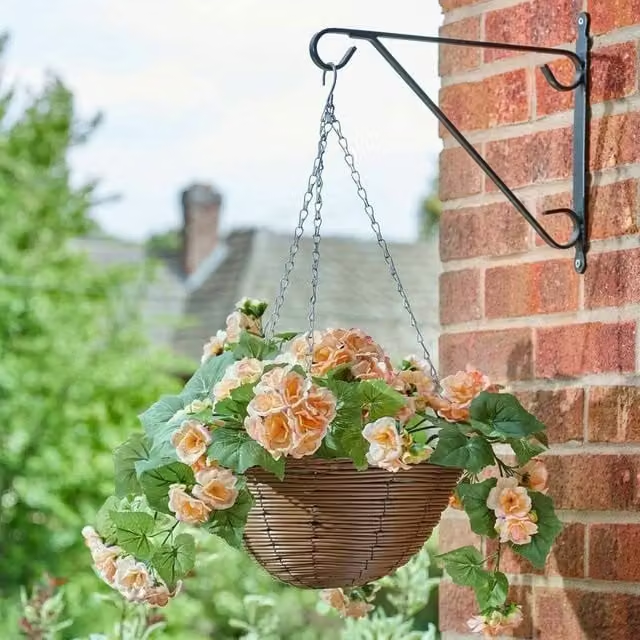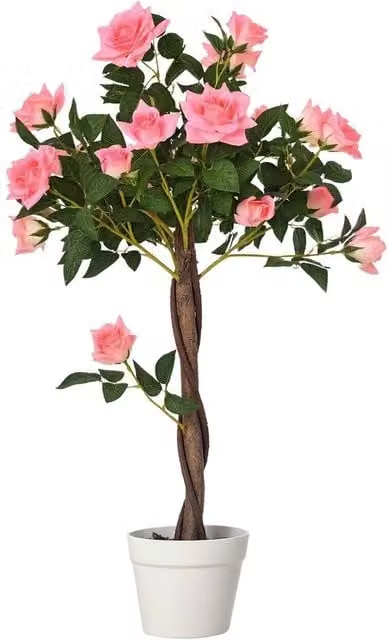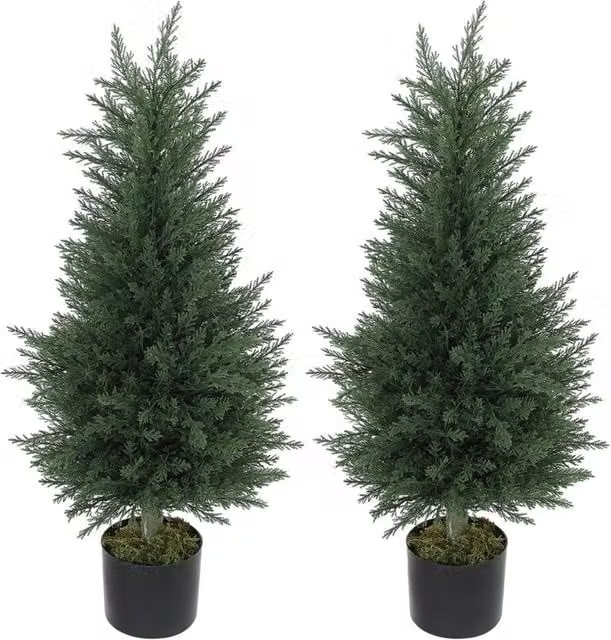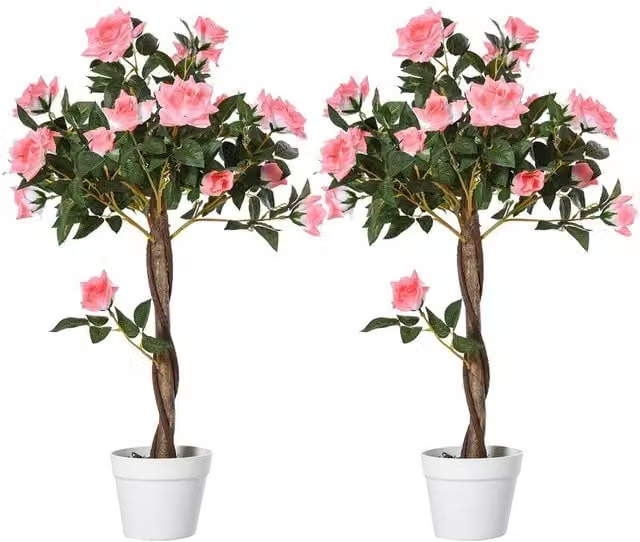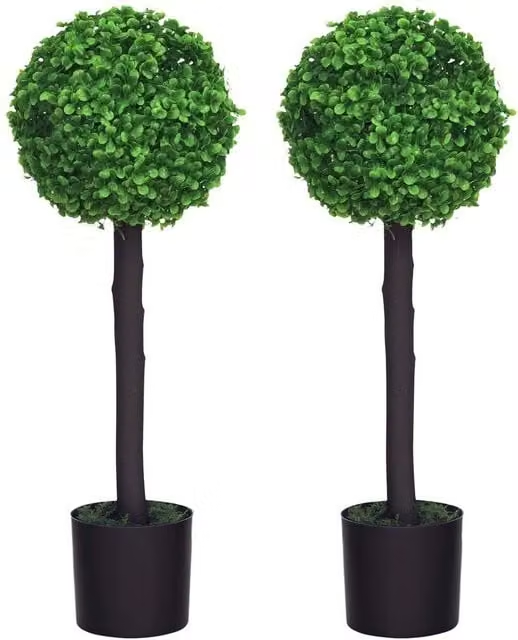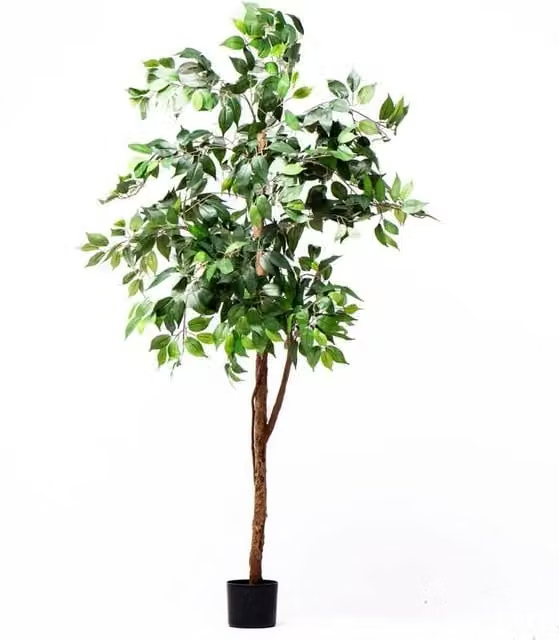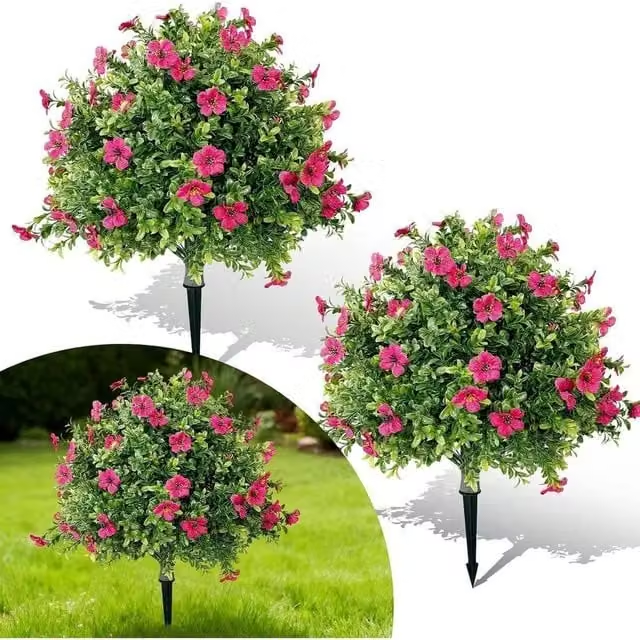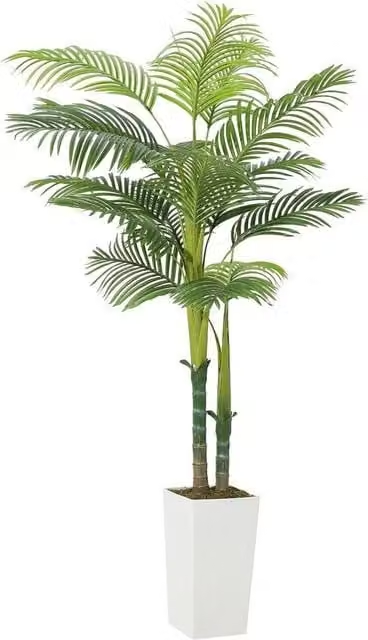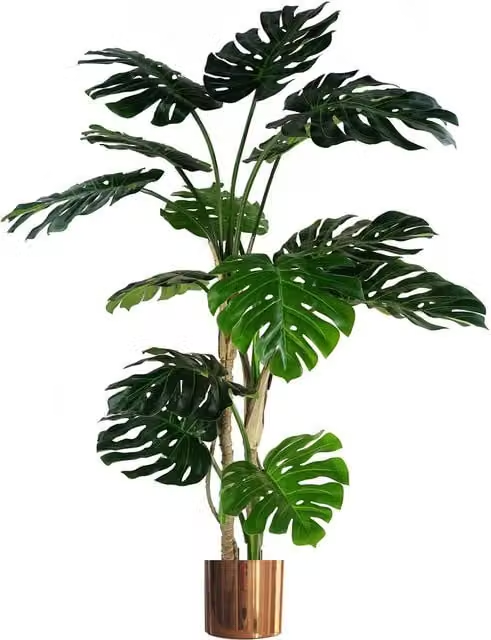











Some corners of a garden simply refuse to grow anything. A dark passage between houses, a north facing balcony, a shaded courtyard or a spot where the soil is more rubble than earth will defeat even a determined gardener. Outdoor artificial plants fill those spaces with convincing greenery that looks the same in February as it does in July, and they have improved so much in recent years that most people no longer spot them from a normal viewing distance.
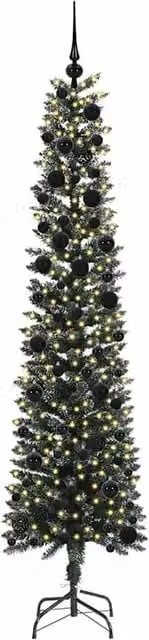
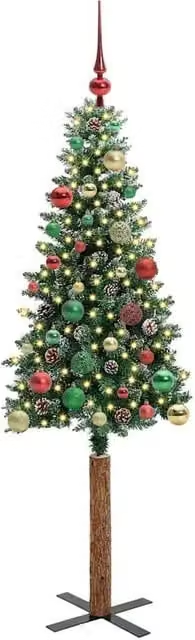
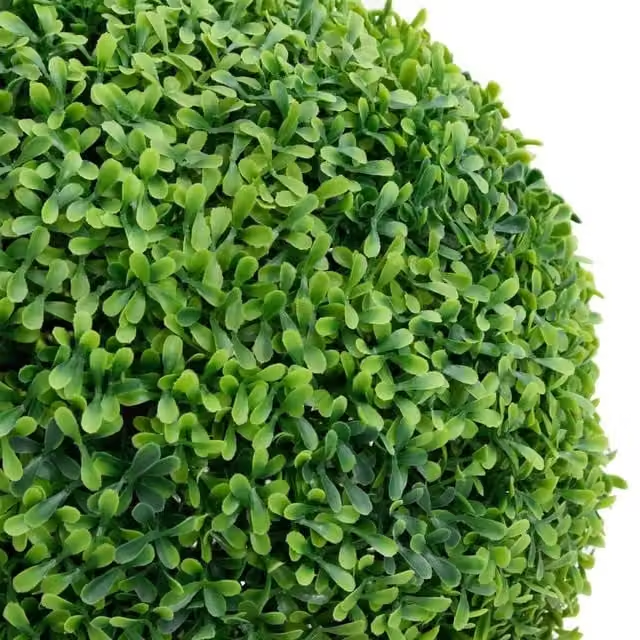
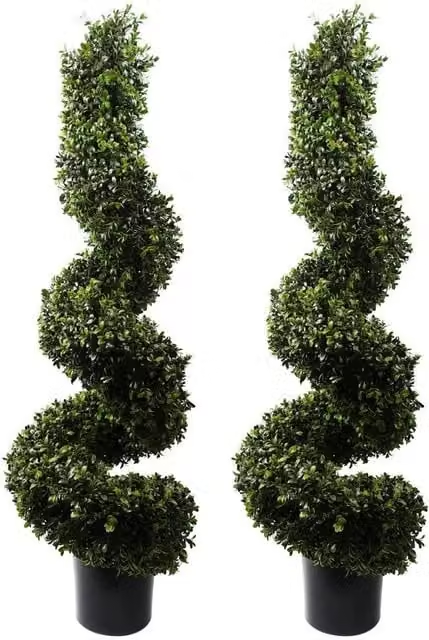
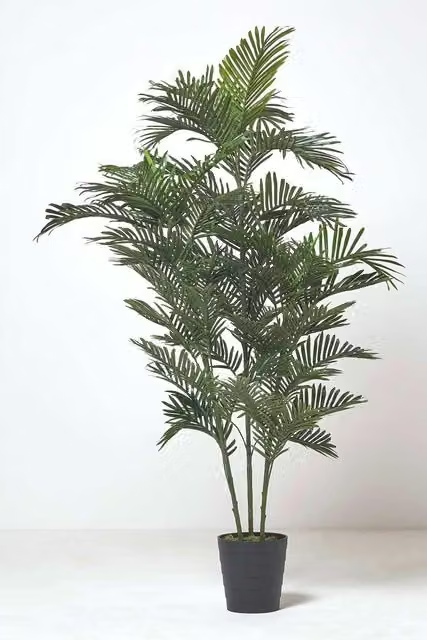
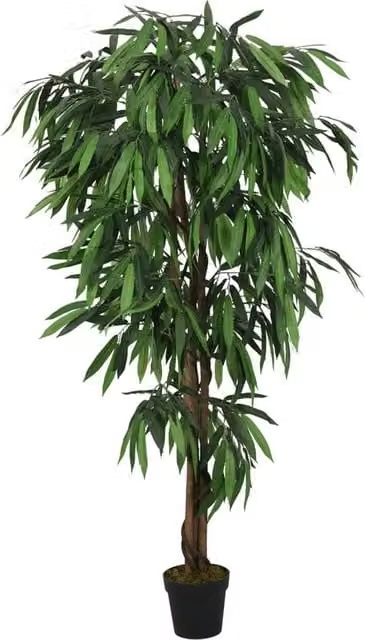
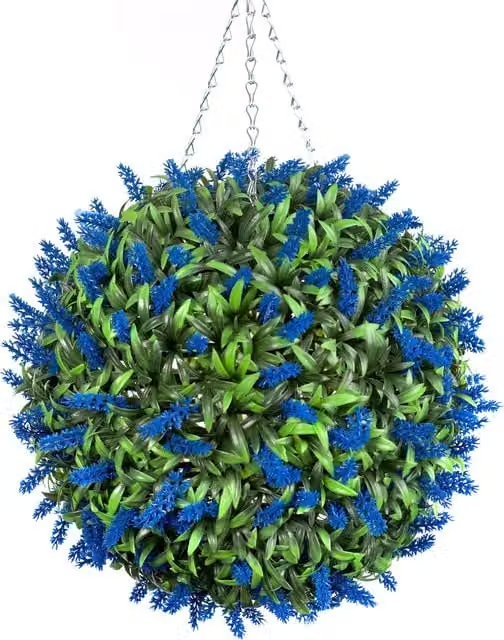
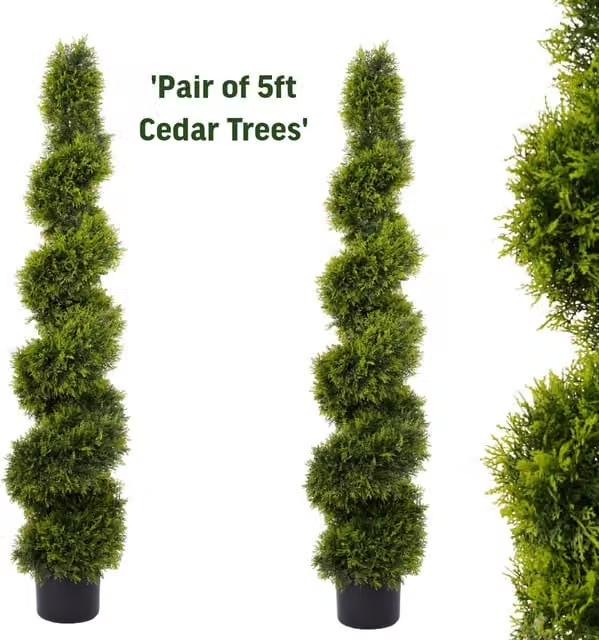
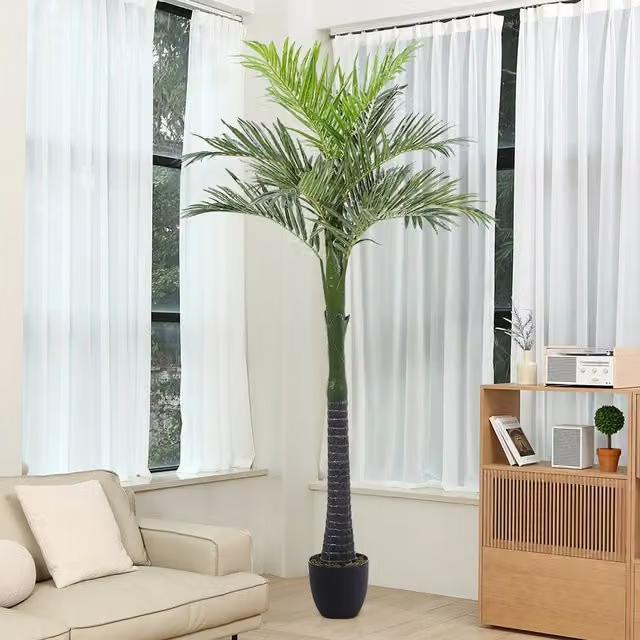
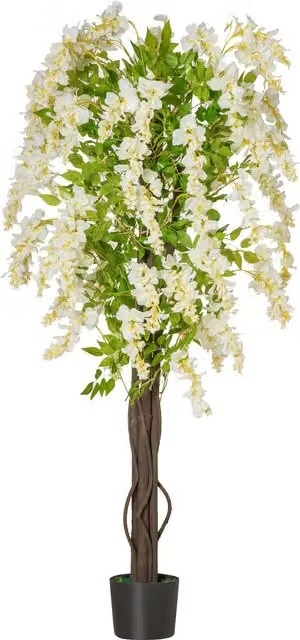
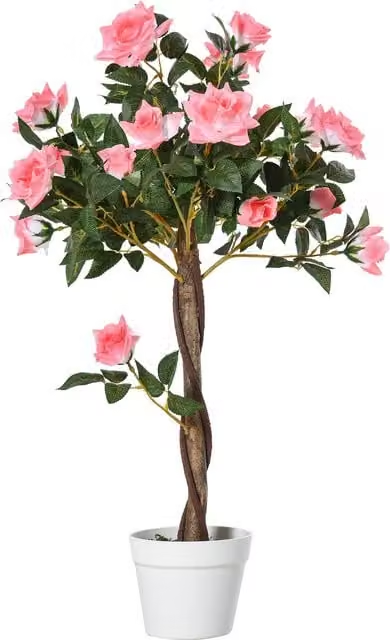
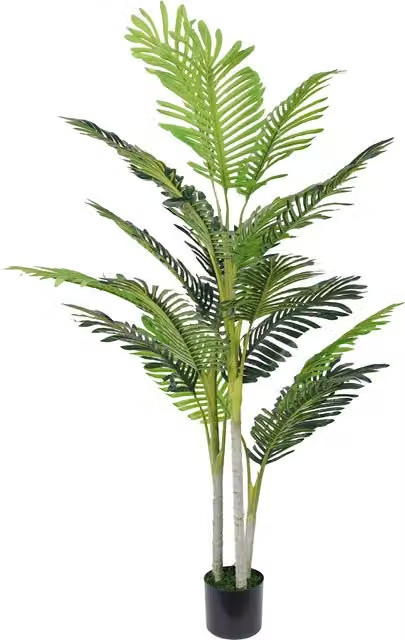
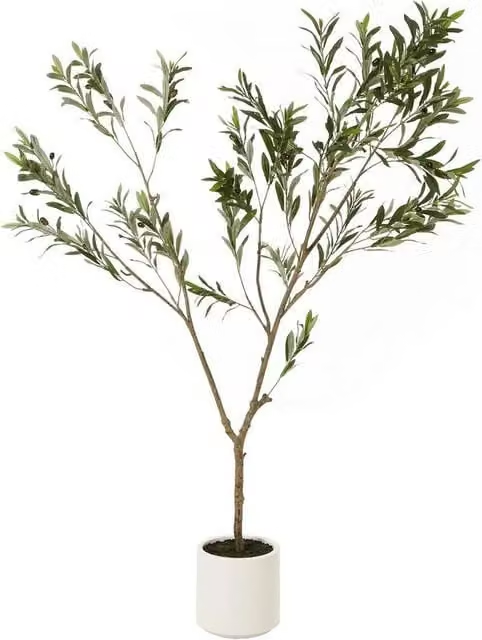
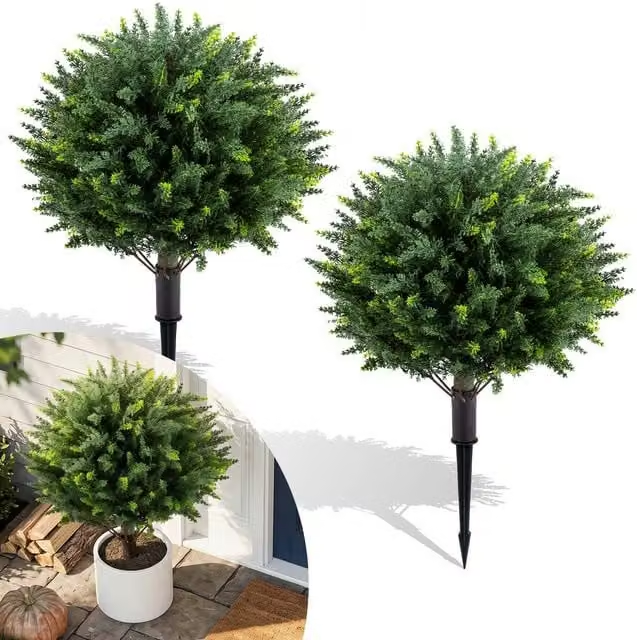
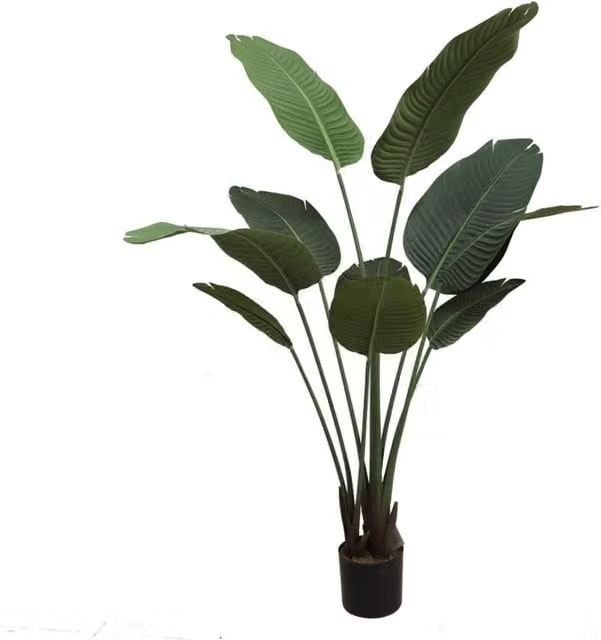
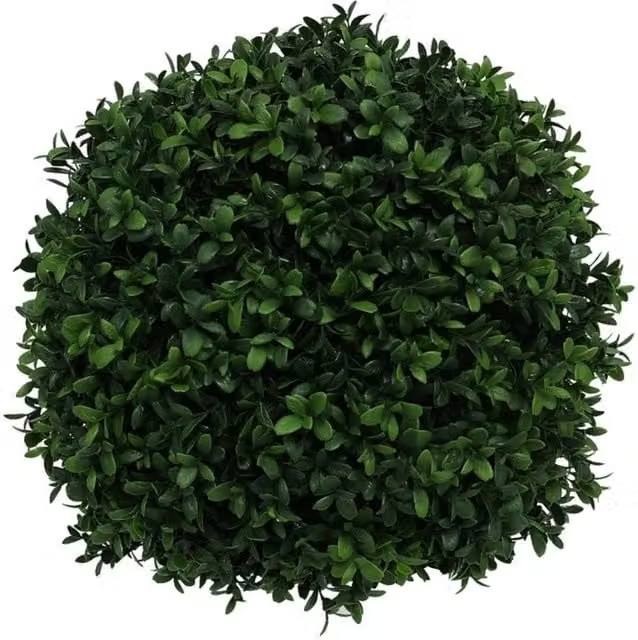
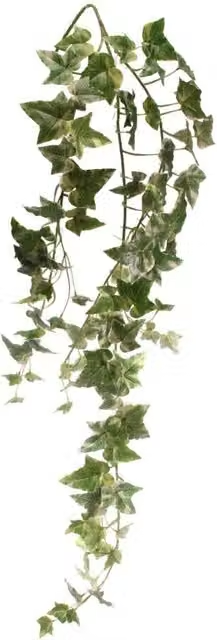
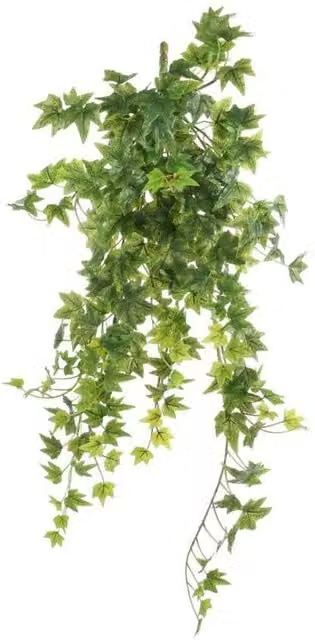
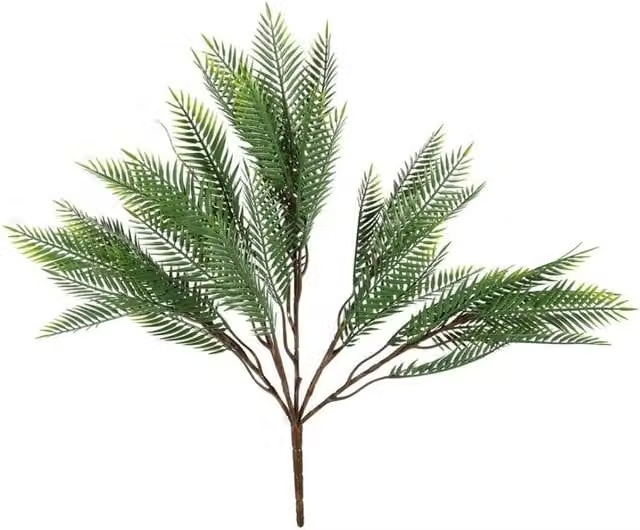
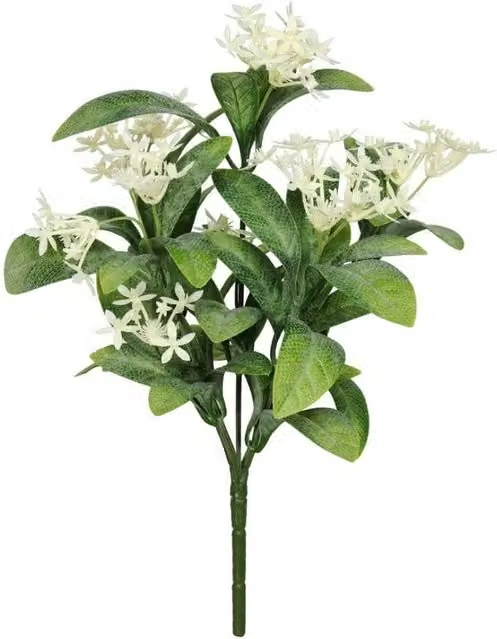
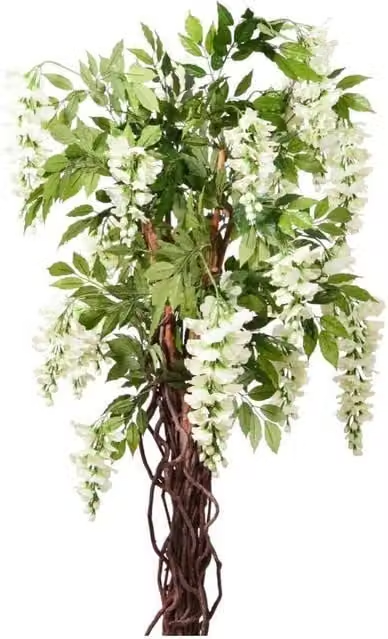
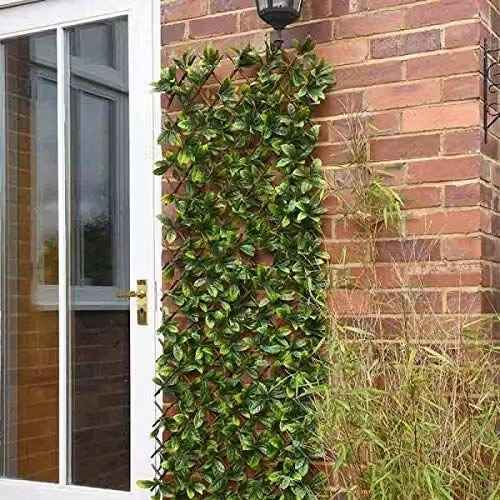
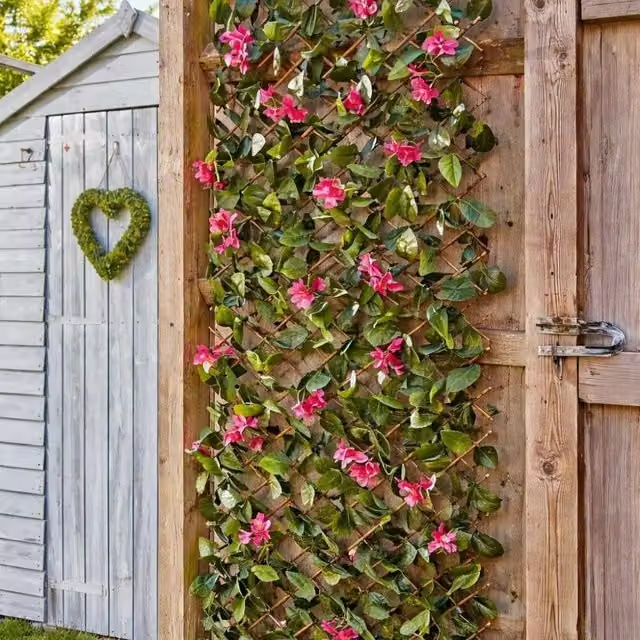
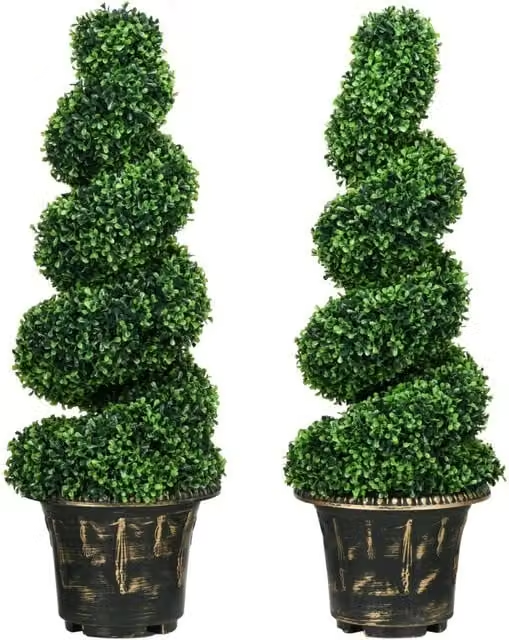
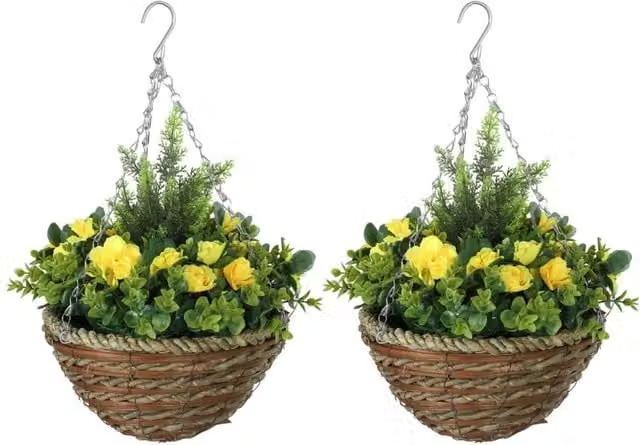
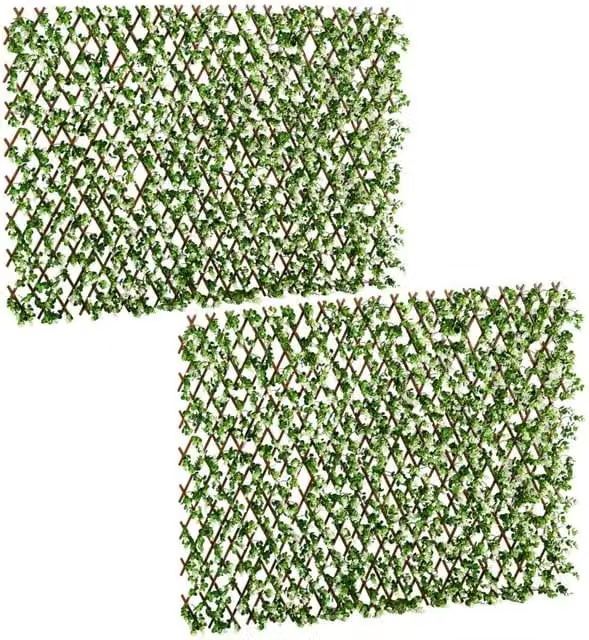
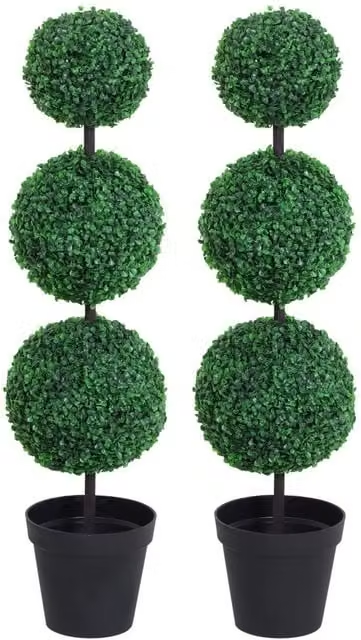
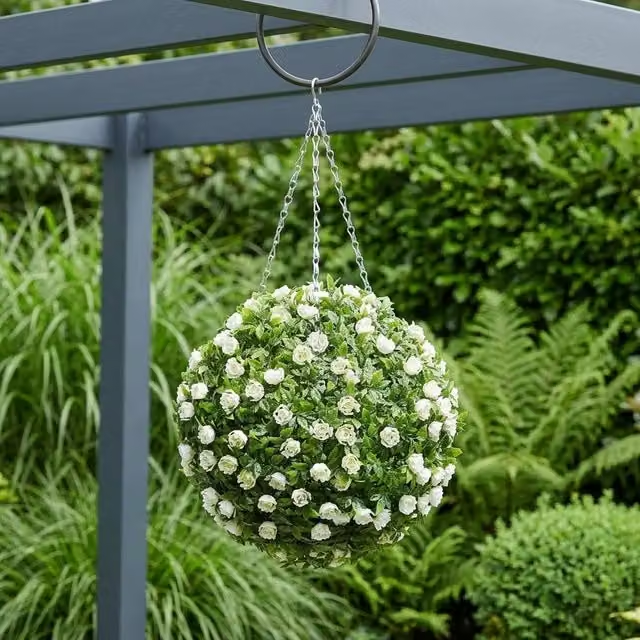
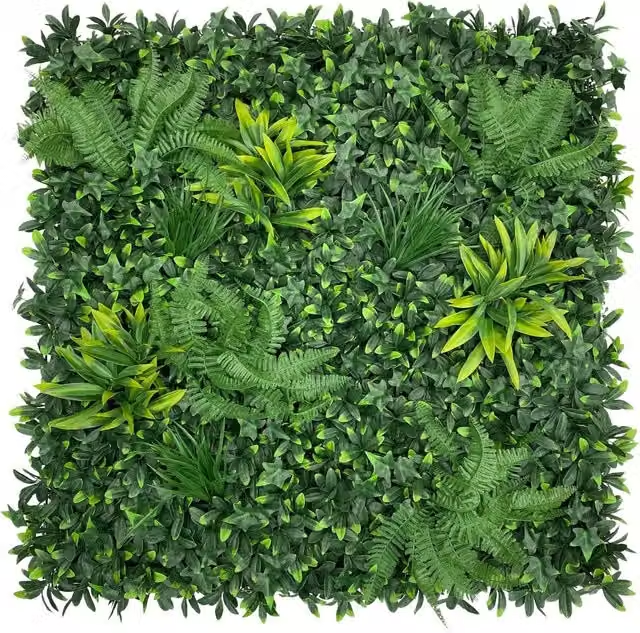
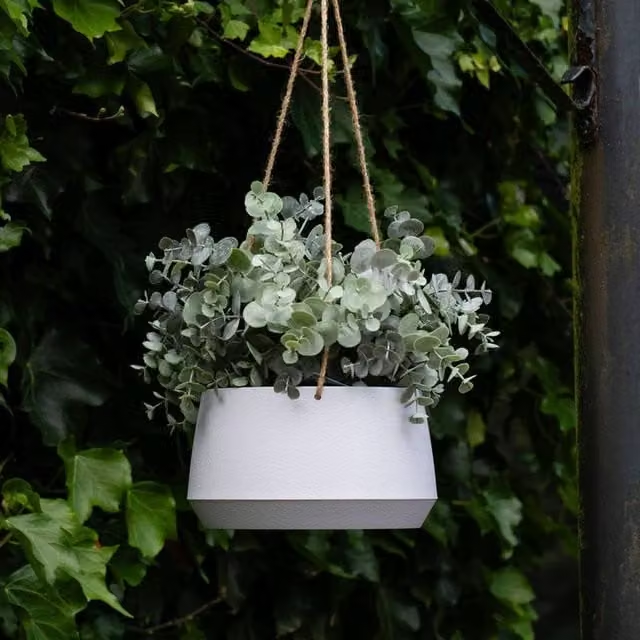
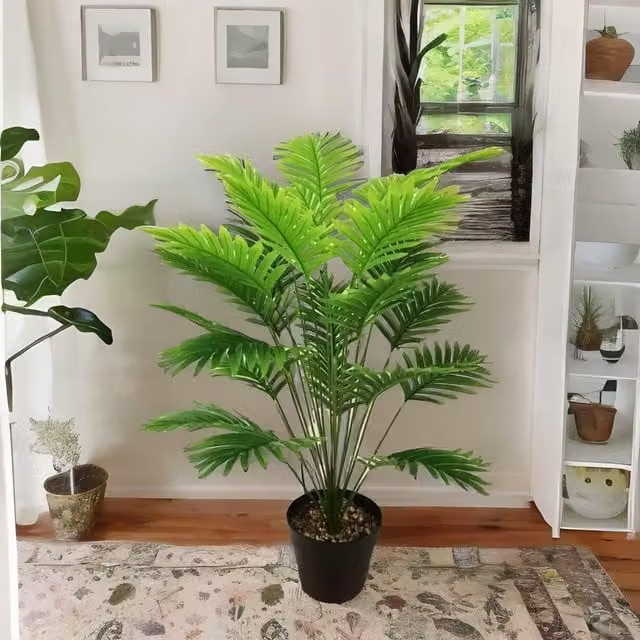
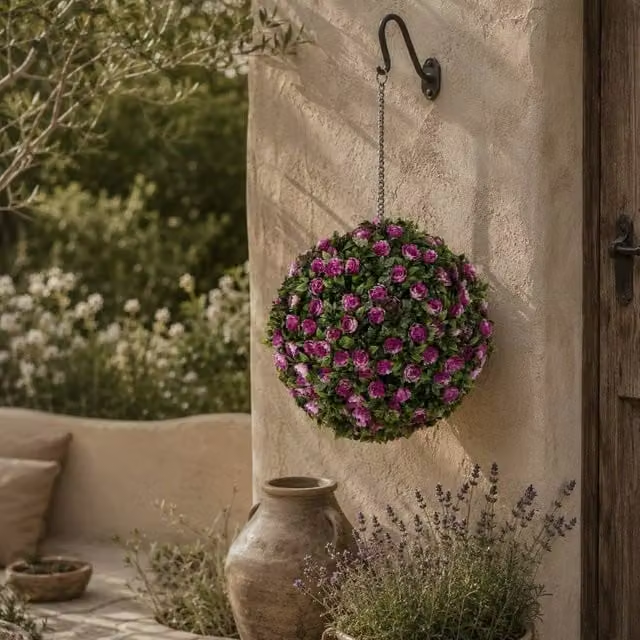
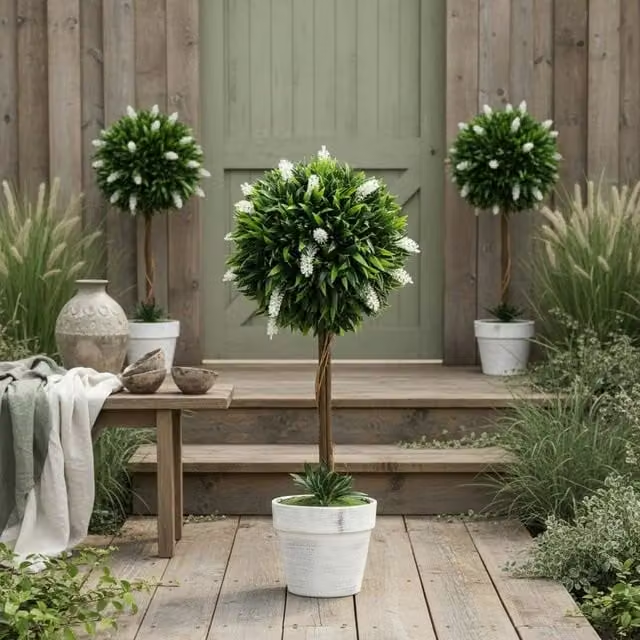
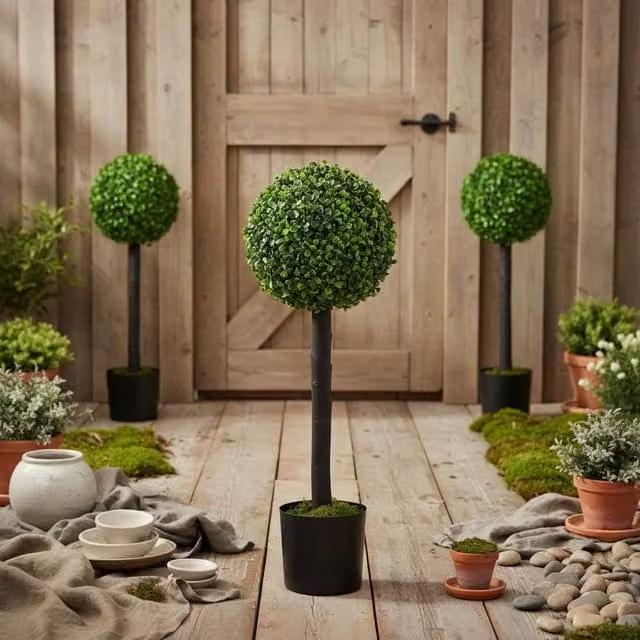
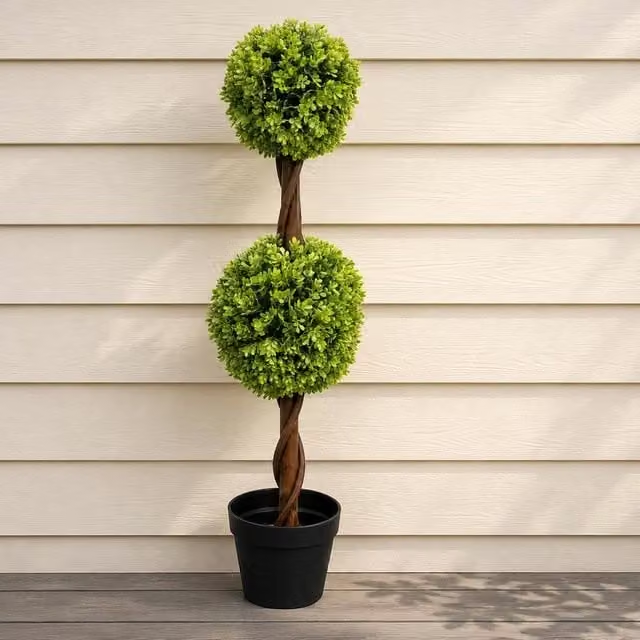
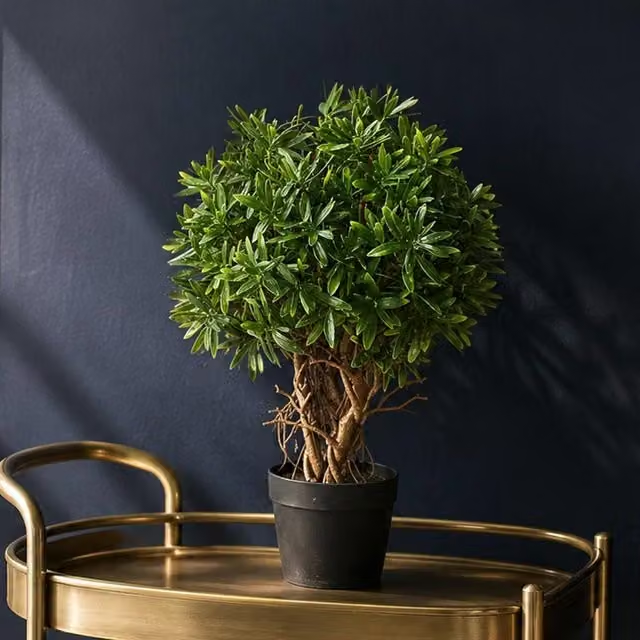
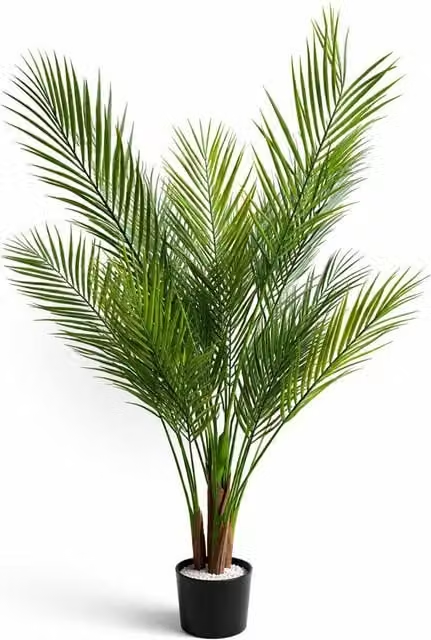
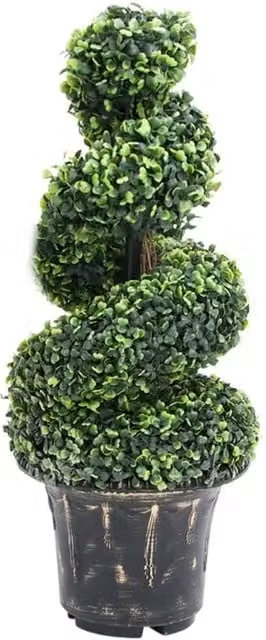
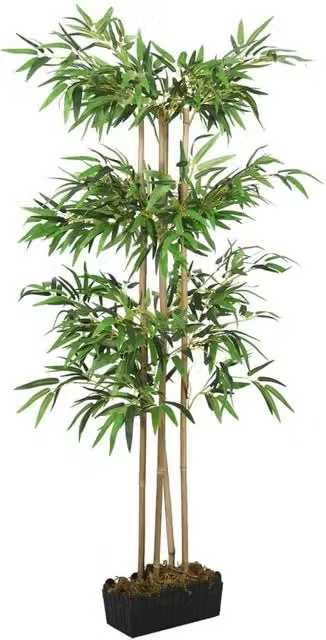
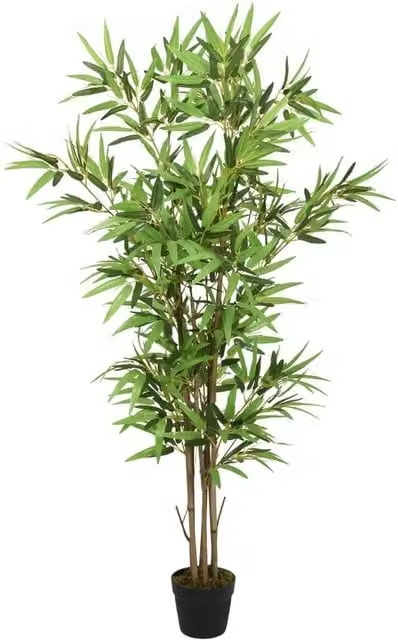
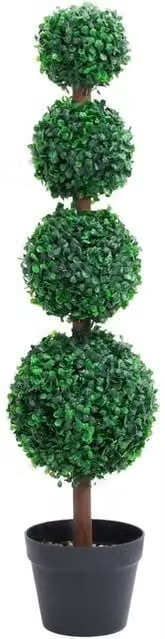
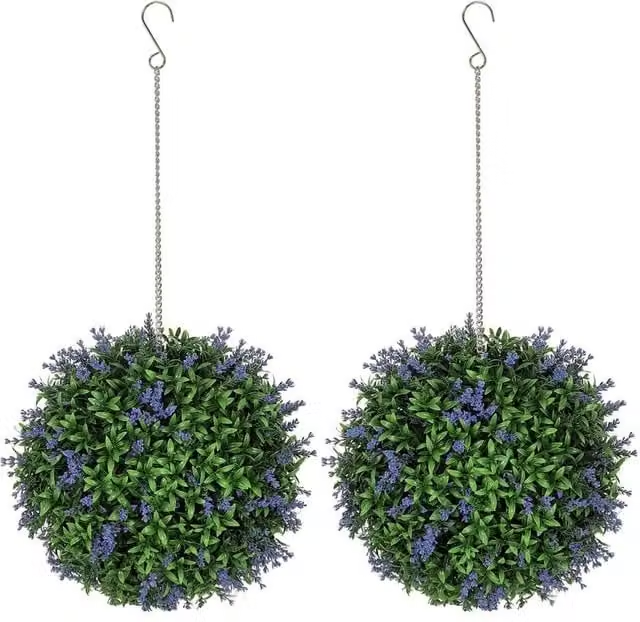
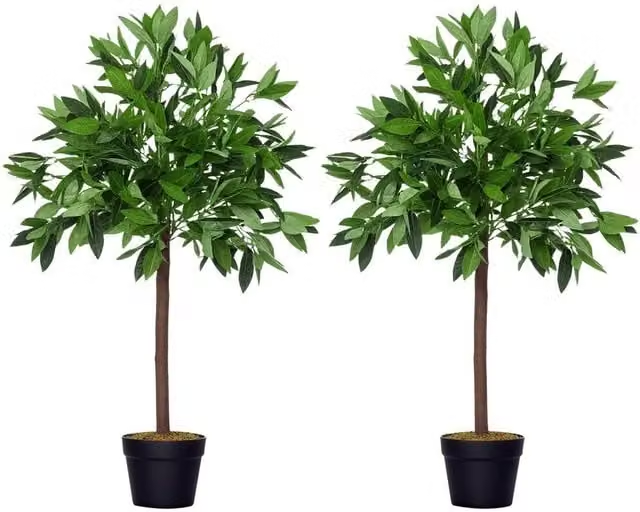
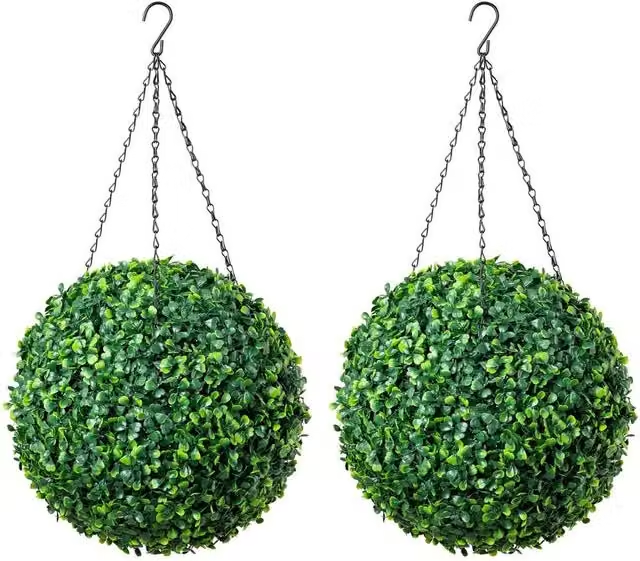
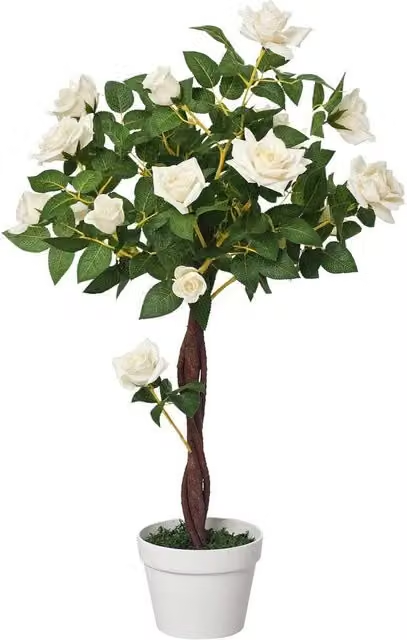
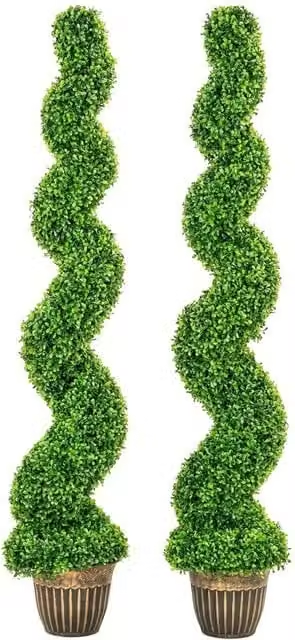
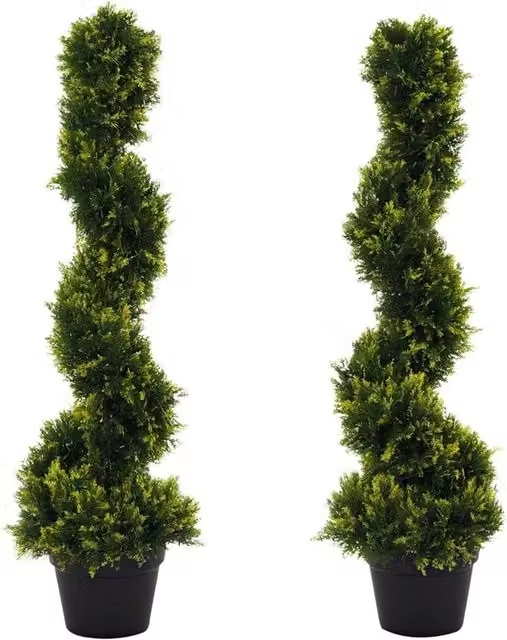
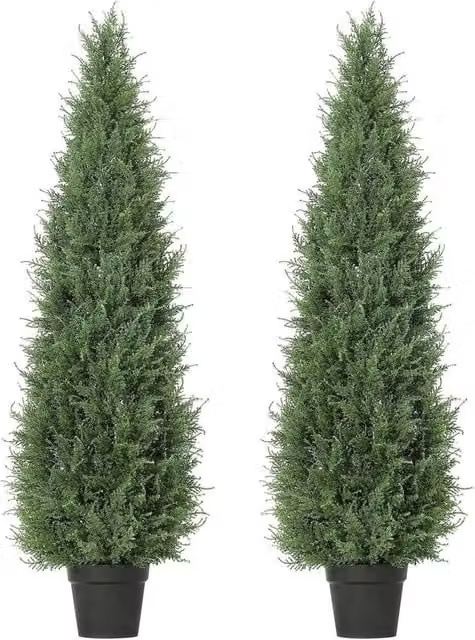
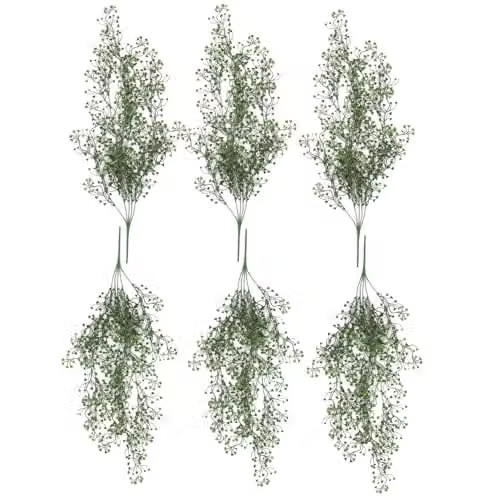
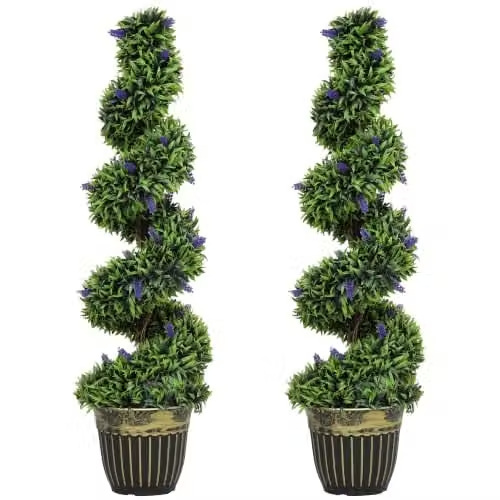
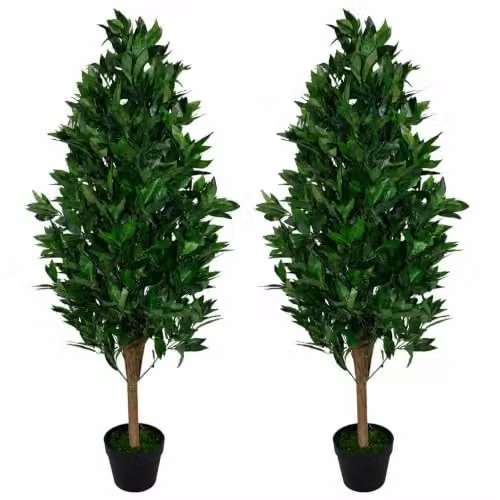
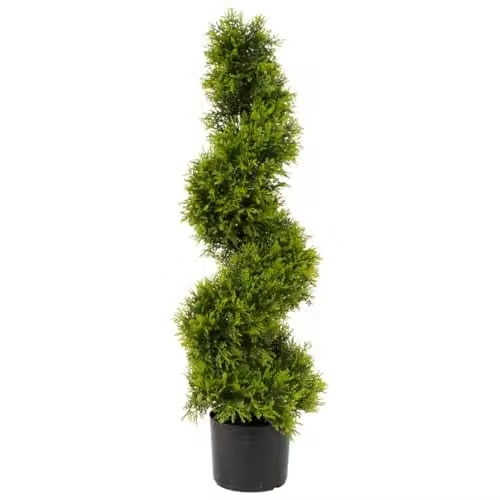
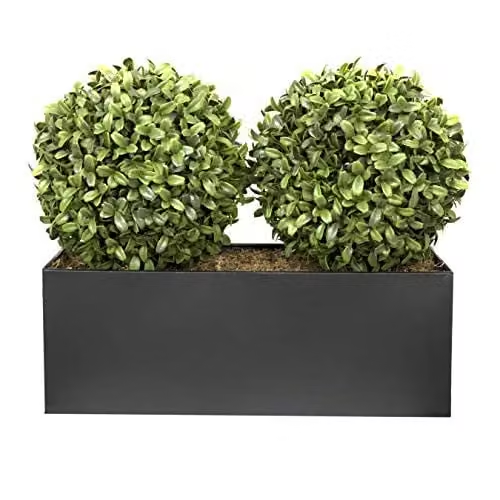
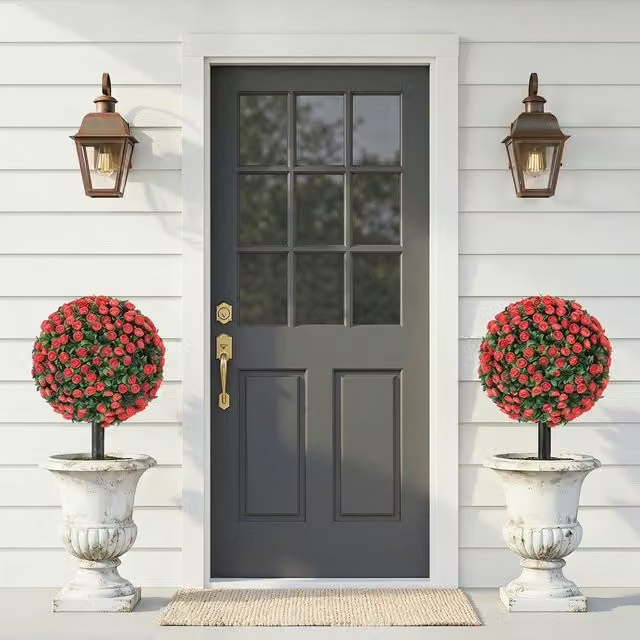
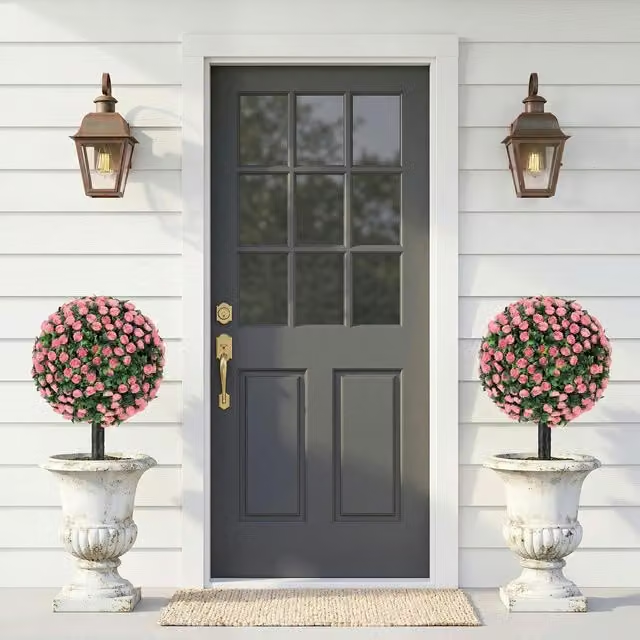
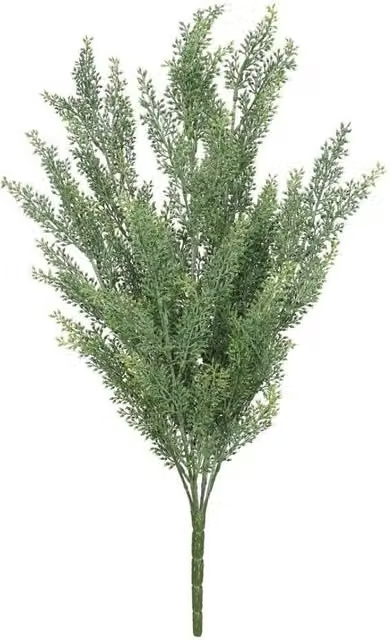
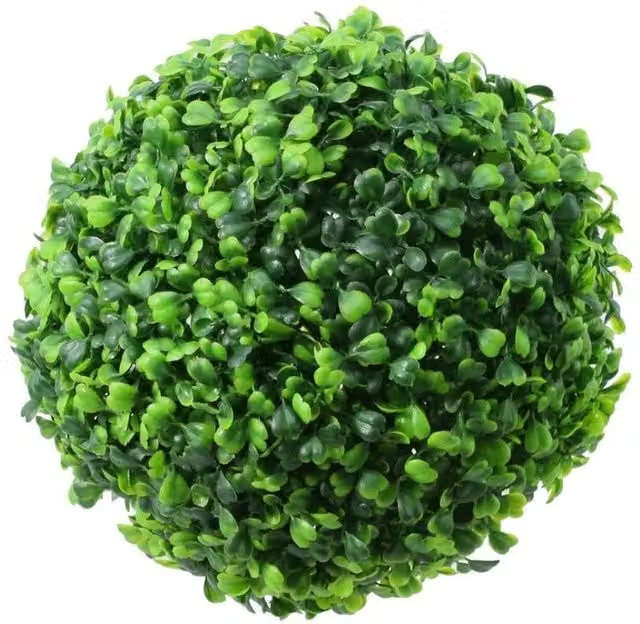
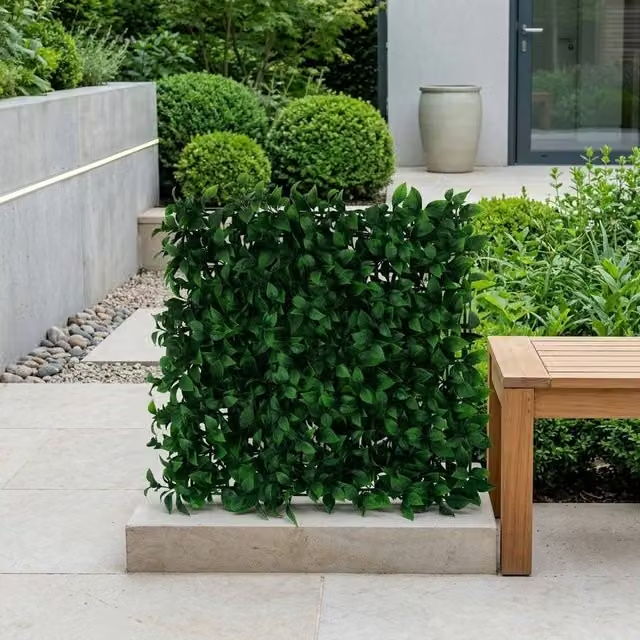
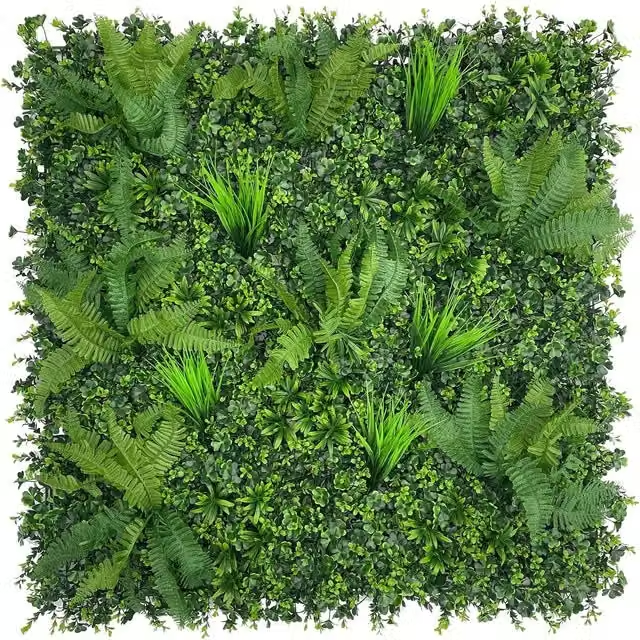
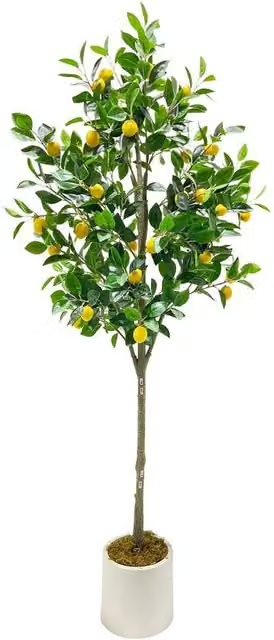
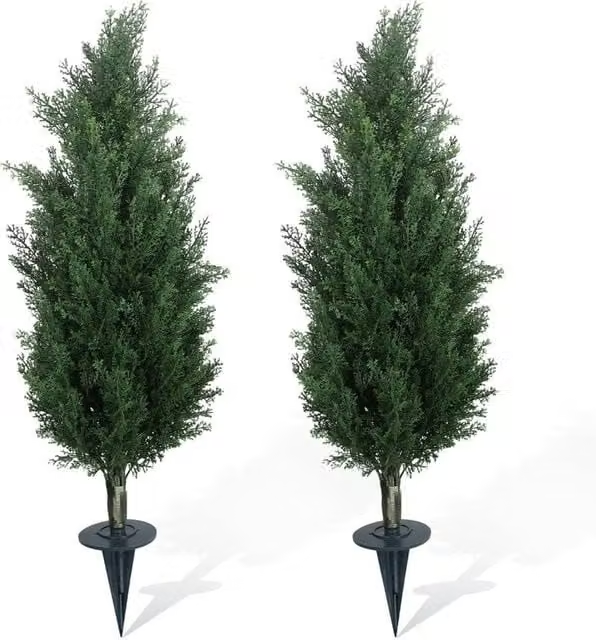
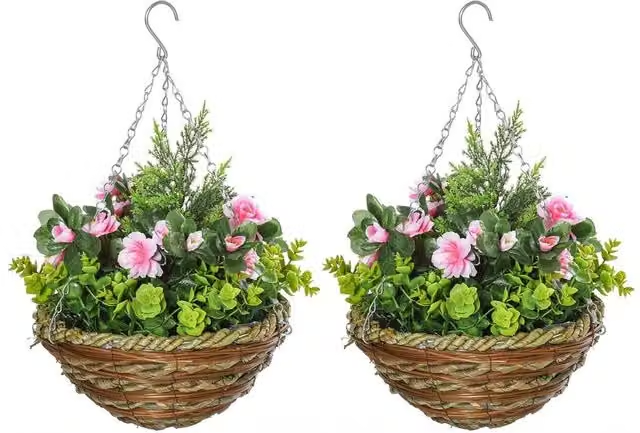
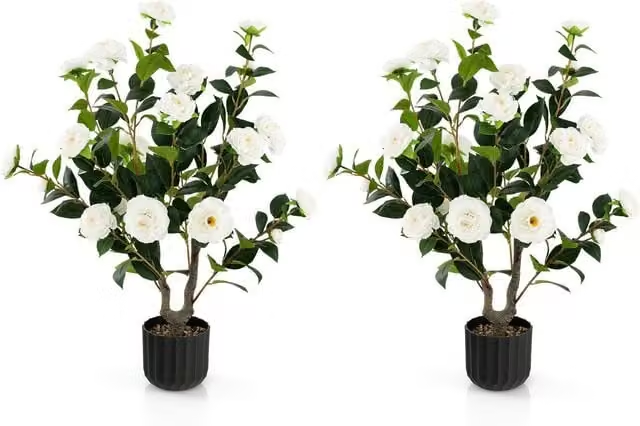
The range covers most planting jobs. Artificial topiary balls and cones flank doorways and give formal structure. Faux boxwood and ivy panels clip together to cover fences, walls and unattractive brickwork, instantly turning a dead surface into a green one. Trailing ivy, wisteria and greenery garlands soften pergolas and railings, while artificial trees such as olive, bay, palm and bamboo bring height to balconies where the wind or the weight of a real tree would be a problem. Individual faux plants for pots and window boxes let you mix real and artificial planting, which is often the most convincing approach of all.
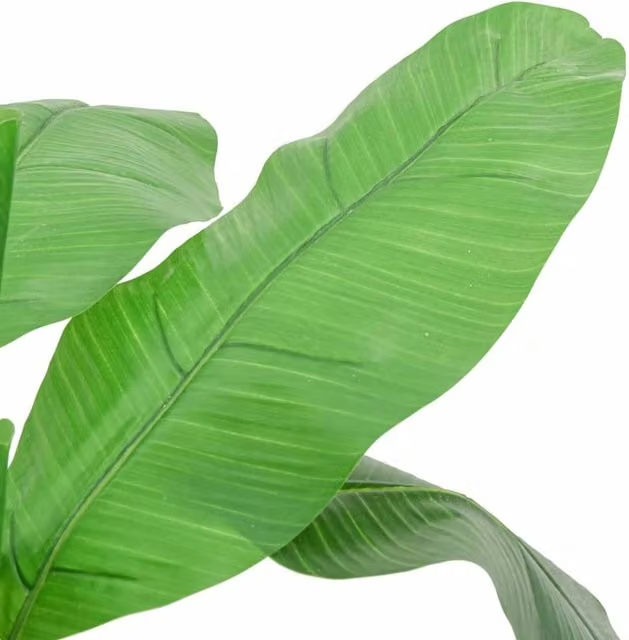
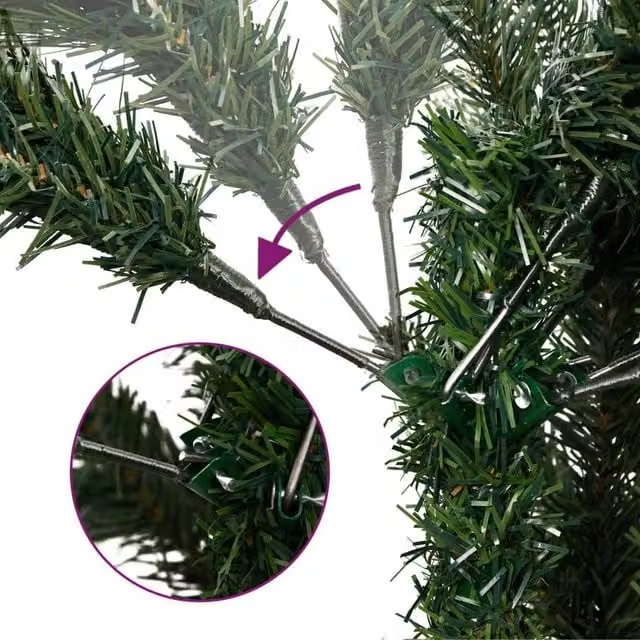
Quality lives in the details. UV stabilised polyethylene is essential outdoors, because untreated plastic fades to a pale yellow green within a single summer. Look for varied leaf tones rather than a single flat colour, since real foliage is never uniform. Injection moulded leaves with visible veining look far better than printed flat plastic. Check for drainage holes if the plant comes potted, and for a weighted or fillable base on anything tall, which stops it blowing over in the first gale.
Prices reflect size and quality. Small faux plants and single ivy trails are inexpensive, hedge panels sold by the square metre sit in the middle, and large UV stable artificial trees and dense topiary from quality manufacturers cost considerably more while lasting many years.
Browse the selection, compare prices and green up the spots where nothing else will grow.
Good quality UV stabilised plants typically hold their colour for three to five years in a British climate, and often longer in shaded positions where they get less direct sun. Cheaper non stabilised plastic can fade noticeably within one season, going pale and slightly chalky. South facing walls and unshaded balconies are the harshest positions, so put your best quality pieces there. Fading tends to be gradual and even, so it often goes unnoticed until you compare with a new piece.
A rinse with a hose two or three times a year removes most dust, pollen and grime, and it takes minutes. For green algae or stubborn dirt, a soft brush with warm soapy water works well, followed by a clean rinse. Avoid pressure washers, which strip the surface texture and can detach leaves from stems. Let everything dry thoroughly, and shake out hedge panels so water does not sit trapped between layers.
They do, provided you use enough of them and fix them properly. Panels are usually around 50 by 50 cm and clip together with cable ties or the built in connectors, so measure your area and allow around ten percent extra for overlap. Fixing them to trellis or a batten frame rather than directly to the fence panels gives a better result and makes them easy to remove. Mixing in a few real climbers along the base makes the effect considerably more convincing.
They can trap moisture against the surface underneath, which over time encourages rot in timber and algae on masonry. Leaving a small air gap by mounting panels on battens solves this almost entirely and lets the surface dry between rain showers. Treat and paint any timber fence before covering it, since you will not easily reach it afterwards. Check underneath once a year, particularly on north facing walls where damp lingers longest.