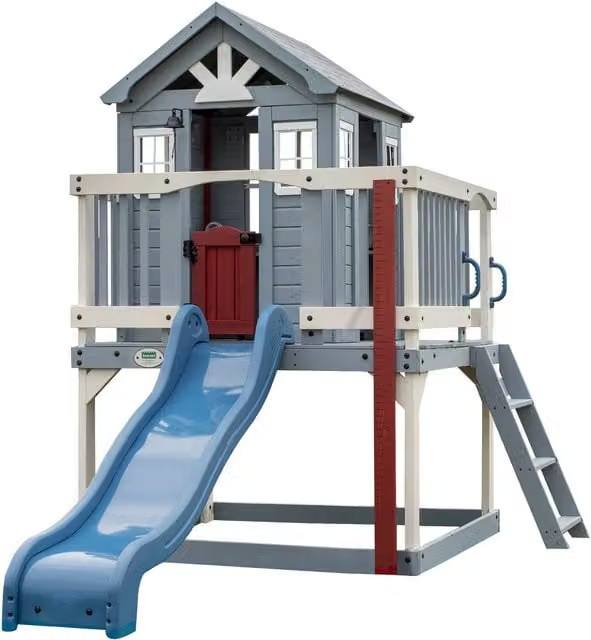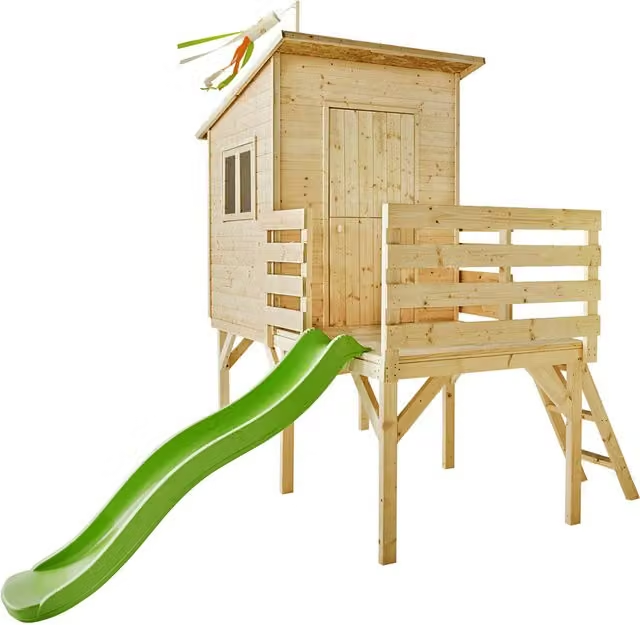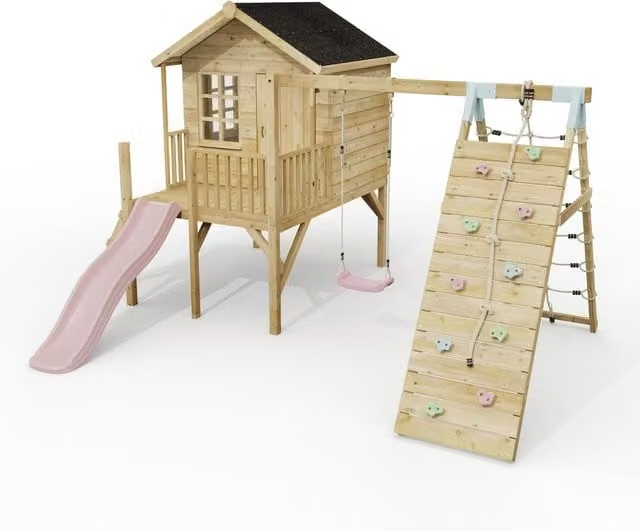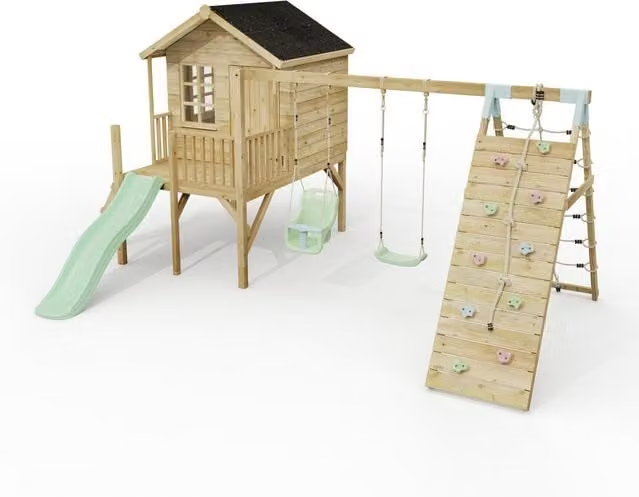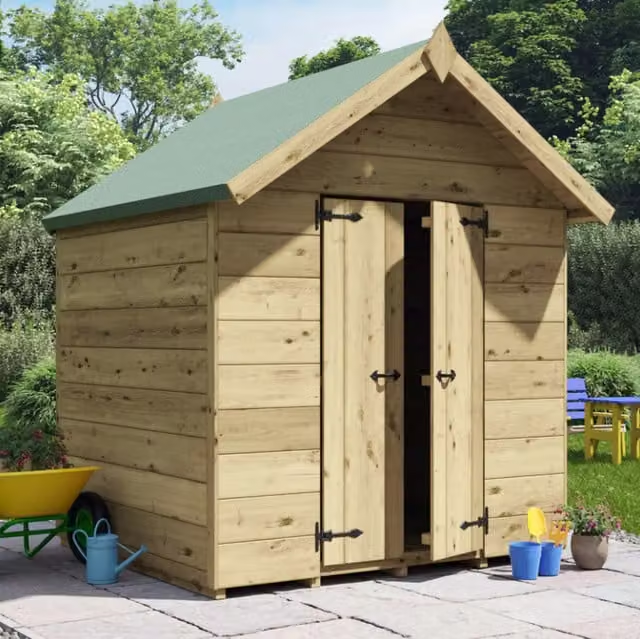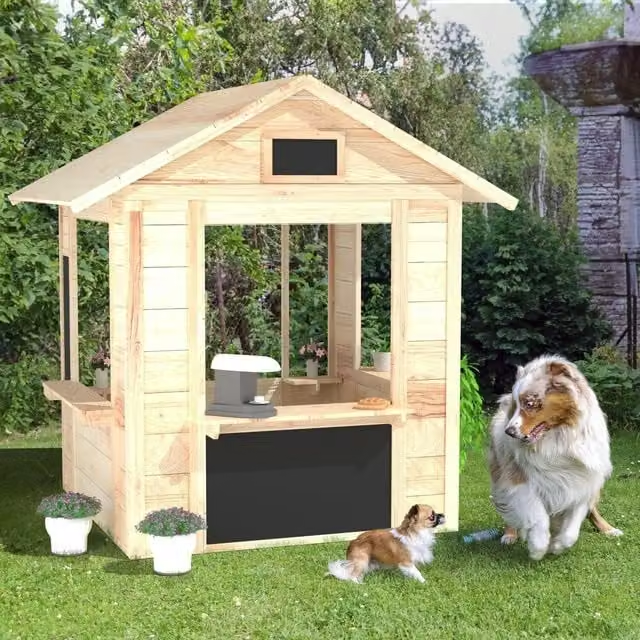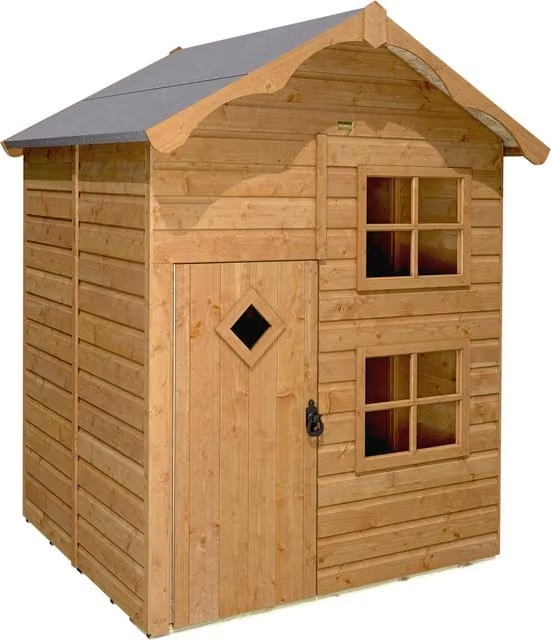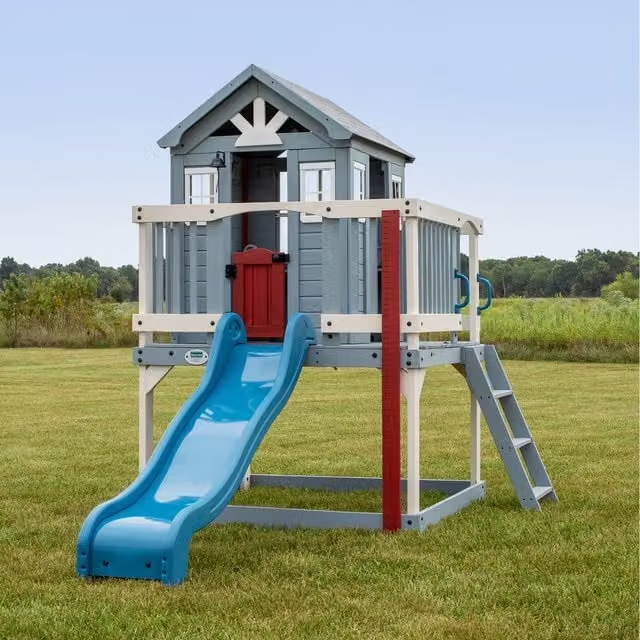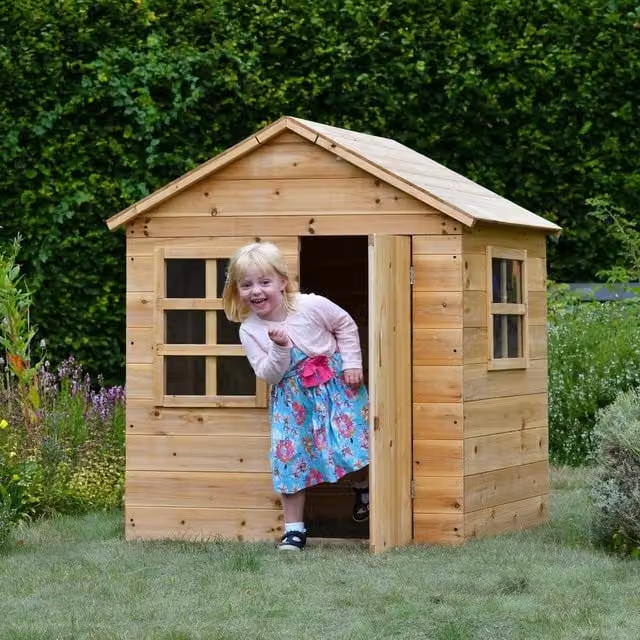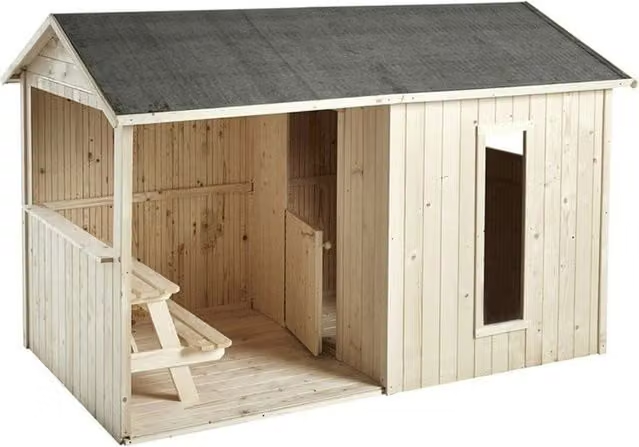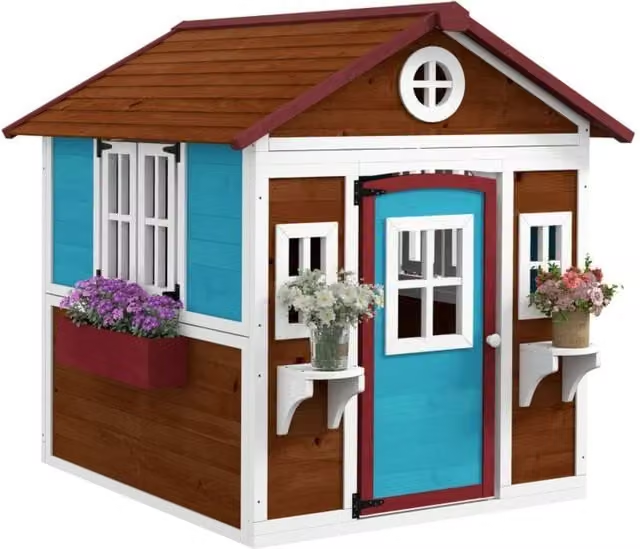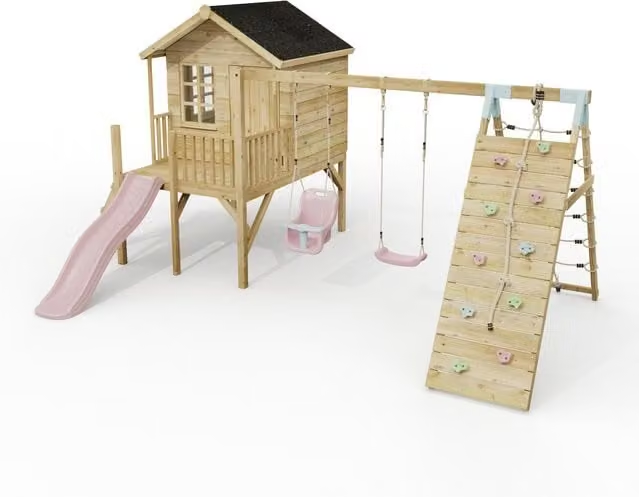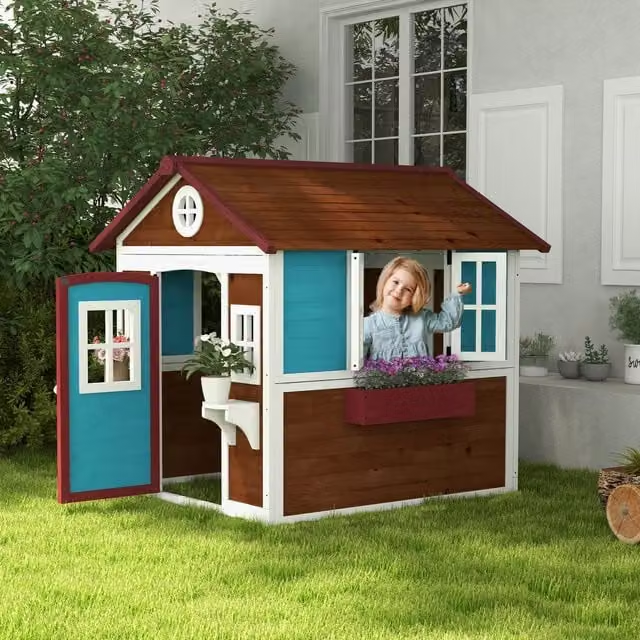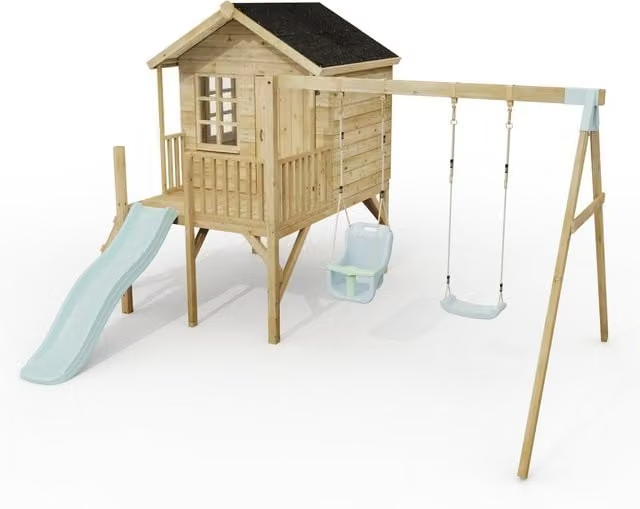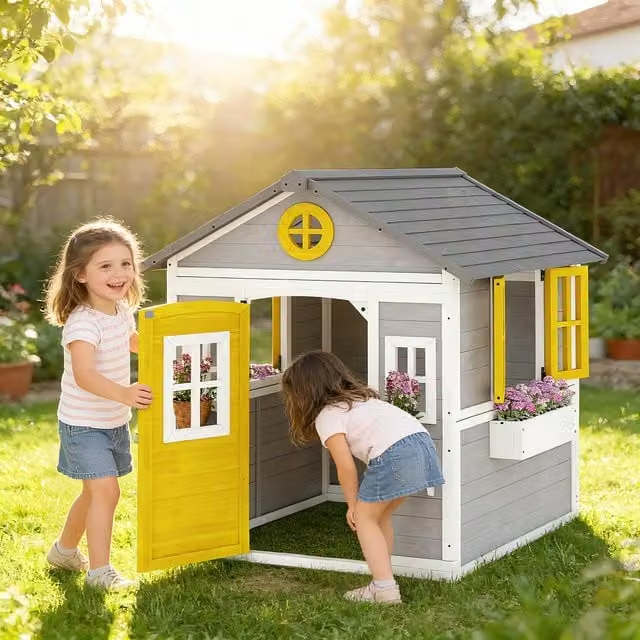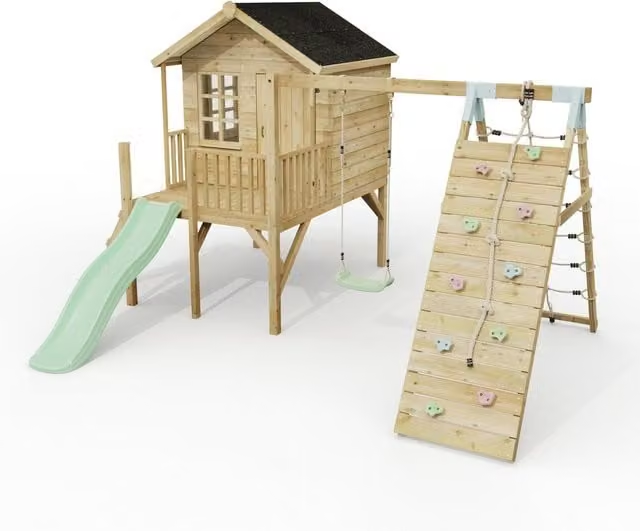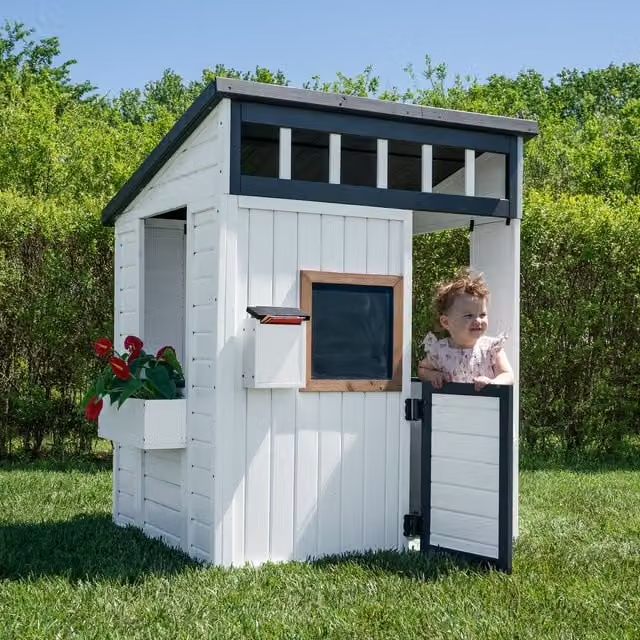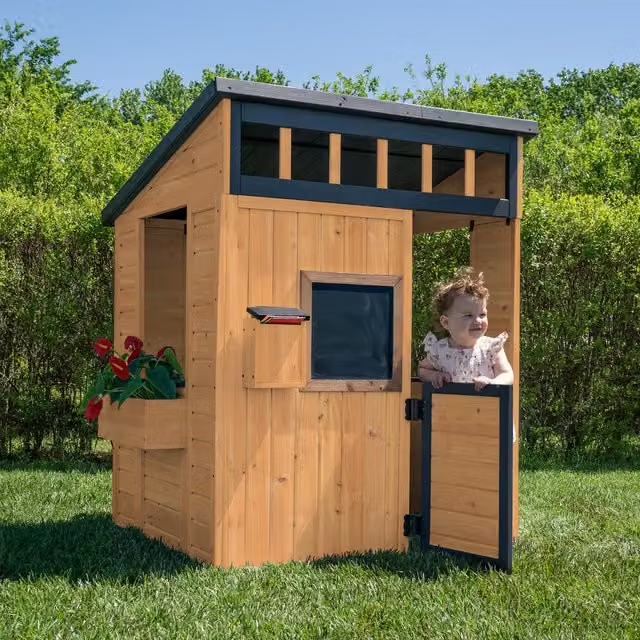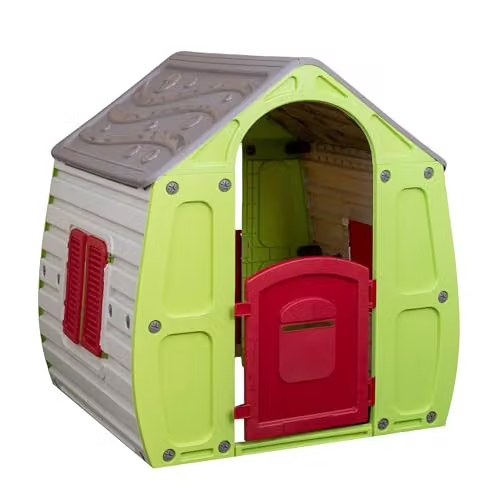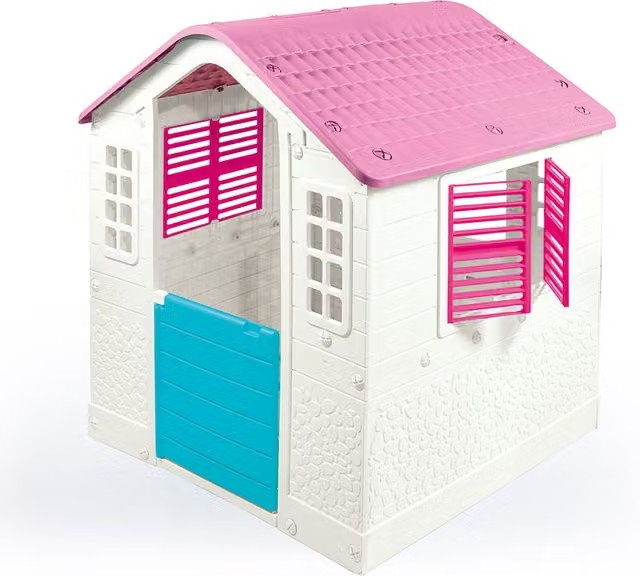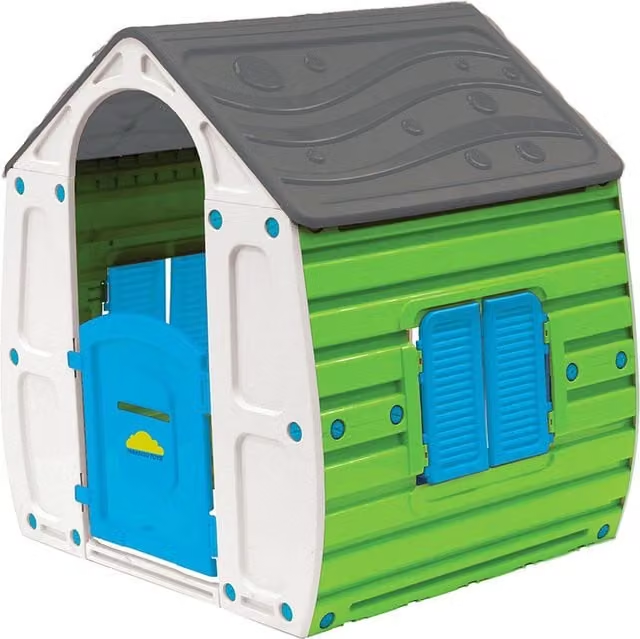
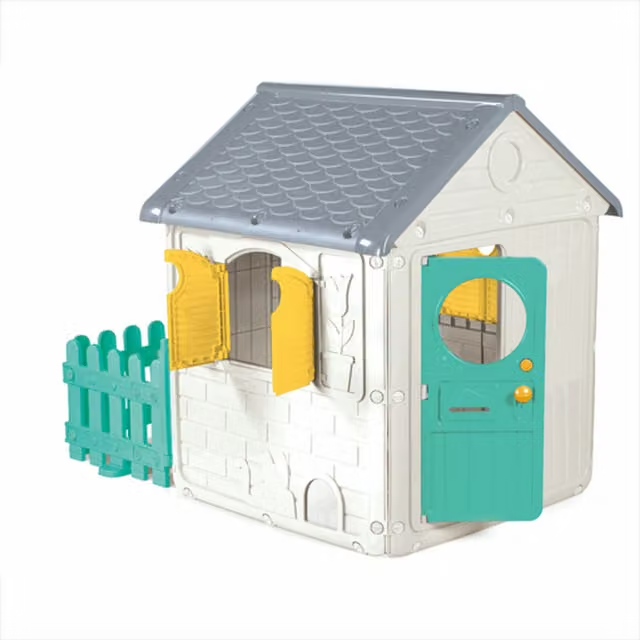
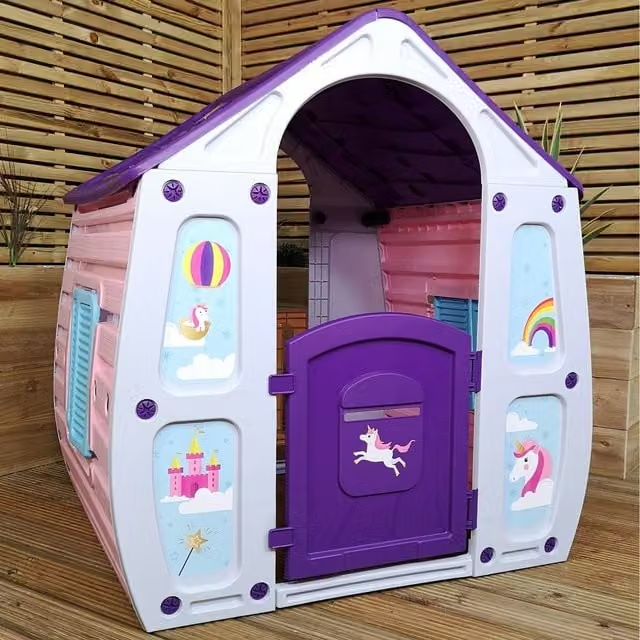
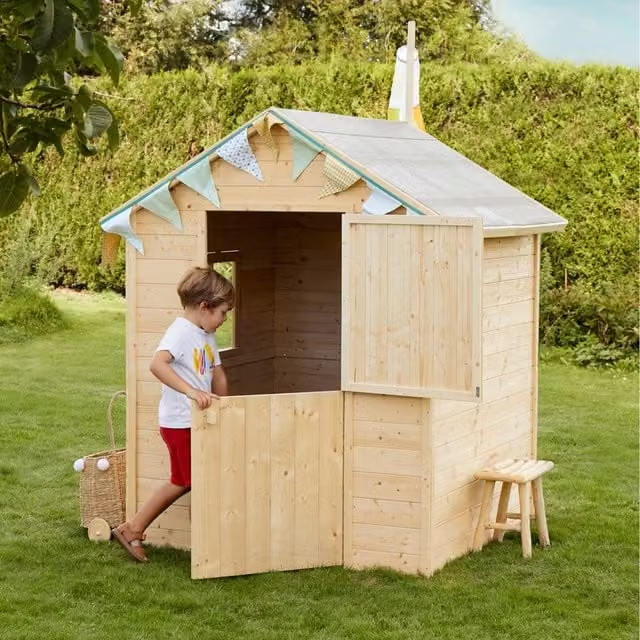
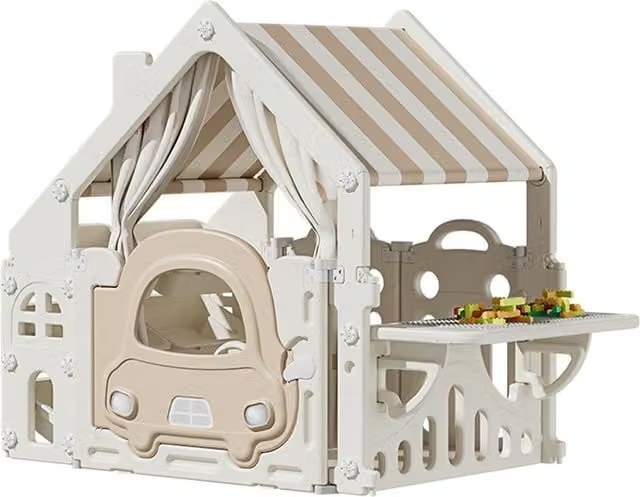
Children spend most of their lives in spaces designed by adults for adults. A playhouse gives them somewhere that is properly theirs, scaled to their size, where they make the rules and the story. That sense of ownership is what makes playhouses such enduring favourites, and why they get used for imaginative play long after other outdoor toys have been outgrown.
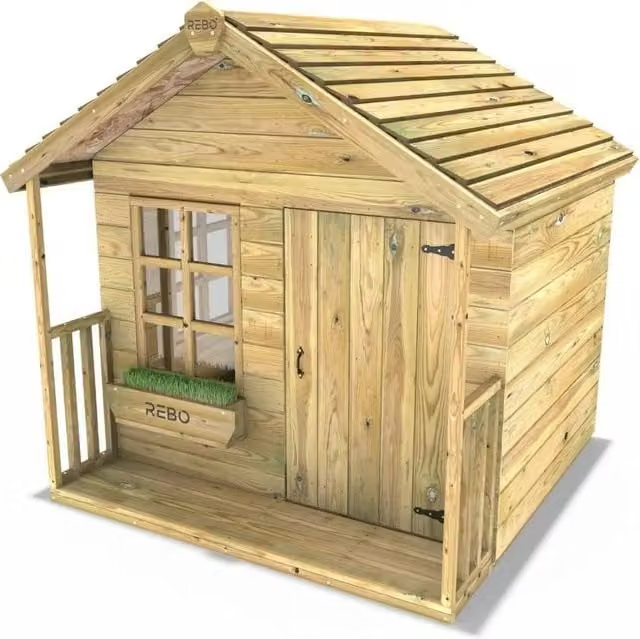
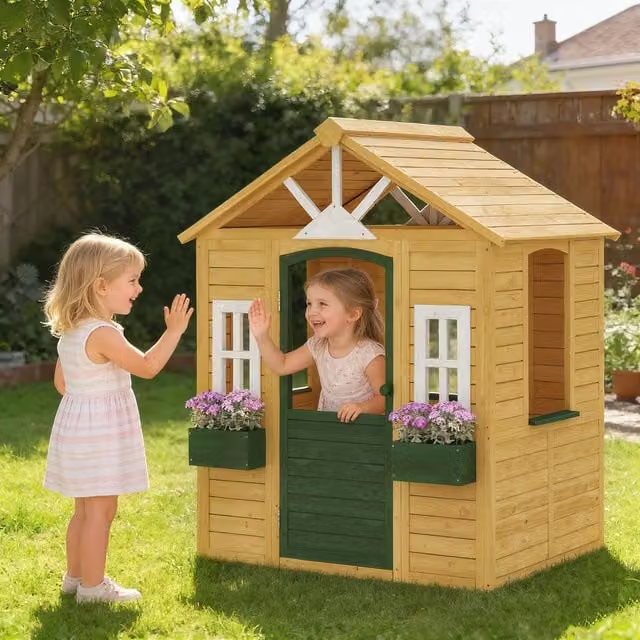
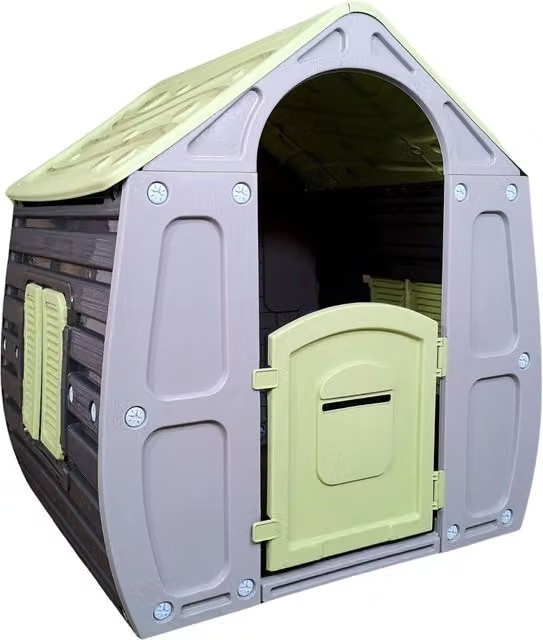
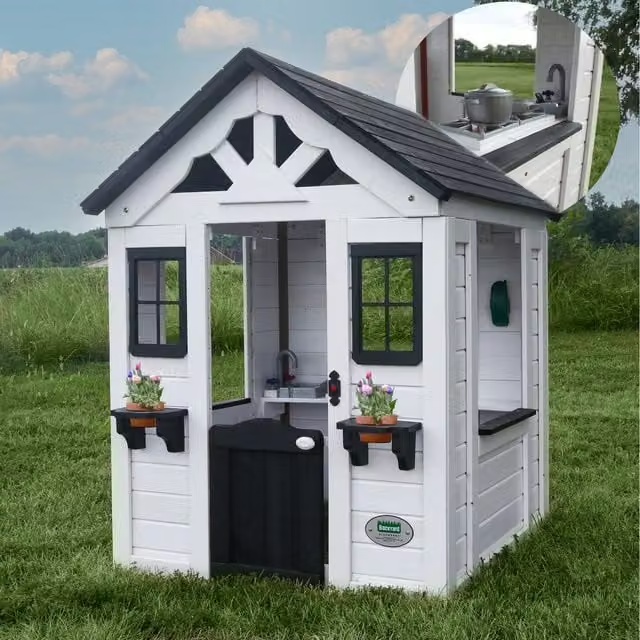
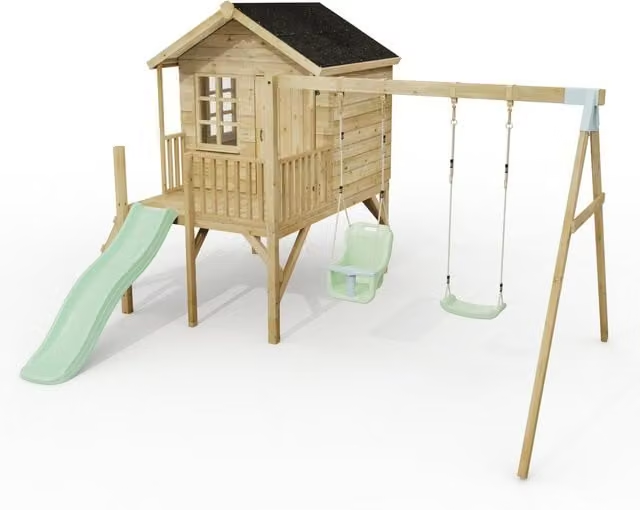
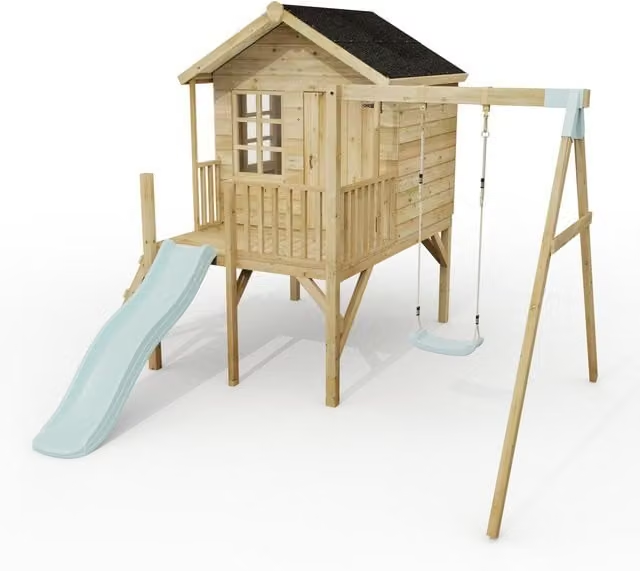
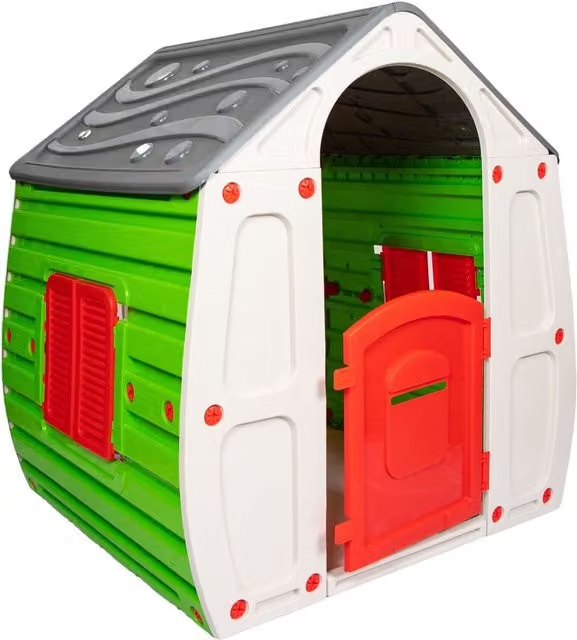
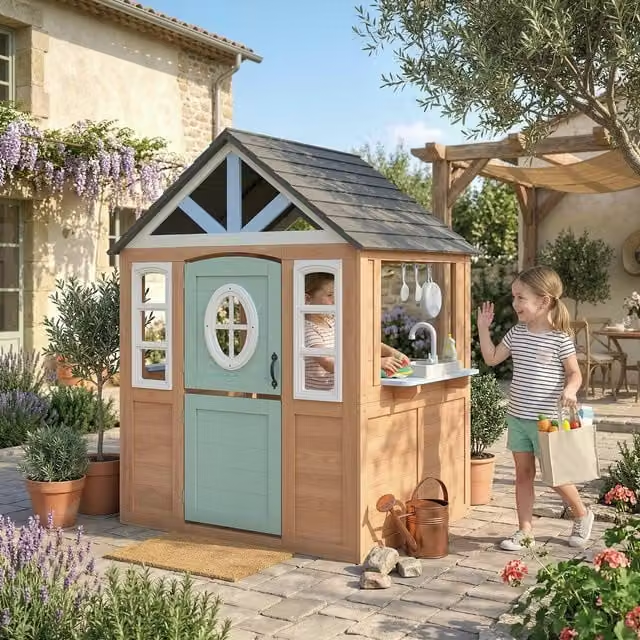
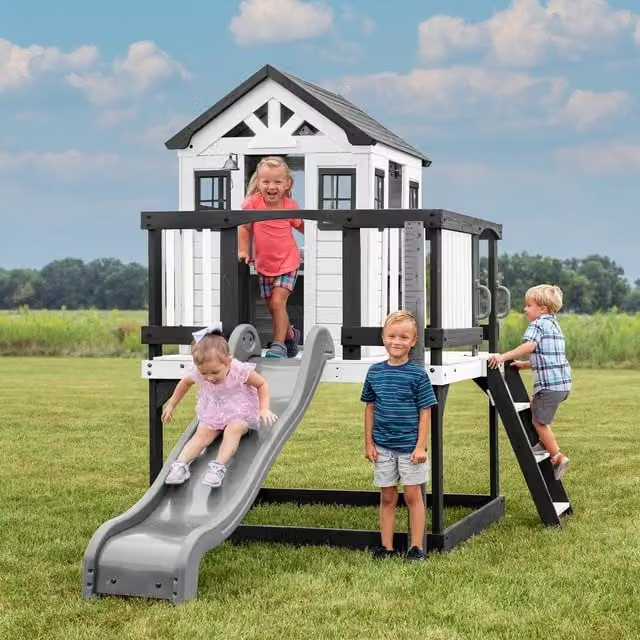
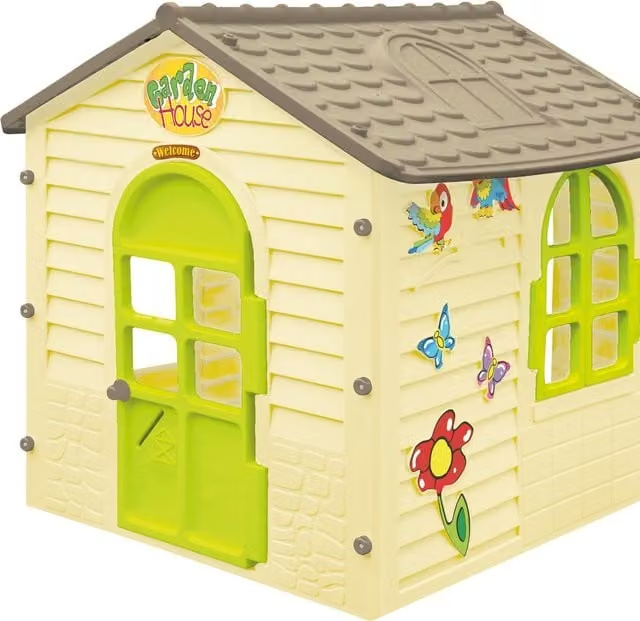
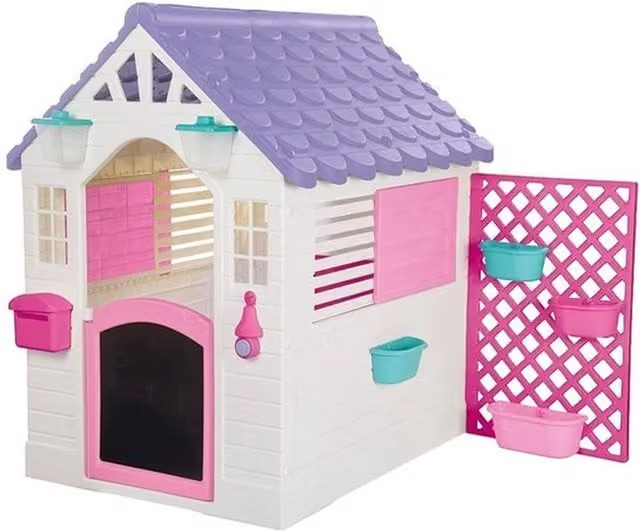
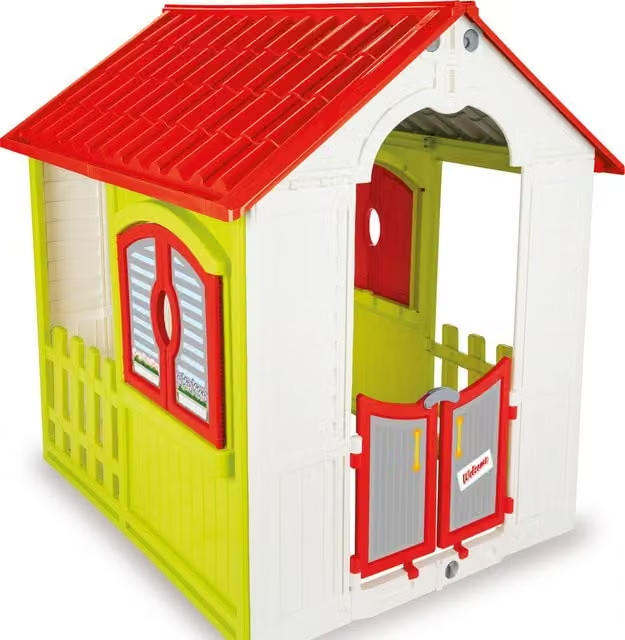
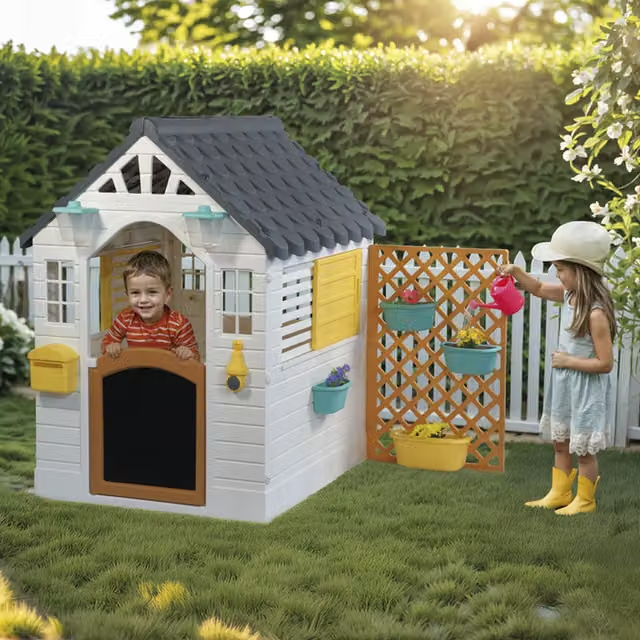
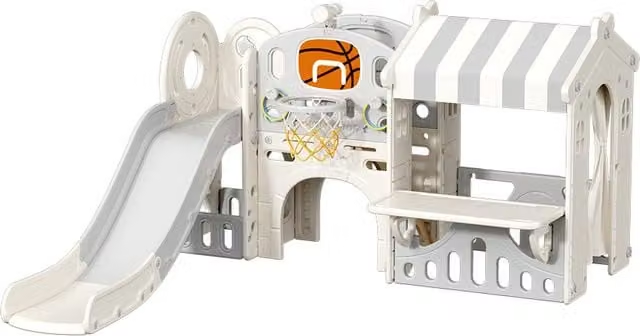
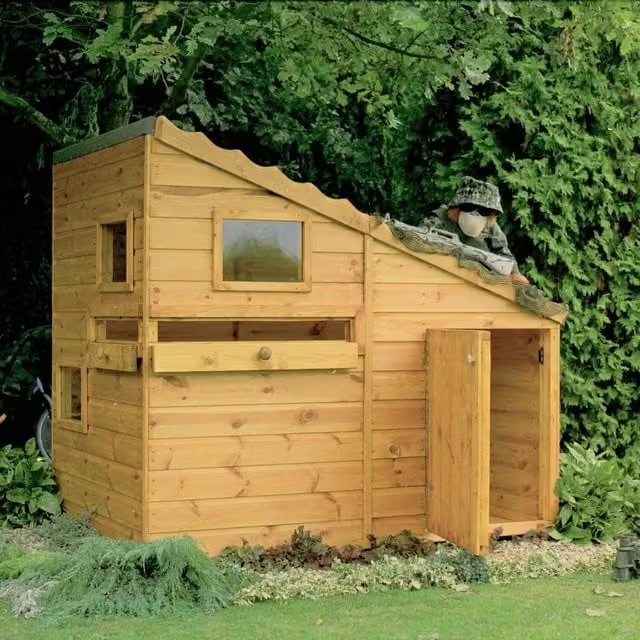
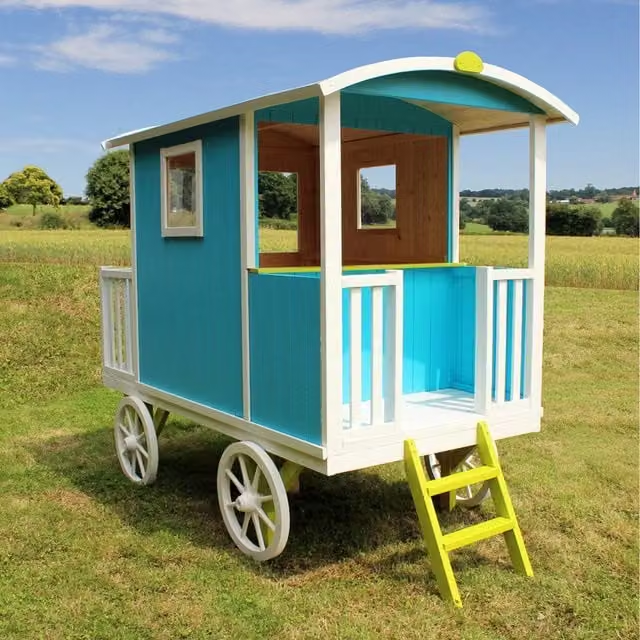
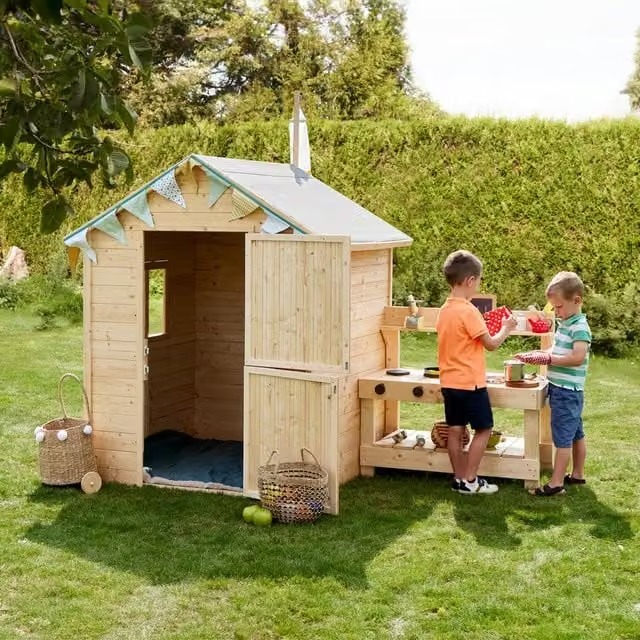
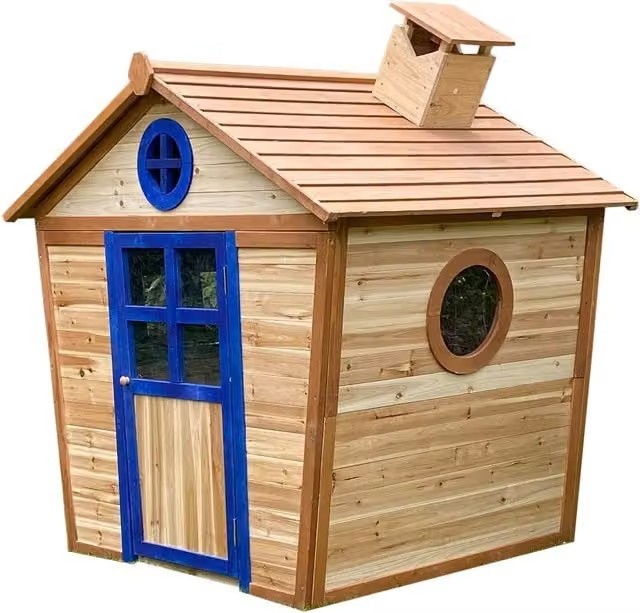
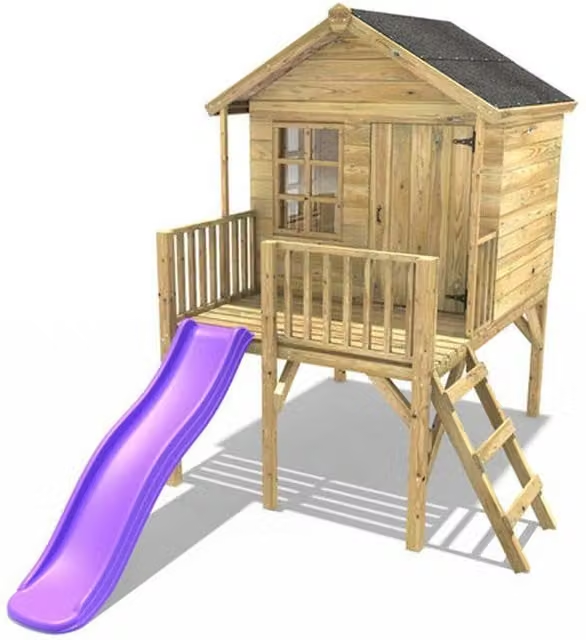
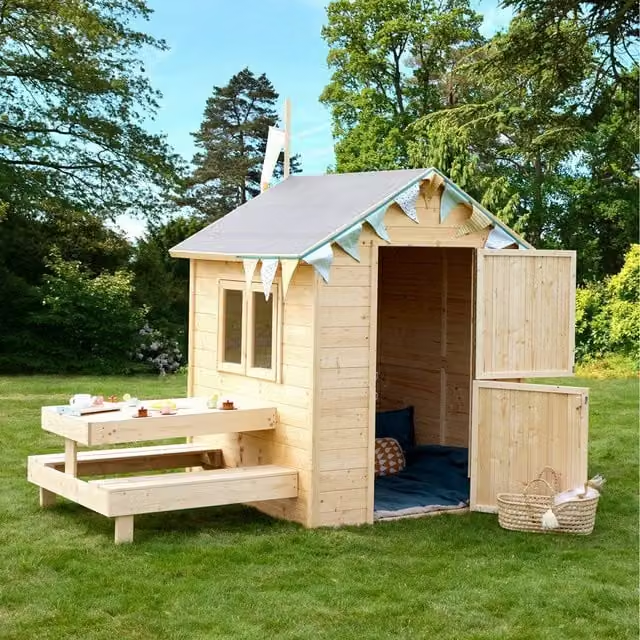
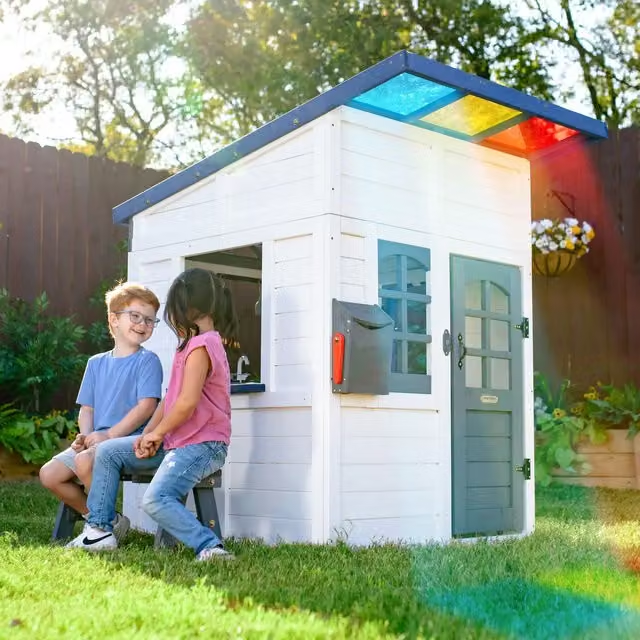
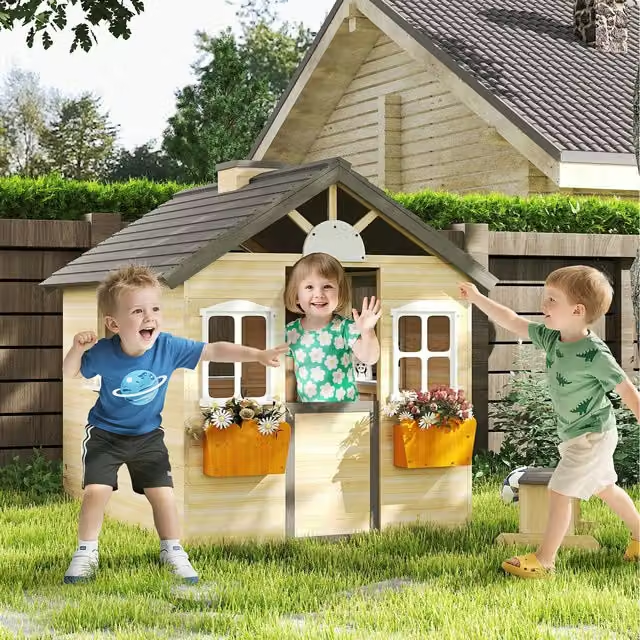
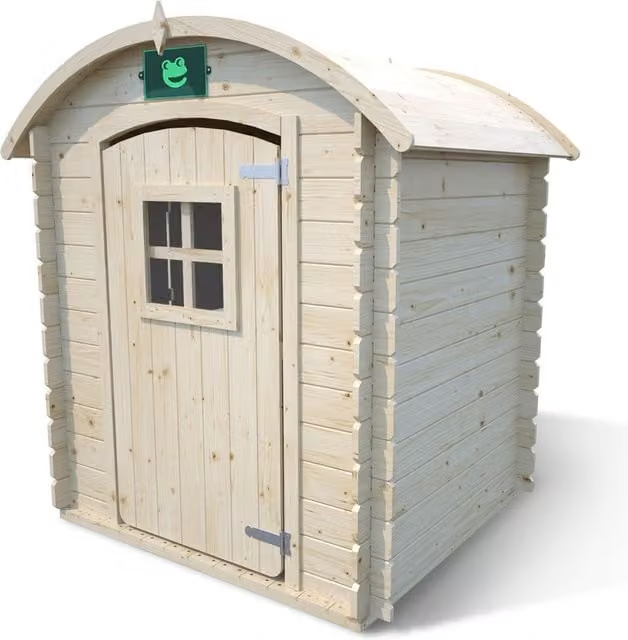
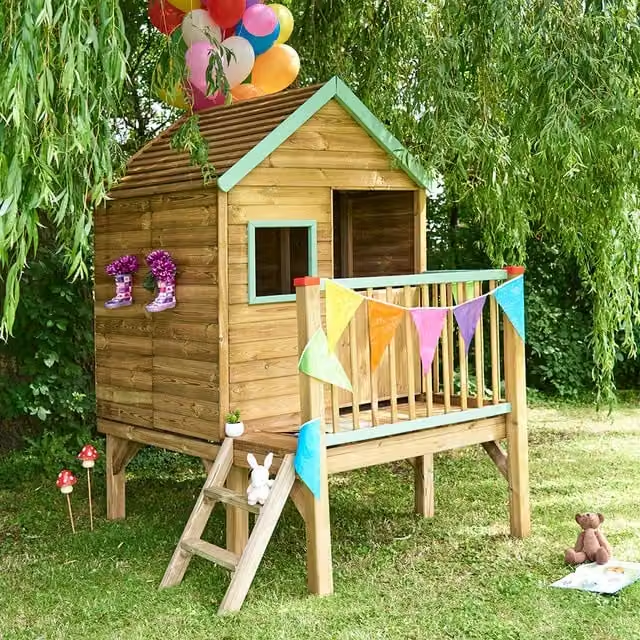
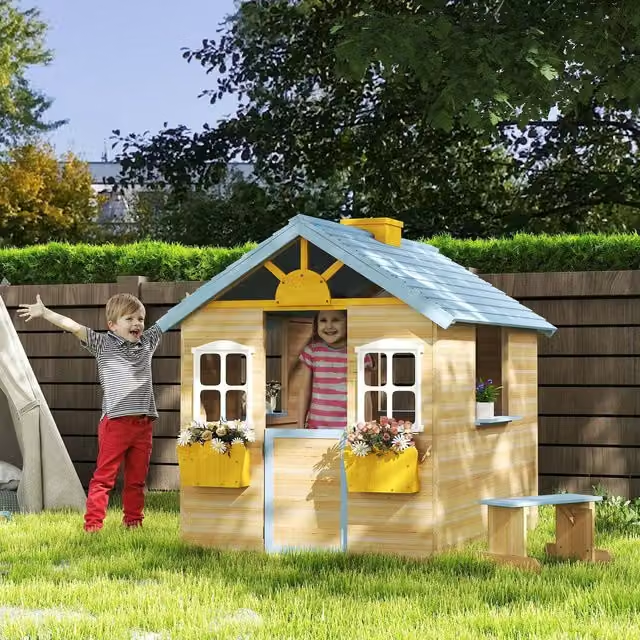
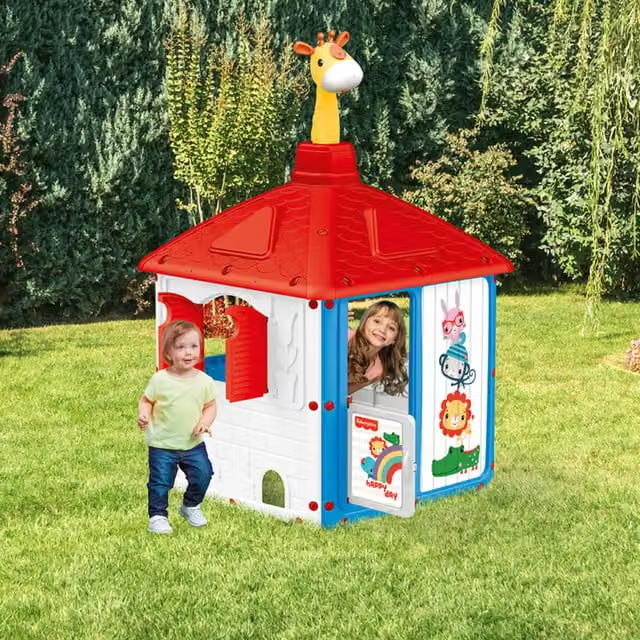
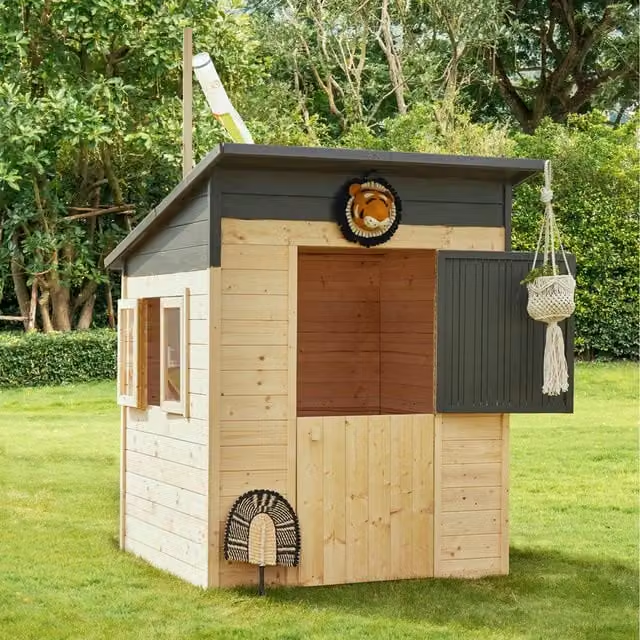
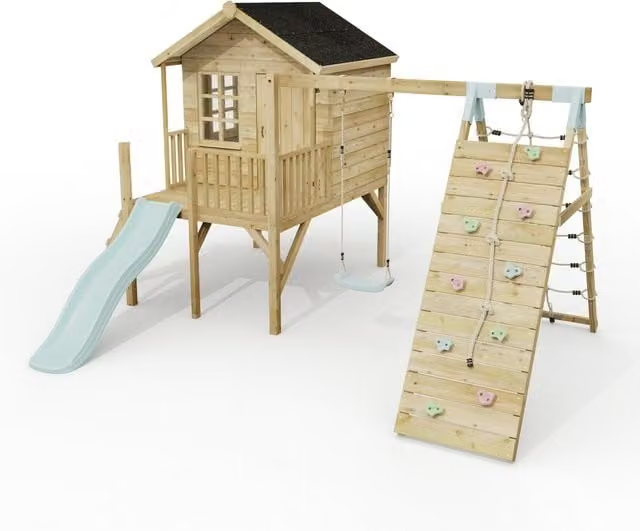
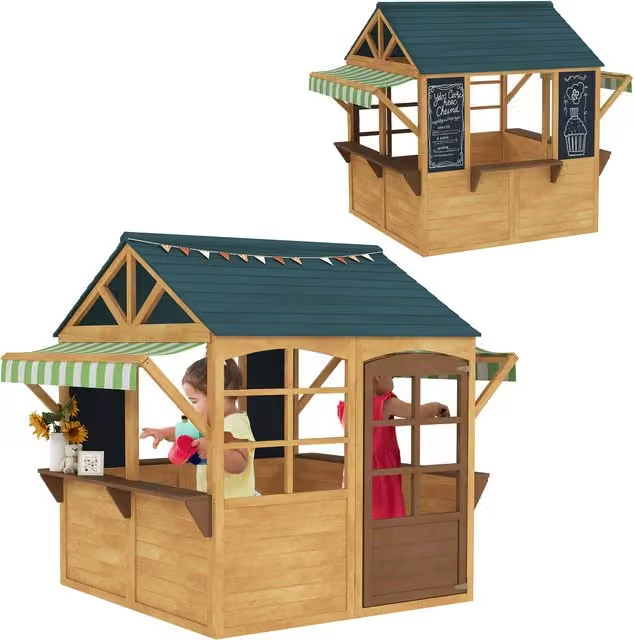
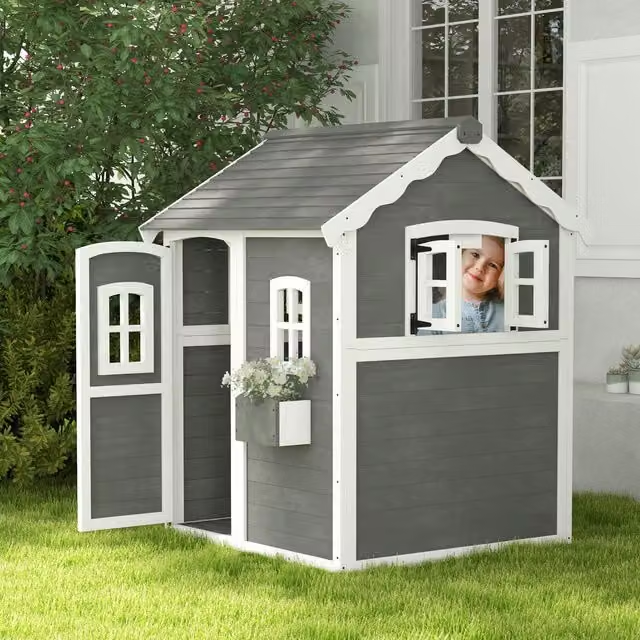
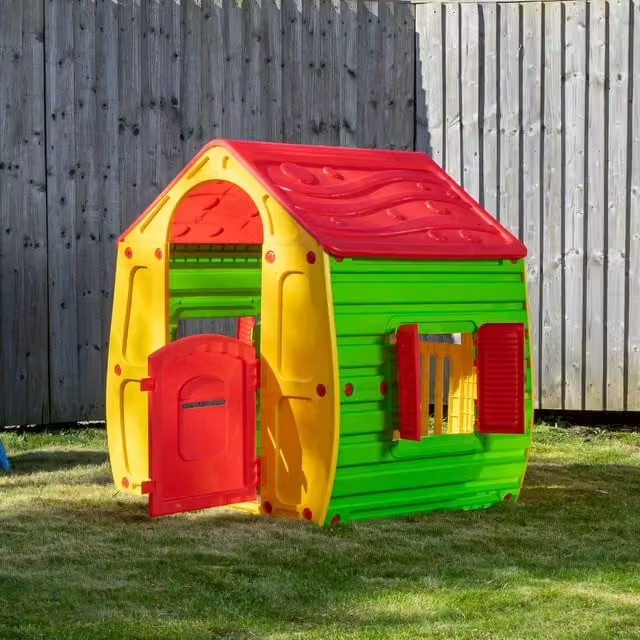
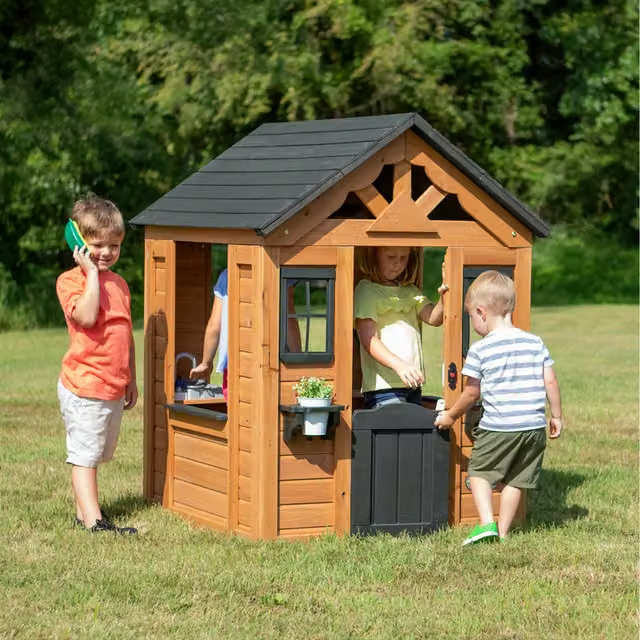
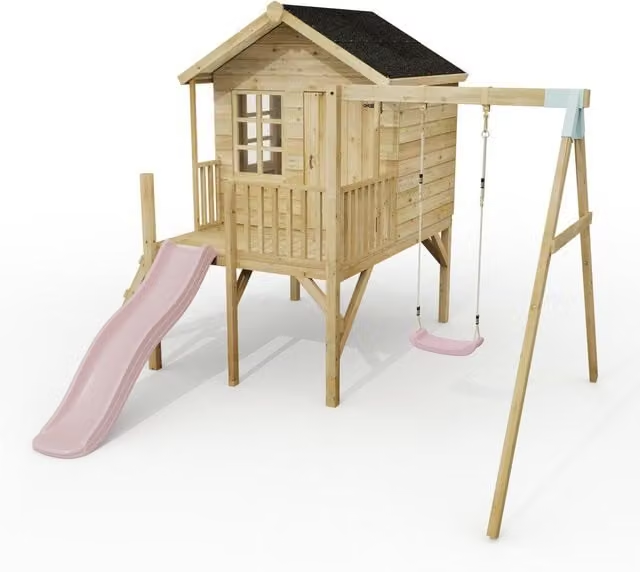
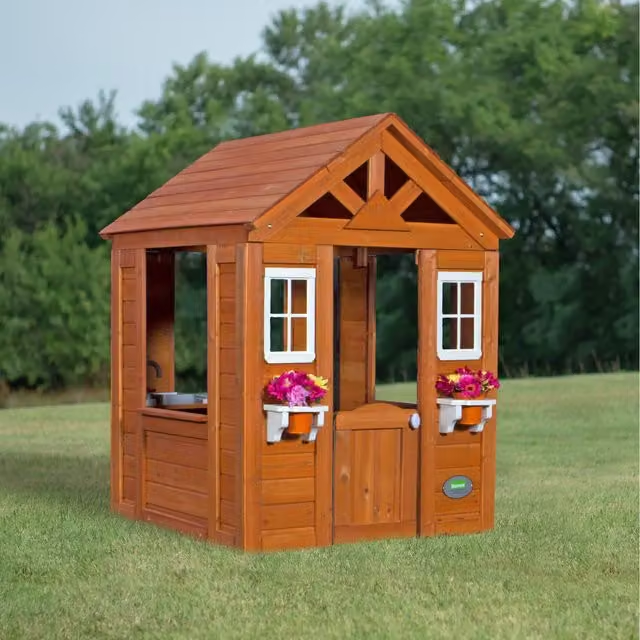
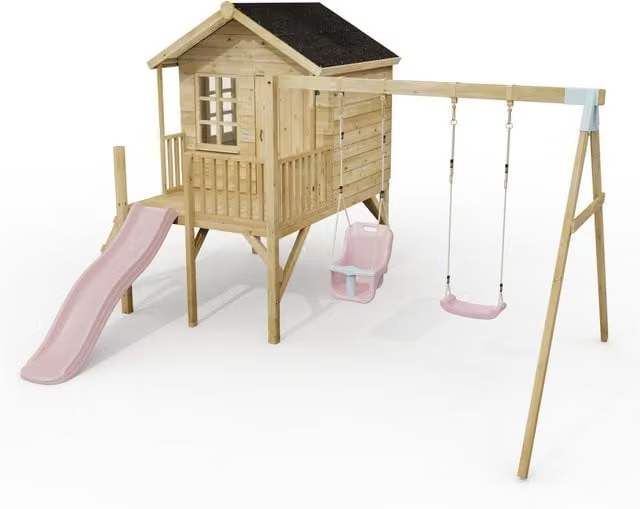
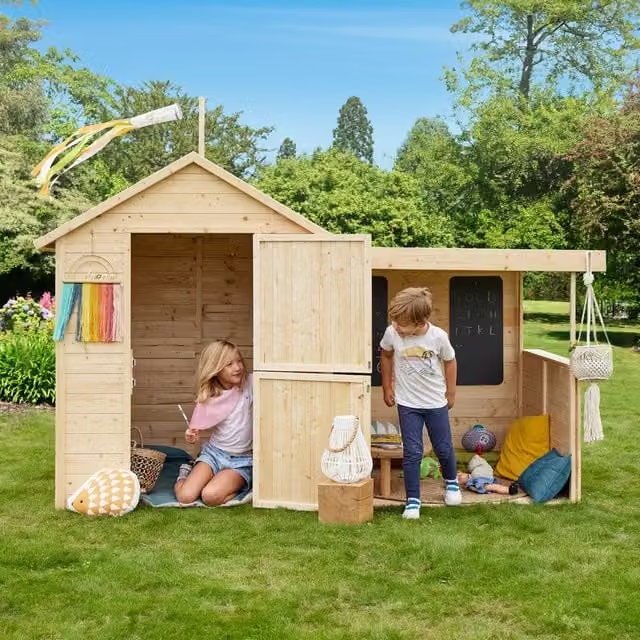
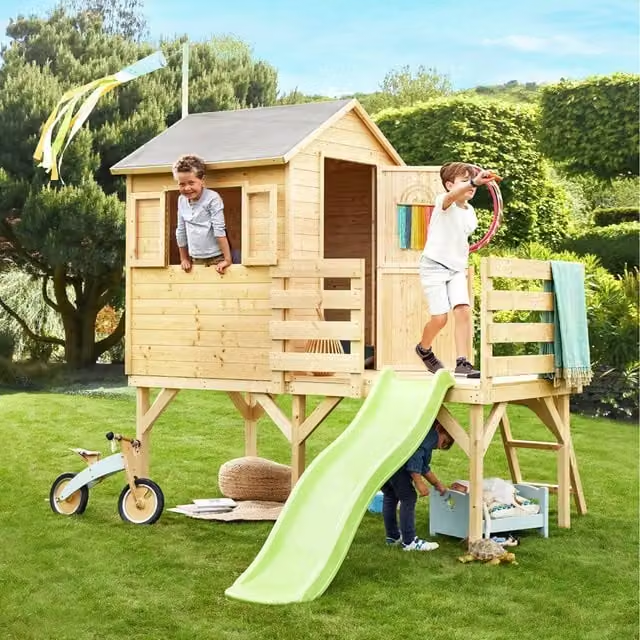
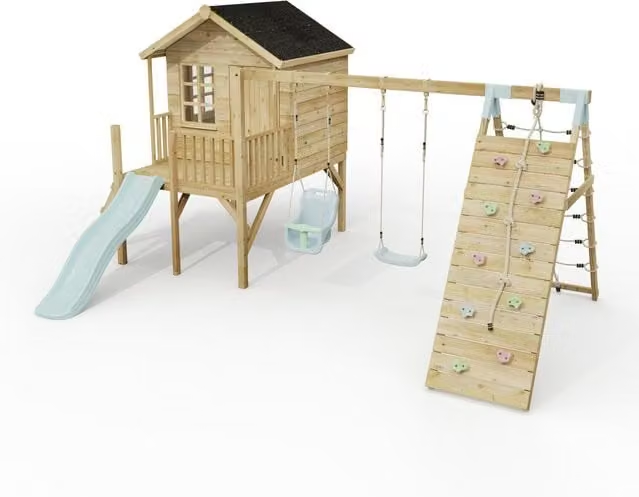
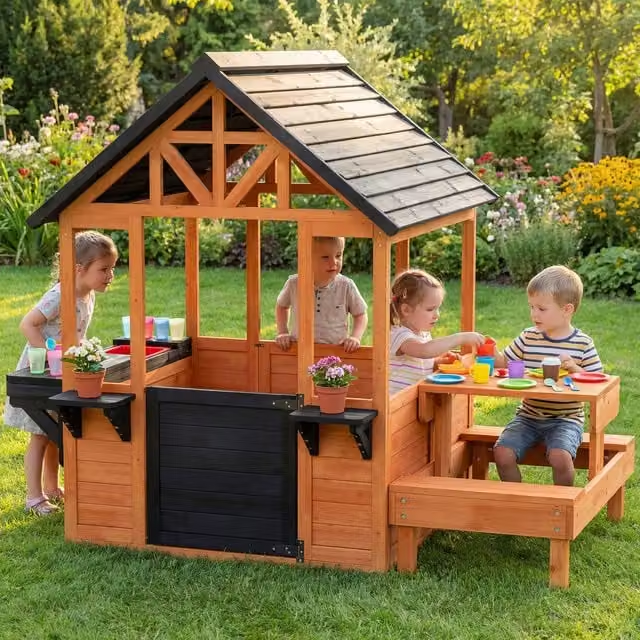
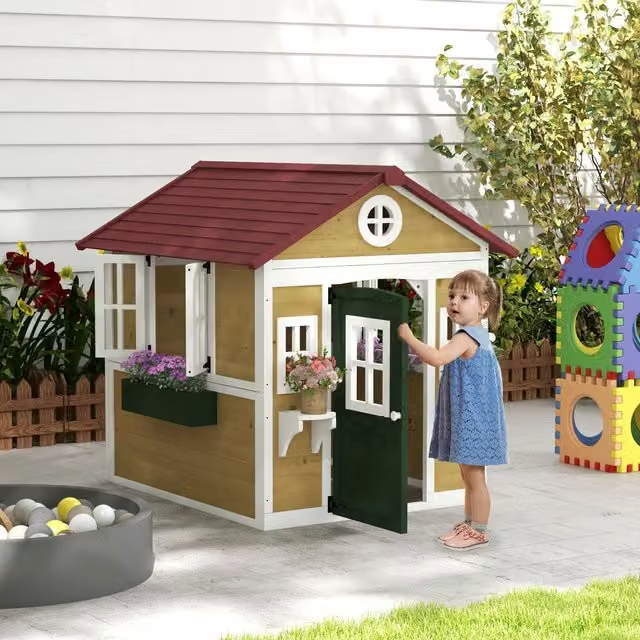
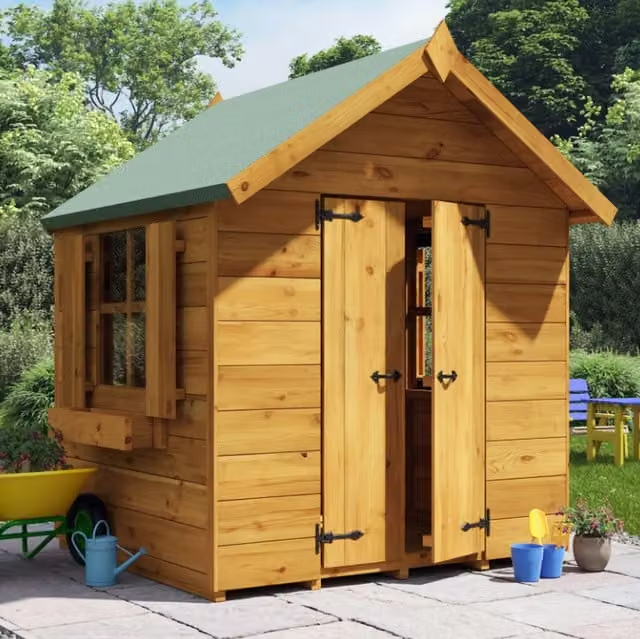
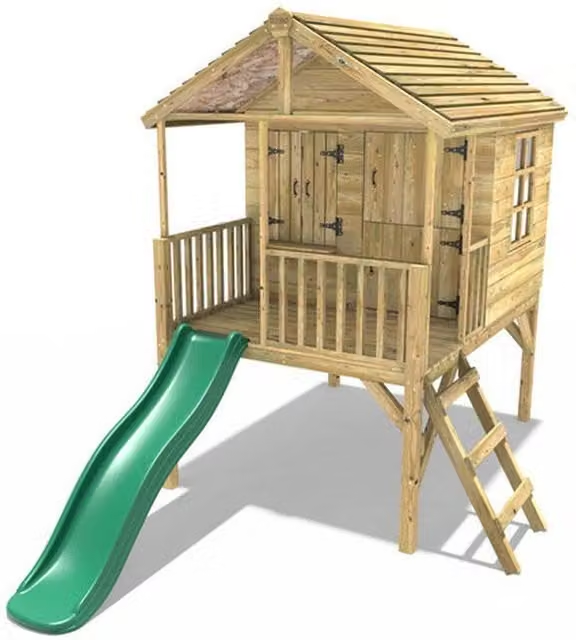
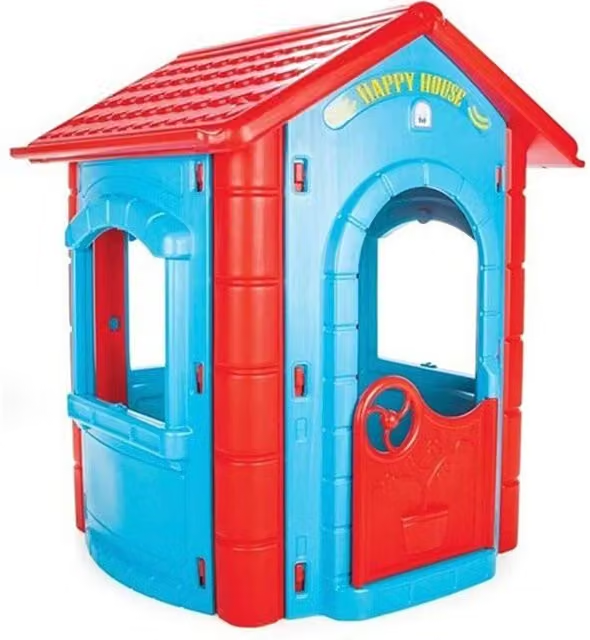
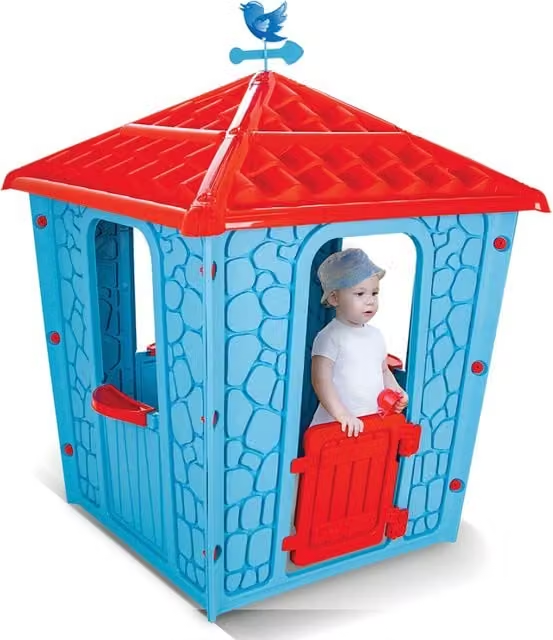
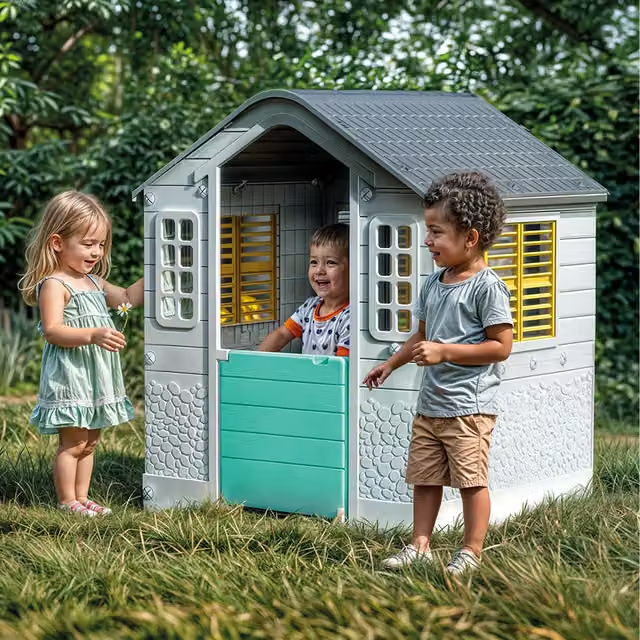
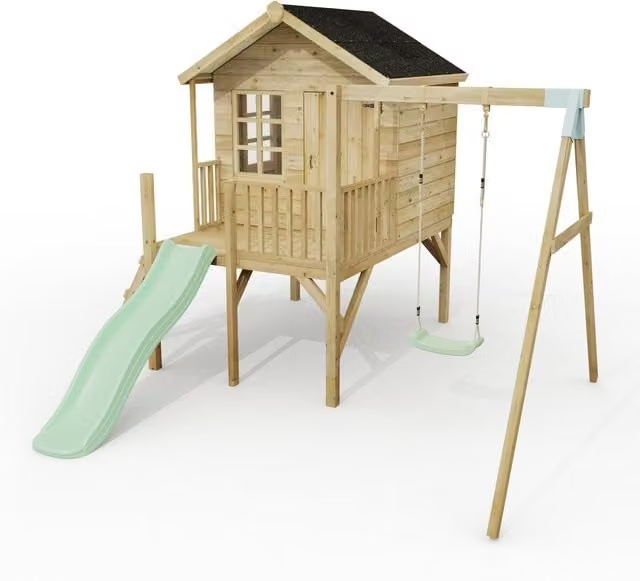
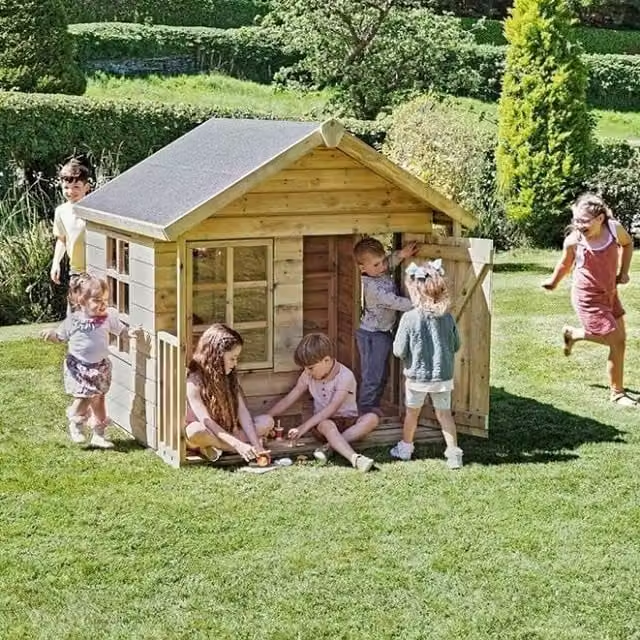
The choice runs from simple to elaborate. Plastic playhouses are lightweight, quick to assemble, wipe clean and ideal for toddlers and preschoolers, and many include a play kitchen or shop counter. Wooden playhouses look far better in a garden, feel more substantial and last much longer, with options from a simple cabin to a two storey design with a veranda, window boxes and a proper front door. Tower playhouses raise the house on stilts with a slide or climbing wall attached, combining several types of play in one footprint. Fabric playhouses and teepees suit smaller gardens and can come indoors in winter. Extras such as shutters, letterboxes, chalkboards and mud kitchens add years of play value.
Construction is where the money goes. Look for pressure treated or dip treated timber, since untreated wood will rot within a few seasons in British weather. Tongue and groove cladding is far more weatherproof than overlap board, and a felt or shingle roof with a decent overhang keeps the interior dry. Safety details matter, so check for shatterproof acrylic rather than glass windows, rounded edges, safety hinges that prevent trapped fingers, and adequate ventilation. Look for EN 71 compliance on anything sold as a children's toy.
Prices vary widely. Fabric and small plastic playhouses are affordable, mid sized wooden cabins sit in the middle, and large tower playhouses or two storey designs with slides and verandas are a substantial purchase, though they often serve several children over a decade.
Browse the range, compare prices and give them somewhere of their own.
In most cases no, since playhouses usually fall under permitted development for outbuildings in England and Wales. The common limits are a maximum height of 2.5 metres if within two metres of a boundary, and no more than half the garden area covered by buildings. Two storey and raised tower playhouses are the ones most likely to need checking, particularly regarding overlooking neighbours. If you live in a conservation area or a listed building, check with your local authority before buying.
Plastic suits younger children and smaller budgets, since it is light, quick to assemble, easy to clean and impossible to splinter. Wooden playhouses look much better in a garden, feel like a real building to children and typically last three or four times as long, but they cost more and need occasional treating. Age is often the deciding factor, as toddlers get plenty from a plastic house while children over four tend to prefer the realism of timber. Resale value is also considerably better on quality wooden models.
A level, free draining base is essential, since a playhouse sitting directly on grass or soil will rot from the floor up within a few years. Options include paving slabs, a timber frame raised on bearers, or a bed of compacted gravel. Raising the floor even a few centimetres off the ground makes an enormous difference to how long the timber lasts. Take time getting the base truly level, because doors and windows on an out of true playhouse will never close properly.
Apply a child safe wood preservative or exterior paint every one to two years, paying particular attention to the base, the roof edges and any cut ends of timber. Check the roofing felt each autumn and replace it if it has cracked or lifted, since a leaking roof is what ruins the structure fastest. Clear leaves and debris from the roof and around the base so damp does not sit against the wood. Sand any rough patches as they appear to keep the surfaces splinter free.