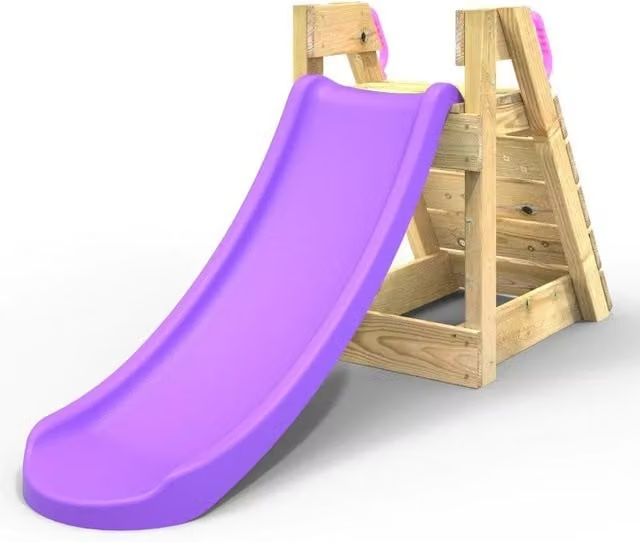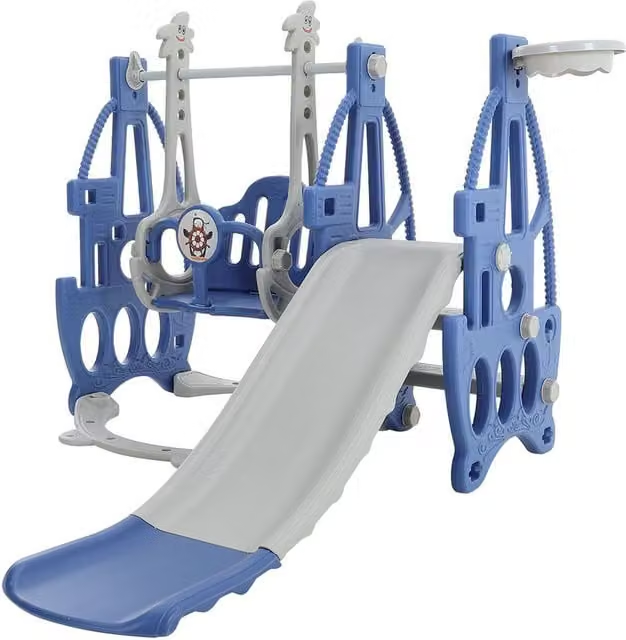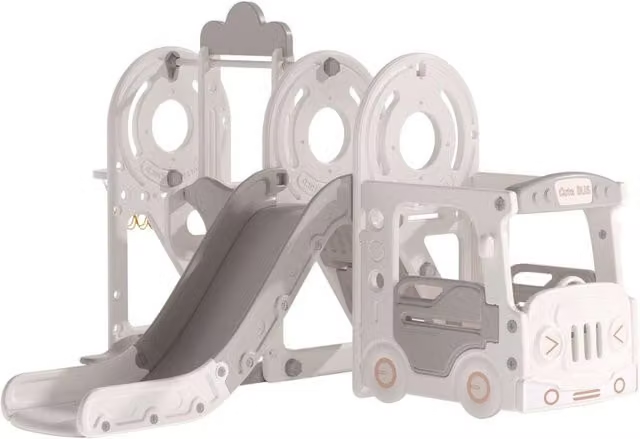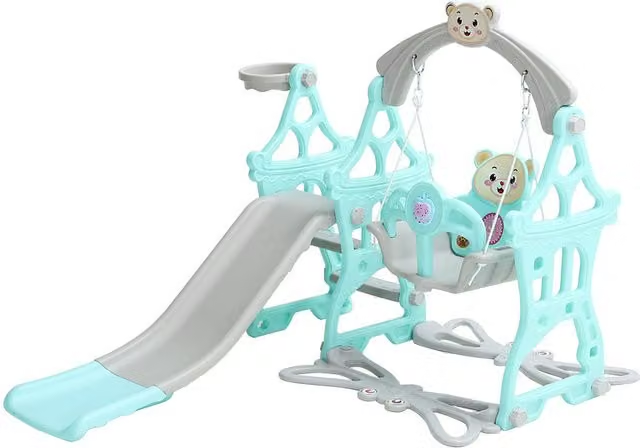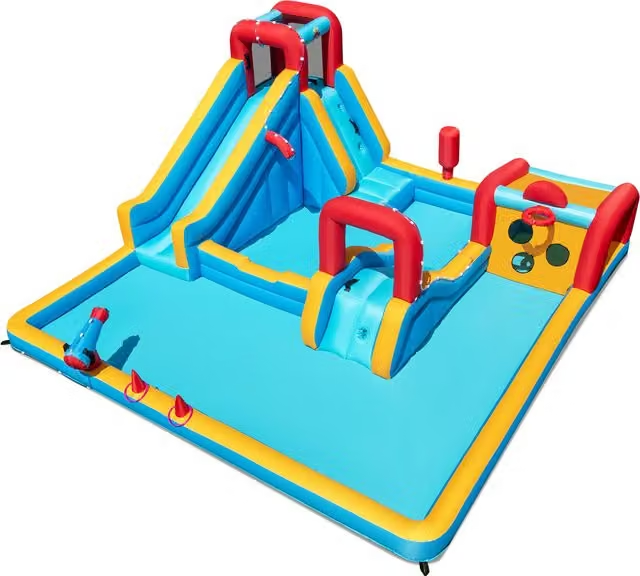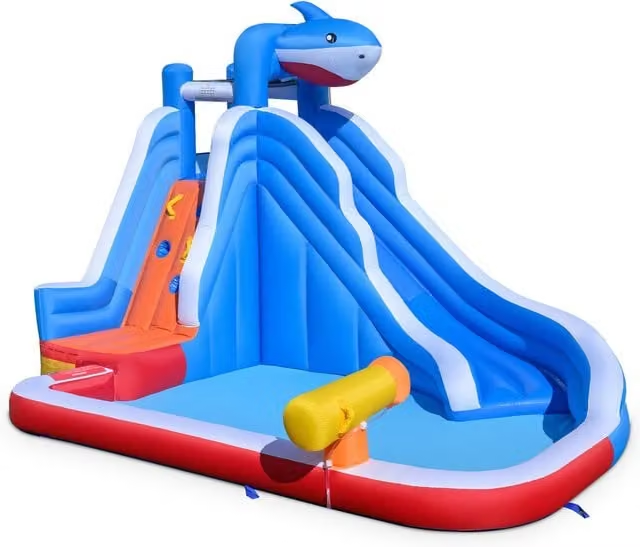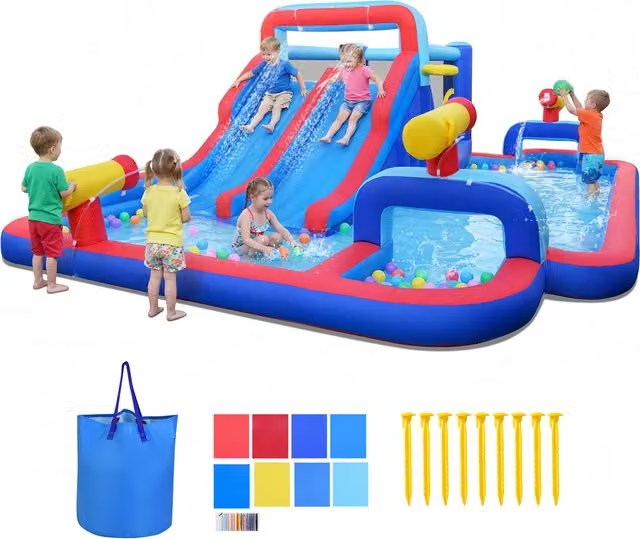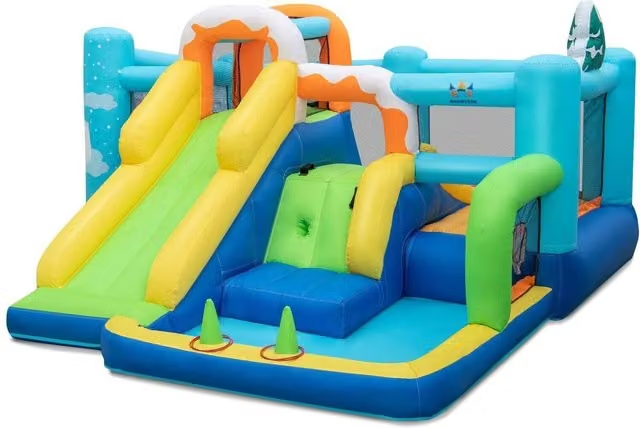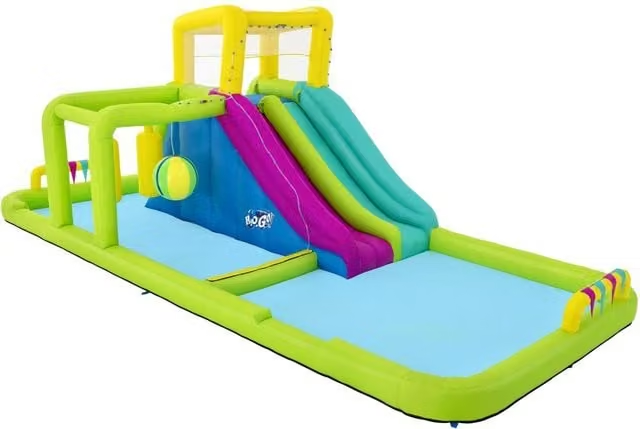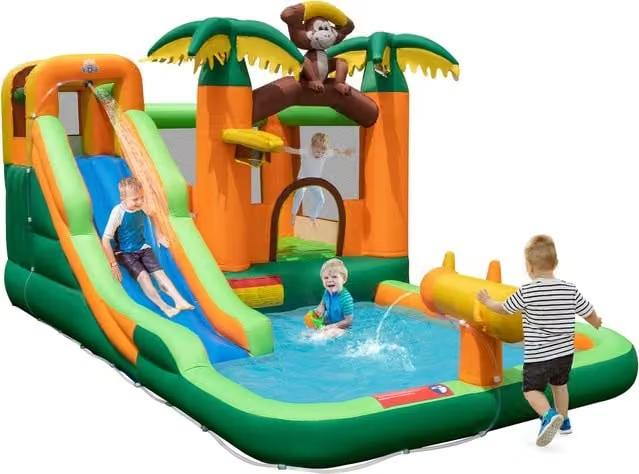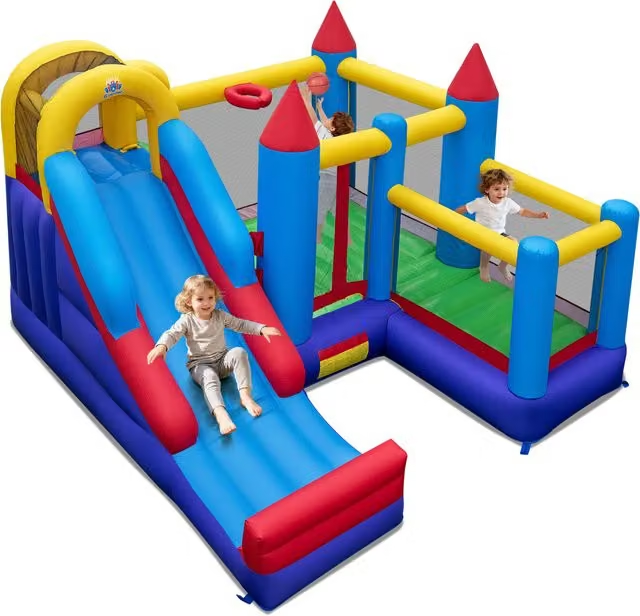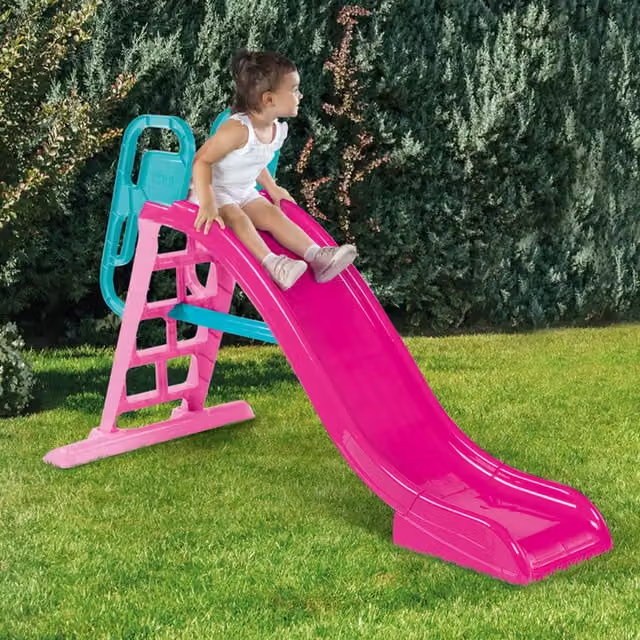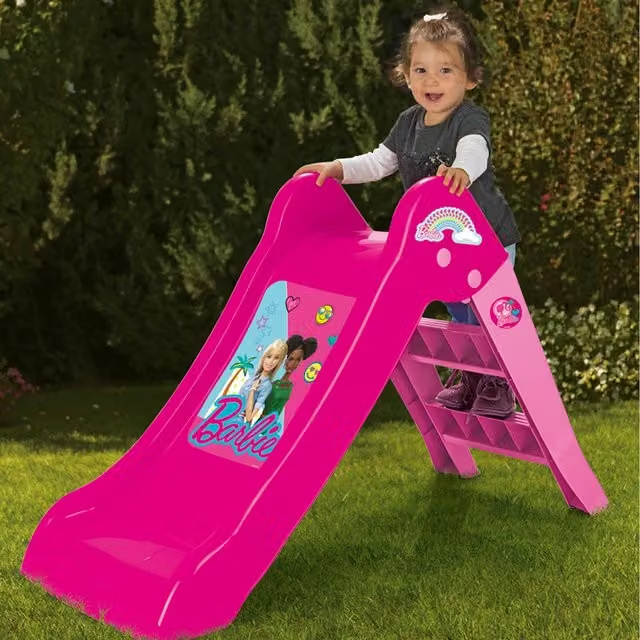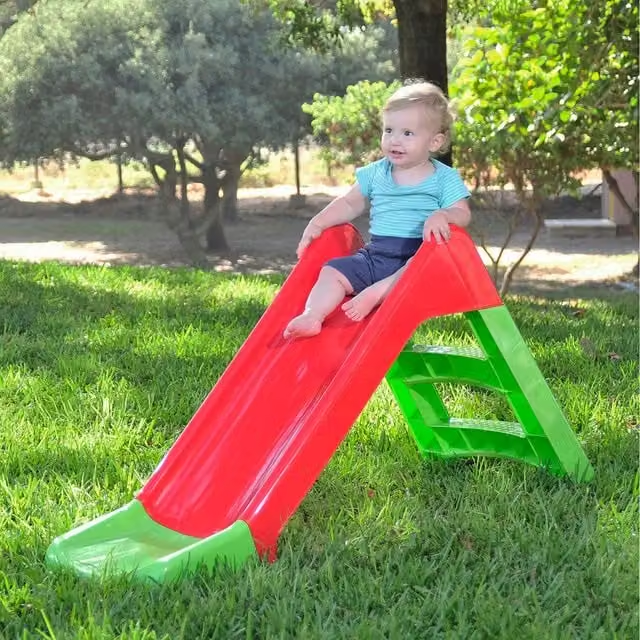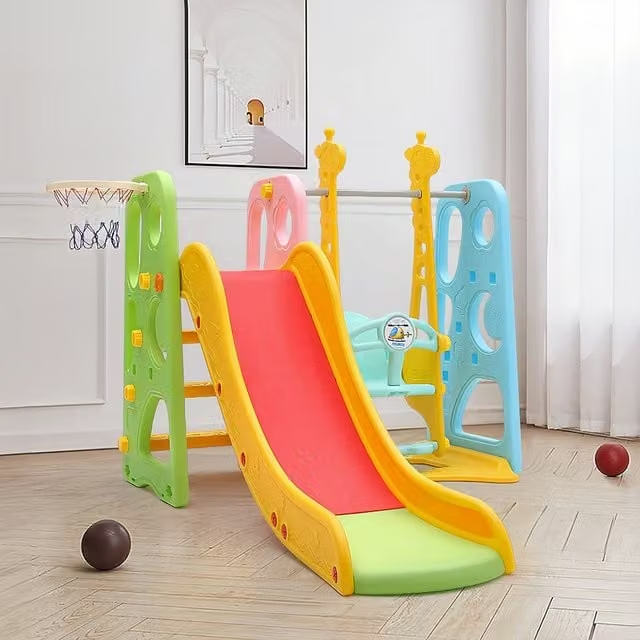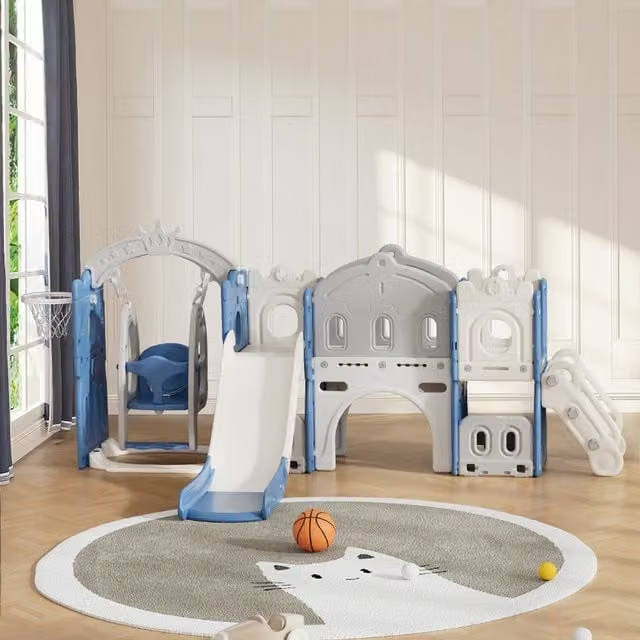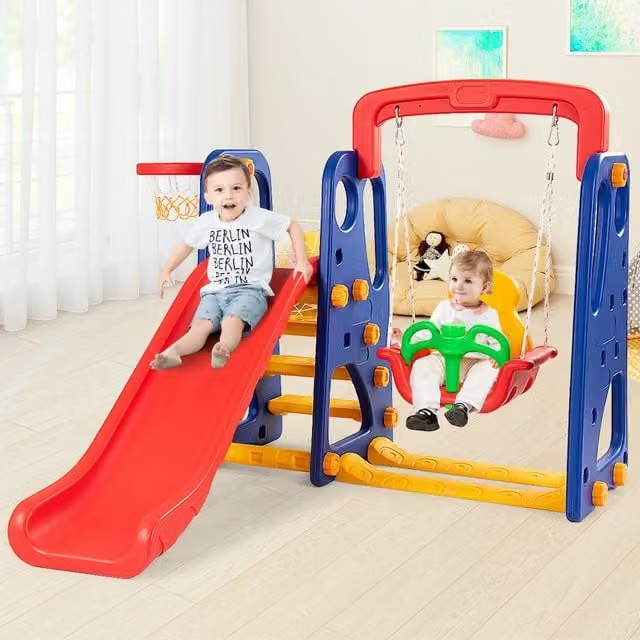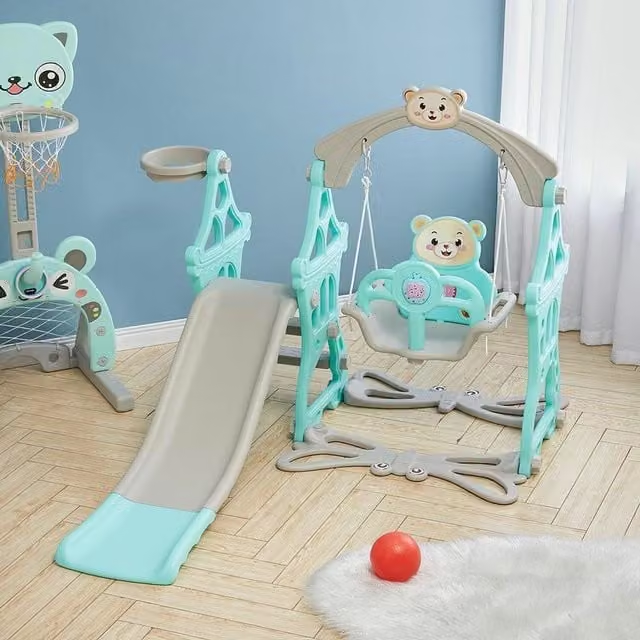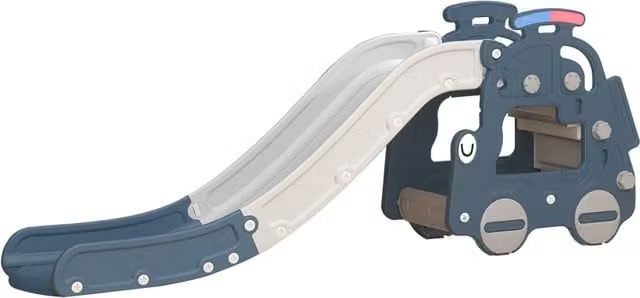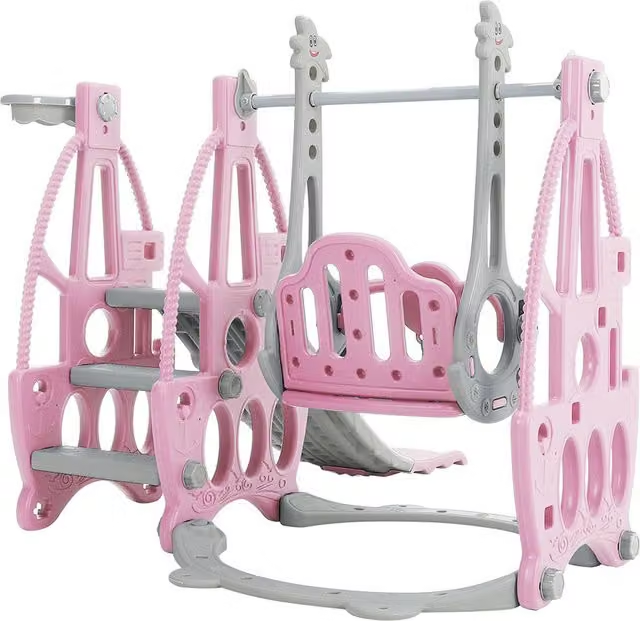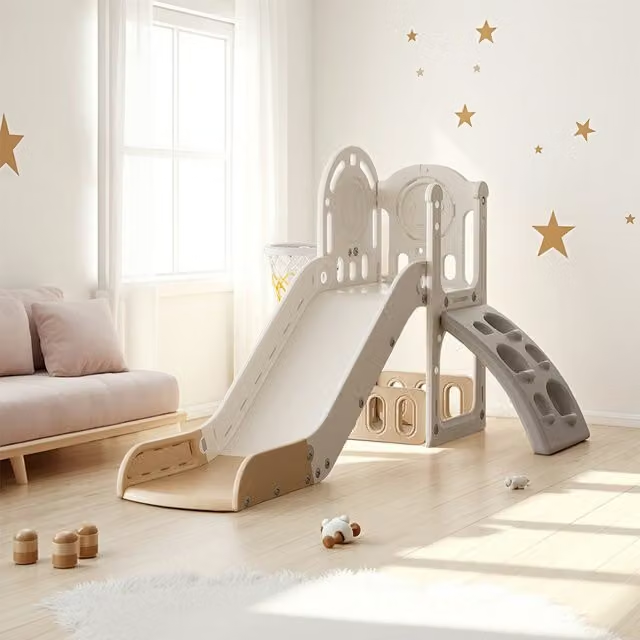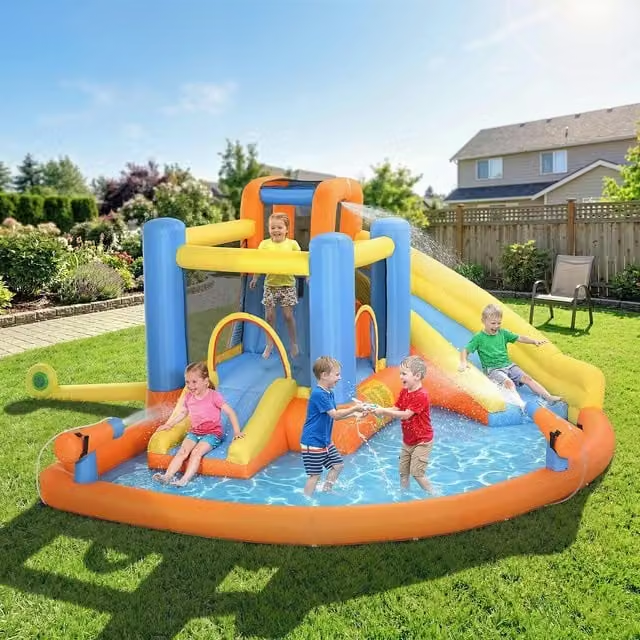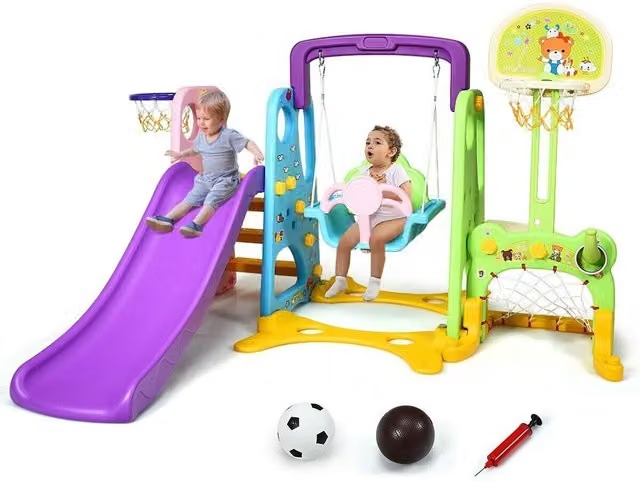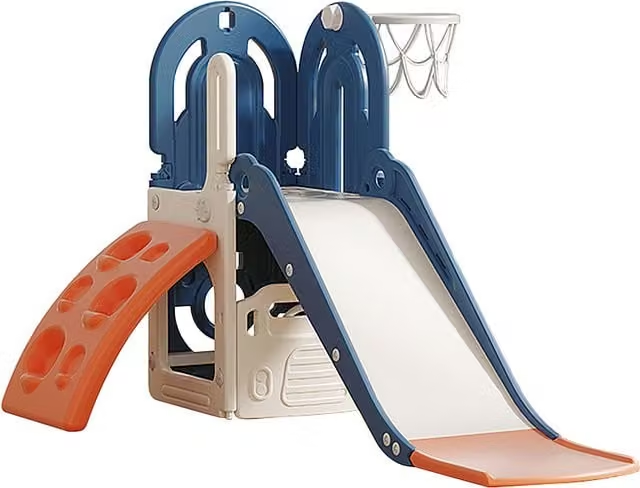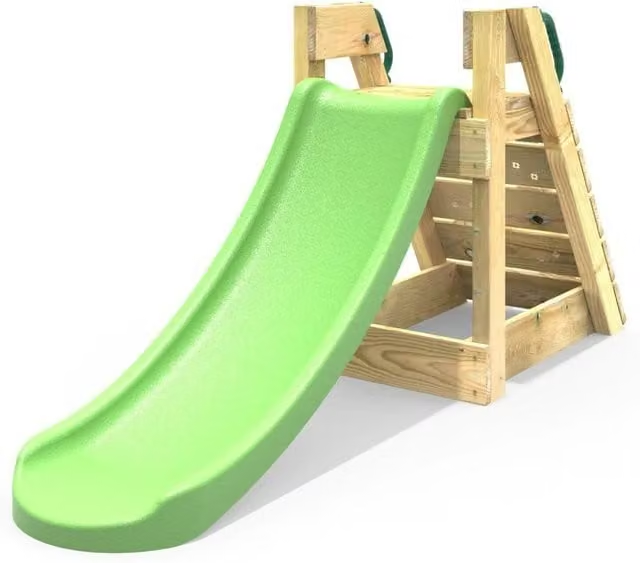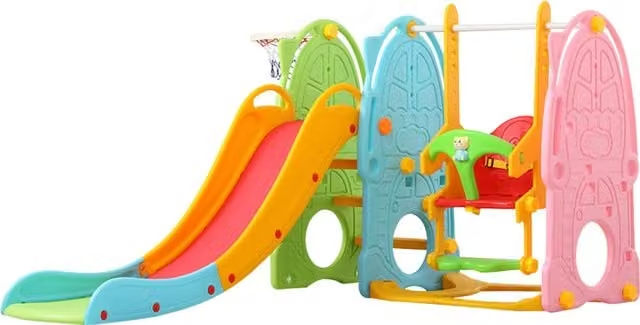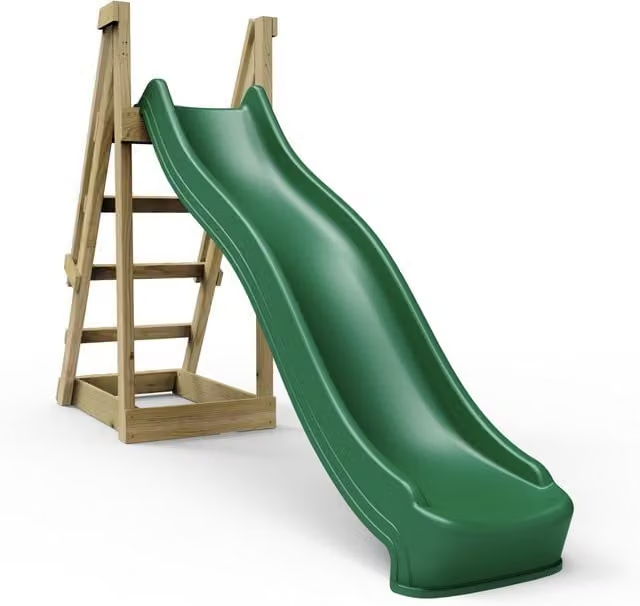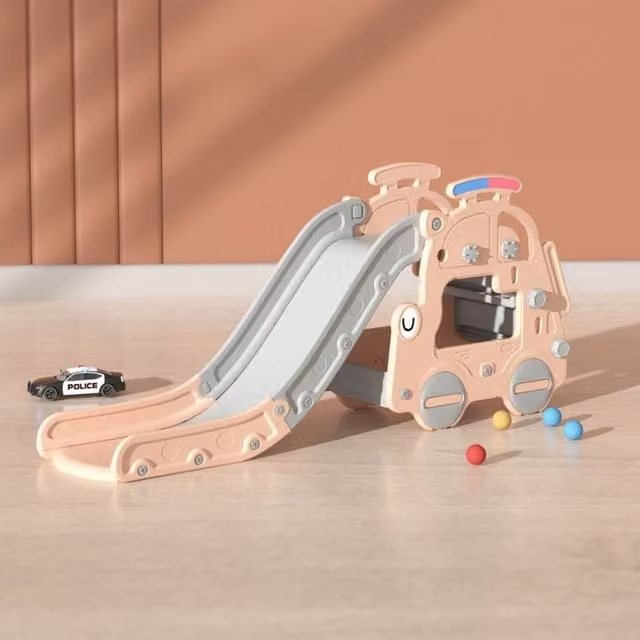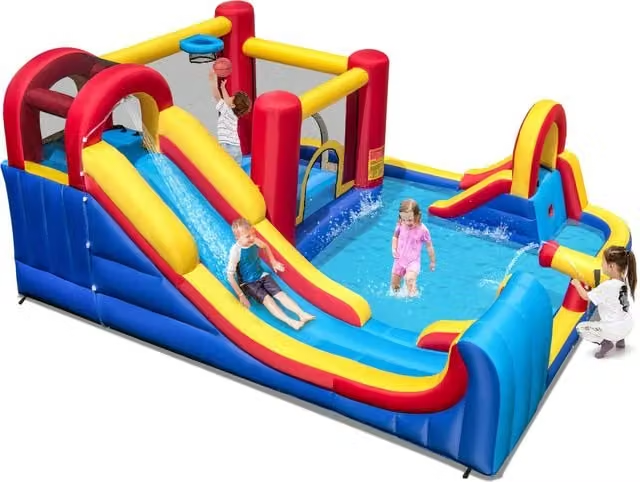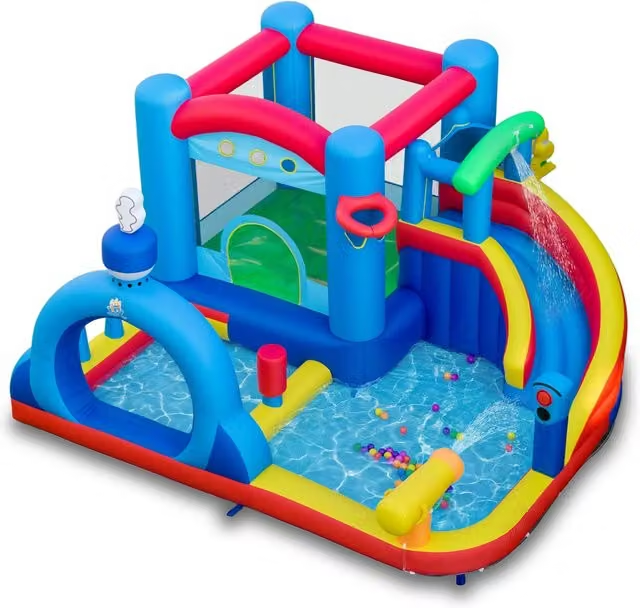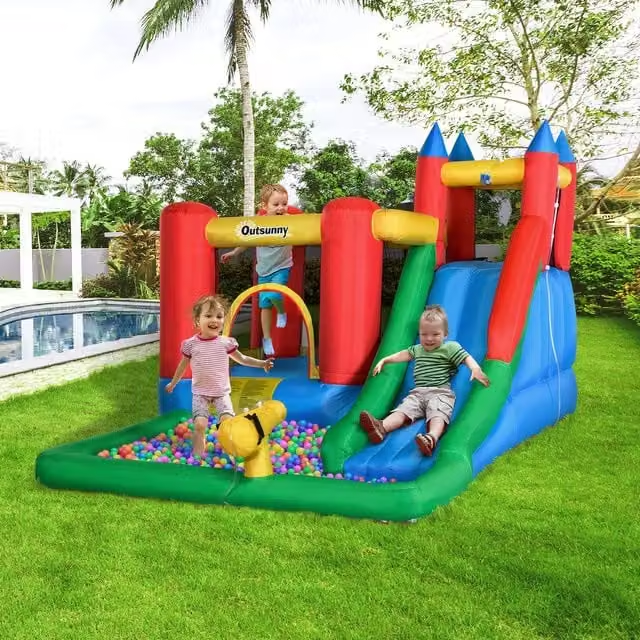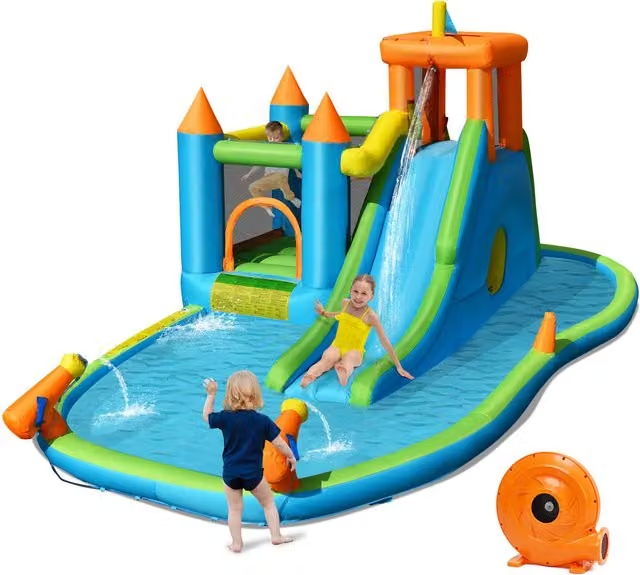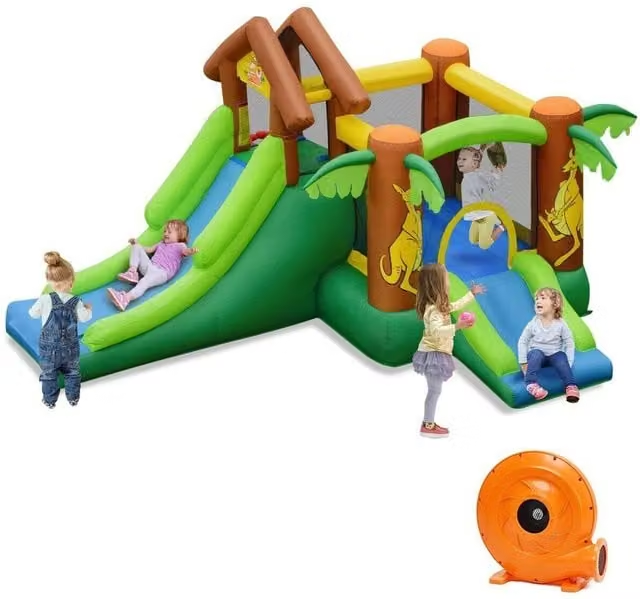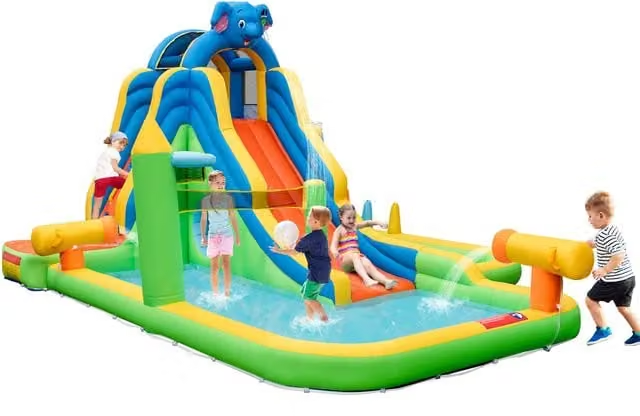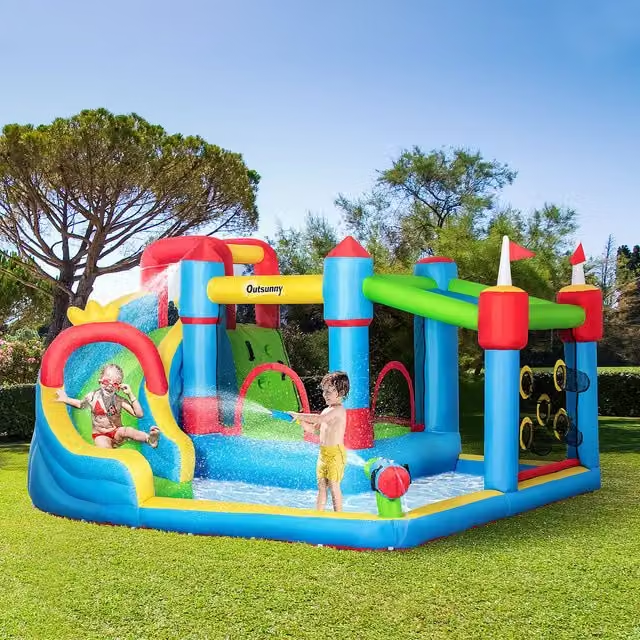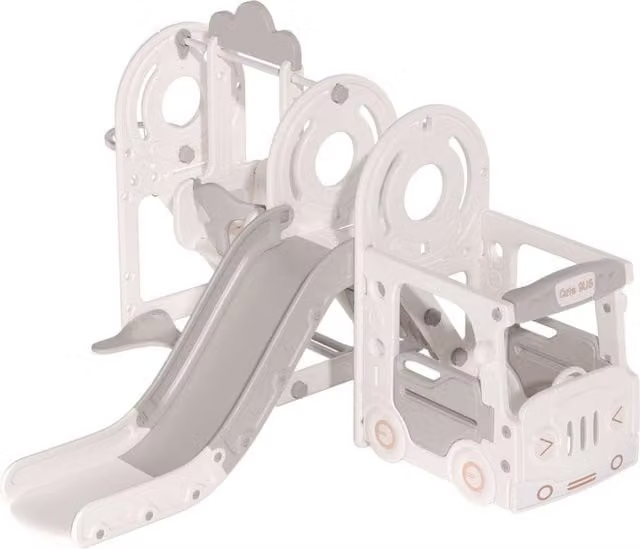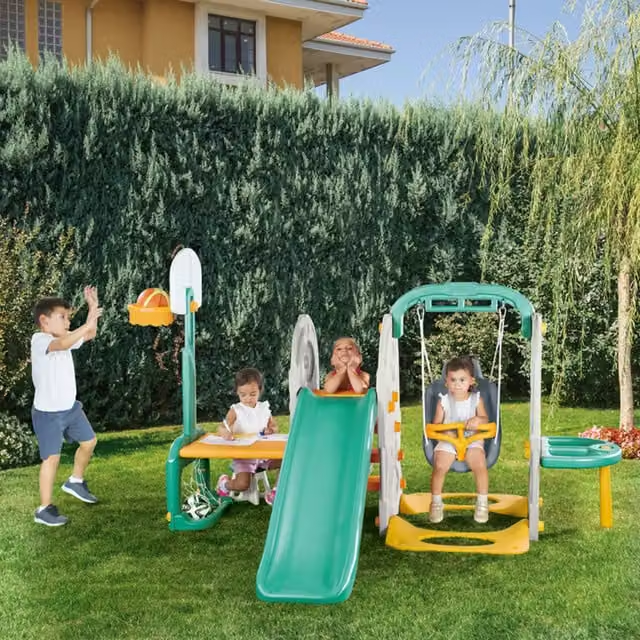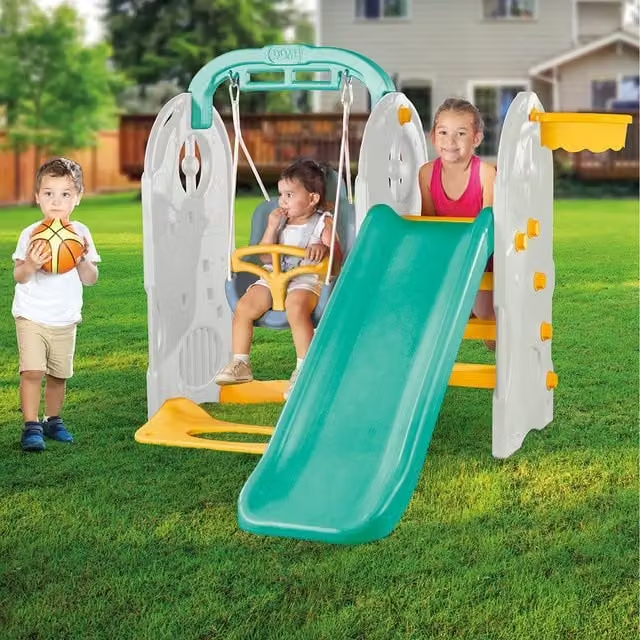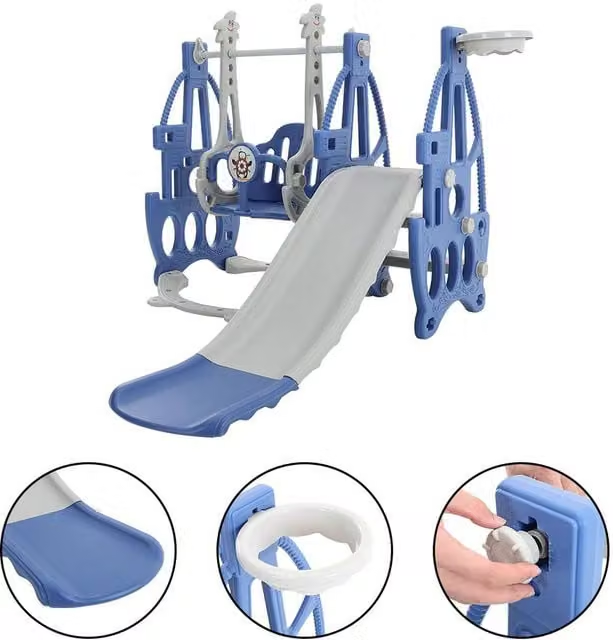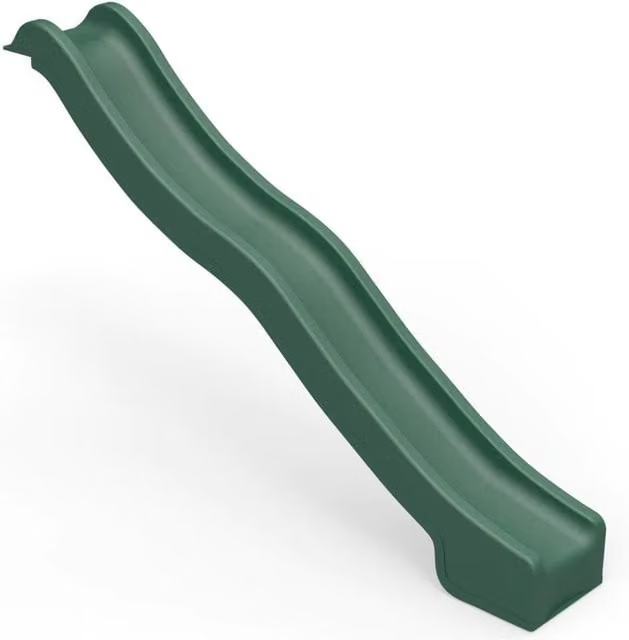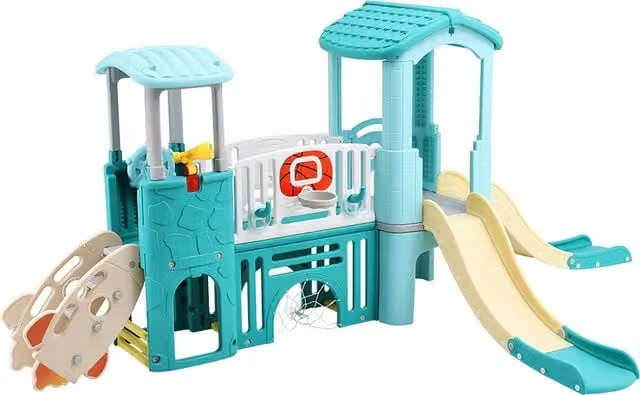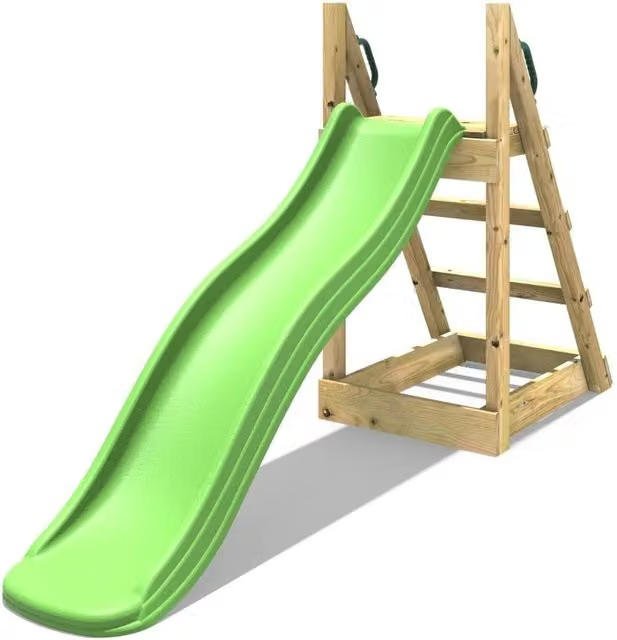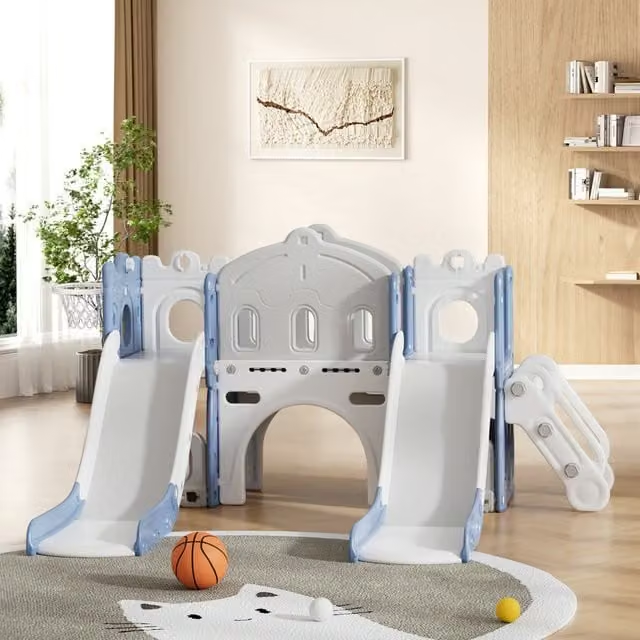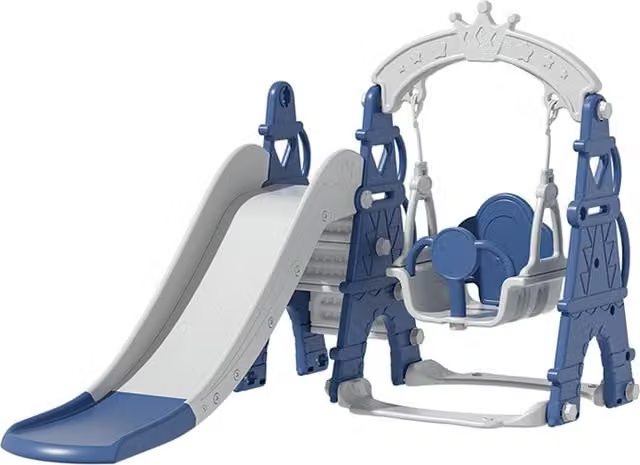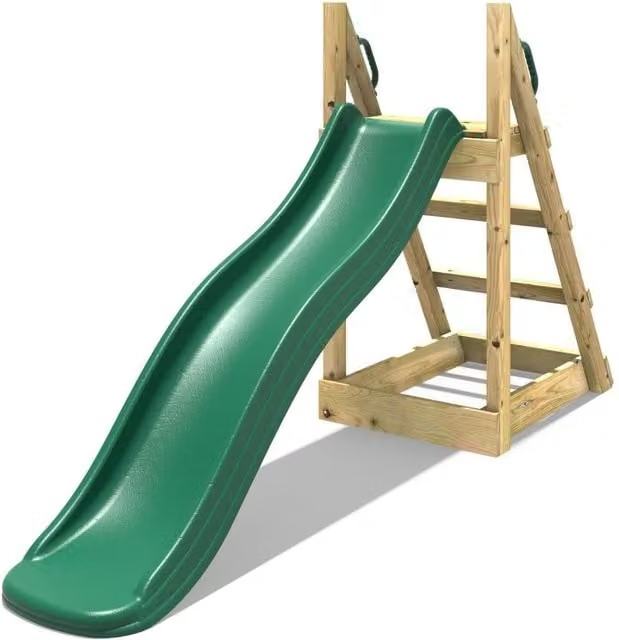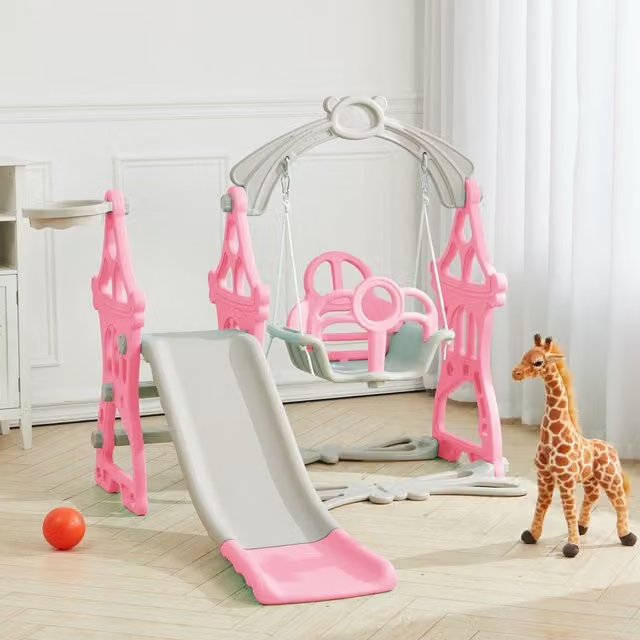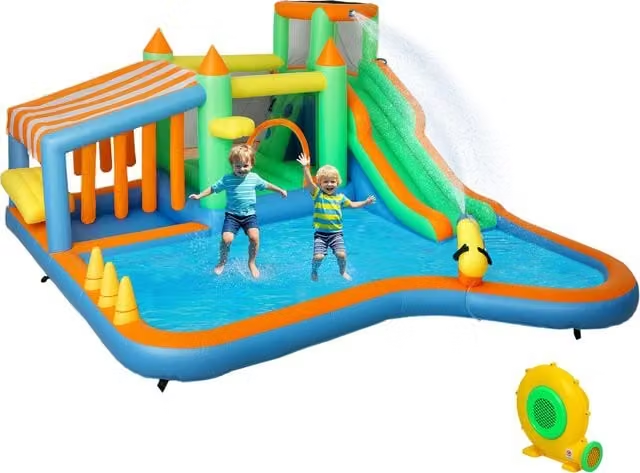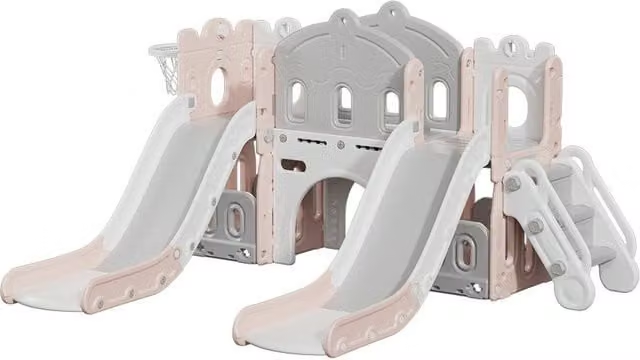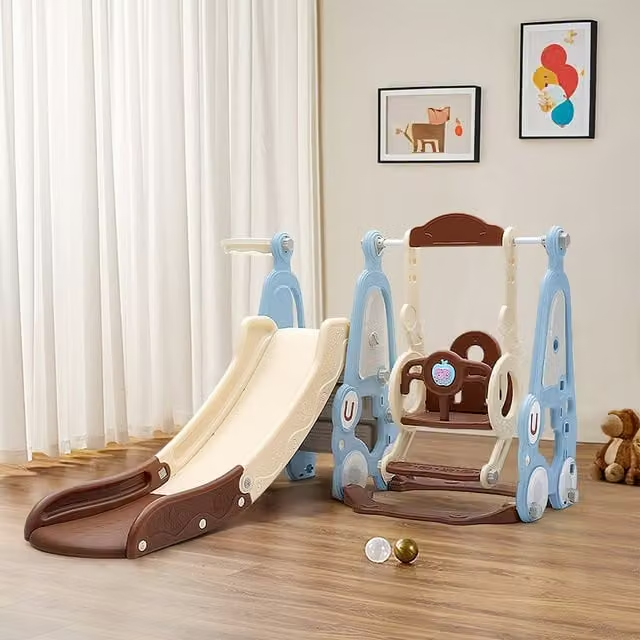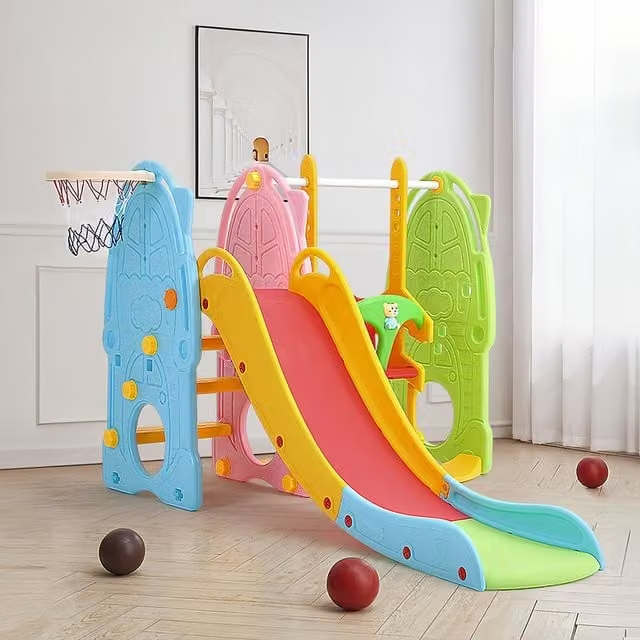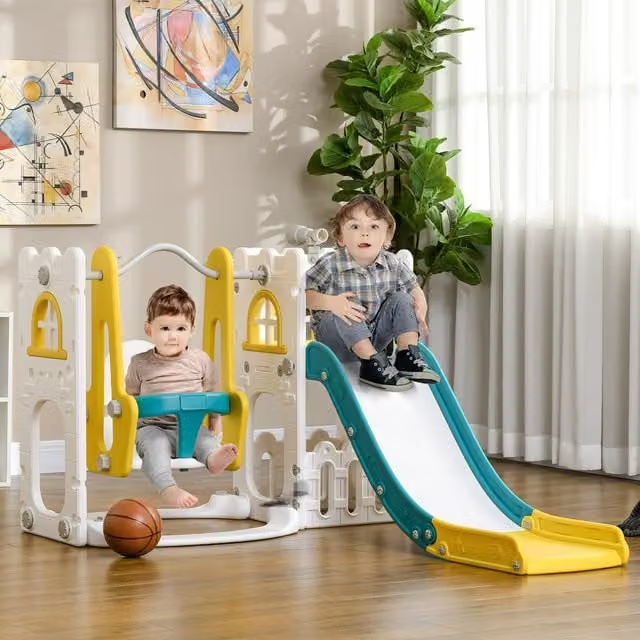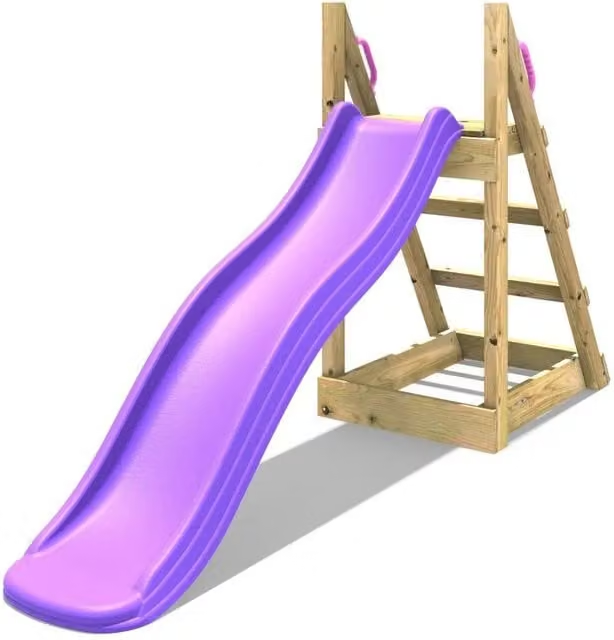
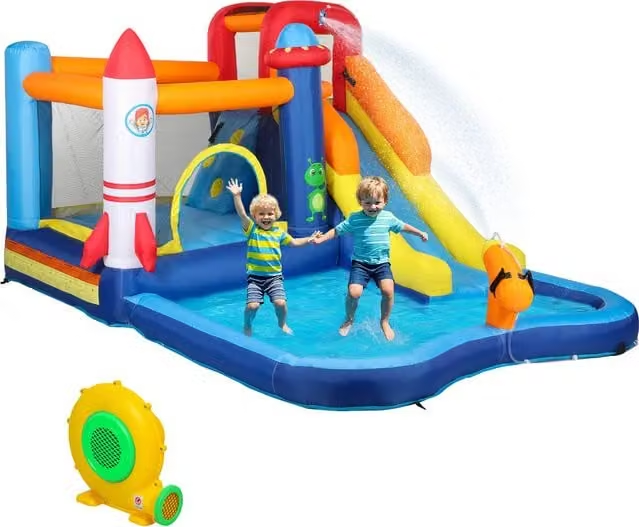
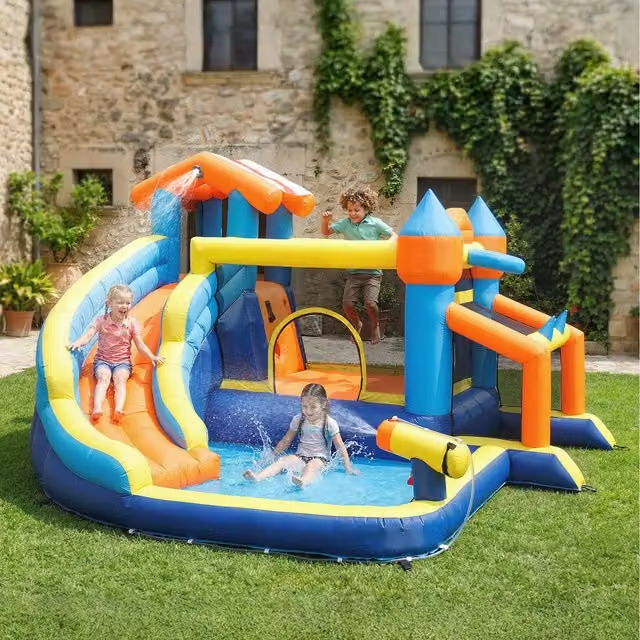
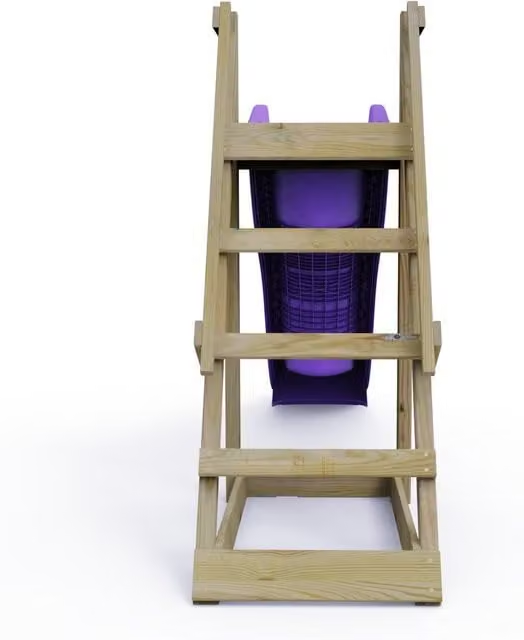
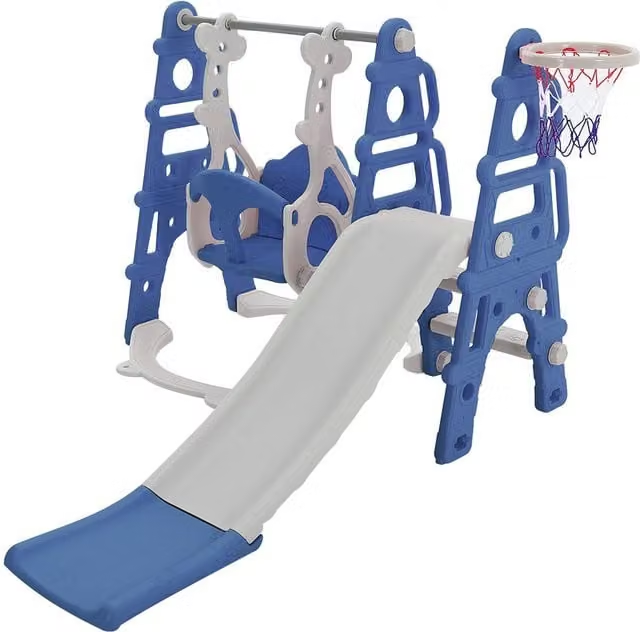
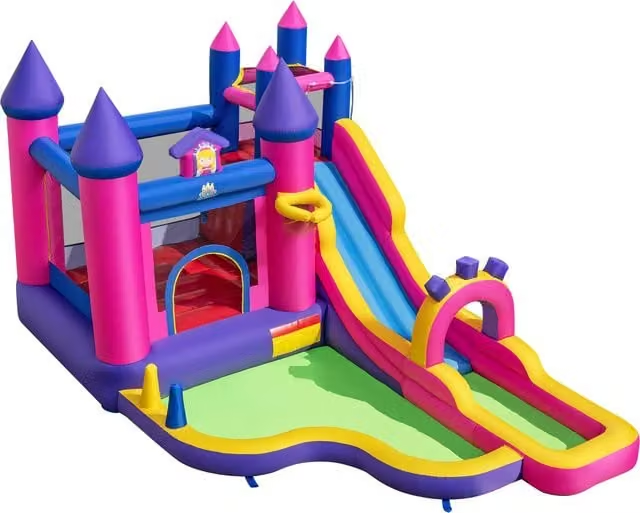
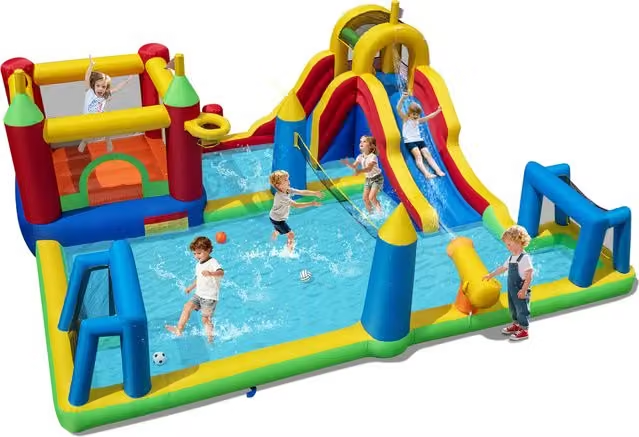
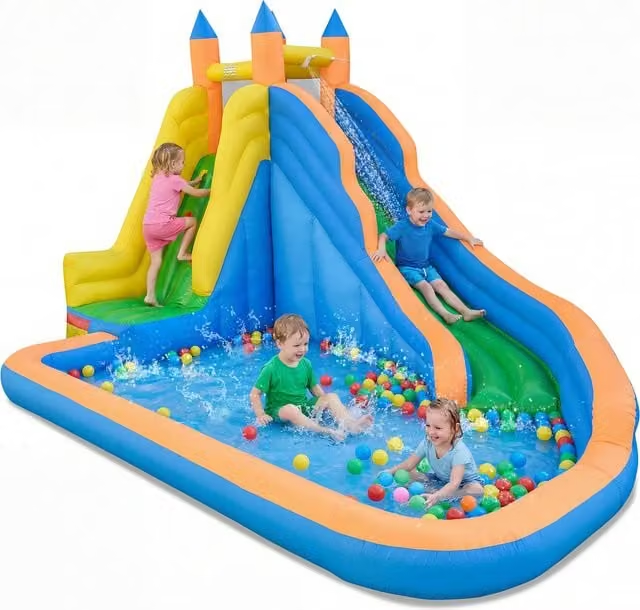
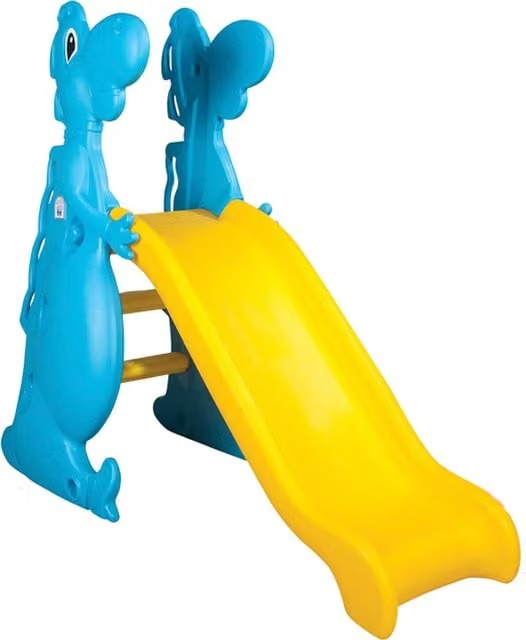
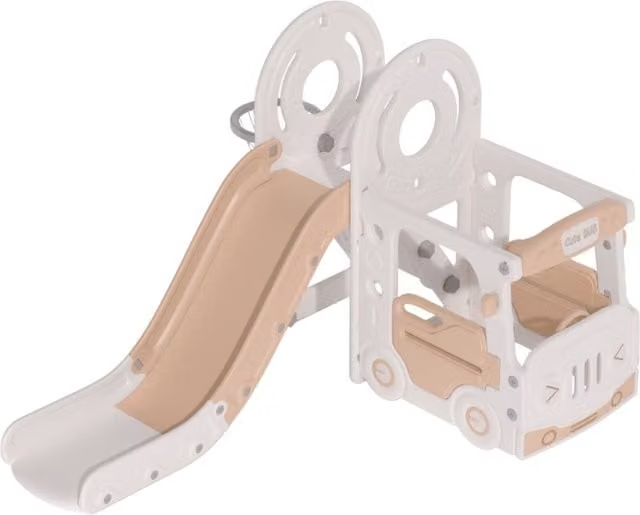
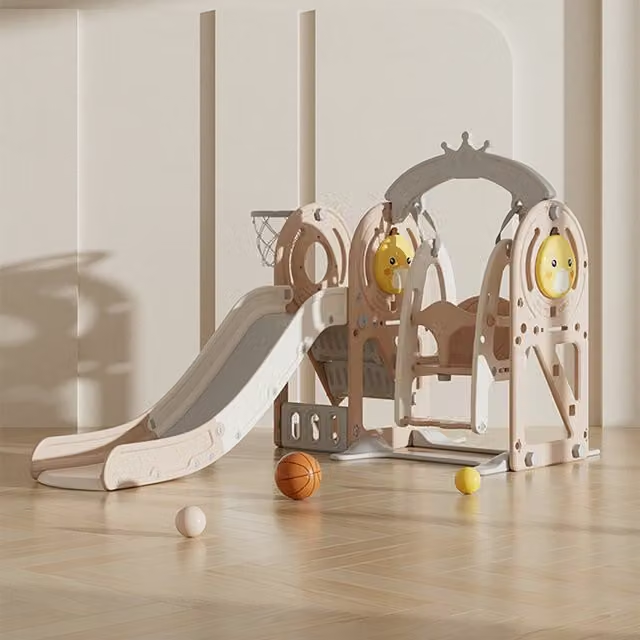
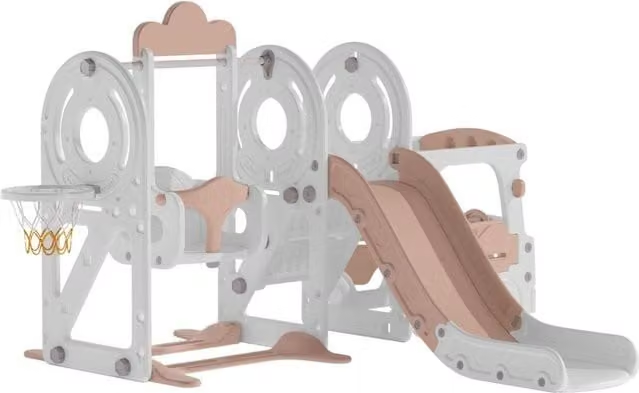
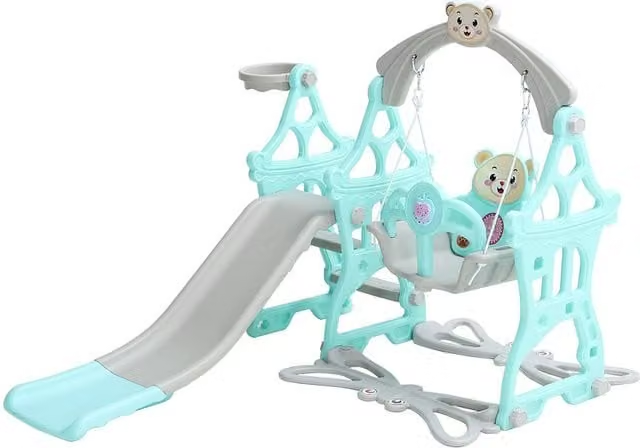
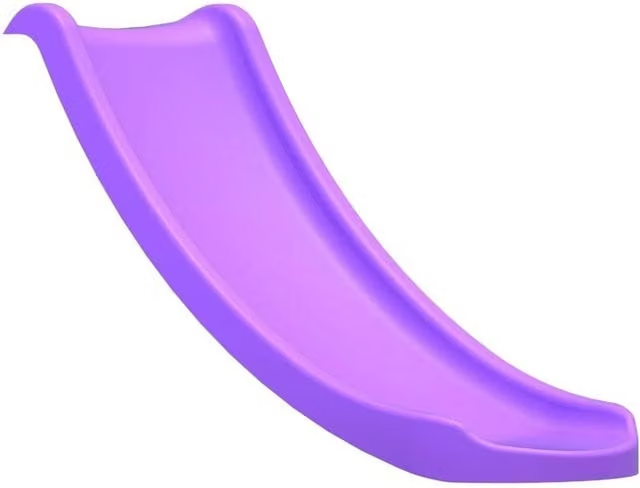
A slide is often the first thing children head for in any playground, and having one in the garden changes how much time they spend outside. It is one of the few pieces of play equipment that works from toddlerhood right through to primary school age, offering the kind of physical confidence building that screens never will, and it requires no organising, no driving and no waiting for a turn.
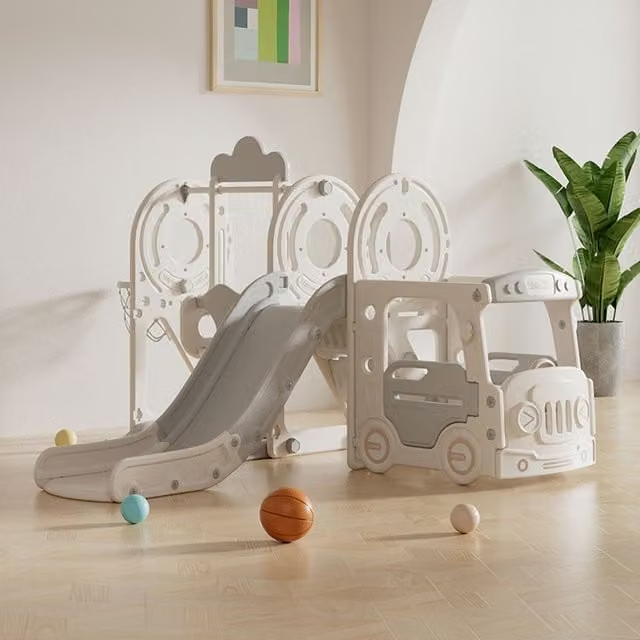
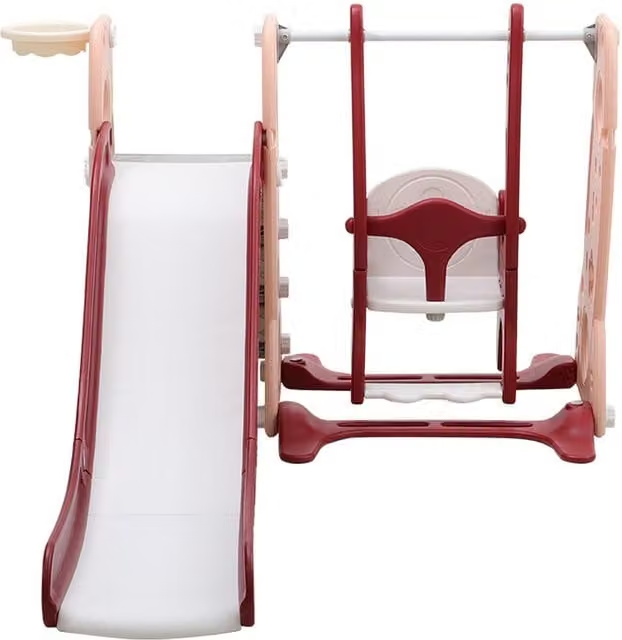
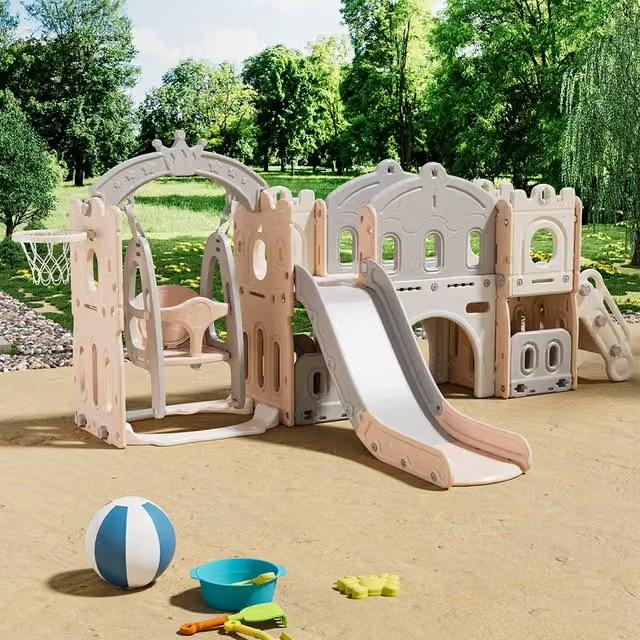
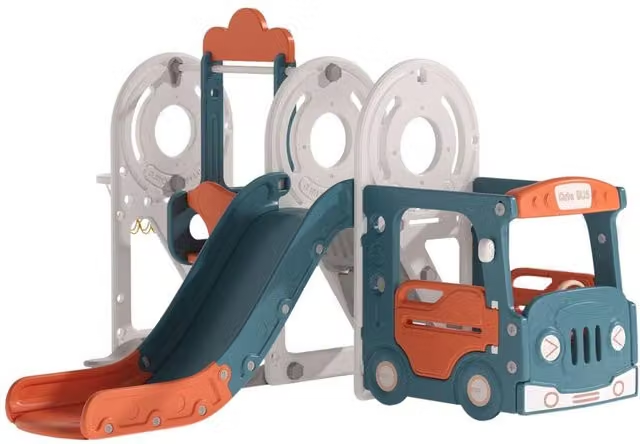
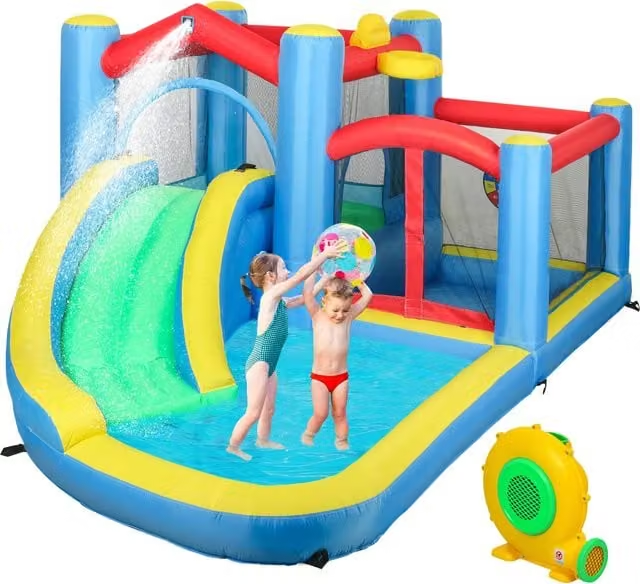
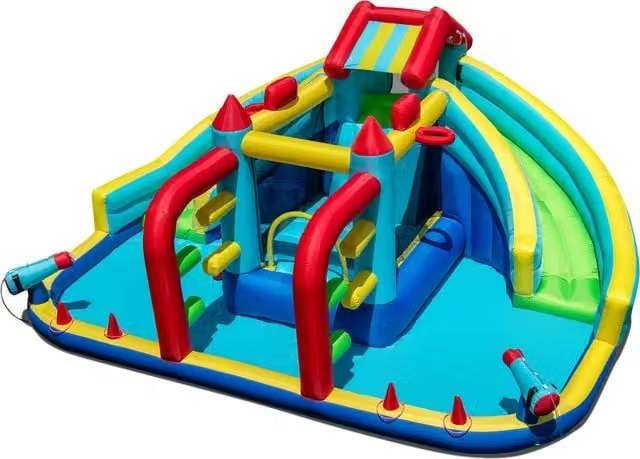
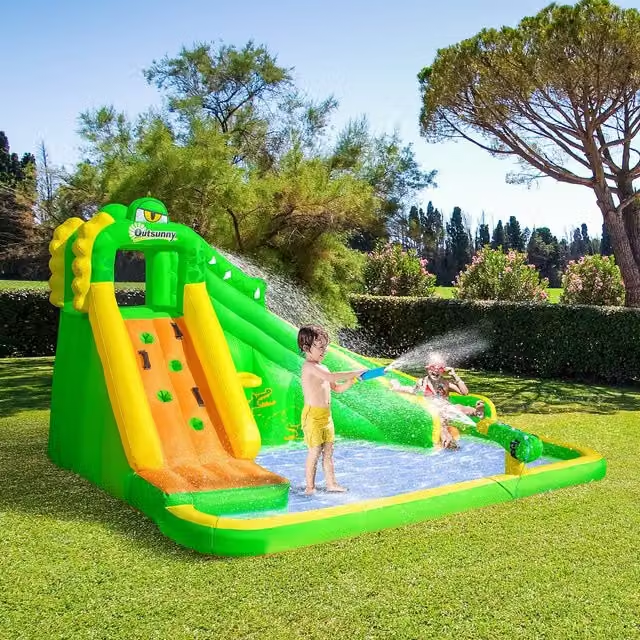
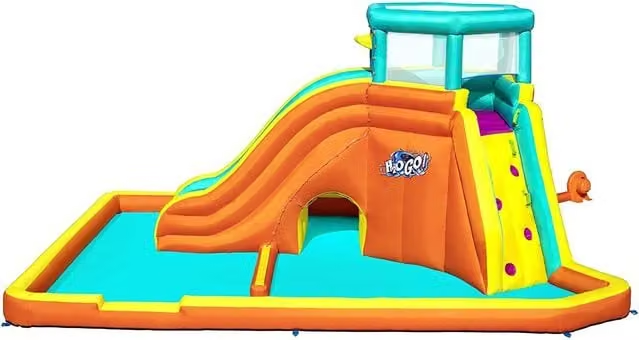
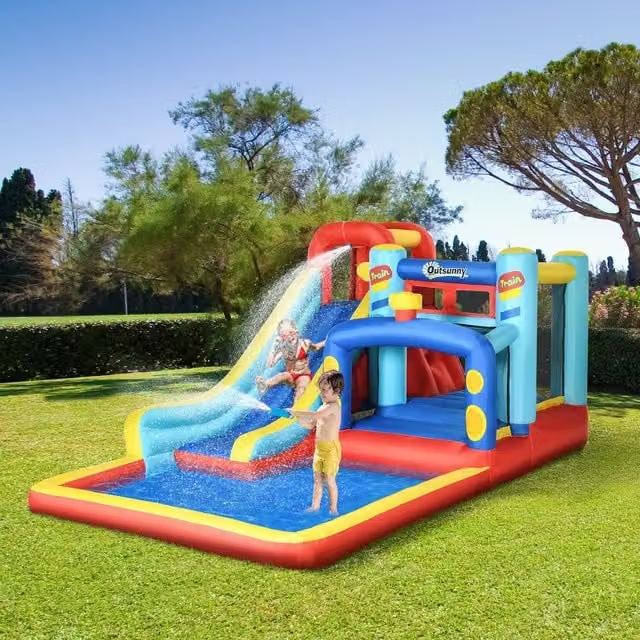
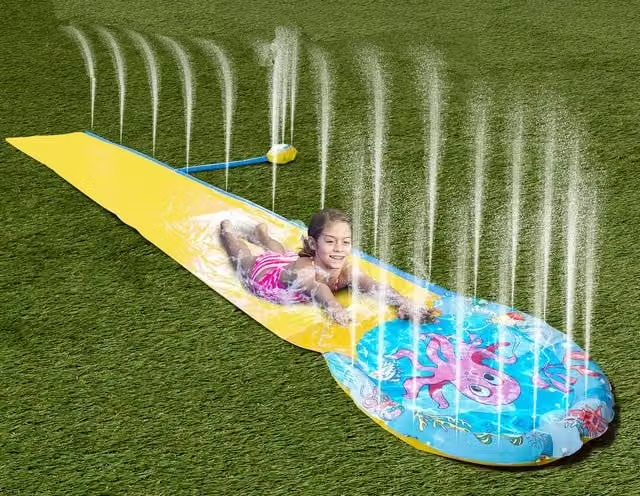
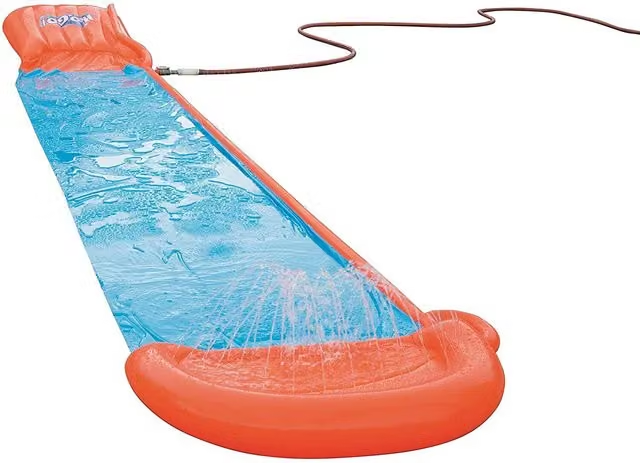
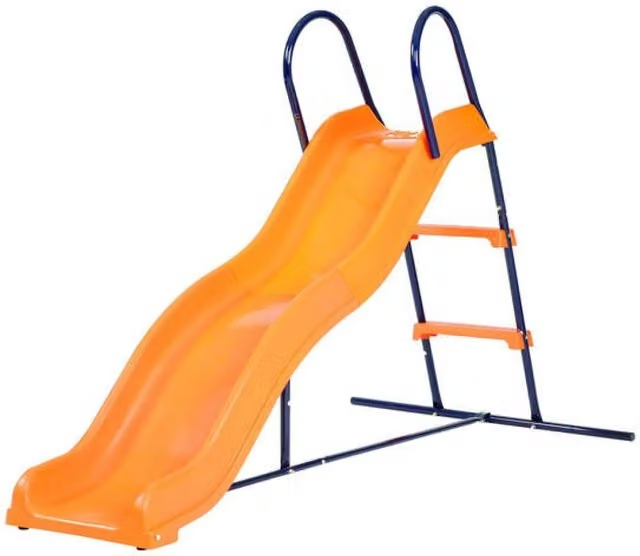
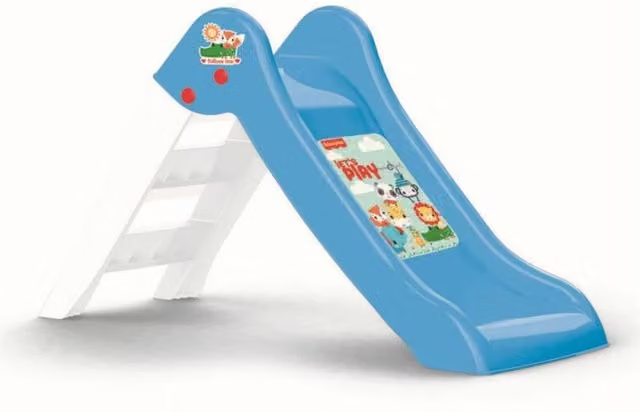
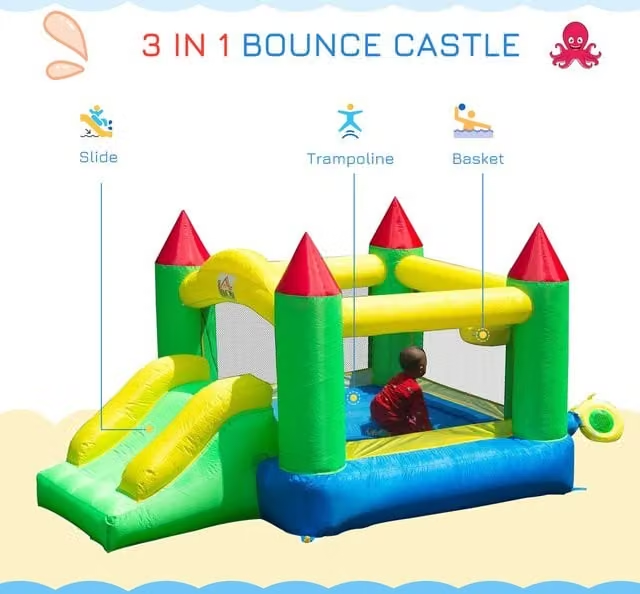
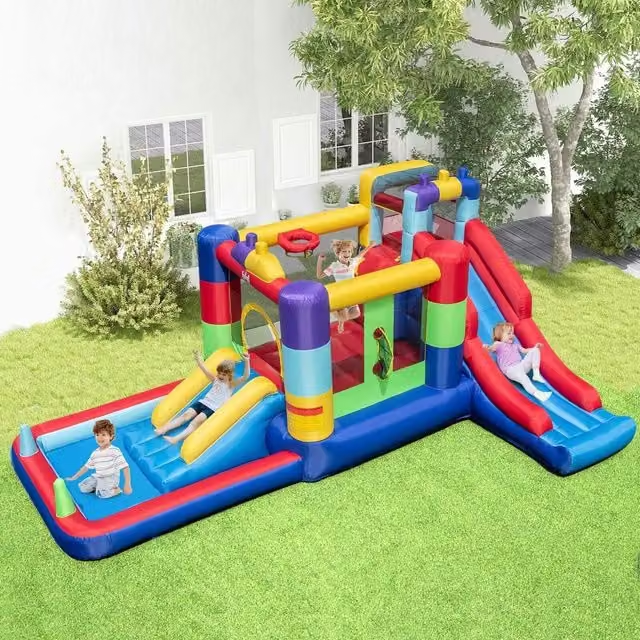
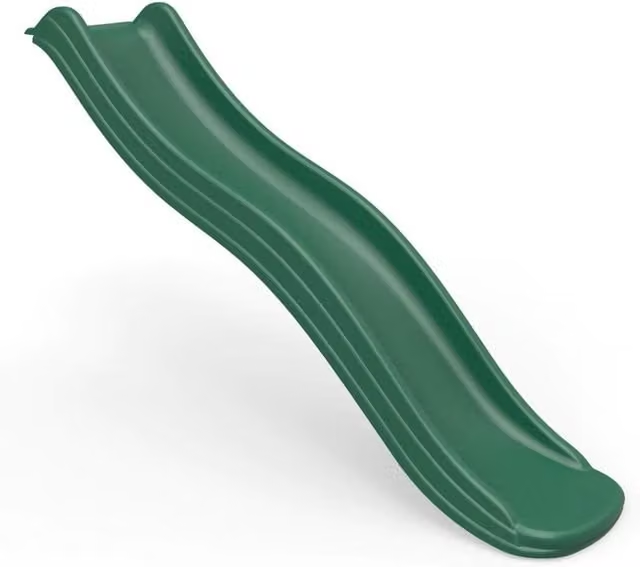
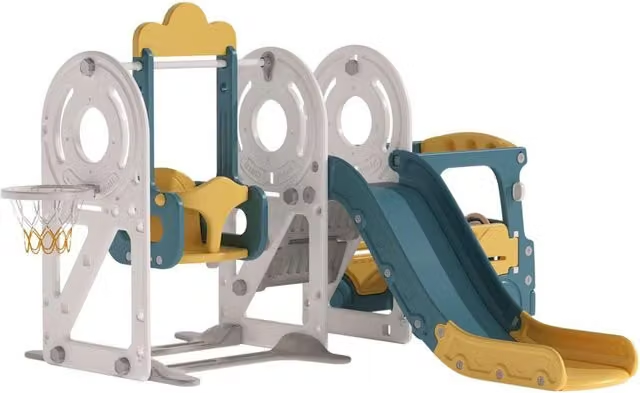
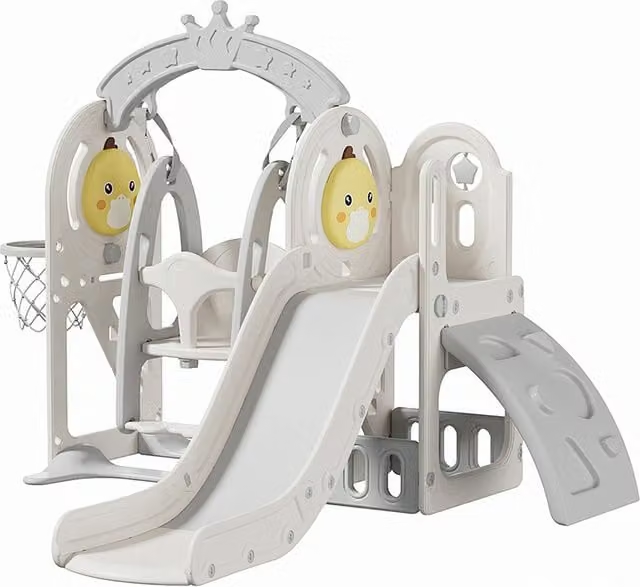
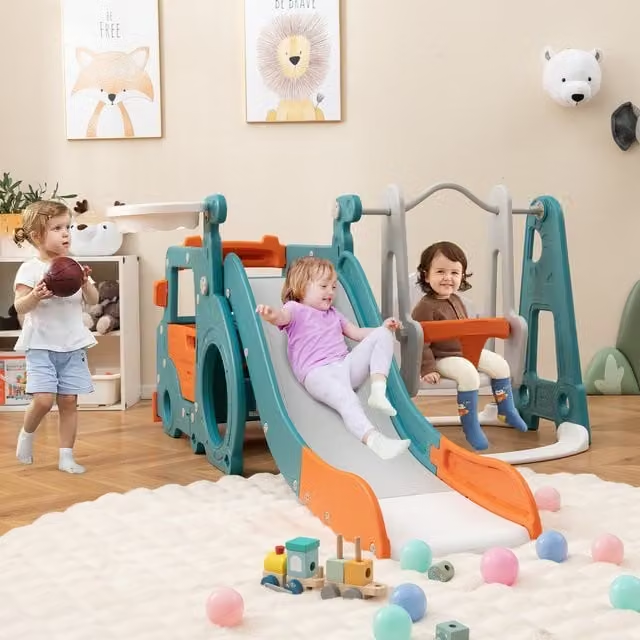
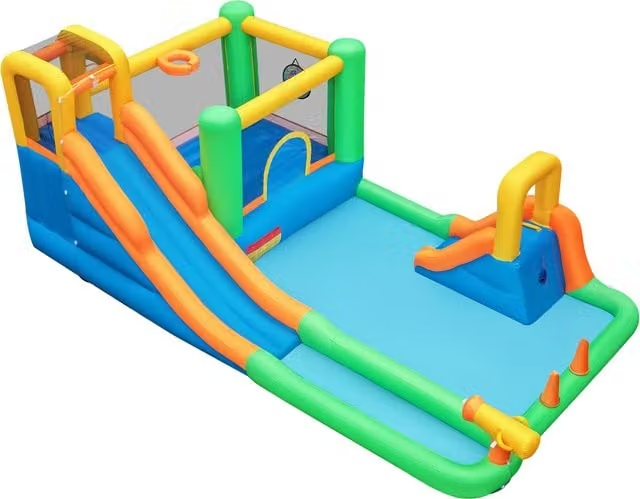
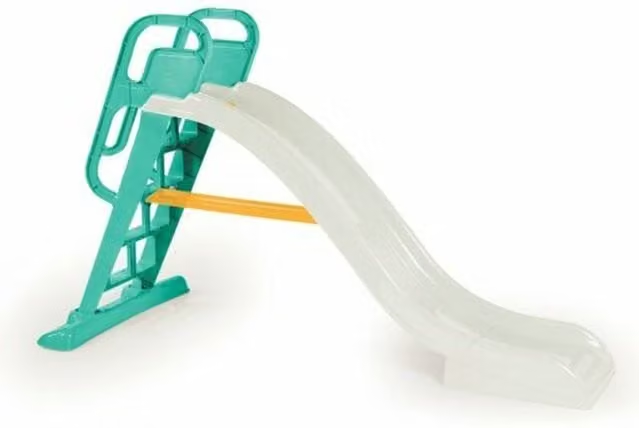
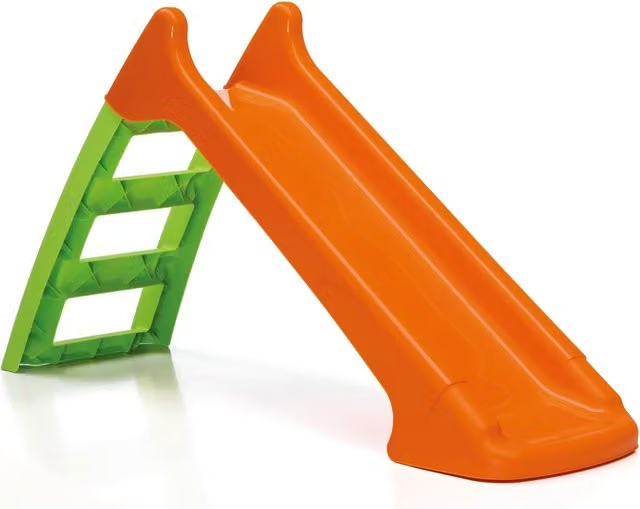
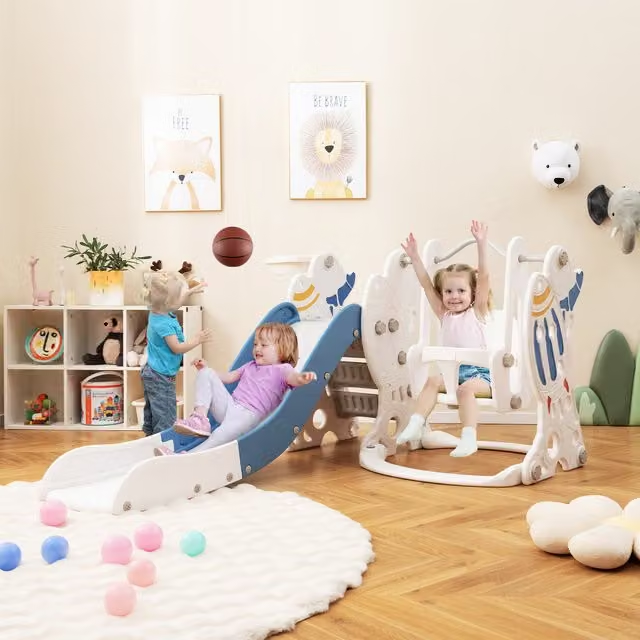
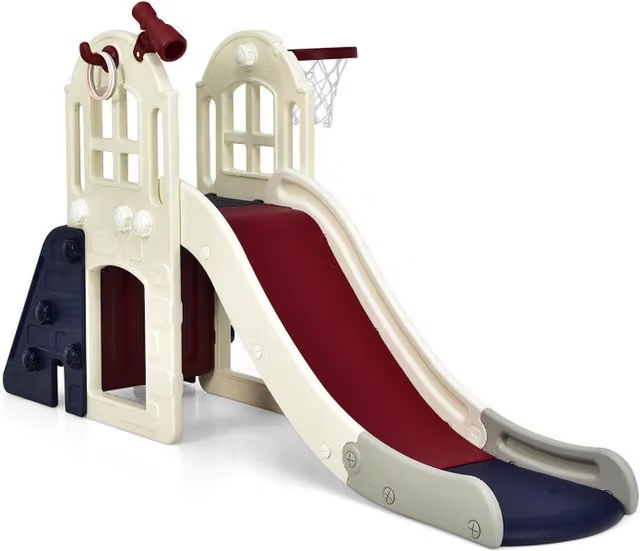
The range covers every age and garden size. Freestanding toddler slides with wide steps and low platforms are designed for the youngest children and often fold flat for indoor use in winter. Mid sized garden slides with a platform height around one metre suit preschool and early school age children. Climbing frame and tower combinations add a slide to a play structure with steps, ladders and sometimes a swing. Wave and tunnel slides add excitement for older children, while embankment slides fix directly into a sloping garden with no supporting frame at all, which is both safer and more discreet. Water slide attachments turn the same equipment into a summer feature.
Materials affect both feel and lifespan. High density polyethylene is the most common slide material because it stays smooth, resists UV fading reasonably well and does not splinter, though dark colours get very hot in direct sun. Stainless steel slides stay cooler in shade, last for decades and are the standard in public playgrounds, but they can become uncomfortably hot in direct sunlight. Timber frames in pressure treated pine or spruce look attractive and suit garden settings, while metal frames are lighter and need less maintenance. Check for compliance with EN 71 for domestic toys or EN 1176 for playground equipment.
Prices depend on size and construction. Small plastic toddler slides are inexpensive, mid range garden slides sit comfortably in the middle, and large wooden climbing frames with integrated slides represent a significant investment that often lasts several children.
Have a look at the options, compare prices and give the garden a reason to be used every day.
For any platform above about 60 cm, an impact absorbing surface is strongly recommended in the fall zone, which extends at least 1.5 metres around the equipment and beyond the end of the slide. Bark chippings at a depth of 20 to 30 cm, rubber play tiles or a well maintained grass surface all work, while concrete, paving and compacted earth do not. Keep the area clear of garden furniture, plant pots and fences. The higher the platform, the more important the surfacing becomes.
Small plastic toddler slides with platform heights around 40 to 60 cm suit children from roughly 18 months to three years. Mid sized slides at about one metre generally suit ages three to eight, and larger climbing frame slides are aimed at four or five years and upwards. Always check the manufacturer's stated age range and weight limit rather than judging by size alone. Younger children should be supervised on any slide, particularly on the steps and platform.
Face the slide north where possible so the chute spends less time in direct sunlight, since both plastic and metal surfaces can become hot enough to hurt on a summer afternoon. A position with some natural shade from a tree or the house is ideal. Make sure the run out at the bottom points into open space rather than towards a fence, wall or path. Level ground matters too, as a slide on a slope becomes unstable and may need anchoring.
Check all bolts and fixings at the start of each season and again mid summer, since vibration and temperature changes work them loose over time. Wash the chute with warm soapy water to remove algae, which builds up in shaded gardens and makes the surface slippery in an unhelpful way. Inspect plastic slides for cracks and stress whitening, particularly around mounting points, and retire any slide with a crack in the chute. Wooden frames benefit from a coat of child safe preservative every year or two.