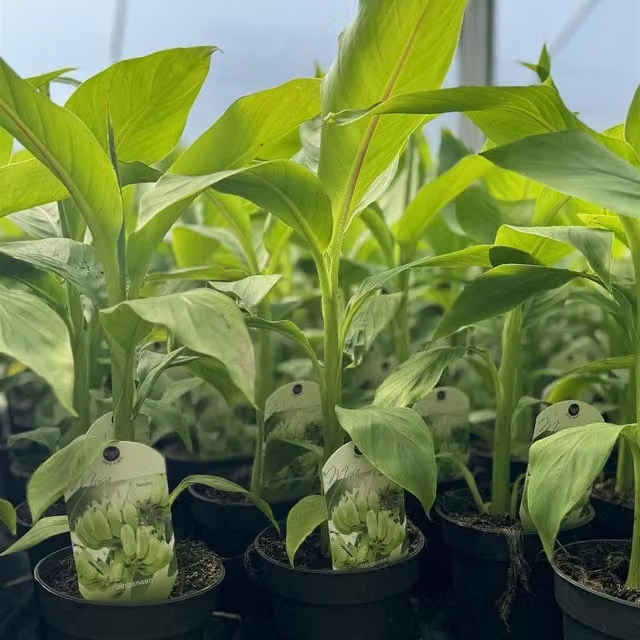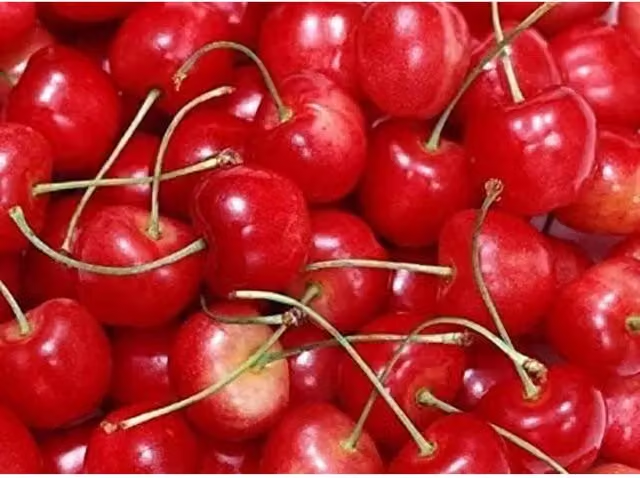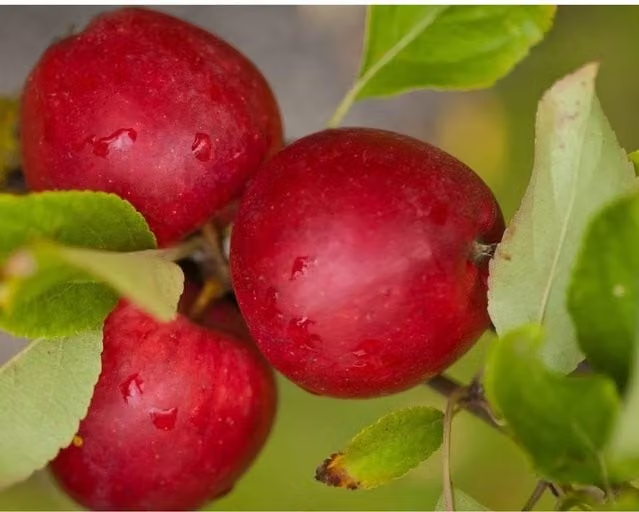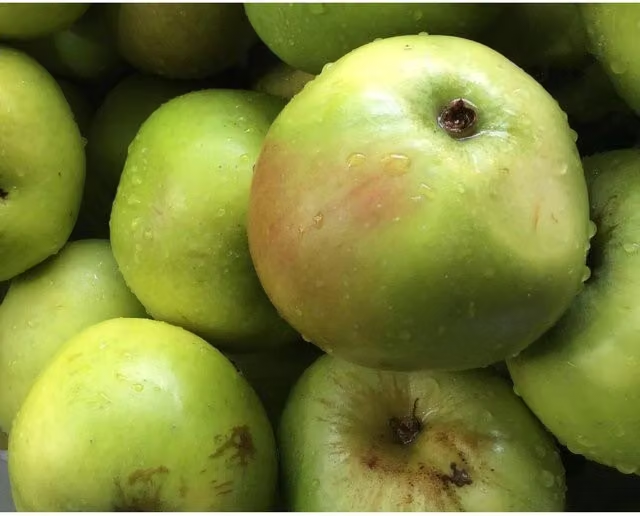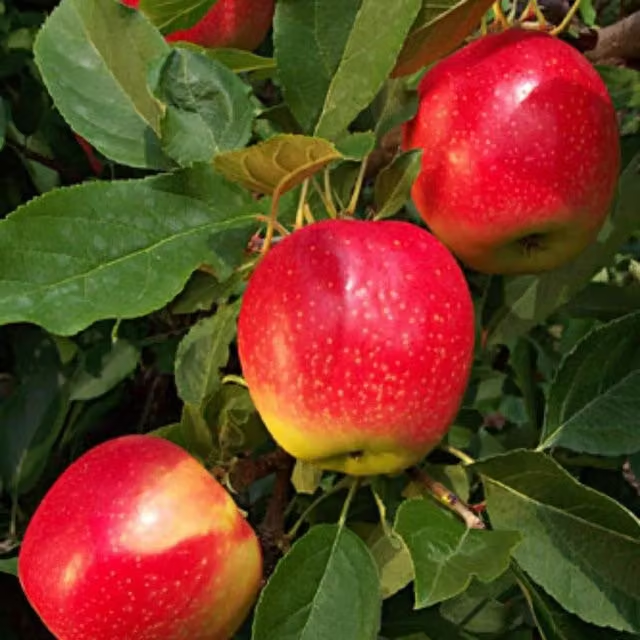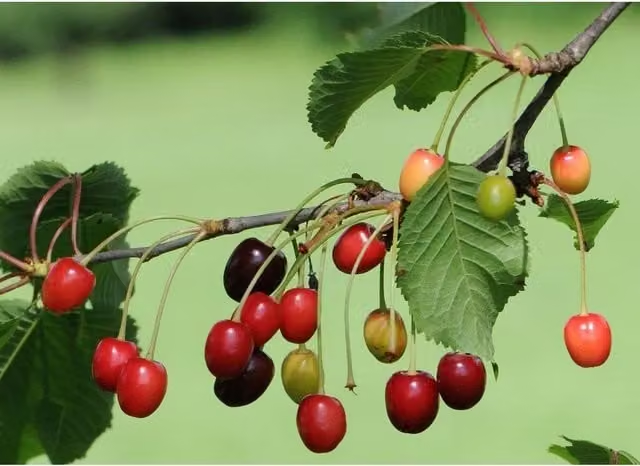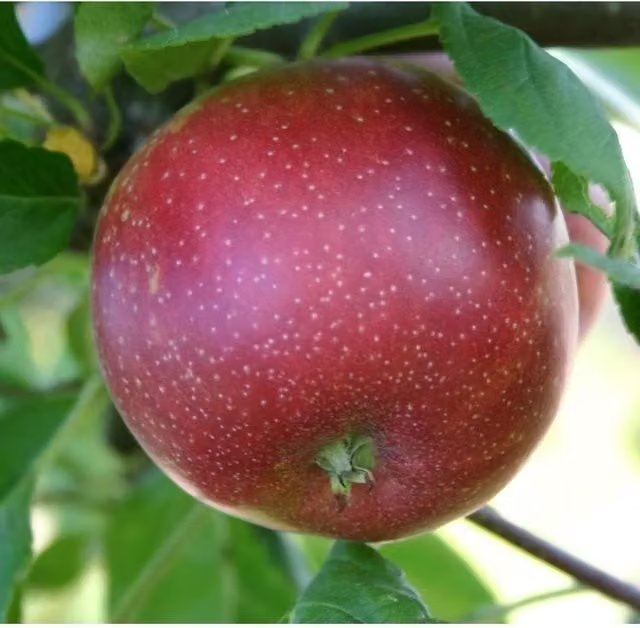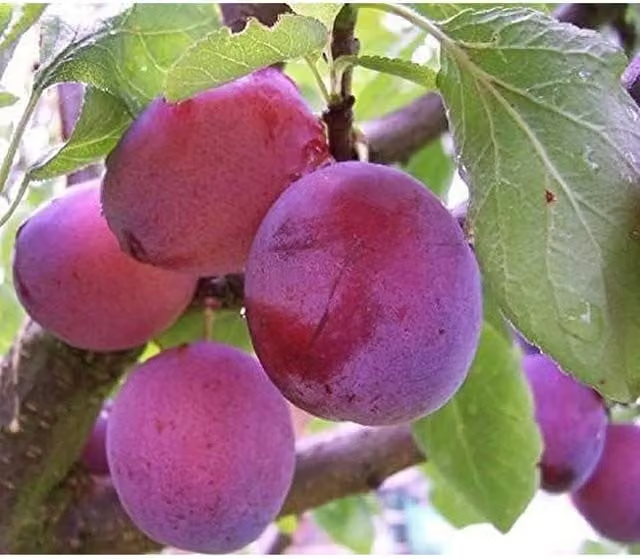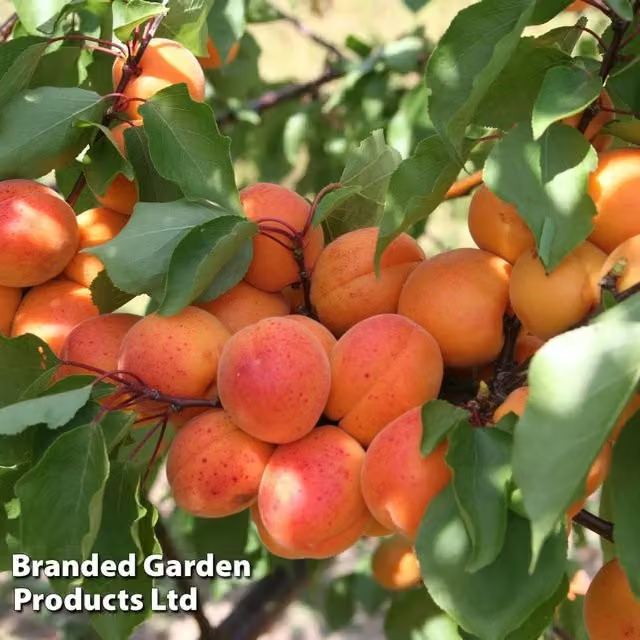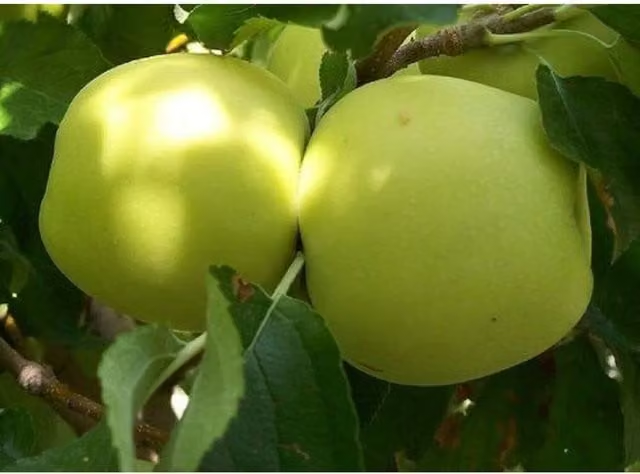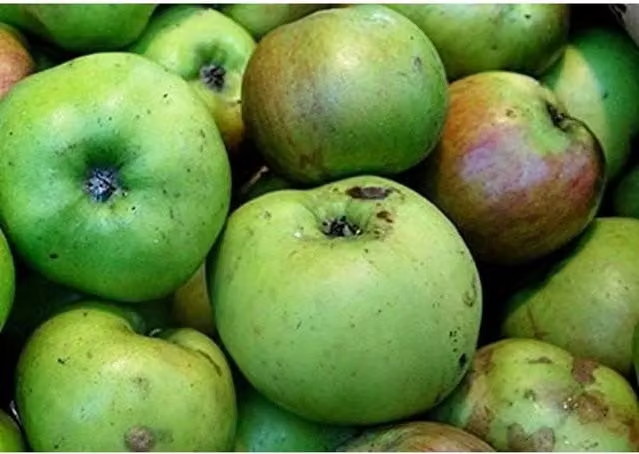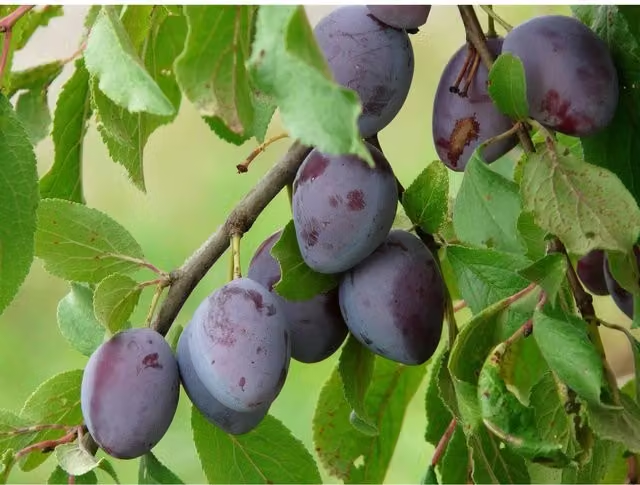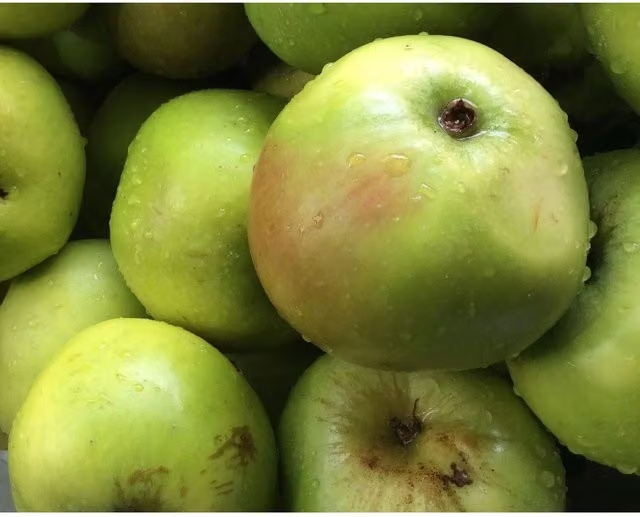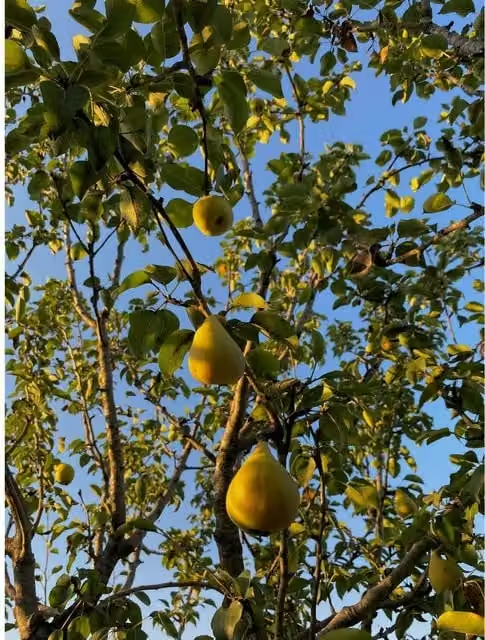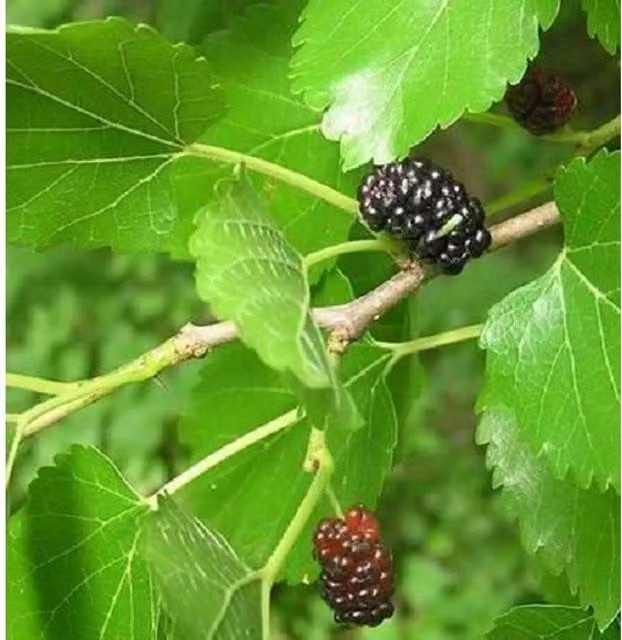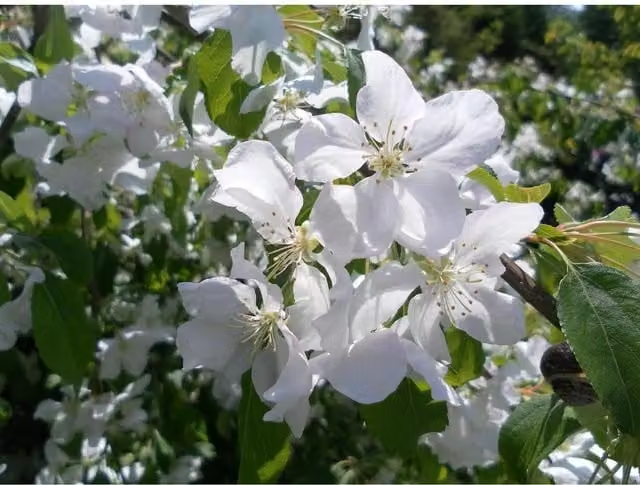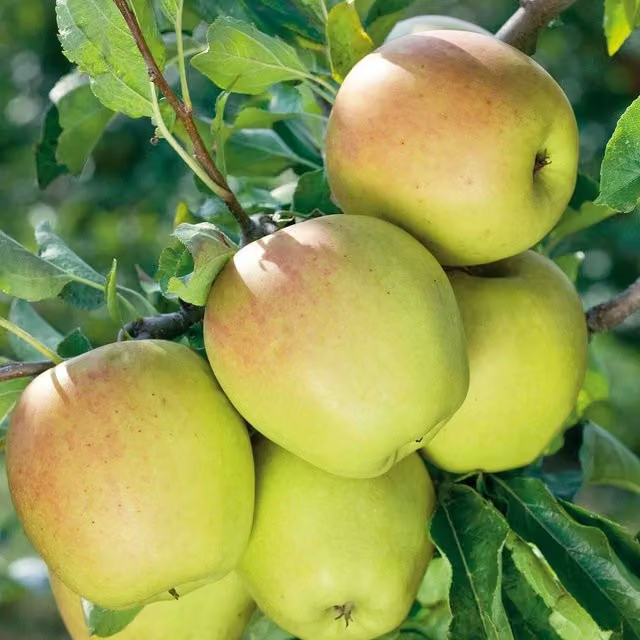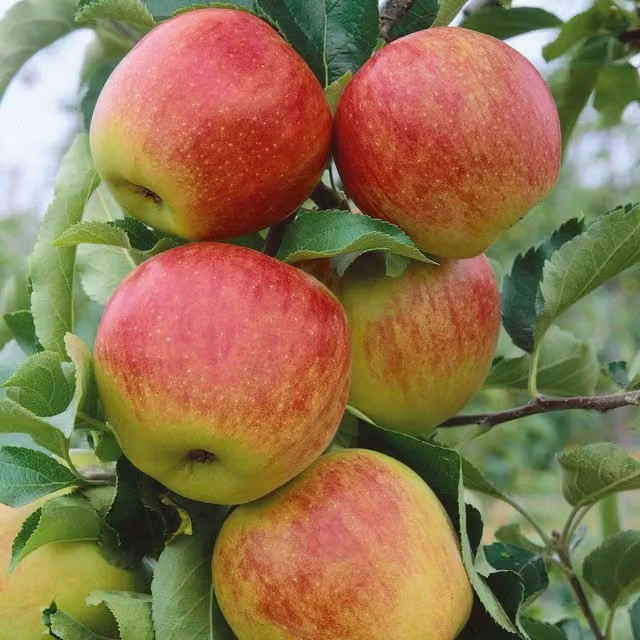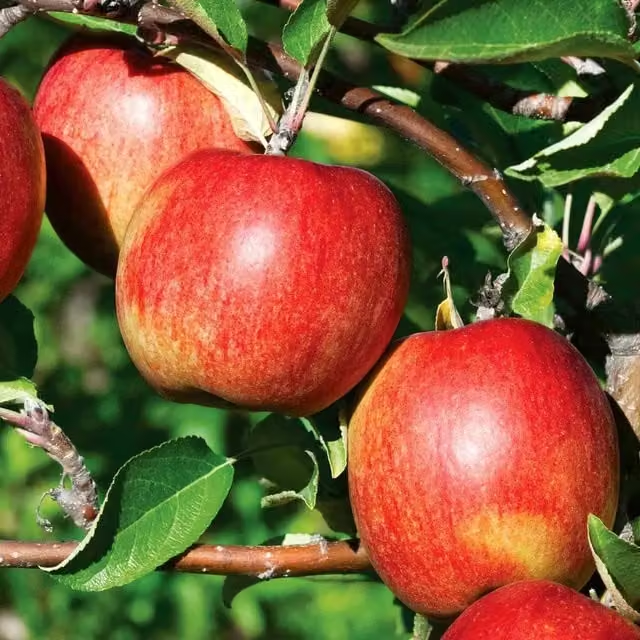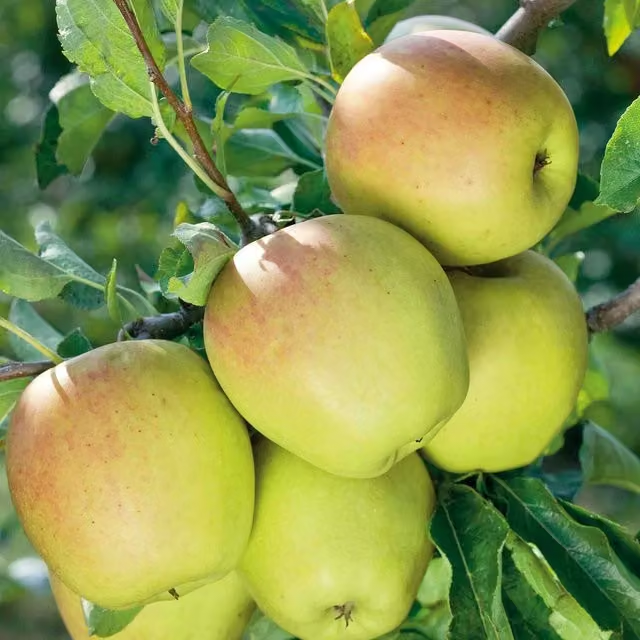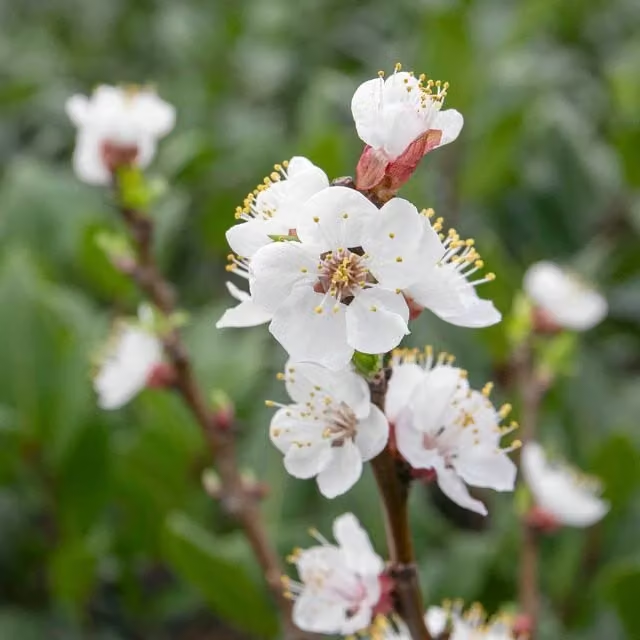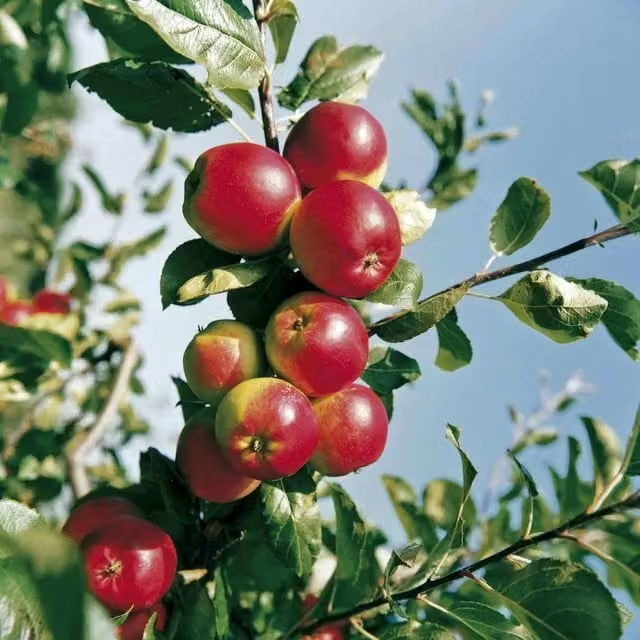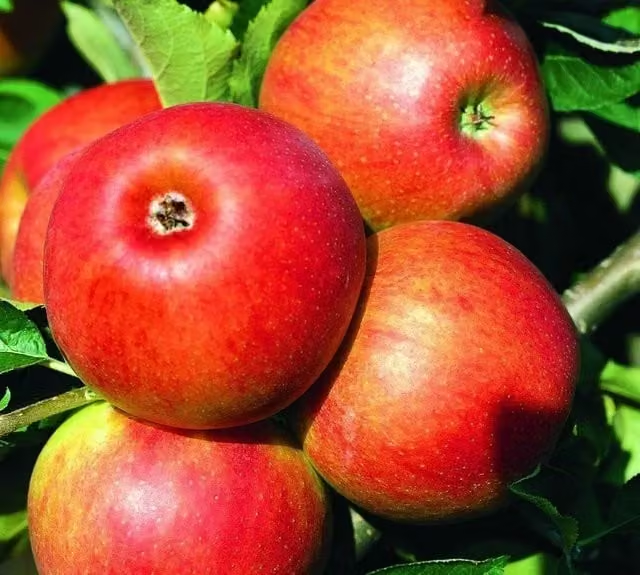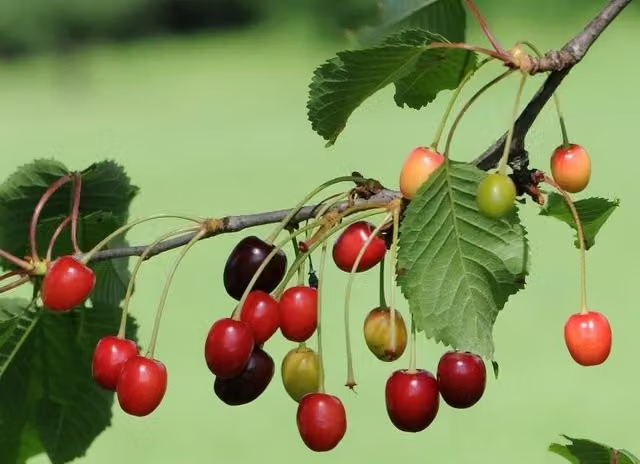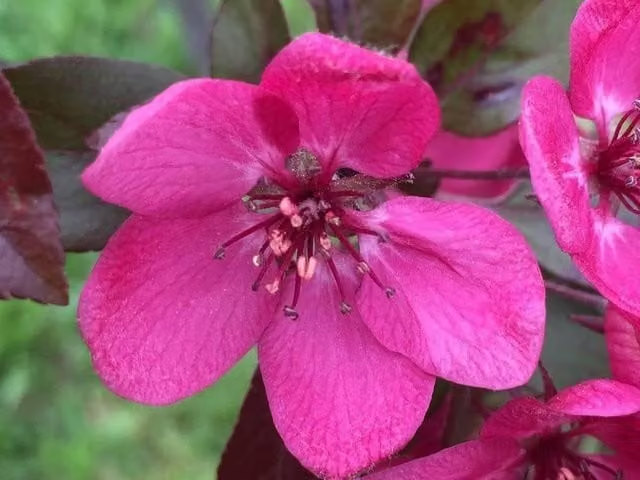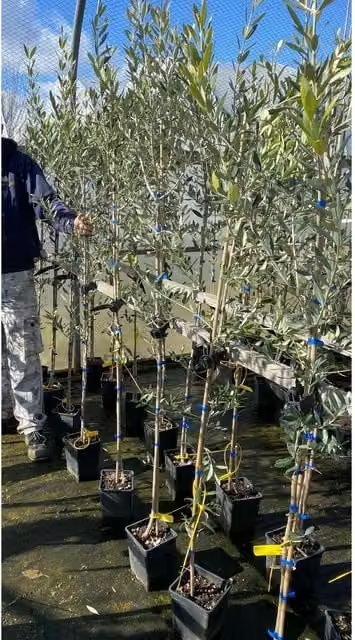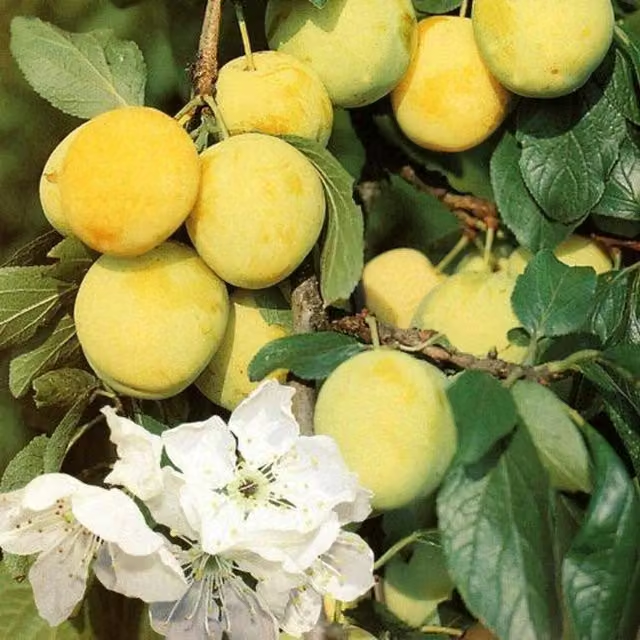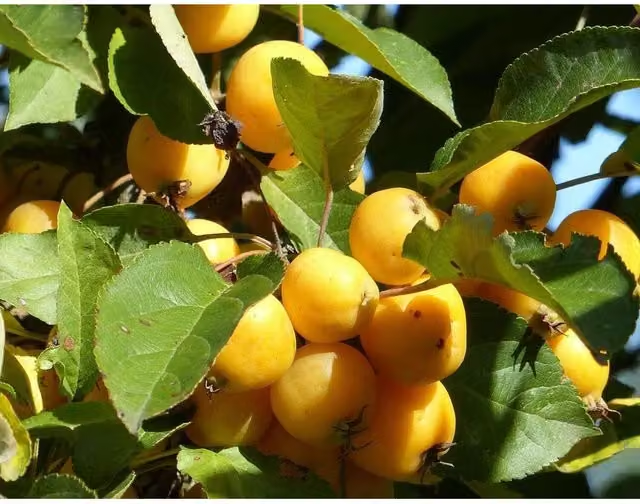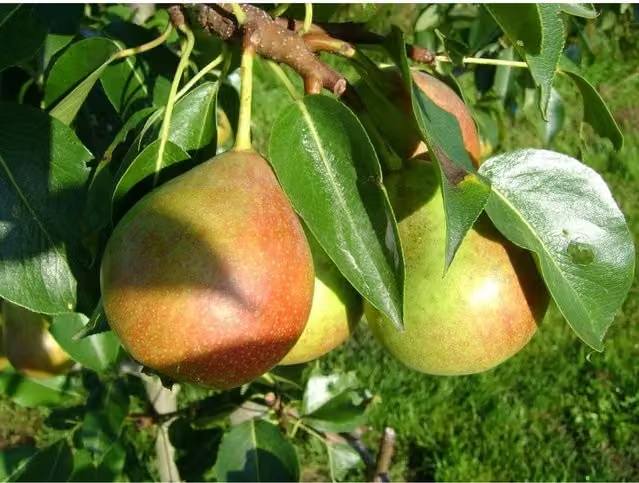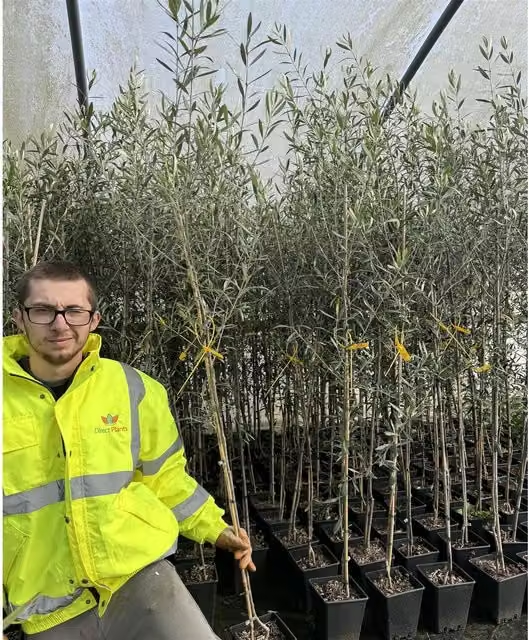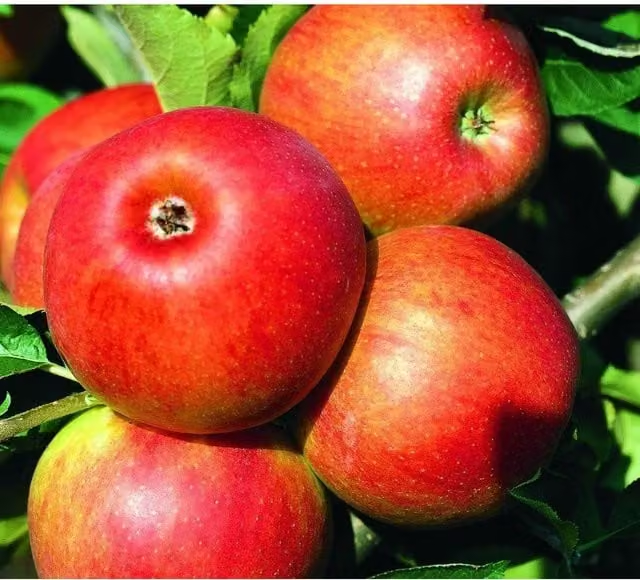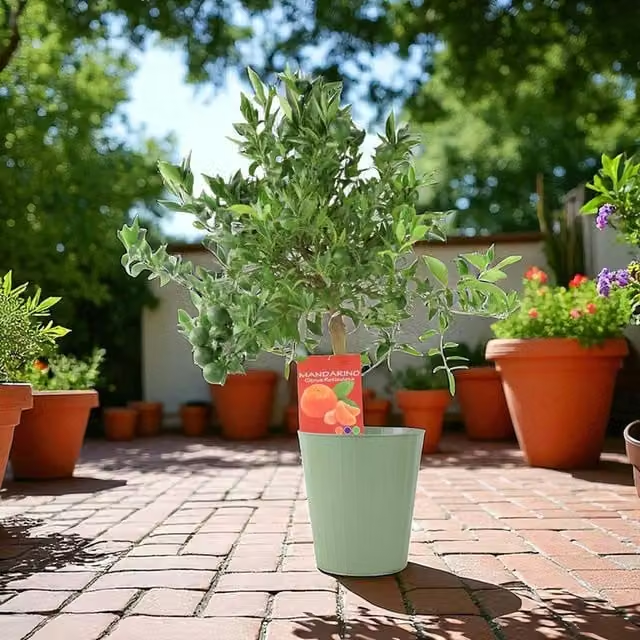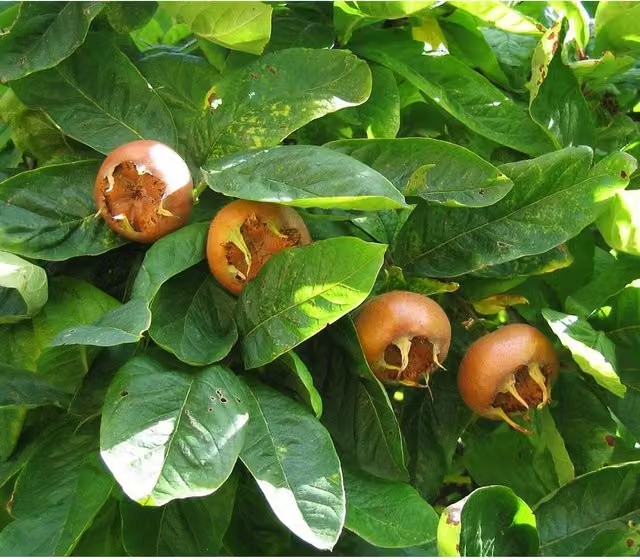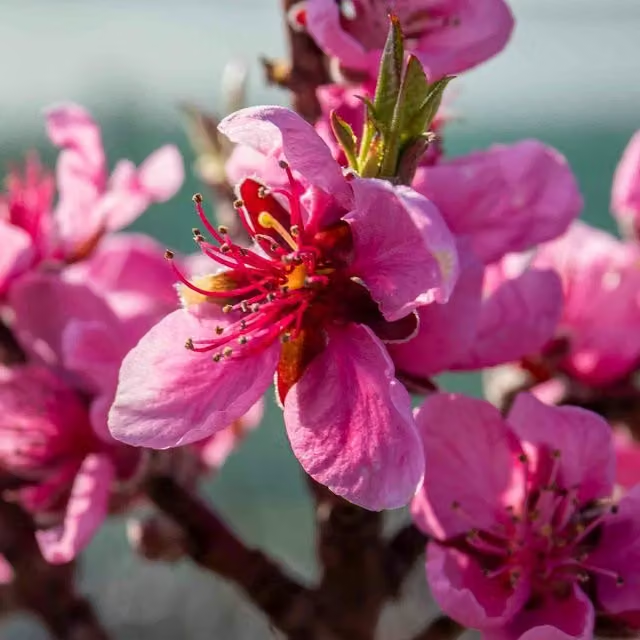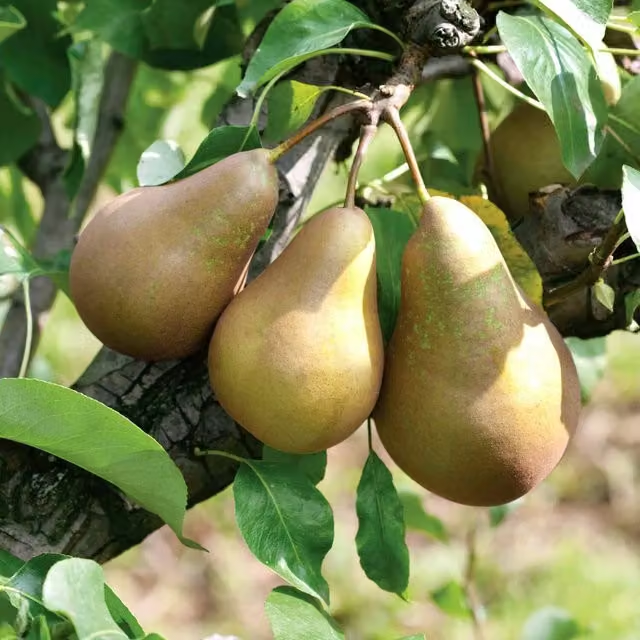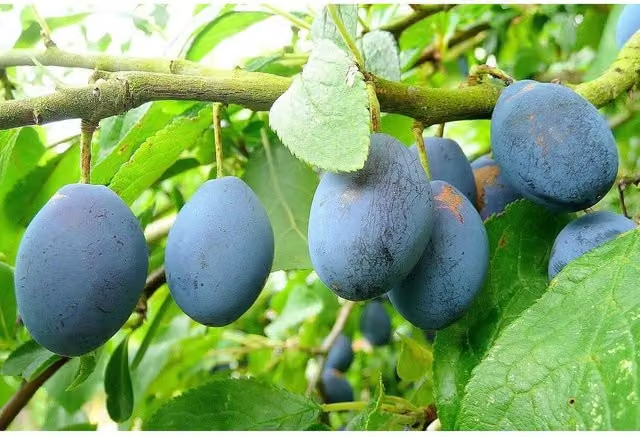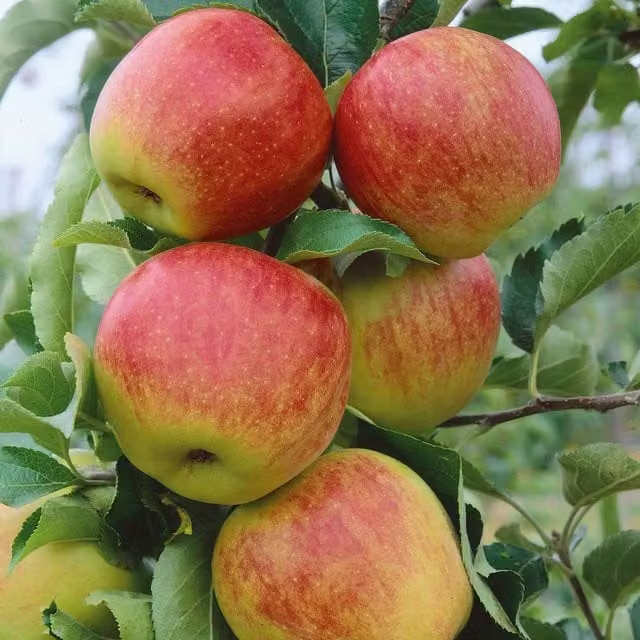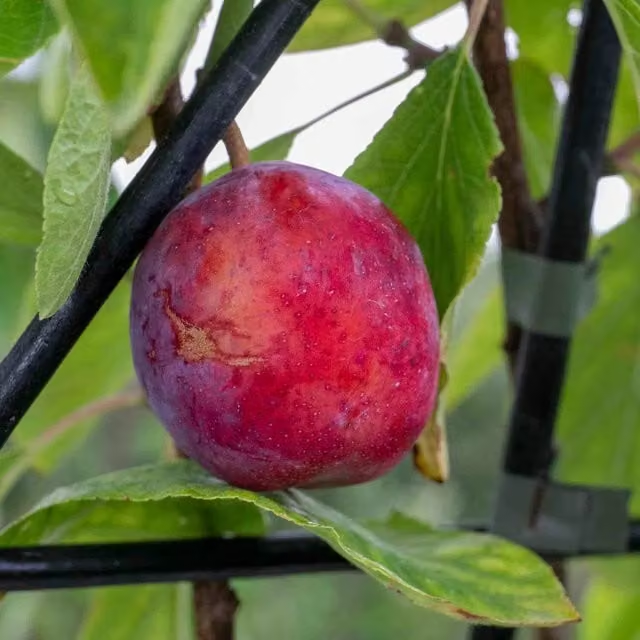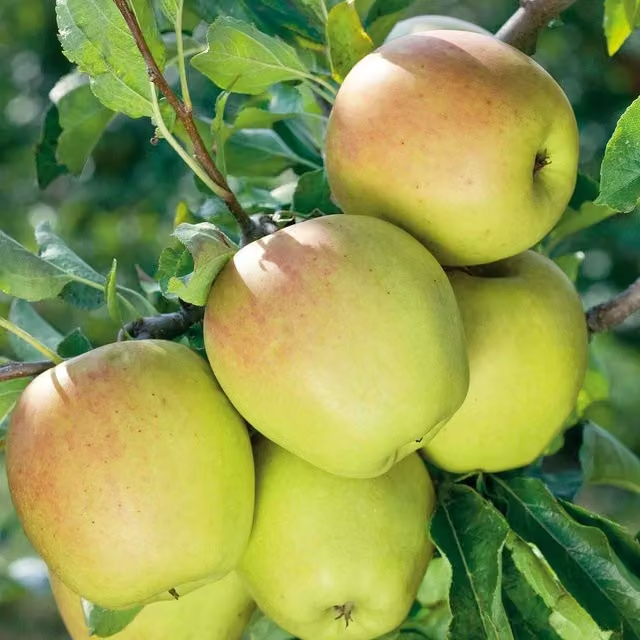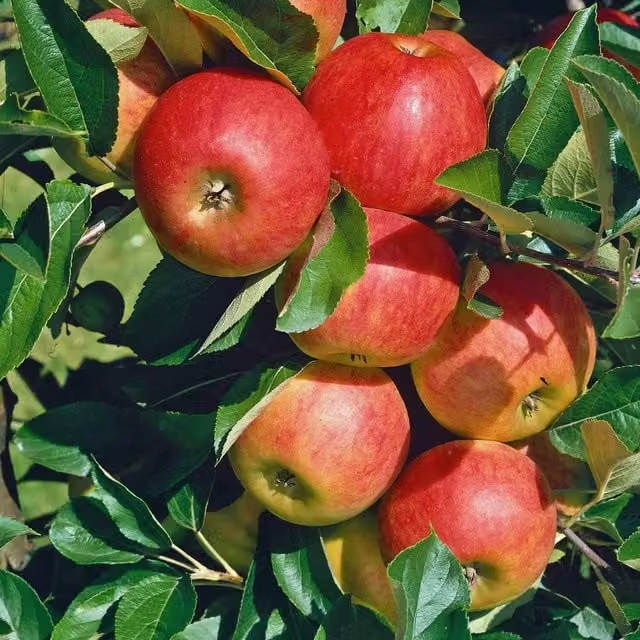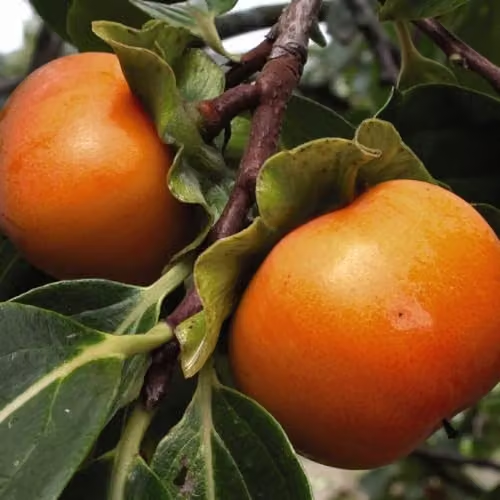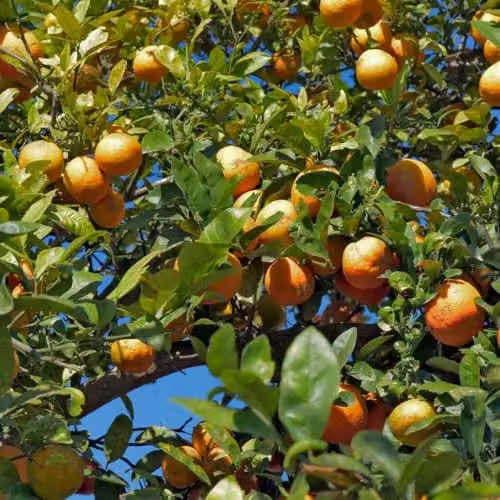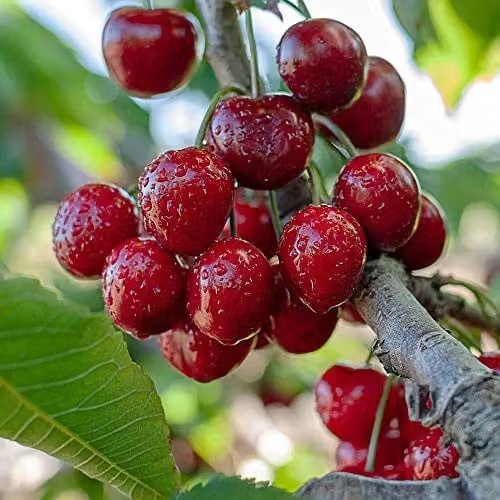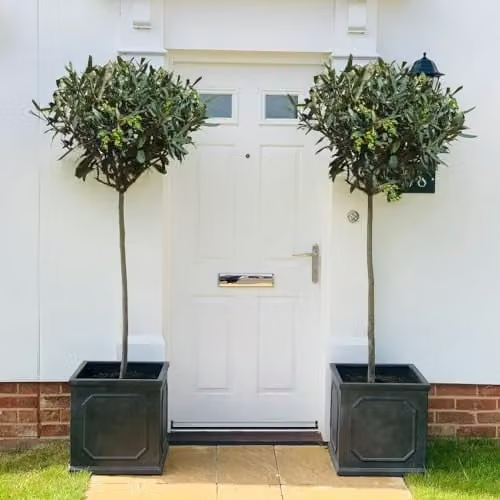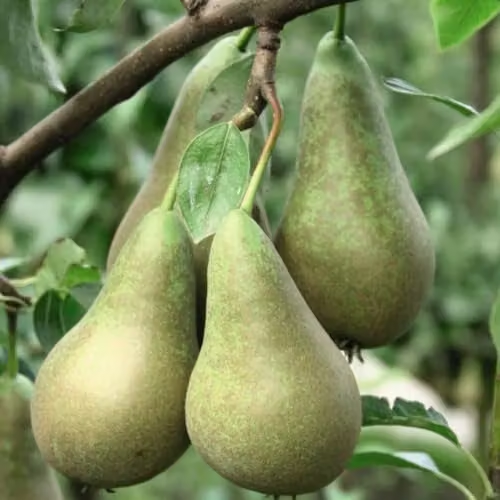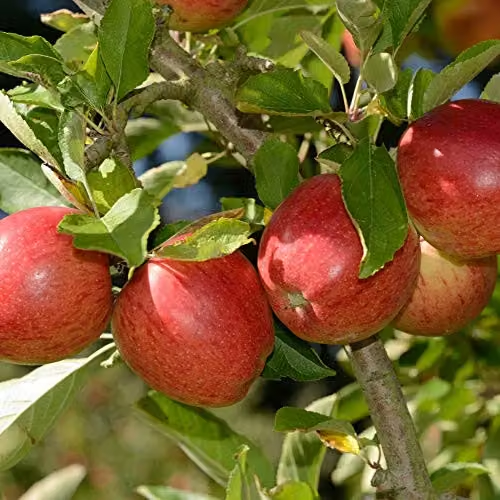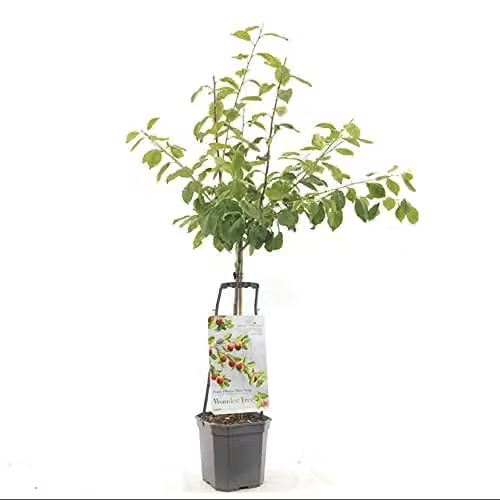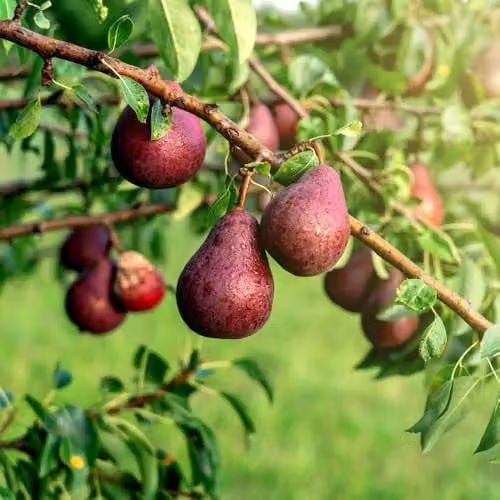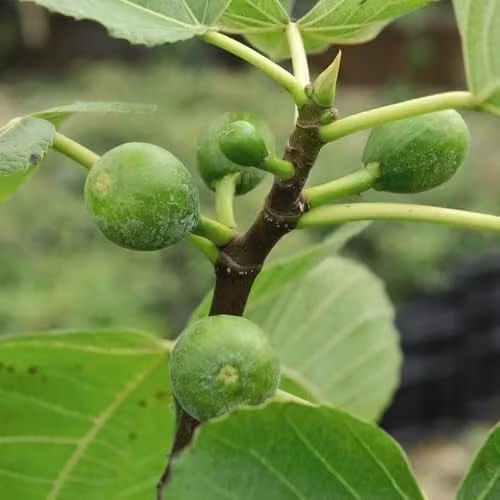
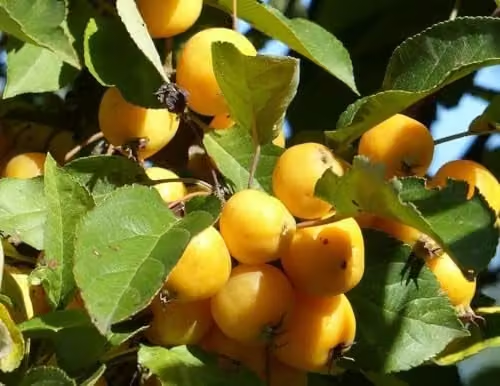
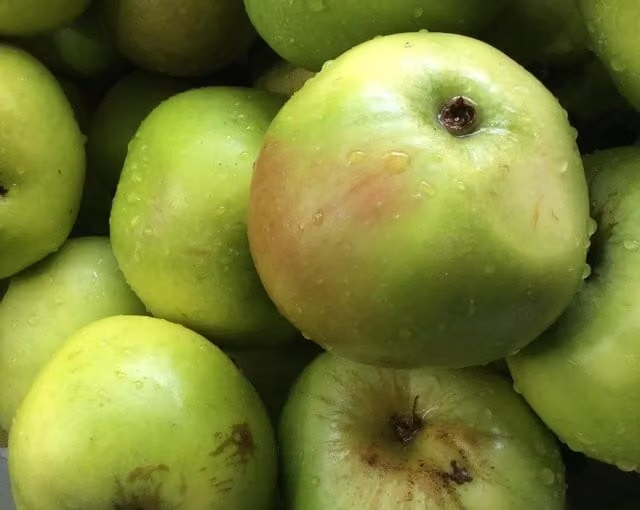
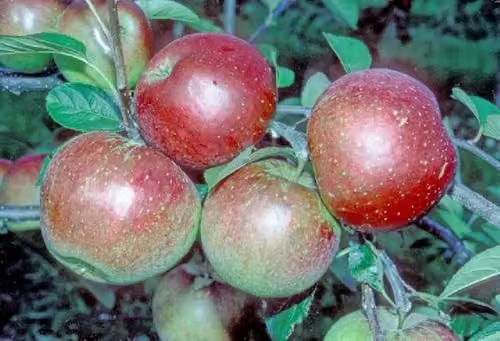
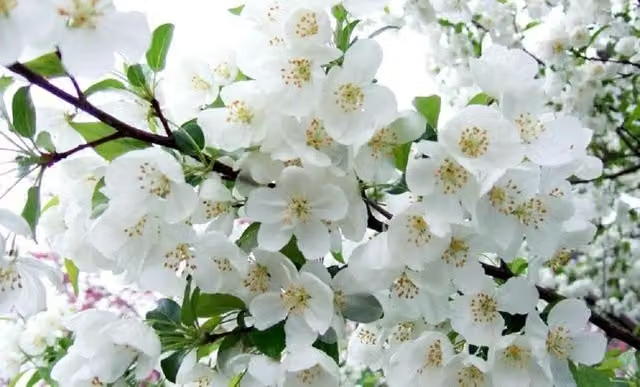
Few things in gardening deliver a return quite like a fruit tree. You put a young whip in the ground one autumn, and twenty years later you are still picking apples from it every September. There is real pleasure in growing something that outlasts fashions, feeds a household and improves in productivity as it matures, and modern rootstocks mean you no longer need an orchard to do it.
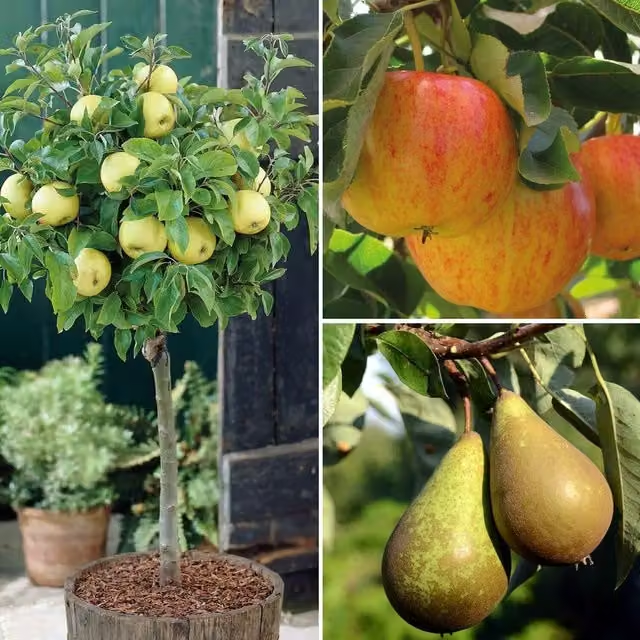
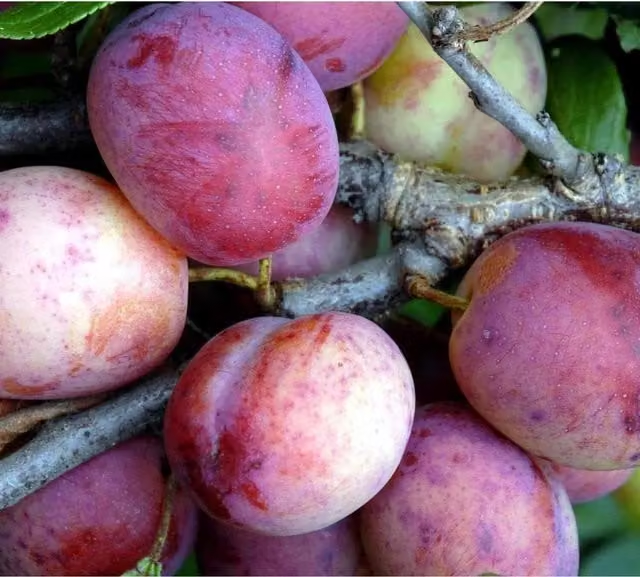
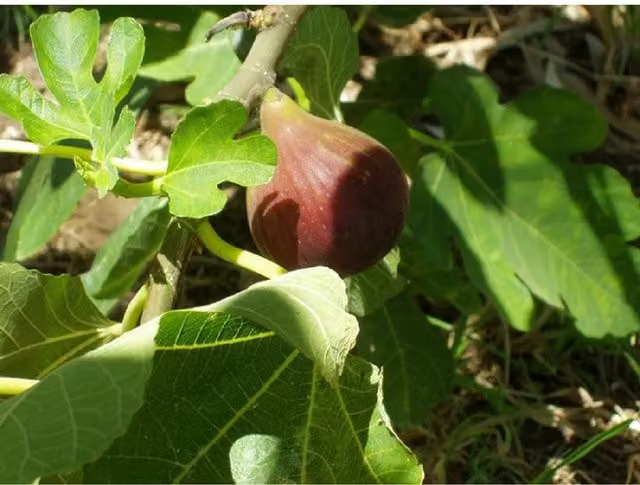
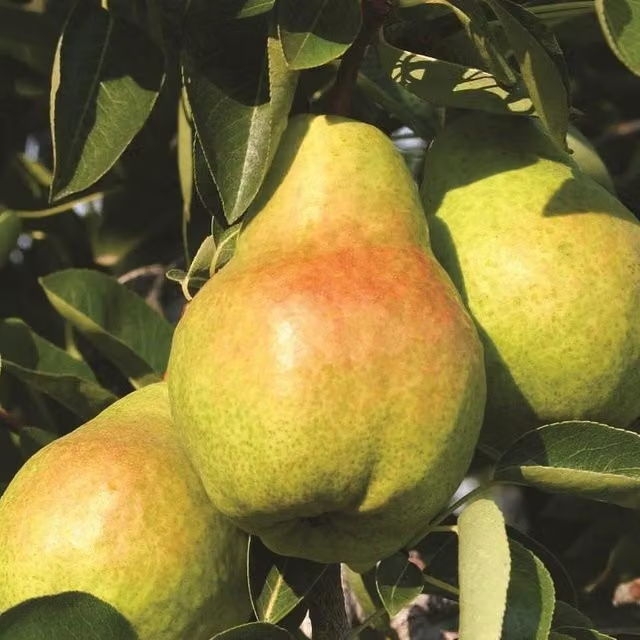
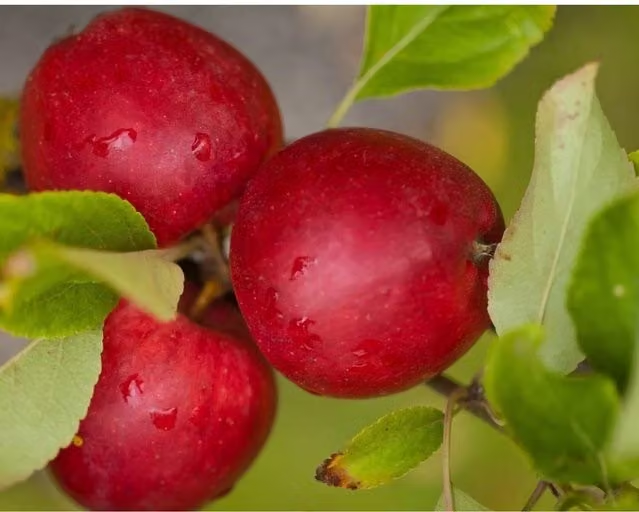
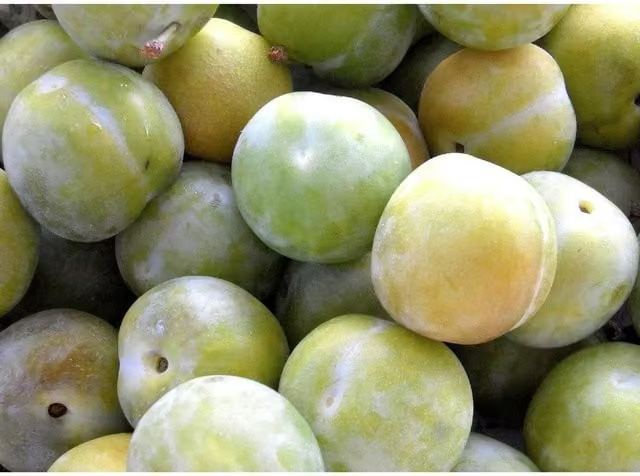
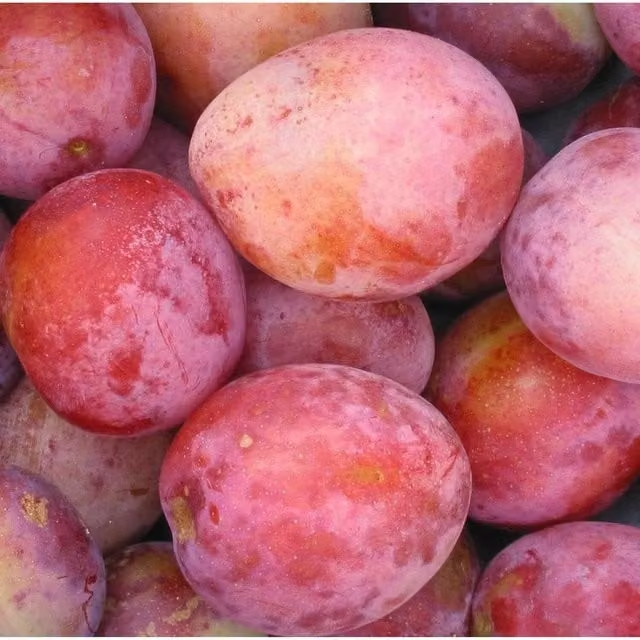
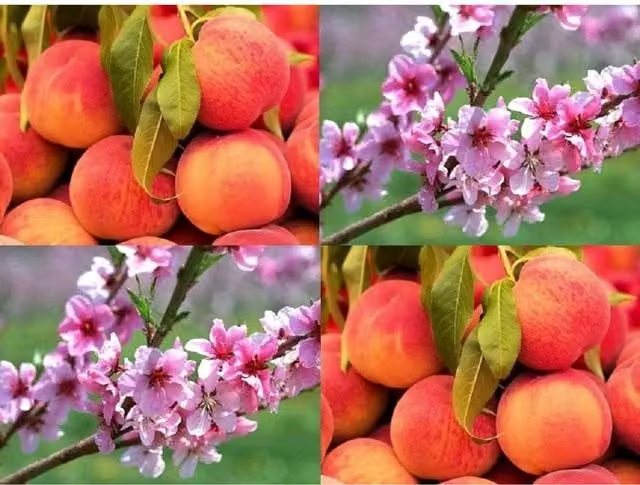
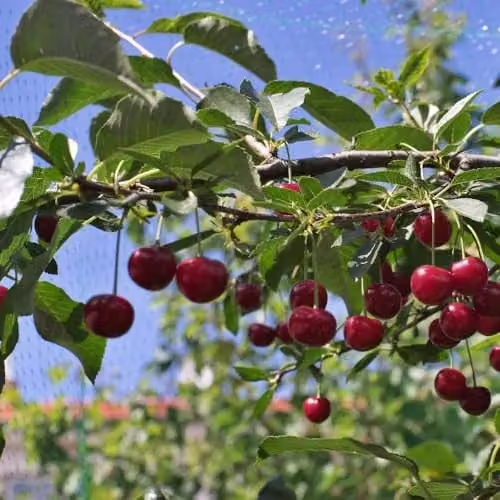
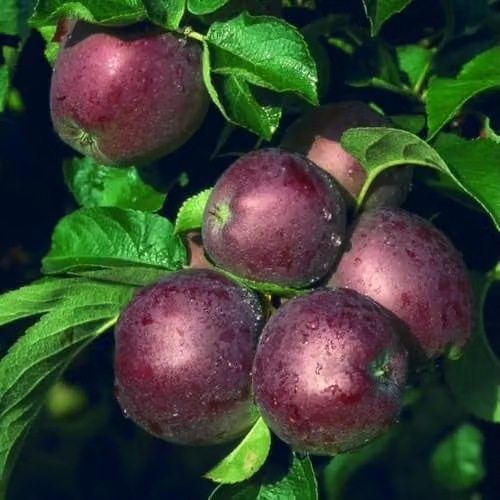
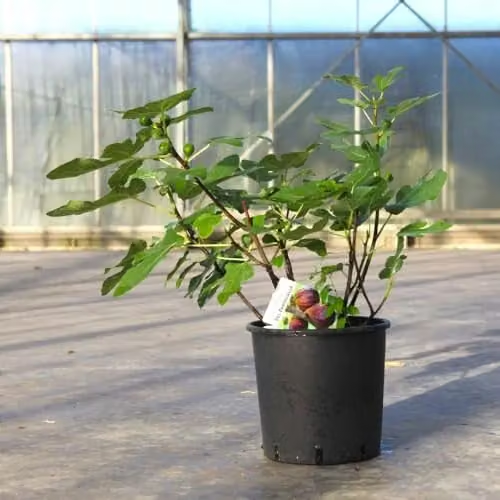
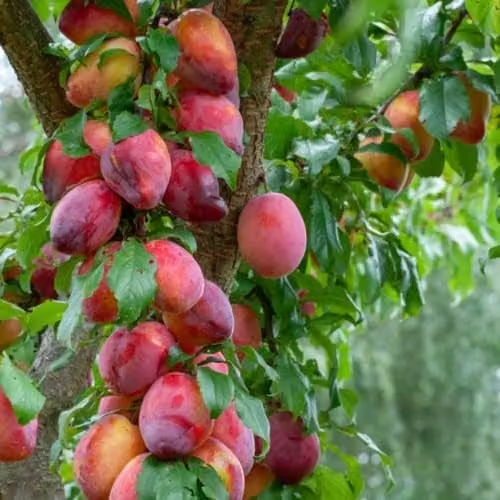
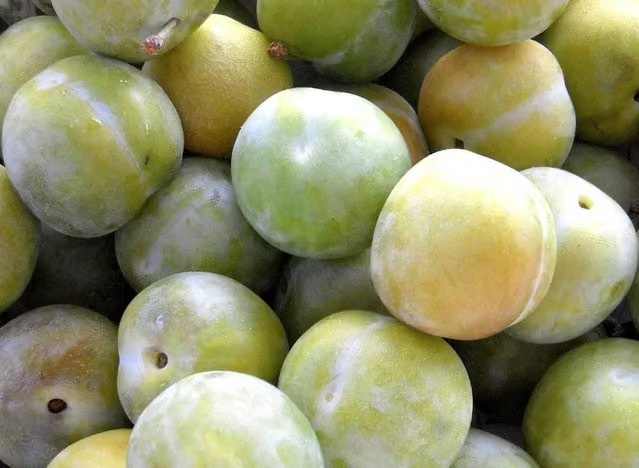
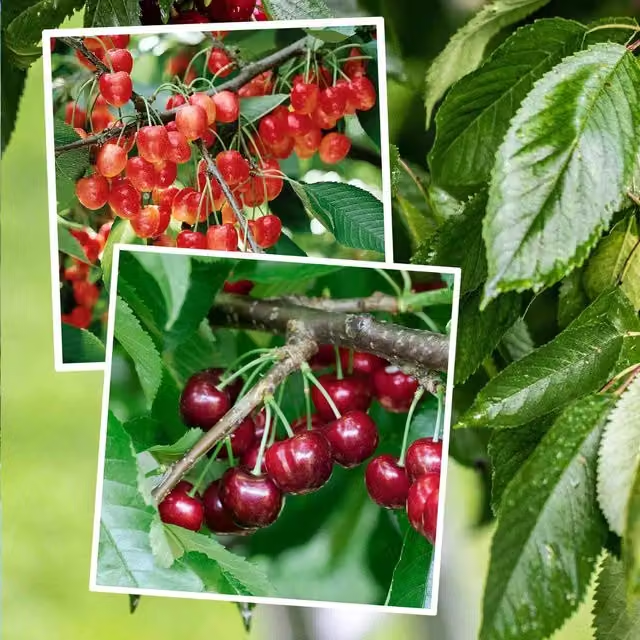
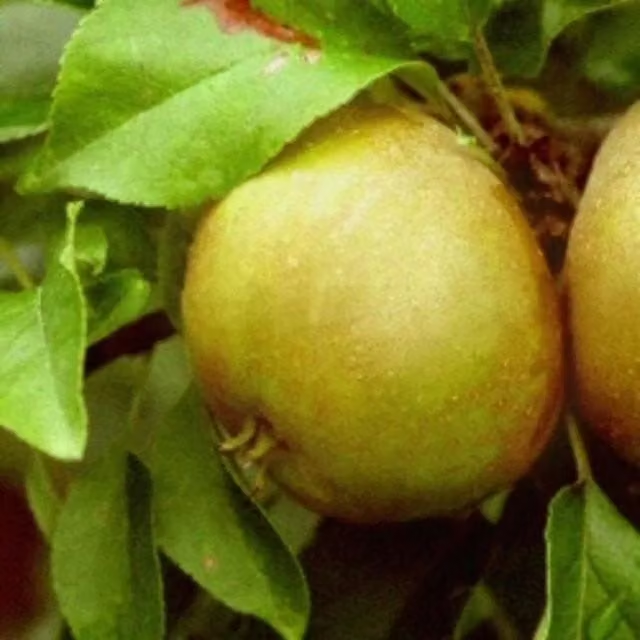
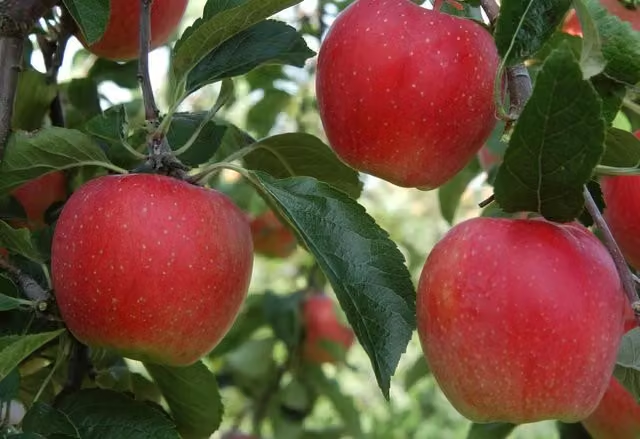
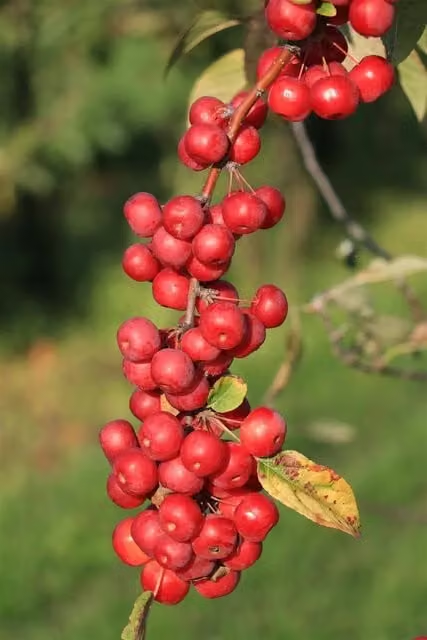
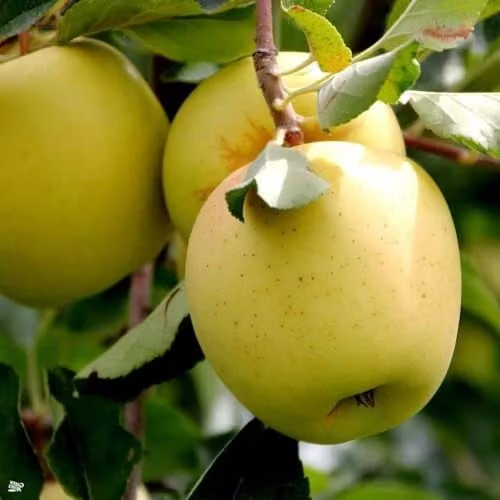
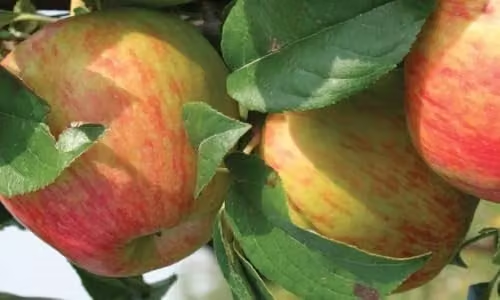
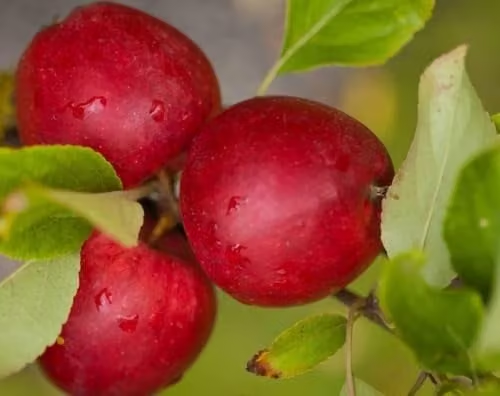
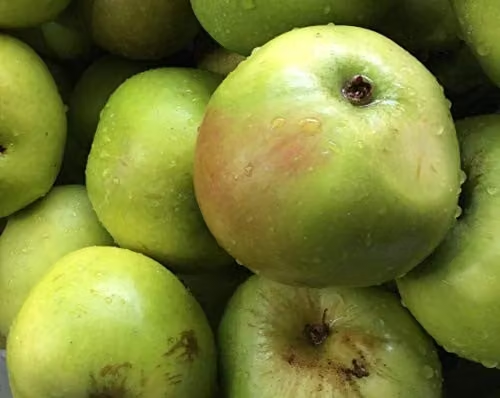
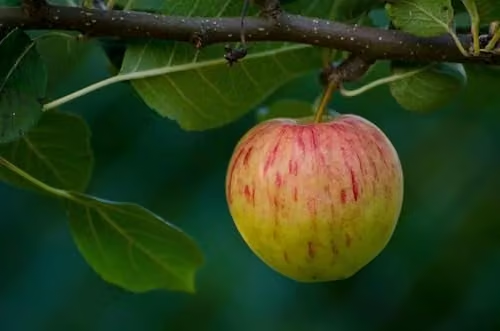
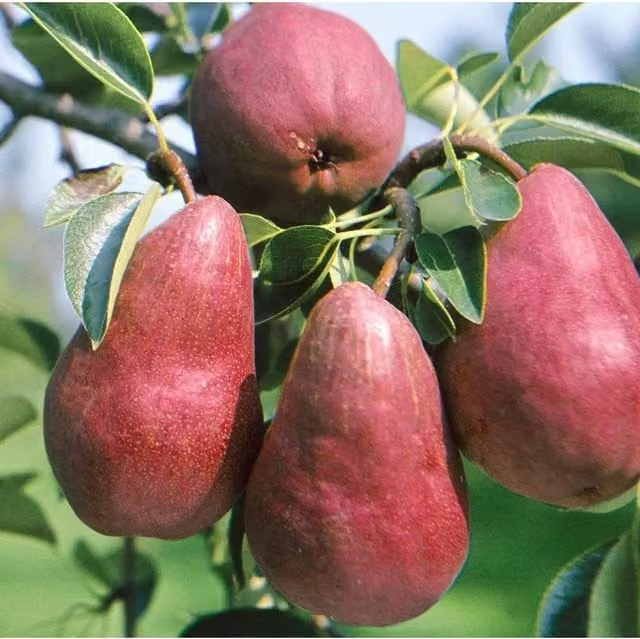
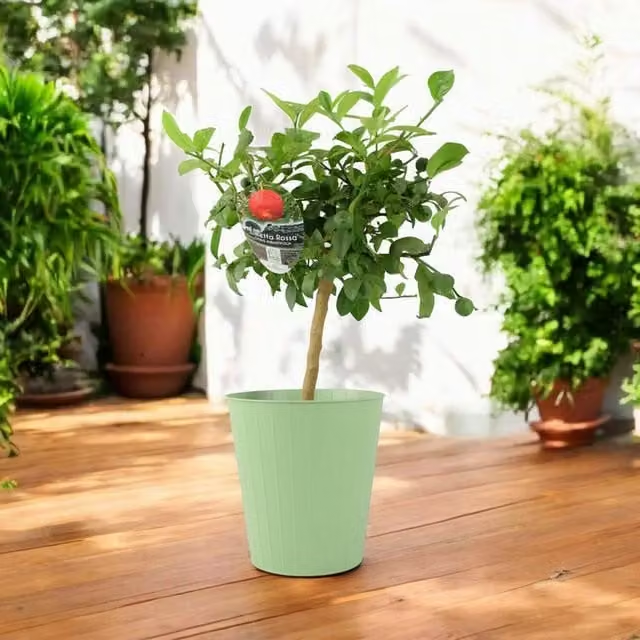
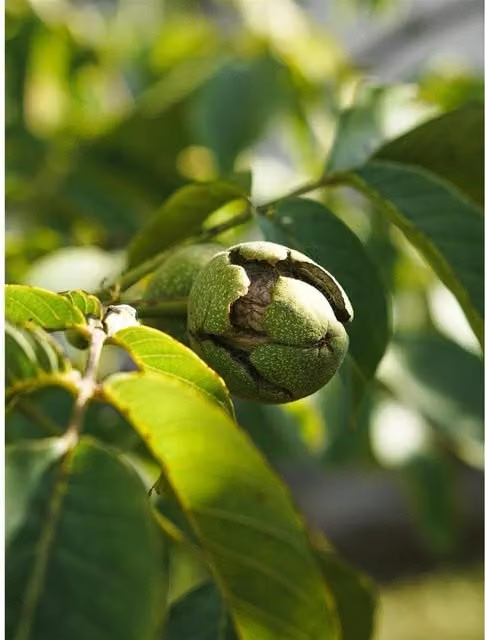
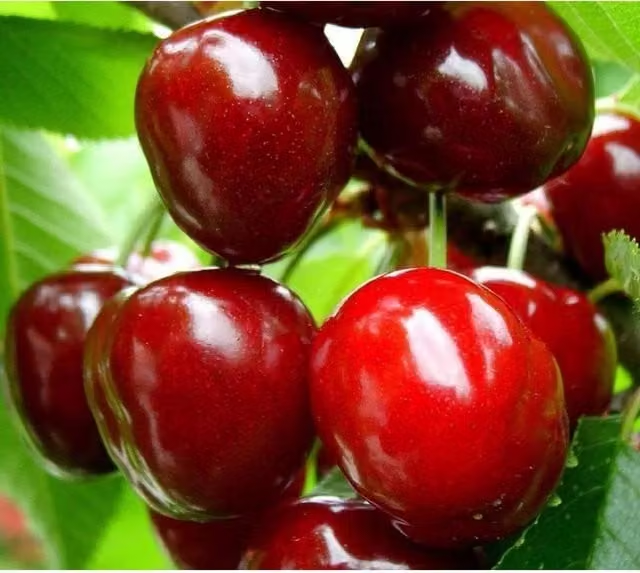
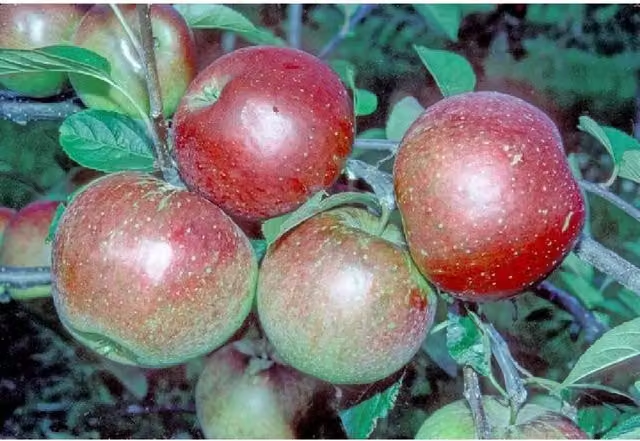
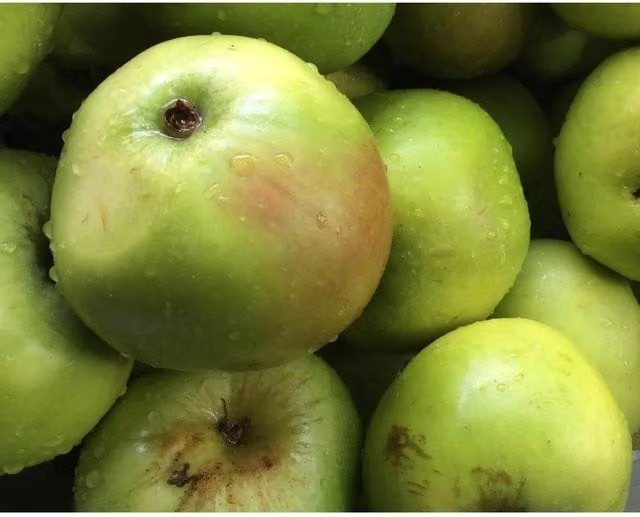
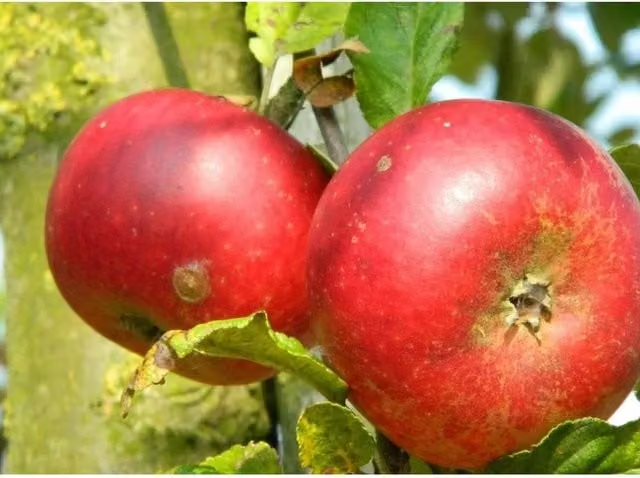
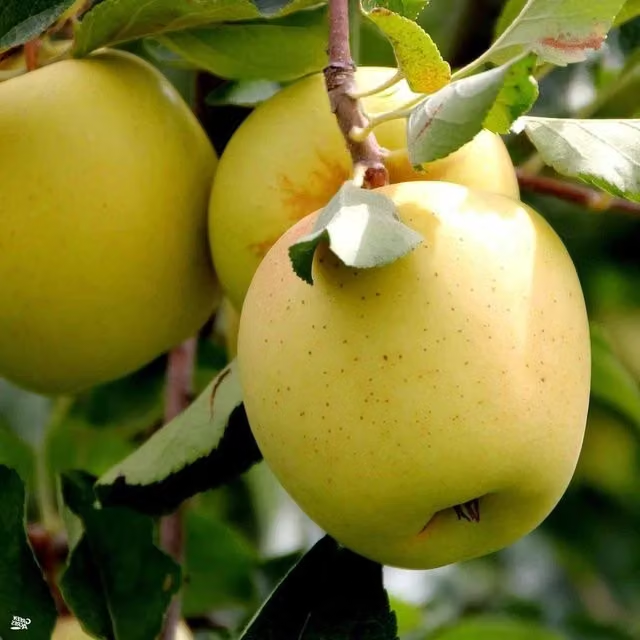
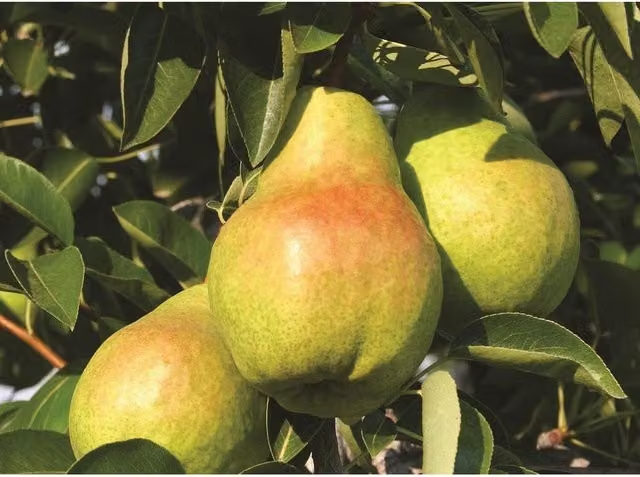
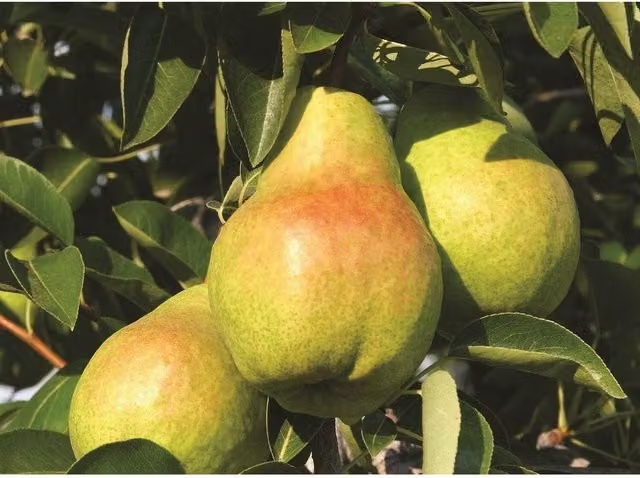
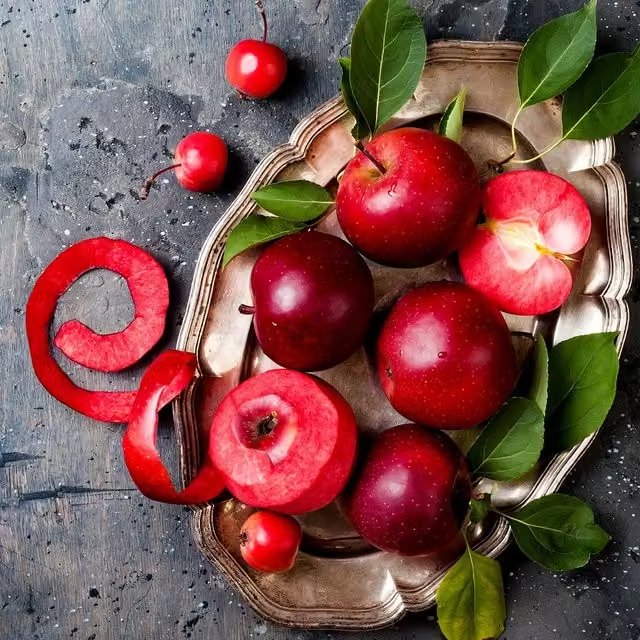
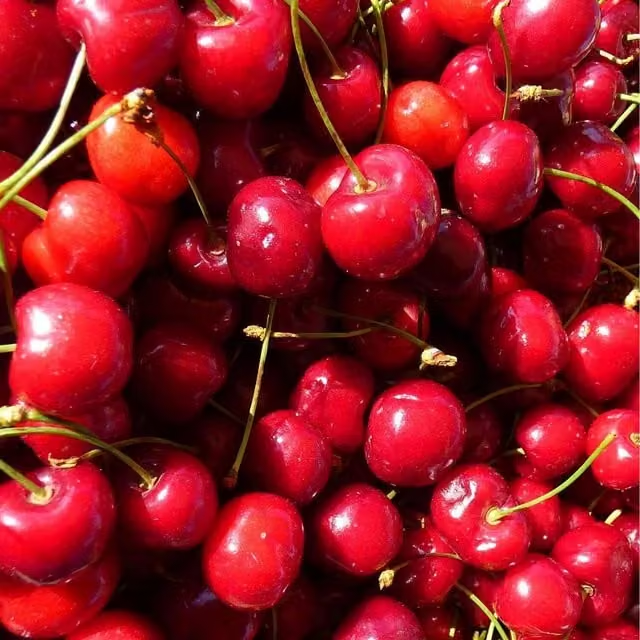
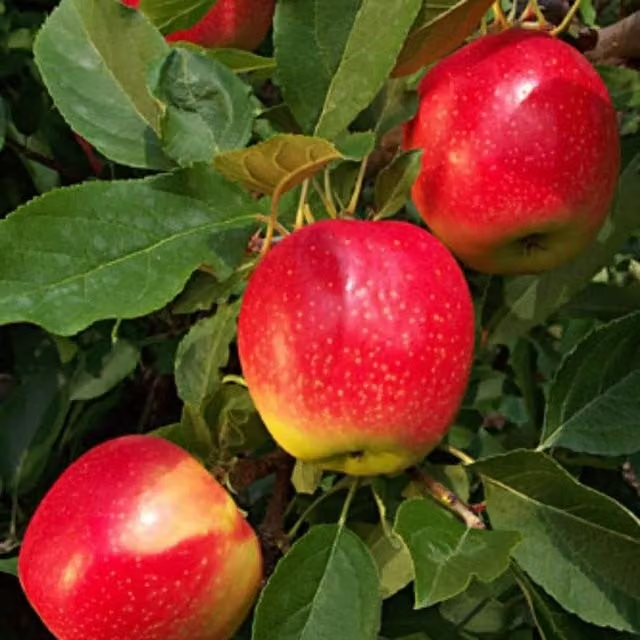
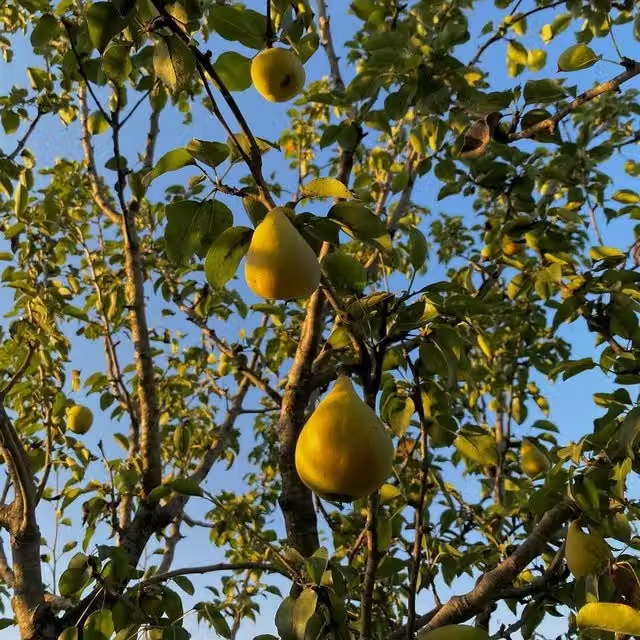
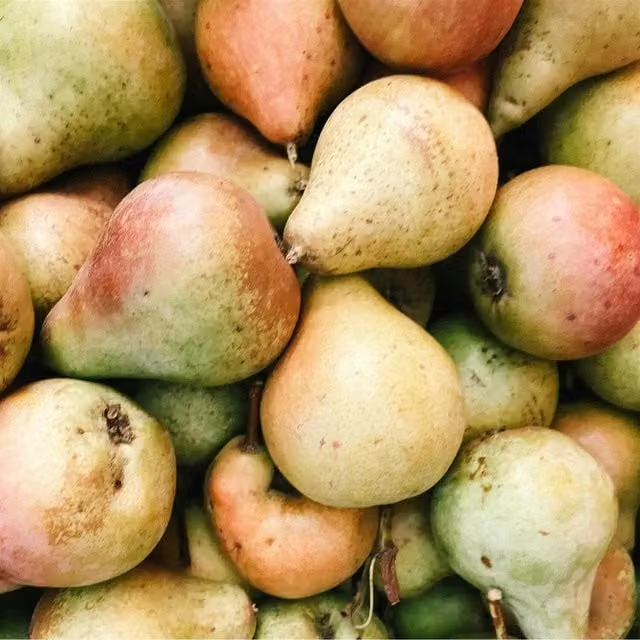
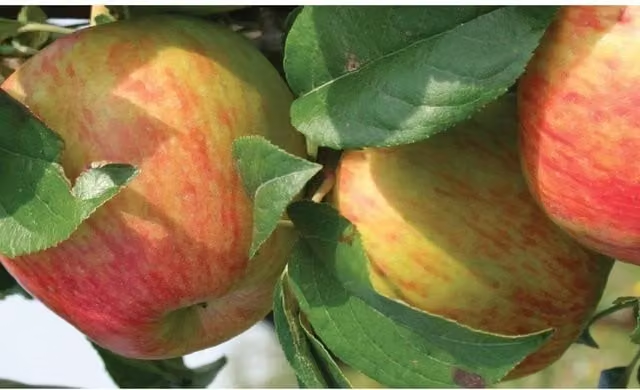
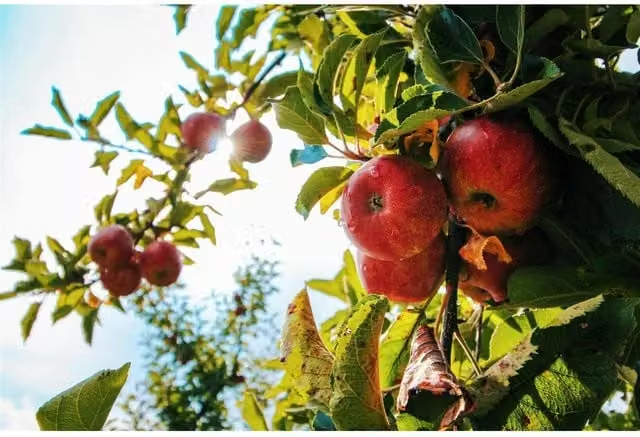
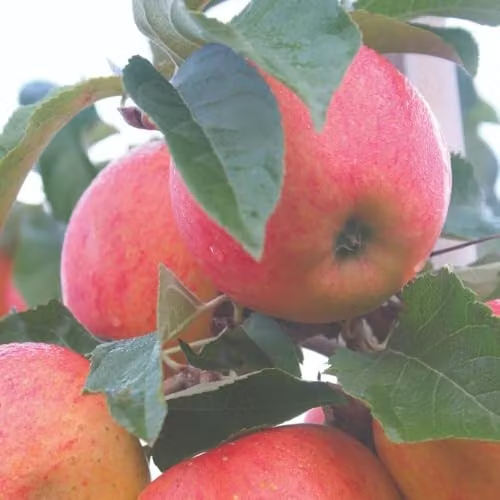
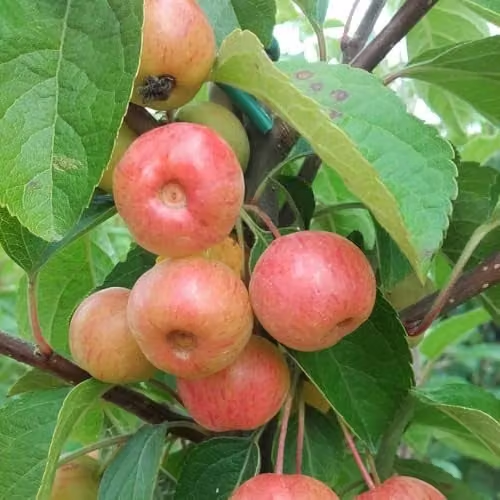
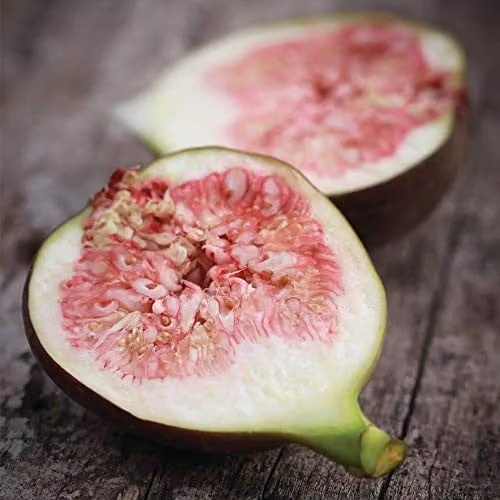
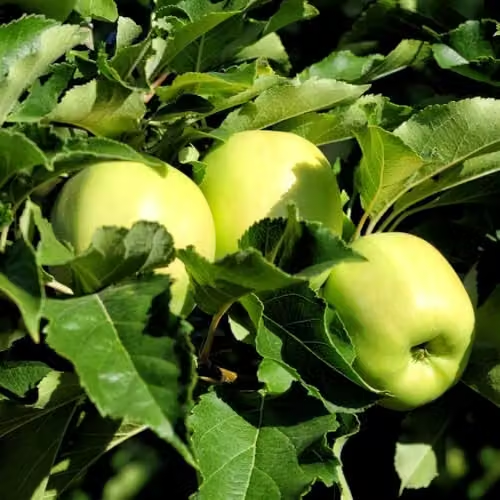
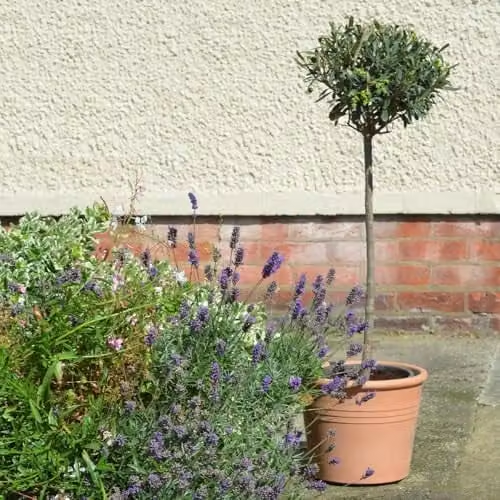
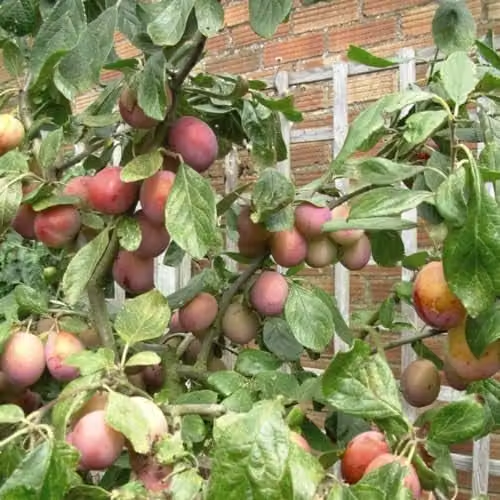
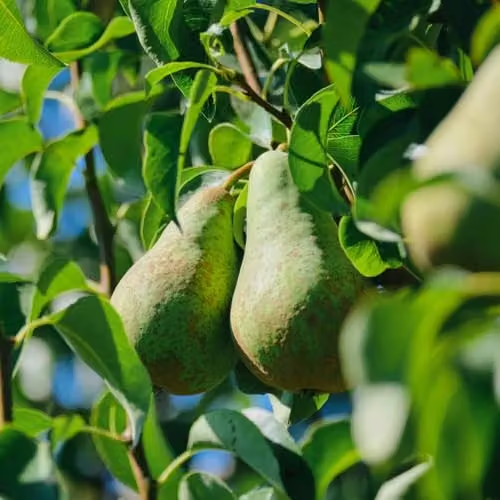
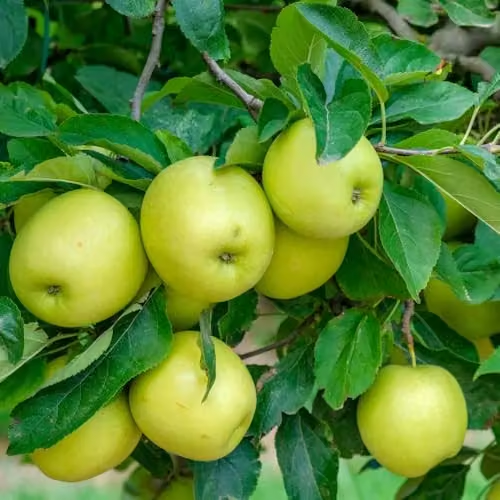
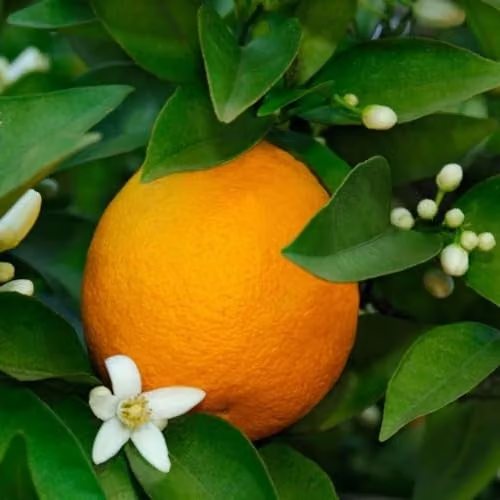
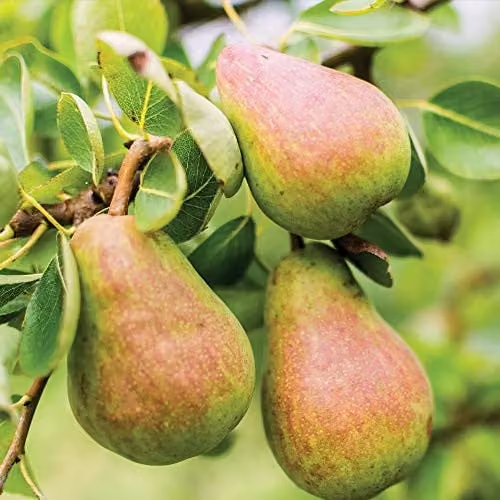
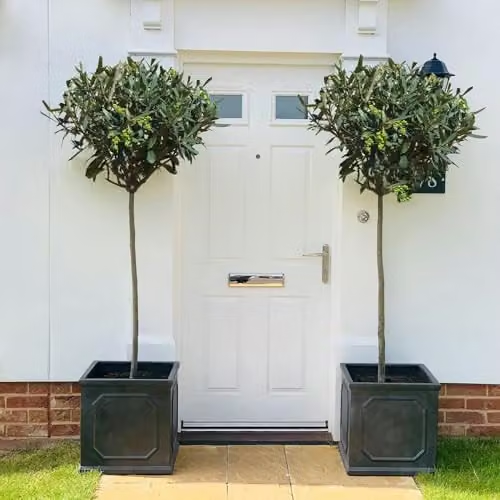
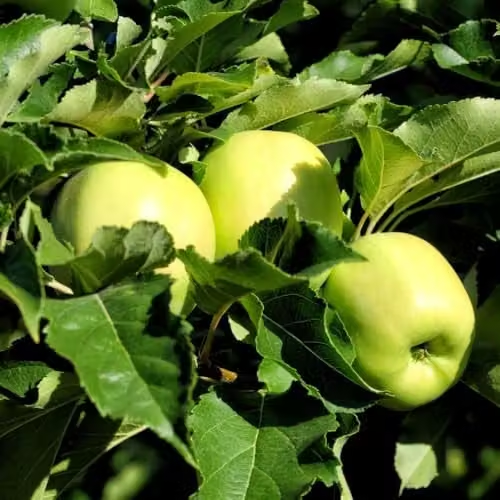
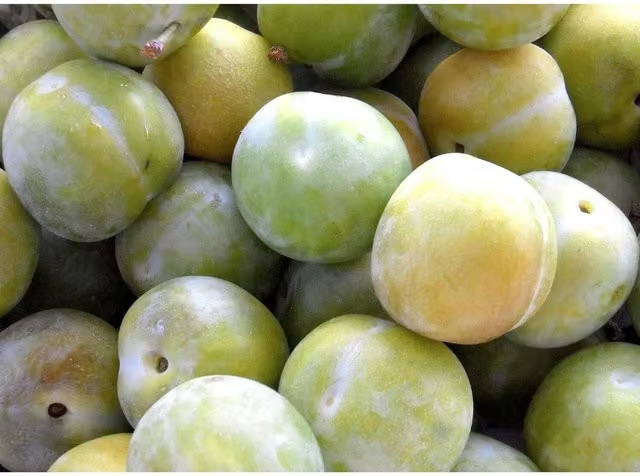
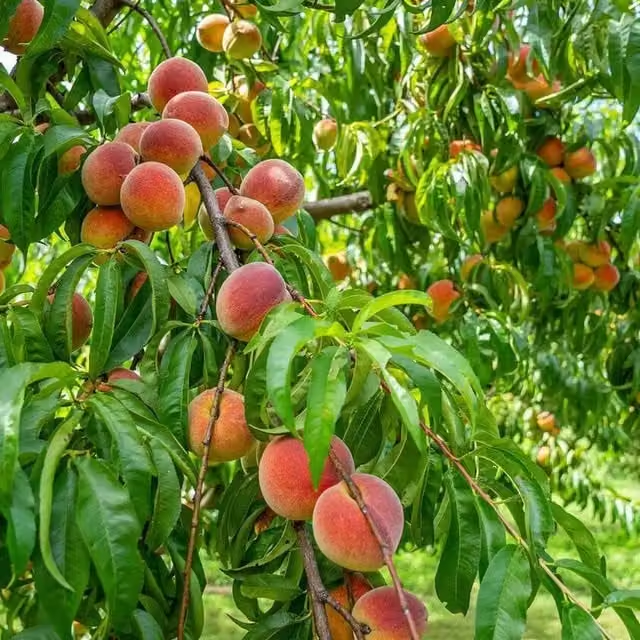
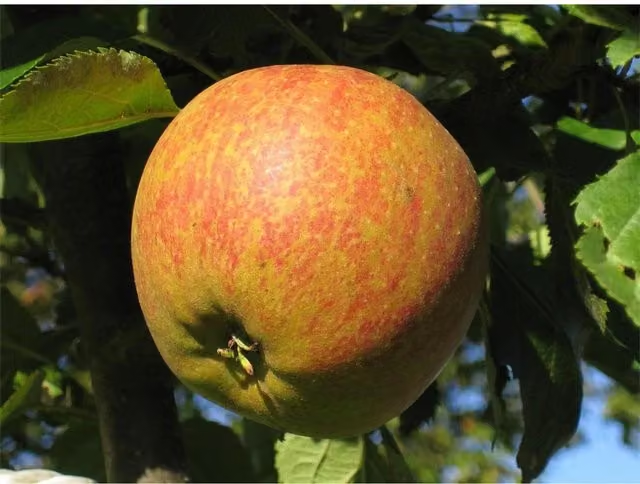
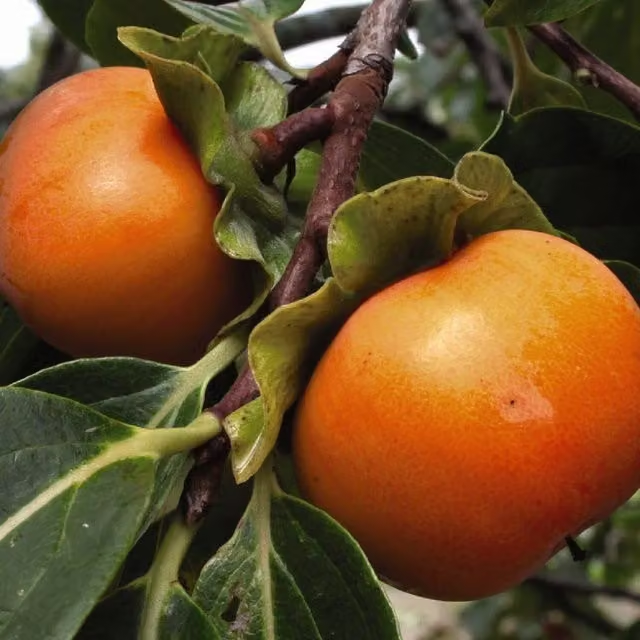
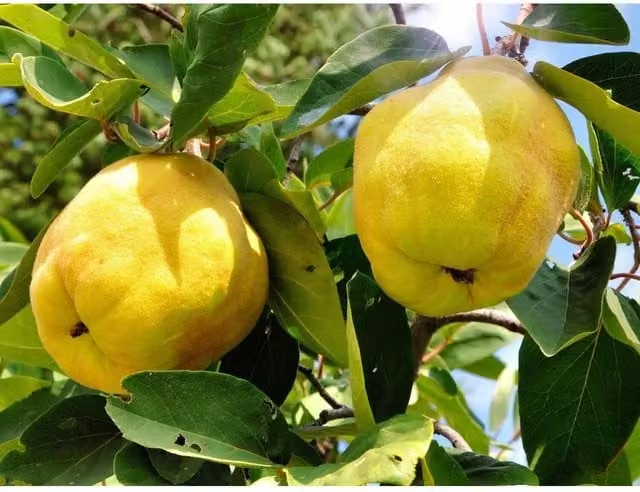
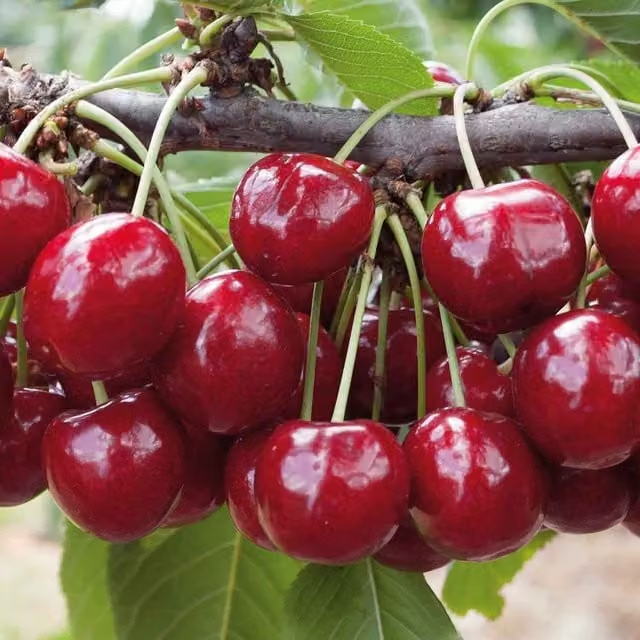
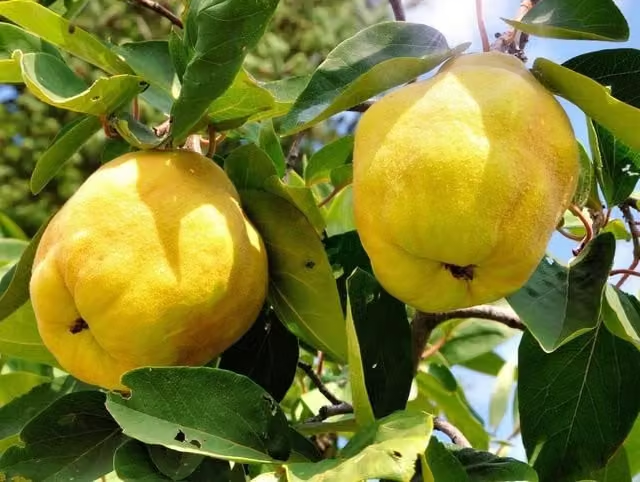
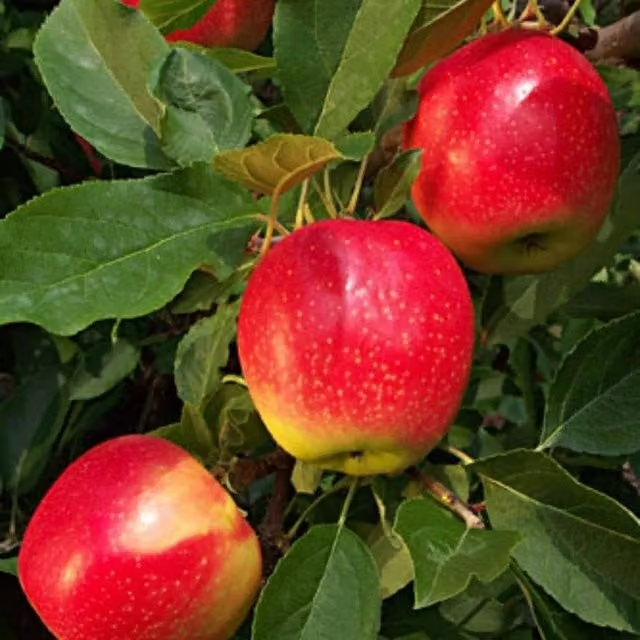
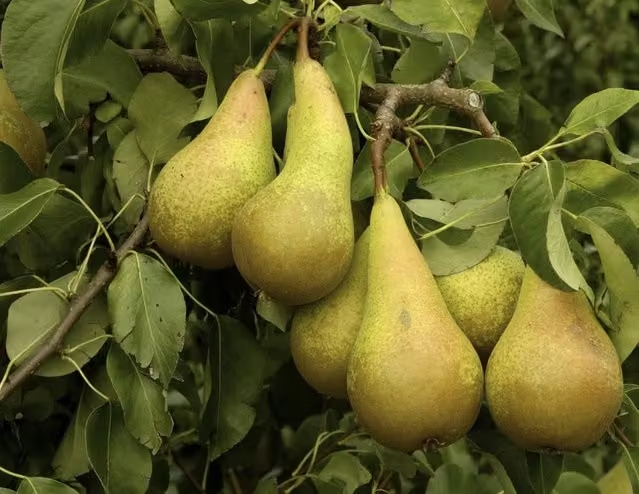
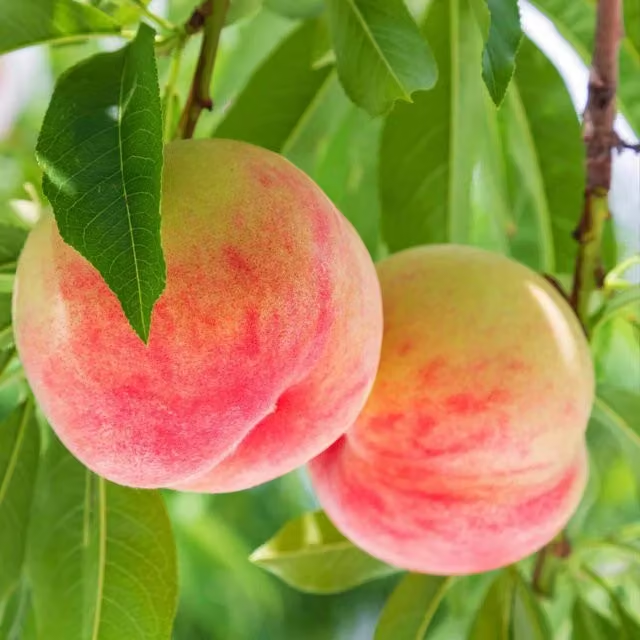
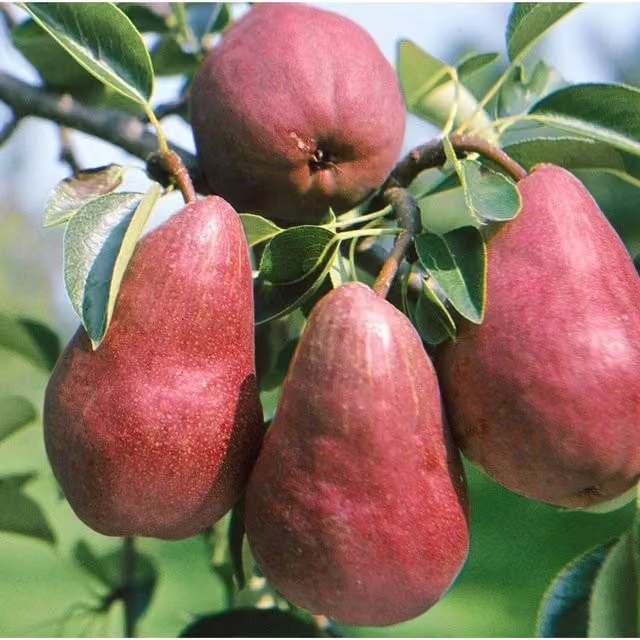
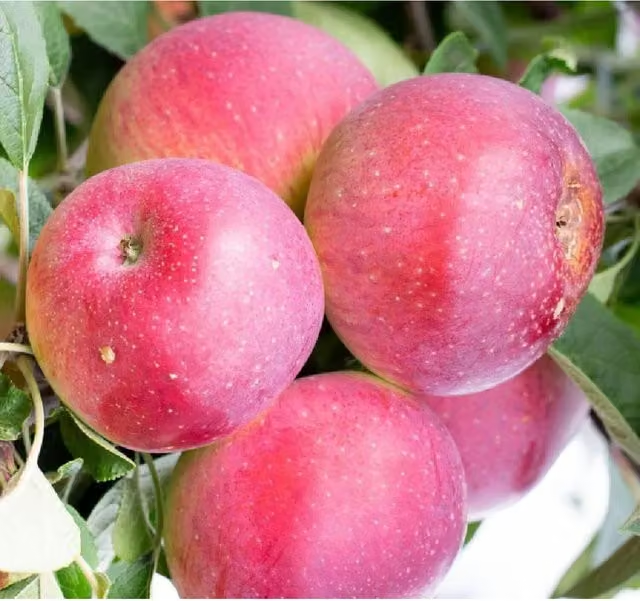
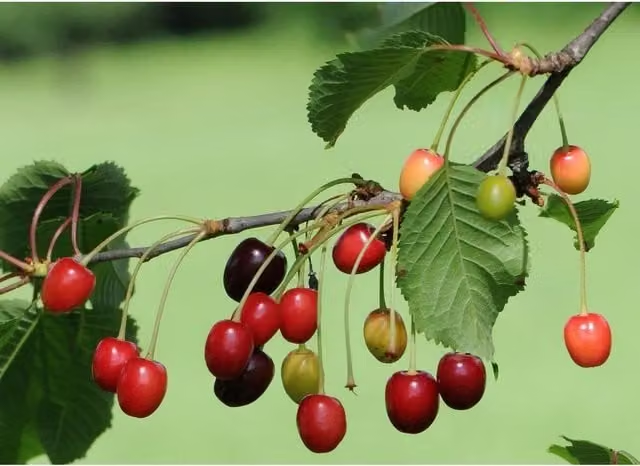
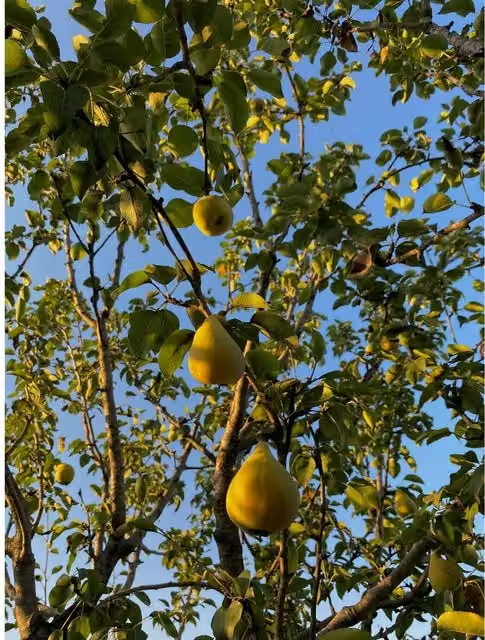
The choice available to British gardeners is excellent. Apples remain the backbone, with hundreds of varieties from crisp dessert types to sharp cookers and heritage cultivars suited to particular counties. Pears, plums, damsons, cherries and gages all thrive here, while apricots, peaches and figs do well against a warm south facing wall or in a sheltered spot. Trained forms open up small gardens entirely, so espaliers and fans flatten against walls and fences, cordons let you grow several varieties in a couple of metres, and stepovers edge a path at knee height. Patio and dwarf trees on restrictive rootstocks fruit happily in a large container on a balcony.
The rootstock matters more than almost anything else, because it controls the eventual size. For apples, M27 gives a very dwarf tree around 1.5 m, M9 and M26 suit small gardens, and MM106 produces a traditional tree of 3 to 4 m. Pears use Quince A and C, plums use Pixy and St Julien A. Check whether your variety is self fertile or needs a pollination partner flowering at the same time, since this is the most common reason a healthy tree never sets fruit.
Prices depend on age, form and rootstock. Bare root maiden whips bought in winter are much cheaper than containerised trees, while mature trained espaliers and fans, which represent several years of skilled pruning, sit at the top of the range.
Browse the varieties, compare prices and plant something your household will enjoy for years.
Bare root trees go in between November and March while they are dormant, and this is both the cheapest and the most successful way to plant. Container grown trees can technically go in at any time of year, but autumn planting still gives the best results because the soil is warm and the roots establish before spring growth begins. Avoid planting when the ground is frozen or waterlogged. Whatever the season, water thoroughly for the first two summers while the root system develops.
It depends entirely on the variety, so check the pollination group before you buy. Many plums, damsons and a few apples are self fertile and will crop alone, while most apples and pears need a compatible partner flowering at the same time. In built up areas, a neighbour's tree a few gardens away is often enough, since bees travel further than people expect. Family trees, which carry two or three compatible varieties grafted onto one trunk, are a neat solution for small gardens.
Trees on dwarfing rootstocks often give you a small crop in the second or third year after planting, while those on vigorous rootstocks may take four to six years. Trained forms such as espaliers usually fruit early because the horizontal branches encourage fruit buds. It is worth removing the first year's fruitlets so the tree puts its energy into establishing roots and framework instead. Patience in the first couple of seasons pays off in yield for decades afterwards.
Apples and pears are pruned in winter while dormant, which encourages vigorous growth, and lightly in summer for trained forms to control size. Plums, cherries and other stone fruit must only be pruned between late spring and late summer, because winter pruning leaves them open to silver leaf disease and bacterial canker. Start by removing dead, damaged and crossing branches, then thin the centre so air and light can reach the fruit. Never remove more than a quarter of the canopy in one season.