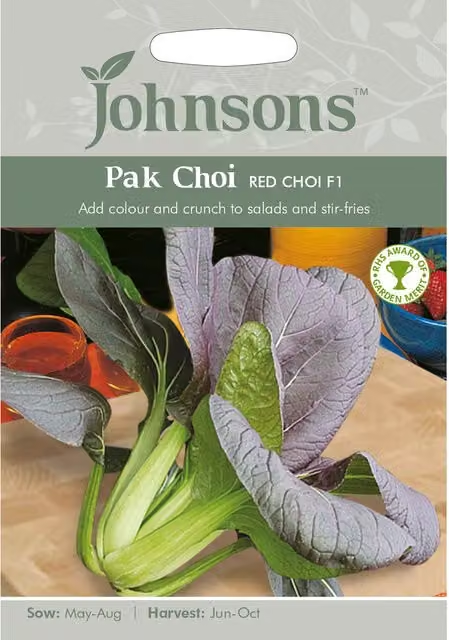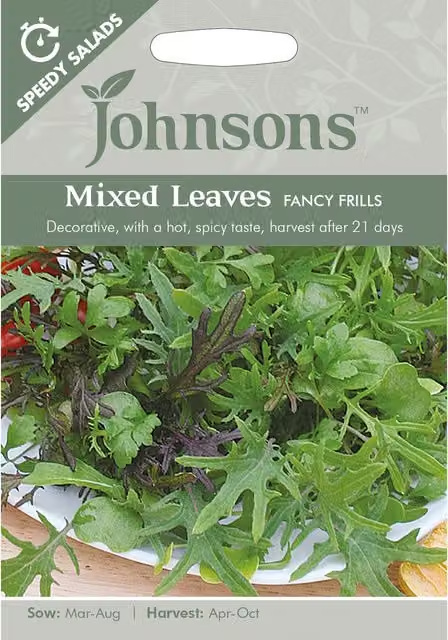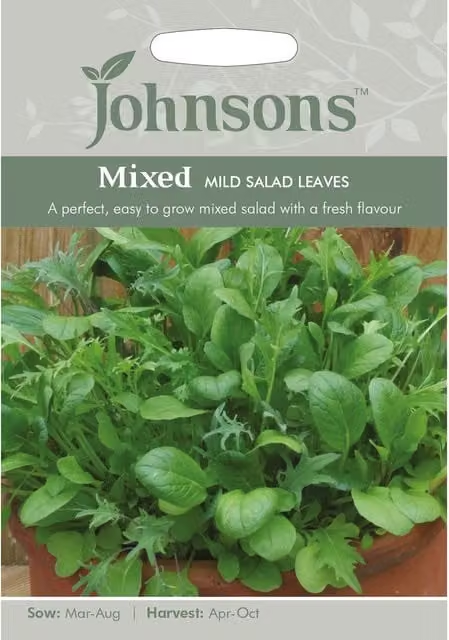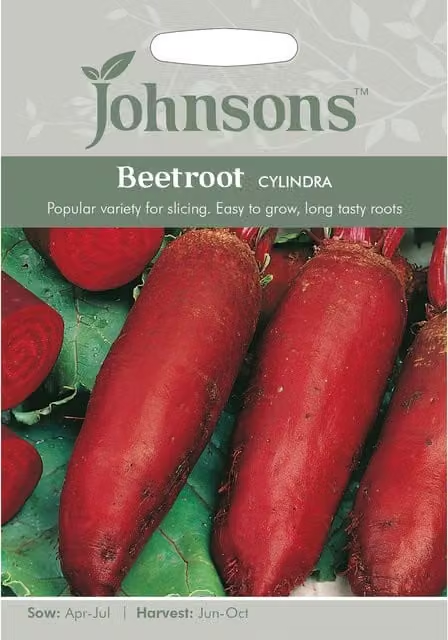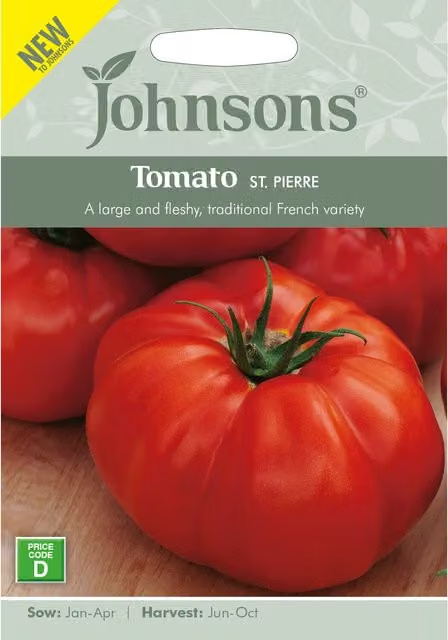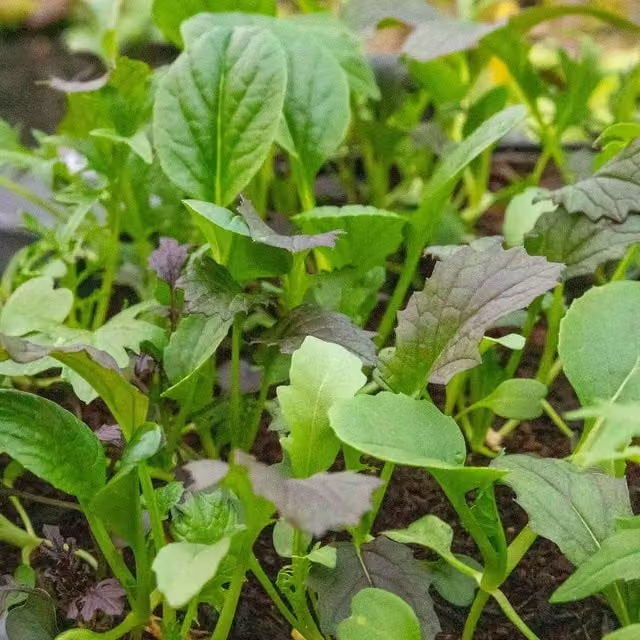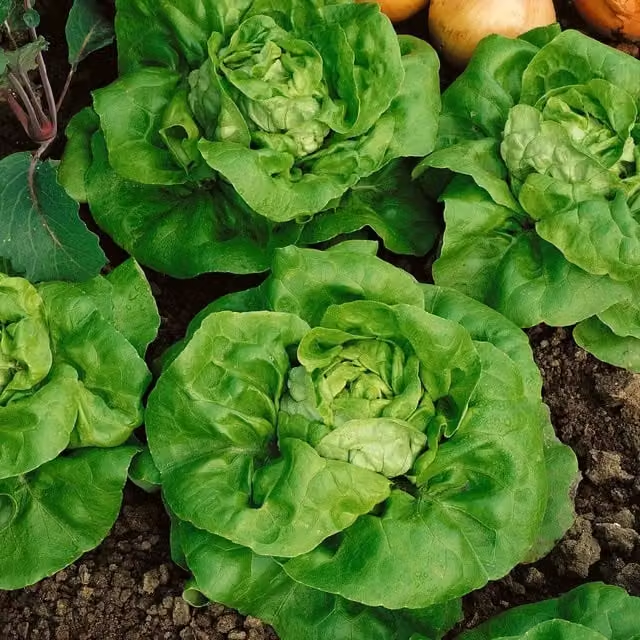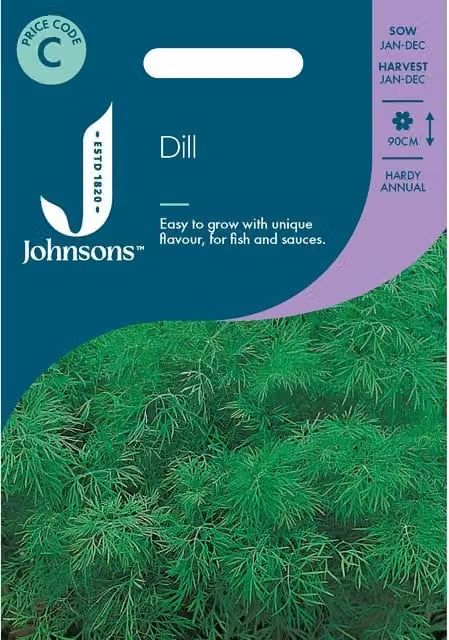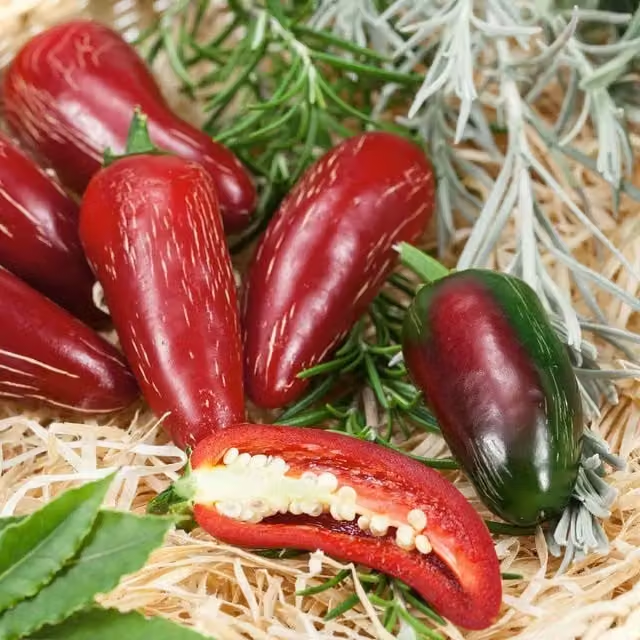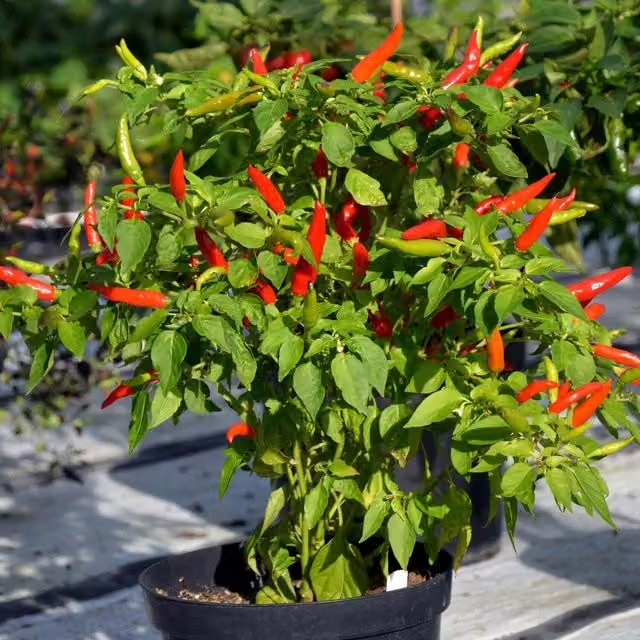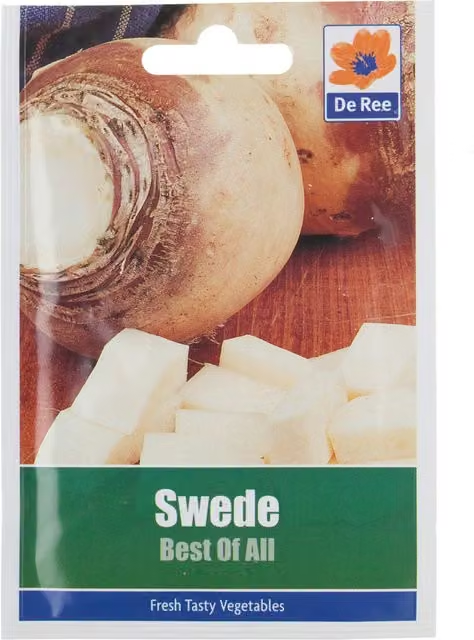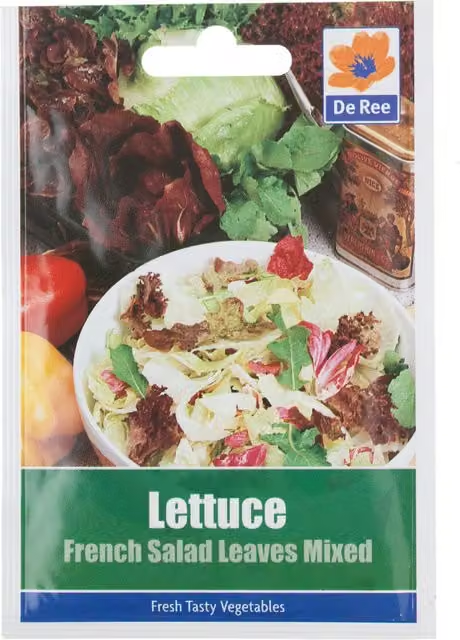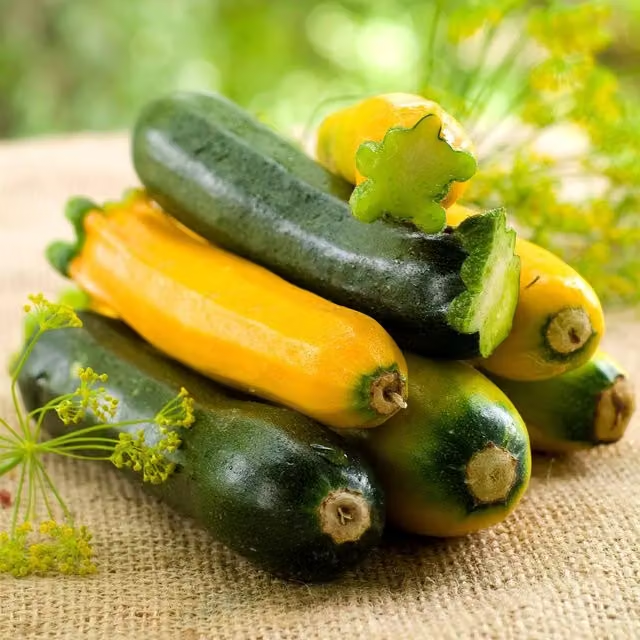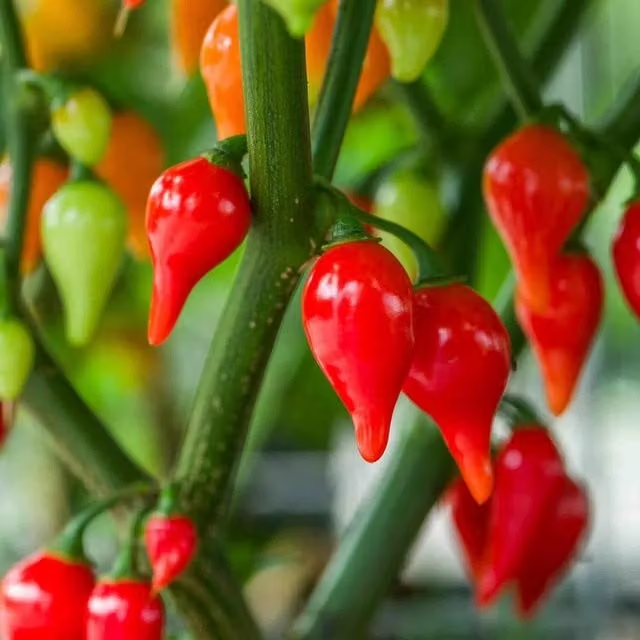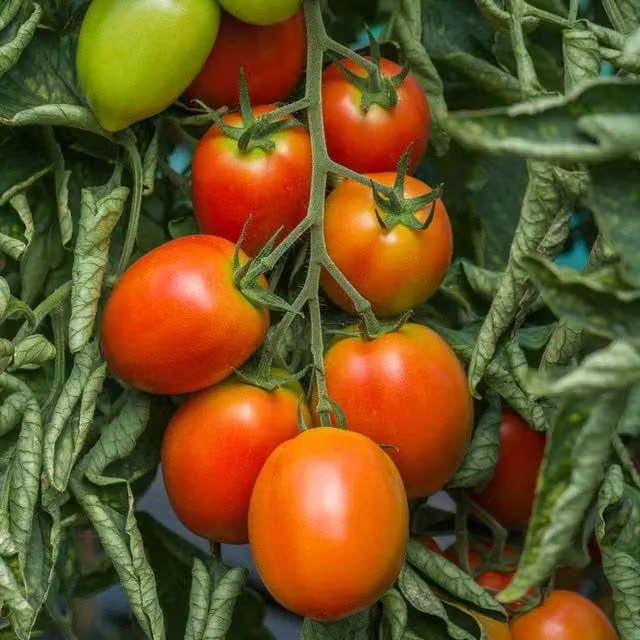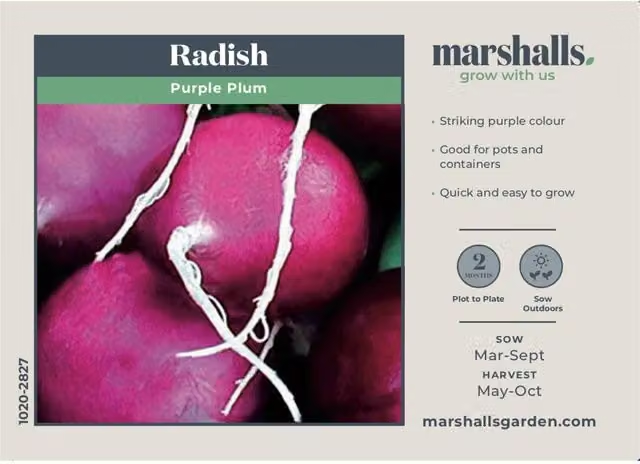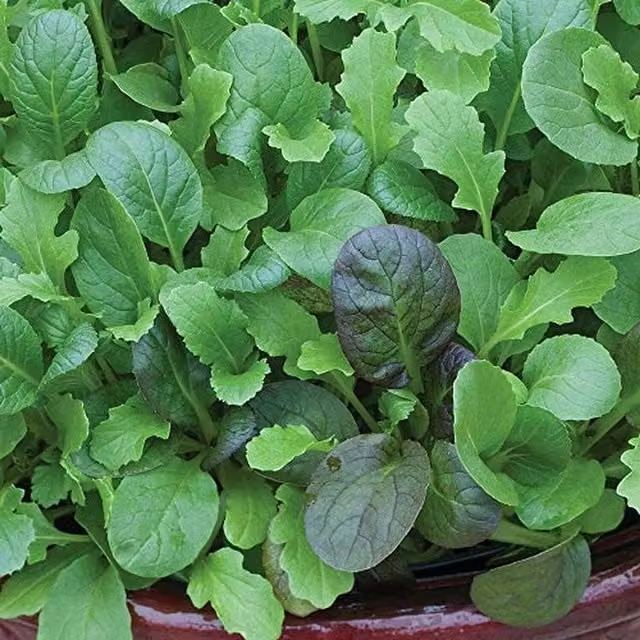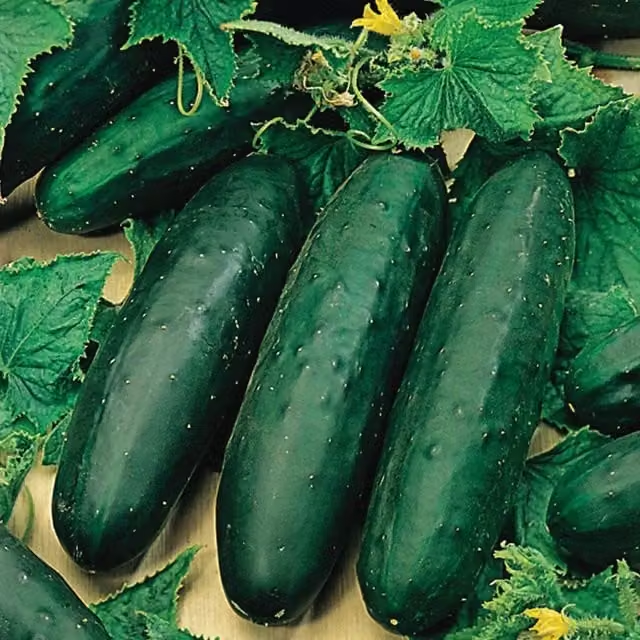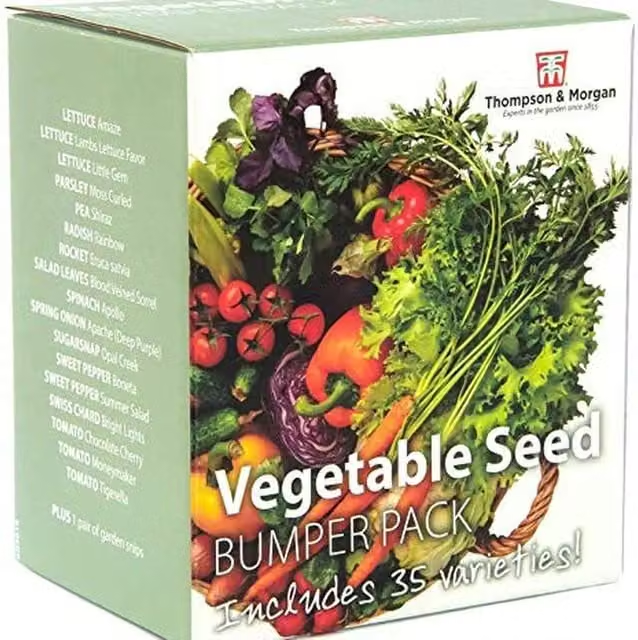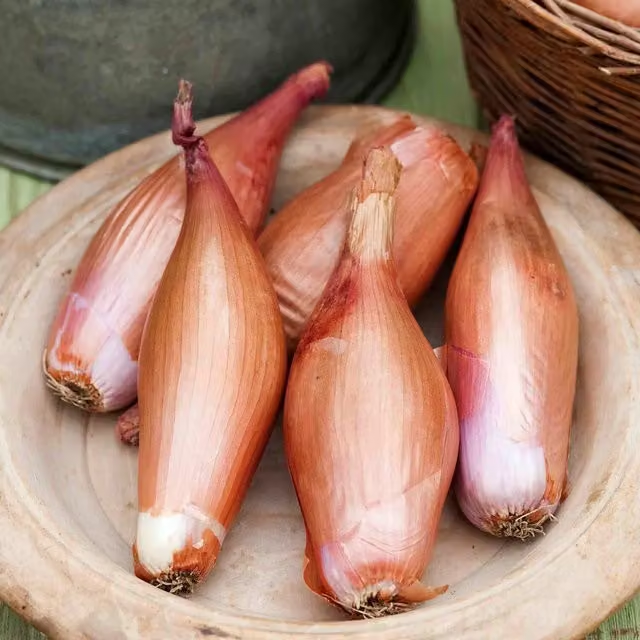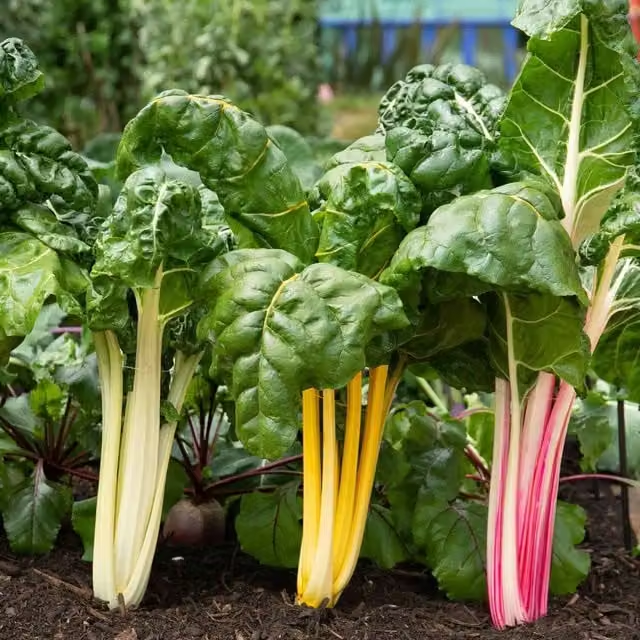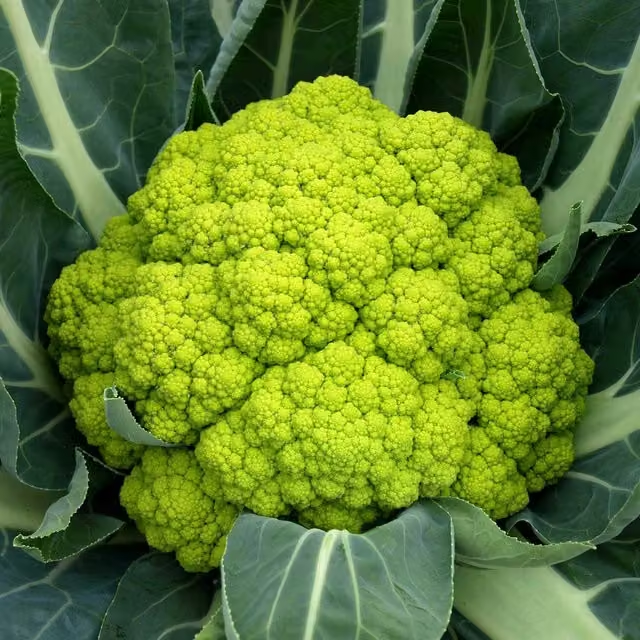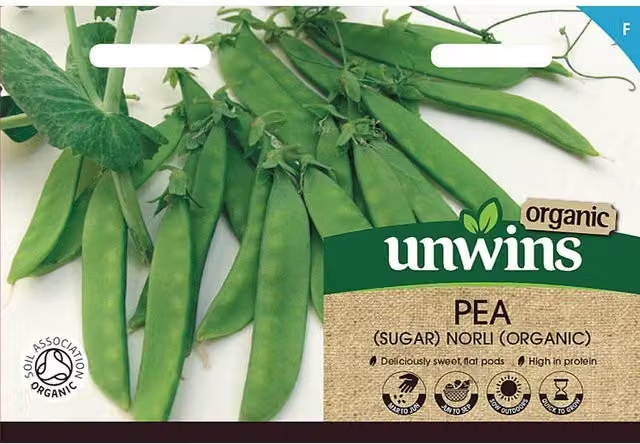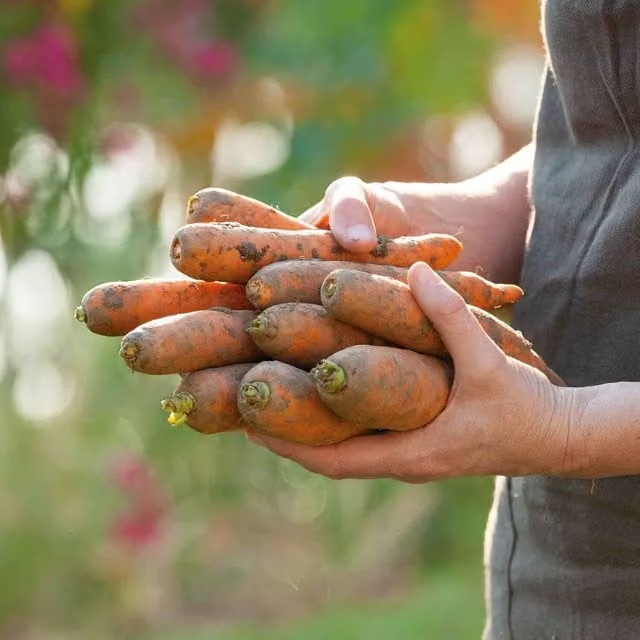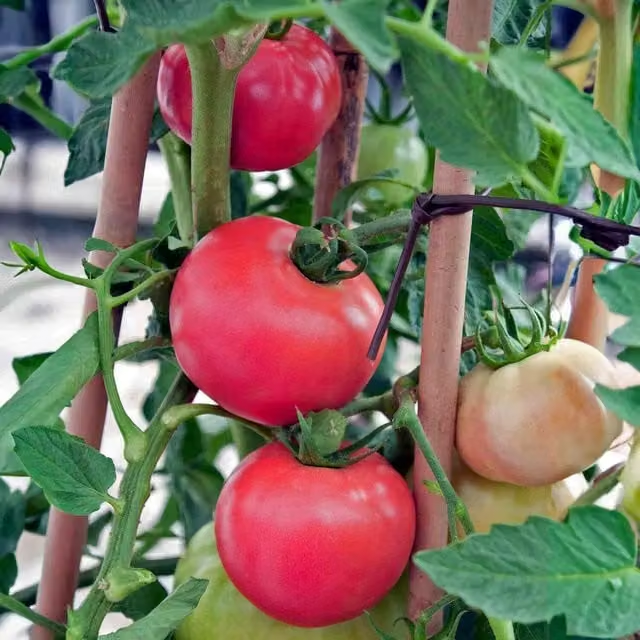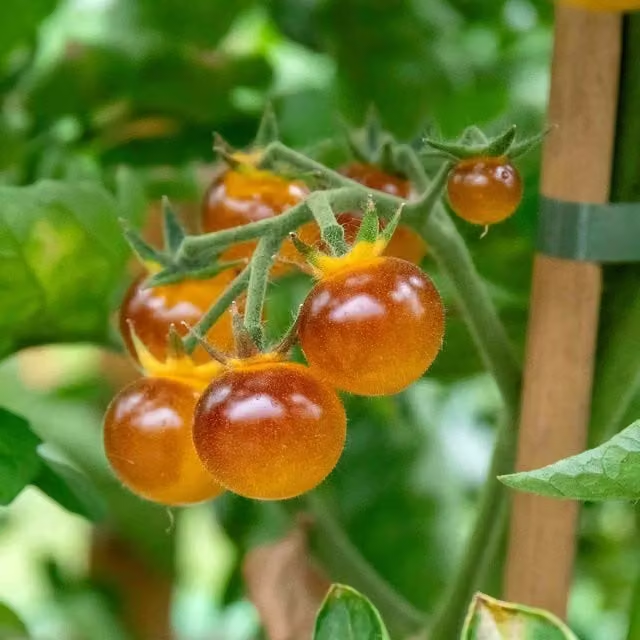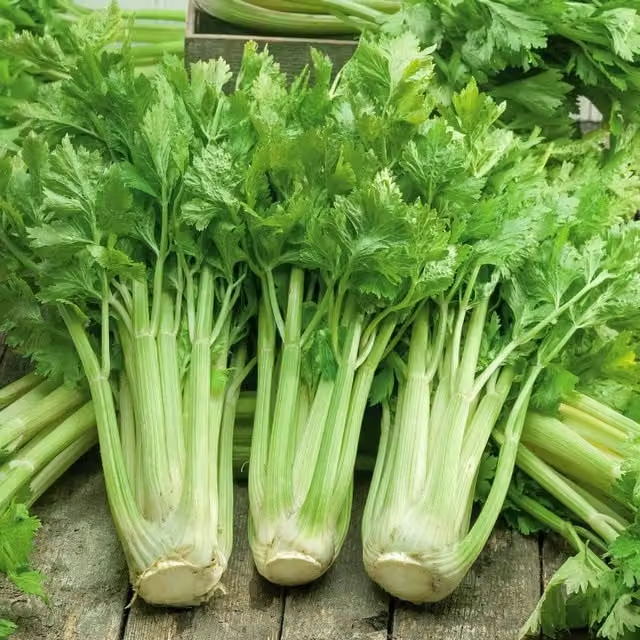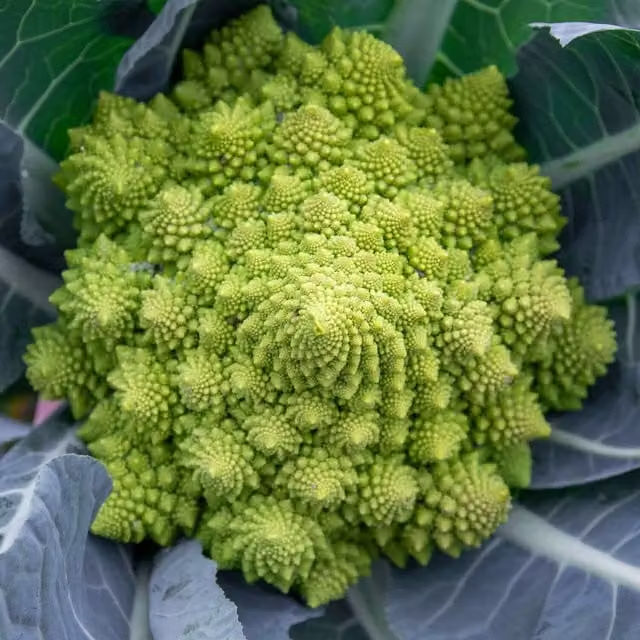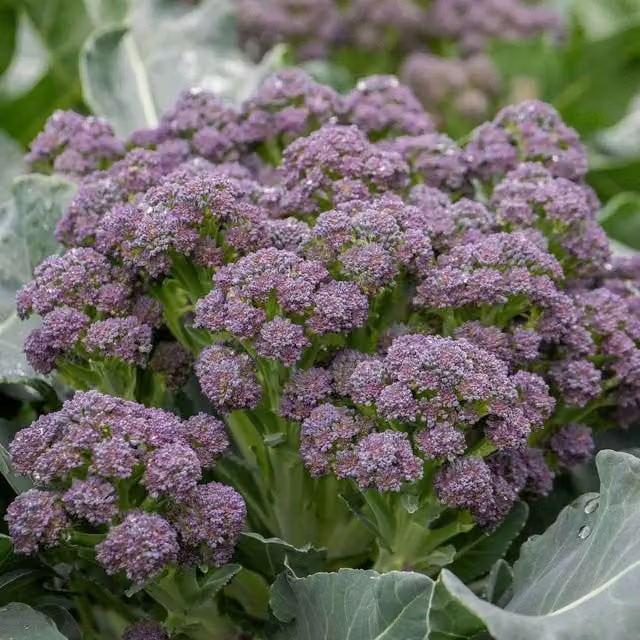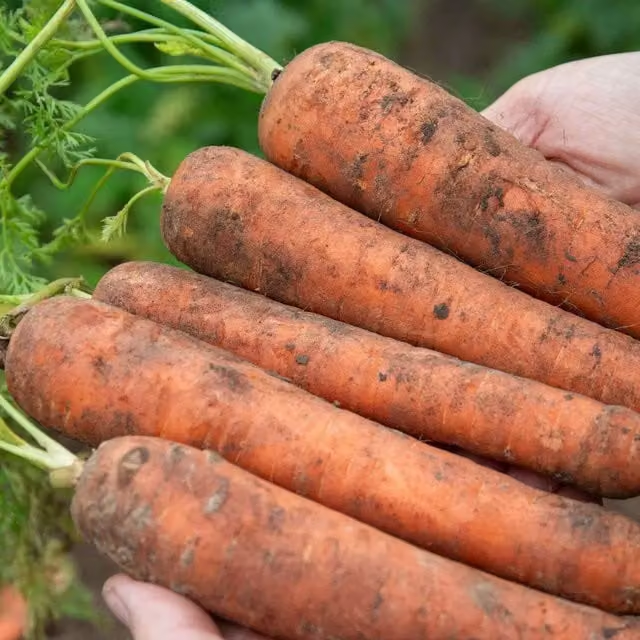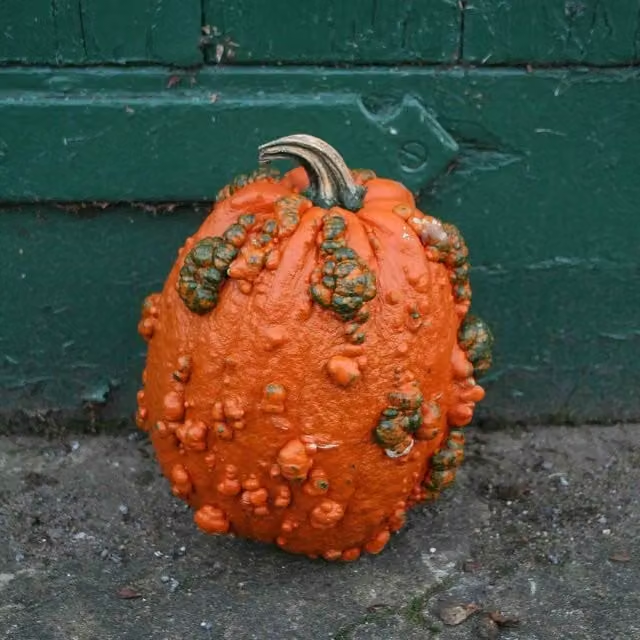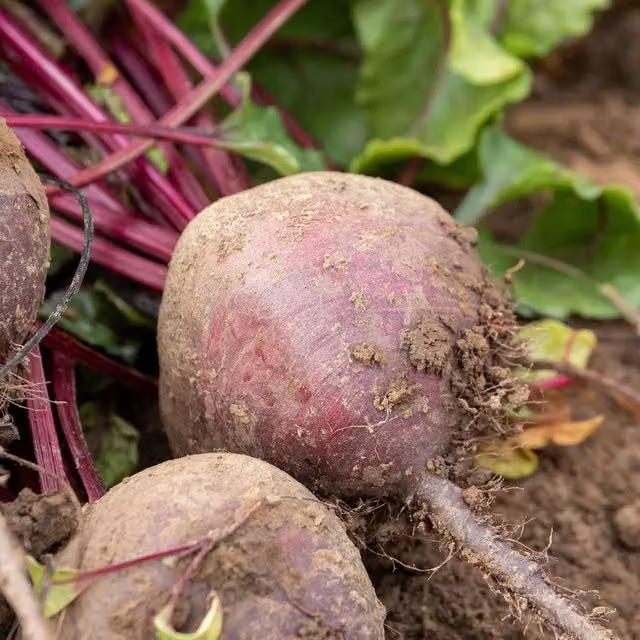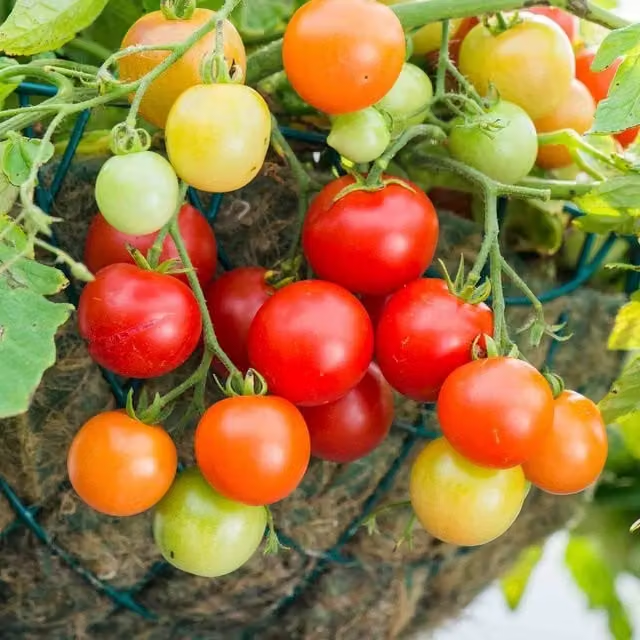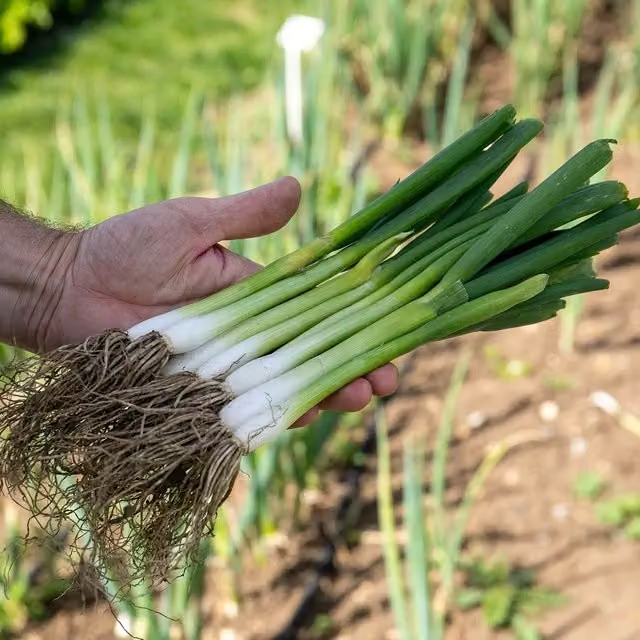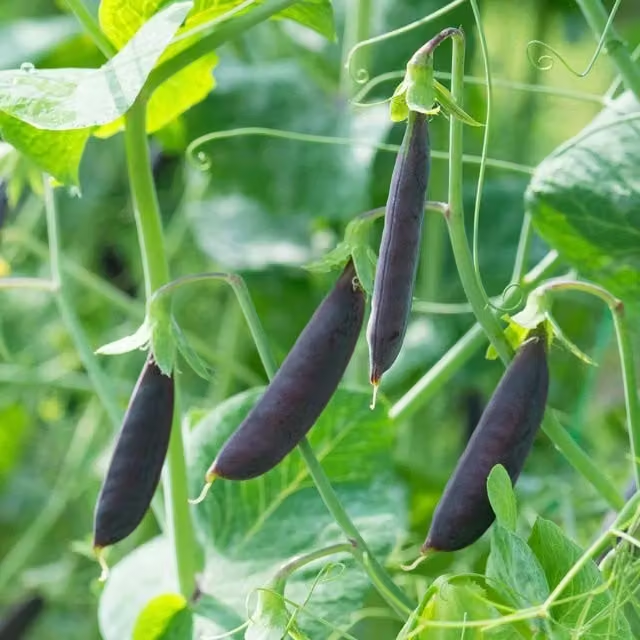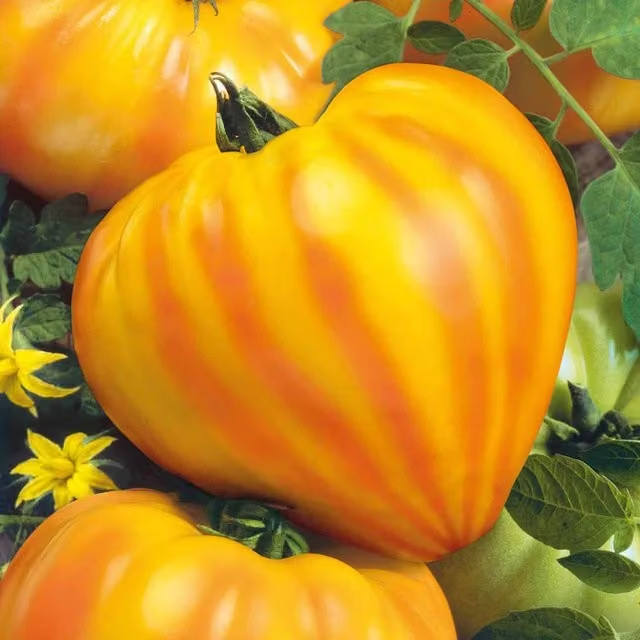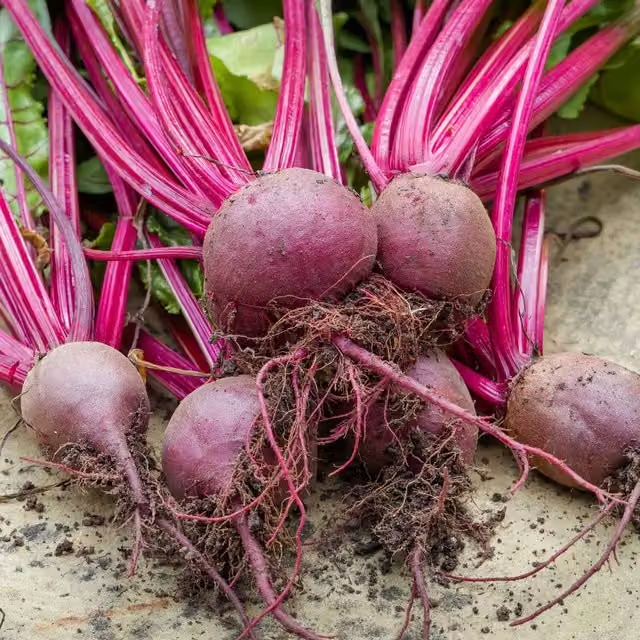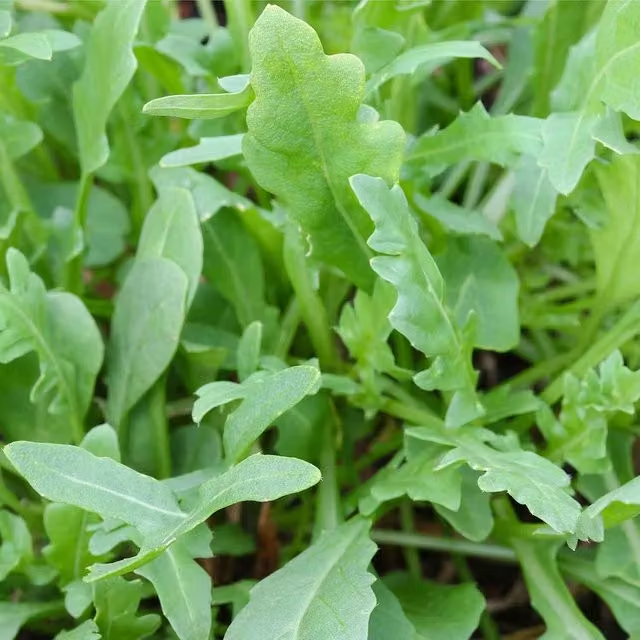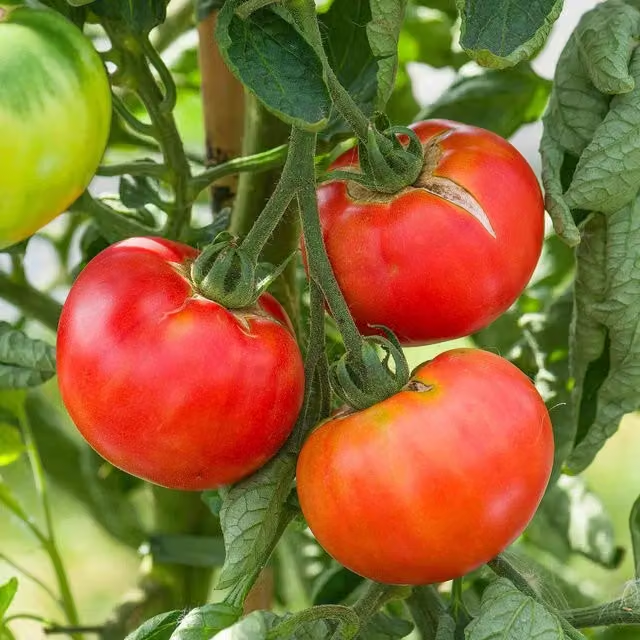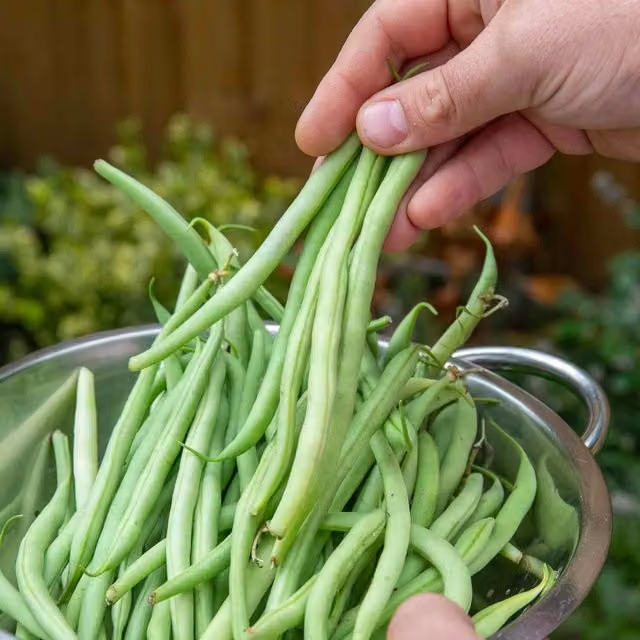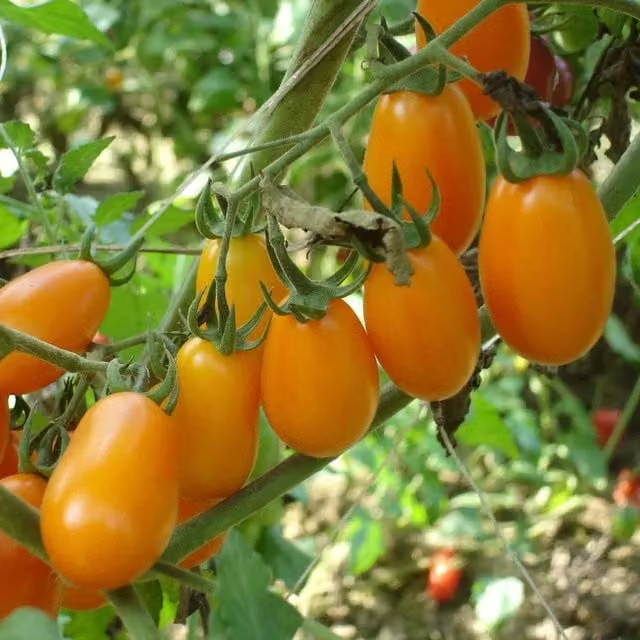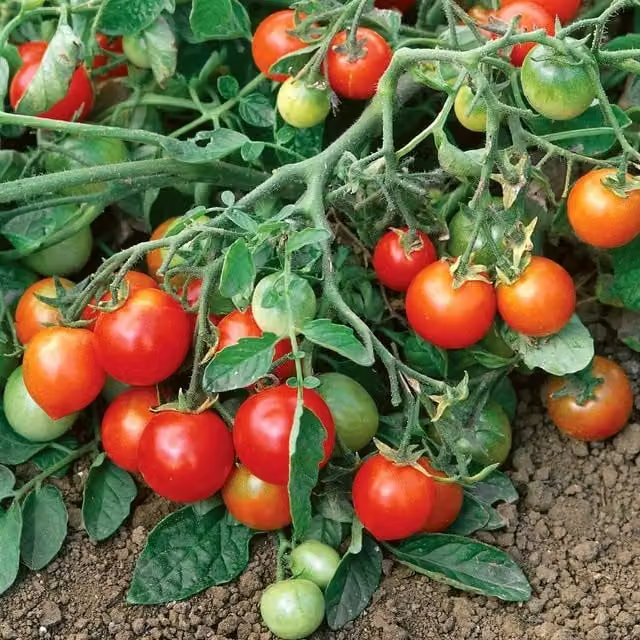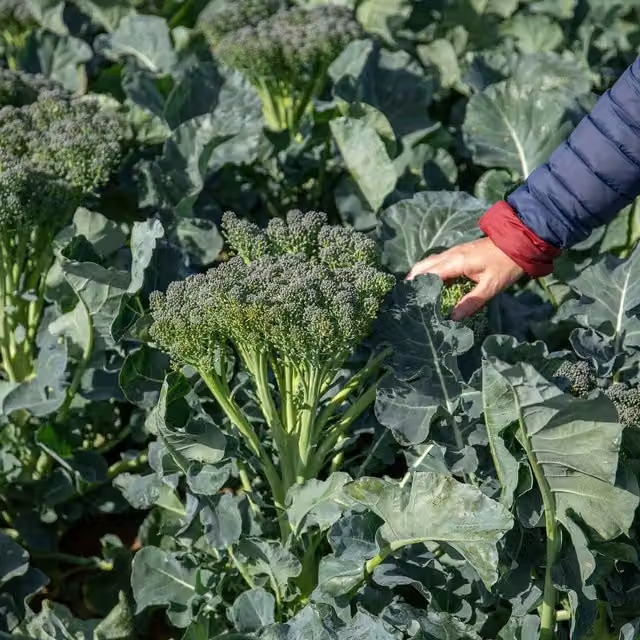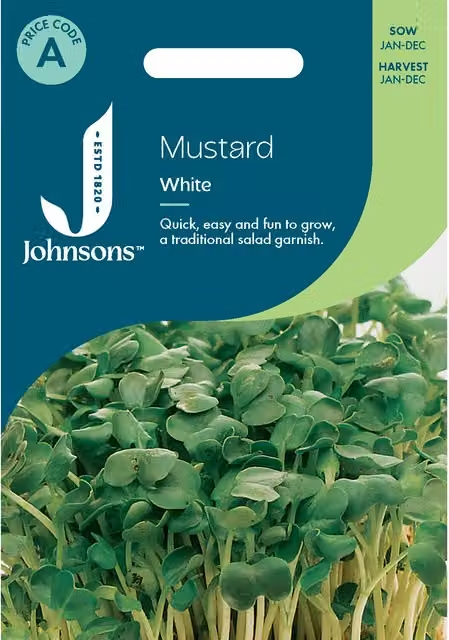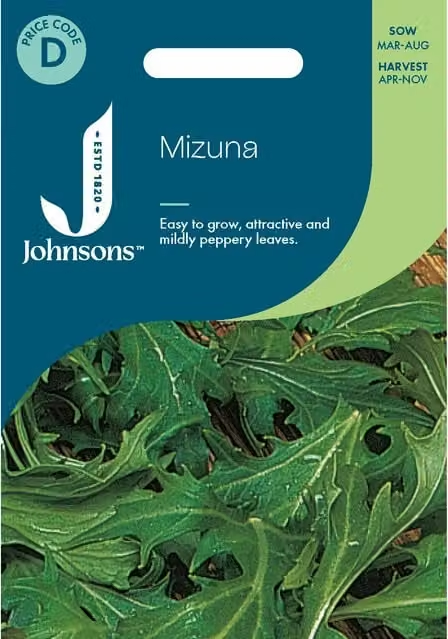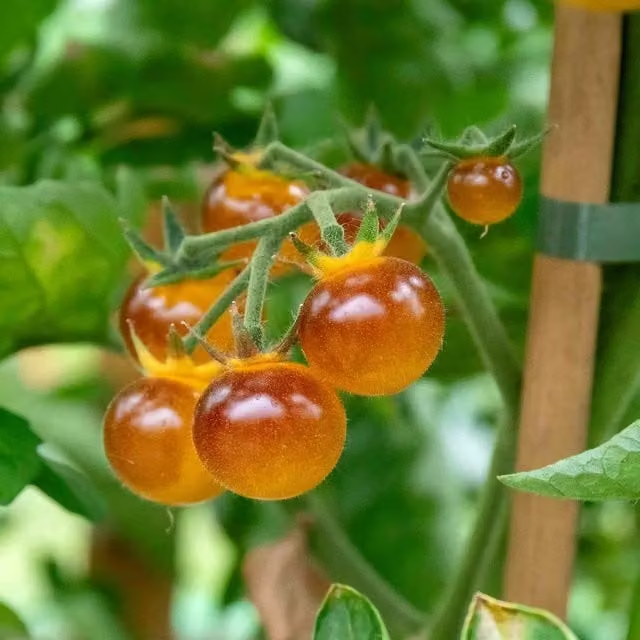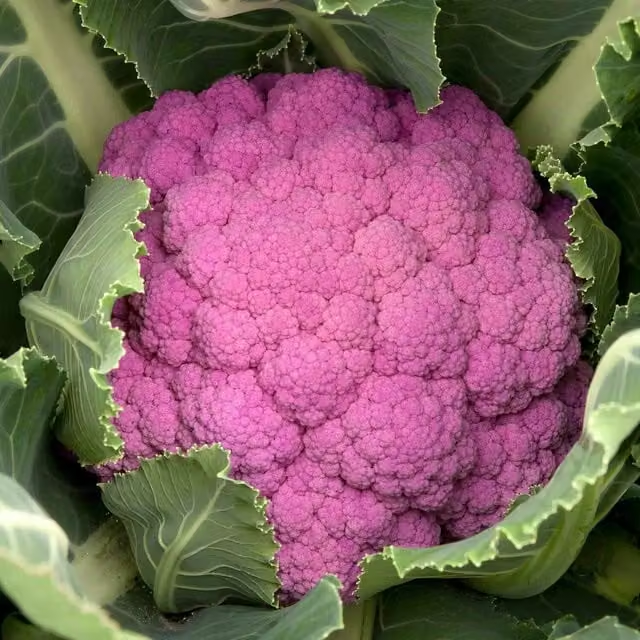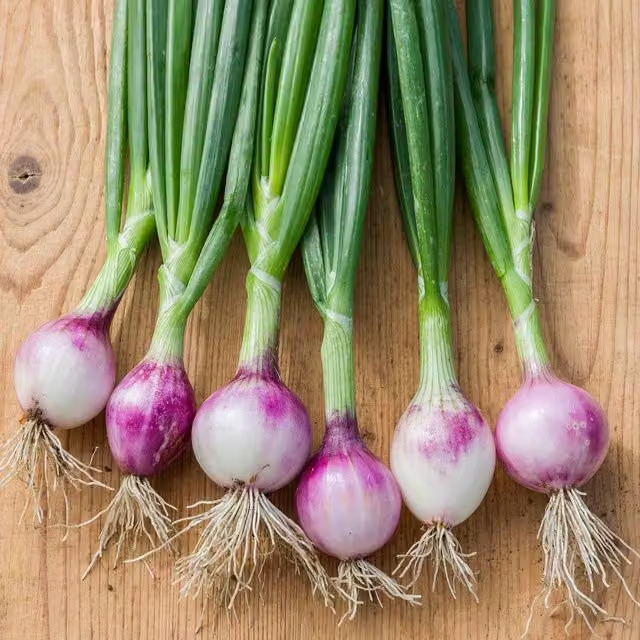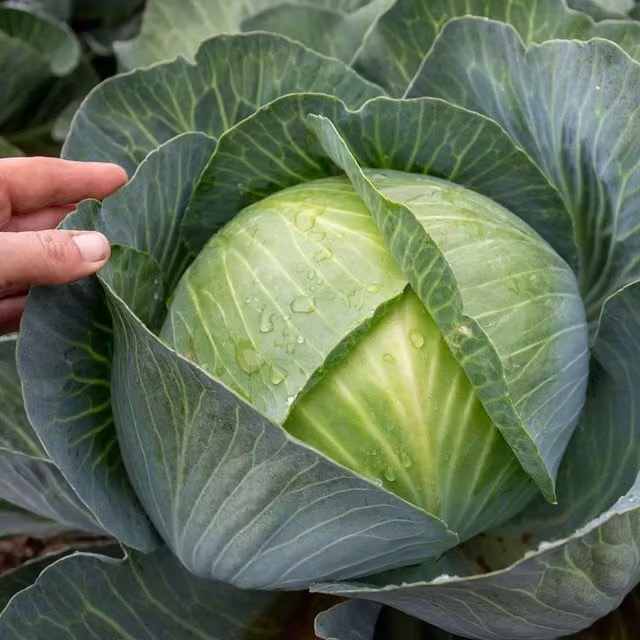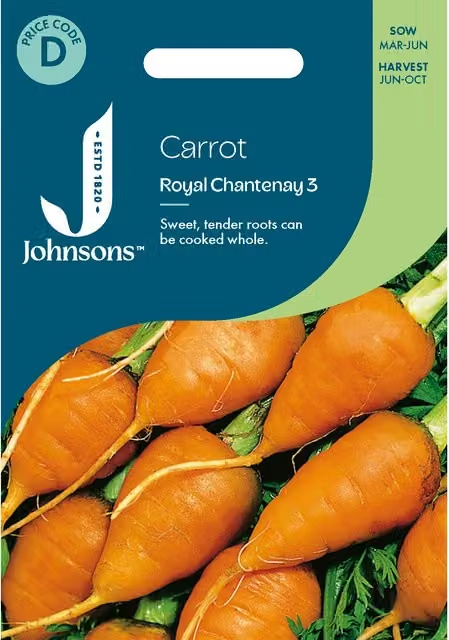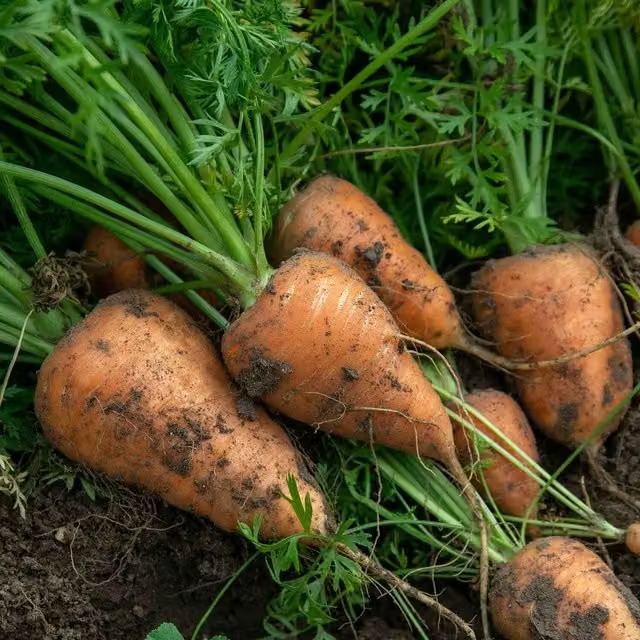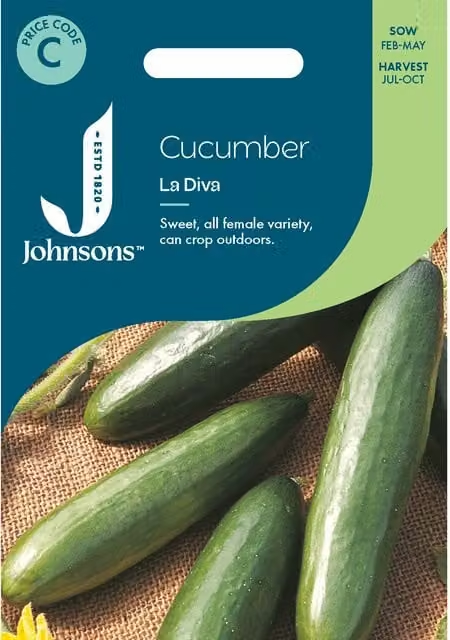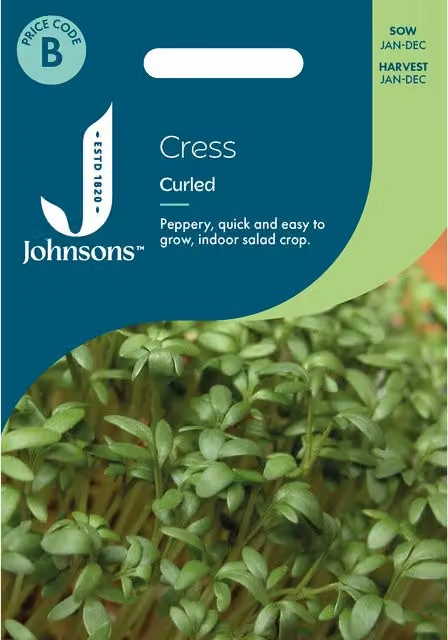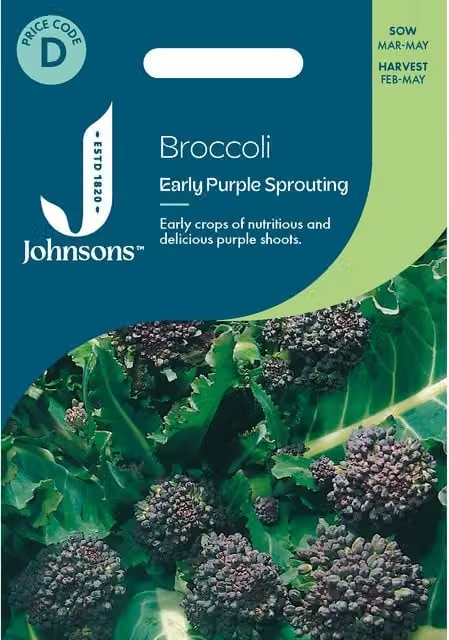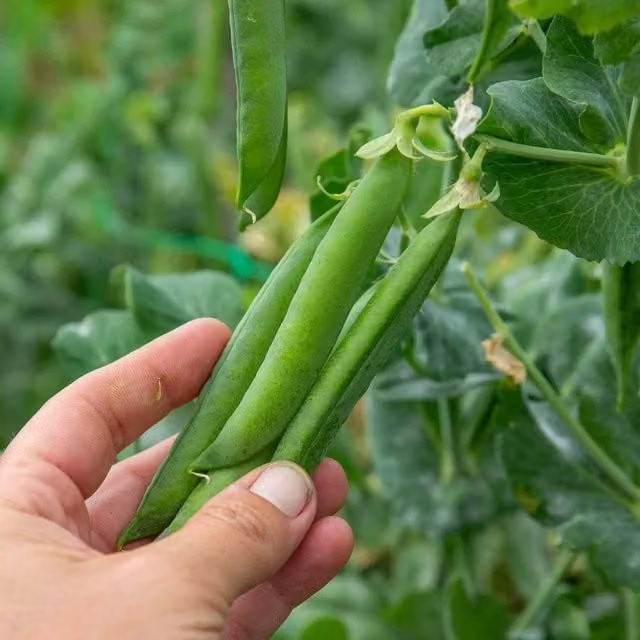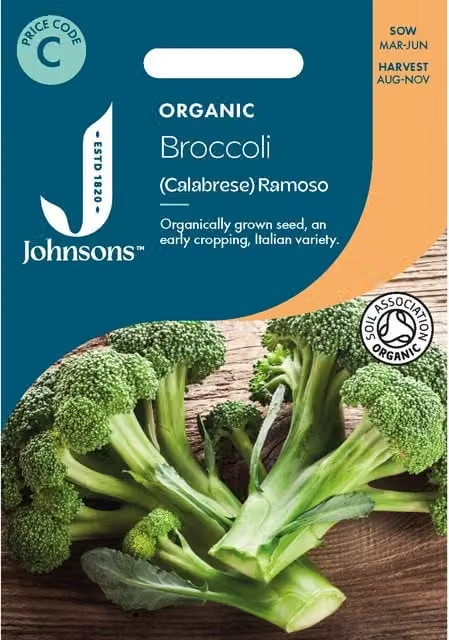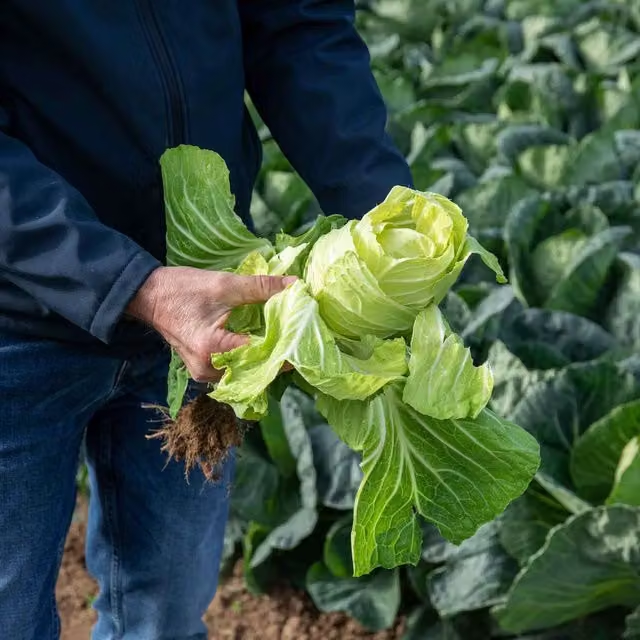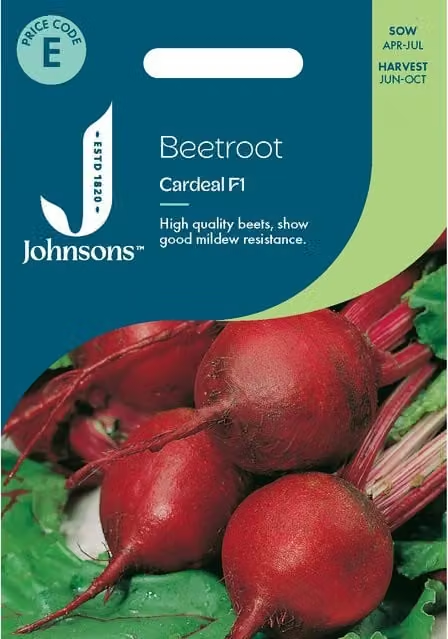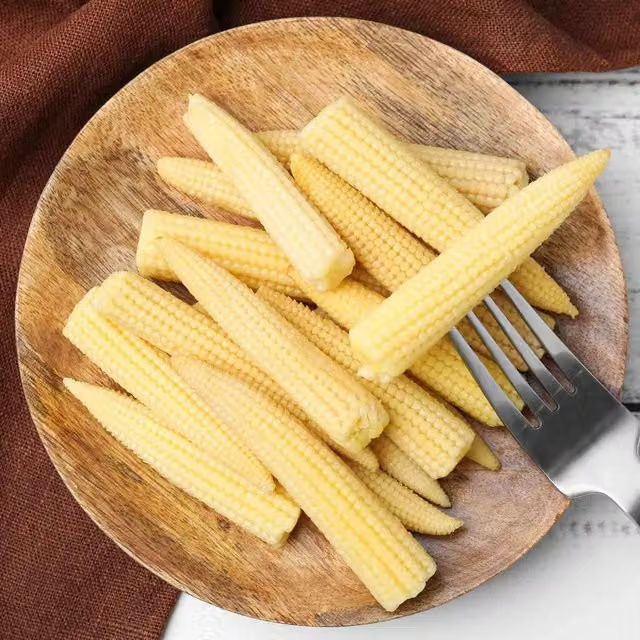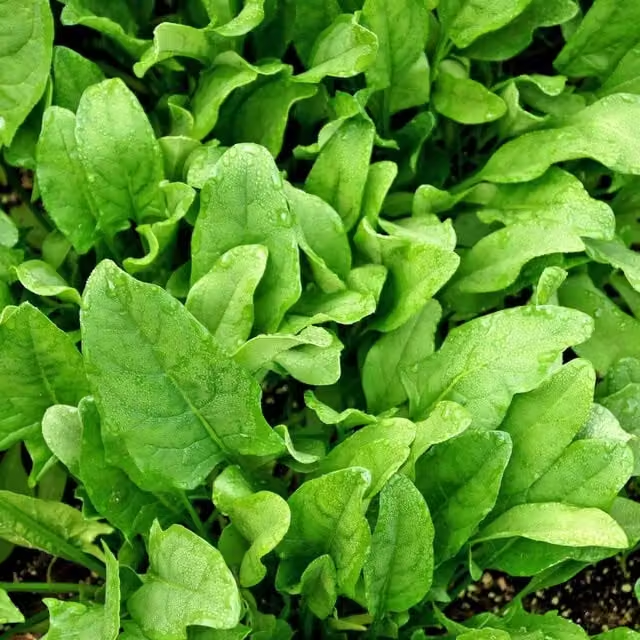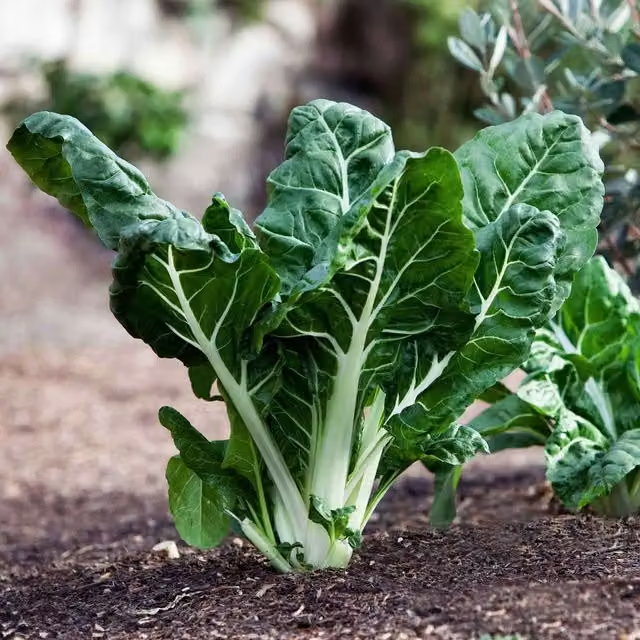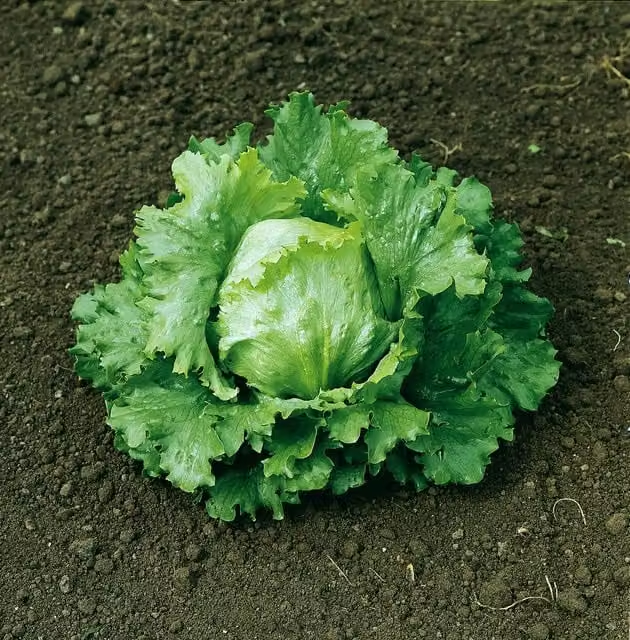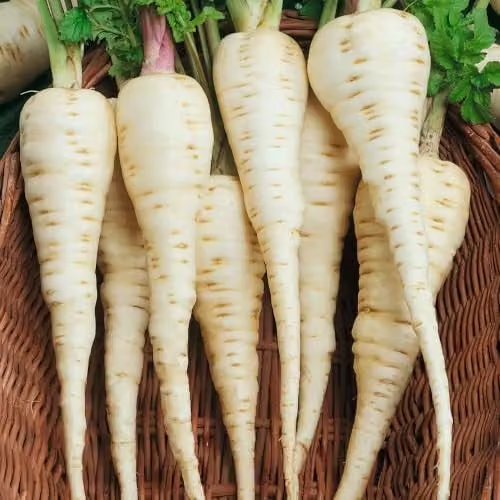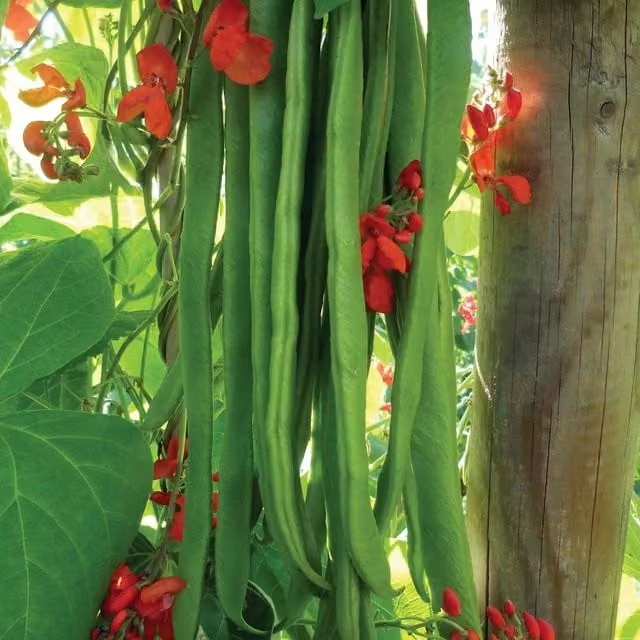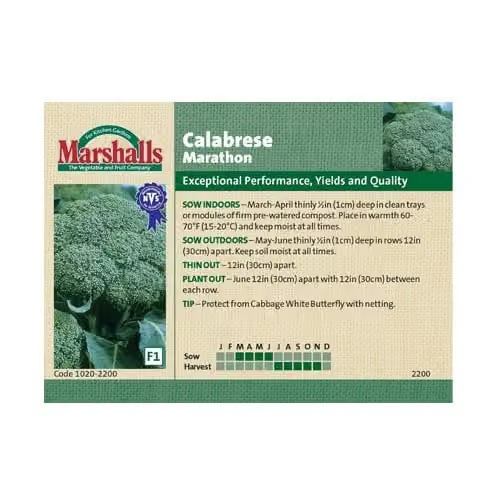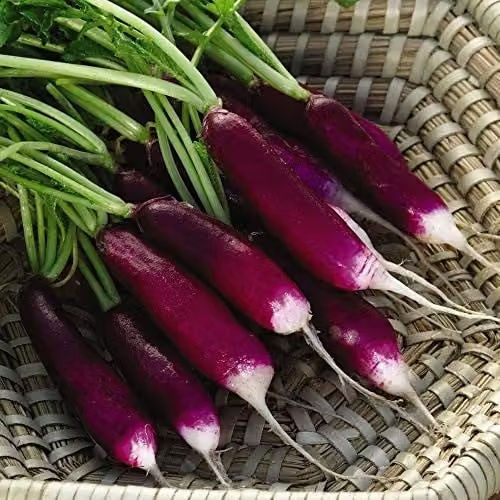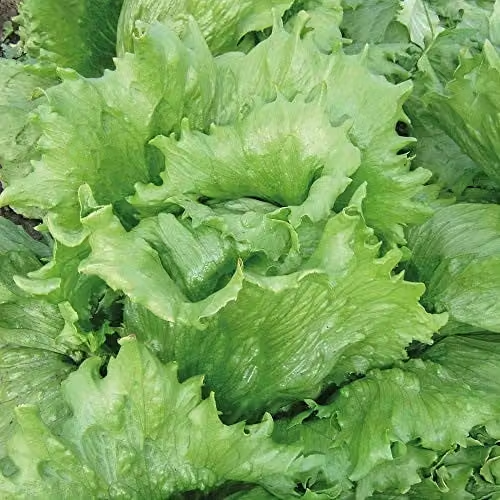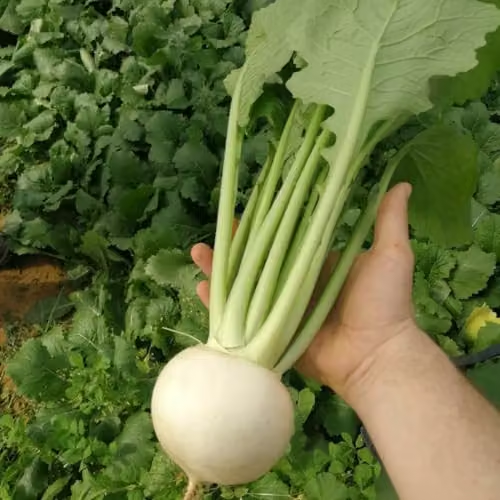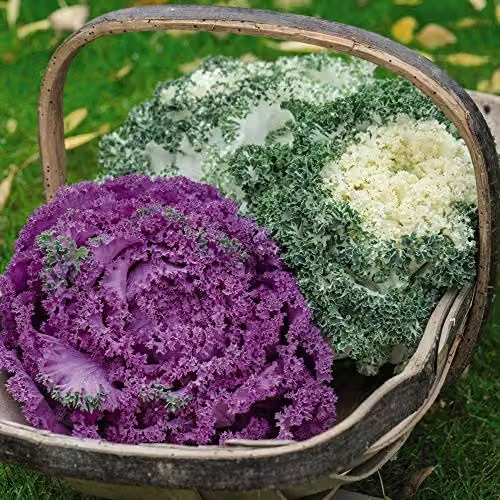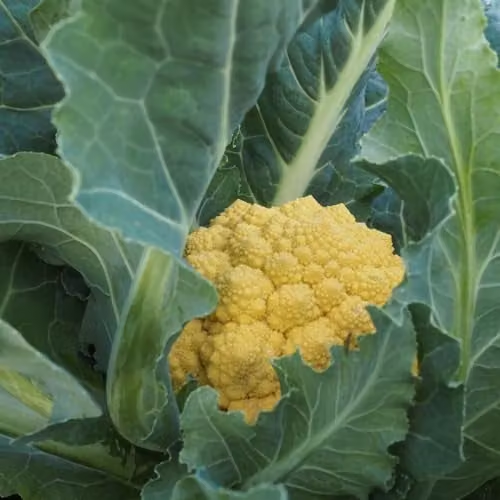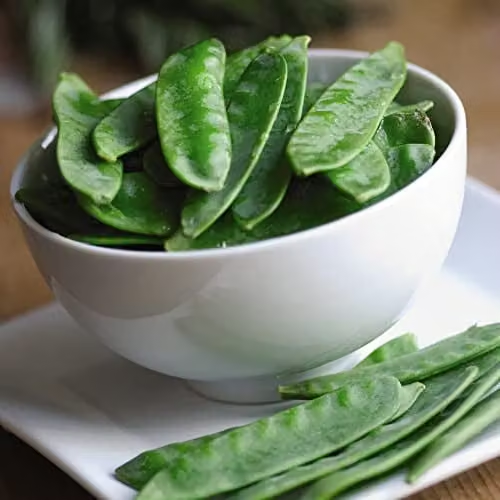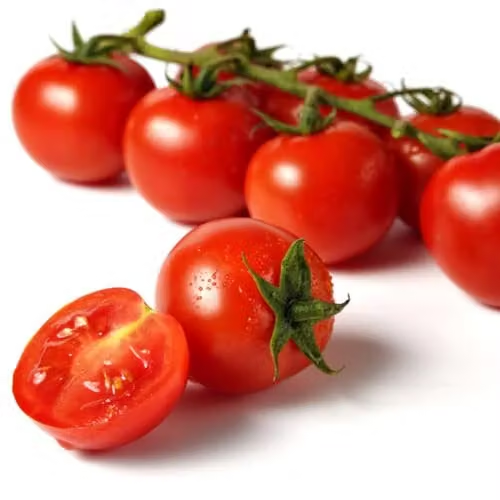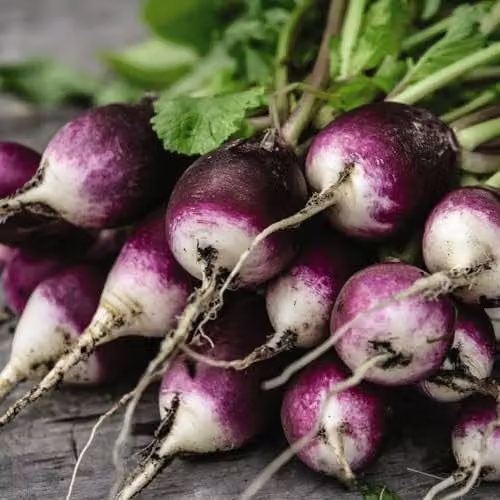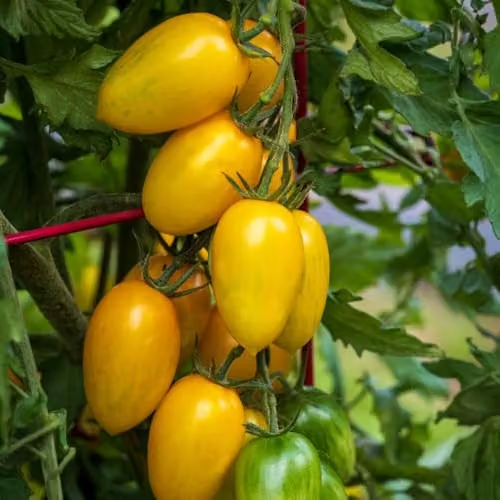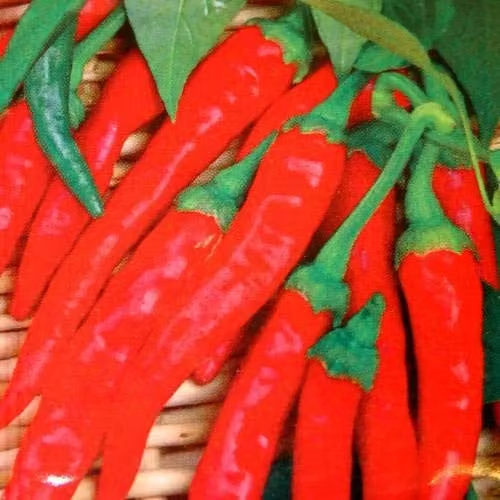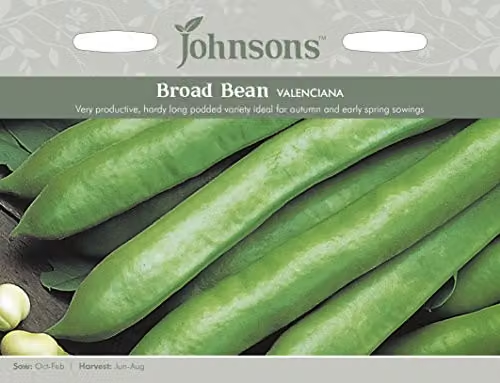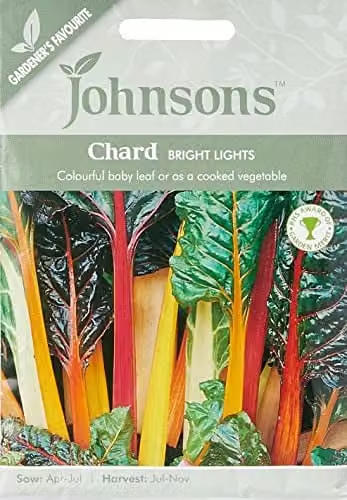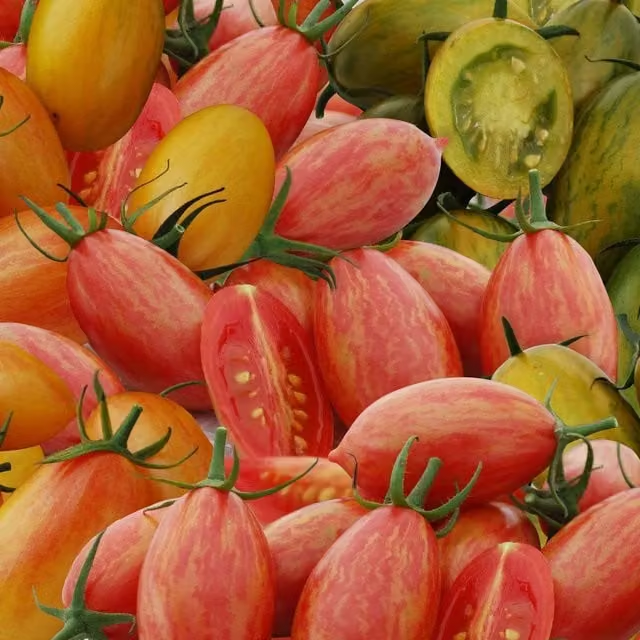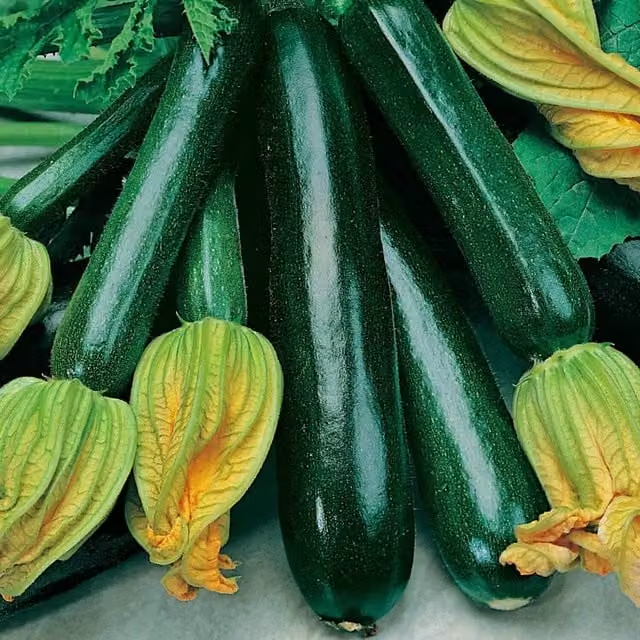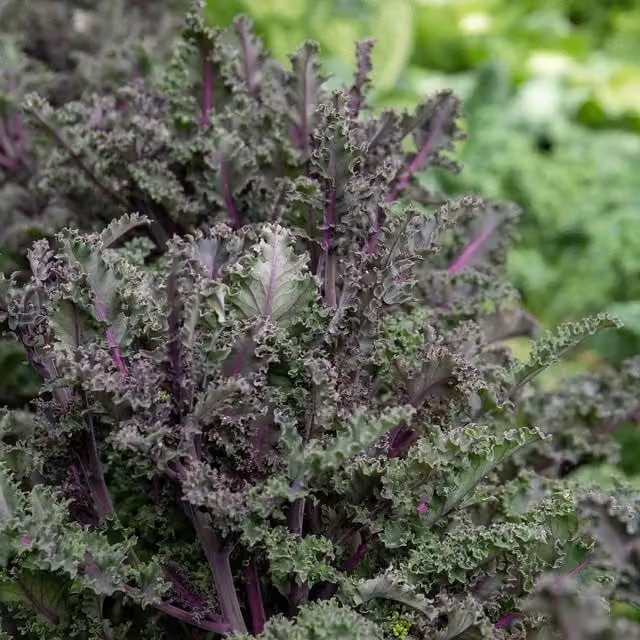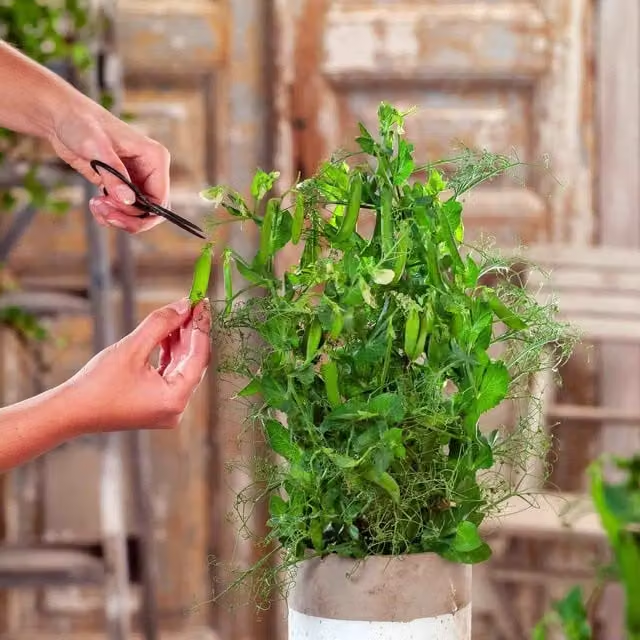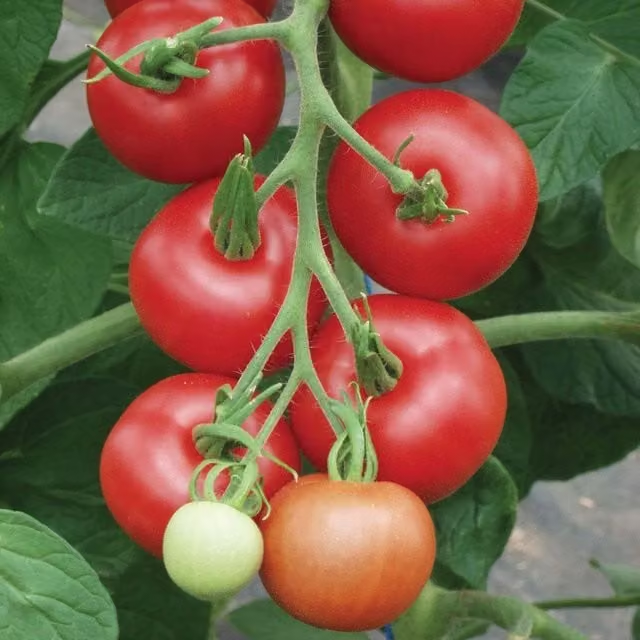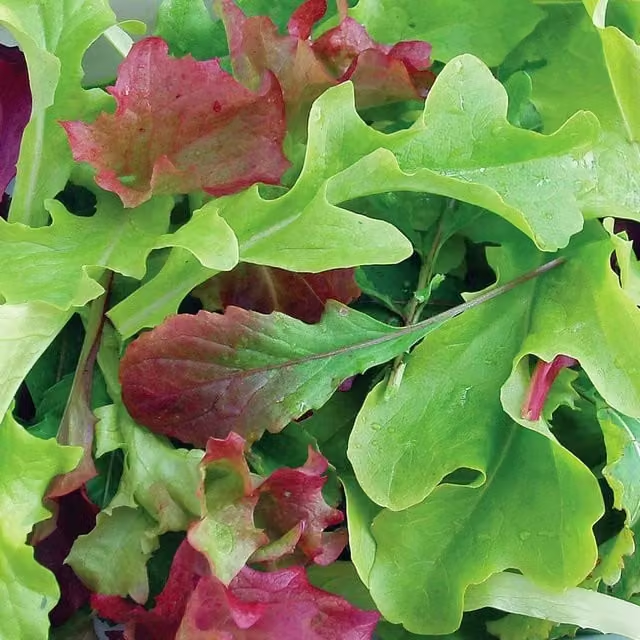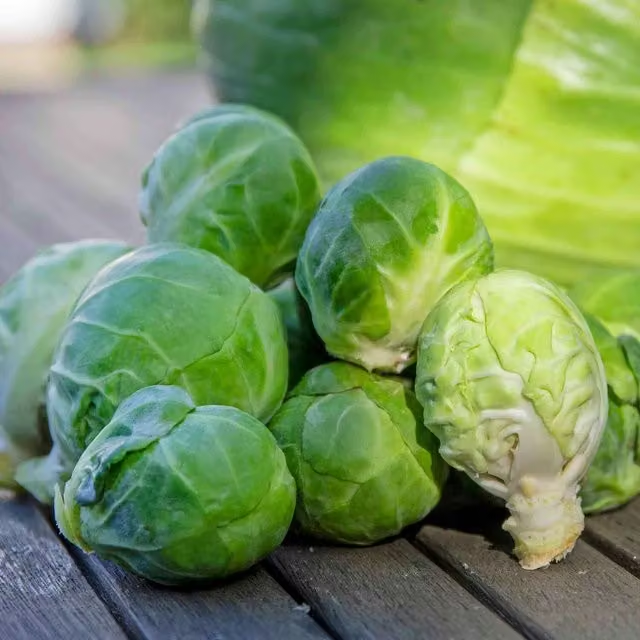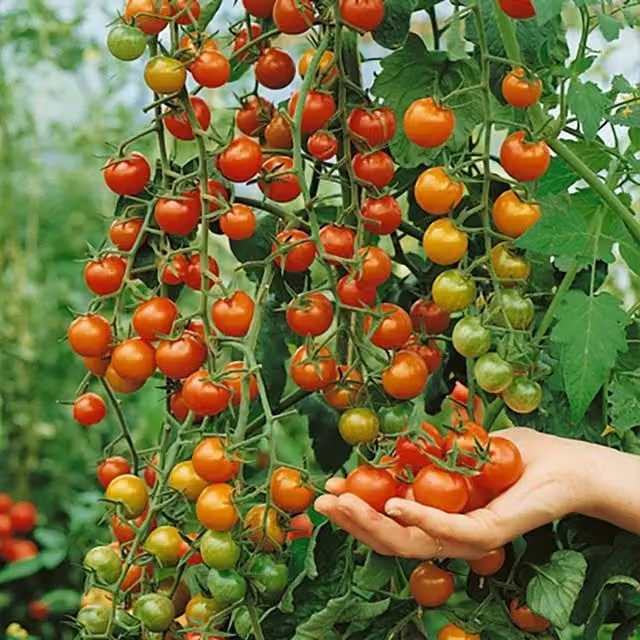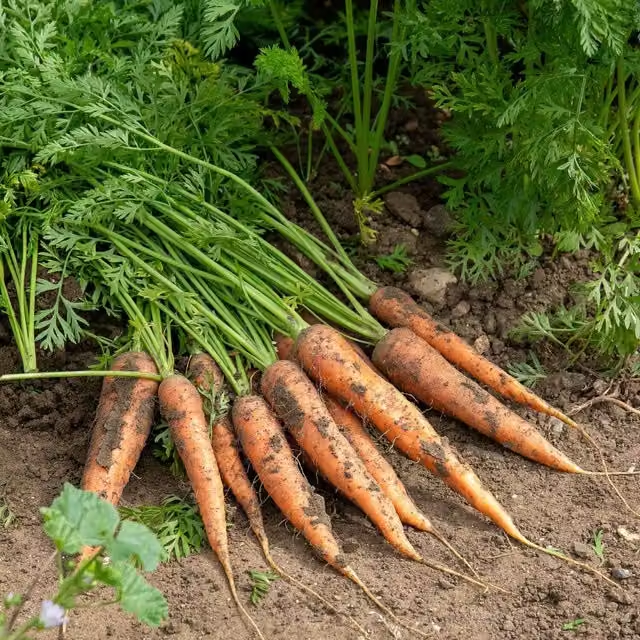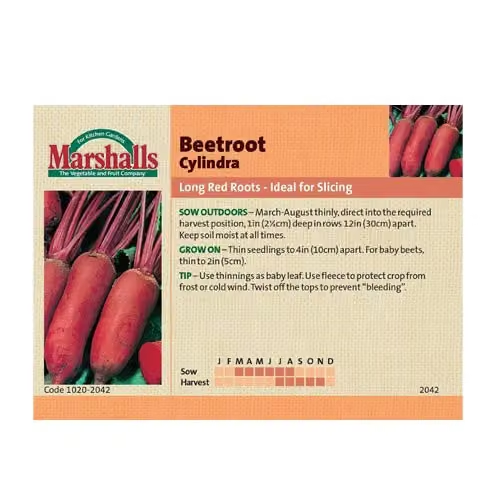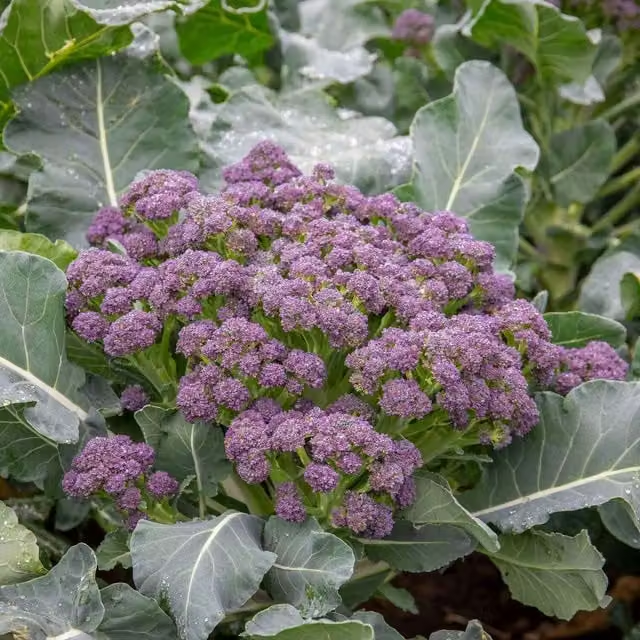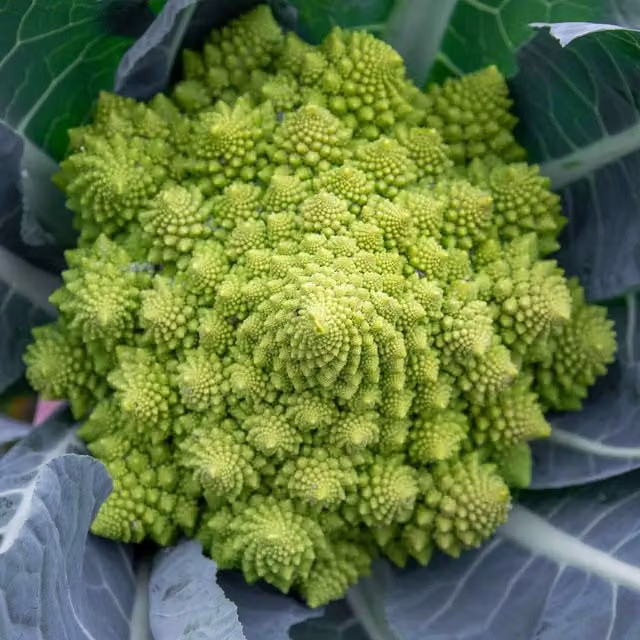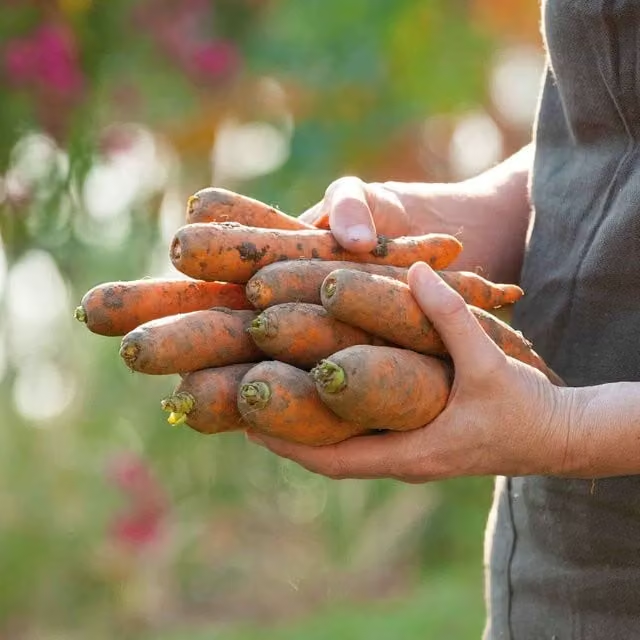
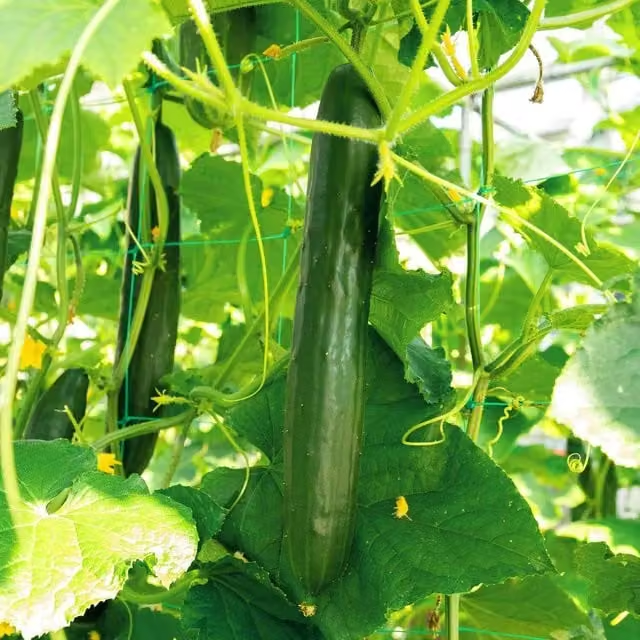
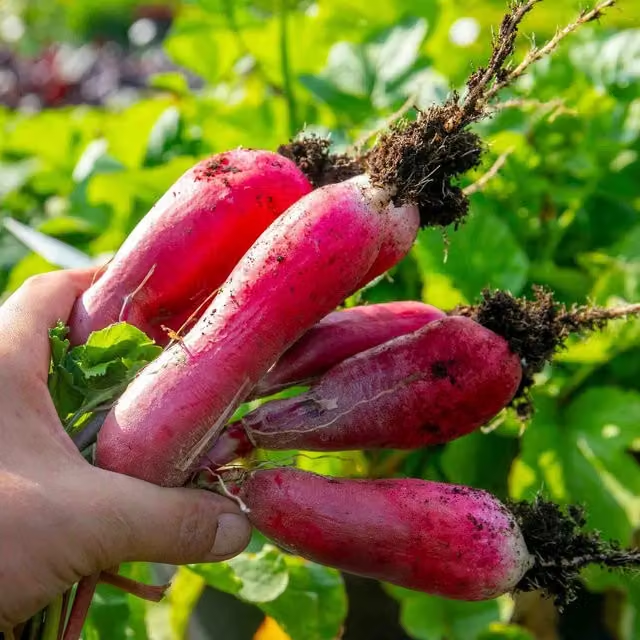
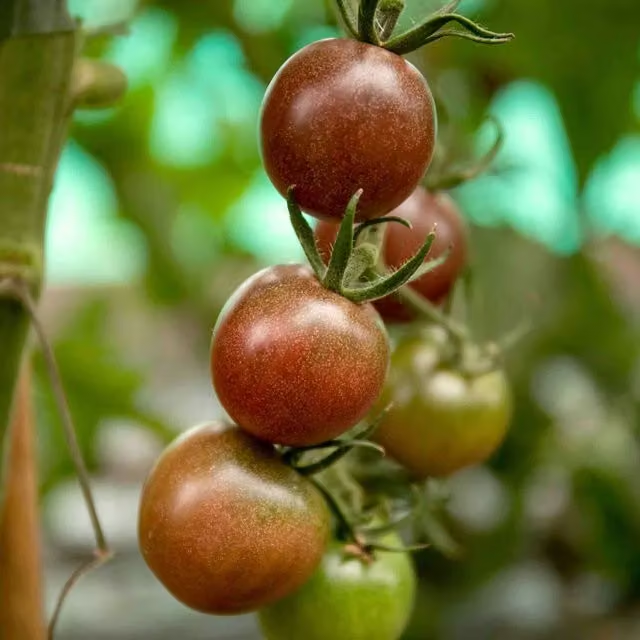
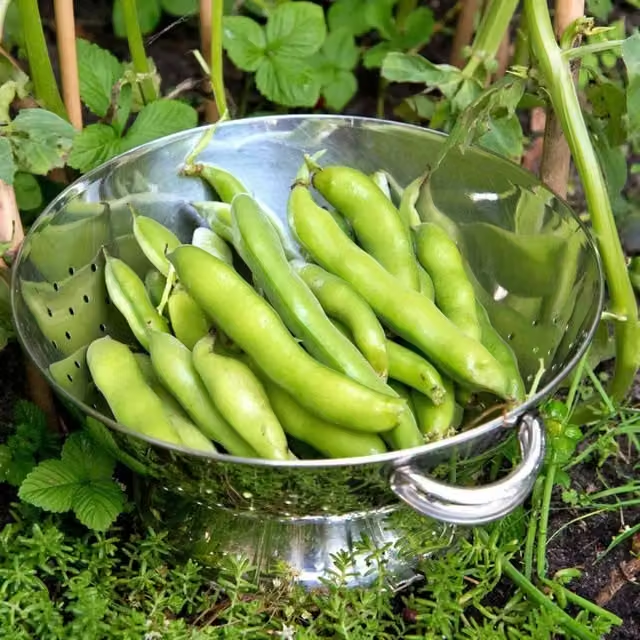
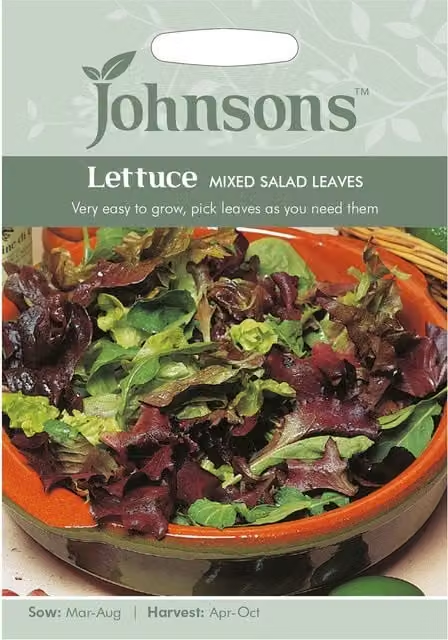
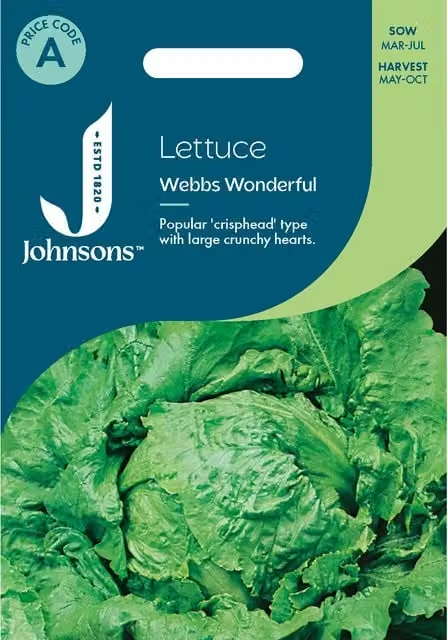
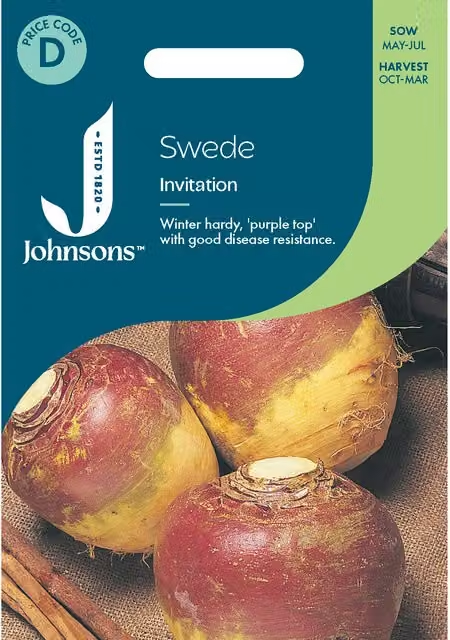
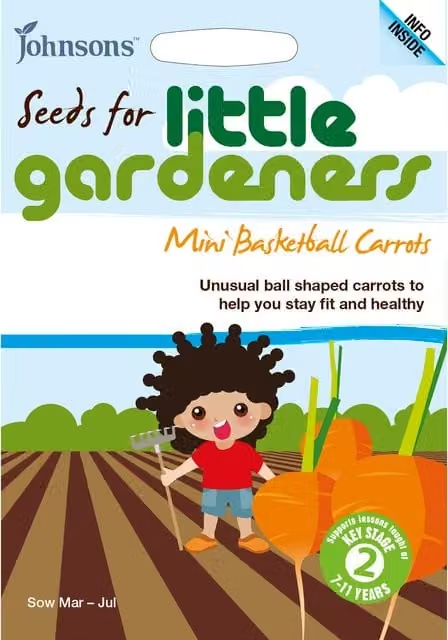
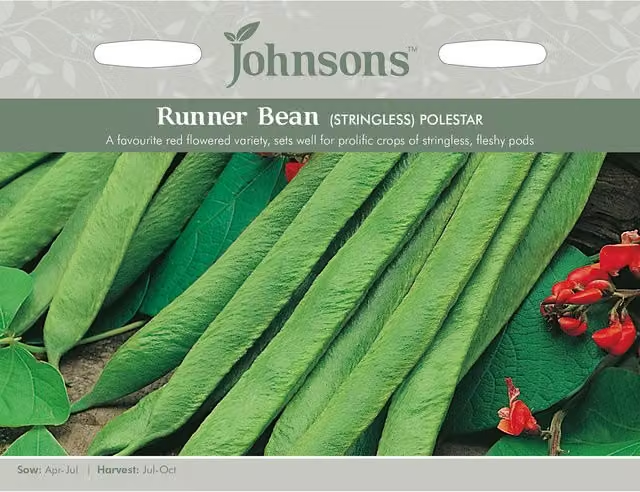
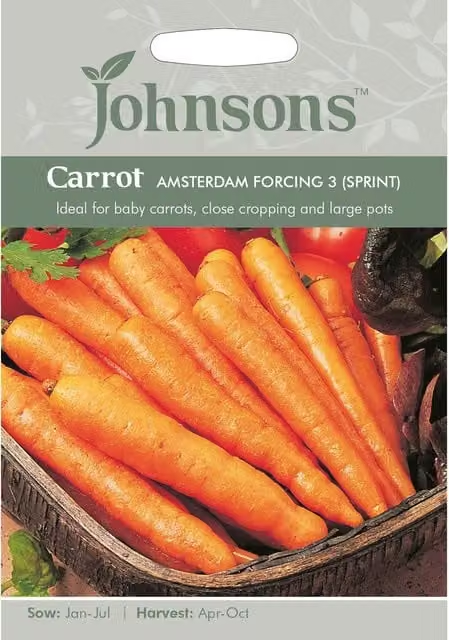
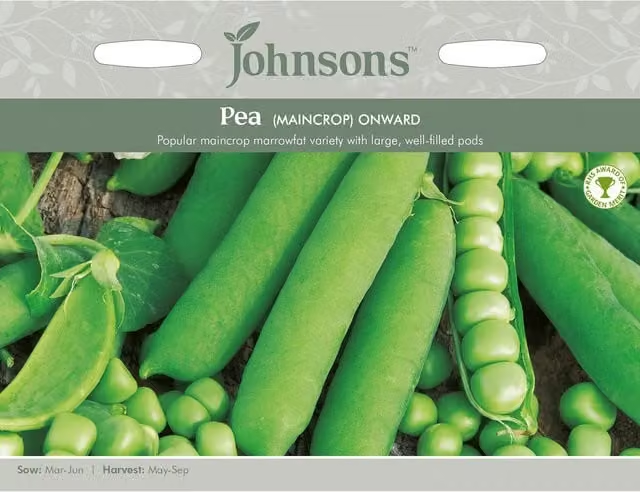
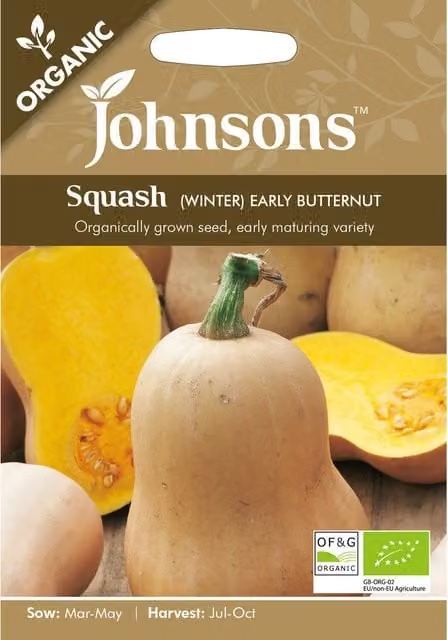
There is a particular satisfaction in eating something you grew from a seed the size of a full stop. Vegetable seeds are the cheapest possible entry into growing your own food, and they give you access to hundreds of varieties that never appear in a supermarket, from candy striped beetroot to purple mangetout and tomatoes that actually taste of something.
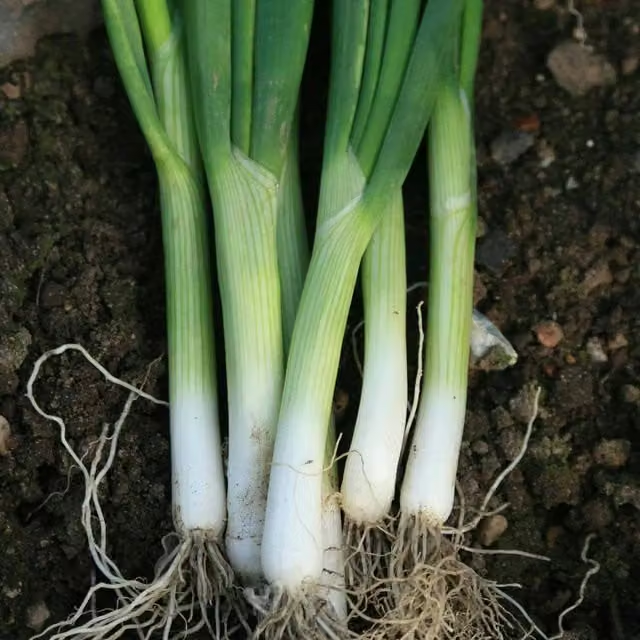
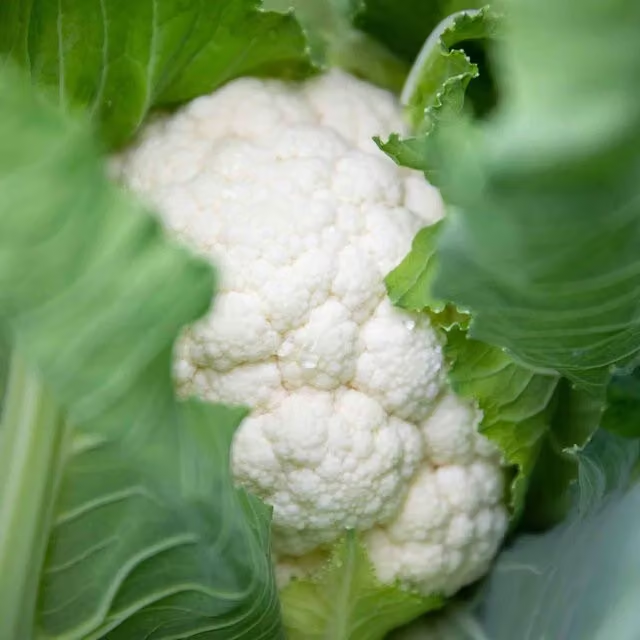
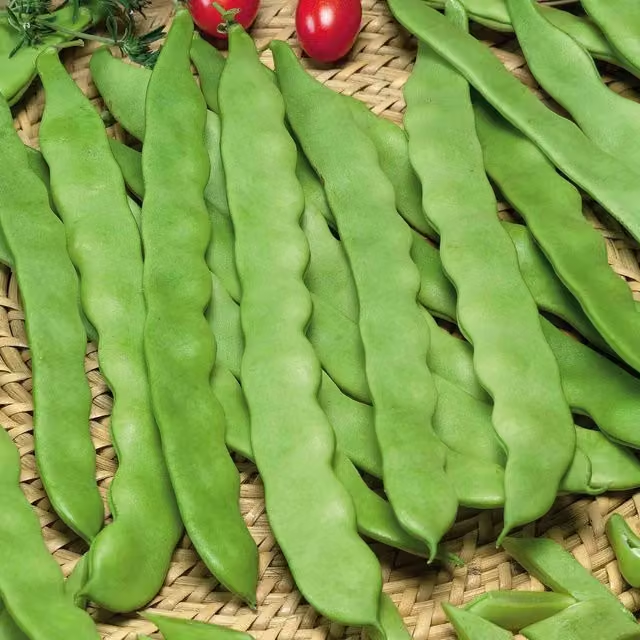
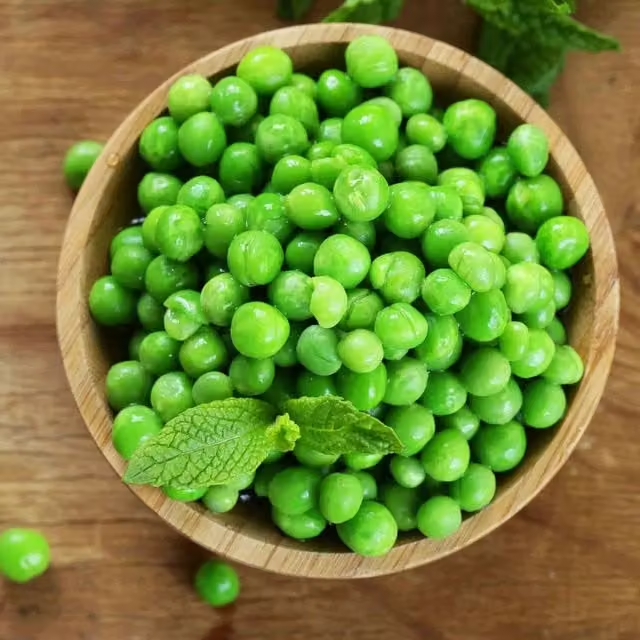
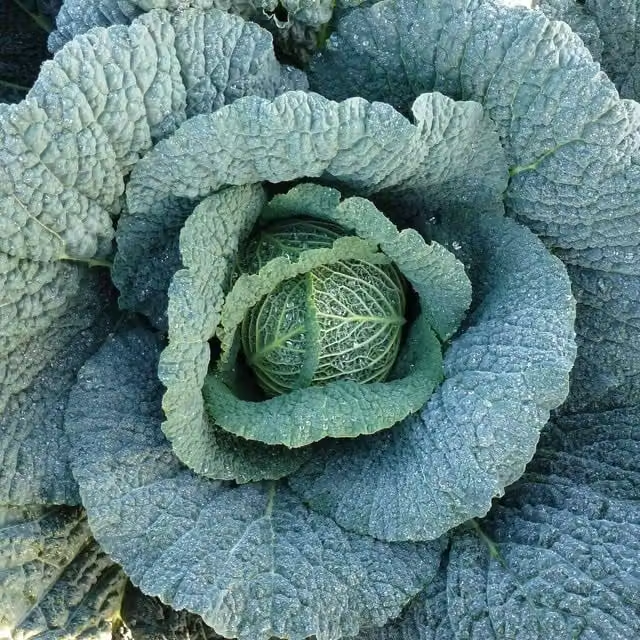
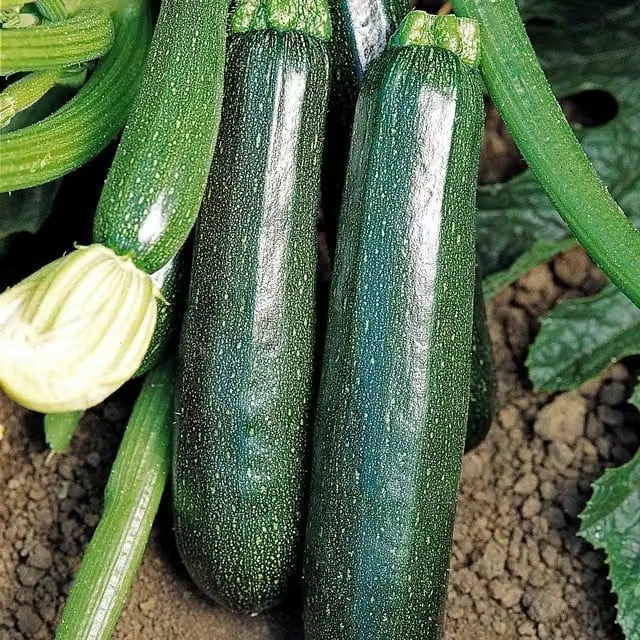
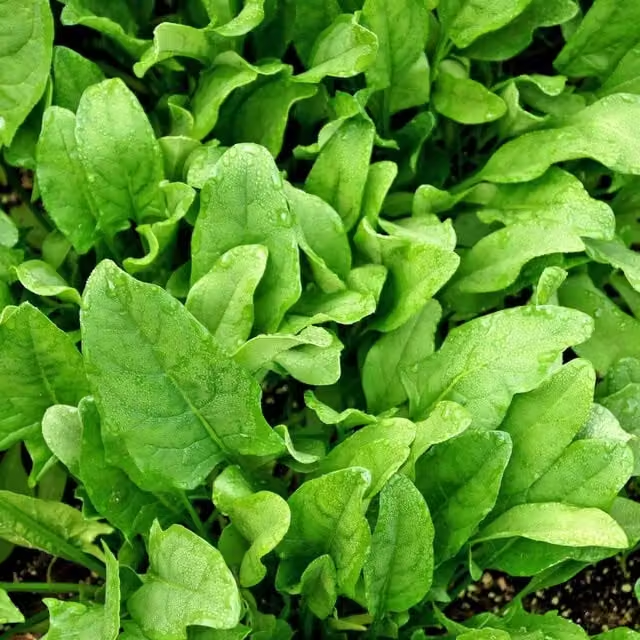
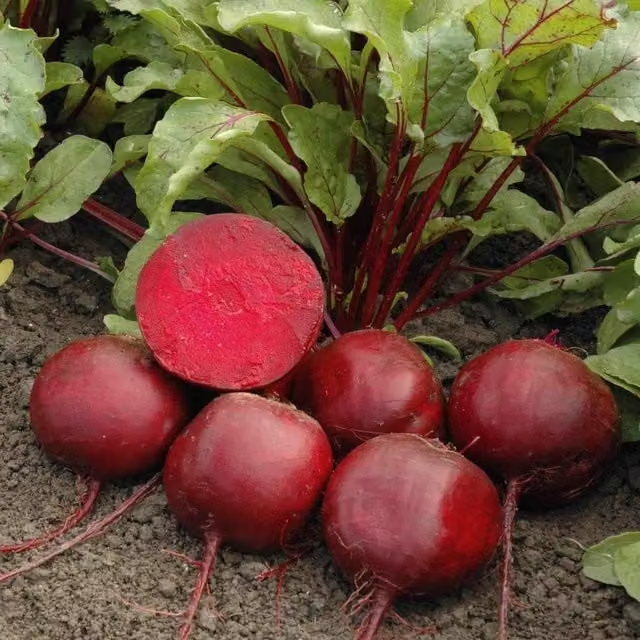
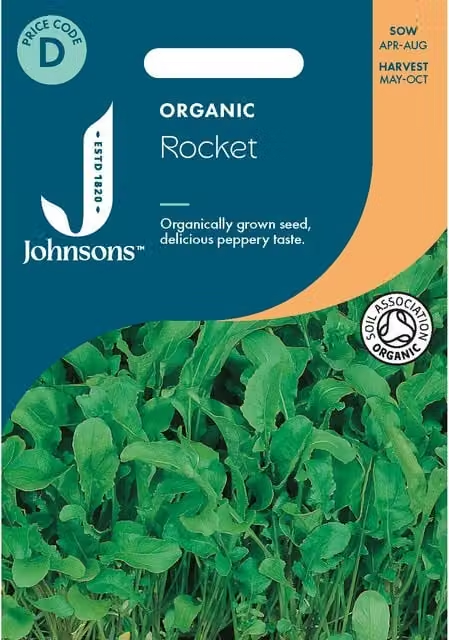
The range covers every level of ambition and every size of space. Salad leaves, radishes and spring onions are quick, forgiving and happy in a windowbox or a shallow trough. Beans, courgettes, peas and beetroot suit a modest bed or a few large containers, while brassicas, leeks, parsnips and maincrop potatoes reward those with more room and patience. Heritage and heirloom varieties preserve flavour and history, F1 hybrids offer vigour and reliable uniformity, and organic seed suits gardeners who want to keep the whole chain chemical free. Seed collections and beginner kits take the guesswork out of a first season, and microgreen and sprouting seeds deliver a harvest indoors within days.
Quality matters more than the low price suggests. Check the packet for the sowing and harvest window, since UK conditions vary a great deal between the south coast and Scotland. The best before date tells you when germination rates start to fall, though many seeds stay viable well beyond it if stored cool and dry. Look for varieties with an RHS Award of Garden Merit if you want a proven performer, and note whether a variety is bred for outdoor growing or needs a greenhouse or polytunnel.
Prices are modest by any standard. A single packet costs about the same as a supermarket bag of salad but produces months of harvest. Larger seeds such as beans and peas come in generous quantities, while F1 hybrid and specialist varieties cost more per packet and often contain fewer seeds.
Browse the varieties, compare prices and start something that ends up on your plate.
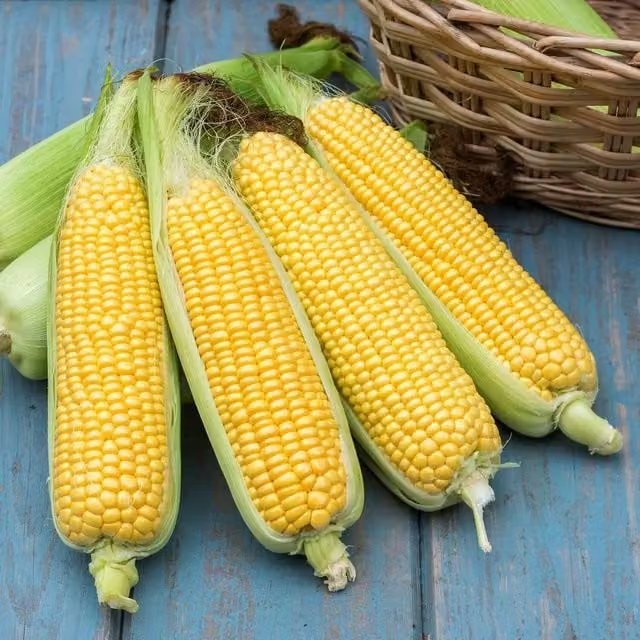
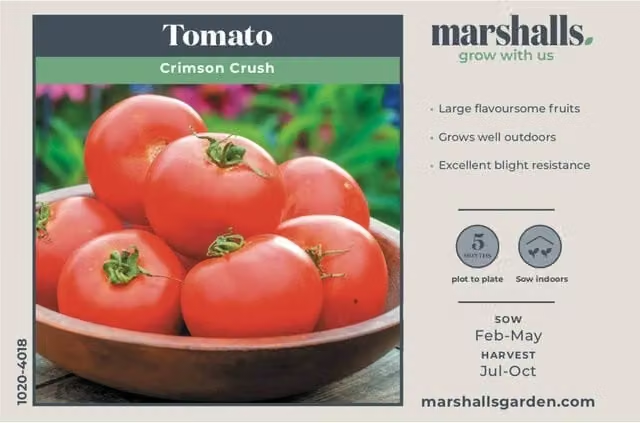
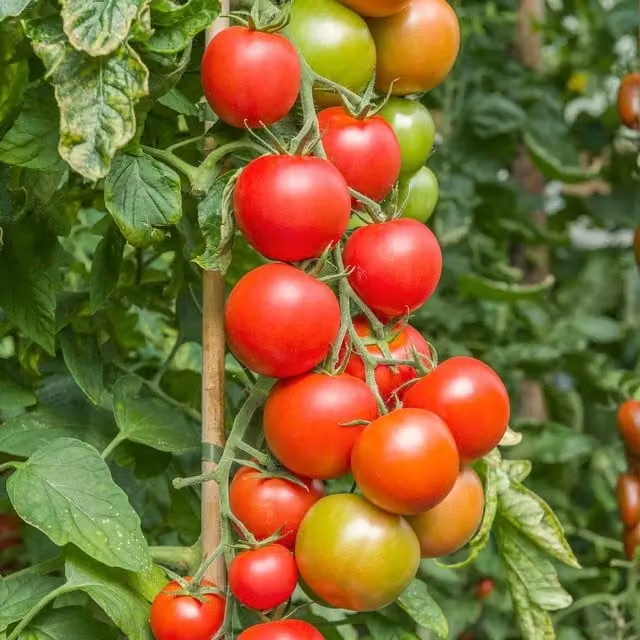
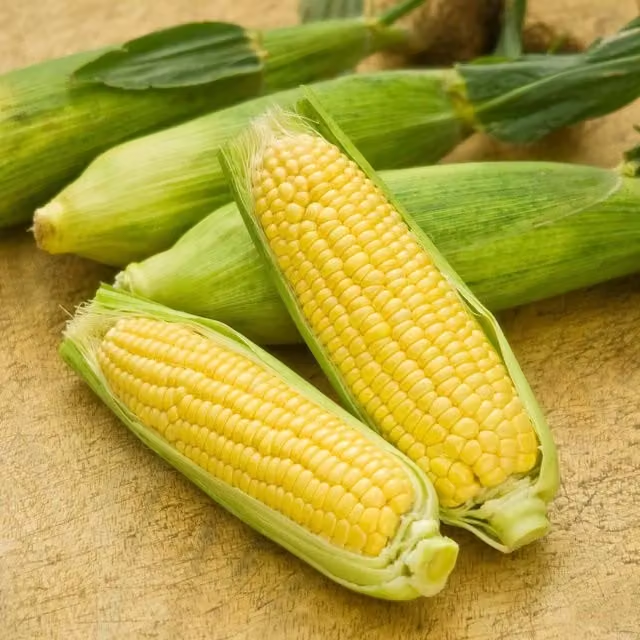
It depends on the crop, but a broad pattern helps. Tomatoes, chillies and aubergines need an early start indoors from February to March because they need a long season. Most hardy crops such as carrots, beetroot, peas and salad go directly outdoors from March to May once the soil warms above about seven degrees. Tender crops like courgettes, beans and sweetcorn should not go outside until the risk of frost has passed, which is late May in most of the country.
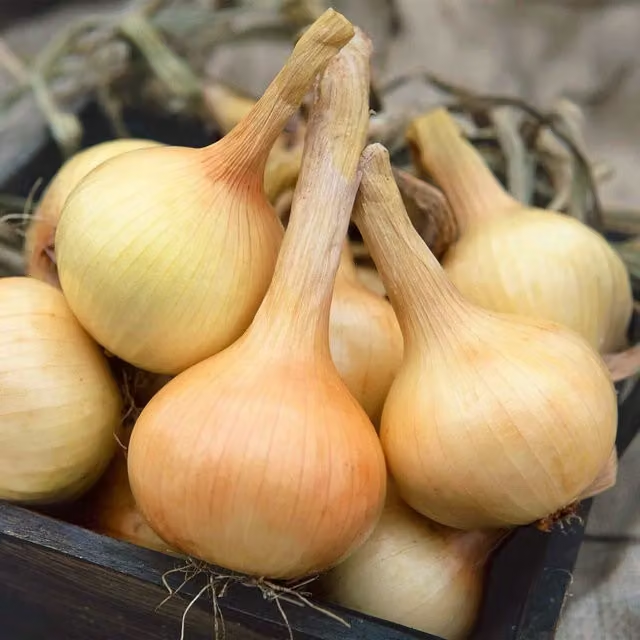
Most last two to four years if kept cool, dark and dry, though there is real variation between species. Parsnips and onions decline quickly and are best sown fresh each year, while tomatoes, beans and brassicas often germinate well after four or five years. Store opened packets in an airtight box with a sachet of silica gel somewhere cool, not in a damp shed. If you are unsure, a quick germination test on damp kitchen paper tells you within a week whether they are still worth sowing.
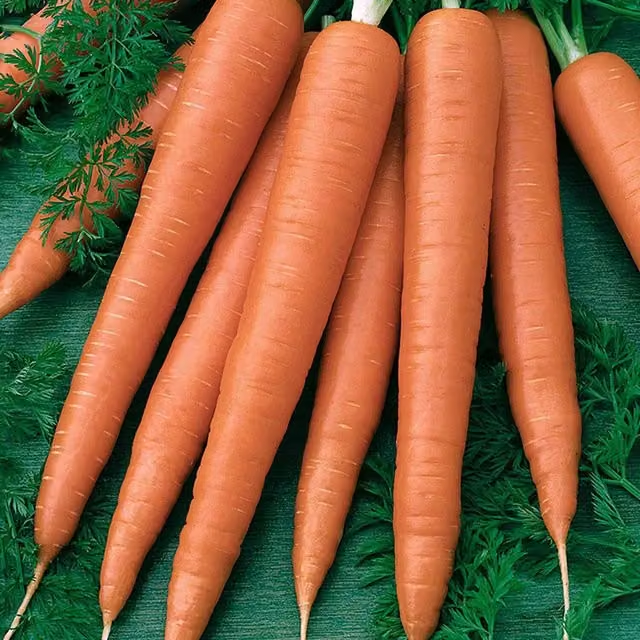
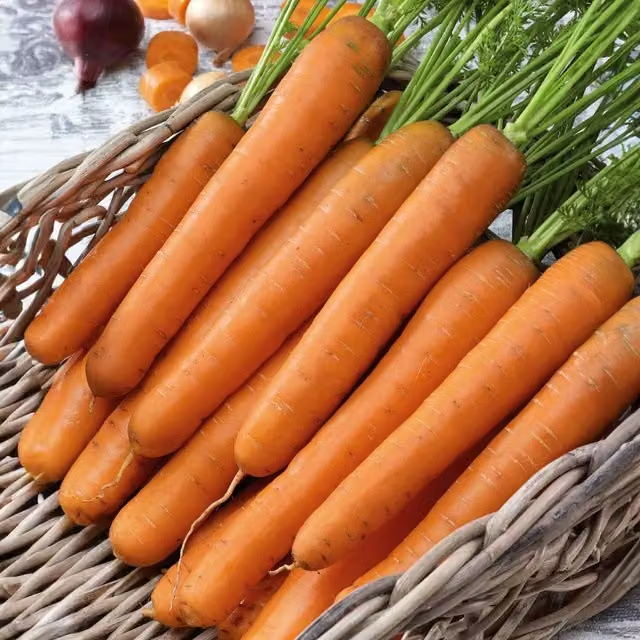
Root crops such as carrots, parsnips and radishes hate being moved and should always be sown directly where they will grow. Anything tender or slow to establish, including tomatoes, courgettes, brassicas and leeks, does better started in trays or modules under cover and planted out later. Starting in modules also protects seedlings from slugs during their most vulnerable stage, which is a real advantage in a wet British spring. Harden plants off gradually over a week before they face the outdoors permanently.
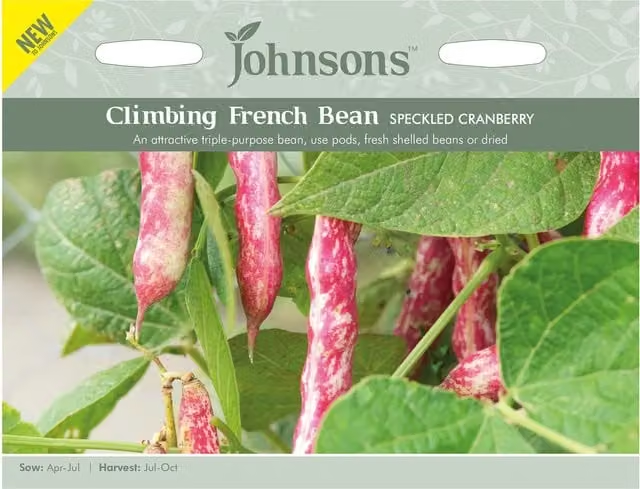
You can with open pollinated and heirloom varieties, which come true from seed and are worth saving year after year. F1 hybrids do not, because the next generation reverts to a mix of the parent traits and gives unpredictable results. Beans, peas and tomatoes are the easiest crops for beginners since they mostly self pollinate. Let the pods or fruit ripen fully, dry the seed thoroughly and store it in a labelled paper envelope somewhere cool.