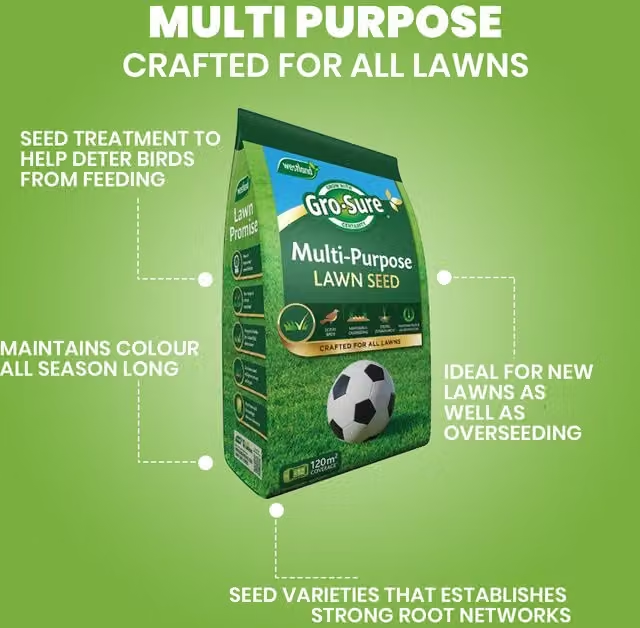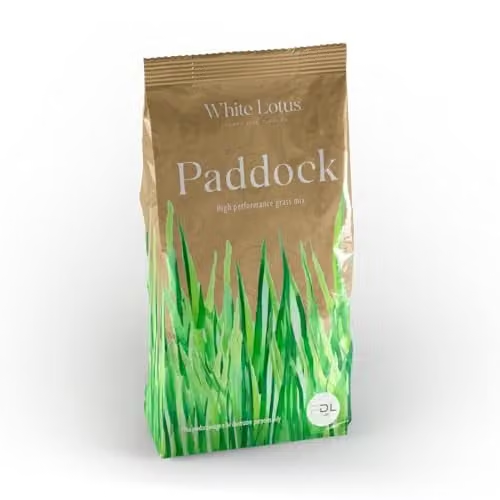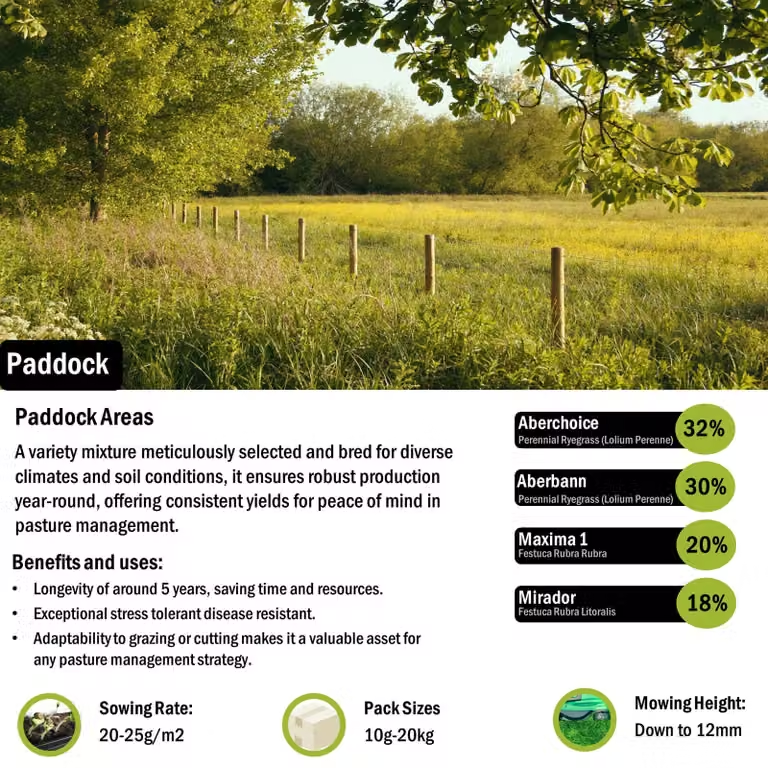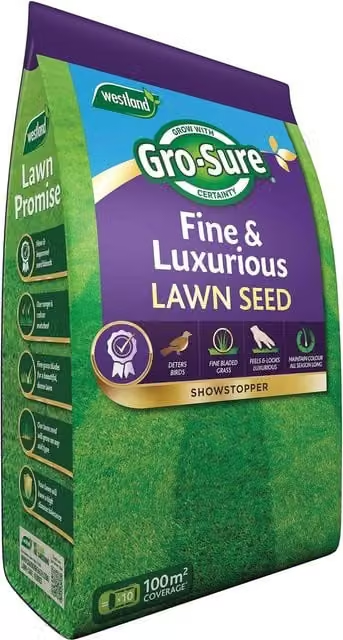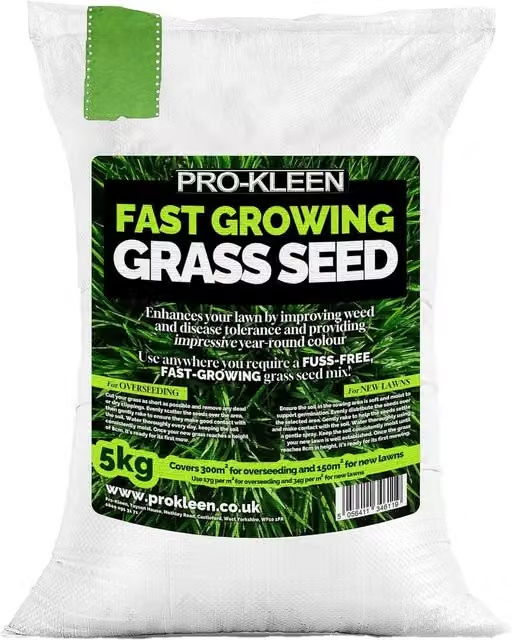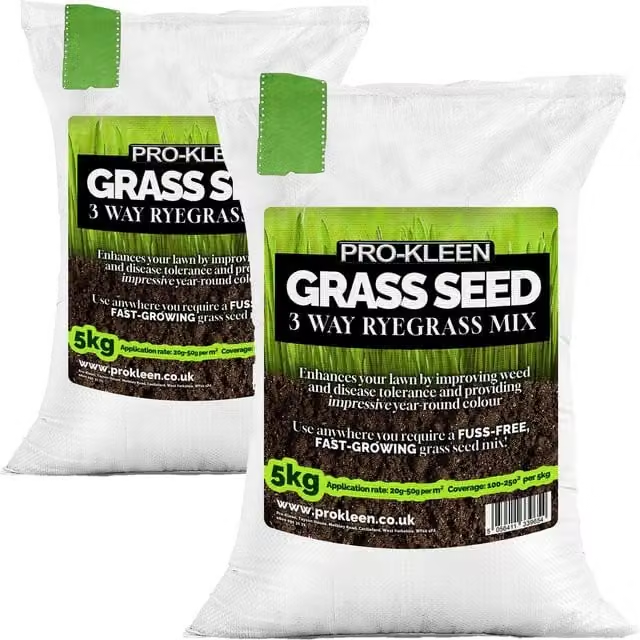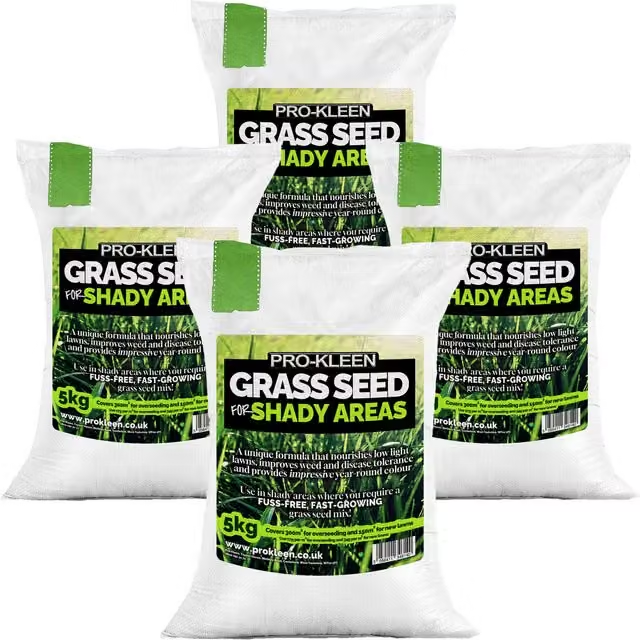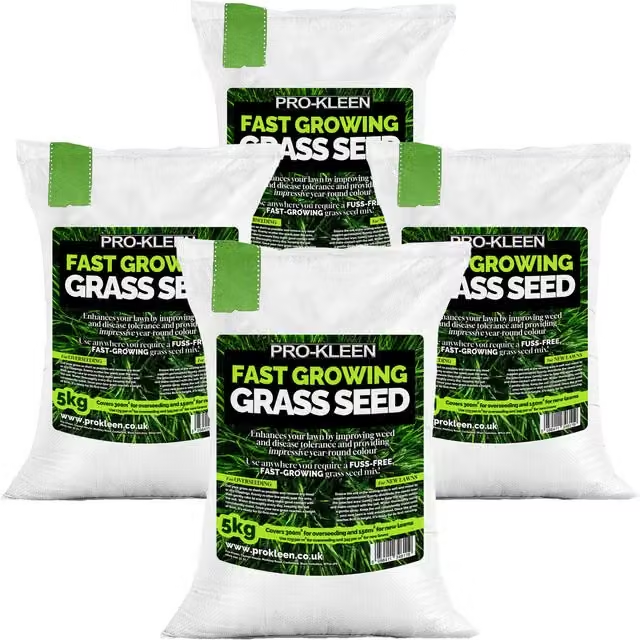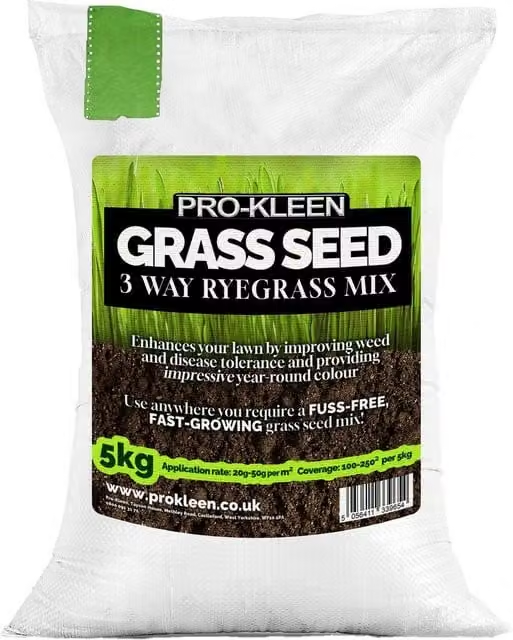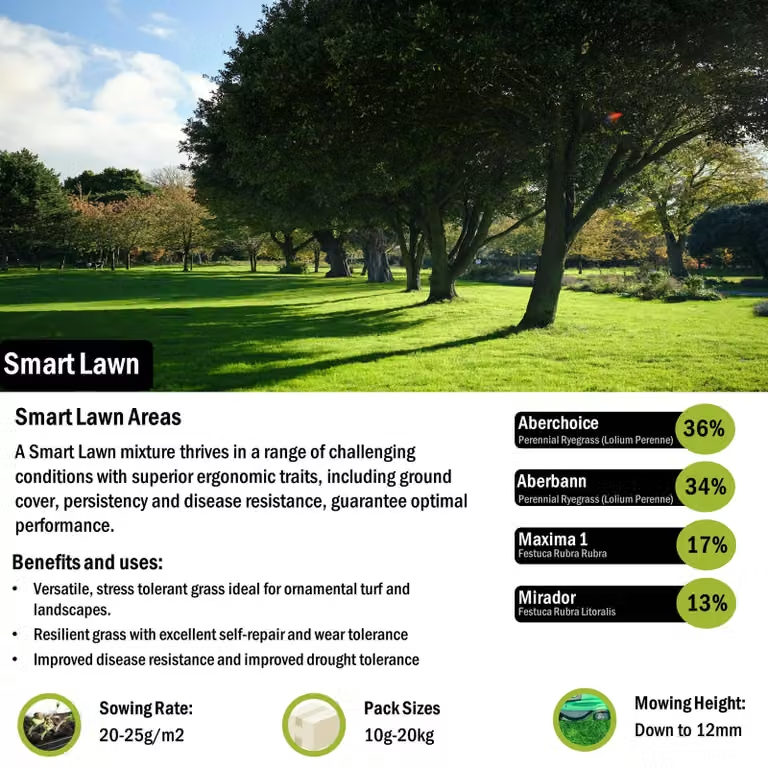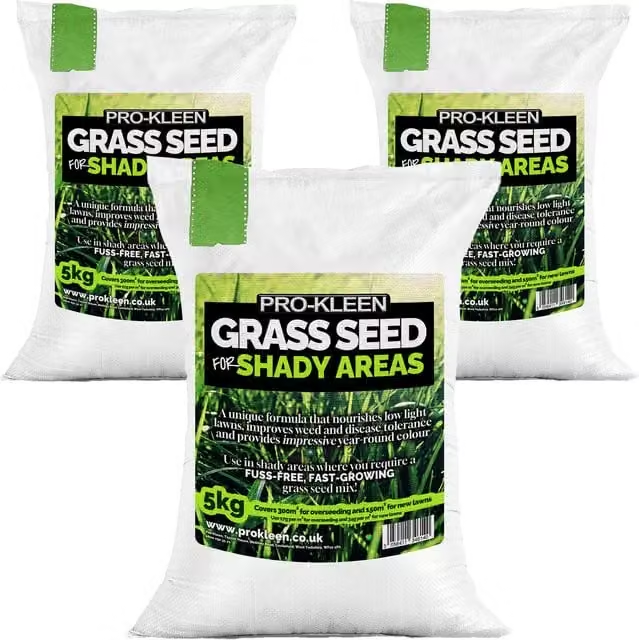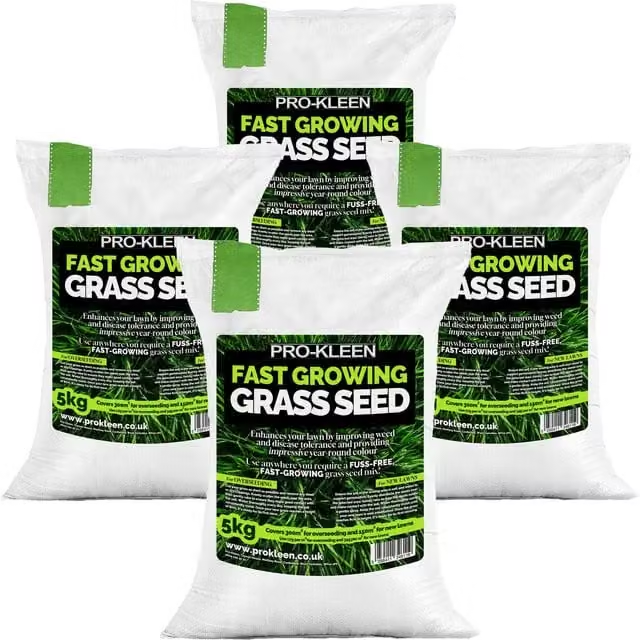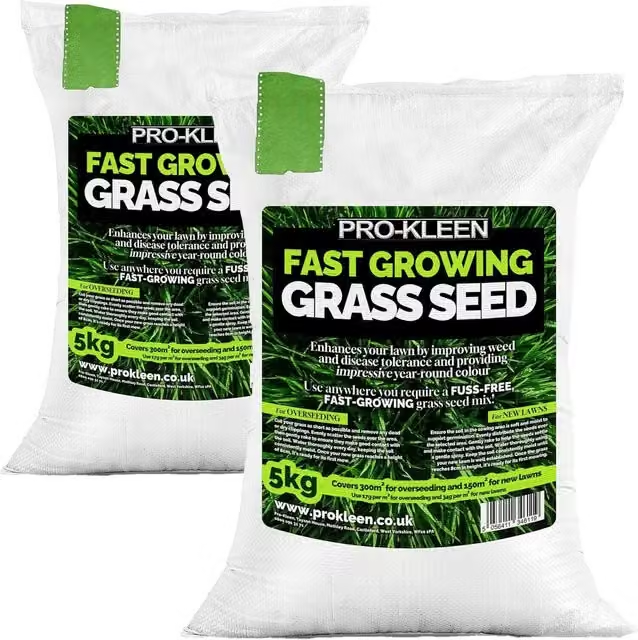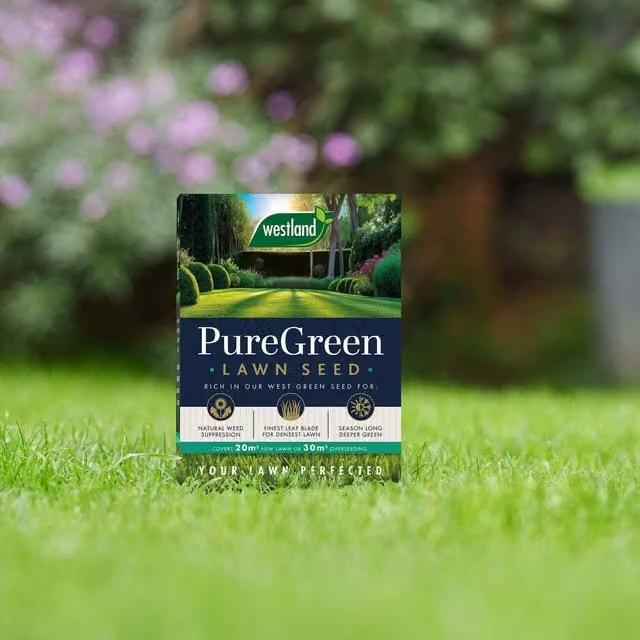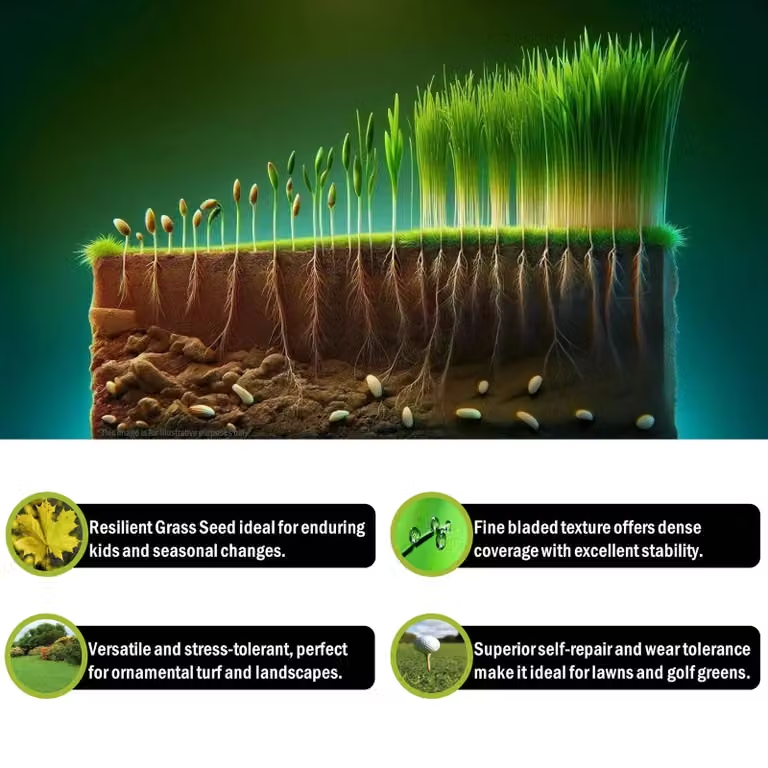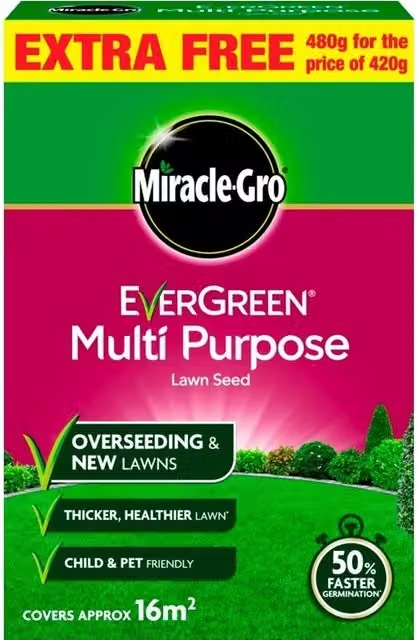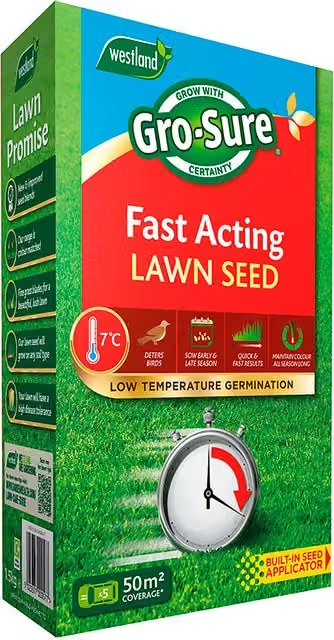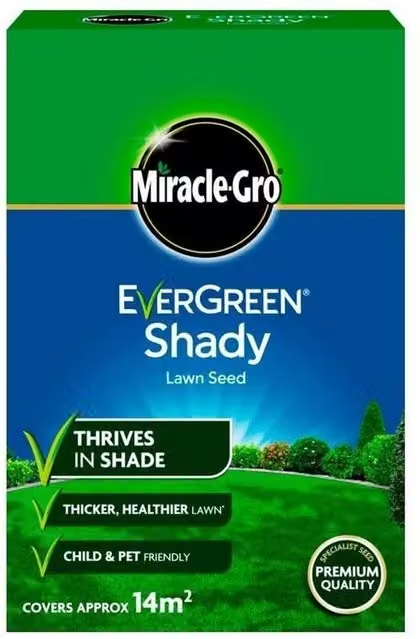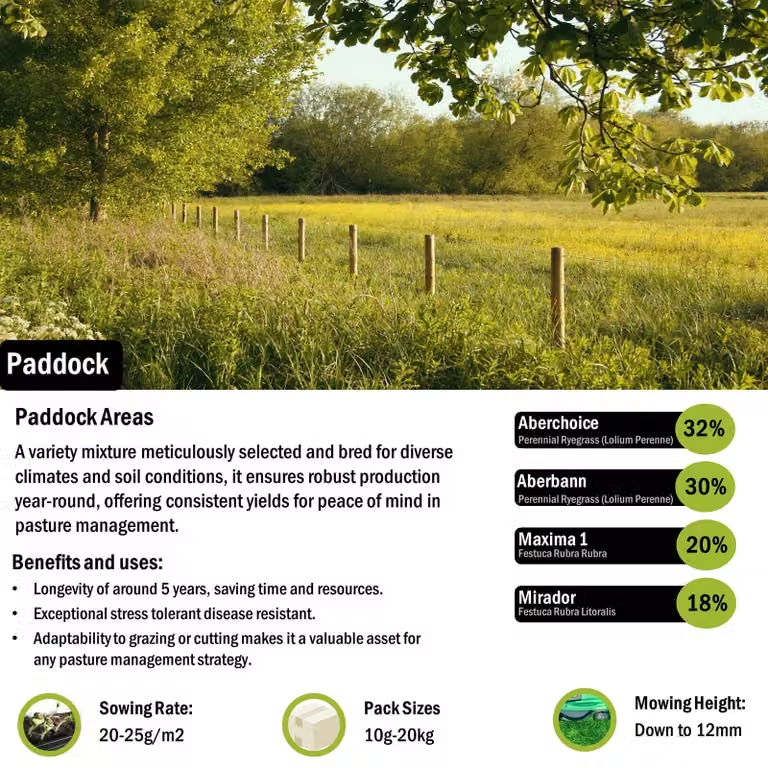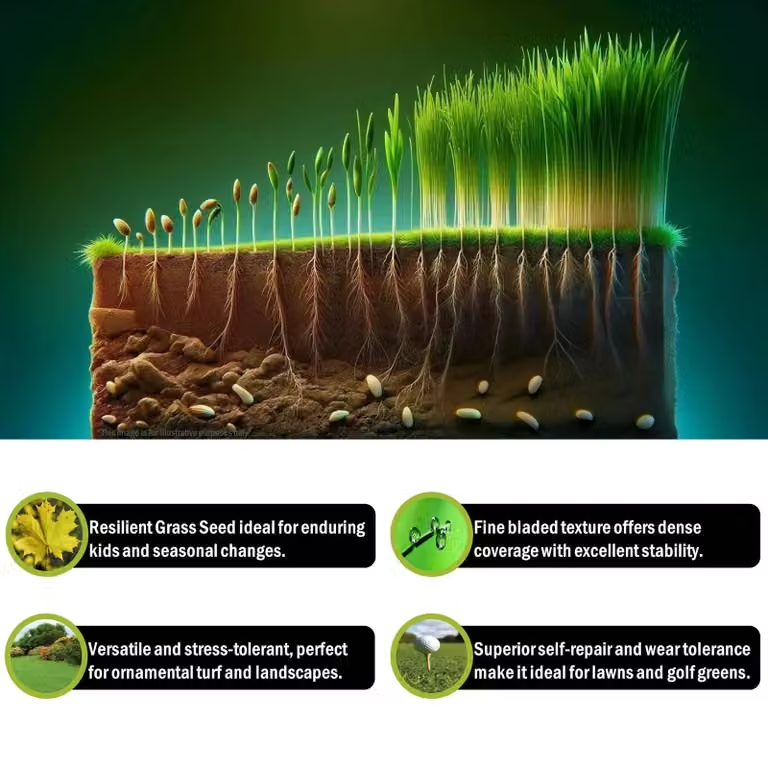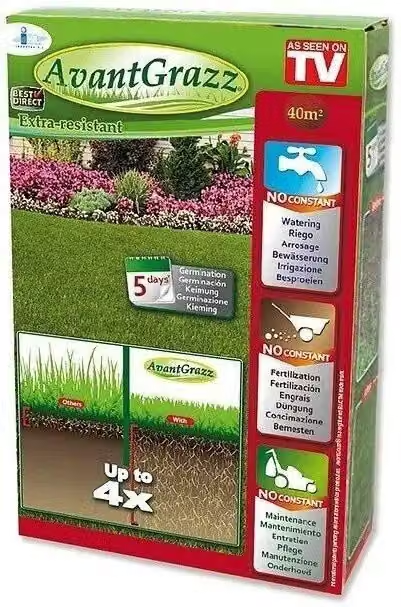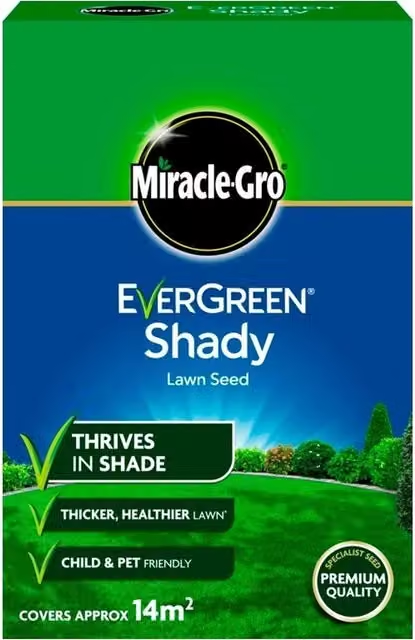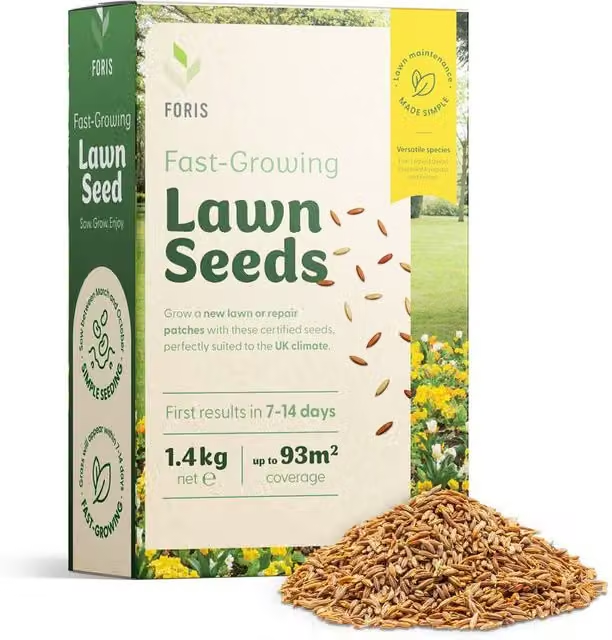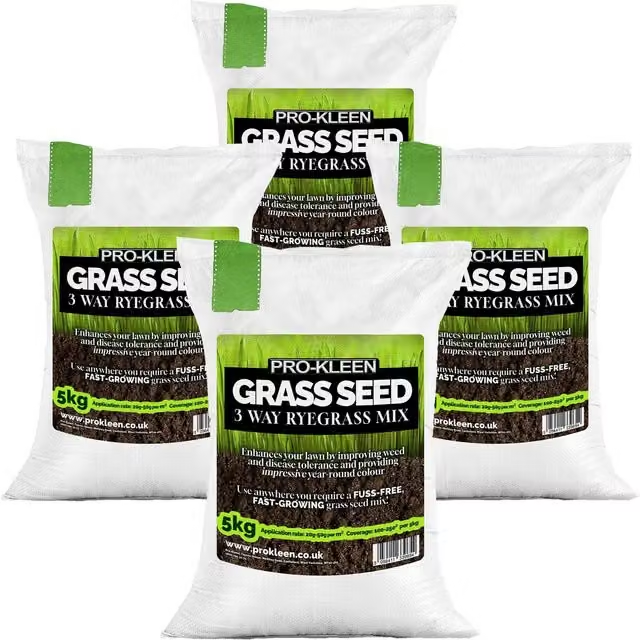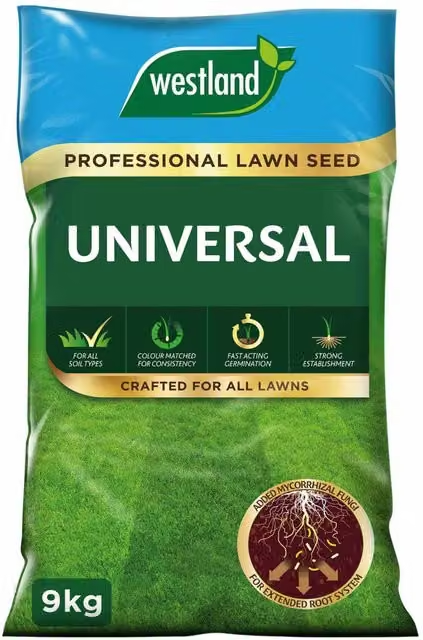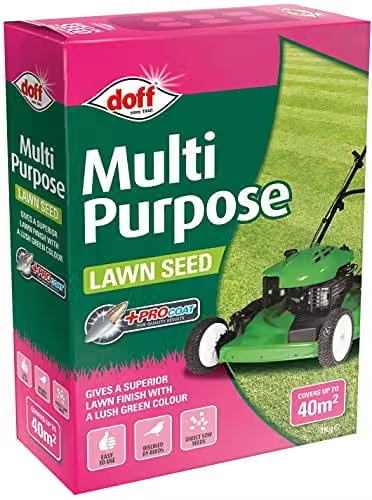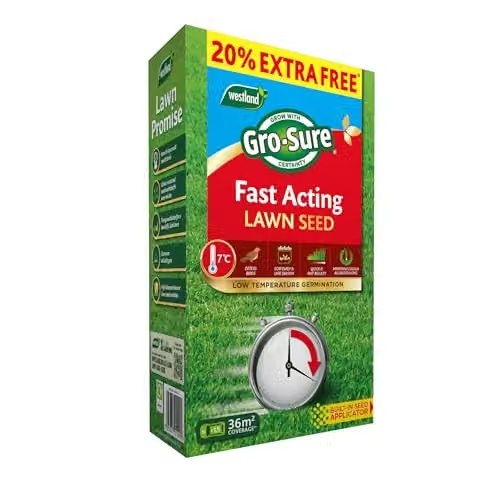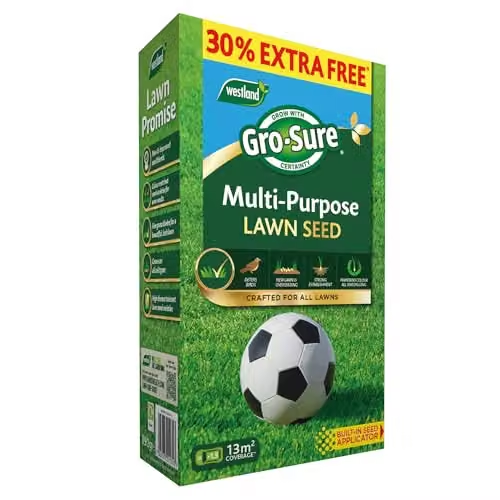




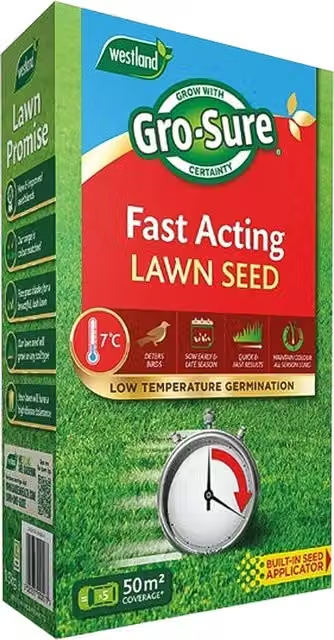





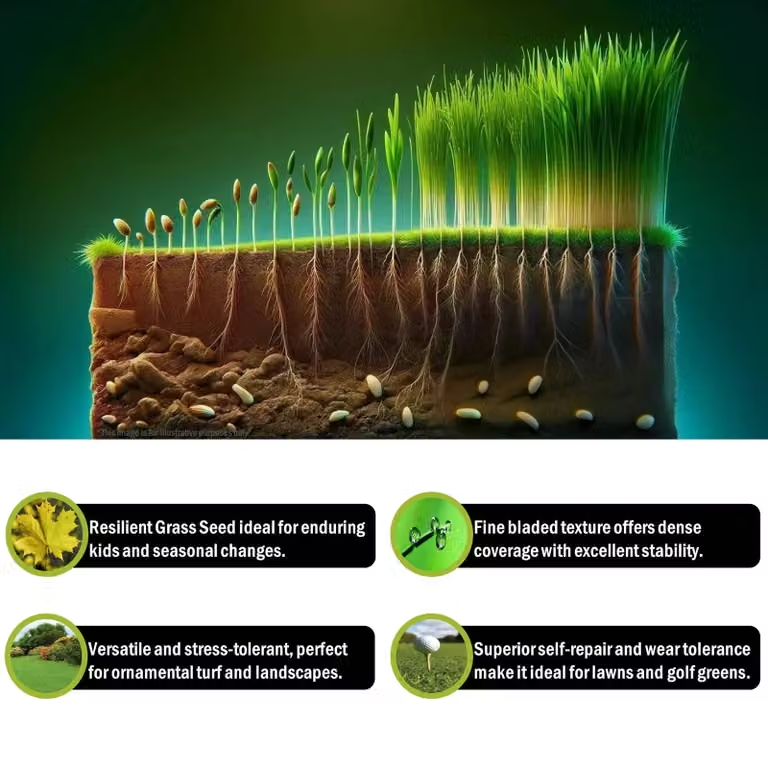




Turf gives you an instant lawn and a considerable bill. Seed gives you a better one for a fraction of the cost, because you get to choose exactly the grass mixture that suits your soil, your light levels and the way you actually use the garden. It asks for a few weeks of patience, but the result is a lawn with deeper roots and more resilience than a rolled out carpet of unknown provenance.
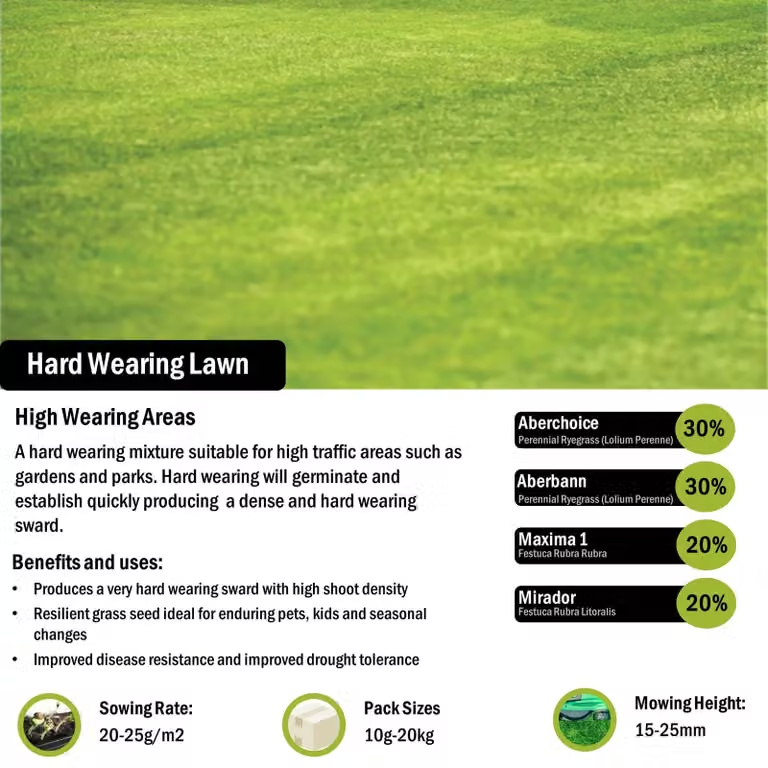
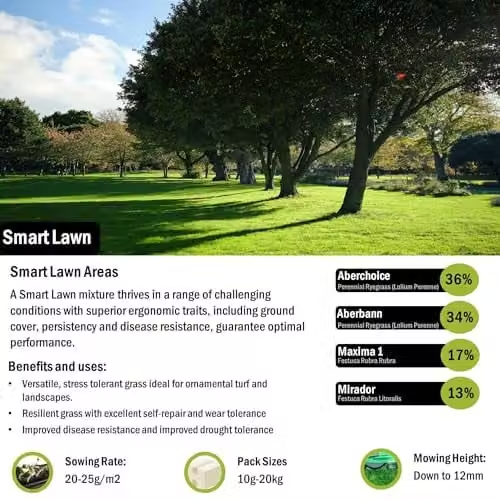
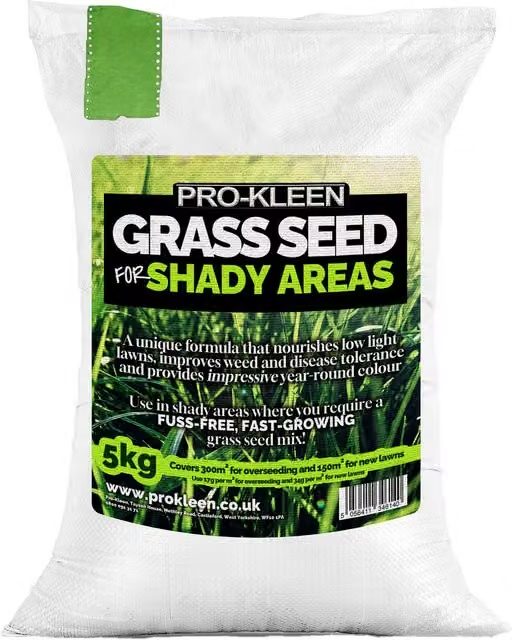
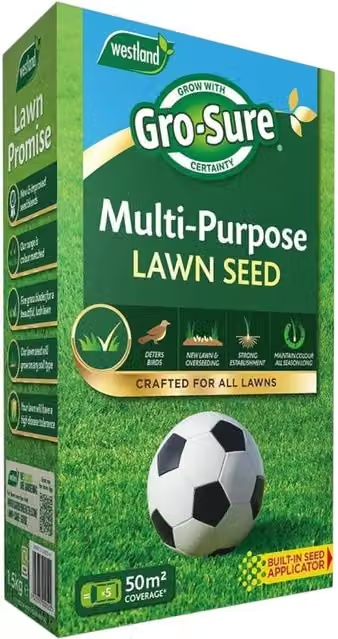
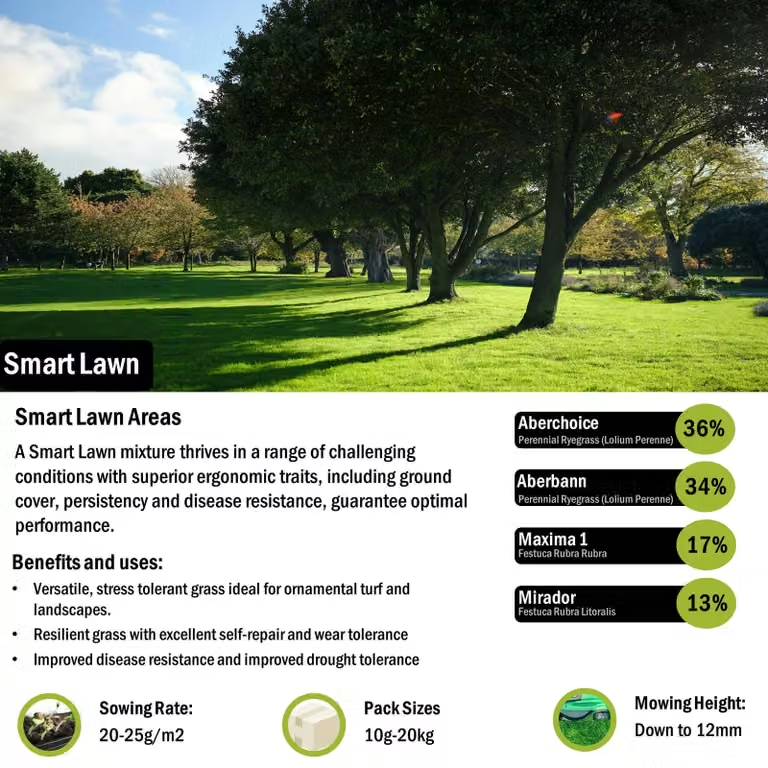
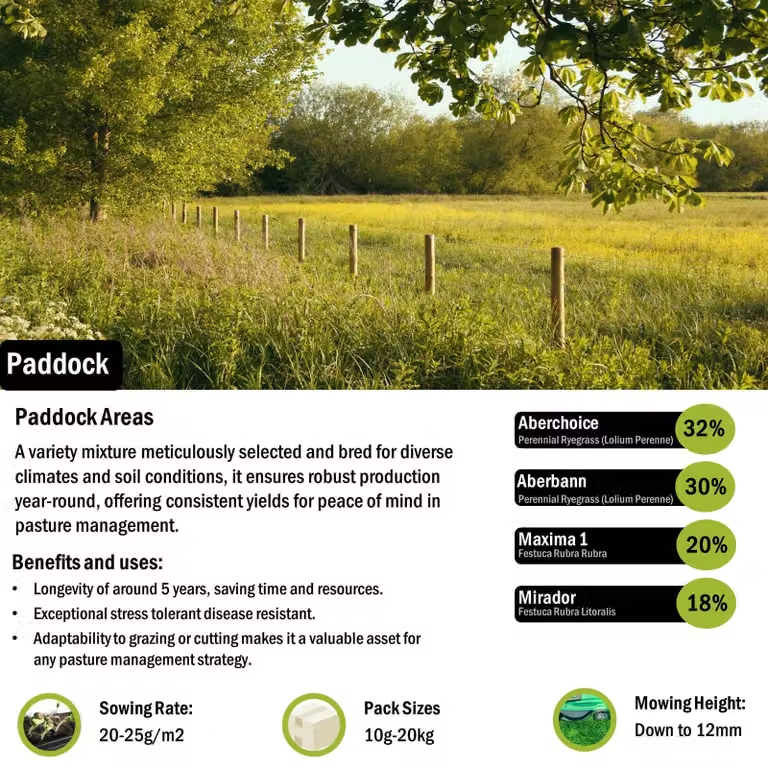
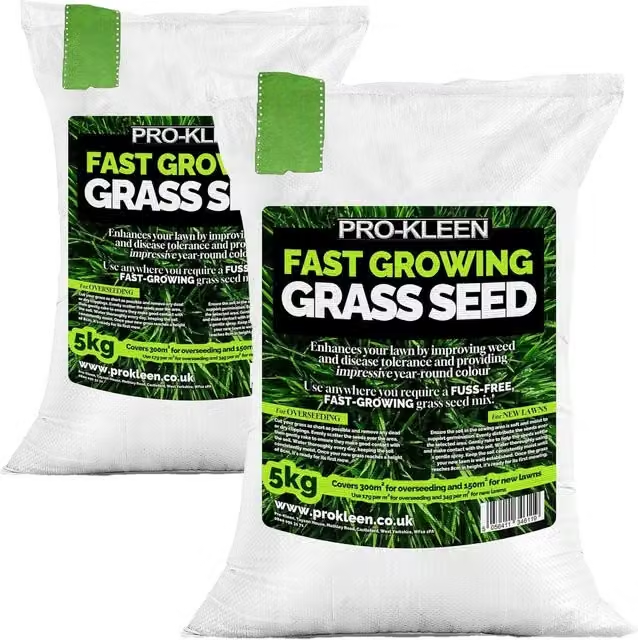
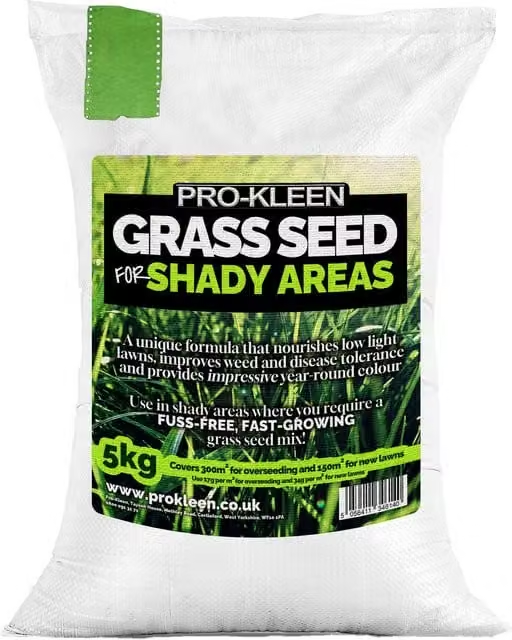
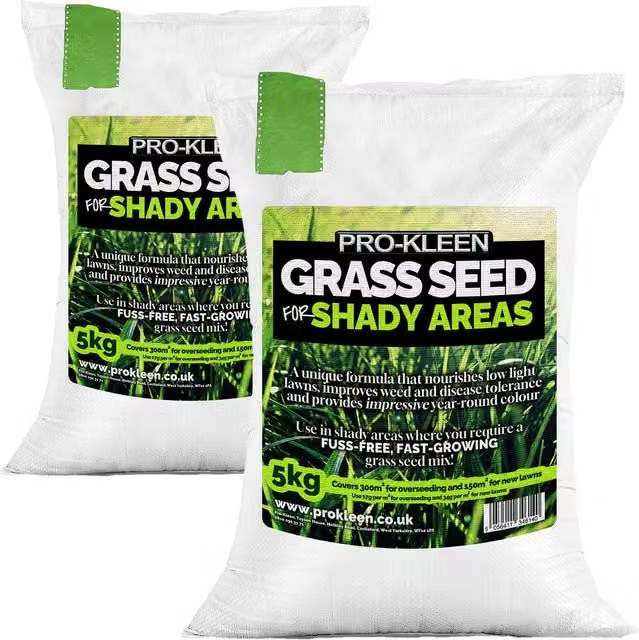
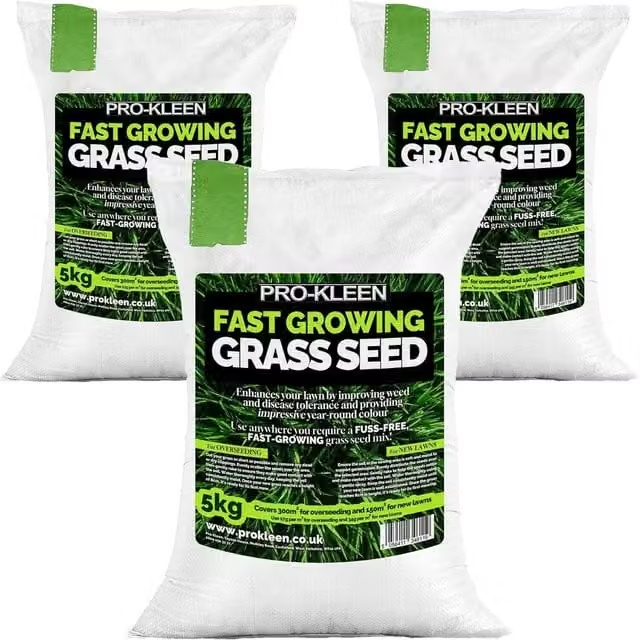
The mixtures on offer are worth understanding, since they are not interchangeable. Hardwearing and family mixes rely heavily on perennial ryegrass, which recovers quickly from football, paddling pools and dogs. Luxury and ornamental mixtures use fine bents and fescues to produce a dense, velvety sward that looks superb but will not tolerate heavy traffic. Shade tolerant blends contain higher proportions of fescues that cope under trees and beside north facing walls. Fast growing and overseeding mixes are formulated to establish quickly and patch bare areas within existing turf. There are also wildflower and clover blends for anyone wanting a lower maintenance, more pollinator friendly alternative.
Getting the details right matters more than the brand. Sow at the rate stated on the pack, typically 35 g per square metre for new lawns and 25 g for overseeding, since too little leaves gaps for weeds and too much causes seedlings to compete. Soil temperature needs to be above about eight to ten degrees for reliable germination, which makes spring and early autumn the two useful windows. Preparing the ground properly by clearing weeds, raking to a fine tilth and firming the surface makes far more difference than any product you can buy afterwards.
Prices are modest. Standard ryegrass mixes cost very little per square metre, quality shade tolerant and luxury fescue blends cost more, and coated seed with added feed or germination boosters sits at the top.
Take a look at the mixtures, compare prices and give your lawn a proper start.
Early autumn, roughly from late August to the end of September, is the ideal window because the soil is still warm, rain is more reliable and weed competition is lower. Mid spring, from April to May, is the second best option, though you may need to water through a dry early summer. Avoid sowing in midsummer heat or once autumn soil temperatures drop below about eight degrees, since the seed will simply sit there. Germination typically takes seven to fourteen days in good conditions.
Keep off it entirely for the first six to eight weeks while the seedlings root, as footprints at that stage cause lasting bare patches. Light use can begin after about two months, but a new lawn will not handle real traffic such as football or a paddling pool until the following season. Give the first cut when the grass reaches around 7 to 8 cm, taking off no more than a third of the height with a sharp blade. Roll the lawn lightly beforehand if the surface feels loose.
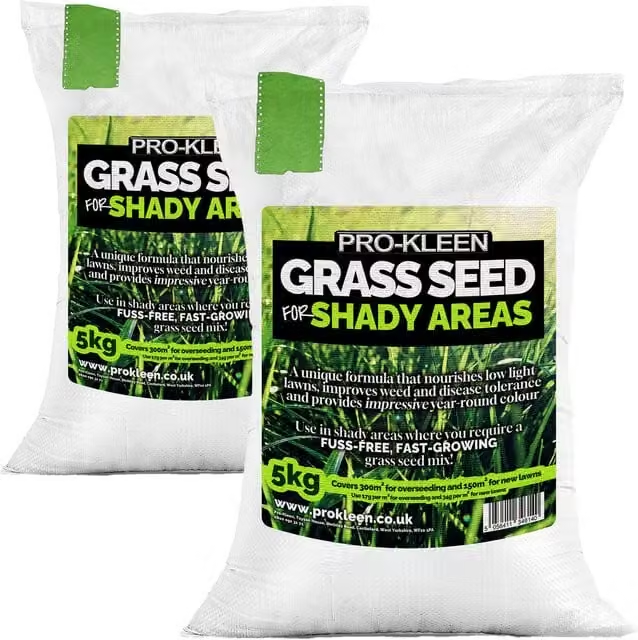
Look for a blend high in creeping red fescue and other fine fescues, which tolerate lower light far better than ryegrass. Even so, no grass thrives in deep shade, so if an area gets less than about three hours of light a day you may do better with shade tolerant ground cover instead. Thinning overhanging branches to let more light through helps enormously and is often the real fix. Grass under trees also competes for water, so it needs more watering than you would expect.
Rake the seed lightly into the top few millimetres of soil rather than leaving it on the surface, which alone deals with much of the problem. Covering the area with a fine net or horticultural fleece pegged down at the edges gives near complete protection and also holds in moisture. Some seed is sold pre coated with a bird deterrent, which offers reasonable results. Sowing slightly more generously than the stated rate is a practical way to allow for the losses you cannot prevent.